
Hot Rods
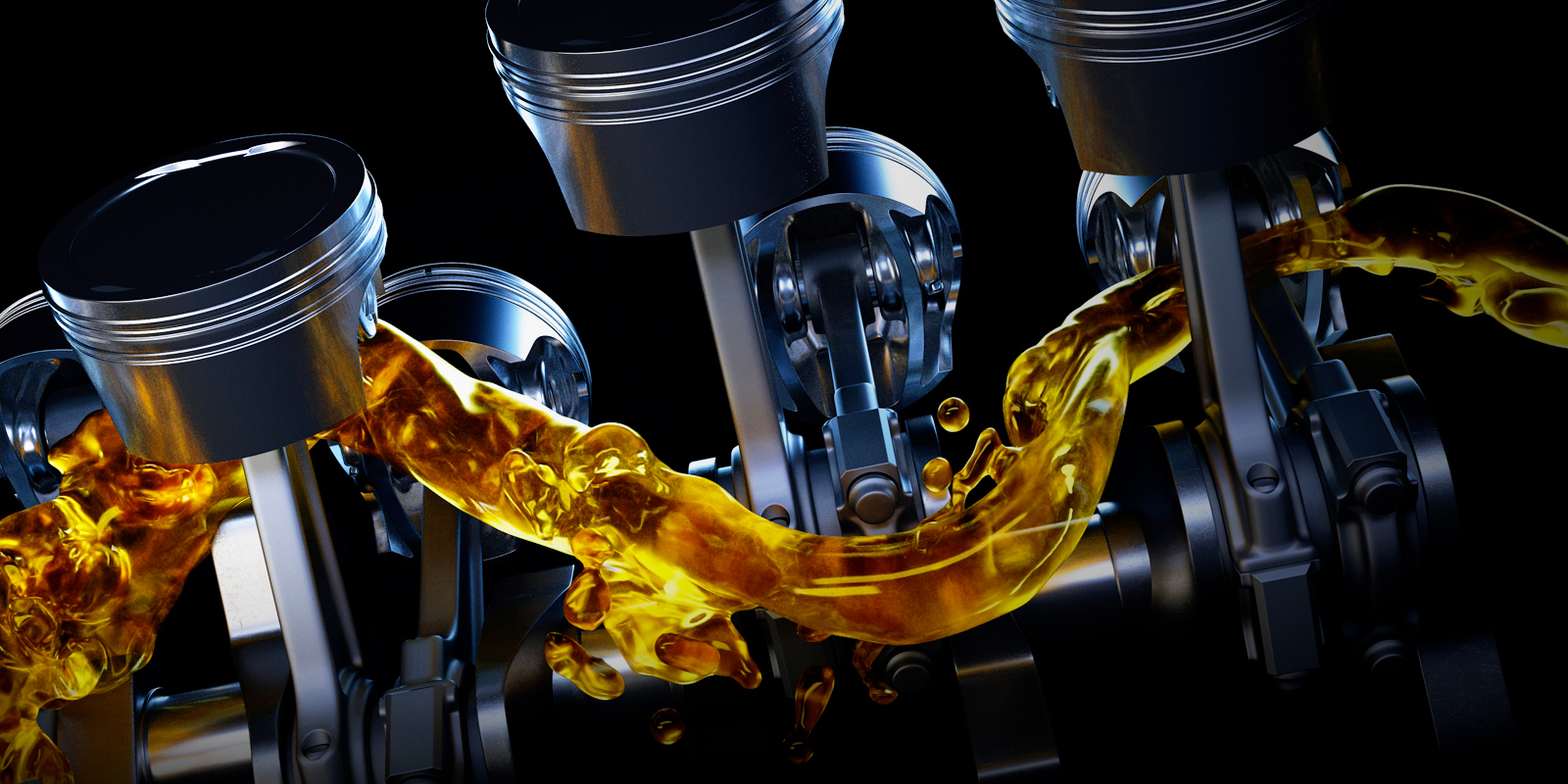
Driven Racing Oil developed the original high zinc, petroleum and low detergent break-in oil over twenty years ago. Break in oil is a specialty oil that reduces wear and contaminates when breaking in a new high-performance engine. It provides controlled friction for your piston rings and incredible protection that helps your camshafts break in properly.
BACK IN THE early days, having a custom stereo meant that you installed a head unit and a set of mid- and high-range speakers. Then the wonders of subwoofers and amps came along. When these components first came out, they were very large and required huge amounts of space to install. They offered, at best, a distorted sound compared with the standards of today. Ten years ago, most enclosures, when they were used at all, were generally a box or a square made of wood. Today many things have changed and much has evolved along the way…
Many believe that the ’70 Chevelle is the best-looking muscle car ever built. The new bulges on the sides give the car a meaner appearance, and this was the first time that a mid-size car could be ordered with a cowl-induction hood and stripes on the hood and trunk.
When Bob Naudascher hauled home his self-described rust bucket, it was far from show quality. The typical oxidation process had taken its toll on the car with the floors and lower extremities of the body requiring replacement. After repairing the considerable rust and getting the body structurally sound with all panel gaps fitting perfectly, Naudascher had Jack Consonza and Carl Chuppa drop the top on the sedan two inches. In the process, the front vent windows were eliminated. While the sheetmetal was being moved, front fenders were molded, the headlights frenched and the hood was filled and shaved of all trim. The stock grille remains but has been relieved of all stainless steel in favor of a monochromatic approach.
Alloway has built a lengthy succession of exciting cars, each with its own style, and all with a level of detailing that is a trademark of Alloway’s creations. This kind of finish work has earned him the coveted Ridler Award, along with every honor and title that one could garner from this hobby.
Hardcore rodders have a history of searching for vintage tin, even though the number of old cars (and trucks) sitting behind barn doors, in fields, under tarps and alongside garages has dwindled as interest has increased. This steady decline of available vintage steel is the very reason why so many businesses presently produce fiberglass and steel reproduction bodies and body parts.
Cabriolets have become popular over the past few years, and the ’37 is an enthusiast favorite. They have become so popular that numerous reproductions have been made. Because of the original’s low production figures—only 10,184 were built—most, but not all, of the ’37 cabriolets attending rod events are fiberglass. The problem with the originals is that for years they were only marginally desirable and many were junked. The ones that weren’t were parked outside where the weather had taken its toll. When the tops rotted, the cabriolets would begin to rust from the inside out. That means that finding a nice, solid, rust-free cabriolet can be difficult.
Fluids are the lifeblood of the vehicle. We need to contain those fluids yet still be able to monitor the fluid levels. Our older readers can remember the days before aftermarket flexible dipsticks or silicone caulk were available. The only option in those days was to use an OEM dipstick and dipstick tube. If you needed to shorten the tube, a hacksaw was the tool of choice. If you cut 4 inches off the tube, you then cut 4 inches off the dipstick and ground a couple of notches in the side of the dipstick to note “full” and “add.” Gaskets could be sealed with Permatex, but they had to be used as there was no such option of placing a bead of silicone caulk on the mating surface and assembling the parts.
If you are going to connect anything automatic to your car, especially when dealing with electricity, lead and acid, you owe it to yourself to do a bit more research rather than pulling just any super-discounted, off-the-shelf item and connecting it to something as potentially volatile as a lead-acid battery. But we have, haven’t we?
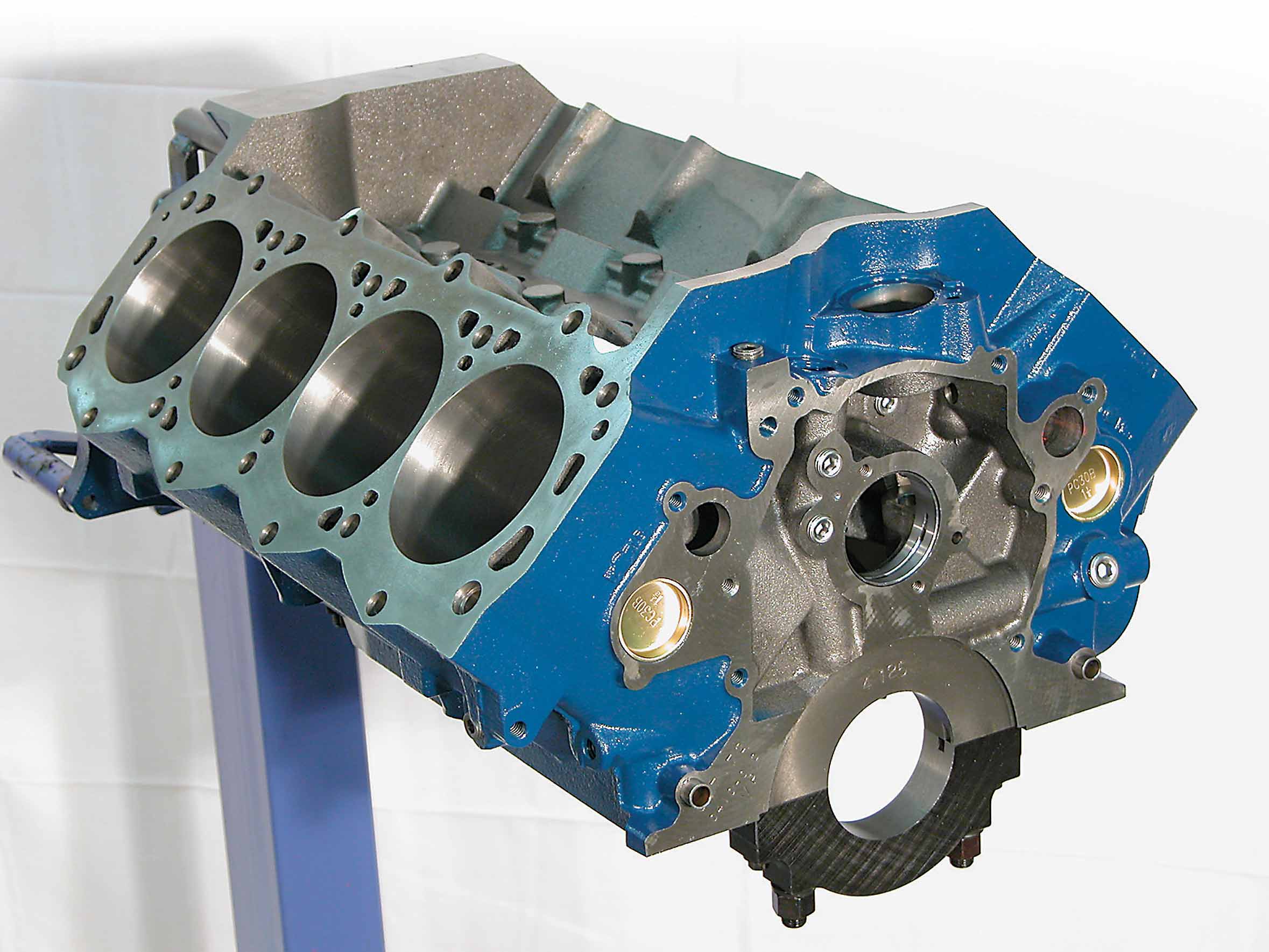
When Ford introduced its Y-block engine in 1954, it labeled the engine the worthy successor to the venerable Flathead. The Flathead gained a loyal following of hot rodders and racers, but the big Cadillac overhead-valve V-8 and Oldsmobile’s Rocket 88 were stealing Ford’s thunder in terms of power, so something had to be done, and Ford decided to respond. The answer was a clean-sheet V-8 design, featuring overhead valves and improved cooling compared to the old Flathead. It was dubbed the “Y-block” because of the way it looked and because of its deep skirt and tall cylinder heads.