


THE ENGINE ROOM
Whether you’re in the driver’s seat or looking underneath the hood, it’s the first place enthusiasts come to find out what a car is all about. After all, without the right engine package, everything we long for in our cars would be nothing more than static displays of creative artistry.

PRODUCT SPOTLIGHT: Halo T-60 Bench Seat by Eddie Motorsports
The Halo T-60 Bench Seat isn’t just an upgrade—it’s a transformation. Designed to blend seamlessly with the iconic lines of the C10, this seat gives your truck’s interior a fresh, modern look without losing that vintage charm. Built with top-notch materials and craftsmanship, the T-60 is as durable as it is good-looking.

BLACK SHEEP
Ever since Honda released the Prelude back in the late ’70s, they’ve never enjoyed the following of the Civic or Accord. Always placed in the shadows of Honda’s two more popular models, the Prelude has managed to become known as Honda’s black sheep…except, of course, to those who dared to be different.









The Rodder’s Cup is the top award for the event, and some 30 or so years ago, we entered into an interesting partnership with the Modtiques, whereby we agreed to feature the street rod that captured the award. It has made for an interesting selection of hot rods, and this year is no exception. The club members chose the car, and it seems—for the most part—the cars chosen have a common thread or two. First, it seems the Modtiques have a thirst for real hot rods, as most of its selections tend to have “very healthy” powerplants. Second, chopped tops and often non-Fords come to the forefront, making the Rodder’s Cup an award that has been bestowed upon a diverse selection of cars.
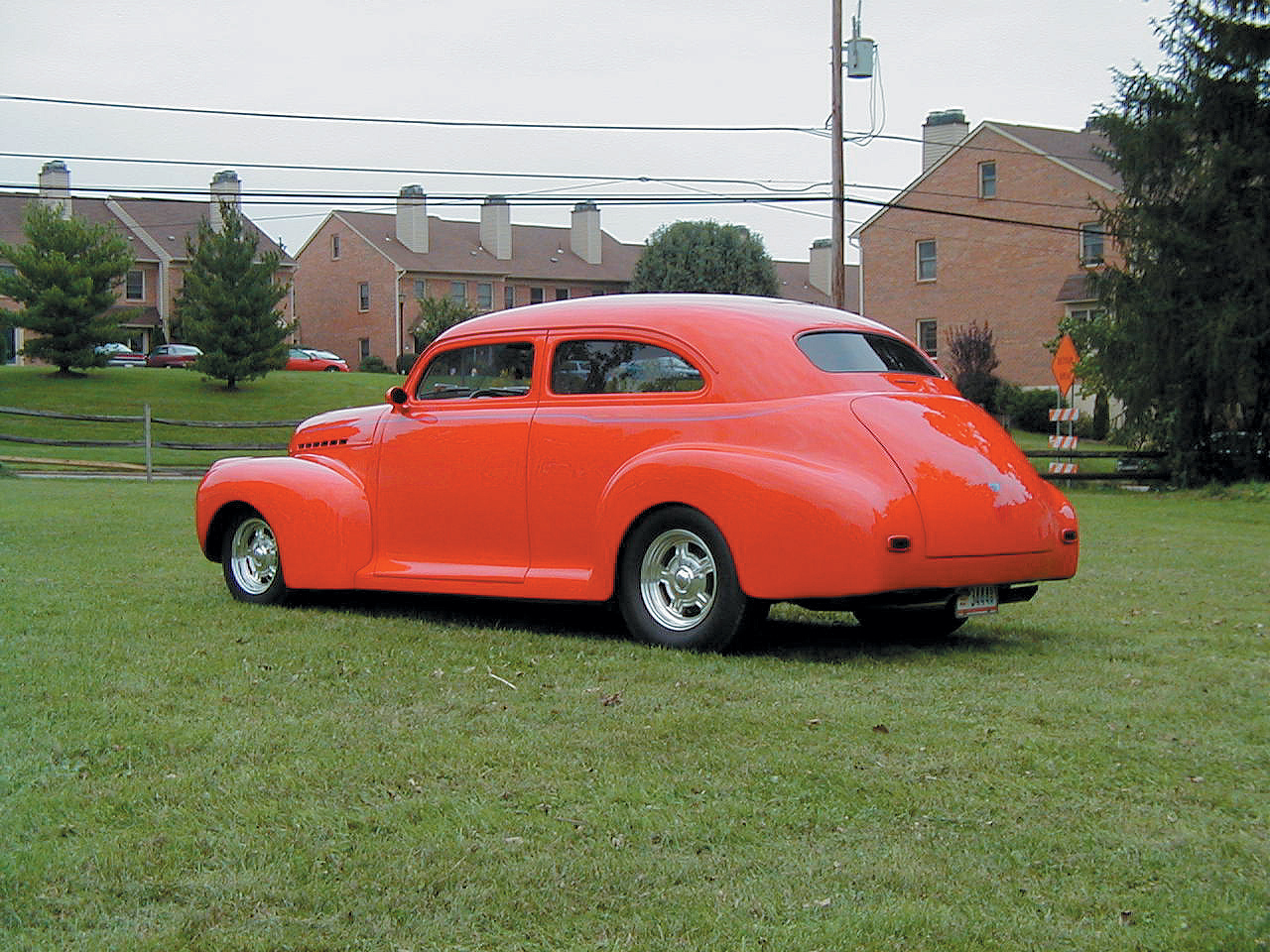
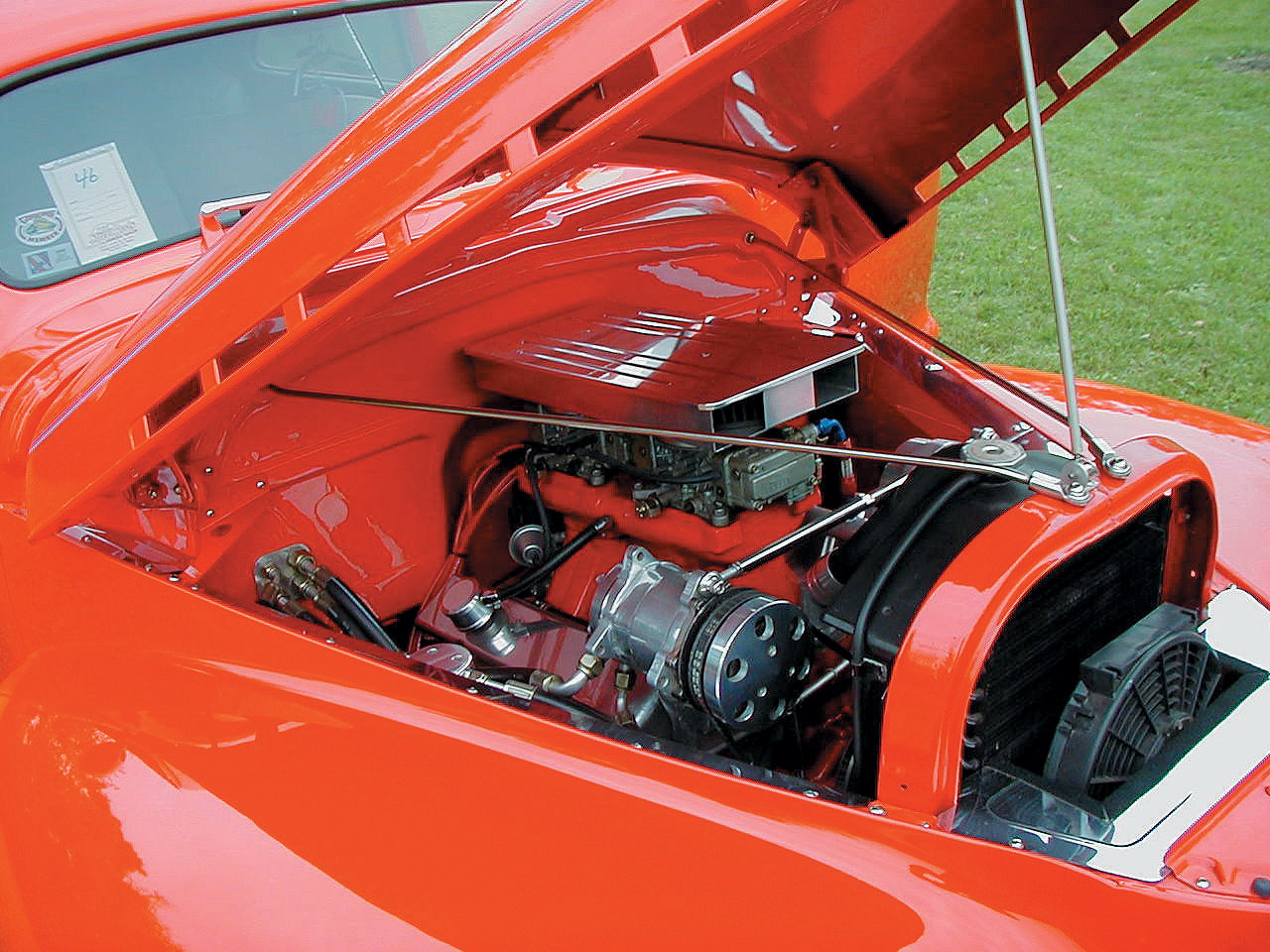
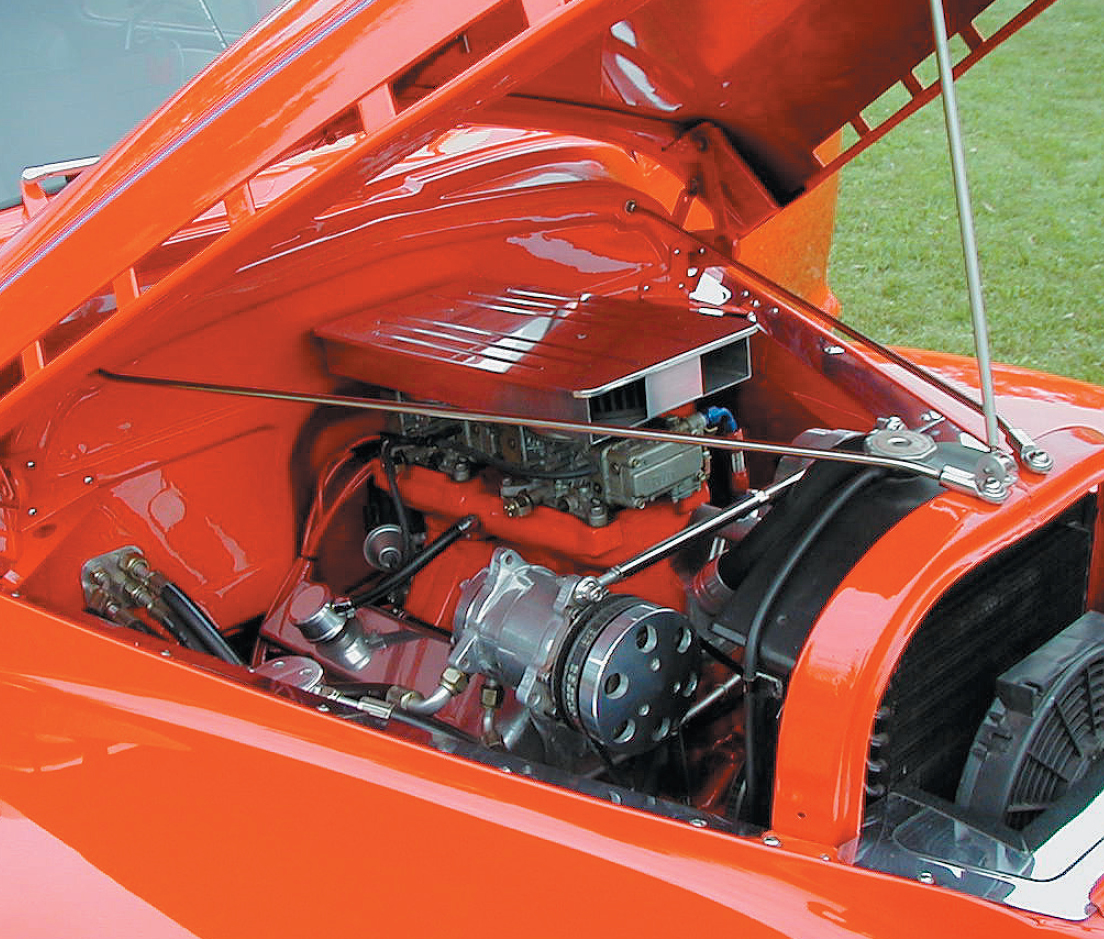
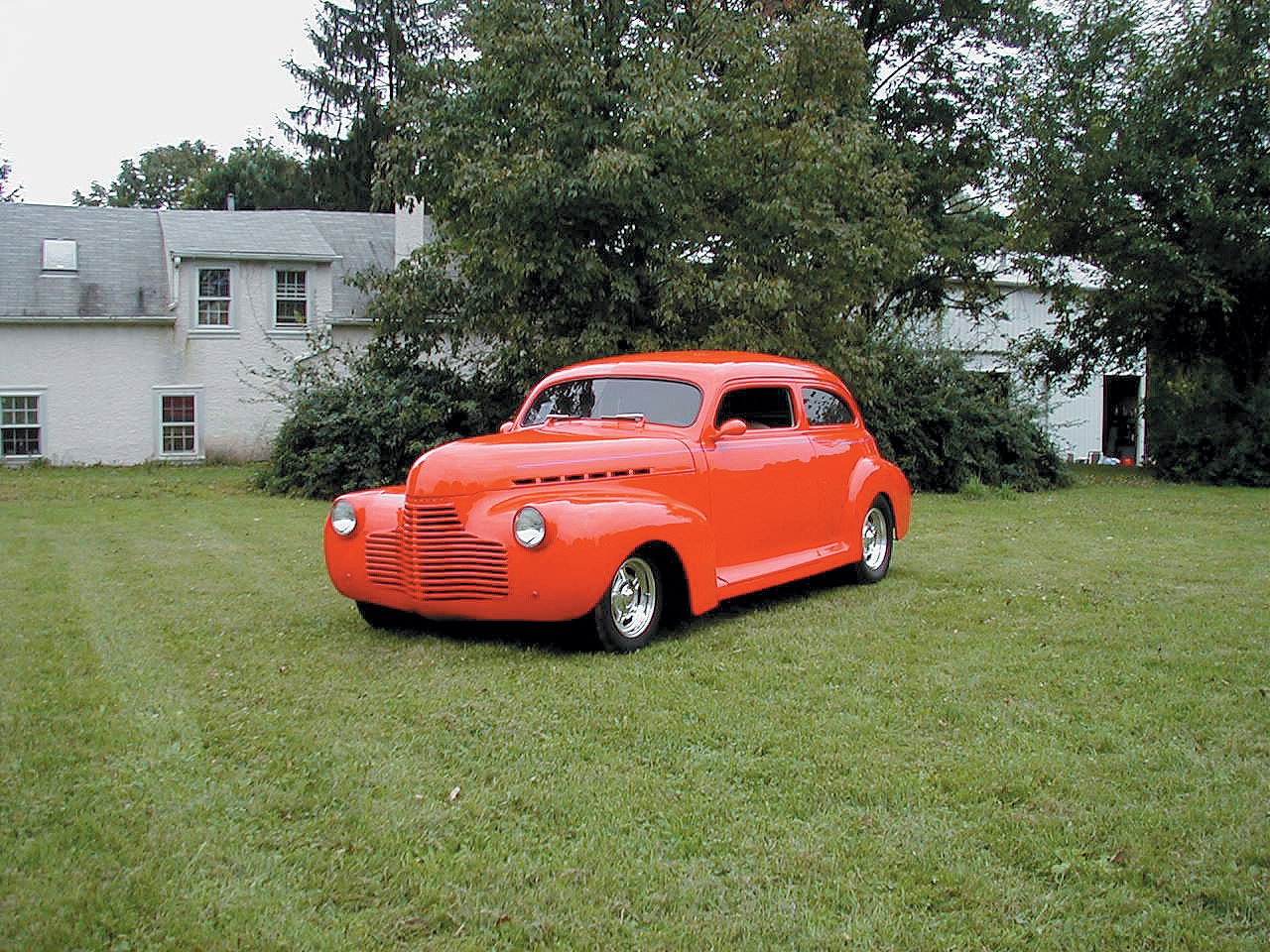
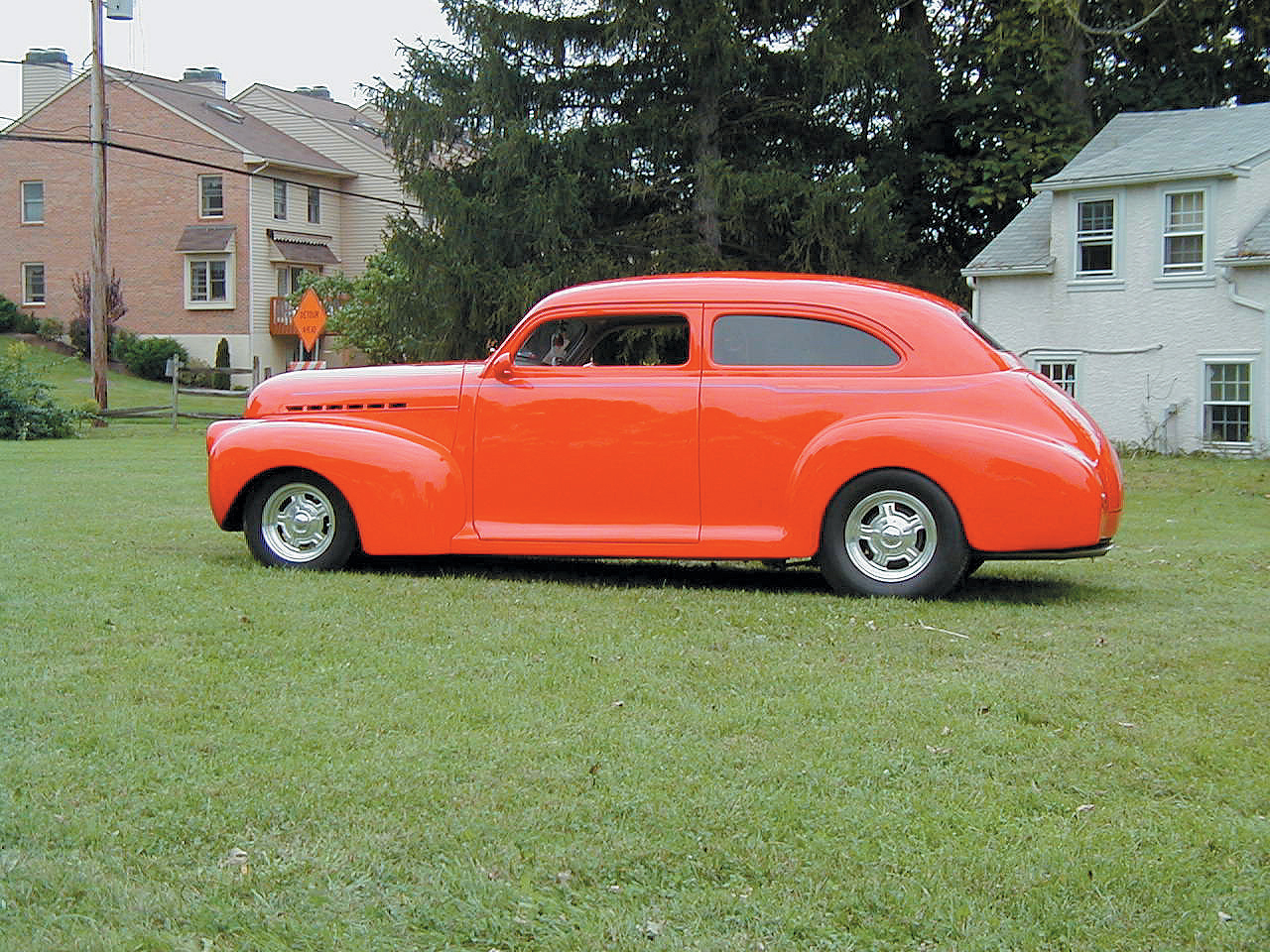
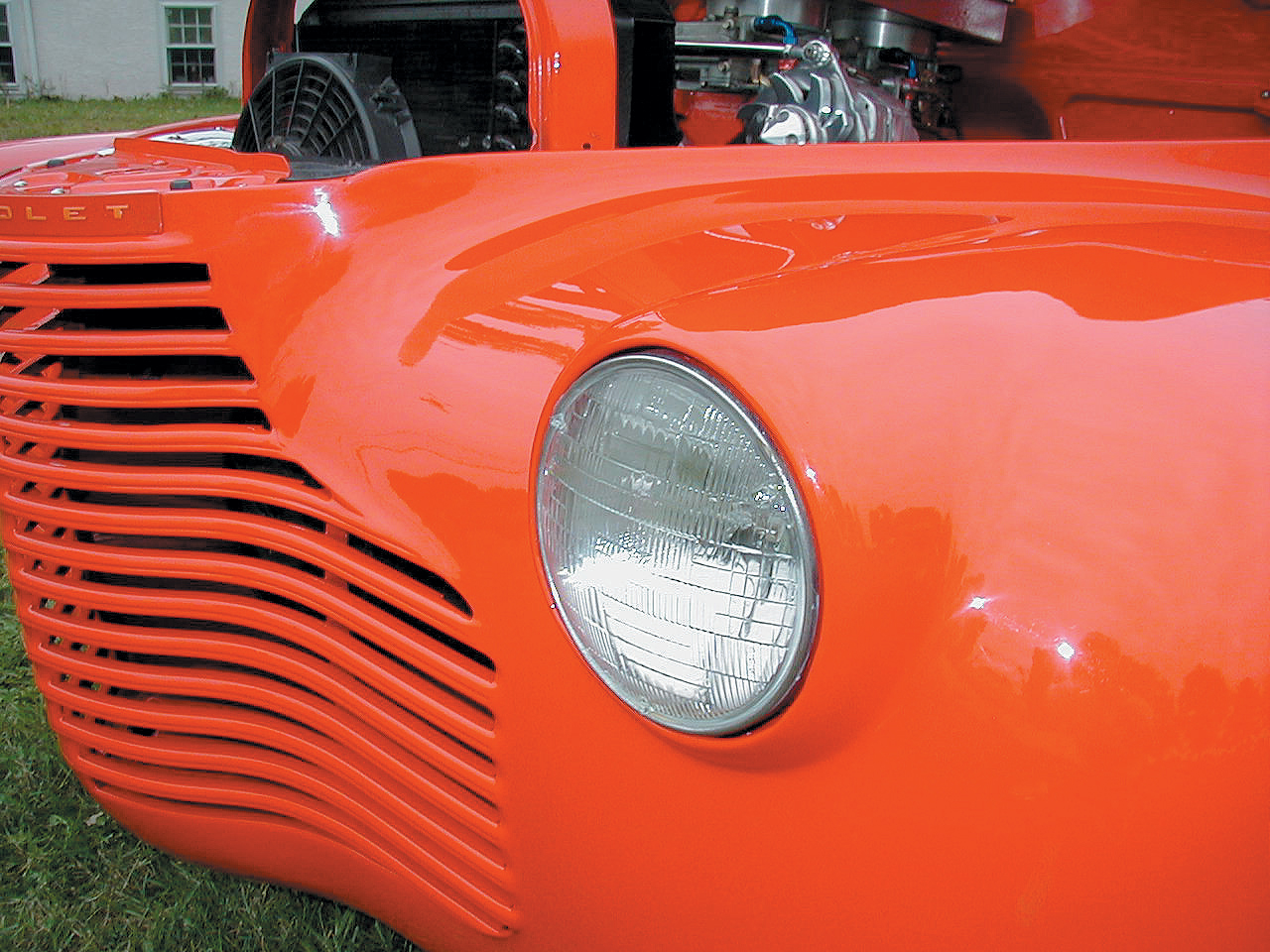
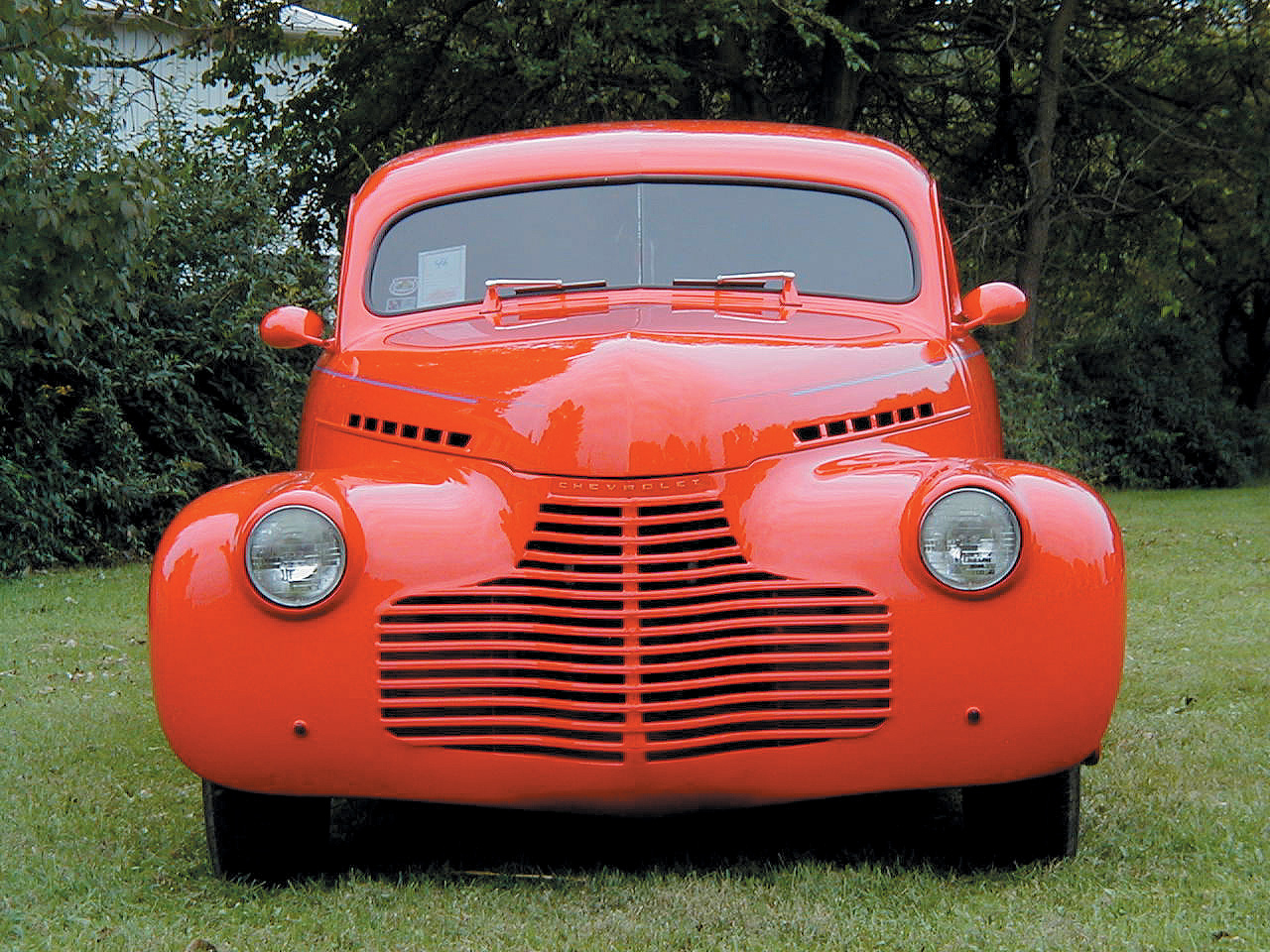
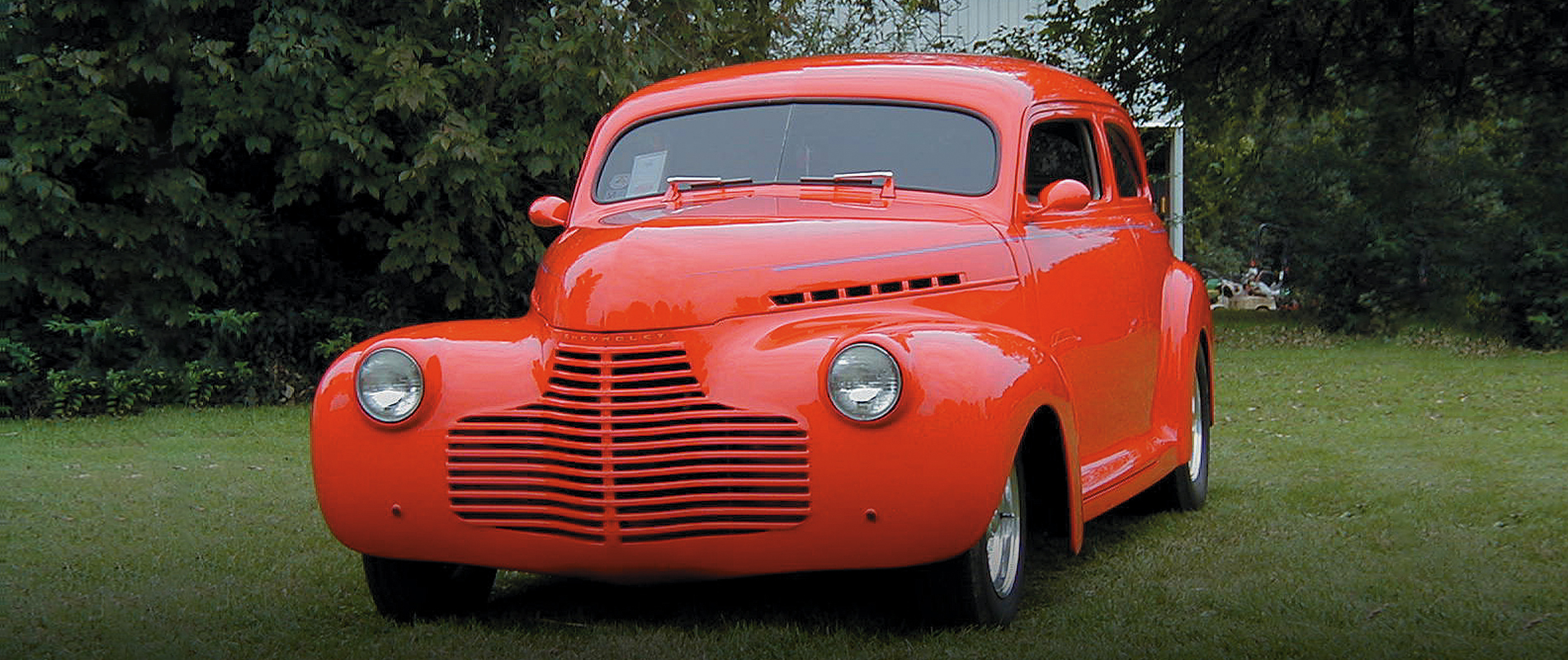
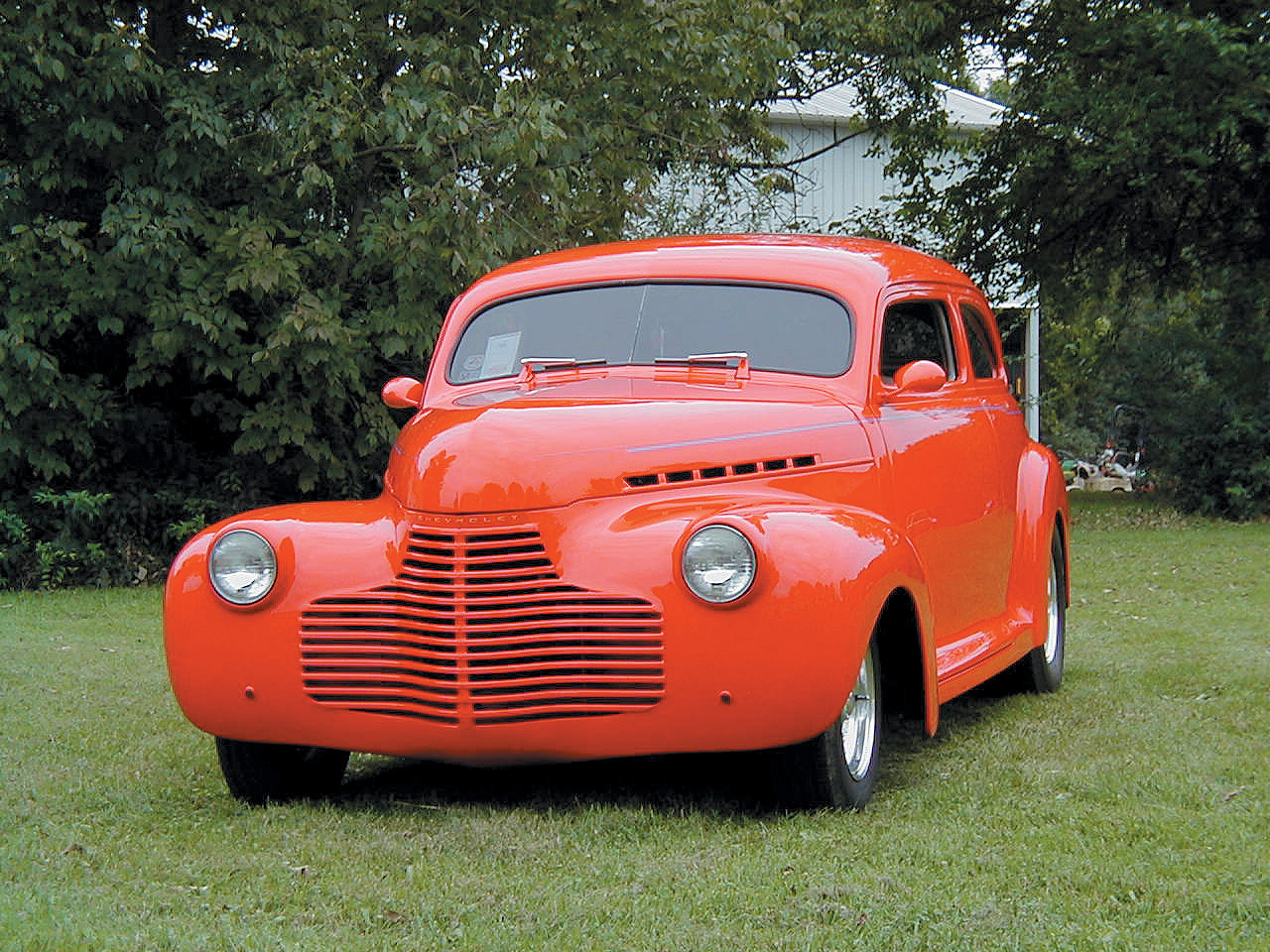
This year was no exception, and Bob Naudascher’s bright red ’41 Chevrolet sedan encompasses all of the things one has come to expect of a Rodder’s Cup winner. The sedan cuts a wicked profile with a chopped top, no bumpers and bright red paint—all adding to the look. Under the hood, a hot tunnel ram fed small block is found, and making all this even better, the car is a homebuilt hot rod.
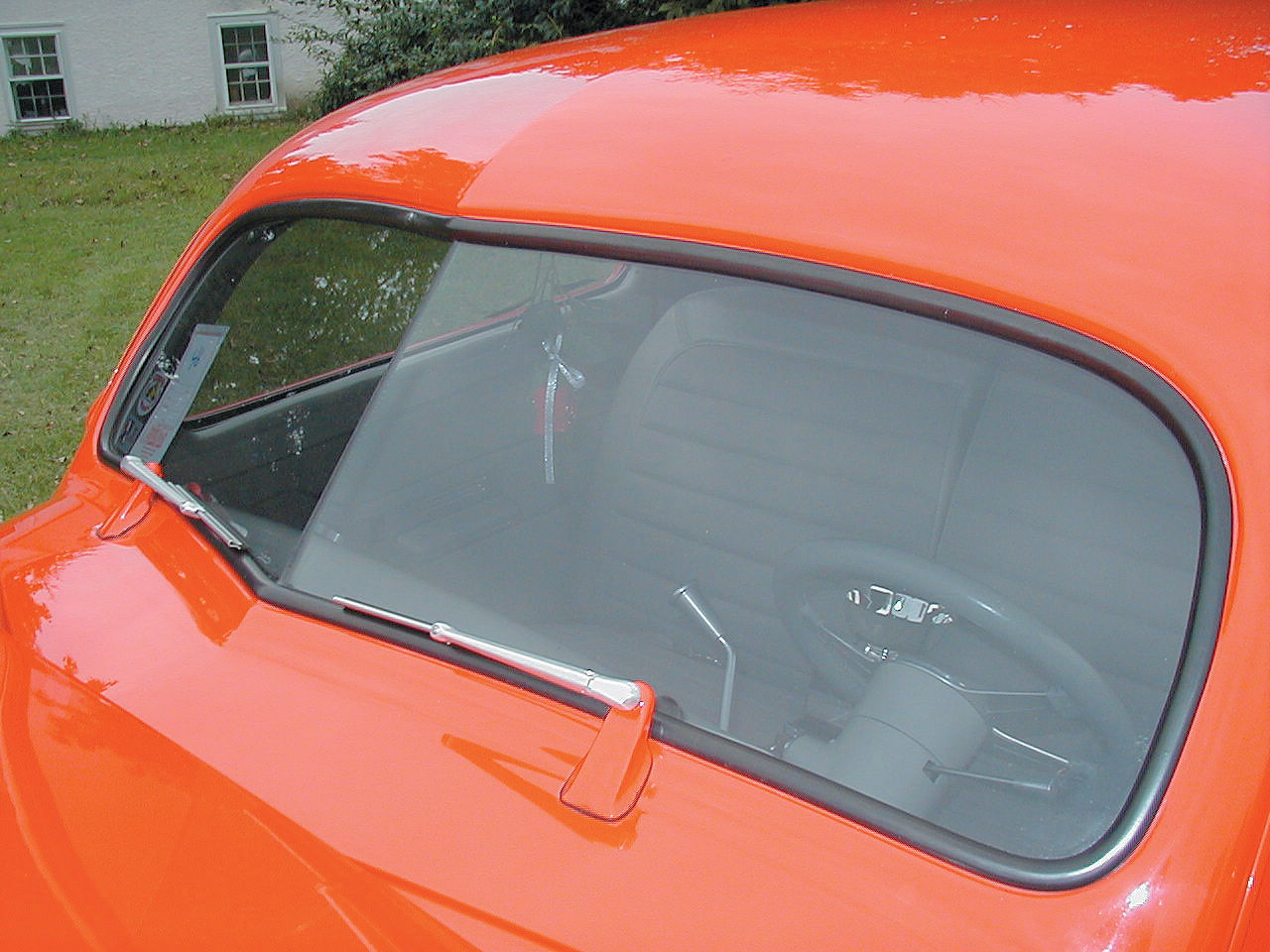
When Bob Naudascher hauled home his self-described rust bucket, it was far from show quality. The typical oxidation process had taken its toll on the car with the floors and lower extremities of the body requiring replacement. After repairing the considerable rust and getting the body structurally sound with all panel gaps fitting perfectly, Naudascher had Jack Consonza and Carl Chuppa drop the top on the sedan two inches. In the process, the front vent windows were eliminated. While the sheetmetal was being moved, front fenders were molded, the headlights frenched and the hood was filled and shaved of all trim. The stock grille remains but has been relieved of all stainless steel in favor of a monochromatic approach.
Moving toward the rear of the car, all side trim was removed, and the door handles were shaved. Lower rocker moldings were given the deep six and the rear decklid is now devoid of any hardware. The stock taillights remain, but have been lowered on the body, and the rear pan was rolled after eliminating the rear bumper. When the body was finally smoothed, straightened and fit the Viper Red DuPont paint was applied by Jack Consonza and Carl Chuppa. “Scotty the Striper” from York, Pennsylvania added the pinstriping and small graphic to the sides of the sedan.
Under the bright red Chevrolet is a state-of-the-art street rod chassis. Front suspension comes from Heidt’s Hot Rod Shop, and the fully independent suspension provides handling, ride and good braking all in one package. Out back, a kit from Chassis Engineering locates the 9-inch Ford rear via parallel leaf springs and tube shocks.
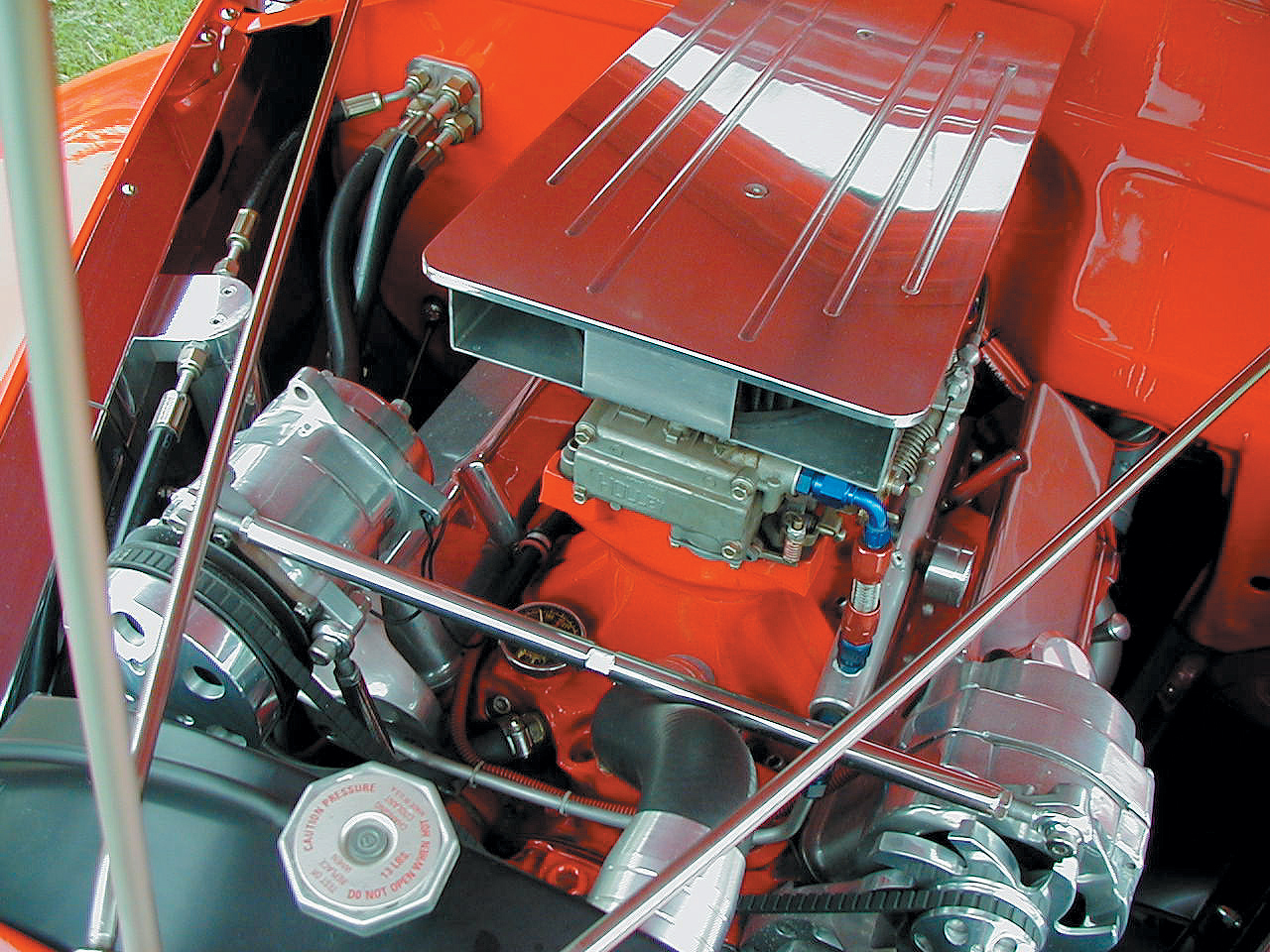
Power for the sedan comes in the form of a ’78 vintage 355 cubic inch small-block Chevrolet. The over-bored 0.030 engine runs stock heads and a 350hp cam. MSD provides the hot spark, and between the heads, a tunnel ram intake mounts a pair of Holley carbs. A neat homebuilt aluminum air breather houses K&N filter elements and polished no-name valve covers keep things simple. A Walker radiator cools the small block and noise suppression comes from a set of stainless steel mufflers. Behind the small block, a rebuilt Turbo-400 transmission handles the shifting chores.
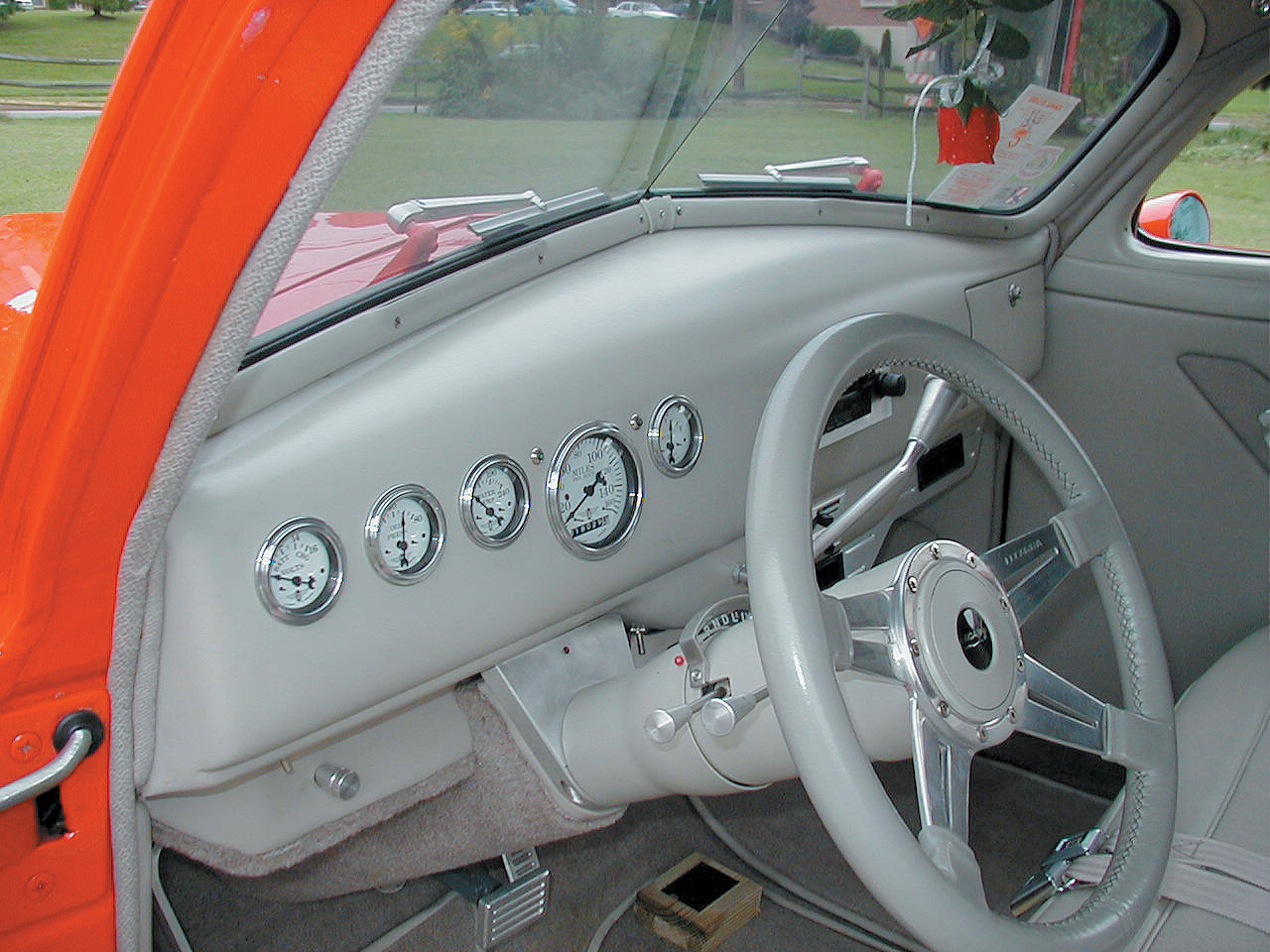
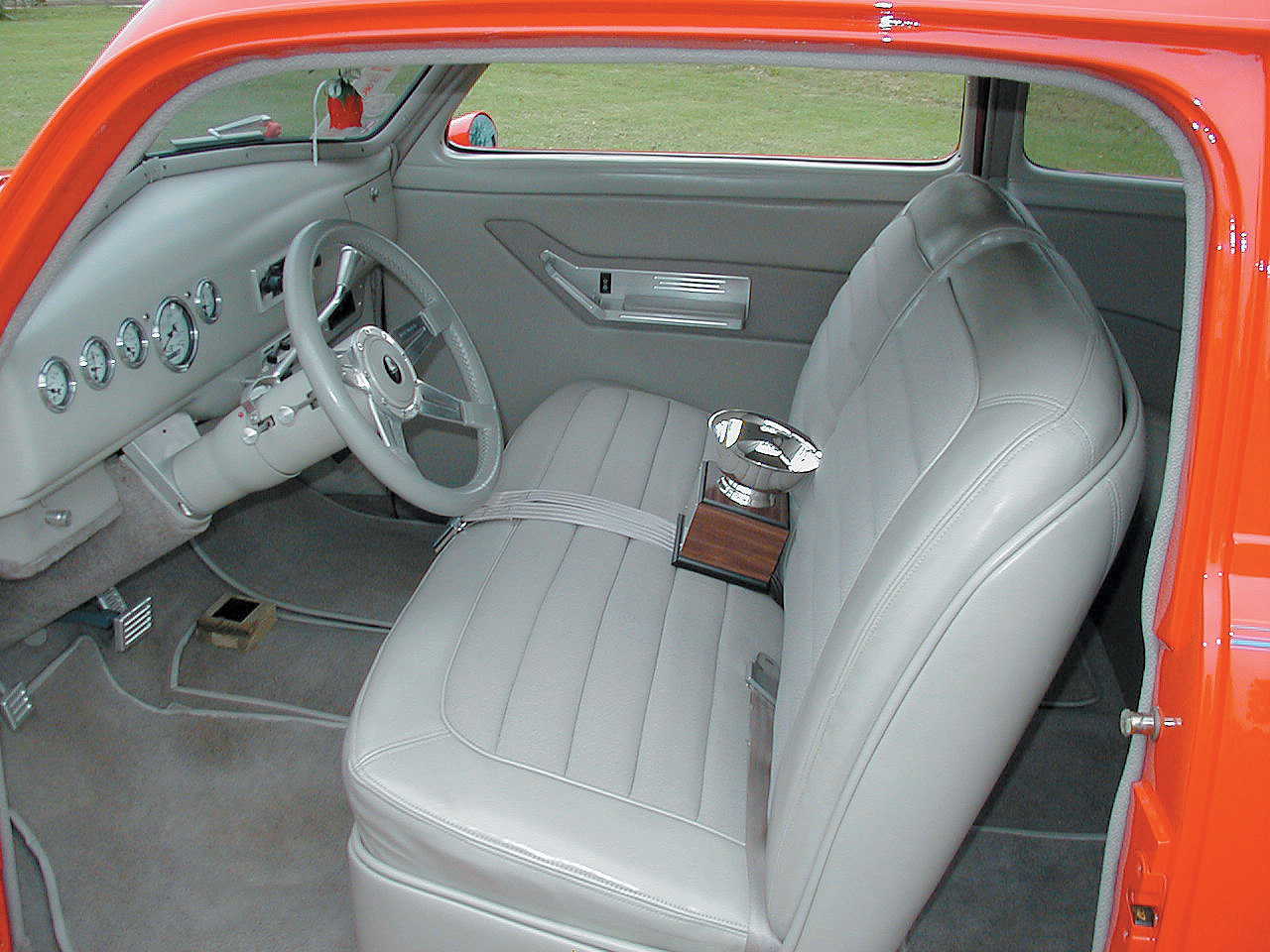
After the body and chassis were completed, the sedan was taken to W.N.J. Upholstery in Hatboro, Pennsylvania, to upholster the stock seats in a horizontal pleated design. The smoothed and filled dashboard now carries a full set of Stewart-Warner gauges and a controller for the Vintage Air heat and AC system. Power windows from Juliano’s drop the glass and Big Al’s door handles add a bit of billet to the interior. An owner-installed American Autowire harness and panel control the entire electrical system. A LeCarra wheel in matching gray leather tops the steering column while the column shifter selects the gear.
It took Bob Naudascher four years to bring his sedan back to life, but in the end, the effort was well worthwhile. The Viper red sedan is a great example of Chevrolet’s last year of full production, prior to WWII and beyond. It is a classic example of fat-fendered hot rodding. The chopped top, the tunnel ram motor and everything in between simply make the winner of the Rodder’s Cup for 2003 hot and hammered.