






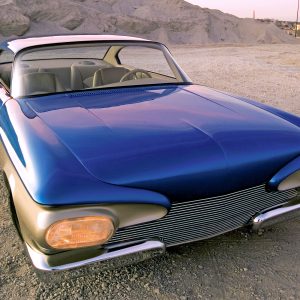

Trucks
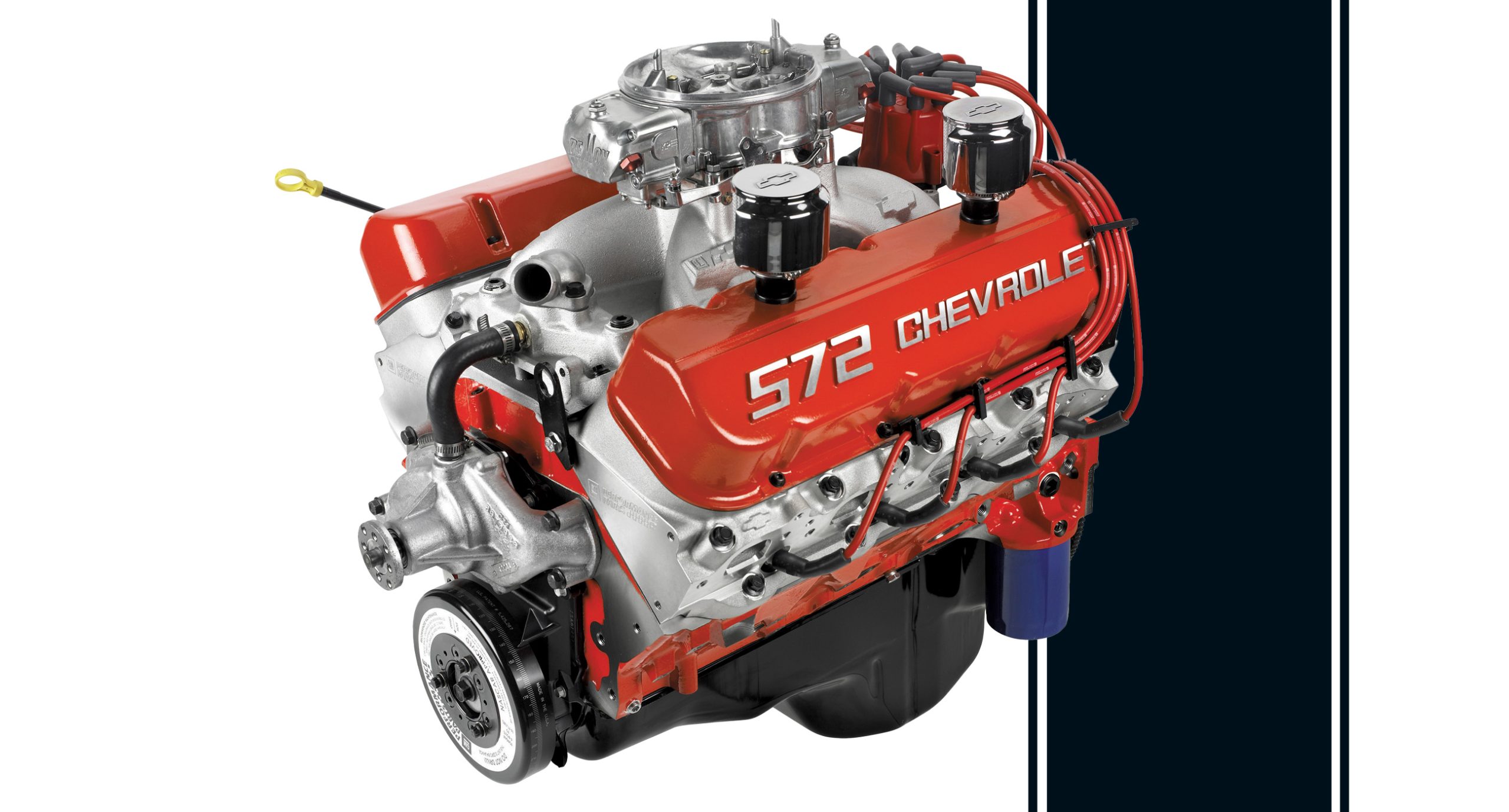
If you’ve ever imagined a time when you could simply pick up the phone or send an e-mail to General Motors and order the engine of your dreams, pull it out of a box delivered to your door and plug it into the car of your dreams, then stop dreaming as that time has come. While it’s not new information that GM Performance Parts provides an assortment of engines to choose from, it’s never been easier to select the one that is best for your budget and the intended purpose of your car.

In this day and age, getting the most power out of your late-model truck or SUV is both difficult and easy. Now that we have covered ourselves technically, we will give you the reasoning behind this convoluted theory. New vehicles are hard to work on but easy to upgrade. See? That was easy.
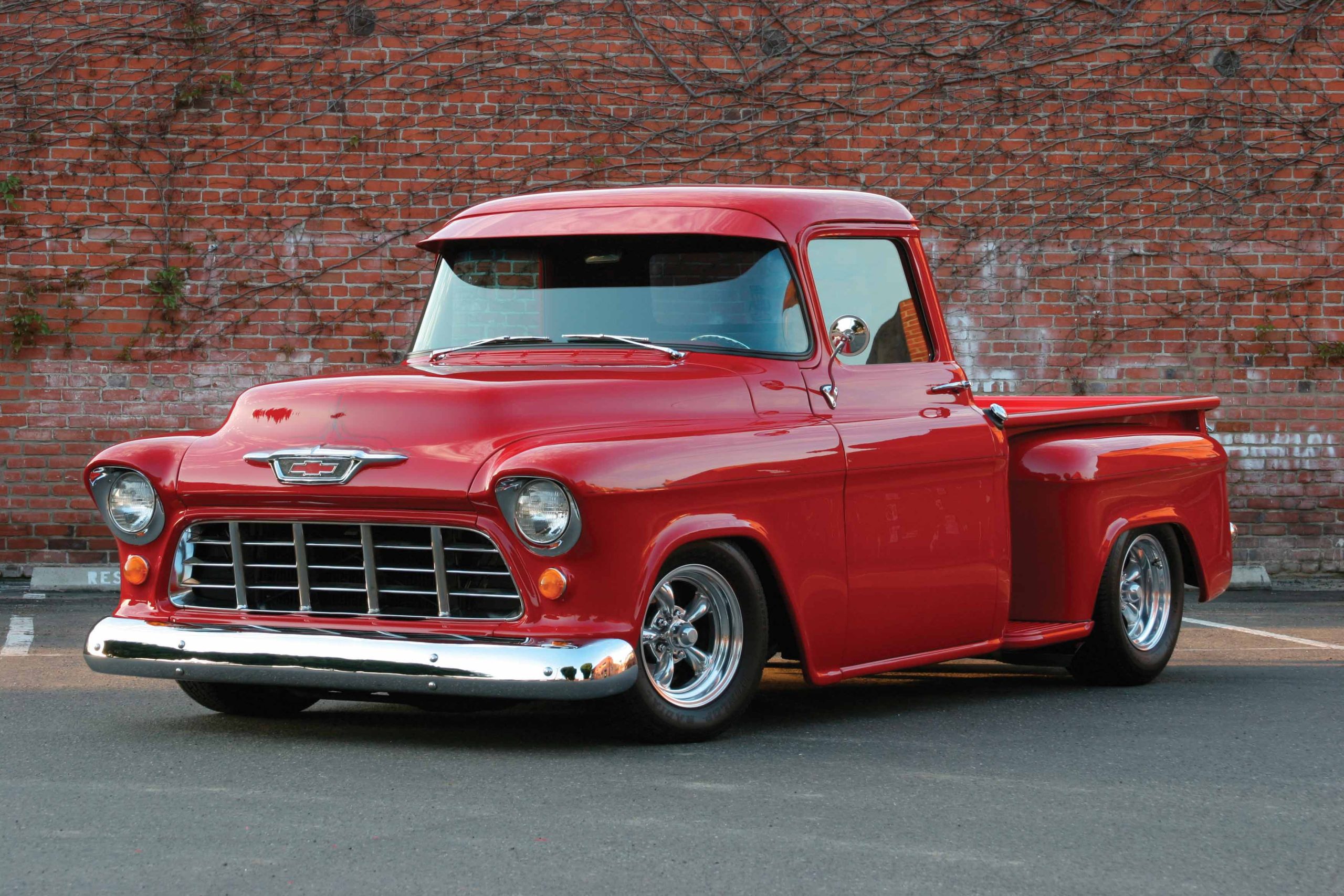
When Cisco Farias decided he wanted a classic pickup truck, there was no question about what type of truck it would be. Farias has long fostered a love of Harley-Davidson motorcycles, and it was as a kid that he noticed that the one truck that all shops and bikers seemed to have was the second series Chevrolet pickup.
0Comments
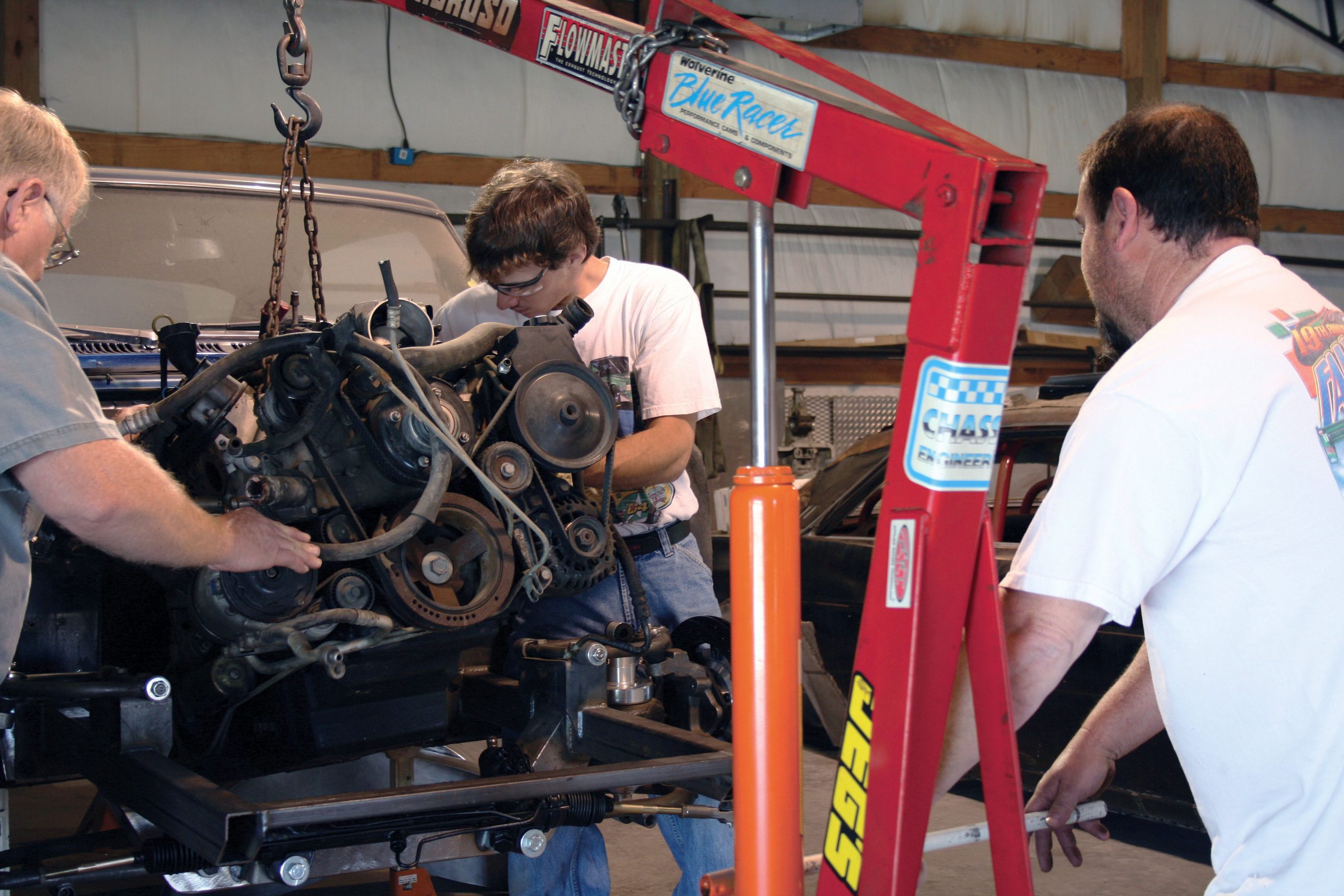
When GM introduced the Gen III small block in the F-body, it rekindled a dying performance flame with its new-generation small block. While the Gen I small block actually kick-started the hobby and got it into gear, it’s the latest family of small-block engines that has grabbed the attention of enthusiasts everywhere—and for good reason.
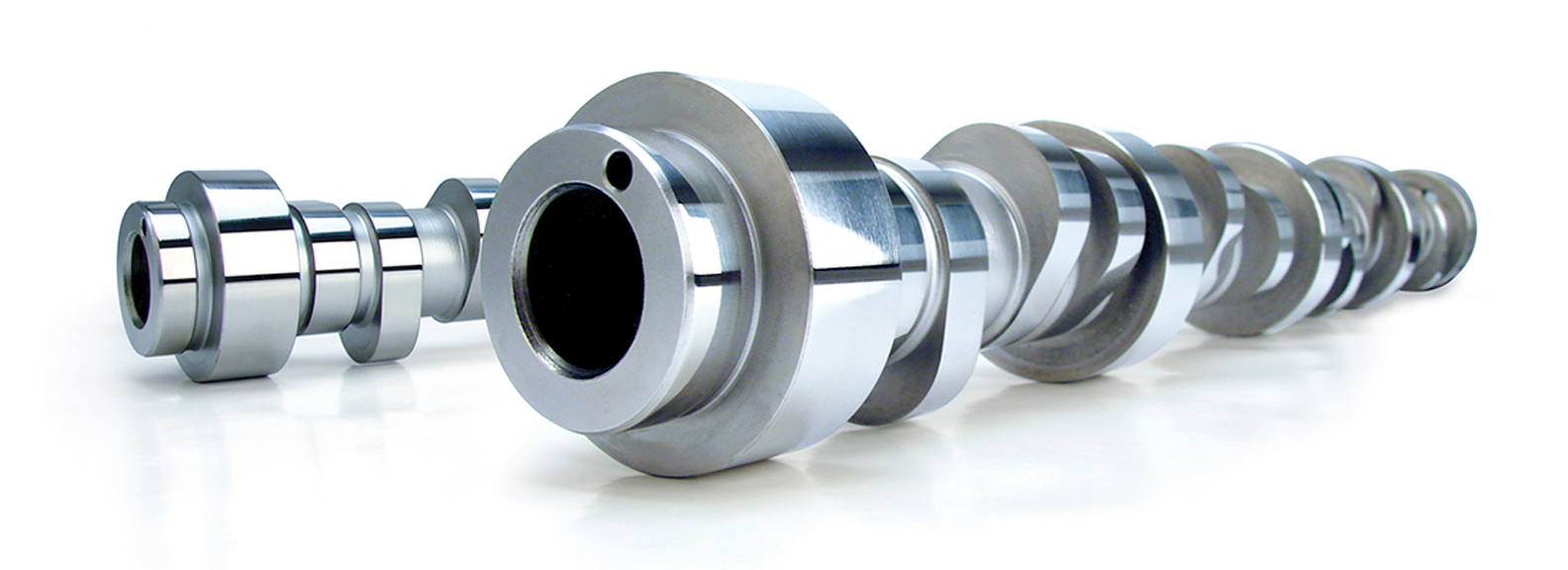
Cam-speak is a language all its own. Well, maybe not from a linguistic point of view, but it is a specialized dialect of car-guy talk. Although spoken by a good portion of enthusiasts, Cam-speak is really fully understood by only a handful of those same enthusiasts, as it is a very specialized, nuanced dialect. Those who do not speak the lingo can instantly be singled out. Those who are fluent in cam-speak are listened to intently, even when those listening do not fully comprehend whatʼs being said and how to apply it to their particular applications. Few within our ranks are particularly fluent in this highly specialized jargon.
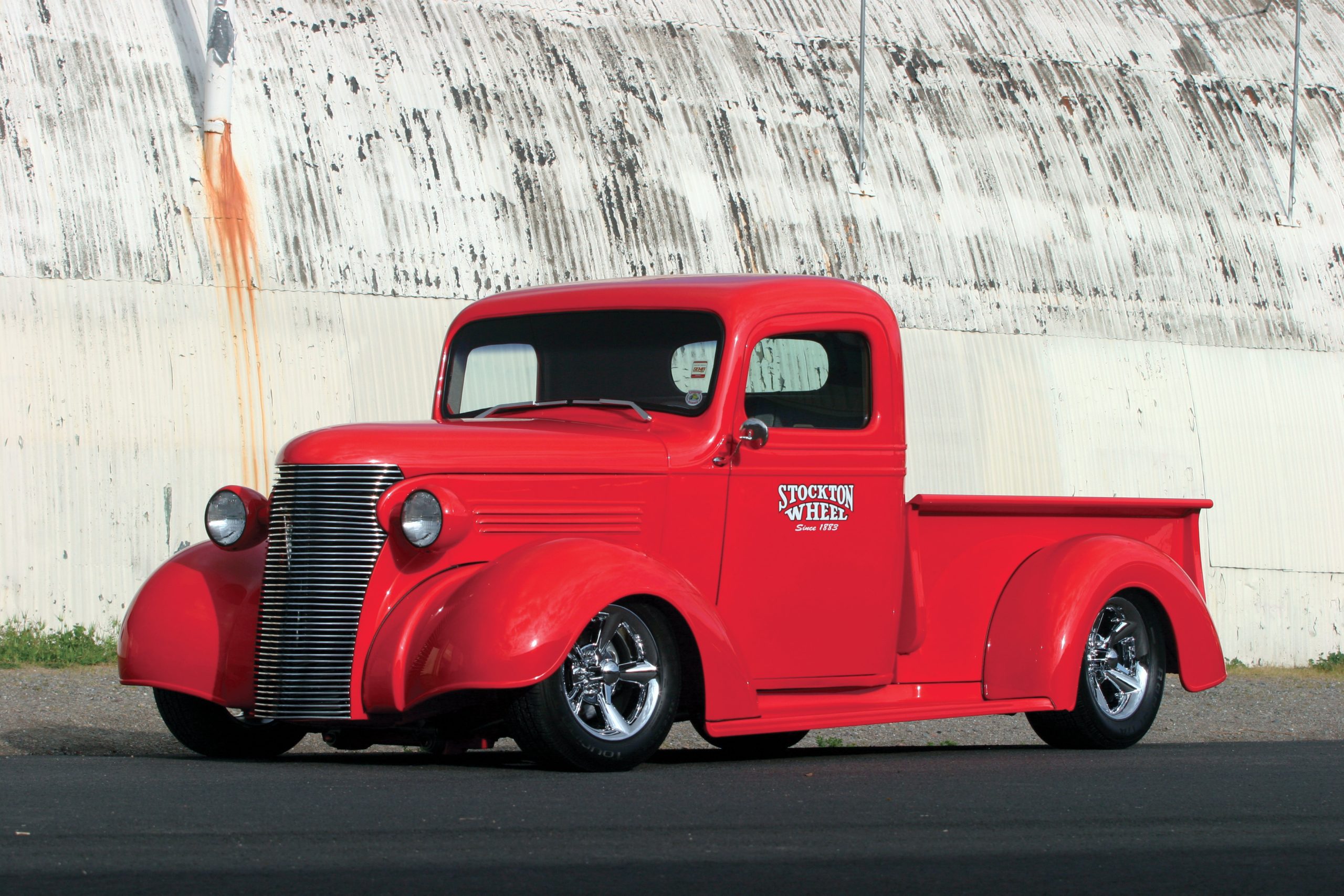
It is very apparent that when Frank Mauro wants something, he has the patience to wait for it. Take this ‘38 Chevy pickup, for example. Mauro had seen it in a storage yard for many years, but couldn’t convince the owner to sell it to him. It seems that the previous owner had a handle on patience himself, as the truck had actually been sitting for 25 years.
0Comments
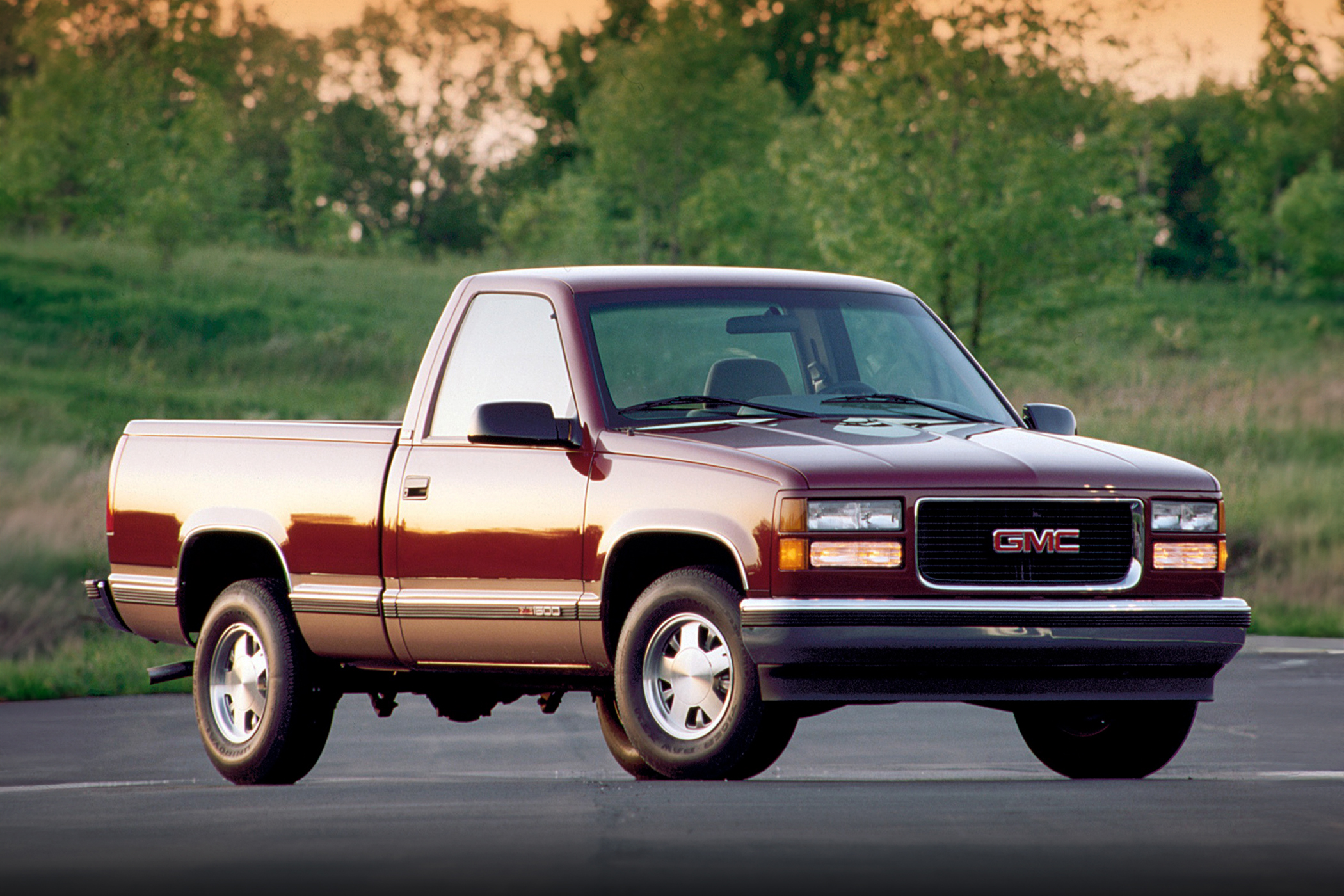
If you’re looking to take your 1988-1998 Chevy/GMC C1500 truck’s steering to the next level, you need to check out the Flaming River Power Rack and Pinion Cradle Kit for 88-98 Chevy/GMC 1500 series pickups. This power rack and pinion cradle kit is a total game-changer, designed for a direct bolt-in installation. Ditch that outdated steering and get ready for the precision and modern handling you’ve been dreaming of.
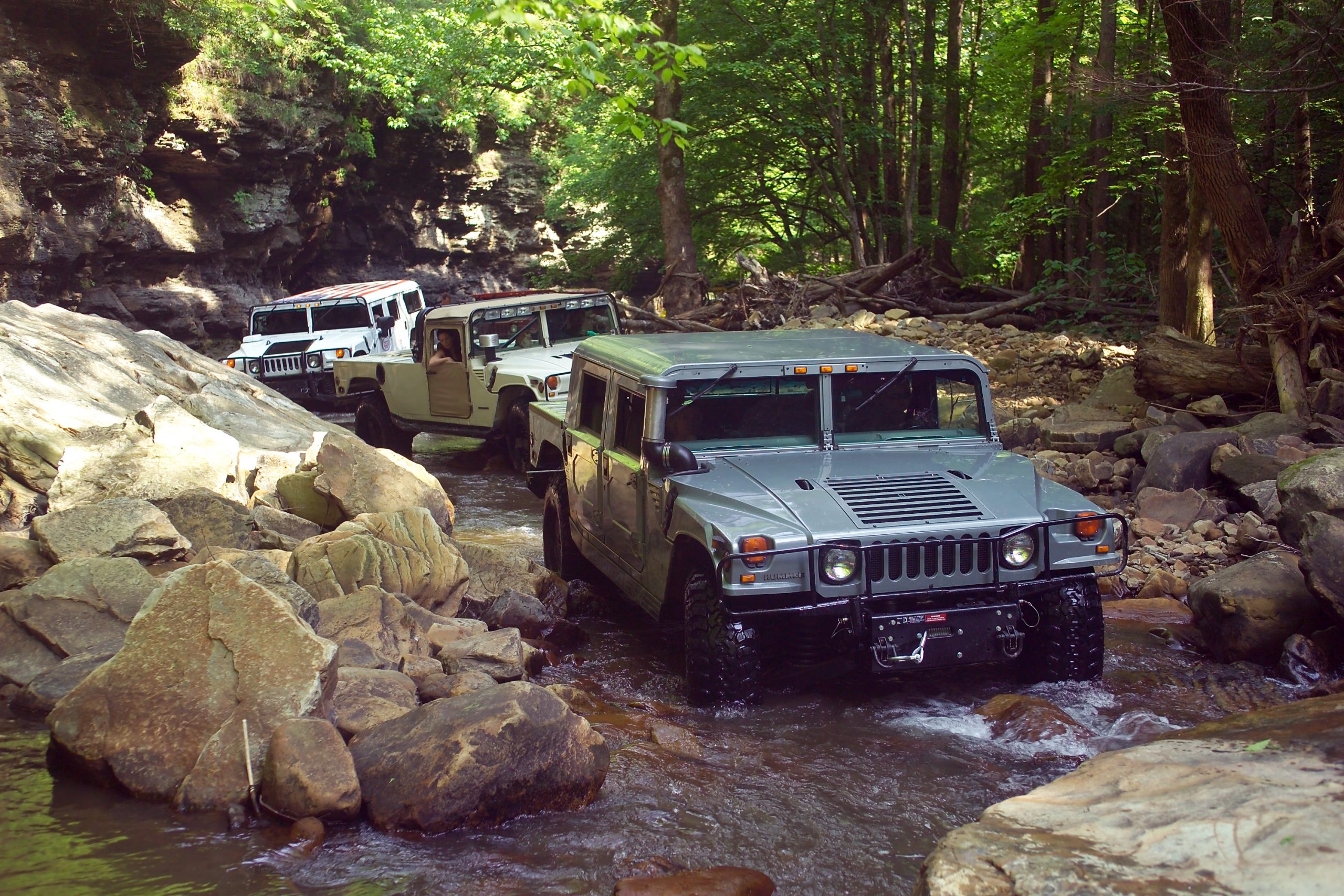
It’s long been stated, “If a tree falls in the forest, and nobody here’s it, did it make any noise?” which offers up another question. If the beauty of a forest is out of reach and remains unseen, is it ever to be appreciated?
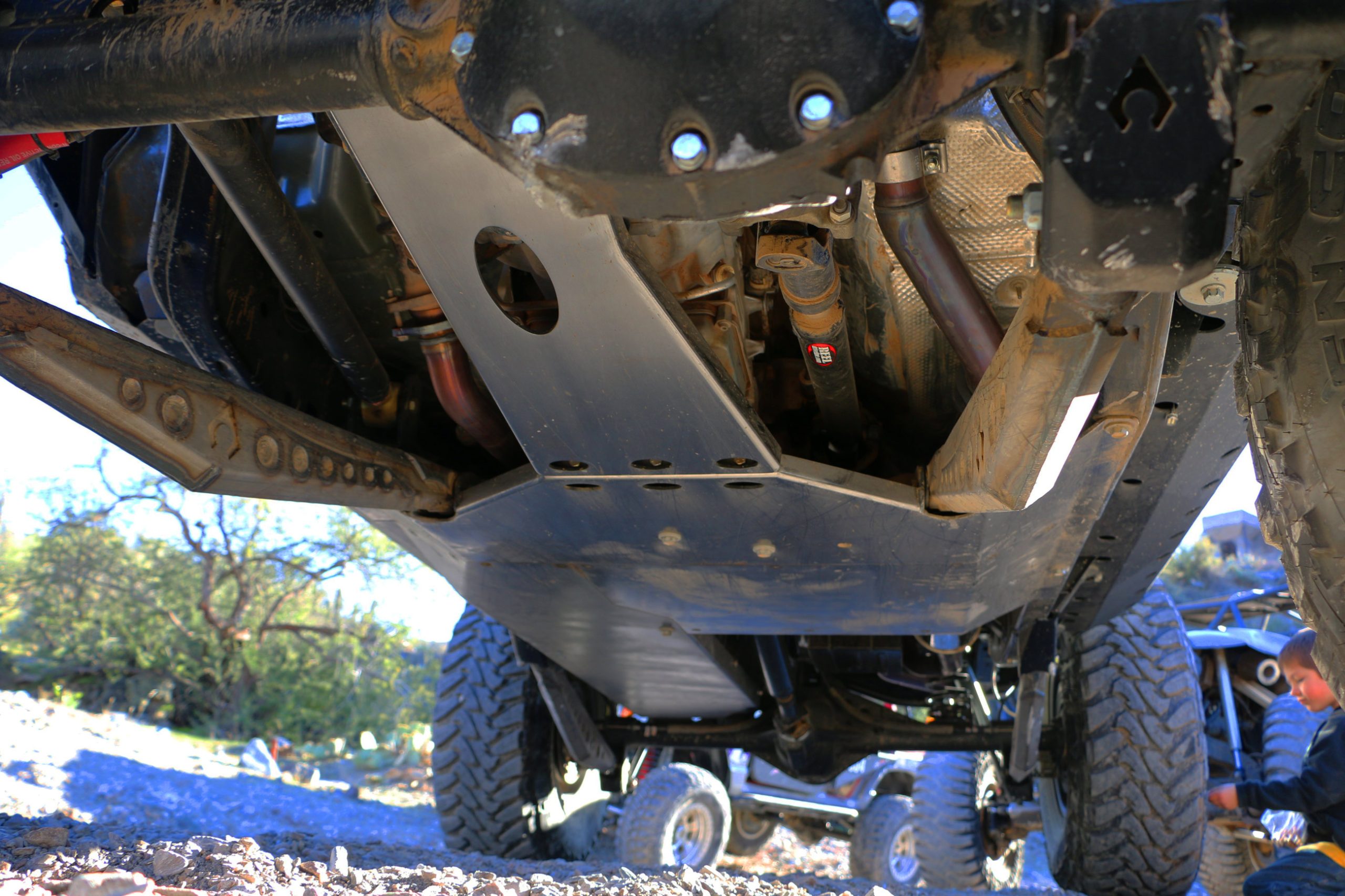
Back in 2013, Artec Industries embarked on a mission to create robust armor products tailored for the hardcore off-road crowd. Their adventure began with their very first Jeep Wrangler JK, fondly named the ARTECON. Initially, they experimented with steel as the go-to material. However, it didn’t take long to uncover steel’s inherent drawbacks: it was heavy, a pain to install, prone to overheating, a gas guzzler, and susceptible to rust.
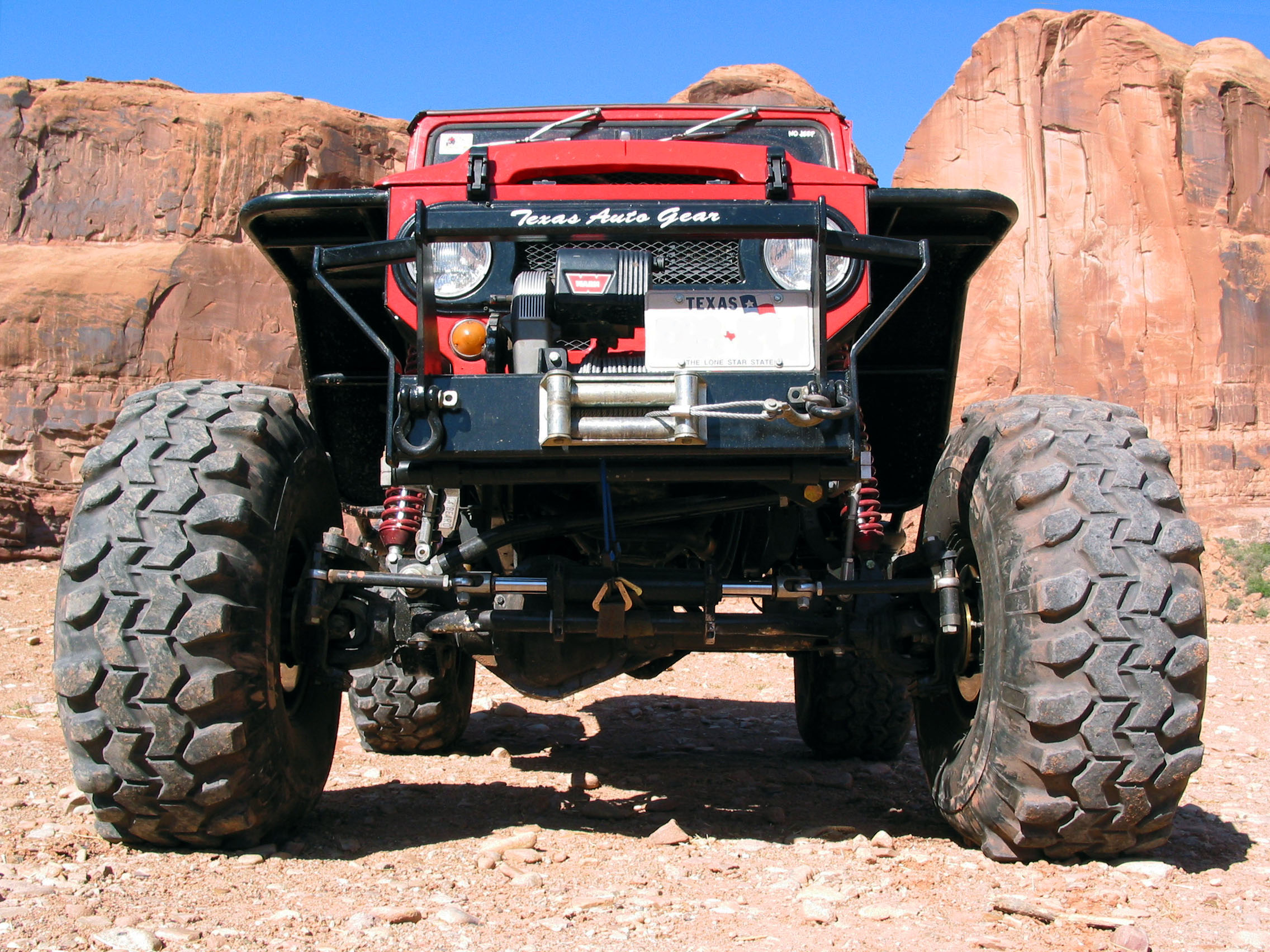
They say that everything is bigger in Texas. “Everything” applies to belt buckles, women’s hair, and yes, even trucks. Frisco, Texas residents Charles and Vickie Kim’s 1969 FJ-40 Land Cruiser was built using that same “bigger is better” philosophy, in everything from the gearing to the axles to the tires.
