The Bigger is Better Philosophy
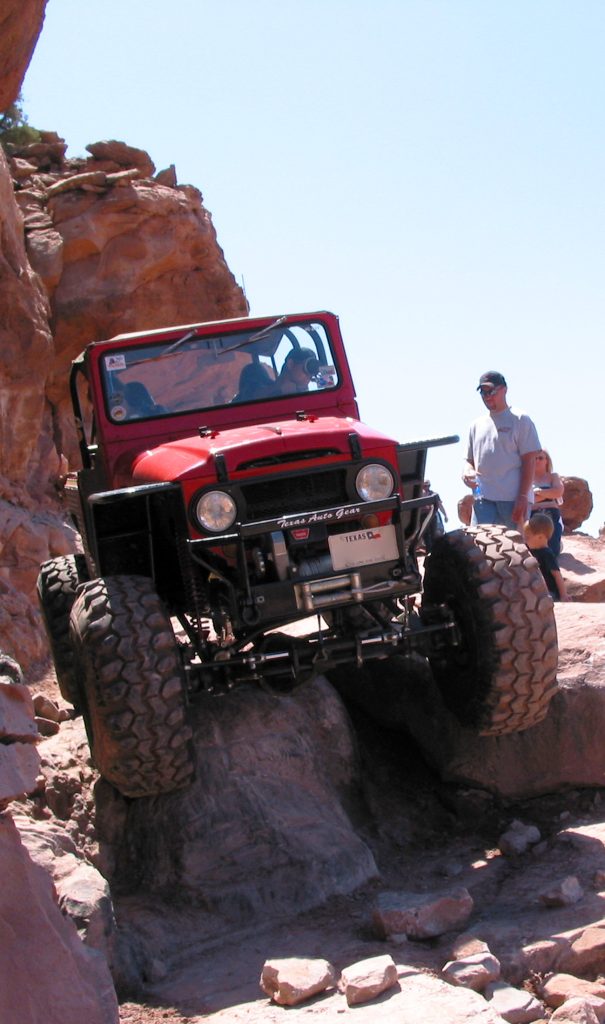
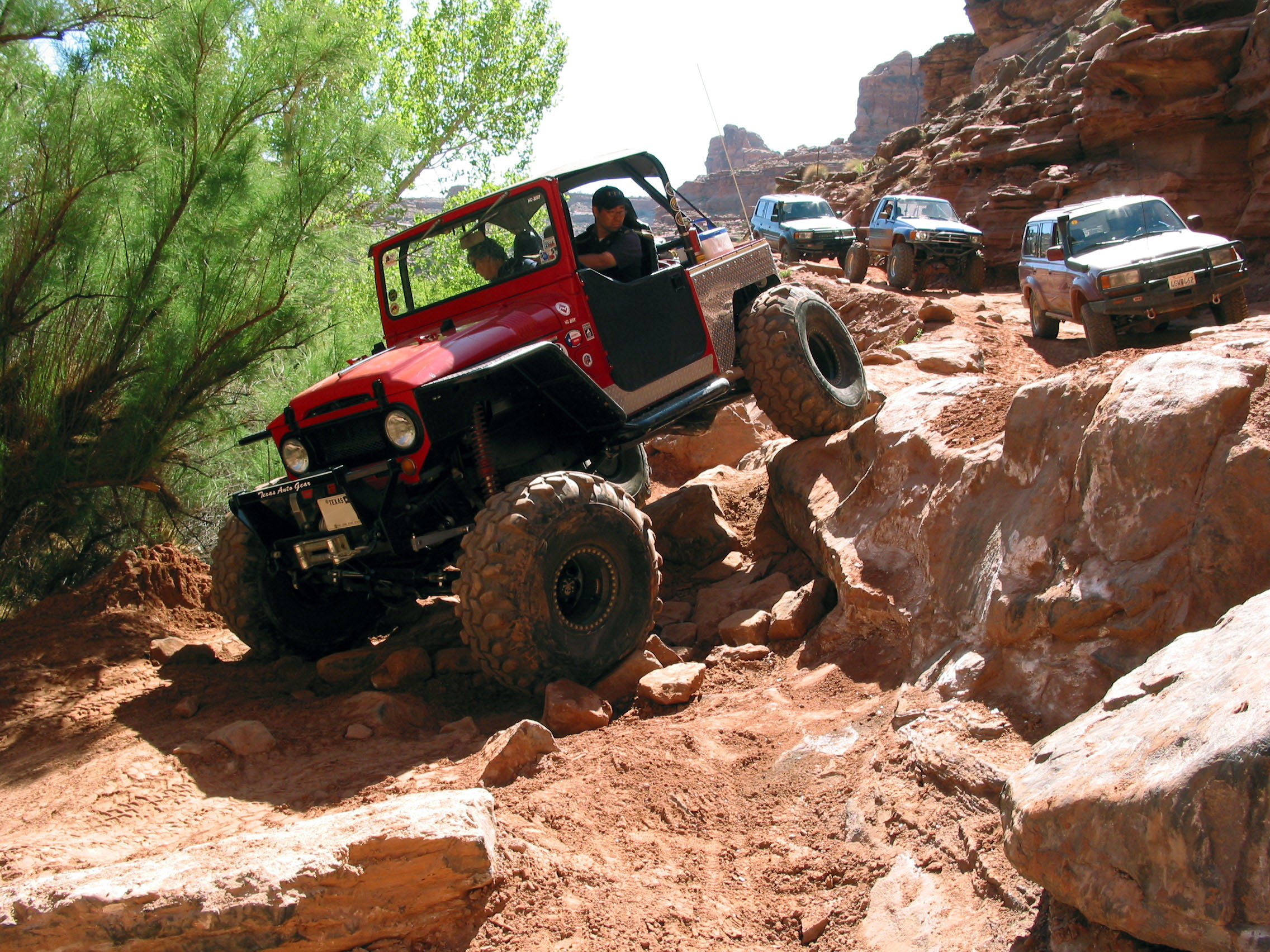
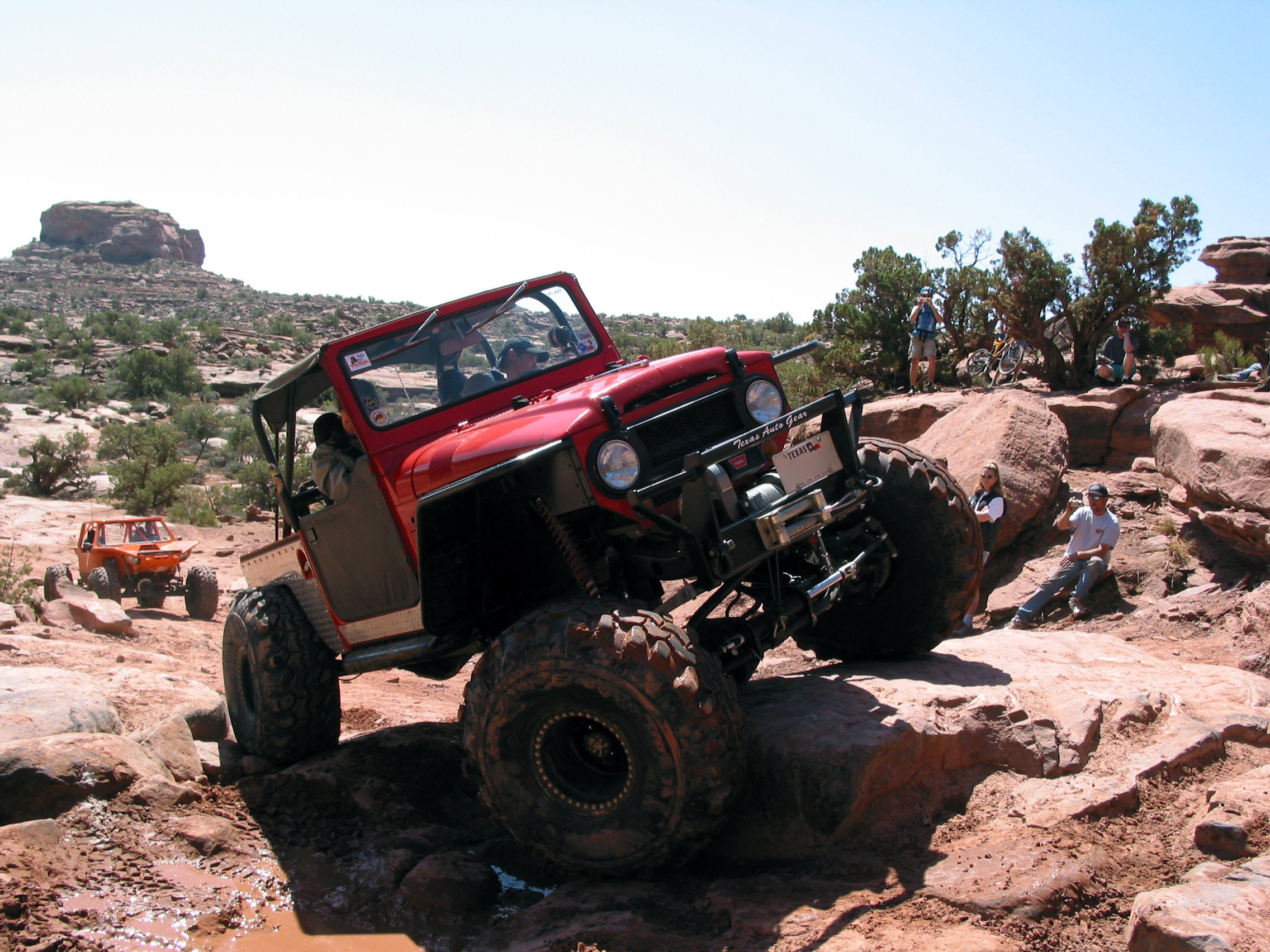
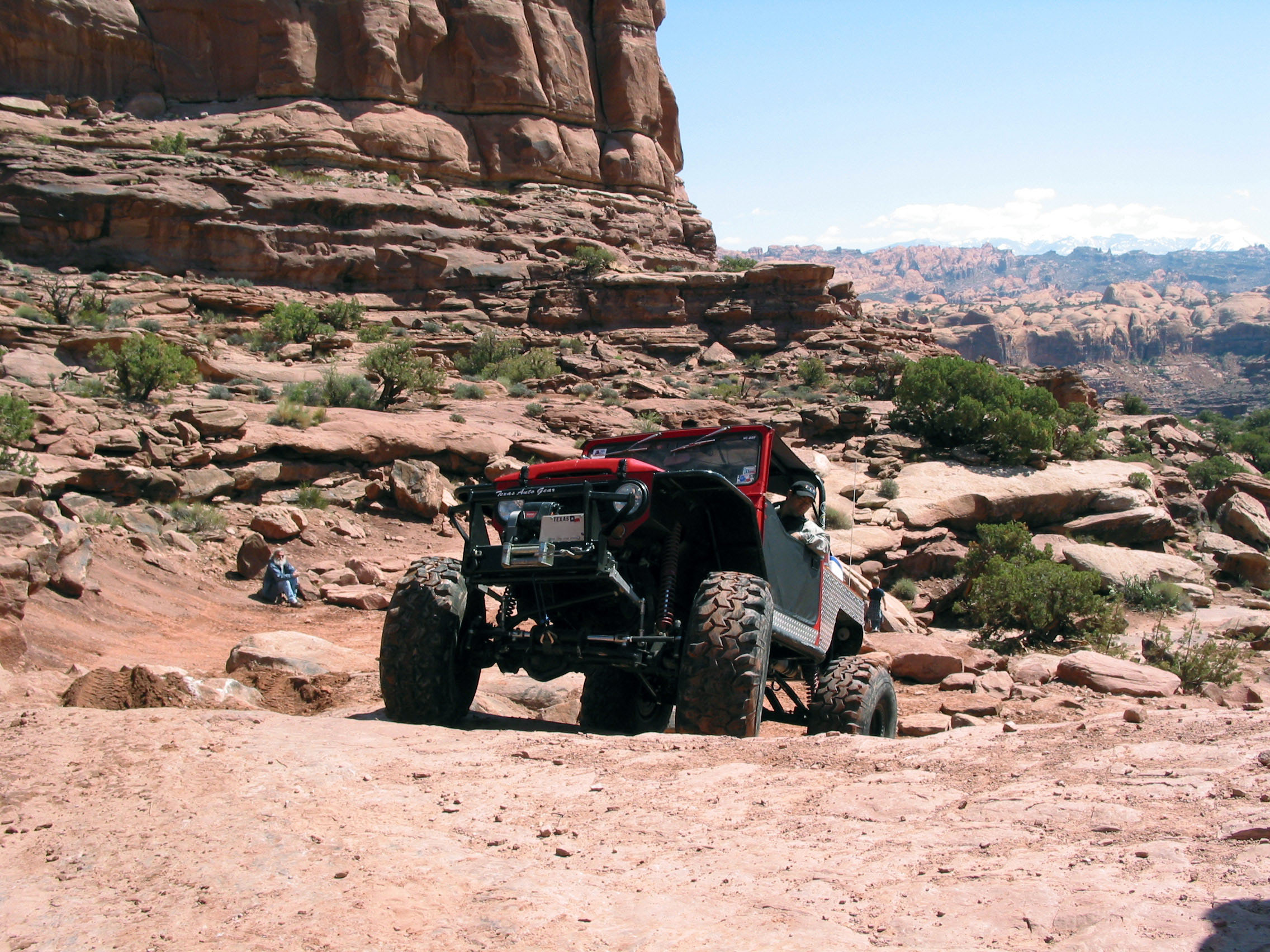
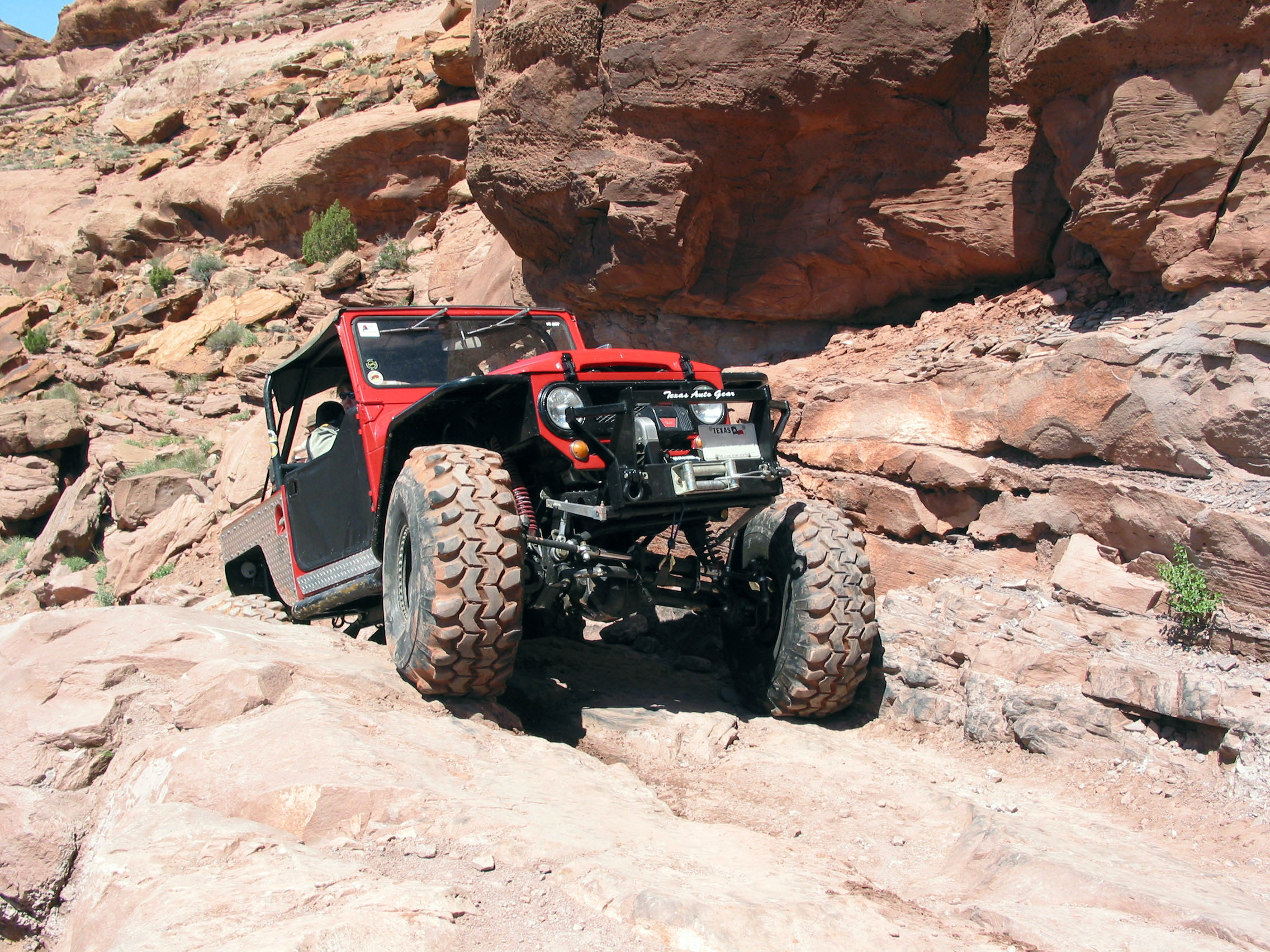
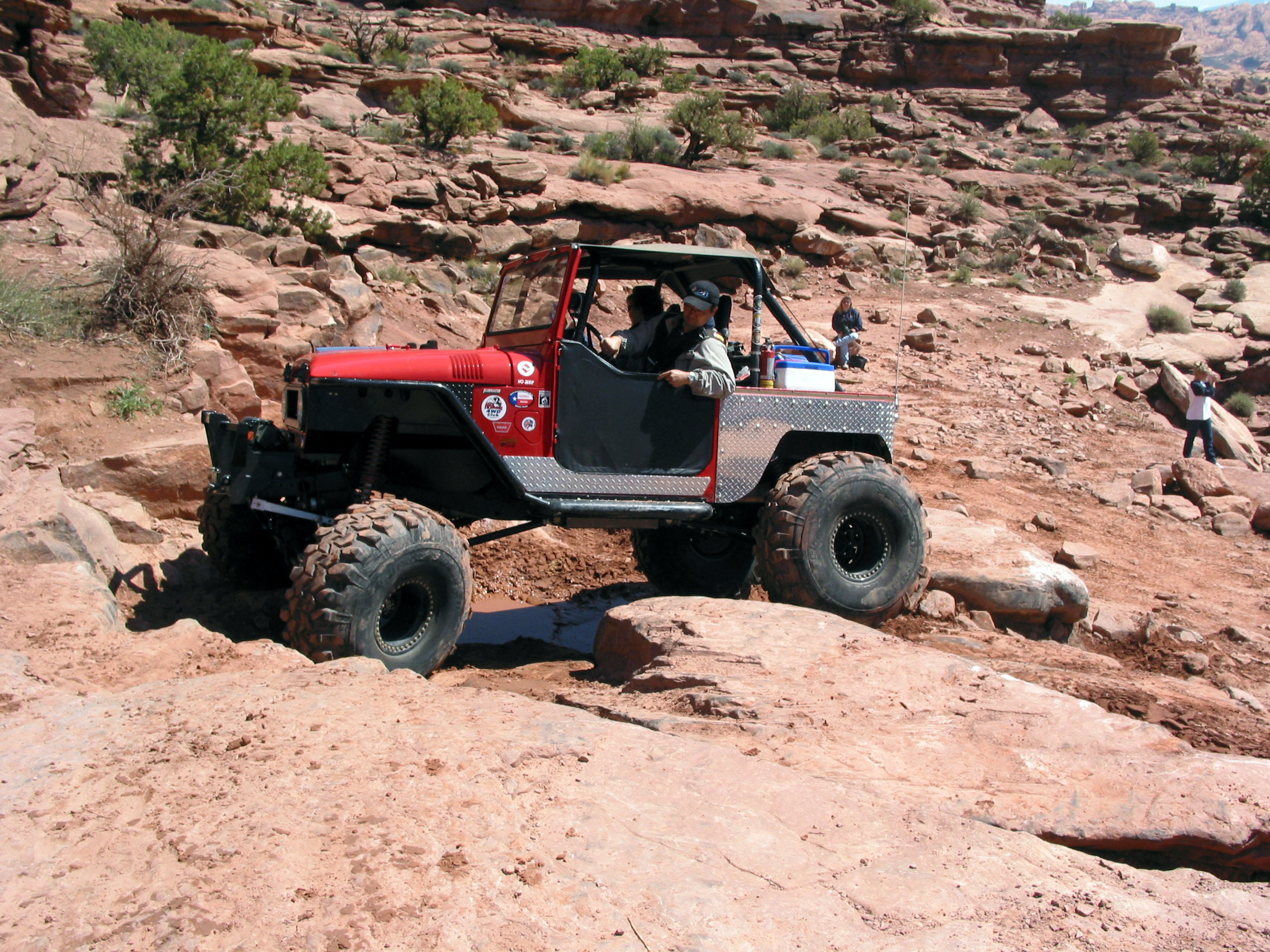
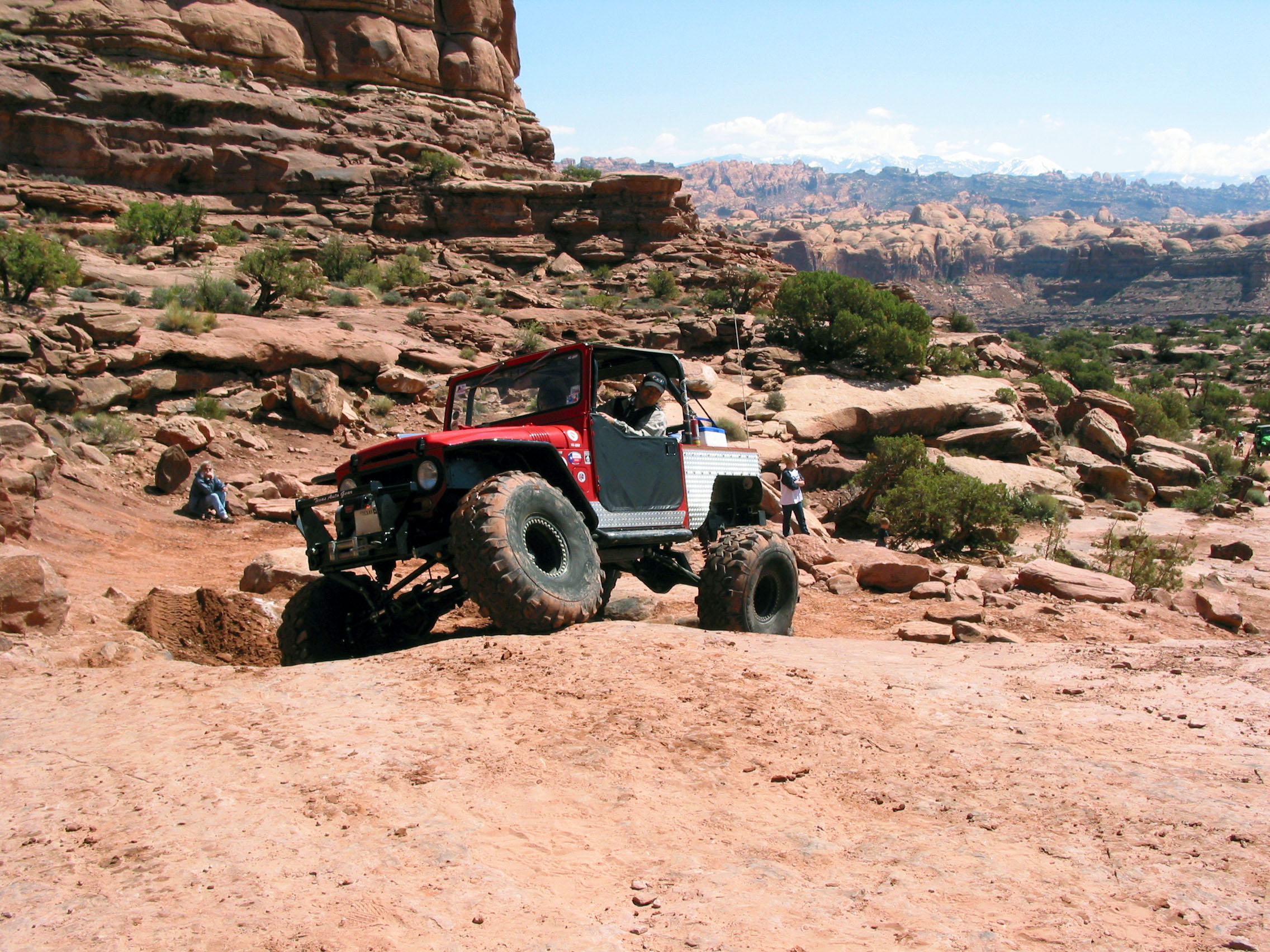
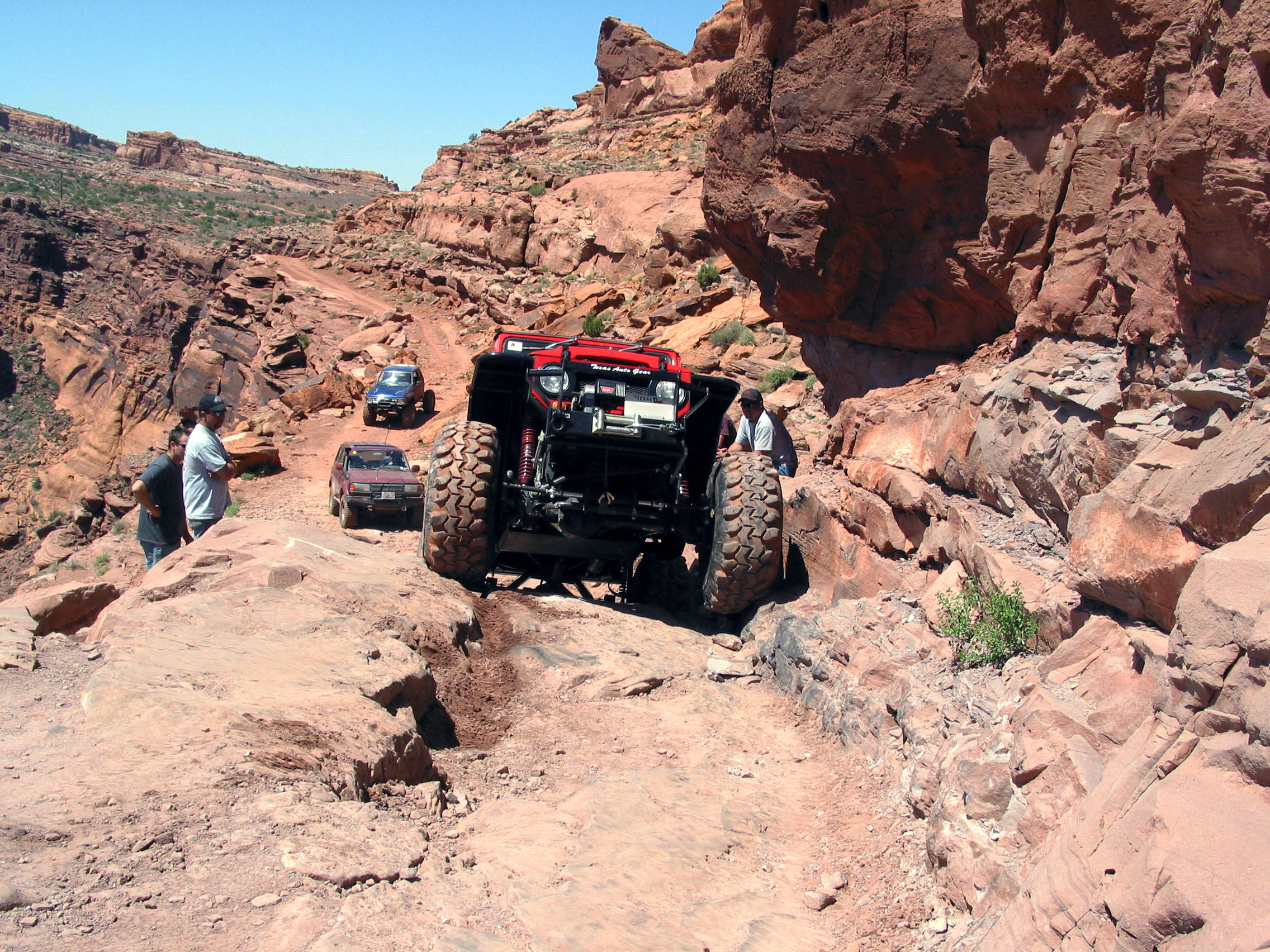
They say that everything is bigger in Texas. “Everything” applies to belt buckles, women’s hair, and yes, even trucks. Frisco, Texas residents Charles and Vickie Kim’s 1969 FJ-40 Land Cruiser was built using that same “bigger is better” philosophy, in everything from the gearing to the axles to the tires.
Stout Axles for Hardcore Rockcrawling
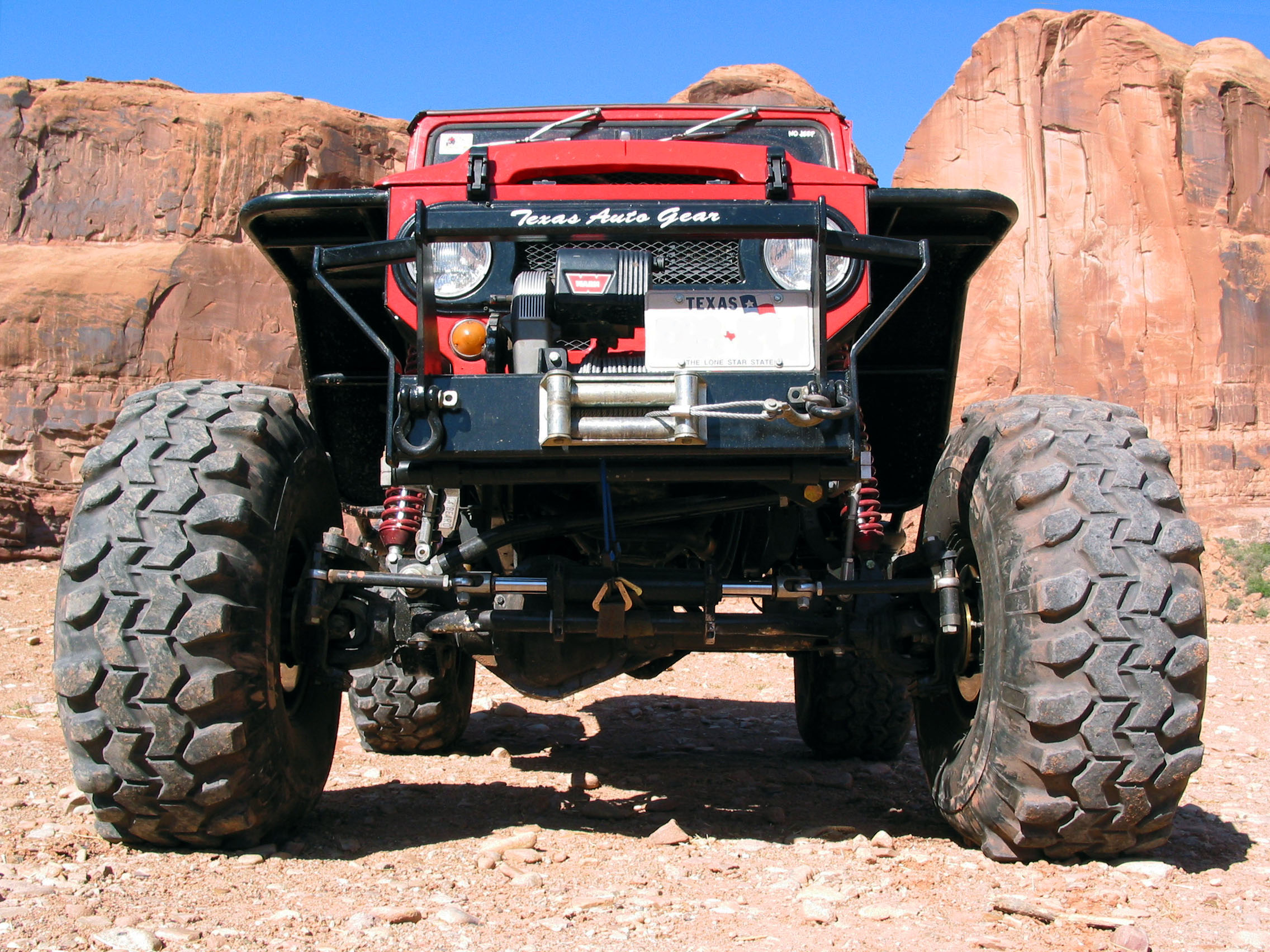
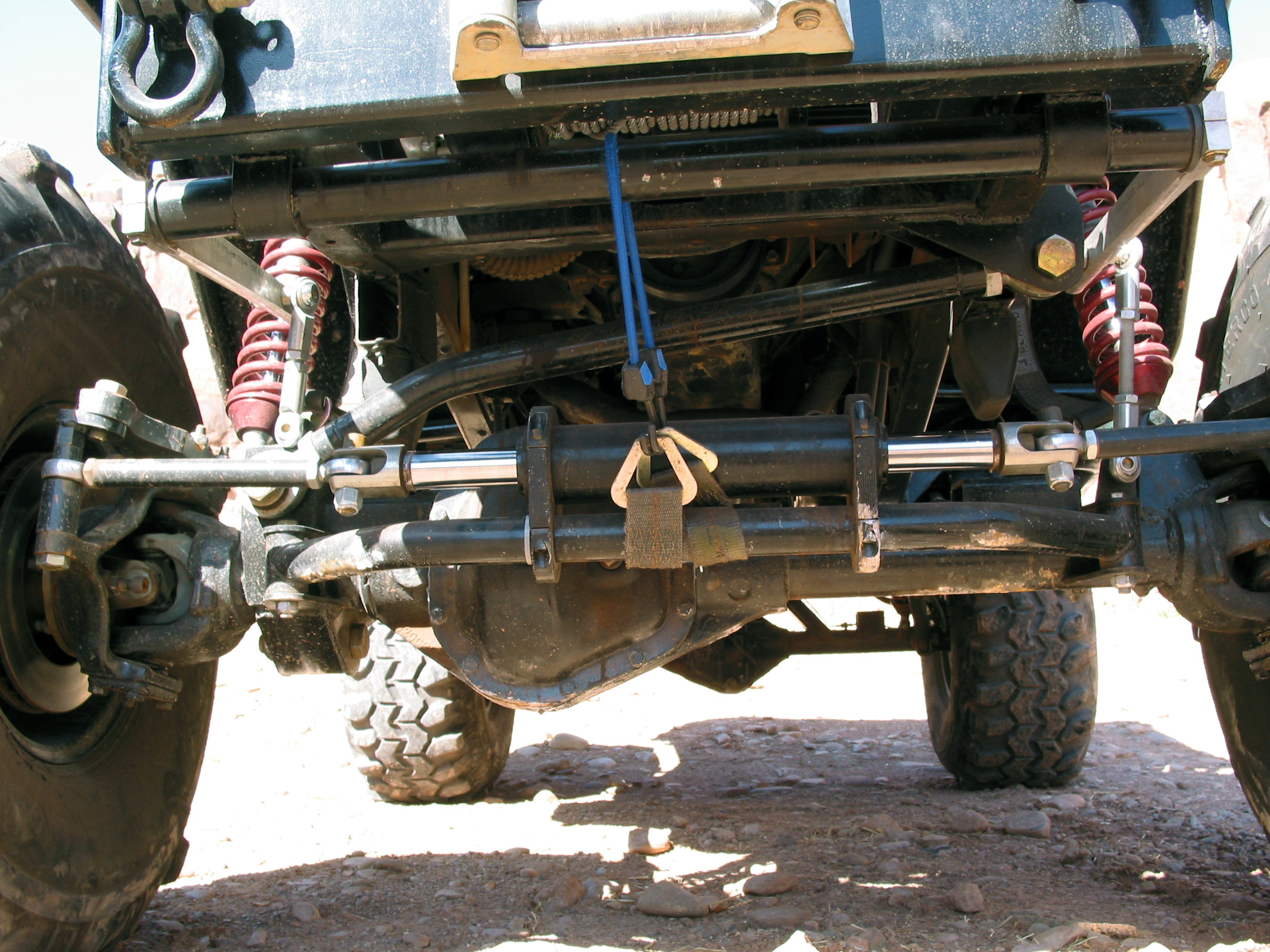
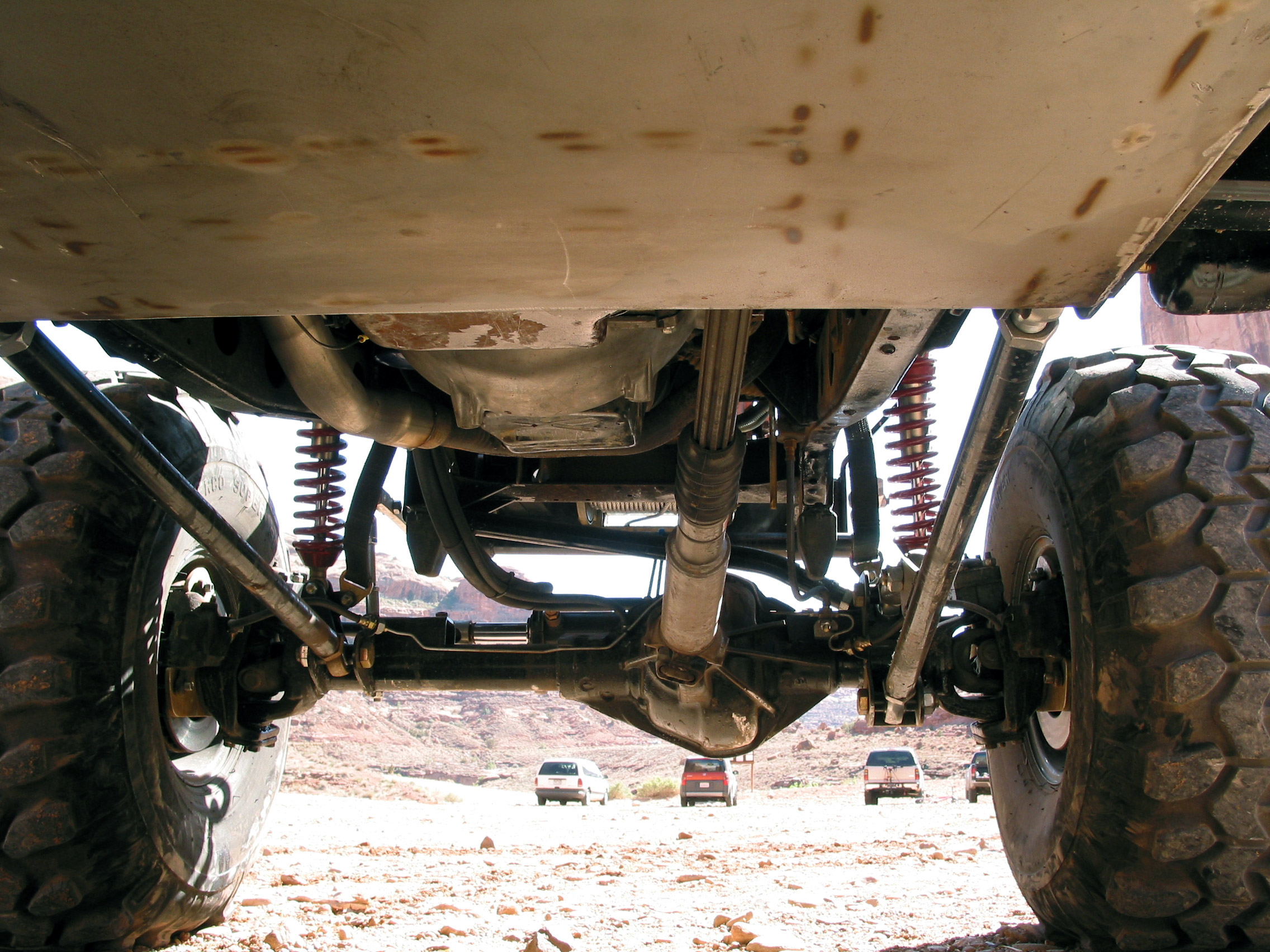
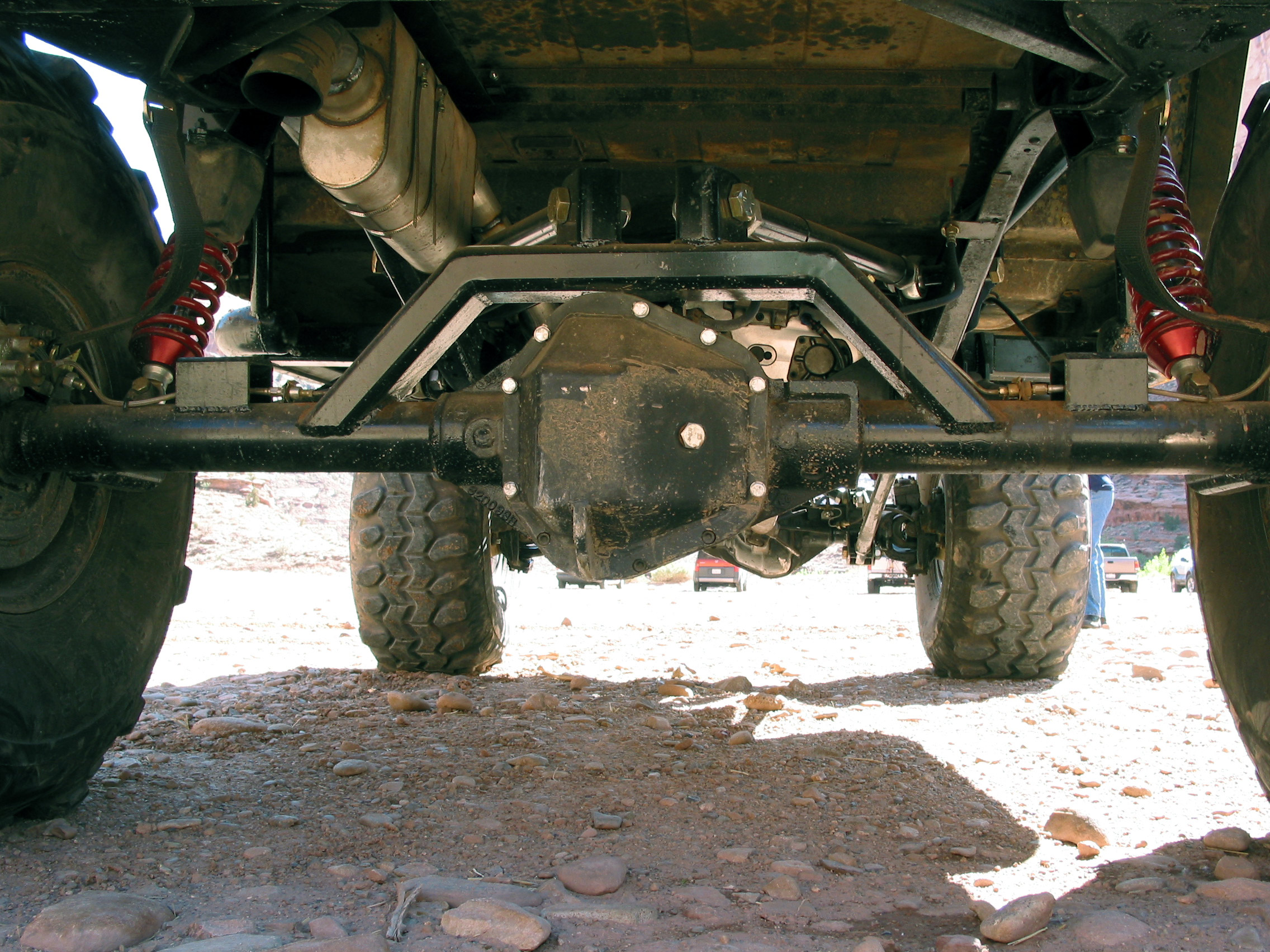
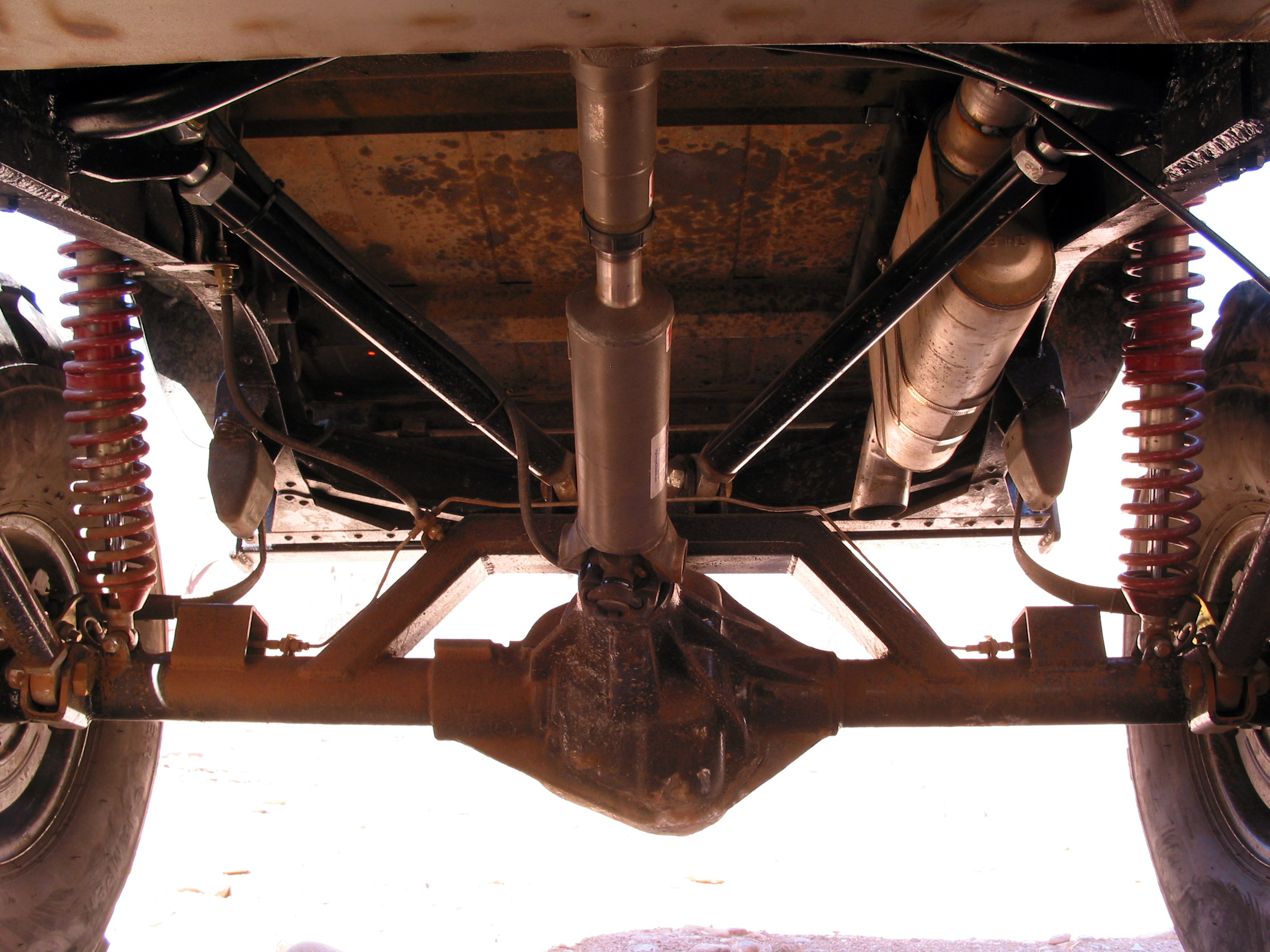
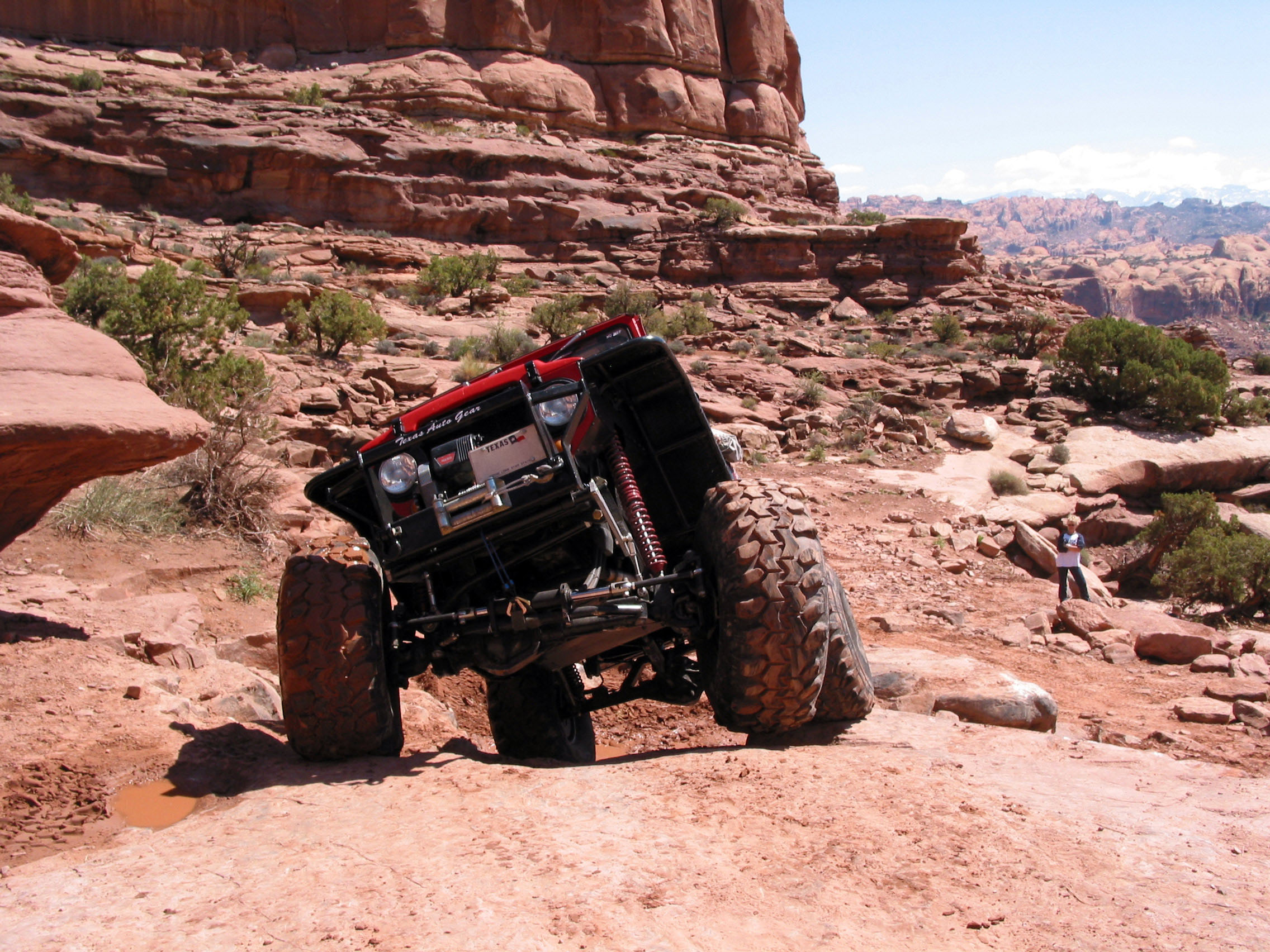
The 42” Super Swamper TSLs on 15×12 Marsh Racing 32 bolt beadlocks would likely leave a trail of broken birfields and pinions in the Cruiser’s wake if the stock Toyota axles were retained. In order to withstand the rigors of hardcore rockcrawling, Charles had Texas Auto Gear of Houston, Texas build a set of stout axles. A high pinion Dana 60 from a one ton Ford truck was retubed for a passenger side drop and 65” width. The front axle was then loaded with a Detroit locker and drive flanges. Six lug brakes from a ½ ton Chevy were used in order to fit Charles’s existing 15” wheels. Another Ford Dana 60 high pinion center section was retubed for the rear axle and fitted with a Strange spool and Ford Motorsports disc brakes. Both axles run 4.88 gears and 35 spline axle shafts.
Building the Powertrain and Suspension
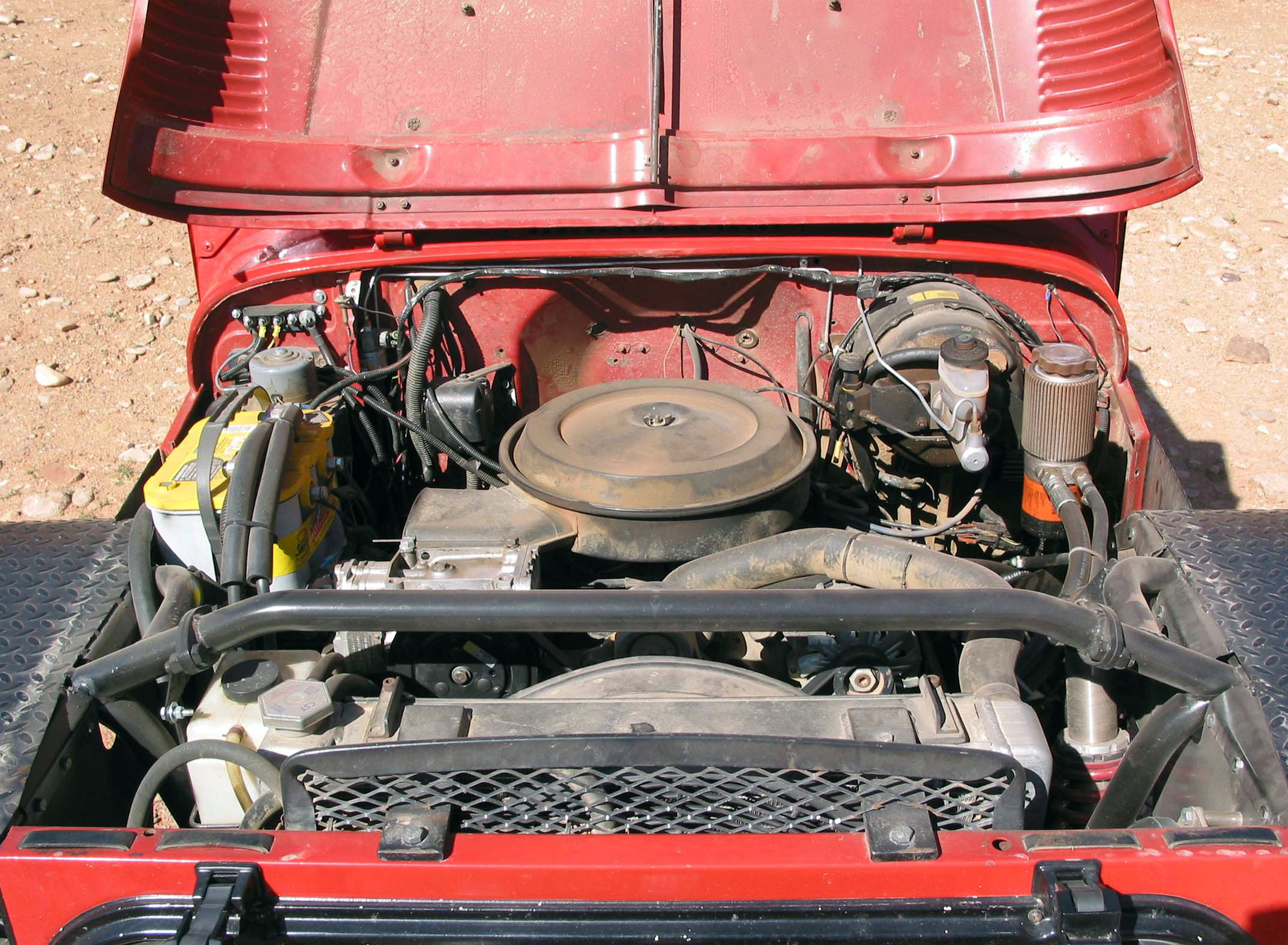
With the axles built, Charles turned to Bohannan Four Wheel Drive, in Bentonville, Arkansas. Charles wanted a Land Cruiser that could tackle the toughest trails but was still recognizable as a Toyota and not a jungle gym. With this goal in mind, Bohannan started by nestling a TBI 350 Chevrolet small block under the hood. The motor is backed by a built TH400 with a reverse manual valve body and an Advance Adapters Atlas II transfer case with a 3.8:1 low range ratio. High Angle Driveline built long travel driveshafts with 1410 u-joints to transfer power to the running gear.
Custom Coilover Suspension and Fenders
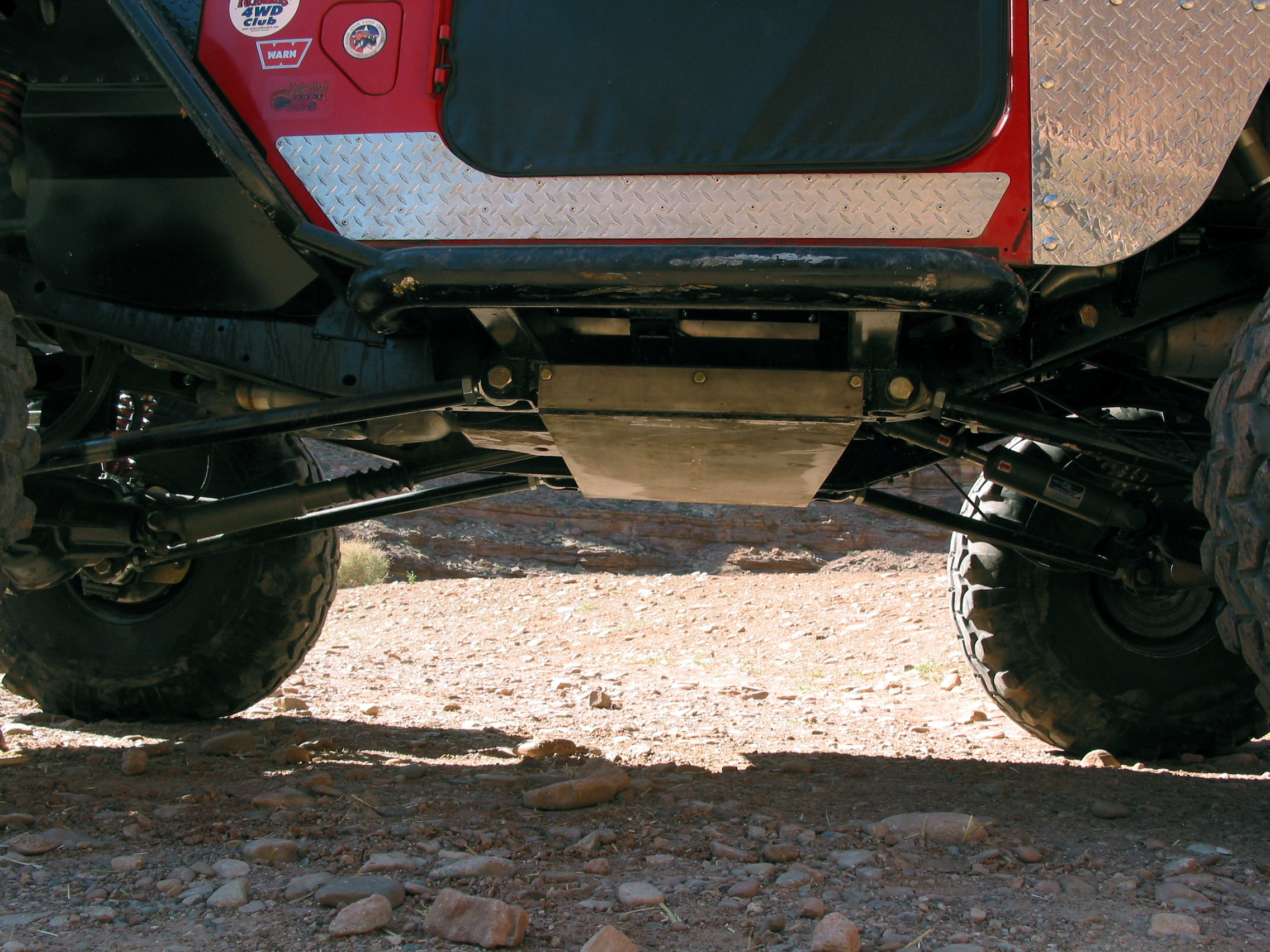
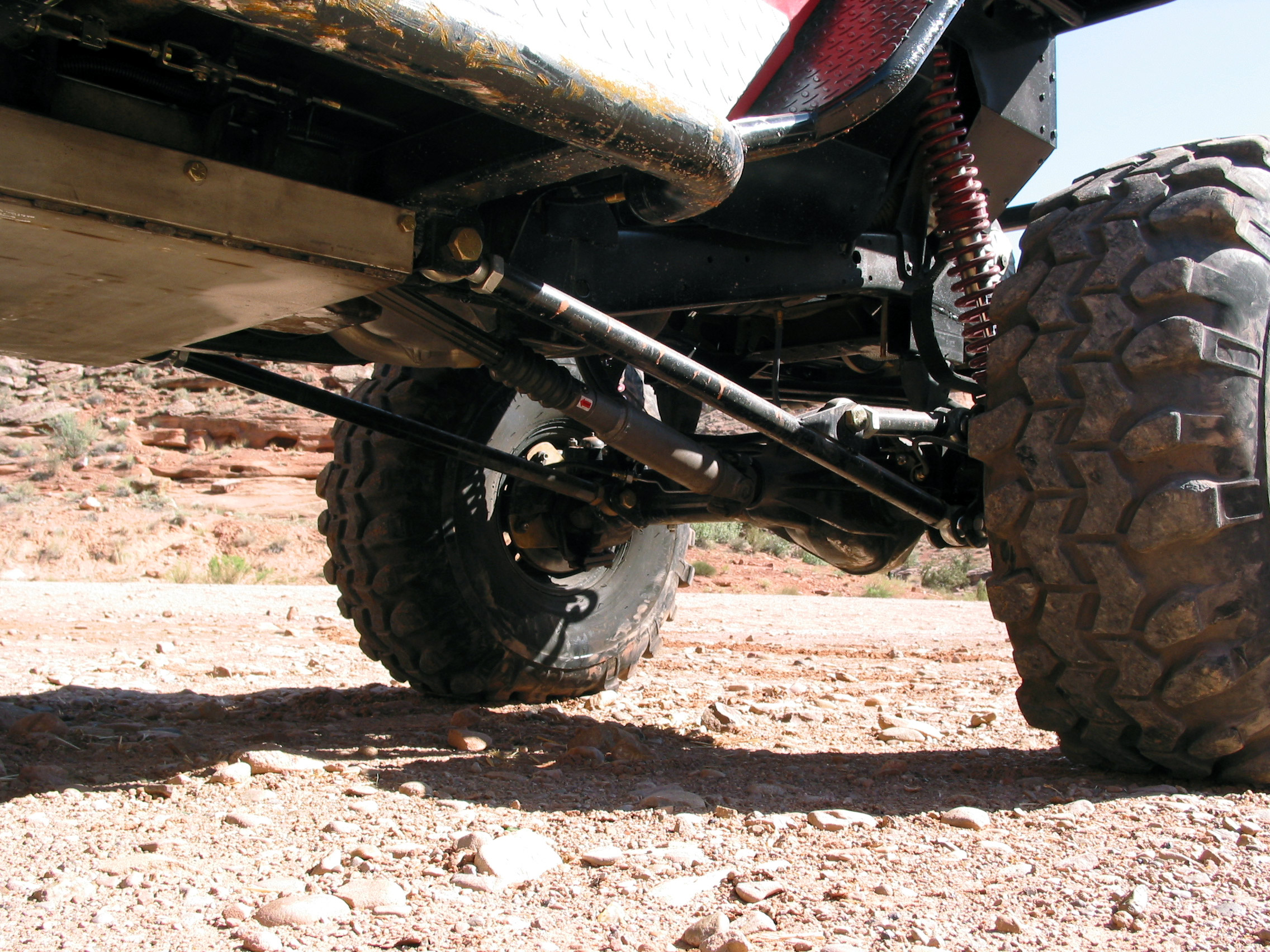
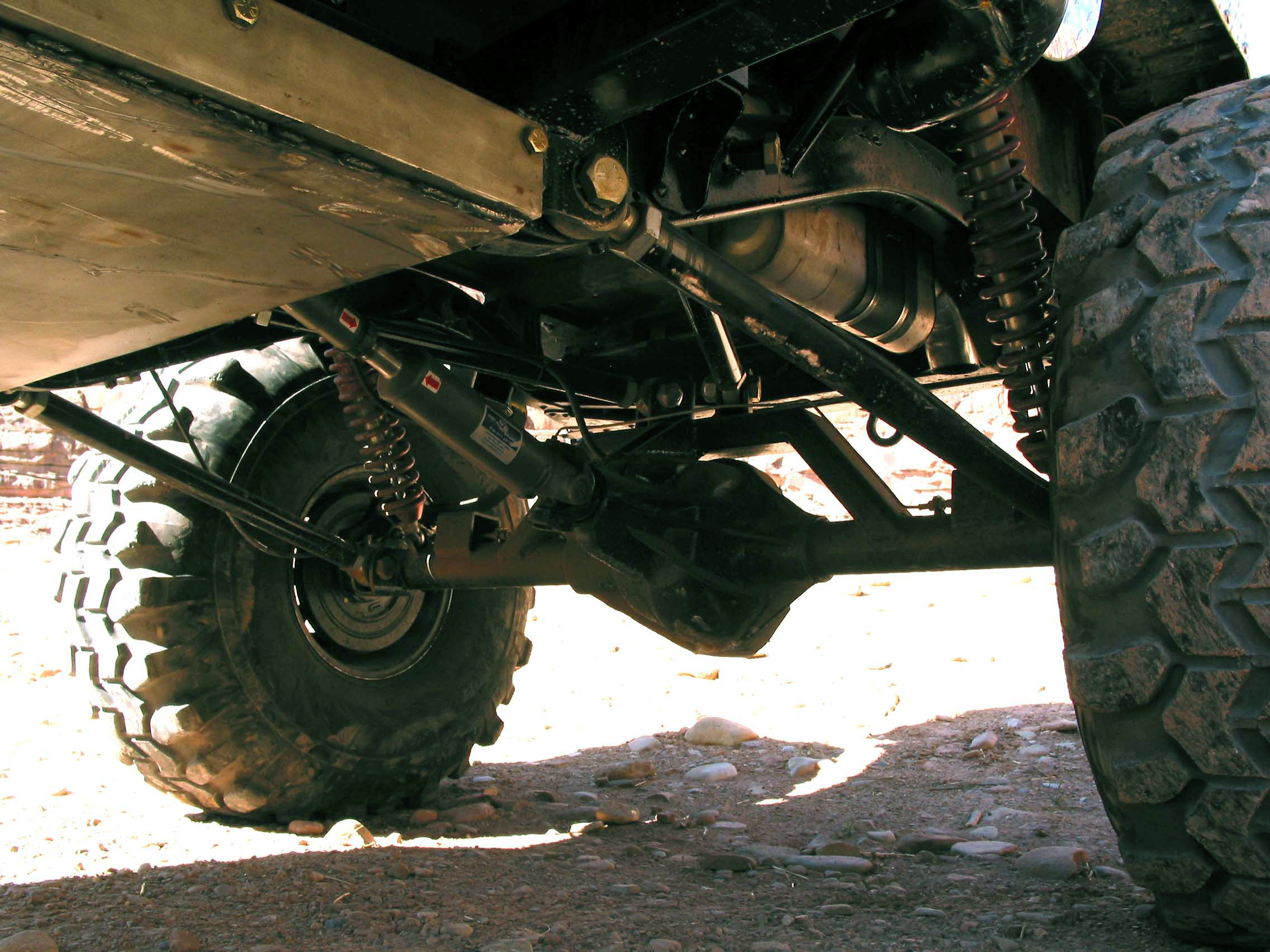
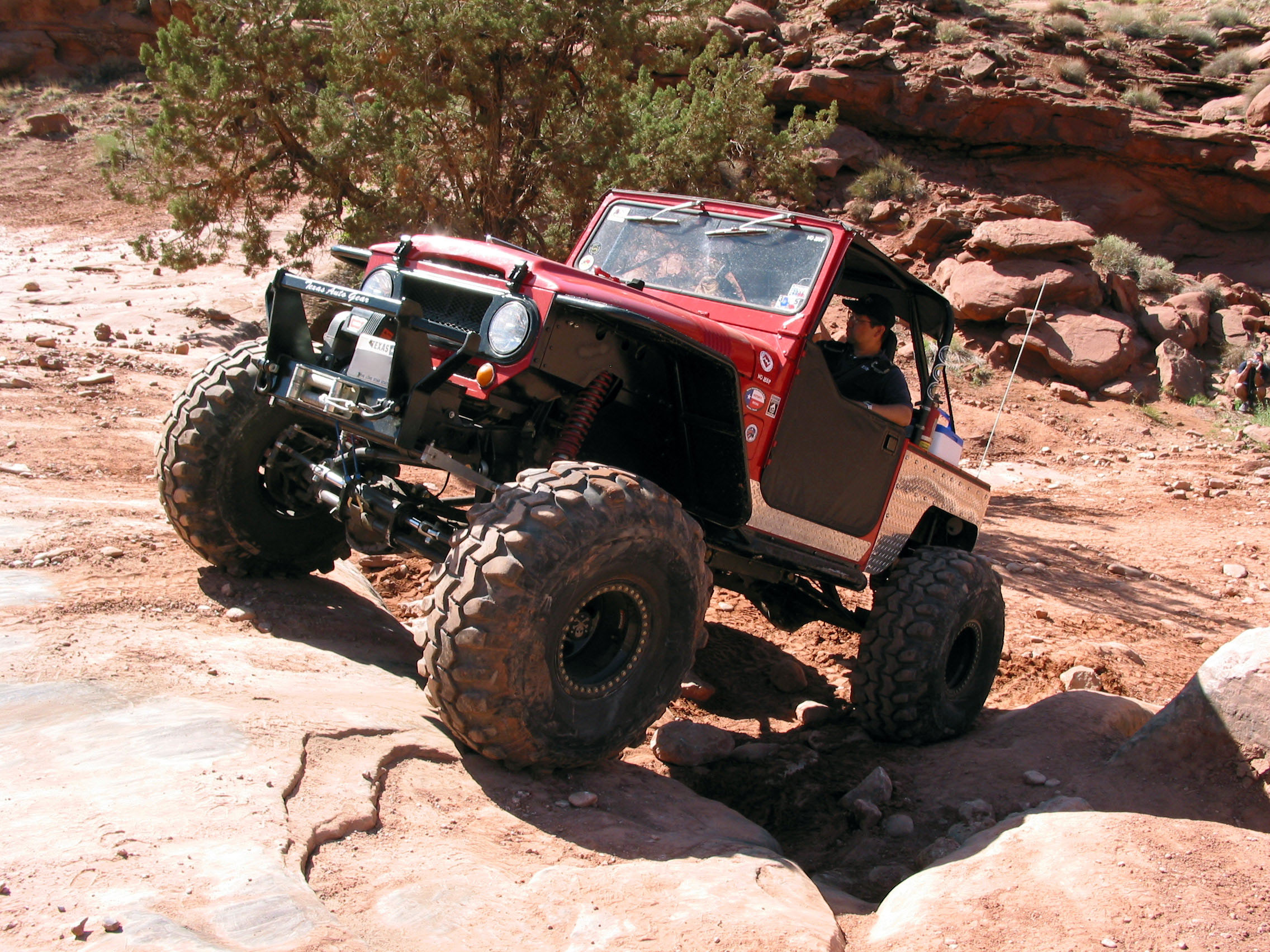
To hang the Dana 60 axles under the Cruiser and allow room for the big meats, Bohannan utilized Bilstein 9100 series coilovers front and rear. The fronts are 14” travel units and are located with a three-link setup and a panhard bar. A Rock Equipment sway bar is also used up front to balance the suspension. The rear coilovers are 12” travel models combined with a triangulated four-link setup. All links are constructed of 1.75” DOM tubing and use massive 1” rod ends. The result is a suspension that offers gobs of travel in the rocks, yet is still stable enough to drive down the road or power up dunes.
In order to keep the center of gravity low and allow room for the flexy suspension, the rear fenders were cut up to be flush with the inner fender. In the front, the stock Land Cruiser side skirts were removed from the grill and 1.5” DOM tube fenders were fabricated and covered with diamond plate. The tube fenders offer increased clearance and are strong enough to fend off rocks. The coilover suspension and trimmed fenders allowed the wheelbase to be stretched to 108 inches for better stability and improved approach and departure angles.
Thoughtful Modifications and Future Plans
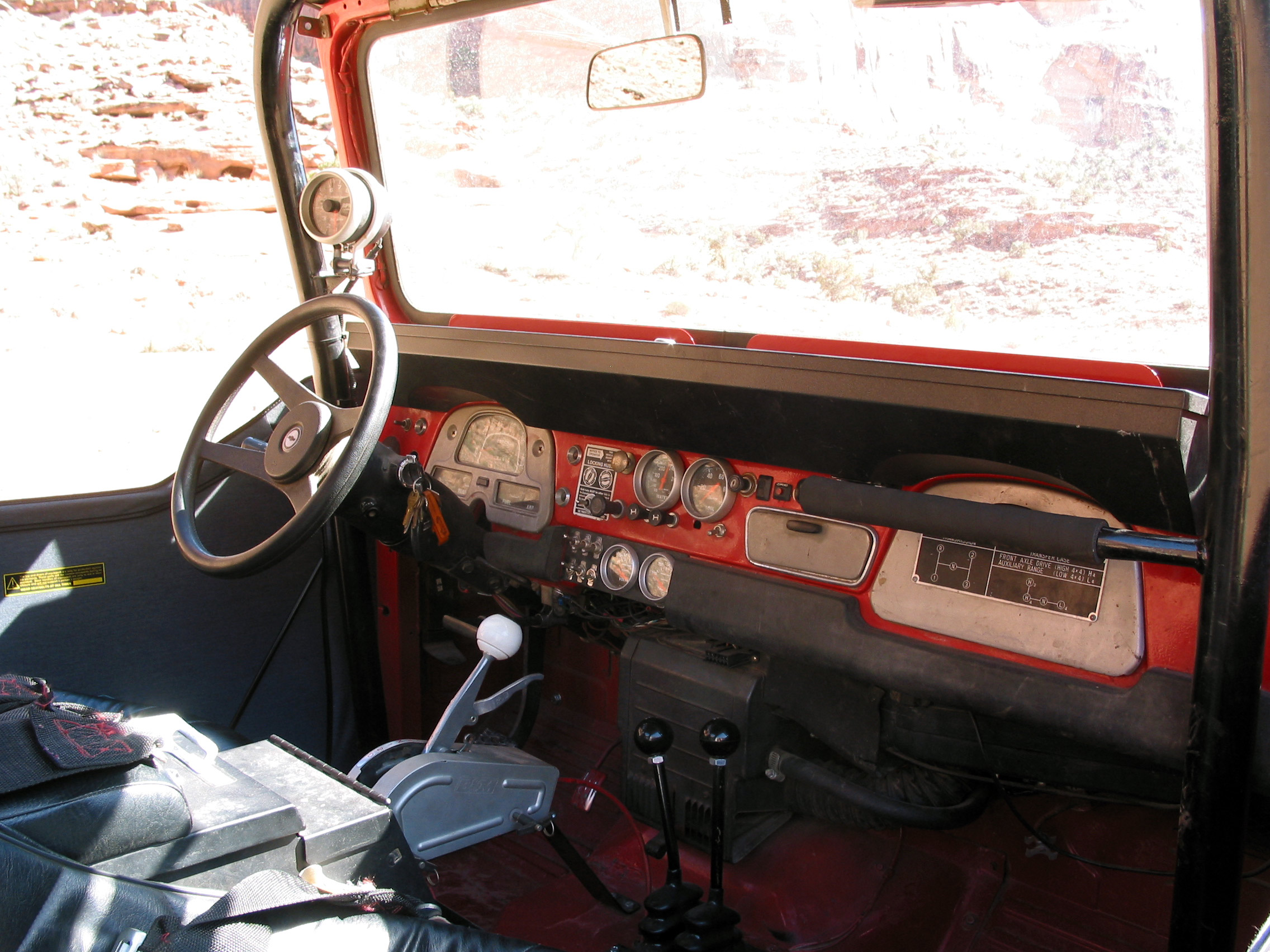
Because wheeling in Texas and Oklahoma often involves mud, Charles had Bohannan fabricate inner fenders from sheet metal to mate to the custom tube work. “This keeps the mud out of the engine bay,” Charles explained, “and with their two-piece bolt-on design, I can still easily access the starter.” Other thoughtful modifications include a six-point roll cage that is tied into the frame, and nerf bars that double as air tanks for the onboard air compressor converted from an air conditioning unit. Inside, the FJ-40 is largely stock, with the exception of a GM steering column and Autometer gauges to keep track of the V8 under the hood.
The only thing Charles and Vickie’s built Cruiser lacks is an onboard welder. Shortly after mentioning that this item was on their wish list, the Kims won a gift certificate from Premiere Power Welder at the Toyota Land Cruiser Association’s Cruise Moab event. It takes more than good fortune to build a vehicle of this caliber, but a little luck sure doesn’t hurt. Next time we see the Kims on the trail, we expect to find a Texas-sized alternator lurking under the hood.