







Street Rods
“The car was made out of bits and pieces that I acquired over a couple of years.”
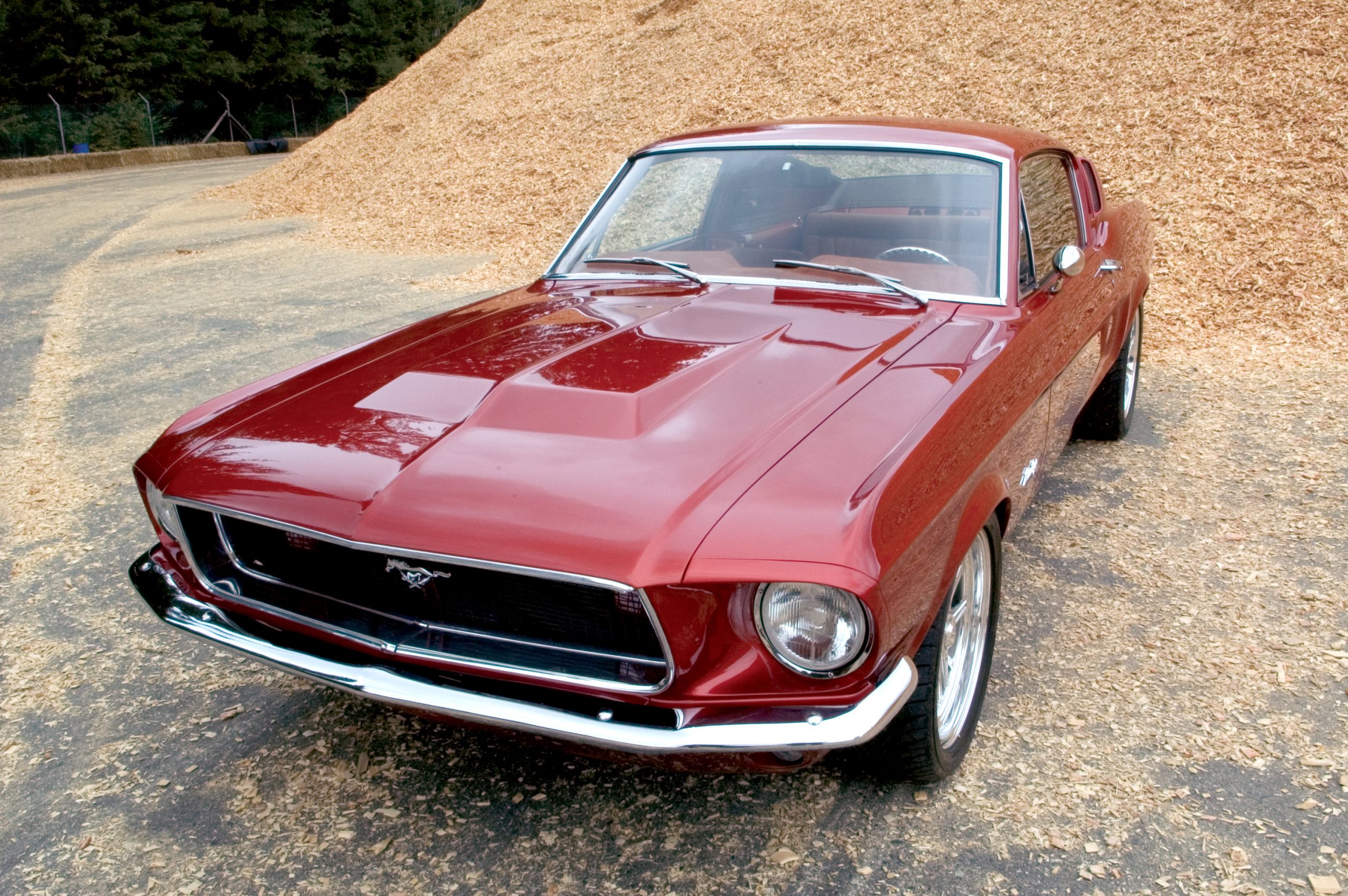
Lots of people know what they want, at least generally—as in, “I want a car” or, more specifically, a performance car. A slightly more motivated person might narrow it down to a late-model car, as opposed to an old car, or even refine his goal further to a Ford car. The ability to thoroughly define your goals is generally the province of the mature individual who, with the wisdom of a few years under his belt, has come to truly know what winds his clock.
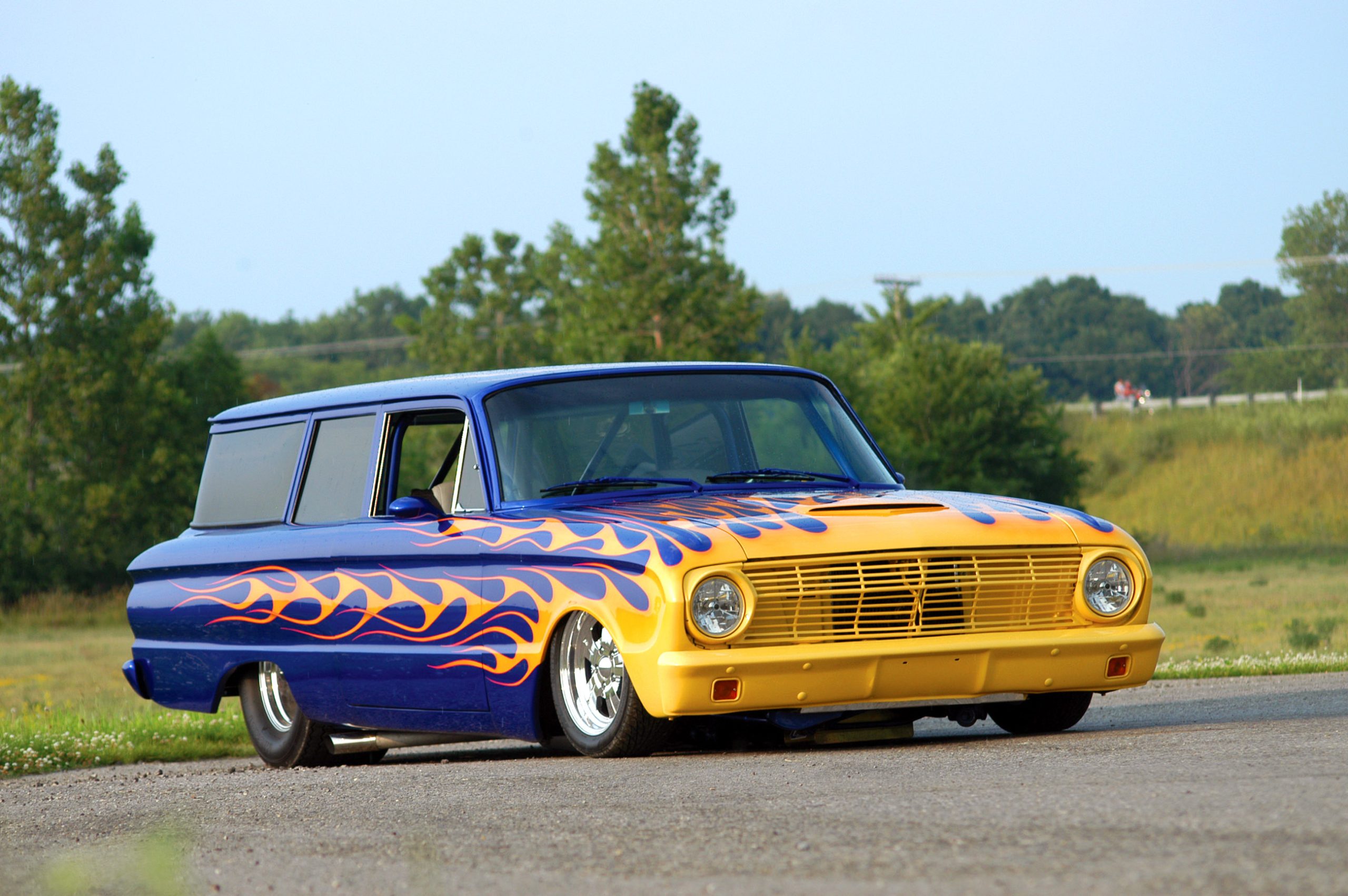
The poor Falcon.
Were it not for Ford’s inglorious first compact car, who knows what the early Mustangs would have been like, built as they were on Falcon architecture? Today, everyone wants a Mustang, yet Falcon fans are few. Fewer still are those who crave Falcon wagons, and initially, Norman Schmitt was not one of them, either. He wasn’t after a Falcon, or a wagon, but when a friend told him about an old wagon for sale, he went to check it out. What he found was a rare ’63 Falcon two-door wagon, and it was in great shape. The price was right, so he bought it, with visions of a wicked Pro Street Falcon in his head, and he set out to transform those dreams into steel.
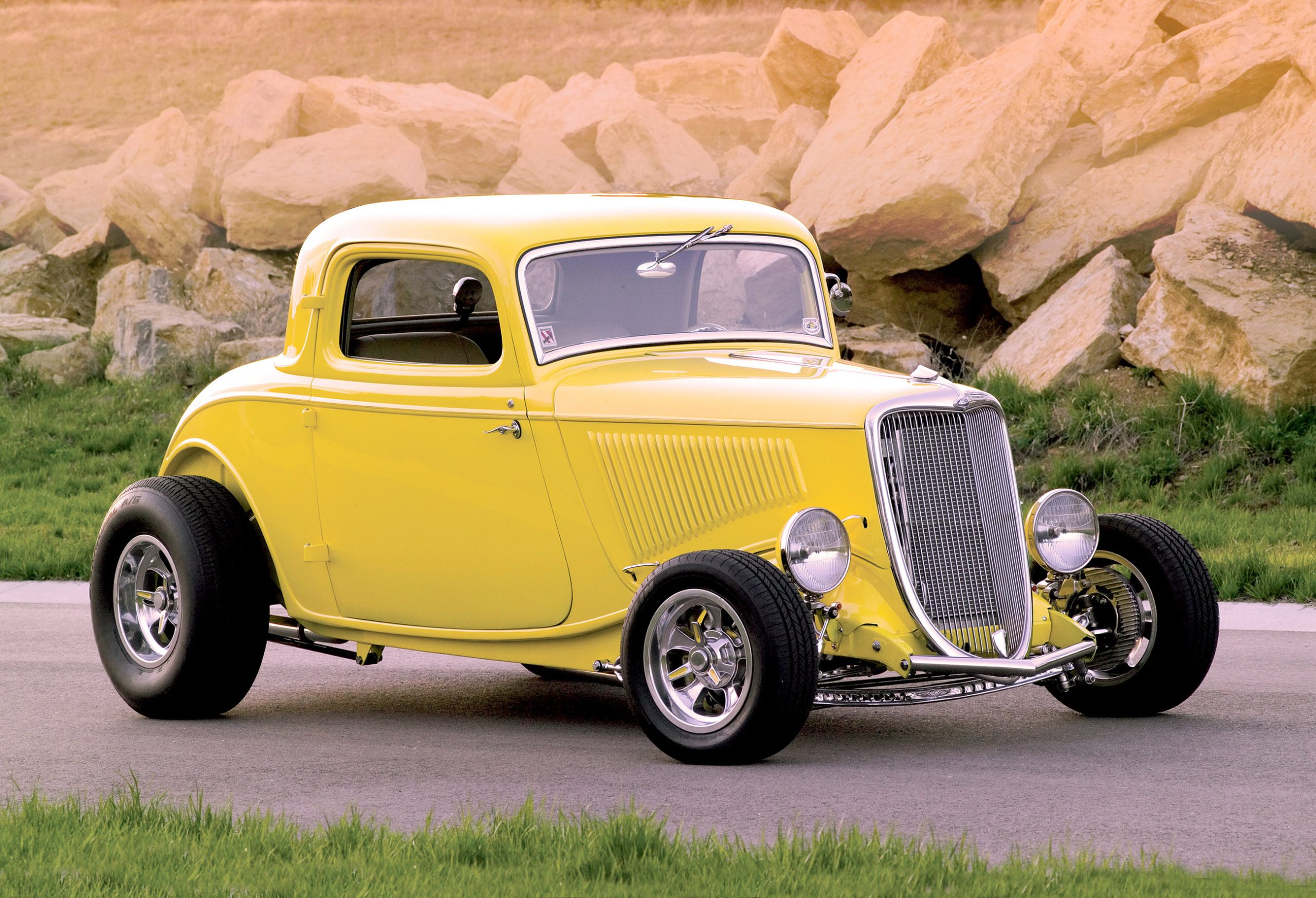
Back in the summer of 2004, Harry Cline found a ’34 Ford three-window coupe body on eBay. When the auction ended, Harry was the high bidder. He made the trip to Jacksonville, Illinois, to pick up the body. The overall condition of the car was better than he expected, and the doors fit very well for a car that was 70 years old. The seller told Cline that it had actually been stored for nearly 40 years.
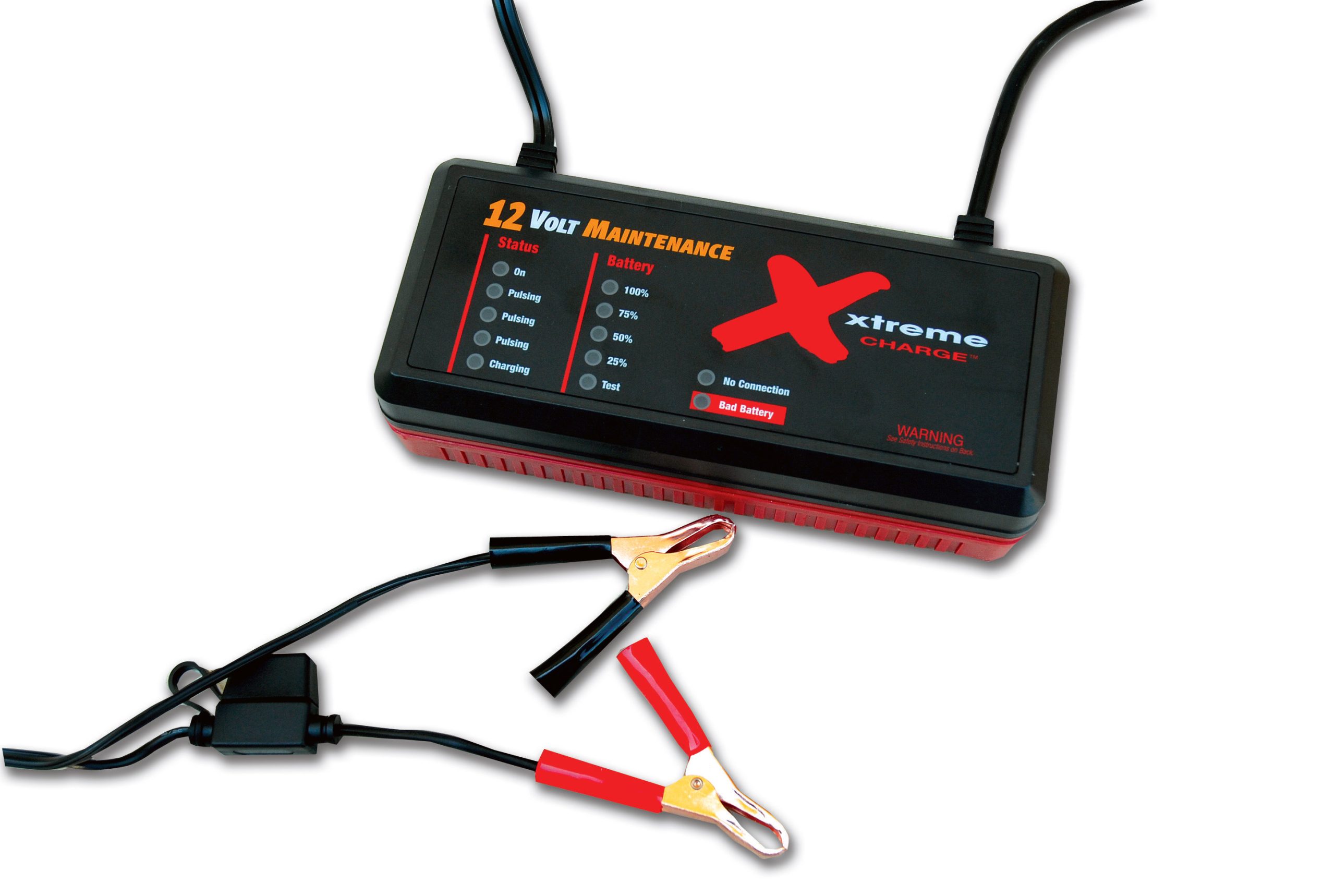
There is nothing more aggravating than having a dead battery, and it always occurs at the least opportune times. Our street rods are often stored or sit for periods of time. How many times have you decided the weather was perfect for an afternoon cruise and had a problem cranking the car?
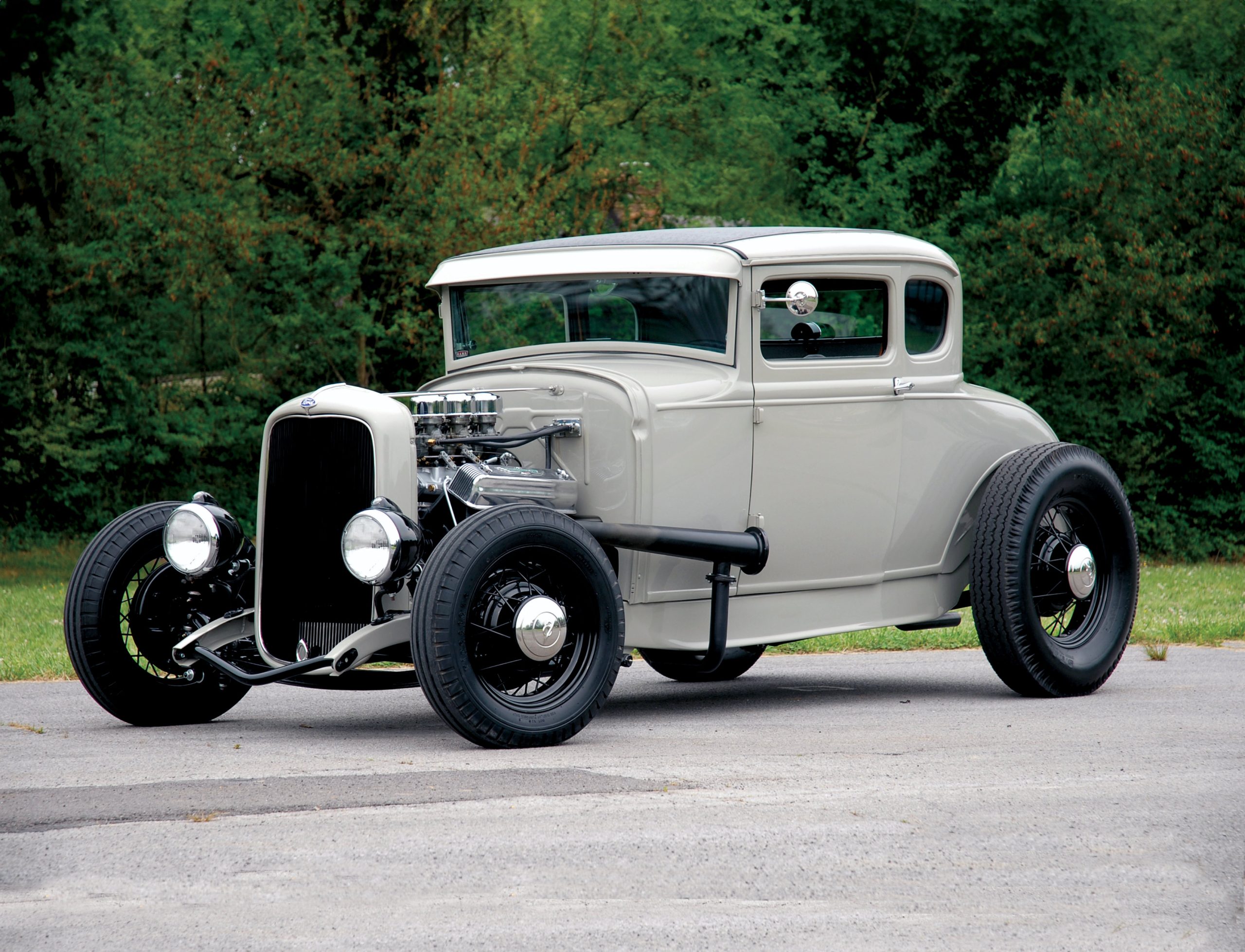
Kirby Kennedy grew up around street rods in his hometown of Selmer, Tennessee. His father, David, had several rods and even operated his own shop. Kirby hung around Kennedy’s Kustom Auto Shop and helped with many of the projects. He also learned many of the required skills to build a rod along the way. Once Kirby reached high school, he knew quite a bit about the history of hot rodding and had developed a fondness for traditional hot rods. His school required each graduating senior to complete a project before they reached graduation. While only a sophomore, Kirby decided to build a traditional-styled hot rod.
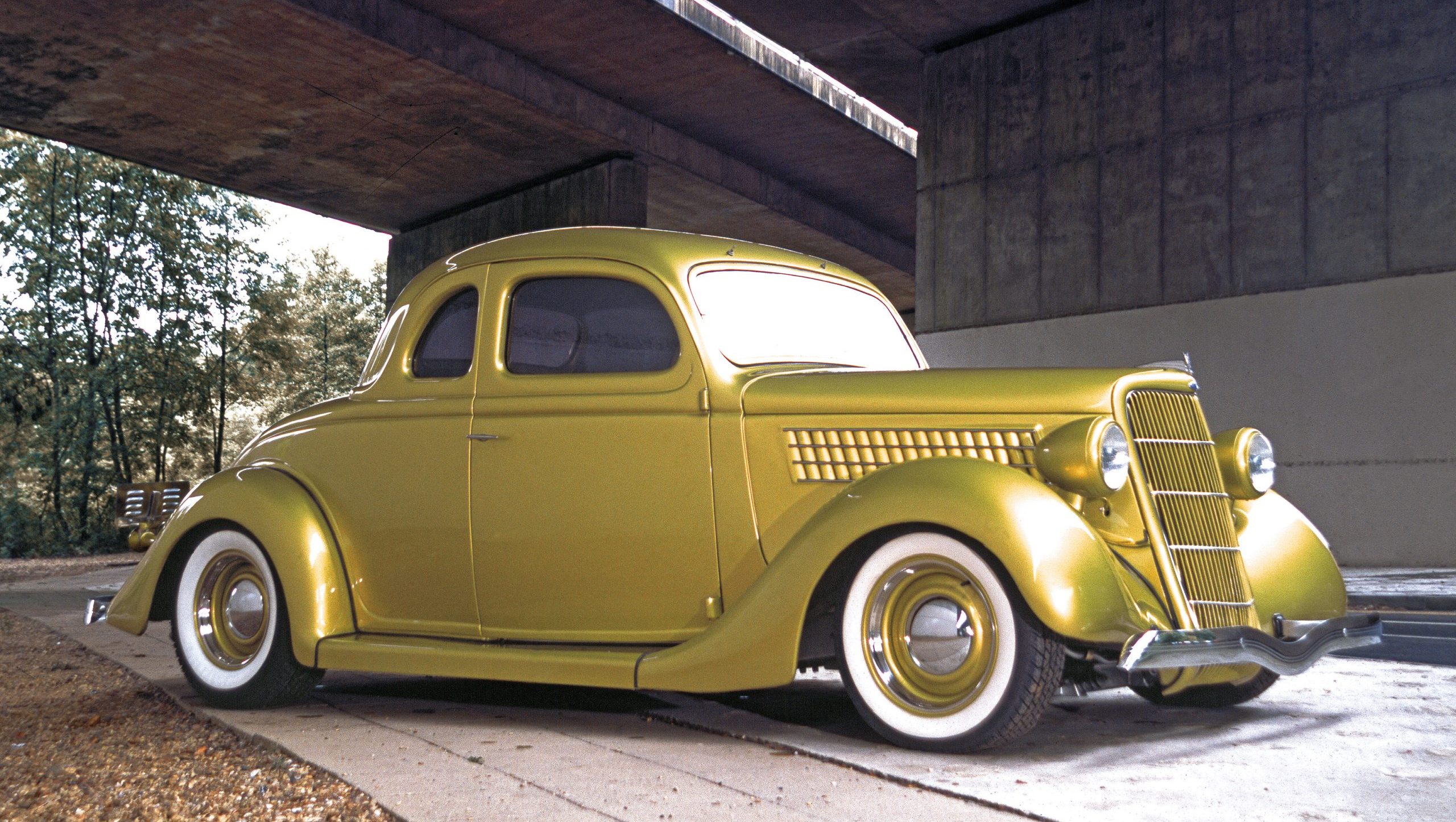
Here in the United States, we have been conditioned to find vintage tin in many places. The availability of good cars to build into street rods has become more limited as the years have passed, but depending upon your choice of bodies, there are still quite a few options. Of course, the advent of reproduction bodies has added to the choices. Now put yourself in a foreign land and think about how hard it would be to find a good 70-plus-year-old imported American car to build. That is what Wayne Streams faced as a native of the United Kingdom. Building street rods has grown in both popularity and participation in the UK. There are many vintage English vehicles available, but American cars are the most cherished among British rodders.
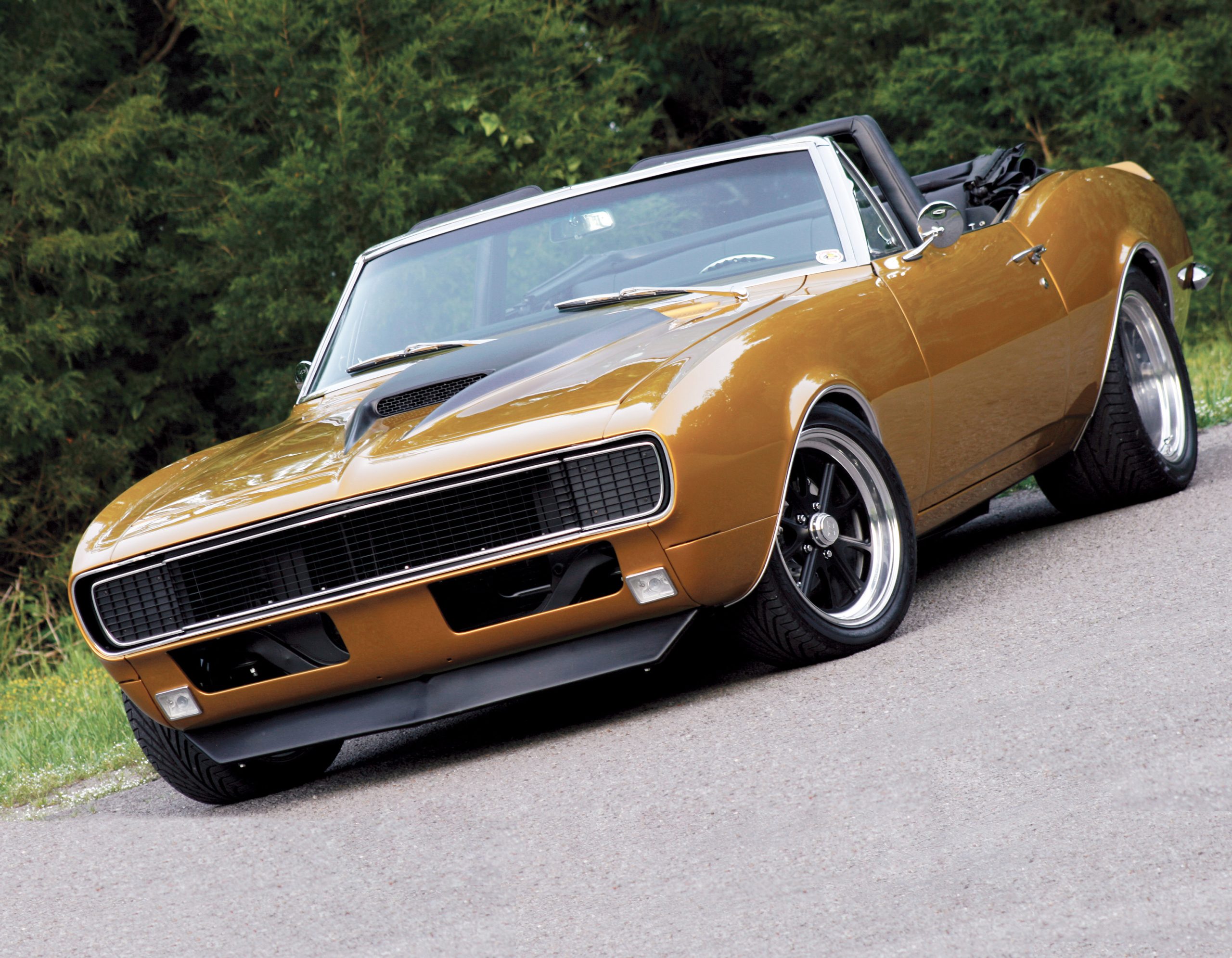
Mark Turner is an avid hot rodder—he eats, sleeps and breathes hot rods and muscle cars, and he jumps at any opportunity to add another car to his collection. On one of Turner’s many trips to check on the progress of a Camaro he had being built at G&S Custom Fabrication & Suspension in Athens, Alabama, owner Greg Blaydes told him about a ’67 Camaro RS/SS convertible being built whose owner had lost interest and was looking to get out from under the car.
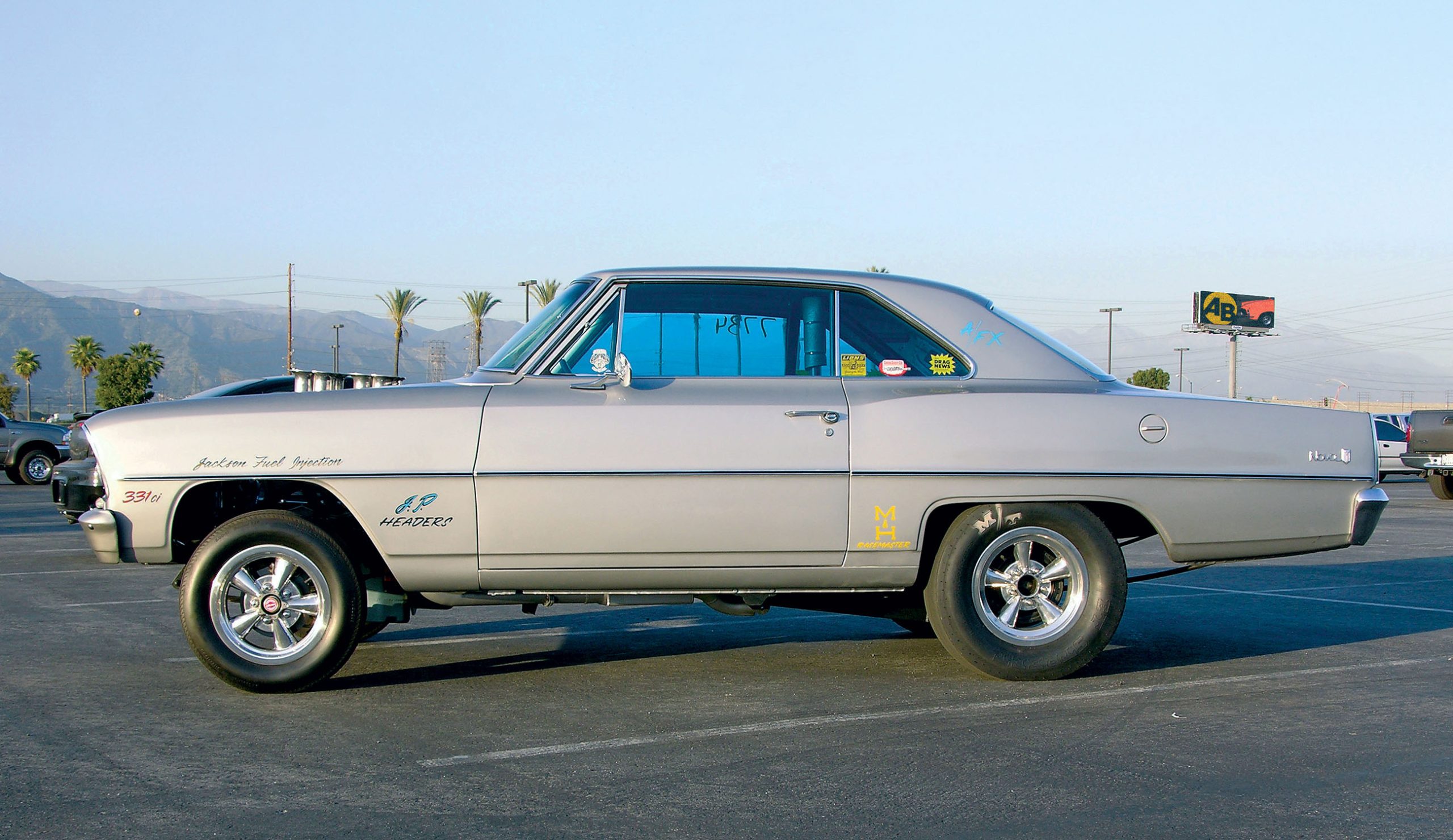
If you’re in the planning stages of building your car, or even if you have finished and are driving it, there are lots of free or inexpensive things you can do to make your ride faster and/or more efficient. This month, The Auto Builder gives you 25 of those ideas. Most of these free tips simply involve putting your car on a diet. Every 100 pounds of weight removed from your car equals dropping 1/10th of a second at the strip. Even though you may not be racing, the same theory applies to the street, and also to the extra weight you must lug around.
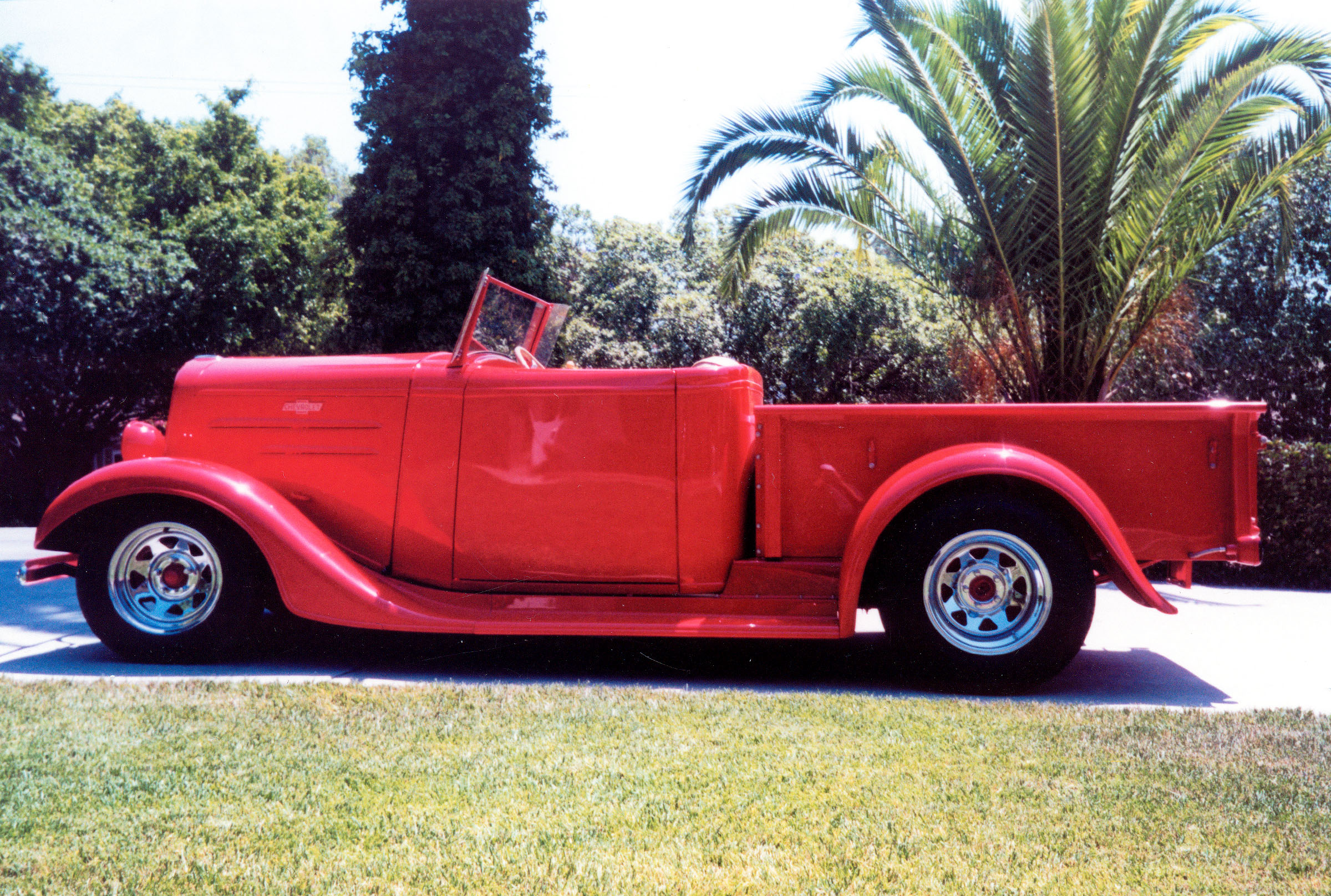
Let’s face it, most of us are working within the confines of a set of unwritten, yet clearly defined, rules of hot rodding. Stance, engine choice and wheels are for the most part selected from a menu of items that come “pre-approved” by our peers. Sure these rules work most of the time, and they provide a degree of certain acceptance when you’re building a traditional pre-’49 hot rod. But all in all, it also makes us a group of conforming nonconformists. However, for some hot rodders (and they are in the minority) building hot rods is about pure ingenuity, a total lack of peer pressure and joy of mixing parts from various sources and making it all work.
