
CRUISIN’ THE COAST 2026: DAY 2
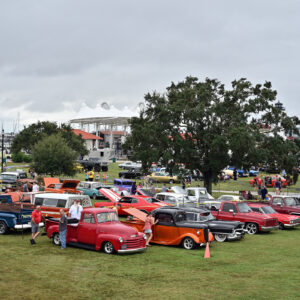
After a soggy start on Sunday, Cruisin’ The Coast 2026 shifted into high gear on Monday, October 5. The skies cleared, the crowds rolled in, and the Mississippi Gulf Coast came alive with chrome, horsepower, and enough automotive eye candy to keep your head on a swivel. From the bustling activity at Cruise Central to the streets of Long Beach and the autocross course in D’Iberville, Day 2 delivered a little something for everyone. And with the 30th anniversary celebration just getting started, there was plenty more to come.

Fab’d Four Recap: On the Road to the Triple Crown
We’ve been road-tripping all year long through the Fab’d Four of Auto Shows, chasing the best builds, the wildest debuts, and the kind of iron that makes you stop mid-sentence just to stare. Three shows in, we’ve already seen cars that melted minds and trucks that had crowds three-deep around them.

Mahoney’s Two-Toney
It’s always an uphill battle when it comes to acquiring, building and maintaining an old car, and no one knows that better than Dale and Dorinda Mahoney. You’re looking at their ’69 Mustang, and if there was ever a car that fought back, this is it. The initial build didn’t give the father-and-son(s) team of Dale, Craig and Shawn Mahoney too much trouble, as most of the build was handled in-house at their shop, Mahoney’s Auto Service in Highland, Indiana. The guys at Mafco Customs, a division of Mahoney’s Auto, also pitched in with custom suspension components, but the Mustang didn’t travel very far during the entire build, as Mafco is also located in Highland. Just as with any other car, there were problems during the restoration process, but everything turned out great, and the Mahoneys started putting miles on their freshly restored Mustang.

The Loss of an Industry Titan
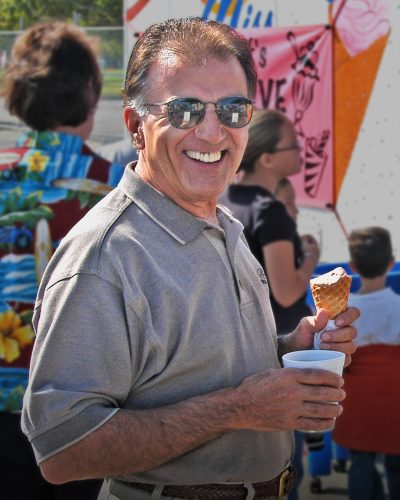
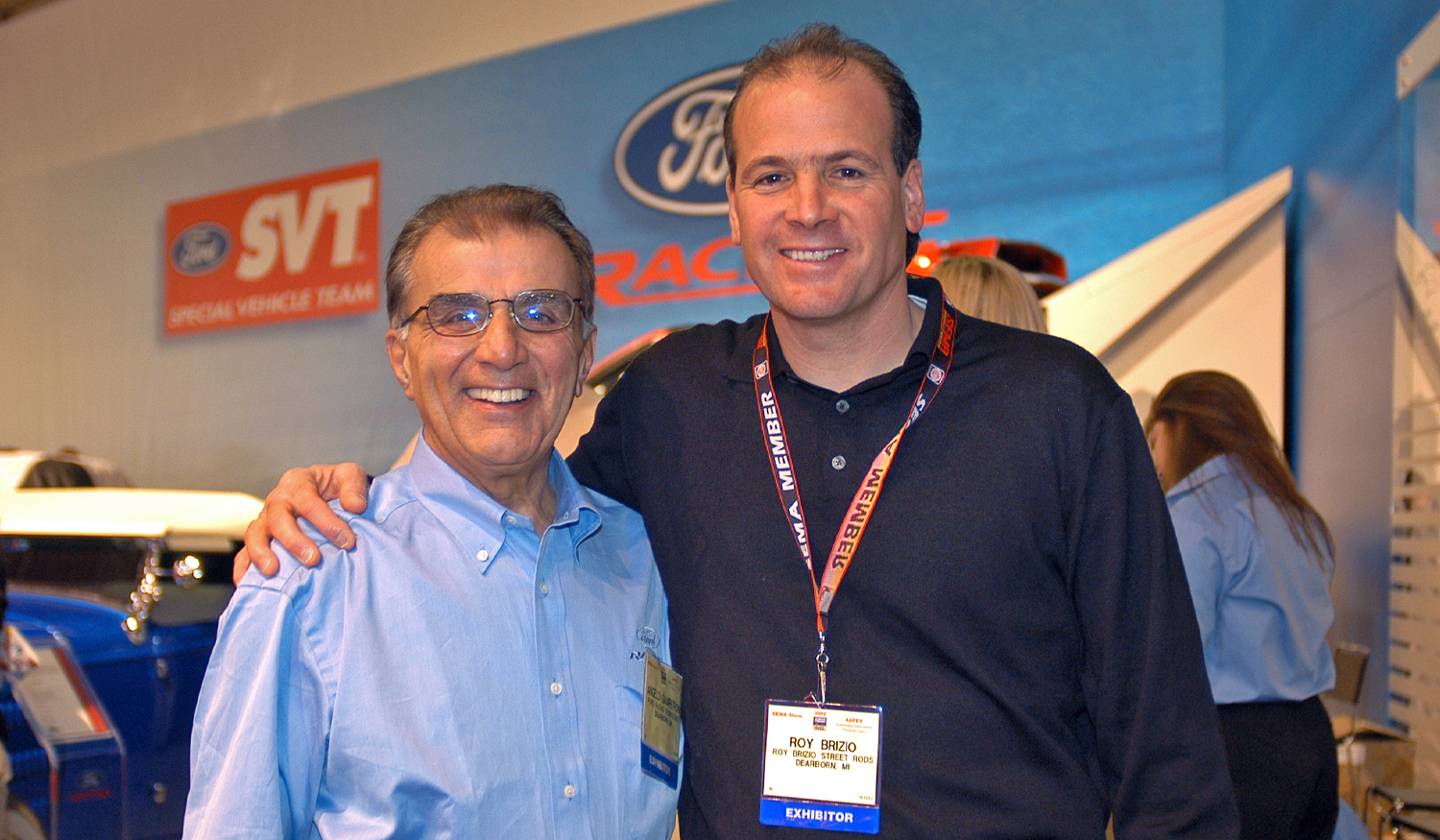
The automotive and motorsports world has lost one of its most influential figures with the passing of Angelo “Junior” Giampetroni. A pioneer, promoter, and passionate builder, Angelo helped shape the hot rodding and drag racing scenes from the postwar boom through the modern era. His impact can be felt not just in Detroit, but across the globe—from gritty speed shops to high-level factory performance programs. Angelo wasn’t just part of the culture—he connected it all together.
From Sweeping Floors to Shaping a Movement
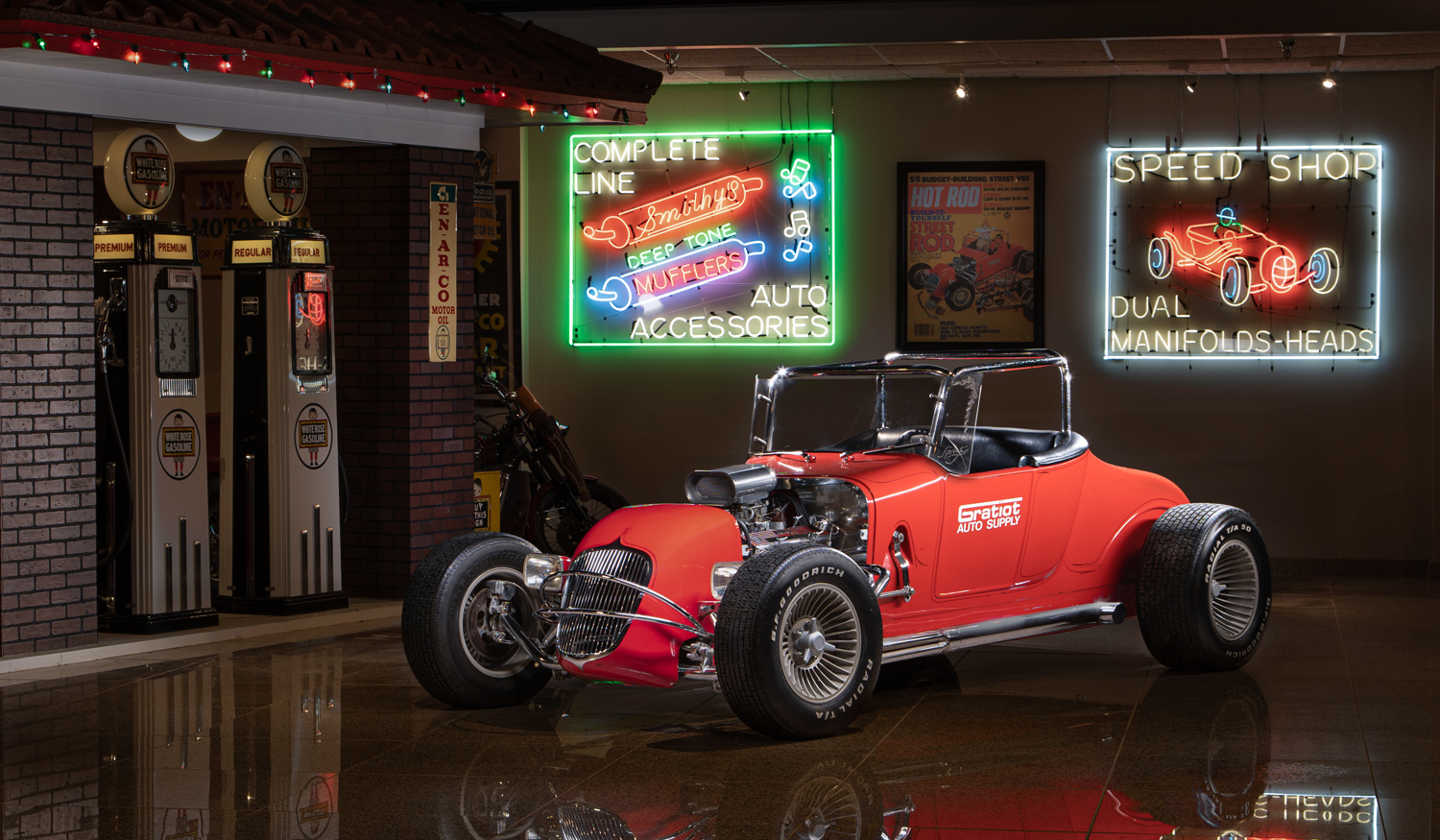
Angelo’s journey began at age 12, sweeping floors and stocking shelves at Gratiot Auto Supply in Detroit. That early exposure to performance parts and customer needs planted the seed for a lifetime of innovation. As soon as he could, he bought a 1932 Ford five-window coupe powered by a 292 C.I. flathead, outfitted with Grancor heads and an Isky cam. It doubled as his daily driver and weekend race car, running over 120 mph at Motor City Dragway and Detroit Dragway. Even then, he wasn’t just building cars—he was living the culture.
Gratiot Auto Supply: Grassroots Powerhouse
By the 1950s, Angelo had become instrumental in transforming Gratiot Auto Supply from a small local shop into a national force. Working alongside founder Bill Toia, he helped expand it to nine Detroit-area locations and a booming mail-order business. In 1969, Angelo launched Detroit Hi Performance, which evolved into Gratiot Auto Mail Order—shipping parts worldwide. He was one of the first in the industry to use TV commercials, print ads, and car show appearances to market speed parts. To bring attention to the brand, he even brought on Linda Vaughn, Miss Hurst, as a national spokesperson. Angelo made sure that no matter where you were in the country—or the world—you could feel a piece of Detroit in your garage.
Iconic Cars and Cultural Reach
Angelo didn’t just sell parts—he helped define an era of performance innovation. He sponsored and developed iconic cars like:
Lil Billy: A rear-engine 1920 T Roadster with a 480 C.I. Buick, clocking 168+ mph and running a 9.30-second ET.
Aggravation: A Hemi-powered bantam dragster built by Al Bergler.
Chevoom: A mid-engine ’66 Chevelle, created with Maynard Rupp.
Both Aggravation and Chevoom earned Riddler Awards at the Detroit Autorama, showcasing Angelo’s eye for performance and presentation. His catalog business shipped performance parts around the world and carried legendary brands like Holley, Edelbrock, Isky, and Hooker.
Bridging the Gap: Angelo at Ford SVO
In the 1980s, Angelo made a pivotal move—joining Ford Motor Company’s Special Vehicle Operations (SVO) as Marketing Director. With his deep aftermarket roots and street-level credibility, he became the perfect bridge between Ford’s corporate engineering and the performance-hungry enthusiast community. At Ford SVO, Angelo played a key role in helping Ford Motorsport Operations (FMO) stay visible, relevant, and respected among racers, builders, and weekend warriors. He brought the authenticity of Detroit speed shops into the boardrooms of Dearborn, ensuring that Ford’s performance parts stayed connected to real-world drivers.
Supporting the Scene and Giving Back
Angelo remained committed to racers and rodders throughout his life. He sponsored legendary teams like Mancini Racing, led by 2018 MMSHoF inductee Ron Mancini. With the Gratiot Auto Supply name emblazoned on cars across the country, Angelo’s influence stretched far beyond the Detroit city limits. He also became a fixture in hot rod media—most famously appearing on the cover of Hot Rod Magazine with Linda Vaughn and the Sprint T roadster.
A Life That United a Culture
Angelo Giampetroni wasn’t just a hot rodder, a businessman, or a marketing mind—he was a connector. From a 12-year-old shop helper to a leader inside Ford, he served as the living bridge between two worlds: grassroots hot rodding and corporate performance. His legacy isn’t just in catalogs or quarter-mile times—it’s in the culture he helped grow, the people he championed, and the brands he brought together. His story is a reminder that true impact comes from passion, vision, and the ability to bring others along for the ride.