


TheAutoBuilder.com

Hot Rods

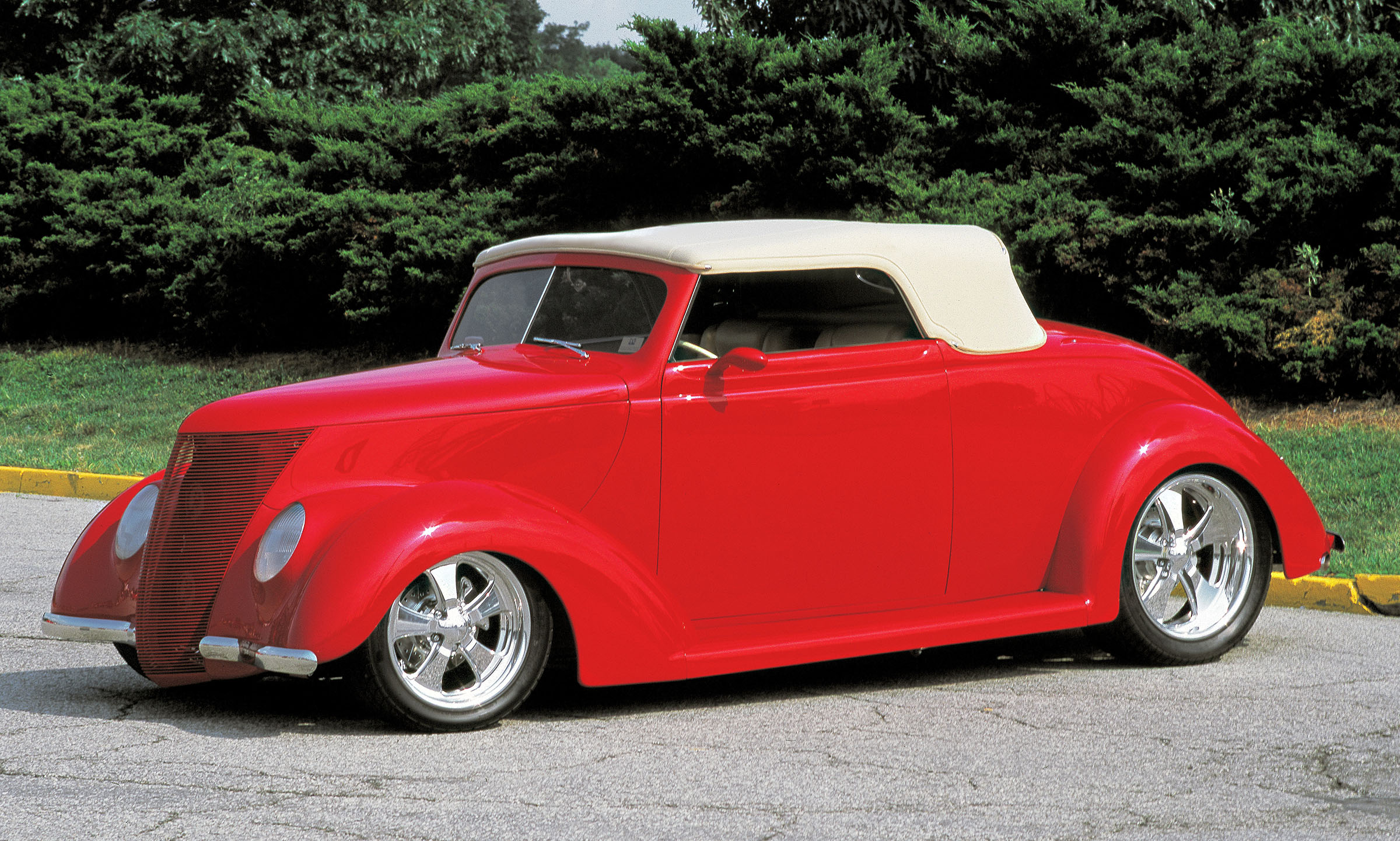
PONY EXPRESS

We’ve already tempted and teased our readers with a behind-the-scenes tour of the Unique Performance Shelby continuation cars—the GT 350SR and the GT 500E (Ford Builder, Mar. ’05, page 67). Many of you probably lust after one or both of these cars, but not all of us can afford to purchase one yet. And because of their limited numbers, their prices do, unfortunately, put them out of reach of many of us Ford enthusiasts. That’s the bad news. But there is good news; don’t assume that because you cannot buy a genuine continuation Shelby, you can’t build a car that drives just like one. Unique Performance sells not only the cars as complete packages, but they understand the situation quite clearly and have made available many of the individual parts and assemblies used to build their cars.

SLOWING DOWN A FAST MUSTANG

The Ford Mustang was one of the first cars to offer disc brakes as an option, but they were not a big hit with buyers when they were first introduced. Most buyers were happy to buy a base model with a six-cylinder engine or a slightly improved version with a 289 backed by an automatic transmission. This was the standard Mustang package that most Mustang owners wanted in those days—grocery-chasers that people had no intention of using to sit on the pole of the Indianapolis 500. Aside from the Brickyard, that’s all changed, as standard drum brakes are no longer considered standard fare, and car enthusiasts now know the benefits of full disc brakes. It’s hard to find a car today without them, at least on the front brakes.

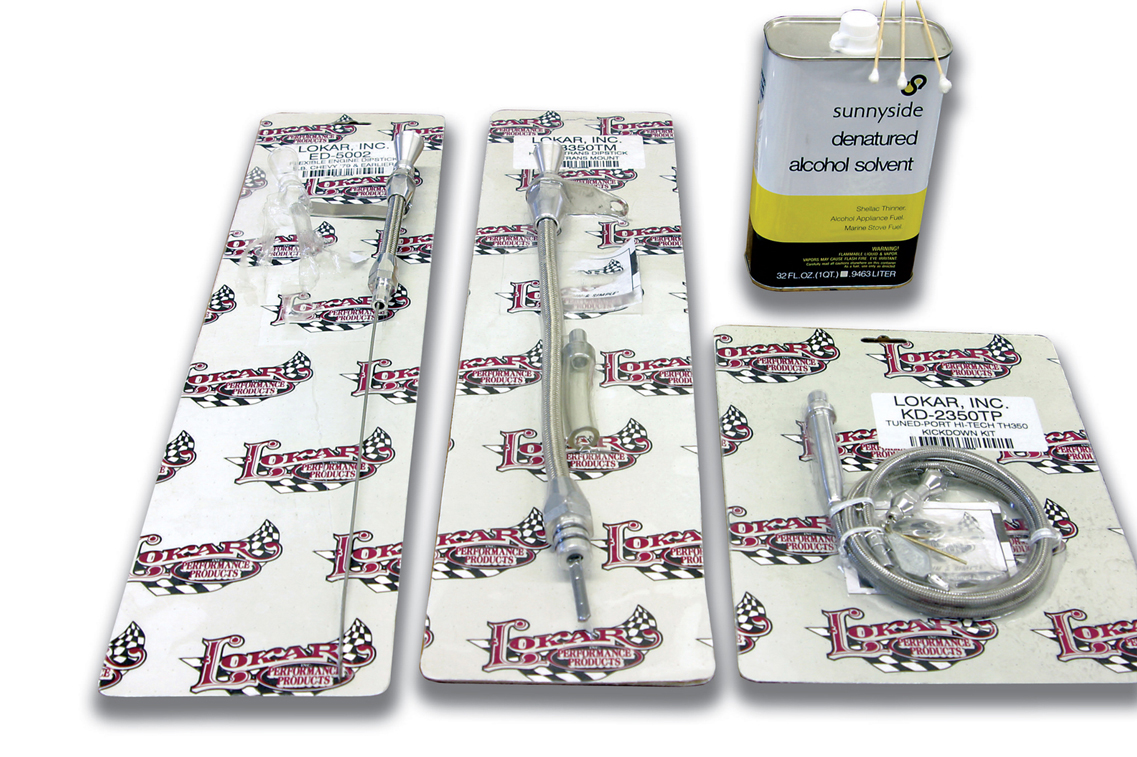
PEEL ‘N STICK

When dismantling your project car, you probably ran across the crumbling remnants of the original insulation. Old cars are notoriously “leaky” when it comes to heat and sound barriers, making them louder and hotter than the typical daily driver. Sometimes a loud exhaust system overrides the road noise, but you’ll always notice when your air conditioning system never seems to keep the cabin cool. If you’re in the midst of an interior refresh, or a full restoration, it’s a great time to consider new insulation.

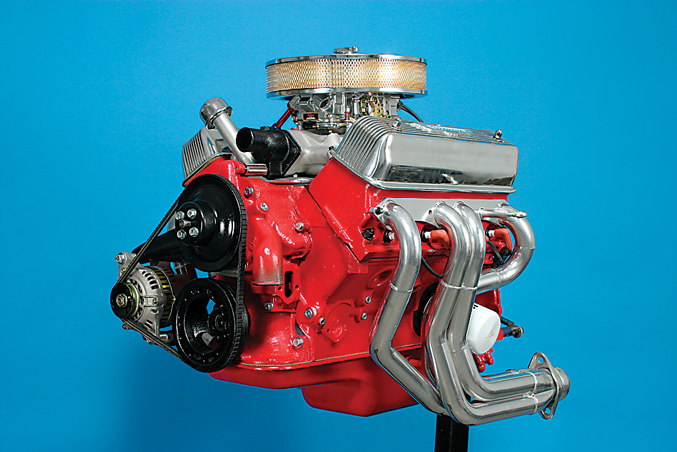
SOMETHING OLD, SOMETHING NEW

There’s a lot to like about vintage engines. Just the sheer fact that it isn’t a small-block Chevy is enough to inspire many hot rodders. Now, don’t get us wrong; the small-block Chevrolet is nothing less than awesome, but it is also the default engine of most hot rodders. Often, there is no thought involved as many rodders simply want the 350/350 treatment. That’s probably fine for most hot rodders, but there has been a real resurgence in putting vintage motors in vintage hot rods, and we love the concept. The Oldsmobile, Cadillac, Buick Nailhead and Hemi are all great candidates for powering a vintage hot rod. Parts are still available for most of these engines, some being tougher to find than others. A surprising amount of speed equipment survives for these engines, too, and companies like Offenhauser still produce a lot of vintage speed equipment.

FORD HANDLING GUIDE

Although modifying a car to handle well can often seem like a black art, virtually every aspect of handling comes down to three things: the weight of the vehicle, the traction generated by the tires, and the distribution of weight on each particular tire at a given moment.

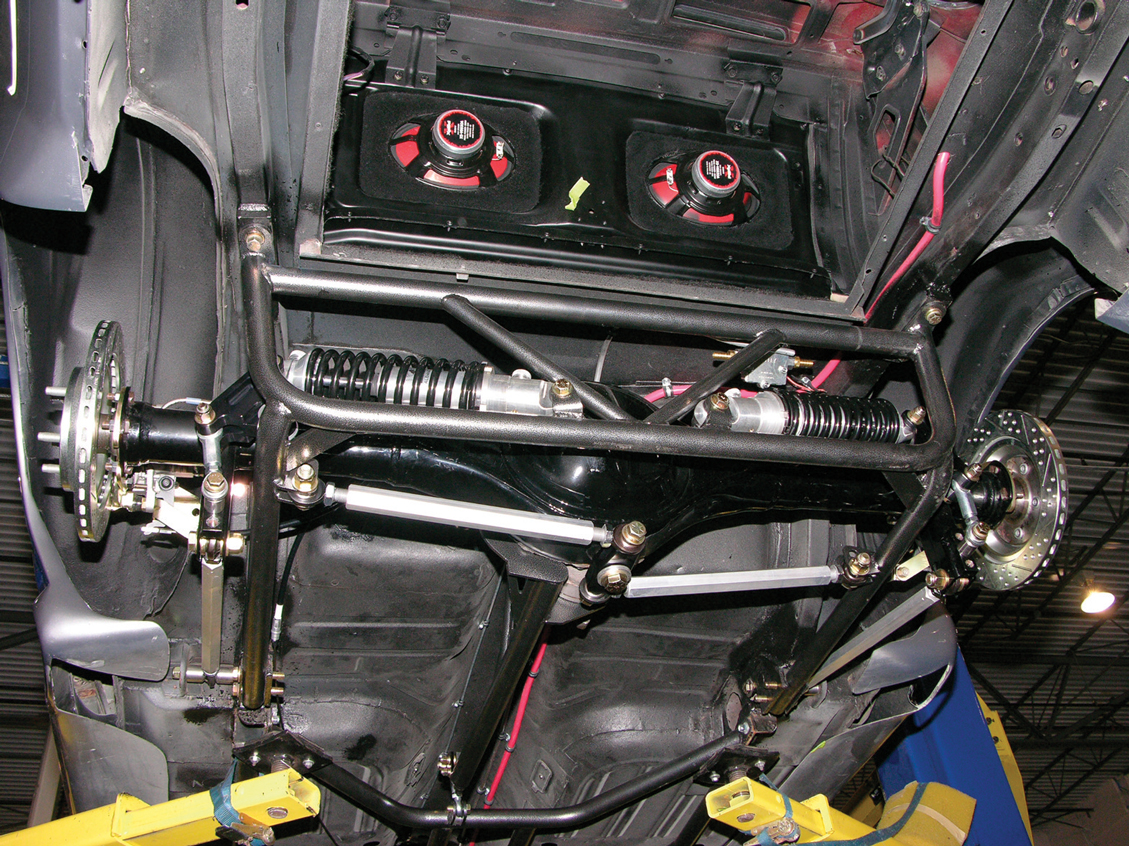
SUREFOOTED MUSTANG

As much as it rankles Blue Oval fans, the early Mustangs used the same suspension as the Falcon and the Comet. It brings to mind cars powered by little six-bangers, dubbed “economy cars,” and not meant for the performance-minded-like a ’60s version of a Geo Metro or Yugo. Those who drove them loved and abused them, and quickly determined the limits of the factory suspension—especially with any power under the hood.

WINDSOR CASTLE

While the small-block Chevy is the popular engine choice for many enthusiasts, many are now relying on a Blue Oval heart for their performance bodies. With its link to Ford, the original body manufacturer for many of the classic cars we see today, the small-block Windsor-style Ford engine offers several advantages. When compared to Chevy, the lack of firewall clearance for a number of Chevy engine swaps is due to the rear distributor position of the engine. The front-mount distributor position is the more logical place to drive the distributor and the oil pump. Not to mention, it’s much more convenient.

Passing The Bar

In the fall of 2003, I wanted to attend an open-track lapping day with my ʼ67 RS/SS Camaro. I have owned the car for several years and have autocrossed and drag raced it, but I never had the opportunity to run it at one of the local tracks, such as Nelson Ledges of mid Ohio, or BeaverRun.

The 2022 SEMA Show

The Specialty Equipment Market Association (SEMA) Show engulfs Fabulous Las Vegas annually. It brings together the biggest names in the automotive world to show off the latest and greatest, whether it’s new products, amazing custom builds, or the newest trends. TheAutoBuilder is excited to be in the thick of it all.

Scroll to Top