





Builds
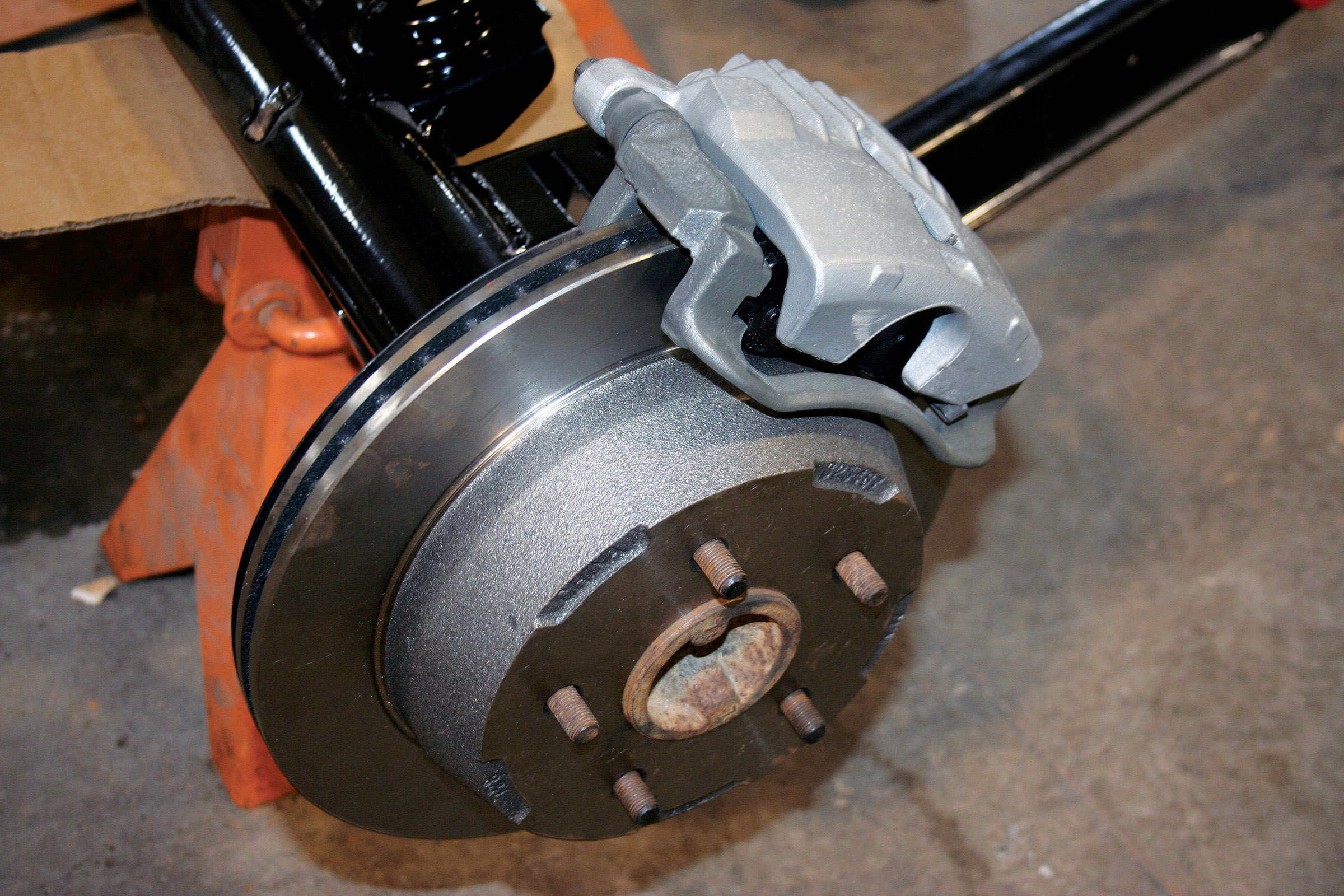
Since we don’t really have to search for vintage parts anymore, gone are the days of scouring the local “Pick-a-Part” in search for that illusive part that will interchange or convert your muscle car to bucket seats, tilt steering, A/C or some suspension upgrade. But there was a day when you and a rodding buddy could venture to your favorite junkyard and come home with a whole truckload of cool vintage goodies that would aid you in your rebuild, all in the span of a day.
Well, those days aren’t completely gone. While at the local wrecking yard looking for any useful hot rod parts, we stumbled across another enthusiast, Sean Rievley, who is in the progress of upgrading his ’71 Chevelle chassis
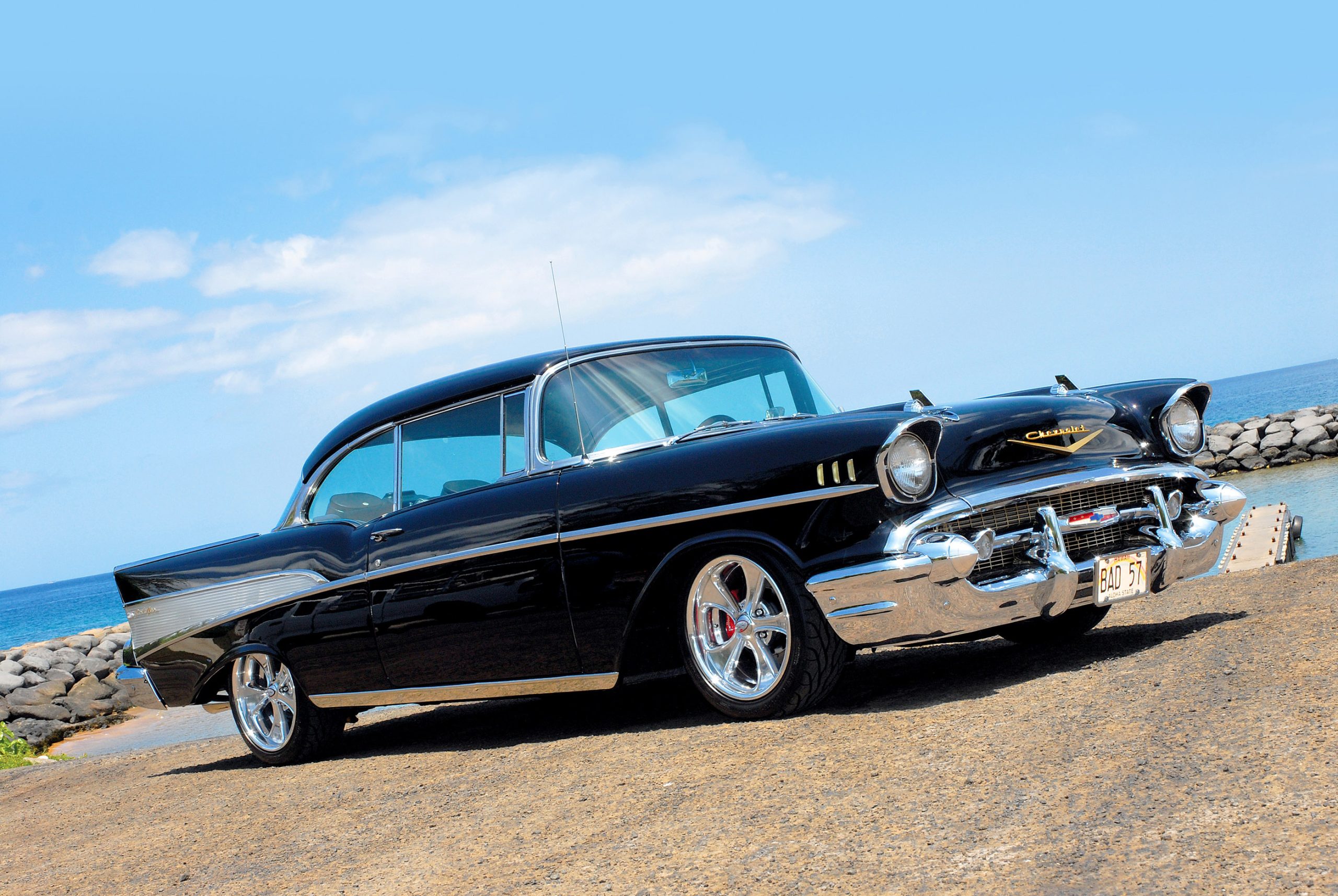
This has to be one of the nicest looking ’57 Chevrolet Bel Airs I’ve ever seen in the state of Hawaii,” I kept saying to myself as I was photographing Keith Maeda’s black cherry ’57 tri-5 Chevrolet. I mean, this thing has all the bells and whistles.
0Comments
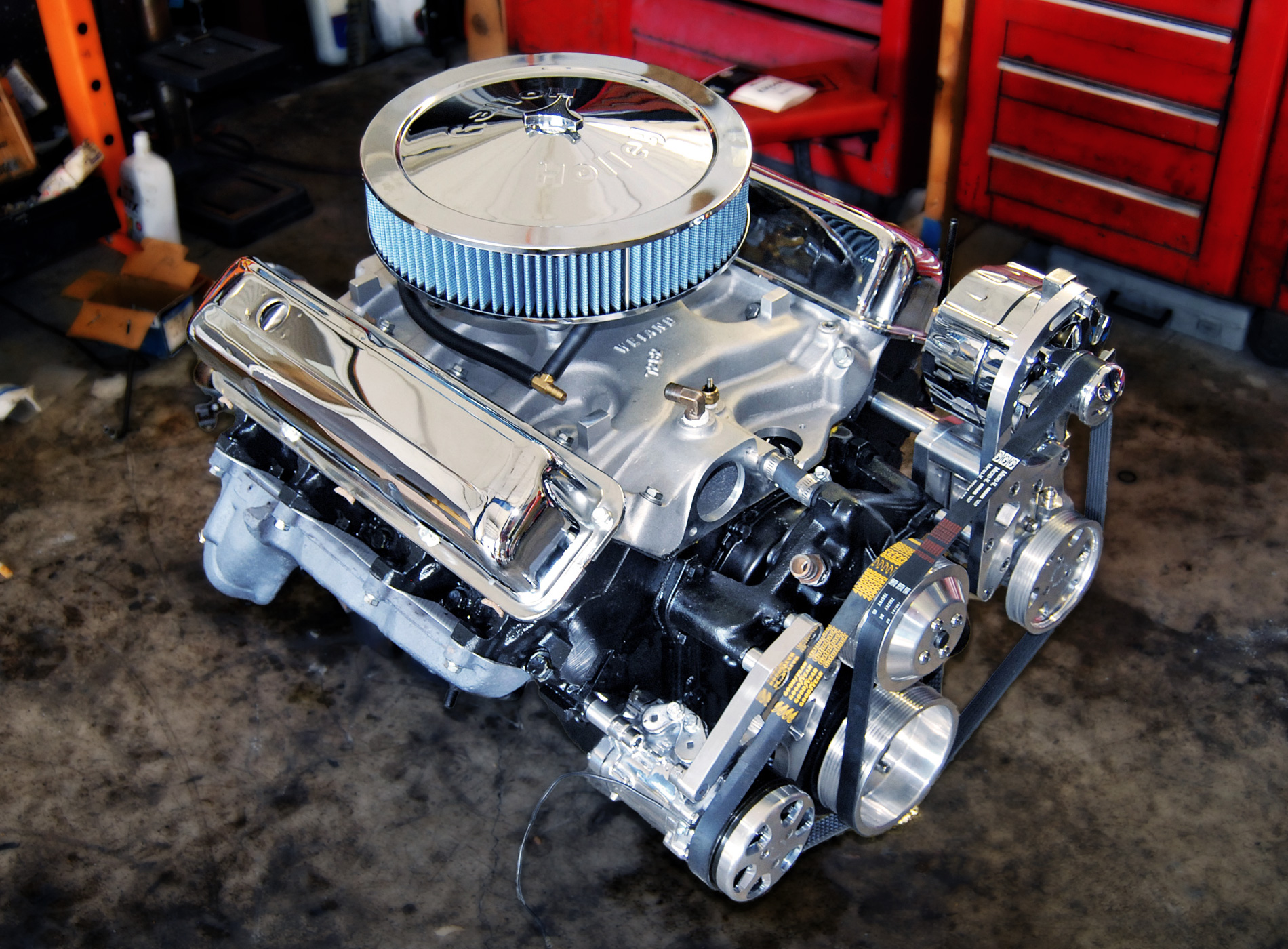
After recently purchasing a ’62 Thunderbird, it became obvious very quickly that the car needed a new engine. Our plan was to turn the car into a daily driver, and so, as long as we needed a new engine, we figured we’d add air conditioning to the car while we were at it. And if you really know your Ford history, you also know that the ’62 was the last model T-bird to come with a generator rather than an alternator—one more reason to consider an upgrade.
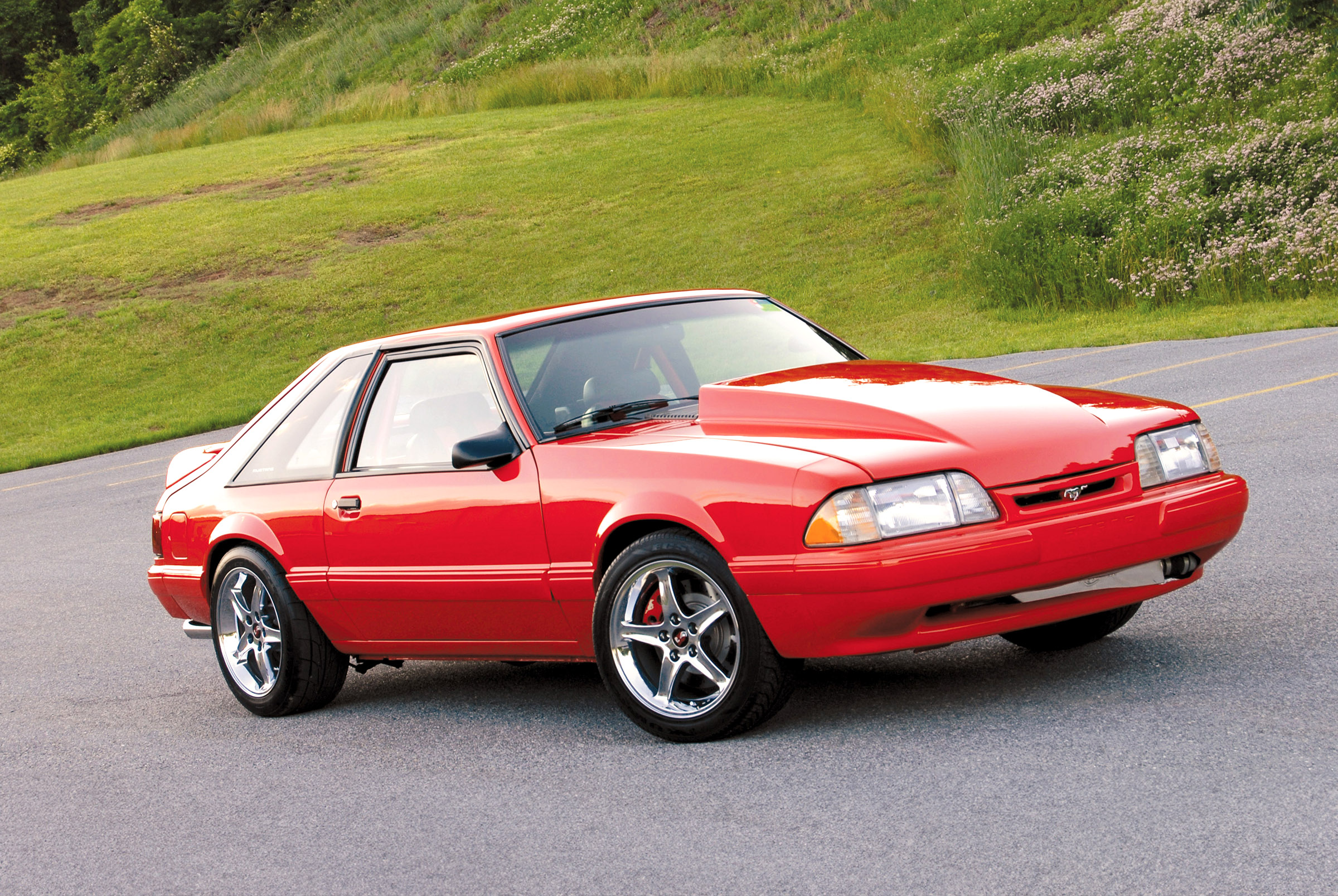
York, Pennsylvania’s Jesse Houseman is a genuine Ford man. In addition to owning an ’89 convertible 5.0, an ’04 F-150 and, previously, an ’89 LX 5.0, he built the stunning ’88 LX you see here. He did almost all of the work himself, starting with a four-cylinder donor car in poor shape and transforming it into a show car with racecar performance—or is it the other way around?

Picture this: cruising down the highway, feeling every bump and dip in the road, but instead of discomfort, you’re met with smooth, controlled handling. That’s exactly what Ridetech’s suspension systems offer – the perfect blend of performance and comfort.

It was a sketch published in another street rod title, and while it brought many interesting comments, to our knowledge no one acted on the sketch to convert it to a real roadster. Enter Sam Magarino of Sussex, New Jersey. Now, Magarino likes hot rods, and lately he has enjoyed building some pretty outrageous hot rods with the help of Barry Lobeck and his crew at Lobeck’s. This would be a project of great magnitude, and that was the name aptly applied to this car for the show season.
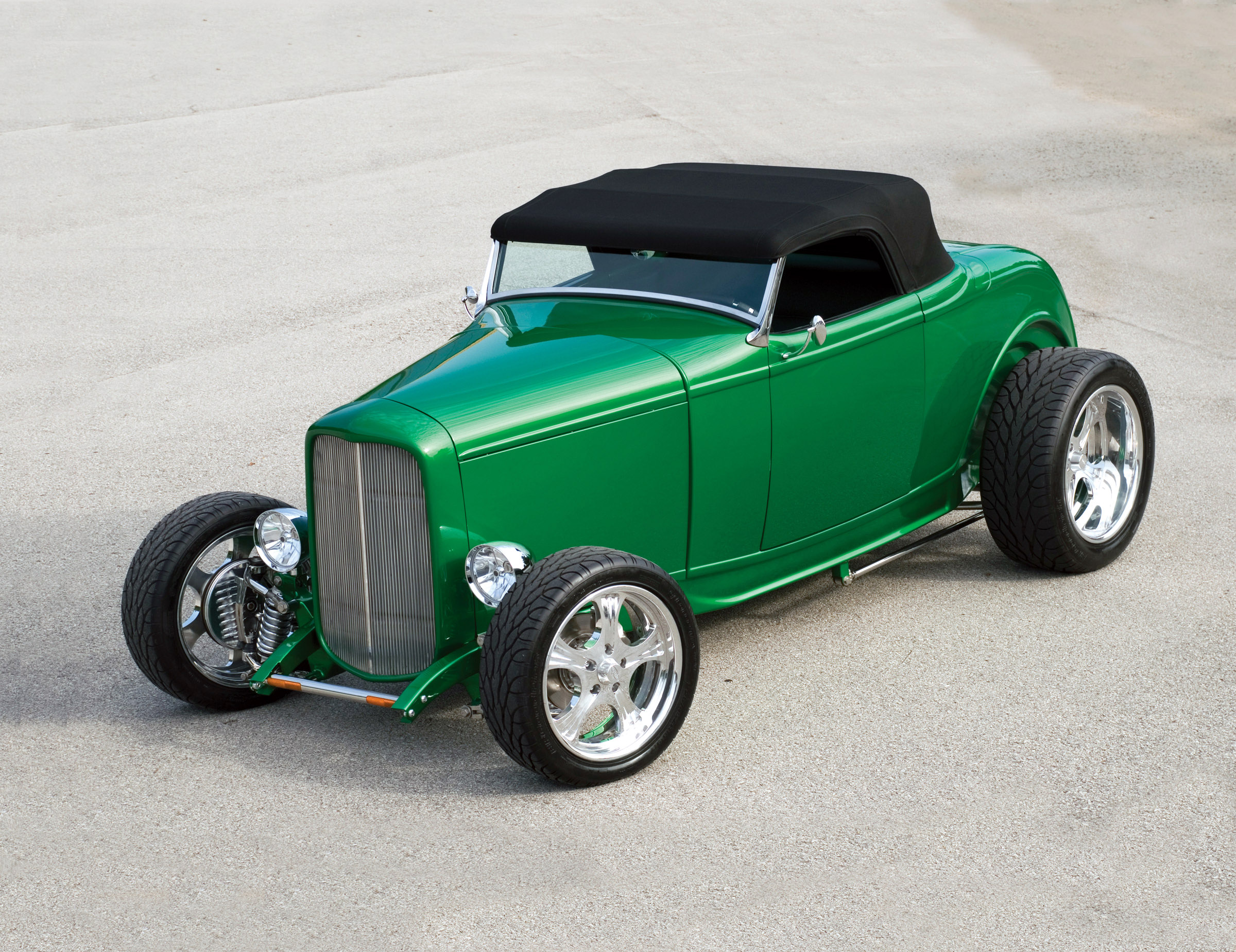
Enter Carl Casper, a man best known for building custom cars and promoting his huge custom car show every year in Louisville, Kentucky. Casper has long been a self-thinker and innovator with plenty of experience under his belt, and he was intrigued with the concept of alternative fuels, hydrogen in particular. During our conversation with Casper, he summed it when he said, “I feel many of the solutions will come out of the car guys. I want the mechanical wizards who have taken street rodding and auto racing to the highest levels imaginable to start putting their creativity into alternative-energy systems. I’m putting my money on them. Everyone seems to be waiting for the big corporations to pull us out of this energy crisis, and they tend to forget that from the very beginning of time it’s often the little guy with a shop behind his house who creates the next great idea or invention of our time.”
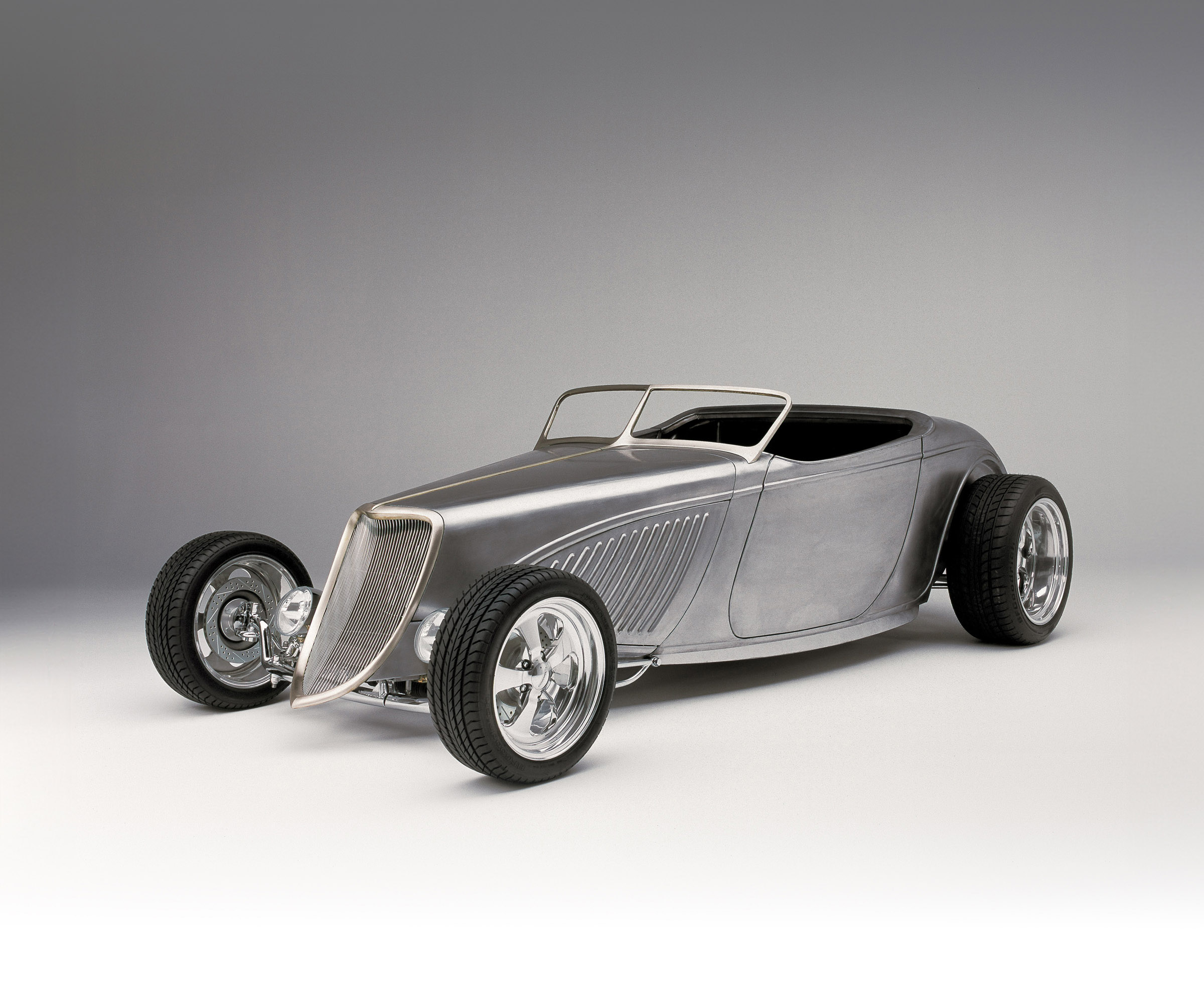
While several different rod builders have created limited-production vehicles, few handled every aspect of the construction in-house, mainly because they thought it best to team up with other craftsmen to create certain aspects of their cars. While this takes nothing away from the quality or beauty of the cars they created, it does say a good deal about SAR. By keeping every aspect of the construction process in-house, SAR has been able to maintain personally set tolerances and control the design theme at every juncture, yet still build each car as if it were the only one. And because each of the Double Dozens is offered simply as a “roller,” the final results of each still depend heavily on the imagination, talent and individuality of their owners. In the end, each of these cars will be special in its own right, and we’ll be showing them to you in the months and years to come.
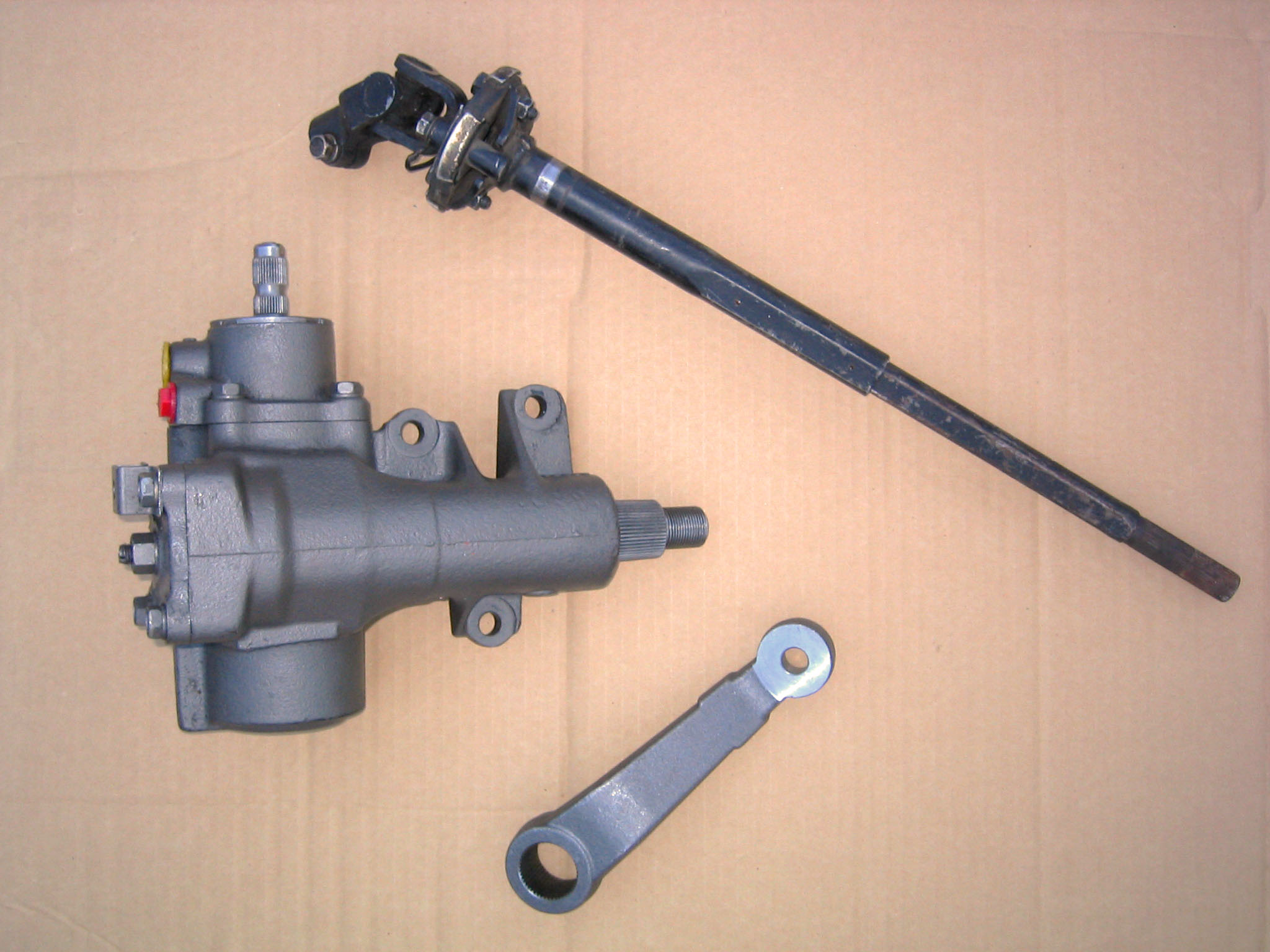
Ok, you’ve lifted your rig so you can put those big tires on, and you take it out on it’s maiden wheelin’ trip. The first thing you notice is how the terrain seems to guide the tires while fighting your biceps. If this sounds familiar then you probably have manual steering. Many of the older rigs on the trail only came from the factory with a manual steering box. There are several options to remedy the manual steering blues. Upgrading to a power steering setup is the most basic route, then there are a number of companies specializing in hydraulic ram setups. There are also many combinations using common power steering boxes in addition to a hydraulic ram assist. With the vast variety of power steering system components available, the possibilities are quite endless.
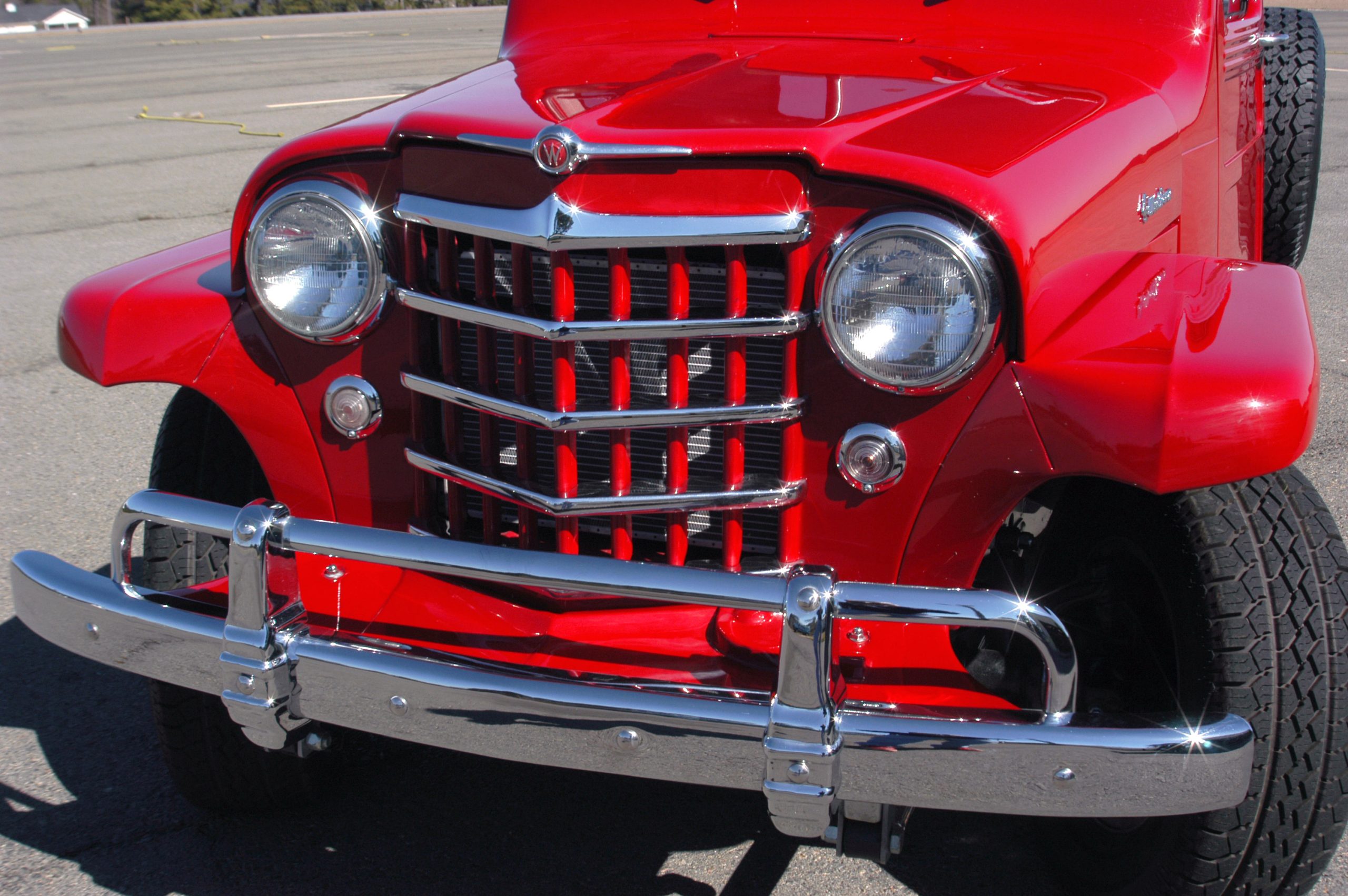
Kinney Lazarus has owned several Jeeps over the years, and he had an interest in owning one of these vintage Willys pickups. While searching the Internet one day, he came across a running ’52 Willys 4WD pickup in Arkansas. He purchased the pickup online and had it shipped to his home in Georgia. Once he had possession of the truck, he quickly found that the performance of the original flathead four-cylinder engine left a lot to be desired by today’s standards. Also, being accustomed to a more modern ride, he found that the outdated suspension was less than desirable. In general, this classic Jeep was no fun to drive.
