










Manufacturers
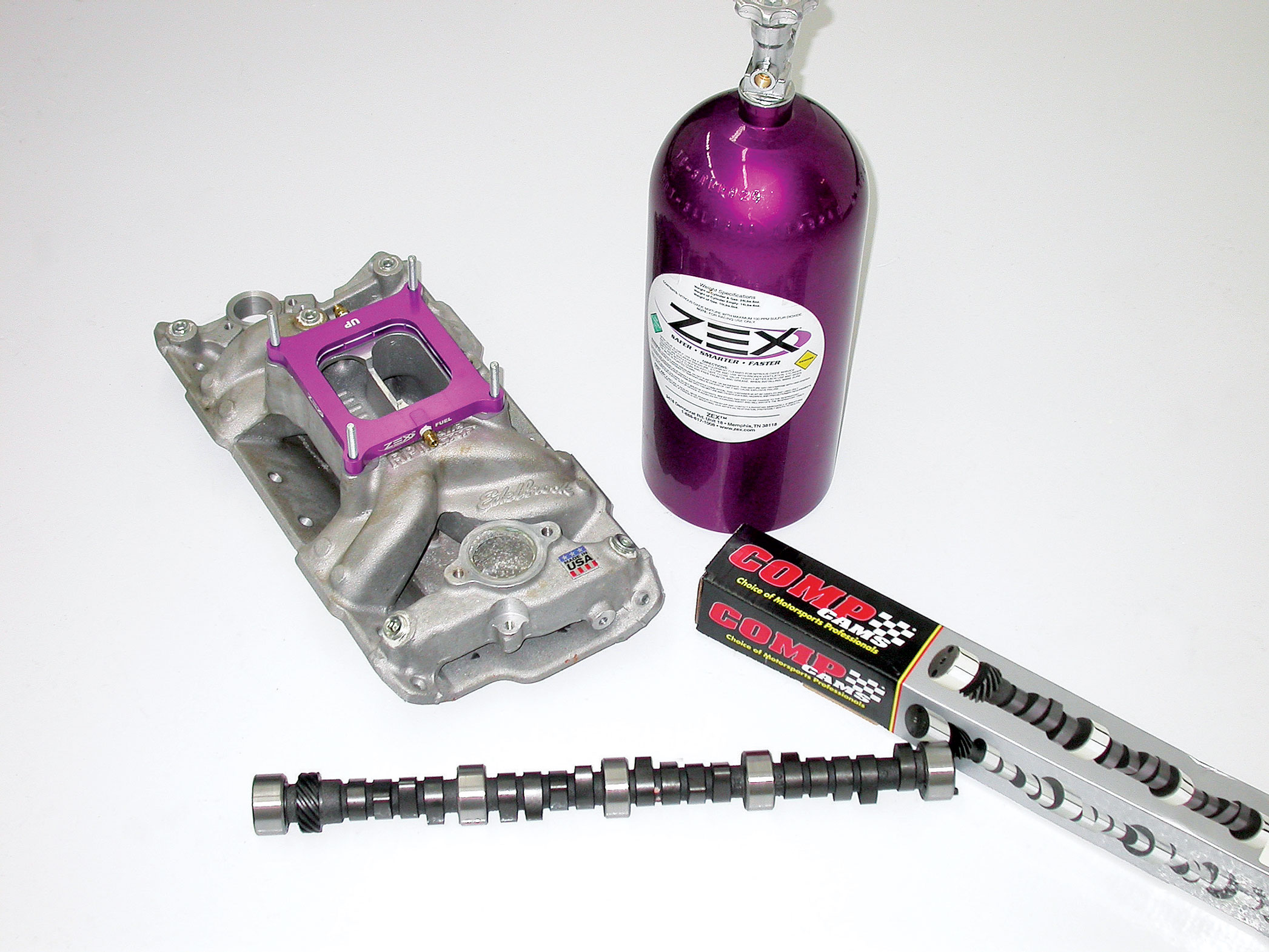
By now, we all certainly know that nitrous oxide is a performance enthusiast’s best friend. Nothing can wake up a sleepy motor like a quick shot of nitrous.
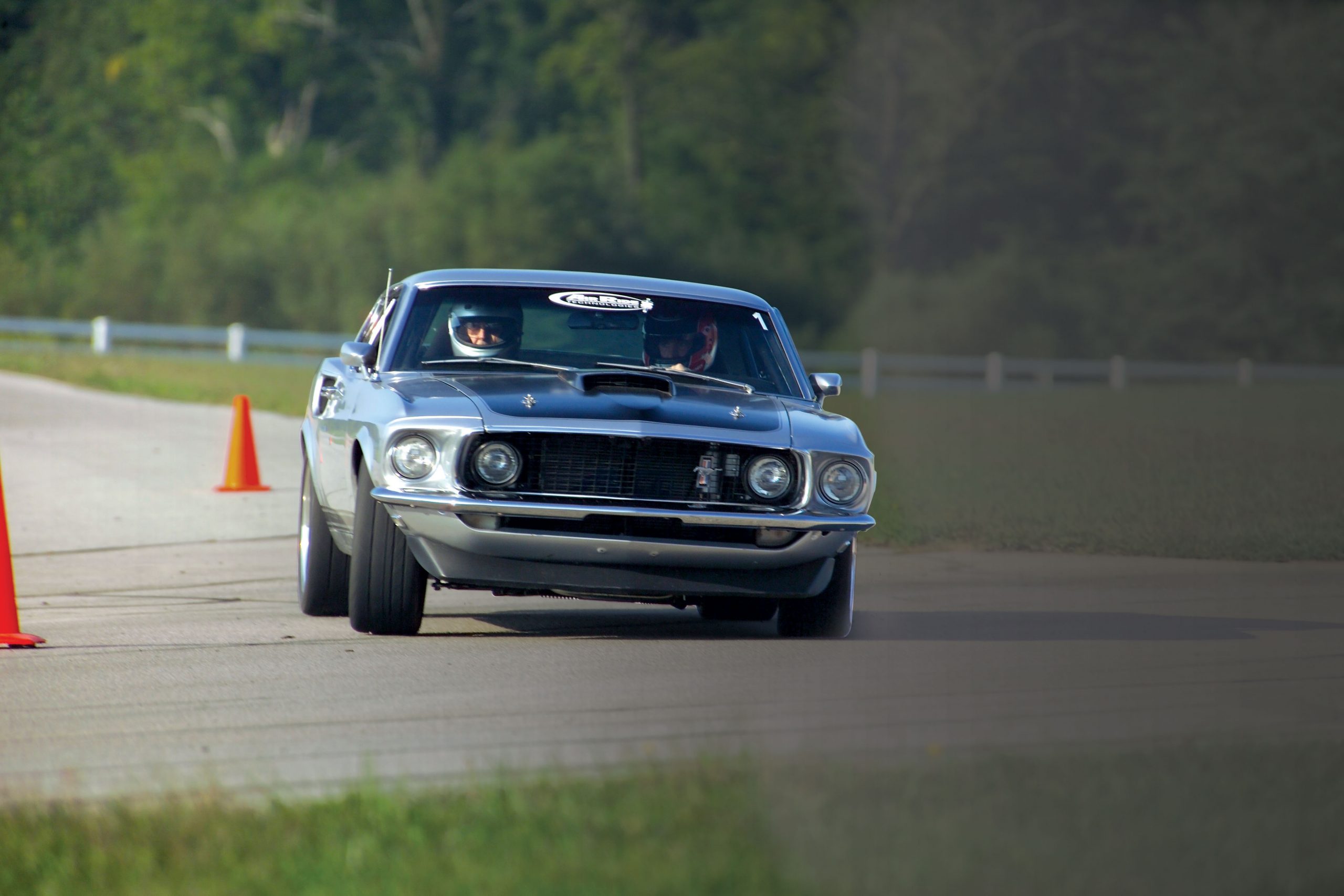
Although modifying a car to handle well can often seem like a black art, virtually every aspect of handling comes down to three things: the weight of the vehicle, the traction generated by the tires, and the distribution of weight on each particular tire at a given moment.
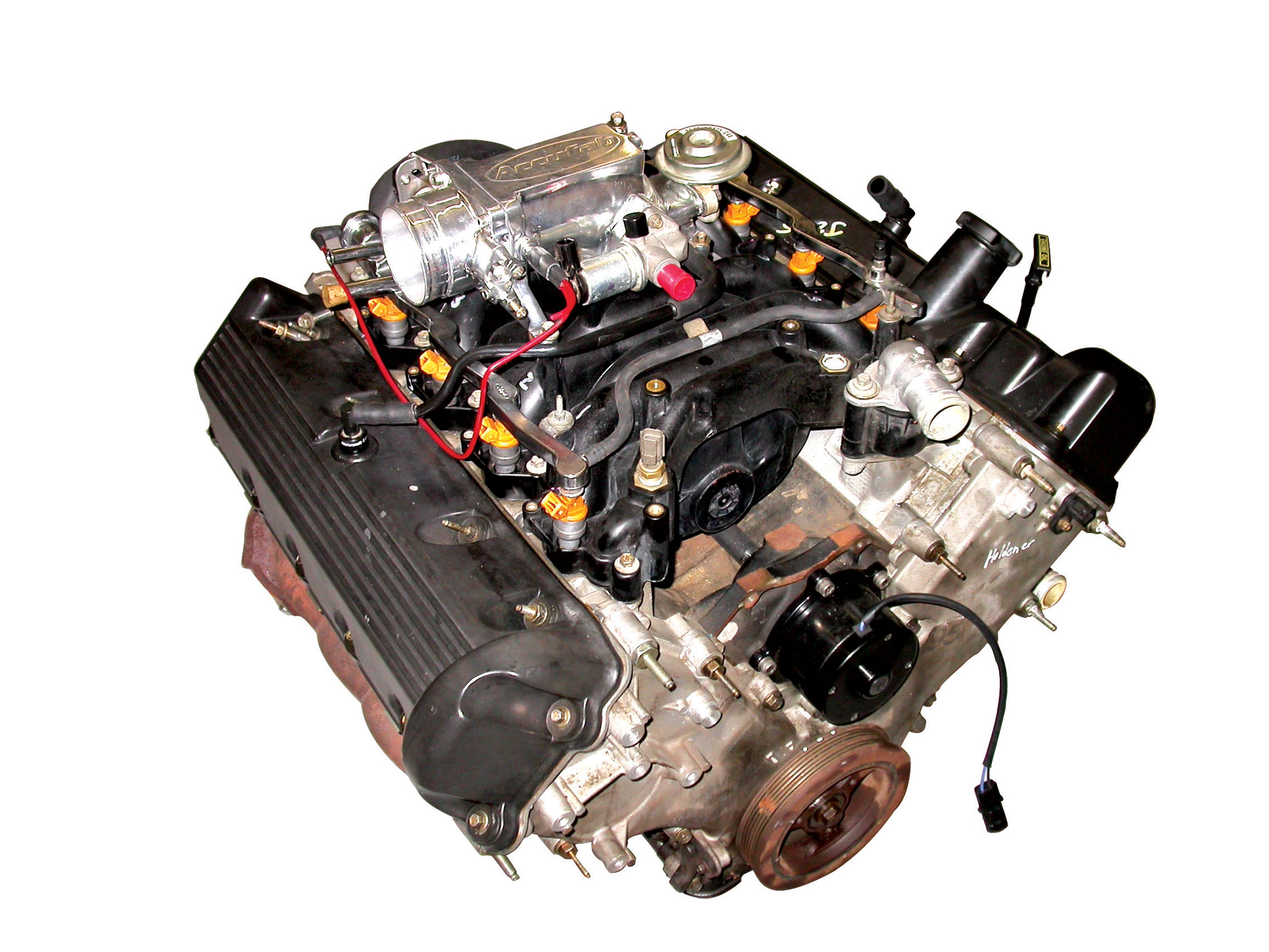
Performance enthusiasts are a funny bunch. They all seem to agree that “as much as possible” is the correct answer when asked, “How much power do you want?” But they certainly
disagree about the best way to get there.
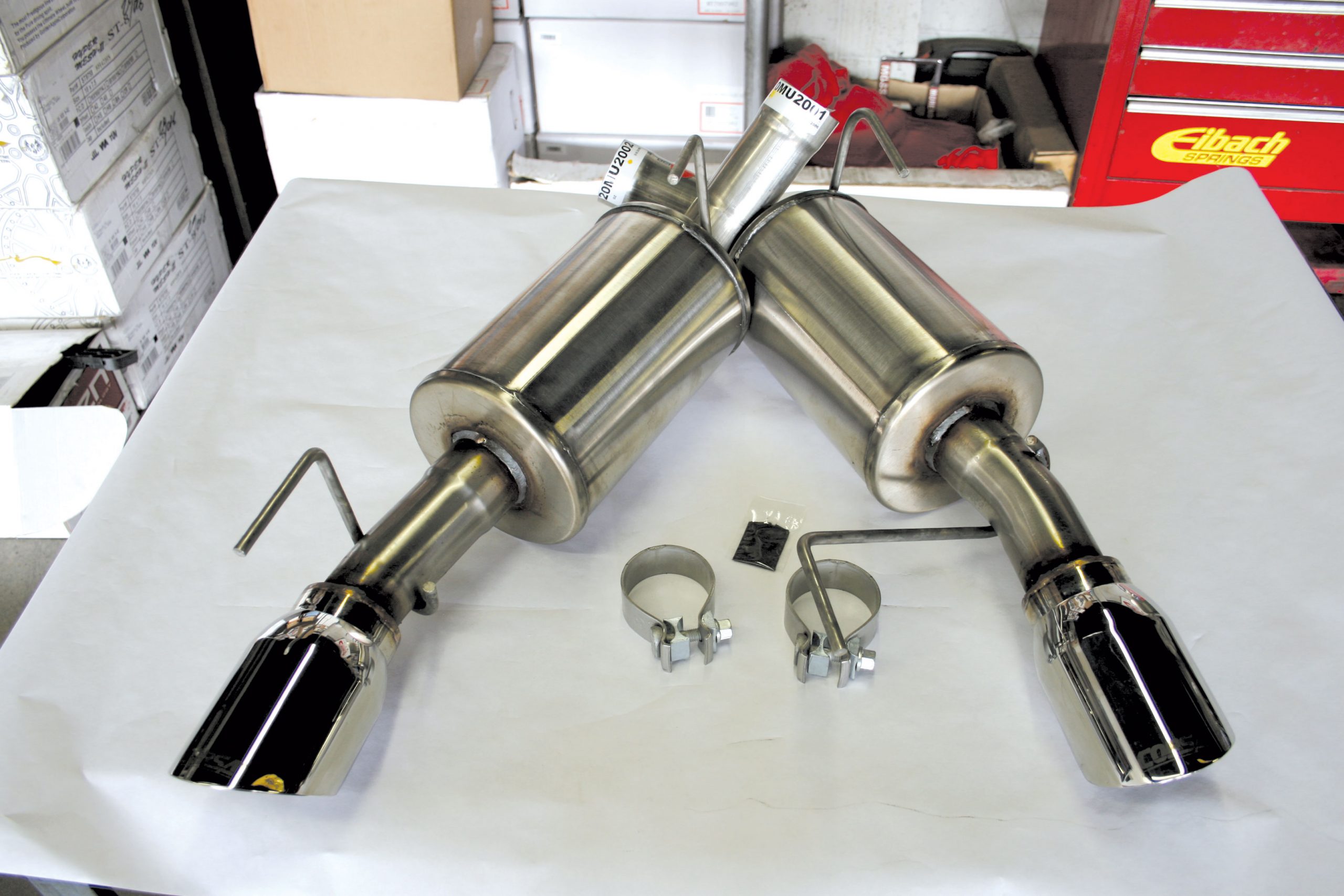
Sound is something that every car guy considers at the top of his or her list of what is important to their ride. Take, for example, the stereotypical sport compact driver. He or she typically has a huge muffler or mufflers and corresponding exhaust tip(s) that make those cars sound as if they are going 100 mph, even when cruising at slow speeds. We Ford guys know that good sound on a real performance car is also important, but we also know that sound must be backed up with corresponding performance.
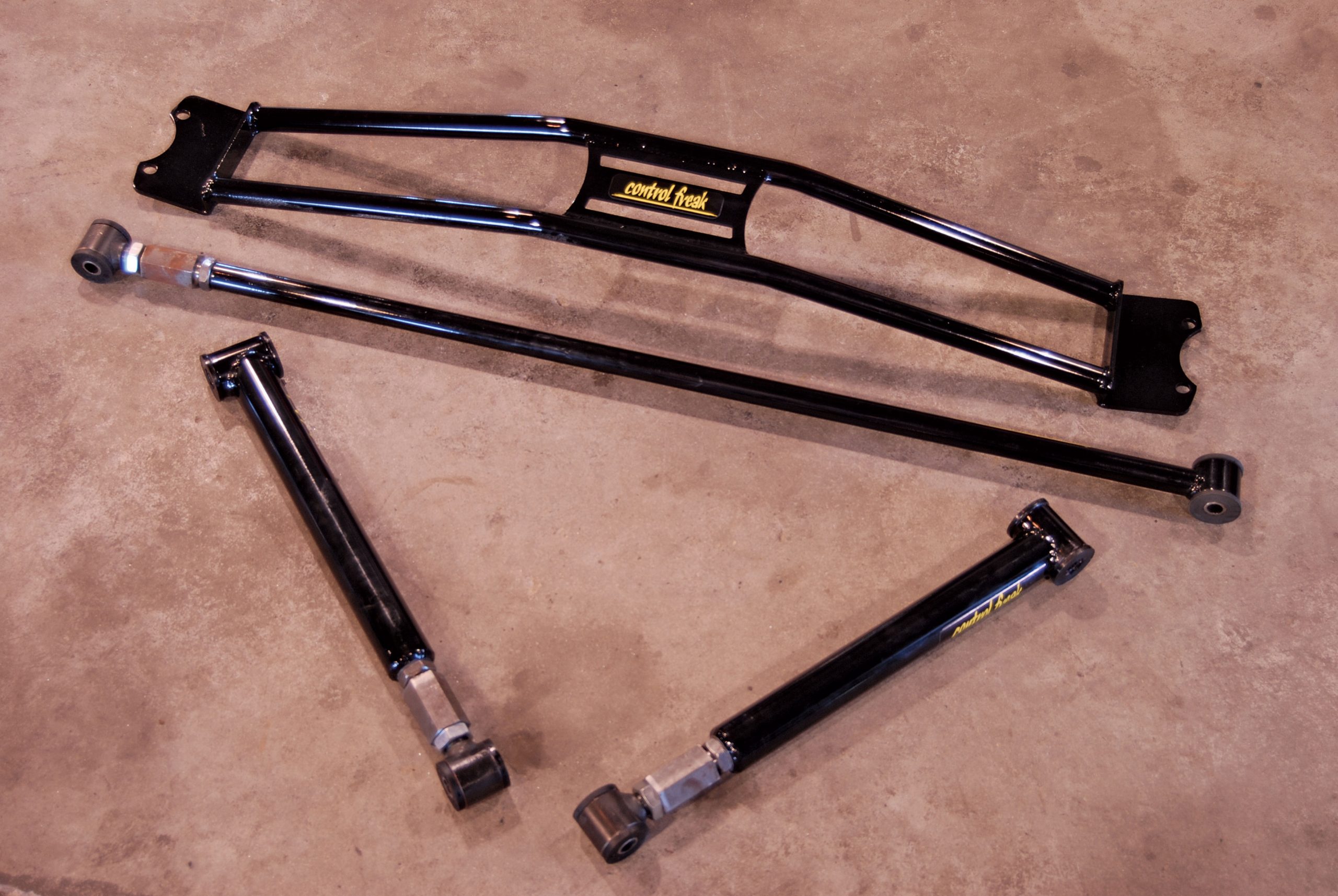
Improving your new Mustang doesn’t have to be an arduous affair. You’re supposed to enjoy working on your car, RATHER than dreading getting off work because you “have” to wrench on the Ford. With that attitude in mind, we recently spoke with Al Kamhi, of Control Freak suspensions, to get his advice on what enthusiasts could do to further the concept of upgrading a Mustang in just an hour or two. But there’s a catch: the upgrade had to make a real difference in the car’s performance.
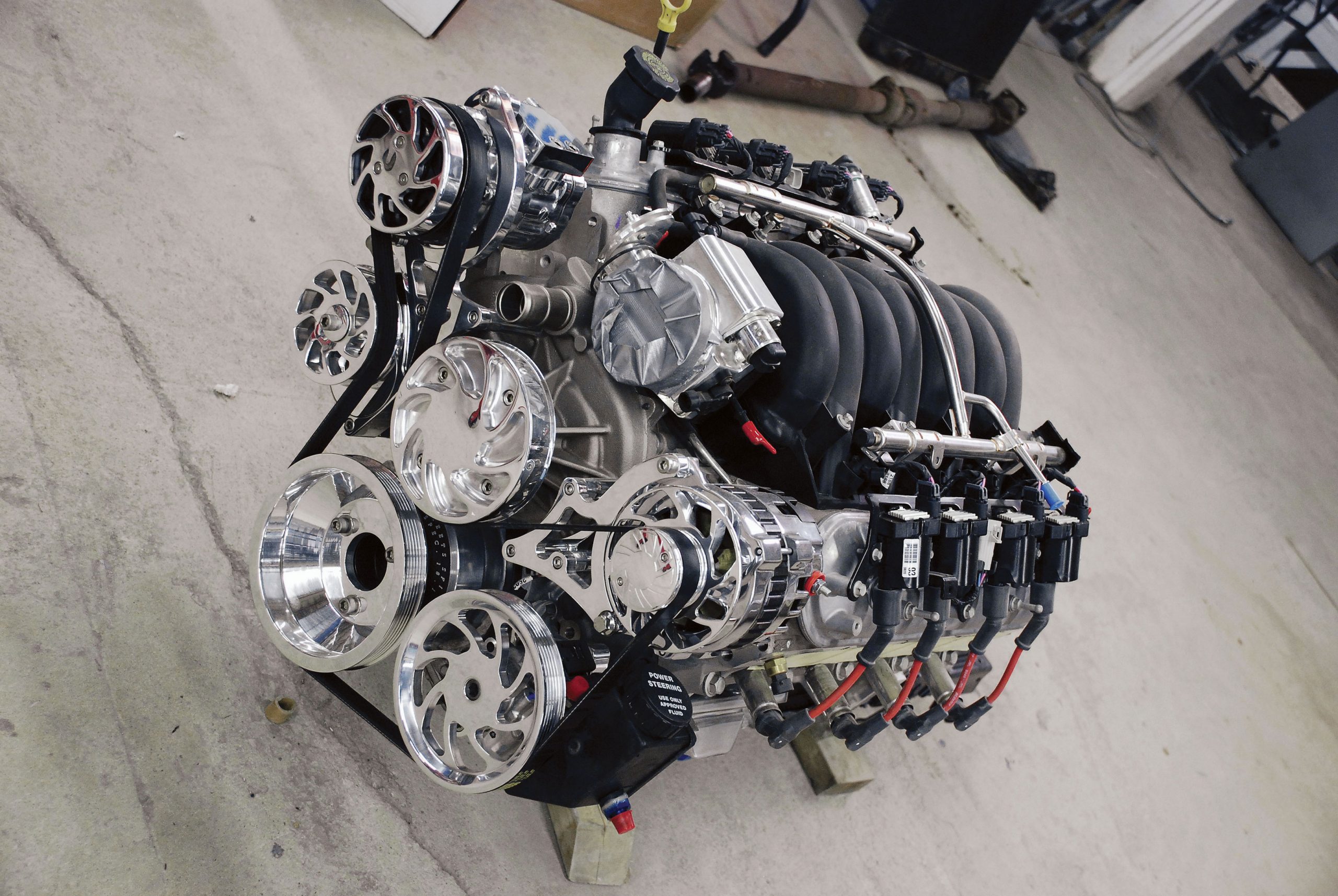
When Chevrolet introduced the LS engine, many clever and effective innovations were incorporated to simplify operations and reduce engine weight and overall dimensions. An integral part of these new technologies was a compact serpentine belt system designed from the start to lower frictional losses, which in turn improved belt strength and longevity.
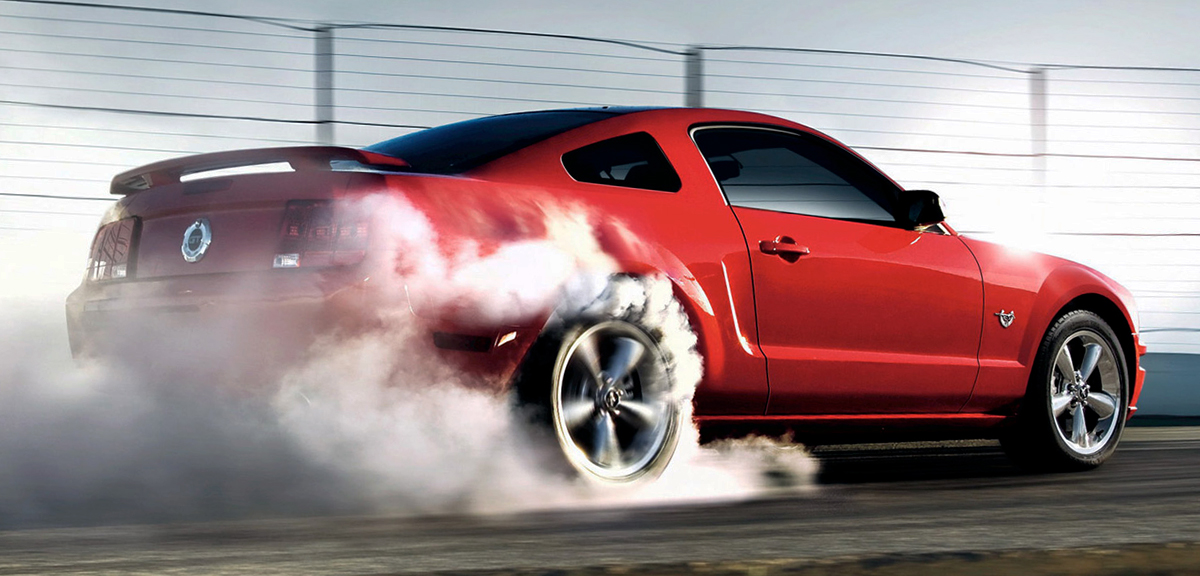
Replacing the rear suspension arms is something of a Mustang tradition, and the S197 platform is no exception. Wheel hop is proving to be something of a problem on these vehicles, and Modular Mustang Racing has the solution in the form of new lower rear control arms for the ’05 Mustang.

As much as it rankles Blue Oval fans, the early Mustangs used the same suspension as the Falcon and the Comet. It brings to mind cars powered by little six-bangers, dubbed “economy cars,” and not meant for the performance-minded-like a ’60s version of a Geo Metro or Yugo. Those who drove them loved and abused them, and quickly determined the limits of the factory suspension—especially with any power under the hood.
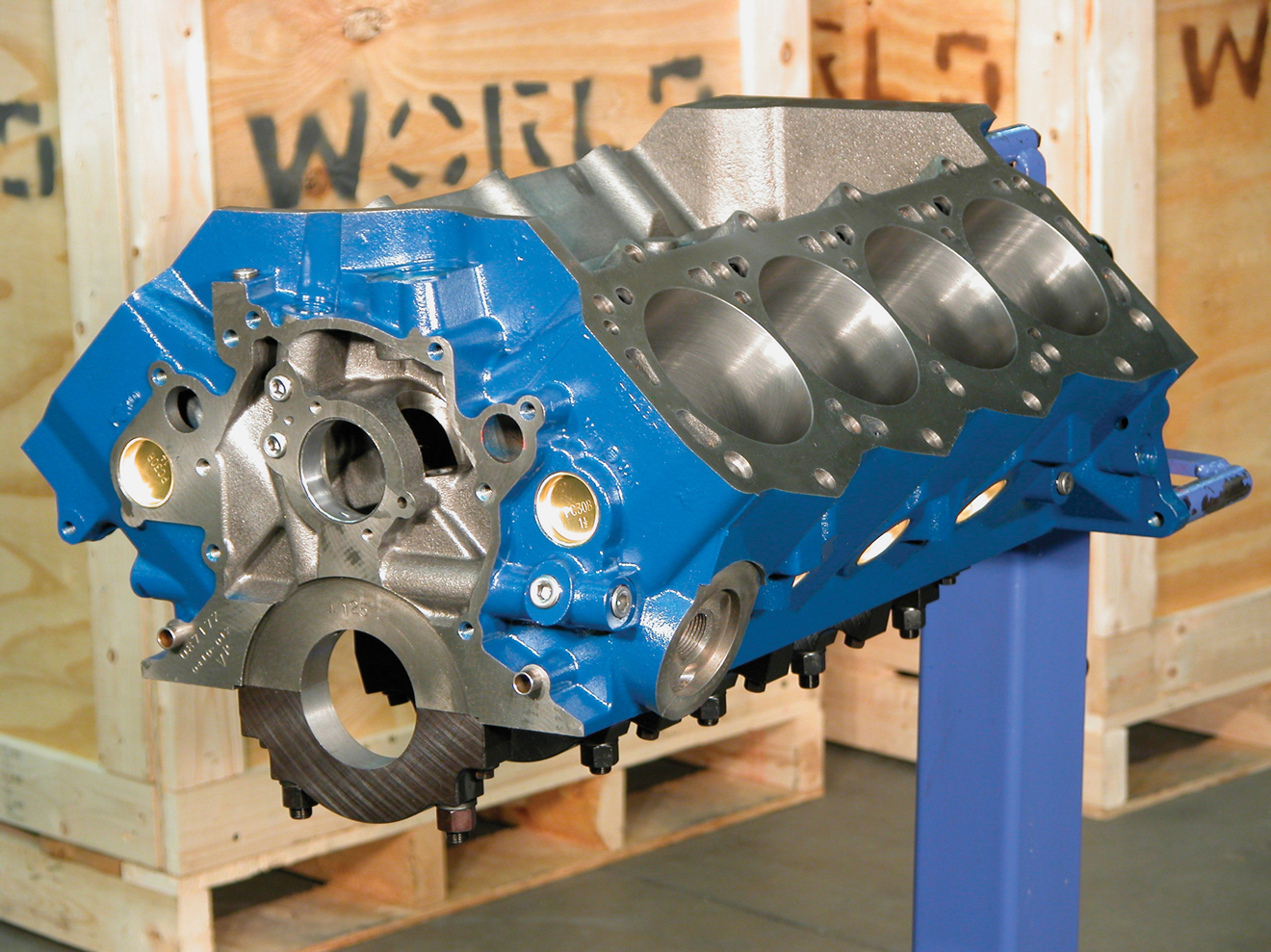
While the small-block Chevy is the popular engine choice for many enthusiasts, many are now relying on a Blue Oval heart for their performance bodies. With its link to Ford, the original body manufacturer for many of the classic cars we see today, the small-block Windsor-style Ford engine offers several advantages. When compared to Chevy, the lack of firewall clearance for a number of Chevy engine swaps is due to the rear distributor position of the engine. The front-mount distributor position is the more logical place to drive the distributor and the oil pump. Not to mention, it’s much more convenient.
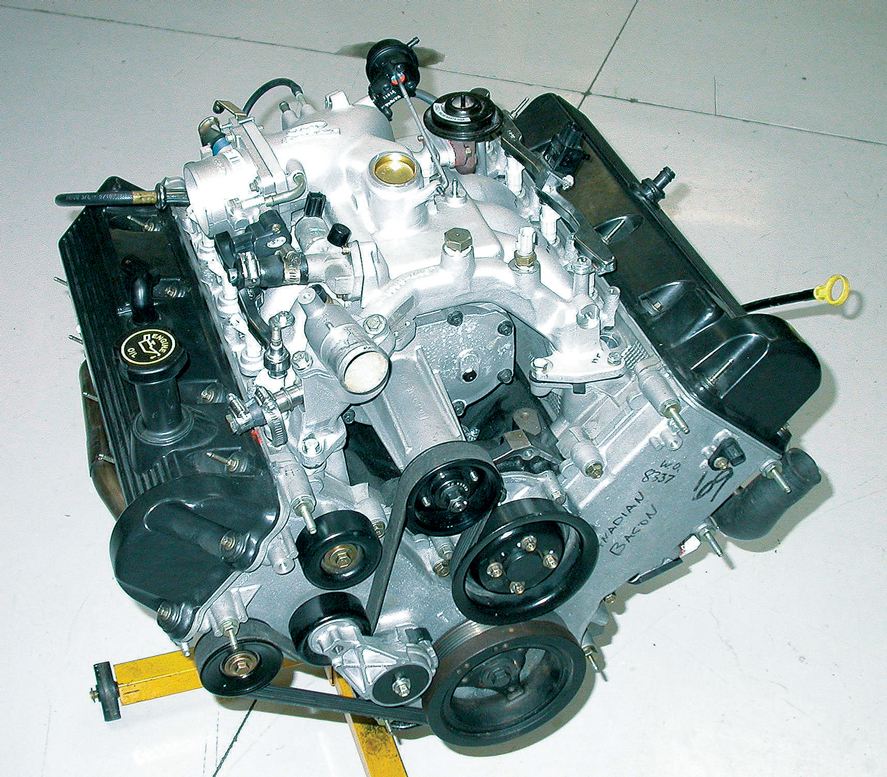
One of the most misunderstood performance components on any engine has to be the camshaft, or camshafts in the case of our overhead-cam 4.6-liter Ford engine. The difficulty is only compounded when you add forced induction to the mix. From an anatomical standpoint, the camshaft can be likened to the brain, as the cam profile determines how effectively (when and where) breathing takes place.
