Low in its architecture and functionally beautiful, the LS2 engine is an ideal replacement for a previous generation of Chevy powerplants. It offers good
performance, greatly improved economy and plenty of support from an industry leaders.



Low in its architecture and functionally beautiful, the LS2 engine is an ideal replacement for a previous generation of Chevy powerplants. It offers good
performance, greatly improved economy and plenty of support from an industry leaders.
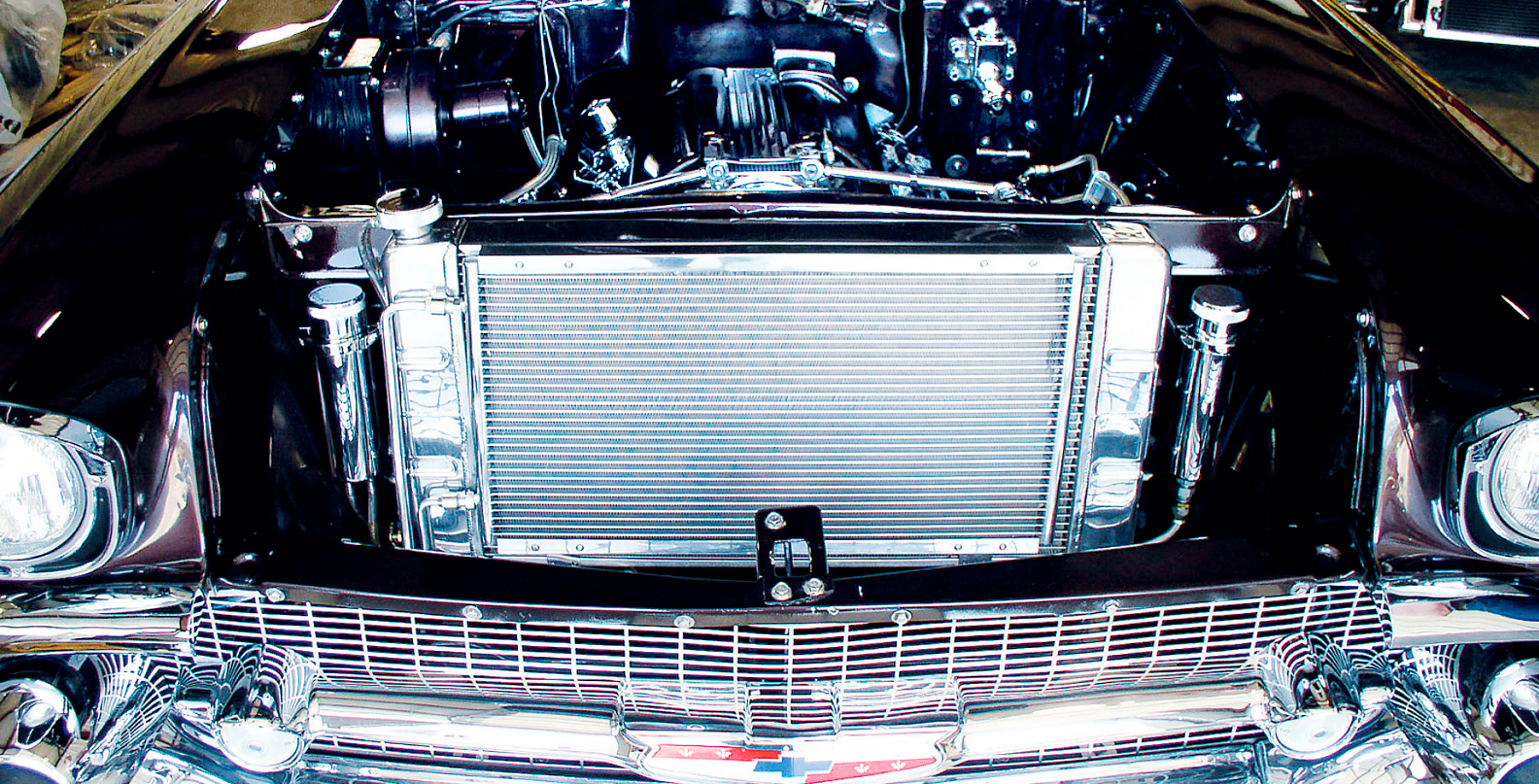
In 1999, Stotts decided to replace the carbureted 350, which was installed in 1991, with a Corvette TPI motor. Stotts wanted to bring the car into the new millennium with style, adding the extra convenience of electronic fuel injection. A resident of Mena, Arkansas, Stotts visited nearby Street & Performance to get started on his project. The S&P guys are well-known for being wizards when it comes to figuring out how to stuff an EFI motor in an older car and actually making it work.

Bob Gruitch just thought his car was not performing up to his expectations. A ’55 Chevy equipped with a 502 big block, square port heads and a Crane H296-2 camshaft should be more than enough power. But it lacked power and didn’t idle all that well, especially in gear. This shouldn’t be happening with an engine built by John Gianoli at Reggie Jackson’s High Performance Engine Shop, so Gruitch figured he had something wrong and brought the car to John Bishop’s Hot Rod Tuning Service to have it checked. He’s lucky that he did.
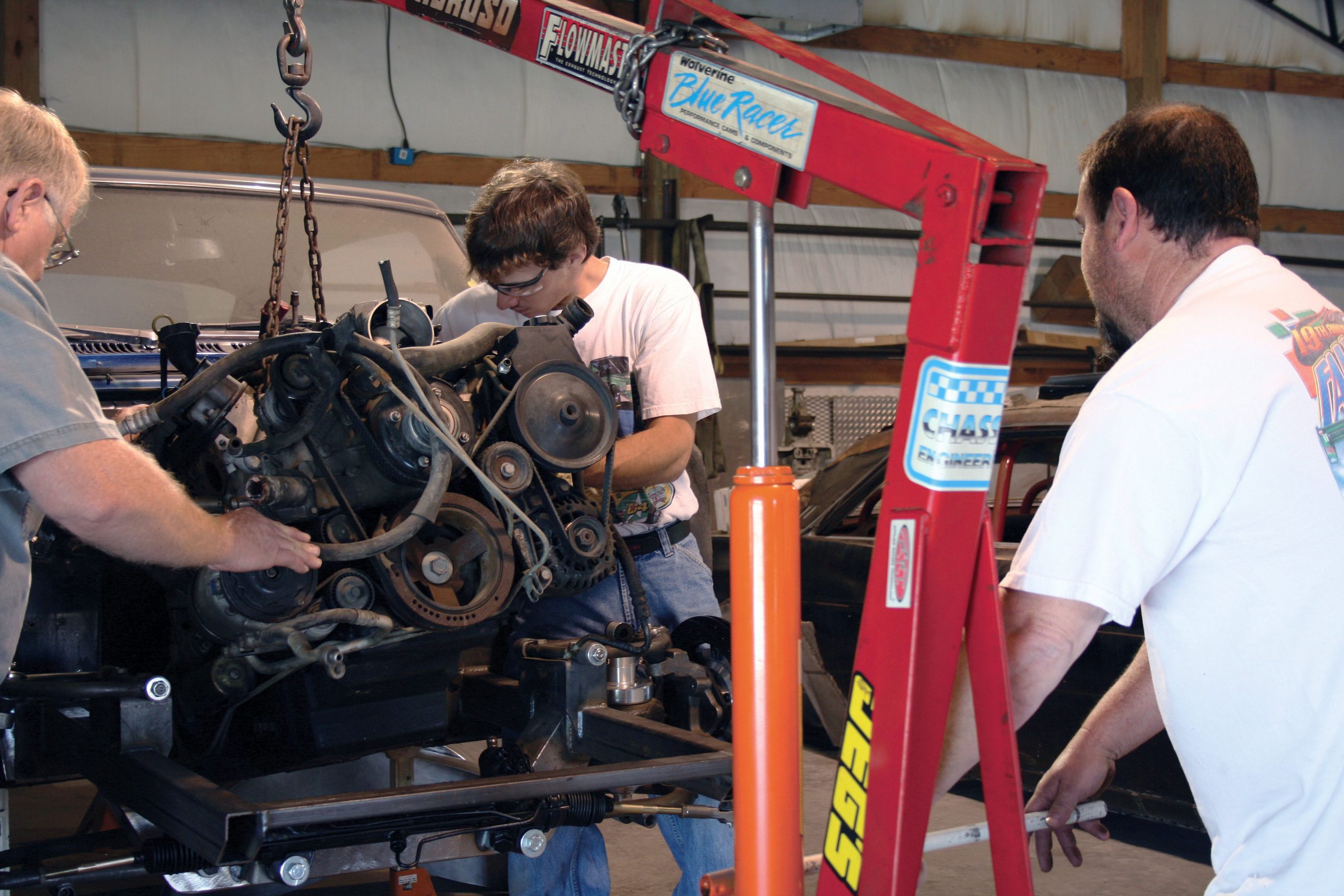
When GM introduced the Gen III small block in the F-body, it rekindled a dying performance flame with its new-generation small block. While the Gen I small block actually kick-started the hobby and got it into gear, it’s the latest family of small-block engines that has grabbed the attention of enthusiasts everywhere—and for good reason.
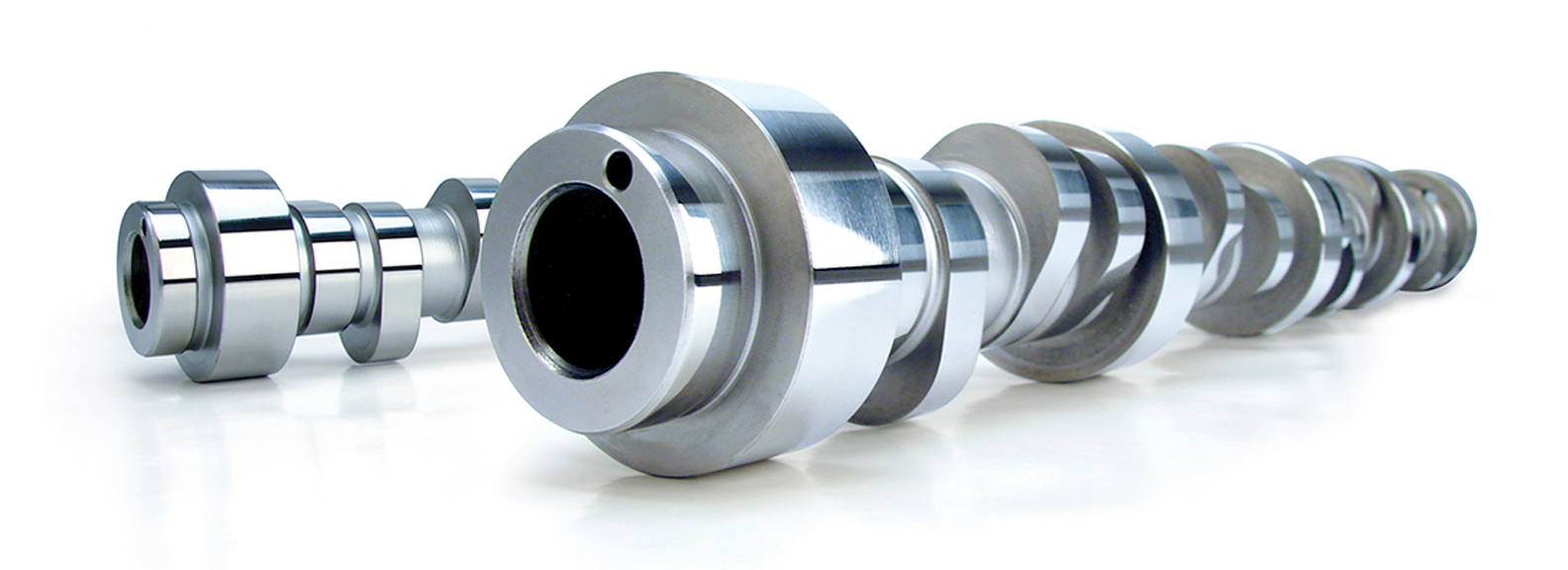
Cam-speak is a language all its own. Well, maybe not from a linguistic point of view, but it is a specialized dialect of car-guy talk. Although spoken by a good portion of enthusiasts, Cam-speak is really fully understood by only a handful of those same enthusiasts, as it is a very specialized, nuanced dialect. Those who do not speak the lingo can instantly be singled out. Those who are fluent in cam-speak are listened to intently, even when those listening do not fully comprehend whatʼs being said and how to apply it to their particular applications. Few within our ranks are particularly fluent in this highly specialized jargon.
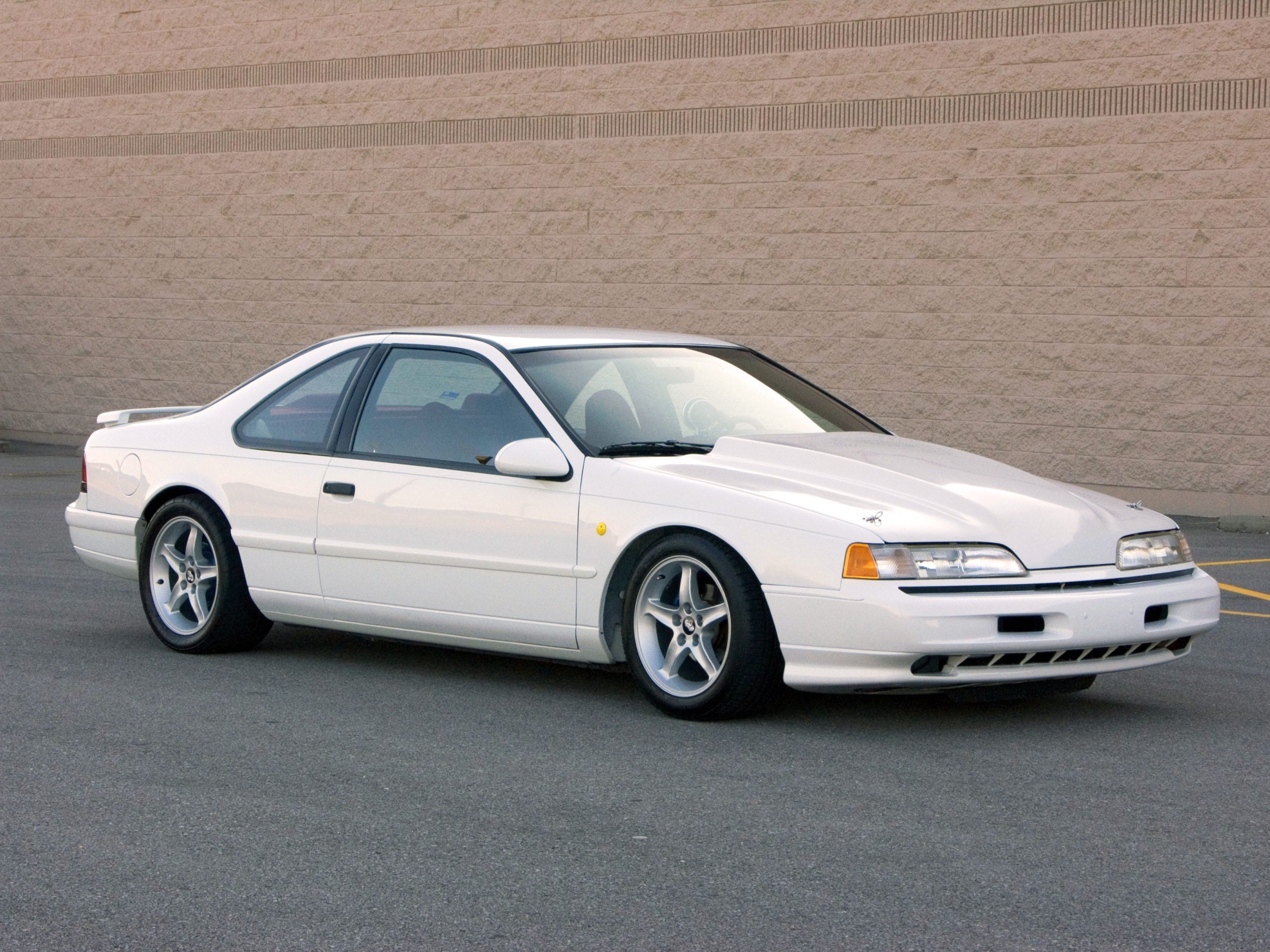
In 1992, Bruce Richards bought a new 5.0 Thunderbird. He wanted a spirited family car and daily driver, and he drove this car for 10 years before deciding that it had served its purpose. It now deserved a better, faster and powerful life. Richards liked the idea and wanted anything but a cookie-cutter T-Bird. He wanted a car that would run with the best of them, including Mustangs. The only problem was the size of the Bird. As it left the factory, the car weighed 3,940 lbs and made only 205 hp, so Richards’ decision was clear—he needed the car to have more power and weigh less.
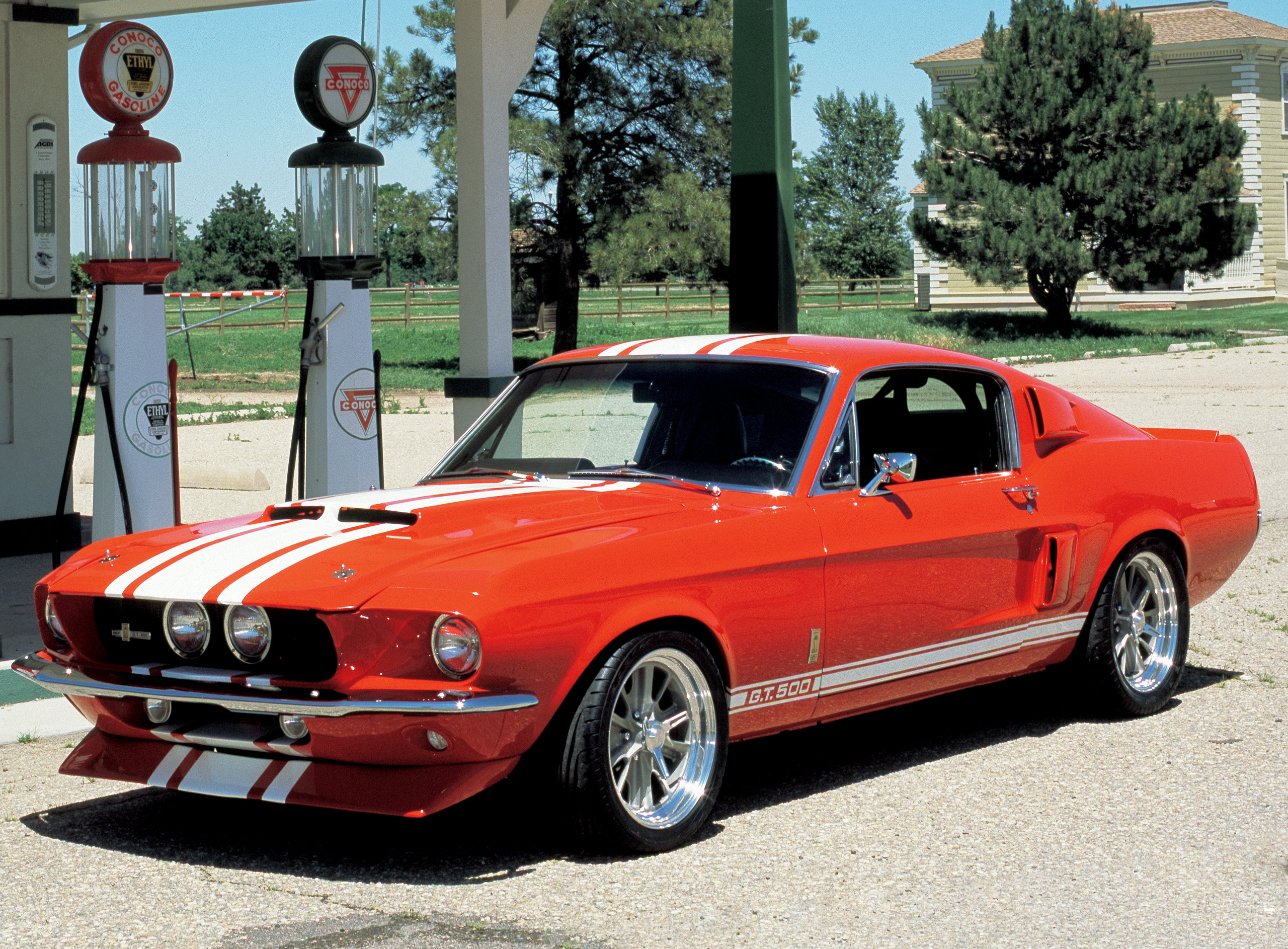
It’s funny how certain car-related associations work out. Maybe timing really is everything when it comes to cars. When Arvada, Colorado’s Ken Godsey was a teenager, his dream car was a ’67 big-block Mustang. “I always wanted to own a 1967 Mustang Fastback,” Godsey SAID. “And when I went looking for my first car with my father, we found a ’67 Mustang Fastback, one with a 428 FE engine that had been installed by the previous owner. It was the perfect car for me!” Godsey’s father, however, thought otherwise. “What I ended up with instead of that 428 Mustang was a ’70 Chevelle sedan with a 307 engine in it. I never forgave old dad for that one,” he SAID with a smile.
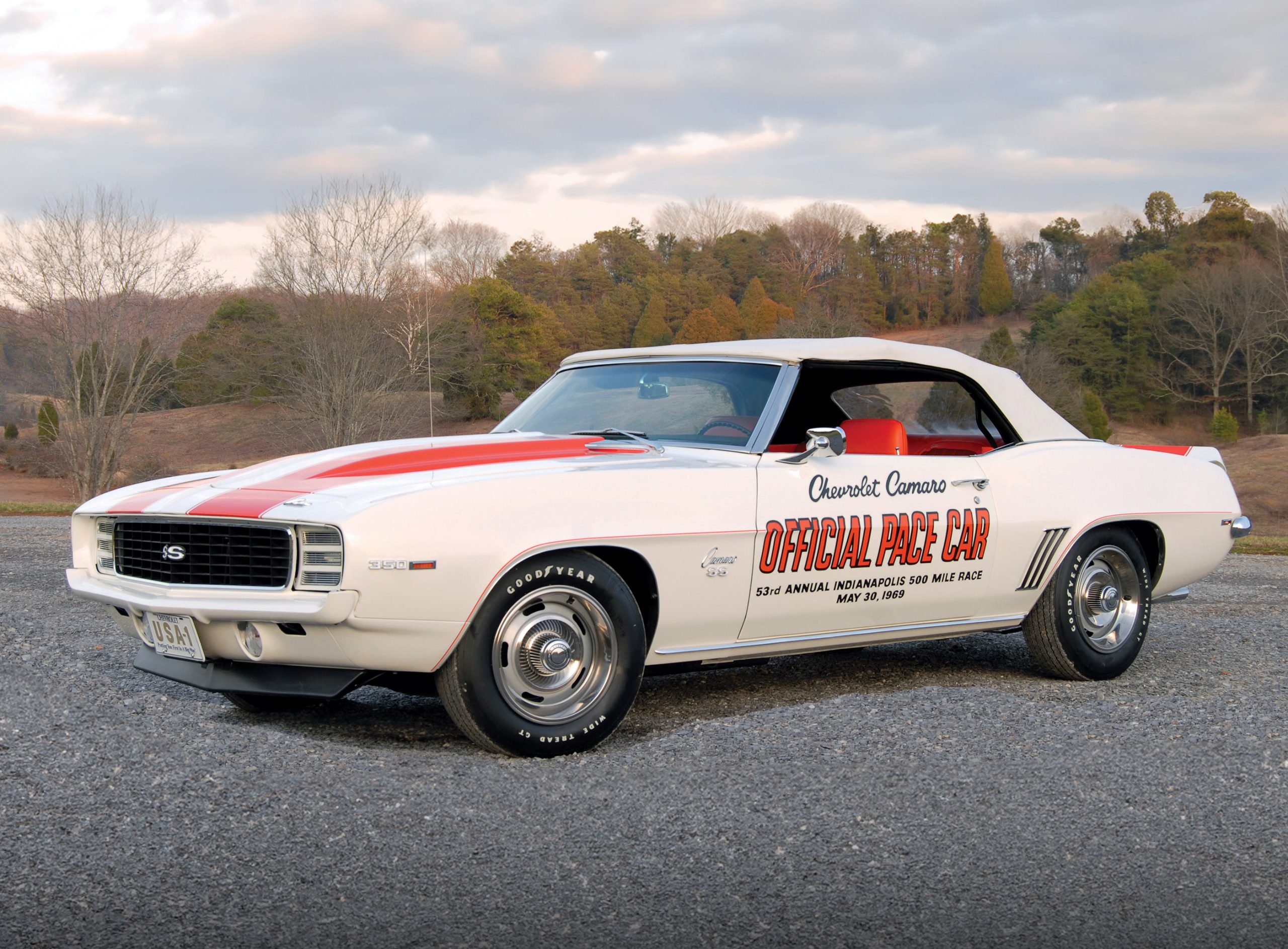
As recognizable as the first-generation Camaro coupes and convertibles are, distinguishing a ’67, ’68 or even the extremely popular ’69 can be difficult for the uninformed. This can be especially true when considering the number of available options, including hoods, SS and RS option combinations and custom body modifications. However, making an accurate and quick identification of a potential project car, as well as tracking its history, options and drivetrain, is simple if you’re armed with the correct information and tools.
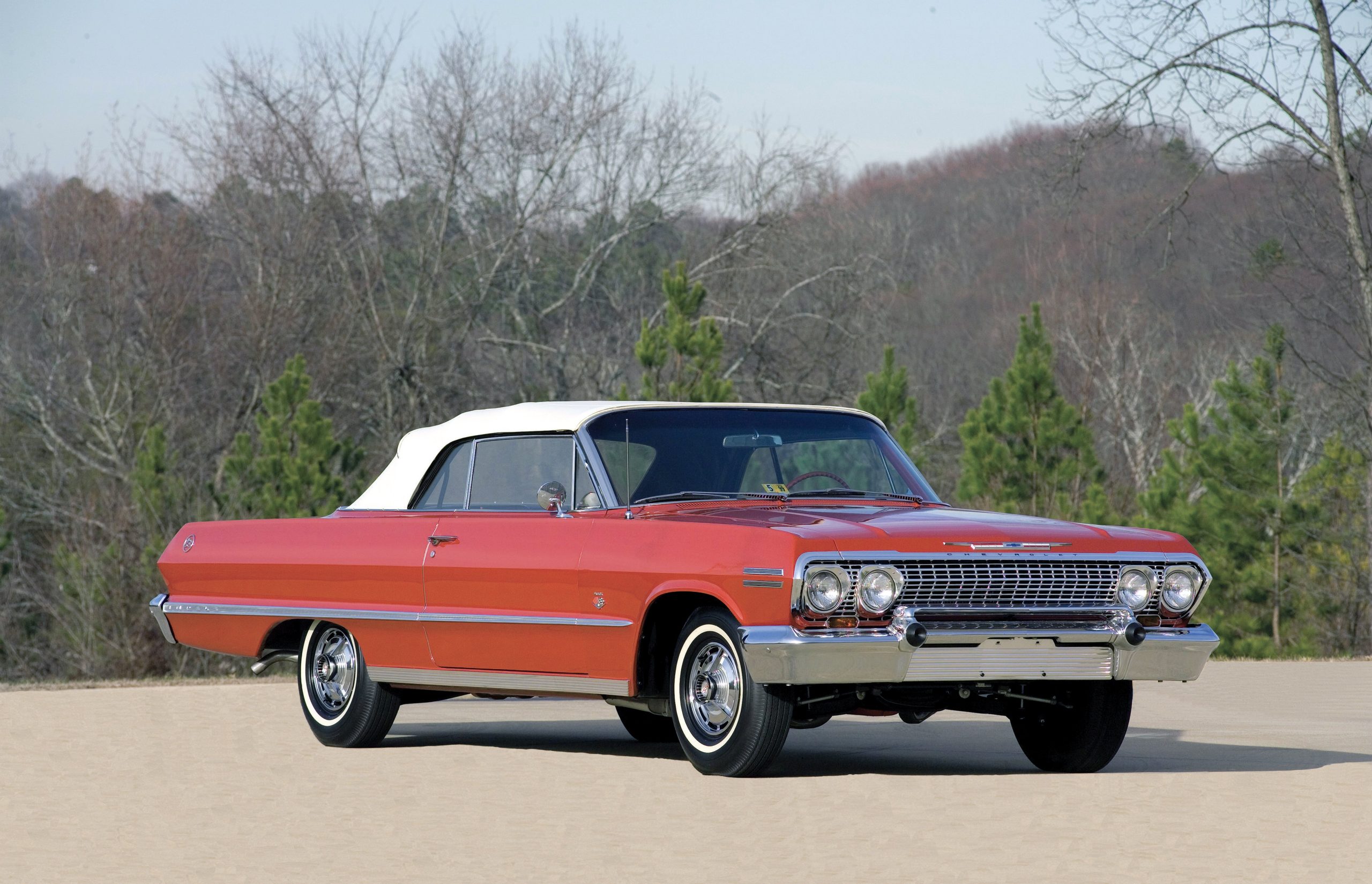
In much the same way that one person prefers chocolate and another vanilla, chicken over steak, college ball versus pro ball, Chevy enthusiasts tend to lean toward particular vintages, models, powertrains and other special Bow Tie features, which may be nothing more than a vehicle loaded with unusual options that make that car more unique, and valuable, than the next. Our love for such things is generally based upon a range of influencing factors.
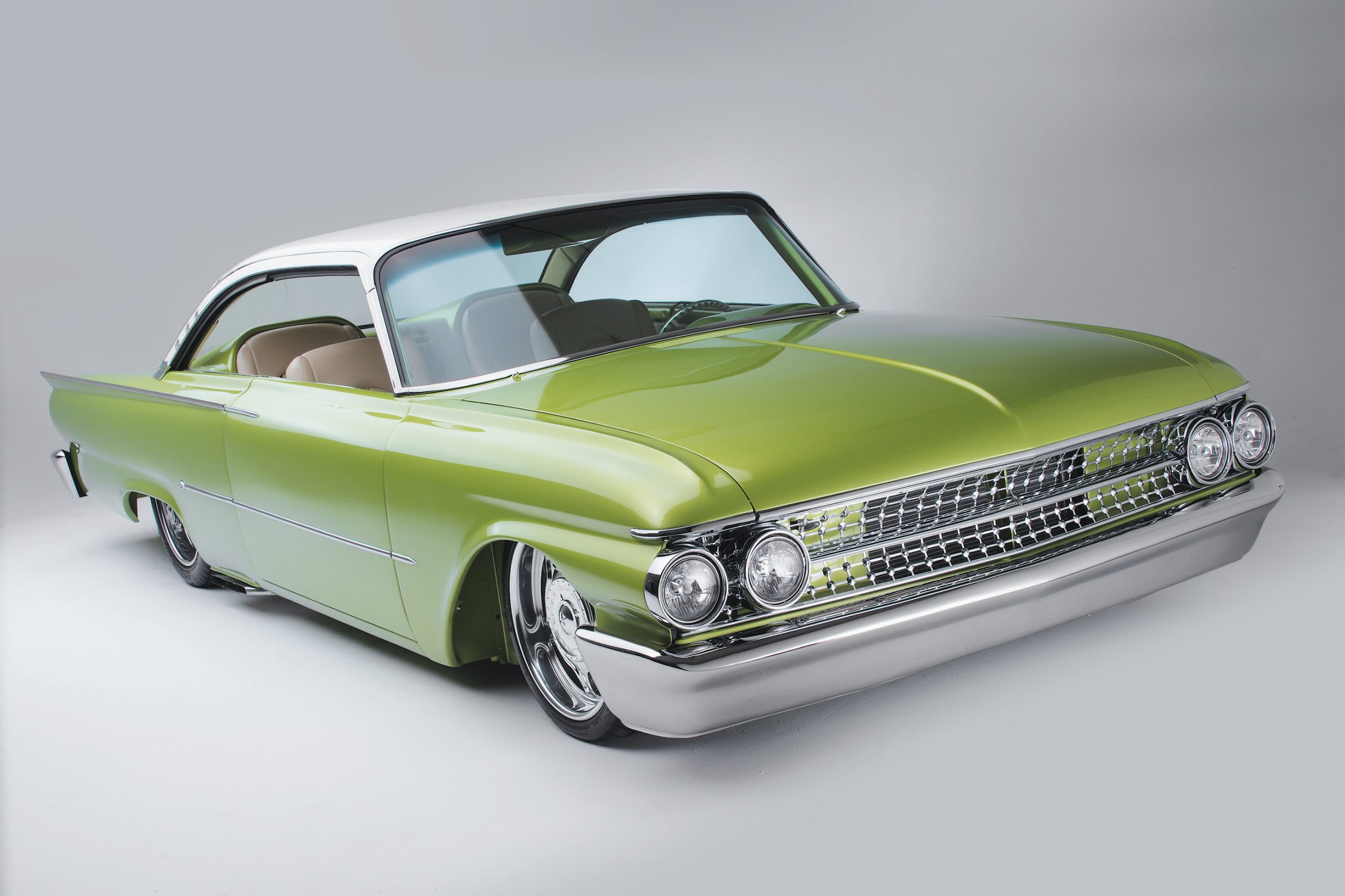
Long before we ever saw it in person, we were familiar with the ProRides-built SR61 Starliner. We ran a rendering of the car back when it was still on the drawing board, and we heard updates on its progress from time to time. But our first real introduction to the car was at Air Ride Technologies’ Street Challenge at Putnam Park Road Course. Among the sights we must admit we thought we’d never see was that of a big-dollar, 3,800-pound ’61 Starliner ripping around a road course. Immediately, we fell in love—a car this size, this expensive, this good looking, and a builder who’s not afraid to test his work to the limits? That sounds like the kind of car for us.