

CHEVELLE MEMORIES
“If these four walls could only talk, what great stories they could tell” is an old adage that is certainly apropos from a historical perspective. In the context that we Americans have an ongoing love affair with the automobile, it could also be said that if a classic car could only talk, it could tell some pretty great stories as well!”
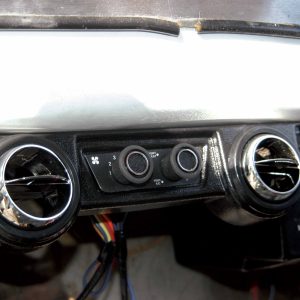
Control Your Climate
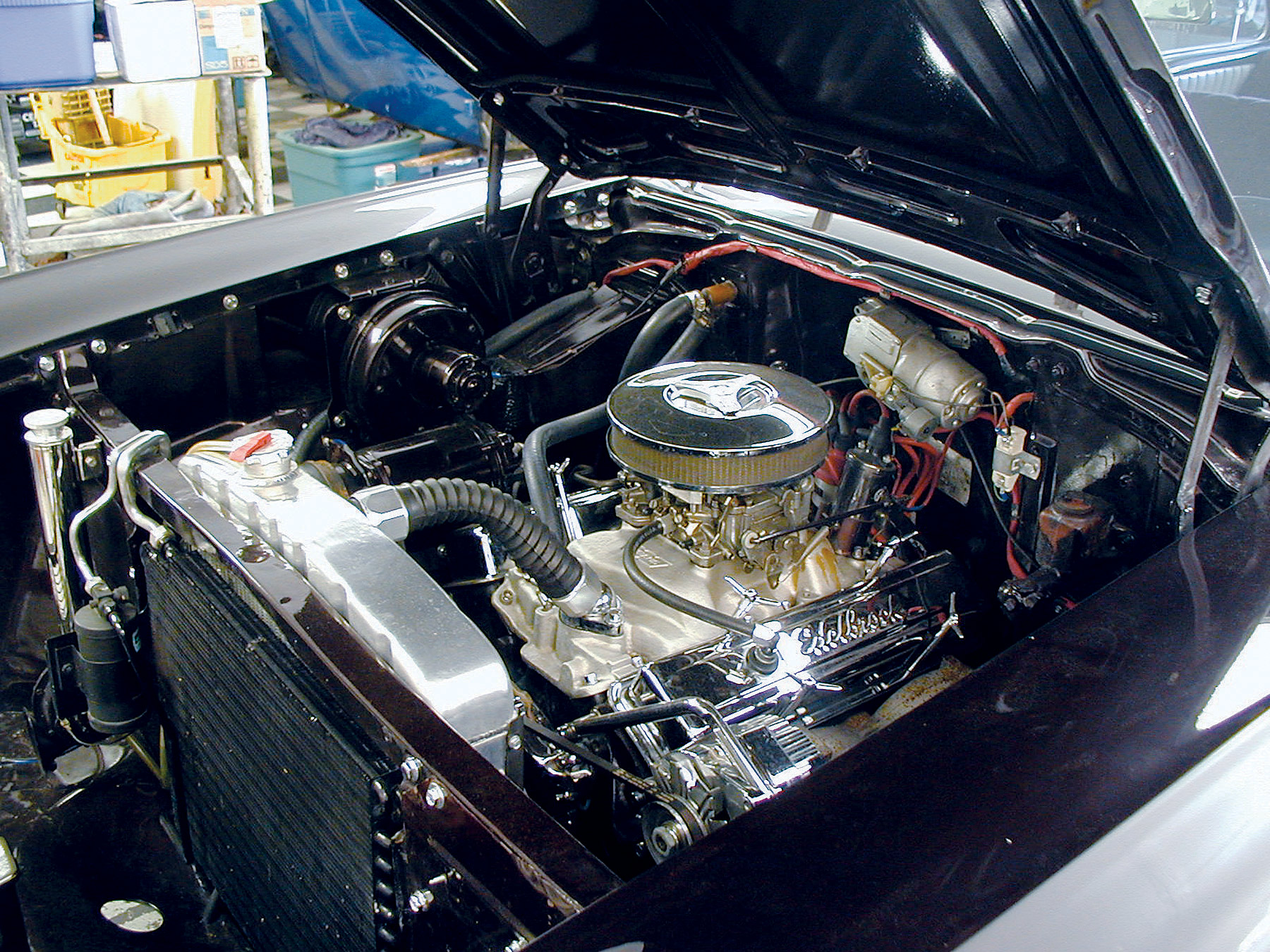
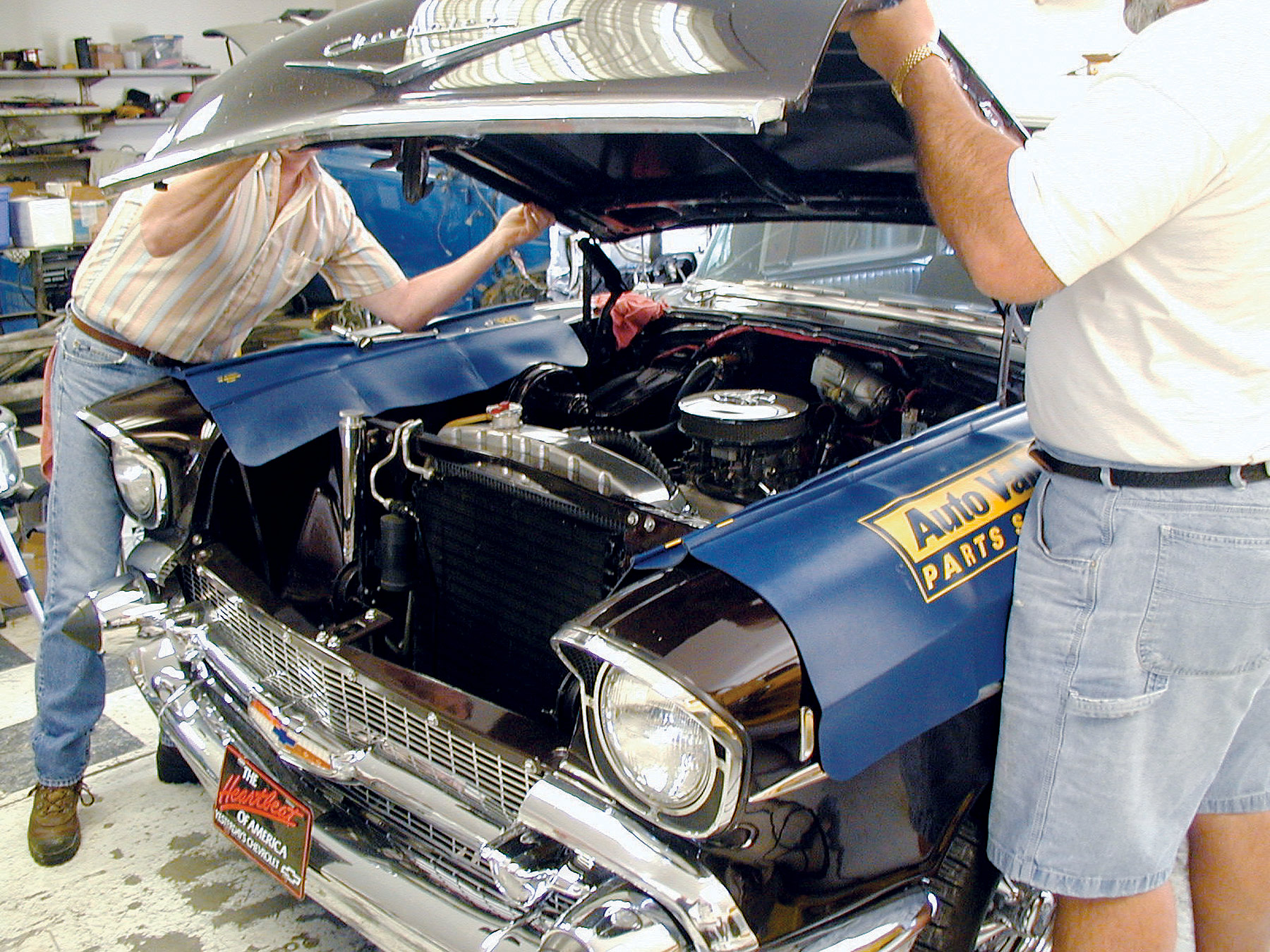
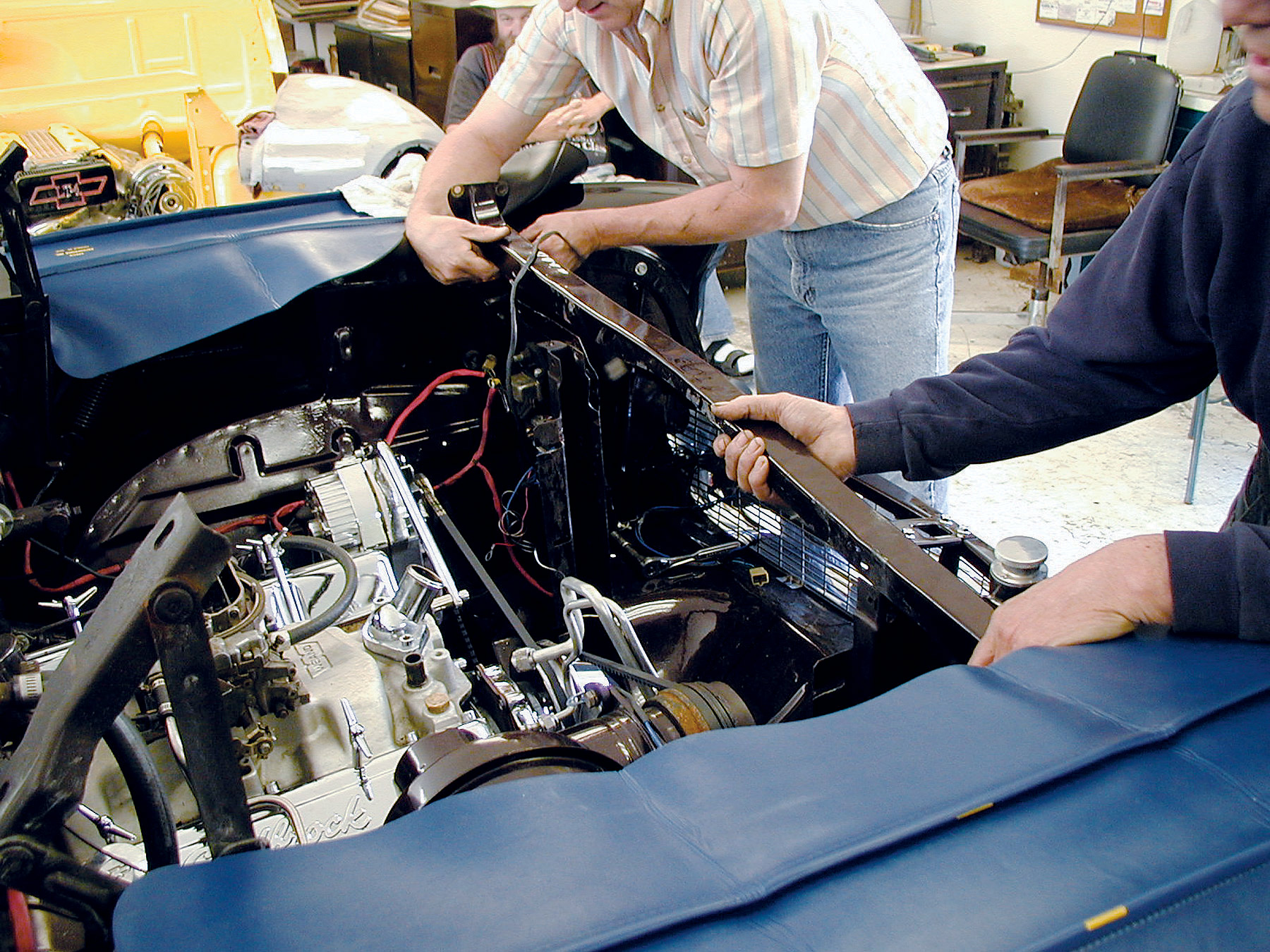
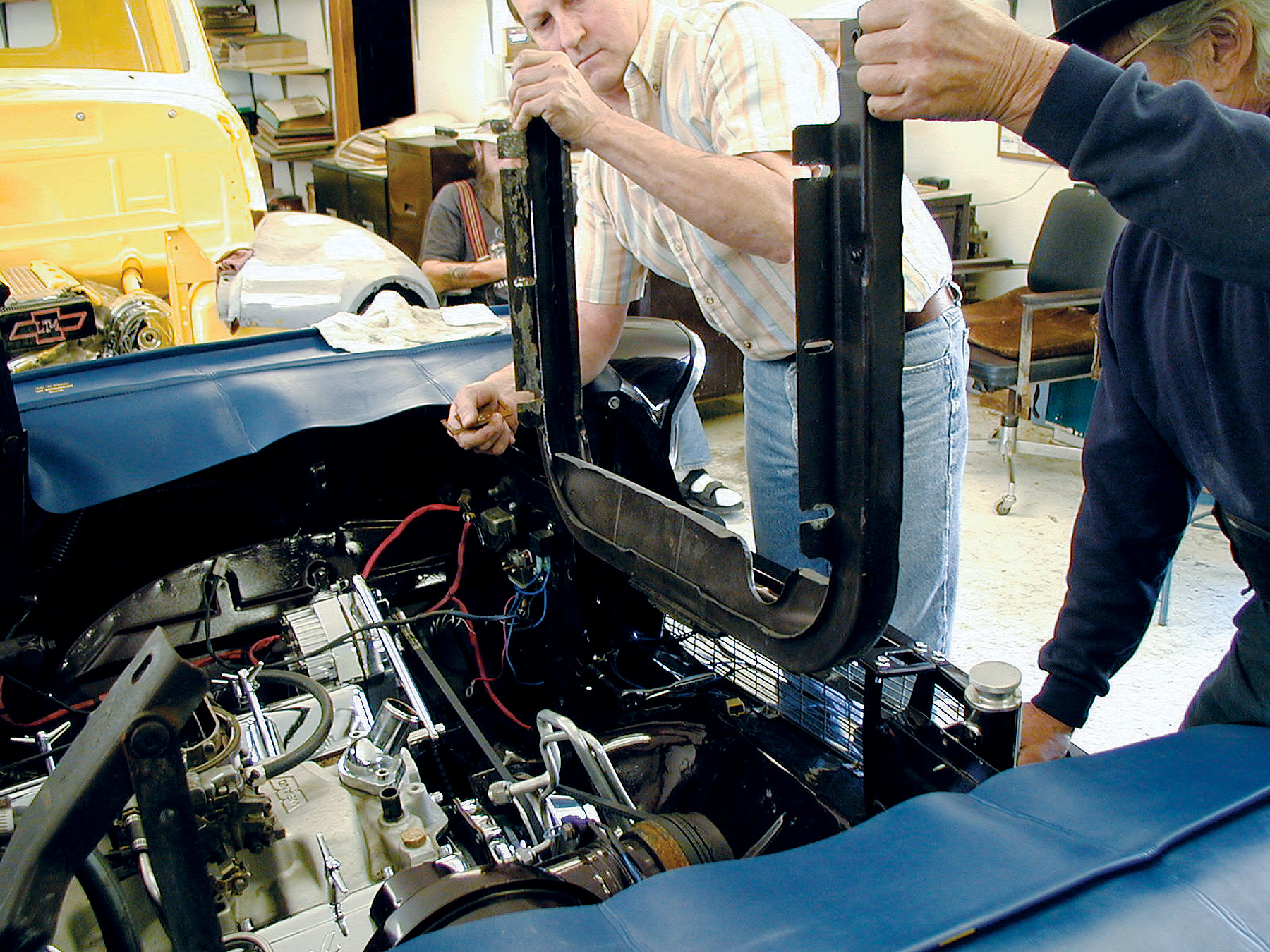
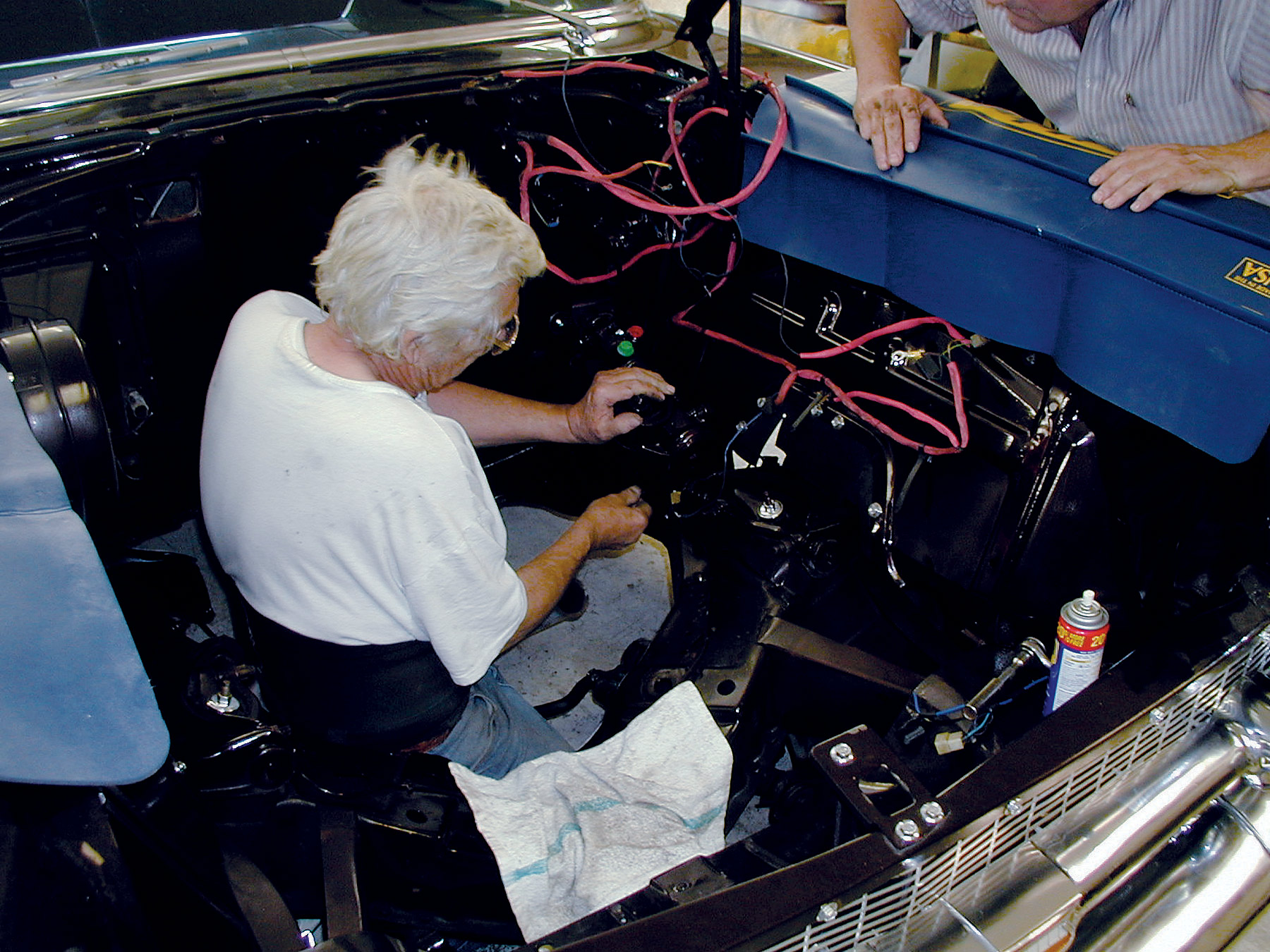
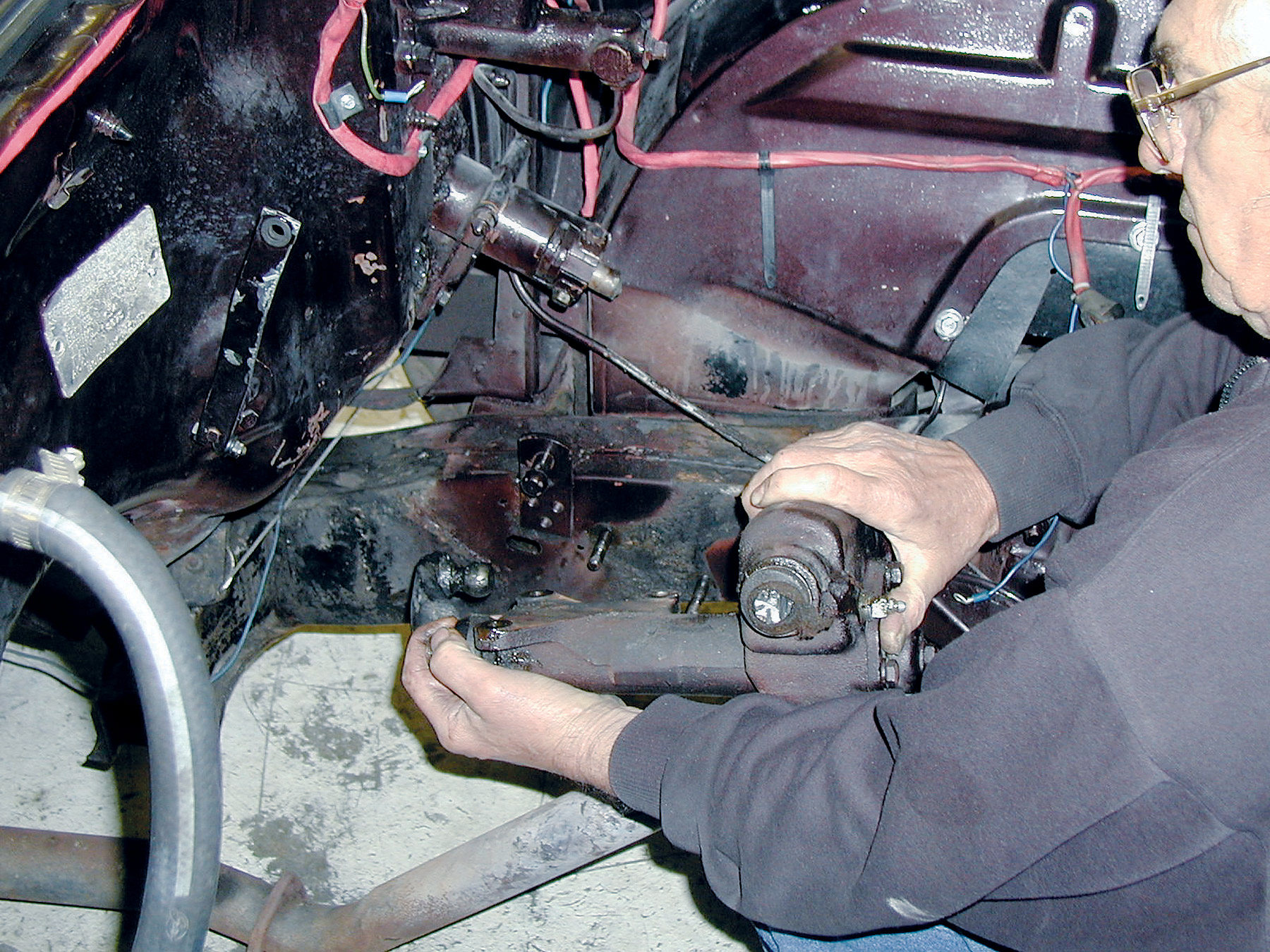
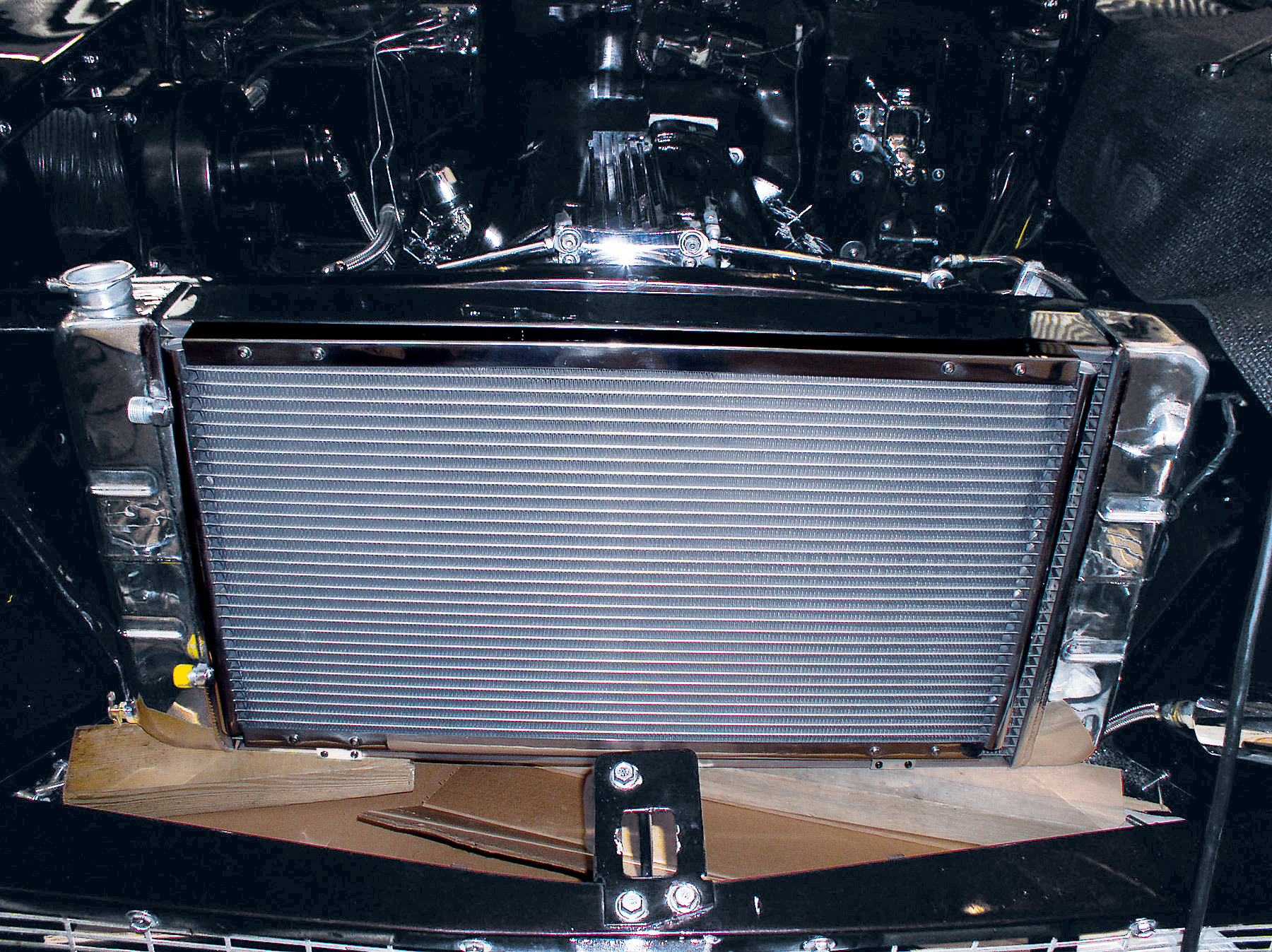
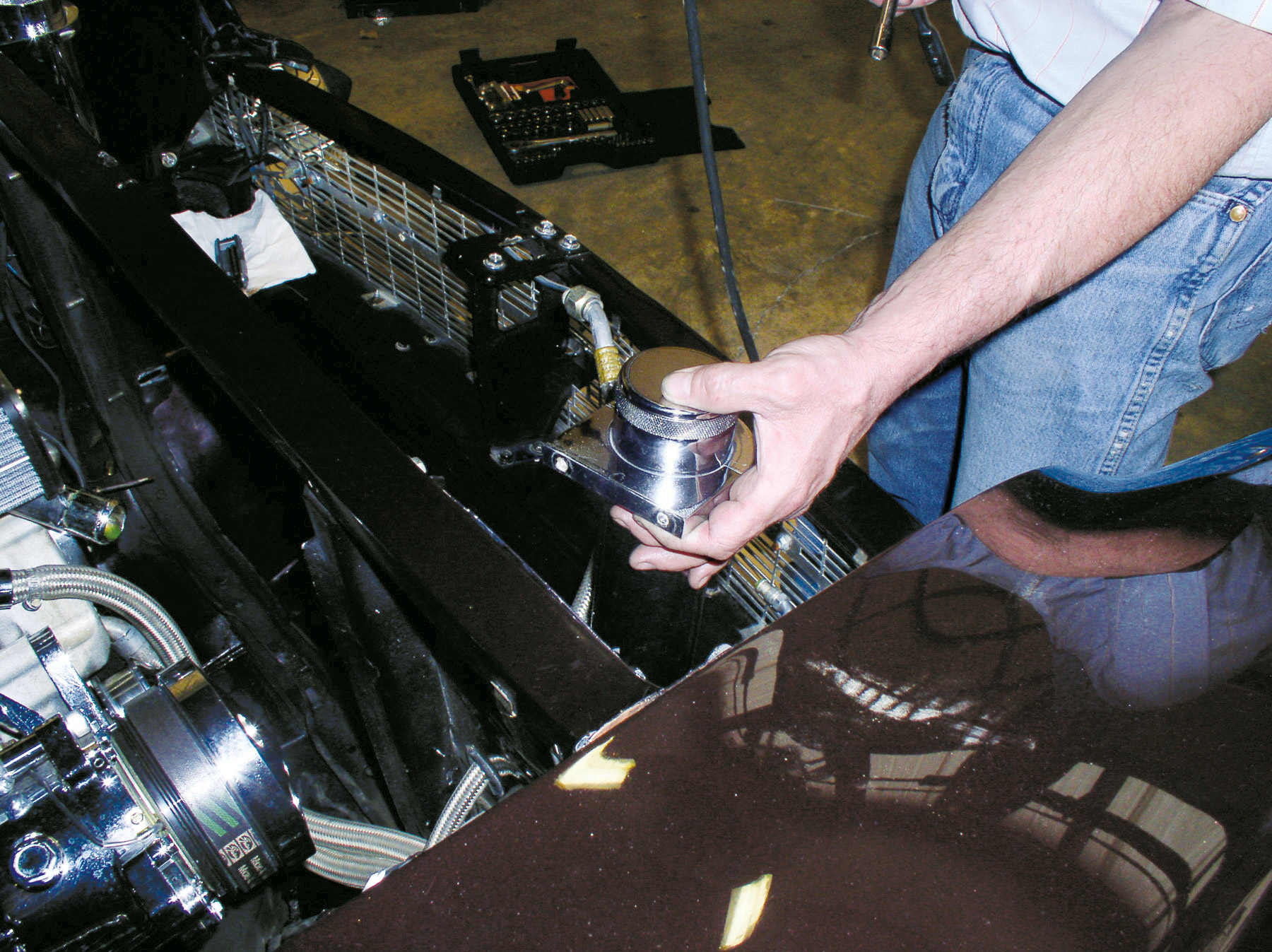
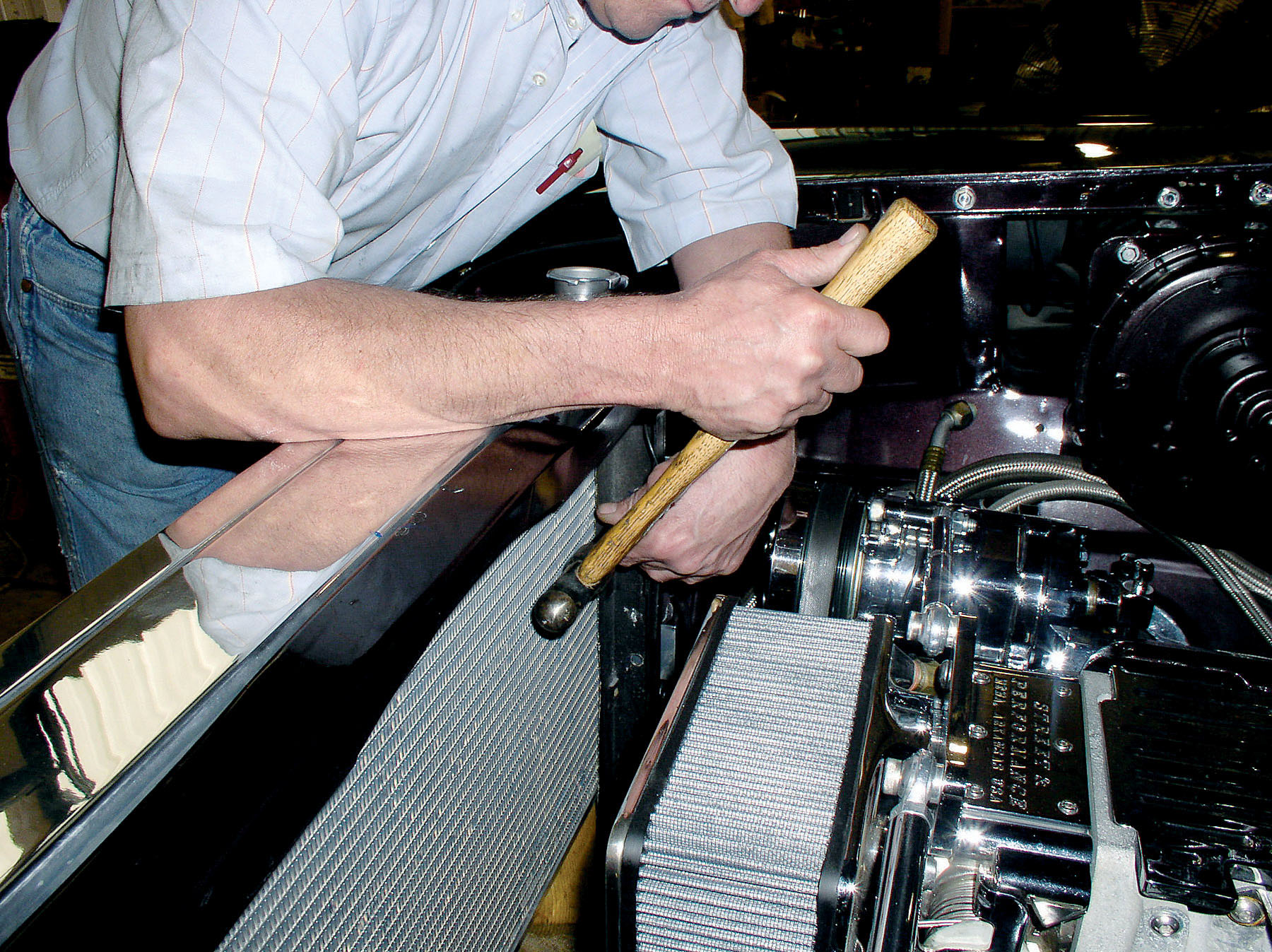
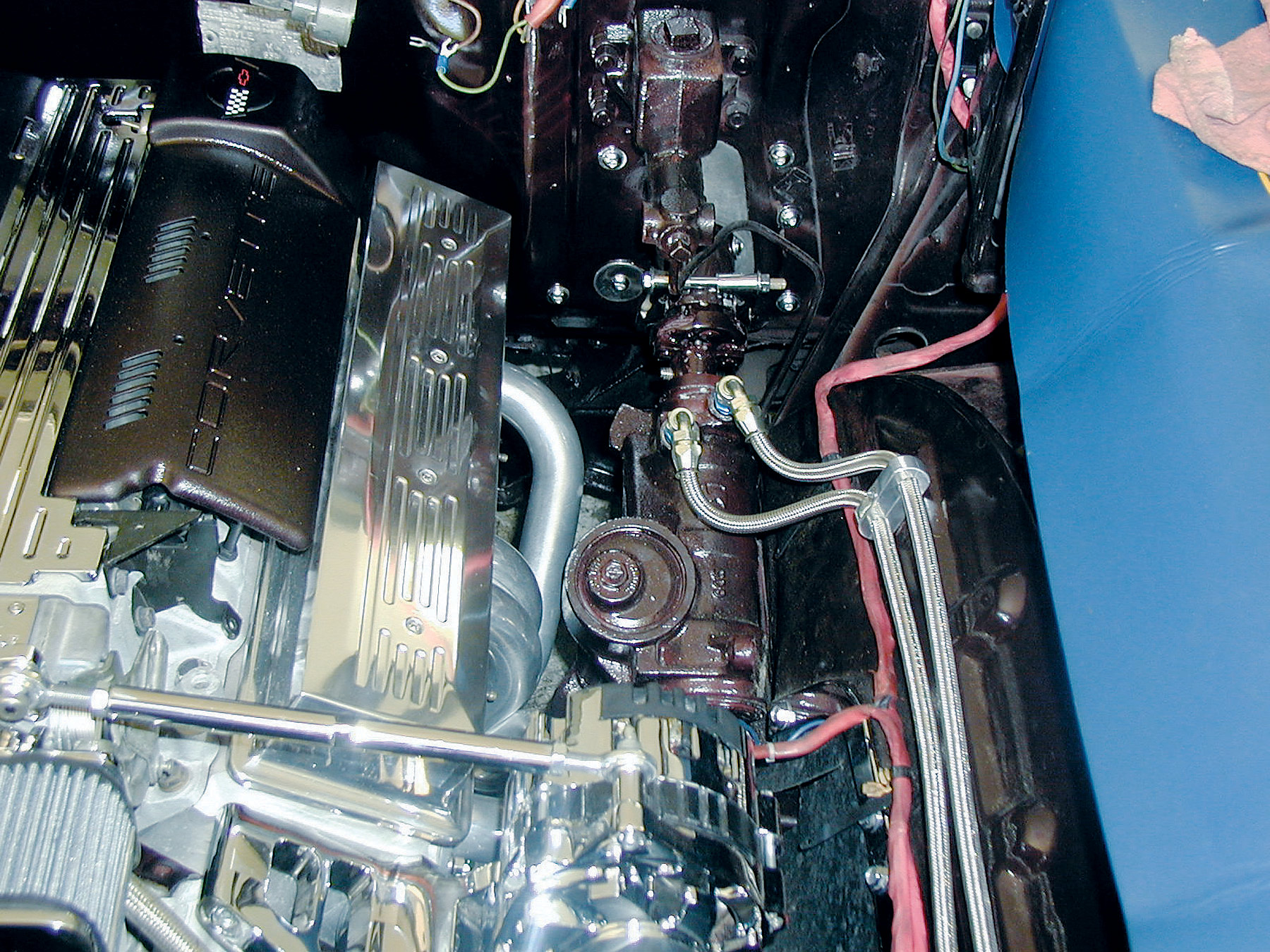
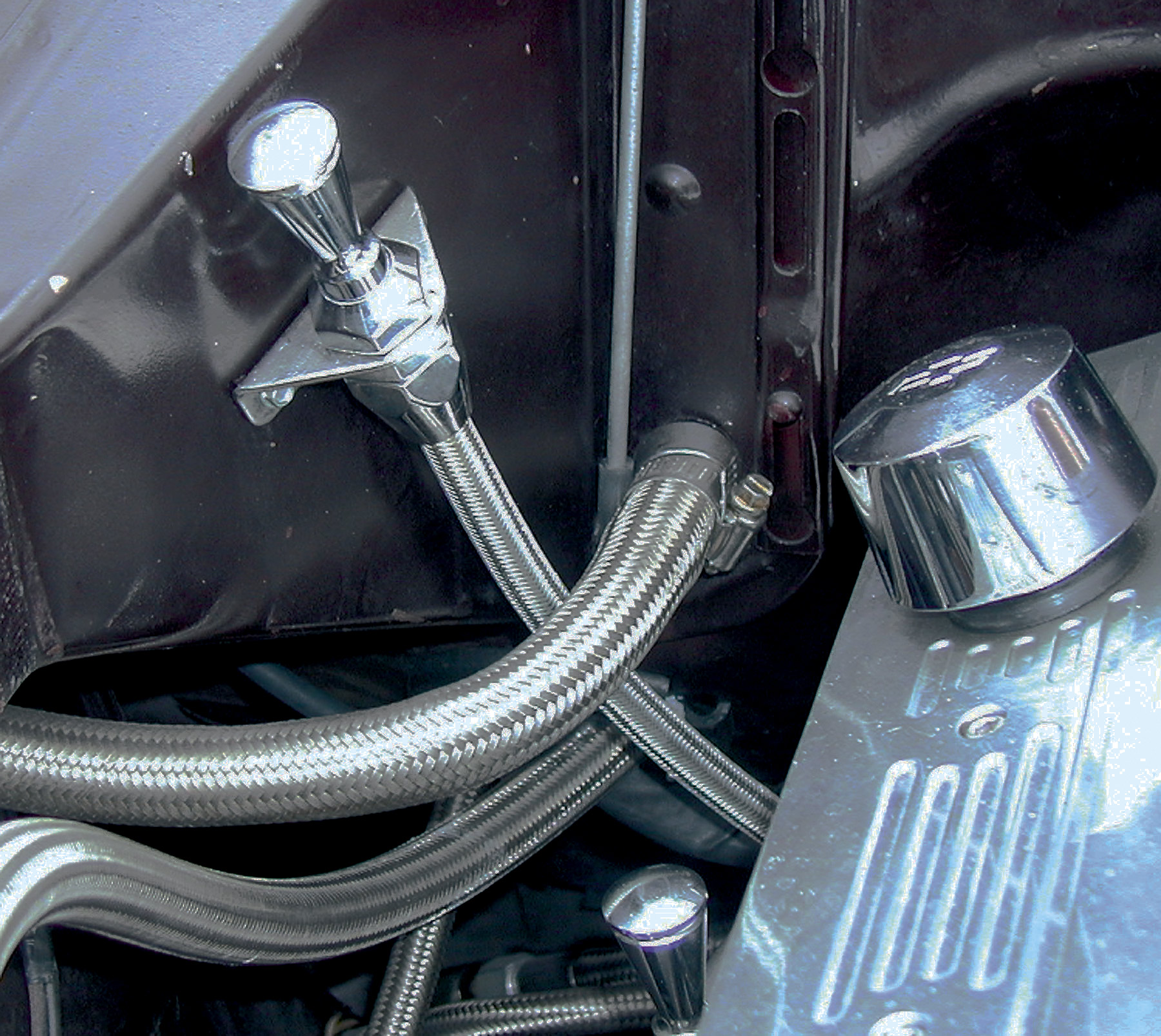
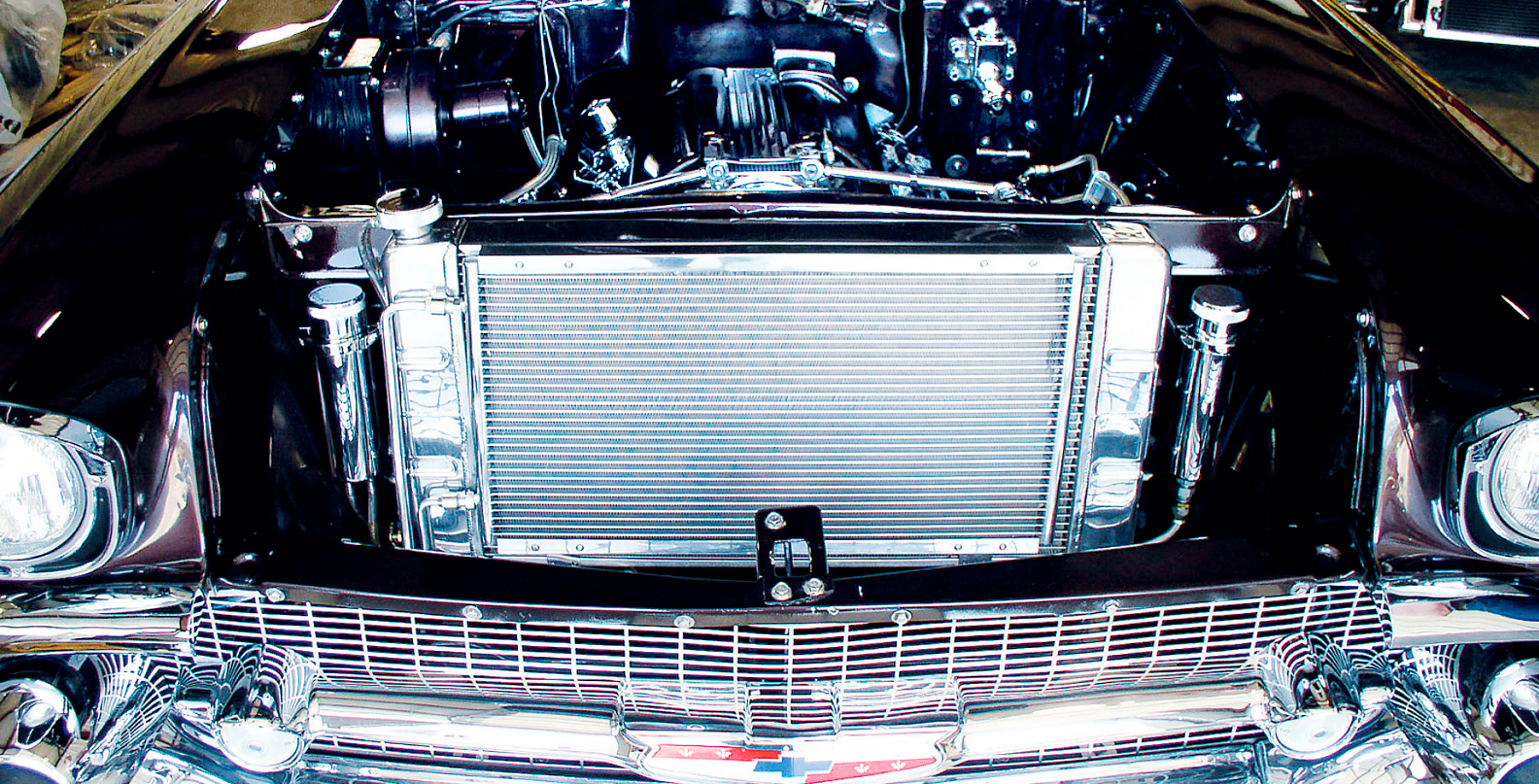
Witness the transformation of a ’55 Chevy panel truck as it embraces modern comfort with the installation of a Hot Rod Air climate-control system. Designed for convenience, this aftermarket system seamlessly integrates power steering, power brakes, and air conditioning, ensuring a comfortable and enjoyable driving experience. Follow the step-by-step installation process, emphasizing the easy-to-follow instructions and plug-in connections. Discover the potential for personalization with chrome-plated upgrades, billet mounts, and other enhancements offered by Hot Rod Air, allowing enthusiasts to customize their street rods according to their preferences.
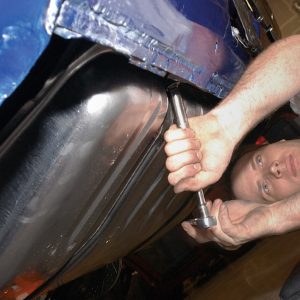
Good As Gold
Tech presentation is something anyone can do to his or her existing Camaro, since it takes no special skill, yet the results are worthwhile. Those are the rewards of personalizing a cool Chevy, and it’s what drives us in the first place to tackle such jobs.








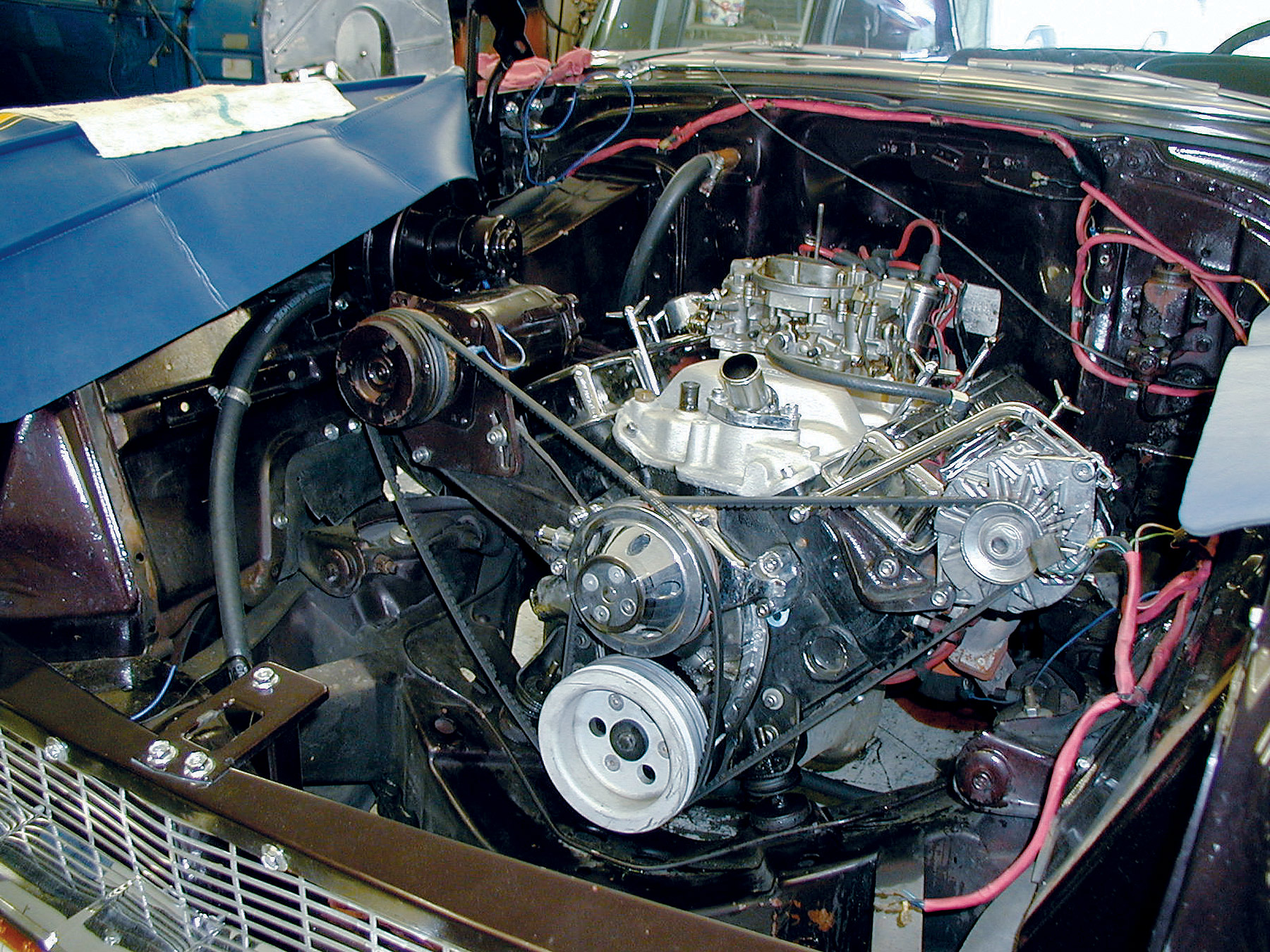
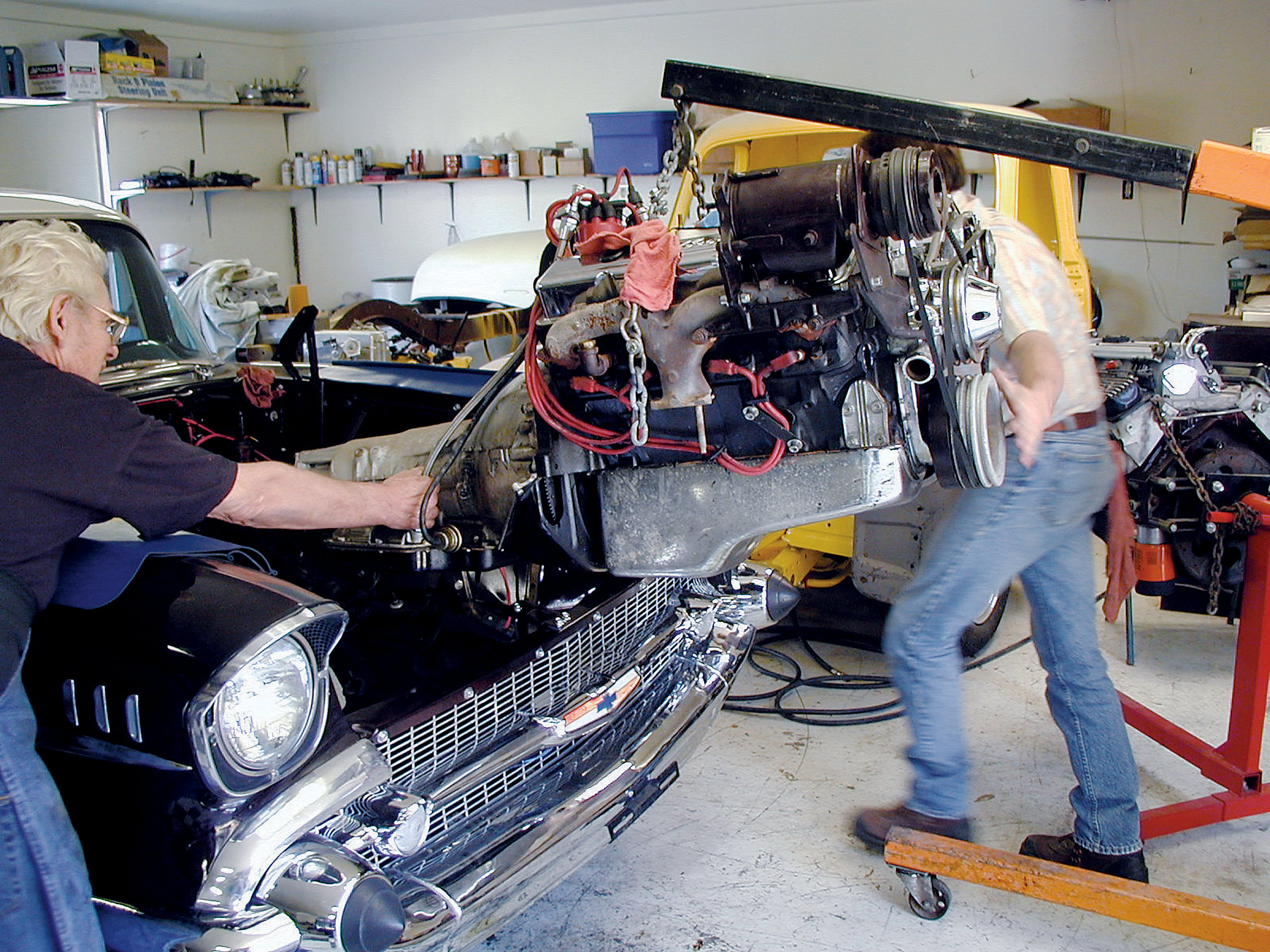
In 1971, Tom Stotts bought a ’57 Chevy two-door post car. It had a four-barrel 283 and a three speed, so he loved it. But over the years Stotts modified the ’57 again and again, taking advantage of newer Chevy technology. Multiple 283s, 327s and 350s have powered the car and been backed up with three-speeds, four-speeds and automatics, with rear gears ranging from 3.08 to 5.38.
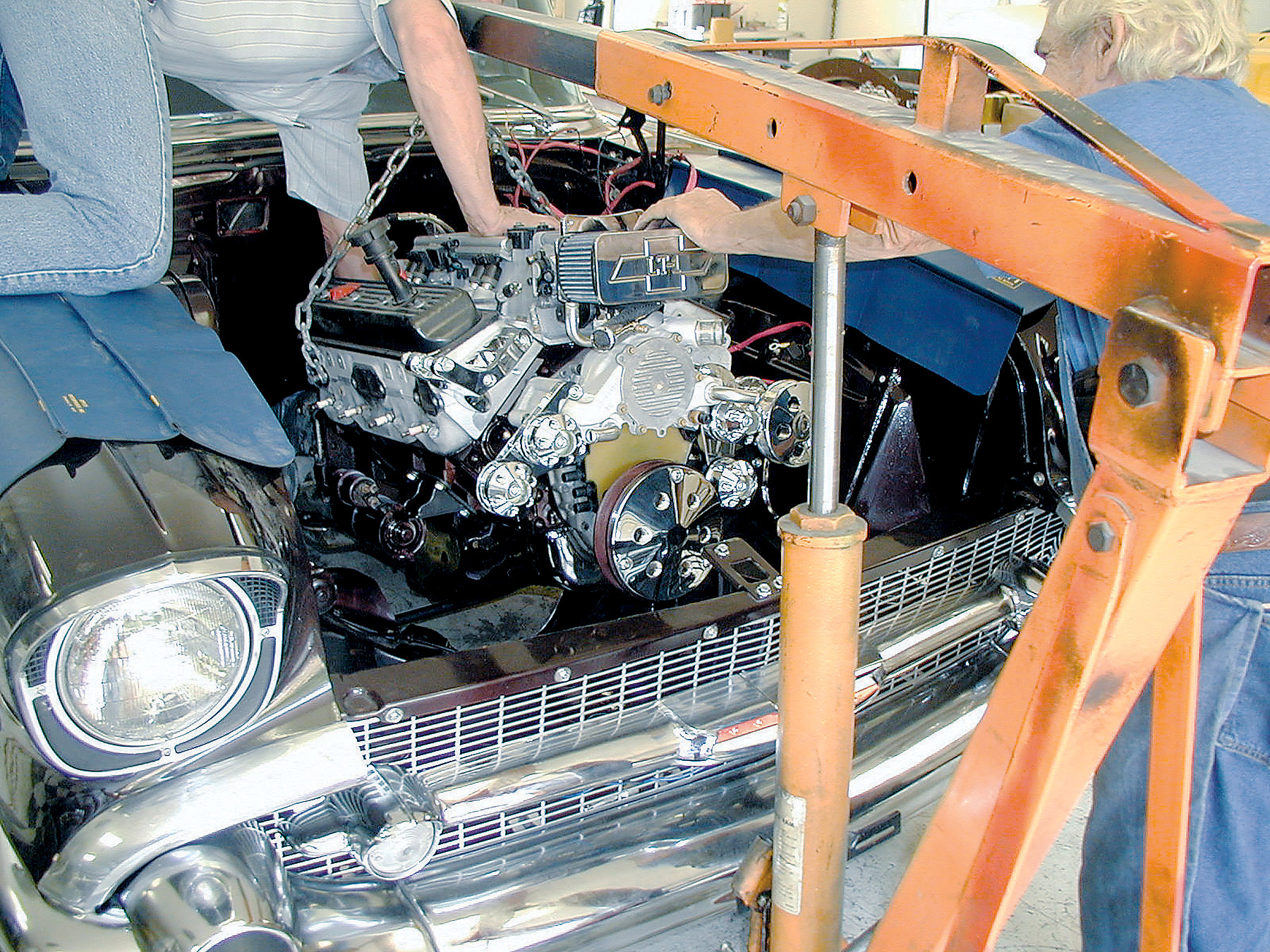
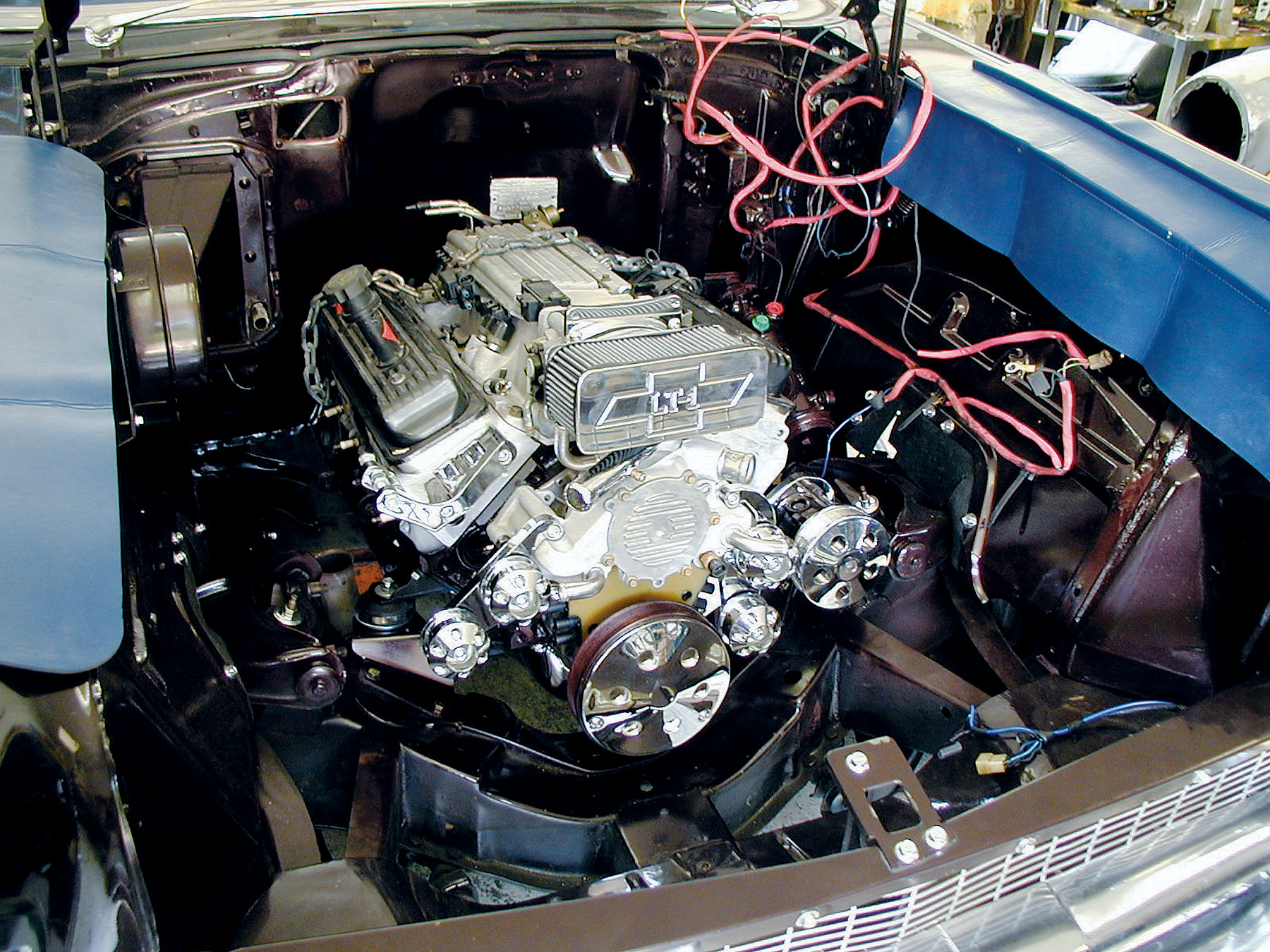
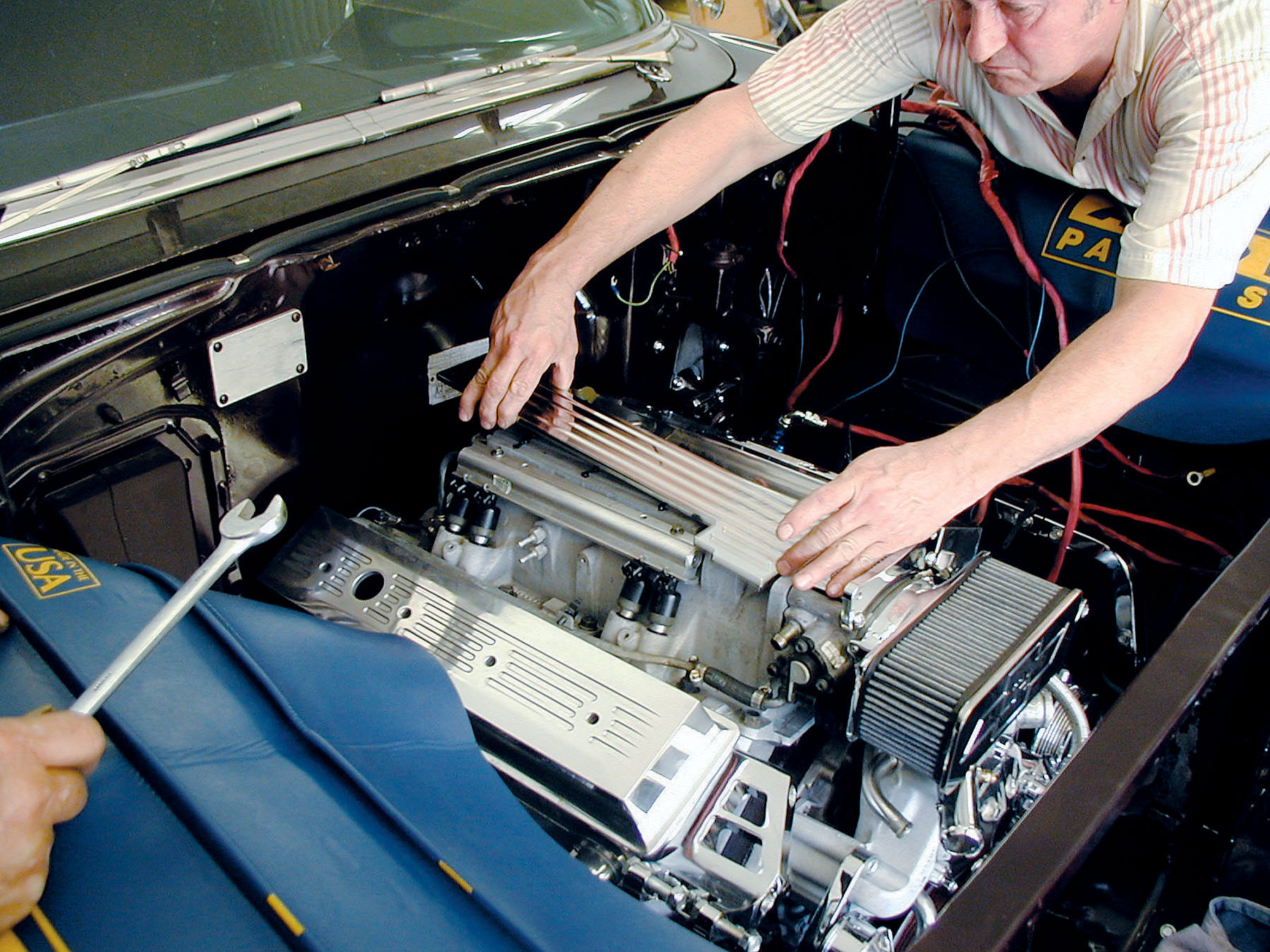
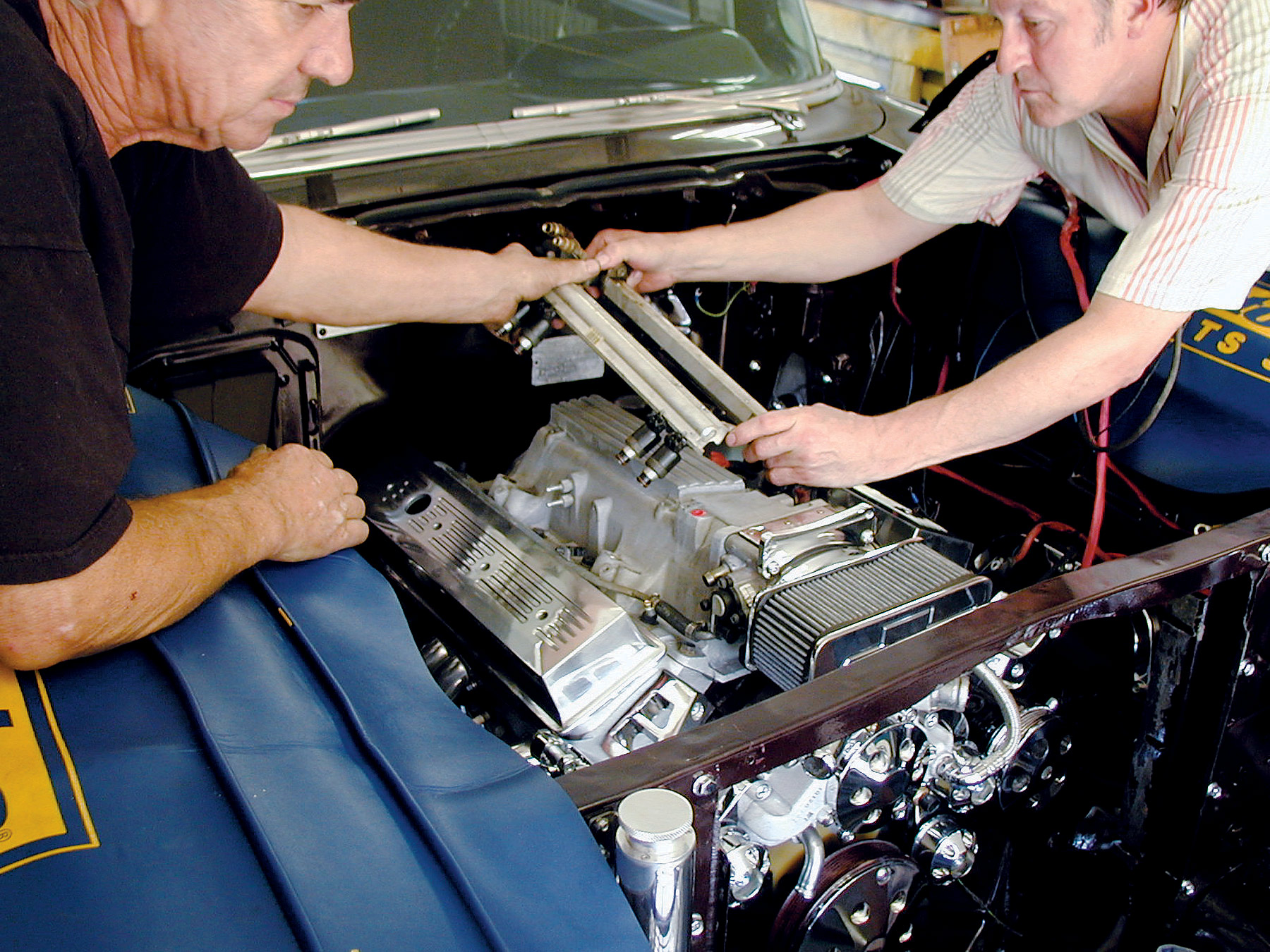
In 1999, he decided to replace the carbureted 350, which was installed in 1991, with a Corvette TPI motor. Stotts wanted to bring the car into the new millennium with style, adding the extra convenience of electronic fuel injection. A resident of Mena, Arkansas, Stotts visited nearby Street & Performance to get started on his project. The S&P guys are well-known for being wizards when it comes to figuring out how to stuff an EFI motor in an older car and actually making it work.
When Stotts was there, he spotted an LT1 motor sitting on a stand and instantly forgot all about his plans for the TPI. This motor came new from the factory with 275 hp, and the aftermarket has now embraced it the same way it had embraced the first-generation small block.
Although it has been overshadowed by the newer LS1 and LS6, the LT1 is still a great motor. It’s capable of well over 300 hp with basic bolt-ons, and in modified form the motor made 330 hp as the factory LT4 fitted to the ’96 Grand Sport Corvette. The LT1 itself saw duty in the Corvette, Camaro, Firebird, Impala, Buick Roadmaster, Caprice police cars and even Cadillac limousines. Finding a donor LT1 for your next project won’t be difficult if that’s what you decide you want to do.
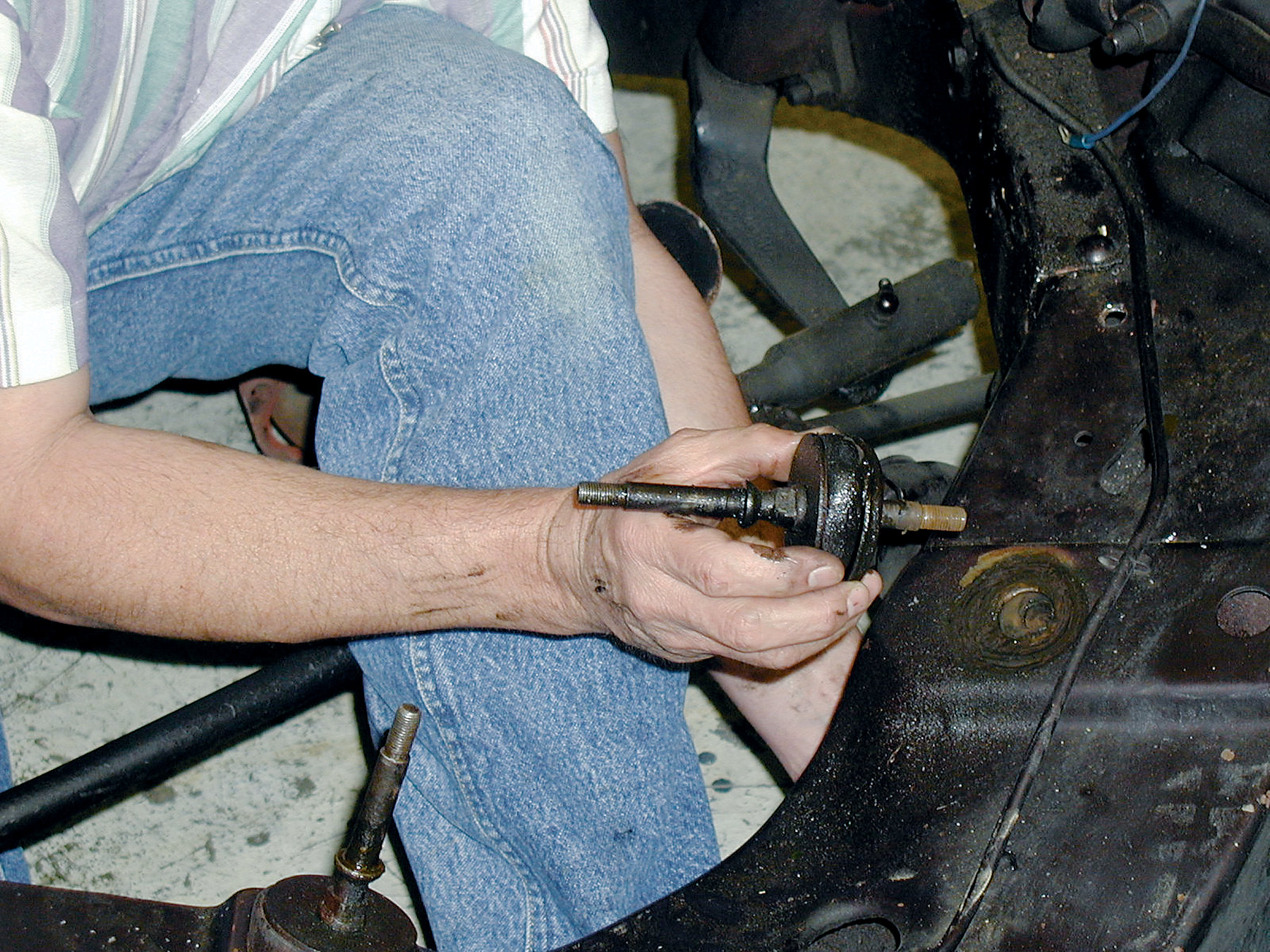
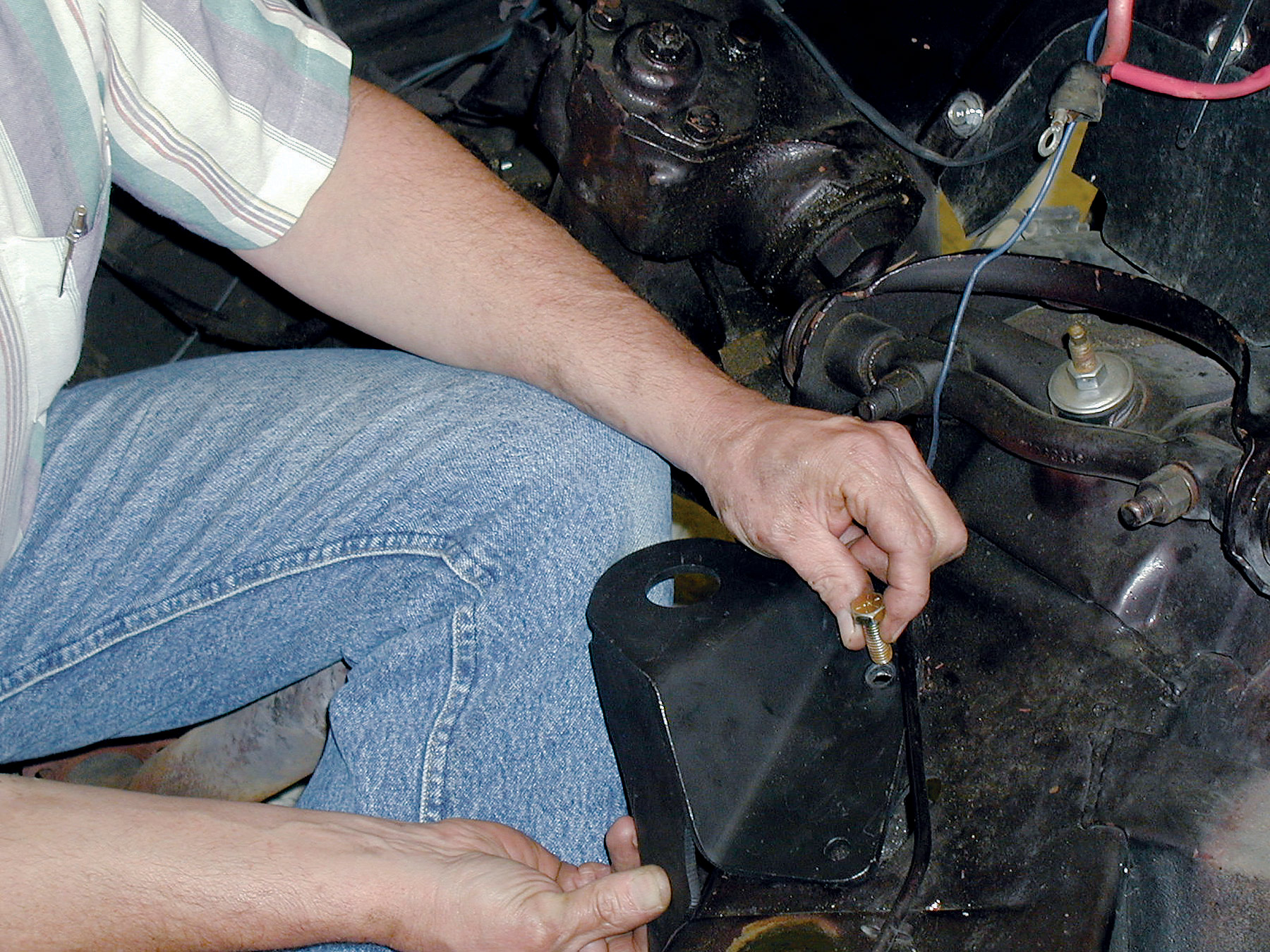
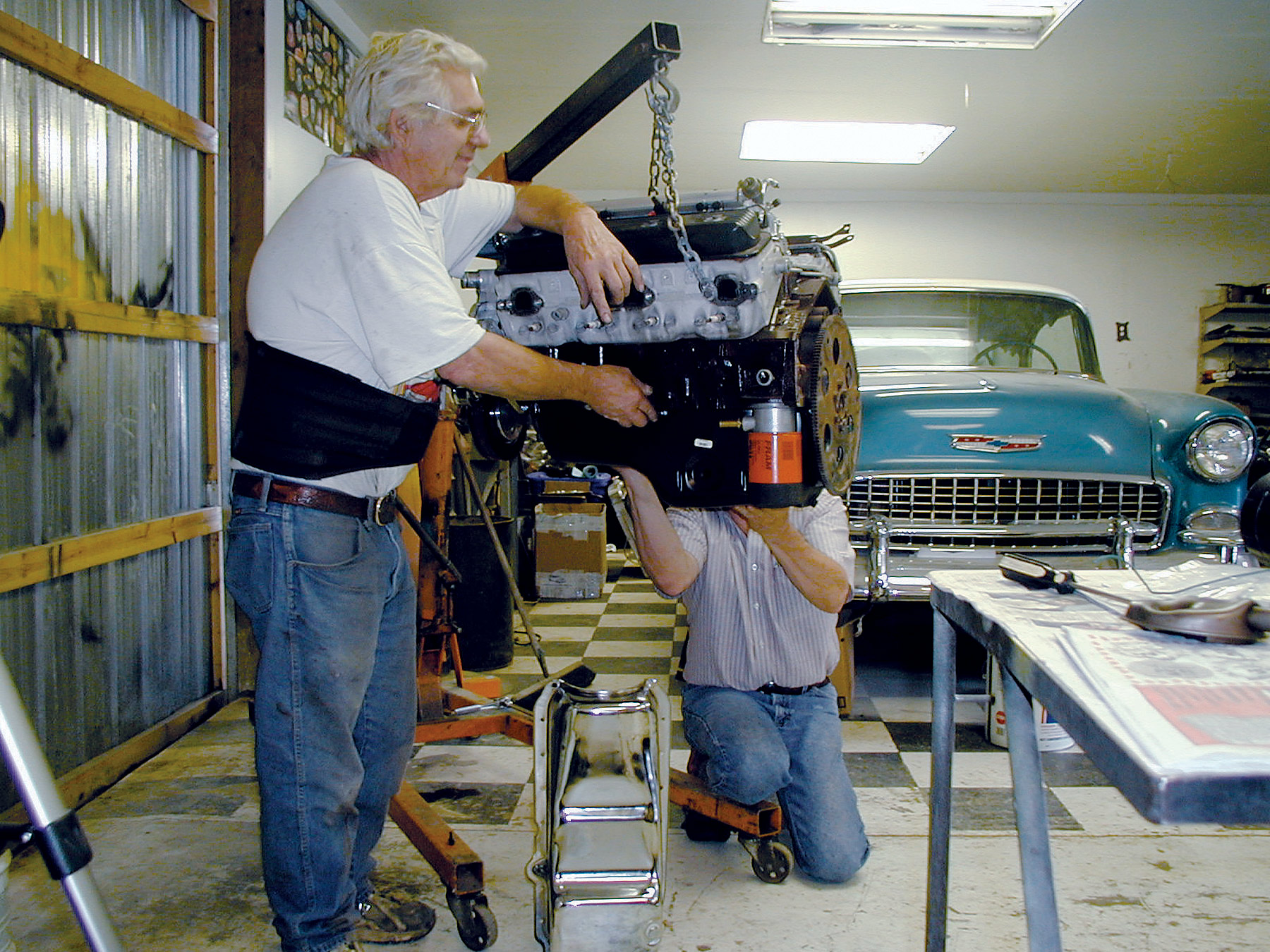
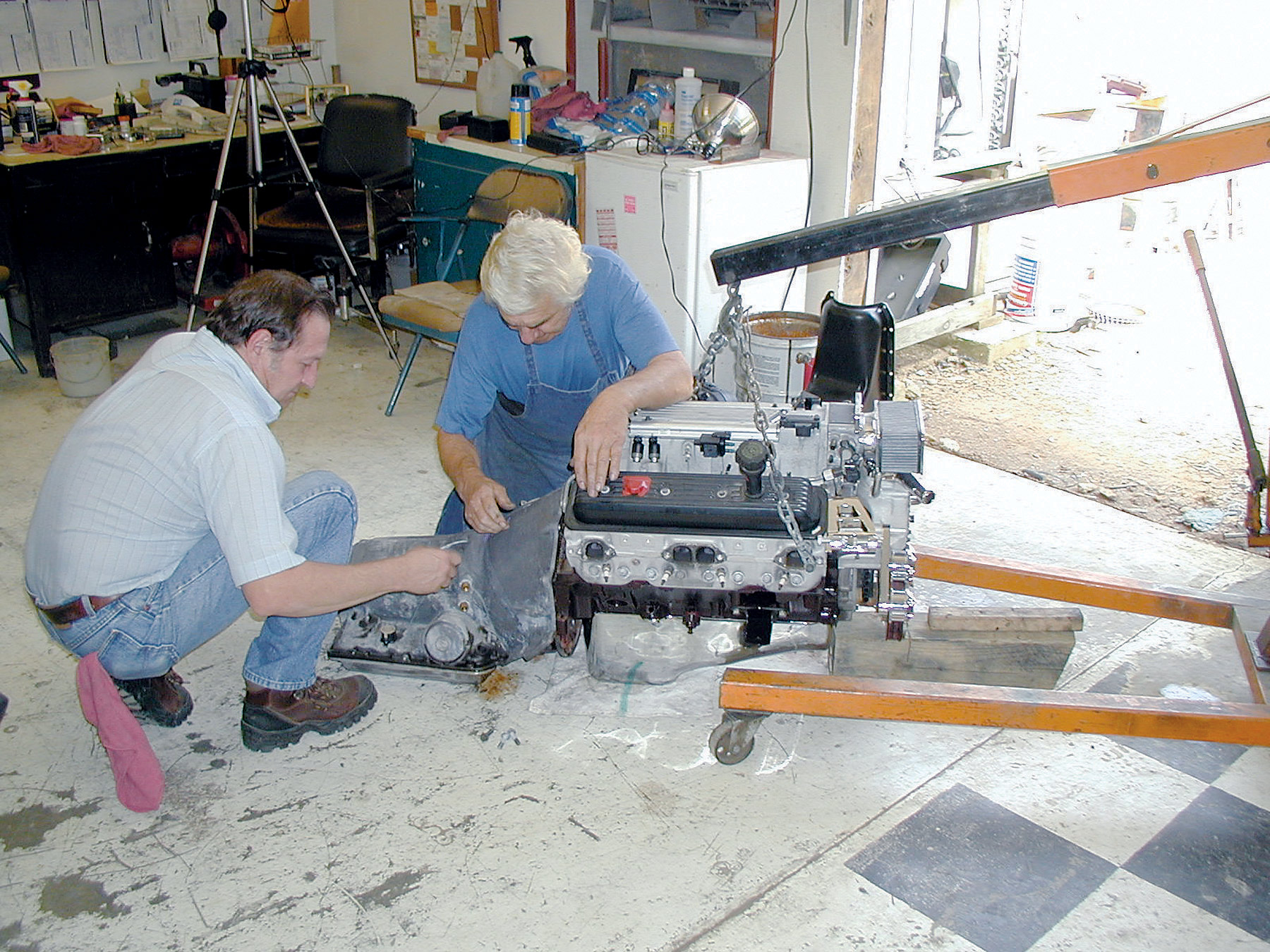
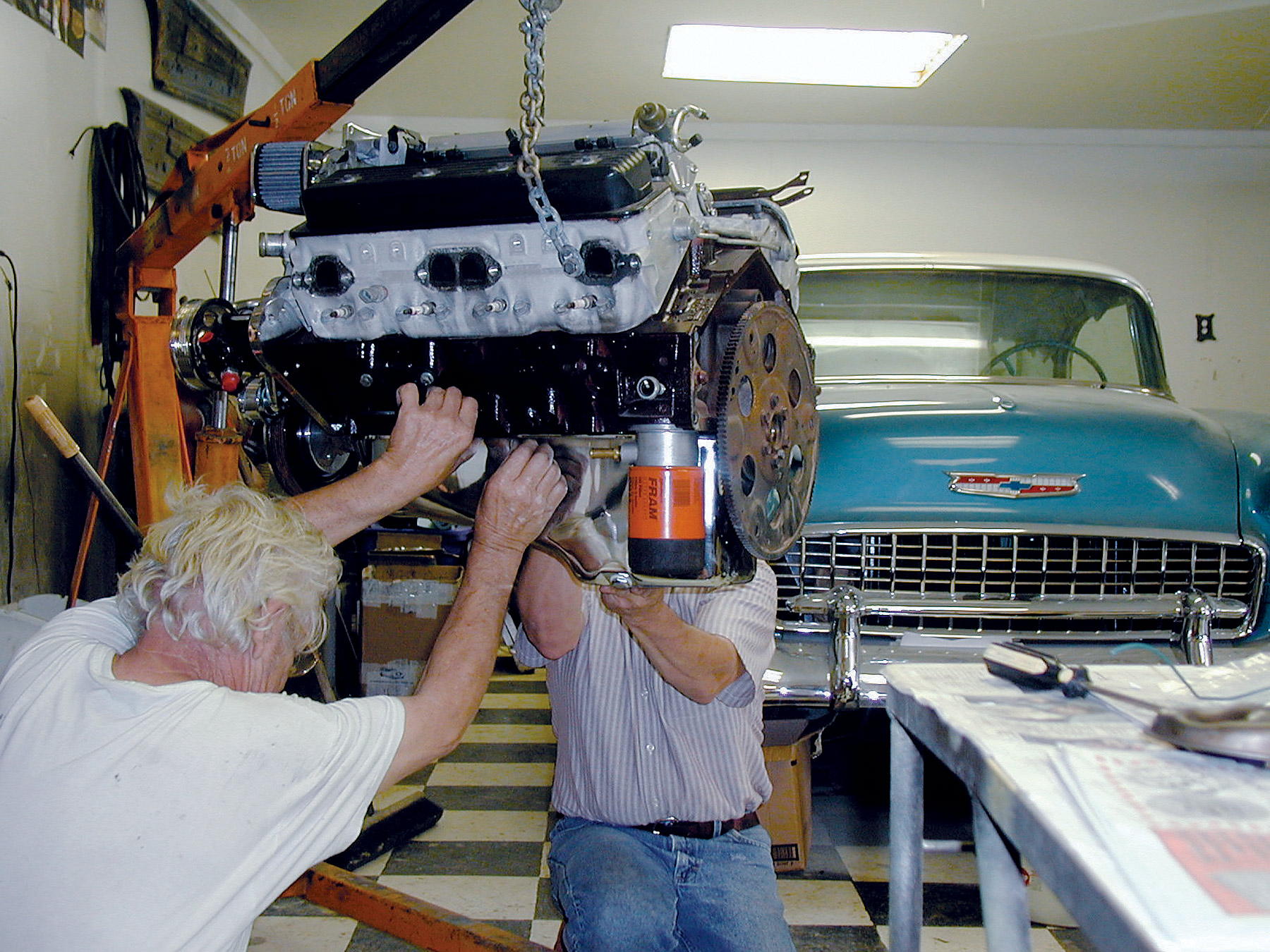
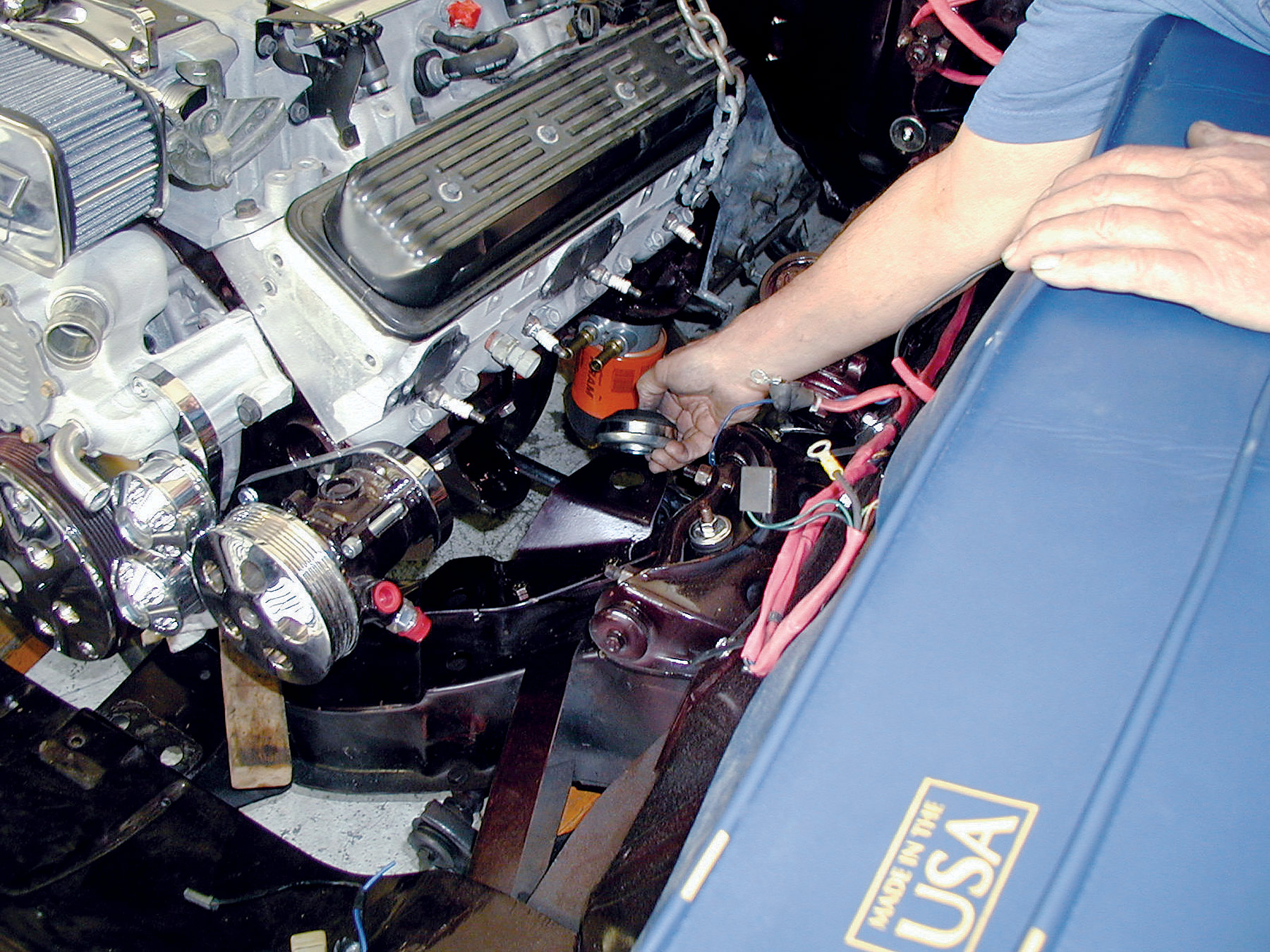
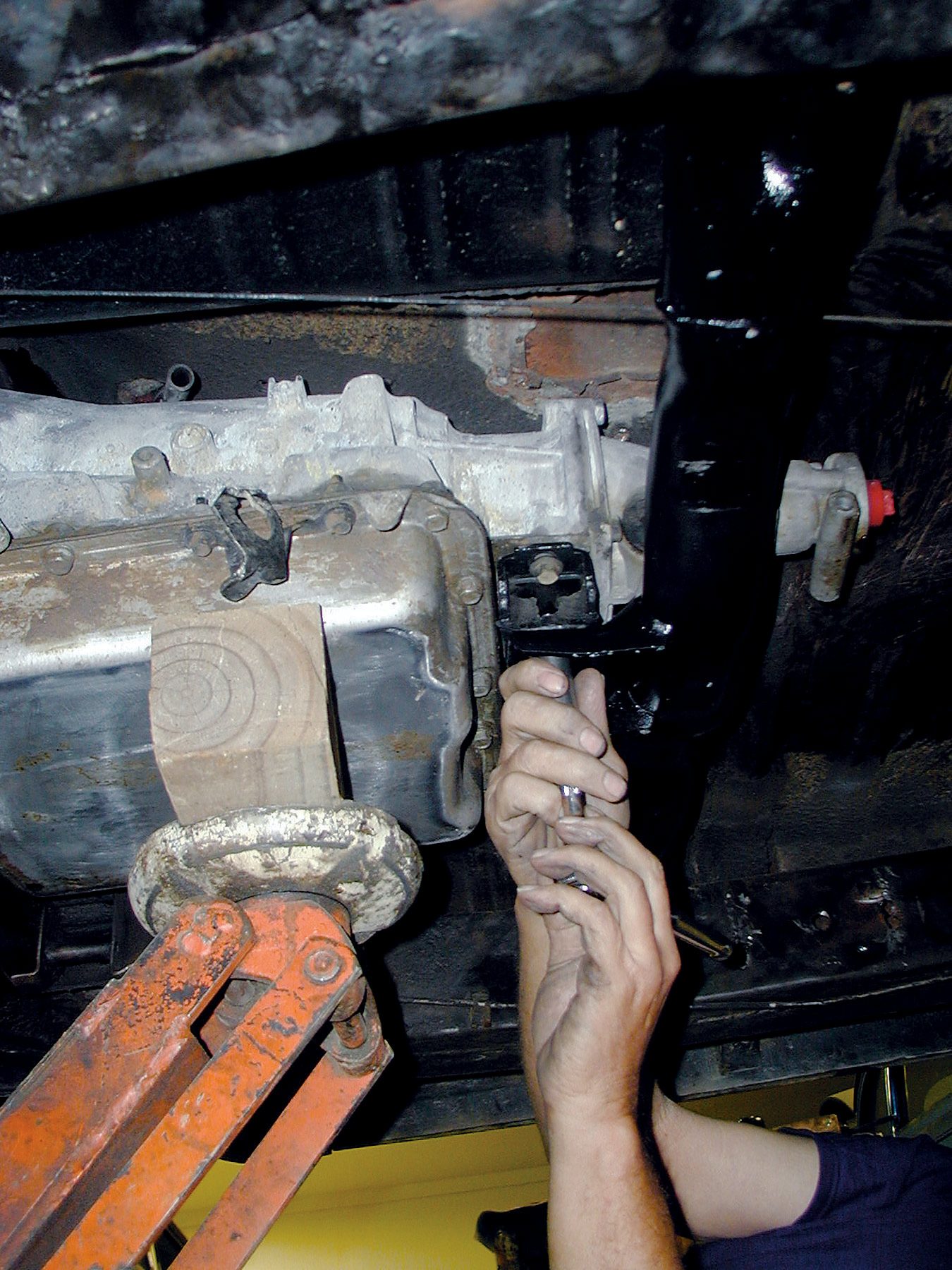
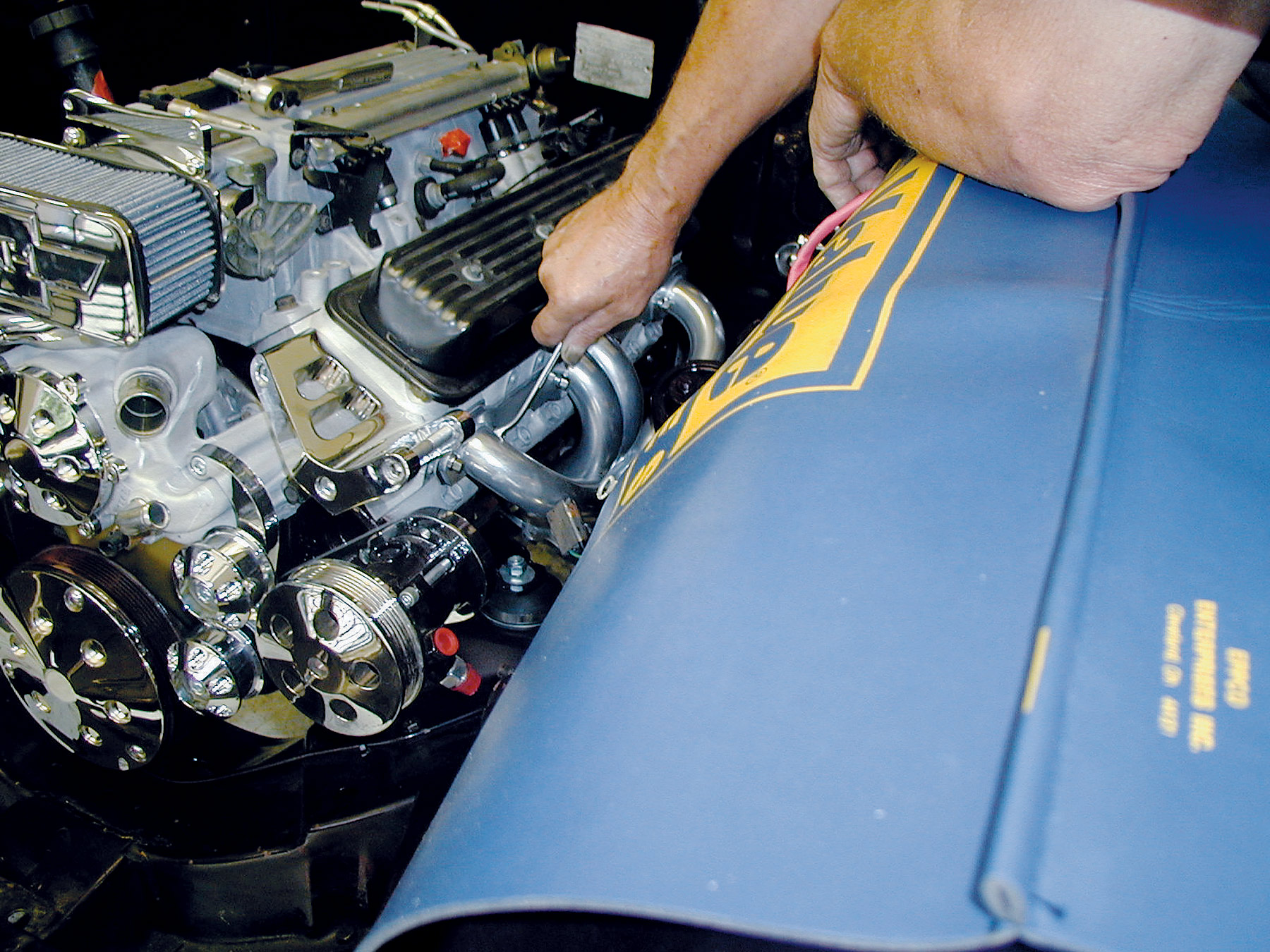
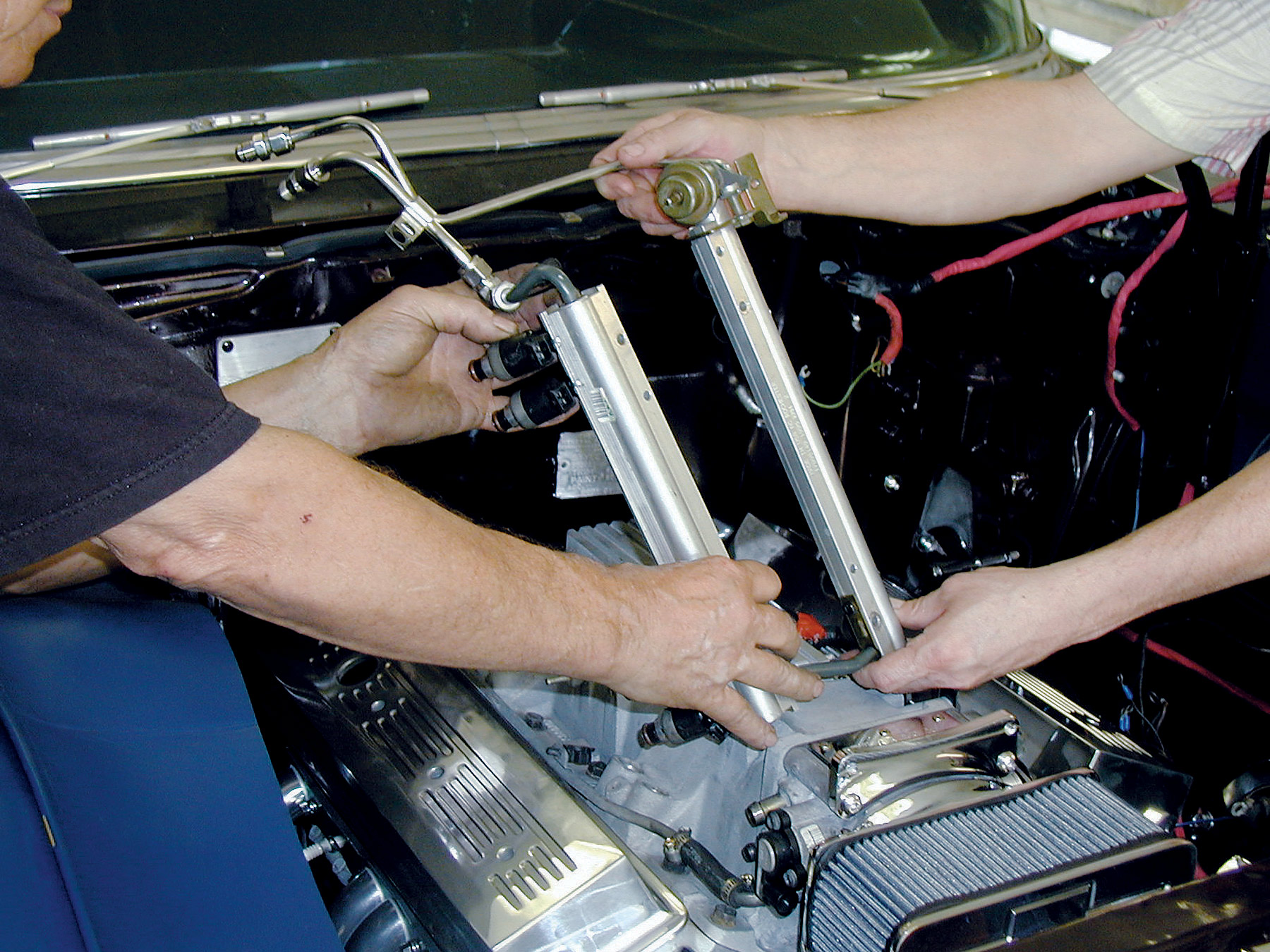
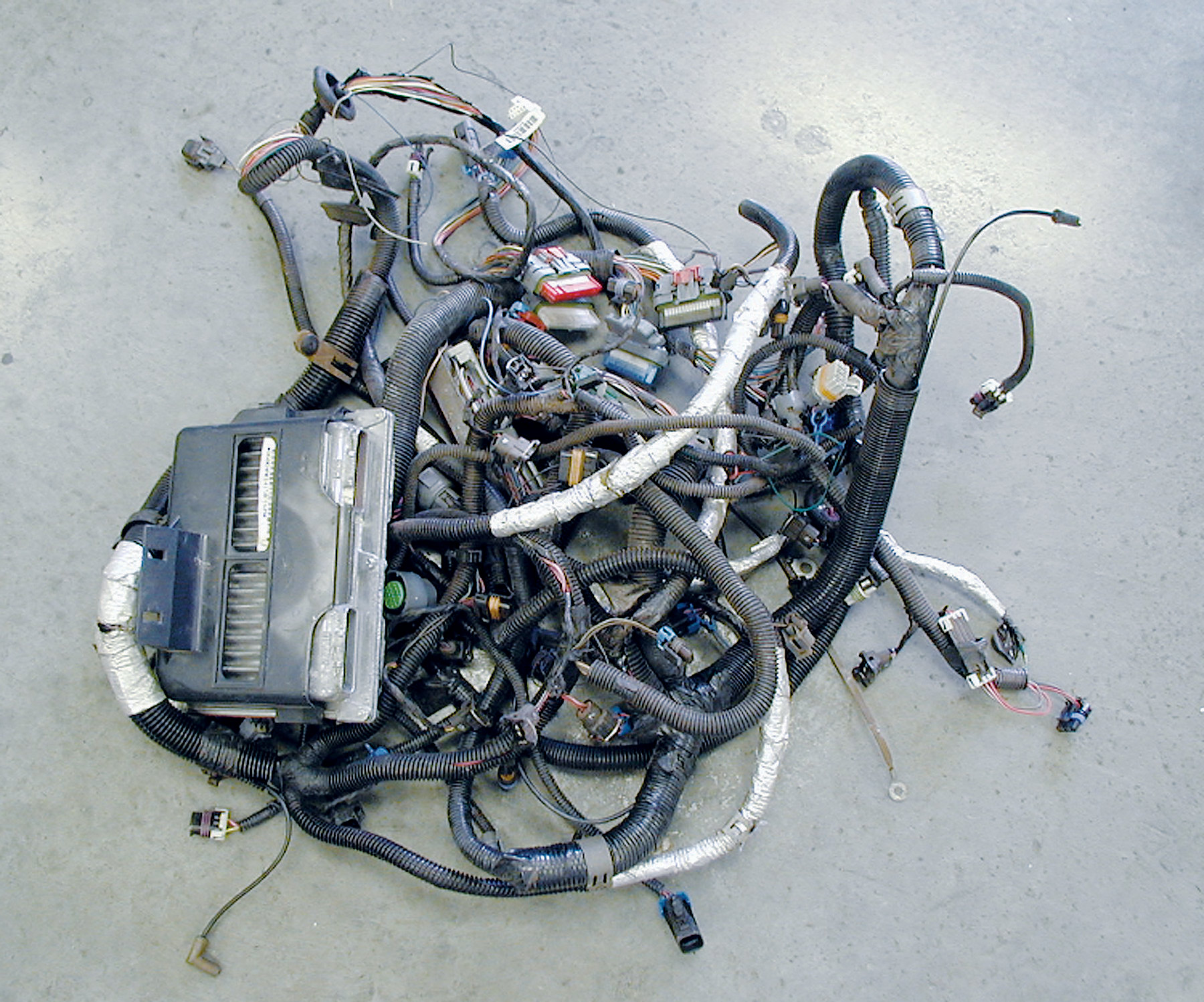
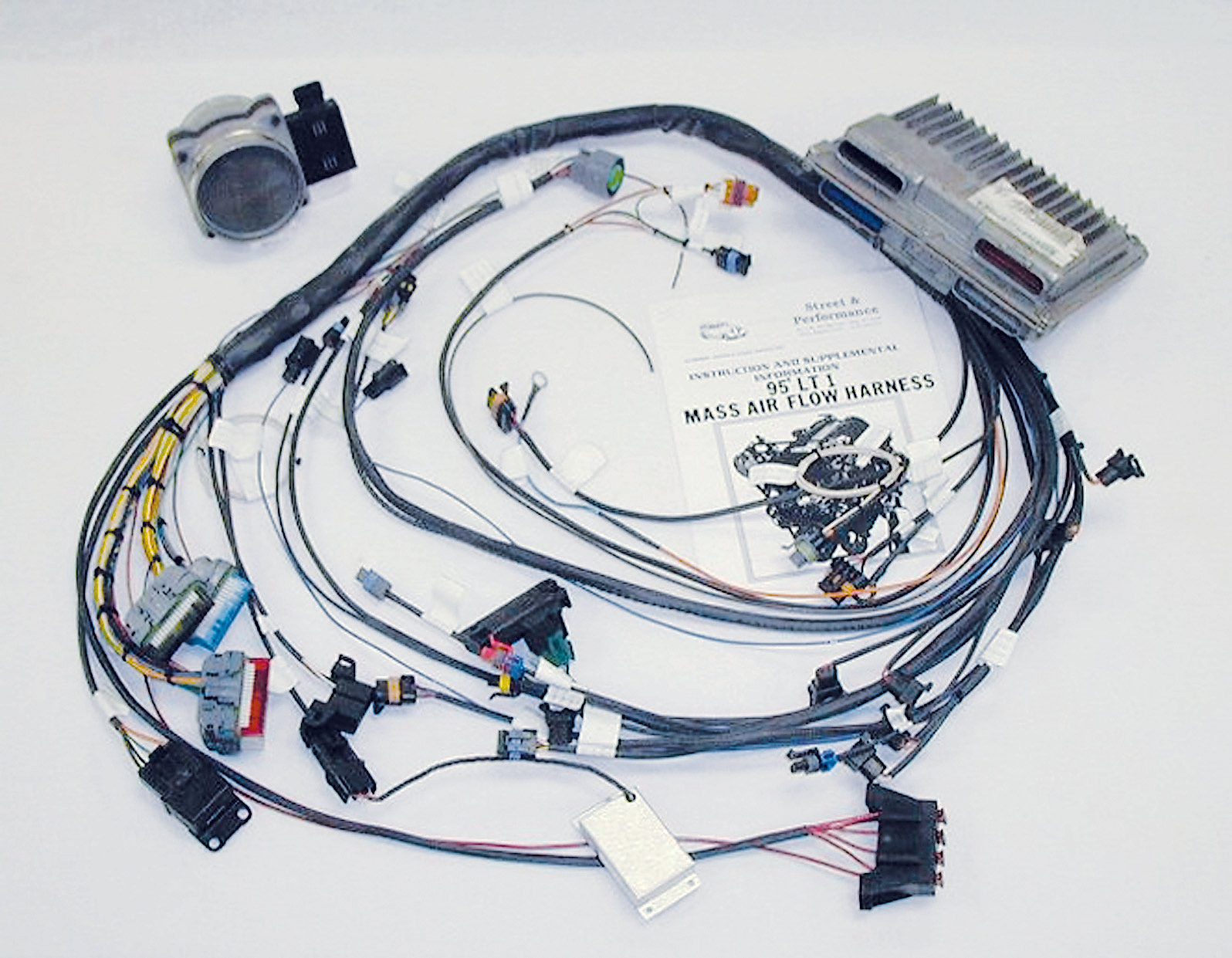
Stotts had to have an LT1 in his car, but his budget made a new GM crate motor out of the question. However, he went to the right shop. S&P president Mark Campbell was able to find Stotts a low-mileage LT1 and a matching 4L60E automatic transmission. The car, motor and trans went to Hot Rod Assembly Line for the swap. As with most late-model engine swaps, though, it wasn’t as easy as just bolting the new motor down into the mounts and turning the key. The conversion from carburetion to fuel injection required a long list of changes, and the fact that the LT1 changed slightly from year to year and by application means you must know what you have, as well as need, in order to make it work. But when it comes to these swaps, Street & Performance might be the best friend you have, especially because its crew is so willing to share what it has learned.

EDITOR’S NOTE
Street & Performance, Inc. sadly closed its doors back in 2016, but have no worries. Whether you’re hunting for parts for your LS swap or you’re starting from scratch and need the complete package, the experts at Gandrud Performance Parts have you covered with top-notch gear and killer service.