THE AUTO BUILDER
Featured

MEN AT WORK
Is it us, or does it seem that Jim Bell and his crew at Kenne Bell turn out hot trucks at truly astounding rates? In the past, they have built such a wide variety of trucks and SUVs that it’s hard to count them all. But when you consider all their other projects, such as their ’05 Mustang, the ’04 Focus and the ’04 Escape, it seems they have been busier than a one-armed paper hanger (whatever that means). One of their latest projects is this ’04 Ford F-150. As with most all of the other Kenne Bell projects, it started out as a new vehicle and was destined to be displayed in its SEMA booth.

Brake Basics
In the eyes of the Chevy enthusiast, ultimate acceleration reigns supreme. Everything plays second fiddle in the performance-oriented minds of many enthusiasts, including handling, comfort and so on—besides, those things are tough to quantify. Acceleration and top speed are what we are into and unfortunately, all too often, last on the performance priority list is braking. Remember, no matter how quick or fast a particular Chevy is, and no matter how well that Bow Tie handles, no matter how plush it is, no matter how straight the body panels are or how crafty it’s built, eventually you have to get the thing to stop.

Showstopper
There are SEMA vehicles, and then there are SEMA vehicles. Do you want an explanation? Okay, all SEMA vehicles are built to show off a company’s part, but some vehicles are “built” with only that part on it and are otherwise stock. While we won’t say that these vehicles are totally a waste of time—some have shown a great deal of imagination—for the most part they don’t capture our attention, nor are they what you would consider to be mainstream vehicles.
Spotlighter
POPULAR READS
ONE HATCH IN A LONG LINE OF HONDAS
Fred Chapman’s ATS*Garage Civic Is Beauty In Motion
Author
Gene Tjin
Words & Photography
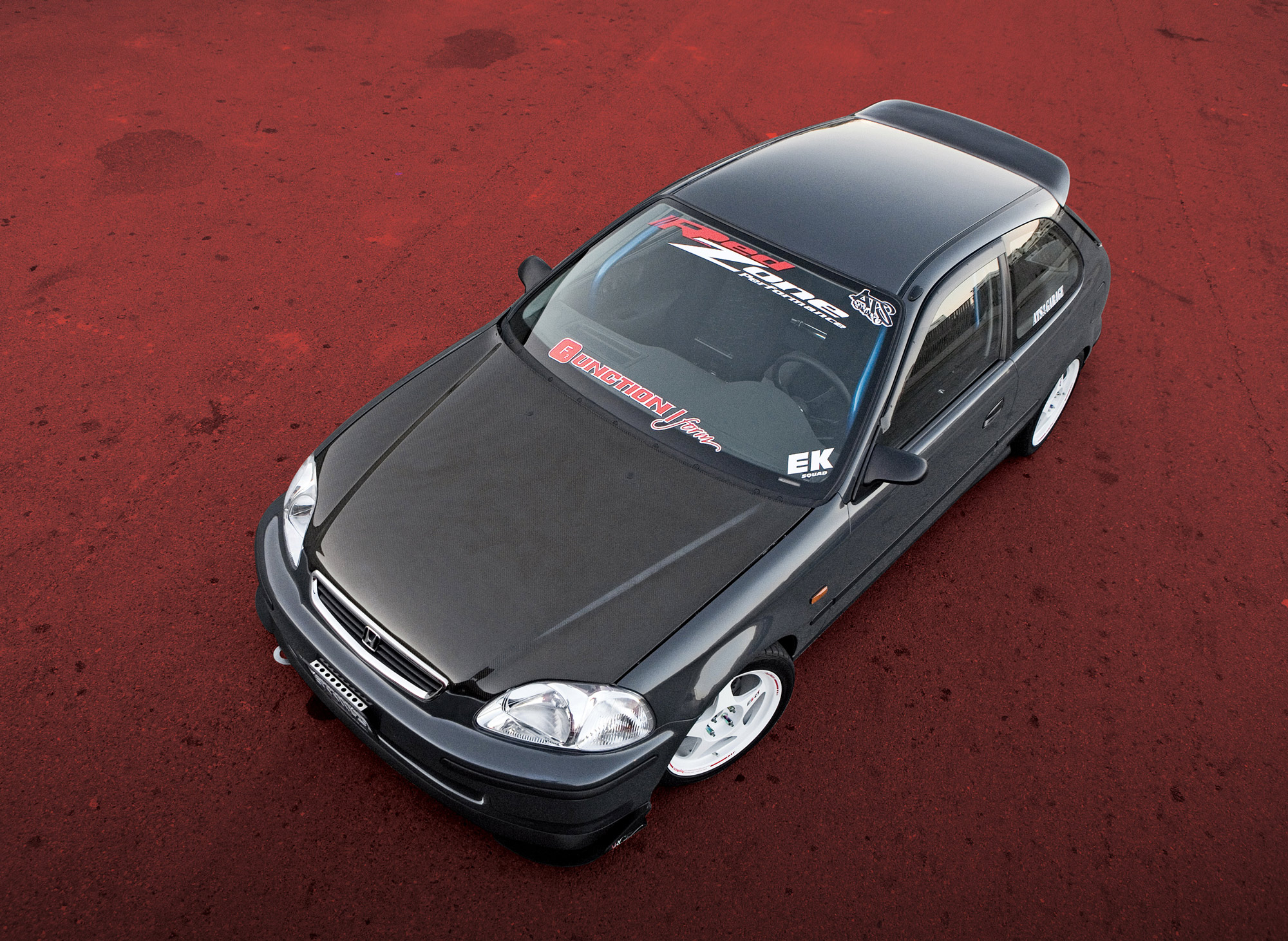
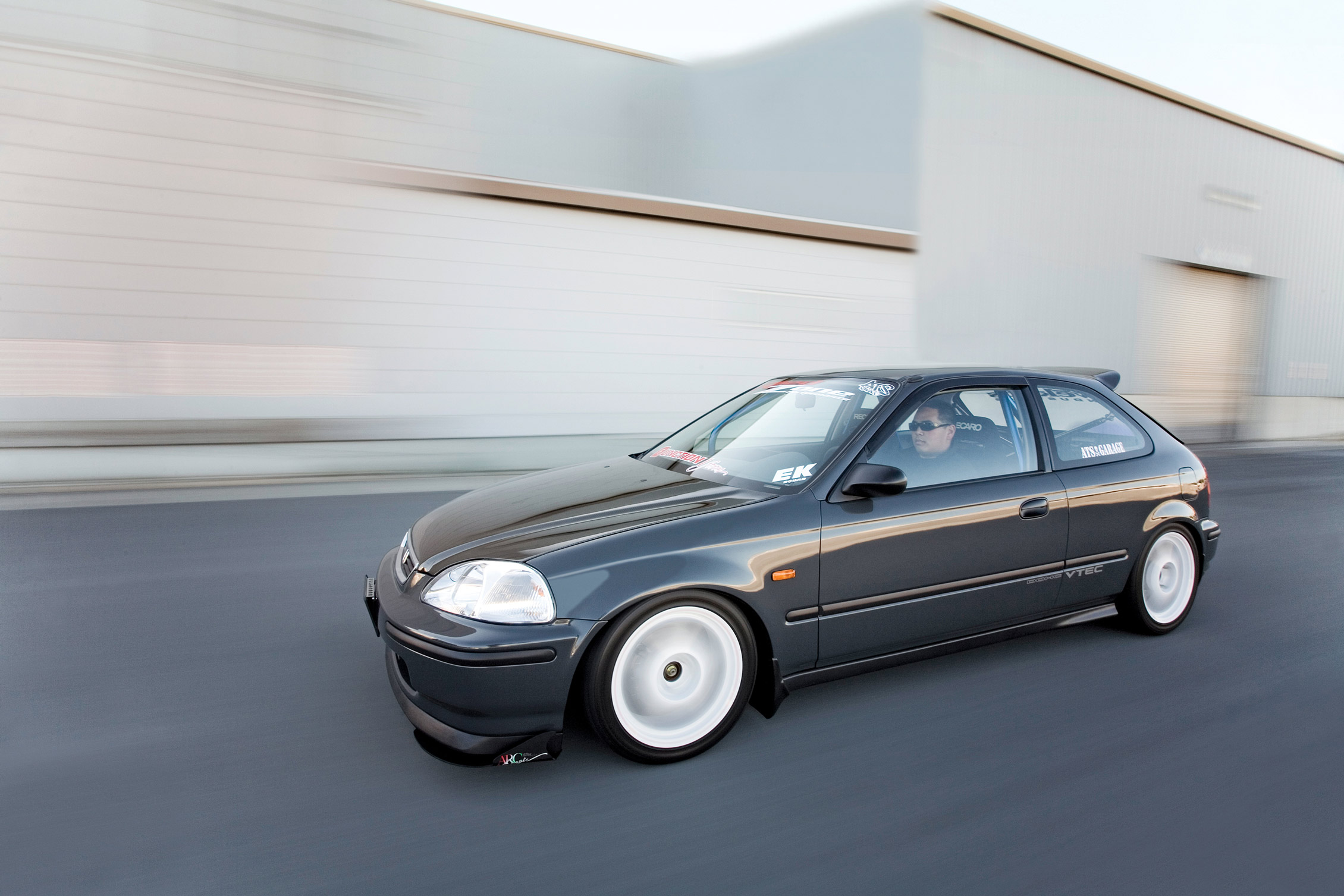
Northern California native Fred Chapman’s ’96 Honda Civic is a project he undertook after having owned a handful of water-cooled Volkswagens. Chapman decided it was time to make the move to the Japanese market, and he found himself owning more Hondas than you can count on one hand. Having been around the Honda scene for well over a decade now, Chapman, with the help of his wife, recently acquired the one “H” car he had always wanted—the one you see here.
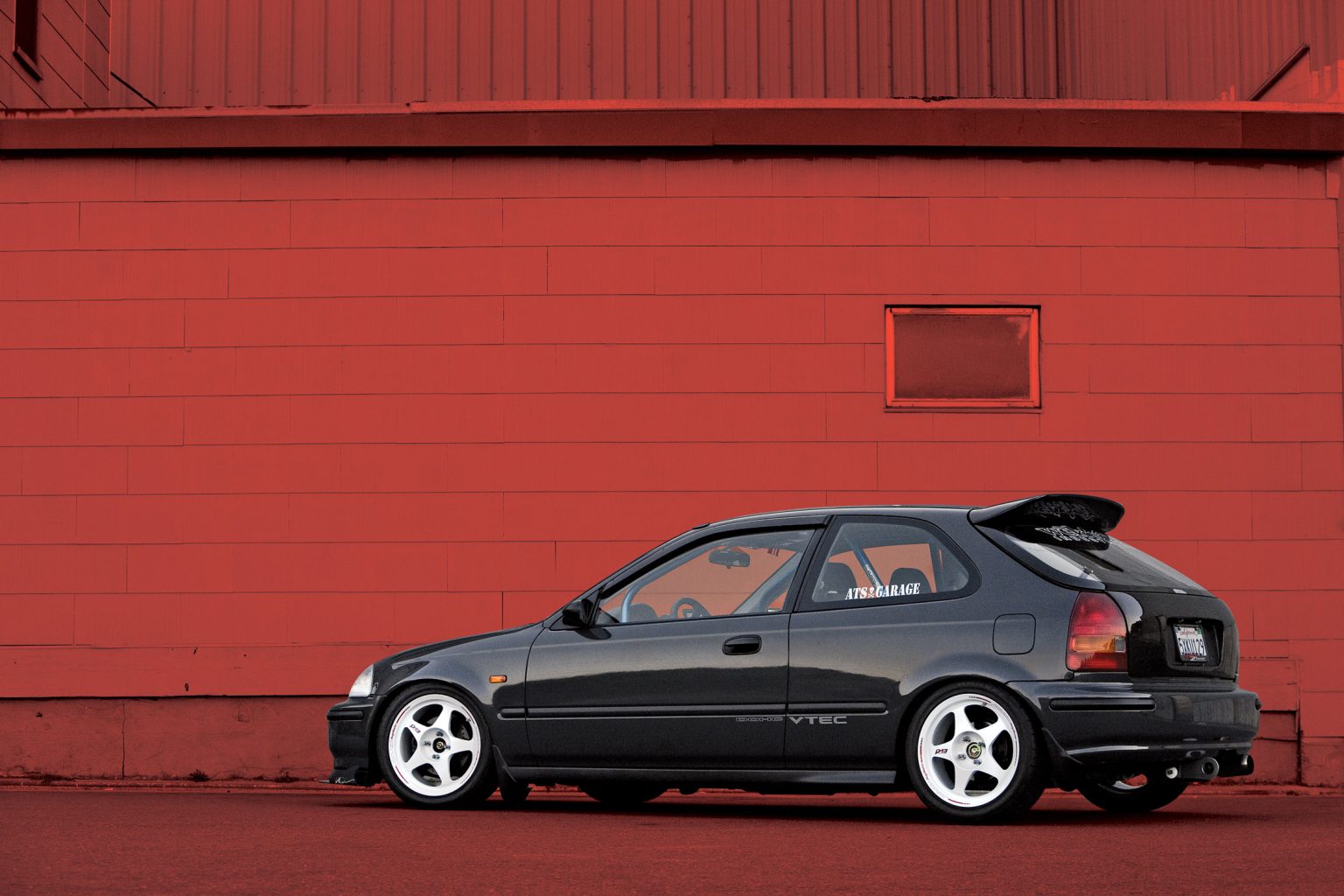
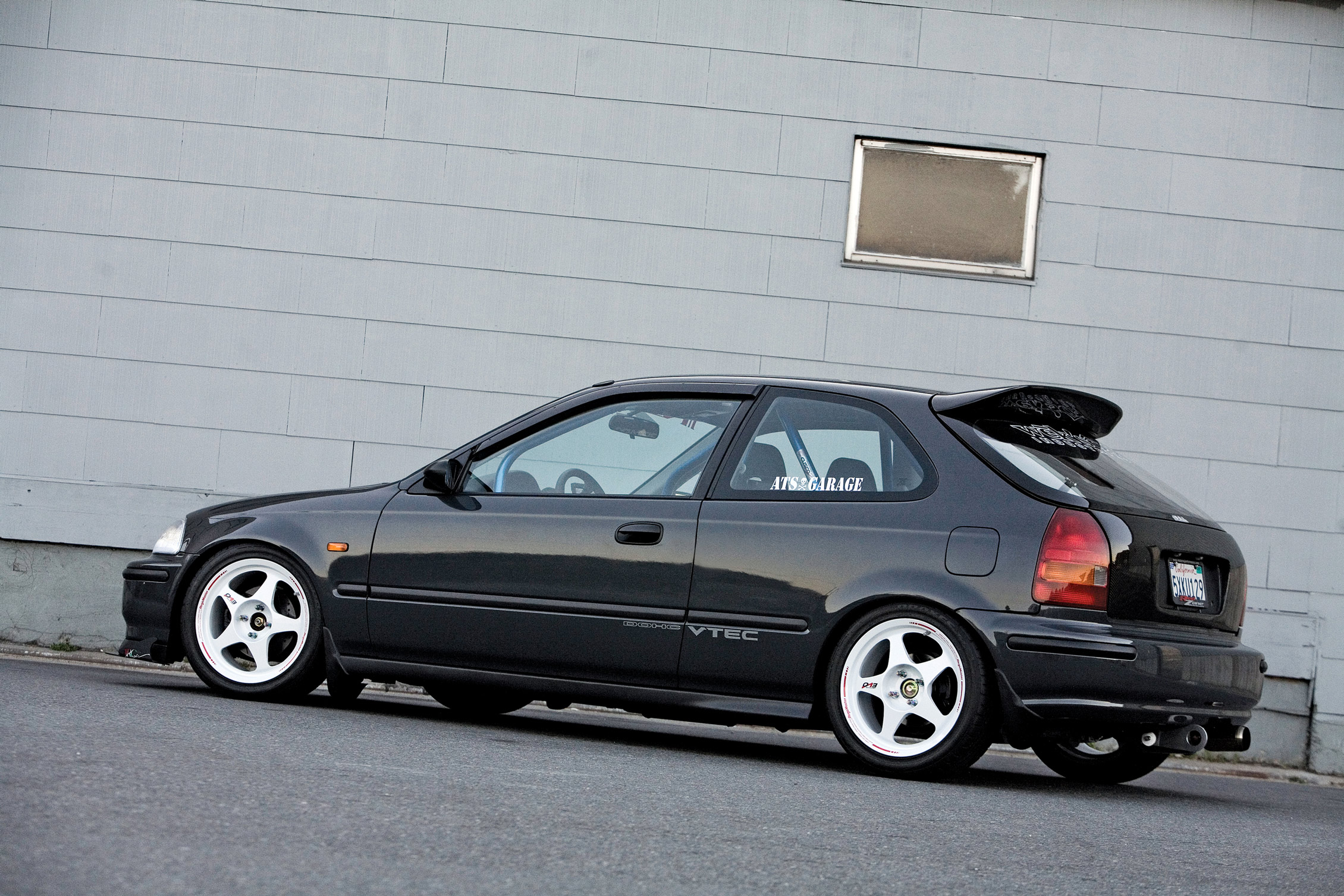
Let’s just say the rebuild process began the day Chapman took ownership of the Civic. The first task was to remove everything from the Honda’s body, both inside and out, and then deliver the rolling chassis at the paint and body shop. Aside from the bare chassis, Chapman also dropped off a handful of OEM U.S.-spec parts, as well as those from a Japanese model. From the EK4 SiR model Civic, Chapman added front and rear bumpers, the rear spoiler and fenders with side marker lights.
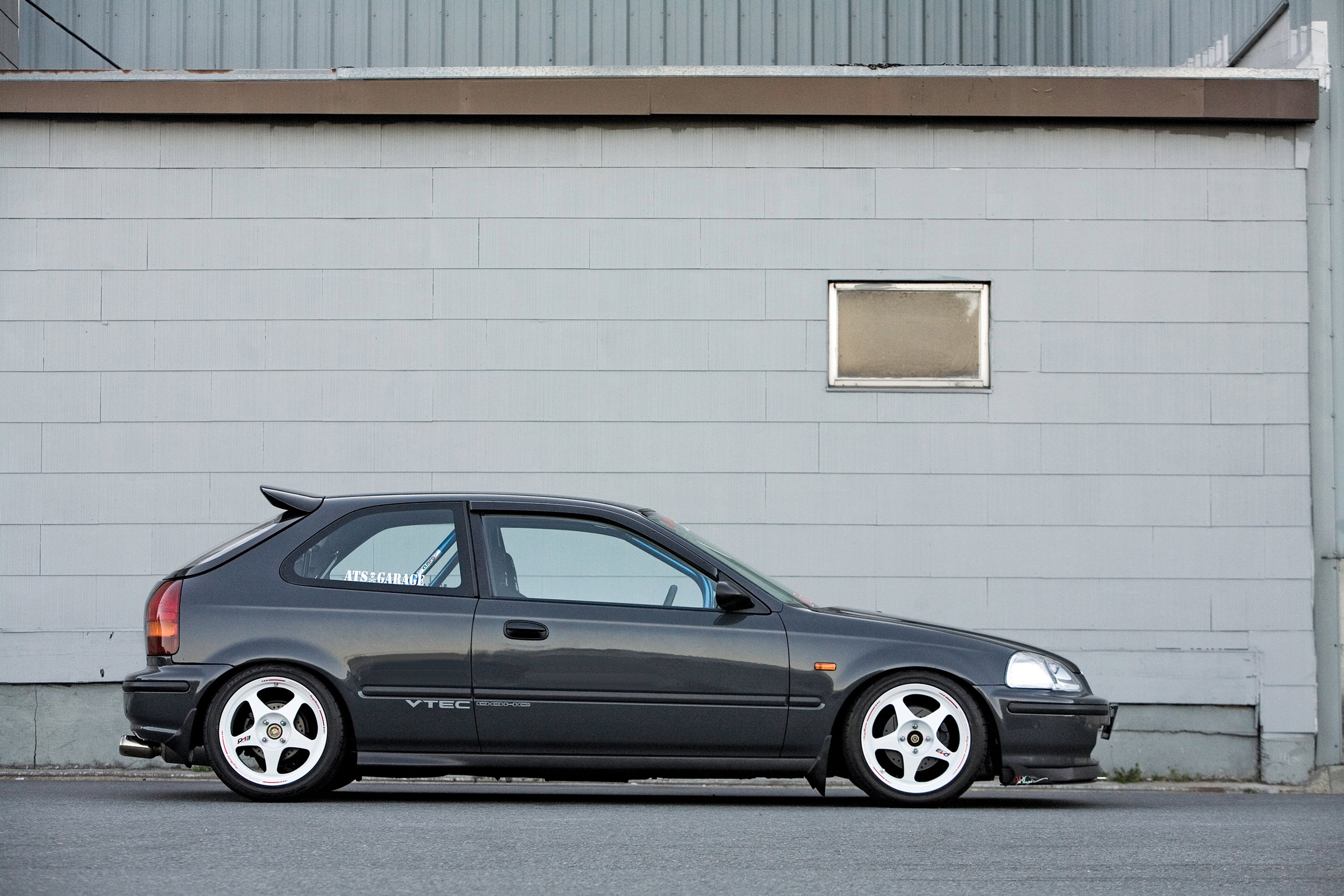
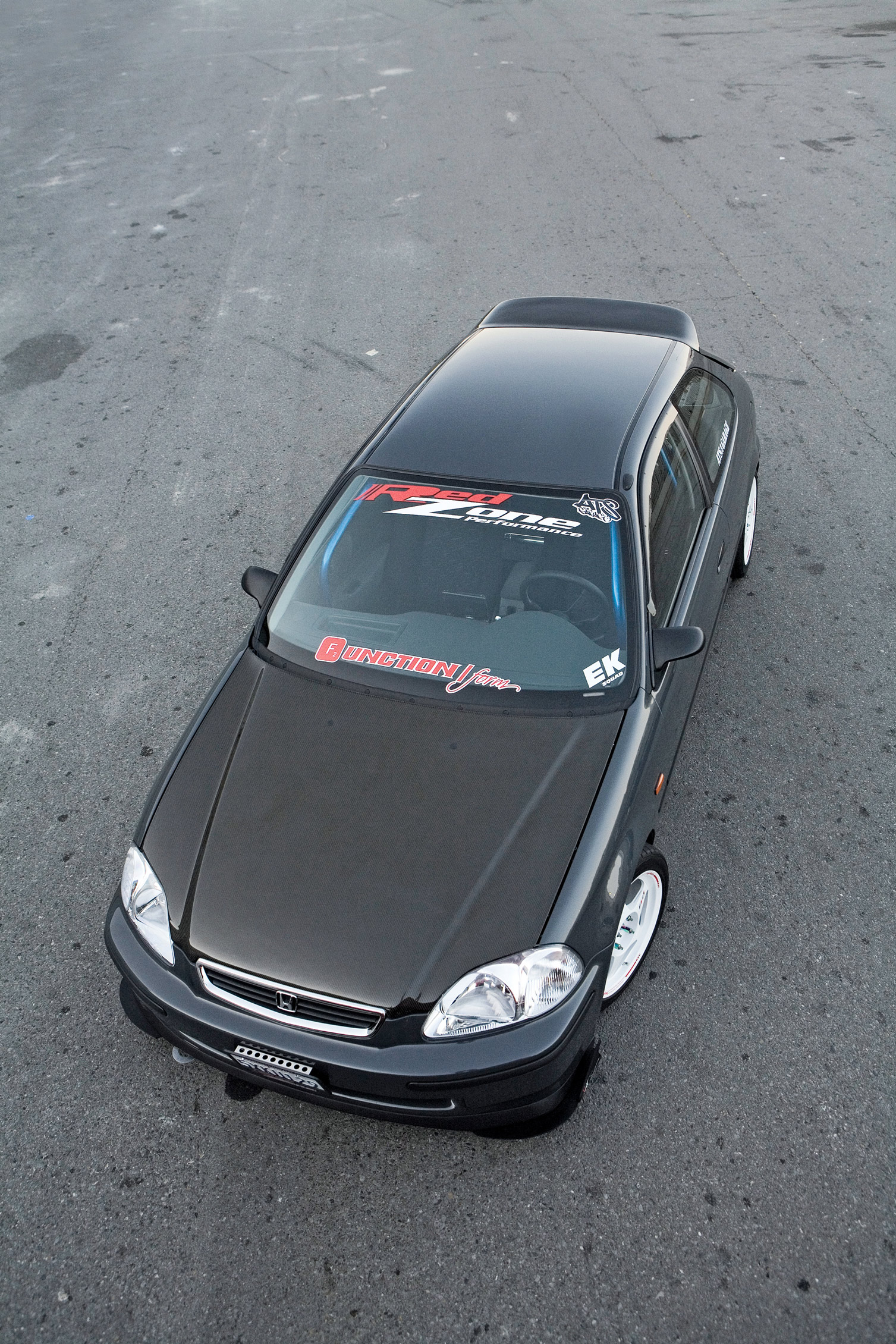
Looking to stay away from all of the usual flash that comes with trying to be noticed, Chapman chose to take the road less traveled and had the Civic sprayed inside and out in Audi’s notorious Nimbus Grey Pearl. Although the color is pretty undercover, it’s definitely a color that makes you want to take another look.
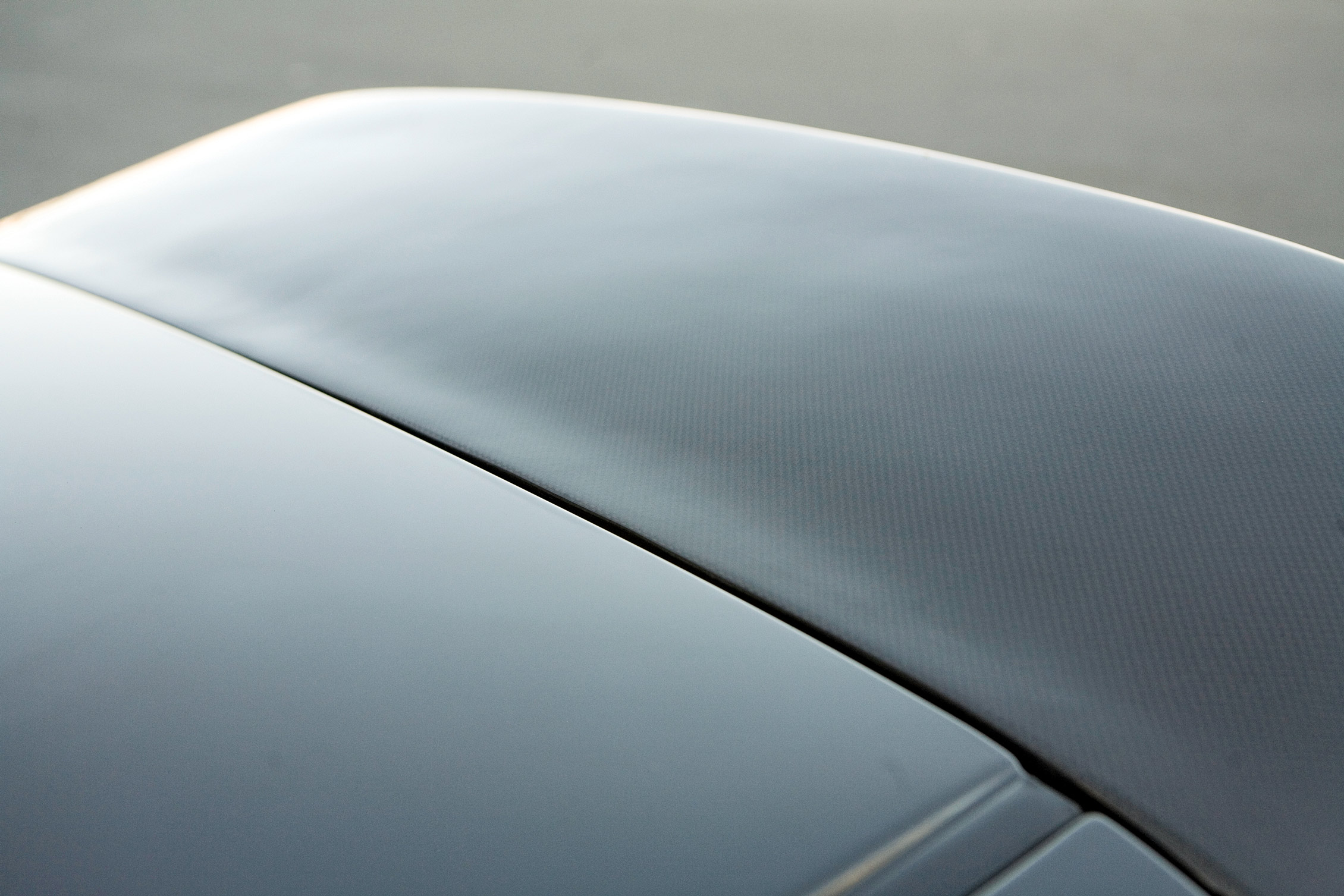
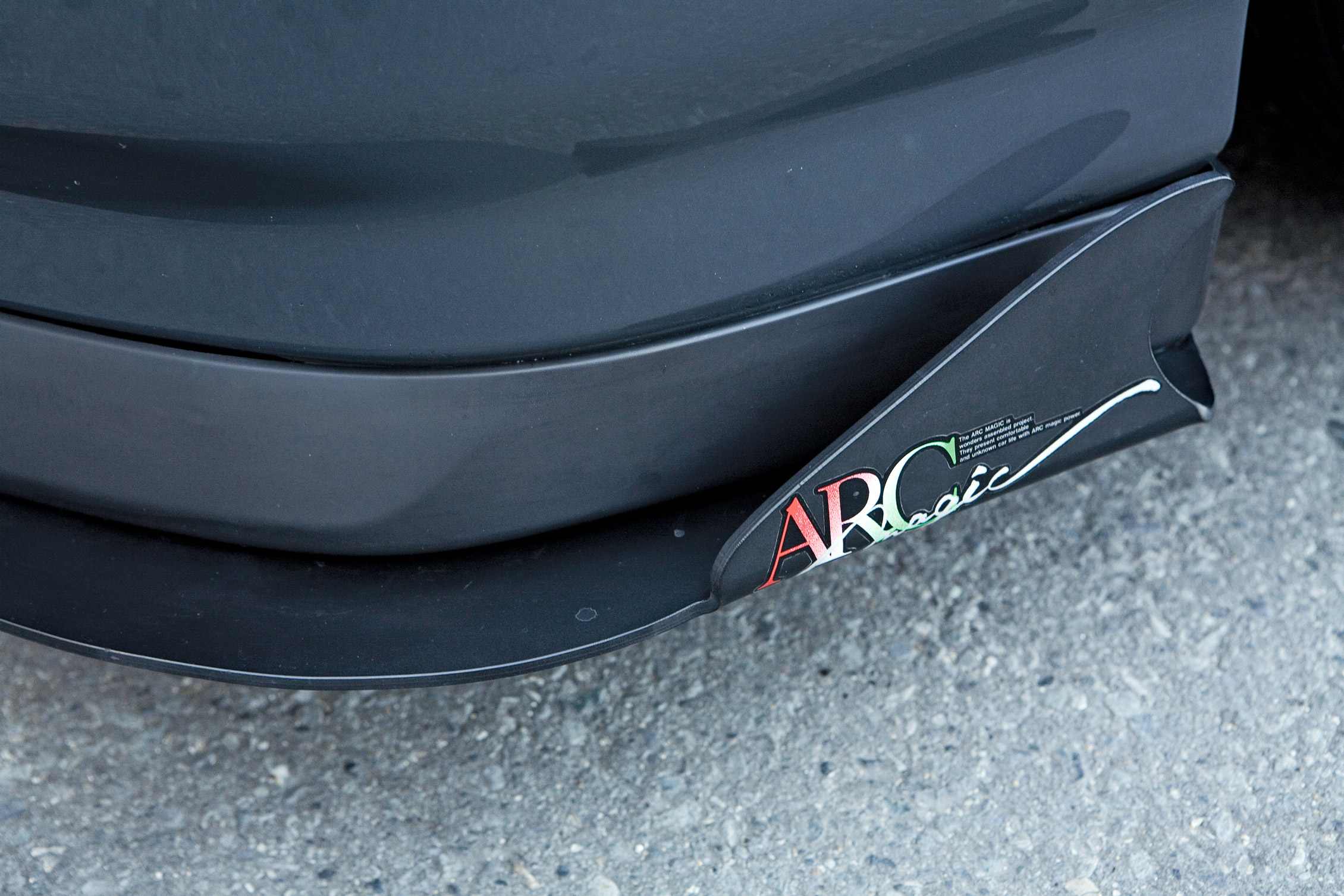
After the bodyshop had completed its work, Chapman and his ATS*Garage teammates took on the task of reassembling the car, starting with the exterior. With the addition of a set of EK SiR headlights, chrome housing taillights, thin side moldings and DOHC VTEC side decals, plus an OEM Honda front grille, optional Antenna block-off plate, mud guards and window visors, the beginning phase of the visual aspect of the car was beginning to take shape. With the dark exterior, Chapman was also able to incorporate carbon-fiber pieces into the mix without having them look out of place. Seibon pieces are found in places such as the hood, rear spoiler and rear hatch, which was also fitted with a Flex-a-lite Lexan window replacement. The finishing pieces found outside come from a pair of ARC Magic front spoiler winglets, adding a little bit of aerodynamic enhancement as well as an aesthetic upgrade thanks to a set of first-generation black Spoon Sports side mirrors.
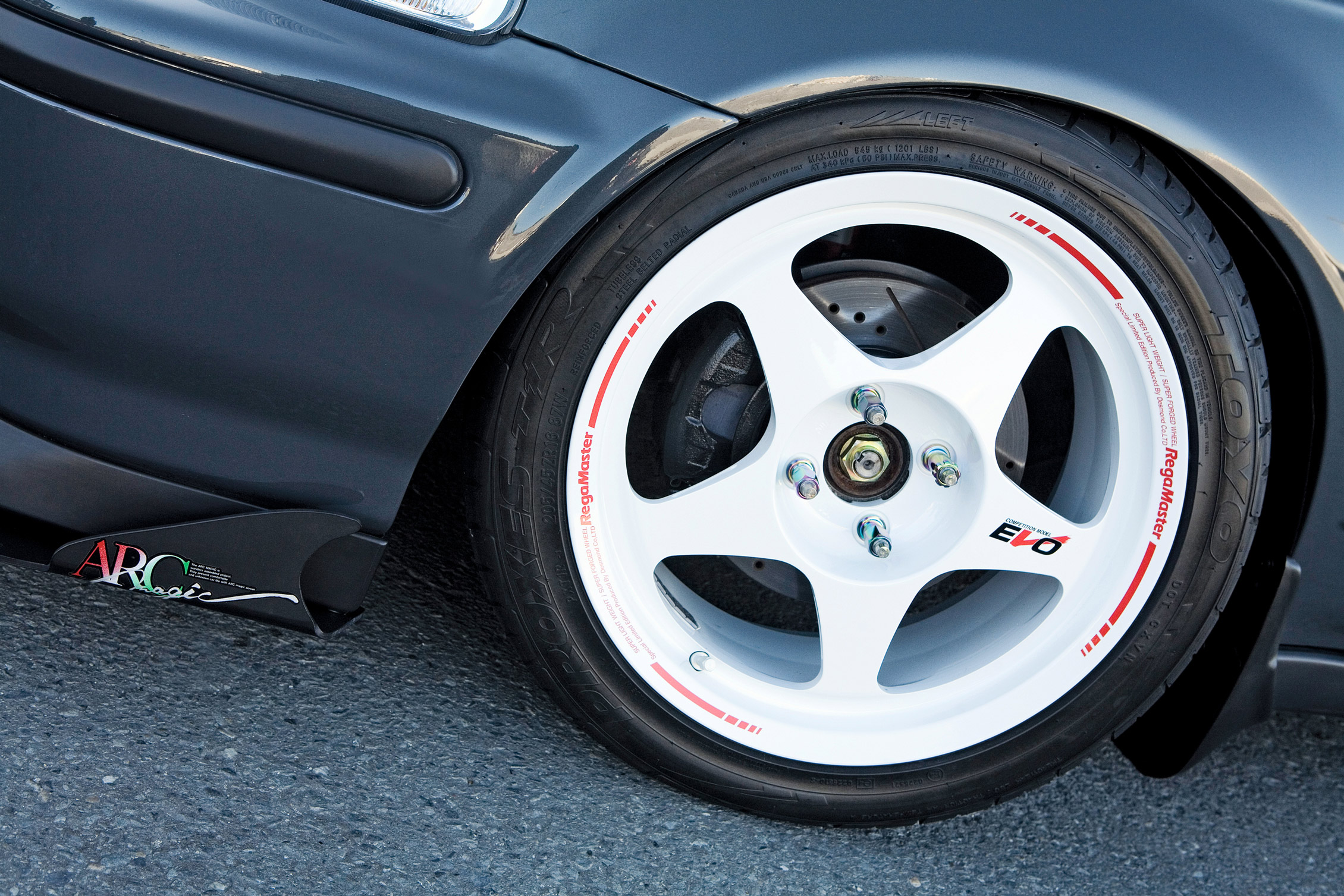
Trying not to stray too far from the already subtle exterior mods, Chapman picked up a set of 16×7-inch (35 mm) Desmond RegaMaster EVO wheels in white with red decals, using Toyo T1R rubber (205/45/16) to keep him planted on the ground. ARP extended wheel studs and Kicks R40 Neo Chro titanium-finished extended lug nuts are also used. Sitting behind the RegaMaster wheels is a complete 4×100 front and rear disc conversion off the Civic’s sister, the Acura Integra. To take the conversion one step further, Chapman swapped out the factory Integra brake rotors in exchange for a set of Power Stop cross-drilled and slotted ones.
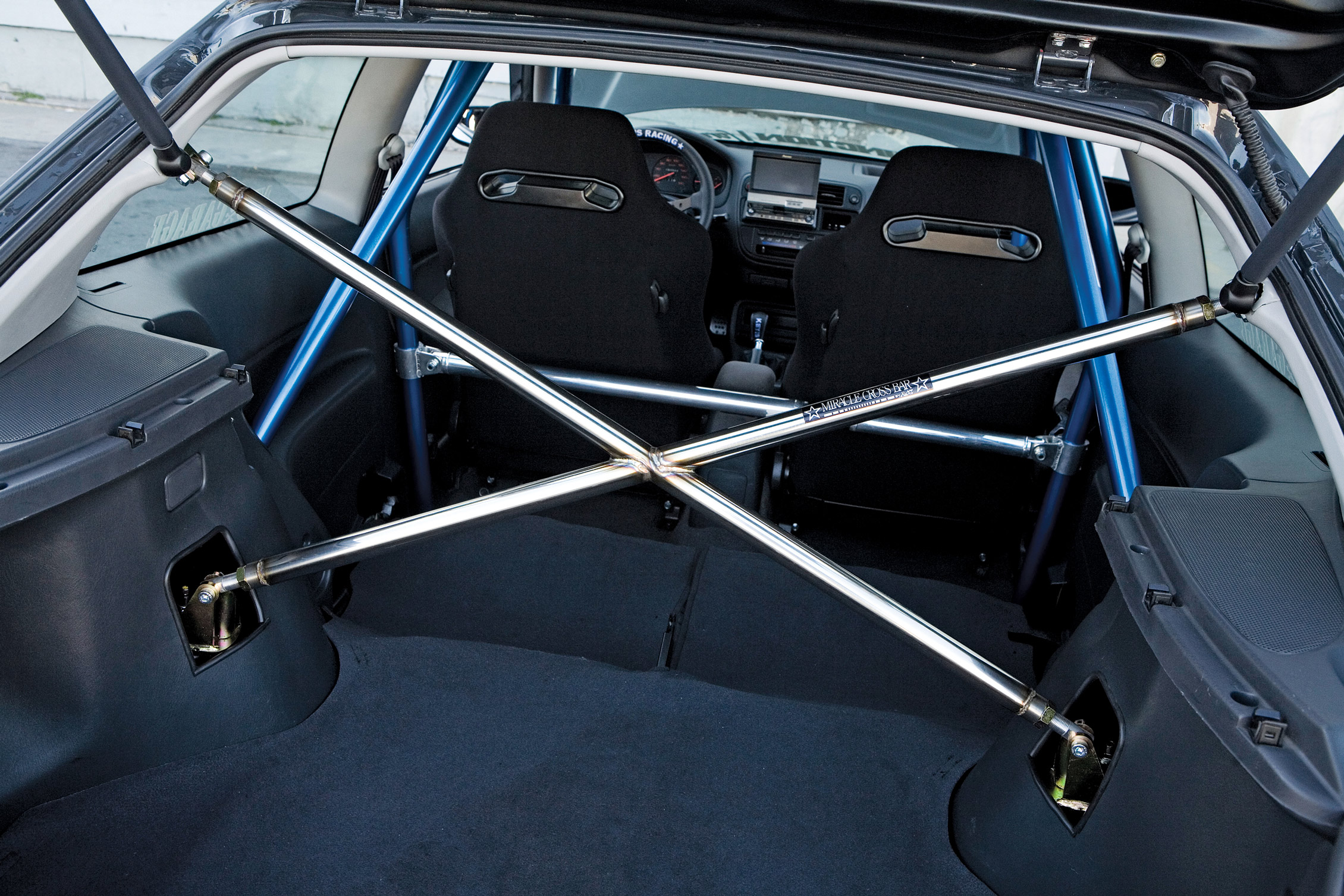
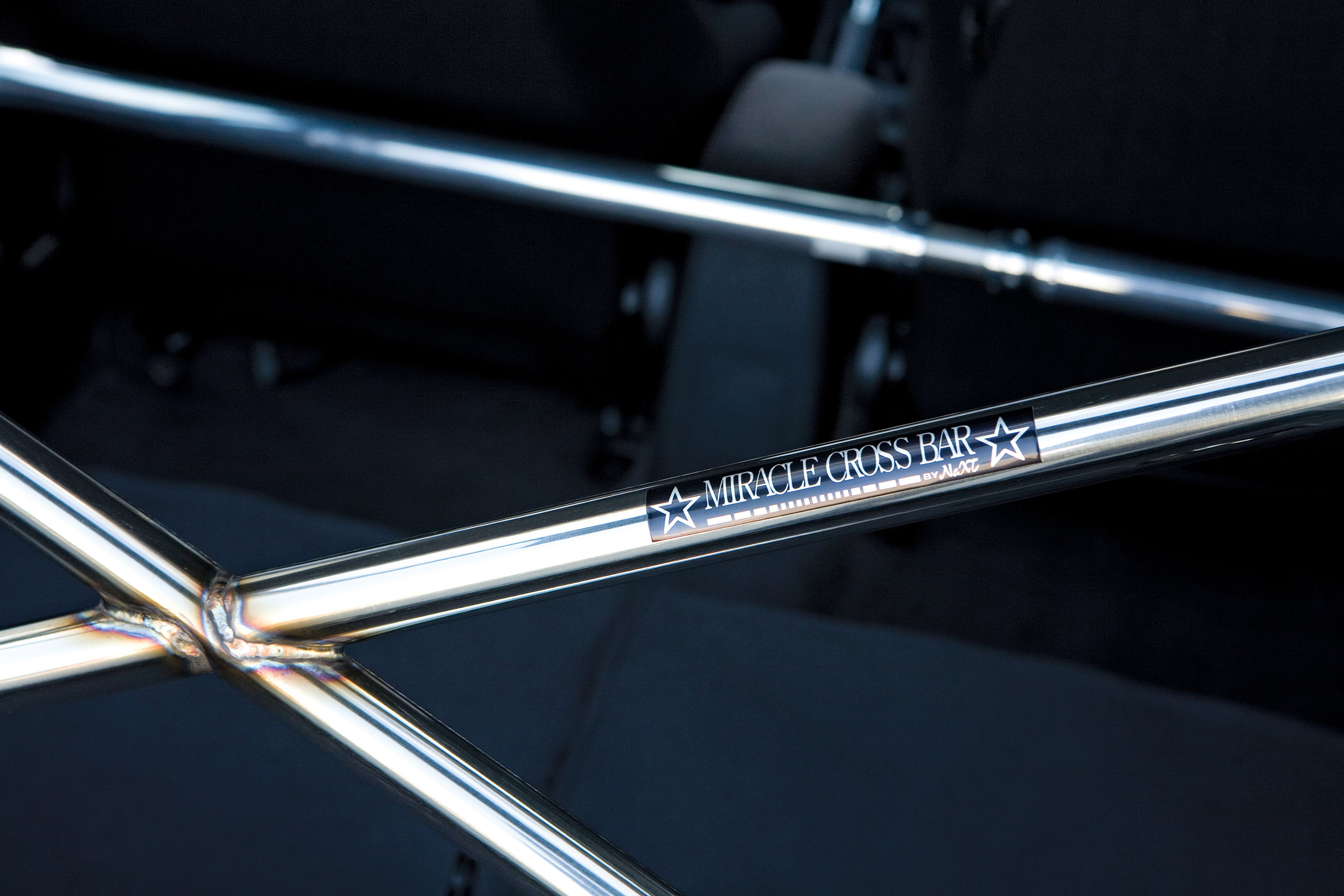
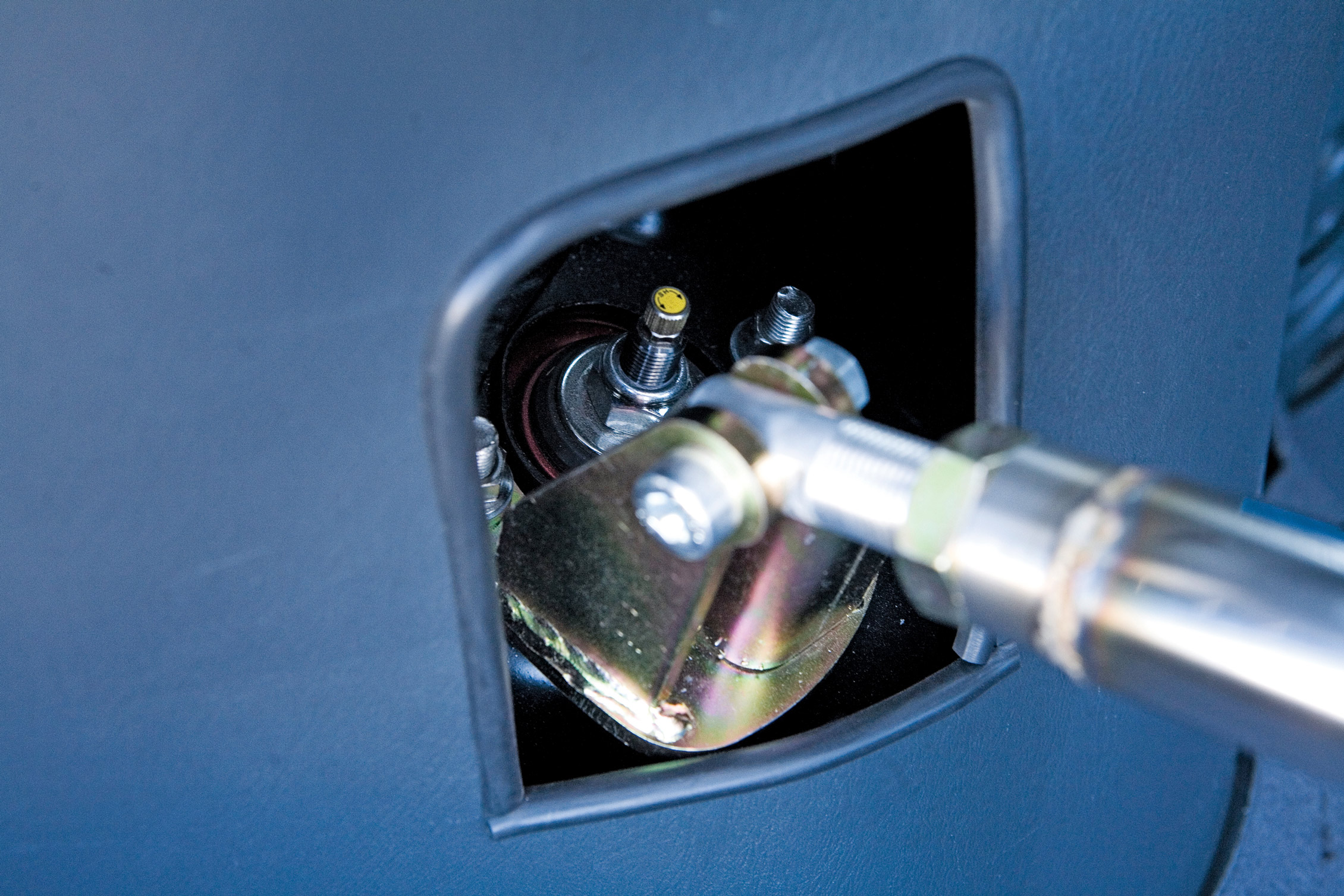
Not wanting to overlook the suspension aspect of the build, Chapman hooked up with Preston Dawson of Function & Form and soon after found its new 18-way, adjustable Type II coilover kit sitting on his doorstep. Adding to the Function & Form setup, Chapman also picked up a Blox rear sway bar, adjustable sway-bar end links, an ASR rear subframe brace and Function7’s billet rear lower control arm. Keeping the Honda from getting loose in the corners on the inside is a Miracle X-brace and a Cusco six-point rollcage with optional add-on bar.
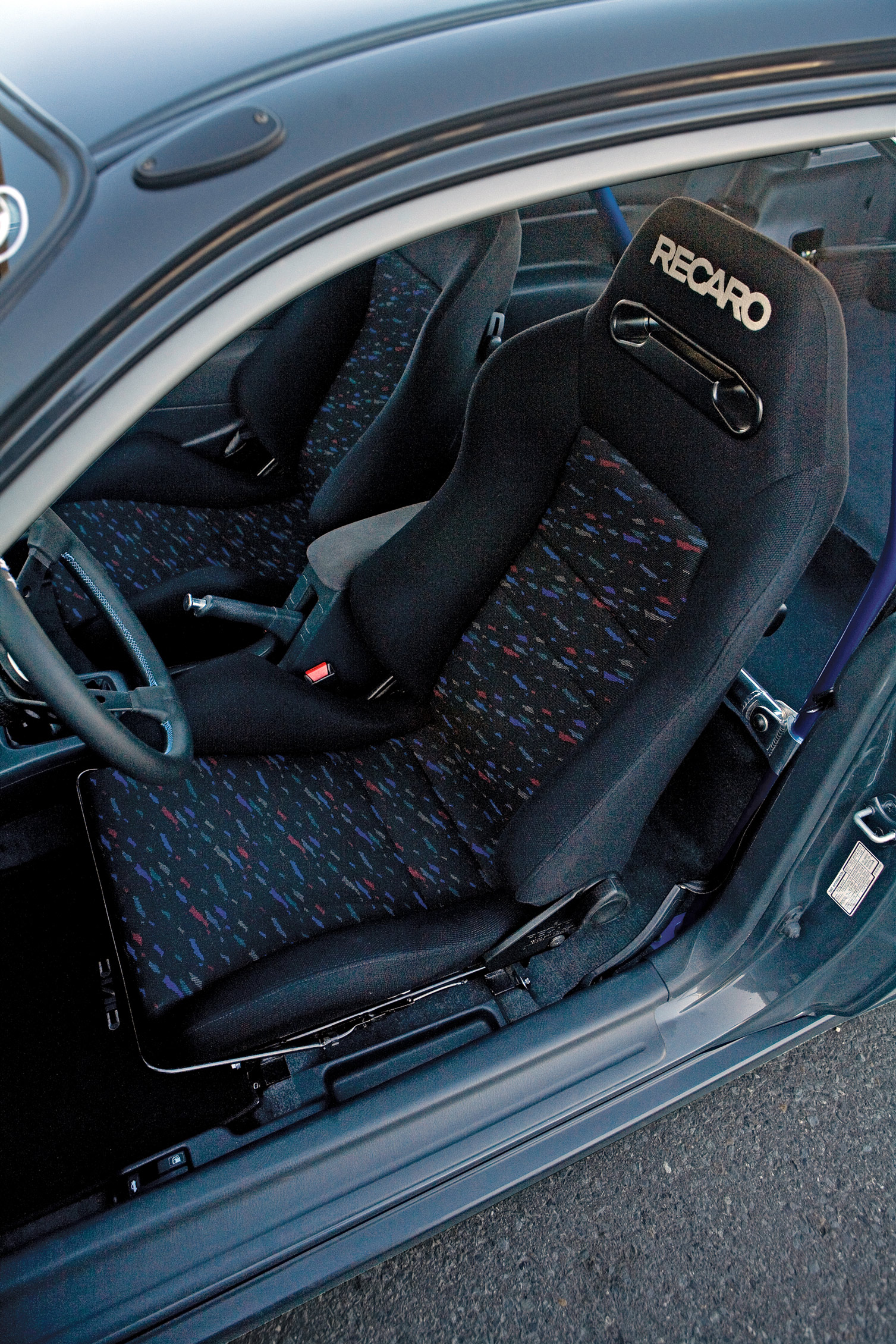
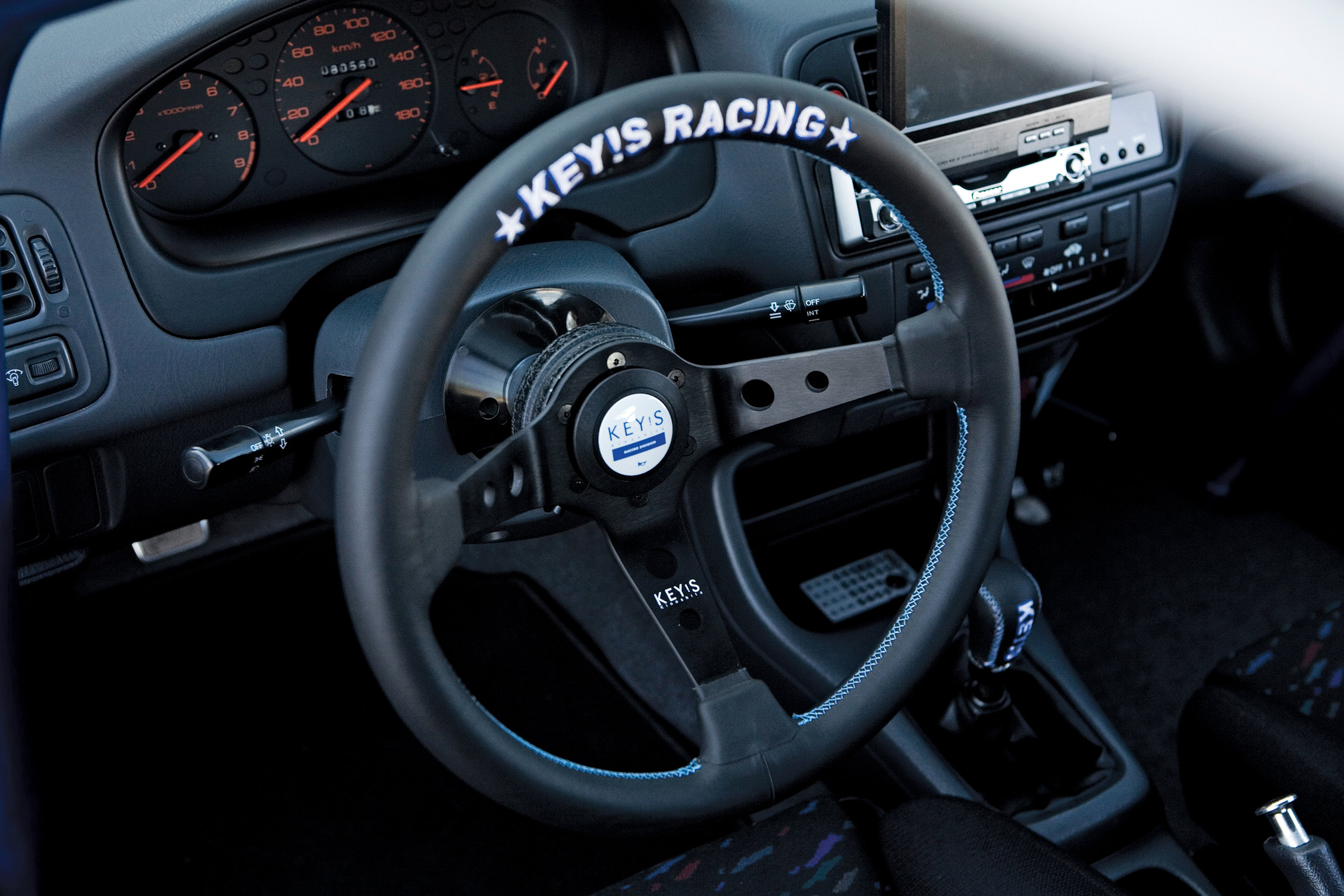
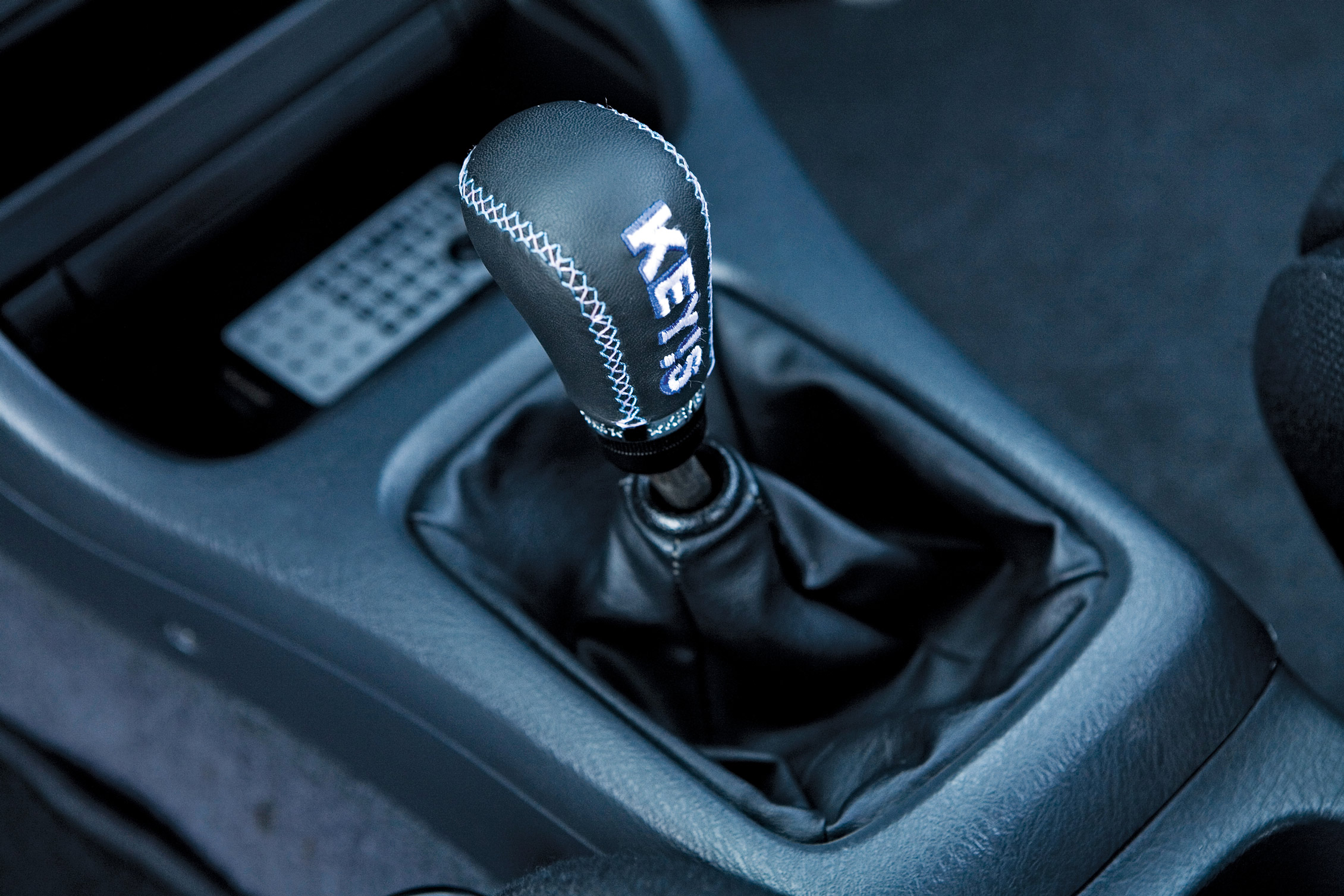
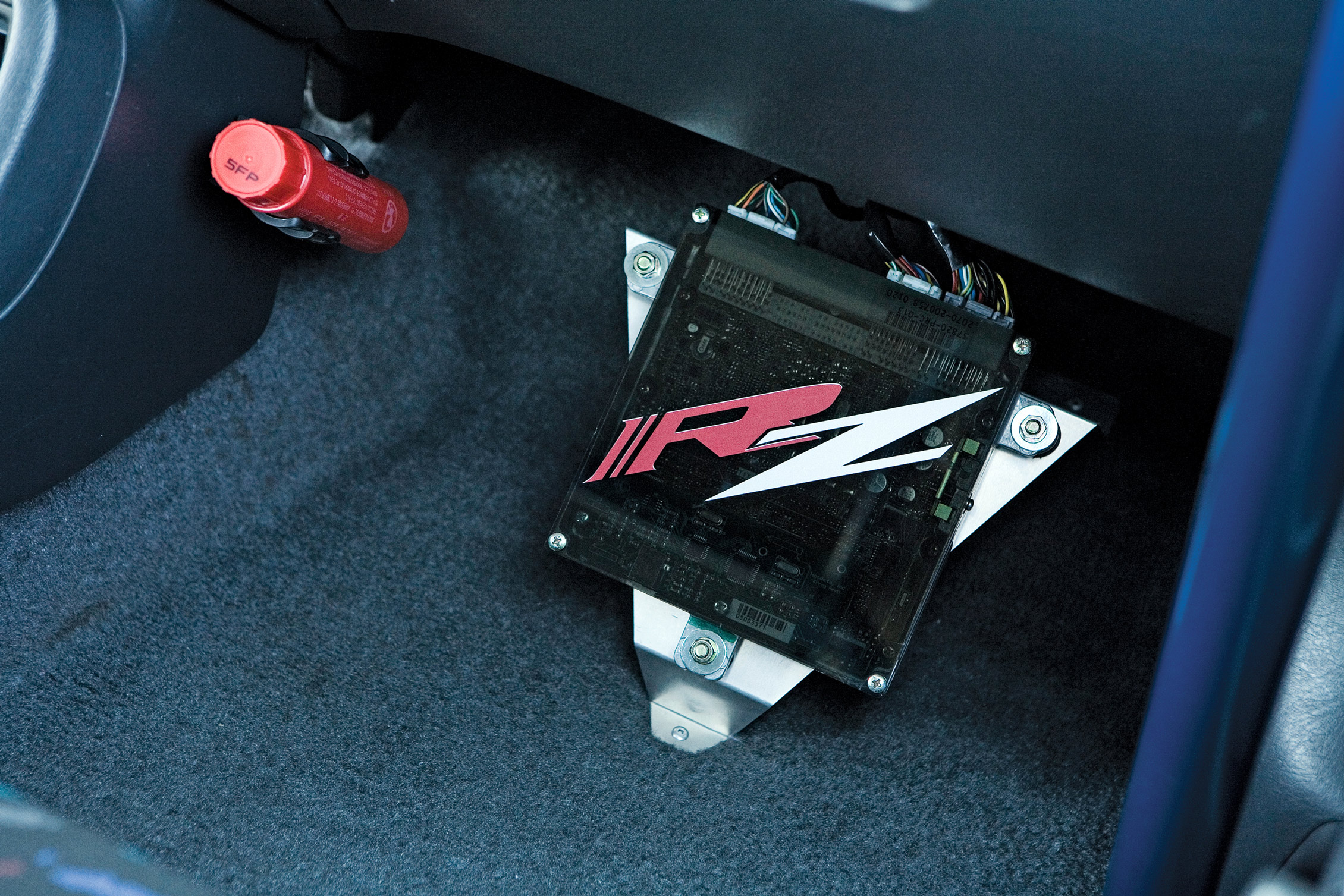
The next phase took place on the inside, which, just as on the outside, is home to a plethora of OEM Japan-spec parts. The most notable addition to the Honda’s interior consists of a pair of Recaro SRD seats in the limited confetti pattern. As mentioned, the Japan-spec parts that were incorporated include the SiR model cupholders and gauge cluster and a Honda Access roof panel, which adds a sunglass holder and additional storage space, road flare, optional armrest and passenger-side airbag replacement tray. A deep-dish Key’s Racing steering wheel and Splash billet extended steering wheel hub mounted on a FET quick-release hub adapter allow Chapman to enter and exit the vehicle without having to contort him in the process. The final components in finishing off the interior include a set of Mugen pedals and ECU mounting plate.

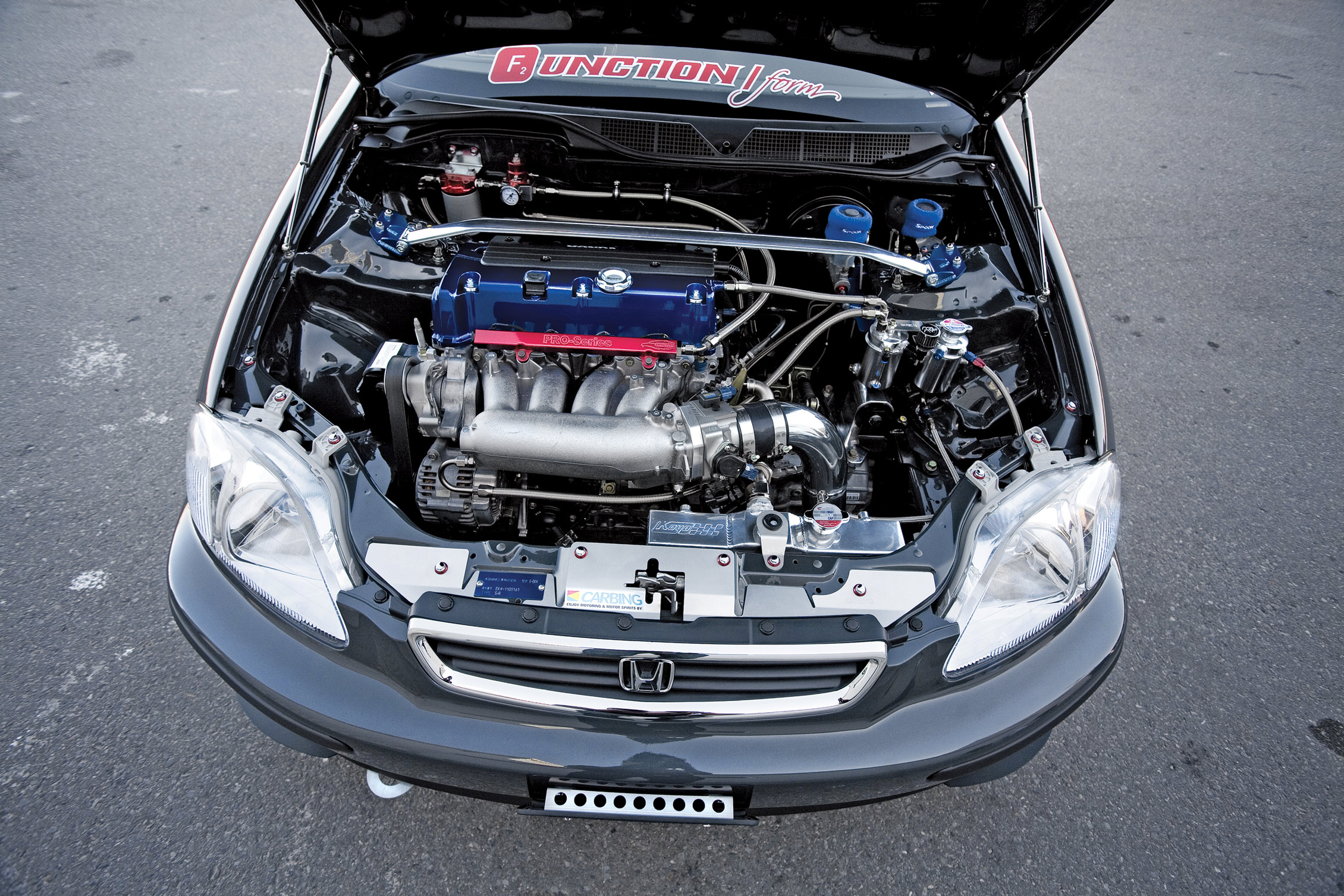
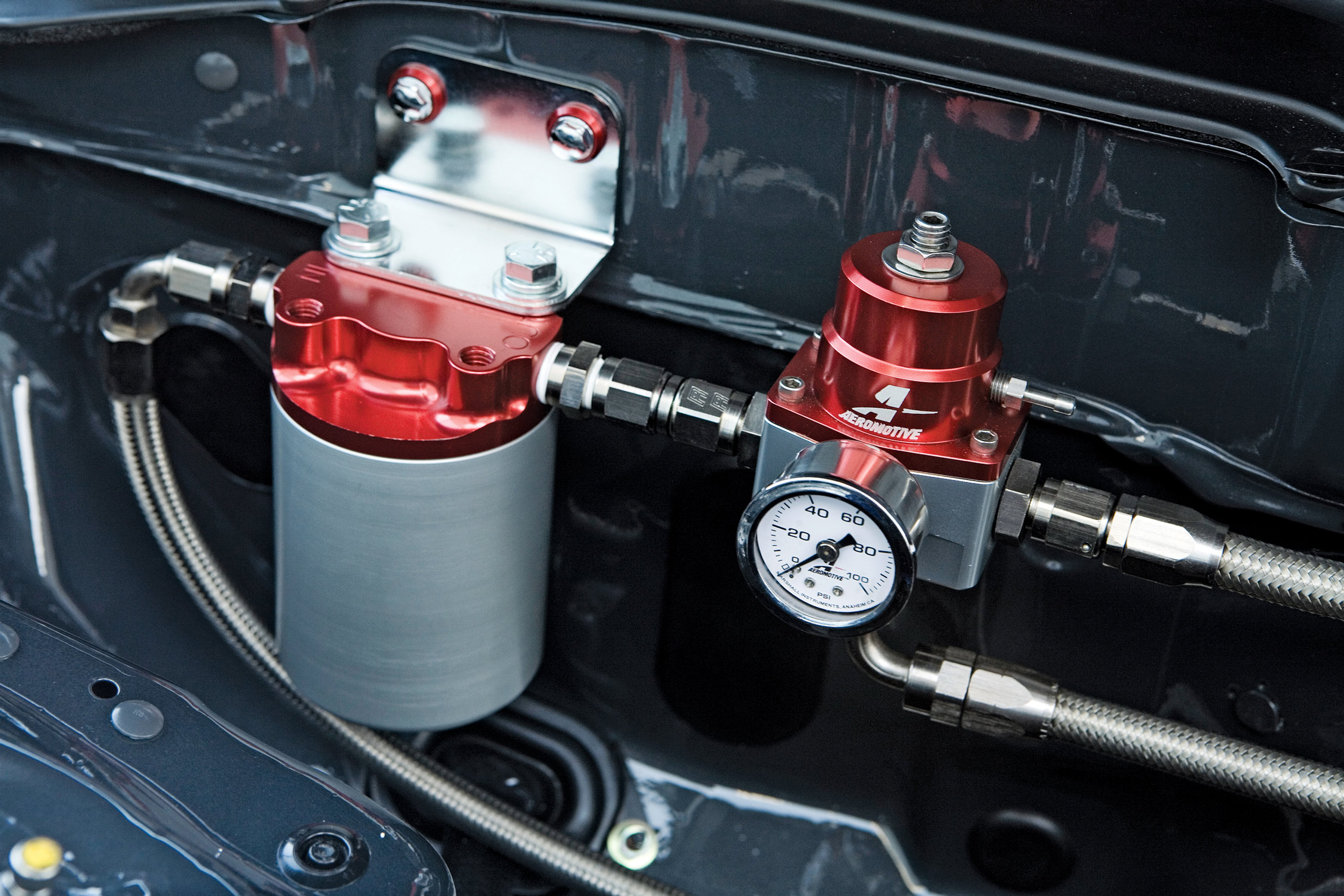
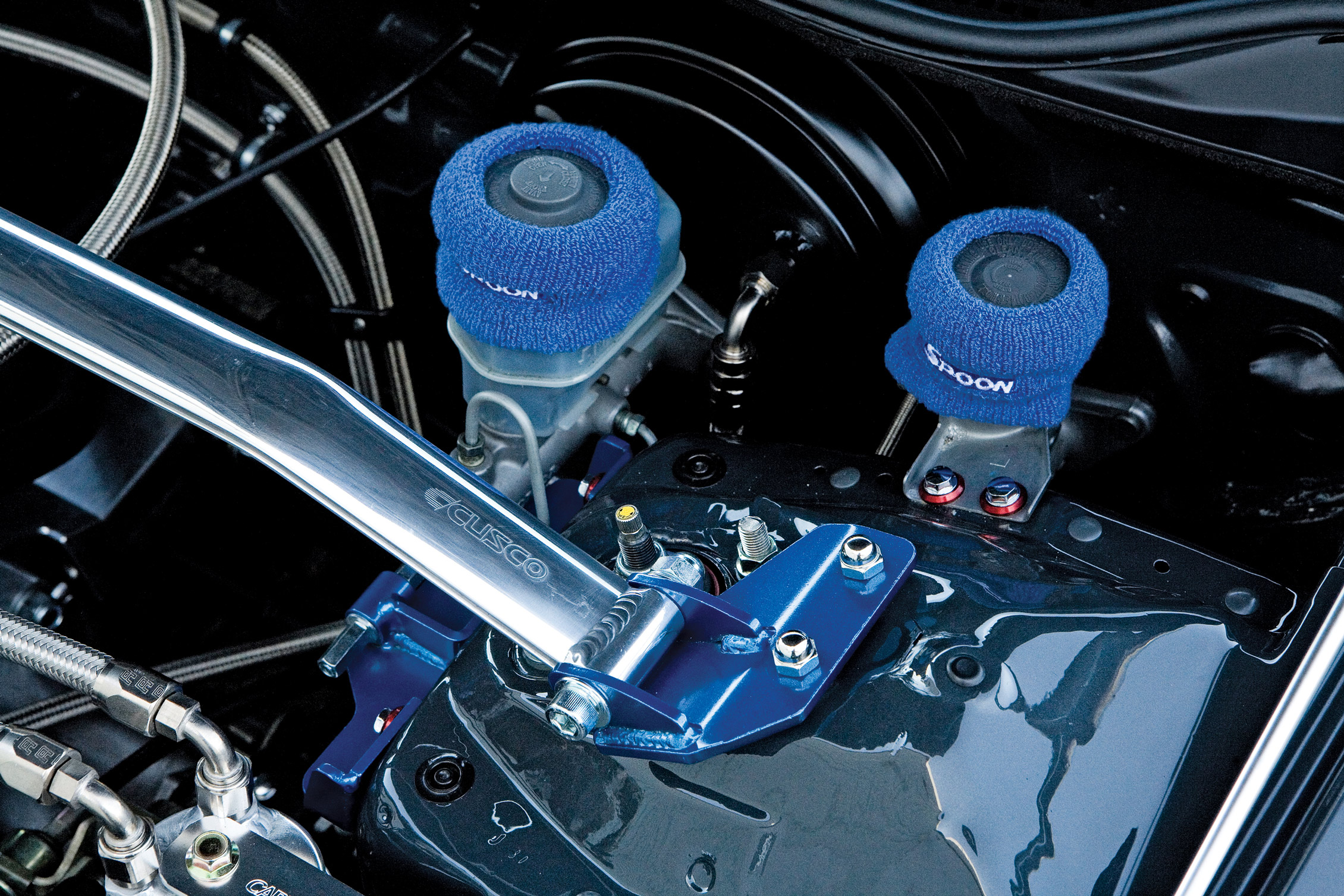
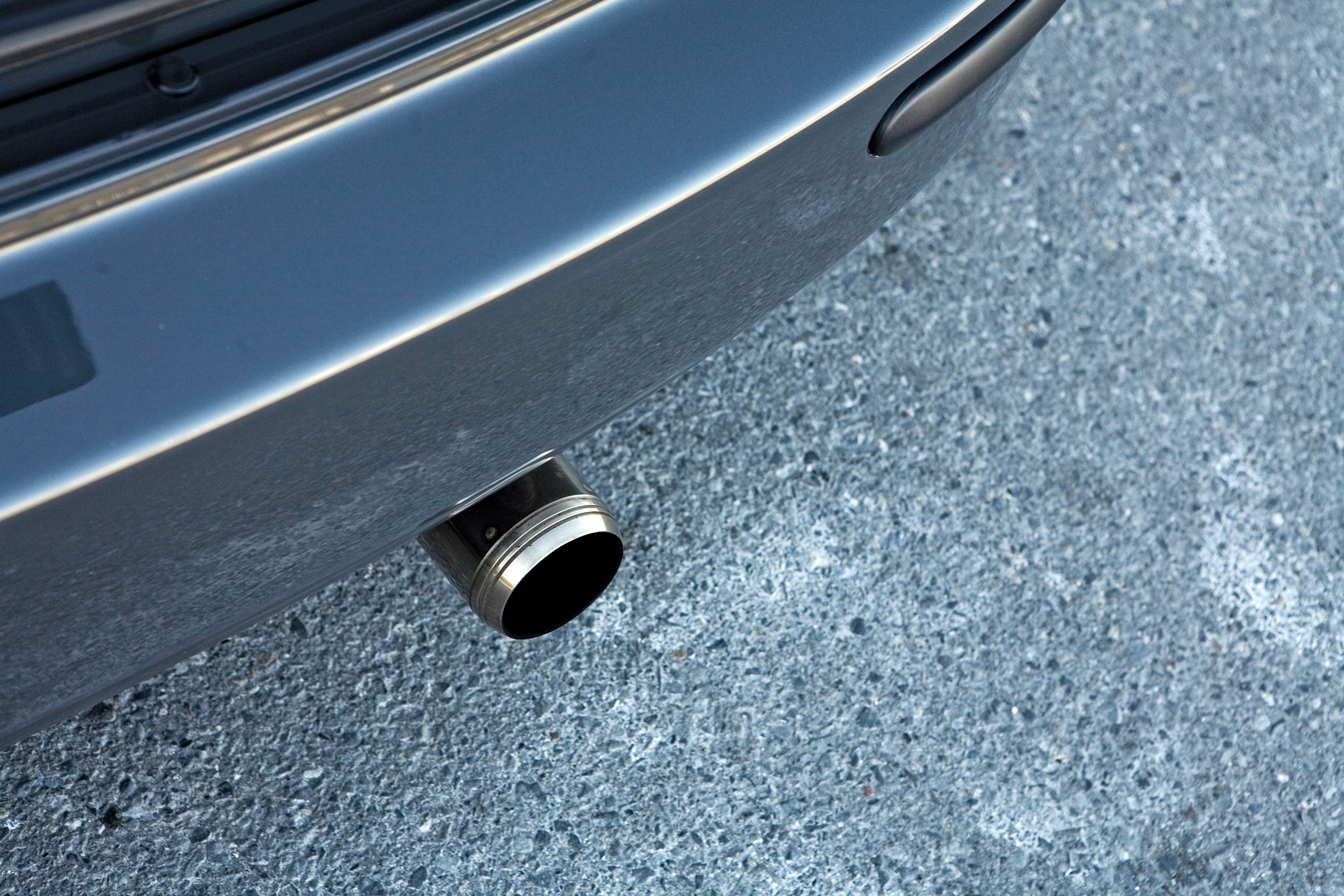
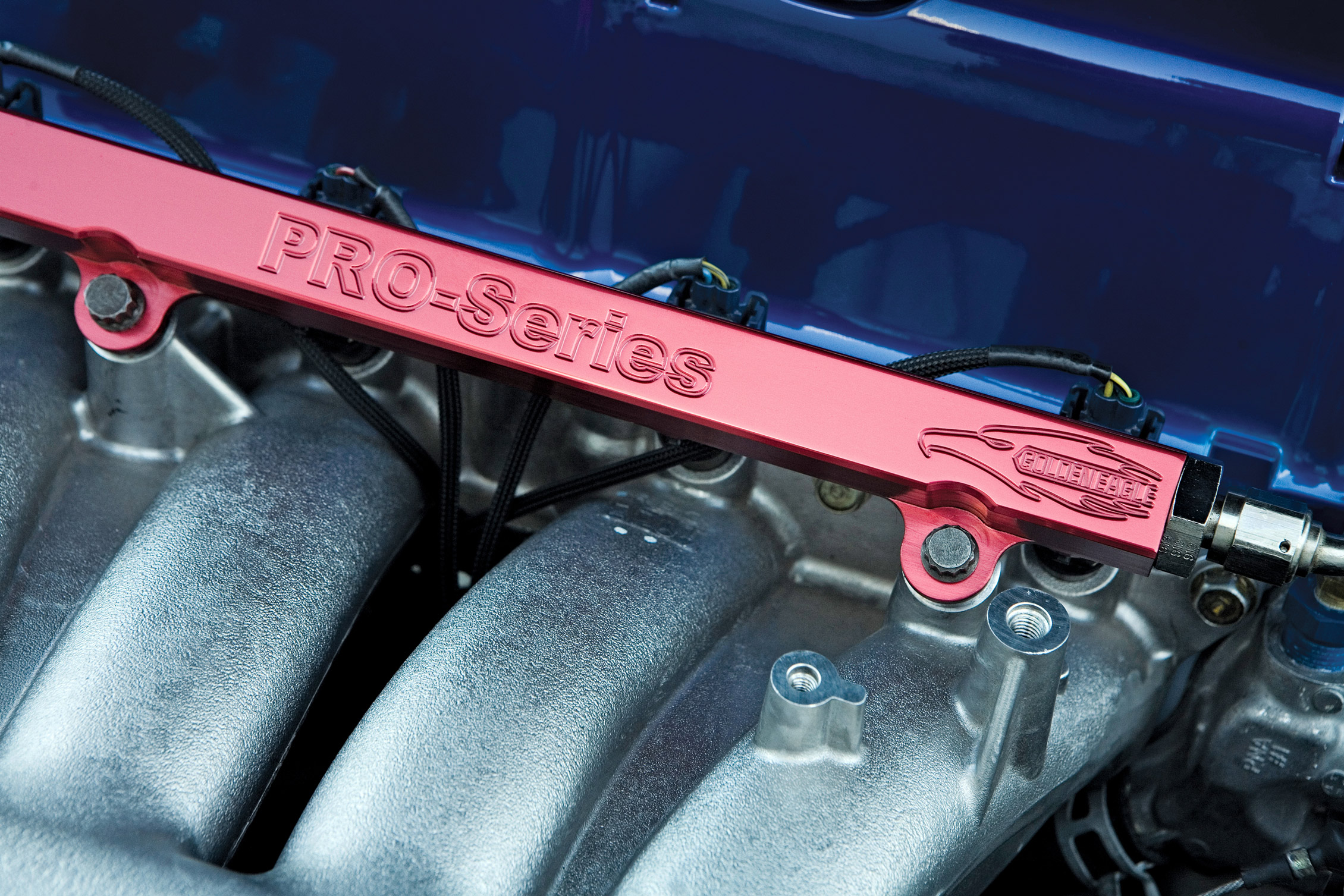
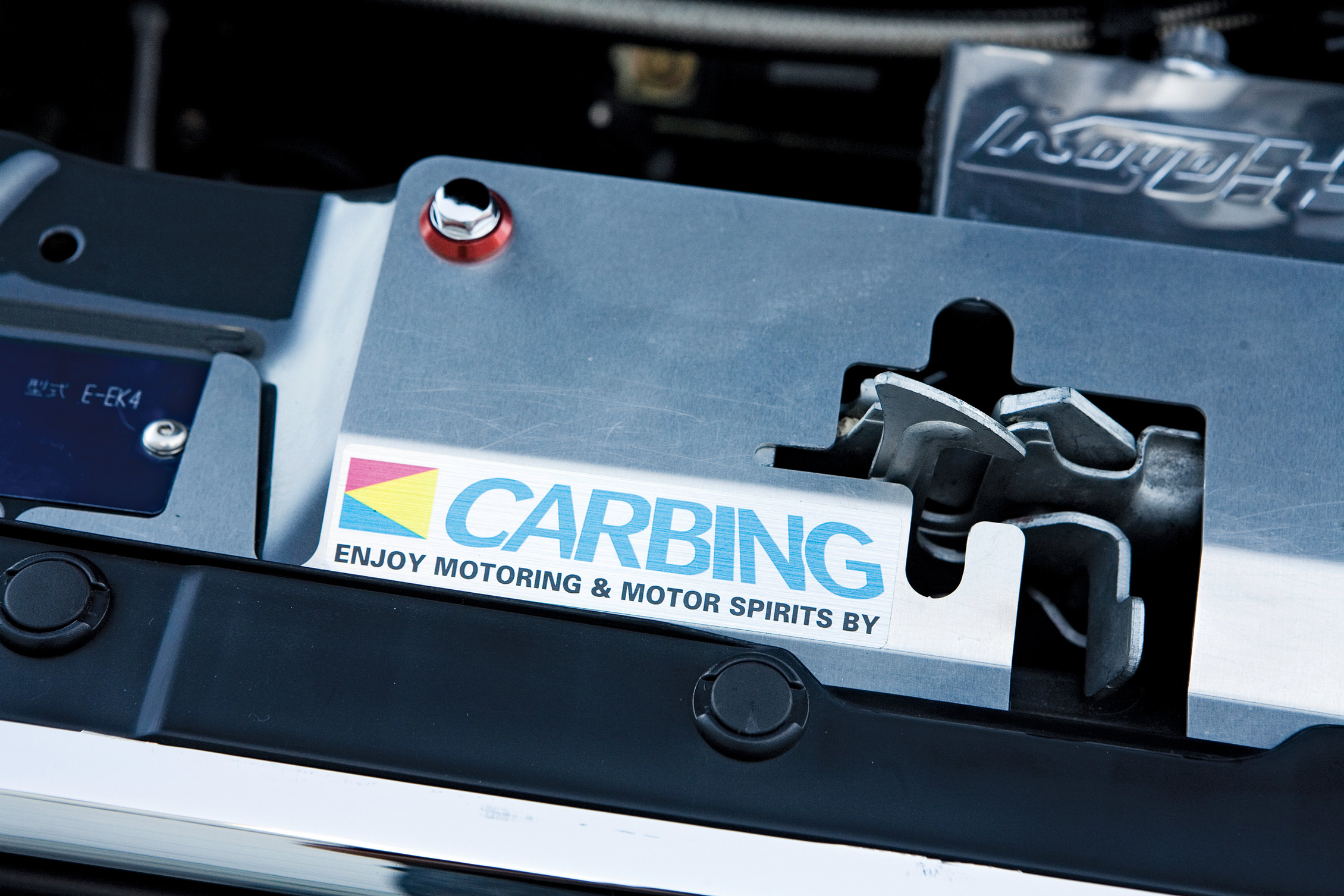
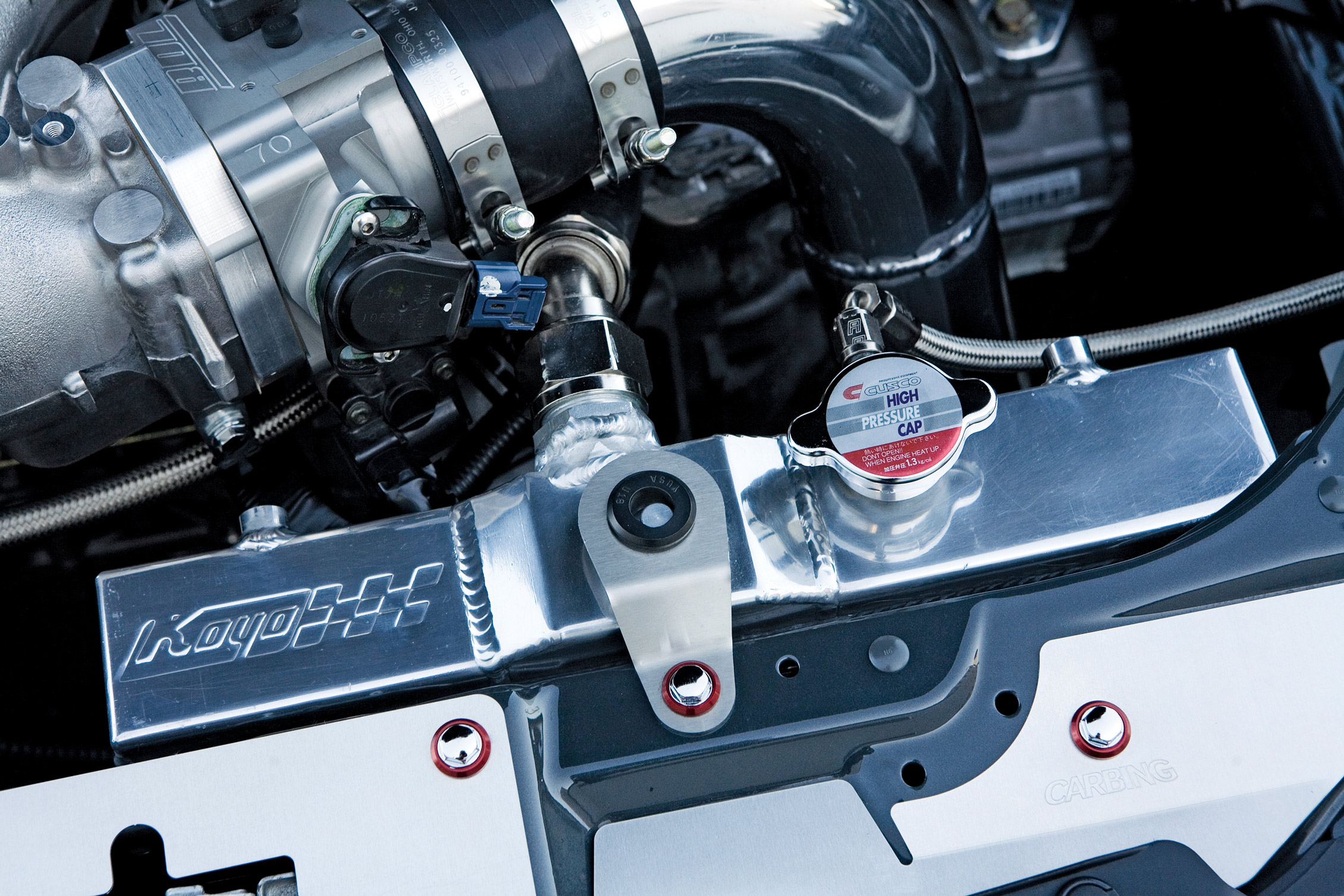
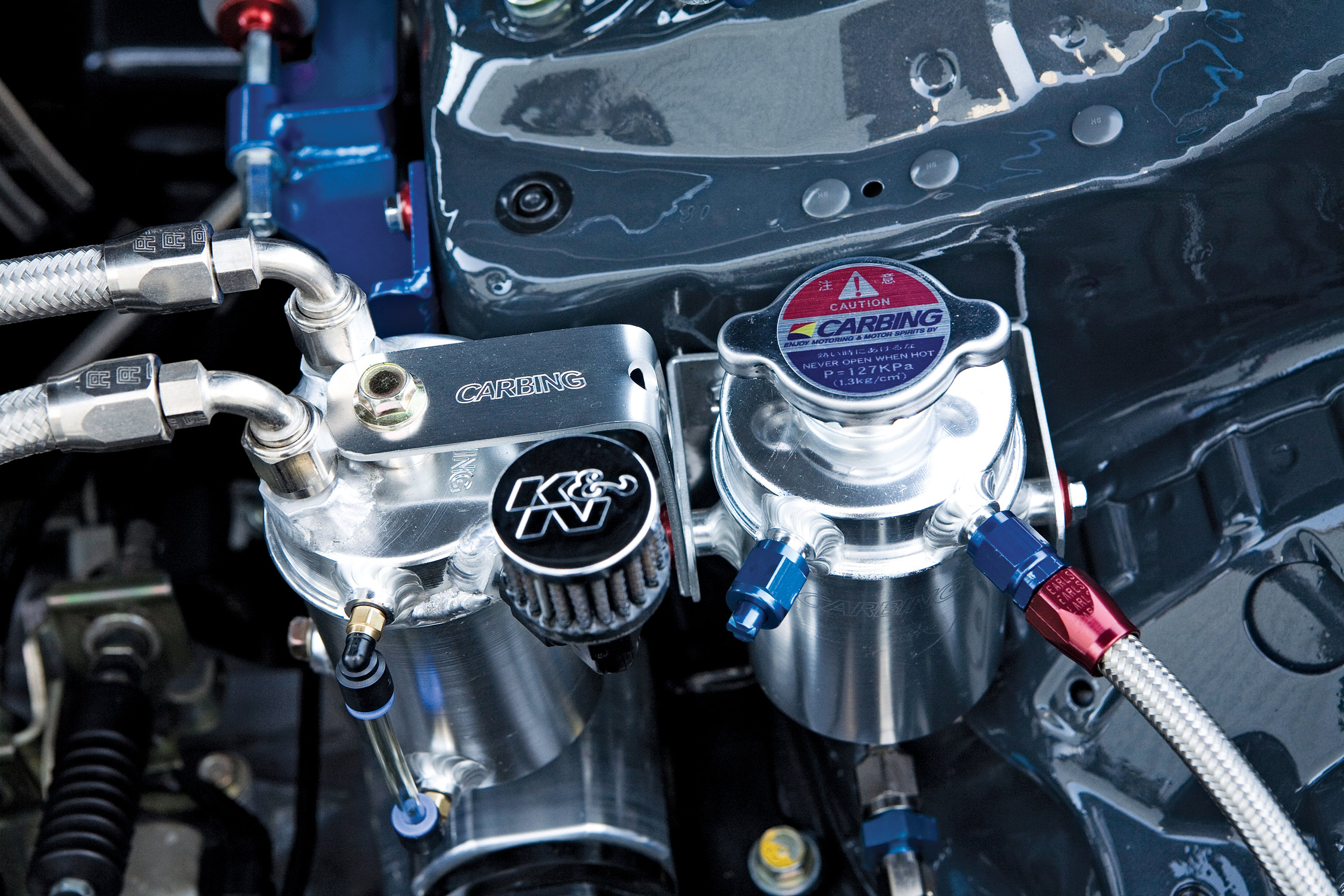
The final piece to Chapman’s puzzle can be found underneath the hood with the likes of Honda fanatics’ new favorite powerplant, the K-series engine. By choosing the U.S.-spec K20A2 from the Acura RSX Type-S complete with six-speed transmission as the foundation, Chapman opened the door for a much larger naturally aspirated power gain compared to that of the B series that many others have chosen to begin with. With the help of RedZone Performance, the Hondata K-Pro ECU was tuned with its race program tune. Thanks to a few performance adders, such as a DTR/SSR 4-2-1 stainless steel header, a custom RedZone Performance 3-inch exhaust mated with a Mugen twin-loop exhaust and a RedZone Performance 3-inch cold-air intake, the Civic is able to put down right at 220-wheel horsepower and 152 lb-ft of torque on stock internals. A 70mm BDL throttle body fitted with a Karcepts throttle body adapter also helps increase the air intake, while cooling upgrades come from a Koyo half-sized aluminum radiator with a slim-fit 12-inch fan mounted on the rear. Aside from the performance enhancements, a collection of visual enhancements also were added, including an aluminum Carbing cooling plate and overflow reservoir, red-anodized washers by Randy “Questoyz” Gagan, a Cusco radiator cap and master cylinder brace and Spoon Sports reservoir covers.
Chapman’s build proves that subtle is never a bad thing when it comes to modifying a car. If you do things your way, no one can question your build and what you’ve accomplished. In the end, Chapman says he could not have completed this project without the help of his ATS*Garage teammates, the JDM Theory family, RedZone Performance, Weksos and Vince Pascua and Randy Gagan, a couple of good friends who recently passed. That’s a lot of help.