





July 2023
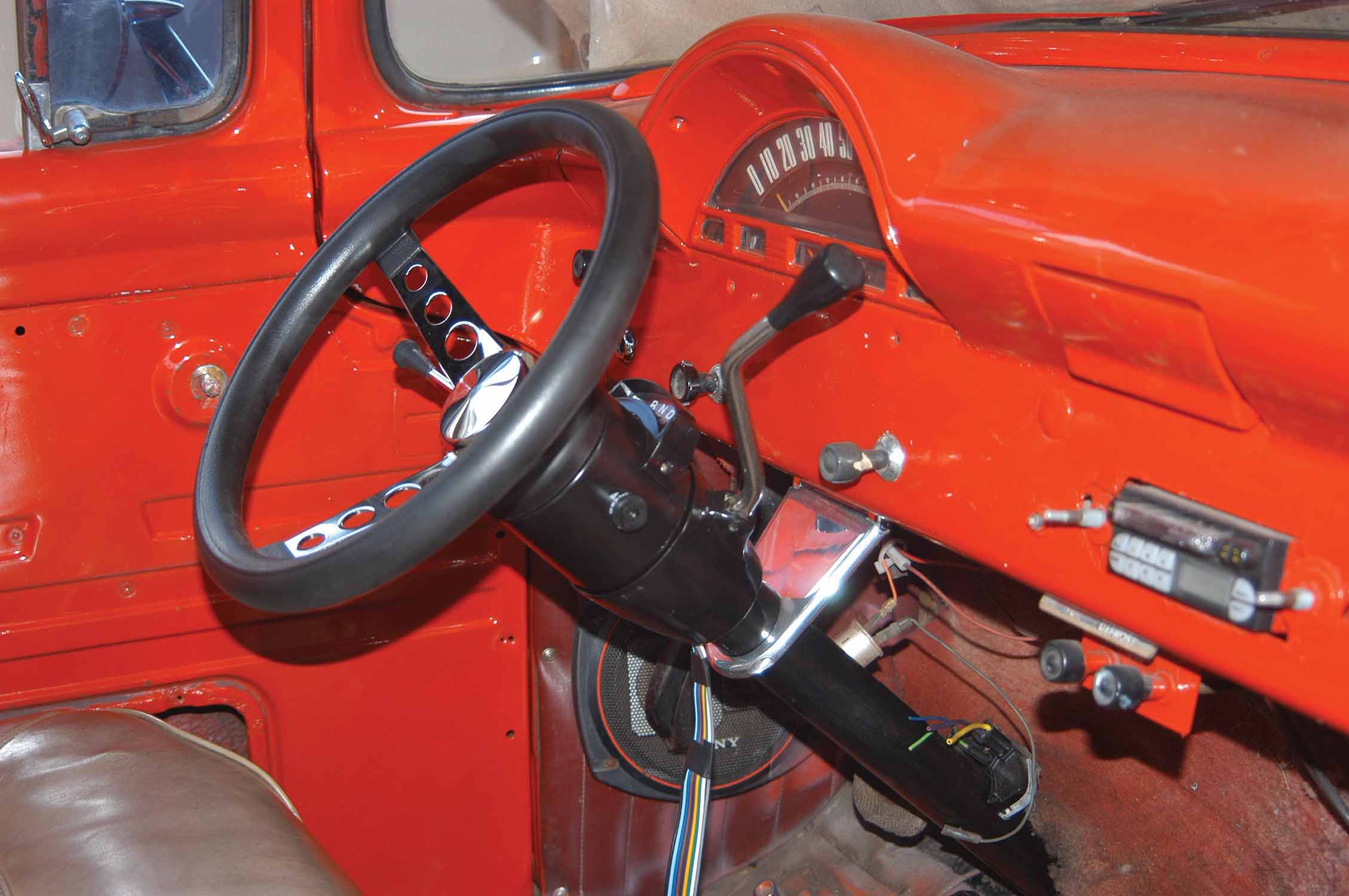
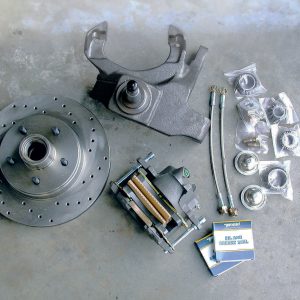
The owner of this ’56 Ford pickup purchased it for a daily driver, and after driving it for a short time decided to make it more comfortable. Still running the original suspension, it rode rough and typically handled like an old truck, which it happens to be. He wanted a softer ride, and for the truck to handle like a modern sports truck, so several chassis improvements were in order.
0Comments
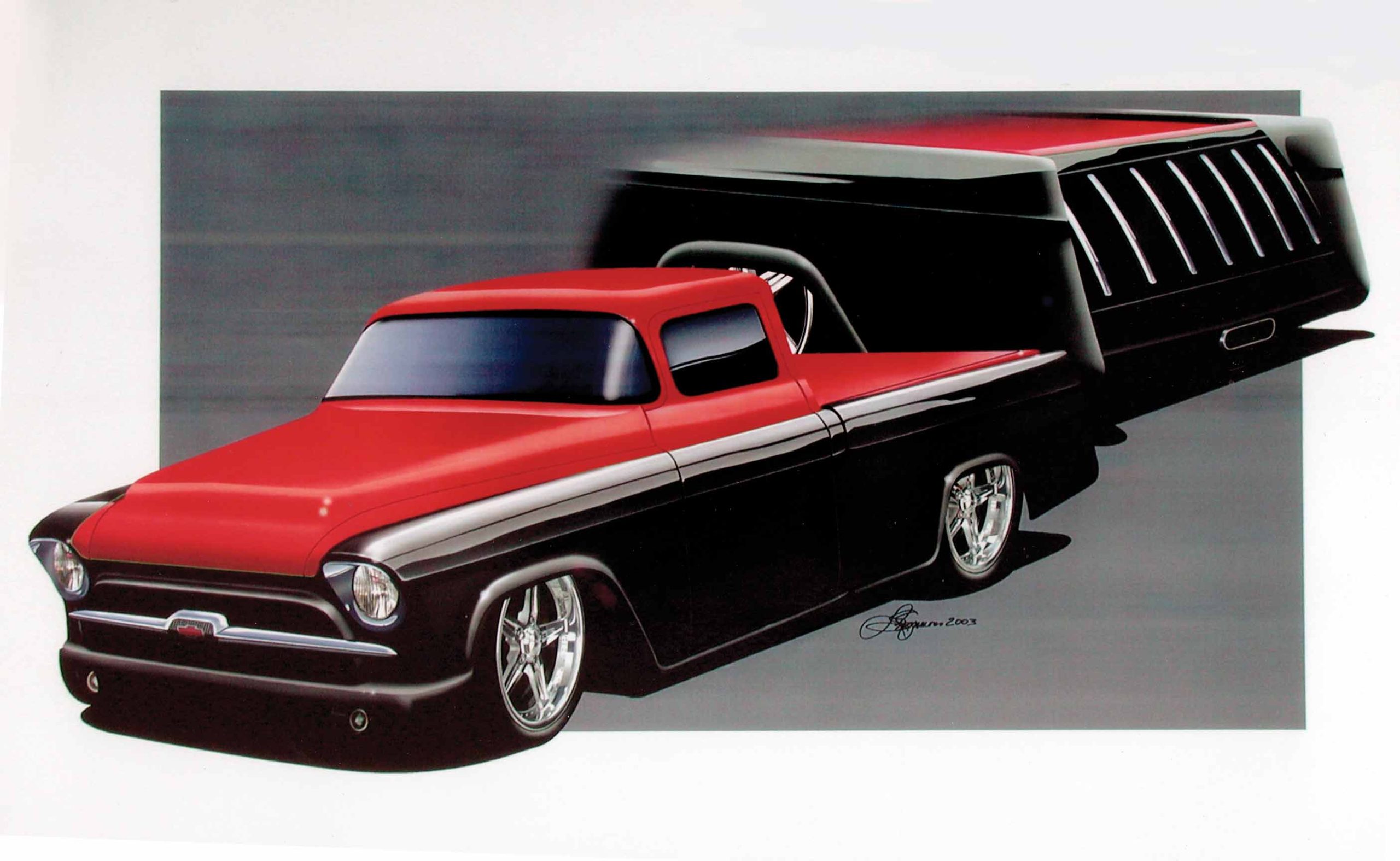
After 1-1/2 years of preparing a rock-solid foundation for our Cimtex Rods-constructed ’56 Chevrolet Super Cameo pickup, the time finally came to hang sheetmetal, but not without experiencing a few major disappointments. “All I can say is, before you buy a truck cab or any kind of old car body, look before you leap,” commented Darrell Cimbanin of Cimtex Rods after picking up our ’56 Chevy big-?window cab from True Grit Sandblasting in Hutto, Texas. This cab was in worse condition than we originally thought. It’s easy to disguise what appears to be a good-looking truck cab with plastic filler and a nice paint job. Sometimes even the experts can be fooled.
0Comments
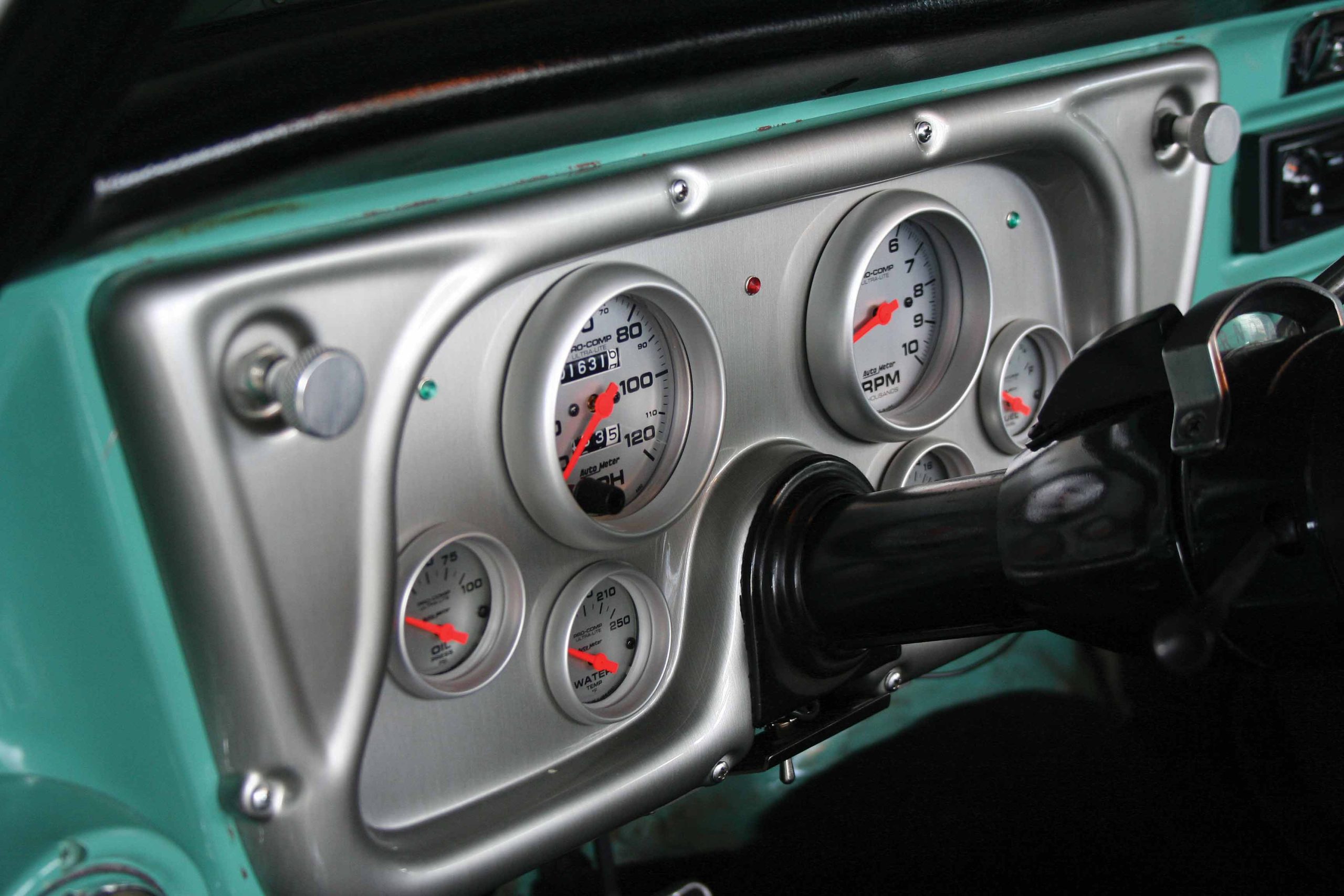
Installing A Covans Classic Molded Gauge Package: Covans Classic, located in Cumming, Georgia, offers a full line of ABS molded dash panels and glovebox doors for classic cars and trucks. The fully molded dashes are designed to be factory replacements, giving a smooth, custom look while accepting common 3-3/8-inch speedometer and tach and 2-1/16-inch oil pressure, water temp, fuel level and volt gauges. The instrument panels feature high-quality molding and are available with or without holes. They can be purchased in brushed aluminum, black, burl wood and carbon fiber. The panels can also be painted to match the interior.
0Comments
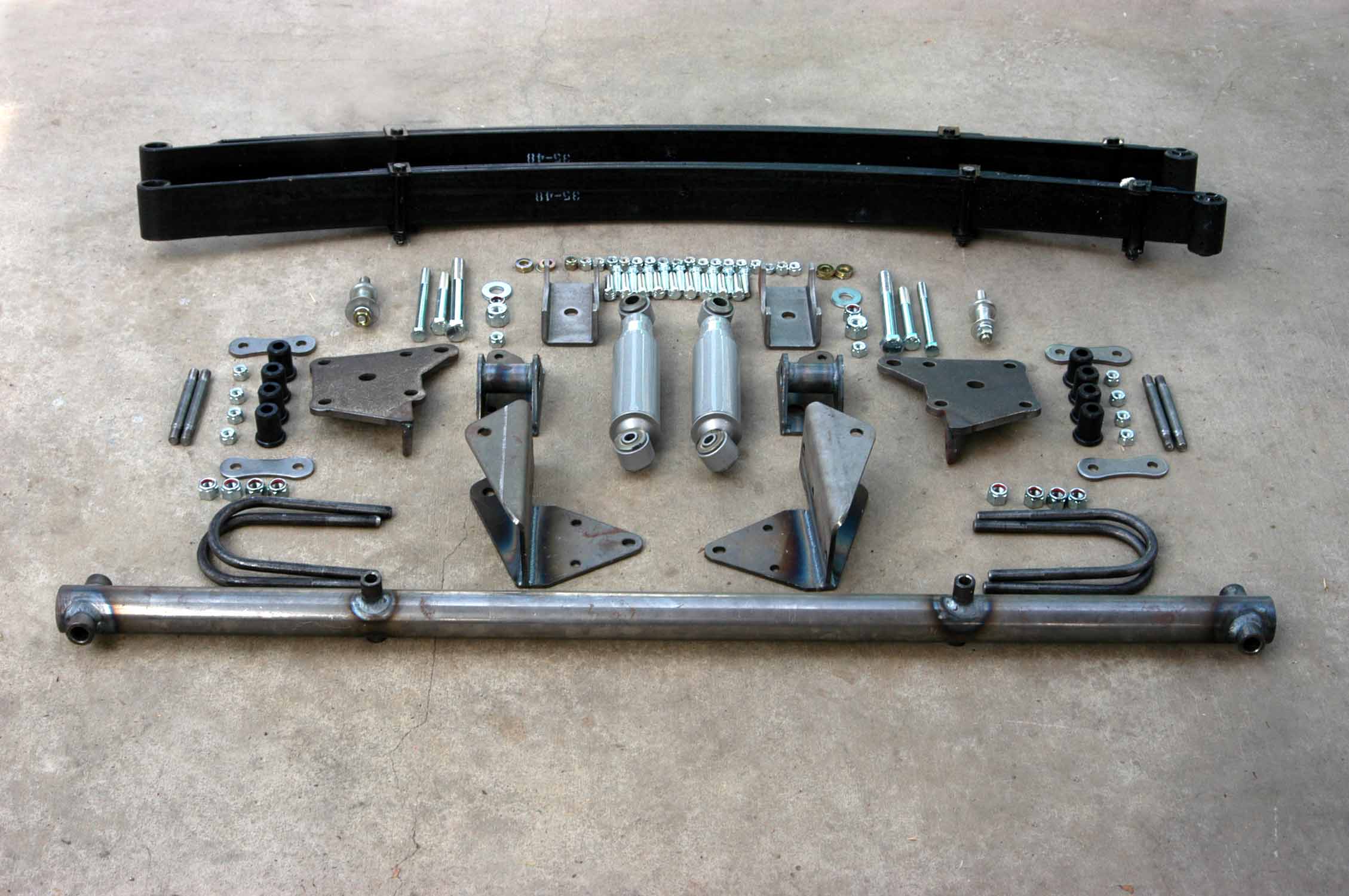
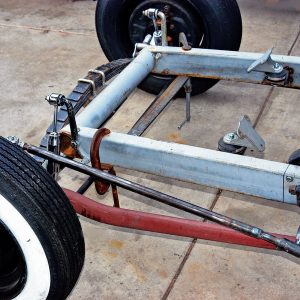
Dean Brown, a longtime rodder, was in the market for a new project car and stumbled across this ’52 Chevy panel truck, which turned out to be one of the original Helms trucks. The bakery cabinets had been removed but the body was in good condition, and it was still running with the original six-cylinder engine. Brown thought the truck was very cool, so he made a deal with its owner and drove it home. He formulated a plan of attack and started acquiring the parts he needed to turn it into a hot Chevy panel. The parts included a strong-running V-8 engine, a Turbo 350 transmission, a Fat Man Fabrications IFS front suspension and a new rear suspension that would provide a softer ride quality.
0Comments
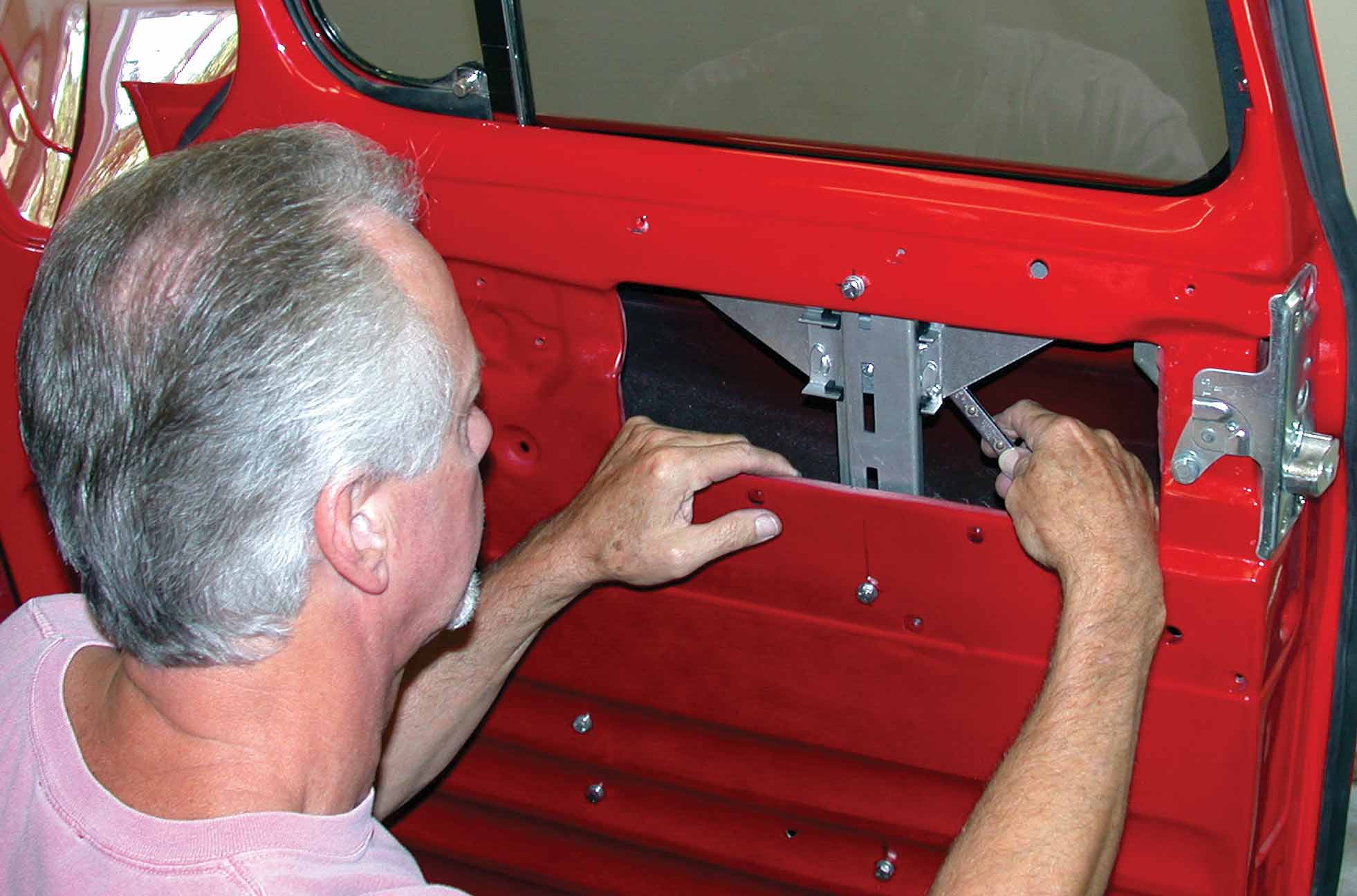
Adding power windows has long been a popular aftermarket option for restyled pickups, as much for practical reasons as for comfort convenience. Worn-out window regulators will give people fits, and replacement parts have become increasingly harder to find, not to mention the lack of availability or the cost of retro units. So, if the vehicle is to have smooth, trouble-free window operation, it’s often easier and cheaper to replace the old regulators with new electric ones.
0Comments
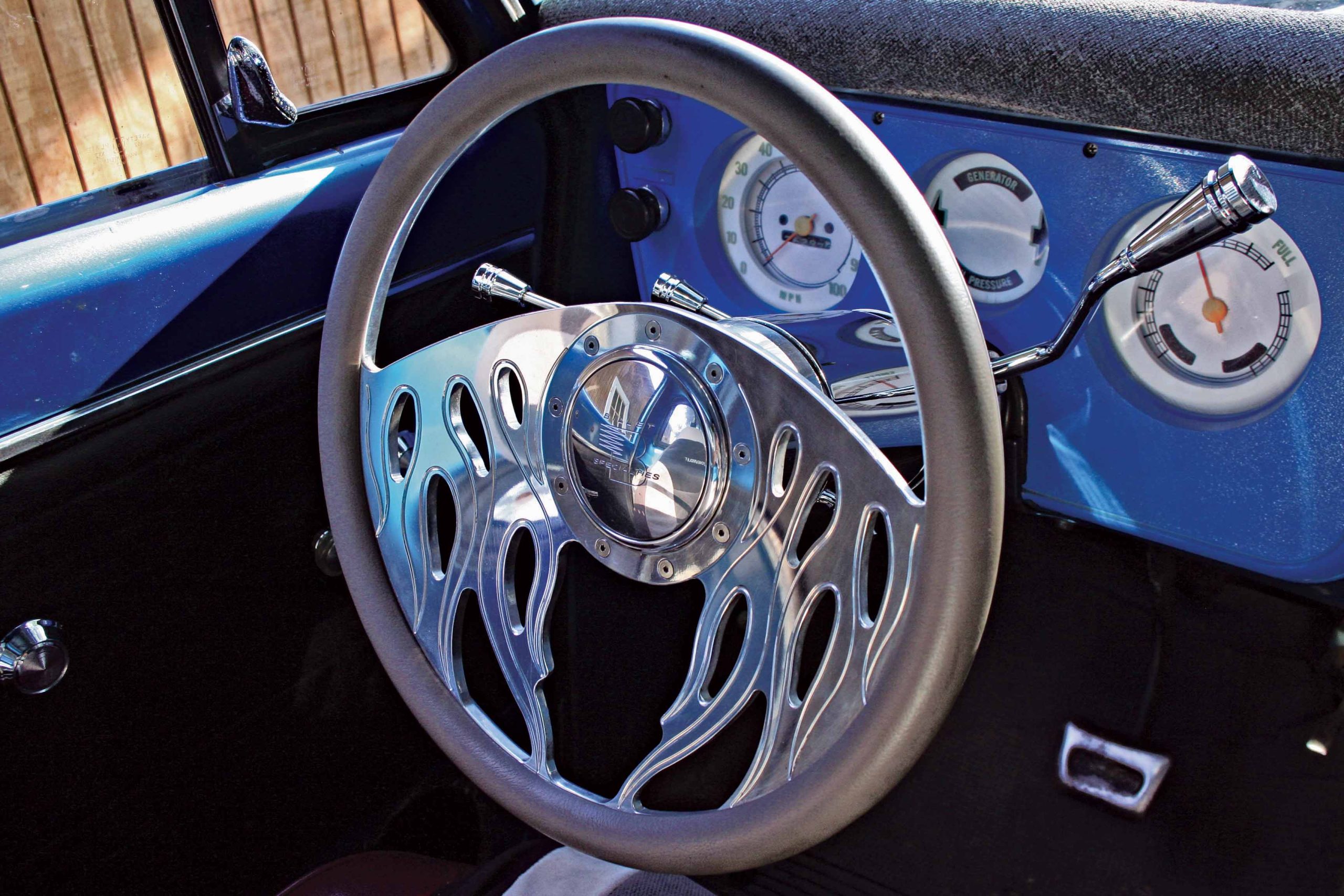
Tilt steering, cruise control, heated seats and A/C are all amenities that we have grown accustomed to without ever knowing it. We’ve come to expect our seat to power forward and our steering column to drop at the flick of a lever; after all, it’s a matter of driver comfort. As these driver comforts have become a part of our daily drivers, it’s not unthinkable that we would want the same for our classic trucks. Our resident ’68 Chevy makes the rounds to and from lunch, along with the occasional cruise-in, so why not build in many of the same conveniences? After looking online, we decided that our outdated straight column just had to go, and then we’d work on the rest of those comfort items.
0Comments
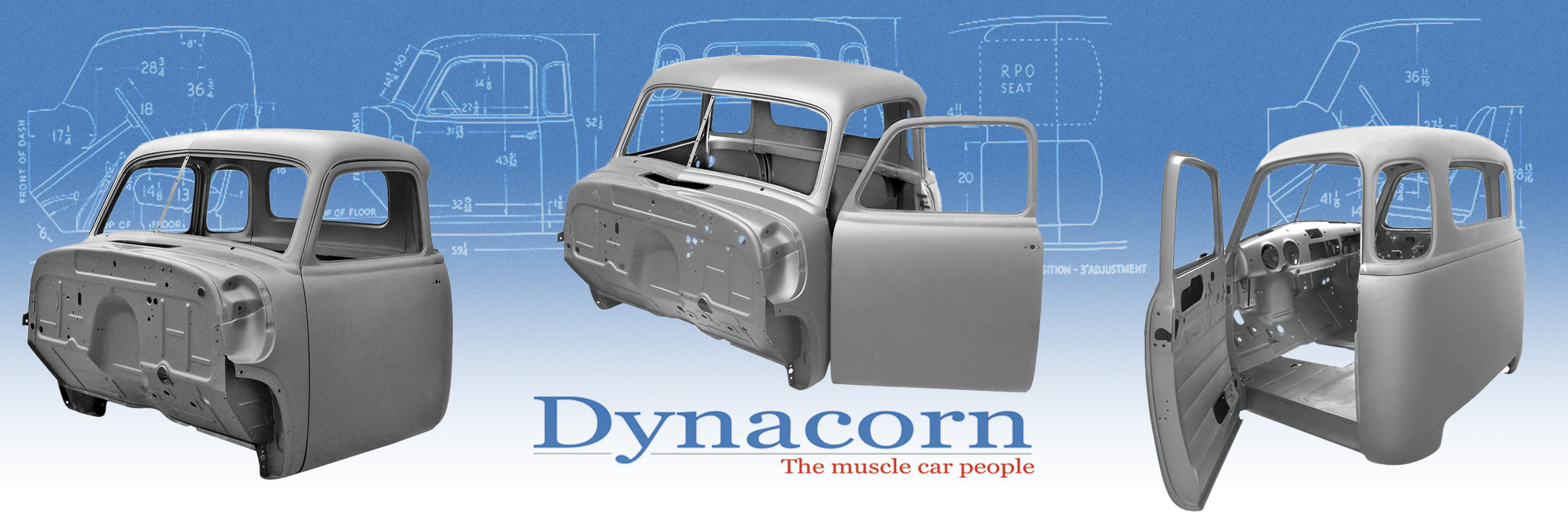
For years, truck builders have searched, looking for that much-sought-after early five-window Chevy pickup project. They are still around and are occasionally found, but it’s getting tougher, and their condition is ever worsening. It’s simple math really: Only so many remain, and many of the really solid ones have been spoken for. To The Delight Of Custom Truck Builders Everywhere, The All-Steel Dynacorn ’47-’53 Chevrolet Five-Window Cab Is Now A Reality!
0Comments
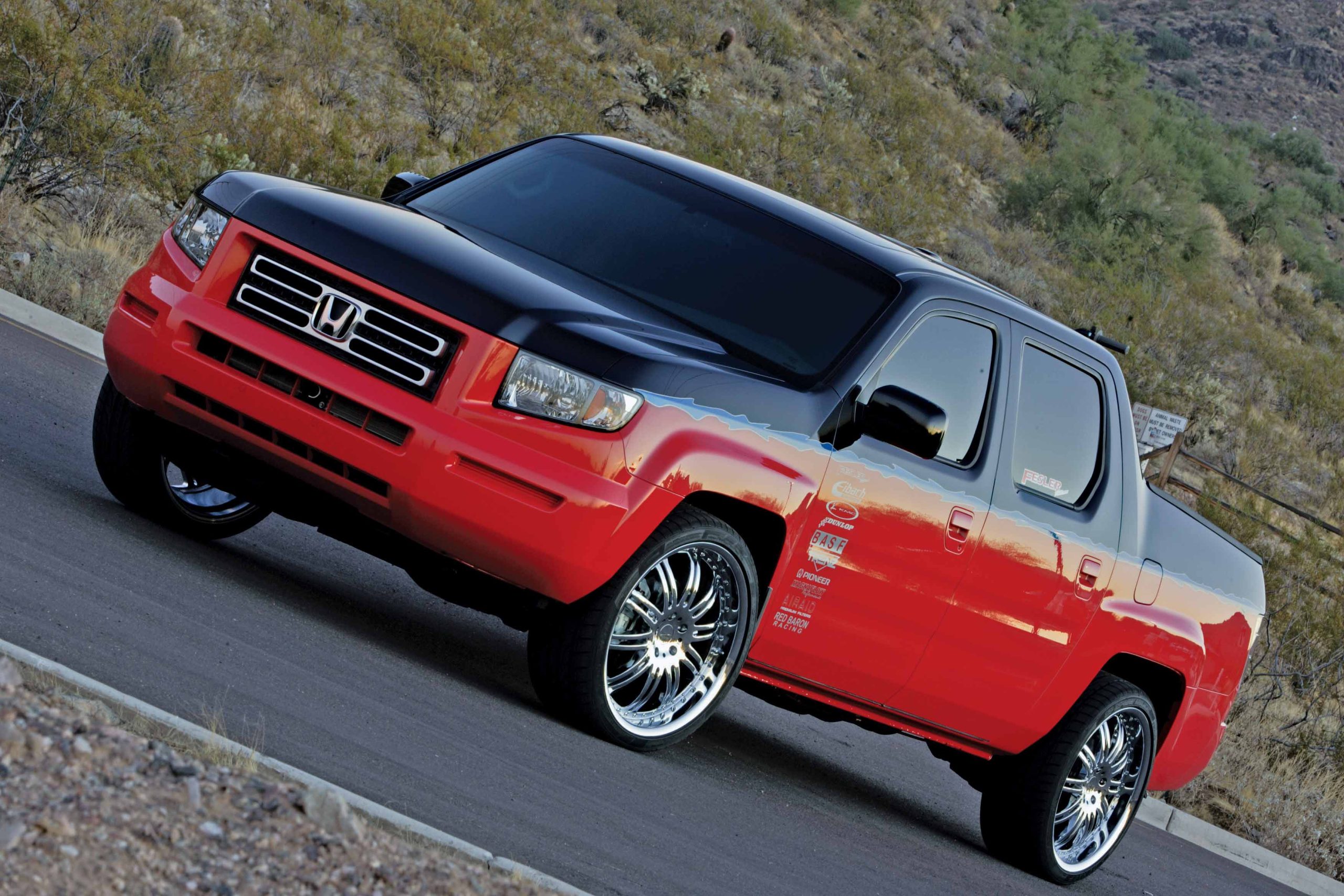
They say don’t mess with it if it isn’t broken. This straightforward build of a 2006 Honda Ridgeline RTL puts that advice into practice. Honda’s foray into the truck realm seems to have tapped into something big: that some people really want their truck to be more like a big, spacious car. Those people, for whatever reason, like the idea of driving a truck, but deep down they prefer something more comfortable and more refined. That is exactly what the Honda Ridgeline delivers.
So when Buddy Rice, Honda and Fesler Built started talking about customizing a Ridgeline, the conversation didn’t involve an all-out overhaul. Instead the team wanted to rely on the designed-in features that have made the Ridgeline so popular.
0Comments
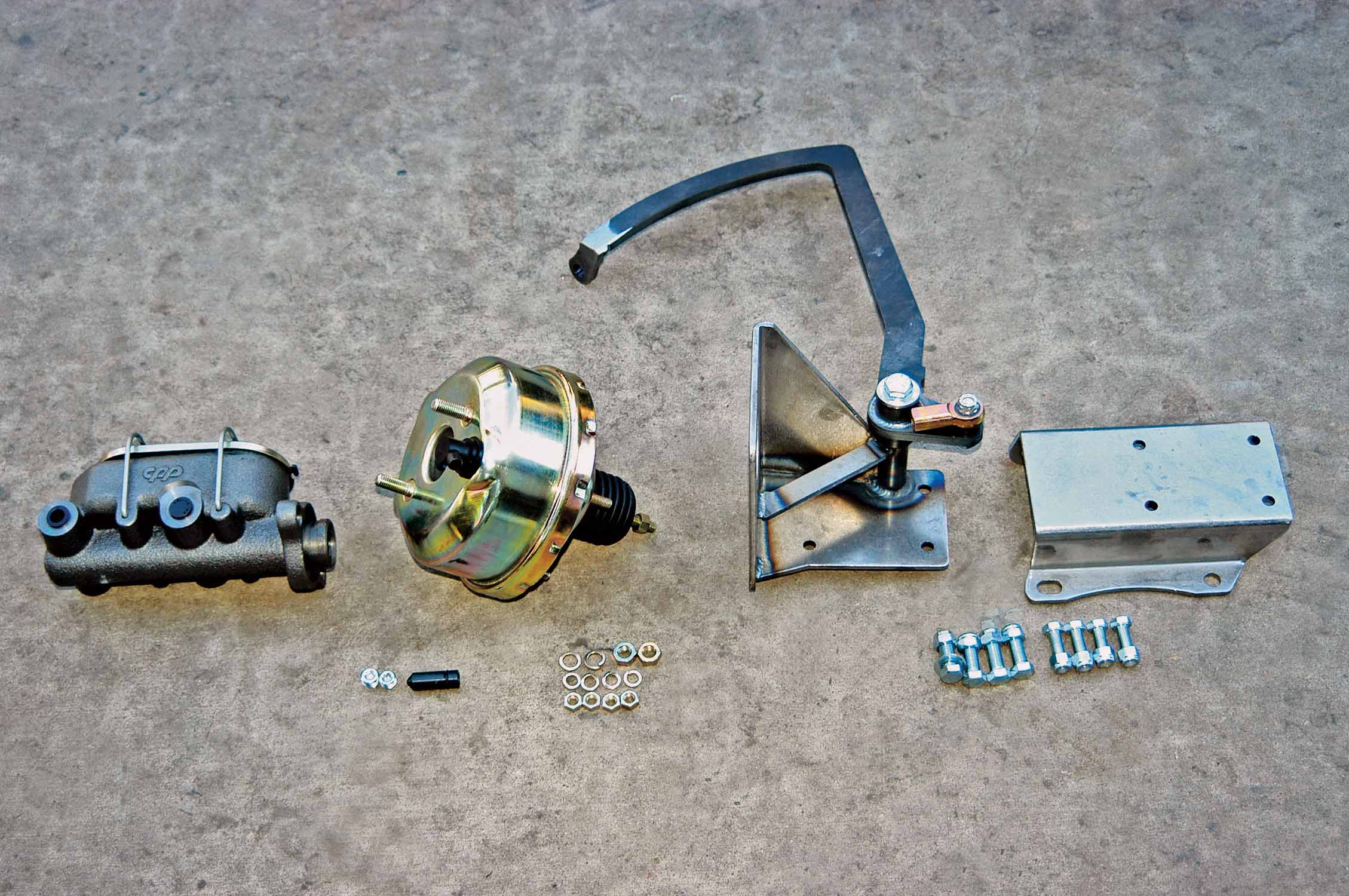
In the ’50s, home-delivery baker Helms Bakery went door to door, delivering bread and bakery goods on the streets of Southern California. All you had to do was call and order what you needed, and the next day it was delivered to your door. You could also stop the drivers on their route to buy their goodies, and that’s how we remember the early ’50s Chevy Helms delivery trucks. We figured they must have a rather large fleet of them to cover the L.A. Basin. We aren’t sure exactly when it happened, but no doubt rapidly changing family lifestyles took their toll, and Helms stopped the delivery portion of the business. As a result, there were a lot of early Chevy panel trucks that went somewhere.
0Comments
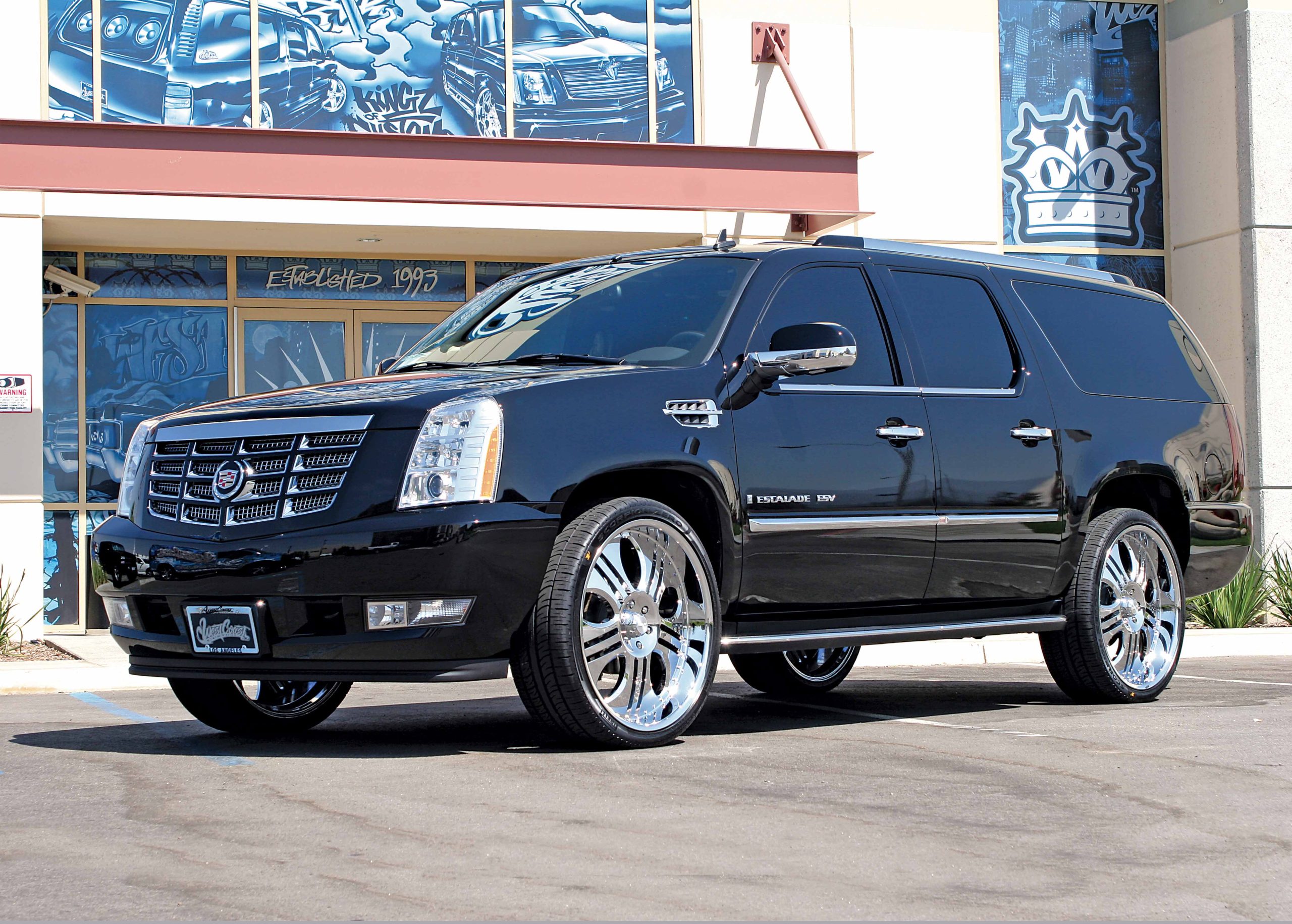
The 2007 Cadillac Escalade ESV was one of the most eagerly anticipated SUV releases in recent history. The ESV is spacious, powerful and elegant from the factory, but most owners will choose to add their own touches to personalize this truck, just as they did with the old one. Ryan Friedlinghaus, owner of West Coast Customs in Corona, California, wanted to personalize his own Escalade ESV, but he wanted to do it in a stealthy and subdued sort of way so that he could then offer the WCC package to other Escalade owners.
0Comments
