

THE AUTO BUILDER
Featured

California Autofest
As an automotive enthusiast, you know that a huge part of our scene is showing the world your pride and joy, and car shows have traditionally been the best places to do so. They give you the opportunity to talk shop with people who share the same passion. Individuals with different makes of vehicles are drawn together by the same love affair, whether they are into Hondas, VWs or Nissans, so these are great networking places to learn and make things happen.

SUPERCHARGING FOR BIG POWER
Building an engine that produces more horsepower than its stock configuration can be done in many ways. However, supercharging has proven to be one of the best ways to make the most horsepower over stock. Superchargers are air pumps that force a “super” charge of air into an engine, which in turn allows the engine to make more power. A Roots supercharger or blower is a sealed case with two rotors inside. It is driven through the crankshaft by belts and pulleys, causing the spinning rotors to force compressed air into an engine.

Golden Anniversary Special
Just about any gearhead would be thrilled by the opportunity to work with legendary automotive collector and all-around funny guy Jay Leno. Dave Killackey, owner of Performance Transmissions in Azusa, California, not only had the opportunity to work on a number of Leno’s projects, but along the way he’s developed a friendship with the late-night TV host. It’s a close enough friendship that Leno teamed with automotive designer Chip Foose and his “Overhaulin’” TV show to completely transform his rusted-out ’56 Chevrolet Nomad. So yes, you did read this correctly; Dave Killackey is indeed one of the luckiest car guys on the planet—he’s friends with Jay Leno, and he owns a ’56 Nomad that has been overhauled by Chip Foose and the rest of his team.
Spotlighter
POPULAR READS
-
Product Spotlight: Bill Mitchell Products Aluminum LS Engine Block
-
PRODUCT SPOTLIGHT: 60-66 Chevy C10 Fresh Air Vent Block Off Plate
-
Product Spotlight: Pyramid Optimized Design Sequential Aurora Taillight for 1964½–1966 Mustang
-
PRODUCT SPOTLIGHT: Cam Covers for GEN/3 Coyote from Pyramid Optimized Design
Drop ‘N’ Stop
Superior Spindles’ 2-Inch Drop Mixed With Wilwood Brakes
Author
Bob Carpenter
Story & Photography
Why Disc Brakes Are a Must for a ’55 Chevy
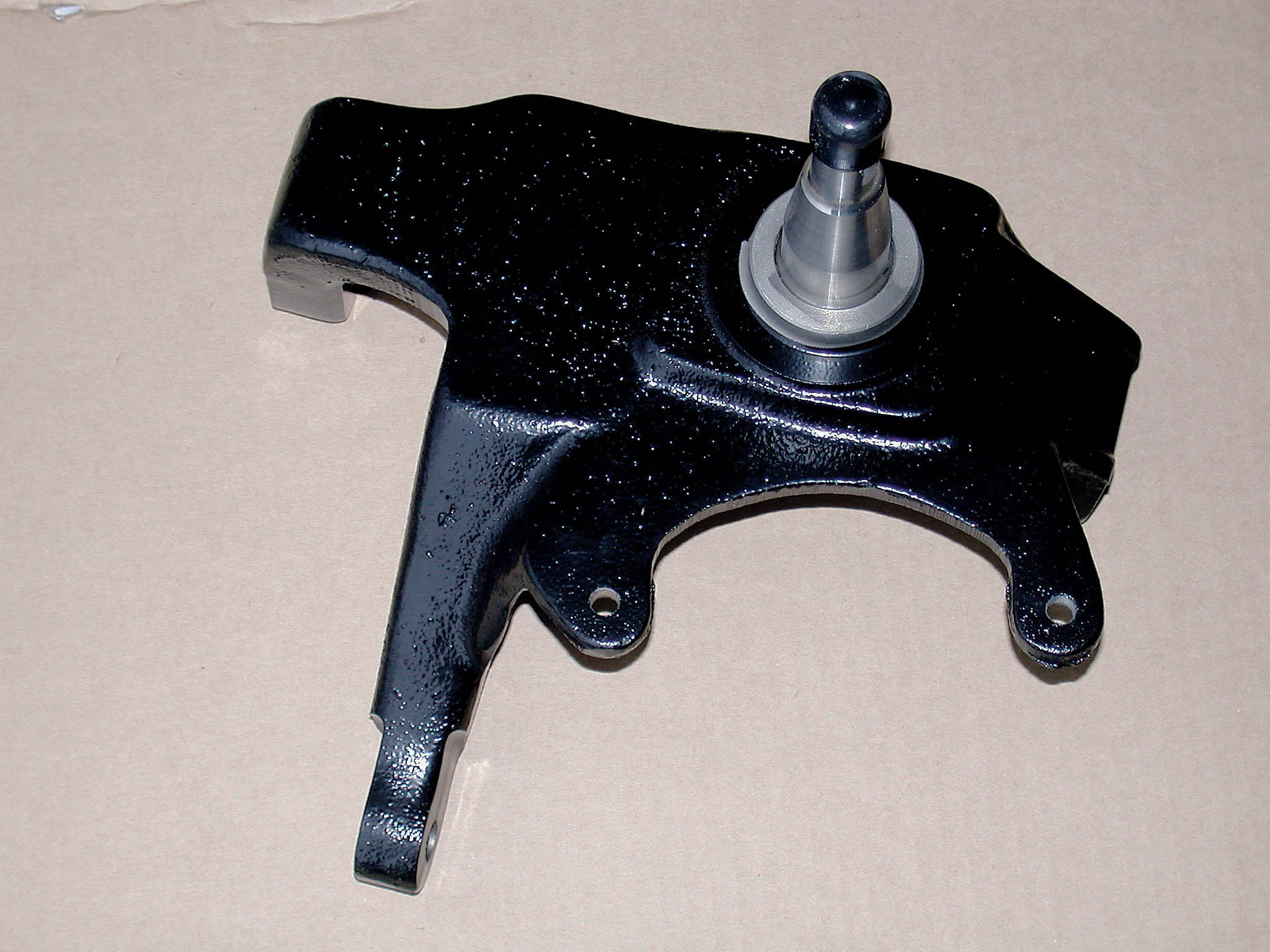
Getting a ’55 Chevy to sit at the right ride height is as easy as installing a set of 2-inch drop spindles, such as those from Superior Spindles and others. Getting the big ol’ car to slow down offers many more choices as well, and as long as you’re swapping spindles it is an excellent time to install those long-overdue disc brakes. When you think about it, it doesn’t make good sense to put a newly rebuilt tri-5 Chevy on the same road with stock OE cars with ABS four-wheel disc brakes. If ever you came upon a situation where a car ahead of you had to stop in an emergency situation, the performance of even a stock set of disc brakes will far “outdistance” your drum setup, meaning you would not be able to stop in time and could well end up in the trunk of the car ahead of you. Not good.
Stage I, Stage II, and Stage III Brake Options Explained
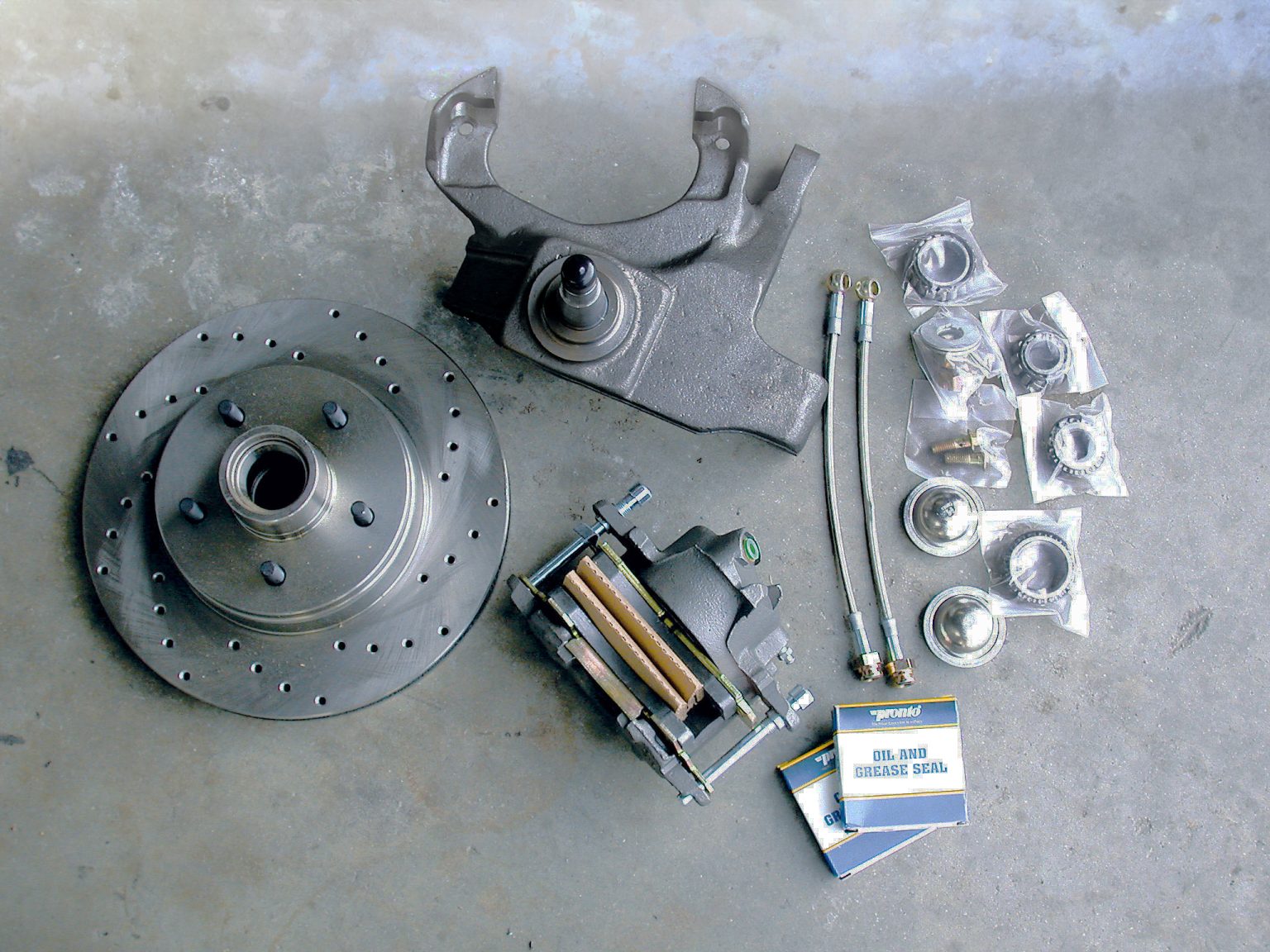
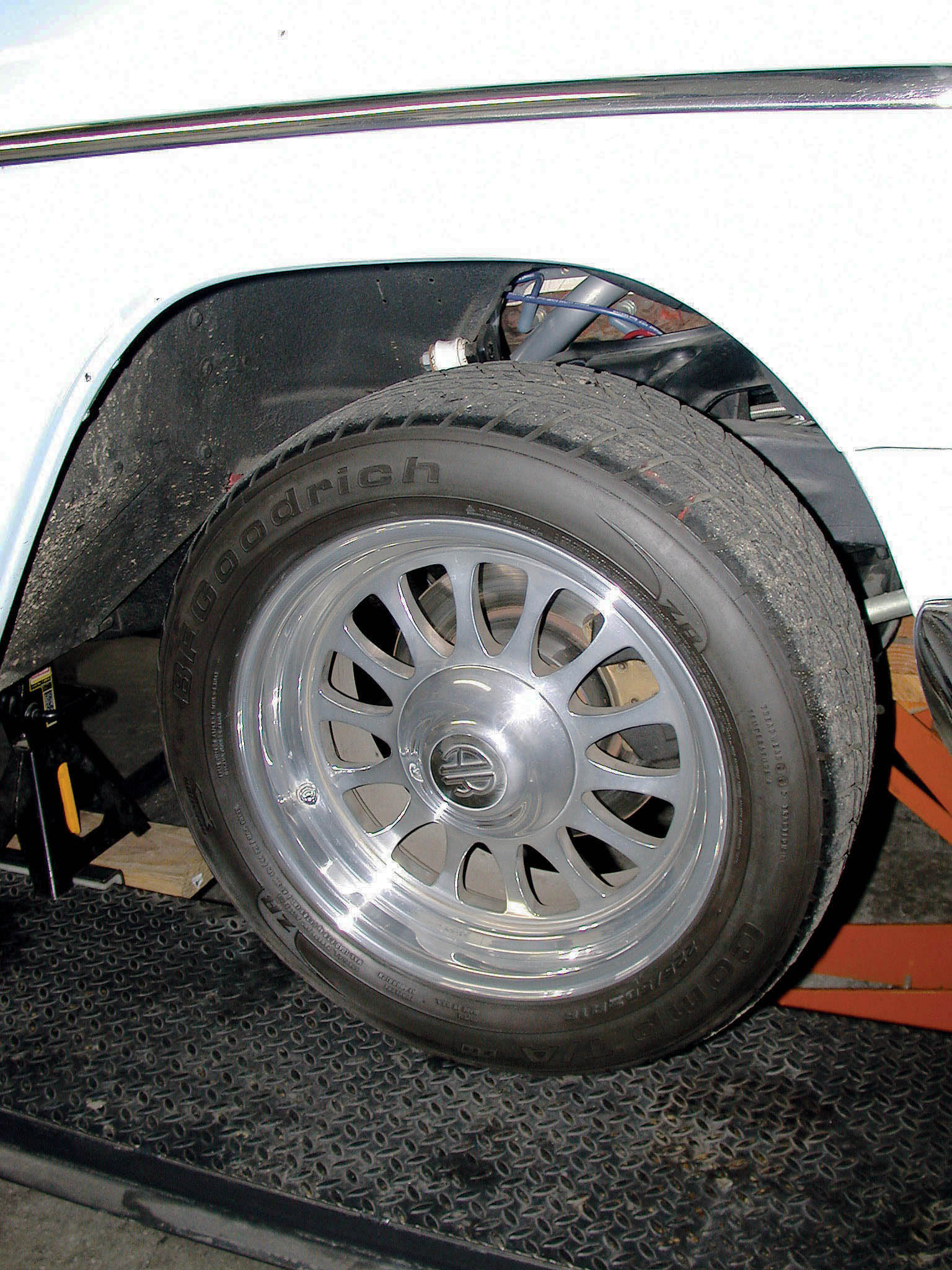
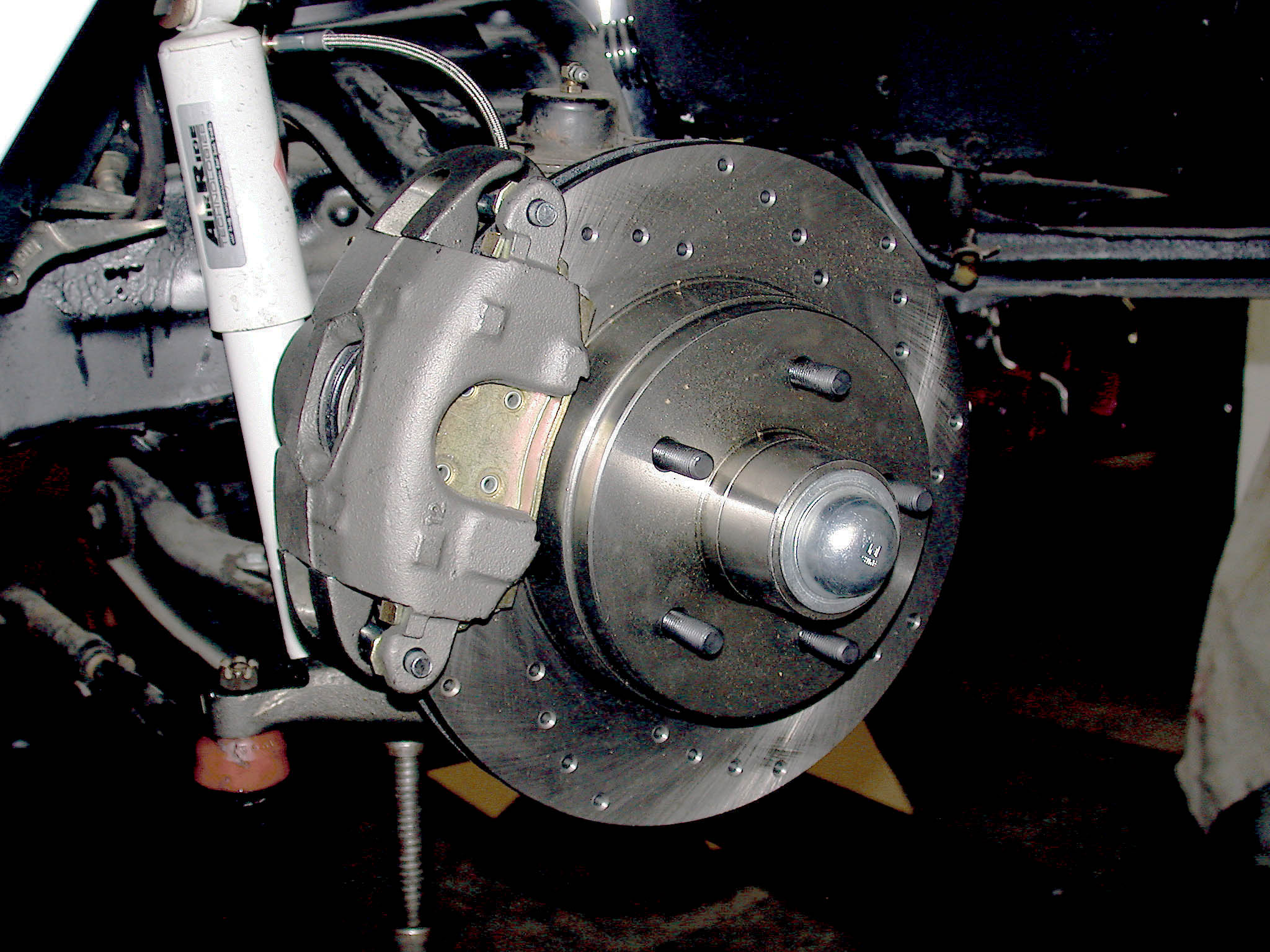
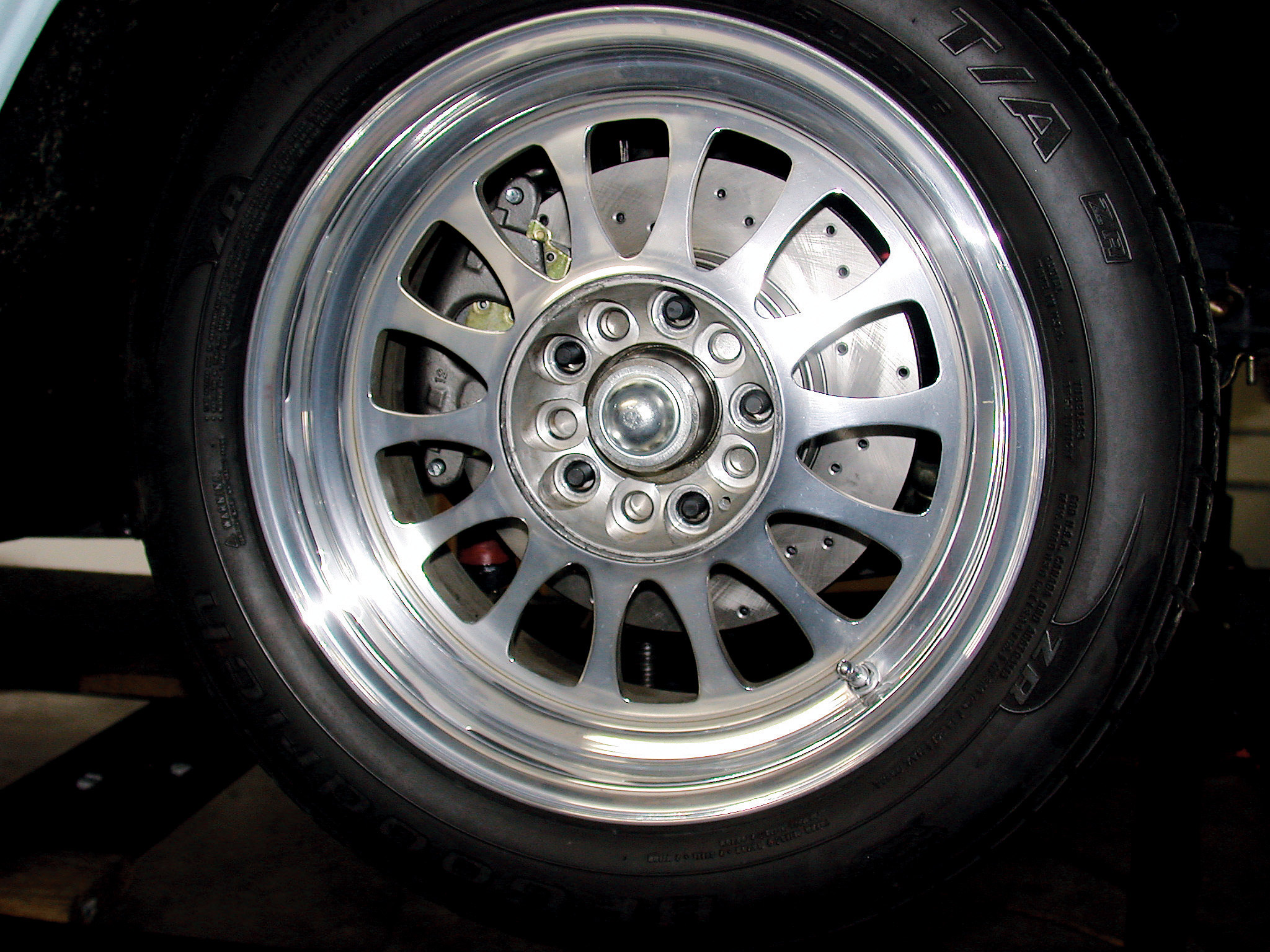
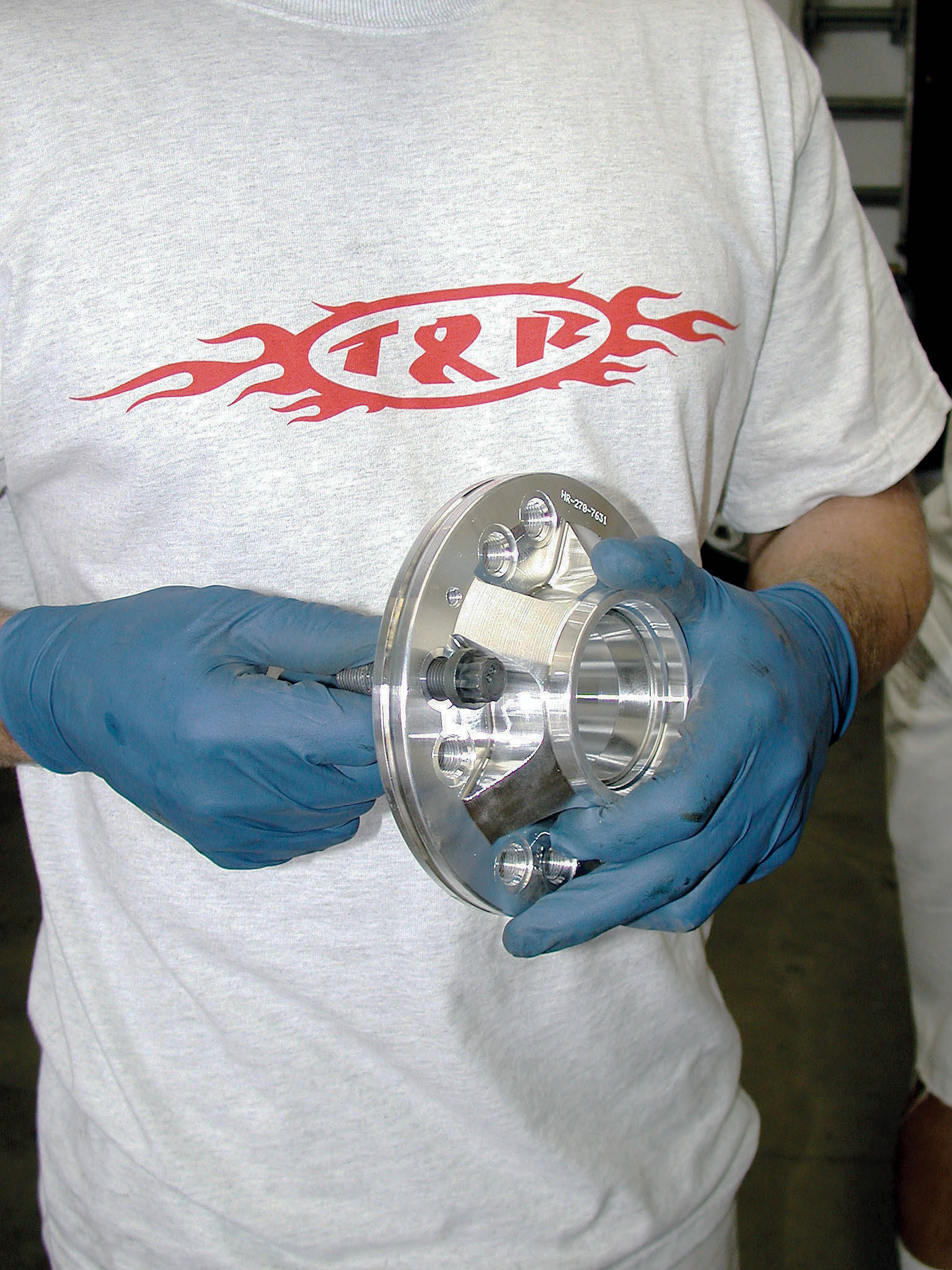
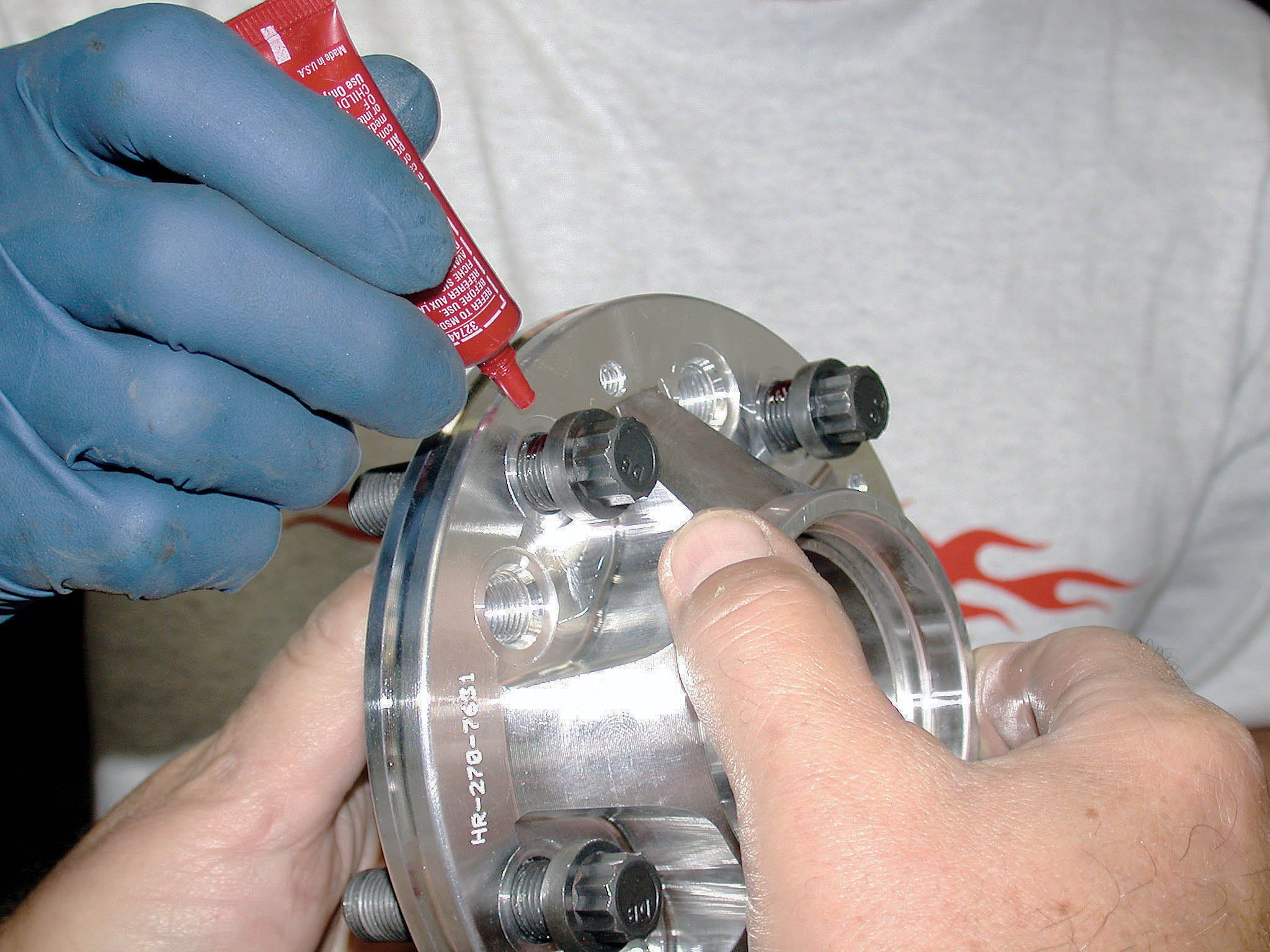
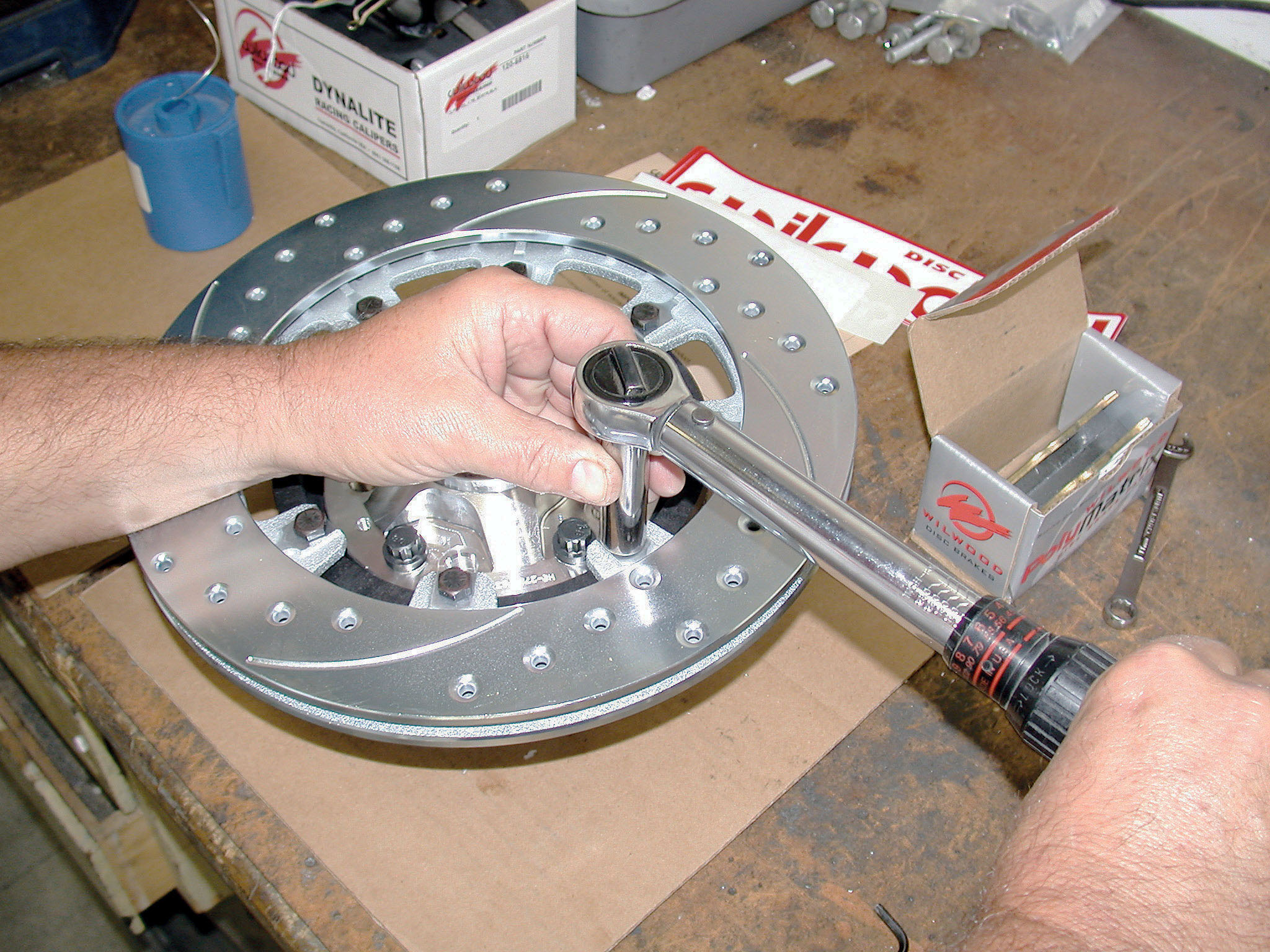
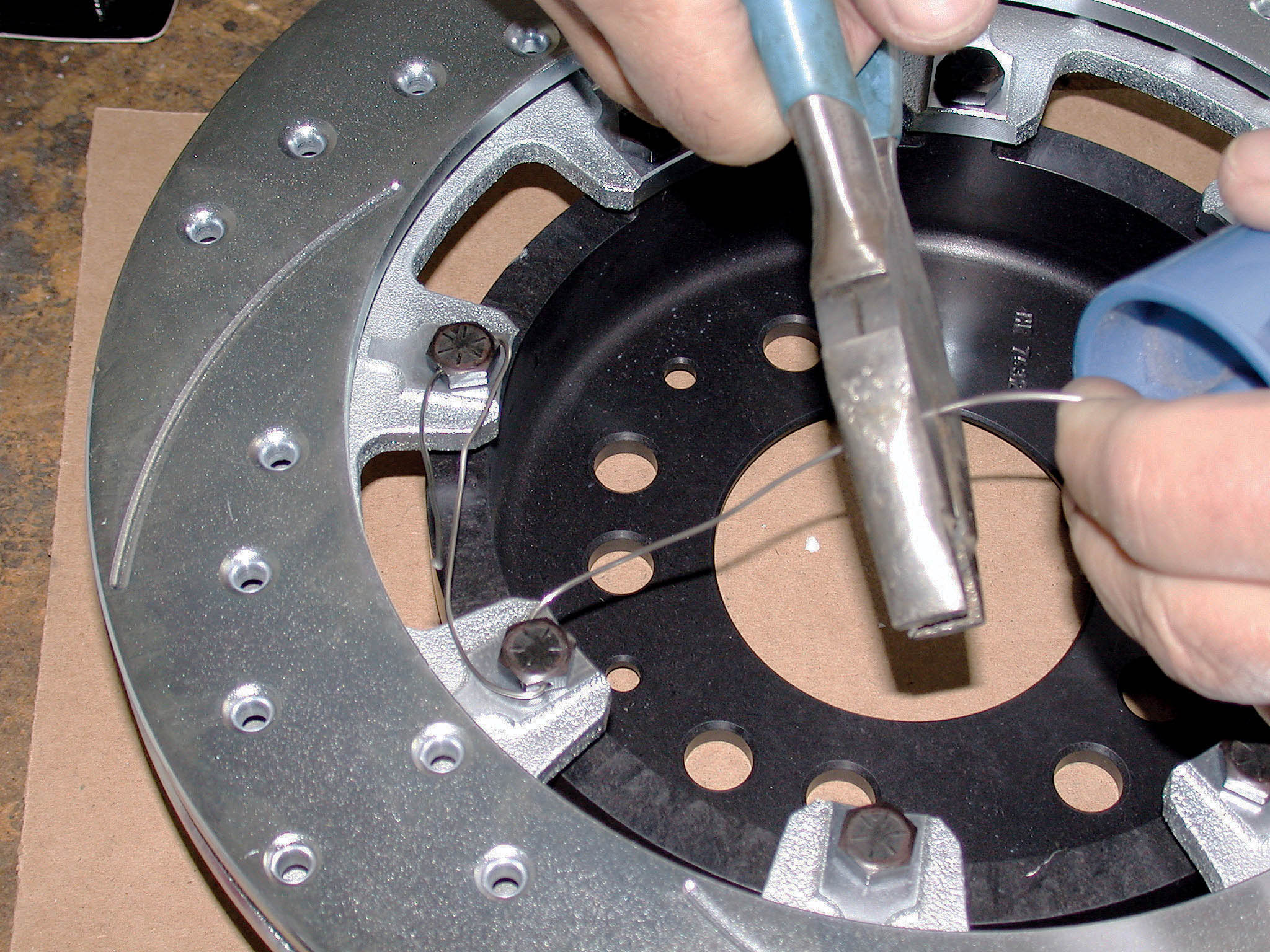
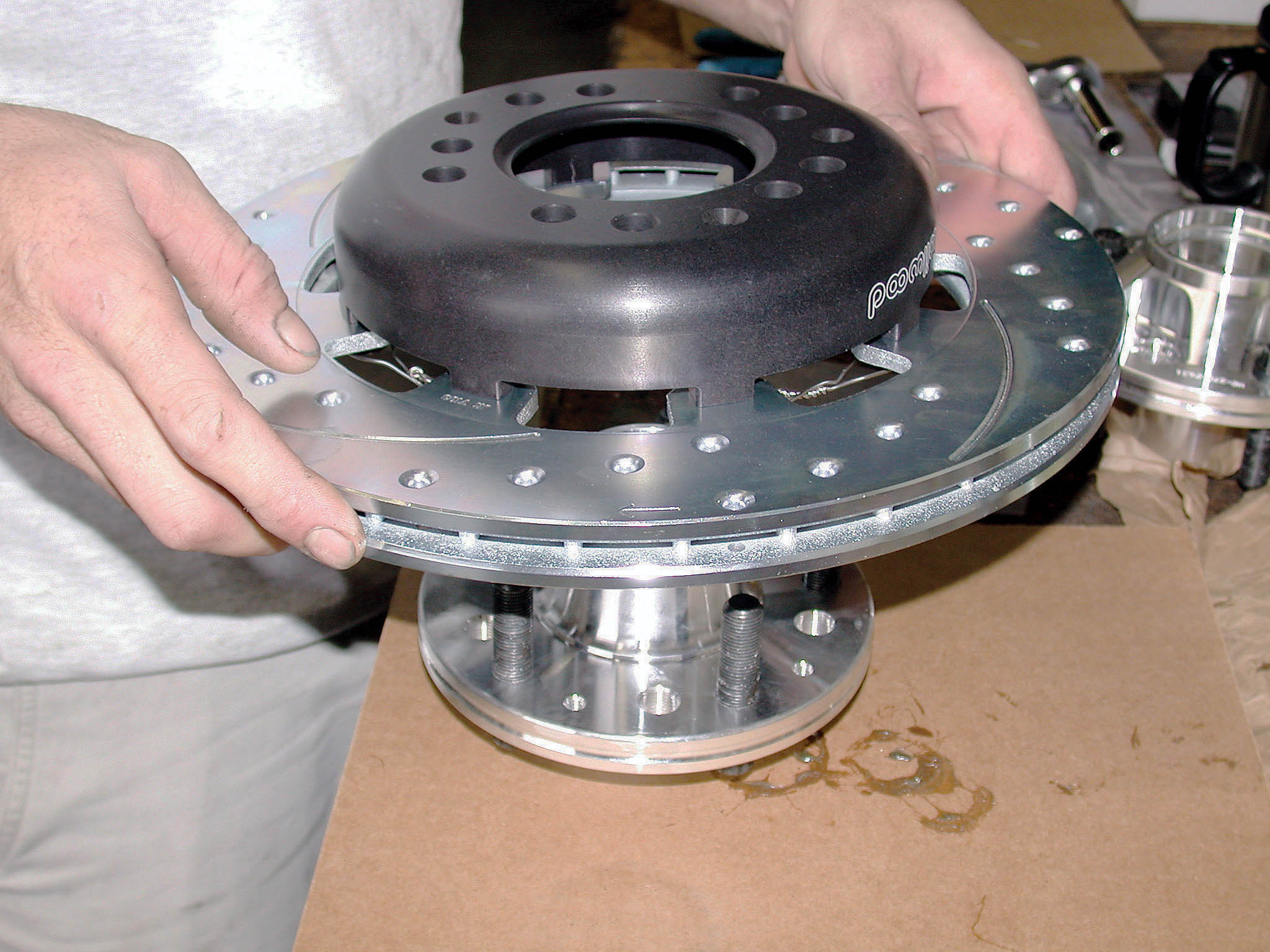
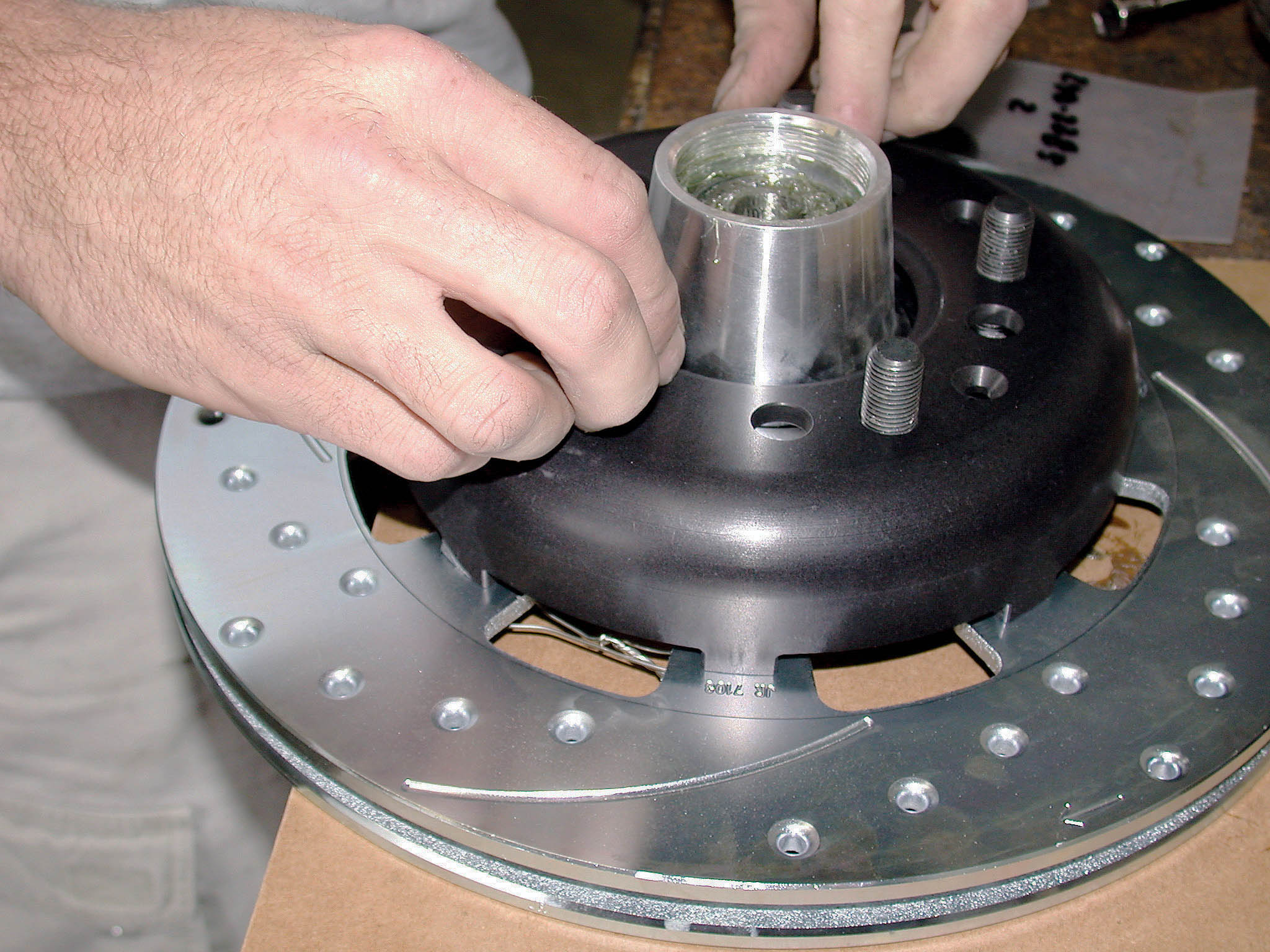
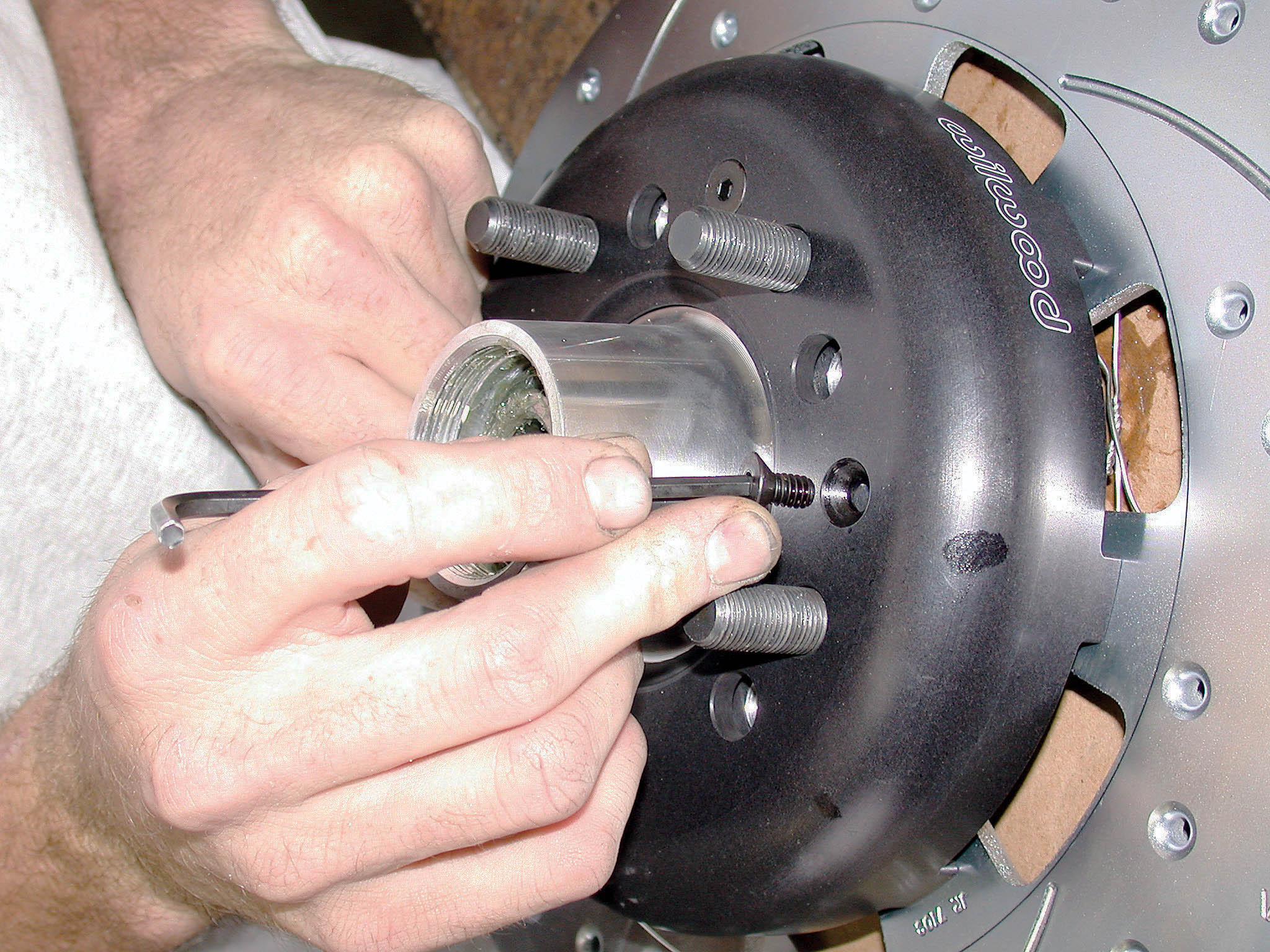
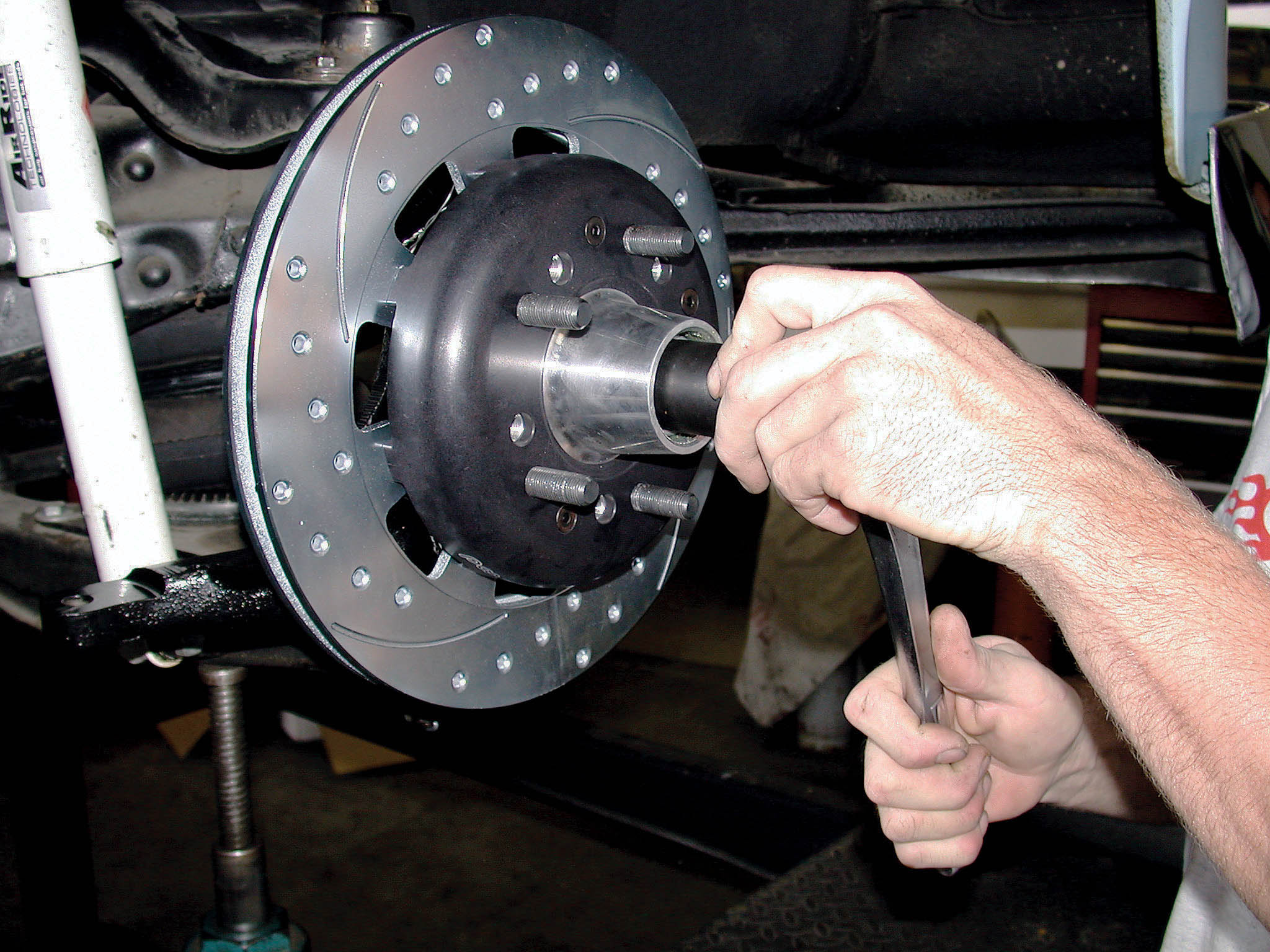
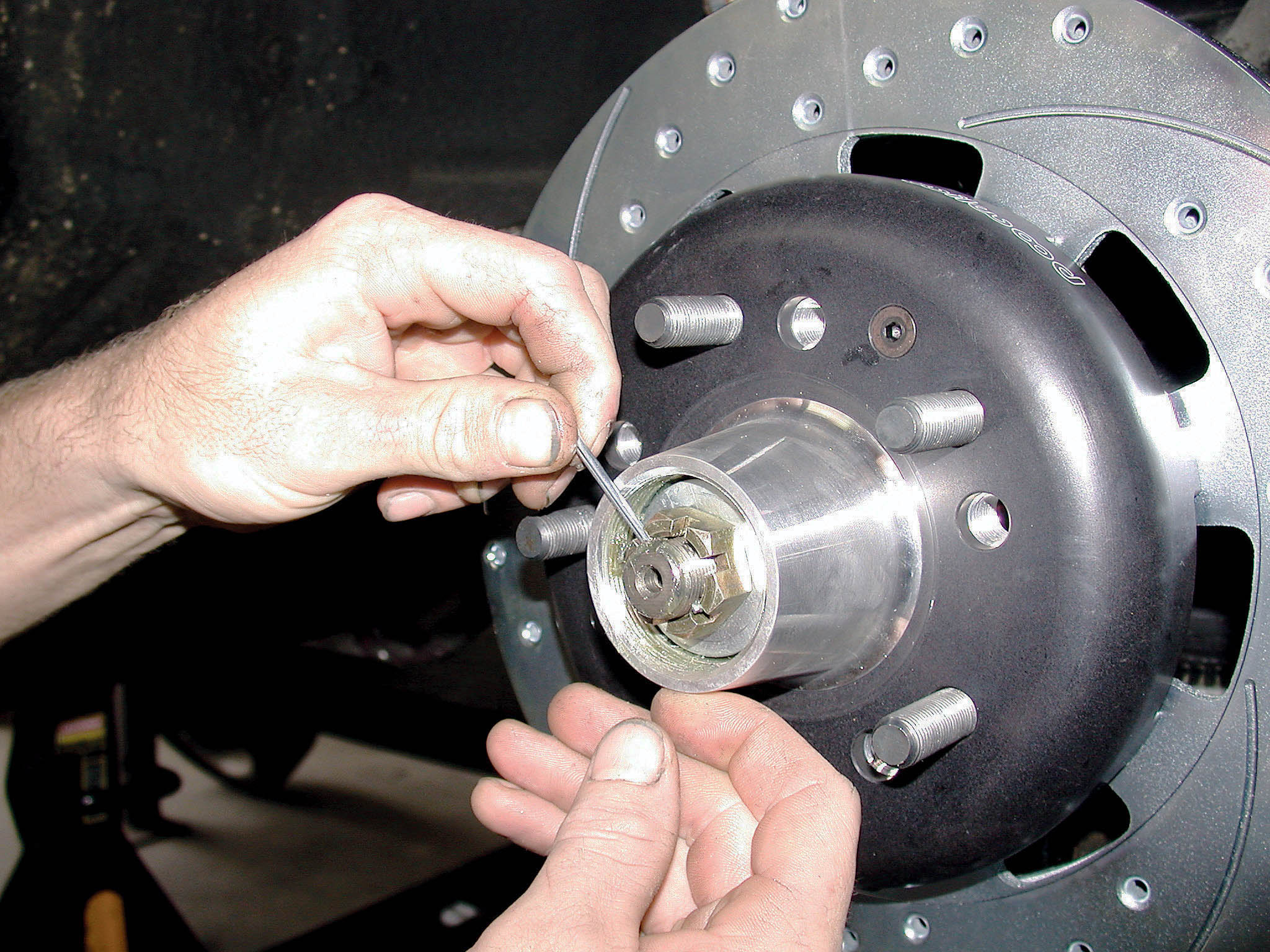
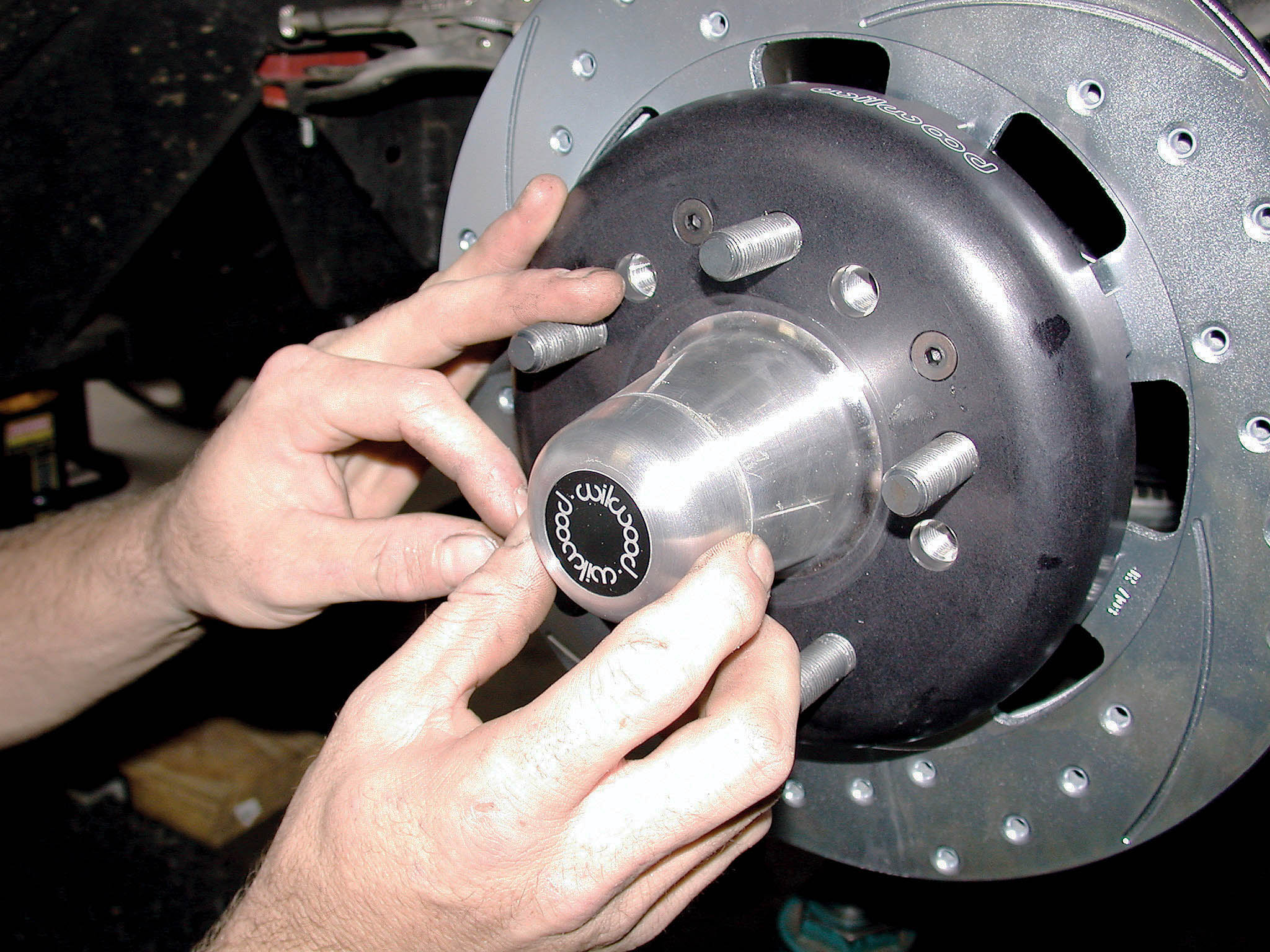
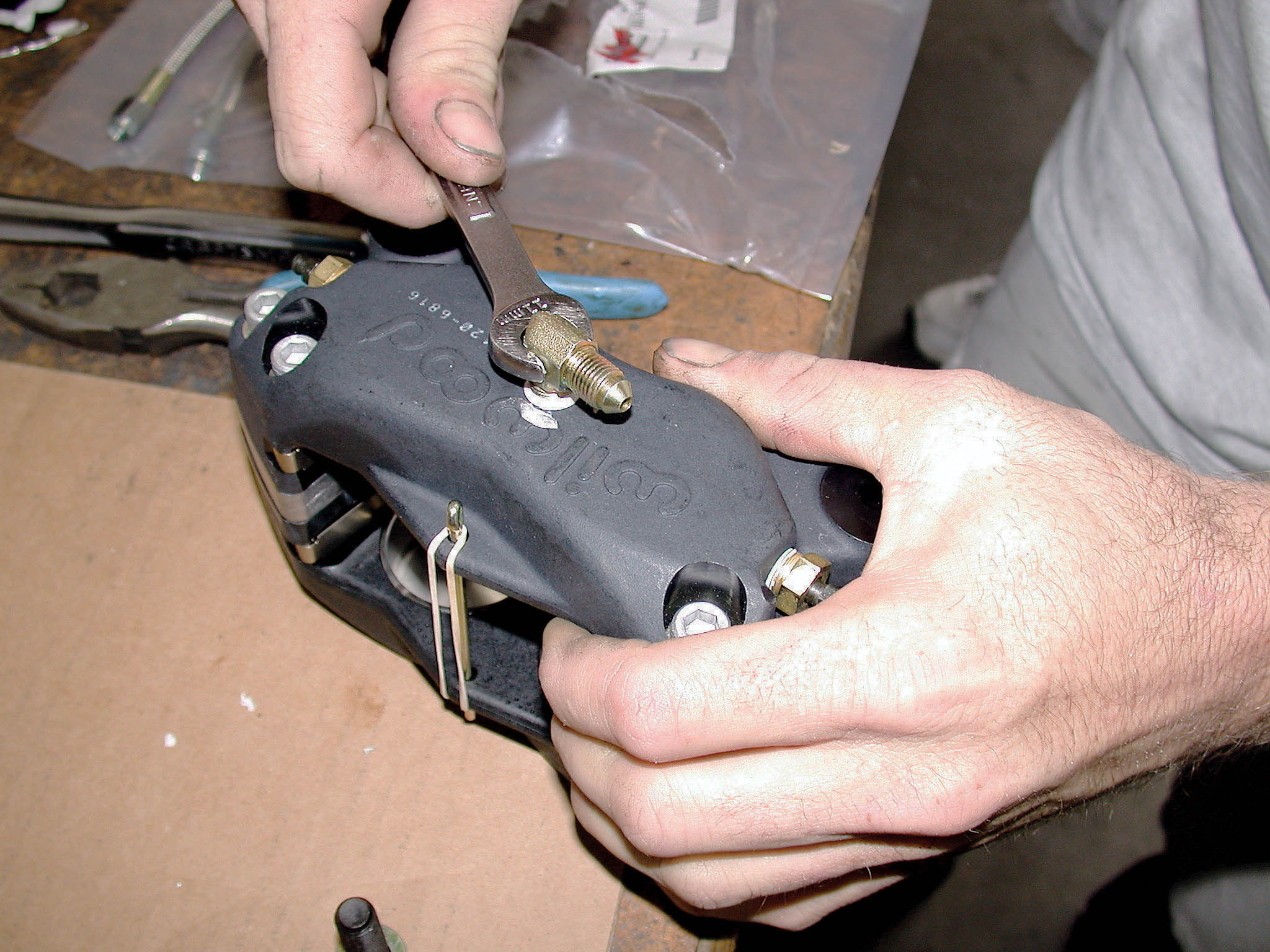
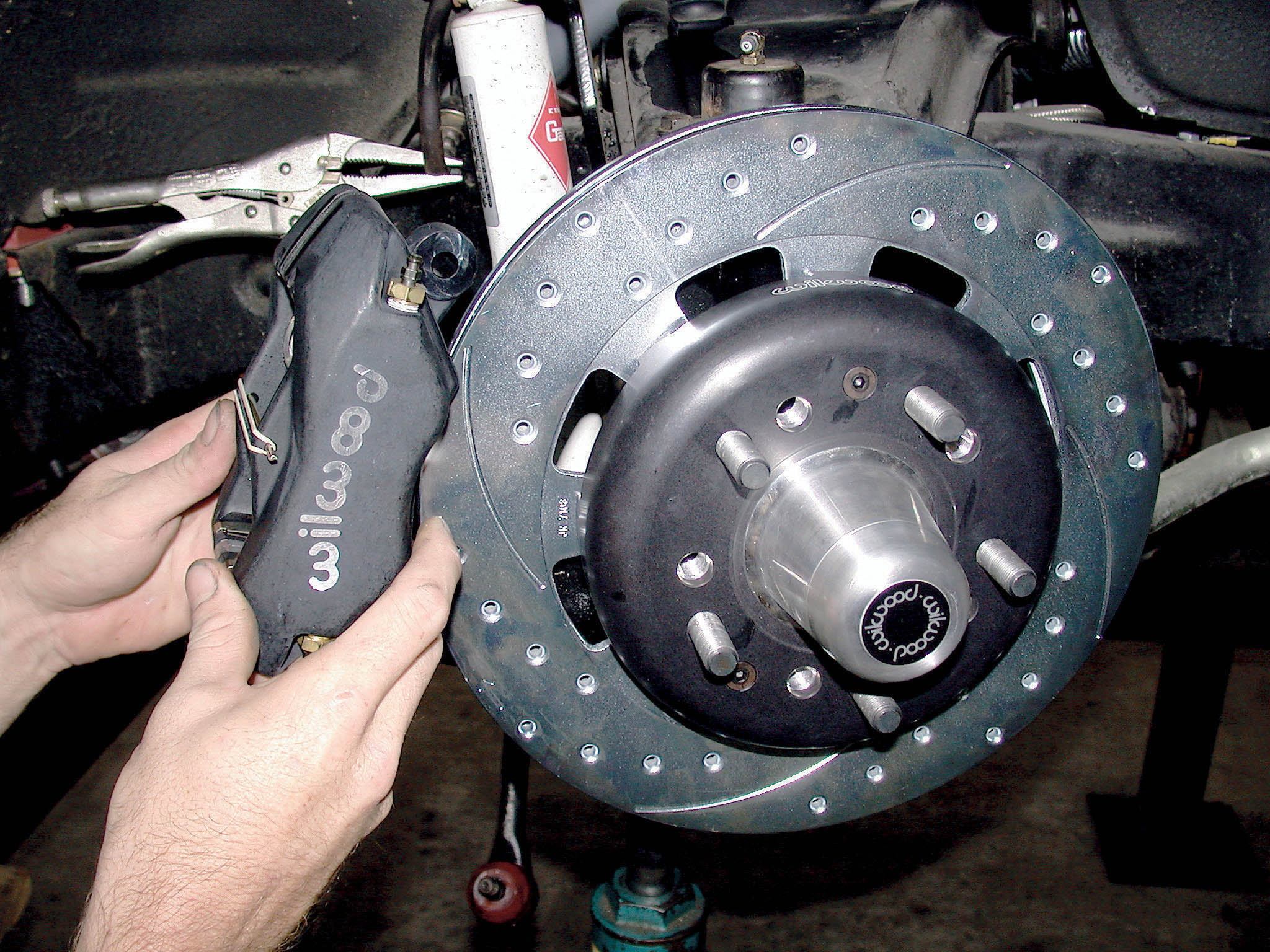
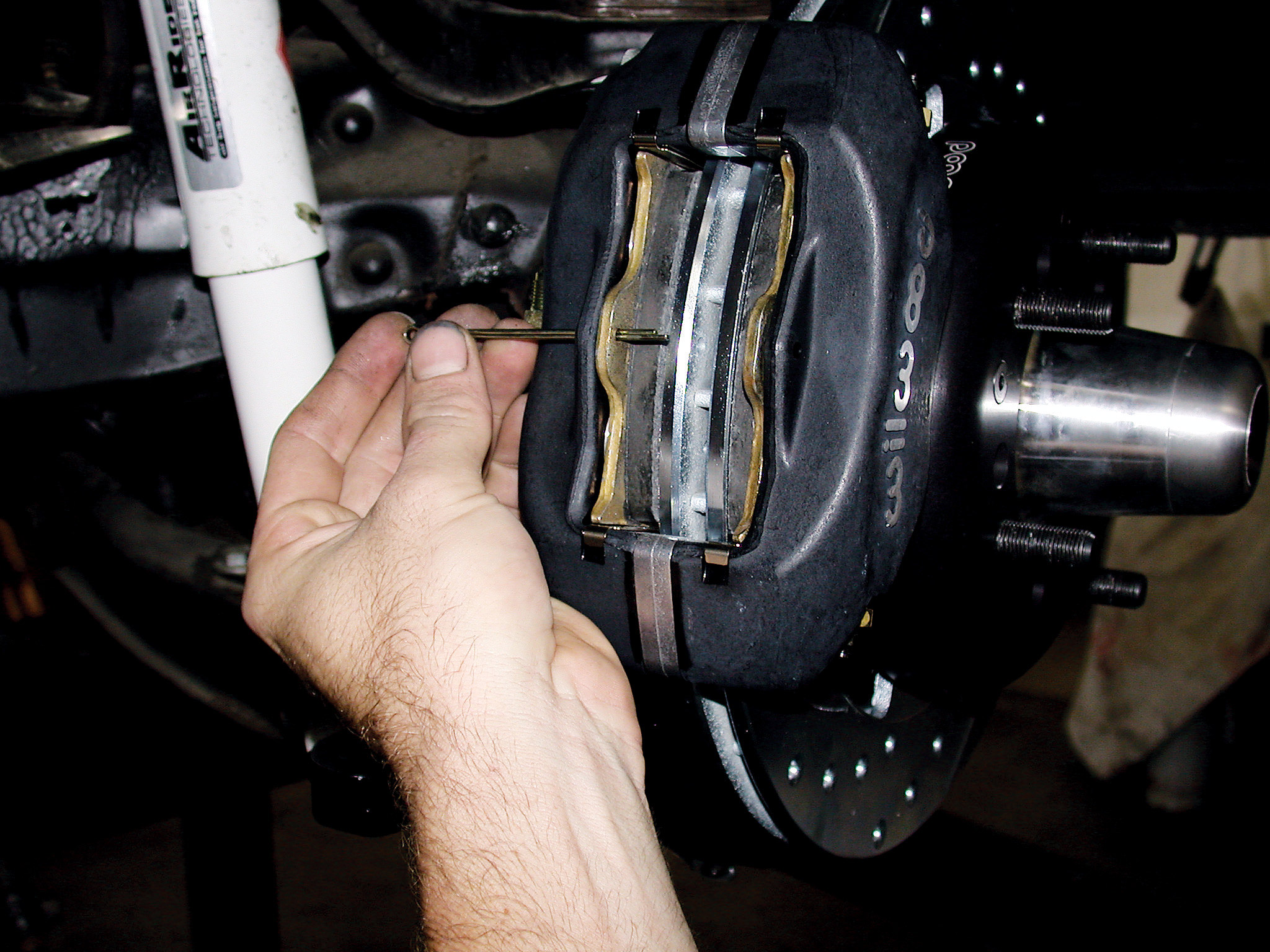
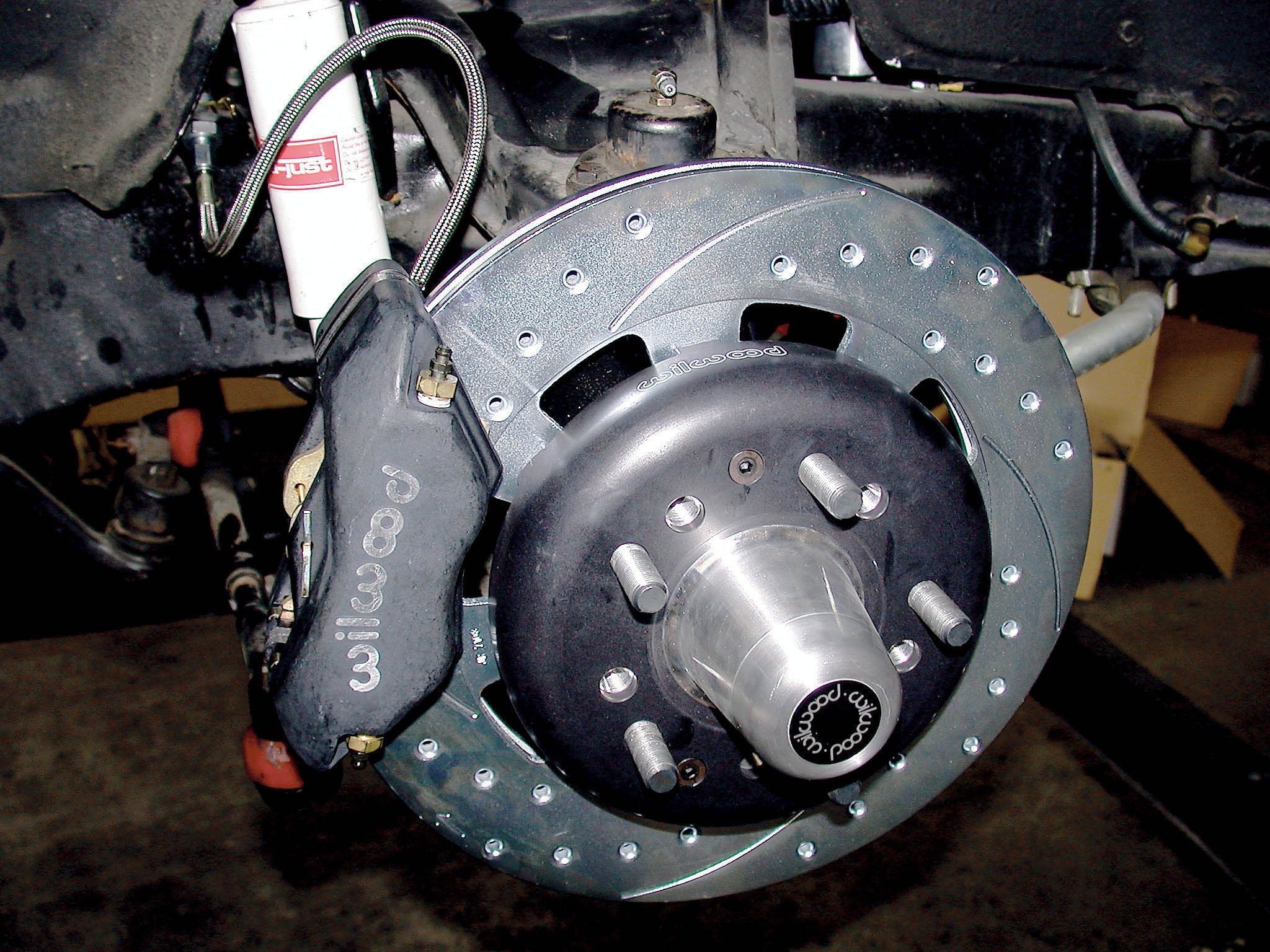
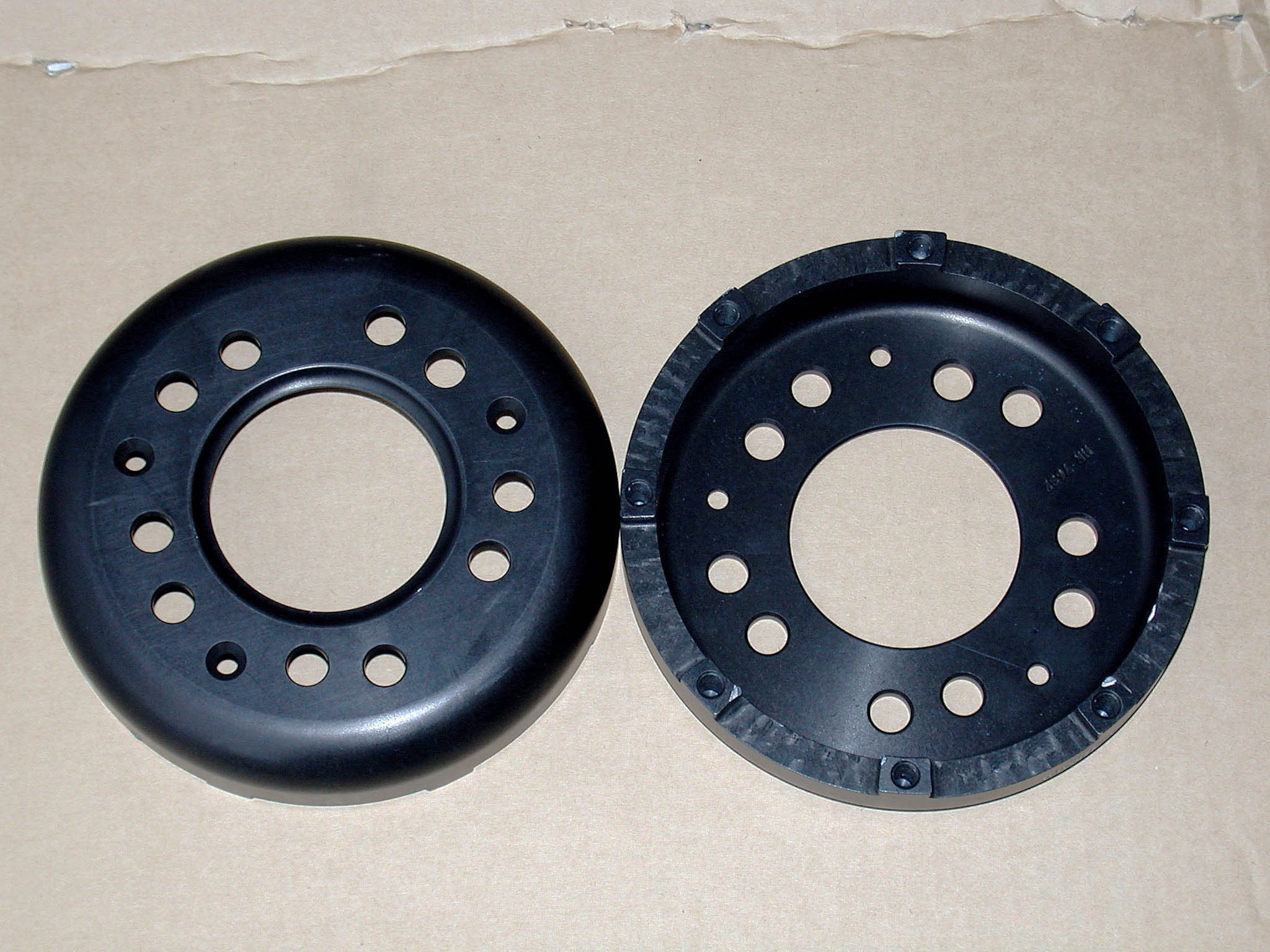
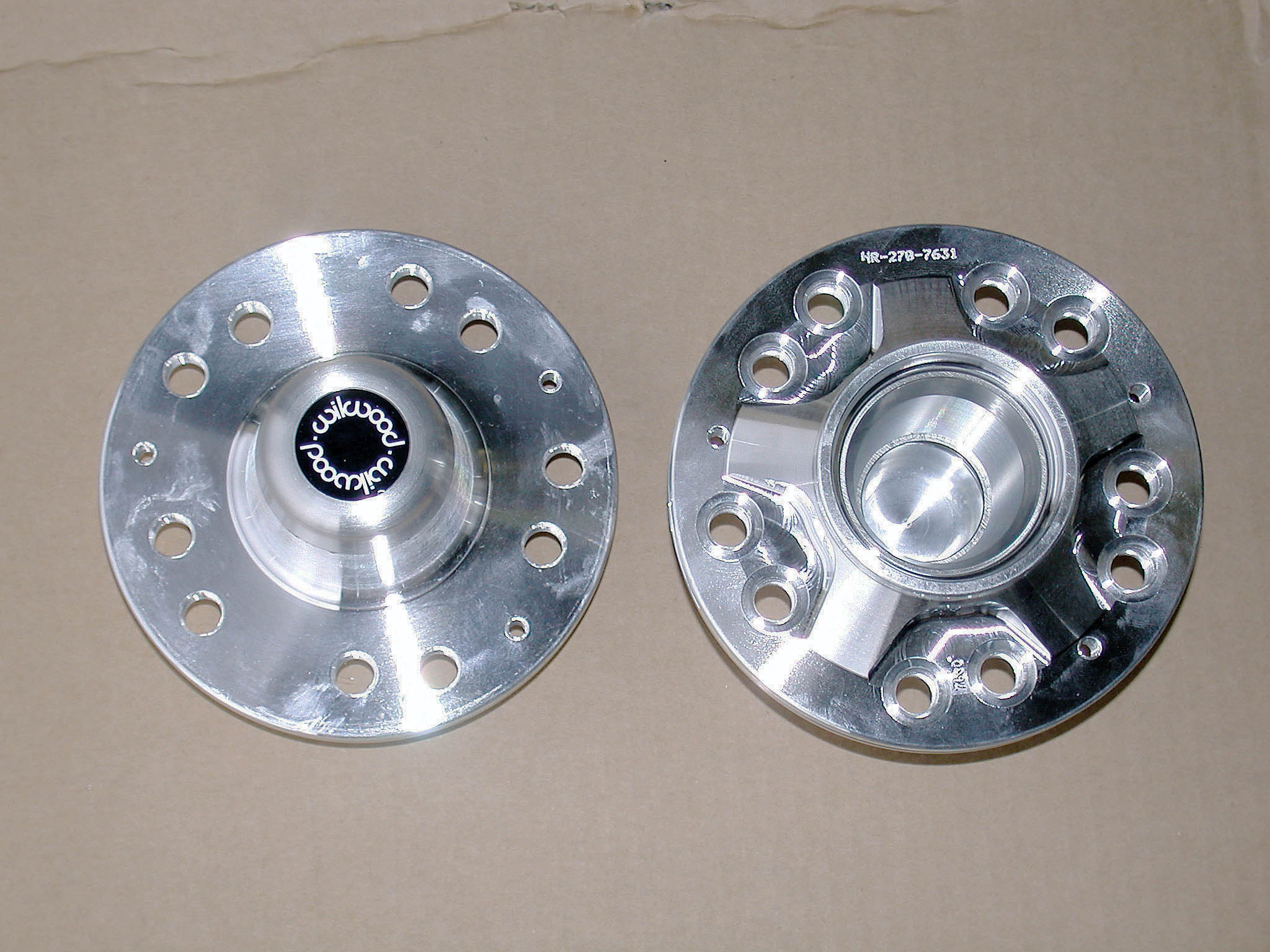
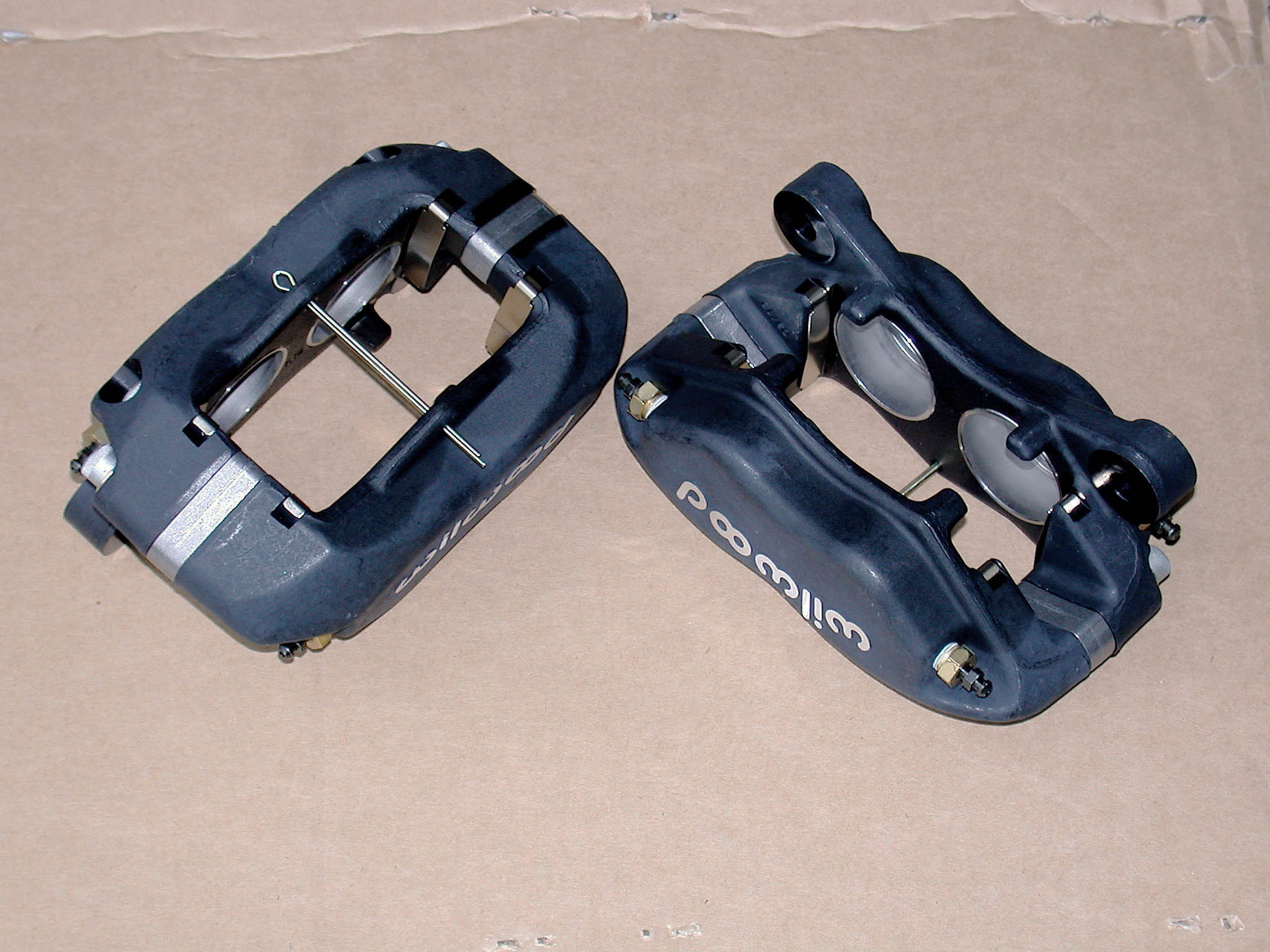
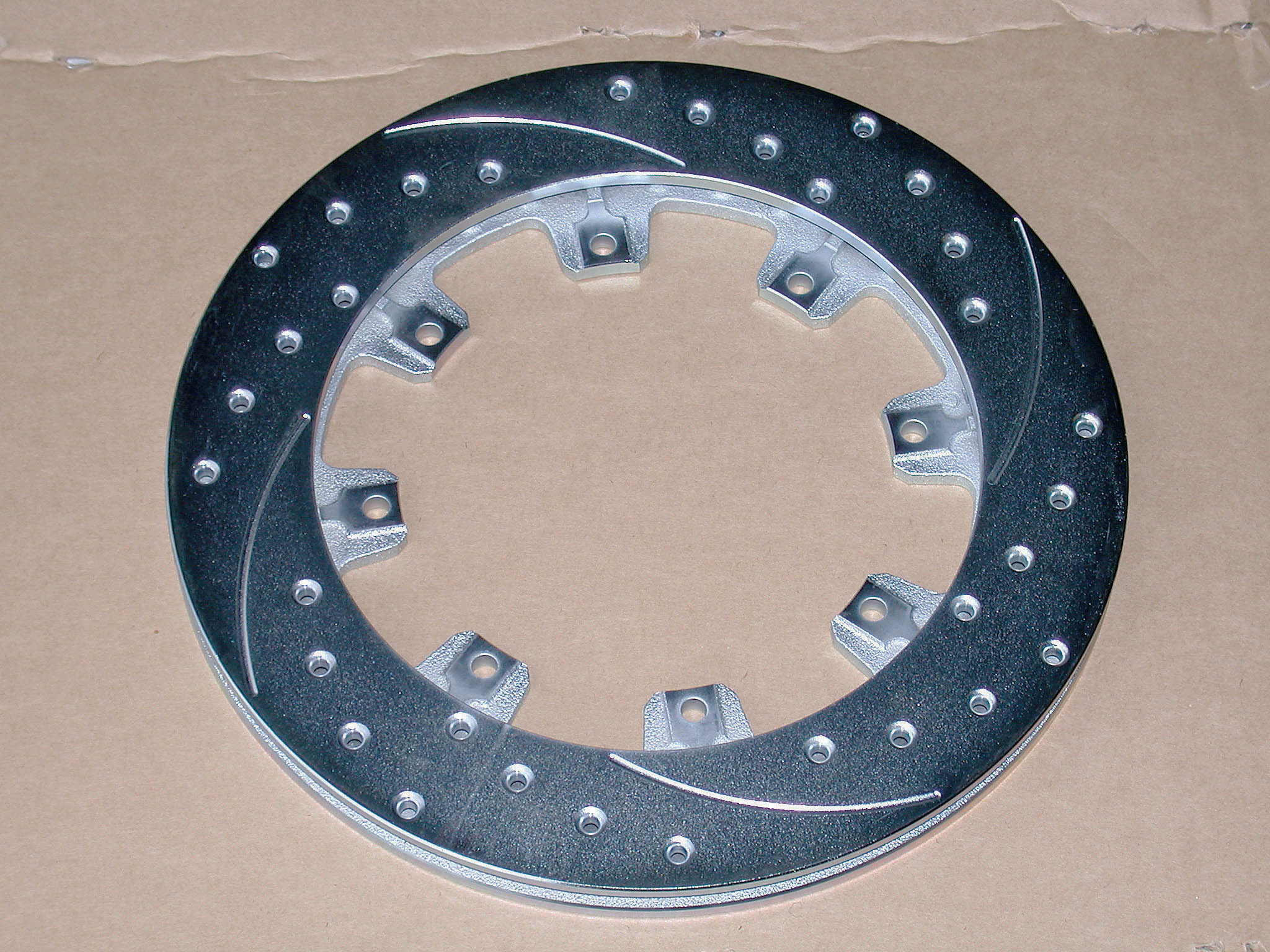
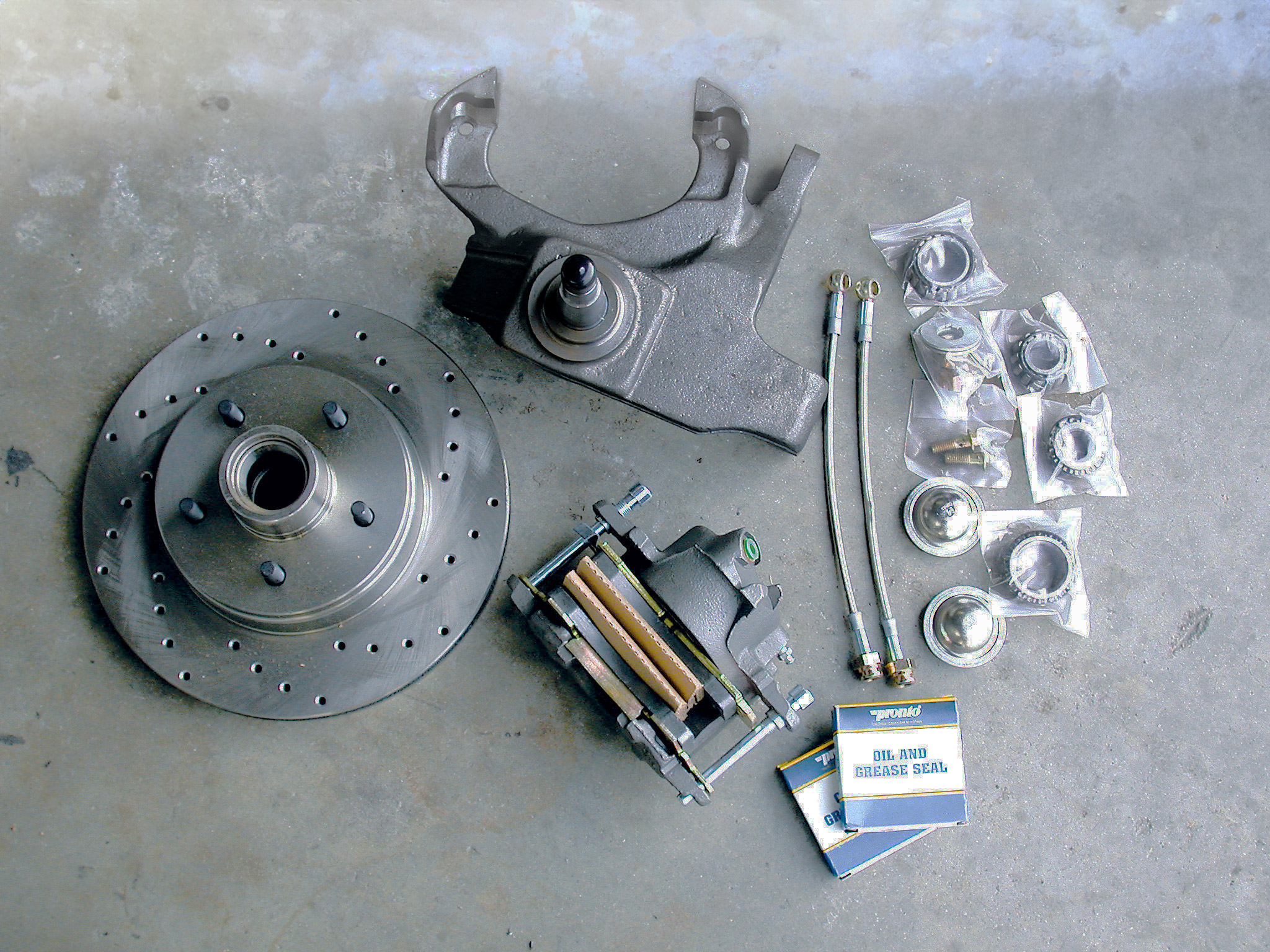
The standard swap (let’s call it Stage I) involves installing a 10-1/2-inch rotor, and that’s plenty for most people. The next step up (Stage II) is to use a kit to install a 12-inch 1LE Camaro rotor and a ’79–’81 Camaro caliper (also used on the Astro van). This kit typically sells for around $600, but it will widen the track a bit, so wheel selection is somewhat affected. Another step up (Stage III), involves using a 12-3/16-inch two-piece rotor and aftermarket Wilwood calipers. Superior Spindles’ version of this kit sells for around $1300, and it does not widen the track because Wilwood’s hat doesn’t use any adapters.
Installing Superior Spindles and Wilwood Brakes on a ’55 Bel Air
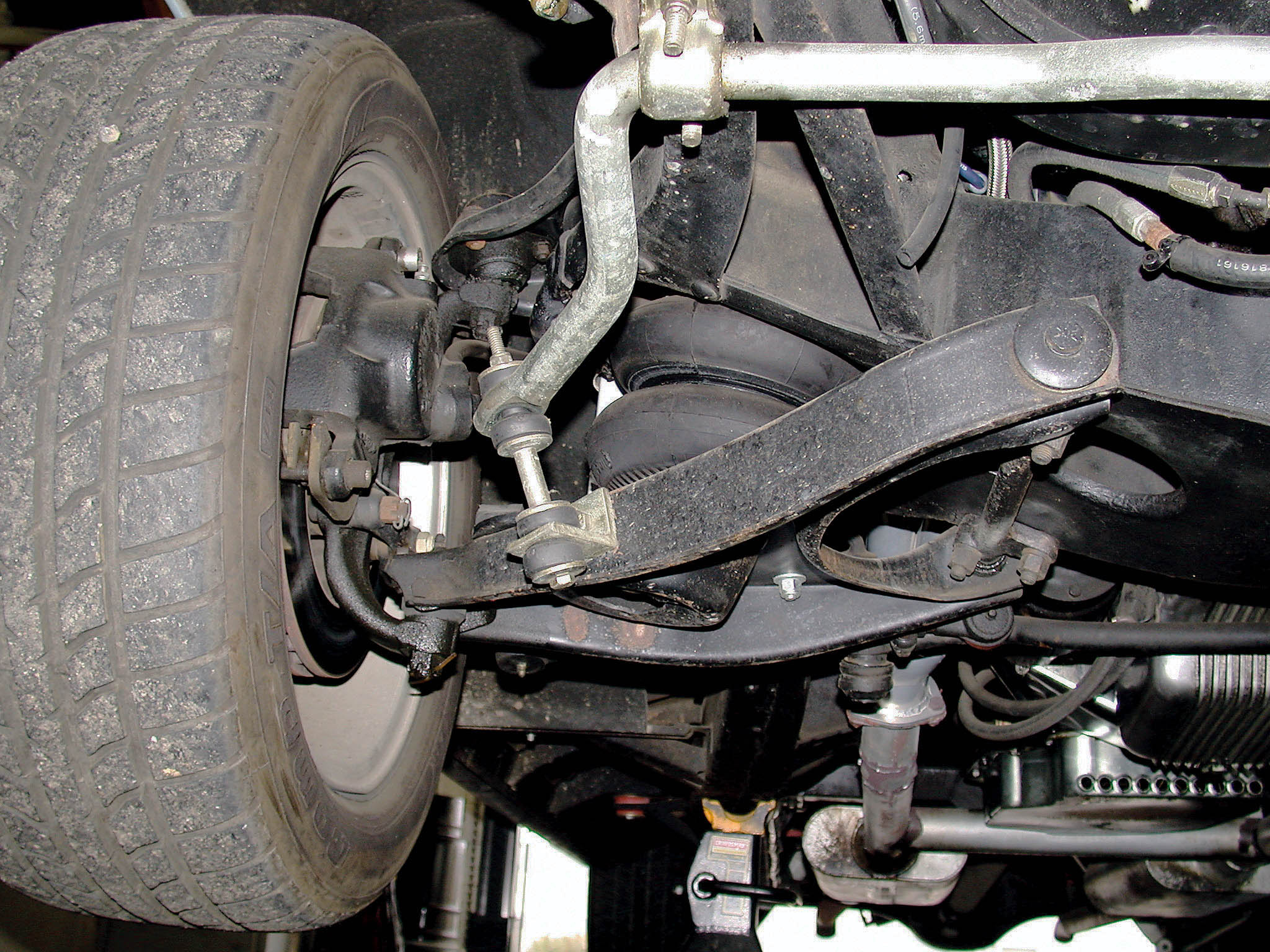
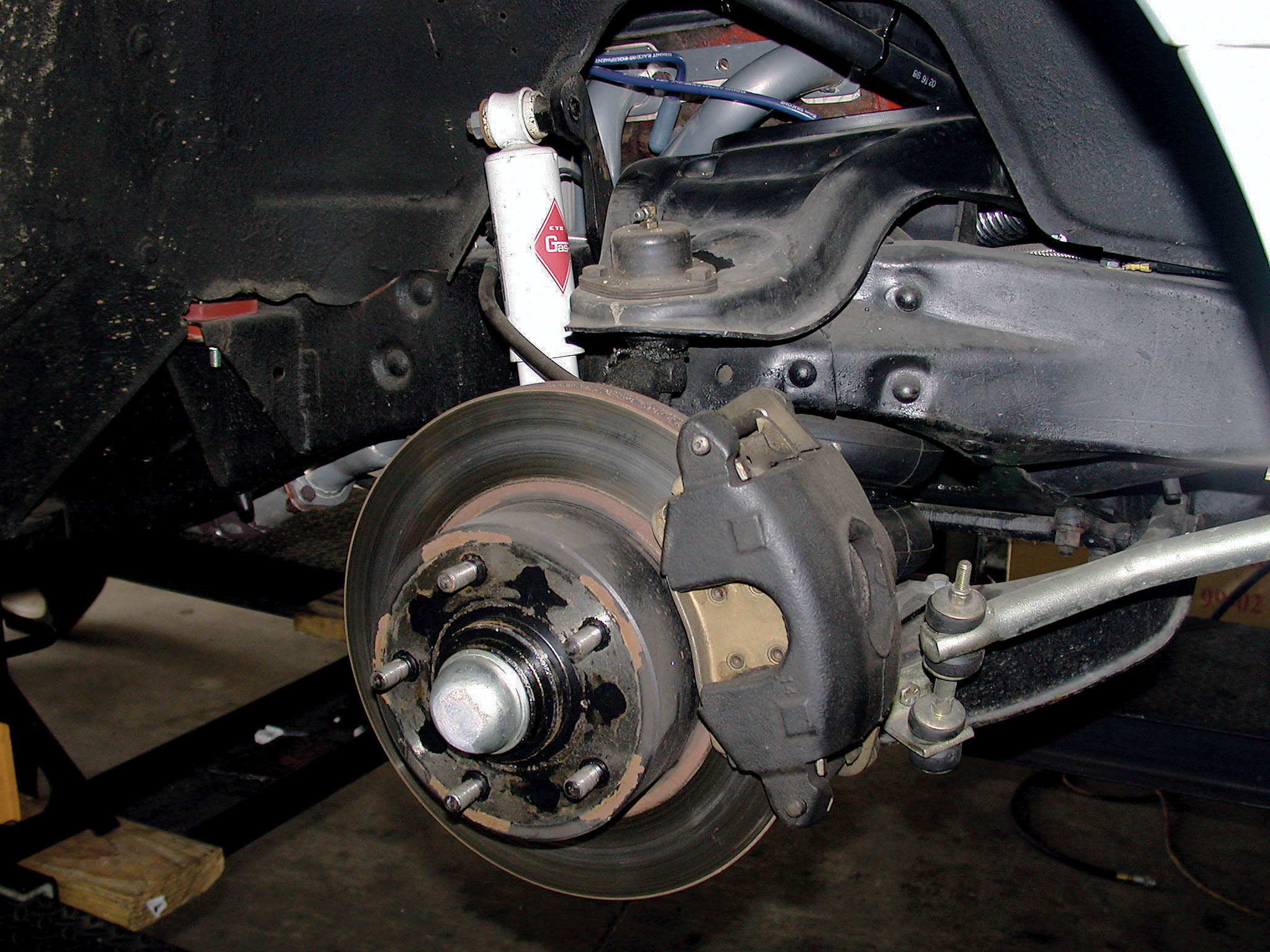
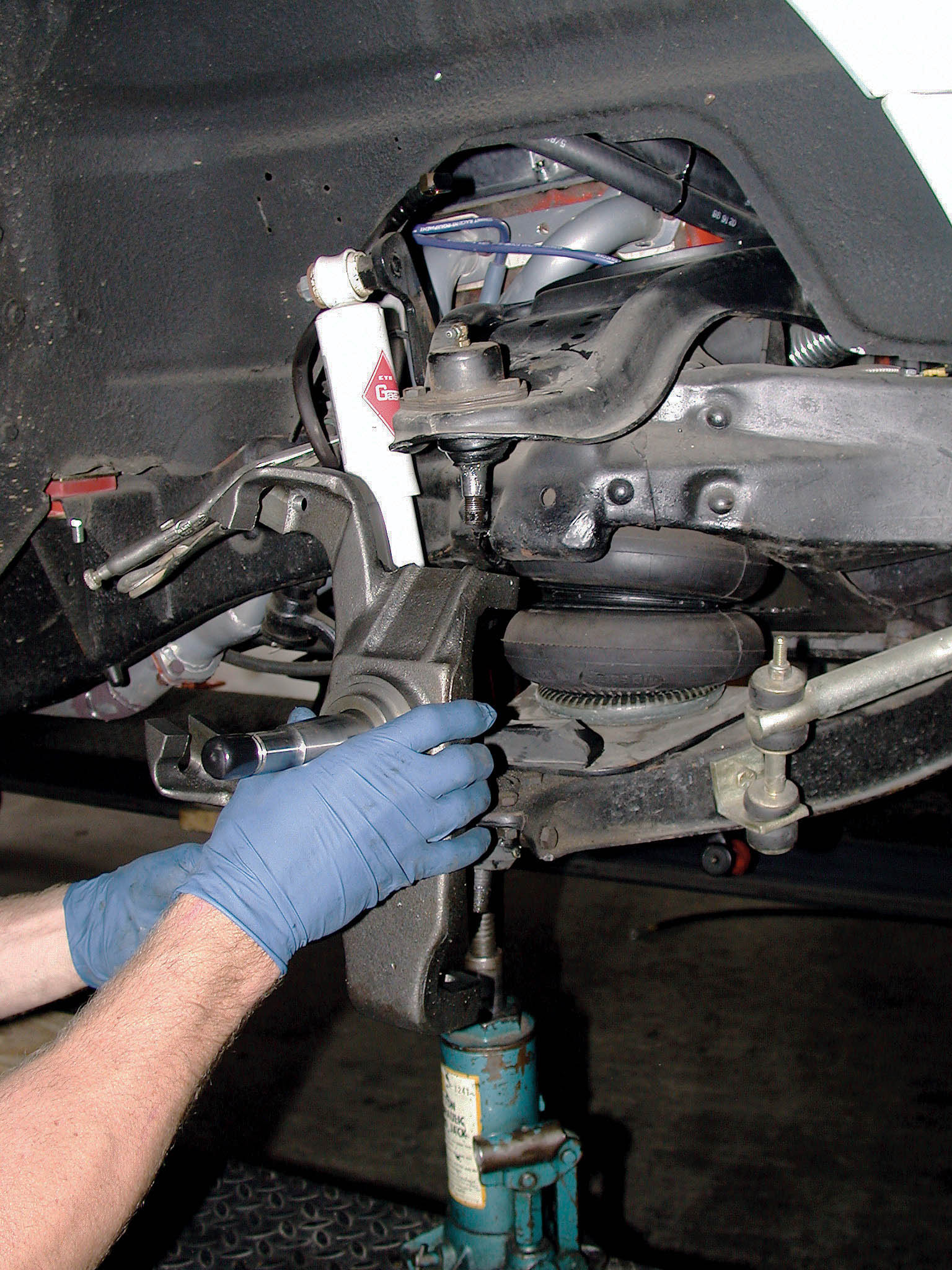
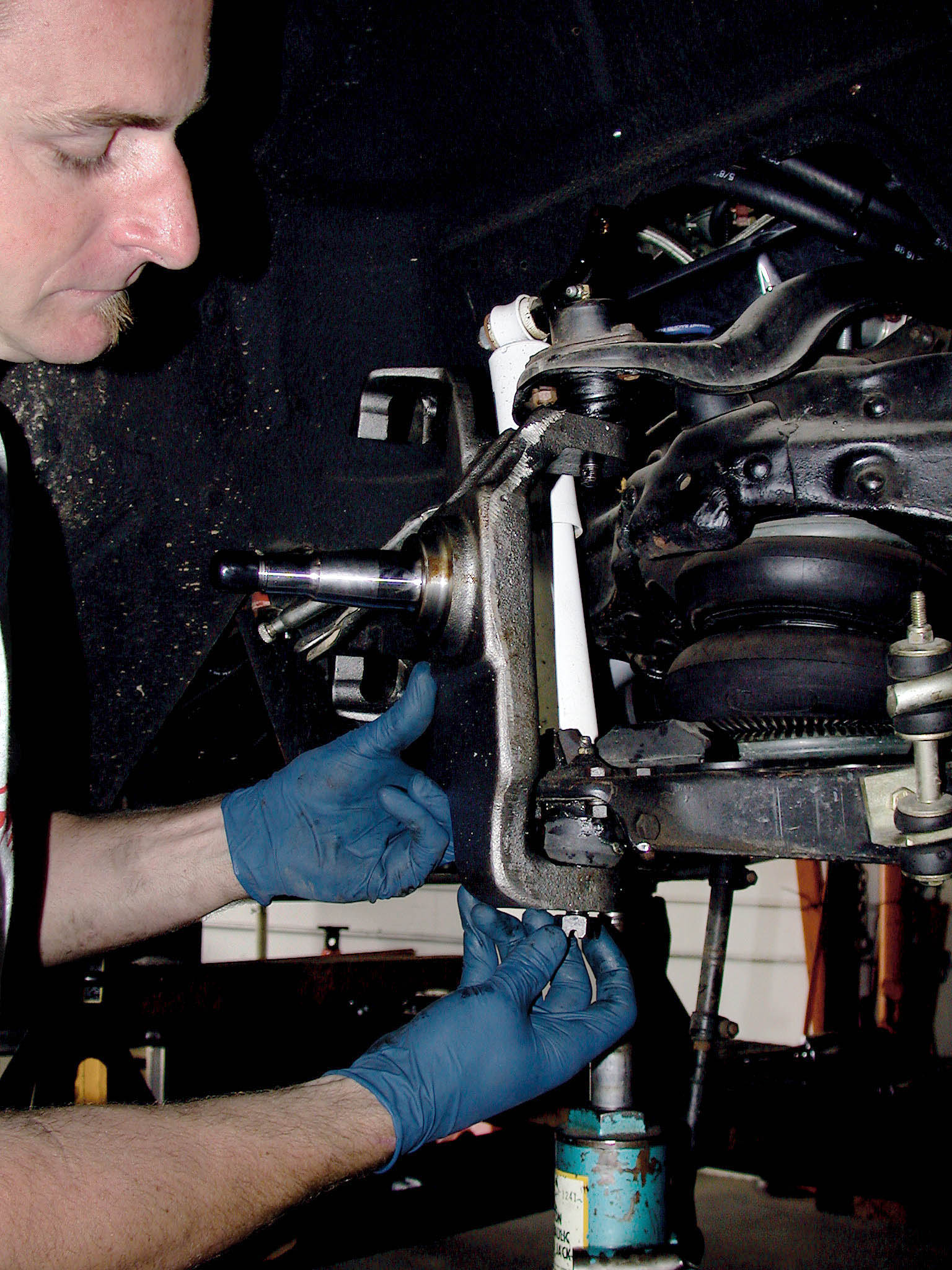
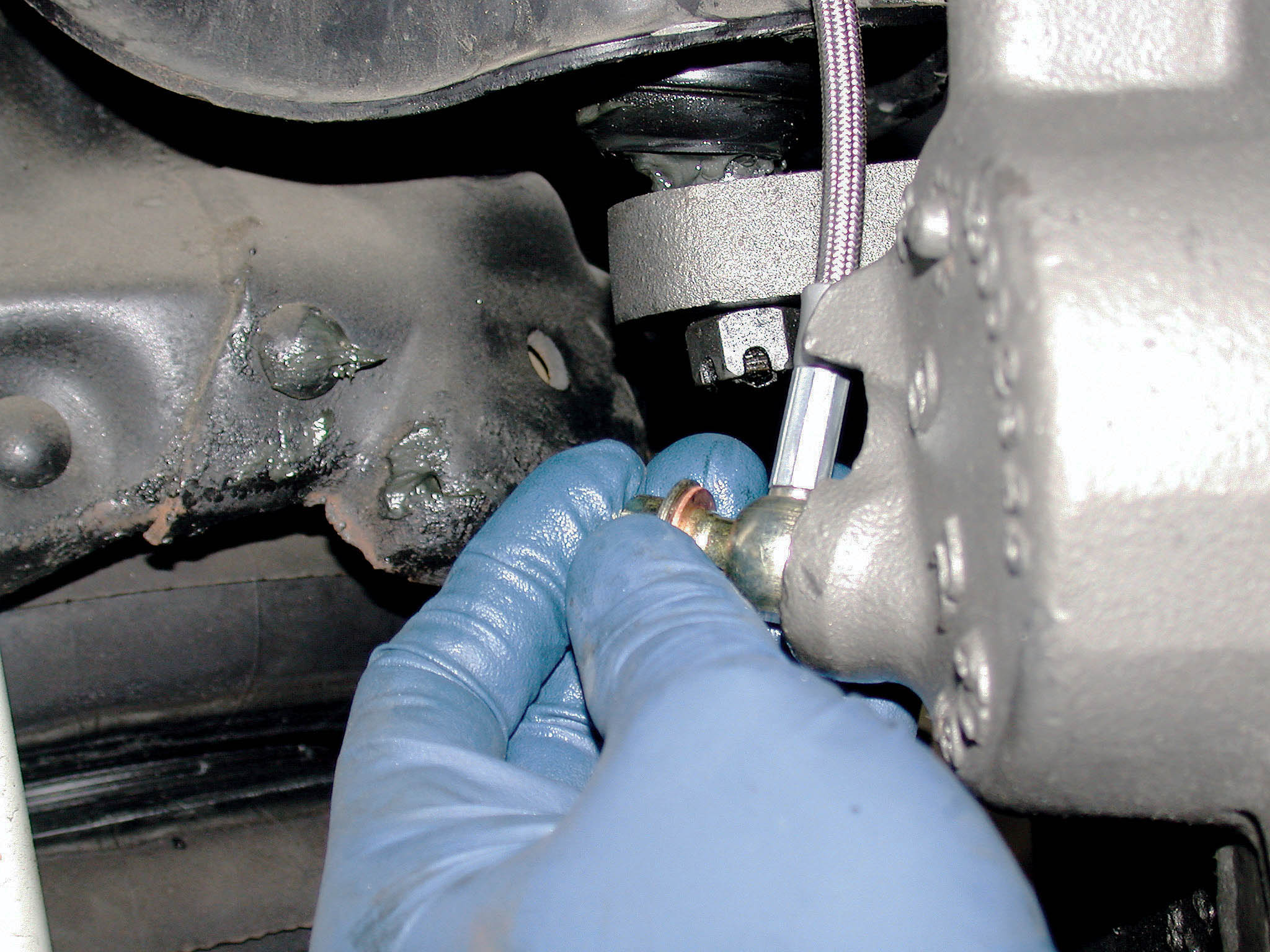
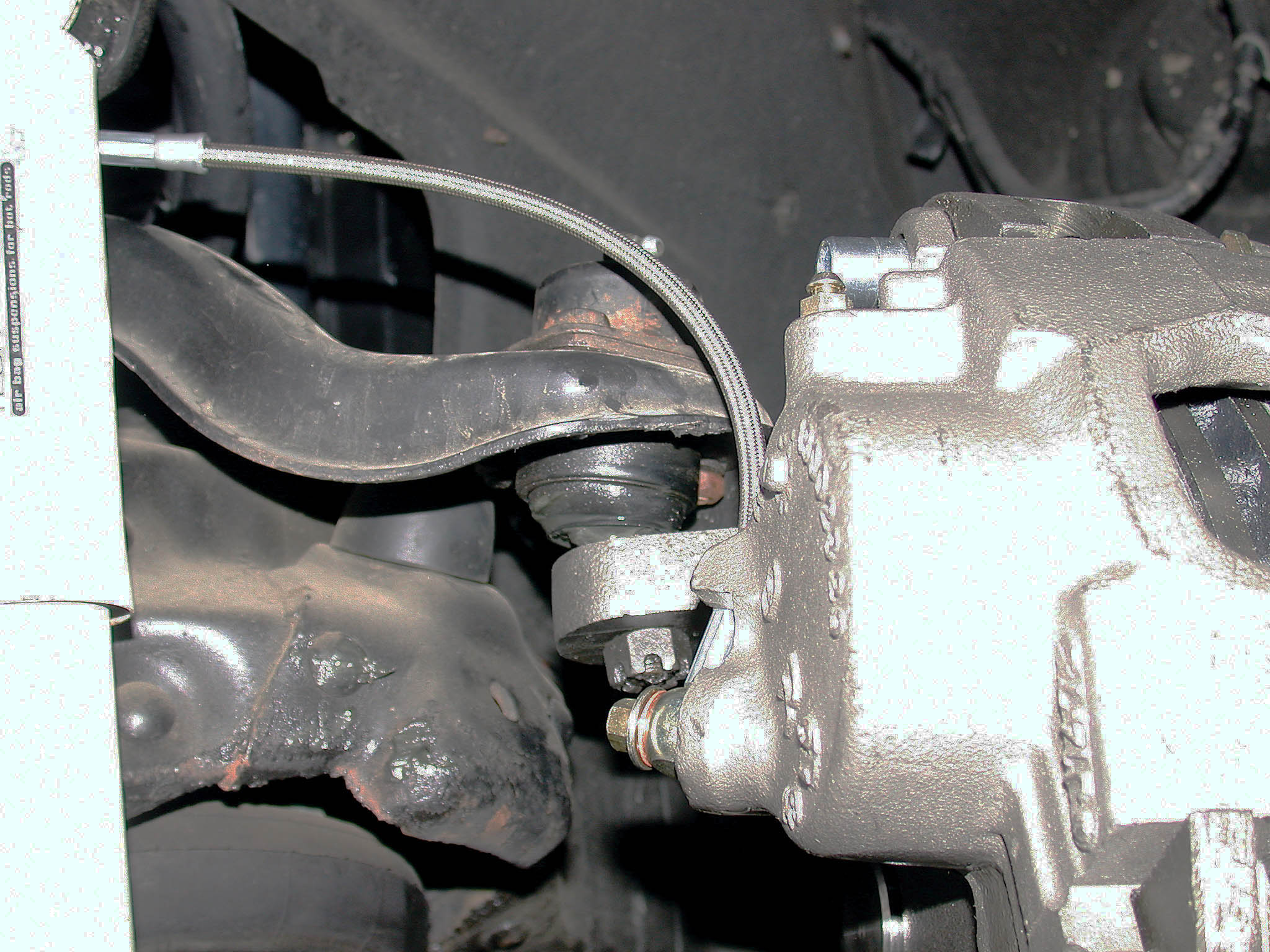
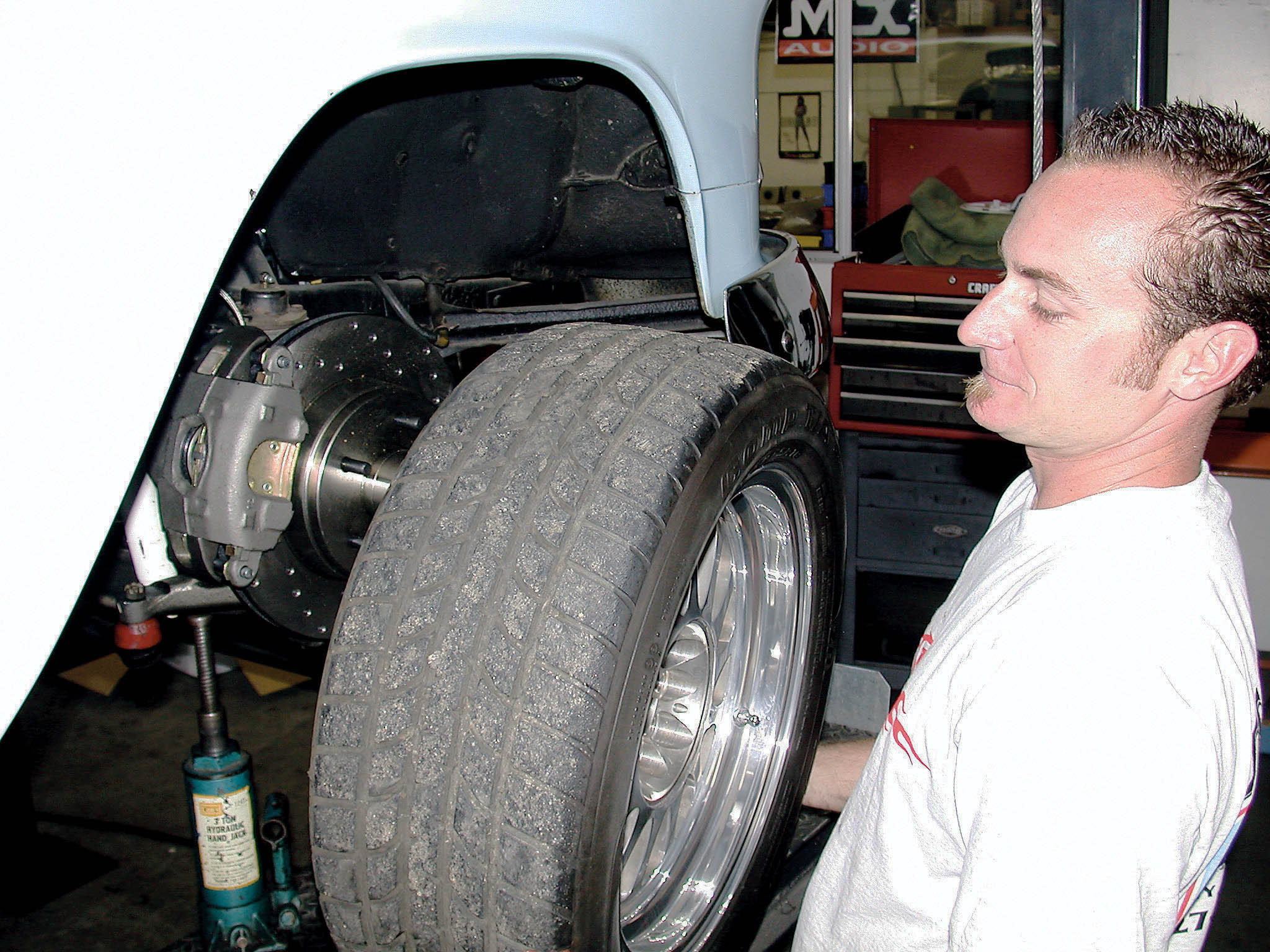
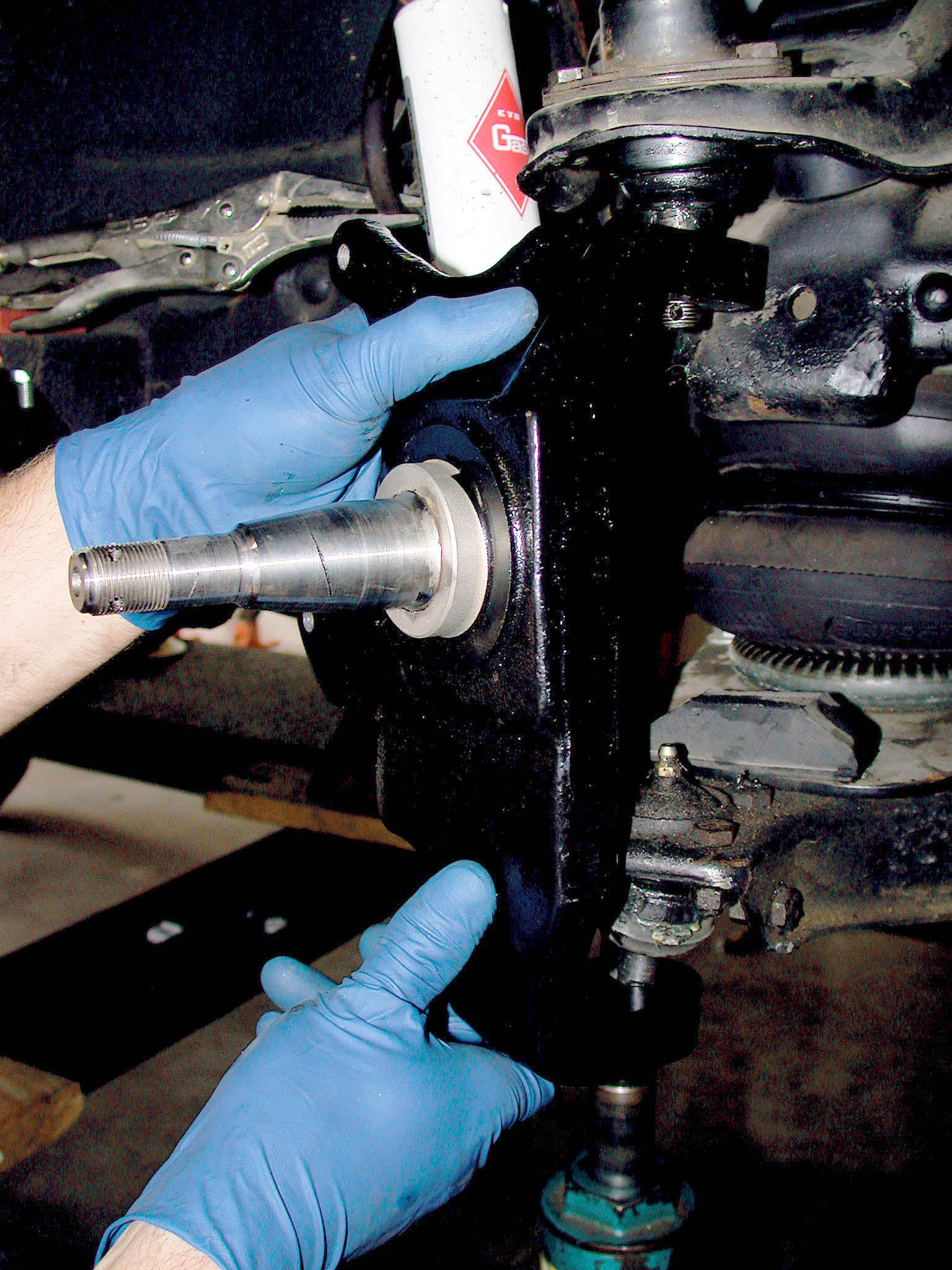
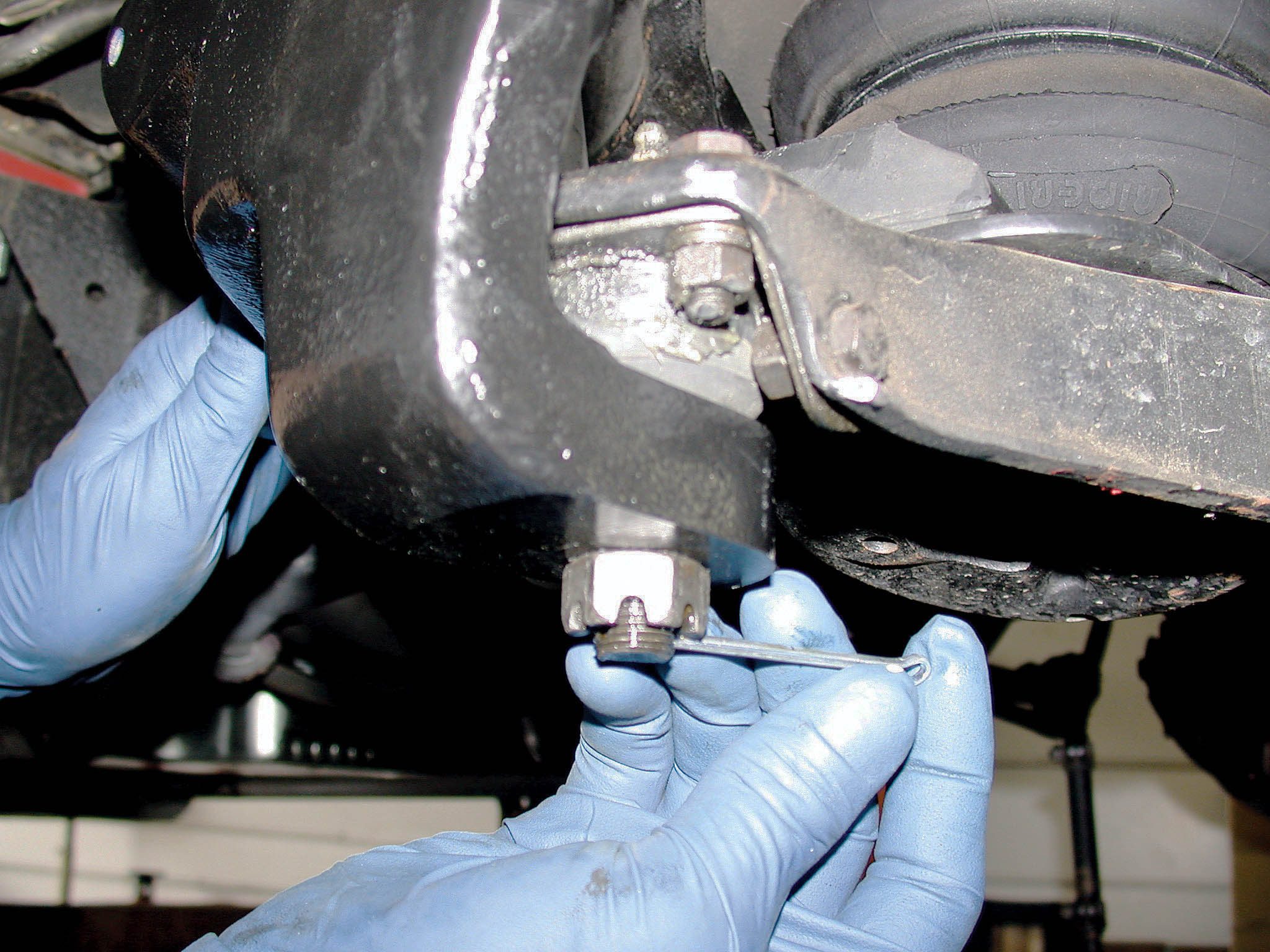
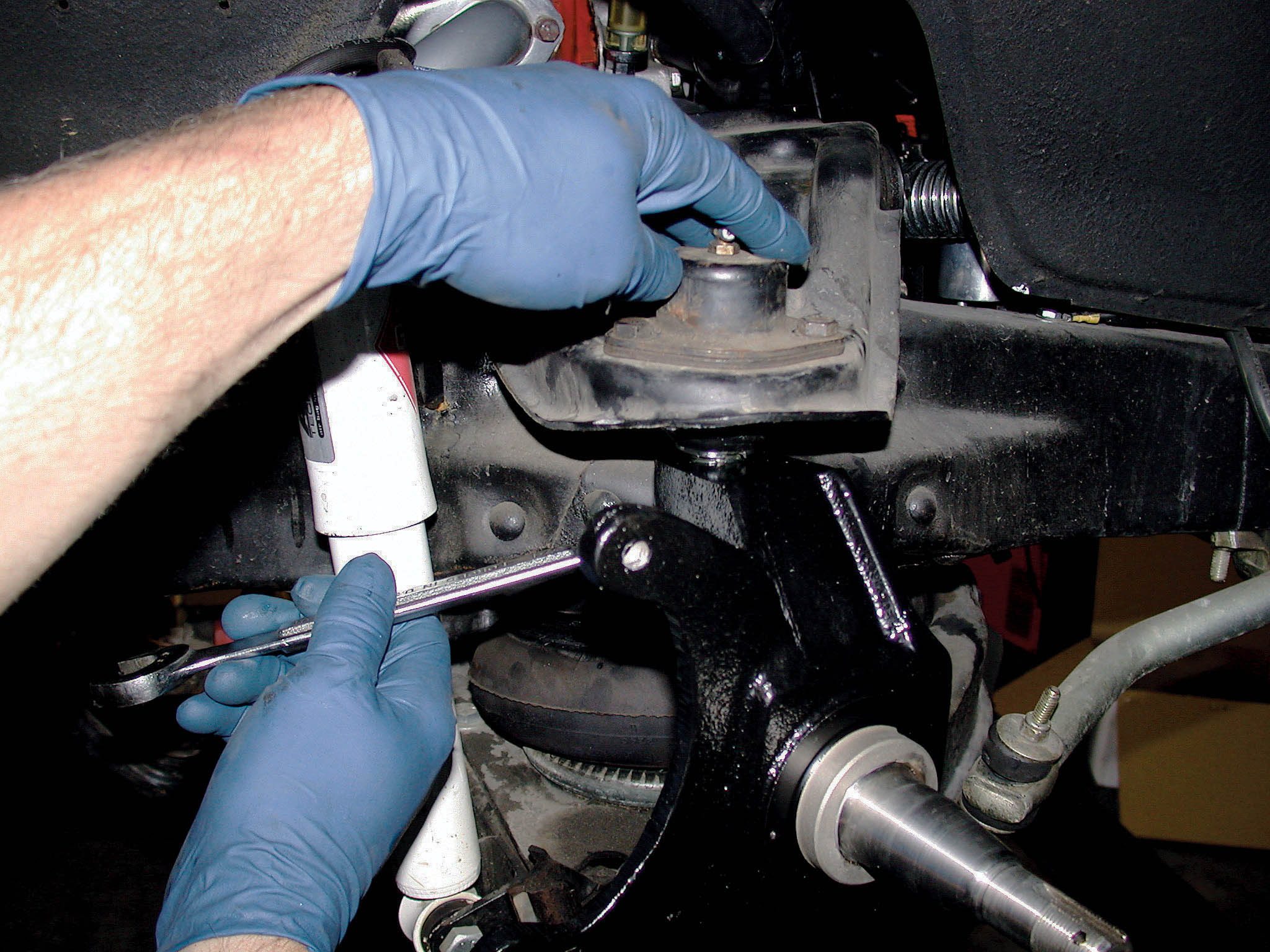
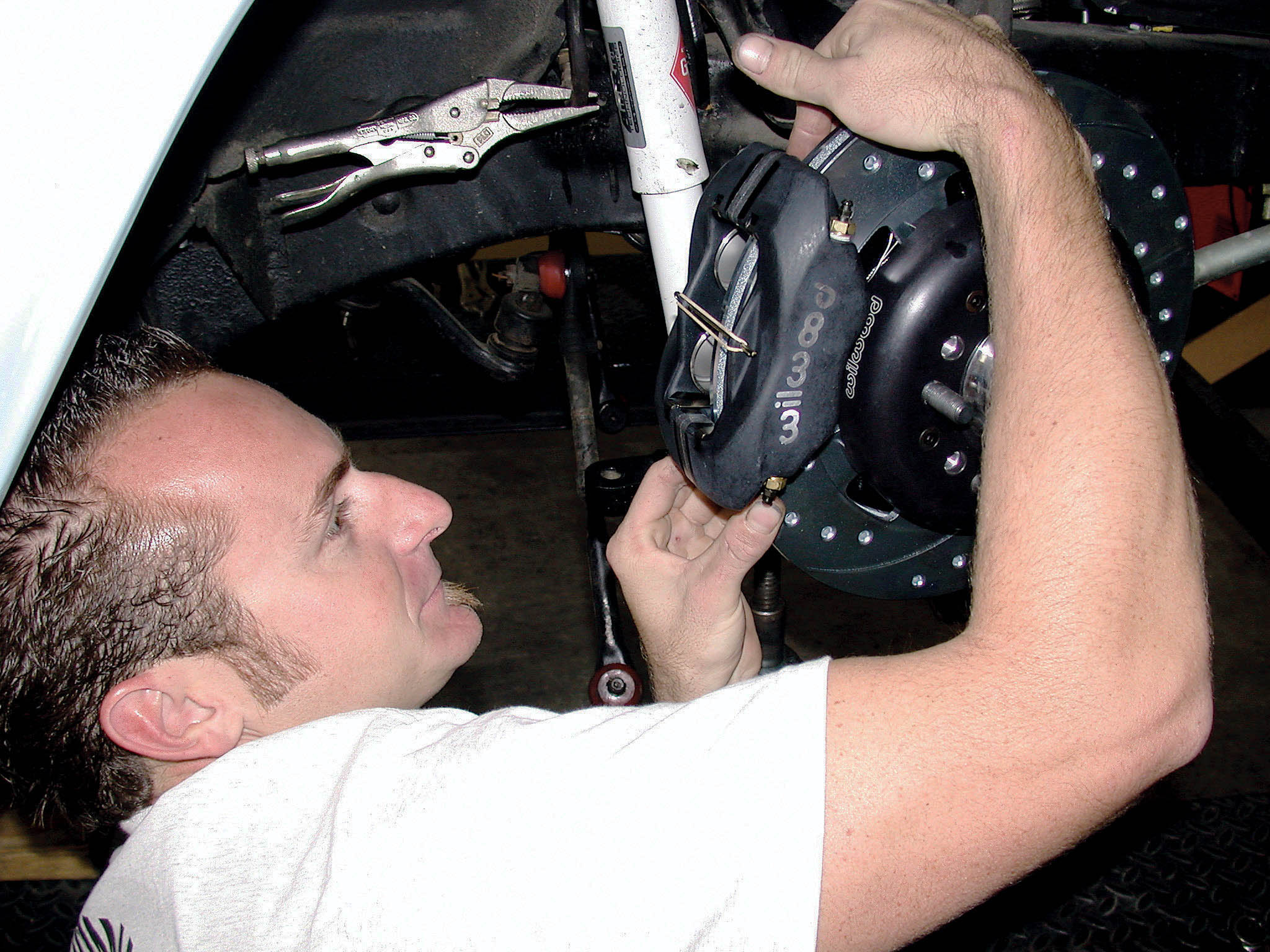
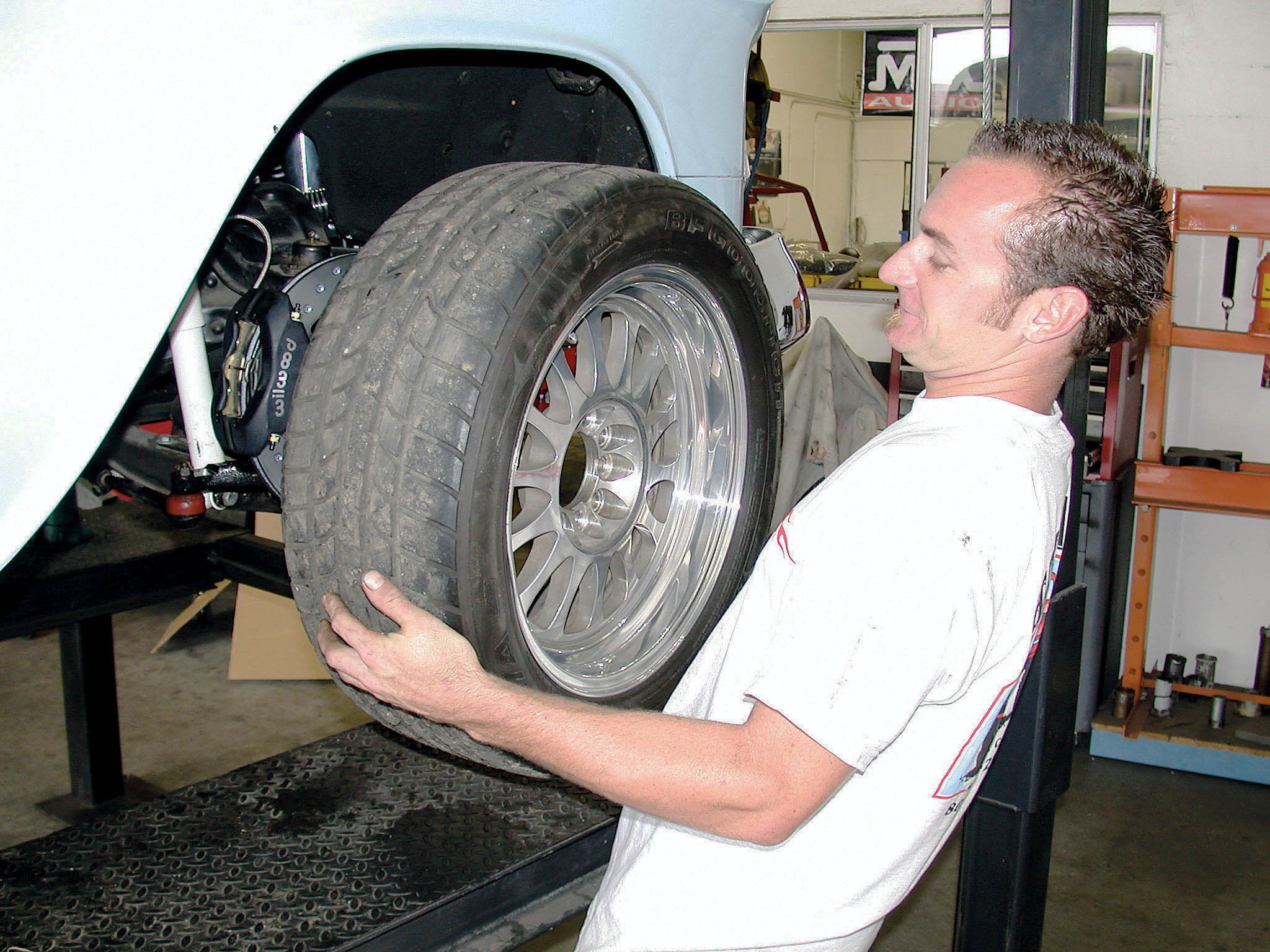
It just so happens that we knew of a shop that was about to install a Superior Spindles kit on a ’55 Chevy two-door Bel Air, so we elbowed our way into the place and set up camp with our cameras and notepads. This car already had a cheap set of drop spindles on it and a ho-hum set of 10-1/2-inch rotors, but the owner was definitely not happy. The braking performance, while better than the stock drums, was not nearly as good as he had hoped it would be, and he swore that he could feel the flimsy caliper mounts flex during braking. Whatever the reason, he wanted them off, and he brought the car to T&R Performance in Simi Valley, California, to get the work done correctly.
Stage II vs Stage III—A Real-World Comparison
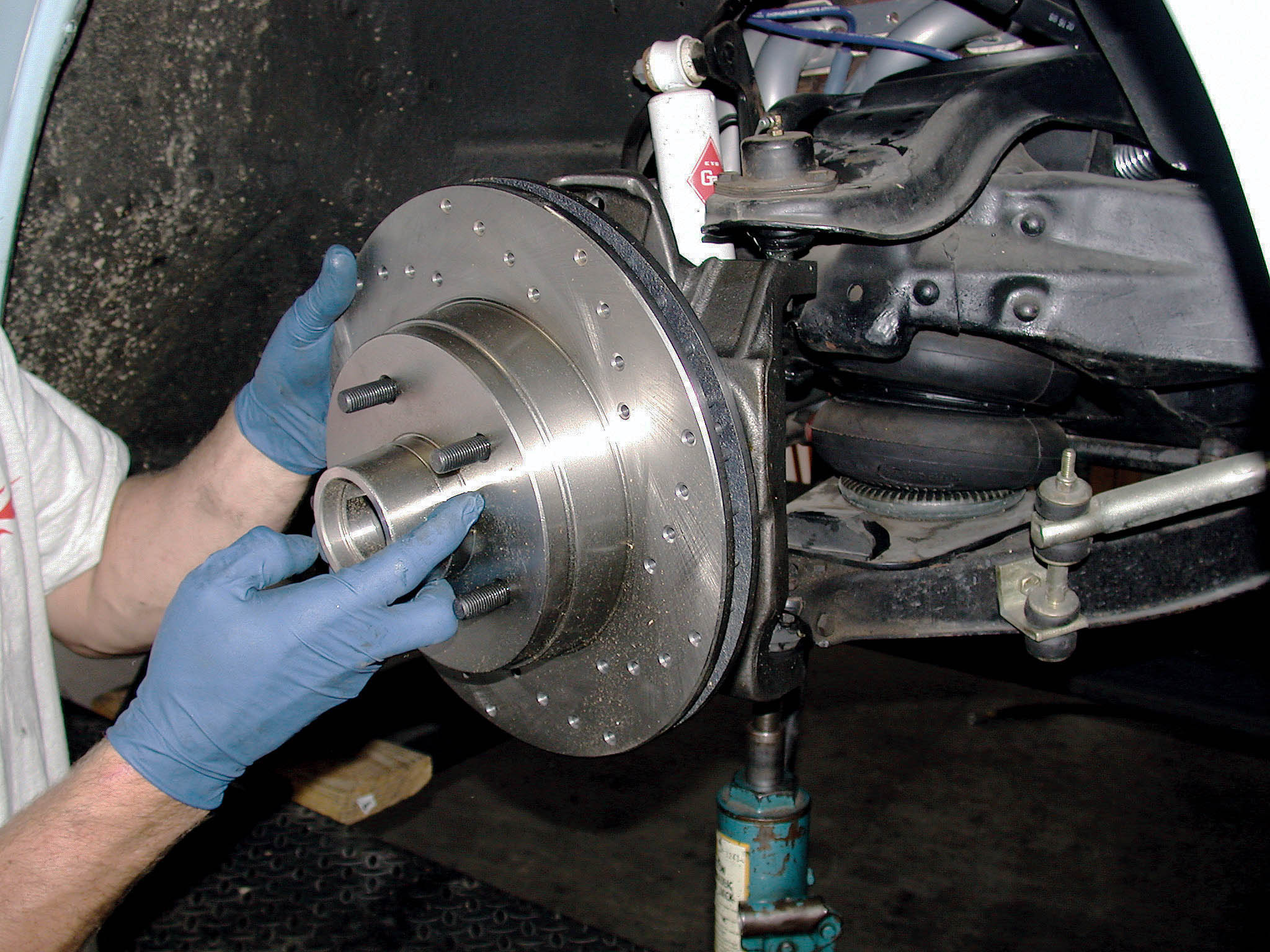
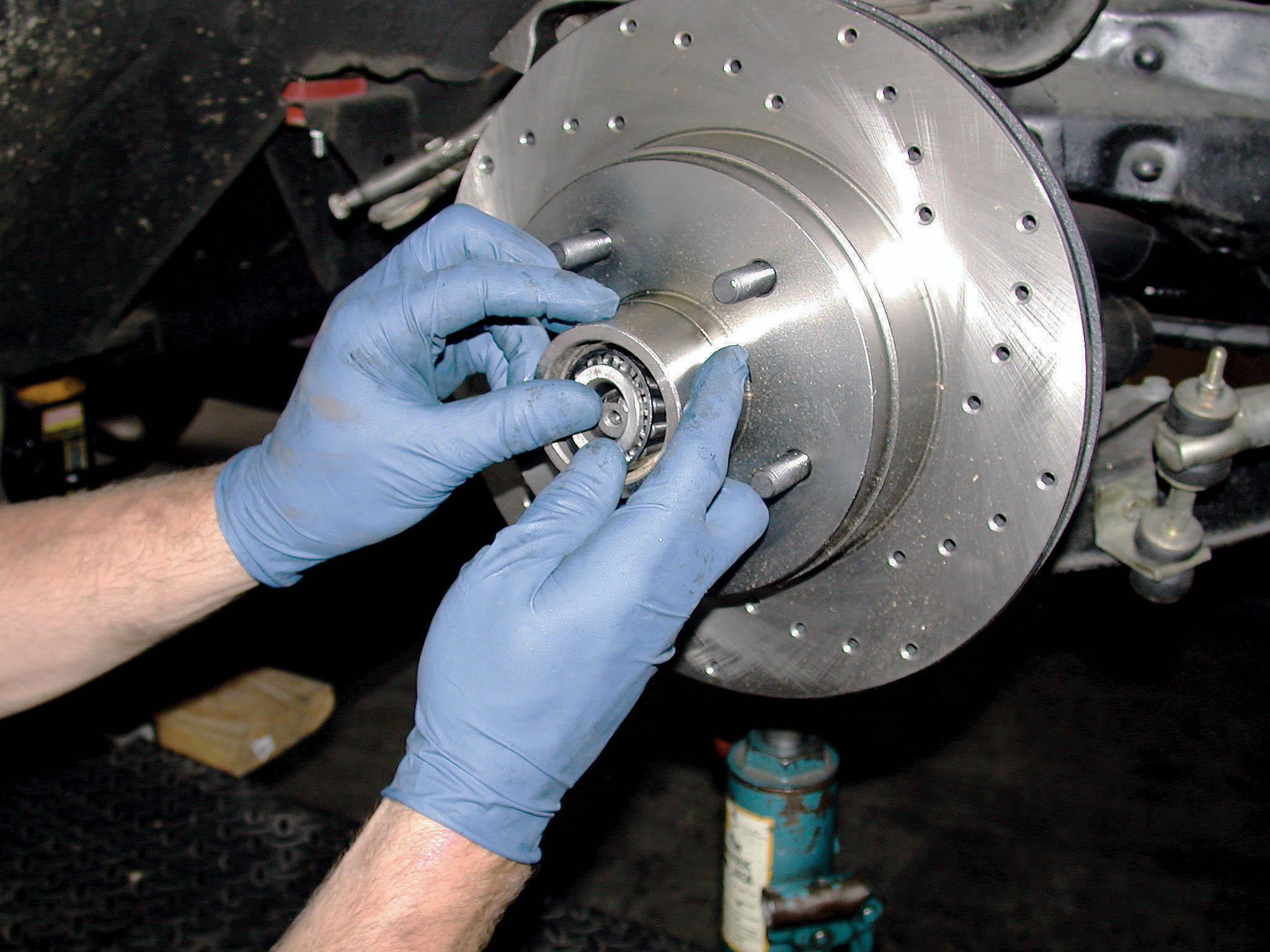
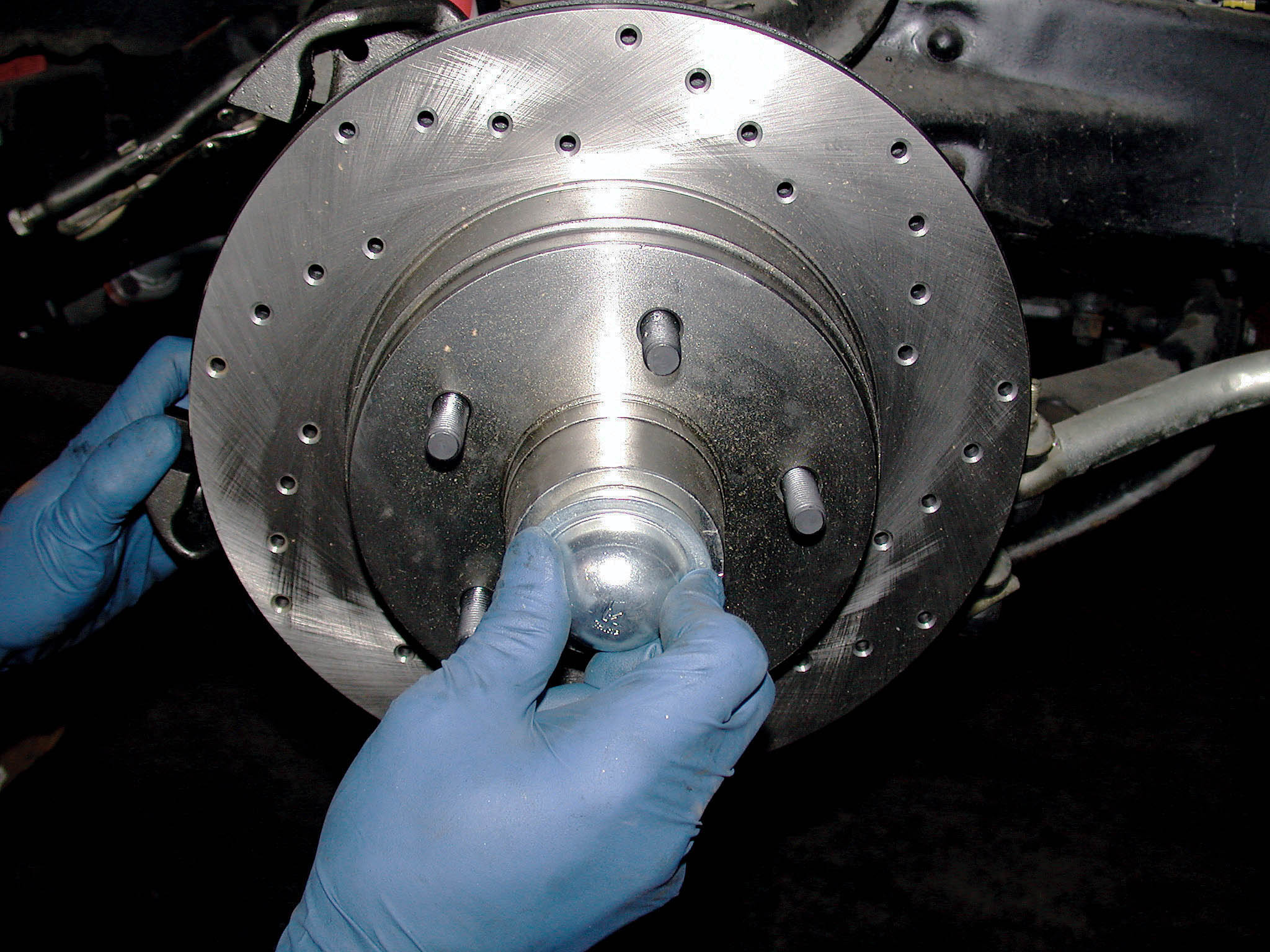
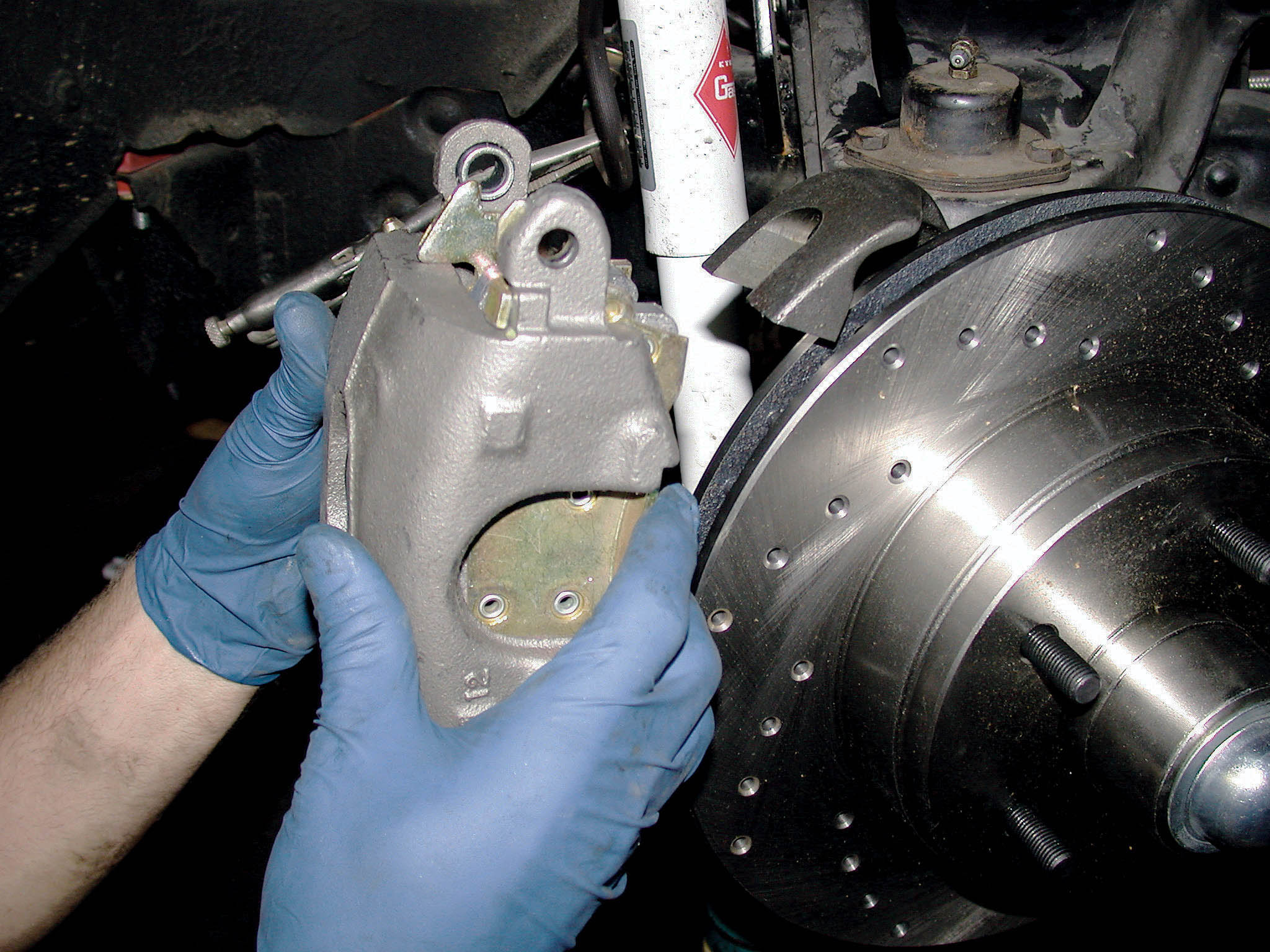
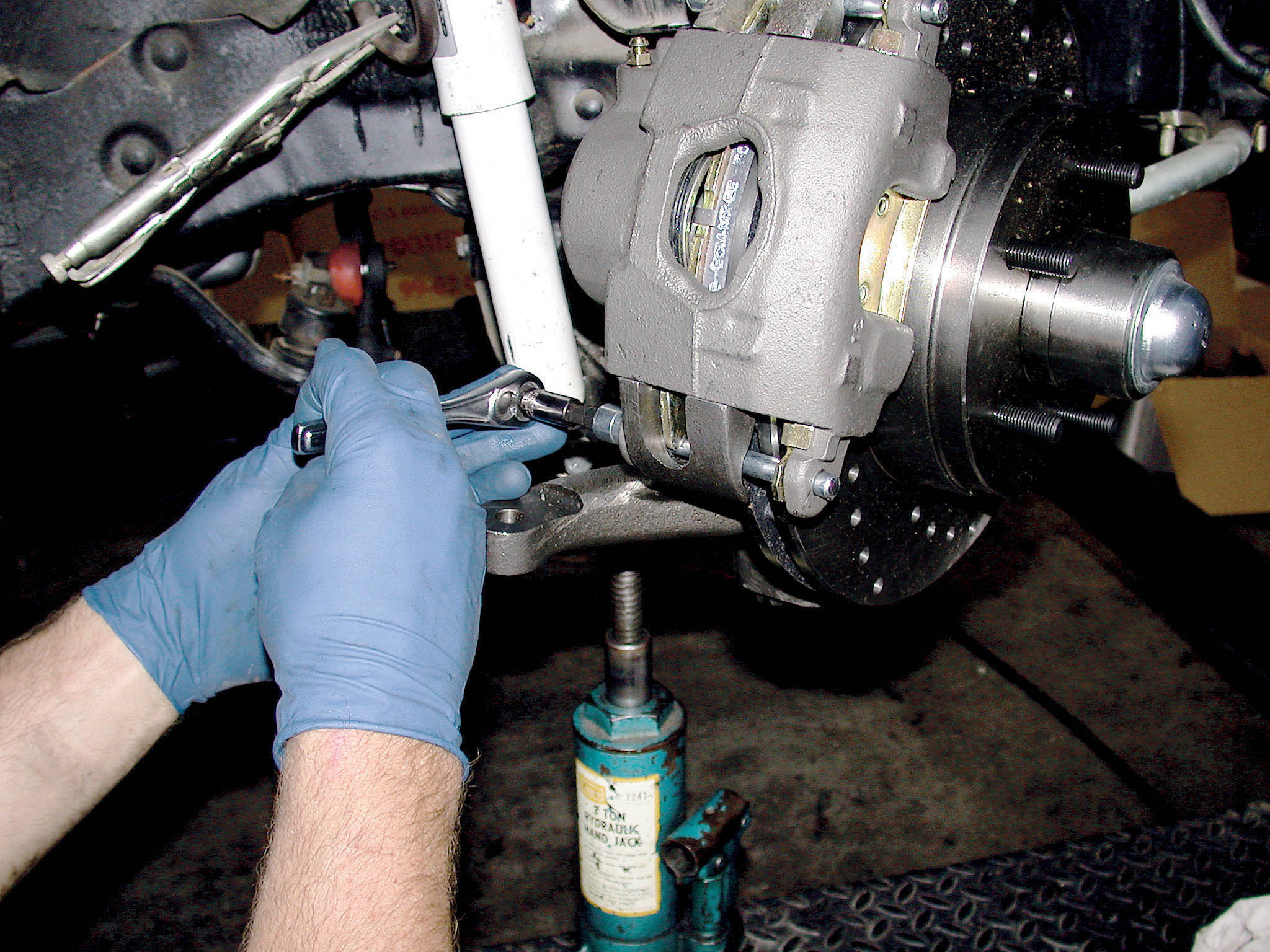
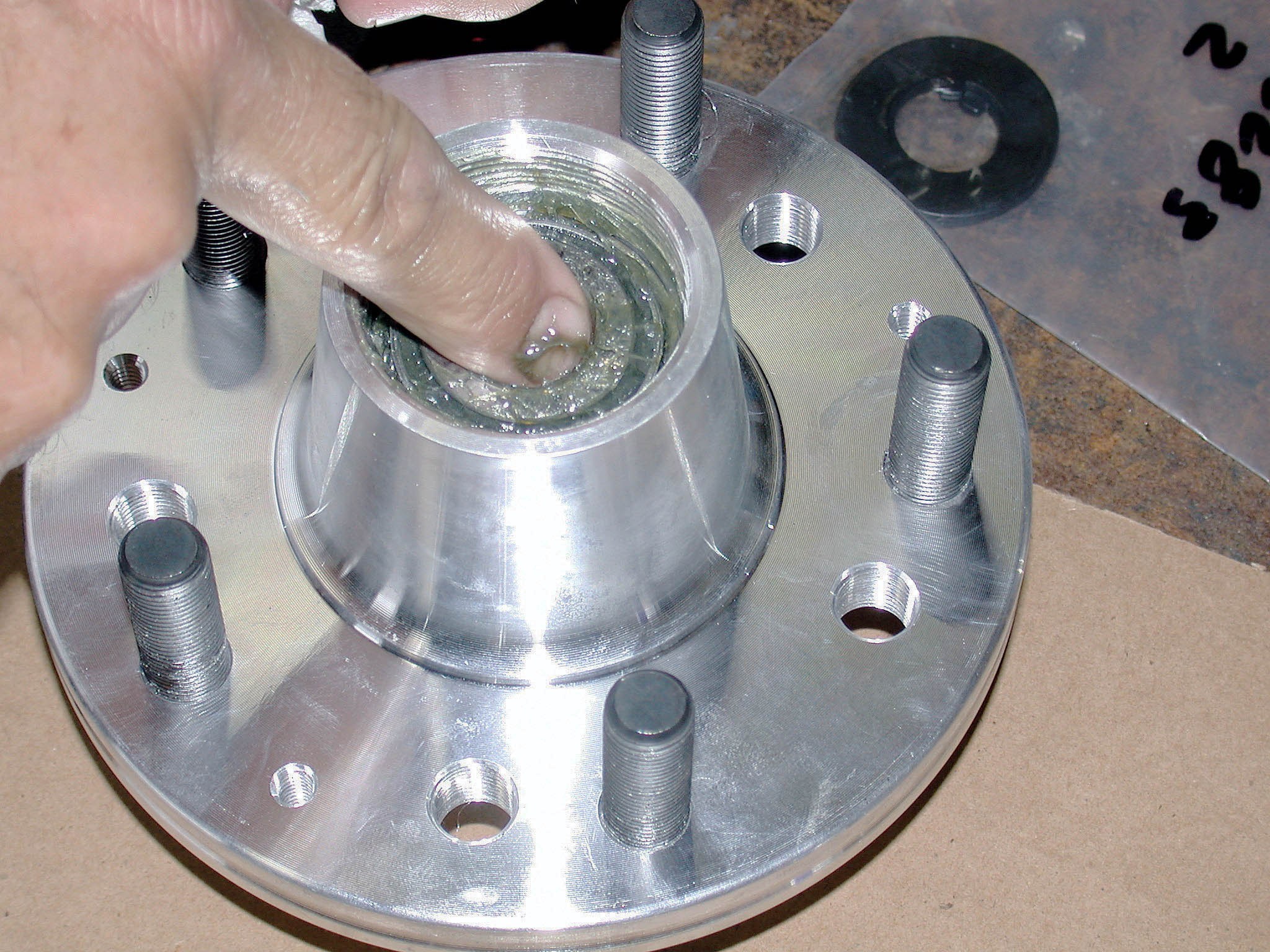
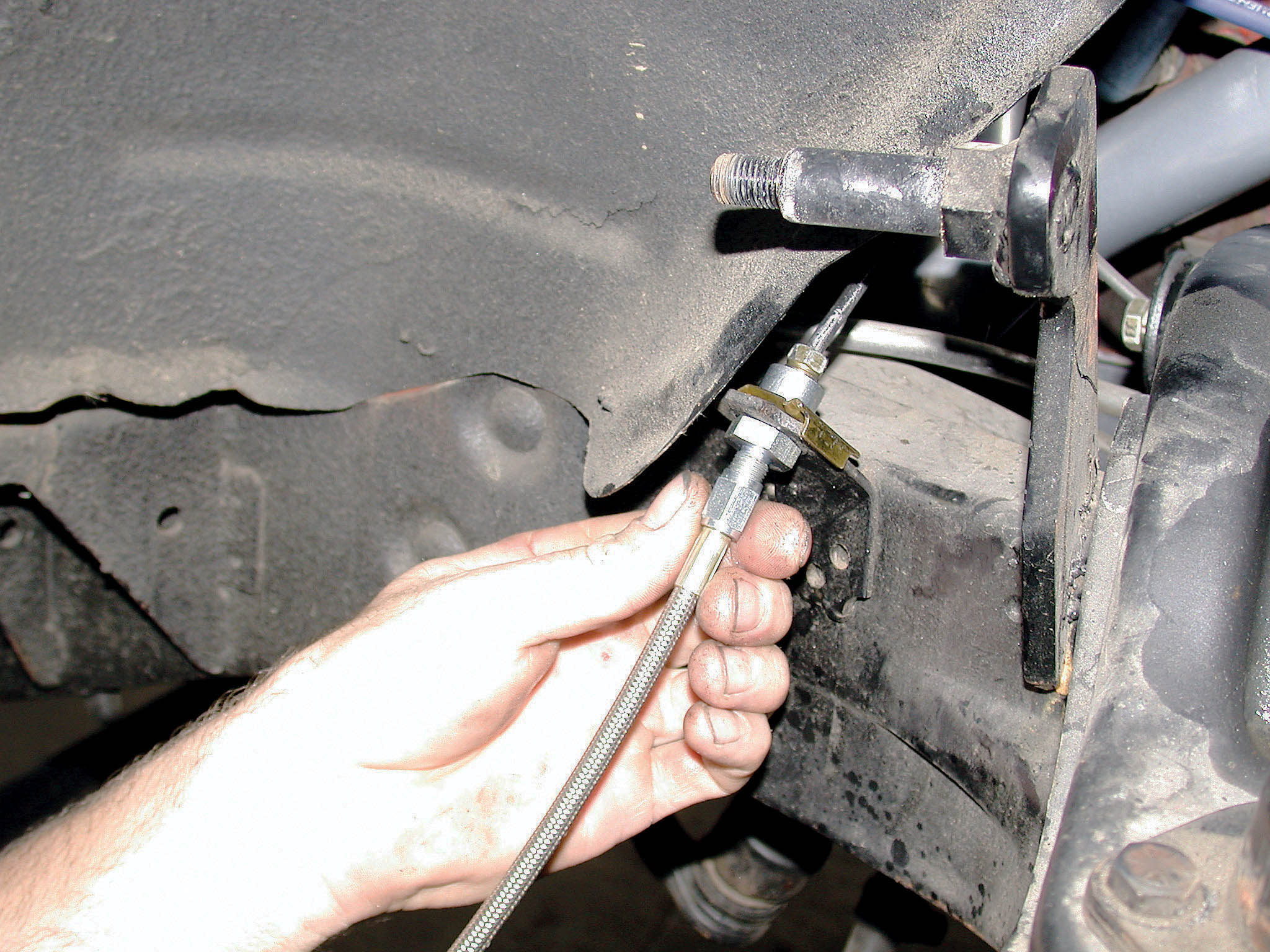
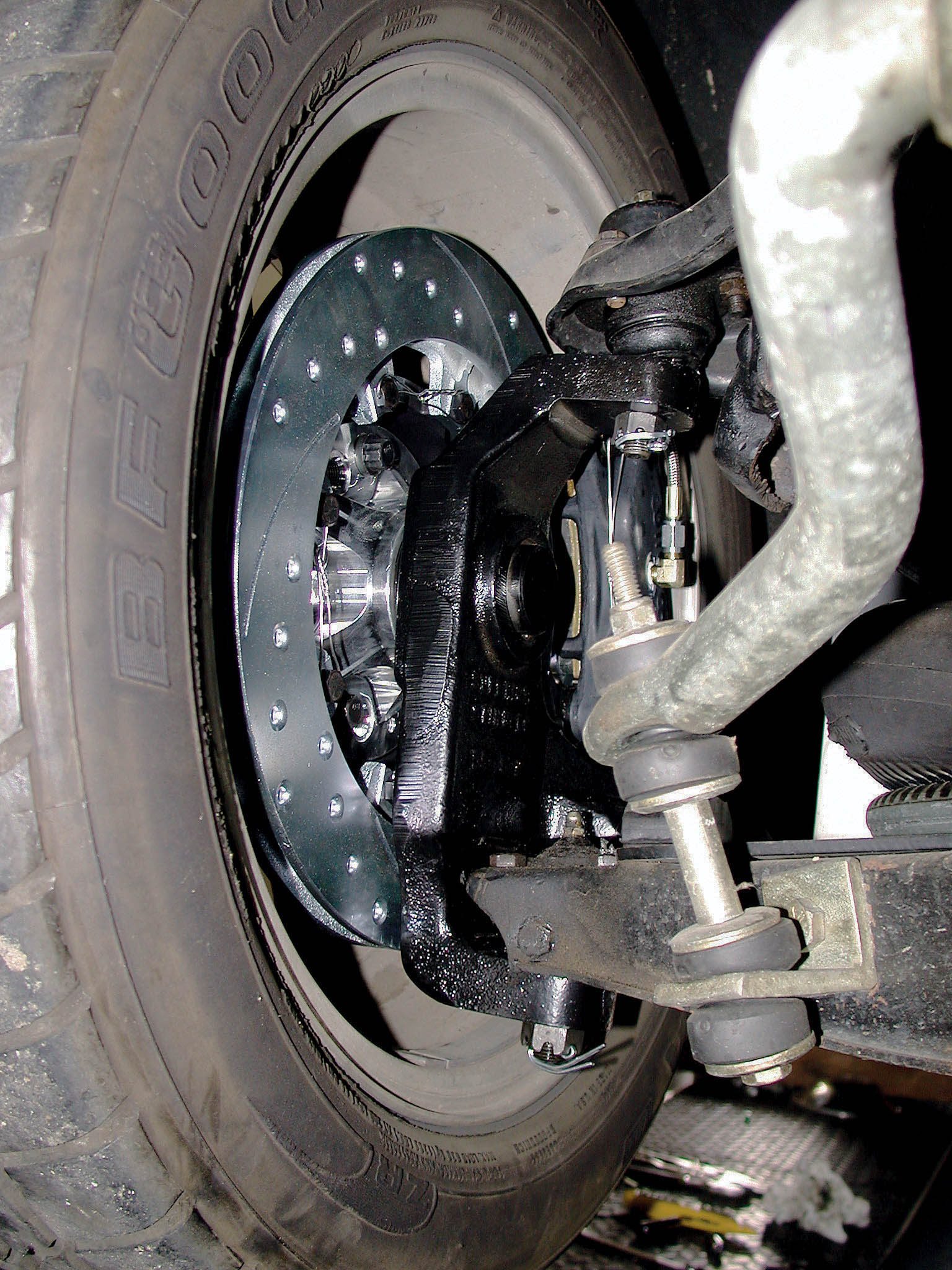
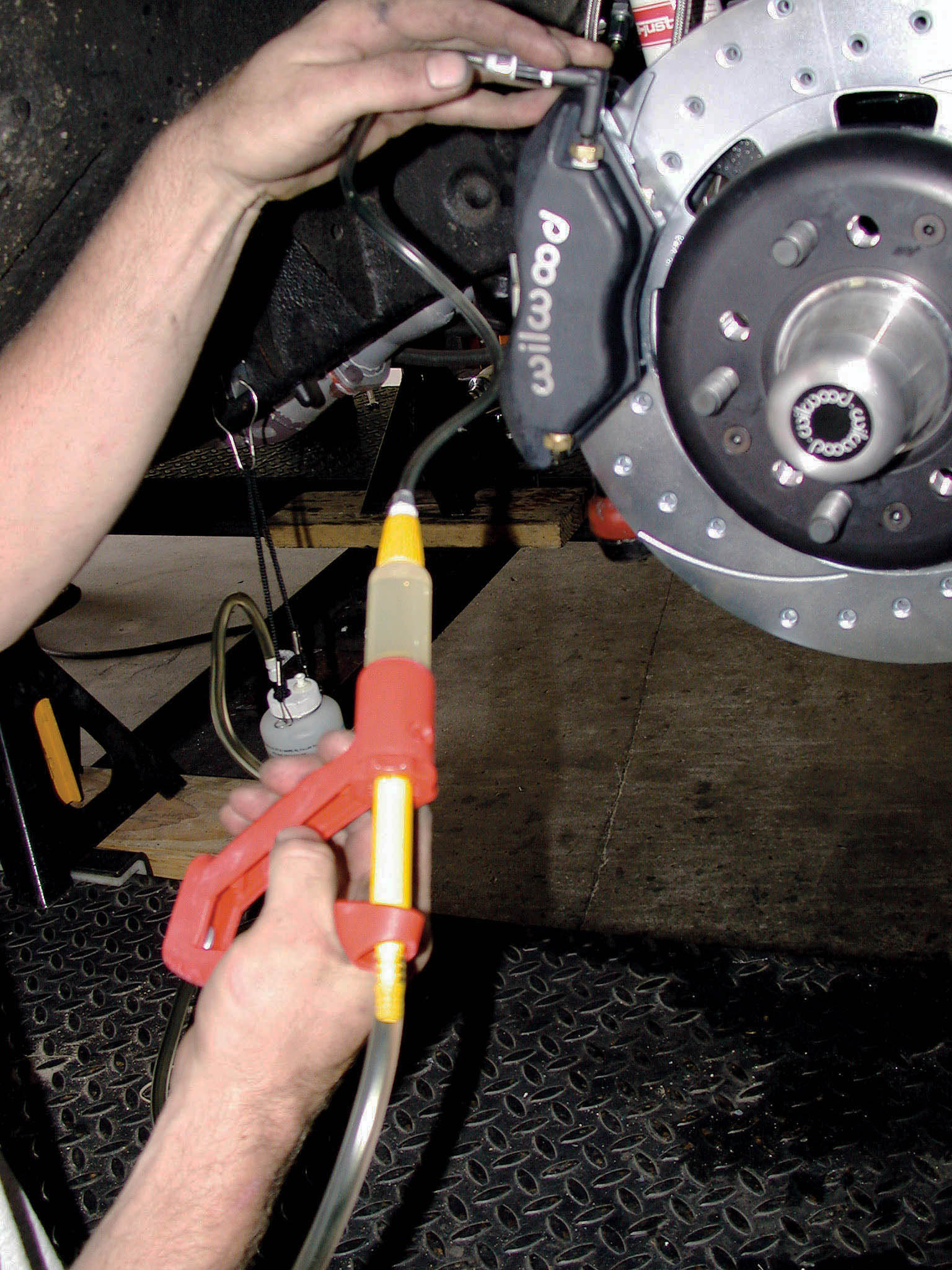
Tim and Ron Porco also happened to have a Stage II kit in stock, to go along with the Stage III kit ordered for this car, so we took the opportunity to install both, giving you a nice comparison. Superior Spindles uses 4140 heat-treated chromoly for its spindles, and the kits include everything needed (seals, bearings, pads, and braided lines). The rotors in the Stage III kit are drilled and slotted for a more aggressive look.
Clean Install and Proper Fitment
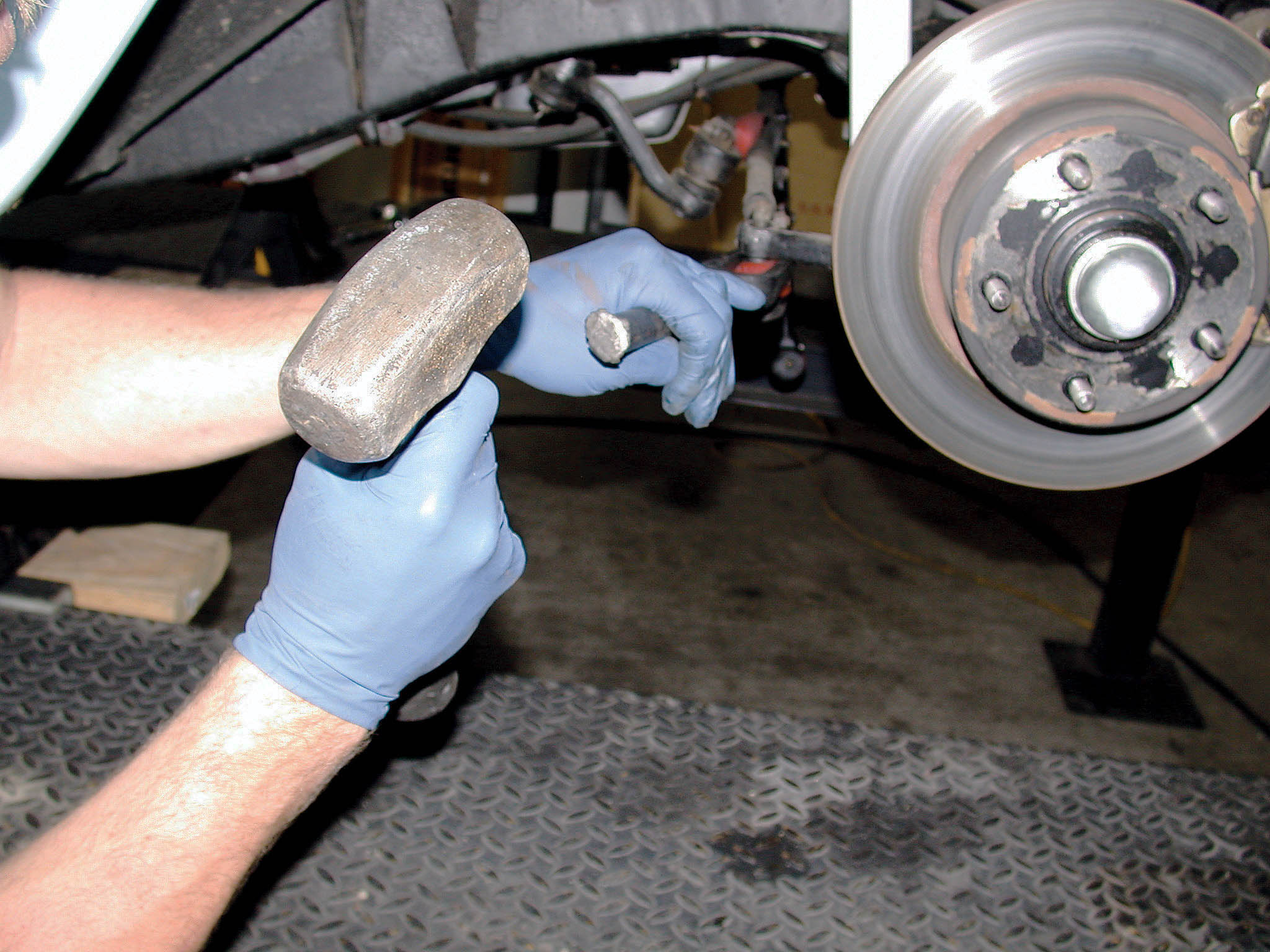
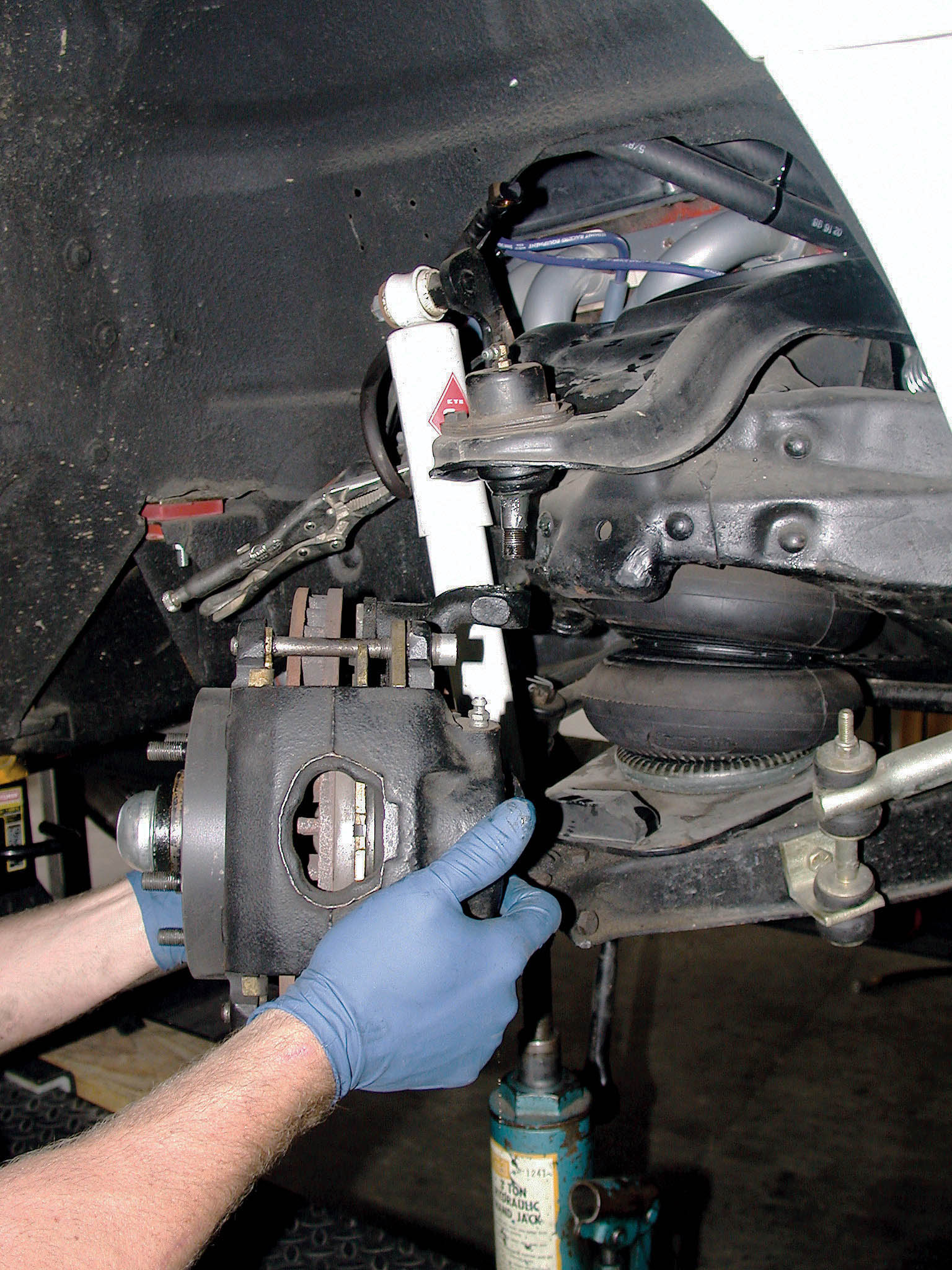
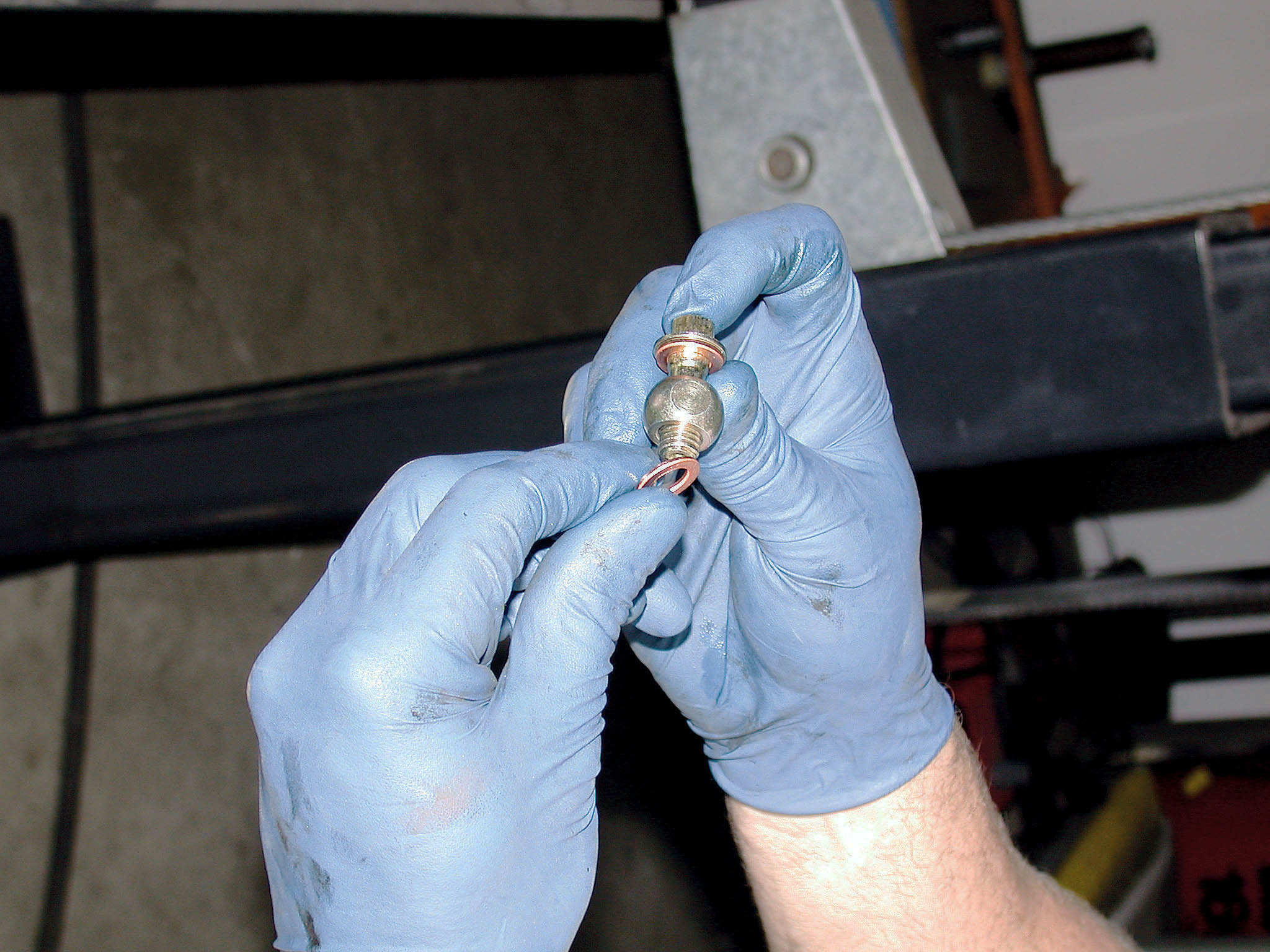
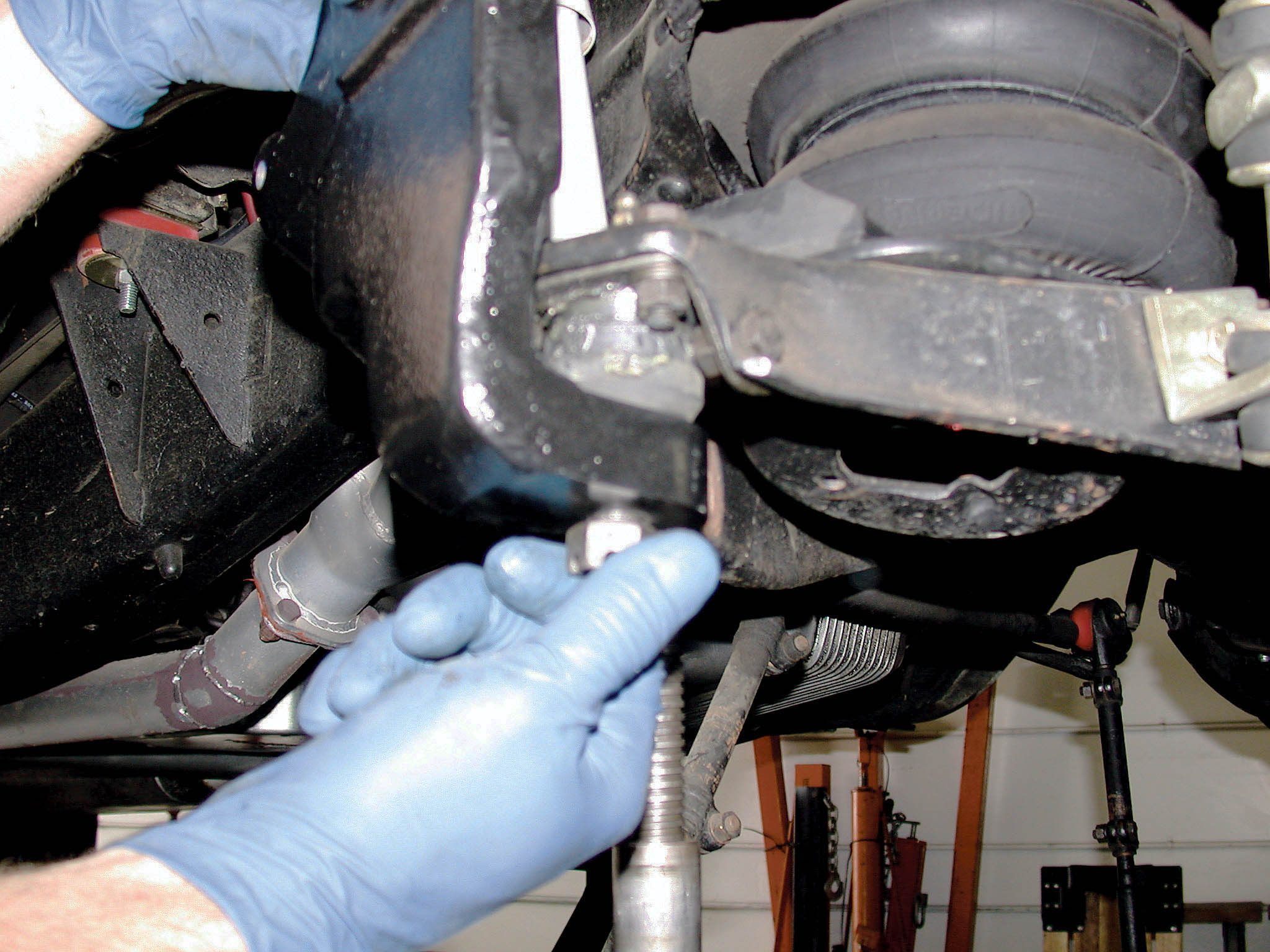
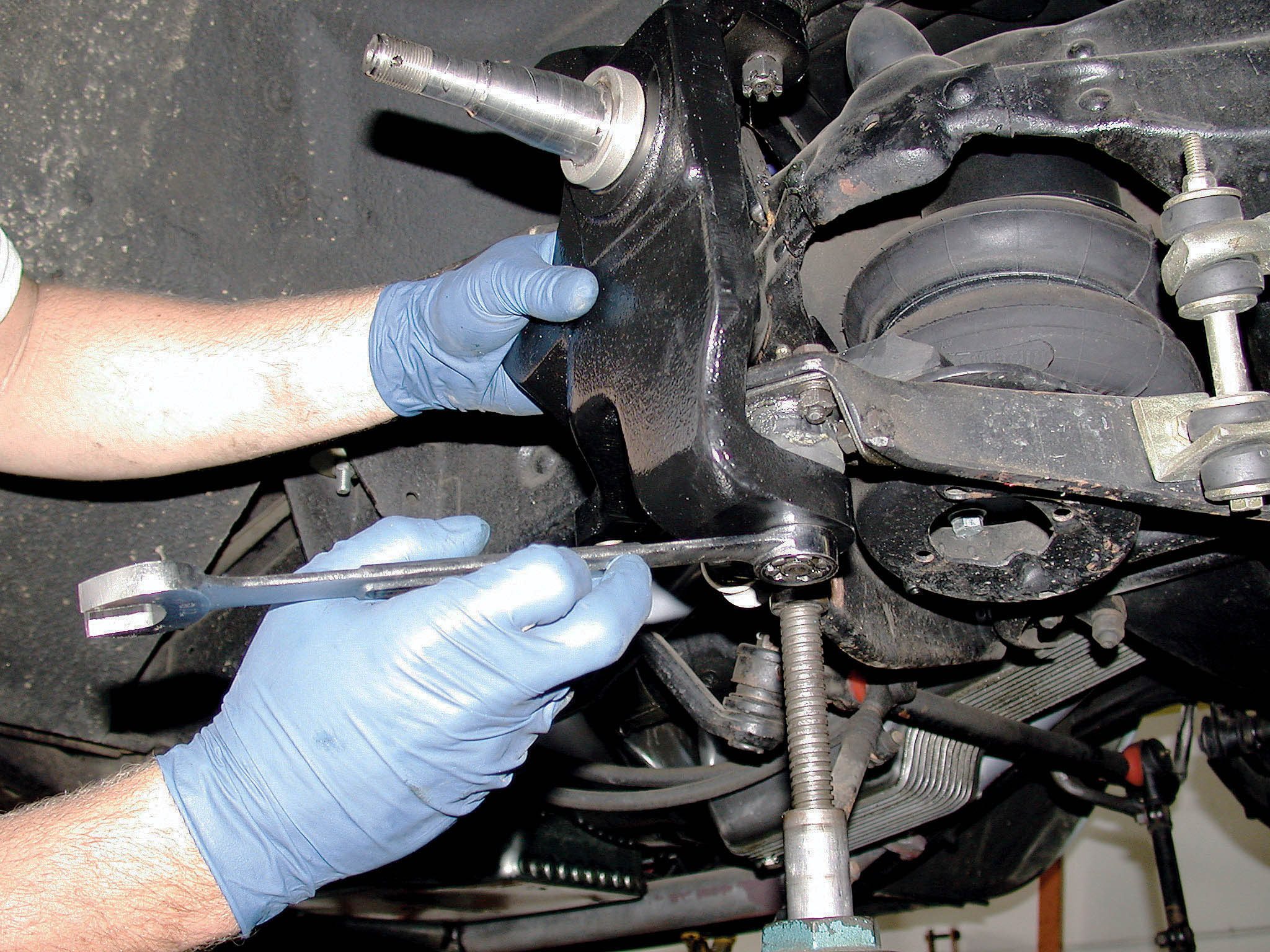
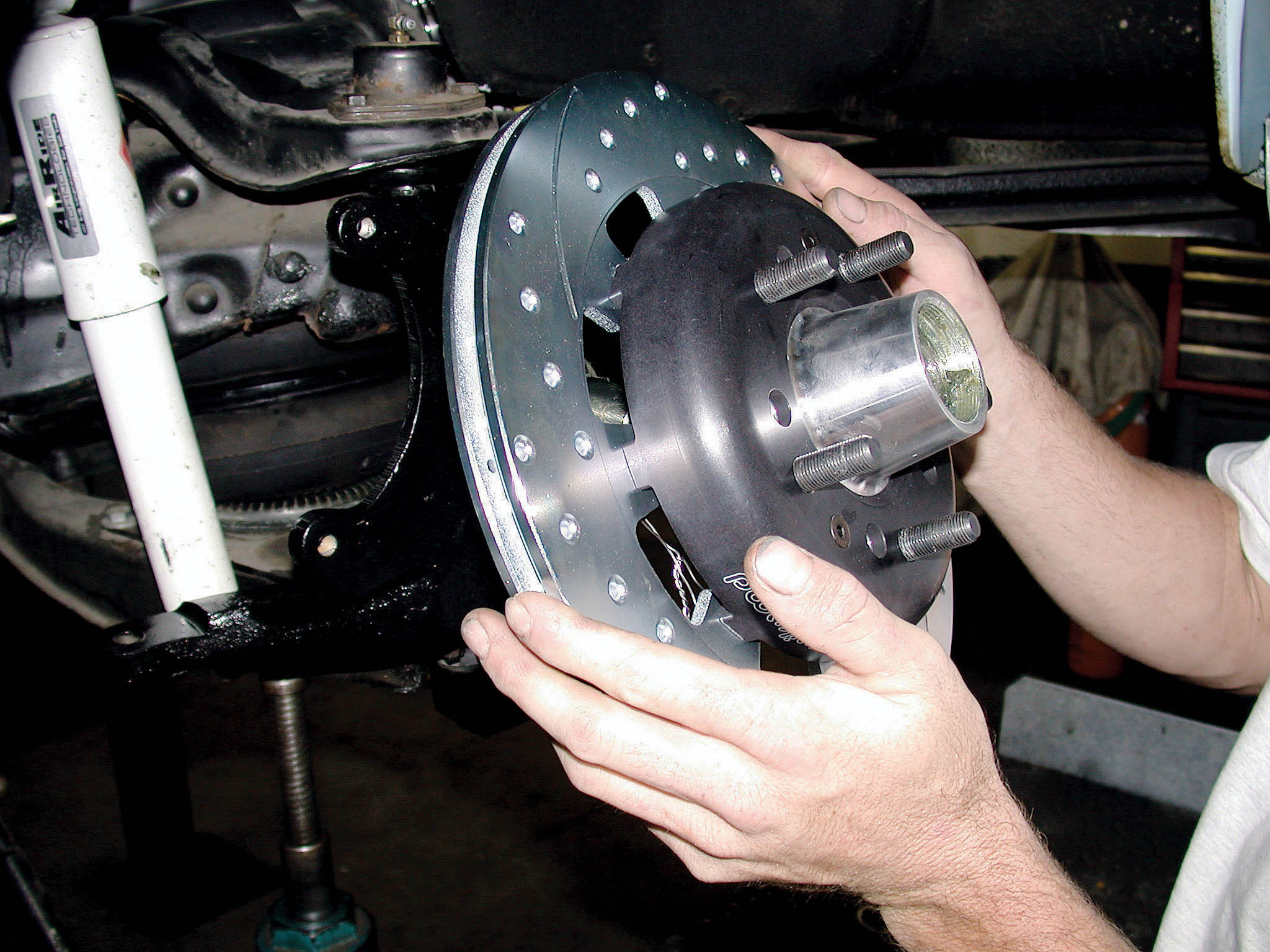
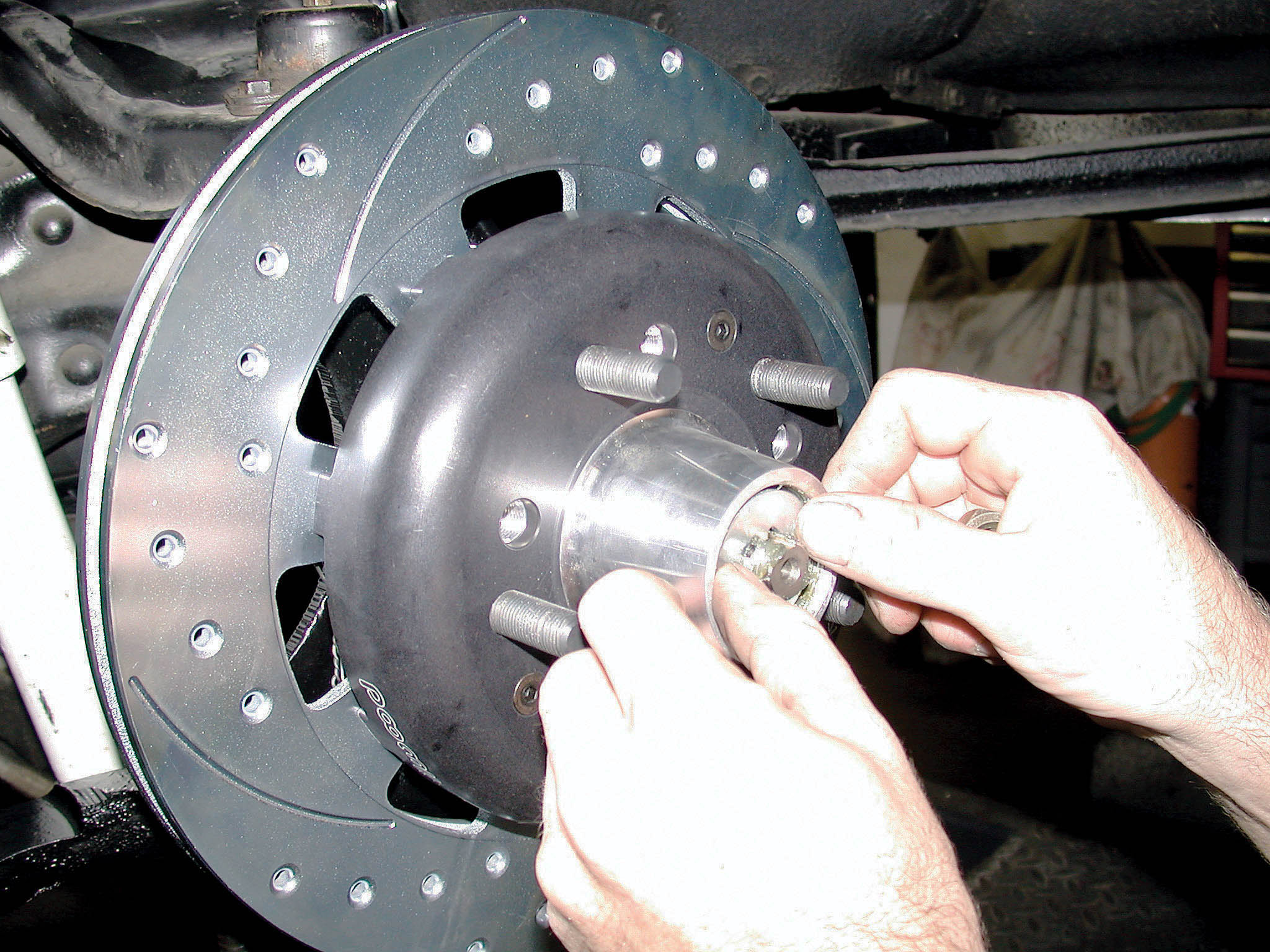
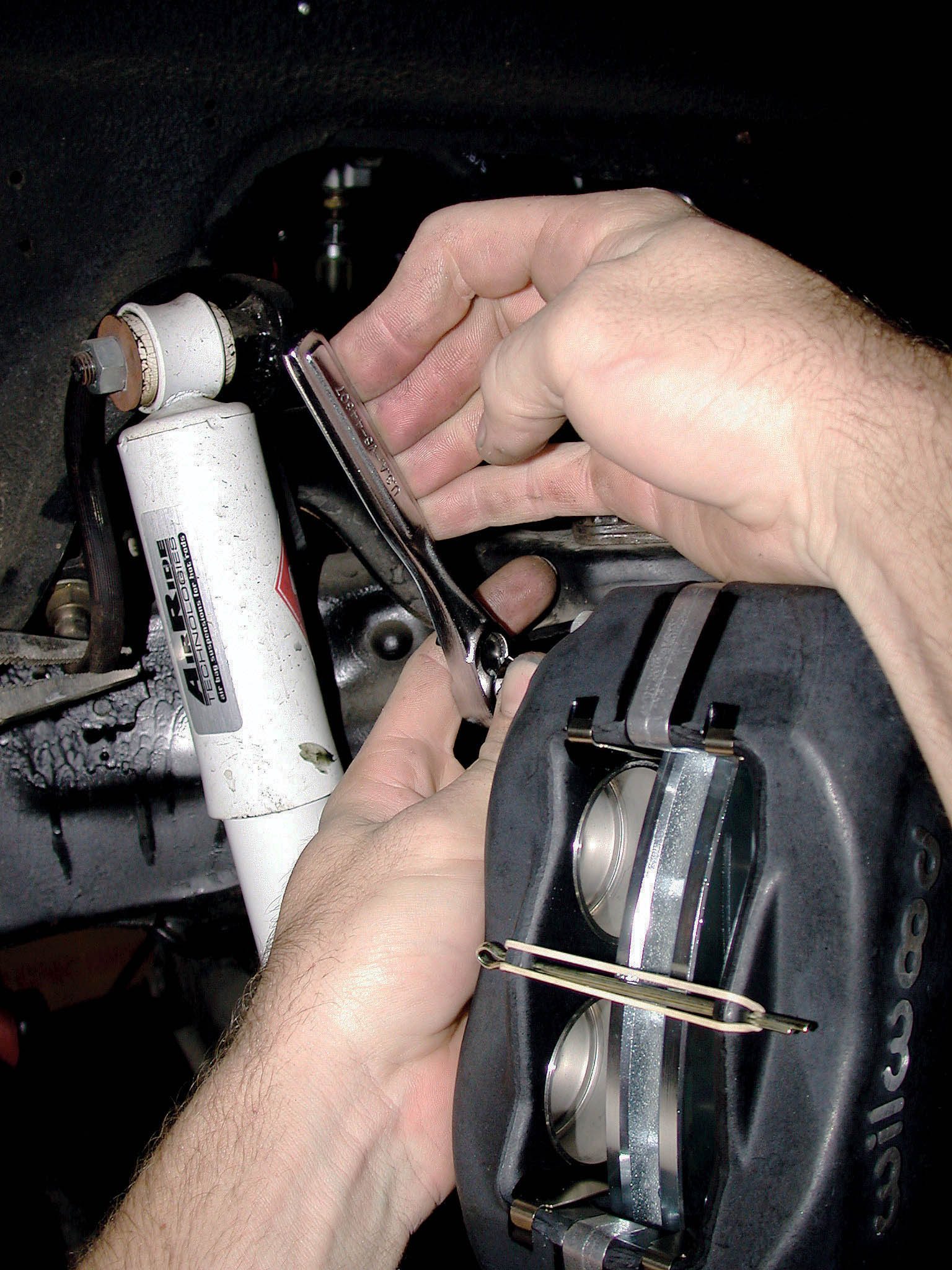
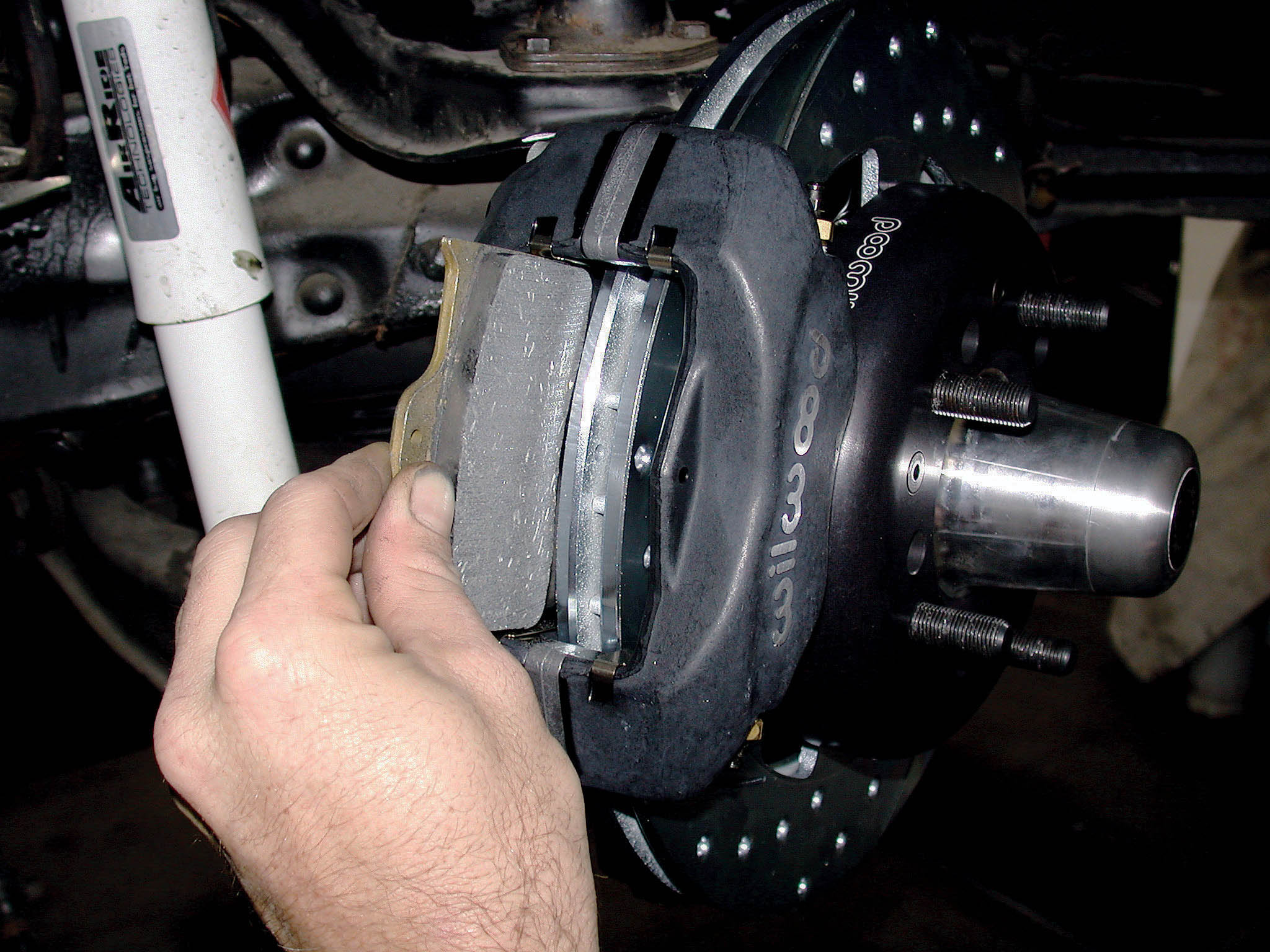
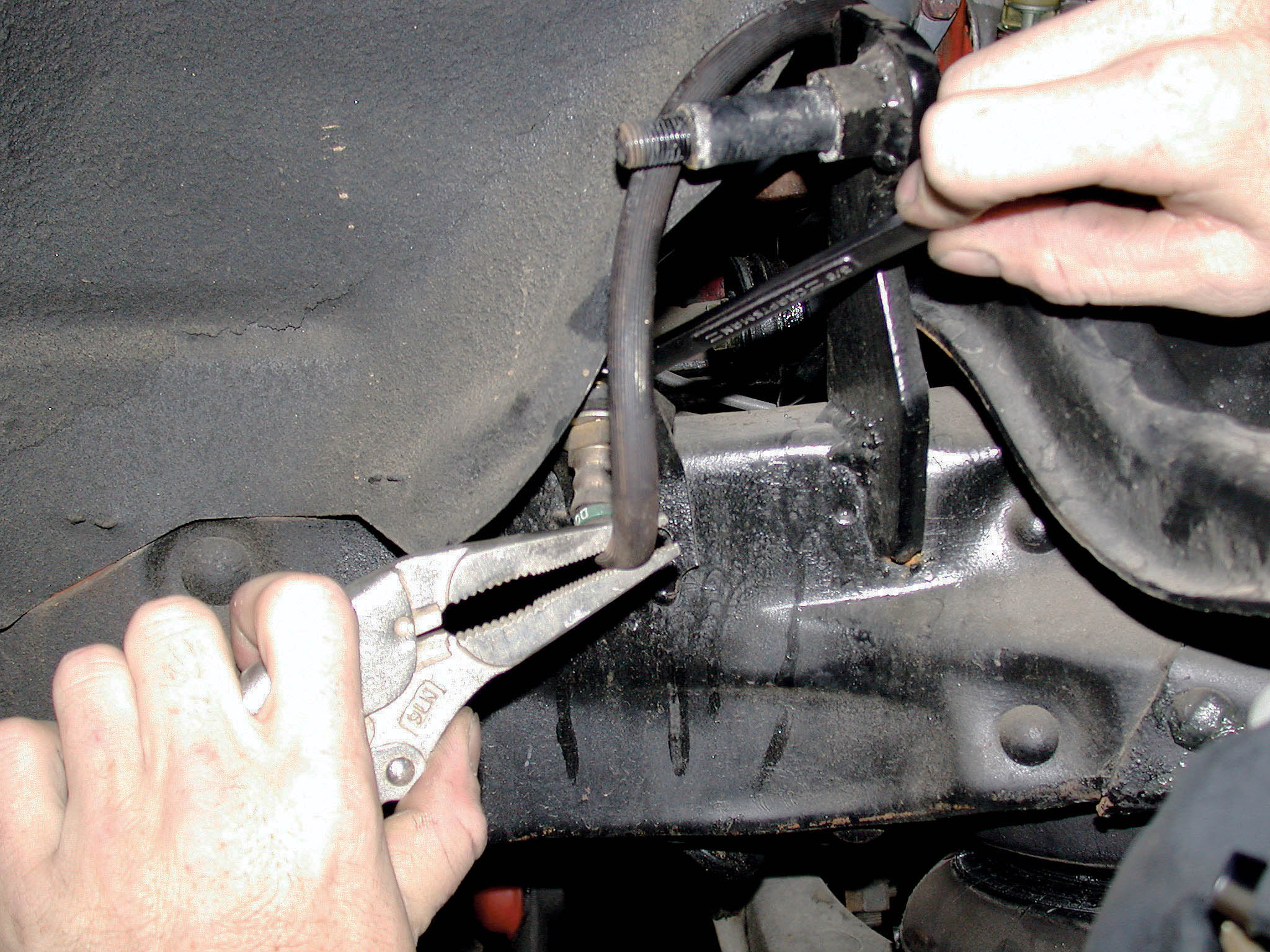
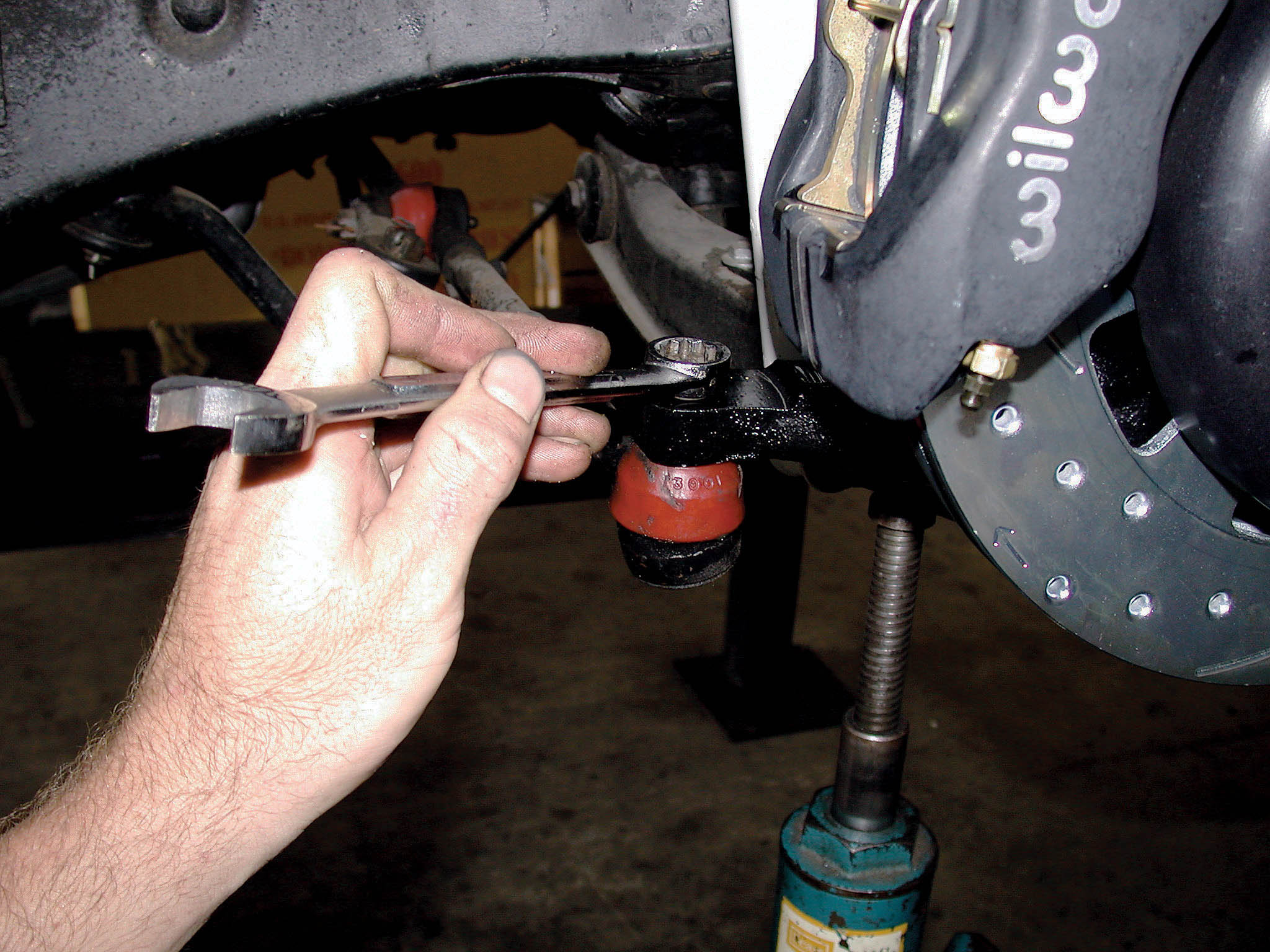
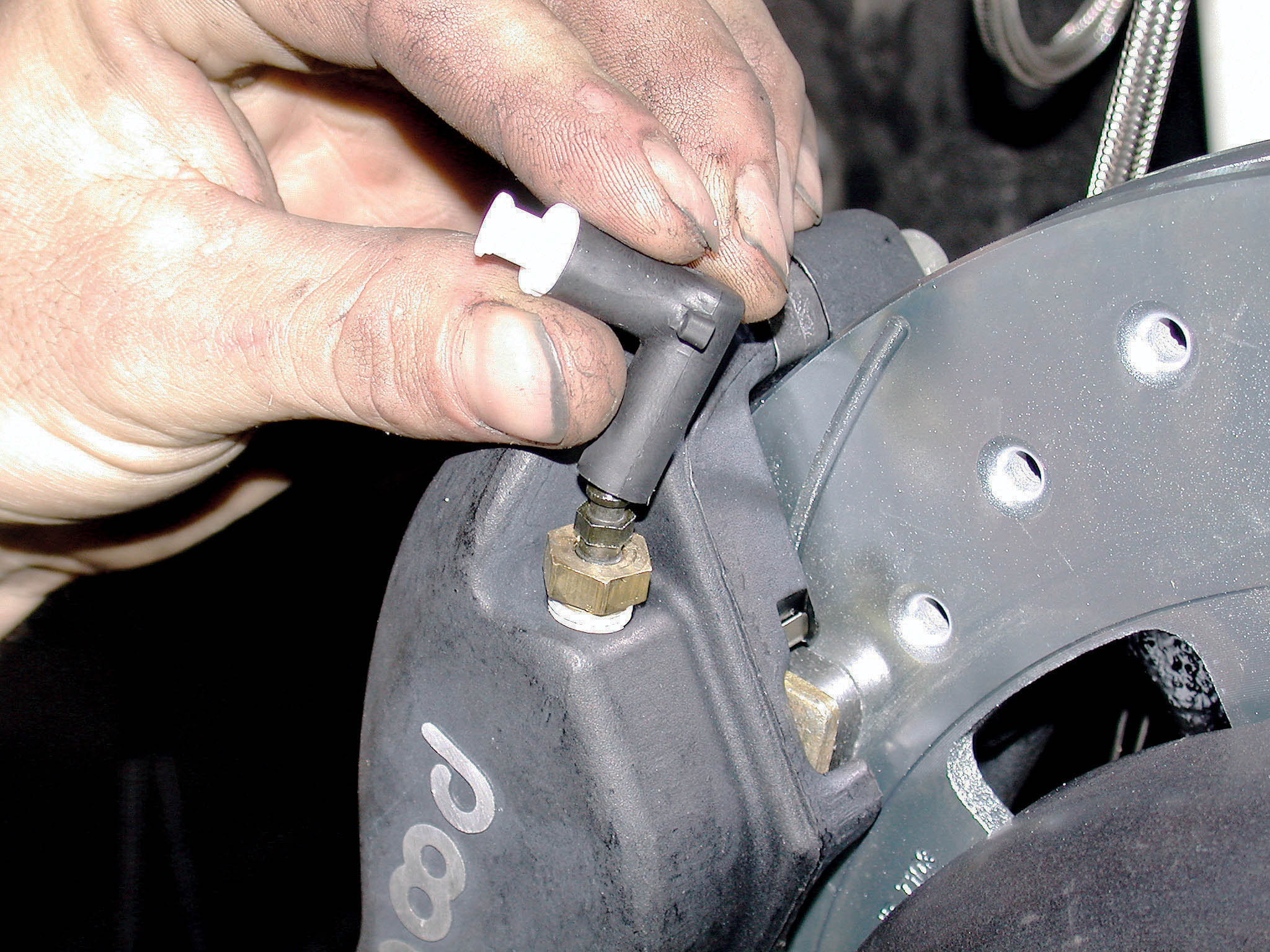
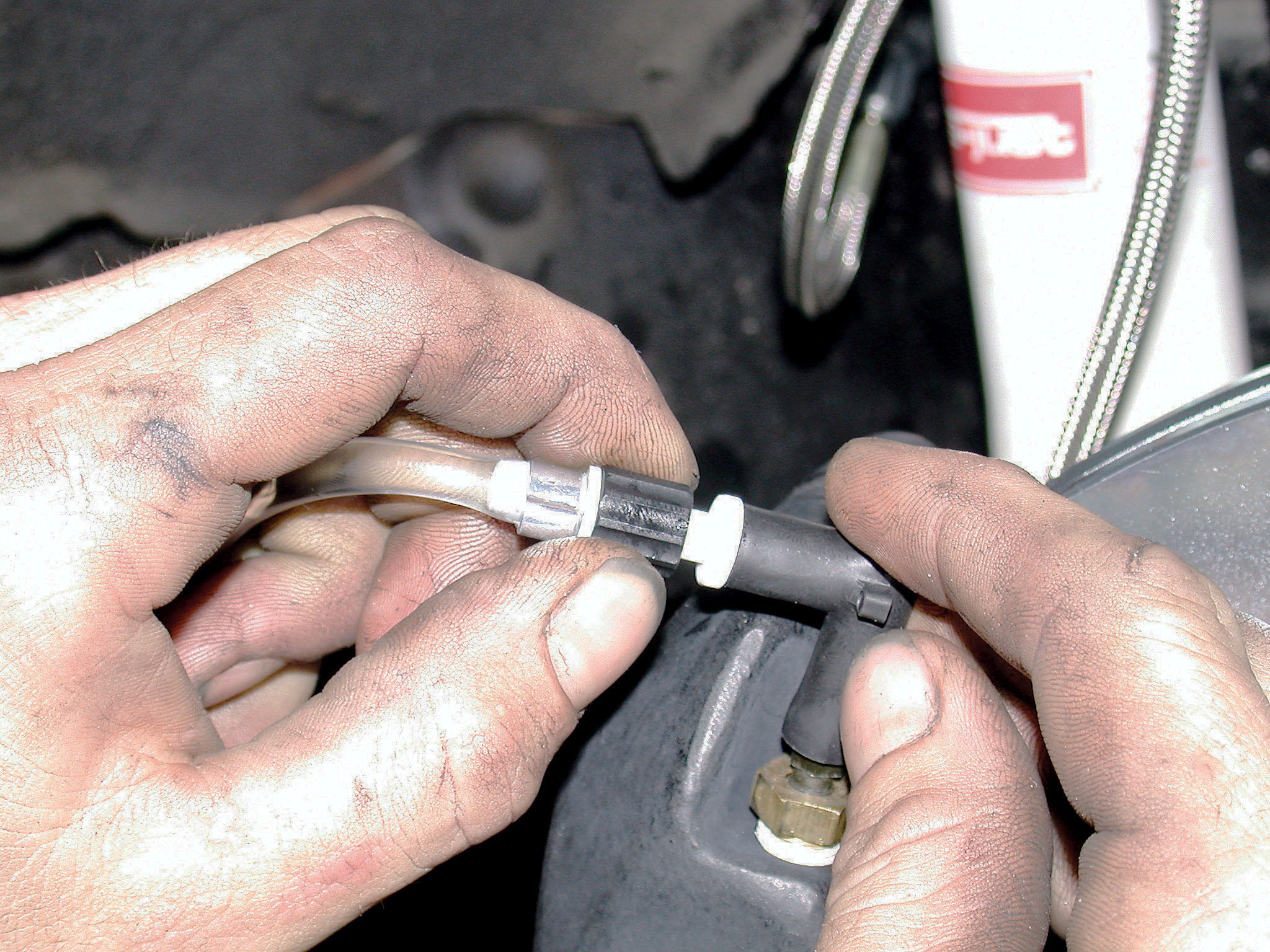
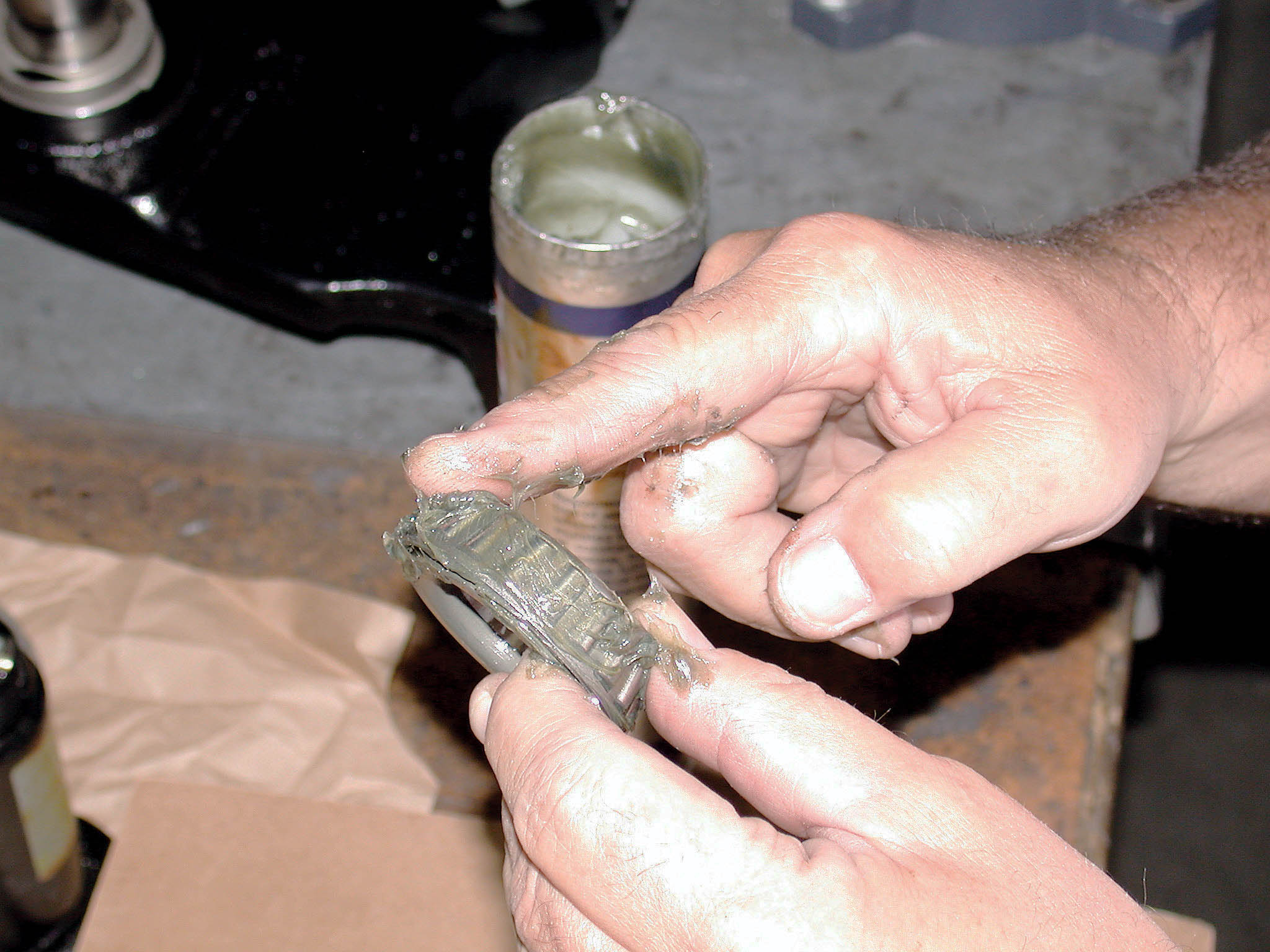
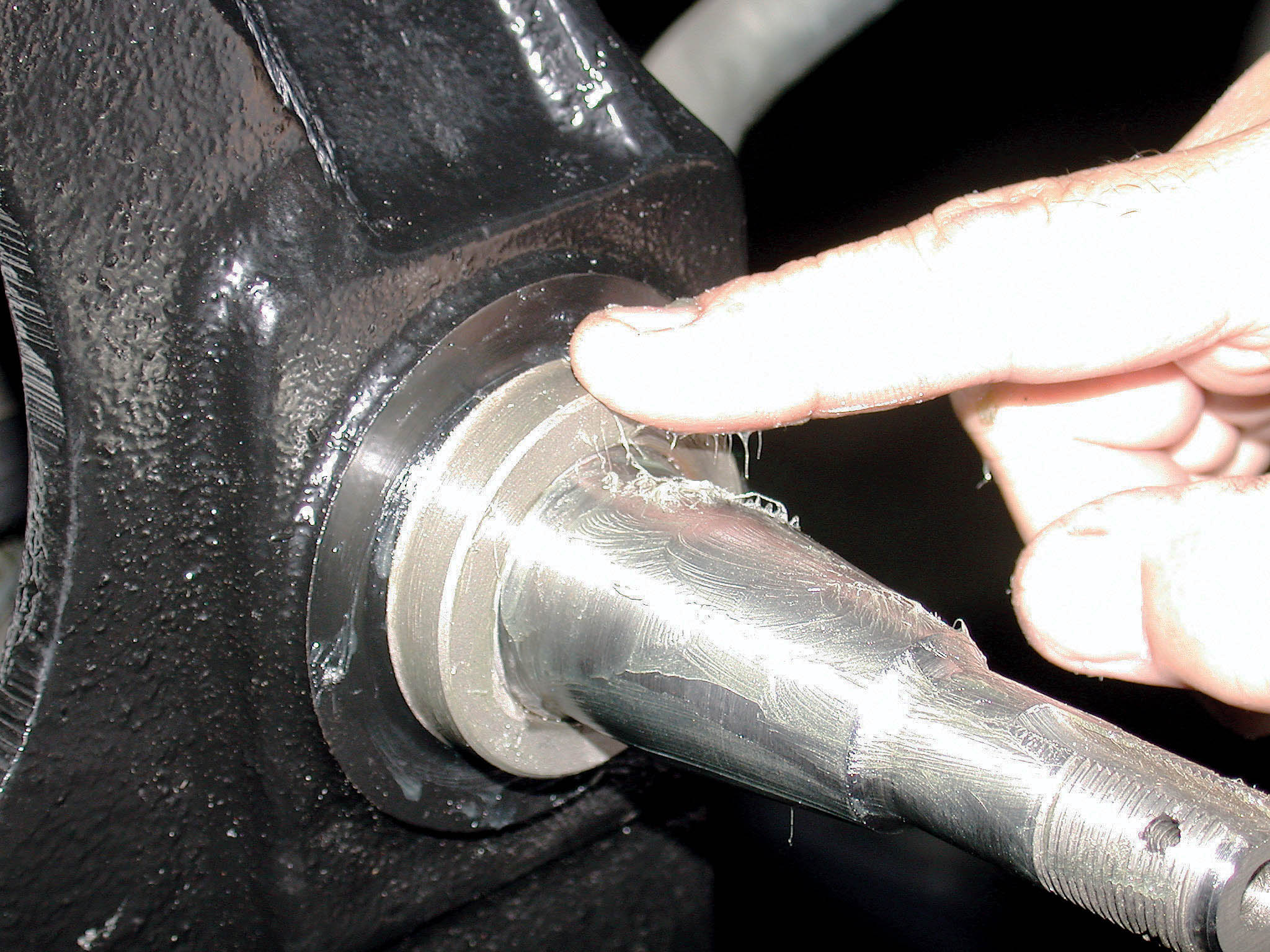
The installation was surprisingly smooth and quick, or maybe it’s just that we are used to so many other installs having glitches and quirks that it made us take note when it all bolted right on and everything fit. Follow along and we’ll show you what is involved to swap in the Superior Spindles and Wilwood brakes on a car that was not up to par.
STAGE III
ARTICLE SOURCES
Superior Spindle Service
25377 Brest Road
Taylor, MI 48180
Toll-Free: (877) 946-7400
Wilwood Disc Brakes
4700 Calle Bolero
Camarillo, CA 93012
Phone: 1-805-388-1188