
THE AUTO BUILDER
Featured

LS1 CAM SWAP AND DYNO TEST
When it comes to adding power to your small-block Chevy, the camshaft is an integral part of the performance equation. Luckily for owners of Chevy’s latest iteration (Gen III) of the famous small block, the modern fuel-injected LS1 responds just as well to camshaft upgrades as the LT1s, L79s and L48s of old. Naturally, cam technology has come a long way since the days of the Duntov 30-30 profile. The improvements in cam technology are important, as the new LS1 is head and shoulders above any of the old ’60s and ’70s muscle-car small blocks, regardless of the advertised power ratings.

AT ONE WITH THE PAVEMENT
If you’re like many of us, vacillating between the car you’ve always dreamed of owning and what you really can afford, be sure you know what you need before you shell out more money than sense. Check around, ask your friends, read magazines on the subject, surf the Internet, get connected, and you’re likely to find your dream car, even if it is not everything you think it is.

Breaking The Ridler Code
It occurred rather quickly—in just a decade or so, the Ridler award has risen to the top of the list of awards for hot rods. Sure, it all started more than 60 years ago, but back in the 2000’s, the competition intensified for this coveted award. The Auto Builder was intrigued by the award’s newfound popularity, and we did everything in our power to bring proper recognition to these grand automobiles. We also dedicated ourselves to help popularize “The Great Eight,” which each car must win to qualify for Ridler competition. Being selected in the Great Eight is a feat in its own right, but the road to winning the Ridler is as mysterious as the final award itself.
Spotlighter
POPULAR READS
-
Product Spotlight: Bill Mitchell Products Aluminum LS Engine Block
-
PRODUCT SPOTLIGHT: 60-66 Chevy C10 Fresh Air Vent Block Off Plate
-
Product Spotlight: Pyramid Optimized Design Sequential Aurora Taillight for 1964½–1966 Mustang
-
PRODUCT SPOTLIGHT: Cam Covers for GEN/3 Coyote from Pyramid Optimized Design
PEDAL PUSHER
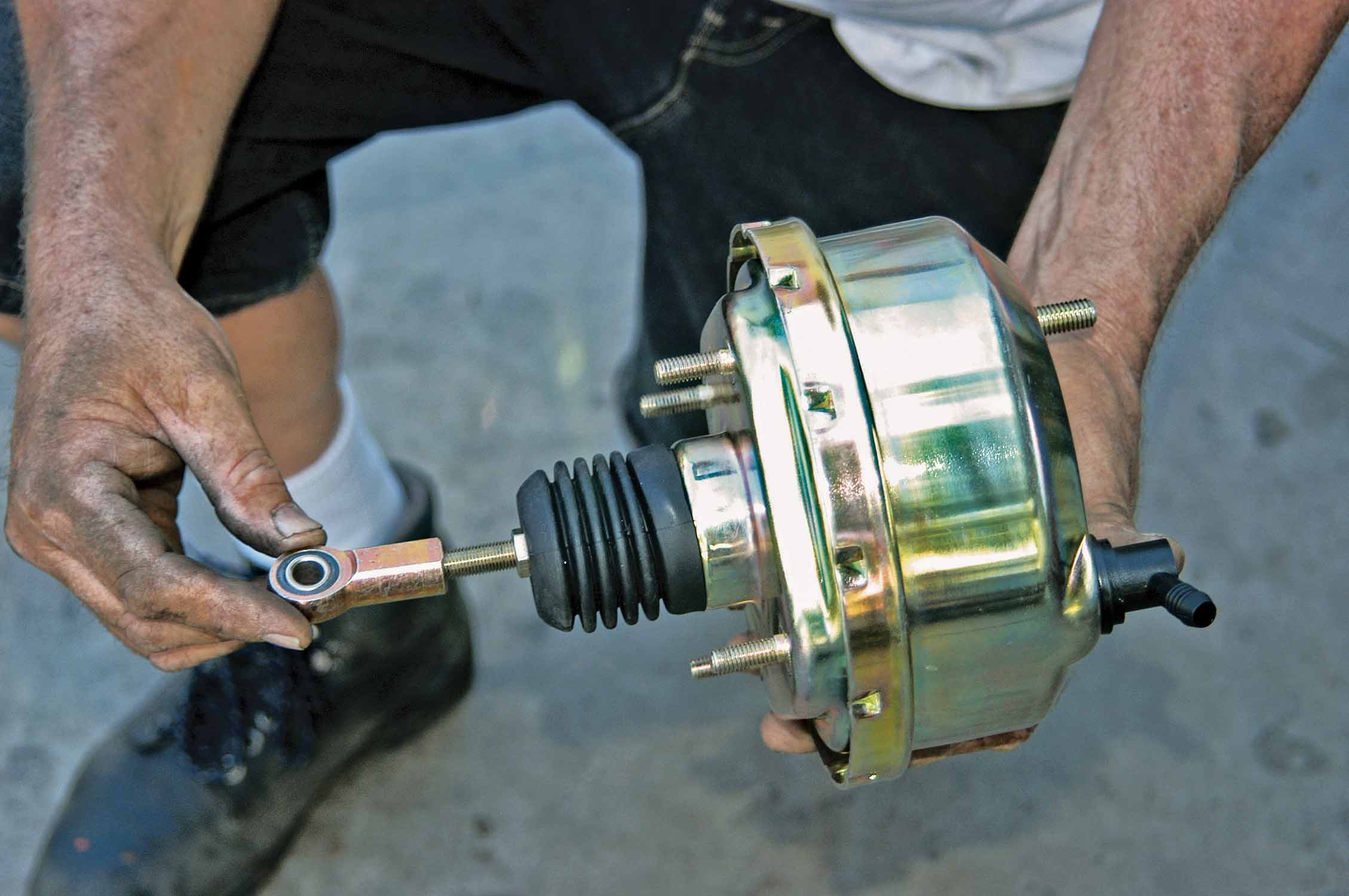
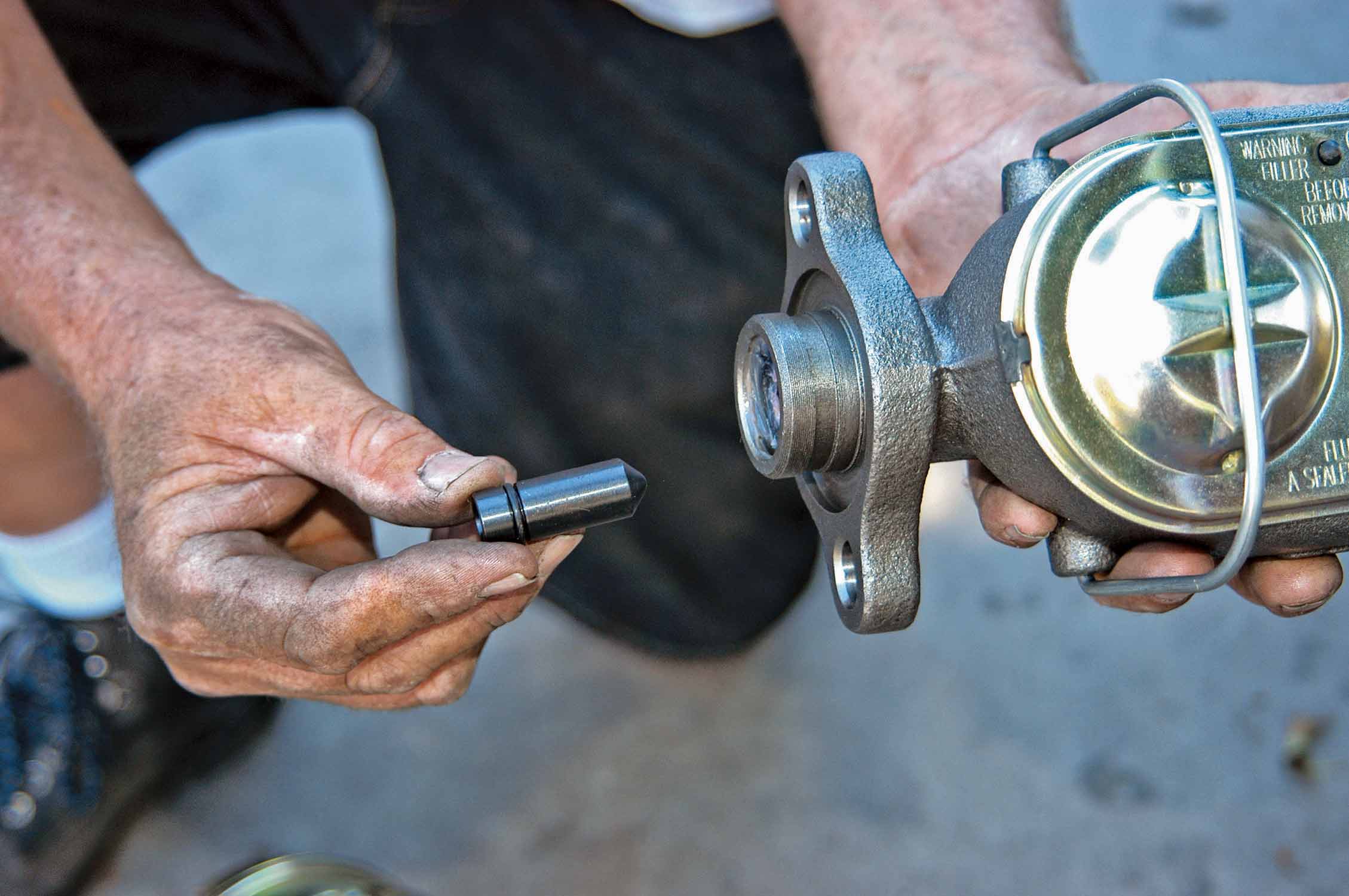
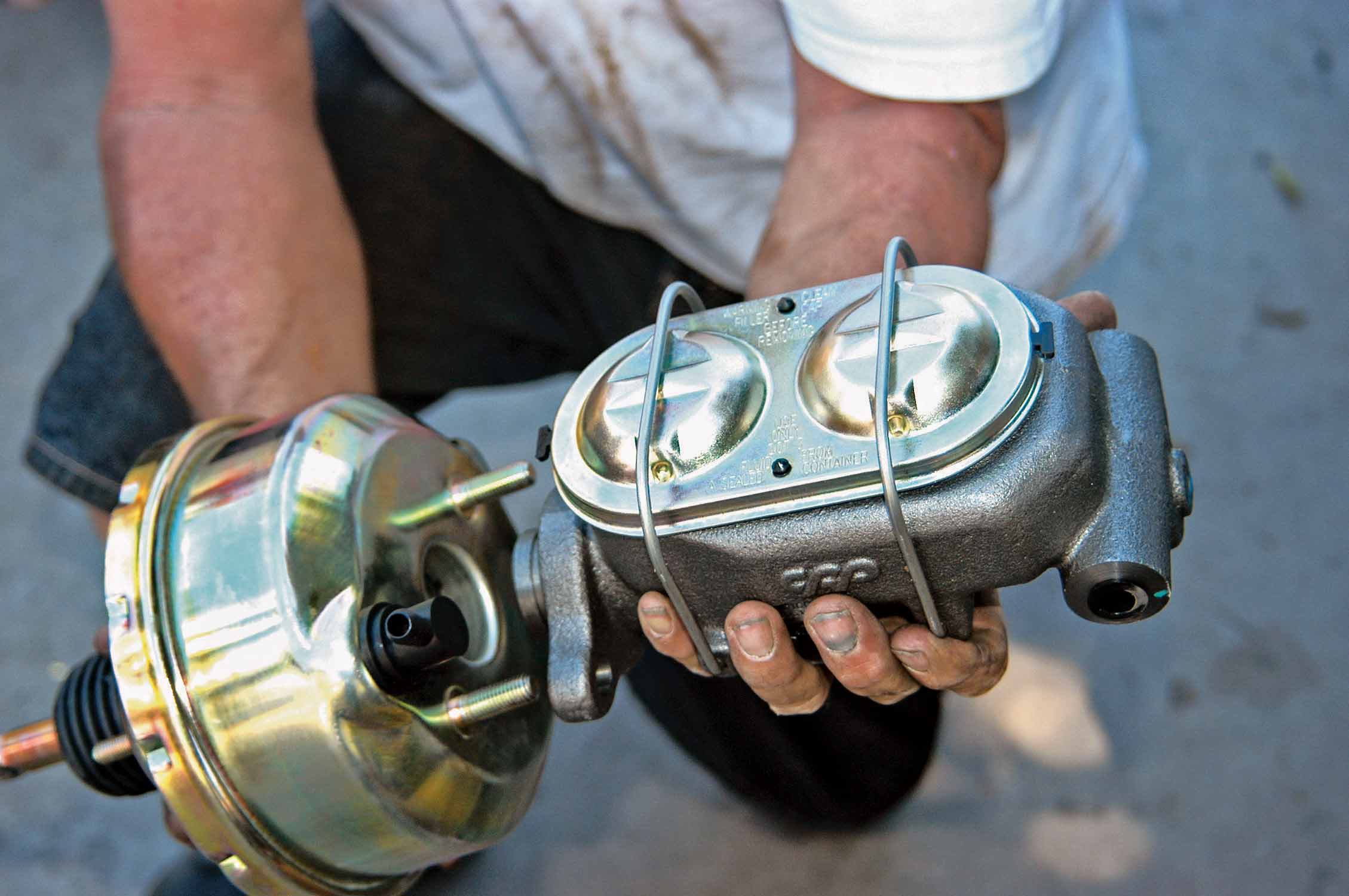
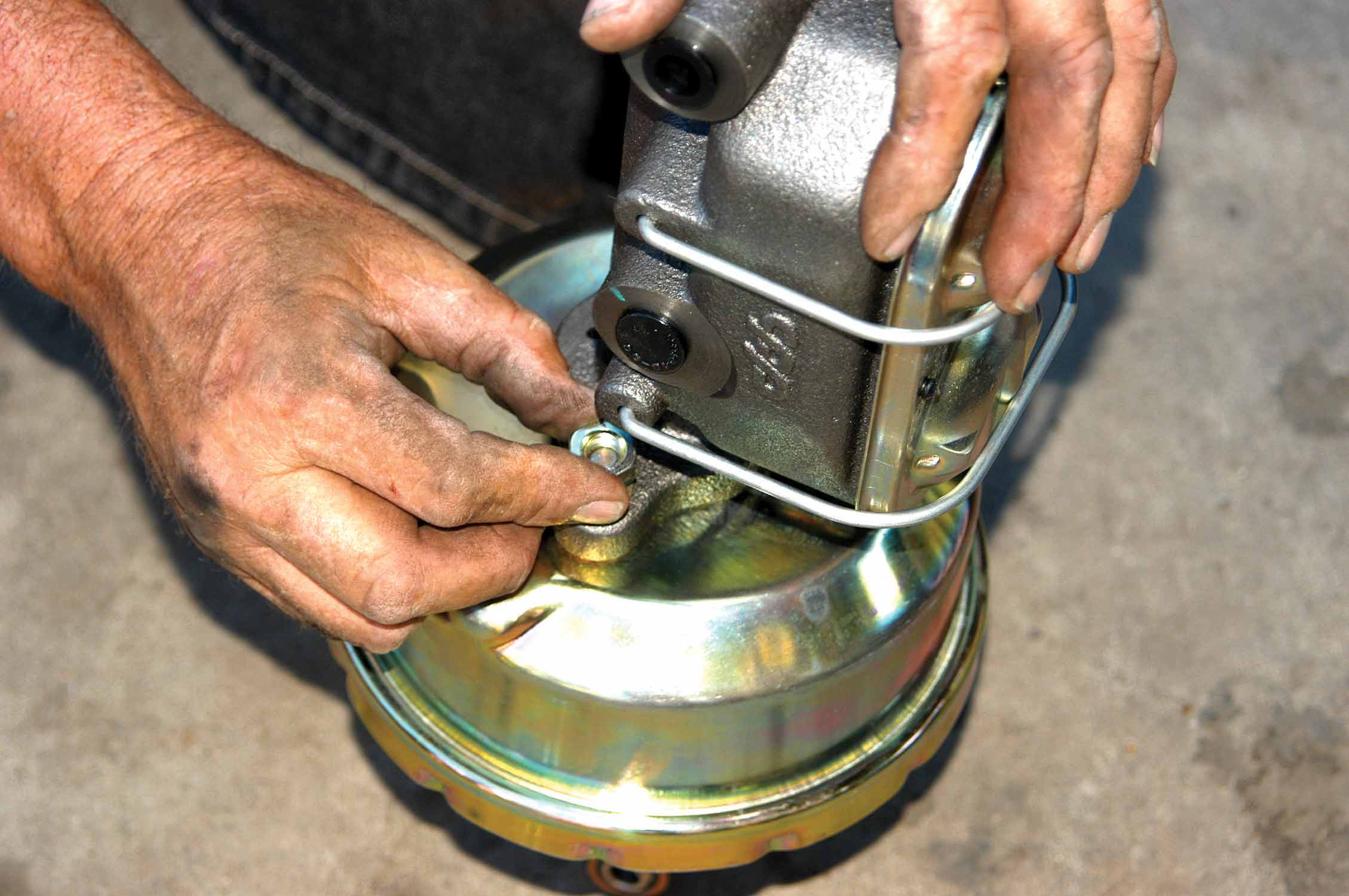
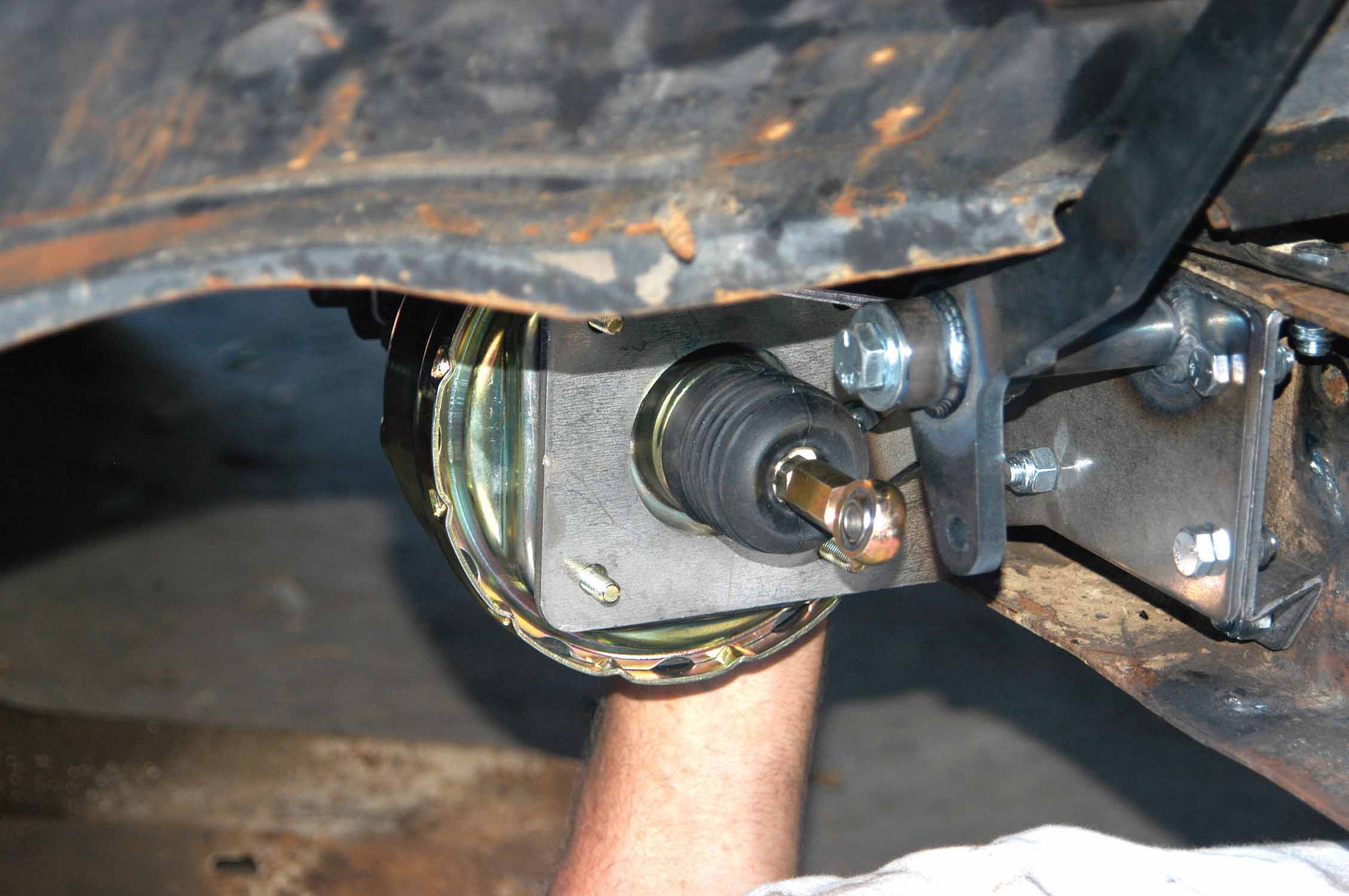
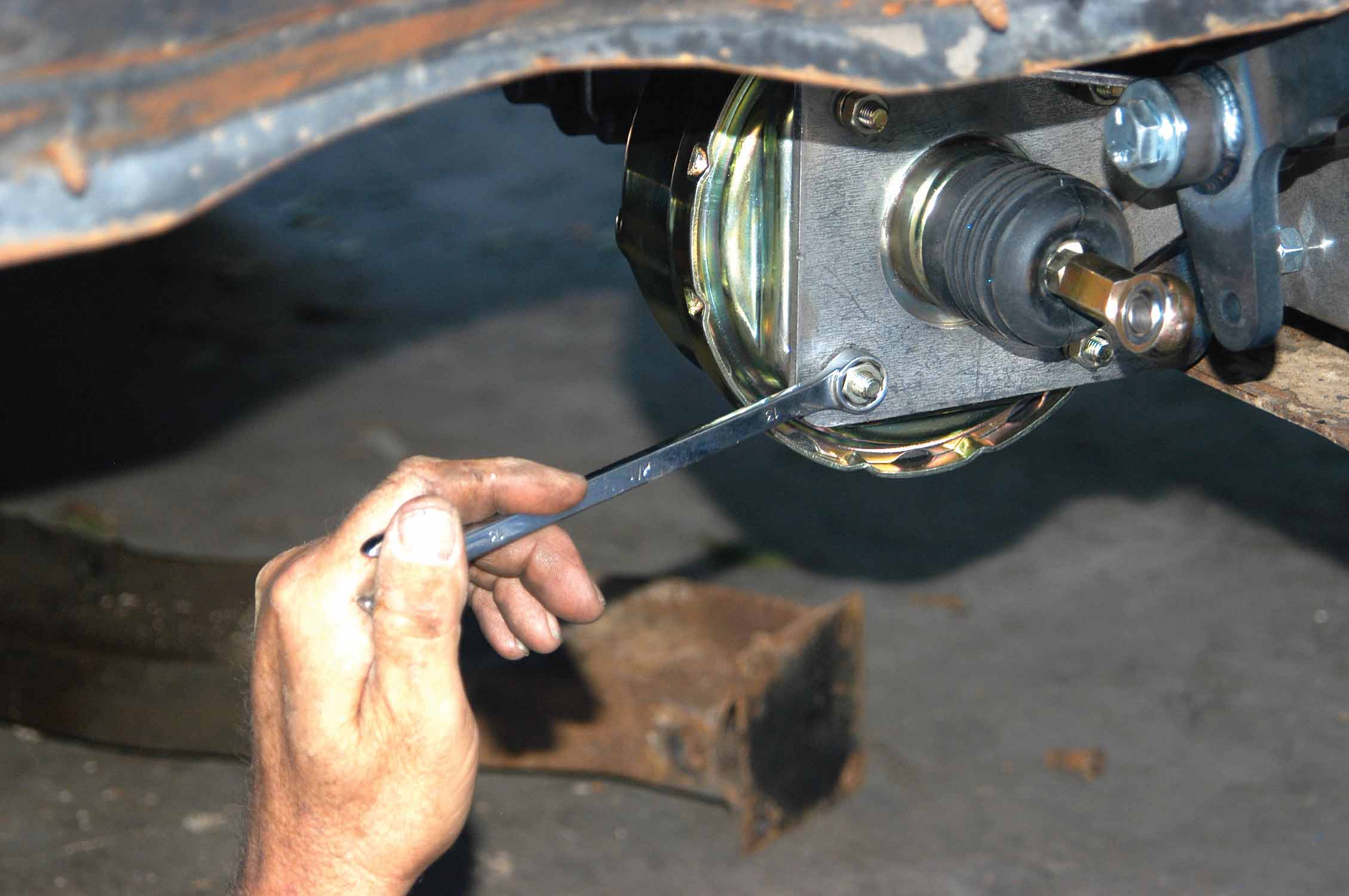
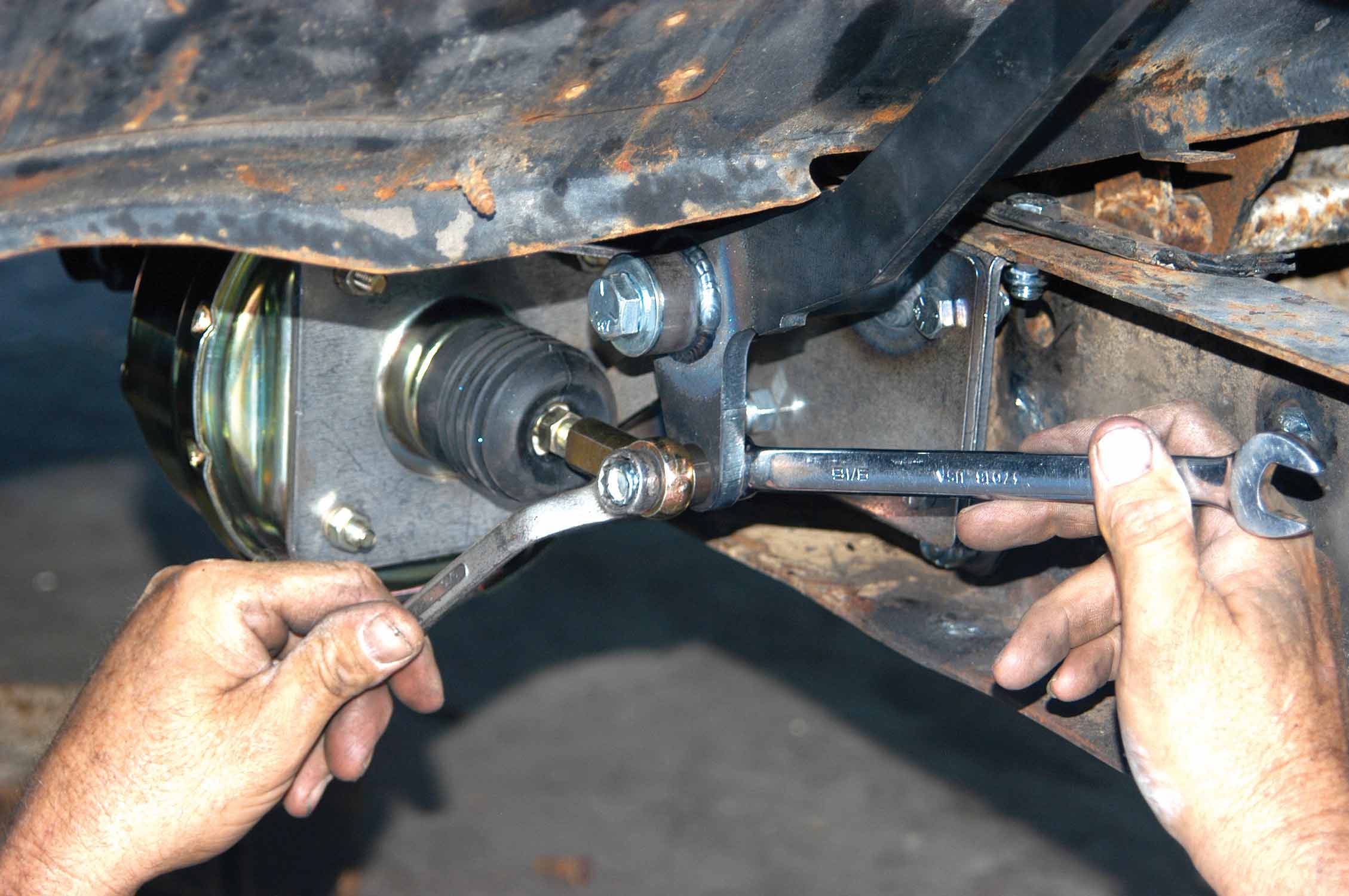
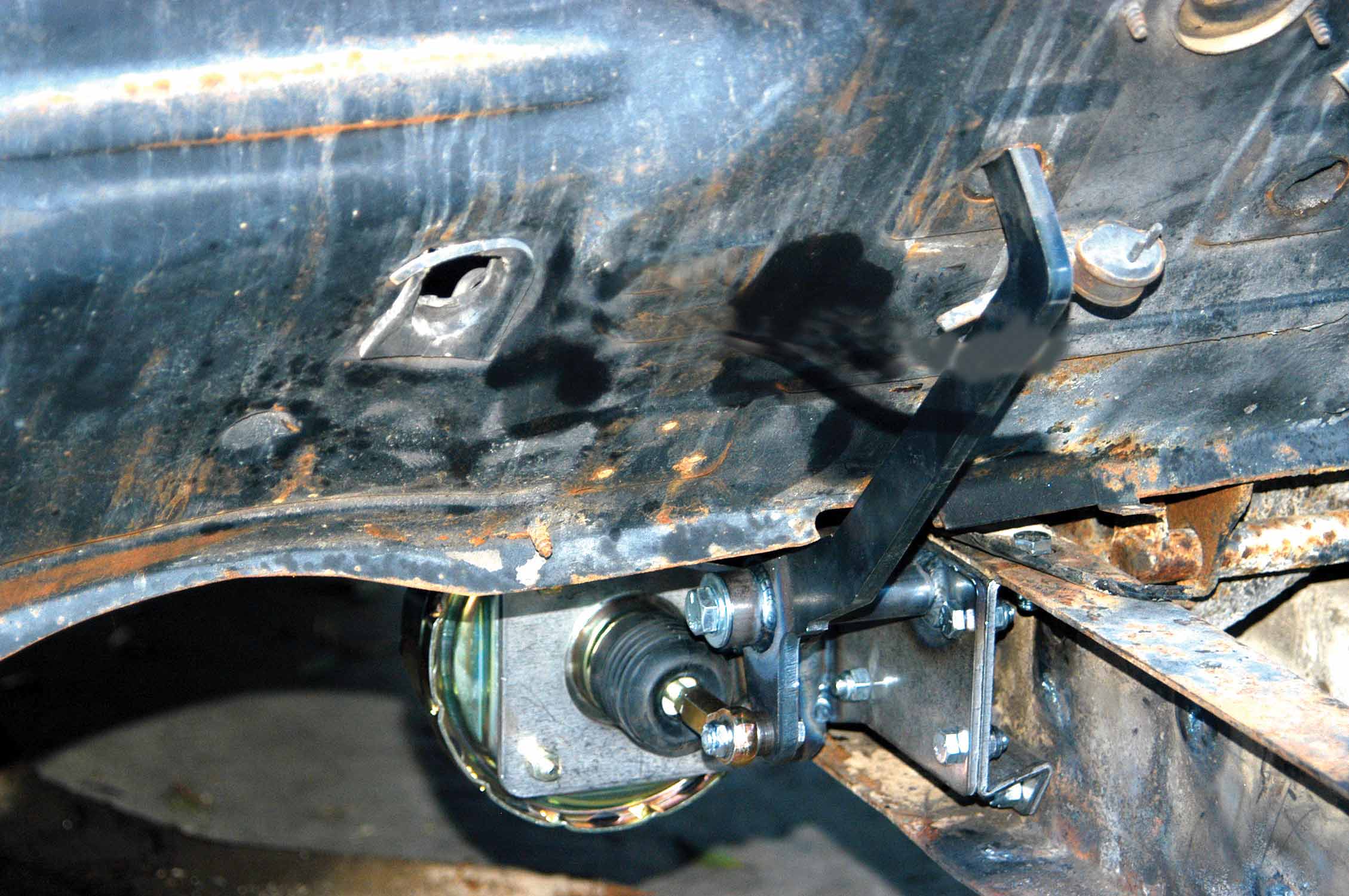
Installing a Power Brake Assembly in a ’53 Chevy Panel Truck
Author
Jeff Tann
Story & Photography
In the ’50s, home-delivery baker Helms Bakery went door to door, delivering bread and bakery goods on the streets of Southern California. All you had to do was call and order what you needed, and the next day it was delivered to your door. You could also stop the drivers on their route to buy their goodies, and that’s how we remember the early ’50s Chevy Helms delivery trucks. We figured they must have a rather large fleet of them to cover the L.A. Basin. We aren’t sure exactly when it happened, but no doubt rapidly changing family lifestyles took their toll, and Helms stopped the delivery portion of the business. As a result, there were a lot of early Chevy panel trucks that went somewhere.
It has been more than 40 years since we saw the last of the Helms trucks, and what happened to them is anybody’s guess. One thing is for sure: Finding one wasn’t in Dean Brown’s mind when he heard about an old panel truck that was for sale locally. Dean had sold a ’40 pickup truck awhile back when he was building a new home, and he was now finally in a position to buy another for a project. Since Dean likes trucks, he decided to take a look at this ’52 Chevy panel delivery. When he arrived the panel was in solid condition for its age, and it looked as if it could be turned into a rather wild ride, so Dean purchased the truck and formulated a plan of action.
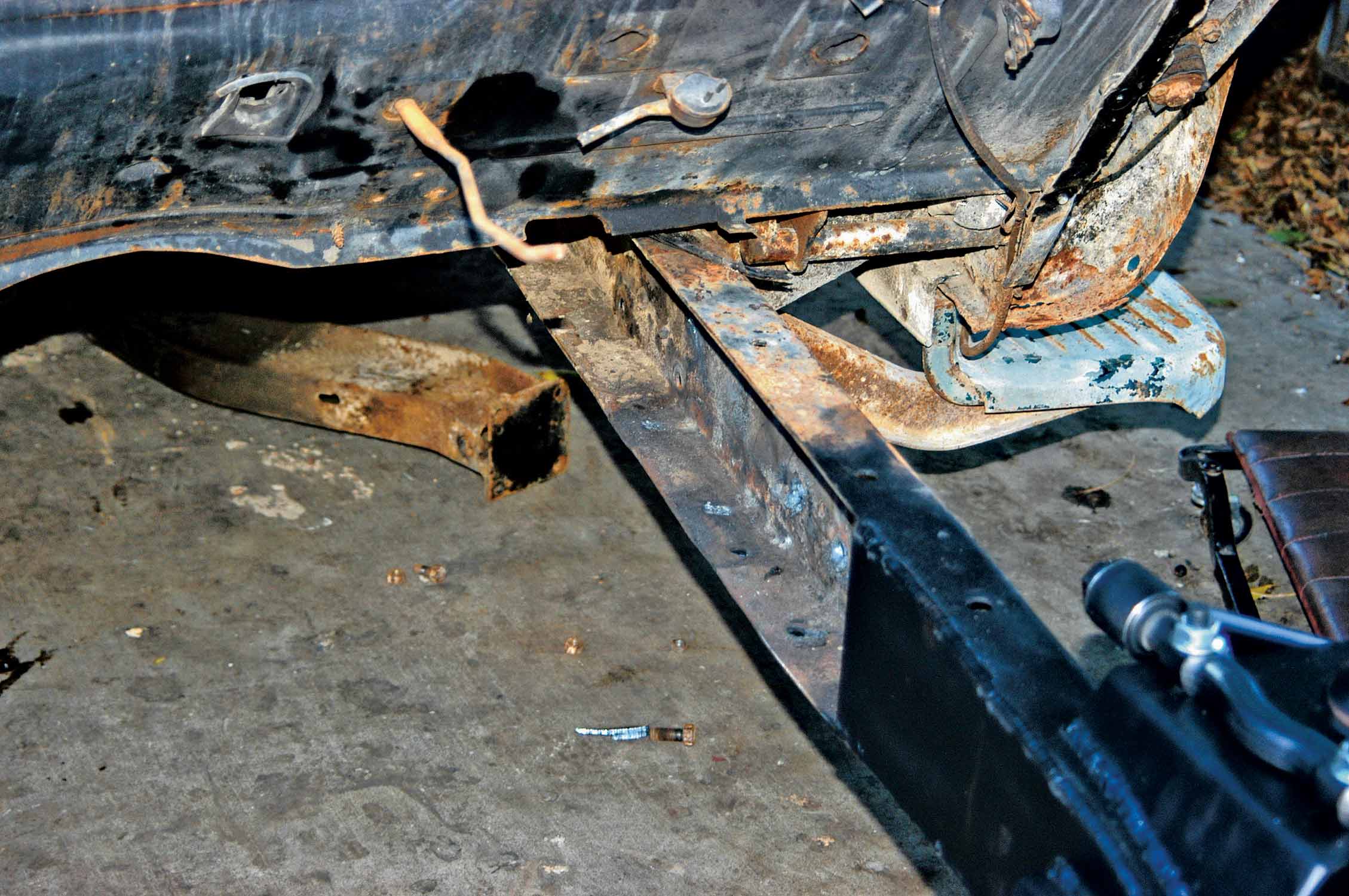
The panel was still in running condition with a six-cylinder engine, but that certainly wasn’t enough power for Dean. He removed the stock engine and transmission and purchased a hot 350 Chevy and a B&M Turbo 350 as a replacement. Dean generally works on his own street rods, but he is currently working offshore as a construction consultant, so his free time is limited. He decided to have all of the time-consuming fabrication work done at Dream Cars in Simi, California, where the front suspension was upgraded with a Heidt’s IFS assembly. The folks there also installed a new parallel leaf rear suspension and, for this story, a power brake unit and pedal assembly.
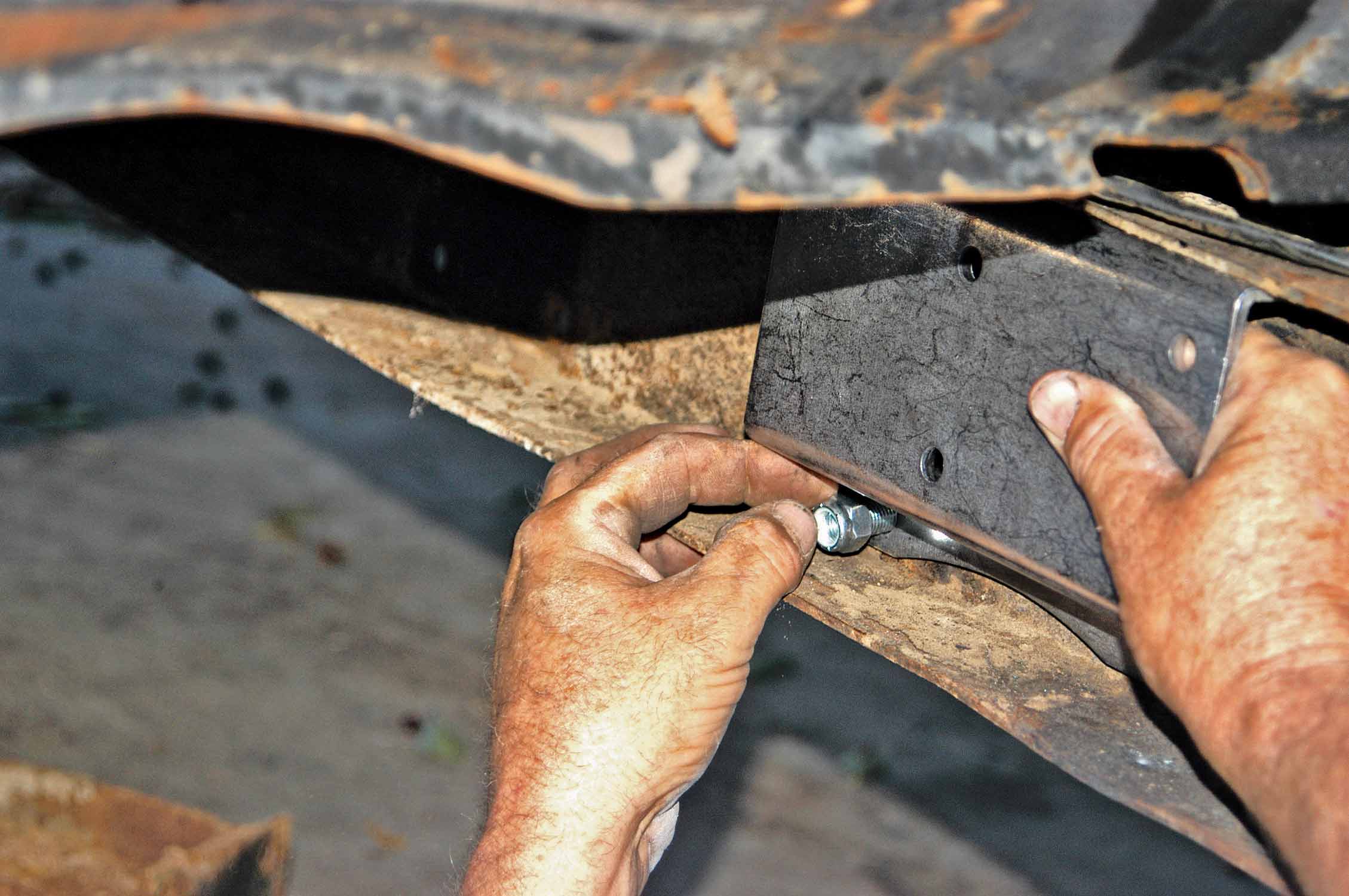
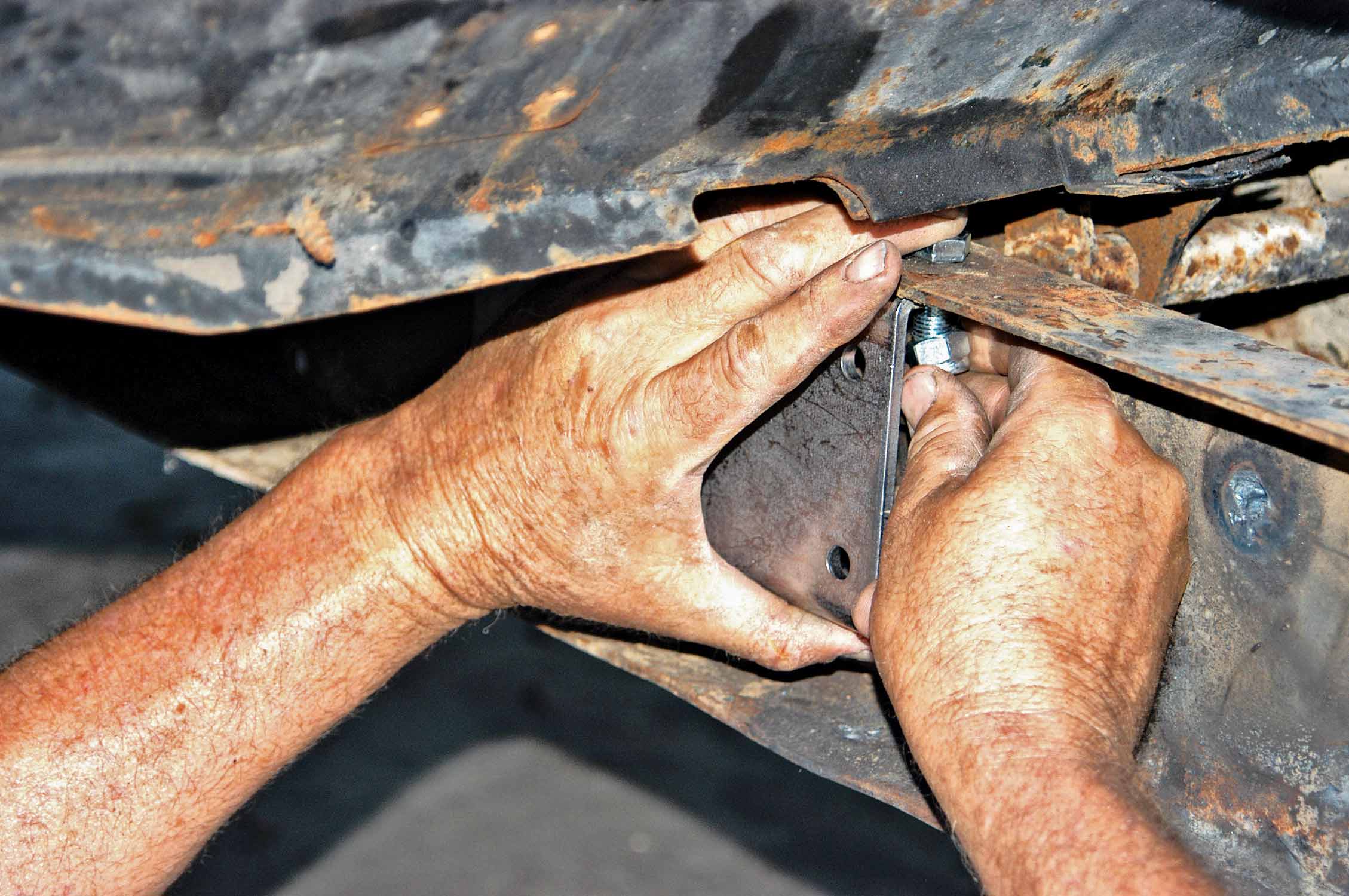
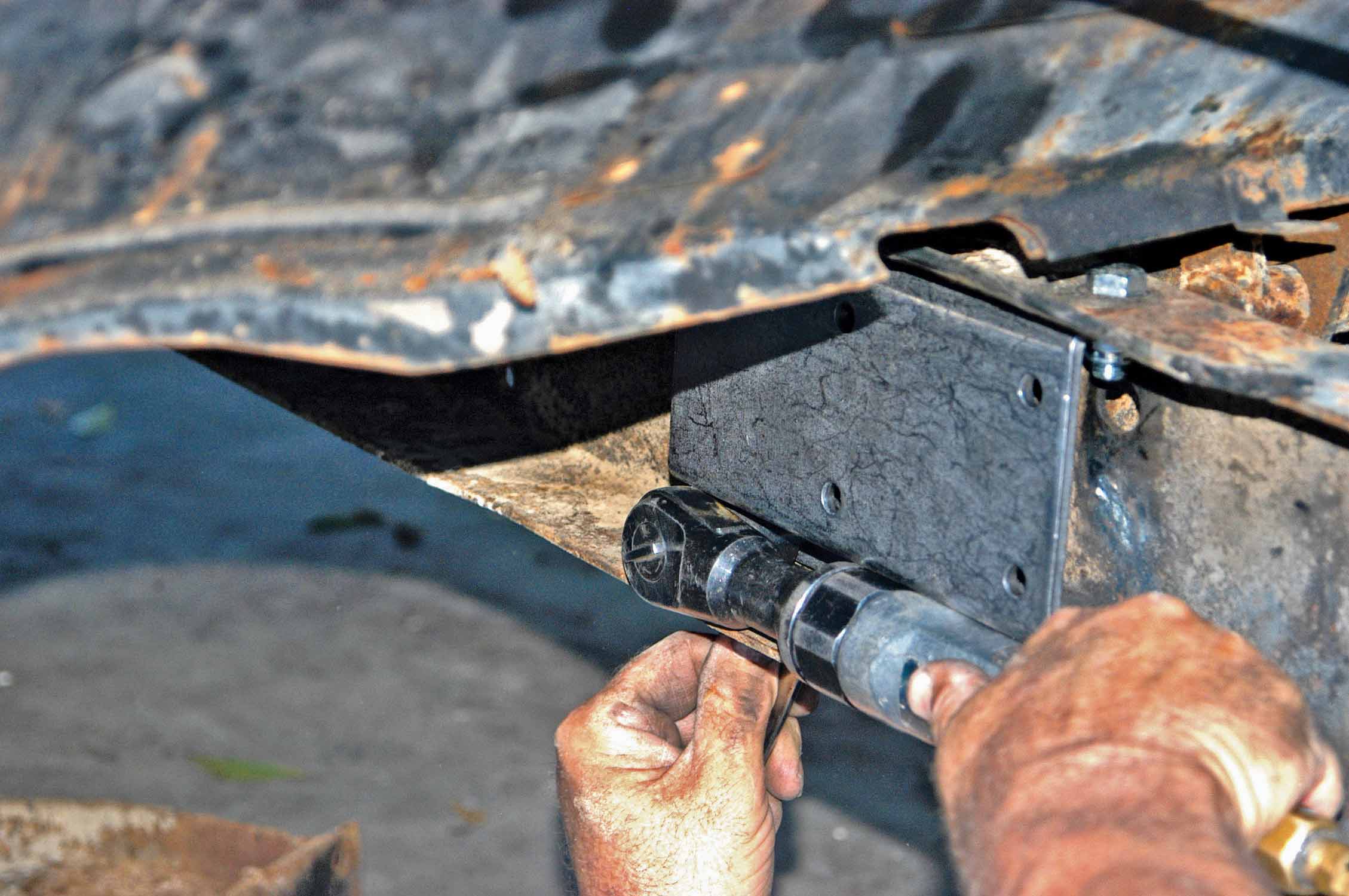
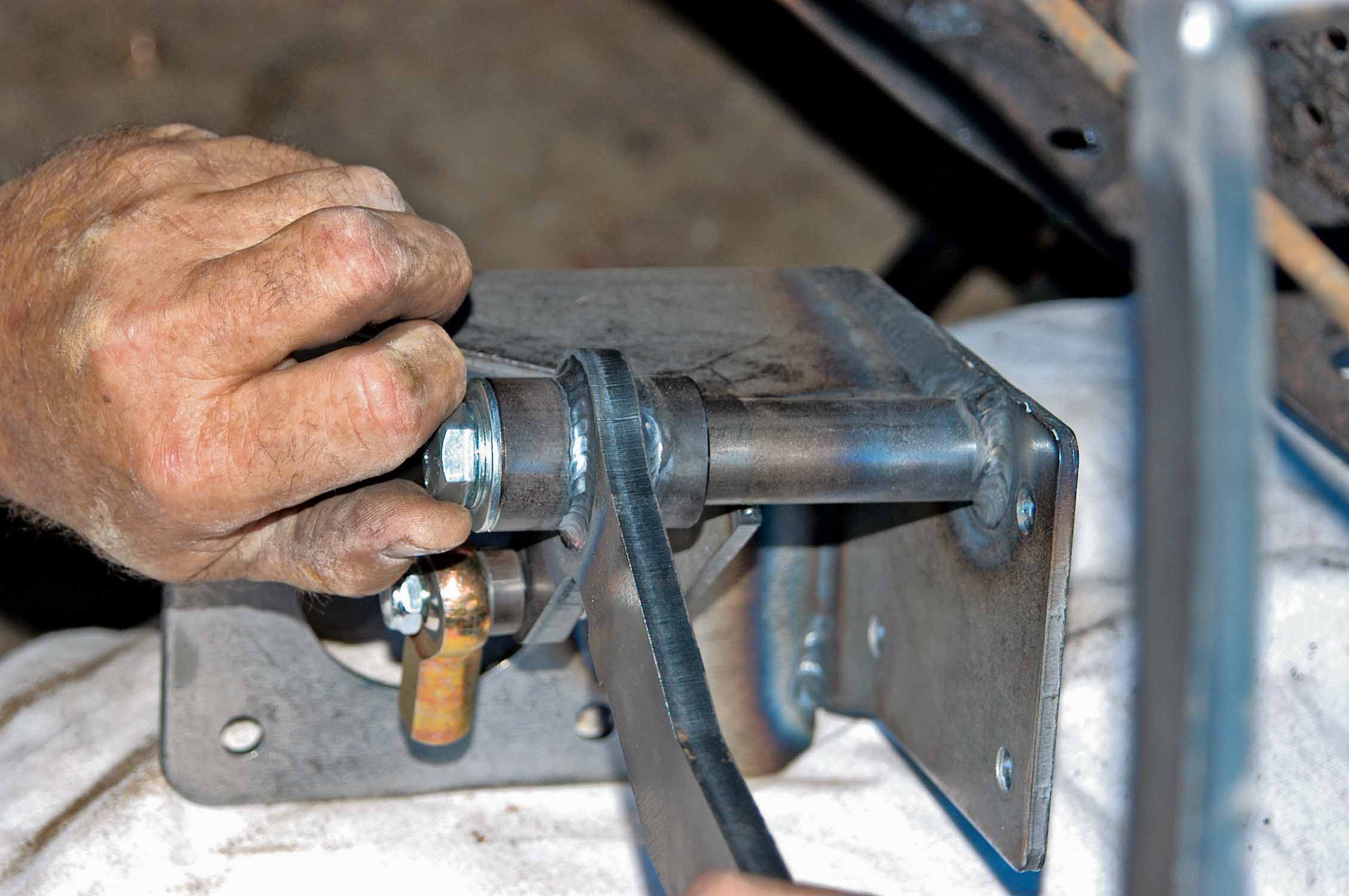
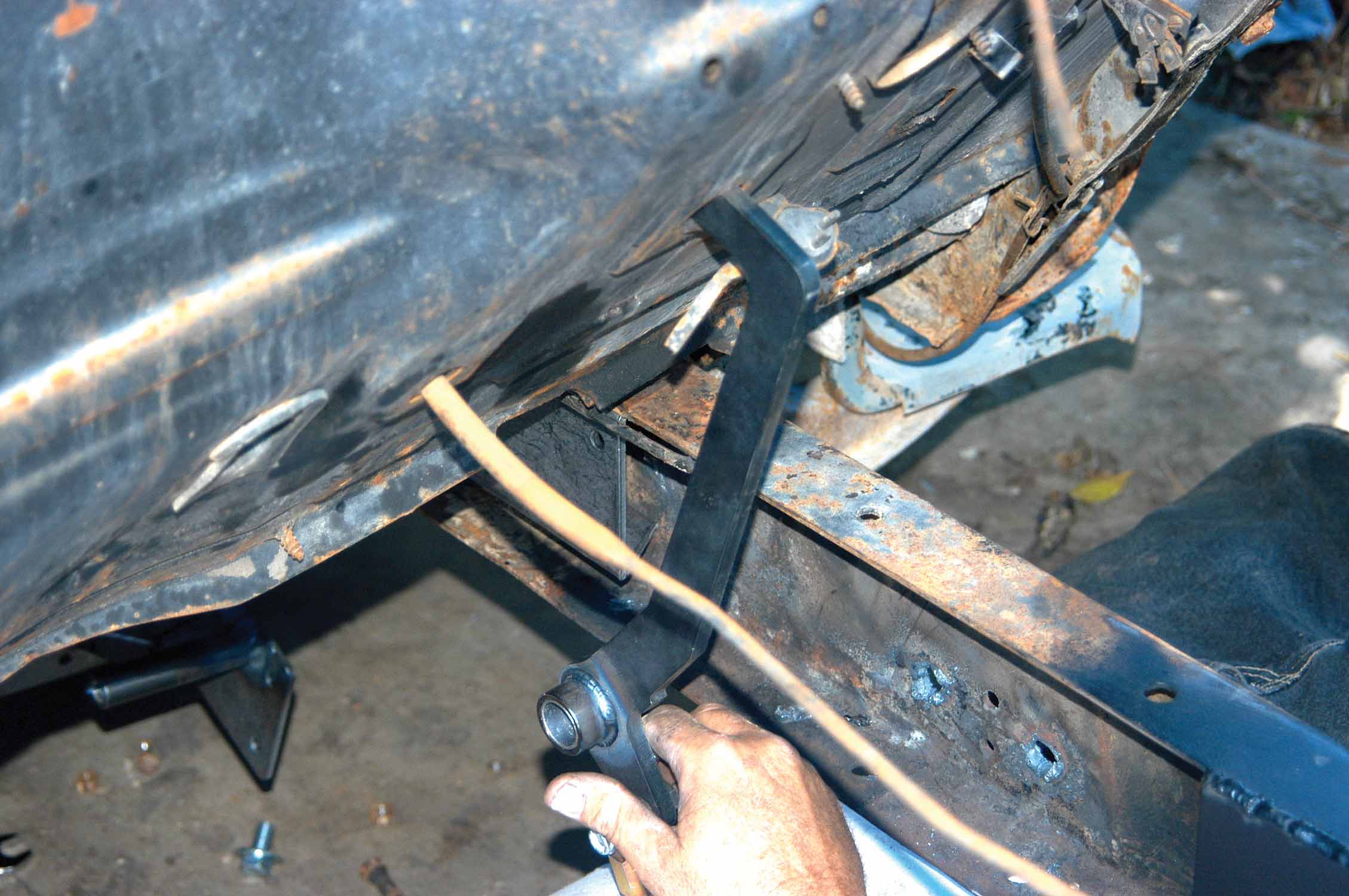
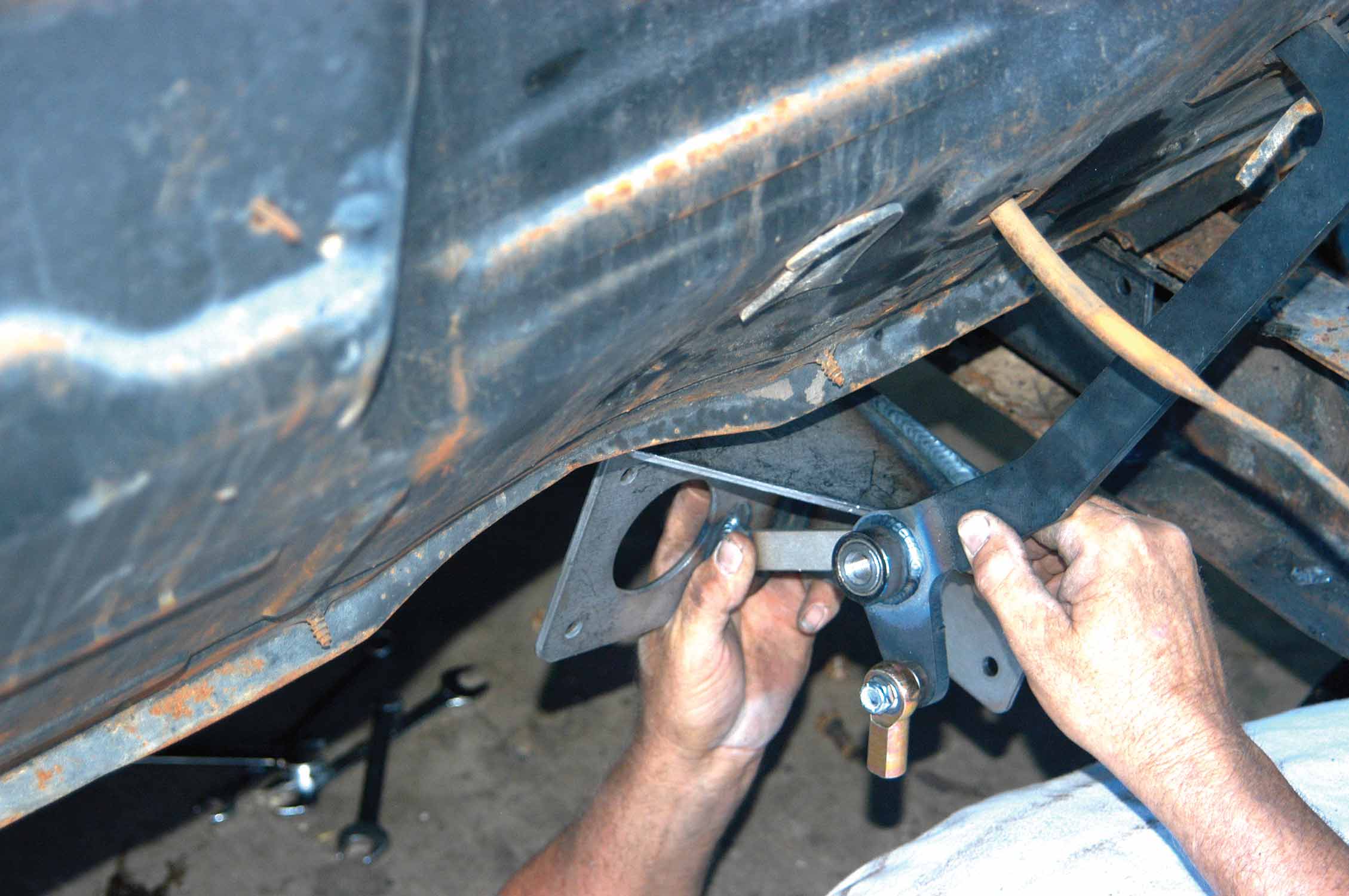
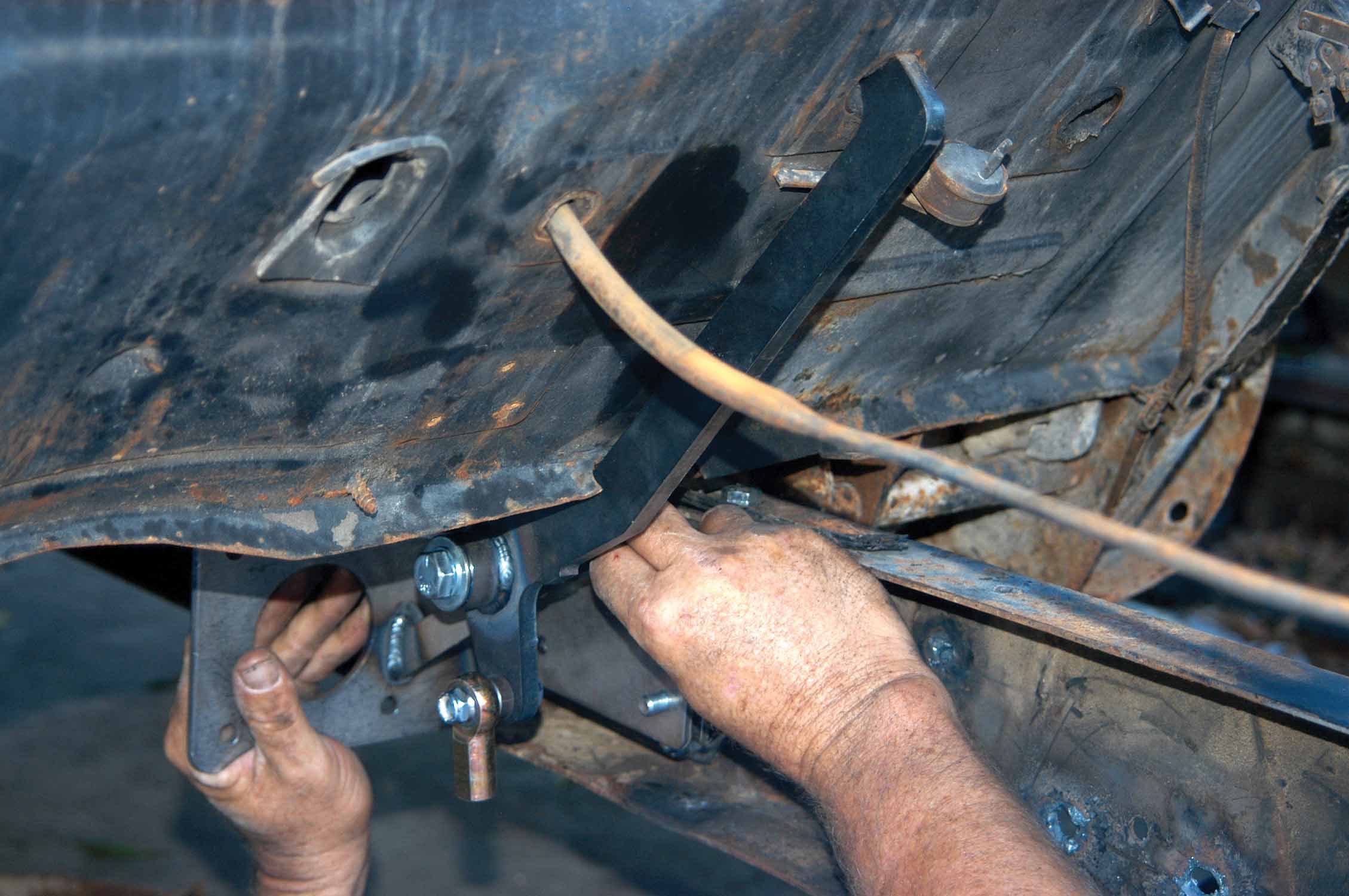
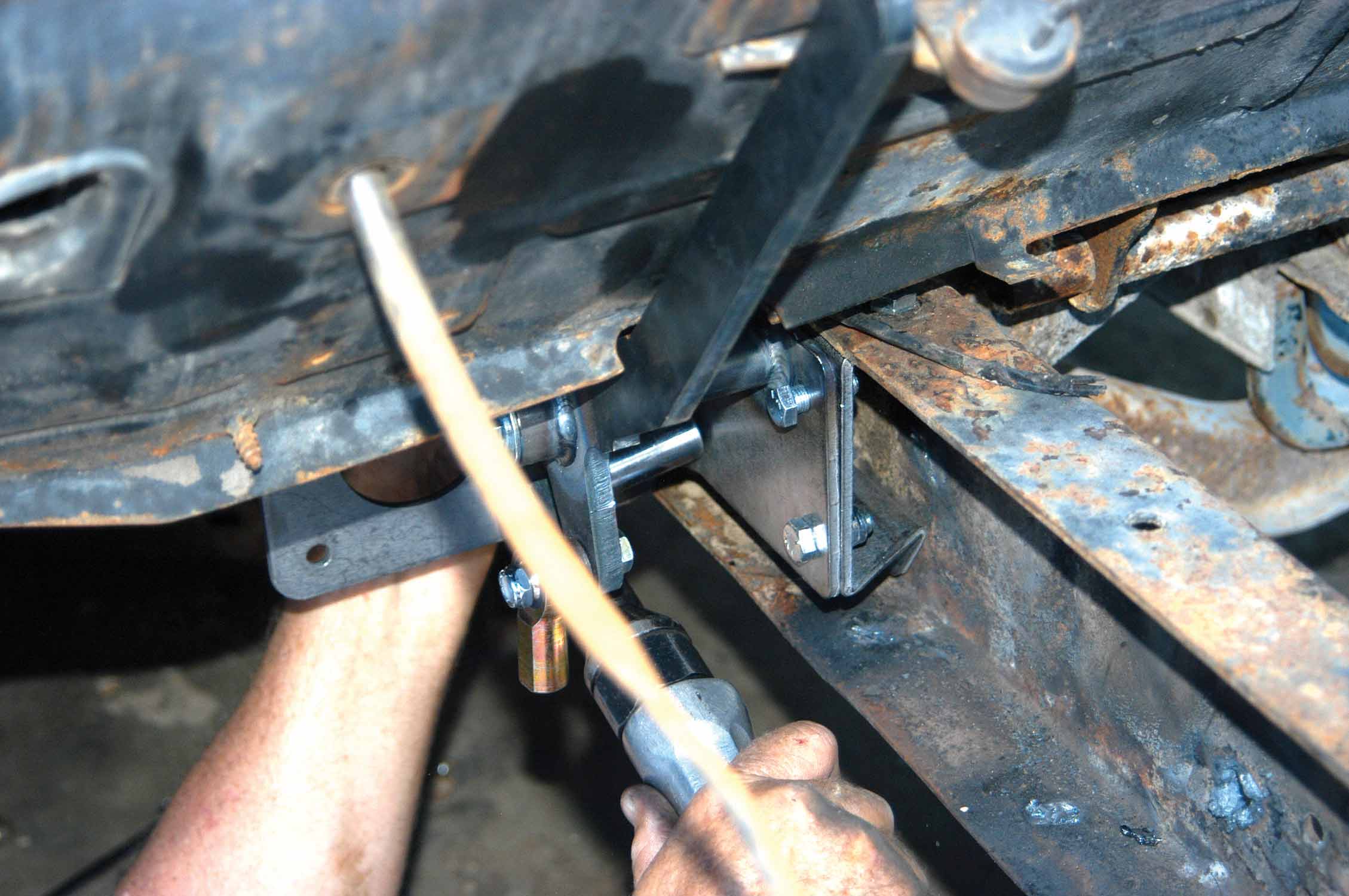
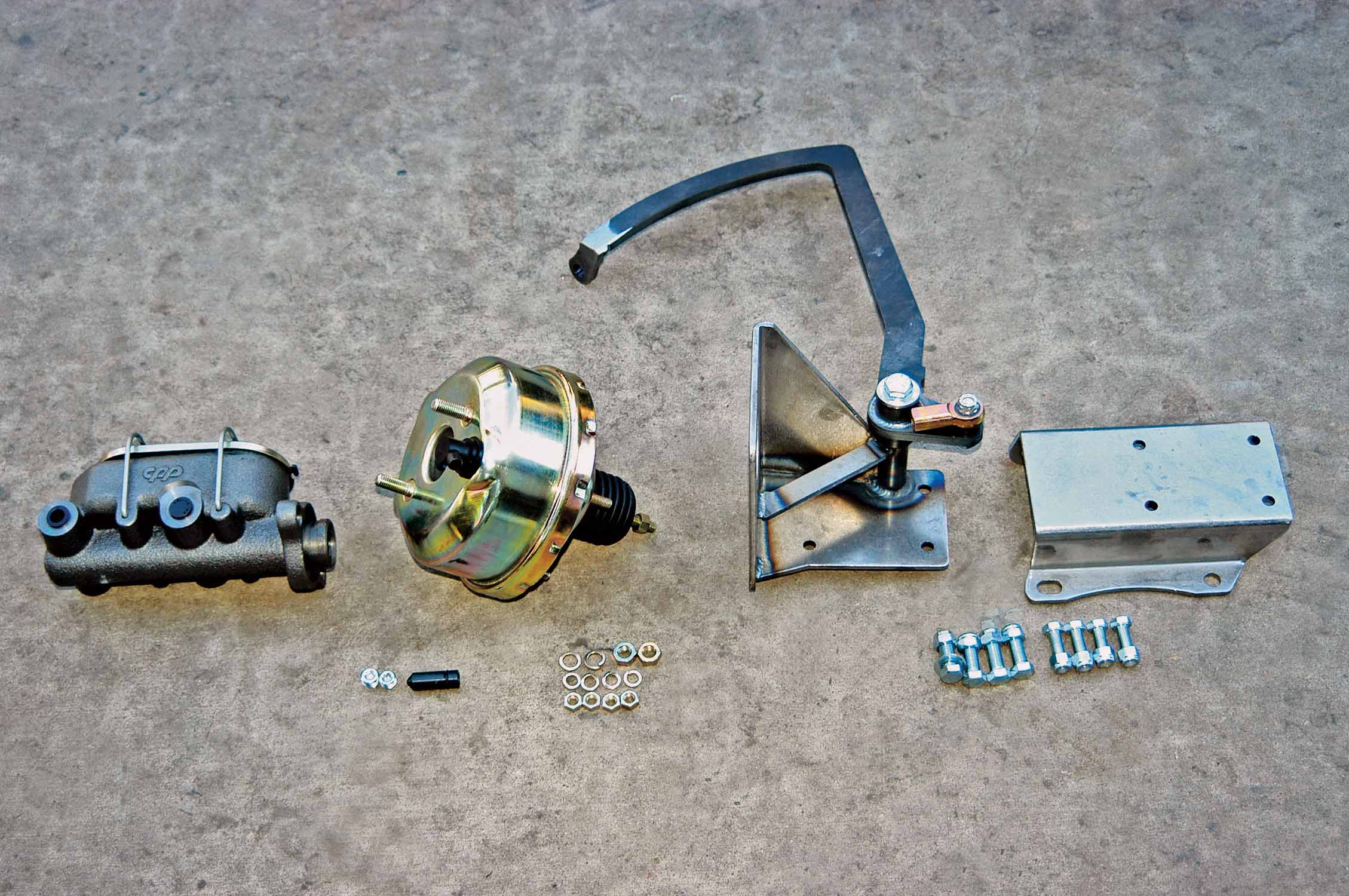
A Classic Performance Products power brake assembly, designed as a bolt-in application for this early Chevy truck, was selected. The installation was simple because the unit connects to the same holes originally used by the stock pedal assembly. This same kit also works great on all ’47 through early ’55 Chevy panels and pickups. In this story we will show you how the install was done using normal hand tools. The entire process should take only a few hours from beginning to end.
ARTICLE SOURCES
Classic Performance Products
8341 Artesia Blvd., Ste. C
Buena Park, CA 90621
800/522-5004