





hot rod build
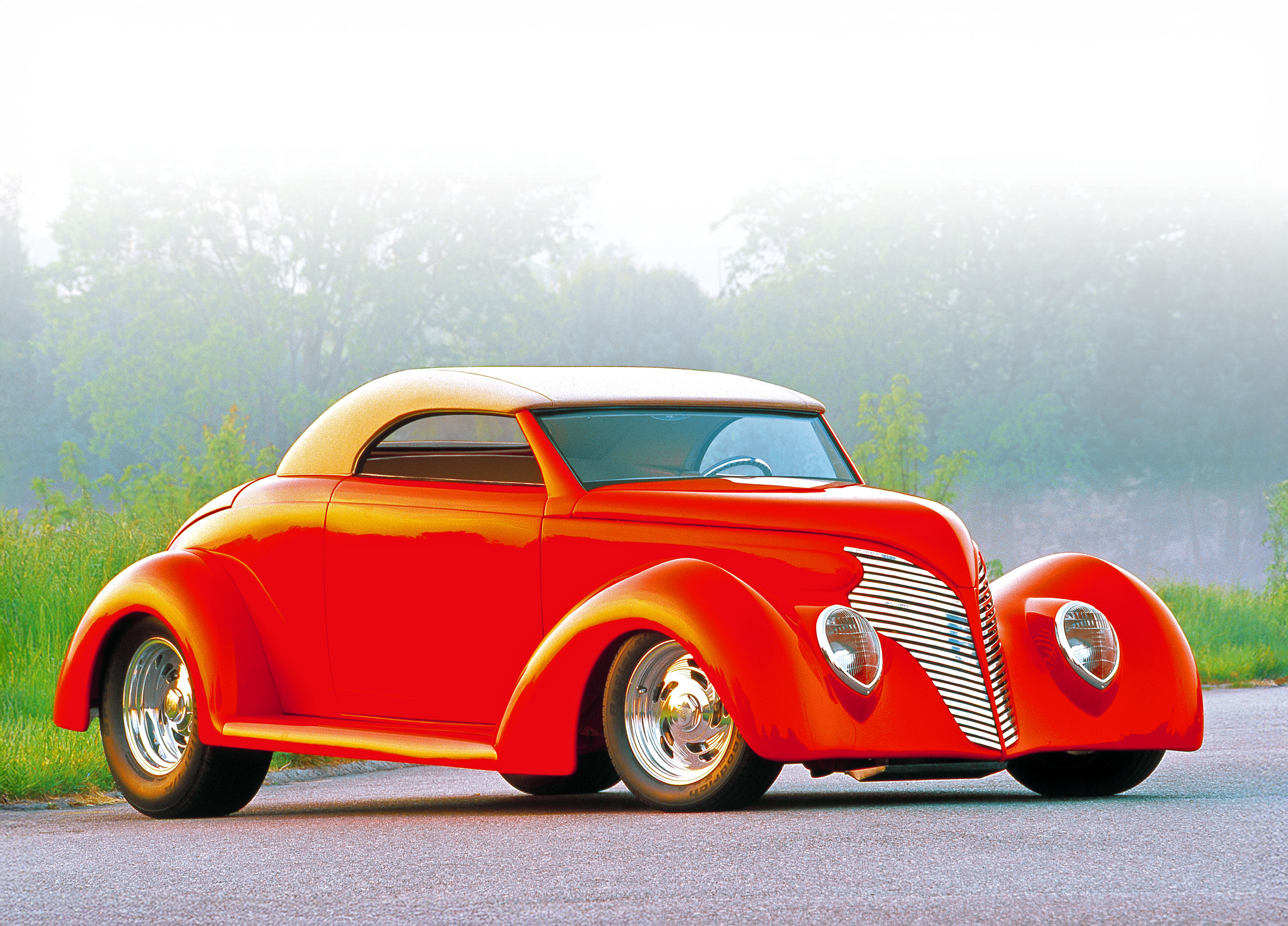
Part of the rarity of this car comes in the fact that this is one of the first 12 original Coast to Coast ’39 Ford Convertible bodies to be built. Since that time, a second-generation body has been developed, and while some changes have been made, the overall look is very much the same, and for good reason. While this design certainly captures the appeal of an original ’39 Ford convertible, it also captures the look of the Chip Foose-designed Smoothster built by Hot Rods By Boyd. It’s sleek, it’s innovative, and, unlike the Smoothster, it’s a truly affordable way for the Millards to arrive in style.
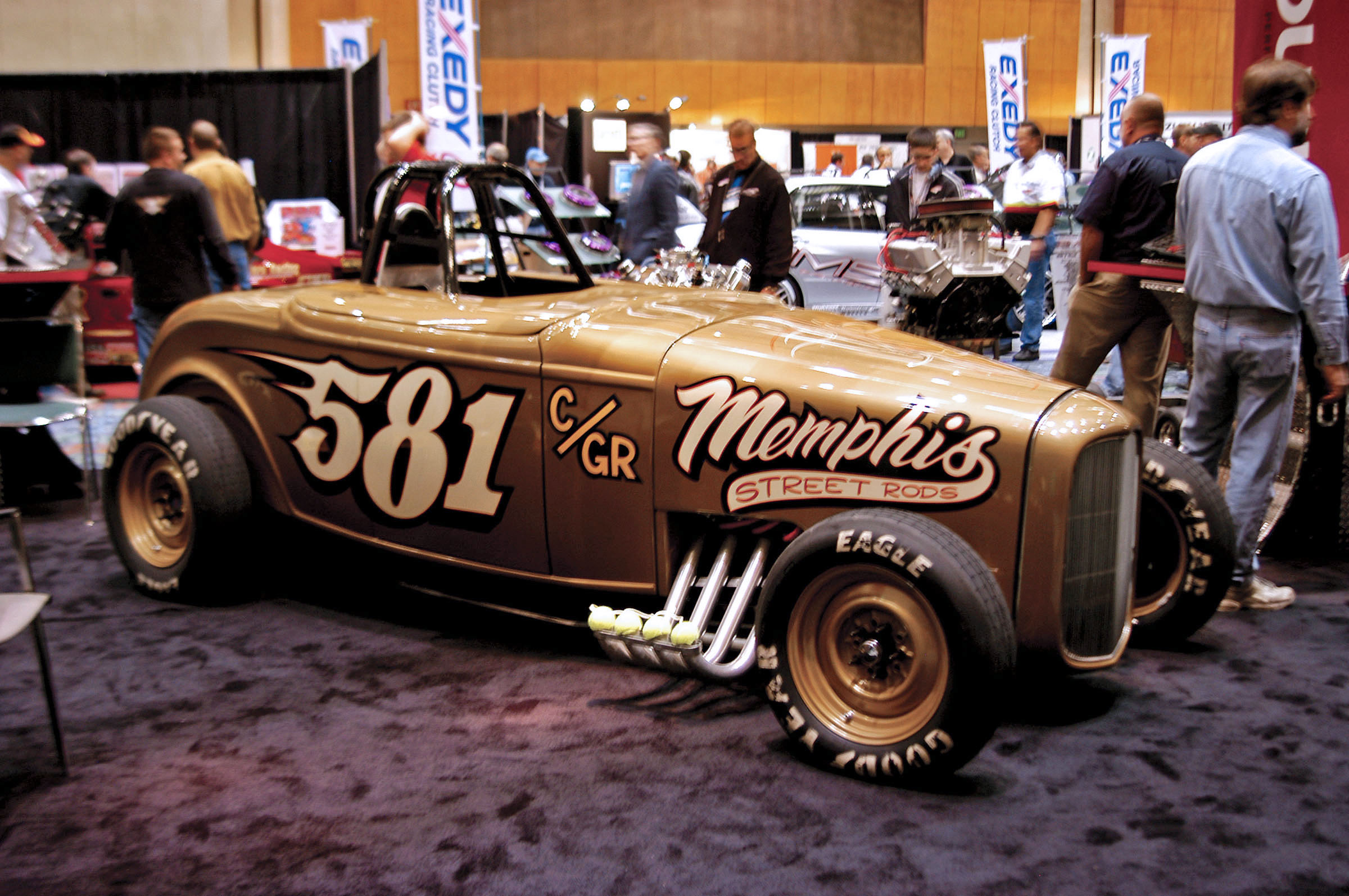
George Poteet is not the kind of guy who does things halfway. He likes to jump into a project with both feet and with his eyes wide open. Such has been the case over the many years he has been building street rods and customs. His street rods have been trendsetters. Most of you are familiar with the Sniper, an unbelievable Viper-powered ’50s Plymouth built by Rad Rods by Troy. More recently, his ultra-traditional black Deuce five-window built by David Lane renewed interest in building more traditional rods. It is no surprise that when Poteet decided he would like to run a car at the Bonneville Salt Flats, he would do it in a big way.

From the first time you see this beautiful ’57 Ford Ranch Wagon, you know it’s special, both in its concept and its execution. You might also know this is the latest creation from one of the Midwest’s elite rod builders, Troy Trepanier, a guy who has been doing it his own way since he first started shaping specialized vehicles back in the late 1980s. Since that time, Troy and his crew have been stopping people in their tracks with fresh, leading-edge designs, and their latest innovation certainly carries that tradition into a new era. After taking possession of another Trepanier creation, the ’54 Plymouth known as the Sniper, George Poteet decided he wanted Rad Rods By Troy to rework another car that he had been thinking about for some time. As with all such projects, it began simply enough, but soon a well-worn Ford station wagon was well on its way to an entirely new life.
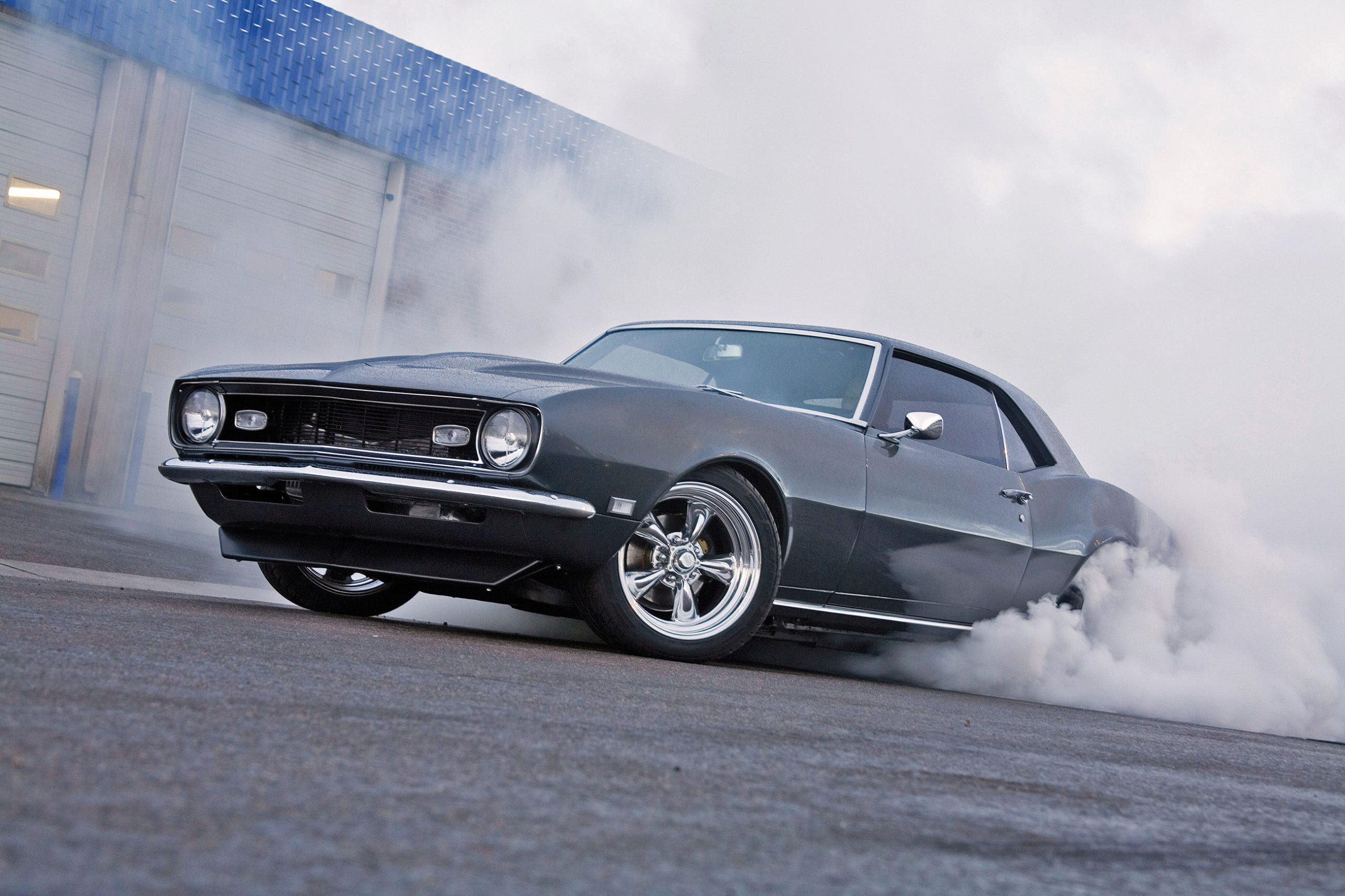
We’ll call Cho’s efforts a modern retro. Much like old heavy-metal bands, classic metal has a timeless appeal, but there’s more—lurking beneath the classic sheetmetal is newfound power that will appeal to both schools of thought; purists will appreciate the clean lines and fastidious restoration, while performance mongers will be delighted to know that the original small block was scrapped in favor of a big block.

Gary Moore is no stranger to hot rods; he has owned literally dozens of them over the years. Past rods include no fewer than seven Deuces, a couple of altered drag roadsters, three ’40 coupes, three woodies…well, you get the idea. Like many hot rodders, Moore has an eye for the unique, and while his current stable holds a Deuce highboy roadster, a ’27 roadster pickup and a ’51 Ford woody, a couple of years ago he contracted “straight-axle fever.”

It’s a simple concept really. You see, when you build six-figure cars for one person, many others stand by and wish they, too, could have such a fine piece of work. Of course, all that one-off bodywork, tube frame construction and sculpted interior is just too pricey for most street rodders, and that doesn’t even consider the price of an artist concept study and subsequent drawings.
However, after spending all that time, money and effort to produce an aesthetically pleasing and award-winning design based on the venerable ’32 Ford, why not mass produce the car in fiberglass with the same great chassis and super smooth lines? That thought crossed Boyd Coddington’s mind when he did the original Boydster, a fenderless highboy roadster. The next progression was to add fenders to the car and so, being a sequential kind of guy and is good with numbers, Boyd decided to call this one the Boydster II. The car embodied all the great style of the first car, but now with fenders.
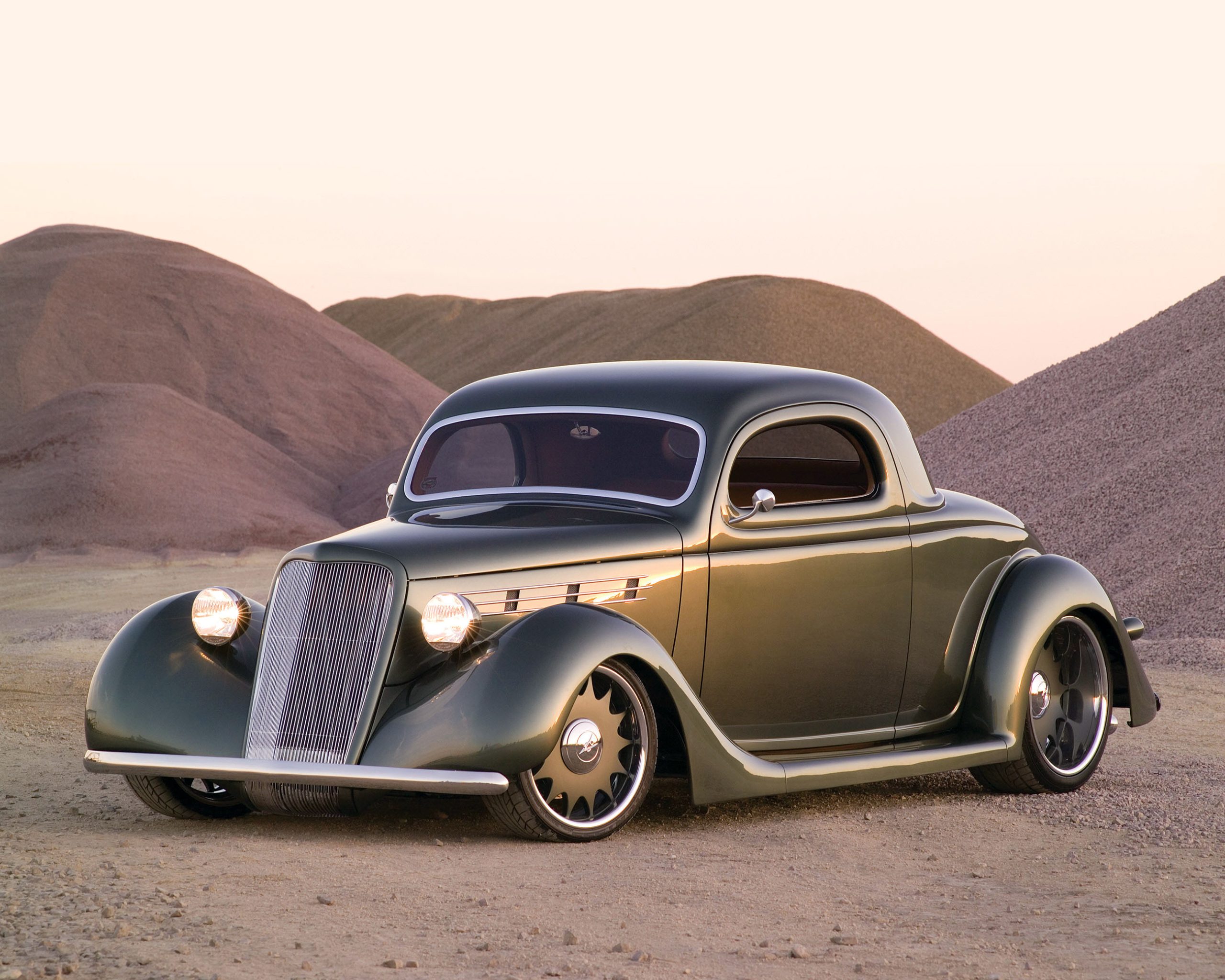
Subtle is a term that doesn’t describe many hot rods, as most of them use bright paint and loud engines to stand out in the crowd. The new wave of high-end hot rods, however, often use softer colors and more elegant themes to make an outstanding statement. Doug Hoppe’s ’35 Ford coupe is a fine example of a subtle yet radical rod, and the crew at Lakeside Rods and Rides did an amazing job with the extensive metalwork, paint and final assembly. Lakeside Rods and Rides is notorious for elegant street rods, including this year’s America’s Most Beautiful Roadster, and the guys in the shop know exactly what it takes to build a jaw-dropping car.
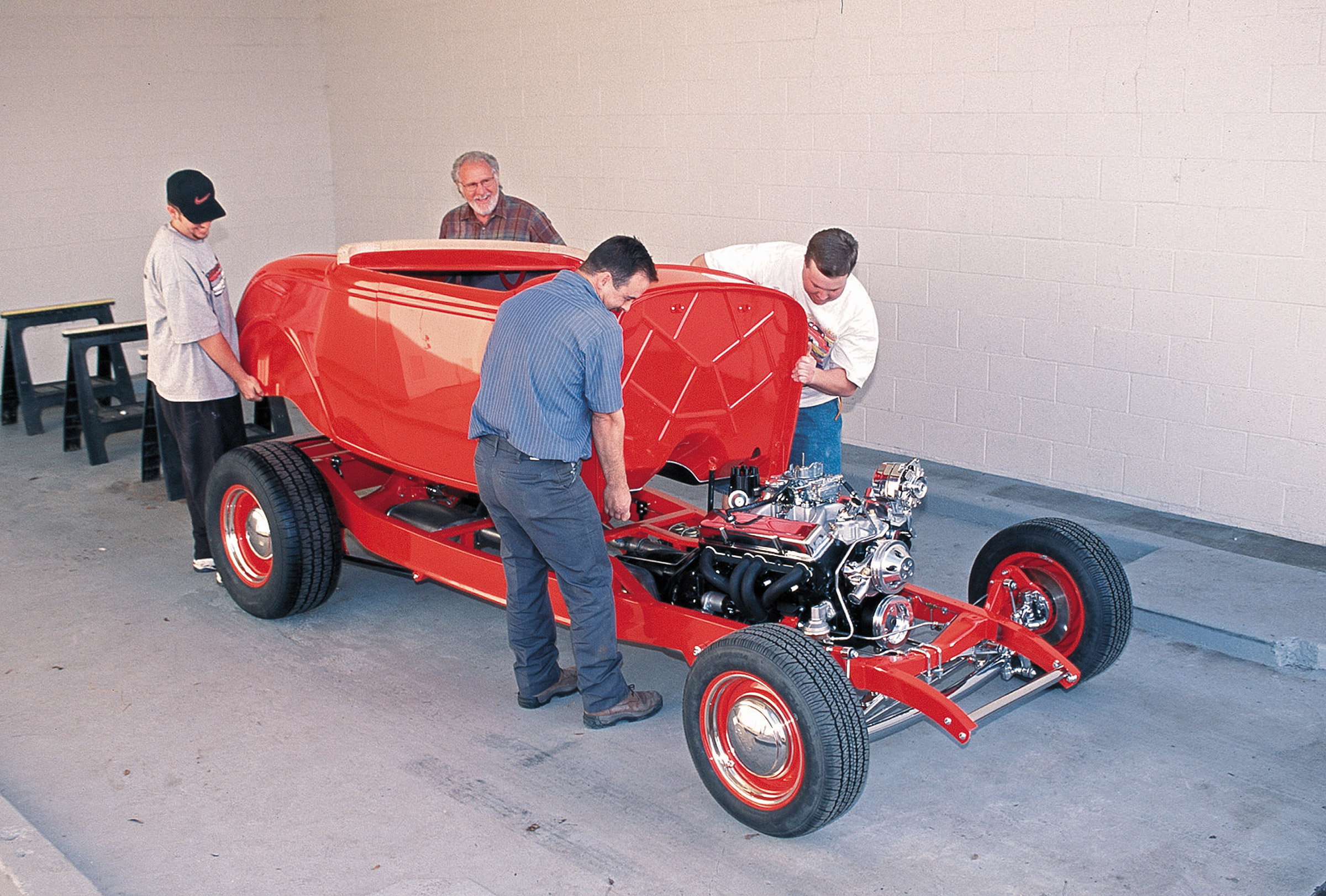
With fenders or not, an early-’30s roadster is easy to build, and there are a great number of parts available for them.
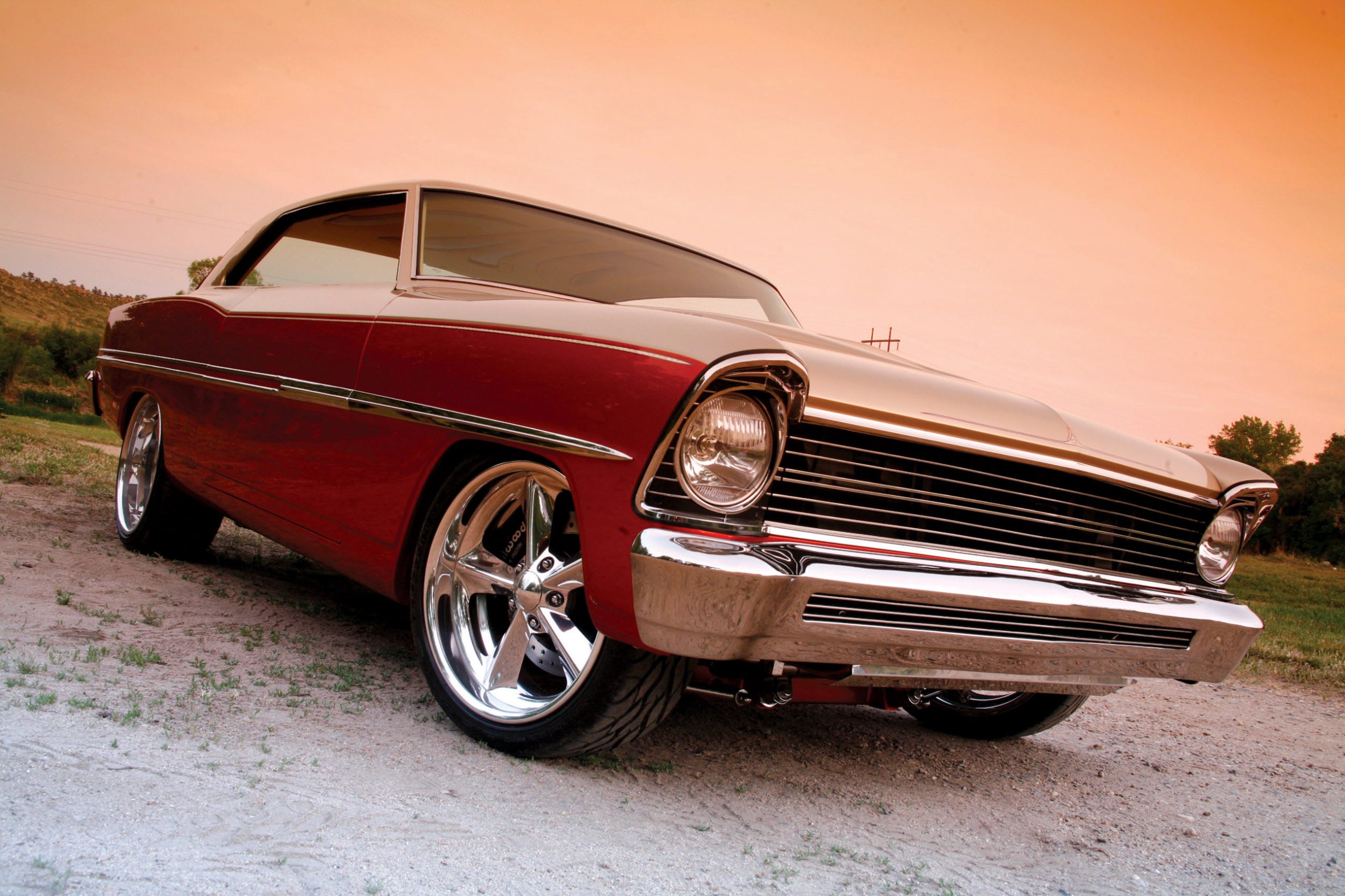
Maurice and Lynne Hoover were already the veterans of two wild project car builds—a ’67 El Camino and a ’67 Camaro—when Maurice decided he wanted to build yet another. He says, though, that when he brought up the subject of another project, his wife, Lynne, was not particularly pleased. Maurice went ahead and brought home a ’67 Nova anyway. While in some situations such a move could have worked out for the worse, before long Lynne came to like the car, and the two dove into the project.
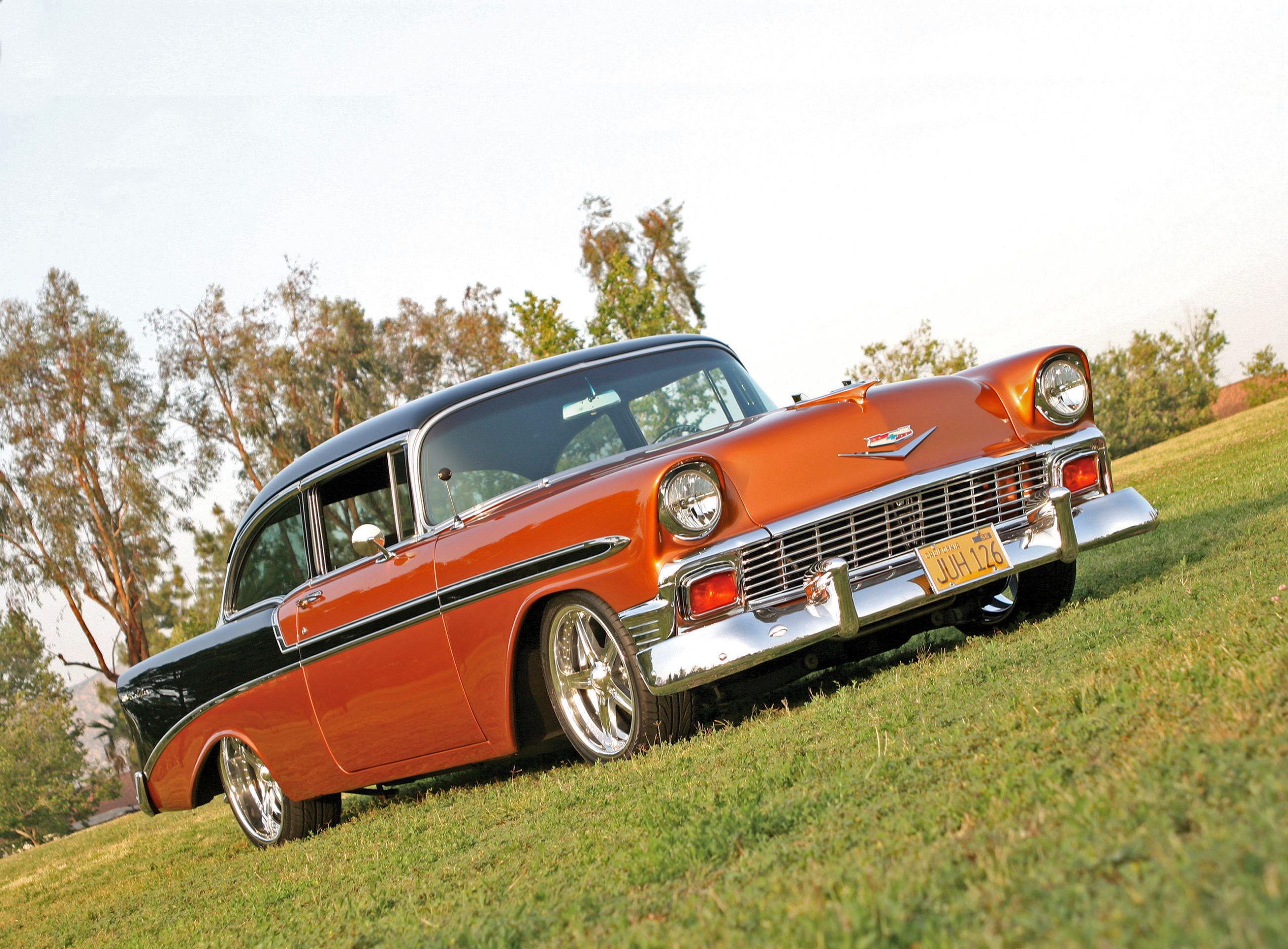
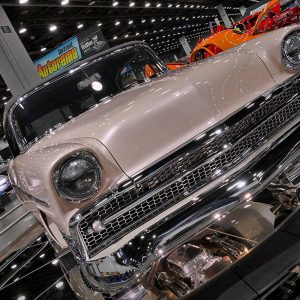
Some car guys choose a path to automotive nirvana through the purchase of a car that someone else built or by having a shop build the car of their dreams, but Albert Alvarado is not one of those guys. Like many of us, he doesn’t mind getting grease under his fingernails and overspray in the garage. You see, Alvarado had completed this Bel Air once before. Back in 2004, it was a beautiful red-and-white car, but Alvarado was disappointed by the number of red-and-white Bel Airs he was seeing at all the shows, so he decided to make some drastic changes.
