




custom interior

Some decades ago, Louis Jackson was a lucky 15-year-old boy. He had his first car, and it was a ’55 Chevy, a car that was already a classic at the time. He was not lucky enough to have the funds or the skills to finish the car the way he really wanted—he was after a Pro Street-style car, but building a car like that is a tall order for someone still in high school. Though he couldn’t create his dream car that early in his life, he vowed that someday he’d have that Pro Street ’55.

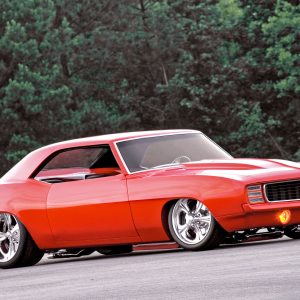
Chris German knows his way around a Camaro. He currently owns two—the car you see here and a ’69 Pace Car. He’s owned six more of them in the past, and he’s built 10 of them at American Muscle, his shop in Cleveland, Tennessee. When he came across this car, it was in great shape. It had been the focus of a restoration about 20 years ago, and German says he probably could have started and driven the car with almost no effort at all. But the Camaro wasn’t the way he wanted it. He wasn’t after a restoration or a drag-style car. His Camaro would have to be able to handle the corners well, and he wanted to be able to autocross it at Goodguys shows, and autocross it well.

What Do You Do When You Want the Power and Performance of a Dodge Viper but Need the Utility and Space of a Quad-Cab Pickup? Well, you can buy a Dodge Viper and you can buy a Dodge Ram pickup, or you could buy a Dodge Ram SRT-10. The Ram SRT-10 is a limited-edition pickup that Dodge built as a regular cab from 2004 to 2006 and in a Quad Cab from 2005 to 2006. These trucks appear to be the result of some aggressive engineering, combining the racing pedigree of the Viper with a pickup truck, resulting in outstanding performance—and it works!

Keith Samrany was poking around at a swap meet about 25 miles from his home in Grand Island, New York, when he found a ’35 Buick Series 40 business coupe that was just begging for a new owner. The coupe was in remarkably good condition, having been driven until around 1985, when a previous owner began a restoration that was never finished. Samrany, owner of KS Auto Stores in North Tonawanda, New York, had been a car guy for years, so he was very knowledgeable about the myriad of parts needed to build a hot rod. Enlisting the help of Dave Klock and Mark Morer, Samrany started to work on a project that eventually would take eight years to complete.
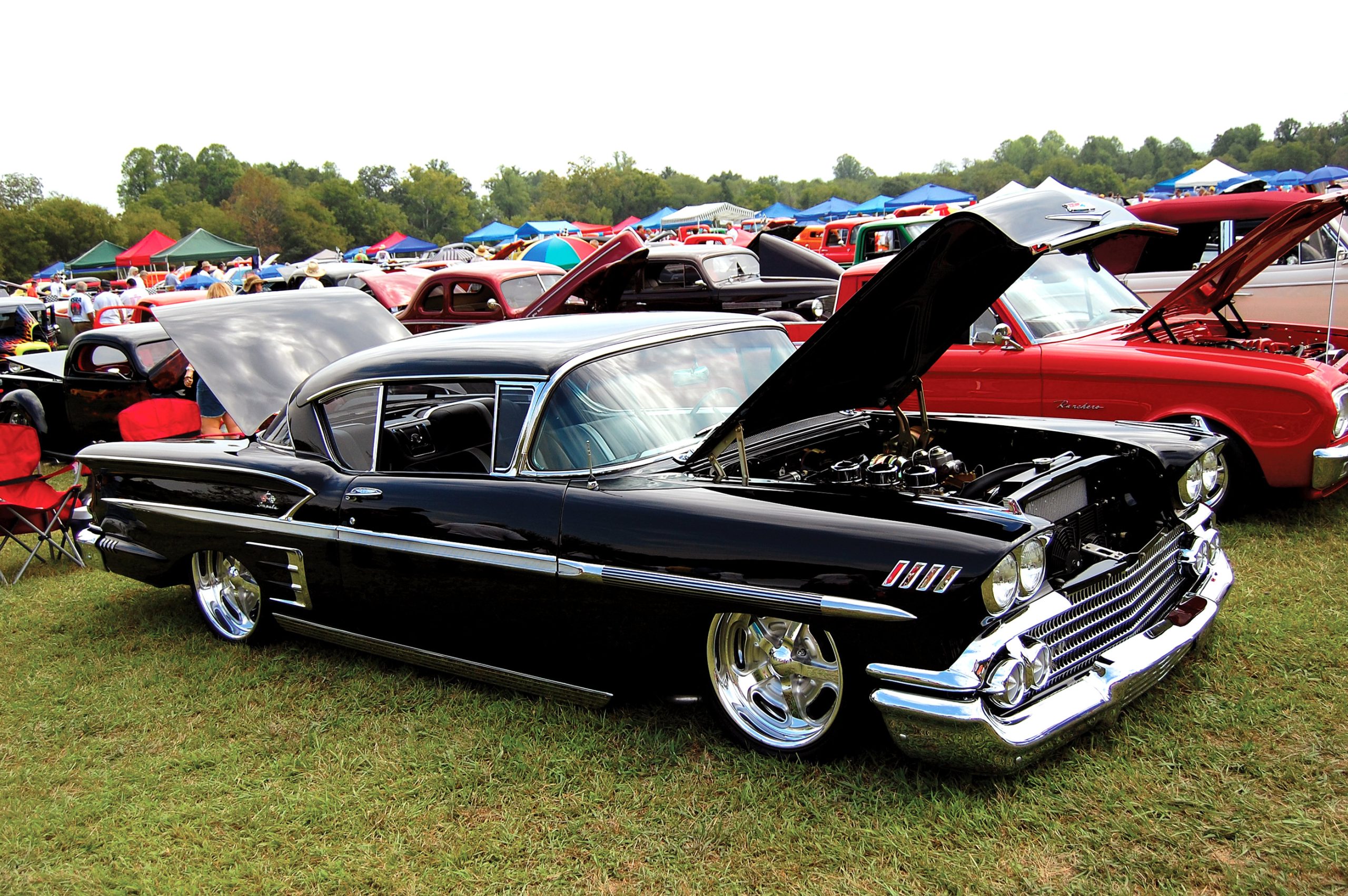
This was a time when car manufacturers improved on their cars with much better suspension systems, larger and more efficient V-8 engines, and all the stylish creature comforts new-car customers expected. Chevrolet evolved, too, using more modern technology and a performance parts supply that enabled Chevy enthusiasts to build upon the factory offerings. Chevrolet changed what was once a basic industry, and even though those were simpler times with no computers, cell phones or electronics to speak of, the suspensions were new—but still a long way from what is available now. However, tri-5 Chevys were fast and provided a blast without all those fancy gadgets found in luxury cars at the time—just give them a two-tone Chevy equipped with a V-8 and whitewall tires, and it was all good.

When Jorge Torres was young he would help his father around his shop. Named after the senior Torres, Armando’s Custom Upholstery in San Jacinto, California, opened in 1989 when Jorge was still in high school. In 1992, he began working full time with his father and brother, Armando Jr. He stared doing old cars and went to a few shows to promote their work. During this time he mentioned to his dad that he wanted to build a 1969 Chevy pickup. It turned out that his dad had a friend who owned one, but he was told that the truck was in pretty rough shape. All Jorge heard was that the price, at $1,500, was in his range.
0Comments
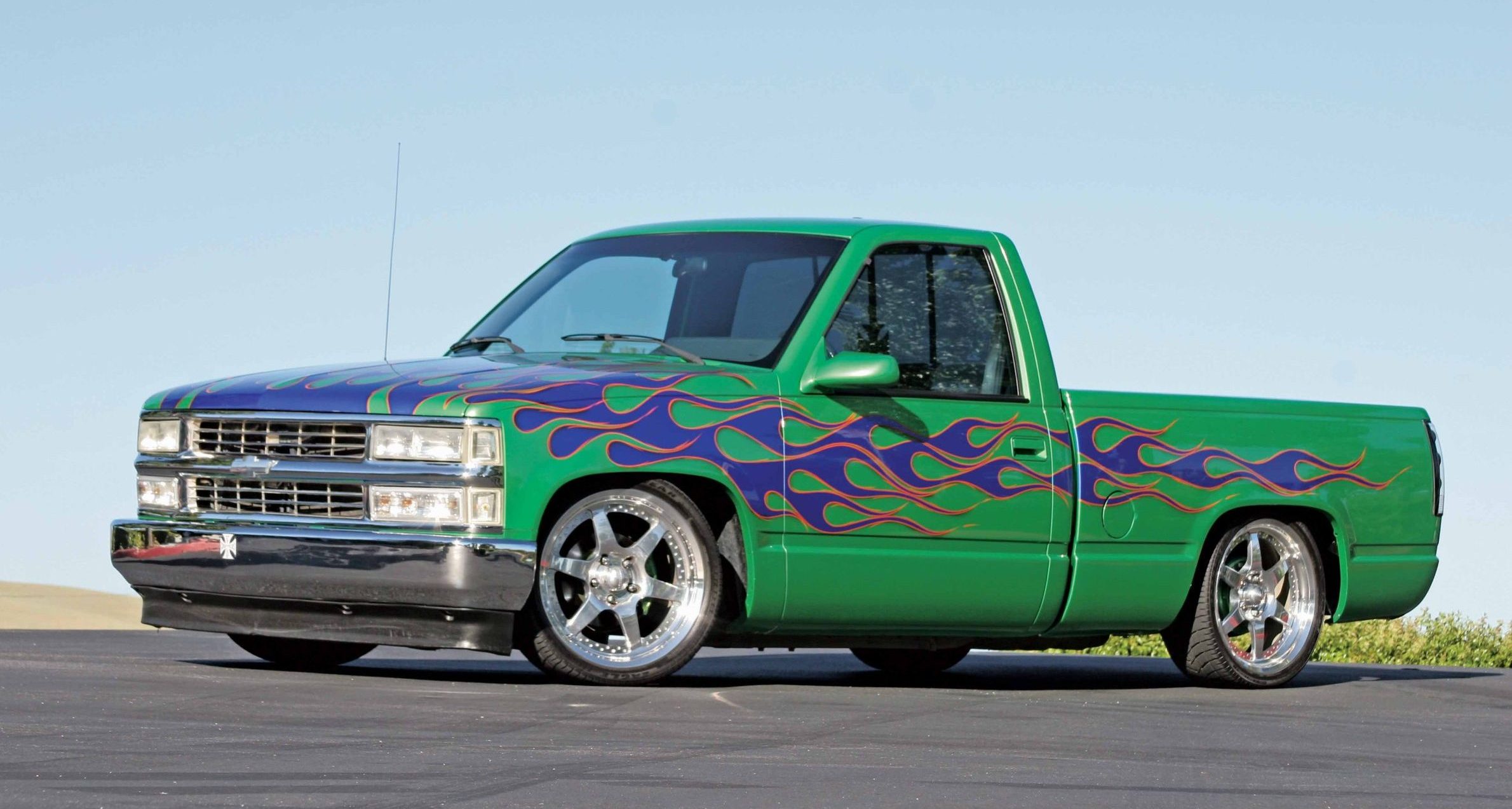
The longer we are in this business, the more we are certain that the one skill which is most important to know is how to paint. A custom painter can take nearly anything and turn it into a fine ride. Sure, those who can work on suspension or engines are able to take their specialty and turn it to their advantage, but no one modification makes more impact than a cool paint job. That is why guys such as Sam Spinelli, a custom painter for more than 12 years, can cruise around town in this 1990 Chevrolet C1500. Adorned with a killer basecoat and an amazing set of flames, it would be a show truck for the rest of us, but he simply describes the Chevy as his daily driver.
0Comments
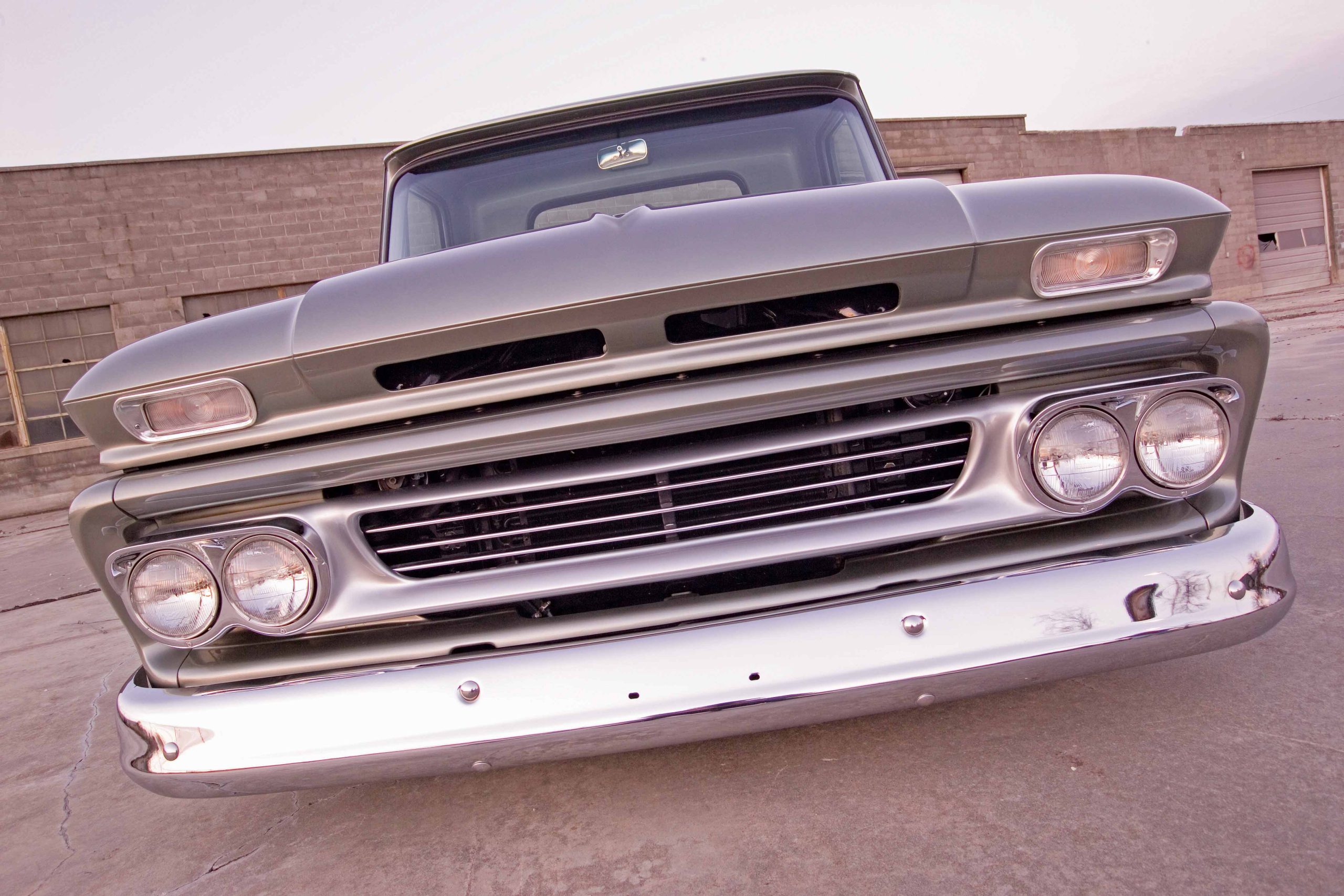
Those who know Ottawa, Kansas Roger Ward are almost certainly aware of his dry wit, his candid demeanor and his unique ability to create understated cars, one after the other. His talent in applying the most understated details to relatively unsung vehicles provides a lesson for us all that the best way to make a strong statement is to say as little as possible and do it your own way.
While his daily duties revolved around reworked body panels and refining those efforts with a paint gun, his lifelong hobby has focused those skills on a series of cars that exudes the same laid-back character which can be enjoyed in this extremely subtle, yet equally eye-?catching, 64 short-wheelbase Chevy pickup. As with so many trucks of this era, previous owners didn’t worry too much about retaining its pristine originality. Dented and rusty, this truck had been through the proverbial ringer, which made this conversion that much more difficult to achieve. Then again, Ward’s particular talents have made a great deal out of lesser vehicles, so this would simply be another test of his talents and another example of the skills he wields.
0Comments

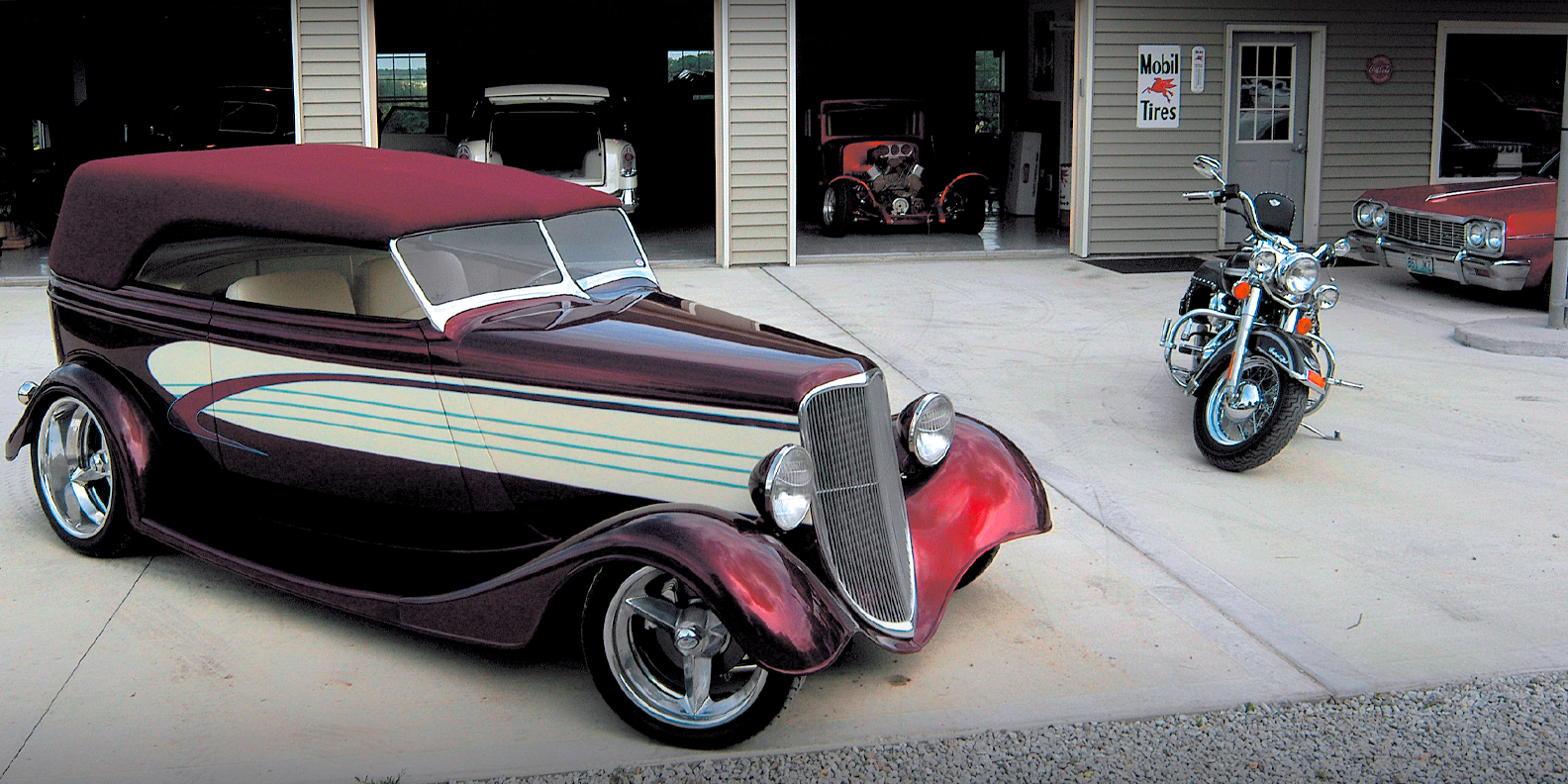
For every hot rod shop that has a show on TV, there are countless smaller shops that will never get mainstream TV exposure or clothing lines sold at Wal-Mart. But all across the country, it’s these smaller shops that turn out the majority of the street and super rods that you and I enjoy, and that we see at shows. And even though these little guys may not have big reputations yet, they churn out consistent and excellent work—and, that is precisely how some of these smaller shops will eventually become bigger shops with even more prestige.
