

THE AUTO BUILDER
Featured

1175 HP
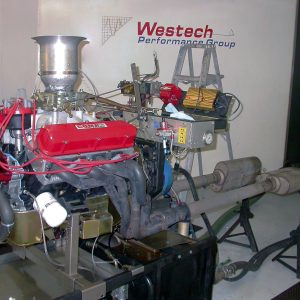
This engine, and others like it, has opened up a brand-new chapter in the ever-evolving, wild world of Chevrolet power. By design it has a bore and stroke of 4.60 inches by 4.25 inches and Big Chief II heads, which are about 2 inches taller, that feature oval-shaped intake ports. This, they say, is for maximum cylinder filling. Years ago, creative racers would angle-mill heads to arrive at the desired combustion chamber size and to improve the valve angle in combination with the incoming intake flow. These heads are nicknamed “11-degree” heads, as they have been designed with a built-in 11-degree angle right out of the box. There’s no angle milling needed here. A special valvetrain is necessary, along with longer stem valves. Quarter Mile Performance feels that these heads are worth 200 additional horsepower over the very best “shorter” heads.
THEM’S THE BRAKES
There is no other more important system than braking, so when the folks at Baer told us at the SEMA Show that they were finishing up their latest kit—one designed to fit the Ford F-150, as well as the Expedition, Navigator and Navigator 4WD—we wanted to see one installed. Baer has been producing high-?performance braking systems since 1986. The company specializes in high-performance, bolt-on brake systems that radically enhance the ability of the otherwise stock brake systems.

HPX Emerges as a Must-Watch Tradeshow for the Performance Industry
There’s a new name making waves in the high-performance and motorsports world: HPX. The High Performance Expo, presented by the North Carolina Motorsports Association (NCMA), brings fresh energy and forward-thinking focus to the industry. Held at the Charlotte Convention Center, HPX delivers a dynamic experience for automotive professionals, racers, fabricators, and performance enthusiasts alike. Built as a bridge between business and passion, HPX sets out to connect the key players in performance engineering, aftermarket innovation, and motorsports culture—and it’s already making a strong impression.
Spotlighter
POPULAR READS
-
Product Spotlight: Bill Mitchell Products Aluminum LS Engine Block
-
PRODUCT SPOTLIGHT: 60-66 Chevy C10 Fresh Air Vent Block Off Plate
-
Product Spotlight: Pyramid Optimized Design Sequential Aurora Taillight for 1964½–1966 Mustang
-
PRODUCT SPOTLIGHT: Cam Covers for GEN/3 Coyote from Pyramid Optimized Design
SMOKIN’ SS – Part 4
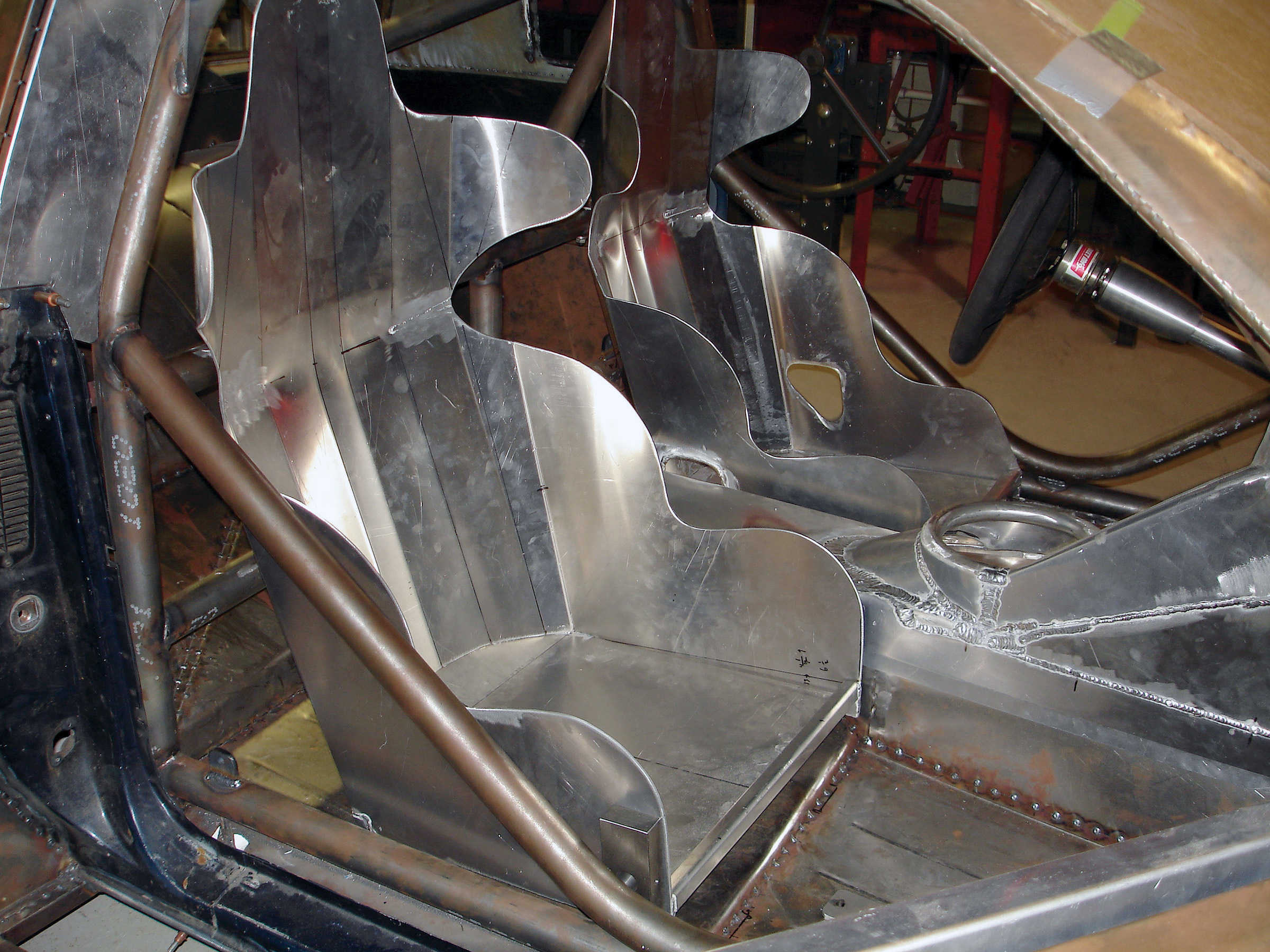
Installing a Wilwood Brake System and Fabricating Custom Seats
In part 3 of Smokin’ SS, Mark Davis and his students designed, fabricated and installed custom suspension components that will make this Monte Carlo handle like a racecar. Custom tubular control arms and hand-built spindles now ride under the car, along with AFCO coilovers on all four corners. Such an inspiring suspension is great, but to pull off this car, and to allow it to operate within its intended envelope, the Monte Carlo also needs a matching brake system.
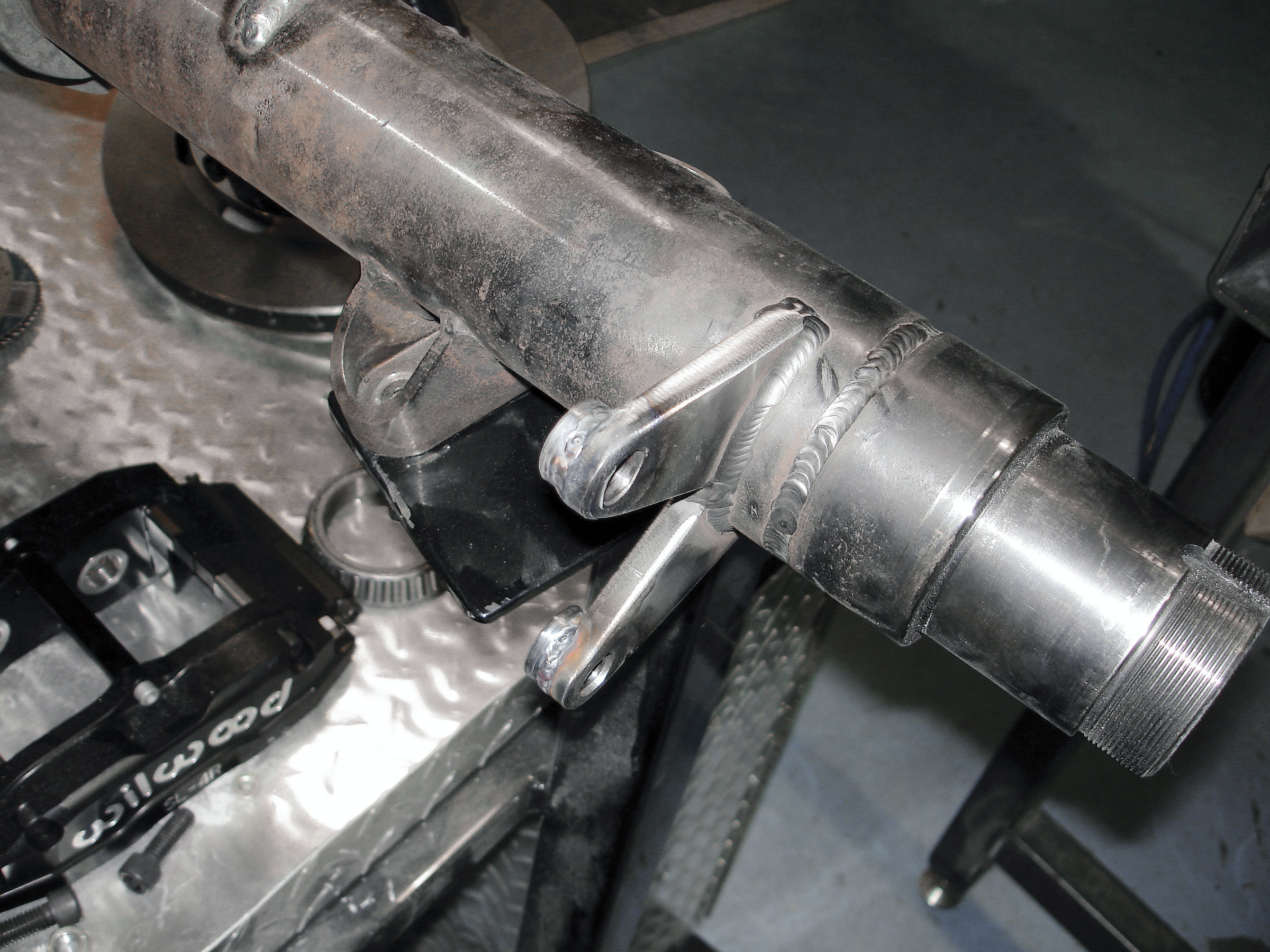
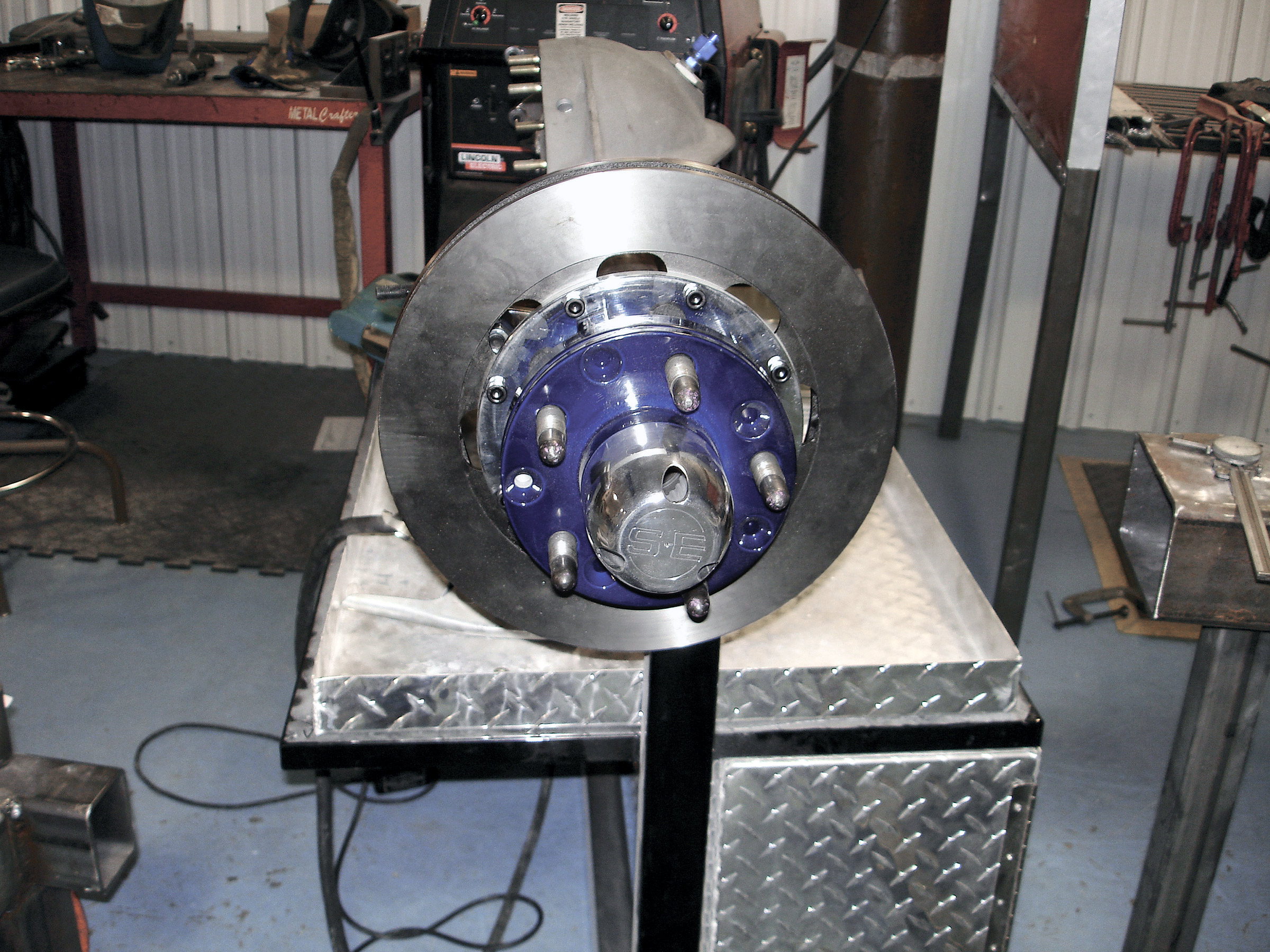
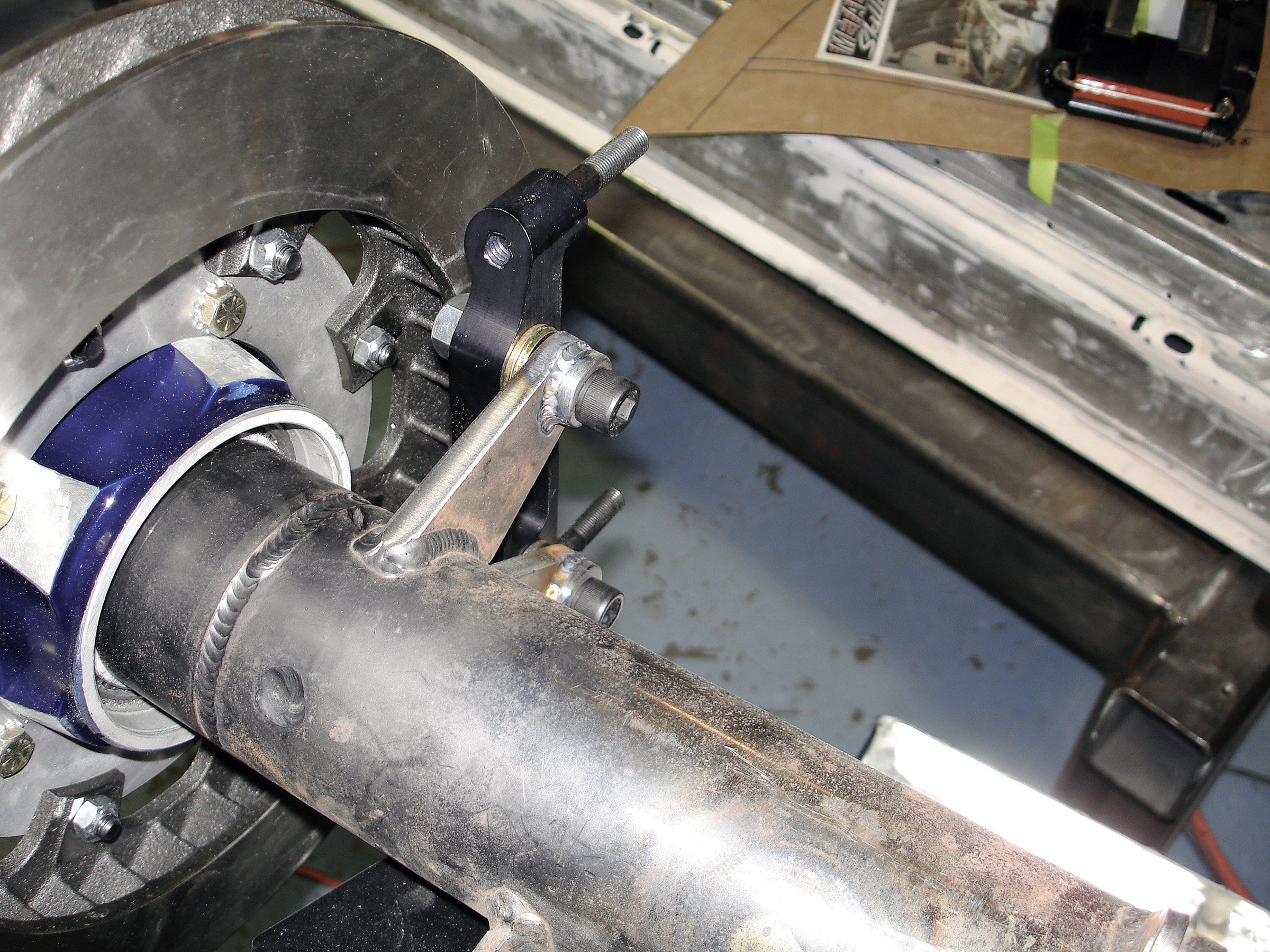
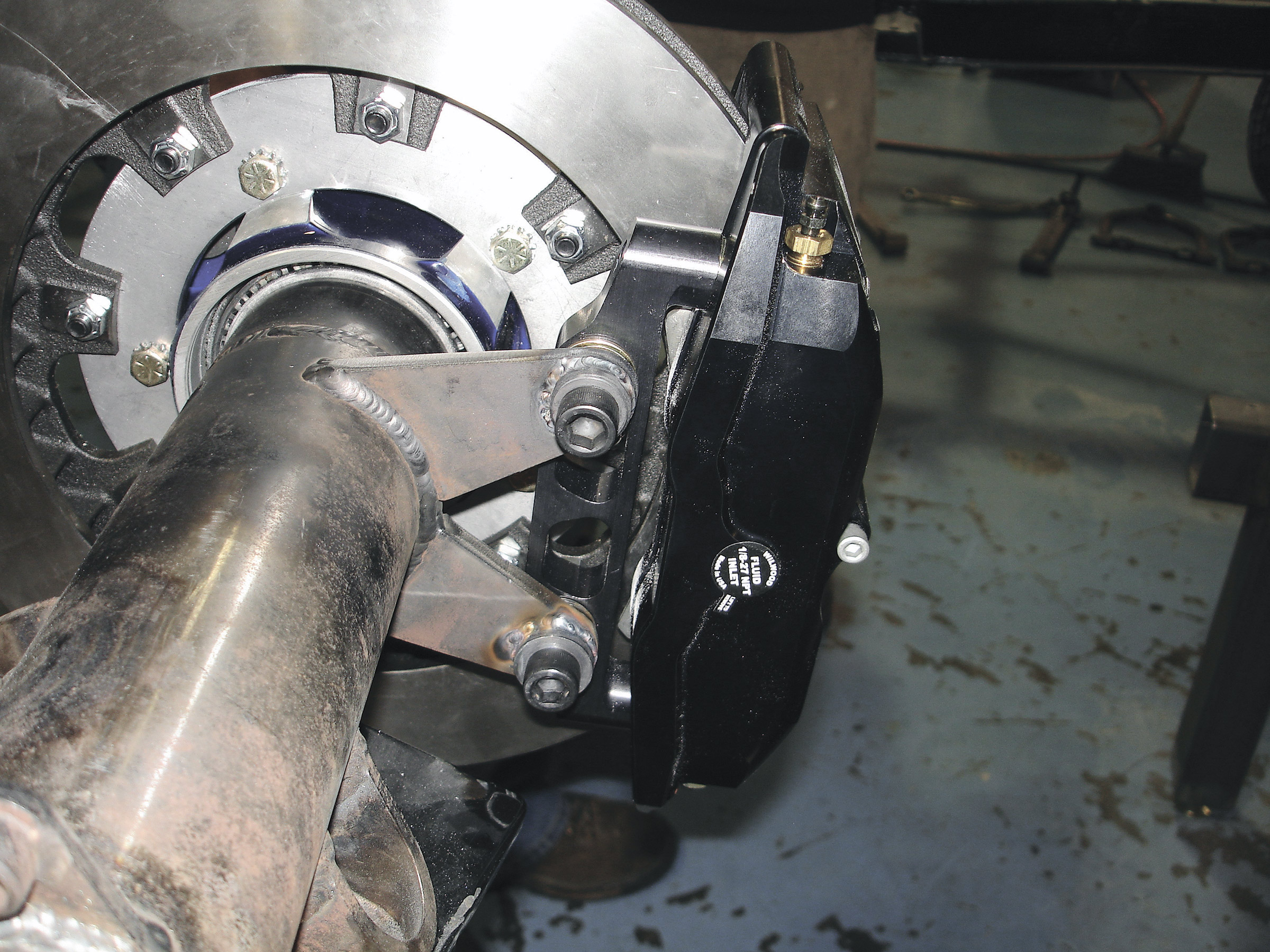
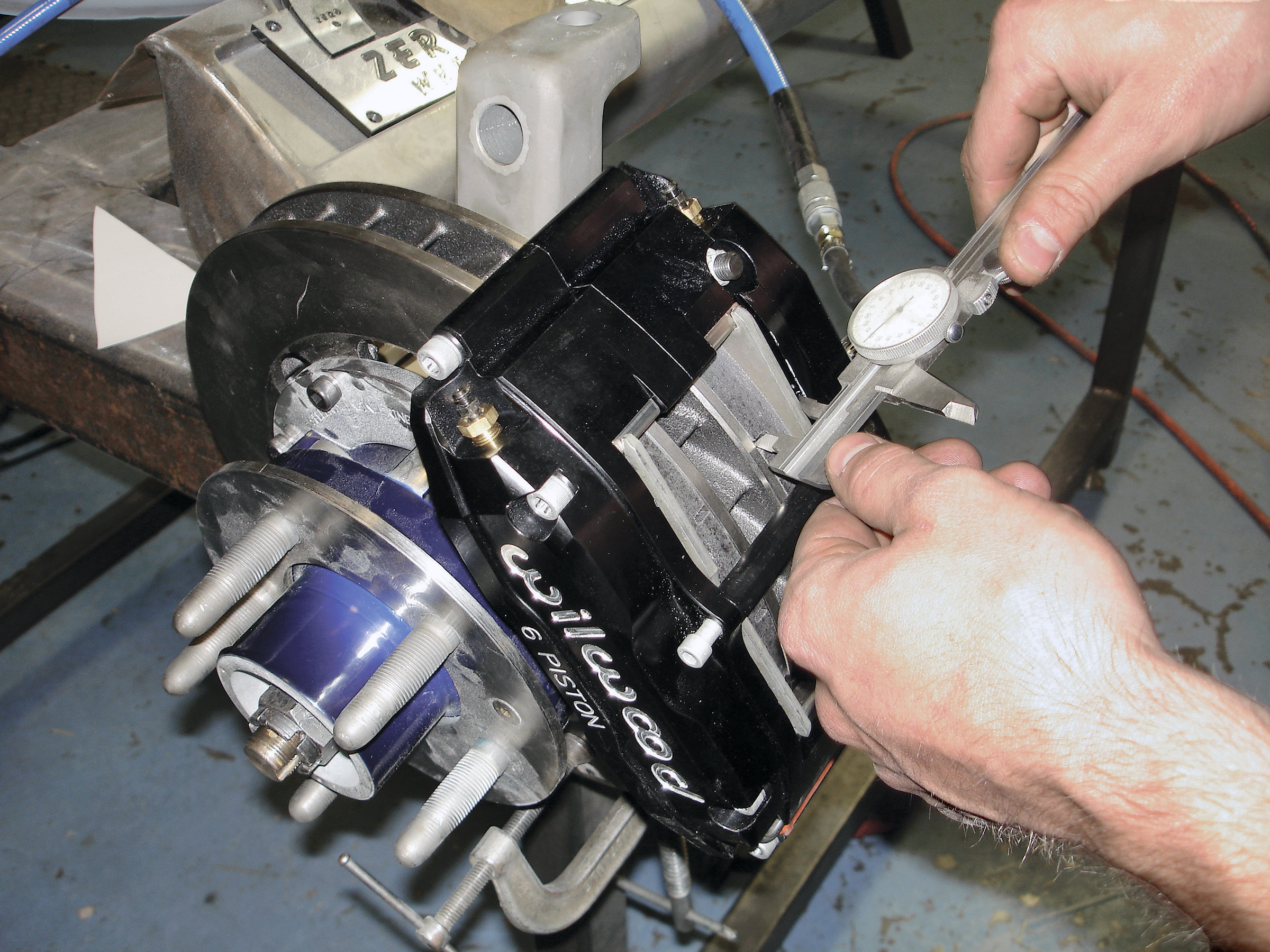
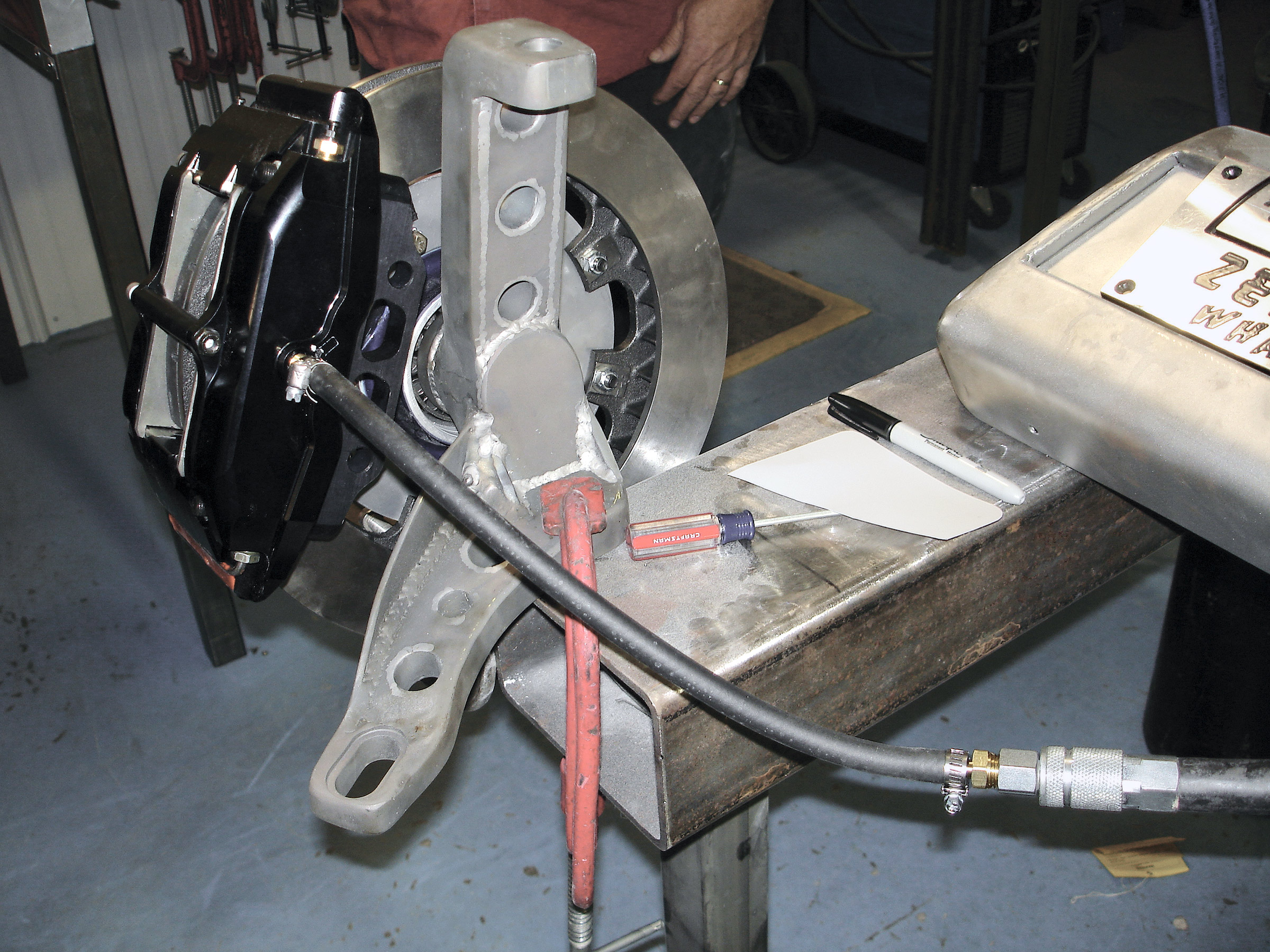
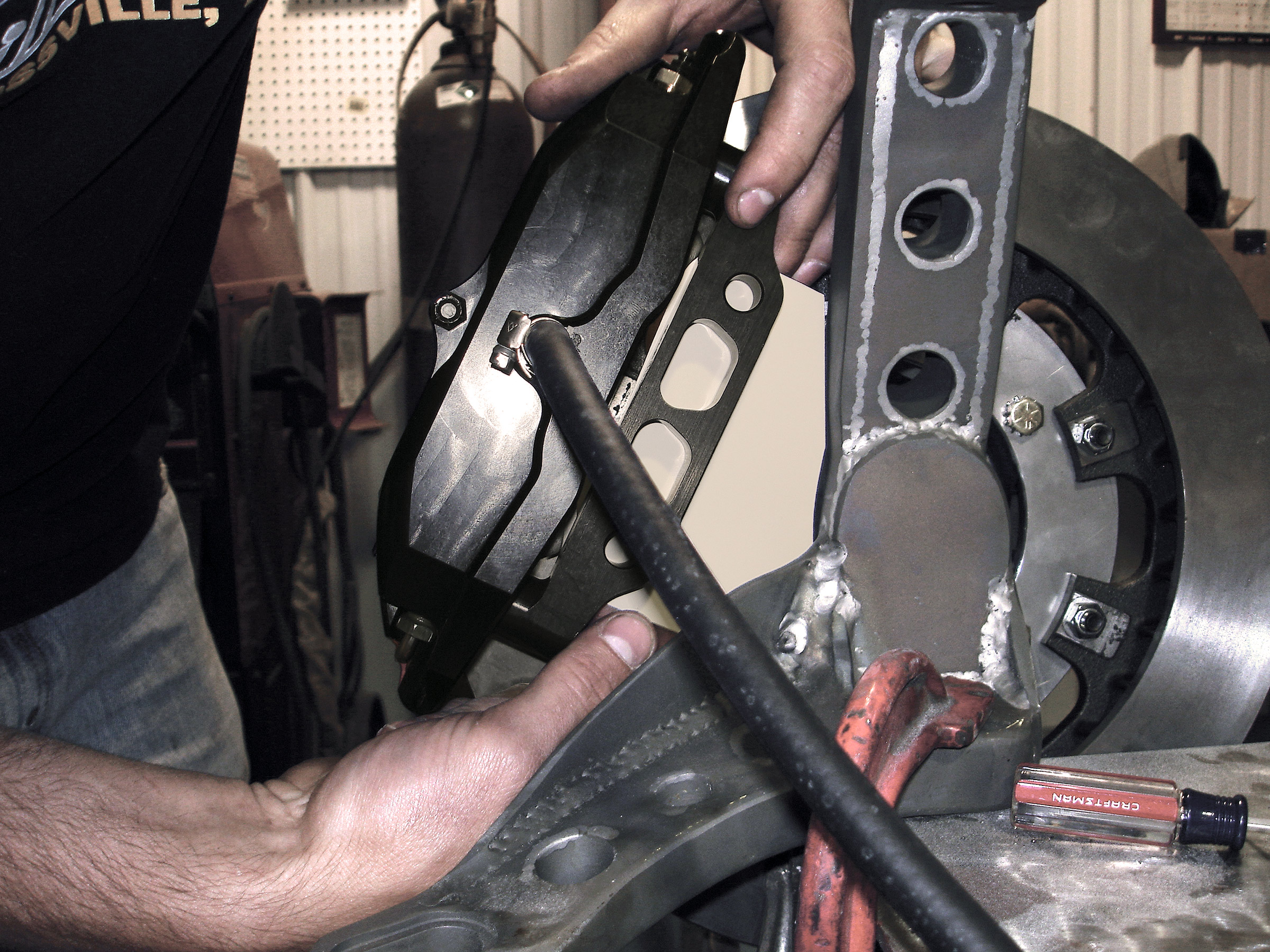
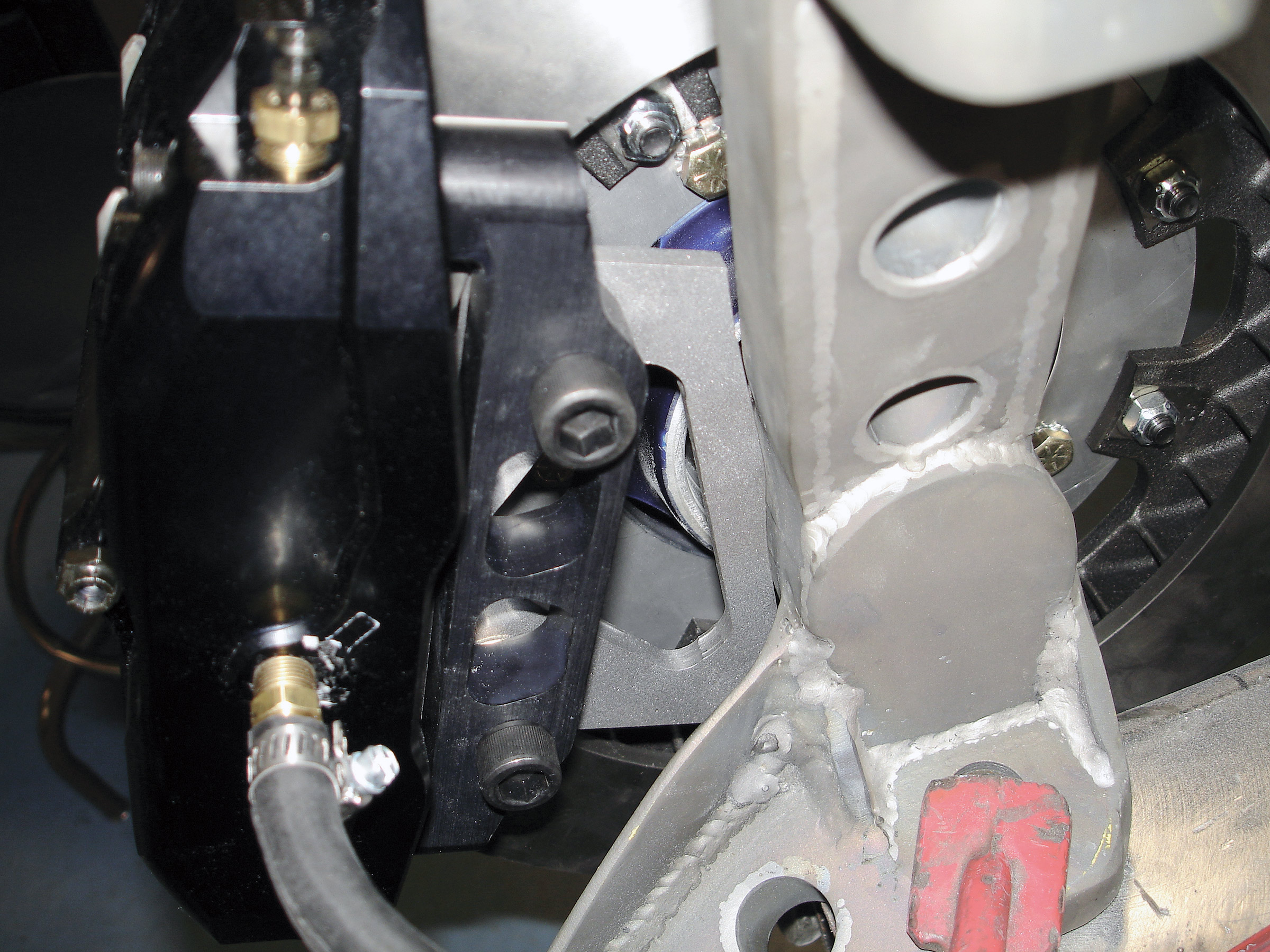
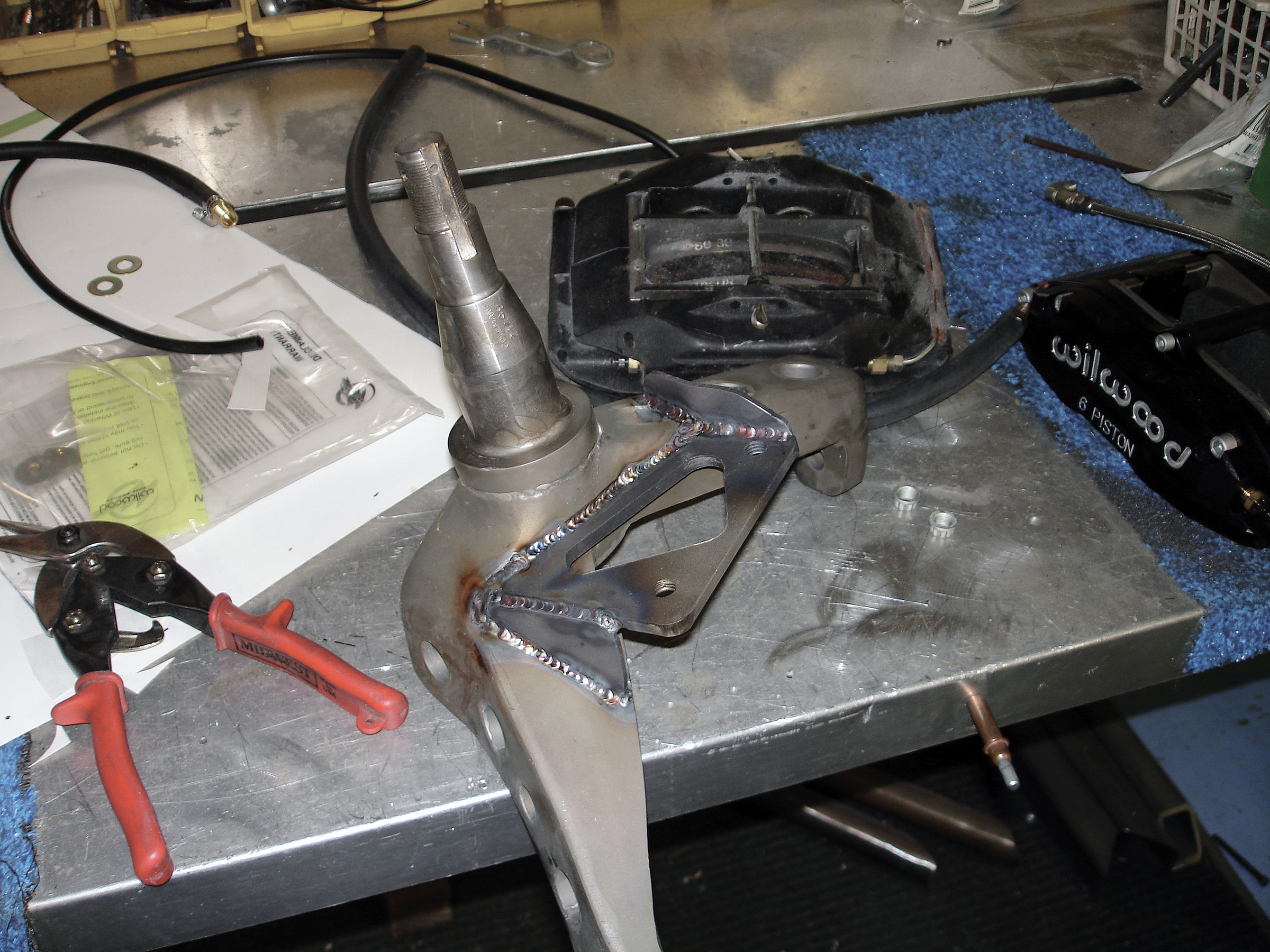
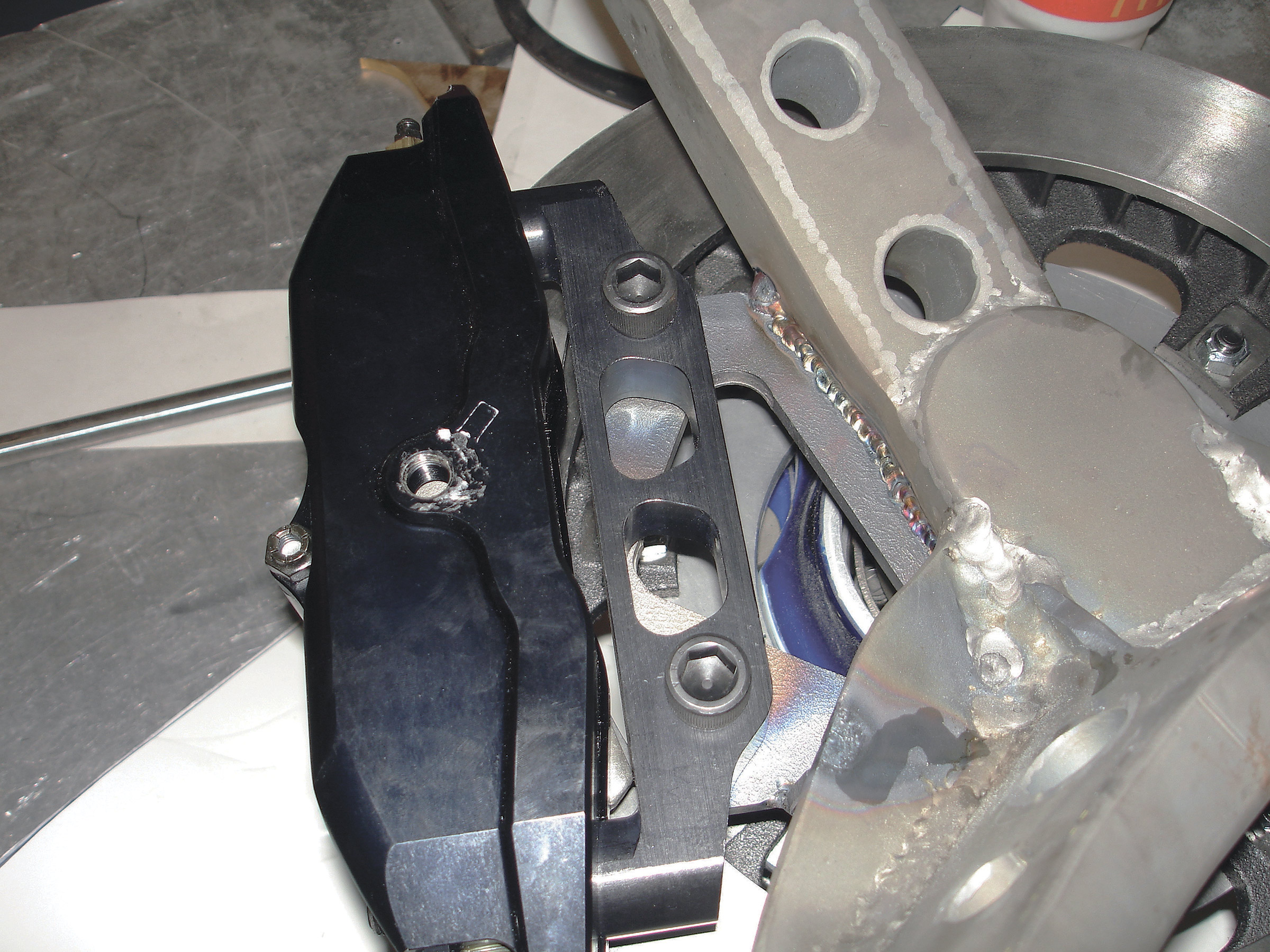
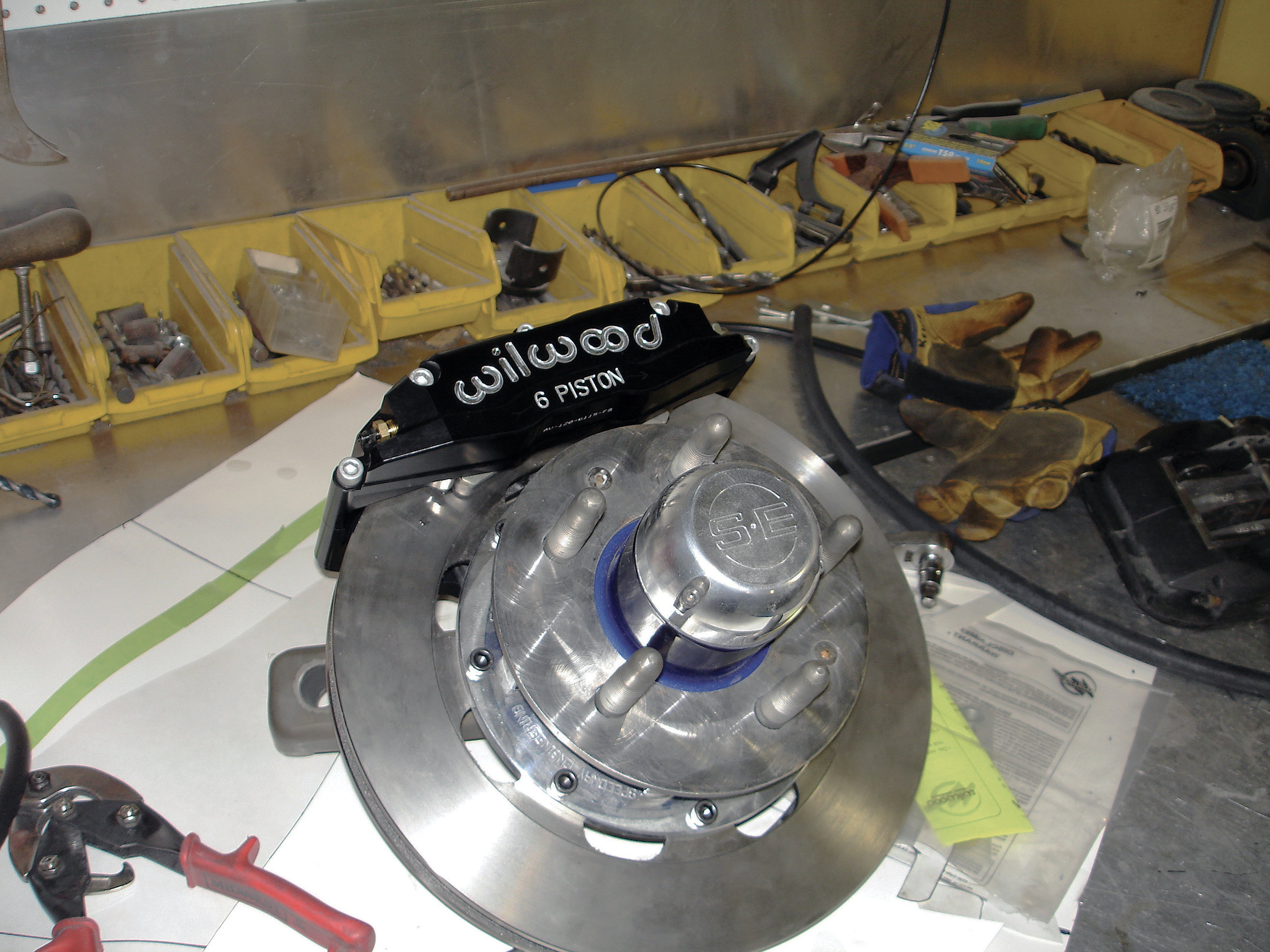
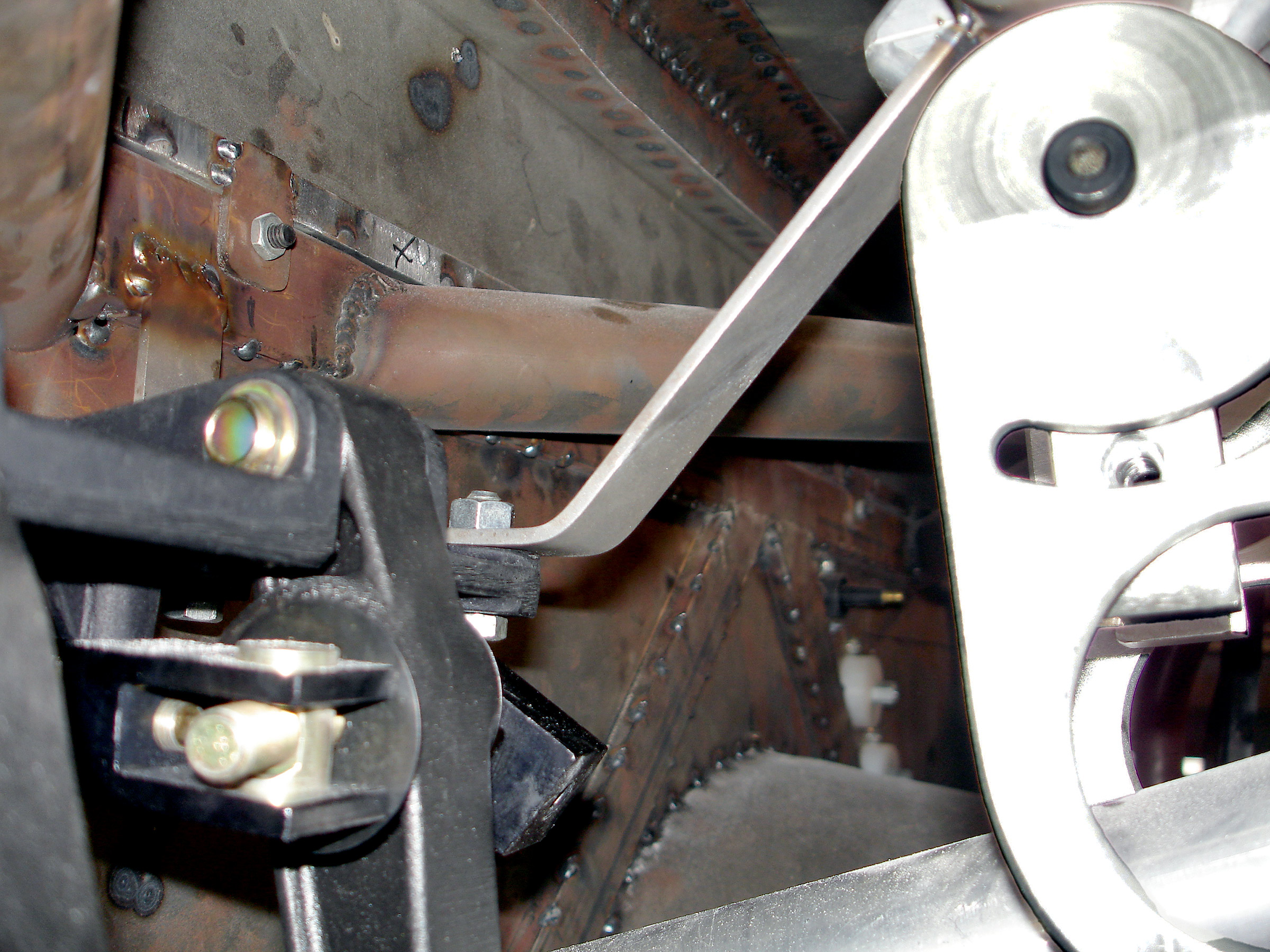
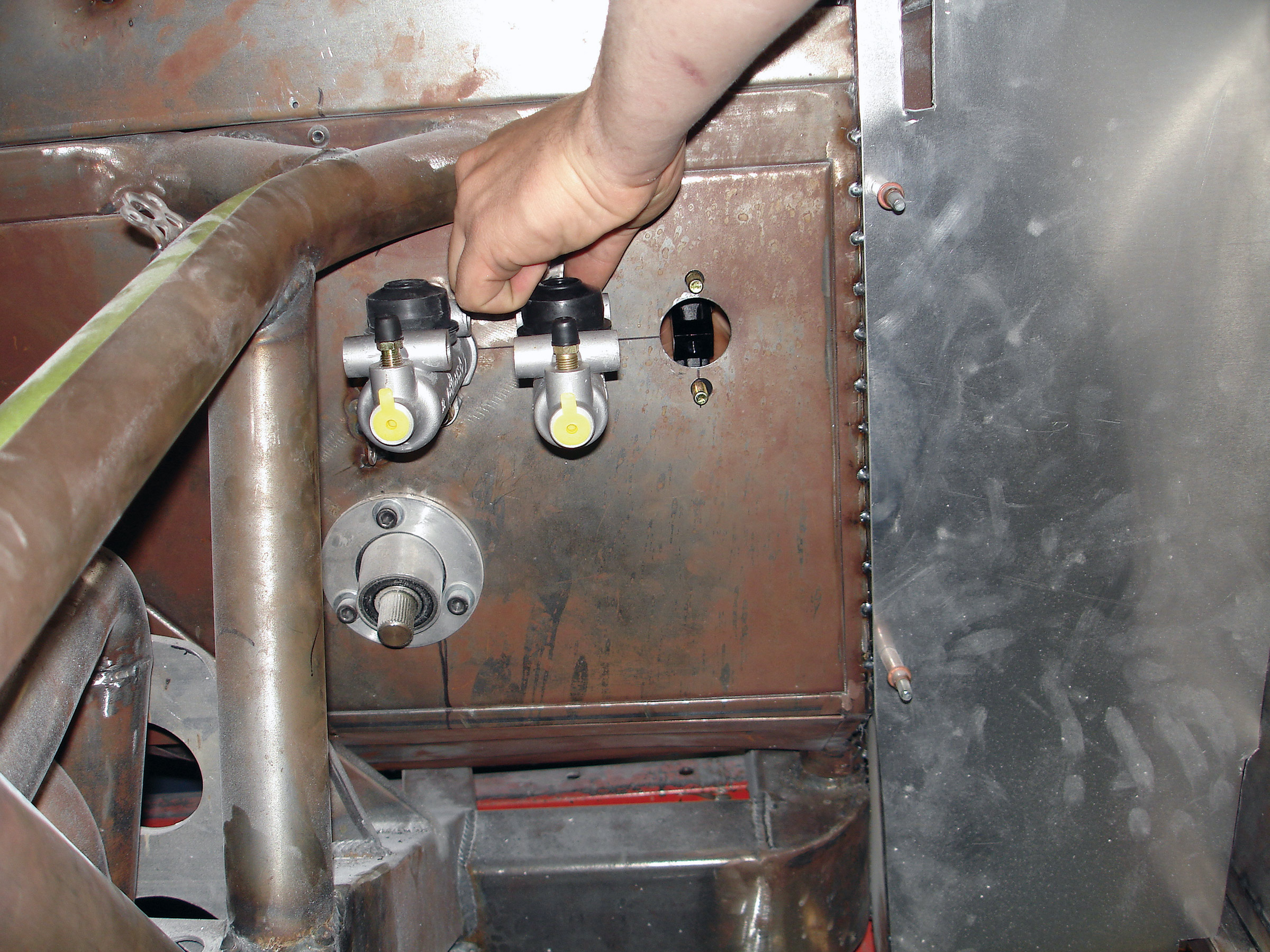
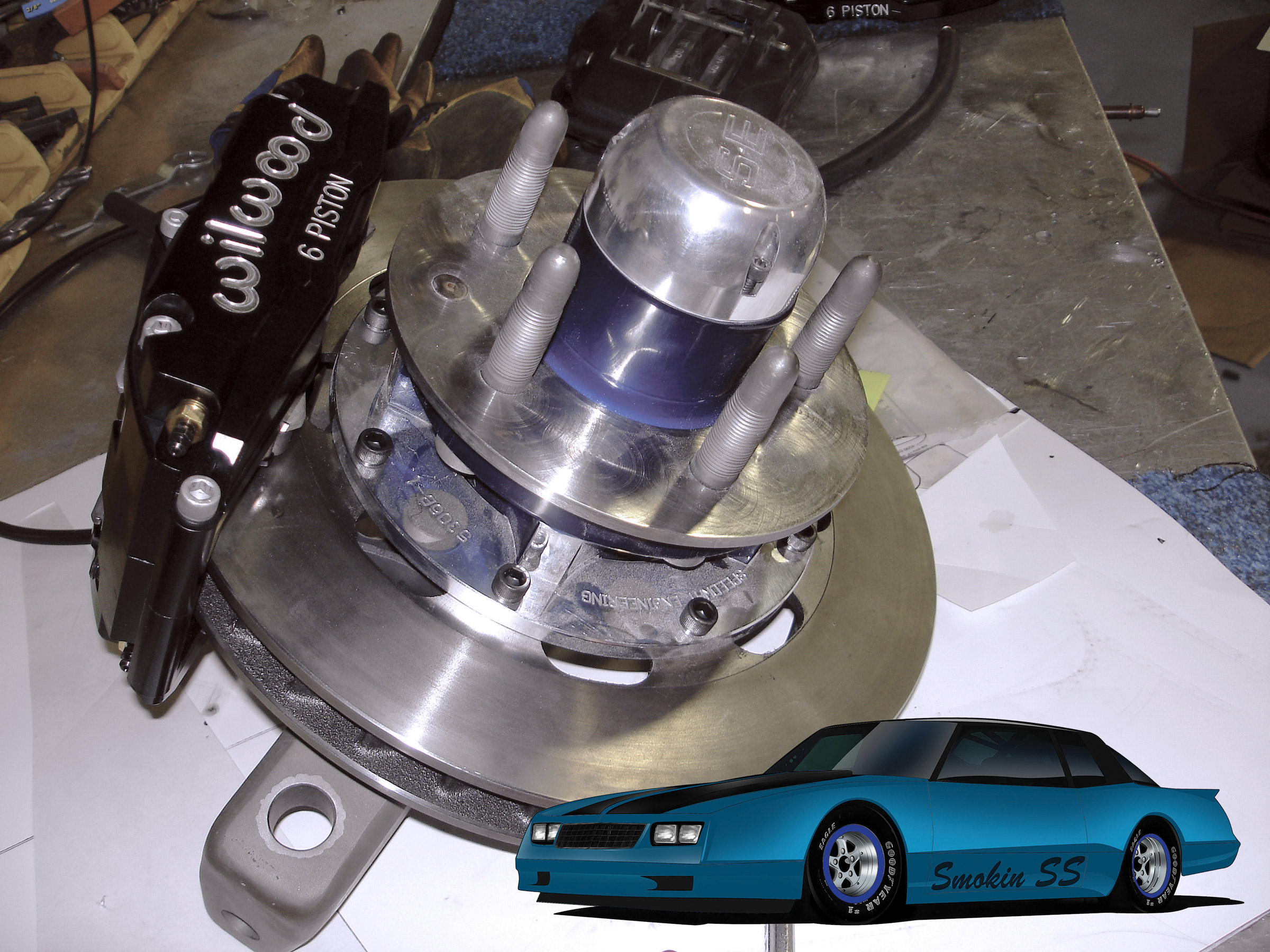
For that, Davis knows the Wilwood brake component lineup—he used them for years—so the choice for this project was obvious: race-ready brake parts from Wilwood. In fact, he ordered the entire braking system, including the pedals and master cylinders, from Wilwood. When the parts arrived, the students went to work fabricating brackets for the calipers and welding them to the rearend housing and custom spindles.
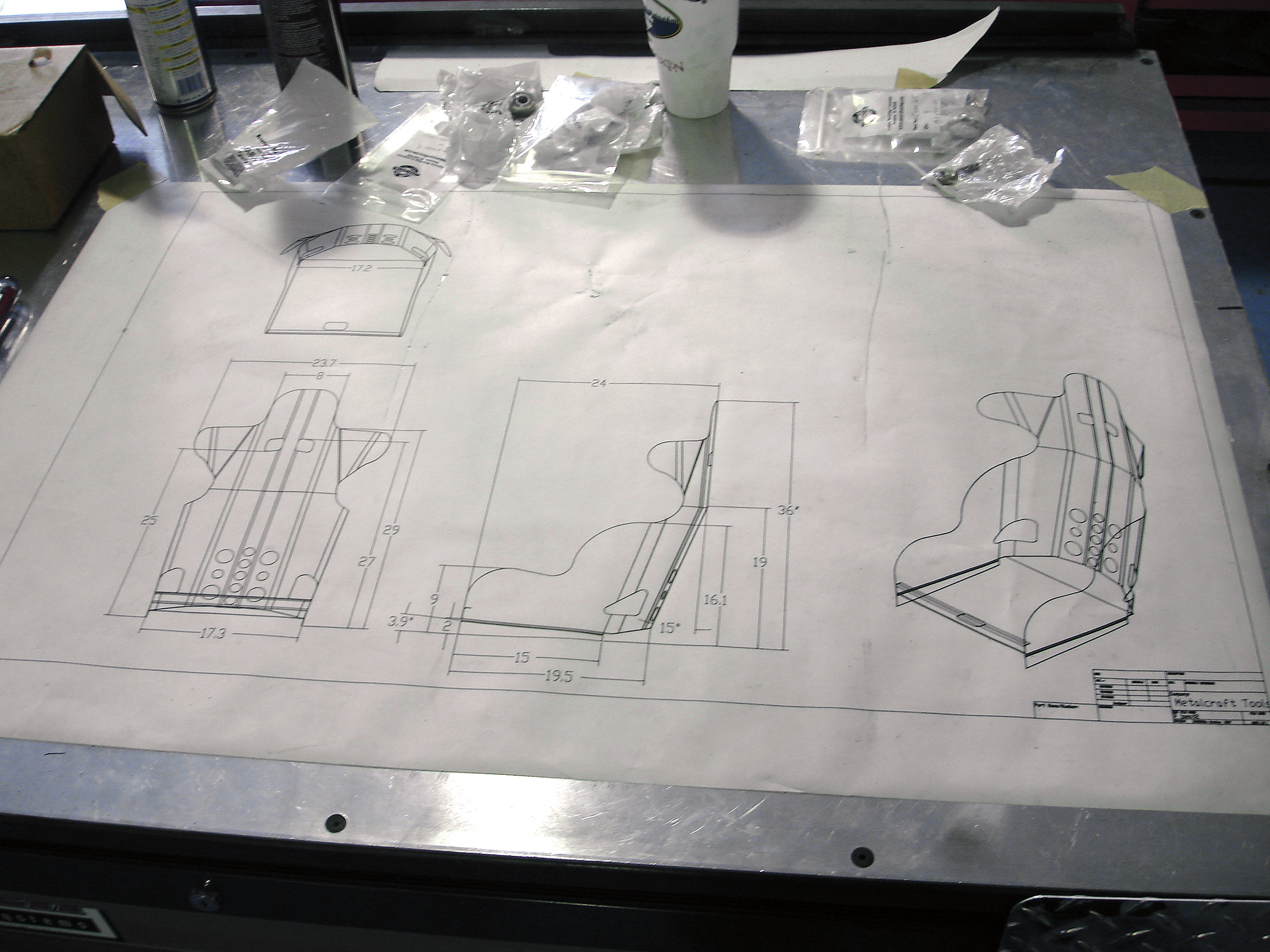
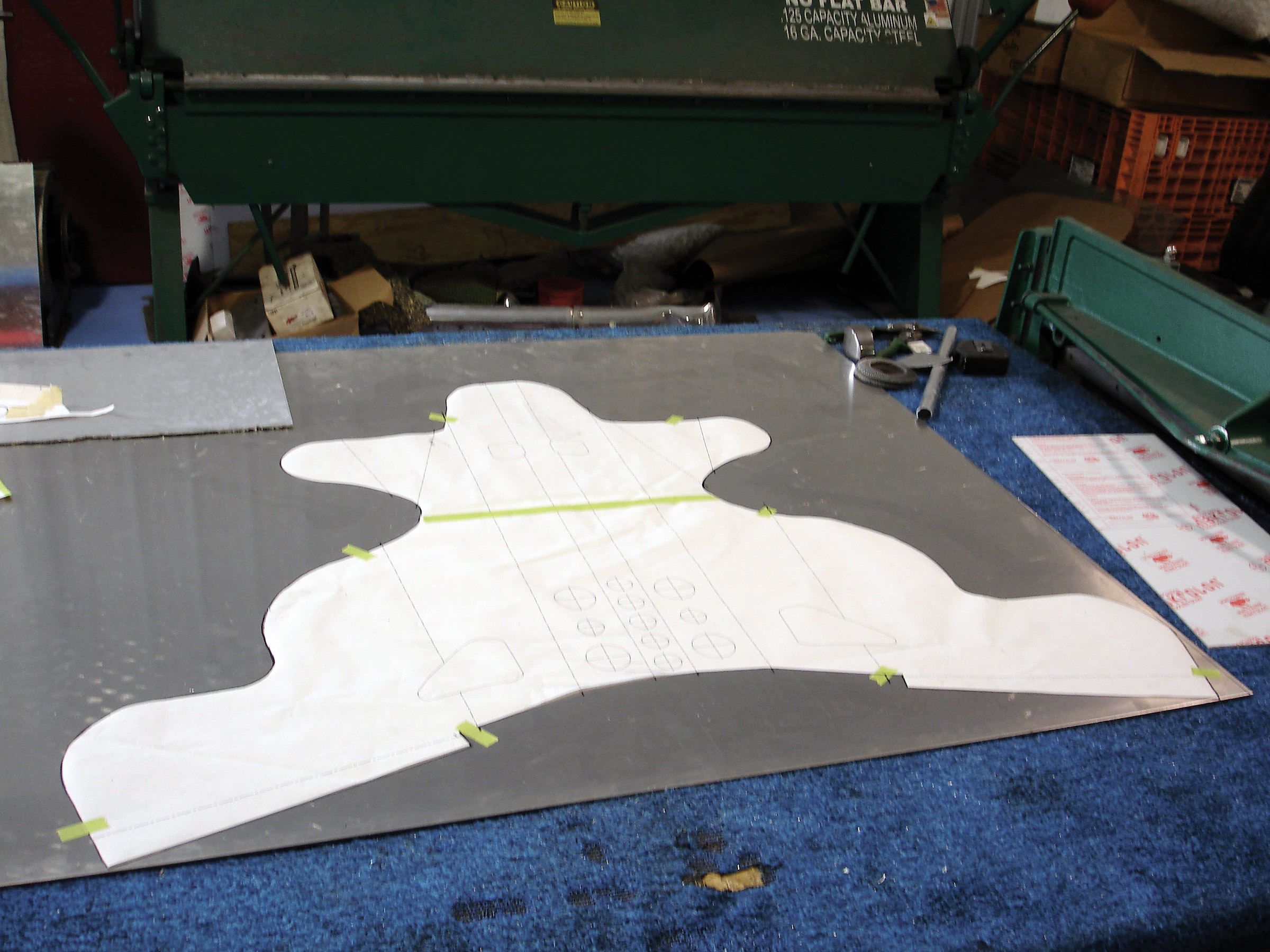
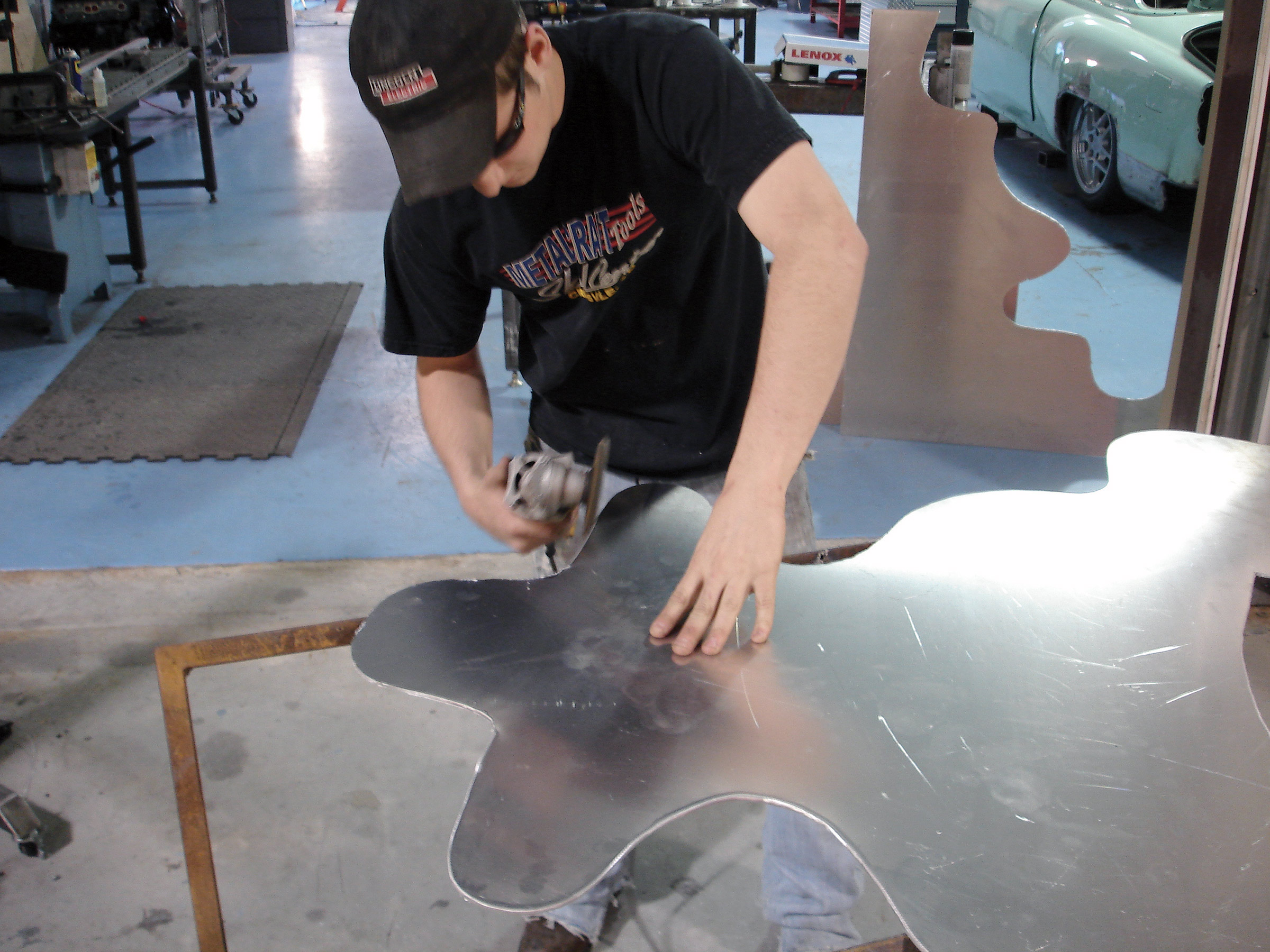
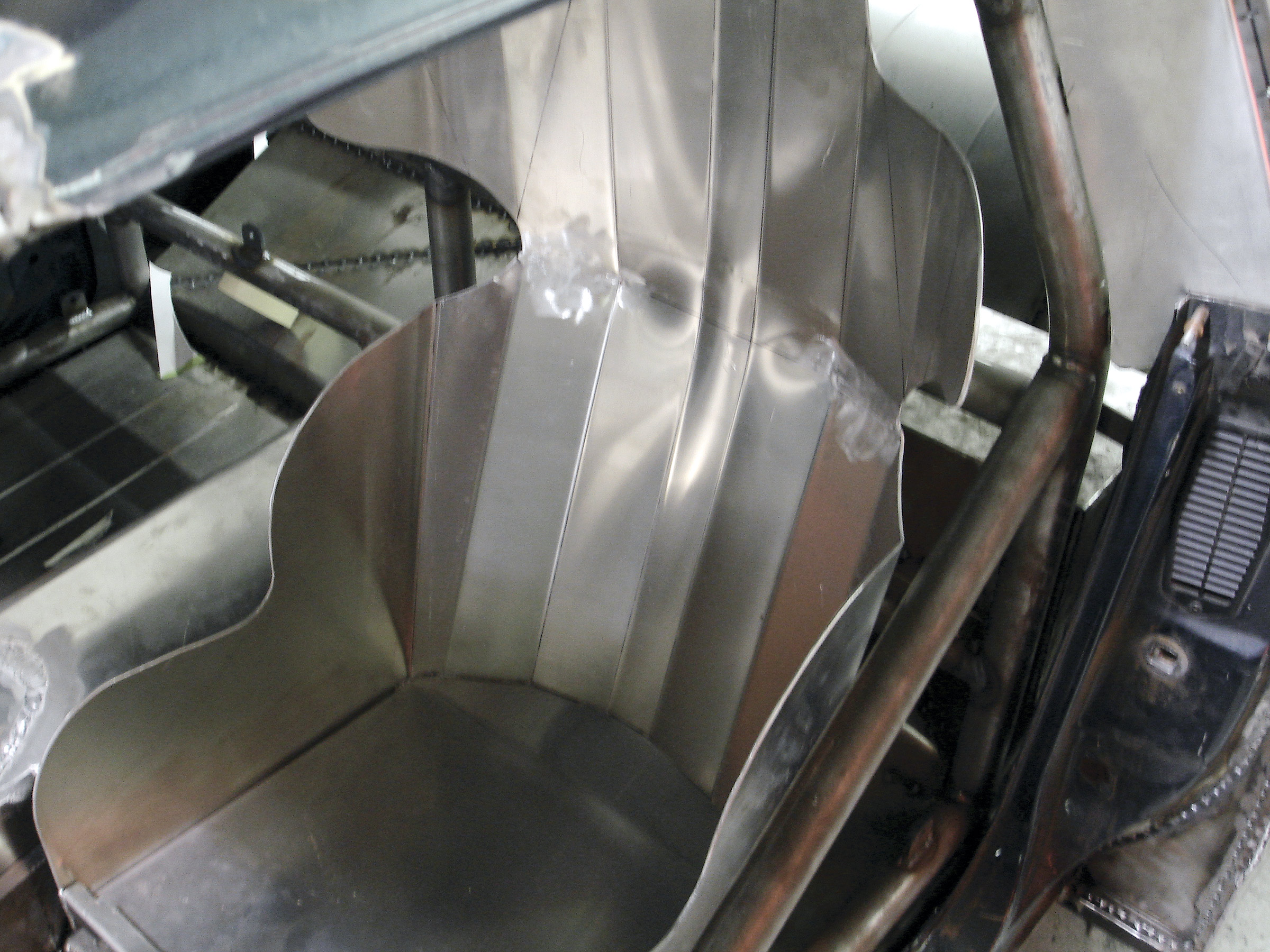
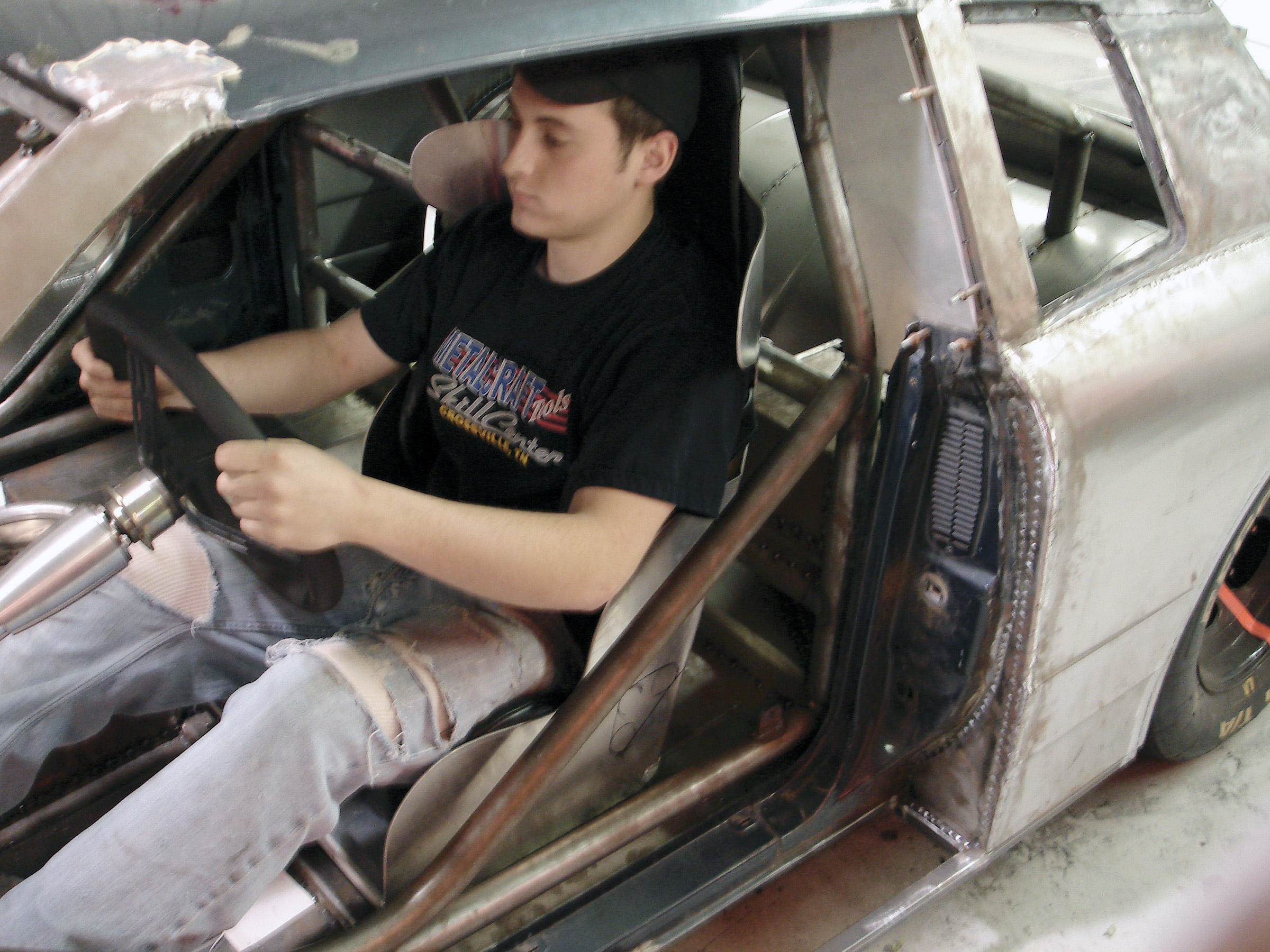
After setting up the rotors and calipers, the crew mounted the pedals with a mock-up seat in place to make sure it would be comfortable for any person willing to slide behind the wheel. First and foremost, Davis wants his students to drive the car, but before any of this can happen, and to eliminate the problem areas going in, considerable work needs to be done, including seat fabrication, deciding just where those pedals will go and how that relates to the steering wheel, and the list goes on.
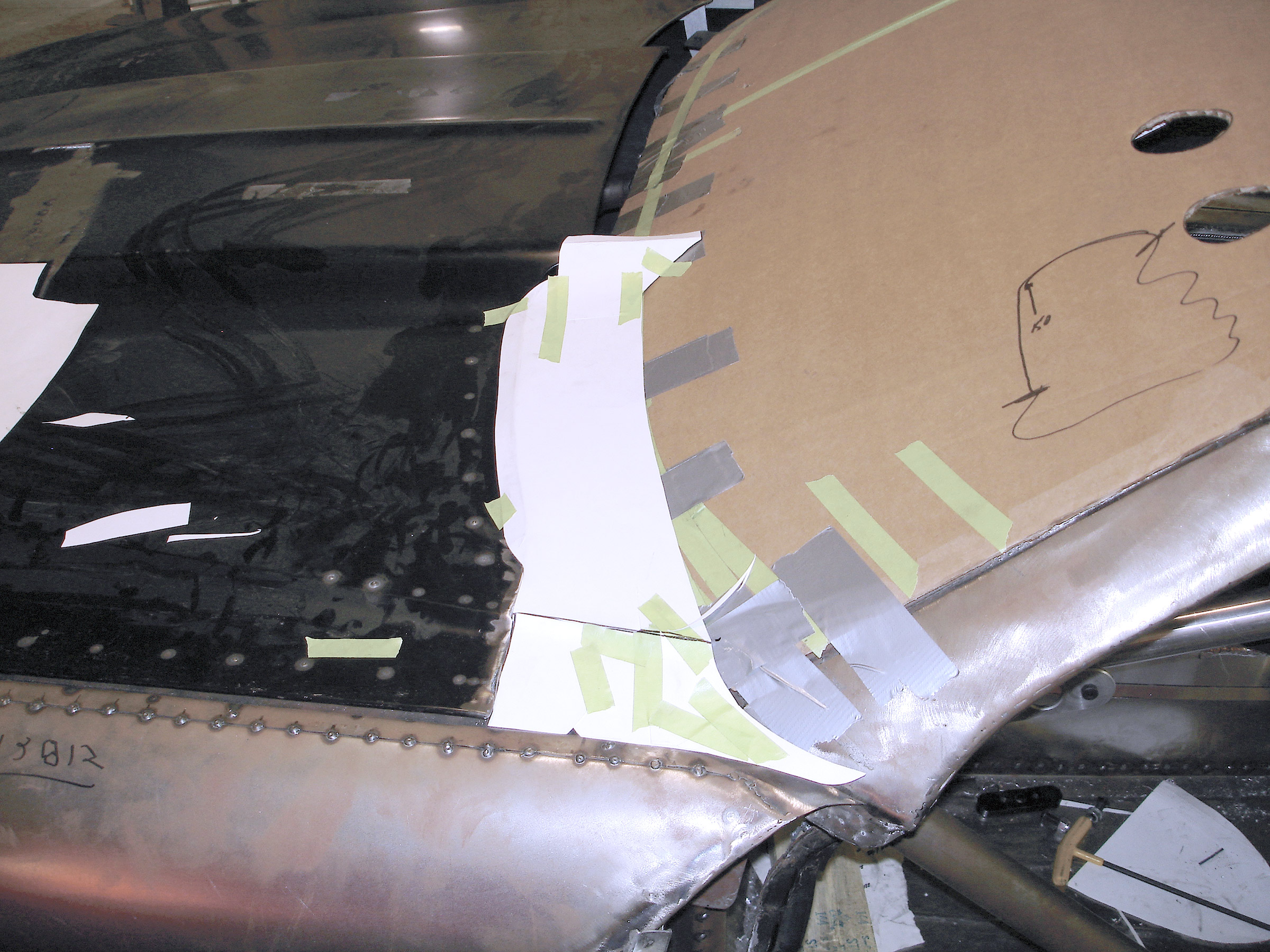
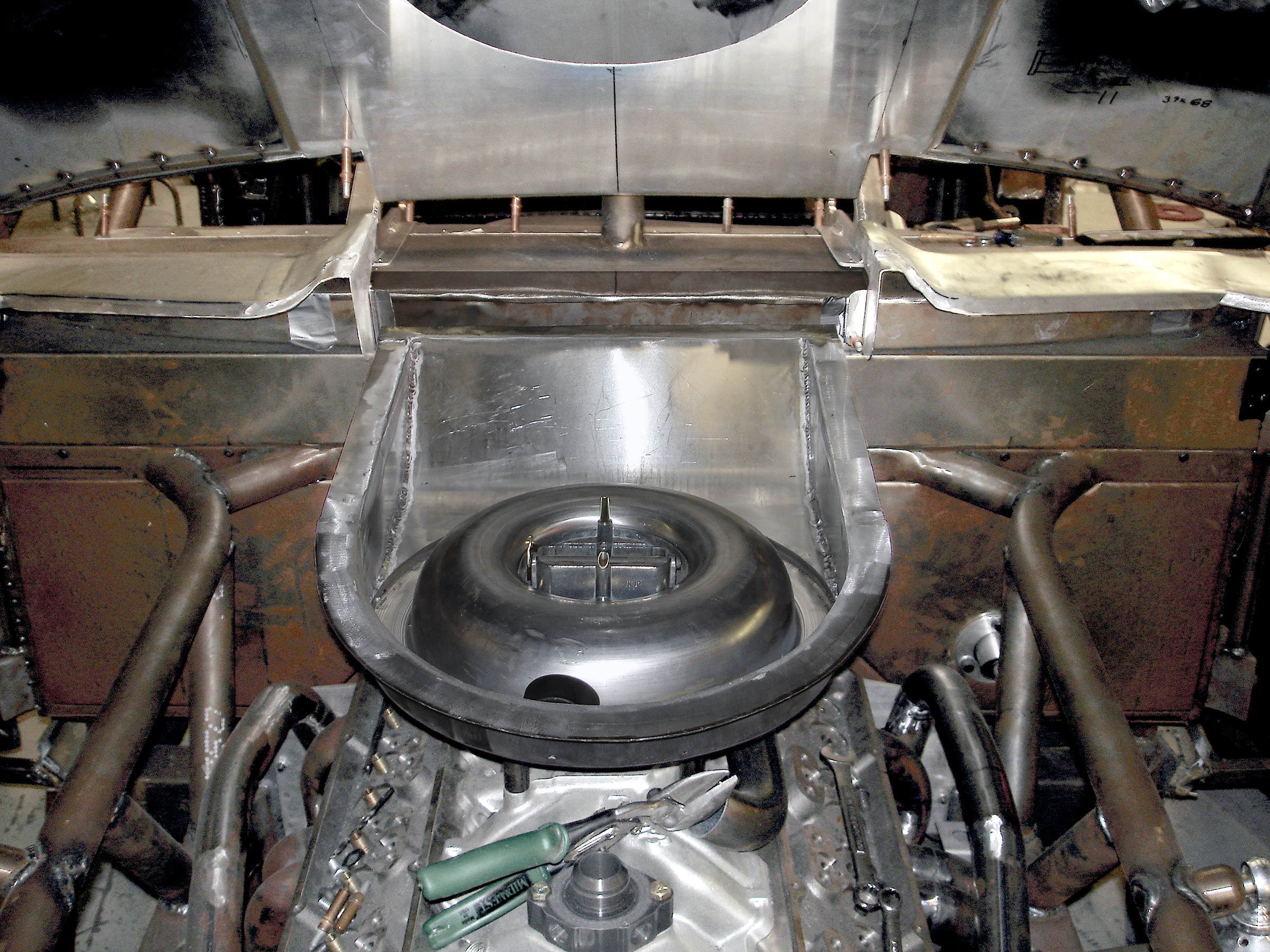
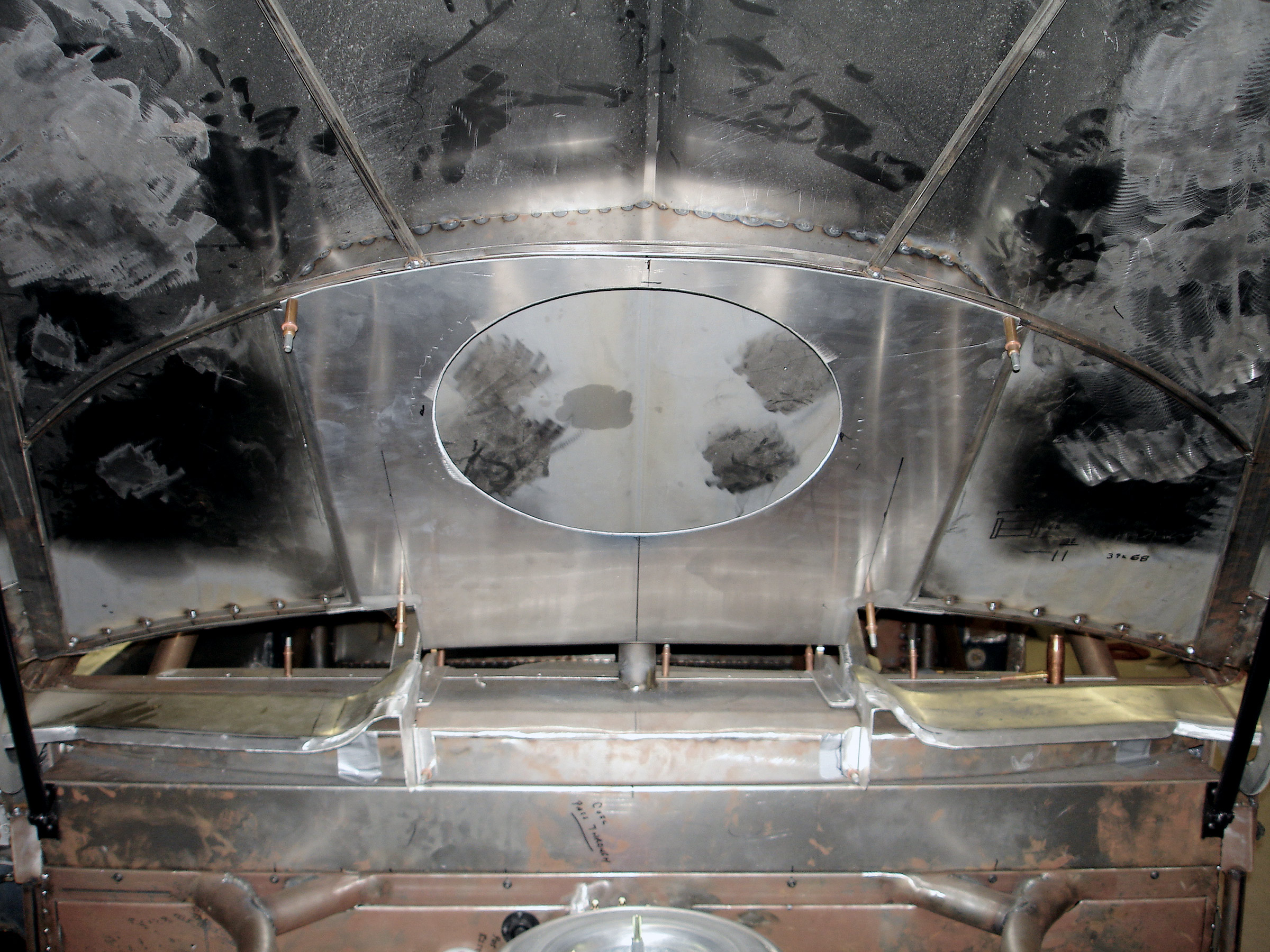
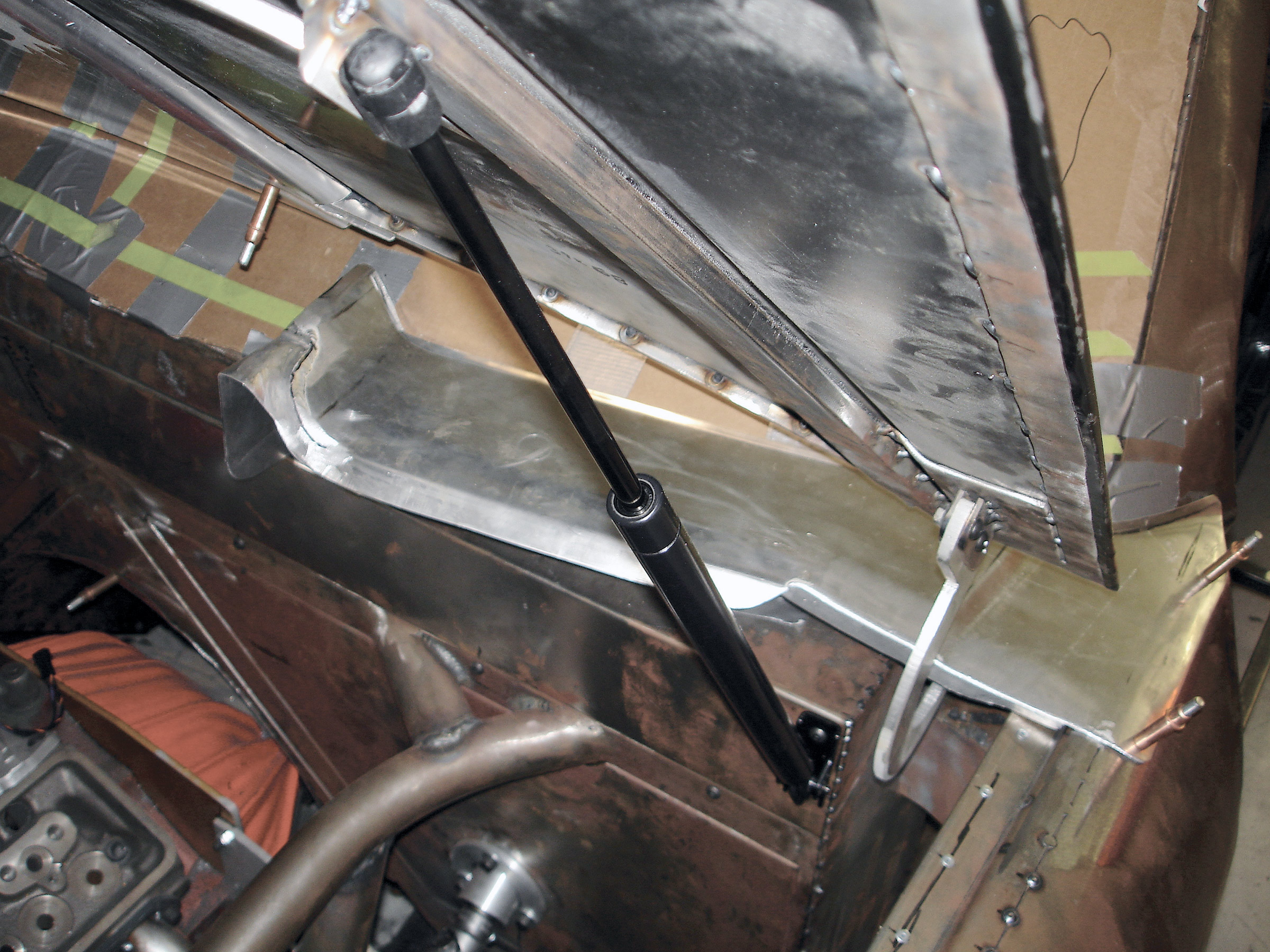
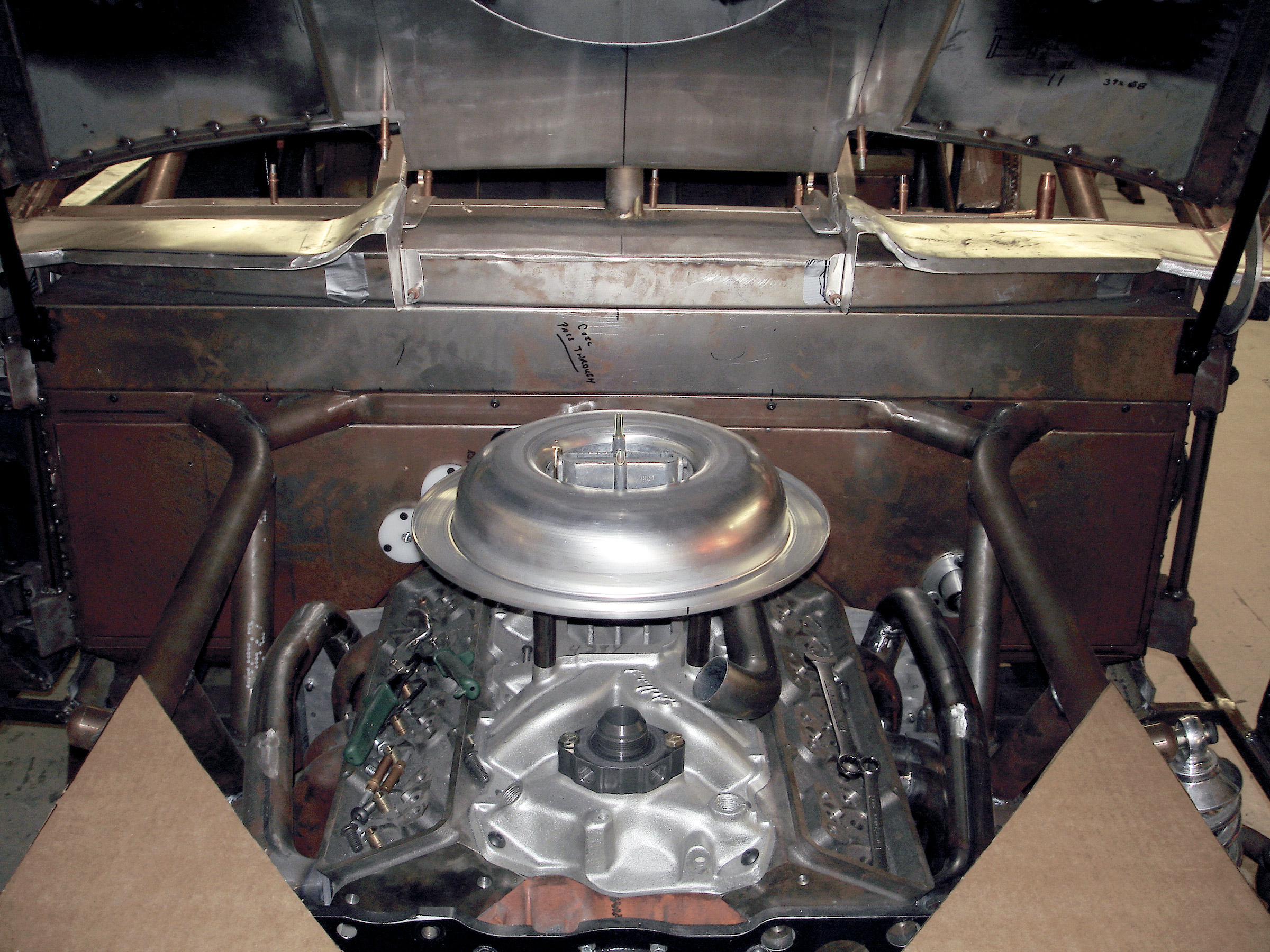
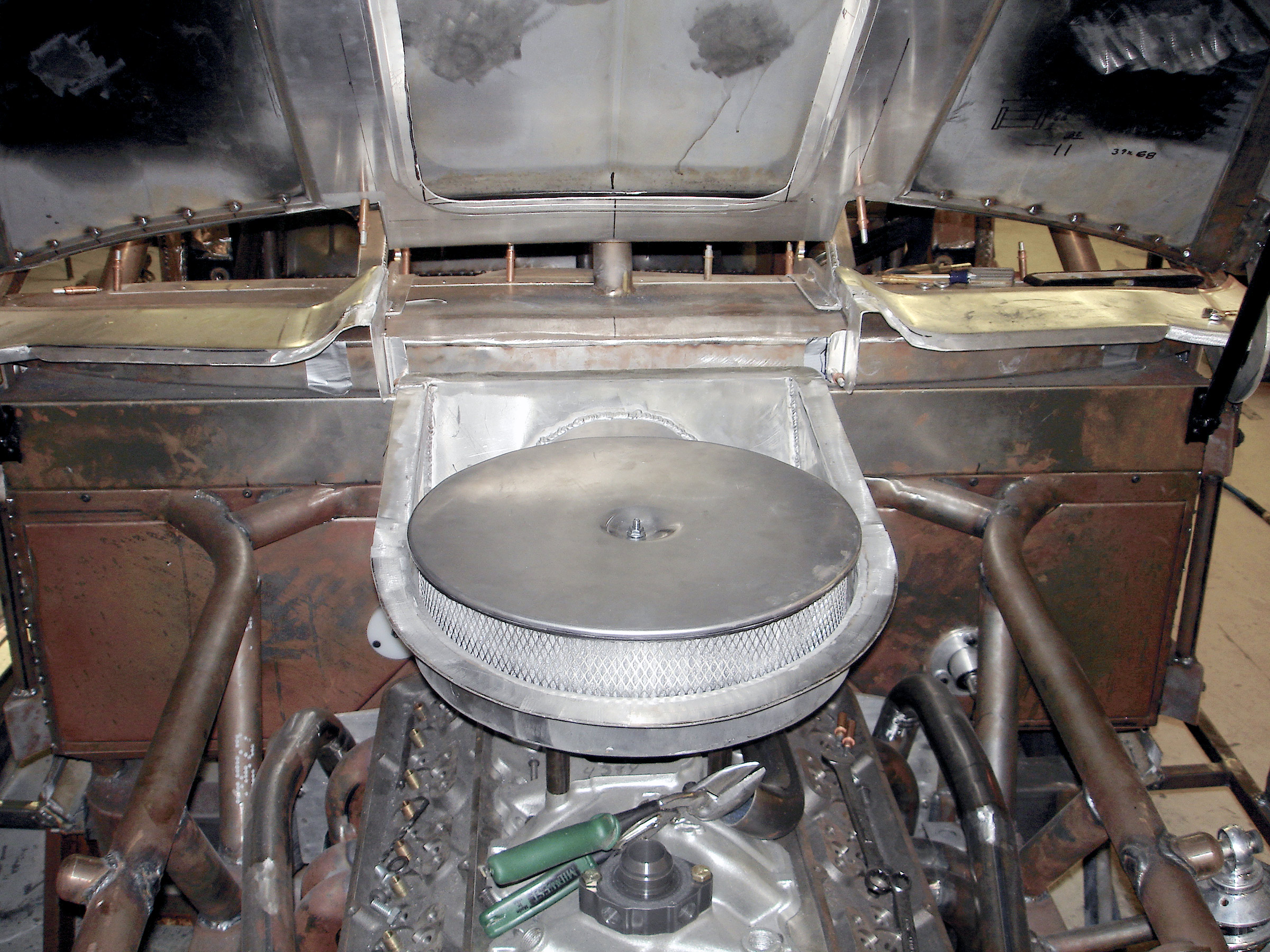
As progress continues on the Smokin’ SS Monte Carlo, we see more and more function, as well as innovative details throughout the car, ensuring that this will not be your average street machine. Functional details such as a true cowl induction were not overlooked, but more than that, every part of this car has a function, and that reveals Davis’ racing background.
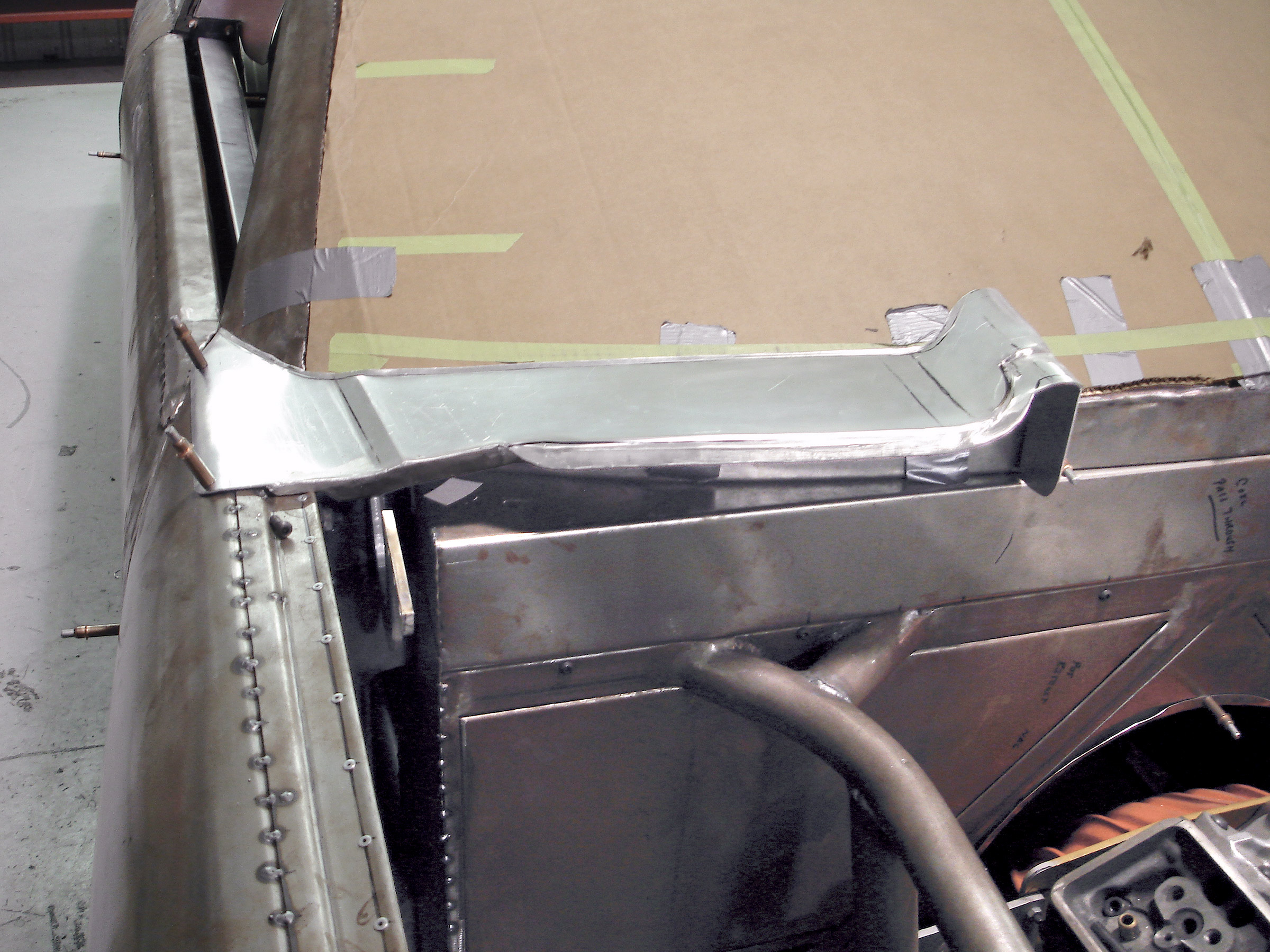
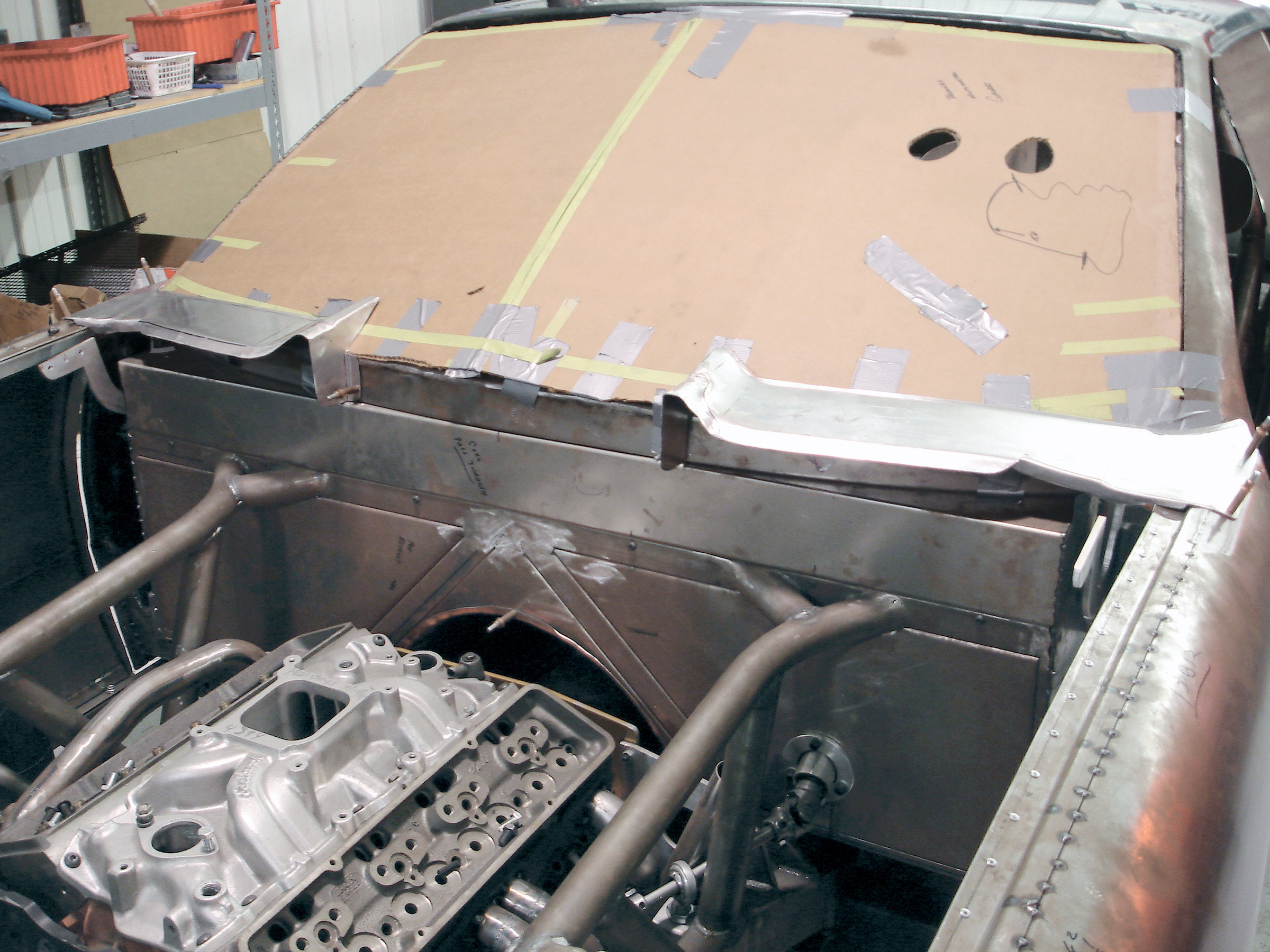
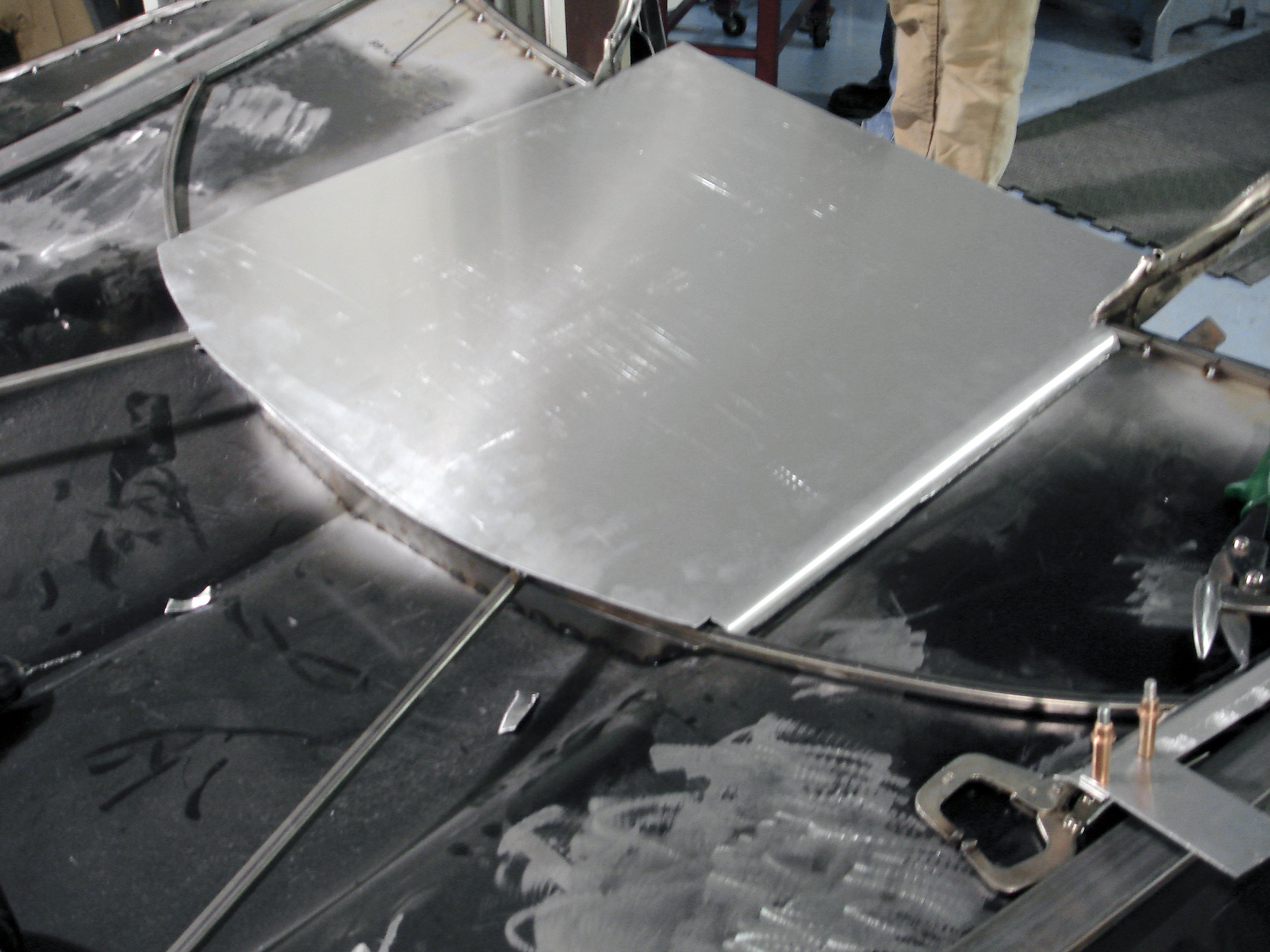
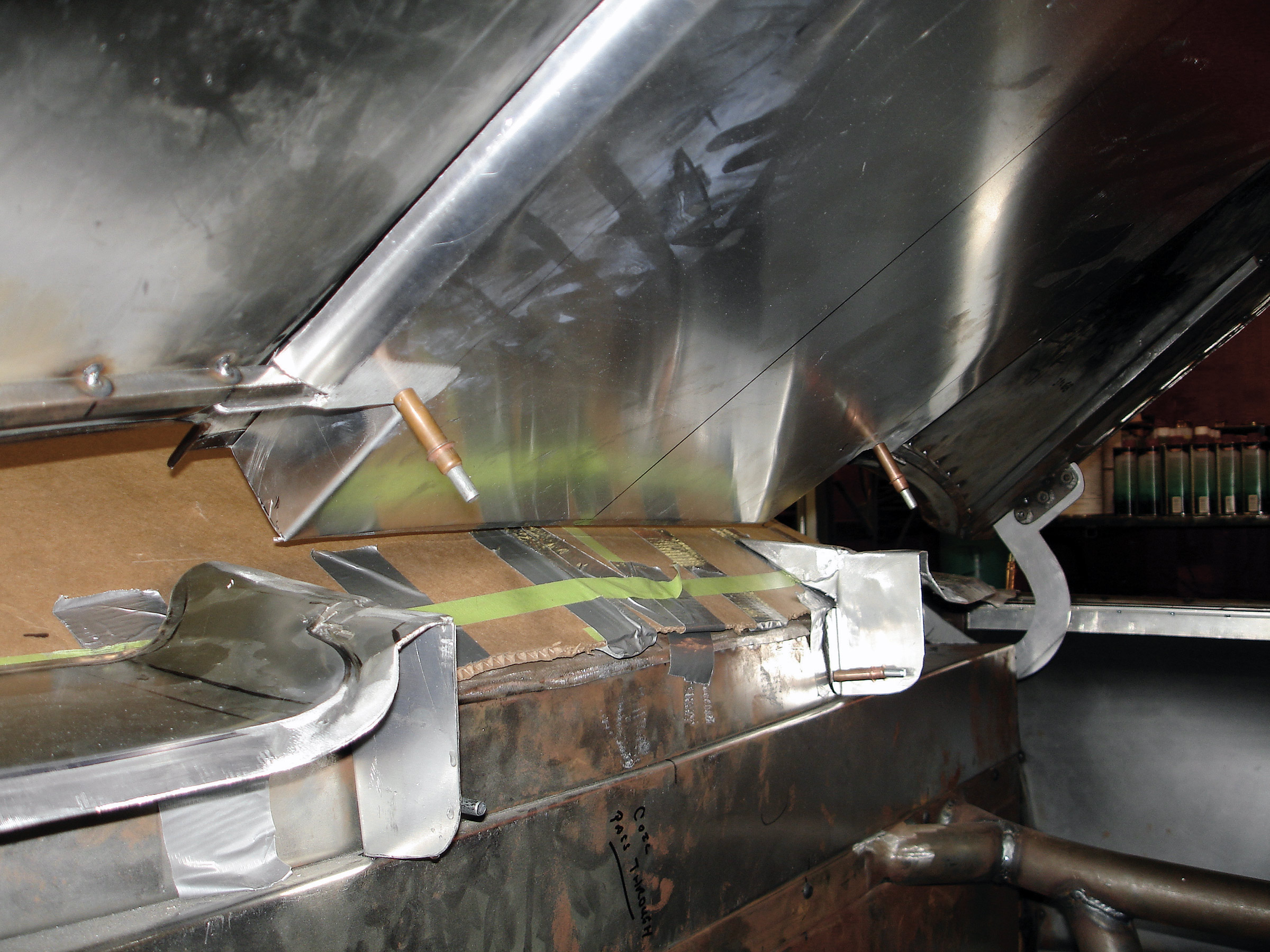
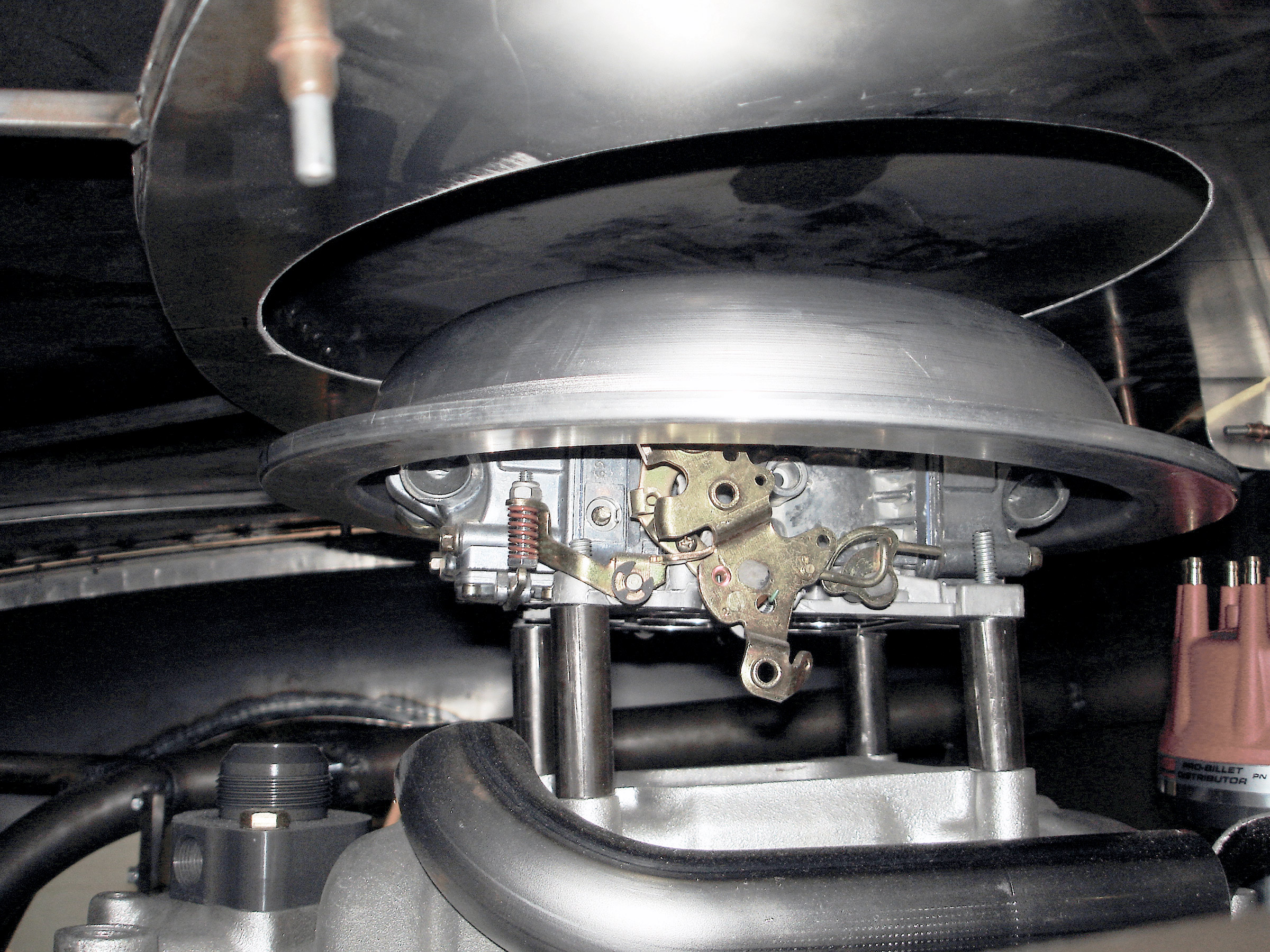
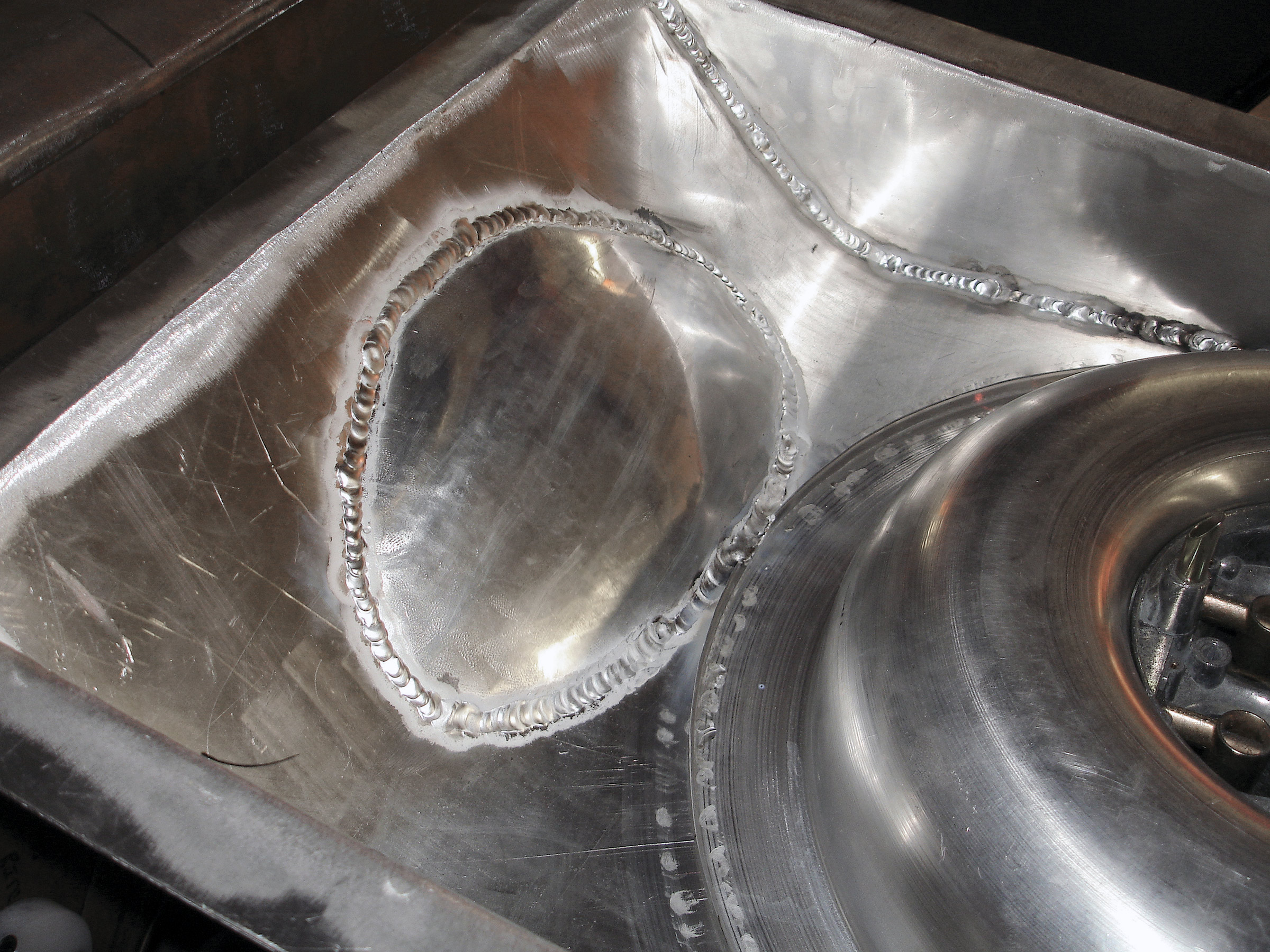
If there was ever any doubt about this car being fast—and it will be fast—plans call for a small block that will make well over 500 hp at the flywheel, but we’ll elaborate on that in a later installment. For now, take a look at the steps involved to set up the braking system, fabricate custom seats and build a custom air cleaner for the true cowl induction system.
ARTICLE SOURCES
Metalcraft Tools SkillCenter
17 Park Lane Spur
Crossville, TN 38571
931/707-7778
Speedway Engineering
13040 Bradley Ave.
Sylmar, CA 91342
818/362-5865
Wilwood Engineering
4700 Calle Bolero
Camarillo, CA 93012
805/388-1188