
THE AUTO BUILDER
Menu
Featured

Celebrating the Life of Marla Moore
The automotive aftermarket community mourns the recent passing of Marla Moore, a true pioneer, mentor, and friend. With a career spanning more than 35 years, Marla’s professional achievements were matched only by the love she had for her daughter Madison—and the deep faith that guided her every step.
Stuban’s Statement
If you think you’re particular about your street rod—the quality of the build, the effectiveness of the drivetrain and chassis, and the aesthetics of the entire effort—consider what it must be like for someone who has specialized in high-level manufacturing for most of his life.
Tuning A Marine Carburetor
There’s no escaping the fact that gasoline prices are out of sight. This has many boat owners wondering how to tune their engines so they can get more hours out of a tank of fuel, while at the same time improving overall efficiency. A properly tuned fuel and ignition system will allow your marine engine to perform at its potential and will be more enjoyable to use because it’s efficient and reliable.



Spotlighter
POPULAR READS
-
The Auto Builder’s Hottest Product Picks from The Triple Crown of Rodding 2026
-
Product Spotlight: Bill Mitchell Products Aluminum LS Engine Block
-
PRODUCT SPOTLIGHT: 60-66 Chevy C10 Fresh Air Vent Block Off Plate
-
Product Spotlight: Pyramid Optimized Design Sequential Aurora Taillight for 1964½–1966 Mustang



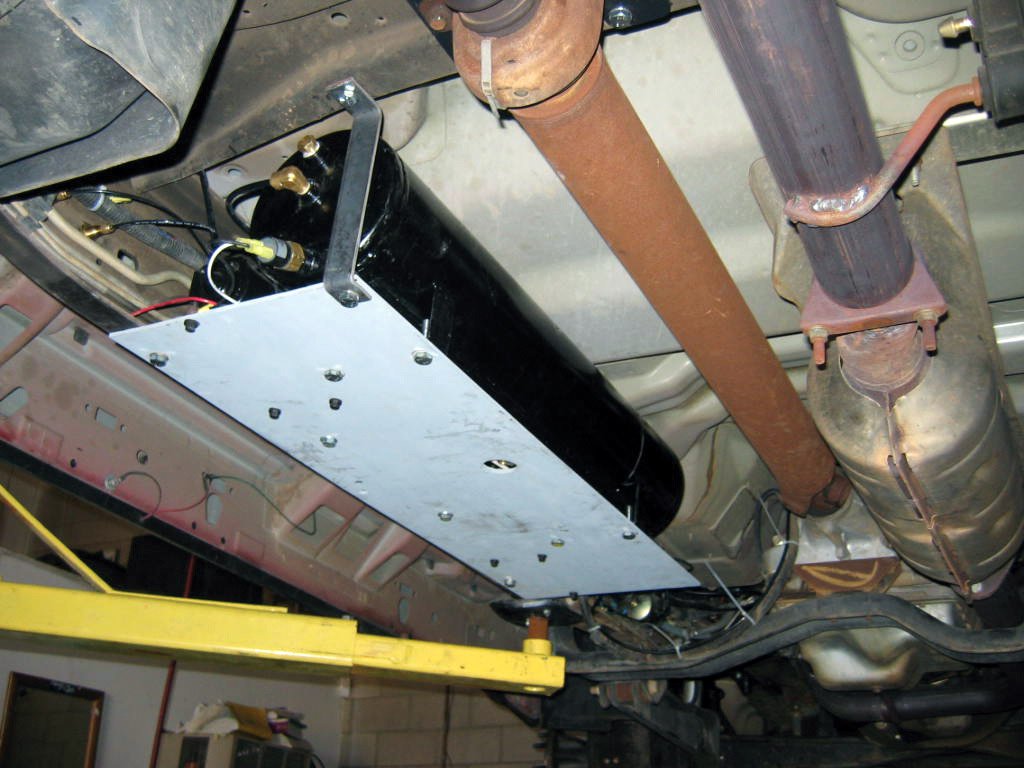
PUMP THE POWER: PART 2
Getting Low With Air Ride Technologies on the Ford F-350
J&D Performance Improves Ride Quality on 1999 F-350 Dually
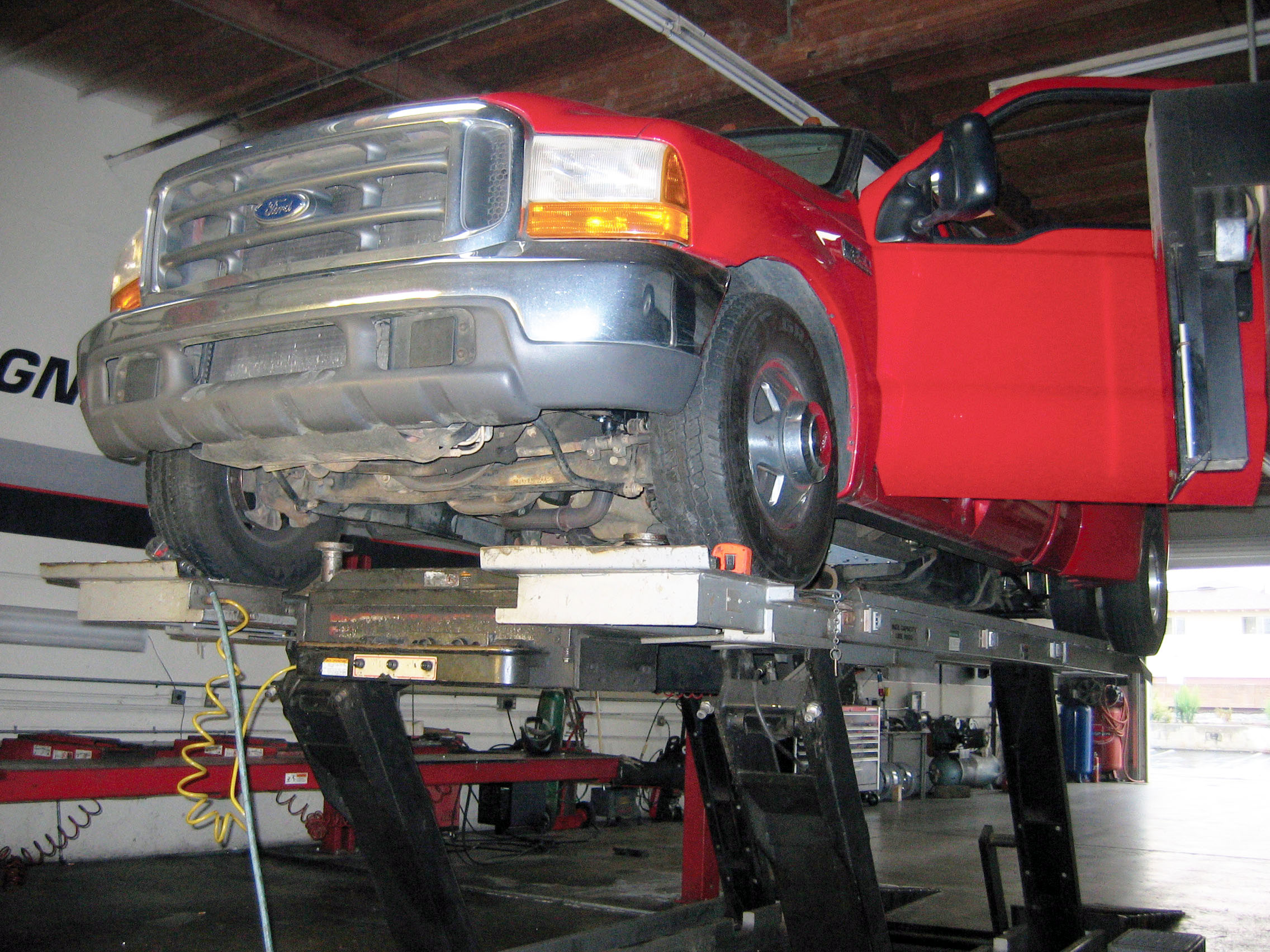
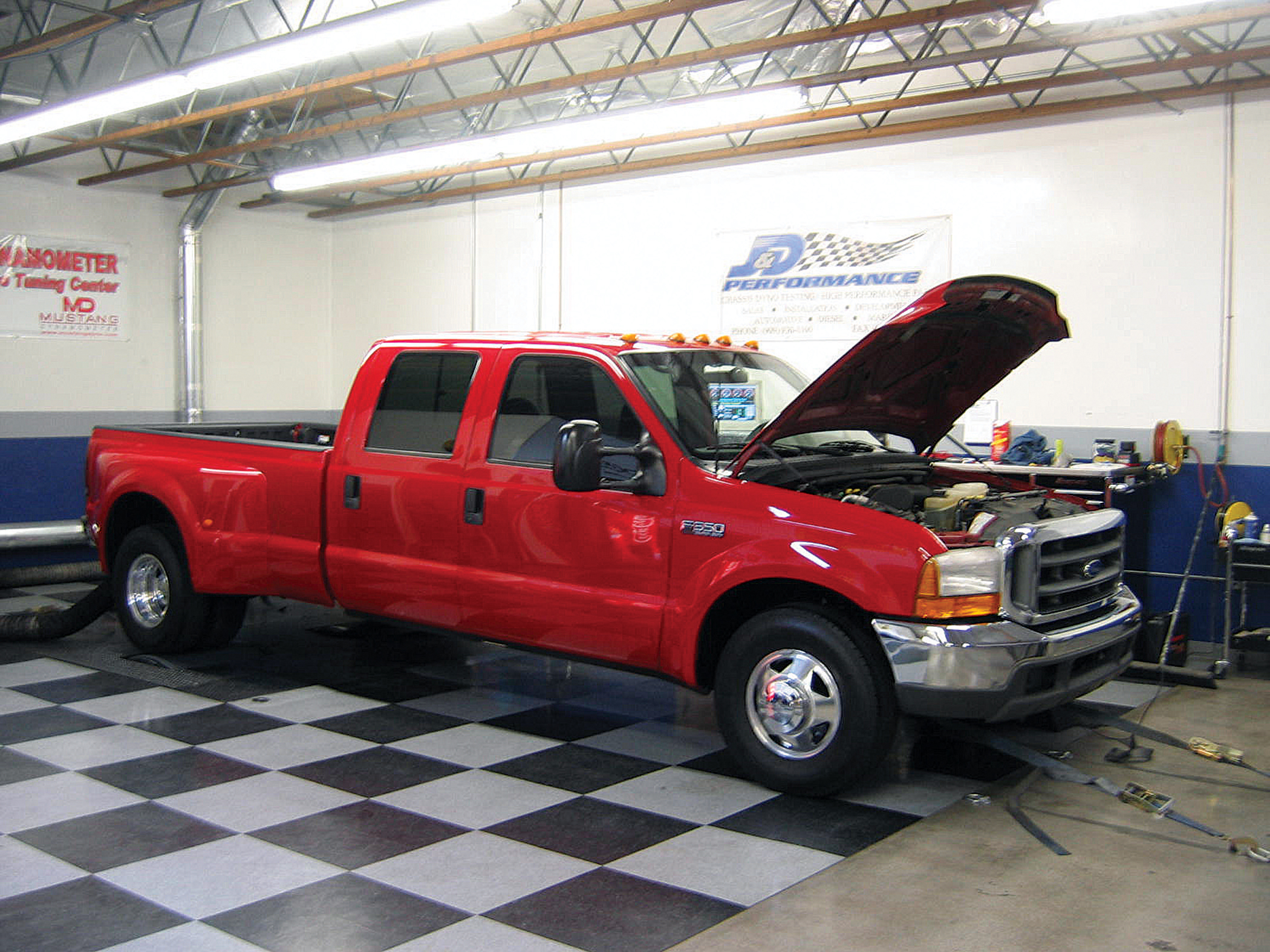
Auto manufacturers are constantly working to develop trucks that safely tow and haul more weight. However, the byproduct of high load capabilities is a rough unloaded ride. On a recent visit to J&D Performance, we found the crew beginning work on an Air Ride system for the owner of a 1999 F-350 two-wheel-drive dually. The owner of the truck was happy with its ability to tow and haul, thanks to Part-1’s addition of a full Banks Power Pack, but extremely unhappy with the truck’s ride when unloaded.
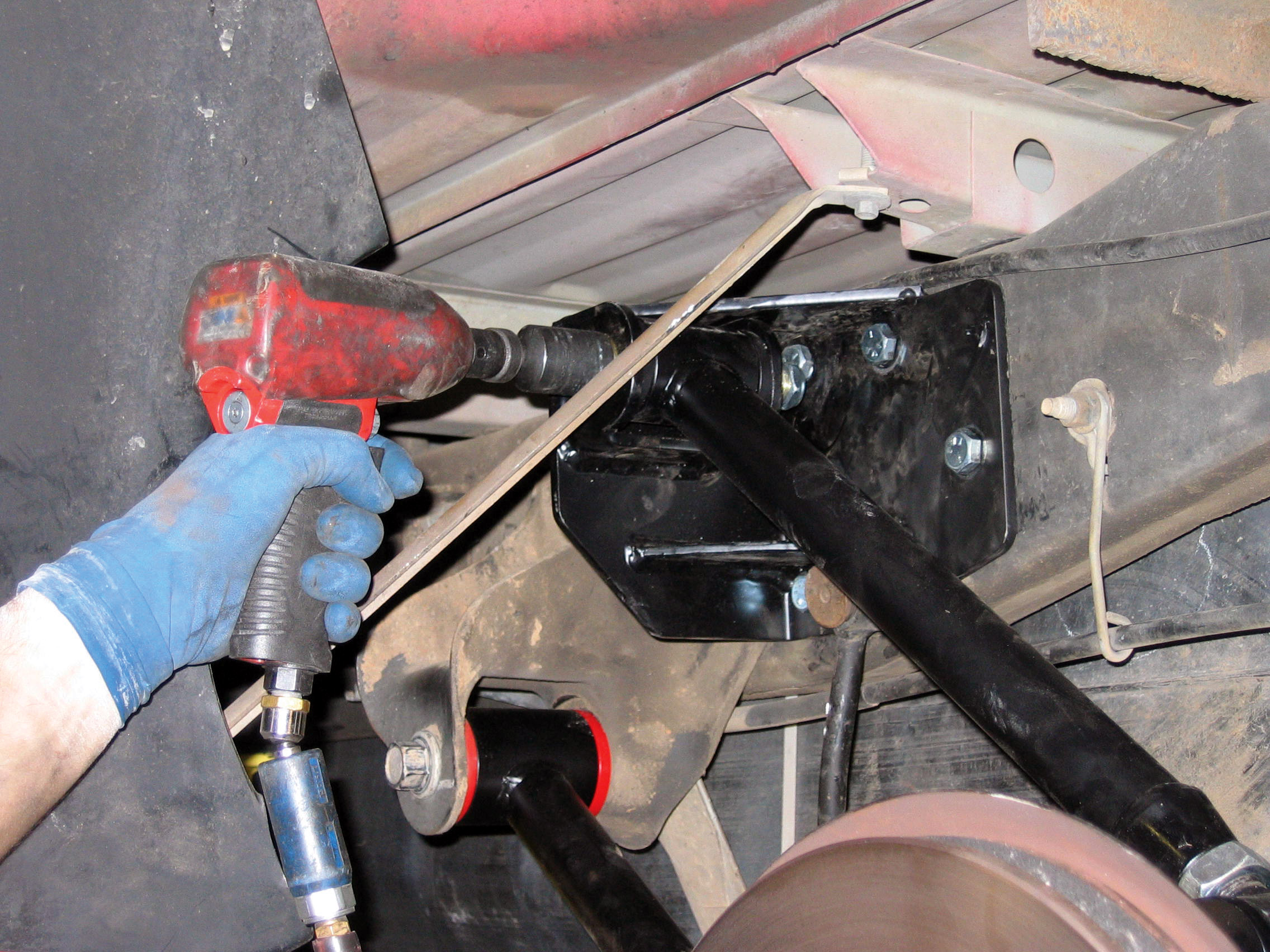
Advantages of Air Suspension for Trucks
According to J&D, the most common way to improve the ride in a modern 3/4- or 1-ton truck is to add an air suspension. The advantage of an air suspension system is the ability to constantly change the spring rate (in this case, air pressure in the airbags) for any condition. When a stock truck is unloaded, it is riding around on springs that were designed to carry 3/4 or 1 ton of weight. With no load in the truck, it tends to hop over bumps and ride extremely rough. With an air-suspension-equipped vehicle, the airbags are deflated when unloaded. Deflating the airbags means little spring rate and thus a much smoother ride.
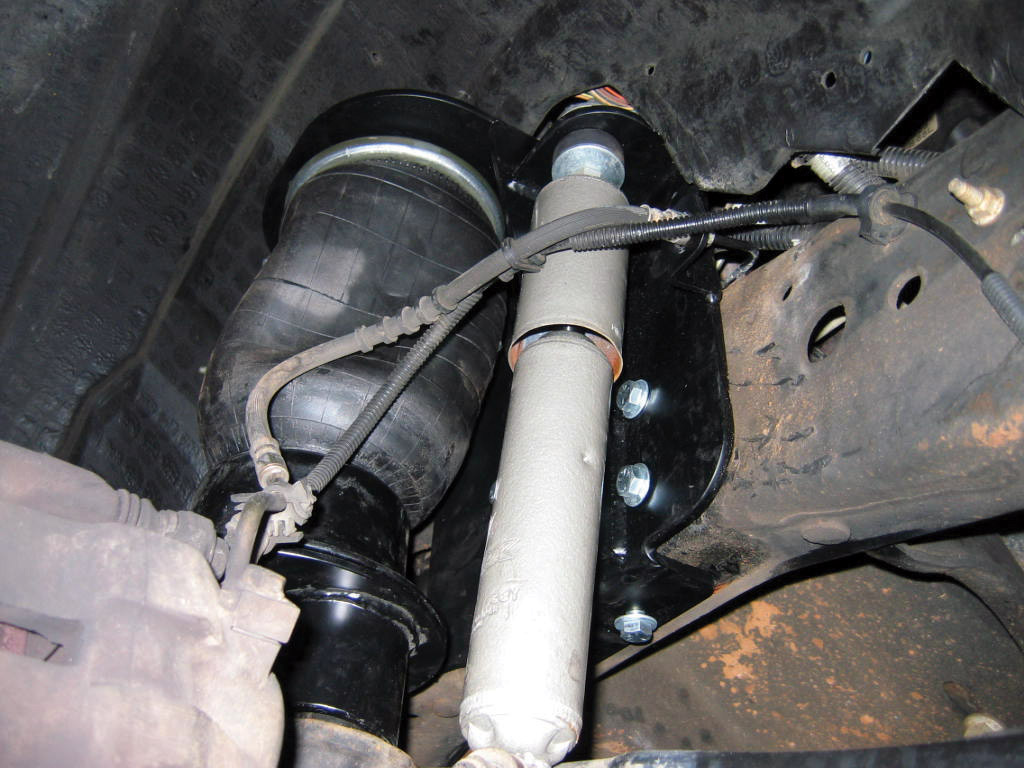
Air Ride Technologies Full Air Suspension System Installation
For this application, the crew at J&D chose an in-cab-controlled -full air suspension system from Air Ride Technologies (
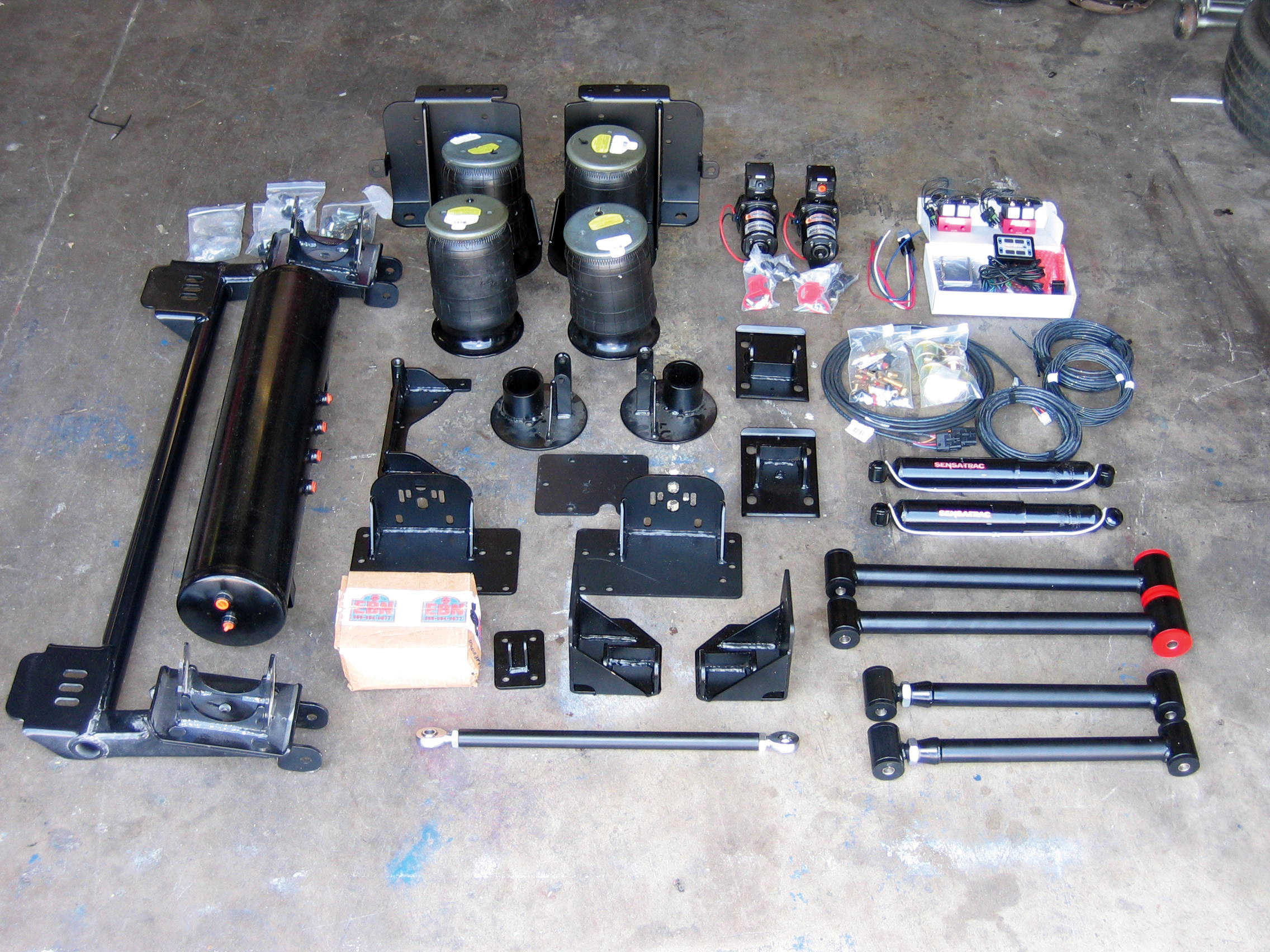
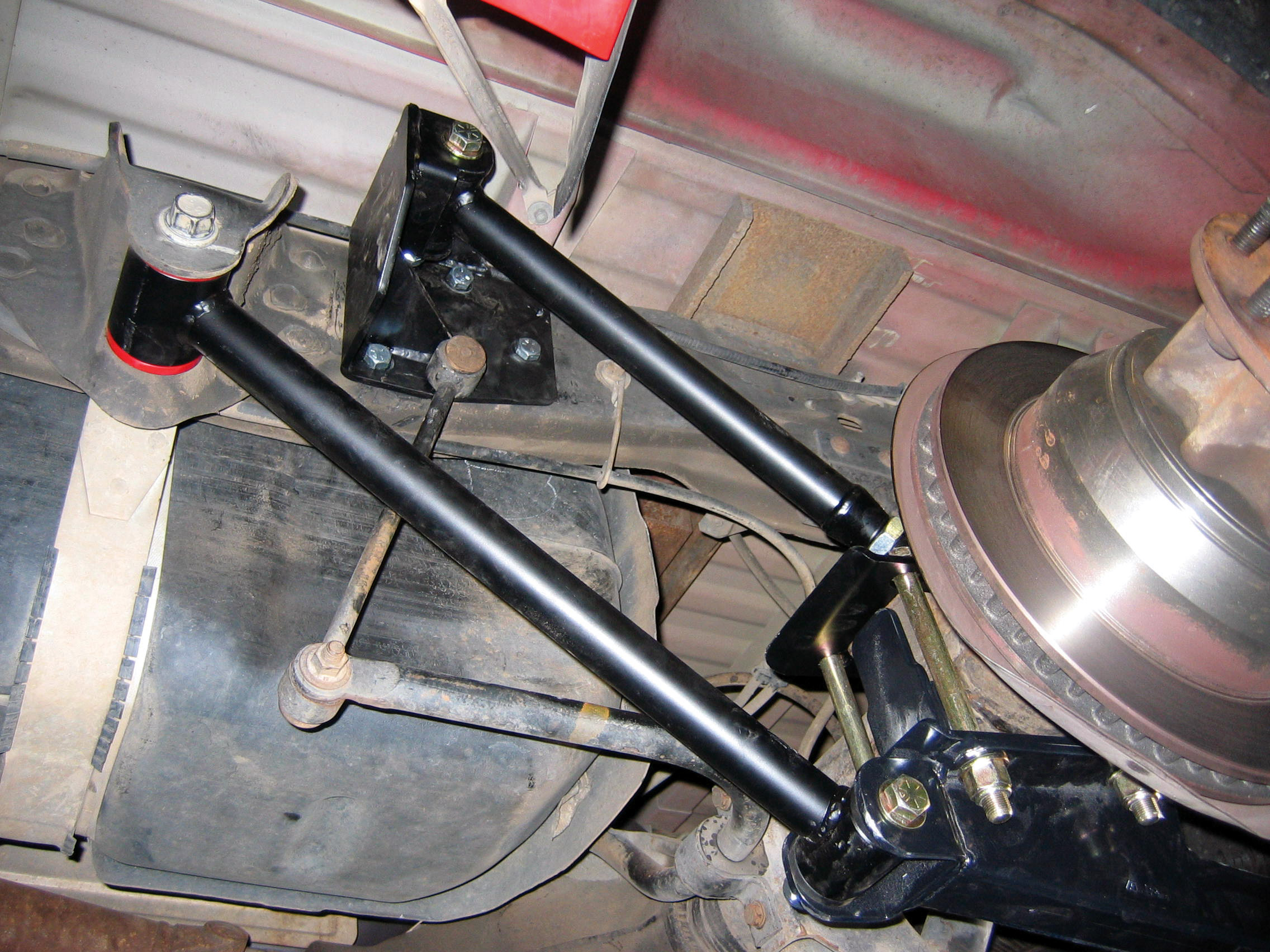
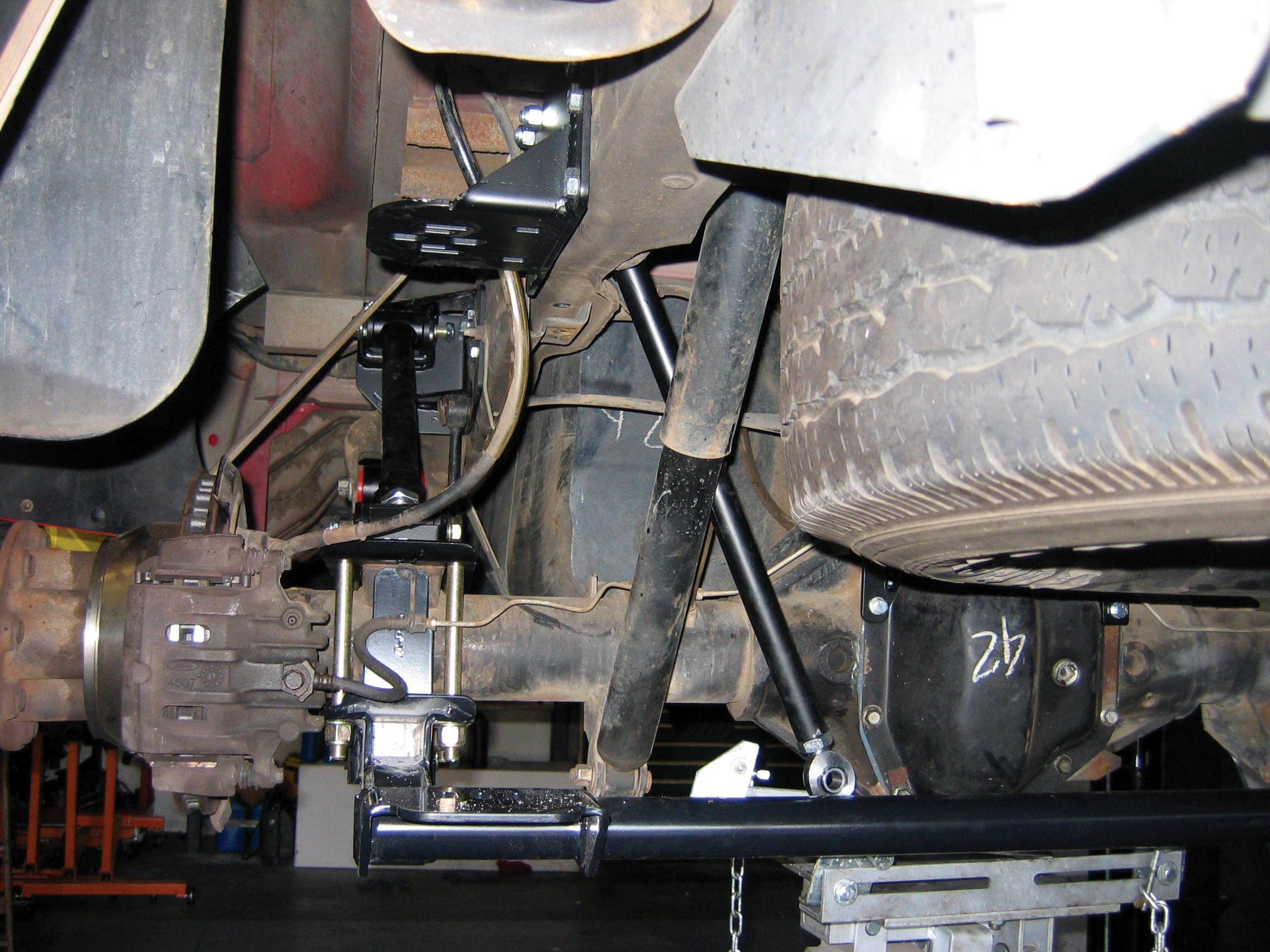
For the rear of the truck, the complete factory suspension system is removed. In place of the factory rear leaf springs goes Air Ride’s AirBar rear suspension system. The new system consists of a series of brackets that support the new full four-link rear suspension system. The AirBar system uses two airbags mounted behind the rear axle to support the truck’s load.
Air Ride Suspension Installation Process
We followed along as the crew from J&D installed the system. This install was involved and required equipment such as a lift, a large-capacity air compressor, an air chisel, a heavy-duty drill and more. Many of the Ford’s suspension brackets are riveted on from the factory. All of these rivets had to be cut off for the new suspension components to fit. At times, cutting these rivets appeared difficult due to space constraints. Based on the install’s level of difficulty, we’d recommend leaving it to a professional. However, once installed, the quality of this kit is second to none. Each of the components was of the highest quality and obviously built for strength and longevity. We were truly impressed with the quality of all the components in this kit.
Test Drive and Conclusion
Once the install was complete, J&D took us for a ride in the newly air-suspended truck on California’s bumpy I-10 freeway. We were amazed at the way the air suspension smoothed out the ride. With the airbags set for non-hauling pressures, the truck rode more like a car. The ride was extremely smooth and incredibly controlled. After speaking with the folks at J&D and riding in their air-suspended truck, it was obvious why they choose to use Air Ride for all their customers looking to smooth out the ride in their modern 3/4- and 1-ton trucks.

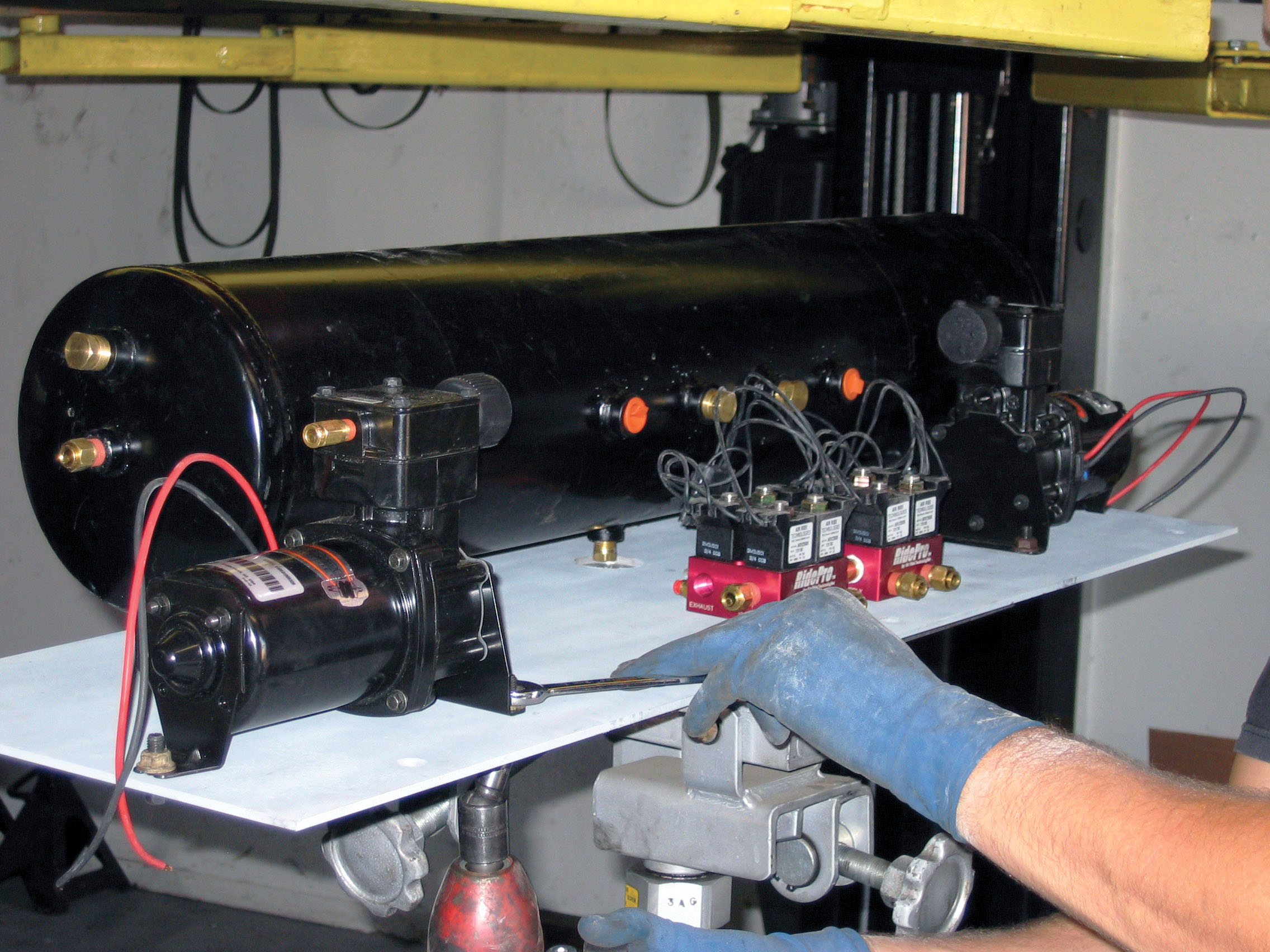
1. It is up to the installer to determine an appropriate place to mount the compressors, tank and valves. We chose a spot under the truck next to the frame where everything would be protected.
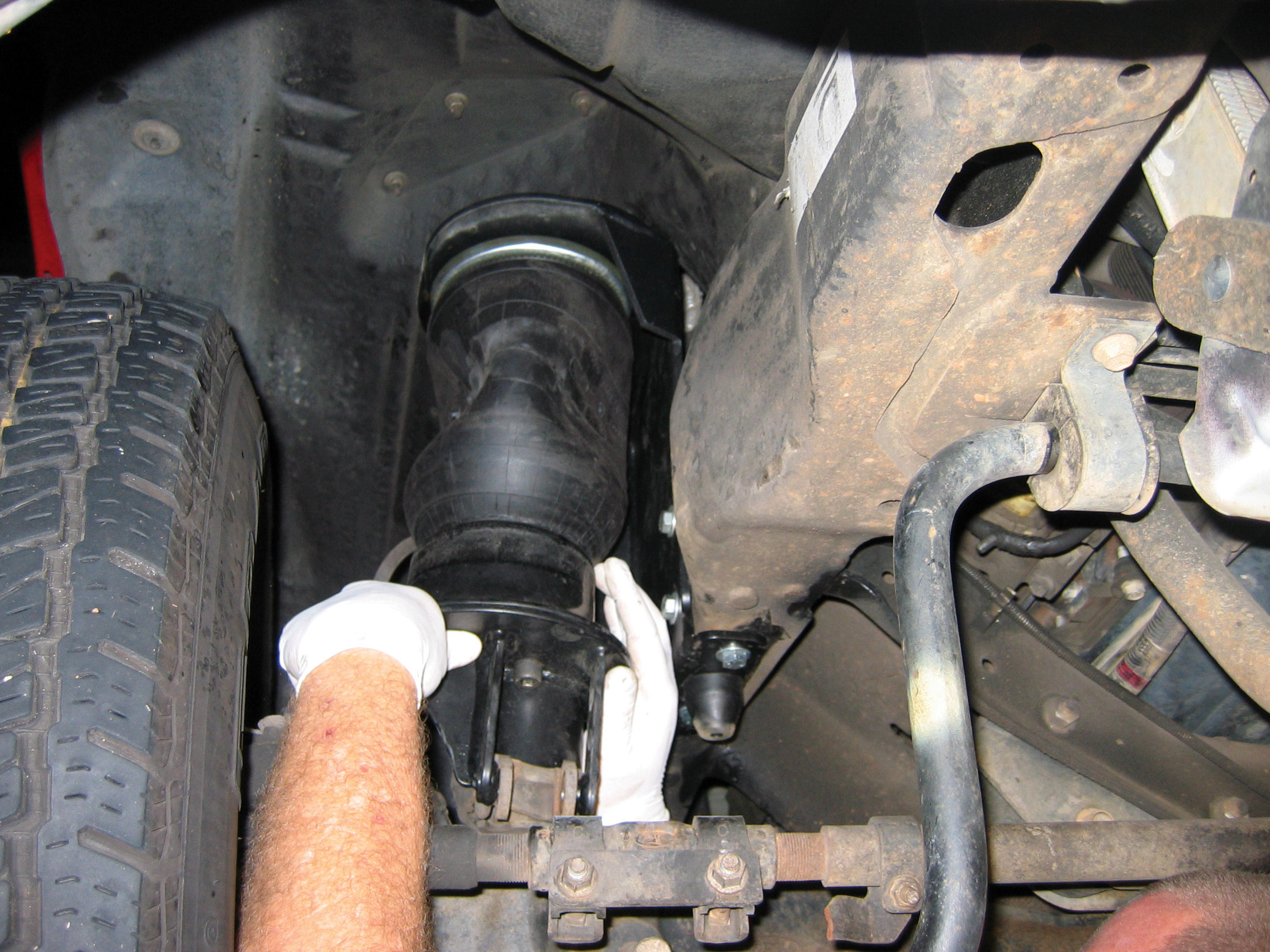
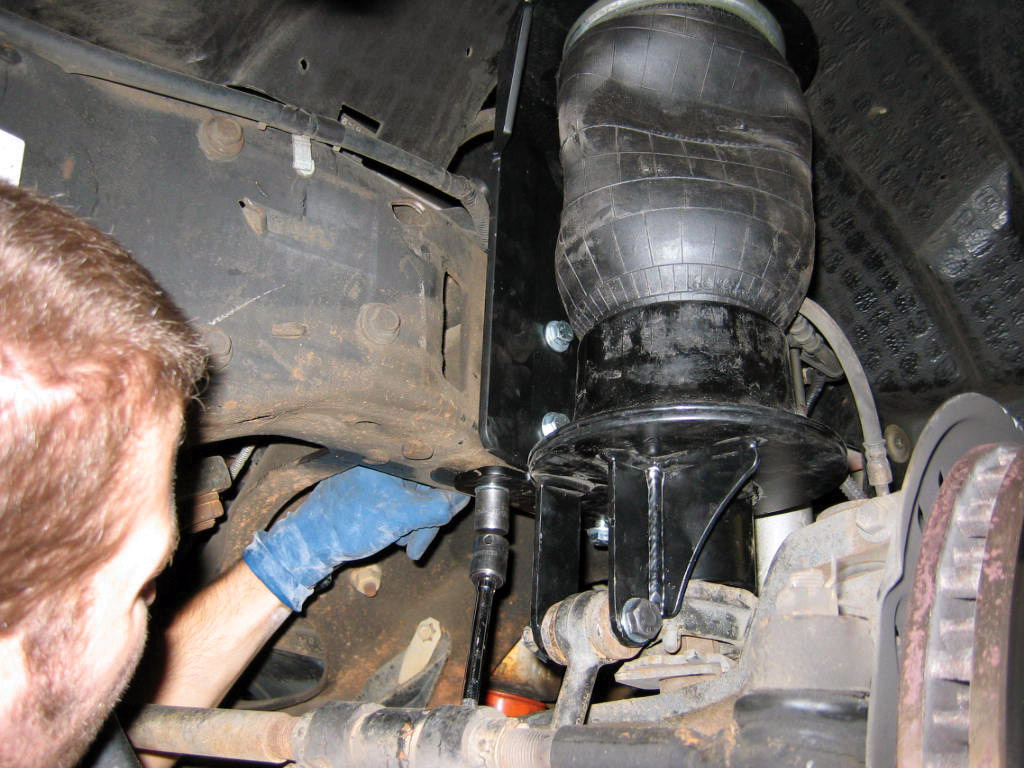
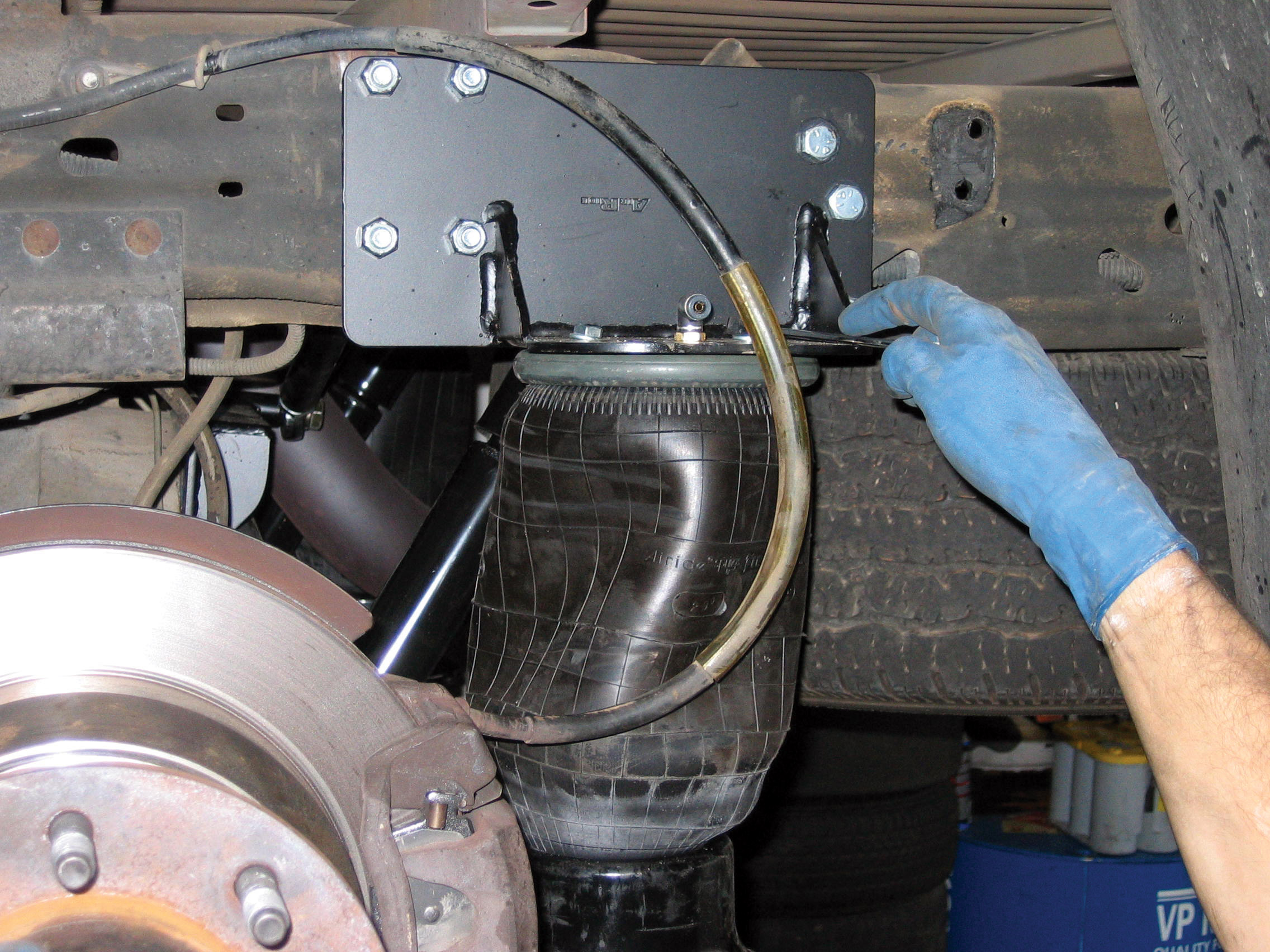
2. The bottom perch for the air spring must be turned to the correct position for the bolts to line up through the mounting plate. There is a large bolt through the center of the lower perch that attaches to the bag and needs to be loosened so the perch can be rotated.
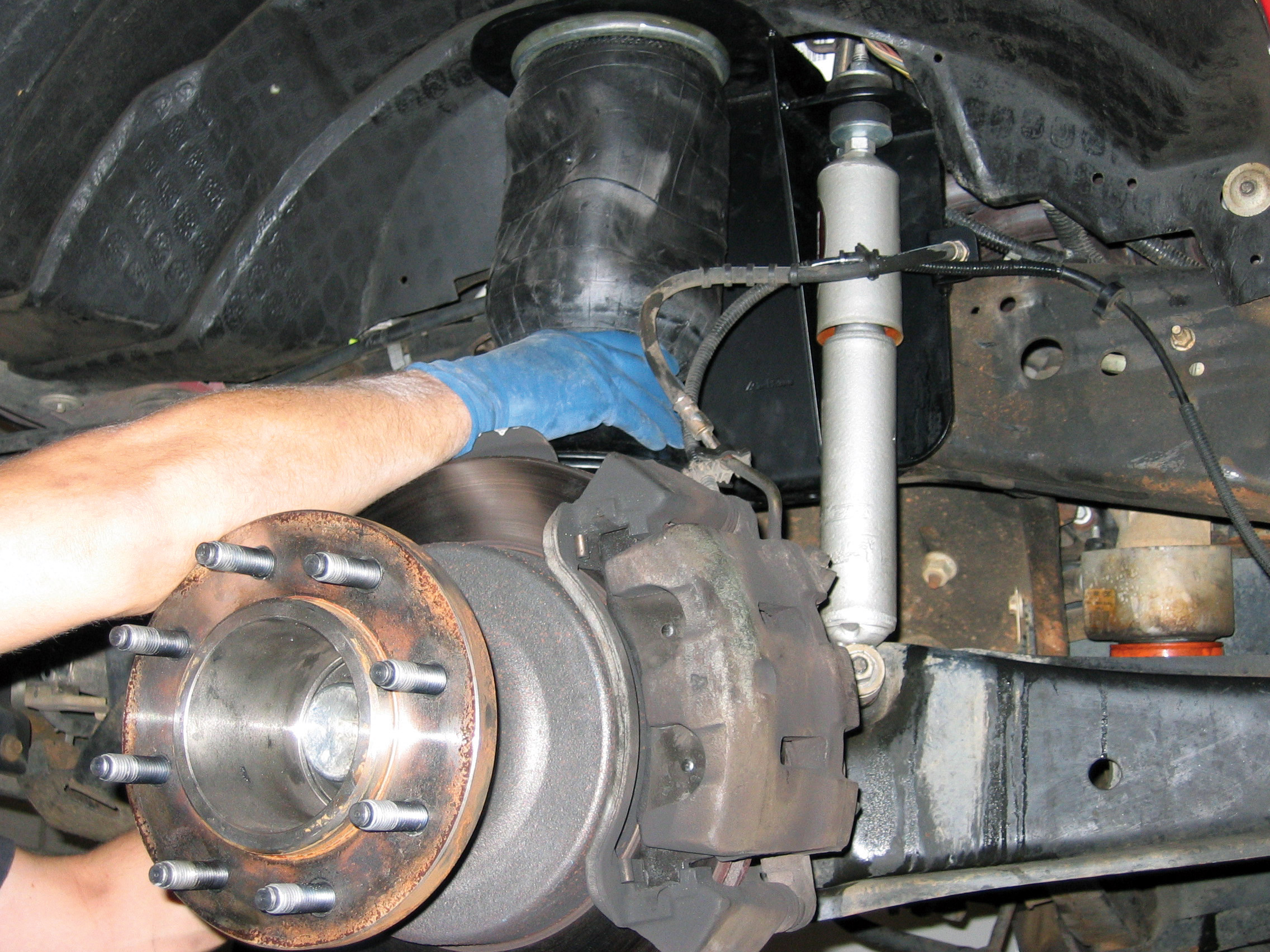
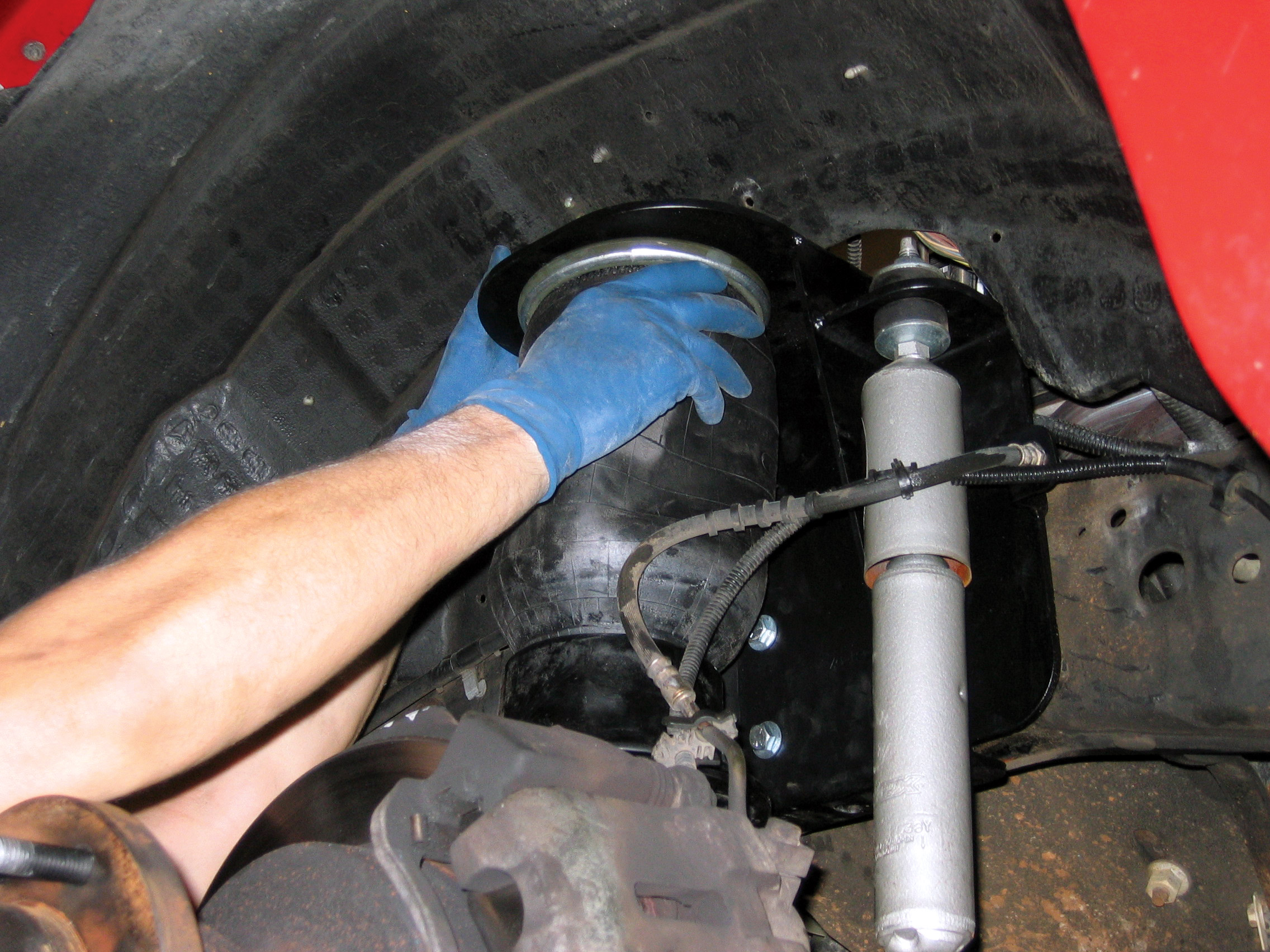
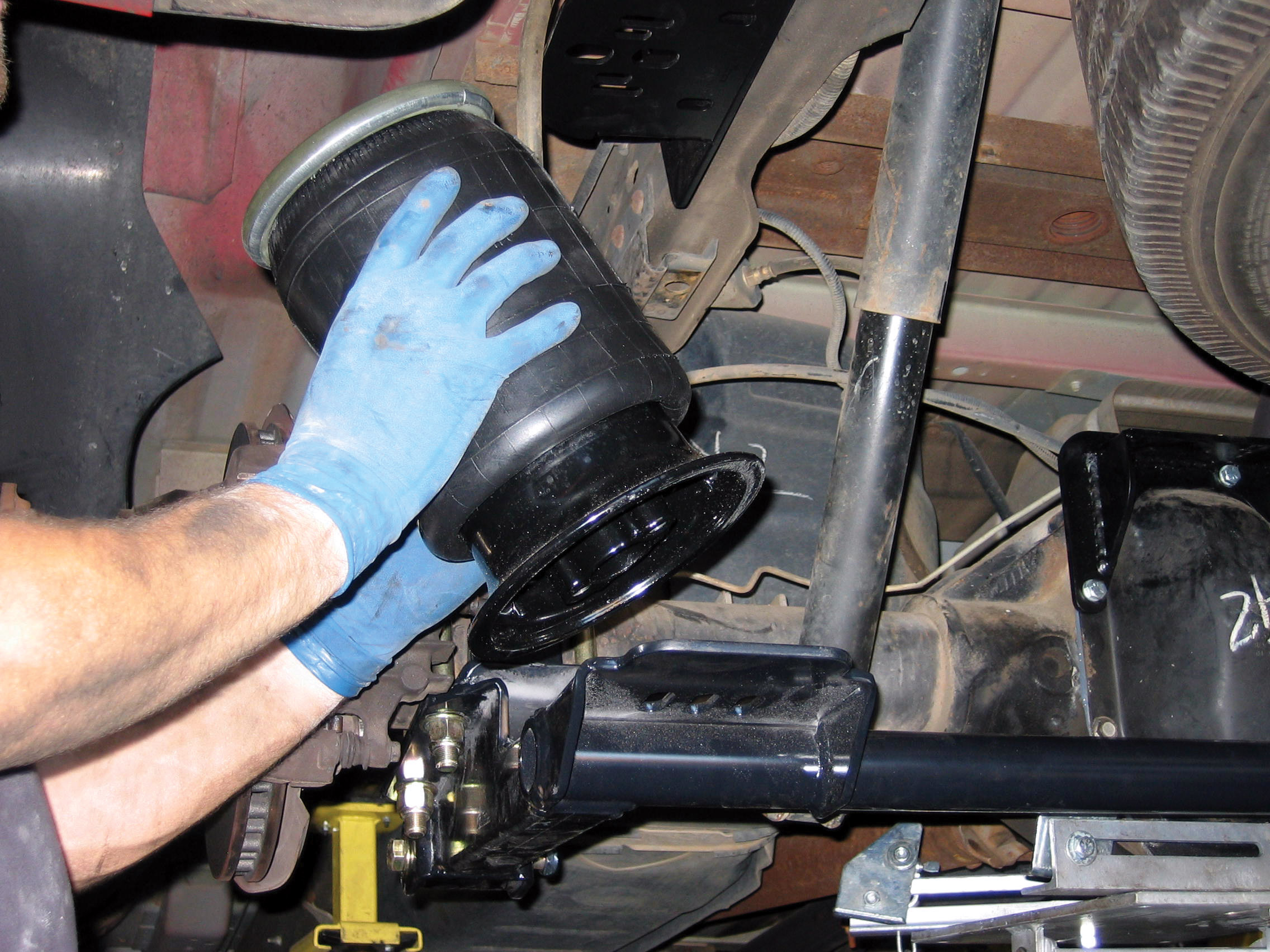
3. The airbag is installed into the top of the mount first and then the bottom. The bag will need to be adjusted vertically once the rearend has been re-centered under the truck.
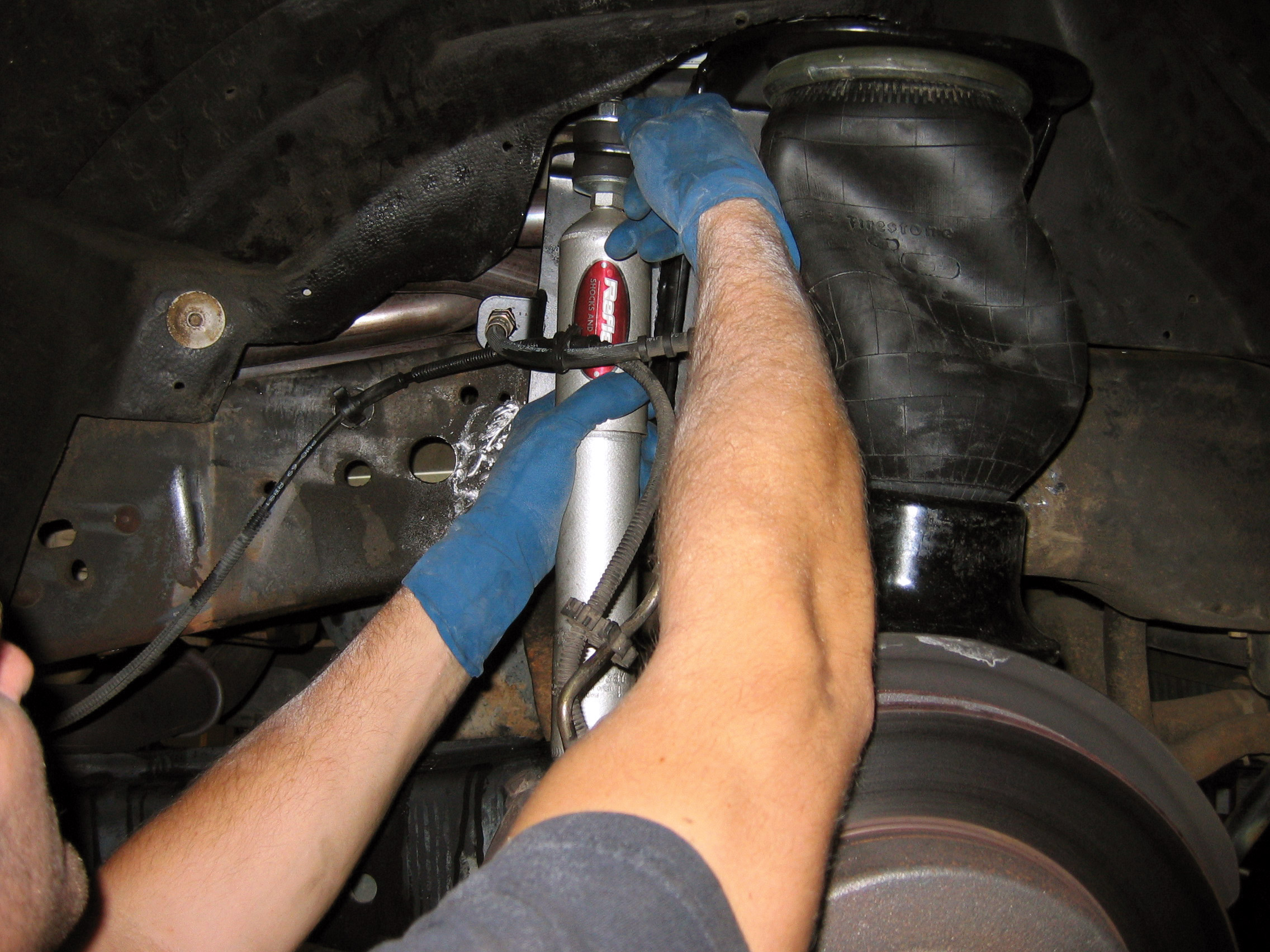
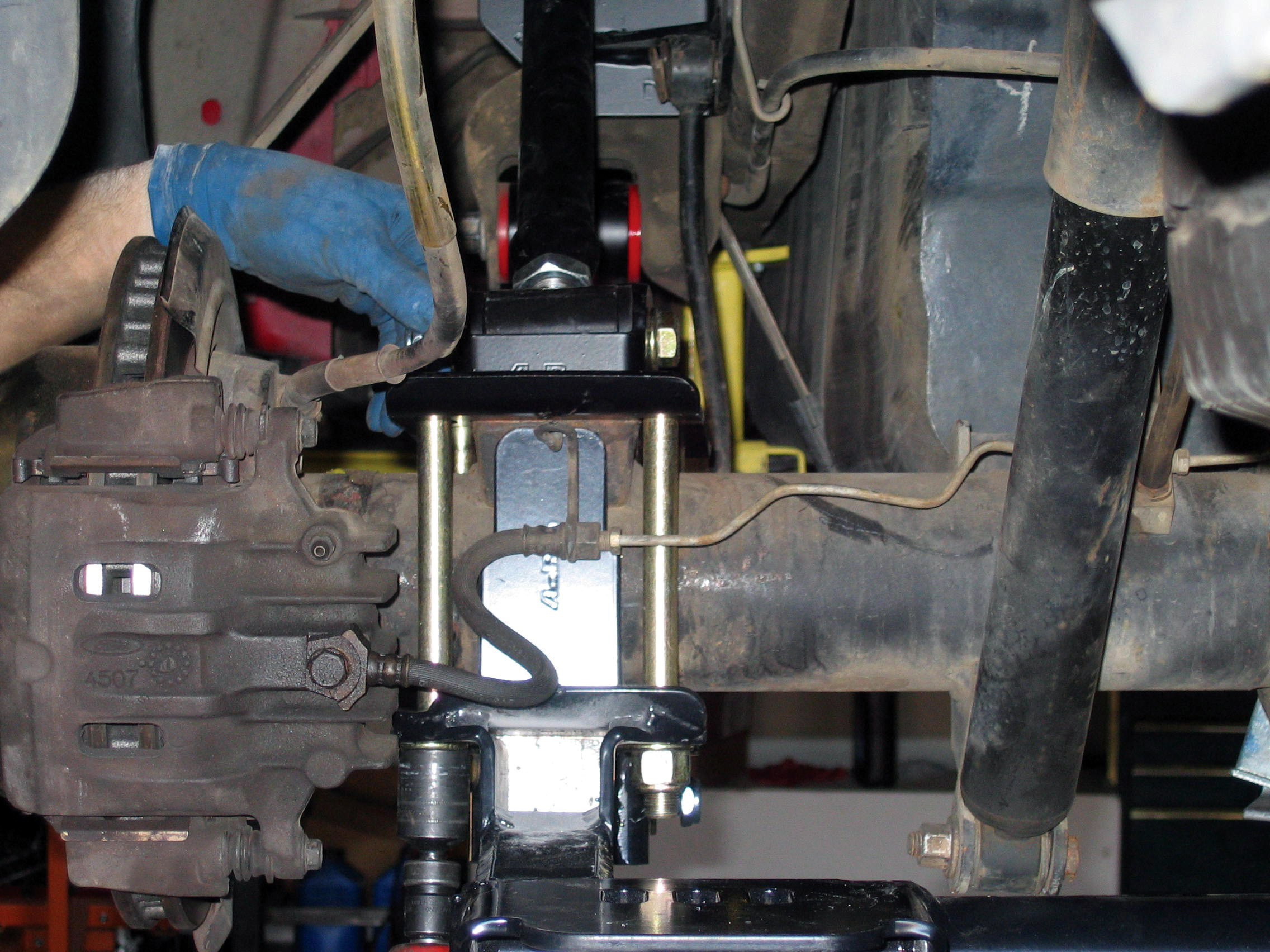
4. The shocks and brake lines are removed from the factory spring perch bracket and installed into the ART (Air Ride Technologies) bracket. The brakes must be bled after assembly.
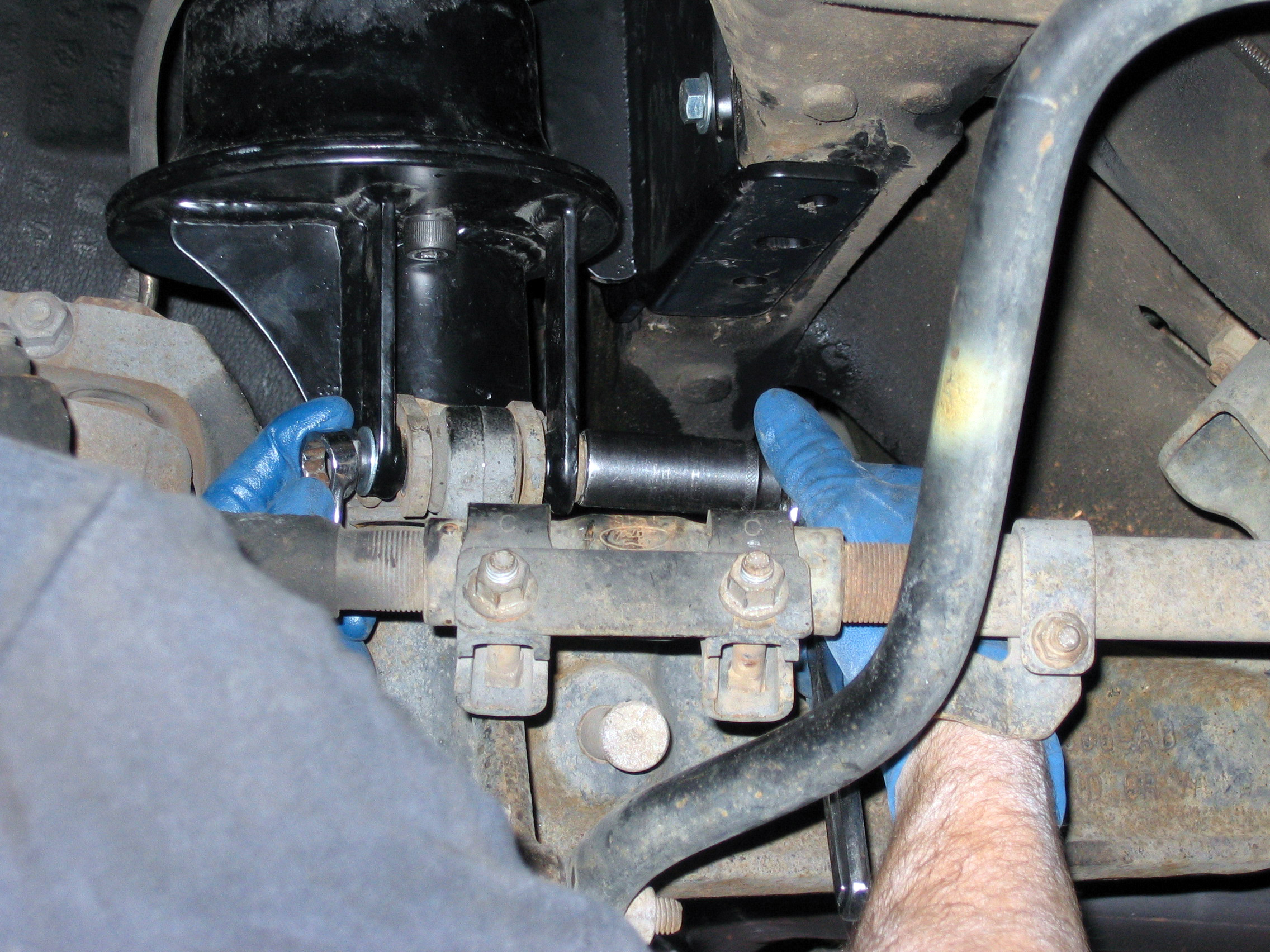
5. The bottom spring perch sits over the factory lower spring mount and bolts to the factory sway-bar mount. This bracket must be removed to install the cam kit during the alignment procedure.
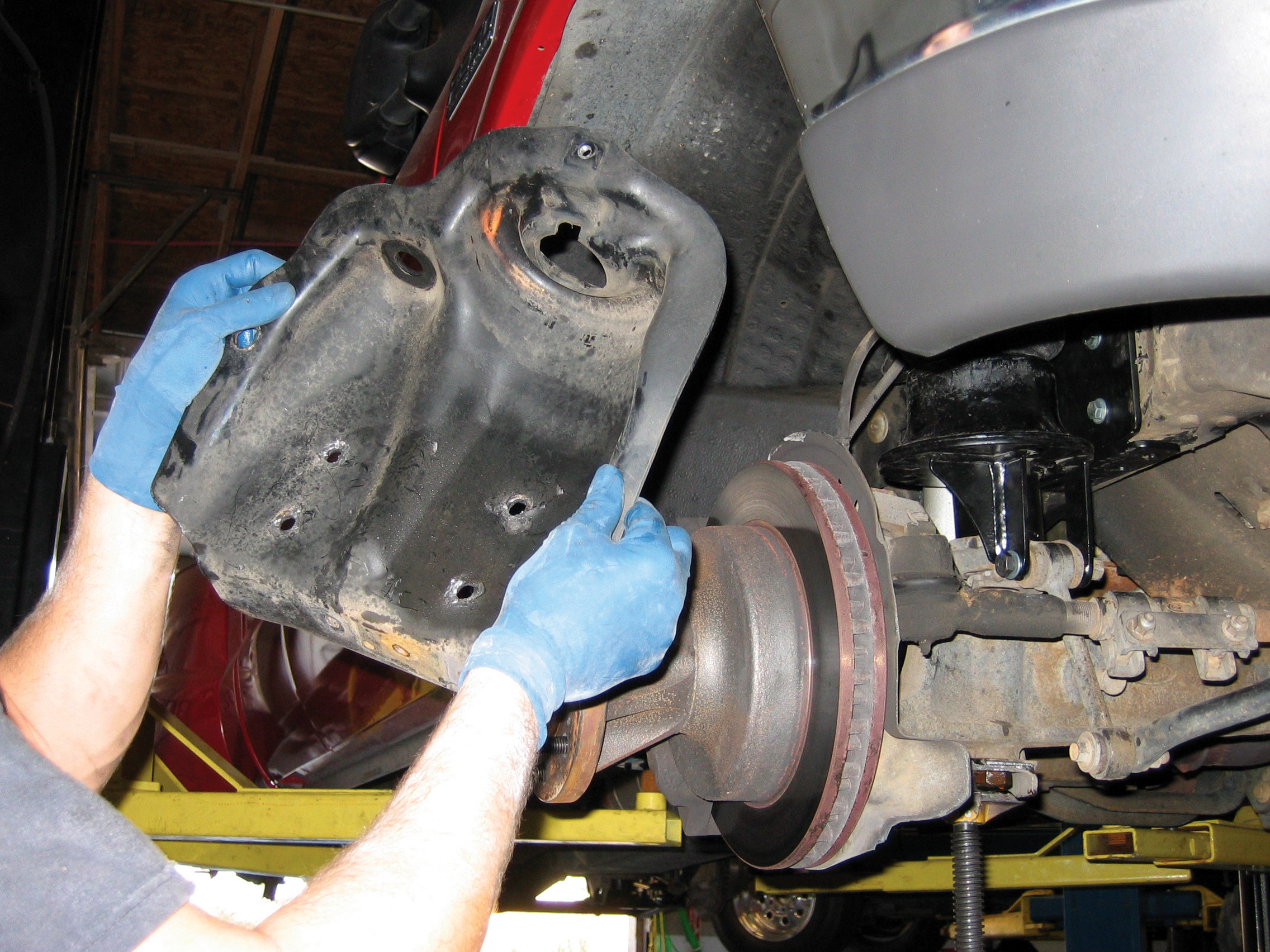
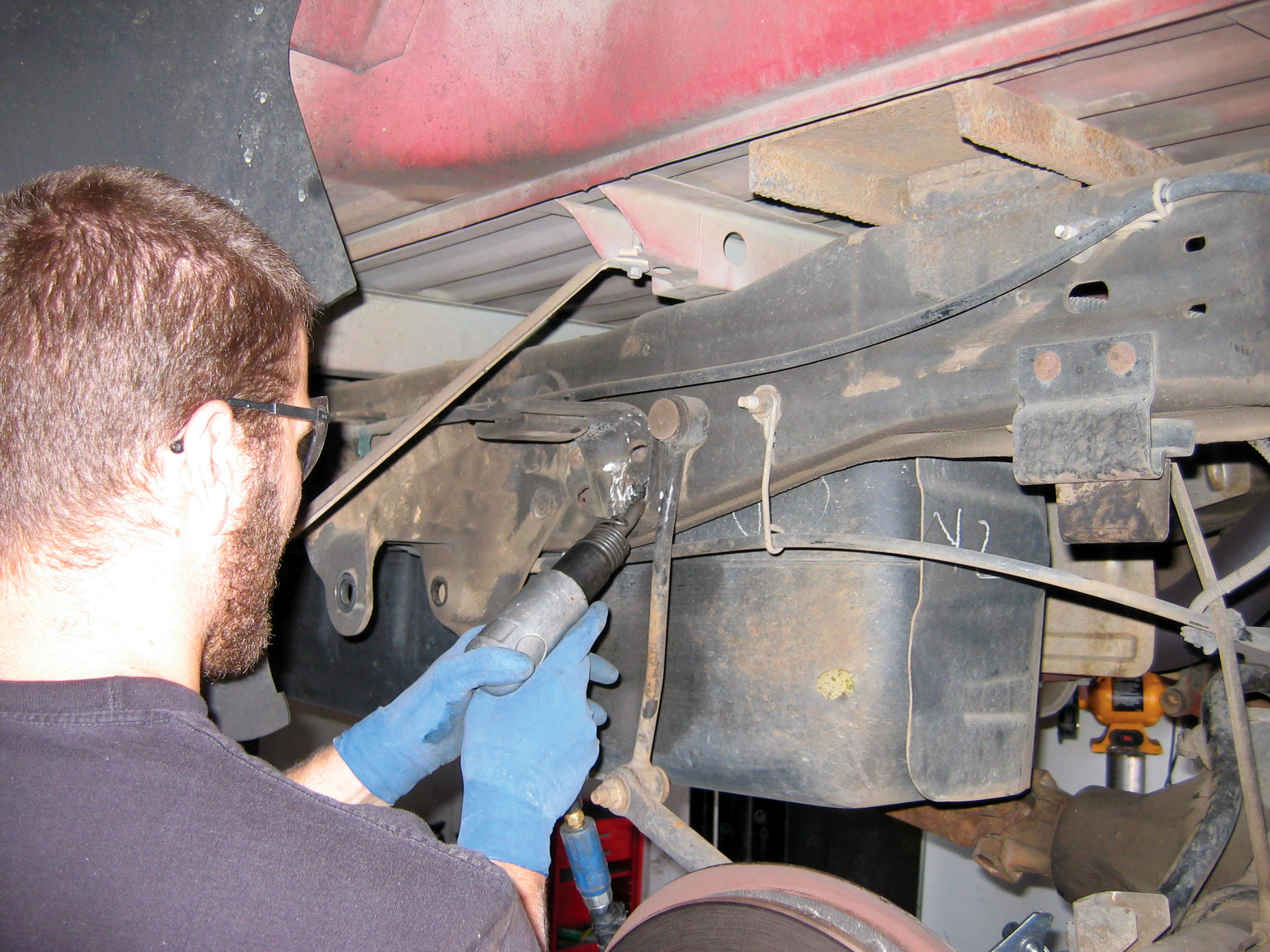
6. The factory spring mount must be removed and replaced with the ART mount. The factory mount is held in place by six rivets. Thanks to Kevin Dorr, our local Snap-on dealer, who made a special trip to help us out.
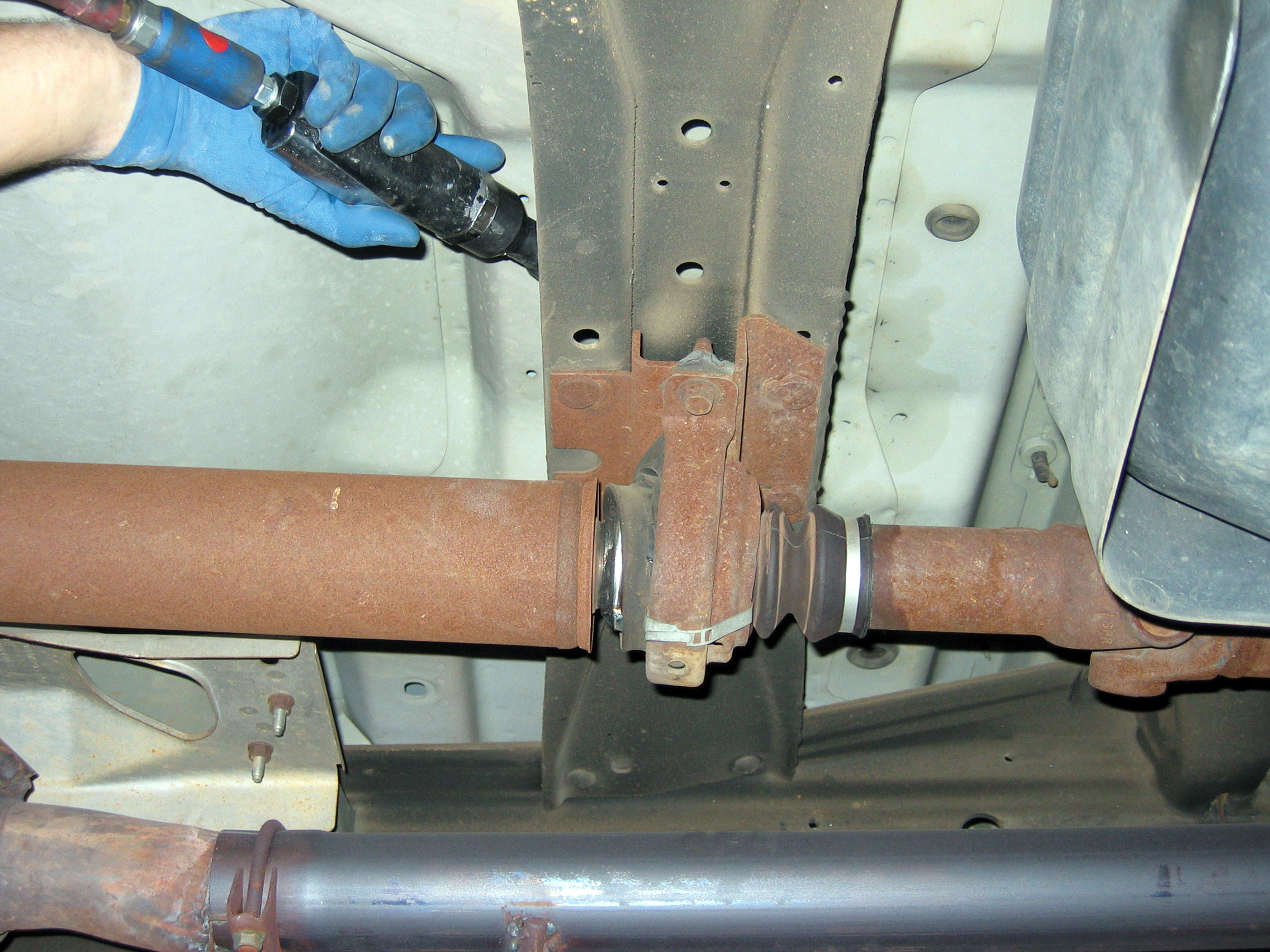
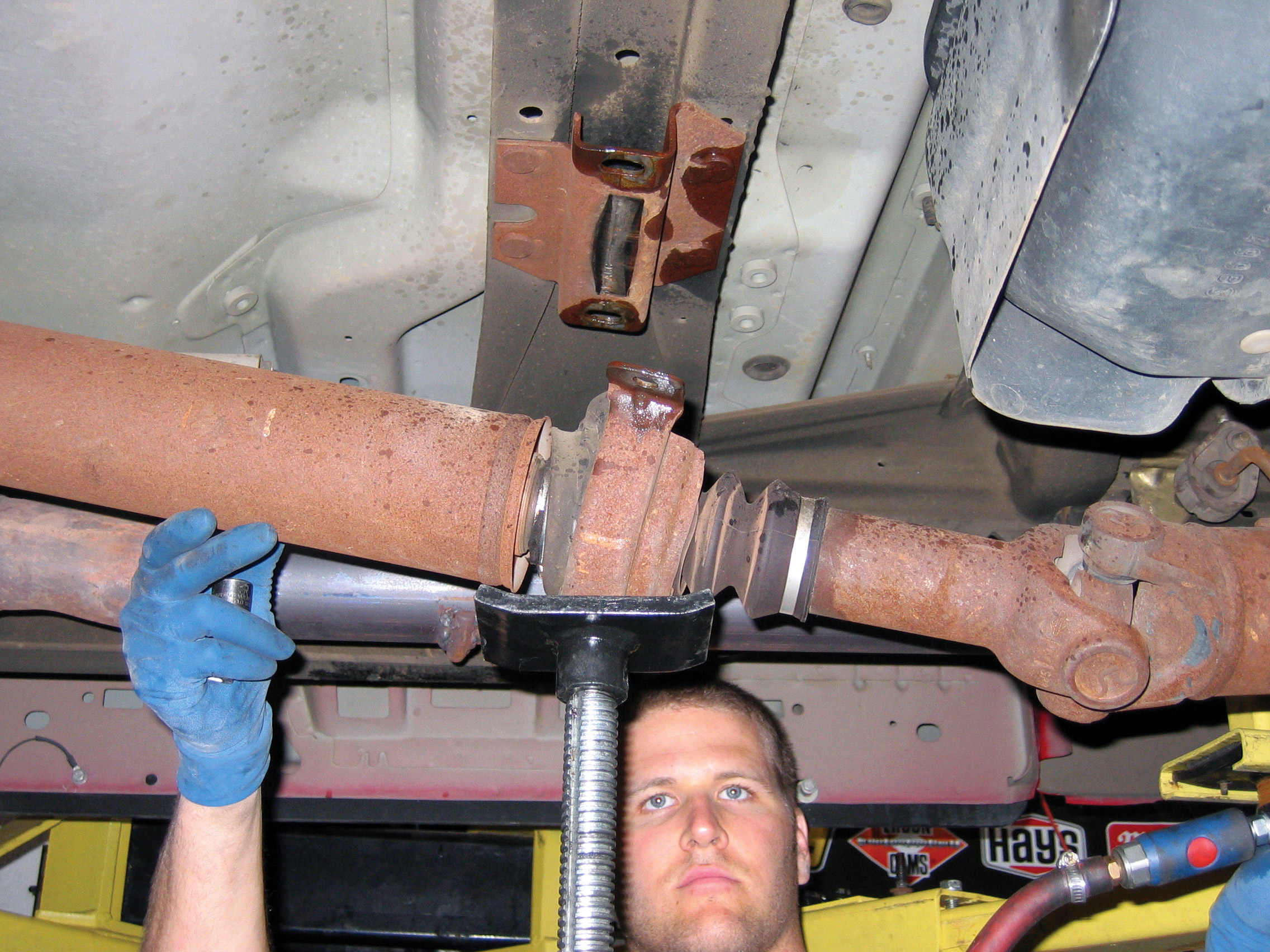
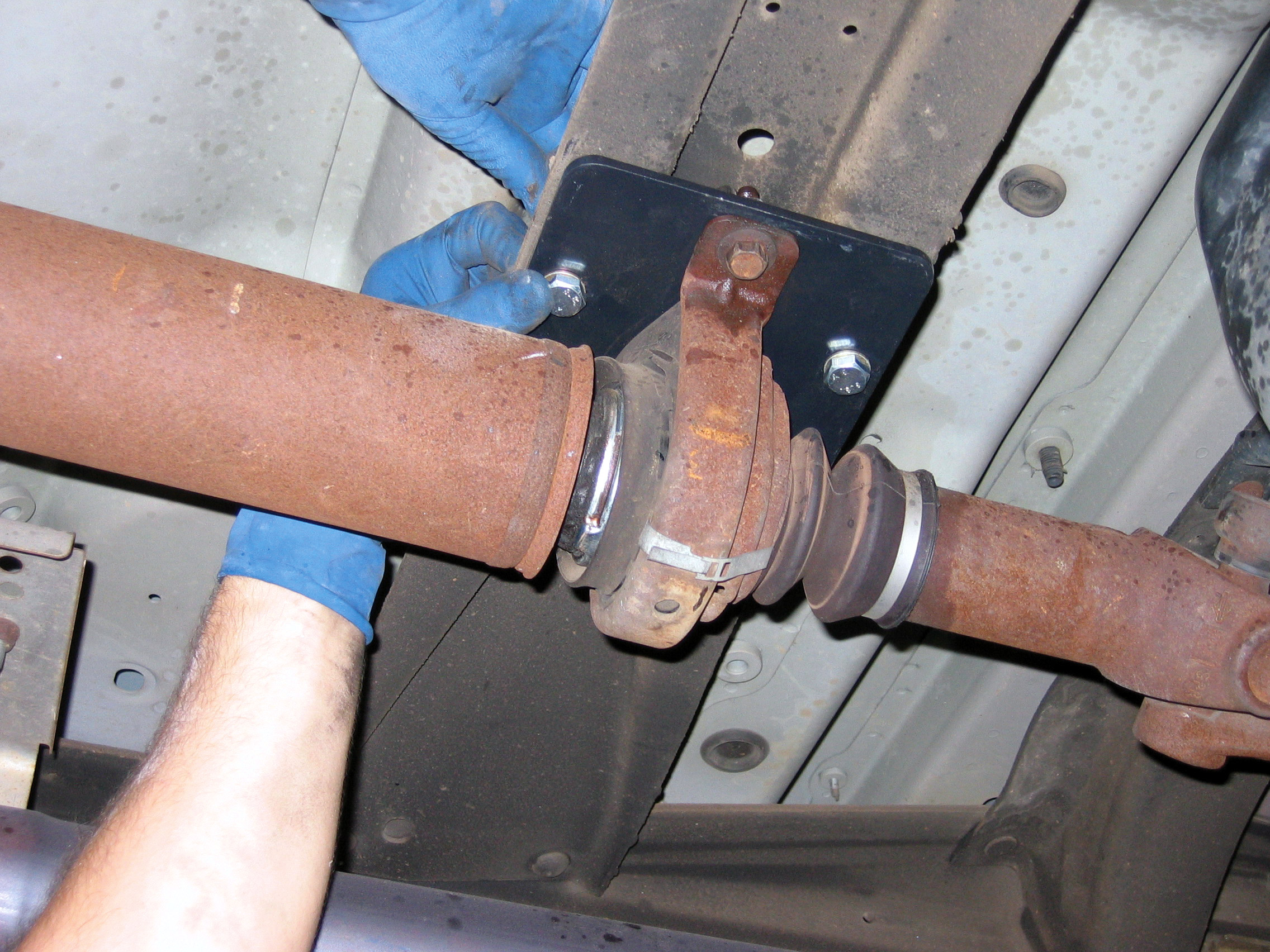
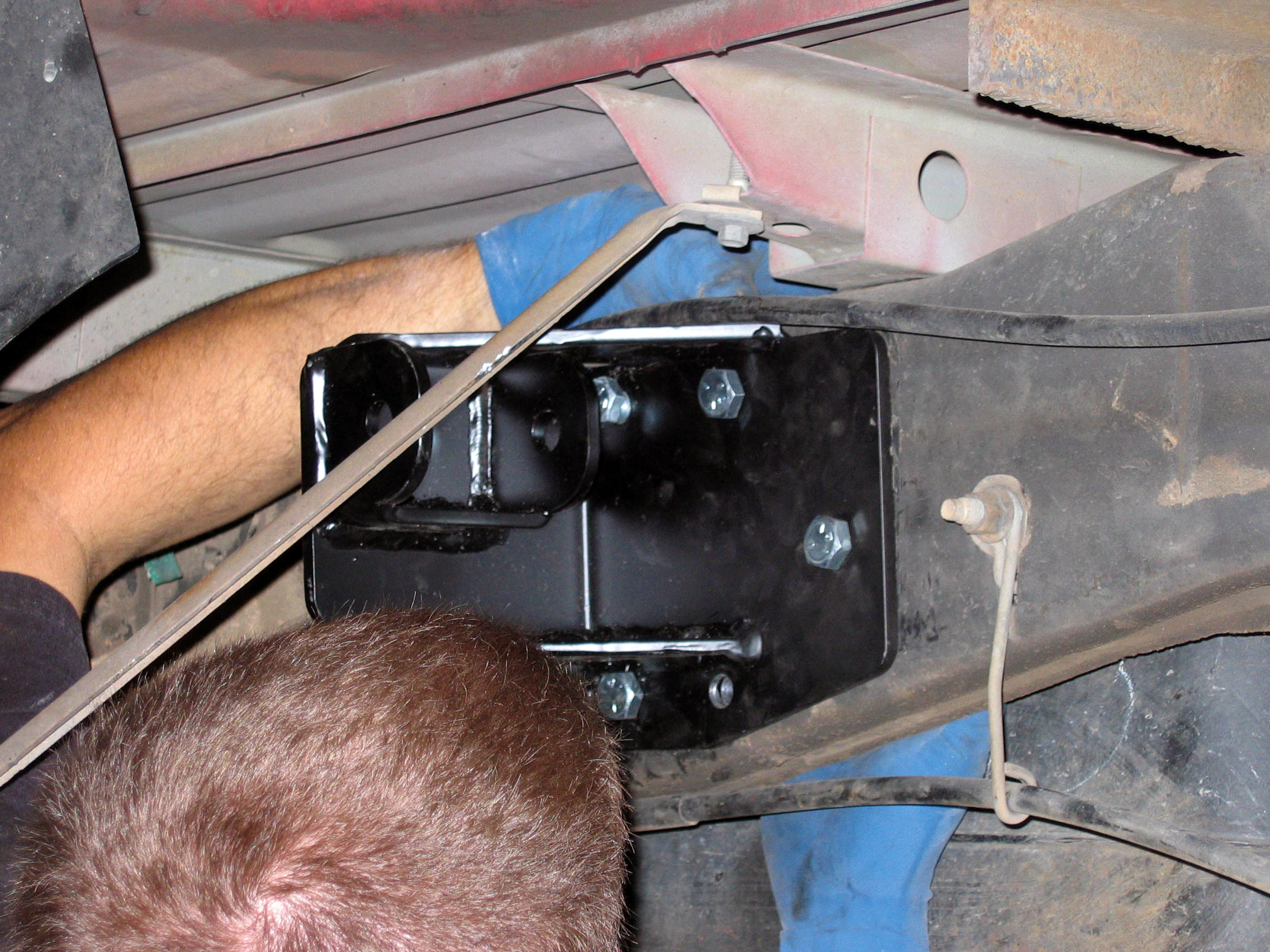
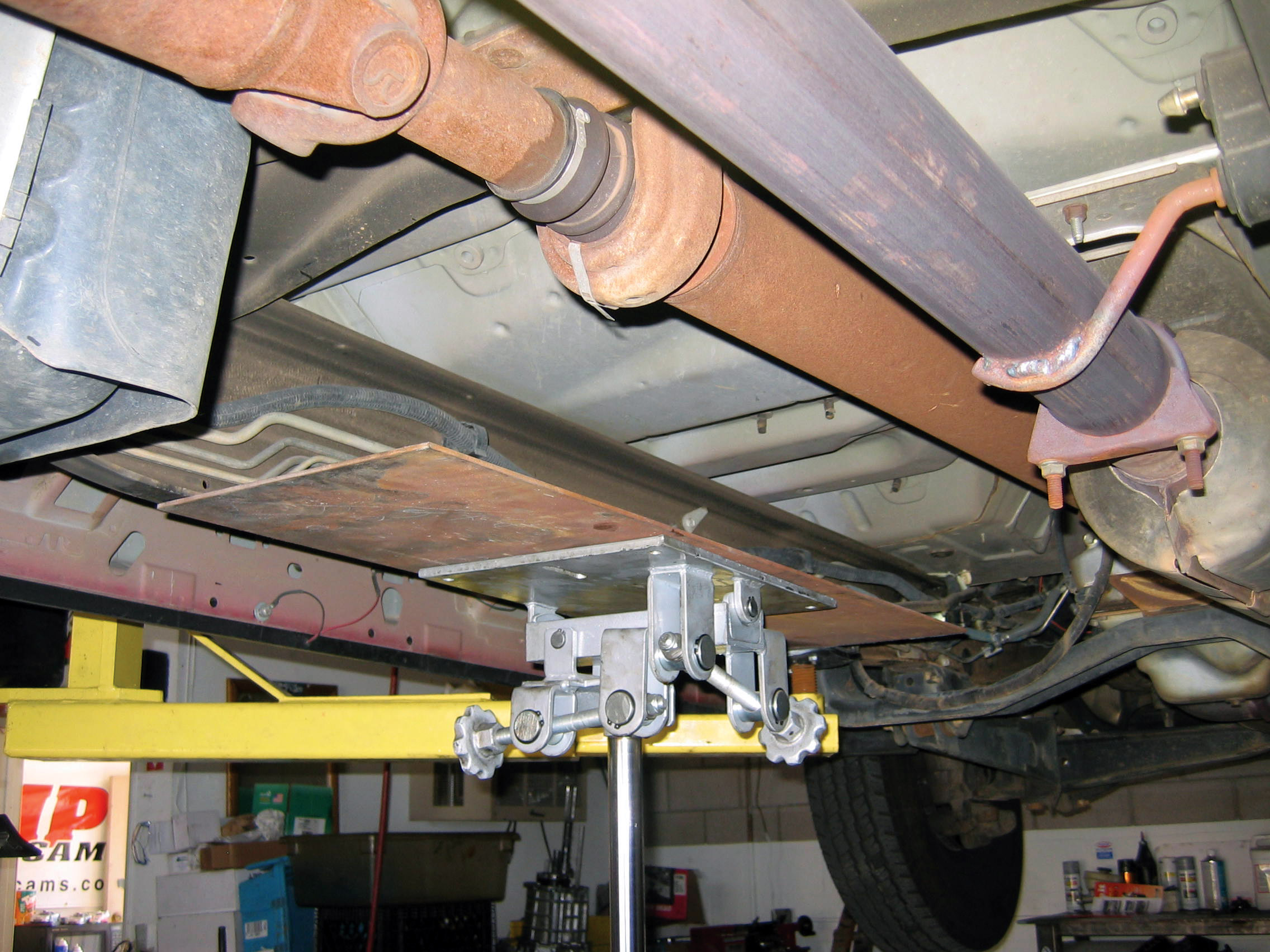
7. The factory carrier-bearing mount must be removed and replaced with the thinner ART mount to make sure the driveshaft stays in correct alignment.
8. To allow access to the carrier-bearing mount, the driveshaft must be lowered out of the way.
9. The ART replacement mount bolts into the existing factory holes.
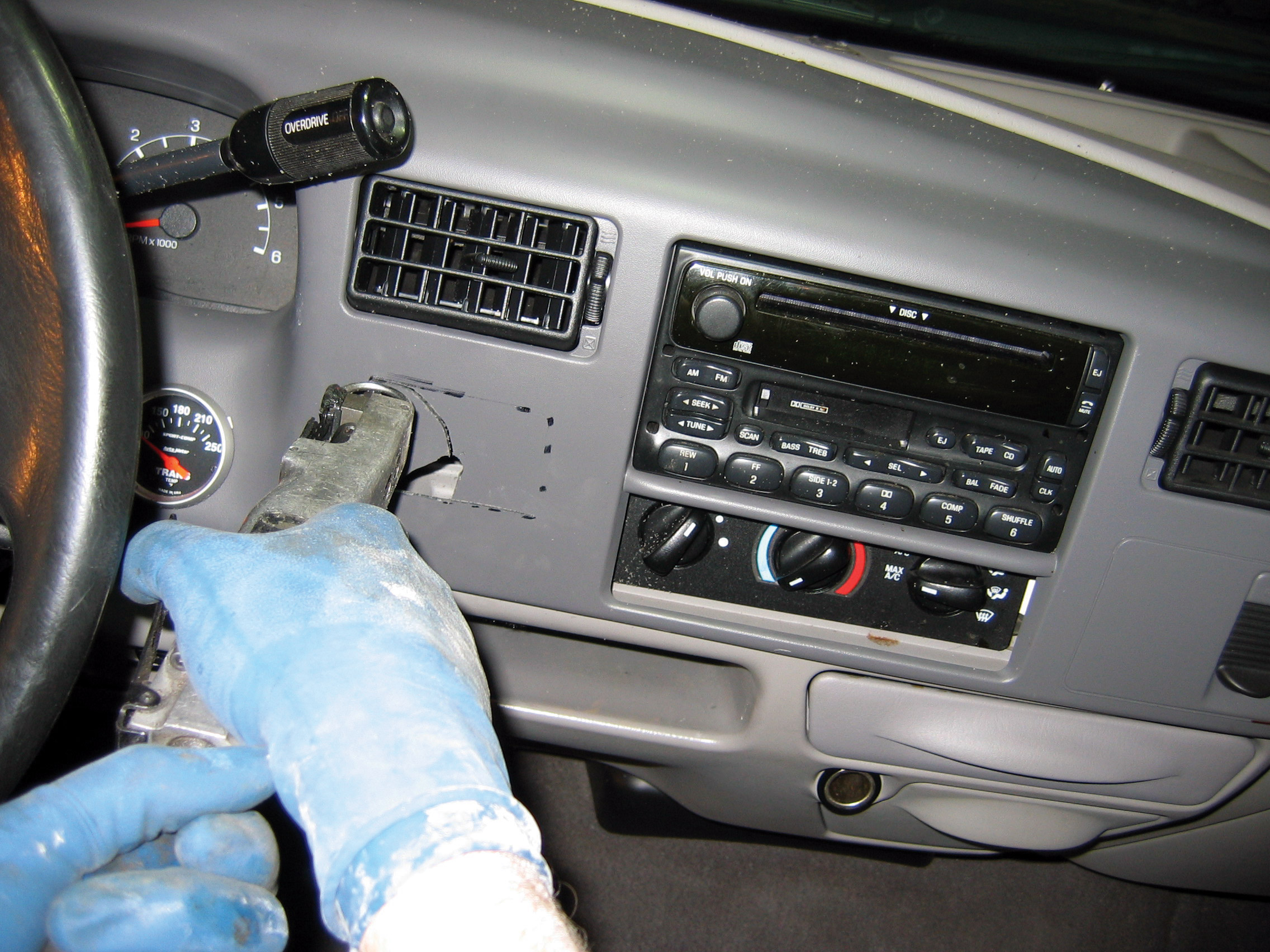
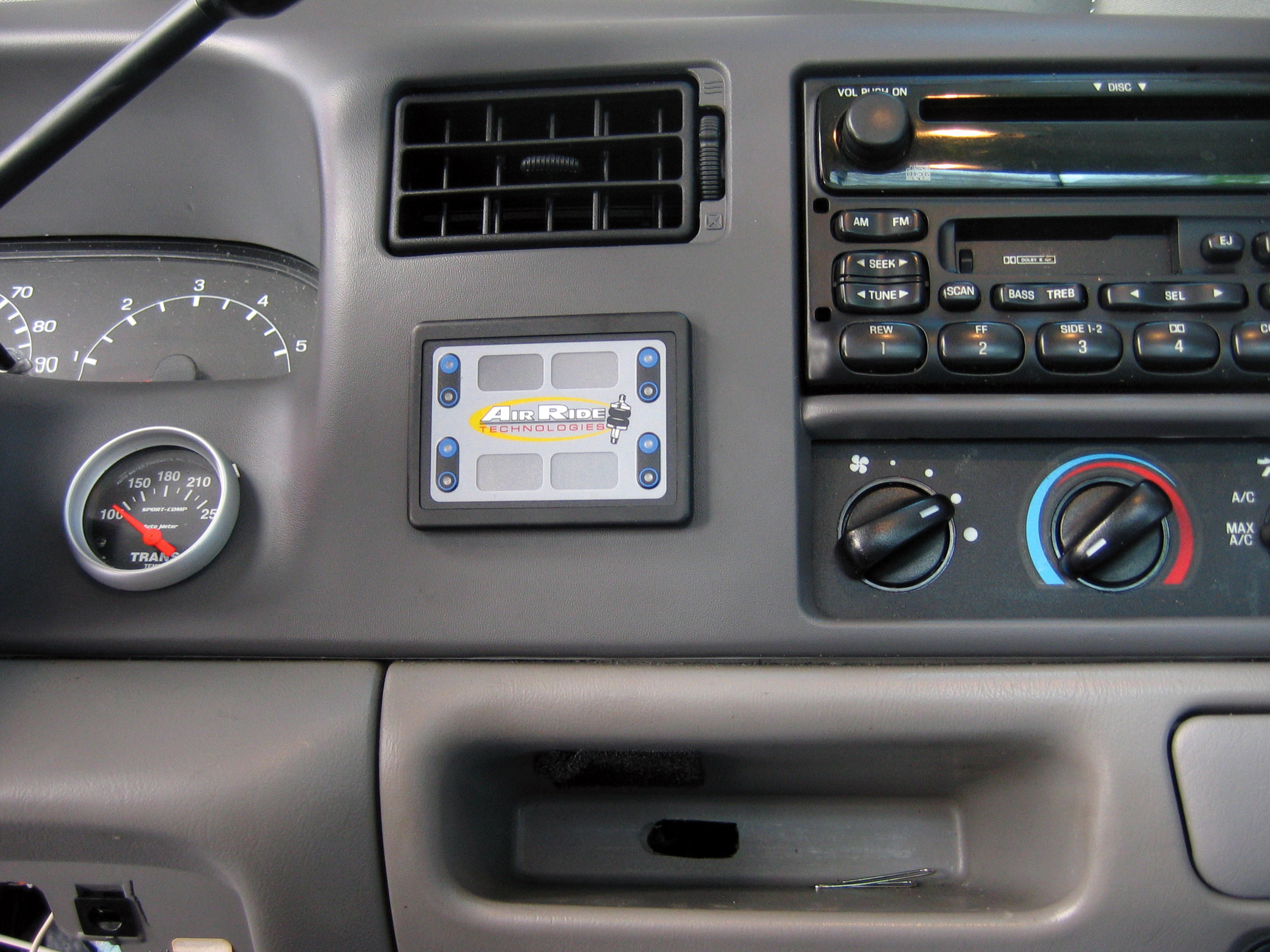
10. Although the ART digital pressure display can be mounted anywhere, we chose to mount ours in the dash next to the radio. This allows easy access to adjustment if needed while driving down the road.
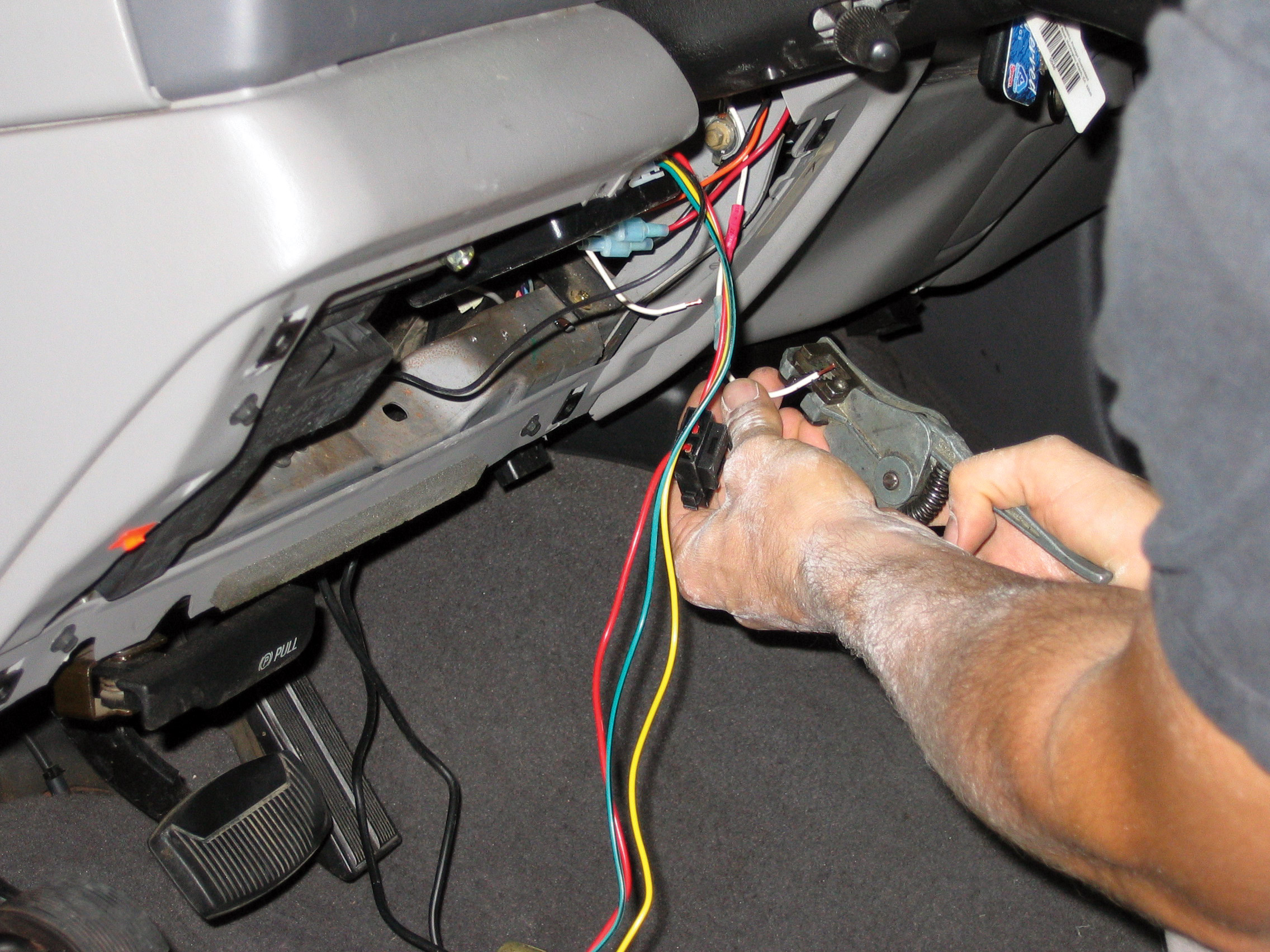
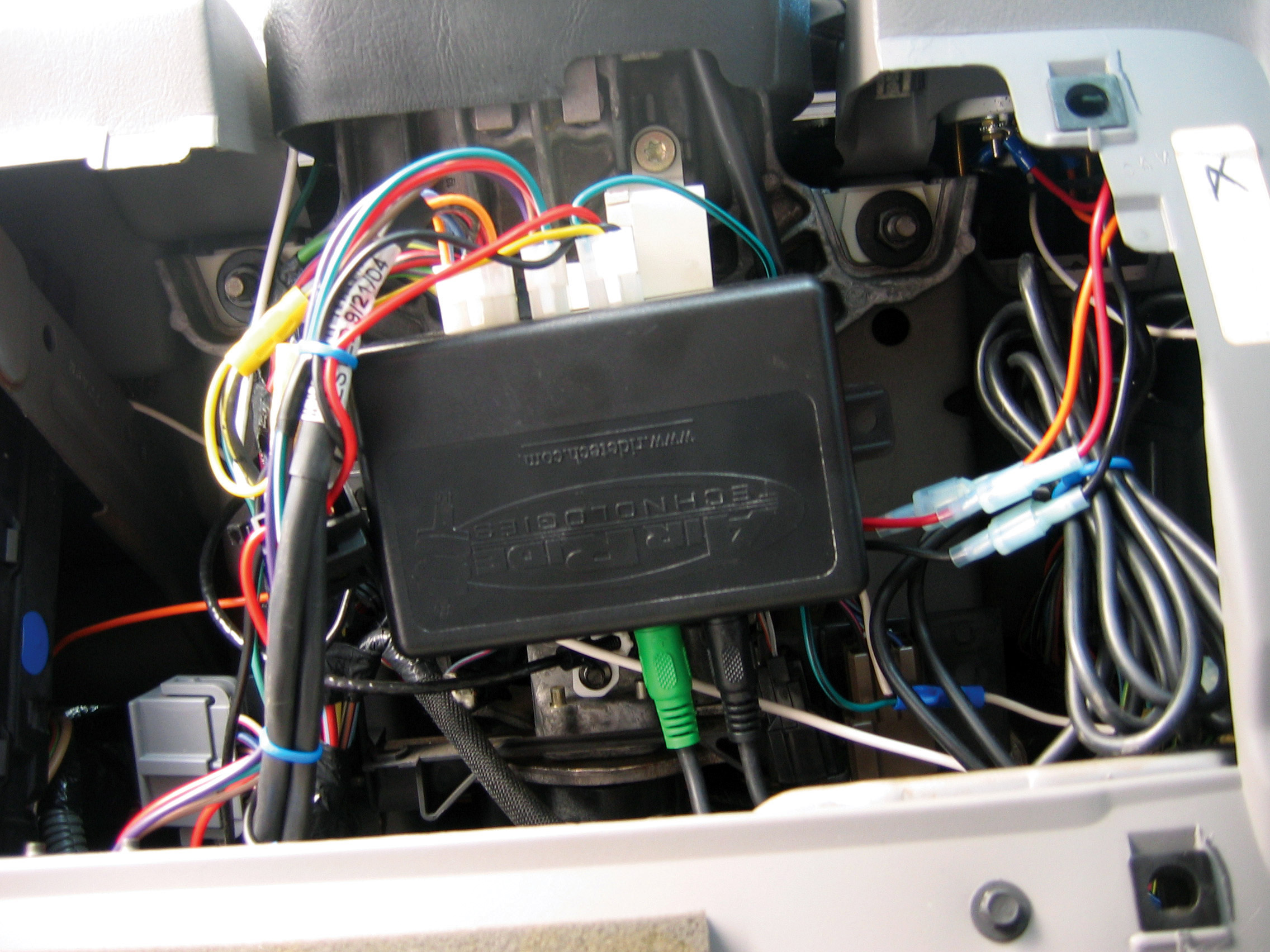
11. The high-quality wires with weather-pack connectors for the “brain” of the system are clearly marked and easily installed.
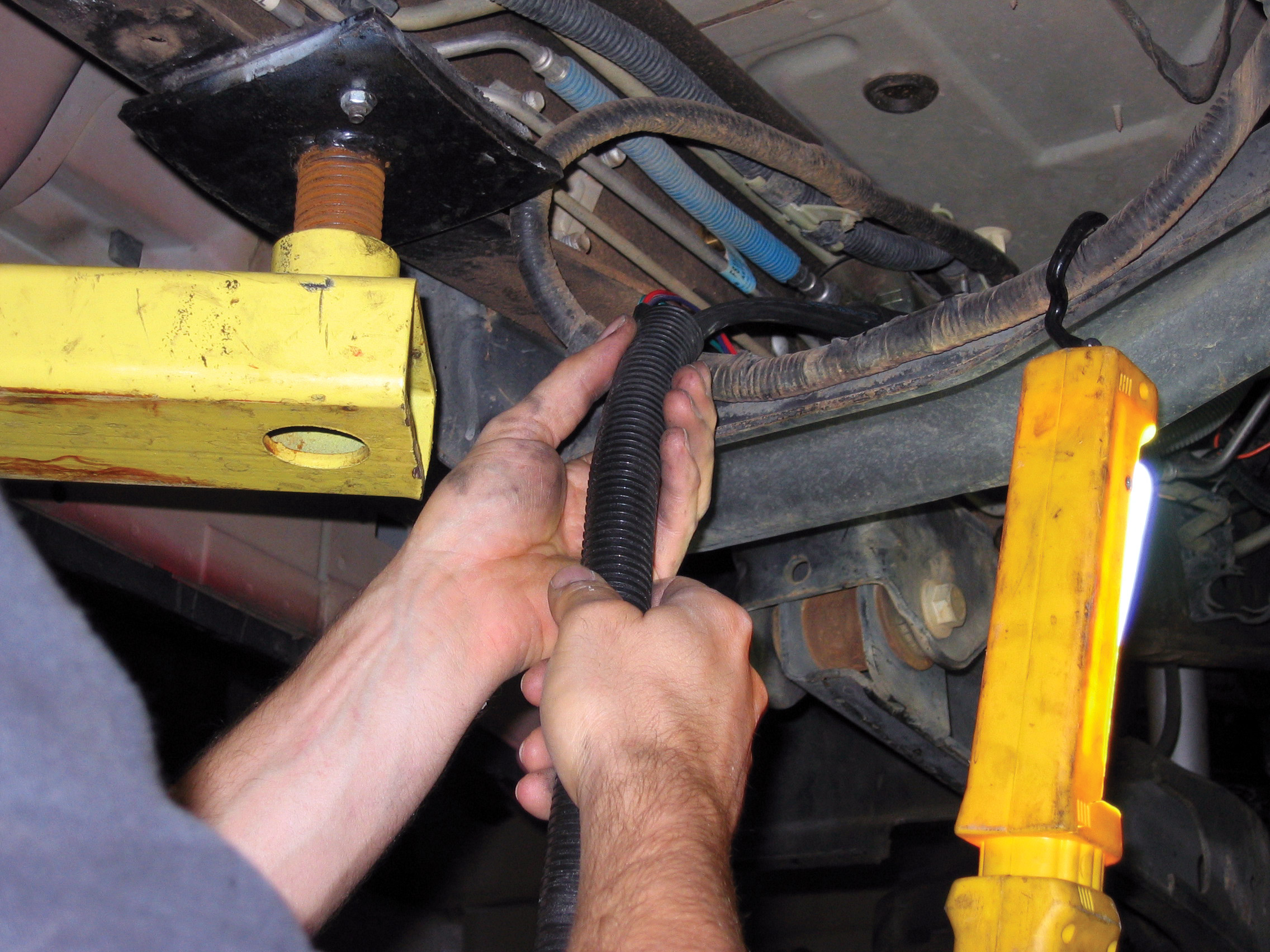
12. Since it was run under the truck, we chose to put the supplied wiring harness in a plastic loom to make sure it was kept safe from road debris.
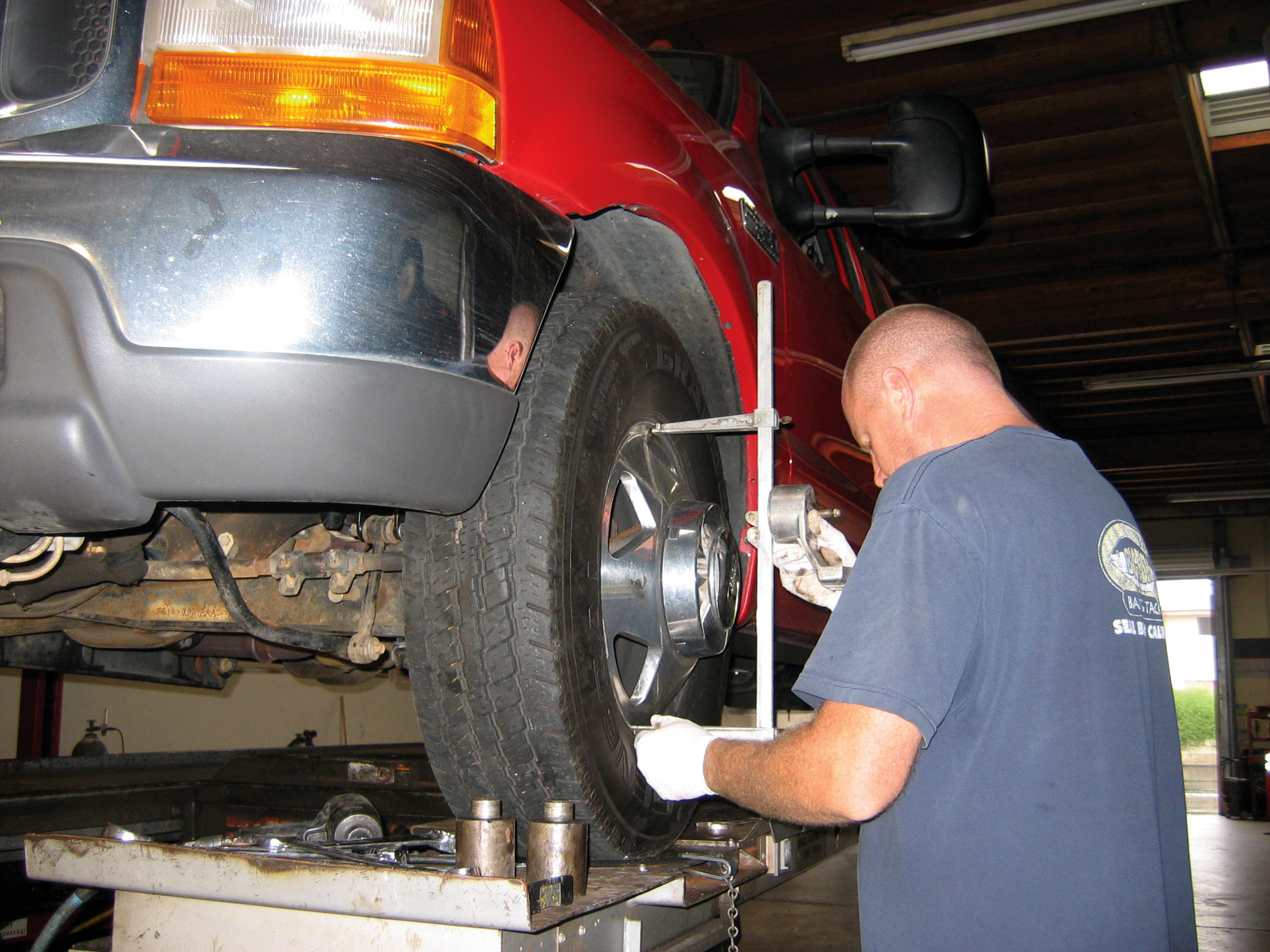
13. After installing the ART components, the truck was in dire need of a front-end alignment. This is not something that should be left to your average mechanic. We chose Dale Porterfield from Dave’s Frame and Alignment in Huntington Beach, California. Dale is known for his ability to fix things that others cannot.
14. It will be necessary to find a pressure or ride height at which you want to drive the truck and have the alignment set at that pressure. If the pressures are changed, moving the truck up or down, this will alter the alignment and eventually wear out the tires.
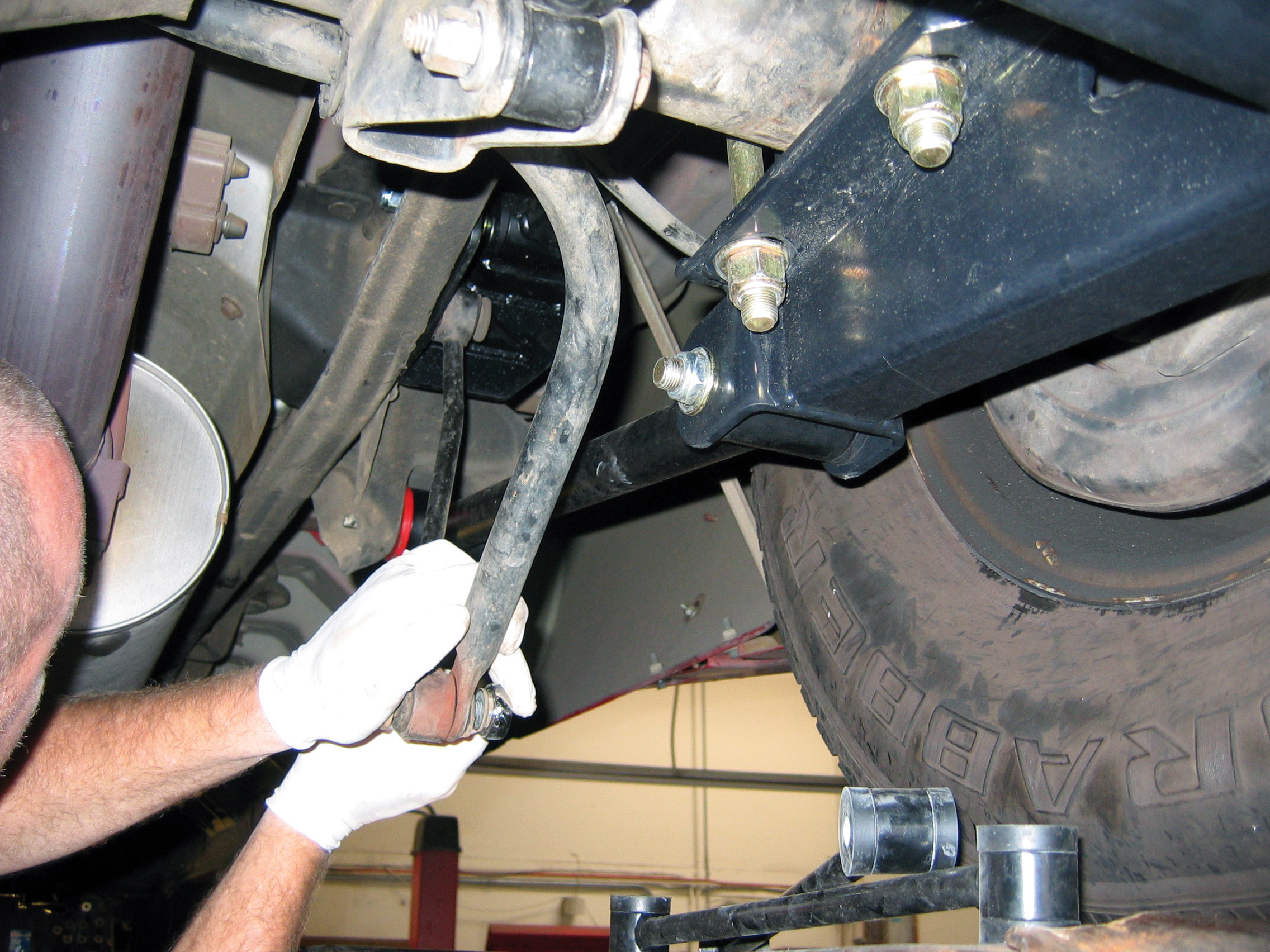
15. The kit does not come with new rear sway-bar end links, so it is necessary to shorten or replace the rear sway-bar end links to put the sway bar in the correct position.
16. The front ART perches must be taken out to install the alignment cams. Although the kit comes with offset cam bushings, these are not necessarily the correct ones for every truck. Luckily, the guys at Dave’s Frame and Alignment had extras in stock.
17. Once the airbag and shock assembly are installed, it is necessary to inflate the bags before lowering the truck so they are not pinched by the weight of the vehicle.
18. The front ART spring mount bolts into the factory holes. There is no drilling for the front setup.
19. We decided to mount our components under the truck next to the frame using a 3-foot piece of steel bolted to the lower lip of the frame. Mounting all of the components in the same place saved a lot of time with the wiring and running of air lines.
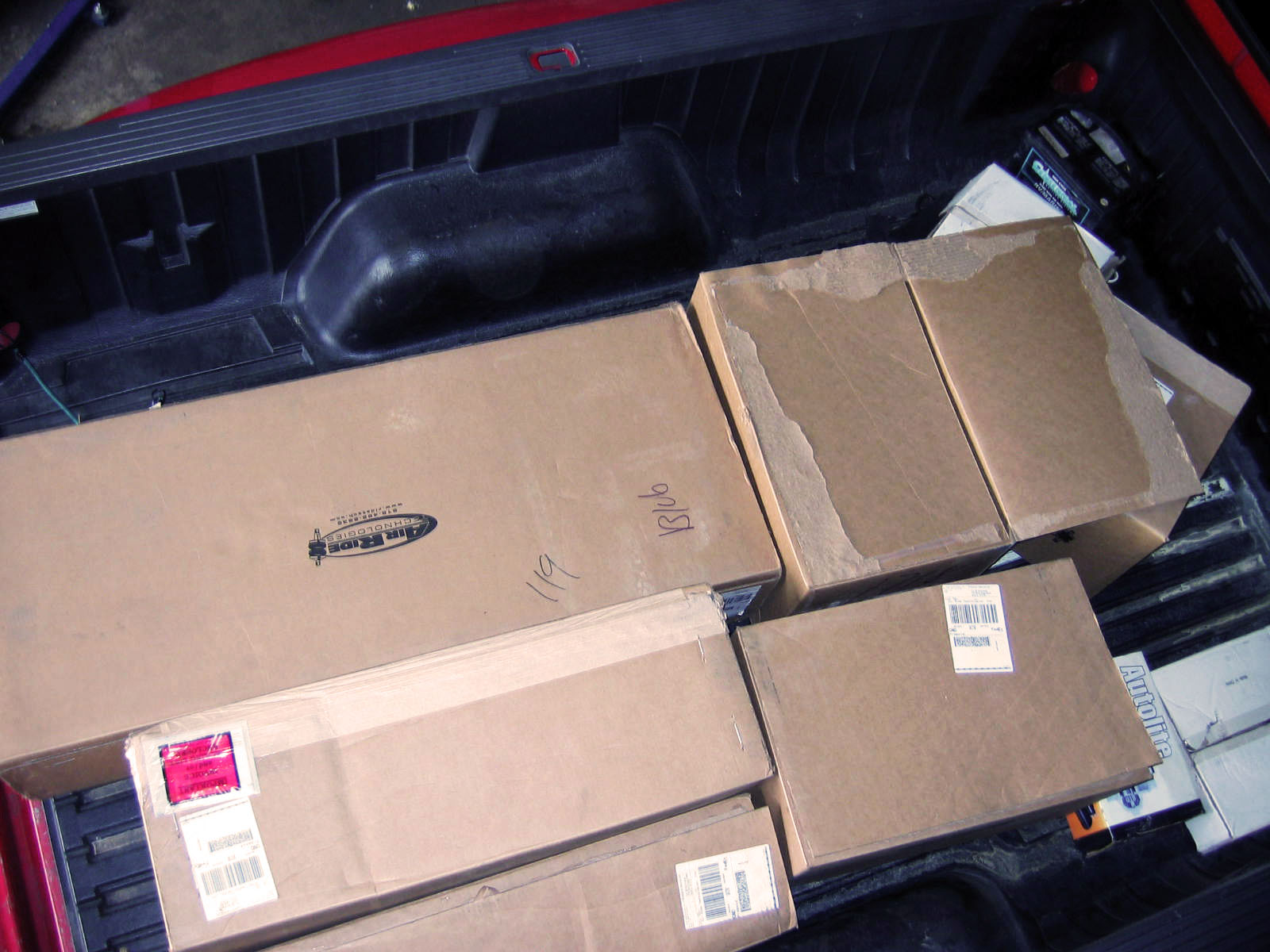
20. The ART components showed up in numerous boxes and were packed with meticulous care. It would be almost impossible to damage any of these products during shipment.
21. All of the necessary components are supplied with the kit. The only additional items we needed were some air fittings and bolts for our custom install. Don’t be alarmed if you have extra hardware left over; ART tried to think of every situation and supplied that hardware.
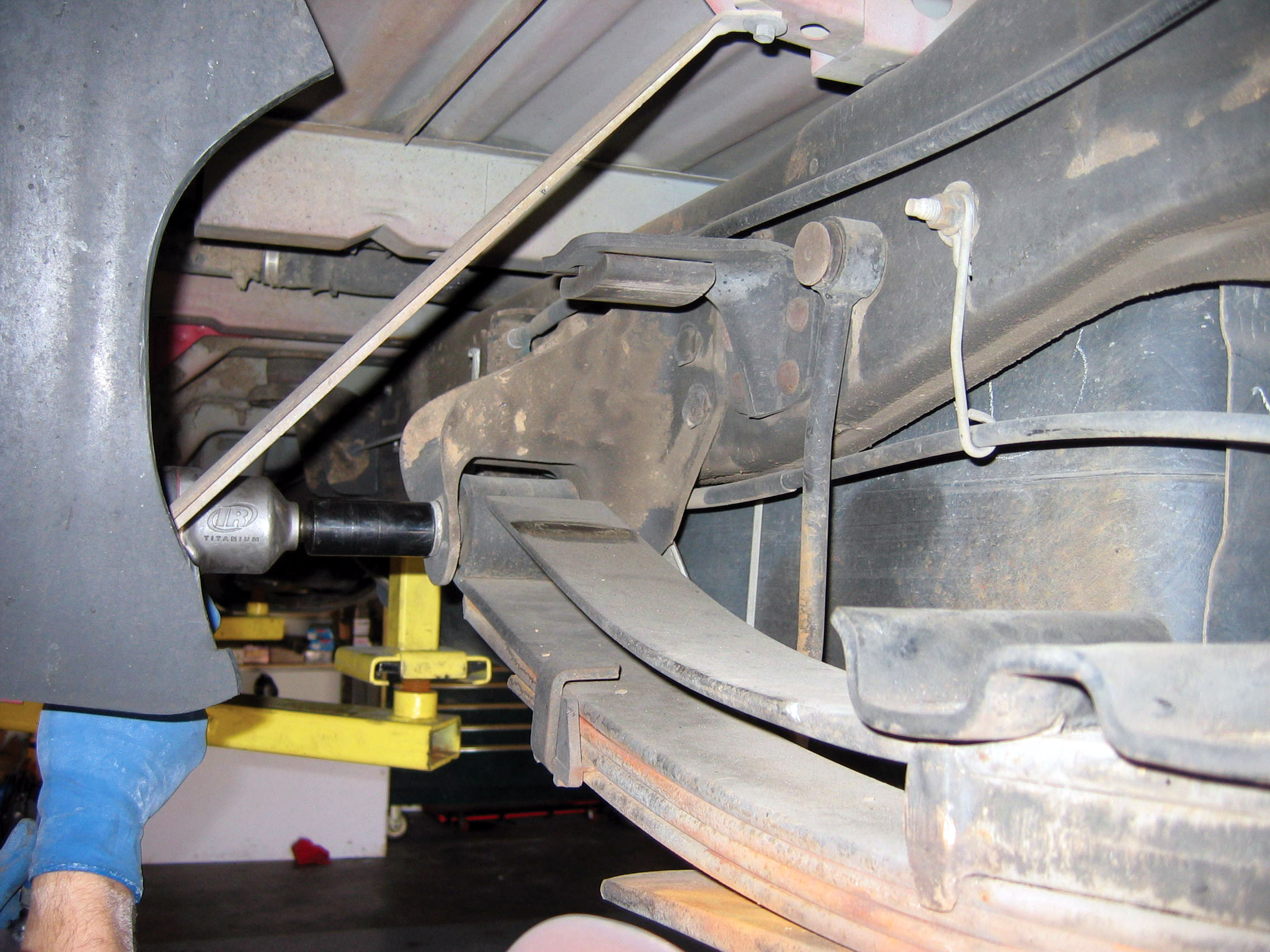
22. Once the truck was on the lift, we started by removing the factory rear leaf springs. It’s a good idea to have a second set of hands here because the leaf springs are quite heavy and extremely awkward to remove.
23. The factory overload spring bumpstops must be removed to install the mount for the forward upper arm. Our run-of-the-mill air hammer just wasn’t cutting it. Kevin, our local Snap-on dealer, provided us with a Snap-on air hammer that annihilated the factory rivets.
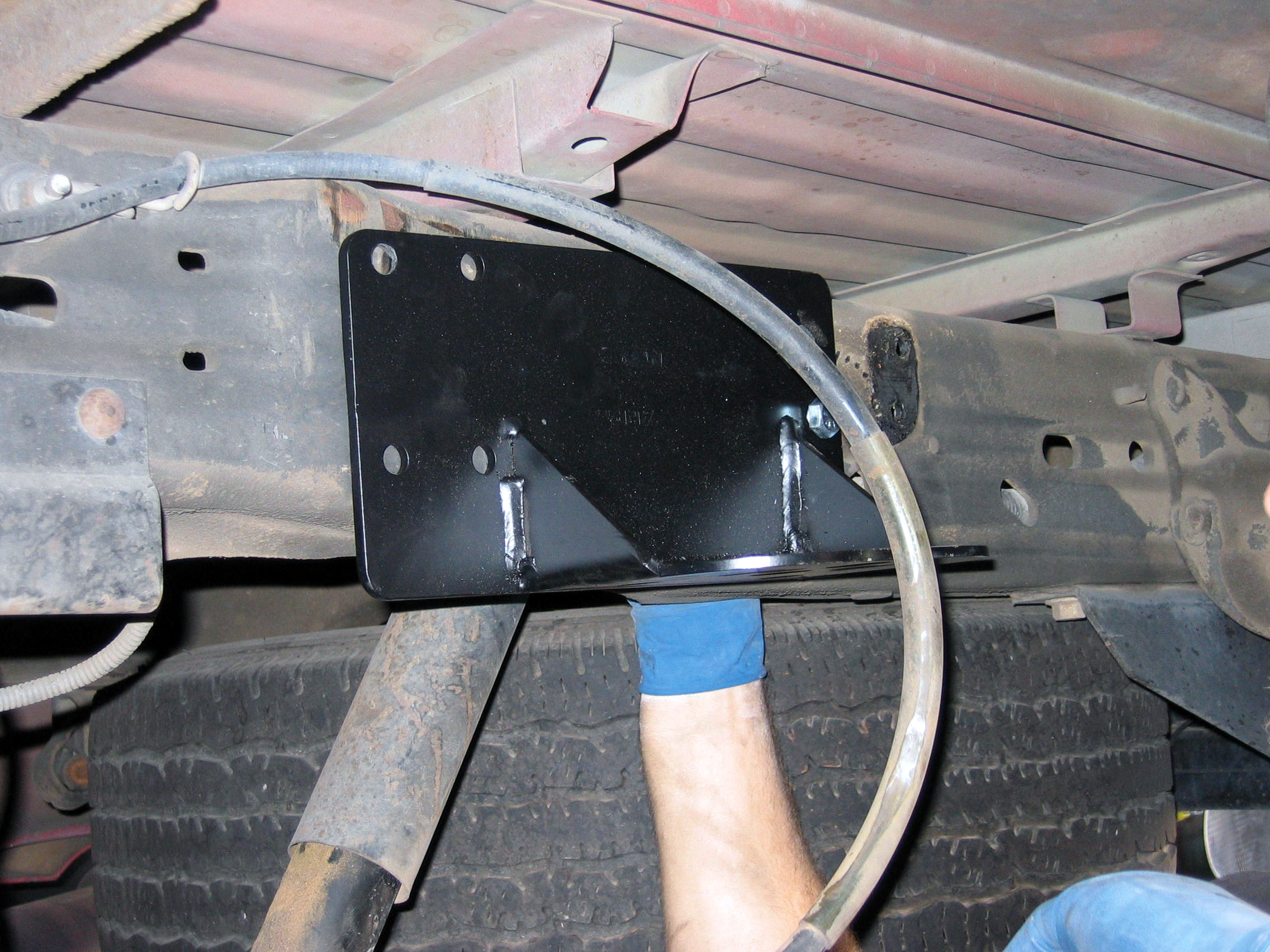
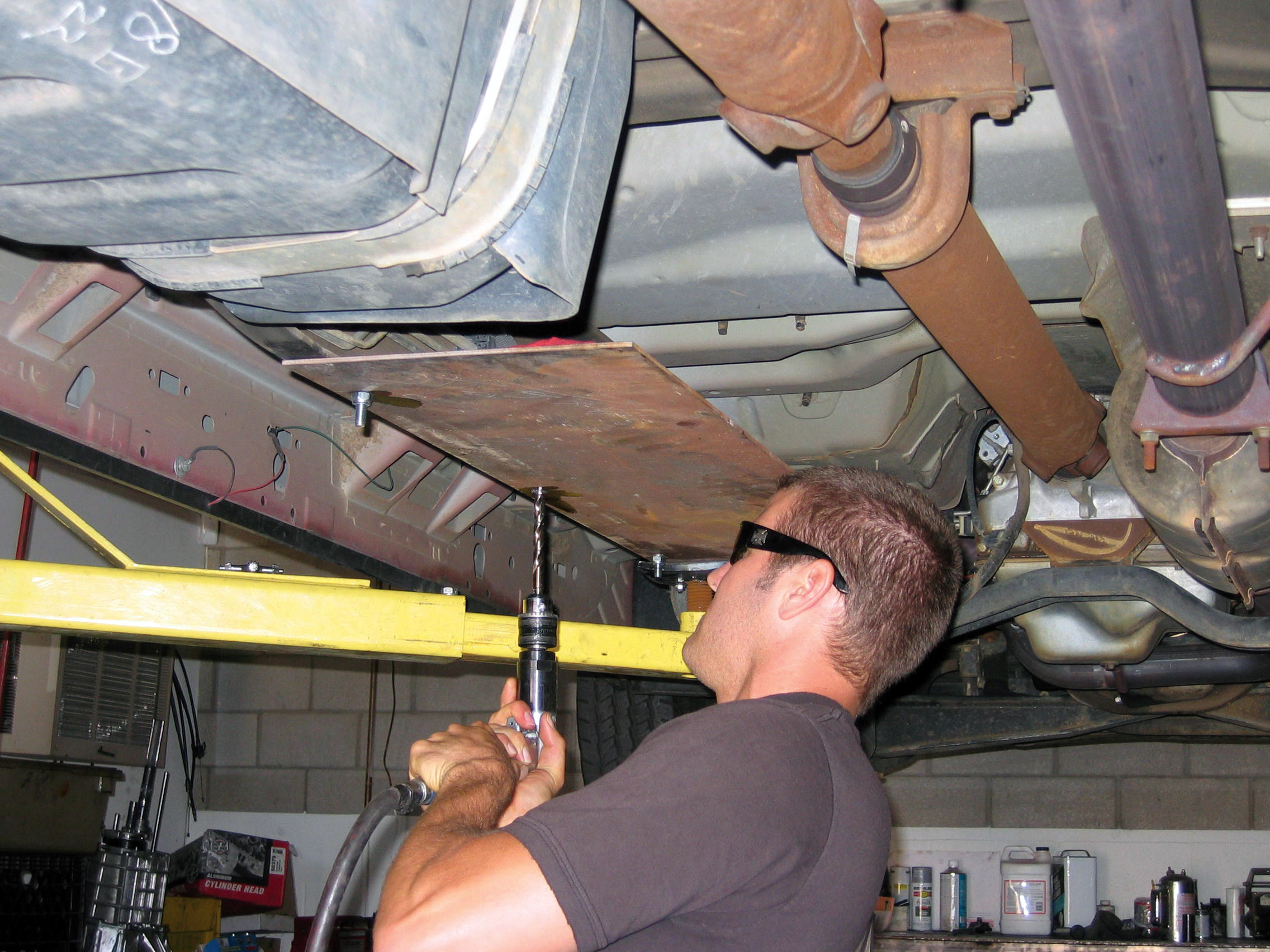
24. The forward attachment point for the rear upper arm is bolted to the frame in place of the old overload spring bumpstop. This requires drilling several holes in the frame. Be sure to have some sharp drill bits on hand or you will be here for a while.
25. Once the upper and lower spring mounts were installed, we put the air spring into place. There must be air in the bags before allowing the truck to sit on them so they don’t get pinched.
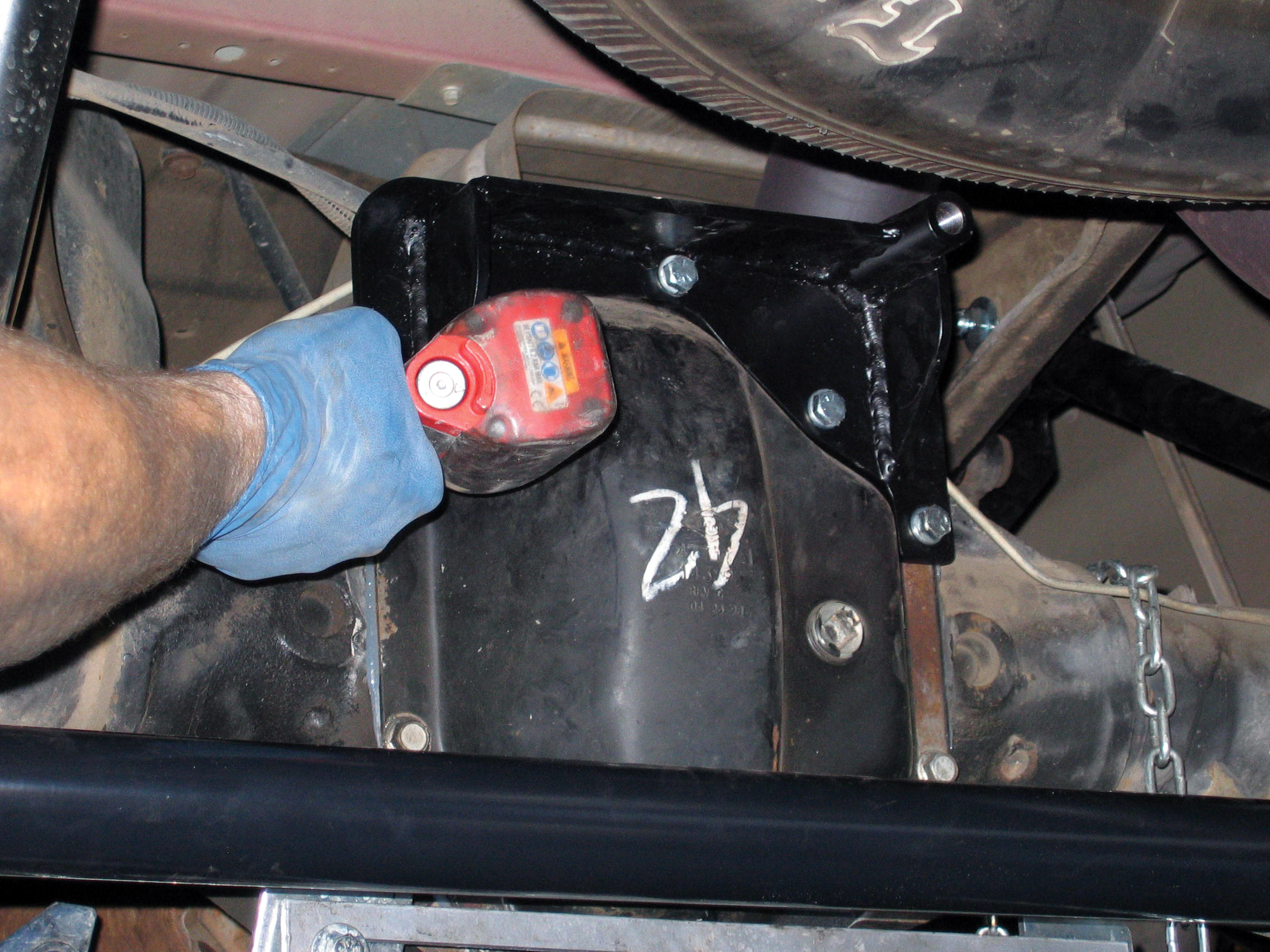
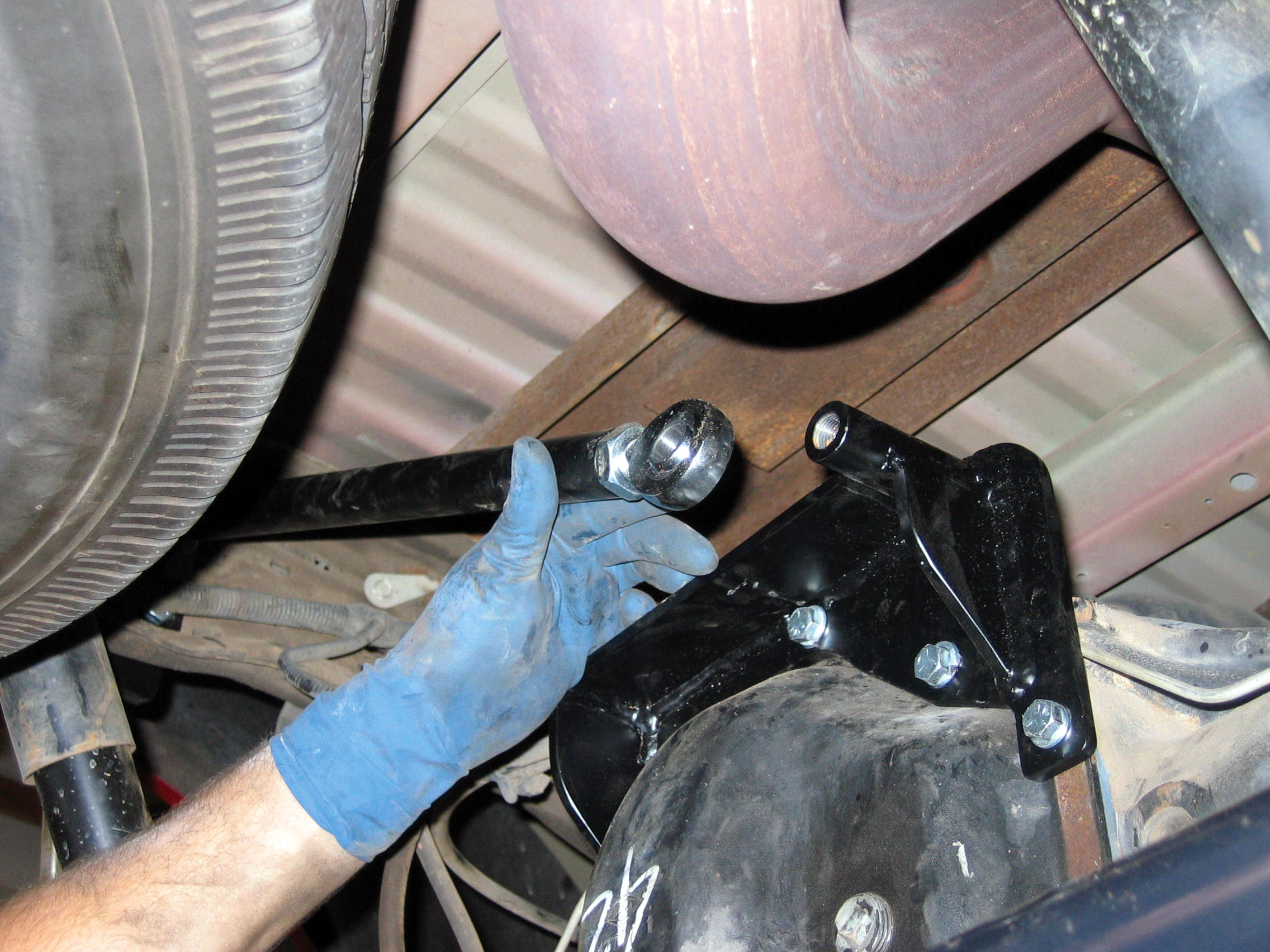
26. To control side-to-side movement and keep the rearend centered underneath the truck, the ART kit comes with a Panhard bar that mounts to the factory differential cover and the driver’s-side framerail.
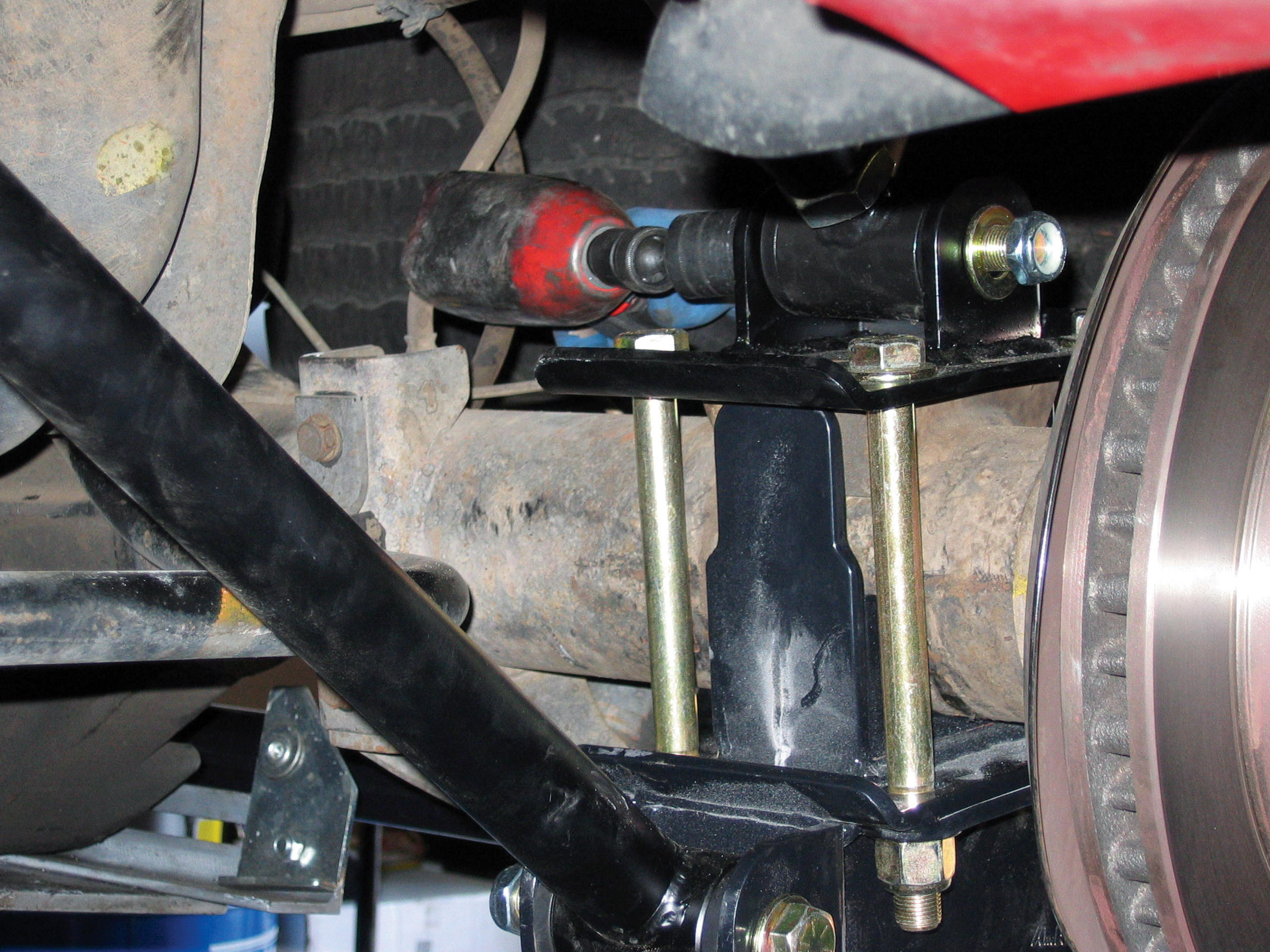
27. The rear airbar mount sandwiches the rear axle much like the factory leaf spring mount. The upper plate holds the rear portion of the upper control arm.
28. Before tightening the rear control arms, it is better to have the vehicle sitting on its tires to prevent any unwanted bind in the control arm bushings.
29. The front of the upper control mounts into the ART-supplied bracket, while the lower control arm mounts into the factory leaf spring mount.
30. With the suspension at full droop, you can see how the factory sway-bar end link is a little on the long side. ART suggests shortening this to 7 inches center to center.
31. The rear upper spring mount locates off a factory hole in the framerail and then needs four more holes drilled through the frame. Once again, make sure you have a good supply of sharp drill bits on hand or you will be here for a while.
32. The rear Panhard bar attaches to the frame and the rear differential using the ART-supplied brackets. This bar must be adjusted before driving to center the rearend under the truck.
33. Be sure to install the ART-supplied rear shocks before installing the rear airbags. This will keep the rearend from extending too far so you can install the bags.
34. The air fittings are installed into the bags prior to installation on the vehicle. Once again you will need to turn the lower airbag mount to align with the holes in the plate.
35. Finding a good place to install the compressor(s) and the tank is not always easy due to their size. We found a fairly large space under the truck to mount ours that would keep most of the road debris at bay.
36. Once you find the spot to mount the components, be sure to measure and check that you have enough room for the components plus the line and wires, and then proceed with the mounting.
37. The kit we ordered from ART included its digital display. This unit gives a readout of each individual airbag’s pressure and allows you to raise or lower the pressure right from the panel. This makes it a lot easier to find the perfect ride pressure while traveling down the road.
38. We chose to mount our ART digital display in the dash next to the factory radio. This will allow the user easy access to the adjustments on the screen.
39. The brain of the ART system is this little black box. The box reads the pressure from the bags’ sending units and sends the readout to the digital display. This box also controls any preset functions you program into it from the key fob or digital display unit for bag pressures.
ARTICLE SOURCES

J&D Performance
1718 South Grove Ave., Unit B
Ontario, CA 91761
909-930-1100

Banks Power
Gale Banks Engineering
546 Duggan Ave.
Azusa, CA 91702
800-601-8072

Ridetech
Air Ride Technologies
350 S. St. Charles St
Jasper, Indiana, 47546
812-482-2932