TheAutoBuilder.com

Hot Rods

Strong Armed

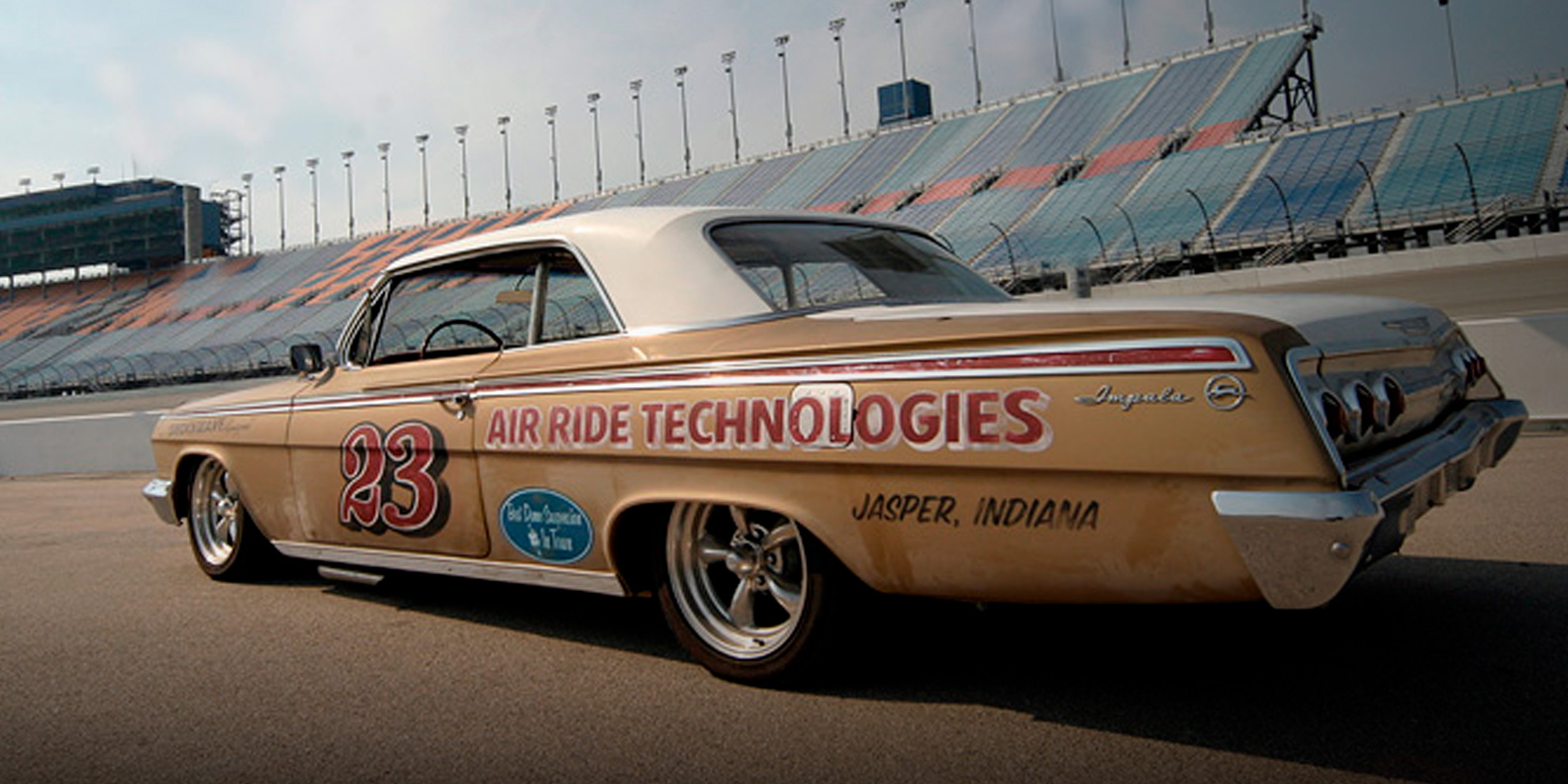
Chevy engineers began using trailing arm and coil spring rear suspension designs back in 1958, and in one form or another, this treatment ran through 1964 without much change. Good news for families but bad news for performance enthusiasts, the crossframe cars were remarkable in that they began an era in which suspensions concentrated more on ride quality than on nimble handling.

539HP 383 On Pump Gas

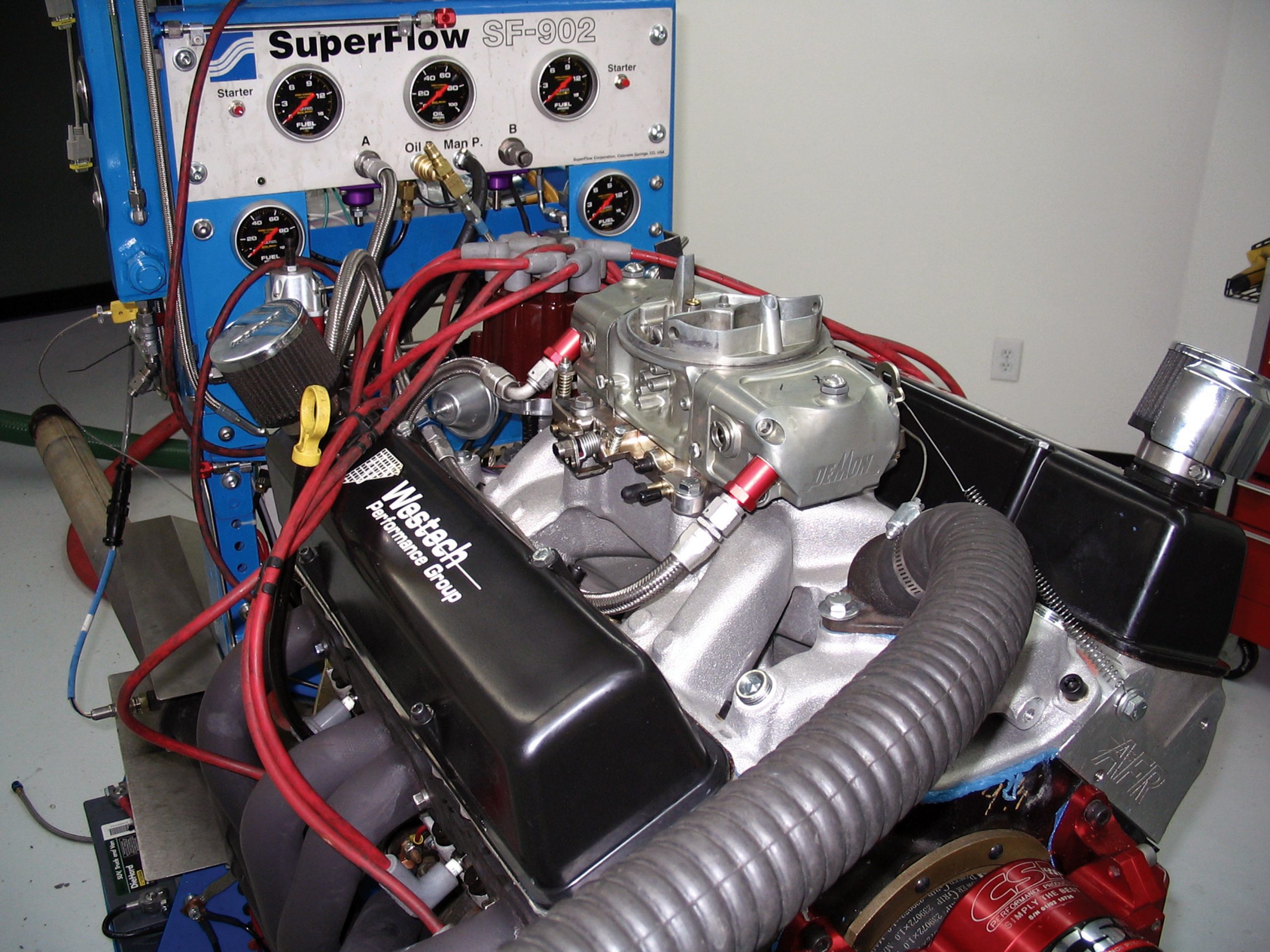
Time and time again, our advice to those interested in learning about stout-running engines is that it’s the total combination that makes it all happen—considering, of course, that components are prepped, cleaned and assembled as if in a “clean room.” 

Light at the End of the Camaro

There are many reasons why the icon cars have achieved the lofty status they now enjoy, but one of the more obvious reasons is the simple fact that they were finished. Their existence and subsequent high-level exposure have inspired many a young lad to undertake similar projects, and for every famous car built in the early years, probably two others were started in an attempt to either copy or outdo it, but they never saw the light of day.

’69 Camaro Update

The late ’60s was a good time for automobile enthusiasts everywhere. For Chevrolet specifically, it remains a time when the company produced vehicles that are among the favorites of Bow Tie aficionados. Who wouldn’t want a ’67-’69 Chevy Chevelle, Nova or, of course, the ever-popular Camaro? The design of these vehicles, and many others from that era, has stood the test of time, and car manufacturers today are even reverting back to the styling cues of these classics when designing modern production cars. 

Roll Control

Have you ever noticed how some people can take their car to the strip and look as if they’ve raced all their lives, while others look totally out of control in the bleach box and during staging? More often than not, the driver with the calm, cool and collected approach seems to regularly trigger the win light. The reason for this smoothness isn’t completely initiated by the driver; in most instances, it is the correlation between man and machine.

Superior Braking

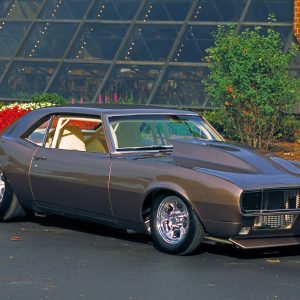
There’s no denying the popularity of Camaros; they have been a rodding favorite since their initial release in 1967. The first-generation Camaro has always been an enthusiast car because it is small, lightweight and had a sports-car-design feel to it. Underneath, the early Camaros were based on a Nova platform and featured many good mechanical attributes. Right from the start, they became a popular choice for teenagers and young adults, and most of the performance enthusiasts wanted the SS model that came with a choice of a strong-running small- or big-block engine. Things haven’t changed much, because they are still a popular choice for enthusiasts to restore or modify.

High Performance Rebuild

The small-block Chevy has enjoyed a long, happy life. Sure, the current LS1/LS6 version is quite far removed from the original, but thousands upon thousands of little mouse motors continue to provide the sole means of motivation to everything from stationary irrigation pumps to Le Mans-winning C5R Corvettes. Naturally, this list also includes all manner of boulevard bruisers, street stompers and resto rockets. Heck, we’ve even seen little Chevys under the hood of “Brand X” machinery. The continued popularity of the small-block Chevy is not surprising. Take a look at the combination of power potential and parts availability and multiply that by the cost quotient, and you have the makings of a real success story. Add to this equation the millions of project motors just sitting around  junkyards throughout the world, and it is easy to see why enthusiasts continue to embrace the mighty mouse motor as the performance powerplant of choice.   

One Good Turn

The automotive world became a different place when Chevrolet introduced the new ’55. Prior to that time there were many Chevy buyers, but after the ’55s were released there were newborn Chevy enthusiasts. The new Chevys were not only great-looking, but they were also powered with what would become one the finest V-8 engines available anywhere. There was an instant attraction to the ’55, and the interest continued to grow once the ’56 and ’57 were introduced. Fortunately, all three model years became extremely popular, so Chevy enthusiasts took care of them, and many nice examples remain today.

Square Peg In A Round Hole

When the engineers at Chevrolet designed the fuel inlet and fuel cap for the early Nova, they must not have looked at the rest of the car. Novas aren’t called shoeboxes for no reason; with the exception of the wheels–and that gas cap–they are basically square. Wheels have to be round, but the gas cap, well….

Scroll to Top