



THE AUTO BUILDER
Featured

Caddy Stu
Richard Larson and his wife, Jane, have owned a number of custom cars and trucks in their time, but they never really thought they would have so much fun building and owning a custom 53 Studebaker pickup. There was no plan to find a Studebaker; the truck simply found him. I lived across the street from a friend who owned a repair shop in town, Larson told us. Over some time, he had collected six or seven cars and trucks that he hoped to restore some day. One weekend morning, his wife informed him that she planned to plant an orchard in the area where the vehicles were being stored…and in one week. He had to get rid of his collection. I asked about the Studebaker pickup and he said if he could get $200 for it, it was gone. Well, it was gone.
Installation Tips For Those Tough Spots
Most every pre-’48 car came with fender/body welting, consisting of a simple combination of a narrow strip of vinyl (or similar material) folded over a small-diameter woven cord and glued shut. Its purpose was, and still is, to insulate one piece of body metal from another when bolted together—not an electrical or temperature insulation, but essentially to eliminate squeaks and rattles, and to prevent paint from chipping (or cracking) as the two pieces flexed and vibrated together under normal road use. Generally referred to as fender welting, this product can also be found throughout certain car models; used to mount grilles, running boards and bumper gravel shields.

CANDY COUPE
It all started when Jacky White found a basket case ’32 Chevrolet coupe. The old Chevy may have come home in pieces, but at least the pieces were very good. The coupe was complete, and for a 70-year-old body, it was in excellent condition. After getting all of the pieces back to his home shop, a quick inventory indicated that the car was complete, from the cowl lights and bumpers to all four steel fenders. In short, Jacky White had everything he needed to build a ’32 Chevy street rod.
Spotlighter
POPULAR READS
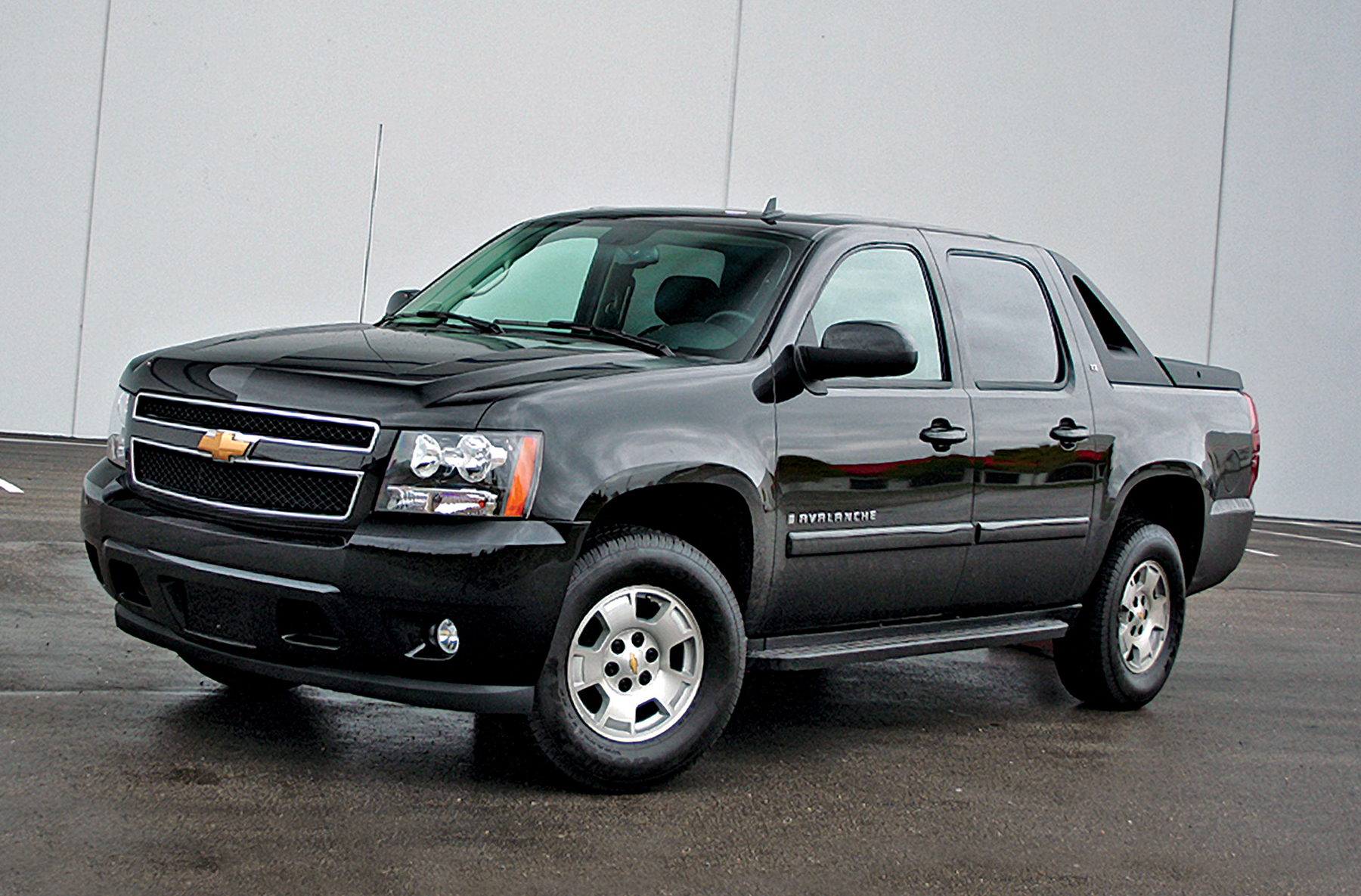
AVALANCHE!
Bringing an ’06 Chevy Avalanche Down to a Respectable Ride Height
Author
Josh Kaylor
Photography Courtesy of Belltech
The Evolution of the Chevrolet Avalanche
Since the introduction of the Chevrolet Avalanche back in 2002, truck designers and builders have looked differently at modifying and customizing these sport-utes. The Avalanche has had a strange history; initially, it suffered a lot of resistance from buyers for its excessive use of molded, add-on, plastic composite bottom panels that run along the bed and the side. Since eliminating these rather obtrusive-looking panels, the Avalanche has been gaining in popularity, and even though GM made the move to save money, it certainly did clean up the looks of the truck. A number of these trucks are beginning to appear at shows around the country, as well as at off-road events (since there is also a 4×4 version available).
Belltech’s Latest Project: A Lowered 2006 Avalanche
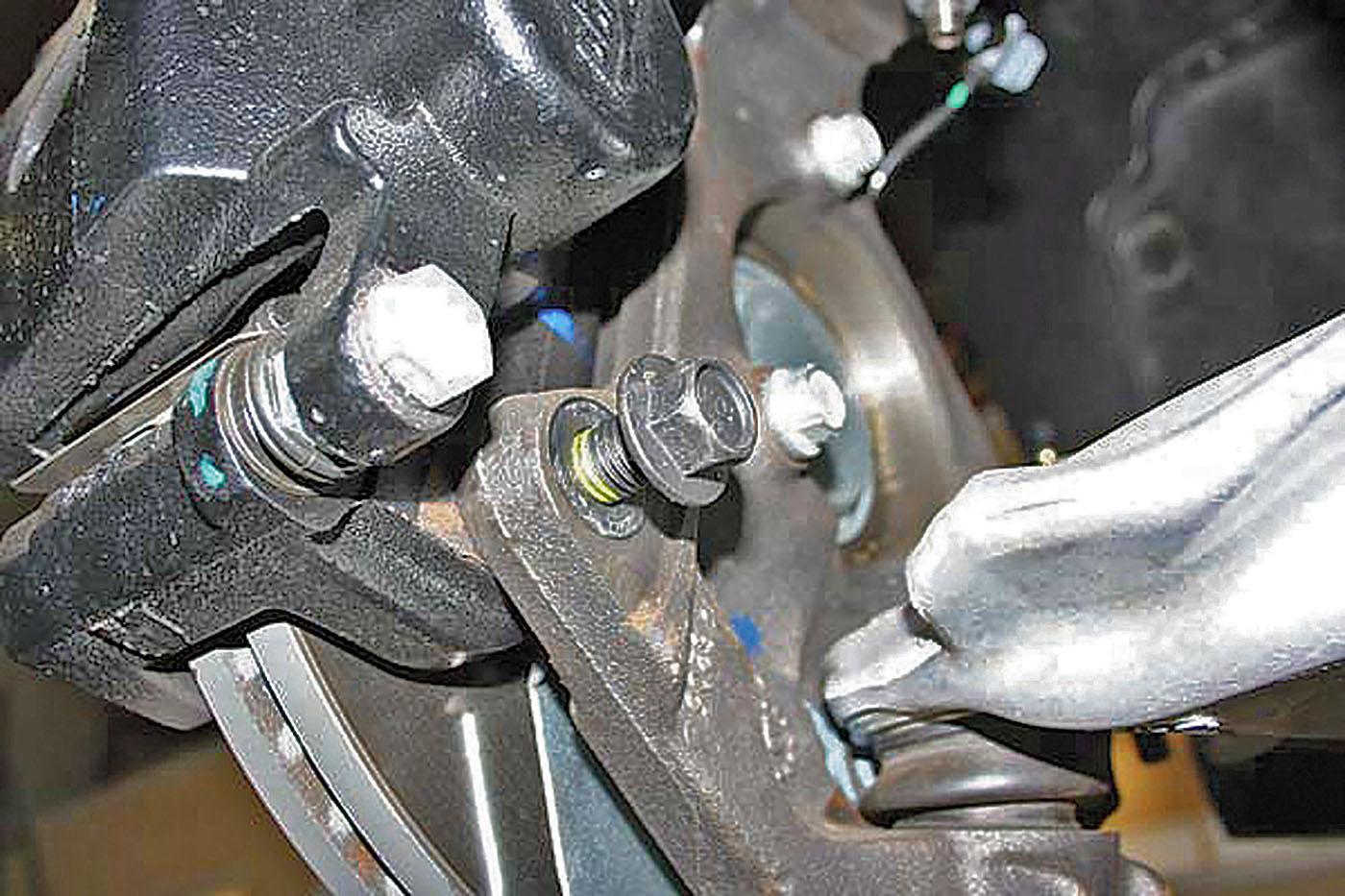
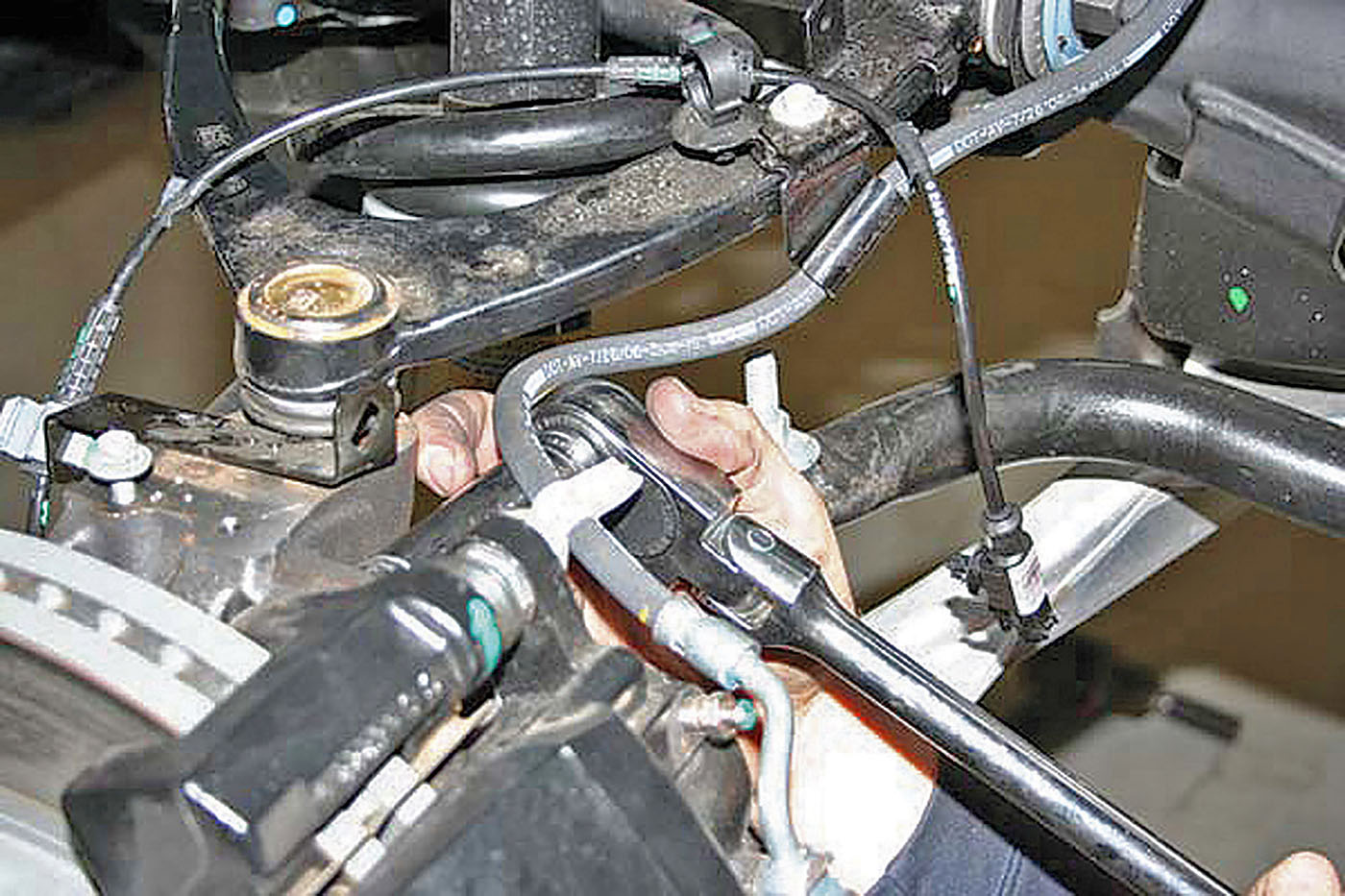
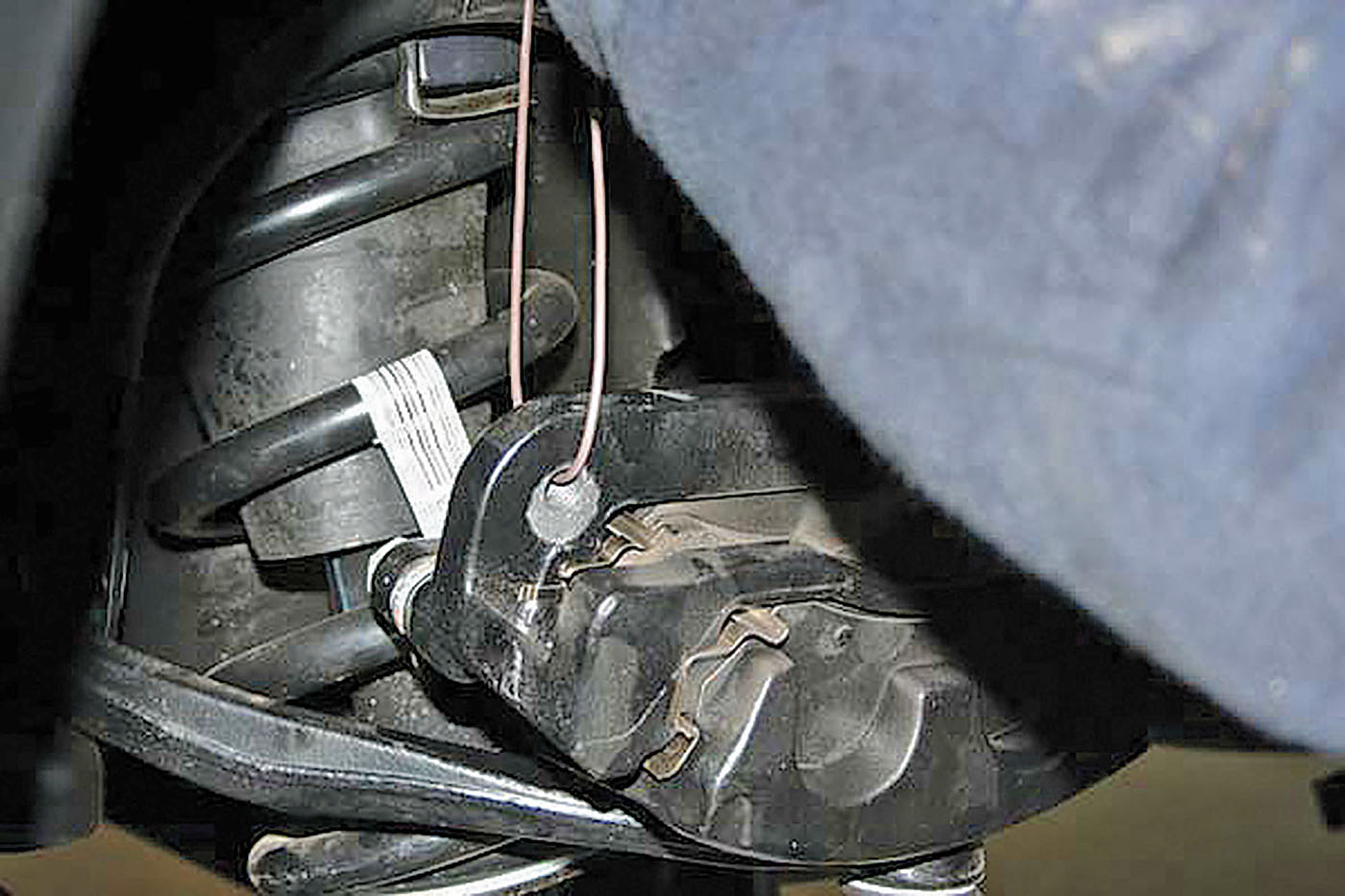
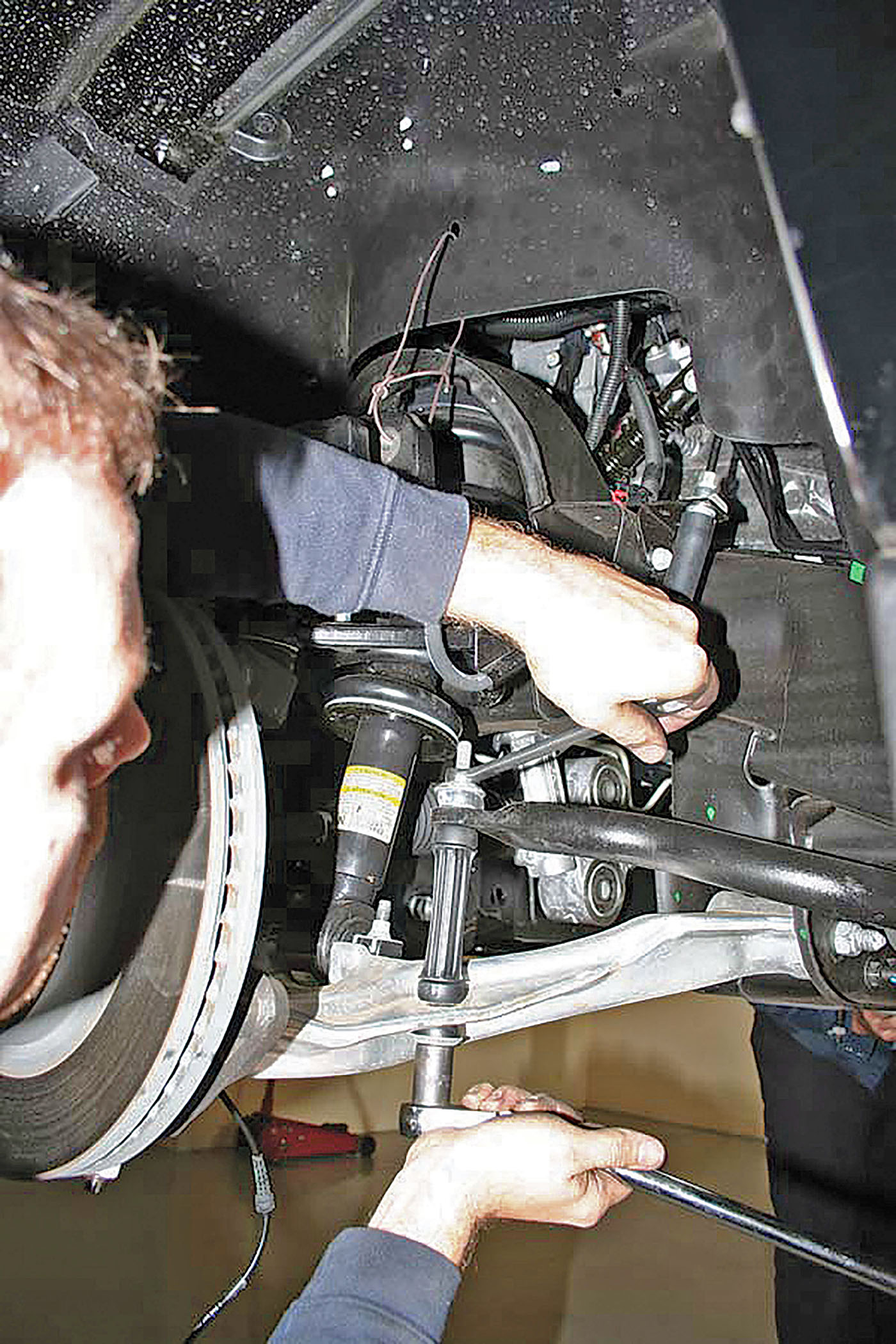
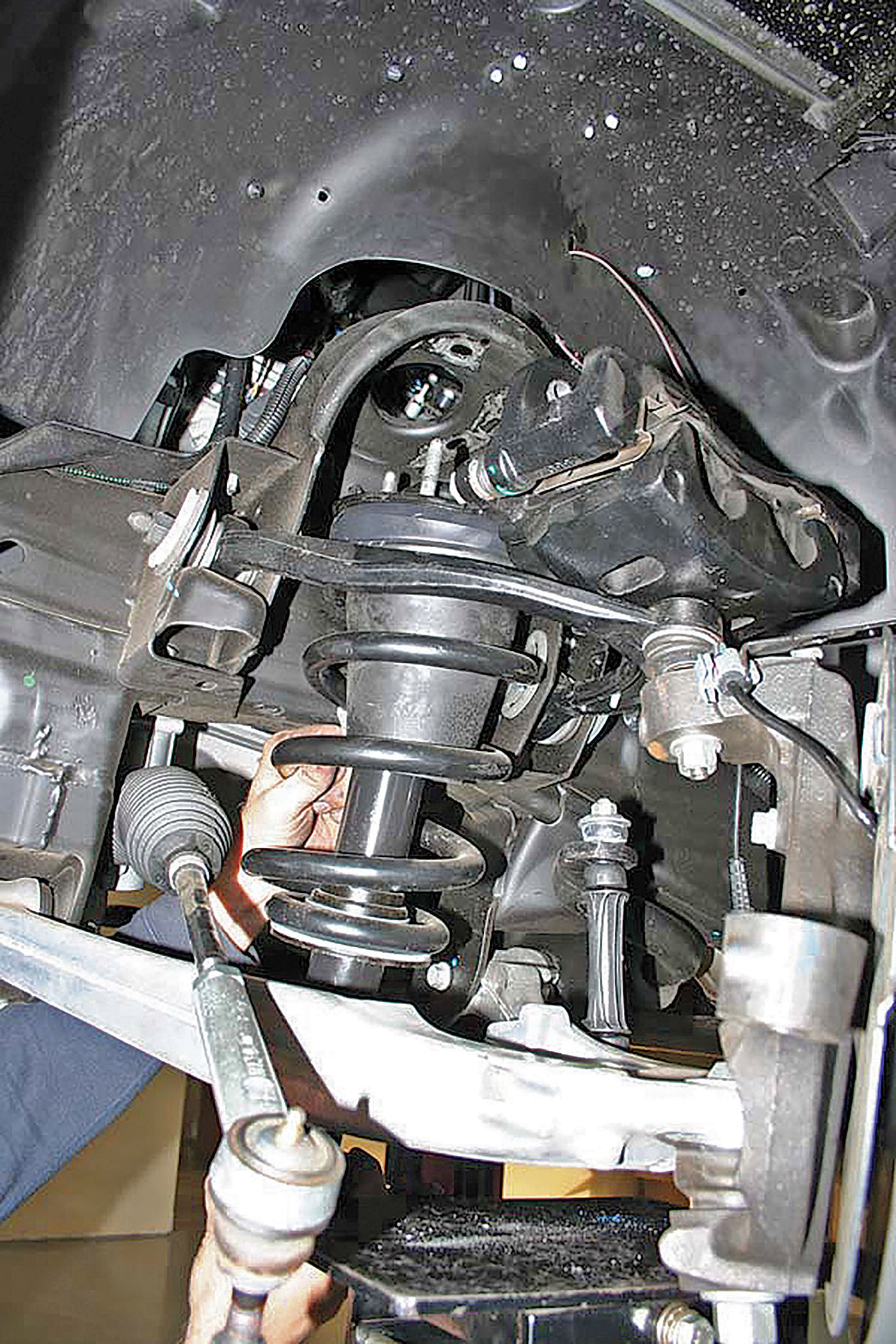
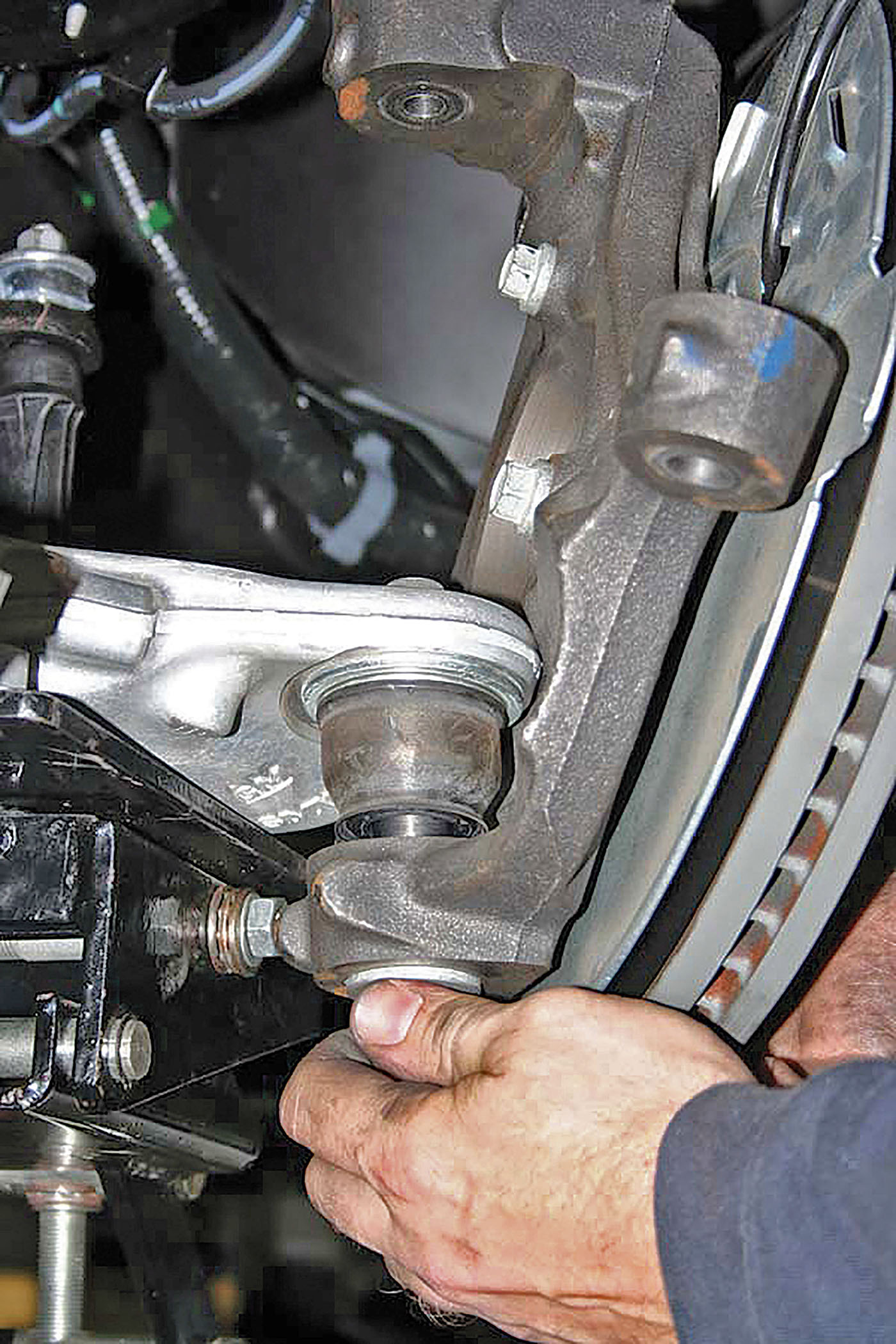
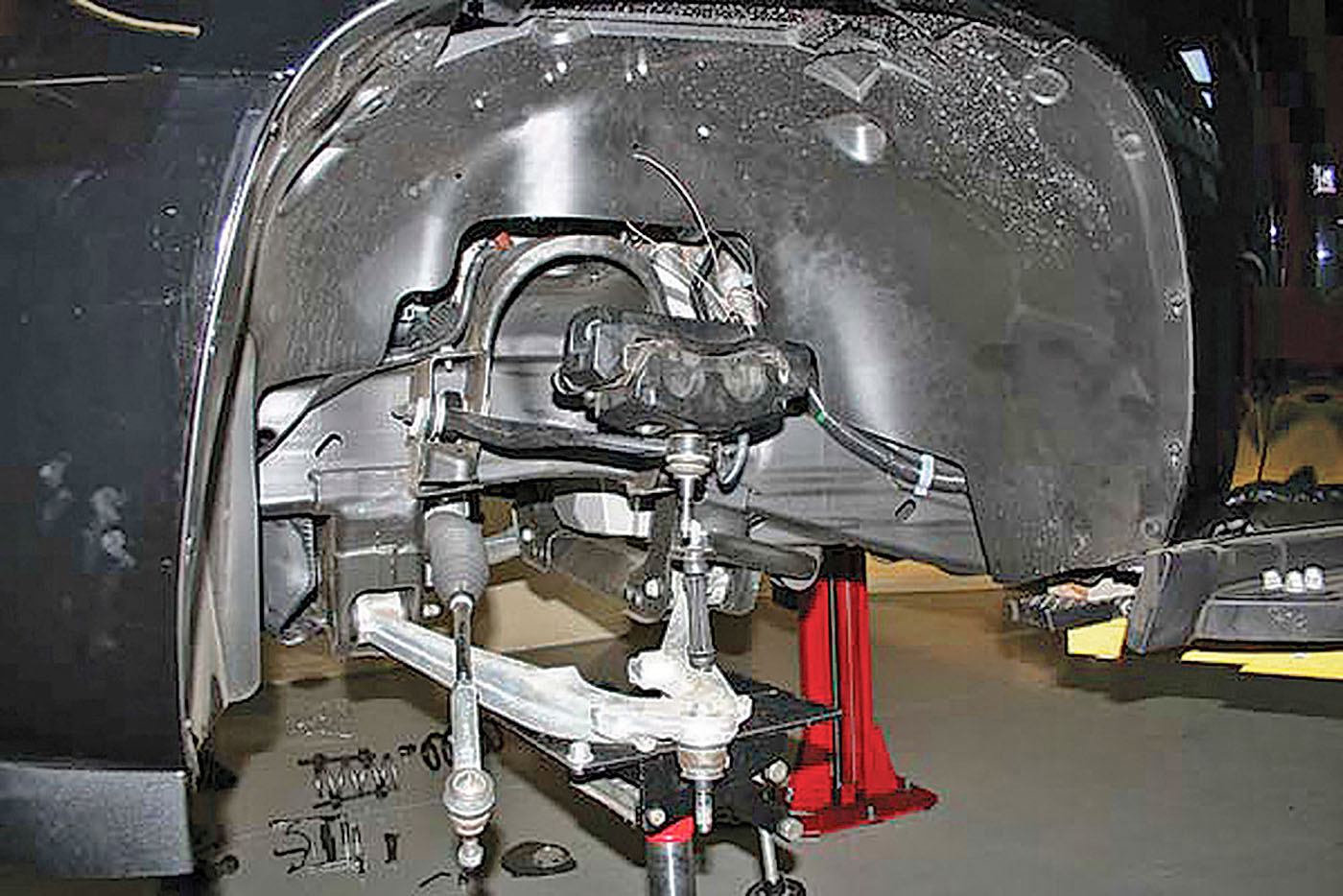
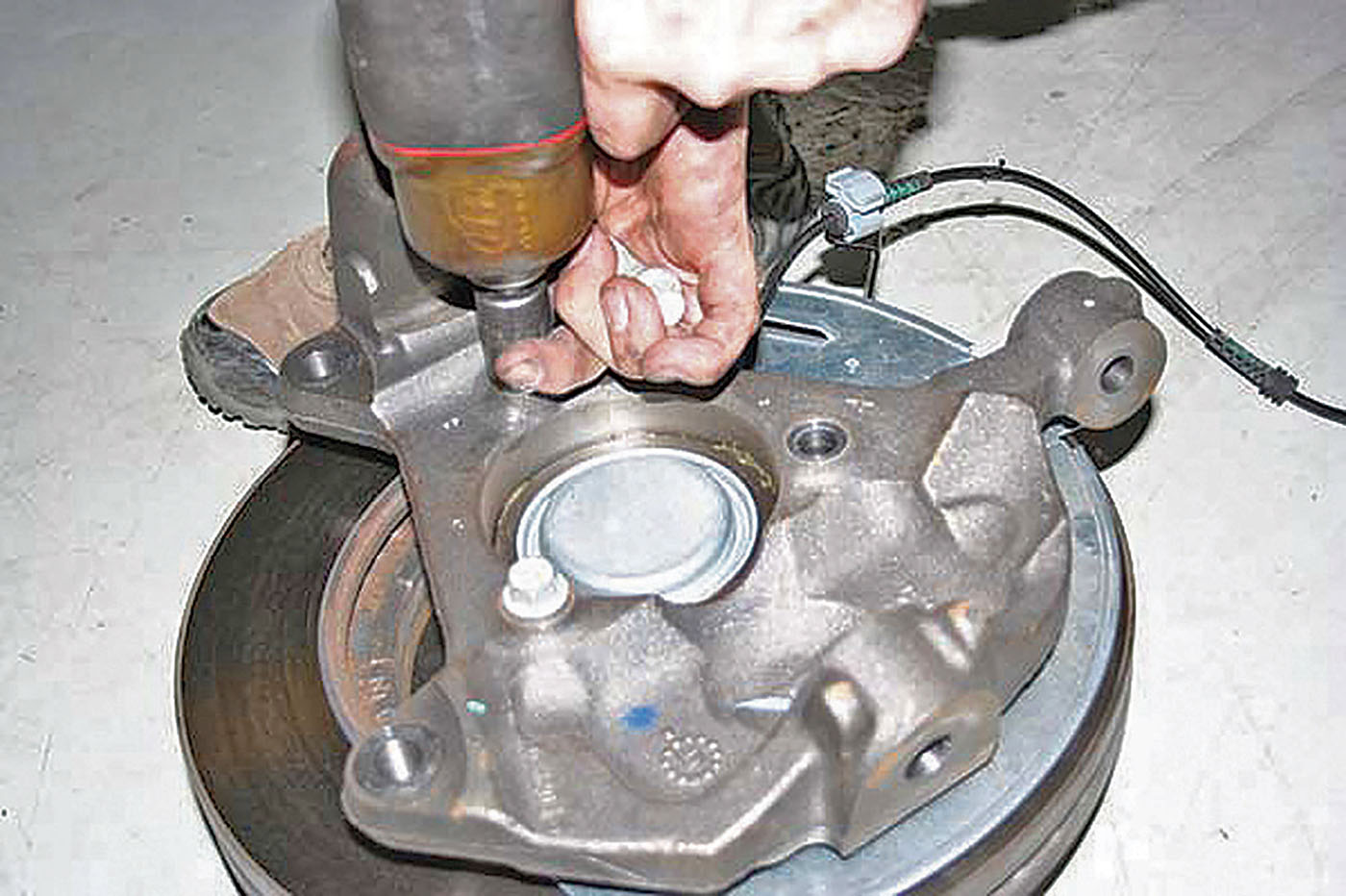
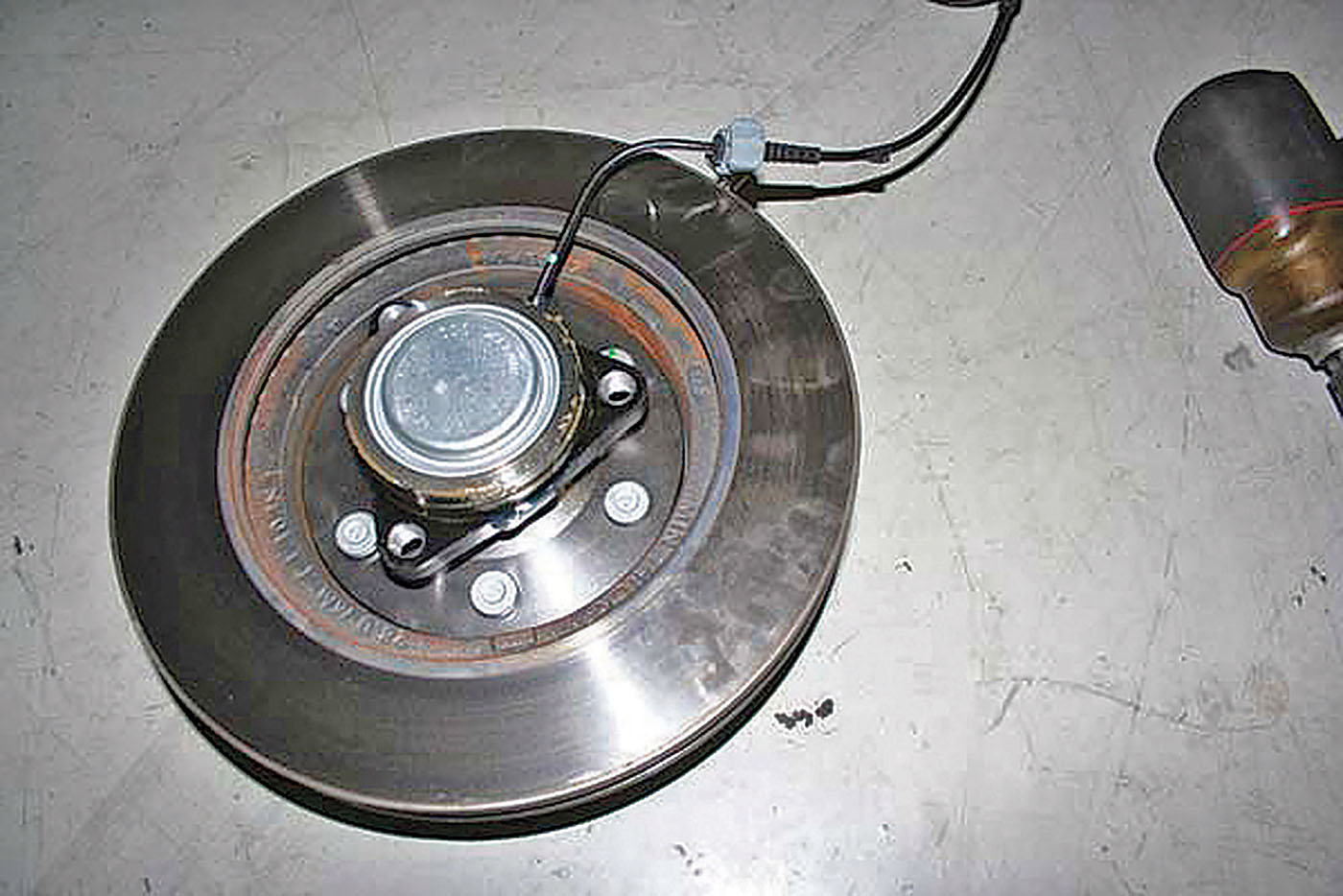
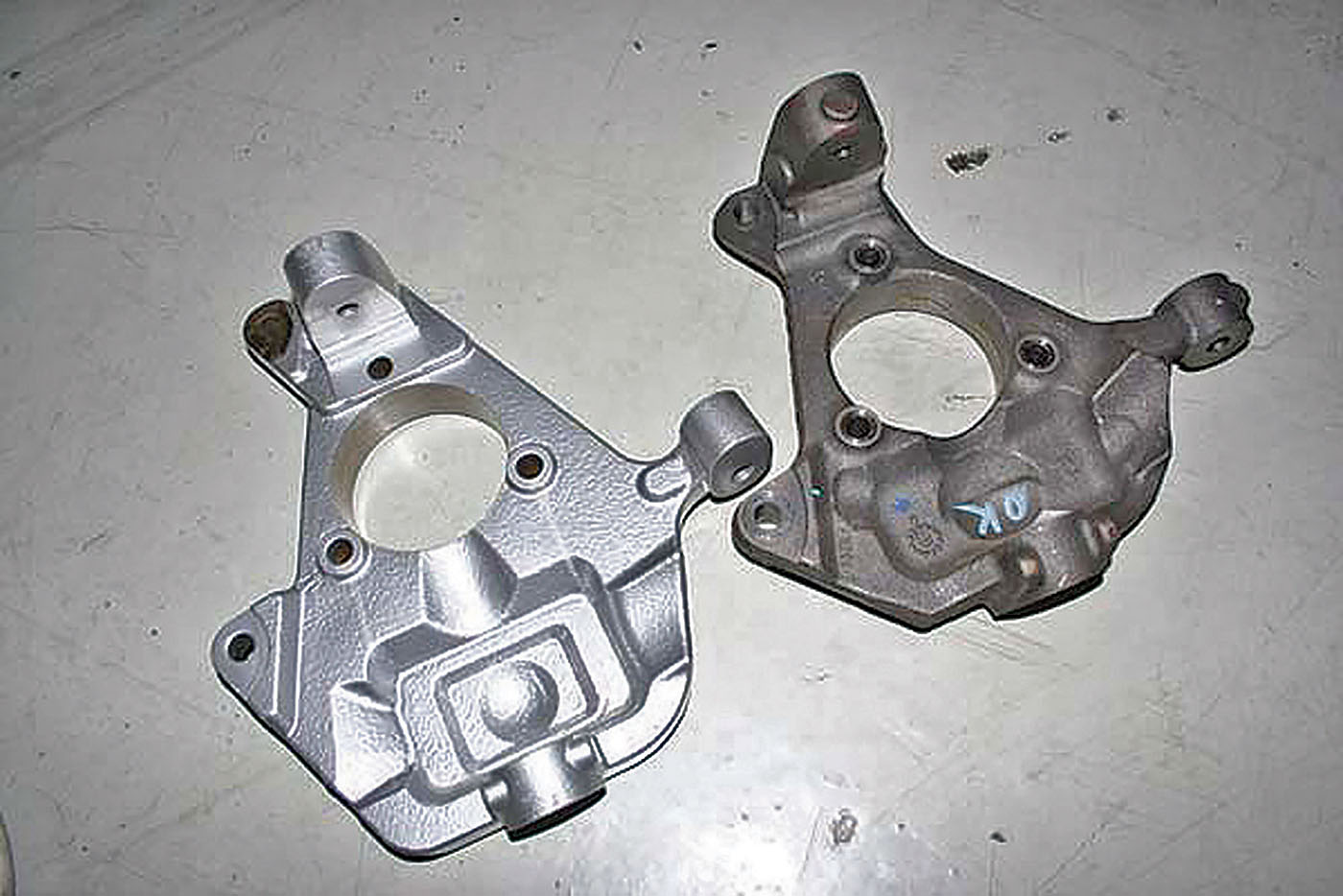
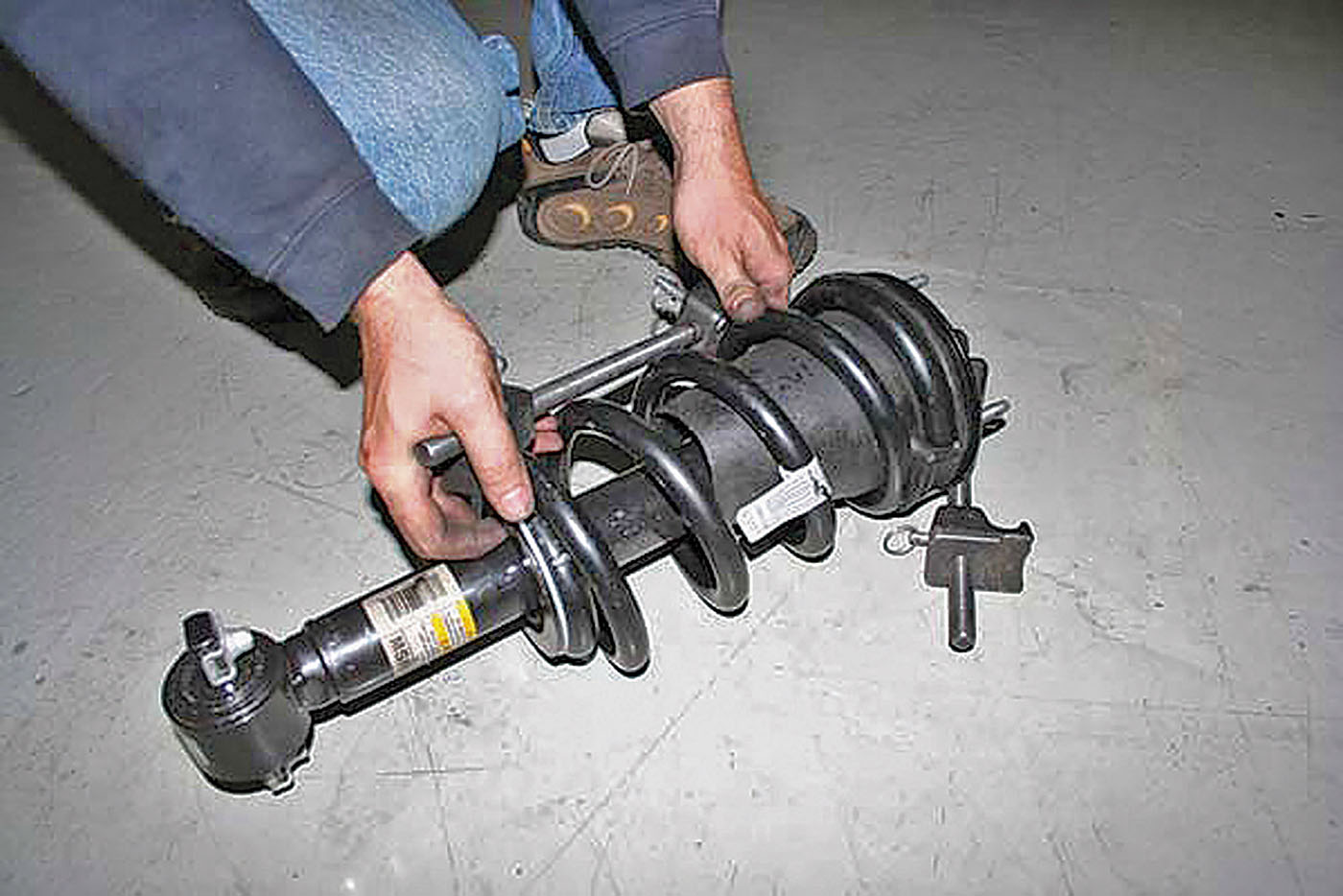
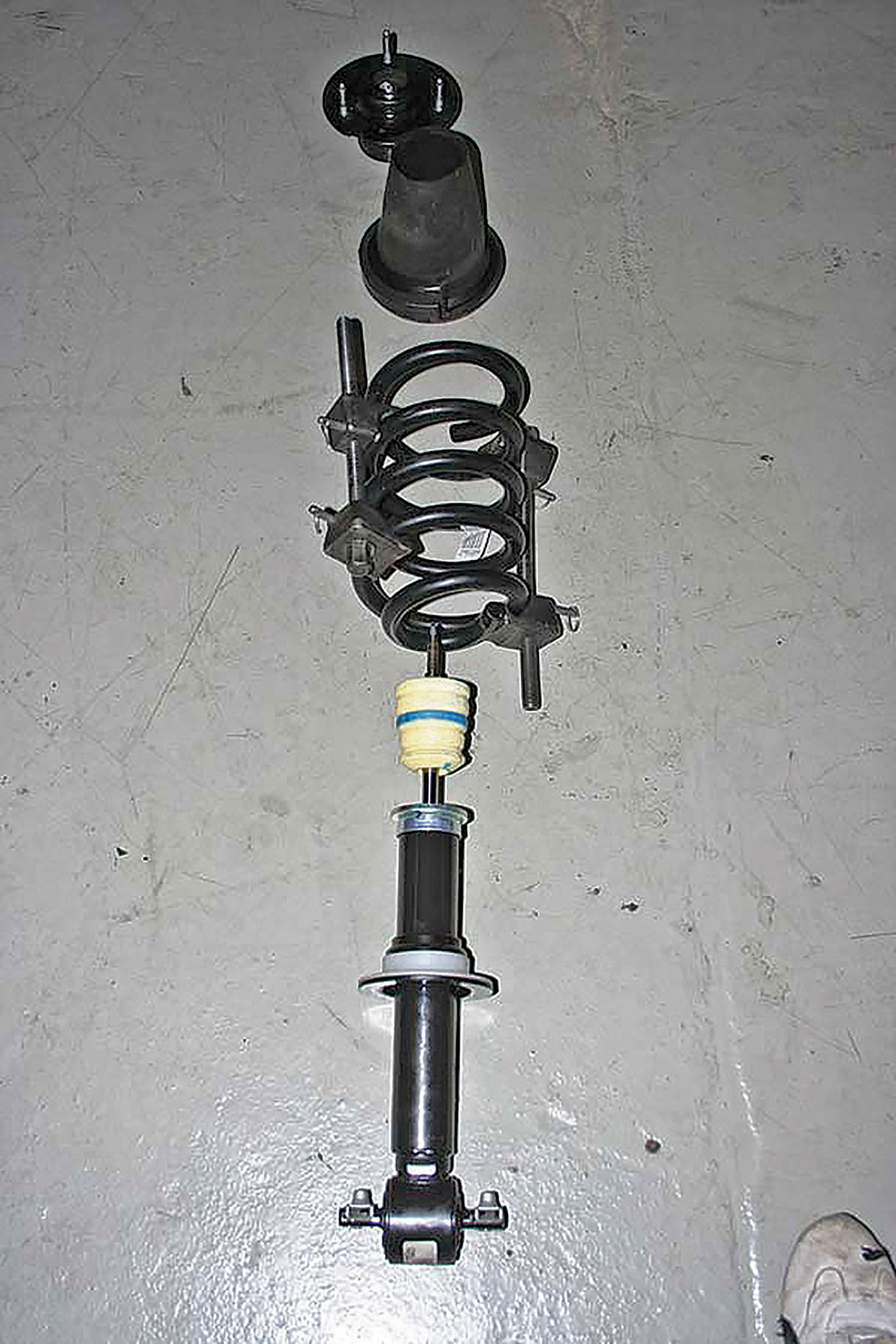
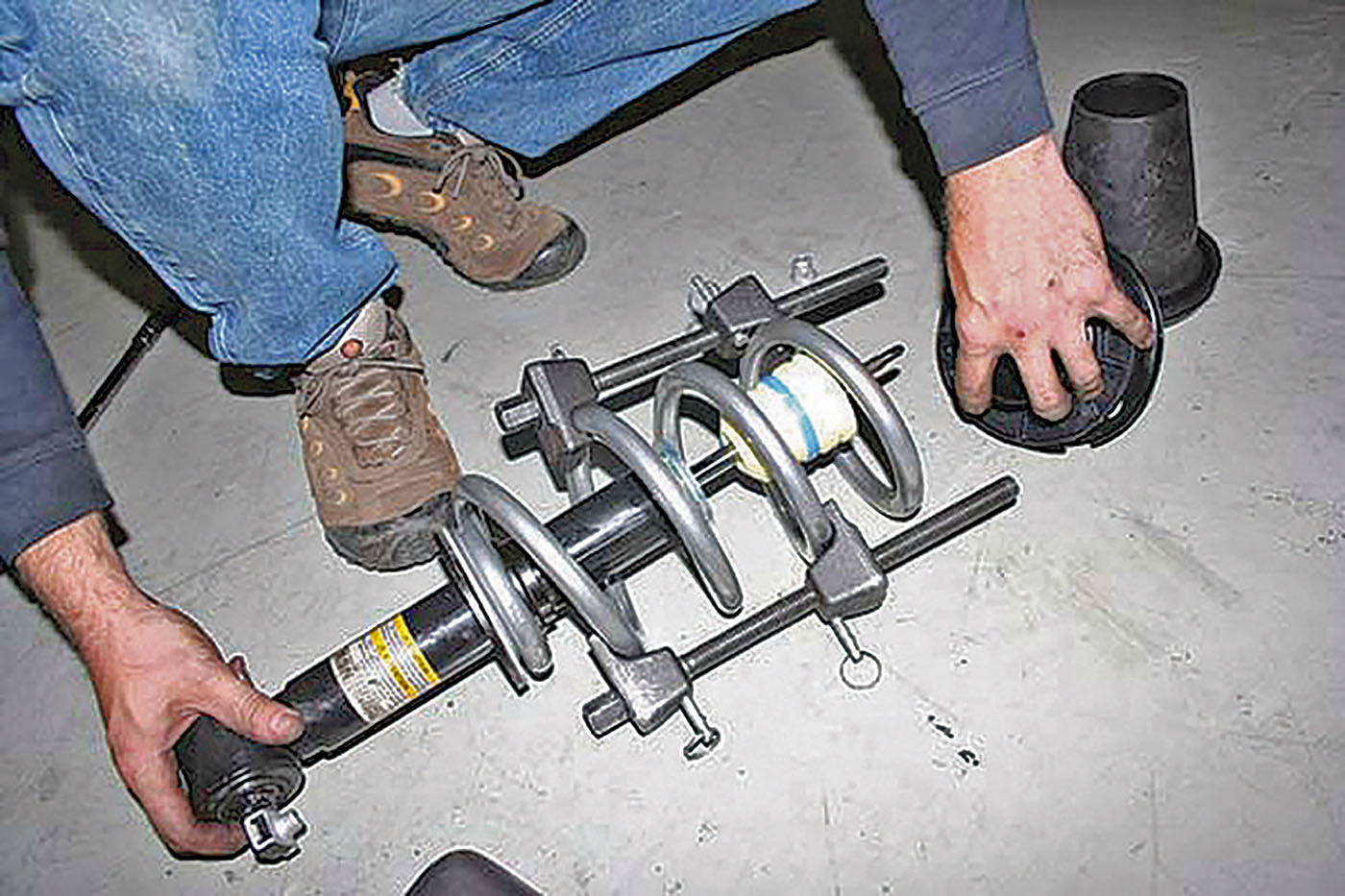
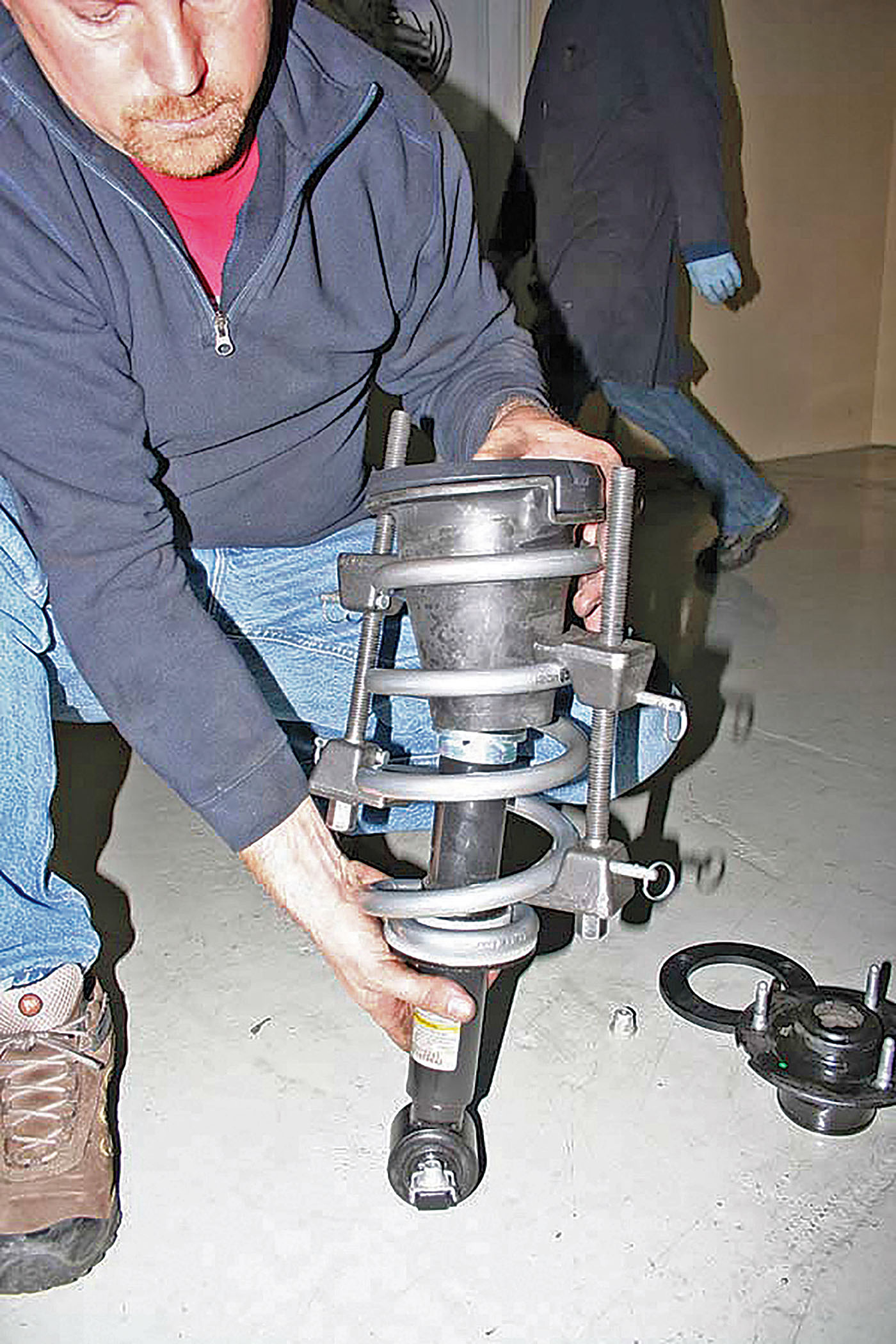
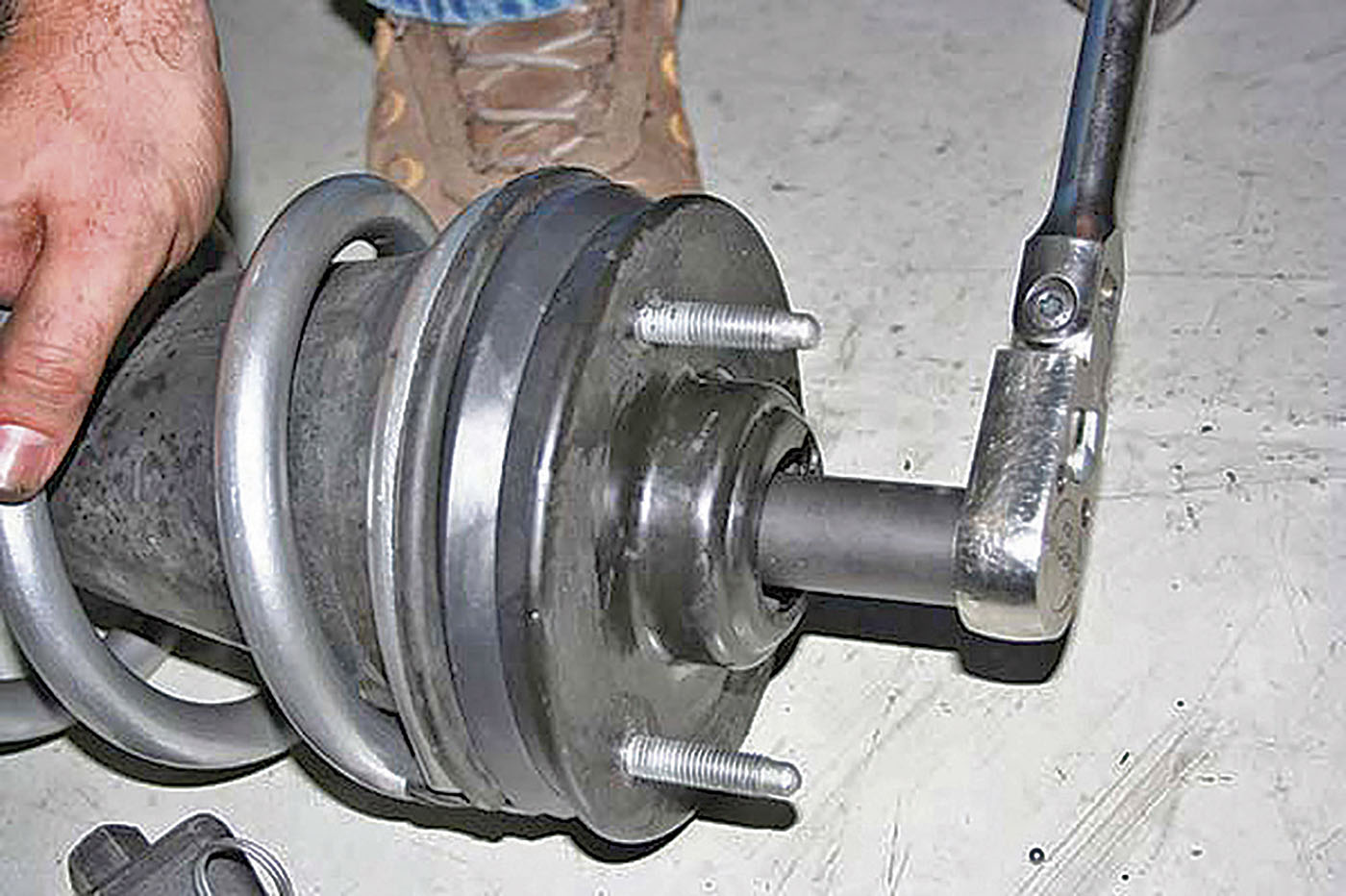
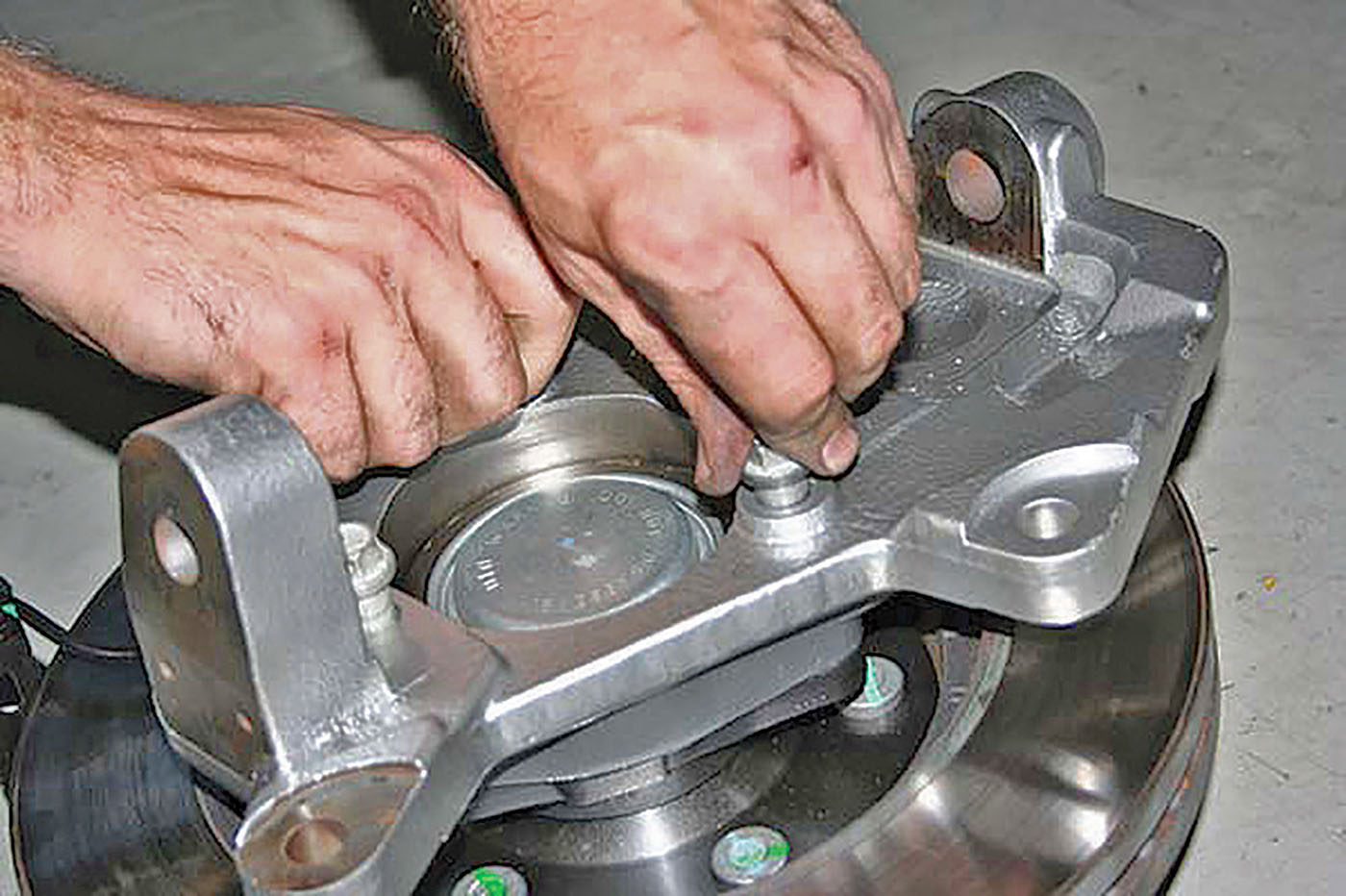
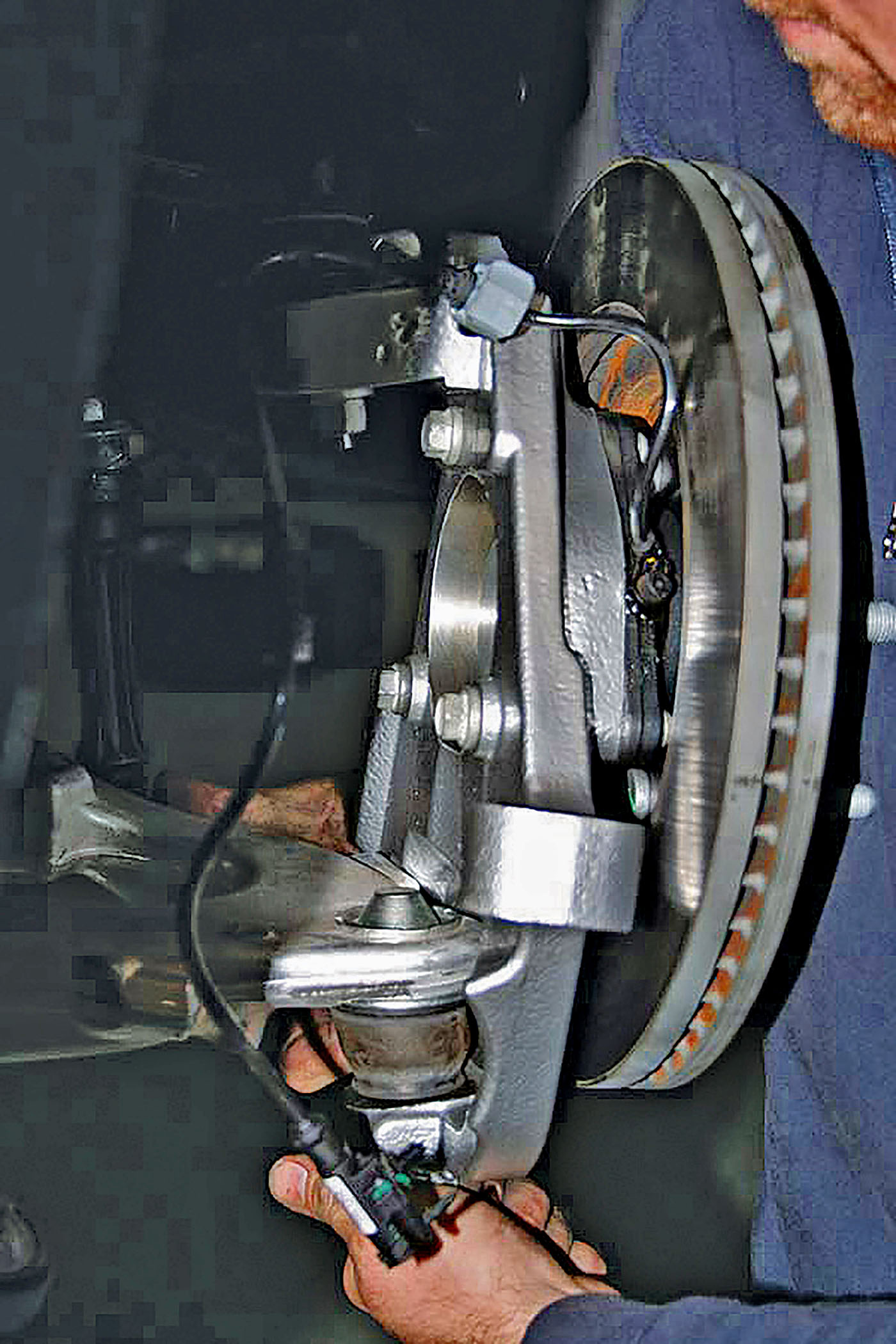
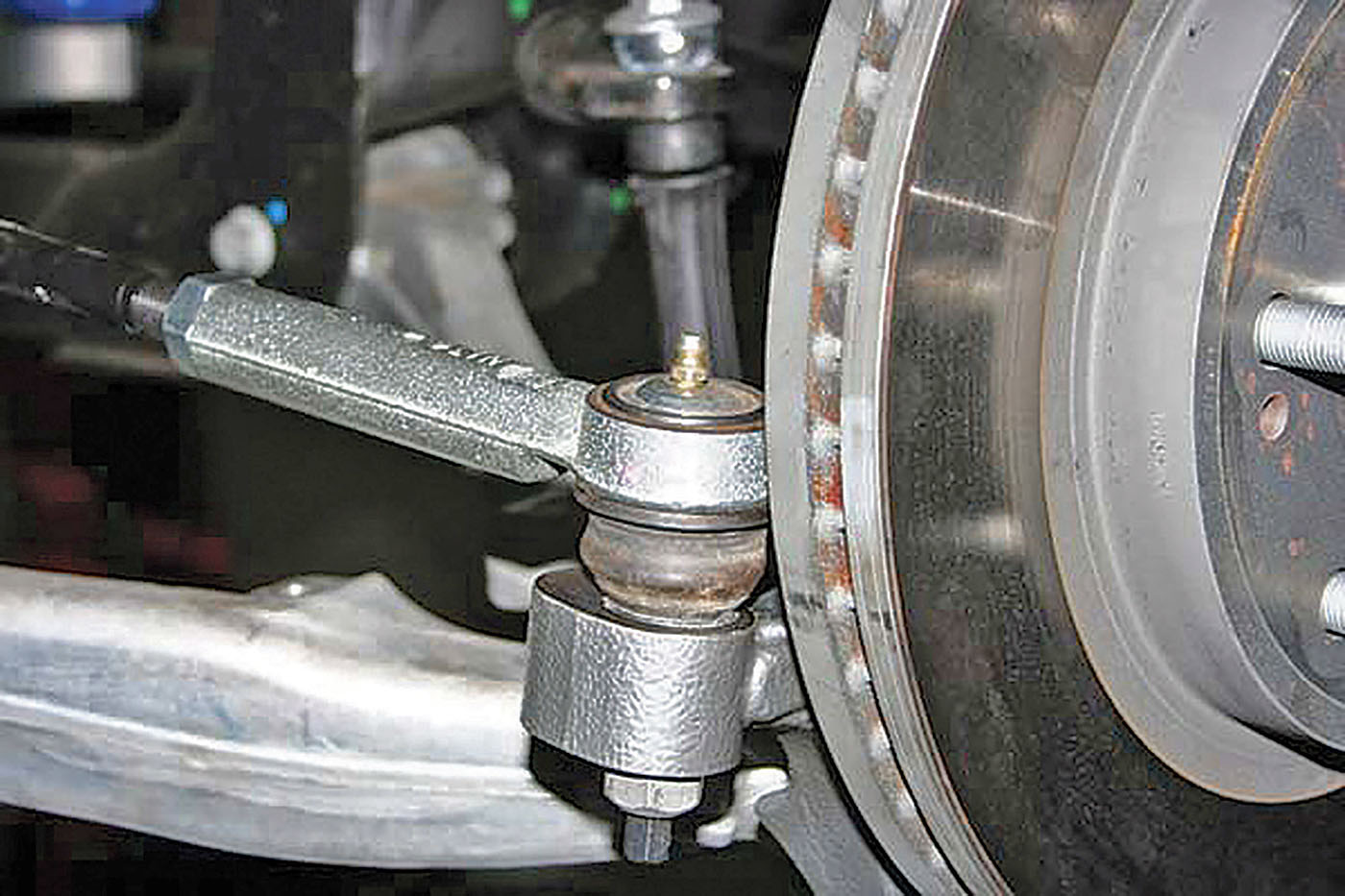
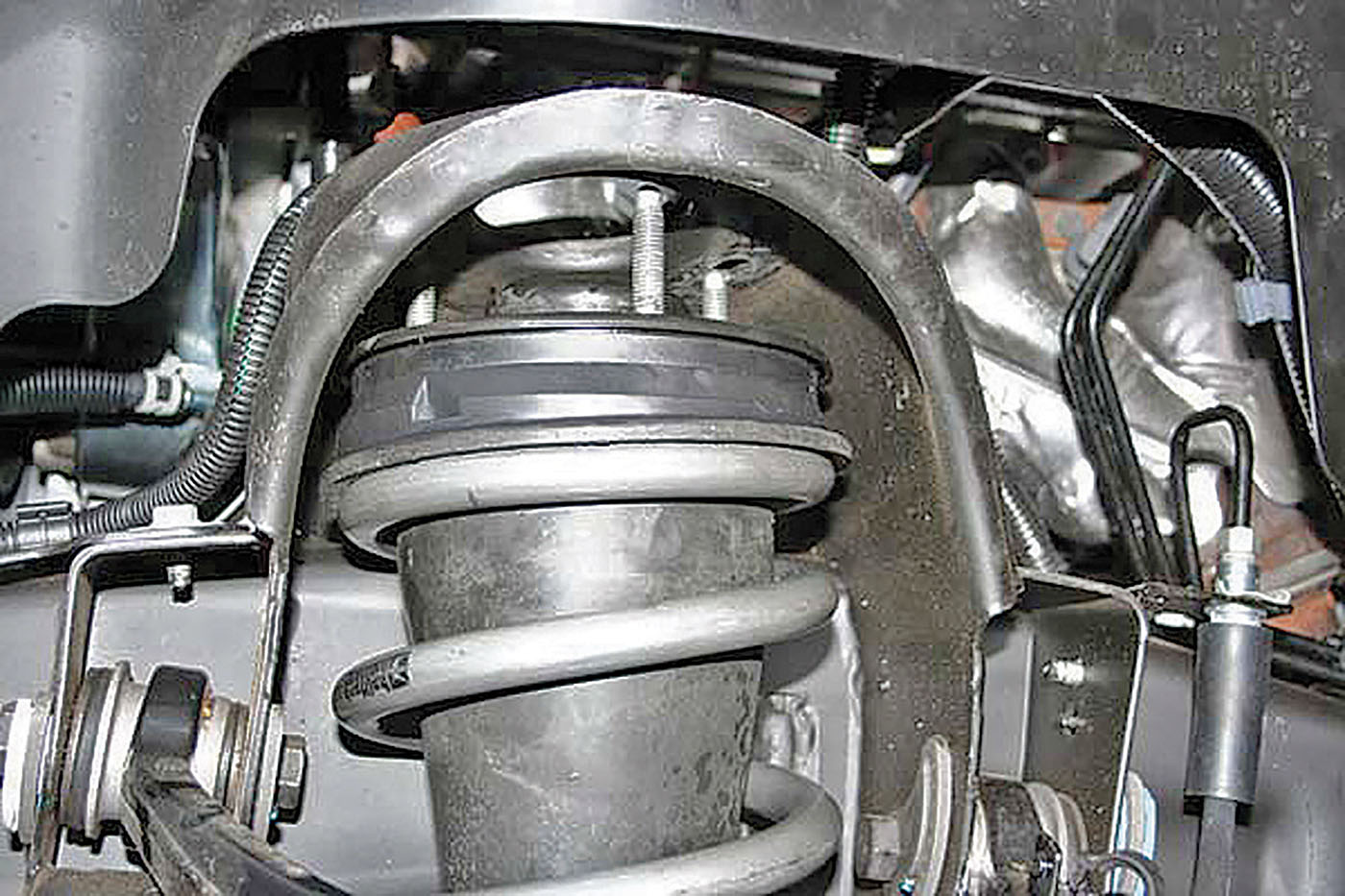
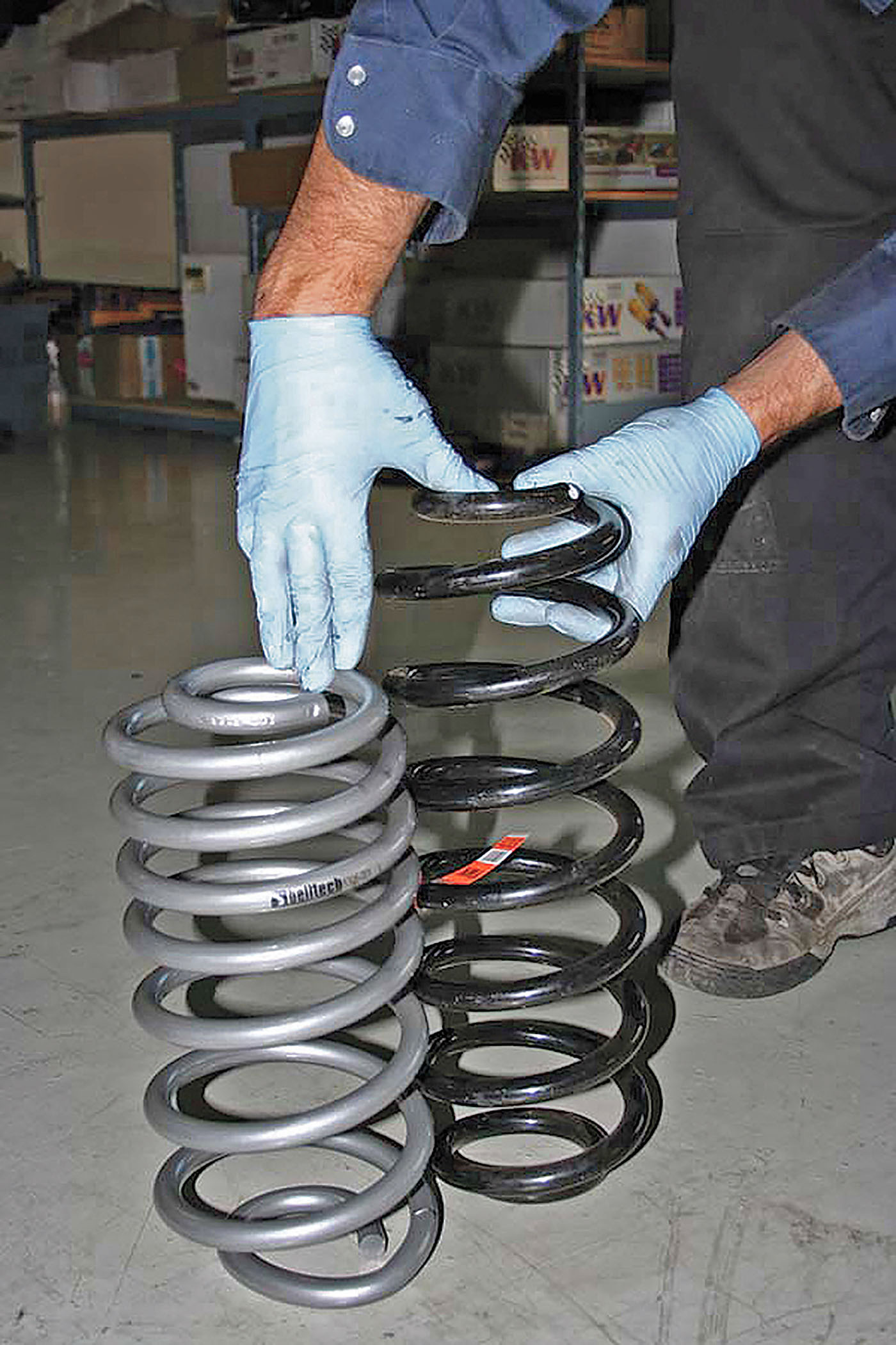
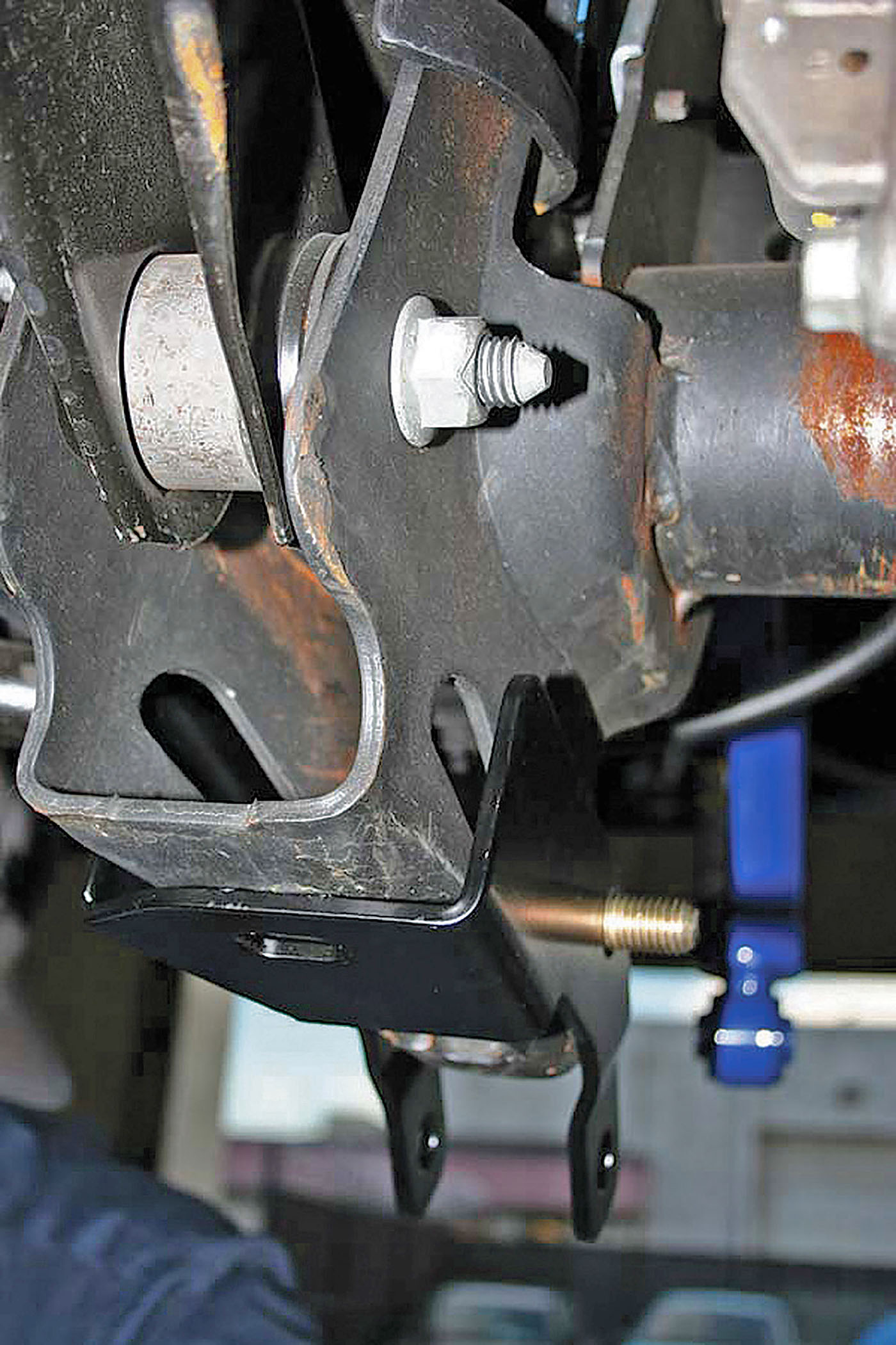
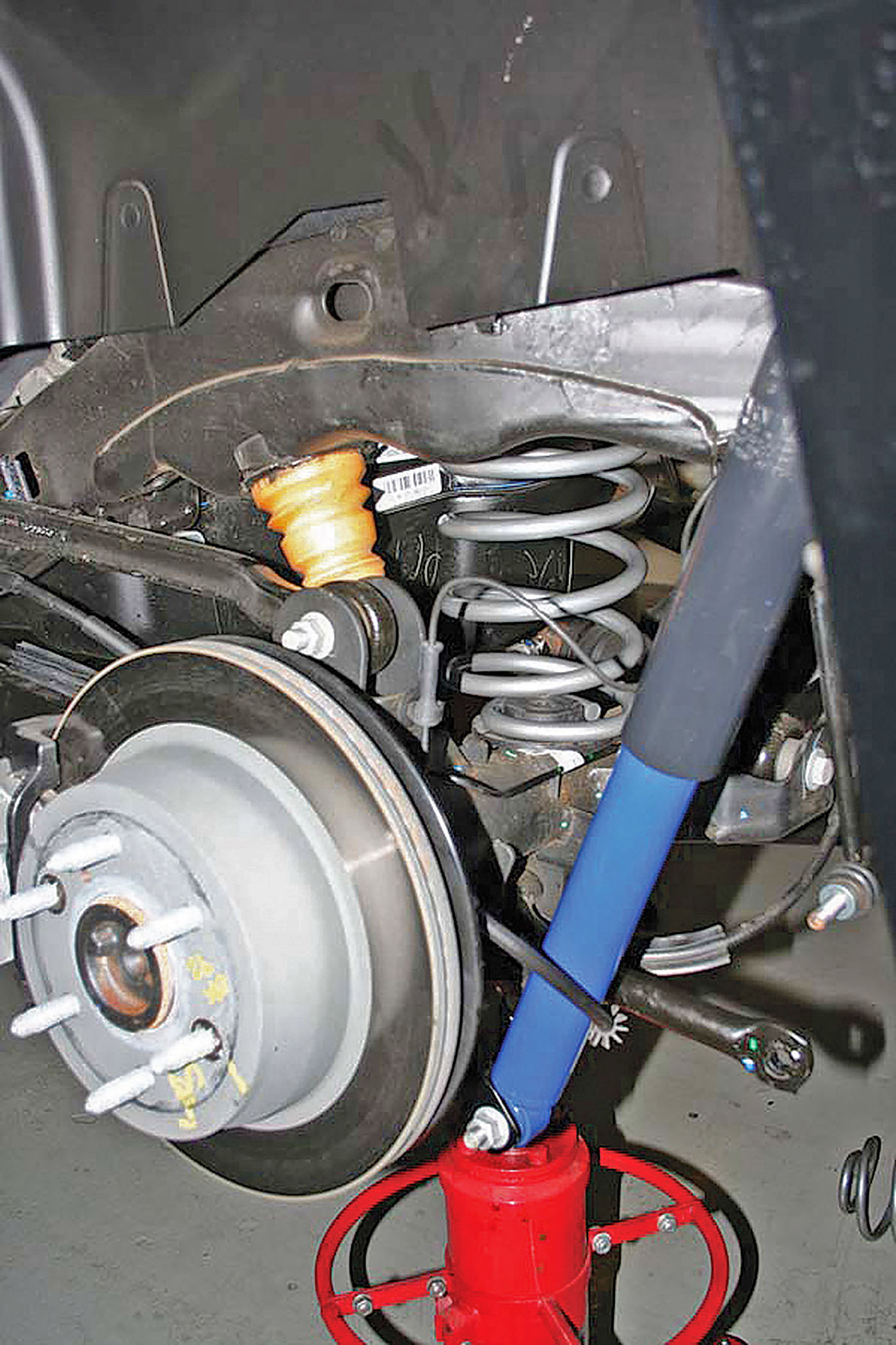
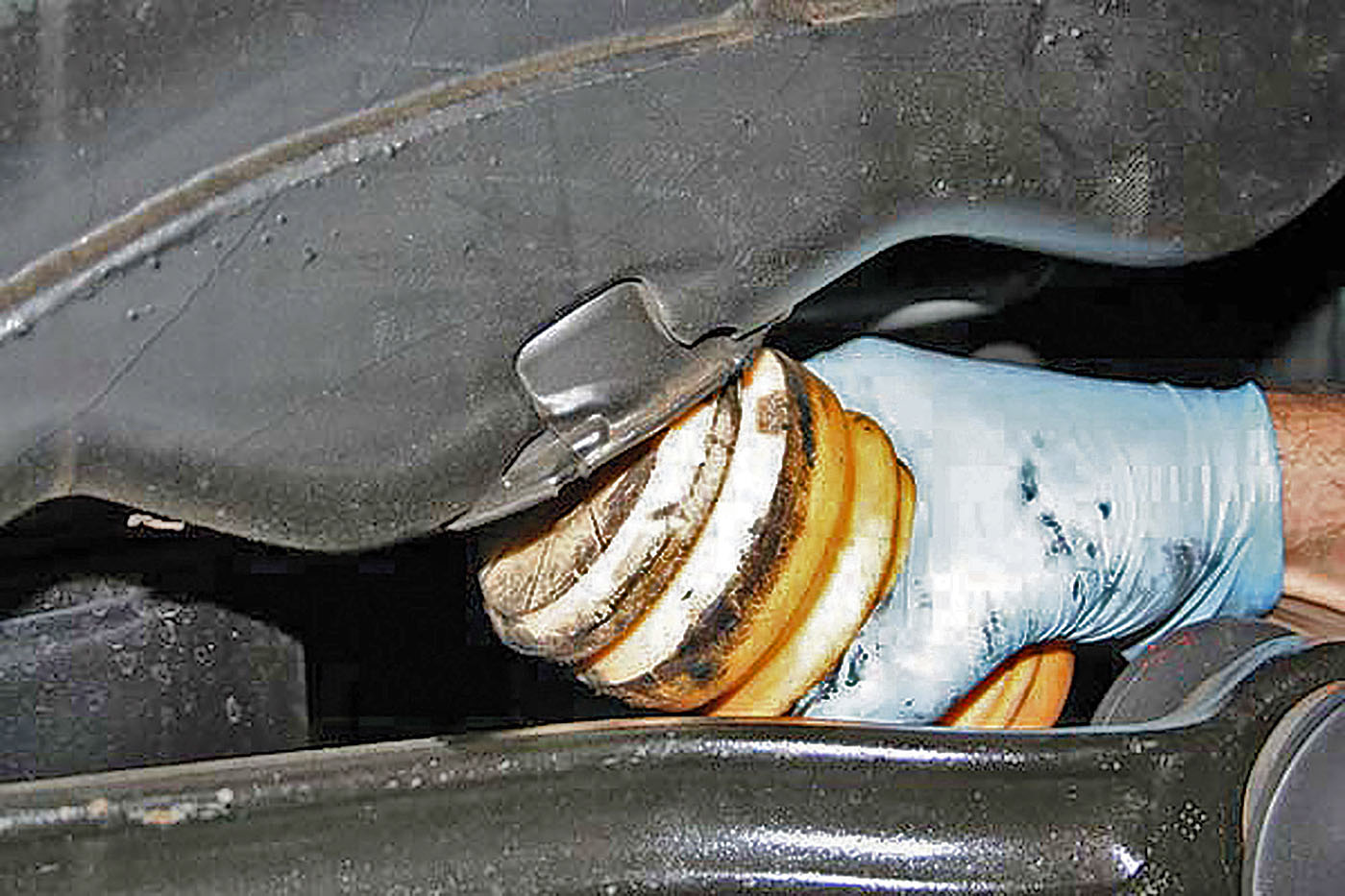
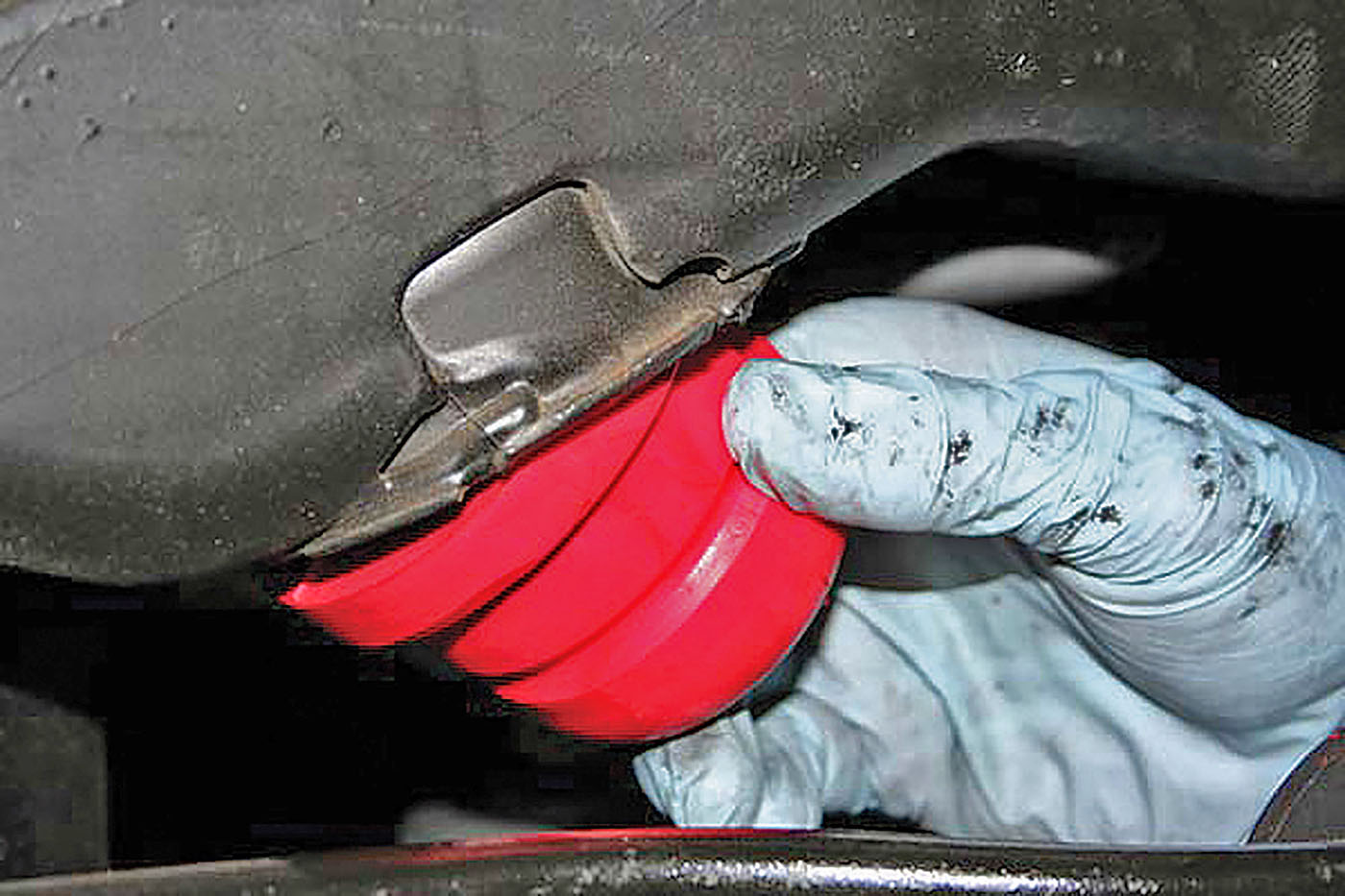
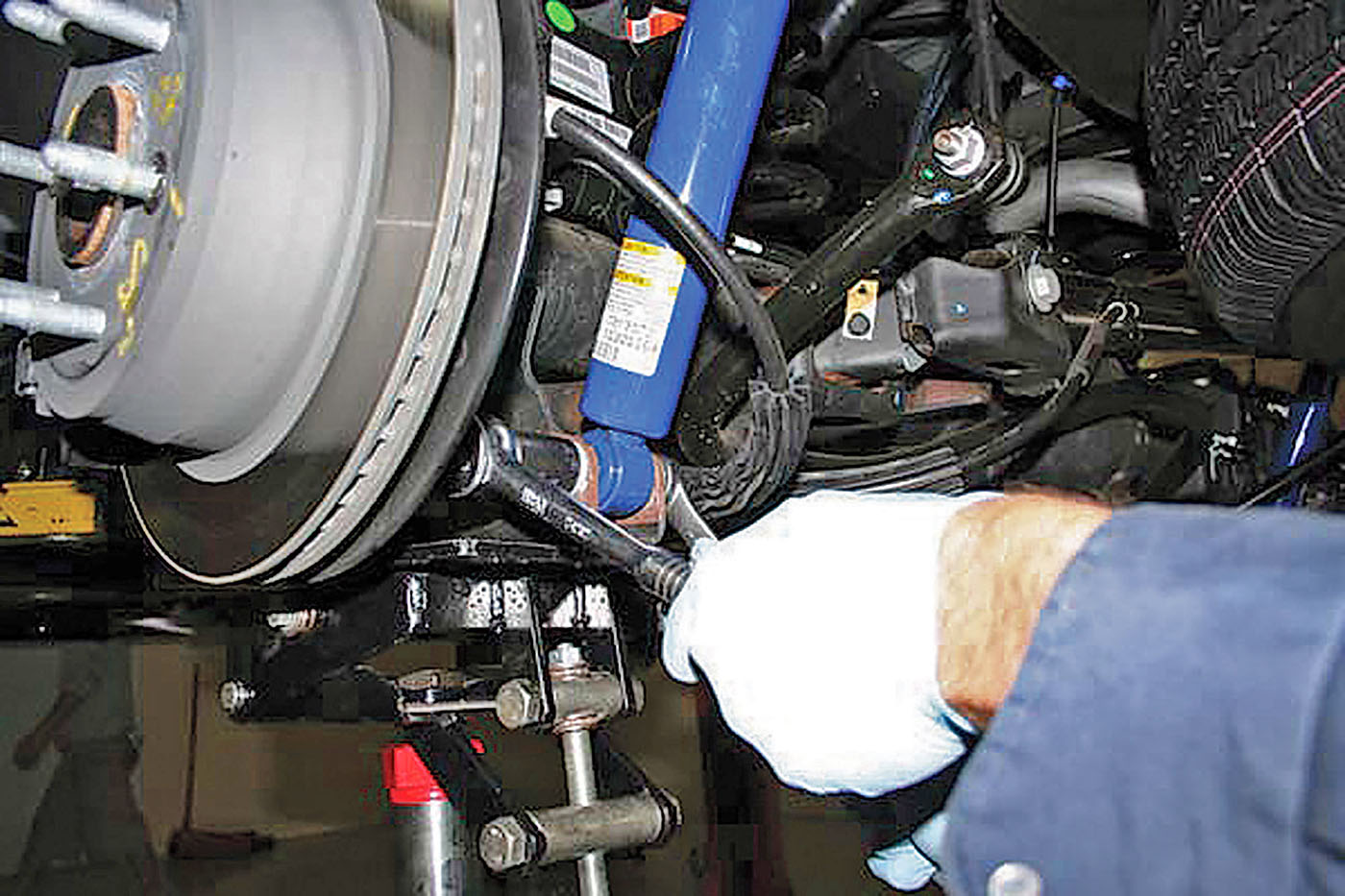
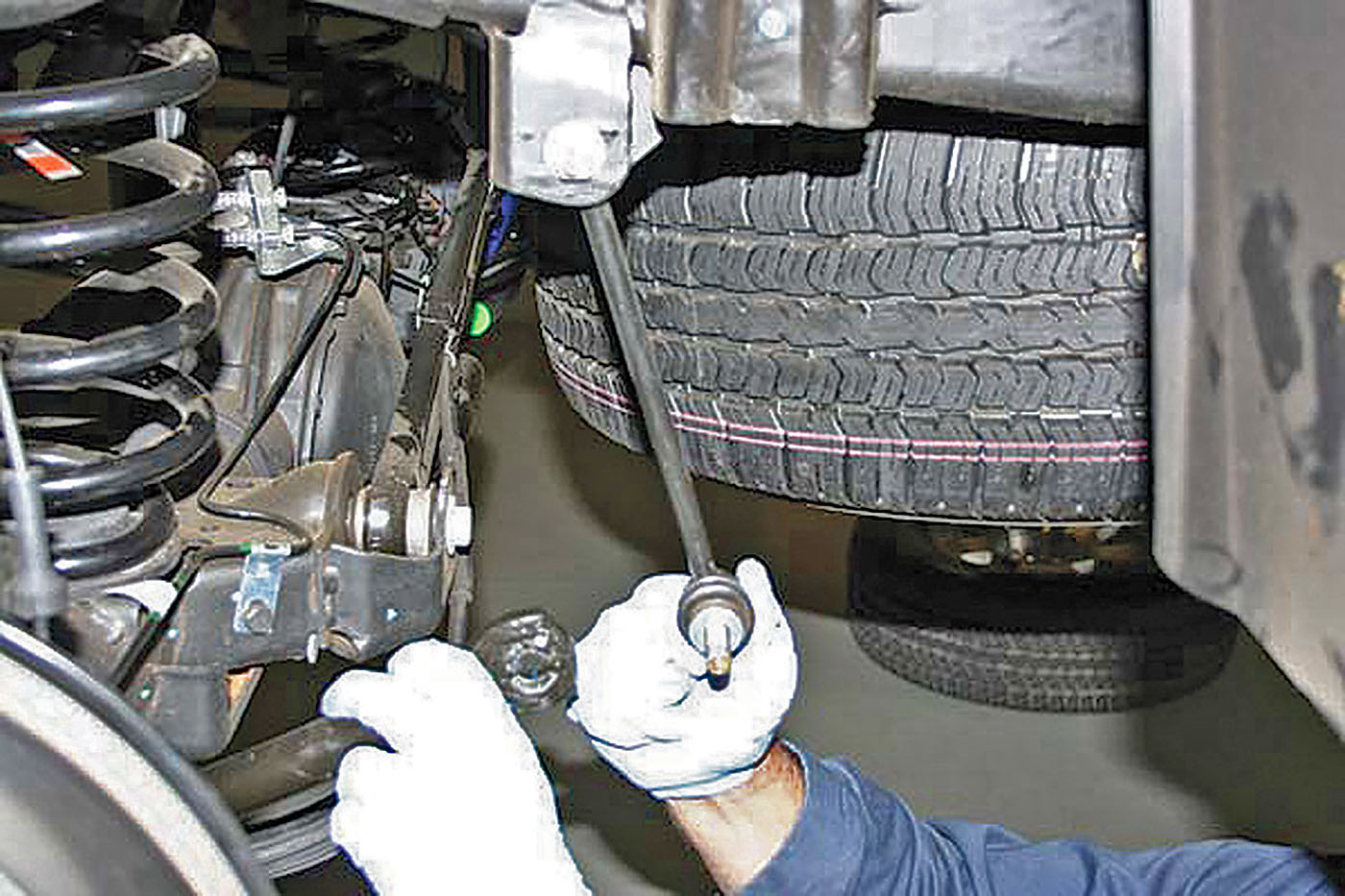
While attending the SEMA Show we happened across the newest addition to the Belltech family, an ’06 Avalanche project, which obviously initially began life with an altitude adjustment. This took the form of front drop spindles and coil springs, followed by lowering the rear with coils and shock-mount relocating brackets. This is Belltech’s primary business—lowering trucks—so these kits are very well engineered and designed not only to improve the looks of these massive rides, but also to retain great ride and handling quality.
Installation and Results
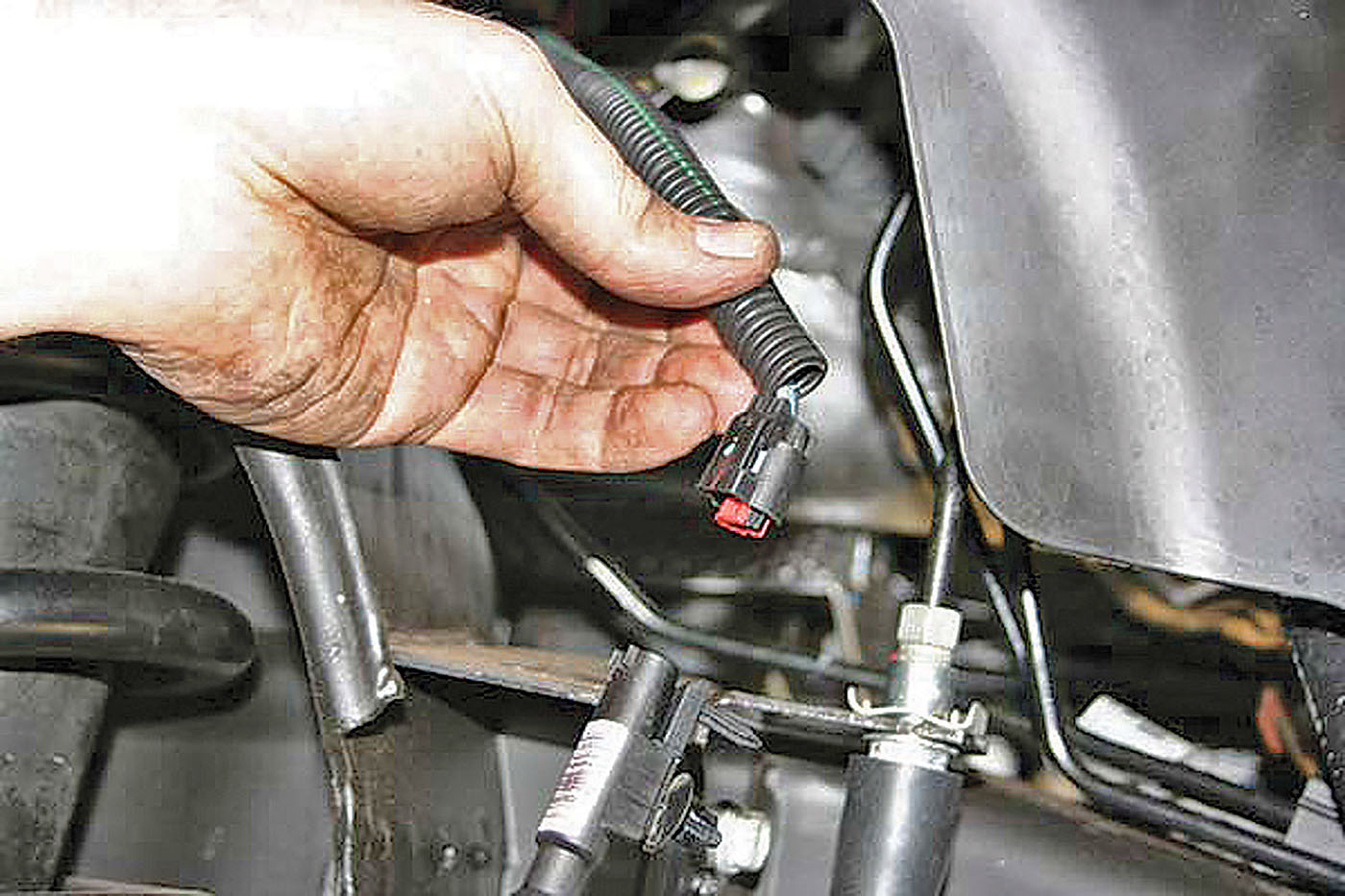
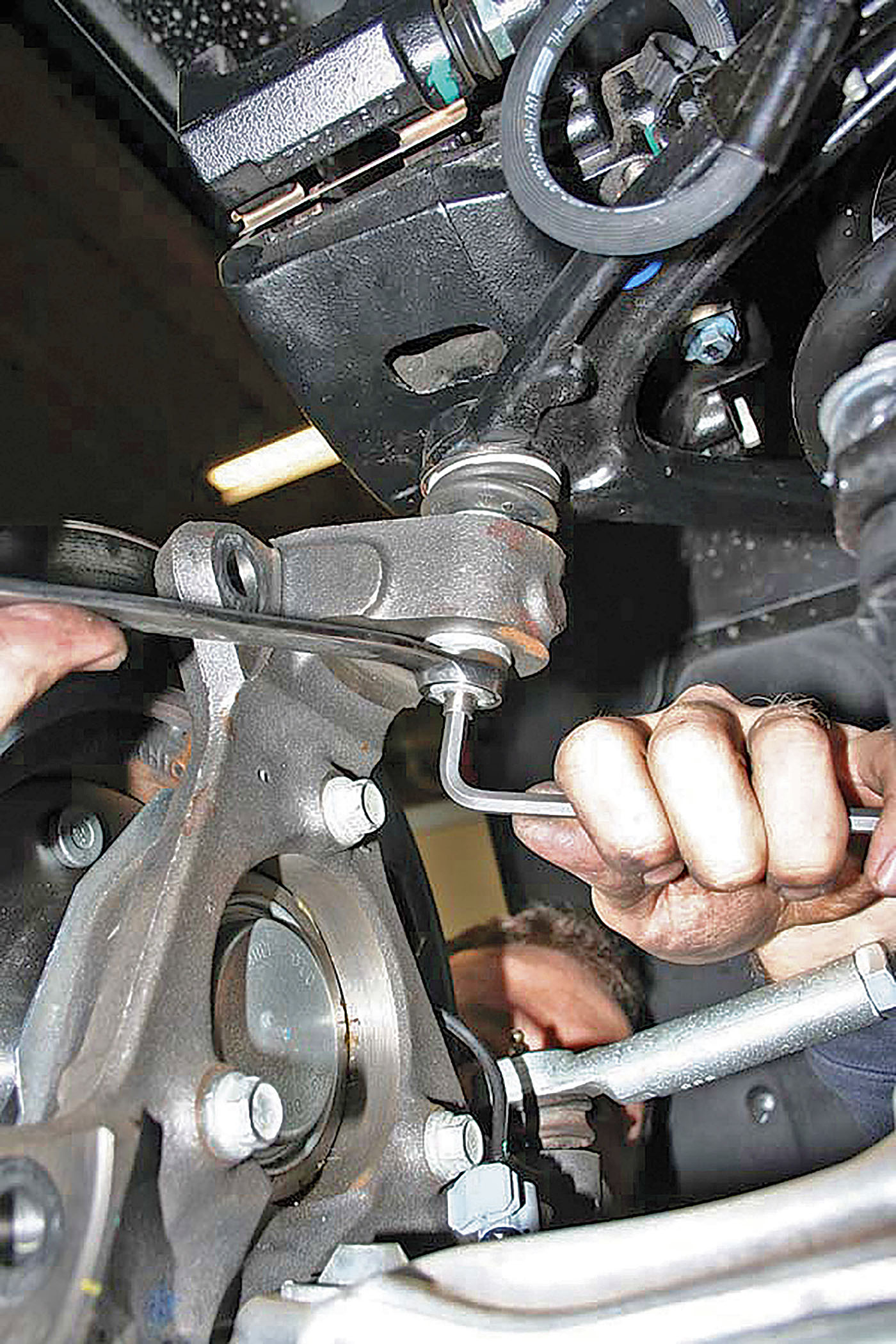
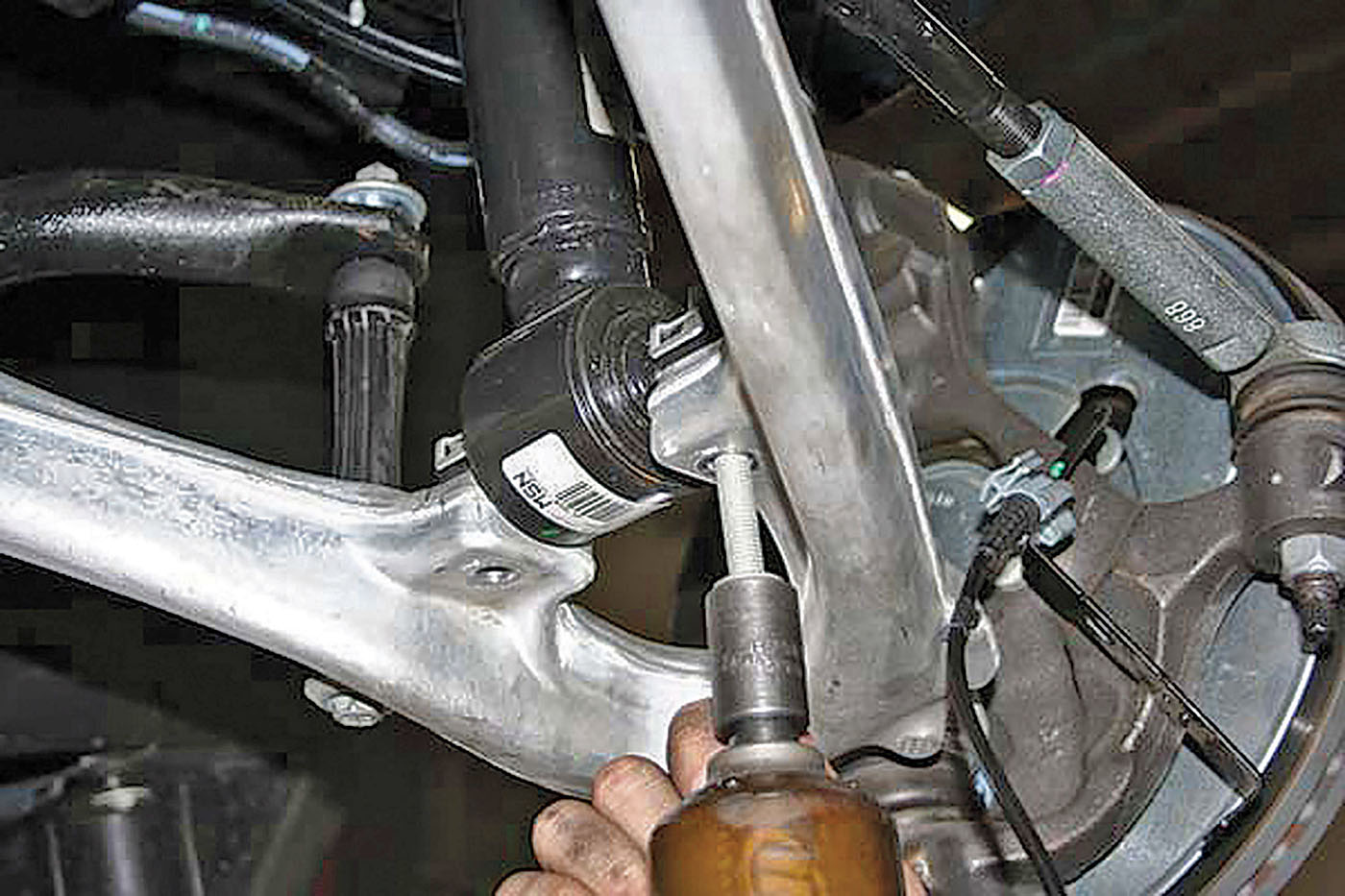
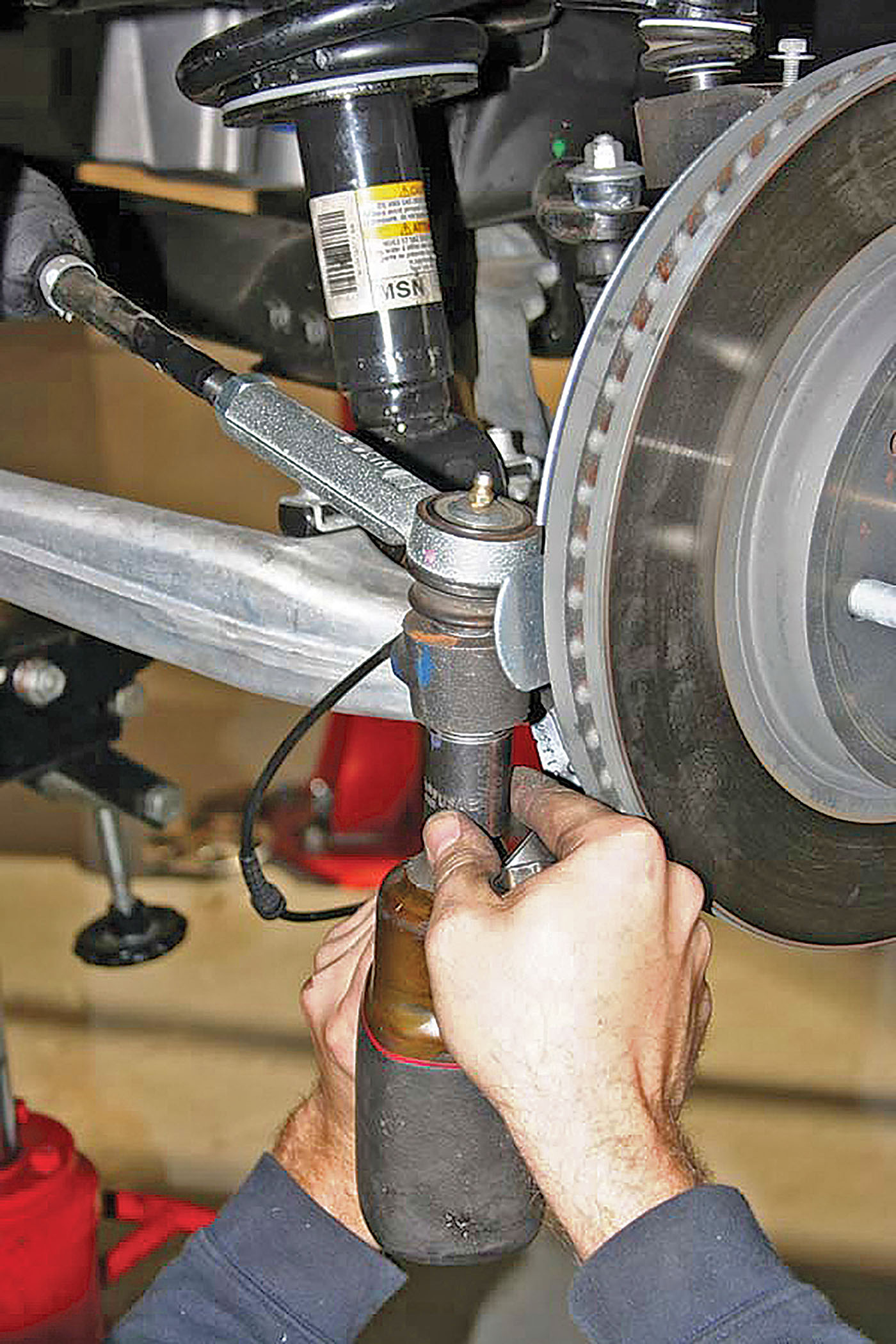
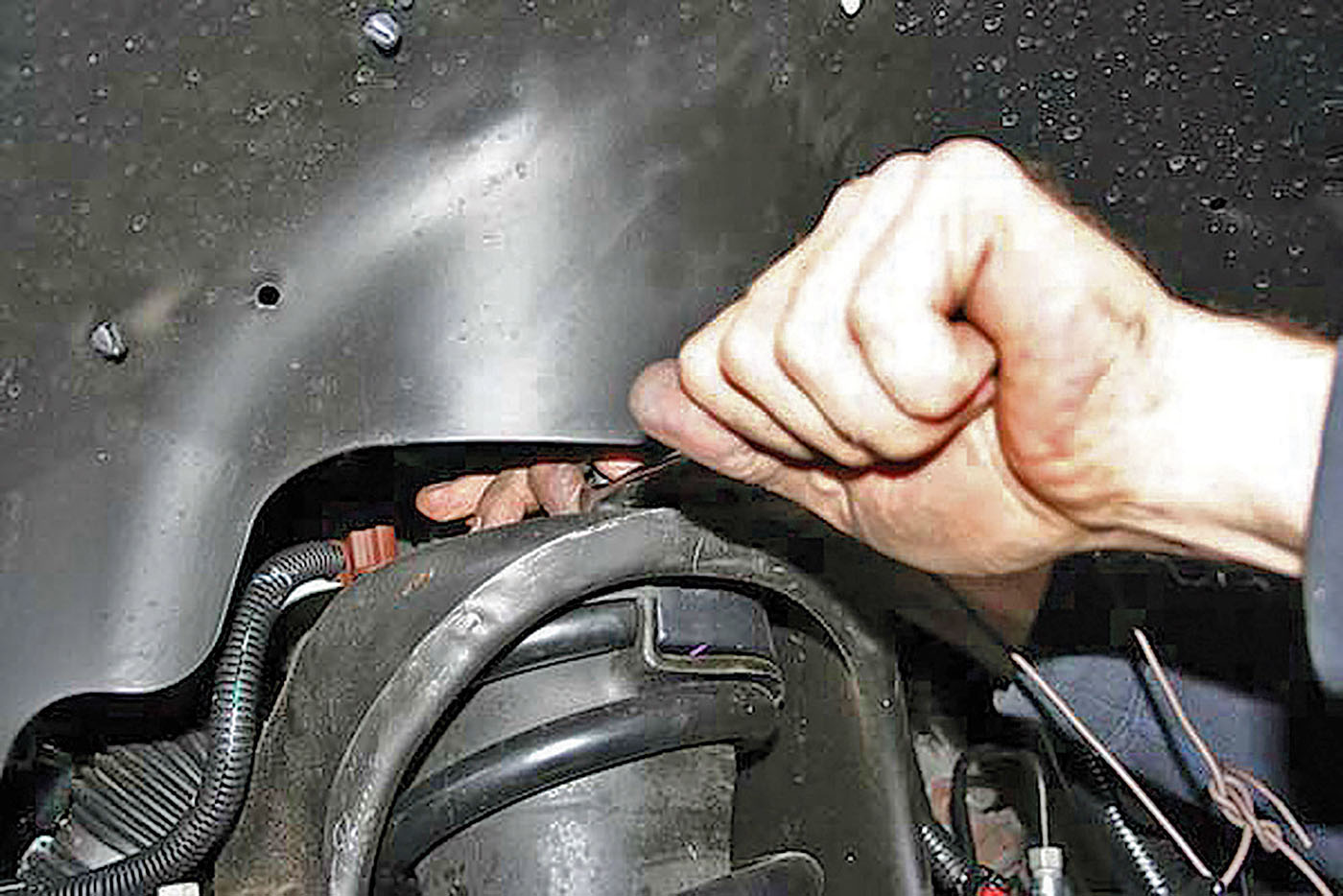
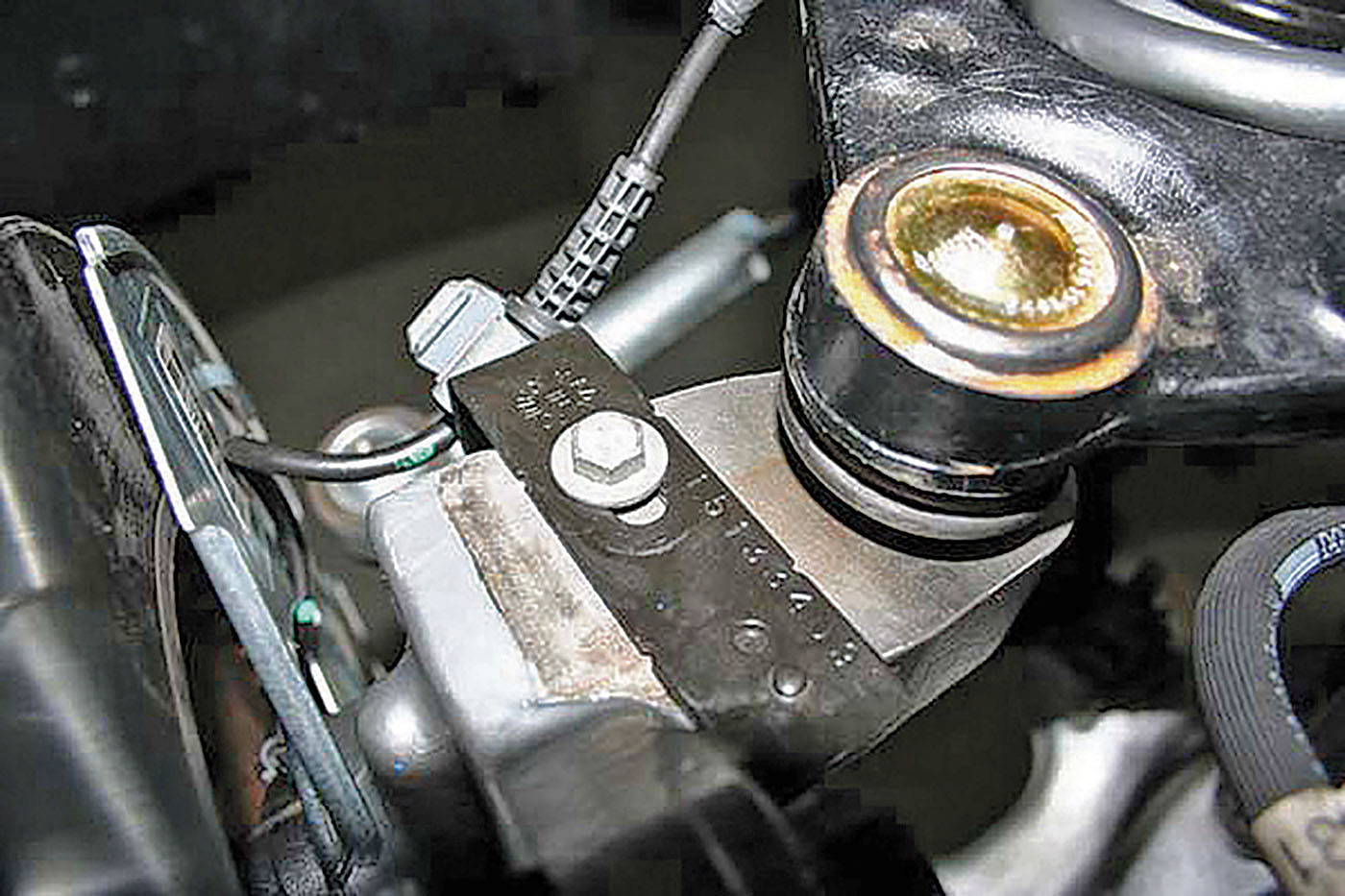
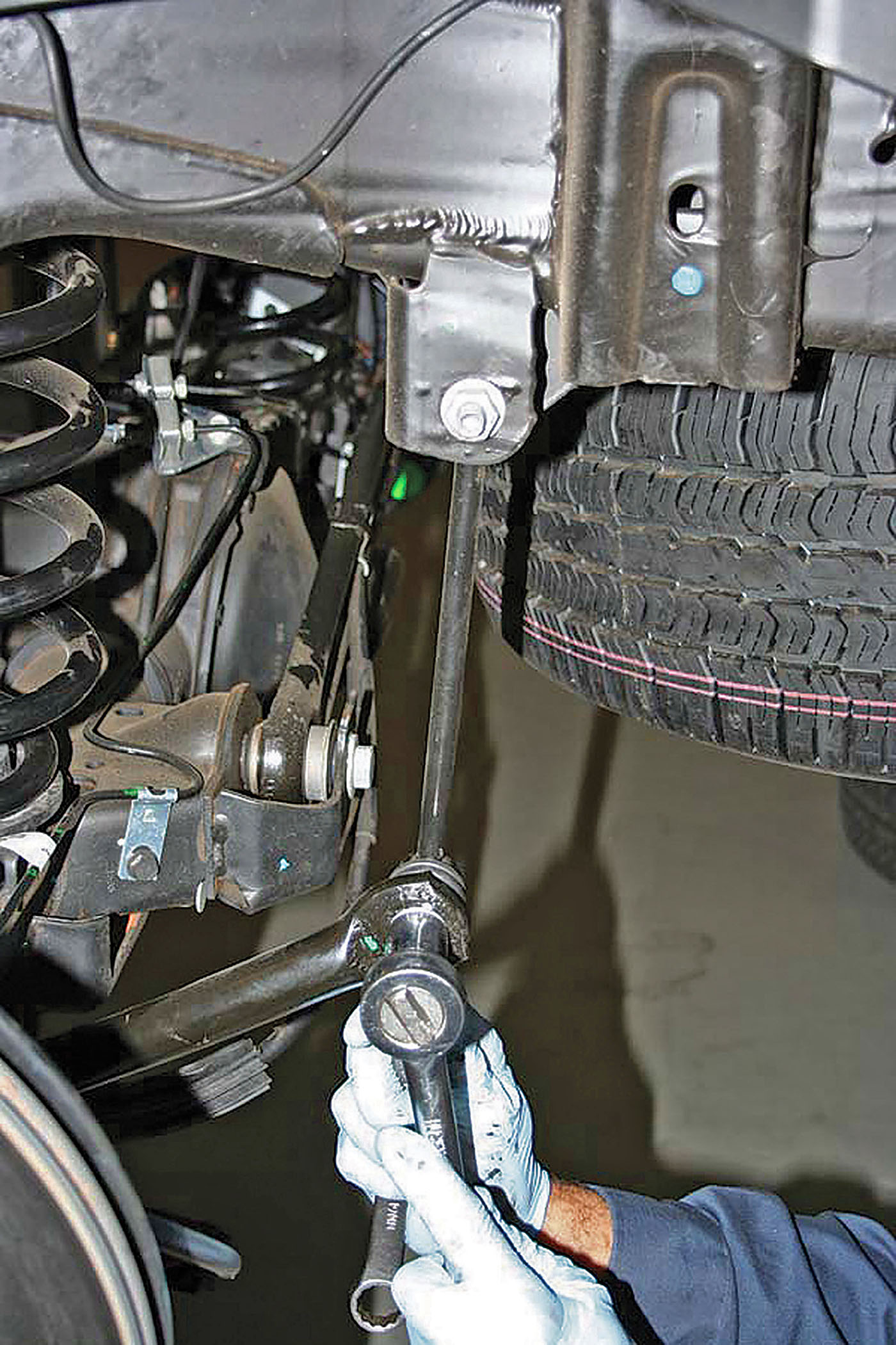
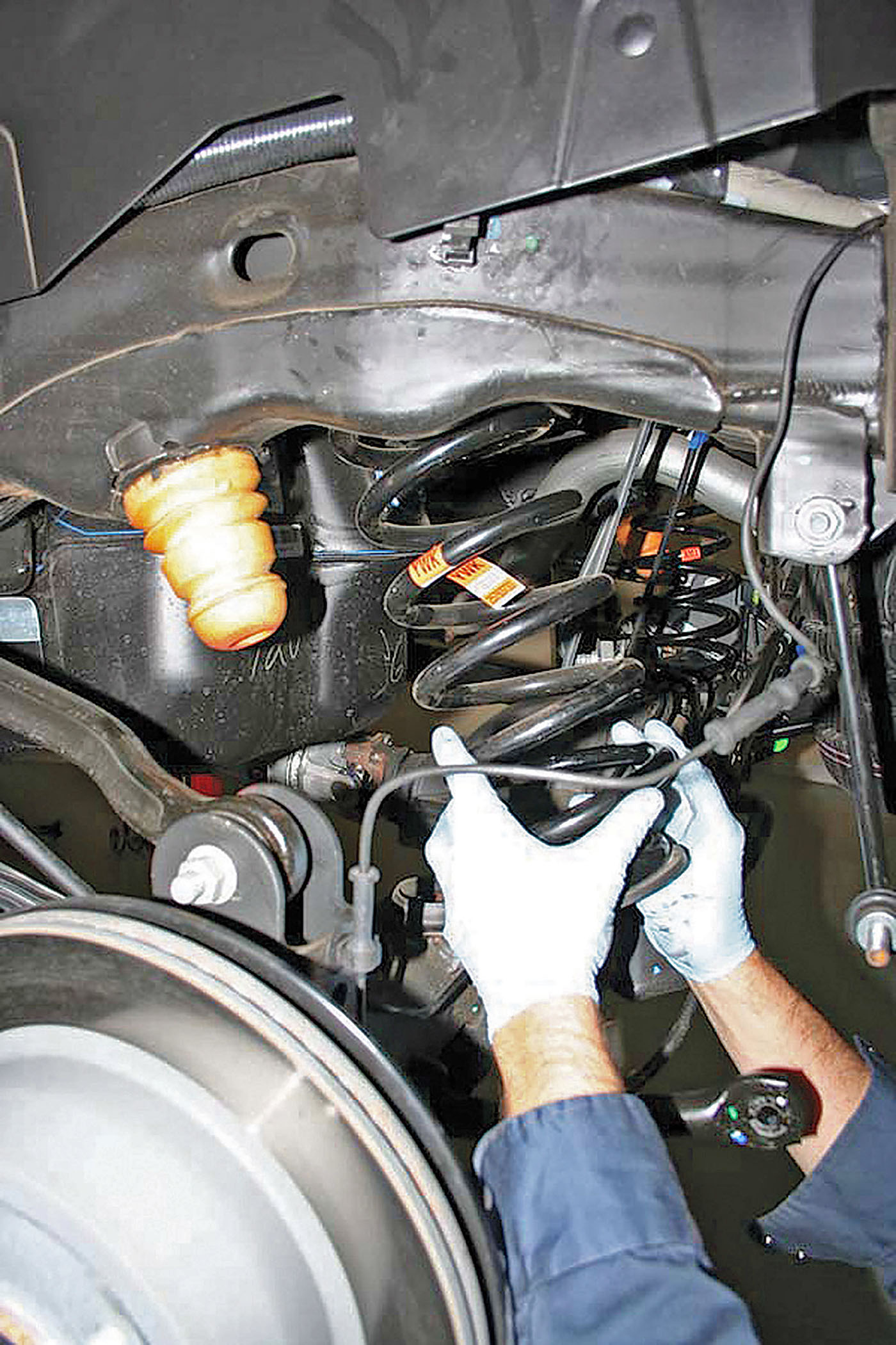
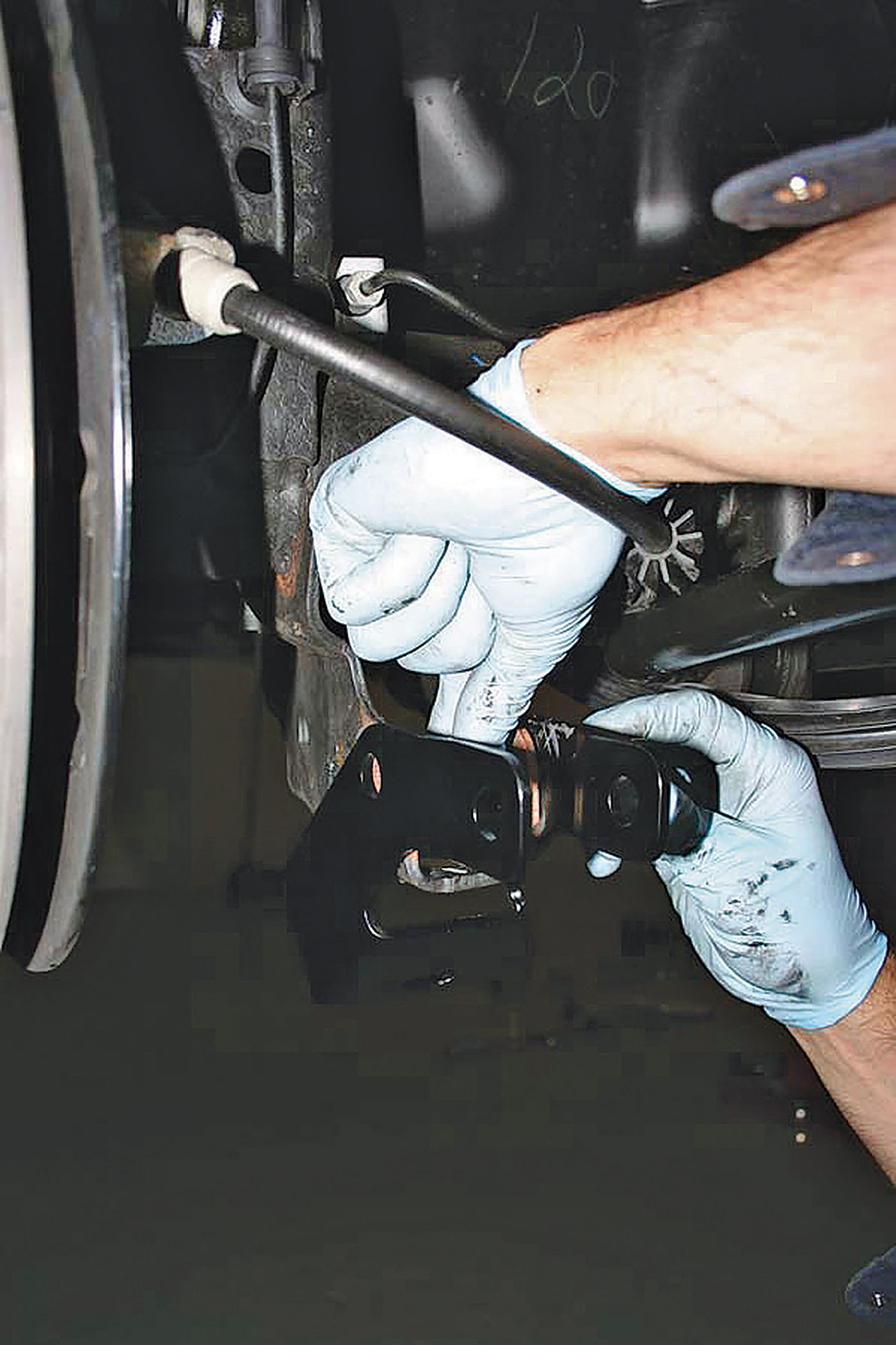
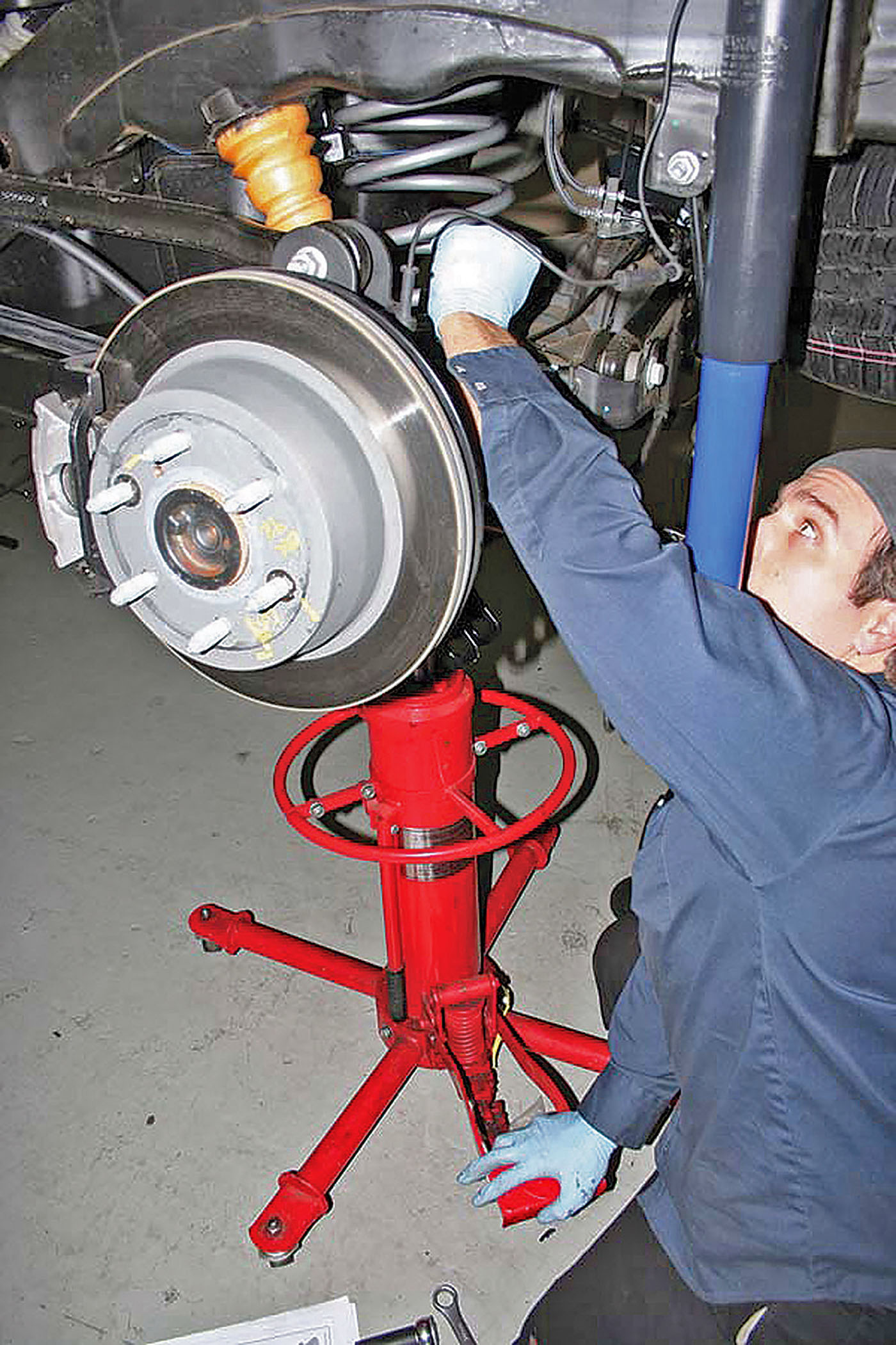
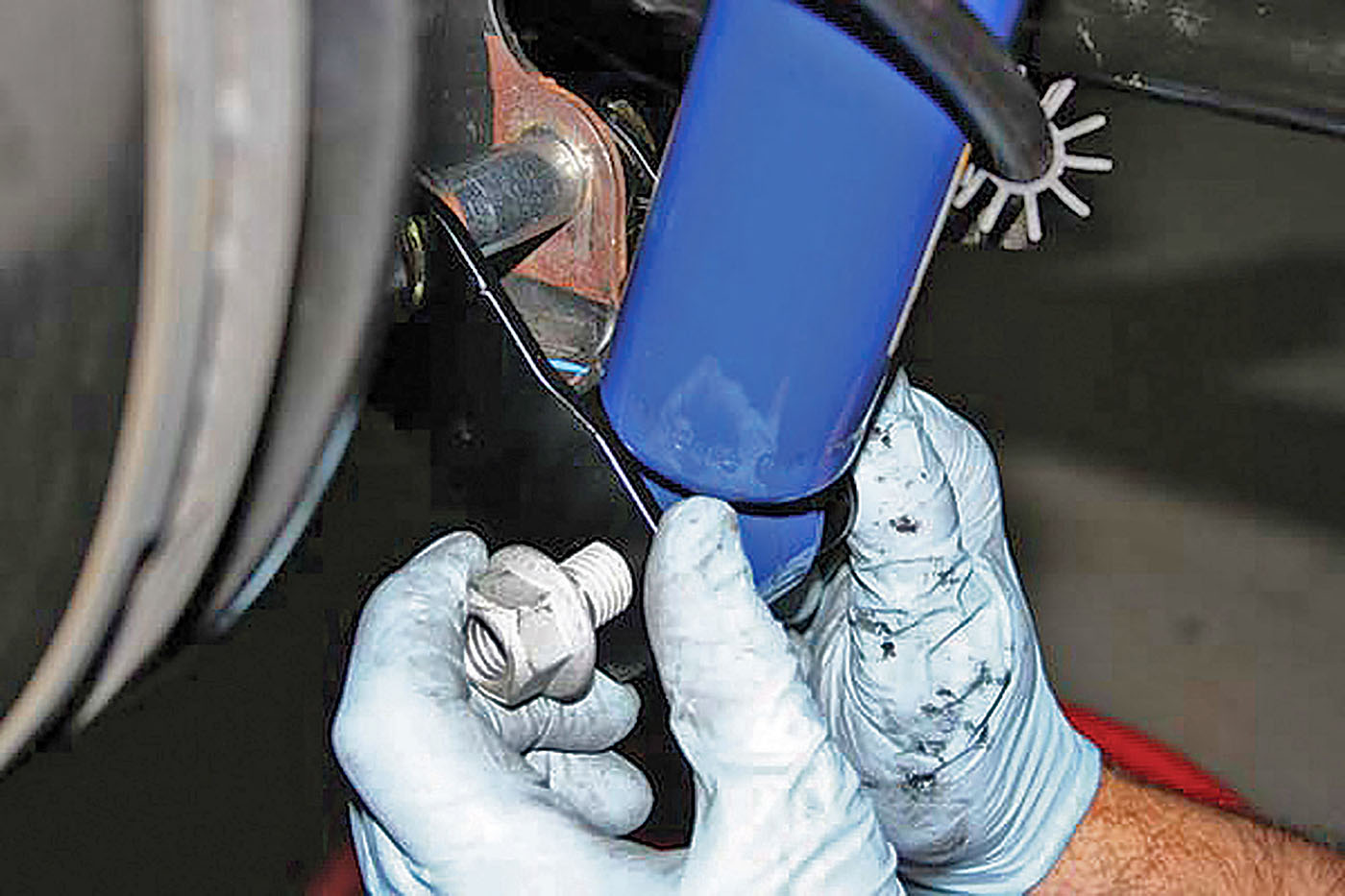
We wanted to not only show how easy it is to bring one of these sweet rides down to the ground, but also how great they look with this kit installed. The Belltech components are straightforward and do not require much more than simple hand tools to install, although an air impact wrench will make the disassembly and installation go much more quickly. This project Avalanche began with the front spindles and springs, which took roughly four hours to install, while the rear required two hours of installation time for the new shock mounts and coil springs. The new components greatly improved the looks of the Avalanche, and now it’s time to look for the proper set of wheels and tires to fill the wheelwells.
BEFORE
The new Avalanche has lots of cool attributes, but it sits a bit on the high side for most tastes. Belltech corrected this problem by offering a lowering kit for both the front and the rear, and it was installed in only a few hours
AFTER
After a weekend in the garage there is no mistaking the Belltech lowering kit, as it made a dramatic change to the style of this Chevrolet sport-ute.