
Hot Rods
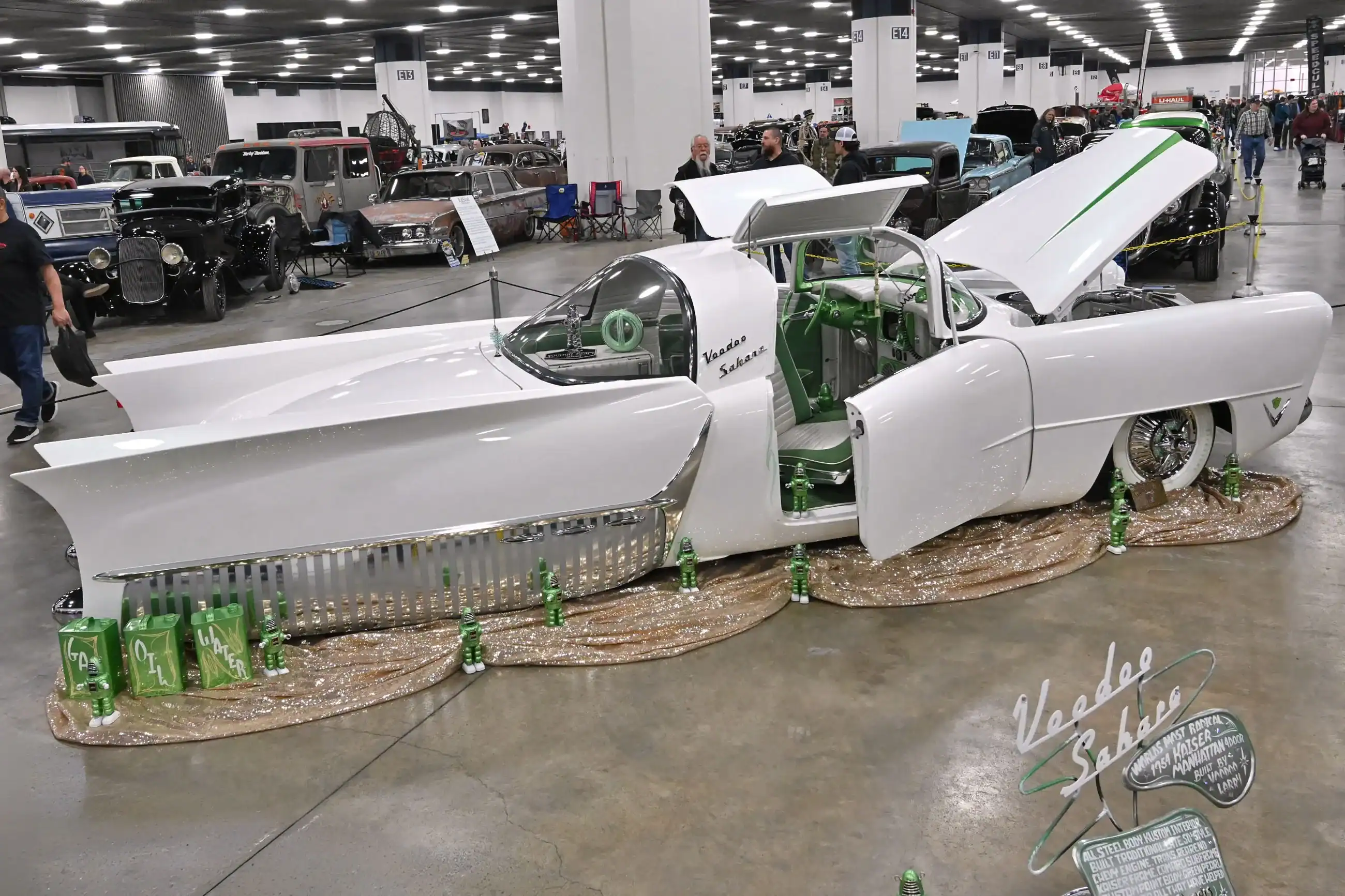
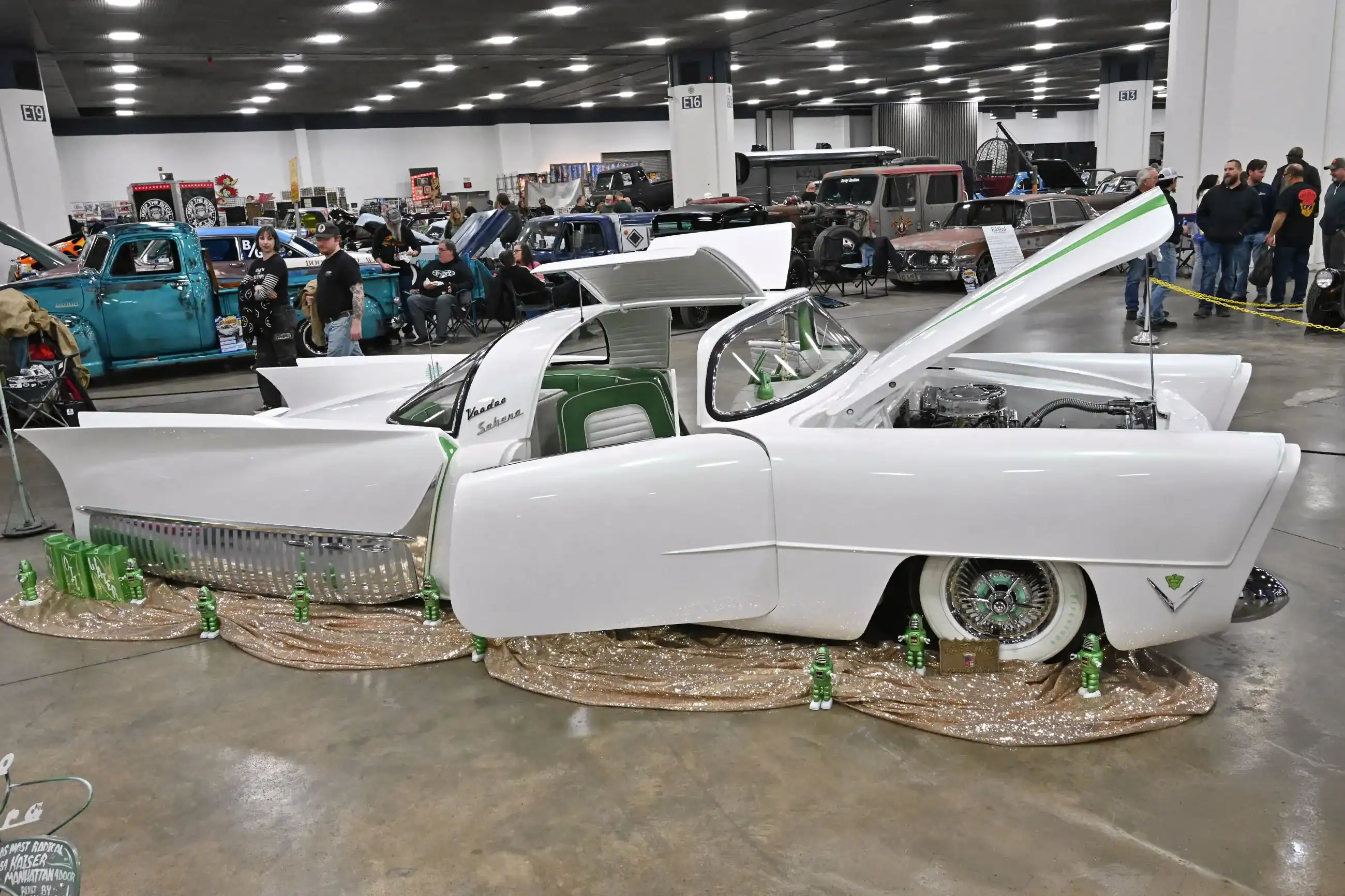
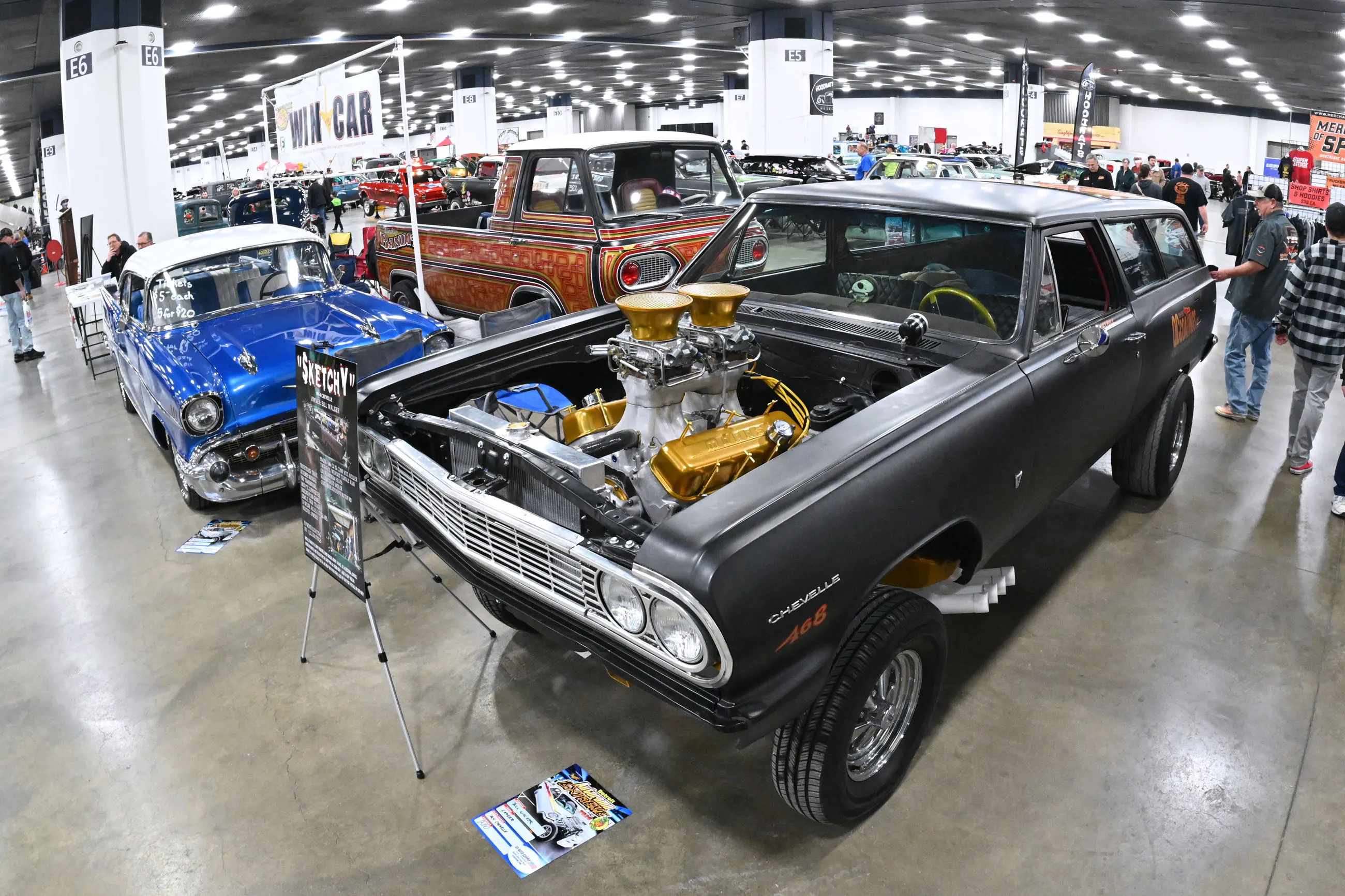
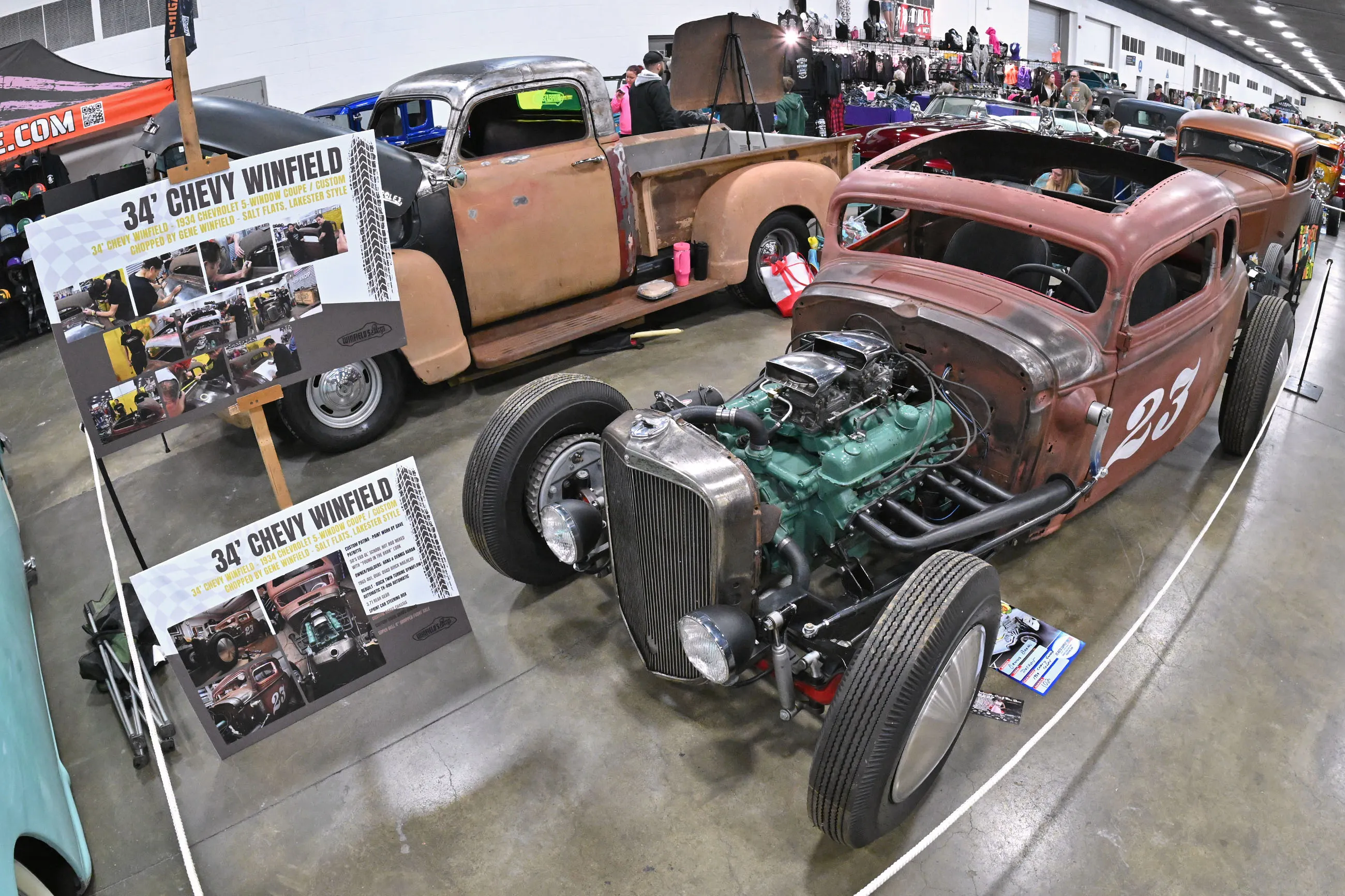
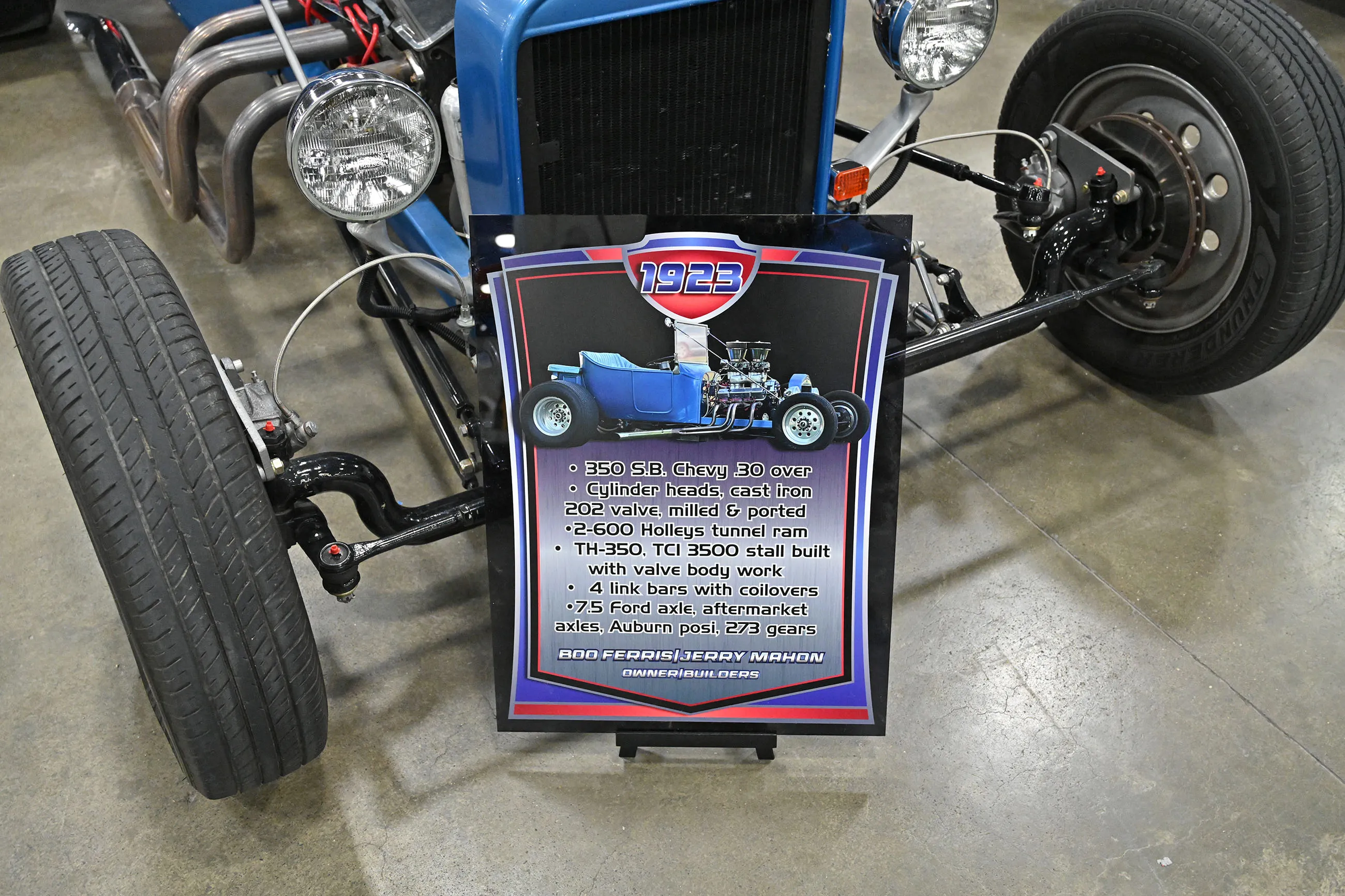
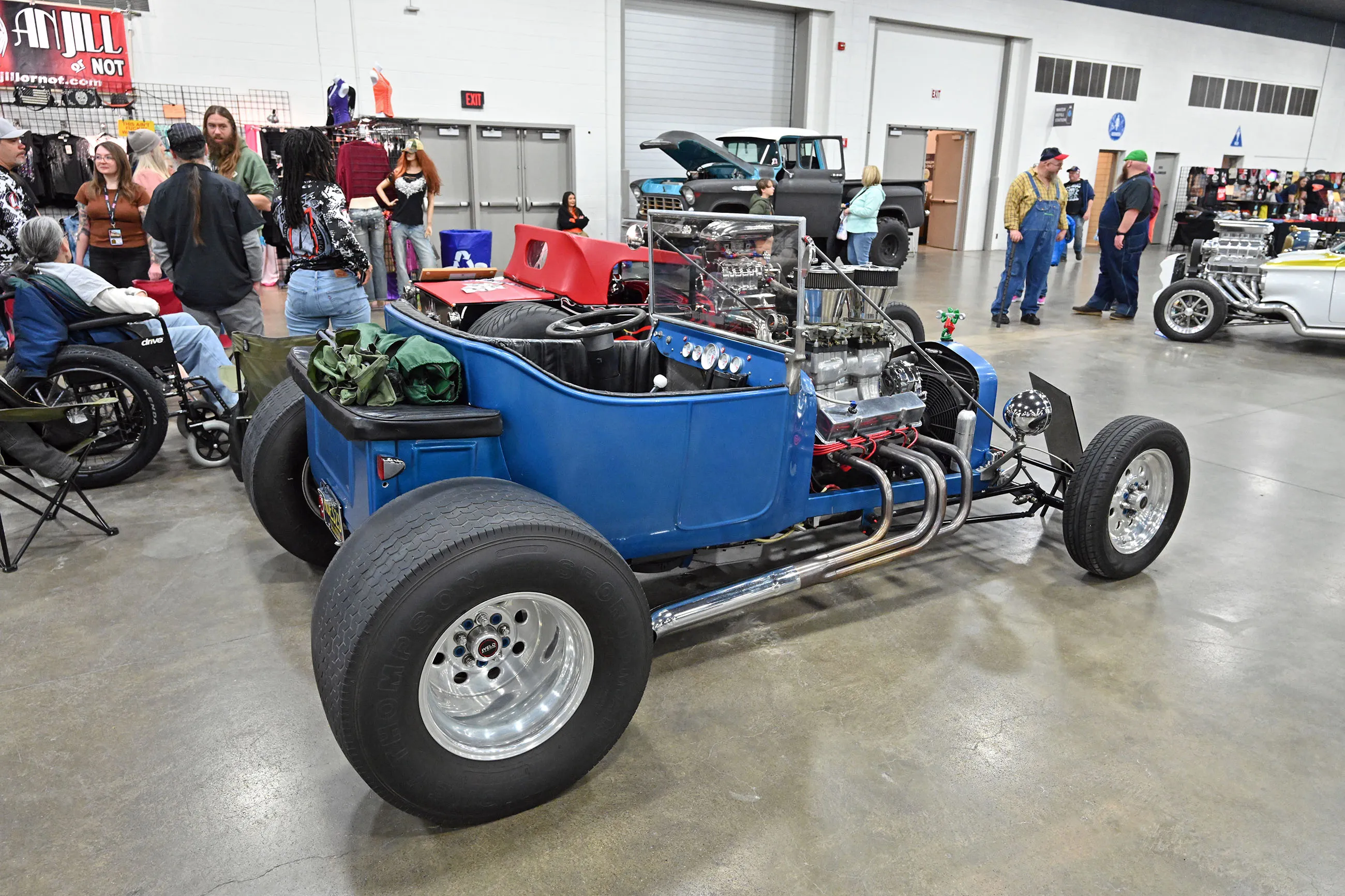
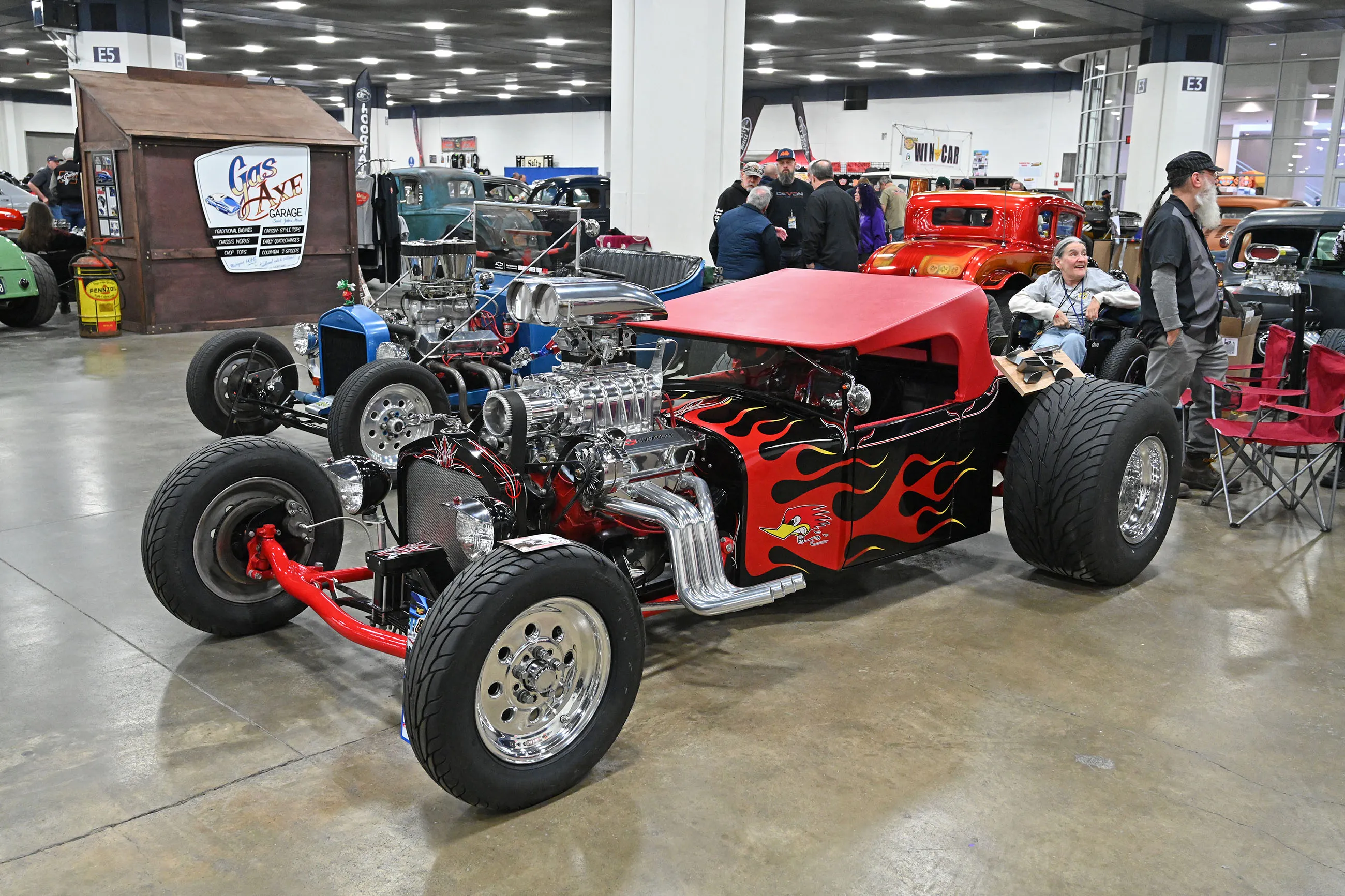
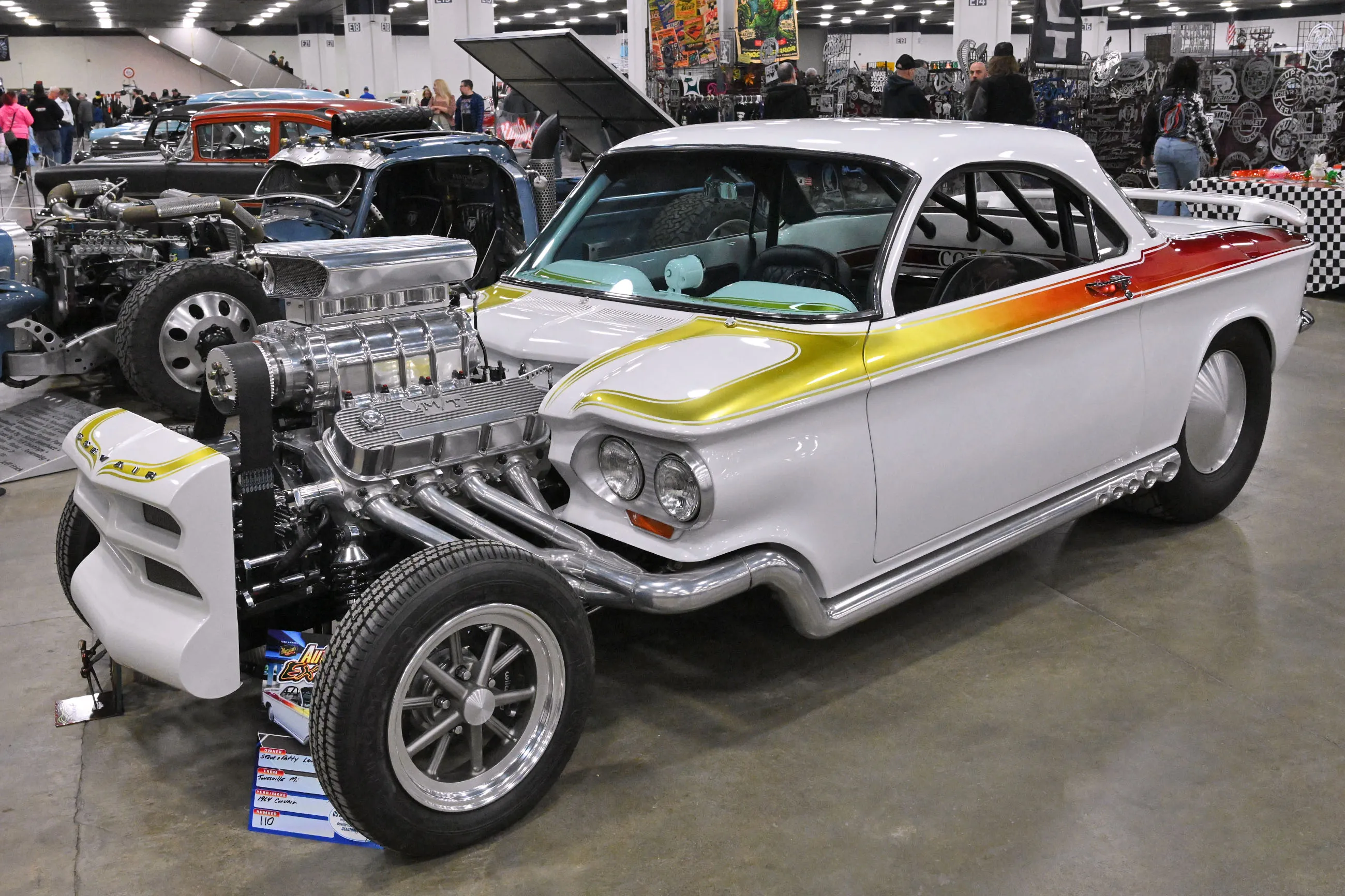
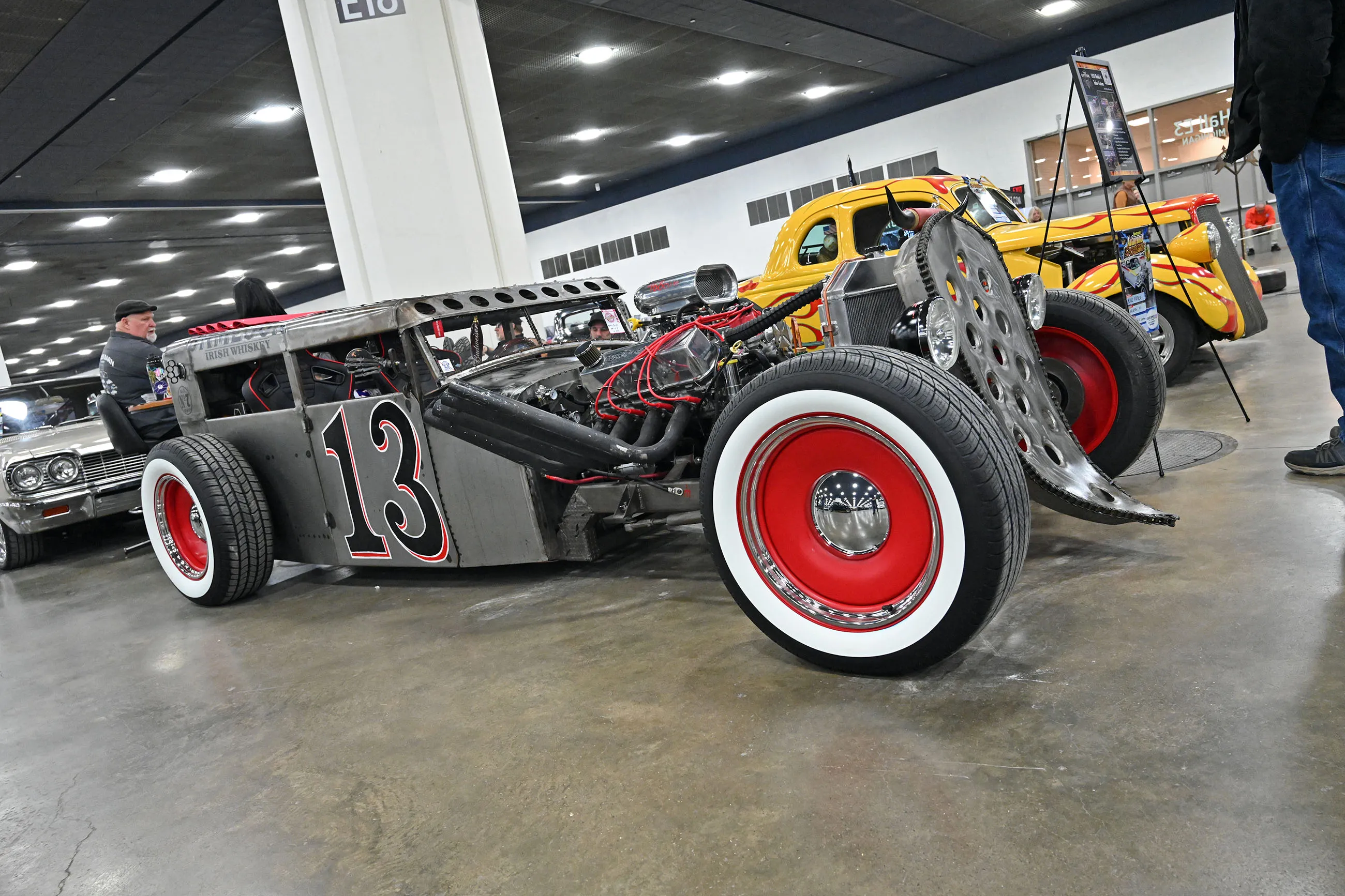
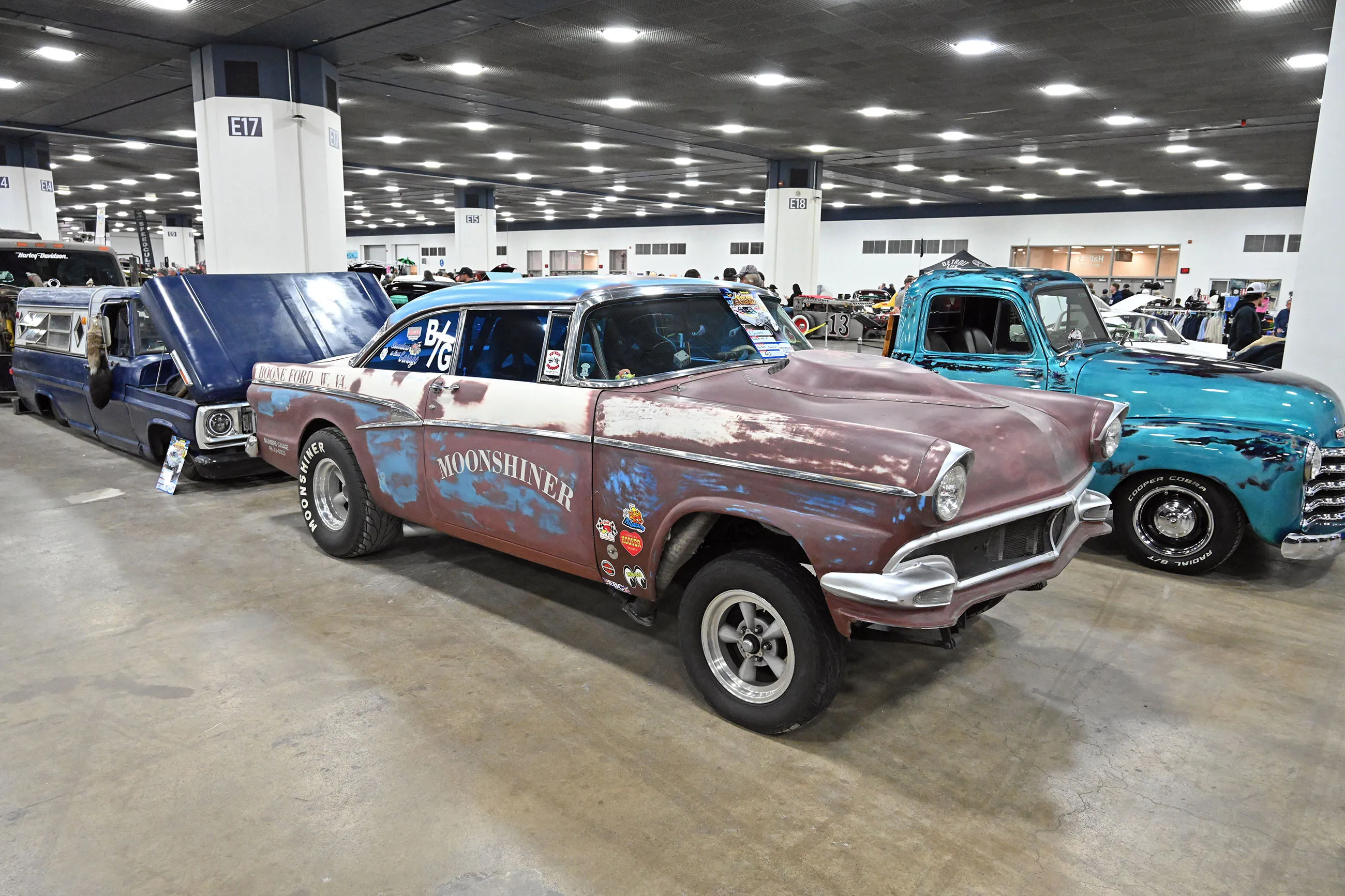
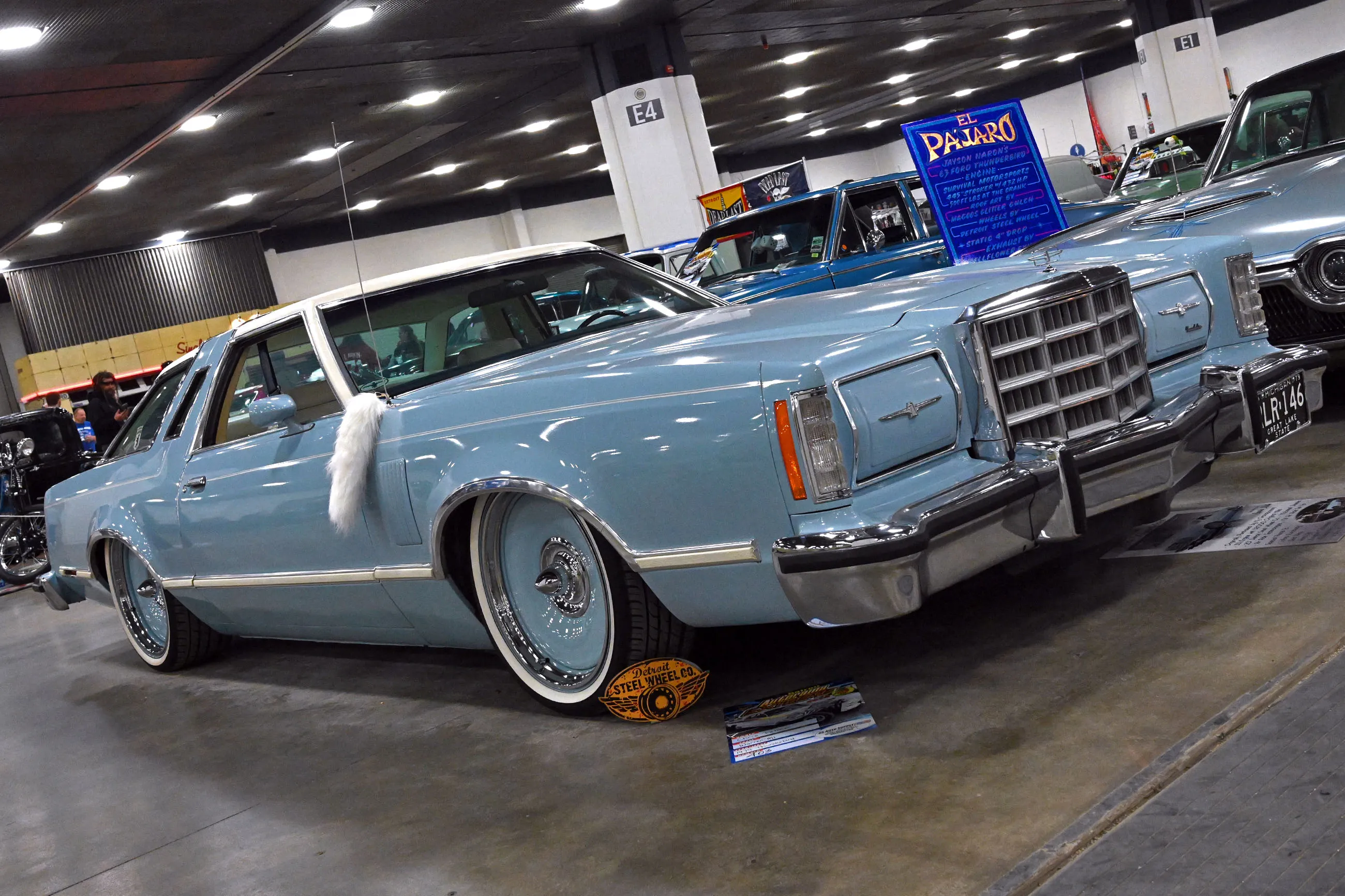
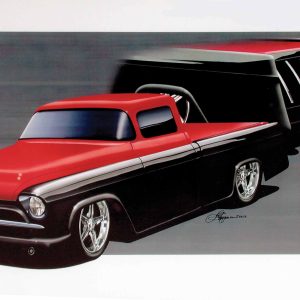
Hot rodders used to scoff at the idea of trucks stealing the show. Not anymore. The 2026 Grand National Roadster Show (GNRS) proved that custom trucks aren’t just workhorses—they’re rolling showcases of power, design, and pure cool. From slammed classics to full-throttle modern bruisers, trucks dominated the floor, making it clear: the truck takeover is official.
Why is it we build top-end hot rods? We all have many different reasons, but the underlying one will always be to get a little attention. Even though it may not be your sole intent, there is a part of you that wants people to tell you “nice car” or, better yet, to win an award at a show every once in awhile. Many hot rodders and builders create their cars to win major awards, which gives your custom creation or your shop “pedigree,” in much the same way the right wins give a racehorse pedigree.
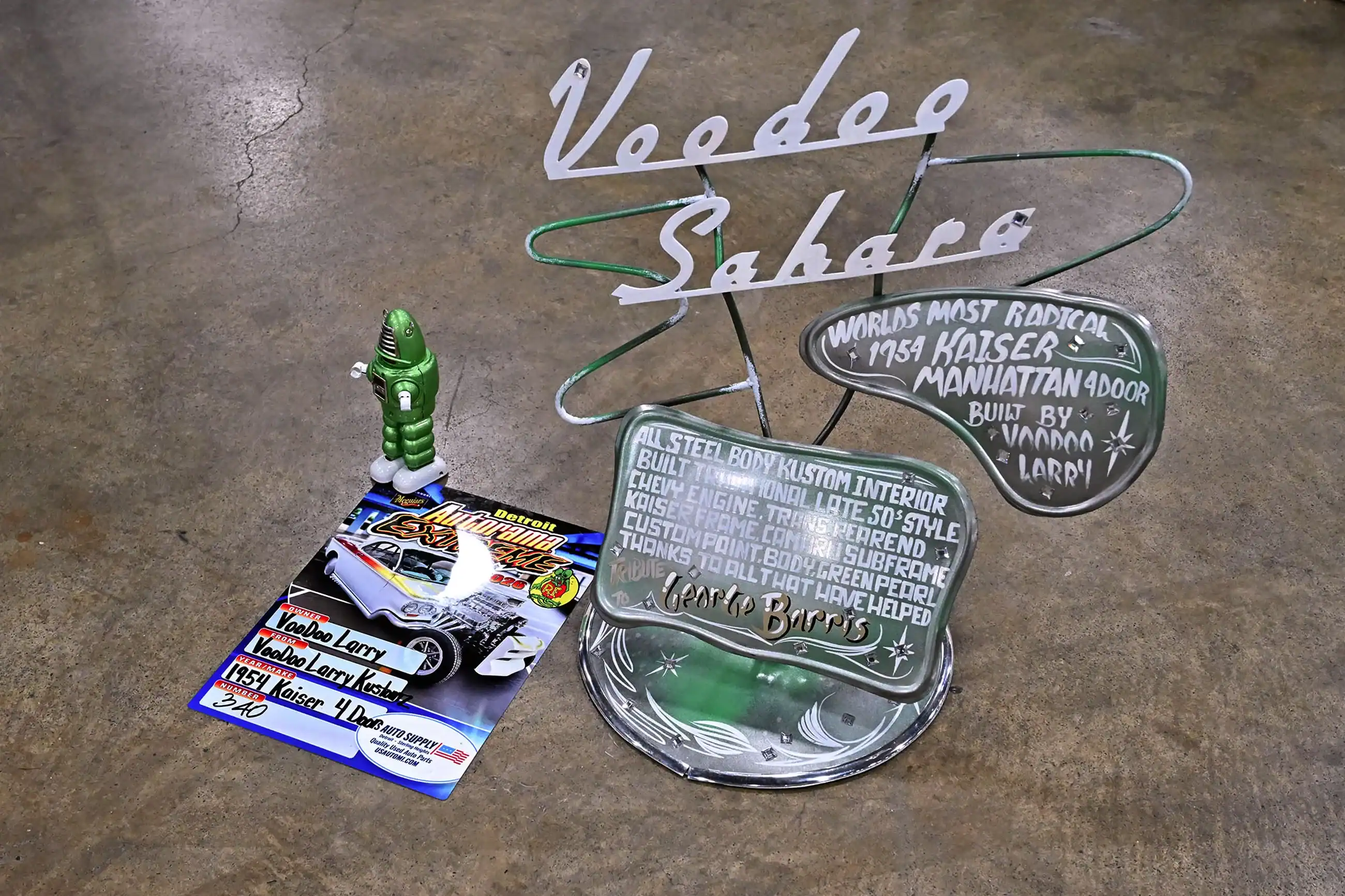
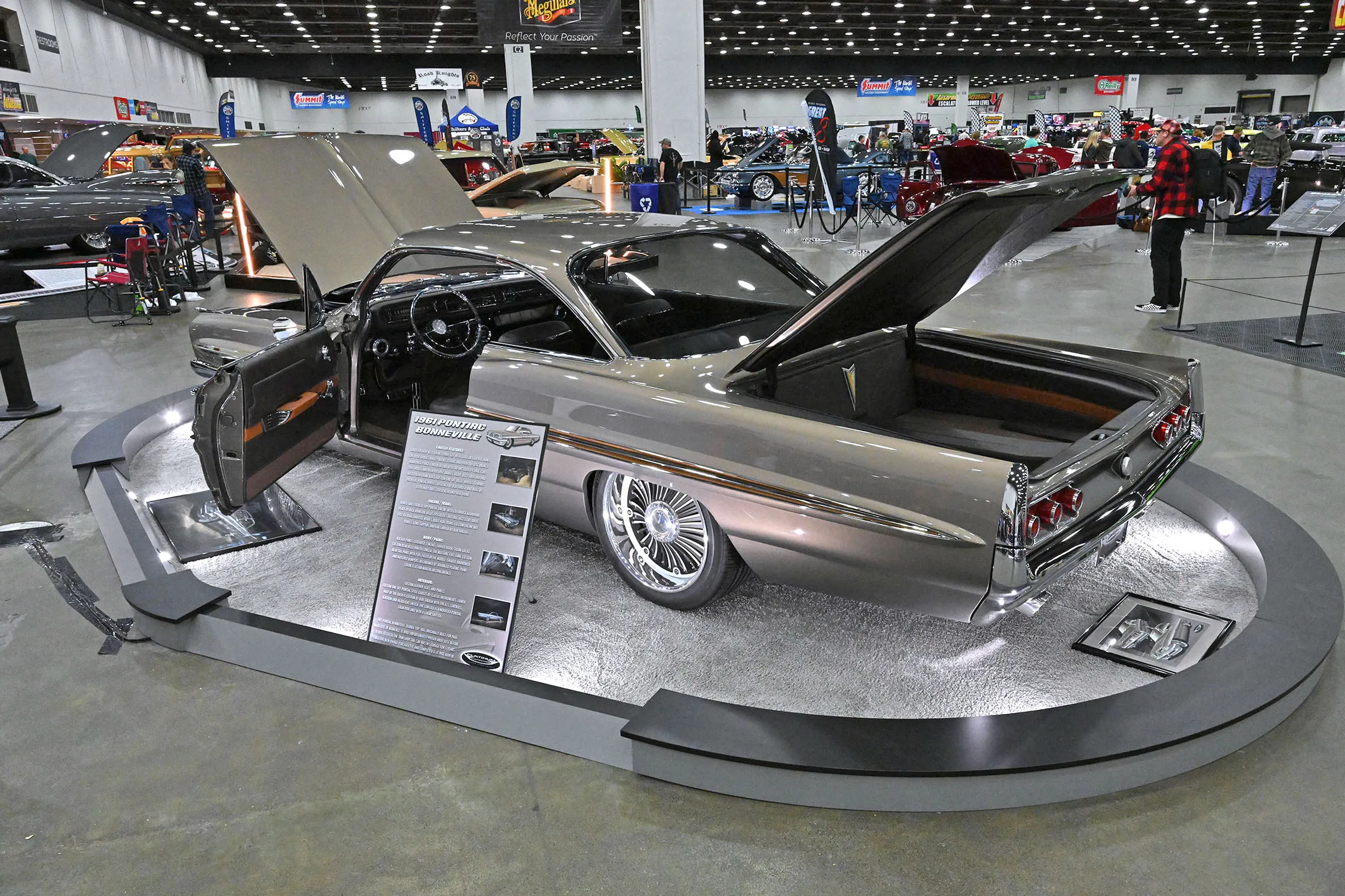
At GNRS 2026, the ARP Booth was a centerpiece of precision, passion, and performance. Automotive Racing Products (ARP Fasteners) has long been a cornerstone of the Grand National Roadster Show, sponsoring iconic awards like the America’s Most Beautiful Roadster (AMBR) Award and the Al Slonaker Memorial Award. Each award offers $12,500 in prize money, and during the show, the Al Slonaker Memorial Trophy is proudly displayed at the ARP Booth, symbolizing ARP’s commitment to hot rod craftsmanship, innovation, and community.
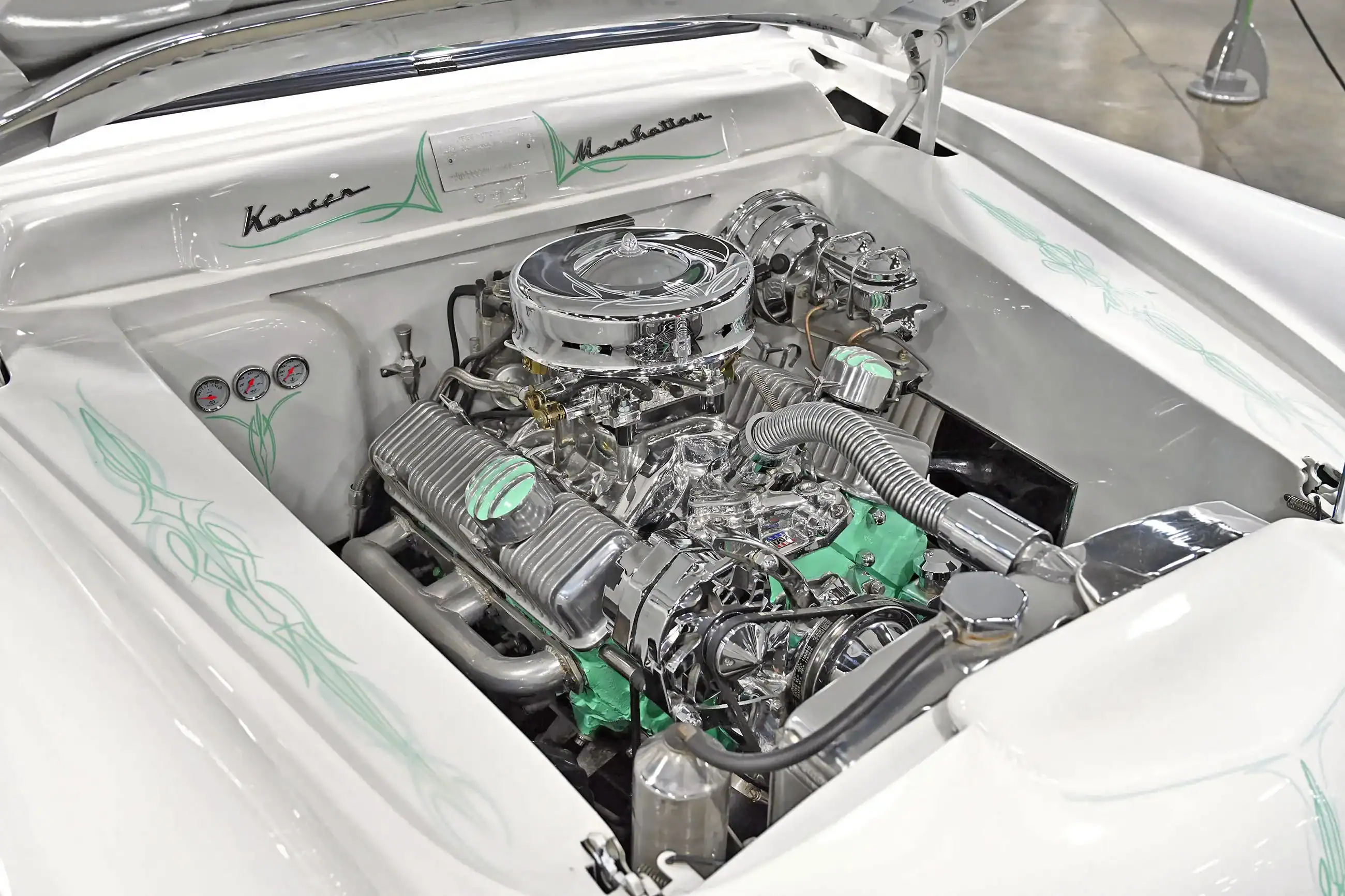
Under the bright lights of the 2026 Grand National Roadster Show in Pomona, surrounded by some of the finest hot rods and customs ever assembled, one car quietly—and decisively—rose to the top. Dennis Troggio’s 1955 Volkswagen Karmann Ghia, nicknamed “Karma” and built by Buddy Hale and the team at Type One Restorations, claimed the prestigious Al Slonaker Memorial Award, standing tallest among 12 exceptional contenders.
Once your build starts making real power, the factory clutch becomes a liability. The McLeod RST Twin Disc Clutch Kit is engineered for high-horsepower street cars that need serious torque capacity without sacrificing drivability. This is a street-focused twin disc clutch that delivers smooth engagement, consistent bite, and the confidence to put power to the pavement every time.
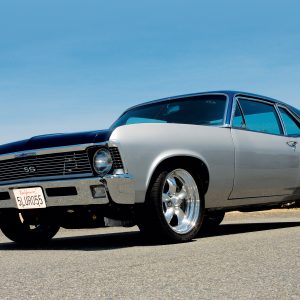
What separates this kit from generic solutions is how purpose-built it is. Performance Online engineered this system specifically for 1968–74 Chevy Nova and X-Body chassis, meaning the brackets, crossmember, and geometry are designed to bolt into place without cutting the floor or turning the car into a fabrication project.
Getting a ’55 Chevy to sit at the right ride height is as easy as installing a set of 2-inch drop spindles, such as those from Superior Spindles and others. Getting the big ol’ car to slow down offers many more choices as well, and as long as you’re swapping spindles it is an excellent time to install those long-overdue disc brakes. When you think about it, it doesn’t make good sense to put a newly rebuilt tri-5 Chevy on the same road with stock OE cars with ABS four-wheel disc brakes. If ever you came upon a situation where a car ahead of you had to stop in an emergency situation, the performance of even a stock set of disc brakes will far “outdistance” your drum setup, meaning you would not be able to stop in time and could well end up in the trunk of the car ahead of you. Not good.
As a longtime automotive enthusiast, Susan Alonso was looking to make a statement with a car she had admired ever since it set off the pony car craze over 36 years ago. After all, the 1965 Mustang still has a fresh a look today, and being that this particular example is a convertible, it is equally prized for its rarity.
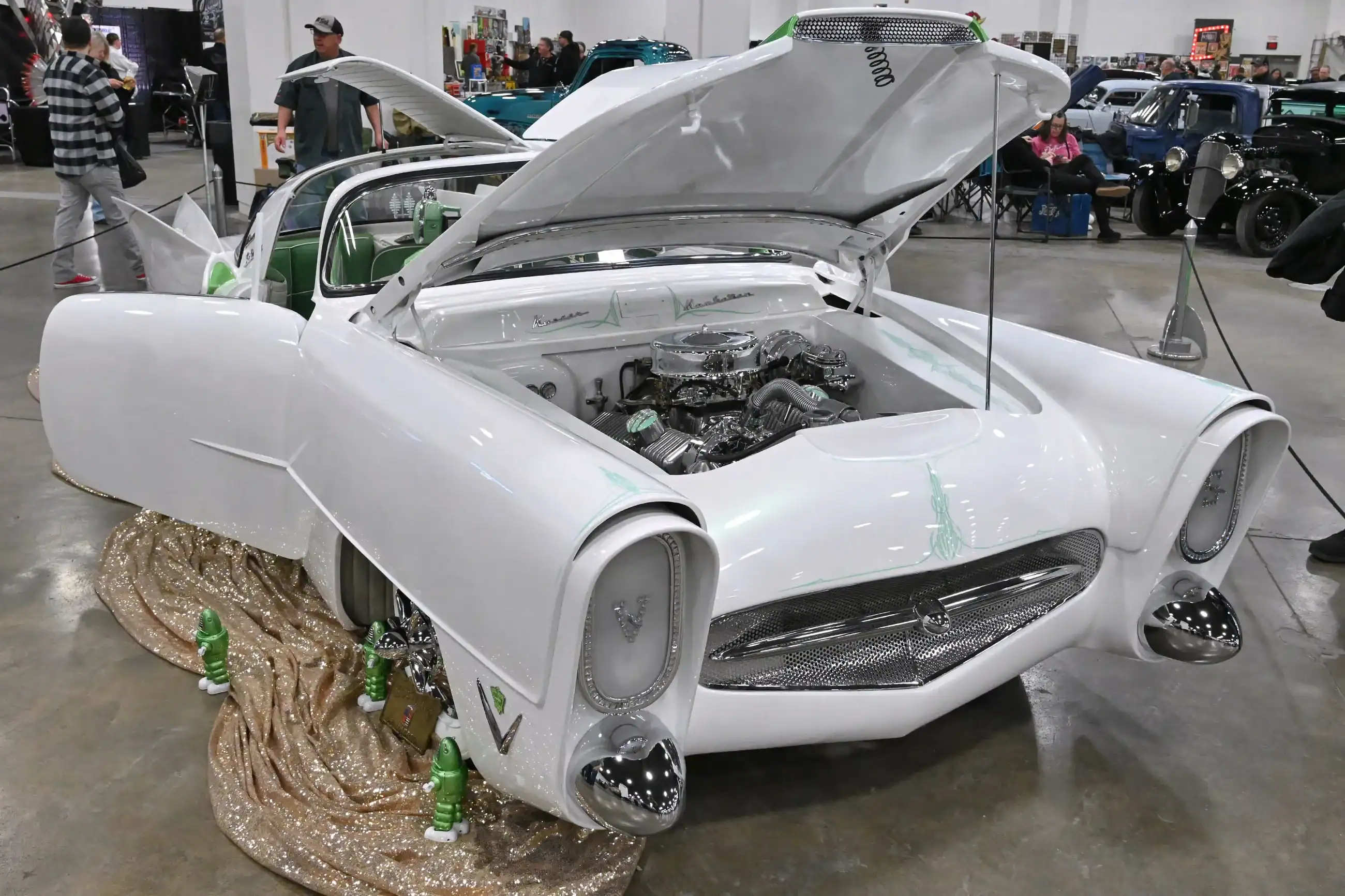
Our first thought was to try to figure out which make and model the custom started out as. Generally, there are enough clues that can enable you to determine the origin of a custom. This one, though, was so radically modified, yet nicely done, that it was particularly difficult to pinpoint exactly what vehicle the customizer started with. The custom had all the right proportions, and it flowed gracefully from front to rear.
American Motors was an extremely conservative automobile company, happy with building basic transportation cars and small, economical compacts. When Pontiac stunned the world with the sales success of the ’64 GTO, many of the other car manufacturers also wanted to cash in on the new emerging muscle car movement. If strong-running cars could bring additional cash into the coffers, they were all for it. All except conservative American Motors, which denounced the idea of building fast cars because they wouldn’t be safe in the hands of young buyers. AMC continued on, content with building Ramblers. That idea lasted for about two years, but after seeing the sales success of the other auto manufacturers, AMC finally decided to cash in on the youth movement.