TheAutoBuilder.com

Builds

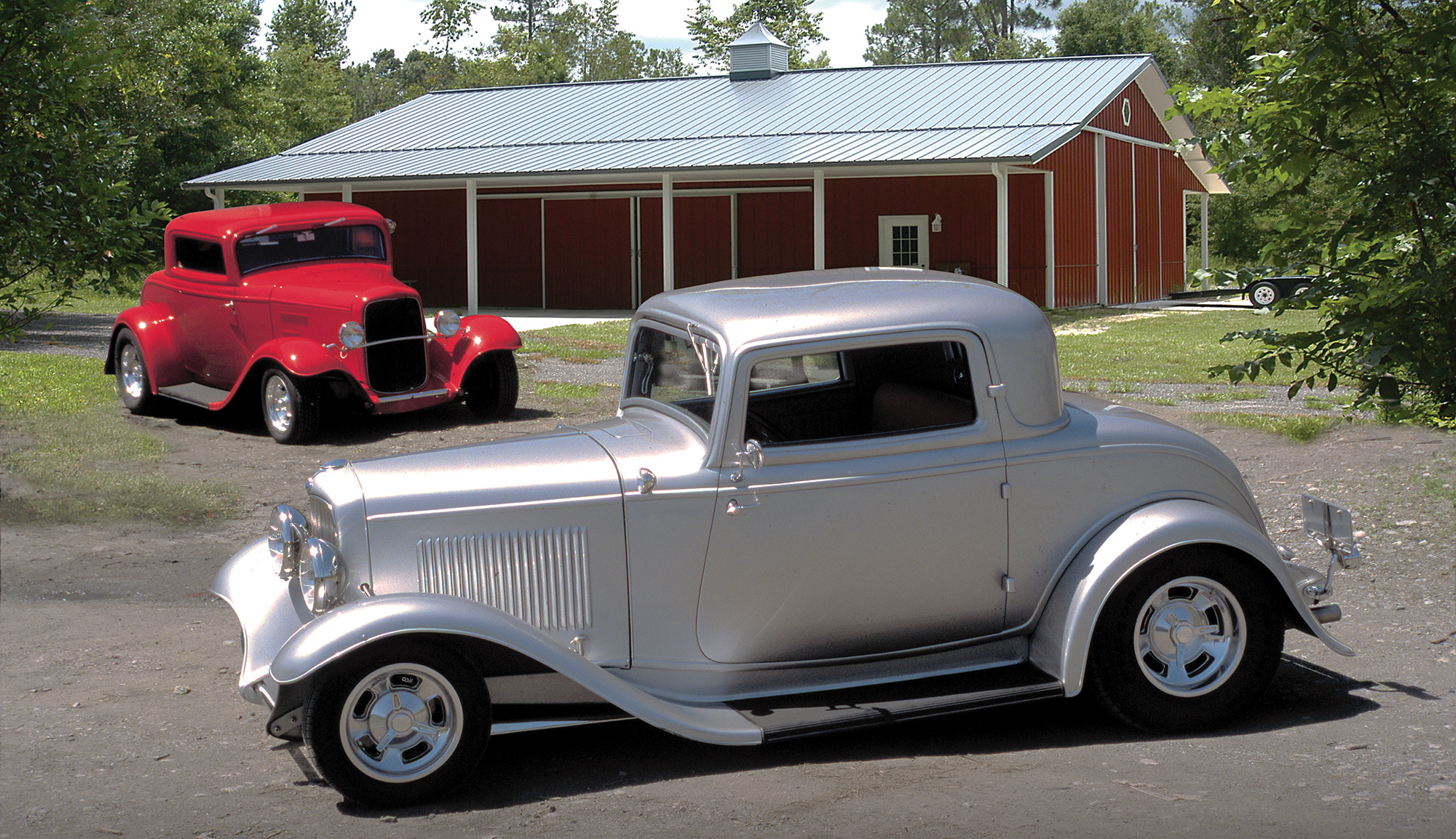
TALE OF TWO DEUCES

Hardcore rodders have a history of searching for vintage tin, even though the number of old cars (and trucks) sitting behind barn doors, in fields, under tarps and alongside garages has dwindled as interest has increased. This steady decline of available vintage steel is the very reason why so many businesses presently produce fiberglass and steel reproduction bodies and body parts.

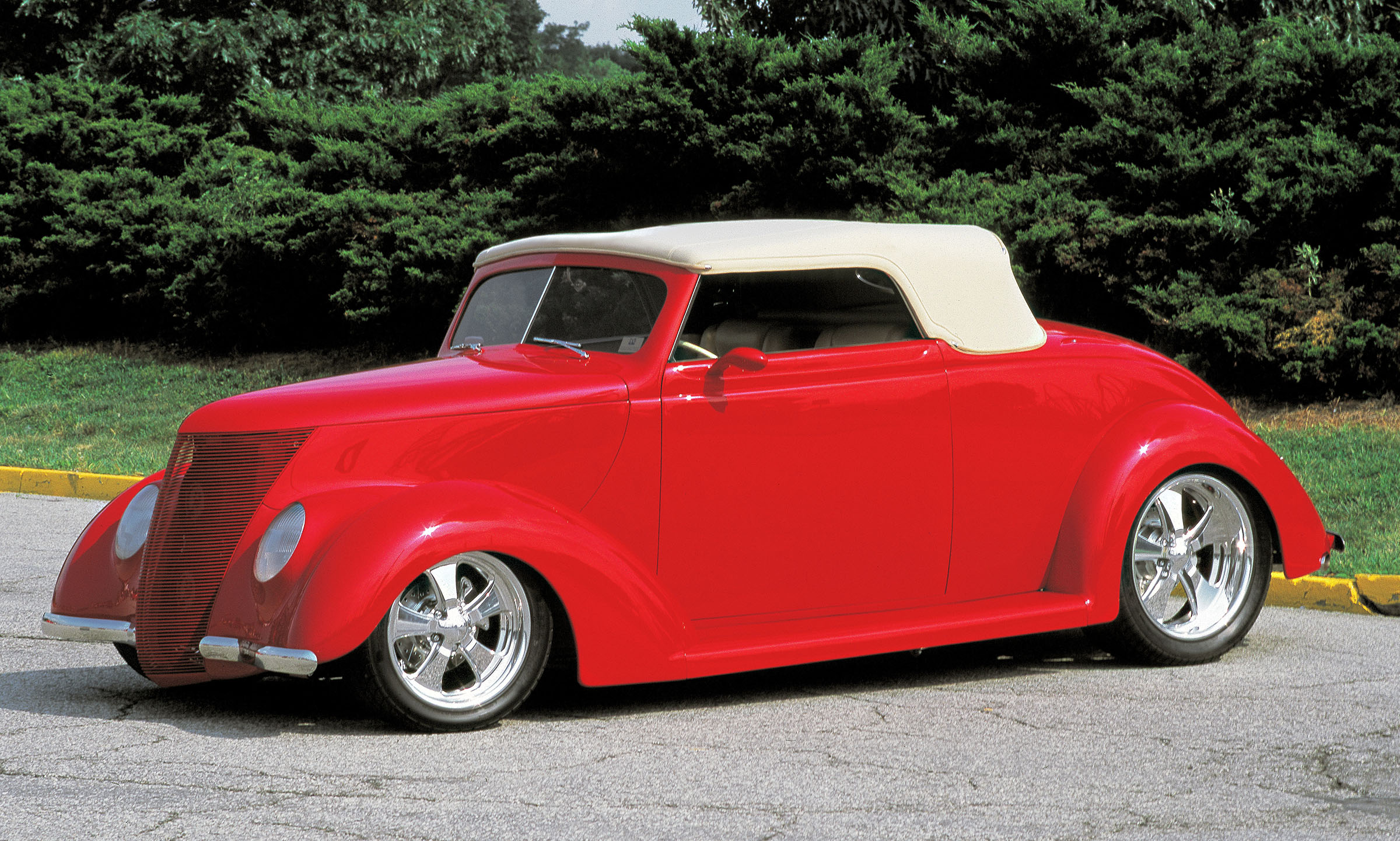
CREATIVE CABRIOLET

Cabriolets have become popular over the past few years, and the ’37 is an enthusiast favorite. They have become so popular that numerous reproductions have been made. Because of the original’s low production figures—only 10,184 were built—most, but not all, of the ’37 cabriolets attending rod events are fiberglass. The problem with the originals is that for years they were only marginally desirable and many were junked. The ones that weren’t were parked outside where the weather had taken its toll. When the tops rotted, the cabriolets would begin to rust from the inside out. That means that finding a nice, solid, rust-free cabriolet can be difficult.

0Comments

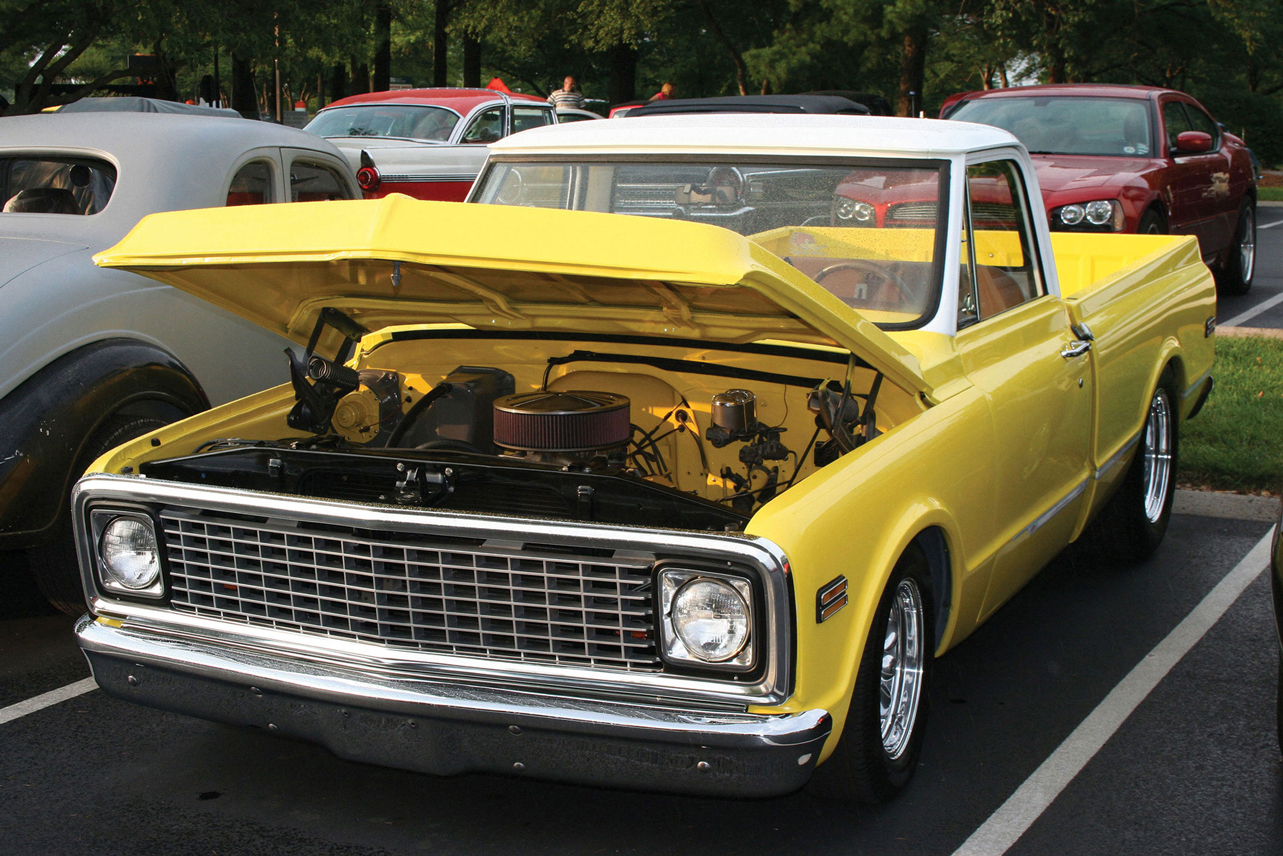
10 for 10

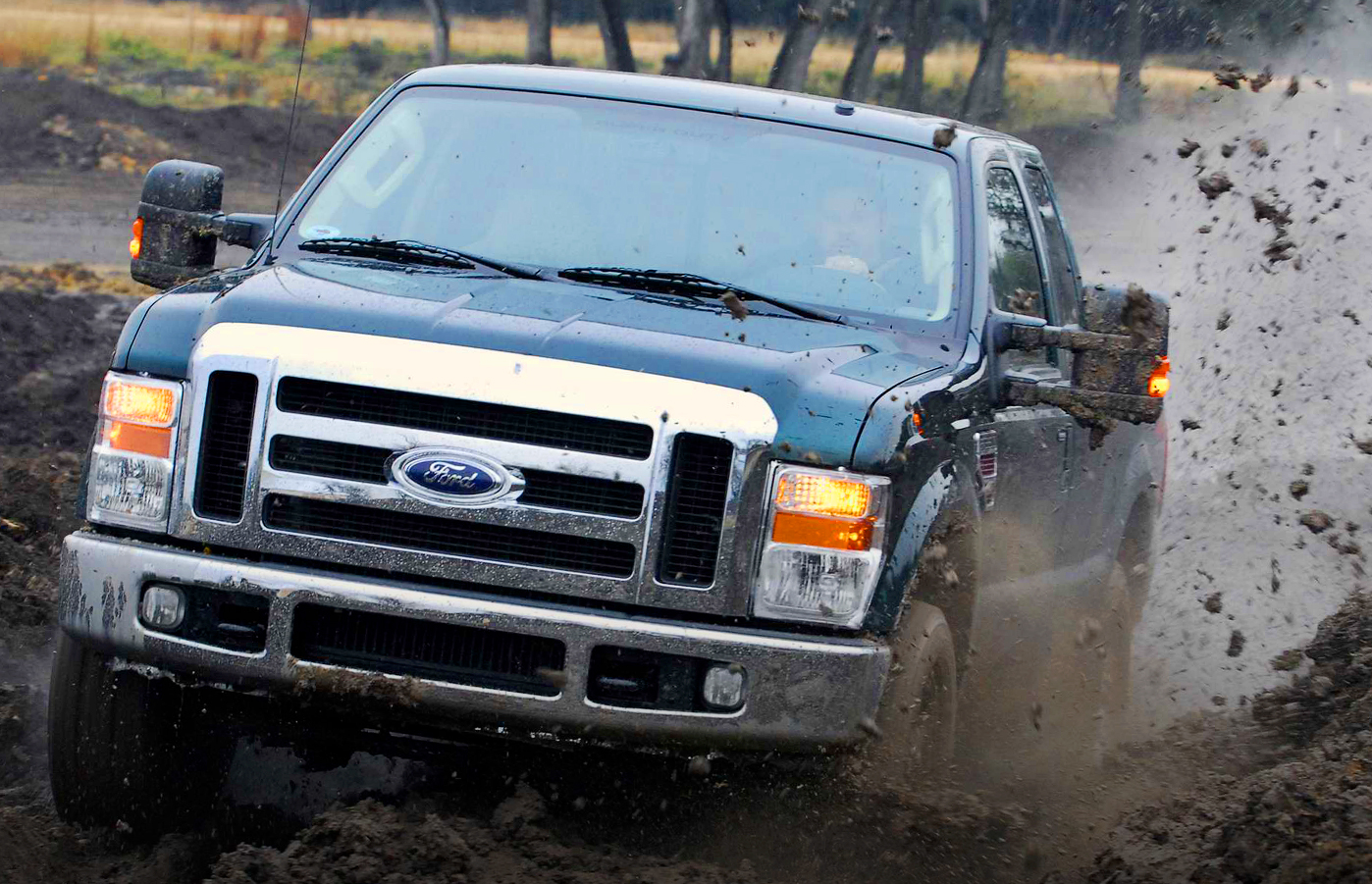
In today’s automotive aftermarket, building a great-running, awesome truck can soon lead to a depleted bank account. With the cost of billet wheels, the price of modern powertains and paint jobs costing thousands of dollars, building a truck for under $10,000 can, to many, seem like an impossible undertaking. During a serious editorial meeting to discuss that very topic, the one thing we all agreed upon is just how difficult it would truly be to build a $10,000 truck.

10 Minutes To Improved Towing

Smart boat owners know that diesel-powered towing vehicles are wise investments. A diesel powerplant’s premium price is eventually recovered through better fuel economy and engine longevity, and nothing quite compares to the off-the-line towing pull provided by a late-model oil-burner.

Lost & Found

There are many reasons why the icon cars have achieved the lofty status they now enjoy, but one of the more obvious reasons is the simple fact that they were finished. Their existence and subsequent high-level exposure have inspired many a young lad to undertake similar projects, and for every famous car built in the early years, probably two others were started in an attempt to either copy or outdo it, but they never saw the light of day.

All Mocked Up

When building a street rod, unless you are building it to look like the day it rolled off the showroom floor, you find yourself constantly hiding whatever you can, wherever you can. One area that usually ends up hiding more items than was ever intended is the dashboard.

The dash is the one area that lives up to the old saying, “10 pounds of stuff in a 5-pound bag,” which generally carries with it a whole set of challenges and/or problems. When it comes to the ’33-’34 Ford, conditions are worse than normal, as there’s practically no space behind or under the dash. By the time you place your gauges and an A/C unit, there is little room left for much else, including a glovebox. When your needs are such that you require a certain amount of equipment behind the dash, most of the time the answer to your dilemma is a smooth dash.

Action Packed

While the factory cast-iron four-barrel Q-Jet intake manifolds have performed admirably on literally thousands of GM applications—and if you are picking your engine from a used lot to use in a swap, it will likely be so equipped—every last one of them should be torn off the car and thrown in the dumpster.

Scroll to Top

Subscribe to our weekly newsletter!

* indicates required
Interests

For information about our privacy practices, please visit our website.

We use Mailchimp as our marketing platform. By clicking below to subscribe, you acknowledge that your information will be transferred to Mailchimp for processing. Learn more about Mailchimp's privacy practices.