




THE AUTO BUILDER
Featured

CRATE OPPORTUNITIES
If you’ve ever imagined a time when you could simply pick up the phone or send an e-mail to General Motors and order the engine of your dreams, pull it out of a box delivered to your door and plug it into the car of your dreams, then stop dreaming as that time has come. While it’s not new information that GM Performance Parts provides an assortment of engines to choose from, it’s never been easier to select the one that is best for your budget and the intended purpose of your car.

’69 Camaro Update
The late ’60s was a good time for automobile enthusiasts everywhere. For Chevrolet specifically, it remains a time when the company produced vehicles that are among the favorites of Bow Tie aficionados. Who wouldn’t want a ’67-’69 Chevy Chevelle, Nova or, of course, the ever-popular Camaro? The design of these vehicles, and many others from that era, has stood the test of time, and car manufacturers today are even reverting back to the styling cues of these classics when designing modern production cars.

THE PHOENIX RISES AGAIN
You may be familiar with the fable of the Phoenix, the beautiful bird that burned and died after a spark from a cherub’s flaming sword fell into its nest. Once the flames went out, a single red egg remained and from the ashes, a new Phoenix bird hatched and so the cycle continued. This legend is similar to the lifecycle of the Honda Civic Si hatchback.
Spotlighter
POPULAR READS
-
Product Spotlight: Bill Mitchell Products Aluminum LS Engine Block
-
PRODUCT SPOTLIGHT: 60-66 Chevy C10 Fresh Air Vent Block Off Plate
-
Product Spotlight: Pyramid Optimized Design Sequential Aurora Taillight for 1964½–1966 Mustang
-
PRODUCT SPOTLIGHT: Cam Covers for GEN/3 Coyote from Pyramid Optimized Design
AT ONE WITH THE PAVEMENT
Making the Most, While Retaining the Best, of a ’66 Chevelle
Author
Stephen K. Anderson
Story & Photography
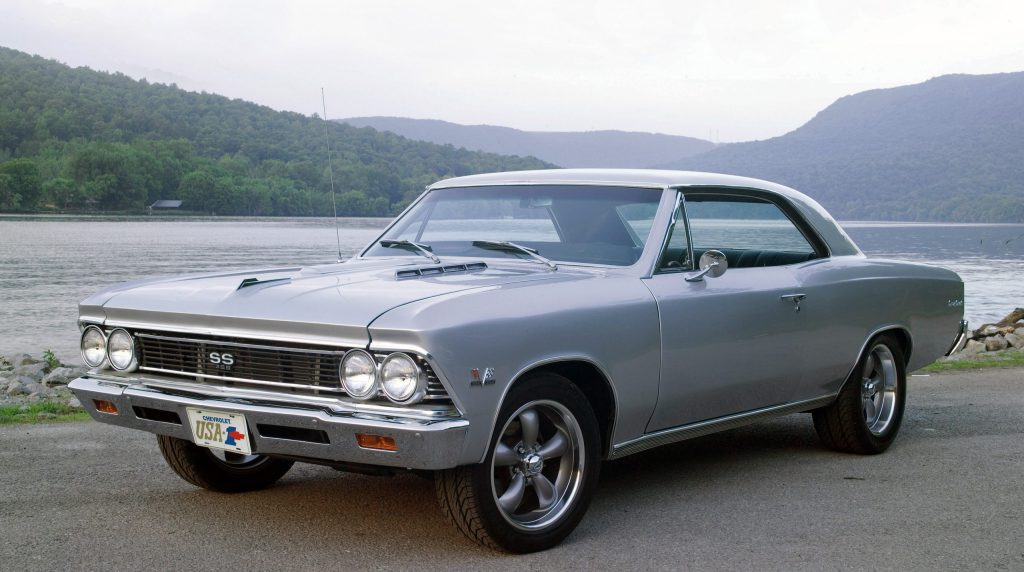
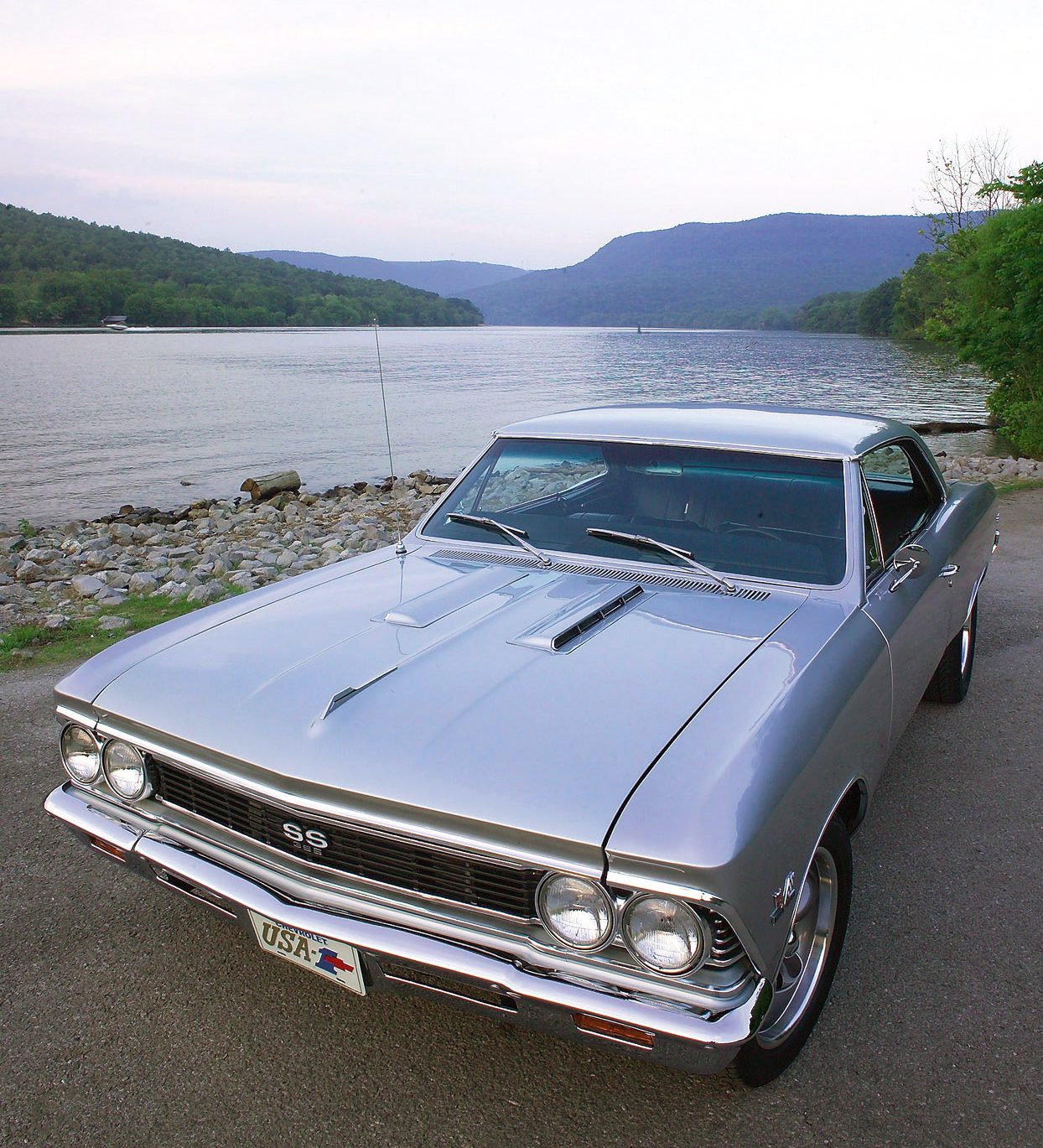
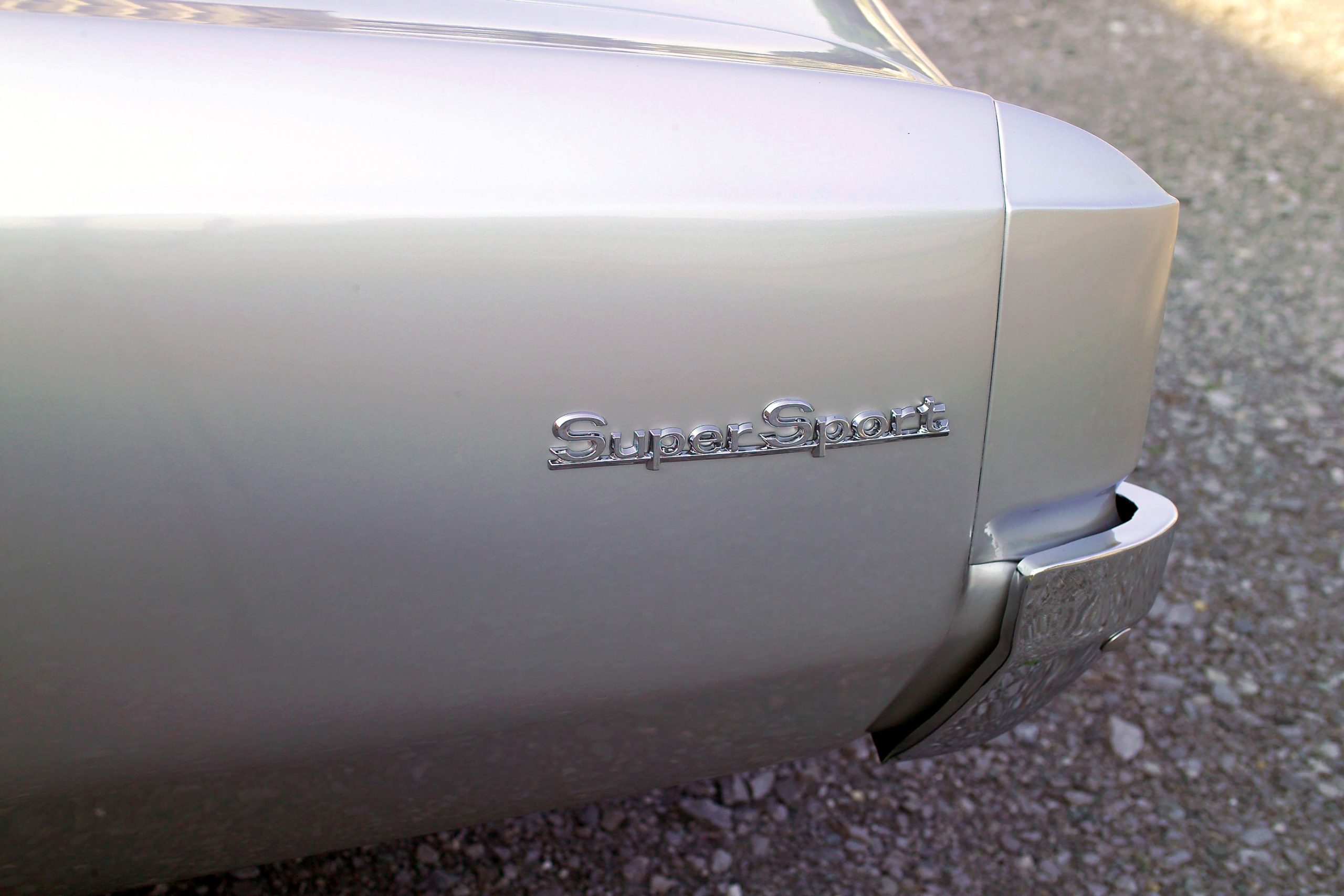
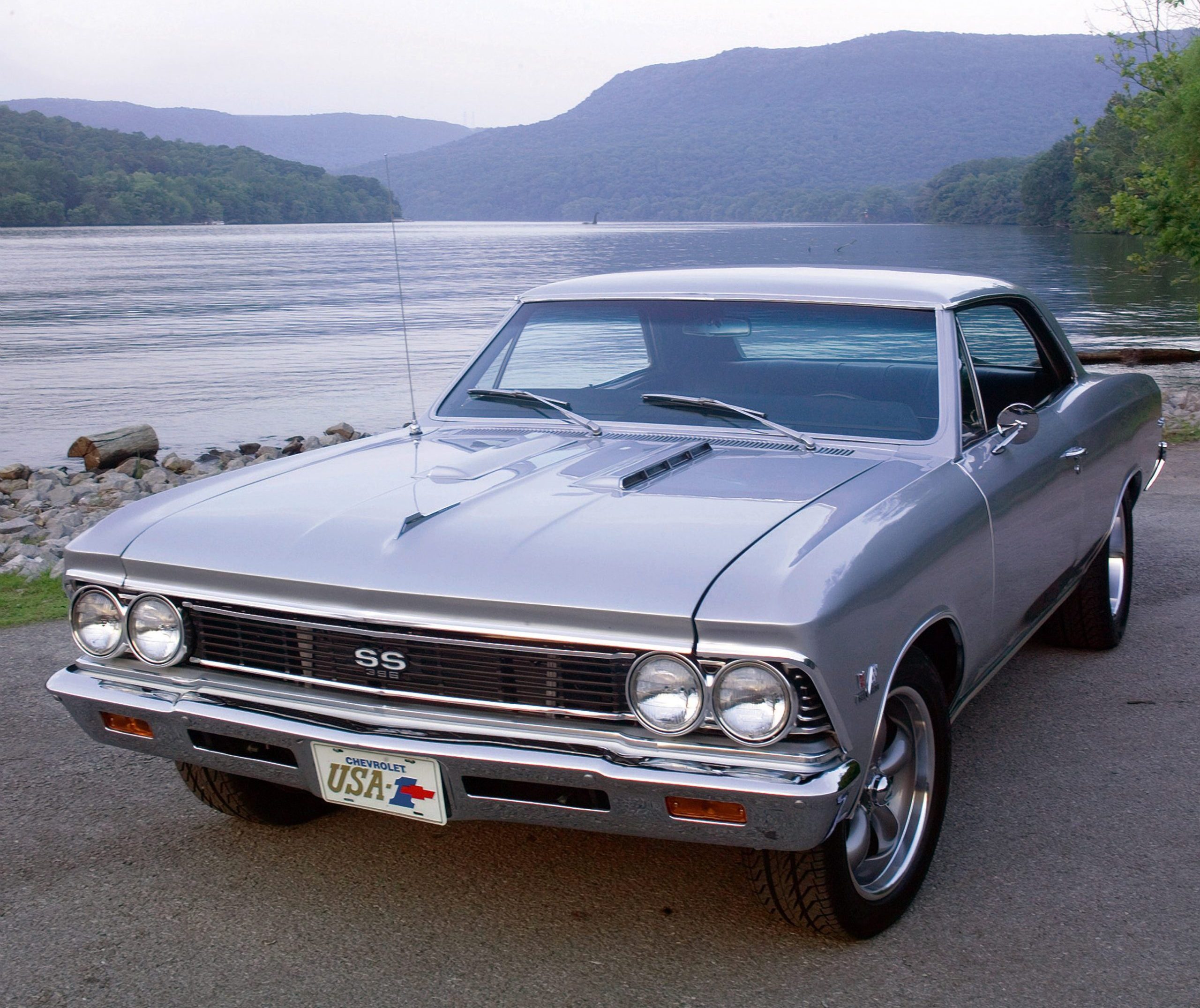
What today’s enthusiasts need is something tangible, like a car born out of passion that returns the same, not in the form of trailer-queen trophies, but rather with thumbs-up acknowledgment of something great—a car that is both vintage and vibrant and readily identified as such by passers-by. We’re not talking about matching numbers, rare build codes or limited editions, but rather cars such as the ’66 Chevelle featured here. Look it over and you will realize there’s nothing really special about it, other than it’s a cool car, and that in itself is more than enough. These are the kinds of real-world cars that provide the greatest return on investment—enjoyment. These are also the cars most of us can still afford, and, surprisingly enough, the ones we should consider because we are more likely to drive them to the store and display them.
When Joey Smith first spotted this Chevelle a few years back, he was ambivalent because it fell considerably short of the car he had envisioned. It would also require more work than he originally anticipated, so he was unsure if it was the right car for him. Even though the project initially seemed to be more than he should take on, Smith fought off his doubts and went ahead with the plan. He purchased the car and set out on a venture he would never forget, and one that consumed three years of his life and most of the spare change he saved in that time.
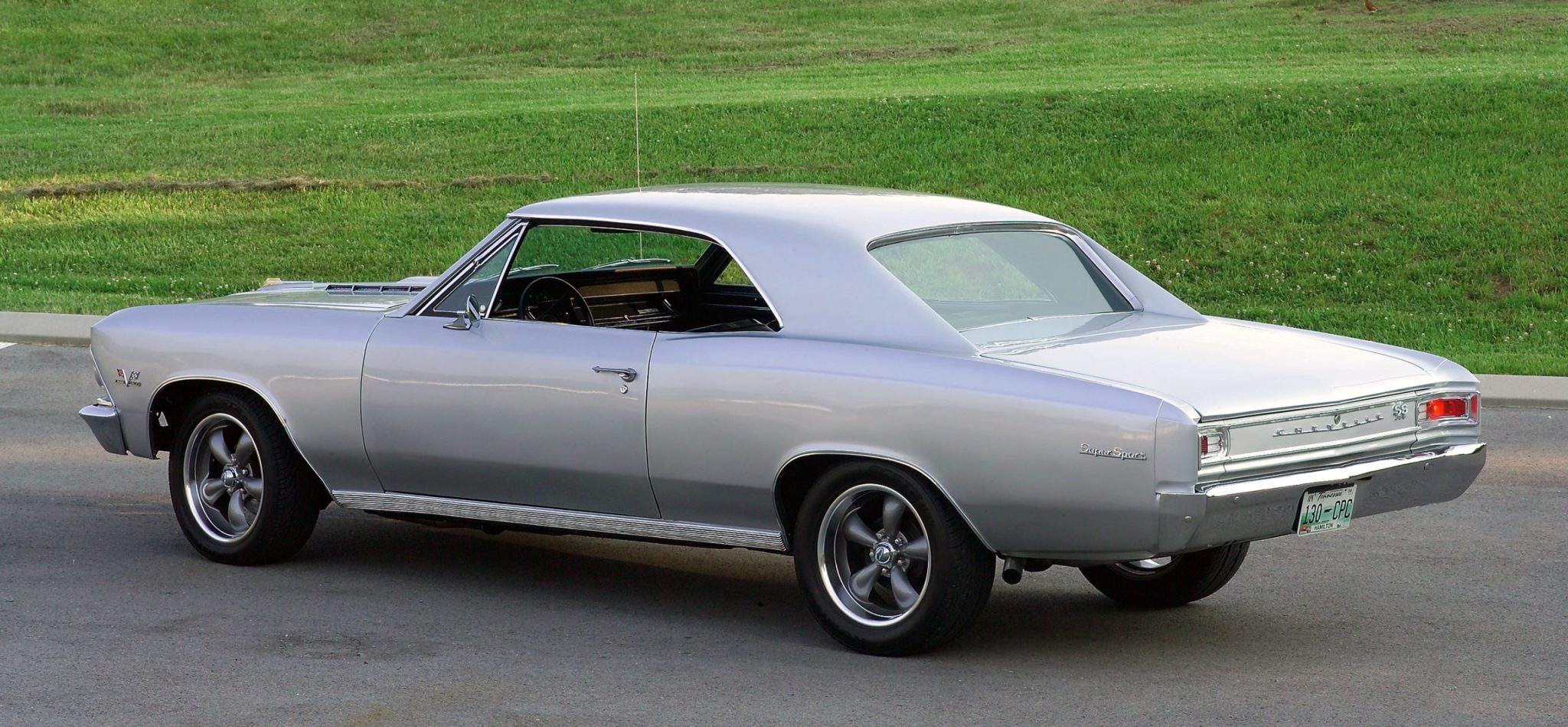
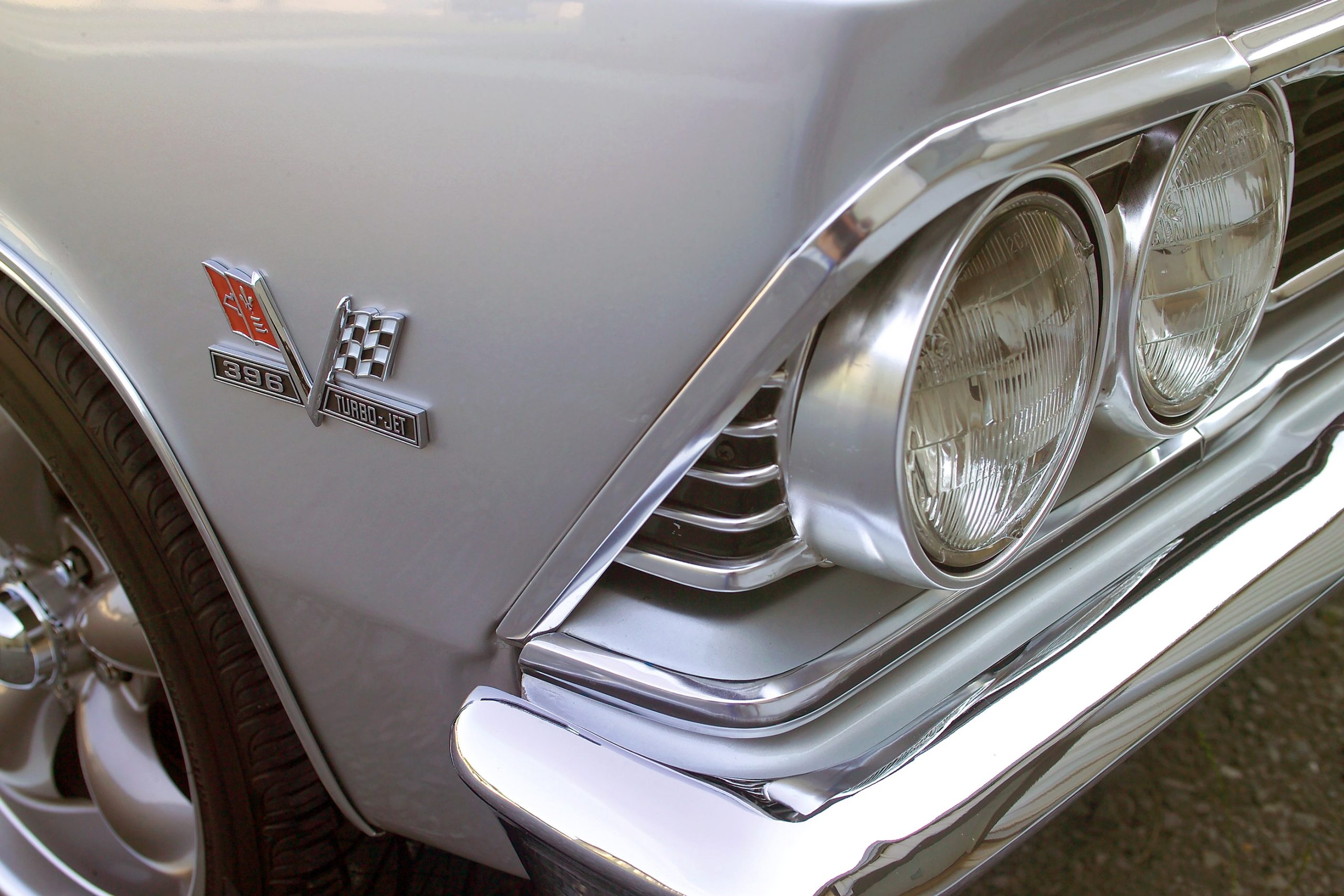
No stranger to Chevys, and having owned Novas and Chevelles in the past, Smith knew what he was in for, and he wasted no time stripping the car down to its bare bones. Once it was totally disassembled, a variety of components were sent off to be stripped down to raw steel. While some were nice enough to be reworked and painted, others, such as the floor panels, trunk and rear quarter panels, needed replacement. Once Carl Shrader revitalized the metal panels and replaced the rest, he began preparing these surfaces for paint. In this case, Shrader utilized a titanium-silver RM basecoat/clearcoat to complete this exceptionally slick surface. The final step was the addition of re-chromed bumpers from Goodmark, new lighting and other trim pieces that finished off the exceptionally detailed exterior.
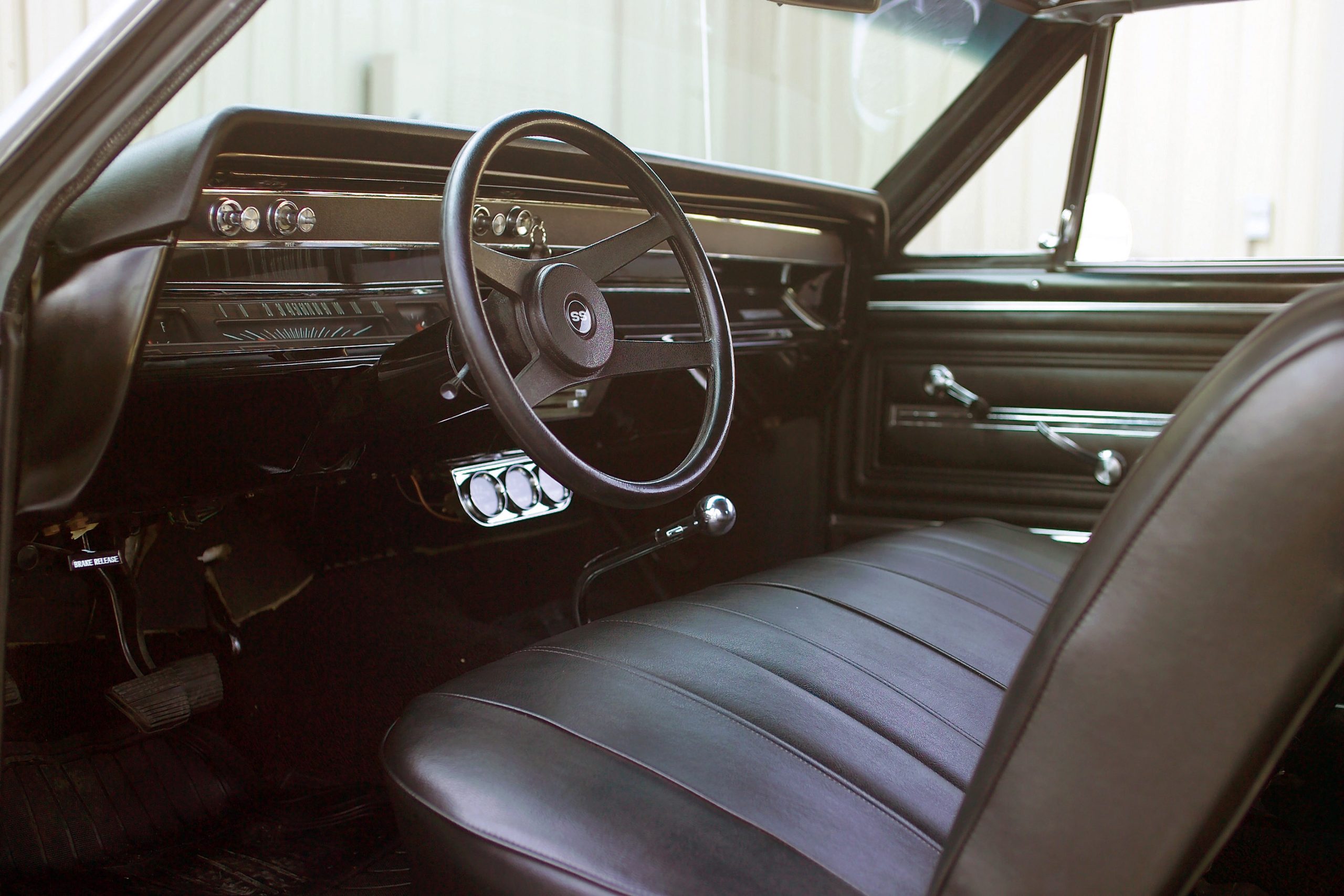
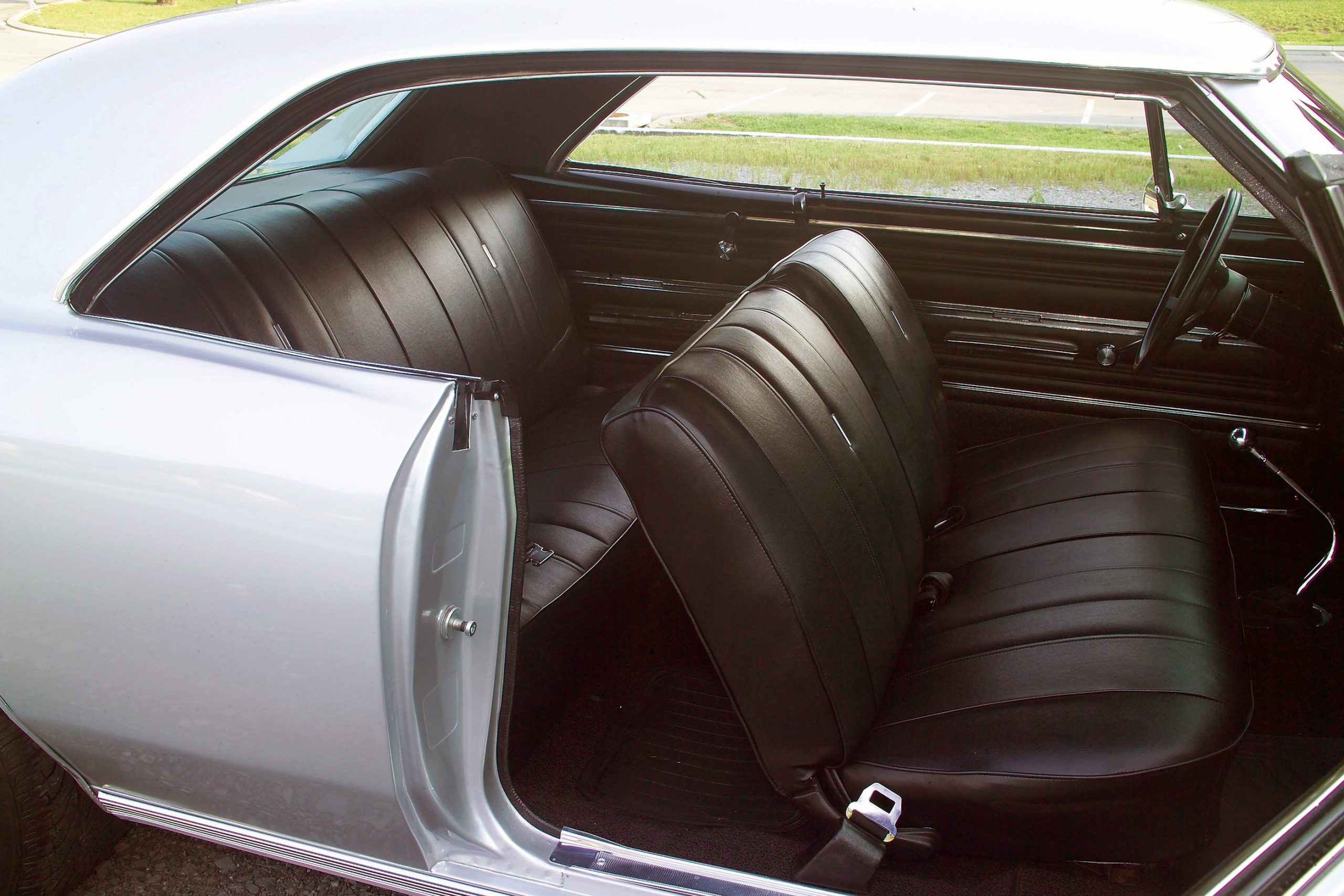
The same effort went into revitalizing the interior, although for the most part there were few issues to contend with, other than getting the surfaces ready to accept new paint. As soon as the metal surfaces displayed the same deep hues as the body, it was time to rework the dash and door panels to match the new tuxedo-black upholstery fitted by Rick Adkins in Rossville, Georgia. In keeping with the original theme, the new surroundings are just as pleasing to the eye. While Smith considered altering the dash with new gauges, switches and other eye-catching updates, he decided not to and left well enough alone. After all, most of his friends weren’t even alive when this car was new, so why go to the trouble of modifying something nobody will know from stock?
Simple and similar to the original upholstery, new vinyl covers the seats, with new carpet below and lots of little touches in between. Those include a reworked instrument panel, trim pieces and other details that suit this special environment. About the only changes left involve a new and better audio system, which will come in time.
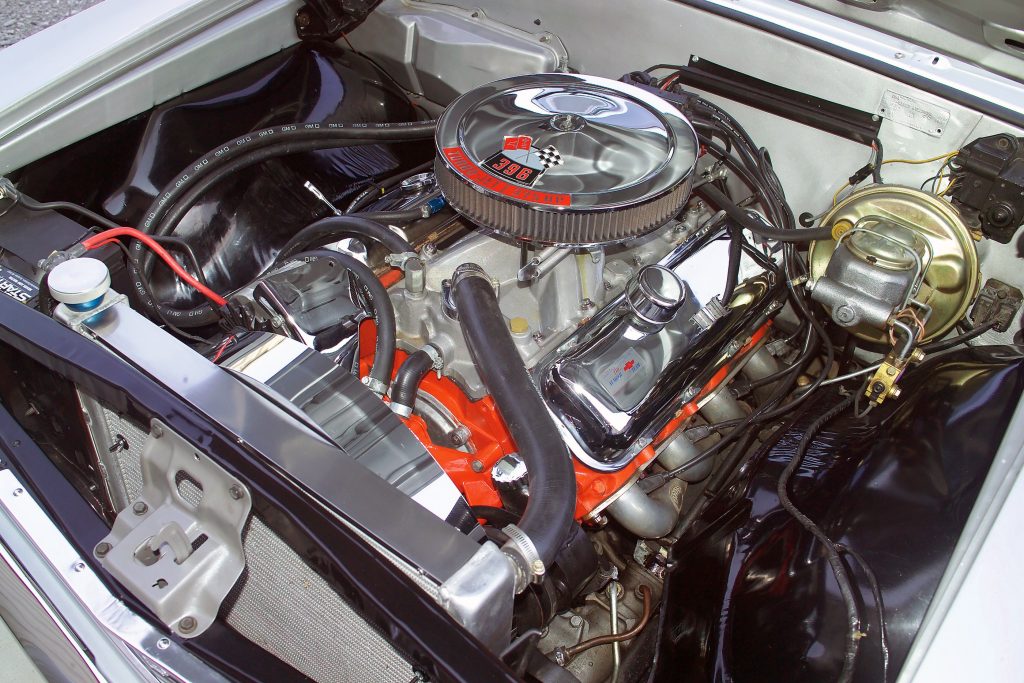
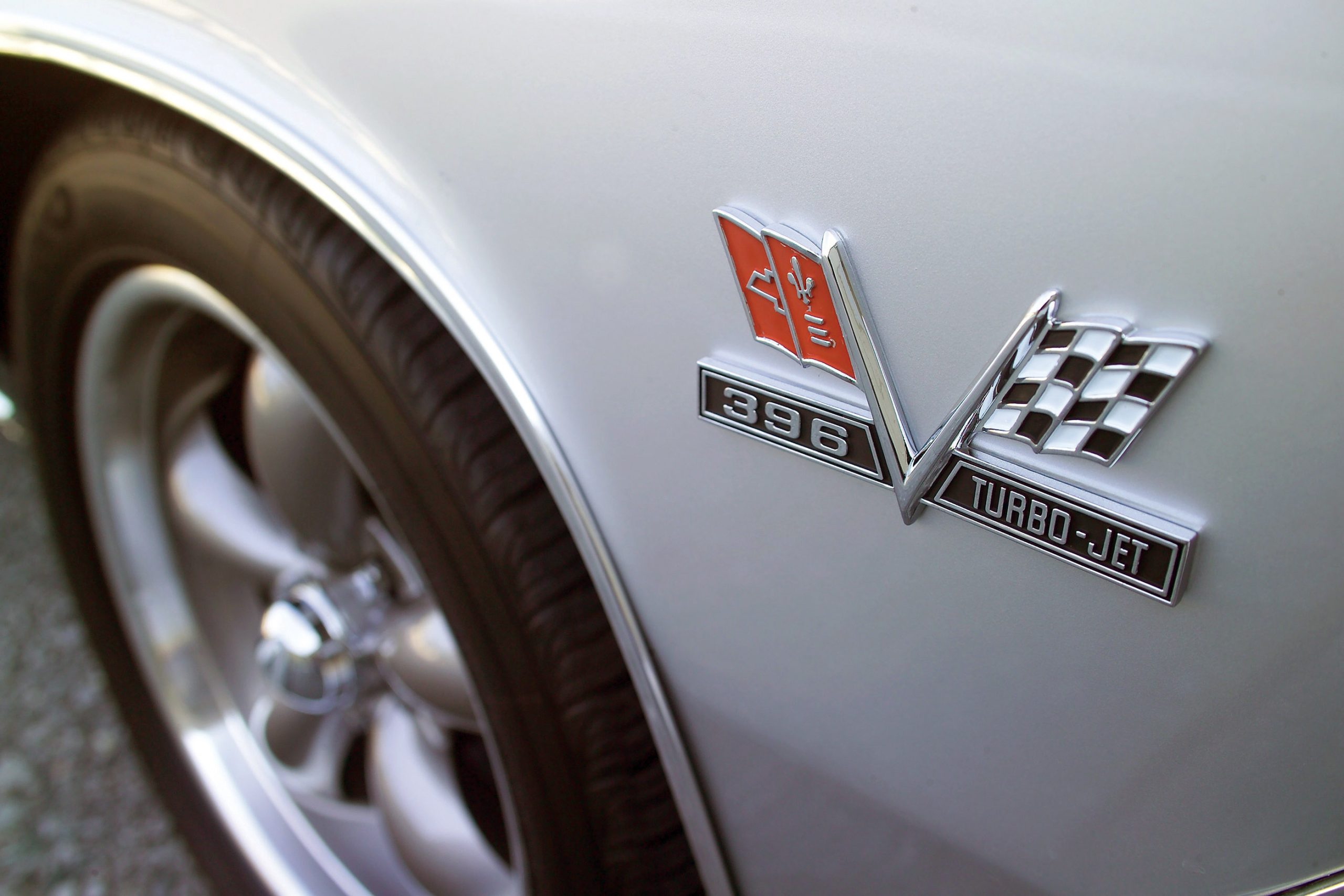
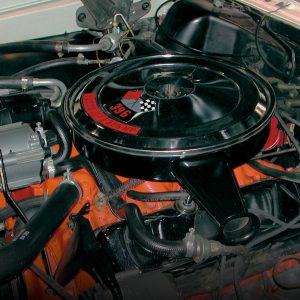
Not as pristine as many of the cars gaining attention on the show circuit, this 502 GM crate engine is absolutely reliable. Based on a ’96 Chevy 502 V-8, a number of improvements have been made, including the addition of a steel crankshaft with Eagle rods and JE pistons, polished and ported cylinder heads, a Lunati Voodoo crankshaft with mild timing, HEI ignition and Hooker headers.
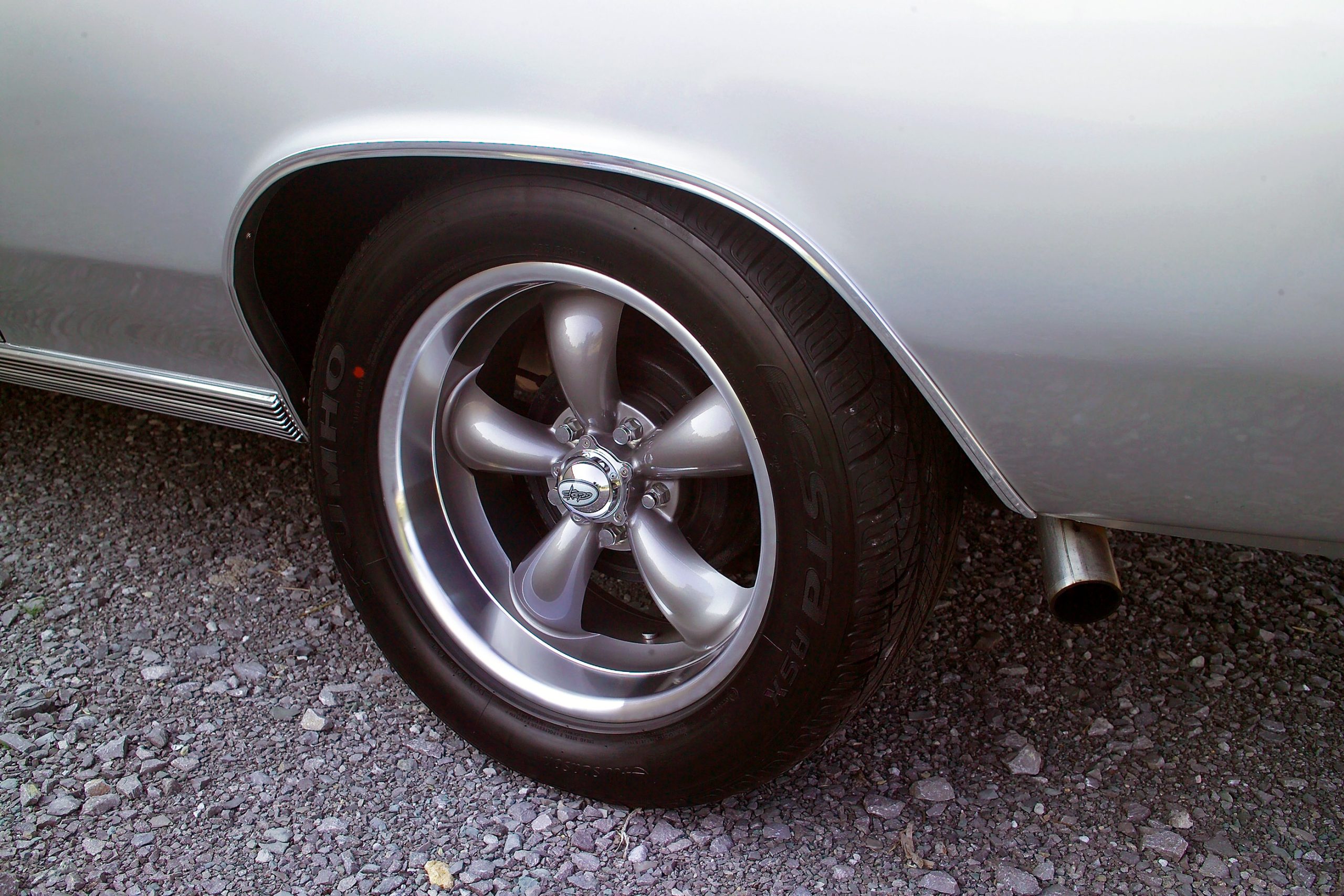
To make sure this Chevelle could back up its striking good looks, and to ensure reliable, enjoyable drives, every chassis and suspension component was either reworked or replaced, right down to the fasteners and bushings. However, rather than altering the existing hardware, it was simply returned to its original condition. Still, great effort went into reviving these pieces, both for reasons of appearance and for added assurance on the road. About the only changes came in front with the addition of a set of disc brakes and a new rear axle centersection fitted with 3.08 rear gears and Positraction—needed to handle a little more engine. And what good would these changes be if not for the addition of new Coys C5 17×7-inch rims wrapped in 225/50R17 Kumhos in front, and 255/50-17s in back?
Without a doubt, the most effective change came with the addition of a 502 Chevy reworked by Alvin Sewell, a well-known engine builder who knows his way around this engine. He fitted the reworked block with a set of JE 9:1 pistons and Eagle rods, fitted a Lunati Voodoo camshaft and bolted down a pair of polished-aluminum cylinder heads beneath a specially coated Edelbrock Torker intake manifold. Add to this a Barry Grant Mighty Demon 750cfm carburetor, GM’s HEI ignition and a set of Hooker headers, and you have enough horsepower to bring a smile to Smith’s face.
Once the engine was mated to a reworked ’69 Muncie four-speed (by JR), and fitted within the confines of the engine compartment, the time was approaching to see if all the effort came out as planned and the way he wanted it. Smith quickly learned that his expectations were met and that the car delivered on its promise. Best of all, it was accomplished at a fraction of the cost of what some people spend in hopes of taking home a trophy. Smith’s Chevelle returned much more than the cars that inspired it, and on top of it, this fine-looking machine is driven regularly. There’s something to be said for that in these days of priceless vehicles that are never or rarely driven, because these cars are sure to get a couple of nicks, reminding people that this car lives in the real world, and that’s just the way Smith likes it. He’s learned the true value of thumbs held high, as just one of these acknowledgments is worth more than a trunk full of trophies.