







Cars
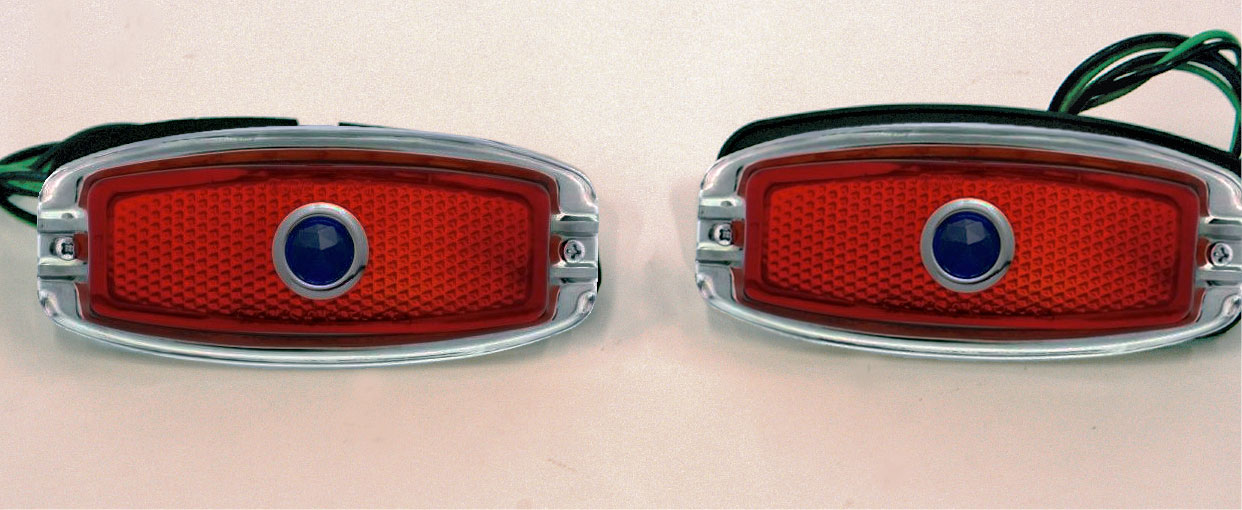
If you are building a street rod, sooner or later you will have to select the taillights you want to use. As with so many other parts, the taillights should match the style of the car you are building. A smooth, high-tech rod should have taillights of the same style, perhaps flush-fit diode lights that match the shape of the body. If you are building a resto rod, the stock taillights are generally used, stalk and all. Internally they can be updated with bright bulbs or a diode kit. If you are building a nostalgic or a traditional rod, there are several different lights that were used by builders in the ’50s and the ’60s. The rod seen in this story is being built in a traditional style, so there were many lights to choose from.
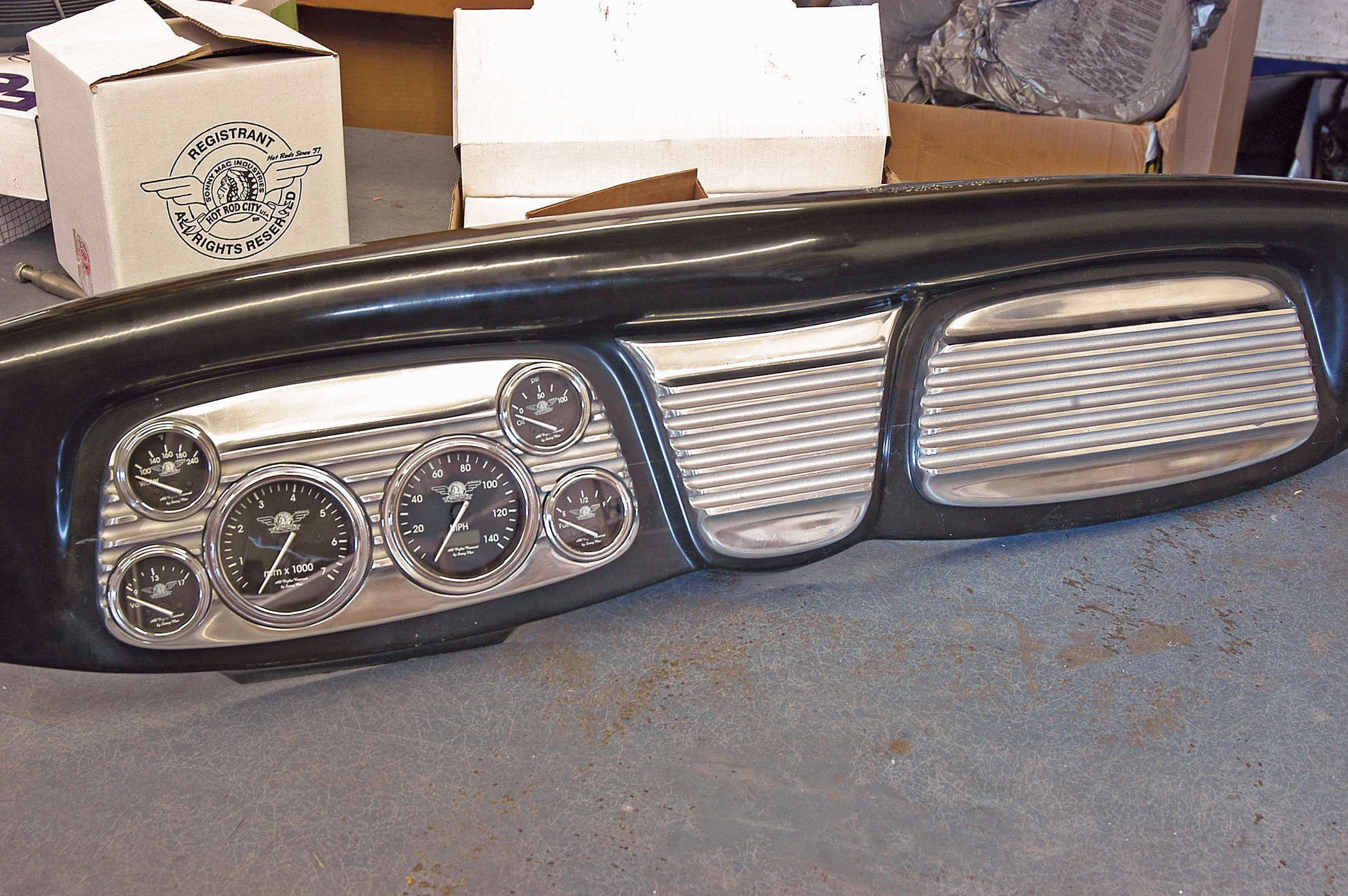
When building a street rod, unless you are building it to look like the day it rolled off the showroom floor, you find yourself constantly hiding whatever you can, wherever you can. One area that usually ends up hiding more items than was ever intended is the dashboard.
The dash is the one area that lives up to the old saying, “10 pounds of stuff in a 5-pound bag,” which generally carries with it a whole set of challenges and/or problems. When it comes to the ’33-’34 Ford, conditions are worse than normal, as there’s practically no space behind or under the dash. By the time you place your gauges and an A/C unit, there is little room left for much else, including a glovebox. When your needs are such that you require a certain amount of equipment behind the dash, most of the time the answer to your dilemma is a smooth dash.
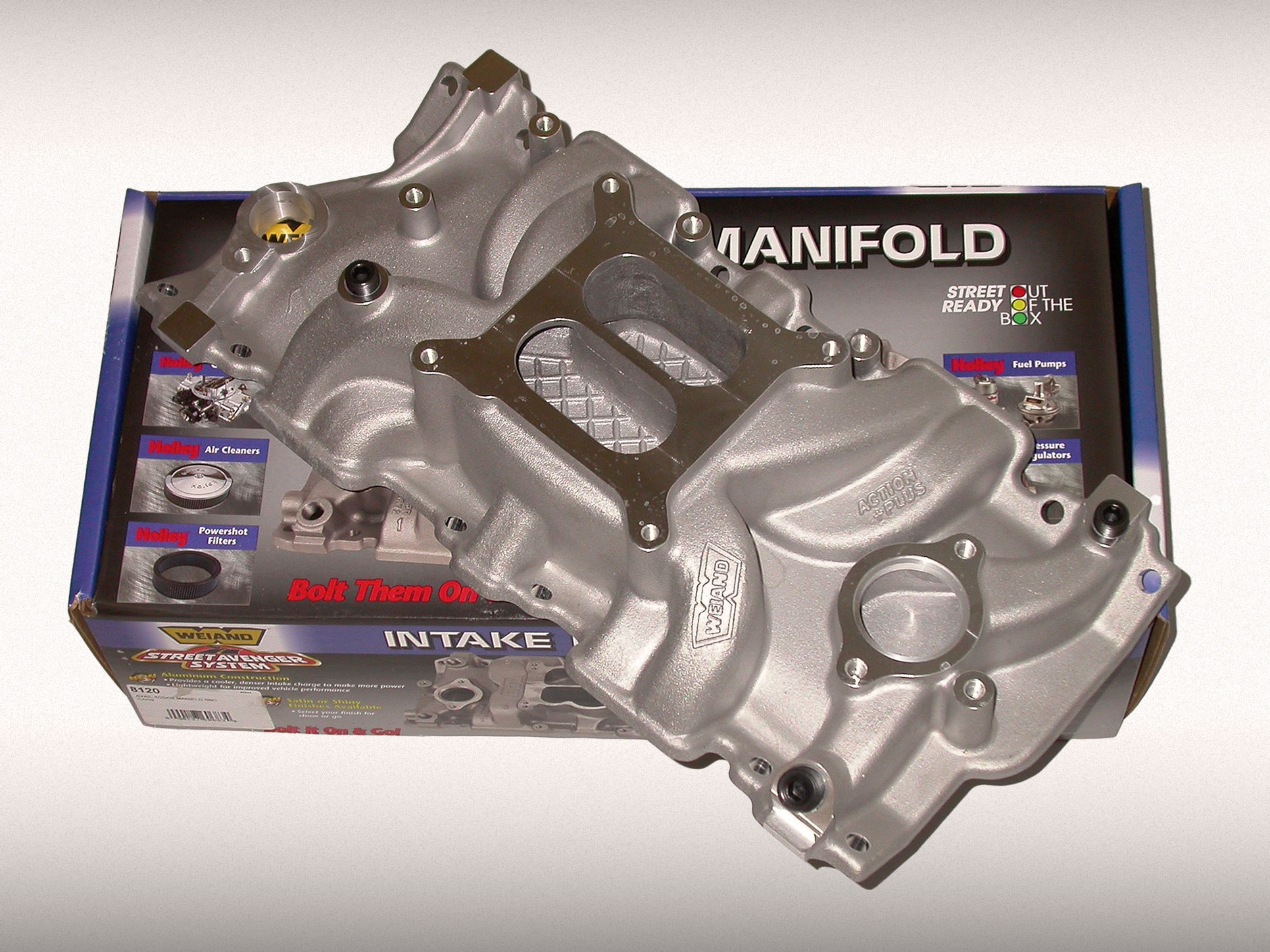
While the factory cast-iron four-barrel Q-Jet intake manifolds have performed admirably on literally thousands of GM applications—and if you are picking your engine from a used lot to use in a swap, it will likely be so equipped—every last one of them should be torn off the car and thrown in the dumpster.
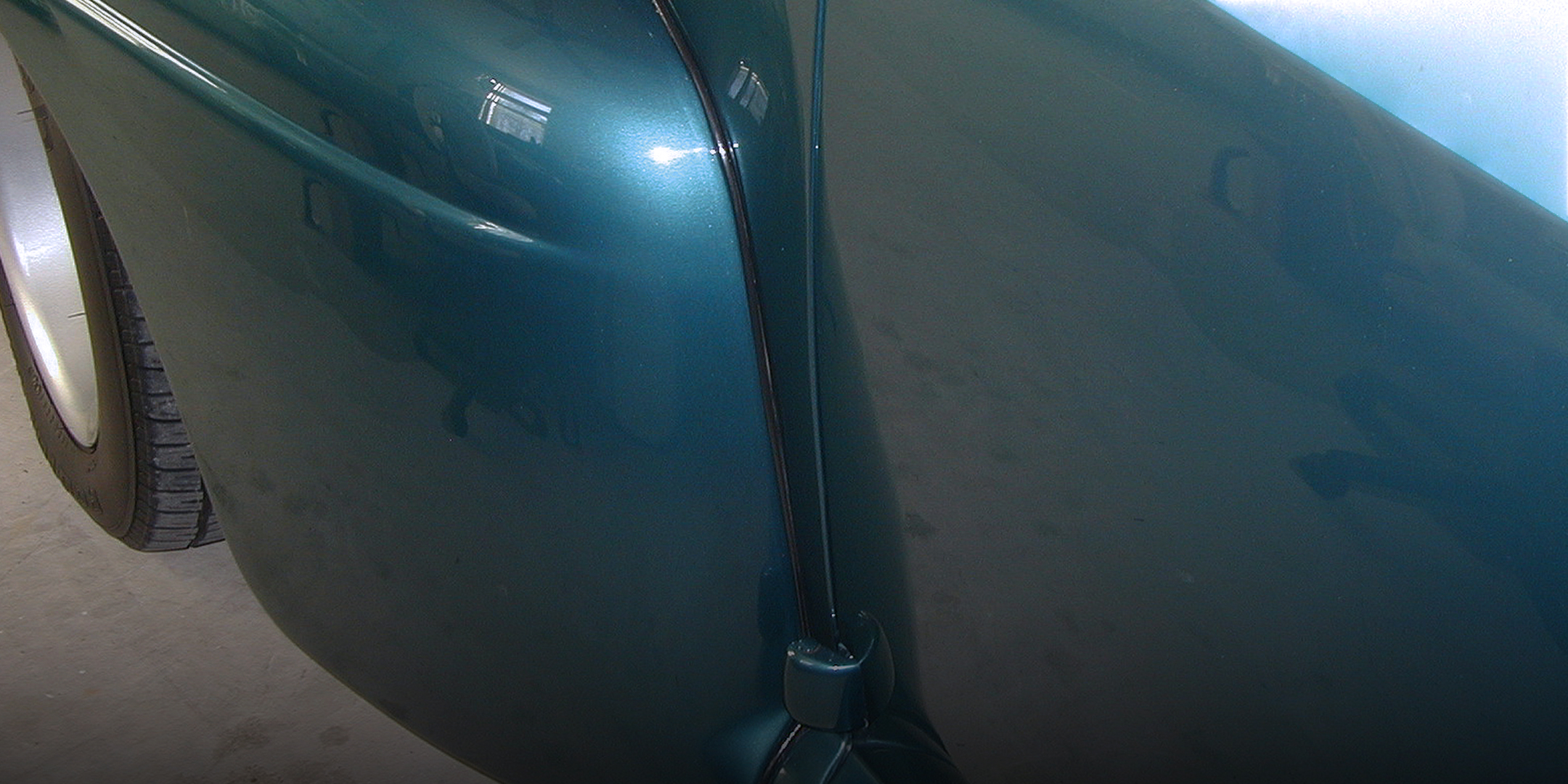
Most every pre-’48 car came with fender/body welting, consisting of a simple combination of a narrow strip of vinyl (or similar material) folded over a small-diameter woven cord and glued shut. Its purpose was, and still is, to insulate one piece of body metal from another when bolted together—not an electrical or temperature insulation, but essentially to eliminate squeaks and rattles, and to prevent paint from chipping (or cracking) as the two pieces flexed and vibrated together under normal road use. Generally referred to as fender welting, this product can also be found throughout certain car models; used to mount grilles, running boards and bumper gravel shields.

There was a time when most hot rods had only stick shift transmissions. We can remember running a ’39 Ford transmission behind several different engine combinations, which quite often ended up with gear teeth on the bottom of the transmission case. If the transmission didn’t break the rear axle in the ’40 Ford, the rearend would. It wasn’t a solution, but it was a start.
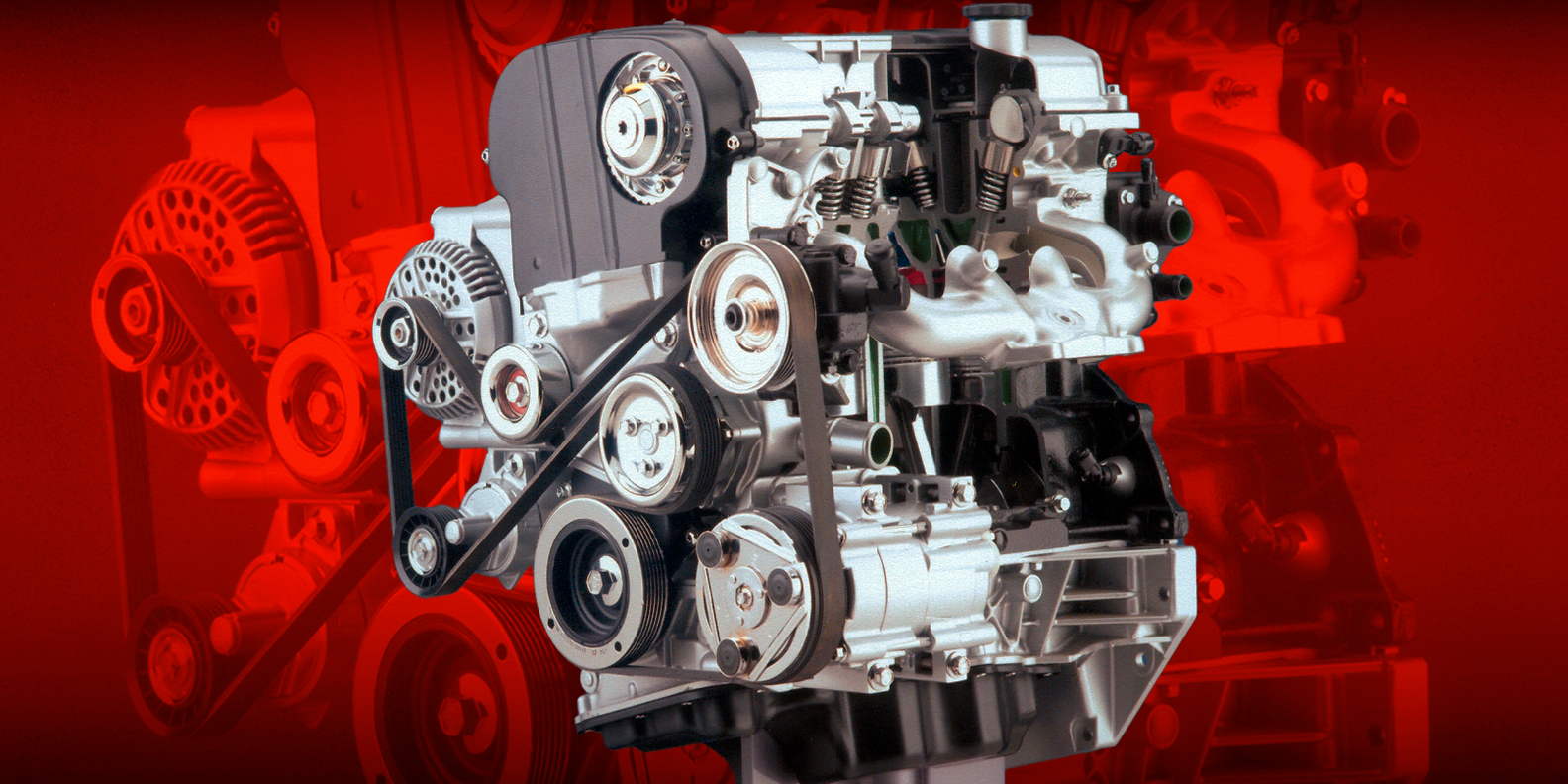
With the advent of the old-time roadster popularity rearing its head again, and with the ever-increasing price of gasoline, we suspect that you will be seeing more and more of these little engines in creatively altered hot rods. We know of a few being done right now, and we will be bringing those to you just as soon as they hit the road. But in the meantime, here’s a piece that took a lot of time to assemble and research, so we thought that those of you looking for alternative powerplants would enjoy this neat solution for the right, light car.
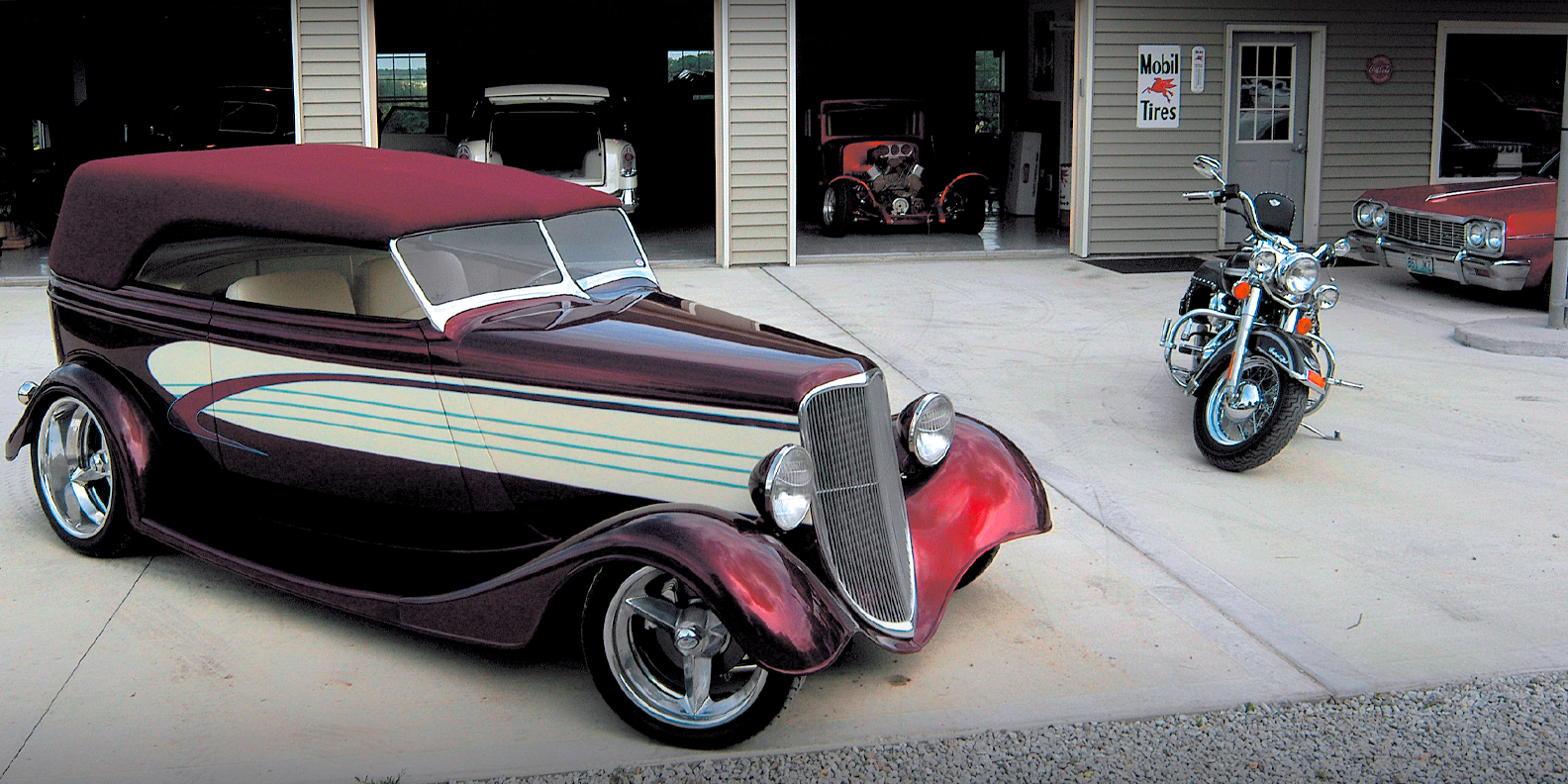
For every hot rod shop that has a show on TV, there are countless smaller shops that will never get mainstream TV exposure or clothing lines sold at Wal-Mart. But all across the country, it’s these smaller shops that turn out the majority of the street and super rods that you and I enjoy, and that we see at shows. And even though these little guys may not have big reputations yet, they churn out consistent and excellent work—and, that is precisely how some of these smaller shops will eventually become bigger shops with even more prestige.
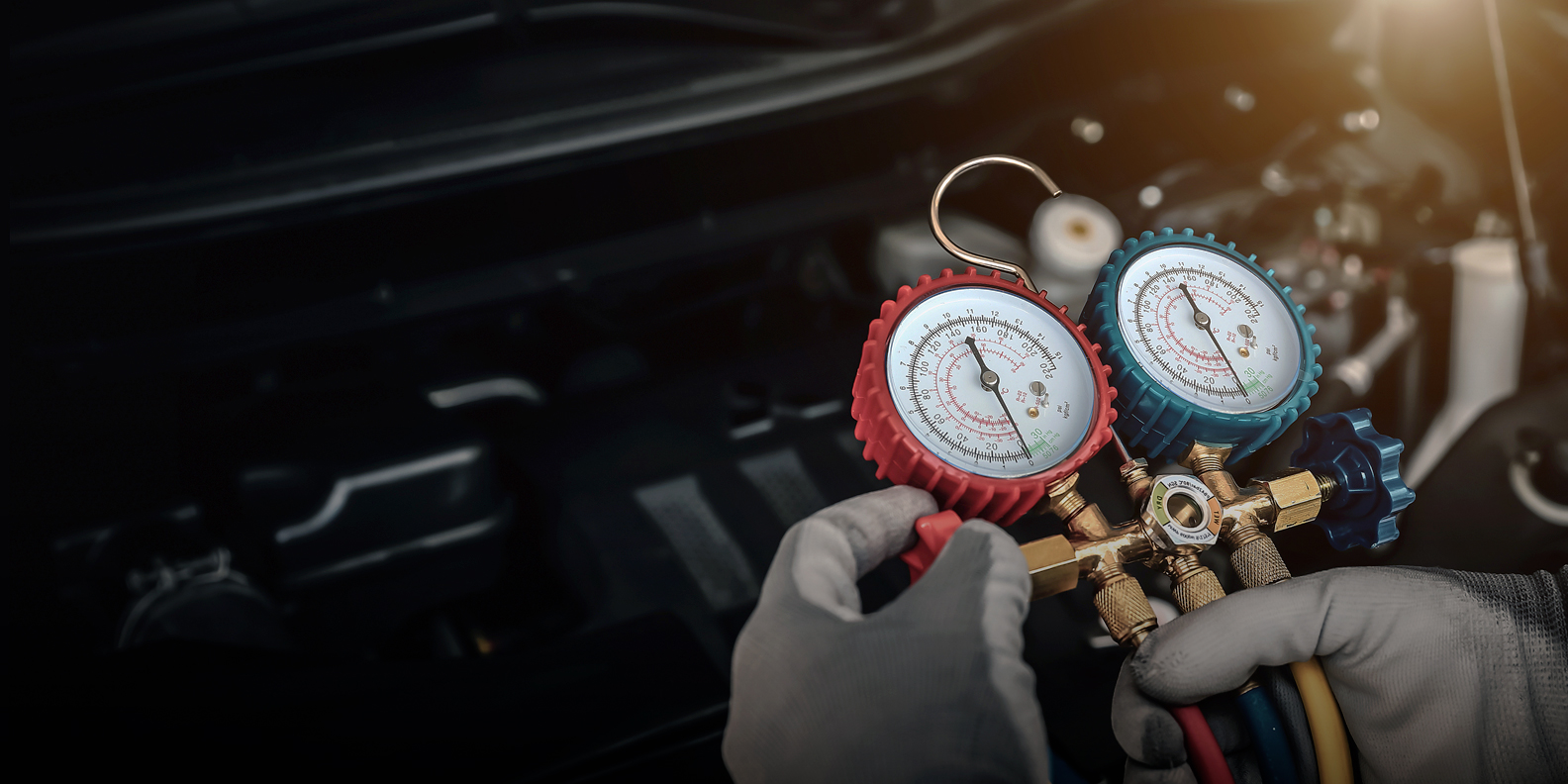
Typically, winter isn’t the time of year when we are thinking about a car’s air-conditioning system…or is it? It’s understandable that we would tend to think about “fixing” the A/C during the dog days of summer, July or August, but once the car is put up for the winter, those hot and humid days are often forgotten. And short of those comfortable windows-down driving months, when we first pull out the car again for the next season, it’s smart to think about giving the A/C system the attention it needs. So, we think this is a great time to present to you troubleshooting highlights so that you can rip into the car and upgrade the necessary areas before the cycle continues.
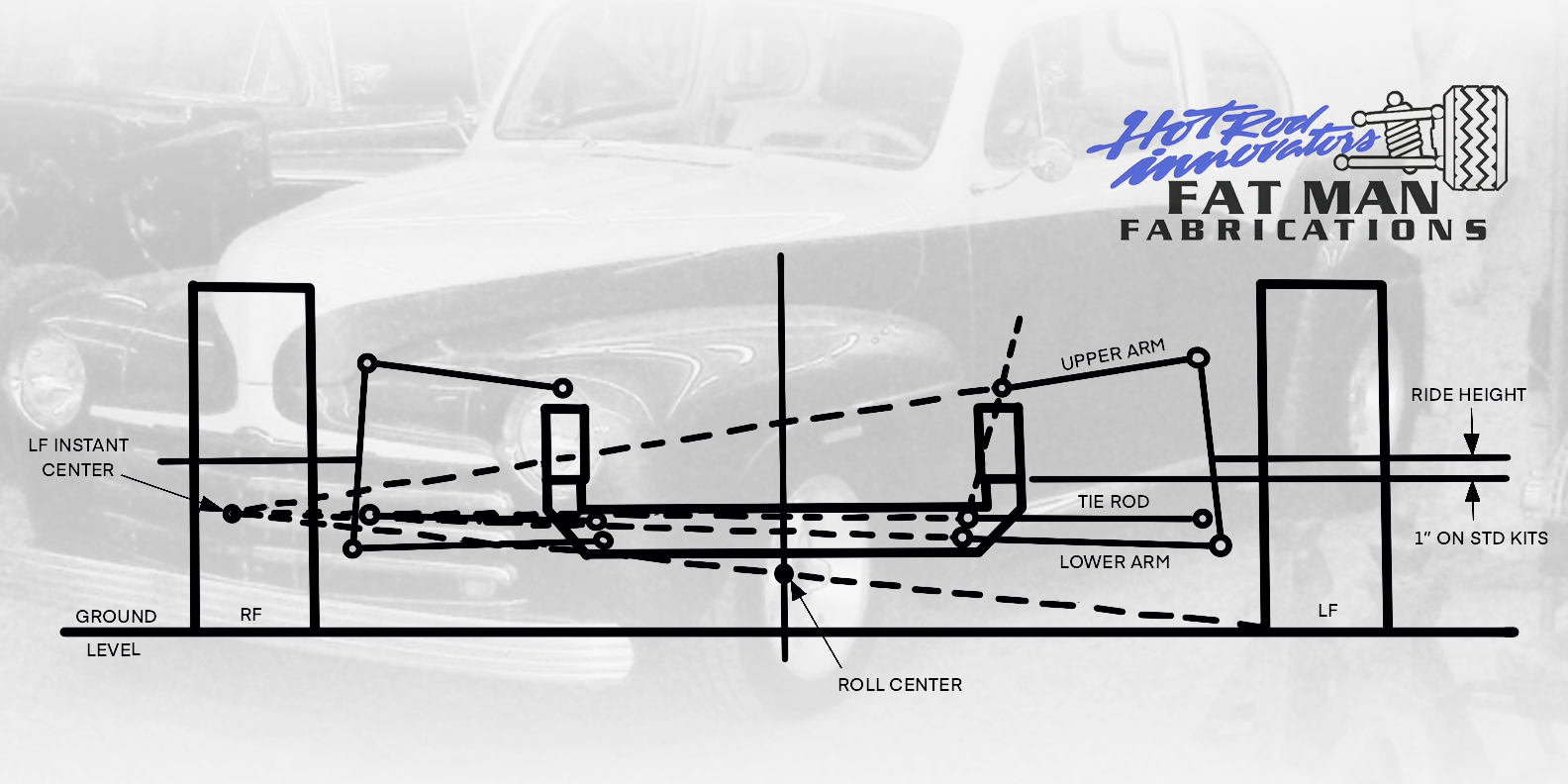
“Real hot rods have axles,” or so they say. That was our story, and we stuck to it fondly for more than 10 years. The ’47 Ford sedan delivery we drive came to us with a new Super Bell dropped axle and four-bar linkage professionally installed by Dick Jones’ shop in Campbell, California. It wasn’t really a hot rod; more like a primered beater with no interior, very little glass and enough rattles that a radio was a waste of time. It was a project car for another magazine for several years, and as such was the subject of many tech articles, updating it with all manner of great stuff. But it was still a primered beater, so the axle suited it just fine, and we got many miles of enjoyment out of this setup. Oh, it could have had a nice, new IRS more than once, but it just wasn’t that kind of car.
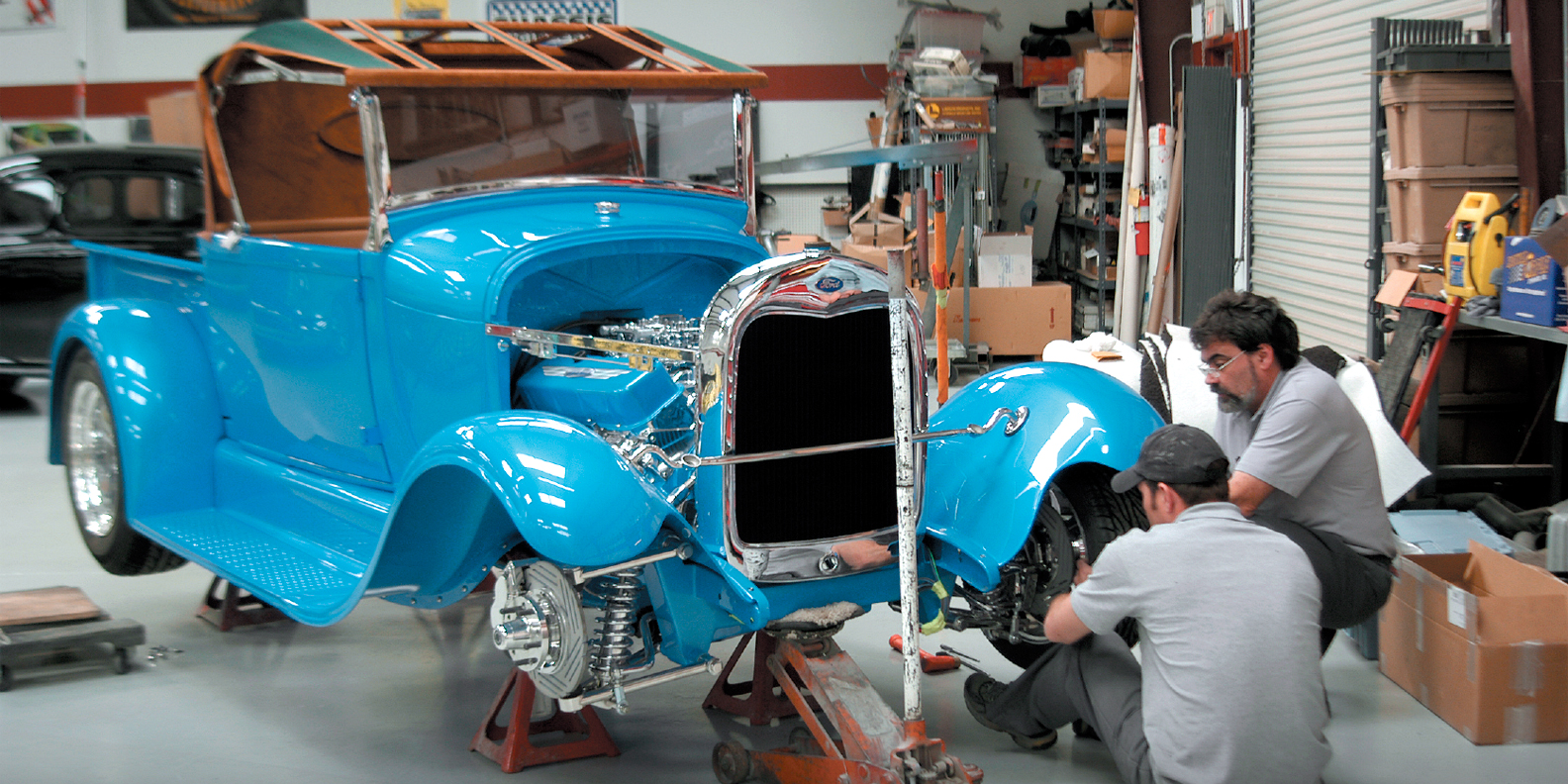
When building a street rod there are a great many facets of the construction process that go into making the car an award-winning creation. First, there’s planning. The planning of the car can and should include attention to each and every area of the car, from concept to reality. Even the most basic of projects should have the proper planning involved, no matter what the final product might be. Once work has begun on the project, countless hours are generally involved in attending to every detail. From making the many modifications to the chassis to attain the desired drive train, to the matching and mating of the different components together, this becomes an involved process requiring a great deal of skill in fabrication and engineering.
