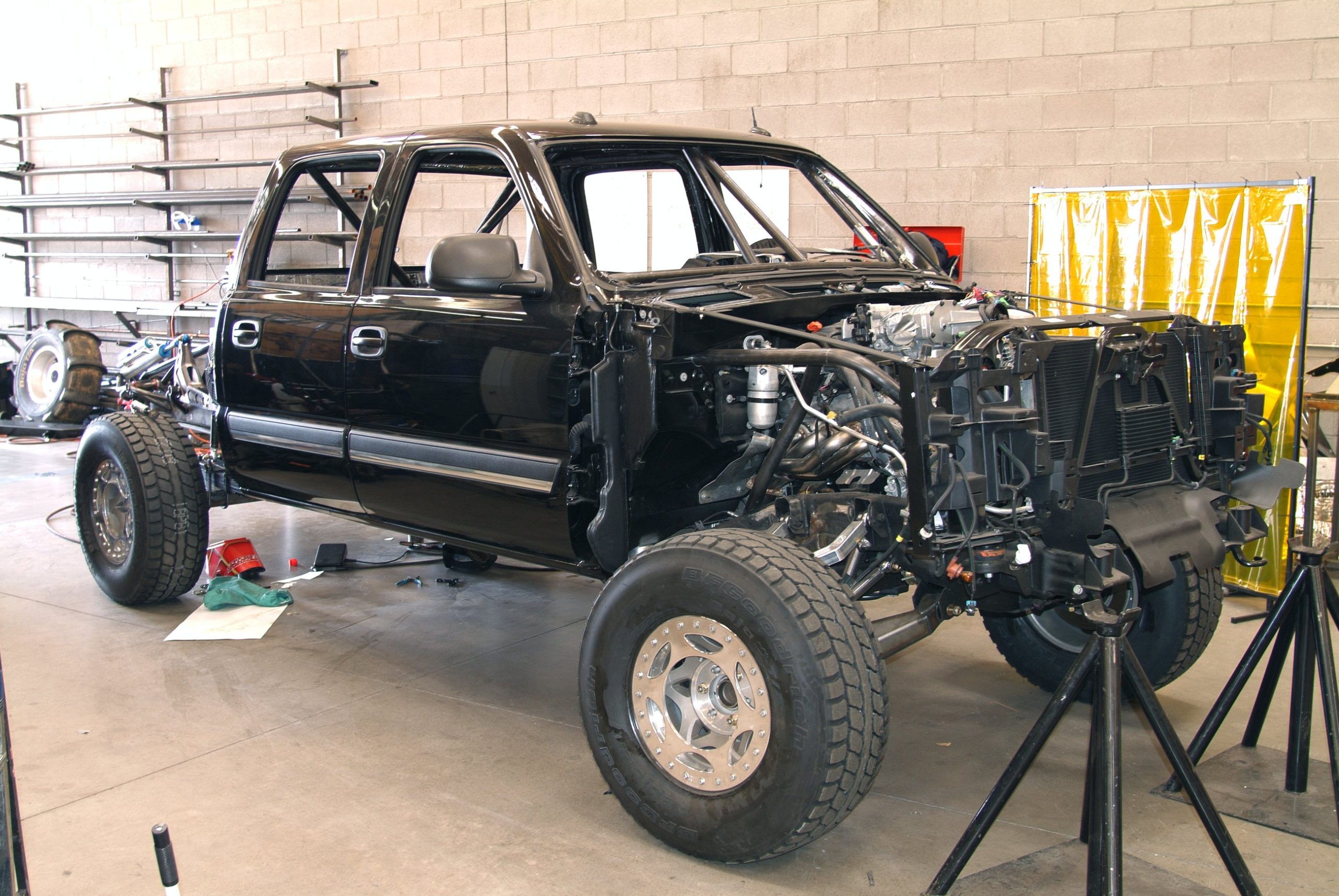
For the past several months Super Duty Headquarters in Gilbert, Arizona, has been working one very special project—a full-custom, double-throw-down pre-runner for non-other than Jesse James. Yes, that Jesse James.





For the past several months Super Duty Headquarters in Gilbert, Arizona, has been working one very special project—a full-custom, double-throw-down pre-runner for non-other than Jesse James. Yes, that Jesse James.
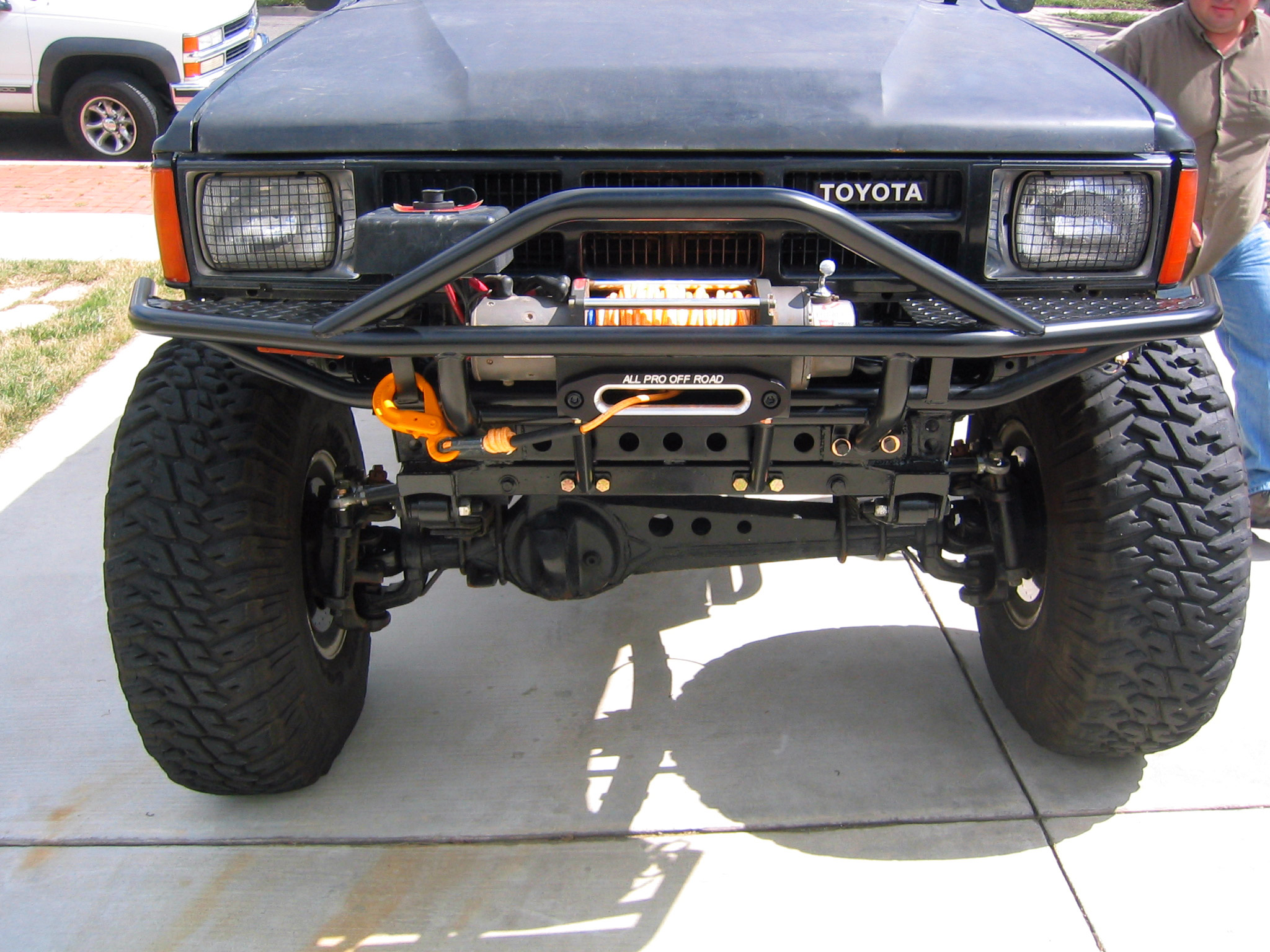
Serious off-roading is rough on equipment. Only the toughest gear will stand up to the hardcore bashing and thrashing of rockcrawling, mudding and desert running. Even the toughest equipment, however will not last forever under these conditions. Once a part or component has been hammered on enough times, it must be replaced. Fortunately, with the rapid evolution of off-road engineering, the replacement is often much stronger and will withstand more abuse. In the case of the 1985 Toyota 4-runner in our story, we are replacing it’s fourth front bumper. Yeah, this rig has seen some serious trails from Moab to the Rubicon over the past ten years.
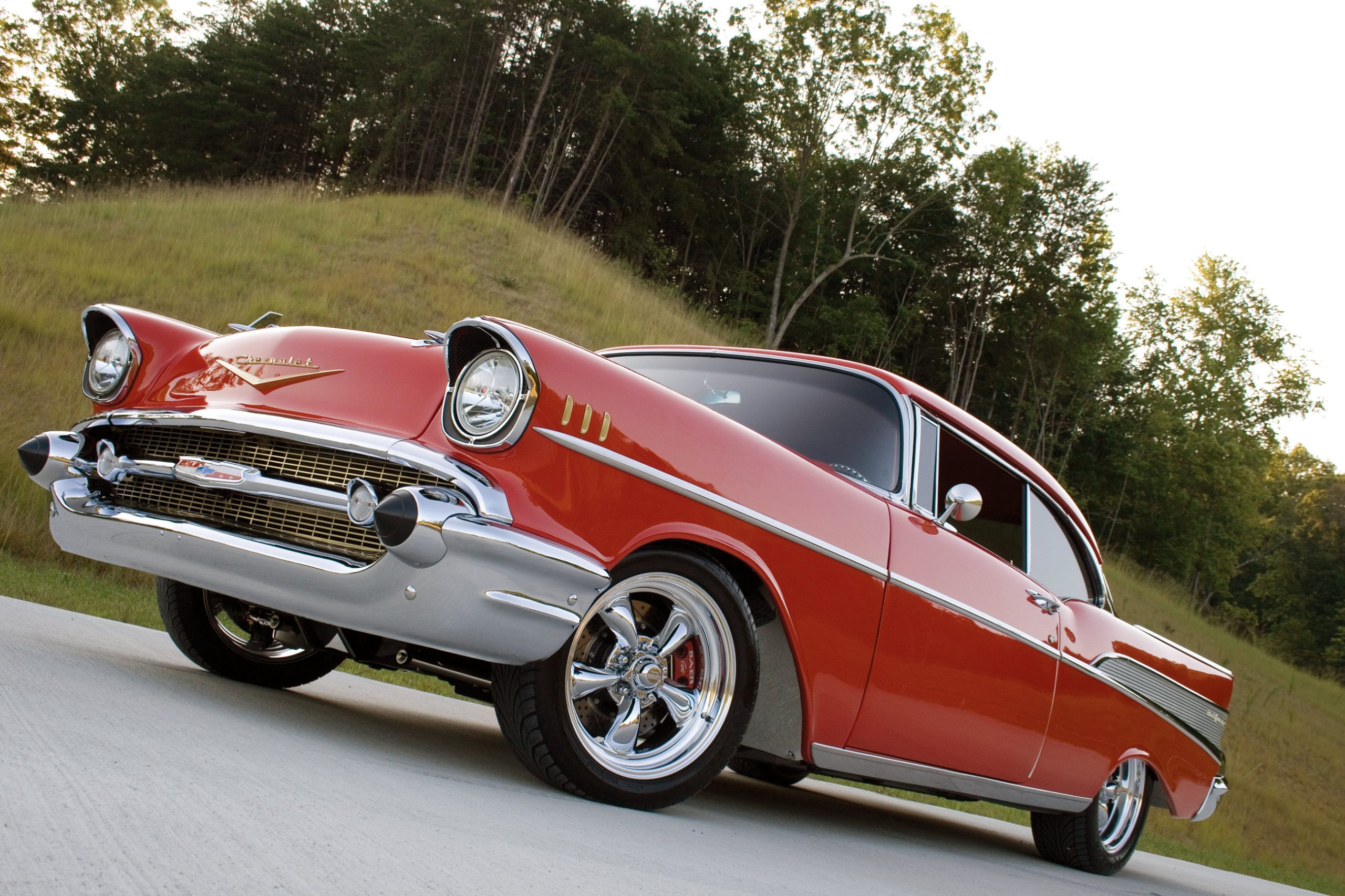
It was during the ’60s when Vern Hill’s love for all things automobile blossomed. And like so many young men of that era, his love of cars turned into a thirst for speed, and there was no looking back. Hill began building cars, several of which were racecars, which helped him accumulate a few Wallys that adorn his trophy case.
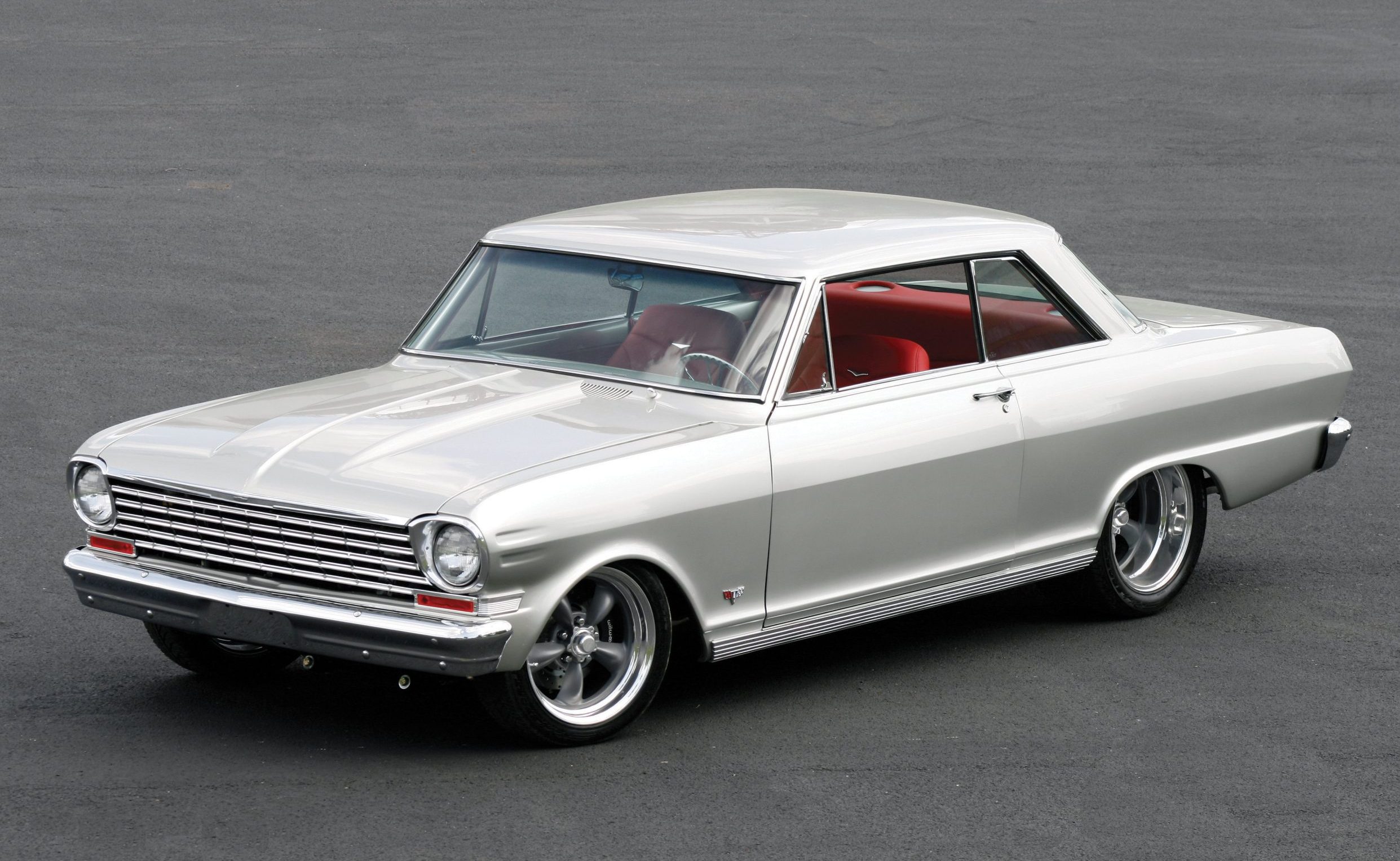
How many times have you heard the statement, “If I could just get that one car finished, I could sit back and never build another”? We’ve heard this more times than we care to remember, only to later bump into the same person who mumbled it and learn of one or two more projects under way.
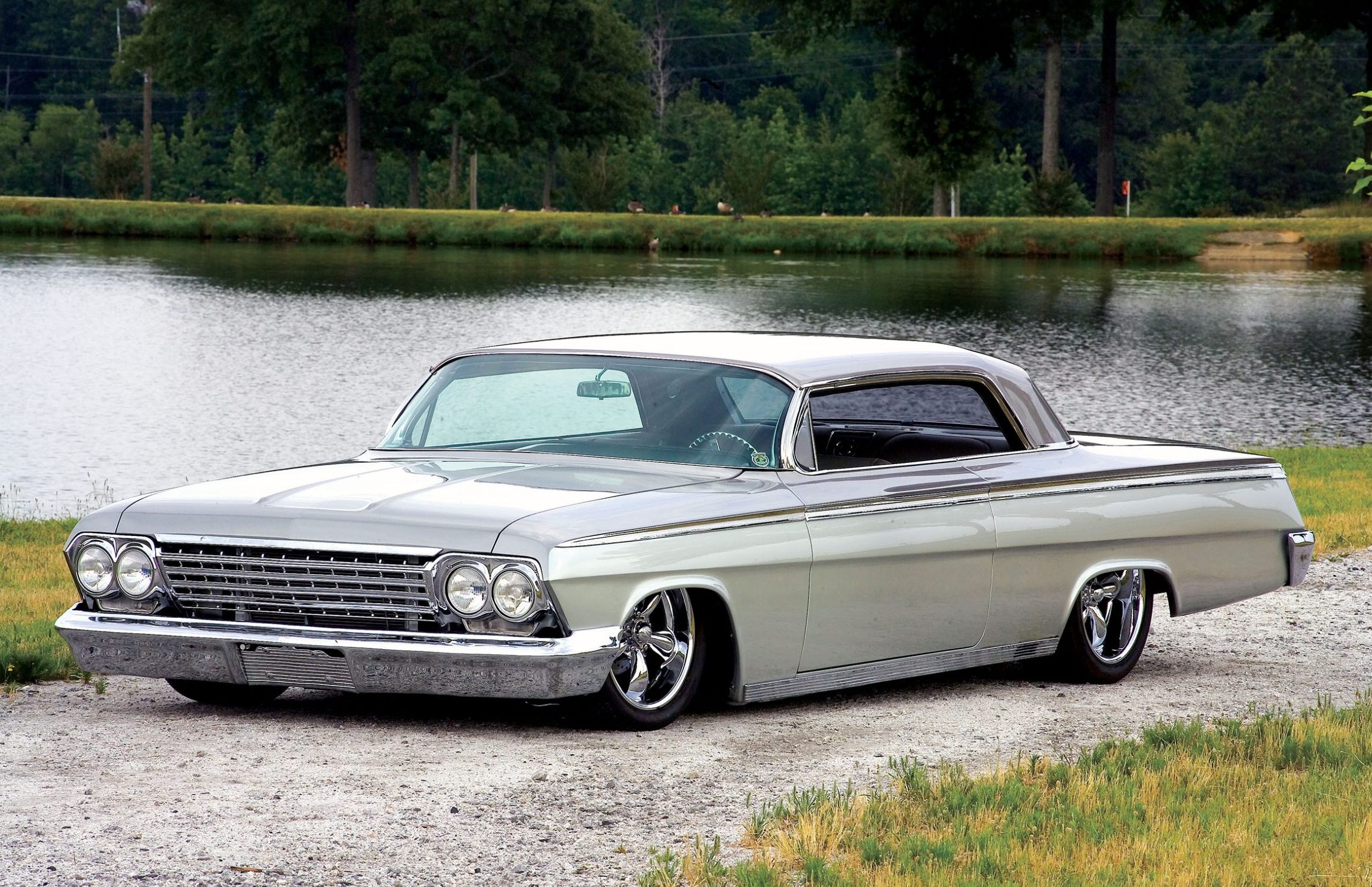
By name alone, Reflections Restorations attracts enthusiasts whose worlds revolve around period-correct classics, muscle cars and other favorites built in the Motor City over decades past. Then again, not all of the exquisite creations emerging from this Cabot, Arkansas-based creative shop reflect originality, as an equal number of customers these days prefer a more modern approach to the cars they’ve found and have been attracted to for so long.
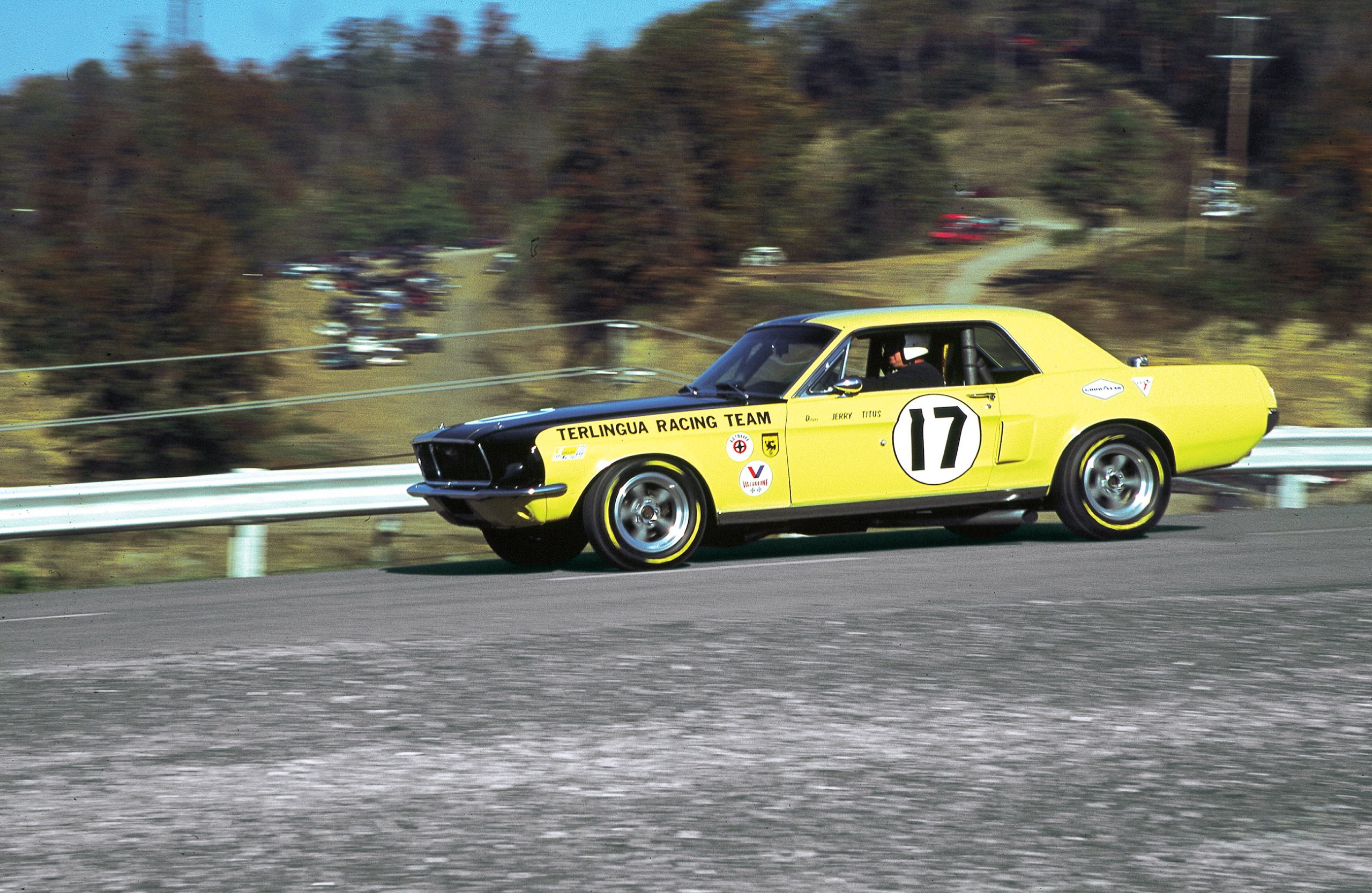
“The car was made out of bits and pieces that I acquired over a couple of years.”
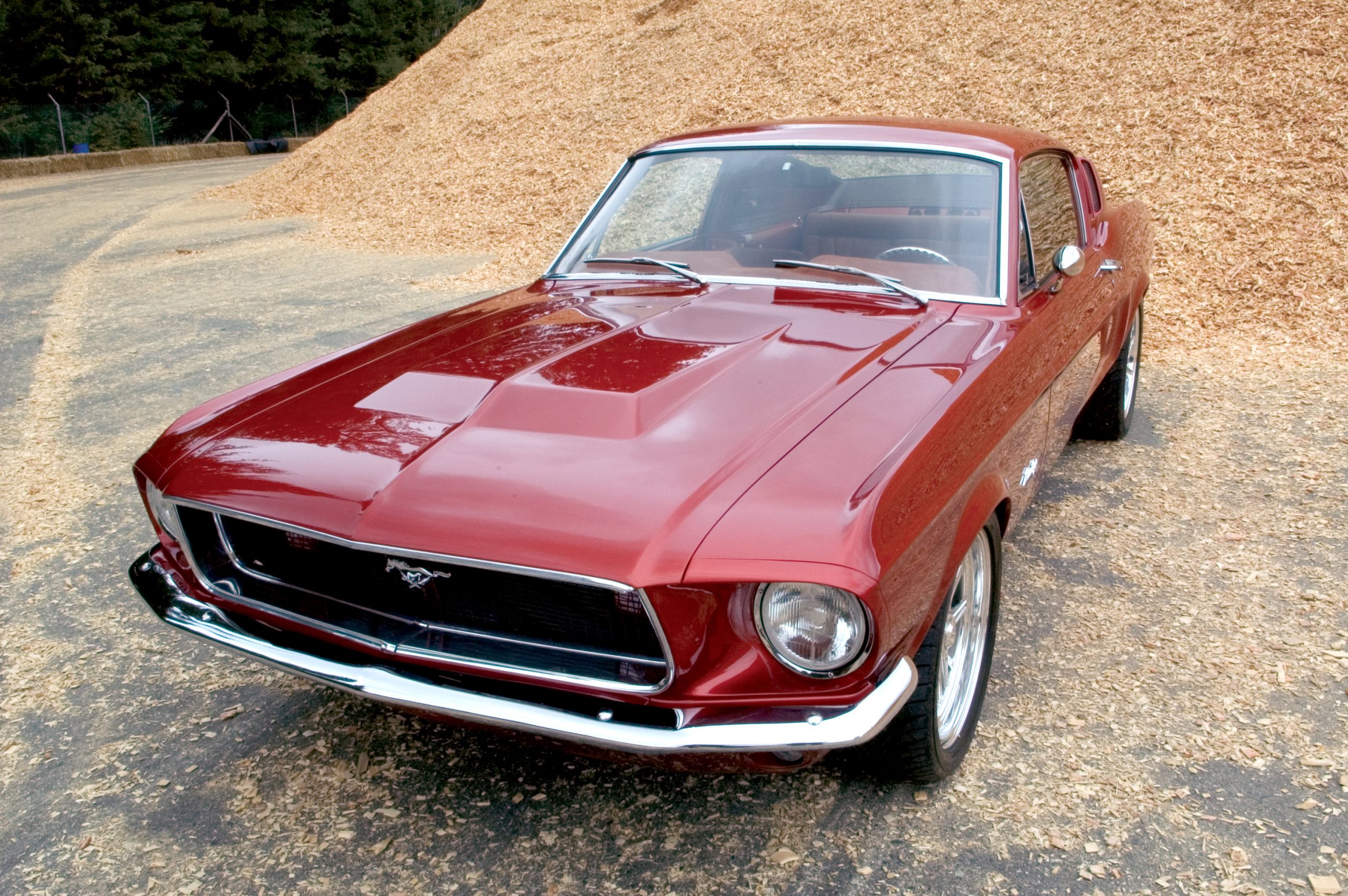
Lots of people know what they want, at least generally—as in, “I want a car” or, more specifically, a performance car. A slightly more motivated person might narrow it down to a late-model car, as opposed to an old car, or even refine his goal further to a Ford car. The ability to thoroughly define your goals is generally the province of the mature individual who, with the wisdom of a few years under his belt, has come to truly know what winds his clock.
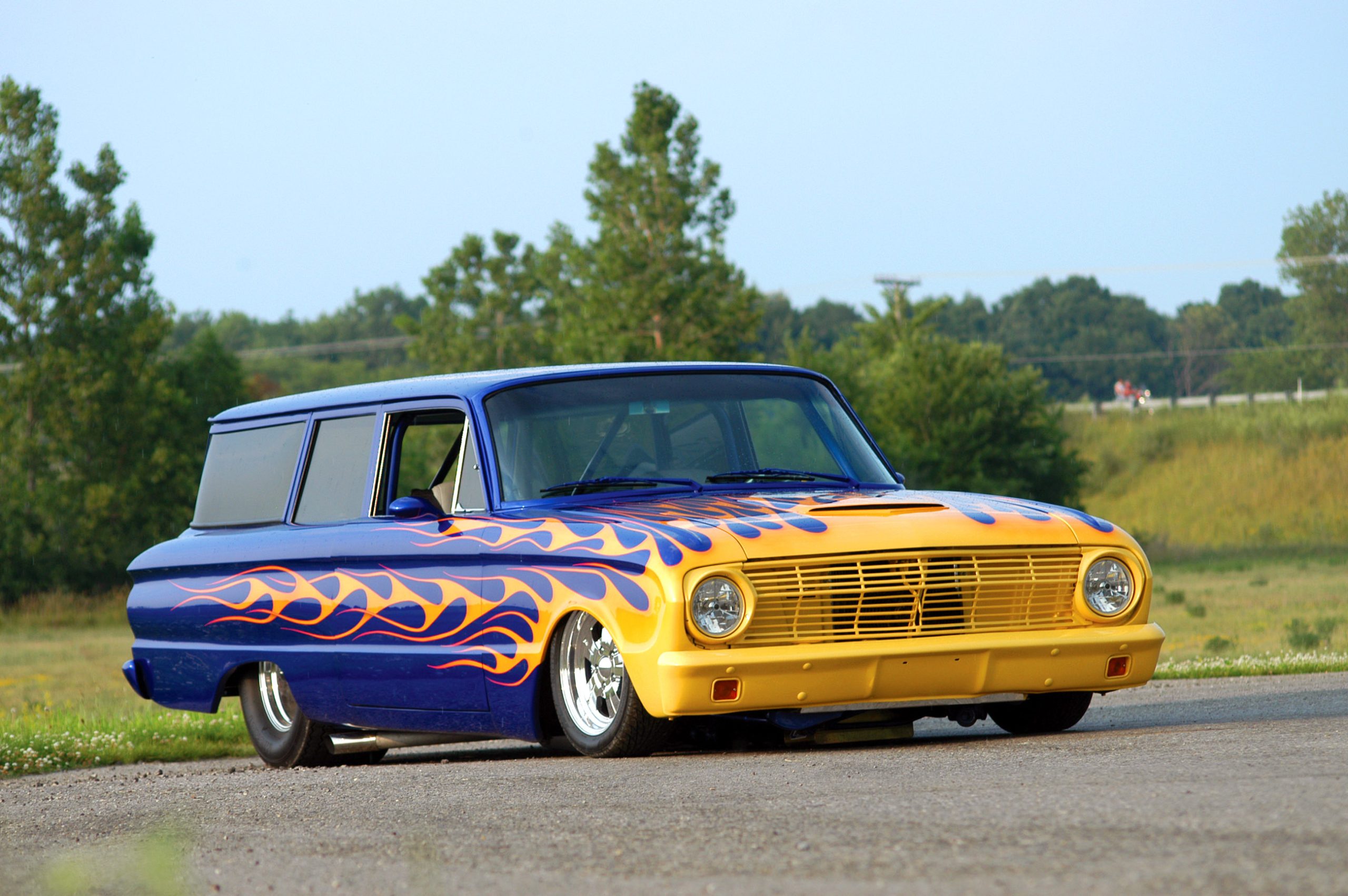
The poor Falcon.
Were it not for Ford’s inglorious first compact car, who knows what the early Mustangs would have been like, built as they were on Falcon architecture? Today, everyone wants a Mustang, yet Falcon fans are few. Fewer still are those who crave Falcon wagons, and initially, Norman Schmitt was not one of them, either. He wasn’t after a Falcon, or a wagon, but when a friend told him about an old wagon for sale, he went to check it out. What he found was a rare ’63 Falcon two-door wagon, and it was in great shape. The price was right, so he bought it, with visions of a wicked Pro Street Falcon in his head, and he set out to transform those dreams into steel.
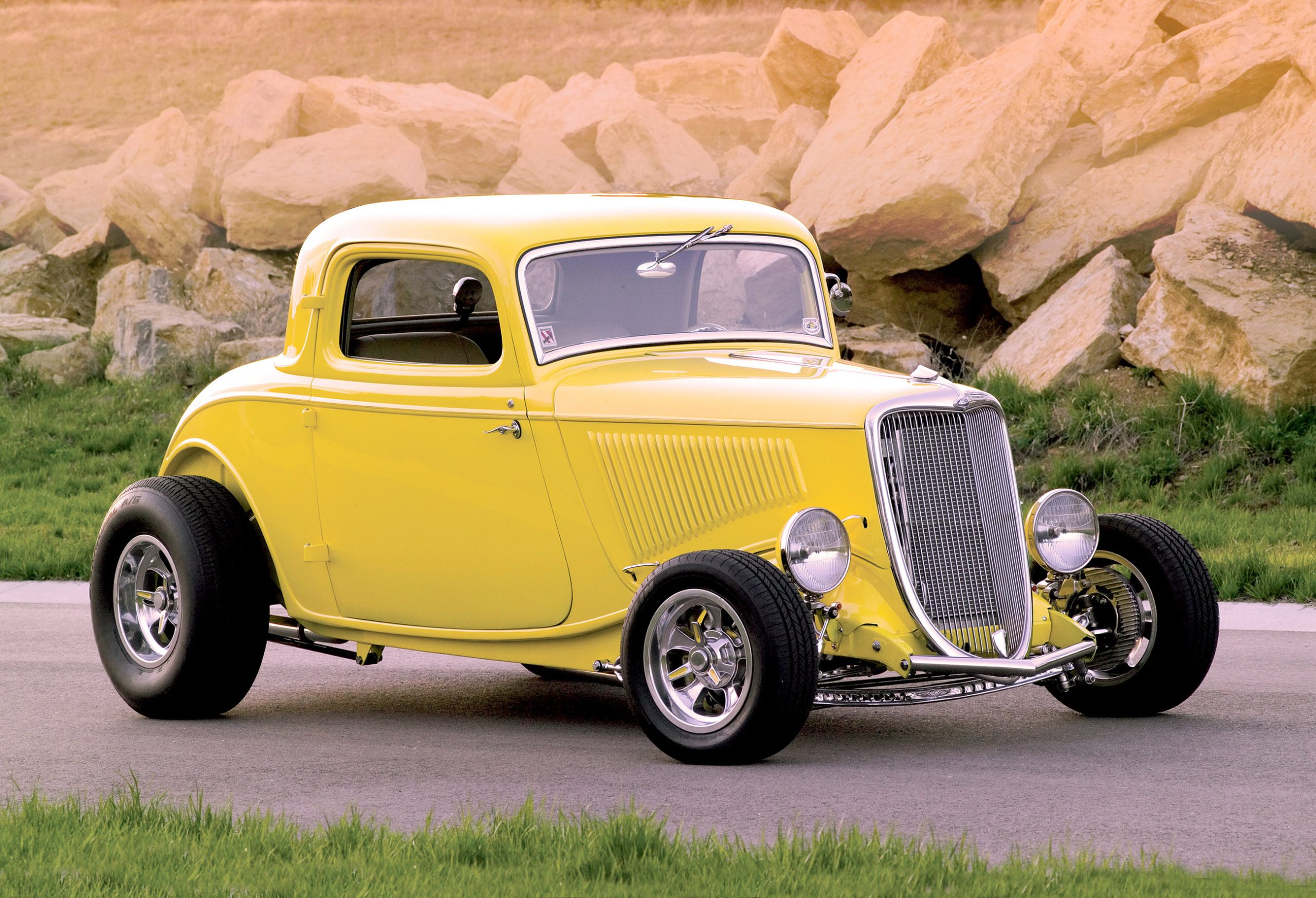
Back in the summer of 2004, Harry Cline found a ’34 Ford three-window coupe body on eBay. When the auction ended, Harry was the high bidder. He made the trip to Jacksonville, Illinois, to pick up the body. The overall condition of the car was better than he expected, and the doors fit very well for a car that was 70 years old. The seller told Cline that it had actually been stored for nearly 40 years.
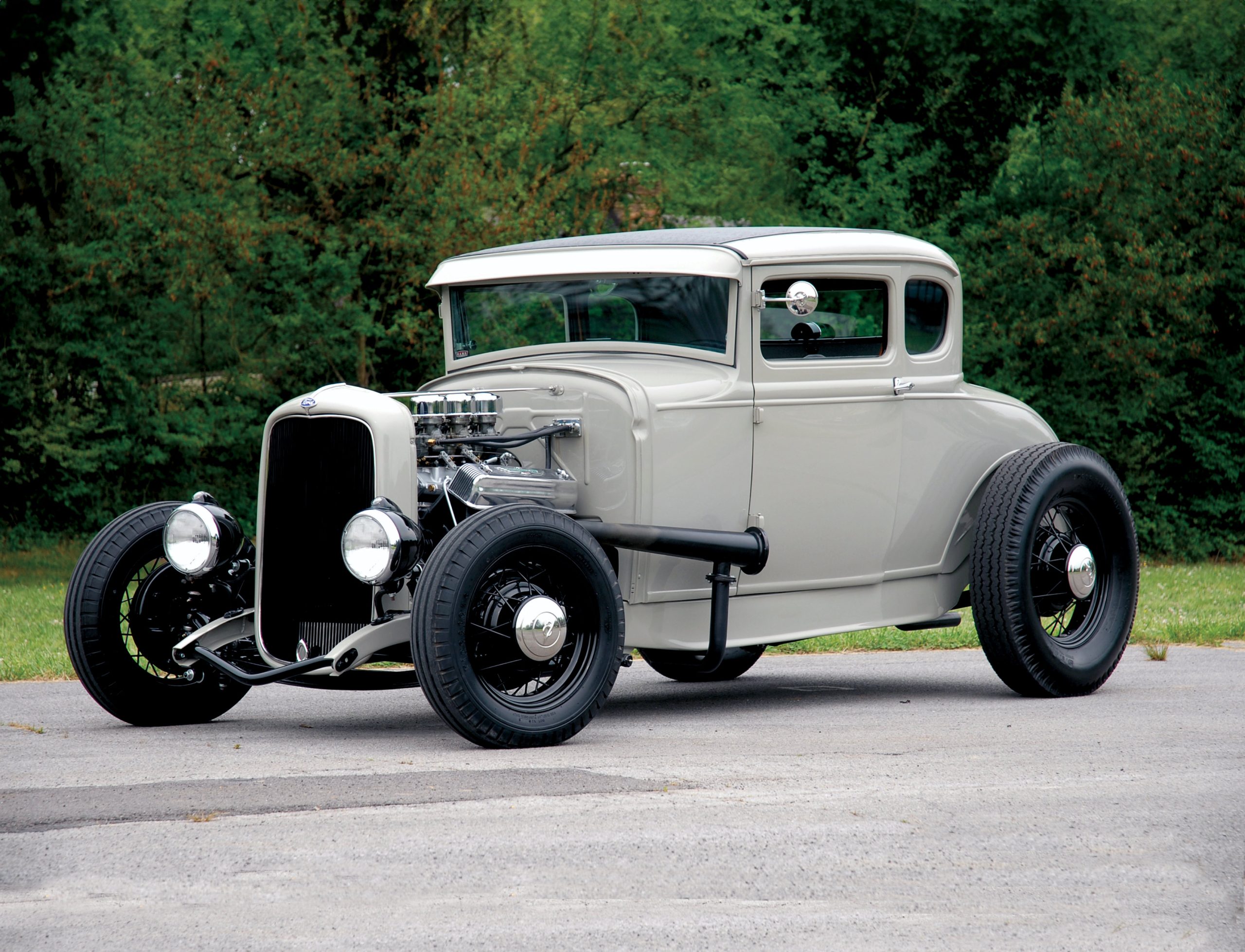
Kirby Kennedy grew up around street rods in his hometown of Selmer, Tennessee. His father, David, had several rods and even operated his own shop. Kirby hung around Kennedy’s Kustom Auto Shop and helped with many of the projects. He also learned many of the required skills to build a rod along the way. Once Kirby reached high school, he knew quite a bit about the history of hot rodding and had developed a fondness for traditional hot rods. His school required each graduating senior to complete a project before they reached graduation. While only a sophomore, Kirby decided to build a traditional-styled hot rod.