
TheAutoBuilder.com

STEP IT UP

Upgrading A Sixth Generation Ford Bronco Step Sliders with Rock-Slide Engineering Step Sliders

Author

Picture of Tommy Lee Byrd

Tommy Lee Byrd

Photography by Scott Killeen

The Legacy of the Ford Bronco

The legacy of the Ford Bronco is stronger than ever, thanks to the versatility and customization options of the sixth-generation Ford Bronco. This platform is built for off-road performance and on-road comfort and there are a multitude of custom factory packages that build upon that platform. Because of the factory design and immense aftermarket support, the options are limitless for these future icons of off-roading.

Why Upgrade to Rock-Slide Engineering Step Sliders

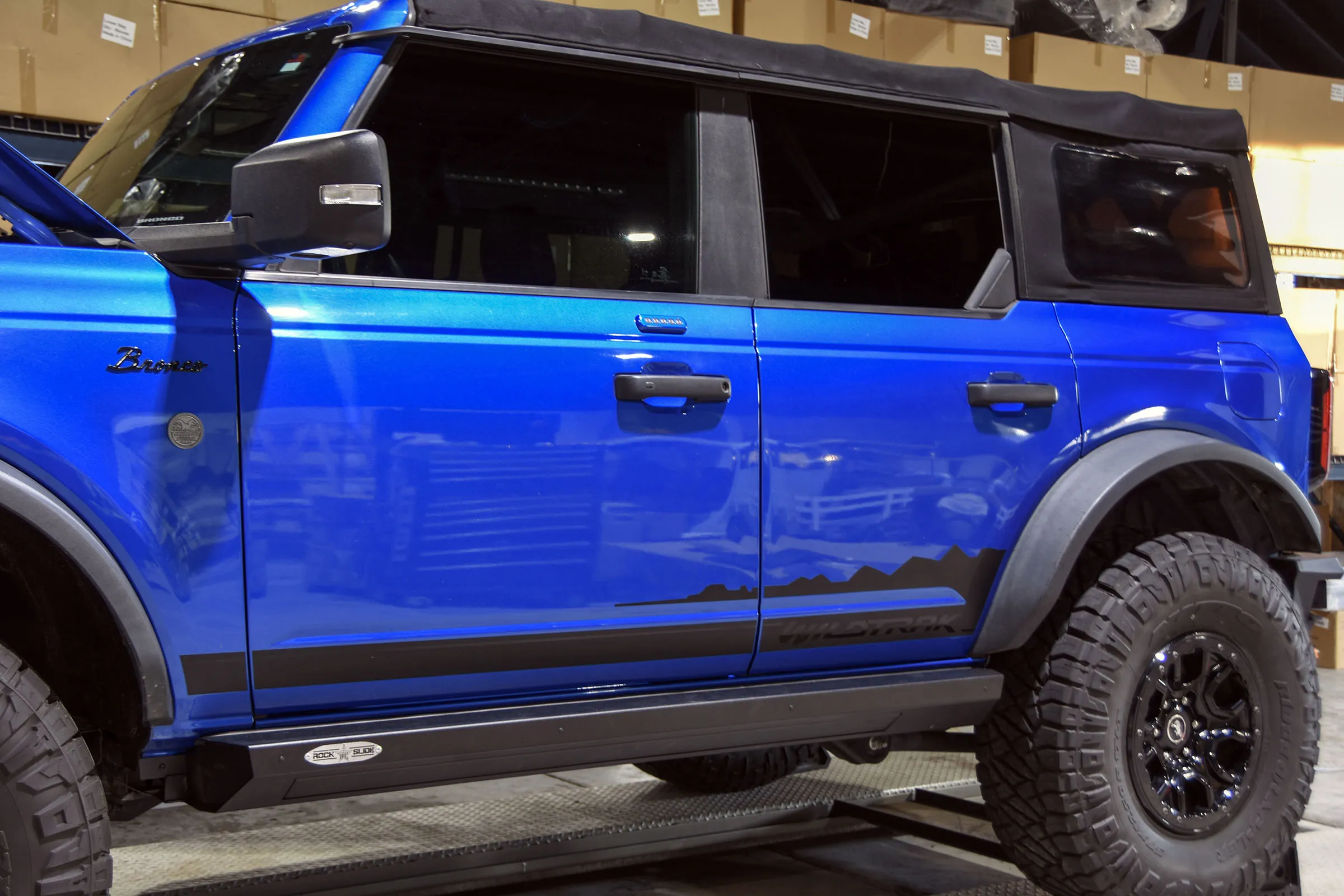
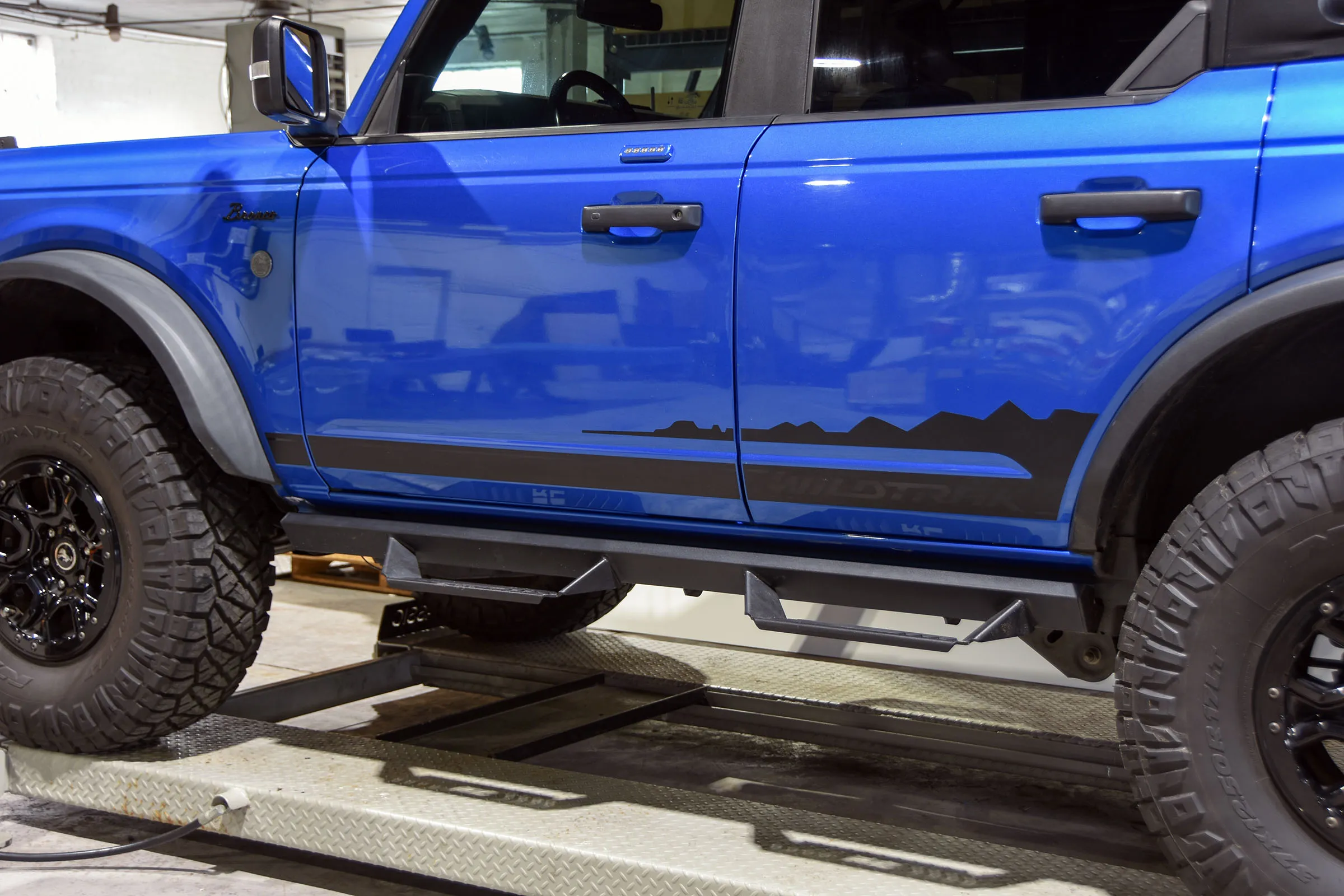
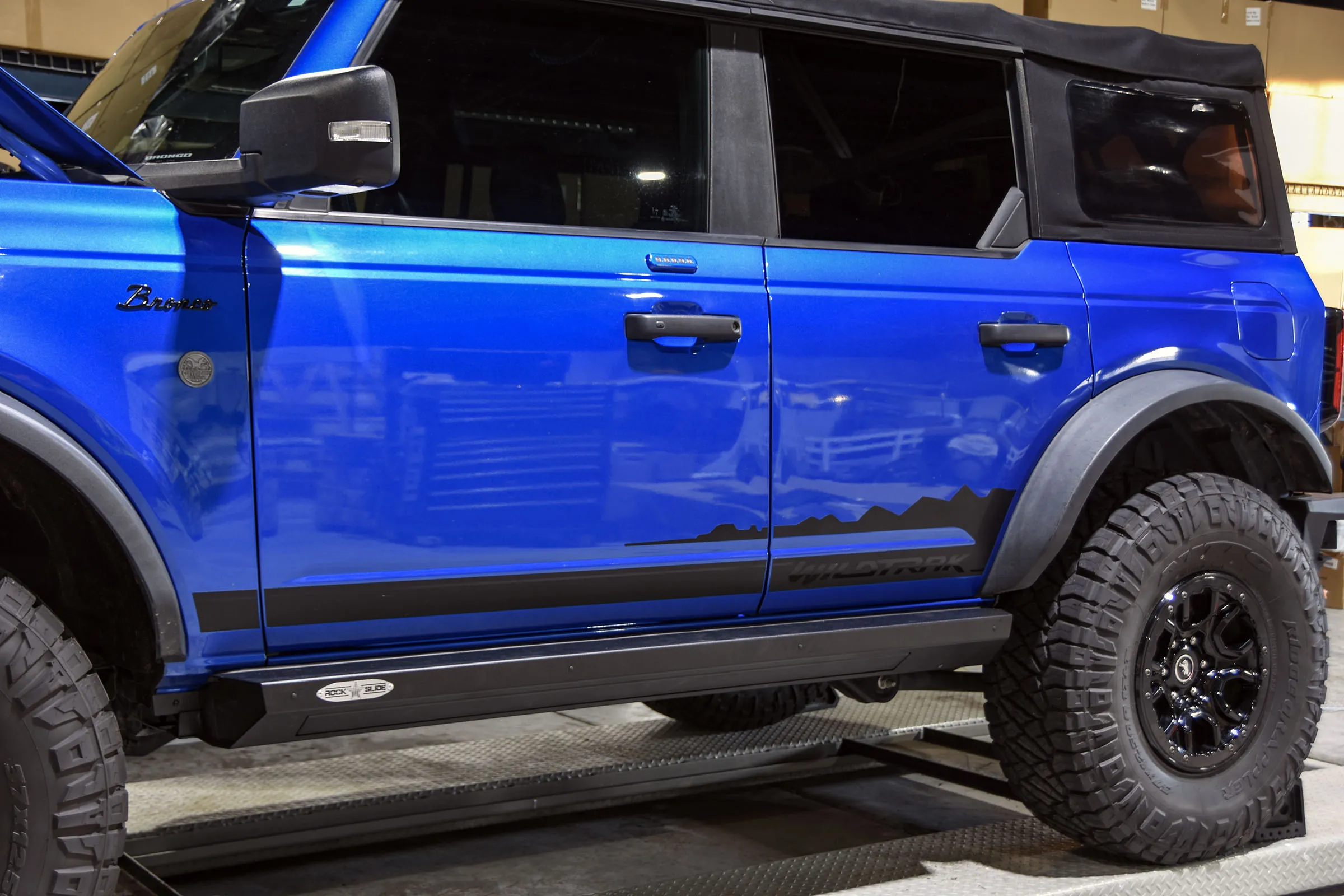
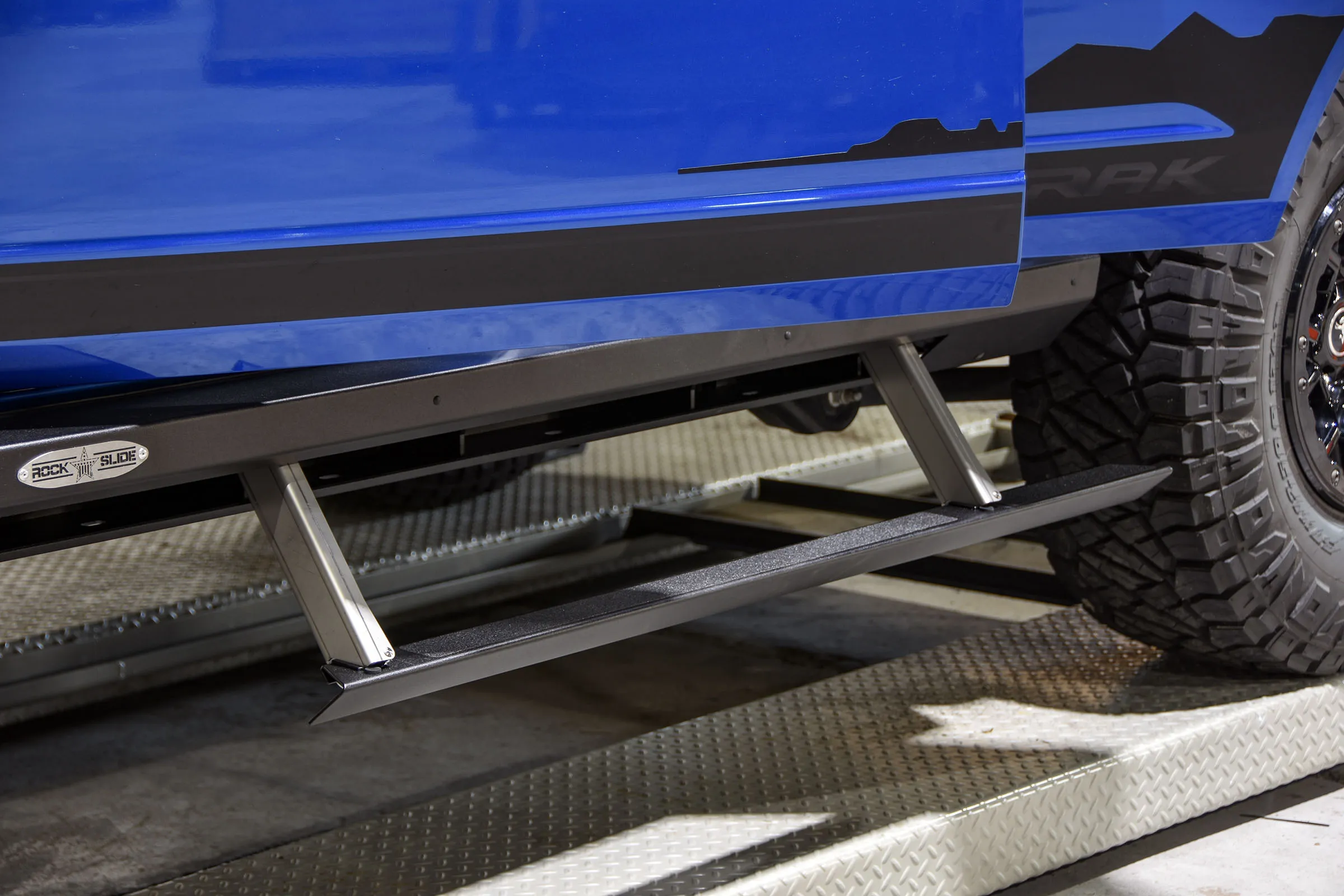
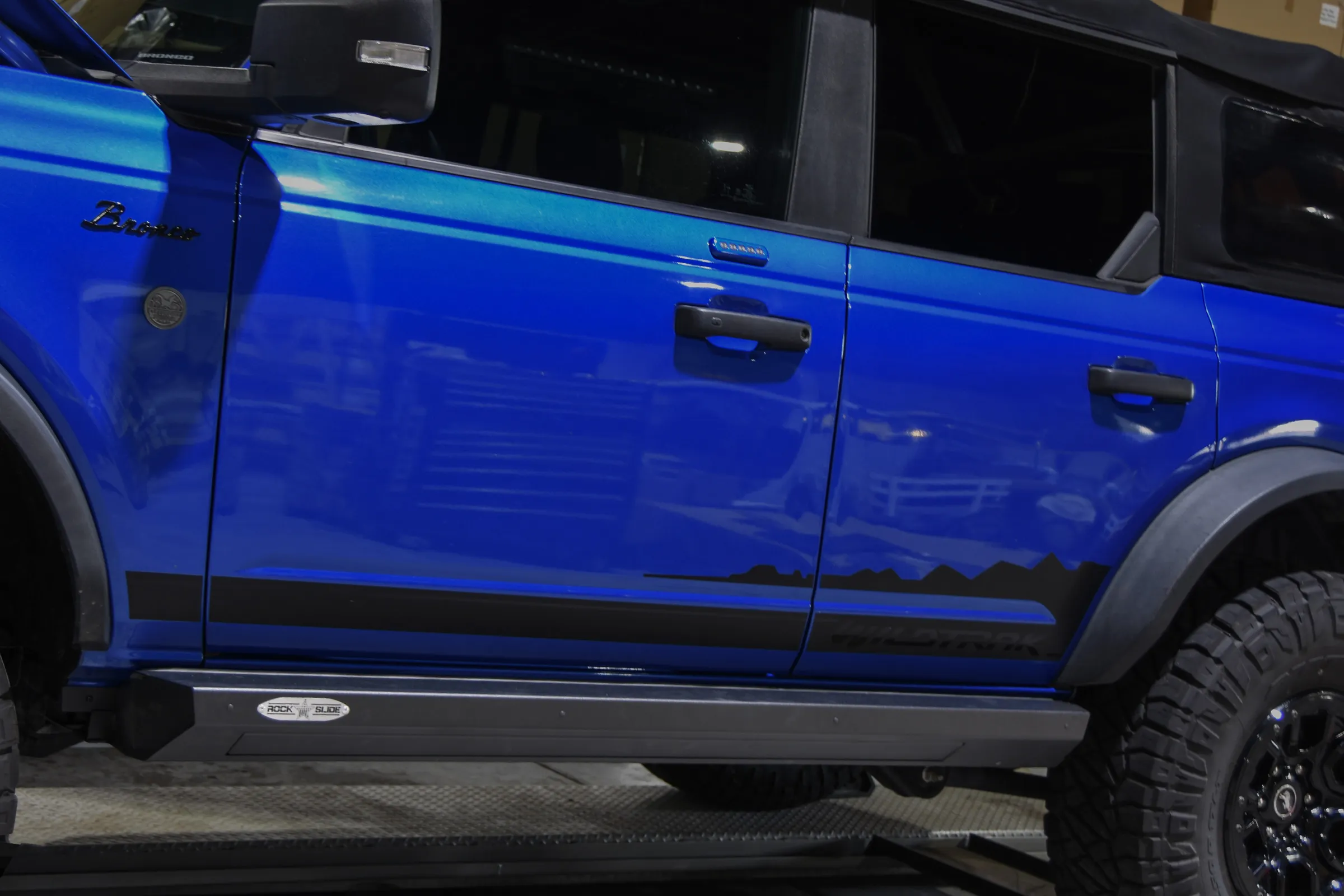
Today, we’re performing a running board upgrade on a Ford Bronco Wildtrak, which already features oversized tires, upgraded suspension and stationary running boards. While the existing running boards are functional, the Bronco is still a little too tall for comfortable entry and departure. The owner picked up a set of Rock-Slide Engineering Step Sliders for a notable upgrade in strength and convenience, compared to the existing running boards. This setup is designed to provide great protection for the body, while also offering an automatic retractable step for easy access and clean appearance.
Installation of Bronco Step Sliders

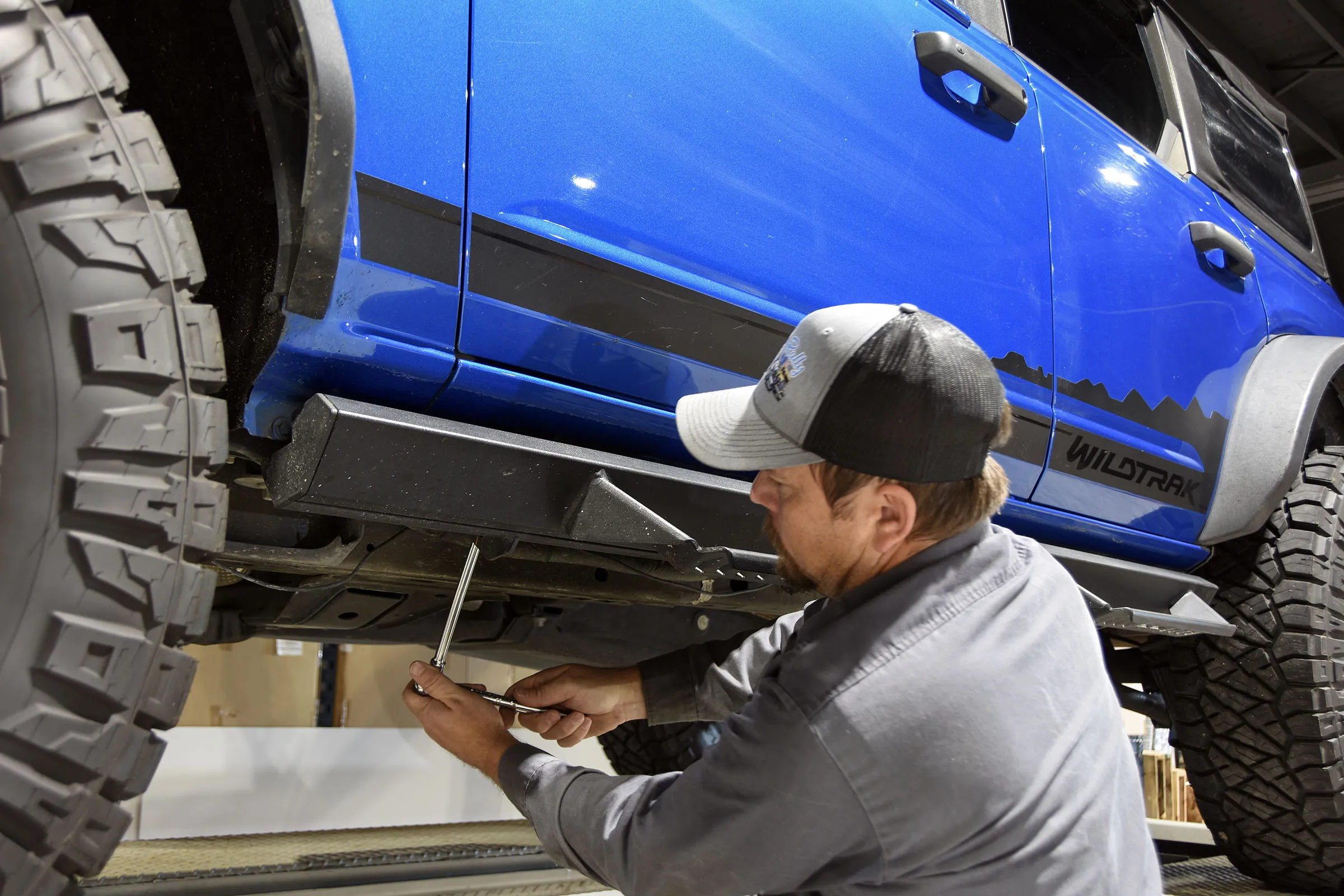
The Rock-Slide Engineering Step Sliders bolt onto the Bronco with no welding, fabrication or drilling needed. You’ll navigate some small wiring additions, but there is no splicing required—simply connect it to existing wiring connections. The kit comes with everything needed for installation, including all new hardware, and the necessary magnets and sensors to operate the electric steps that fold down and retract out of the slider. It’s a complete kit and you can expect to tackle the job in a few hours with simple tools, which include 7mm, 10mm, 13mm and 15mm sockets as well as a 4mm allen wrench. A helping hand is always a plus when dealing with an install of this nature. Let’s dive into this install and give this Bronco a rugged yet convenient upgrade.
Rock-Slide Engineering Step Sliders are a practical upgrade for any late-model Ford Bronco, thanks to a heavy-duty construction and simple bolt-on installation.
The subject of this upgrade is a Ford Bronco Wildtrak four-door, which came from the factory as a capable off-road vehicle. It has practical upgrades throughout, but the owner wants to take it a step further with Rock-Slide Engineering Step Sliders.
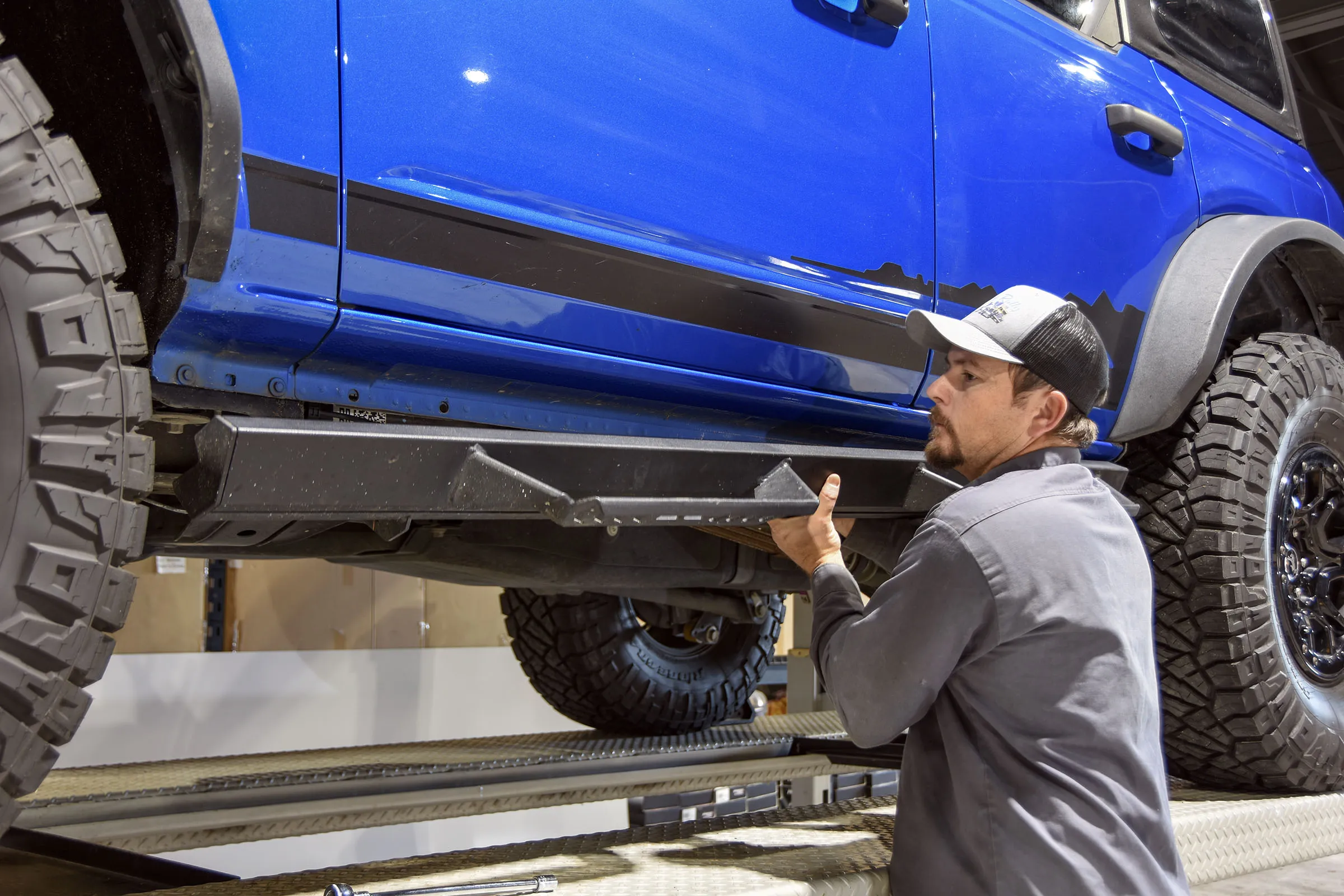
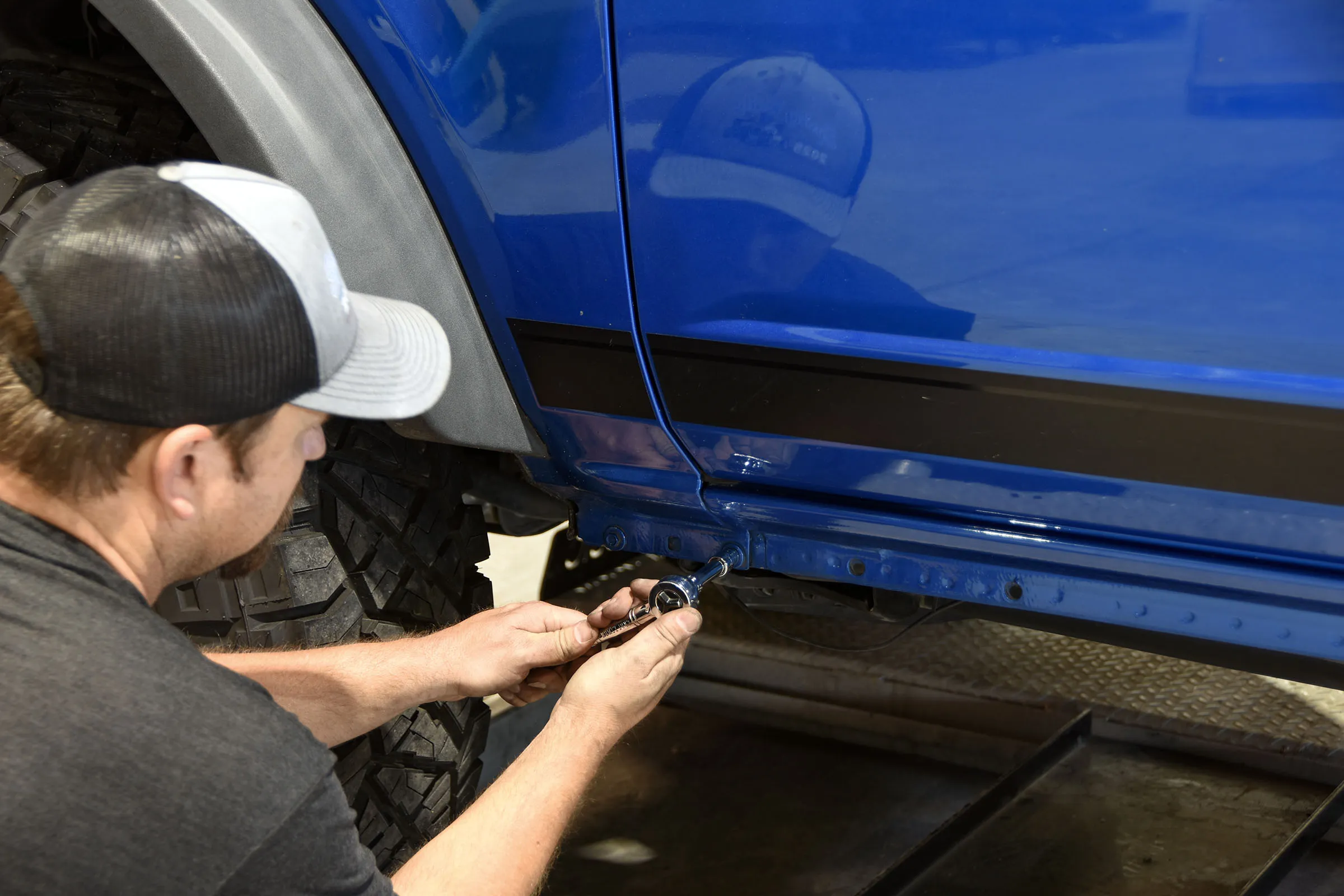
The existing running boards bolt to the rocker panel using factory bolt holes. We removed a few of the bolts but left some hanging until we could be in a position to remove it without scratching the Velocity Blue paint.
We’re working with the Bronco on a four-post lift, which makes the install a little easier. After removing all hardware, we lower the running board out of the way.
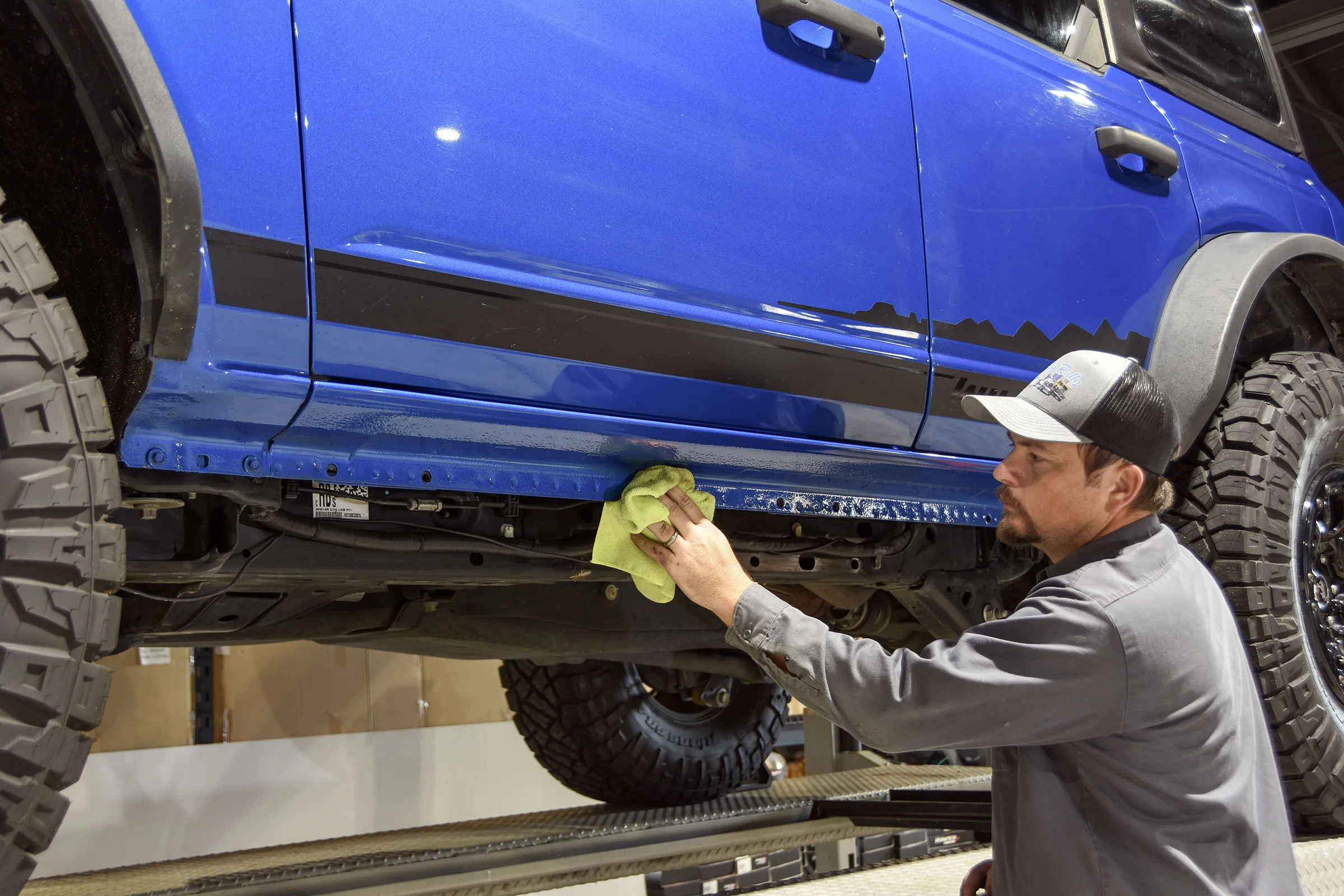
With the running board removed, this is a good time for a quick cleanup. Dirt, debris and mud can get trapped in the rocker panel and pinch weld area, so we soaked it with detail spray and wiped it with a microfiber towel.
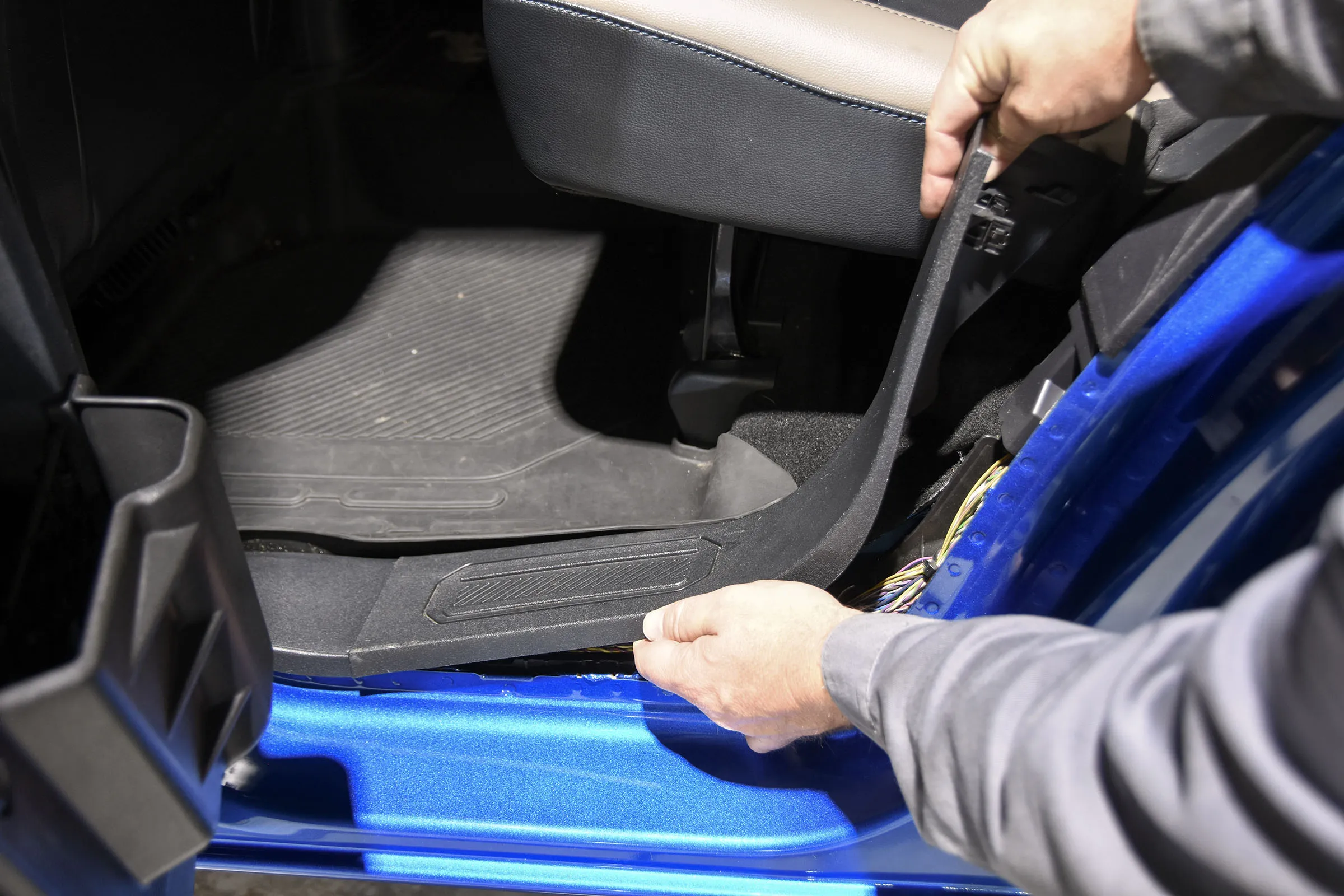
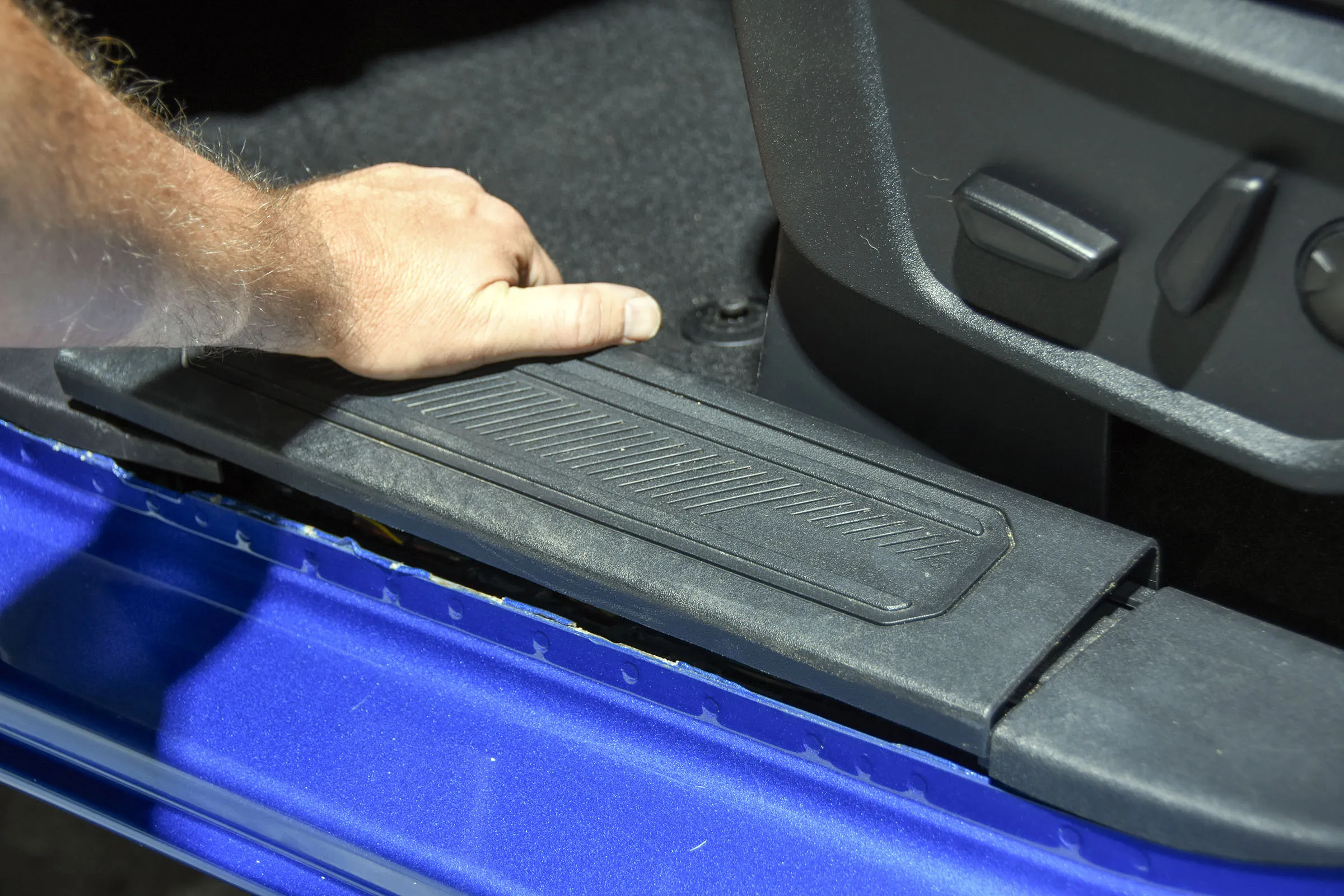
We started the install by laying out the wiring harness and understanding how it will be routed under the truck. There are four tails in the wiring harness that go to each door sill area. To access this area, the sill plates need to be removed by pulling them out of the clips.
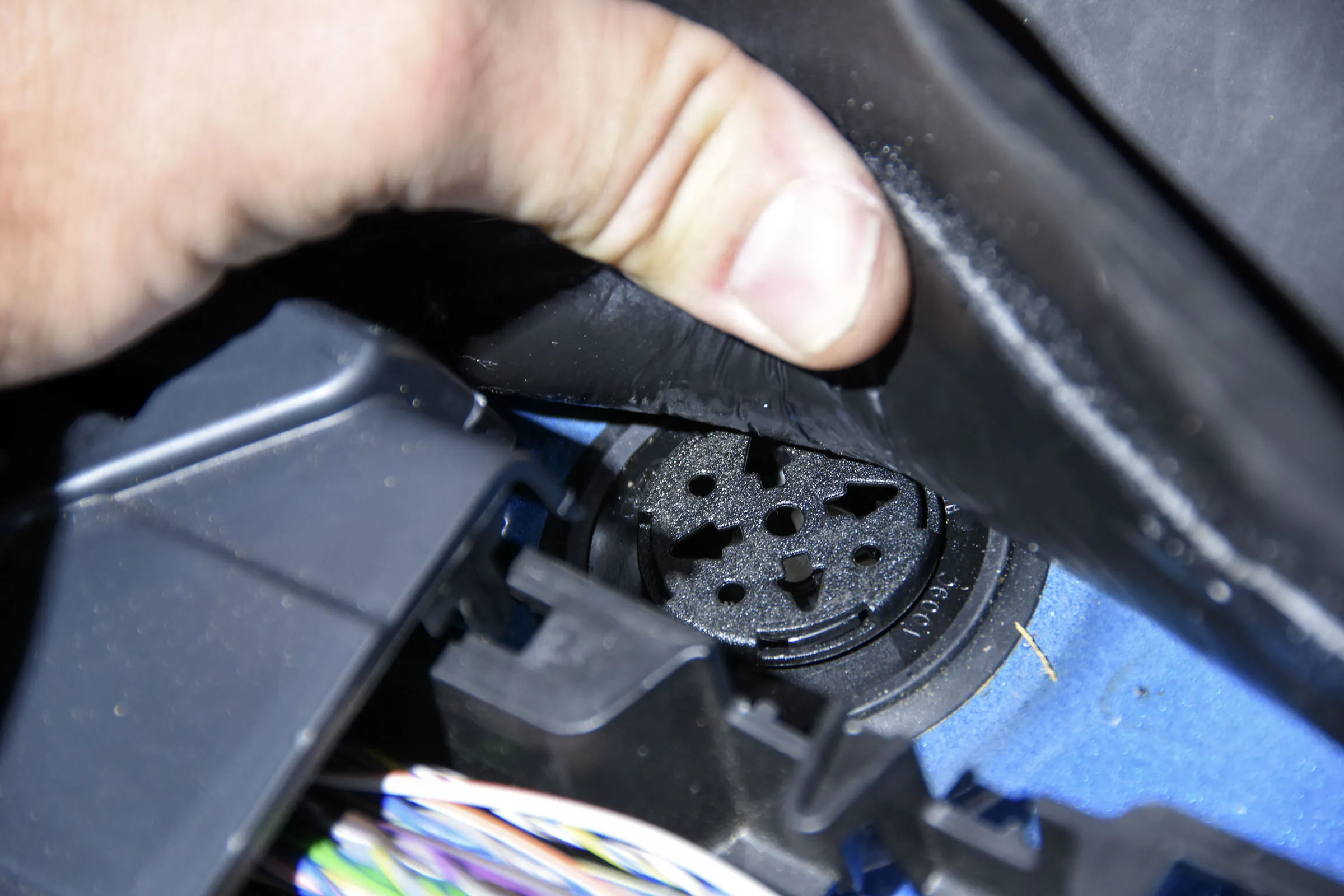
In the rear floorboard, near the sill plates, there are drain plugs that need to be removed by pushing up from the bottom. The kit comes with new grommets that will replace the plugs.
Next, we open the driver’s door and pull the door sill plates out of the clips, in preparation of additional wire routing. The harness passes beneath the plastics, and one connection makes its way beneath the dash.
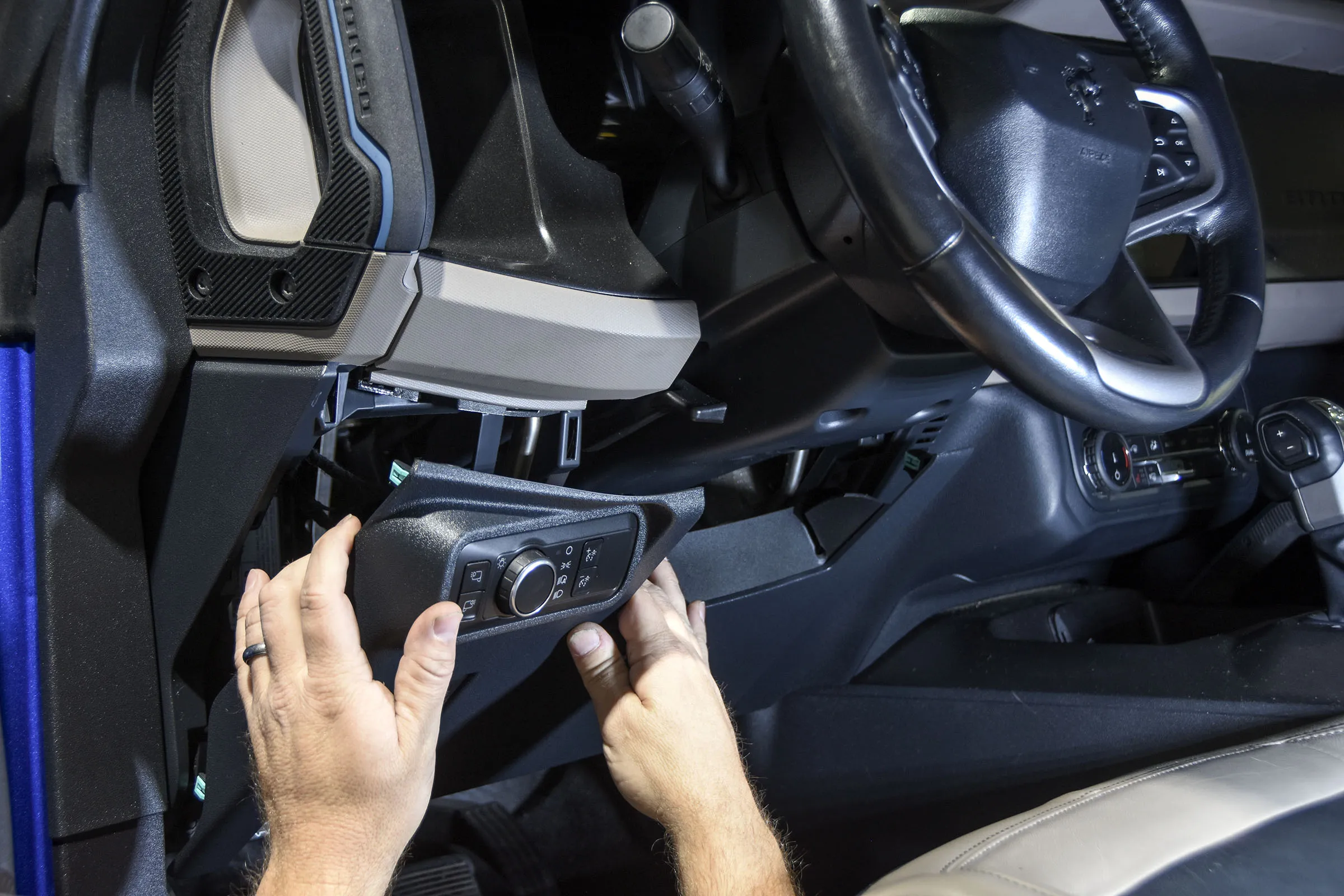
An arming switch is necessary for the door sensors to work with the factory wiring harness. The kit comes with a switch and mounting bracket that mounts beneath the dash. To access this area, the lower dash panel must be popped out of its clips.
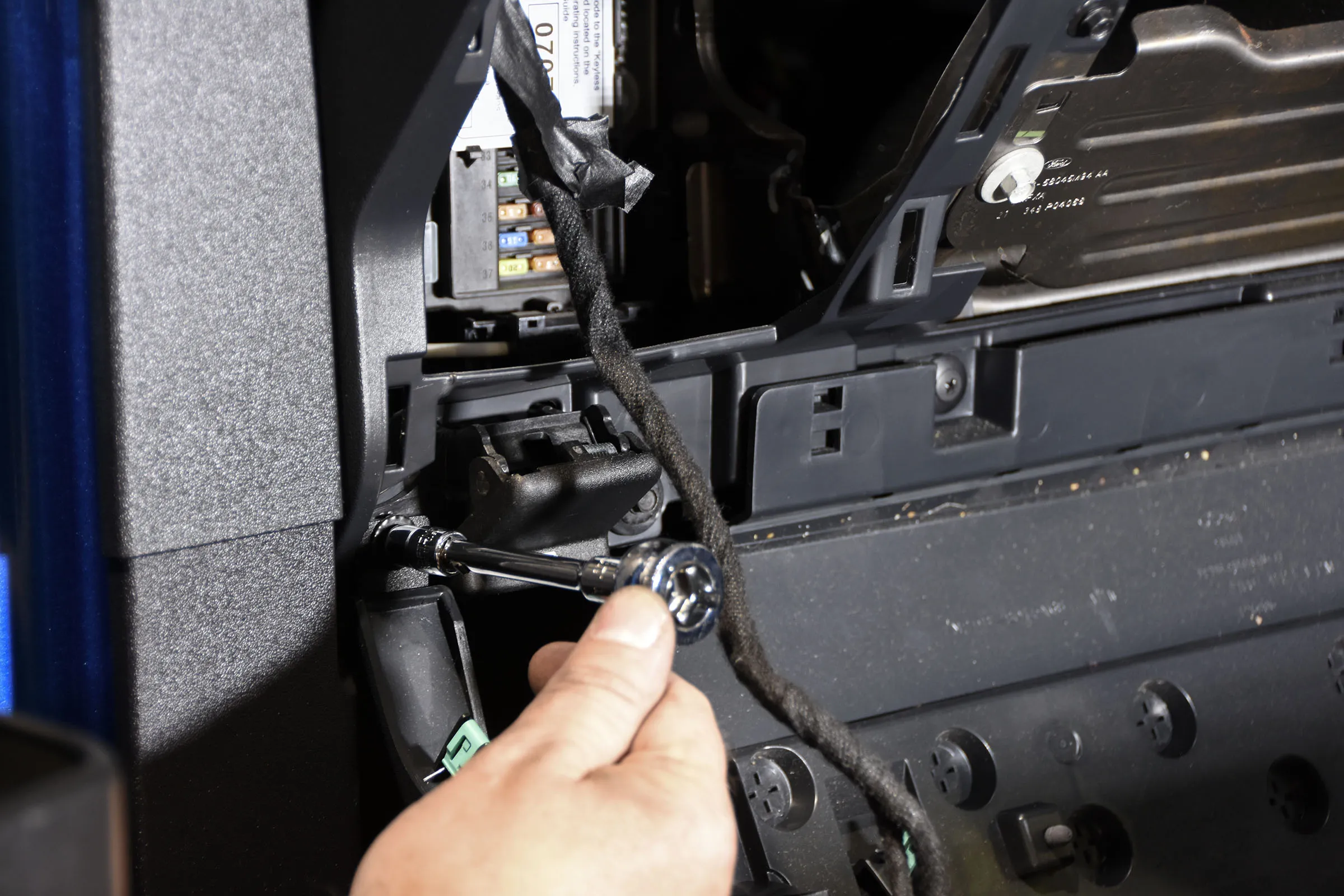
The lower dash panel folds down, revealing a 7mm bolt that needs to be removed. It’s the furthest bolt to the left. Once the bolt is removed, we can install the switch bracket using this bolt hole and original bolt.
The switch bracket is installed, and we popped the lower dash panel back into its clips. Notice the orientation, where a small gap in the bracket is positioned closest to the driver’s door.
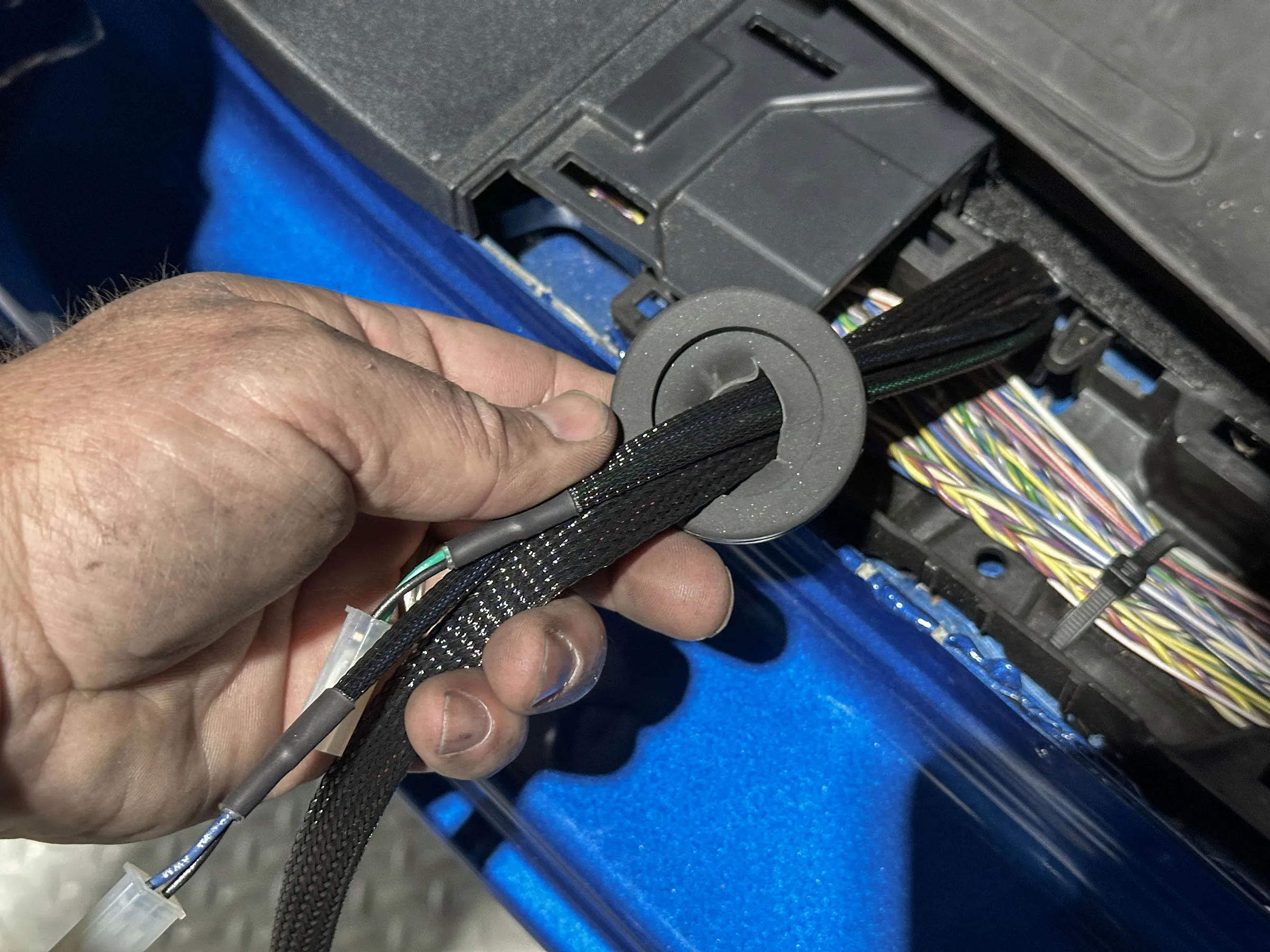
Now that we have everything ready, we can begin routing the wiring harness. We fish the wiring up through the grommet, which is in place of the original drain plug.
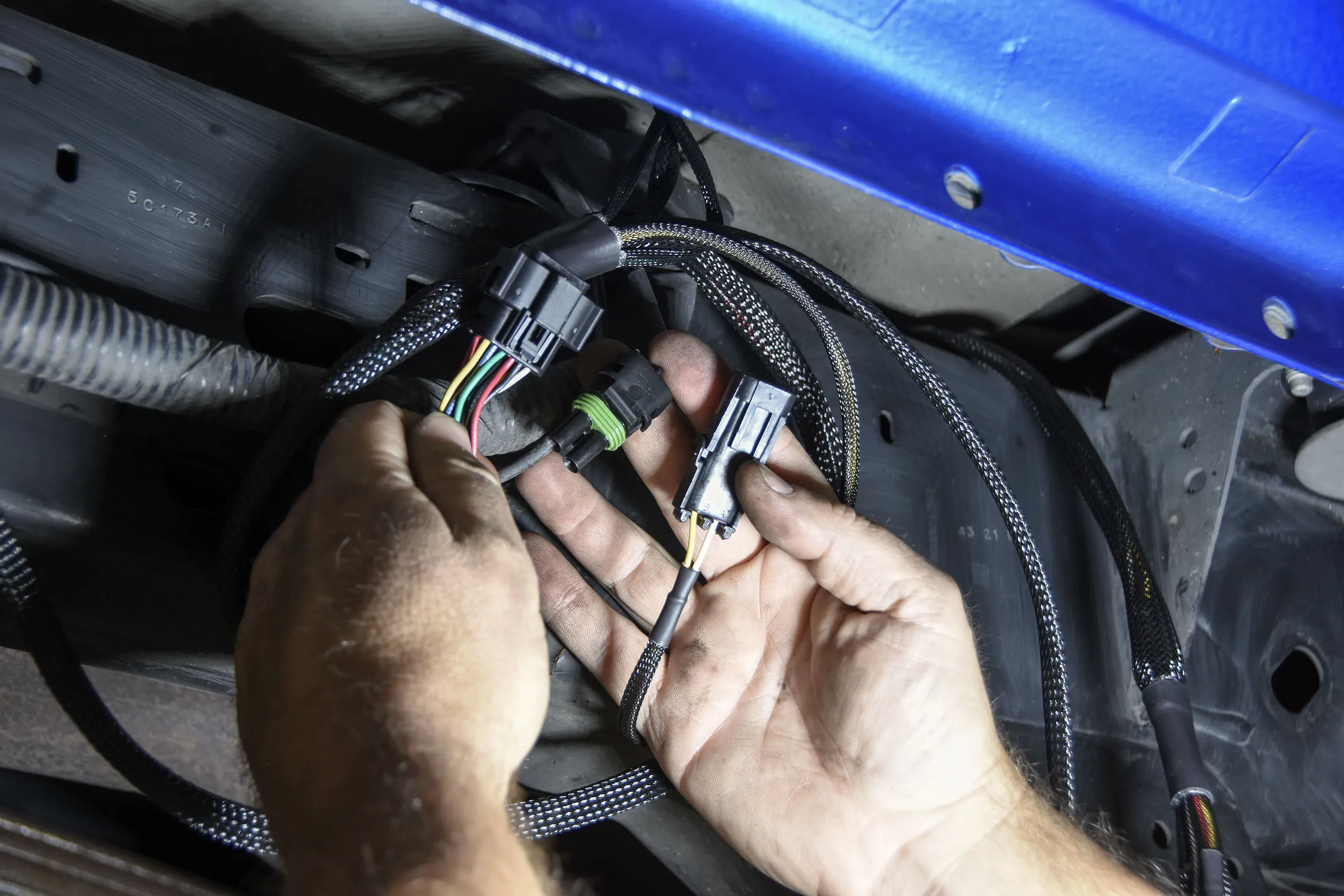
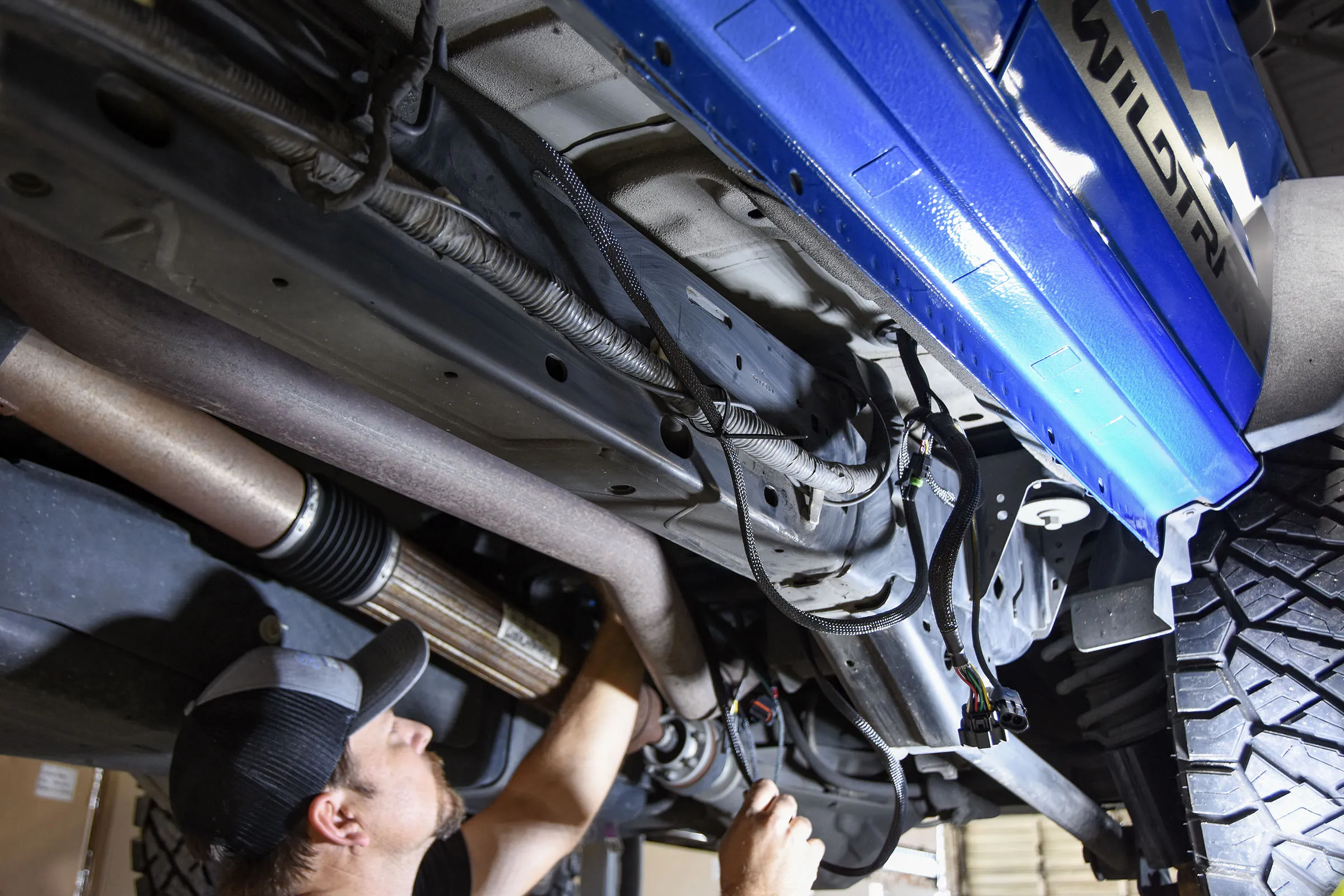
After feeding the driver side wiring through the floor, we route the passenger side portion of the wiring harness over the rear crossmember. We used a few zip ties to secure the wires once we had the routing finalized. As always, keep wires away from moving parts and extreme heat.
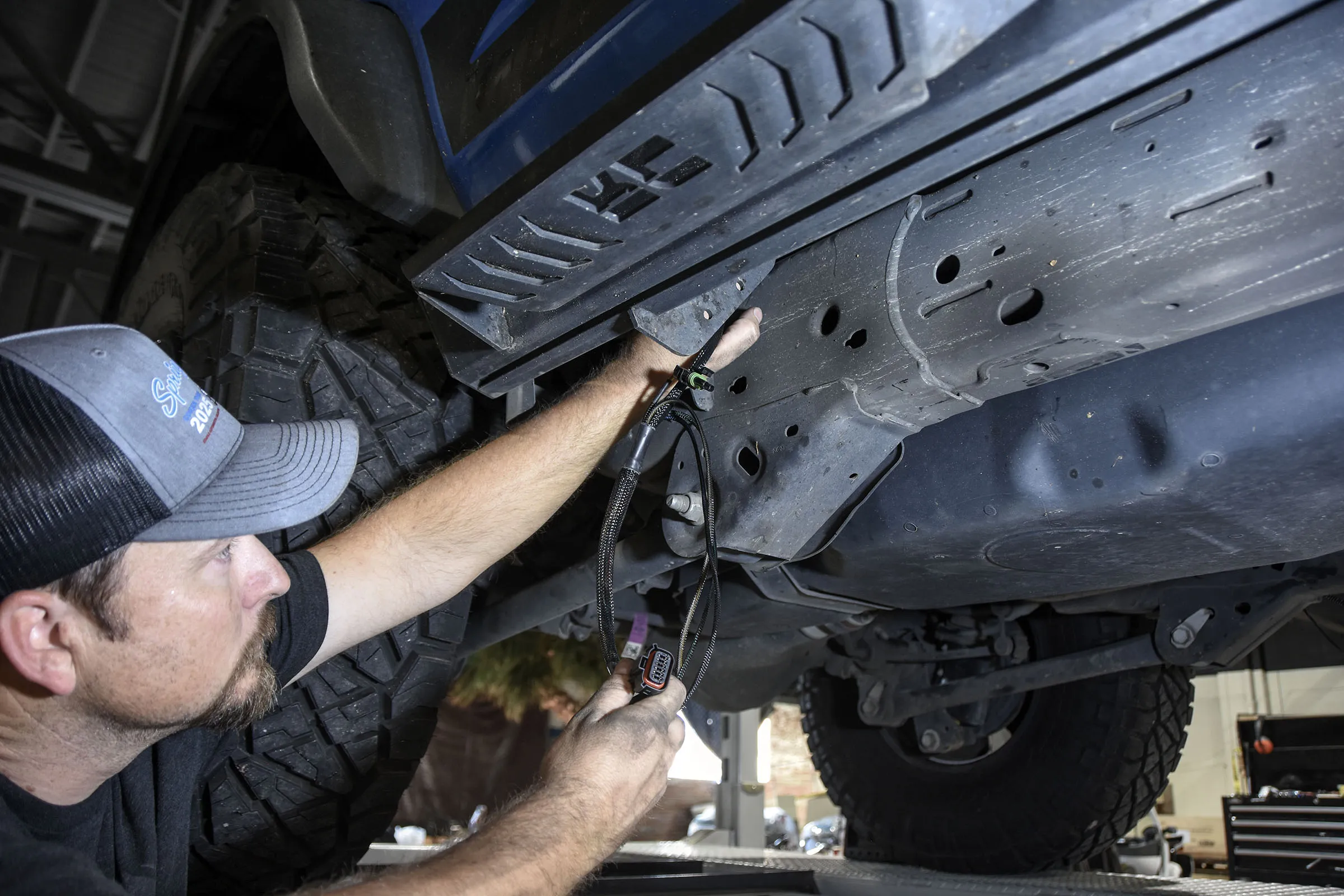
The passenger side wires pass over the frame rail and give us plenty of room to route the wires in a similar fashion to the driver’s side. The connectors for the door sensors pass through the grommet in the floor, while another tail hangs down to fit into the slider assembly.
We cut a slit in the provided grommet and passed the wires through it. Then, we can press the grommet into the original drain plug hole and pull the slack out of the wires.
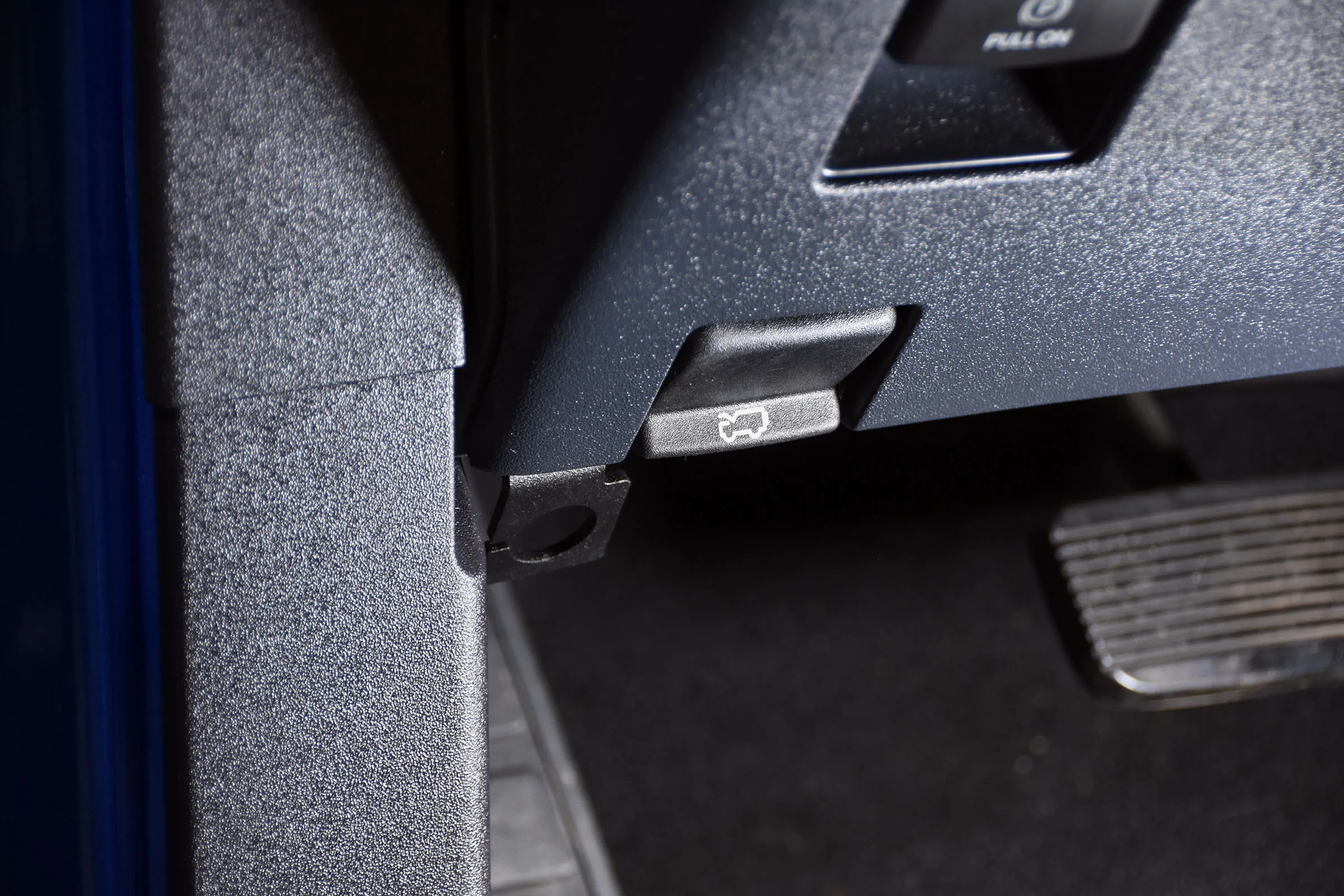
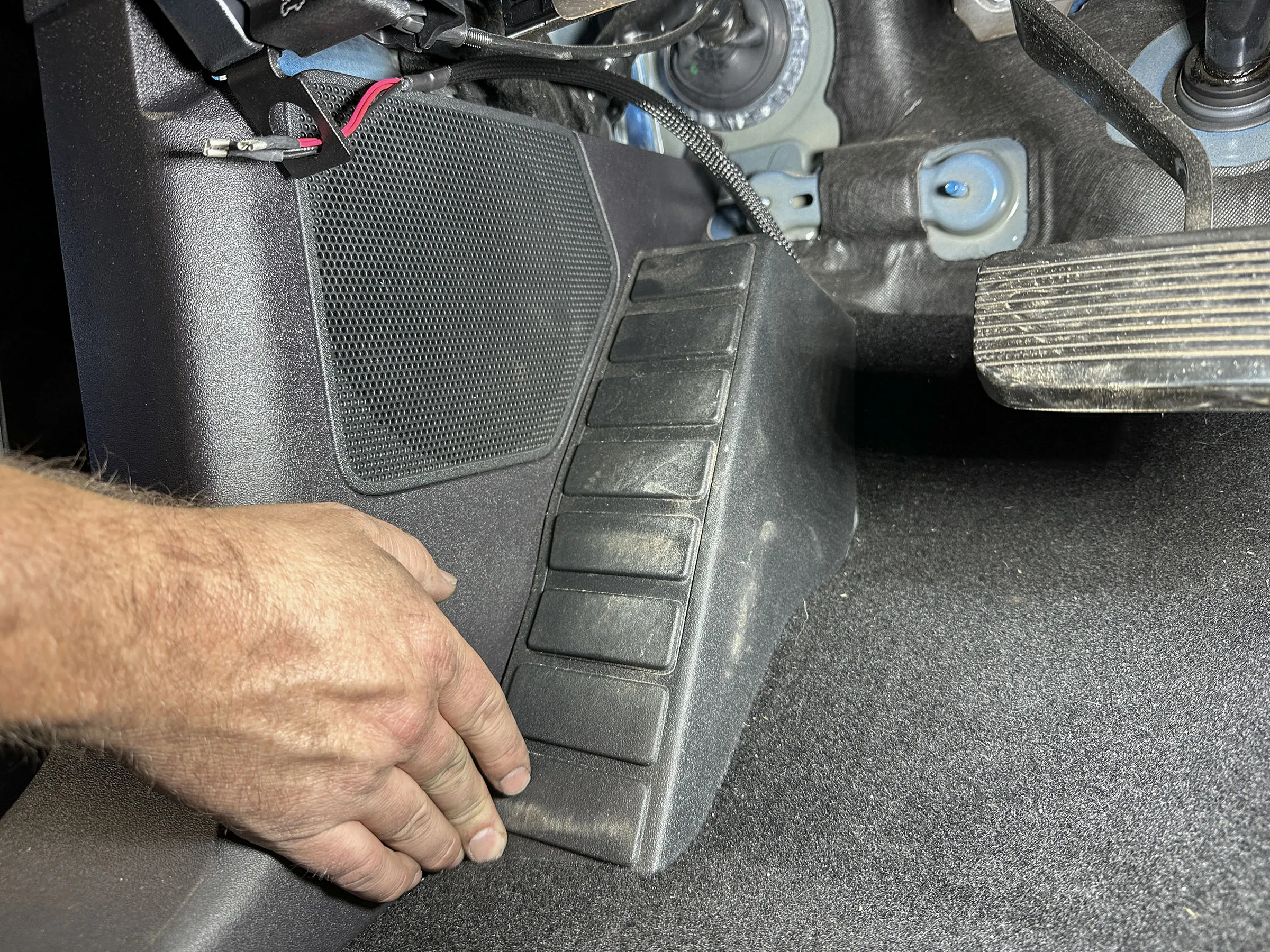
The longest tail on the wiring harness runs up to the dash, where we installed the switch bracket earlier. The wires can be routed around the footrest, and then delicately pushed behind the footrest to be hidden out of sight.
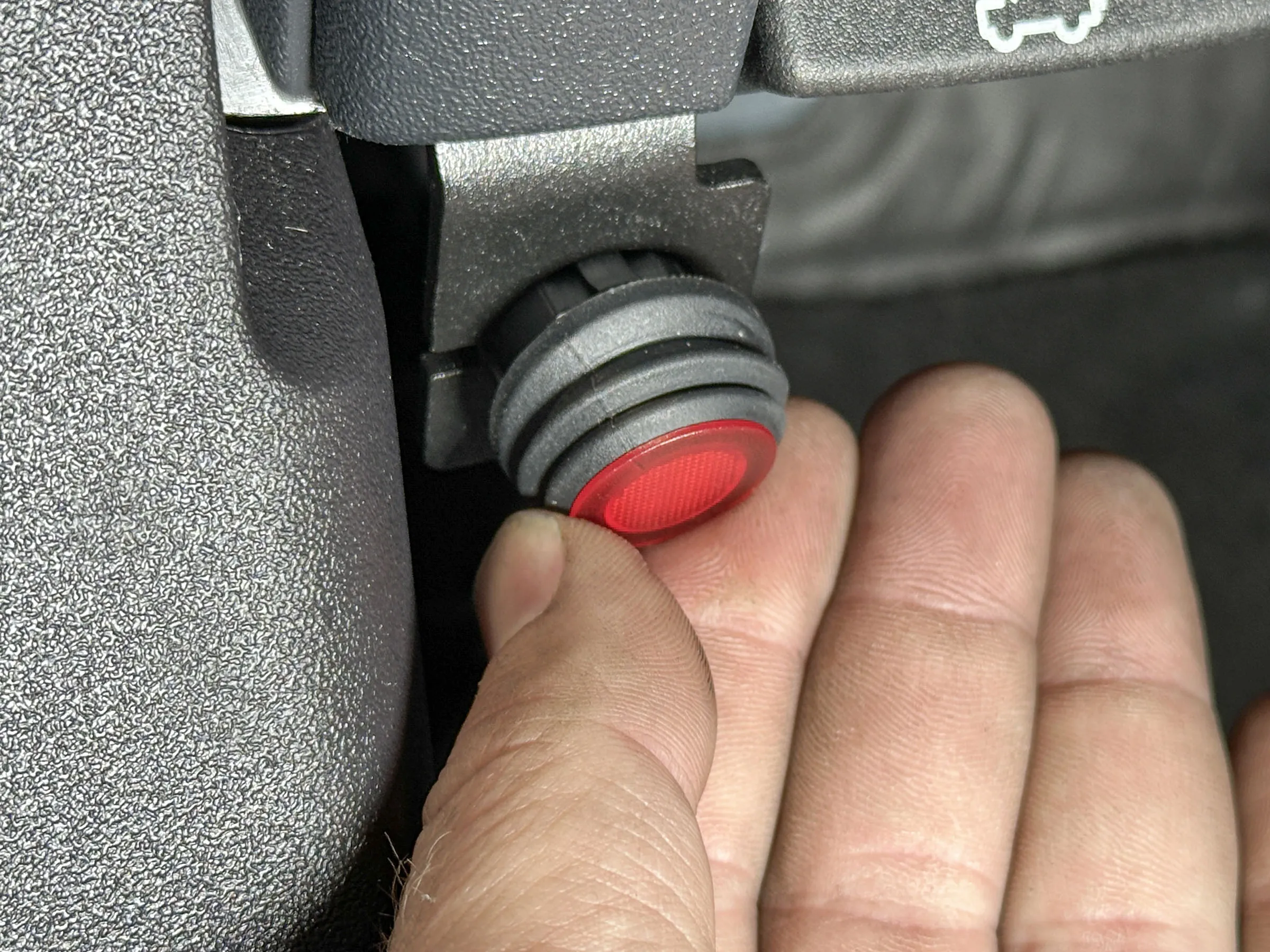
Now, the provided switch can be installed. It simply snaps into the bracket and then the provided wiring plugs into the back of the switch.
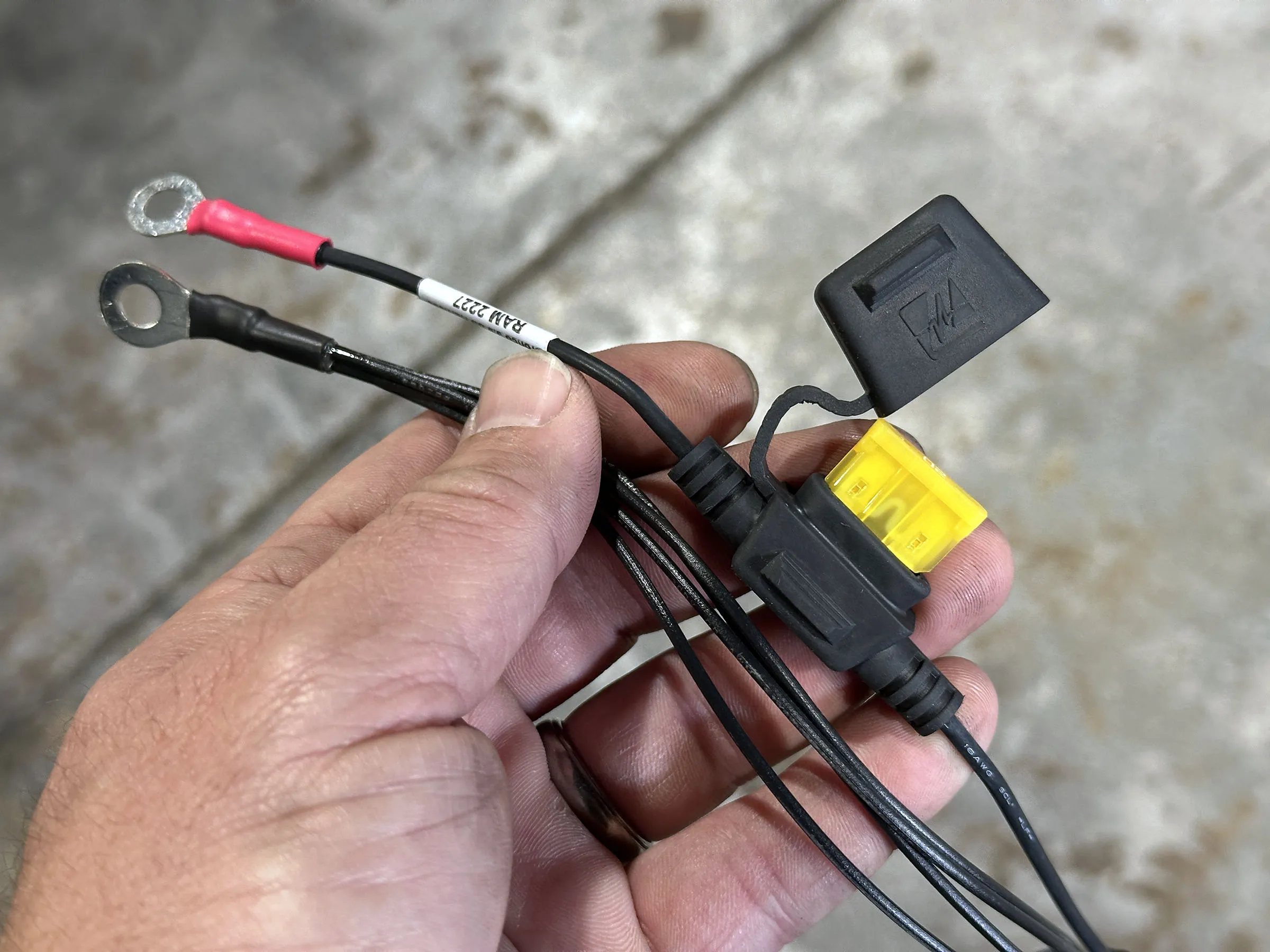
Moving up to the front of the wiring harness, these wires need to find an easy route from the driver’s side rocker panel area into the engine bay. You can remove the provided fuse and set it aside for later use.
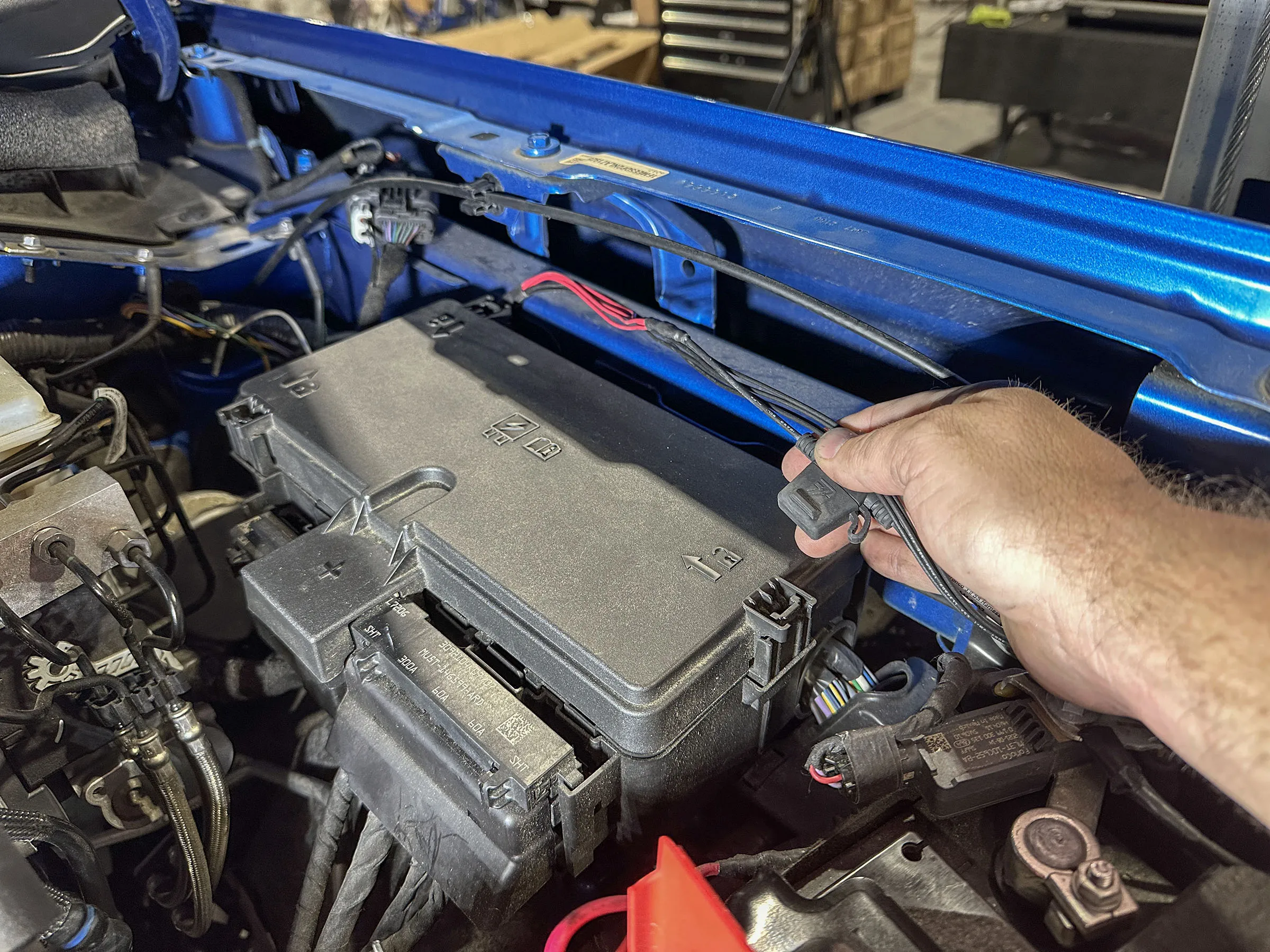
Under the hood, we route the wires between the inner fender and fuse box. Now would be a good time to disconnect the battery, as the following steps will connect the Rock-Slide Engineering wiring harness into the truck’s electrical system.
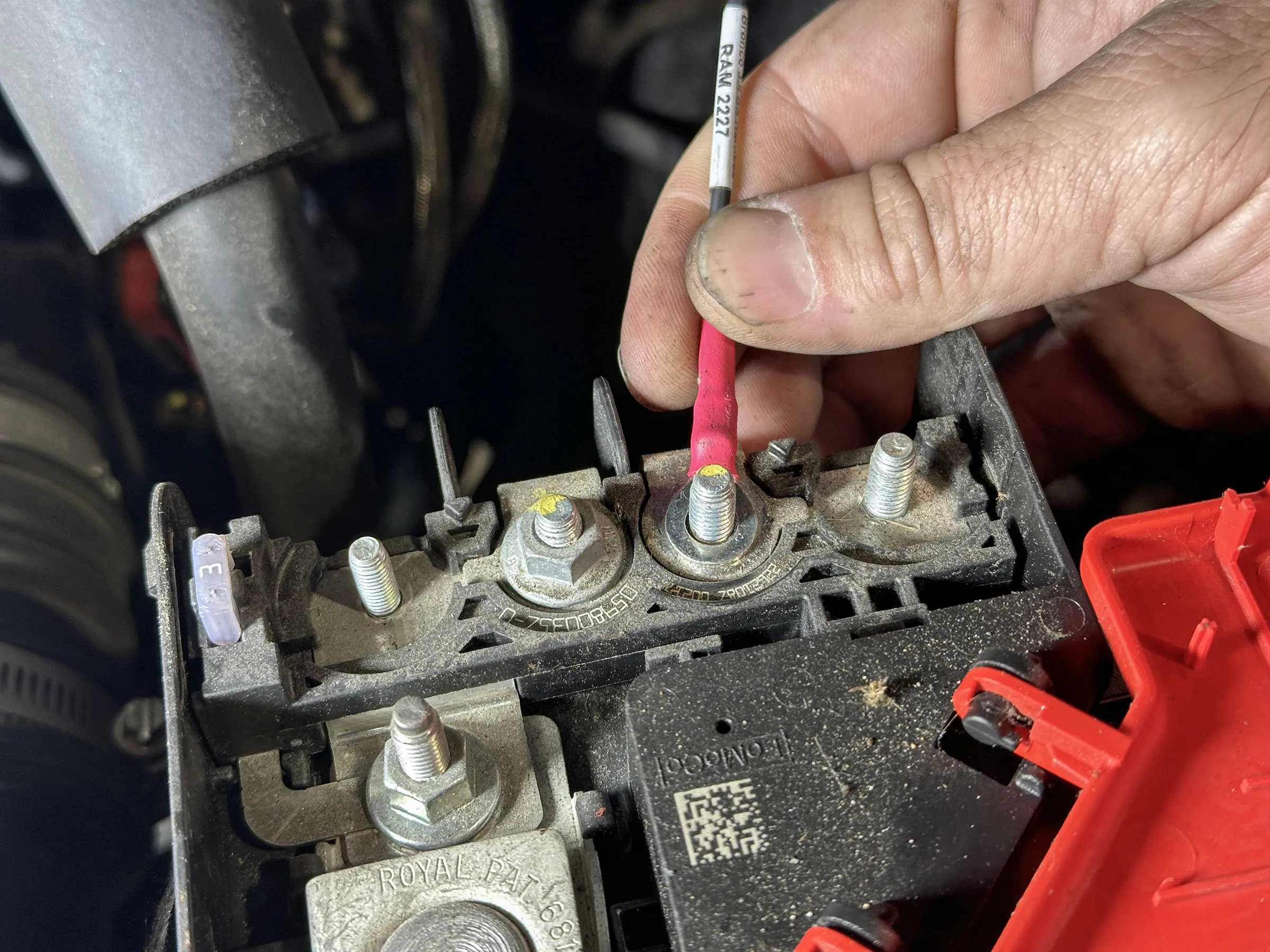
Lucky for us, these late-model Broncos include a distribution block connected to the positive post on the battery. This allows easy 12-volt connections for accessories, like our step sliders.
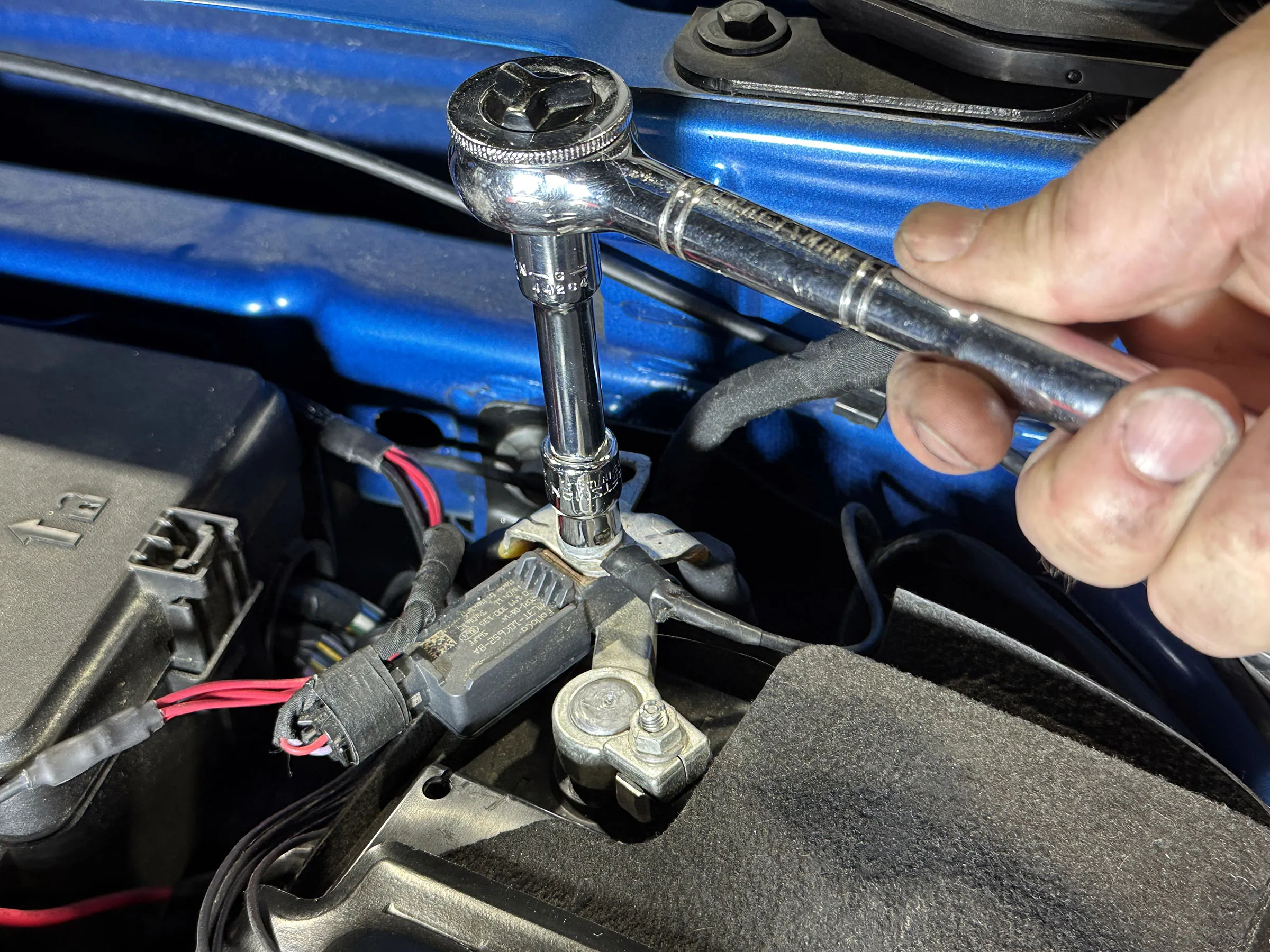
The ground wire from the kit can be connected to the bracket on the negative battery cable, using original hardware.
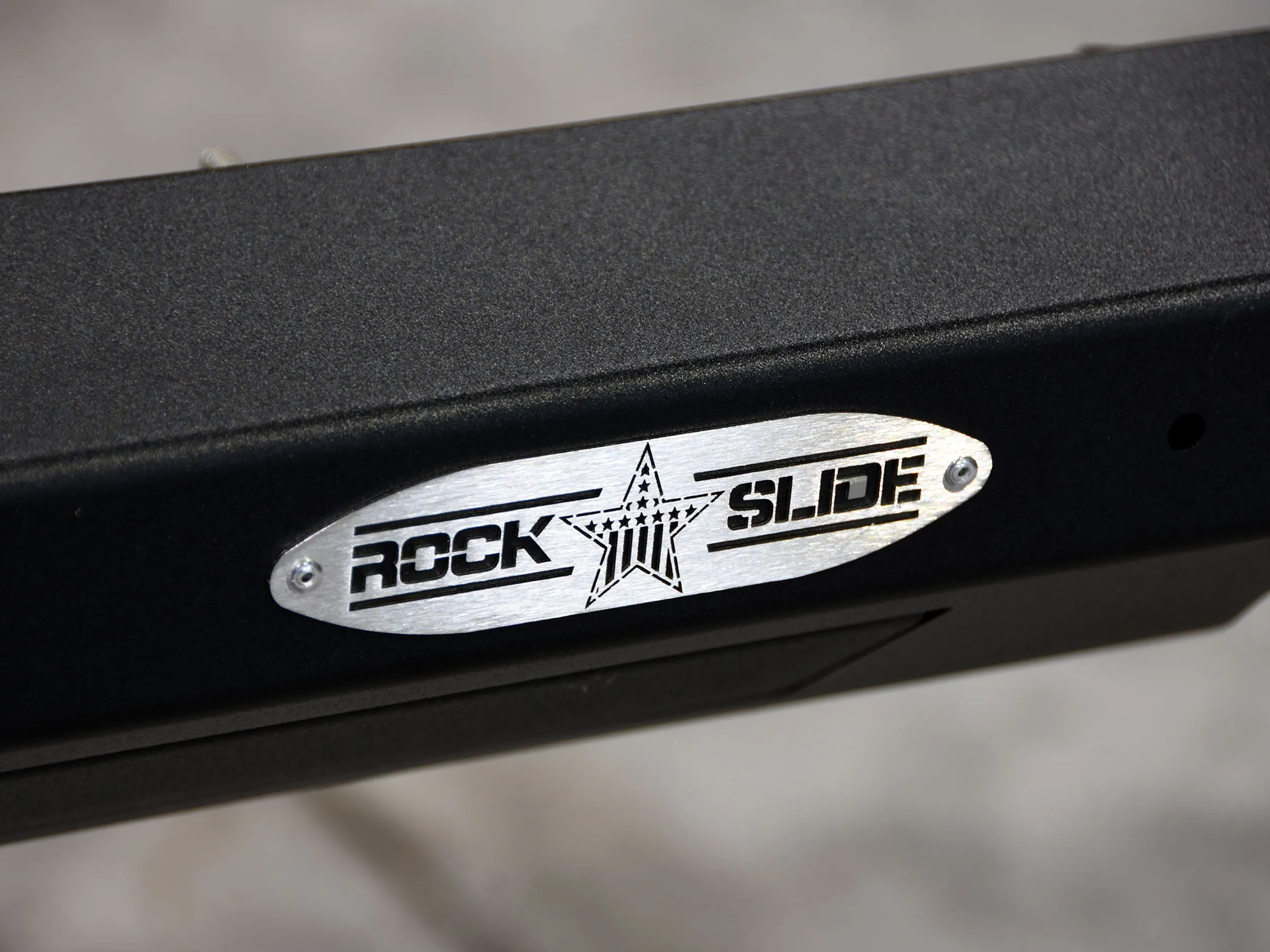
Now, it’s time to prepare the rock sliders for installation. These units are built in the USA from 10-gauge steel, as Rock-Slide Engineering builds these rock sliders to be super tough. The finish uses an automated powder coat system to produce a rugged textured black finish.
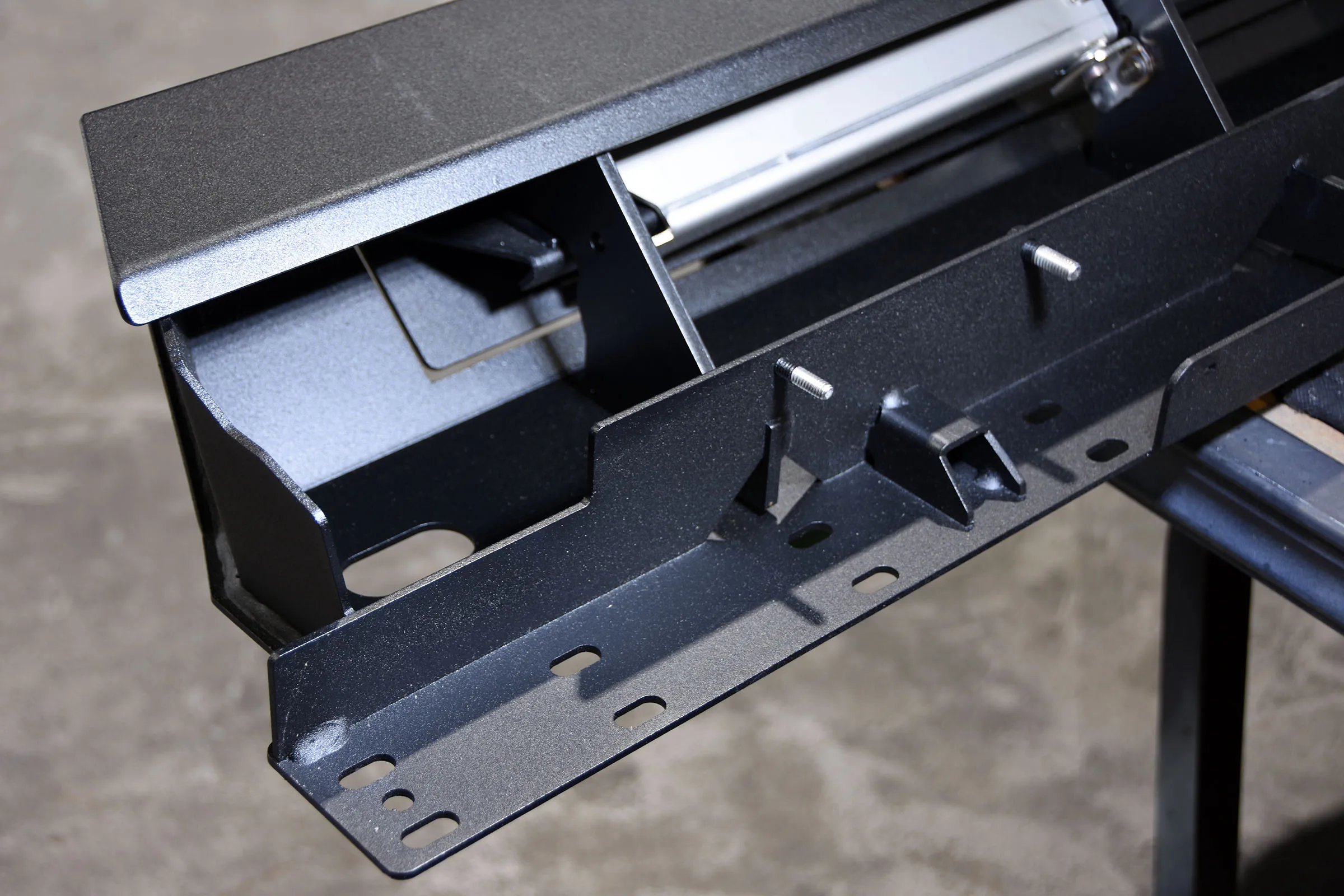
The integrated mounting brackets are also built from heavy-gauge steel, giving you confidence when you climb aboard. The slotted holes allow for easy fitment, using the provided bracketry and factory bolt holes.
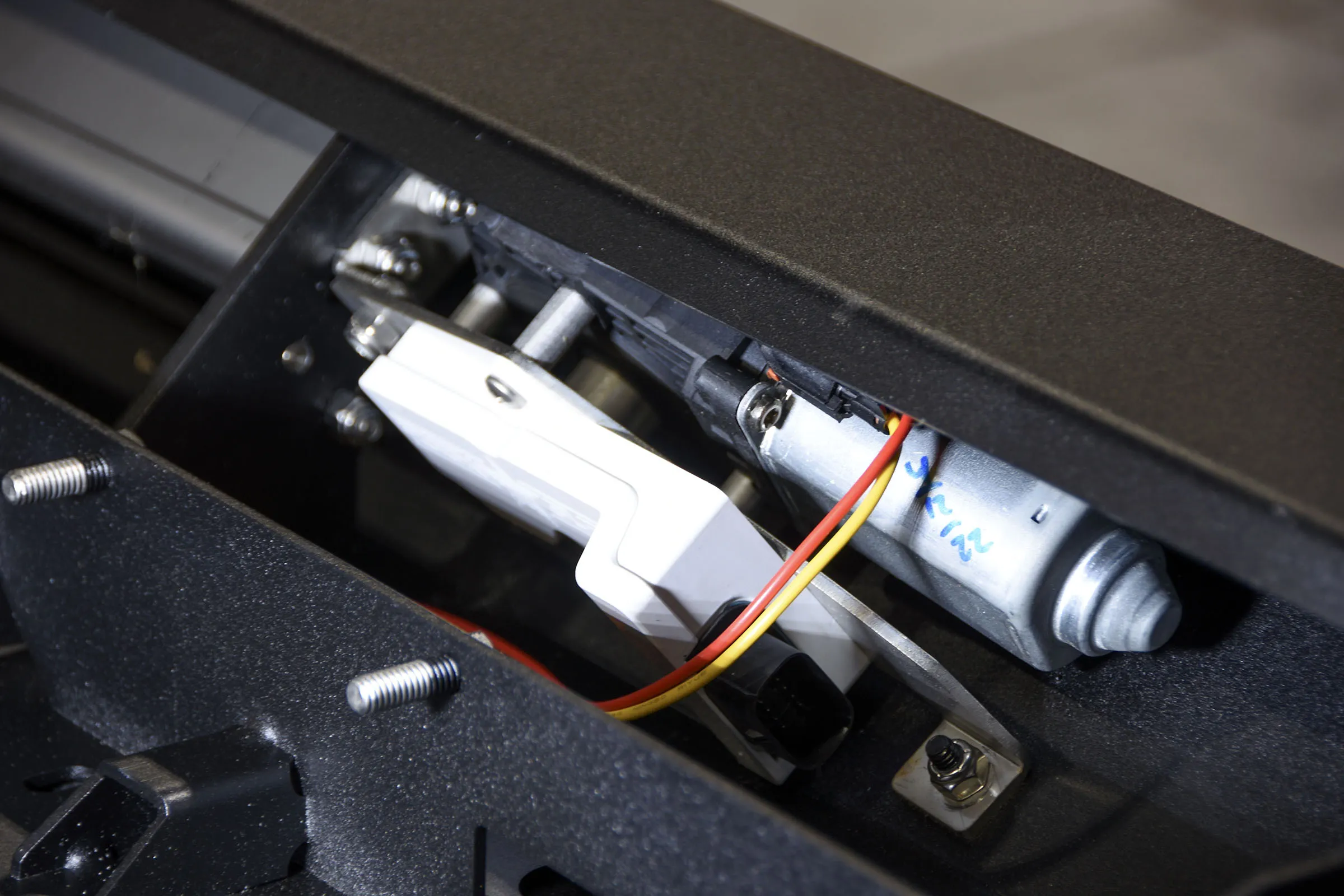
Inside the slider assembly is smart motor technology, hidden behind the 10-gauge steel. The motor is mounted securely and features easy wiring connections.
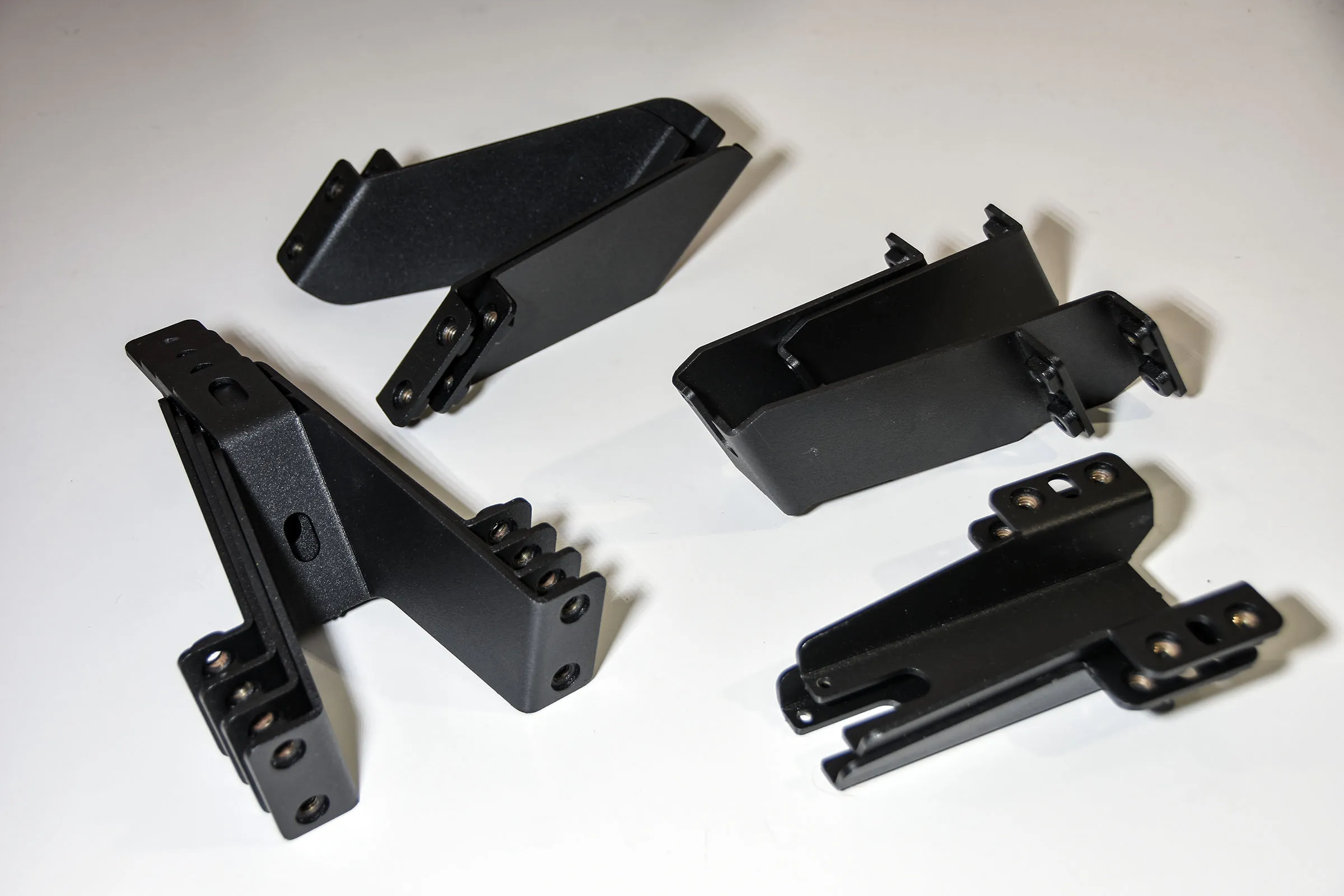
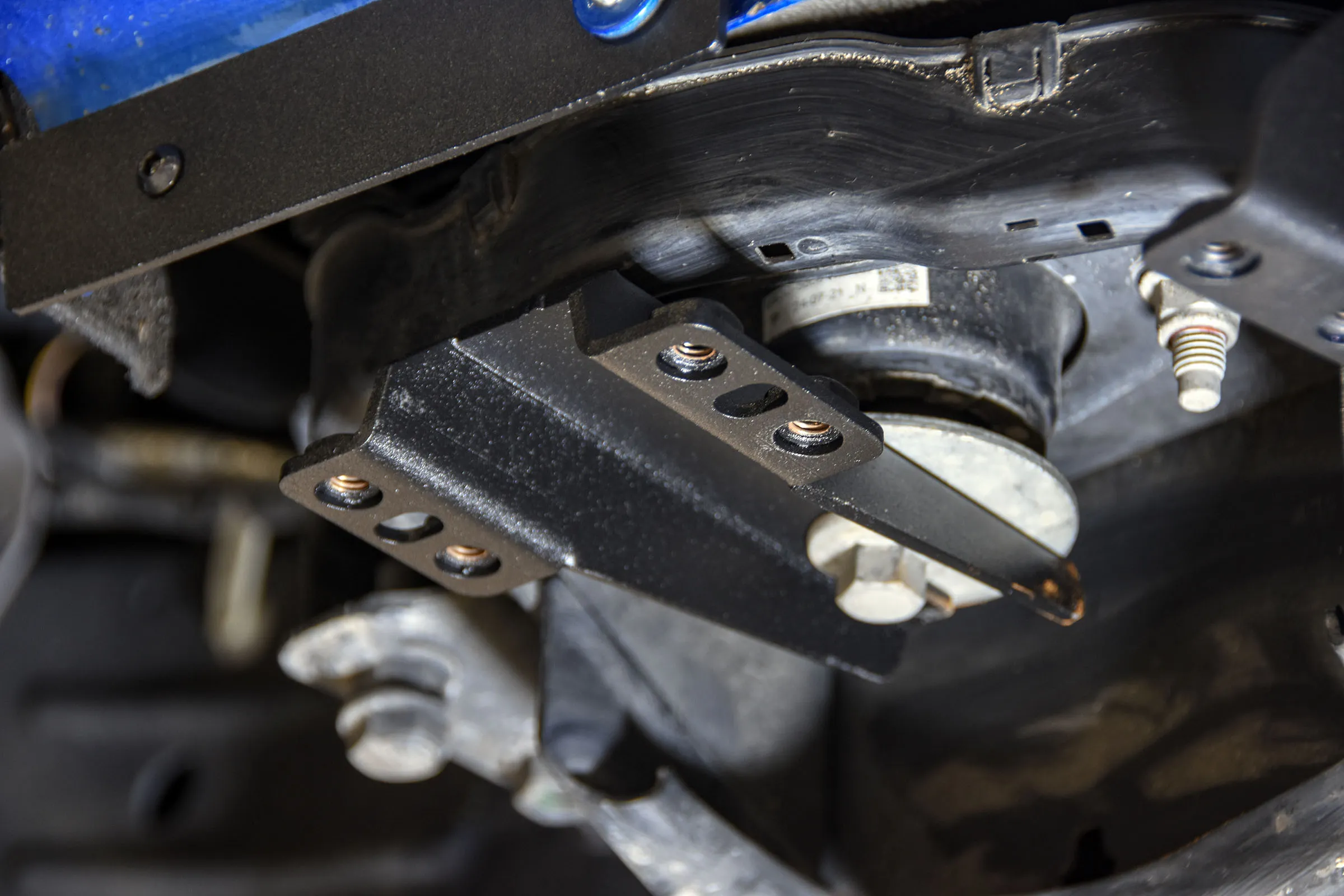
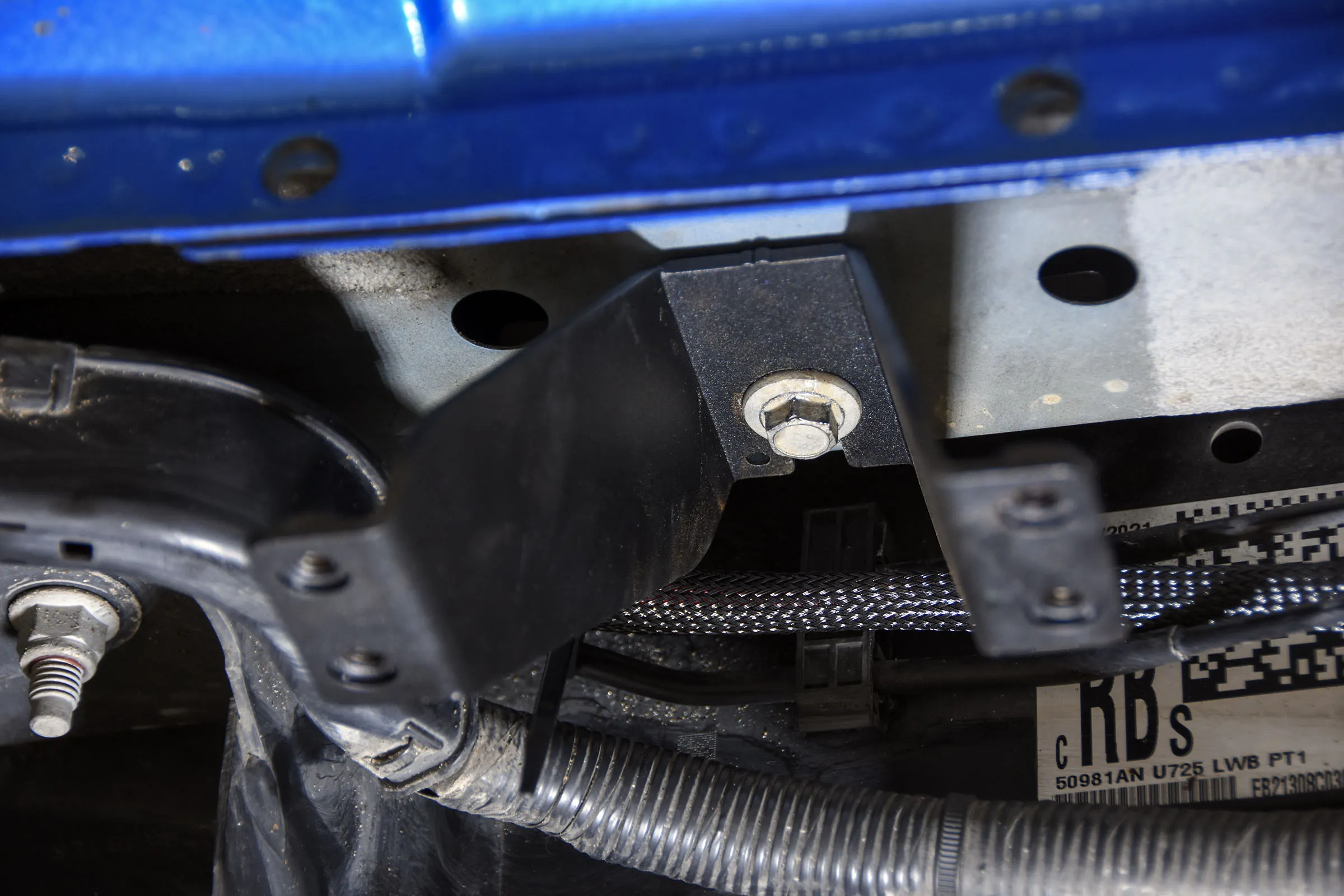
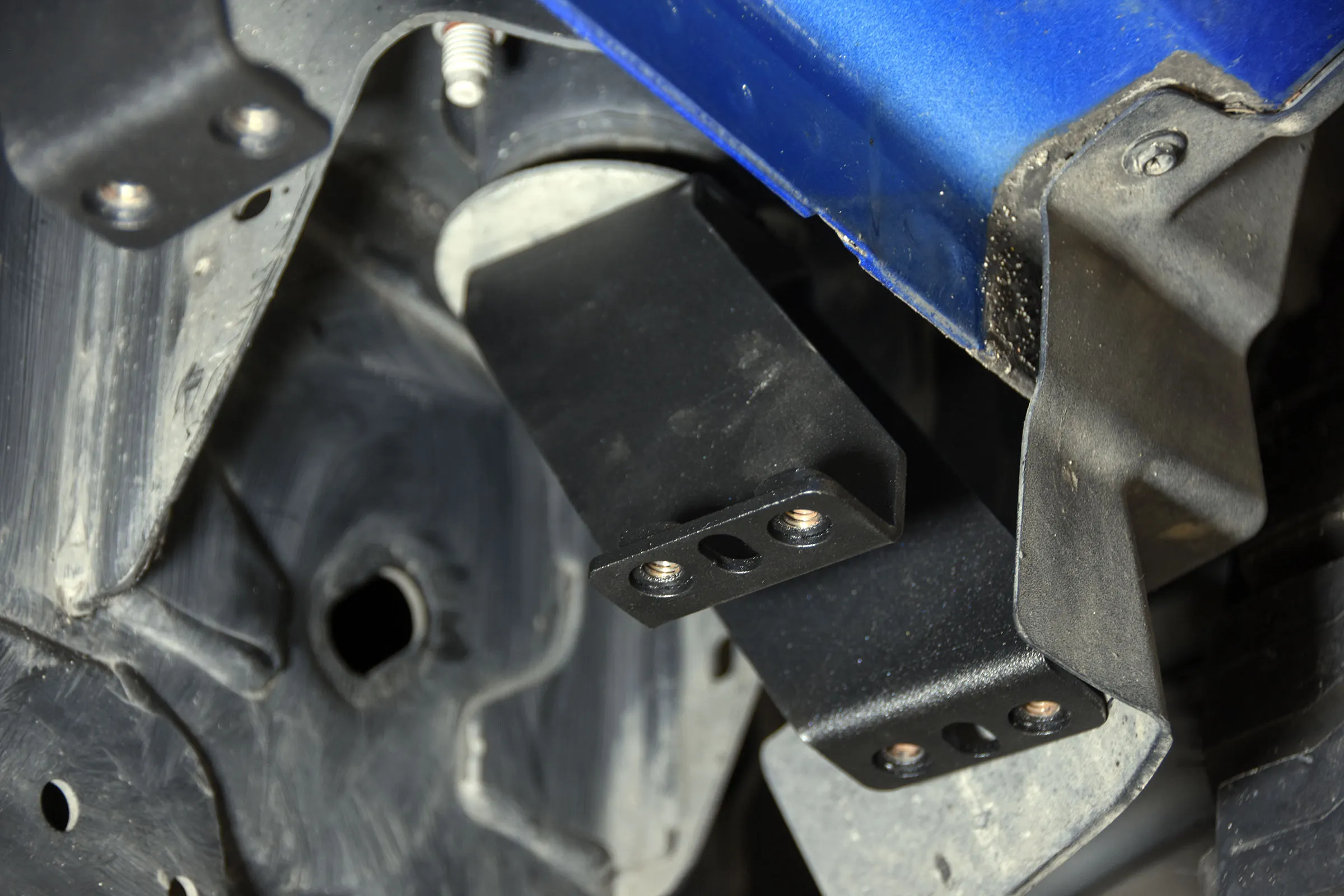
Thick steel mounting brackets are provided with the kit and feature a textured black finish. There are four styles of brackets: the front and rear brackets slide beneath body mount bolt washers, while the center brackets bolt to the inner rocker panel structure.
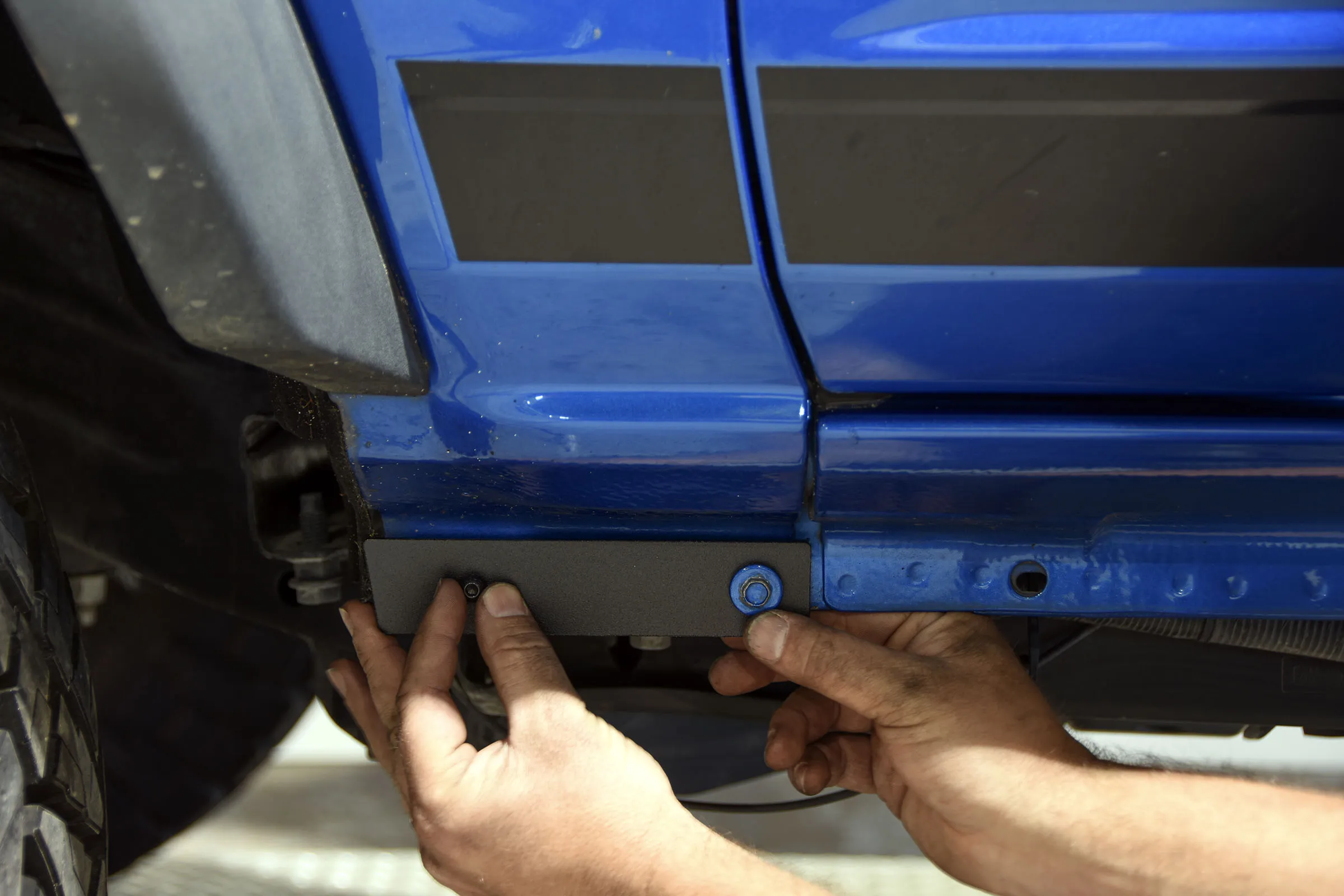
Before we can start bolting the components into place, we first remove the two lower front fender bolts. Hang onto the bolts, as one will be reused on each side in the next step.
The kit comes with this reinforcing plate that bolts to the lower front fender and pinch weld area. It uses the original bolt on the rear and a provided fastener on the front side.
We found it beneficial to loosely install the mounting brackets to the Bronco. The front bracket features a slotted bolt hole that slides between the front body mount bolt and its giant washer. You may need to tap the washer to break it loose from the bolt.
Moving rearward, the mounting bracket fits with a single bolt in a factory threaded insert in the rocker panel. These brackets are to be installed loosely, to allow for adjustment and alignment.
Going another step toward the rear of the vehicle, the second intermediate bracket bolts to the inner rocker panel structure, using an original bolt hole.
Finally, the rear mounting bracket attaches to the rear body mount in a similar fashion as the front mount. Loosen the body mount bolt, tap on the washer to break it loose, and slide the bracket between the bolt and washer.
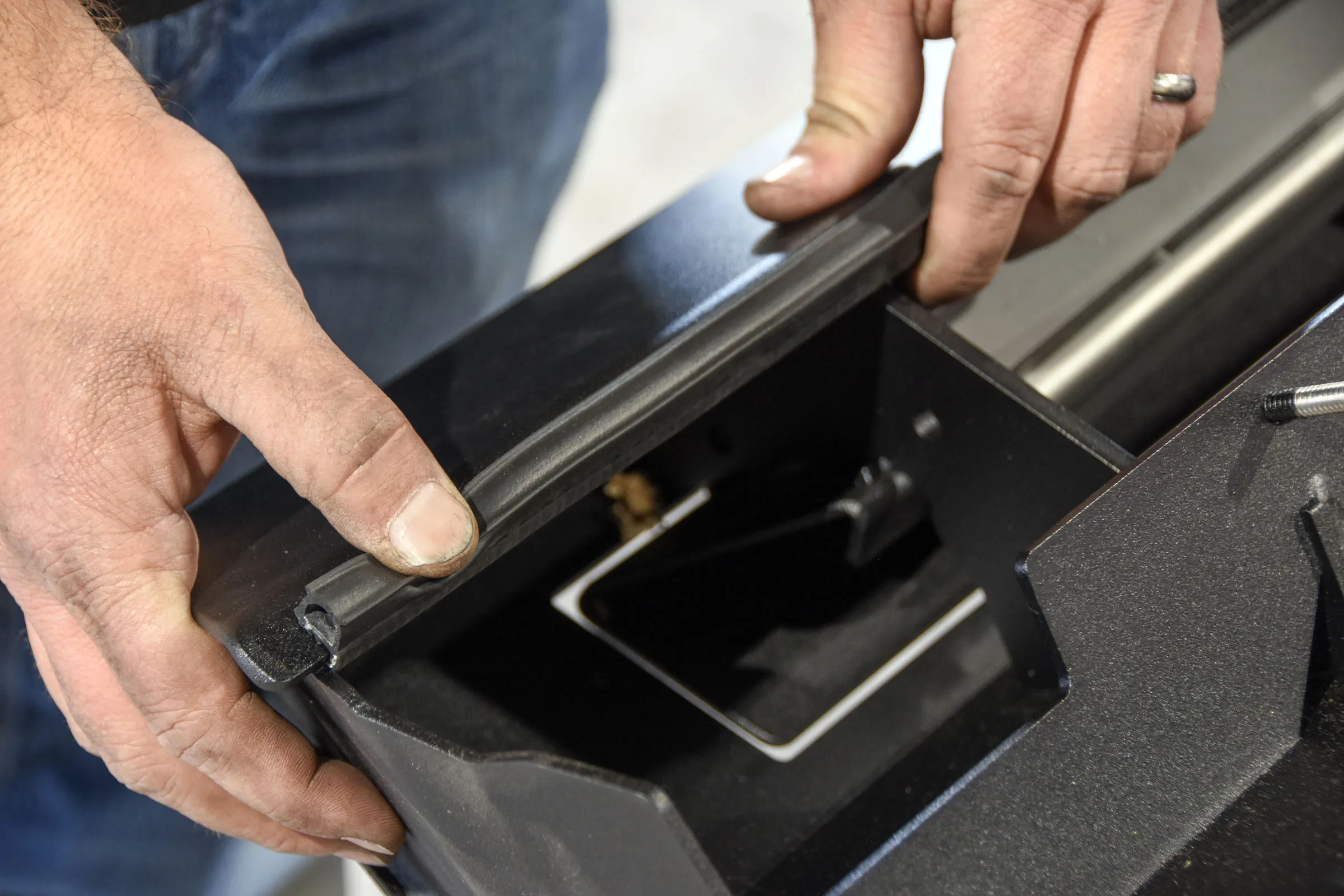
The kit comes with rubber trim for the top edge of the rock slider assembly. It’s cut to length, so you’ll just need to fit it onto the edge and work it down the length of the slider.
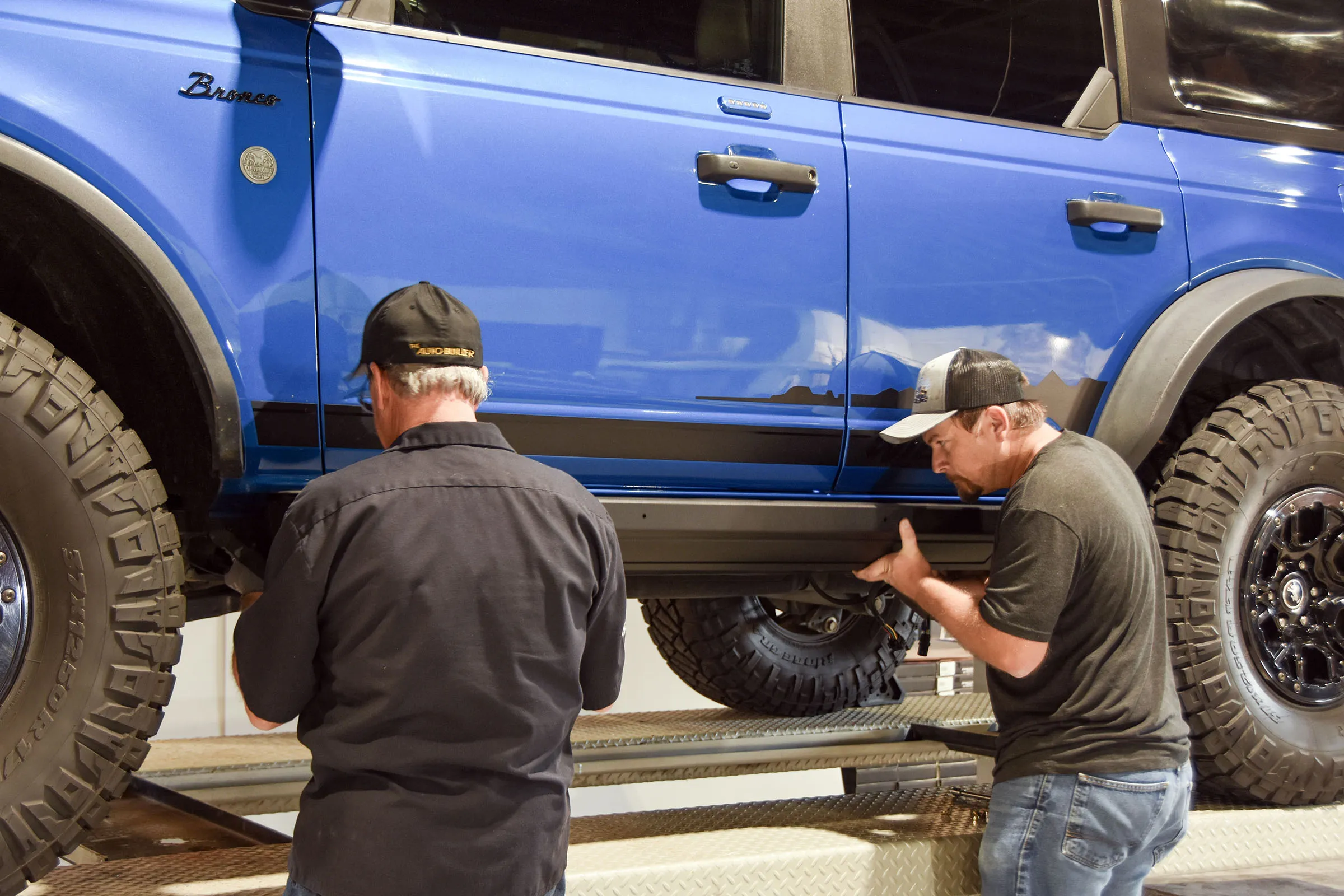
While it is possible to install this rock slider by yourself (with assistance from a floor jack), it goes much smoother with a helper. With the rock slider fitting closely against the rocker panel, we can adjust the loose brackets and get a few bolts started to hold it in place.
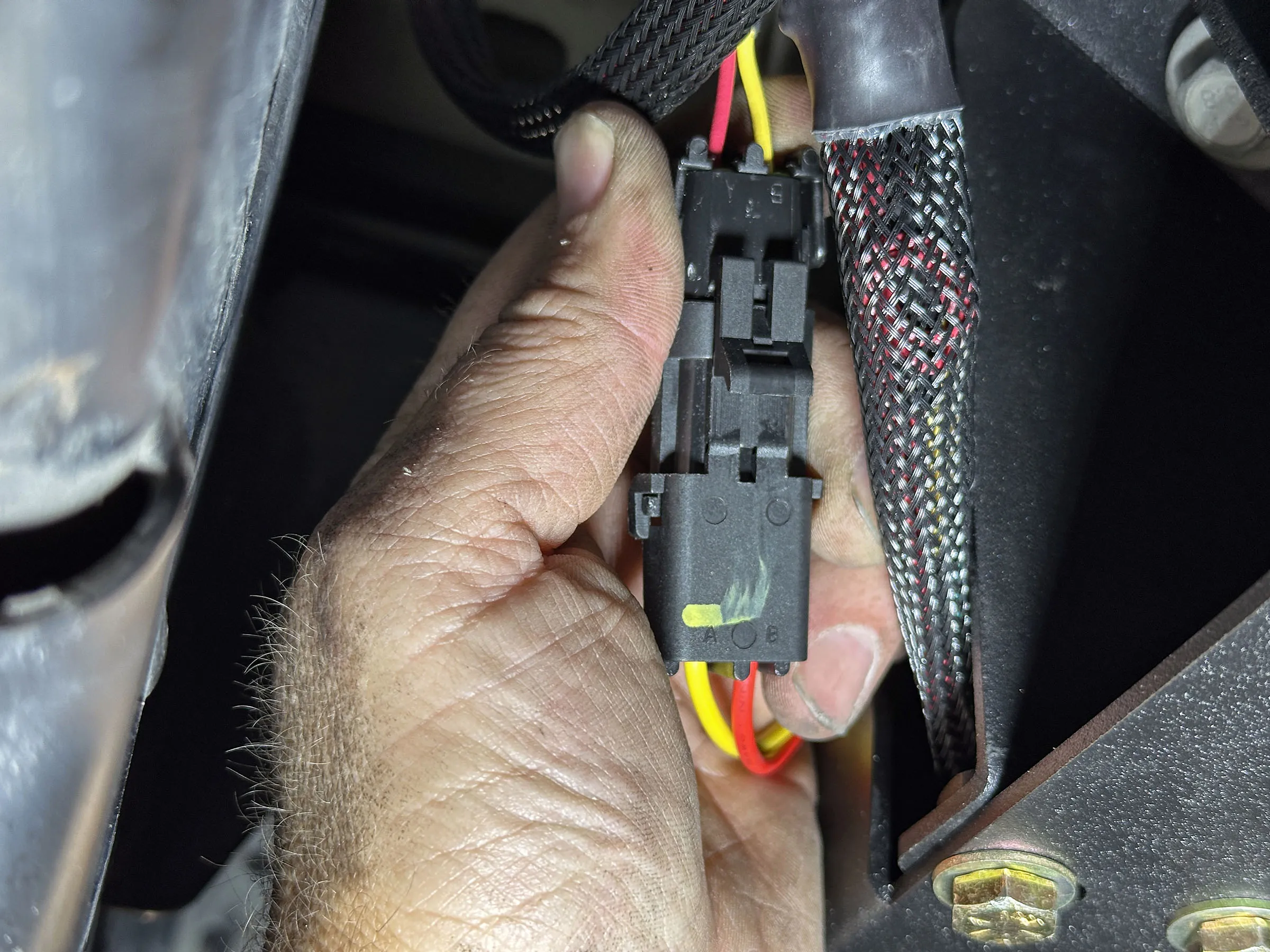
There are access holes in the bottom of the rock slider assembly to reach the motors and wiring connectors, but it’s easiest to connect the wiring before you get too involved in bolting the rock slider assembly to the vehicle.
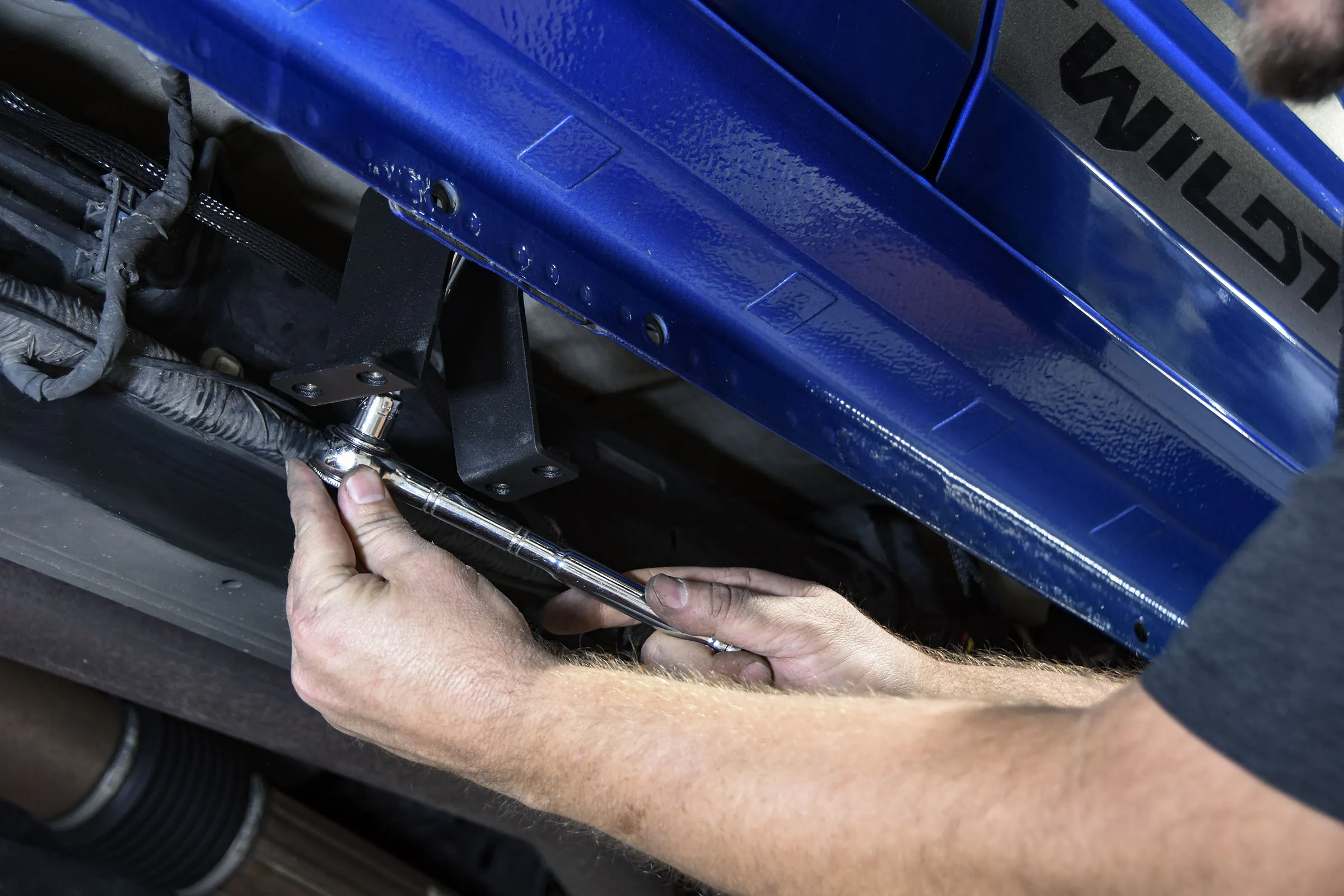
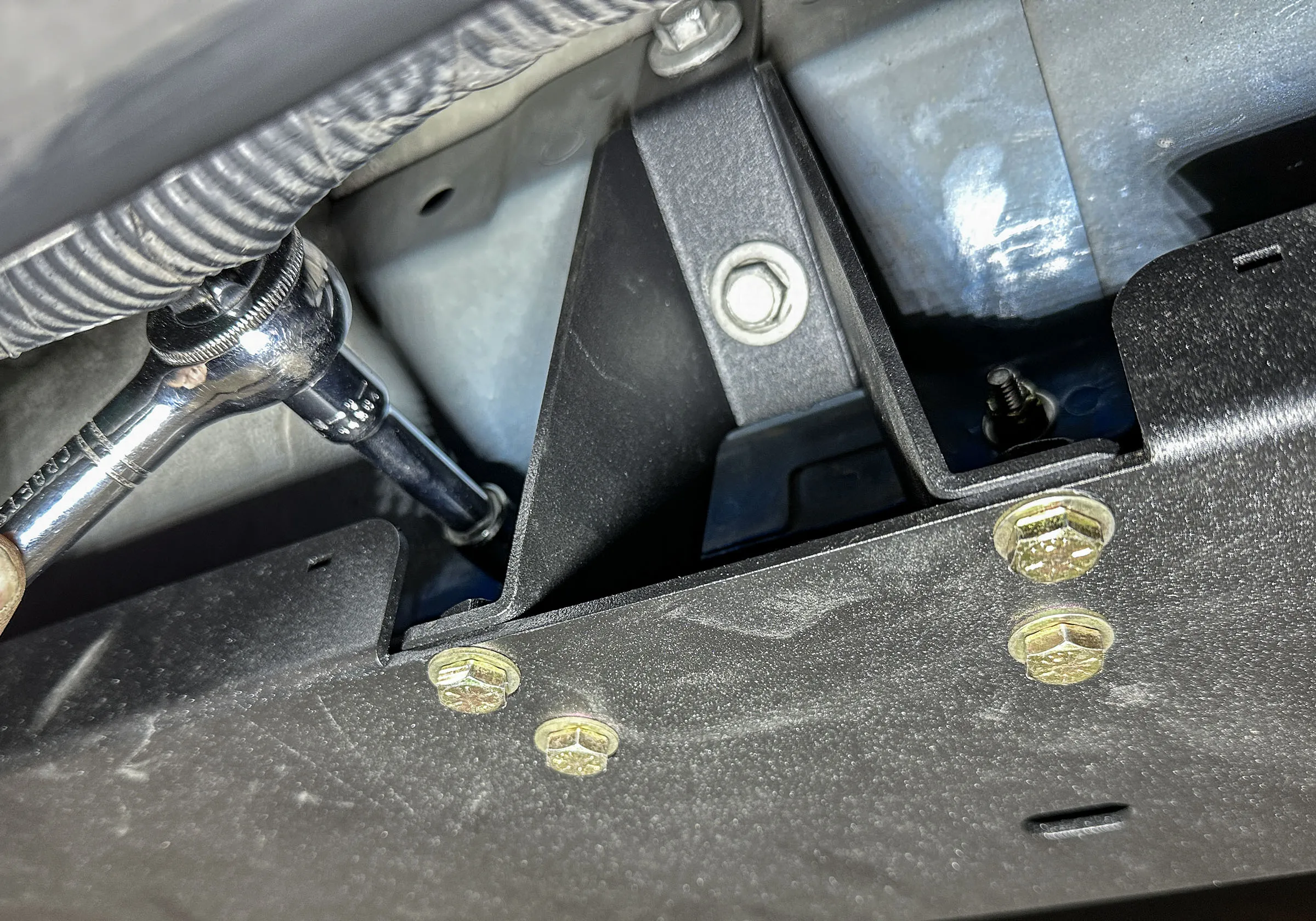
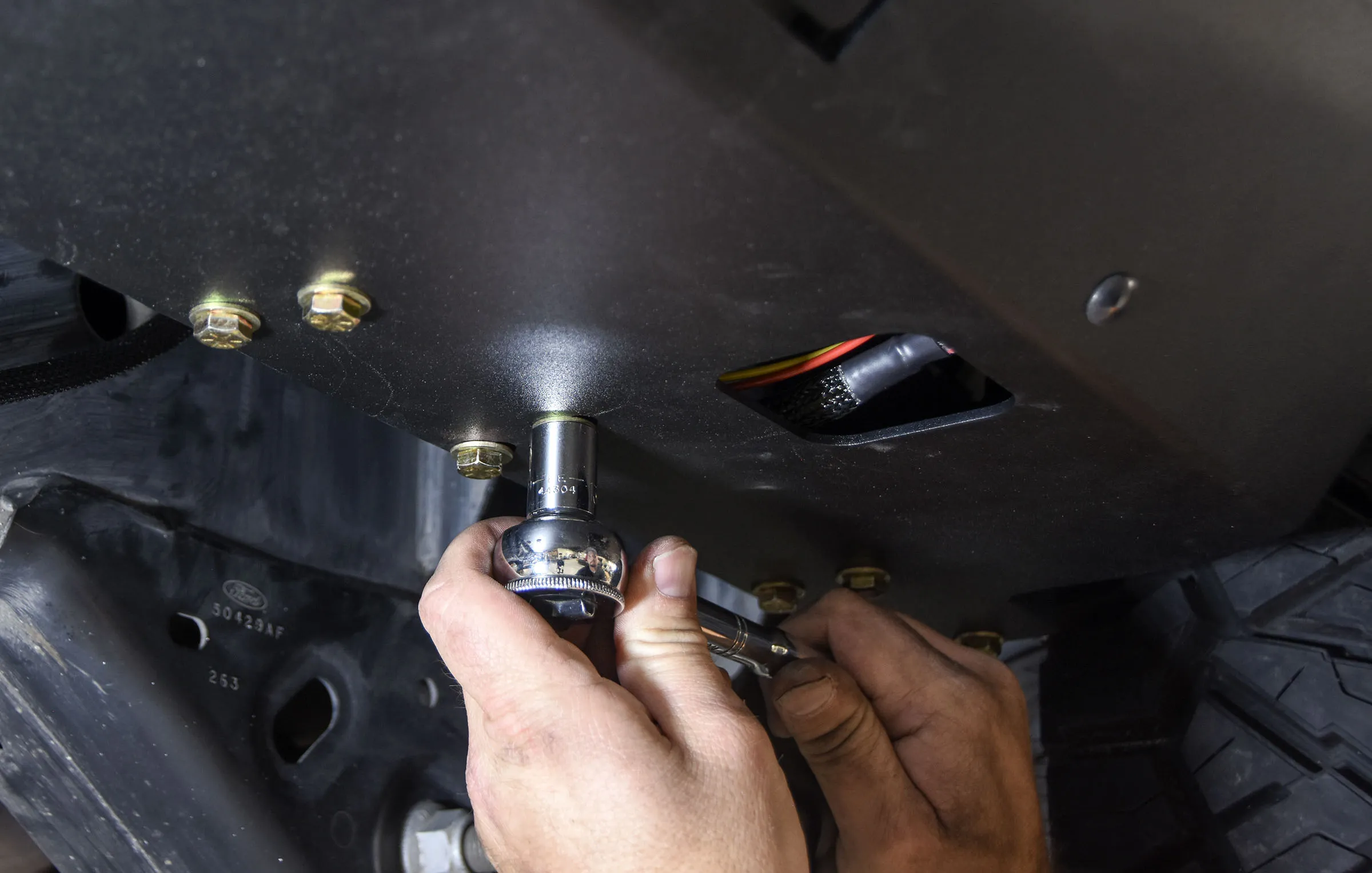
For quick work, we’d suggest a cordless impact, but the old-fashioned way is ok too. We bolted the rock slider to the brackets using the provided Grade 8 hardware and then tightened our brackets that we previously left loose.
There are dozens of bolts that hold the rock slider assemblies in place, so we tightened everything on the bottom side and worked our way up to the mounting brackets, ensuring the rock slider was aligned properly.
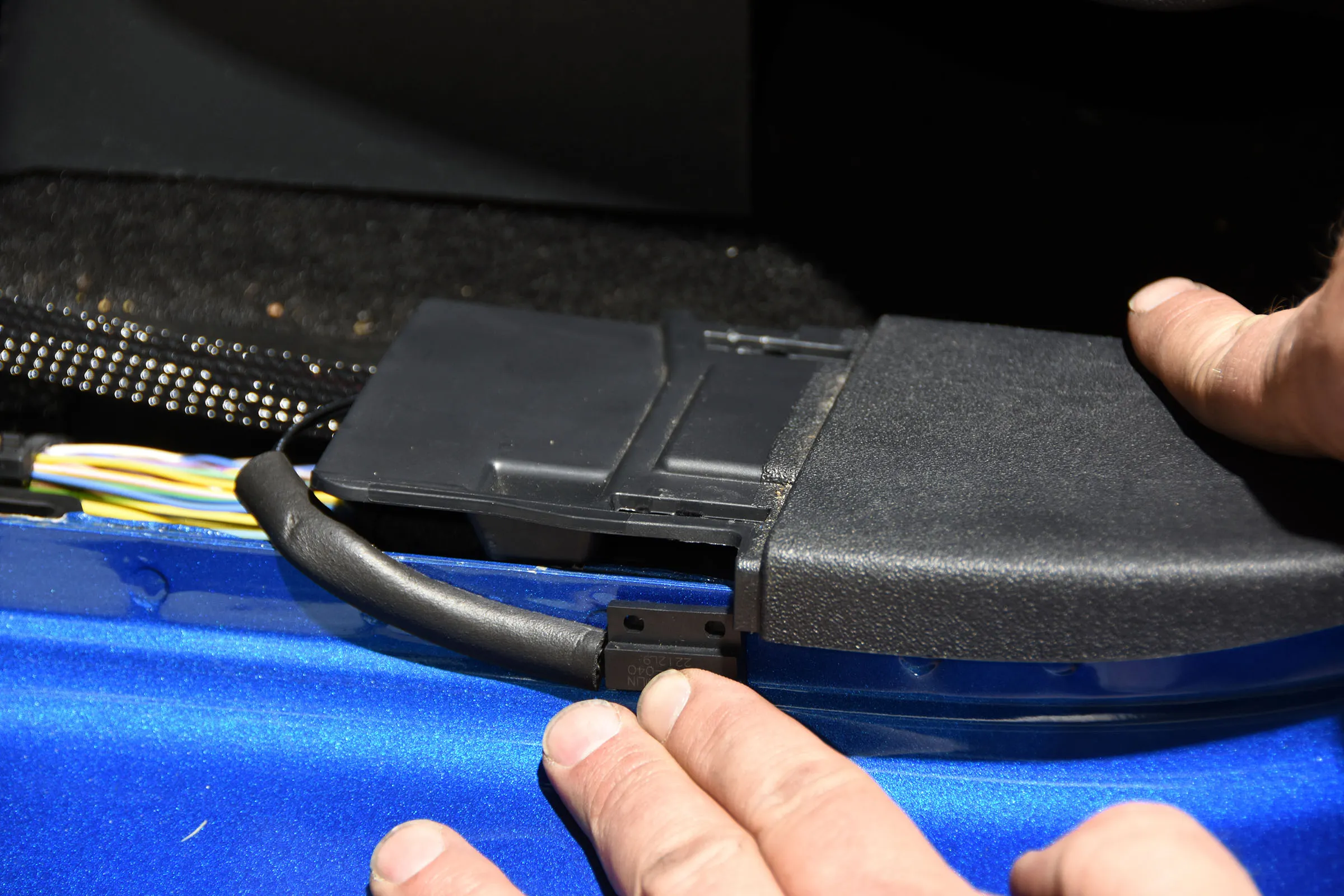
The actuation of the power steps is controlled by a total of four sensors, which mount to the body near the door jamb pinch weld, using two-sided tape. The sensor wire plugs into the wiring harness that we laid out earlier.
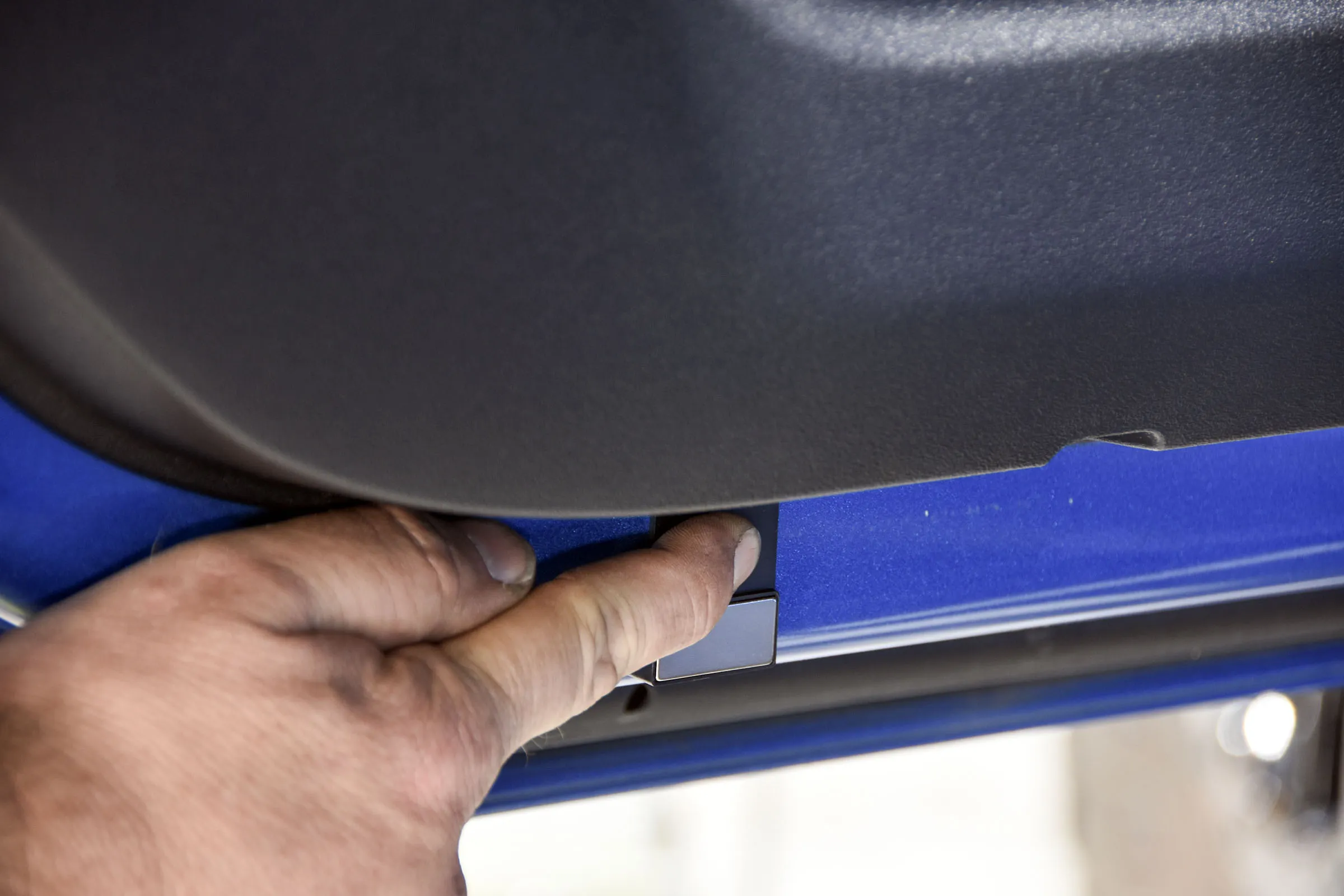
The other side of the equation is a magnet that triggers the sensor. It also attaches with two-sided tape, but this time it attaches to the door. This requires some trial and error to align the magnet with the sensor.
After installing the magnets and sensors, we could finally reconnect the battery and install the fuse in the provided wiring harness. Then, it’s time to see how well the new system works.
We armed the system with the switch under the dash and then opened and closed the doors to ensure the steps would drop and retract properly. We had some alignment issues at first, but adjusted the sensor and magnet placement to get it dialed in.

ARTICLE SOURCES

Picture of Rock-Slide Engineering

Rock-Slide Engineering

MADE IN USA
Rock-Slide Engineering proudly builds high-end products for Jeep, Ford Bronco, Tacoma, full-size trucks, and more. Based in Logan, Utah, we have been providing the aftermarket industry with high-quality, American-made products since 2010.

FACEBOOK
Scroll to Top

Subscribe to our weekly newsletter!

* indicates required
Interests

For information about our privacy practices, please visit our website.

We use Mailchimp as our marketing platform. By clicking below to subscribe, you acknowledge that your information will be transferred to Mailchimp for processing. Learn more about Mailchimp's privacy practices.