The Thrill of Horsepower and Torque
Some of the greatest feelings in life come with a rise in rpm, a dropped clutch and tests of traction stretching the boundaries of our physiology. These are the emotions many of us cherish, and while many factors can evoke such emotions, the single most influential force behind these kinetic kicks is torque (which is then equated into horsepower).
Components Behind the Numbers
Beyond these numbers are the components united to produce the measurable results we long for, which in the end are the efficiency and dependability of all the individual components we unite that determine our return on investment and, more important, the level of excitement created between the gas pedal and the pavement below.
Room for Improvement Beyond Factory Performance
While automakers have gone to considerable lengths to expand the output and efficiency of today’s engines, continually refining existing designs, as well as searching for that next new level of internal-combustion components, there is often room for improvement in what the factories provide, as the final result must comply with warranty and emissions constraints—an extremely complex equation. They are also governed by cost constraints levied by bean counters and myopic managers with little or no understanding of performance, or the real cost of innovation. Engineering improvements are often not enough, as they too are governed by the cost of development. What really matters—beyond the end use that the engine and its parts were originally designed for—reflects on the capability within the field, and how enthusiasts and high-performance purists put them into application.
Extracting the Power Left on the Table
With power left on the table, it is the goal of the enthusiast to extract that power. Enter all manner of high-performance add-ons and power enhancers that will test the mettle of anything Detroit has to offer. And this is where some assemblies get into trouble, and why the small-block Chevy has been the darling of rodders everywhere. Also aware of that power left on the table, World Products understands just where that power was left. As it has repeatedly built upon existing corporate foundations, making them better with enhanced casting cores, this has resulted in its own line of engines, basically. Starting with newly designed components intended to wring out unrealized potential, yet fit within the stock confines (sometimes), these World Products engines are refined to all-new standards. Every one of them purpose-built, the parts and engines go through extensive research and development long before new castings are machined into geometric perfection. Then everything must be tested on the dyno for power and durability. Anything less would be only warmed-over parts. While they may offer improvement, such parts would be prone to breakage, just like the originals, which is why World has gone to such lengths to improve on how the internal parts work in more demanding displacements and power levels within castings that can handle all the abuse.
Building Upon Proven GM Foundations
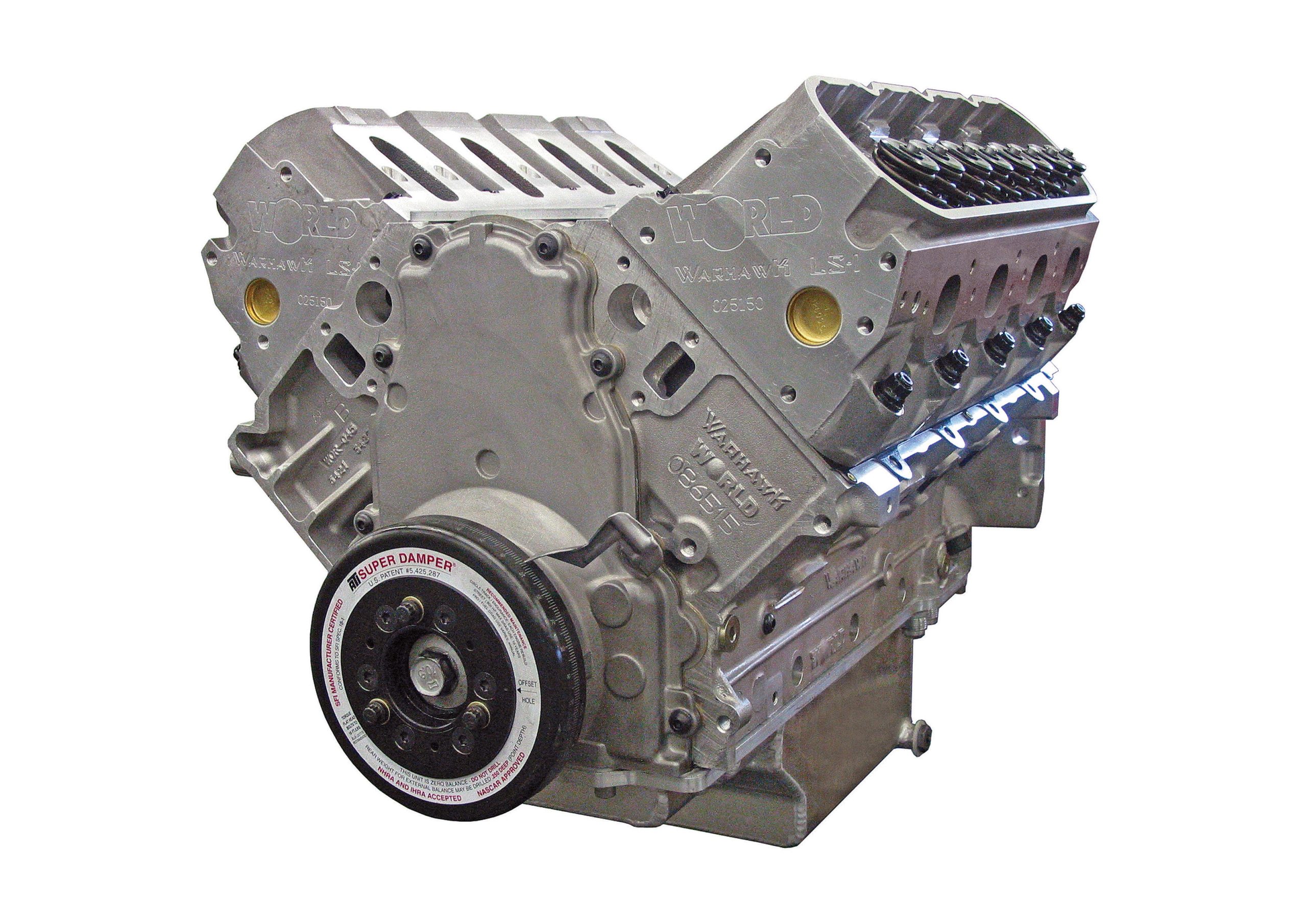
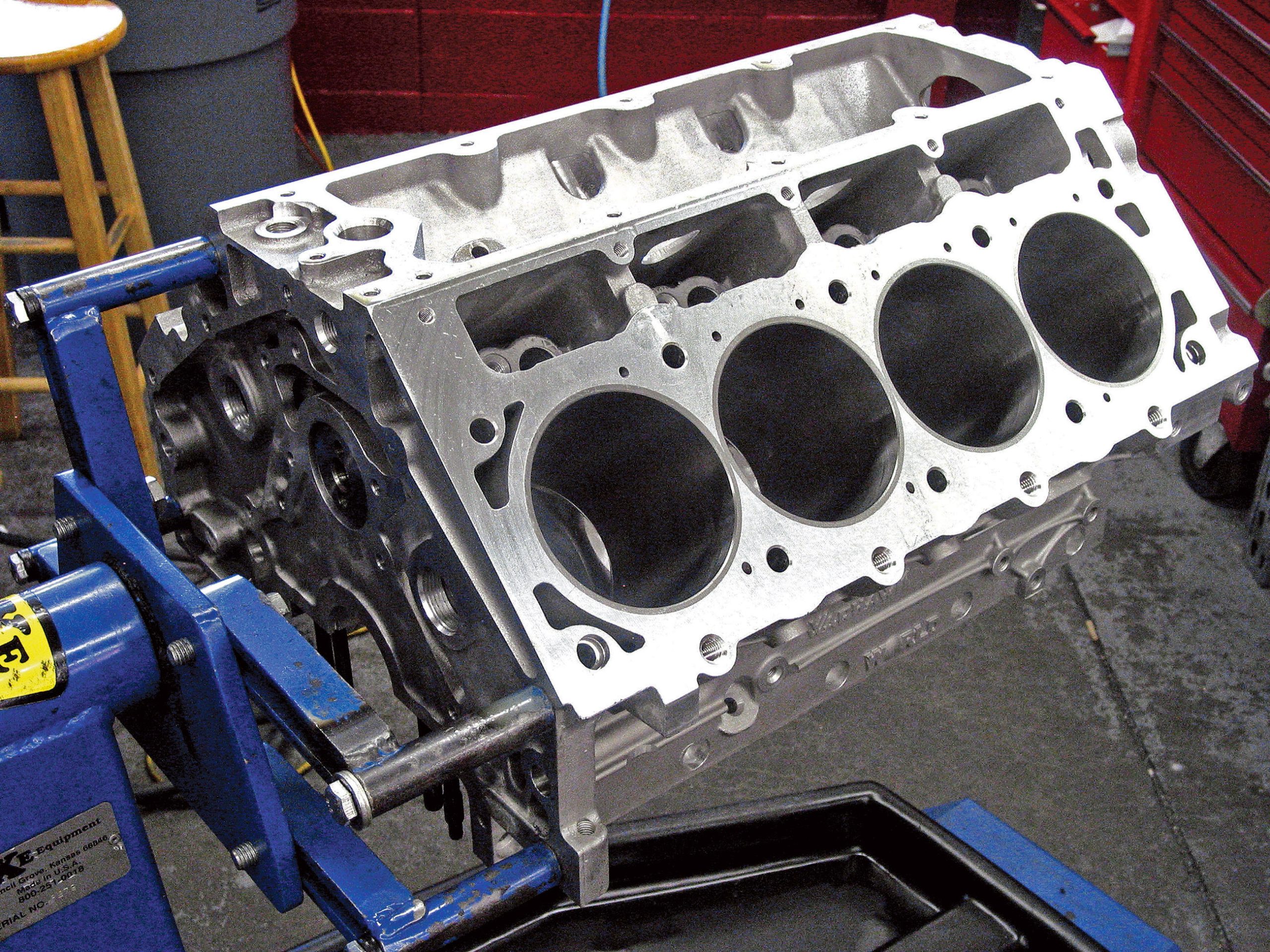
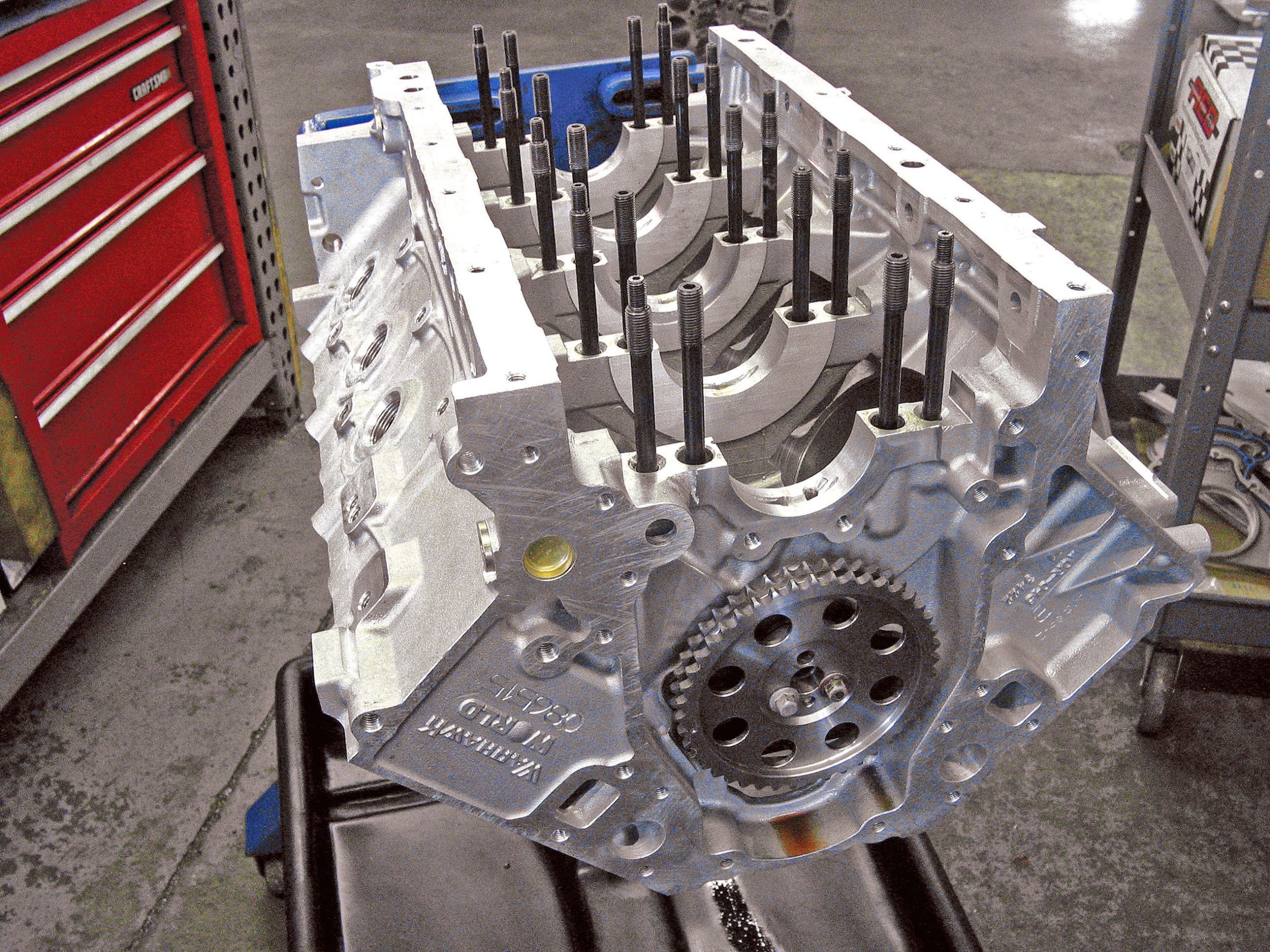
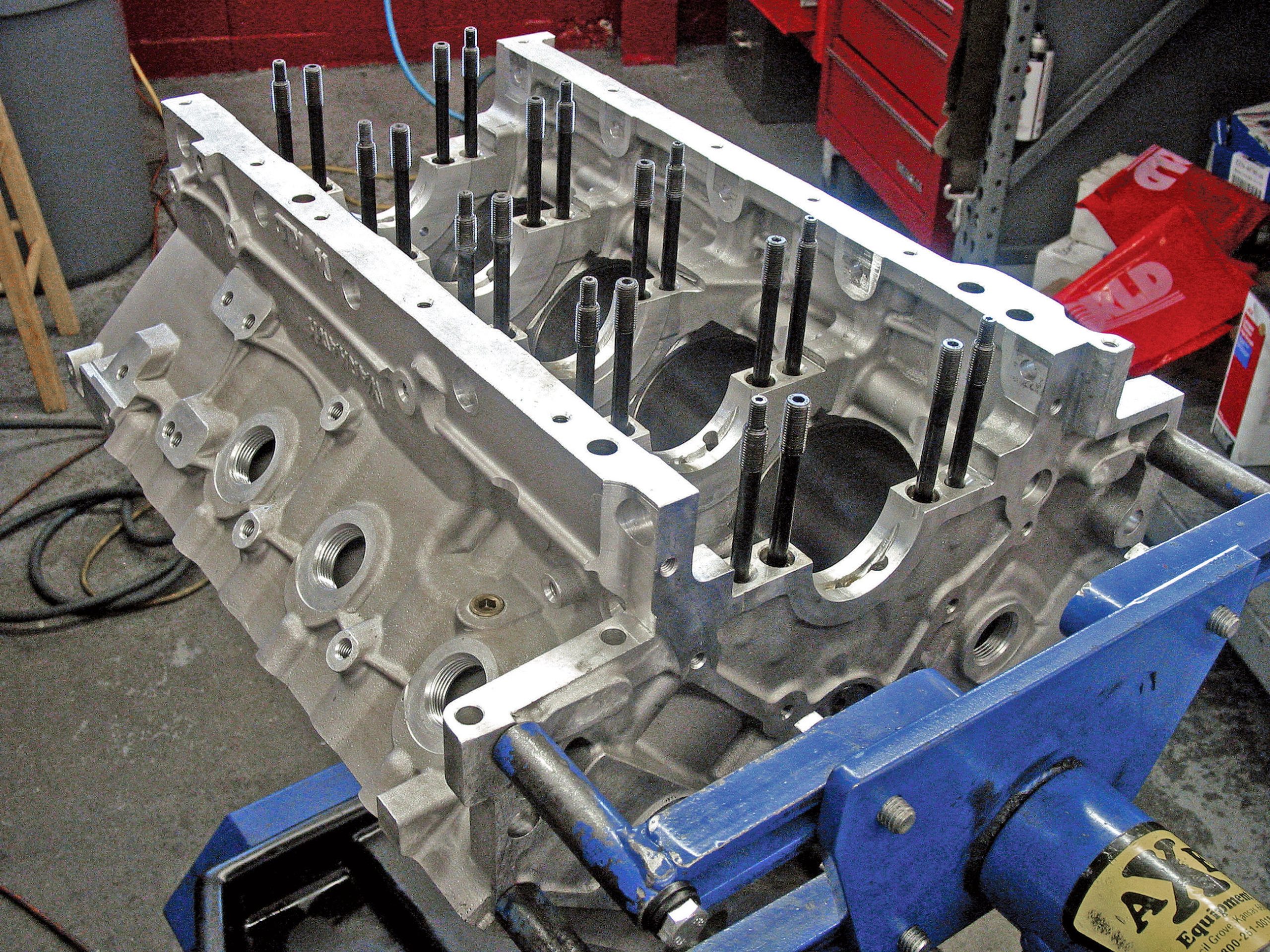
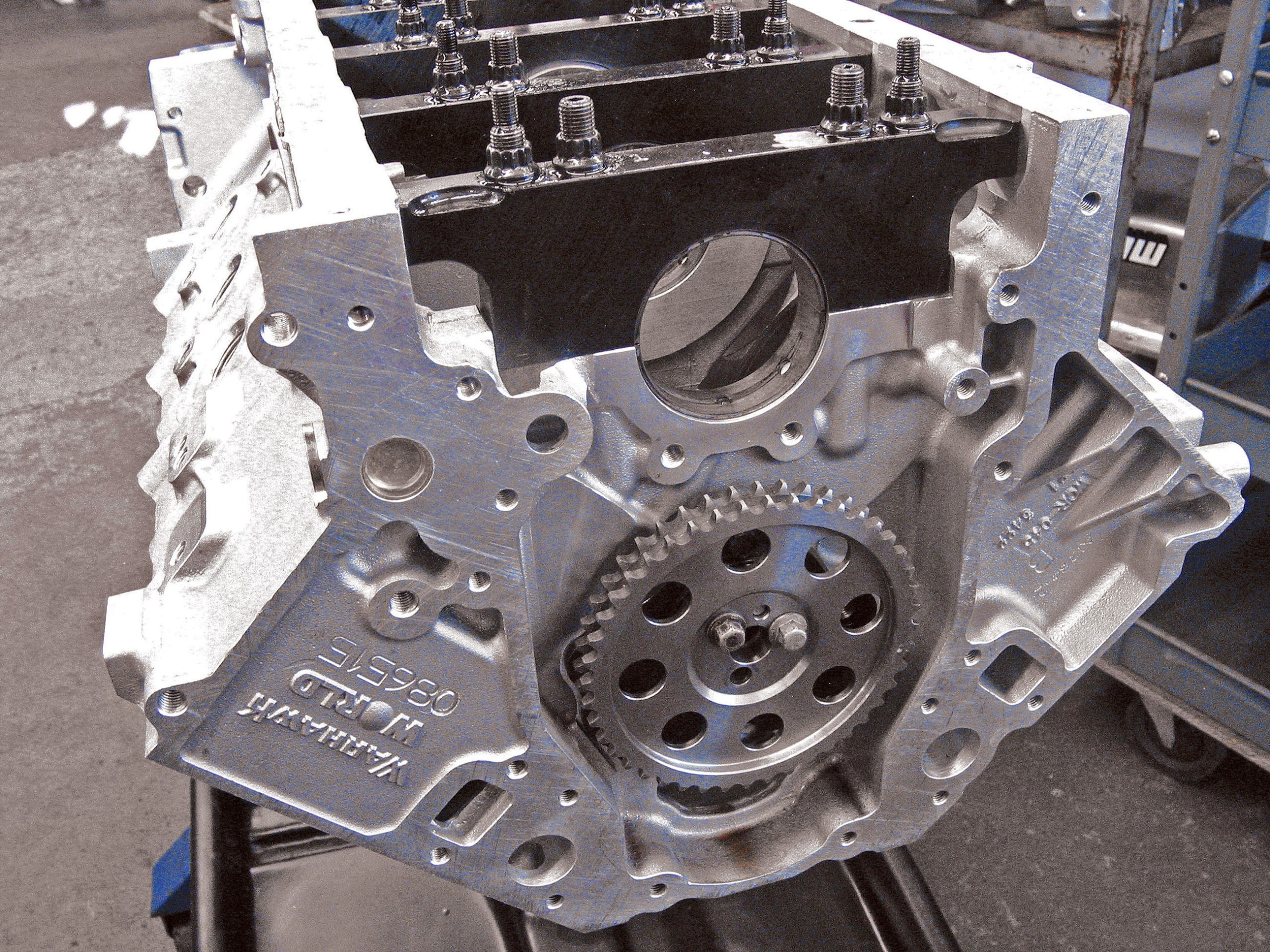
GM built the original LS1 over a decade ago, and World Products built upon the beauty of this simple and highly capable engine design, just as it did with the small block and the infamous Merlin big blocks and heads. Now it has its own line of products that not only replace existing componentry but also improve upon the power capability. From bare blocks to reconfigured cylinder heads, and matching every component in between, it’s easy to see the high-performance benefits of these highly effective components.
The Evolution of the LS7X Design
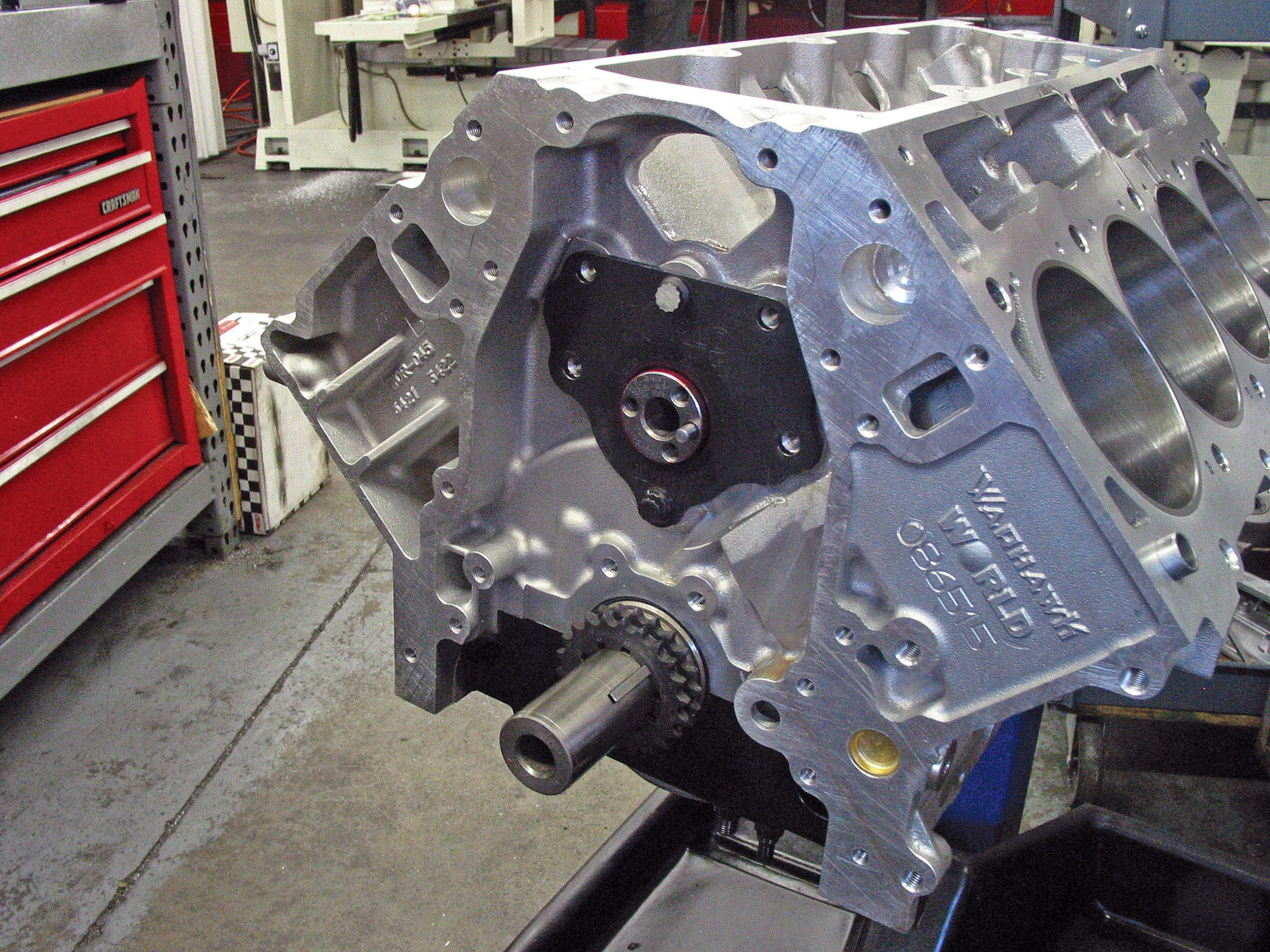
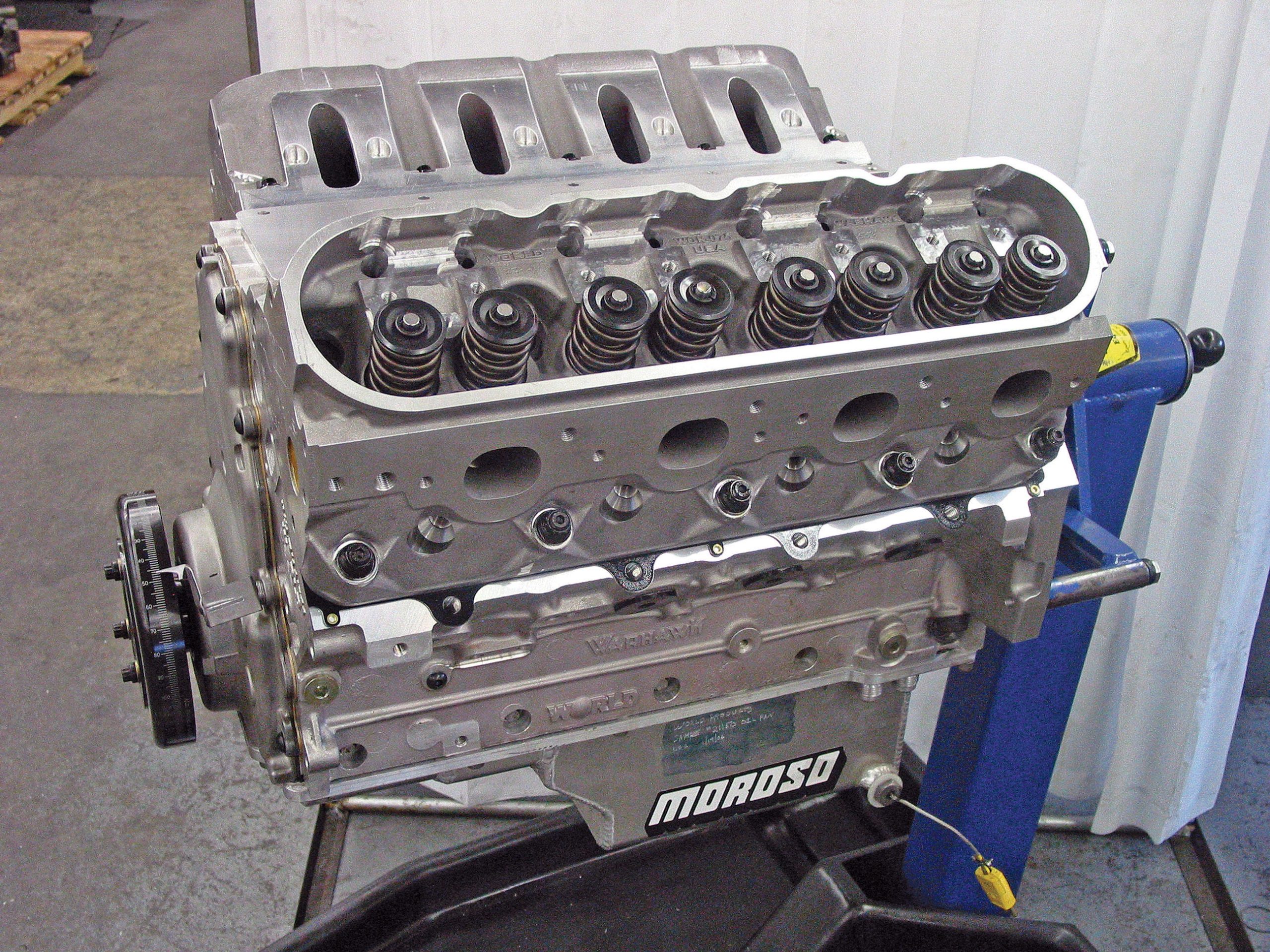
That now has been translated to high-level LS designs, improving on the 427-inch naturally aspirated LS7. At World, that translates into a brand-new LS7X design, which we’ve chronicled in Chevy Rumble before. You can have it your way—a complete engine straight off its dyno test and ready for installation, or you can opt for a partial engine assembly so you can incorporate a specific induction system, or whatever else you wish to personalize. Or you can buy all of the parts and build your own. As with all World engines, and the parts that fill them, when you consider a World Products high-output crate engine as special as the LS7X, know that they are built to provide a reliable and powerful return on the dollars spent, which was the whole idea of this design improvement in the first place.
Following the LS7X Assembly
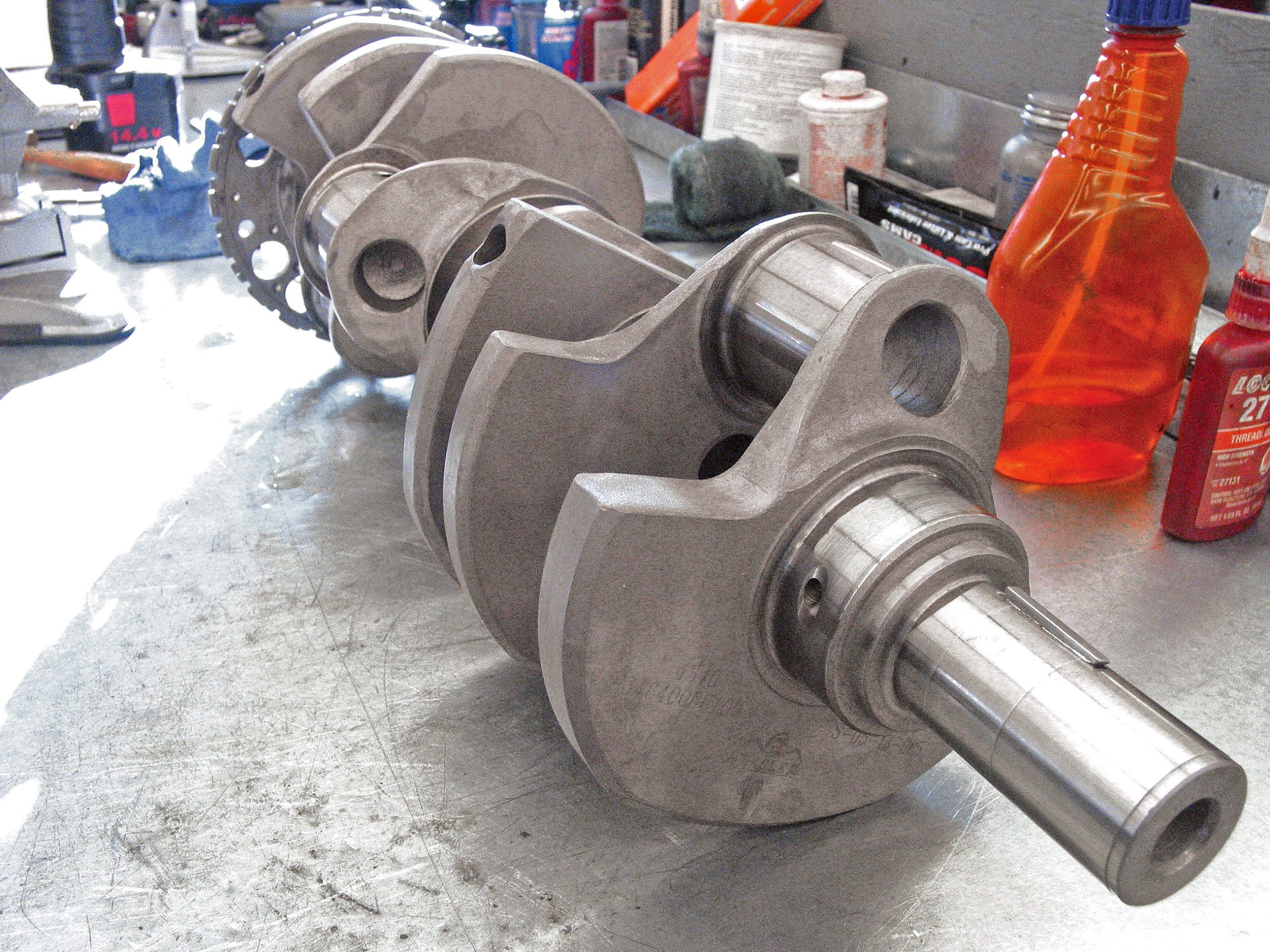
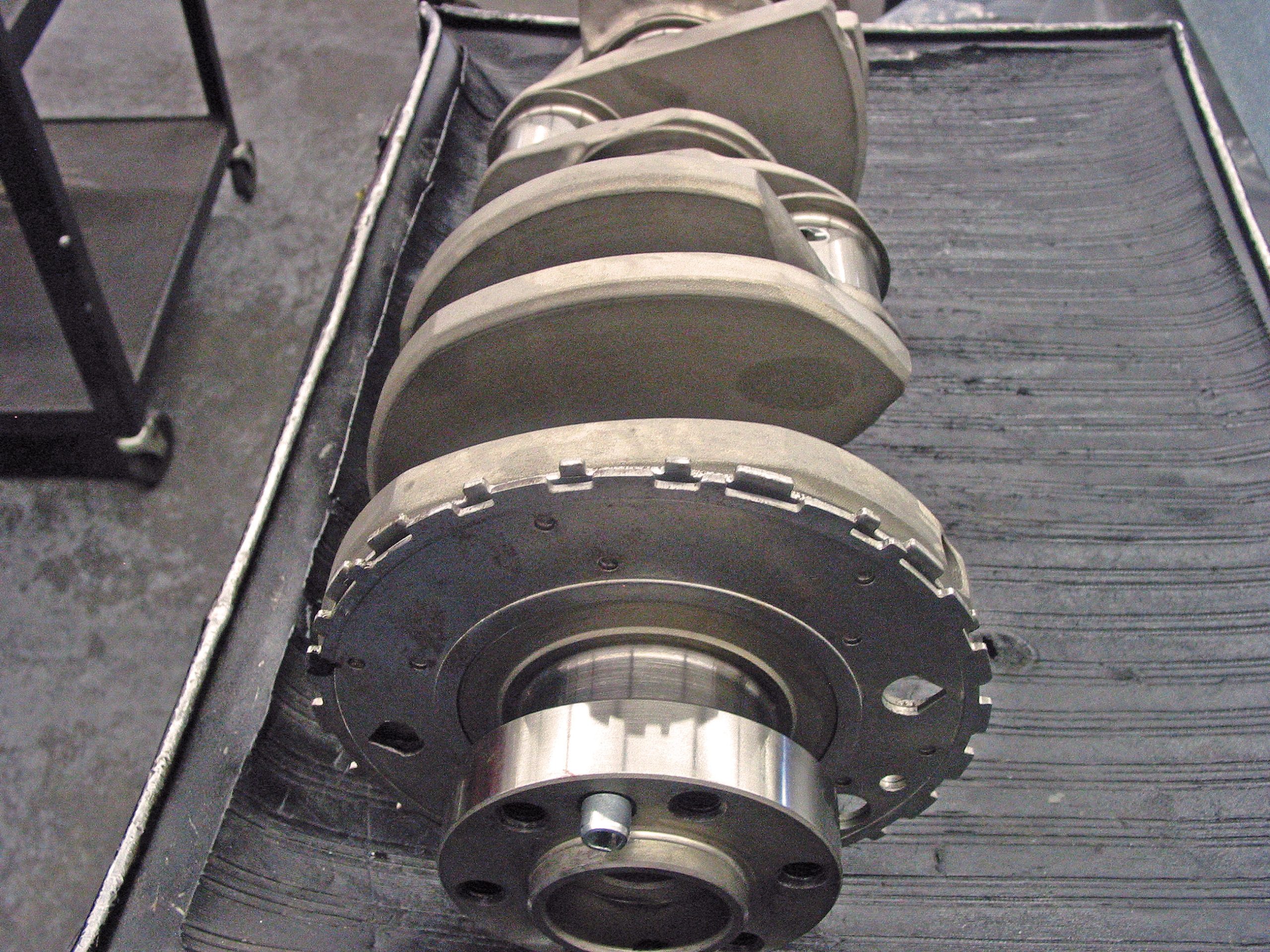
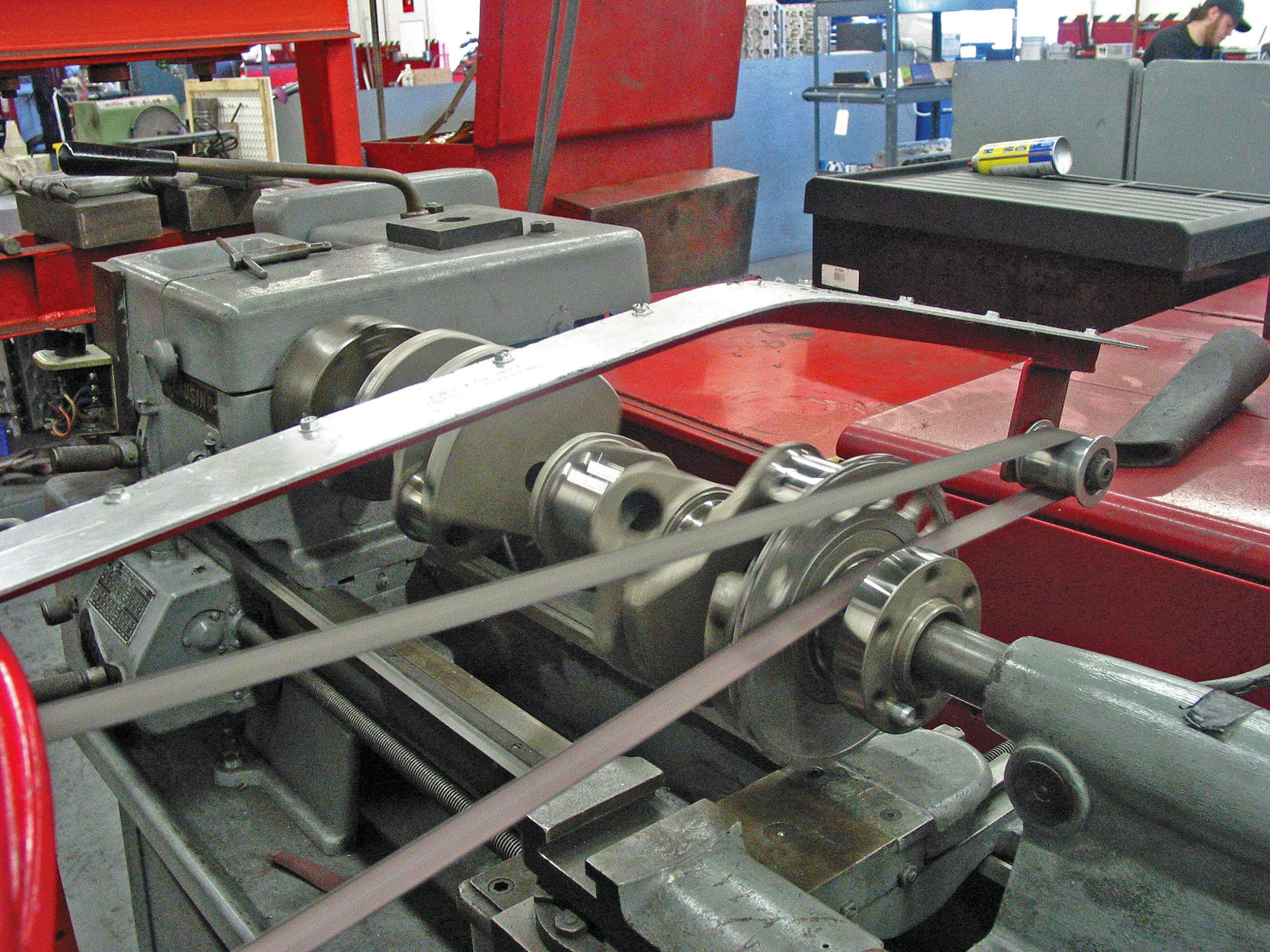
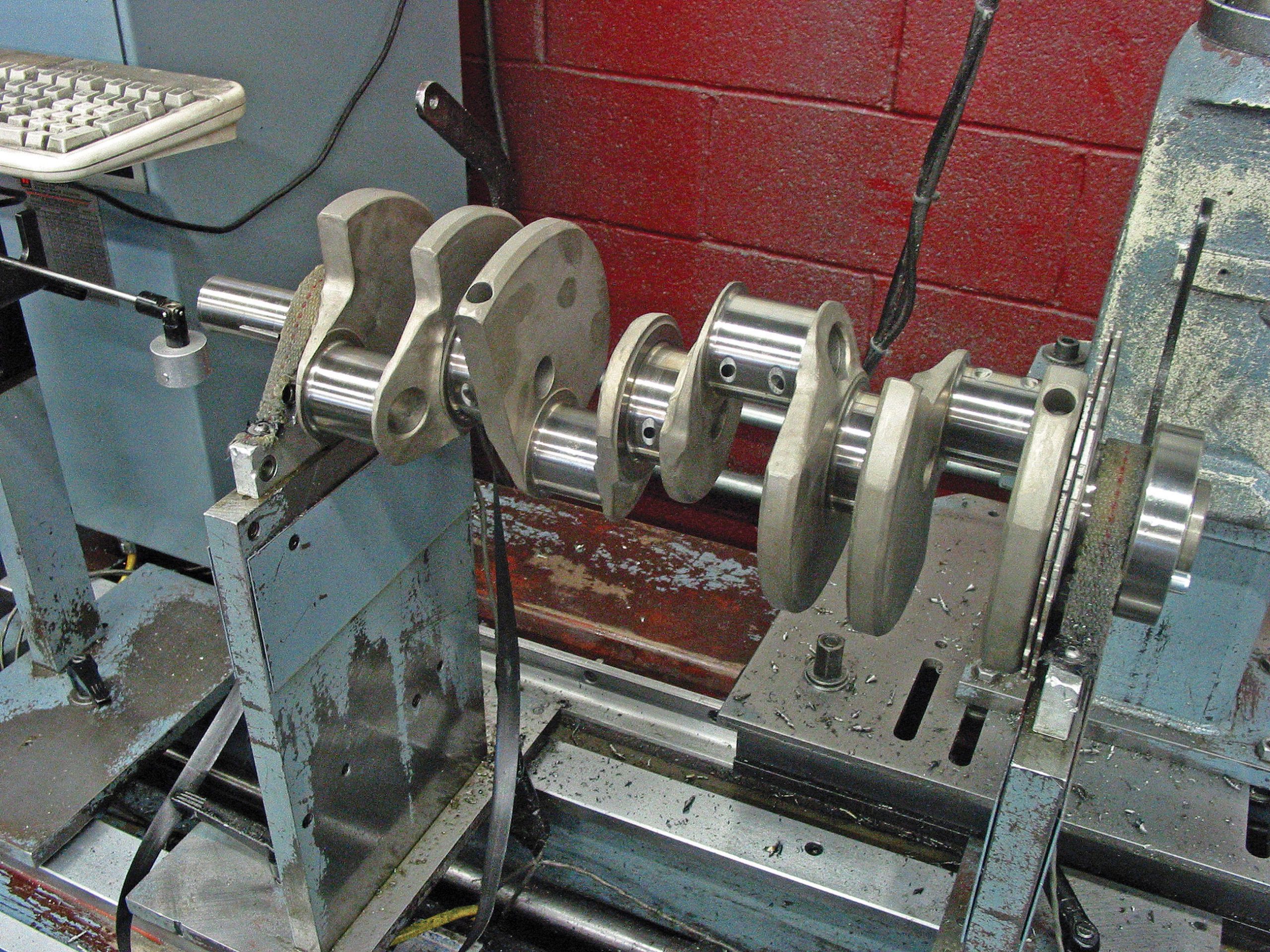
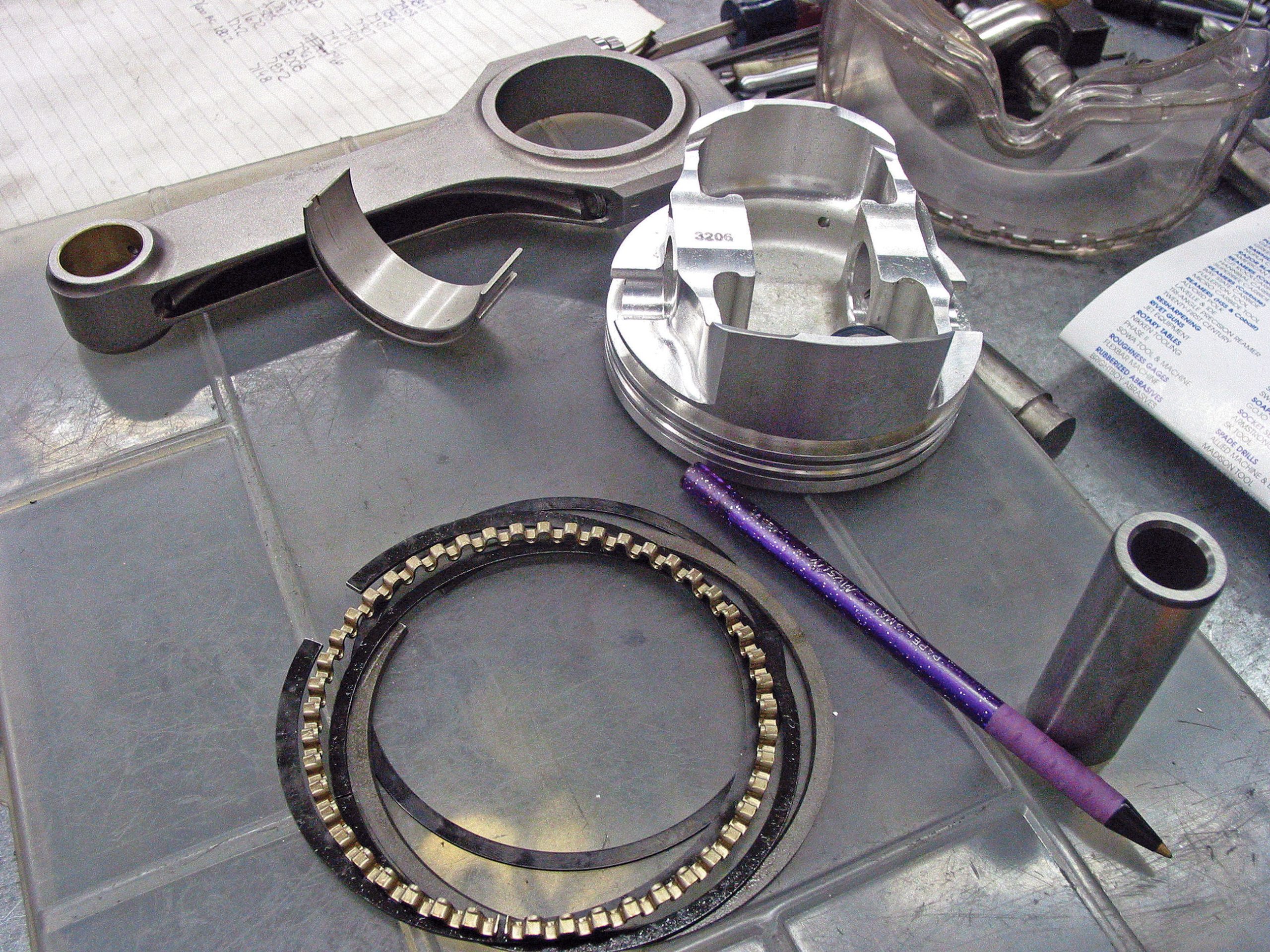
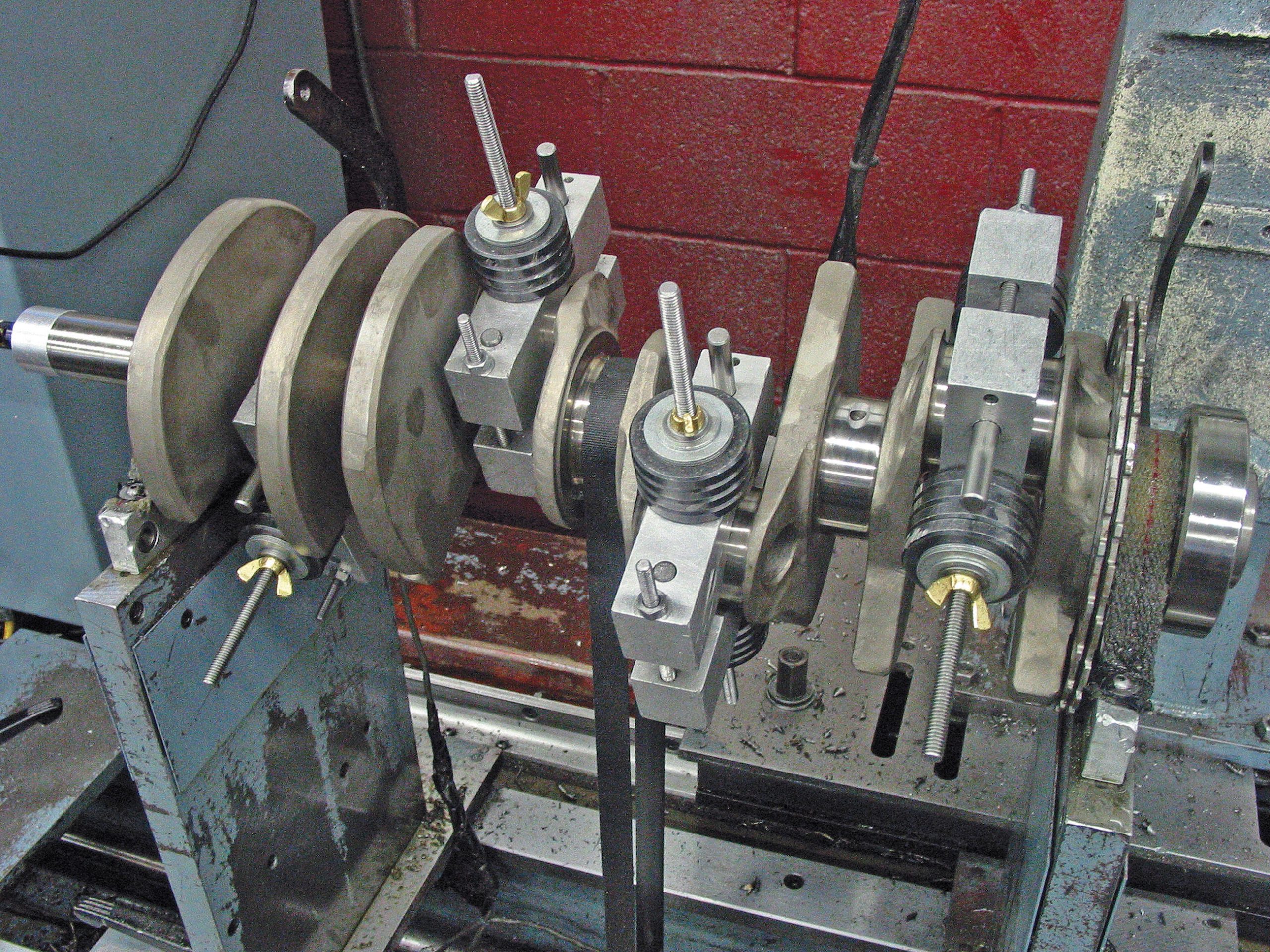
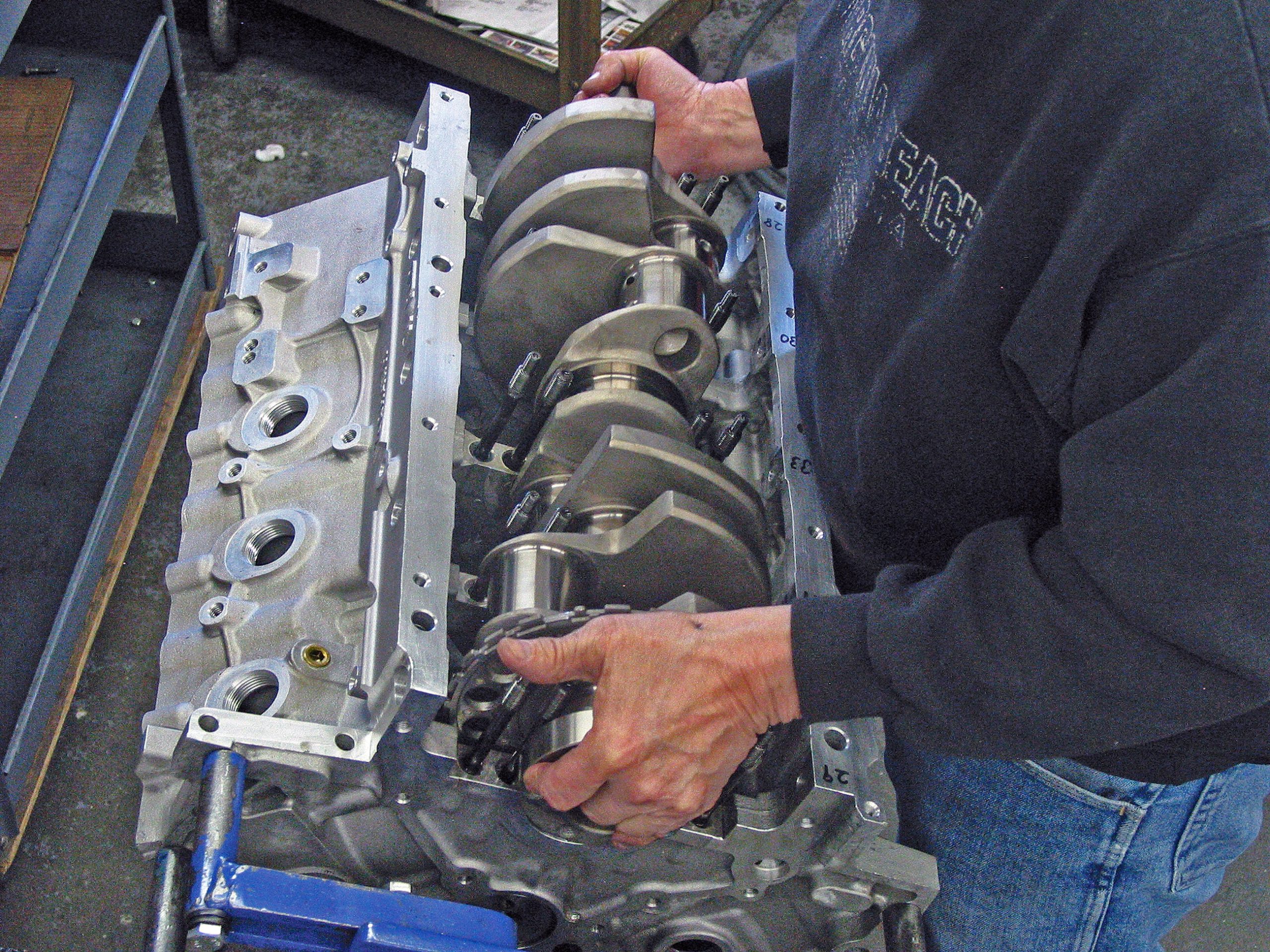
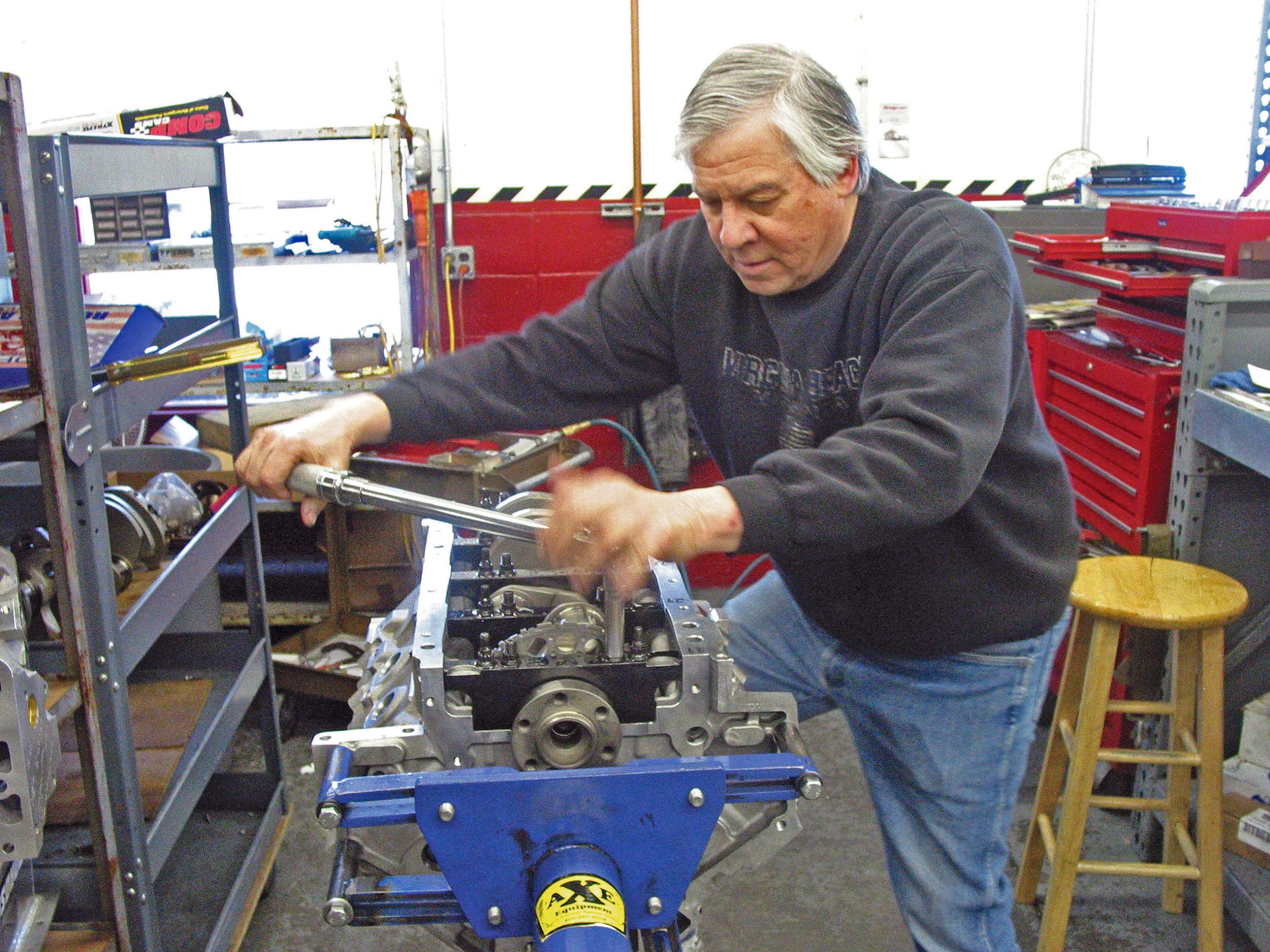
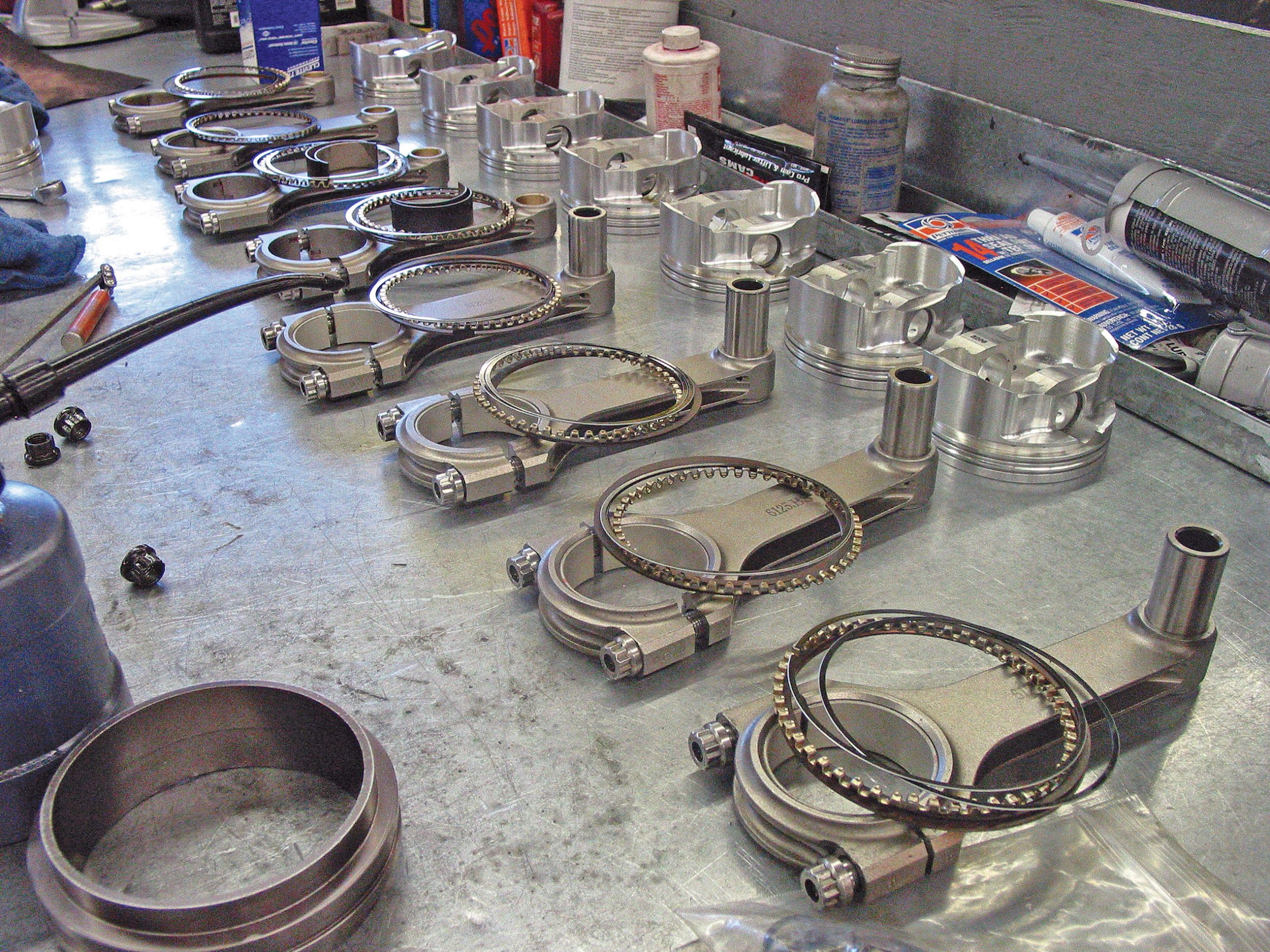
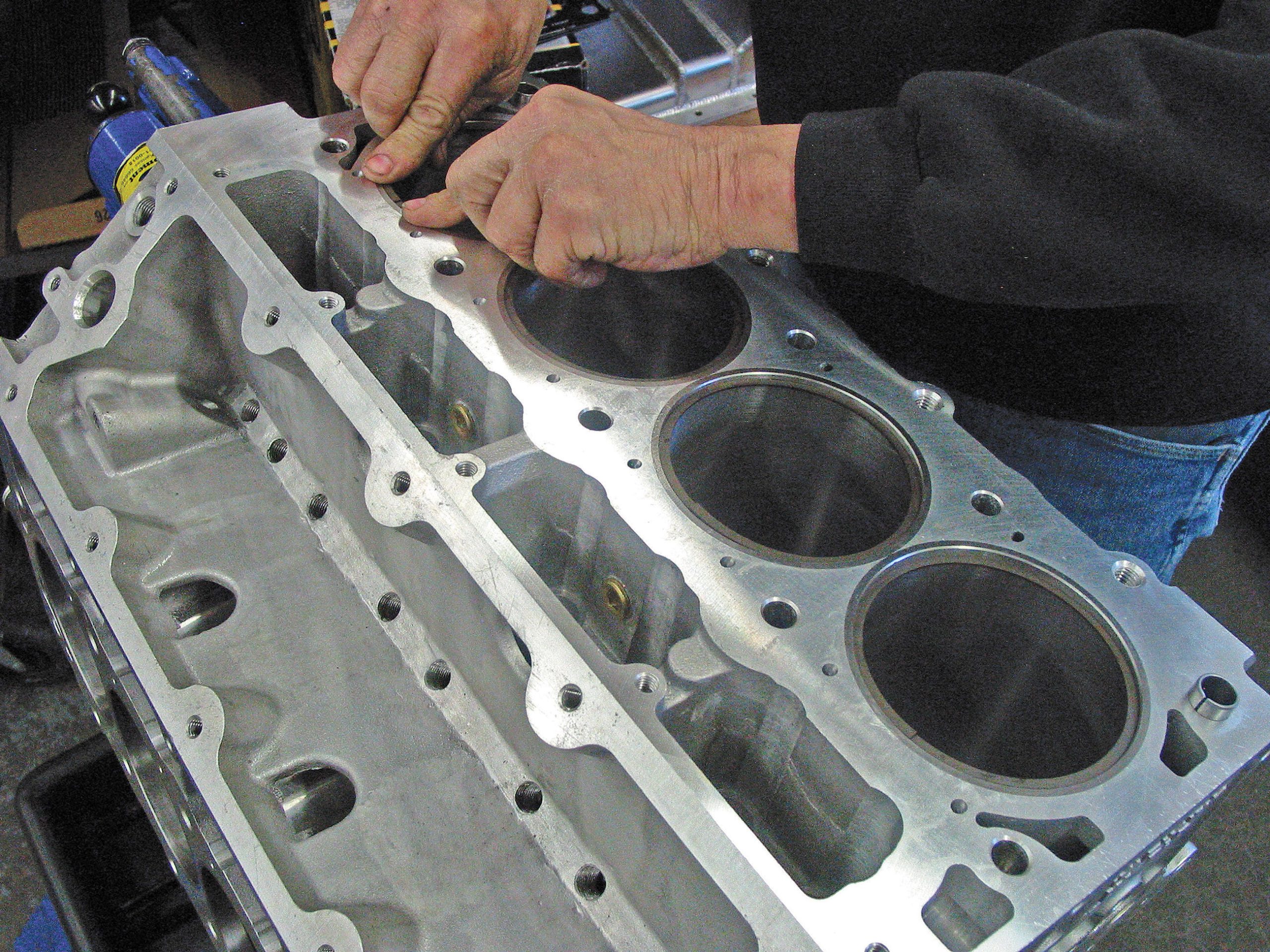
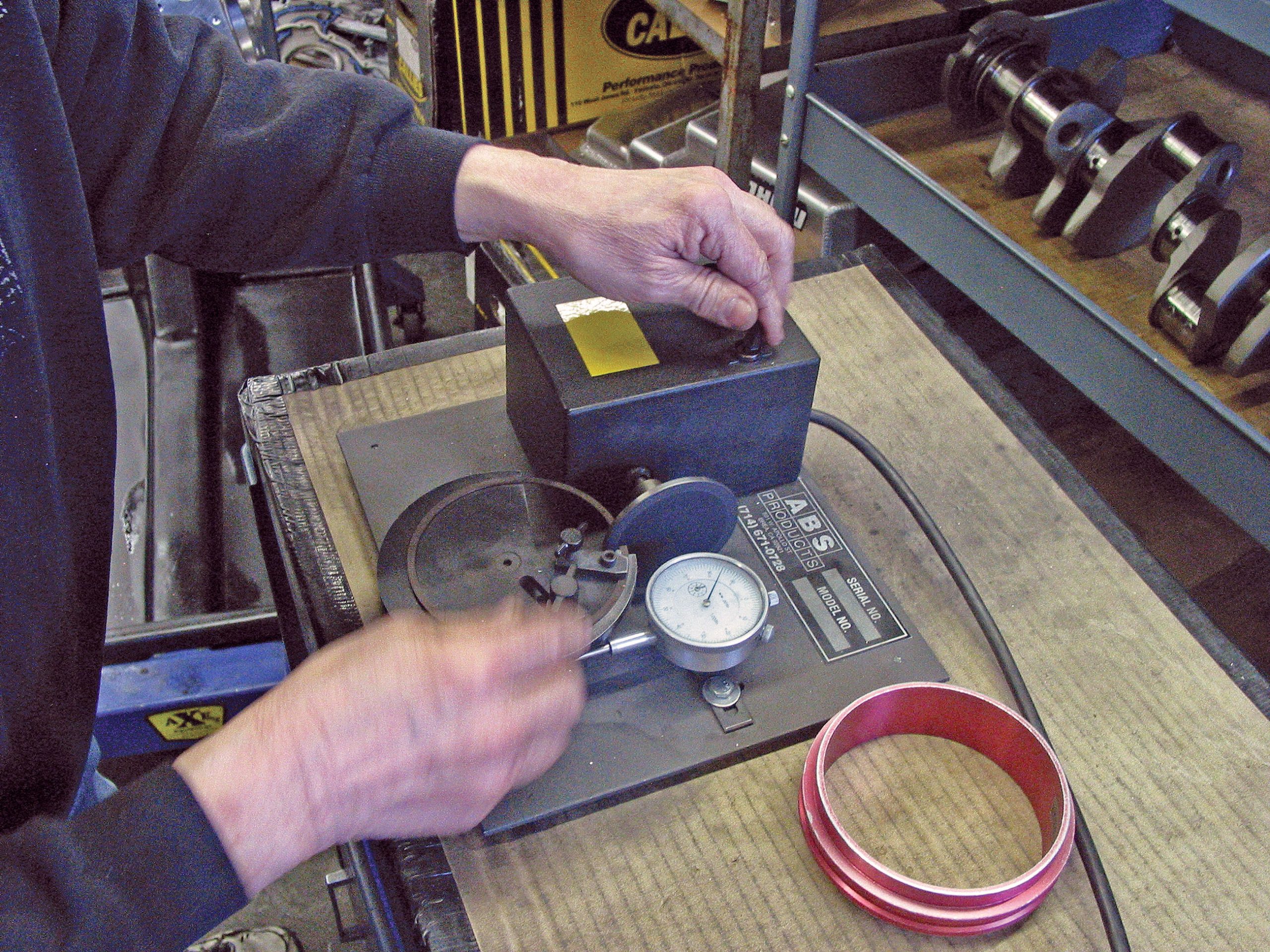
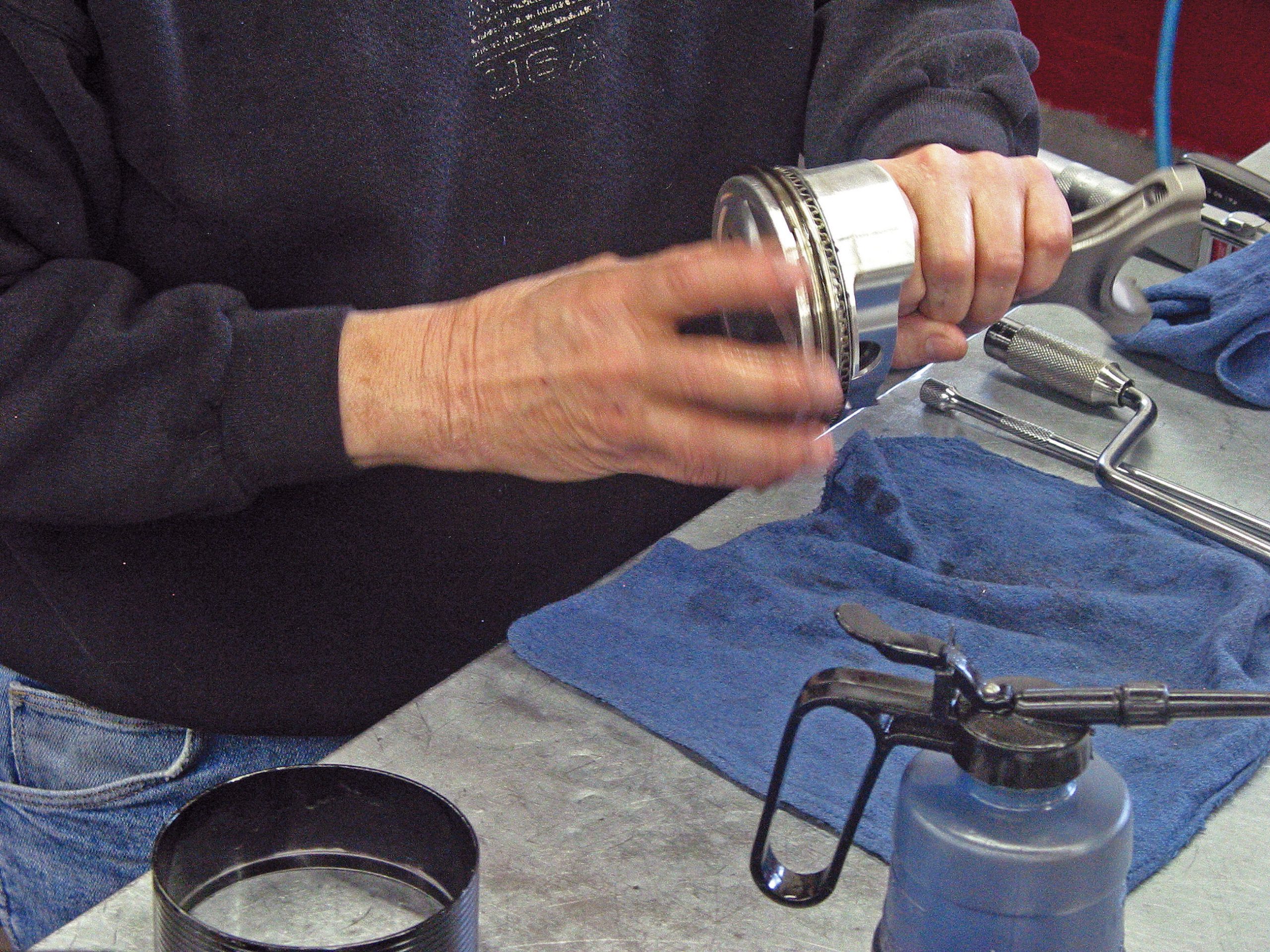
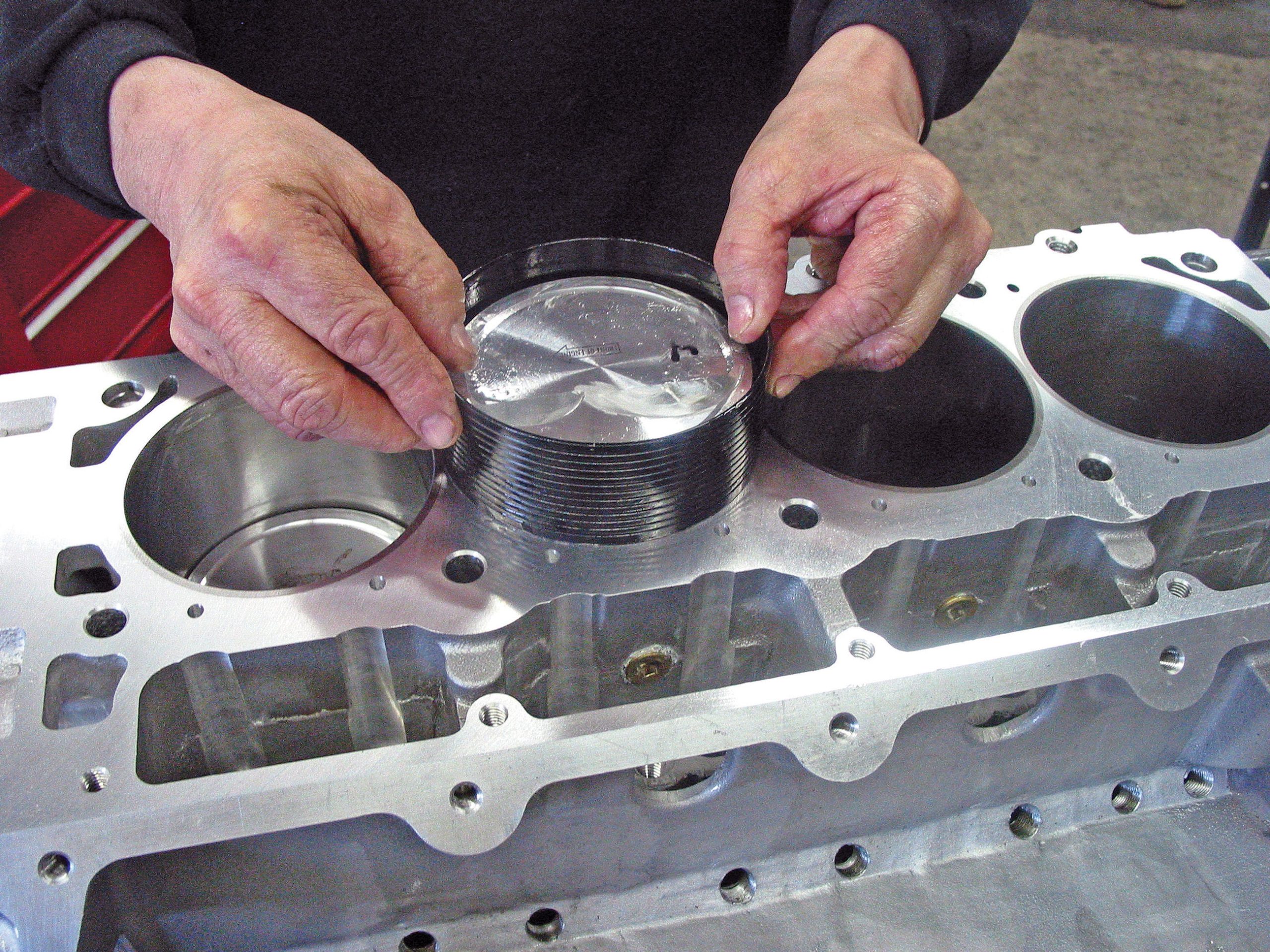
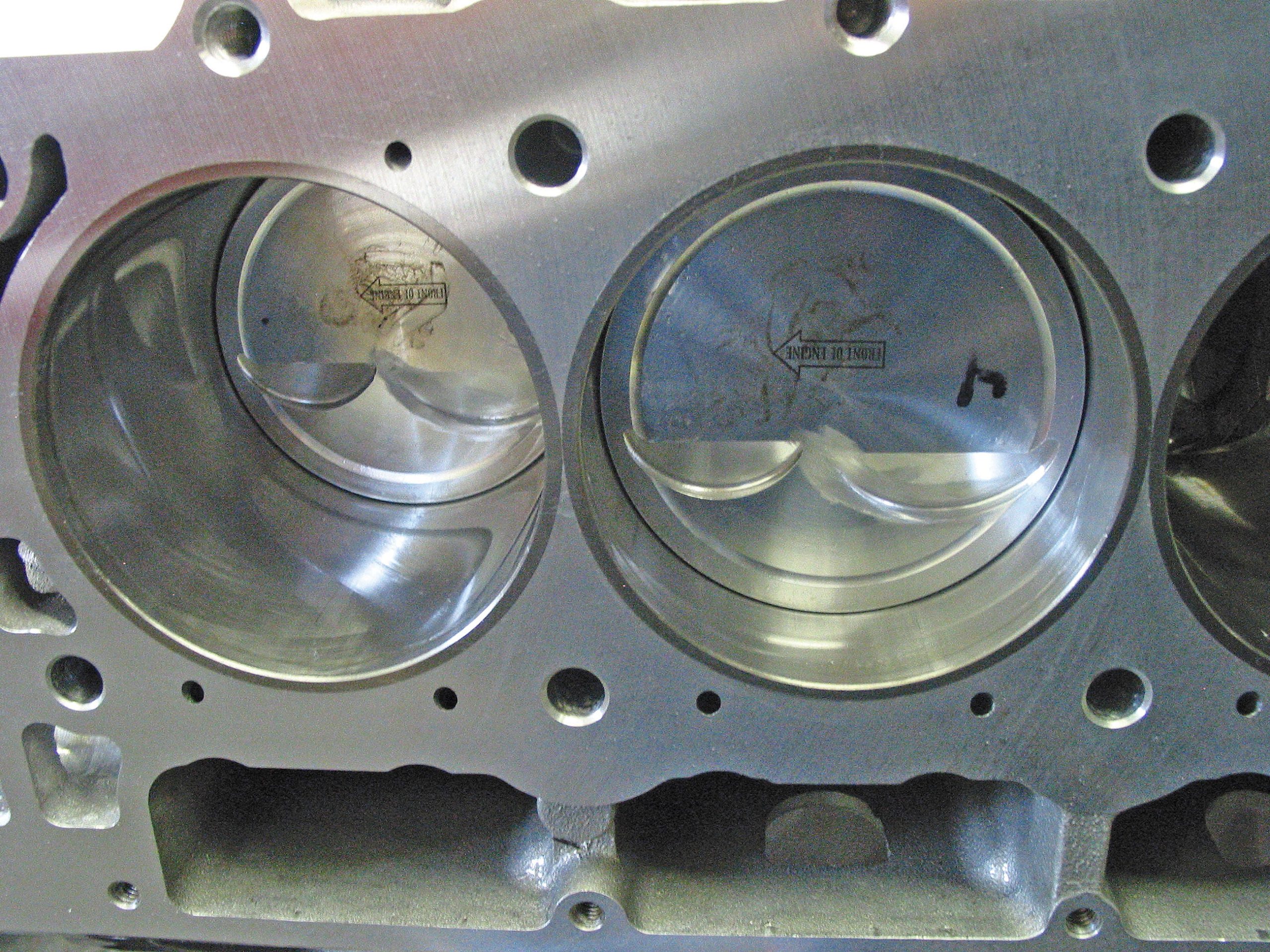
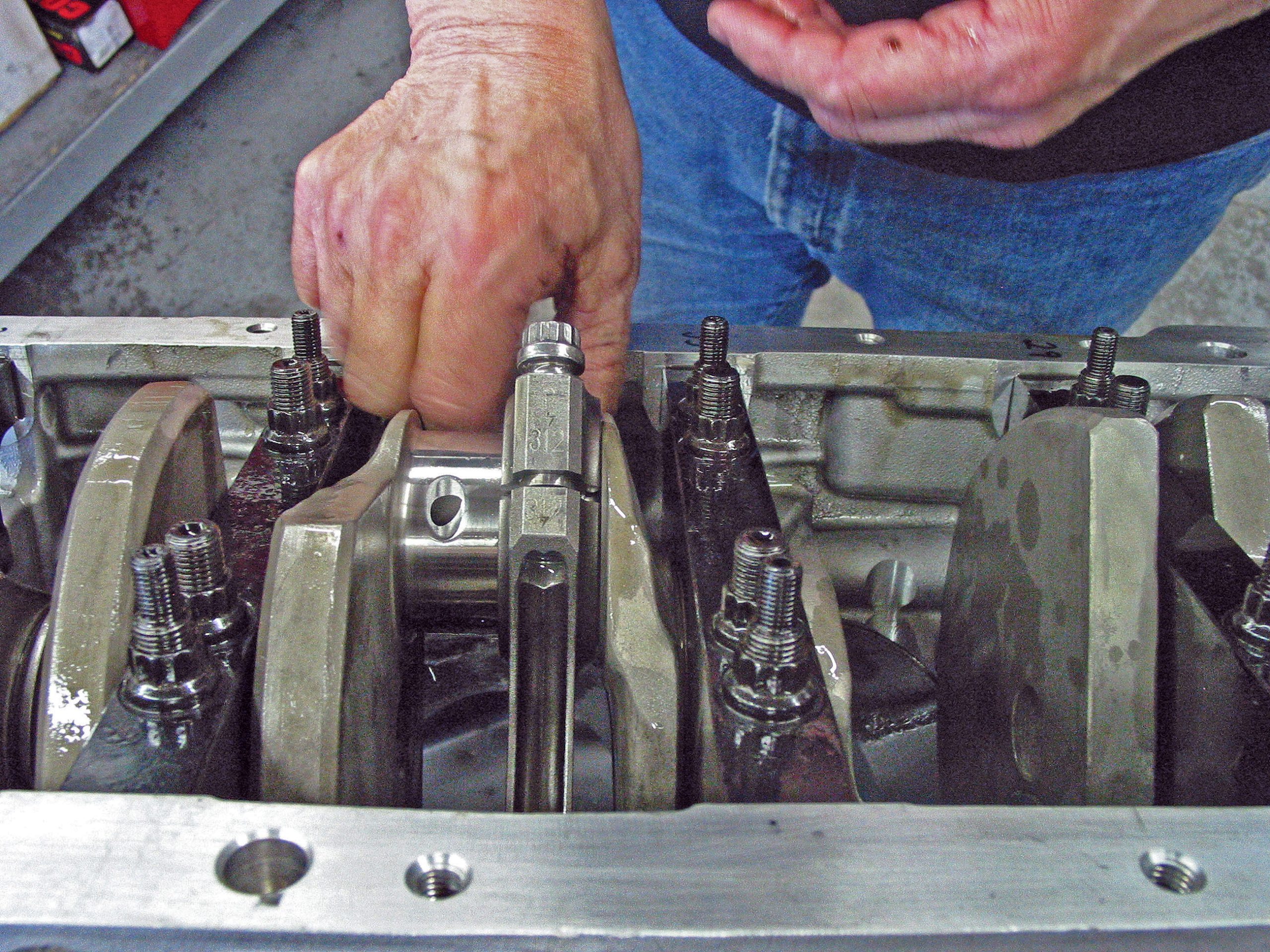
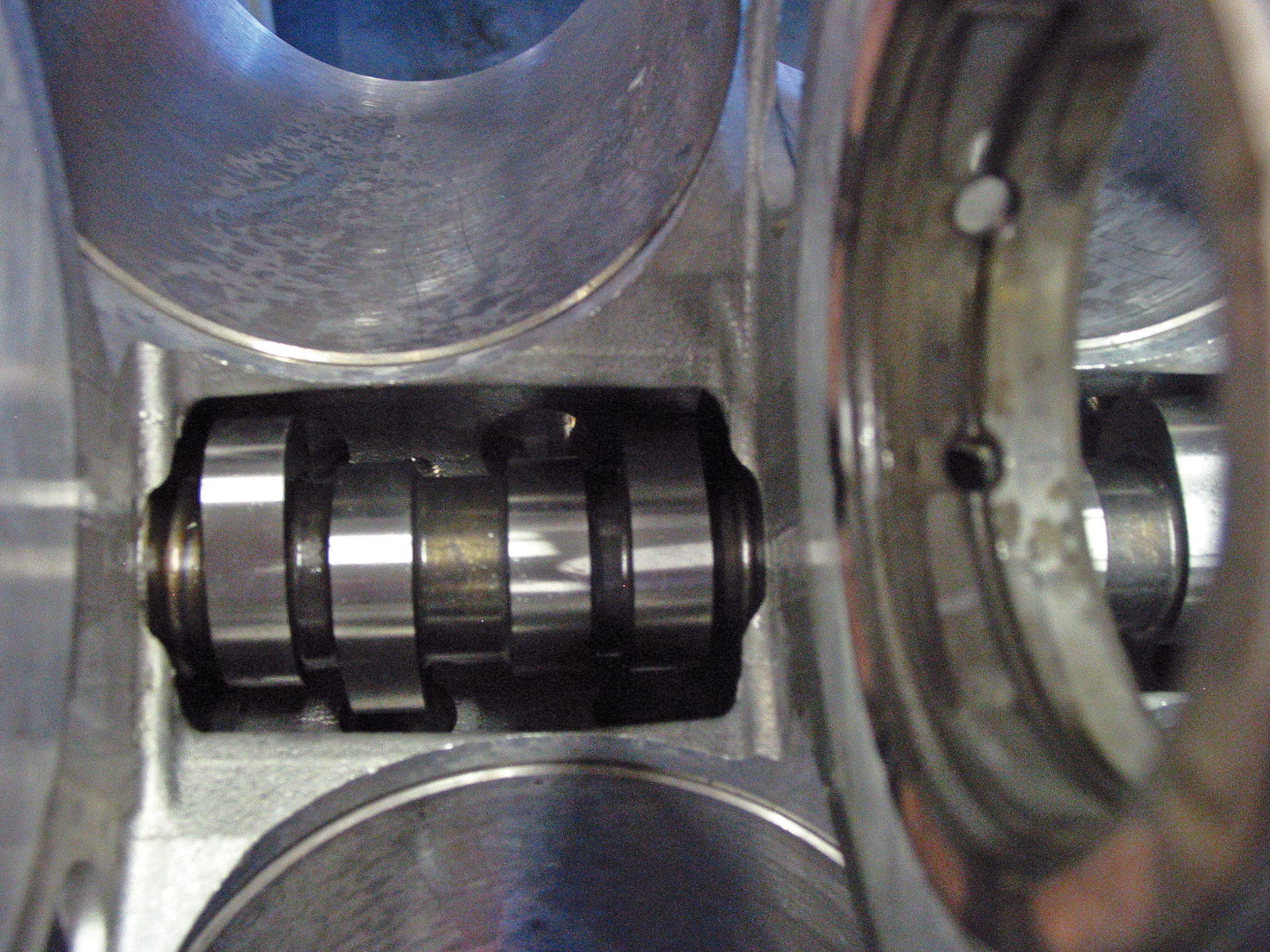
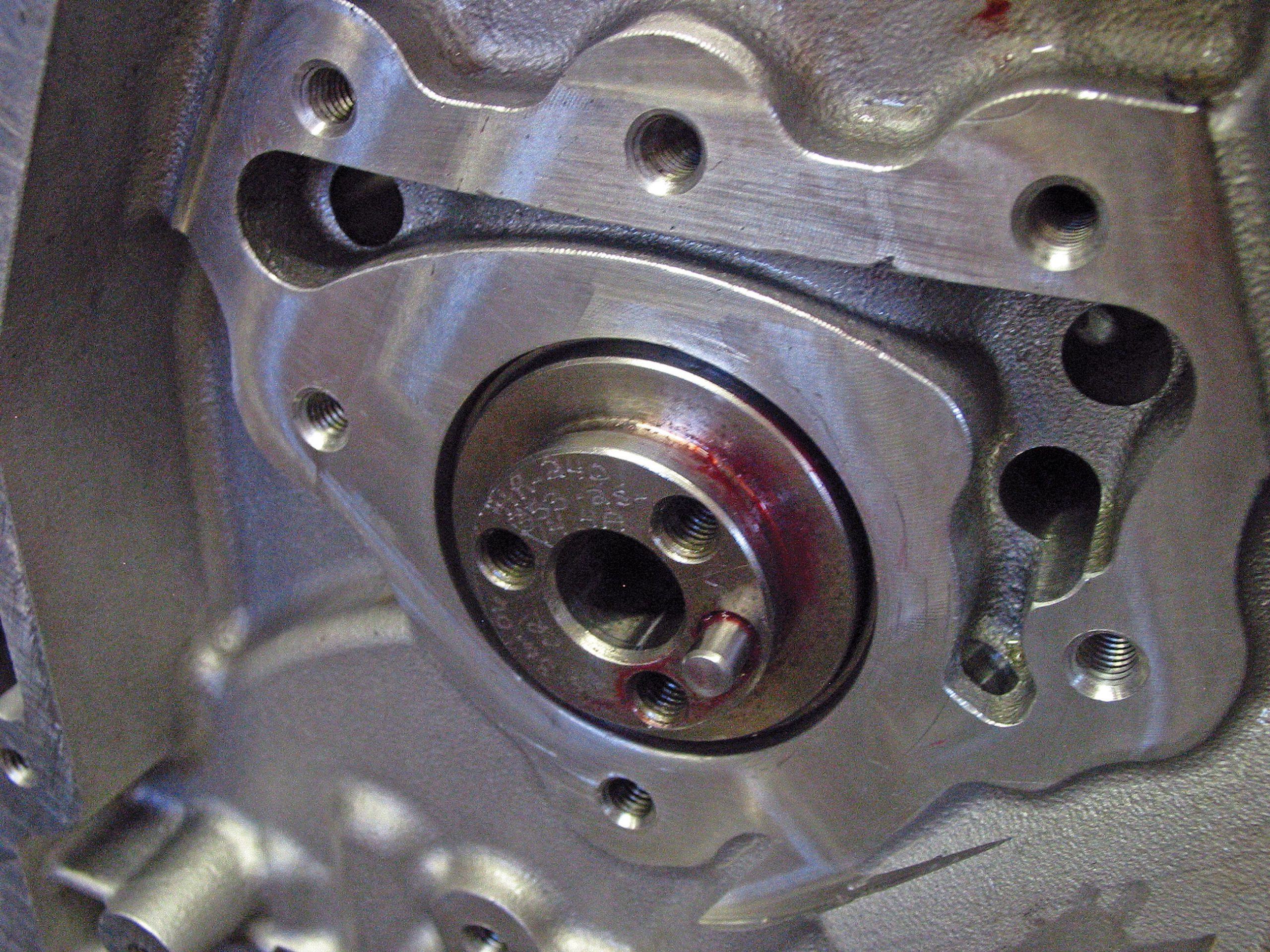
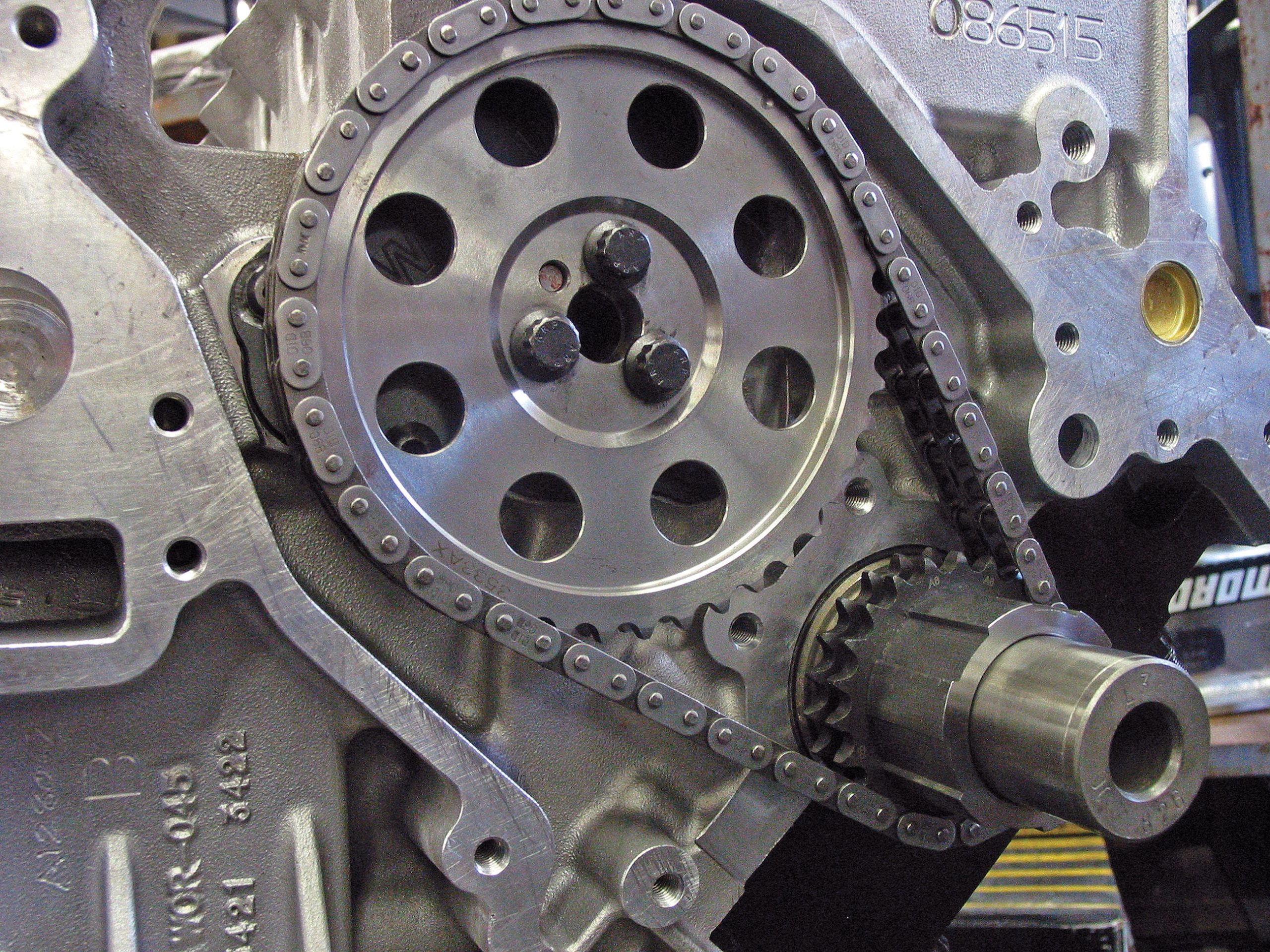
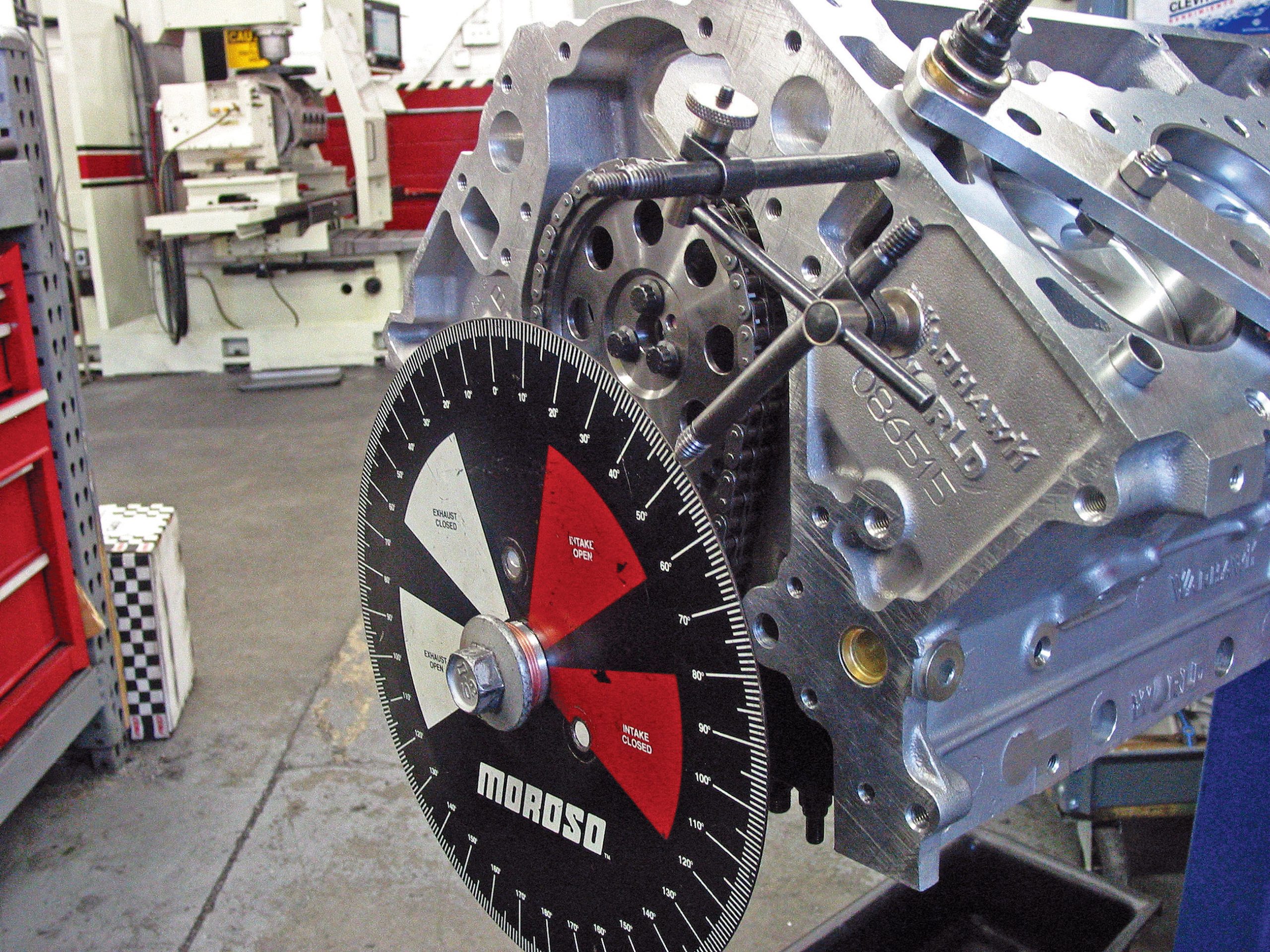
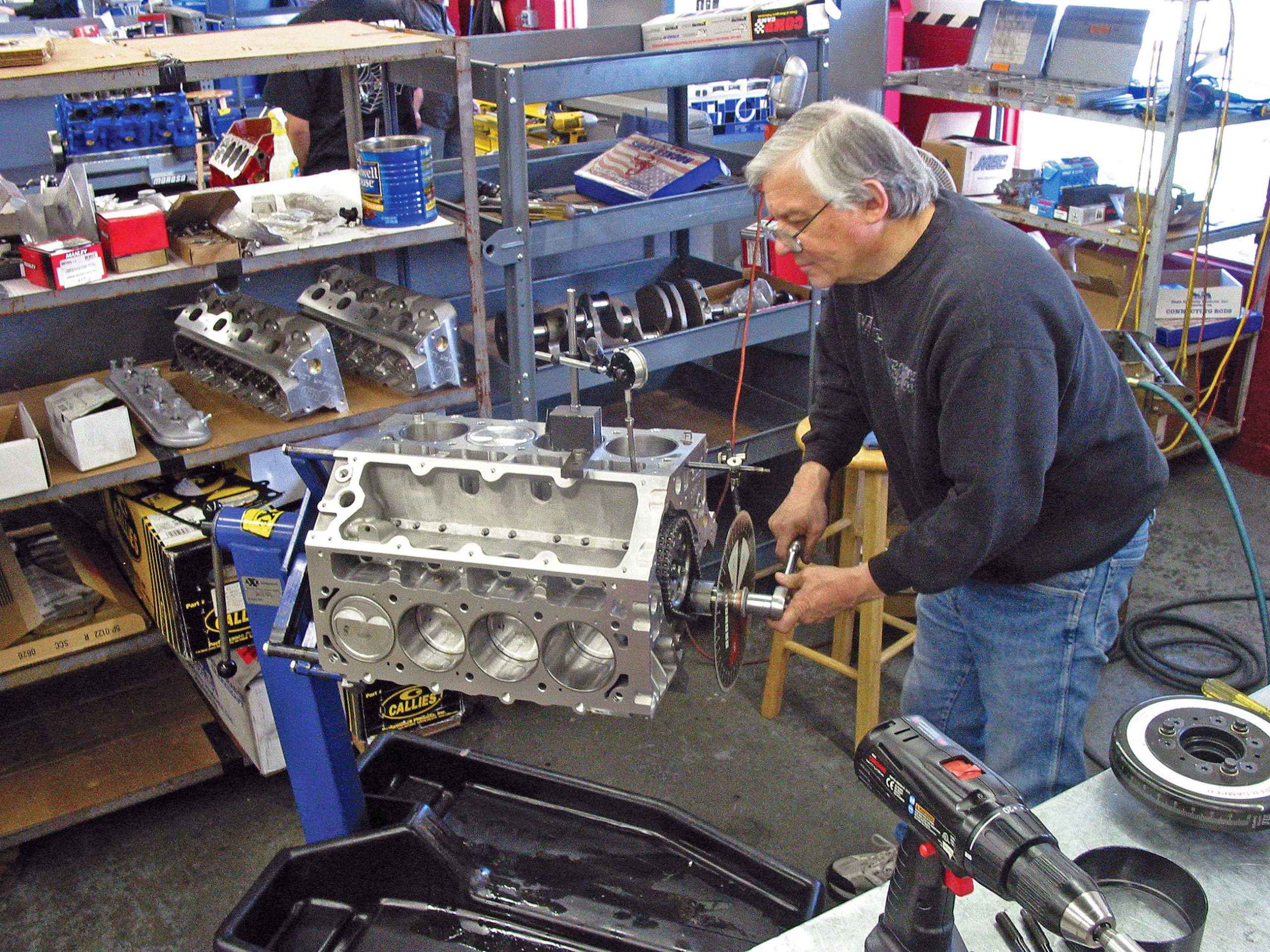
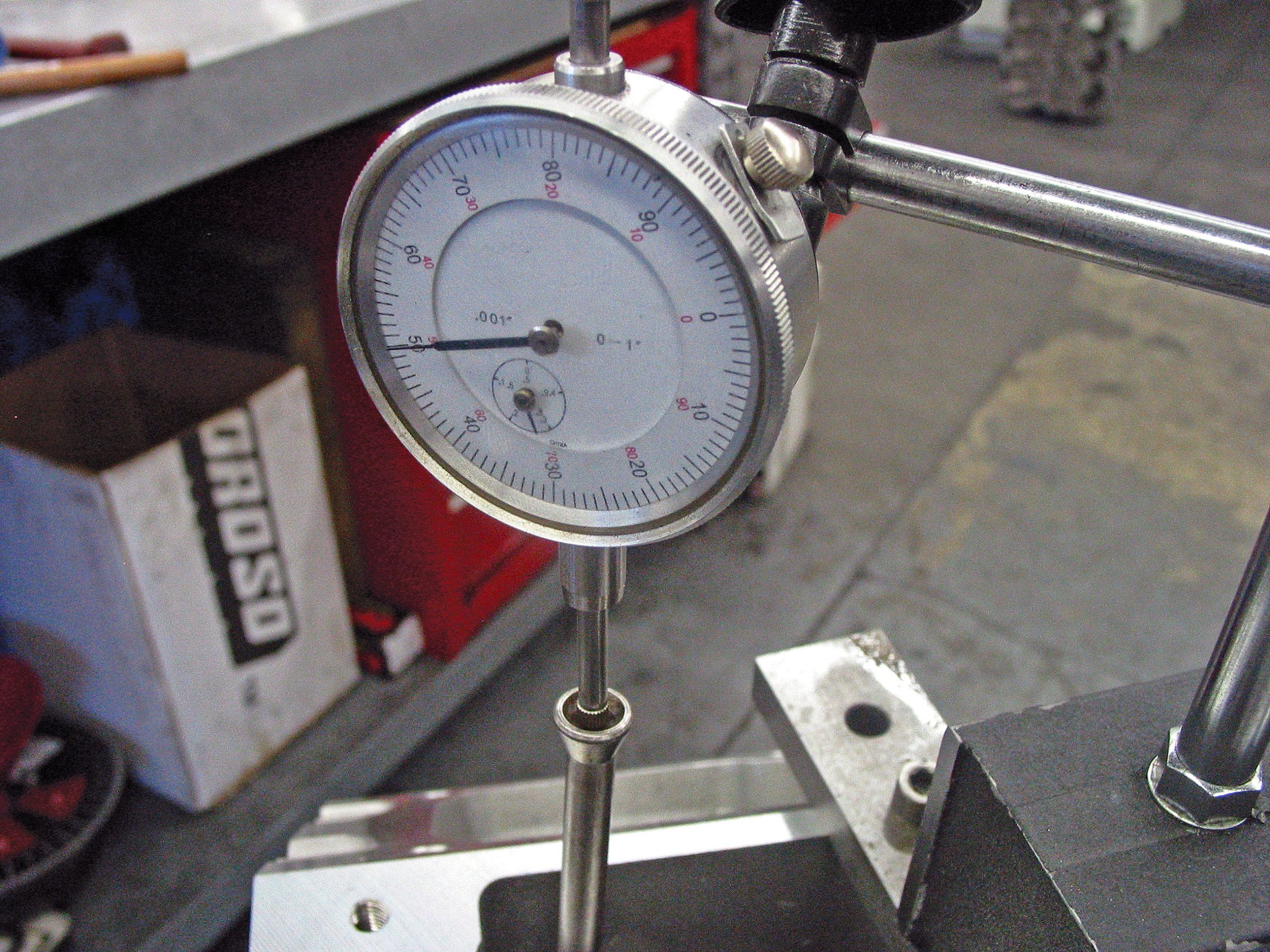
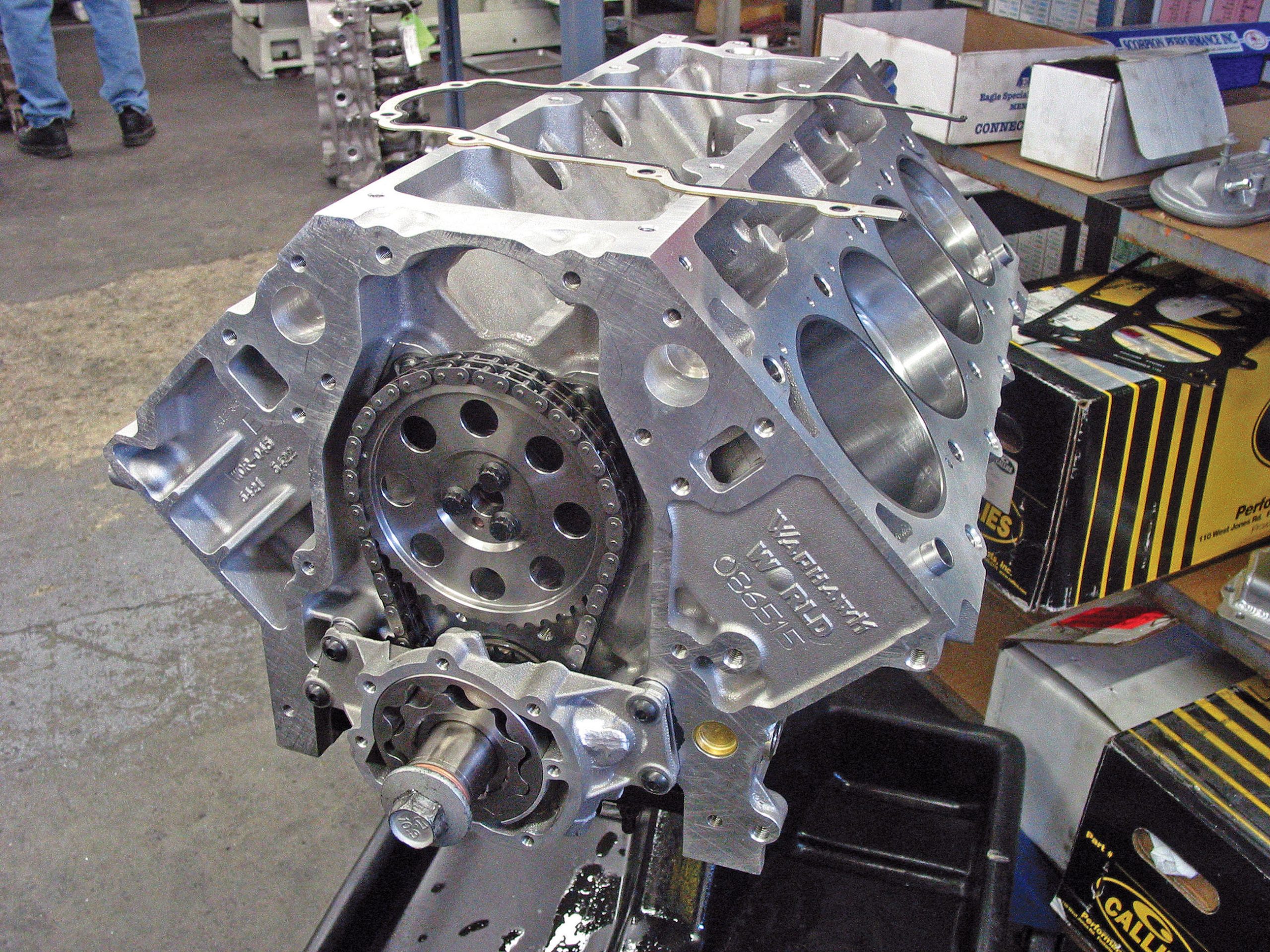
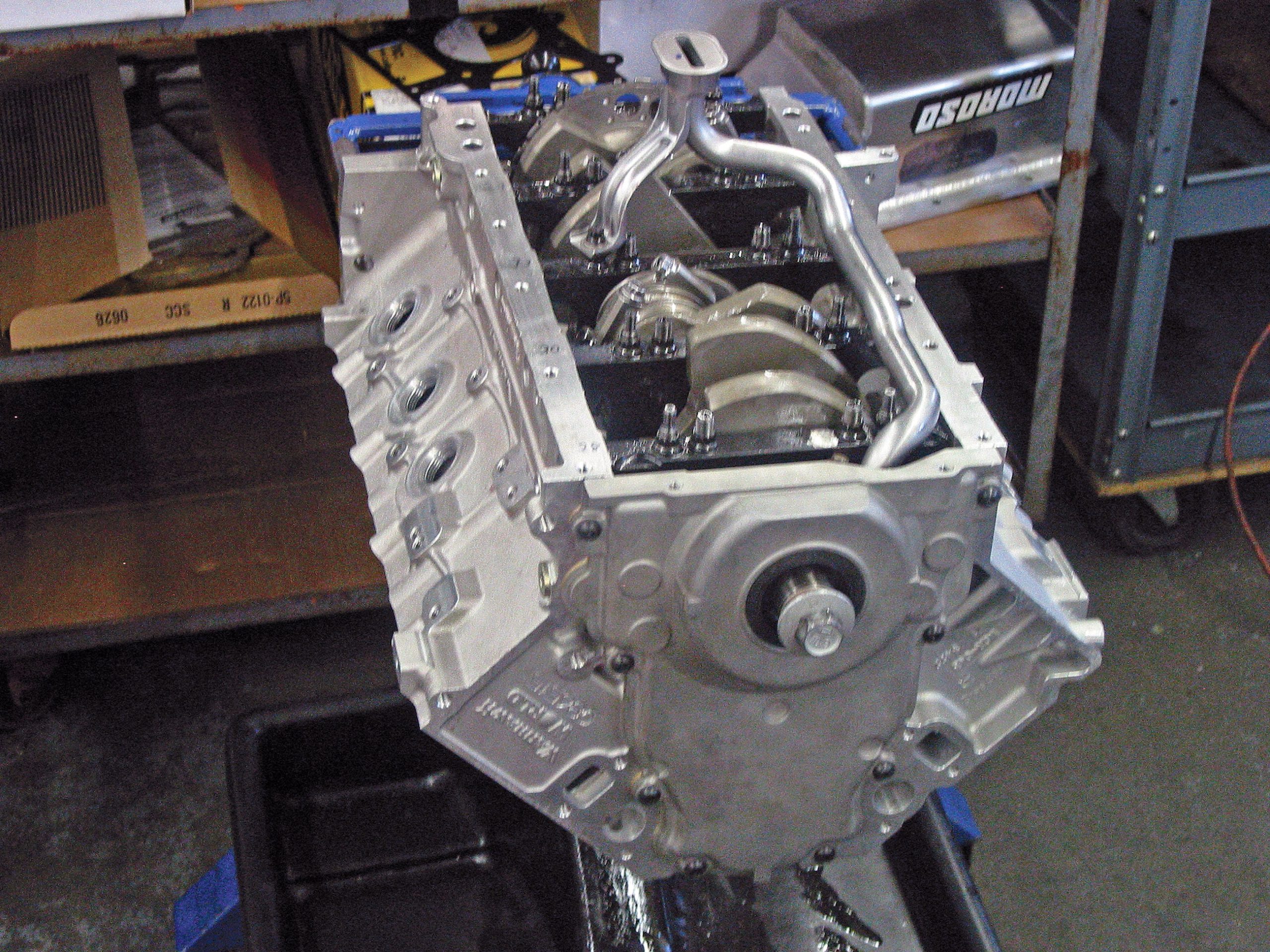
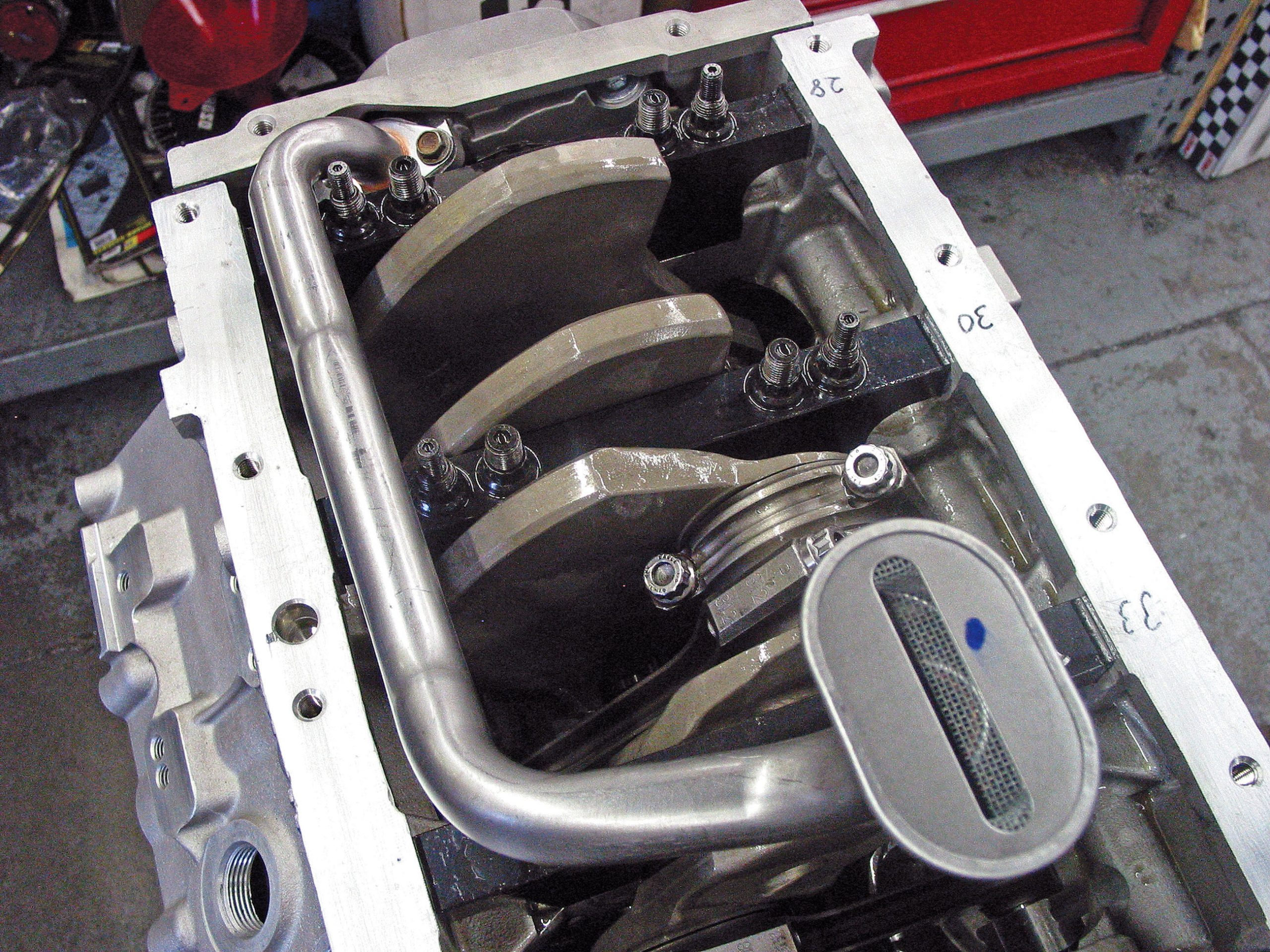
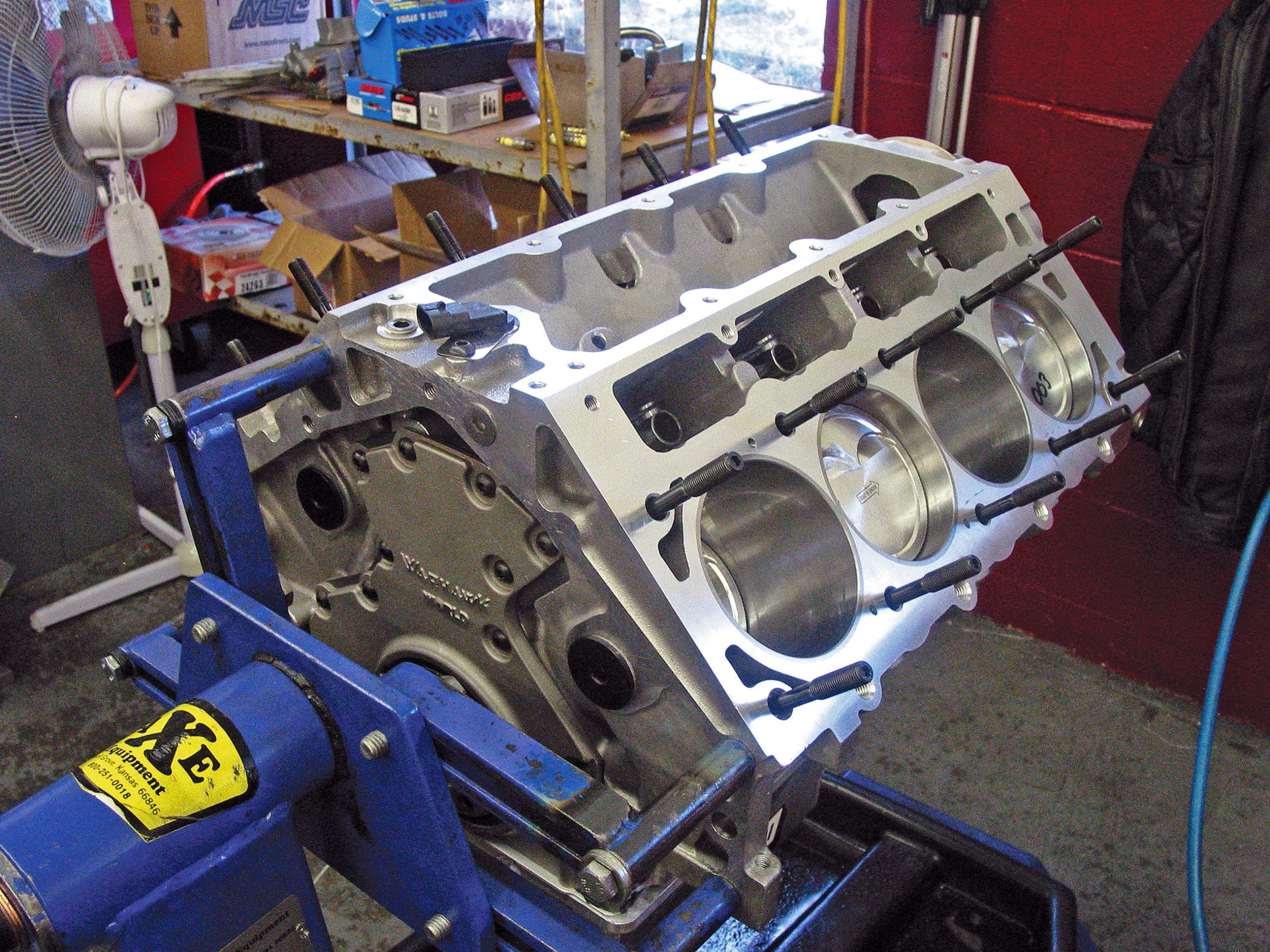
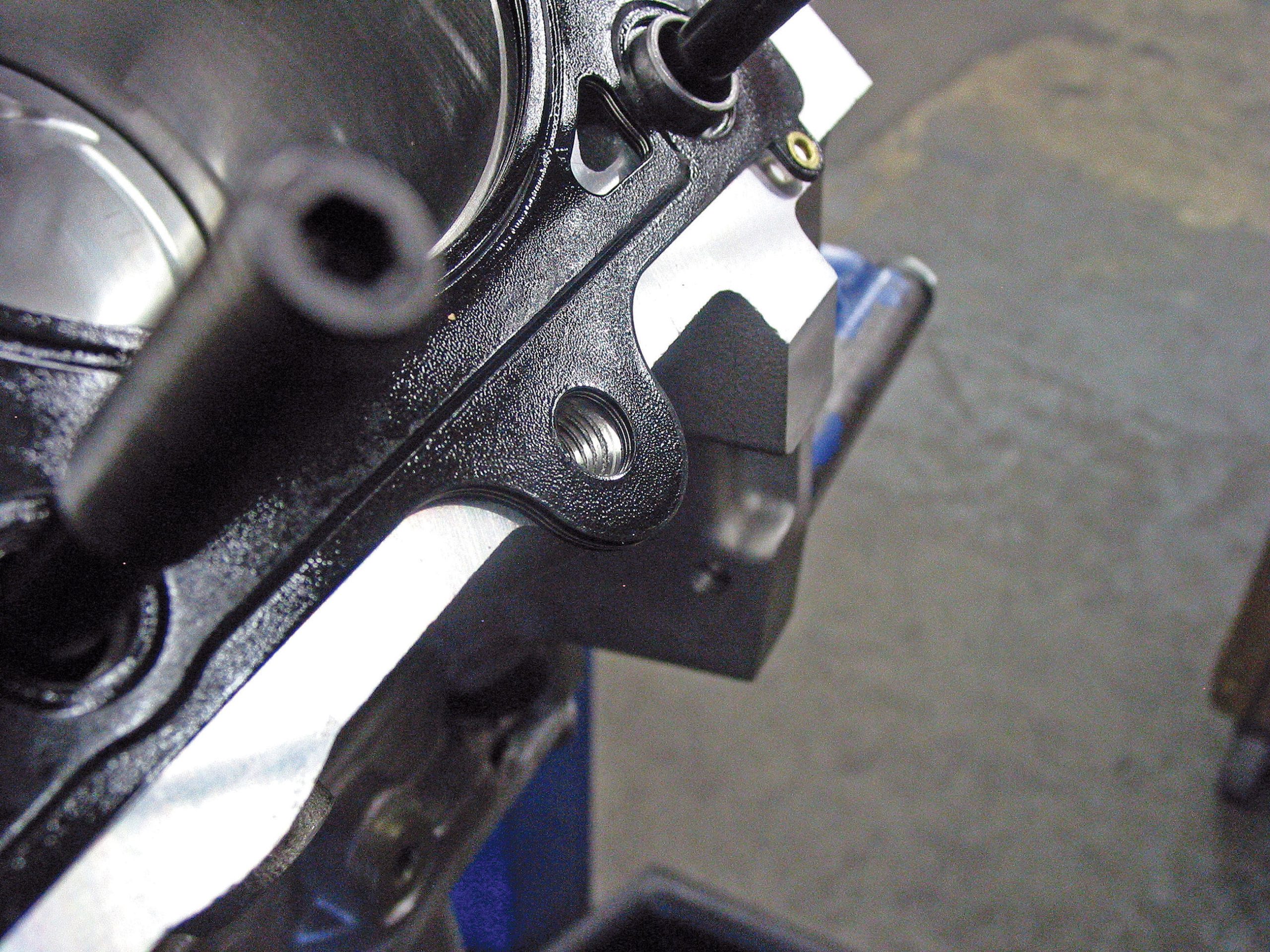
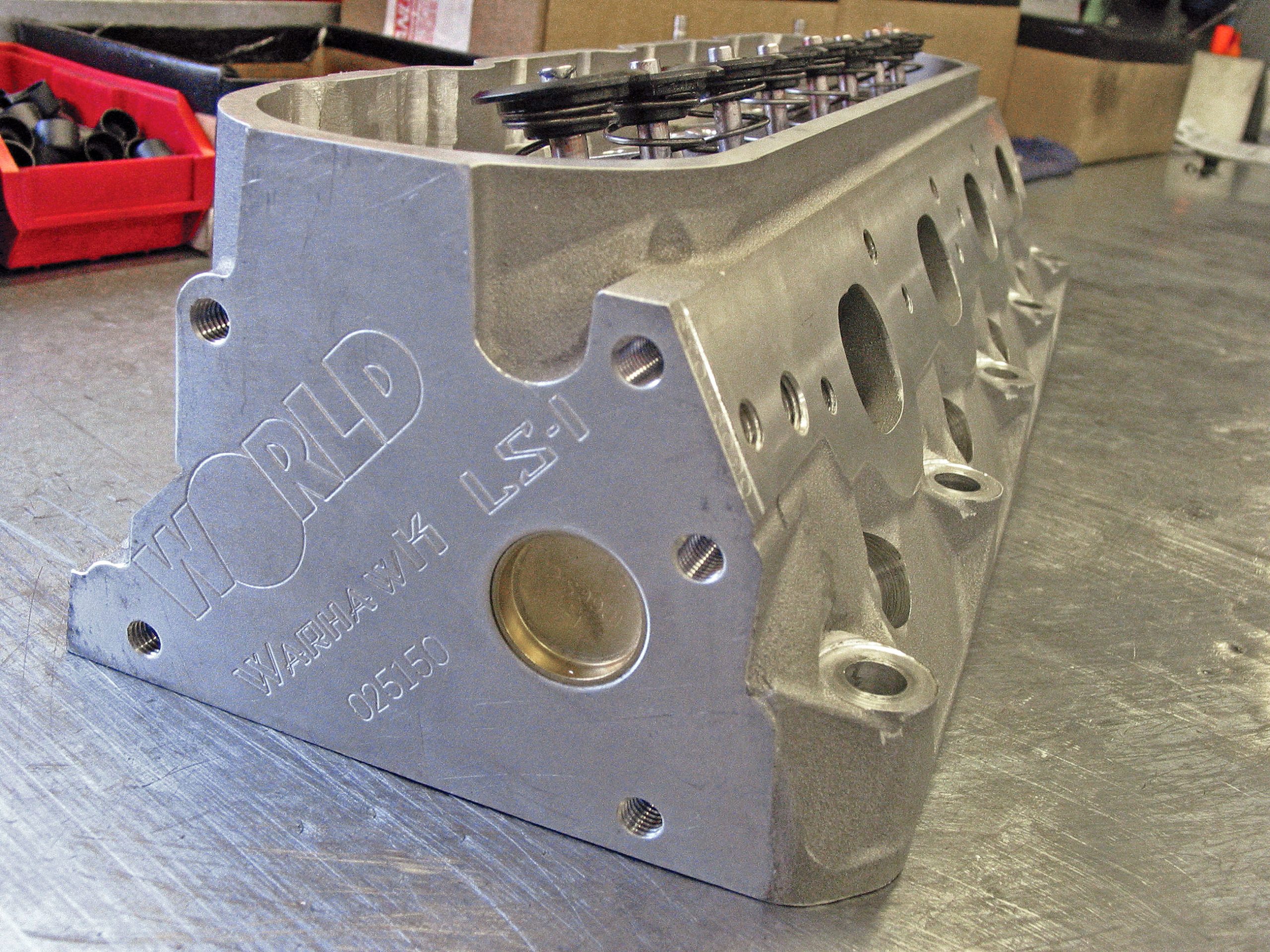
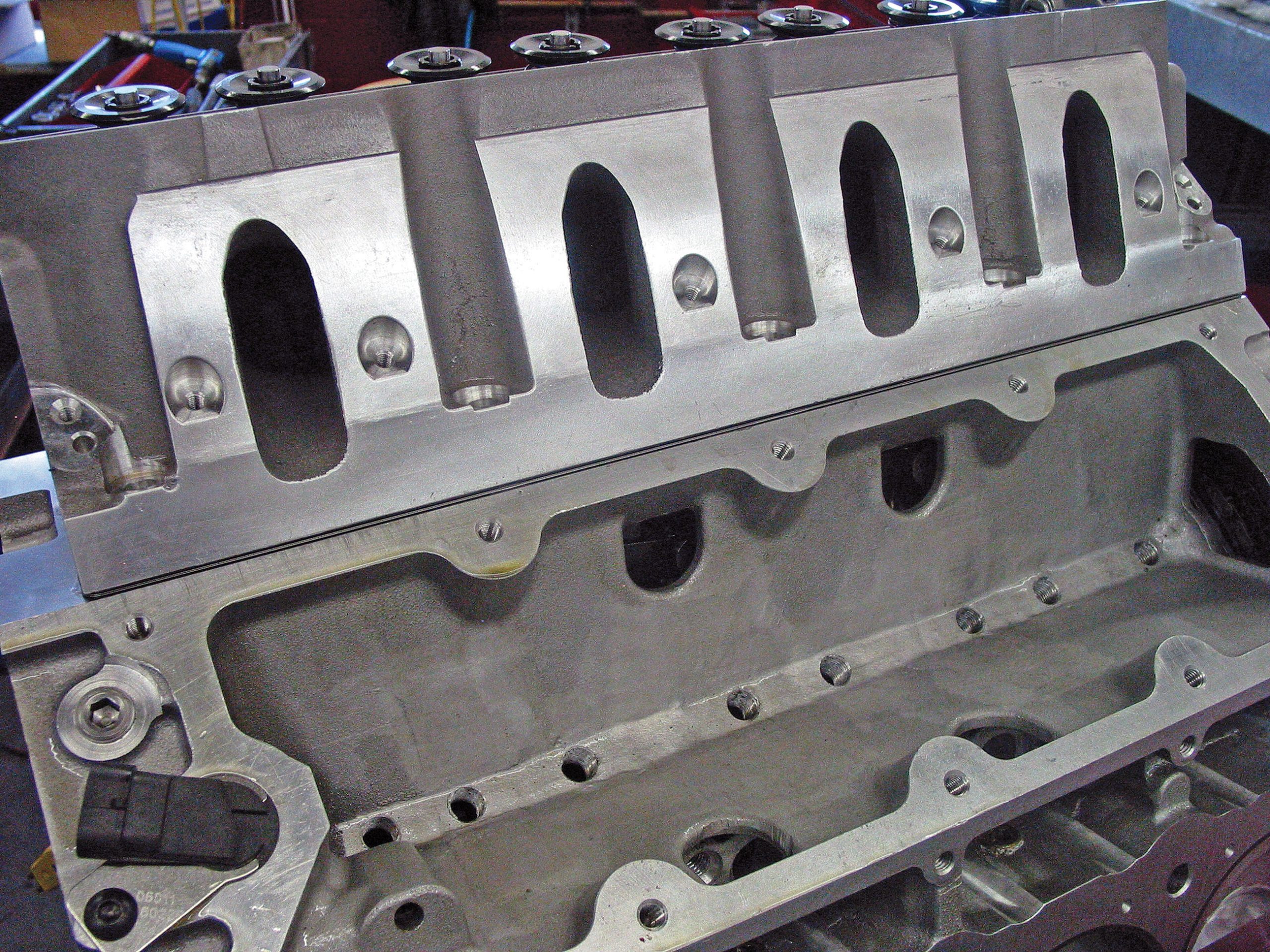
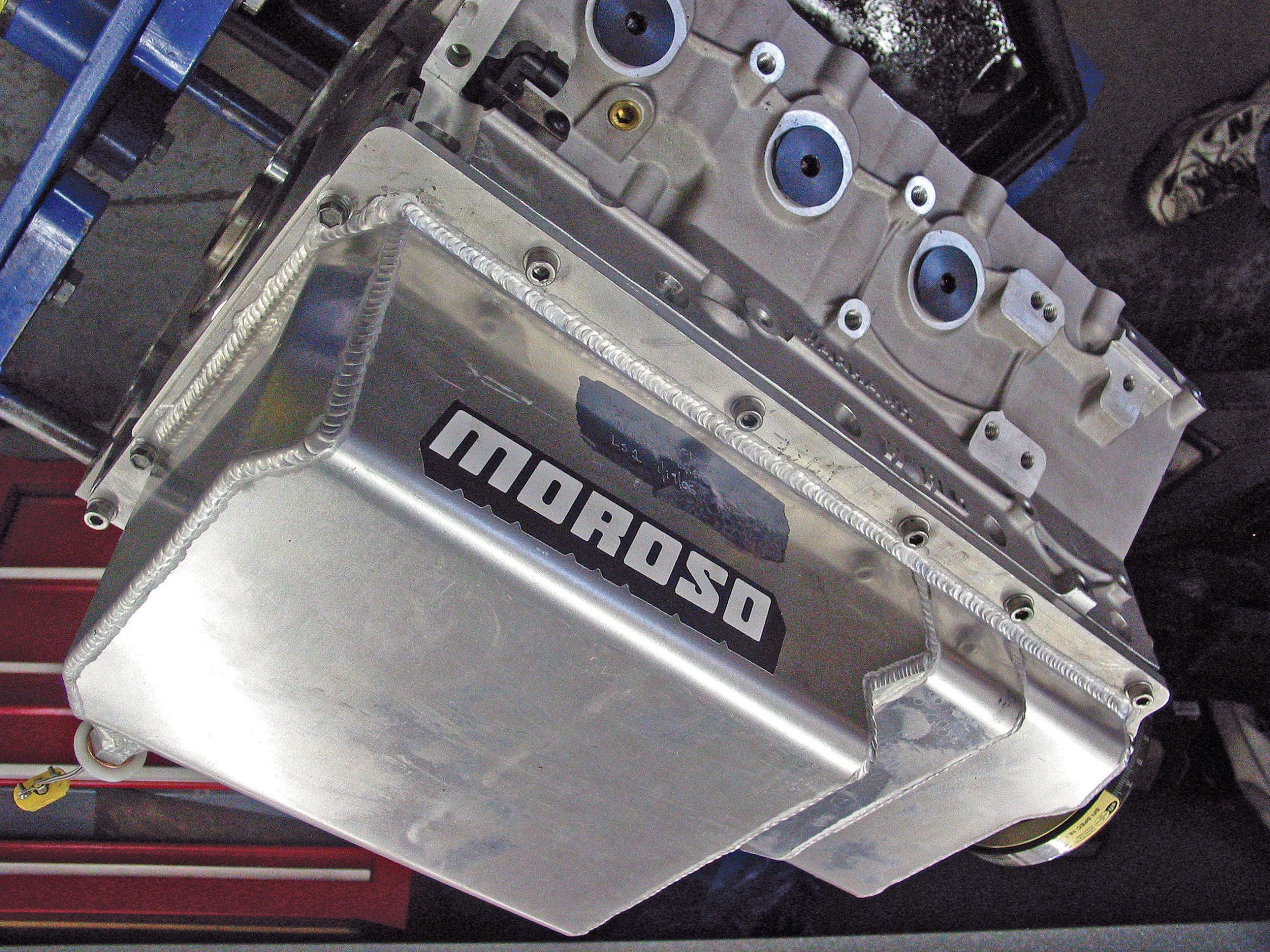
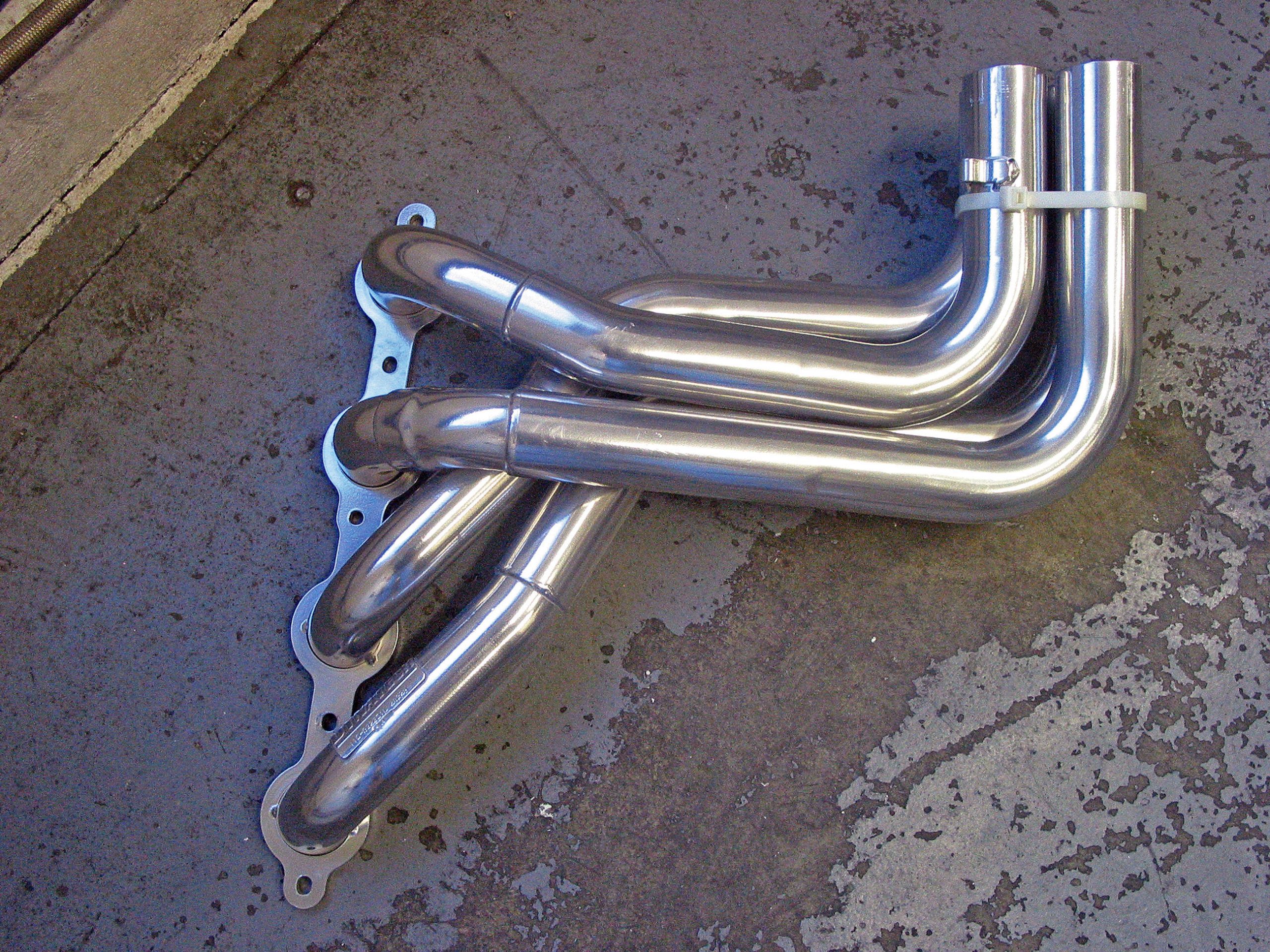
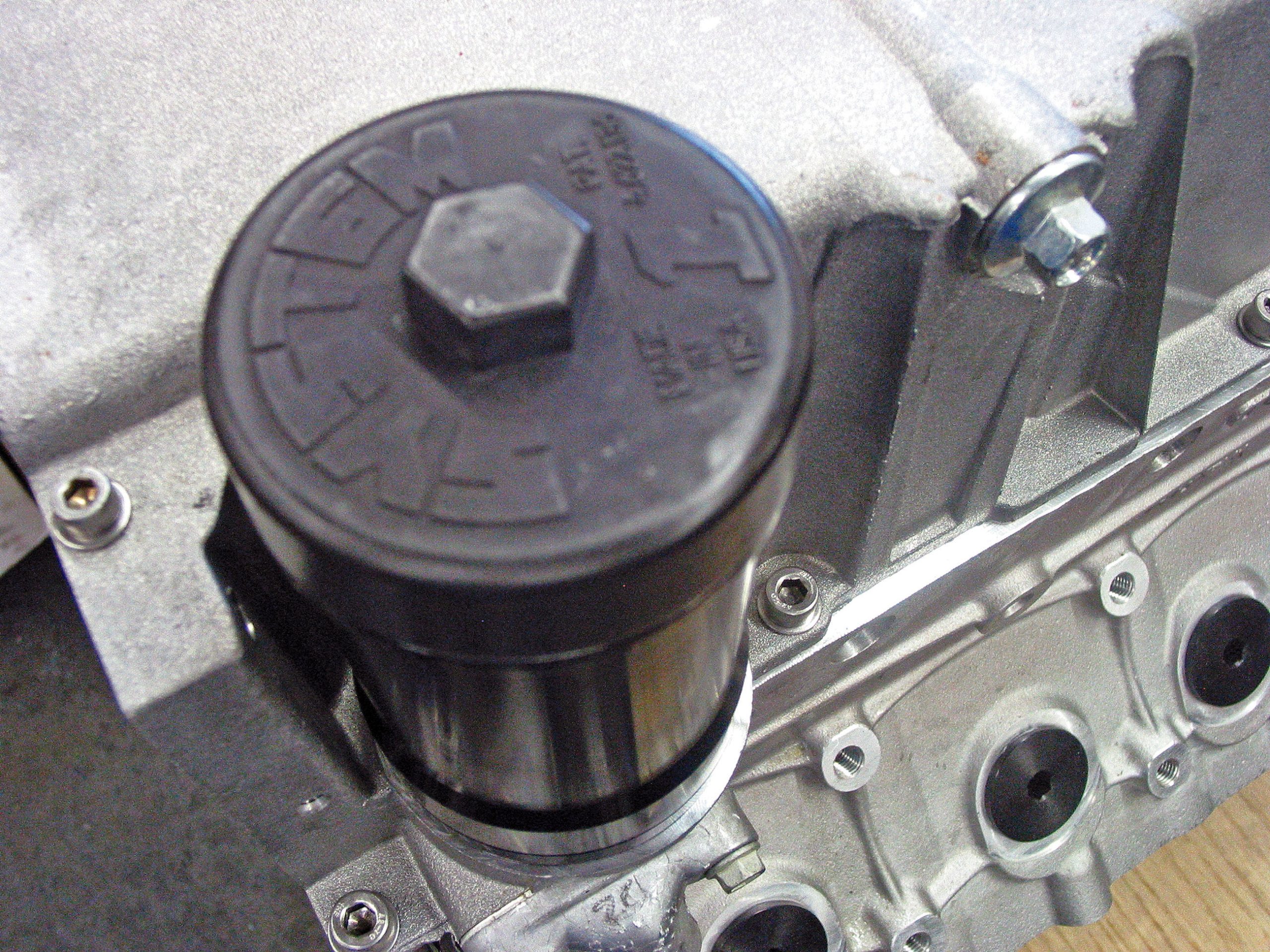
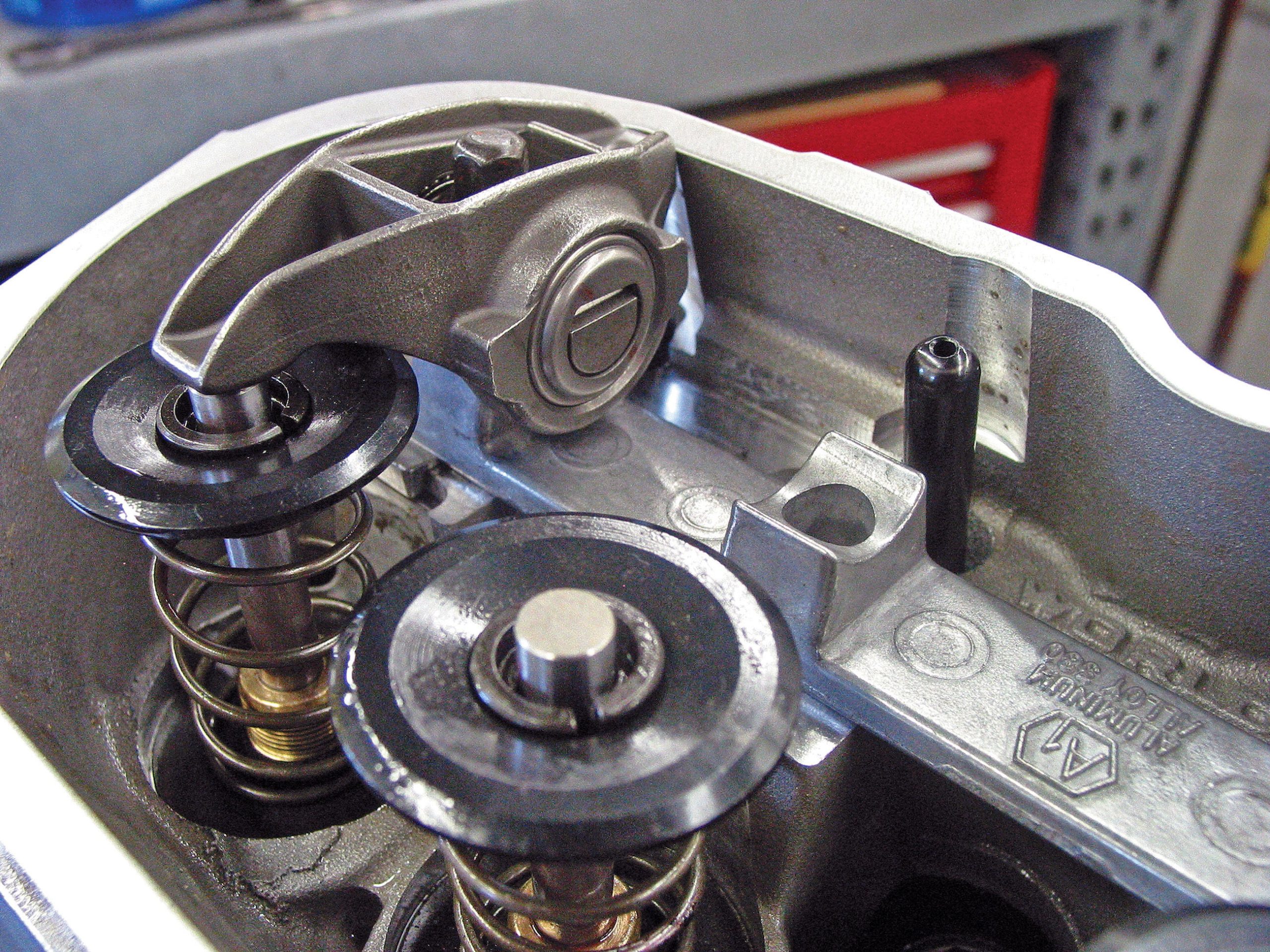
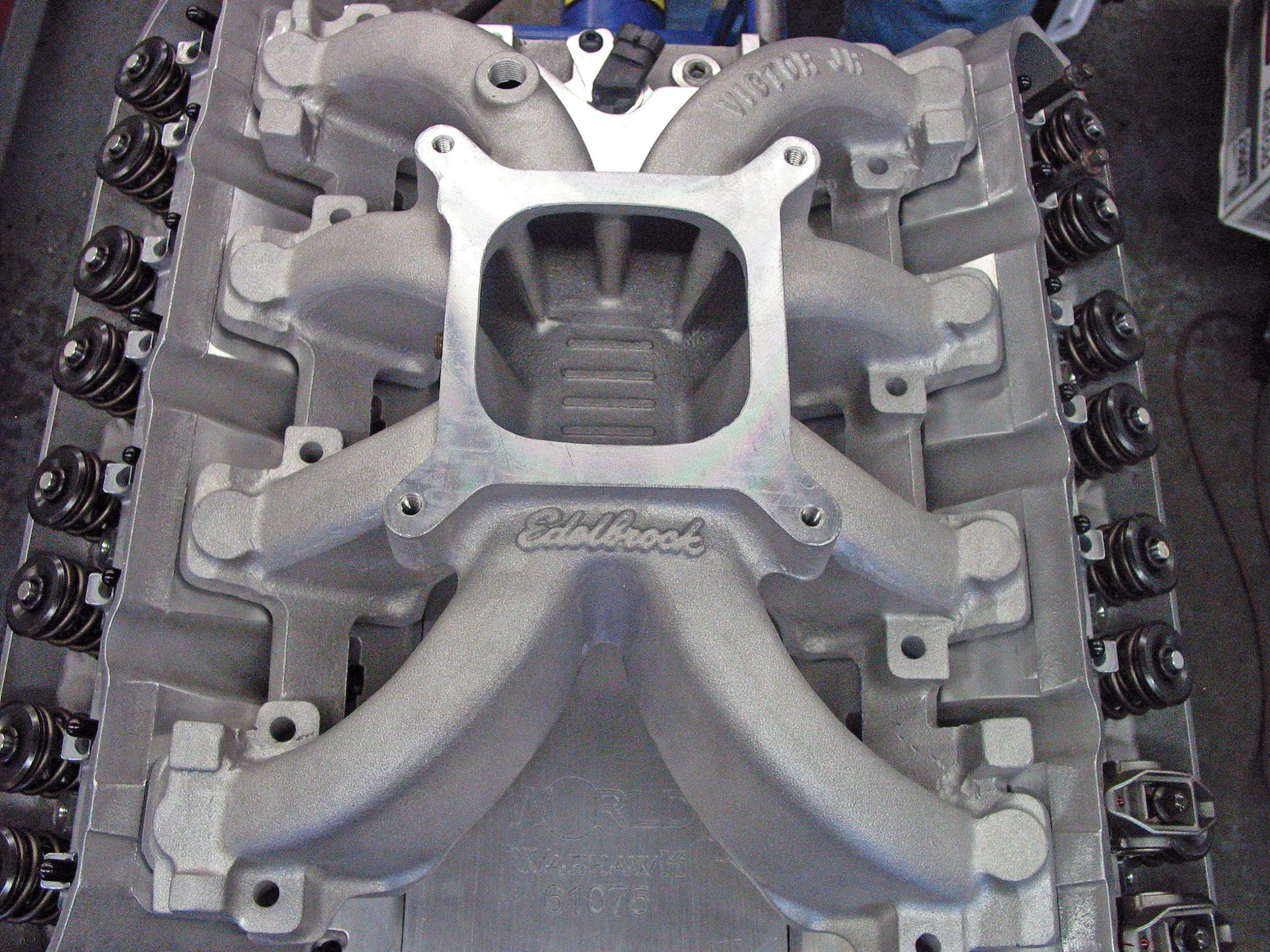
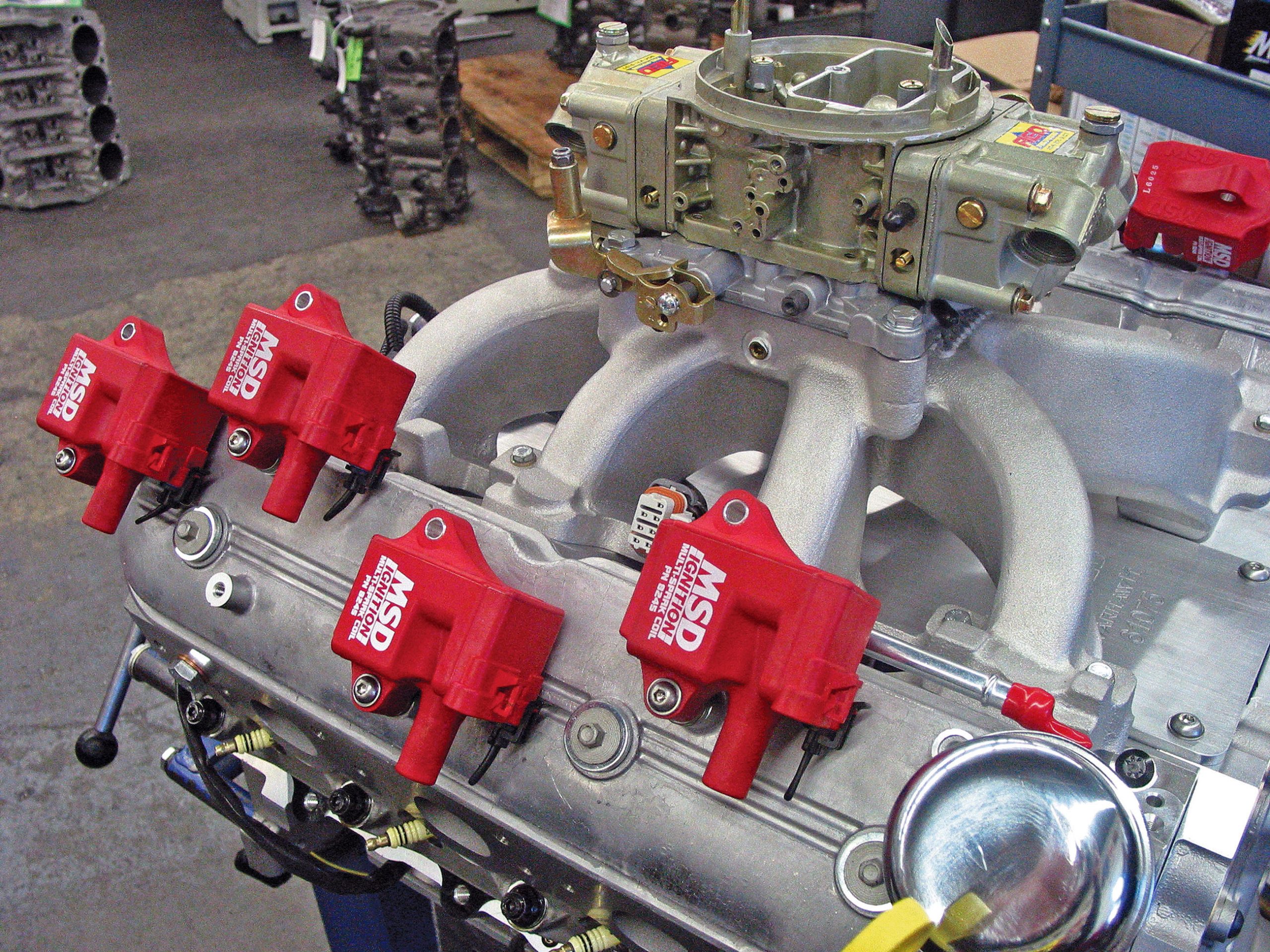
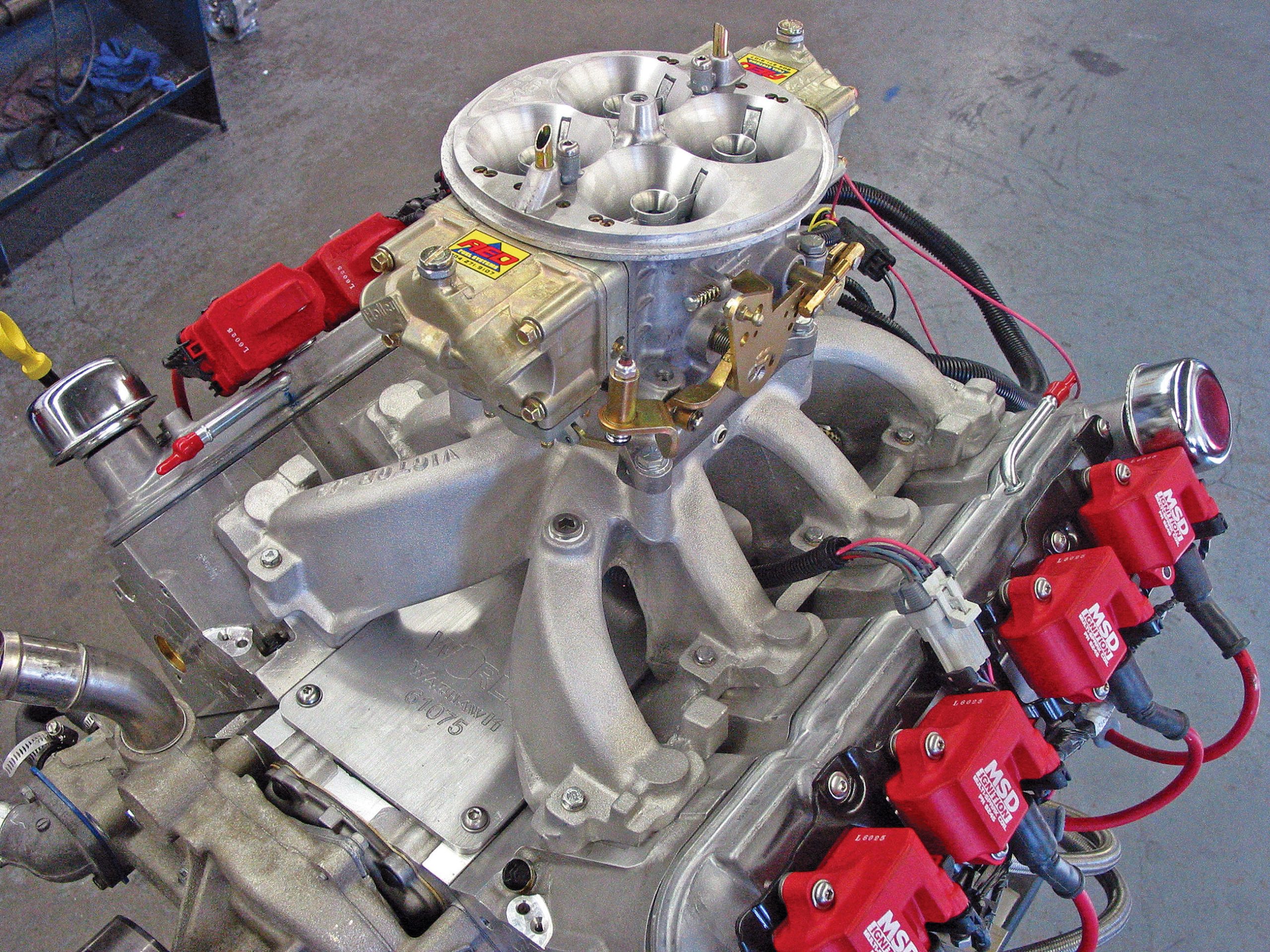
Although discussing, reviewing and writing about these engines provides insight into the benefits these components offer, we couldn’t wait to follow the assembly of one. That’s the best way to illustrate the quality of components and how they all fit together, so you are aware of every component, as well as the types of crate engines in the World Products inventory.
From Prototype to Performance
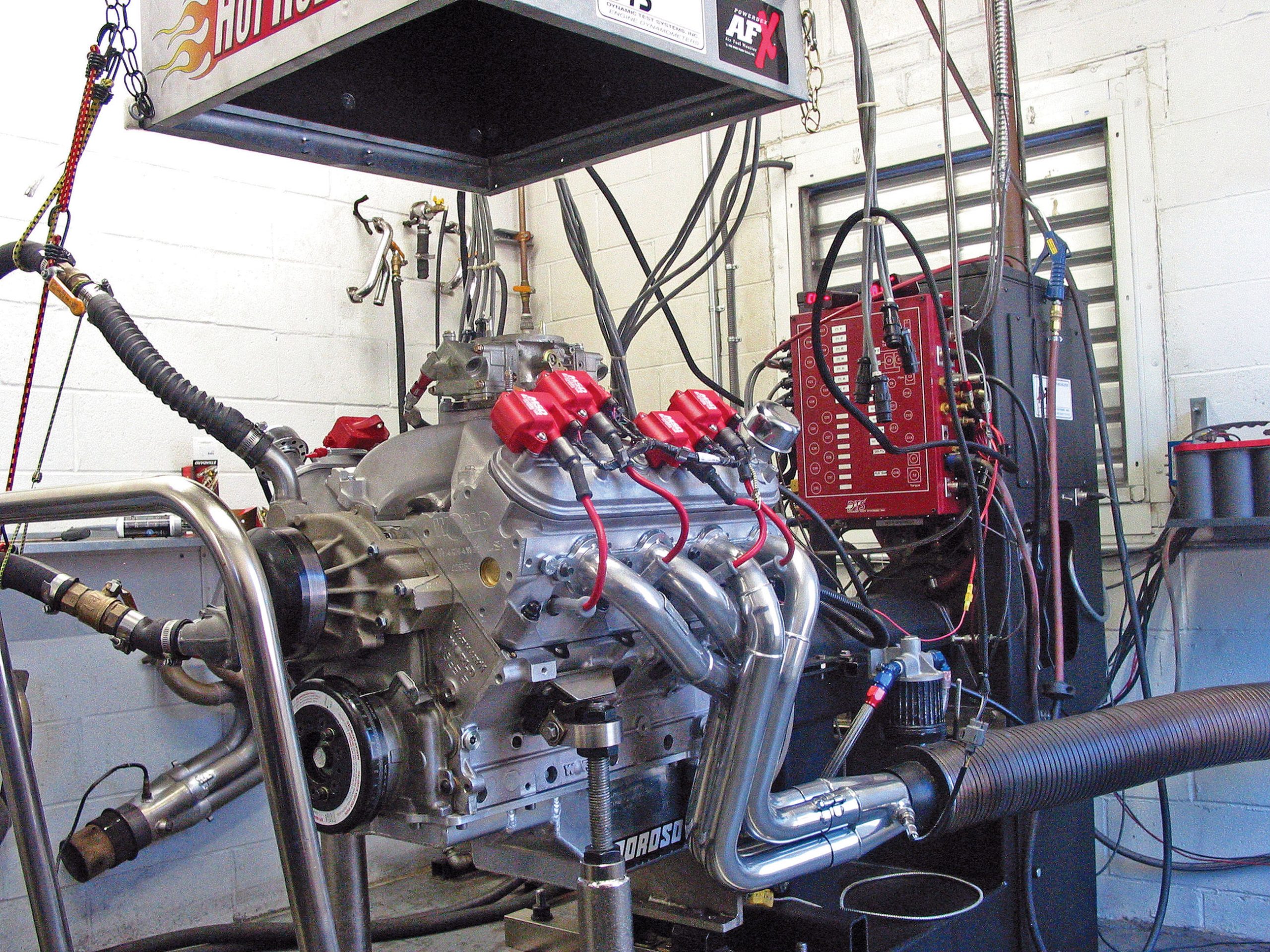
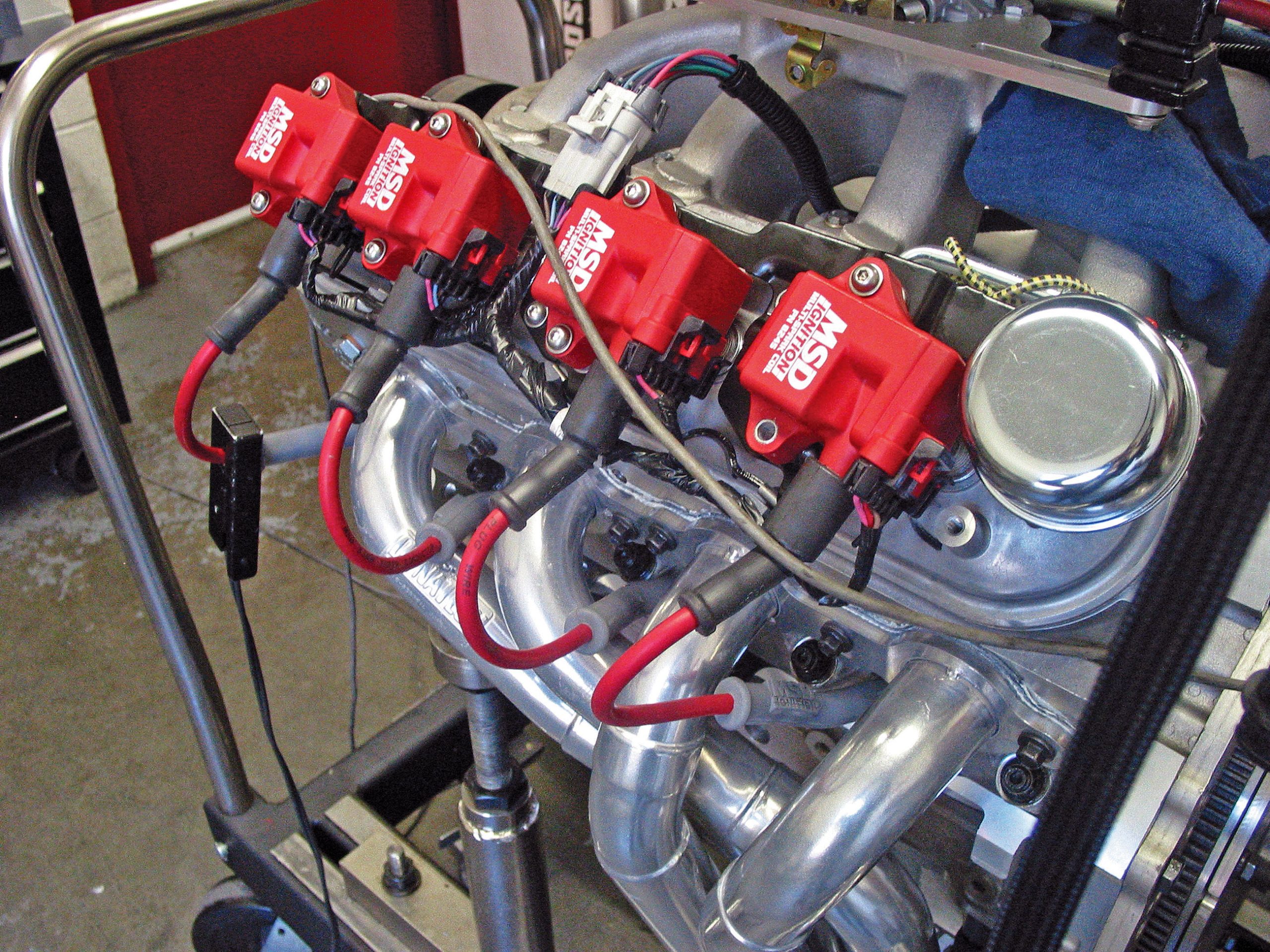
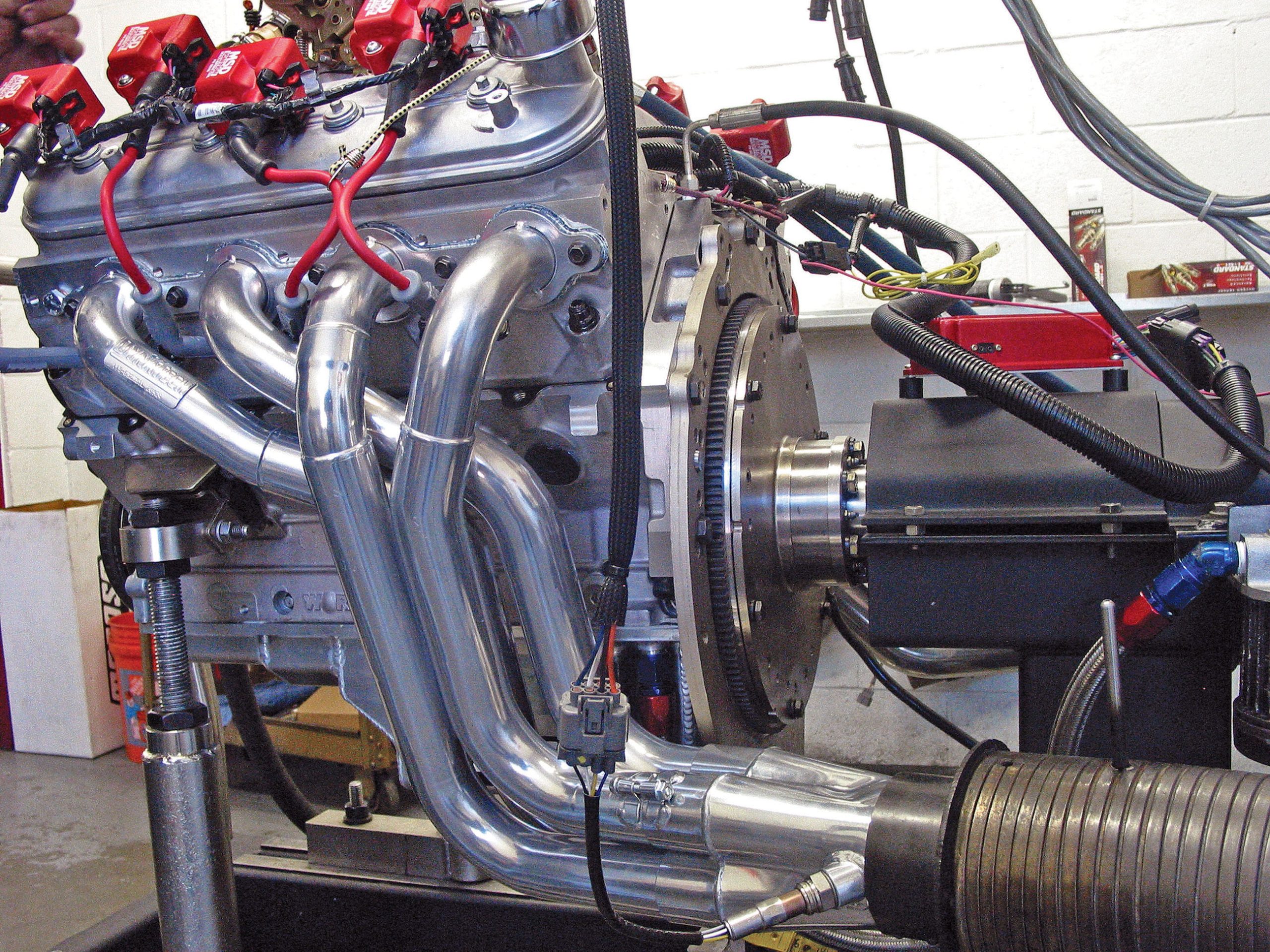
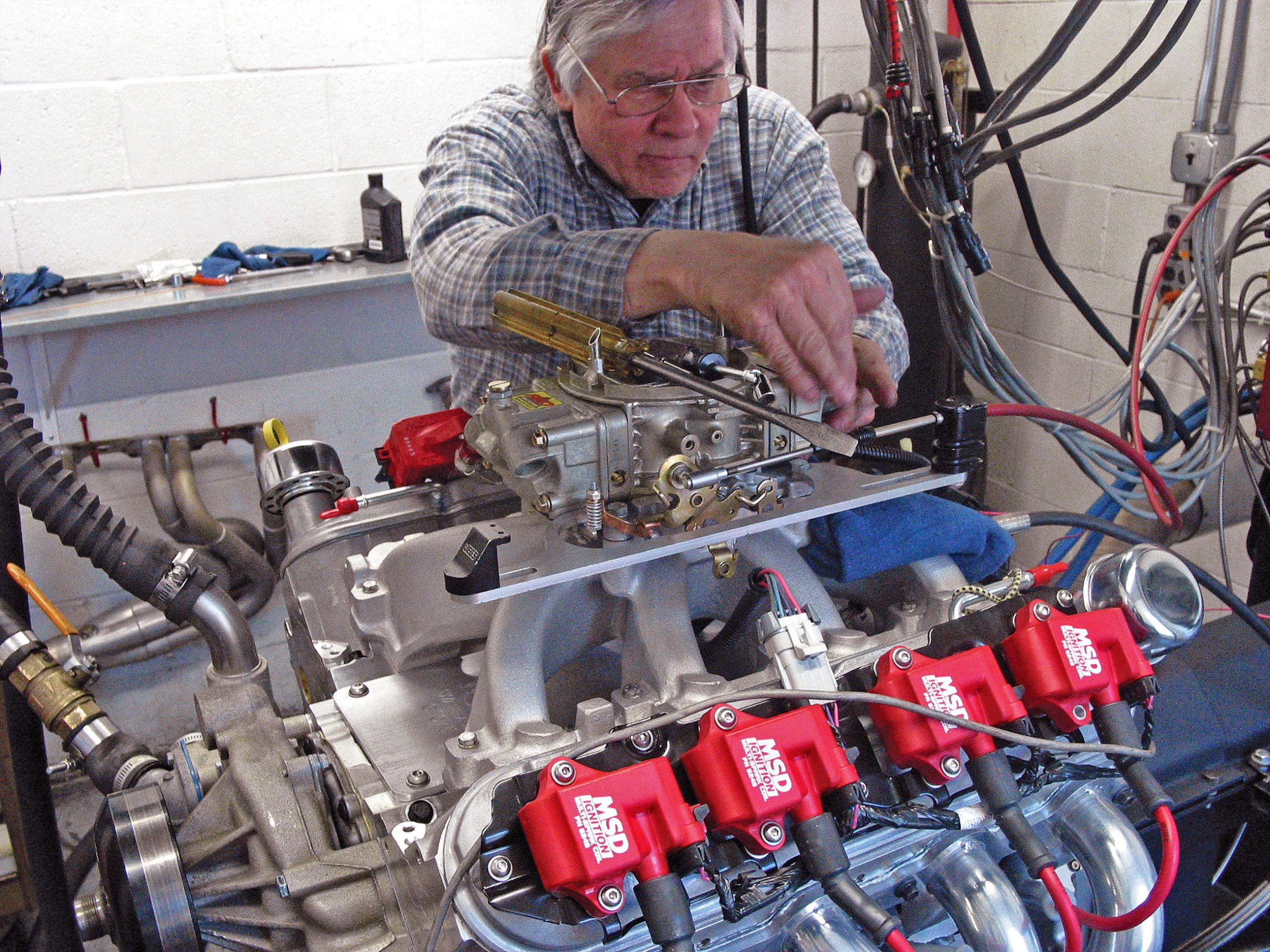
This particular engine assembly process is a special one, as we followed the early prototyping stages of World’s LS7X engine from the bare bones up. And while we will review only some of the details incorporated here, you will no doubt understand why World Products engines have gained the strong following they have today. It’s all about quality and the parts, and the fact that such power is only an e-mail or phone call away. It’s truly astonishing!
Impressive Numbers, Proven Performance
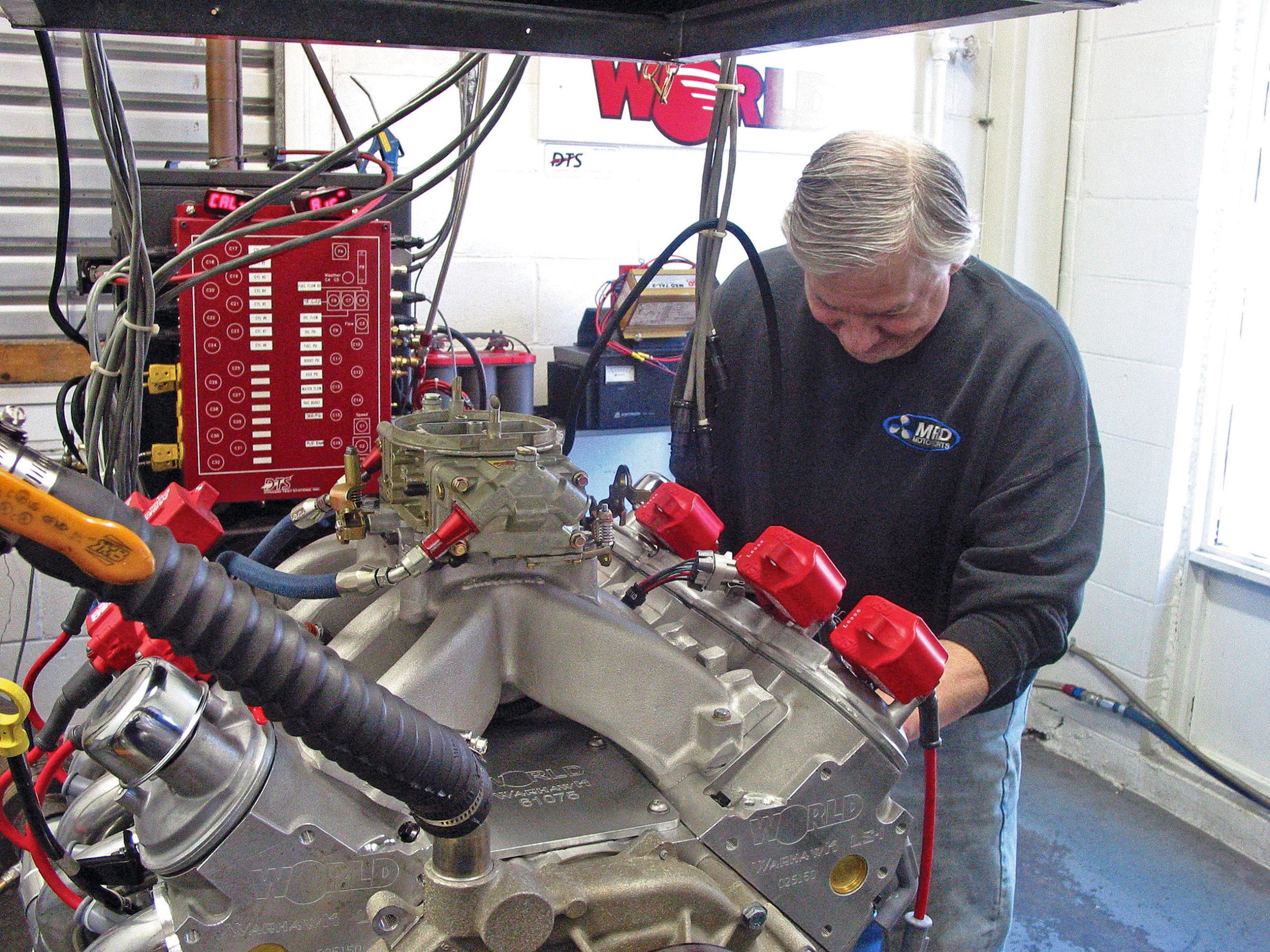
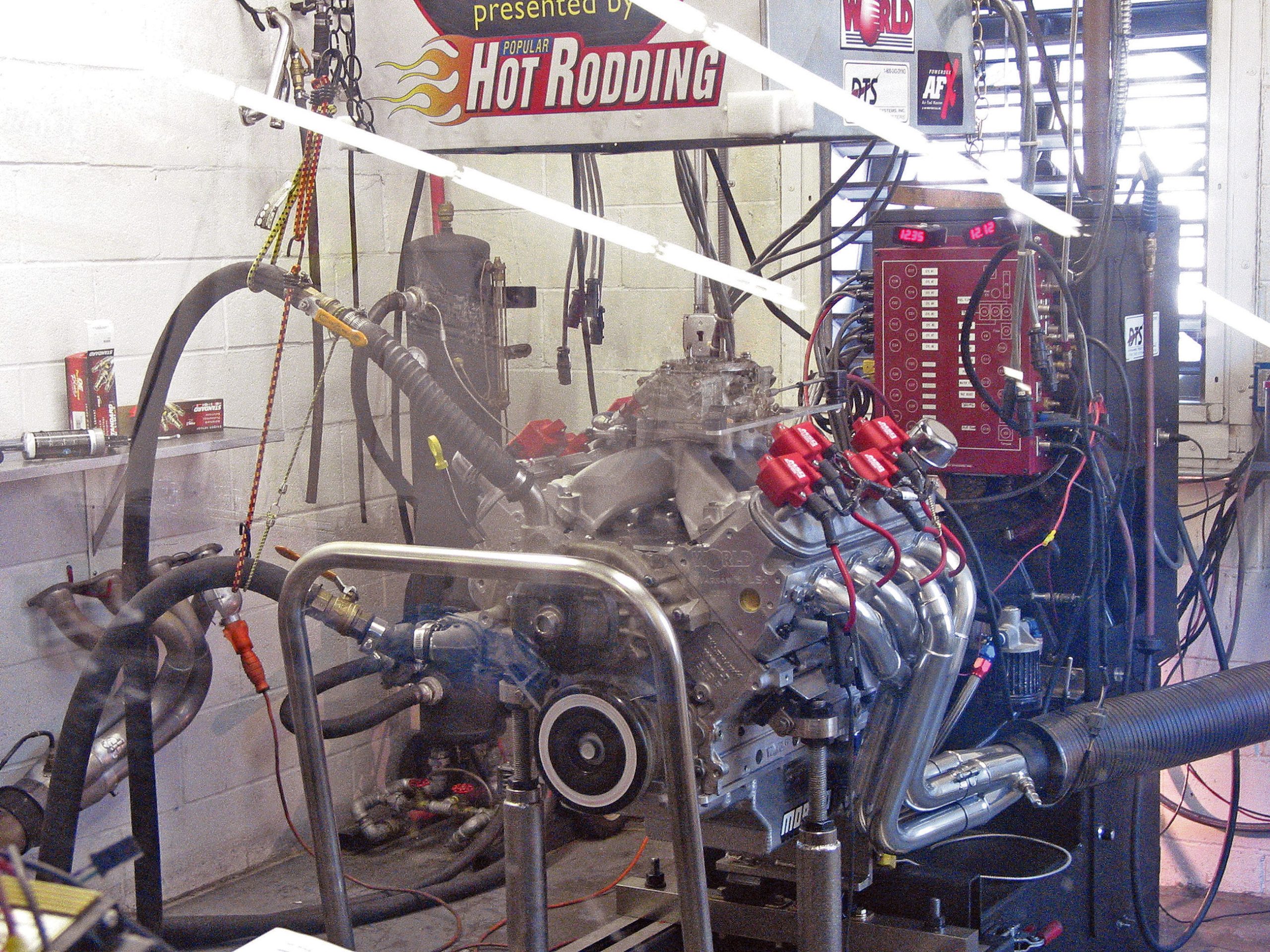
If it’s numbers you’re looking for, how’s this? Here’s an extremely streetable LS7X engine that pumped out 628 hp at 6,200 rpm and 578 lb-ft of torque at only 5,200 rpm. How’s that for impressive? Here’s how it was built.