

THE AUTO BUILDER
Featured

4/7 SWAP
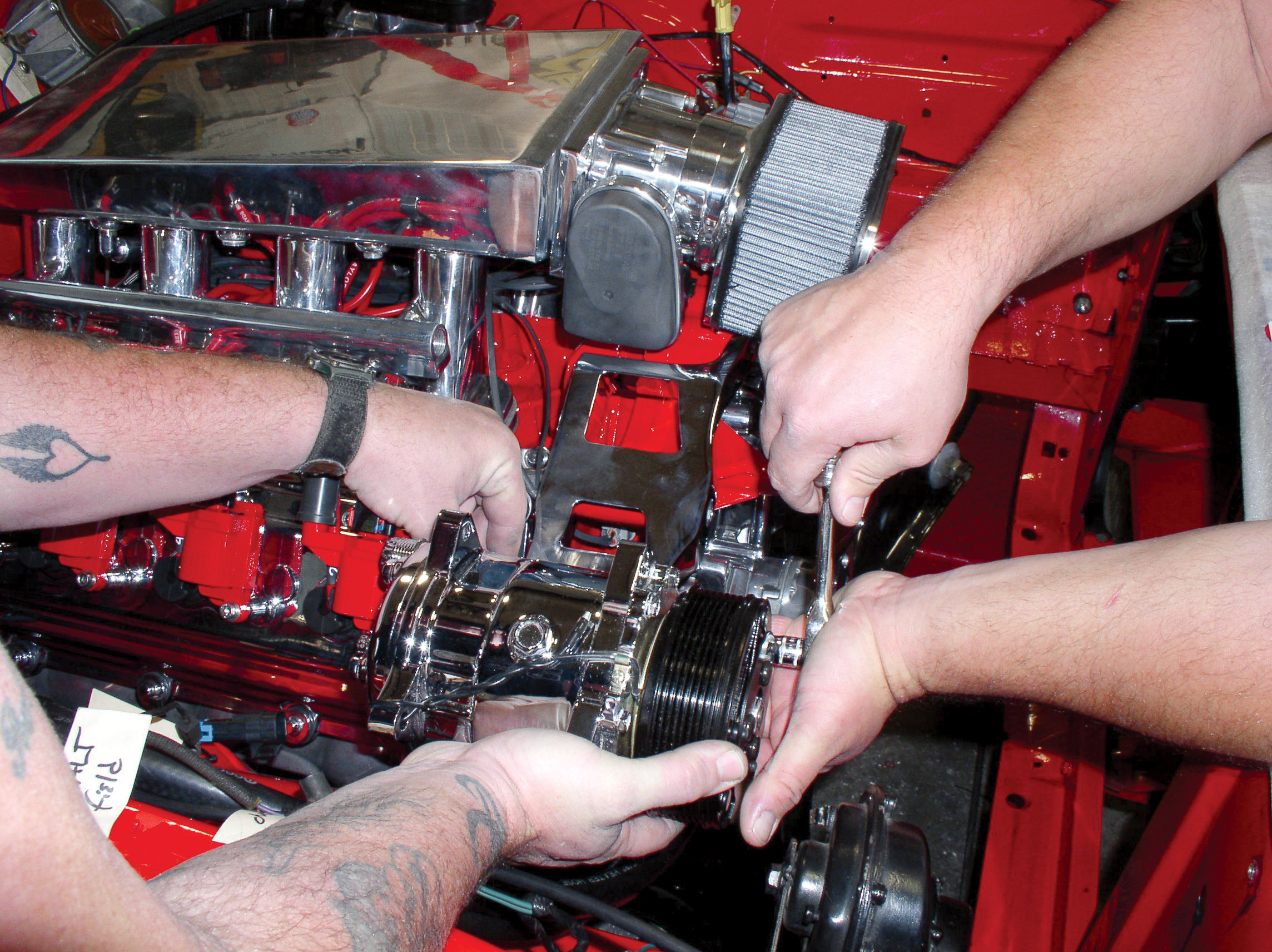
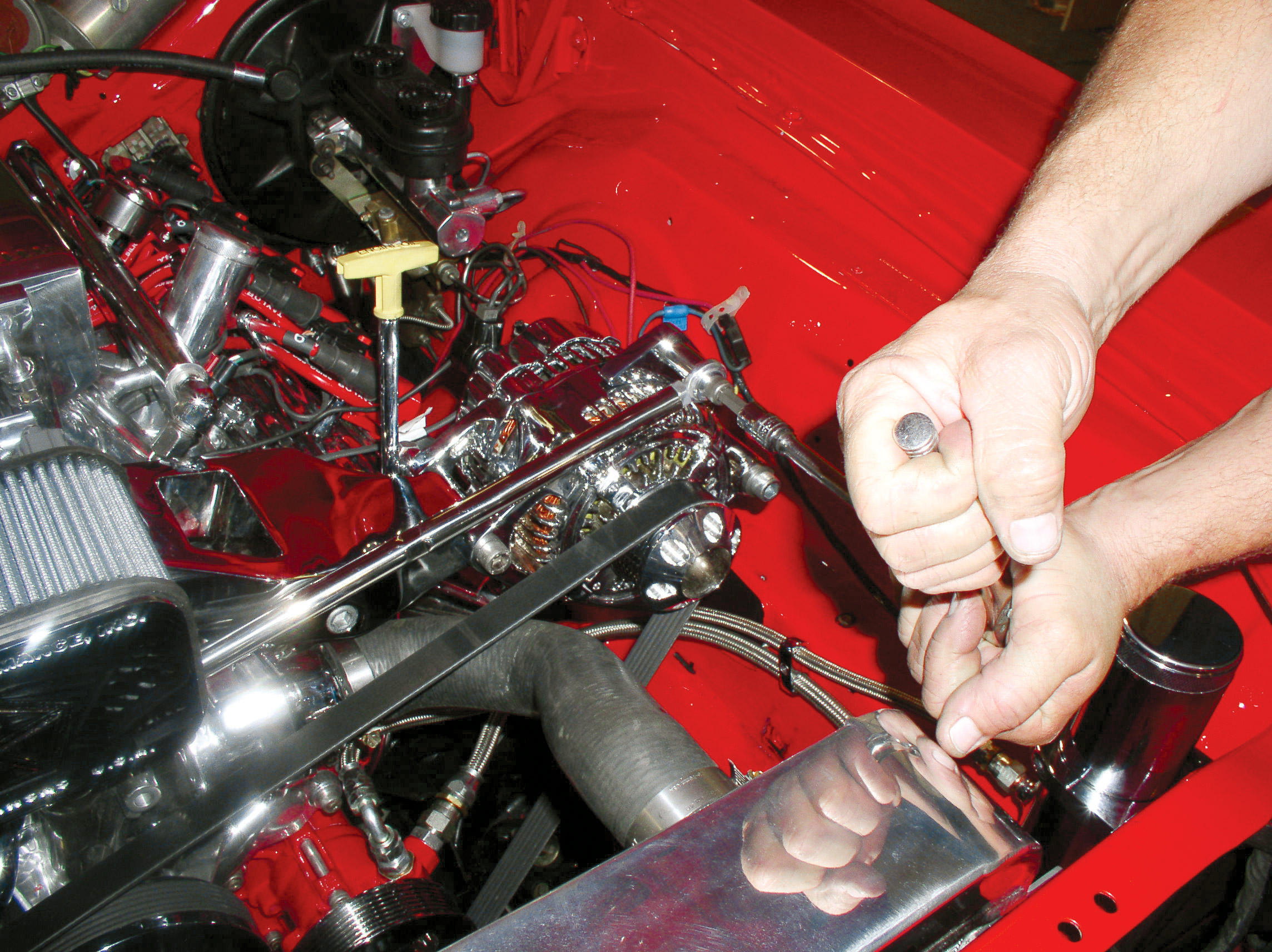
We showed you how to build a small-block engine that could make over 500 hp and 500 lb-ft of torque on 87-octane gas. It was a motor that could be driven just about every day with a hydraulic-roller cam and a good carburetor, making acquisition and maintenance almost nonexistent. Like many things we do in the engine world, the results we enjoyed—while good—just weren’t satisfying anymore. We wanted more.

ONE HATCH IN A LONG LINE OF HONDAS
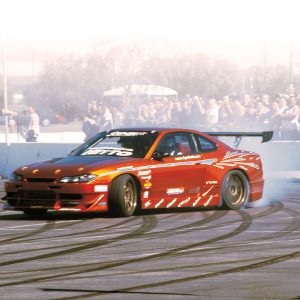
Northern California native Fred Chapman’s ’96 Honda Civic is a project he undertook after having owned a handful of water-cooled Volkswagens. Chapman decided it was time to make the move to the Japanese market, and he found himself owning more Hondas than you can count on one hand. Having been around the Honda scene for well over a decade now, Chapman, with the help of his wife, recently acquired the one “H” car he had always wanted—the one you see here.

Tasty Taillights
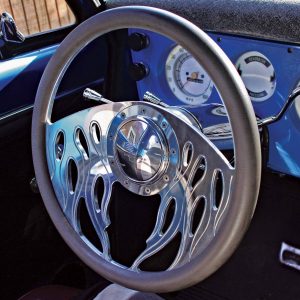
If you are building a street rod, sooner or later you will have to select the taillights you want to use. As with so many other parts, the taillights should match the style of the car you are building. A smooth, high-tech rod should have taillights of the same style, perhaps flush-fit diode lights that match the shape of the body. If you are building a resto rod, the stock taillights are generally used, stalk and all. Internally they can be updated with bright bulbs or a diode kit. If you are building a nostalgic or a traditional rod, there are several different lights that were used by builders in the ’50s and the ’60s. The rod seen in this story is being built in a traditional style, so there were many lights to choose from.
Spotlighter
POPULAR READS
-
Product Spotlight: Bill Mitchell Products Aluminum LS Engine Block
-
PRODUCT SPOTLIGHT: 60-66 Chevy C10 Fresh Air Vent Block Off Plate
-
Product Spotlight: Pyramid Optimized Design Sequential Aurora Taillight for 1964½–1966 Mustang
-
PRODUCT SPOTLIGHT: Cam Covers for GEN/3 Coyote from Pyramid Optimized Design
A NEW HEMI FOR AN OLD MOPAR
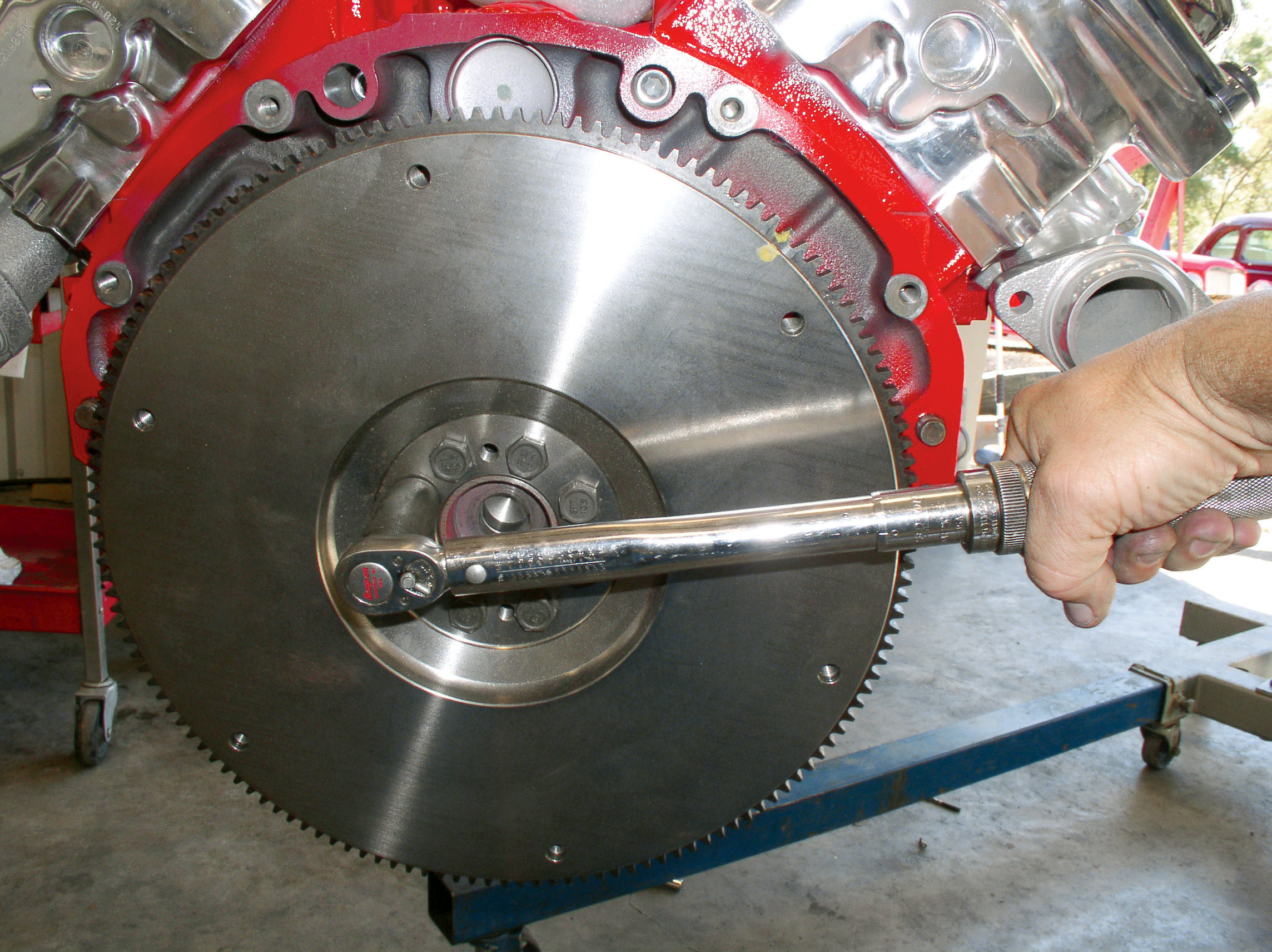
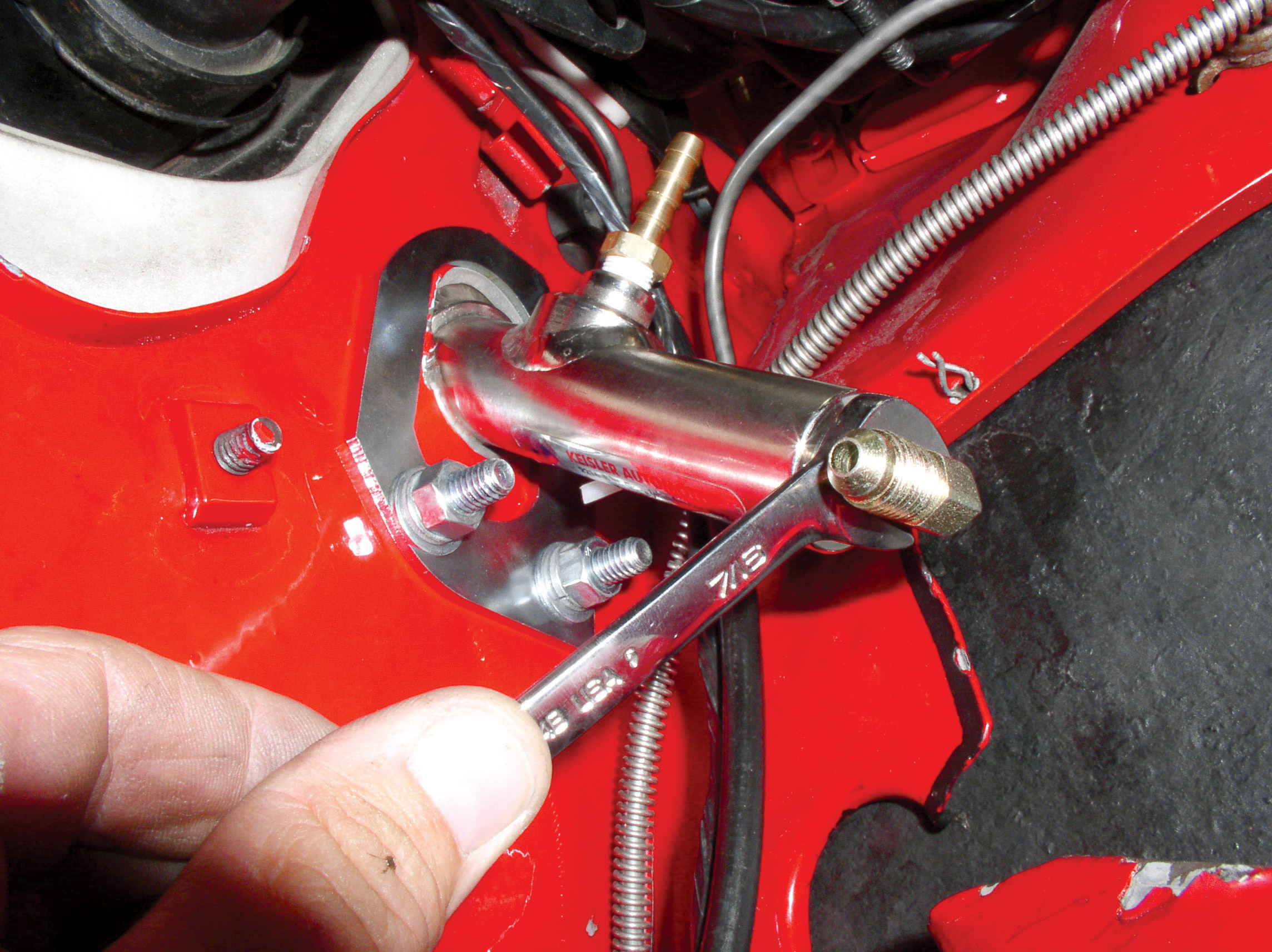
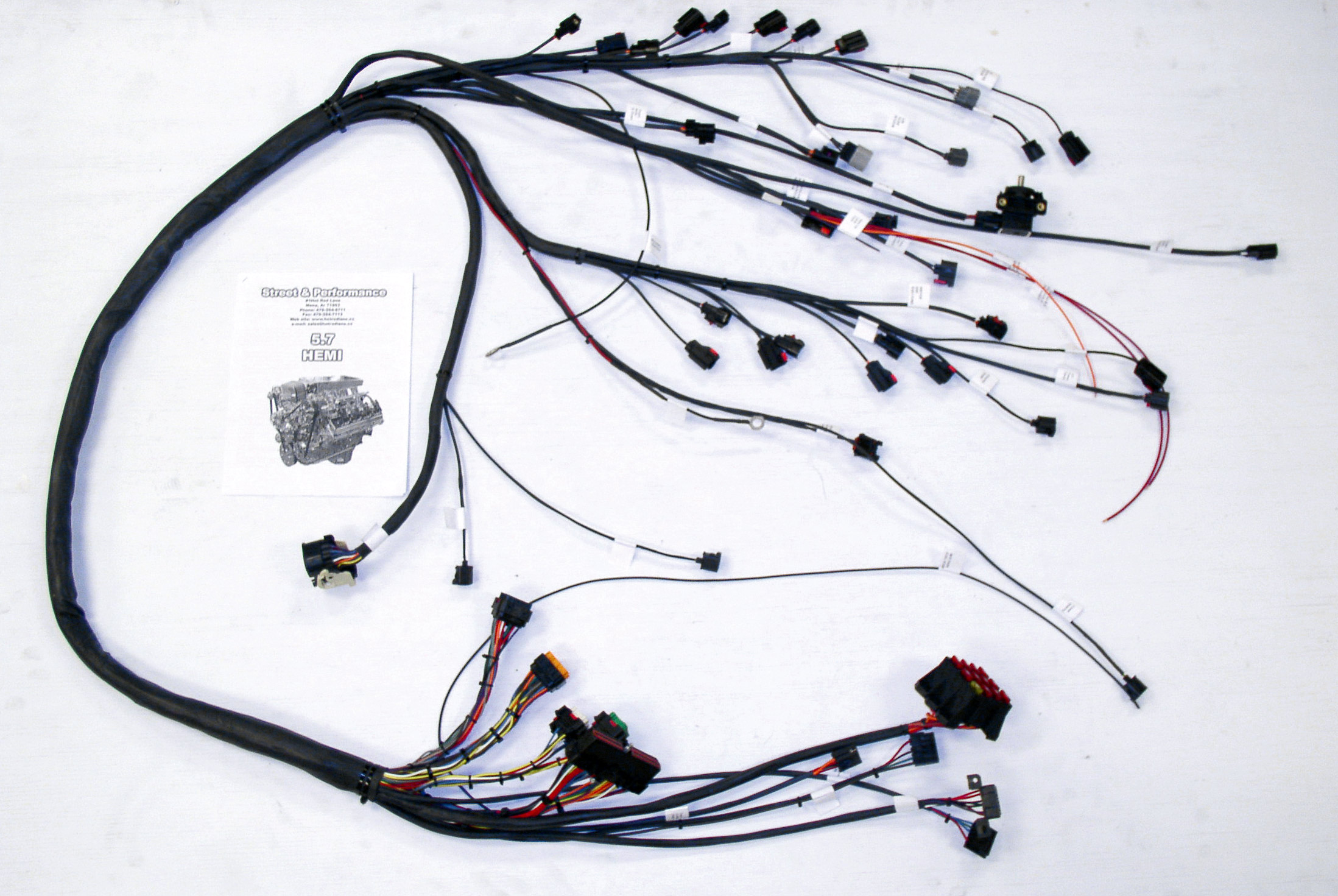
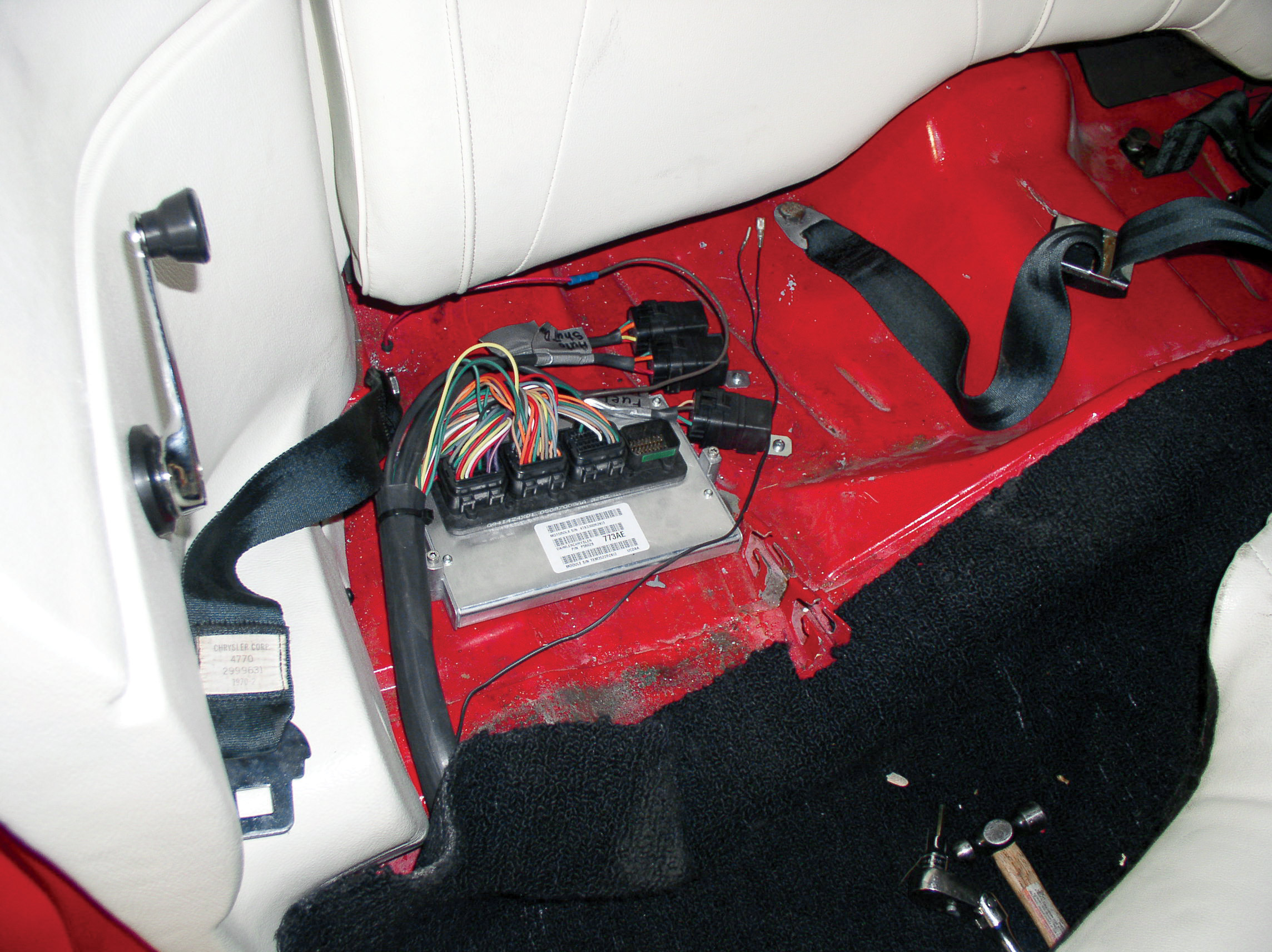
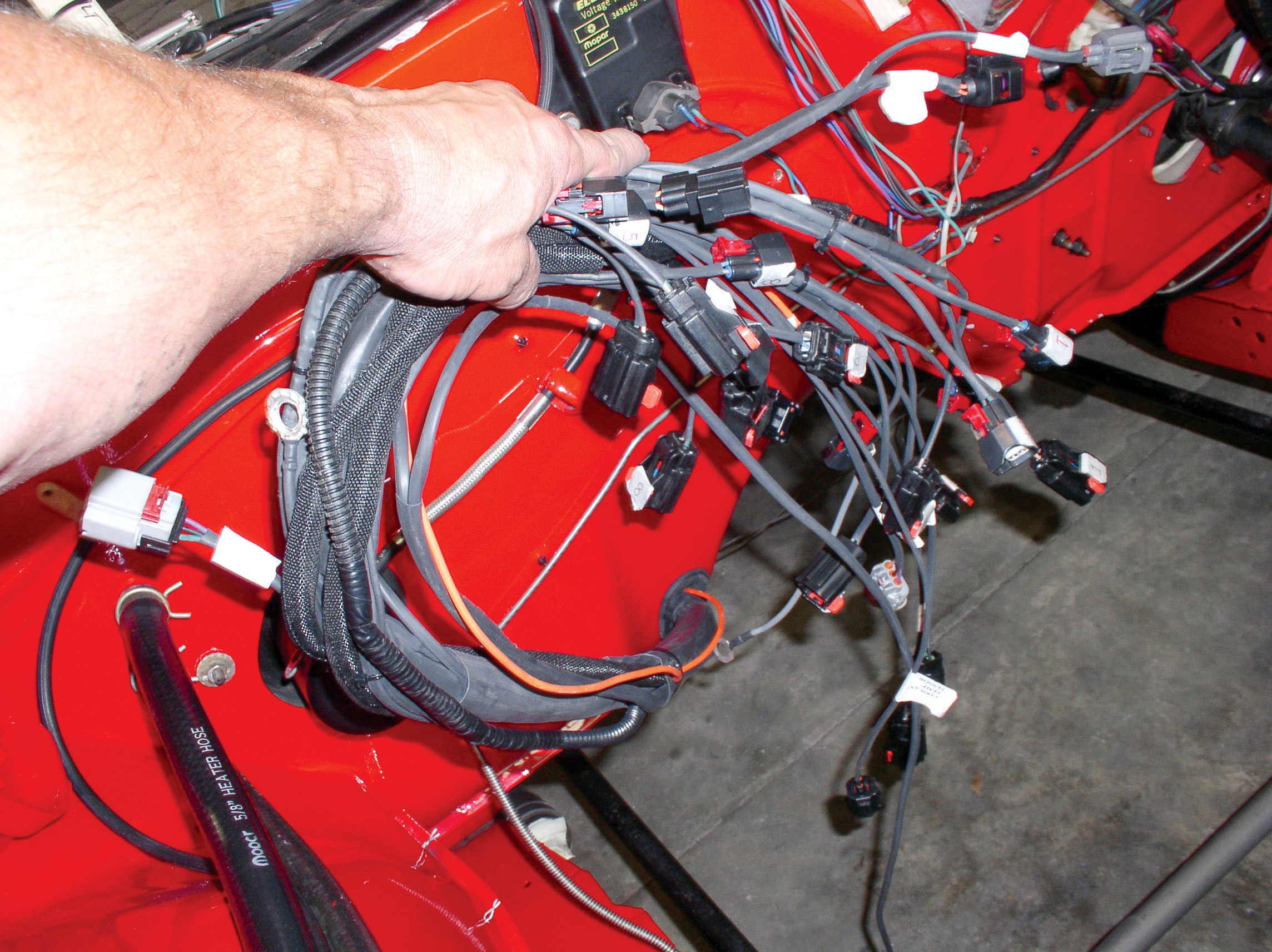
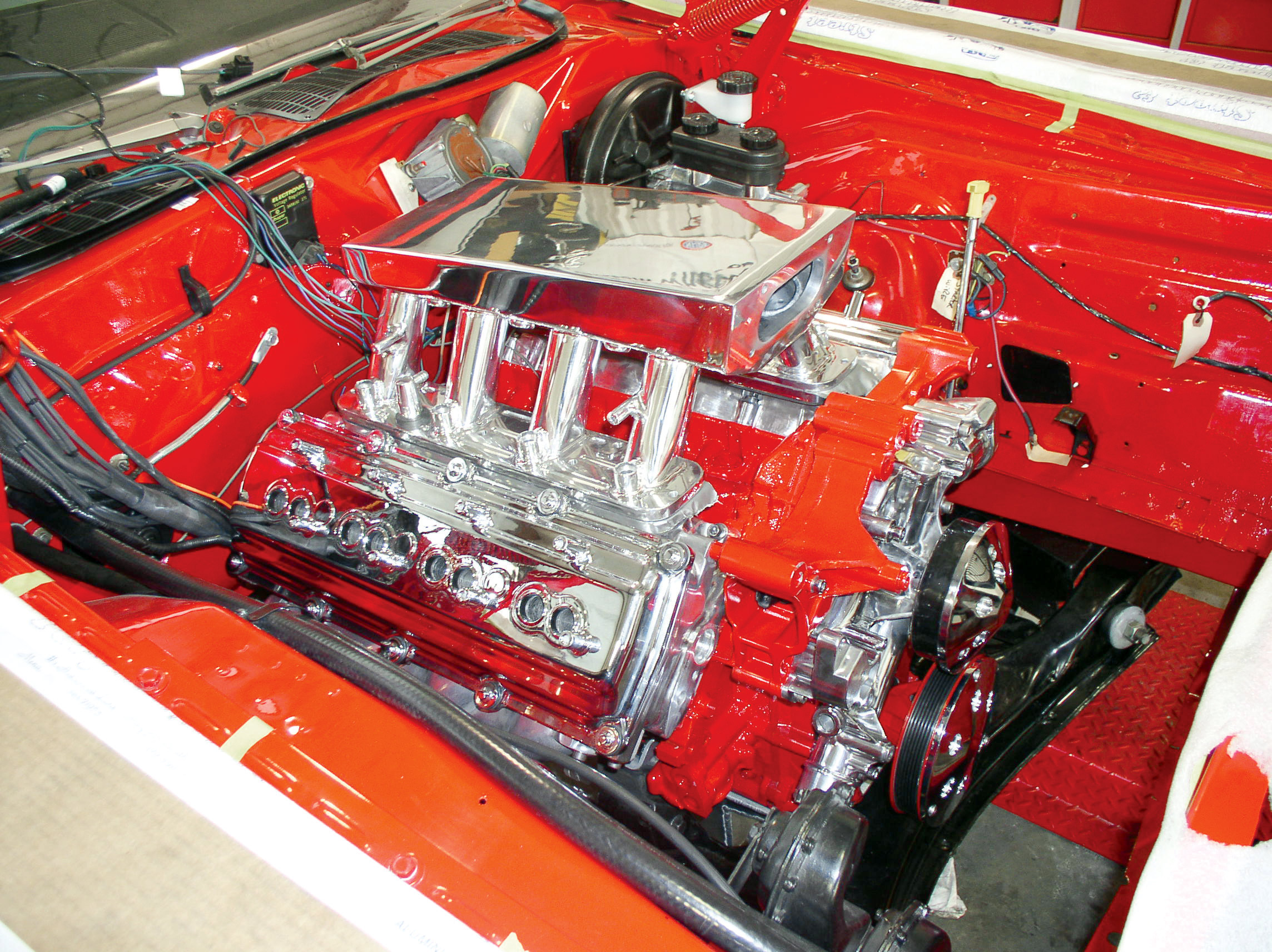
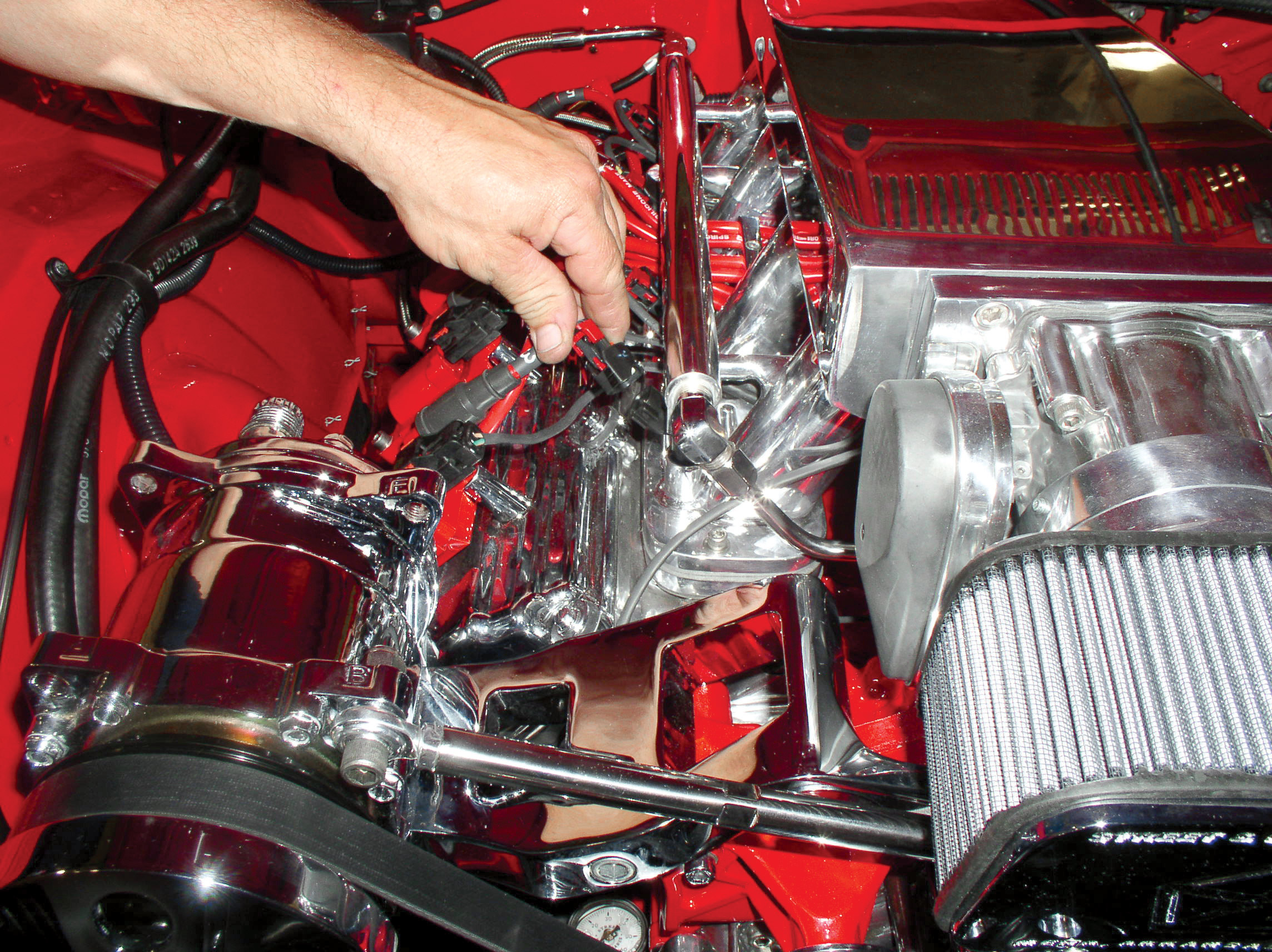
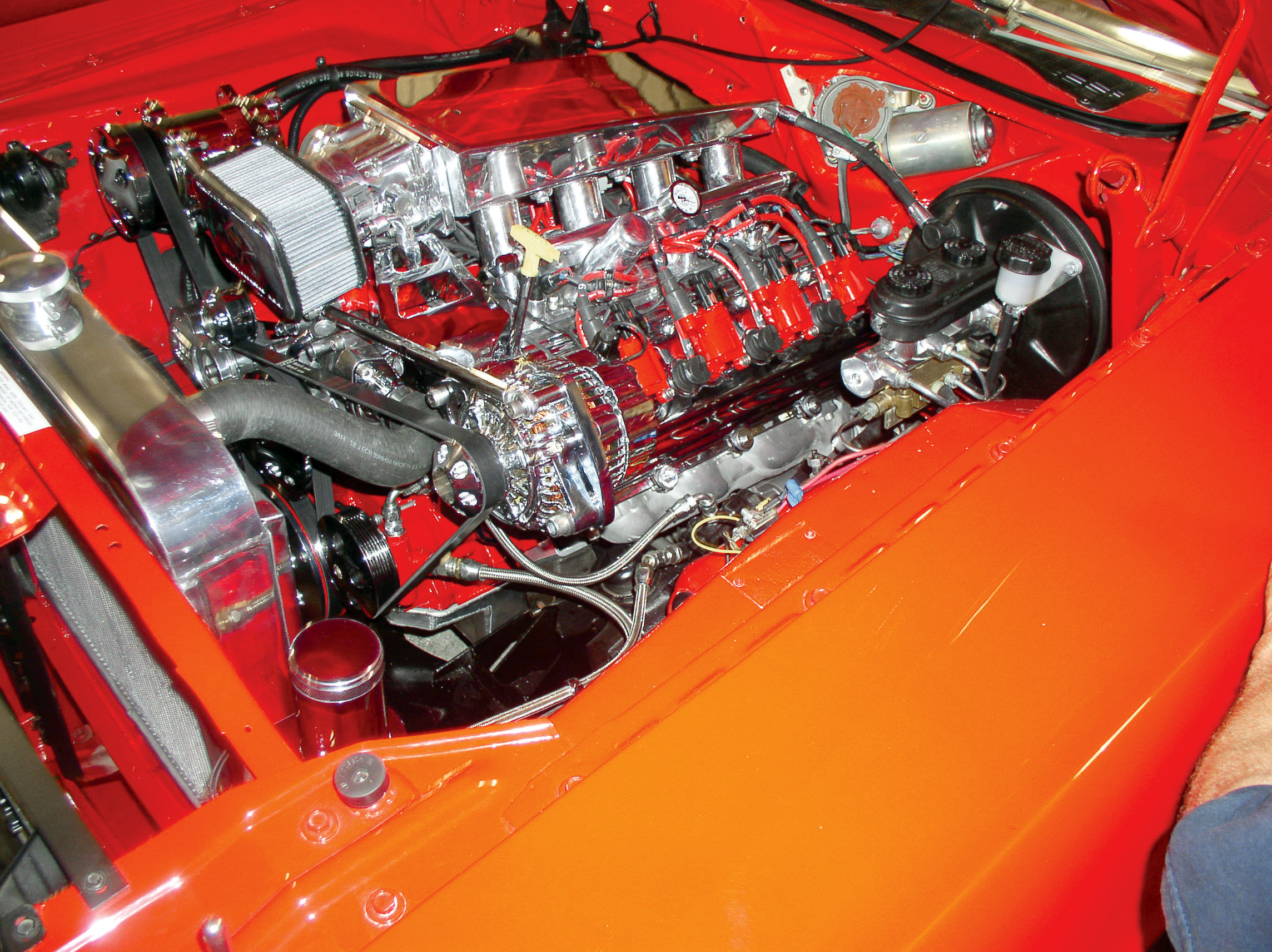
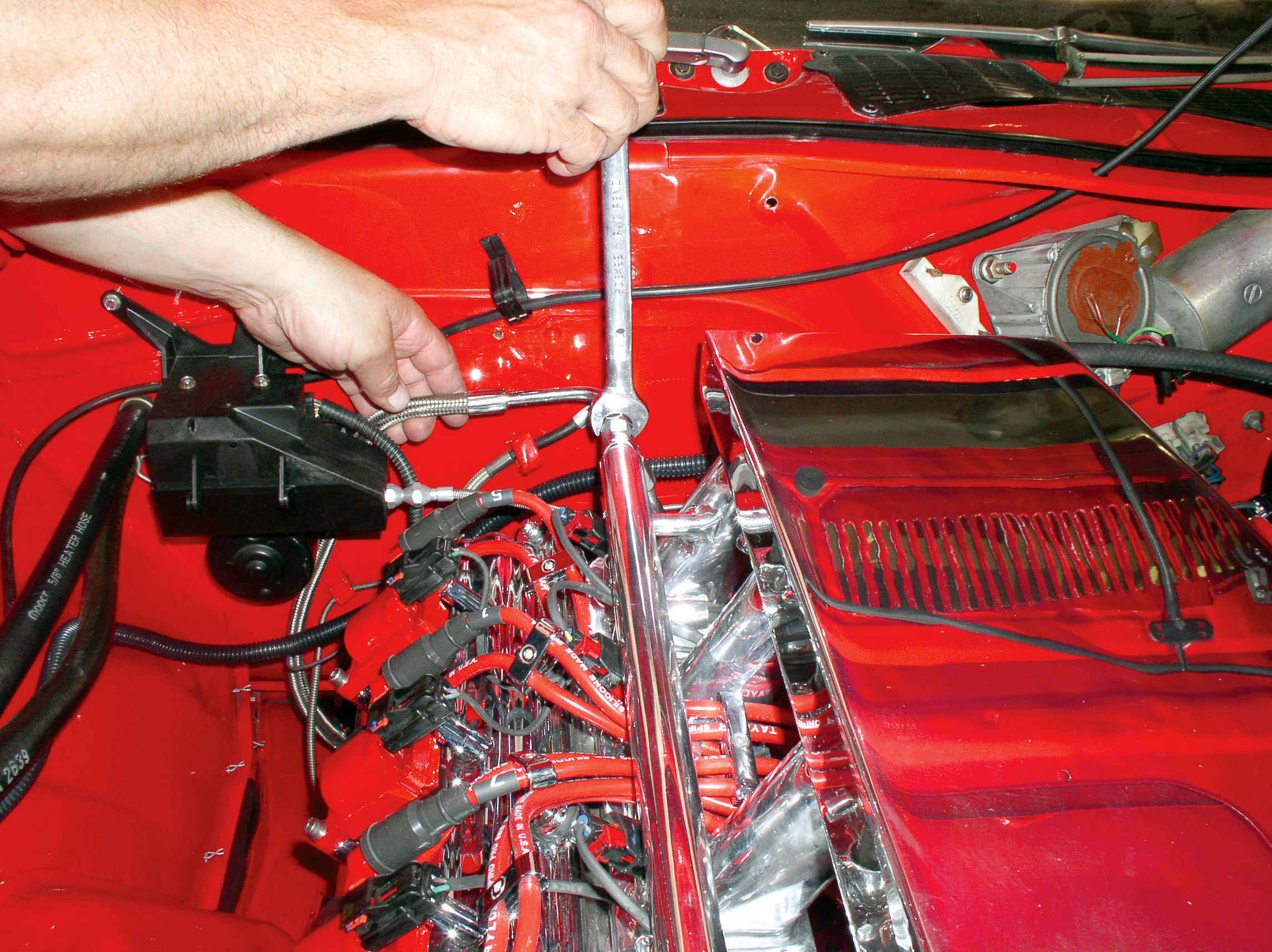
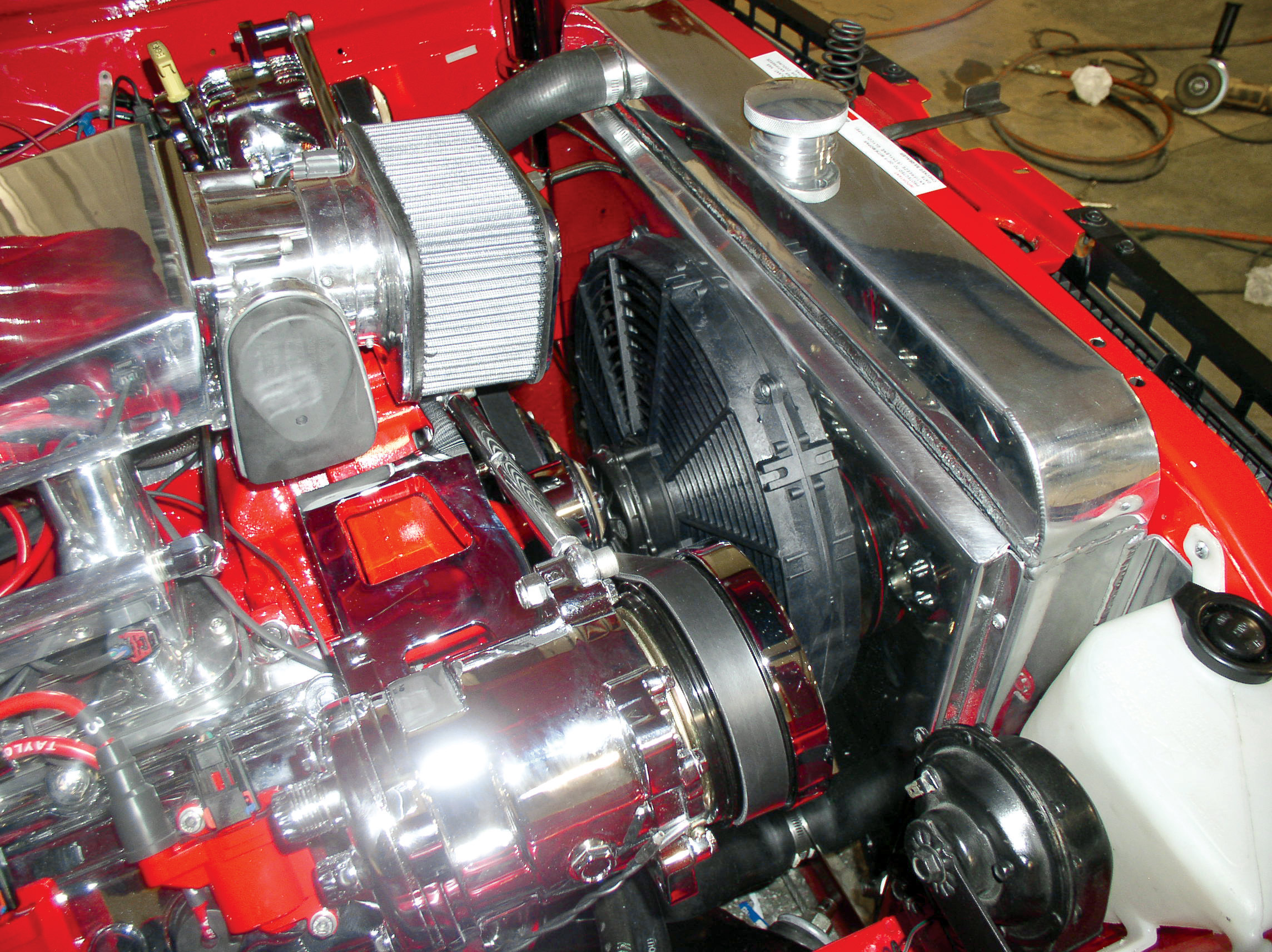
S&P Puts a Hemi in a ’70 Challenger
Author
Will Smith and Street & Performance
Photography: Courtesy Street & Performance
The Legendary Mopar Engines of the Muscle-Car Era
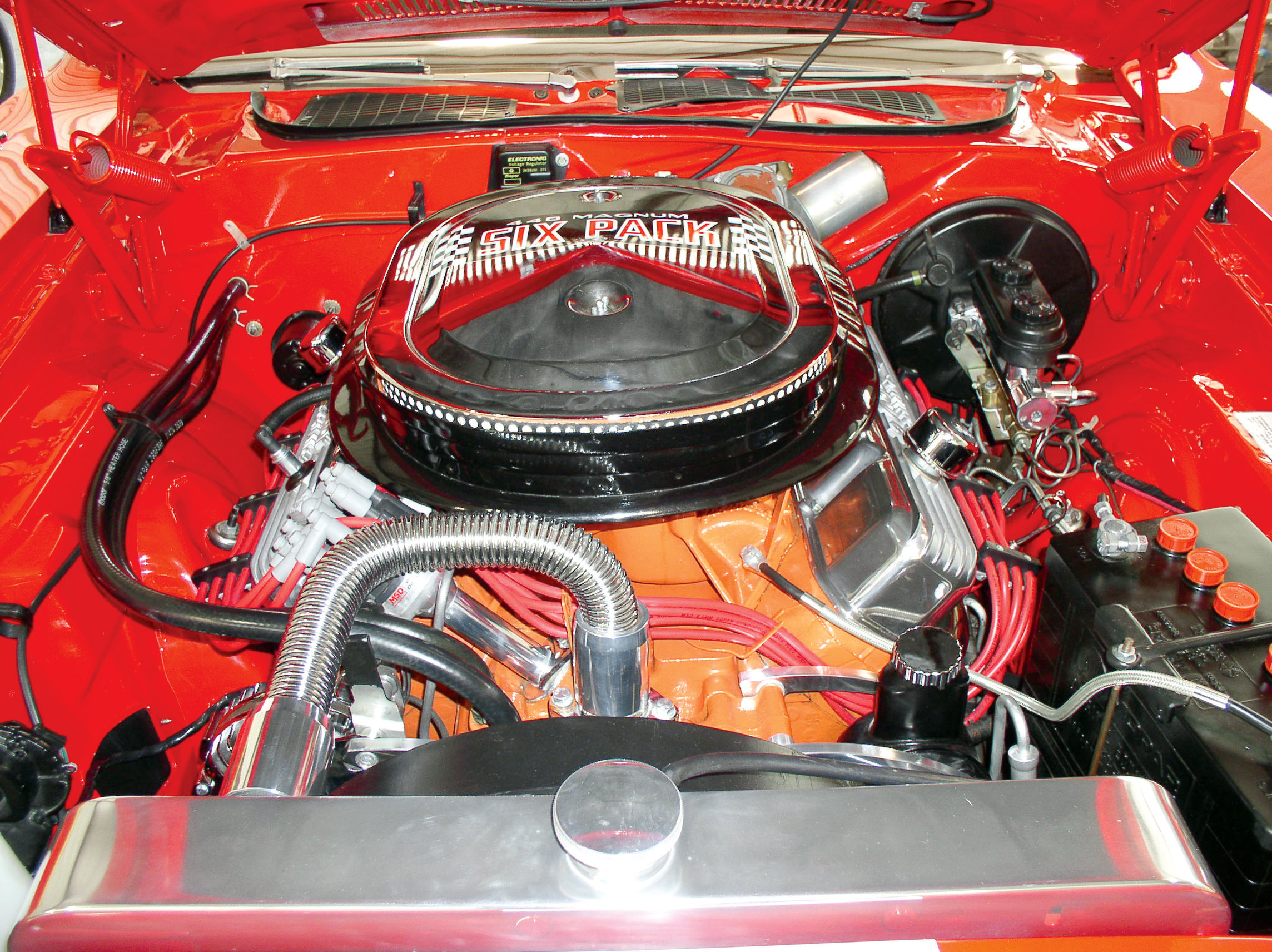
During the muscle-car wars of the ’60s and early ’70s, few companies produced motors that were surrounded by the kind of aura that ebbed and oozed like a fog around Mopar. Engines like the 426 Hemi, 426 Max Wedge, and 440 Six Pack were among the most coveted and feared of the era. It says something of a car company’s commitment to power and performance when a multi-carbed 440 big block is not the most wanted engine in a manufacturer’s lineup. So it was with Mopar, because for many, the 440 was the engine you got if you couldn’t afford or couldn’t find the car you wanted with a Hemi.
The Underrated 440 Engine
It’s not that the 440 was a bad motor—far from it. It made gobs of power and torque, and any car that had one, be it a wagon or a ’Cuda, was not to be taken lightly. It’s just that for all the 440 was, it wasn’t a Hemi. If it’s possible to feel empathy for a motor, we do. It’s as if you’re the top quarterback in the NFL and Joe Montana comes out of retirement to play for your team—no matter how good you are, you know who’s getting the call when the game is on the line.
The New Hemi’s Impact
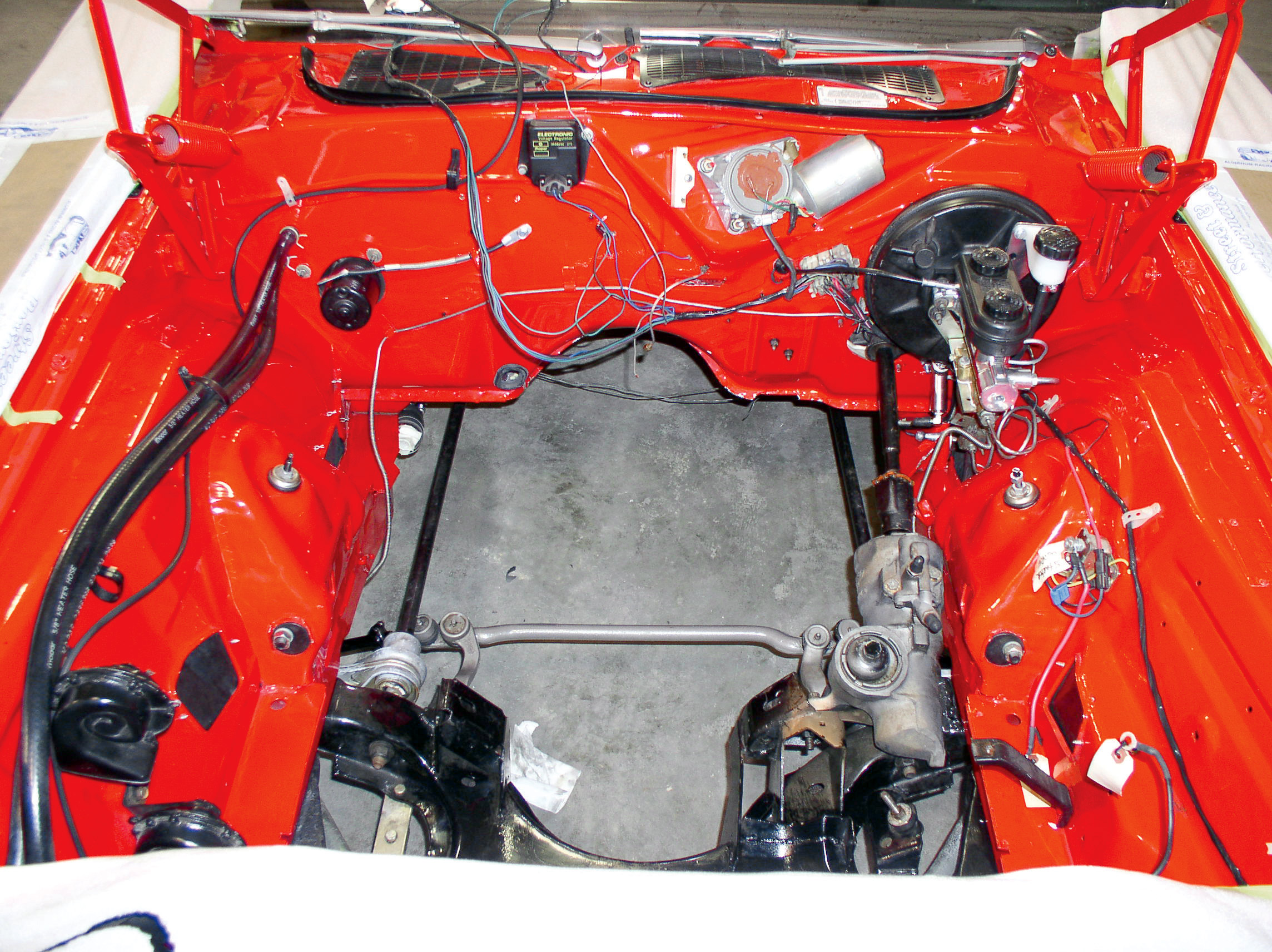
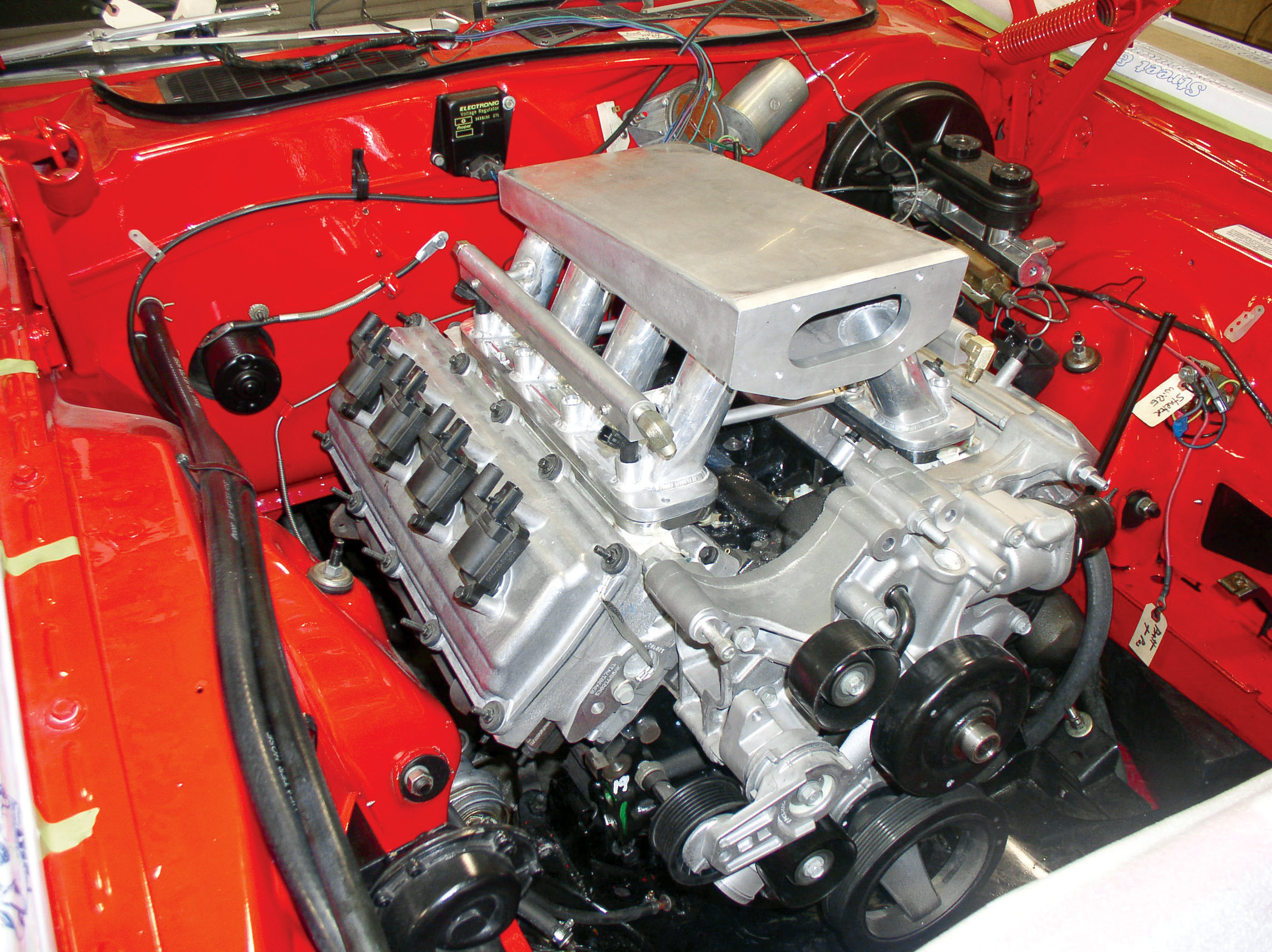
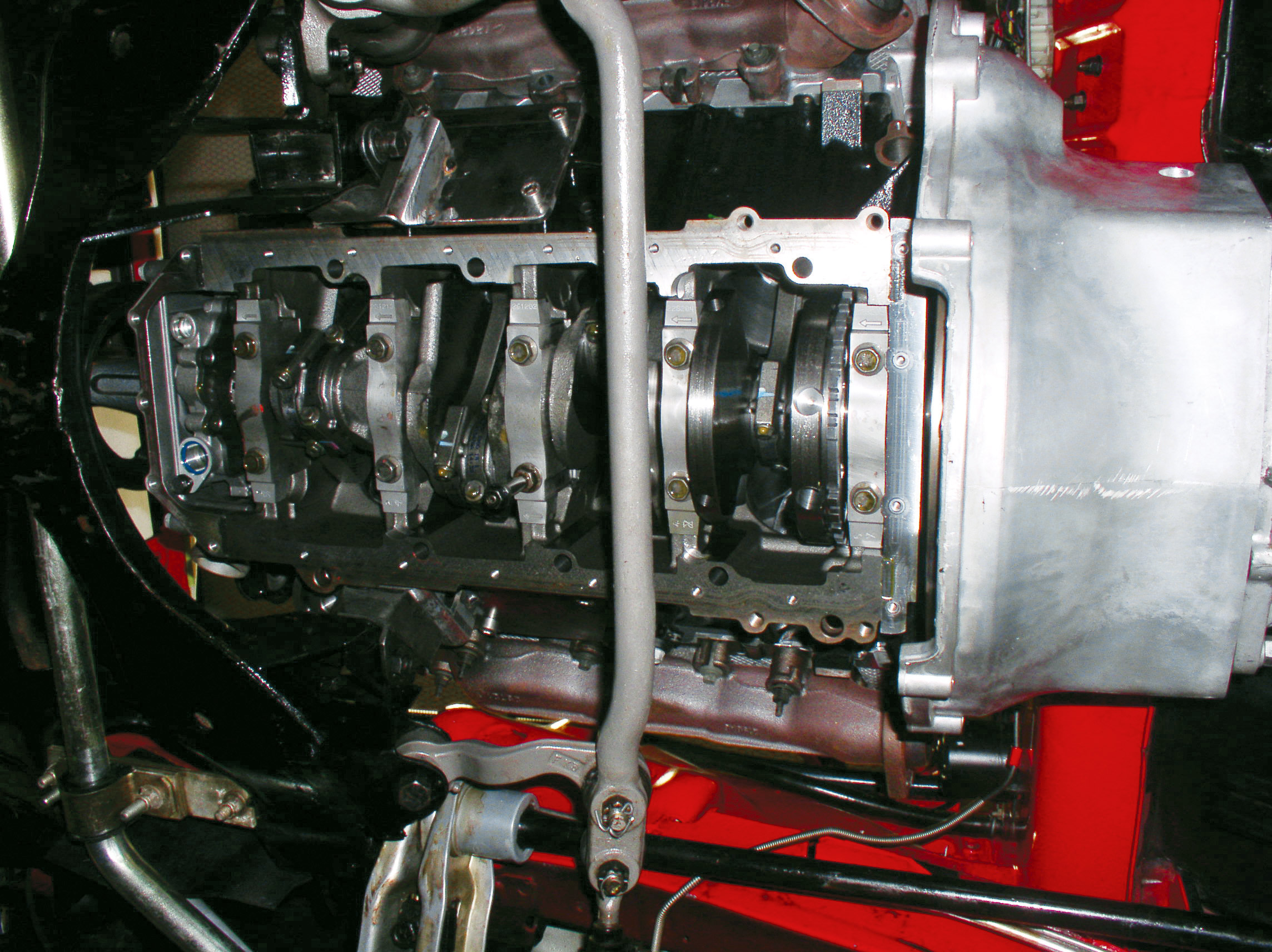
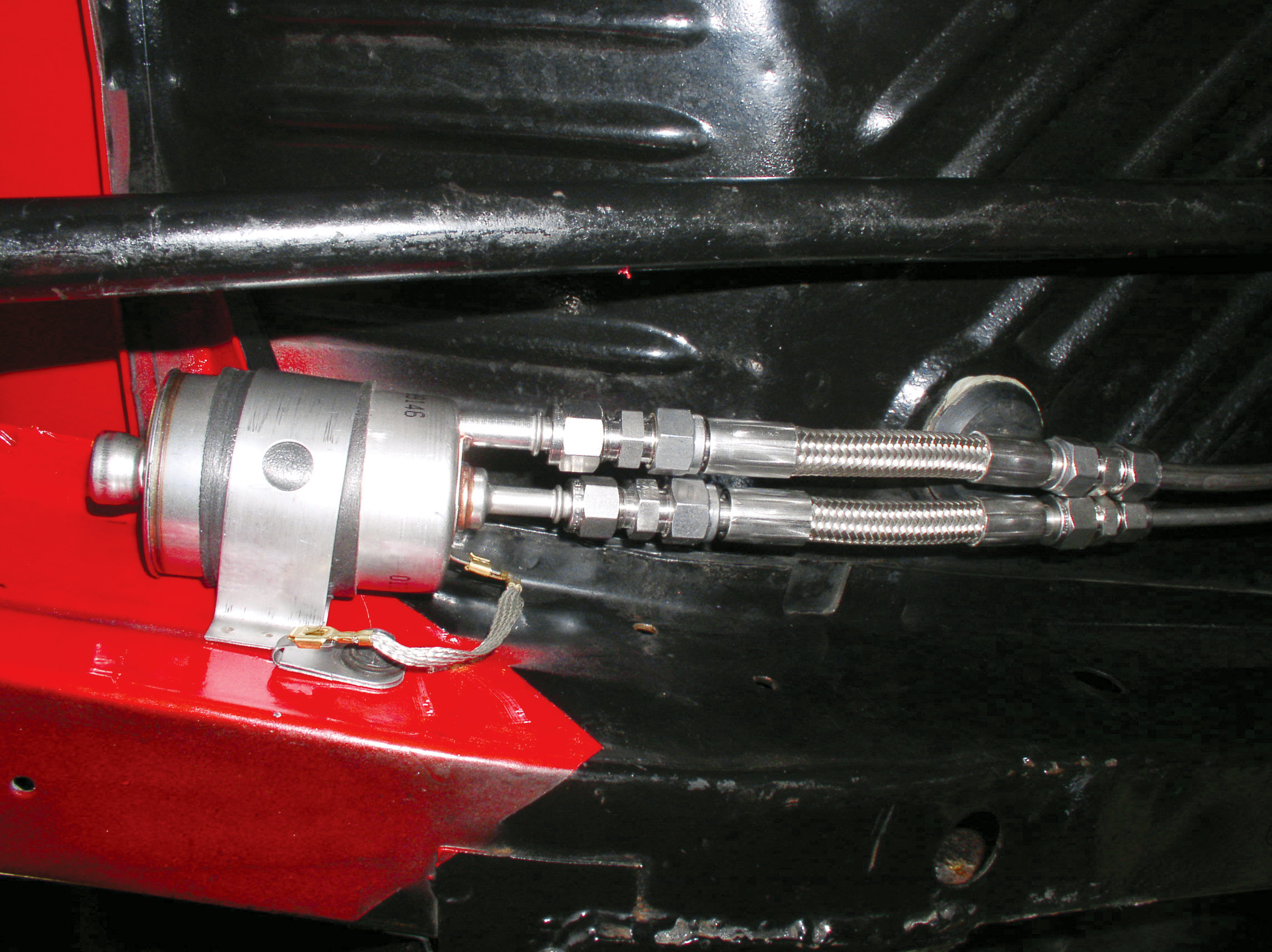
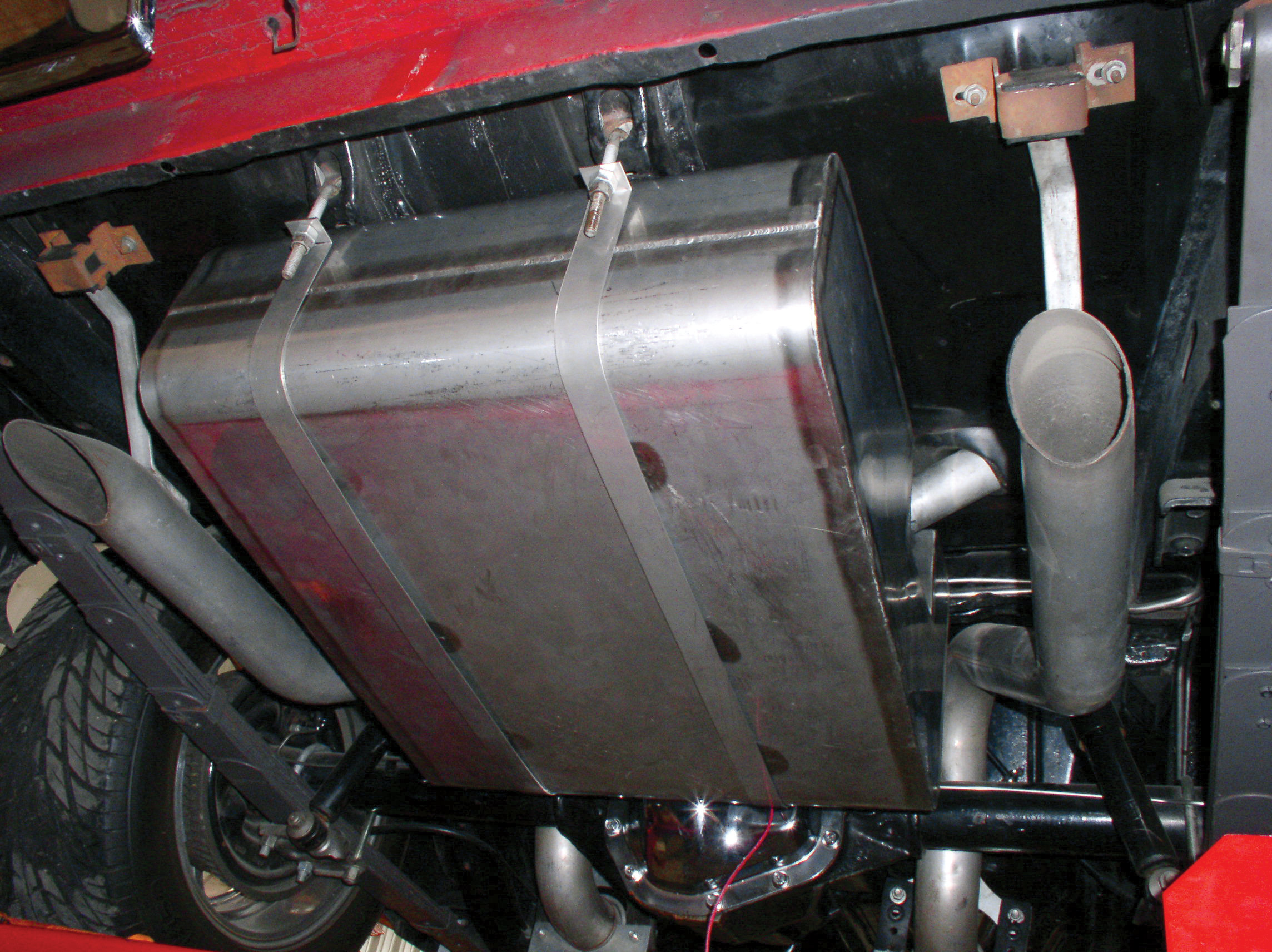
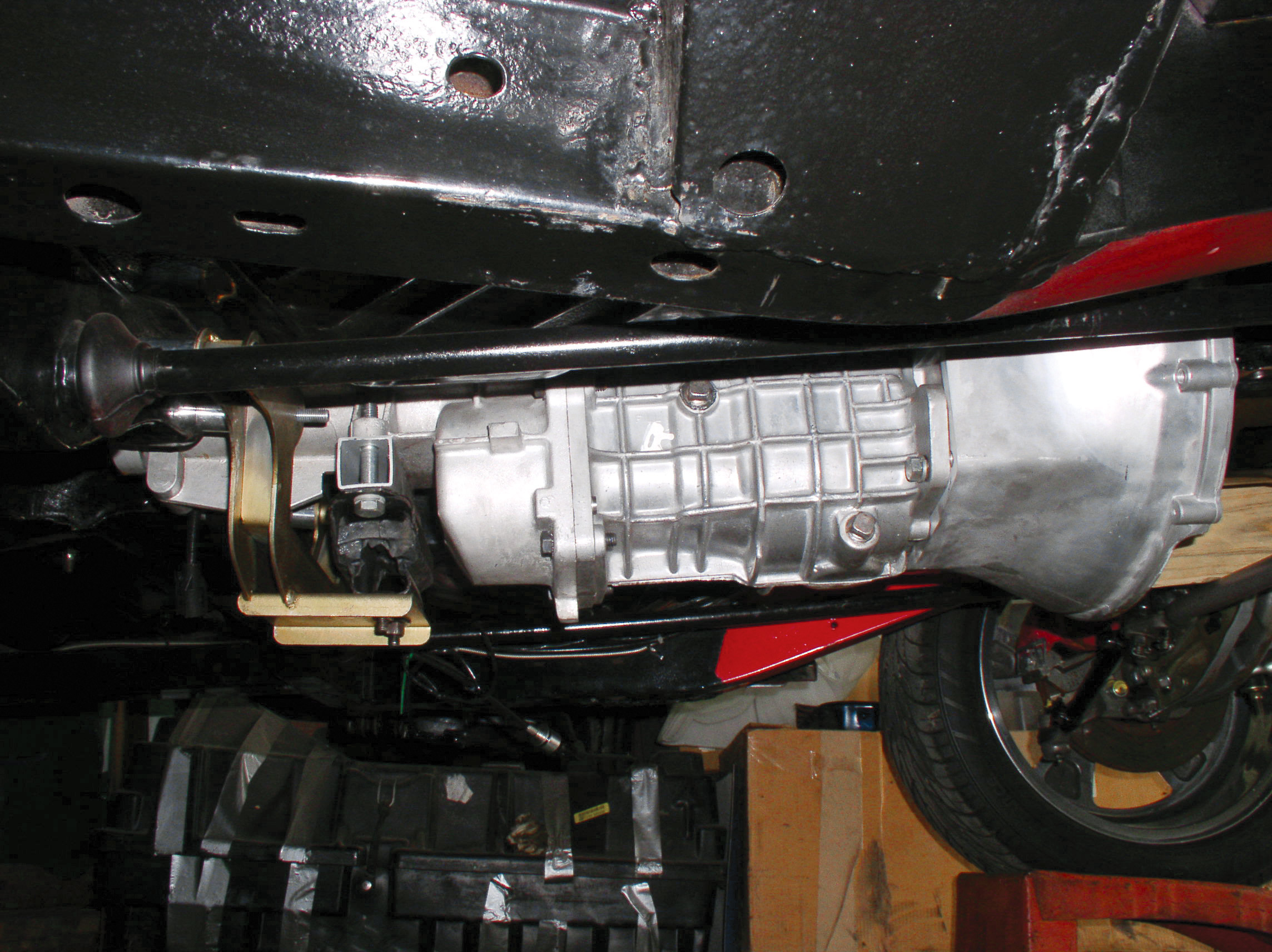
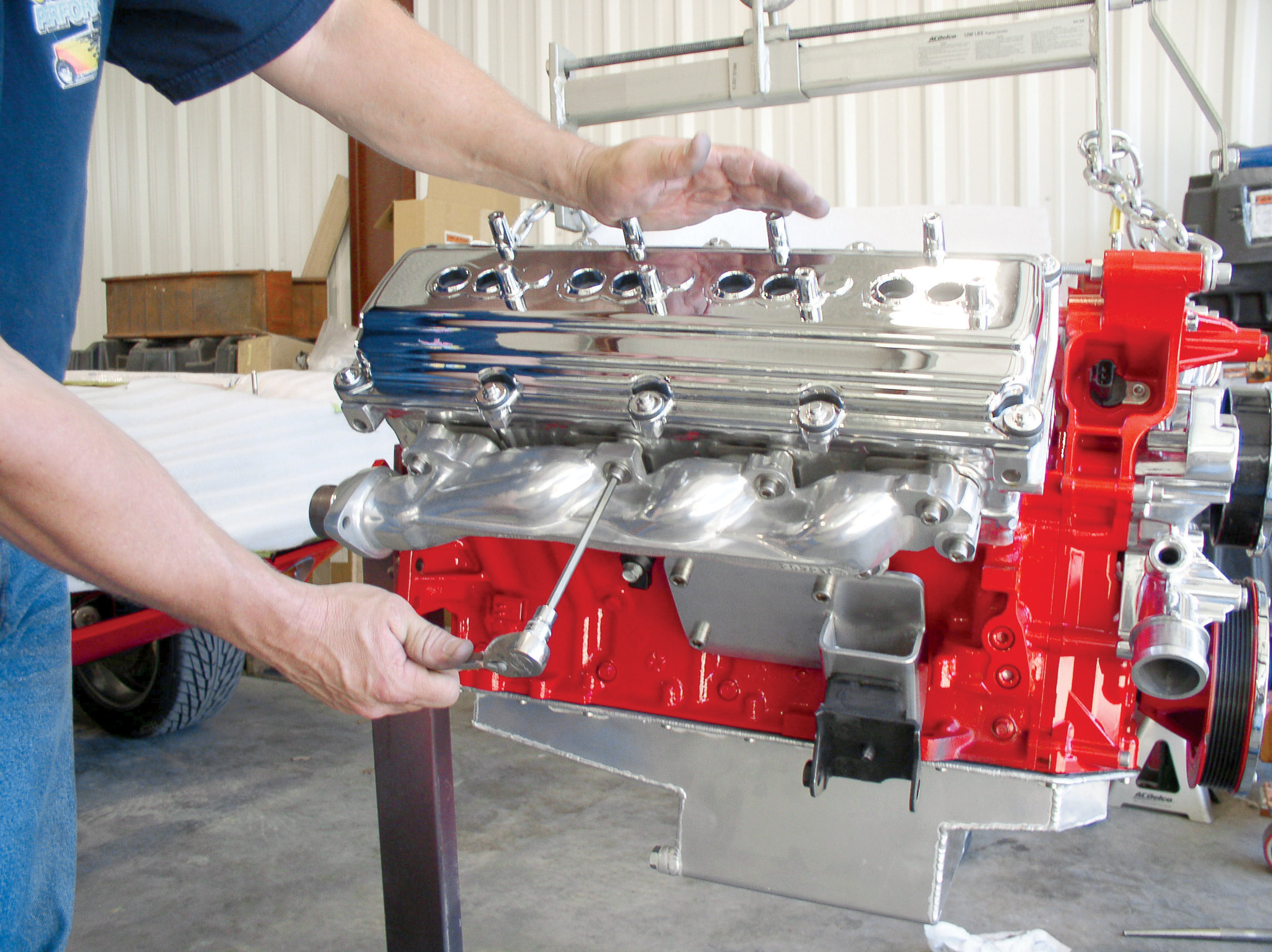
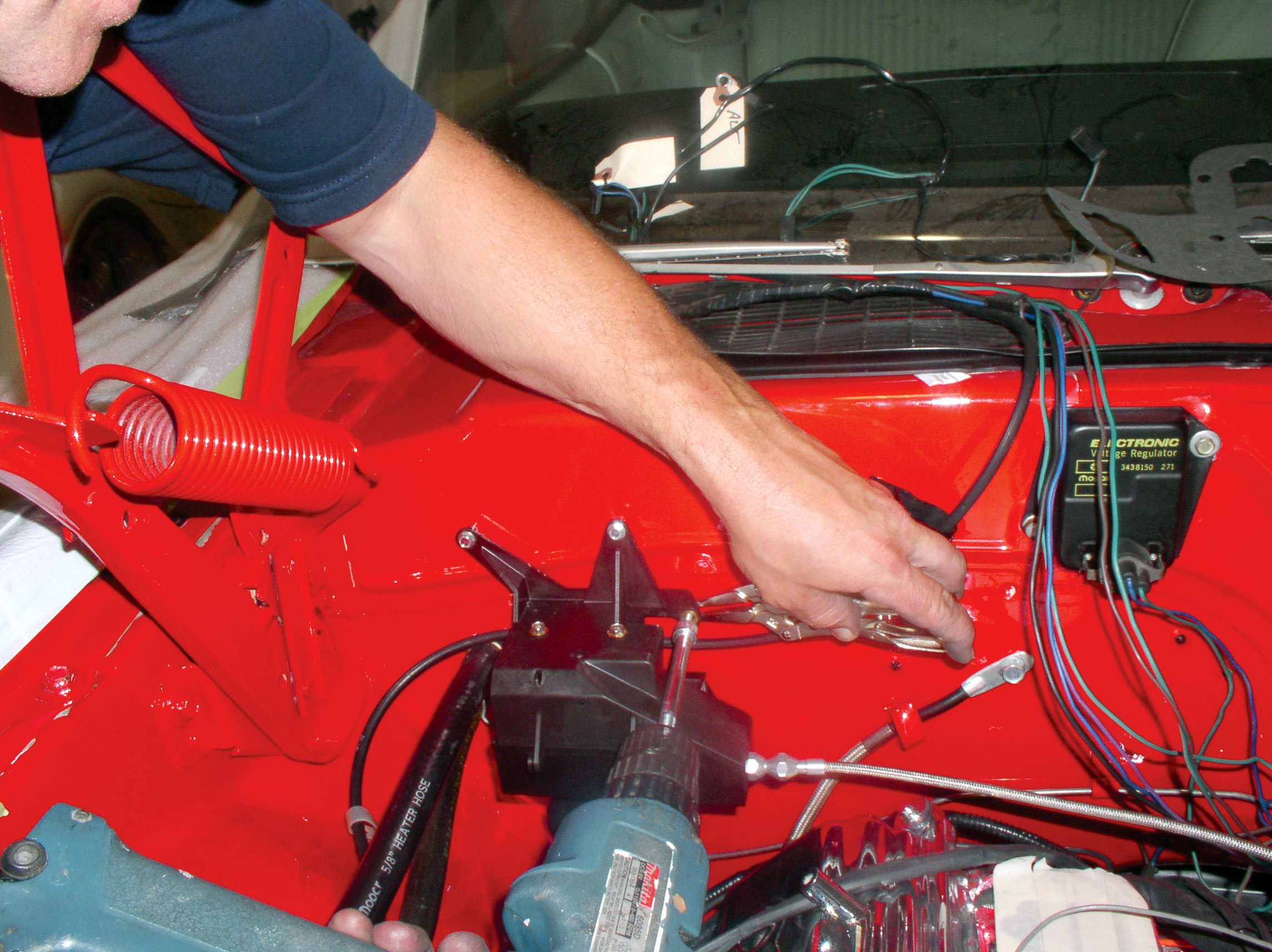
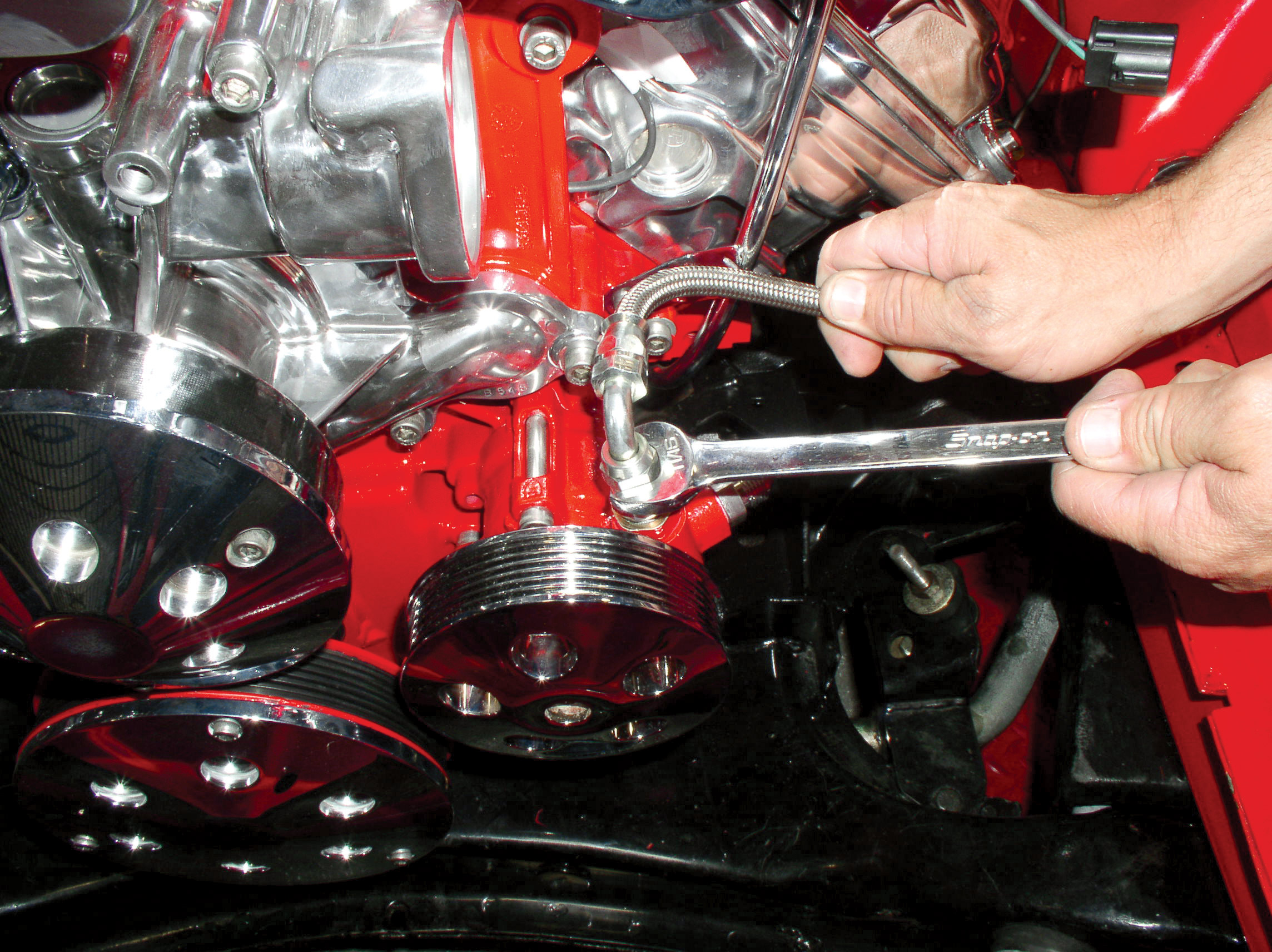
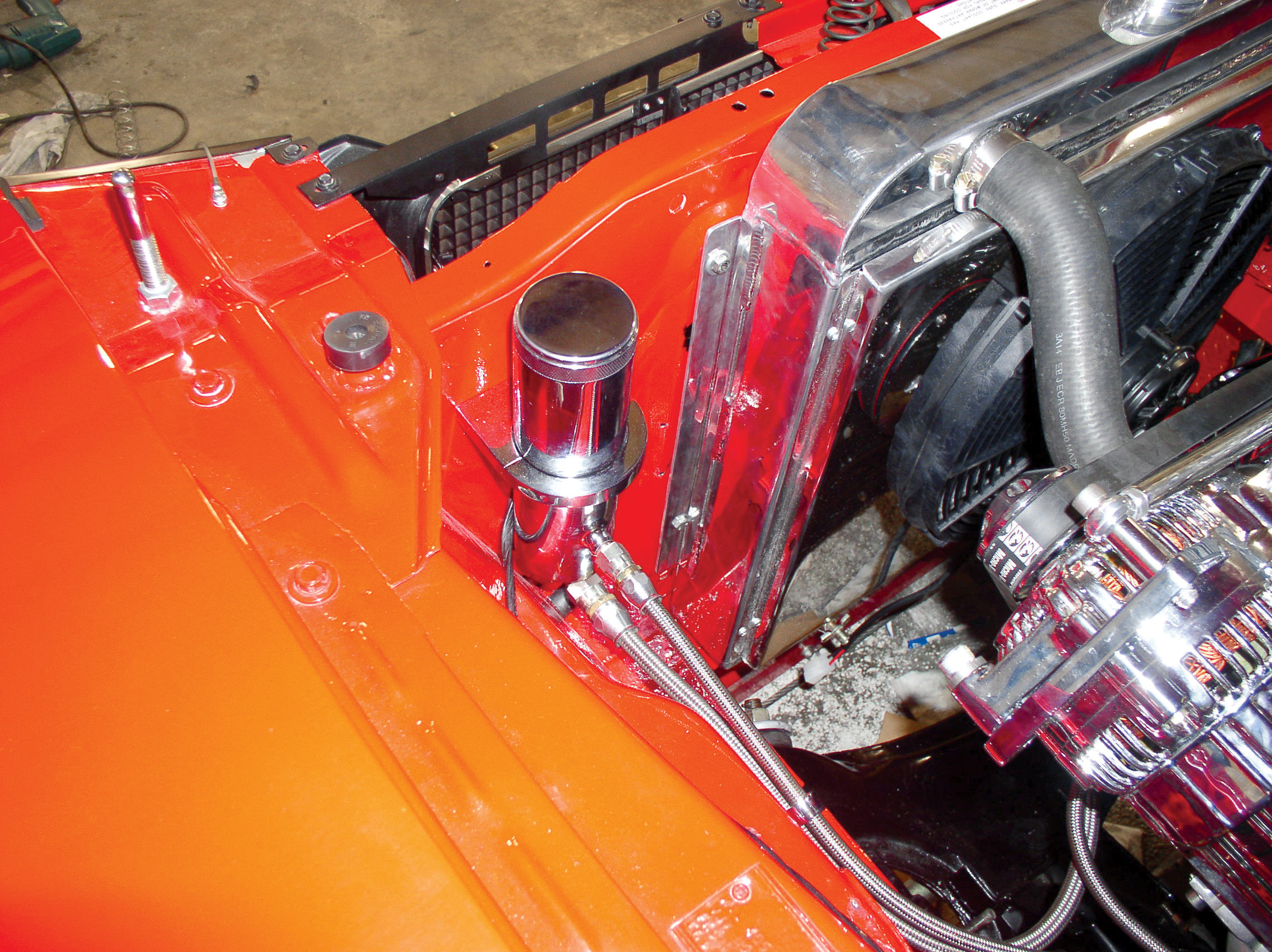
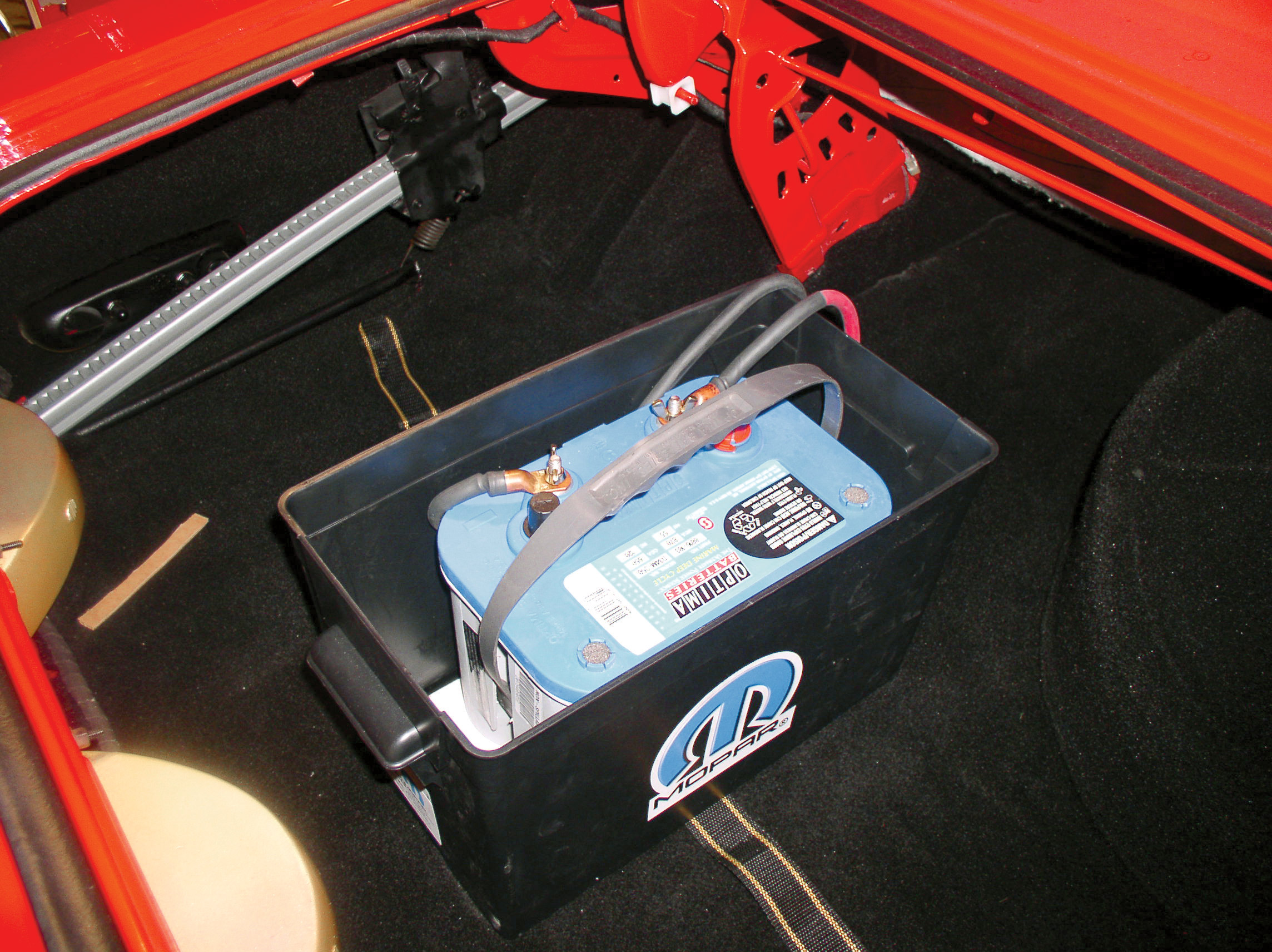
Yes, the poor 440. Long after the horsepower wars ended, it was finally beginning to feel safe. Then, of course, Mopar released the new Hemi. For Mike Crowell, owner of a ’70 440 Challenger, the allure of the new Hemi was too much. After seeing a Street & Performance-transplanted Hemi in an F-100 truck, the desire for Mopar’s newest just became too strong. Although he’d be giving up nearly 90 ci, as well as power and torque, Crowell asked S&P if it could perform a similar installation in his car. The 440 never stood a chance.
The SEMA Challenge
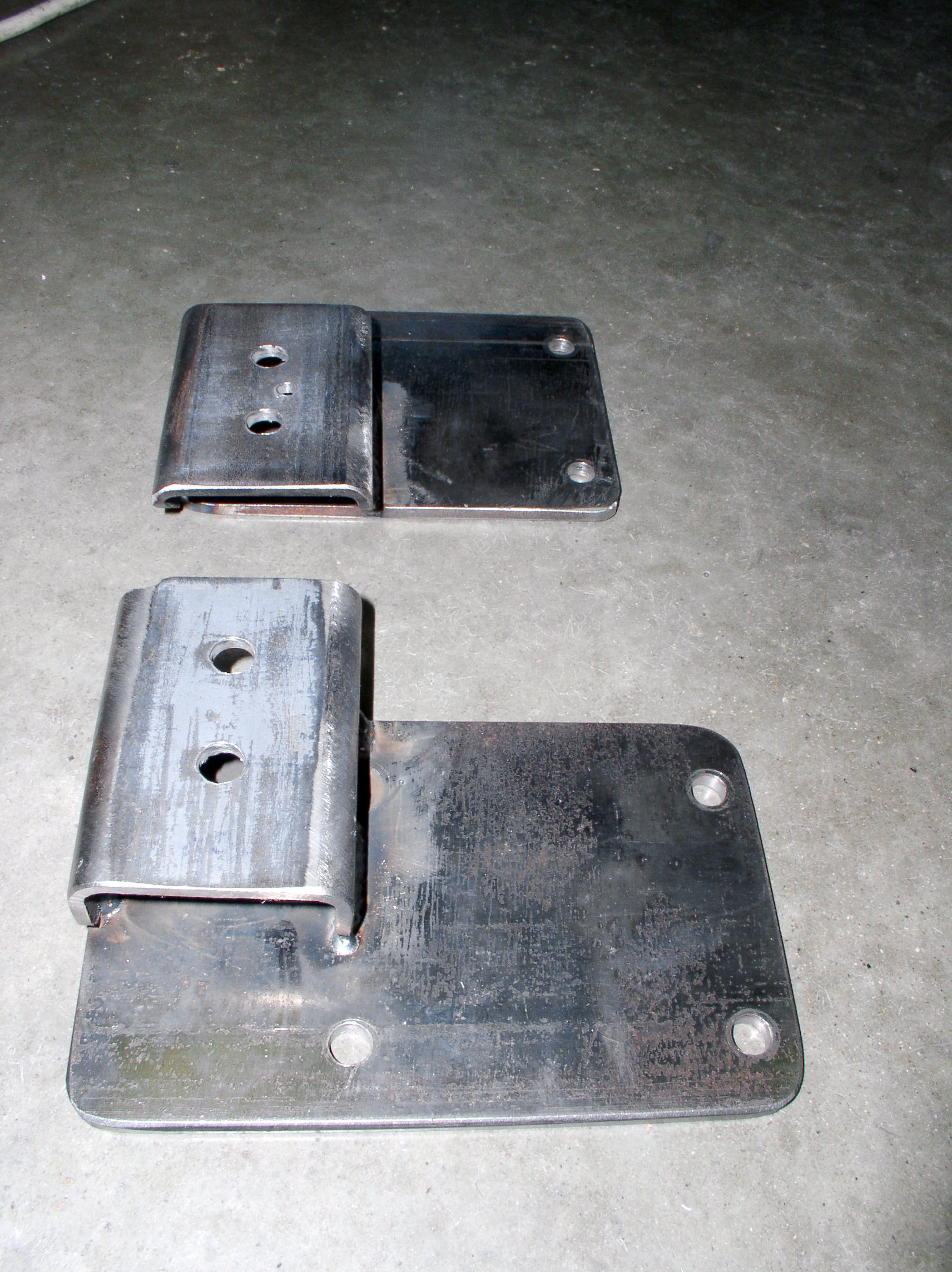
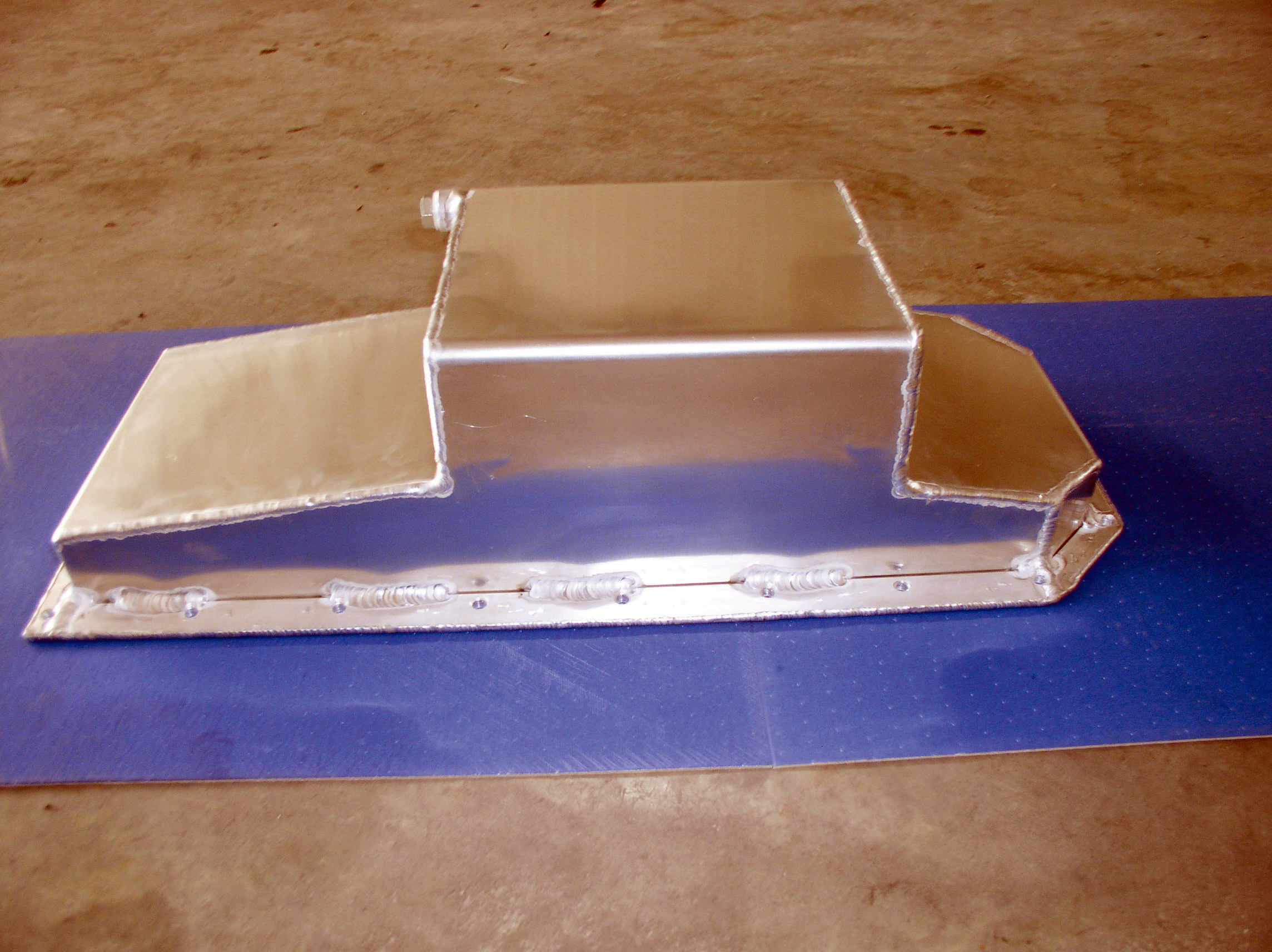
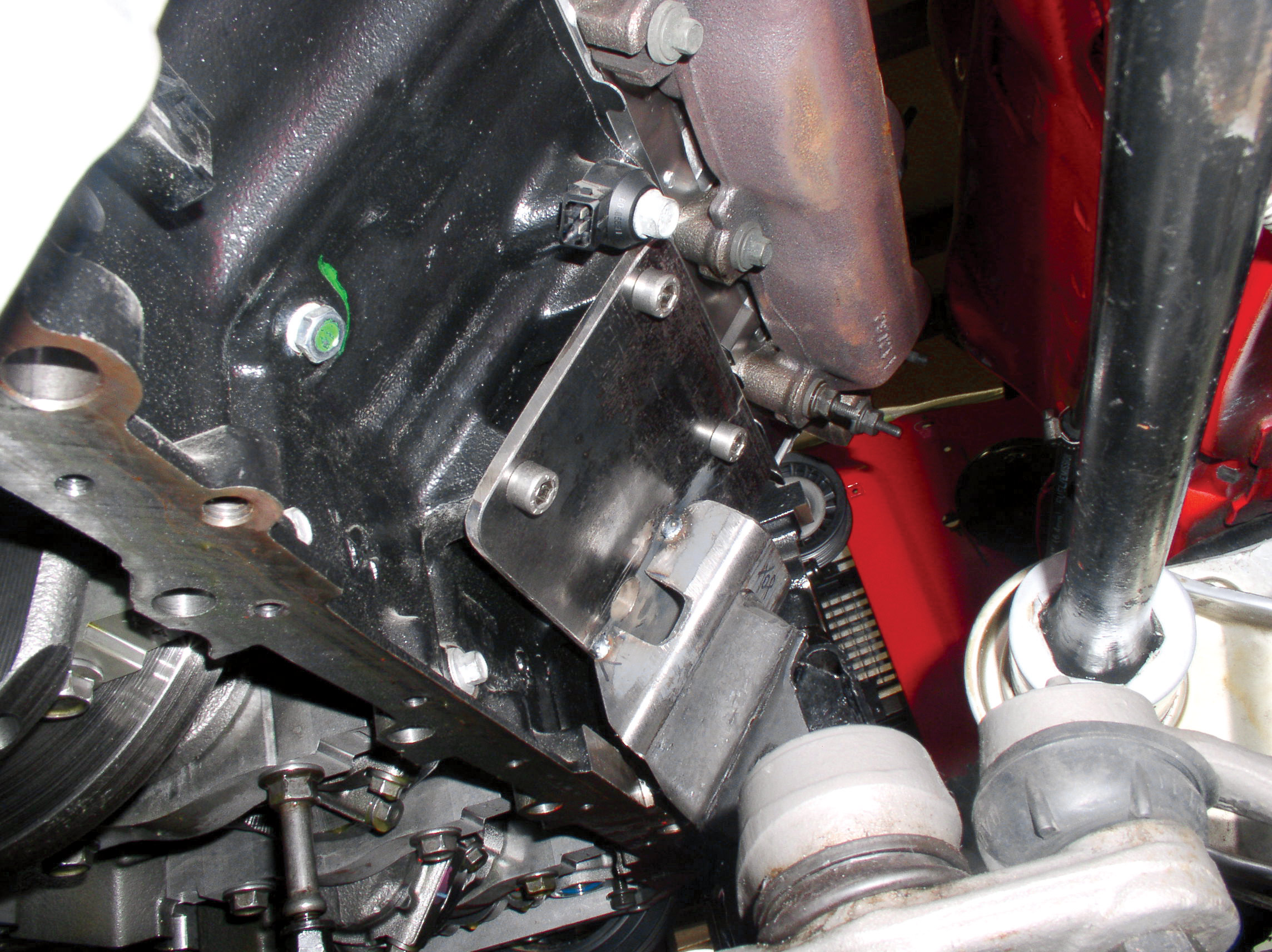
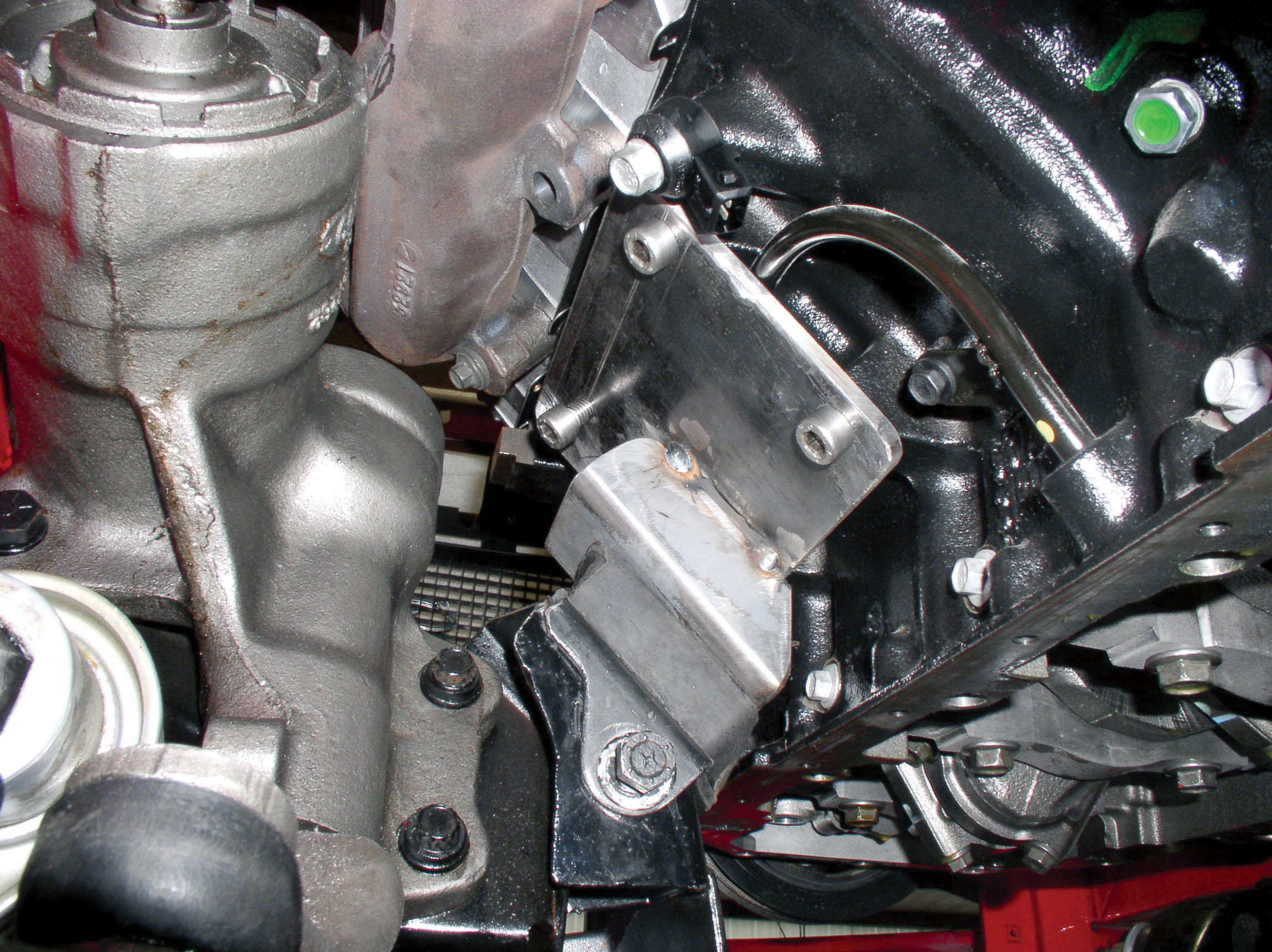
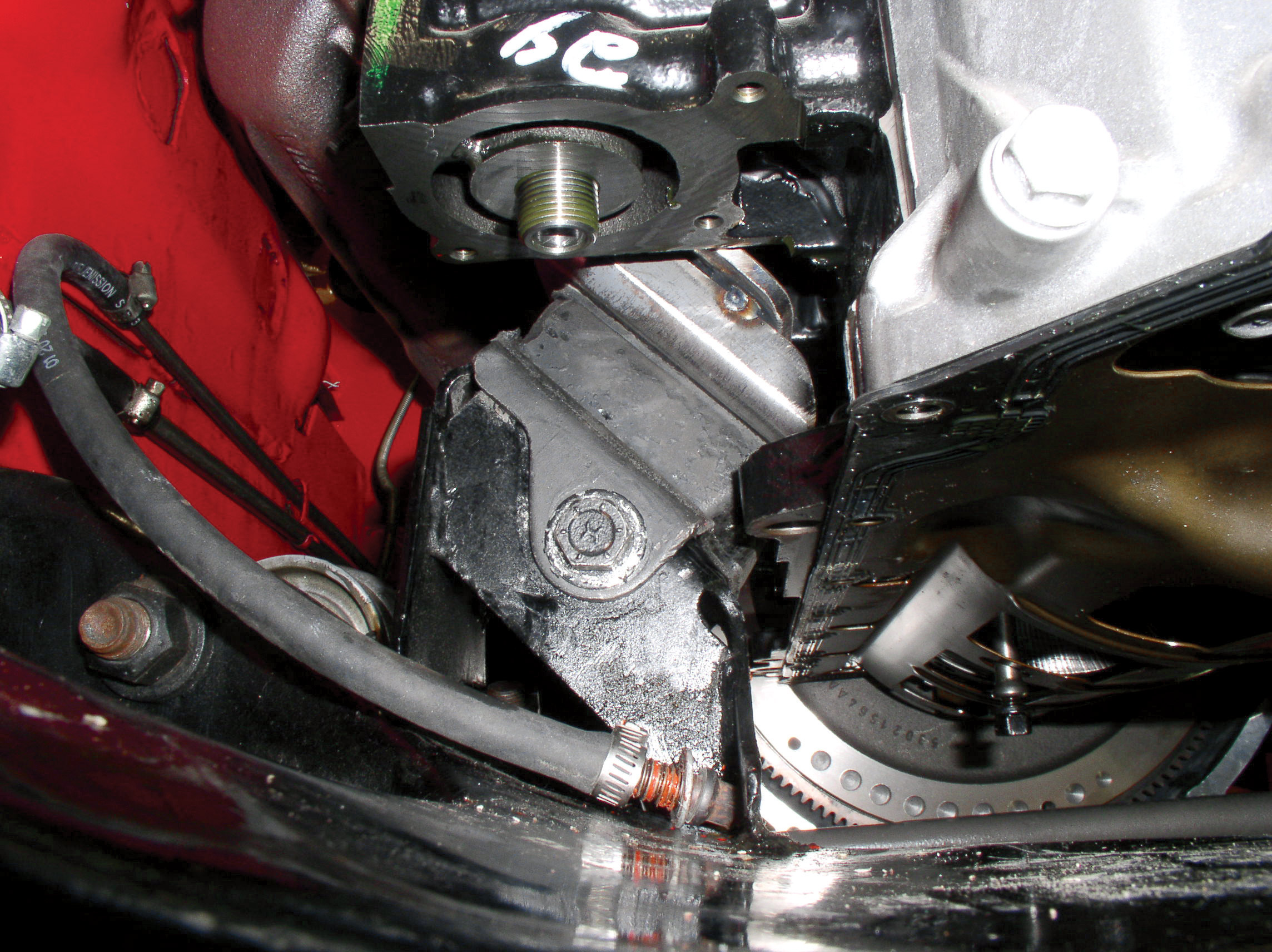
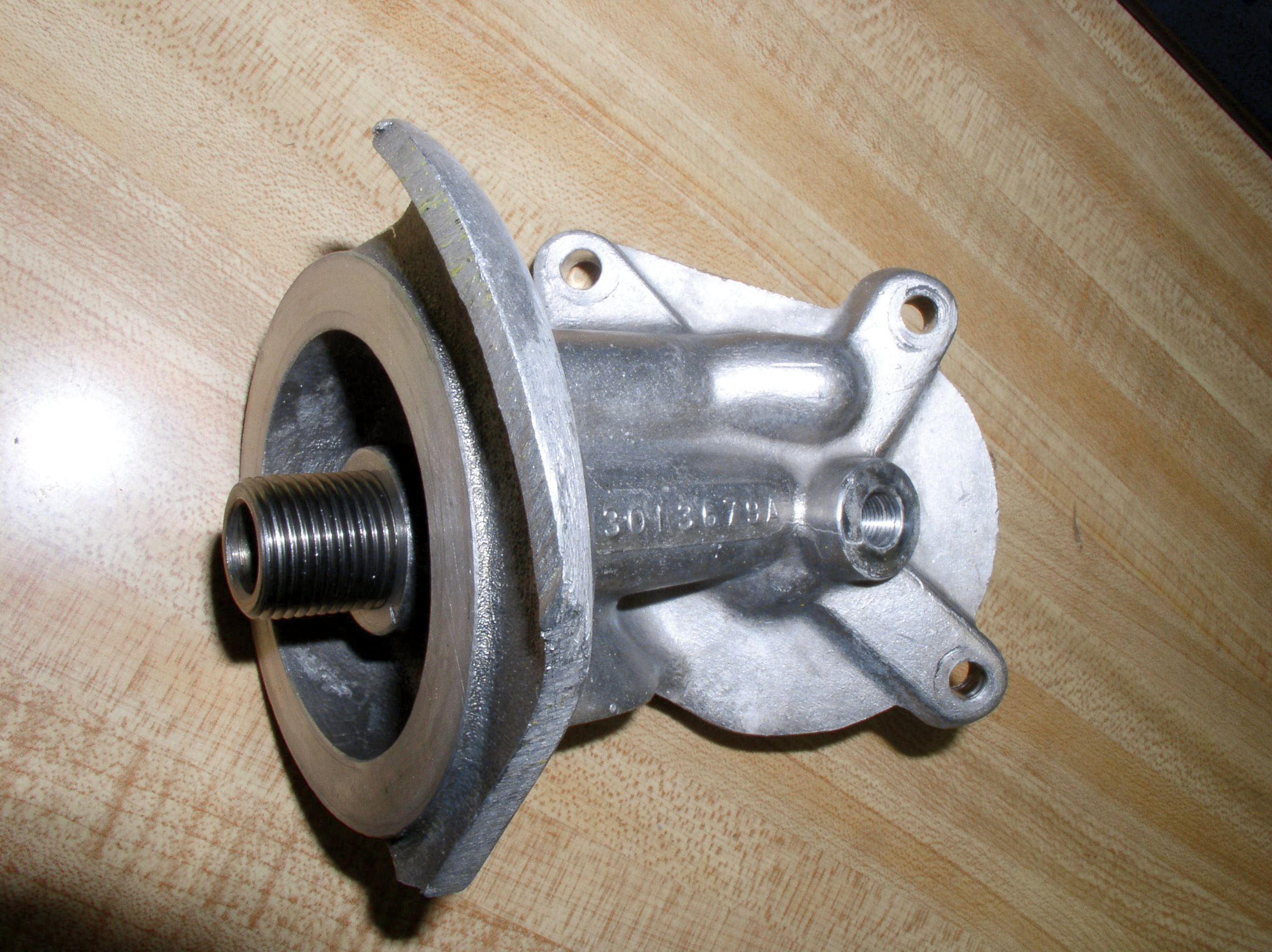
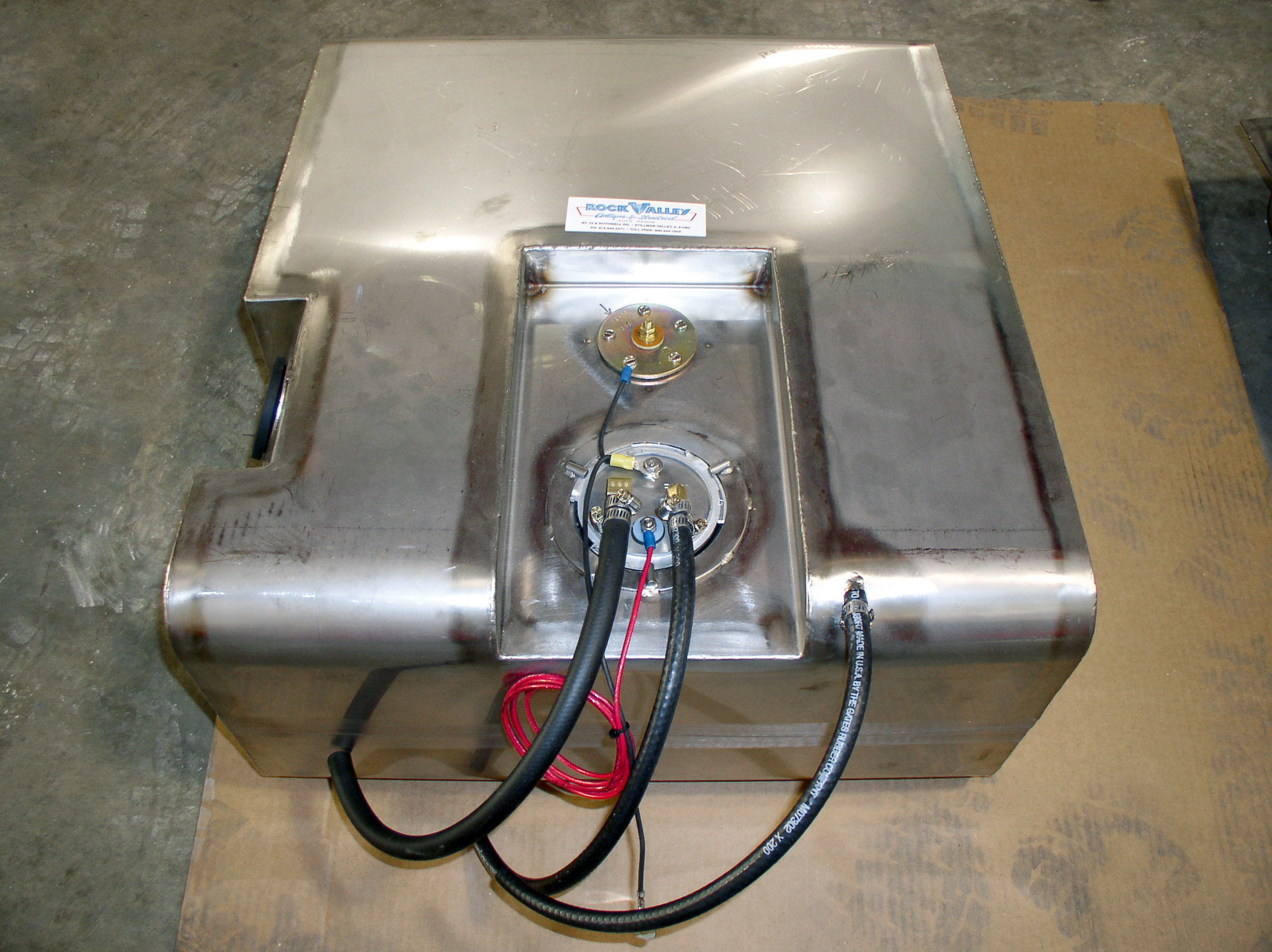
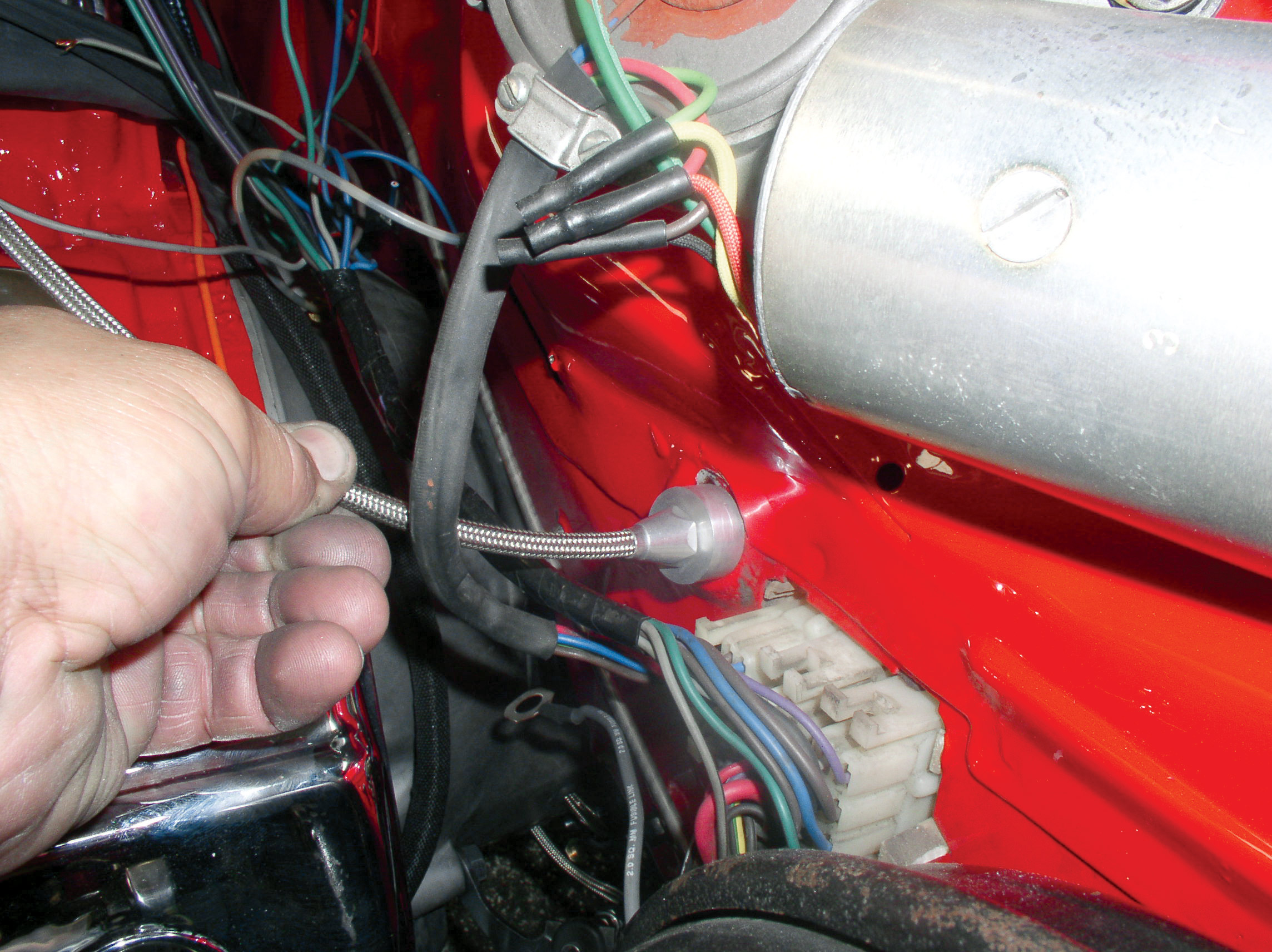
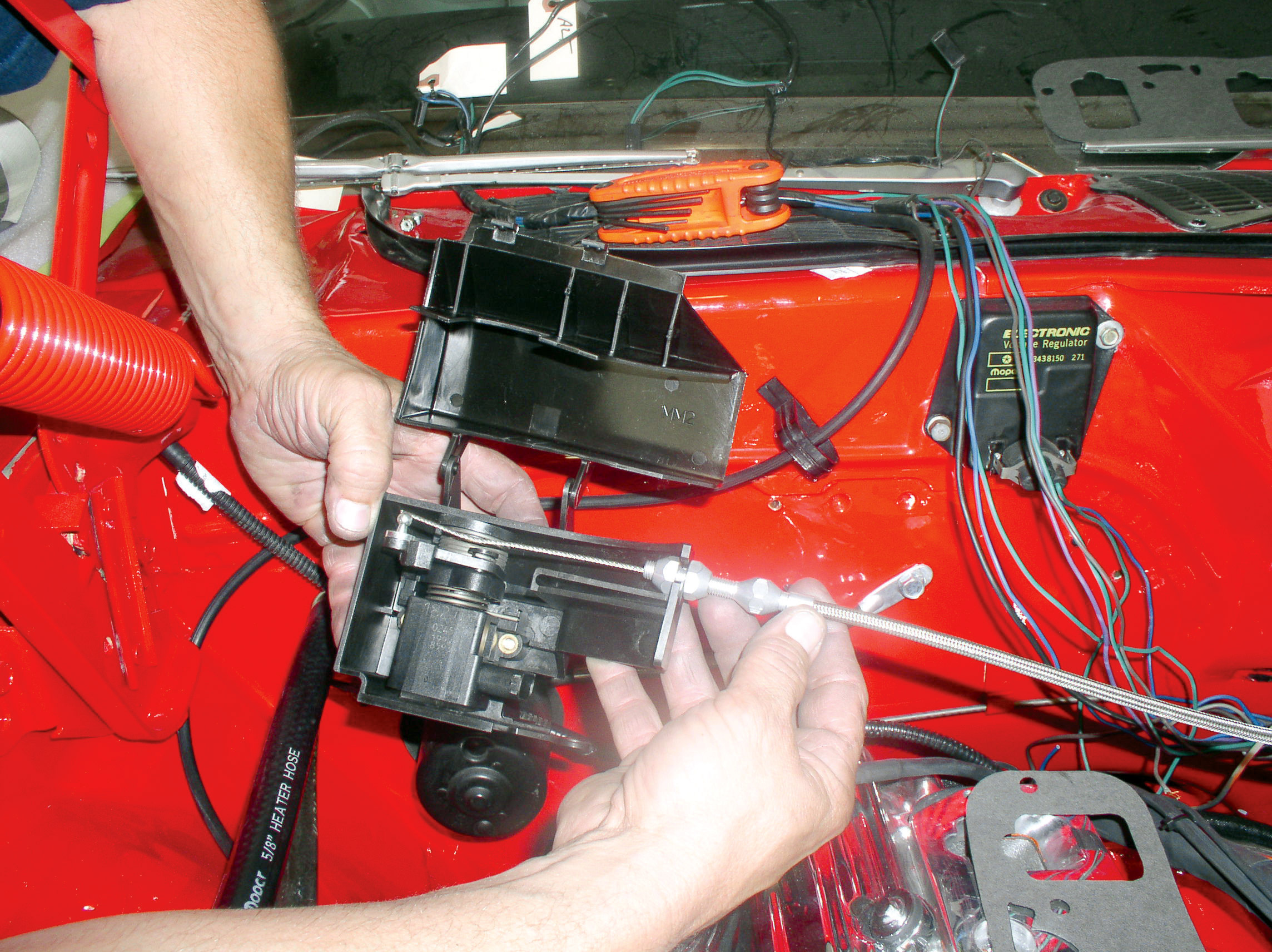
There was a catch, though: the 2003 SEMA show was only three and a half weeks away, and the car had to be completed by that date. But S&P was up for the challenge, and it completed the car on time and in good working order, despite a significant amount of custom fabrication. Fortunately, the lessons it learned in this installation are a benefit to those of you who also have Hemi on the brain.
Making the Hemi Accessible
Many of the original prototype parts developed are now regular-production items, and S&P can help you put a Hemi in a Challenger, another Mopar, or whatever you want. To find out more, give Street & Performance a call. For measurements of the new engine and the corresponding transmission to see if they’ll fit in your car, visit the S&P website.
ARTICLE SOURCES
Street & Performance - CLOSED
1 Hot Rod Lane
Mena, AR 71953
479/394-5711