All summer you’ve dreamed of passing all those boats that have blown by you since June. Now that time has come. You plunk down a large stack of greenbacks for a nasty supercharger and wrench all weekend bolting it in. Now comes the moment of truth. As you tear down the lake, all eyes are on the gauges, and the oil pressure is heading south too quickly. What could be wrong? You let off the throttle for a bit and all the vital signs return to normal.
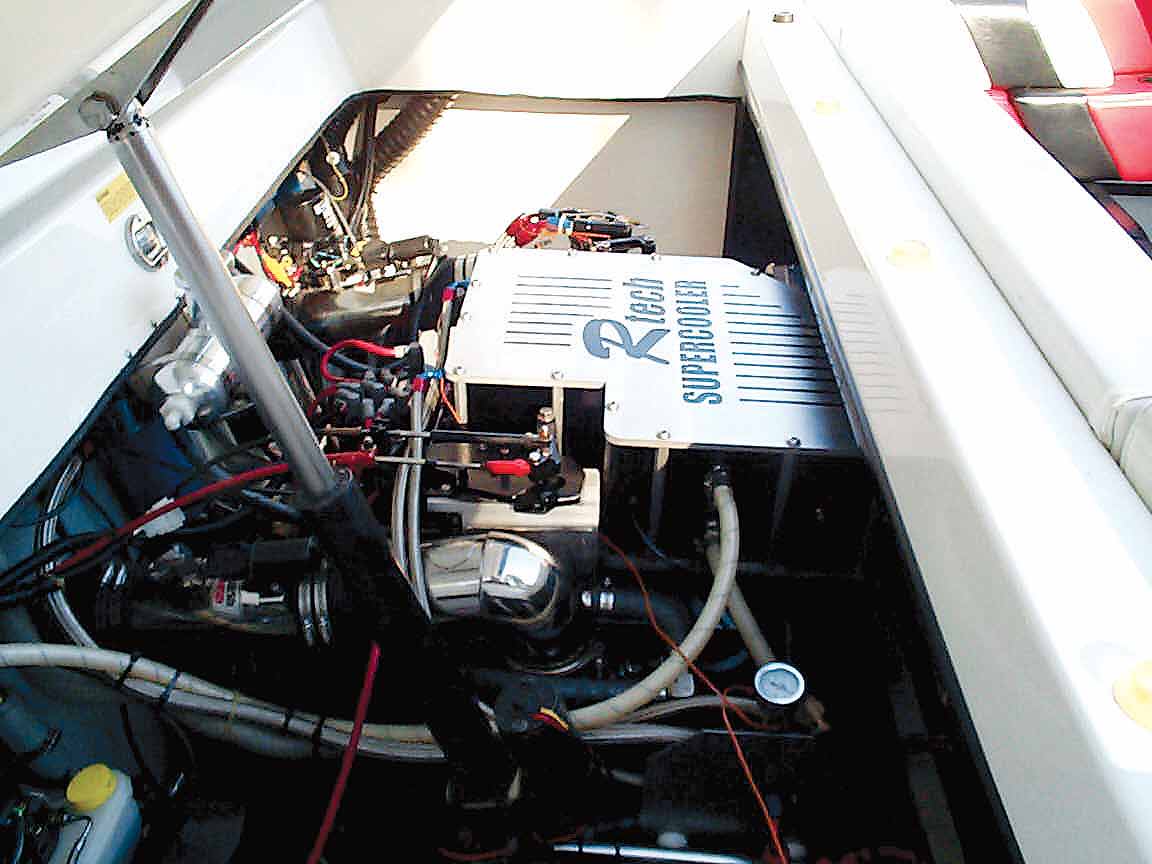
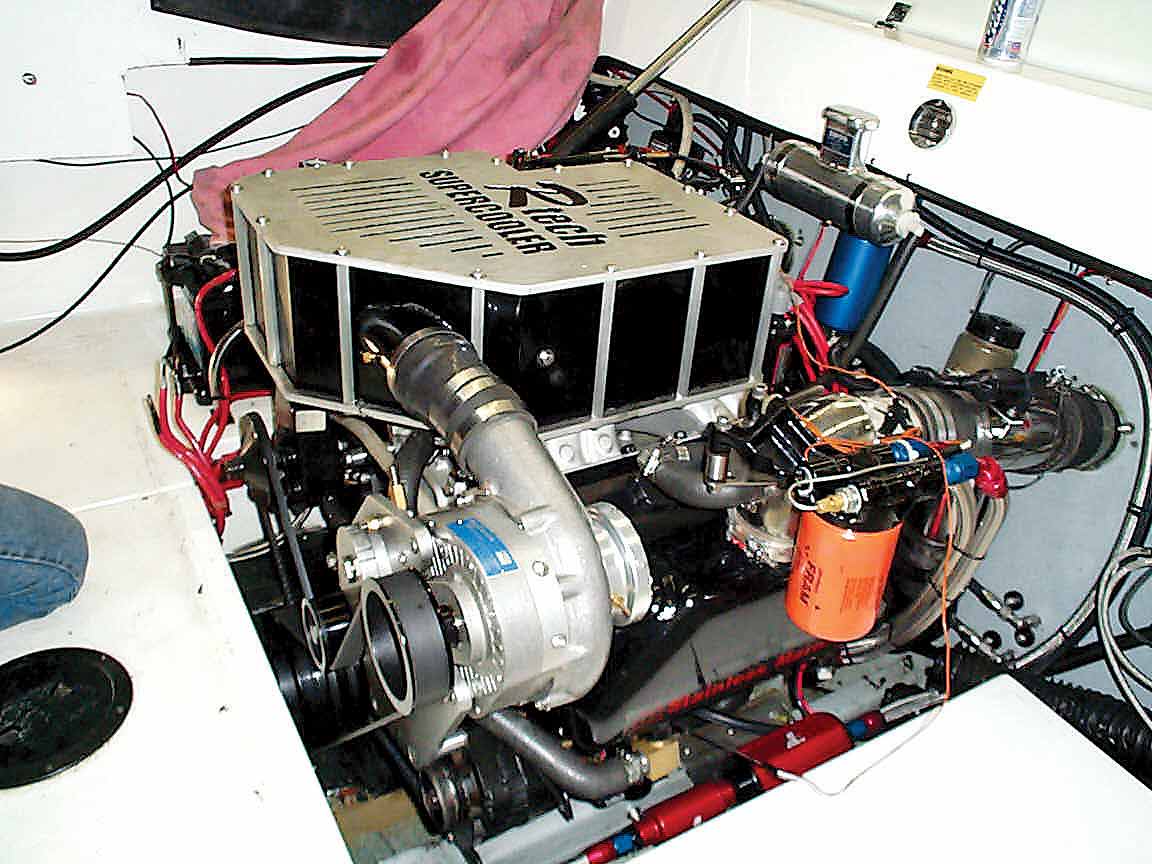
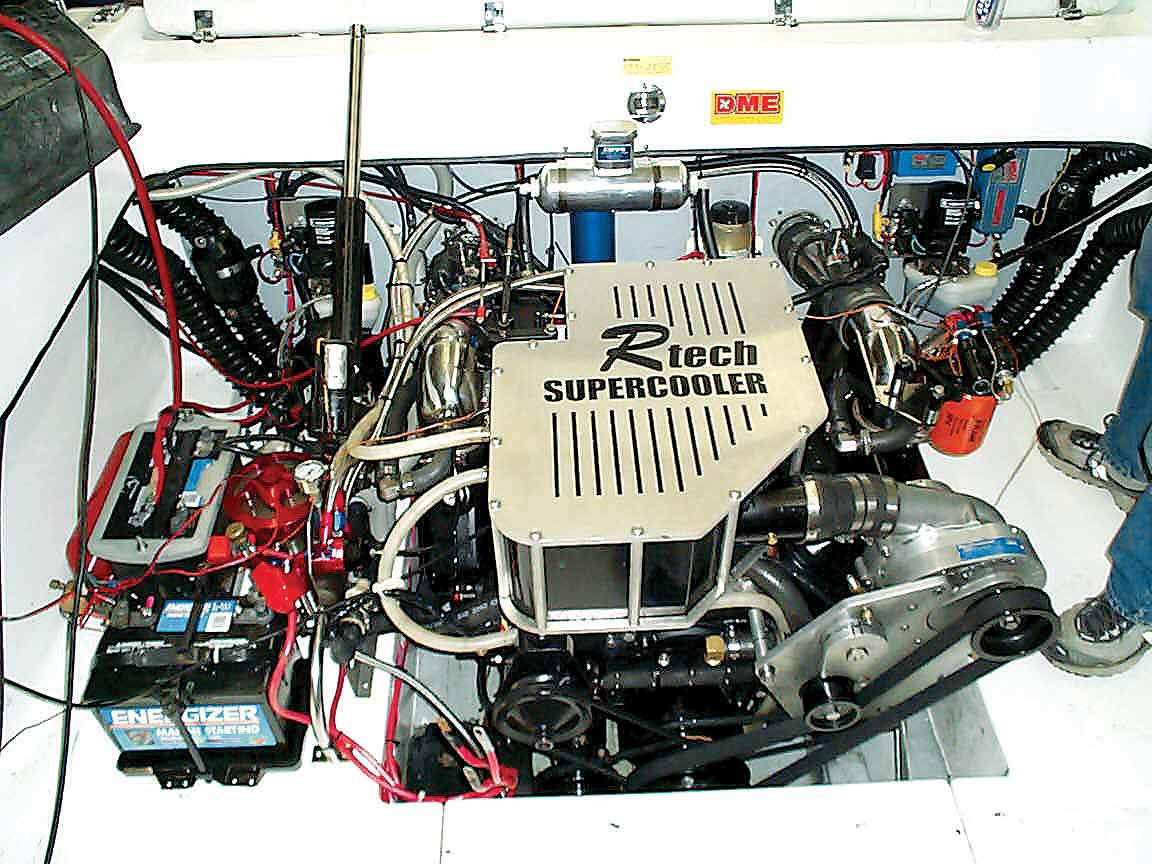
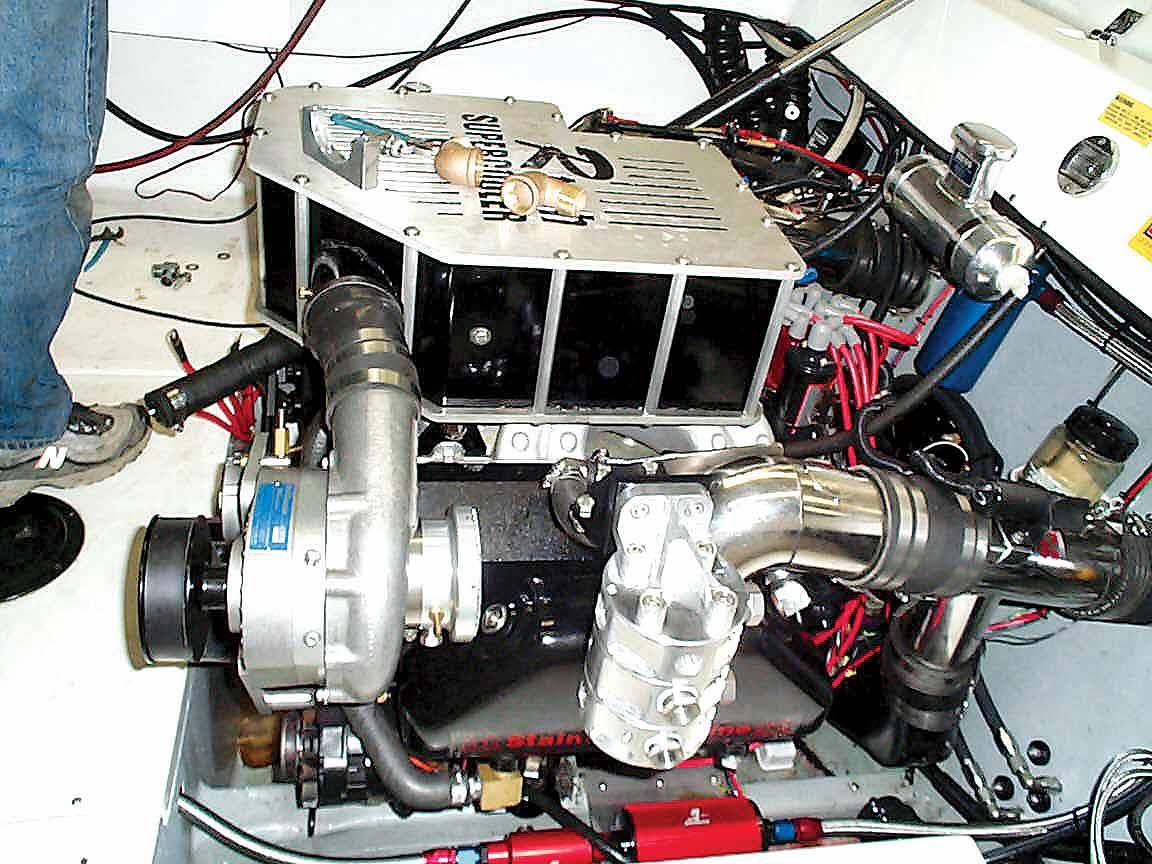
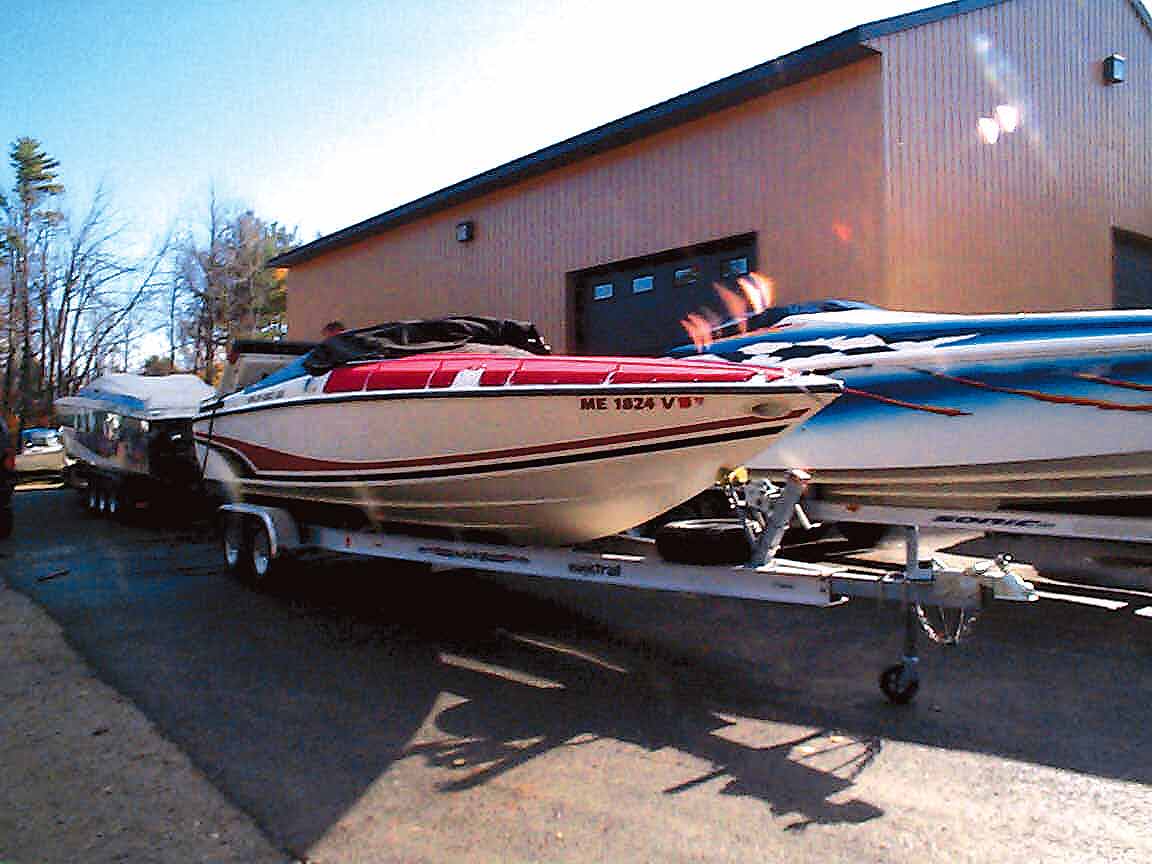
We’ve ran into this exact scenario before. We installed an R-Tech Supercooler on the ProCharged Dorr’s Marine Engine 502cid motor in our Baja 250ES. The install was a huge success with a whopping 9mph increase in top speed. The boat worked well, but what we weren’t expecting was the huge increase in oil temperature from the gain in horsepower. If we had stayed on the throttle for a good 5,000-plus-rpm run, the oil temperature would have shot for the moon and oil pressure would have dropped to an uncomfortable level, forcing us to back out—what fun is that?
To find a solution, we turned to Hardin Marine. After some discussion with Hardin Marine technical personnel about our application, we decided that the entire cooling system needed an upgrade; it needed to be capable of handling all the horsepower that the R-Tech Supercooler/ProCharger combination was building. We decided on a new seawater pump, a large capacity oil cooler and an oil thermostat (to keep oil temperatures warm enough to cook off any condensation), as well as a complete system designed to control all of the temperatures within the proper ranges.
The results were astounding. With the new Hardin Marine cooling system, the engine flowed more water through the intercooler and temperatures came down to a much more acceptable 172 degrees after the cooler at 4,000 rpm and only 184 at 5,000-plus. Let’s take a closer look at how the installation went.
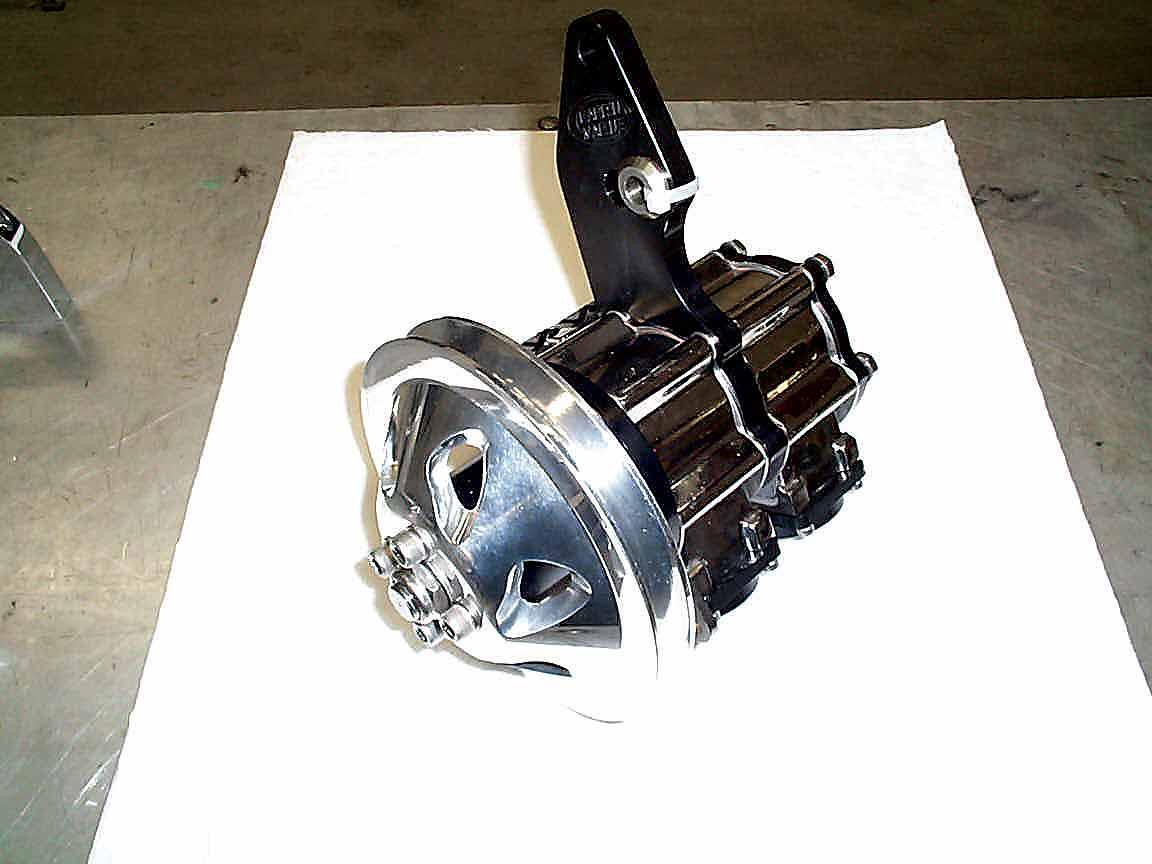
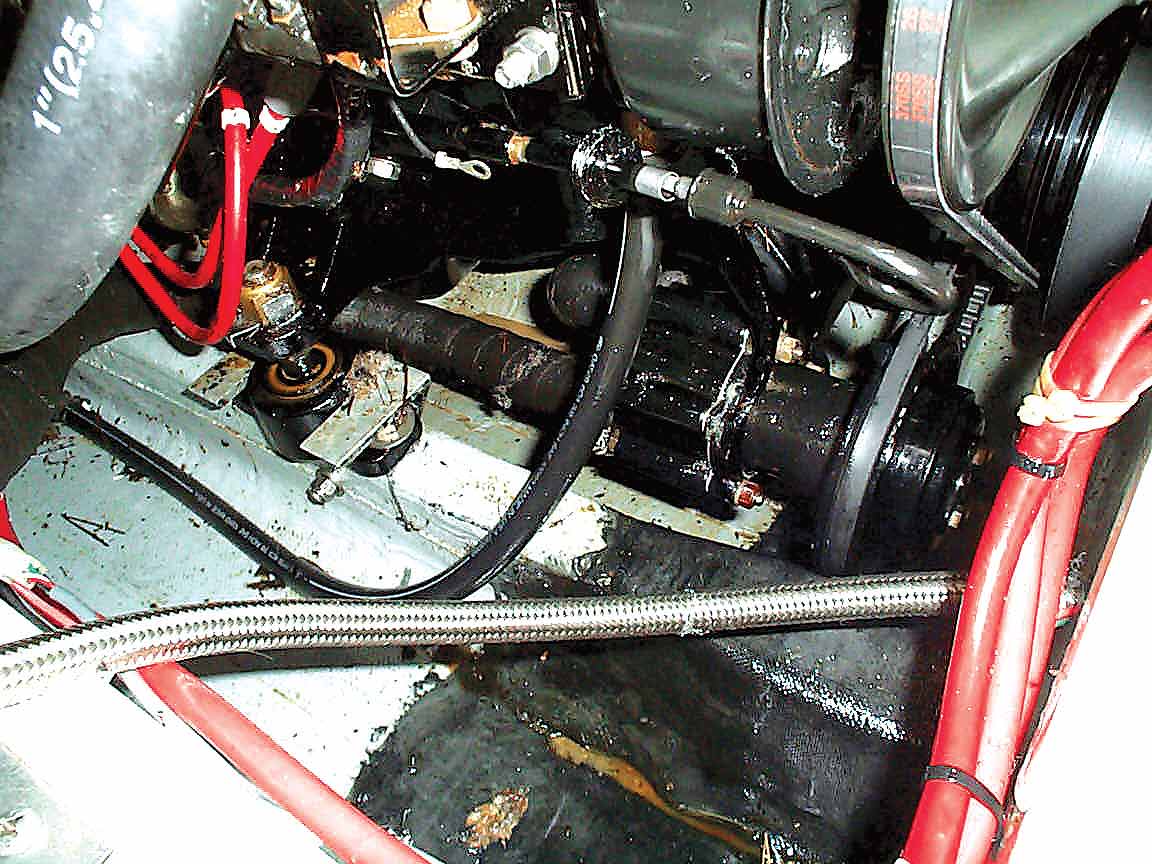
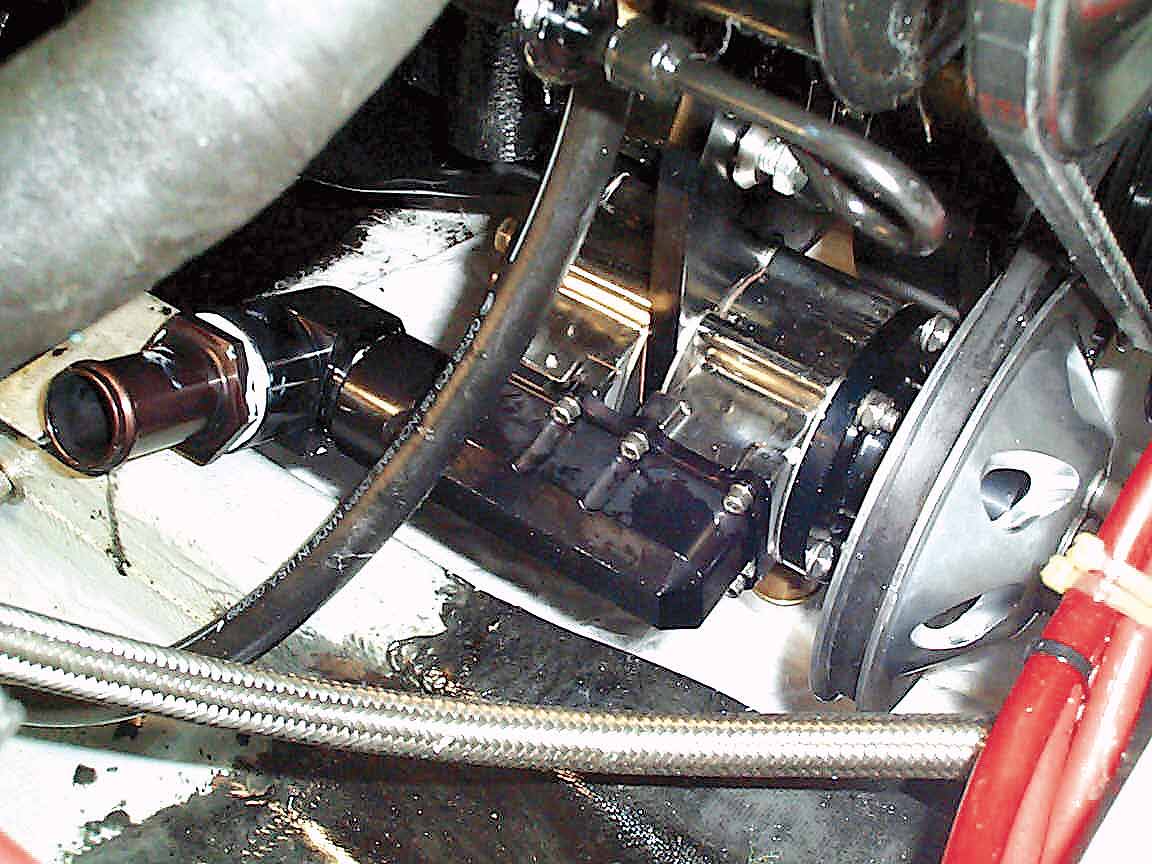
Because we were running a very large intercooler, a two-stage raw water pump was chosen for a starting point in this project. Hardin Marine’s dual-stage Extreme Series pump fit the bill perfectly, with one impeller chamber feeding the intercooler and a separate one to supply the motor. It also features billet construction and polished stainless steel; it was a shame to have to bury this beautiful piece down in the bilge.
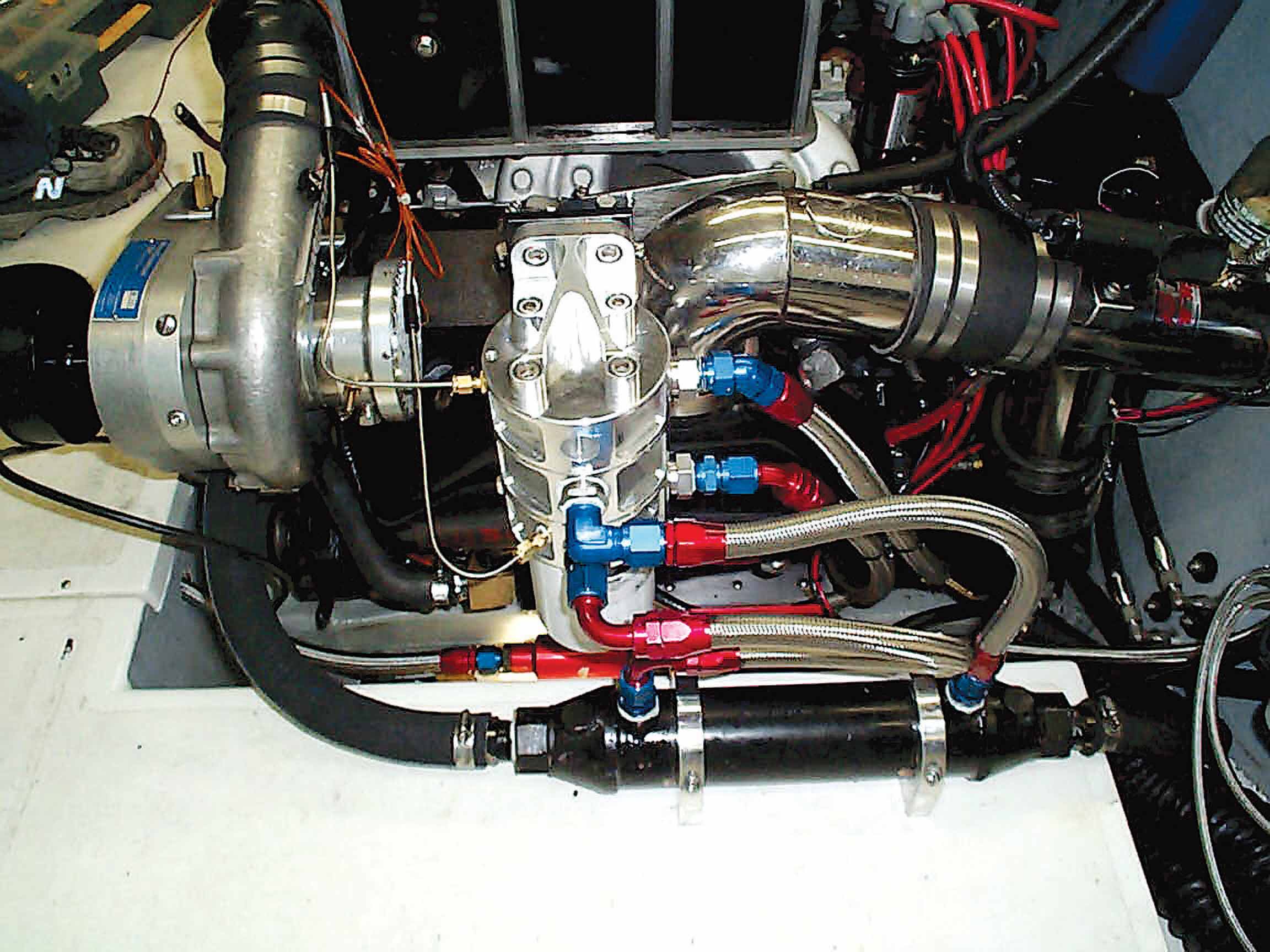
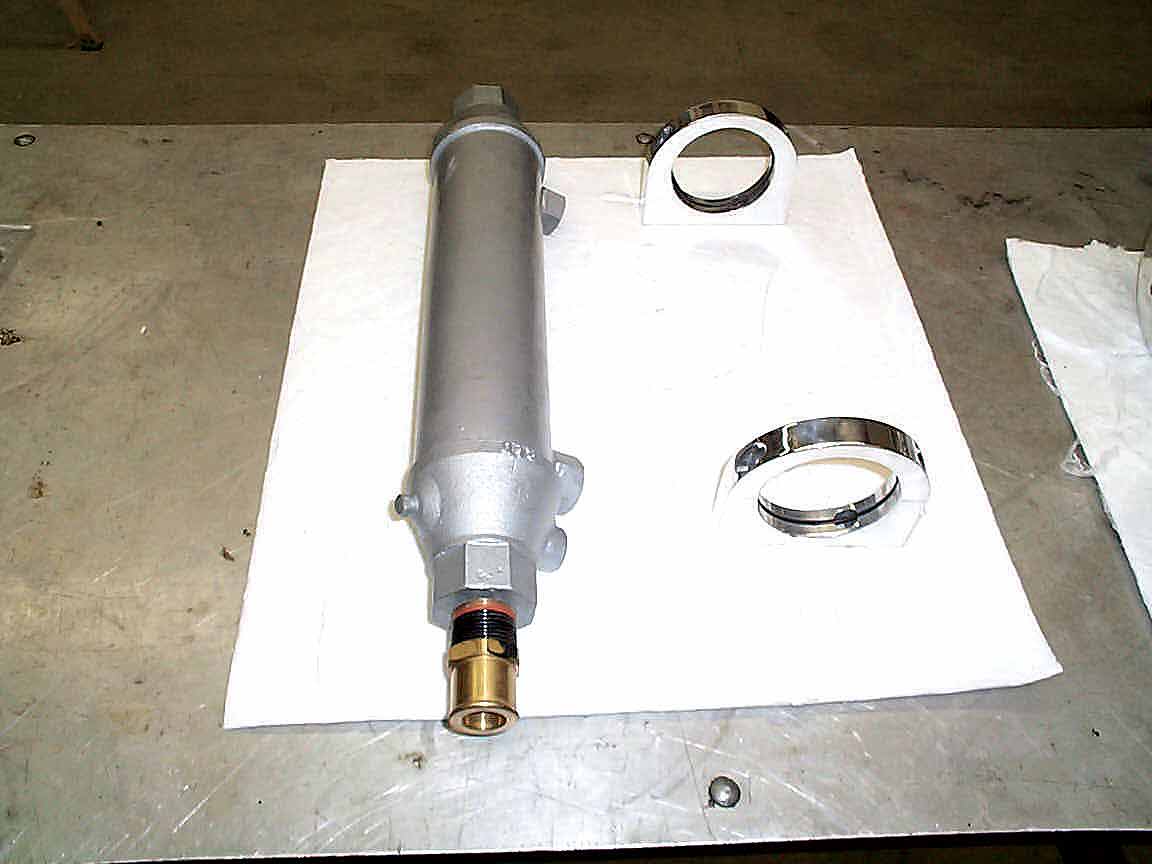
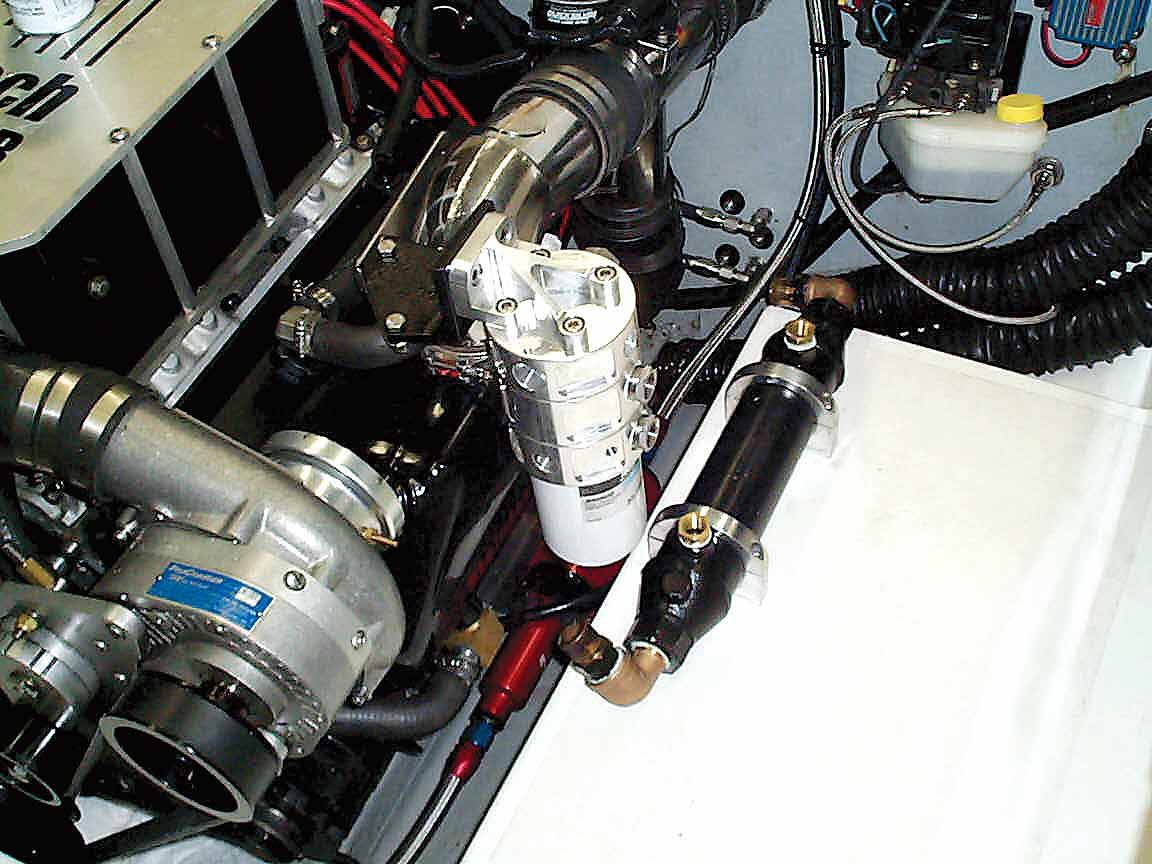
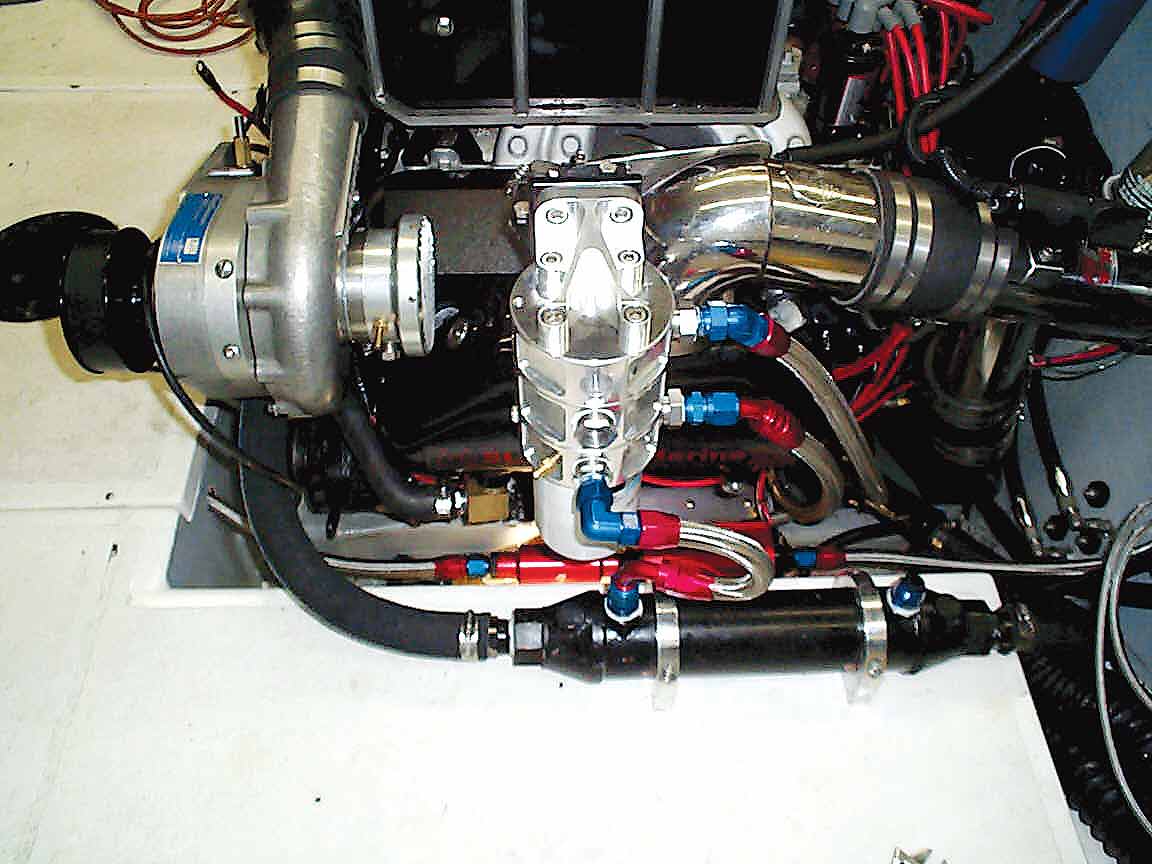
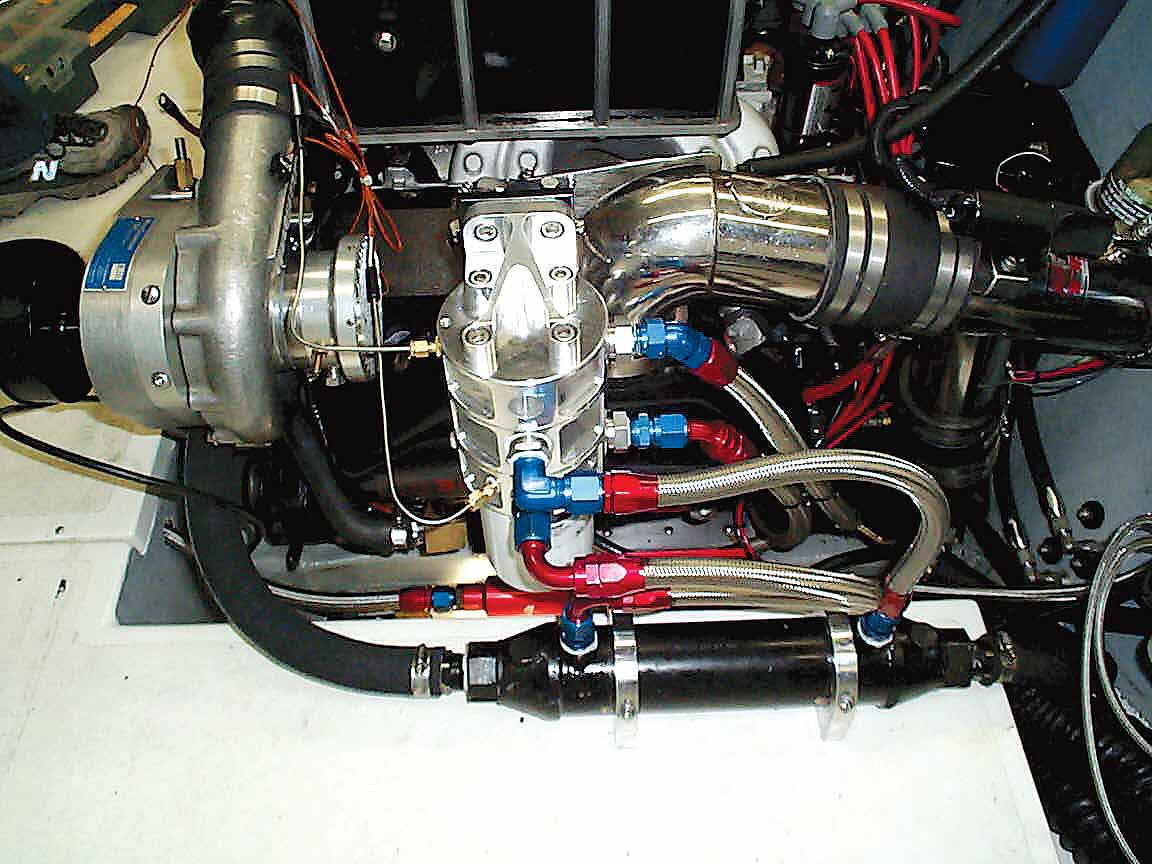
The new water pump bolted right onto the mighty big block without a hassle, and we were ready to start plumbing the new water system. The next step was to pick an oil cooler that could support 800-plus horsepower and 8 psi of boost. Scott Price at Hardin Marine suggested we run a 3-inch diameter, 25-inch-long oil cooler. This might sound like overkill, but when you plan to use an oil cooler and thermostat combination, you can run as large of a cooler as you wish. Too much is always better than too little, as the thermostat will regulate the oil flow to the cooler proportional to demand. A bonus with the single-engine boat is that there was no shortage of room for the massive cooler. We mounted it to the floor of the engine compartment with the polished aluminum brackets supplied by Hardin.
Our next step was selecting an oil thermostat. If you boat in a colder climate, condensation in the oil can be a problem when running a large oil cooler. The moisture from condensation can wreak havoc on the valvetrain due to the pitting of valve springs, cam lobes and related lifter problems, which can and will cost you a motor if the oil is too cold. The use of an oil thermostat ensures that your oil comes up to temperature by bypassing the cooler until it reaches the desired temperature (212 degrees Fahrenheit in our case). It is then kept from overheating by diverting flow to the oil cooler, providing the necessary temperature control to keep the oil within its proper operating range.
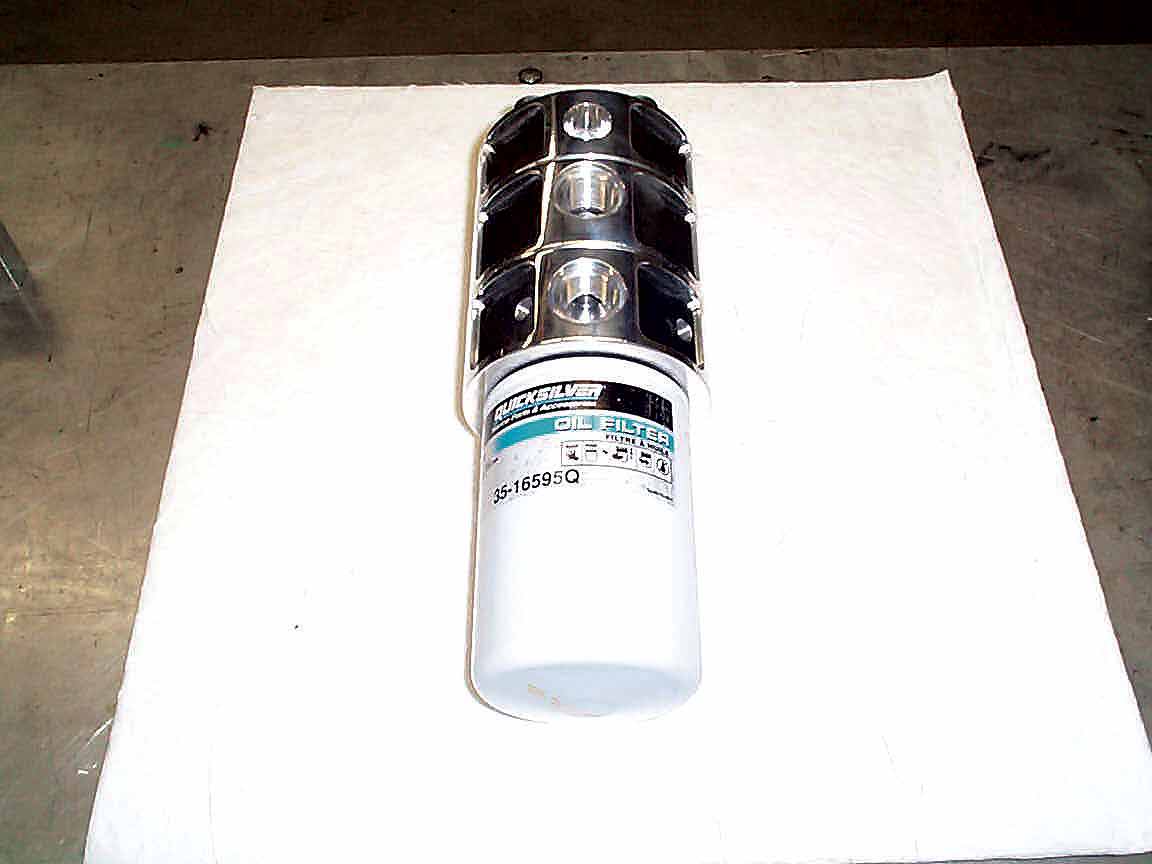
Our thermostat was the Hardin Marine Extreme Series thermostatically-controlled remote oil filter mount. This is a beautifully constructed piece. CNC-machined and made of highly polished billet aluminum, this part will dress up any engine compartment. After a few minutes of deciding where to mount the thermo-filter, we decided to custom-fabricate a simple bracket from angle iron and mount it to the exhaust riser out of harm’s way.
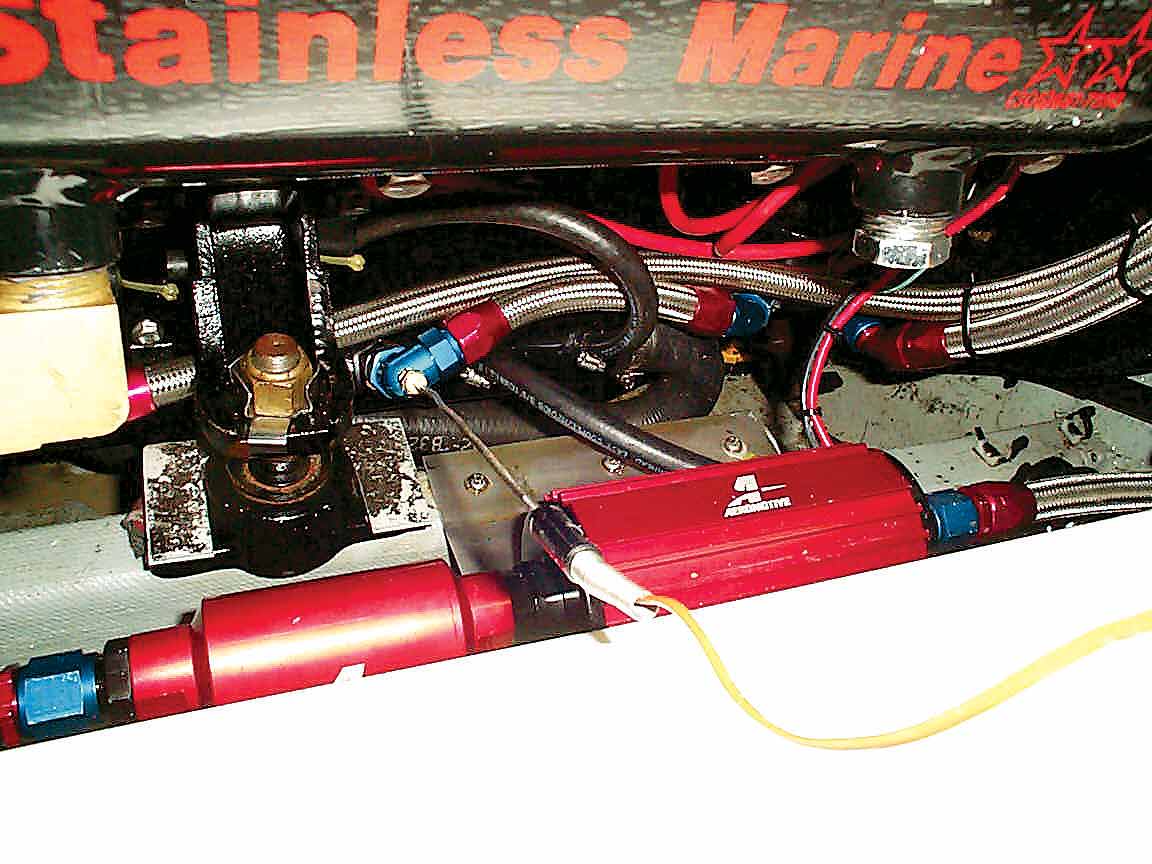
Since the parts from Hardin Marine dressed up the engine compartment so nicely, we decided to go all out and plumb the new oil cooling system with Aeroquip braided stainless hose and anodized fittings.
The entire cooling system re-vamp went off without any major issues. The complete installation took us just about eight hours to complete. We were extremely impressed with the level of engineering support and the quality of product that Hardin Marine delivered for this project. Now it was time to compare numbers and see how efficient our new oil cooling system would be.
Before the install, we ran some baseline tests. For our tests, we installed calibrated thermocouples before and after the oil cooler to be sure we got the full story. The R-Tech Supercooled M1 ProCharged 502 could easily cook the oil when we were making boost. The stock MerCruiser oil cooler provided adequate cooling when the engine was at 4,000 rpm with max. oil temperatures of 221 degrees before the cooler and 196 degrees after the cooler. When we tested at 5,000 rpm and 5.5 lbs of boost, the oil temp skyrocketed to ridiculous levels. Oil pressure dropped from overheating the oil. Water temperature was a chilly 54 degrees, and oil temperature before the cooler reached 270 degrees and was still climbing. Temperature after the cooler was 235 degrees, even with the chilly late-season lake water running through the stock oil cooler. These unacceptable oil temperatures, particularly if continued to run, would have surely destroyed the motor, especially because lake water temps during the majority of our season are in the 68- to 70-degree range.