
THE AUTO BUILDER
Featured

ARMED & DANGEROUS
Replacing the rear suspension arms is something of a Mustang tradition, and the S197 platform is no exception. Wheel hop is proving to be something of a problem on these vehicles, and Modular Mustang Racing has the solution in the form of new lower rear control arms for the ’05 Mustang.

Slippery Sedan
Greg Harris has been a car enthusiast for years and has built a number of muscle machines and classic trucks. He has had loads of fun with late-model cars, but he couldn’t shake the fact that he really had the yearning to build a street rod some day. His friends knew about his longtime goal, so when one of them found a partially completed early sedan for sale, he told Harris about the car. Harris went to take a look, and as it turned out, the car was a half-finished all-steel ’33 Ford two-door sedan powered by a 427 Chevy engine. He immediately knew he had to buy the sedan—it was just what he was looking for. He made a deal with Clark and Bridgett Short, the folks who started the project, and brought the ’33 home.

Senior Project
Kirby Kennedy grew up around street rods in his hometown of Selmer, Tennessee. His father, David, had several rods and even operated his own shop. Kirby hung around Kennedy’s Kustom Auto Shop and helped with many of the projects. He also learned many of the required skills to build a rod along the way. Once Kirby reached high school, he knew quite a bit about the history of hot rodding and had developed a fondness for traditional hot rods. His school required each graduating senior to complete a project before they reached graduation. While only a sophomore, Kirby decided to build a traditional-styled hot rod.
Spotlighter
POPULAR READS
-
Product Spotlight: Bill Mitchell Products Aluminum LS Engine Block
-
PRODUCT SPOTLIGHT: 60-66 Chevy C10 Fresh Air Vent Block Off Plate
-
Product Spotlight: Pyramid Optimized Design Sequential Aurora Taillight for 1964½–1966 Mustang
-
PRODUCT SPOTLIGHT: Cam Covers for GEN/3 Coyote from Pyramid Optimized Design
PEDAL PUSHER
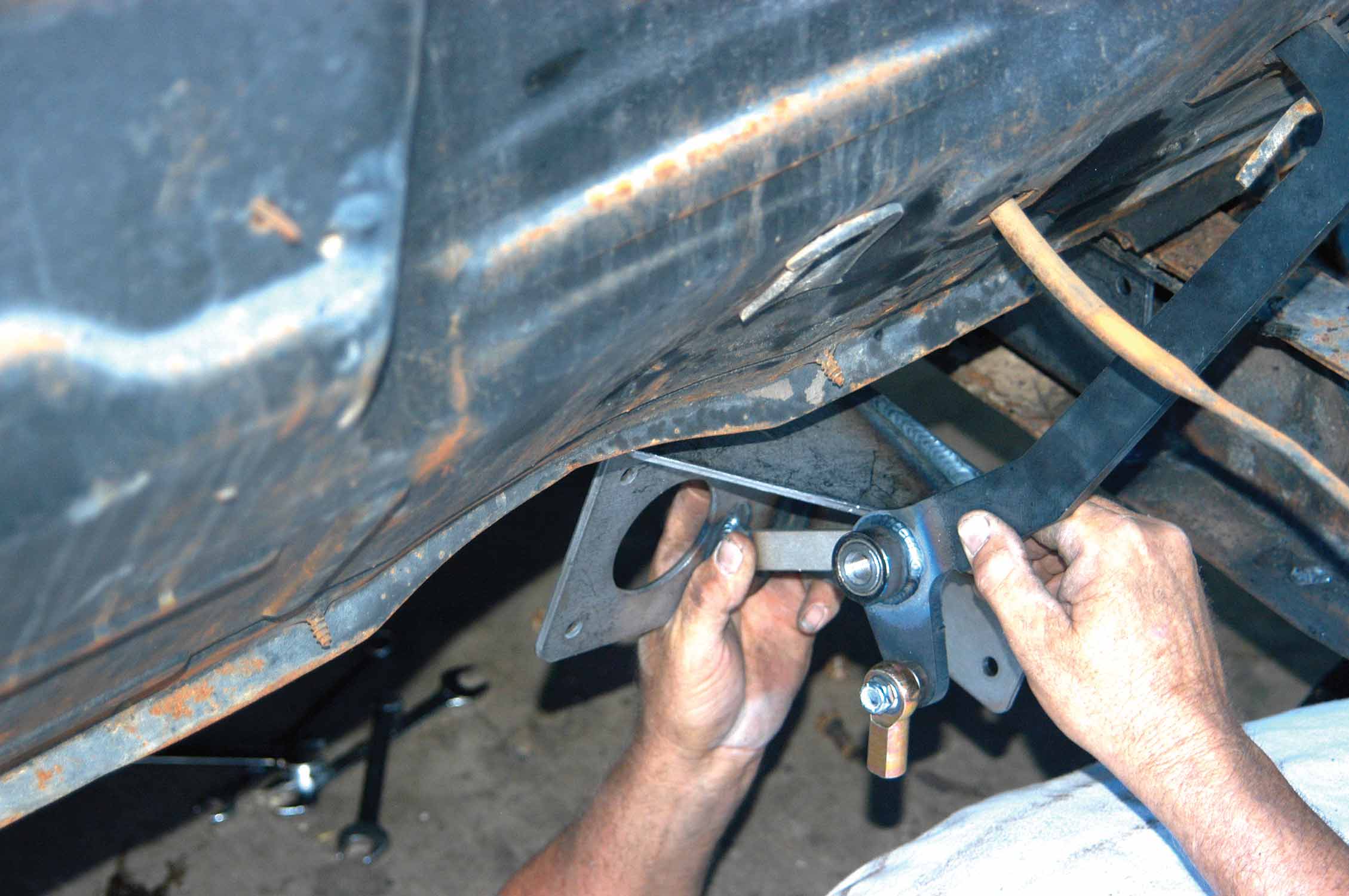
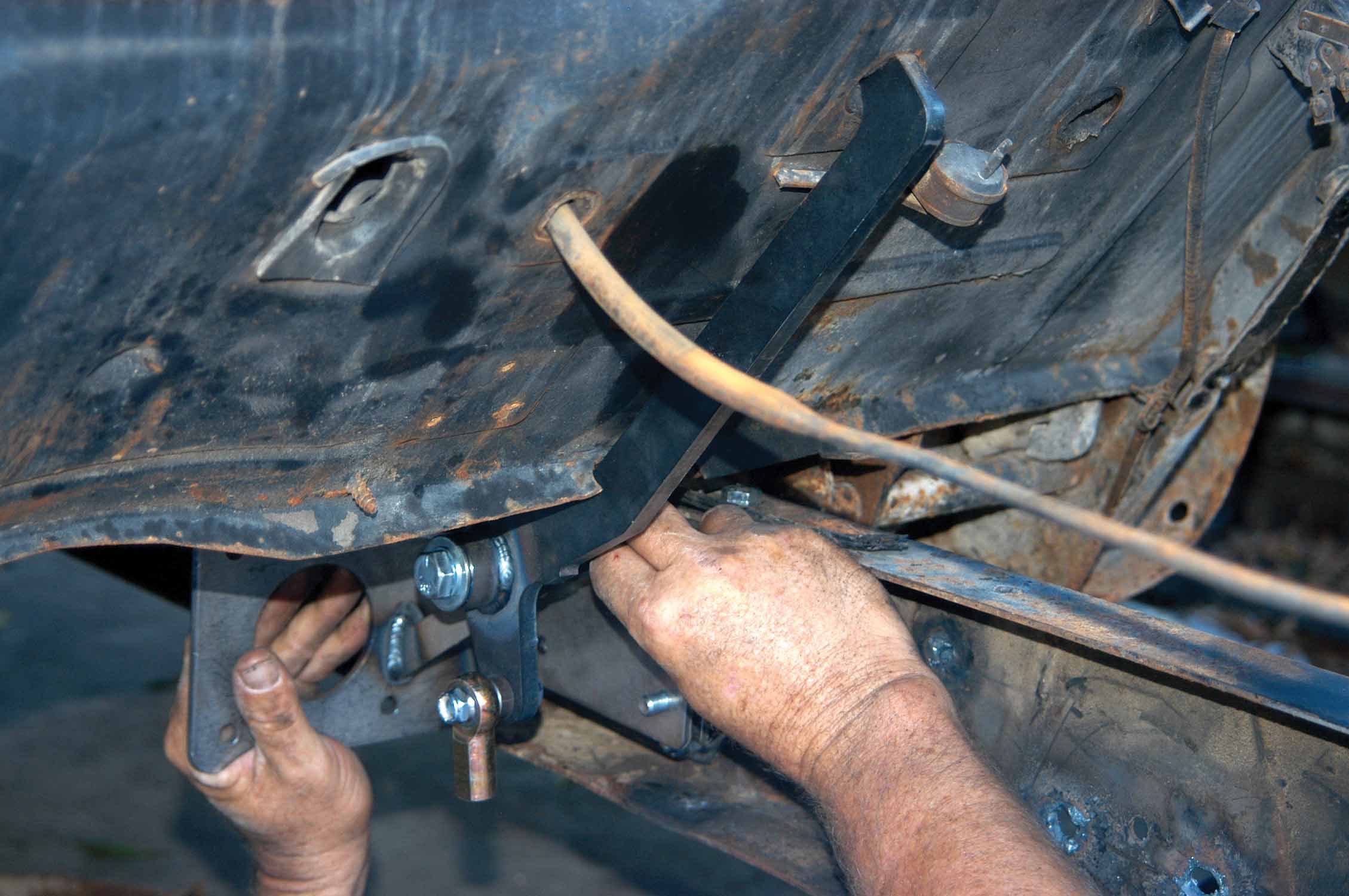
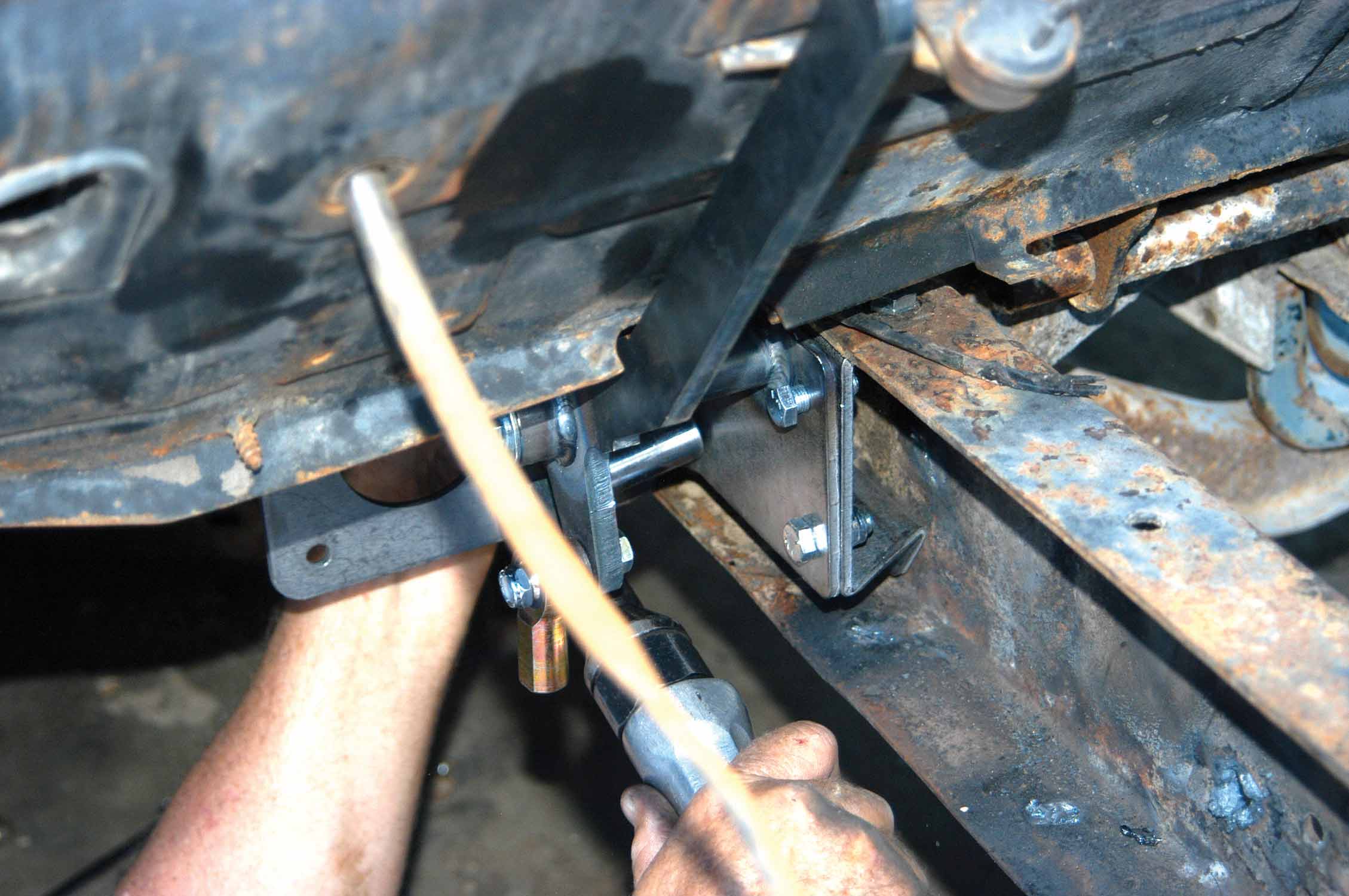
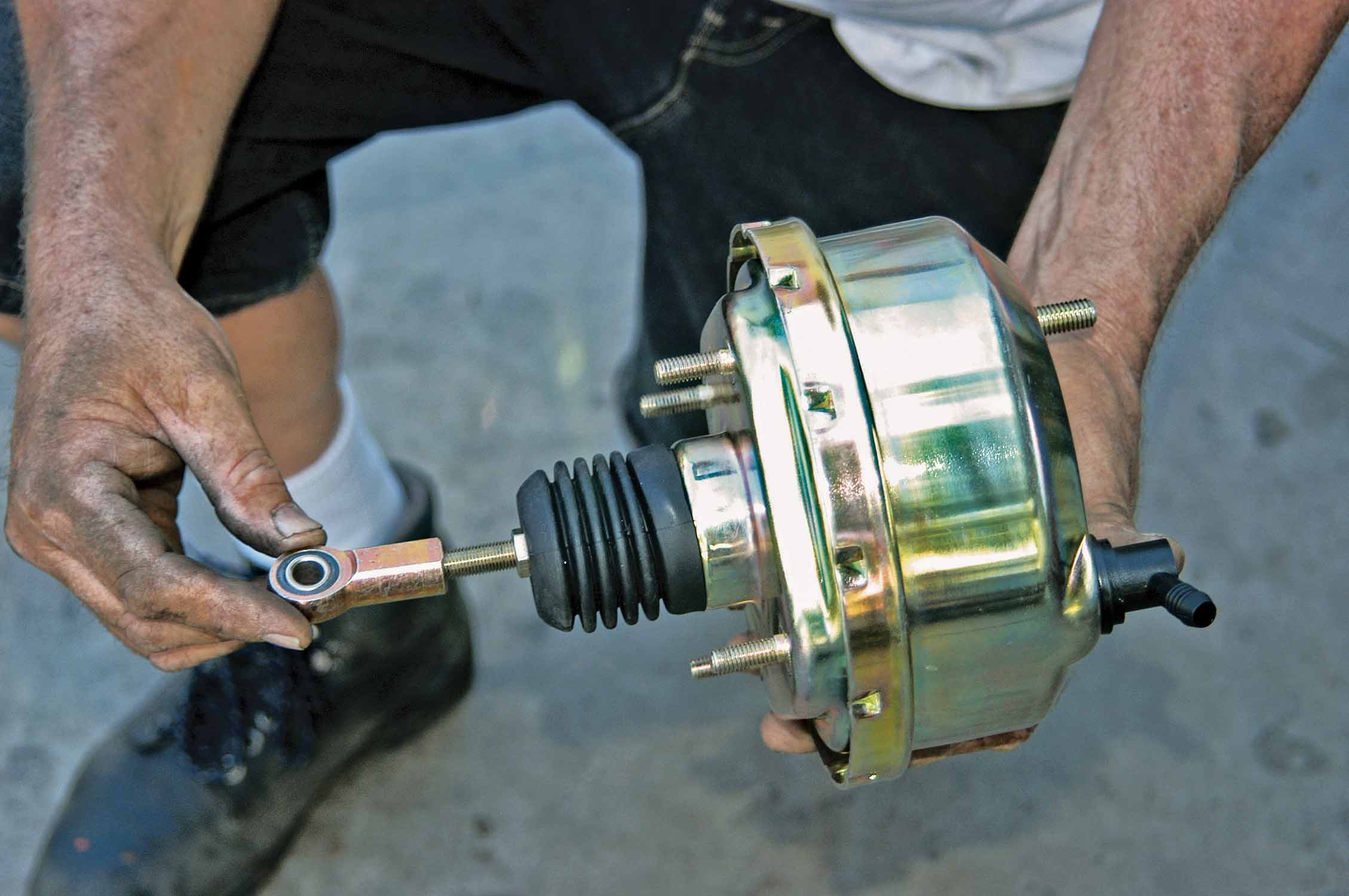
Installing a Power Brake Assembly in a ’53 Chevy Panel Truck
Author
Jeff Tann
Story & Photography
In the ’50s, home-delivery baker Helms Bakery went door to door, delivering bread and bakery goods on the streets of Southern California. All you had to do was call and order what you needed, and the next day it was delivered to your door. You could also stop the drivers on their route to buy their goodies, and that’s how we remember the early ’50s Chevy Helms delivery trucks. We figured they must have a rather large fleet of them to cover the L.A. Basin. We aren’t sure exactly when it happened, but no doubt rapidly changing family lifestyles took their toll, and Helms stopped the delivery portion of the business. As a result, there were a lot of early Chevy panel trucks that went somewhere.
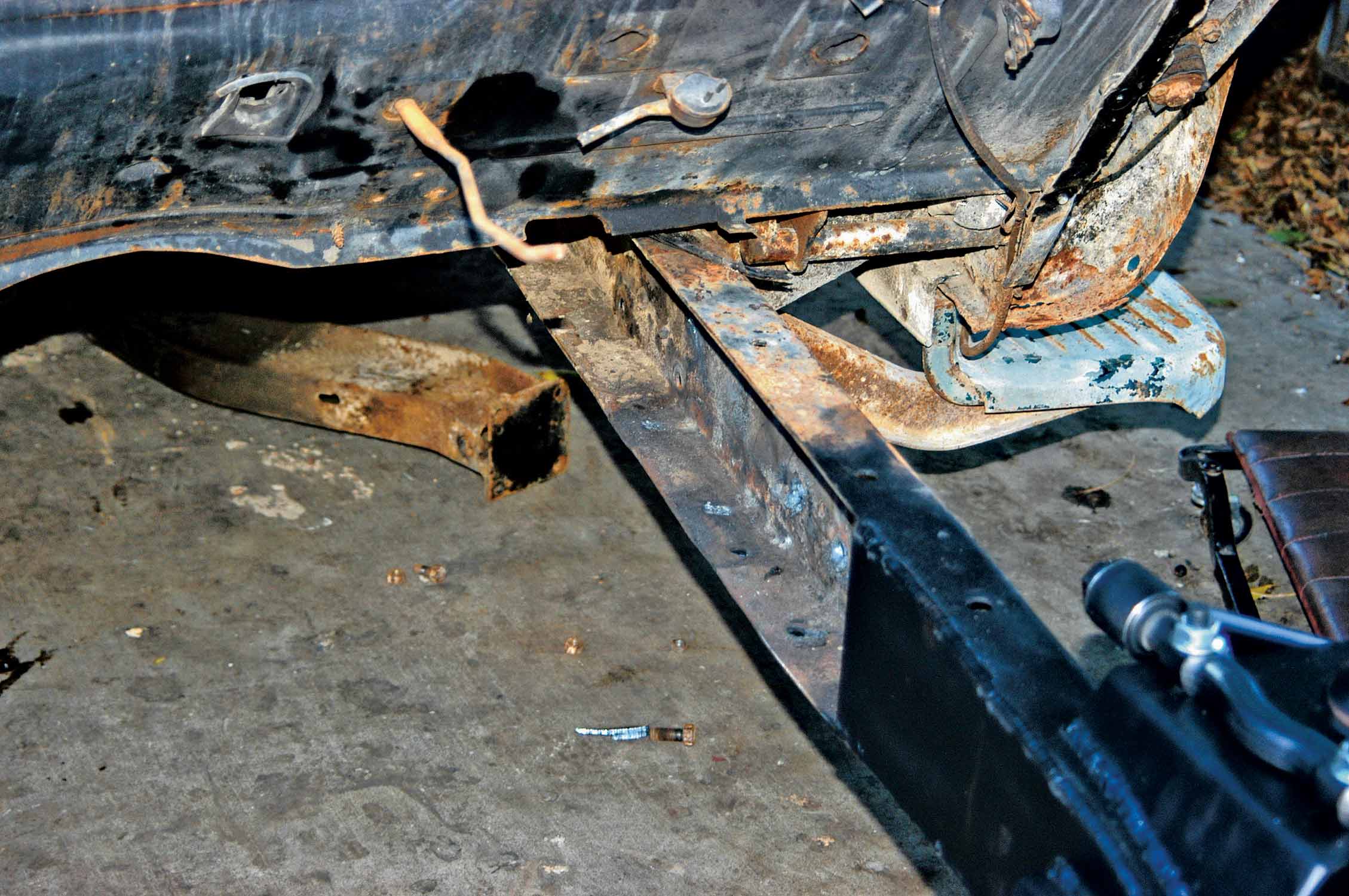
It has been more than 40 years since we saw the last of the Helms trucks, and what happened to them is anybody’s guess. One thing is for sure: Finding one wasn’t in Dean Brown’s mind when he heard about an old panel truck that was for sale locally. Dean had sold a ’40 pickup truck awhile back when he was building a new home, and he was now finally in a position to buy another for a project. Since Dean likes trucks, he decided to take a look at this ’52 Chevy panel delivery. When he arrived the panel was in solid condition for its age, and it looked as if it could be turned into a rather wild ride, so Dean purchased the truck and formulated a plan of action.
The panel was still in running condition with a six-cylinder engine, but that certainly wasn’t enough power for Dean. He removed the stock engine and transmission and purchased a hot 350 Chevy and a B&M Turbo 350 as a replacement. Dean generally works on his own street rods, but he is currently working offshore as a construction consultant, so his free time is limited. He decided to have all of the time-consuming fabrication work done at Dream Cars in Simi, California, where the front suspension was upgraded with a Heidt’s IFS assembly. The folks there also installed a new parallel leaf rear suspension and, for this story, a power brake unit and pedal assembly.
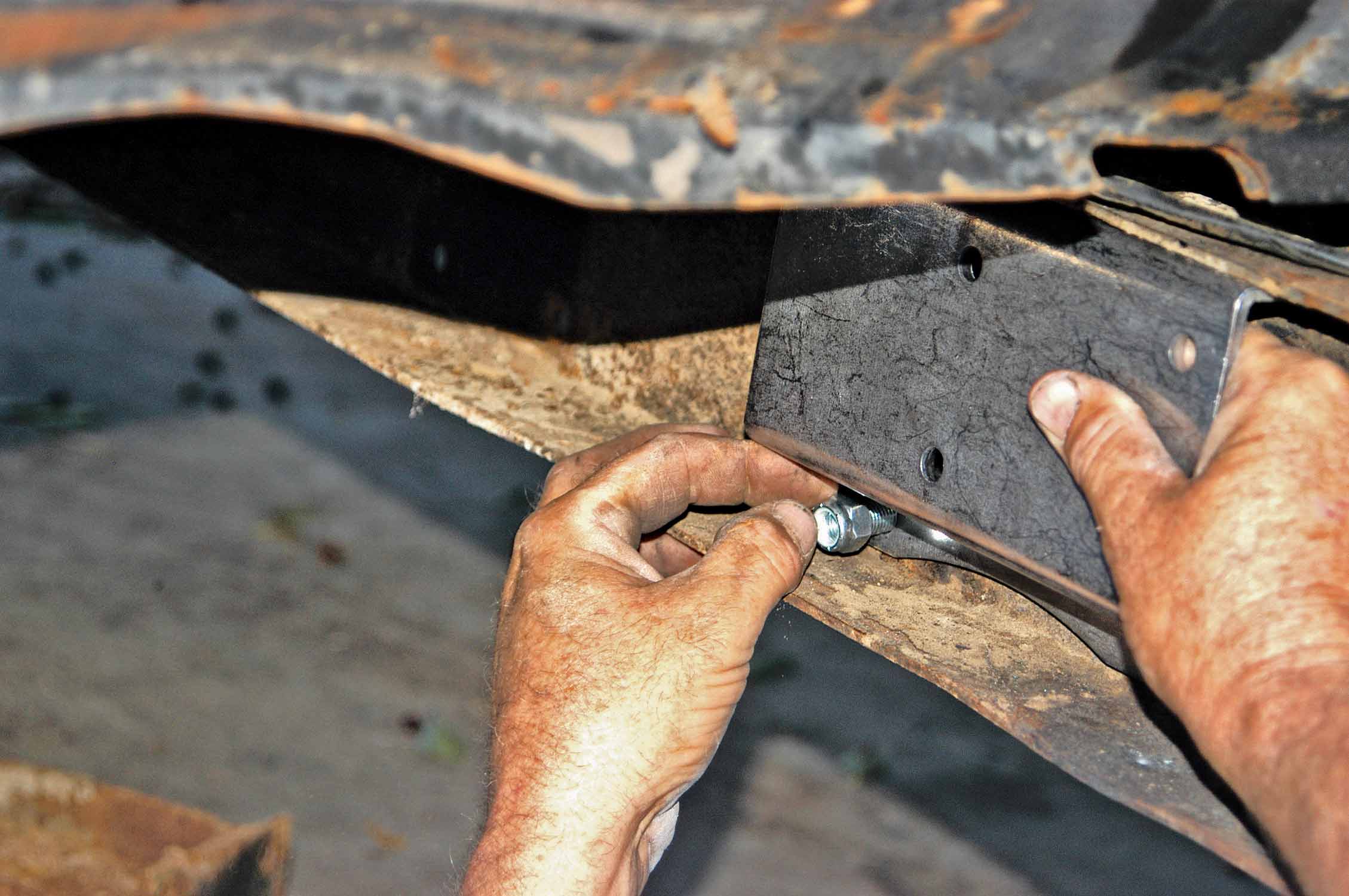
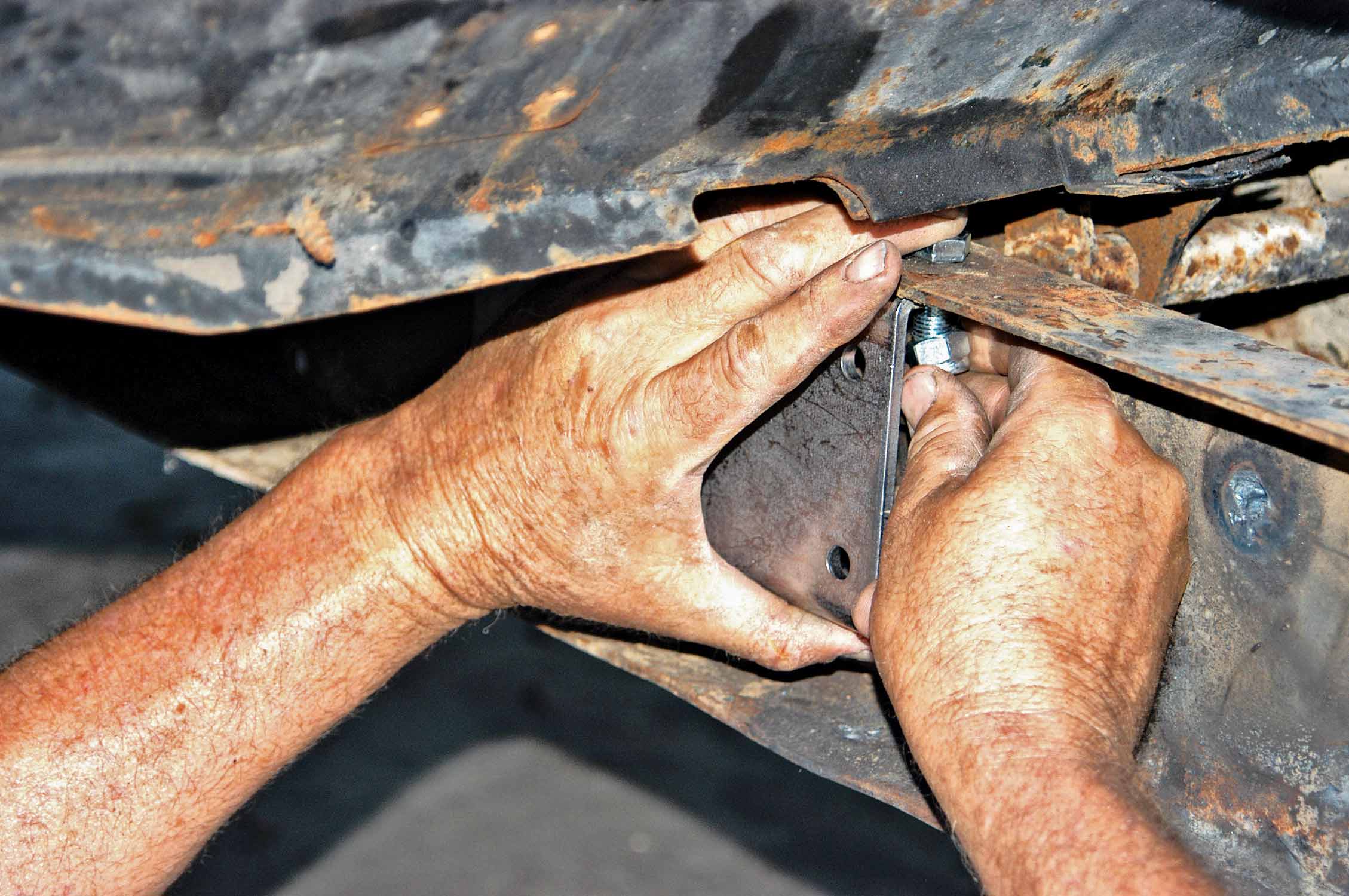
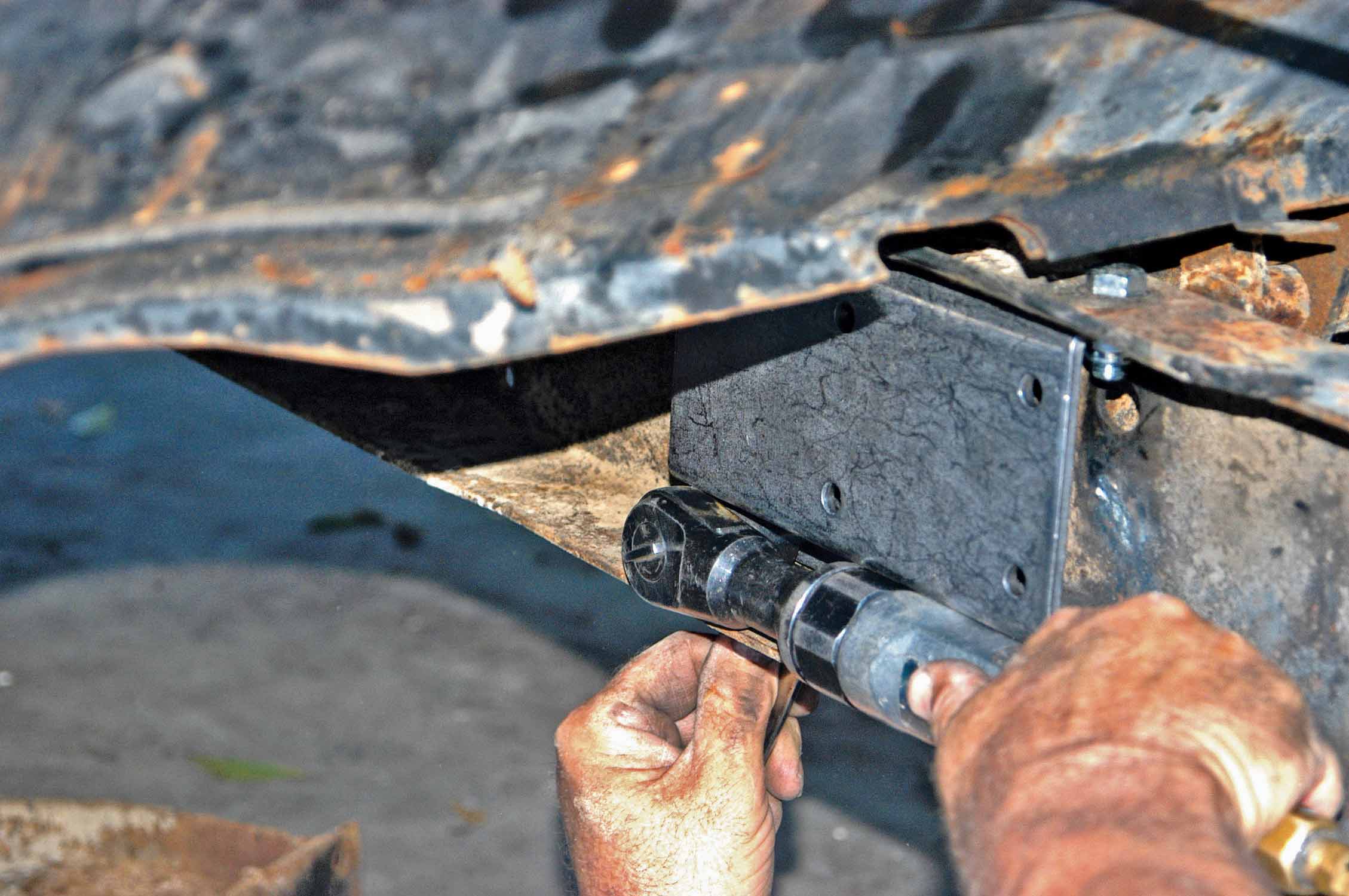
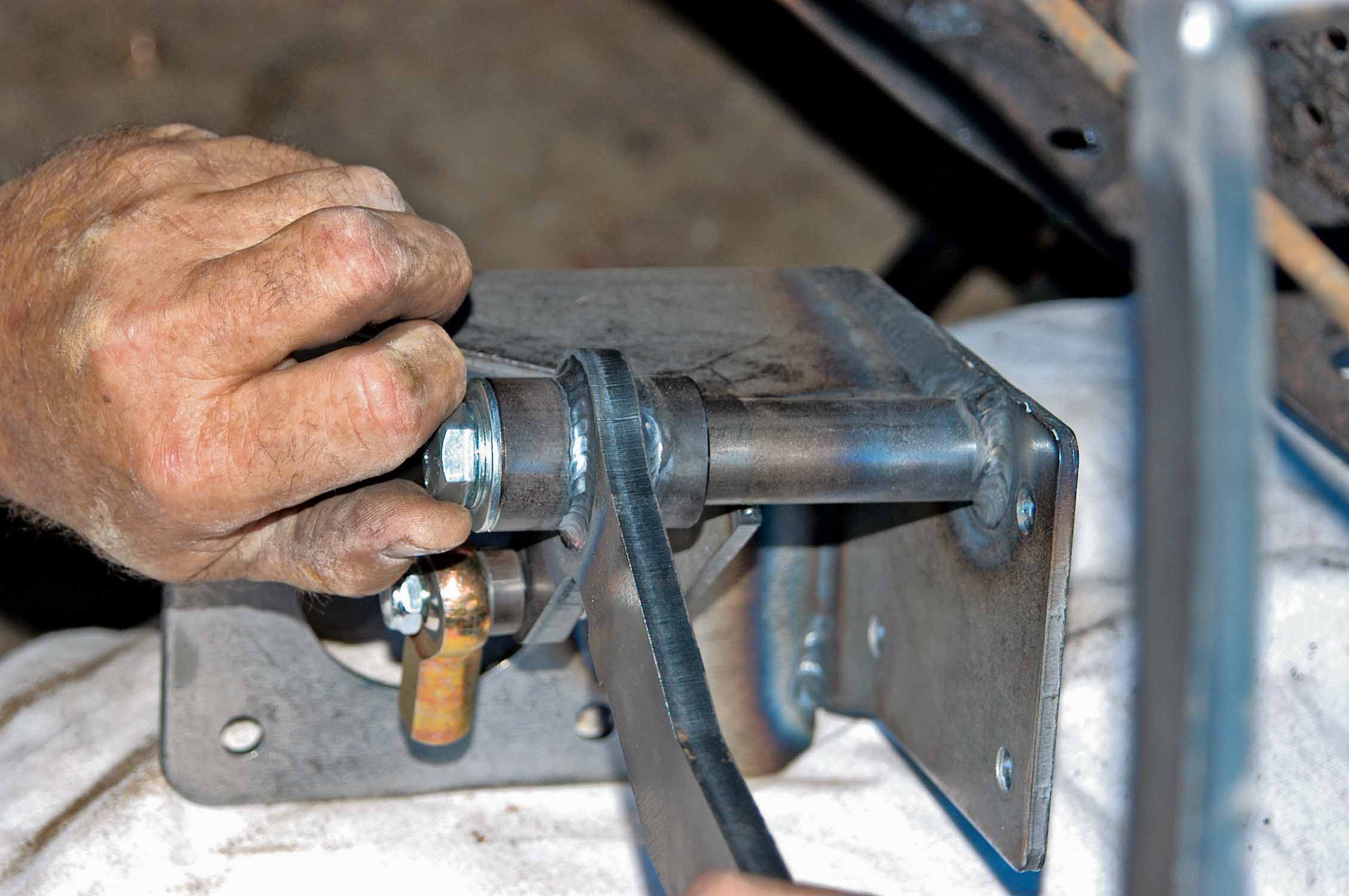
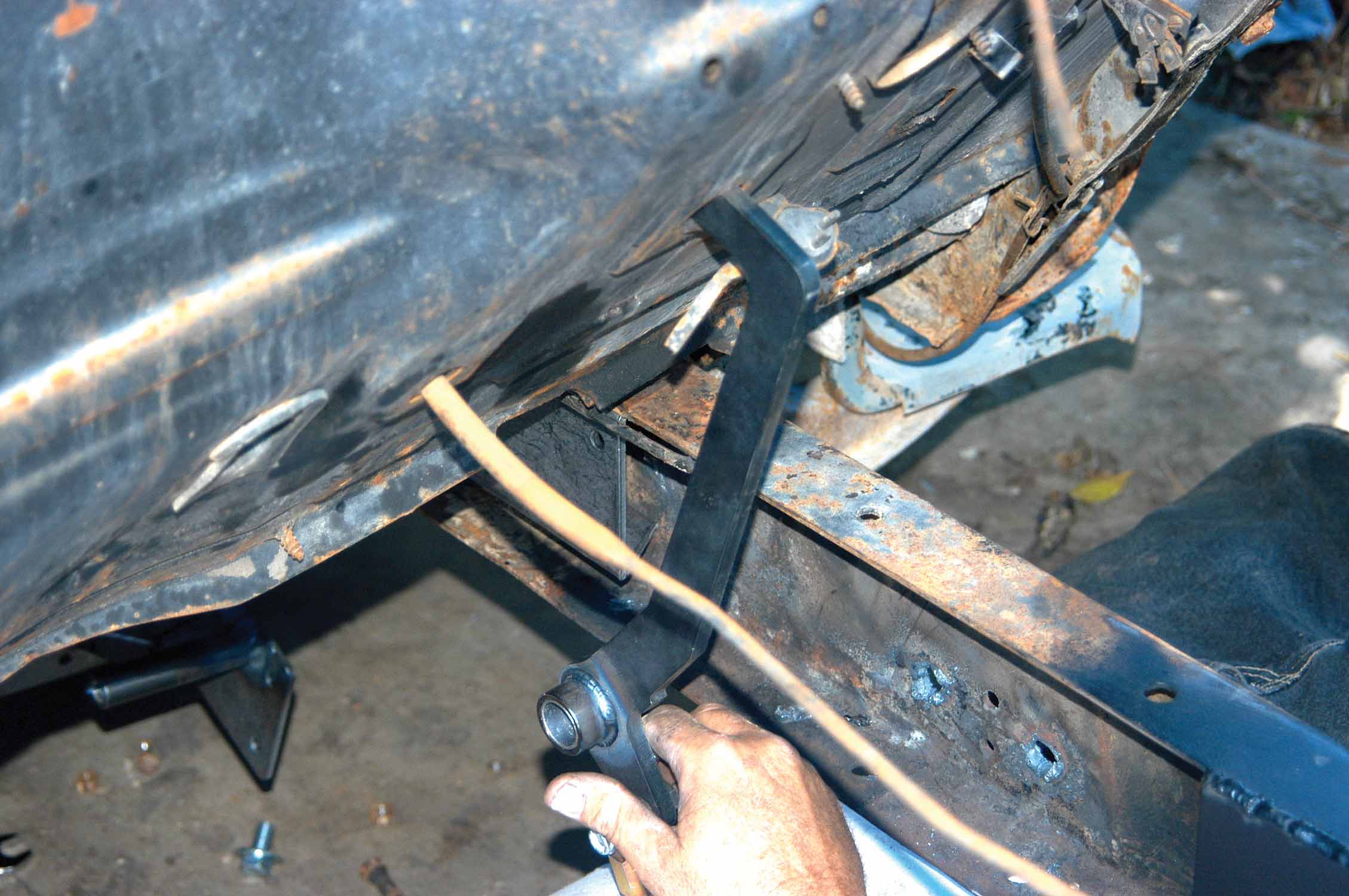
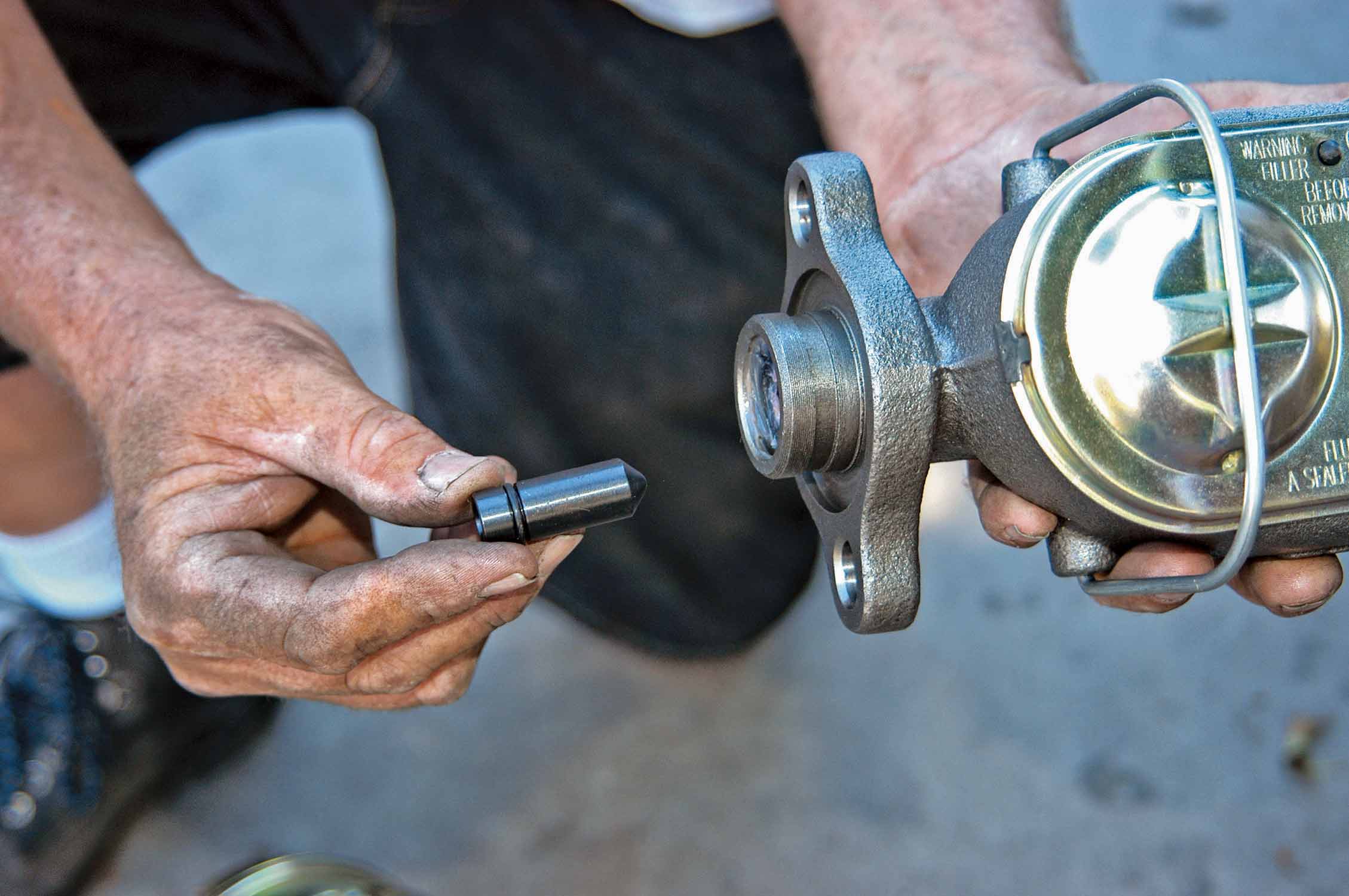
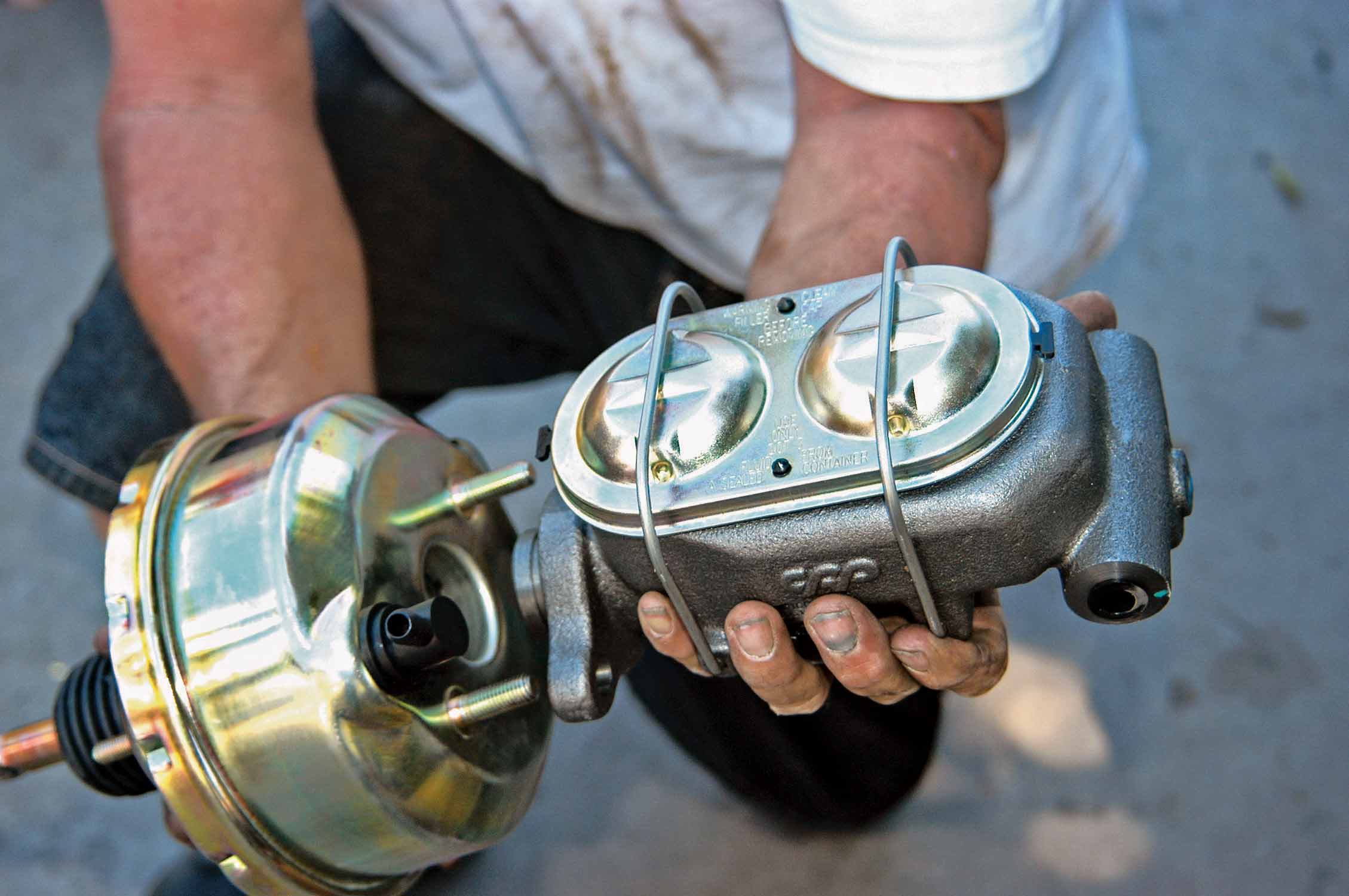
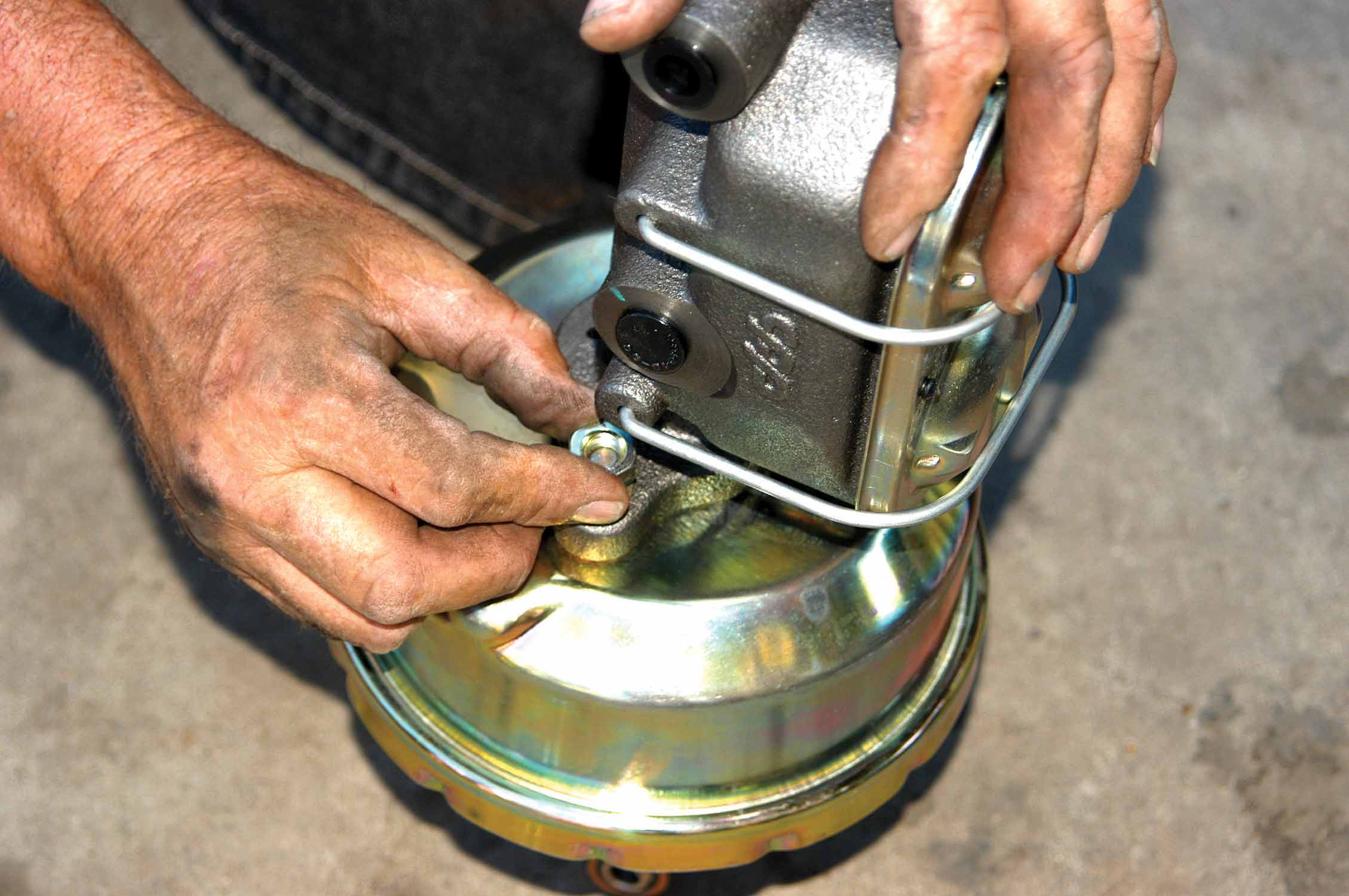
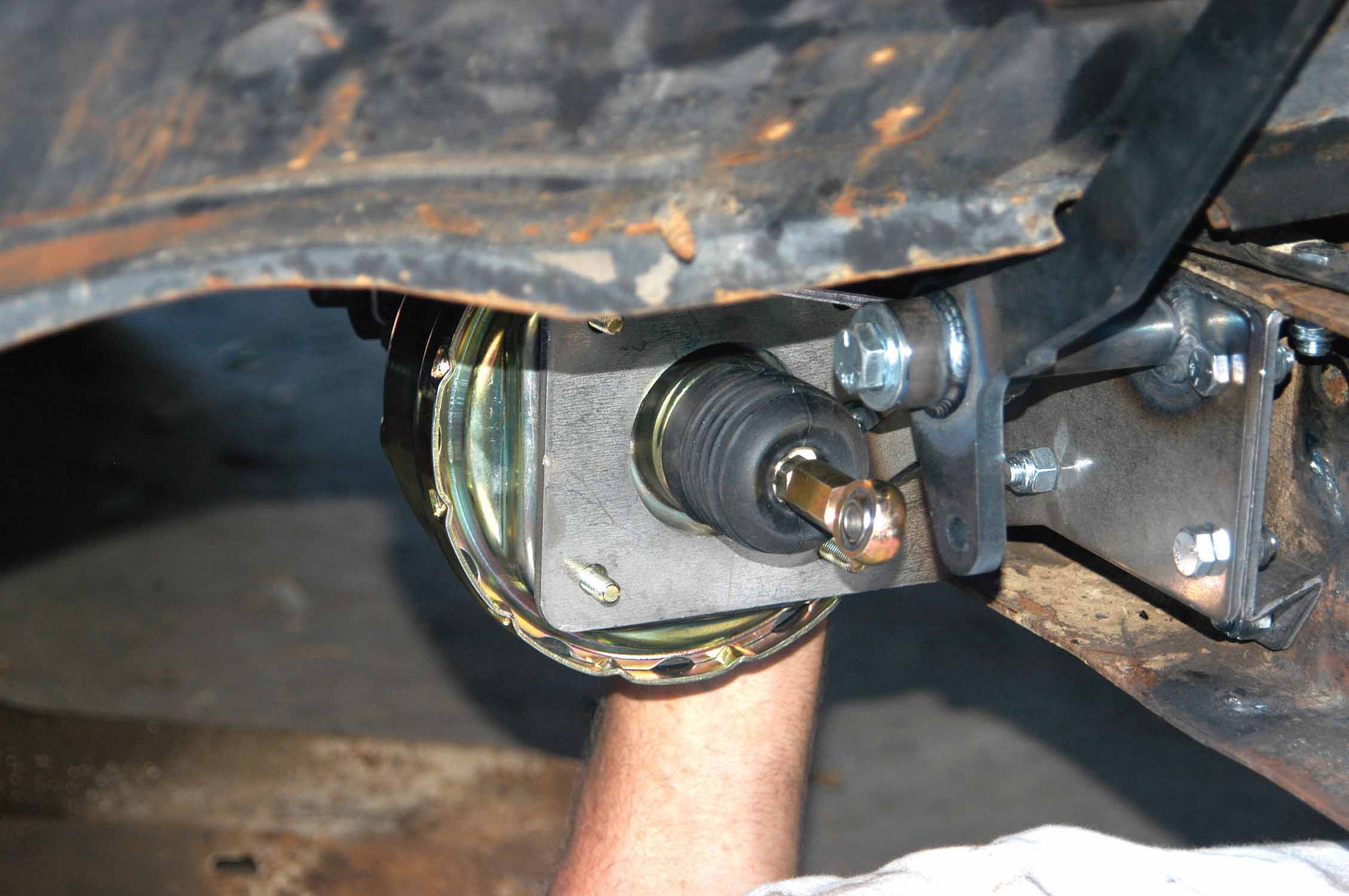
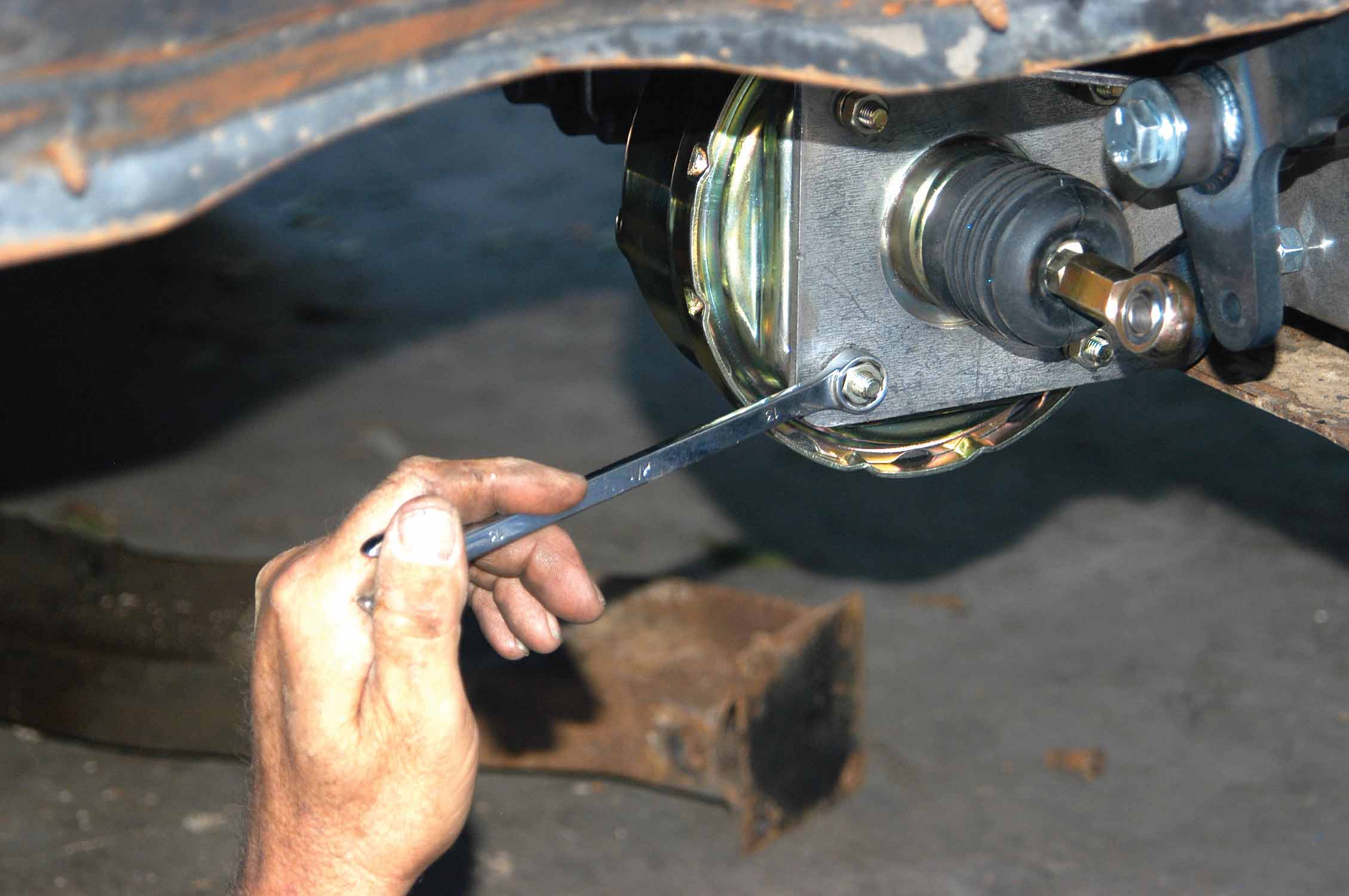
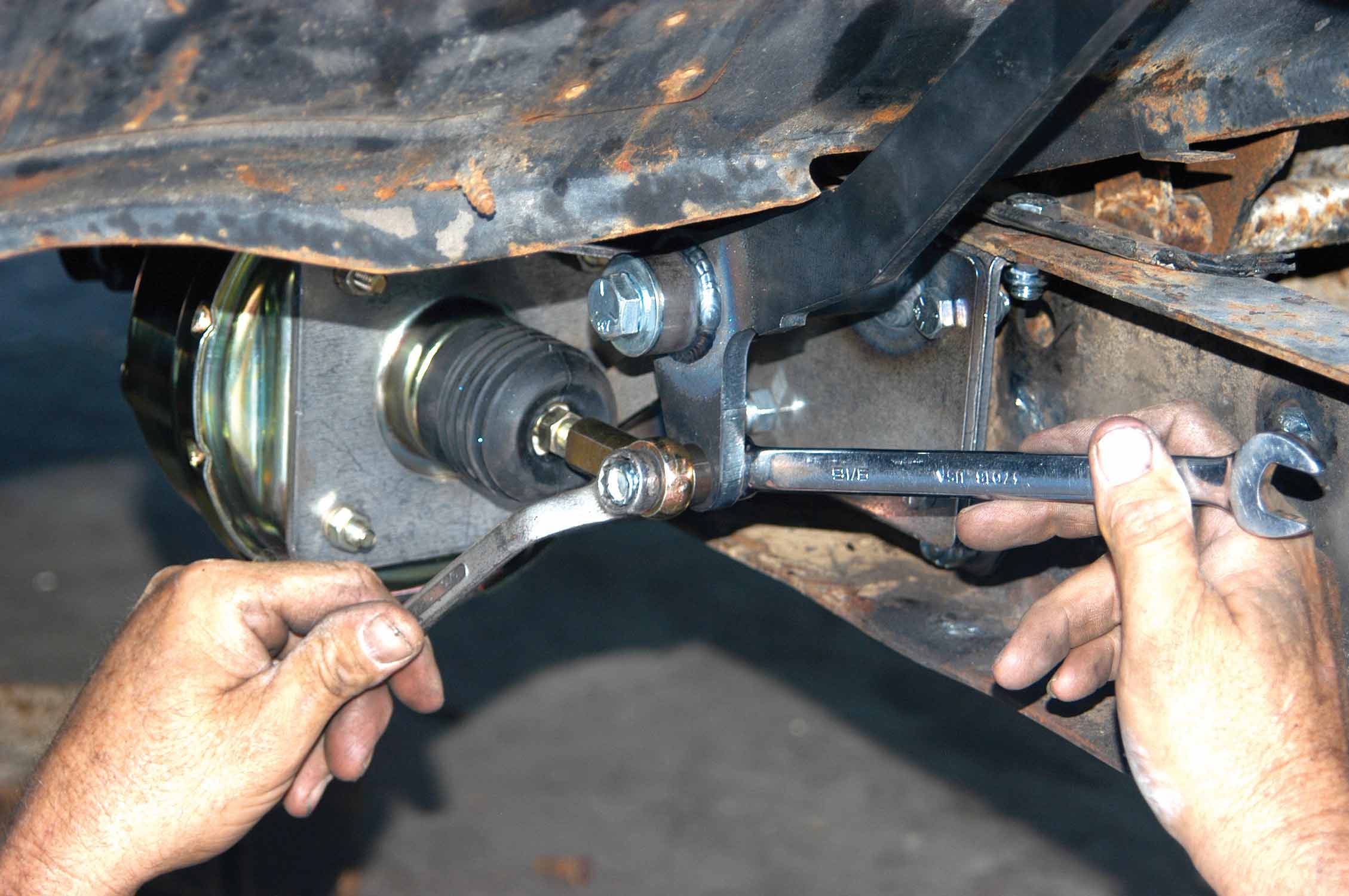
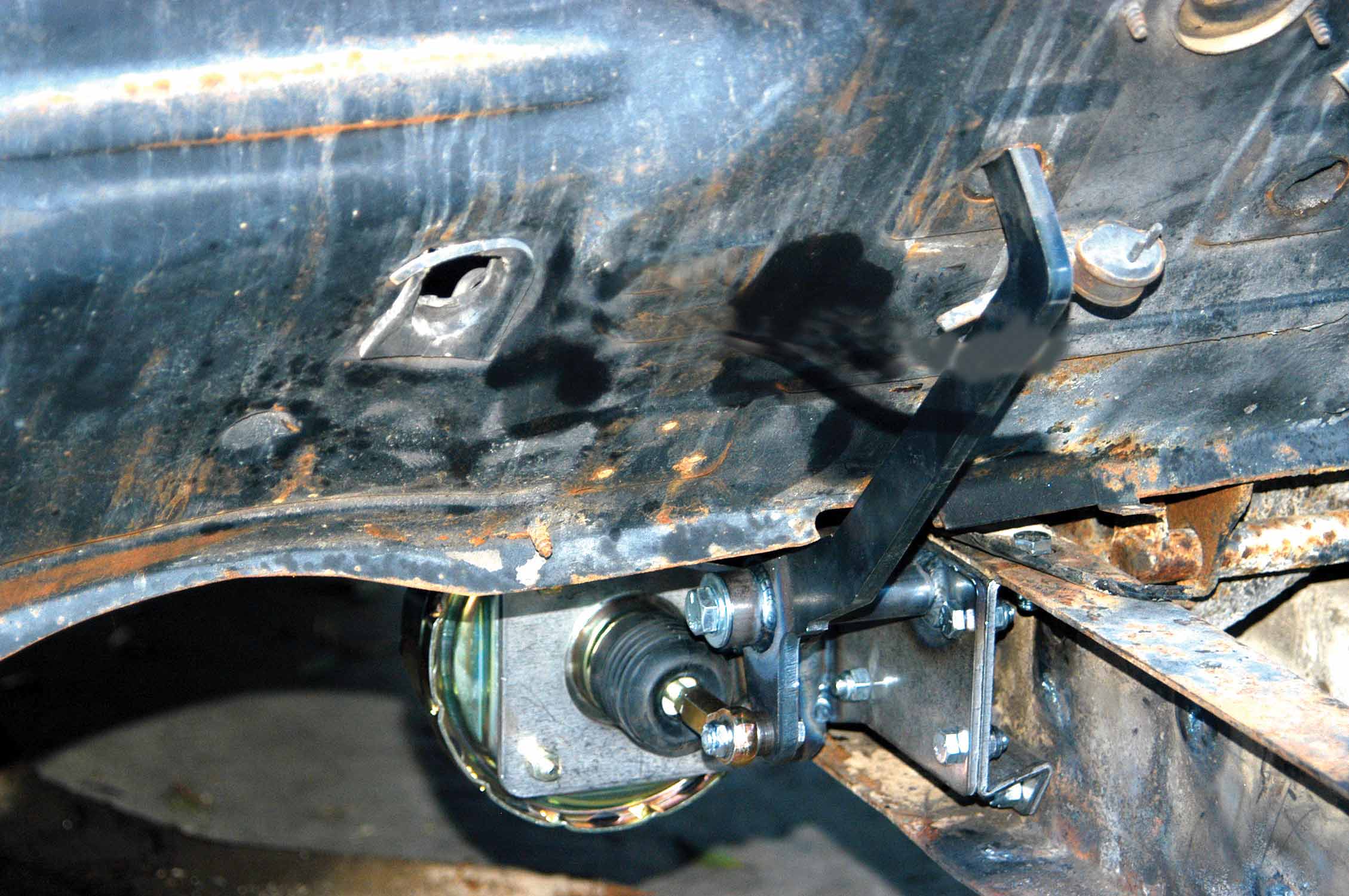
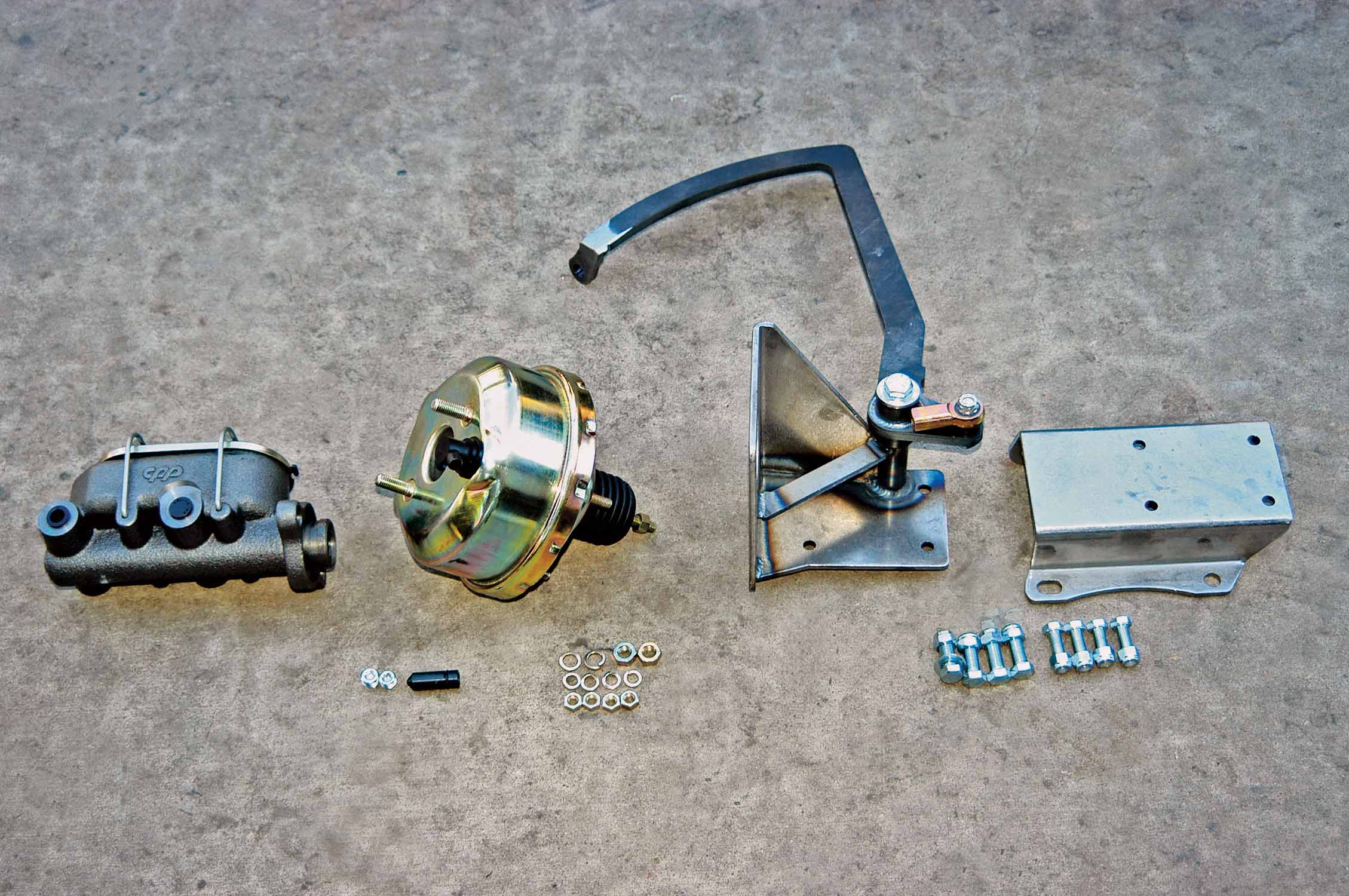
A Classic Performance Products power brake assembly, designed as a bolt-in application for this early Chevy truck, was selected. The installation was simple because the unit connects to the same holes originally used by the stock pedal assembly. This same kit also works great on all ’47 through early ’55 Chevy panels and pickups. In this story we will show you how the install was done using normal hand tools. The entire process should take only a few hours from beginning to end.
ARTICLE SOURCES
Classic Performance Products
8341 Artesia Blvd., Ste. C
Buena Park, CA 90621
800/522-5004