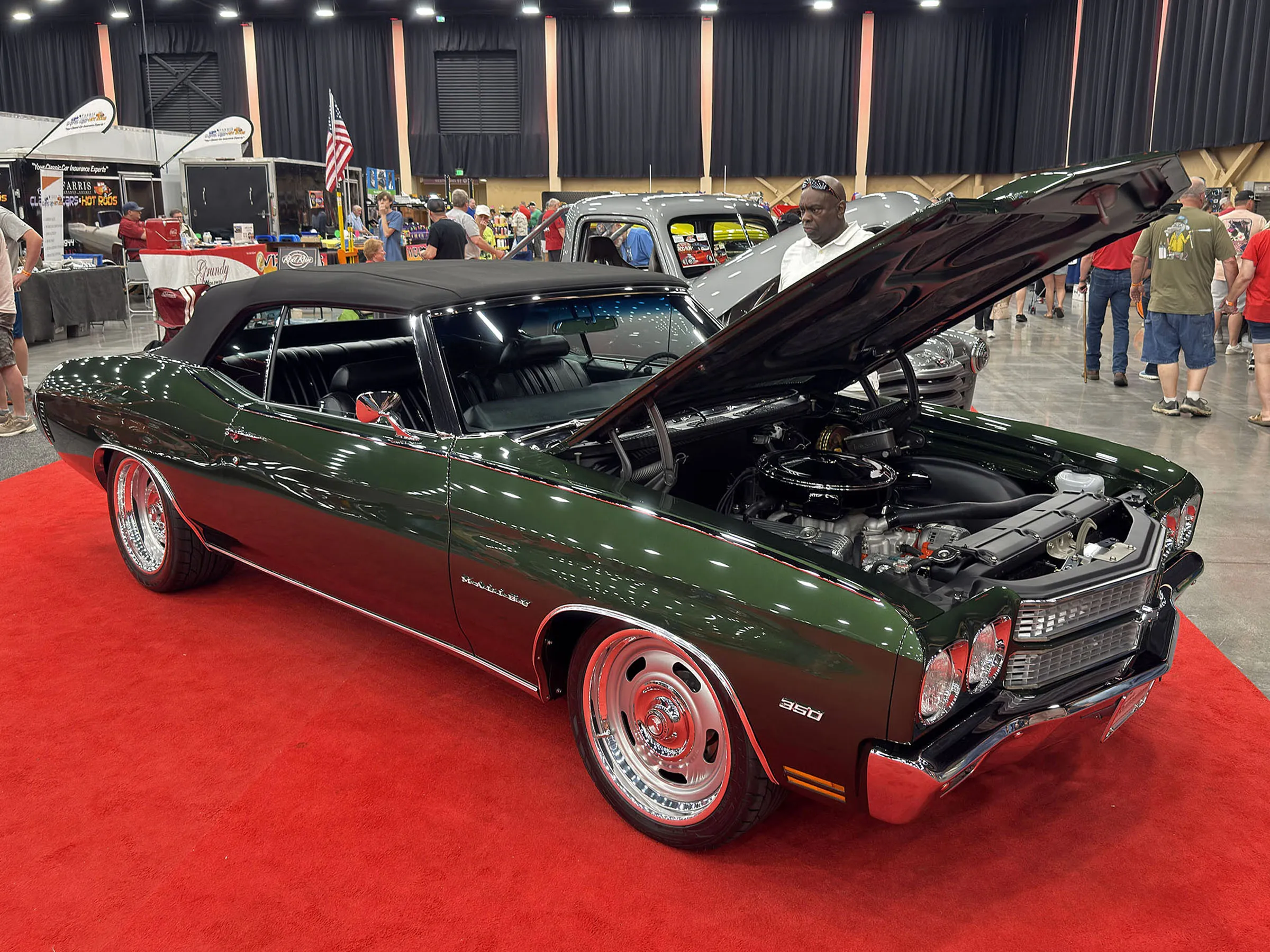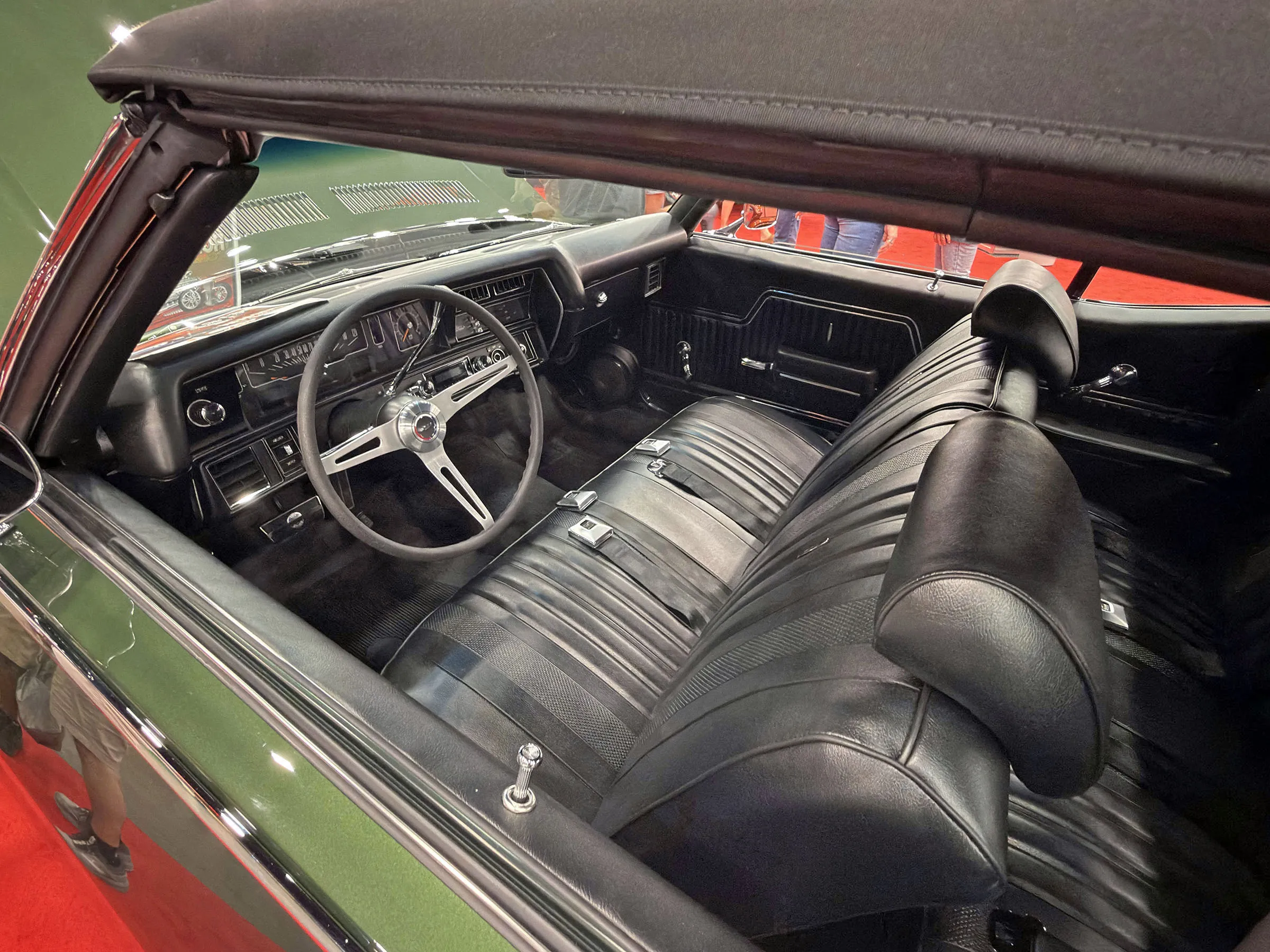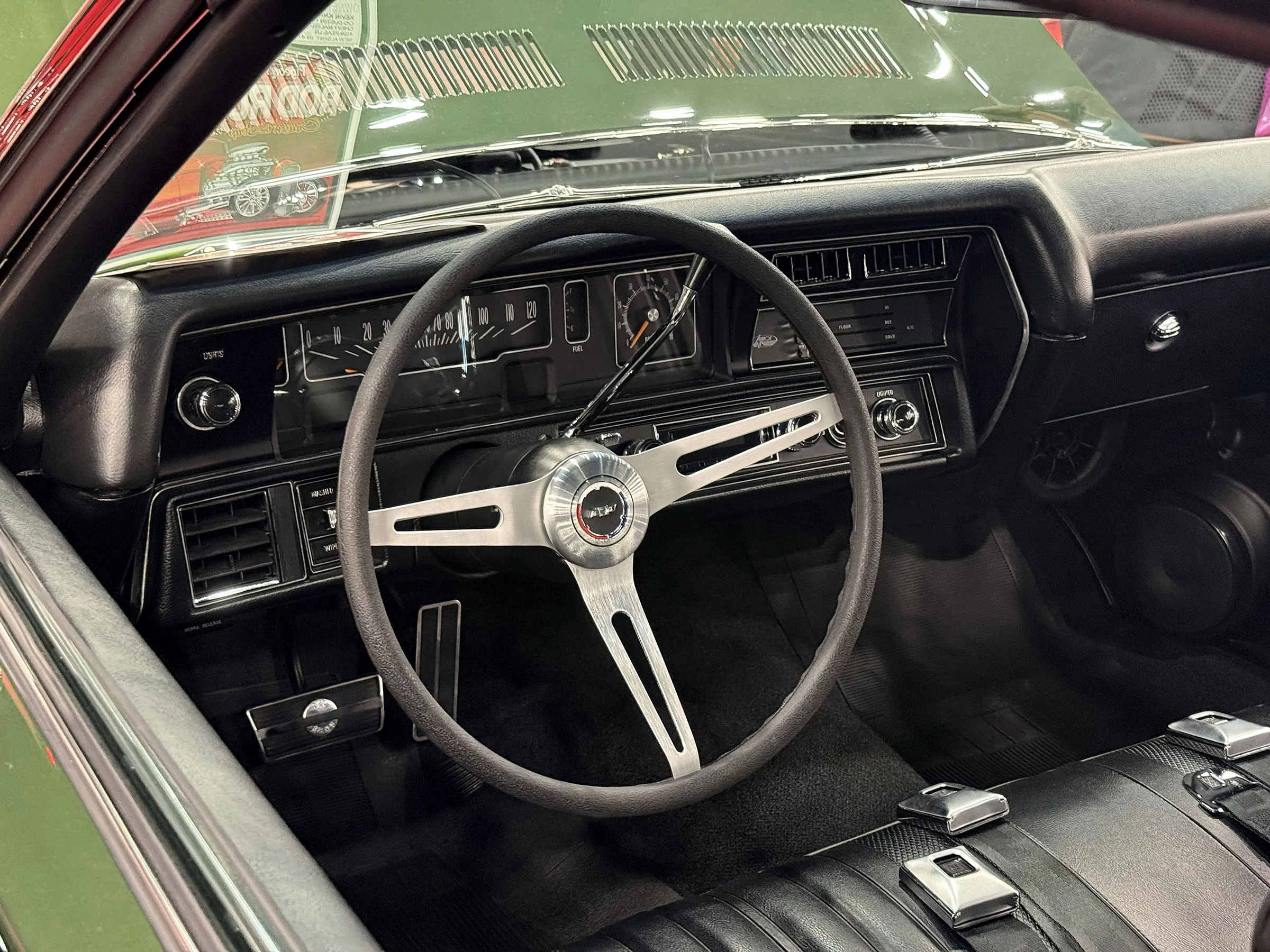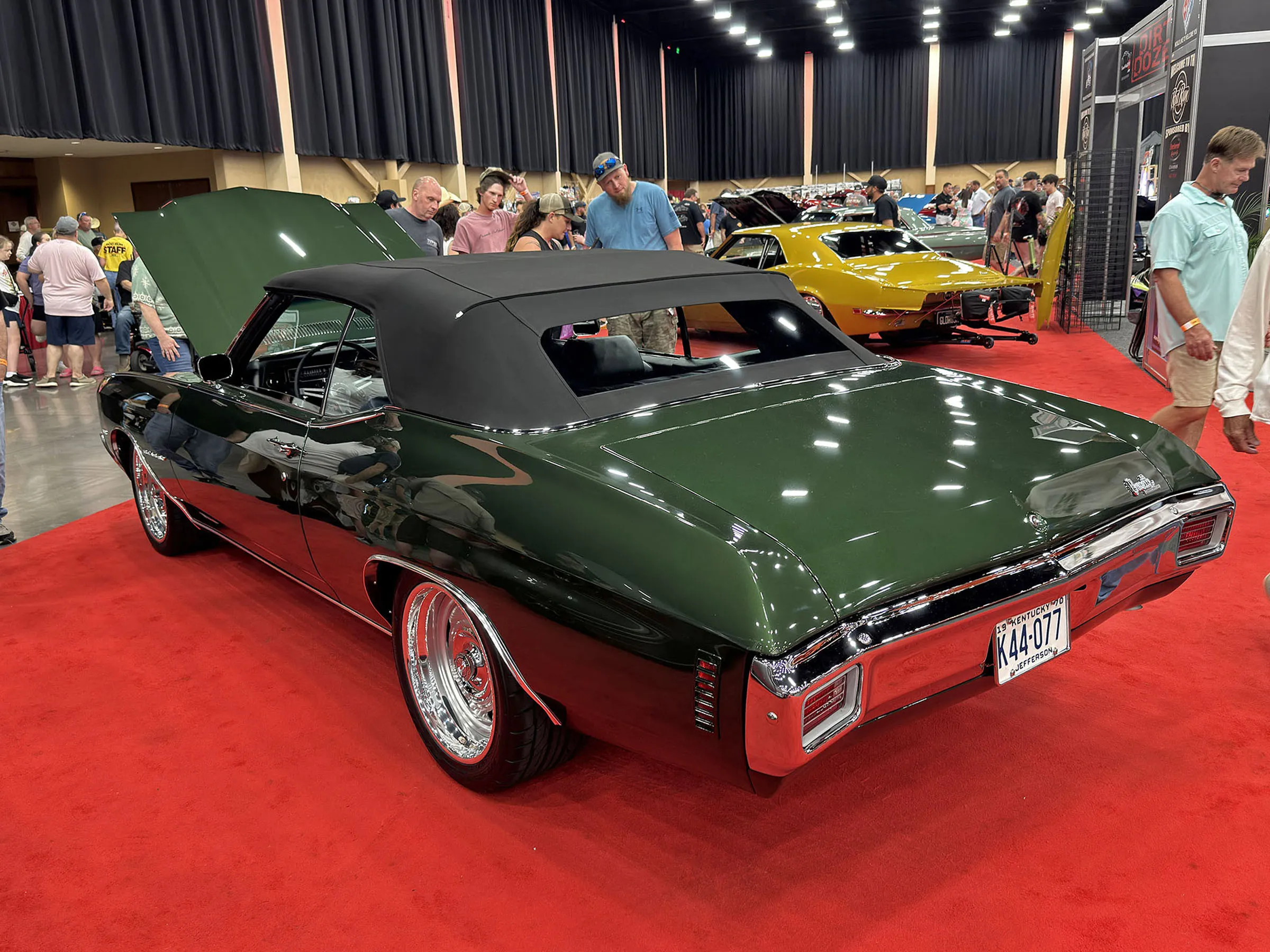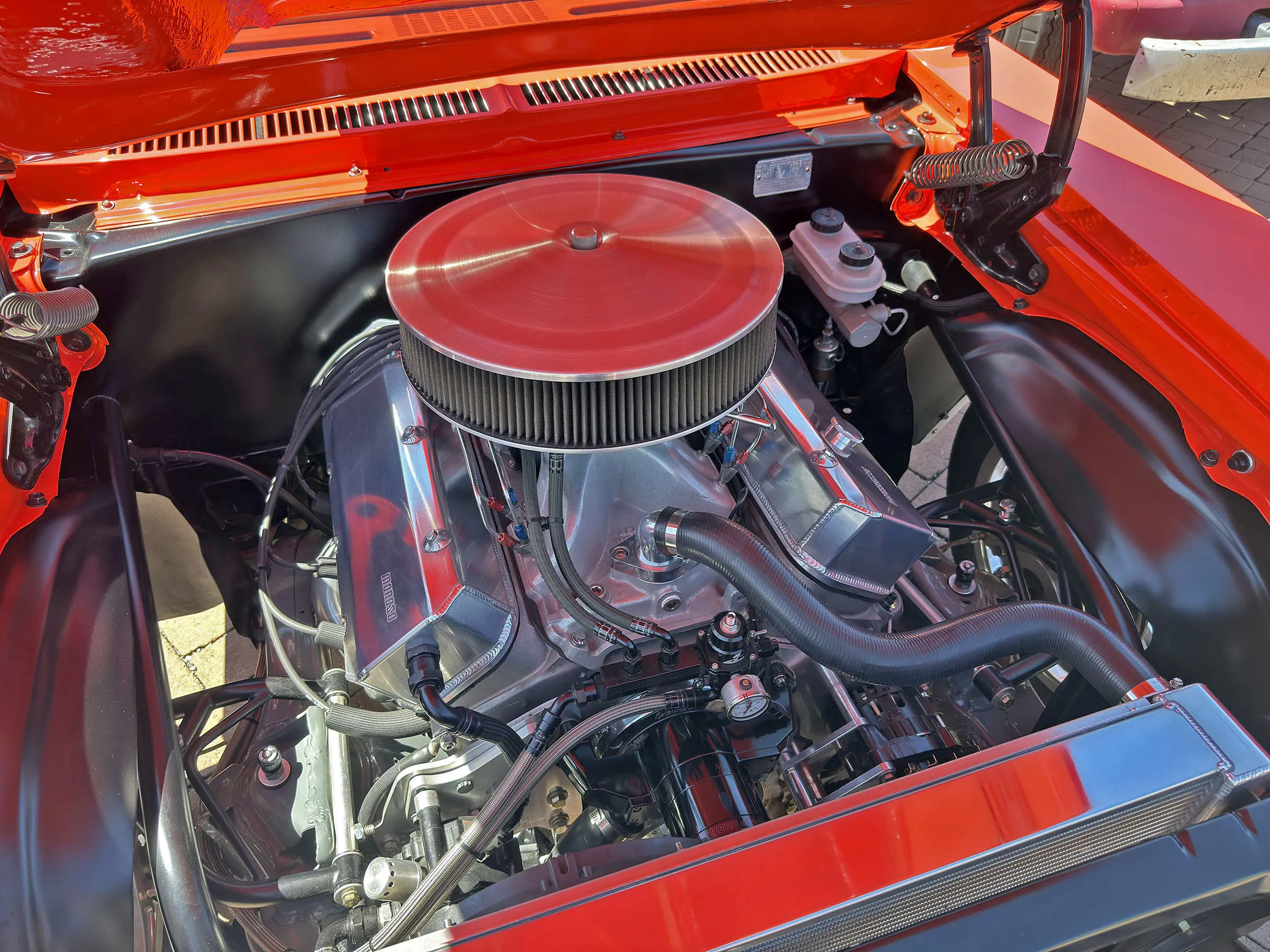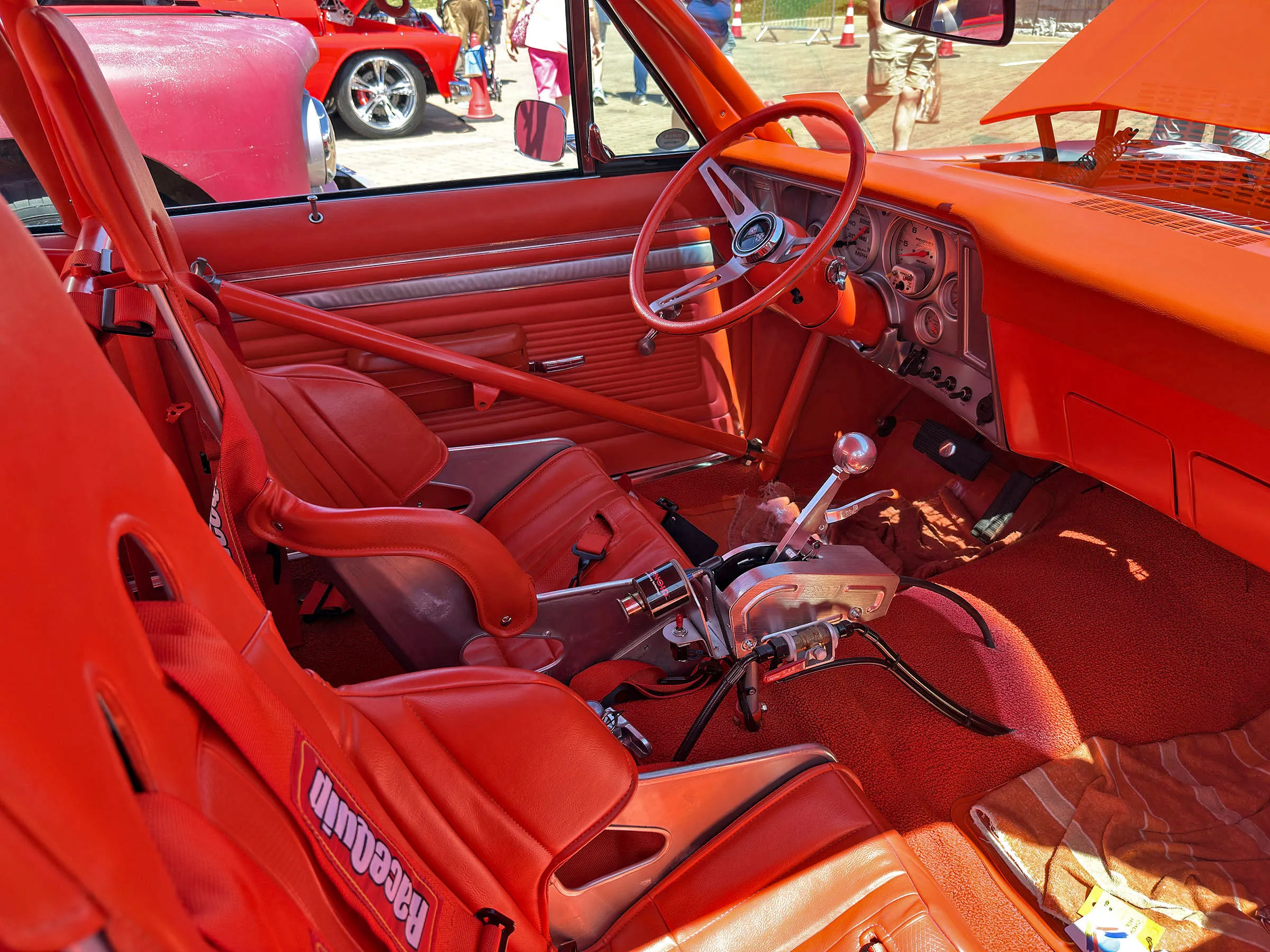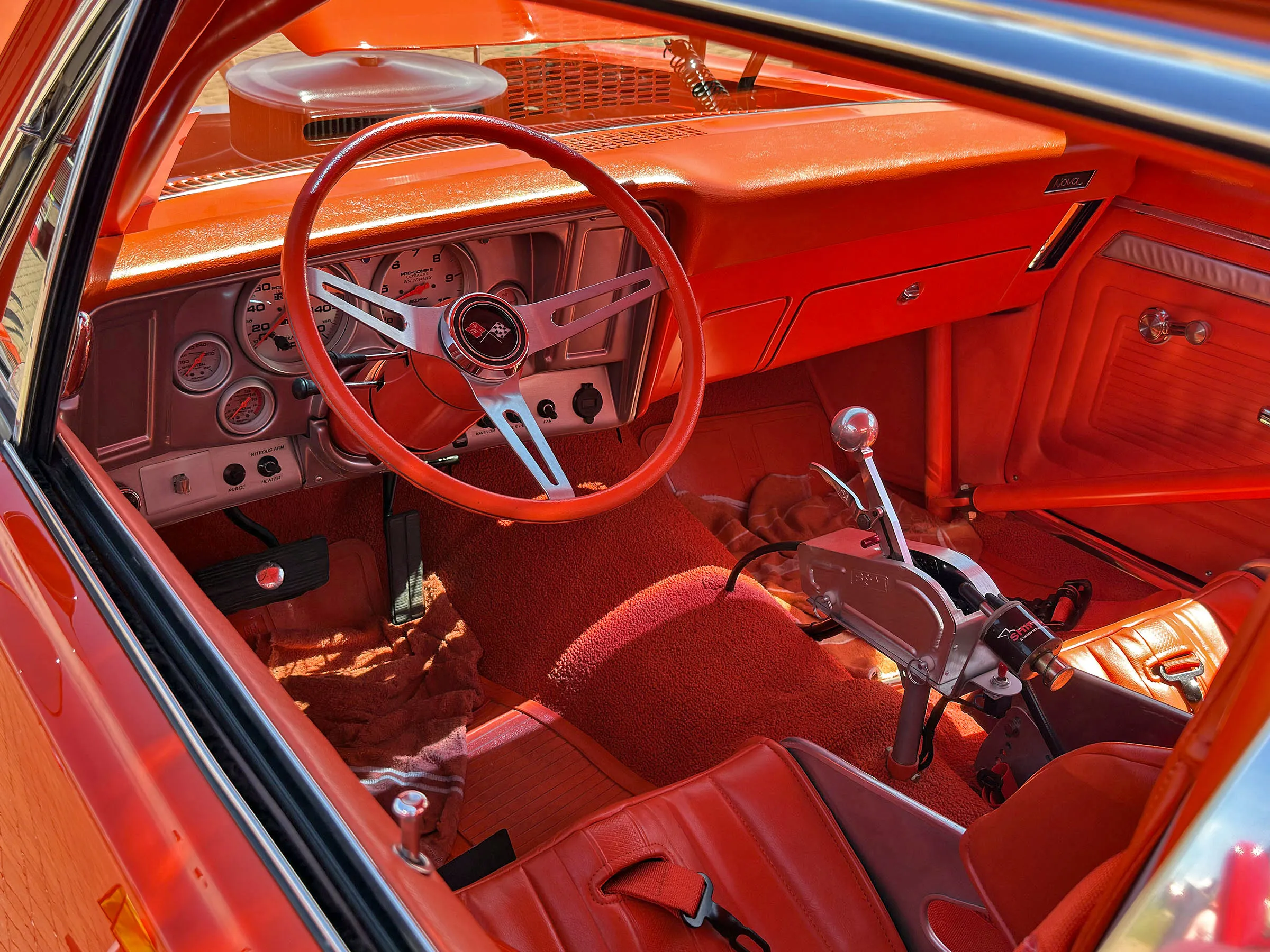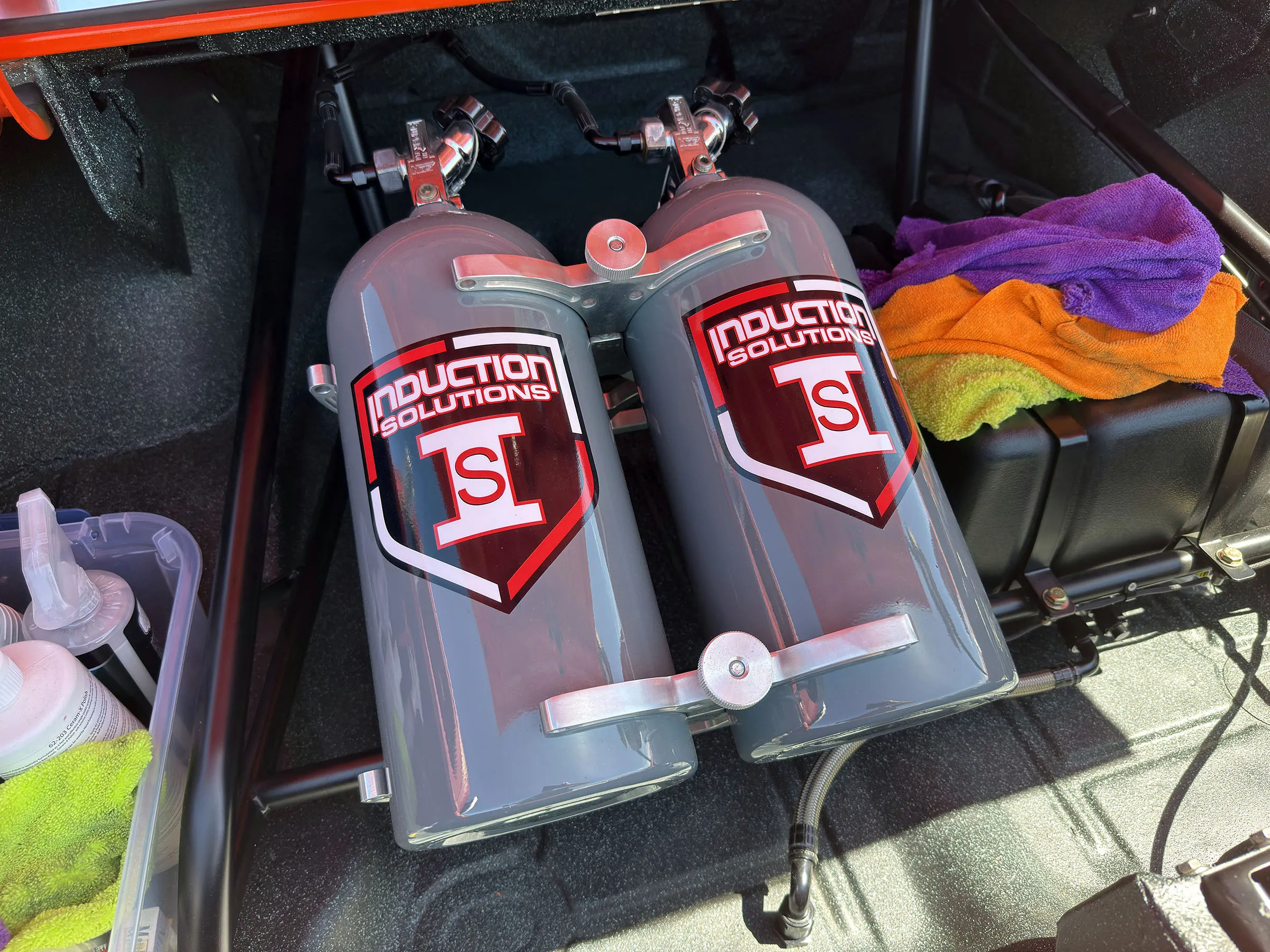






40 Years Later
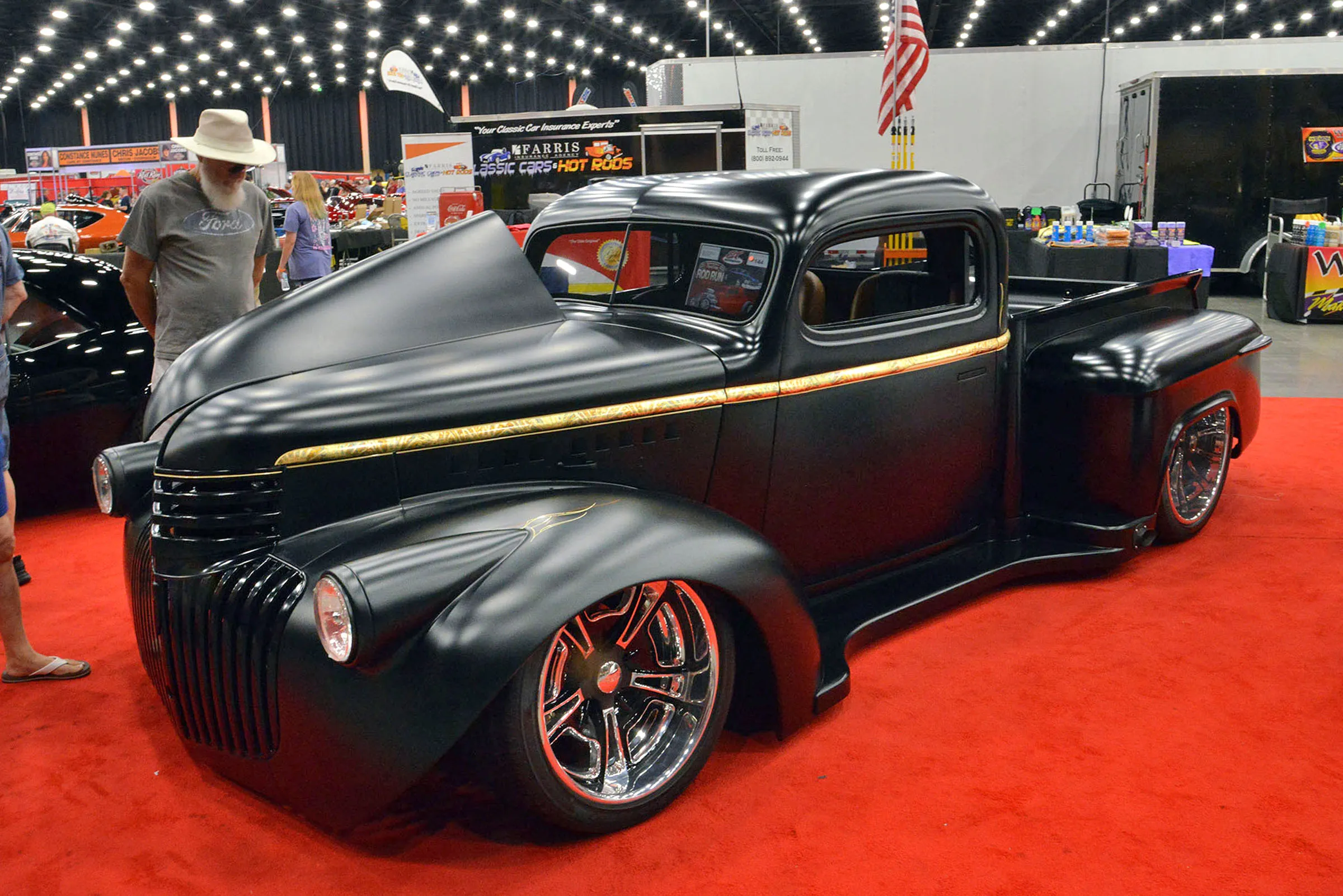
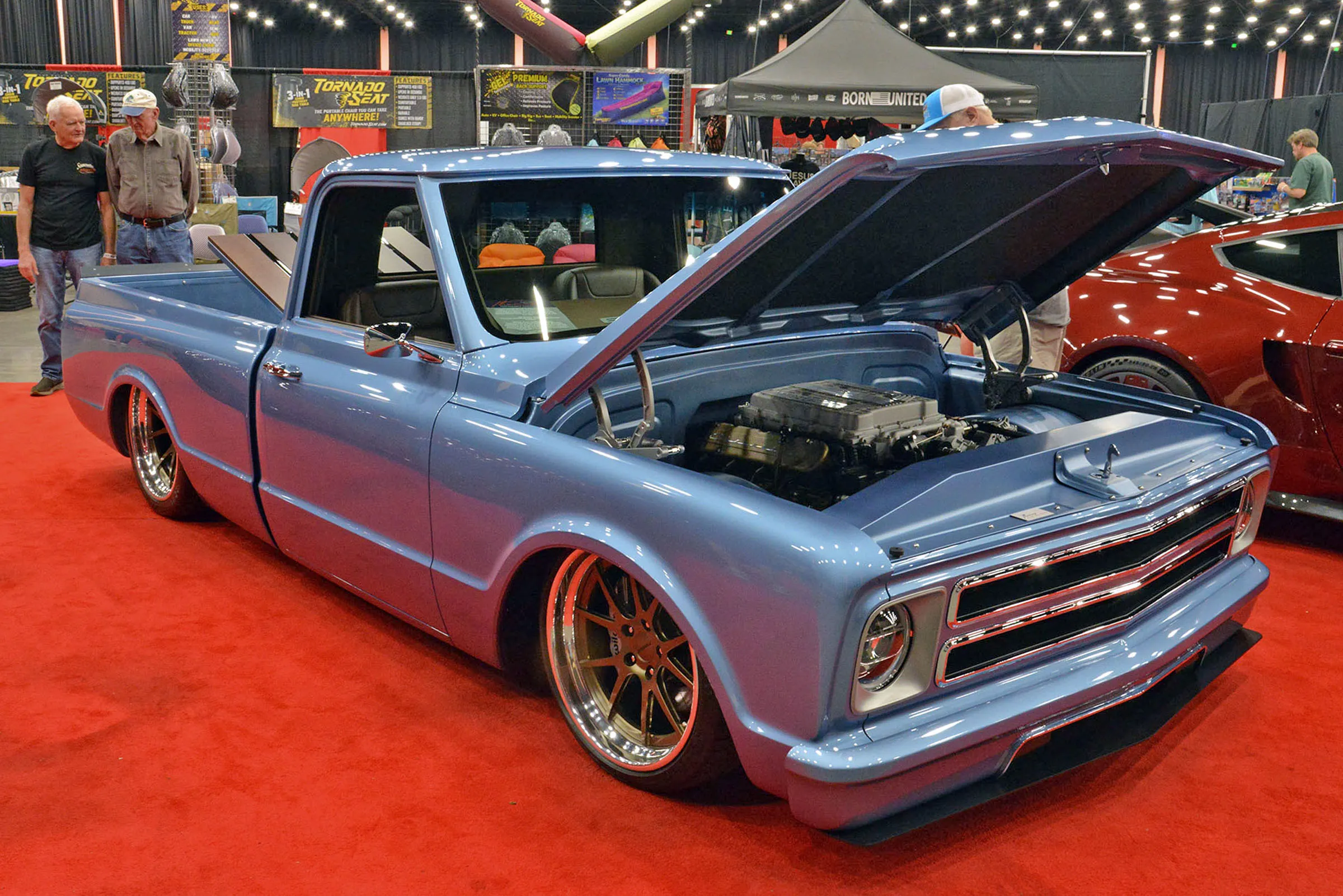
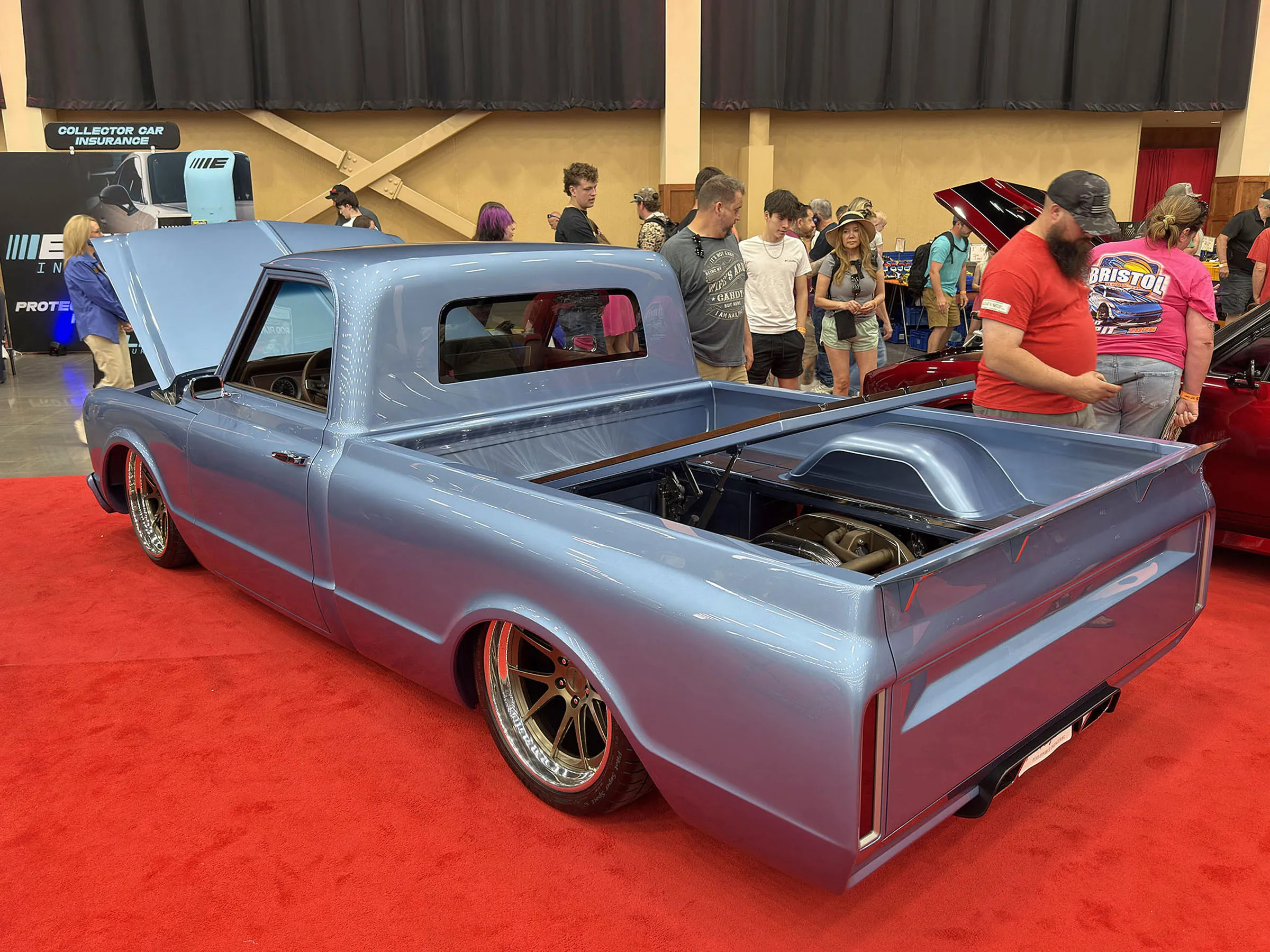
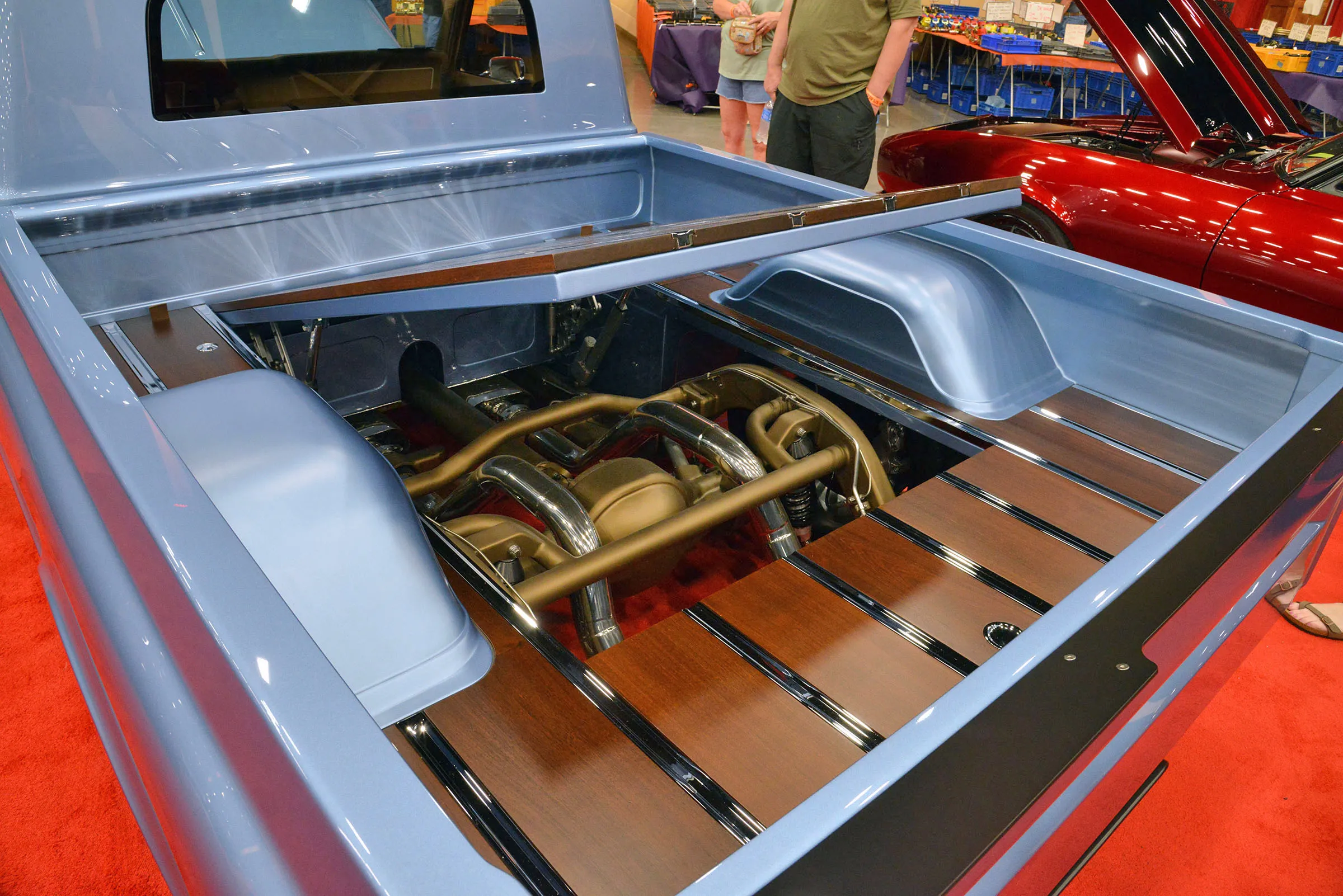
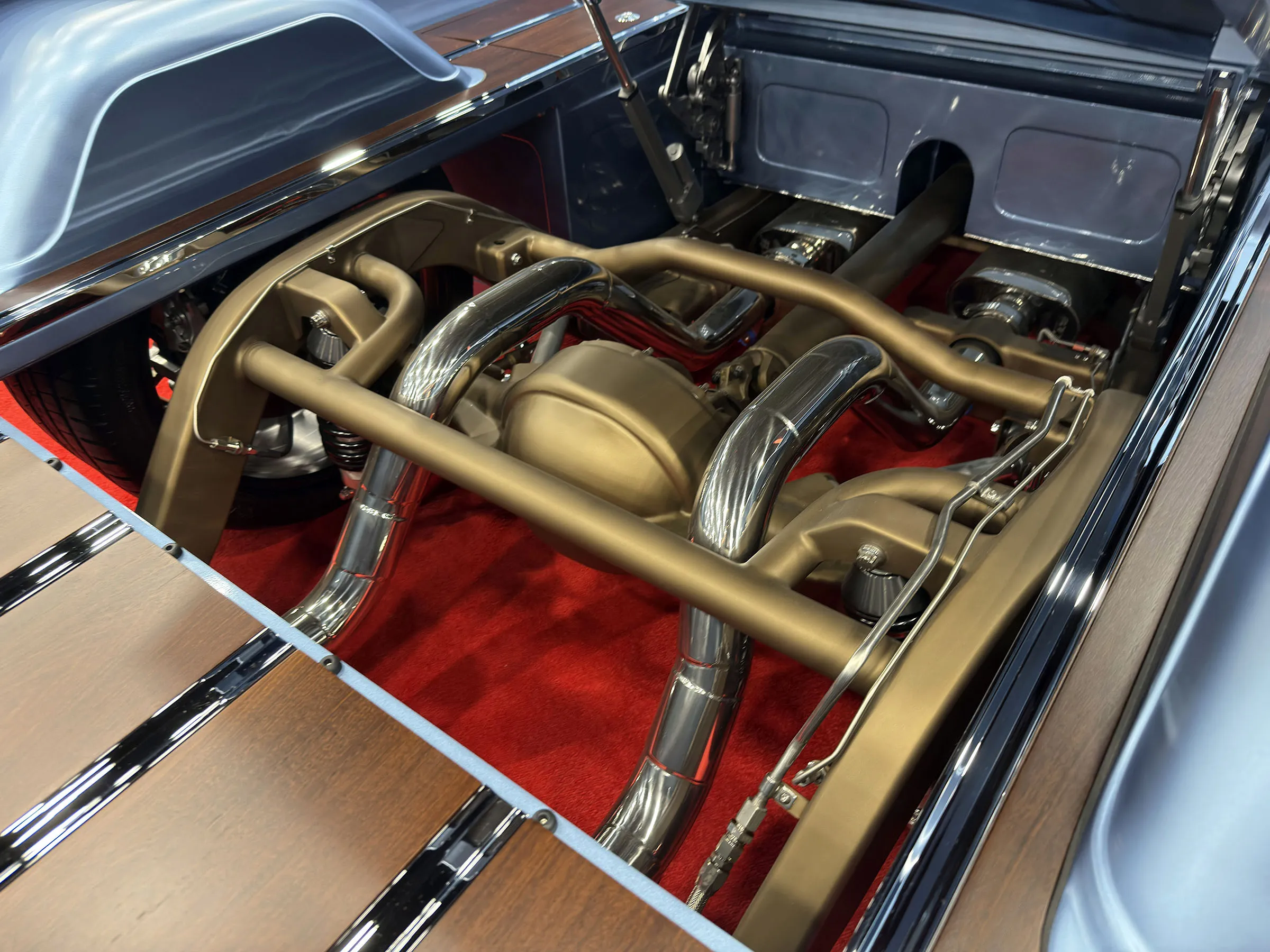
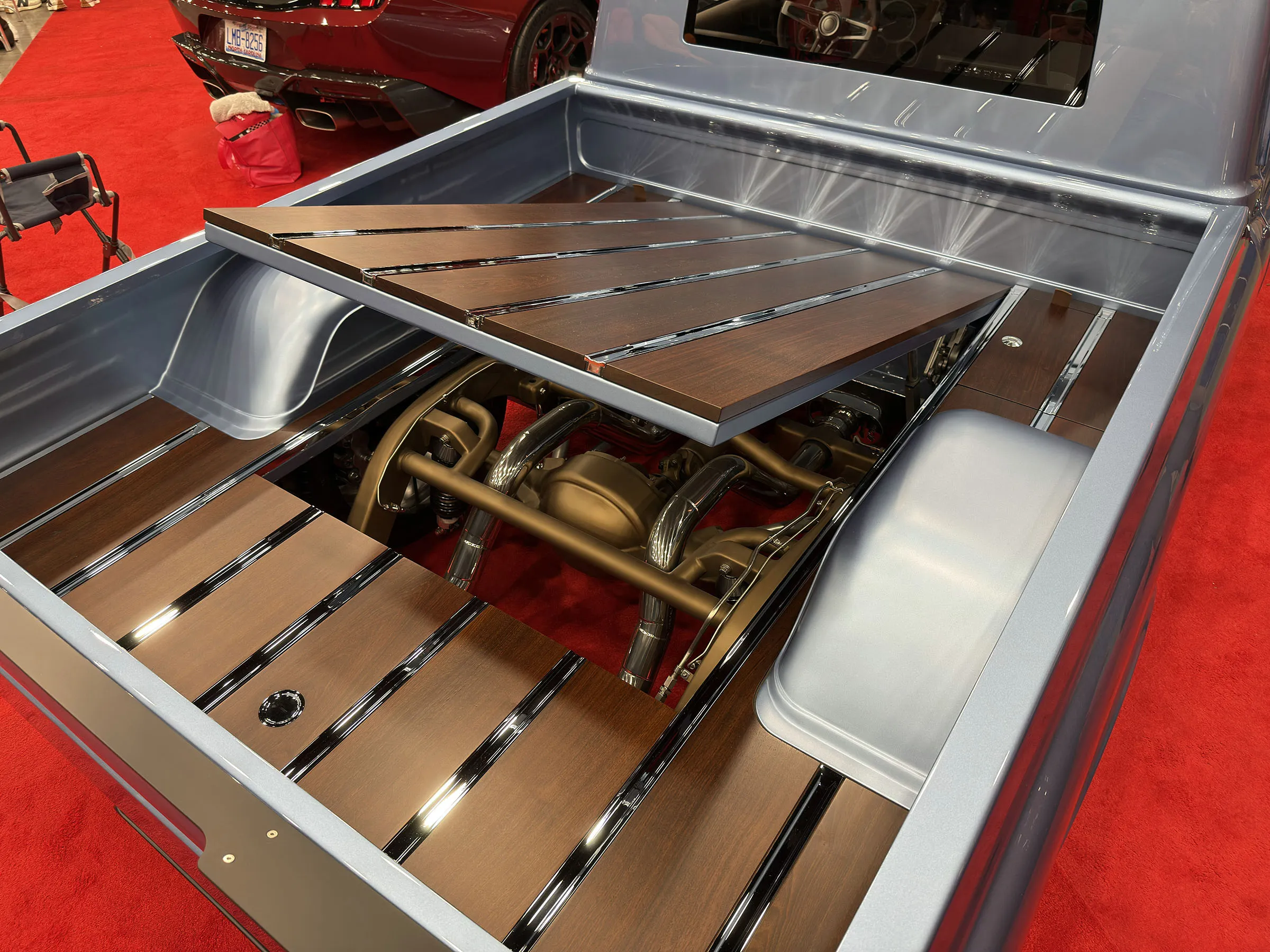
Carl Casper’s name has been synonymous with the custom car movement for a long time. As a teenager, Casper created his famous ’51 Chevrolet custom, the Exotic Empress. The car went on to win the 1961 NHRA National Custom Car Championship. (You know it was a long time ago if NHRA was promoting car shows!) Carl Casper is a talented guy who can perform virtually every task required to build a world-class custom car, from metal fabrication to paint and upholstery, and while many of his creations took the form of wild custom cars, they were all driveable.
Top 10 Camshaft Tips
The camshaft is often called an engine’s “brain,” and that’s an apt comparison. The cam controls all the major timing events in the valvetrain, which means it is responsible for how efficiently the engine can ingest and combust the air/fuel mixture. Choosing the right cam profile for your engine
combination is the key to making the most possible power.
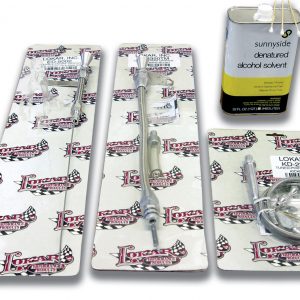
CHECKING AND CONTAINING FLUIDS
Fluids are the lifeblood of the vehicle. We need to contain those fluids yet still be able to monitor the fluid levels. Our older readers can remember the days before aftermarket flexible dipsticks or silicone caulk were available. The only option in those days was to use an OEM dipstick and dipstick tube. If you needed to shorten the tube, a hacksaw was the tool of choice. If you cut 4 inches off the tube, you then cut 4 inches off the dipstick and ground a couple of notches in the side of the dipstick to note “full” and “add.” Gaskets could be sealed with Permatex, but they had to be used as there was no such option of placing a bead of silicone caulk on the mating surface and assembling the parts.