From First Generation Camaro Dream to Reality
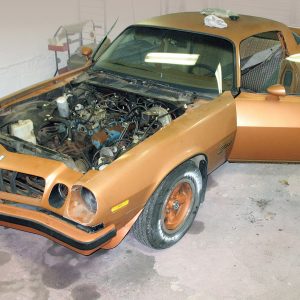
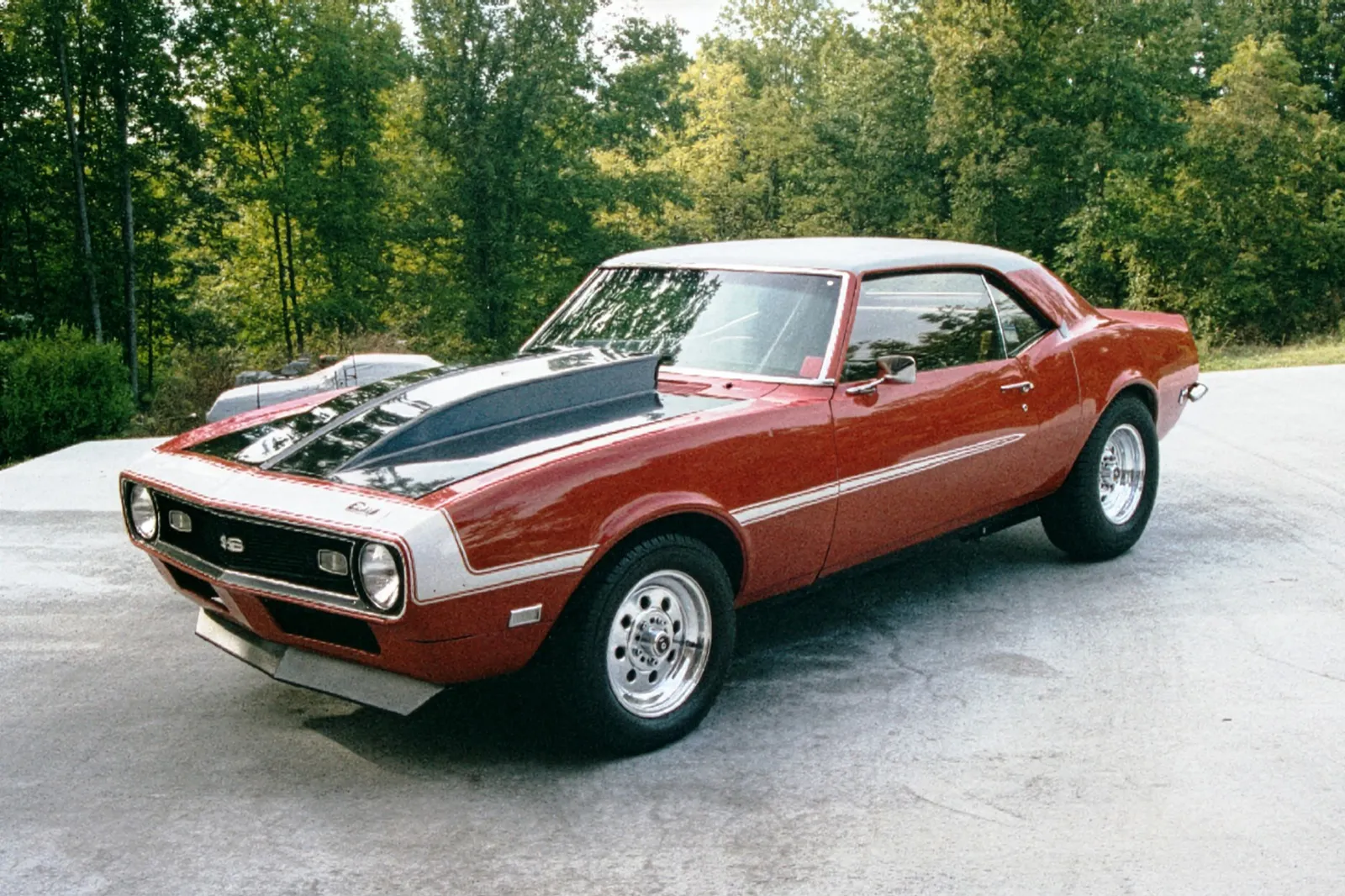
Minor first longed for this Camaro in 1980 at the age of 14, and asked his uncle numerous times if he would possibly sell it. On December 24, 1983, Minor’s three-year effort paid off, as he drove away from his uncle’s house with the biggest smile a teenager could have. From there, it was a constant battle with breakdowns as the Camaro even overheated and toasted a set of cylinder heads on the way back from senior pictures in high school. Admittedly discouraged with the old Chevy, Minor parked the car for a few years before getting the urge to drive it to the 1989 Fall Grand Run in Pigeon Forge, Tennessee.
A Classic Camaro Love Story
The thing to do at the Grand Run is cruise the Parkway in Pigeon Forge, and as Minor was about to pull onto the main drag, the Camaro shut down in the middle of the street, thanks to an ailing alternator. Struggling to get the Chevy out of the road, he received a helping hand from a by-stander, who just happened to be a young lady. From that first encounter, Minor knew she was a keeper and the two were married in July of 1990. Claude and Jennifer Minor drove away from the wedding in the same Camaro and still ride around in it to this day. Now, that is our kind of love story!
Evolving a Retro Muscle Car Build
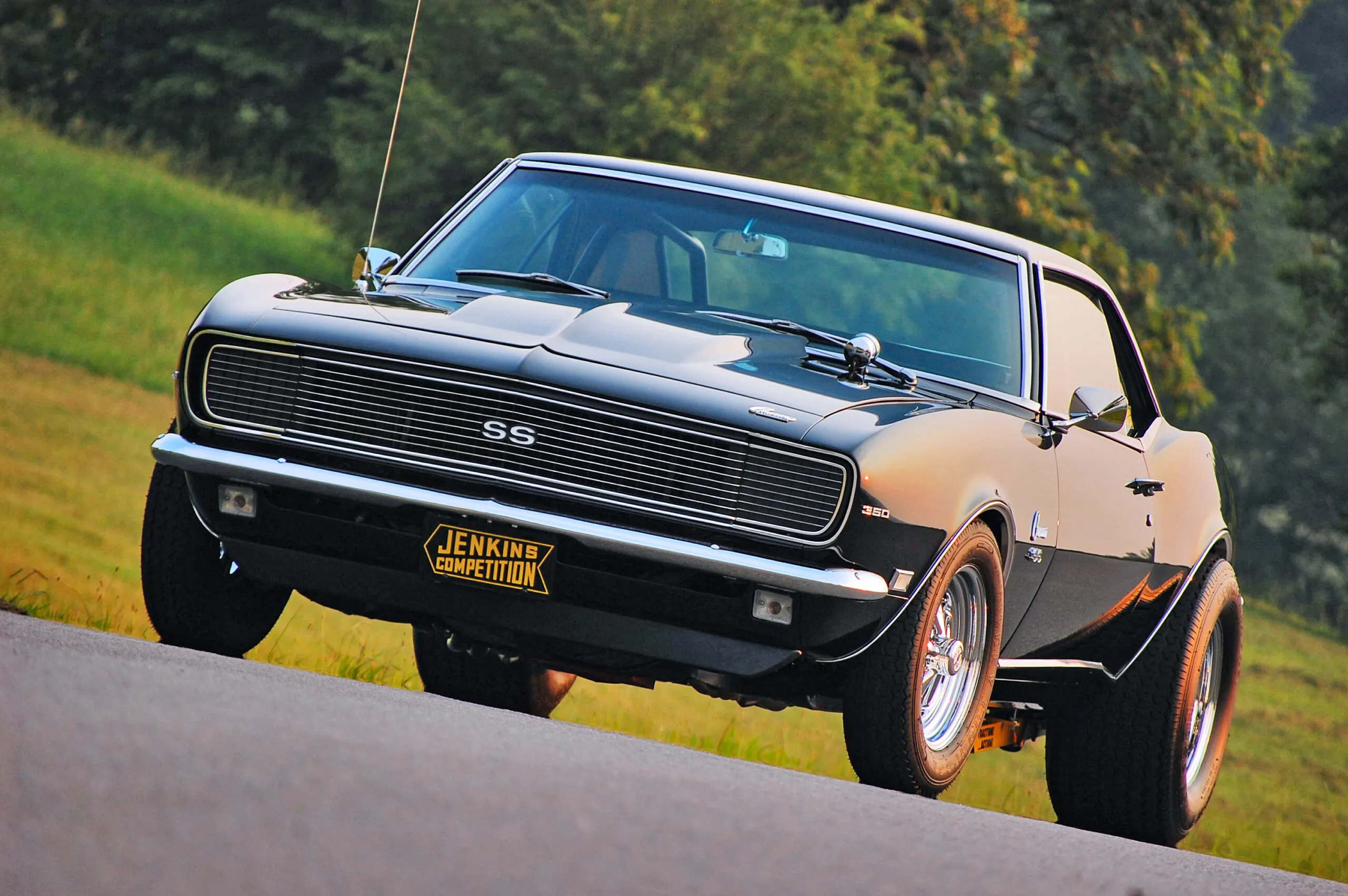
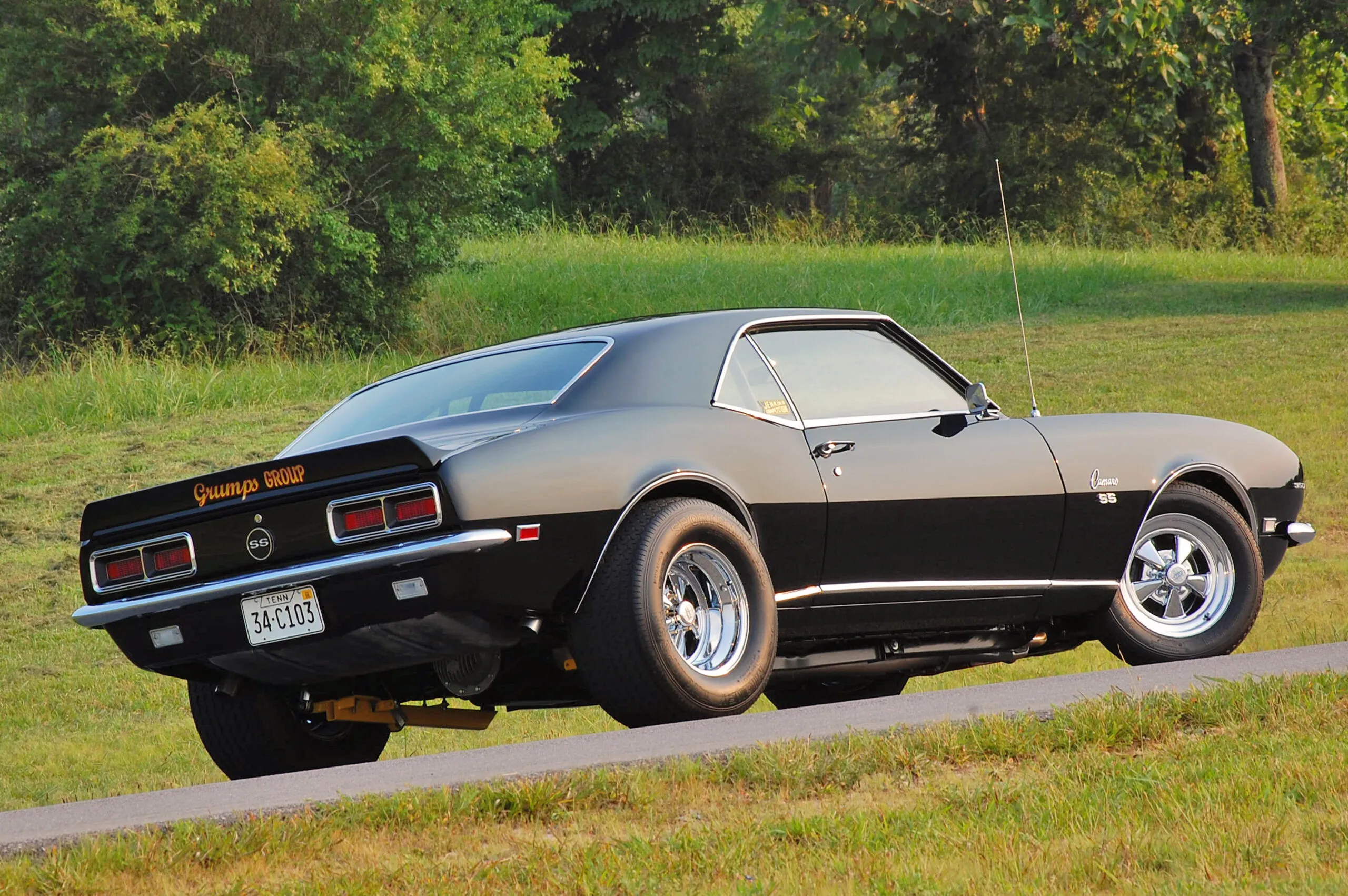
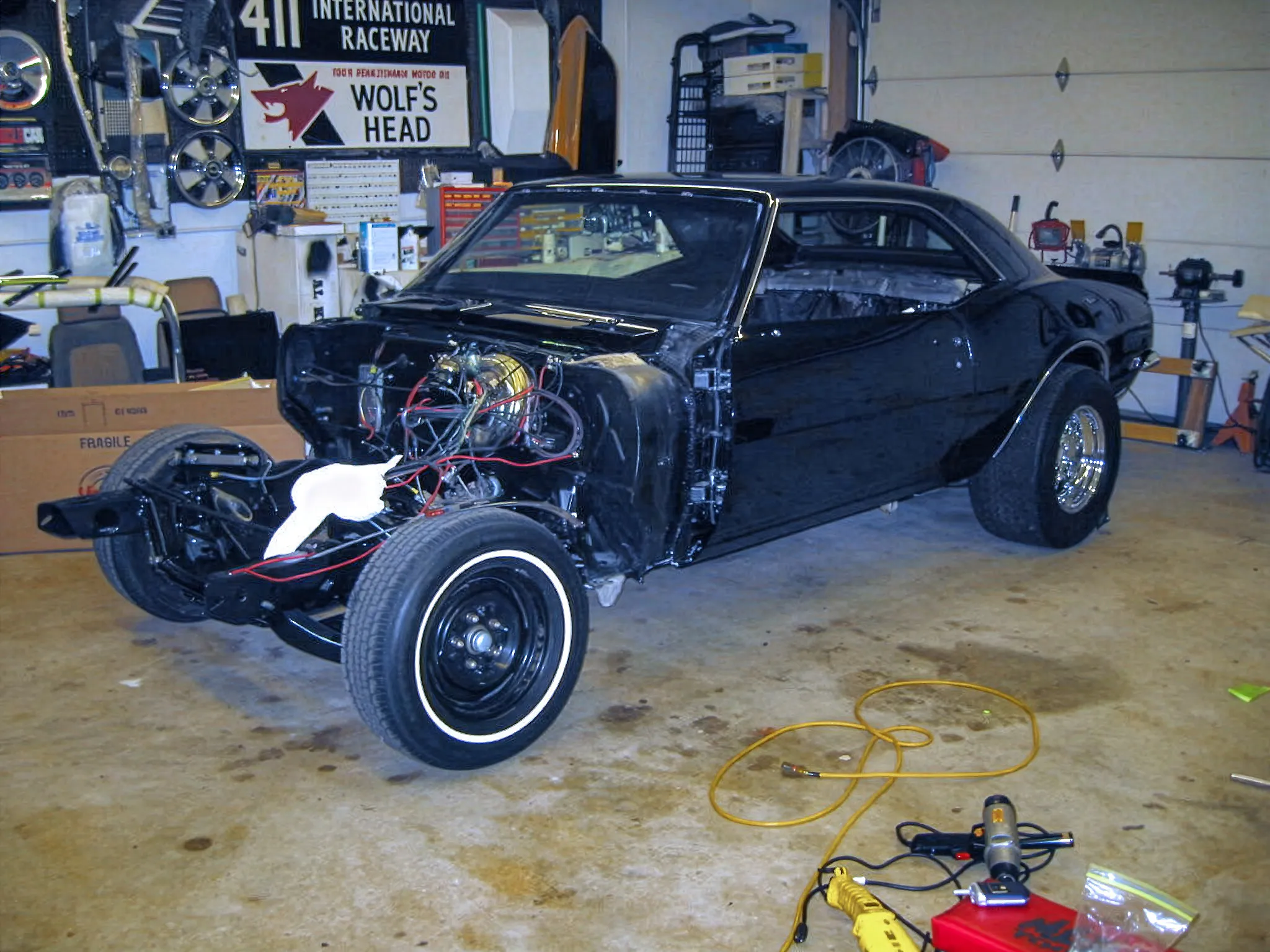
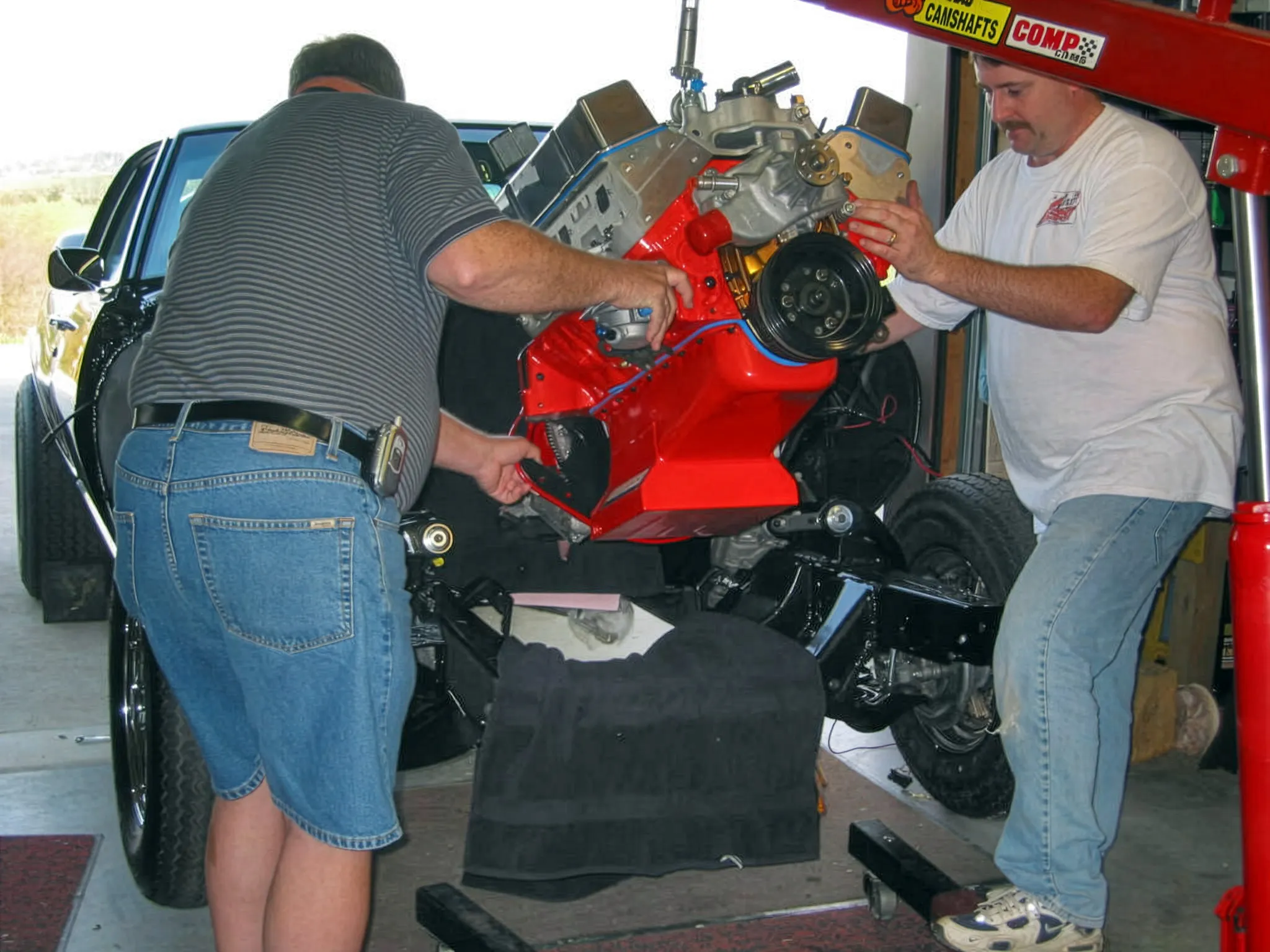
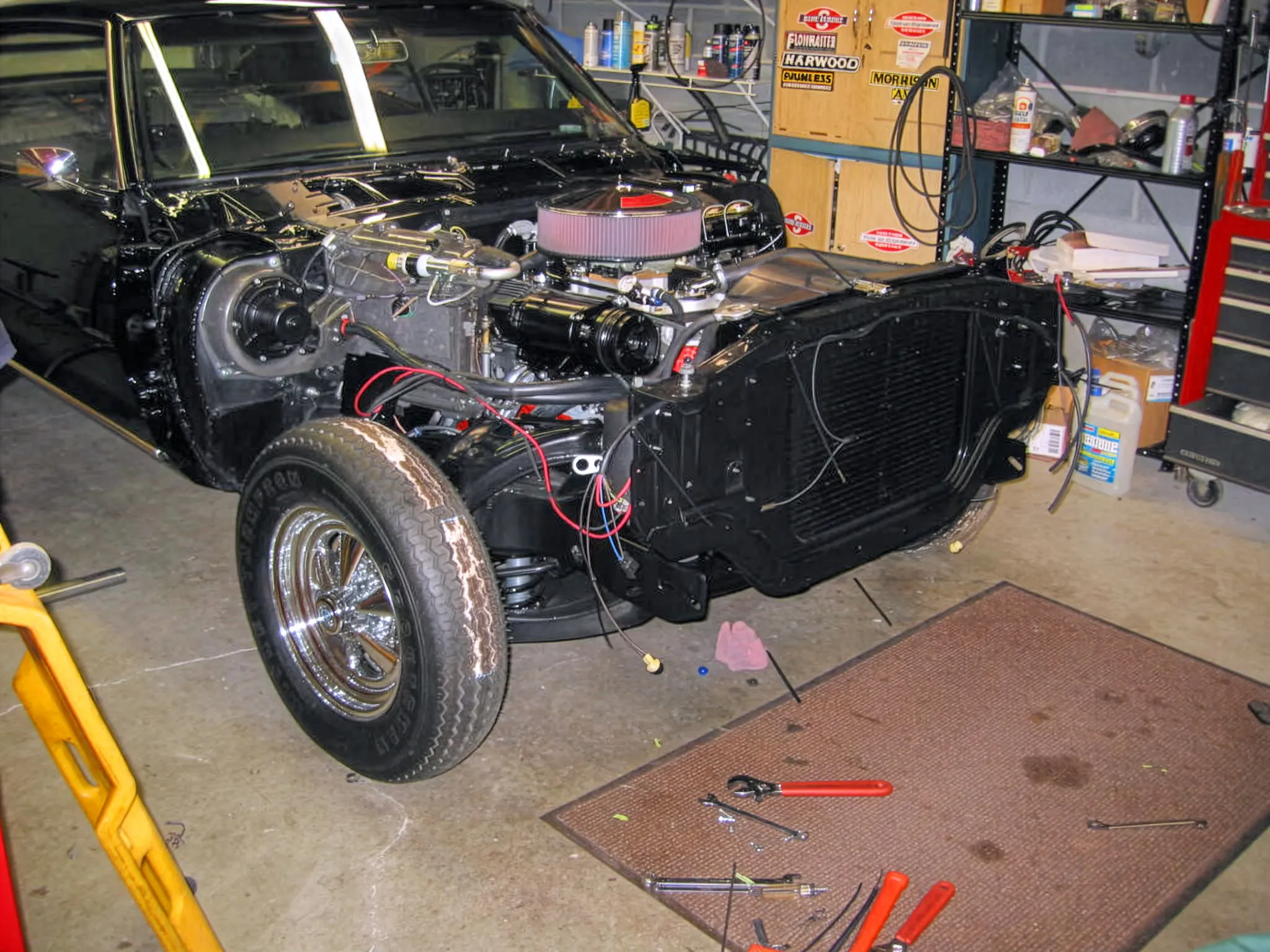
For the next few years, the couple drove the car to local shows and drag races before giving it a little break in 1993. The break turned into six years and in 1999, Minor decided it was time to put the old car back on the road. This time, he built a nitrous-fed 355ci engine and backed it with a trans brake-equipped Power Glide. In 2002, Minor felt his Camaro needed a total revamp and disassembled it with plans to get serious with drag racing. A full roll cage and lots of go-fast parts later, Minor changed his mind and went for the retro muscle car look. With this approach, he didn’t have to heavily modify the chassis or suspension to get the desired stance and vintage appearance.
Old School Hot Rod Suspension and Stance
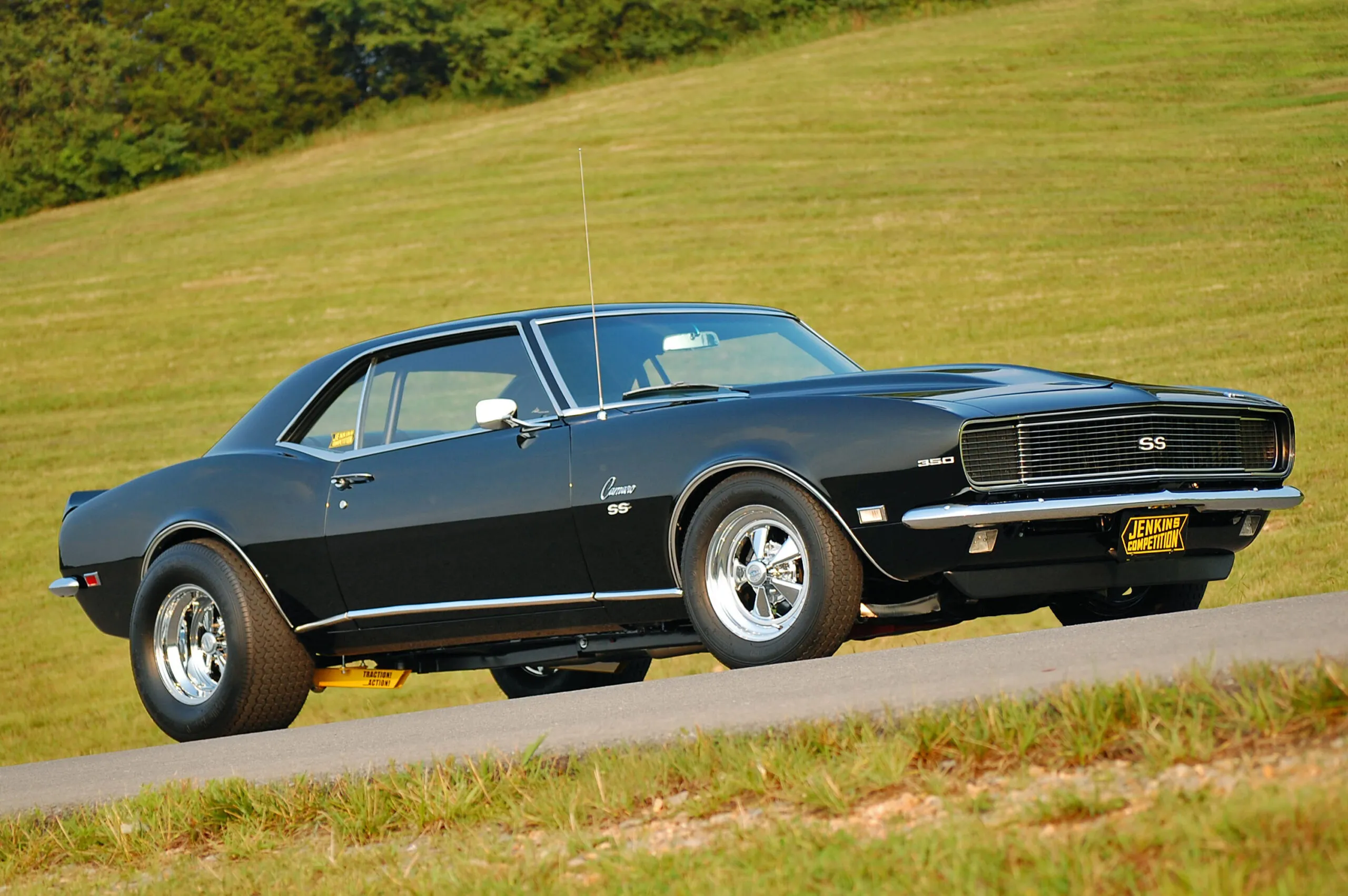
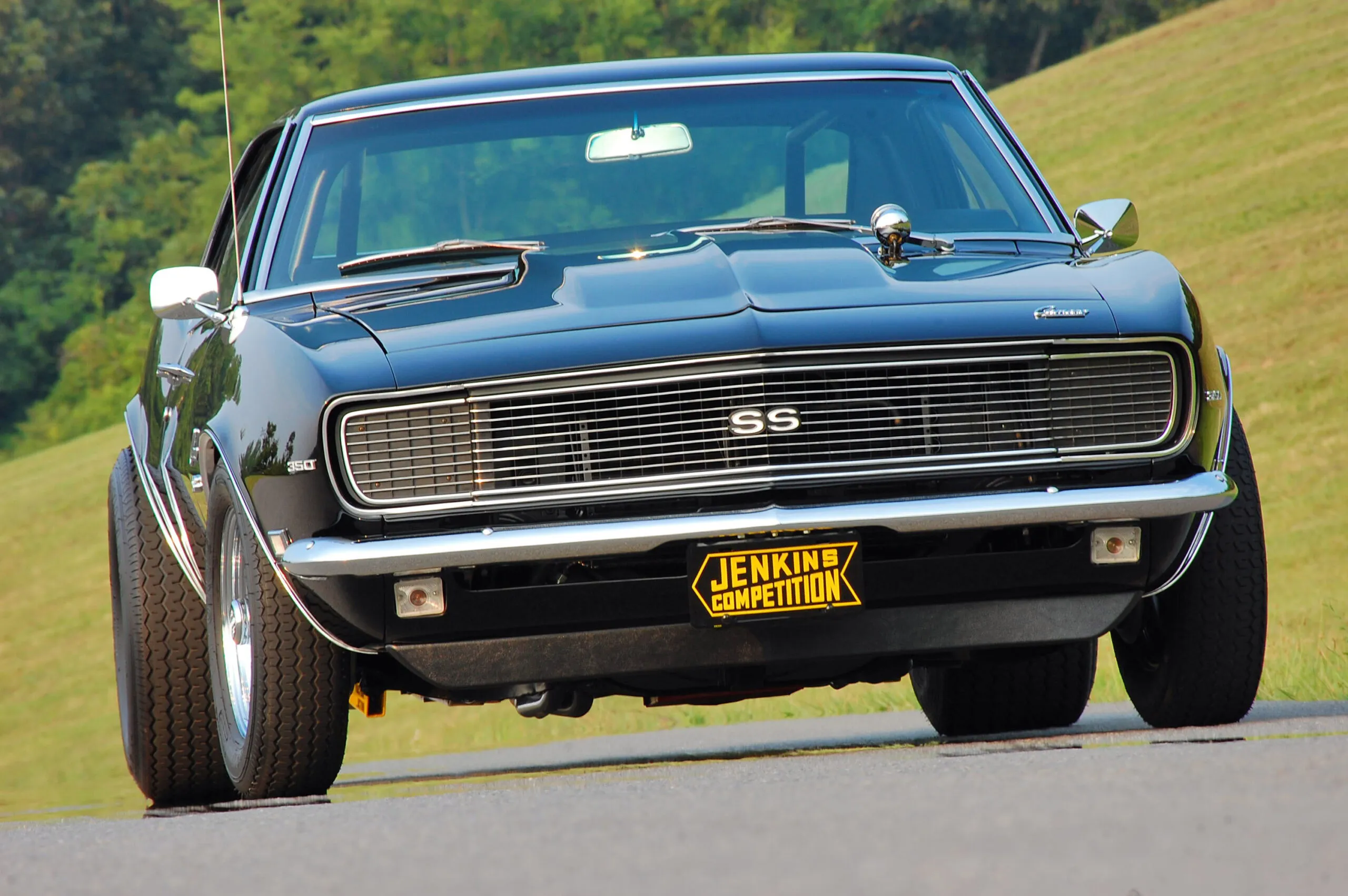
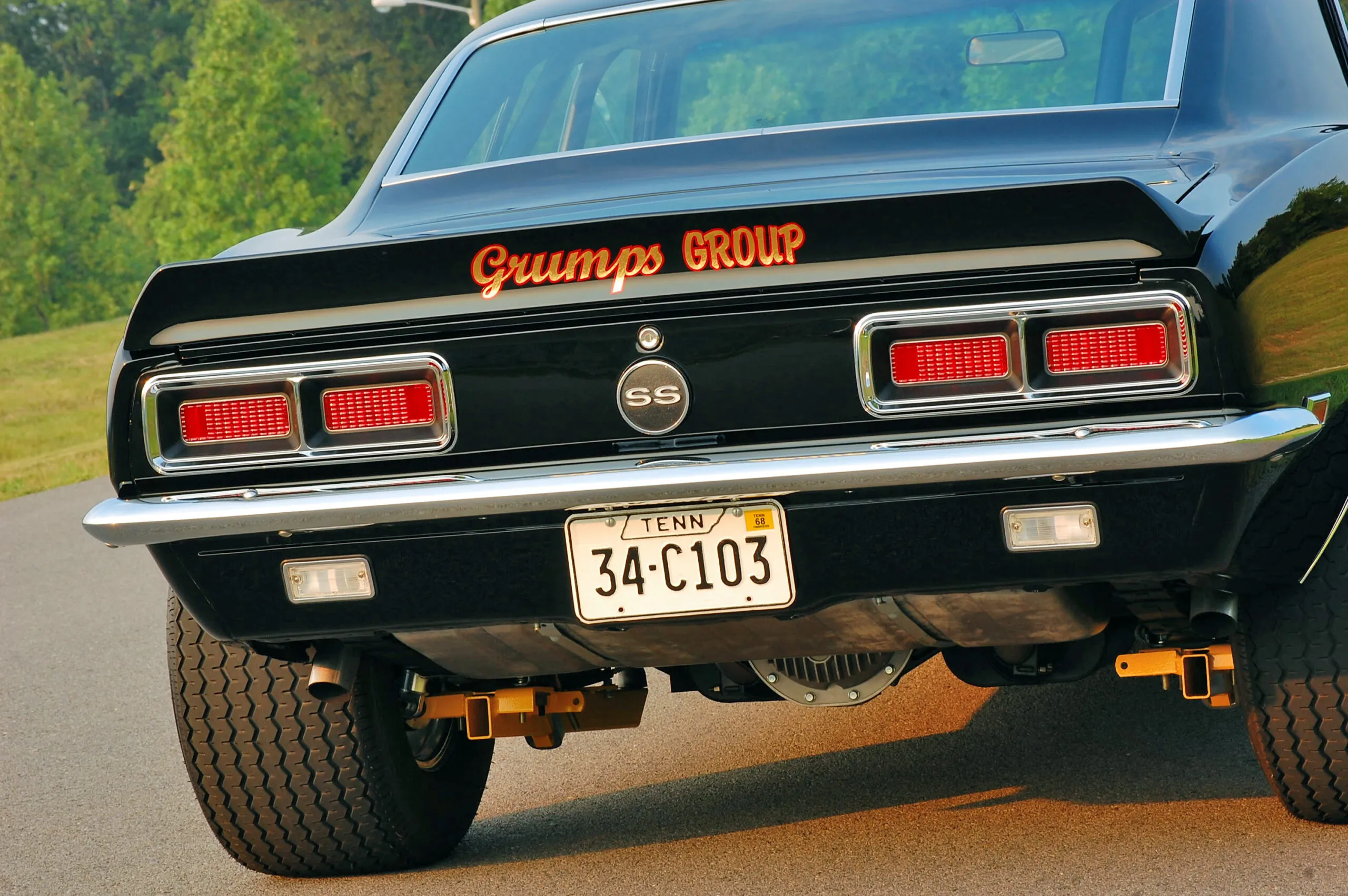
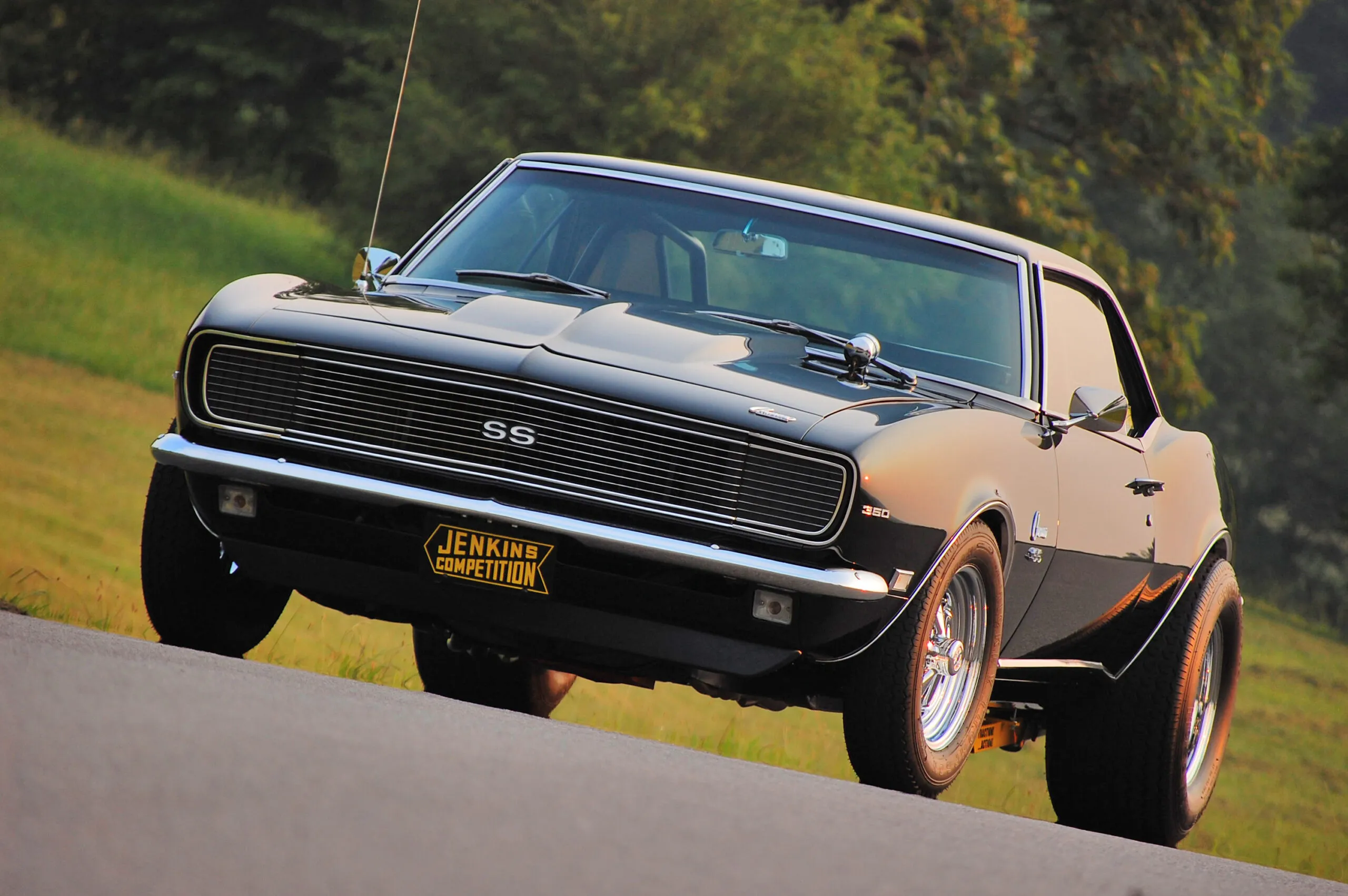
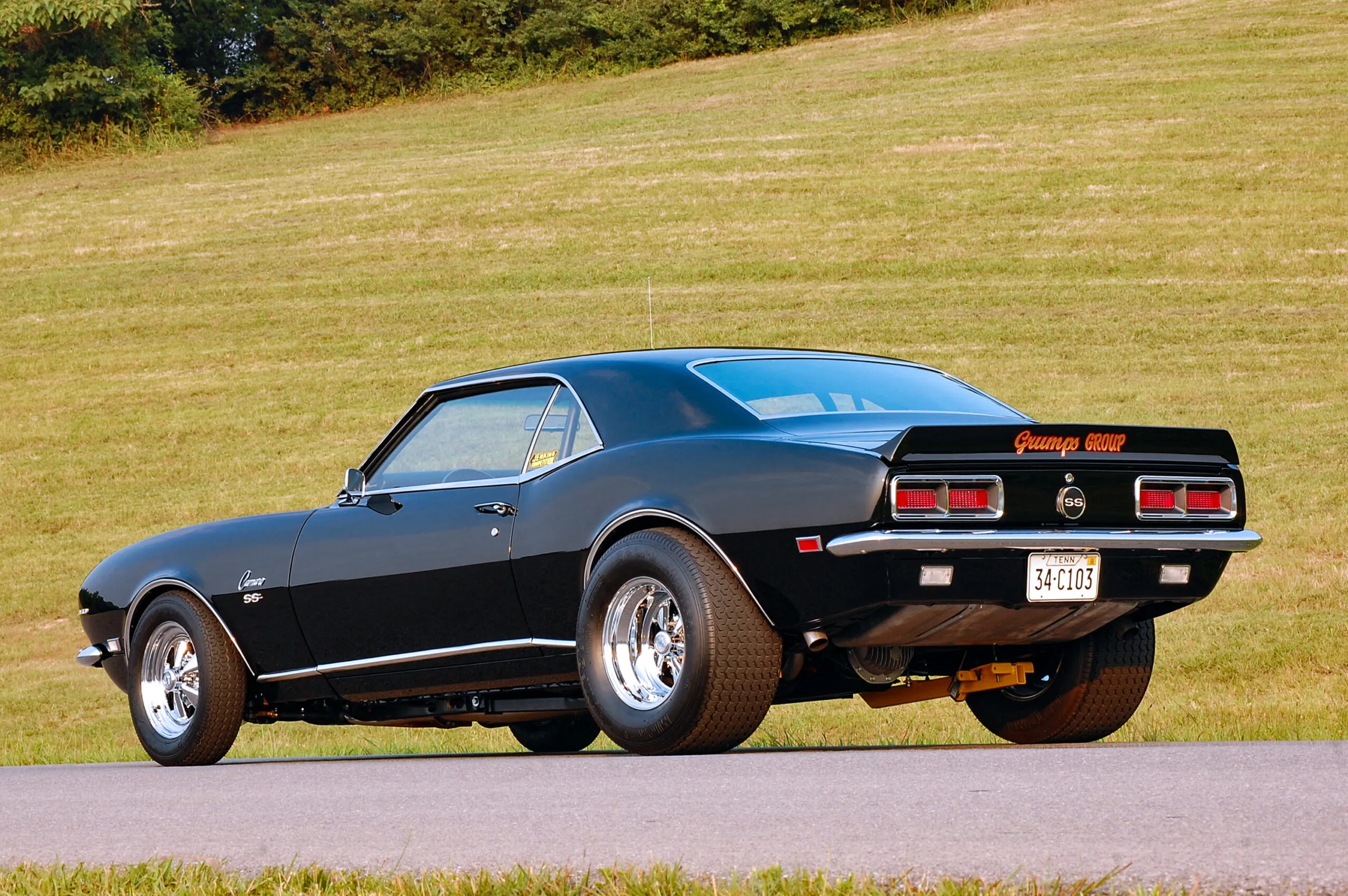
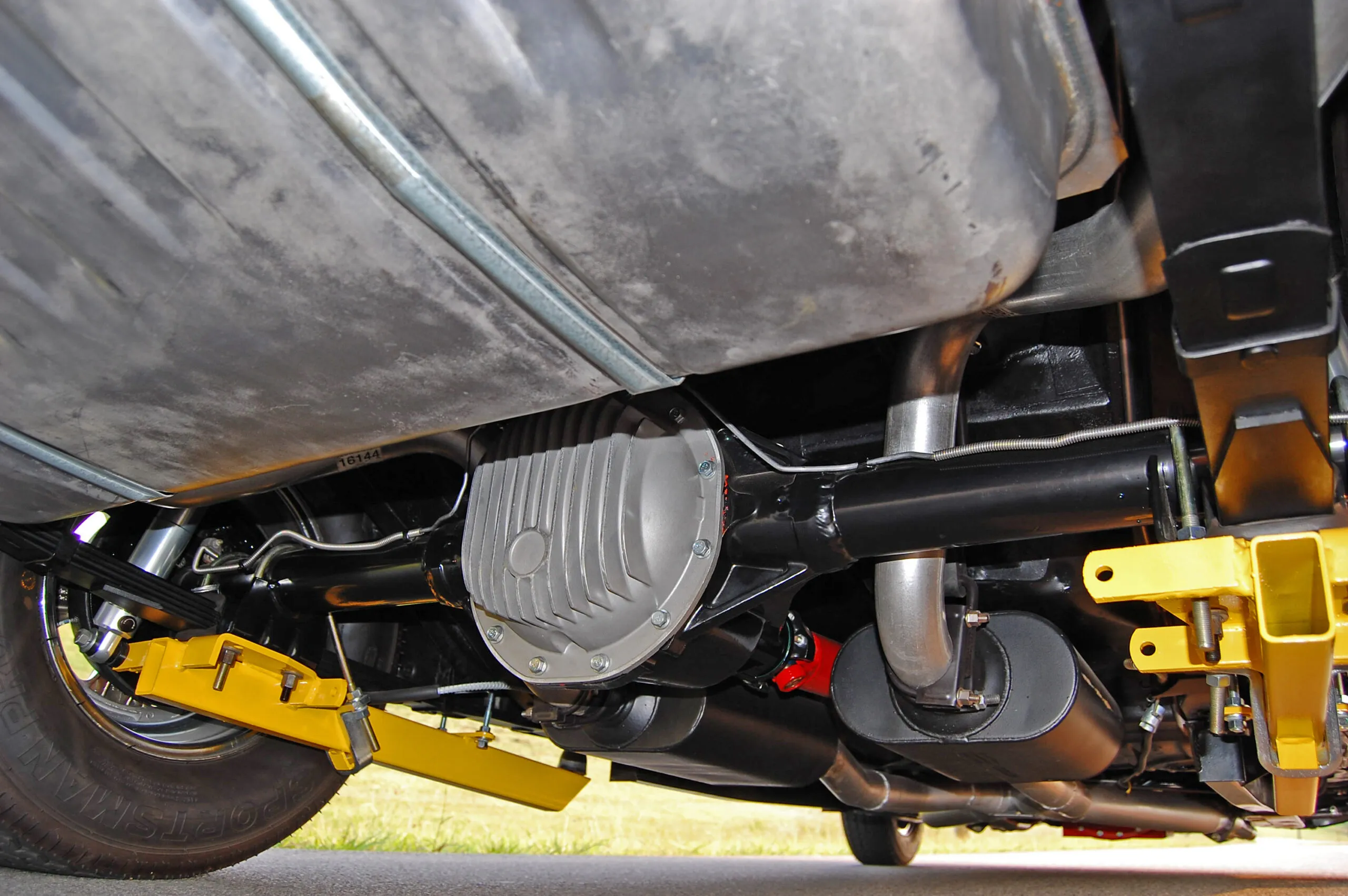
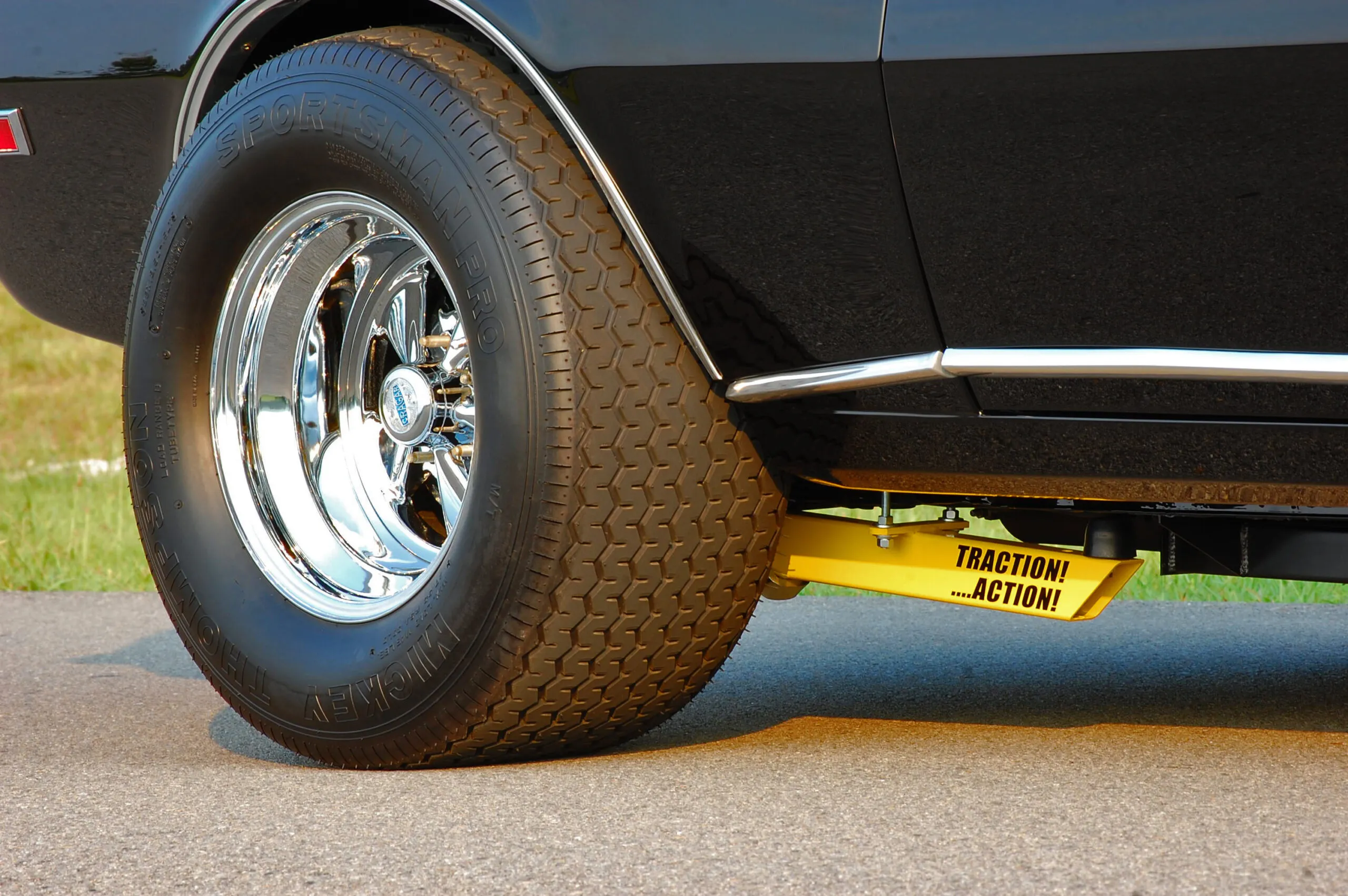
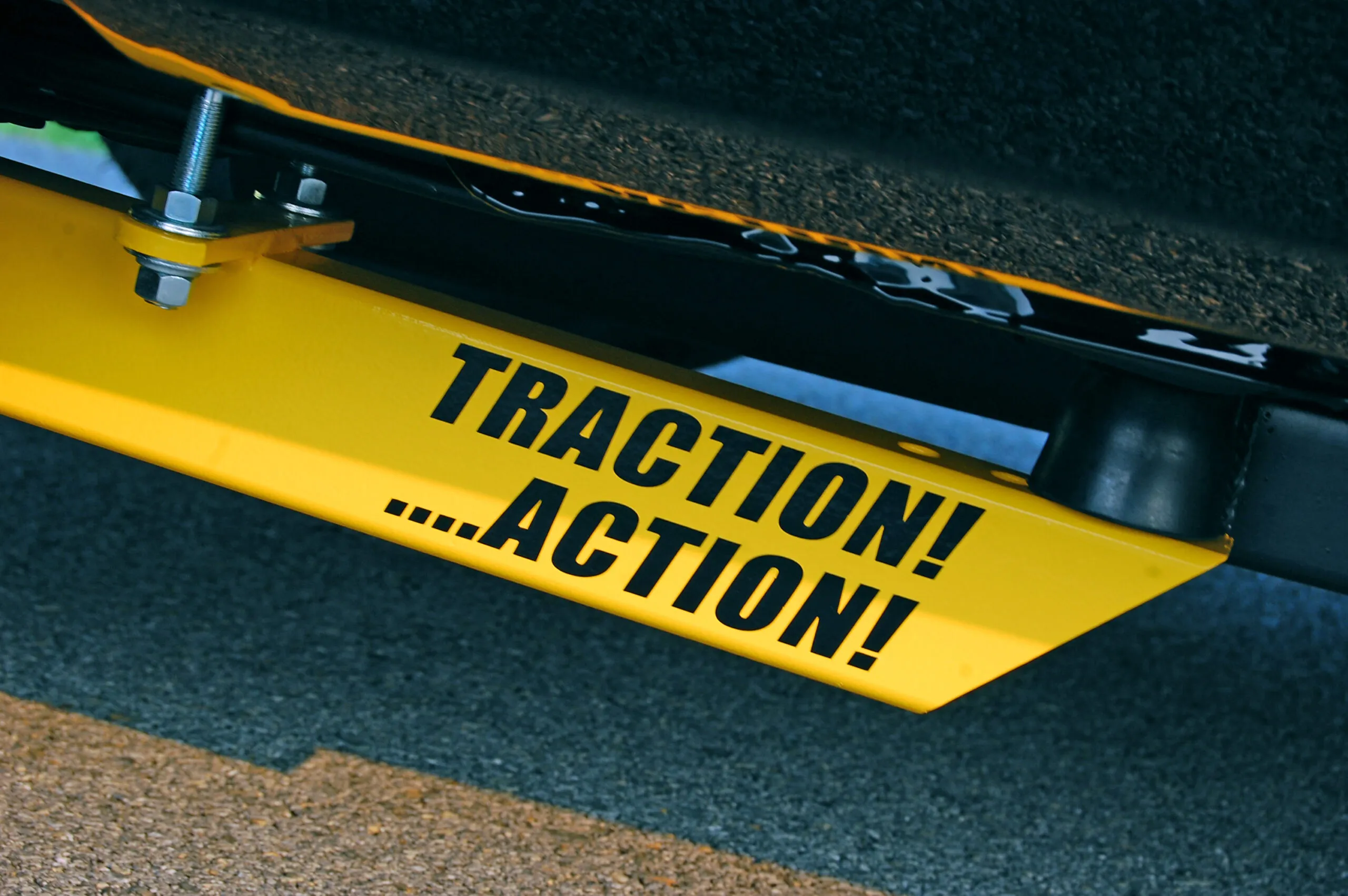
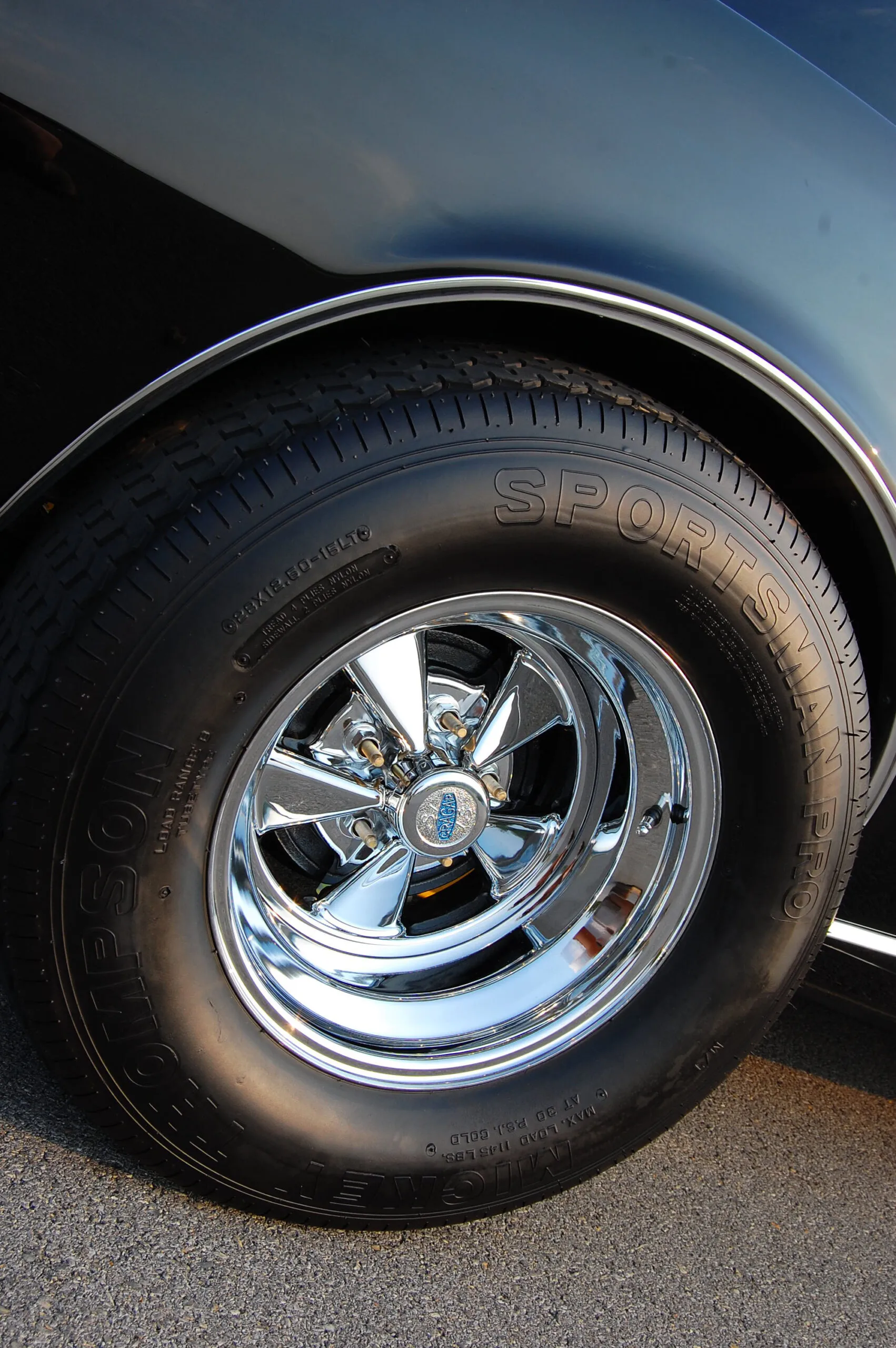
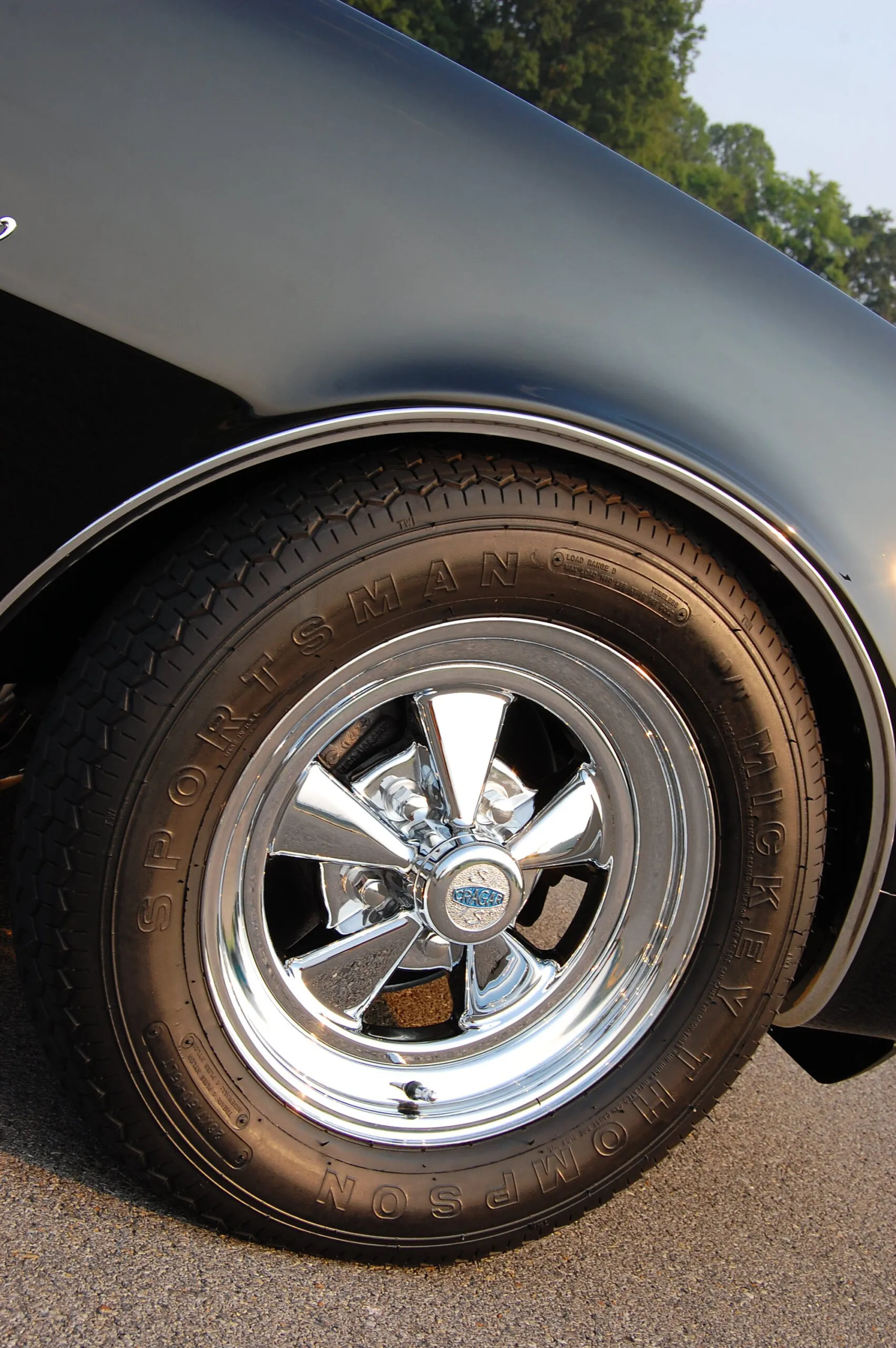
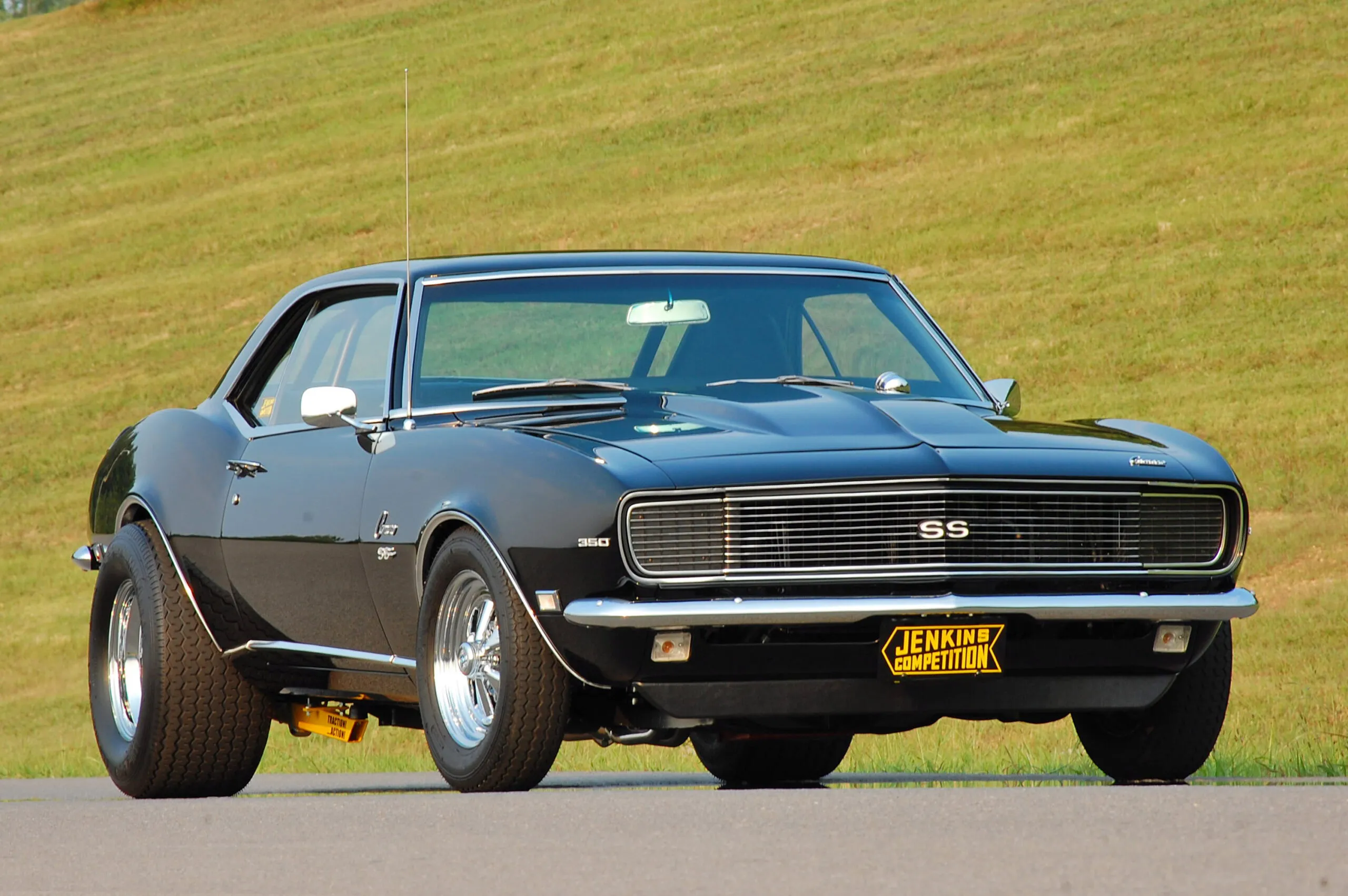
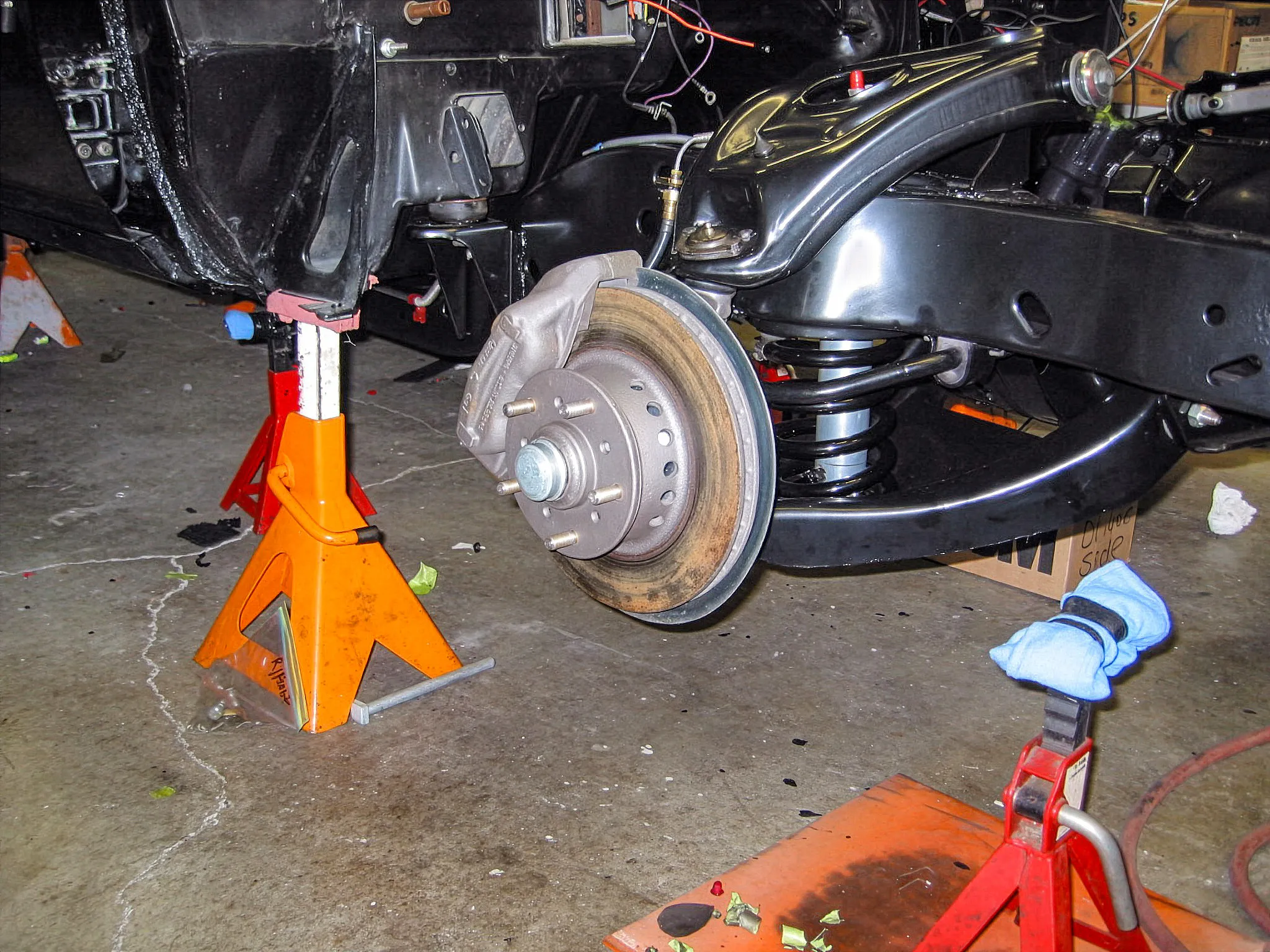
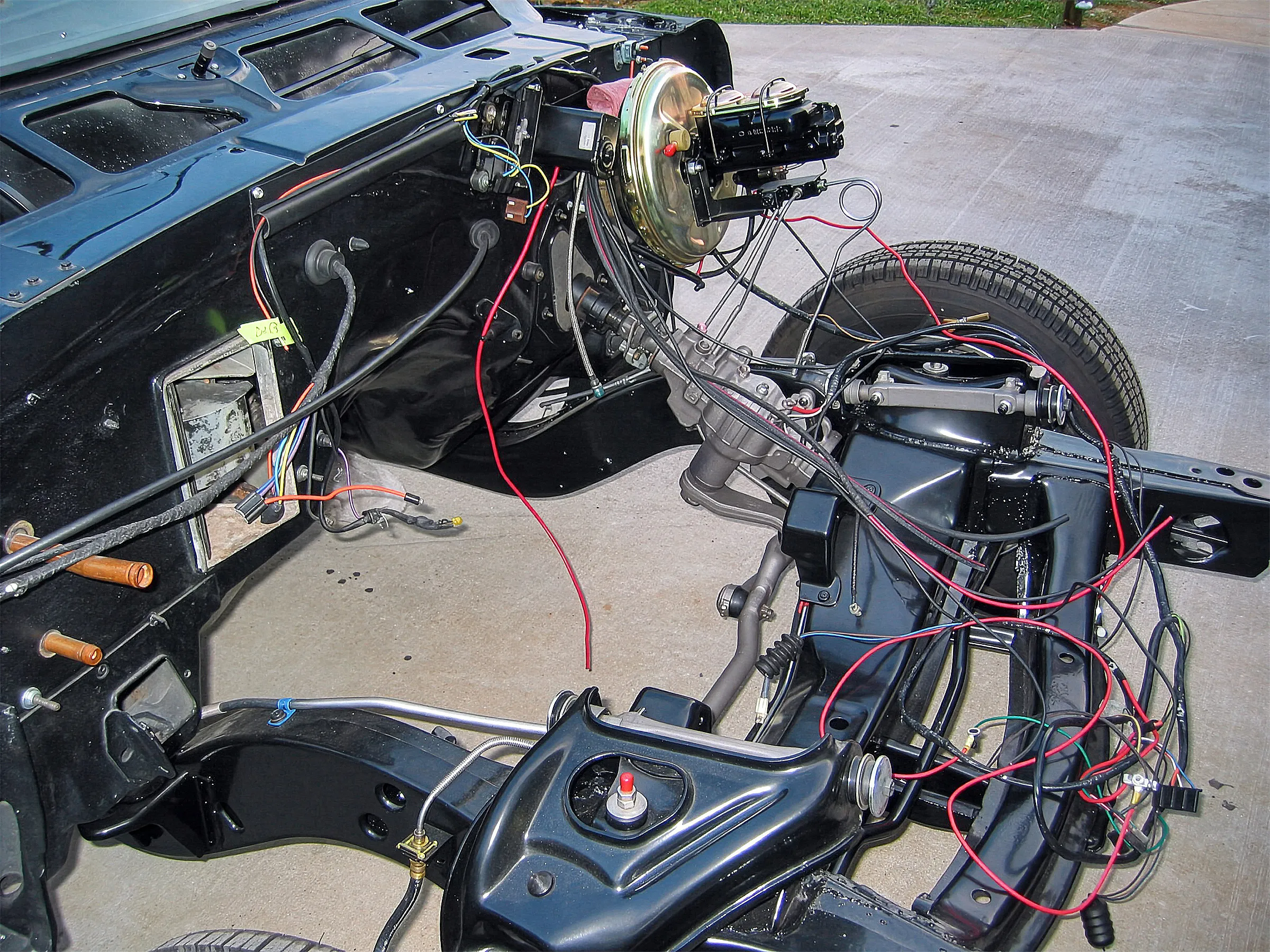
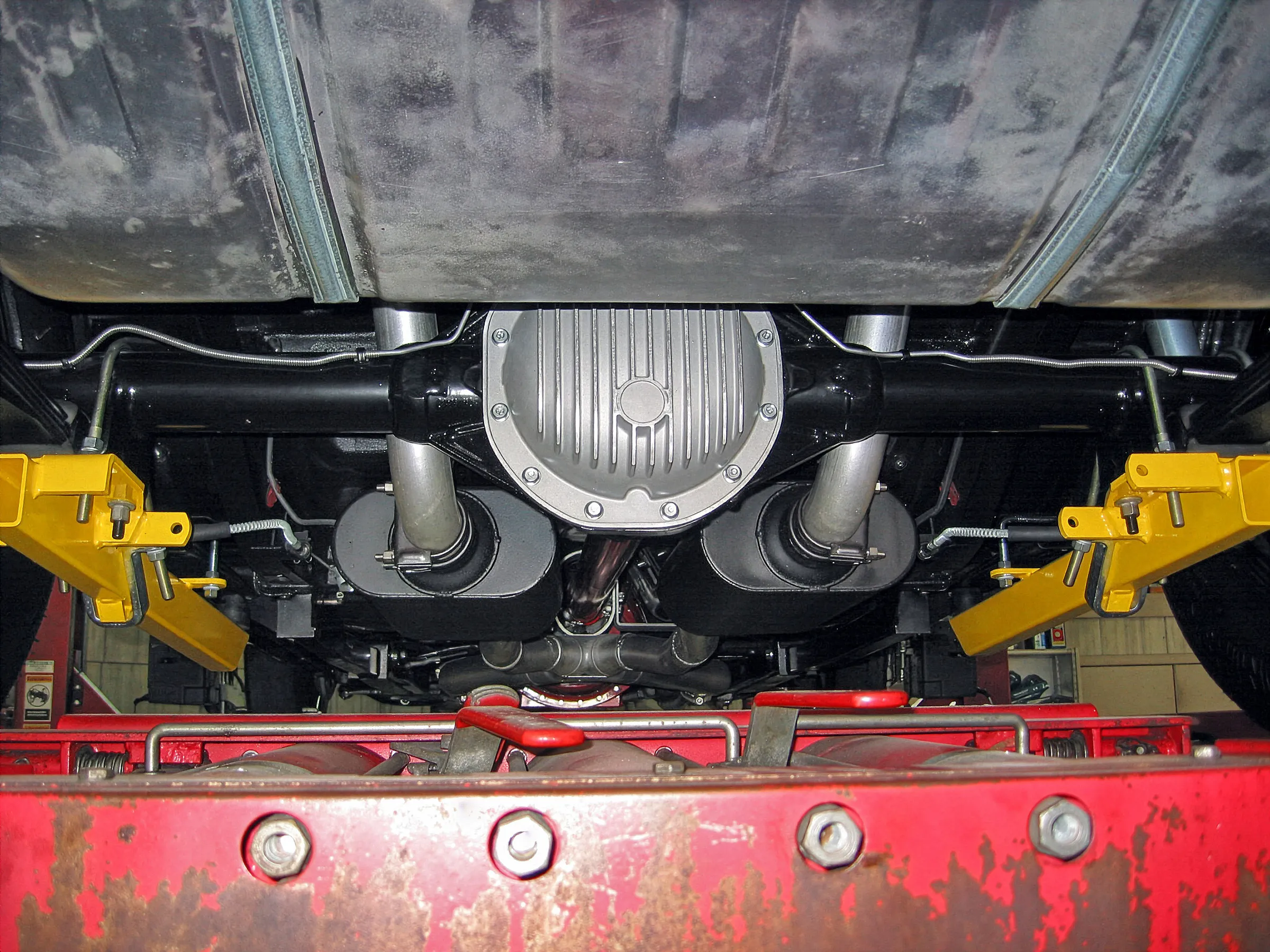
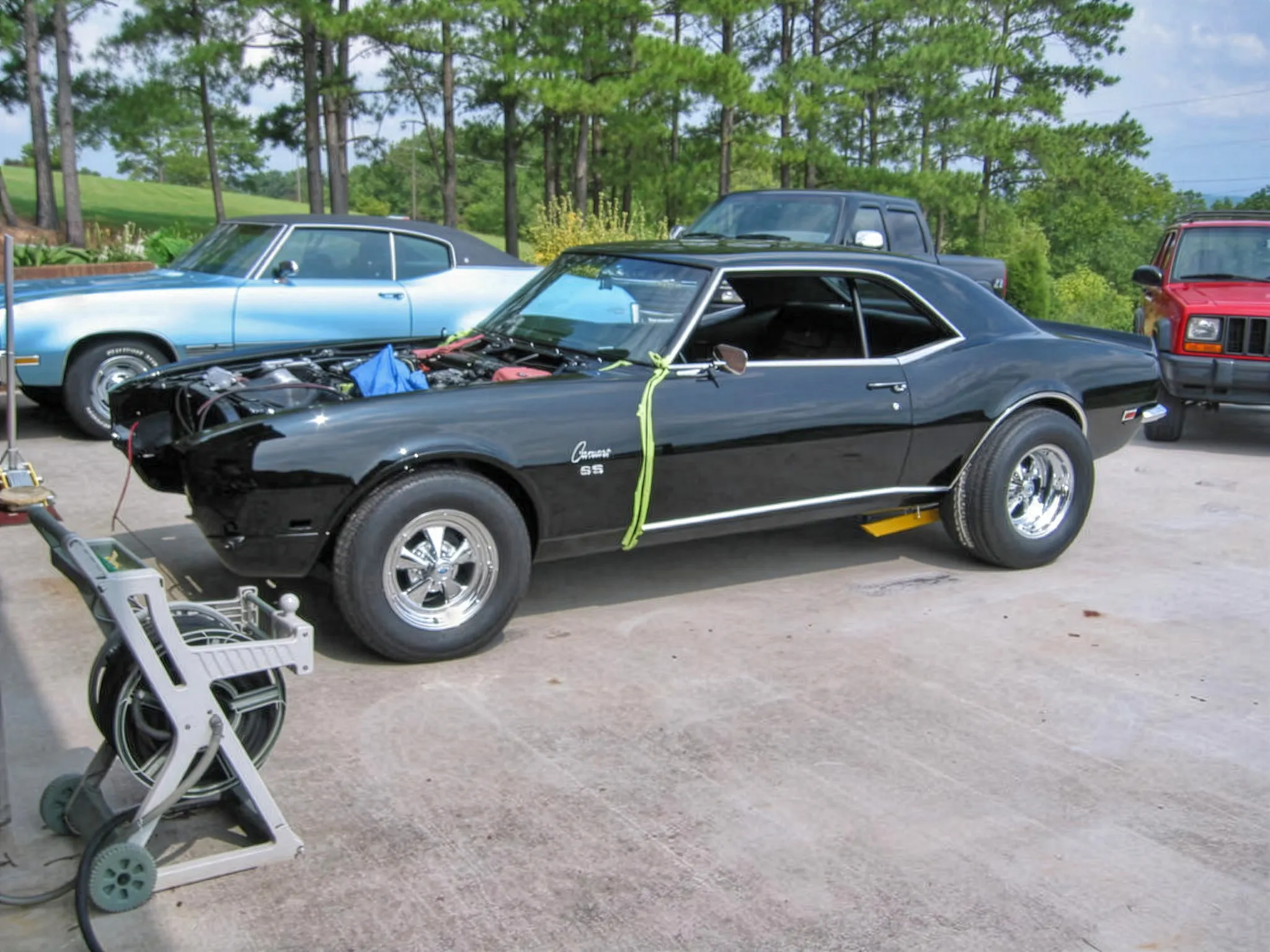
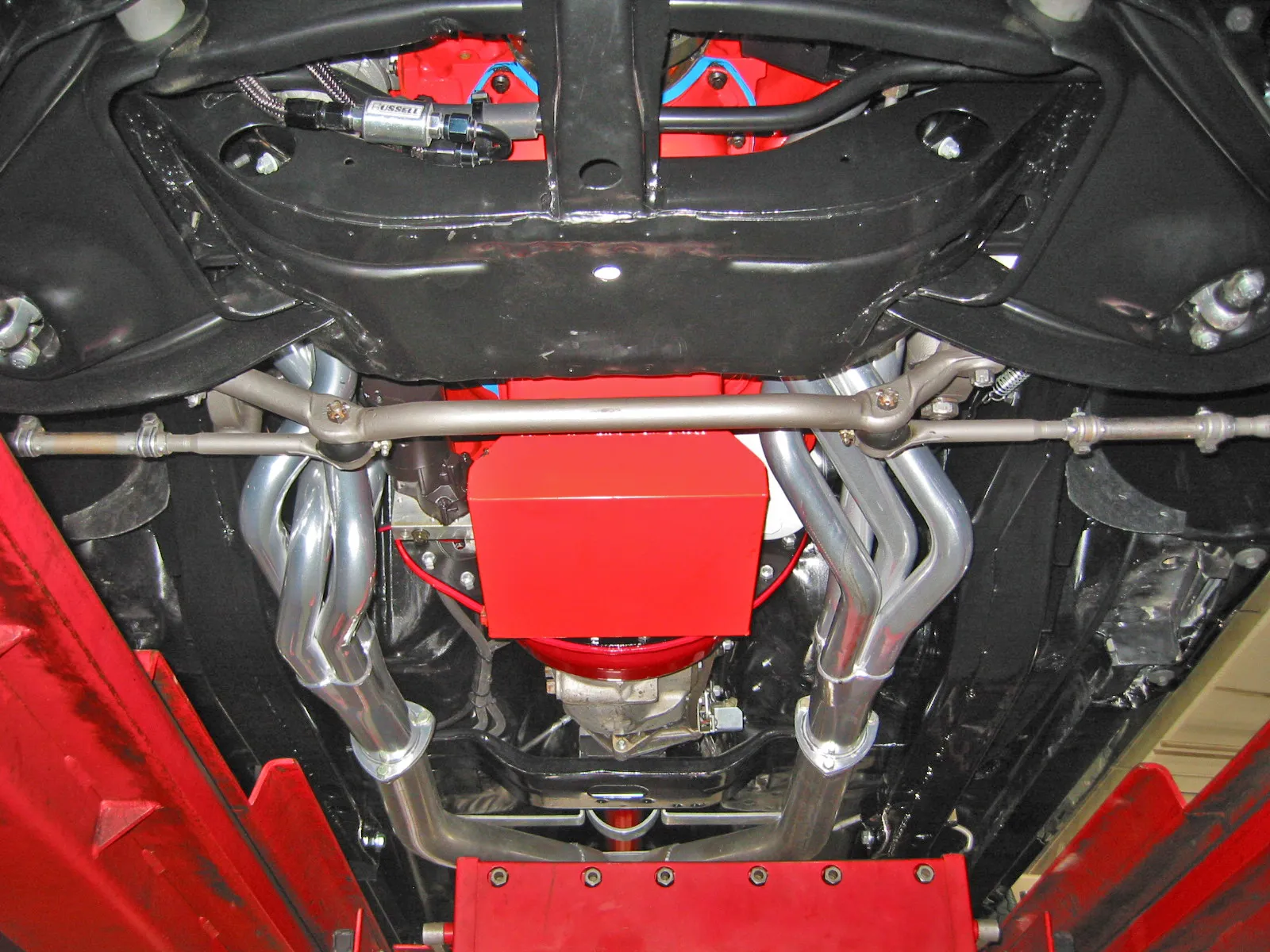
Before reassembling the front subframe, Minor sent it to Willett Powder Coating for a durable and good-looking finish. He then installed the stock suspension equipment, aside from the 12-way adjustable QA1 shocks. The car came equipped with disc brakes on the front, so Minor simply rebuilt the entire braking system to stock spec, while also retaining the stock quick-ratio power steering box that came with the F41 Suspension option. Out back, the car was originally fitted with a 12-bolt Positraction rear end, so Minor kept the original housing and installed a 4.10 gear set before topping it off with a finned aluminum cover. Minor bolted on a pair of subframe connectors to keep the unibody structure stiff, and installed the bright yellow Lakewood traction bars for old school hot rod appeal. Additional old school styling comes from the 15×4- and 15×10-inch Cragar five-spokes and the accompanying Mickey Thompson tires, which protrude just enough from the rear wheel arches to provide the look everyone wanted in the late ‘60s and early ‘70s.
540HP Small Block Chevy Stroker Power
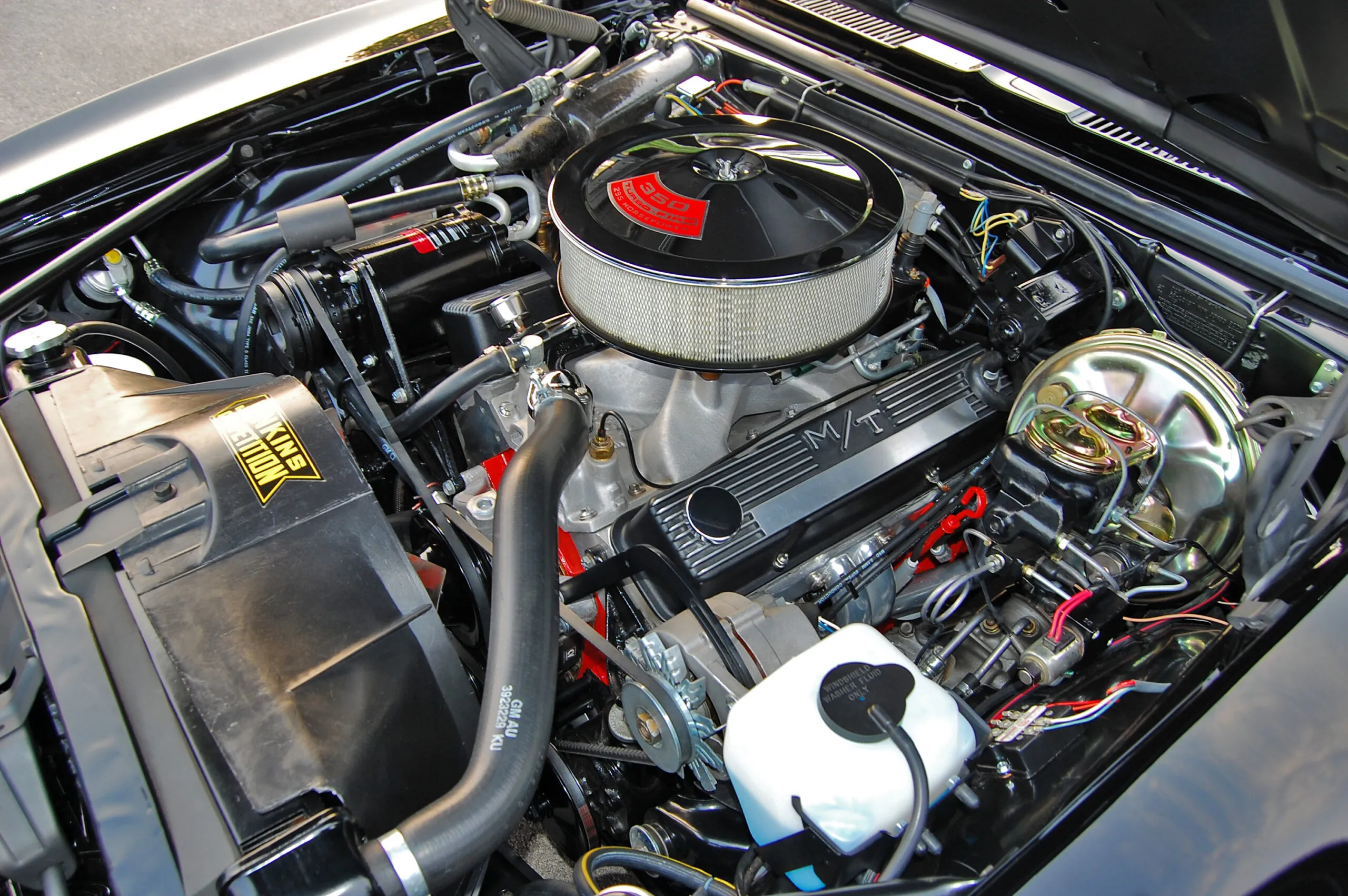
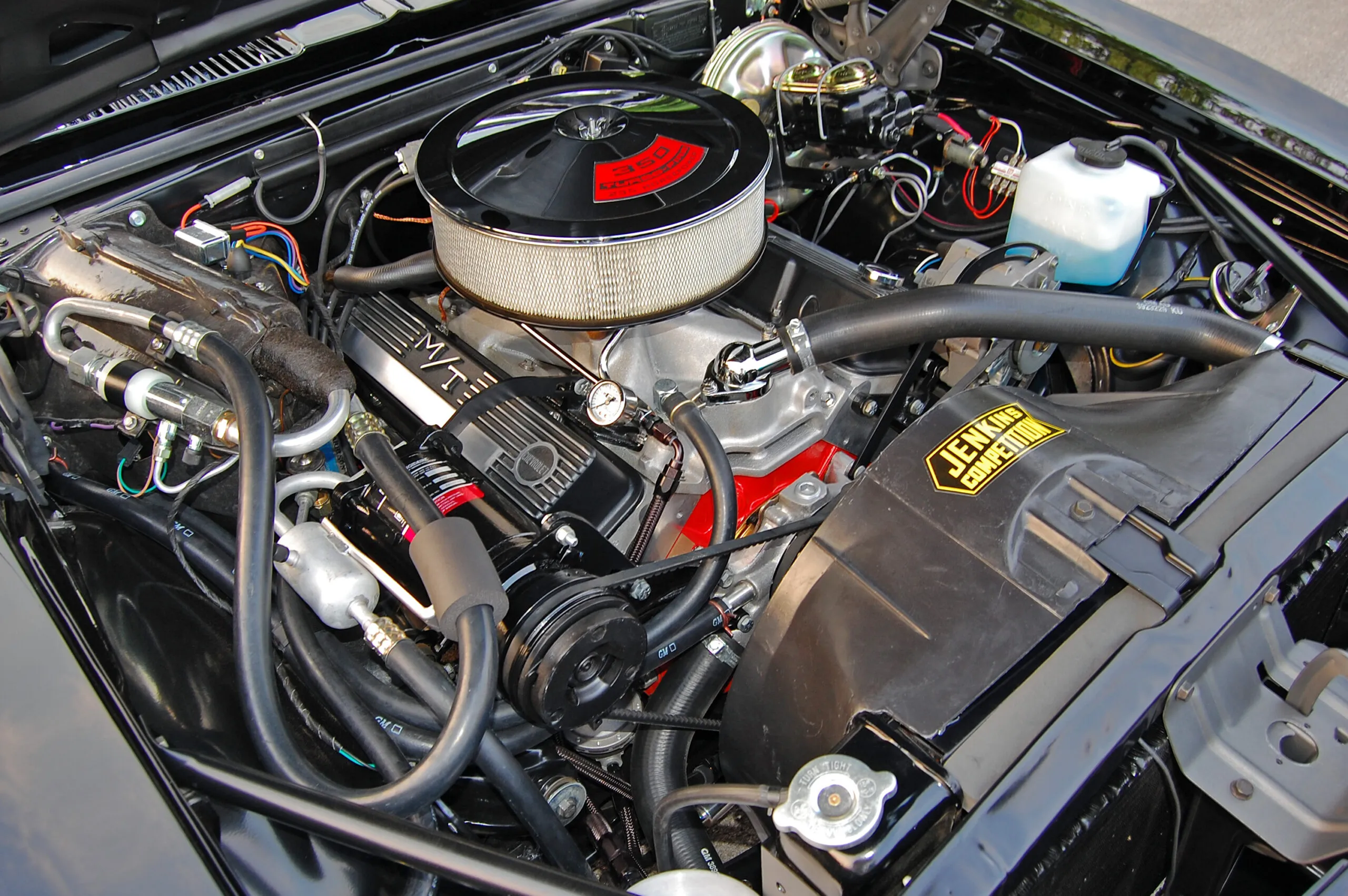
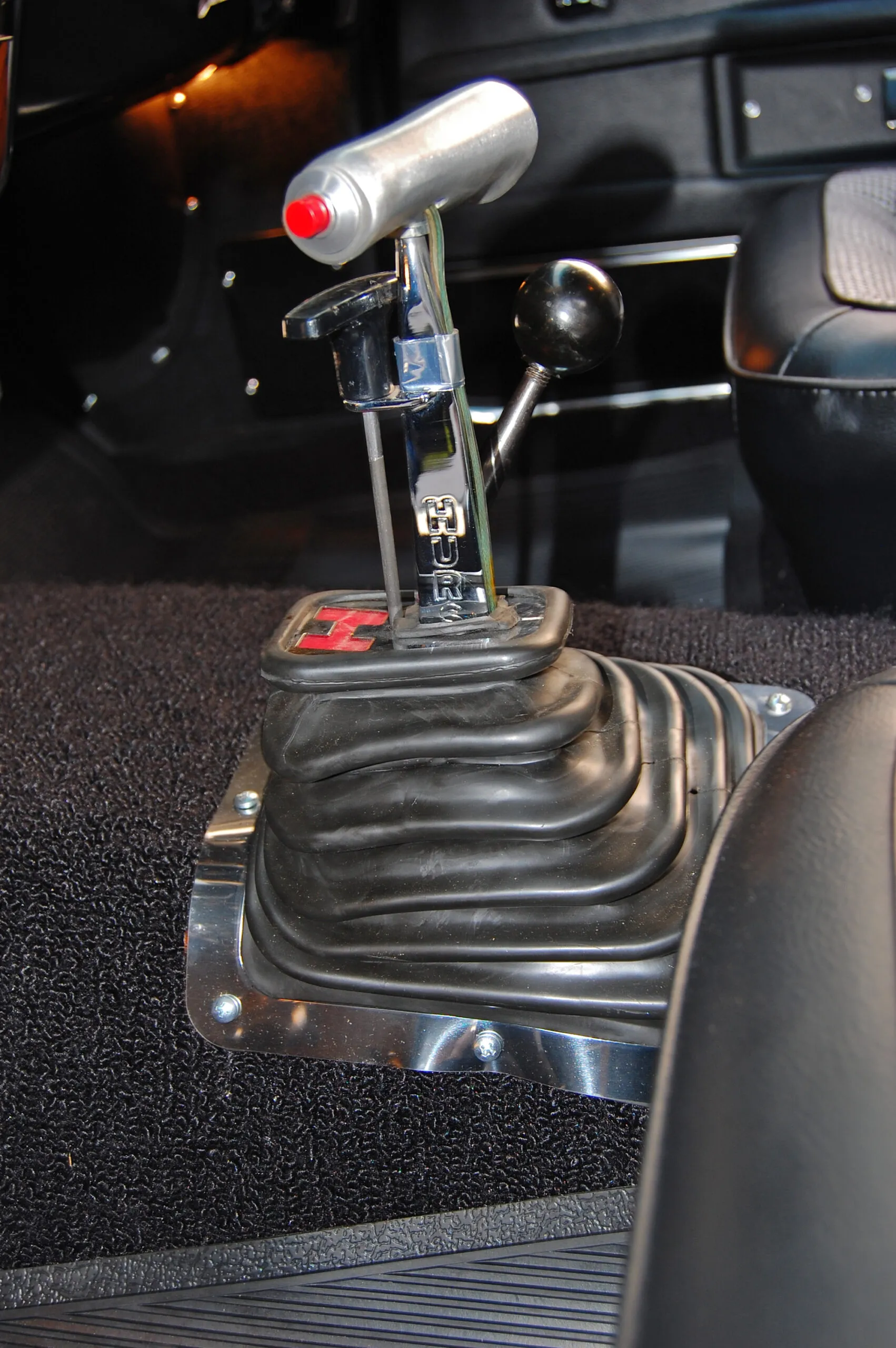
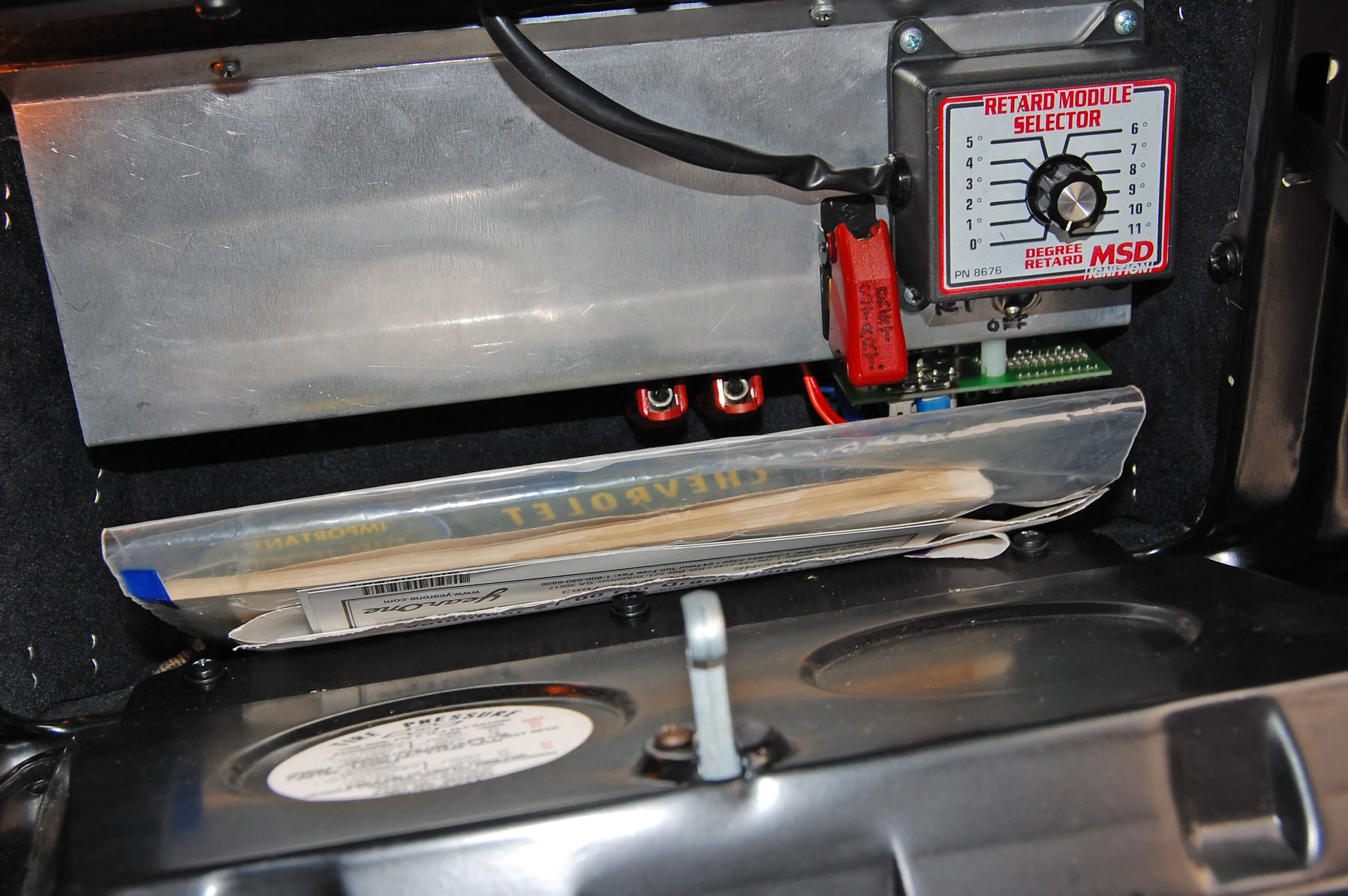
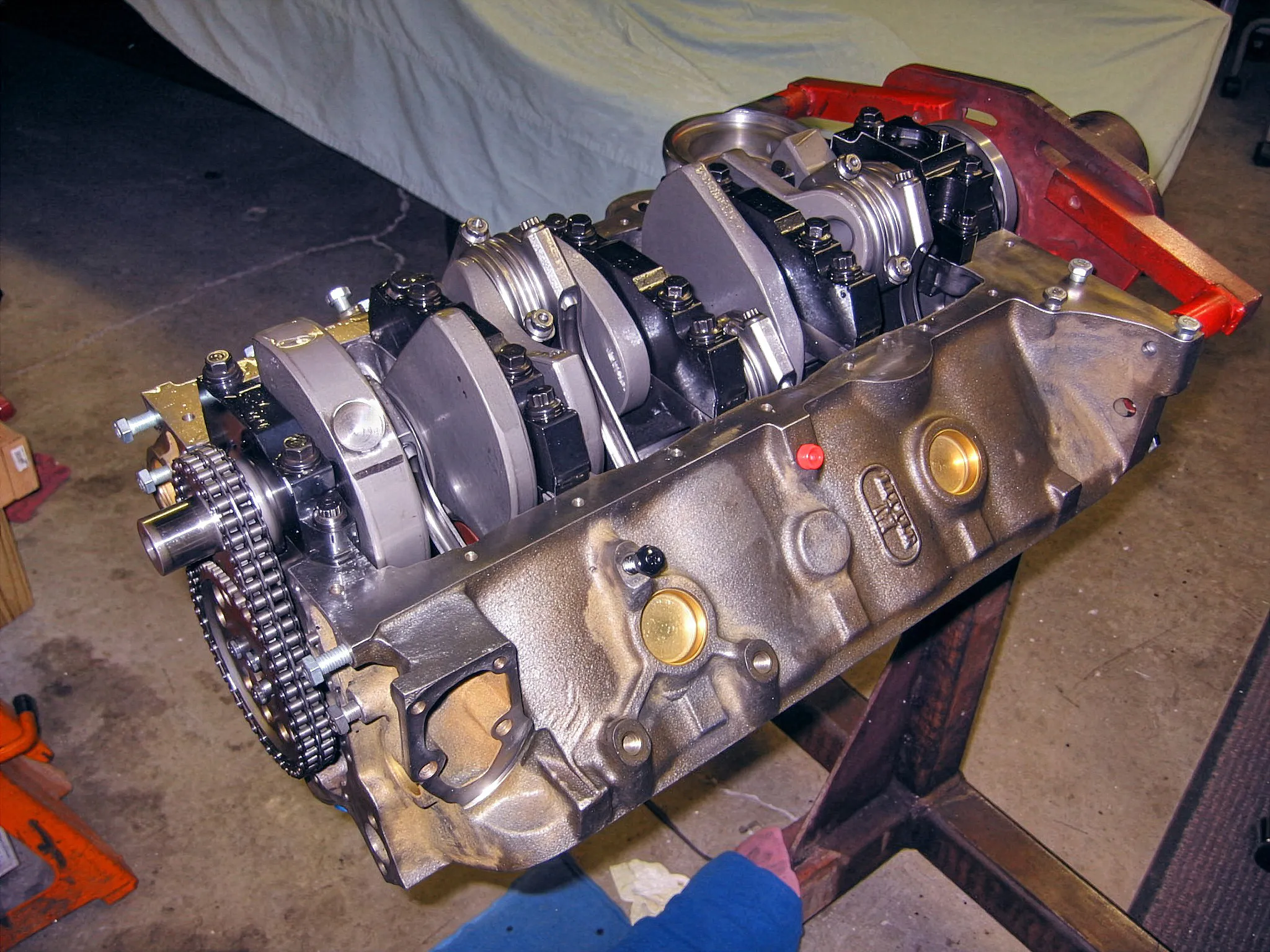
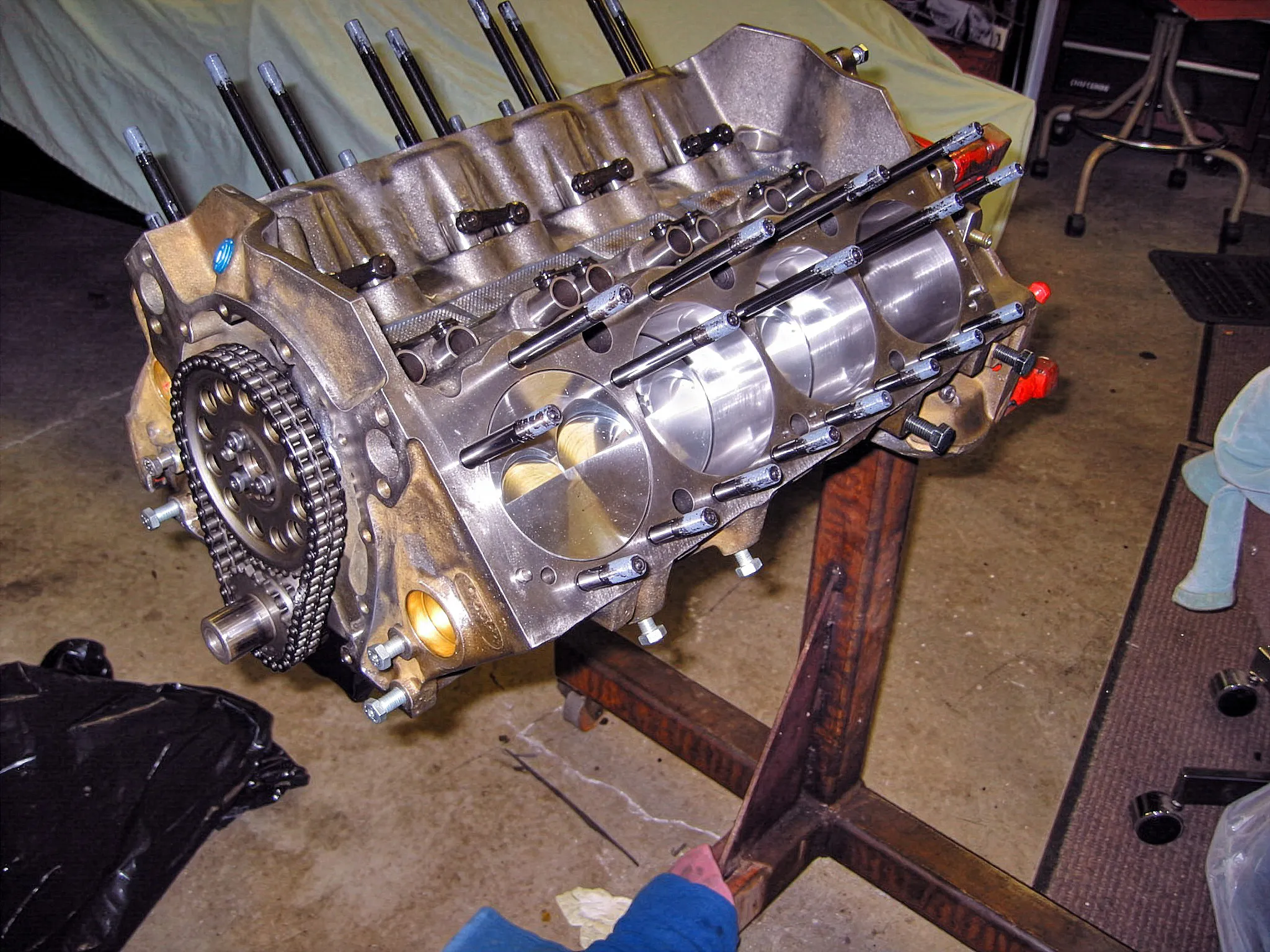
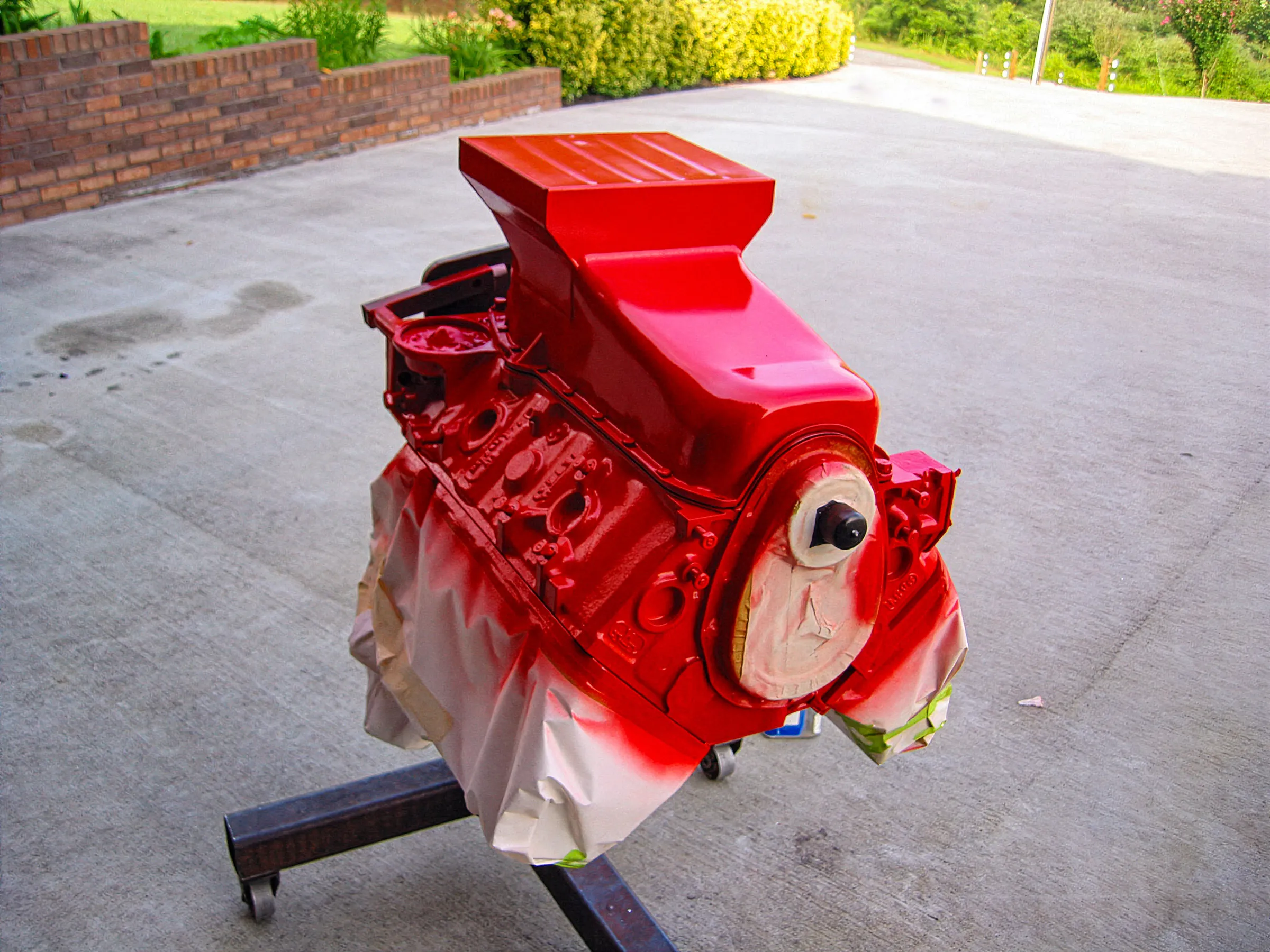
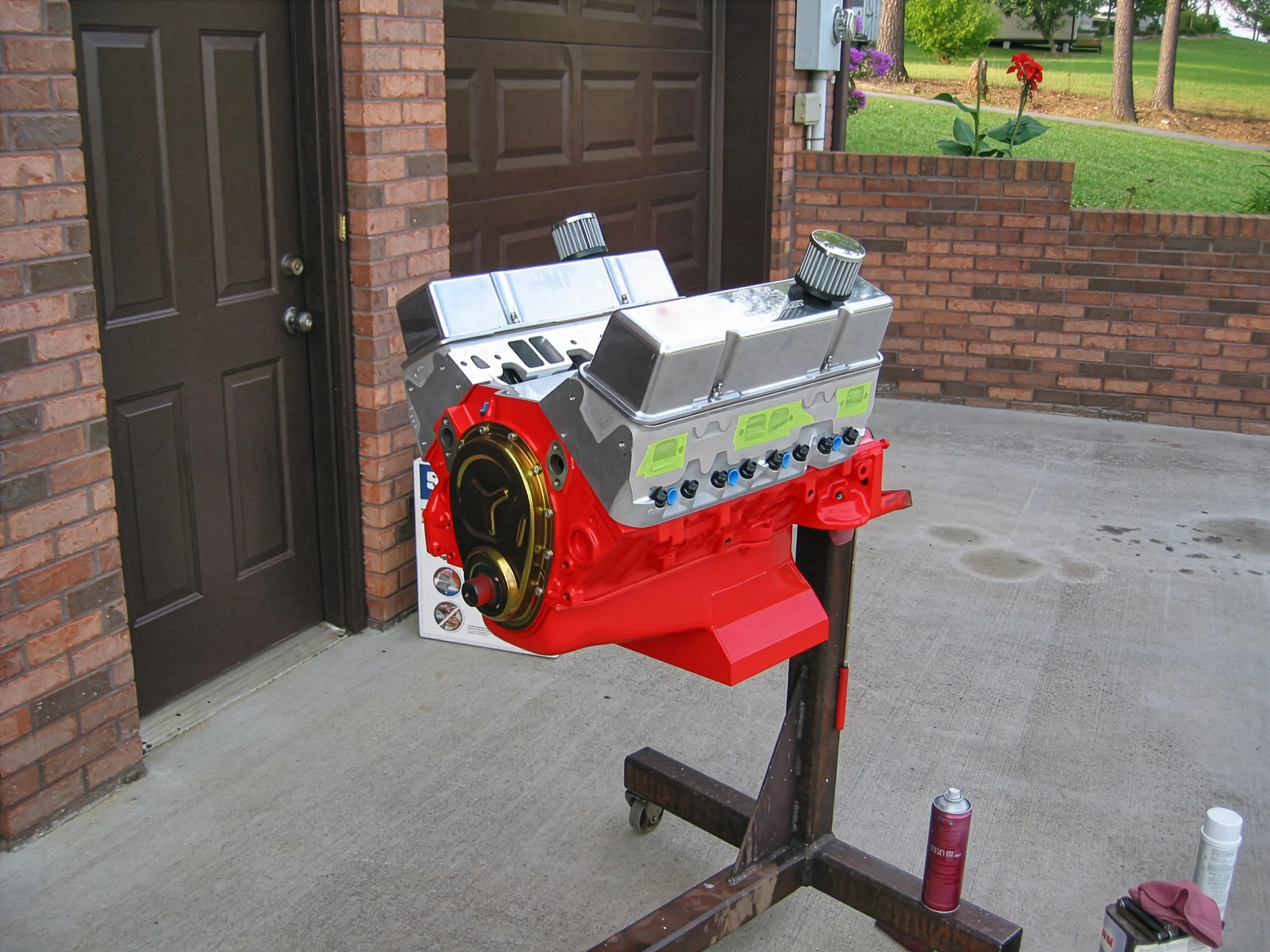
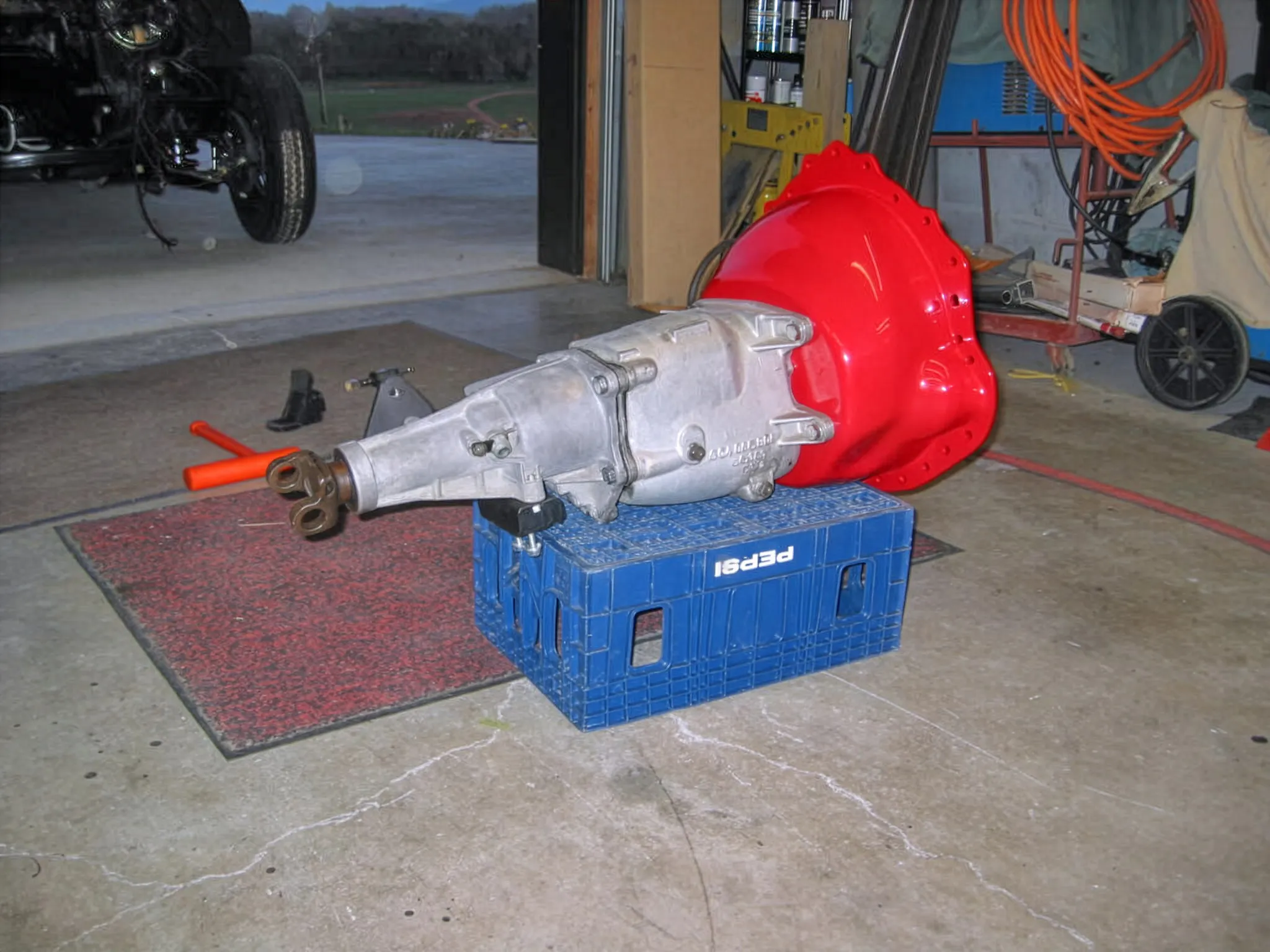
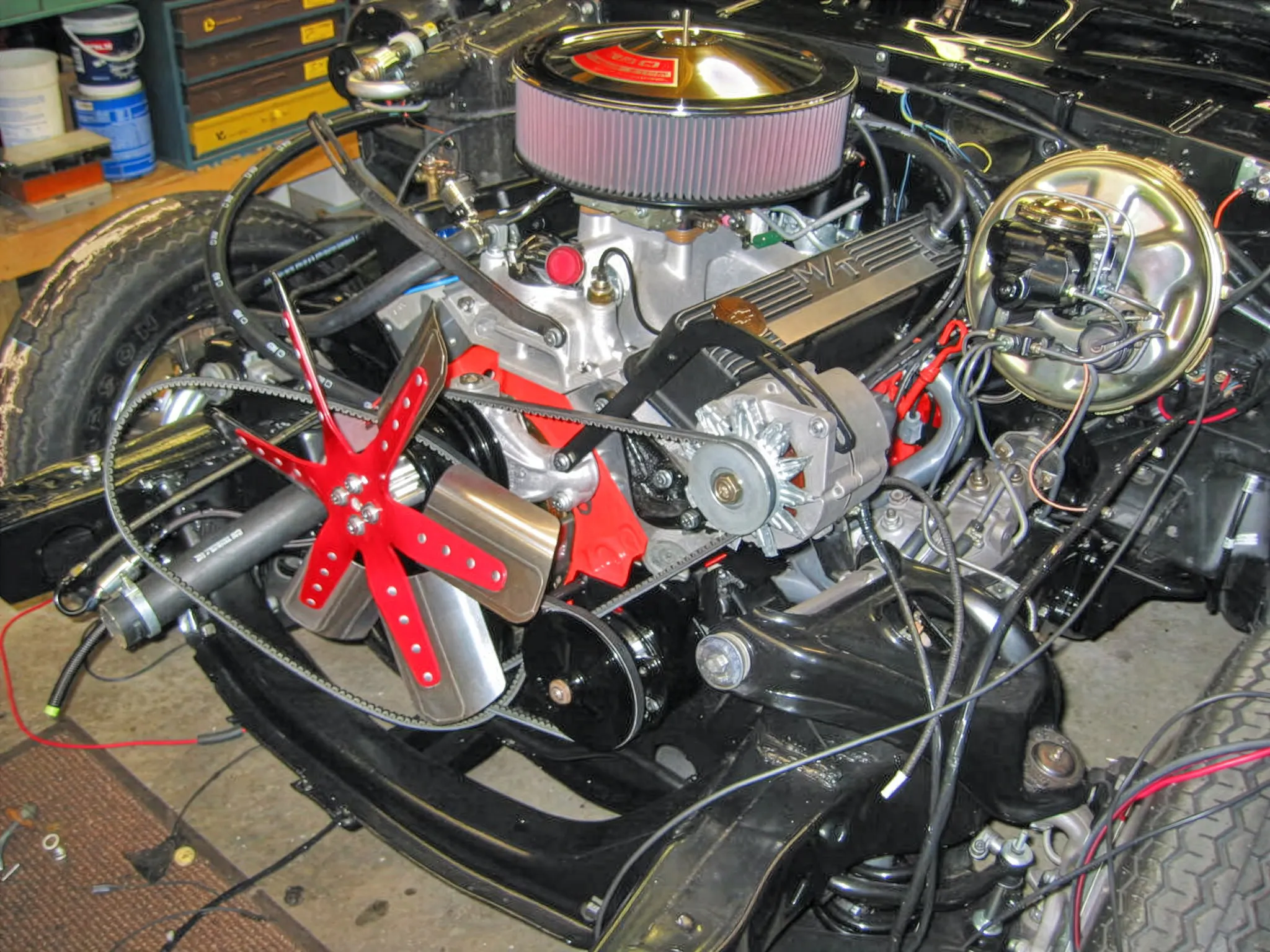
With earlier intentions of racing, Minor equipped his Camaro with a wicked power plant, which features a Dart block, stuffed with a Cola S-series crankshaft, Eagle 3D stroker connecting rods and JE pistons to create 415 cubic inches of small block Chevy stroker power. Robbie White at Volunteer Race Engines performed the machine work on the Dart block, and also did the final tuning on the dyno, where the nicely equipped stroker produced 540hp Camaro power and 520 lb-ft. of torque. The recipe for big power includes a pair of Airflow Research 210 competition series cylinder heads, a Comp Cams solid roller camshaft and the right amount of fuel and air from the 820cfm Demon RS carburetor. A complete MSD ignition system lights the fire and puts the small block to work, while Hooker Super Comp headers rids the engine of its spent gasses. Backing the small block is a Borg Warner Super T-10 four-speed transmission, which is controlled by a Centerforce Dual Friction clutch set and mounted with a Lakewood blow-proof bell housing.
Show-Quality Black Camaro Finish
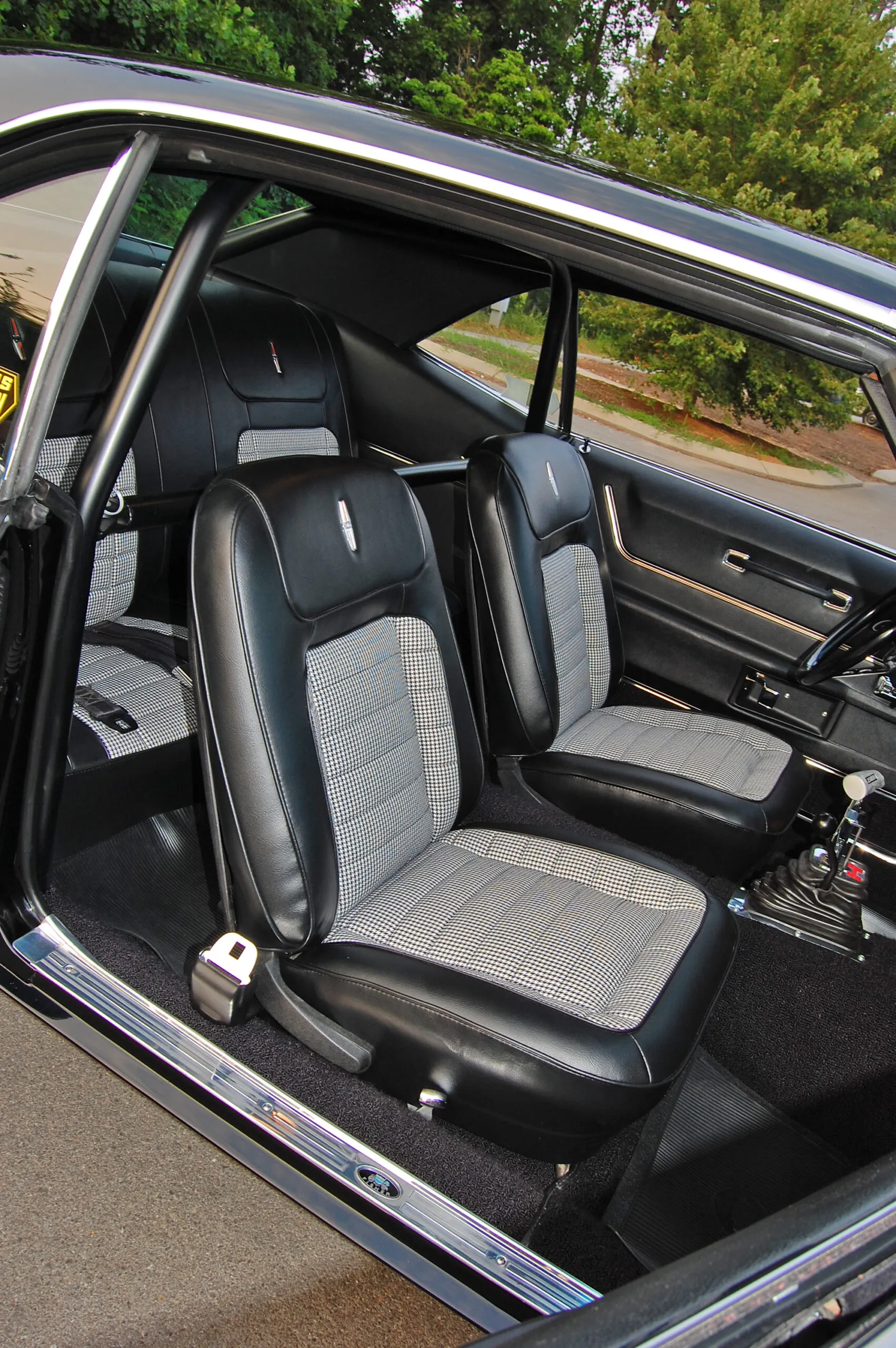
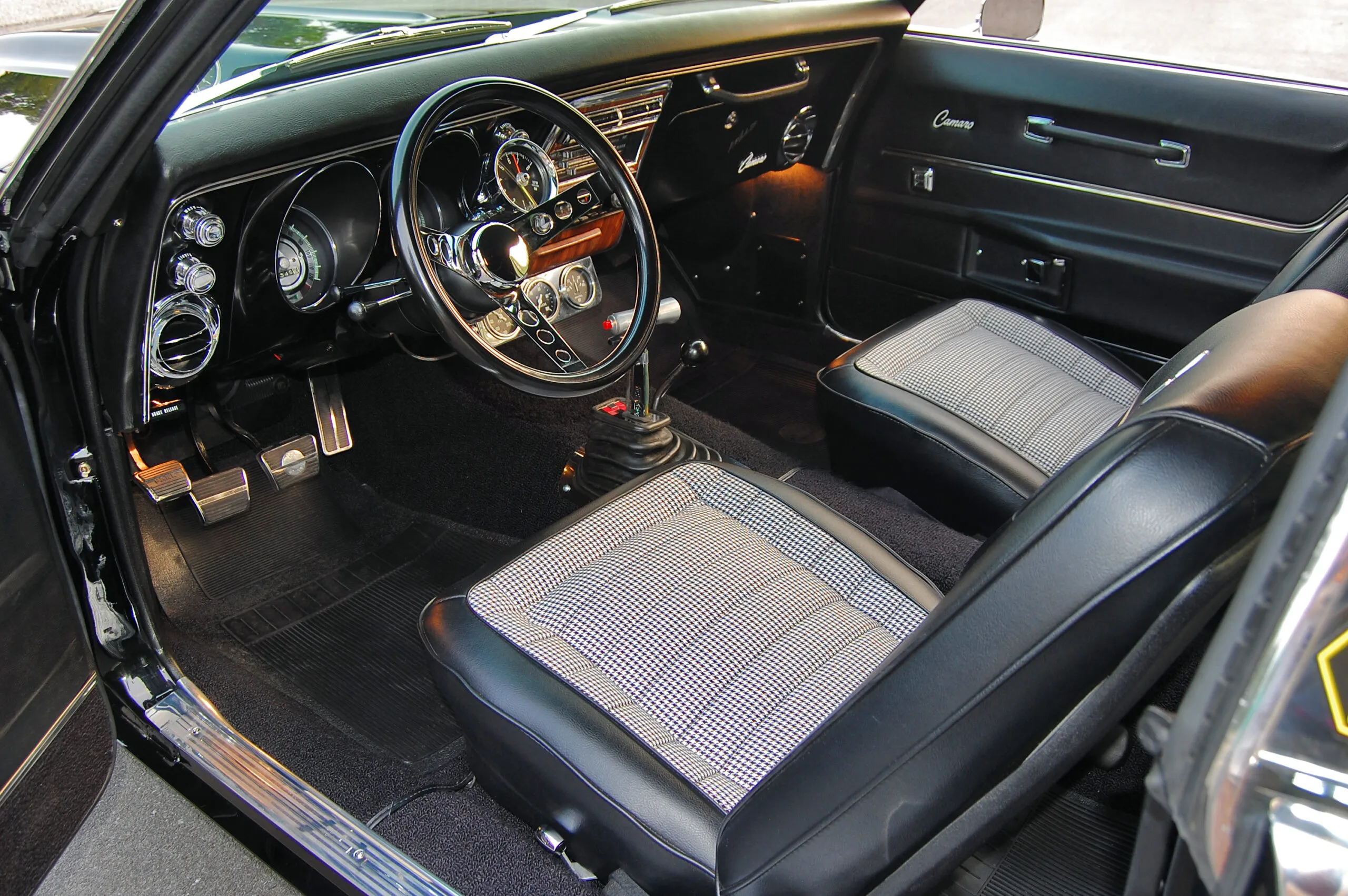
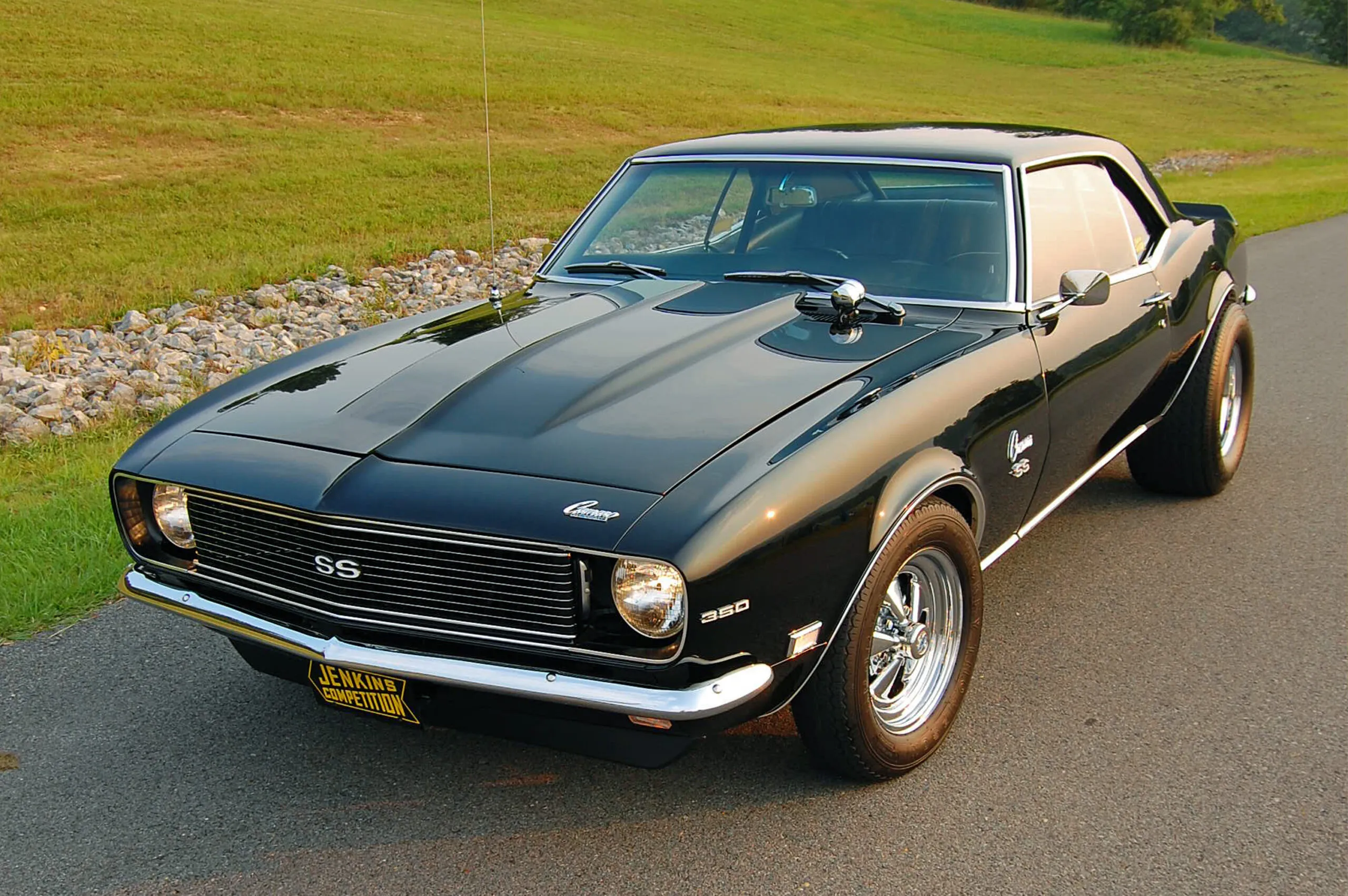
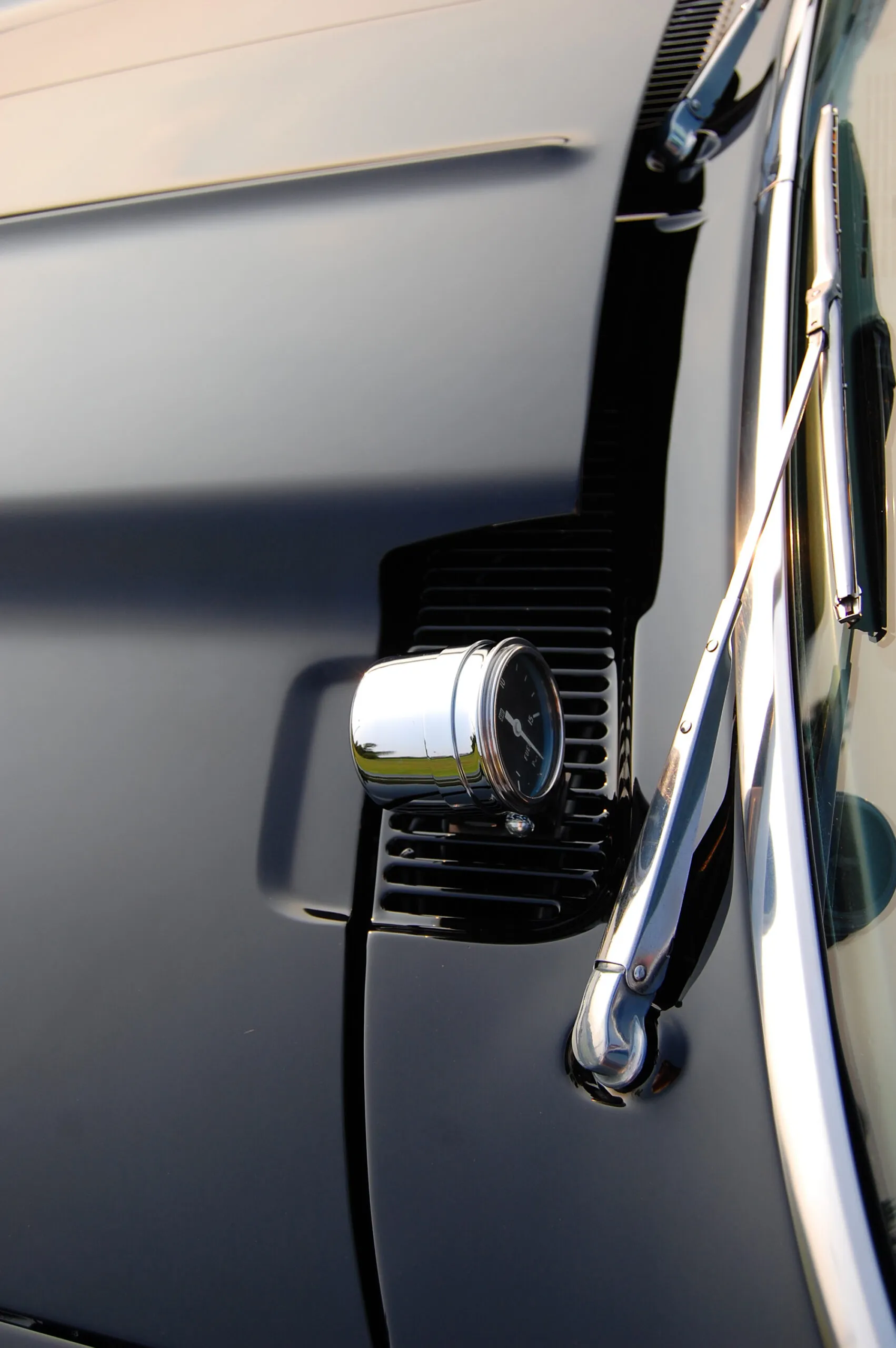
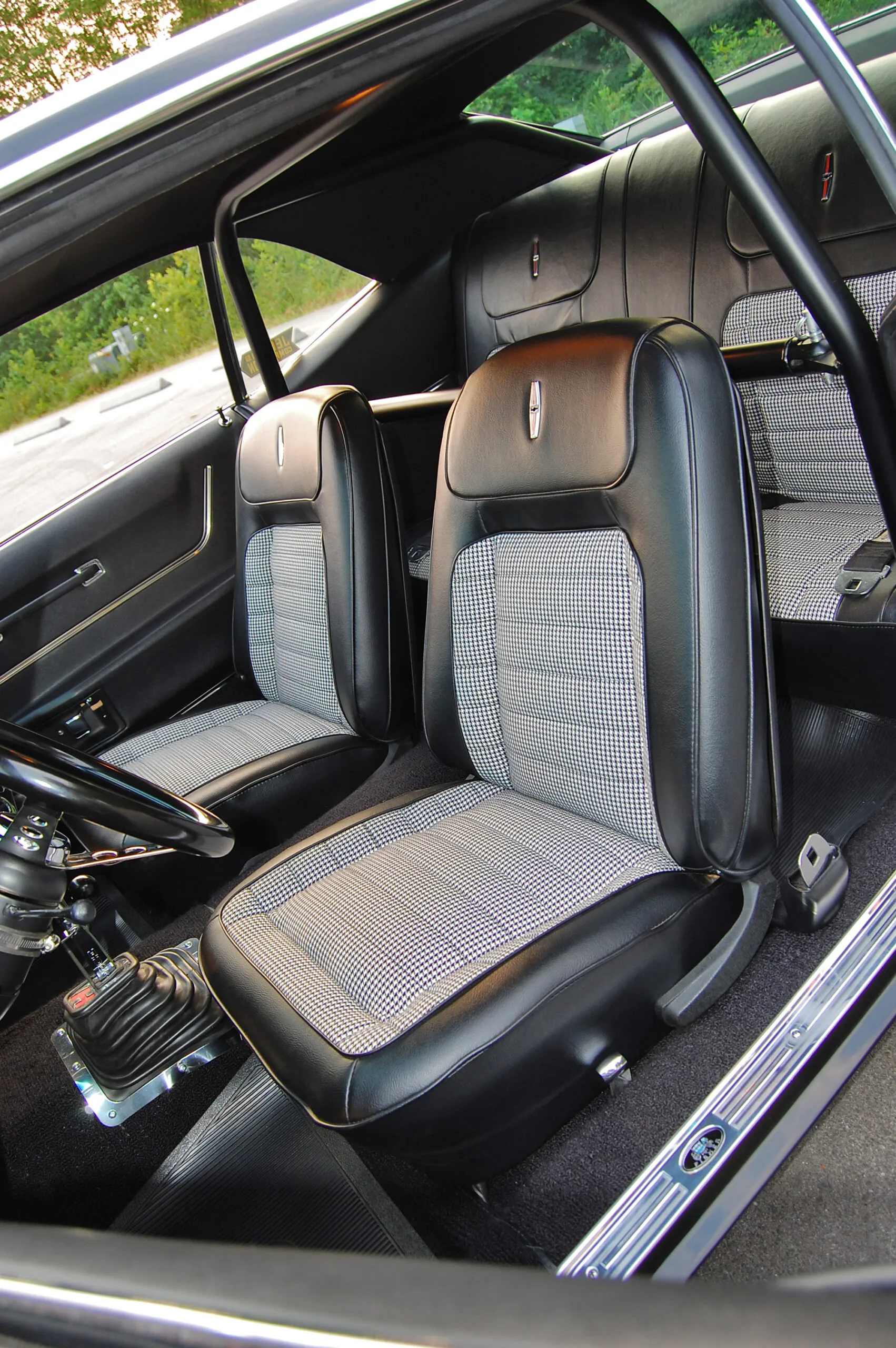
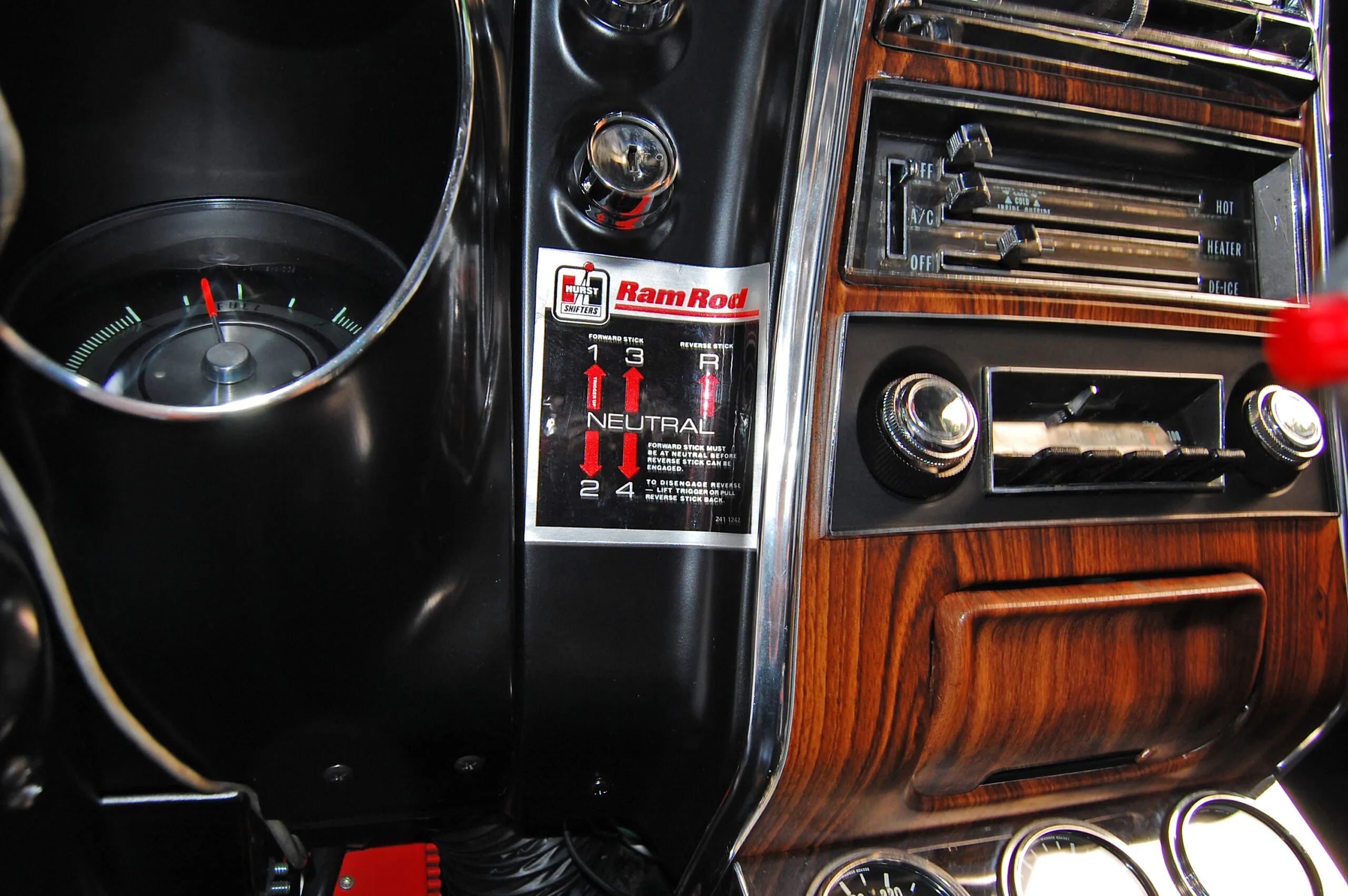
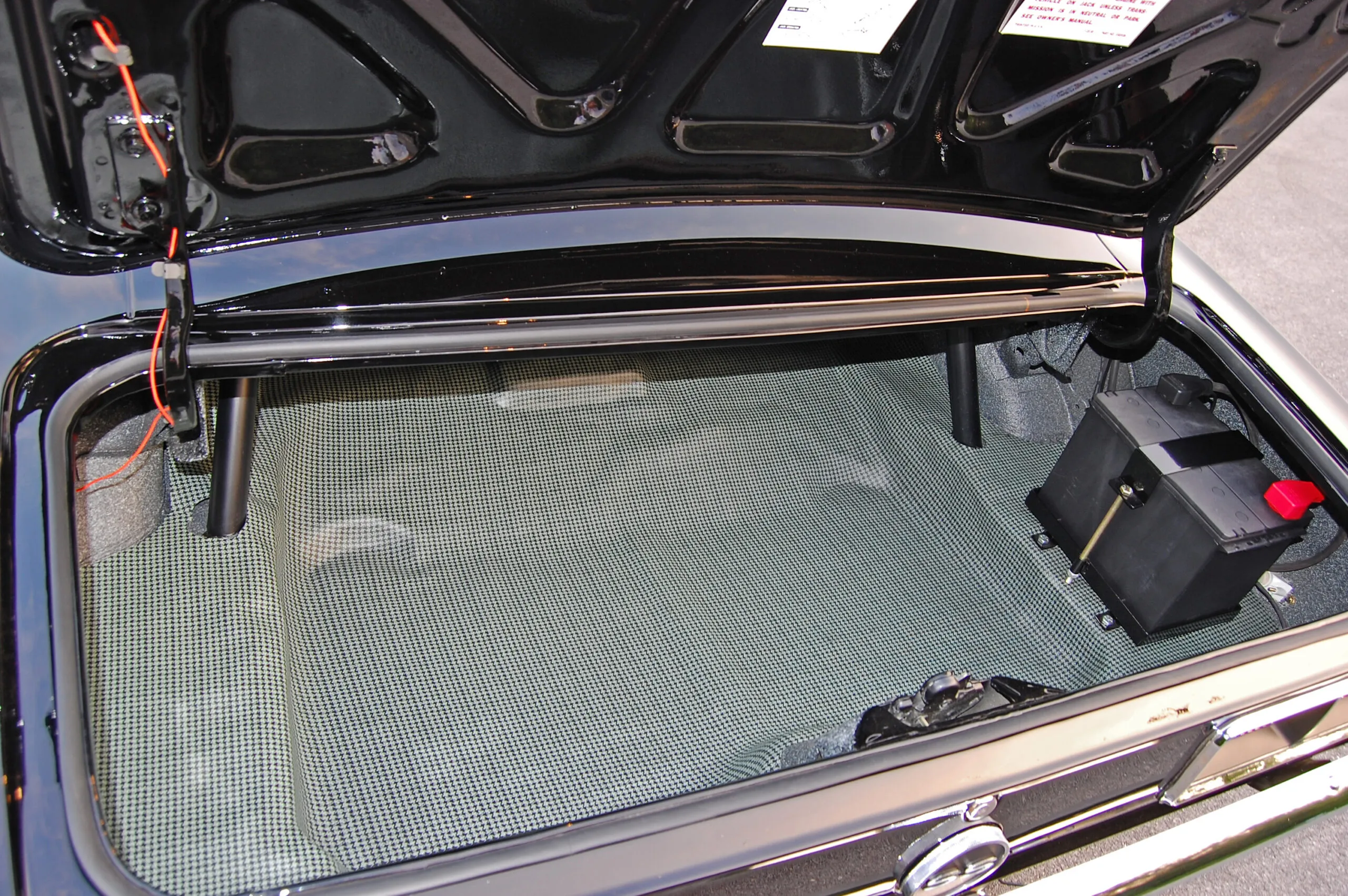
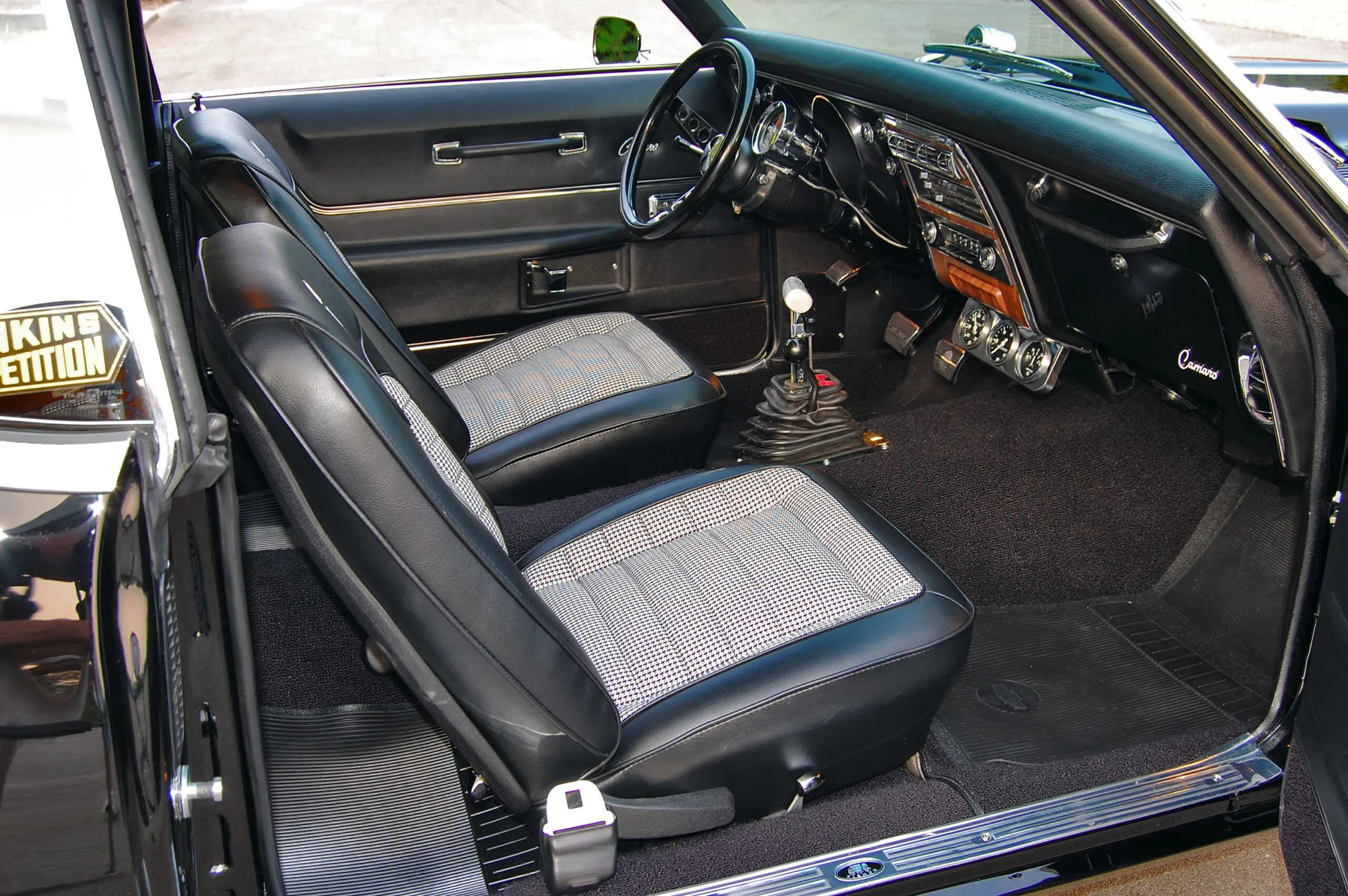
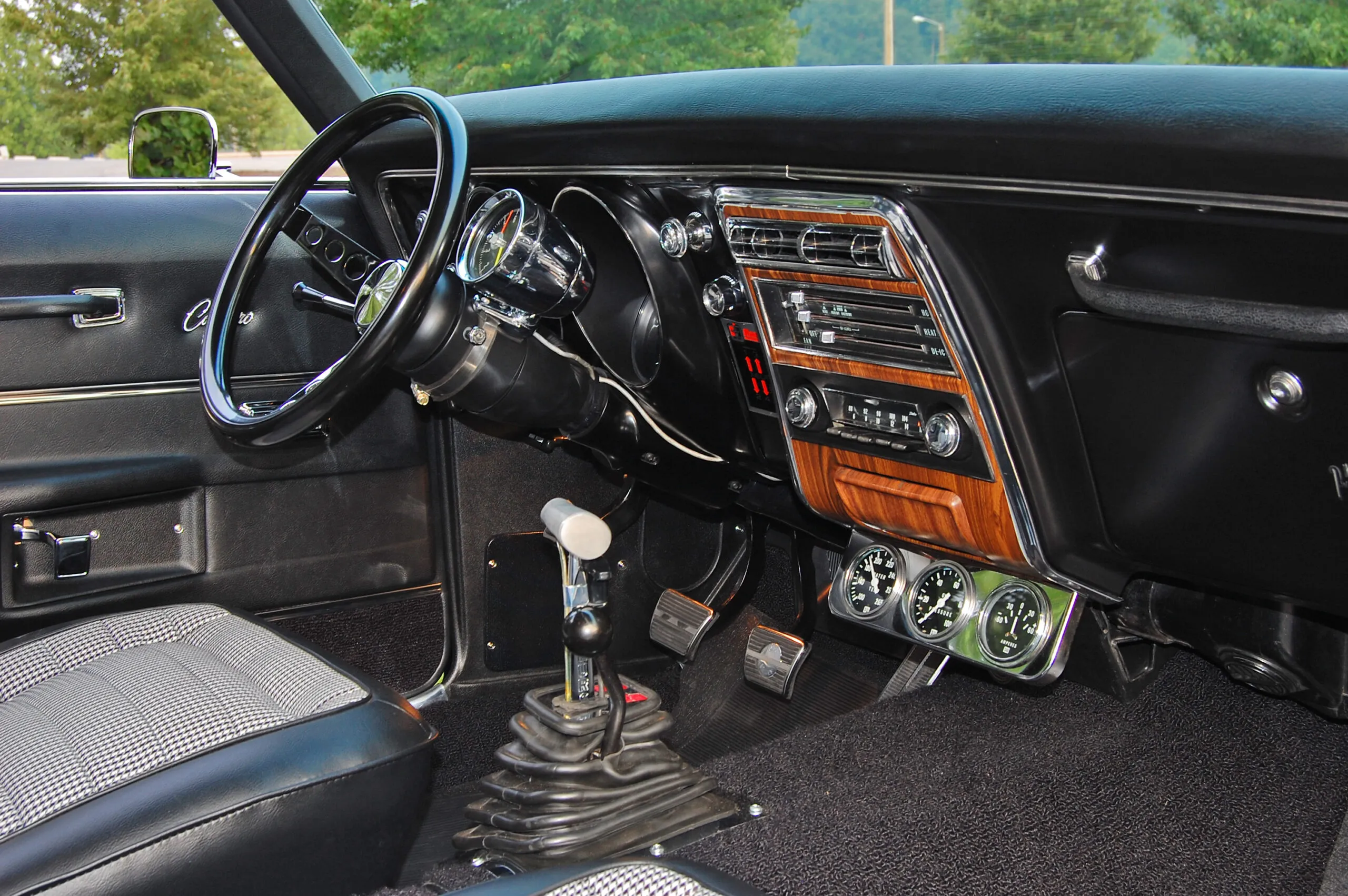
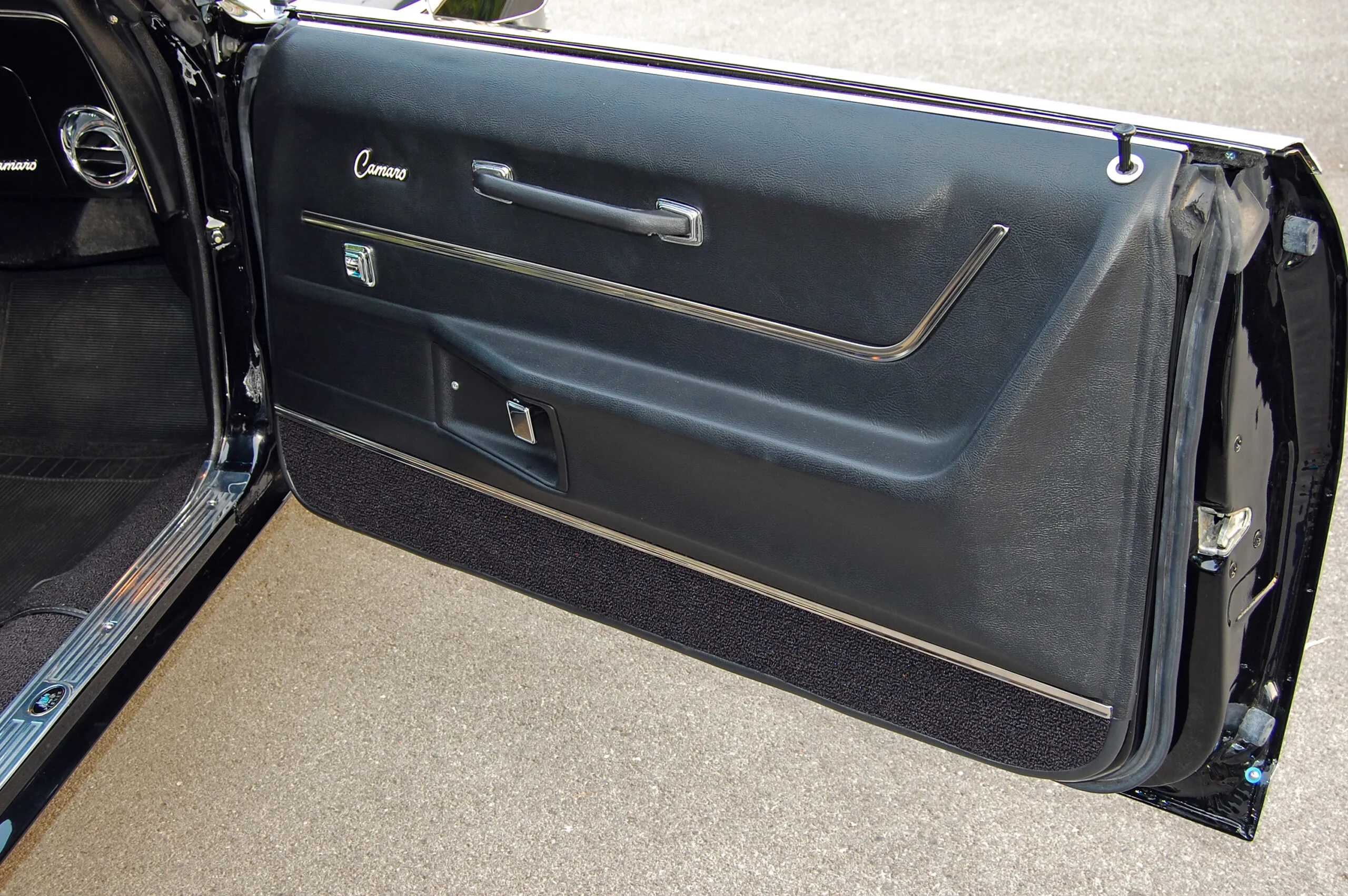
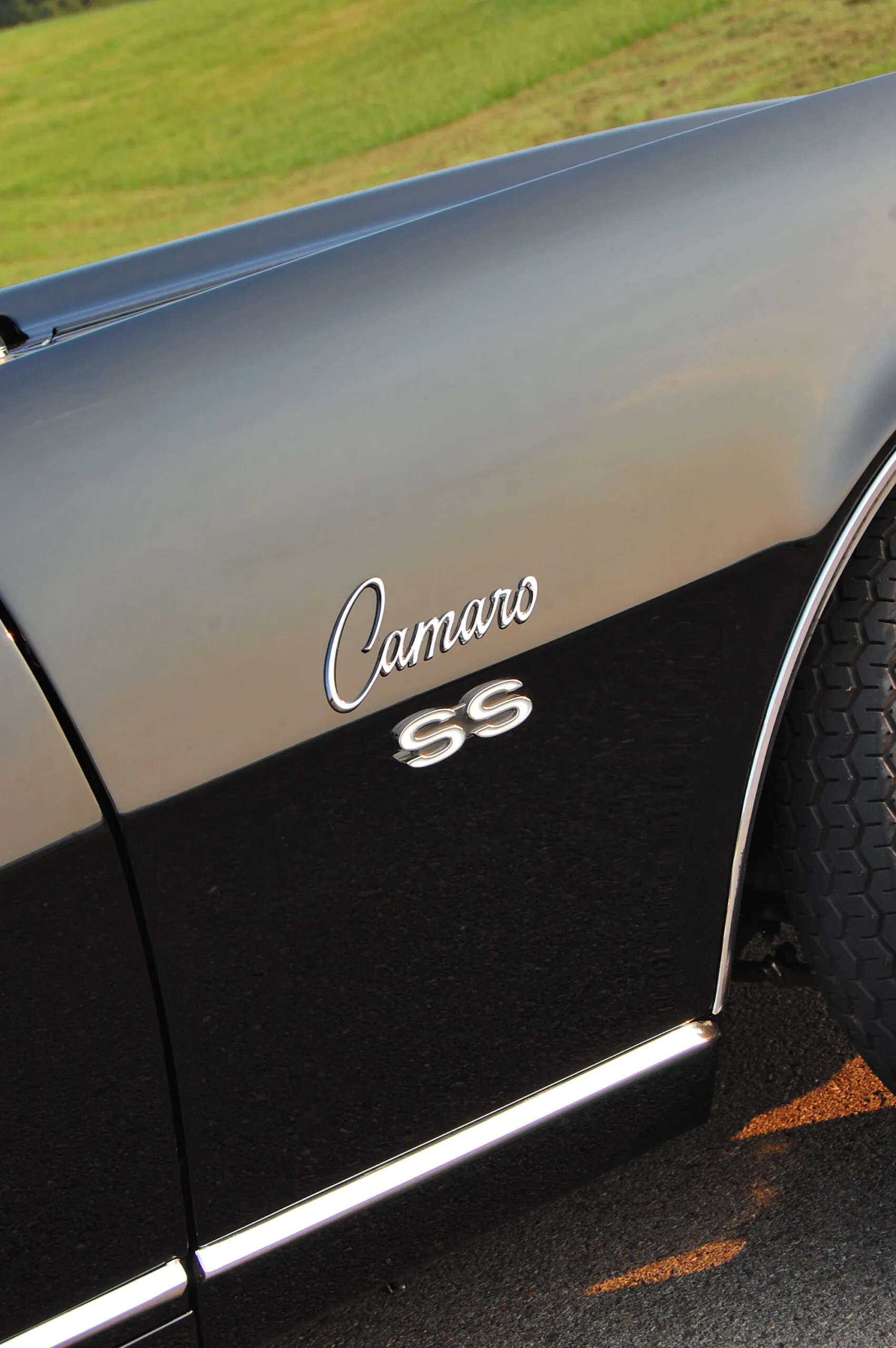
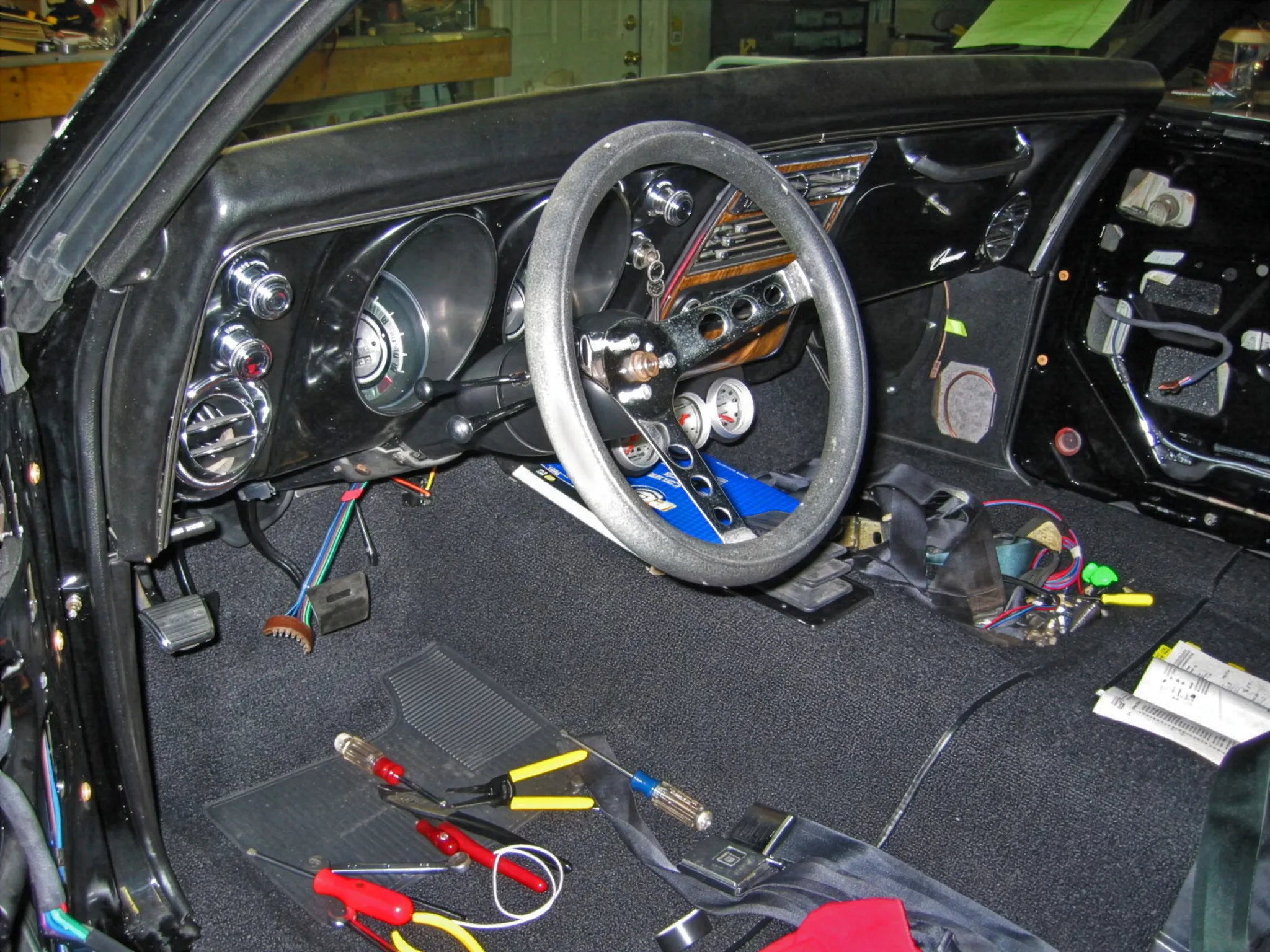
Through the years, Minor’s Camaro had received a few fresh paint jobs, but he wanted perfection this time, and called upon help from Jim Borruff of Maryville, Tennessee. Before the car left for the body shop, Minor modified the roll cage and kept a four-point roll bar, while incorporating a removable bar behind the bucket seats. Borruff performed the necessary bodywork to prepare this Camaro for black paint and blasted on the 2002 Harley Davidson Vivid Black materials just before laying down several coats of clear. Hours of sanding and buffing ensued, as Borruff worked hard to make the car as slick as possible, and he did just that. Then it was time for interior and Charlie Alexander handled the installation of all new components from PUI, which match the original Deluxe Hounds Tooth vinyl coverings. You’ll find a three-gauge cluster beneath the dash and a column-mounted tachometer, all of which is 1969-vintage Stewart Warner equipment.
Award-Winning Classic Camaro Street Machine
With encouragement from his best friends Troy Criscillis and Chuck Reagan, Minor assembled the Camaro and completed all of the finish work before taking it to its first outing—the 2007 Shades of the Past in Pigeon Forge, Tennessee. There, it won a Mighty Muscle Top 5 award and it’s gotten many more since then, thanks to its super slick paint, immaculate bodywork and classic Camaro street machine styling. It’s certainly not a modern-day street machine, but it brings back old memories of a much simpler time in the world of hot rodding. In addition, Claude and Jennifer Minor can thank this old Chevy for bringing them together and providing lots of fun over the years.