The Discovery of the 1970 Fastback
When he investigated the find, he discovered that although the ad wasn’t far off, the parts in question were actually a parts car, a description that may be a bit too generous for the ’70 Fastback hulk he found. The car had been in a horrific accident that tore it in half, with everything forward of the firewall sheared off and packed into a crumpled ball of metal. The floors of the rear section had rotted away completely from sitting in mud for several years. Nonetheless, de Melo was excited about the chance to rebuild the car.
Building the Foundation for High-Speed Racing
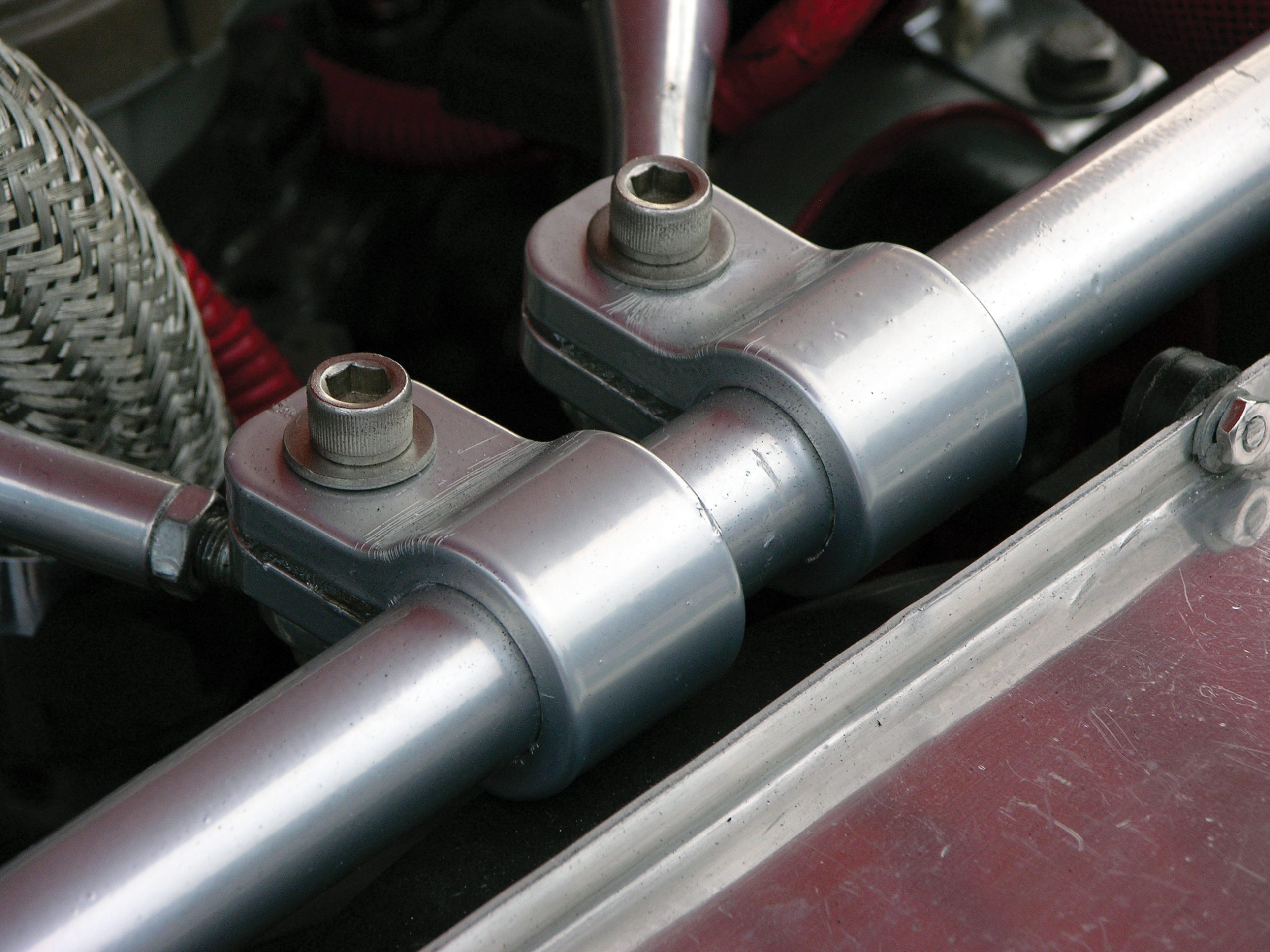
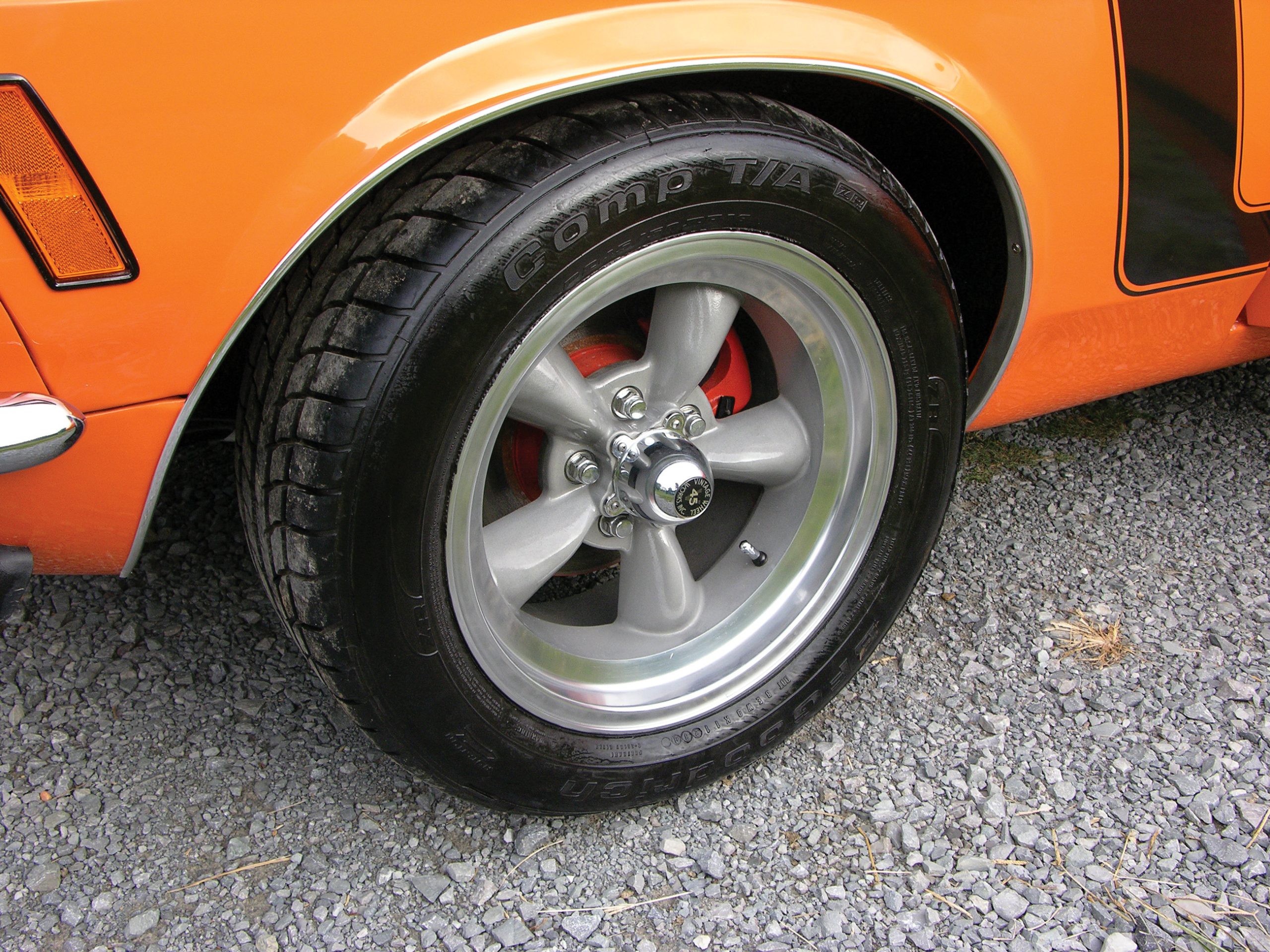
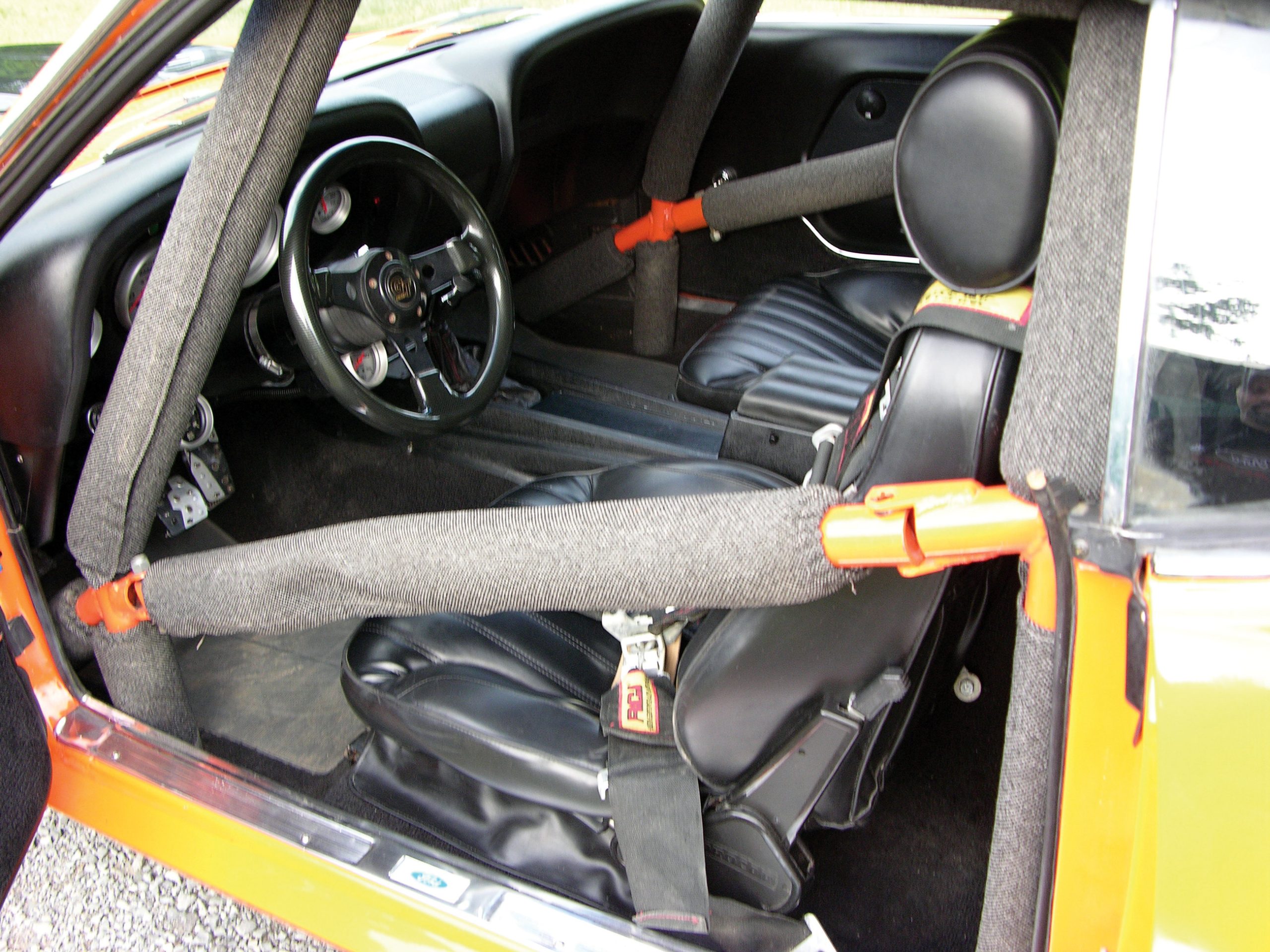
De Melo originally intended to build this car for competing in open-road race events such as the Silver State Classic, where speeds typically top 200 mph on an open freeway, so building a safe, stiff frame was essential. After replacing the floors, Big House began to beef up the suspension by installing Total Control subframe connectors, an X-brace and a 14-point rollcage. Big House reinforced the rear framerails and added a new set of leaf springs and Koni shocks to support the ’78 Lincoln Versailles 9-inch rearend, a car from which the fastback also adopted its rear brakes. Despite the modern trend of putting bigger wheels and tires on Mustangs, this ’70 wears a practical set of 16×8-inch V45s from Vintage Wheel Works, along with BFGoodrich 245/50ZR16 Comp T/A tires. A Fuel Safe fuel cell replaces the original steel gas tank.
Extensive Front Suspension Modifications
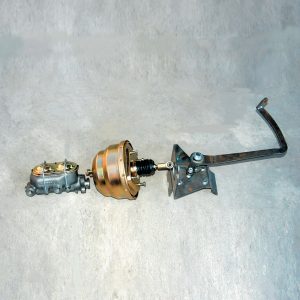
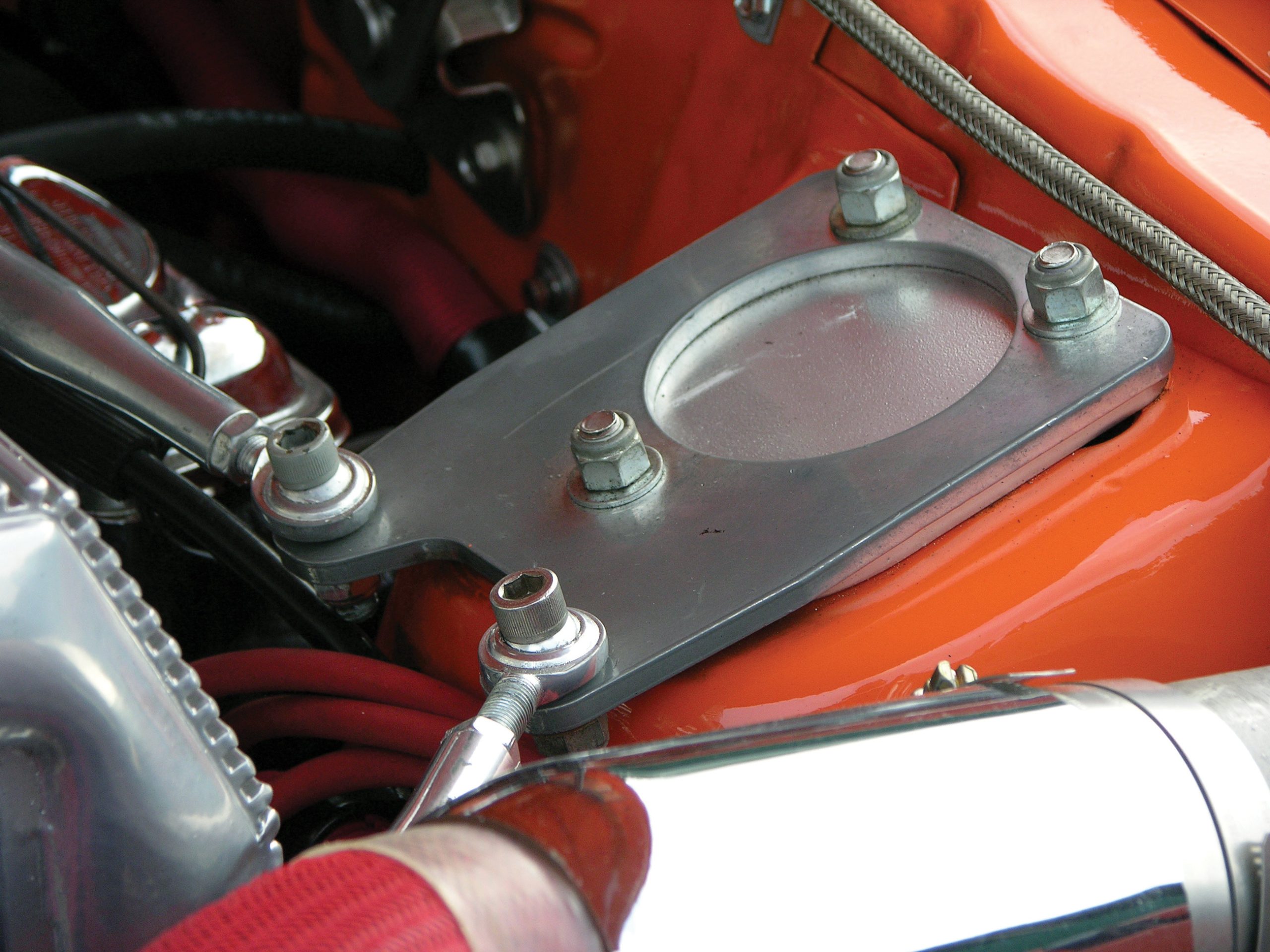
Modifications to the Mustang’s front suspension are far more extensive. Since this end of the car, including the frame stubs, had been severed from the rest of the vehicle, simply getting it rebuilt and useable required a great deal of effort in itself. Once that task was complete, de Melo replaced the original front suspension with tubular control arms and strut rods from Total Control. Aldan Eagle double-adjustable coilovers allow fine-tuning of the suspension settings, and a 1-7/8-inch sway bar eliminates body roll. Urethane bushings throughout provide excellent road feel and are transmitted to the steering wheel via a modified power-assist cylinder and control valve. Brakes from a ’73 Mustang bolt to ’72 Mustang spindles, and the wheel-and-tire package is identical to that at the rear of the car.
A Powerhouse Engine for Open-Road Racing
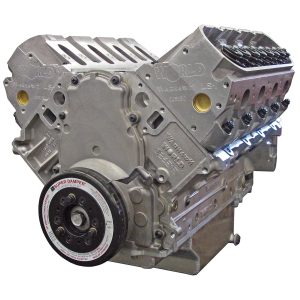
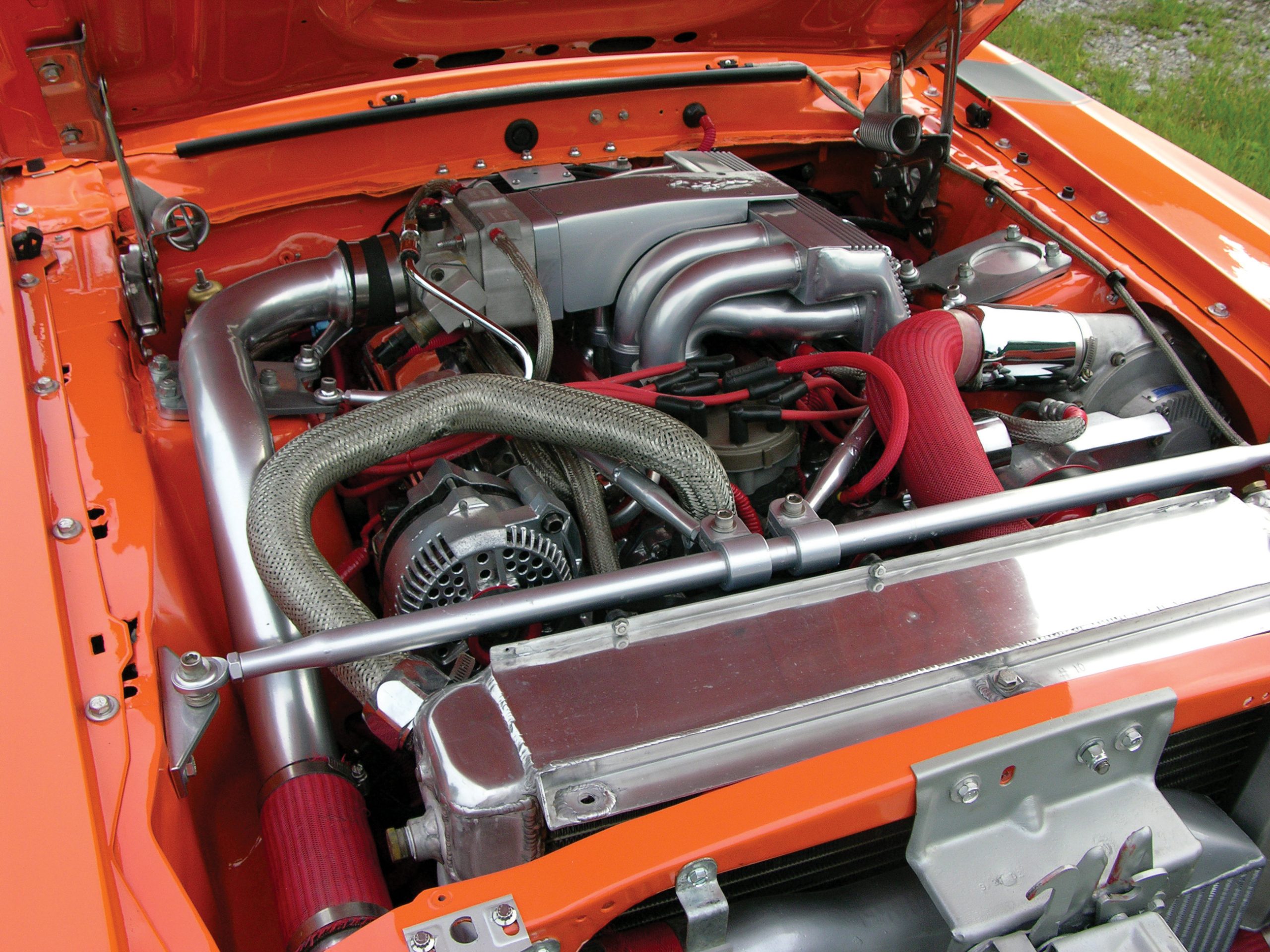
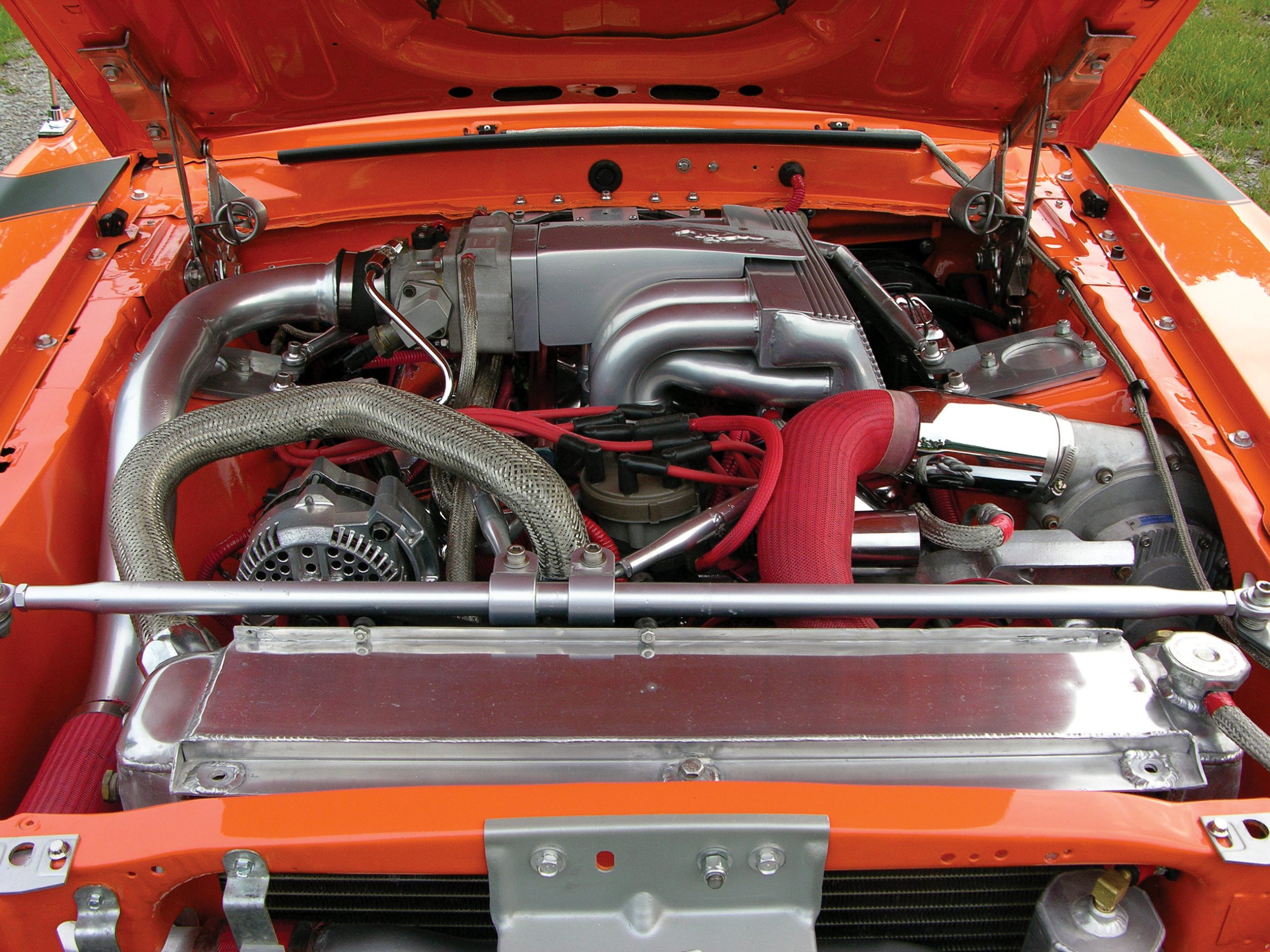
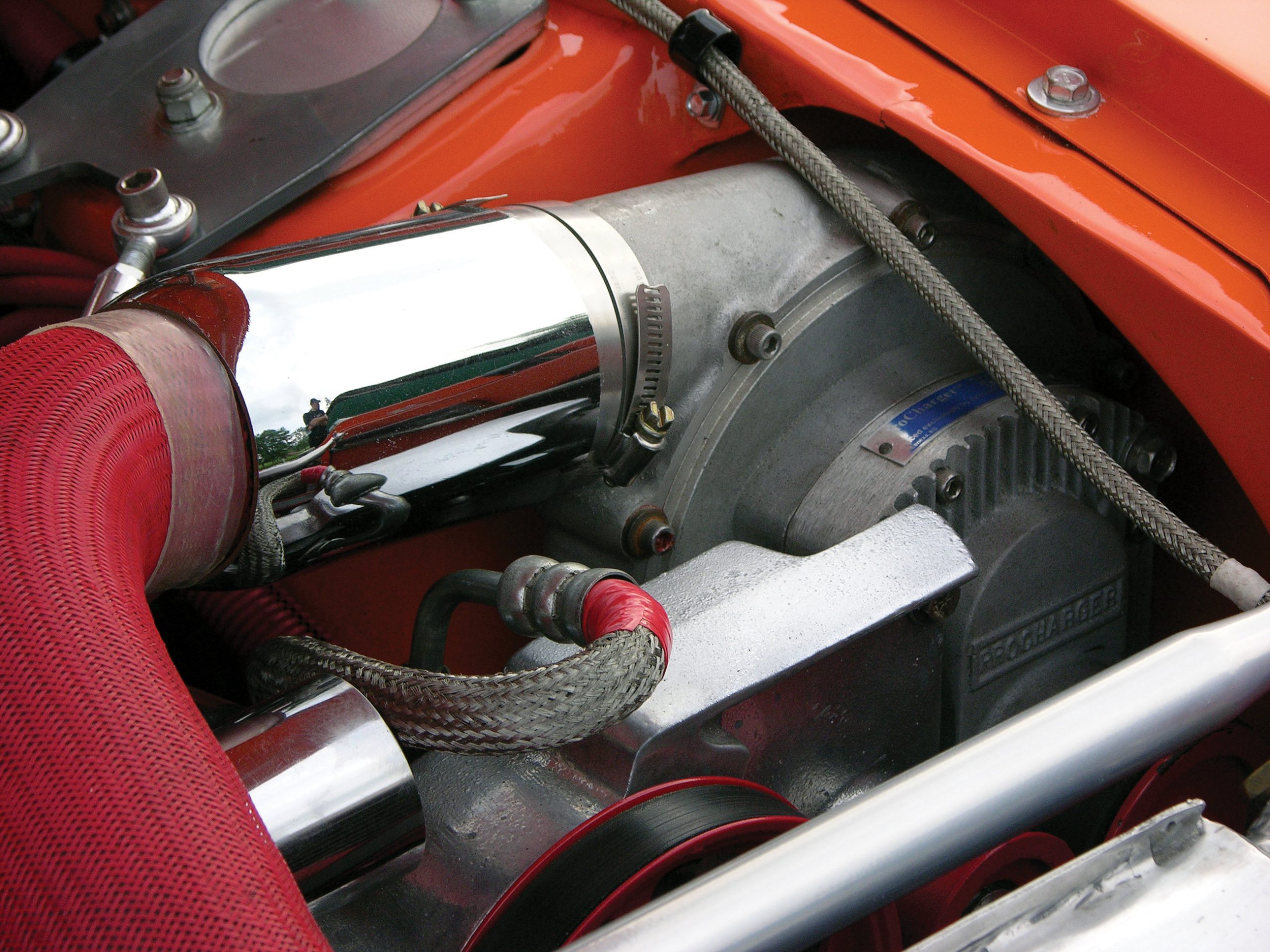
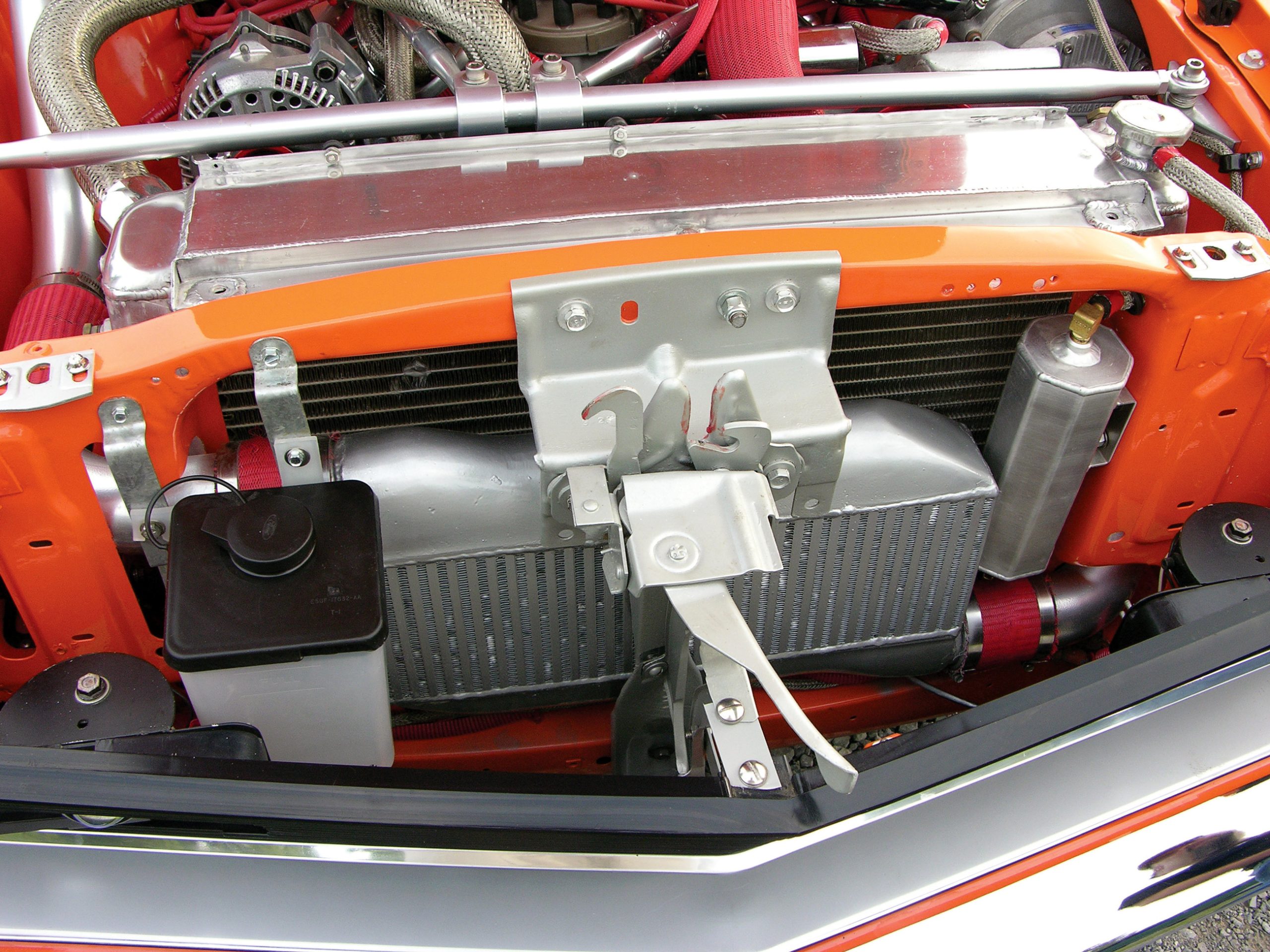
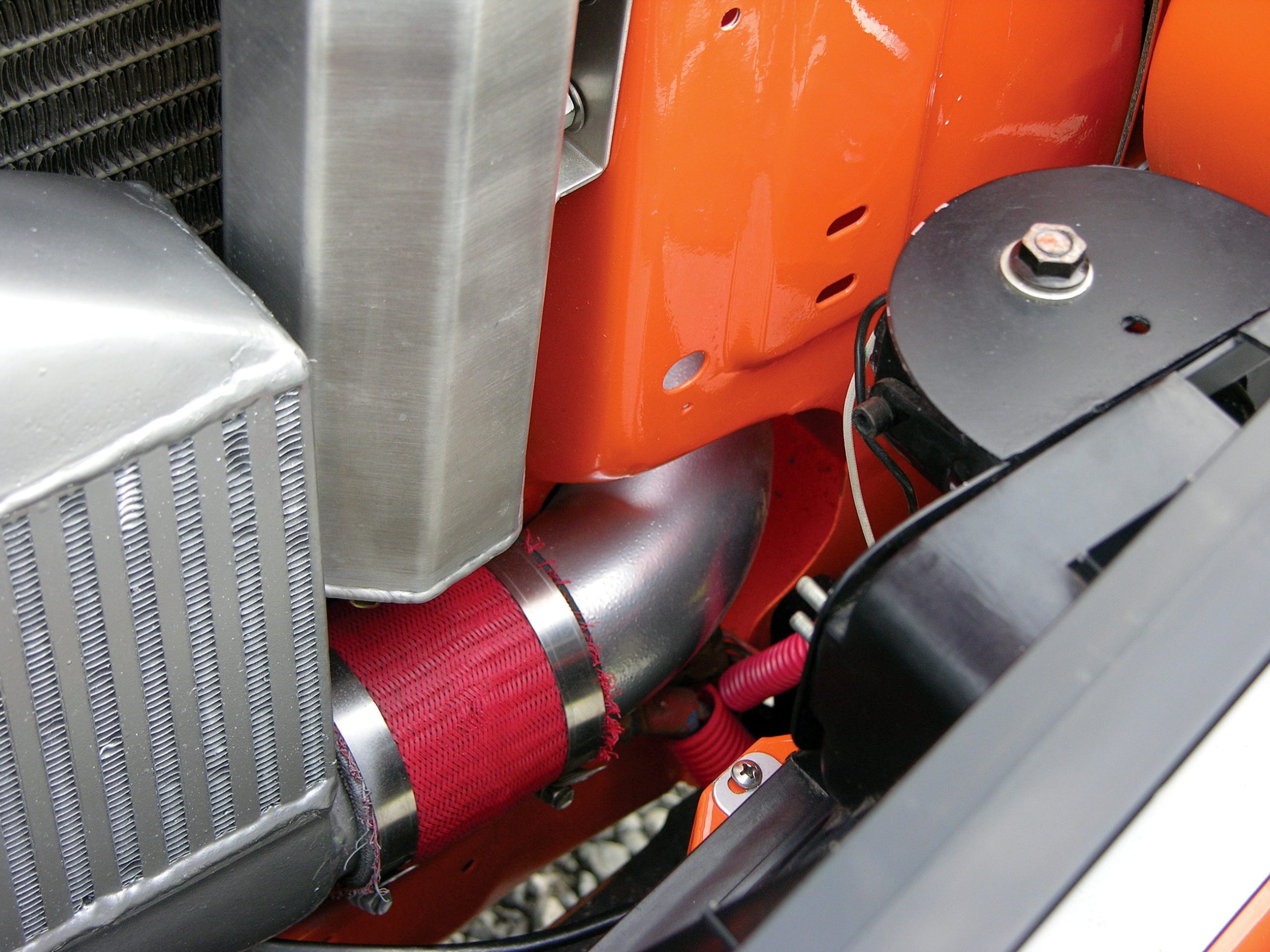
To reach the required speeds of an open-road racer, the engine needed to be especially stout. The 351W-based block features a Coast High Performance (CHP) crank with a custom-offset grind that provides 377 total ci, forged CHP rods and Probe forged 7.4:1-compression pistons. With such a low compression ratio, it doesn’t take much to realize that a lot of boost is on the way. An intercooled ATI ProCharger P-1SC provides 14 pounds of boost and breathes into the 75mm MAF sensor and ported Ford GT40 intake manifold. CHP modified the Stage 1 TFS R heads with stainless steel valves, Lunati roller lifters and 1.75 roller rockers. A custom-ground Isky camshaft opens the valves as Ford Racing 42-pound fuel injectors pour gas into the combustion chamber. A combination of MSD and Accel DFI ignitions provides the spark. Spent gases exit through a set of modified full-length Hooker headers into Flowmaster two-chamber mufflers. The front accessory system is from a ’95 5.0 motor, and a big 8-quart Milodon oil pan ensures that the engine is never starved of lubrication. This aggressive engine package produces some 750 hp, so it makes sense that the radiator is actually sourced from a NASCAR Busch Series car, with the inlet and outlet relocated to work with the new engine. The transmission must also withstand lots of abuse, so Big House installed a Tremec TKO five-speed with a Hays clutch to get the job done.
Restoring the Body to Perfection
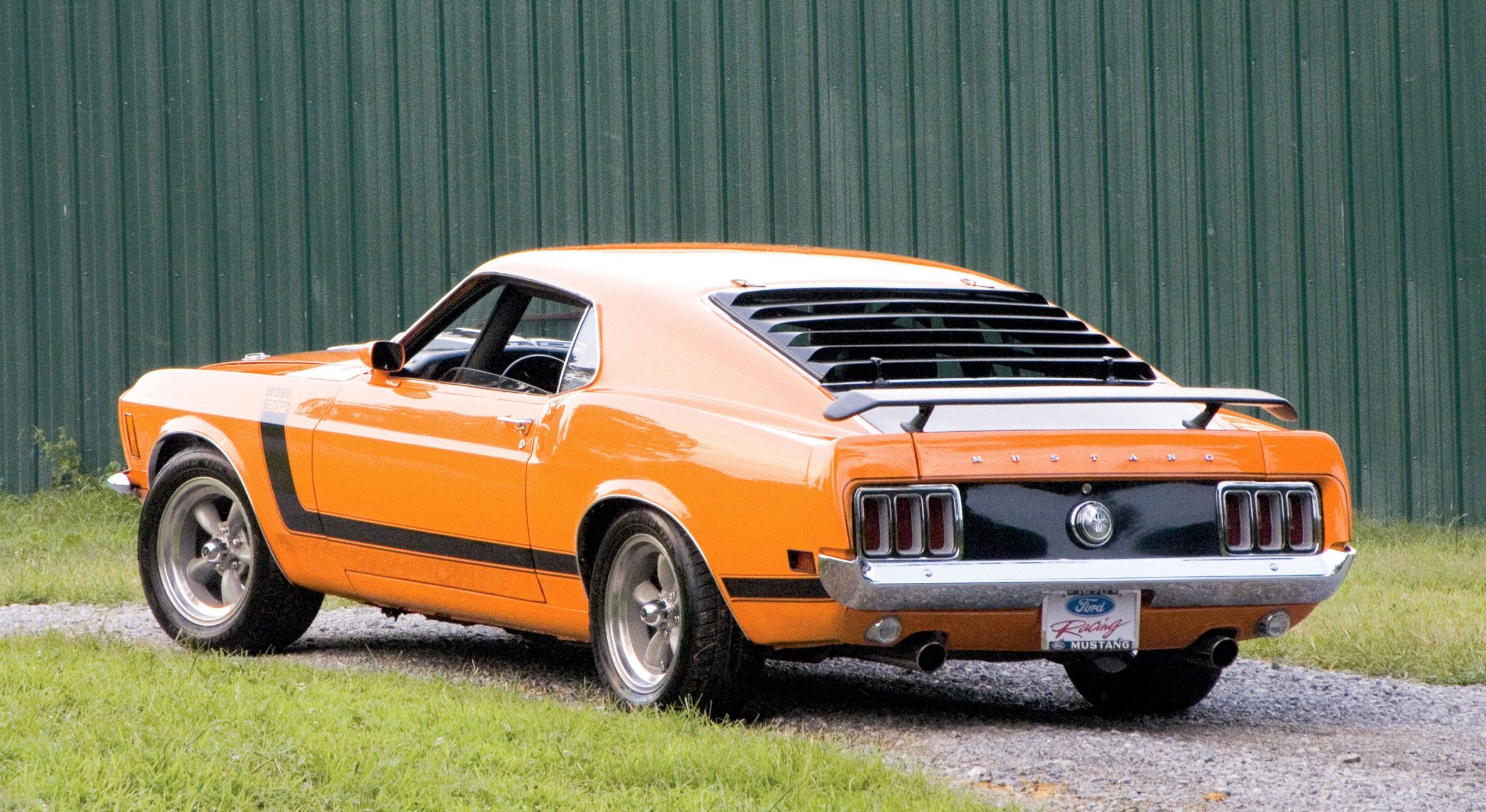
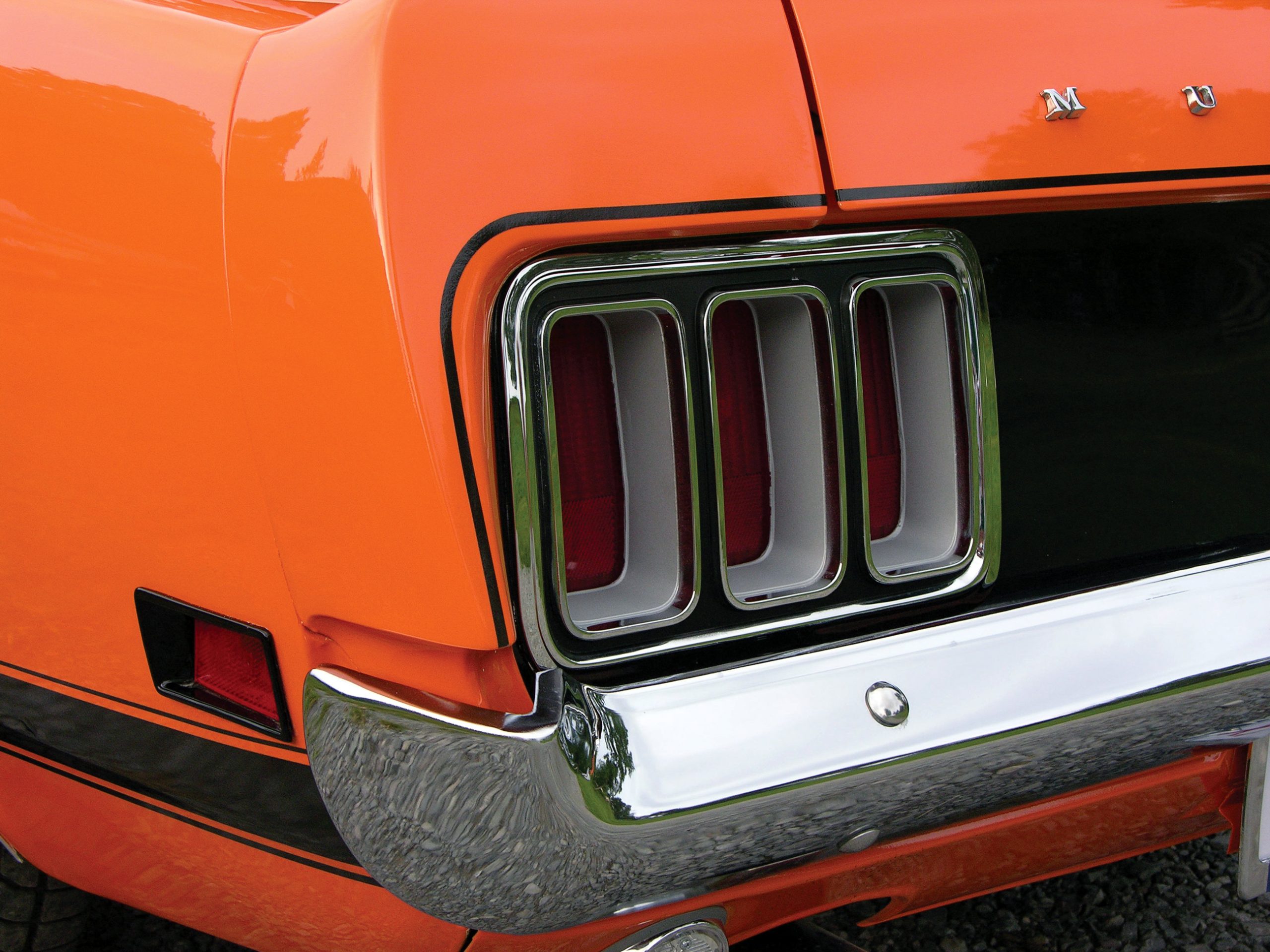
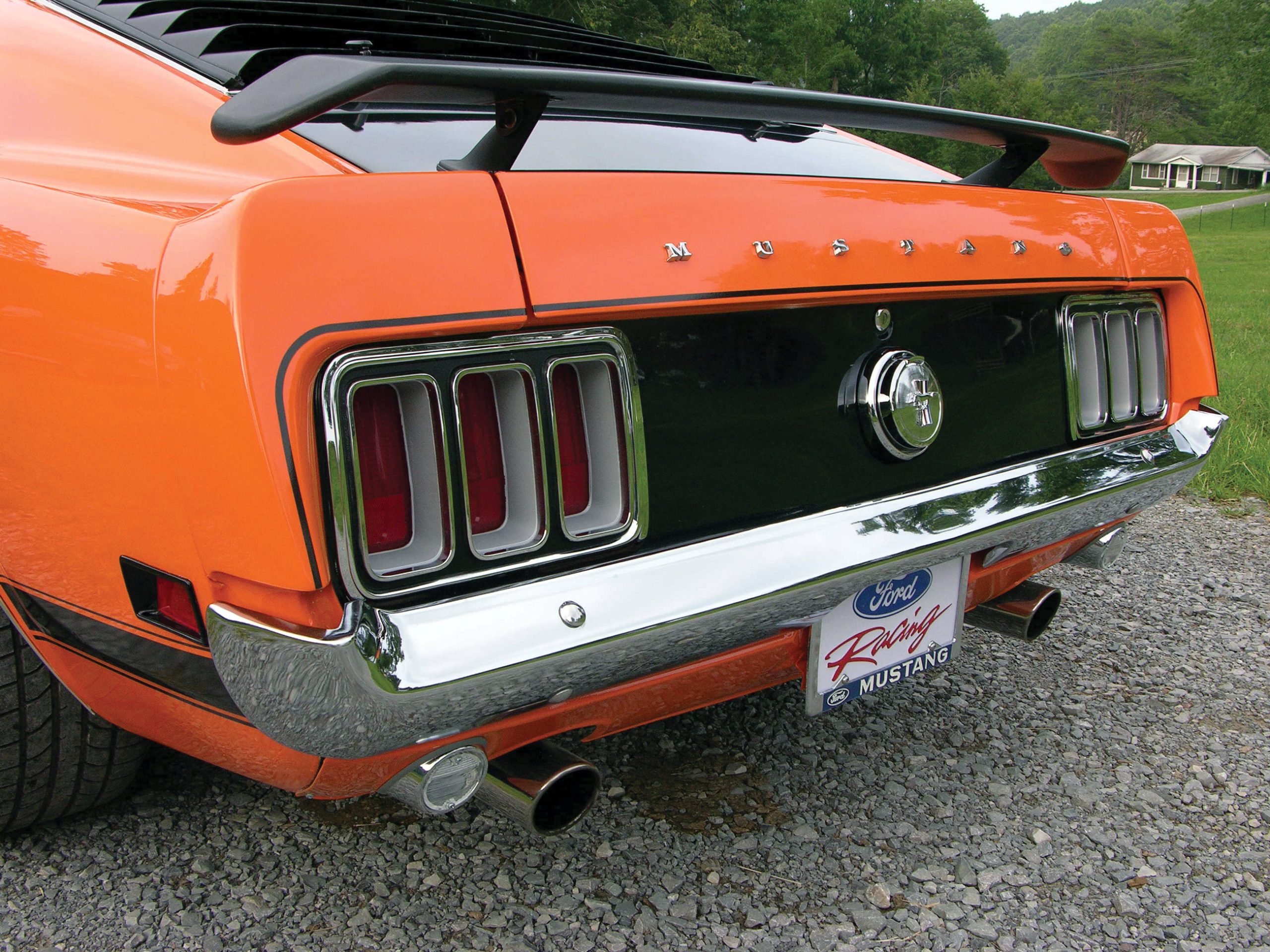
Given the nature of the accident that removed the car from the road, you can imagine that bringing the body back from the dead was no easy task. According to de Melo, the car needed new quarter panels, floors, door skins, fenders, decklid, taillight filler panel, firewall, core support and trunk drop-offs; in other words, it needed everything. Very little of the body remained that wasn’t rusted or mangled, and it took many hours of cutting, grinding, welding and sanding to get the car ready for paint. Despite all of the restoration work, modifications to the body are minimal. The stock grille contains a set of custom driving lights, and de Melo opened the cosmetic vents in the headlight buckets to feed cold air to the engine. The paint is a custom mix of DuPont Chromabase Orange, and though the car is not a genuine Boss model, it wears Boss 302 stripes and rear louvers to look the part. For the same reason, it wears Boss-style chin and trunk spoilers, and the tailpanel is painted black.
Crafting the Custom Interior
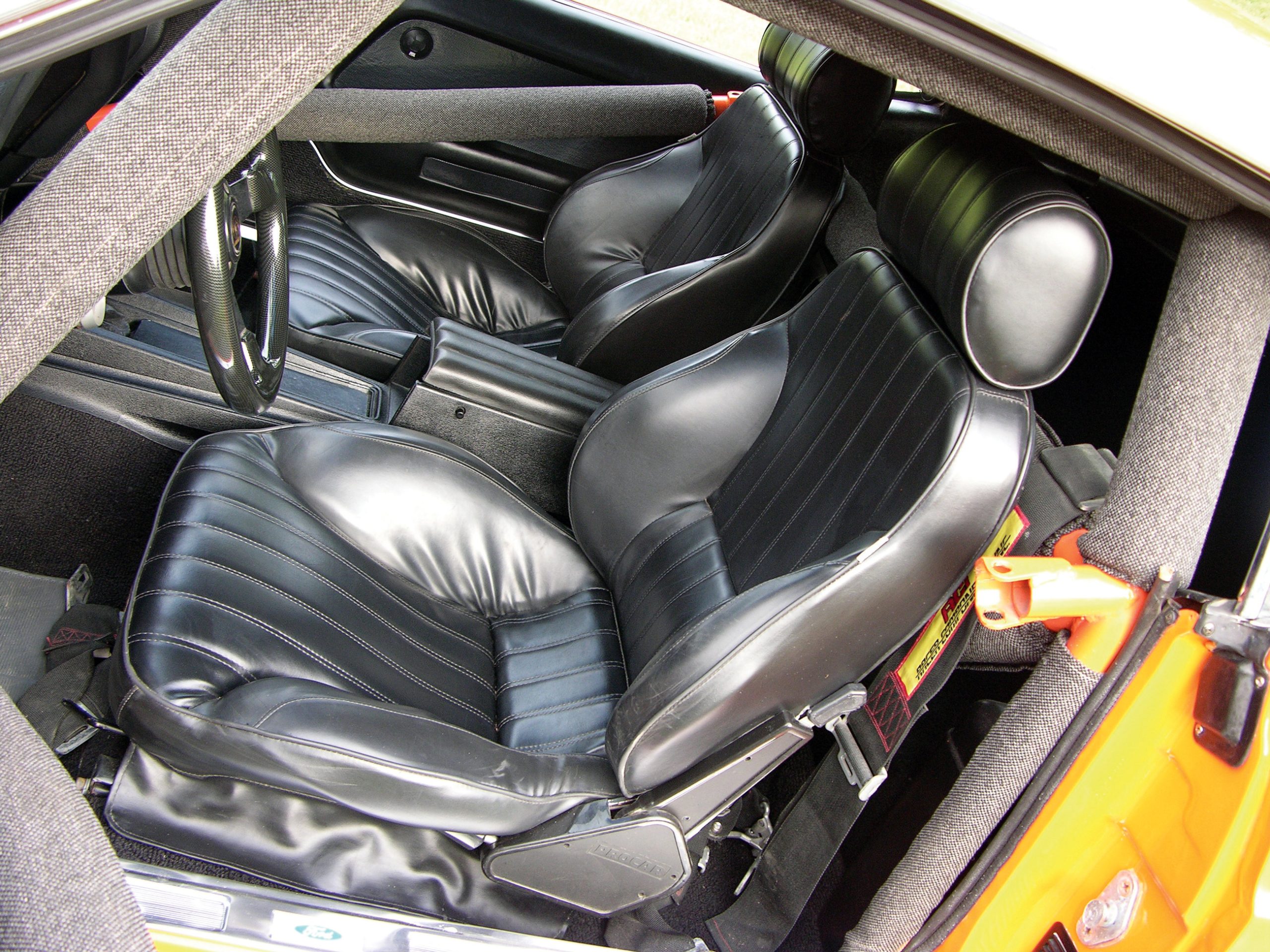
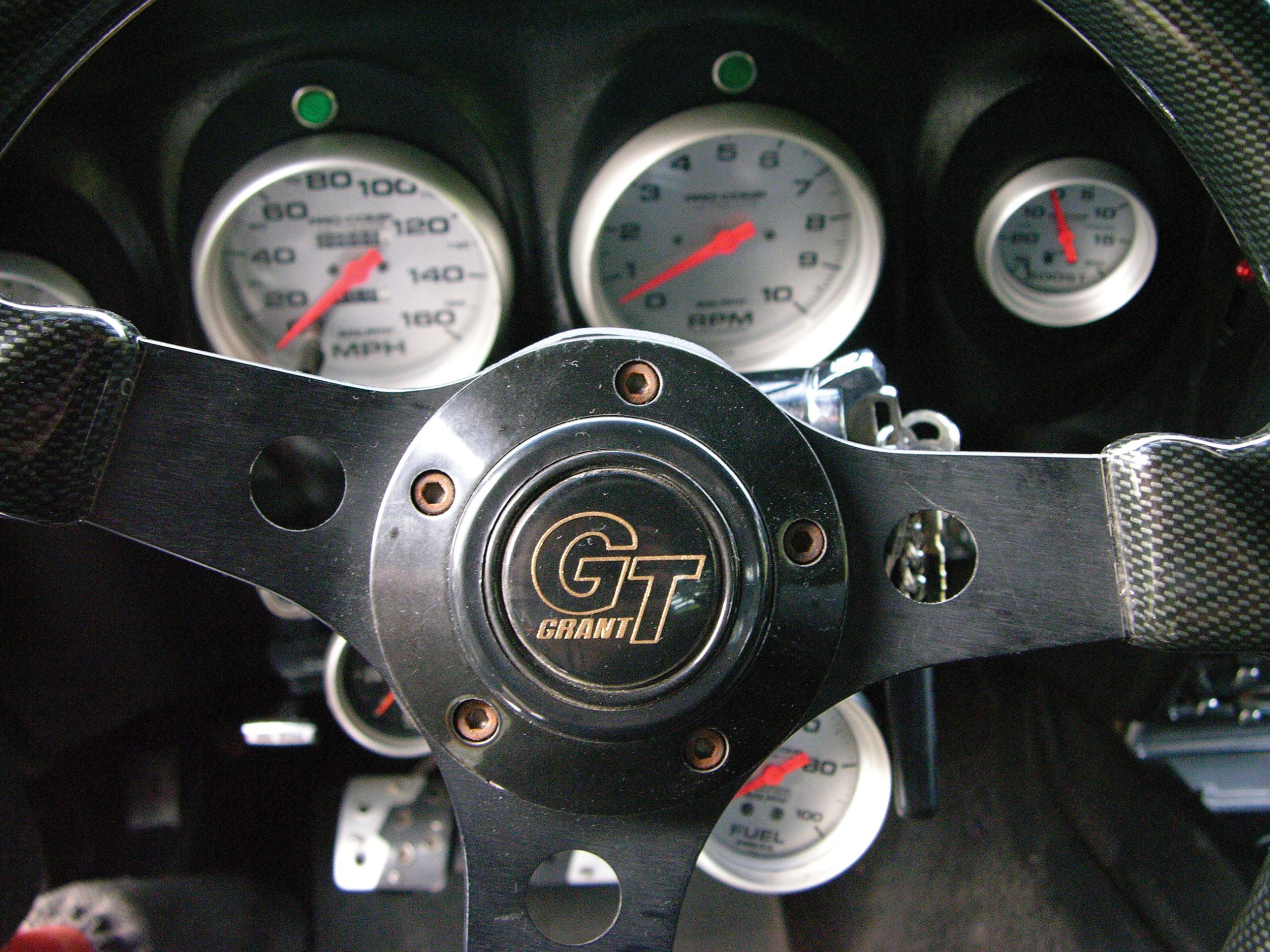
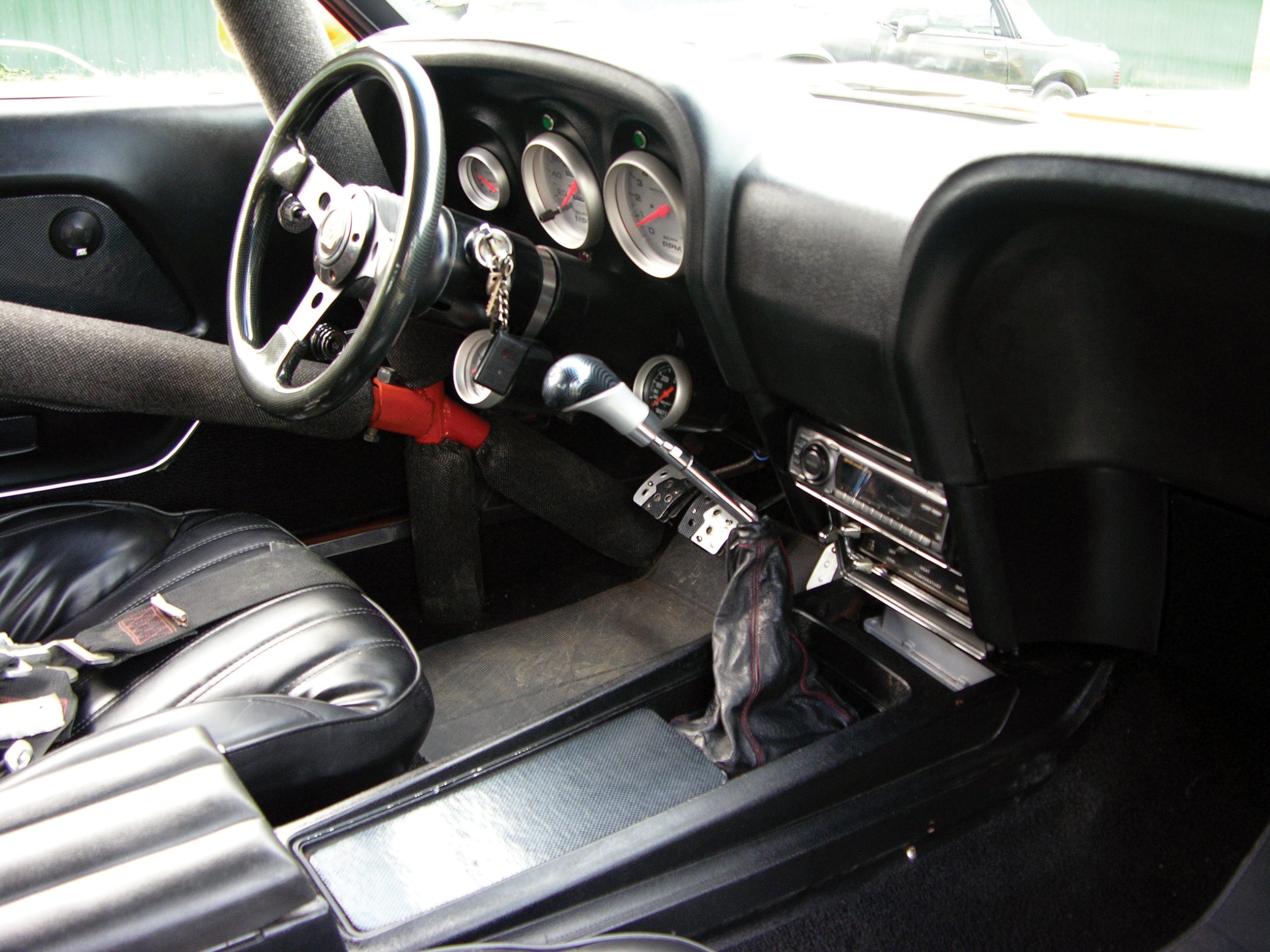
Big House Customs collaborated with Don’s Trim Shop in Hixson, Tennessee, to create the Mustang’s new interior. The 14-point rollcage surrounds a pair of PROCAR seats fitted with RCI harnesses, and the swing-out door bars enable passengers to access the seats. The modified dashboard contains an array of Auto Meter Pro-Comp gauges in a custom housing. A Grant Ultratech steering wheel tops the column, and a B&M Ripper shifter selects the gears. The engine on this ’70 makes quite a bit of noise, so the car definitely needed a stereo system that could do the same. To that end, it features a Sony XRC7200 receiver, MTX speakers throughout the cabin, twin Lanzar subs, a Lanzar 400-watt amp and a Sony 10-disc CD changer.
Acknowledging the Team Effort
Leon Sneed and Chris de Melo have a long list of people who helped them get this car back on the road, and their list is so long that we can’t possibly include all of it. But to give credit where credit is due, they would like to thank Legend Powder Coating, JJ’s Mustangs, Don’s Trim Shop, Sound and Security, Riverside Machine Shop, Coker Tire, Cleveland Performance and more. Big House Customs builds cars for the purpose of selling them, and soon after we shot this car, it was sold and on its way to a new owner. A huge amount of time was invested to bring this car back to life, and judging by the rumble of the car while it moved around for our photo shoot, the new owner is surely enjoying this ride.