




THE AUTO BUILDER
Featured


THE DEFINITION OF COOL

Hot Boats at the Grand National Roadster Show 2025

MOLDED MONITORS
Installing A Covans Classic Molded Gauge Package: Covans Classic, located in Cumming, Georgia, offers a full line of ABS molded dash panels and glovebox doors for classic cars and trucks. The fully molded dashes are designed to be factory replacements, giving a smooth, custom look while accepting common 3-3/8-inch speedometer and tach and 2-1/16-inch oil pressure, water temp, fuel level and volt gauges. The instrument panels feature high-quality molding and are available with or without holes. They can be purchased in brushed aluminum, black, burl wood and carbon fiber. The panels can also be painted to match the interior.

Tow, Tow, Tow Your Boat
What makes the Dakota perfect is that you get all the attributes of a full-size pickup in a mid-size package. Even the styling of the new Dakota reminds you that this truck is definitely a member of the Dodge family. The grille is bold and bright, but with more angular shapes than on the full-size trucks. Large quad headlamps, a lower airdam and a giant front bumper say this truck means business. From the side, the Dakota features chiseled quarter panels that flare out to accommodate the standard 16-inch tires or optional 17s on SLT and Laramie versions. In back, the Dakota features “afterburner” taillamps and a sculpted tailgate that finishes the overall design treatment. All in all, it’s quite stylish.

IN ARM’S WAY
Maximum’s design replaces the upper control arms with a torque arm and a Panhard rod, each of which has only one job rather than two. The Panhard rod centers the axle from side to side, and the torque arm controls pinion angle. Assigning each of these duties to separate components allows each piece to be better at its one job than the stock upper control arms are at either job. The torque arm is essentially a three-link design, and Maximum claims that it improves traction so much that after installation you may have to alter your sway bars to prevent understeer.
Spotlighter
POPULAR READS
-
Product Spotlight: Bill Mitchell Products Aluminum LS Engine Block
-
PRODUCT SPOTLIGHT: 60-66 Chevy C10 Fresh Air Vent Block Off Plate
-
Product Spotlight: Pyramid Optimized Design Sequential Aurora Taillight for 1964½–1966 Mustang
-
PRODUCT SPOTLIGHT: Cam Covers for GEN/3 Coyote from Pyramid Optimized Design
FOX-BODY SPOTTER’S GUIDE
Mustangs, and Much More
Author
Will Smith
Story & Photography
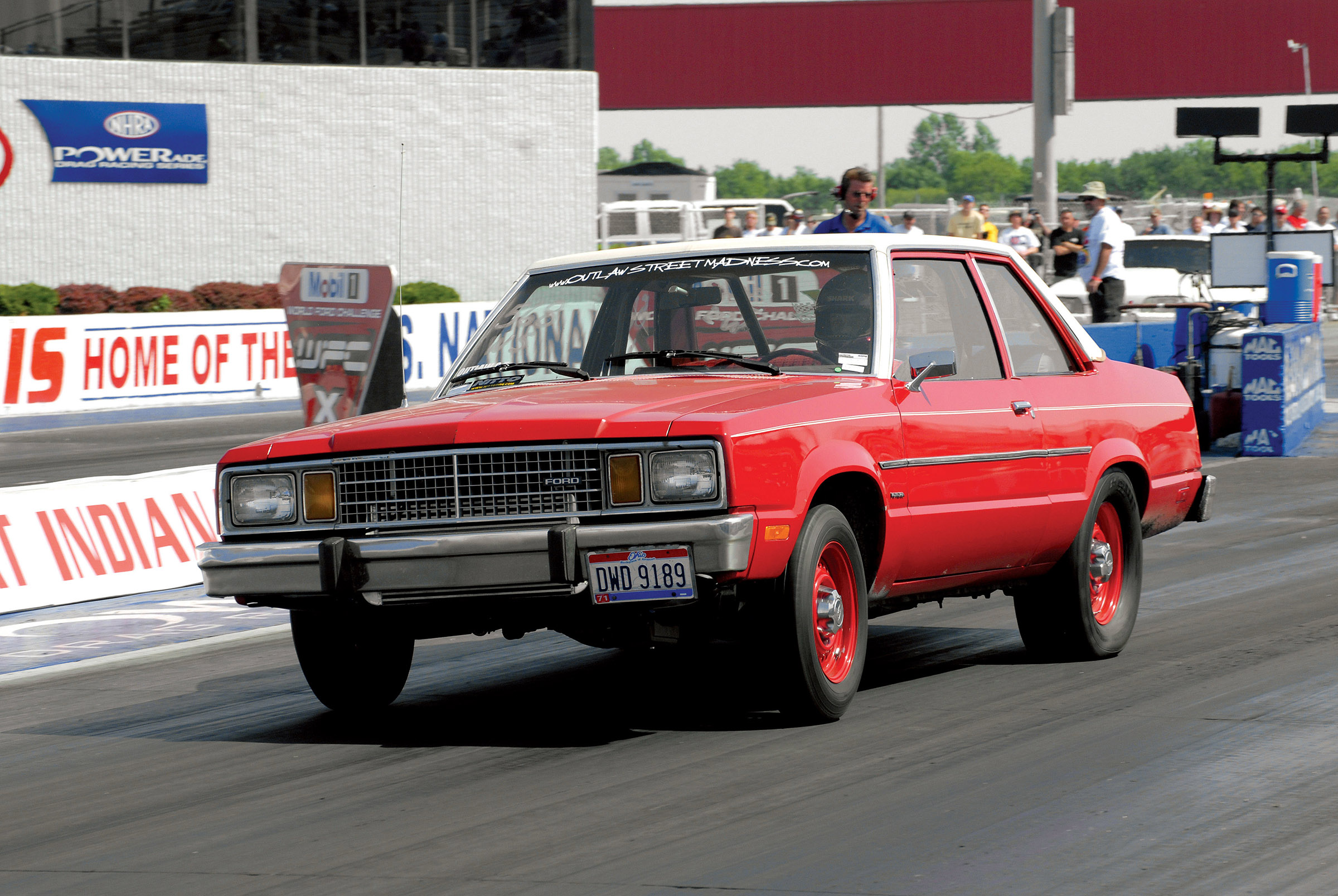
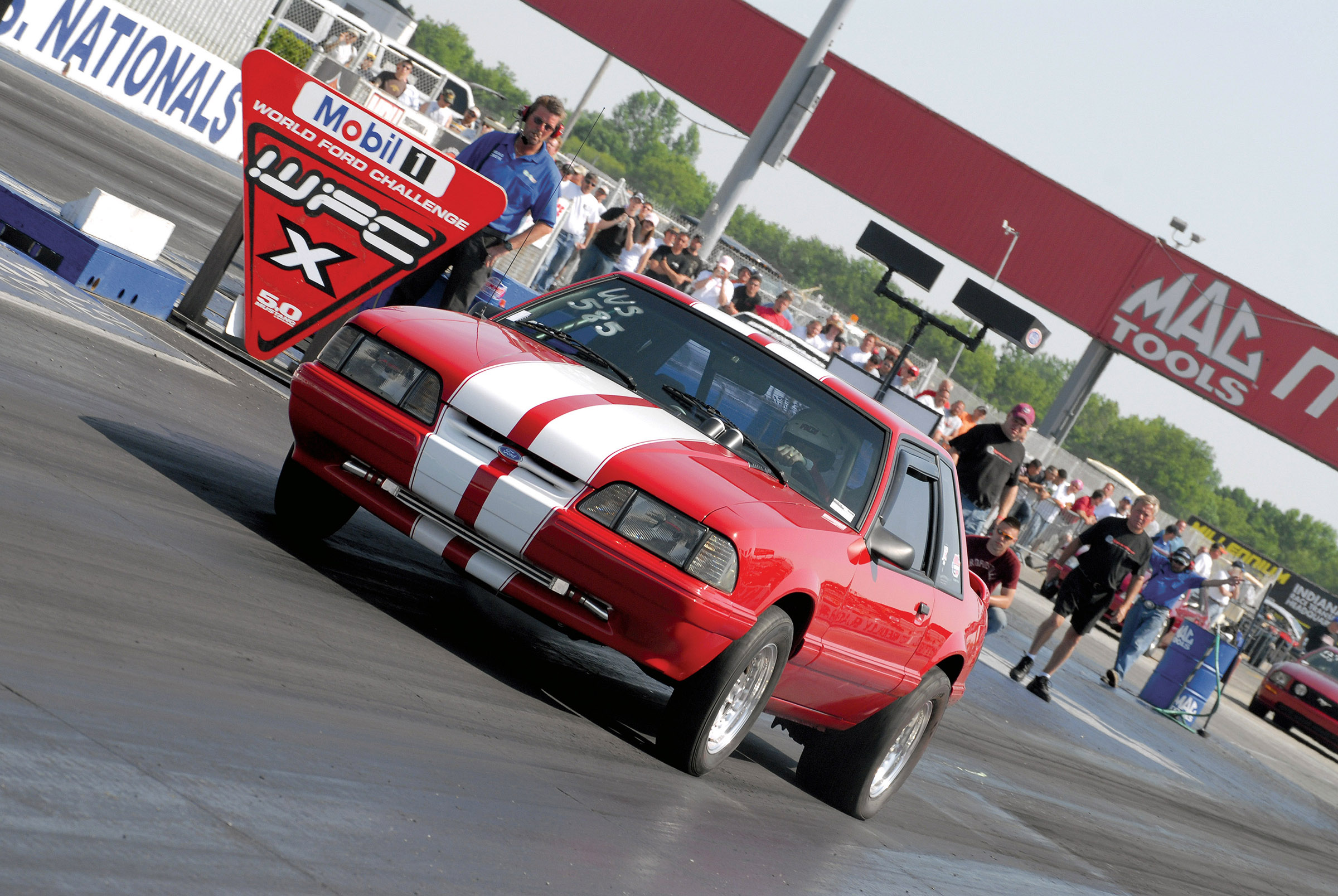
When Ford introduced the 1978 Fairmont, it could not have suspected at the time that it was beginning something that would change the company—and the high-performance aftermarket—forever. While the Fairmont may have been a forgettable mid-sized sedan and wagon platform, the car’s basic underpinnings proved to be an ideal basis for the new 1979 Mustang, just as the early Falcon gave birth to the first Mustang back in 1964-1/2.
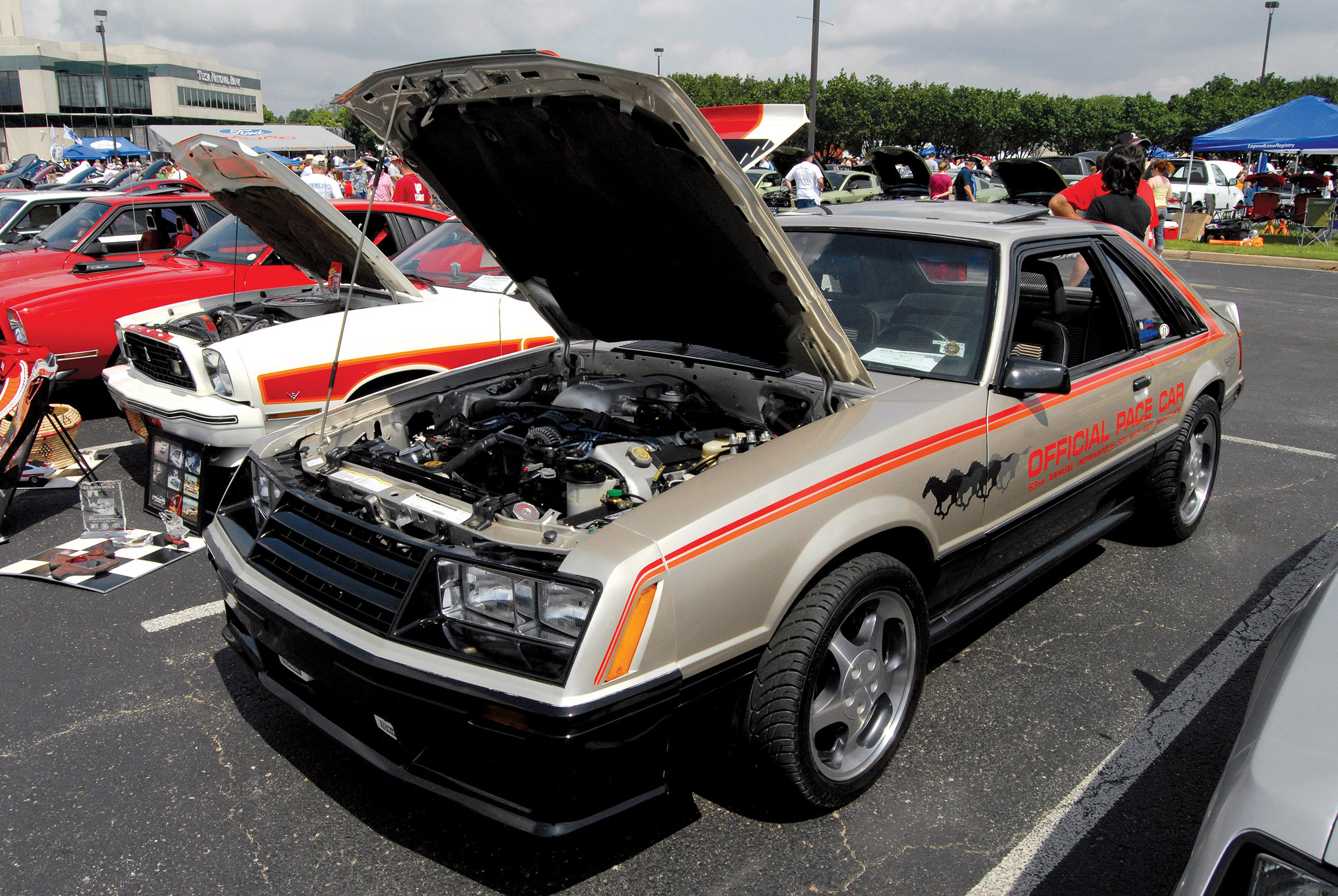
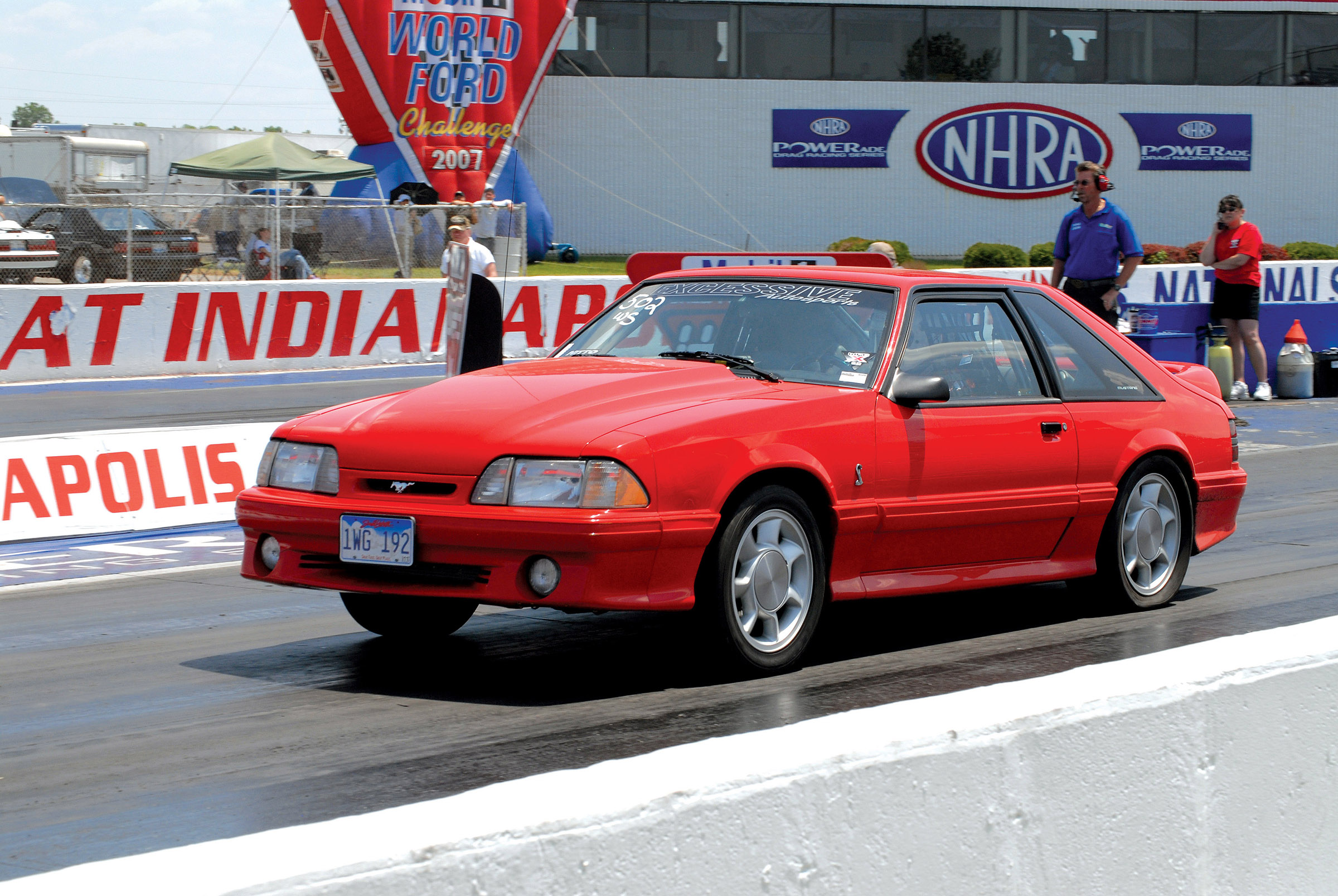
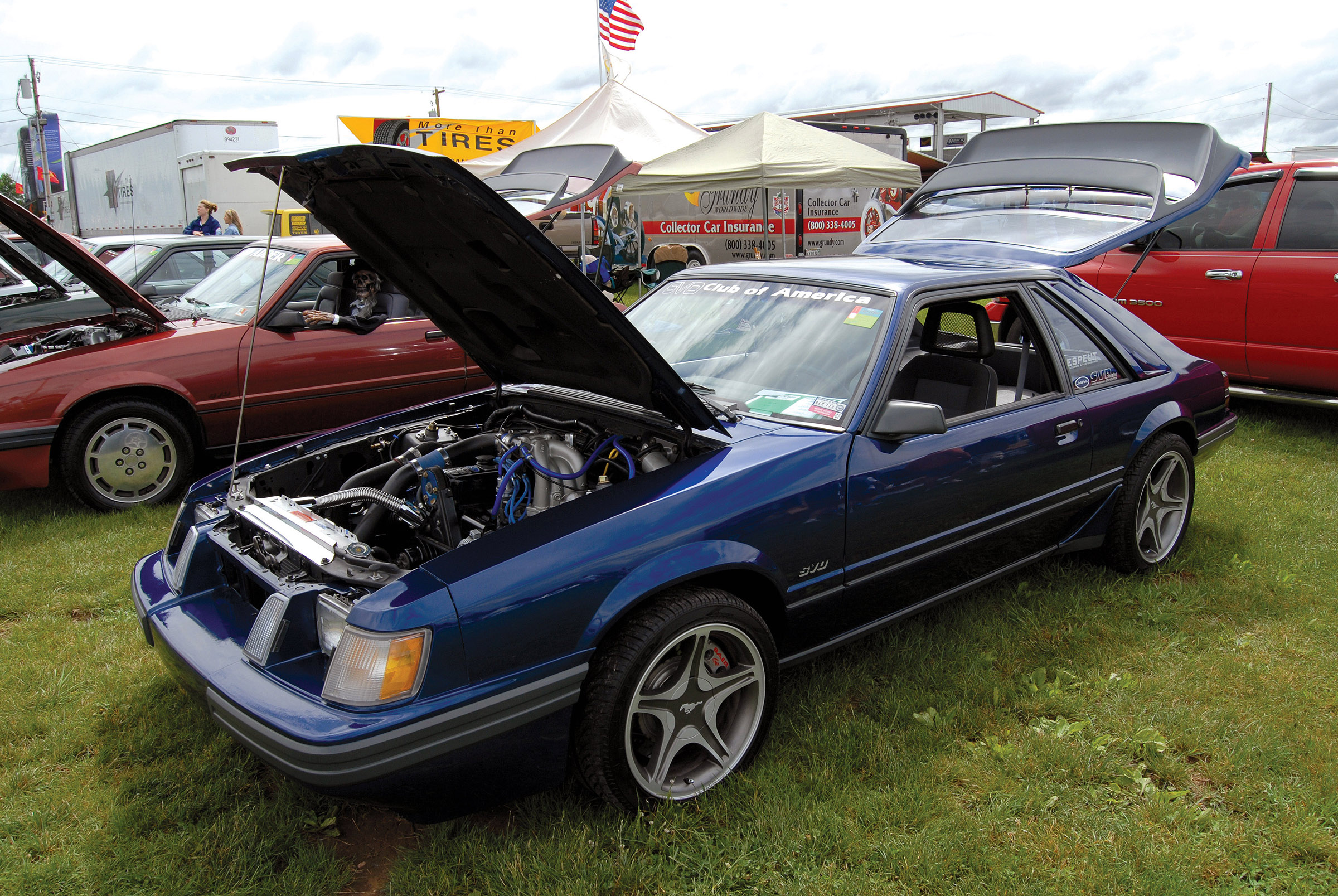
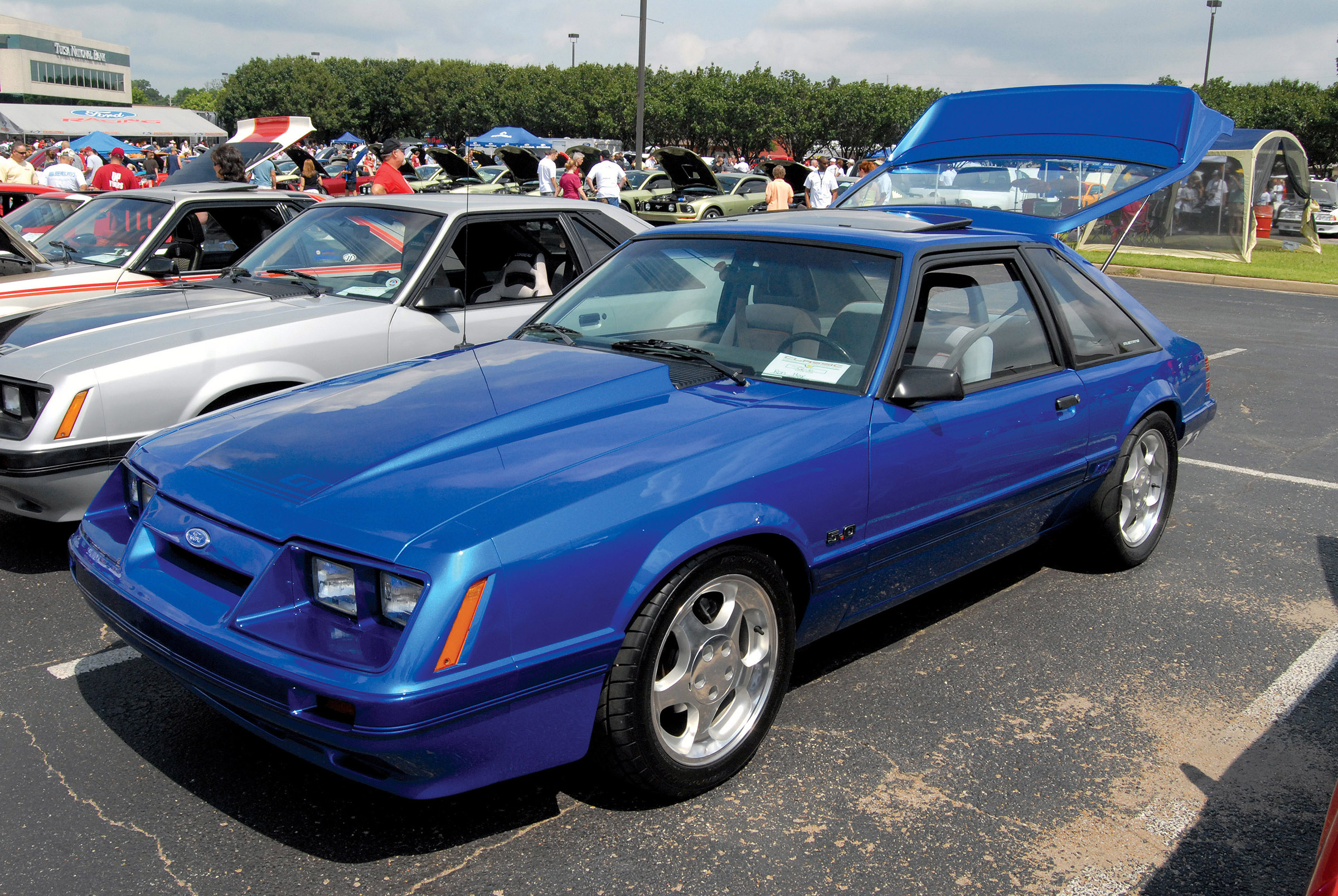
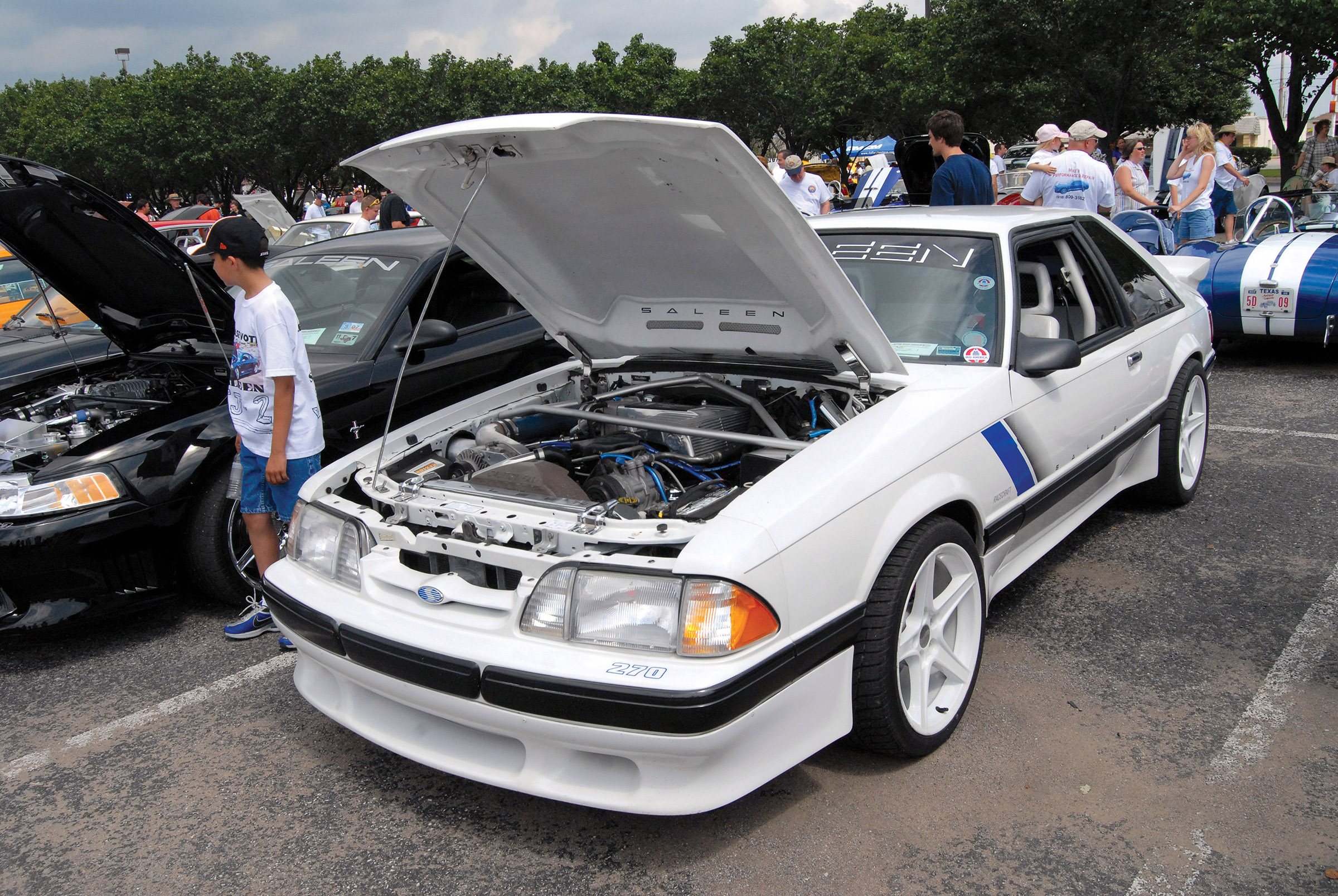
It’s not that the ’79 Mustang set the world on fire, either. The car was better than the ’78, but it wasn’t a real performance car. That didn’t happen until the ’82 GT was introduced, which was a step in the right direction, as was the ’84 SVO Mustang. What really made the Mustang great was the 1986 addition of electronic fuel injection, but even that wasn’t initially identified, and wouldn’t become a young man’s performance car of choice until some time after its introduction.
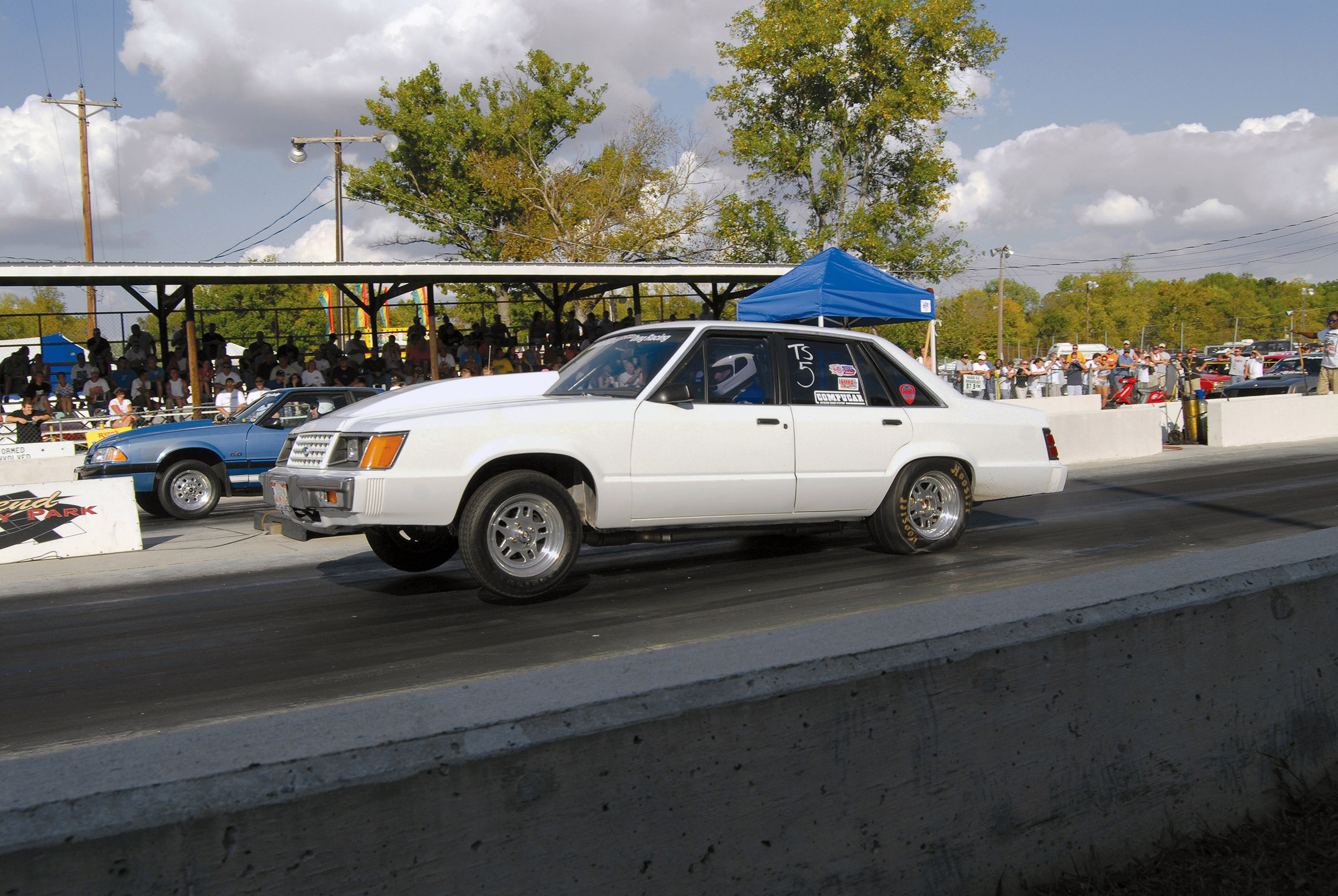
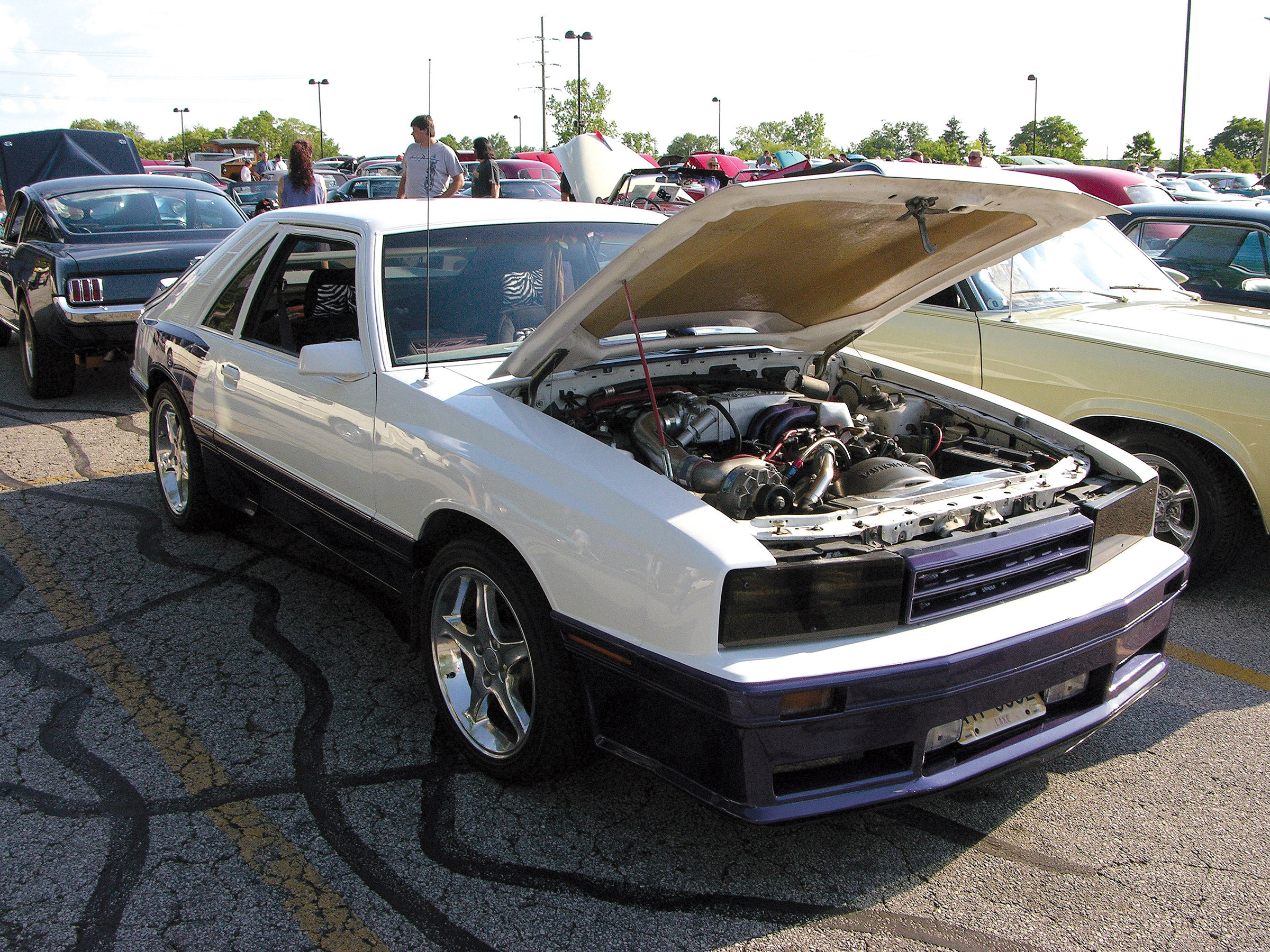
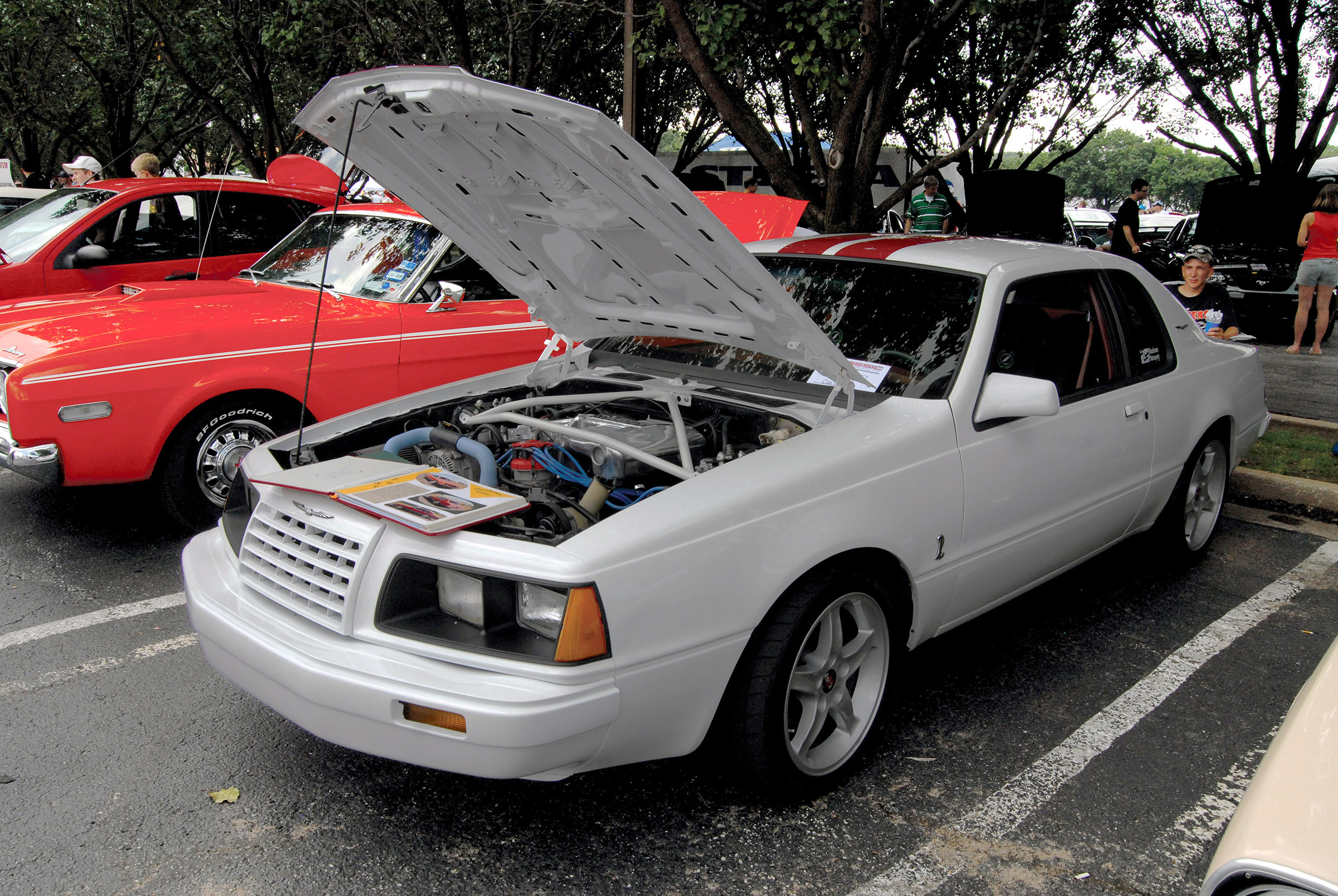
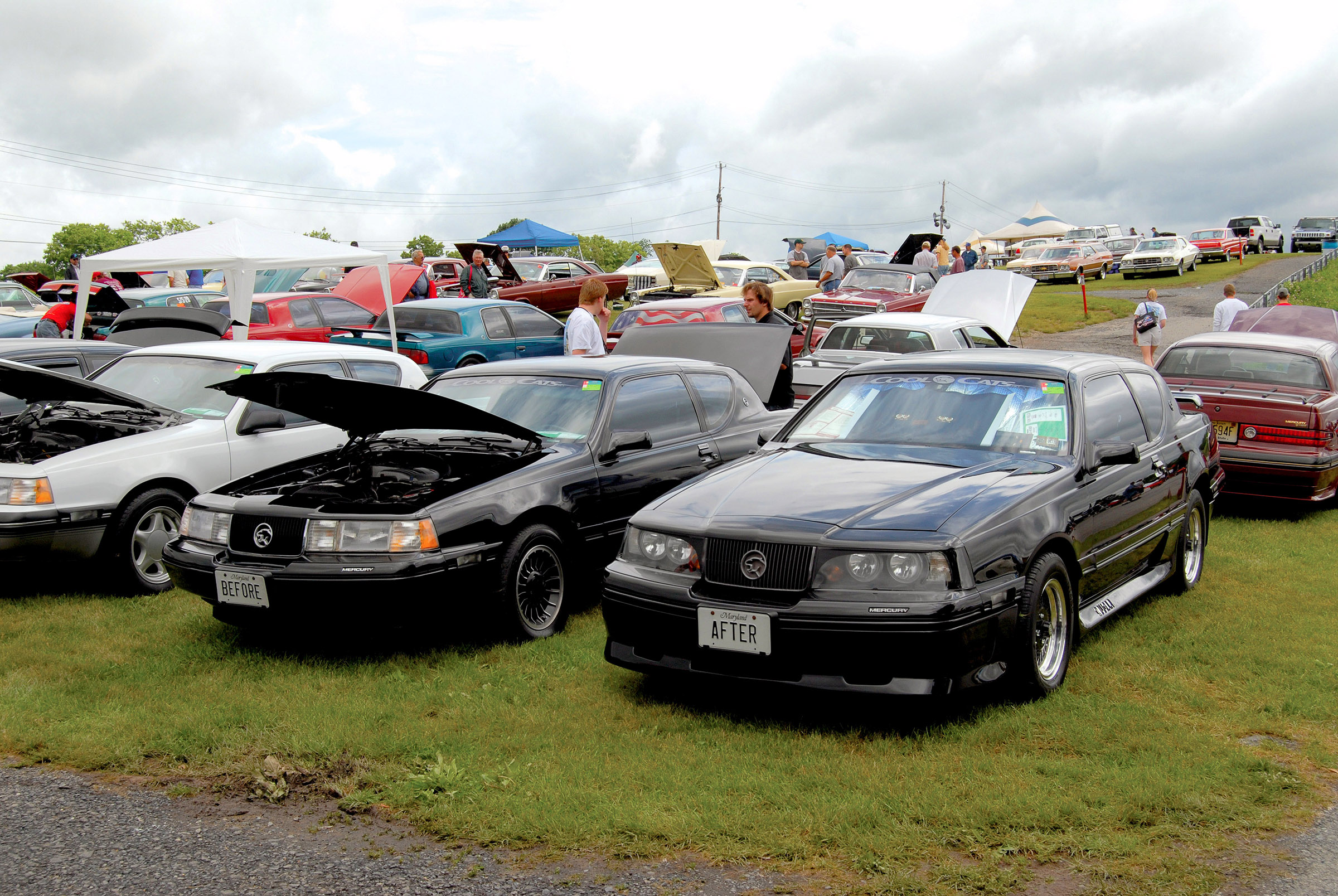
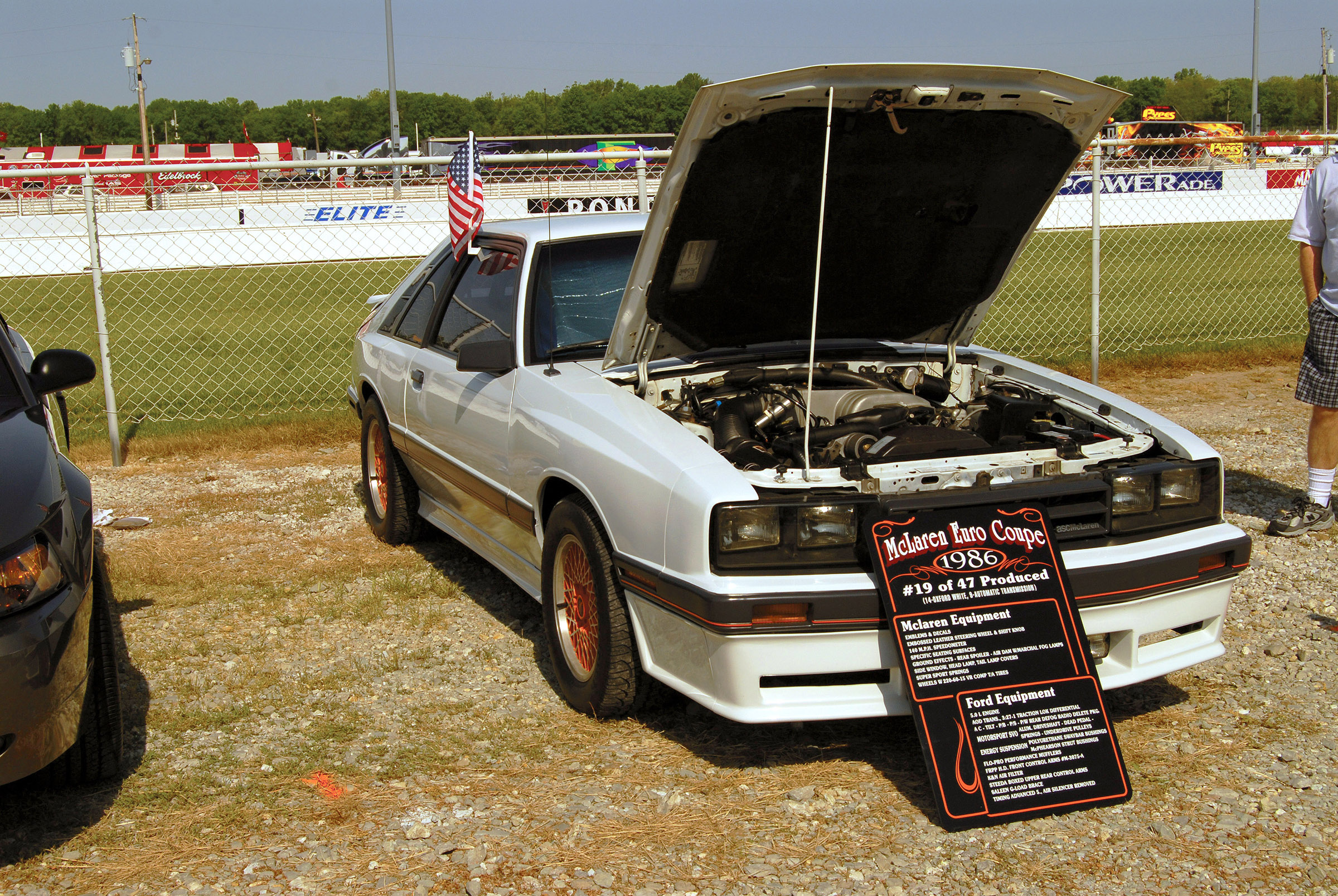
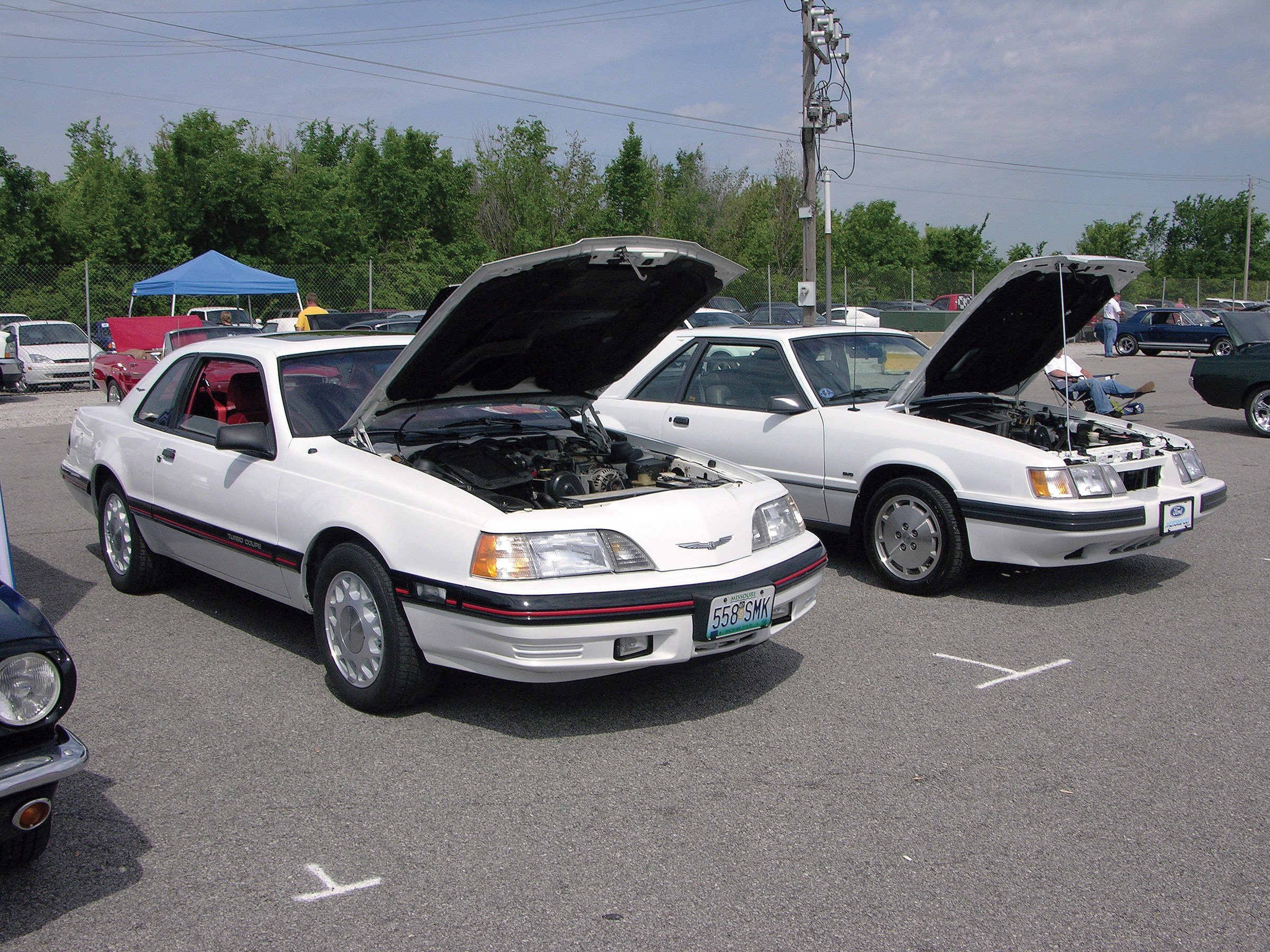
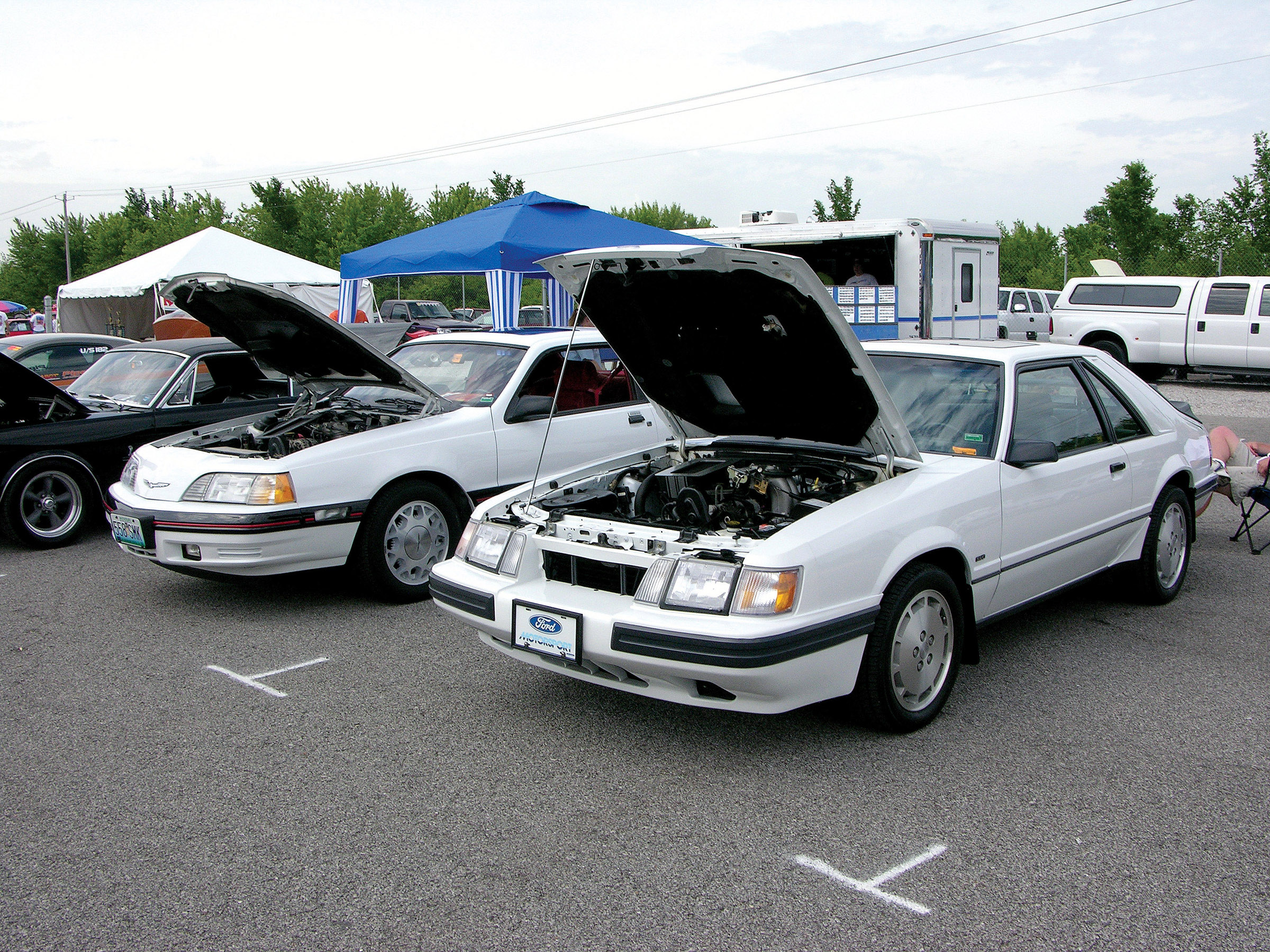
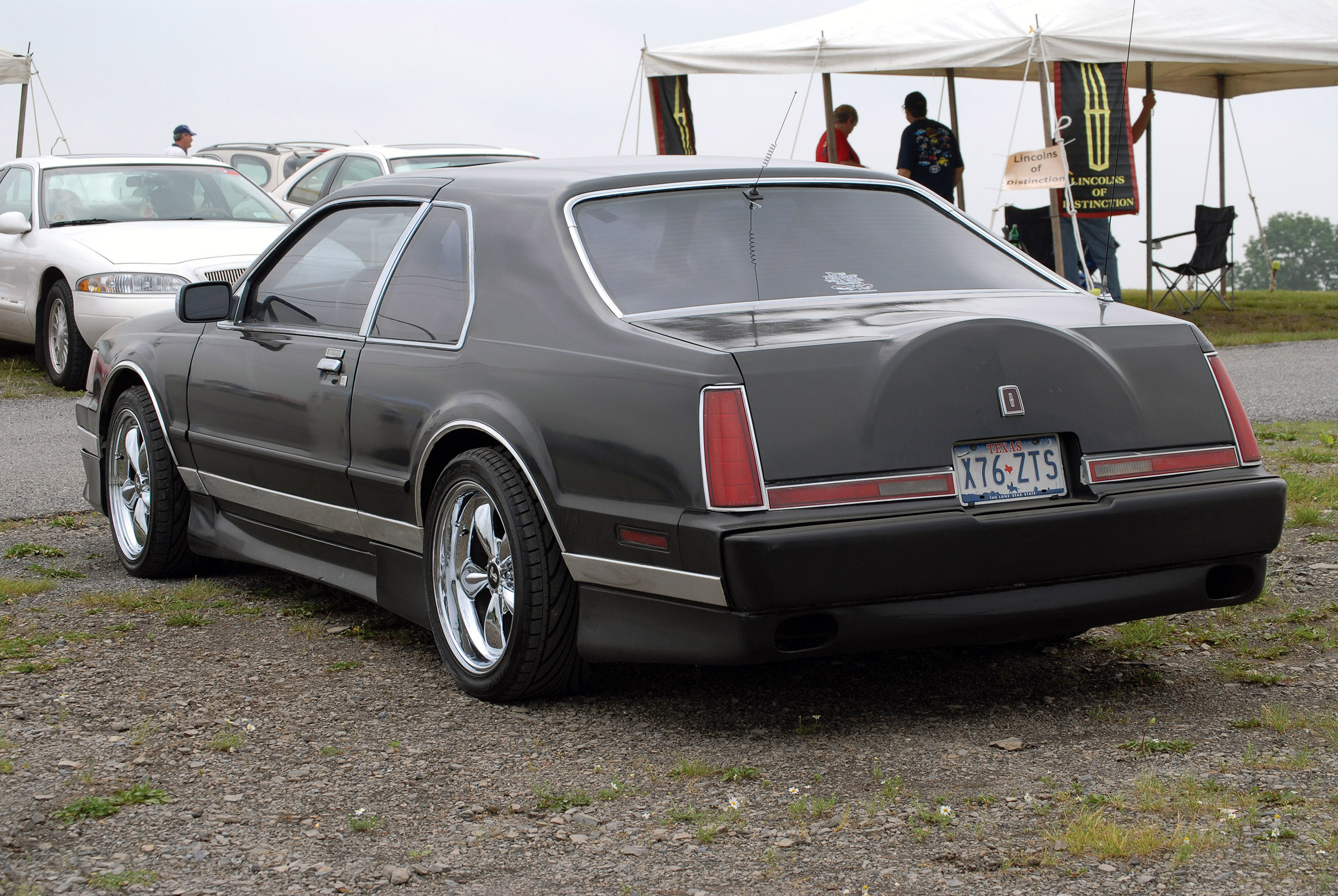
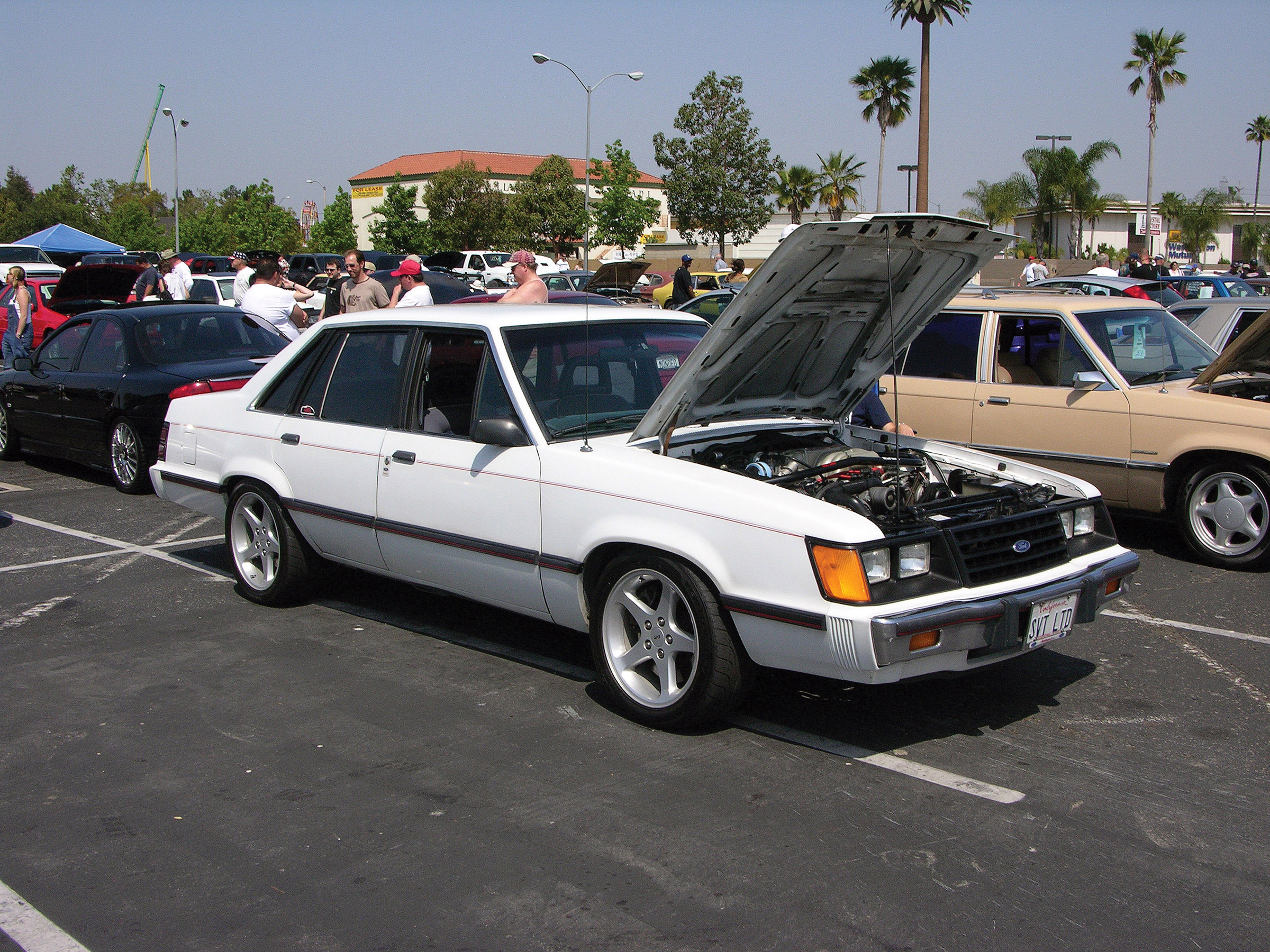
The Mustang did become the perfect car to upgrade for speed without sacrificing a bit of practicality, and the aftermarket responded to this car (and vehicle platform) like no other before or since. To build the car, Ford used the Fox platform, which was the basis for that earlier Fairmont. Ford used the Fox platform to build other cars as well. The Thunderbird, Cougar, LTD, Marquis and Capri, and even the luxo Lincoln Mark VII, were all spawned from the basic Fairmont architecture. The Mustang’s aftermarket support largely crossed over to these other cars as well, and while none of them became as popular as the Mustang, today, availability, pricing and other considerations make all of them worthy contenders for any potential performance project.
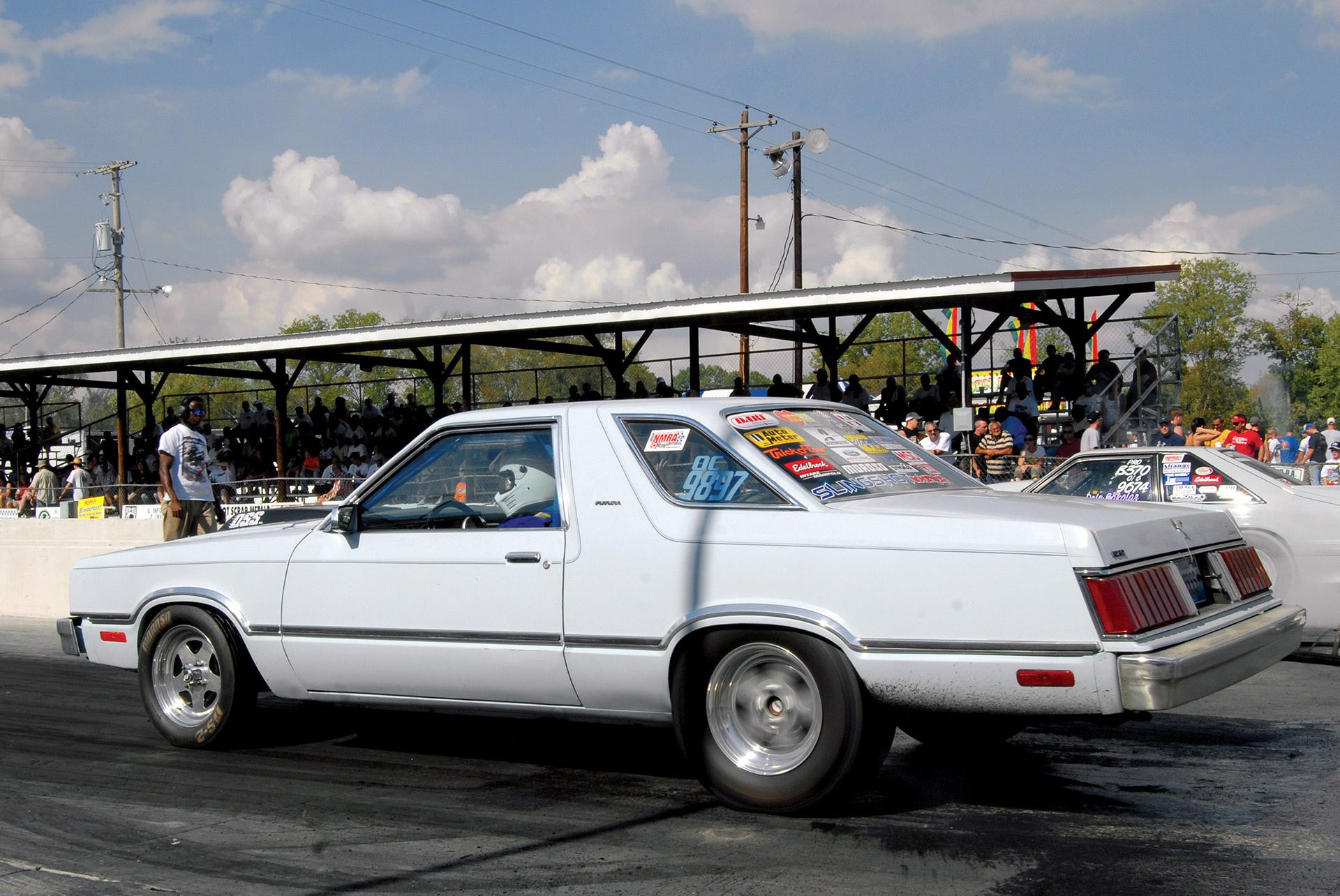
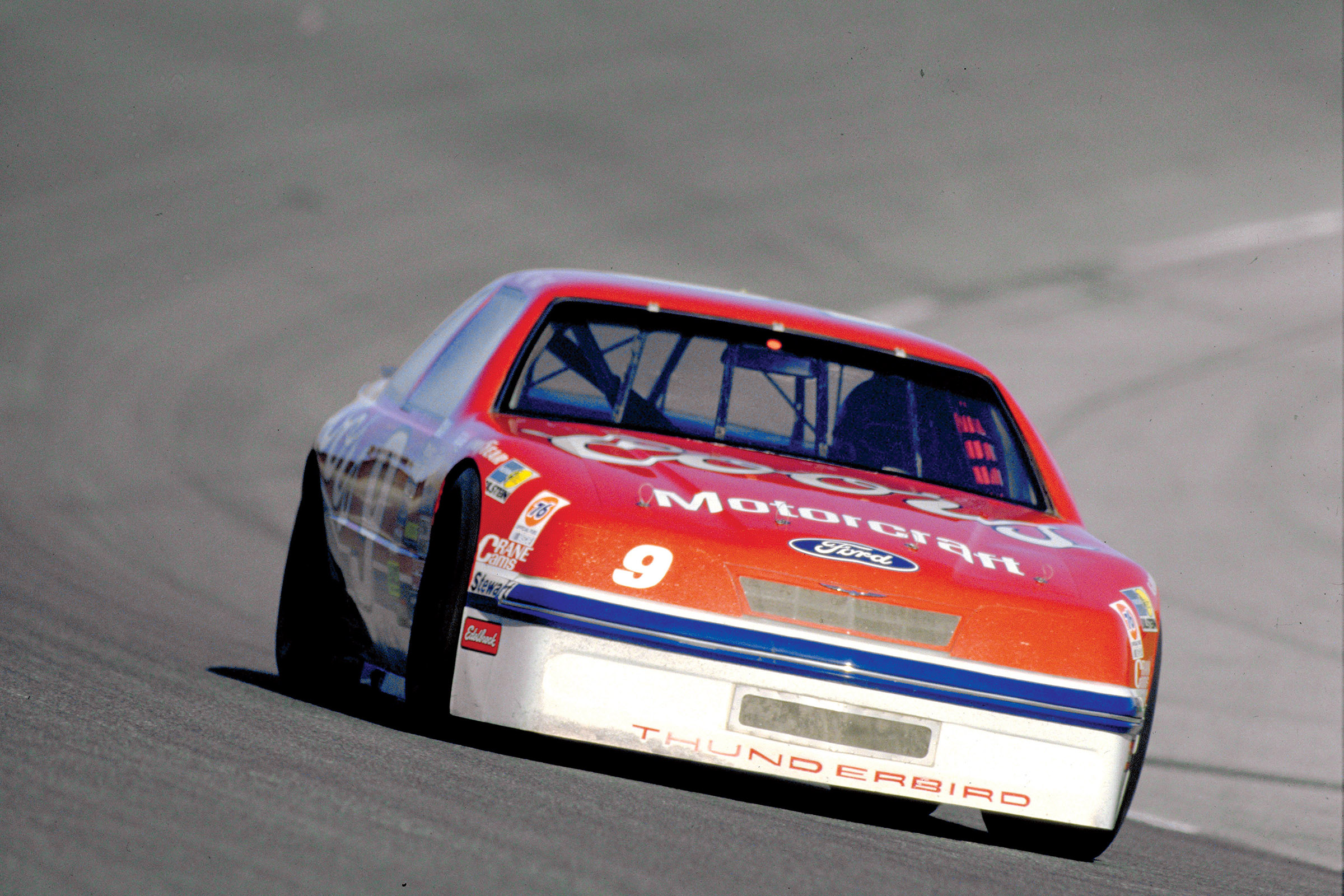
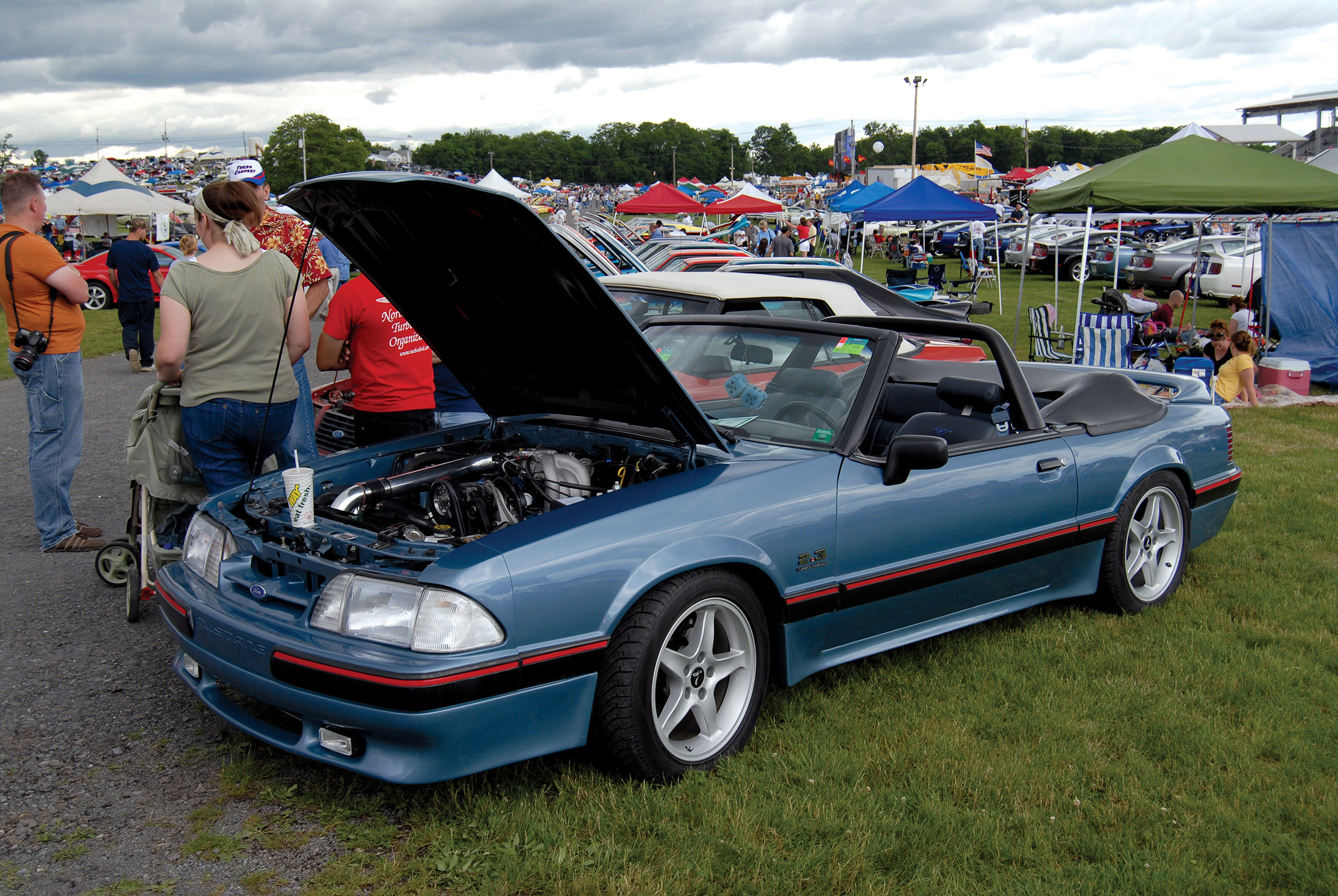
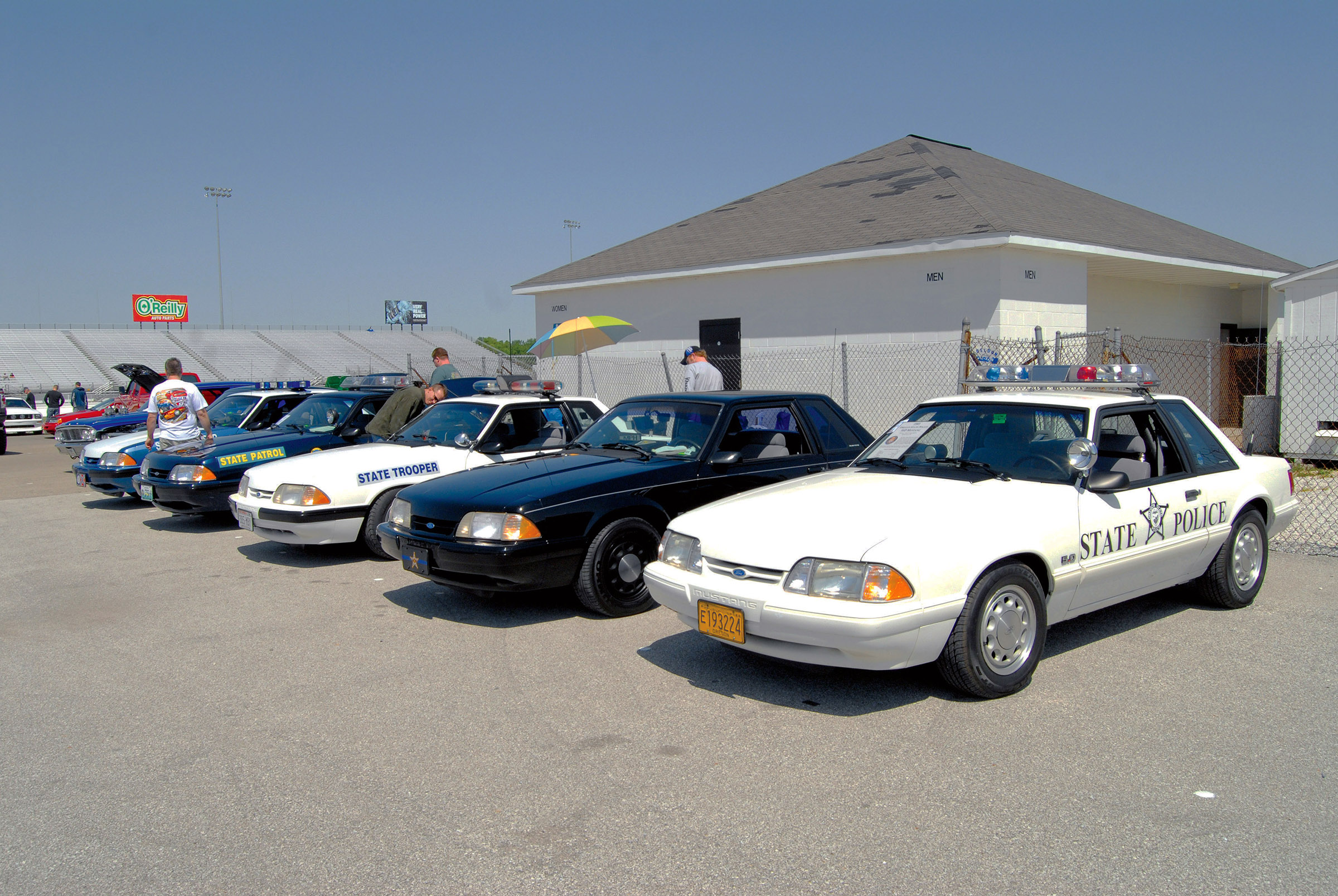
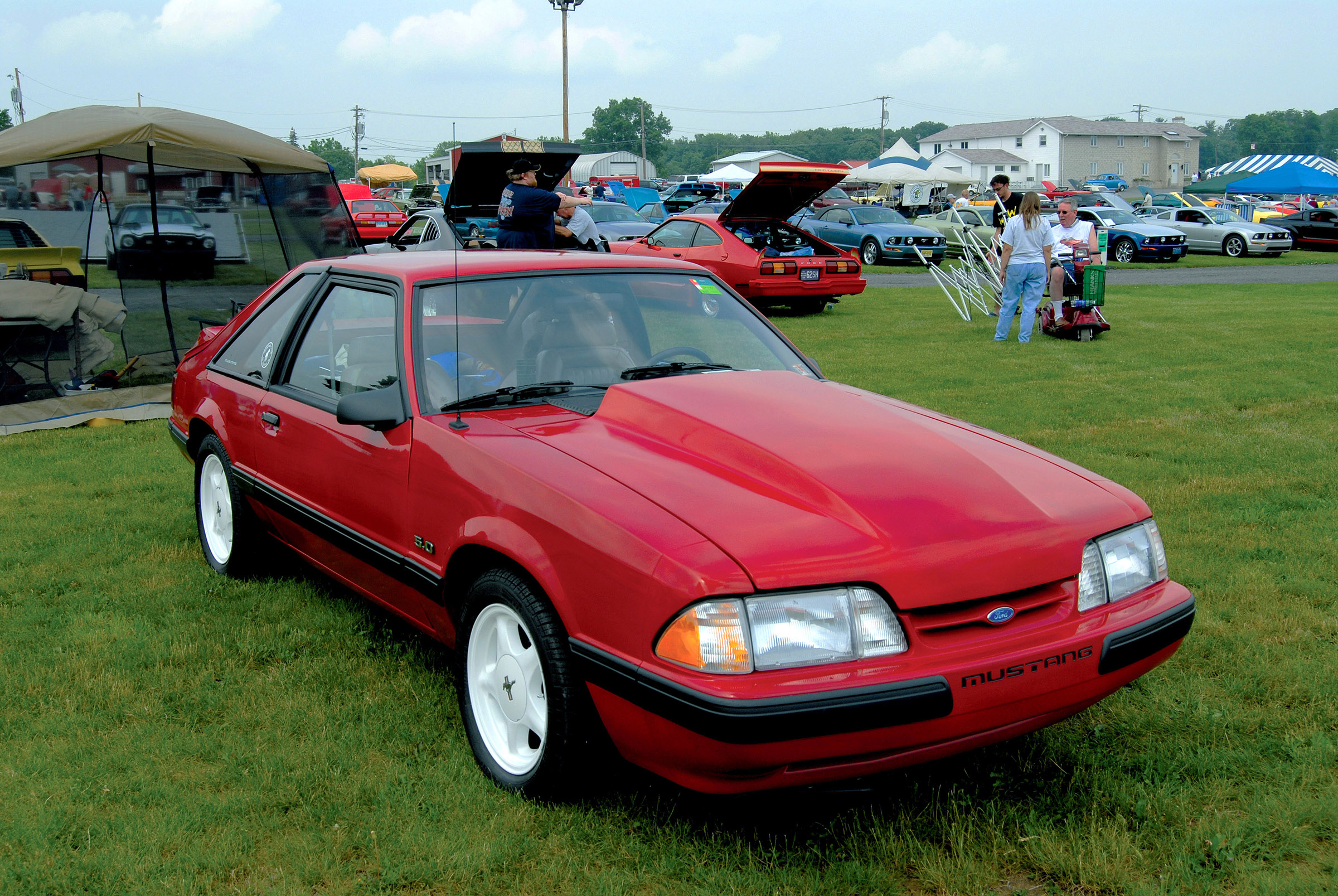
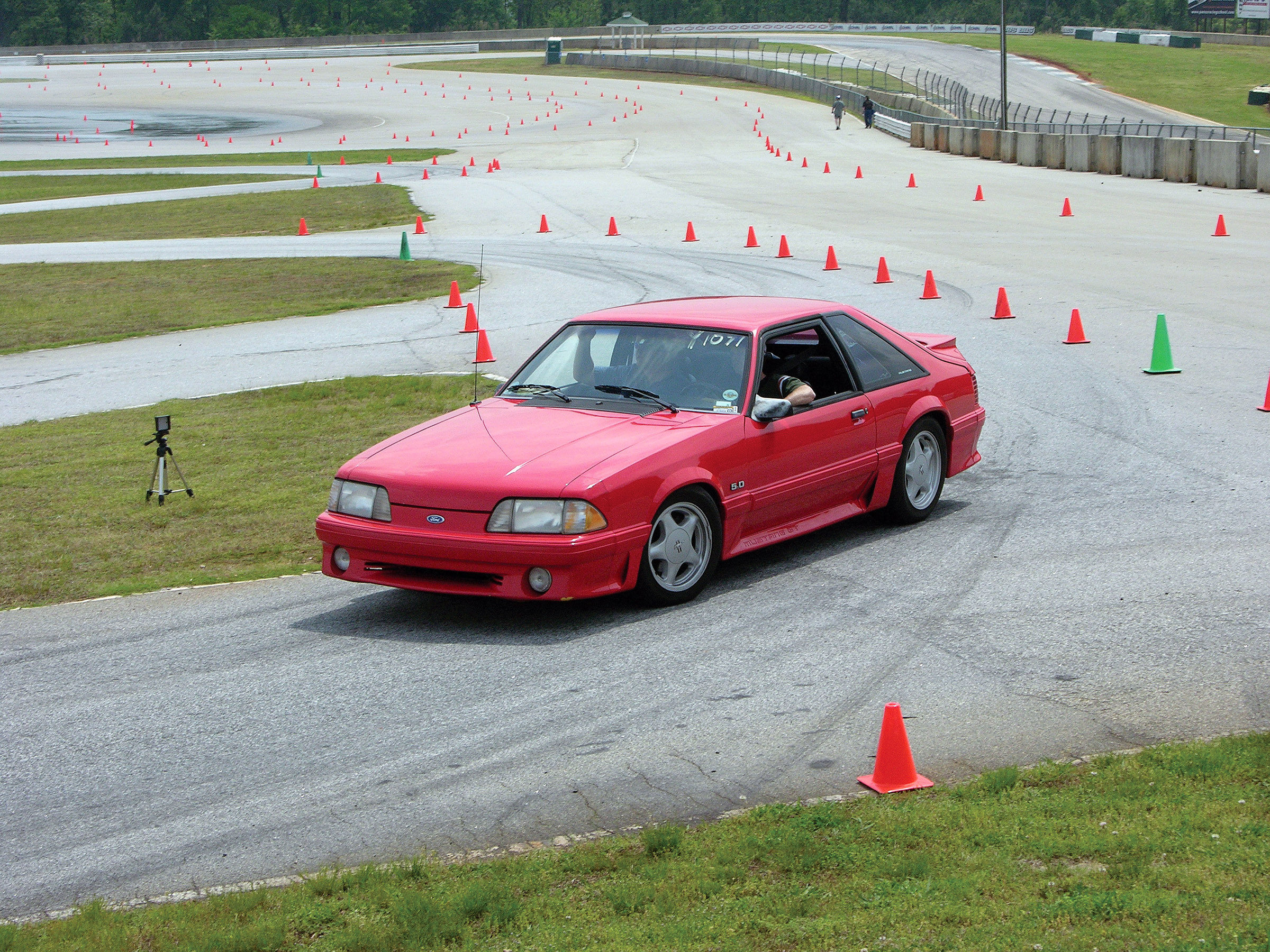
Fox-body cars changed over the years, usually for the better. So, while everyone can spot a Fox Mustang, we decided to take the time to compile photos of some of the more popular Fox variations so that you can tell just what you’re looking at the next time you head to a car show or dragstrip. Sadly, we can’t provide an absolutely comprehensive guide to spotting every Fox-body model produced. Some of these cars, such as the Mercury Marquis, are just too rare in enthusiast circles for us to have a single example of one in our photo library. We’ve also included a few pictures of historic Fox-platform racecars, for no other reason than we like them, and thought you would, too. So, if you don’t know an SVO from a Turbo Coupe from an XR7, study this guide so that you, too, can become a true Fox fan.