TheAutoBuilder.com

Hot Rod/Muscle Car

SUREFOOTED MUSTANG

As much as it rankles Blue Oval fans, the early Mustangs used the same suspension as the Falcon and the Comet. It brings to mind cars powered by little six-bangers, dubbed “economy cars,” and not meant for the performance-minded-like a ’60s version of a Geo Metro or Yugo. Those who drove them loved and abused them, and quickly determined the limits of the factory suspension—especially with any power under the hood.

WINDSOR CASTLE

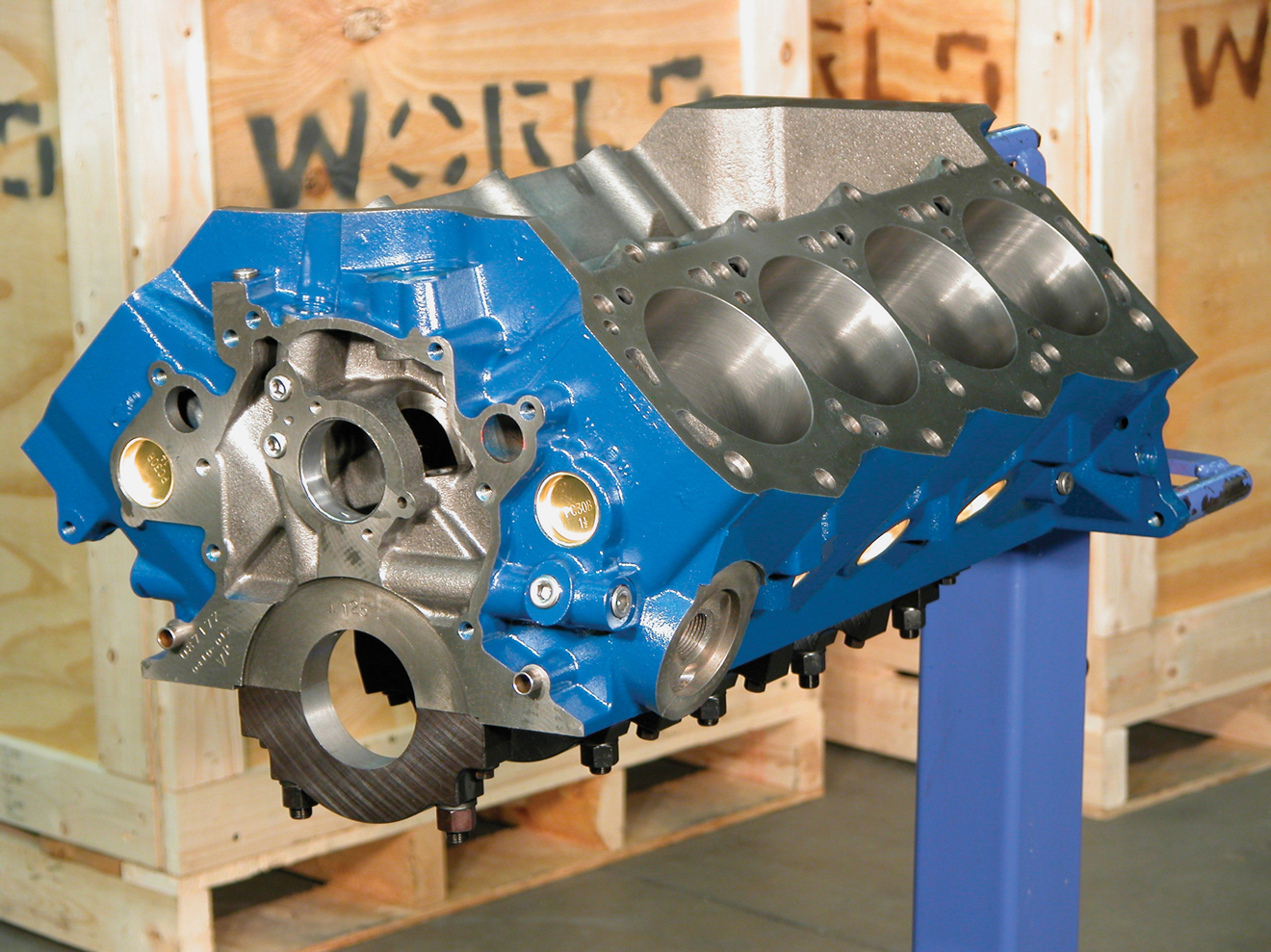
While the small-block Chevy is the popular engine choice for many enthusiasts, many are now relying on a Blue Oval heart for their performance bodies. With its link to Ford, the original body manufacturer for many of the classic cars we see today, the small-block Windsor-style Ford engine offers several advantages. When compared to Chevy, the lack of firewall clearance for a number of Chevy engine swaps is due to the rear distributor position of the engine. The front-mount distributor position is the more logical place to drive the distributor and the oil pump. Not to mention, it’s much more convenient.

Passing The Bar

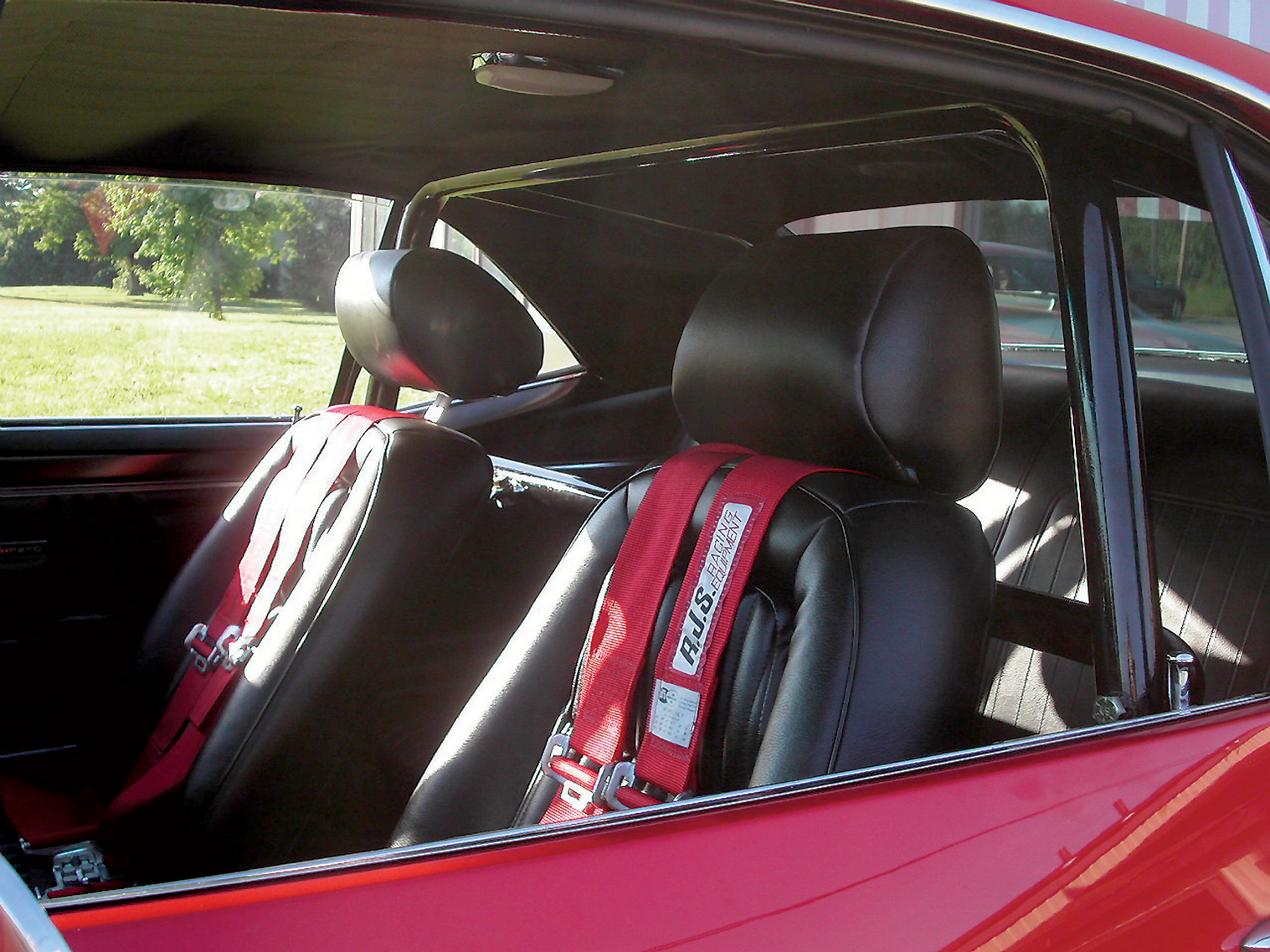
In the fall of 2003, I wanted to attend an open-track lapping day with my ʼ67 RS/SS Camaro. I have owned the car for several years and have autocrossed and drag raced it, but I never had the opportunity to run it at one of the local tracks, such as Nelson Ledges of mid Ohio, or BeaverRun.

The 2022 SEMA Show

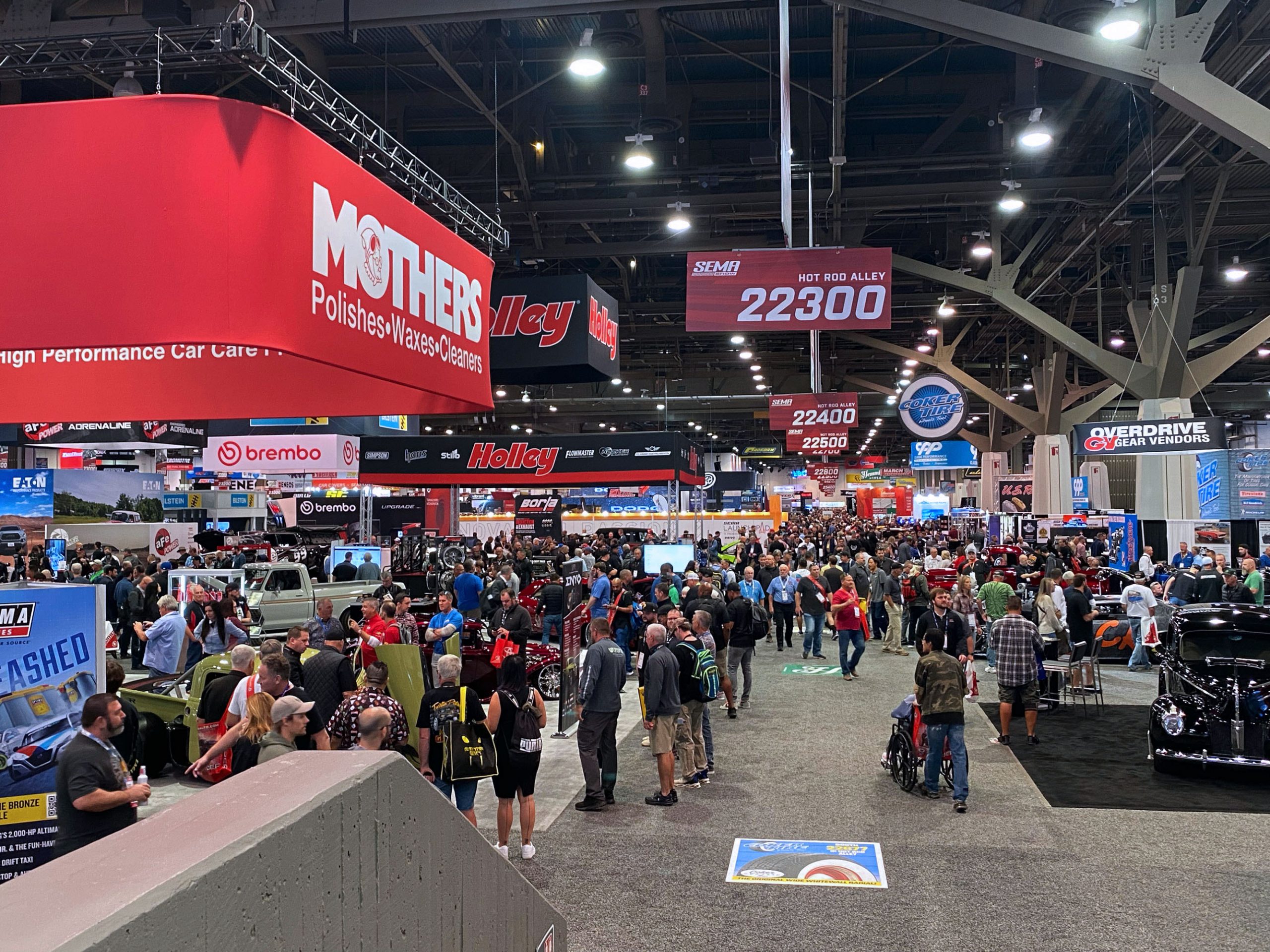
The Specialty Equipment Market Association (SEMA) Show engulfs Fabulous Las Vegas annually. It brings together the biggest names in the automotive world to show off the latest and greatest, whether it’s new products, amazing custom builds, or the newest trends. TheAutoBuilder is excited to be in the thick of it all.

All Mocked Up

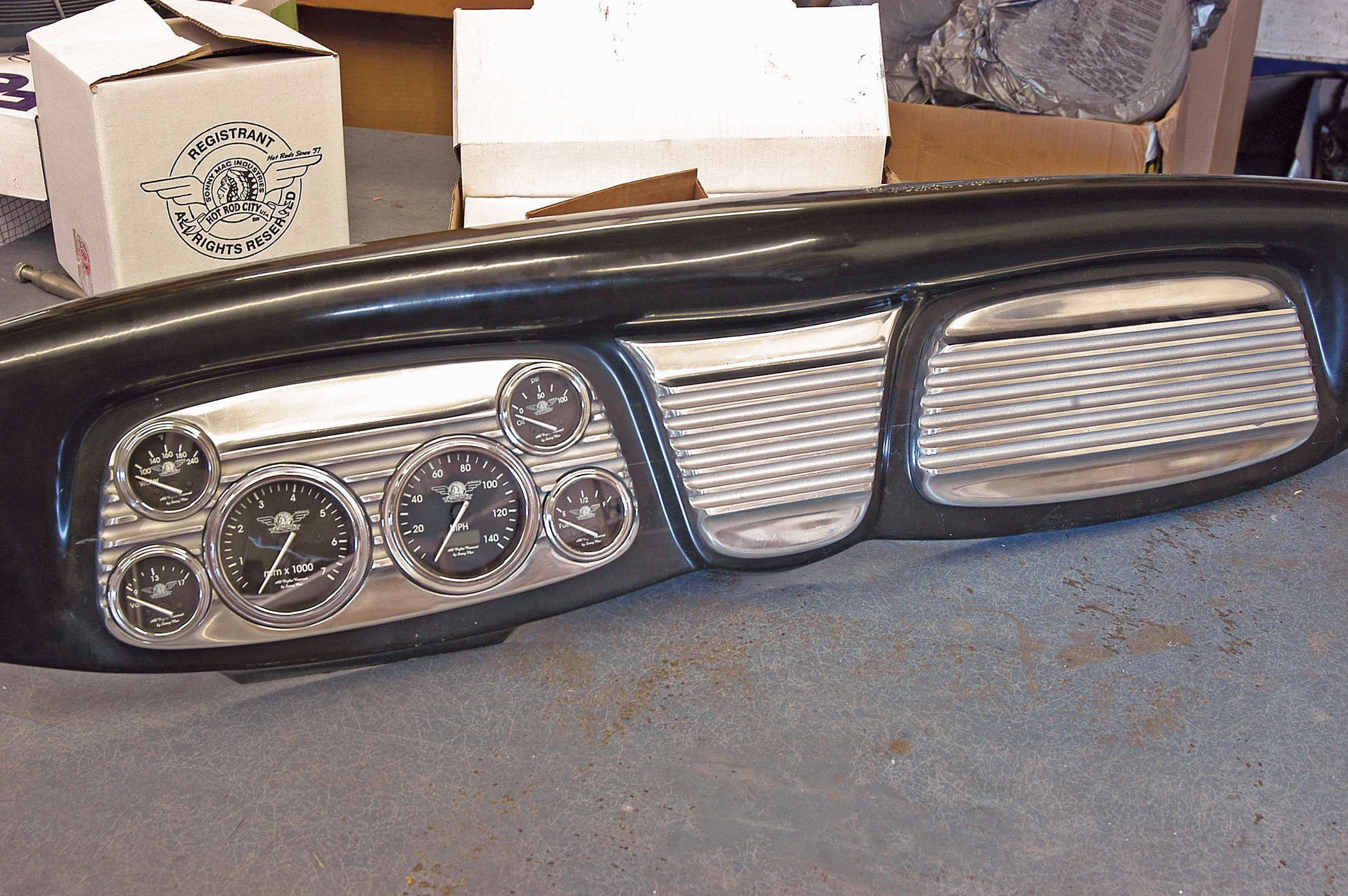
When building a street rod, unless you are building it to look like the day it rolled off the showroom floor, you find yourself constantly hiding whatever you can, wherever you can. One area that usually ends up hiding more items than was ever intended is the dashboard.

The dash is the one area that lives up to the old saying, “10 pounds of stuff in a 5-pound bag,” which generally carries with it a whole set of challenges and/or problems. When it comes to the ’33-’34 Ford, conditions are worse than normal, as there’s practically no space behind or under the dash. By the time you place your gauges and an A/C unit, there is little room left for much else, including a glovebox. When your needs are such that you require a certain amount of equipment behind the dash, most of the time the answer to your dilemma is a smooth dash.


Action Packed

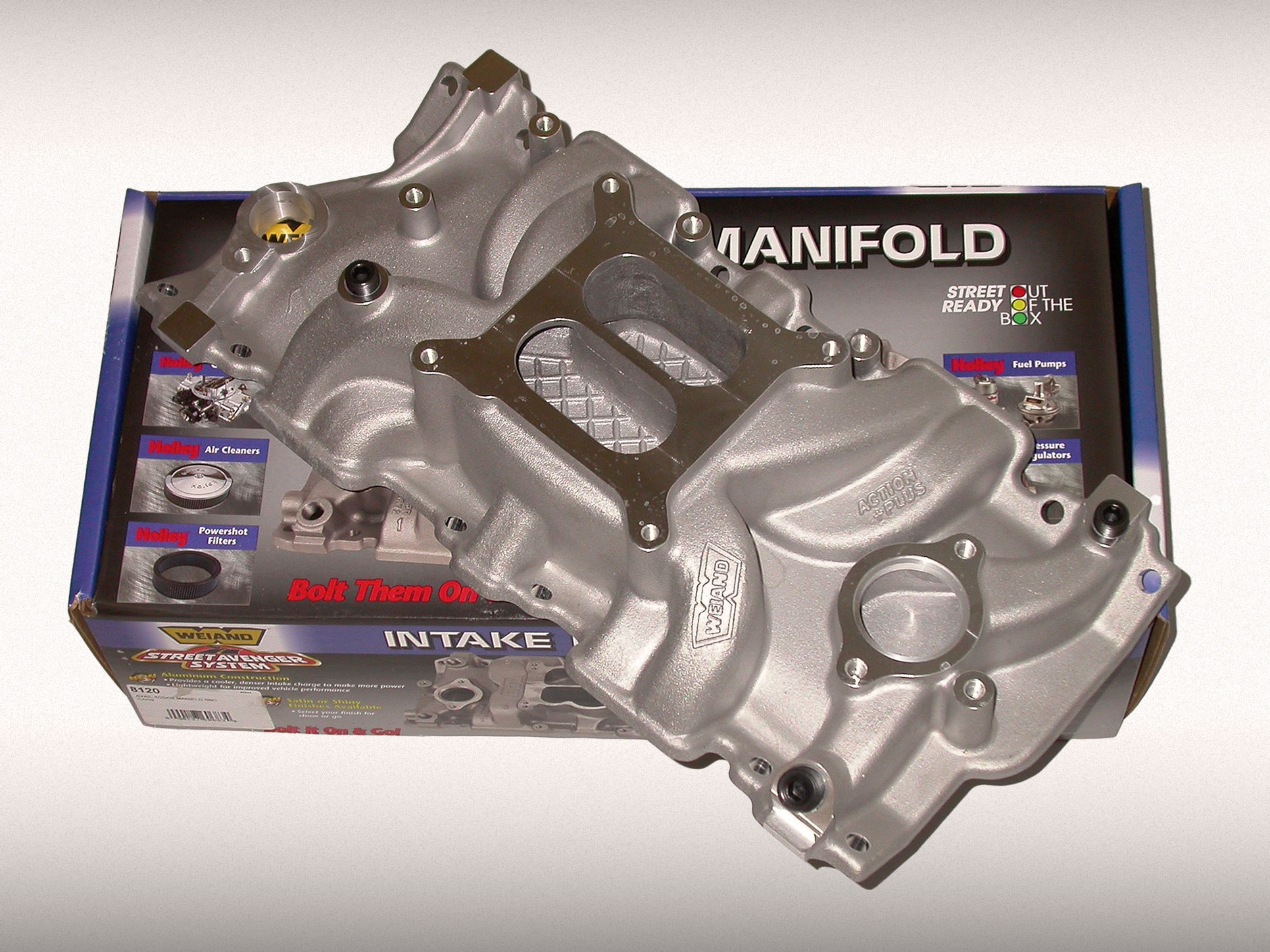
While the factory cast-iron four-barrel Q-Jet intake manifolds have performed admirably on literally thousands of GM applications—and if you are picking your engine from a used lot to use in a swap, it will likely be so equipped—every last one of them should be torn off the car and thrown in the dumpster.

Installation Tips For Those Tough Spots

Most every pre-’48 car came with fender/body welting, consisting of a simple combination of a narrow strip of vinyl (or similar material) folded over a small-diameter woven cord and glued shut. Its purpose was, and still is, to insulate one piece of body metal from another when bolted together—not an electrical or temperature insulation, but essentially to eliminate squeaks and rattles, and to prevent paint from chipping (or cracking) as the two pieces flexed and vibrated together under normal road use. Generally referred to as fender welting, this product can also be found throughout certain car models; used to mount grilles, running boards and bumper gravel shields.

Killer Chiller

There was a time when most hot rods had only stick shift transmissions. We can remember running a ’39 Ford transmission behind several different engine combinations, which quite often ended up with gear teeth on the bottom of the transmission case. If the transmission didn’t break the rear axle in the ’40 Ford, the rearend would. It wasn’t a solution, but it was a start.

The Cold Facts

Typically, winter isn’t the time of year when we are thinking about a car’s air-conditioning system…or is it? It’s understandable that we would tend to think about “fixing” the A/C during the dog days of summer, July or August, but once the car is put up for the winter, those hot and humid days are often forgotten. And short of those comfortable windows-down driving months, when we first pull out the car again for the next season, it’s smart to think about giving the A/C system the attention it needs. So, we think this is a great time to present to you troubleshooting highlights so that you can rip into the car and upgrade the necessary areas before the cycle continues.

Final Assembly Tips From The Pros

When building a street rod there are a great many facets of the construction process that go into making the car an award-winning creation. First, there’s planning. The planning of the car can and should include attention to each and every area of the car, from concept to reality. Even the most basic of projects should have the proper planning involved, no matter what the final product might be. Once work has begun on the project, countless hours are generally involved in attending to every detail. From making the many modifications to the chassis to attain the desired drive train, to the matching and mating of the different components together, this becomes an involved process requiring a great deal of skill in fabrication and engineering.

Scroll to Top

Subscribe to our weekly newsletter!

* indicates required
Interests

For information about our privacy practices, please visit our website.

We use Mailchimp as our marketing platform. By clicking below to subscribe, you acknowledge that your information will be transferred to Mailchimp for processing. Learn more about Mailchimp's privacy practices.