


THE AUTO BUILDER
Featured

SUBTLE STANDOUT
From the low-key approach applied to this ’55 Chevy, it’s obvious that Jack and Gail Jenkins’ reasons for building it were based around applied craftsmanship, when you take into account the subtle style it displays. While the bodywork and paint are flawless, there’s little sign of the modifications beneath it, or the effort that went into them.

ALMOST NEW
Some folks talk about the great muscle car wars of the ‘60s and early ‘70s, but it’s hard to find a car guy who experienced it, enjoyed it and still owns the same car. At 66 years of age, Mike Overly was able to experience the muscle car era during his twenties, which is the perfect time to go fast in a cool car. The car seen on these pages is a ’70 Mustang, one that Overly has owned since 1970. Less than a year old, the Mustang sat at a used car lot in Indianapolis, Indiana, wearing black paint and an asking price of $2,300. From his inspection, Overly knew the original owner had already upgraded to a Boss 429 hood and scoop, so it may have been raced in its short life—the 2,000 miles on the odometer were probably not the easiest of miles.

SOMETHING OLD, SOMETHING NEW
There’s a lot to like about vintage engines. Just the sheer fact that it isn’t a small-block Chevy is enough to inspire many hot rodders. Now, don’t get us wrong; the small-block Chevrolet is nothing less than awesome, but it is also the default engine of most hot rodders. Often, there is no thought involved as many rodders simply want the 350/350 treatment. That’s probably fine for most hot rodders, but there has been a real resurgence in putting vintage motors in vintage hot rods, and we love the concept. The Oldsmobile, Cadillac, Buick Nailhead and Hemi are all great candidates for powering a vintage hot rod. Parts are still available for most of these engines, some being tougher to find than others. A surprising amount of speed equipment survives for these engines, too, and companies like Offenhauser still produce a lot of vintage speed equipment.
Spotlighter
POPULAR READS
-
Product Spotlight: Bill Mitchell Products Aluminum LS Engine Block
-
PRODUCT SPOTLIGHT: 60-66 Chevy C10 Fresh Air Vent Block Off Plate
-
Product Spotlight: Pyramid Optimized Design Sequential Aurora Taillight for 1964½–1966 Mustang
-
PRODUCT SPOTLIGHT: Cam Covers for GEN/3 Coyote from Pyramid Optimized Design
Drop ‘N’ Stop
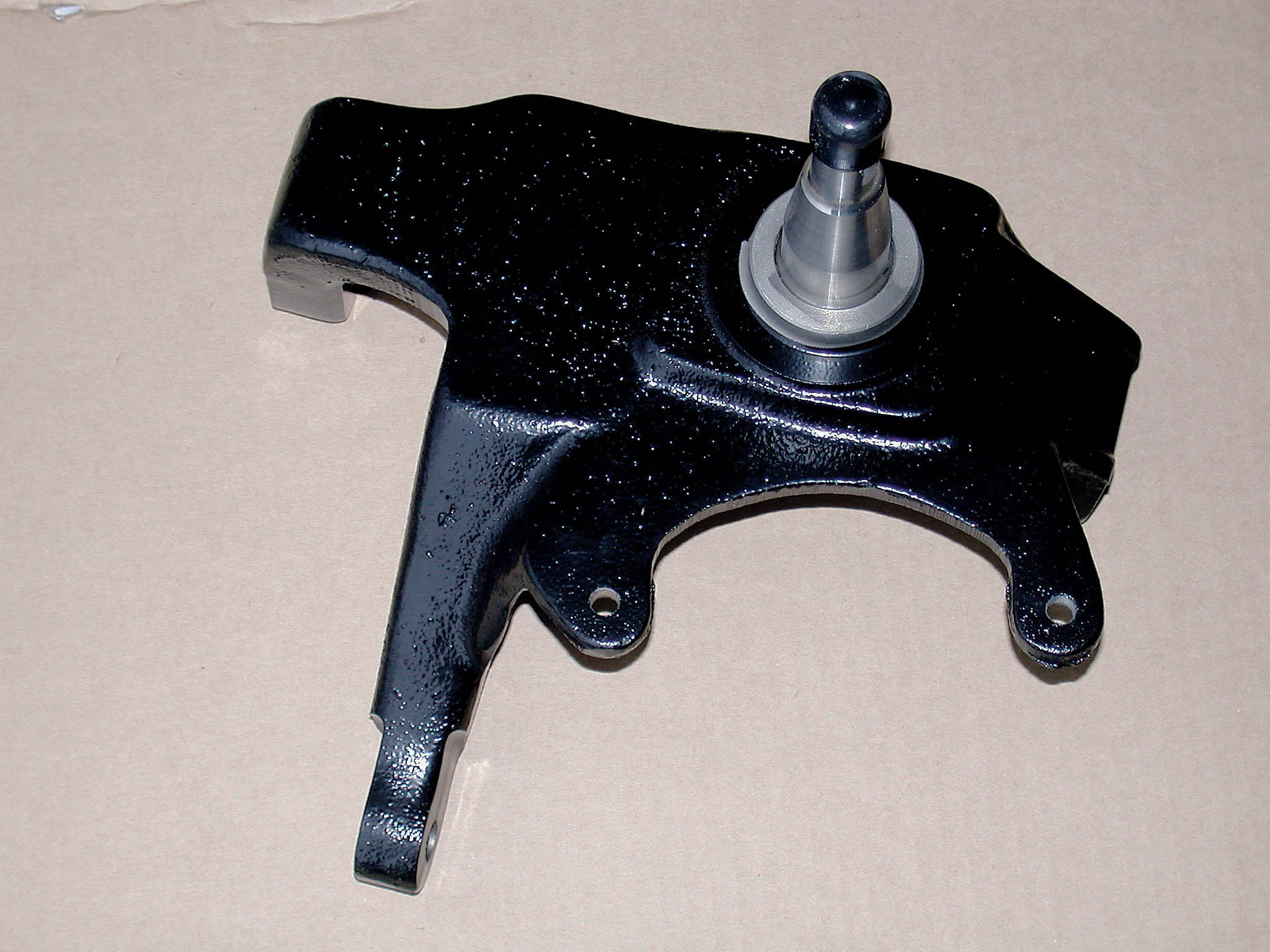
Superior Spindles’ 2-Inch Drop Mixed With Wilwood Brakes
Author
Bob Carpenter
Story & Photography
Why Disc Brakes Are a Must for a ’55 Chevy
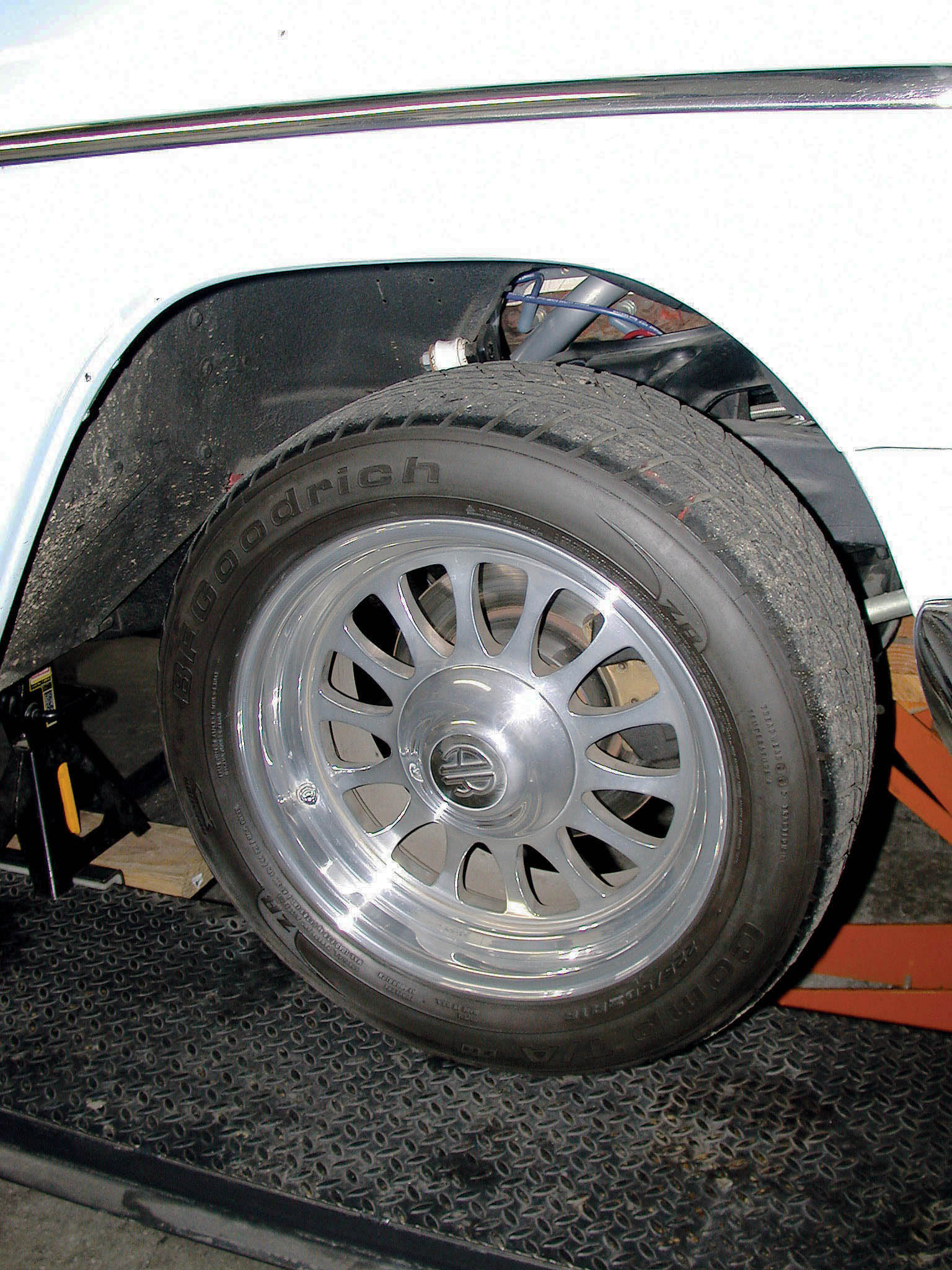
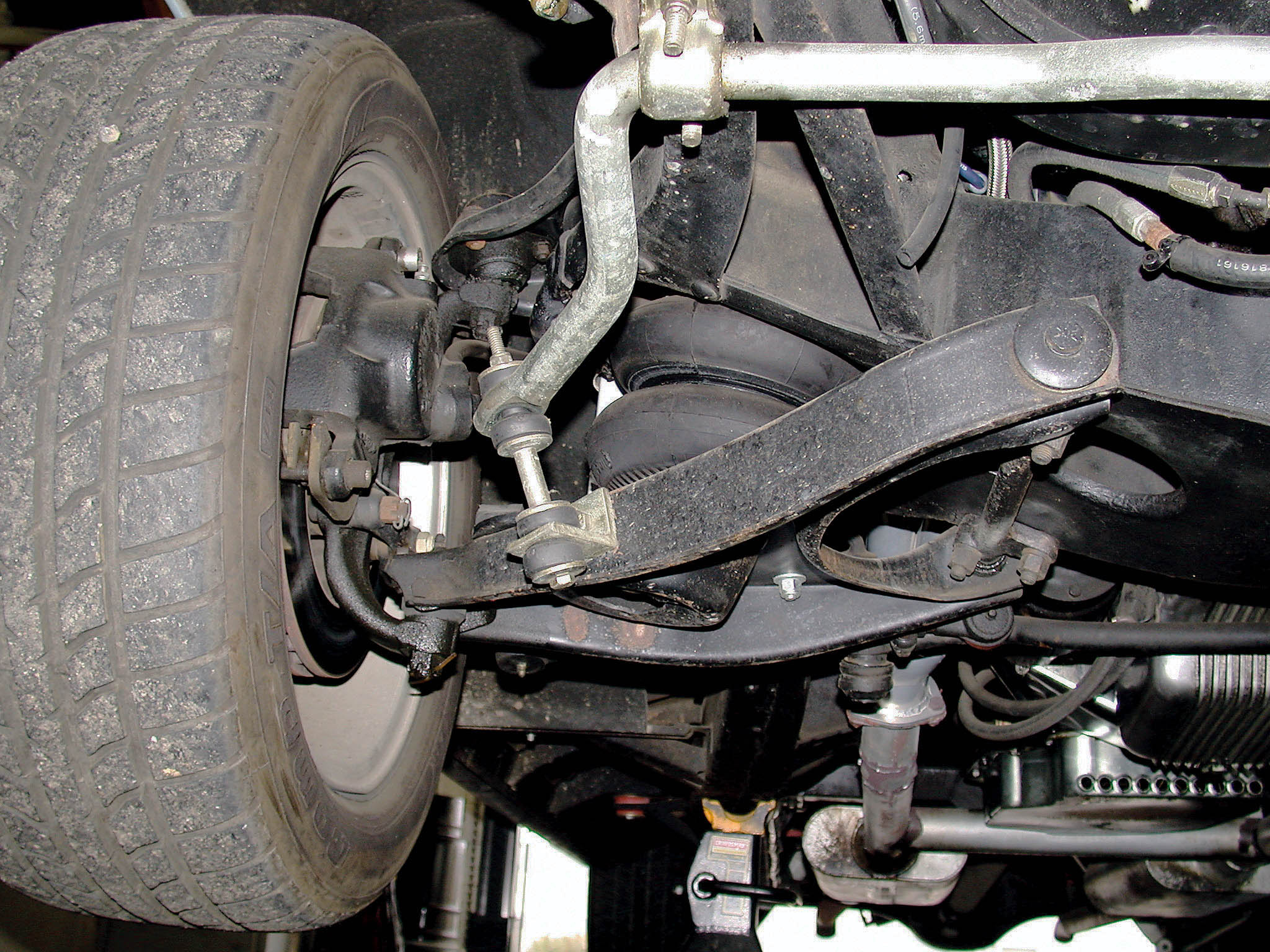
Getting a ’55 Chevy to sit at the right ride height is as easy as installing a set of 2-inch drop spindles, such as those from Superior Spindles and others. Getting the big ol’ car to slow down offers many more choices as well, and as long as you’re swapping spindles it is an excellent time to install those long-overdue disc brakes. When you think about it, it doesn’t make good sense to put a newly rebuilt tri-5 Chevy on the same road with stock OE cars with ABS four-wheel disc brakes. If ever you came upon a situation where a car ahead of you had to stop in an emergency situation, the performance of even a stock set of disc brakes will far “outdistance” your drum setup, meaning you would not be able to stop in time and could well end up in the trunk of the car ahead of you. Not good.
Stage I, Stage II, and Stage III Brake Options Explained
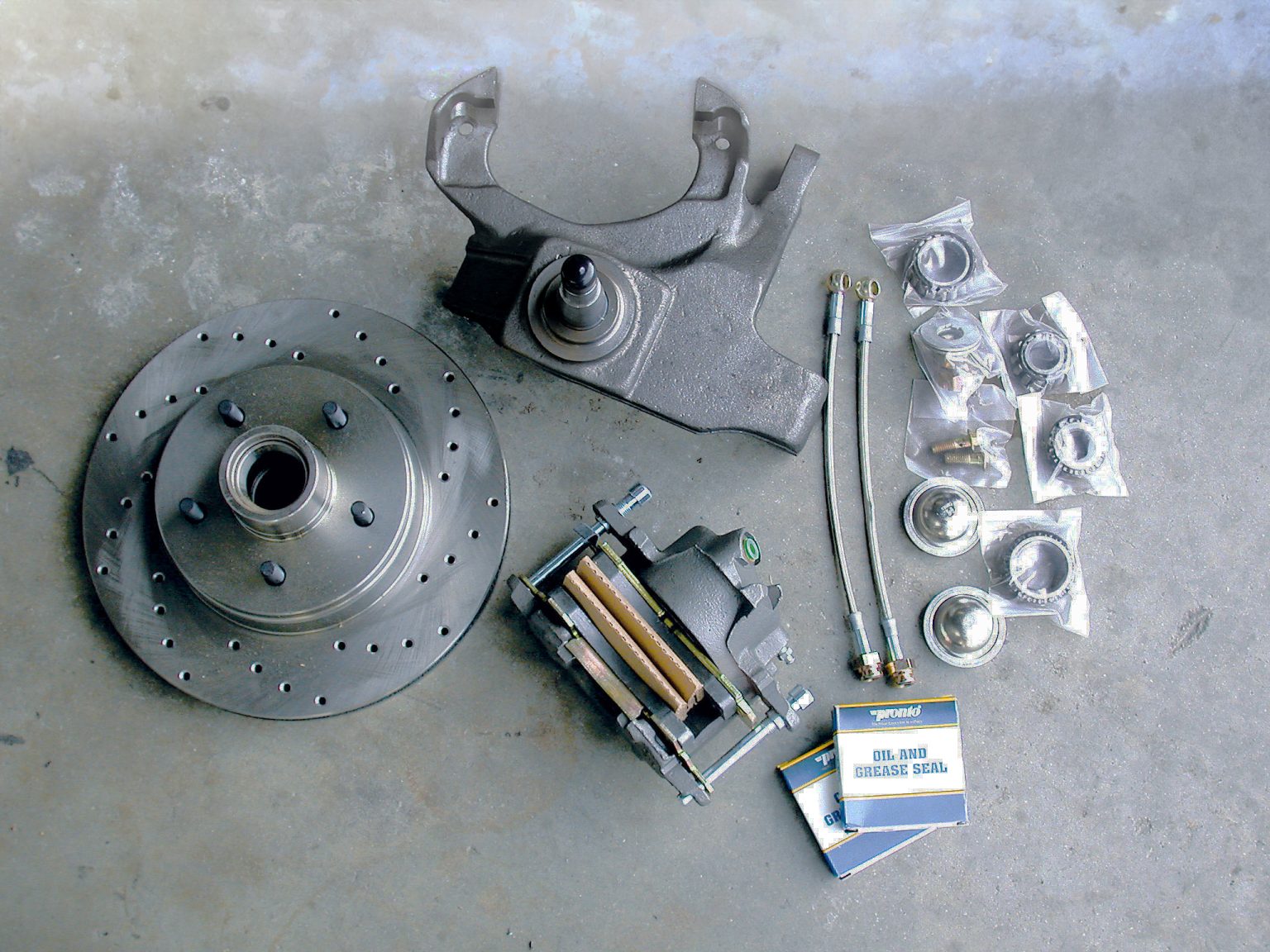
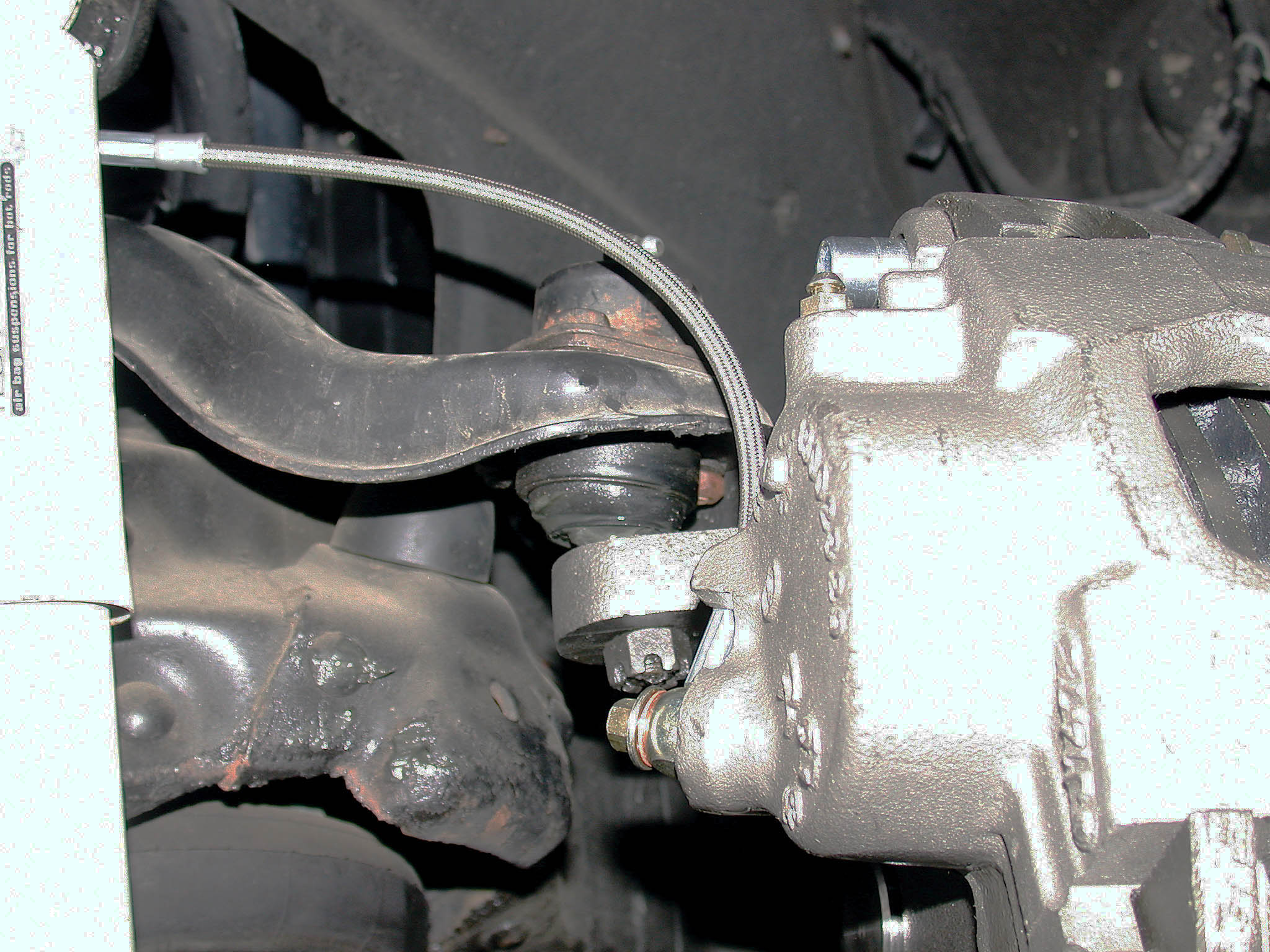
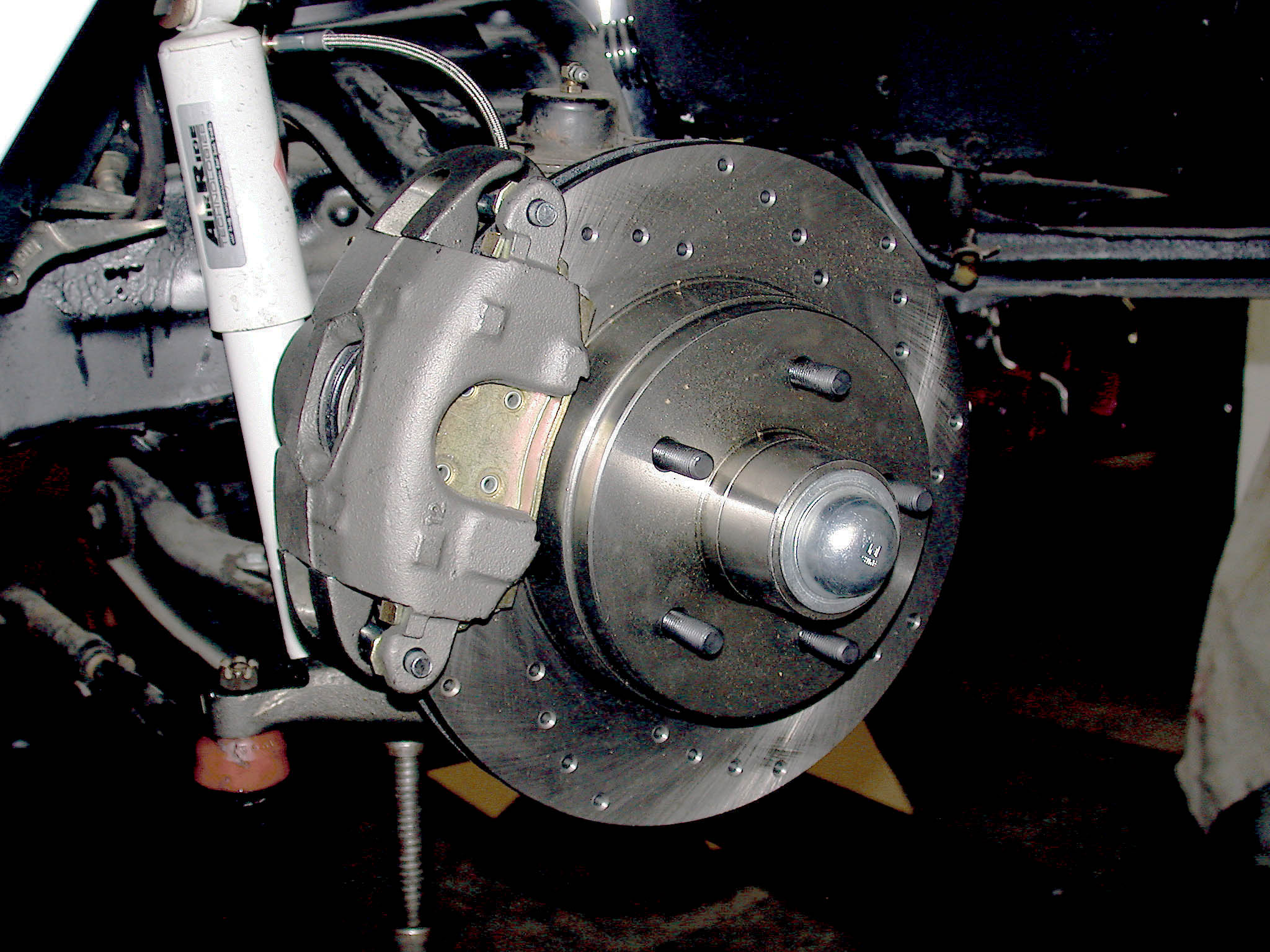
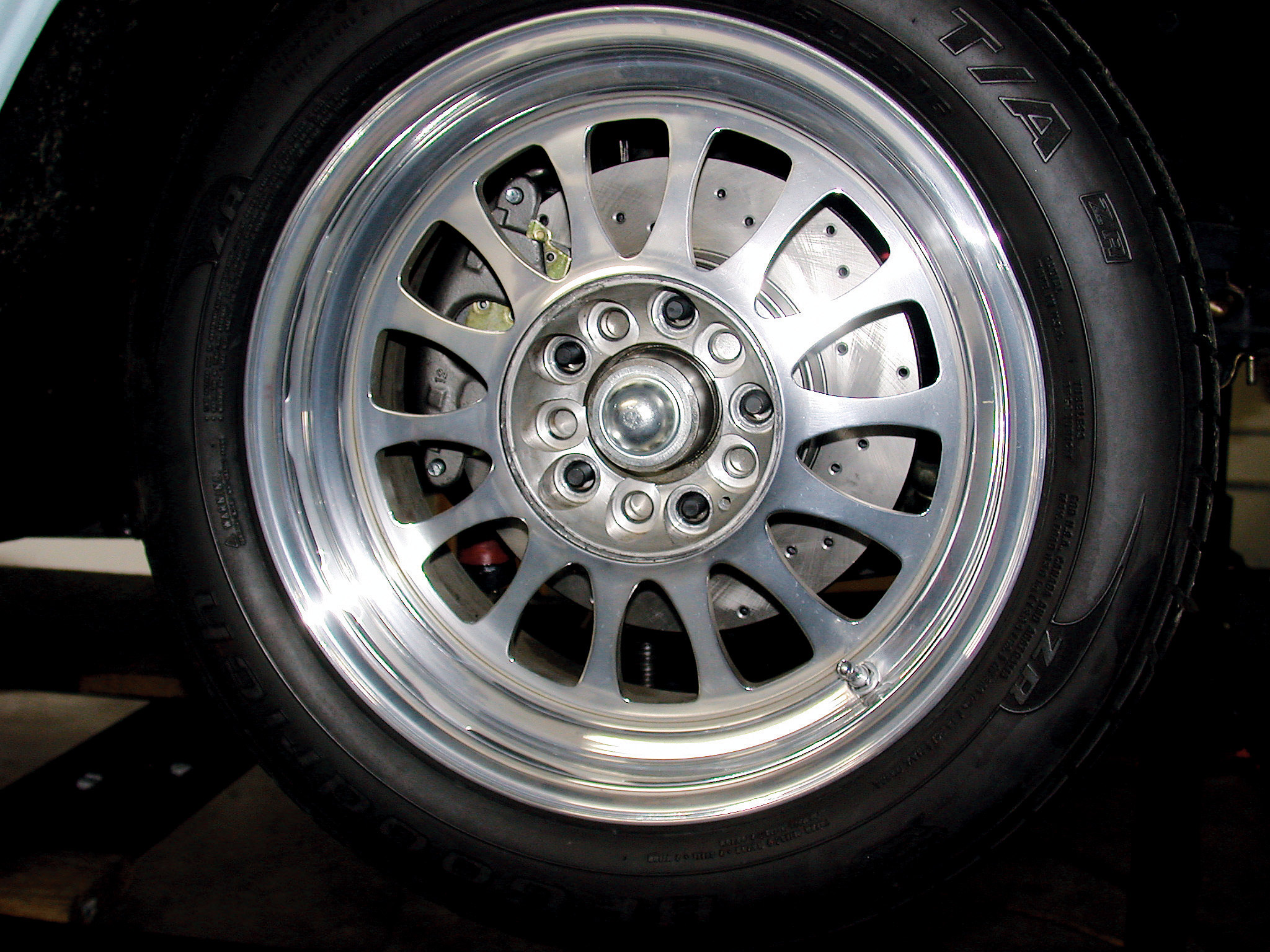
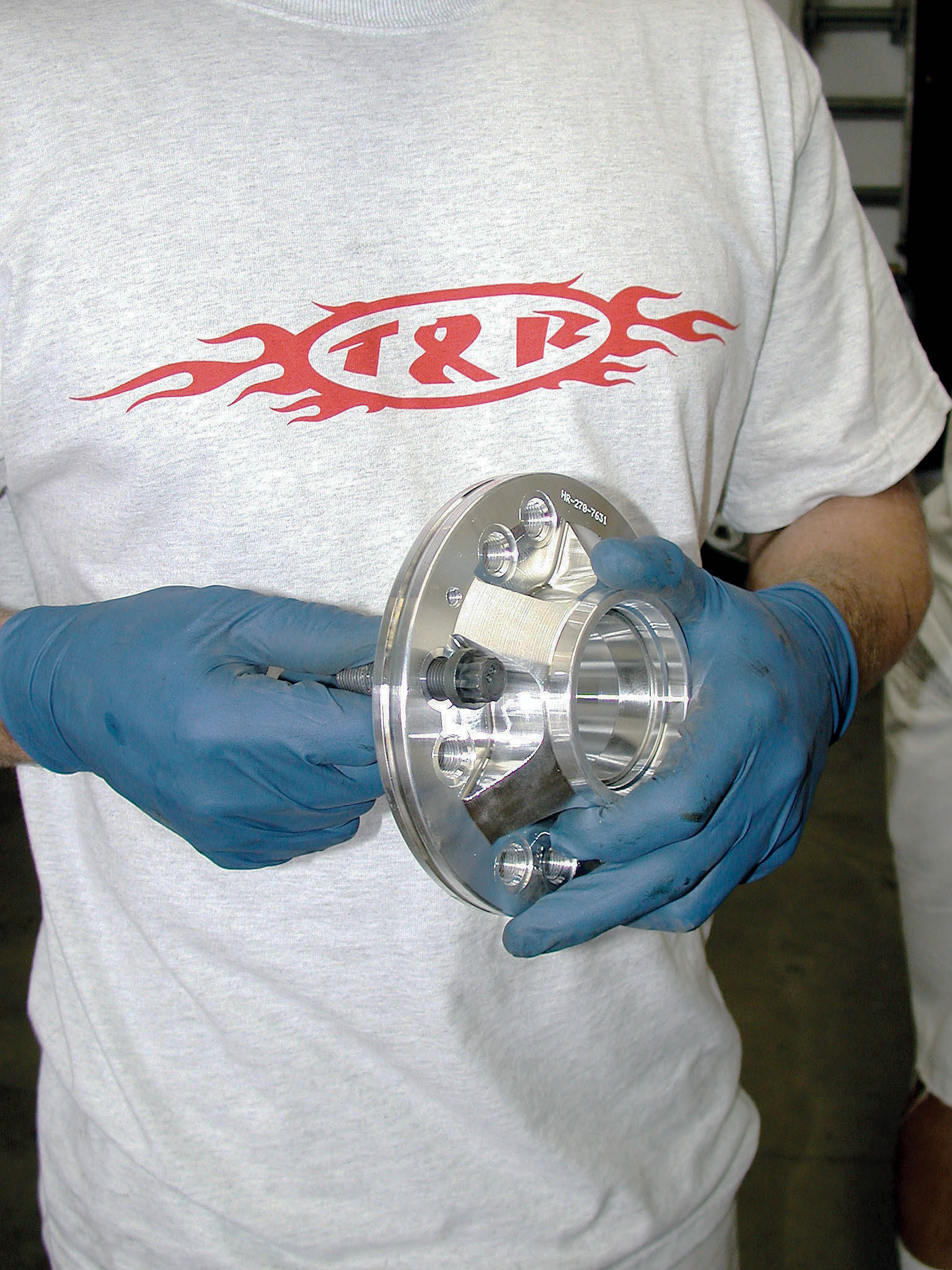
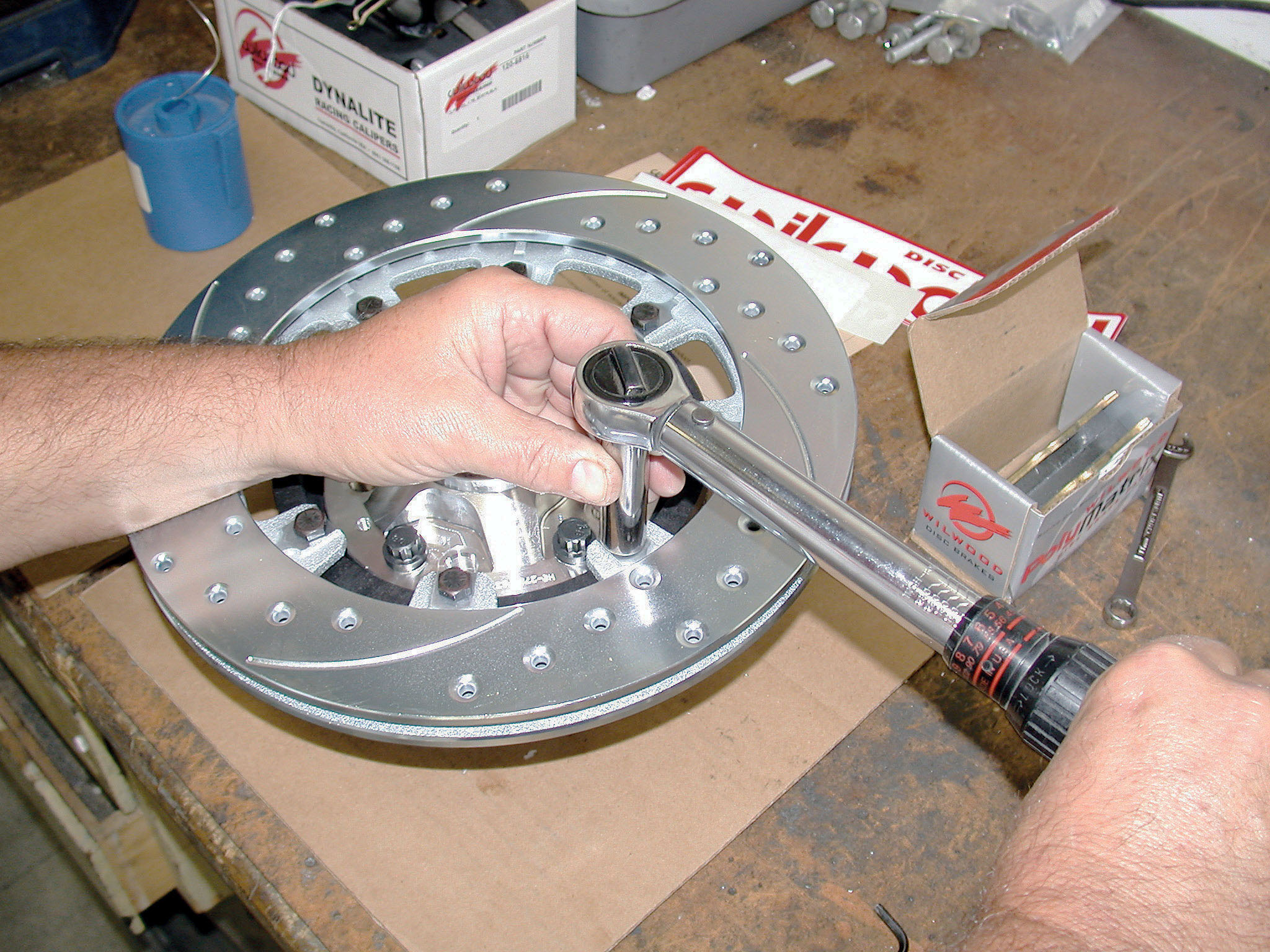
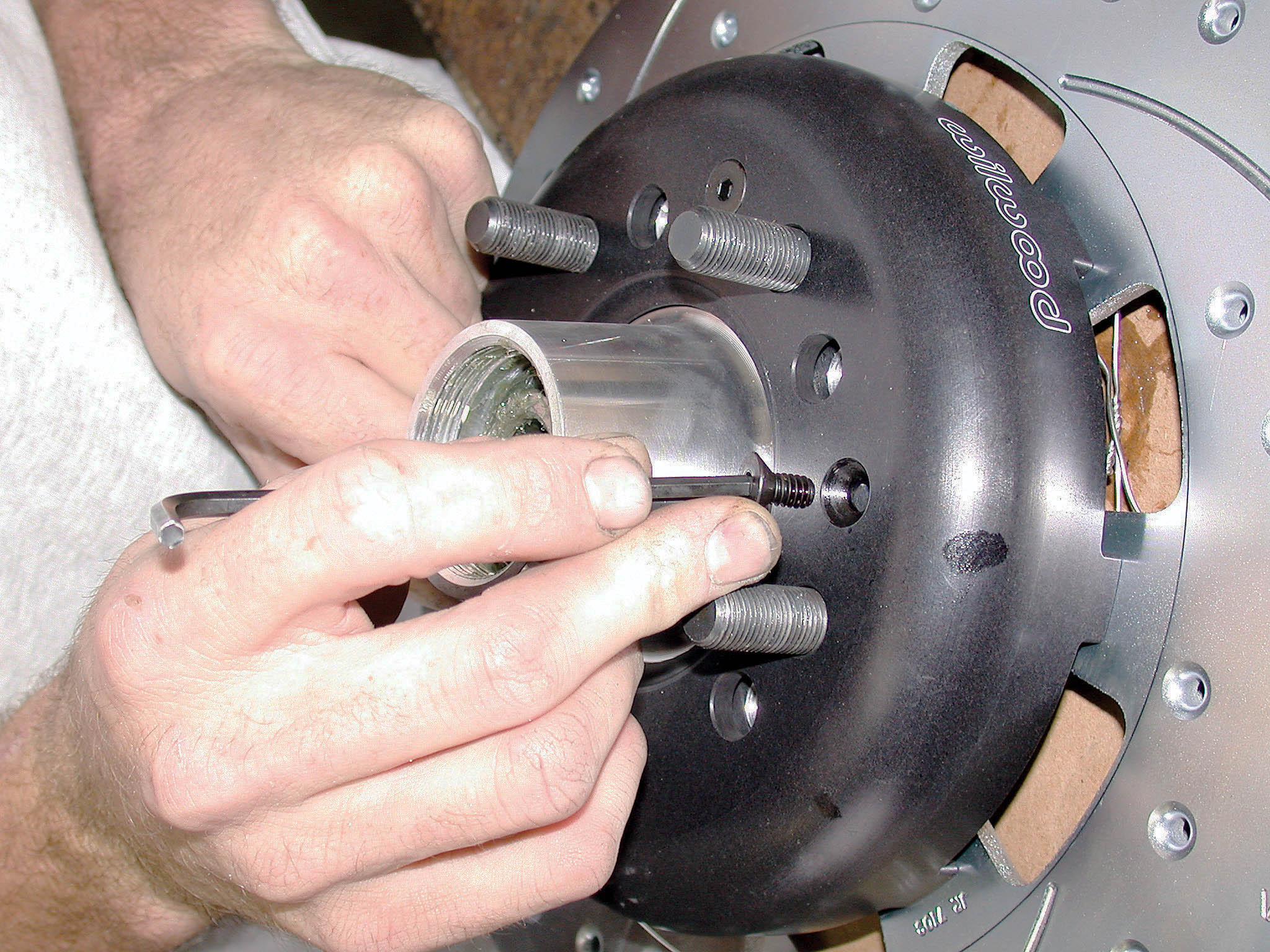
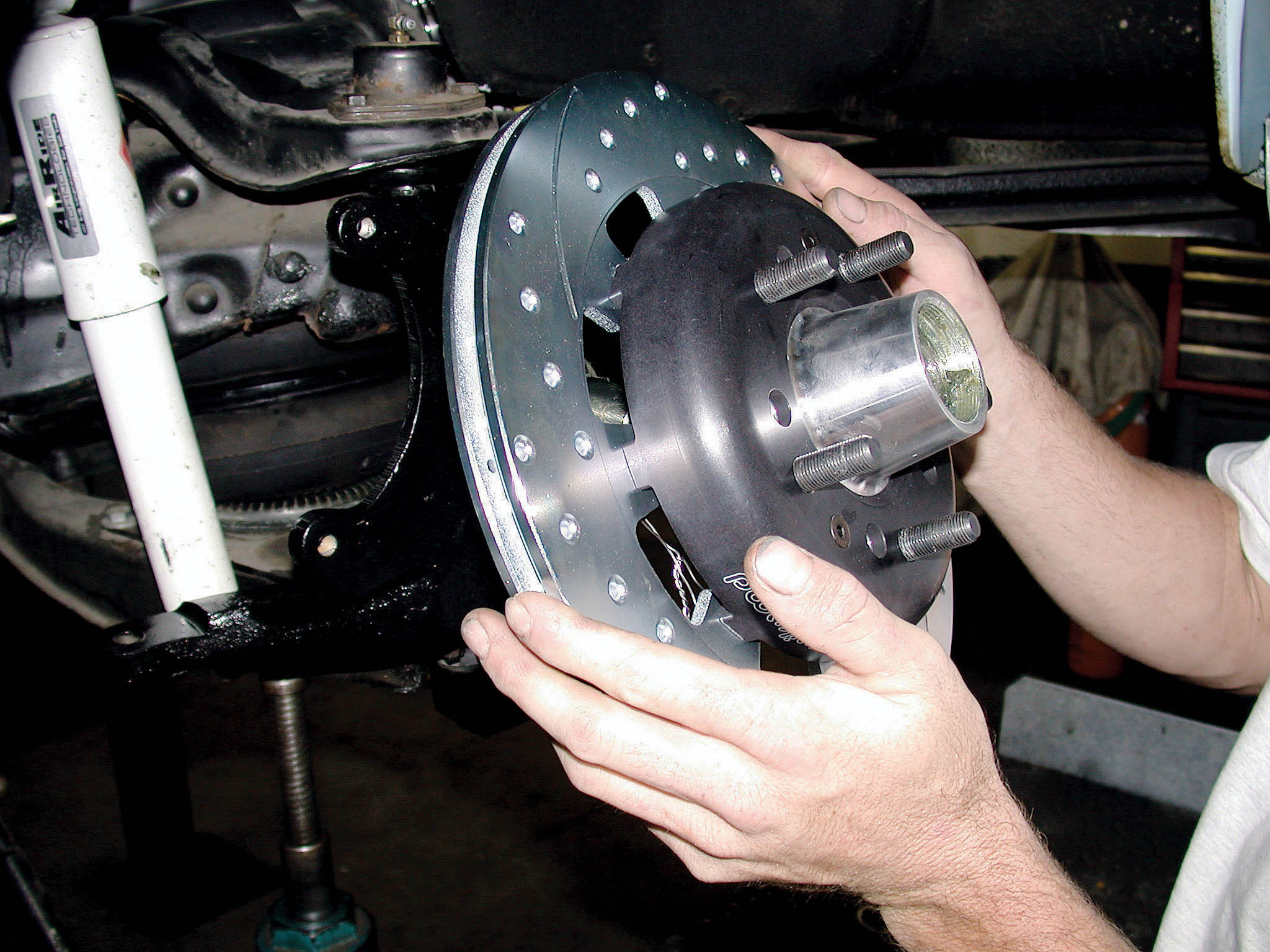
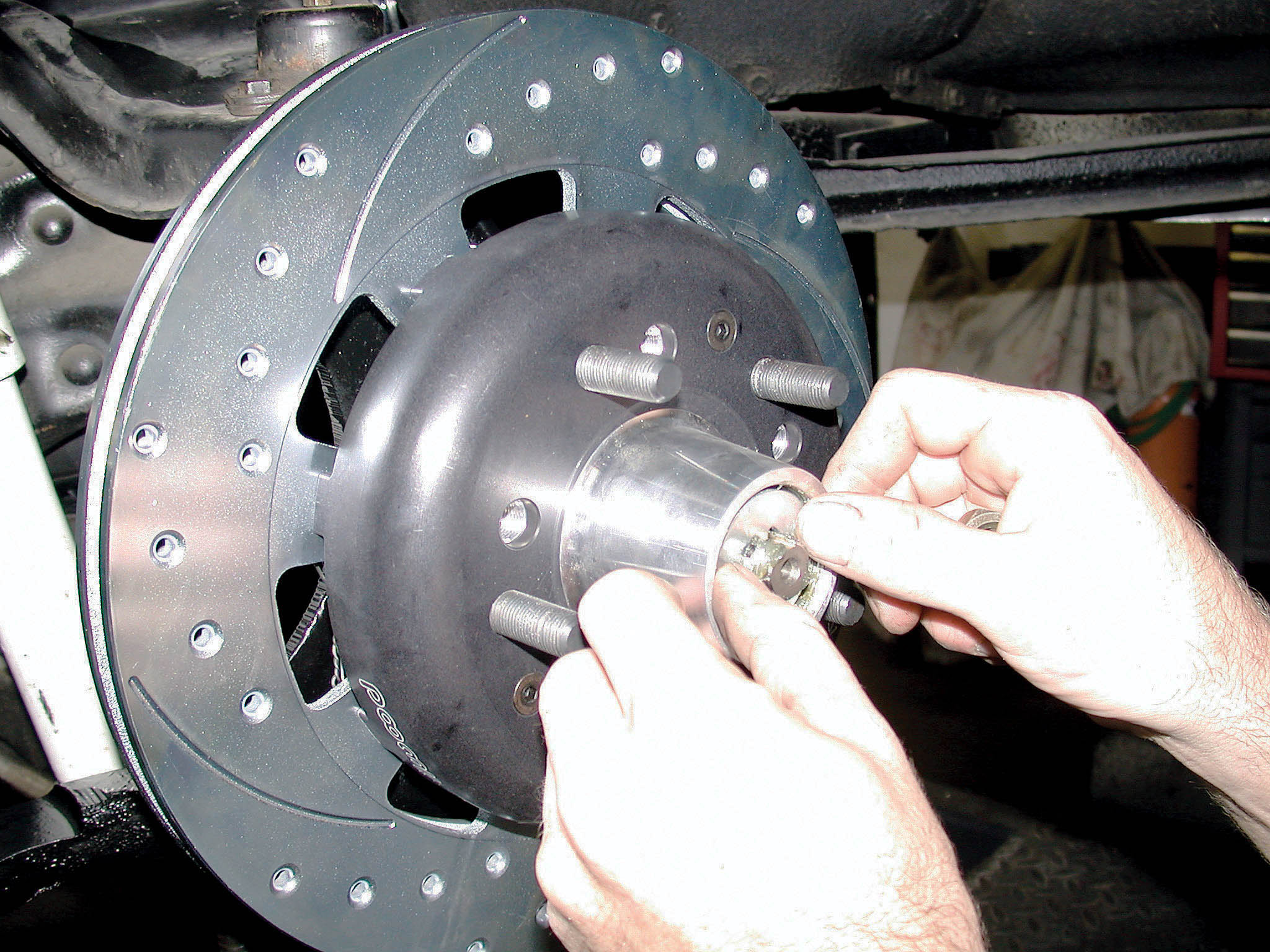
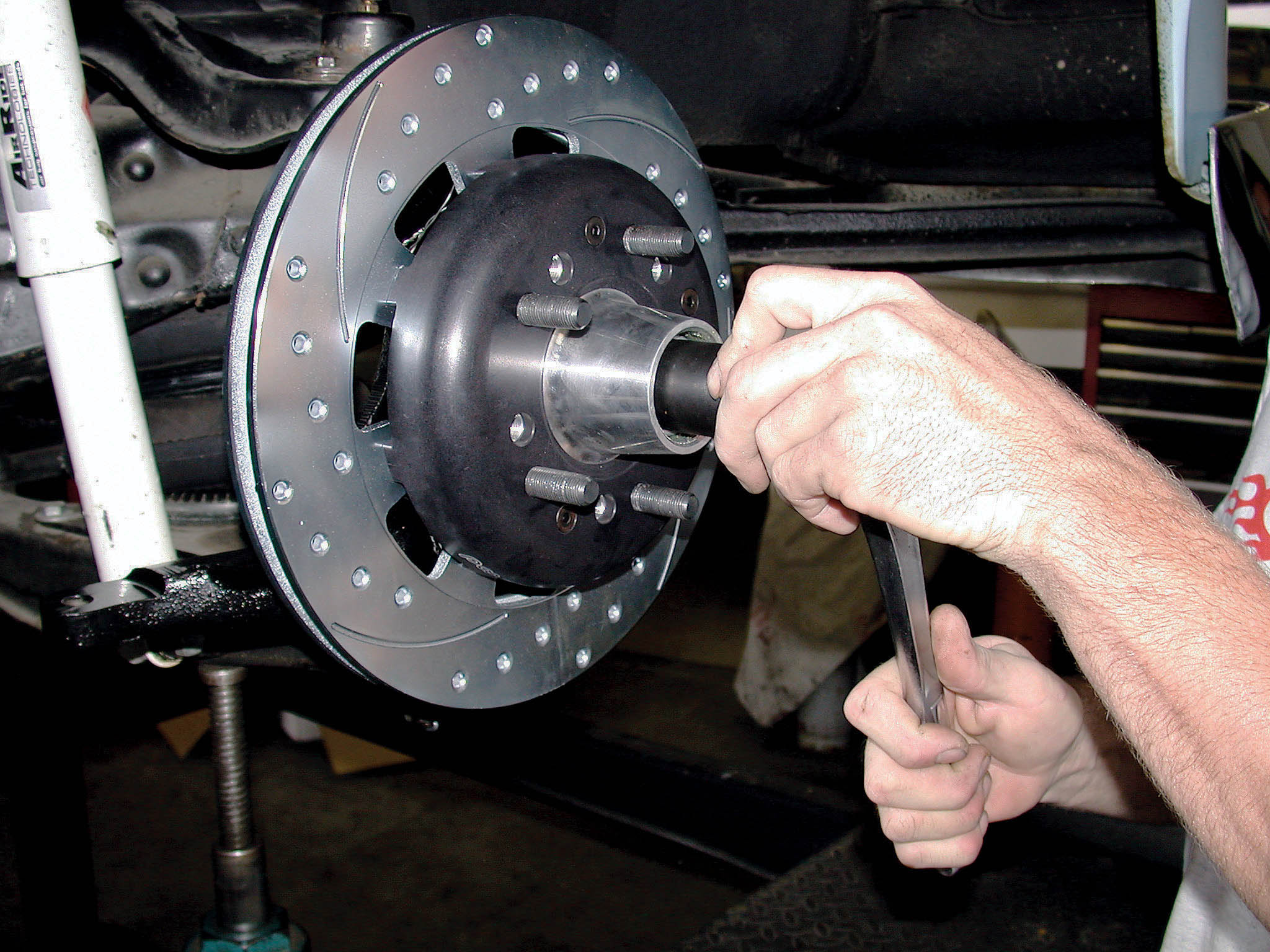
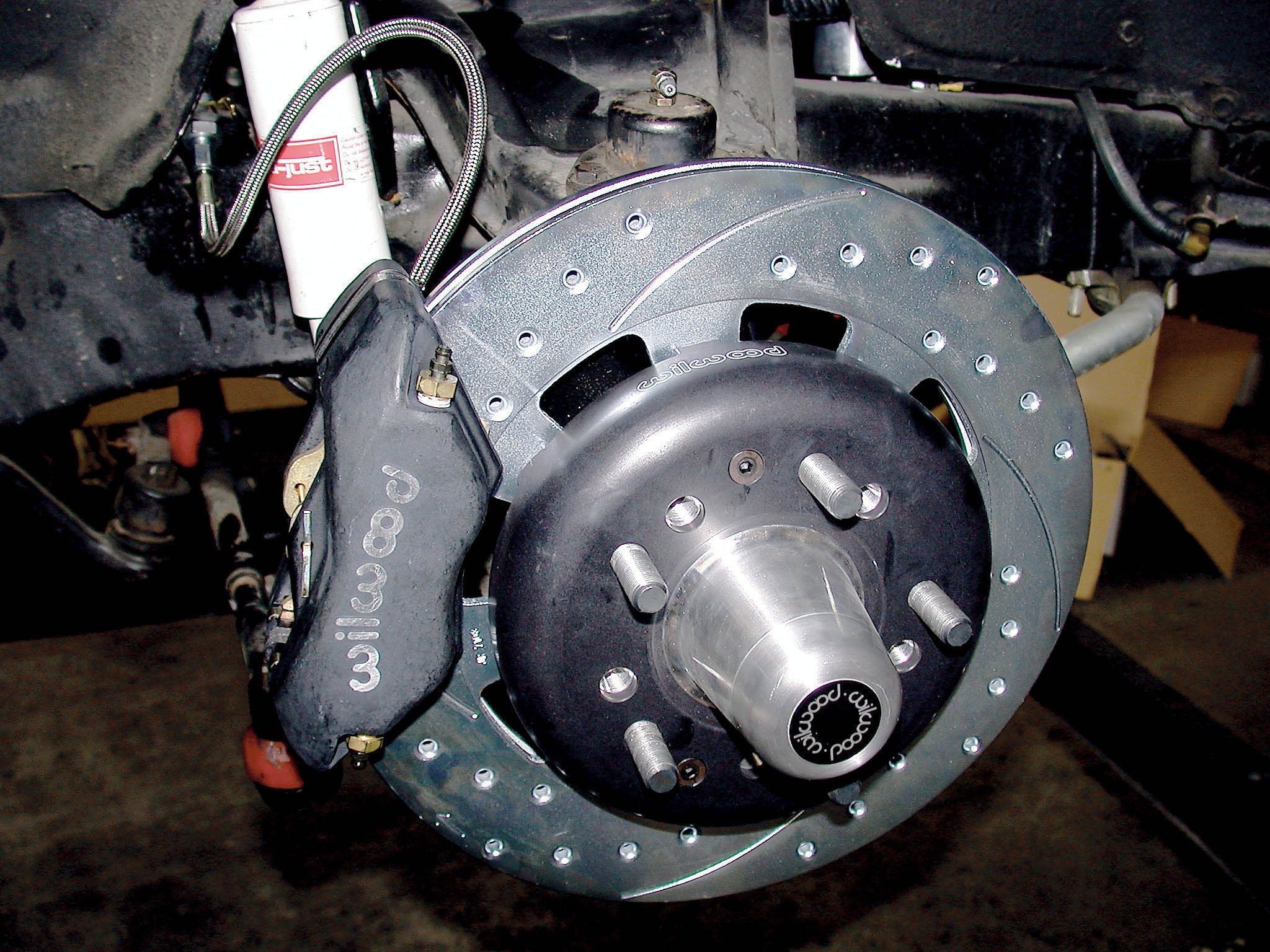
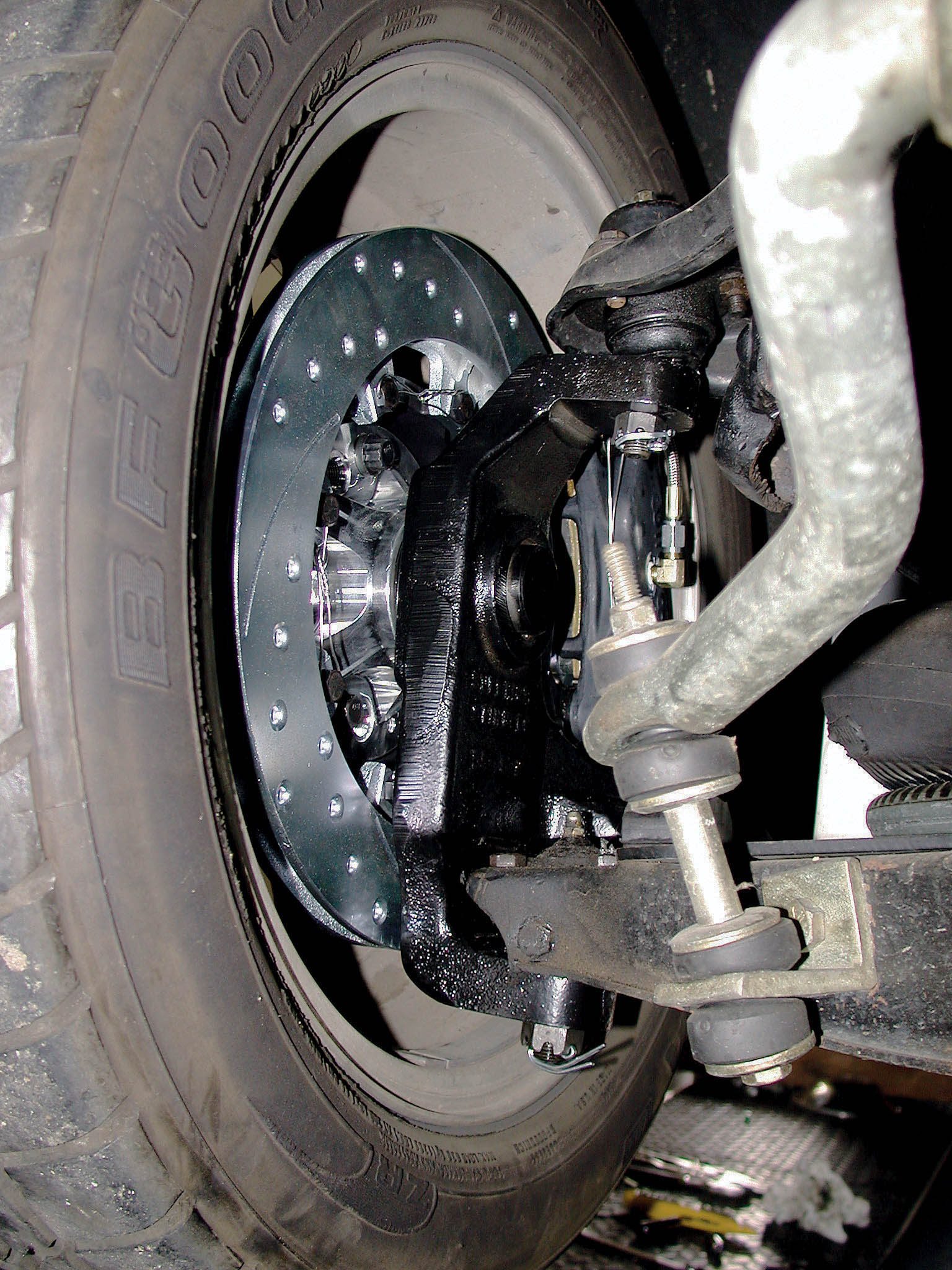
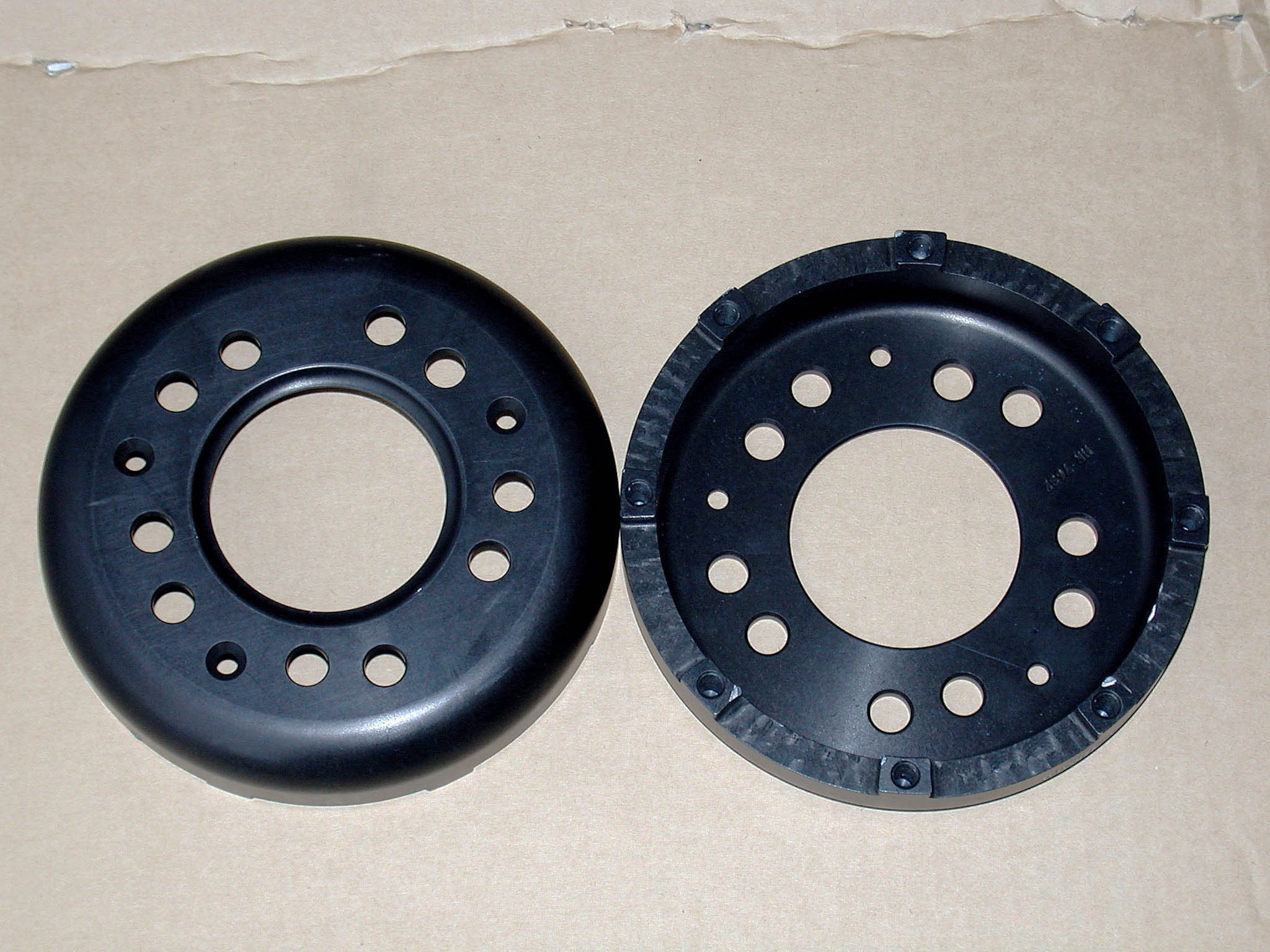
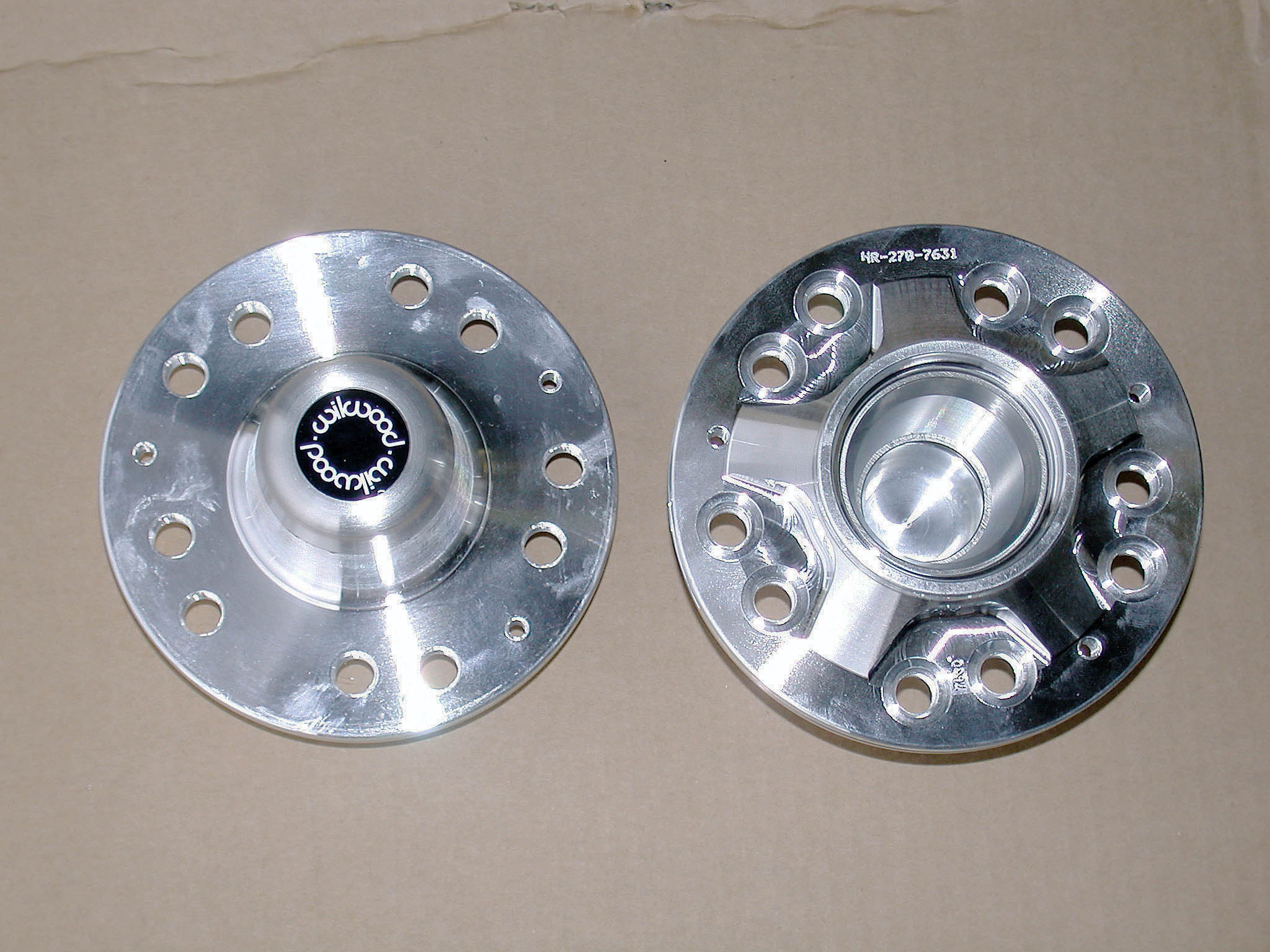
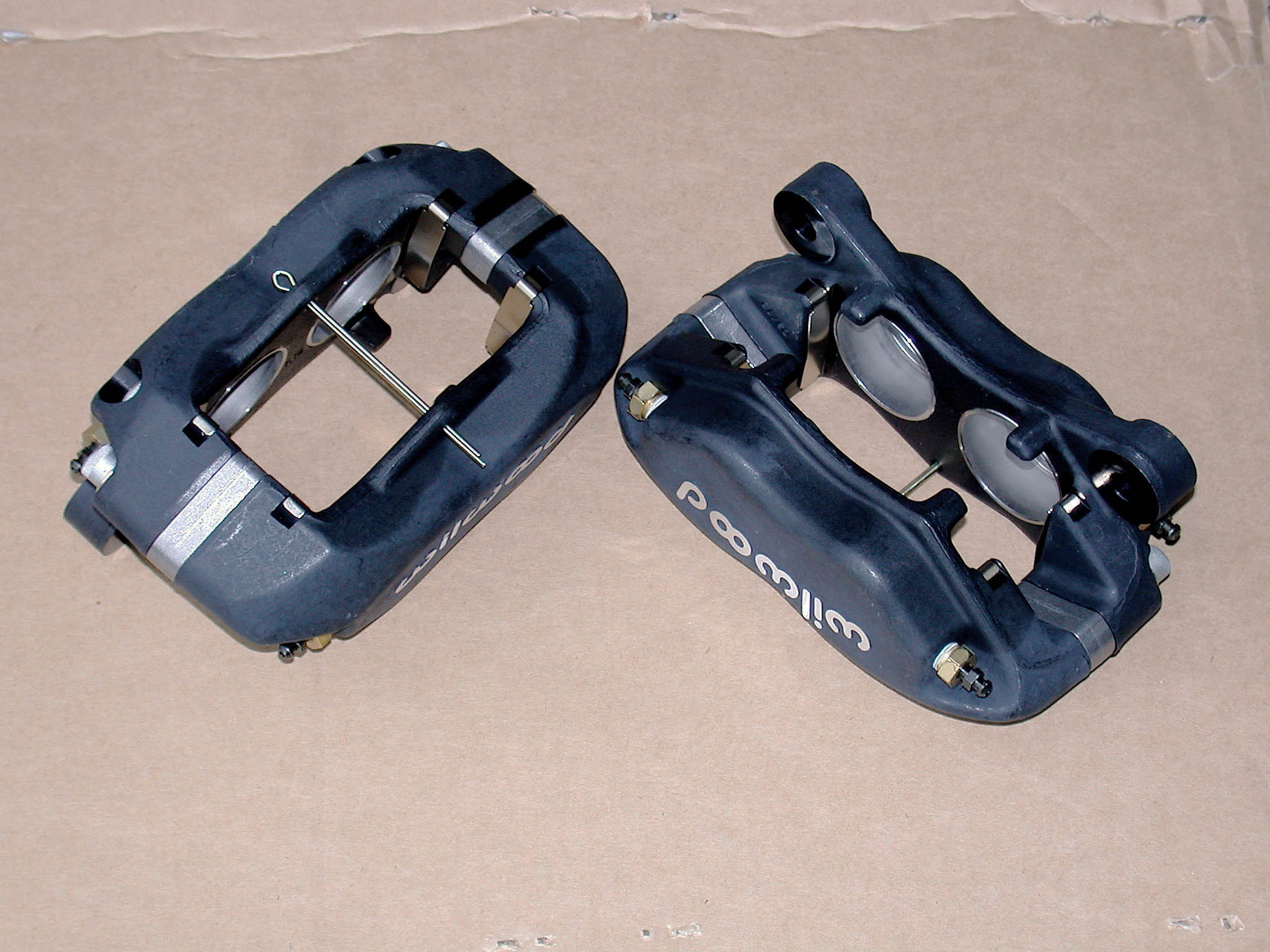
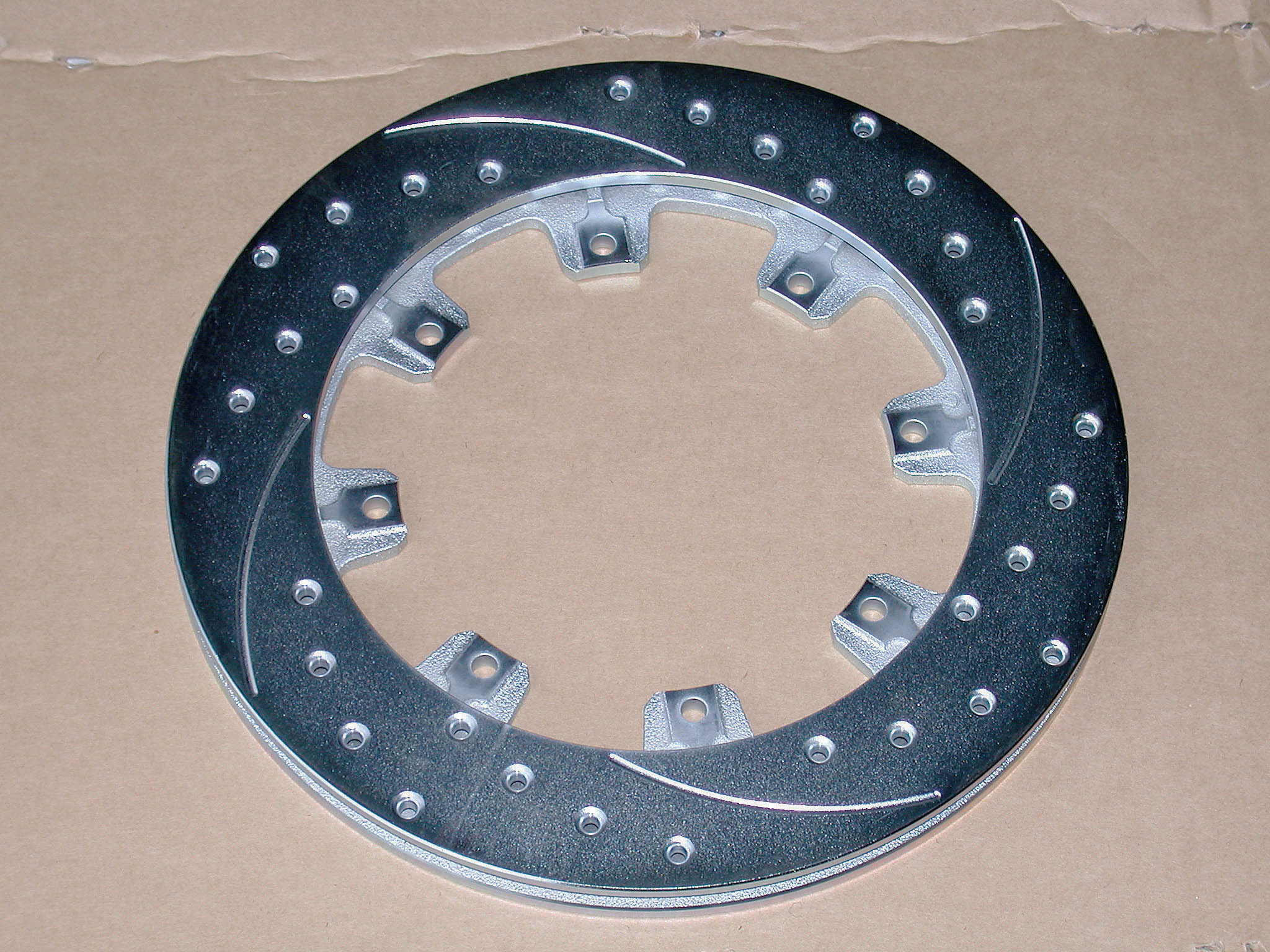
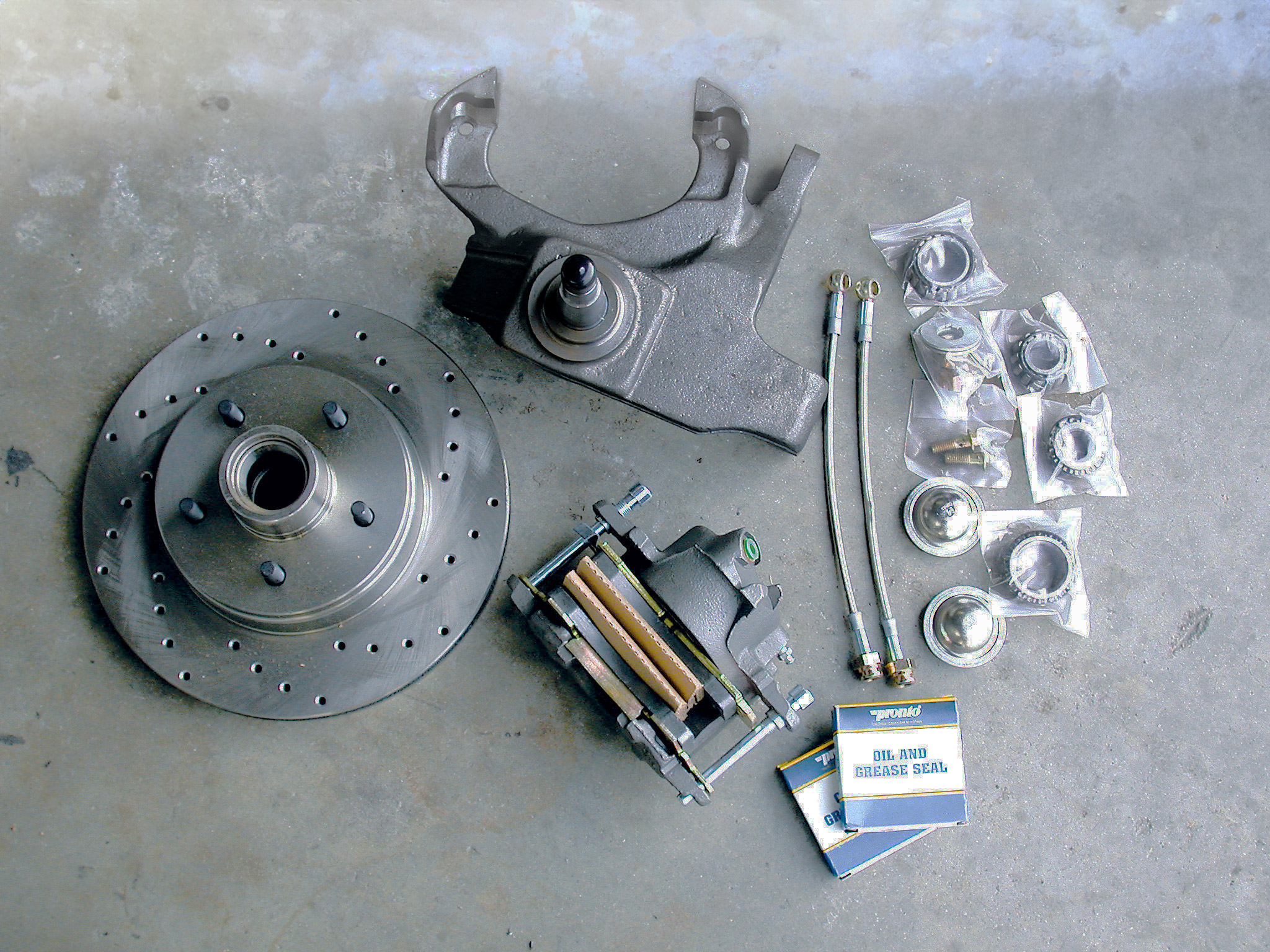
The standard swap (let’s call it Stage I) involves installing a 10-1/2-inch rotor, and that’s plenty for most people. The next step up (Stage II) is to use a kit to install a 12-inch 1LE Camaro rotor and a ’79–’81 Camaro caliper (also used on the Astro van). This kit typically sells for around $600, but it will widen the track a bit, so wheel selection is somewhat affected. Another step up (Stage III), involves using a 12-3/16-inch two-piece rotor and aftermarket Wilwood calipers. Superior Spindles’ version of this kit sells for around $1300, and it does not widen the track because Wilwood’s hat doesn’t use any adapters.
Installing Superior Spindles and Wilwood Brakes on a ’55 Bel Air
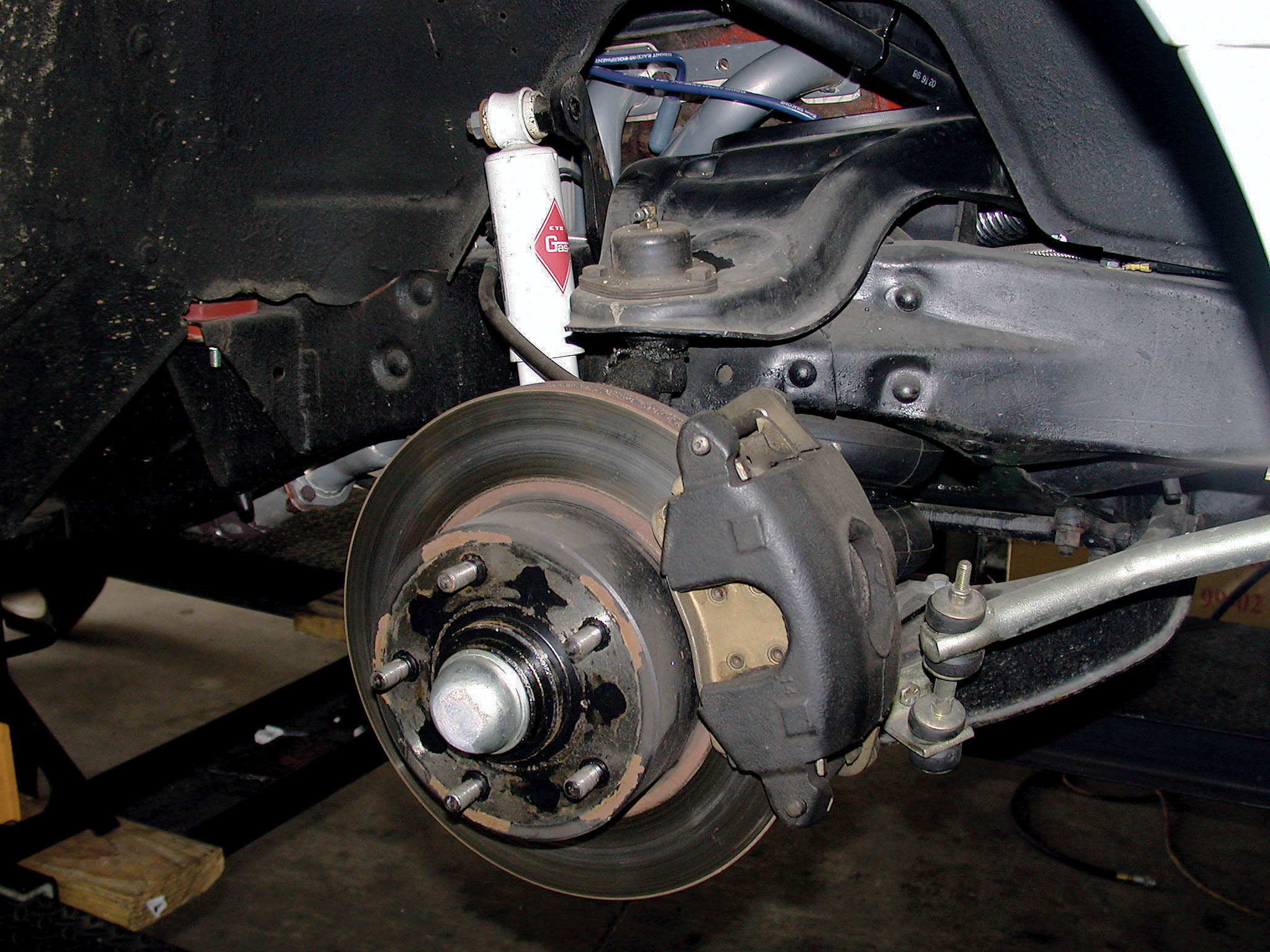
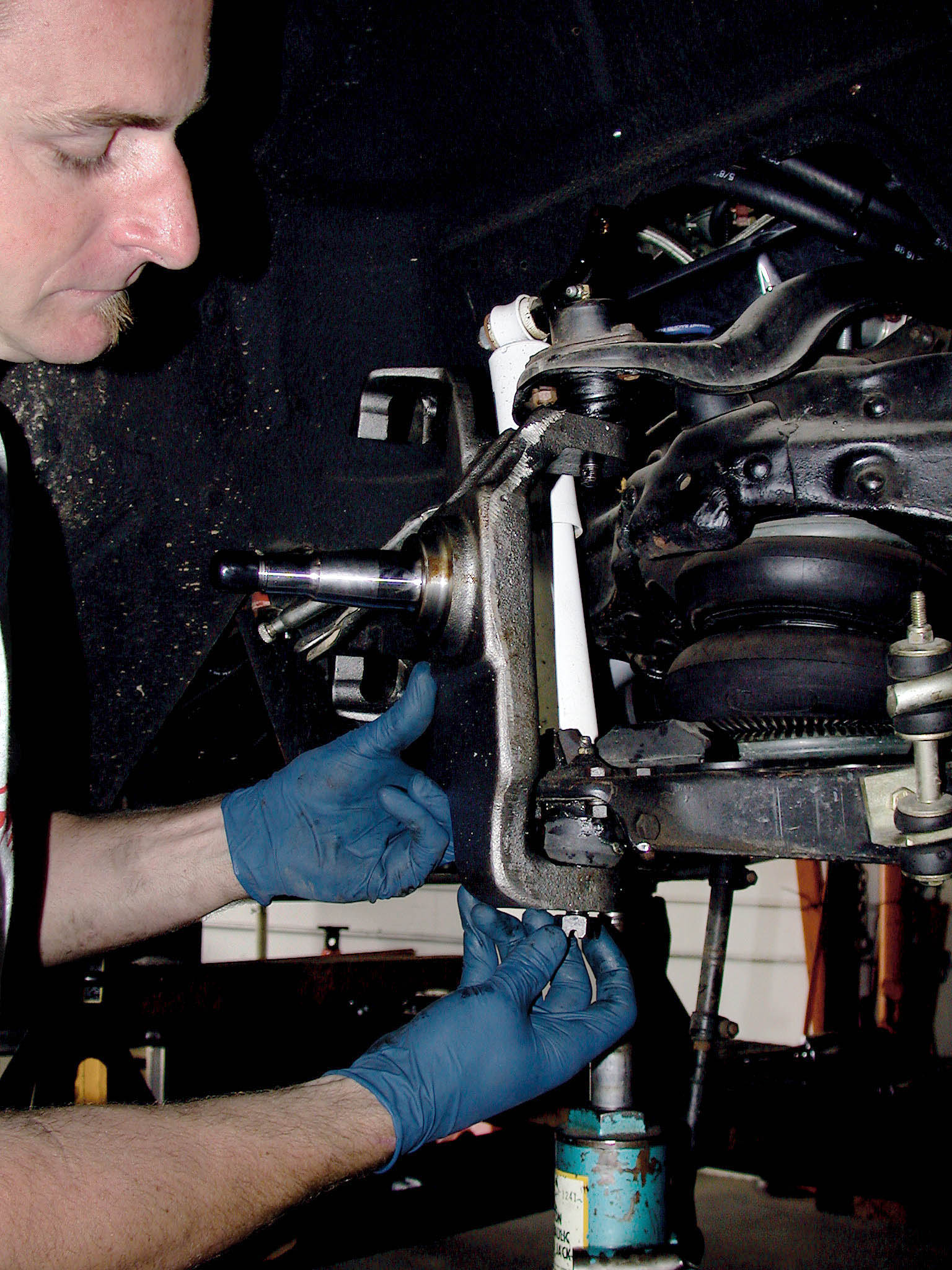
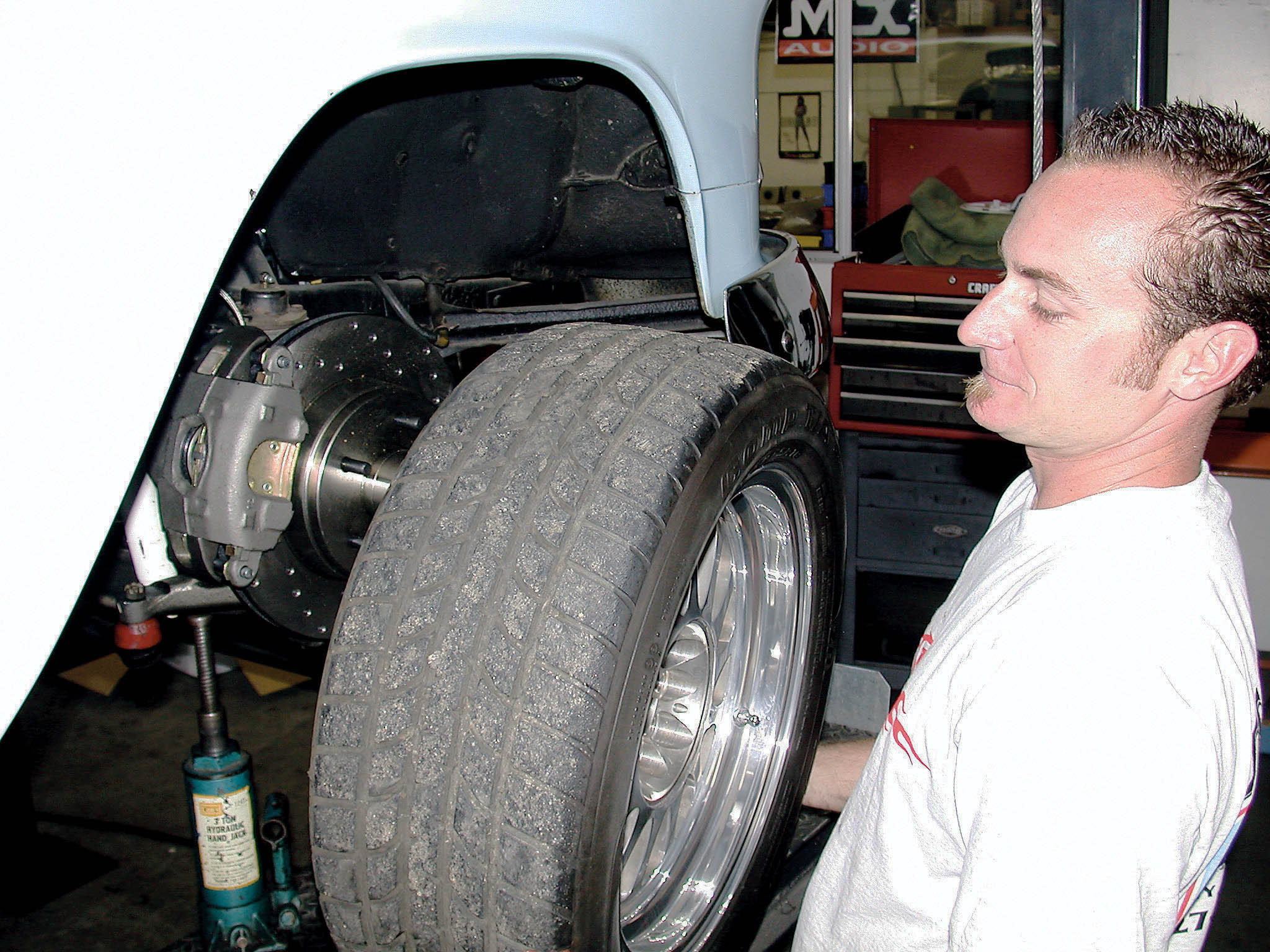
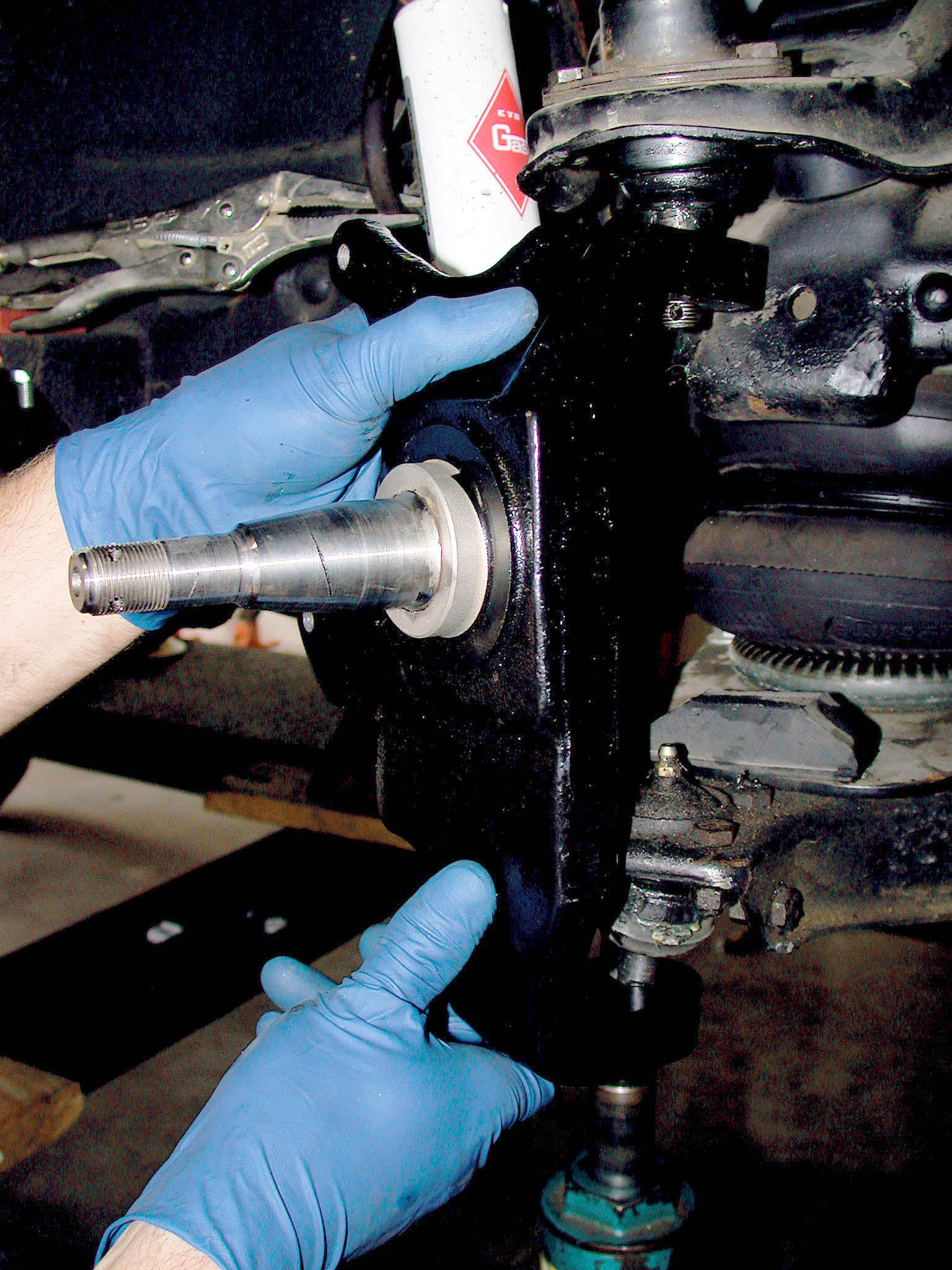
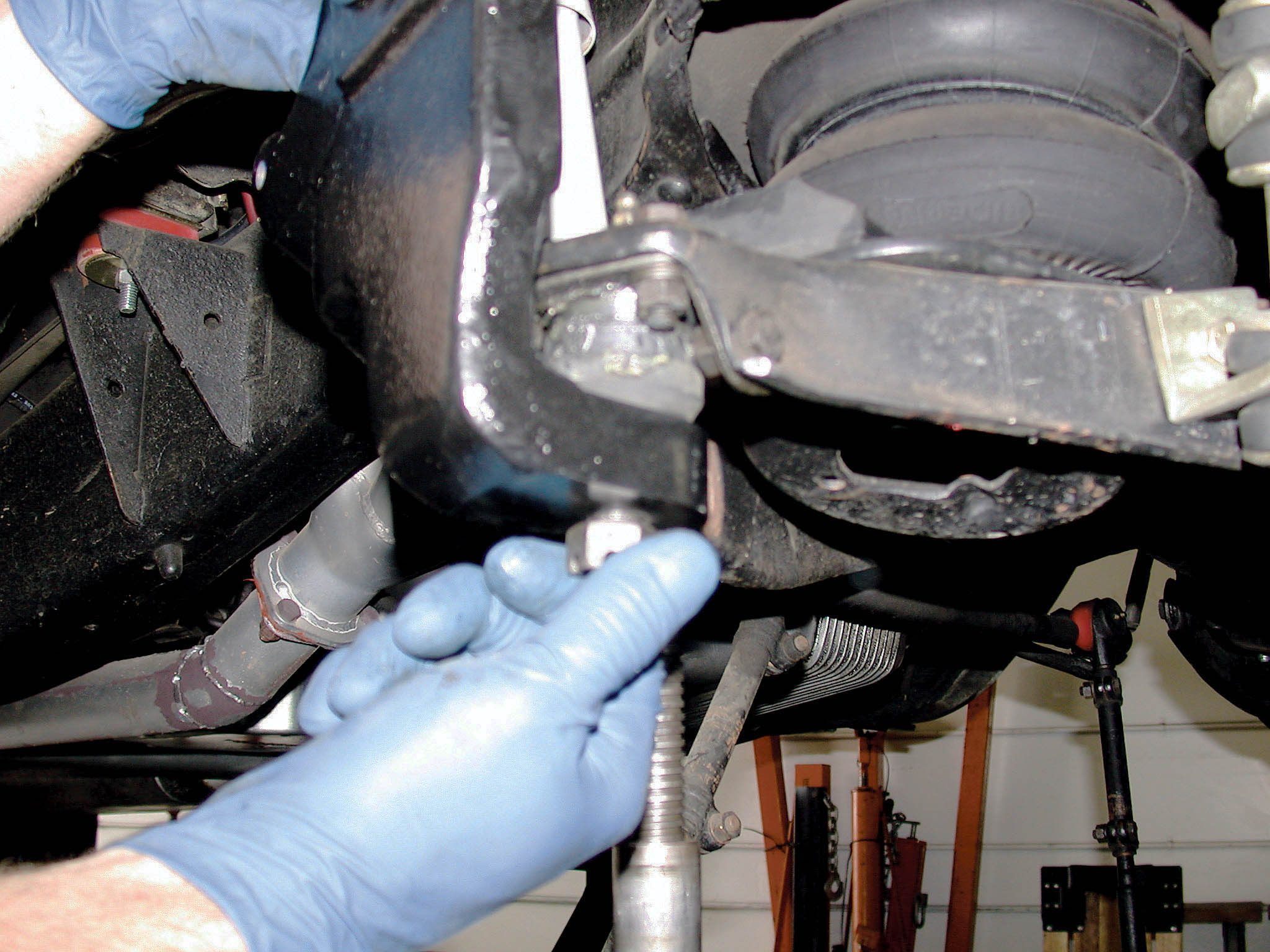
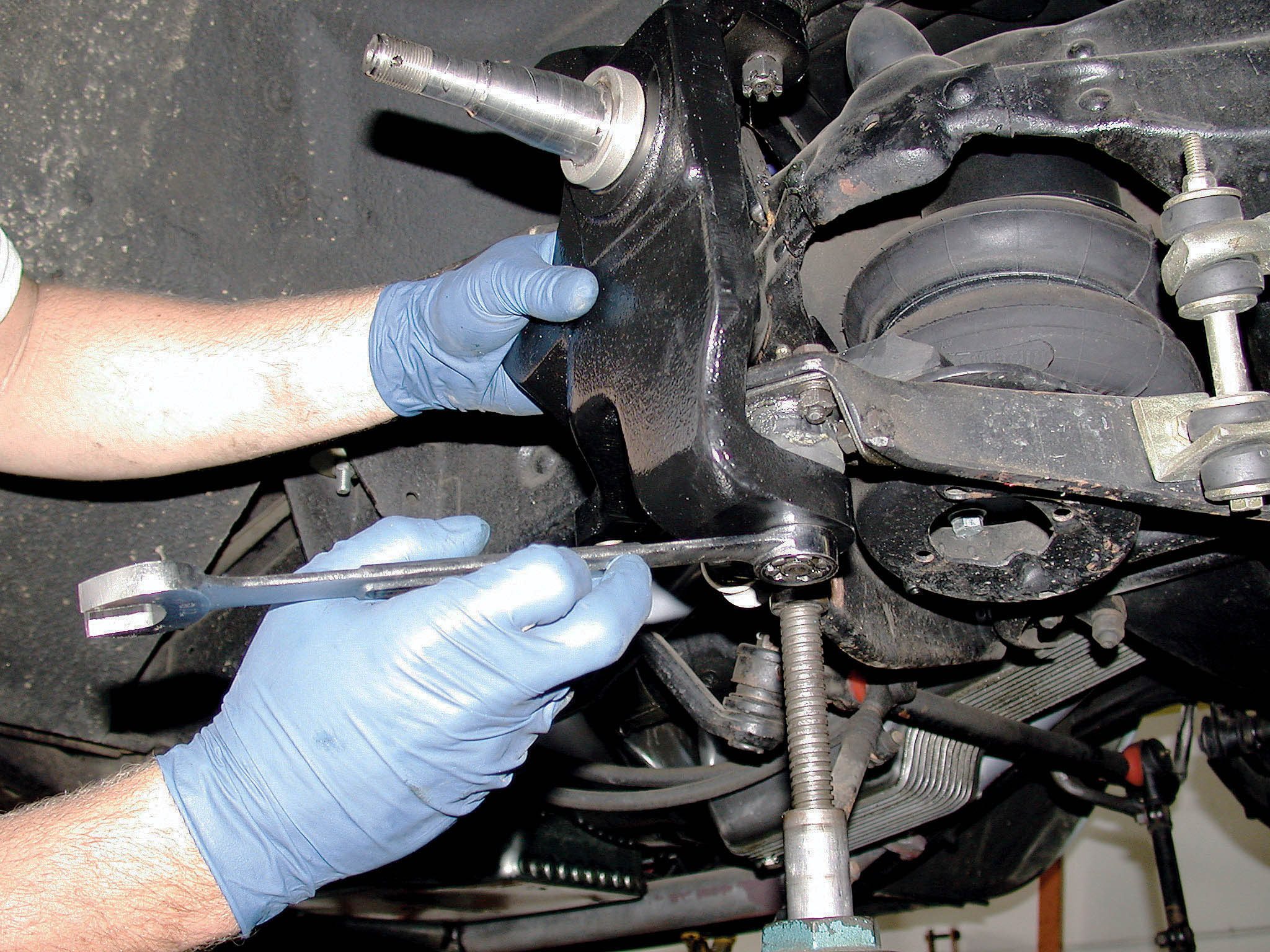
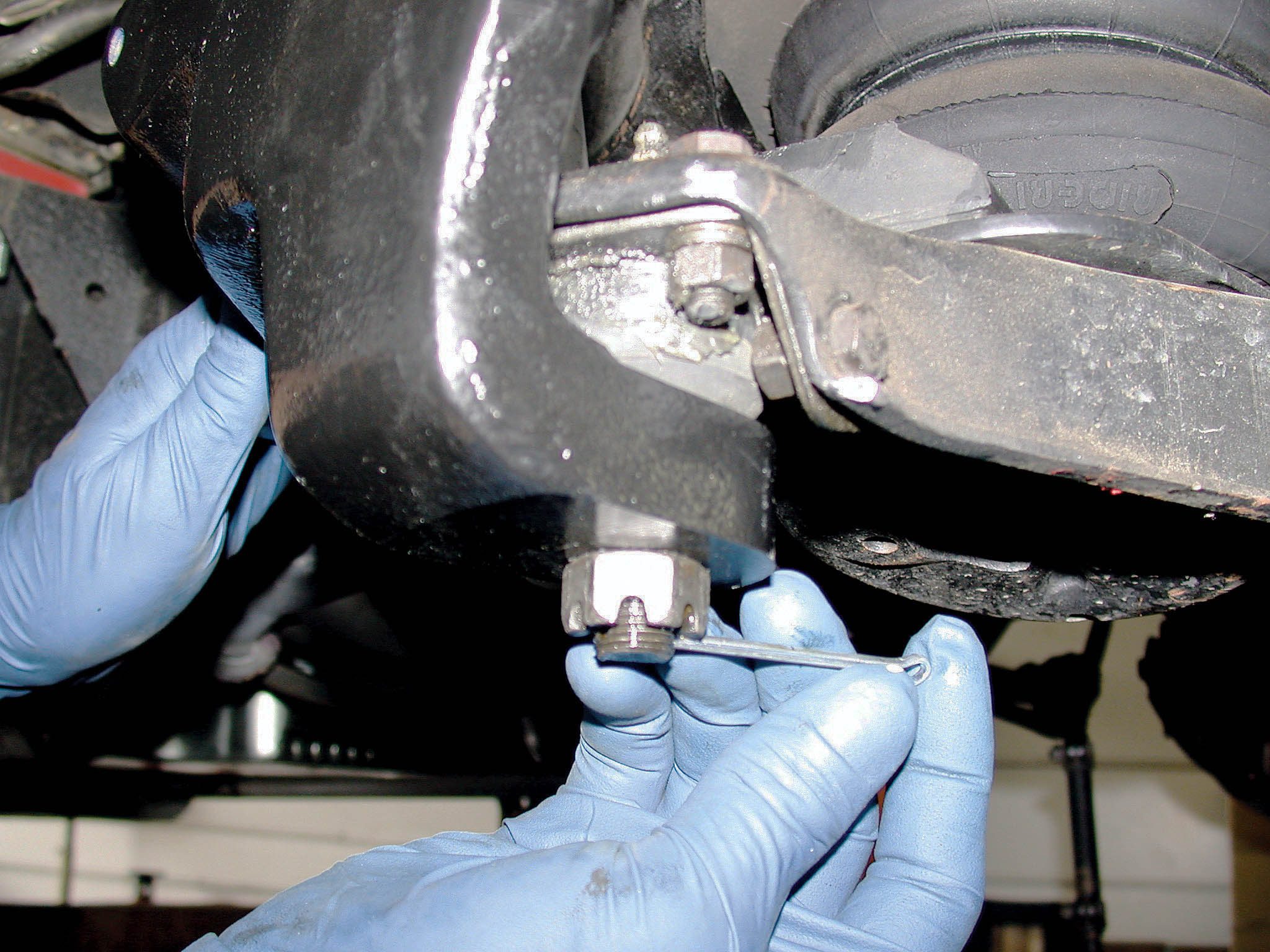
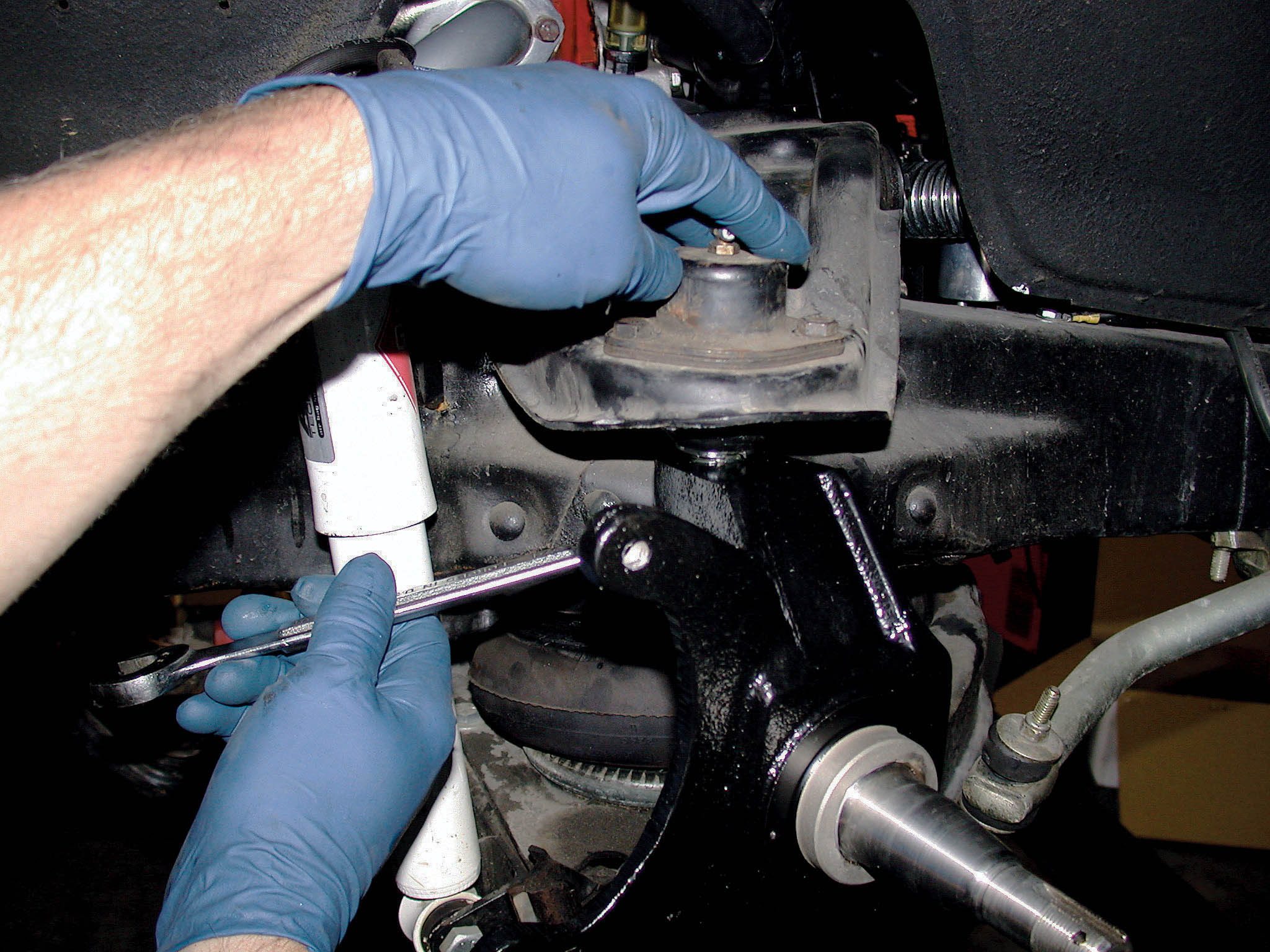
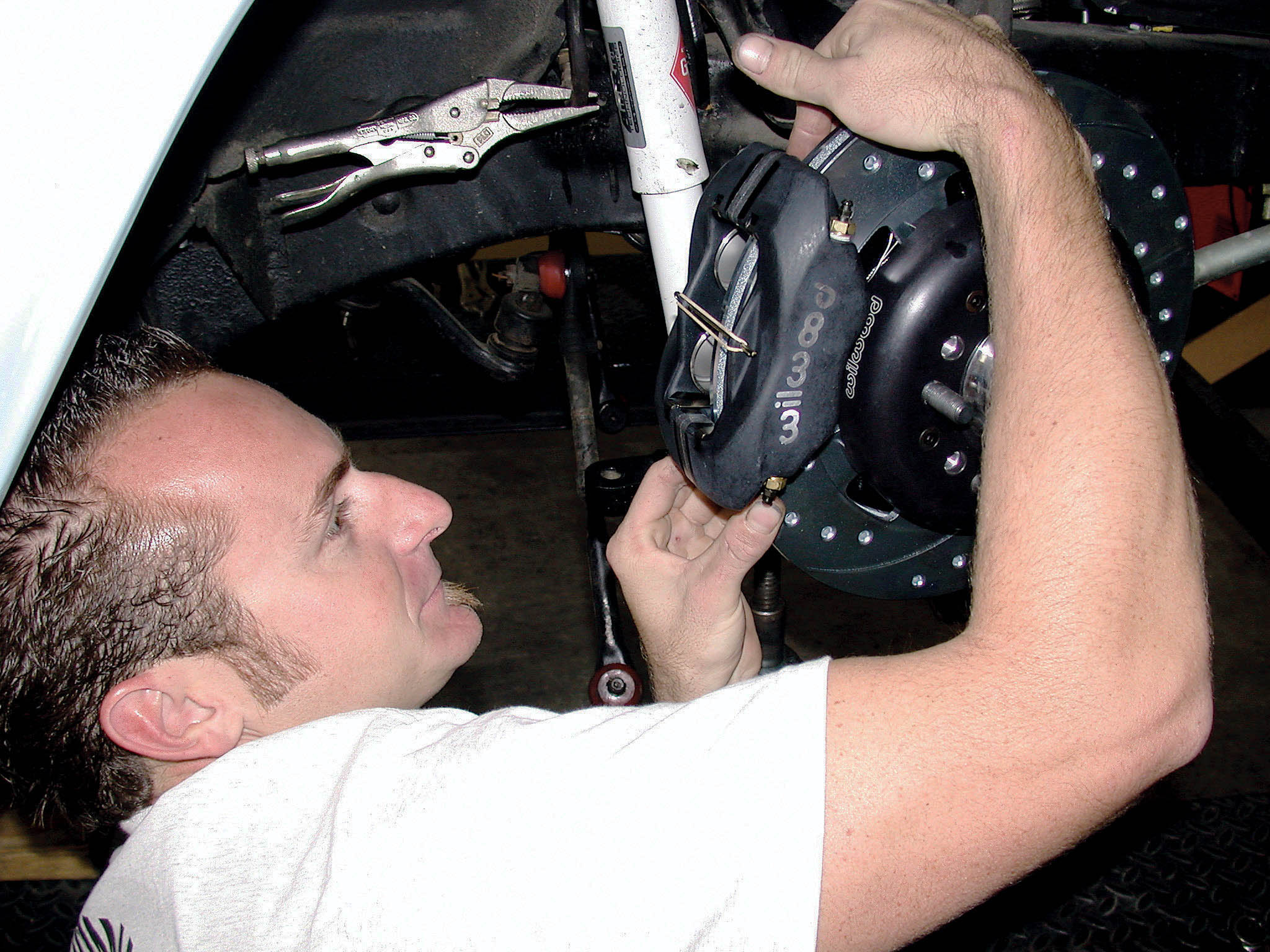
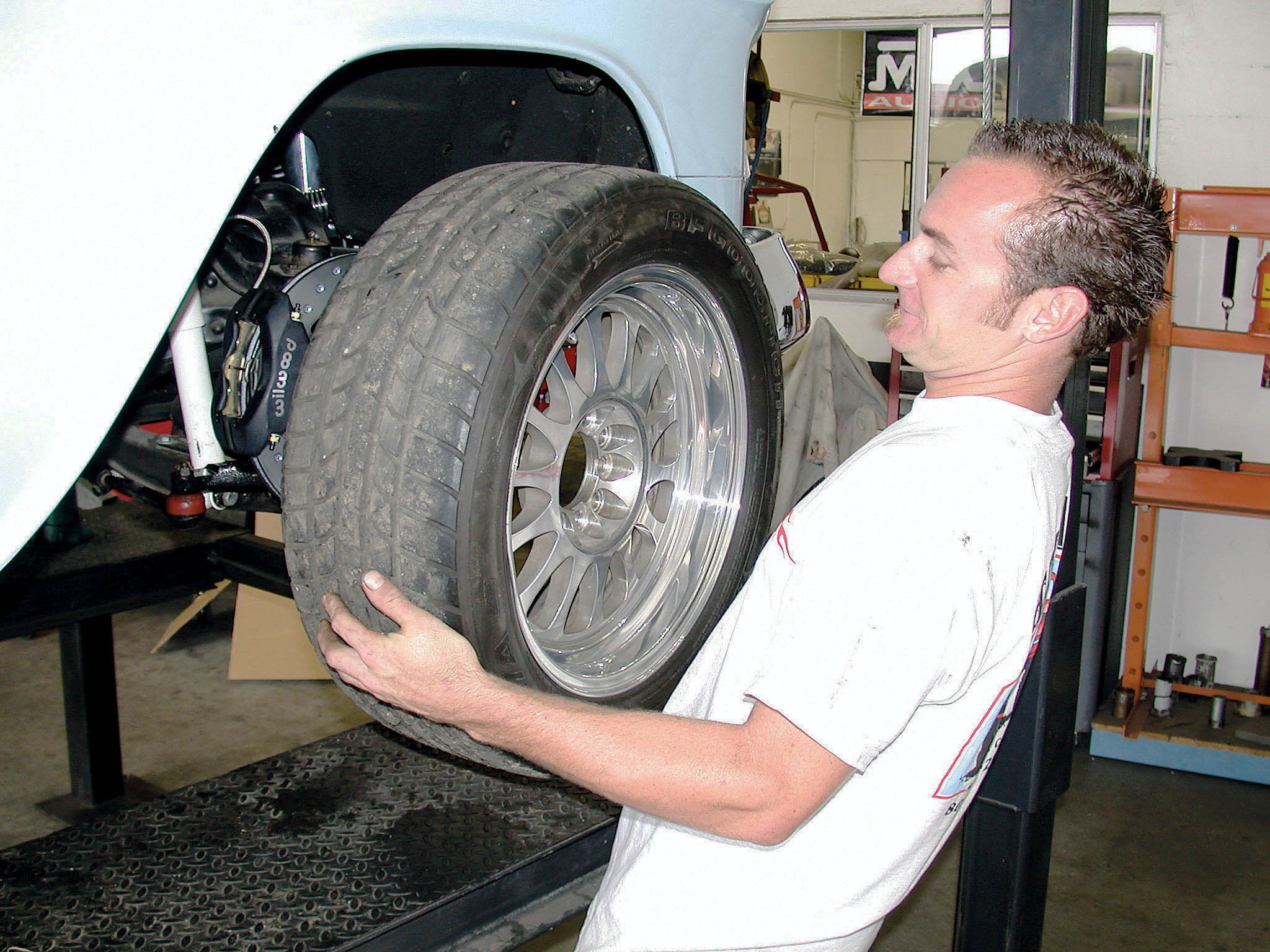
It just so happens that we knew of a shop that was about to install a Superior Spindles kit on a ’55 Chevy two-door Bel Air, so we elbowed our way into the place and set up camp with our cameras and notepads. This car already had a cheap set of drop spindles on it and a ho-hum set of 10-1/2-inch rotors, but the owner was definitely not happy. The braking performance, while better than the stock drums, was not nearly as good as he had hoped it would be, and he swore that he could feel the flimsy caliper mounts flex during braking. Whatever the reason, he wanted them off, and he brought the car to T&R Performance in Simi Valley, California, to get the work done correctly.
Stage II vs Stage III—A Real-World Comparison
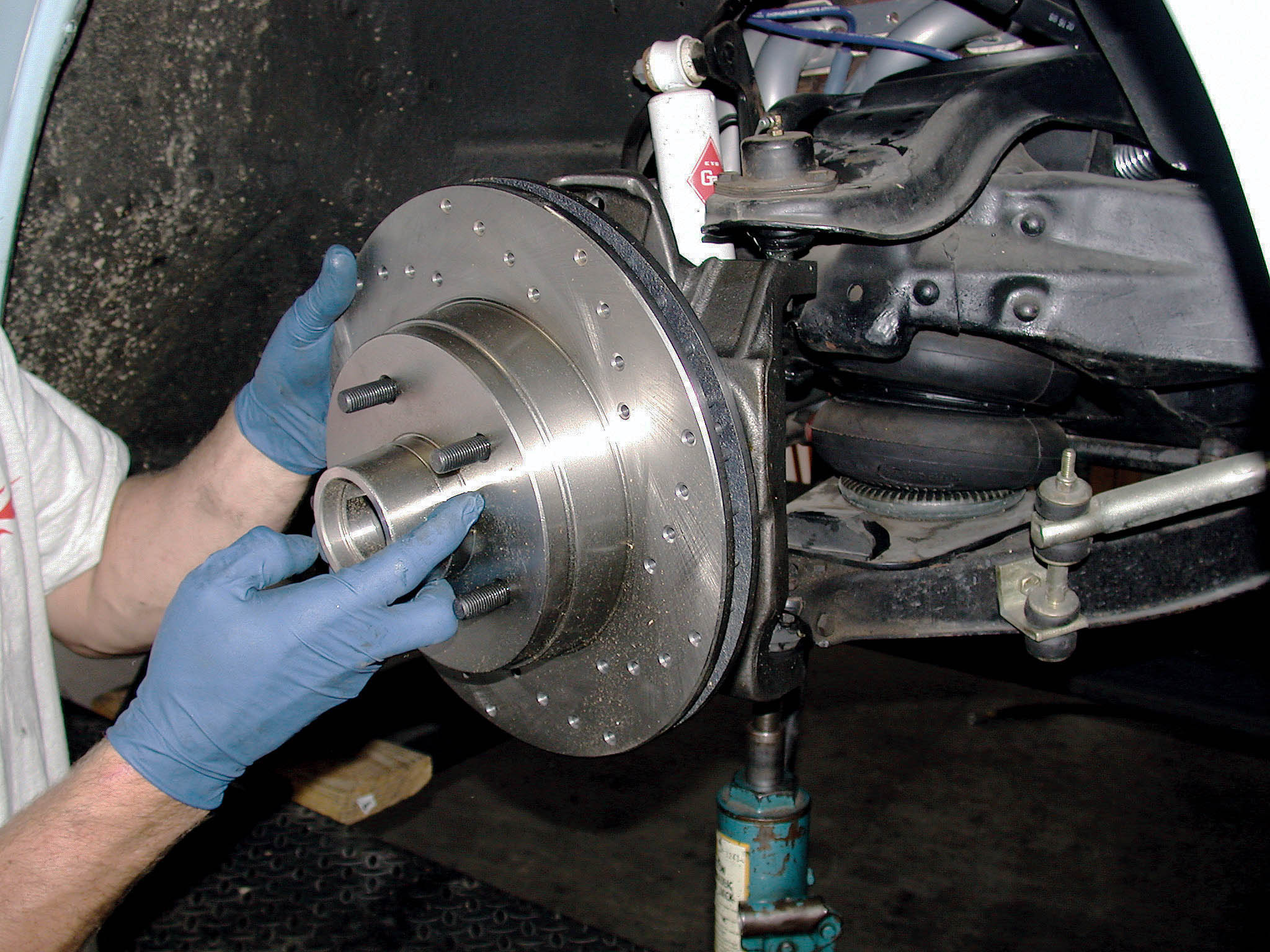
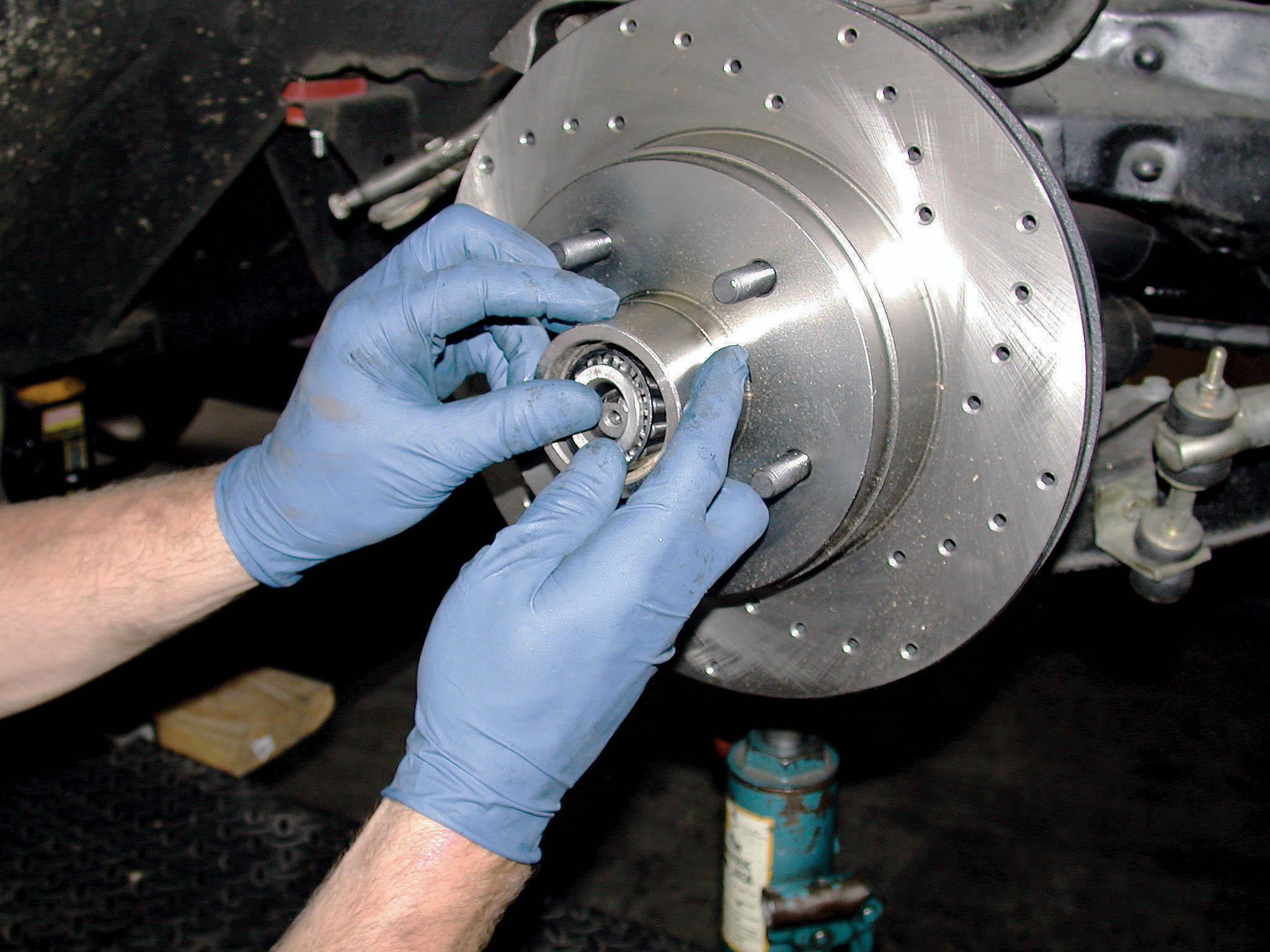
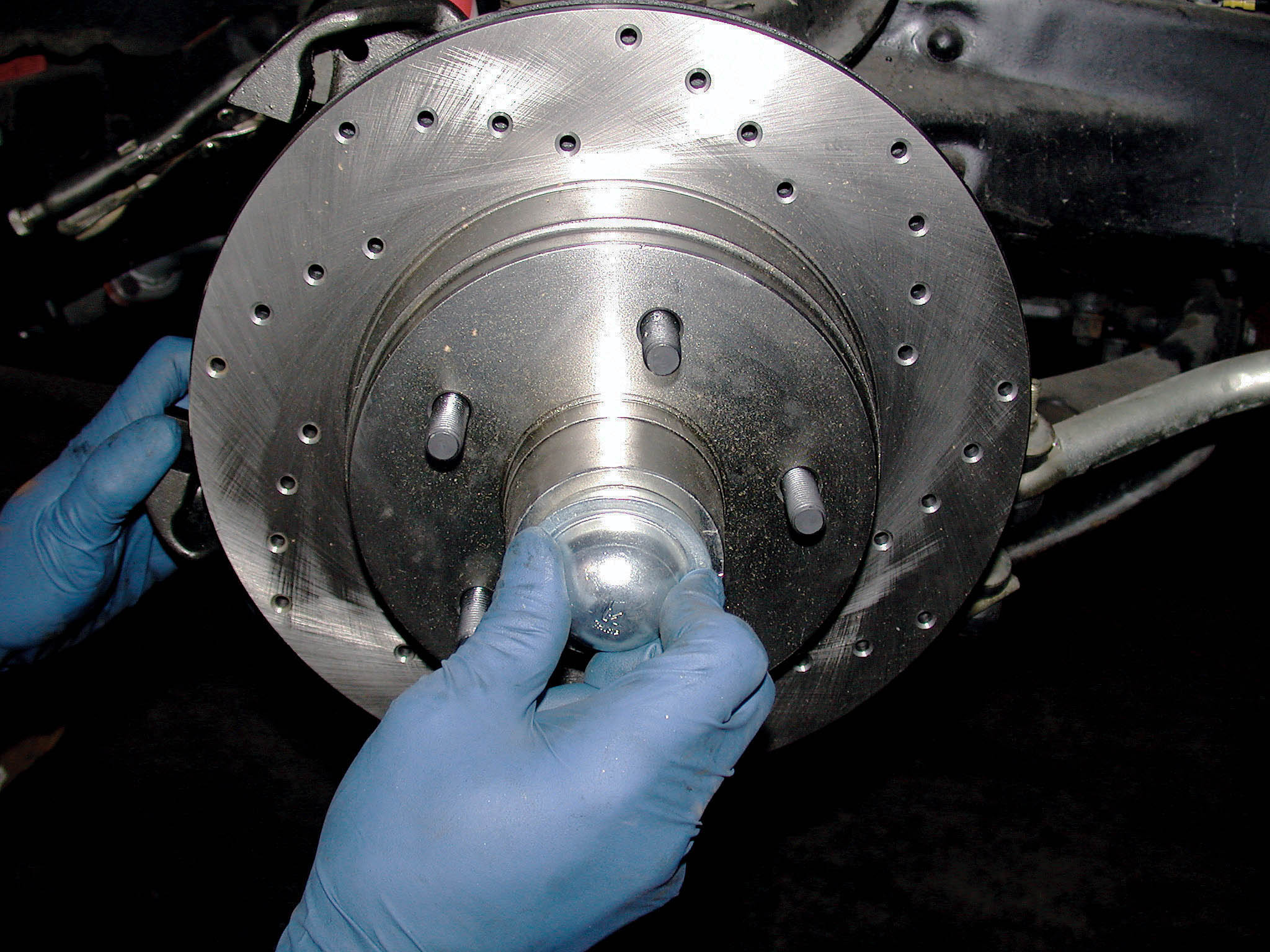
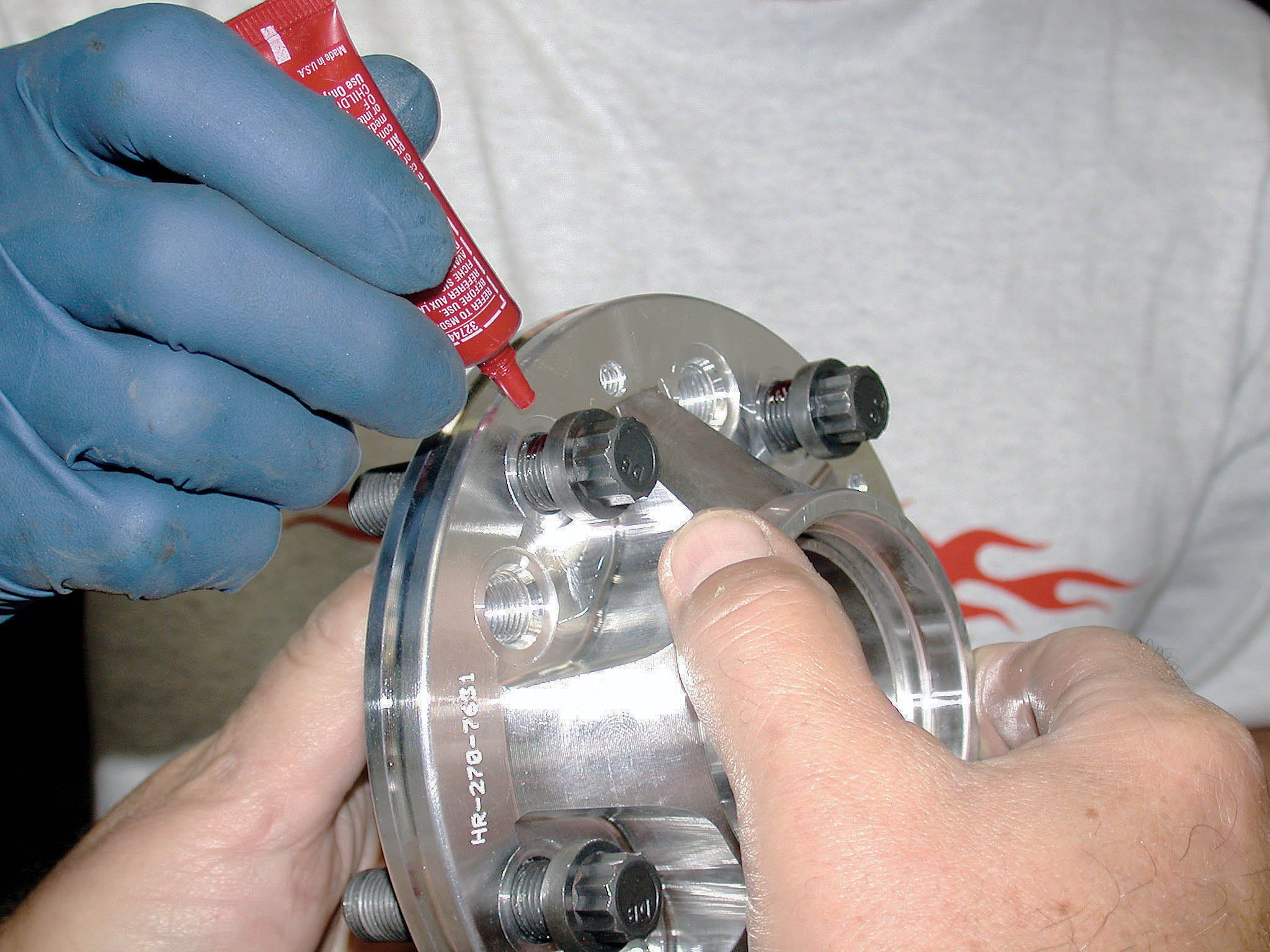
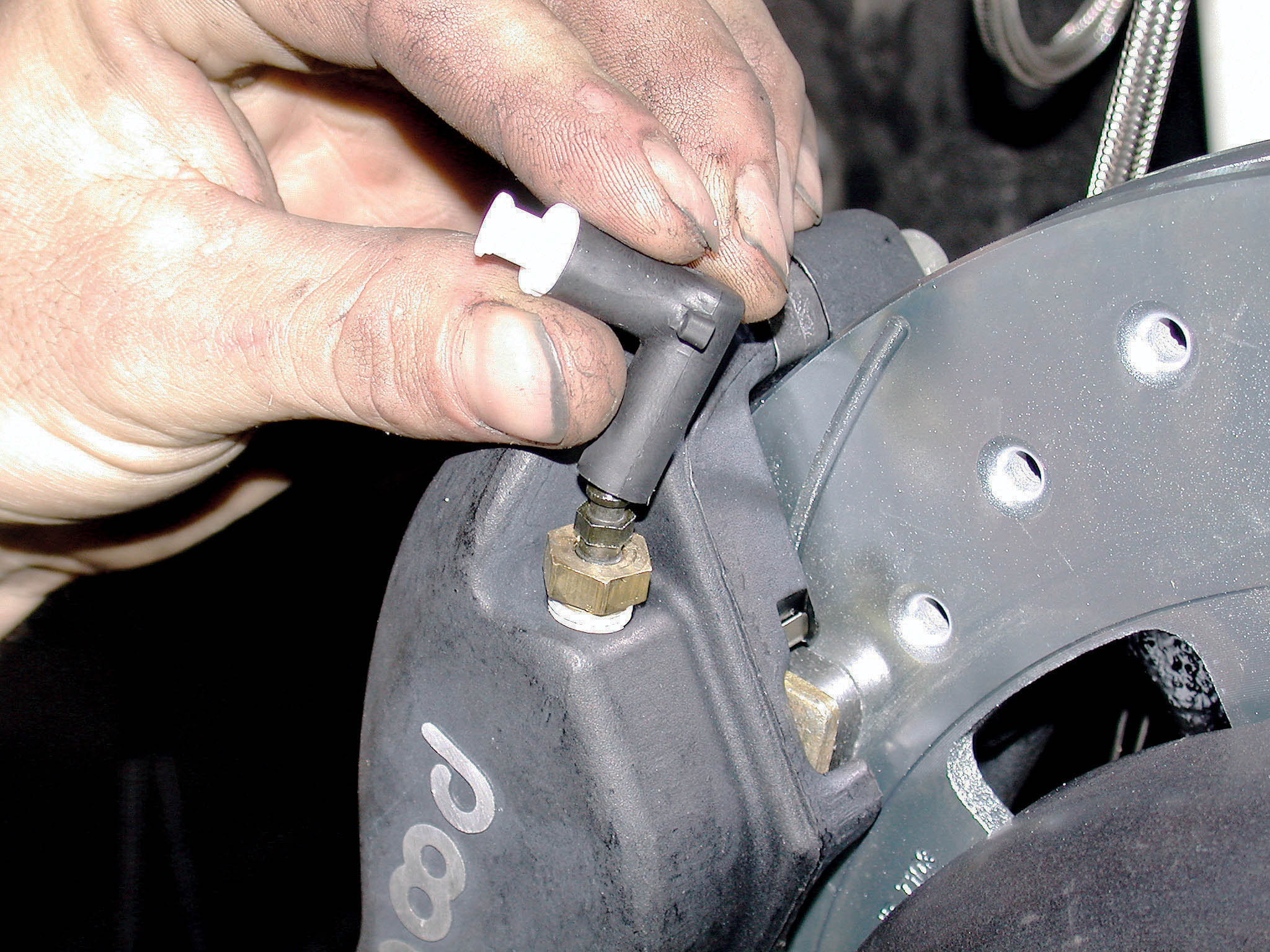
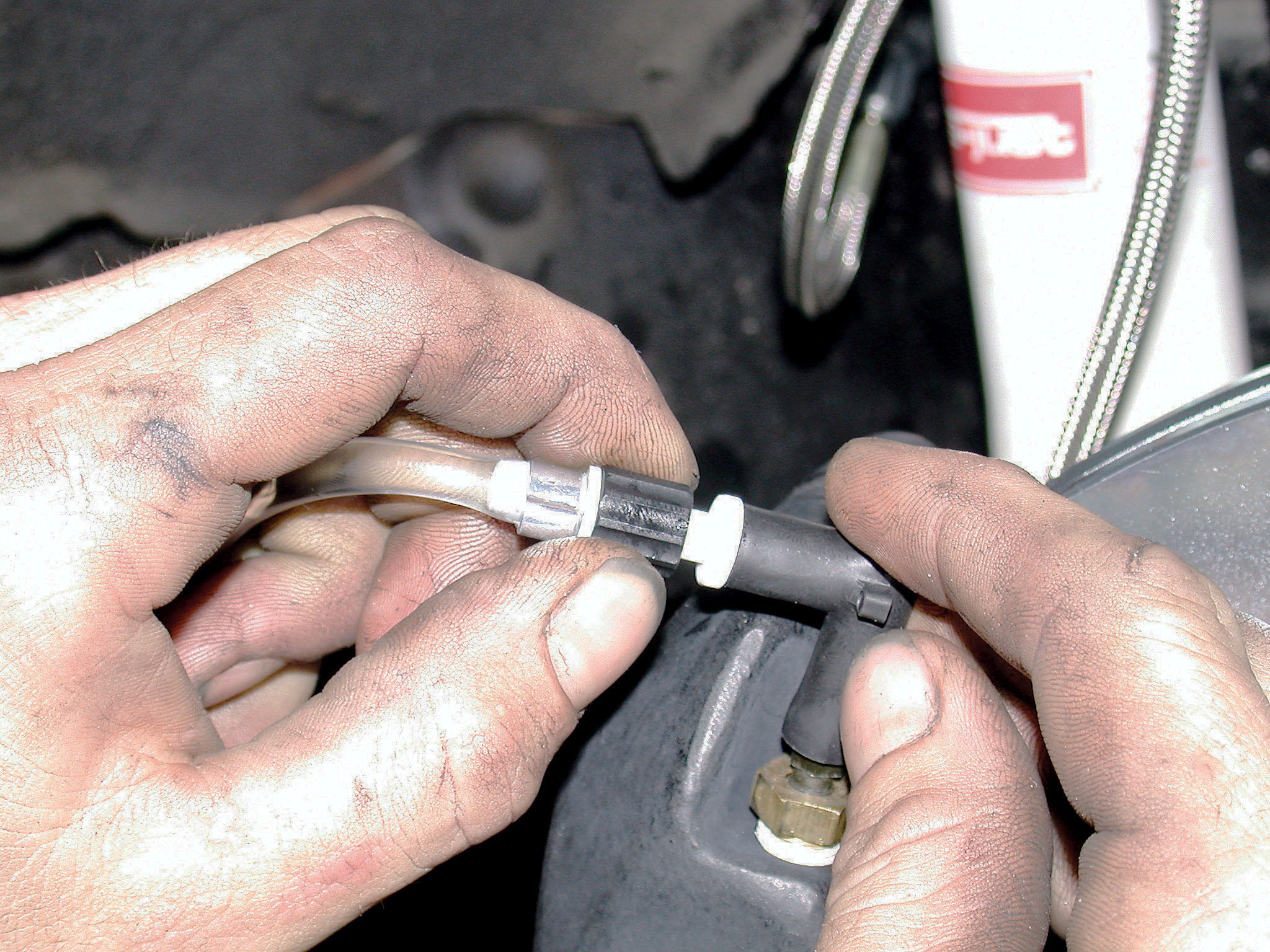
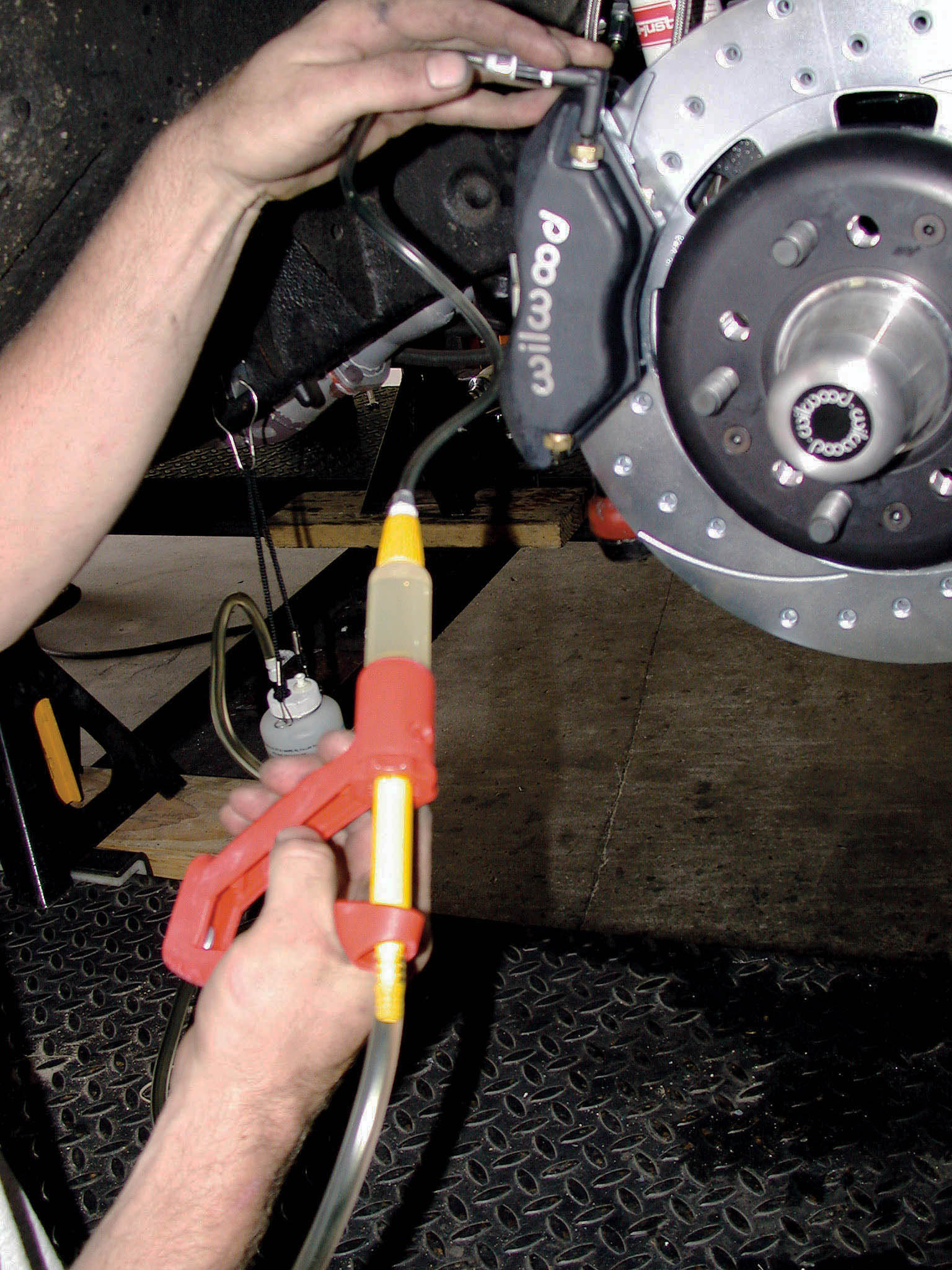
Tim and Ron Porco also happened to have a Stage II kit in stock, to go along with the Stage III kit ordered for this car, so we took the opportunity to install both, giving you a nice comparison. Superior Spindles uses 4140 heat-treated chromoly for its spindles, and the kits include everything needed (seals, bearings, pads, and braided lines). The rotors in the Stage III kit are drilled and slotted for a more aggressive look.
Clean Install and Proper Fitment
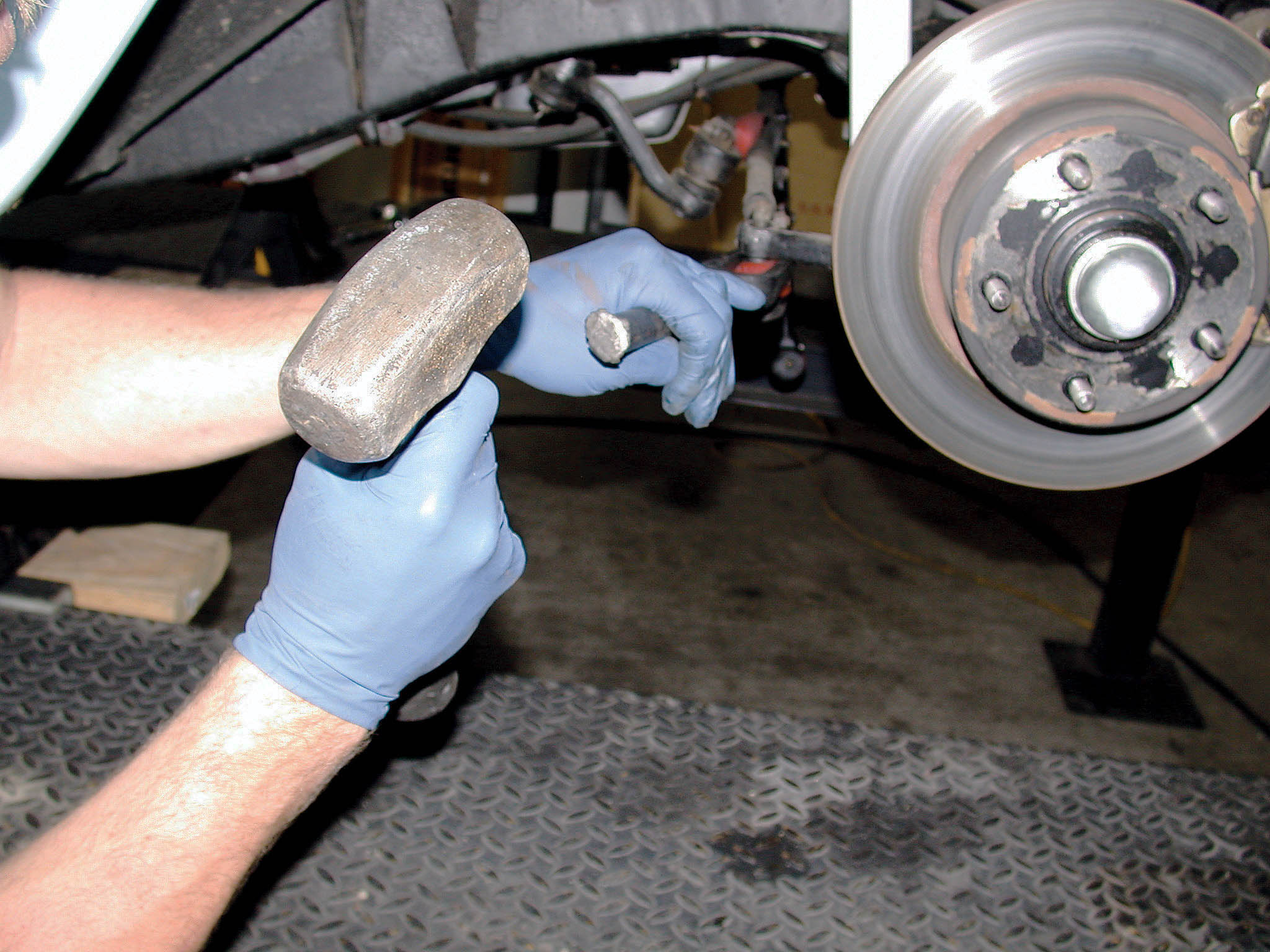
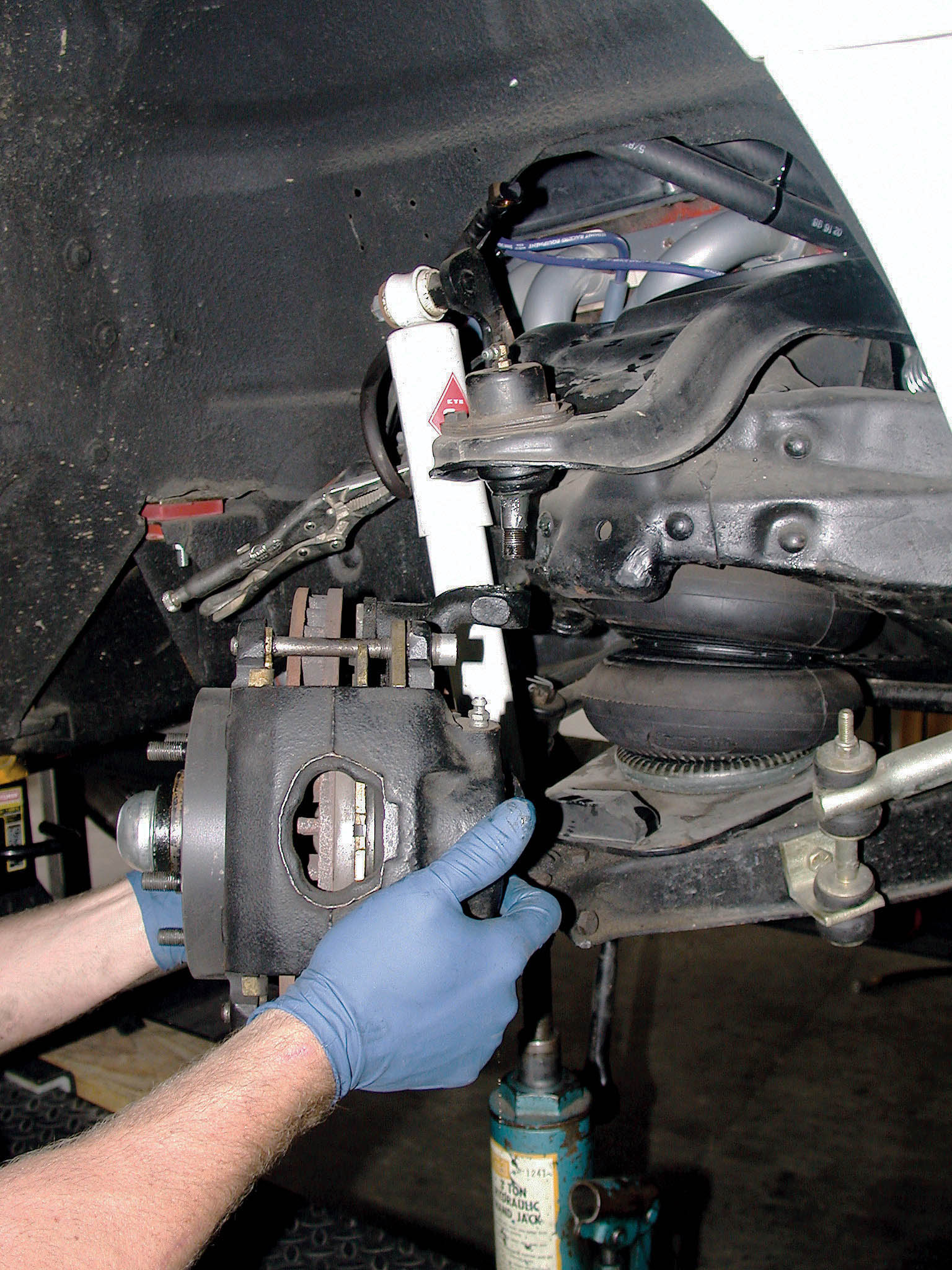
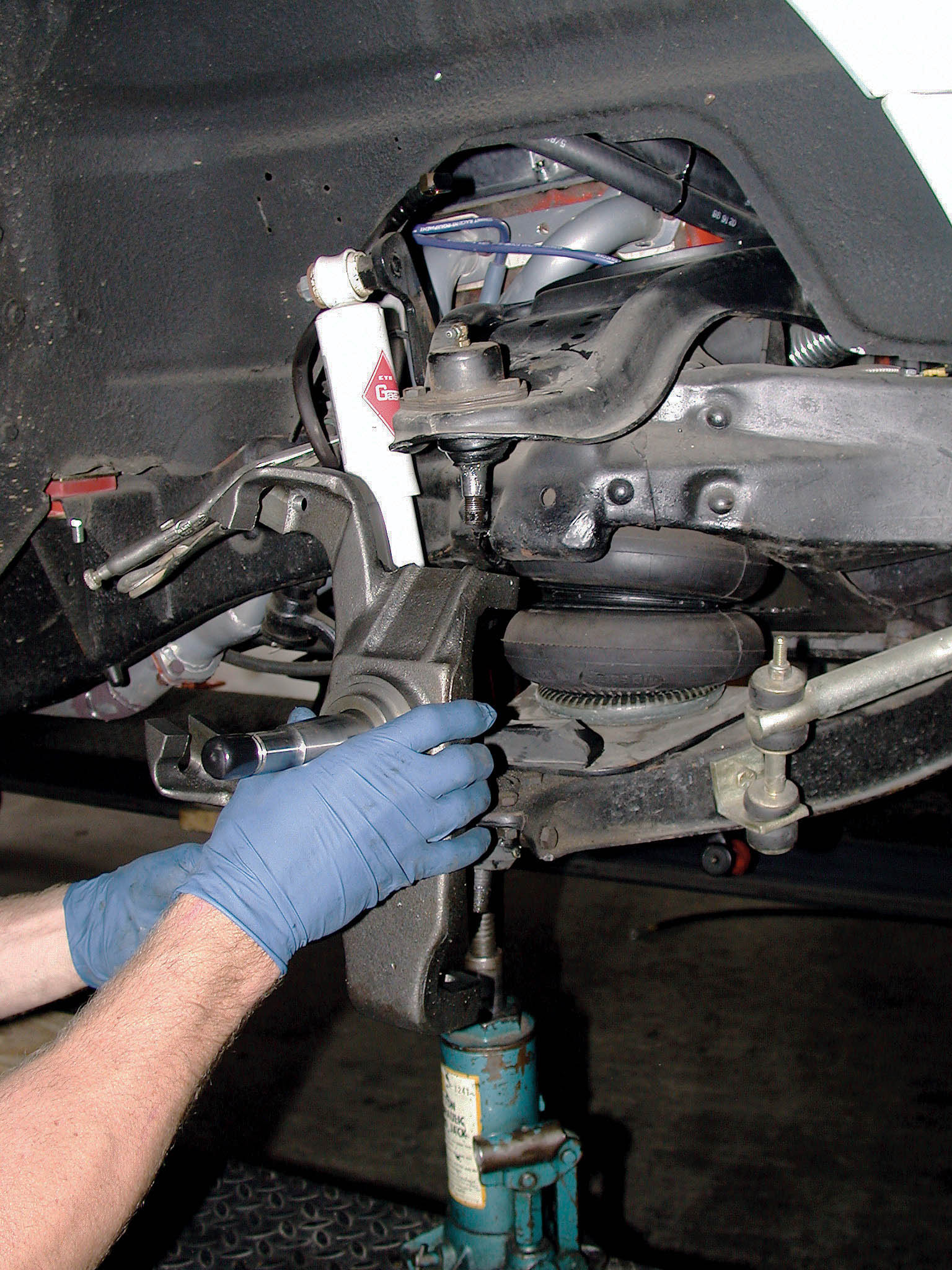
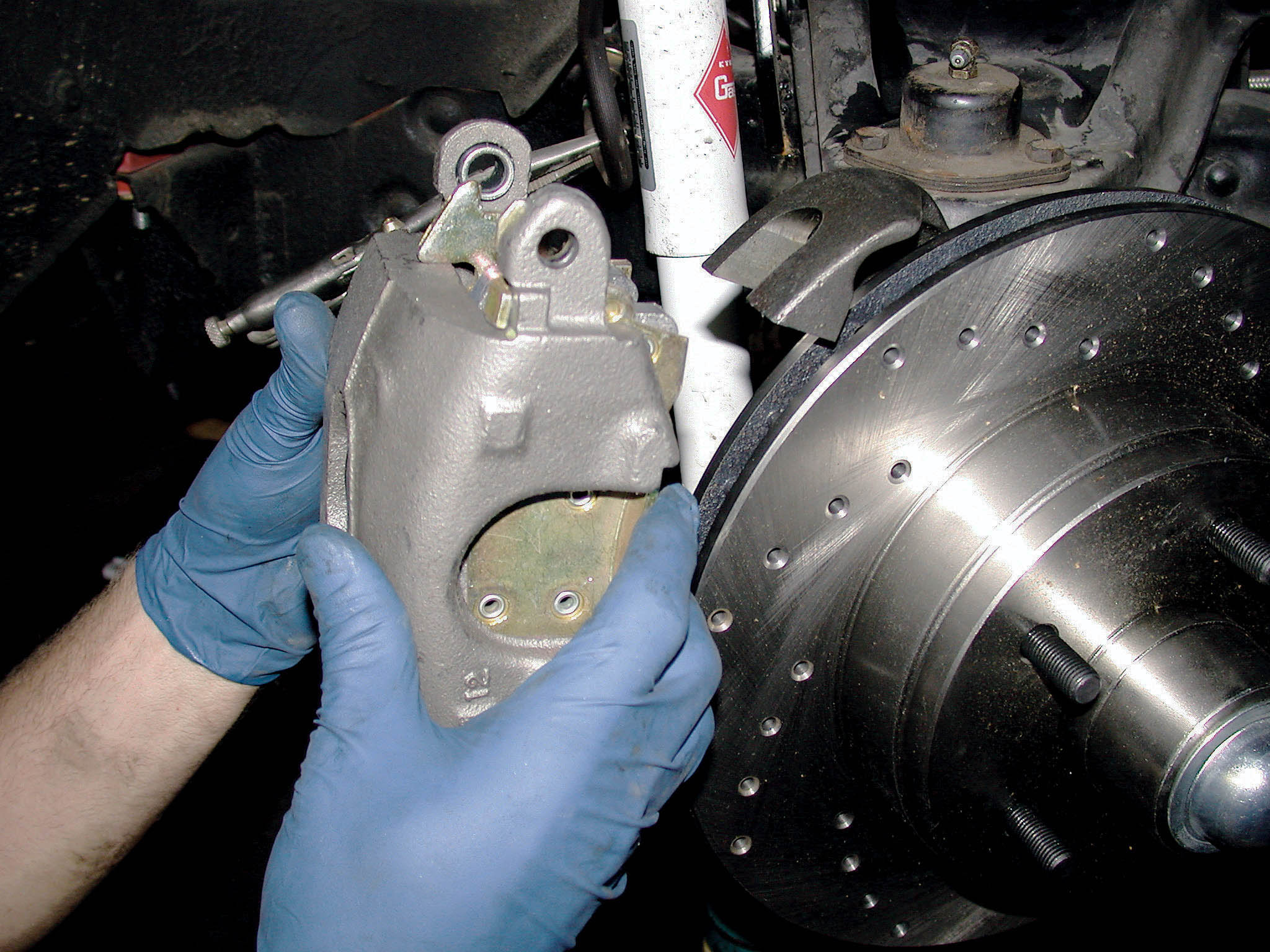
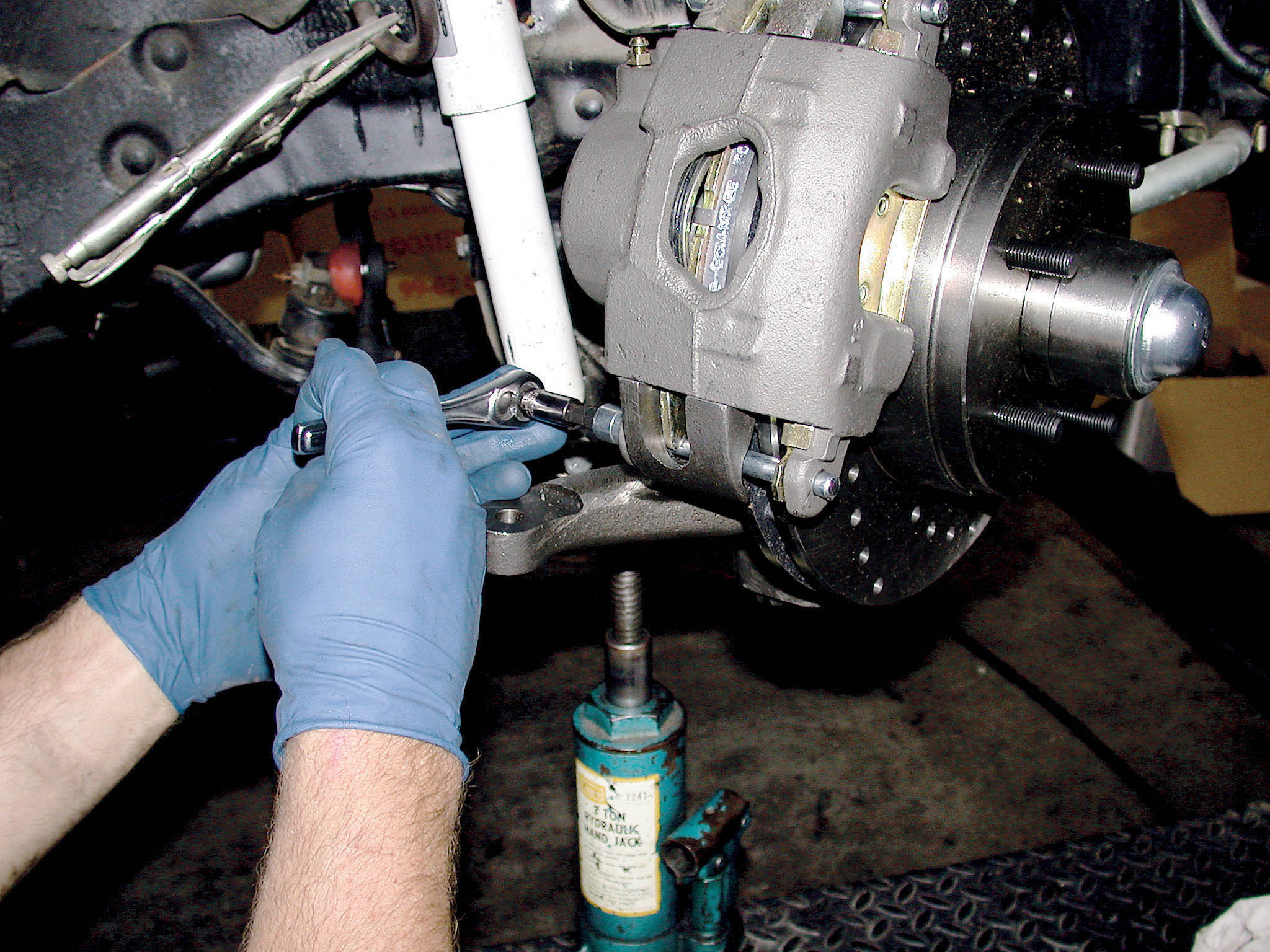
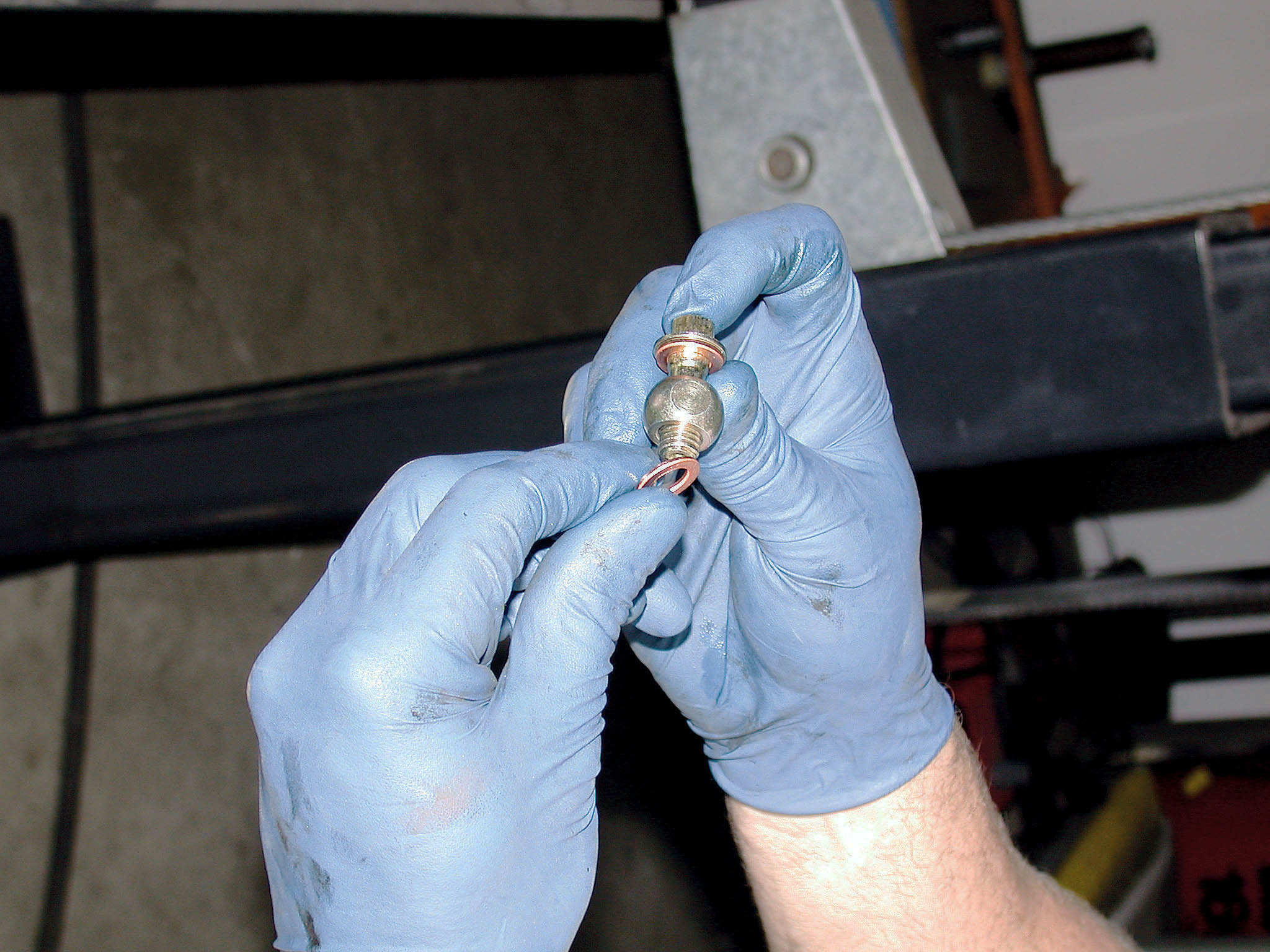
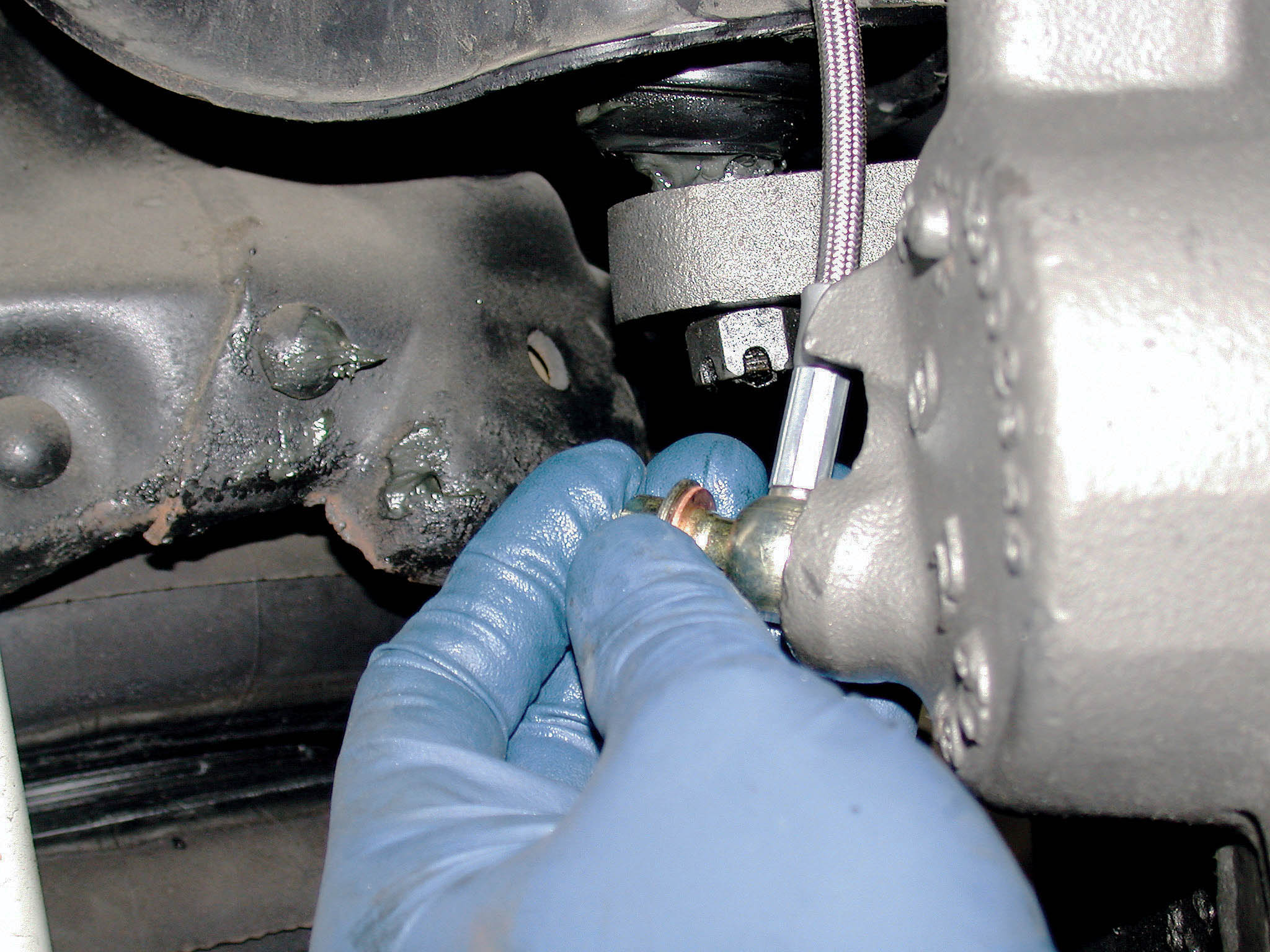
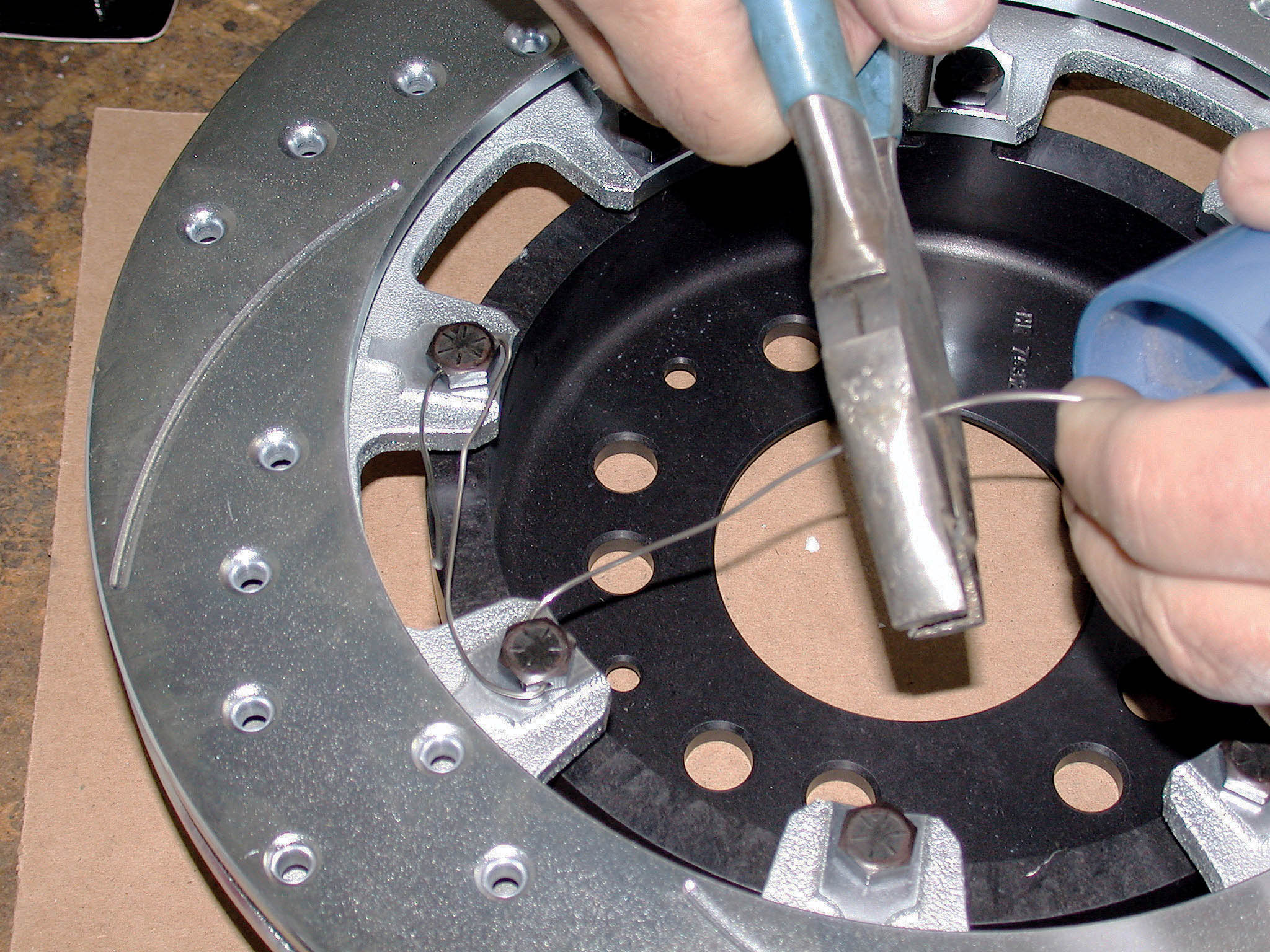
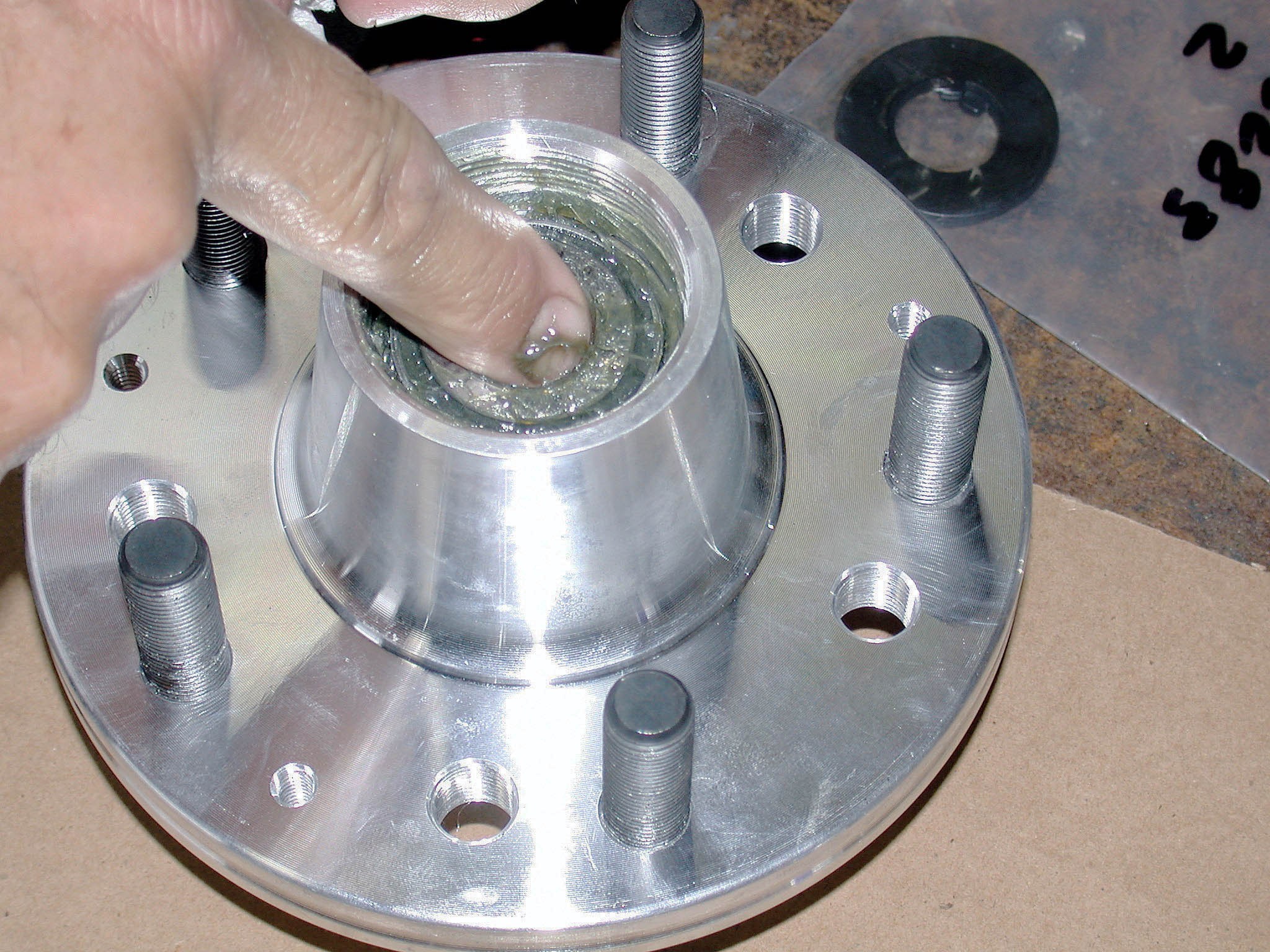
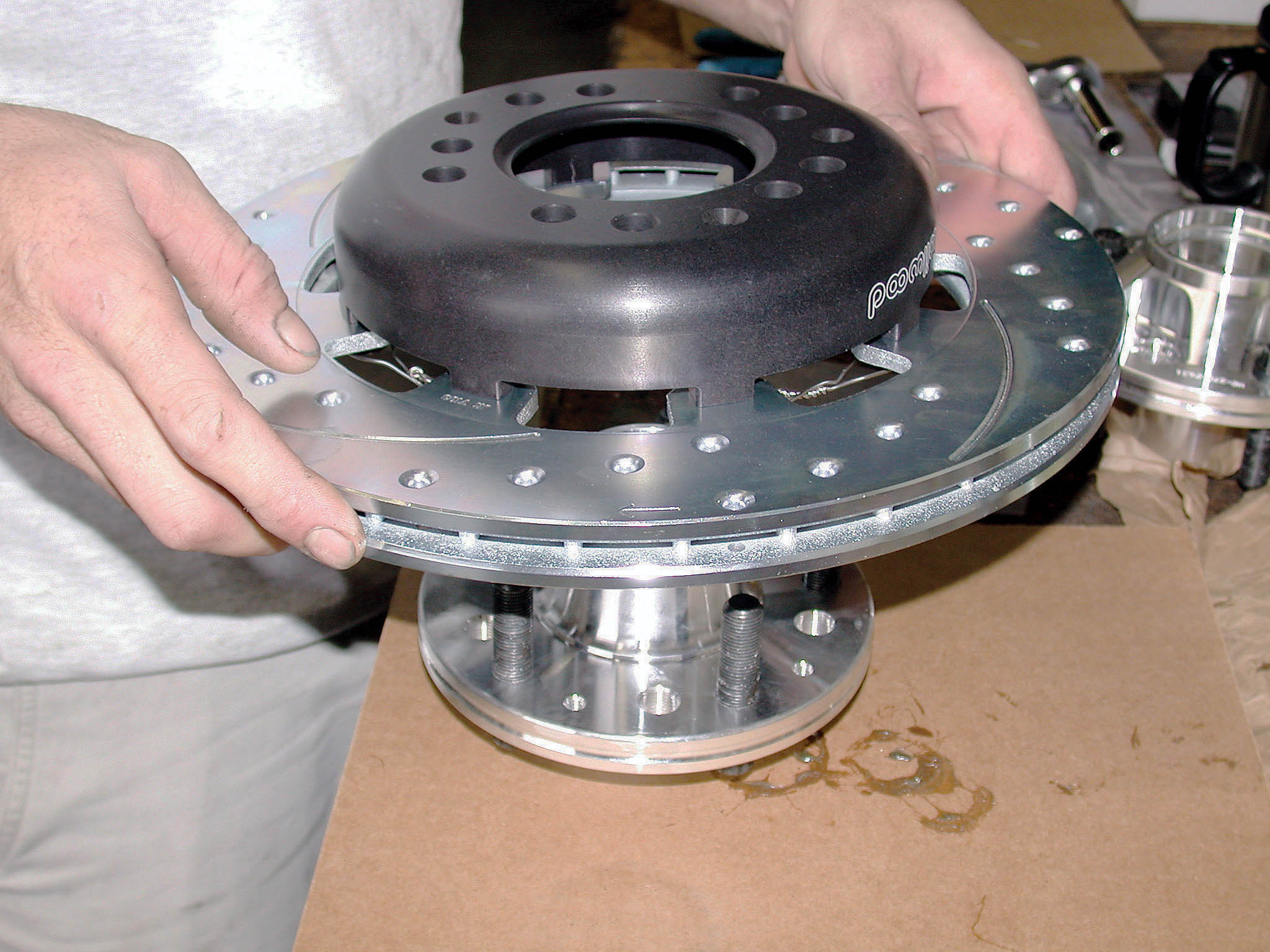
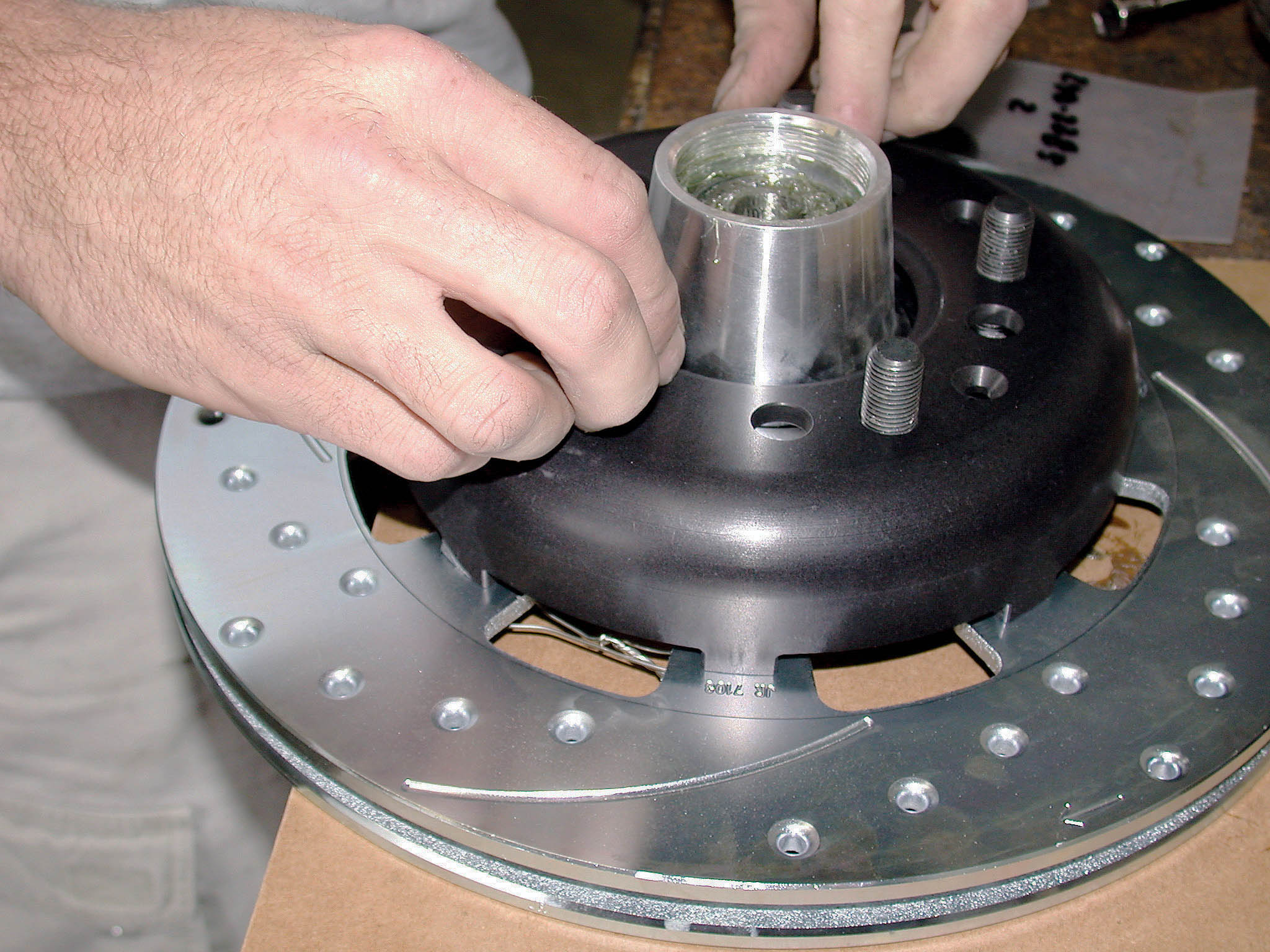
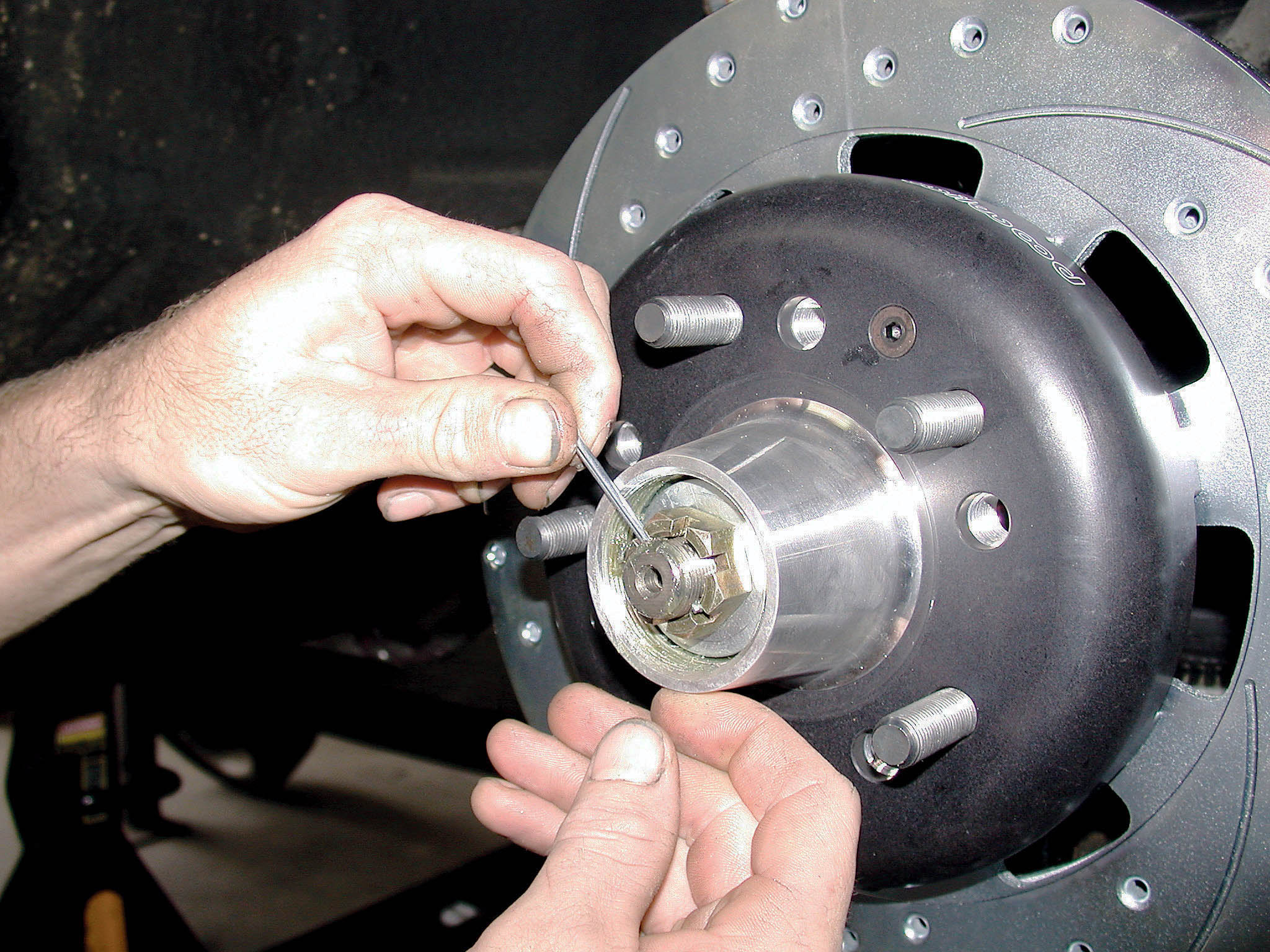
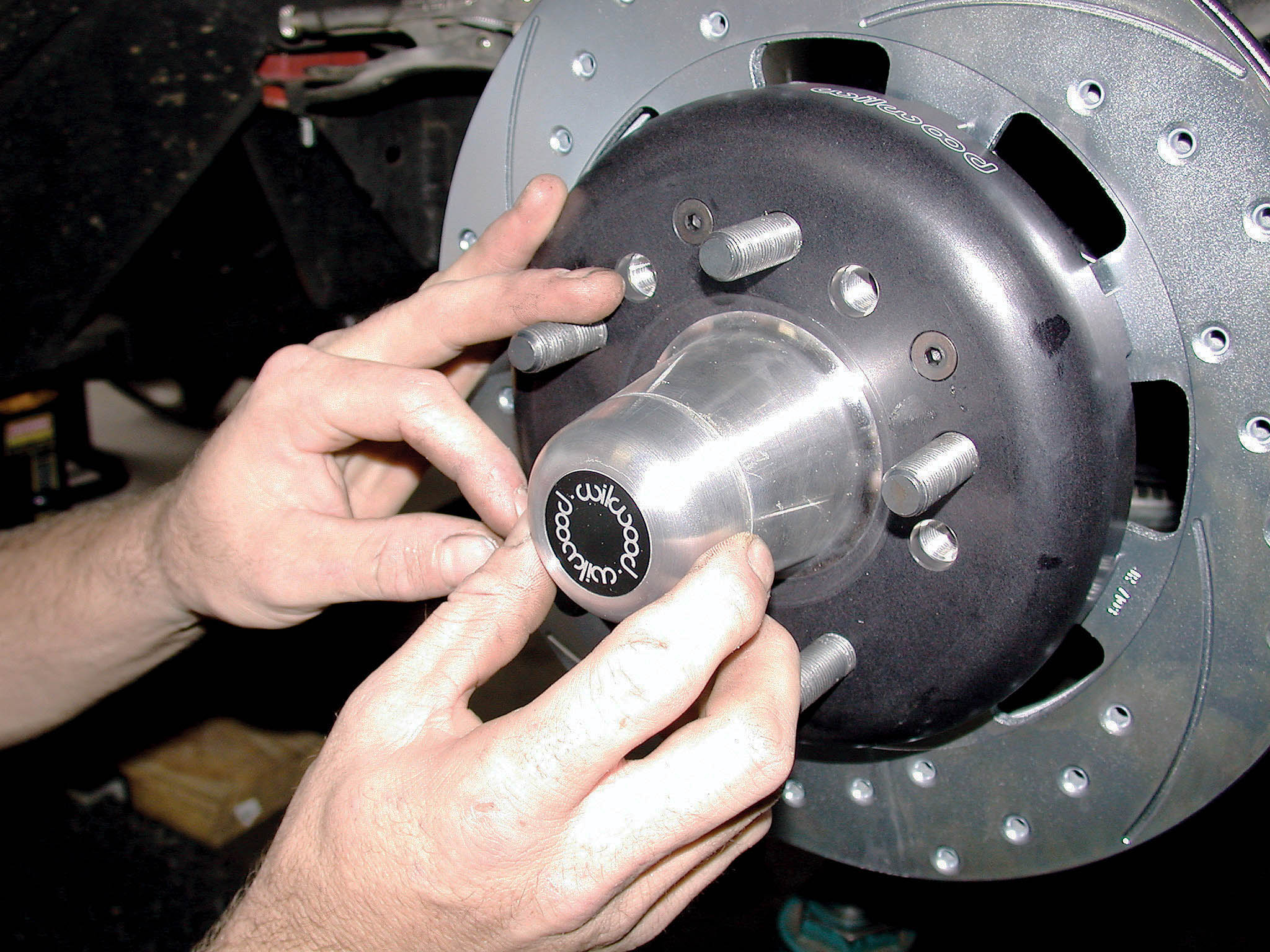
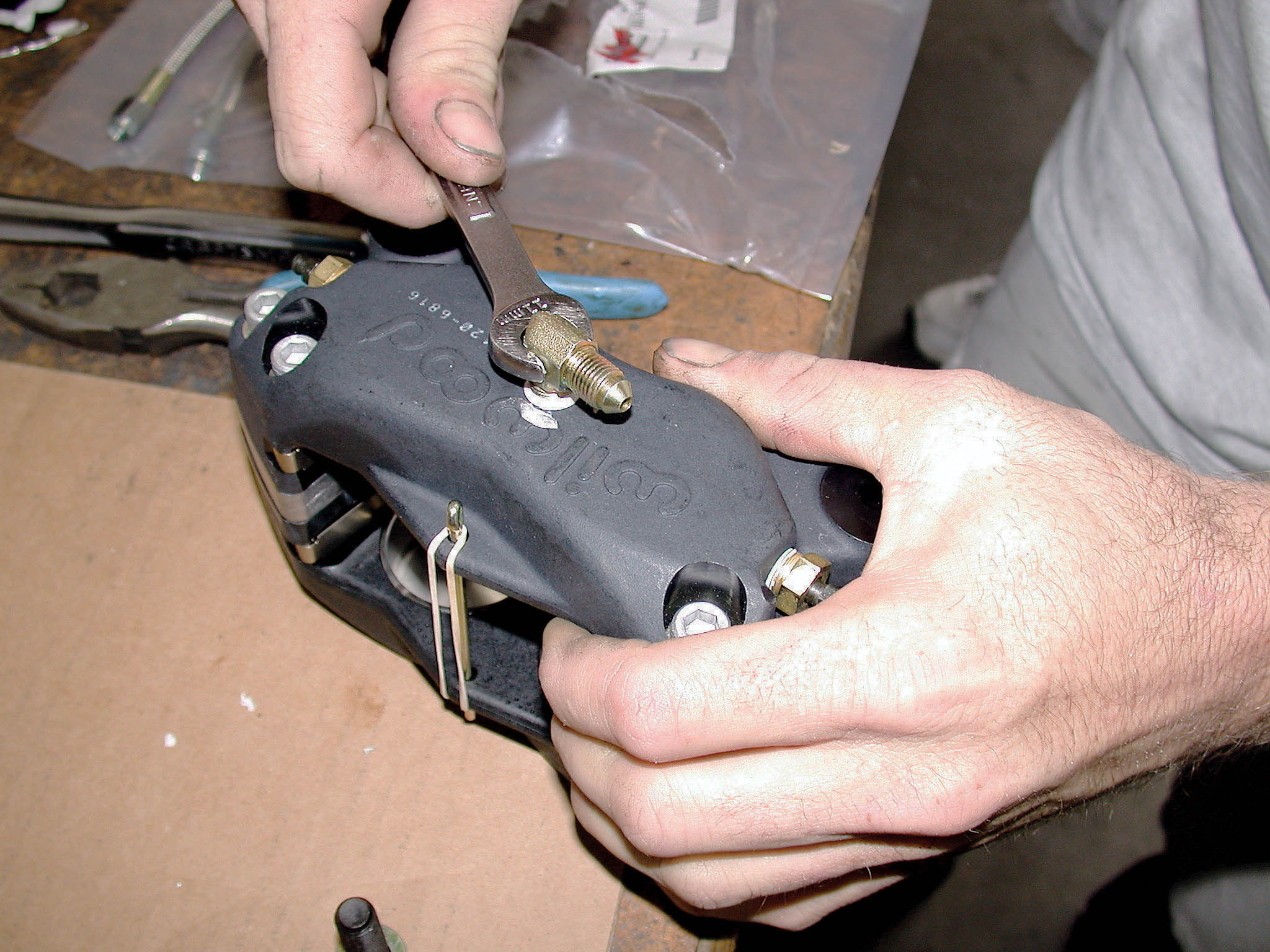
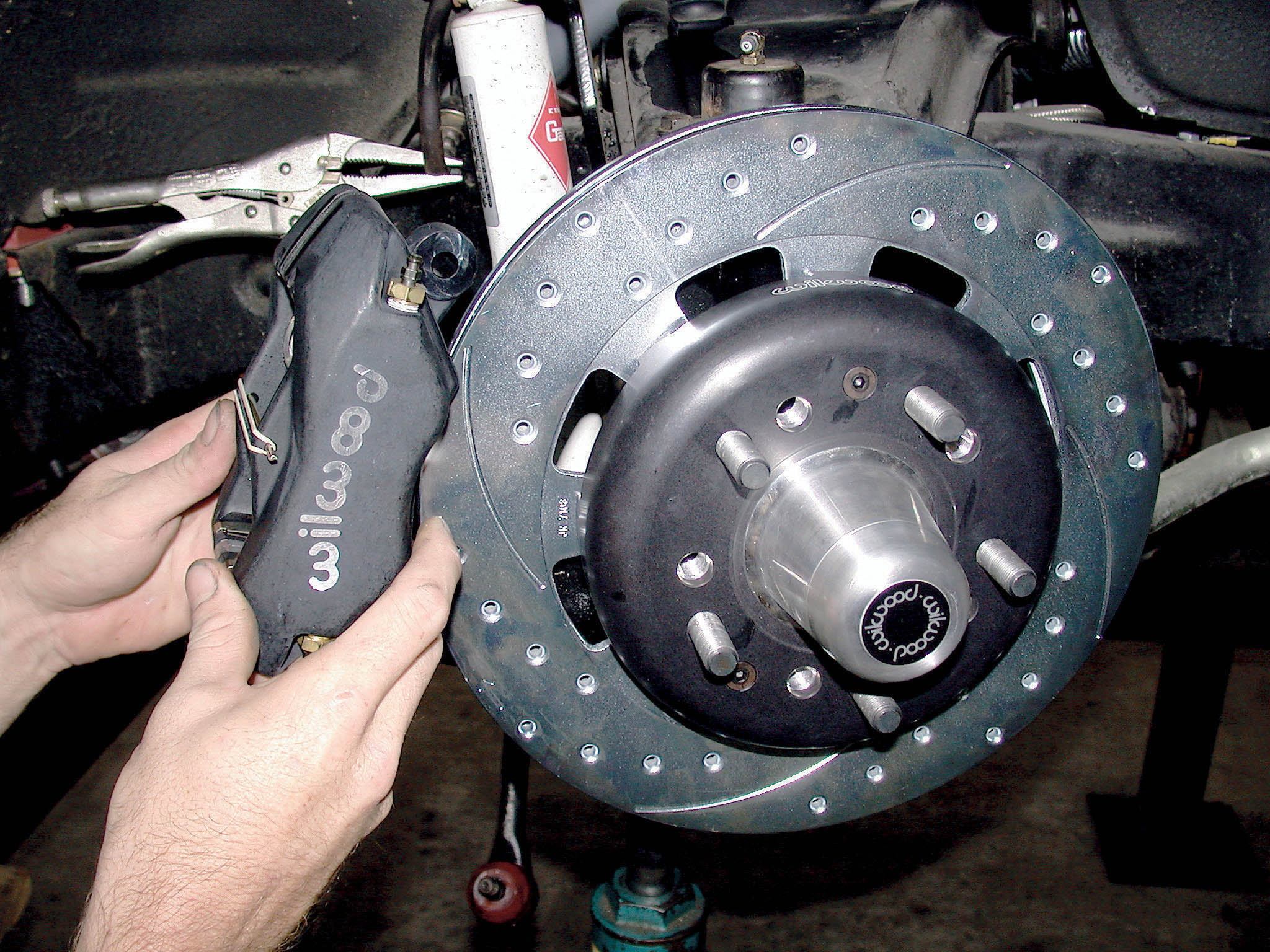
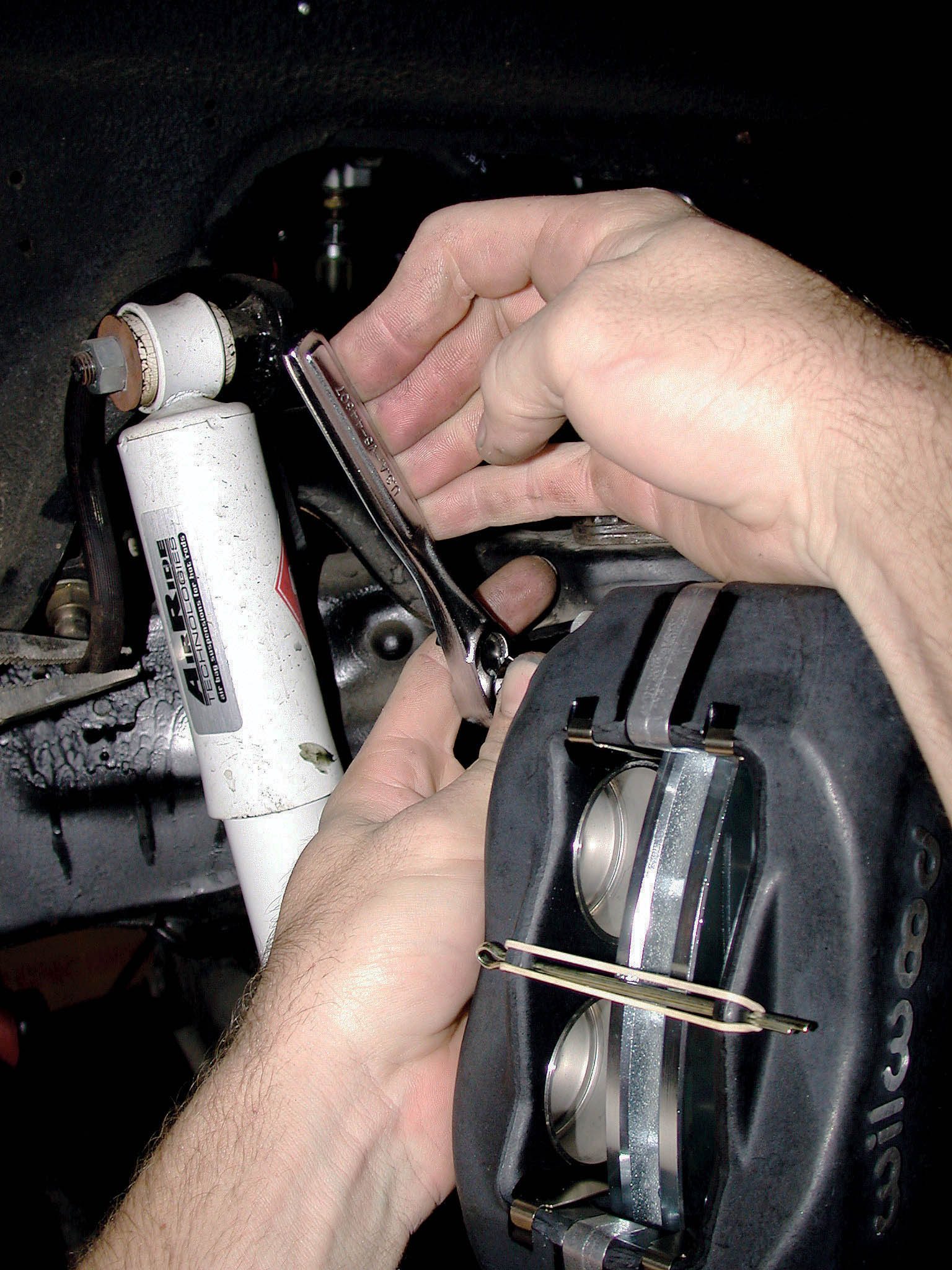
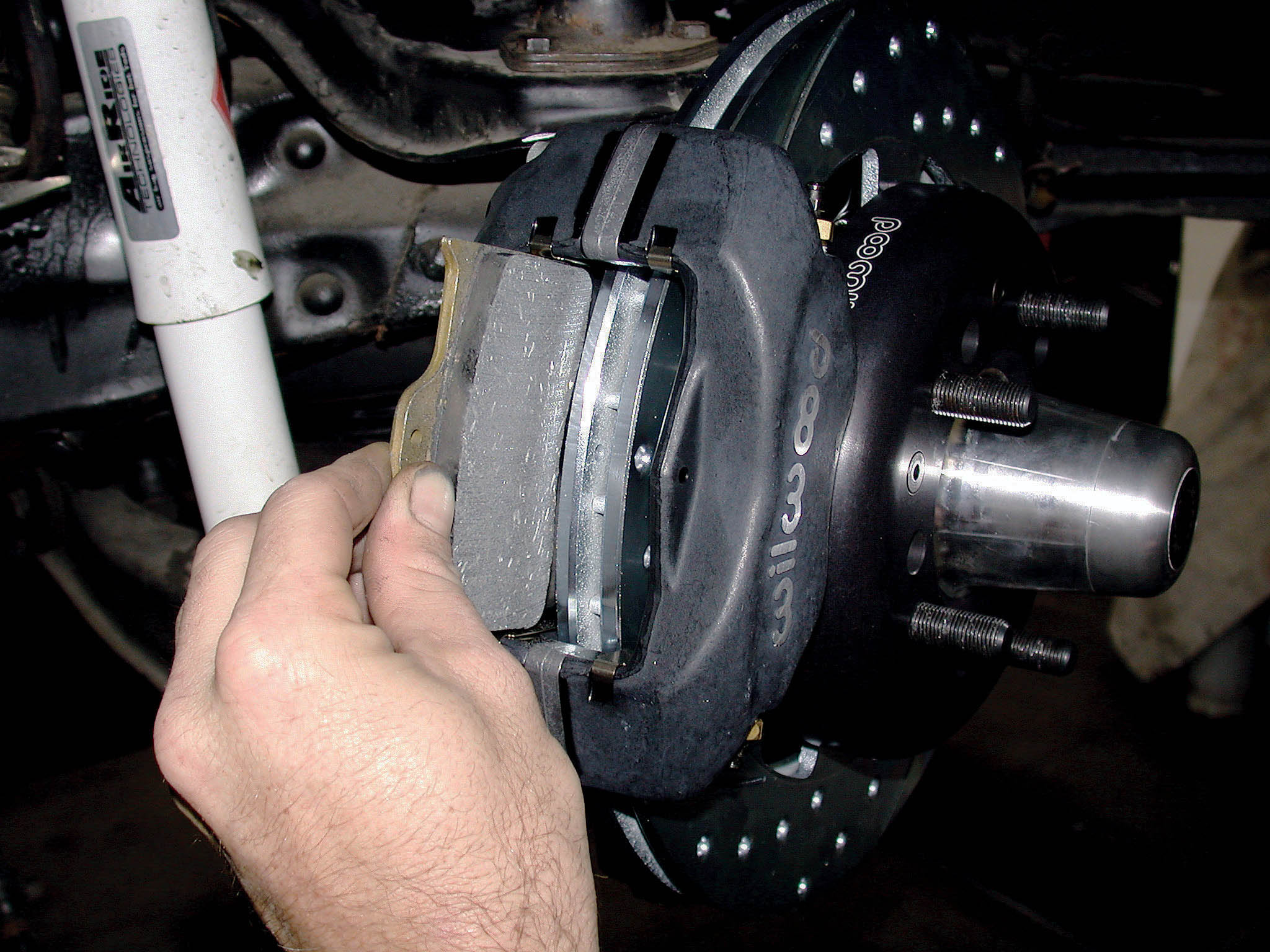
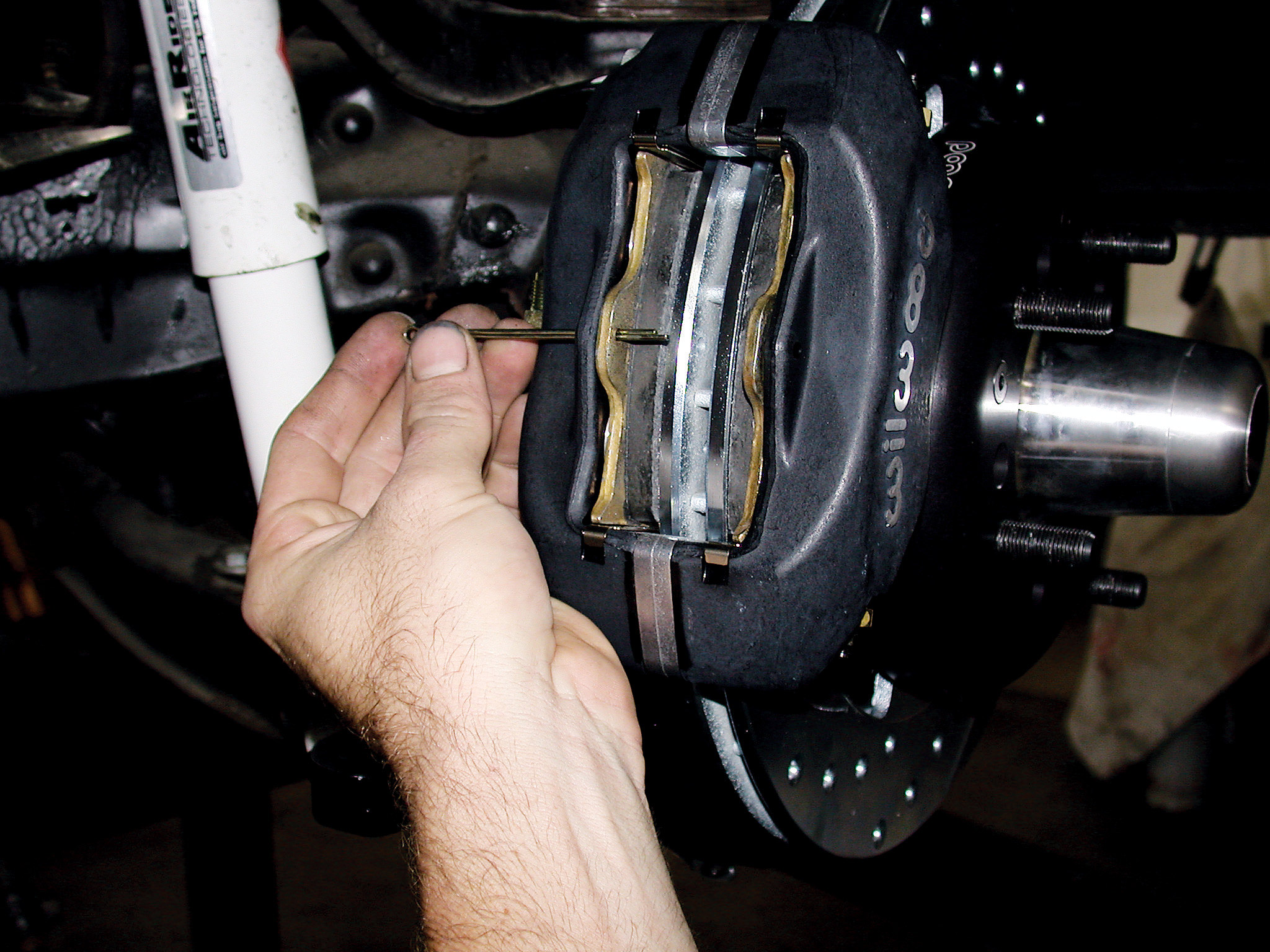
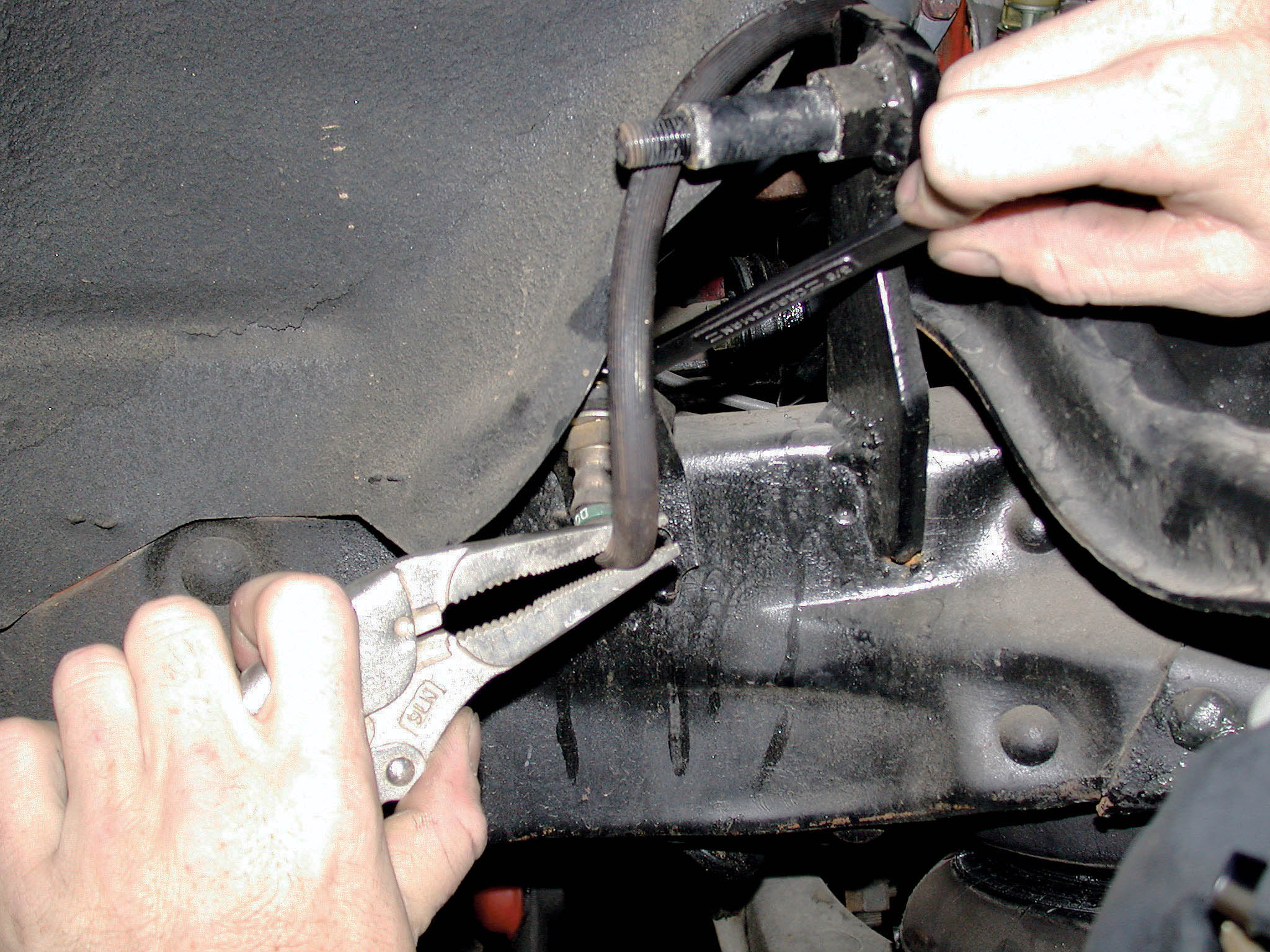
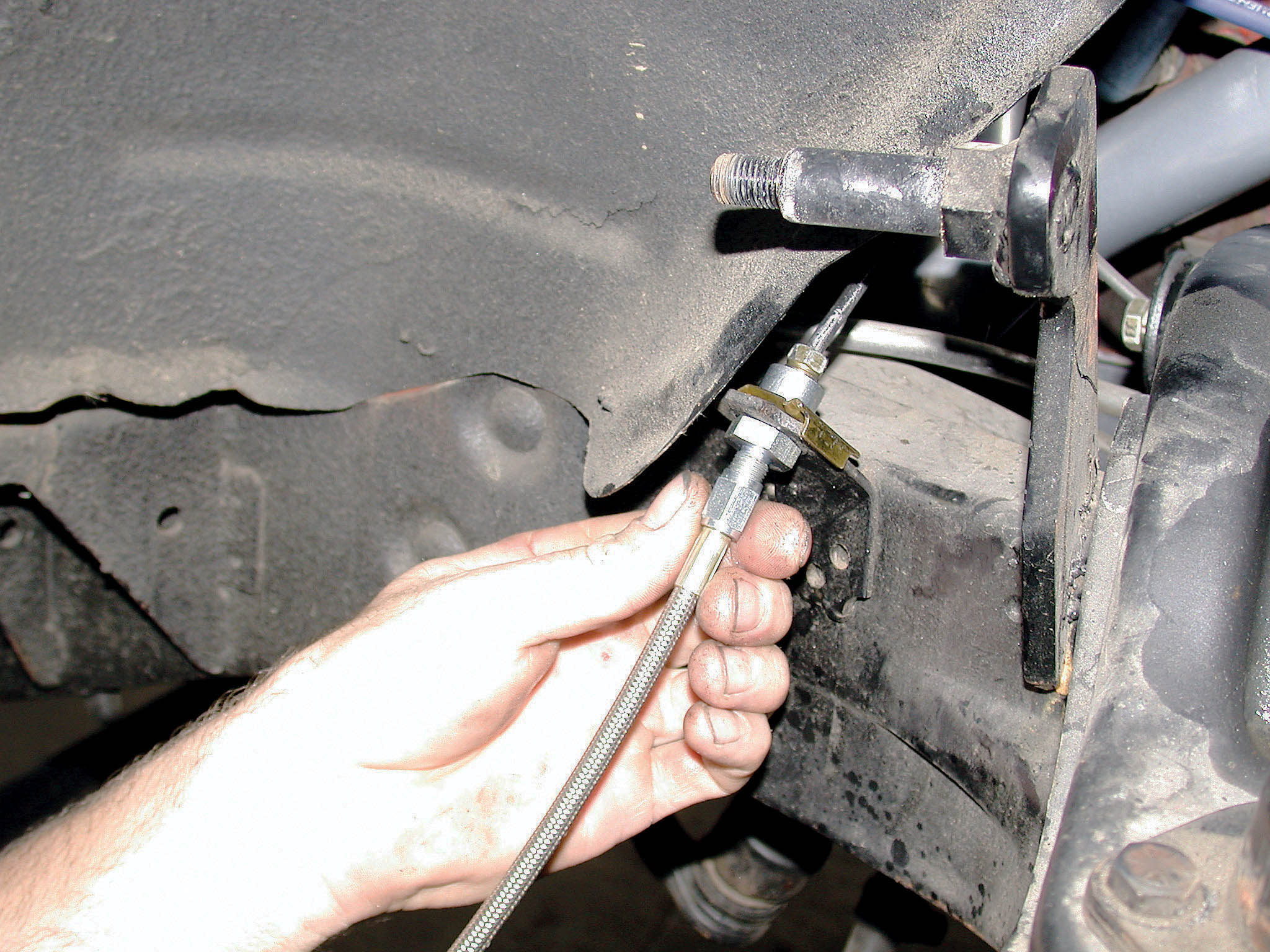
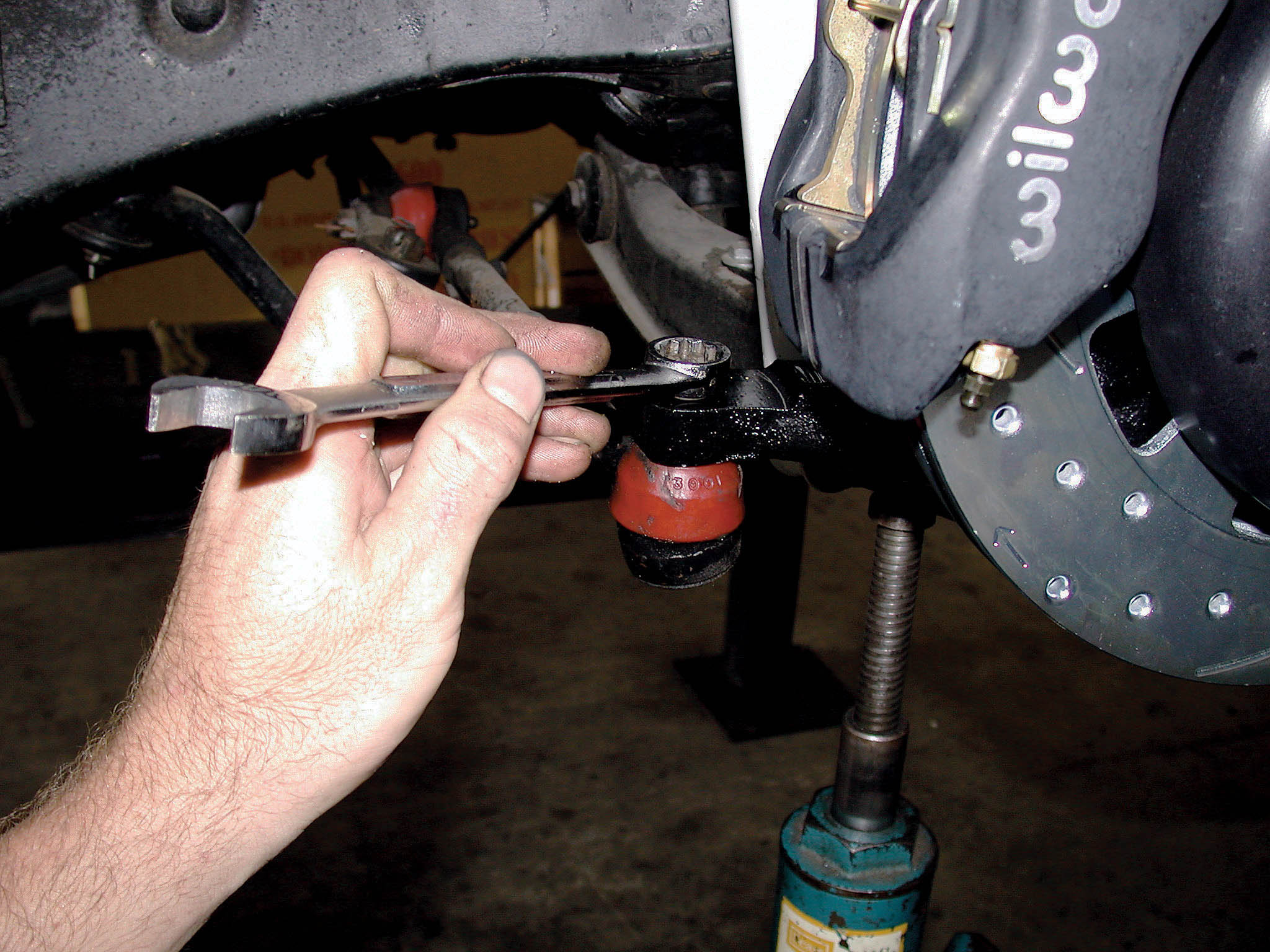
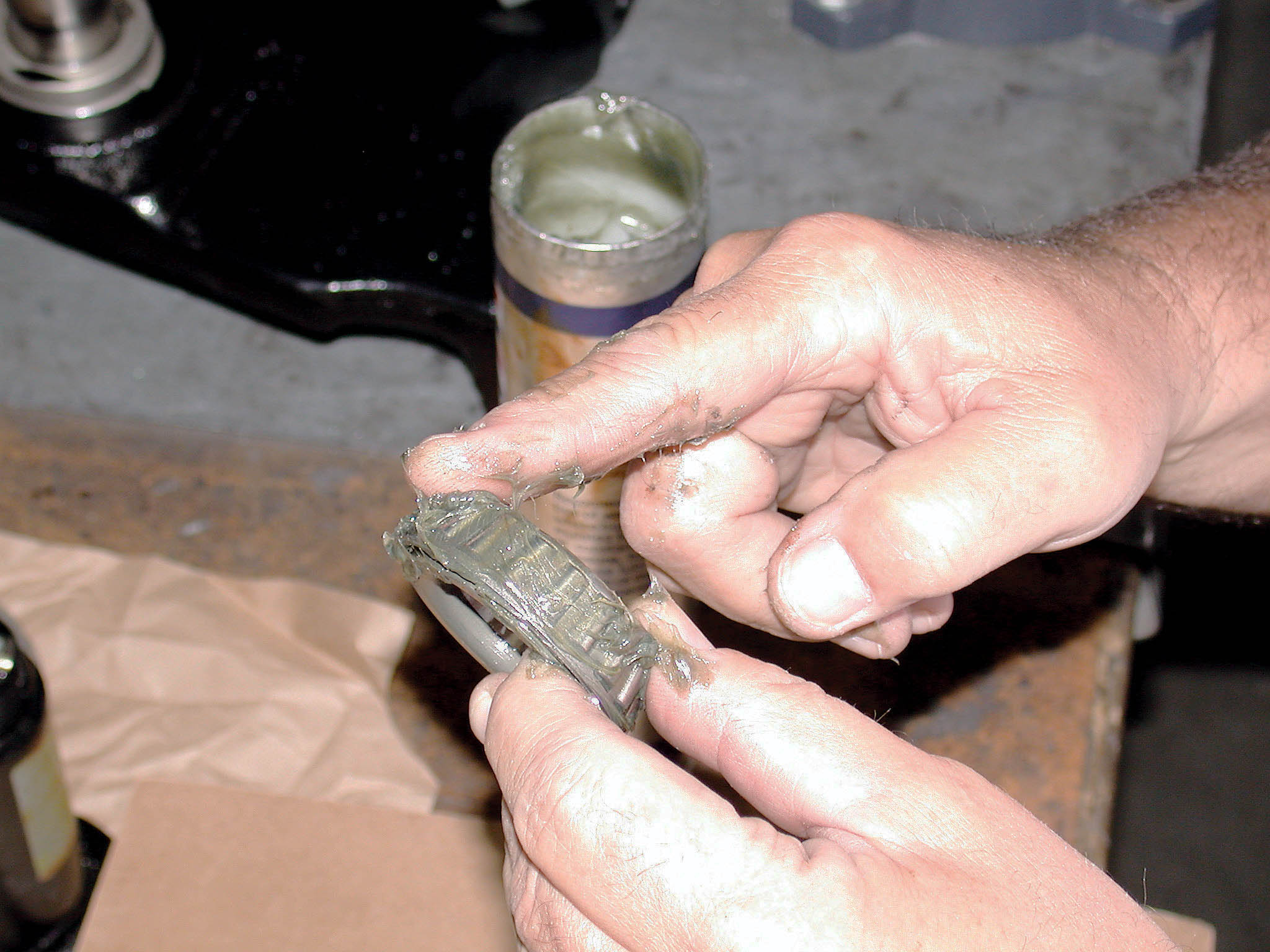
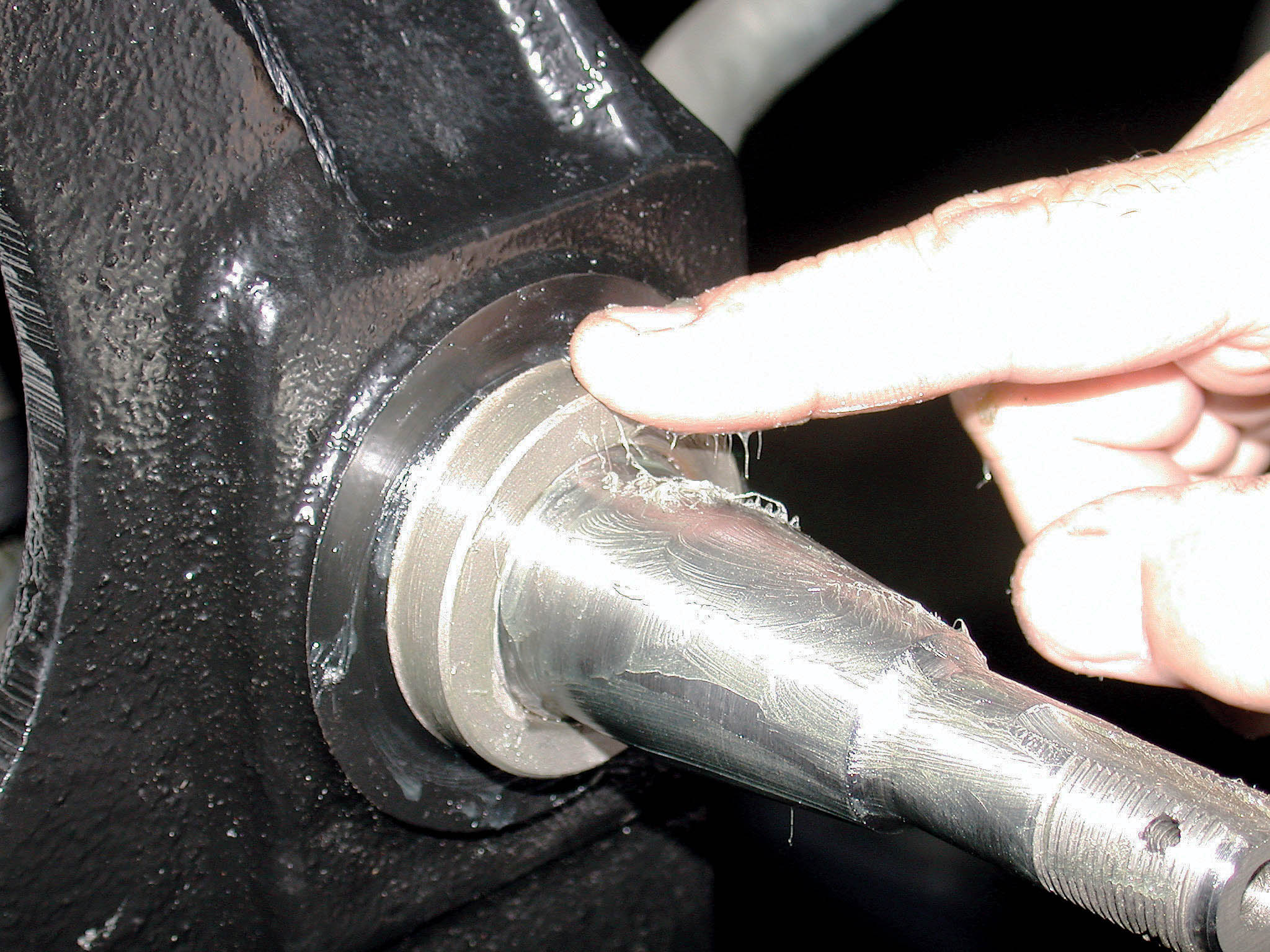
The installation was surprisingly smooth and quick, or maybe it’s just that we are used to so many other installs having glitches and quirks that it made us take note when it all bolted right on and everything fit. Follow along and we’ll show you what is involved to swap in the Superior Spindles and Wilwood brakes on a car that was not up to par.
STAGE III
ARTICLE SOURCES
Superior Spindle Service
25377 Brest Road
Taylor, MI 48180
Toll-Free: (877) 946-7400
Wilwood Disc Brakes
4700 Calle Bolero
Camarillo, CA 93012
Phone: 1-805-388-1188