


THE AUTO BUILDER
Featured


High Speed Med Machine

Survivor Status: The 1958 Impala That Defies Time

High Performance Rebuild
The small-block Chevy has enjoyed a long, happy life. Sure, the current LS1/LS6 version is quite far removed from the original, but thousands upon thousands of little mouse motors continue to provide the sole means of motivation to everything from stationary irrigation pumps to Le Mans-winning C5R Corvettes. Naturally, this list also includes all manner of boulevard bruisers, street stompers and resto rockets. Heck, we’ve even seen little Chevys under the hood of “Brand X” machinery. The continued popularity of the small-block Chevy is not surprising. Take a look at the combination of power potential and parts availability and multiply that by the cost quotient, and you have the makings of a real success story. Add to this equation the millions of project motors just sitting around junkyards throughout the world, and it is easy to see why enthusiasts continue to embrace the mighty mouse motor as the performance powerplant of choice.

Mach 91
MPS Auto Salvage (800/236-1156) is a name you probably already know if you’ve ever been in the market for quality used parts for Fox-body and newer Mustangs. This Winder, Georgia, salvage yard specializes in Ford’s pony car, and the company has both a huge inventory of parts and totaled cars and all the knowledge you’d need for parts-interchange questions. And since the guys at MPS are all enthusiasts, we wonder if the foxes are guarding the henhouse. Judging from the look of this MPS-built ’91 Mustang coupe, the answer is most definitely yes—but that’s just fine with us.

MORE THAN A CAMEO
Gil Palmer just loves cars, trucks, and motorcycles. He’s owned more than 100 miscellaneous cars, ranging from ’40 Fords to ’55 Chevys to a ’70 Monte Carlo. He’s owned a few pickups, too, and this one originally came to him as the bonus gift, so to speak, in a trade of his ’32 Ford Cobo Hall winner for a motorcycle at the Detroit Autorama. The ’57 Cameo that he received in the trade had an entire ’55 front end on it, and because of that, everyone thinks it’s a ’55. But this truck was in pretty sad shape when it arrived at Palmer’s Southern California home. Just picture this one item in your mind for a minute, and you’ll get the gist of the kind of shape the truck was in: There was a hand-painted (we’re talking 4-inch-wide brush, here) Chevy Bow Tie on the tailgate. The 10:1 compression supercharged engine would overheat in a matter of a few blocks.
Spotlighter
POPULAR READS
-
Product Spotlight: Bill Mitchell Products Aluminum LS Engine Block
-
PRODUCT SPOTLIGHT: 60-66 Chevy C10 Fresh Air Vent Block Off Plate
-
Product Spotlight: Pyramid Optimized Design Sequential Aurora Taillight for 1964½–1966 Mustang
-
PRODUCT SPOTLIGHT: Cam Covers for GEN/3 Coyote from Pyramid Optimized Design
The Test Car
Here’s Your Chance to See Why the Detroit Speed & Engineering Camaro Works So Well
Author
Tommy Lee Byrd
Story & Photography
Logging Miles and Testing Products
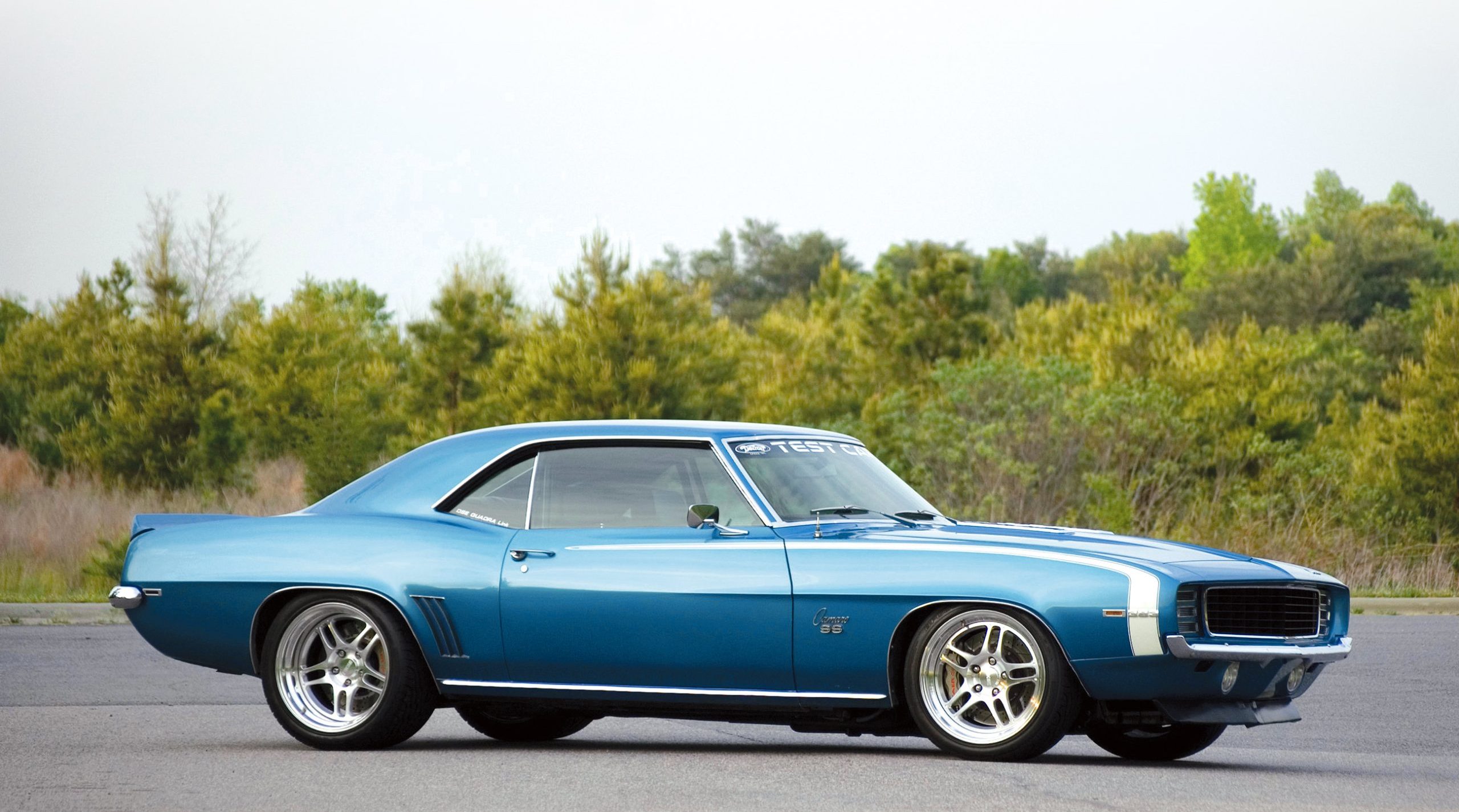
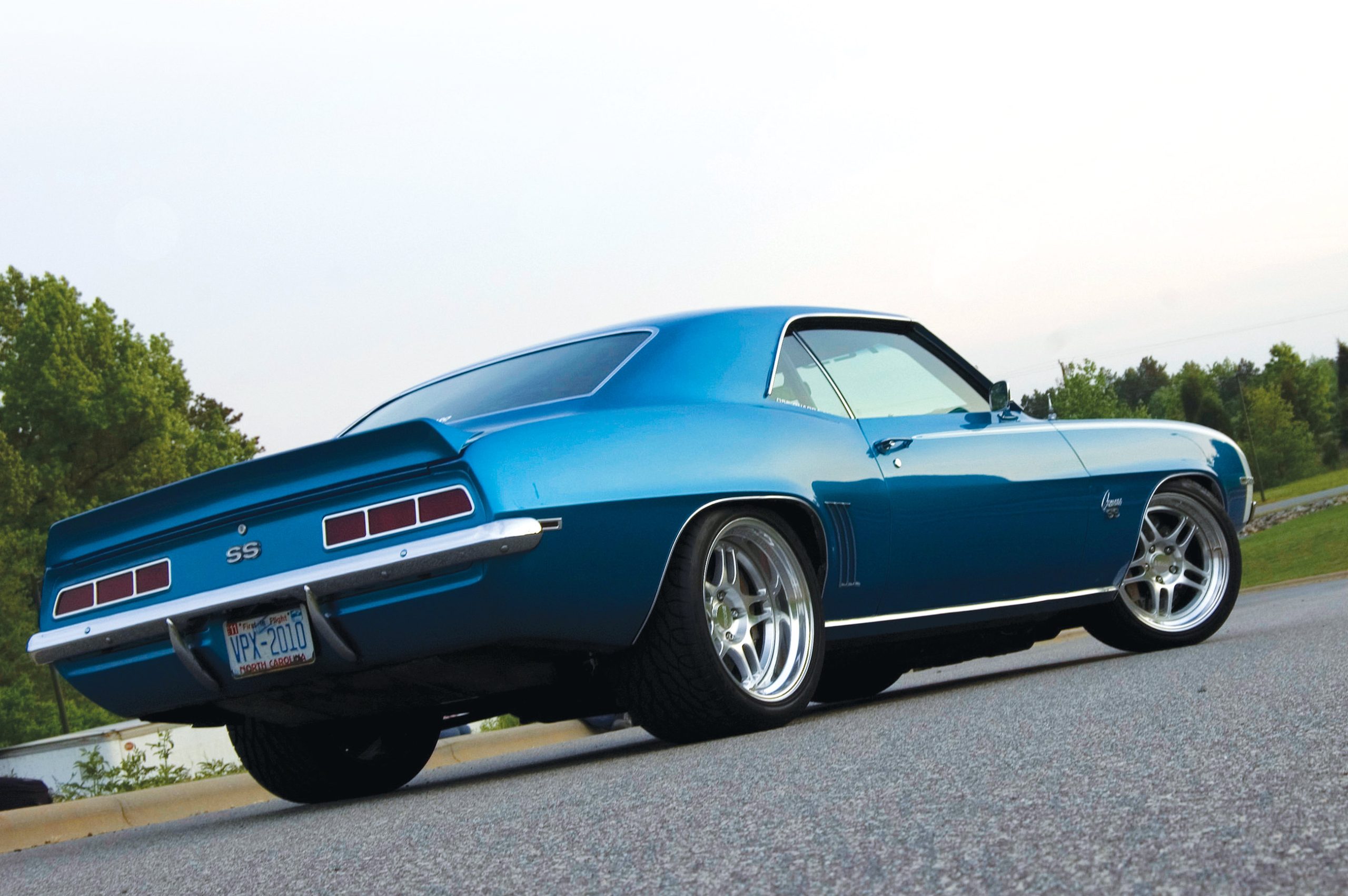
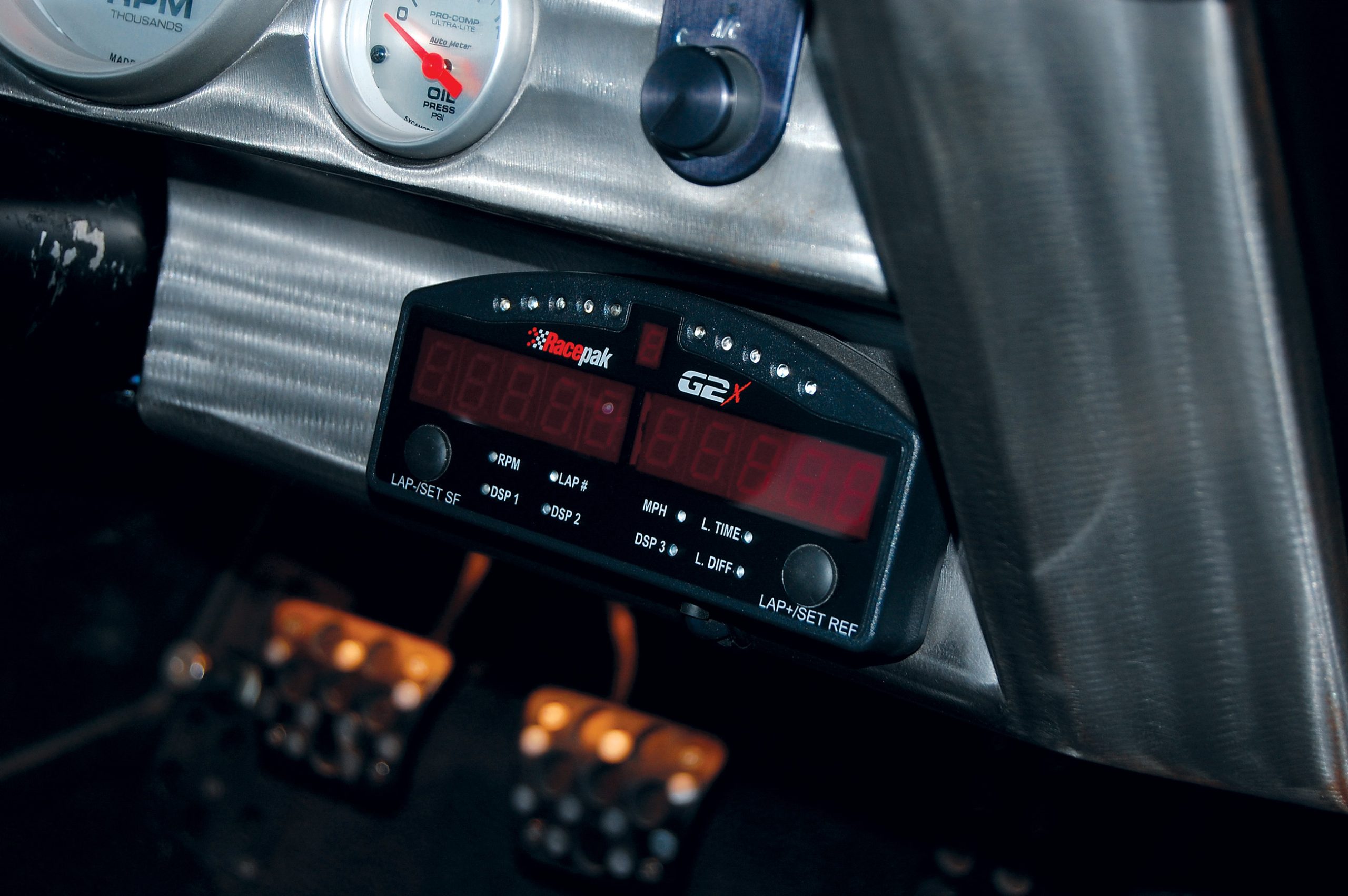
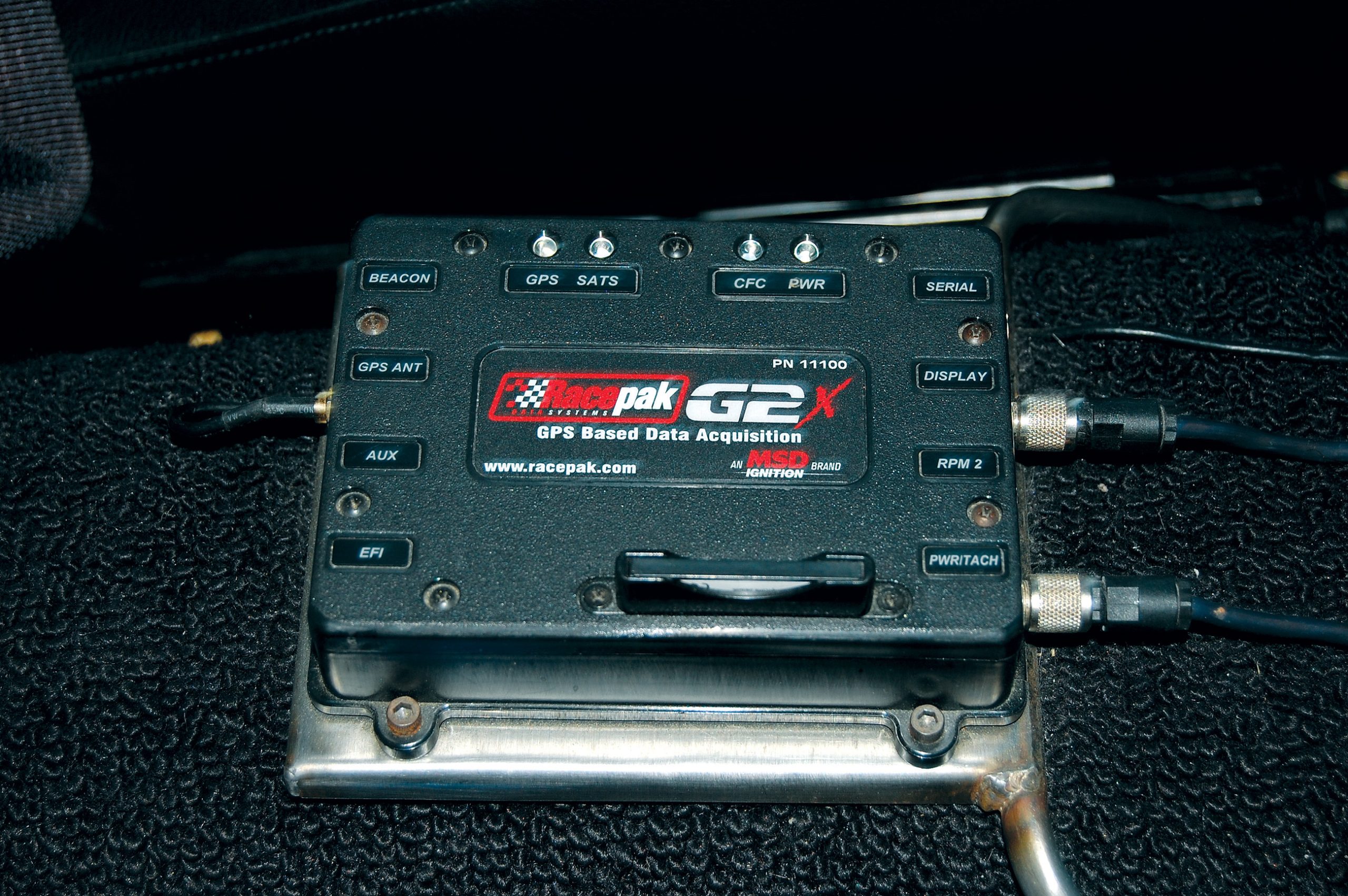
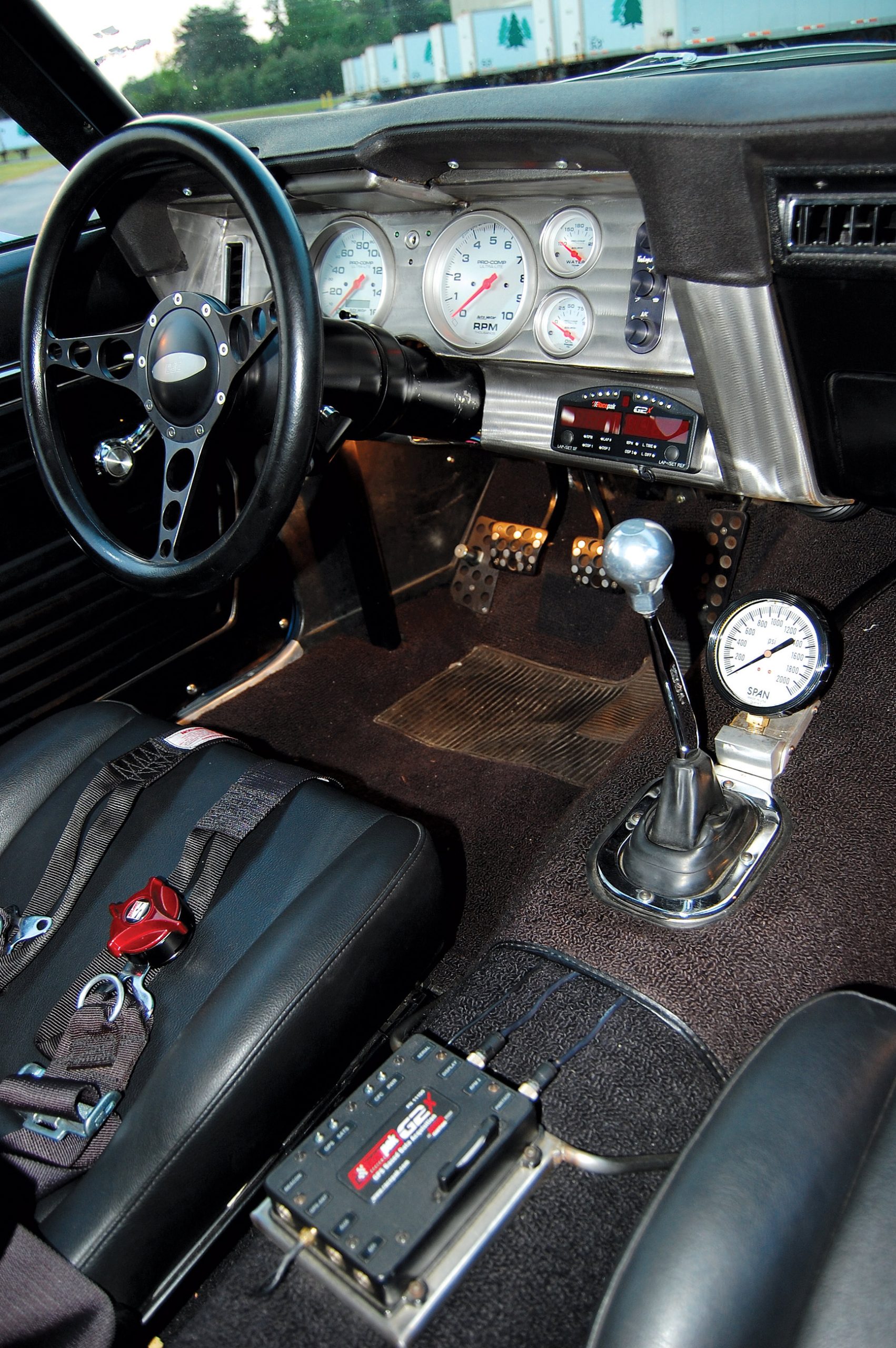
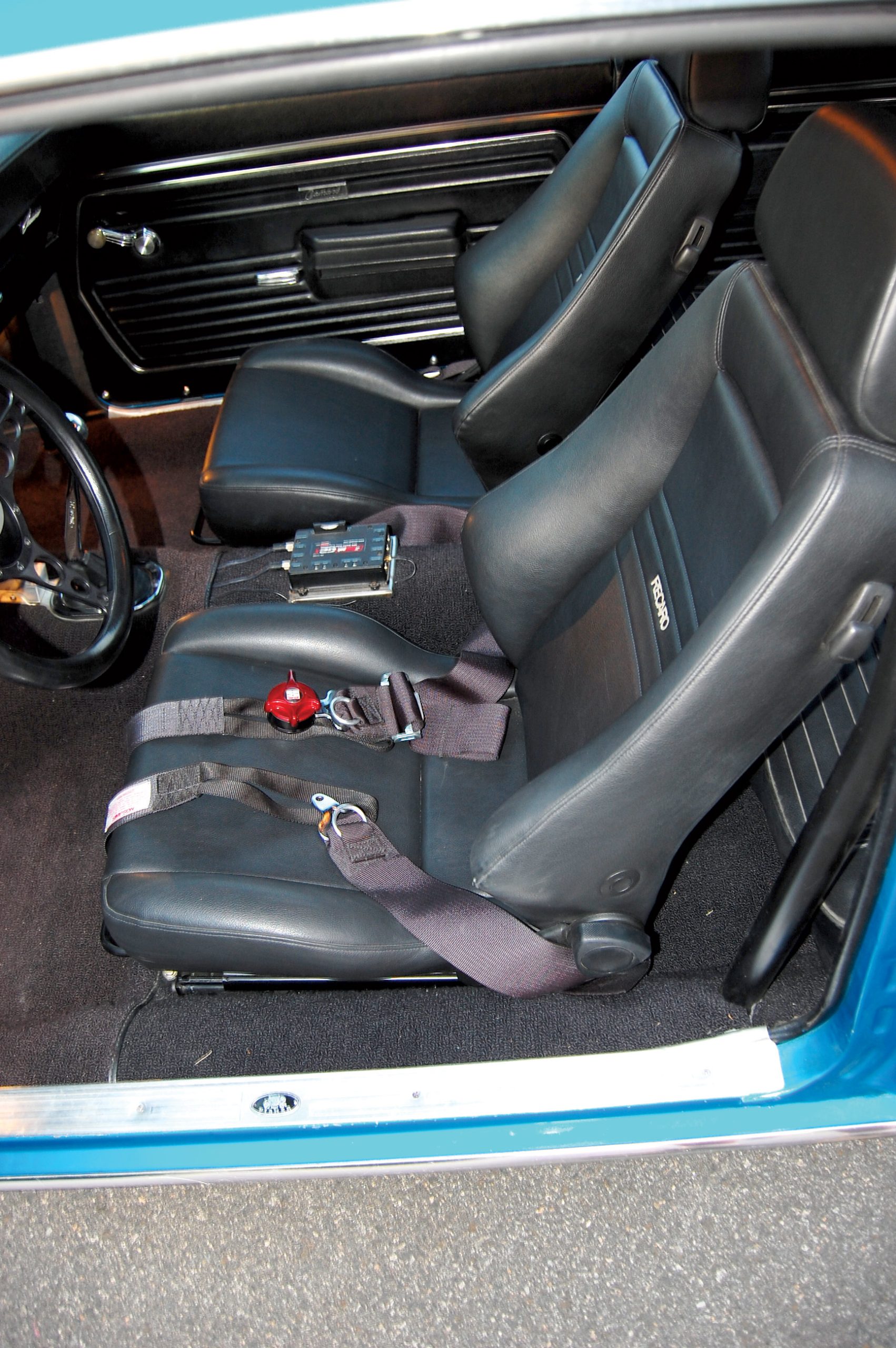
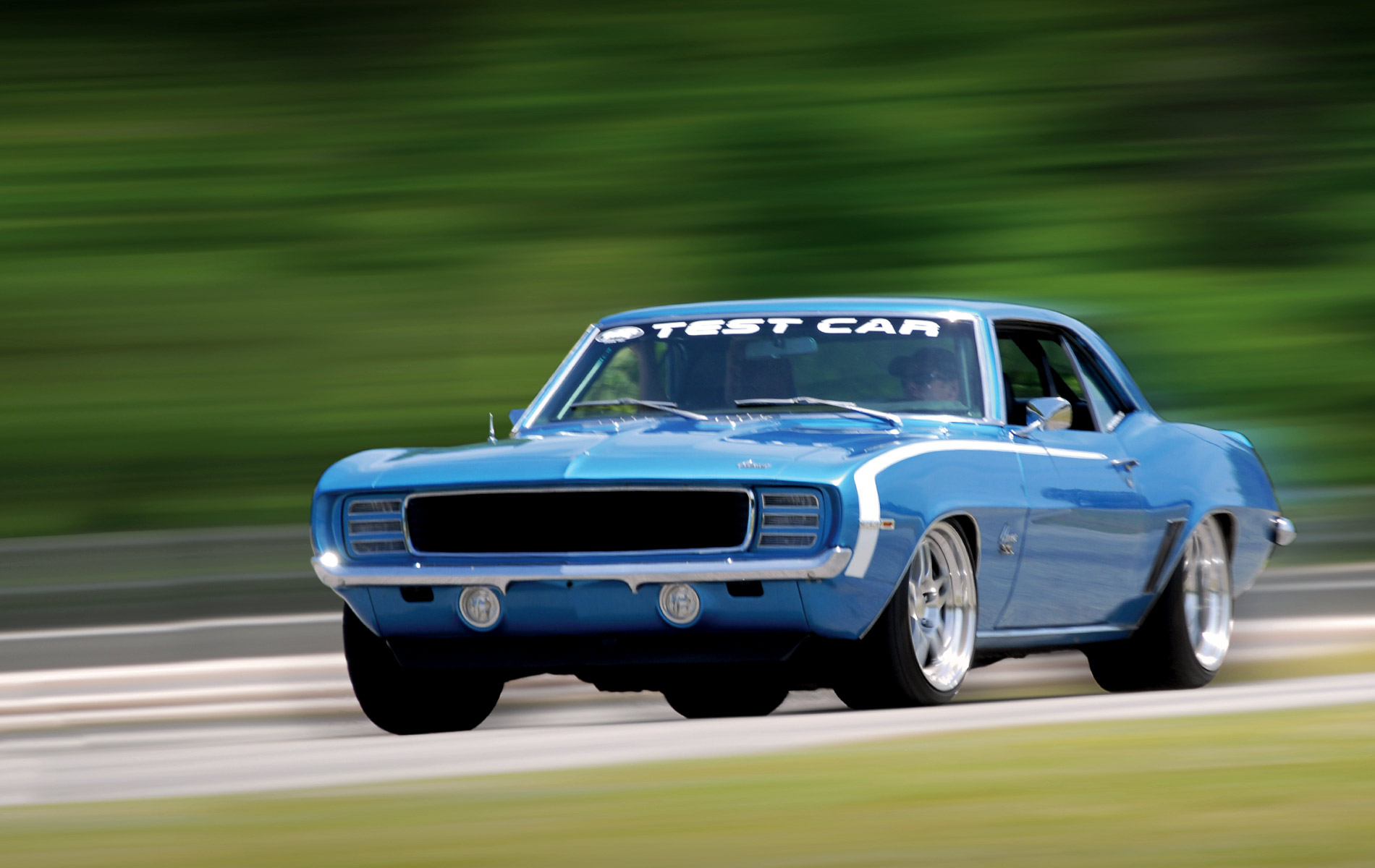
Thousands of miles have been logged on autocross courses alone, but this car also sees abuse on the streets of Mooresville, North Carolina, where the Detroit Speed & Engineering shop is located. Kyle and Stacy Tucker not only have fun driving this killer Camaro, but they also use it as a test bed for new products, so it’s a win-win situation for this husband-and-wife team.
Aggressive Driving on the Track
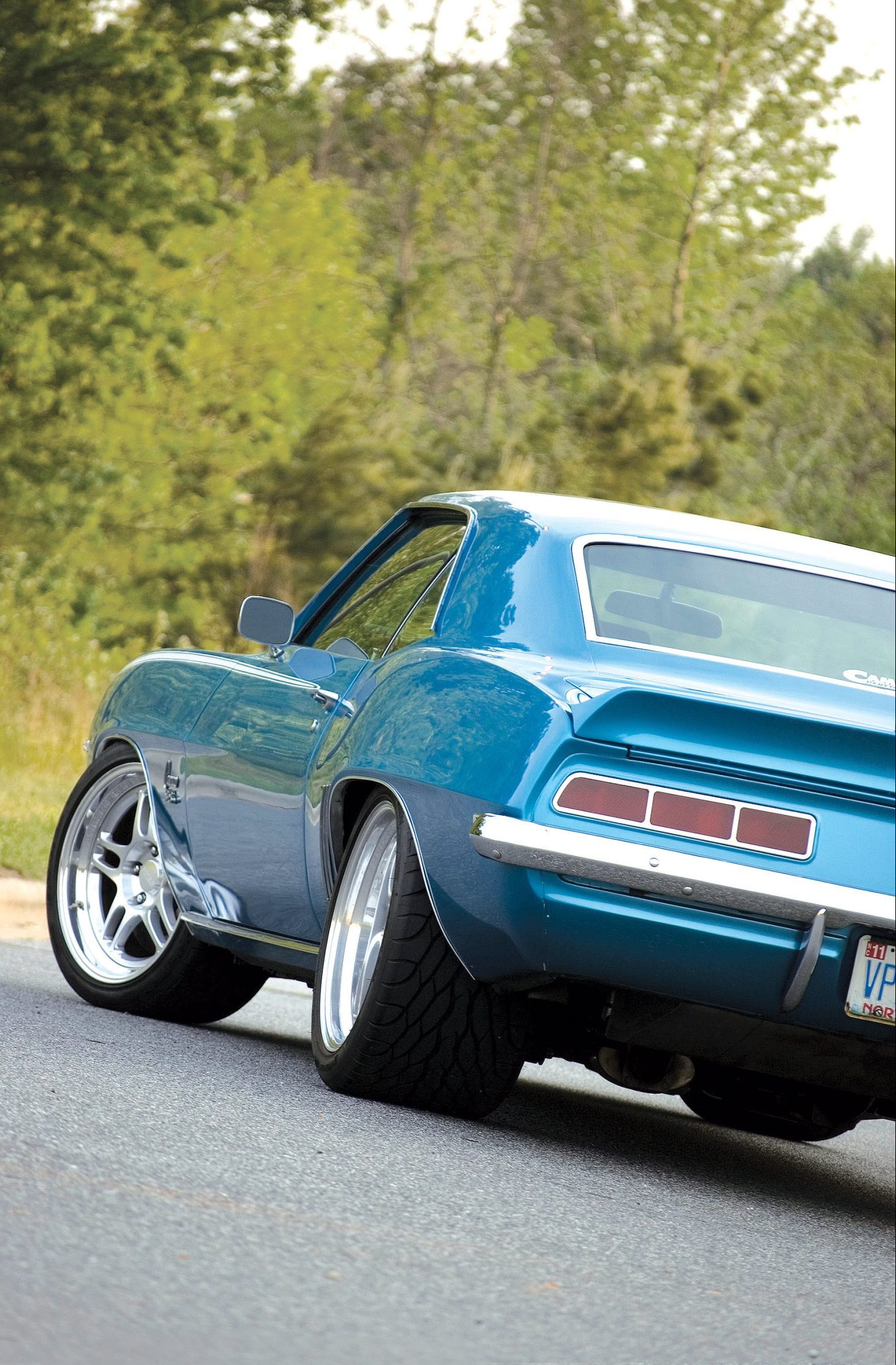
On the track, both drivers are aggressive and know the characteristics of the car very well, but it’s easy to see that Kyle has a heavier right foot and truly pushes the highly modified Camaro to its limits. And while the car’s limits are a little higher than most Chevys you find on the street, it started out just like any other ’69 Camaro.
Components and Modifications
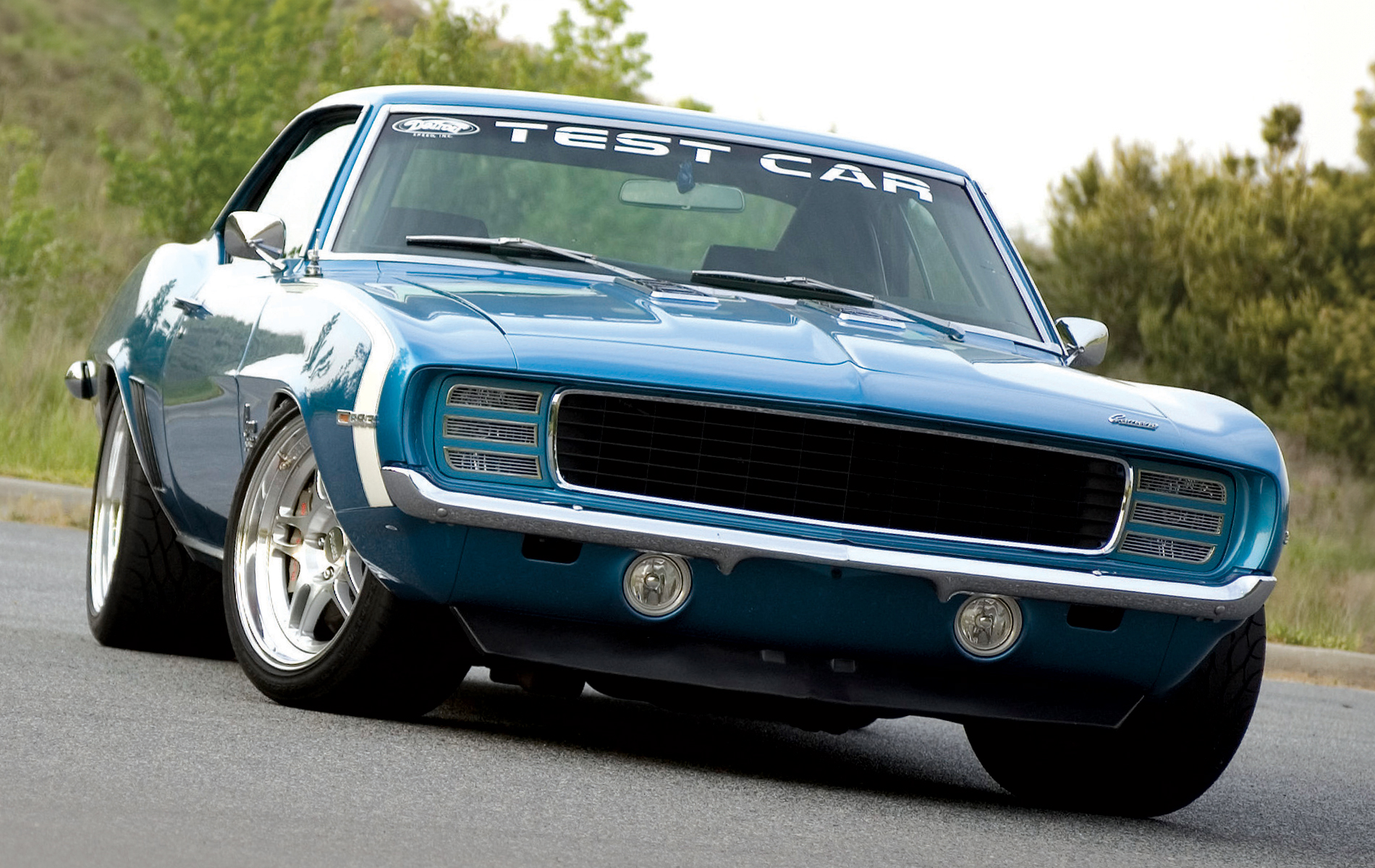
Fitted with a number of DSE components, Stacy’s Camaro is one of the coolest around and proves it every time it scoots around a road course or autocross course. If you find yourself asking how DSE made this old Chevy capable of outperforming more modern performance cars, then check out what the DSE test car consists of, and you will see that it’s more a matter of testing, tuning and tweaking its upgraded components to get the most rubber on the ground at all times.
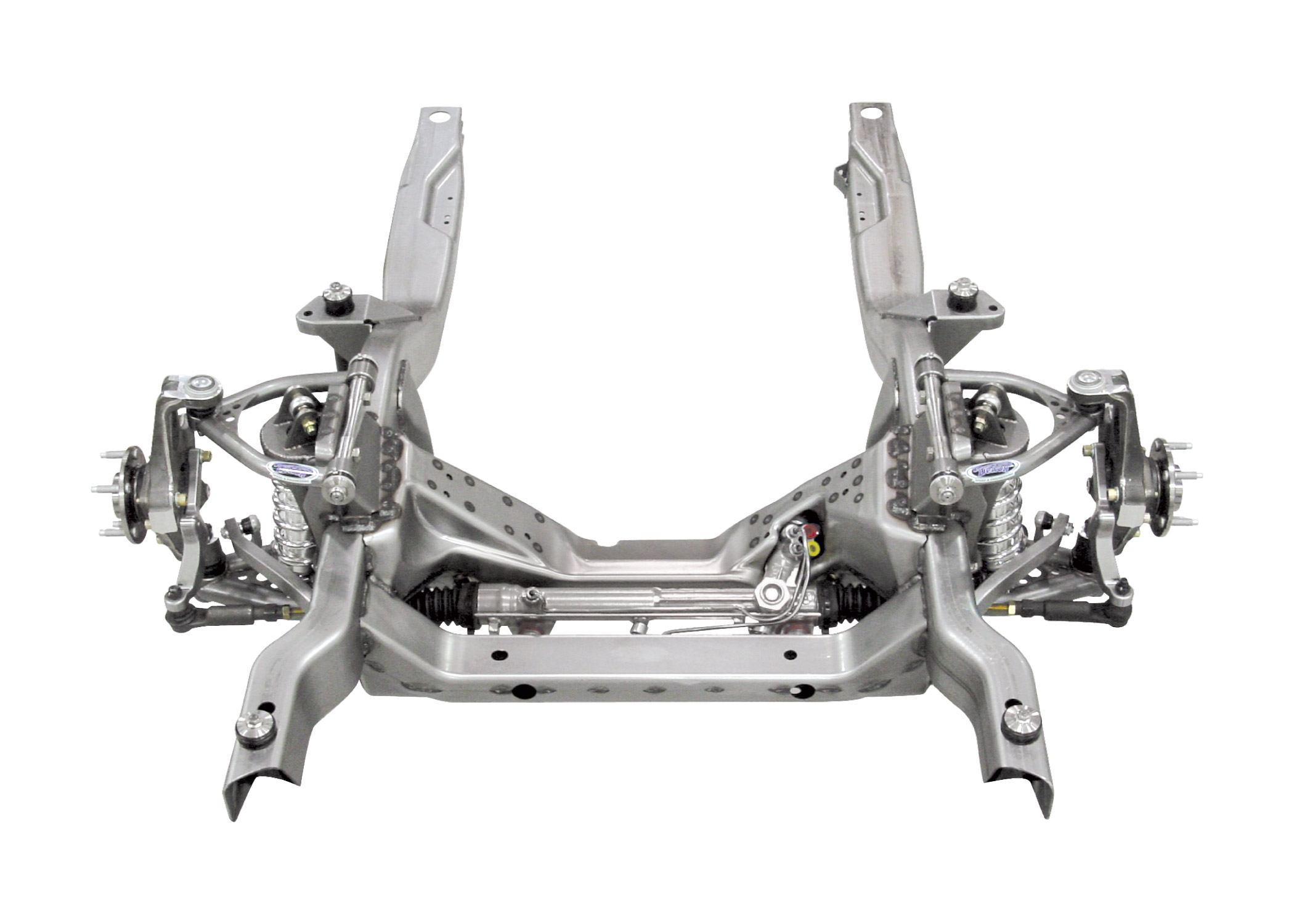
The DSE Hydroformed Front Subframe
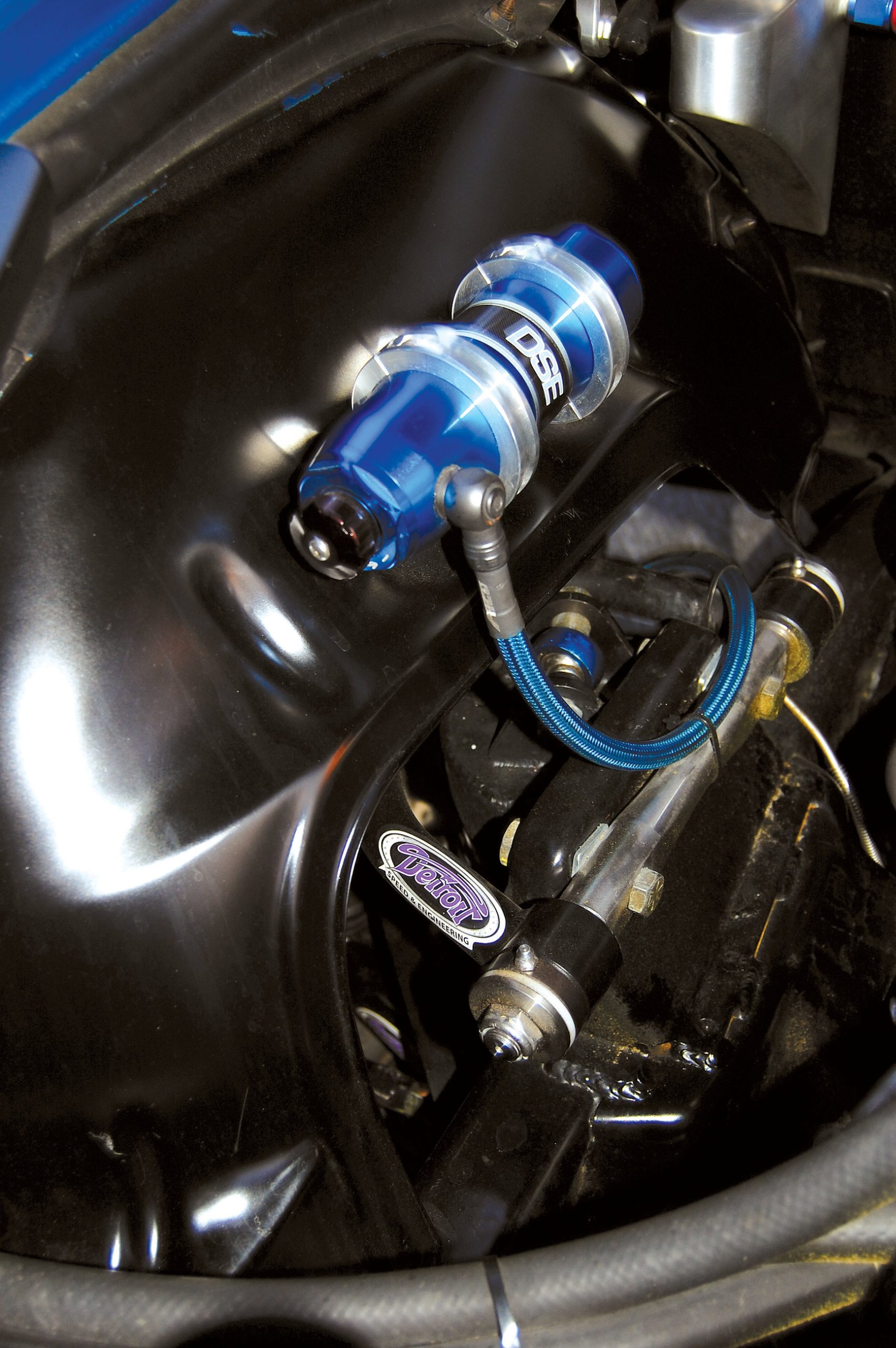
The first step in keeping the tires firmly planted comes from the highly acclaimed DSE hydroformed front subframe. These hydroformed rails are super strong and offer the option to mount a small block, big block or LSX engine, but the Tuckers chose to keep the test car simple with a healthy small-block Chevy. The subframe easily bolts into place, but that’s not where the real performance comes into play (the components that bolt to the new subframe, however, offer myriad advantages over stock equipment). Countless hours of engineering and design work went into building the tubular upper and lower control arms, which provide much better camber and caster angles to keep those front tires as level as possible.
Suspension and Steering Upgrades
A vast improvement over stock Camaro equipment, these tubular control arms eliminate positive-camber gain on the outside tire during hard cornering, which is an obvious problem that ultimately results in an understeer or “push” condition. Another improvement is the C6 Corvette steering knuckles, which offer great strength at a light weight, while mounting on the top of the upper control arm, rather than being sandwiched between the two arms. Koni aluminum-bodied coilovers ride under the test car to provide adjustability, and feature a 450-pound-per-inch spring up front. Just like the one you’ll find on an assembled hydroformed subframe, a splined, race-style sway bar keeps the car level, making it possible to sling the car into a tight turn without dragging the door handles.
Braking System, Engine and Powertrain

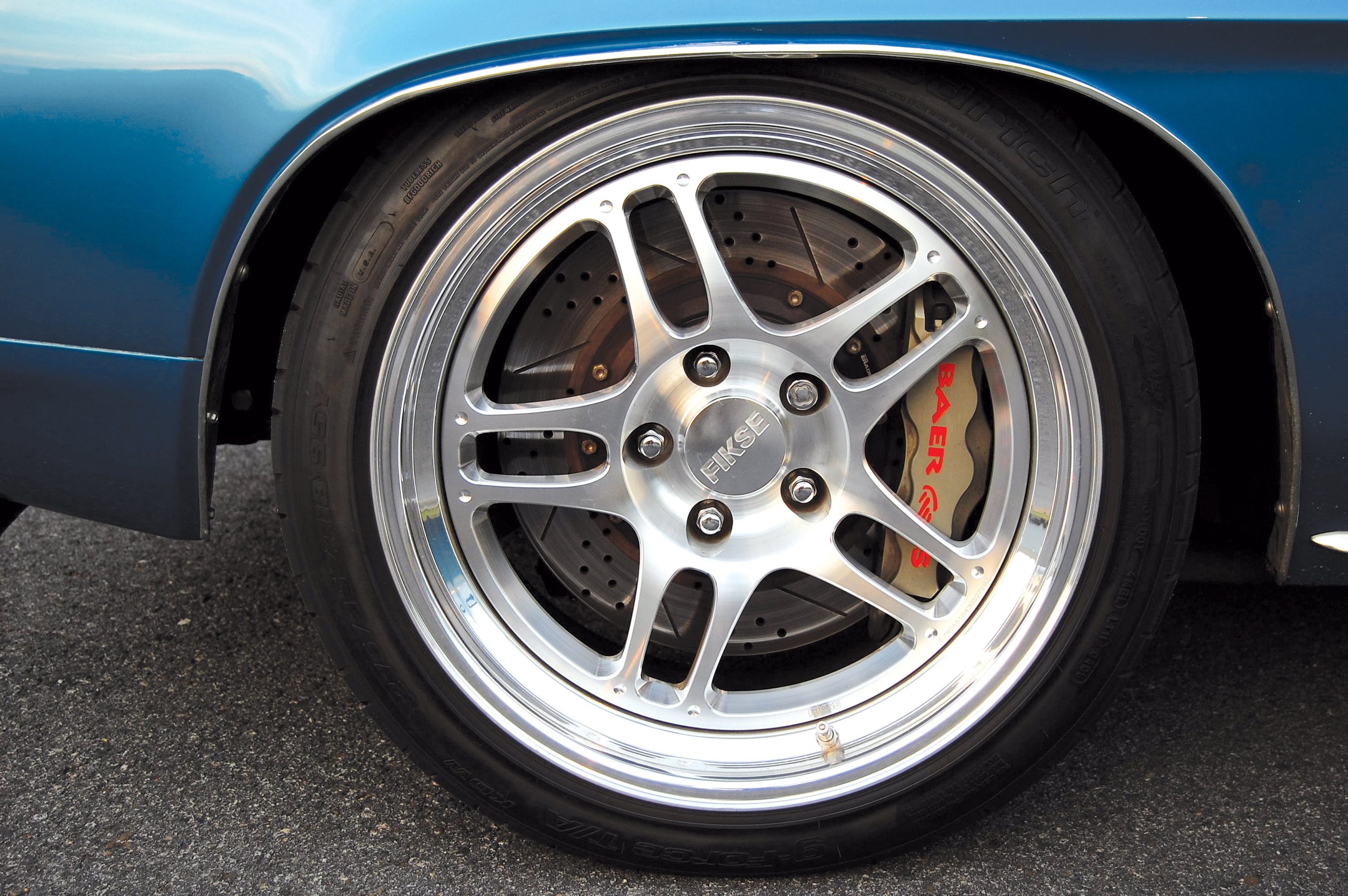
Kyle and Stacy Tucker are firm believers in Baer brakes, as they fit them on nearly every car they build and have great success with braking performance on the track and on the street. The test car features 14-inch rotors with six-piston Baer calipers, which bring the Camaro to a halt very quickly, and look awesome behind the spokes of 18×10-inch Fikse Profil 5S wheels. Another advantage of the hydroformed subframe is the additional real estate for larger wheels and tires—a 10-inch-wide wheel can fit without any inner fender interference if the correct offset is selected. Without a doubt, tire technology is just as important as a high-tech suspension, and the combination must work together to produce great results, so the Tuckers mounted a set of BFGoodrich KDW tires to the Fikse wheels. The soft compound is great for hard cornering, and it’s versatile enough for casual street use as well.
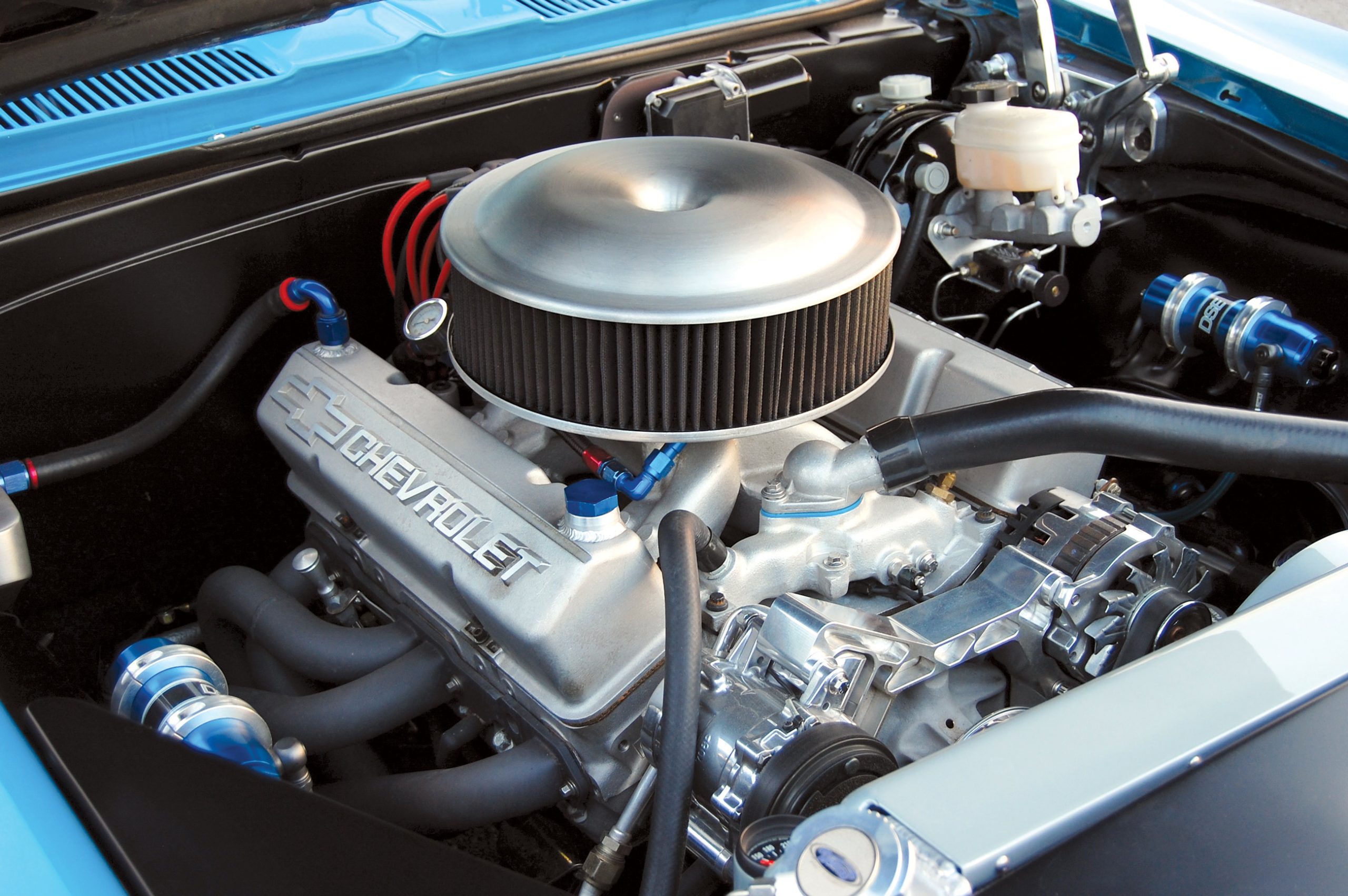
Though it isn’t a secret to the test car’s great performance, the GM Performance Parts crate engine does provide plenty of power and needs little maintenance between events. Displacing 383 ci, the small block is equipped with forged internals and is topped with a set of GM aluminum cylinder heads. Fitted with a GM single-plane intake manifold and a Demon carburetor, the test car’s engine is simple inside and out and sports satin-finish aluminum components. It’s also surrounded by a smoothed firewall covered in low-sheen black paint. The nicely detailed small block certainly gets the job done and mounts a Tremec five-speed transmission, which features a Centerforce clutch to put every ounce of power to the pavement.
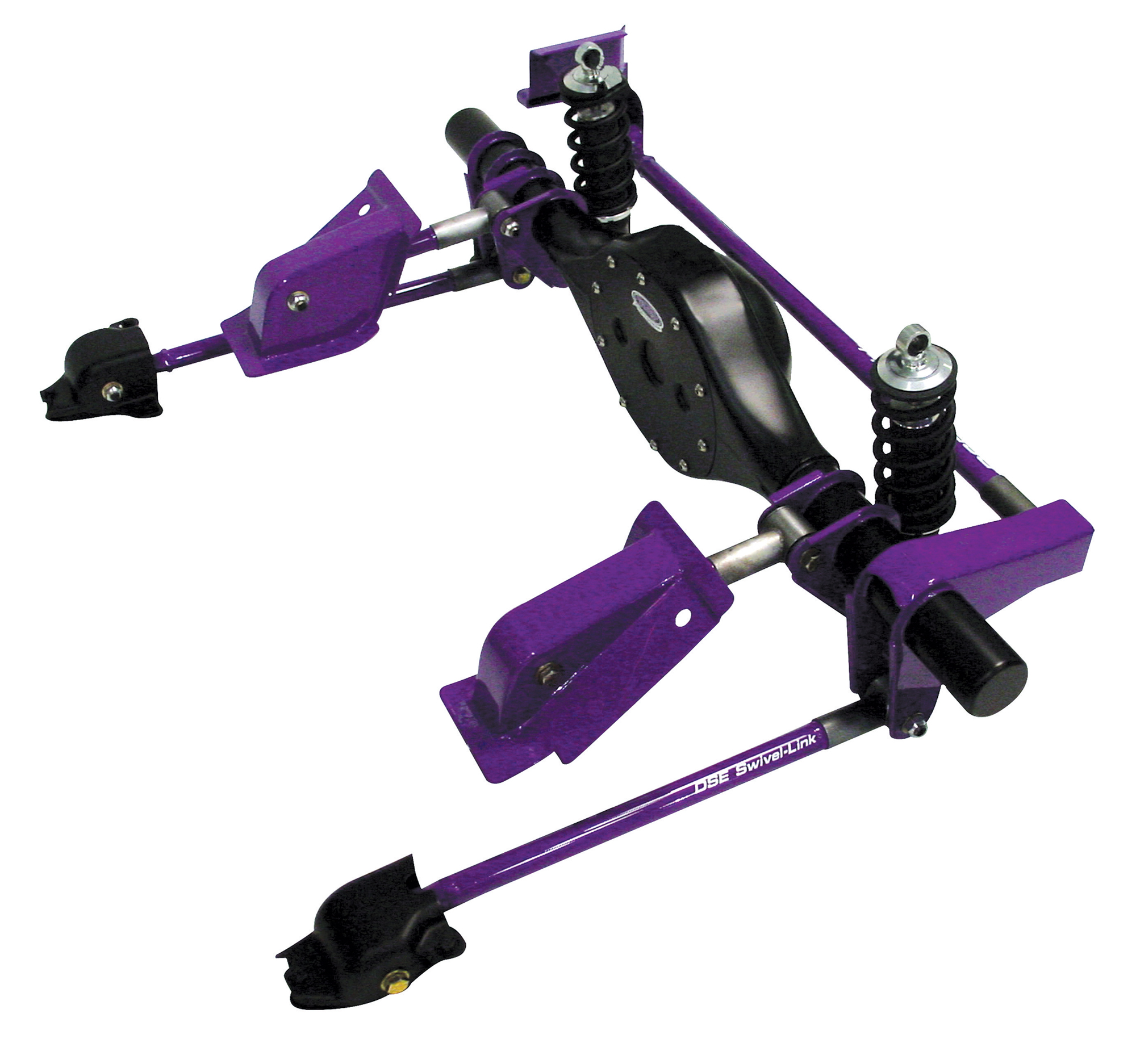
Rear suspension, tire fitment and a recipe for success

And so, the recipe for success is revealed through Detroit Speed & Engineering’s test car, and making your Camaro perform to this degree is just a phone call away. DSE offers a variety of performance levels, so you don’t have to go all out if that interferes with the plans on your current project. Kyle and Stacy Tucker outfitted the test car with the most extreme components DSE offers and took the trial-and-error part upon themselves. This allows the customer to buy the parts, bolt them on and reap the benefits of a fine-tuned suspension. Also remember that first-generation Camaro suspension components fit the ’68-’74 Nova platform, and DSE has recently released a line of suspension goodies for the second-generation Camaro. Weight, gear ratios and overall power make a big difference in how your car performs, but if you can get the right suspension components beneath it, you’re heading in the right direction. And with four of the five Goodguys Street Machine of the Year finalists riding on DSE equipment, you can’t deny the popularity and functionality of DSE products, but Kyle and Stacy Tucker will continue to thrash on their test car to prove the point, and have a little fun, too.
ARTICLE SOURCES
Detroit Speed & Engineering
185 McKenzie Rd,
Mooresville, NC
(704) 662-3272