

THE AUTO BUILDER
Featured

All-In-One Conversions
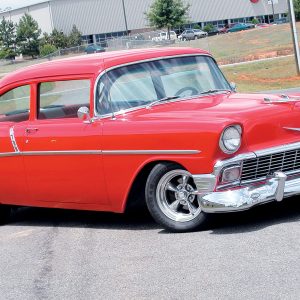
The lines of ’55-’57 Chevys are almost sacrosanct. They haven’t been modified or changed over the years with very good results. There have been a couple of exceptions, but by and large, chopped tops, restyled fenders and other modifications that alter their original lines don’t come off looking real good. The problem is in the proportions. We’re not sure if it’s because the factory got them so perfect right out of the gate, or if it’s that most have been left alone over the last 50 years, so a chopped top looks strange. Whatever the reason, the classic “greenhouse” roofline, long fenders and slab sides all work very well together.
THE CAGED BIRD SINGS
The poor Falcon.
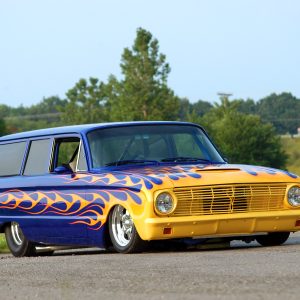
Were it not for Ford’s inglorious first compact car, who knows what the early Mustangs would have been like, built as they were on Falcon architecture? Today, everyone wants a Mustang, yet Falcon fans are few. Fewer still are those who crave Falcon wagons, and initially, Norman Schmitt was not one of them, either. He wasn’t after a Falcon, or a wagon, but when a friend told him about an old wagon for sale, he went to check it out. What he found was a rare ’63 Falcon two-door wagon, and it was in great shape. The price was right, so he bought it, with visions of a wicked Pro Street Falcon in his head, and he set out to transform those dreams into steel.

Breaking The Ridler Code
It occurred rather quickly—in just a decade or so, the Ridler award has risen to the top of the list of awards for hot rods. Sure, it all started more than 60 years ago, but back in the 2000’s, the competition intensified for this coveted award. The Auto Builder was intrigued by the award’s newfound popularity, and we did everything in our power to bring proper recognition to these grand automobiles. We also dedicated ourselves to help popularize “The Great Eight,” which each car must win to qualify for Ridler competition. Being selected in the Great Eight is a feat in its own right, but the road to winning the Ridler is as mysterious as the final award itself.
Spotlighter
POPULAR READS
-
The Auto Builder’s Hottest Product Picks from The Triple Crown of Rodding 2026
-
Product Spotlight: Bill Mitchell Products Aluminum LS Engine Block
-
PRODUCT SPOTLIGHT: 60-66 Chevy C10 Fresh Air Vent Block Off Plate
-
Product Spotlight: Pyramid Optimized Design Sequential Aurora Taillight for 1964½–1966 Mustang
RETRO IS ALL THE RAGE
Installing the Retro Tek EFI 6-Pack
Author
Matt Emery
Story & Photography
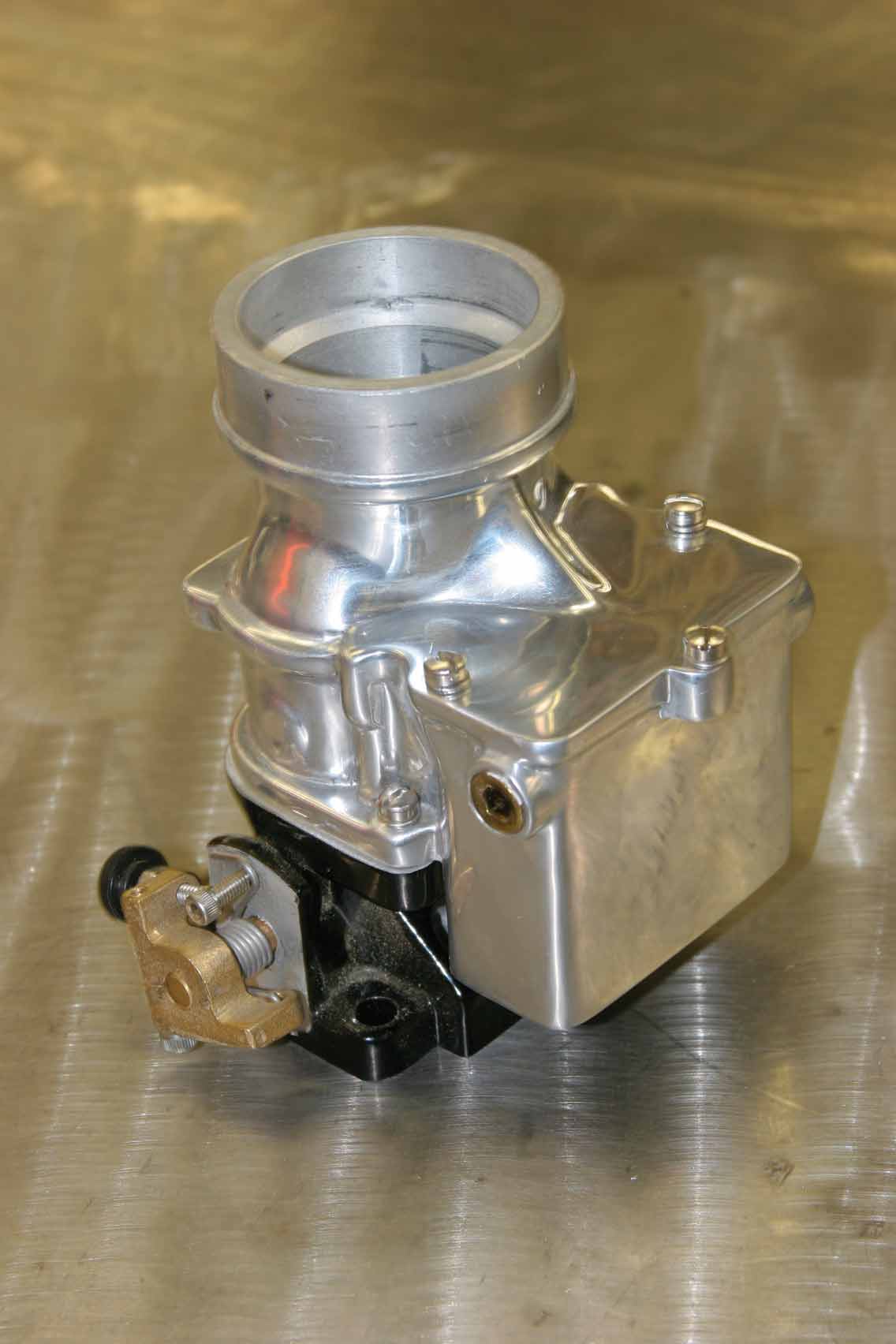
Those who longed for their engines to look as they did back in the old days of multiple-carb setups were out of luck. Cool as they were to look at, there are lots of reasons why the multi-carb setup fell out of favor, and most of them had to do with the fact that they were a bear to sync. The advent of the four-barrel carb was the death for these systems, though the purists among us prayed for a breakthrough.
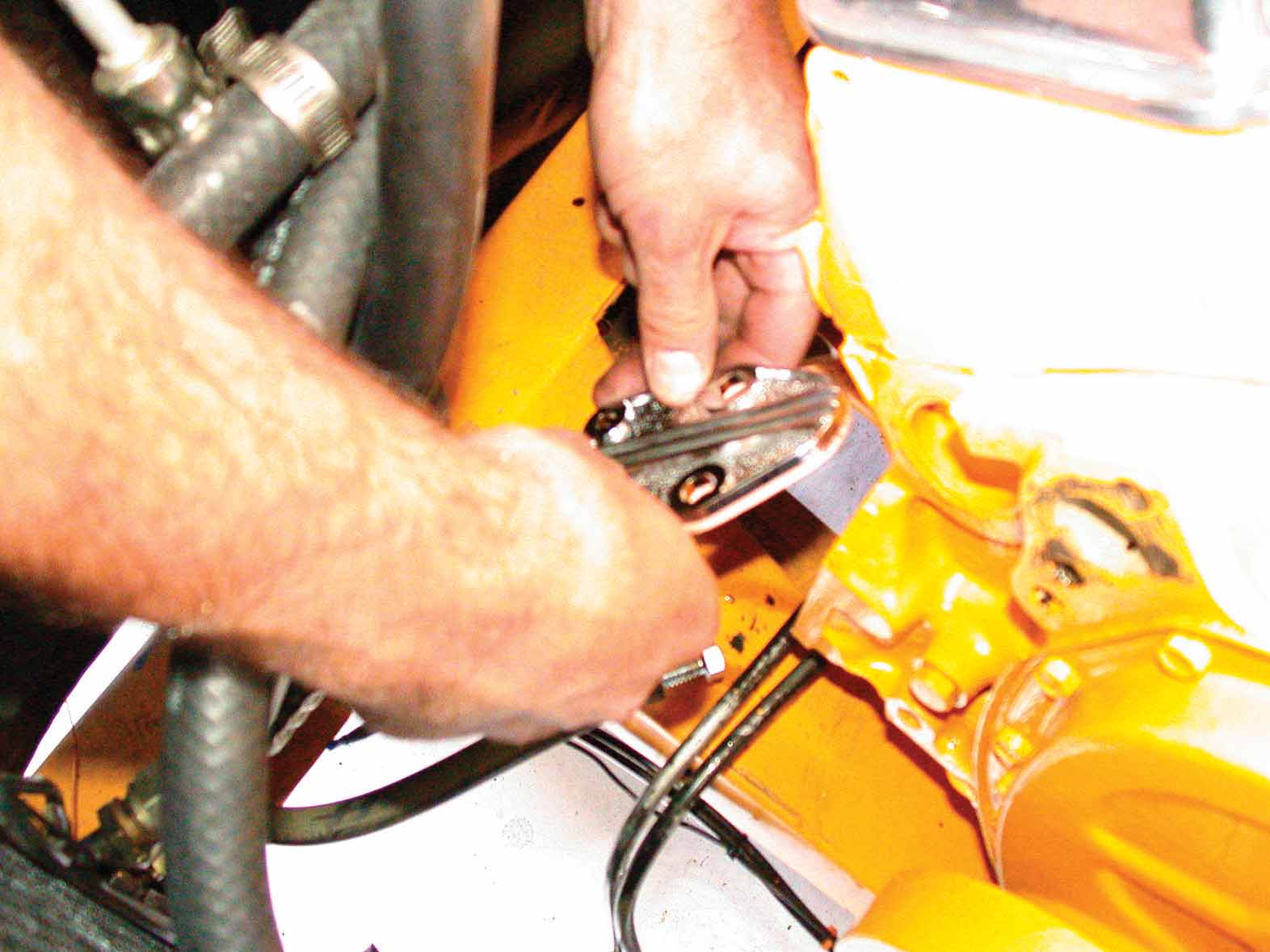
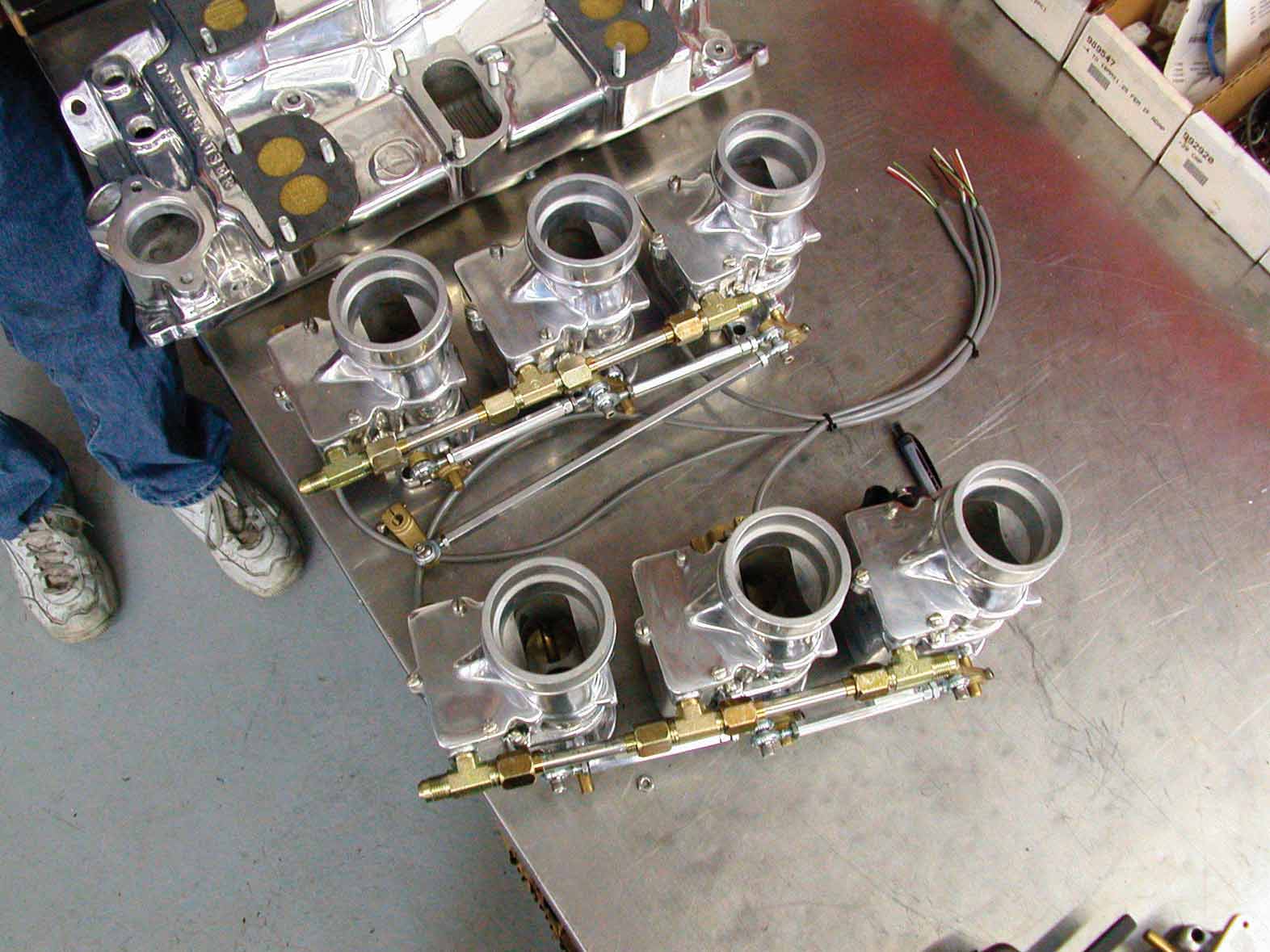
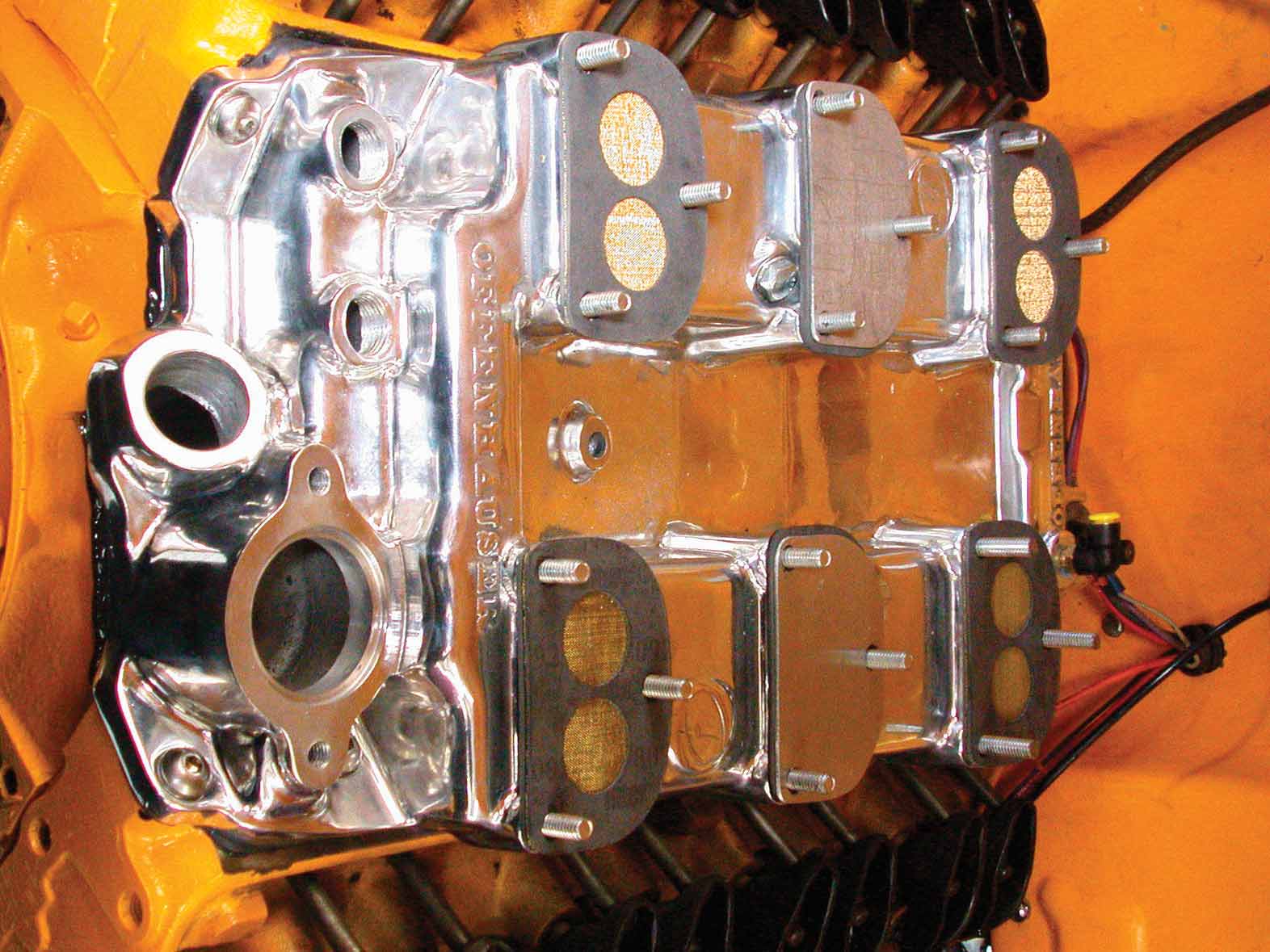
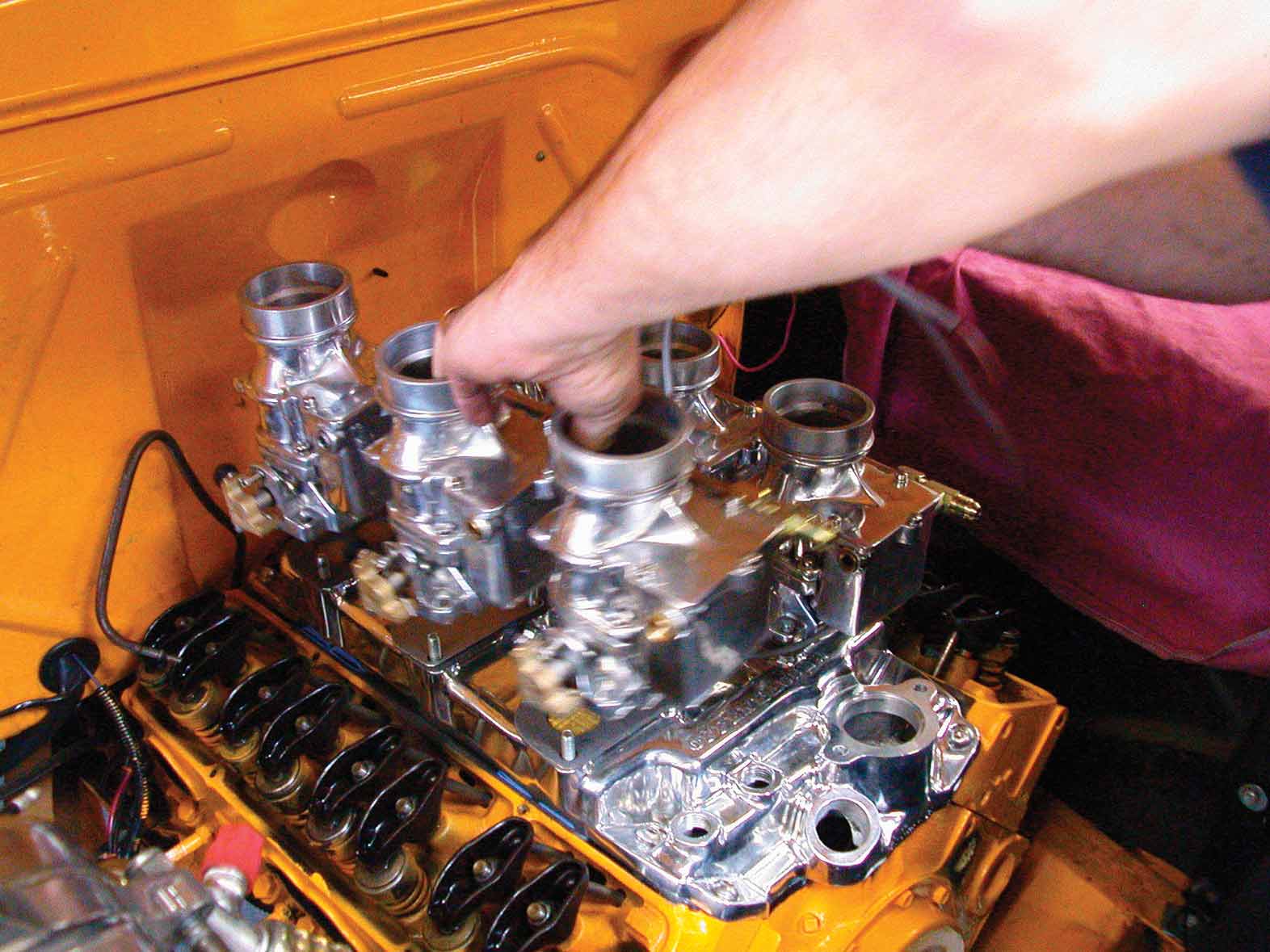
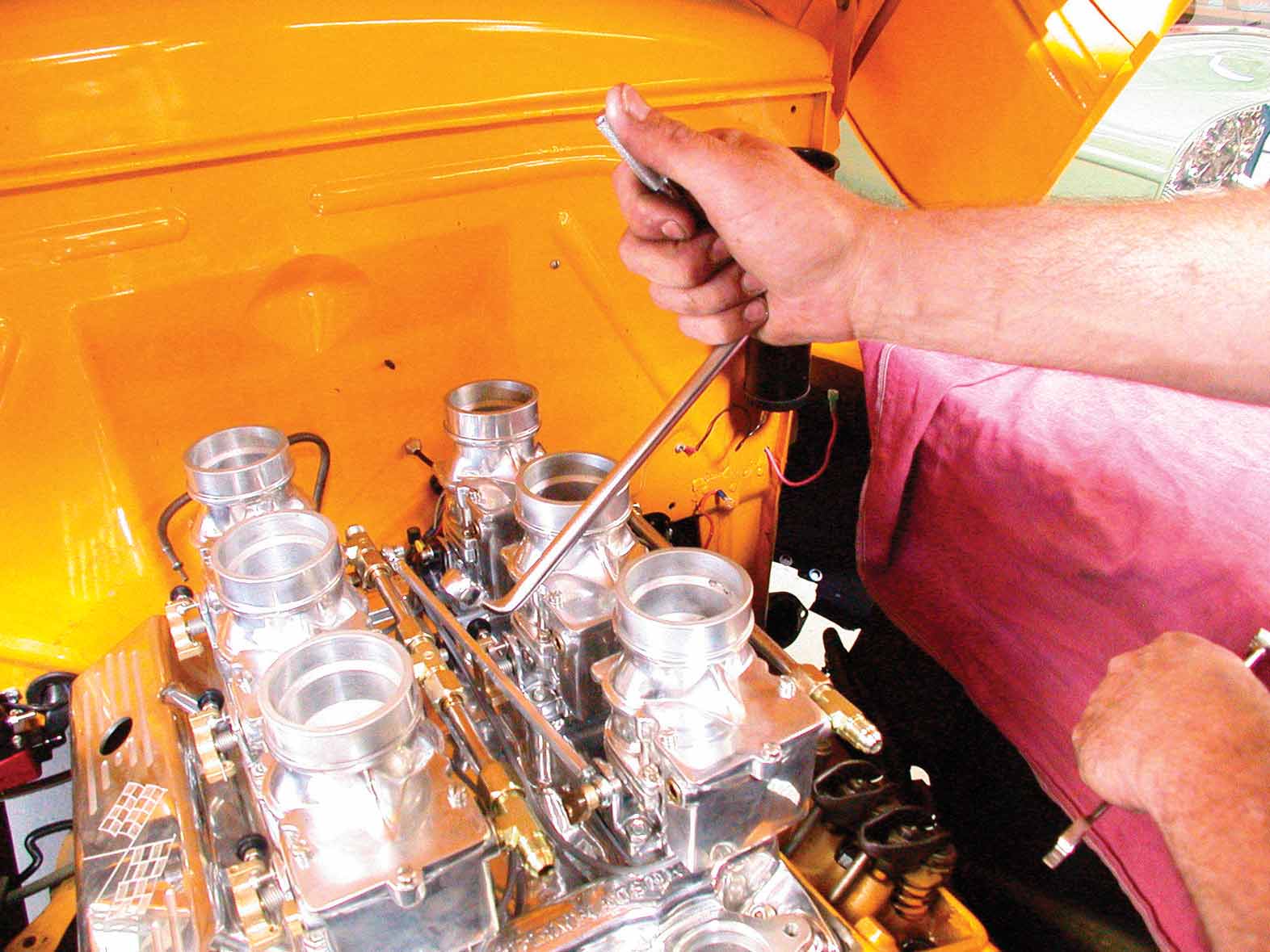
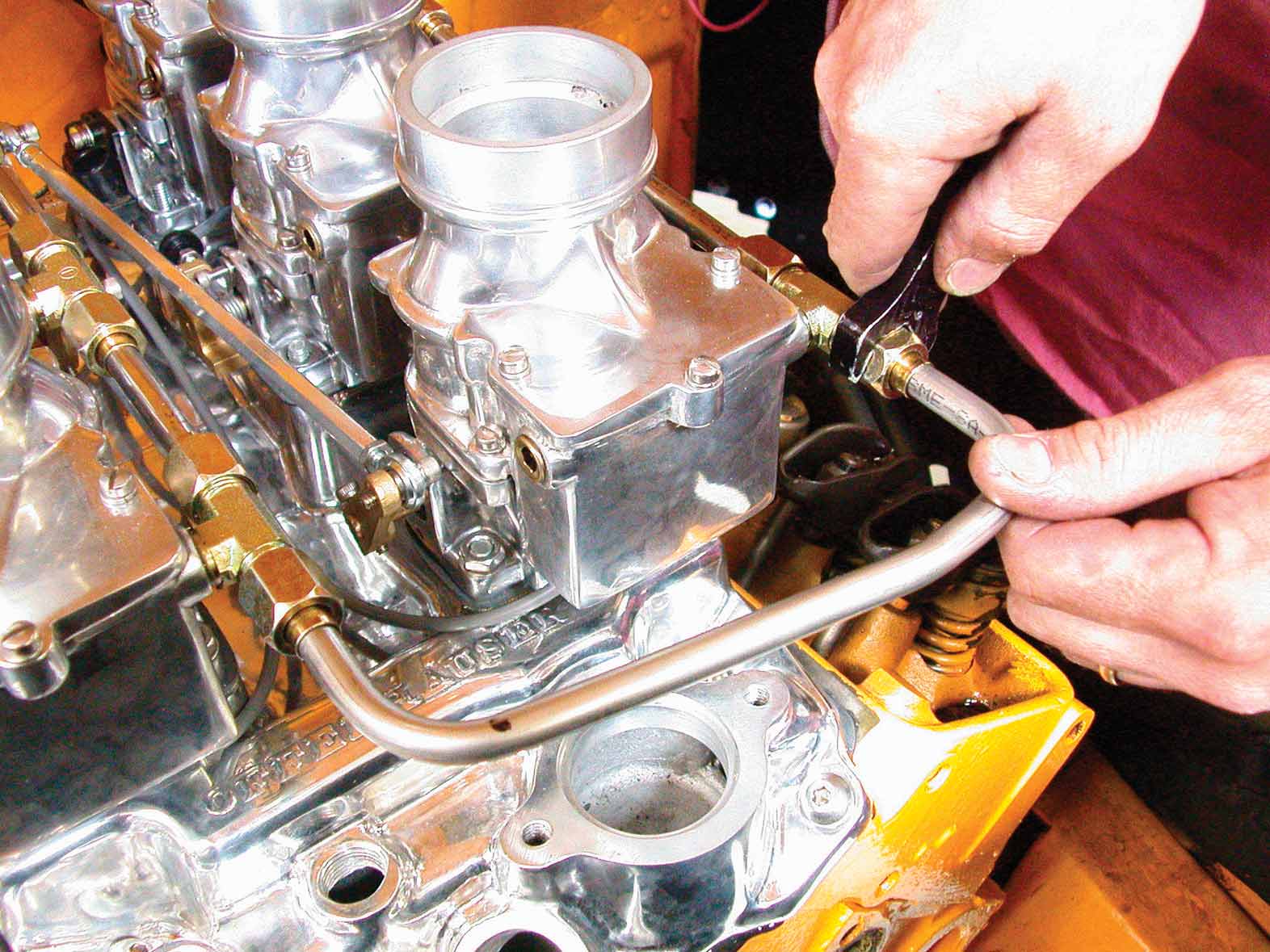
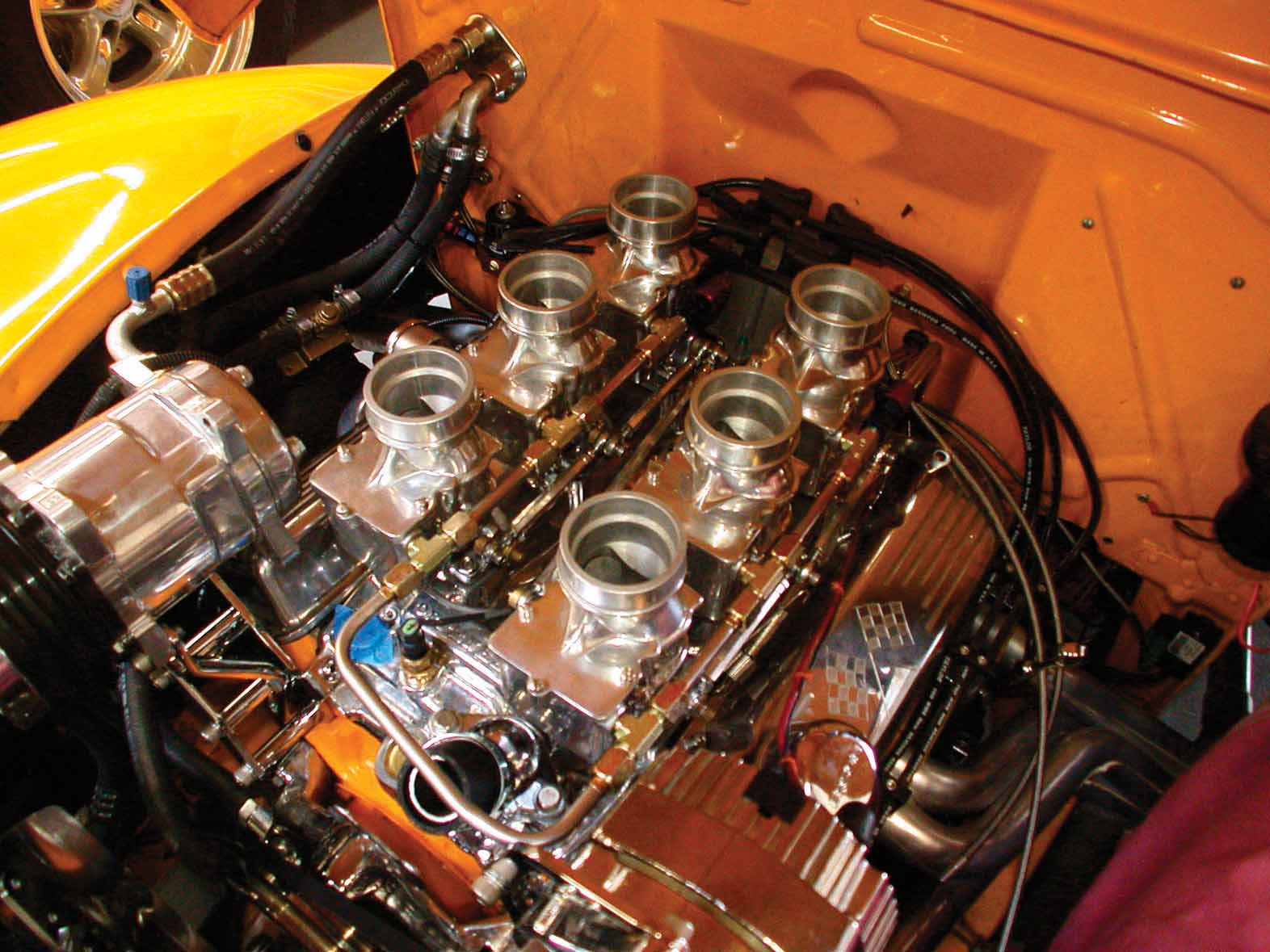
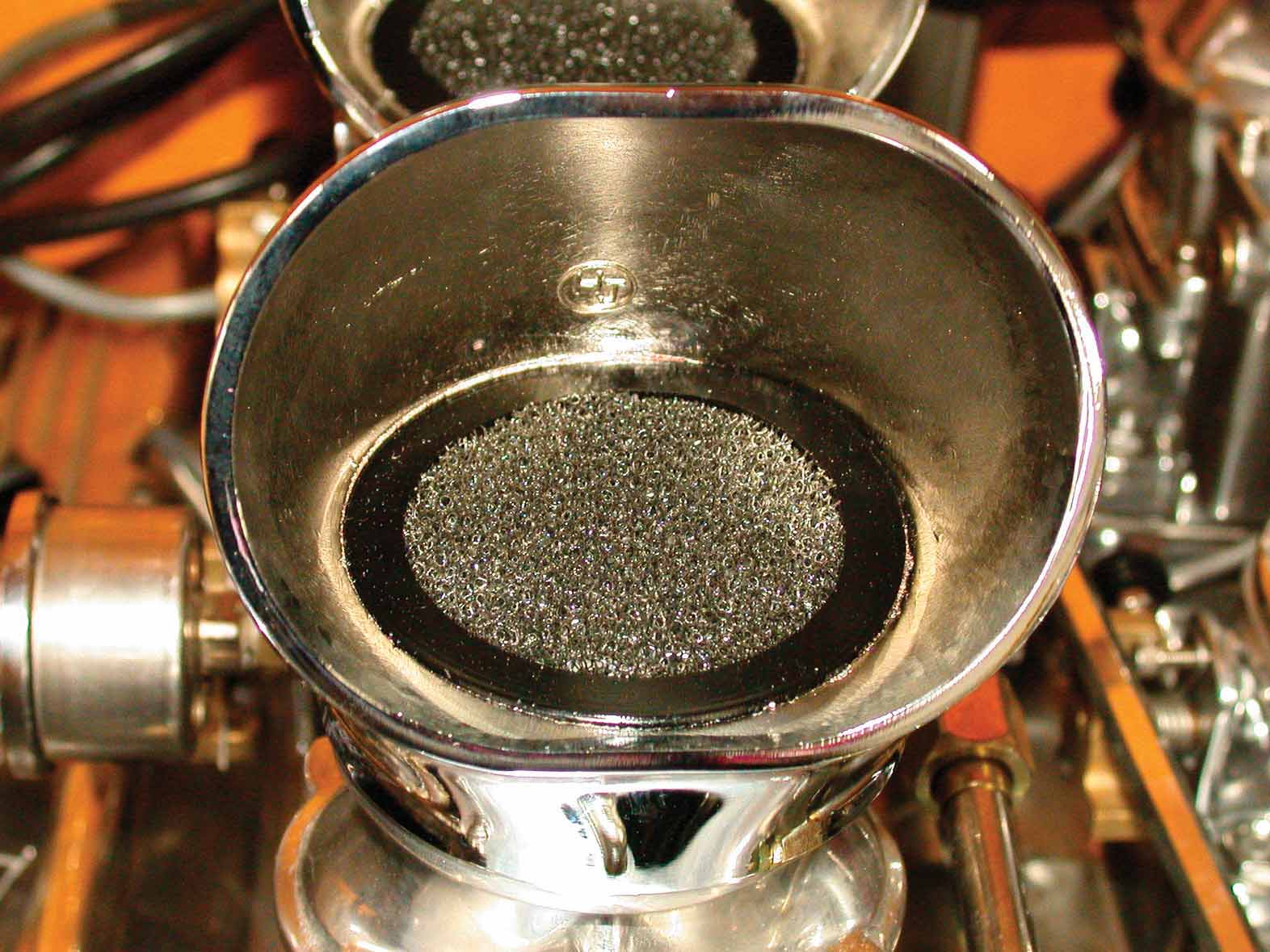
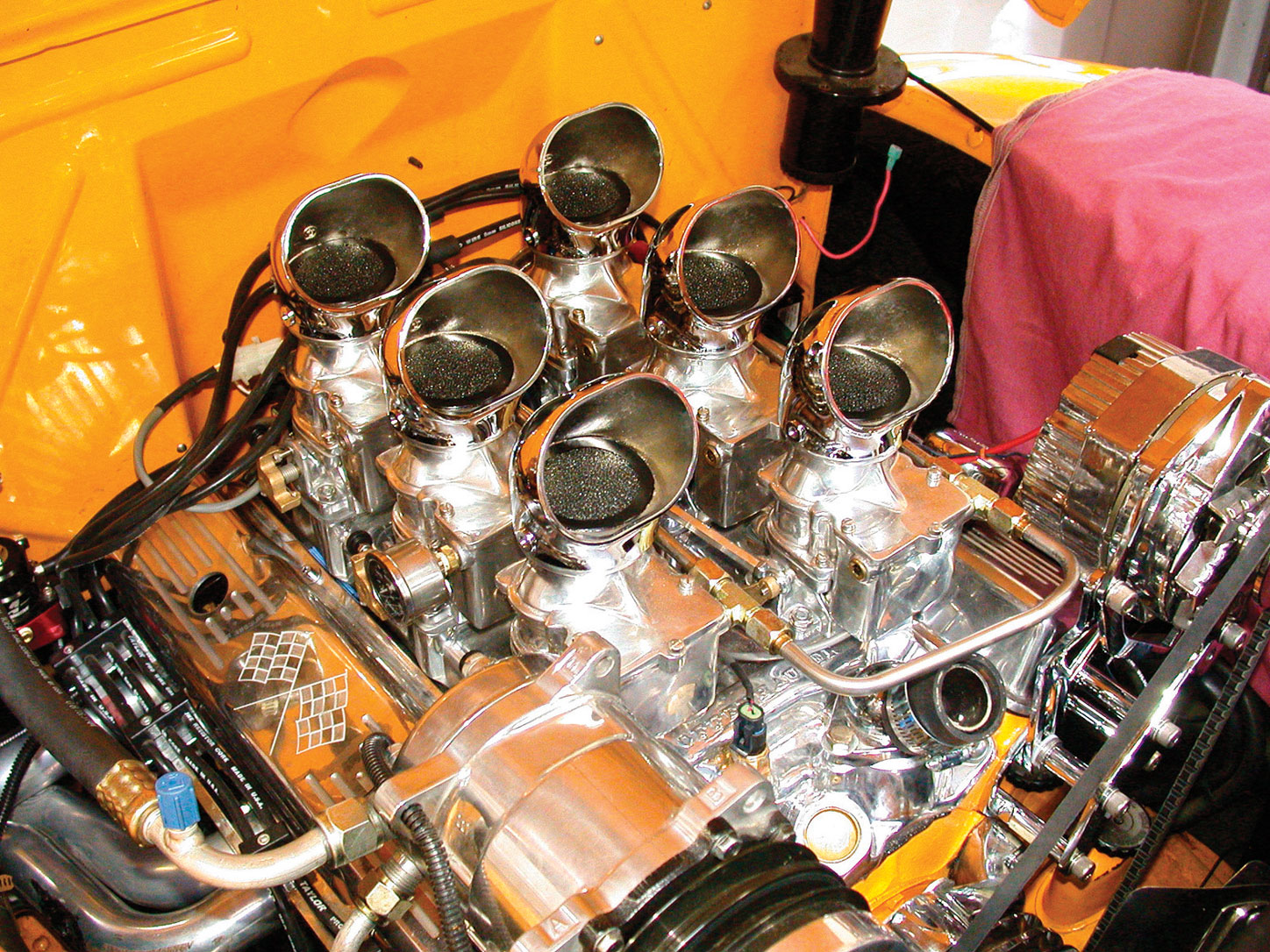
Thanks to Ken Farrell and his company, Retro Tek, those prayers have been answered. Farrell started off converting old mechanical fuel injection systems (Hilborn & Enderle) when the first aftermarket EFI systems became available. His new system, which uses the latest in EFI mated together with the classic Stromburg 97 design, came about when Farrell saw that there was interest in the benefits of EFI, but he also knew that they were lacking in the looks department. The idea was simple take the best aspects of both and add them together.
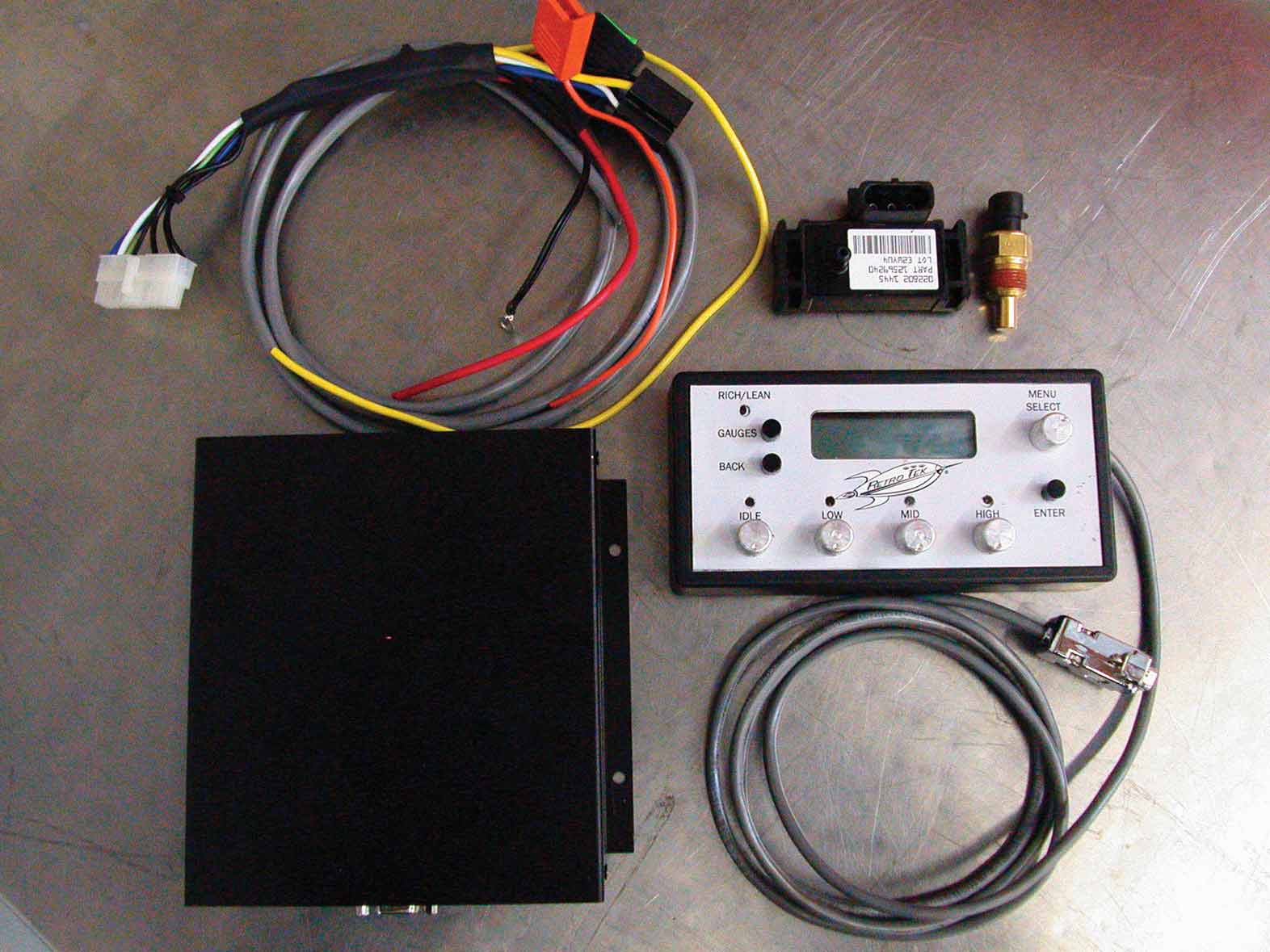
One of the problems with the EFI systems was the need for an engineering degree just to get them to work. Retro Tek has addressed that, as its new Injection Logic ECU was designed to give the novice a chance to get with the program. The Retro Tek QTC brings the tech stuff to real terms so that any person who can tune a carb can understand how to work the new system. Retro Tek says that its new PC software takes the ease of tuning to a new level.
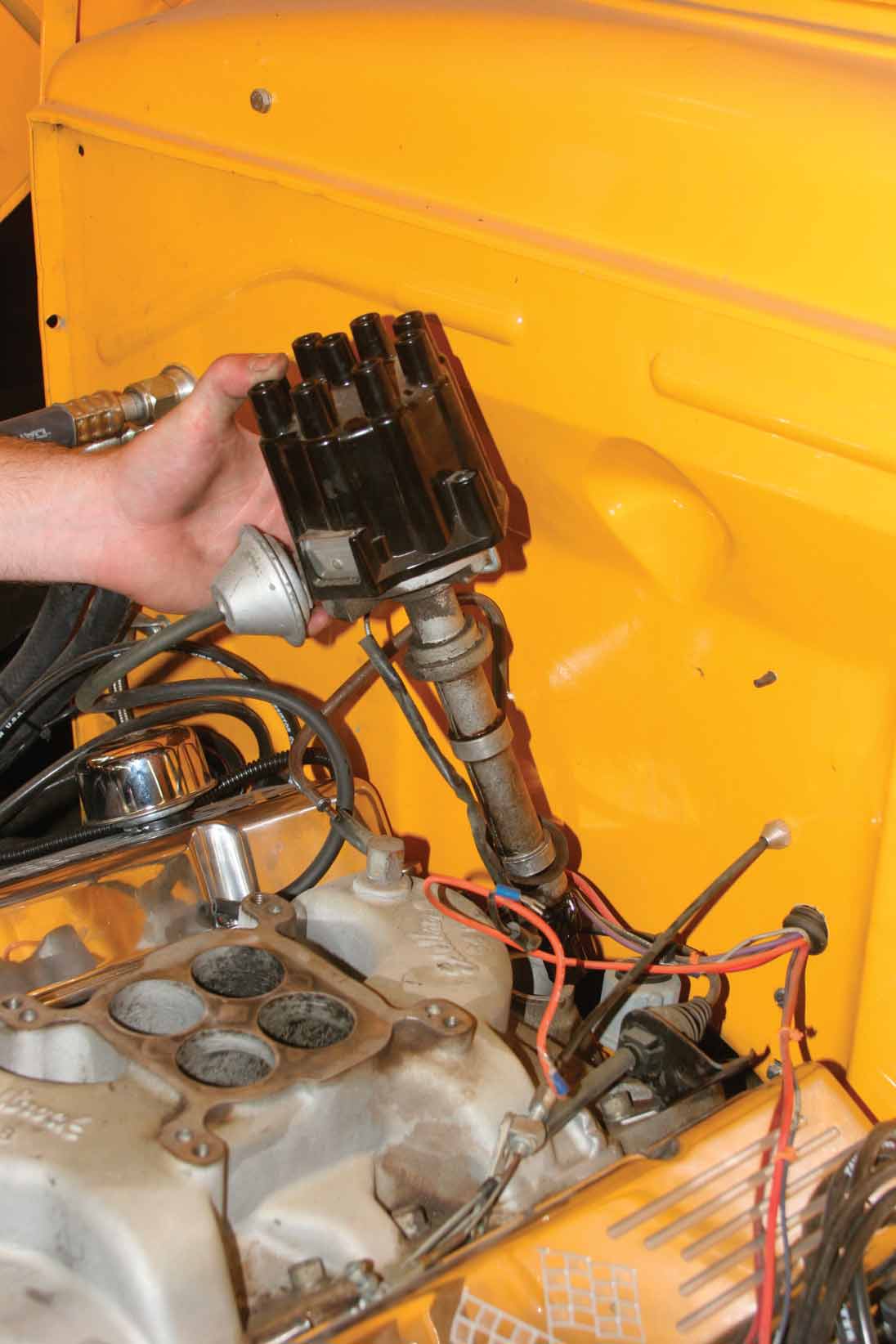
While this customer wanted to use an external coiled HEI GM distributor, the Retro Tek system will work with the majority of factory and aftermarket ignition systems. For those with an LS1 engine, operating systems will be available soon, so call for information.
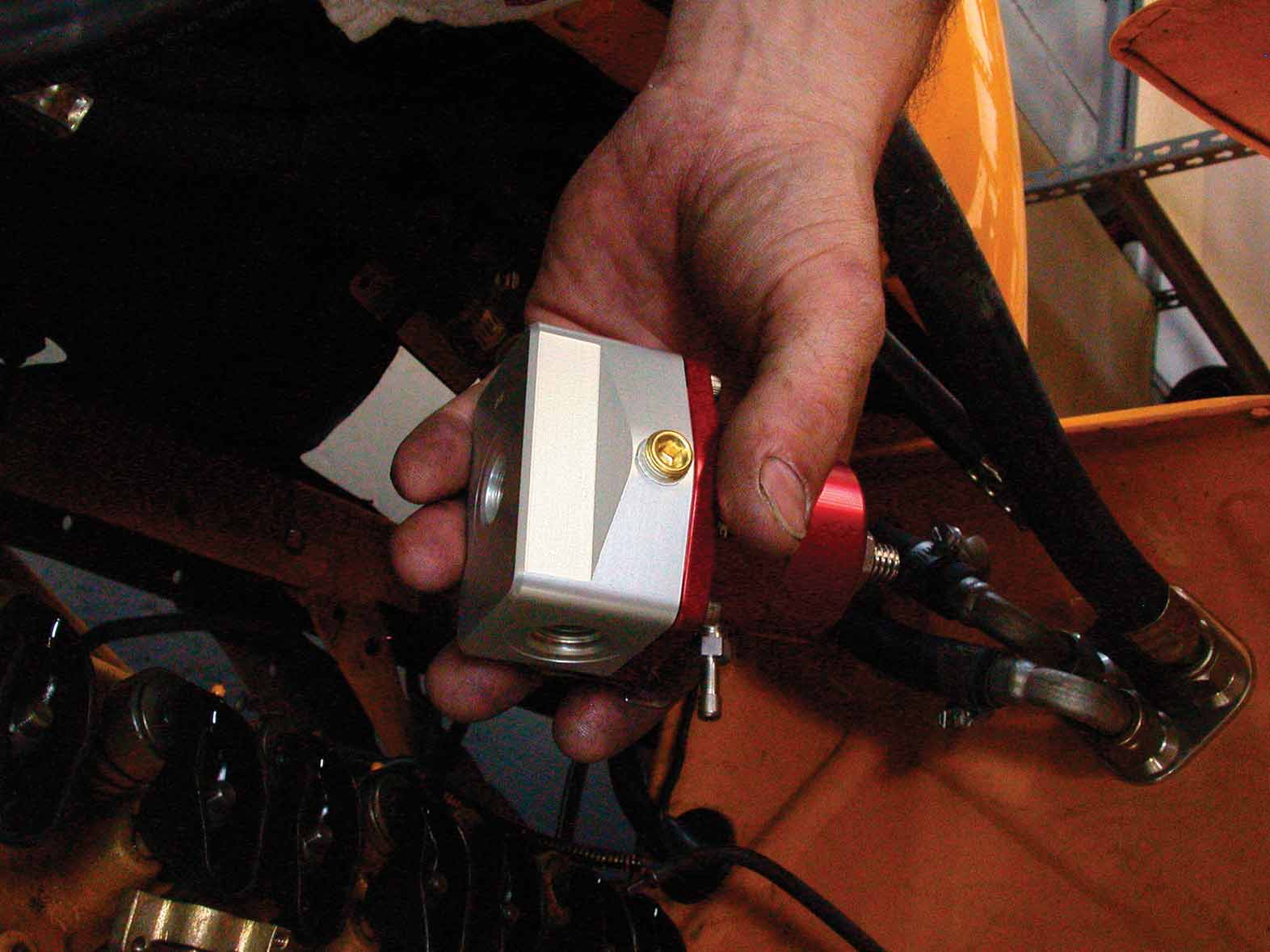
For those who want to have the muscle car look, Retro Tek also has a new 2×4 system that will fit on any existing four-barrel manifold, and 2×4 intakes are available new and used. It is a similar bolt-on using the same ECU, but the regulator is built in and the fuel system is a low-pressure design. According to Farrell, dyno results at Westech have been exceptional, and this is a great kit for a budget-minded build ranging from $1,200 for a single to $2,500 for a polished 2×4 setup.
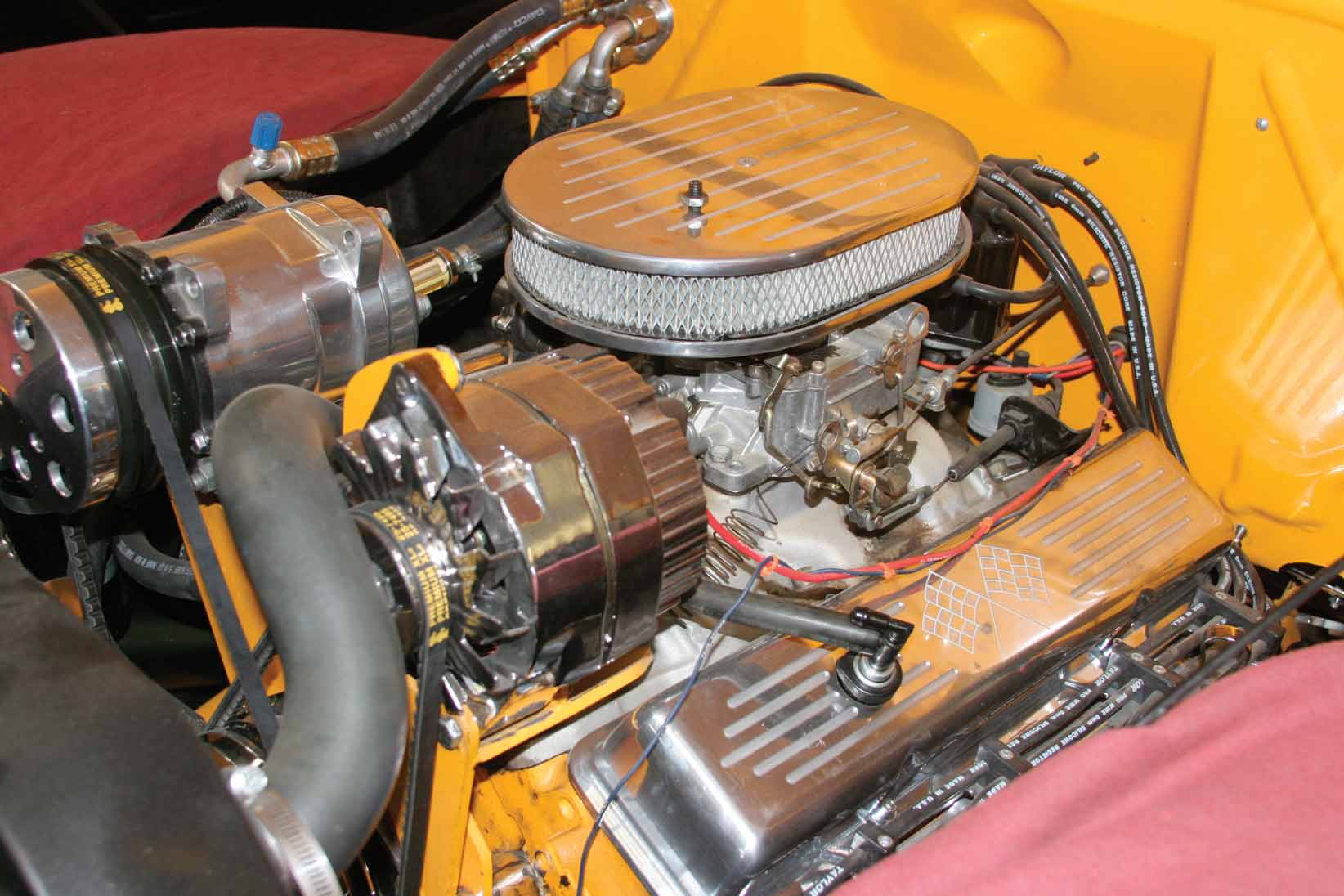
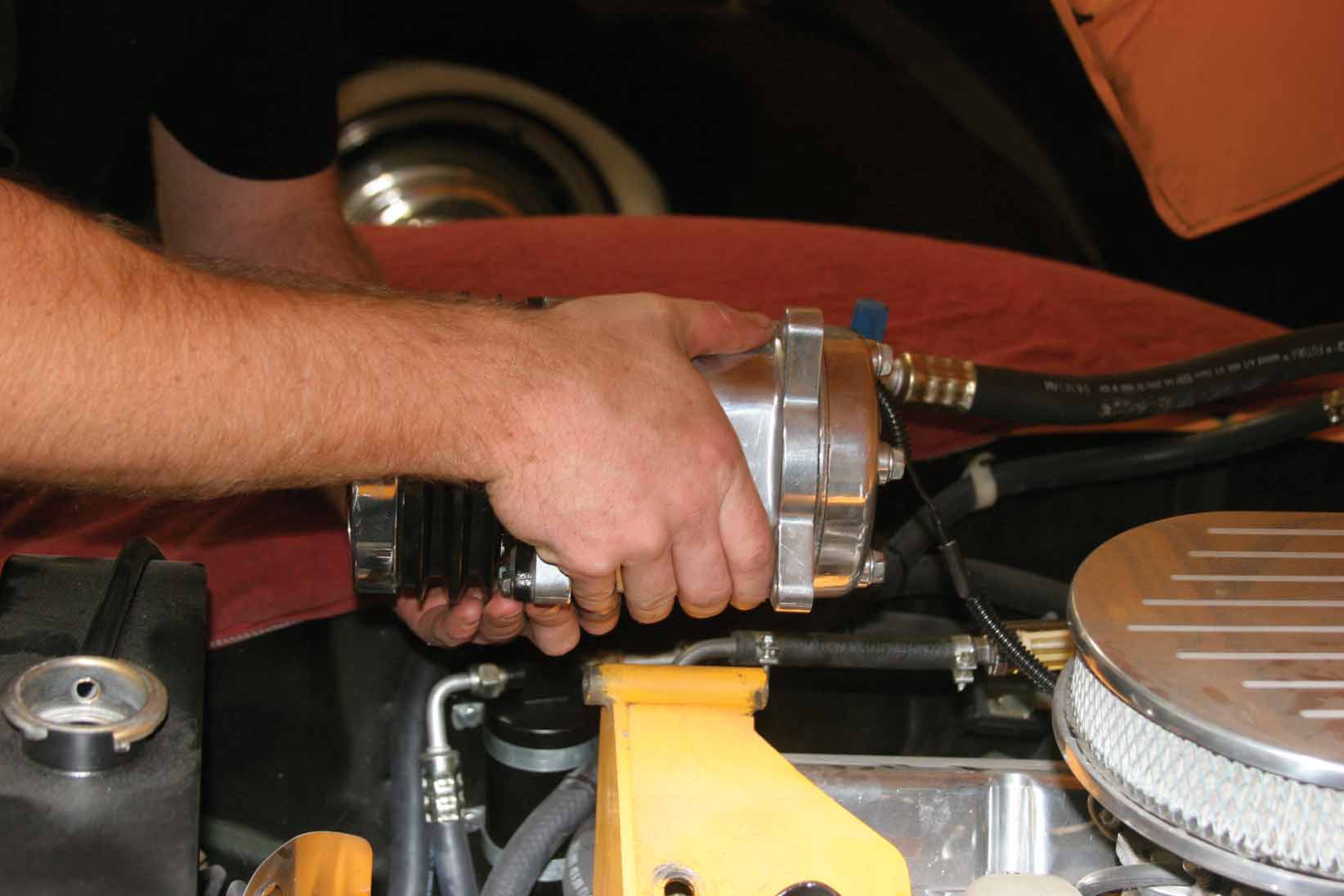
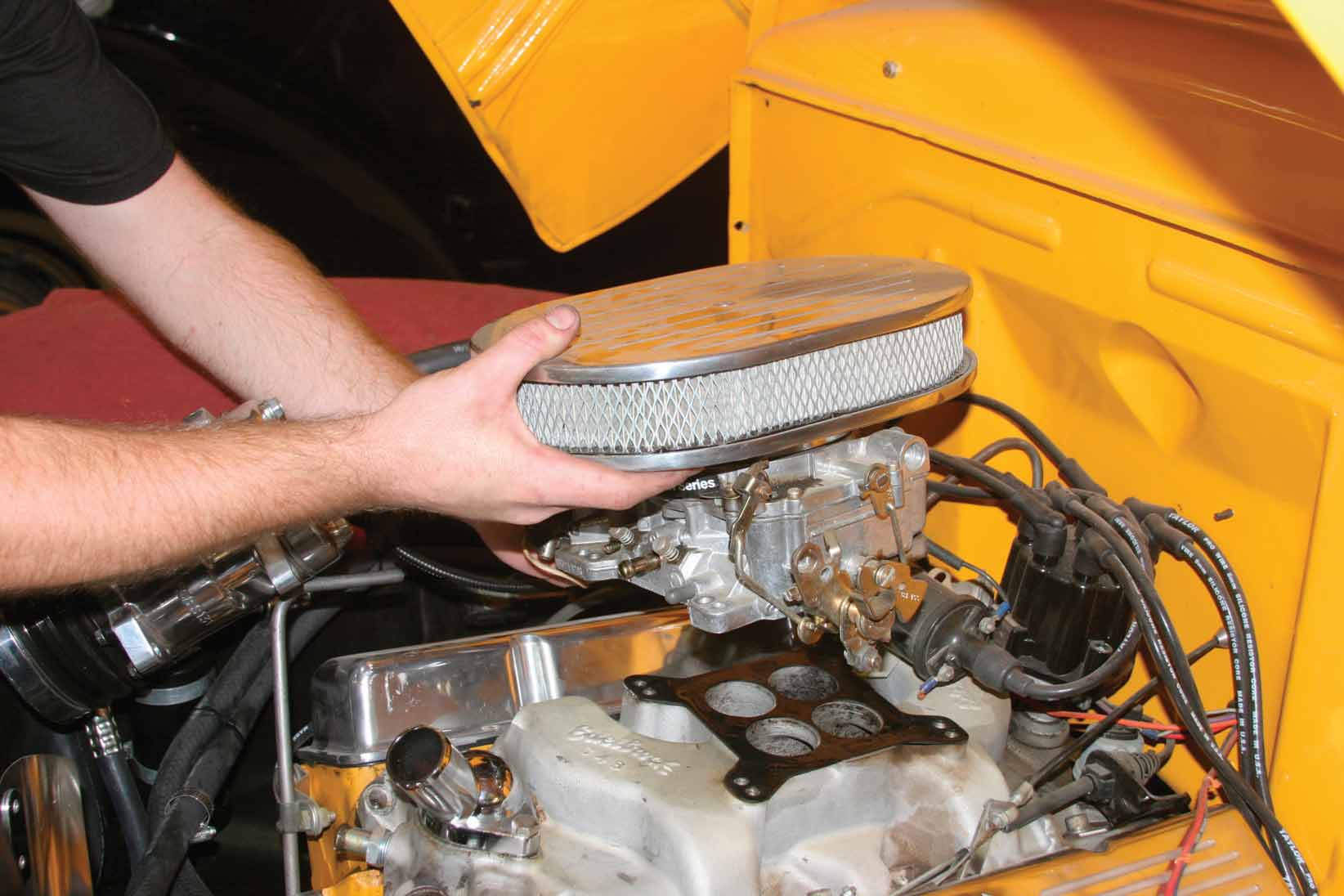
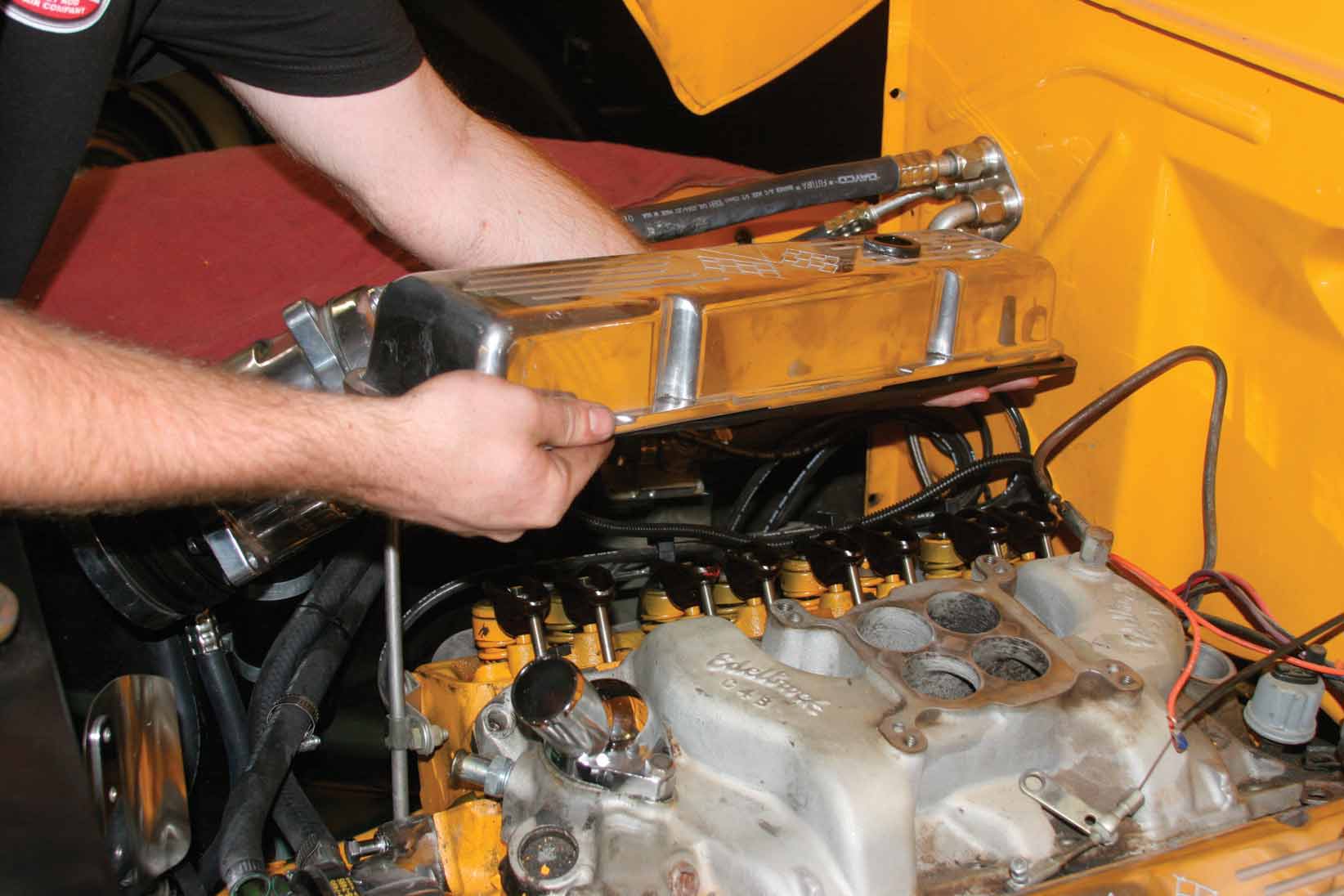
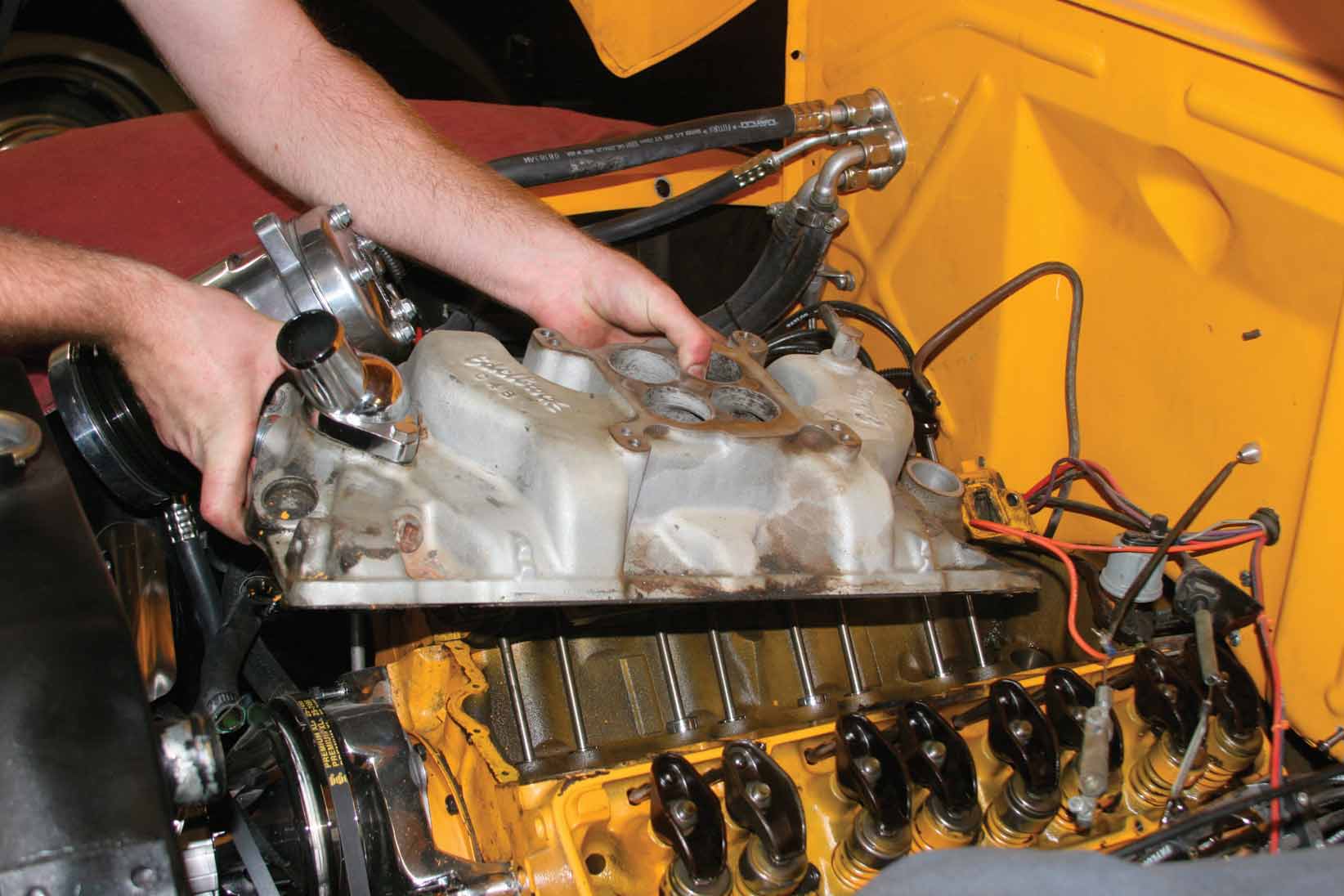
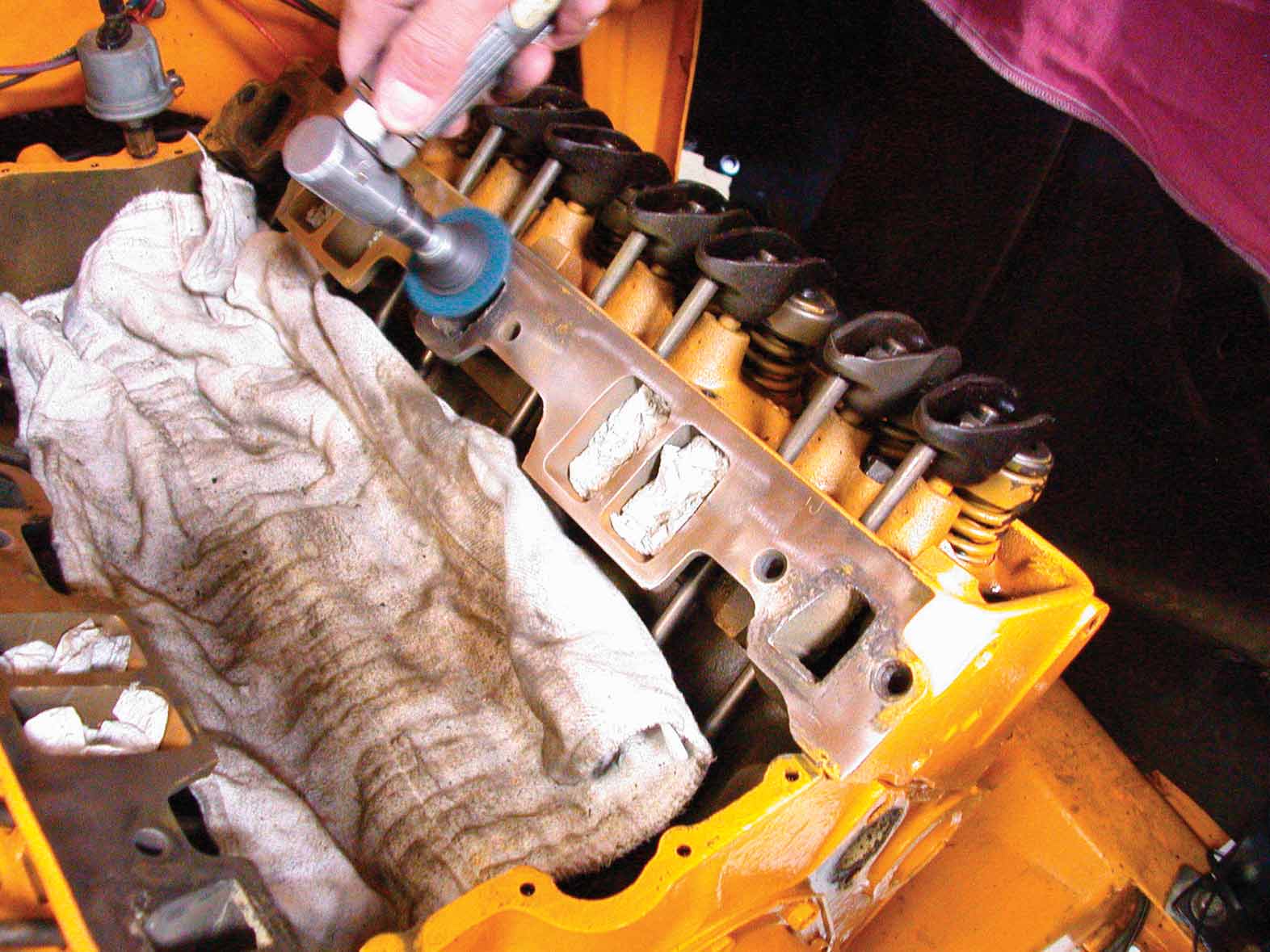
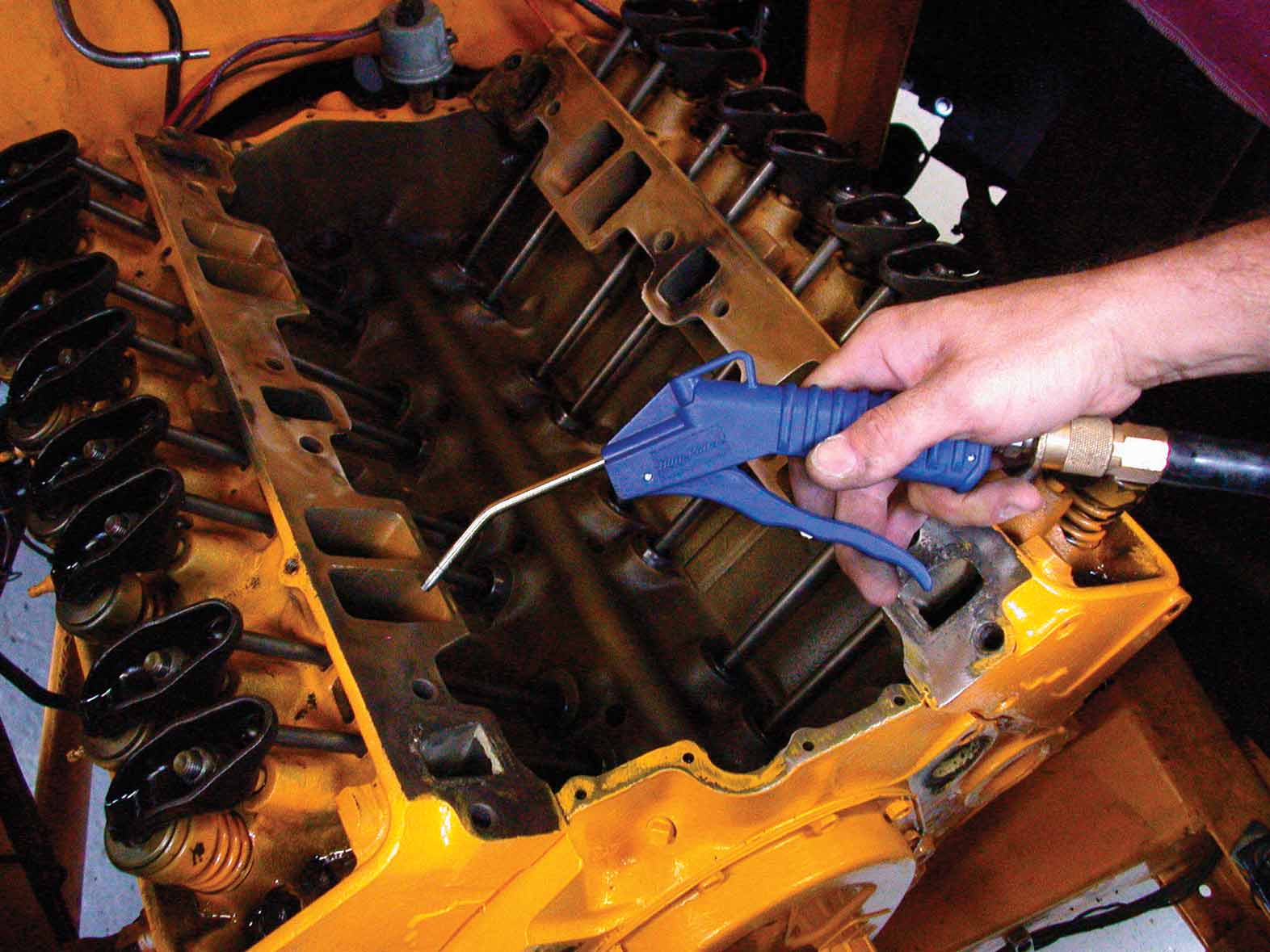
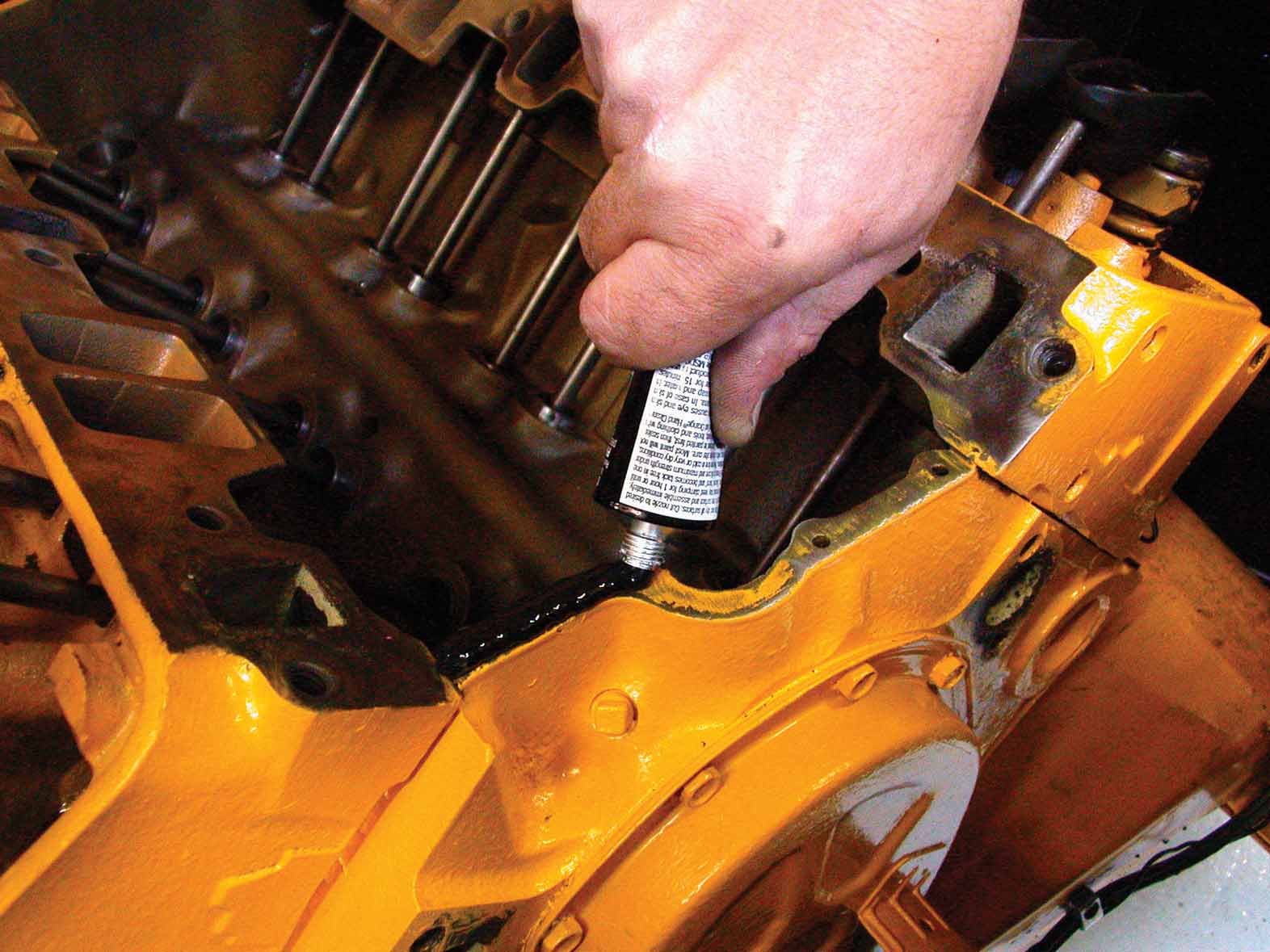
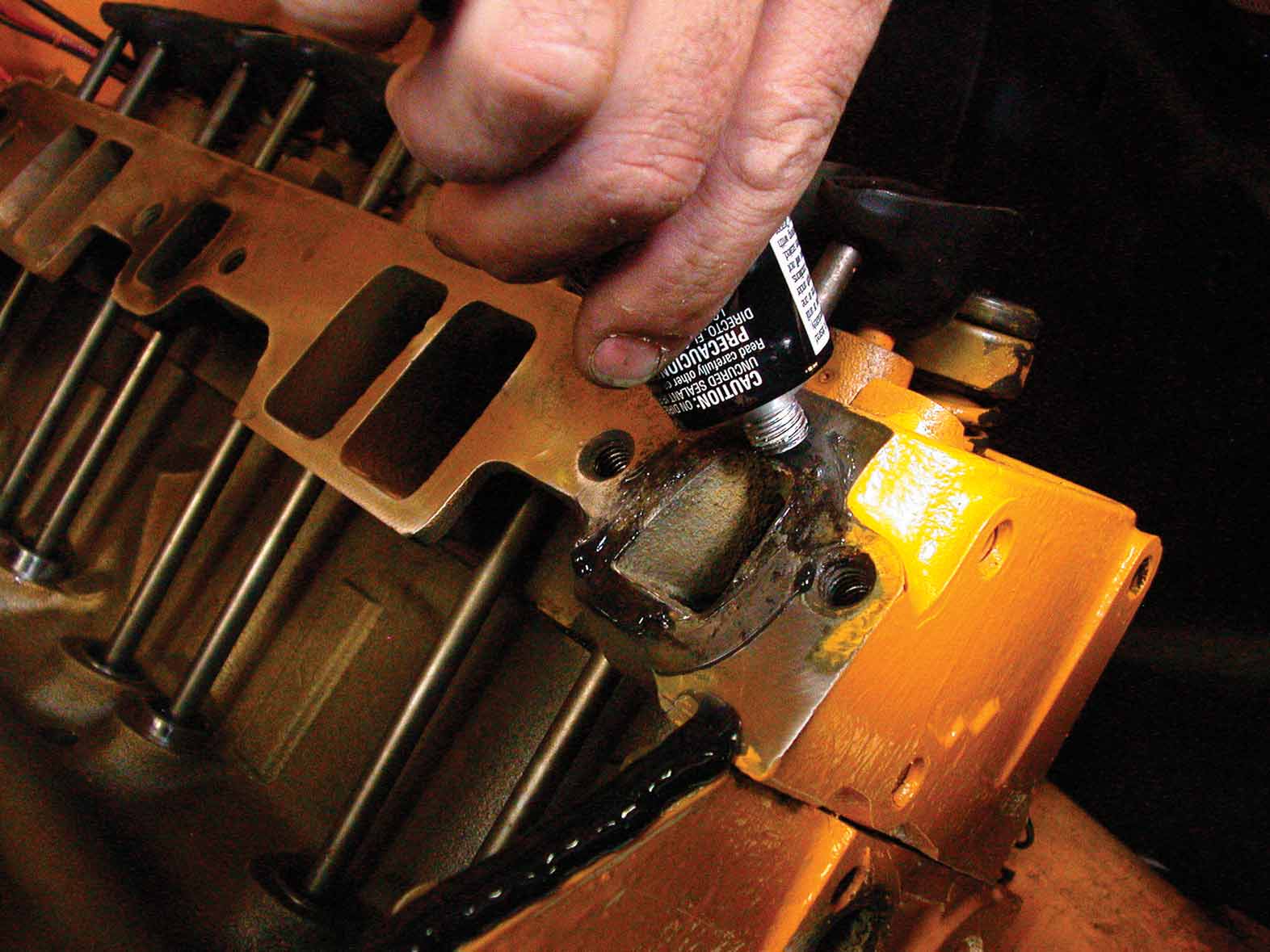
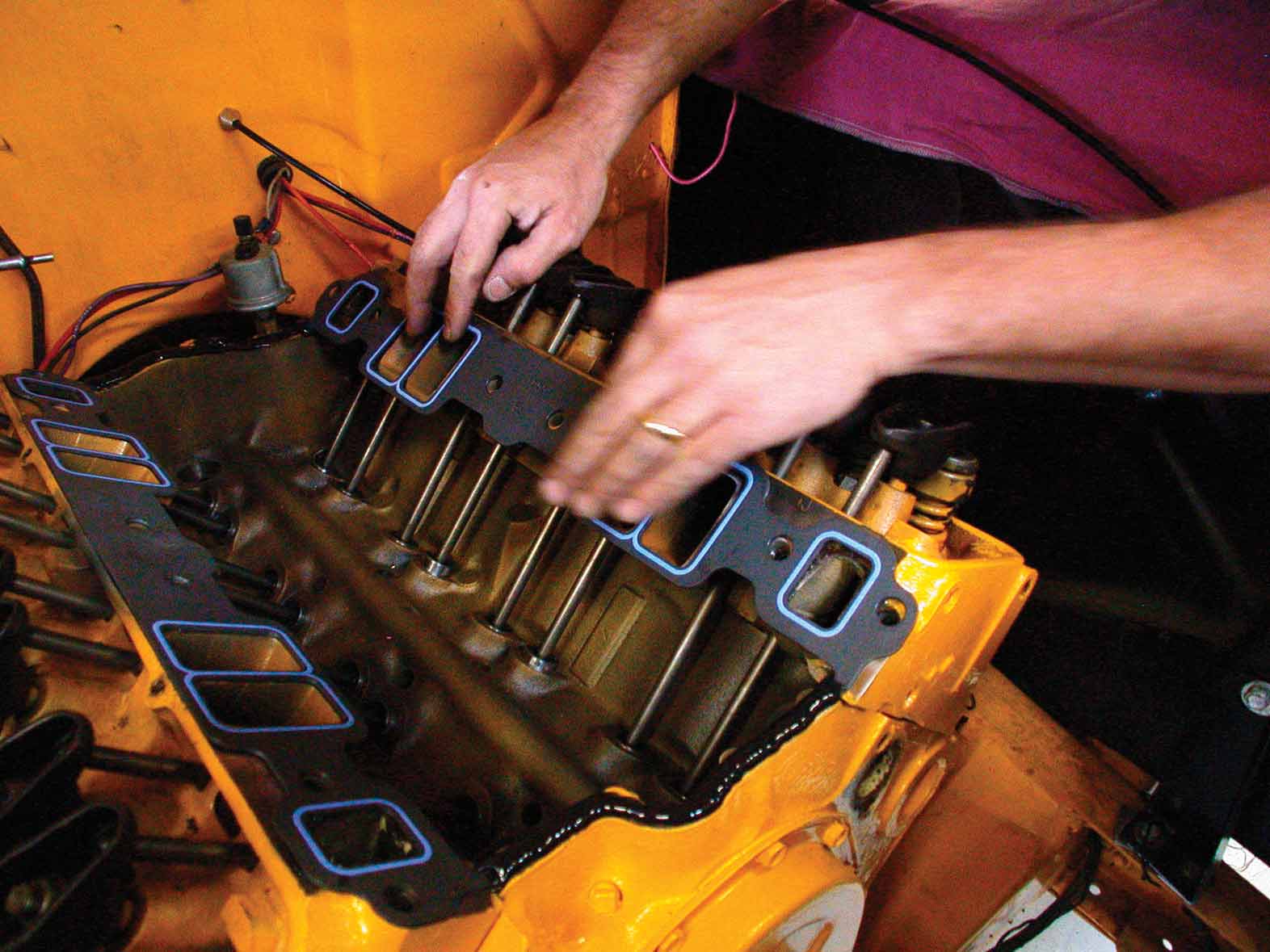
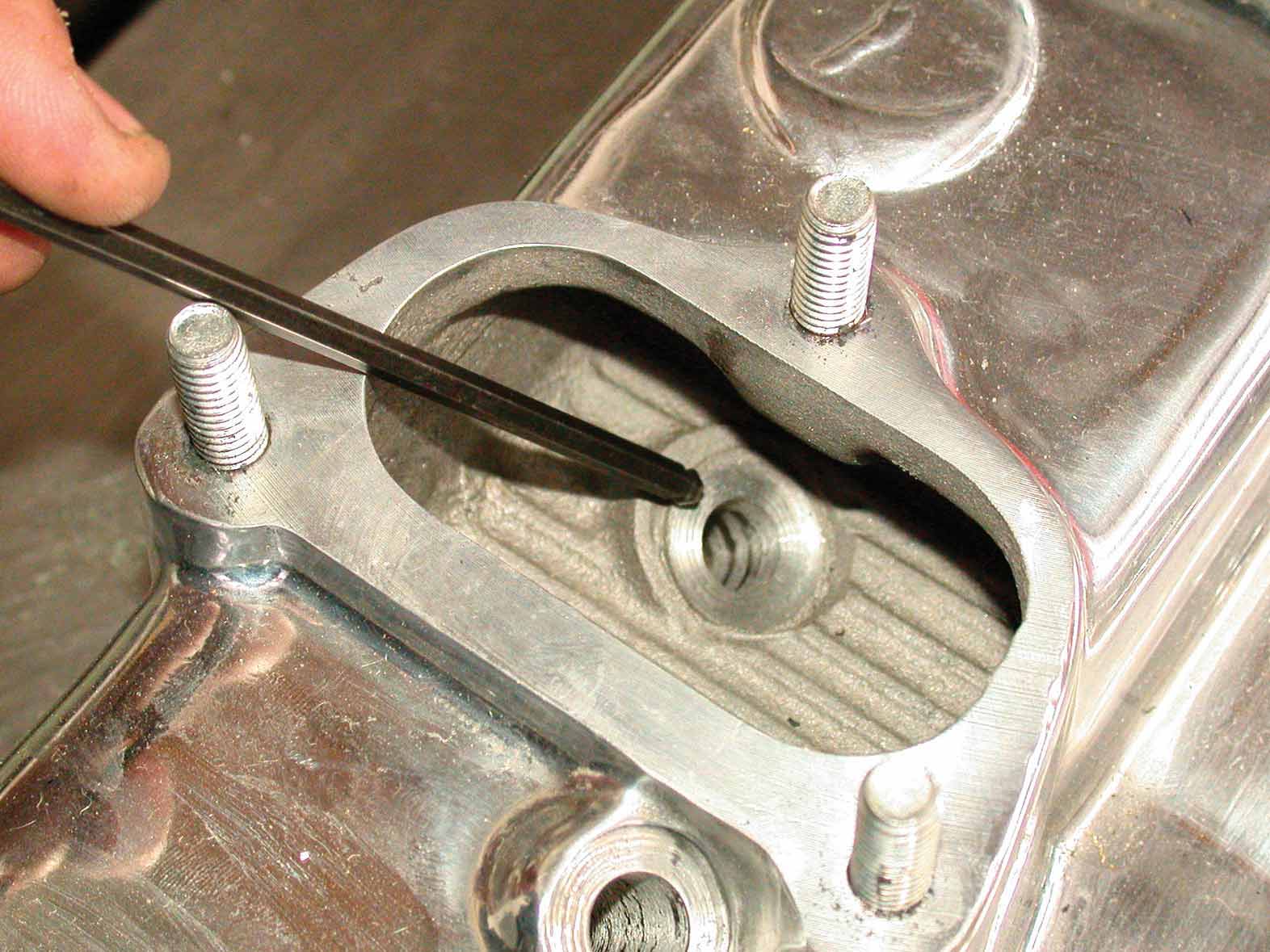
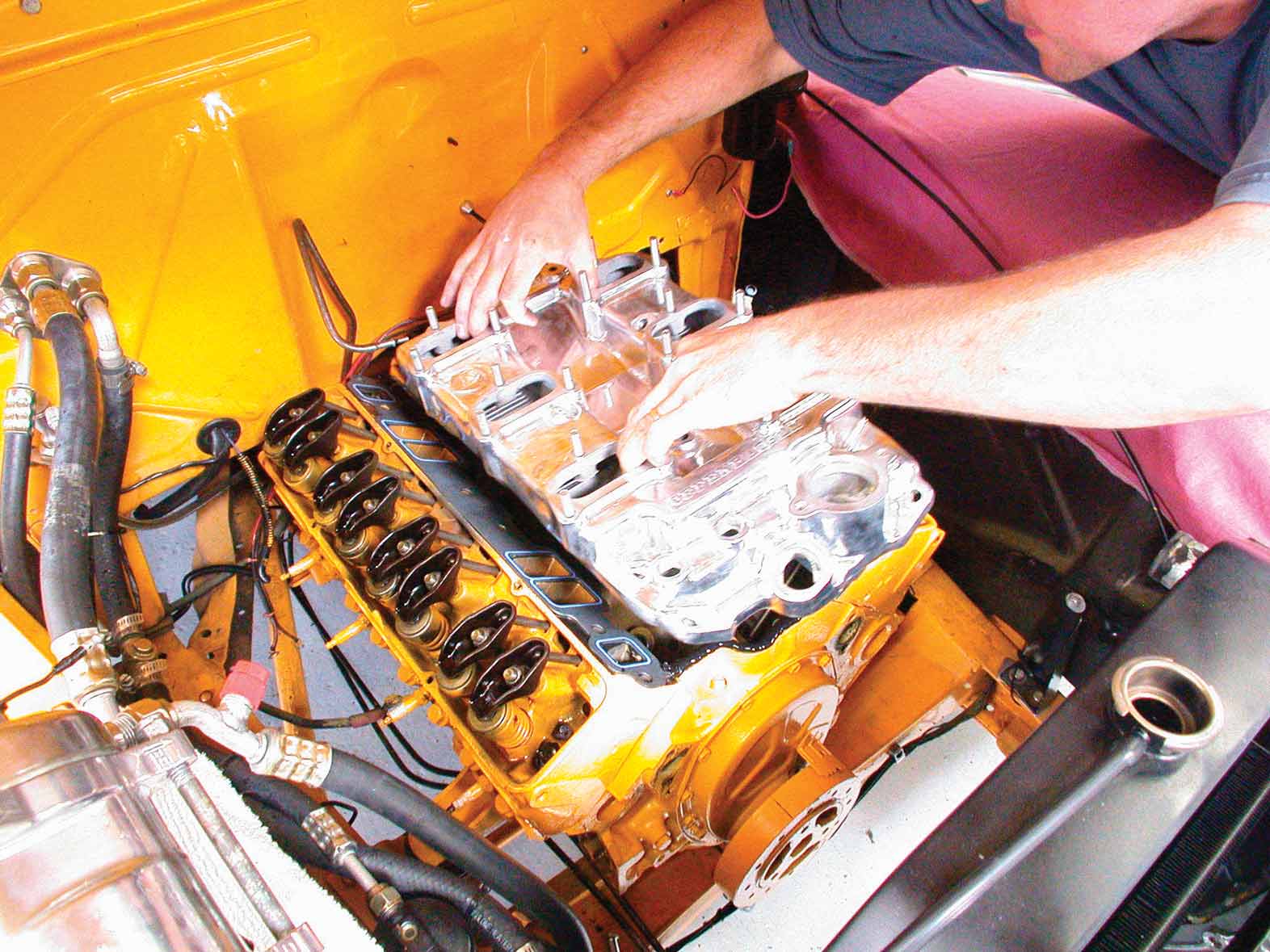
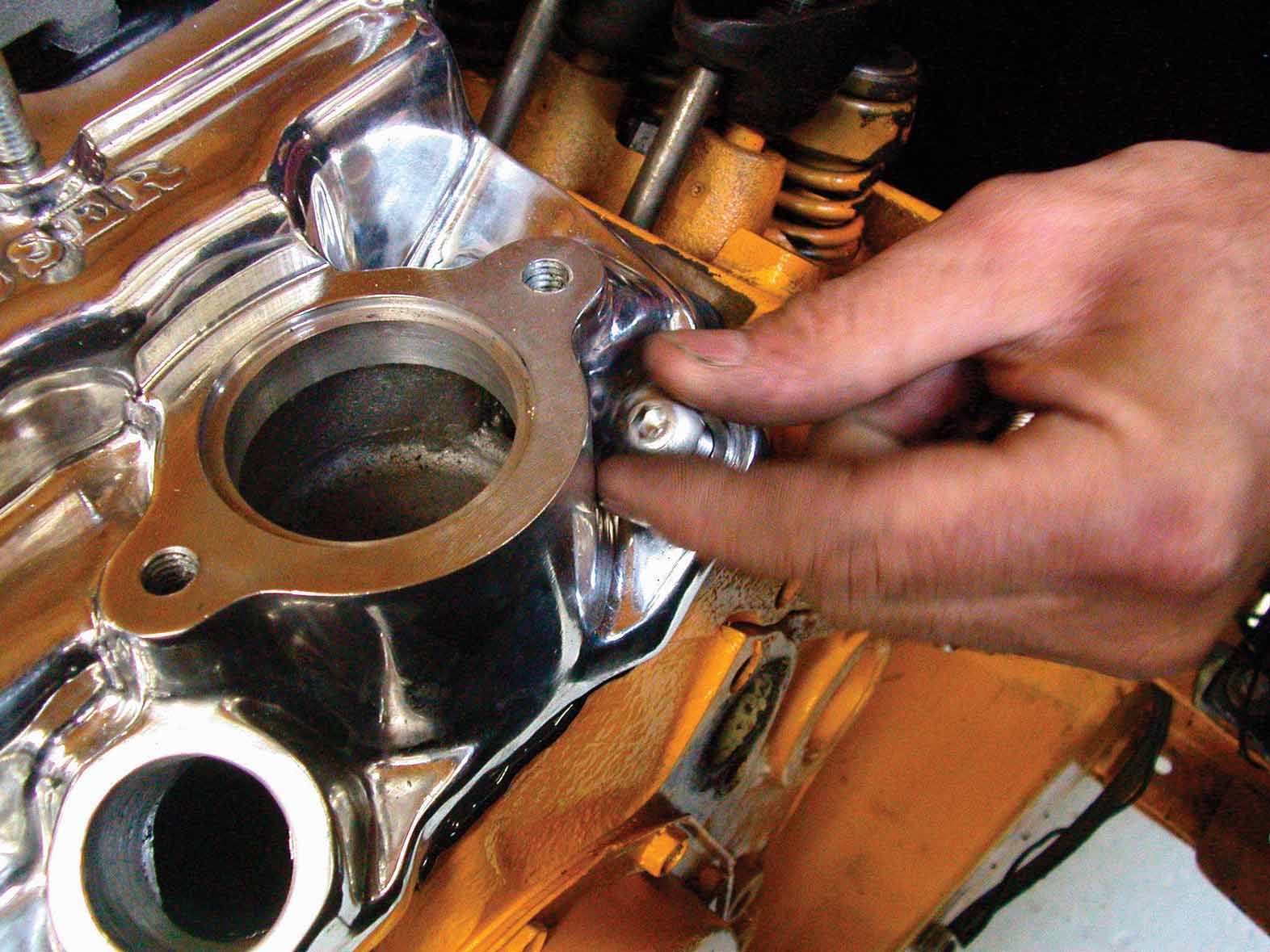
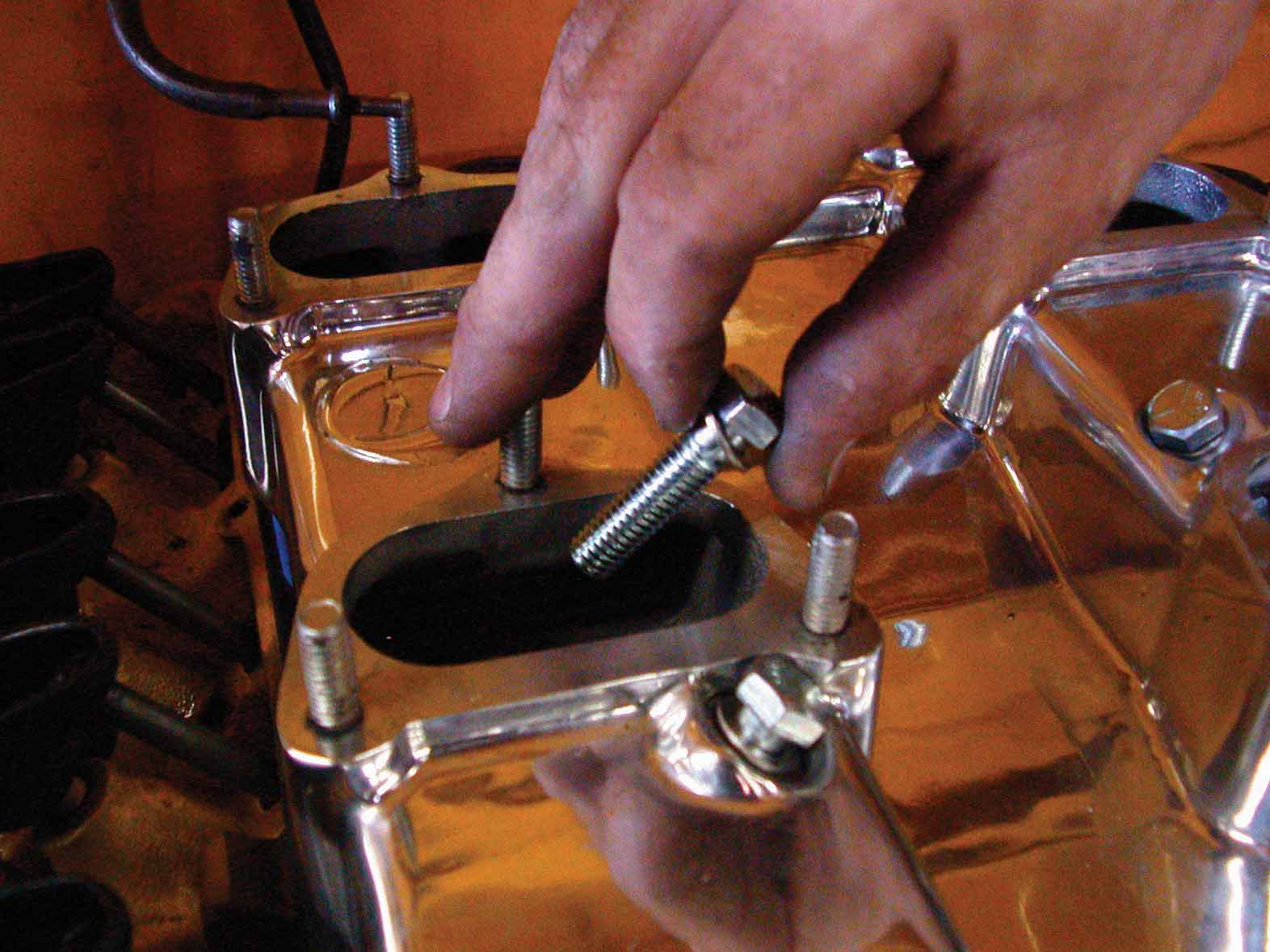
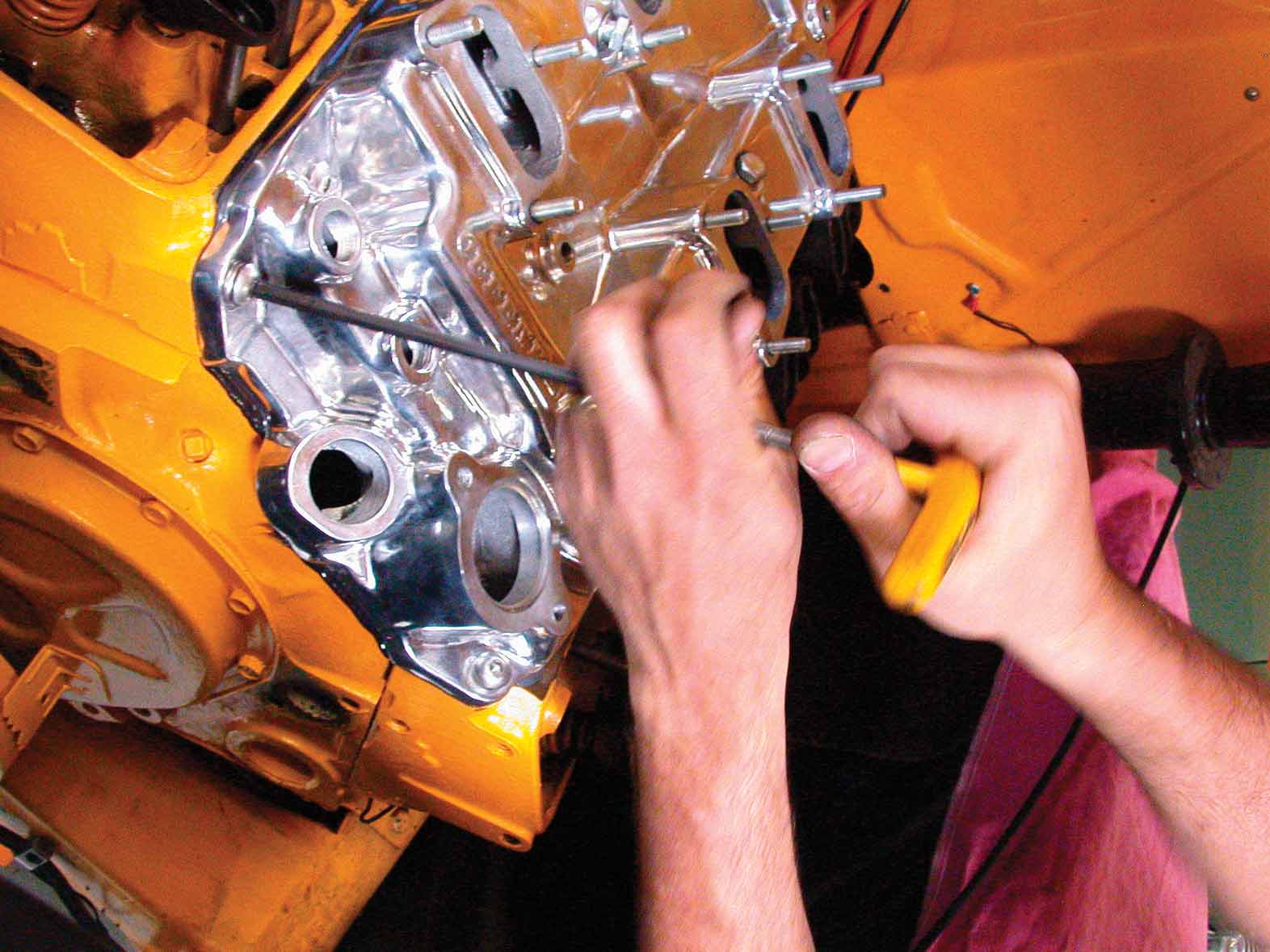
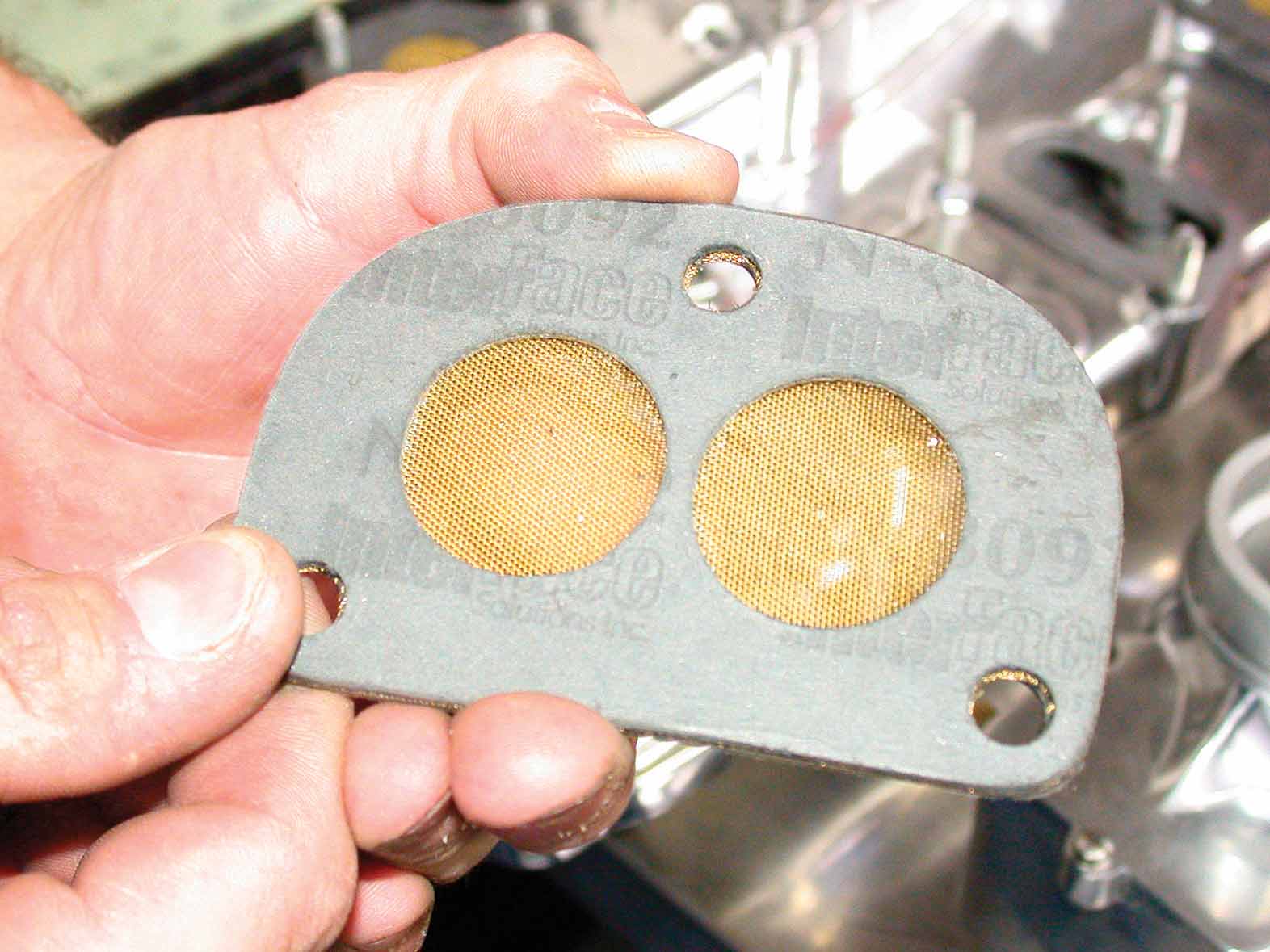
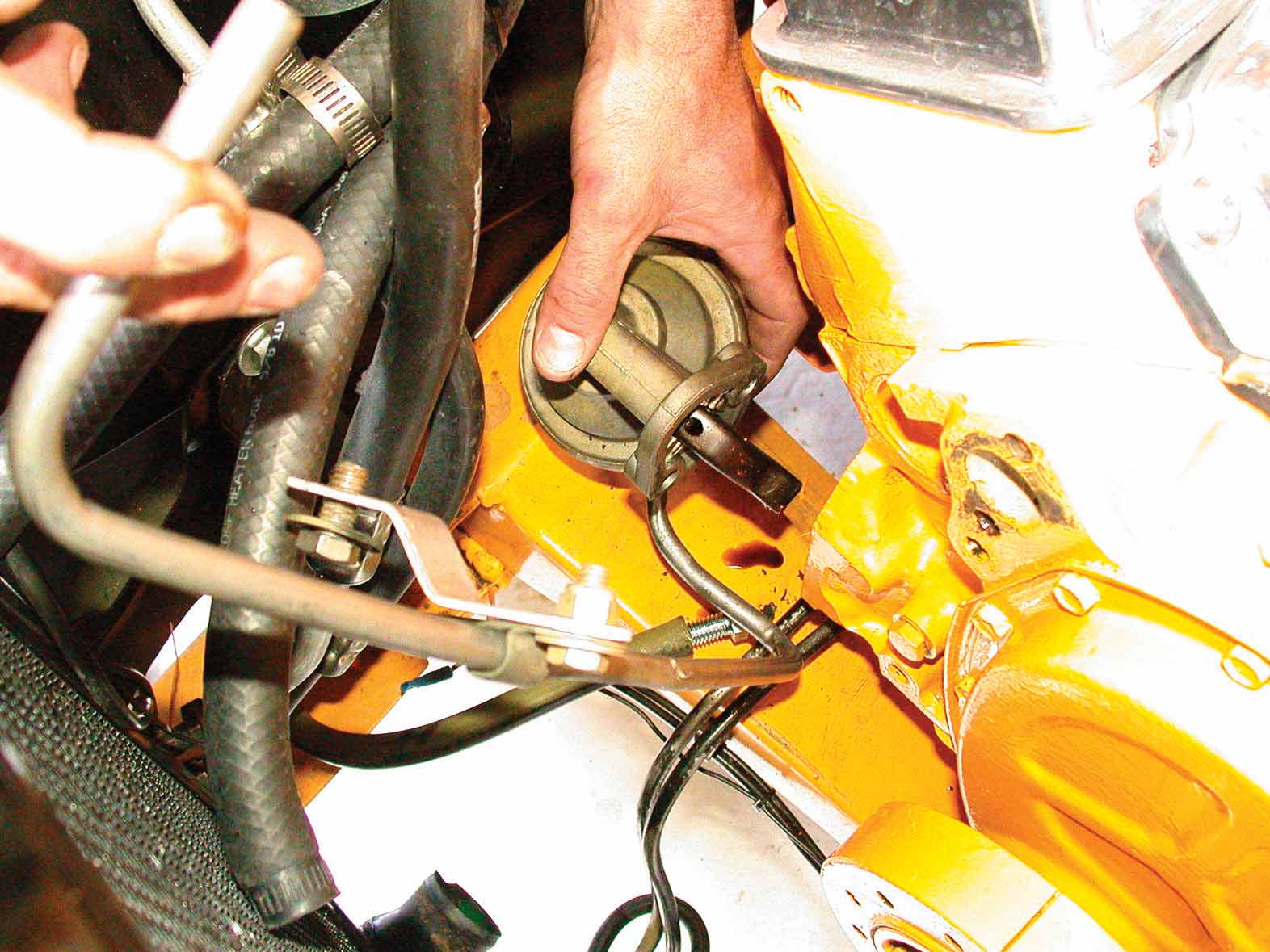
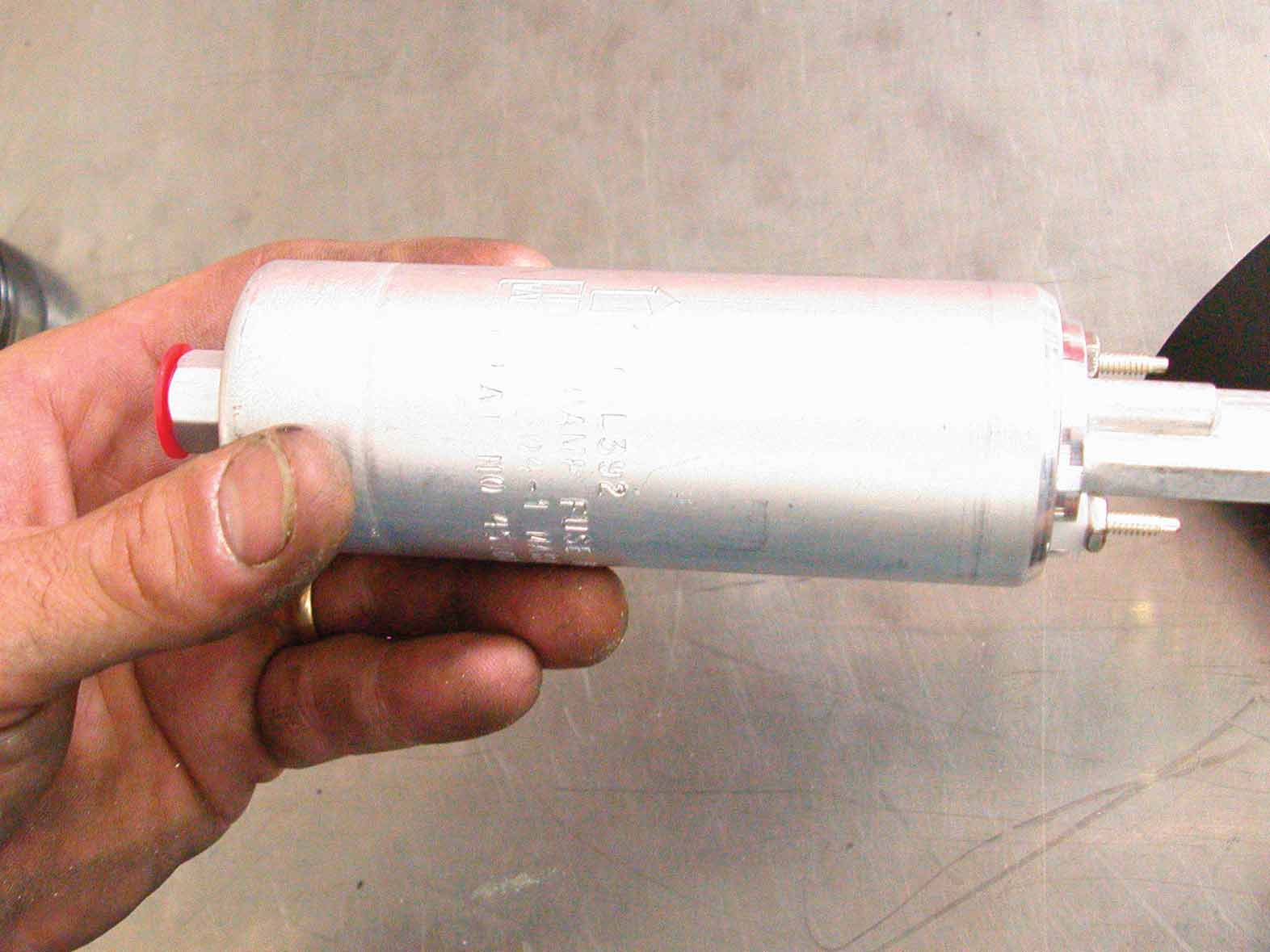
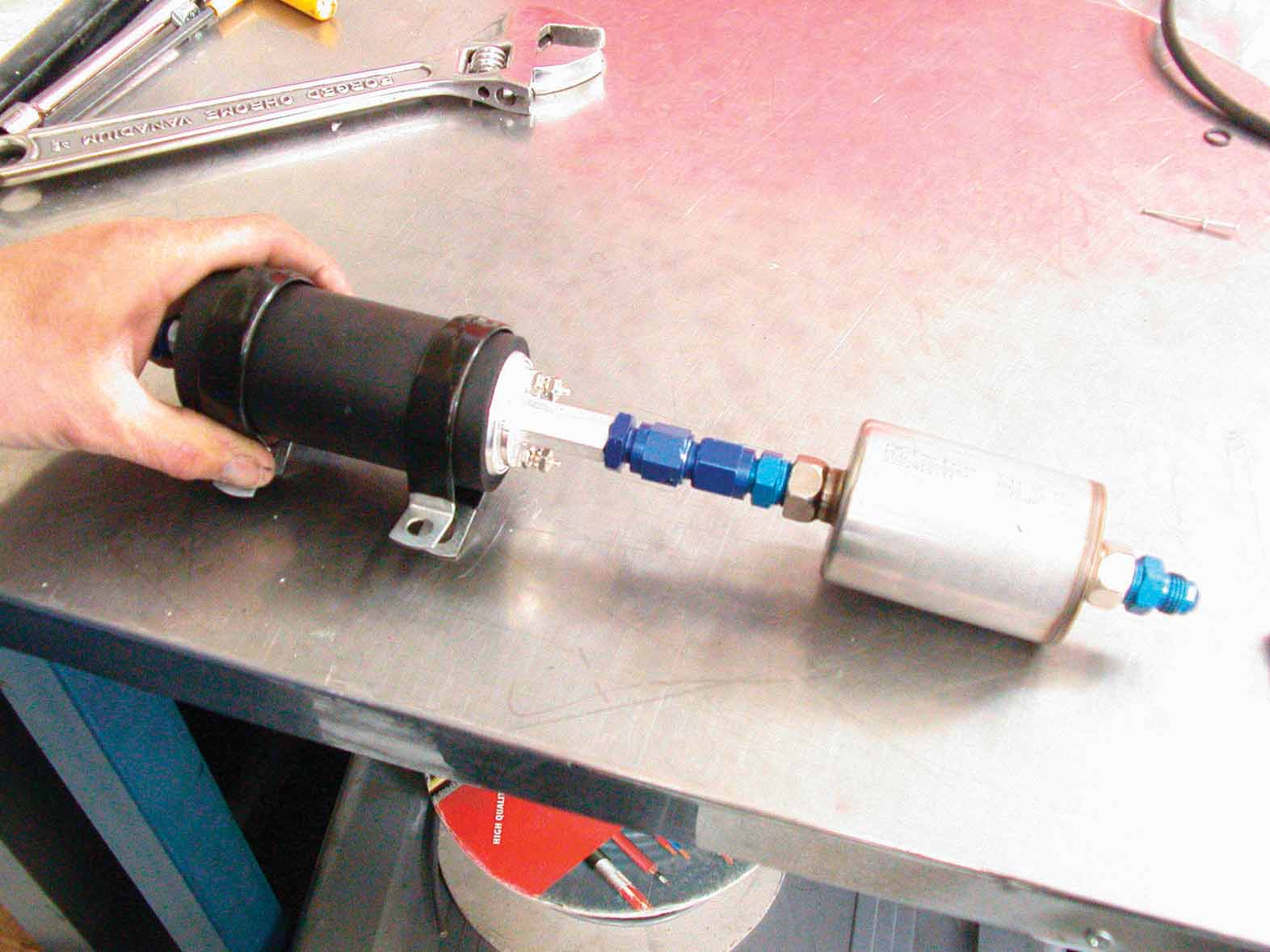
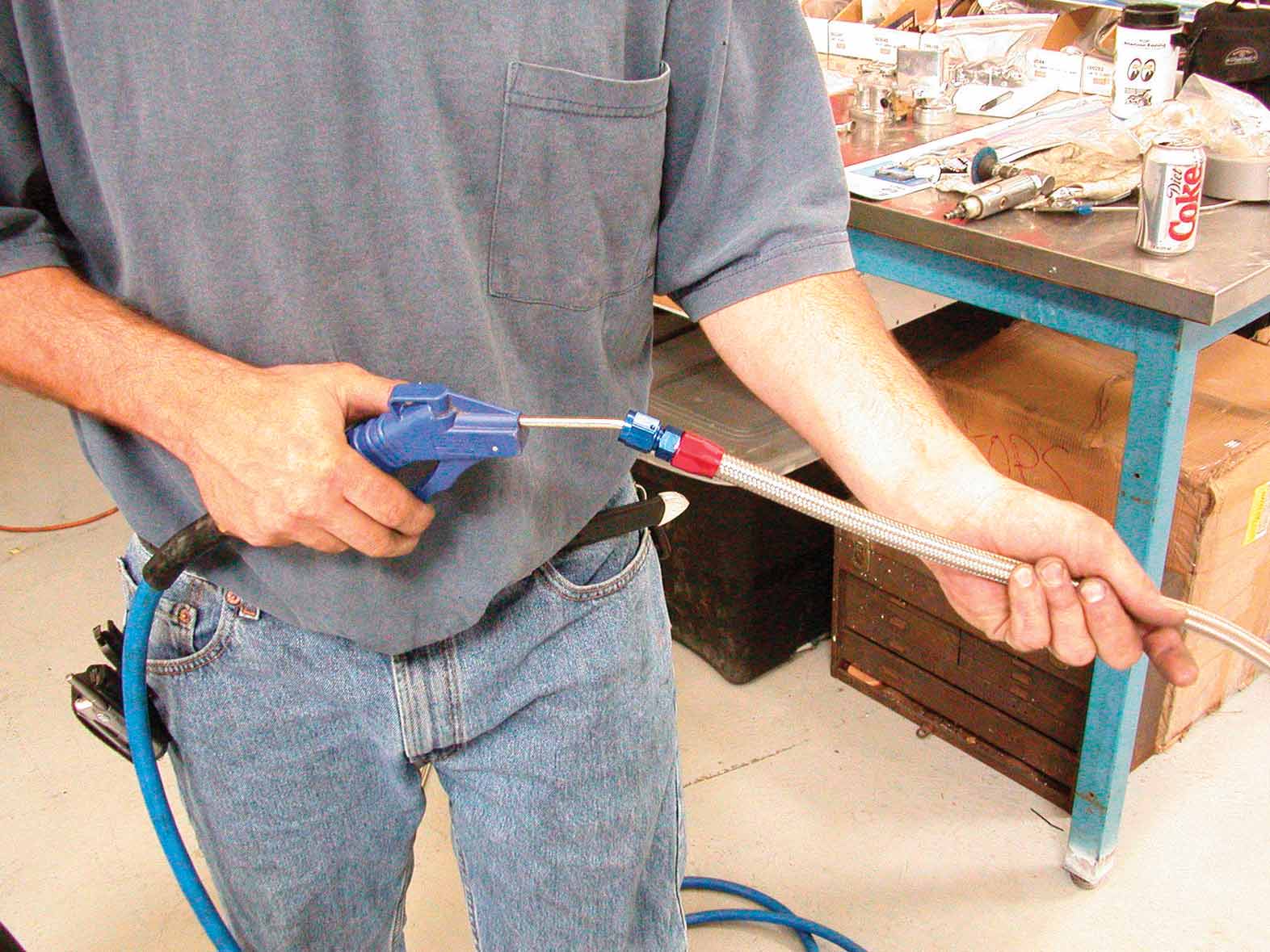
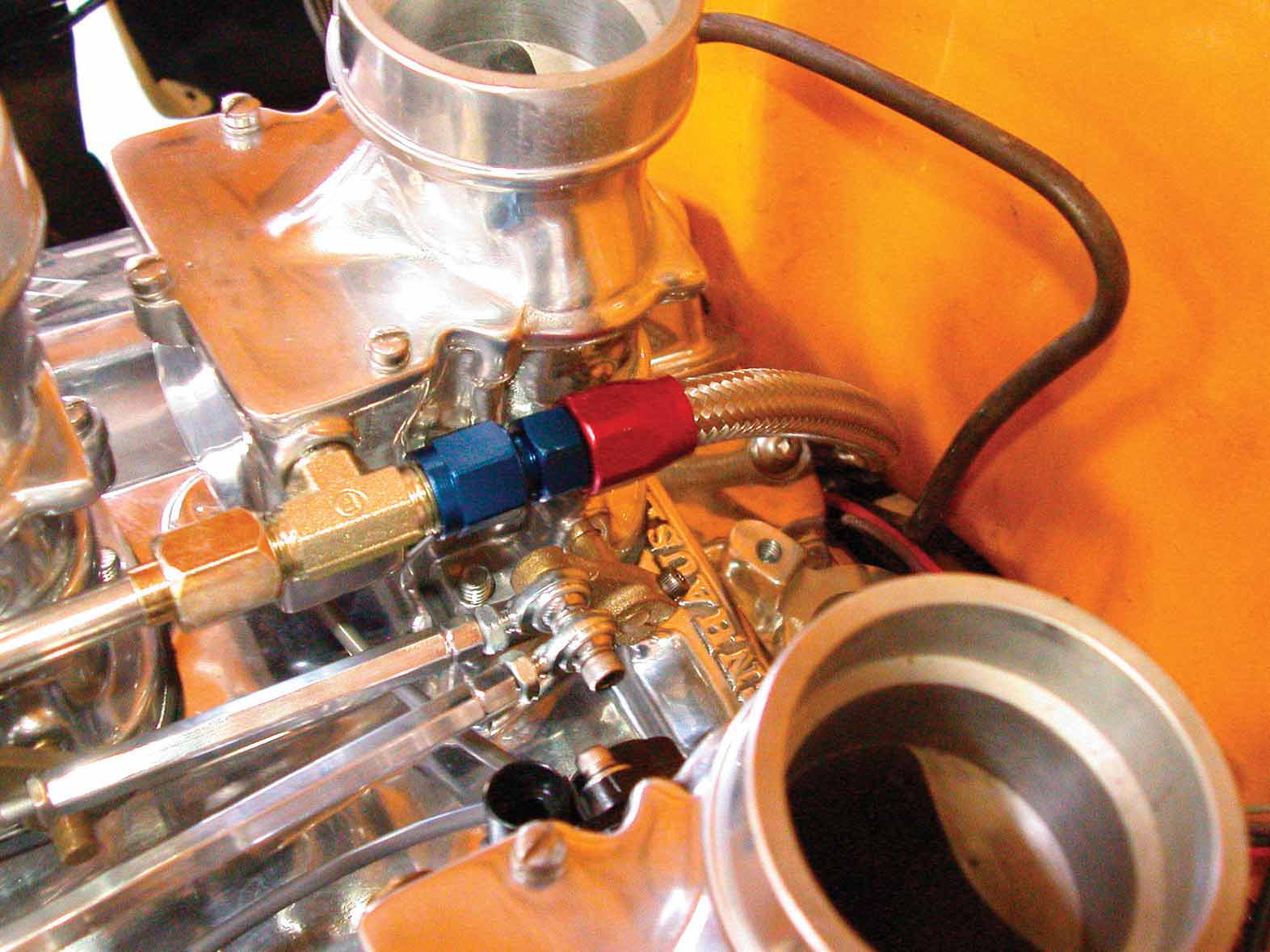
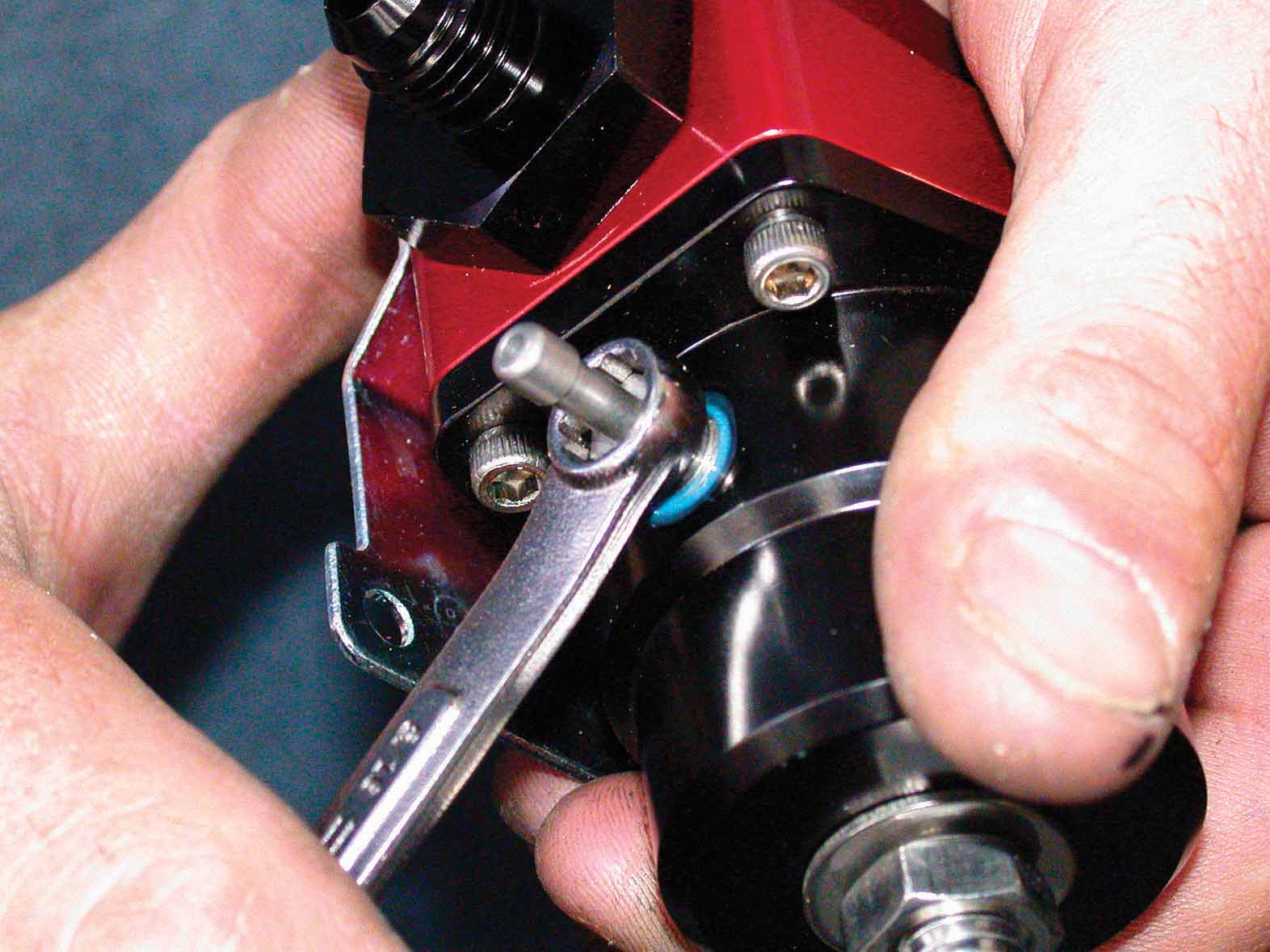
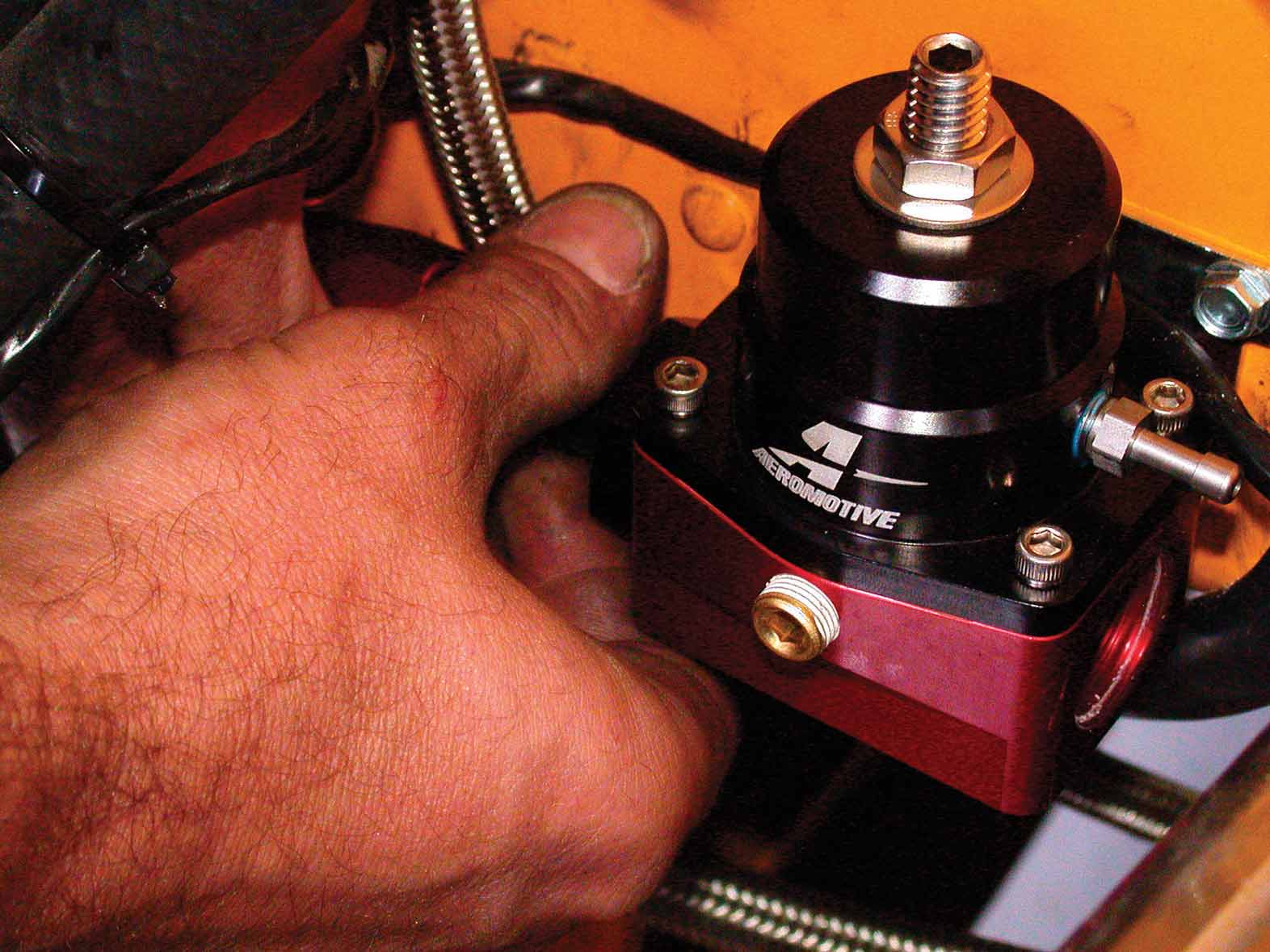
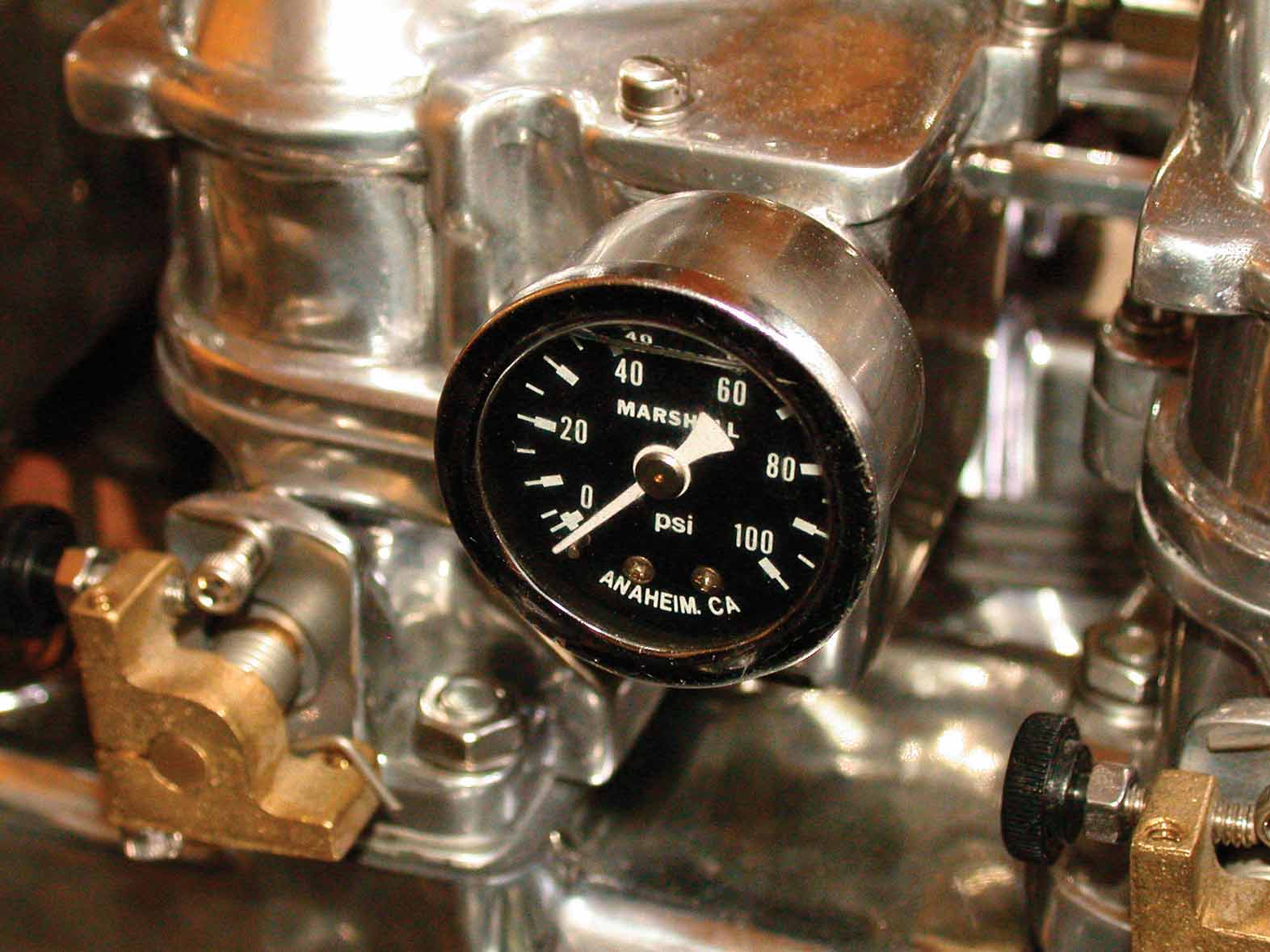
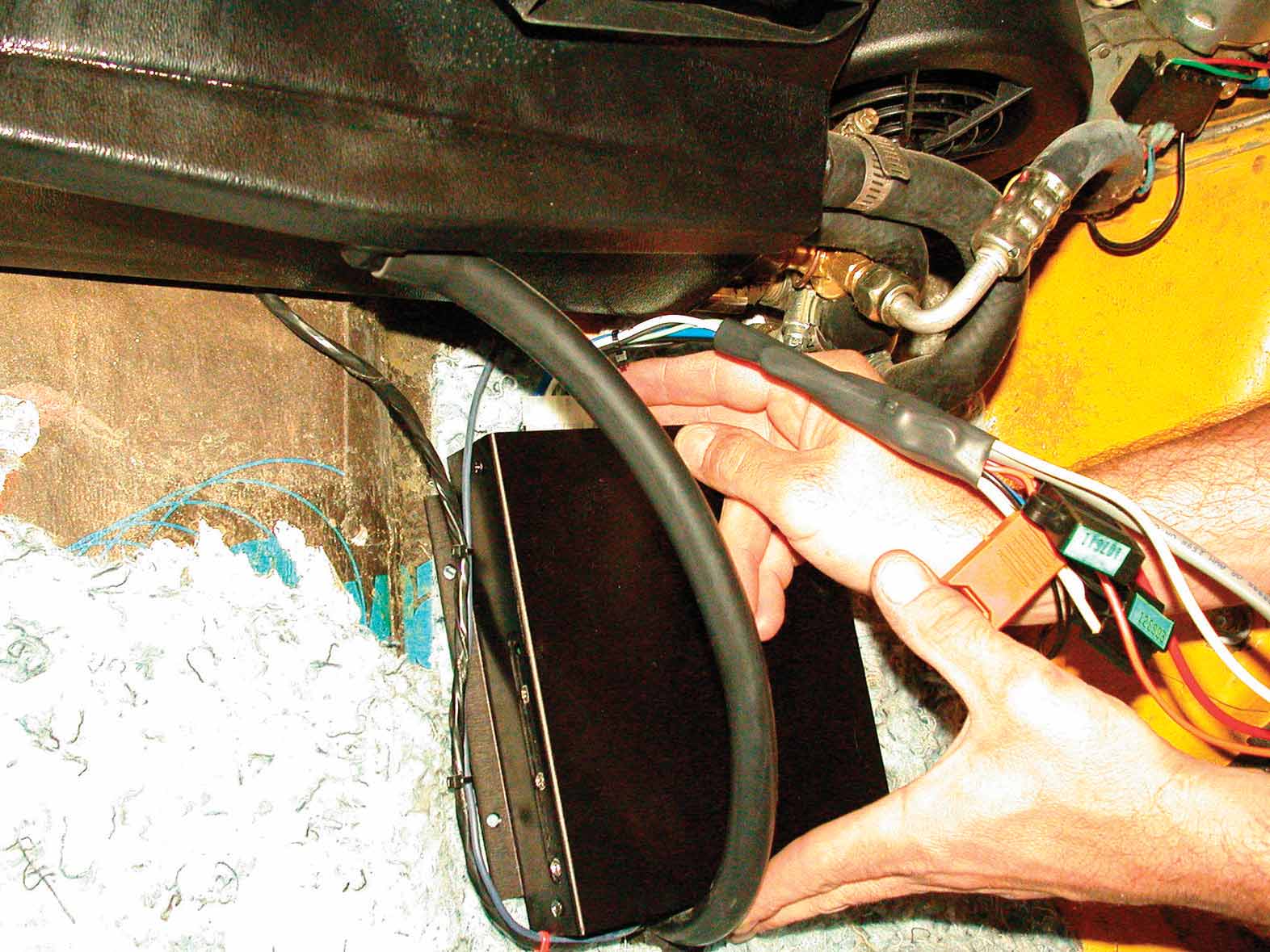
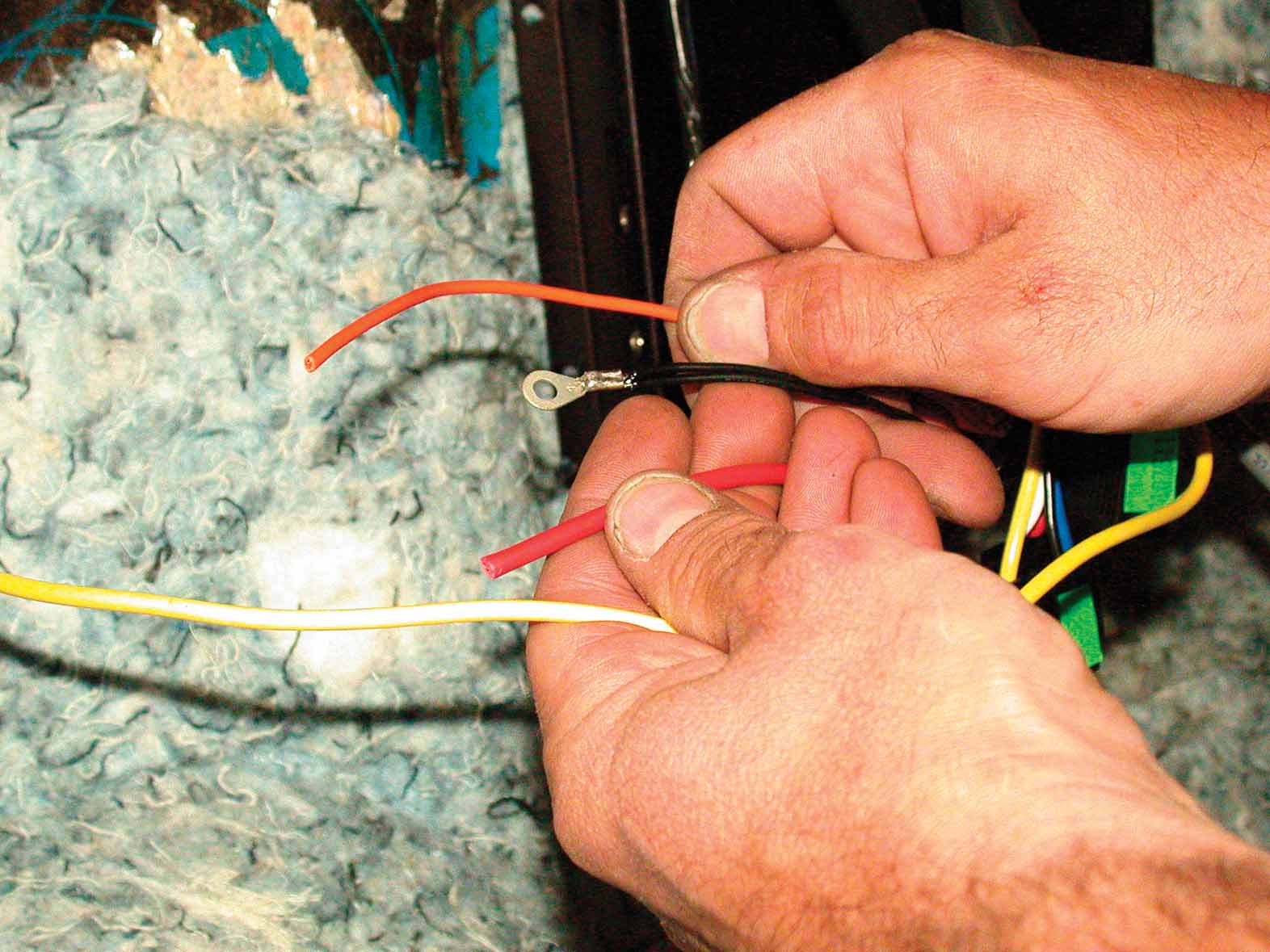
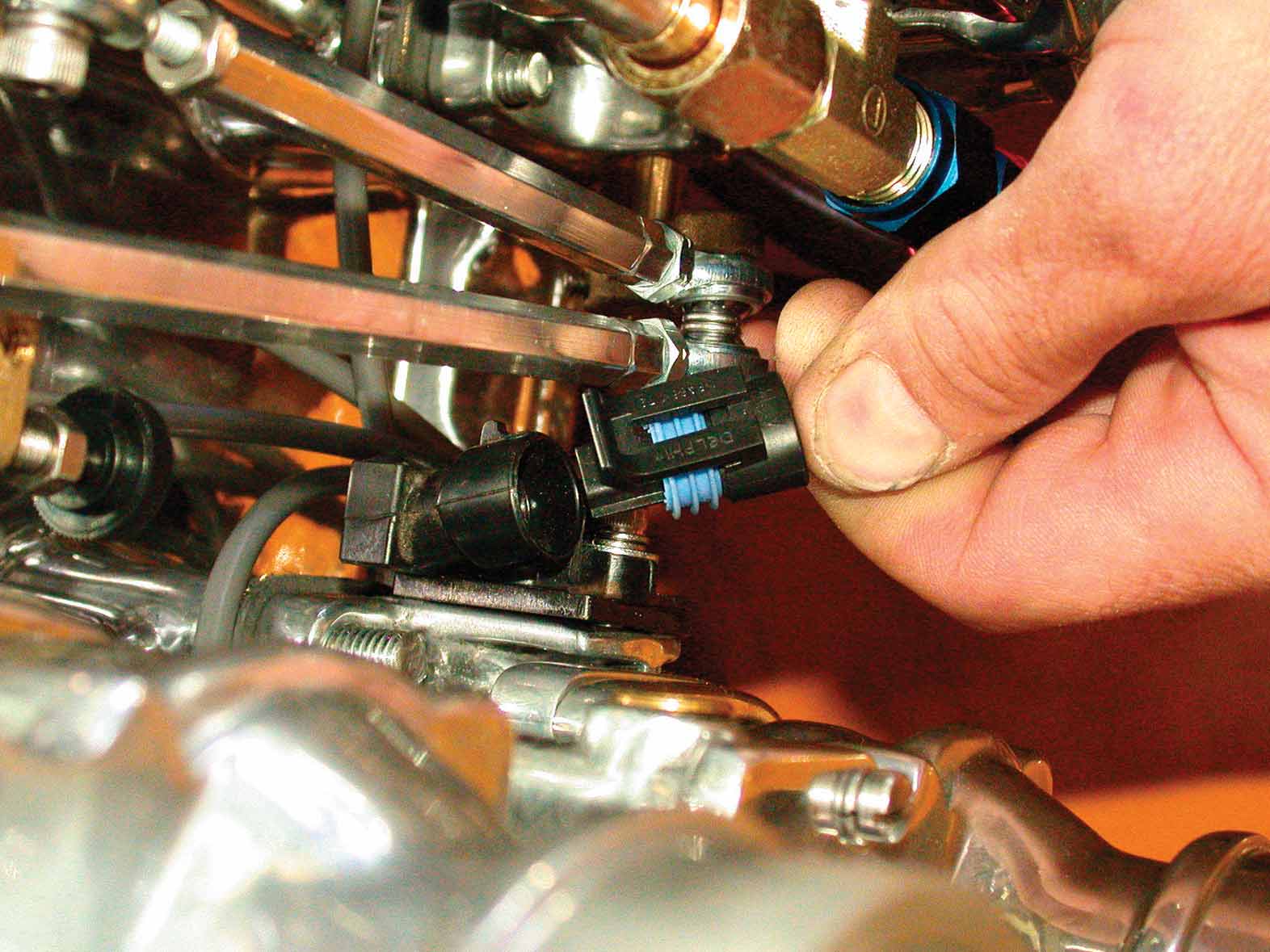
We were on hand as the crew at Barry White s Street Rod Repair Company installed the system onto this 40 Ford pickup. The truck has been equipped with a Chevy engine, but the Retro Tek system will work on any engine. The install took only about half a day, and it is one that most folks can do in their own garages.
Retro Tek is a family-owned business with Ken as the engineer, Susan Farrell handling the phones and computer programming, and Ken, Jr. and Rebecca helping out where they can.
ARTICLE SOURCES
Barry's Speed Shop
(Barry White's Street Rod Repair Co.)
1640 Commerce St.
Corona, CA 92880
(951) 273-9284
RetroTec
12705 S. Van Ness Ave
Hawthorne, CA 90250
(323) 599-5032