



THE AUTO BUILDER
Featured

GOING AFTERMARKET
You’ve probably heard those Zen sayings that ask questions like, “What is the sound of one hand clapping?” or, “If a tree falls in the forest and no one hears it, does it make a sound?” Those particular questions may be a little weighty for the scope of this article, but Ford’s new Vehicle Personalization plan has us asking a few questions of our own.

CHECKING AND CONTAINING FLUIDS
Fluids are the lifeblood of the vehicle. We need to contain those fluids yet still be able to monitor the fluid levels. Our older readers can remember the days before aftermarket flexible dipsticks or silicone caulk were available. The only option in those days was to use an OEM dipstick and dipstick tube. If you needed to shorten the tube, a hacksaw was the tool of choice. If you cut 4 inches off the tube, you then cut 4 inches off the dipstick and ground a couple of notches in the side of the dipstick to note “full” and “add.” Gaskets could be sealed with Permatex, but they had to be used as there was no such option of placing a bead of silicone caulk on the mating surface and assembling the parts.
RESURRECTION
While cruising down an old Southern Virginia back road some 38 years ago, Ted Hayes, along with a couple of local friends, happened upon a well-worn ’37 Chevy Master Deluxe coupe. Now, mind you, it looked nothing like the gem here. It had original paint, and the interior had seen better days, but it was complete and running. At some time during its life, the Chevy had received a 327 and a four-speed trans, a familiar combination for a vintage car during the 1960s.
Spotlighter
POPULAR READS
-
Product Spotlight: Bill Mitchell Products Aluminum LS Engine Block
-
PRODUCT SPOTLIGHT: 60-66 Chevy C10 Fresh Air Vent Block Off Plate
-
Product Spotlight: Pyramid Optimized Design Sequential Aurora Taillight for 1964½–1966 Mustang
-
PRODUCT SPOTLIGHT: Cam Covers for GEN/3 Coyote from Pyramid Optimized Design
Patina Power
The Time-Worn Look Is More Popular Than Ever
Author
Garry McWhirter
Words & Photography
Defining Patina in Street Rods
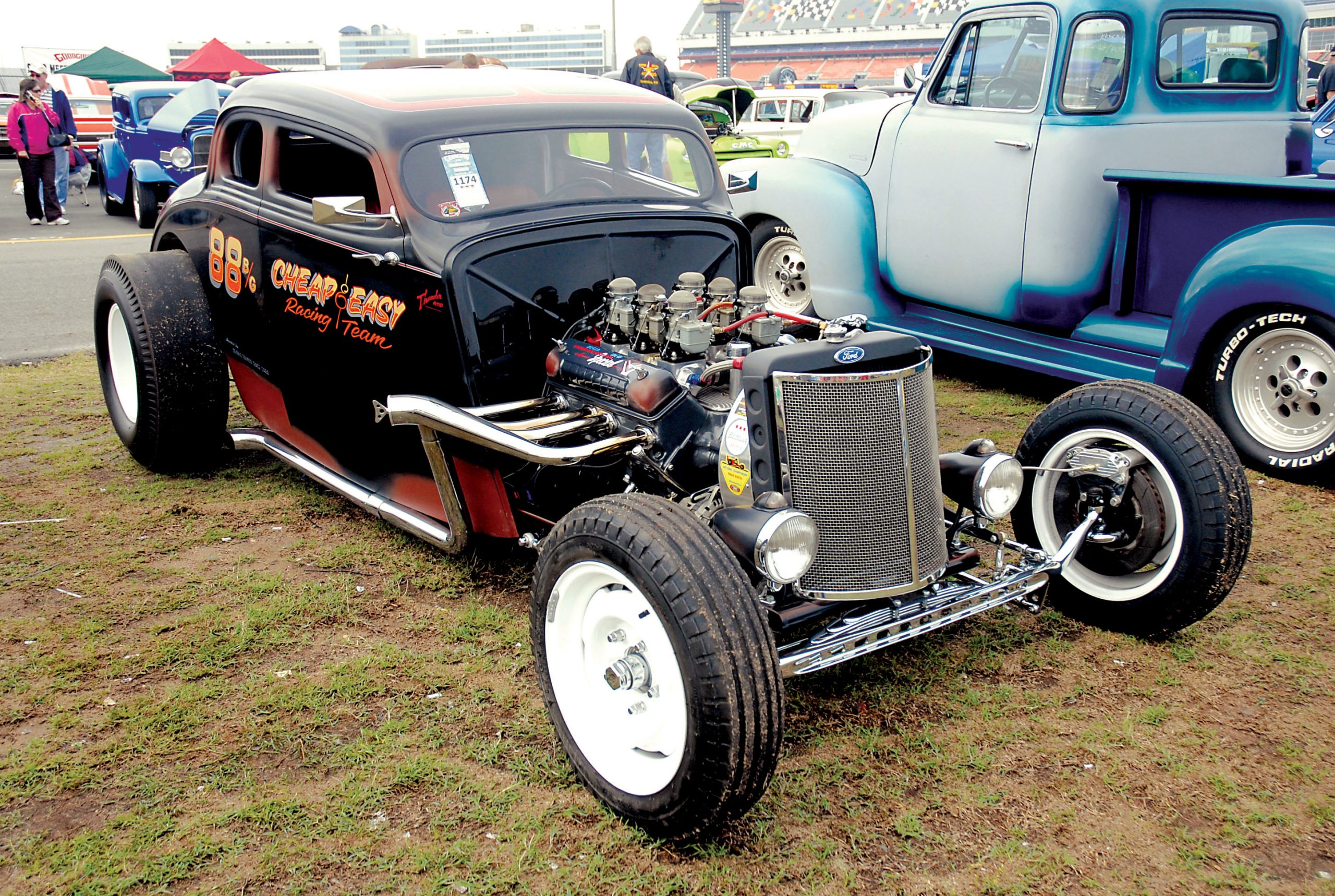
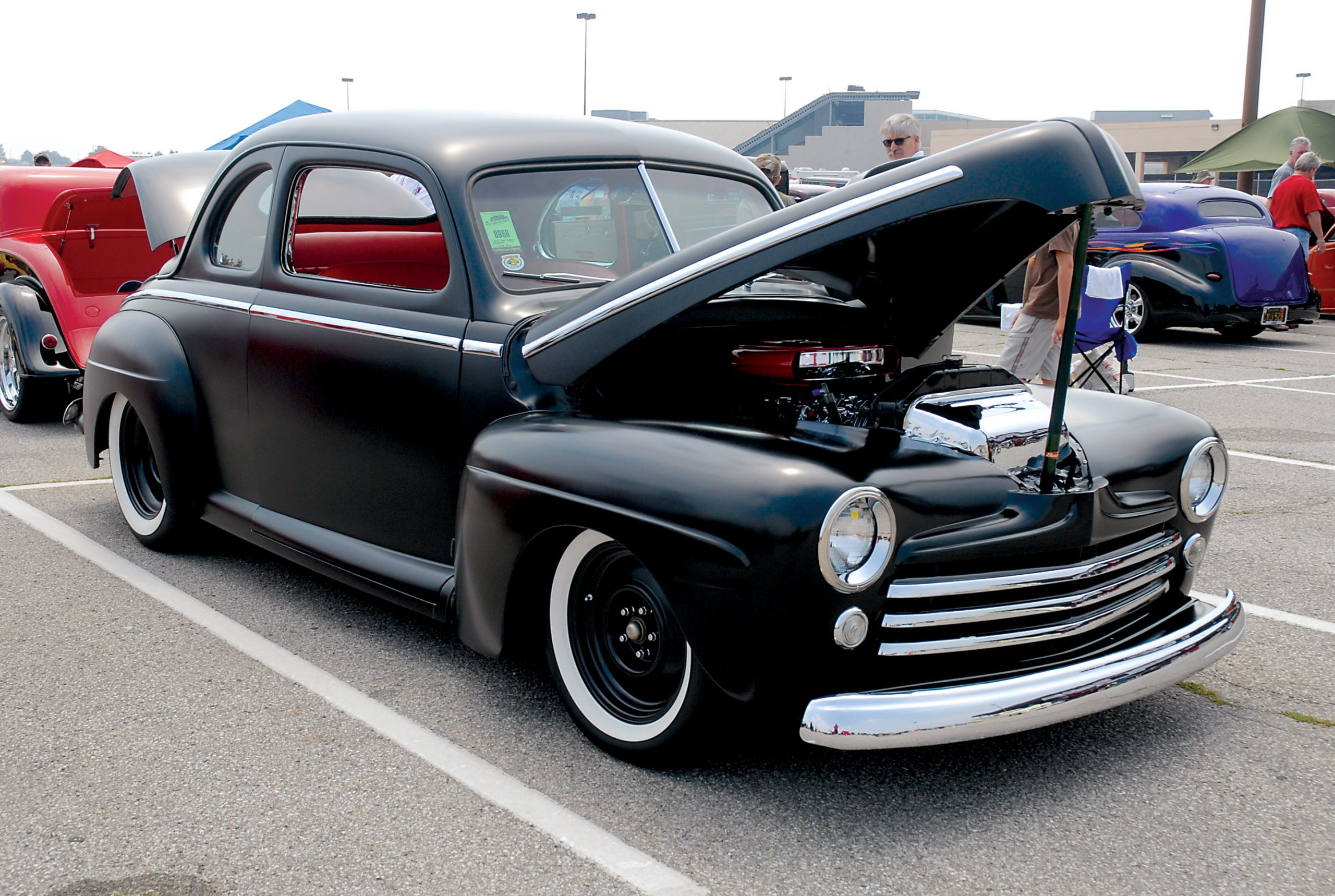
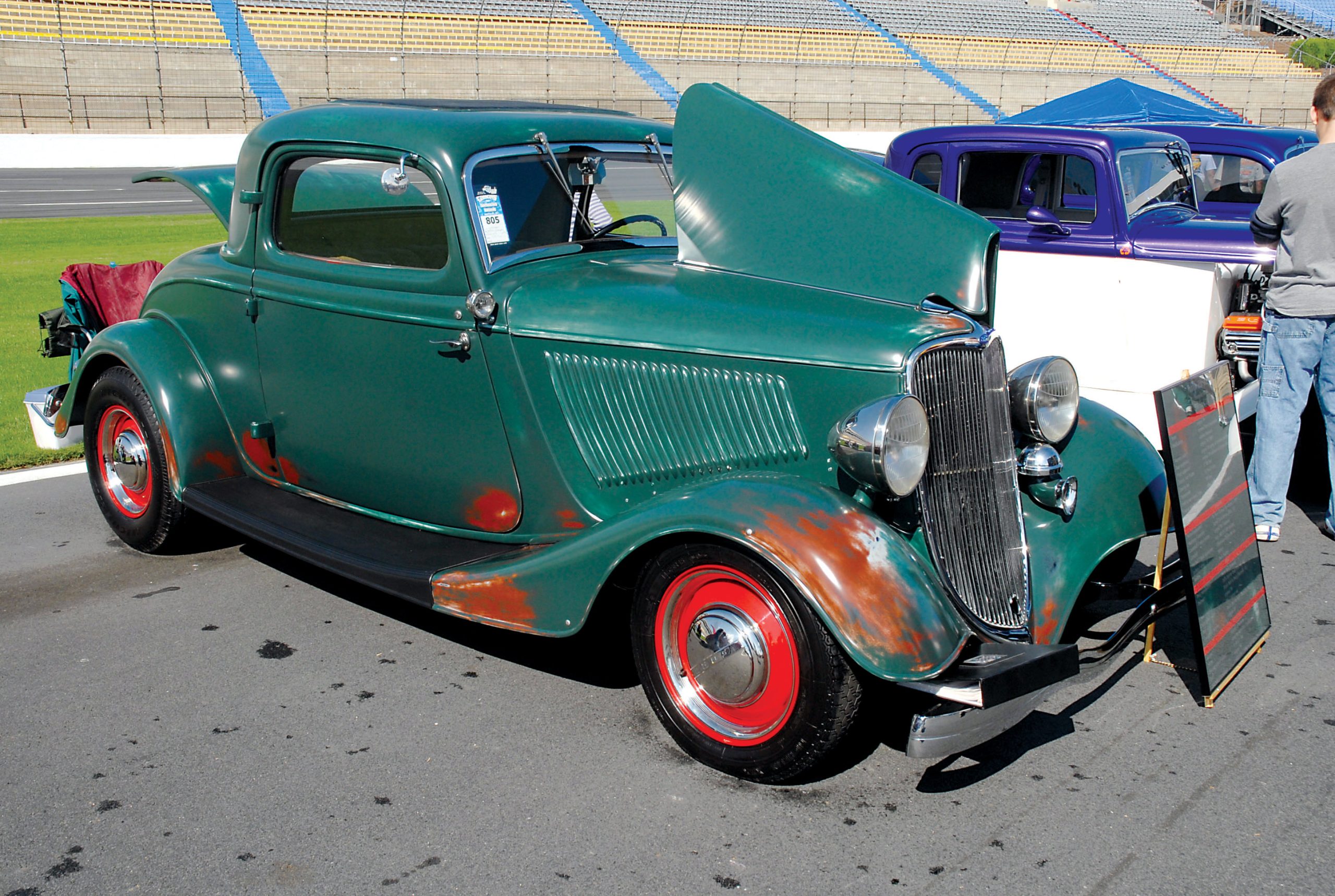
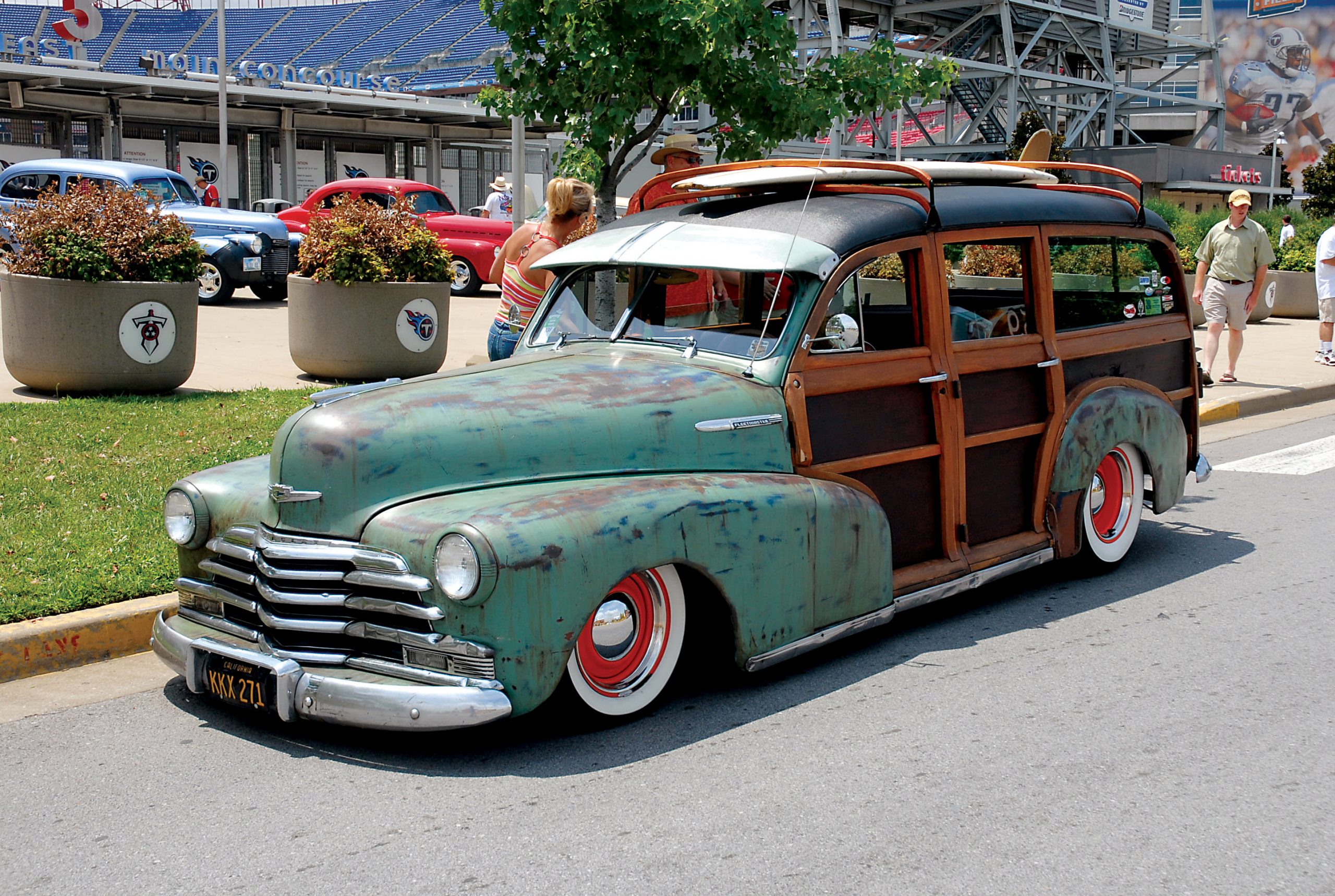
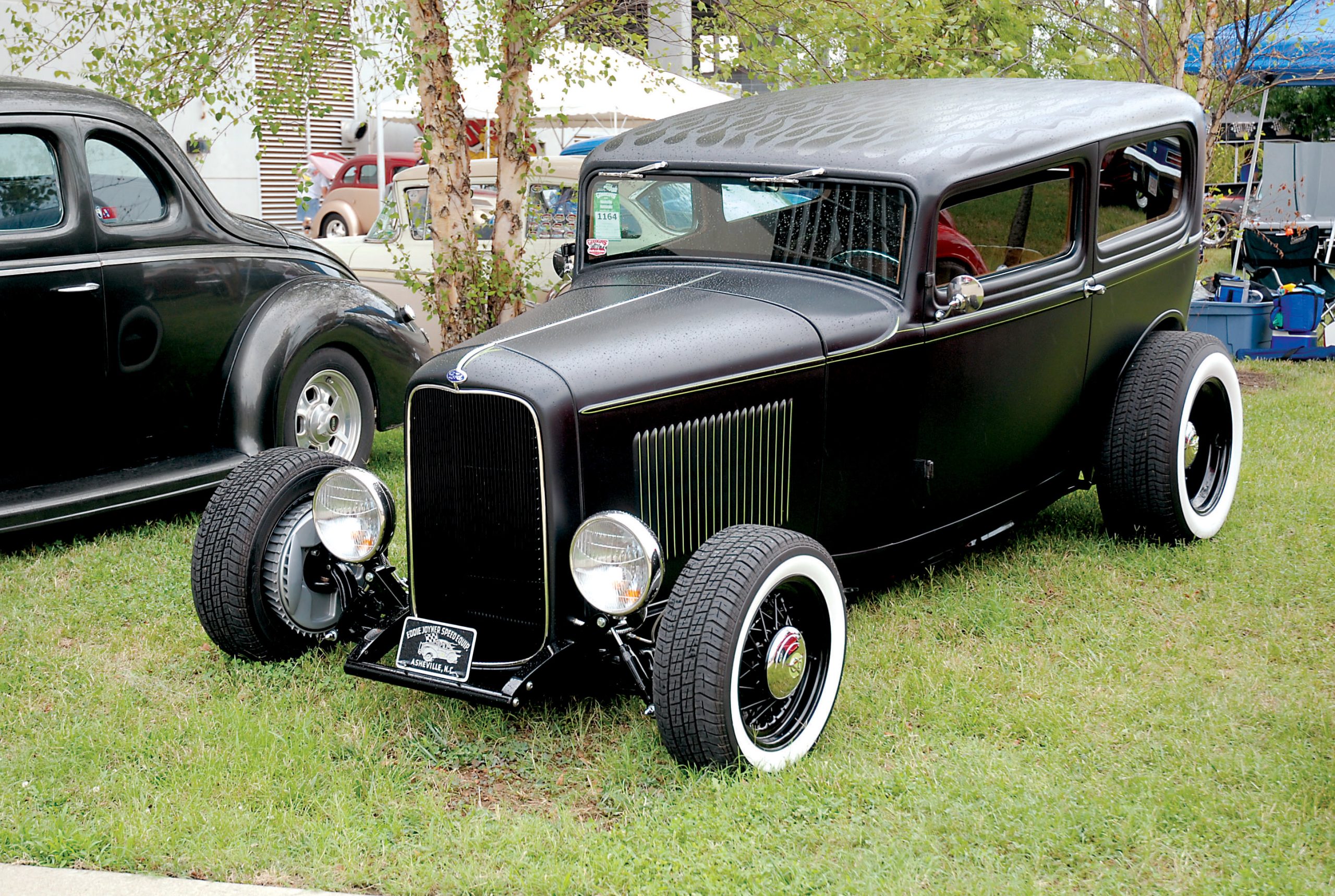
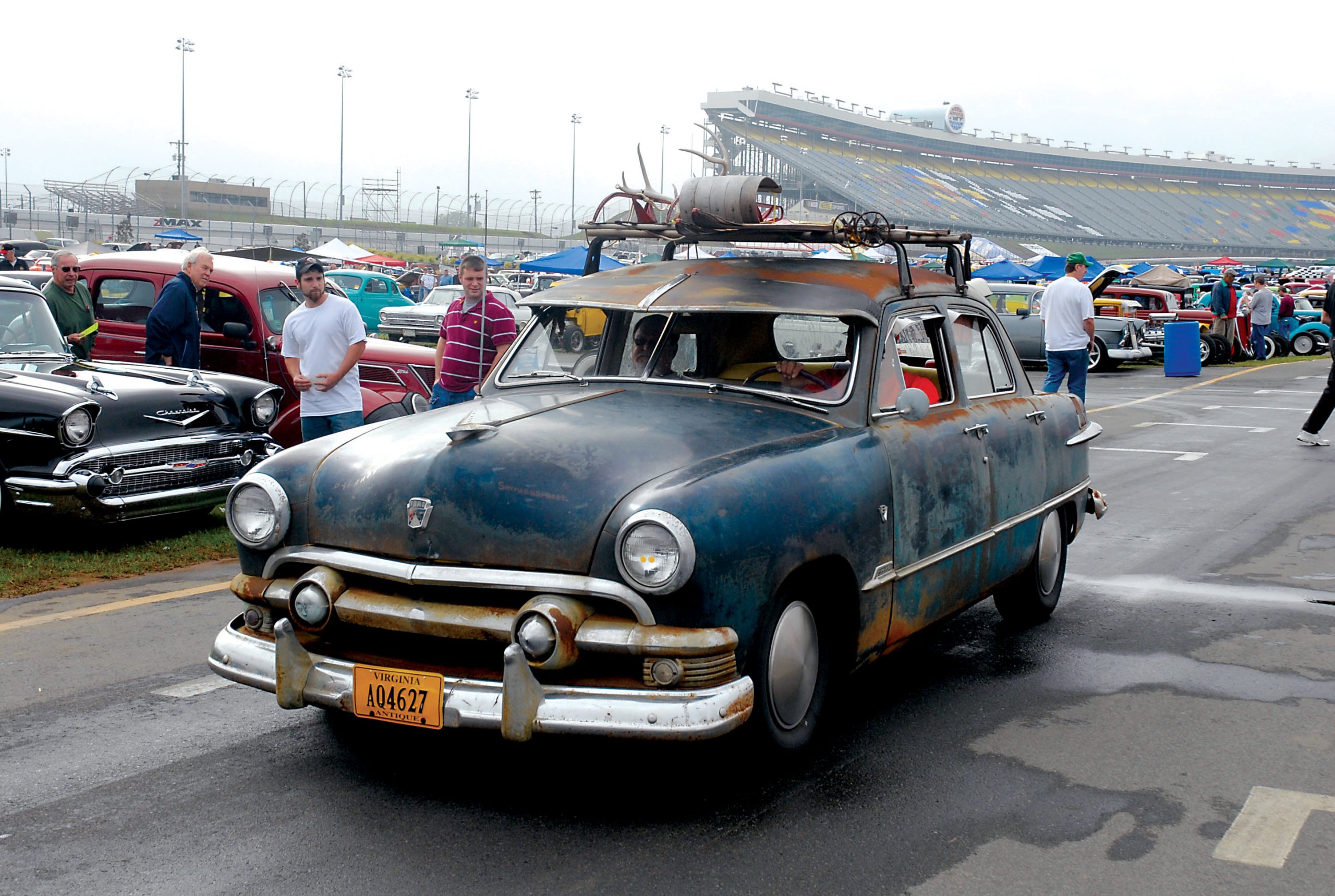
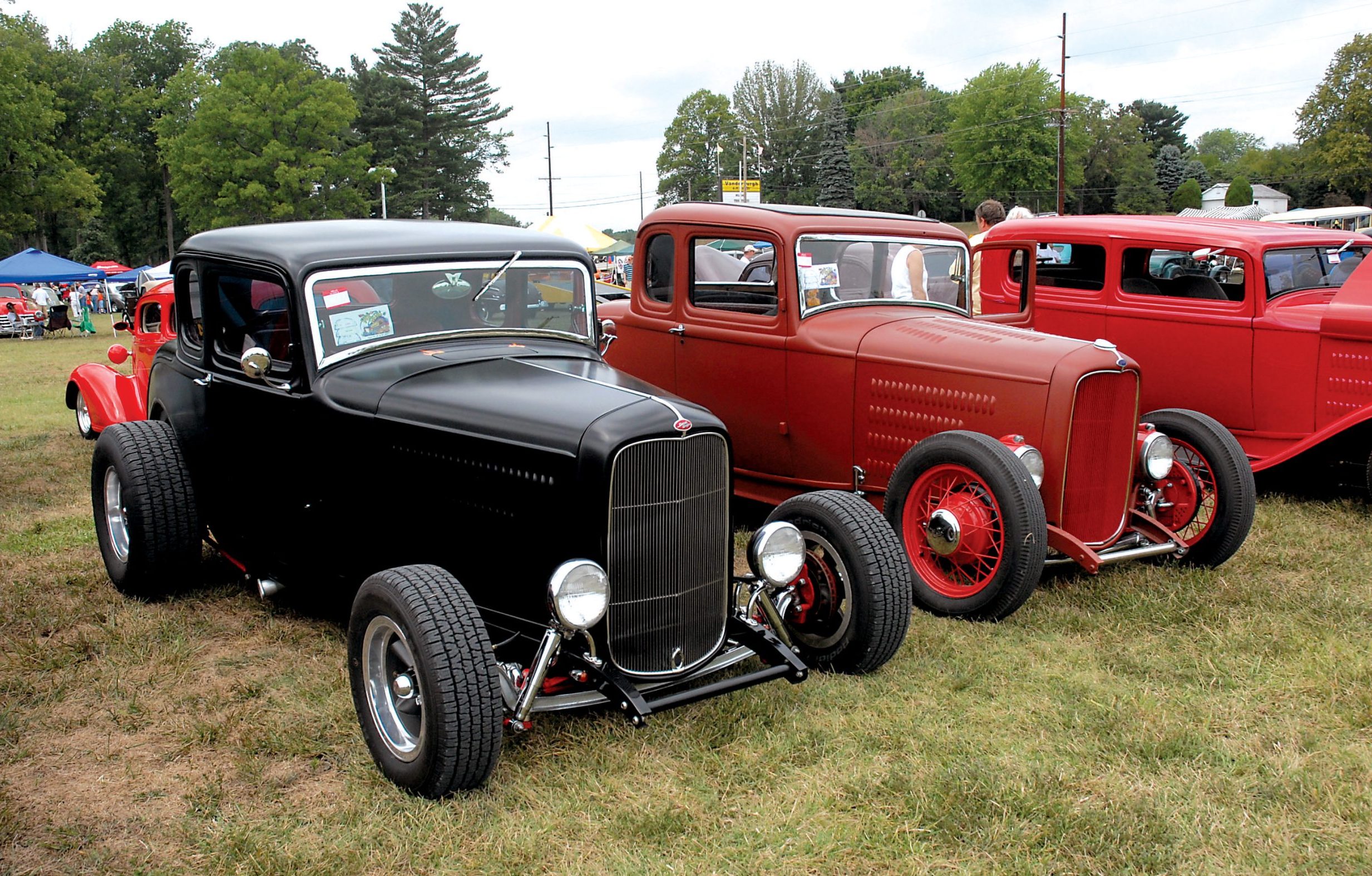
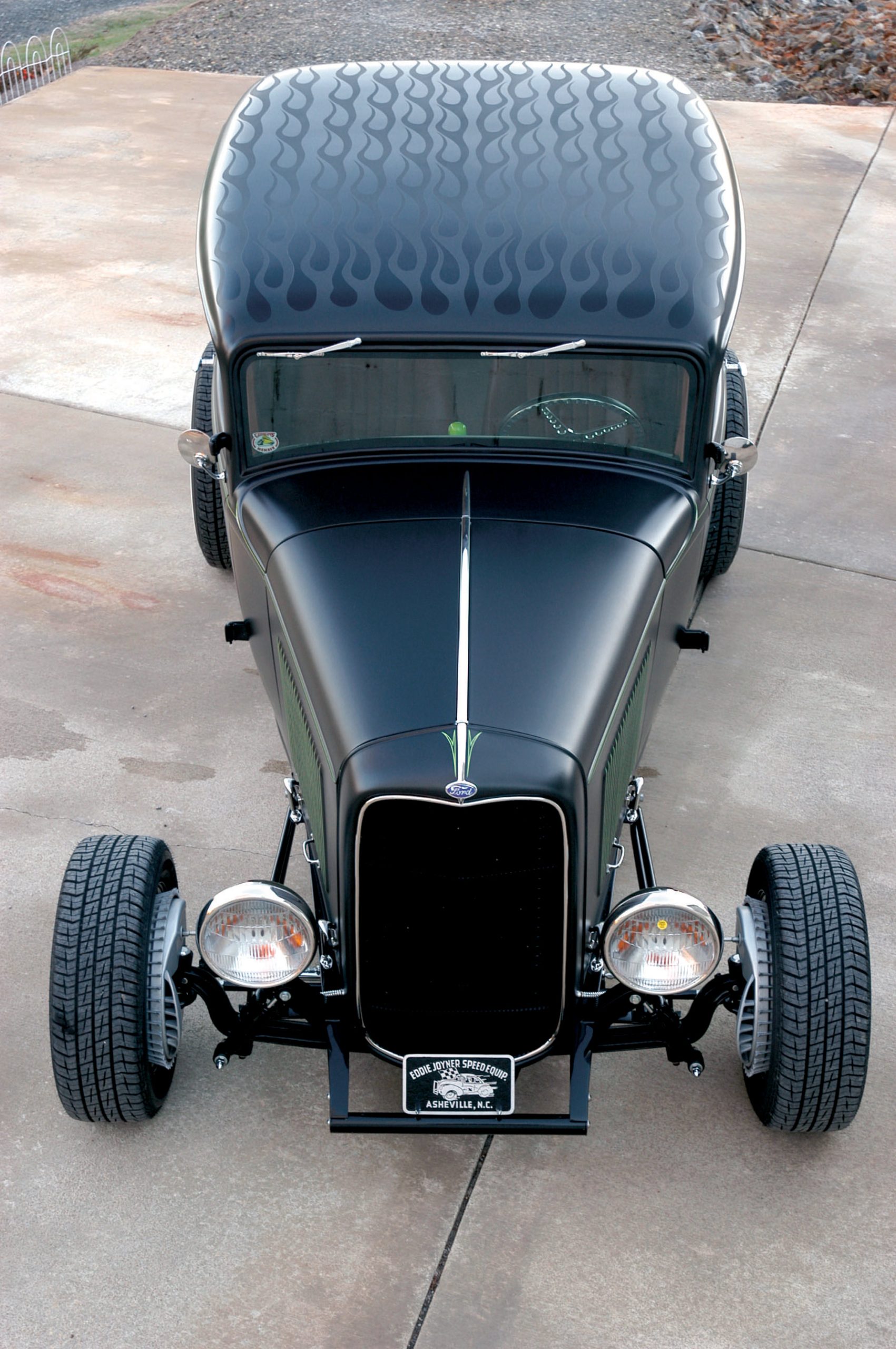
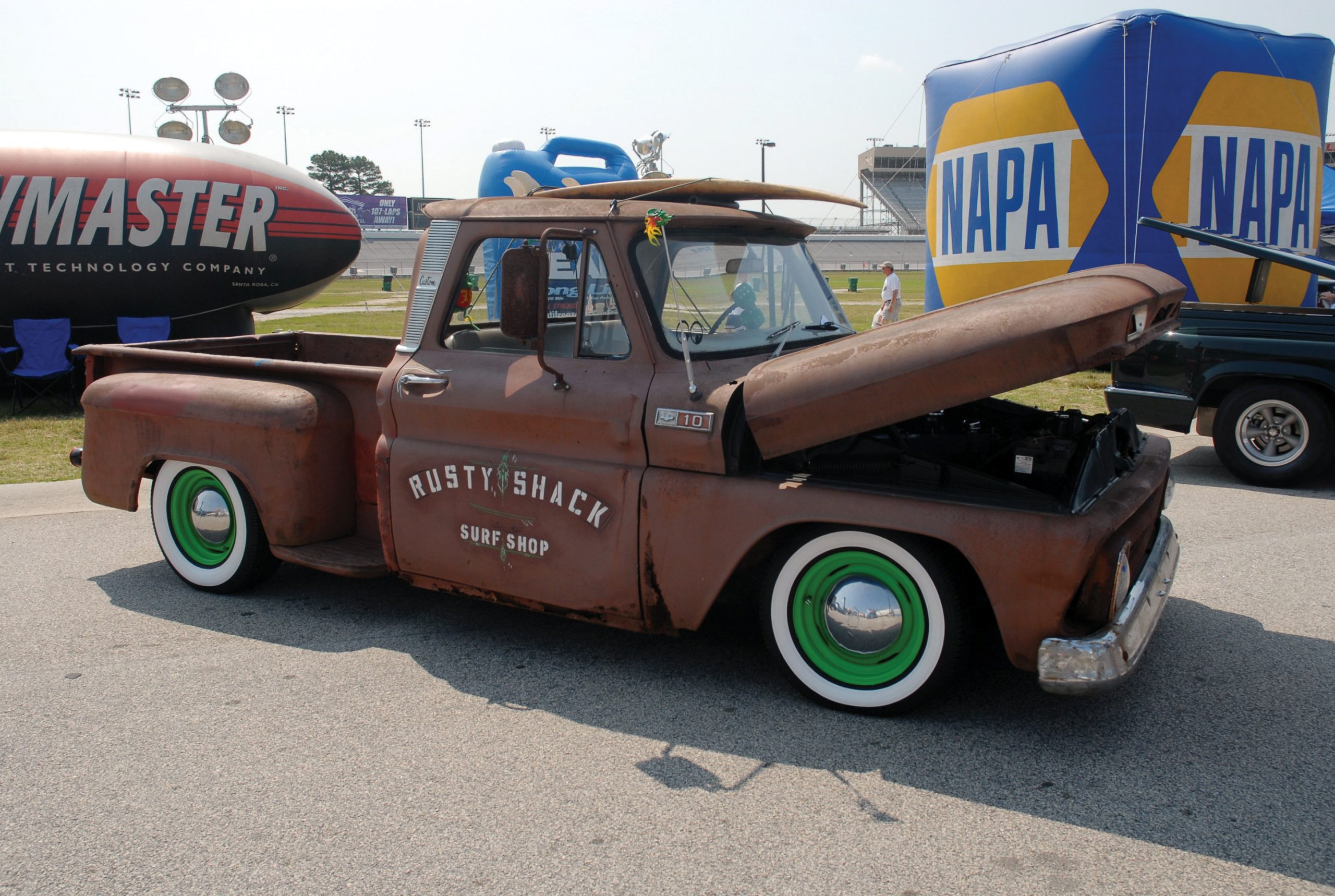
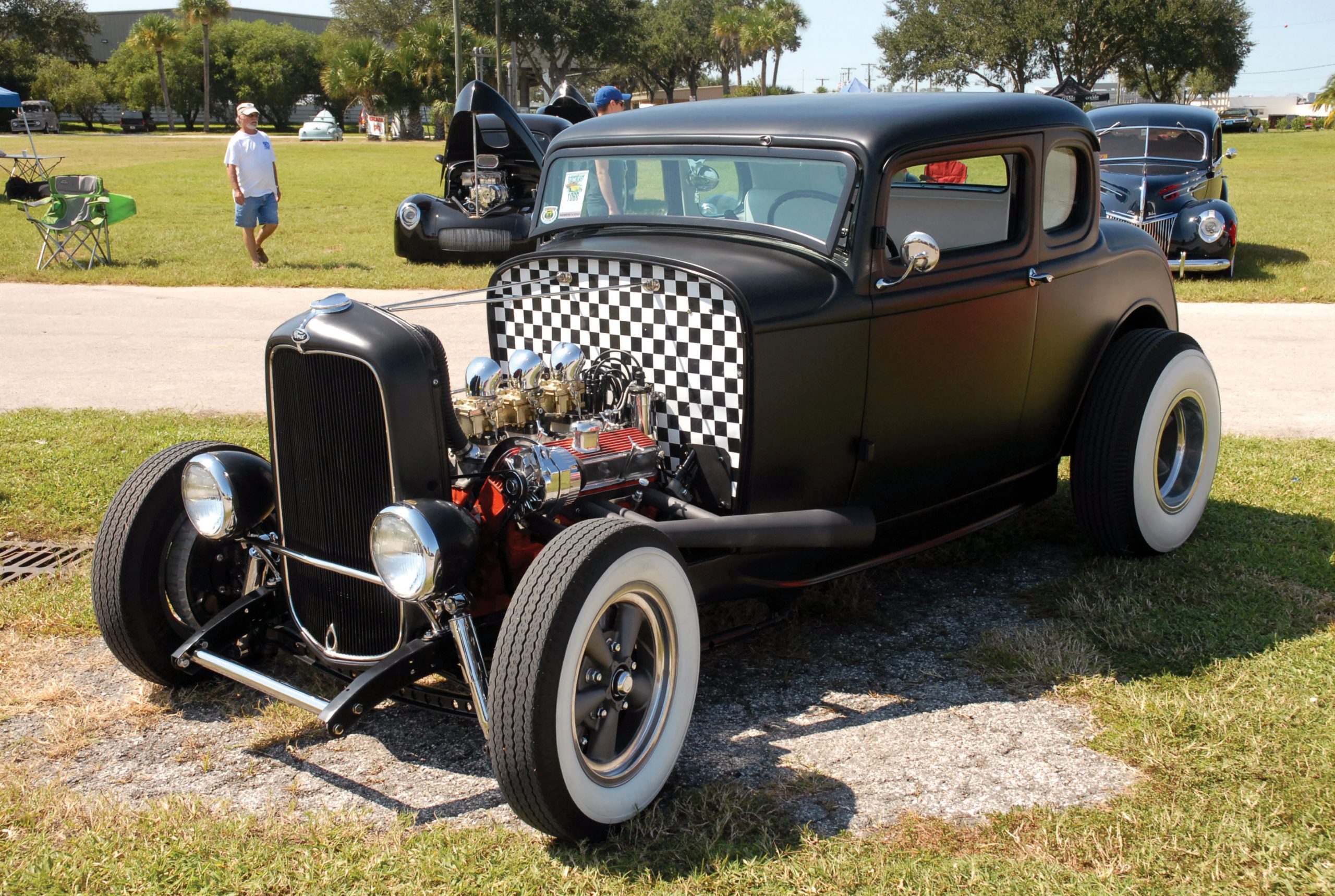
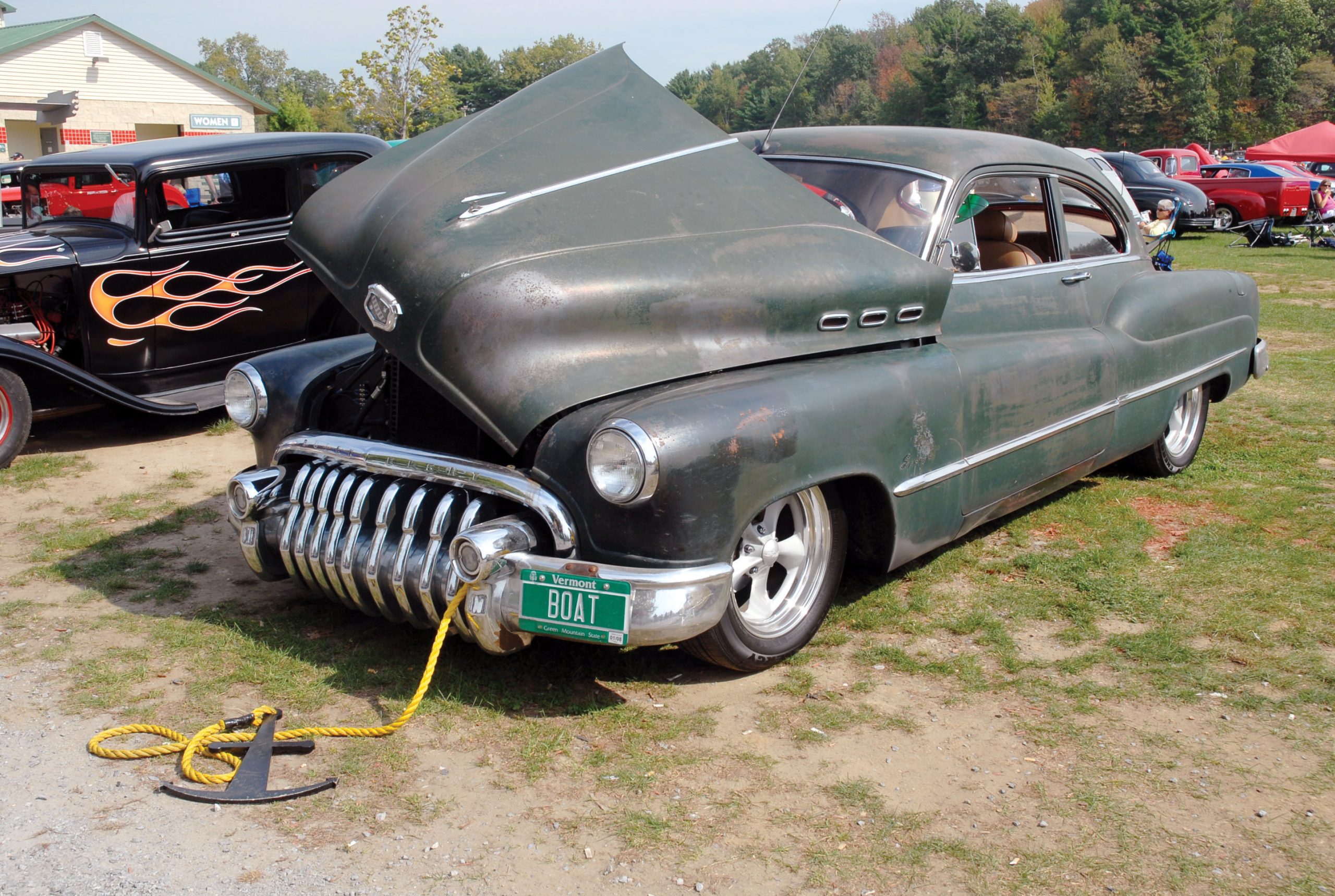
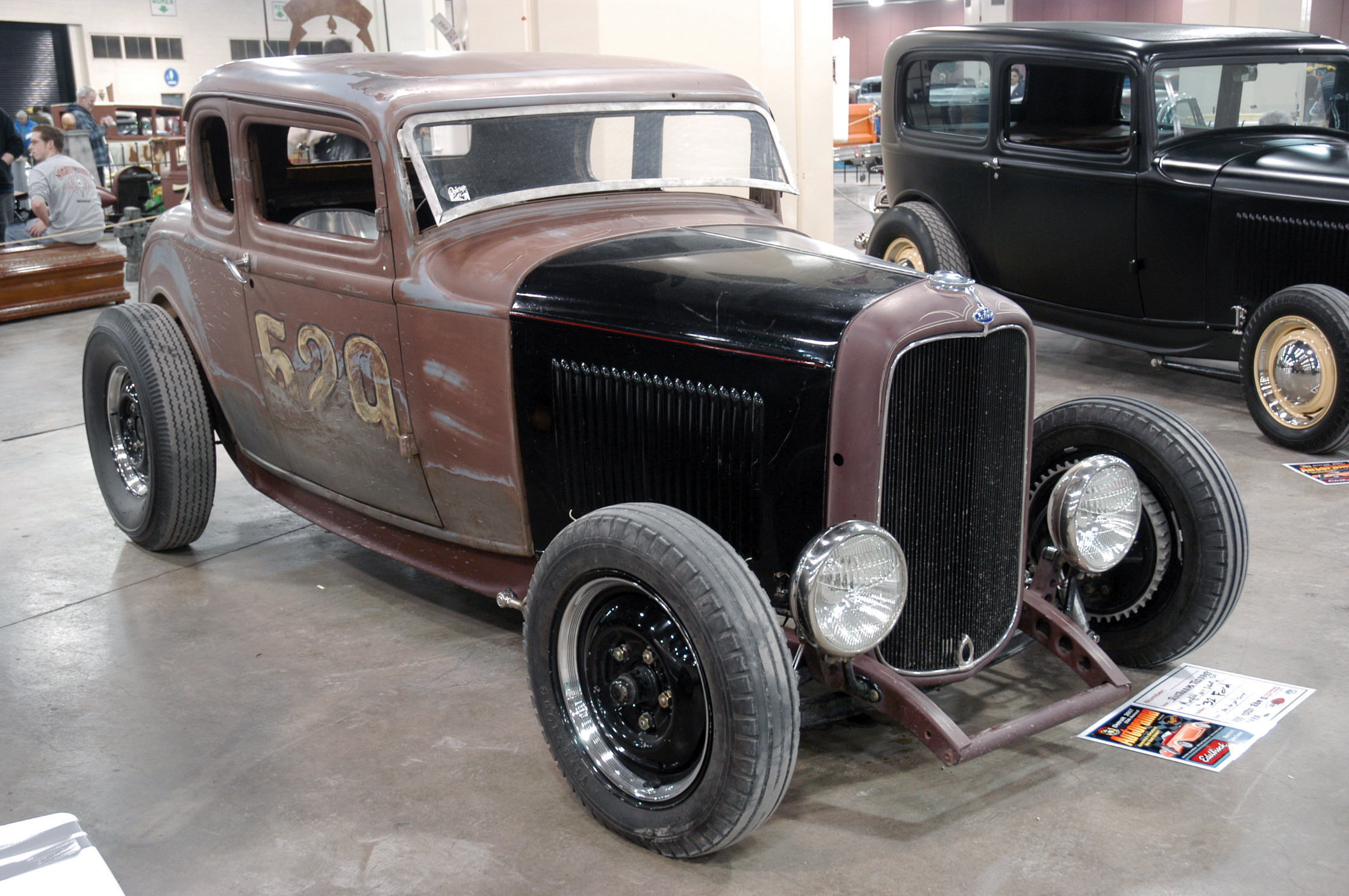
Patina is defined as “a pleasing surface sheen on something that develops with age or frequent handling.” When that definition is applied to street rods, a patina rod can take on any number of variations. The exterior can be close to original, with age showing through the painted surface in the form of primer. Sometimes the faint appearance of rust can also classify a rod as having patina, provided the rust has not taken over the entire car. Many times these patina rods are built from those treasured “barn finds” that seem to be discovered by undaunted rodders scouring the country searching for the Holy Grail of hot rods.
The Art and Trend of Patina
One of the modern trends of the street rodding hobby has been to create that cherished patina look. The art of patina can be tricky. We have seen patina rods crafted in such a fashion that the naked eye cannot tell the difference between real and invented, the real old and the fabricated old.
The Appeal of Patina Rods
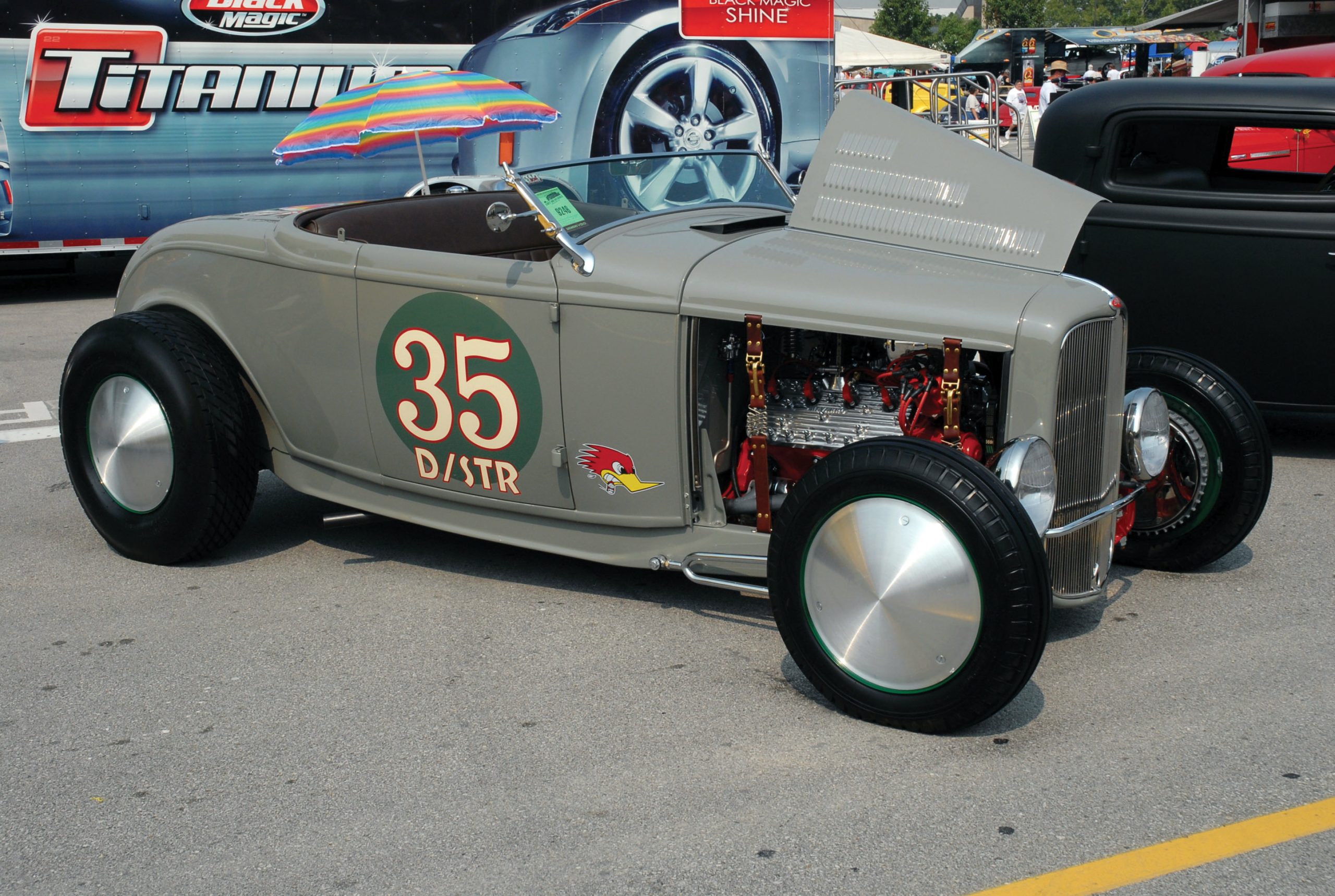
As with all aspects of rodding, each of us has a different definition of what makes a patina rod. There does seem to be one theme that runs through each variation, though: the owners have a lot of fun with their cars. For some, it is a chance to get back to the basics. For others, it is a chance to reverse the high-end trophy-hound trend. No matter what the agenda, patina rods always seem to bring about smiles and arouse the curiosity of all observers.
Exploring Variations in Patina
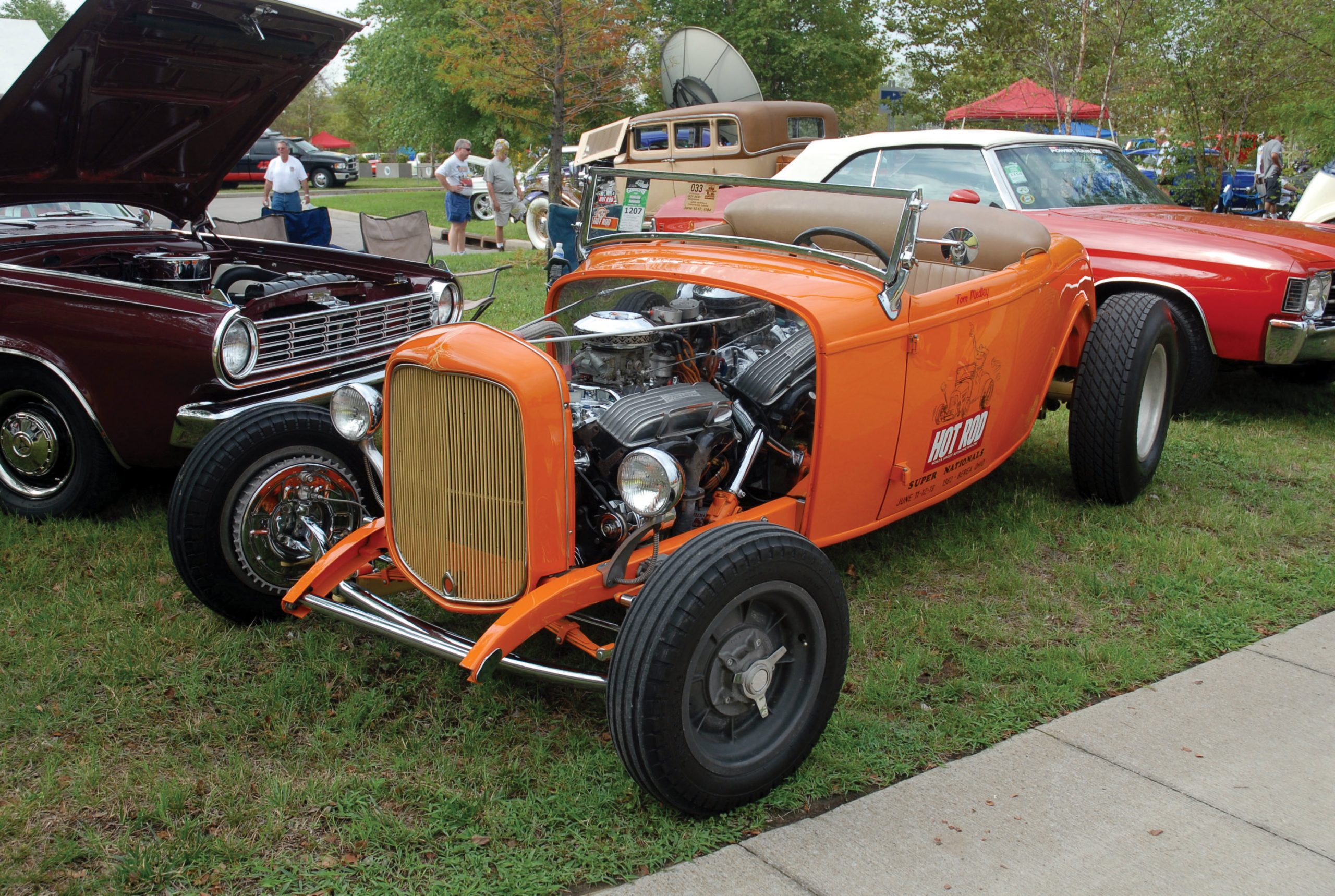
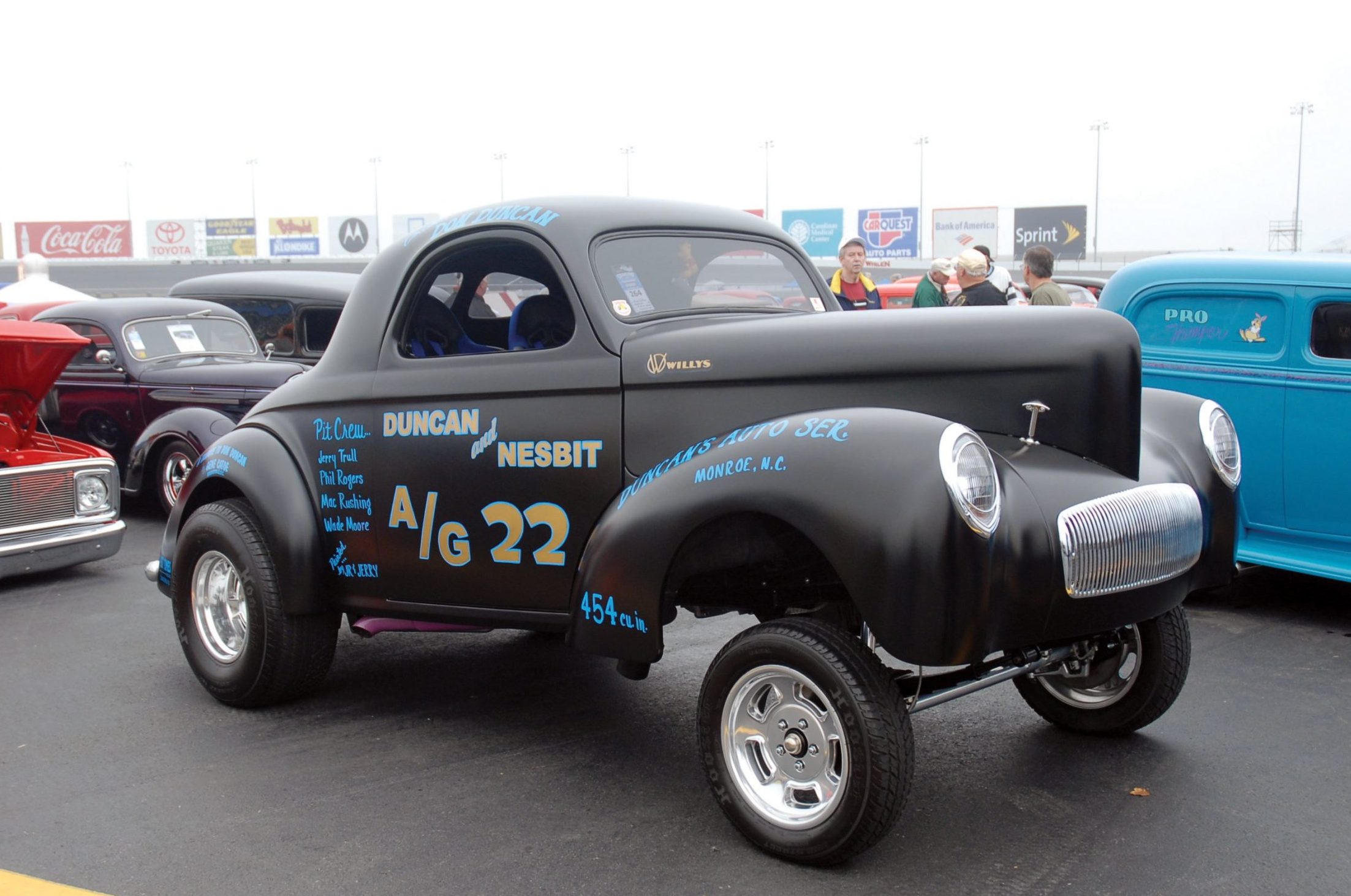
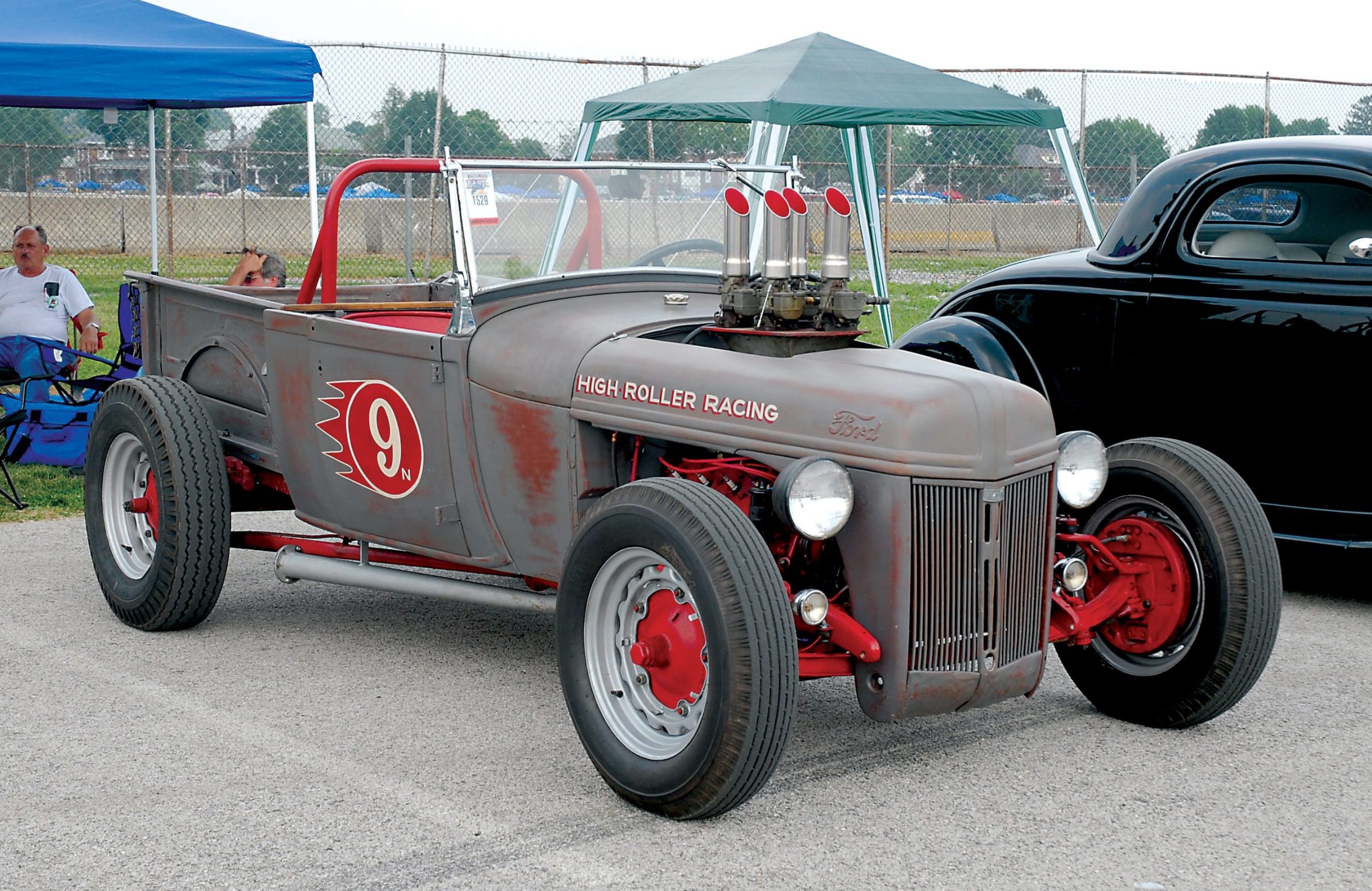
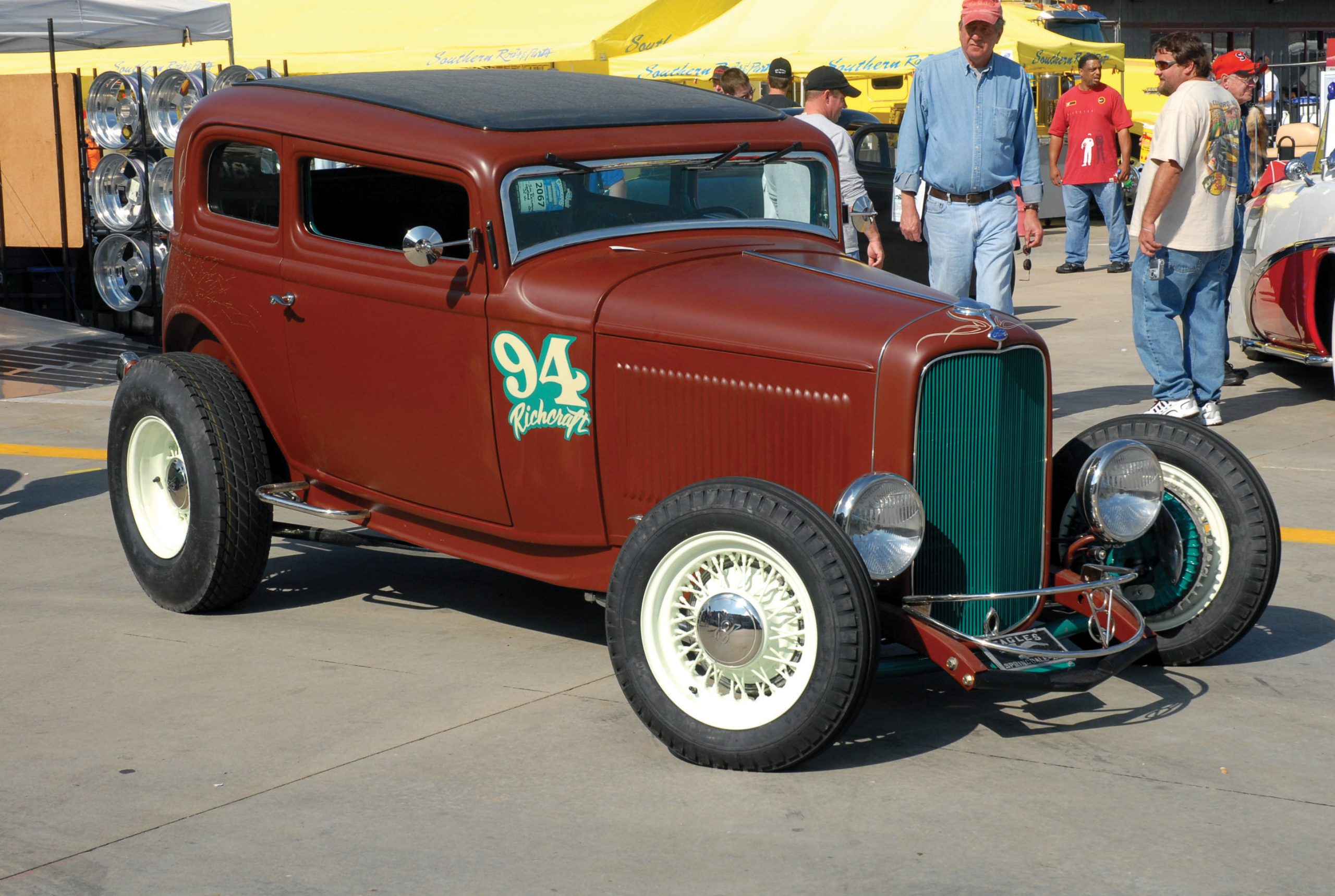
We searched our archives to provide you with different variations on the patina trend. We hope you’ll find them as interesting as we did when we came across the following examples. Patina rods come in many forms. They vary from subtle to “in your face.” One thing is for sure: they have their own distinct style.
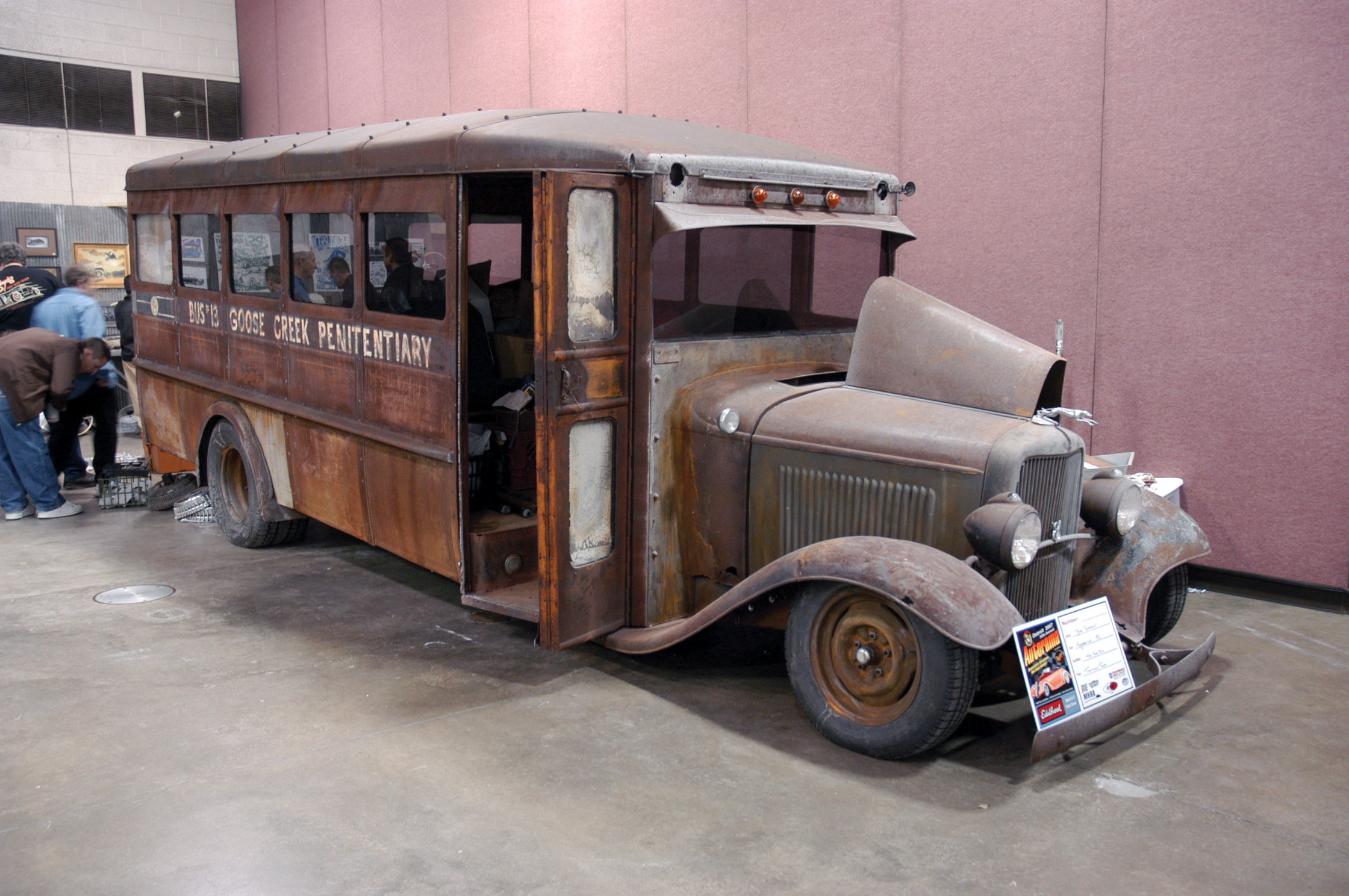
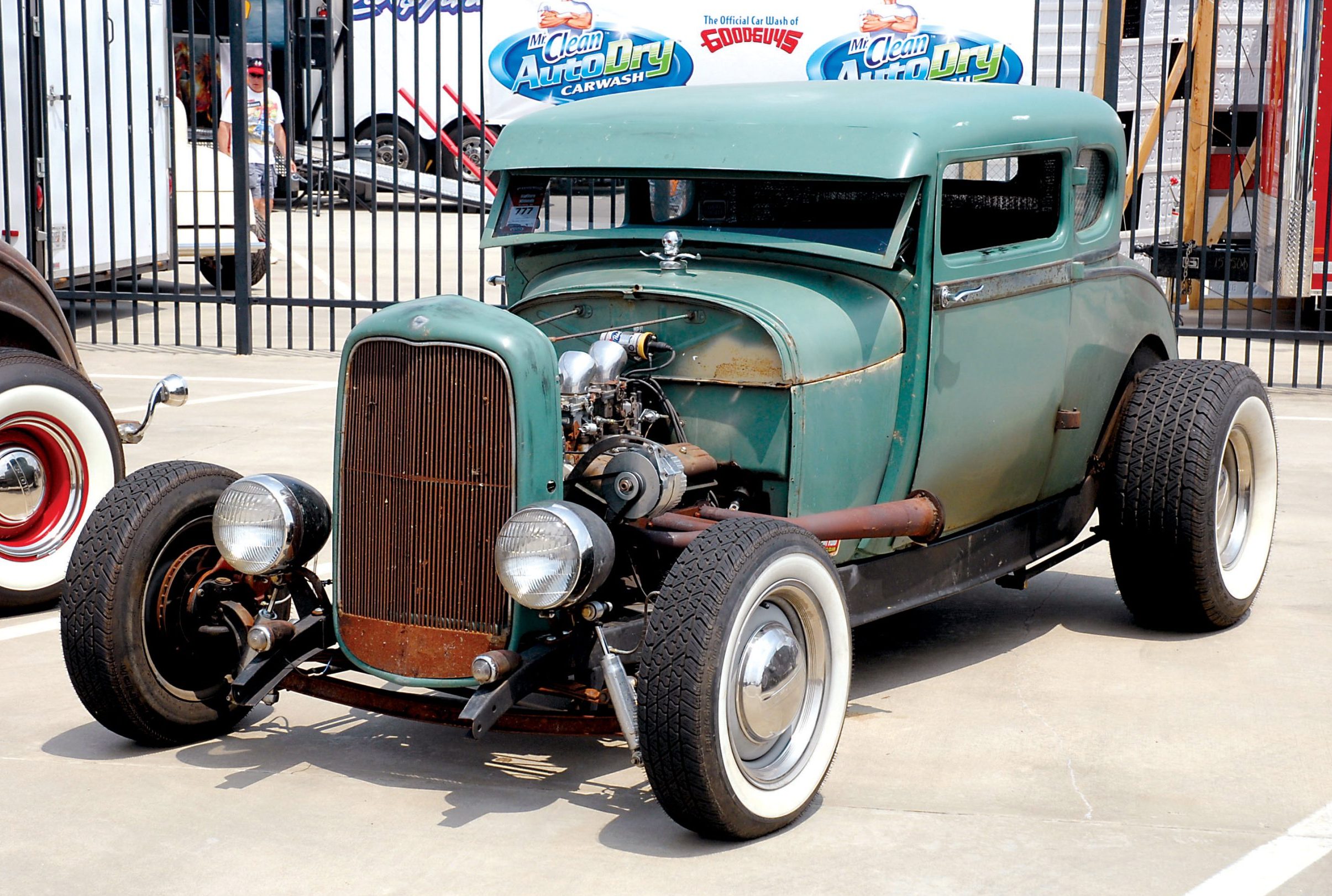
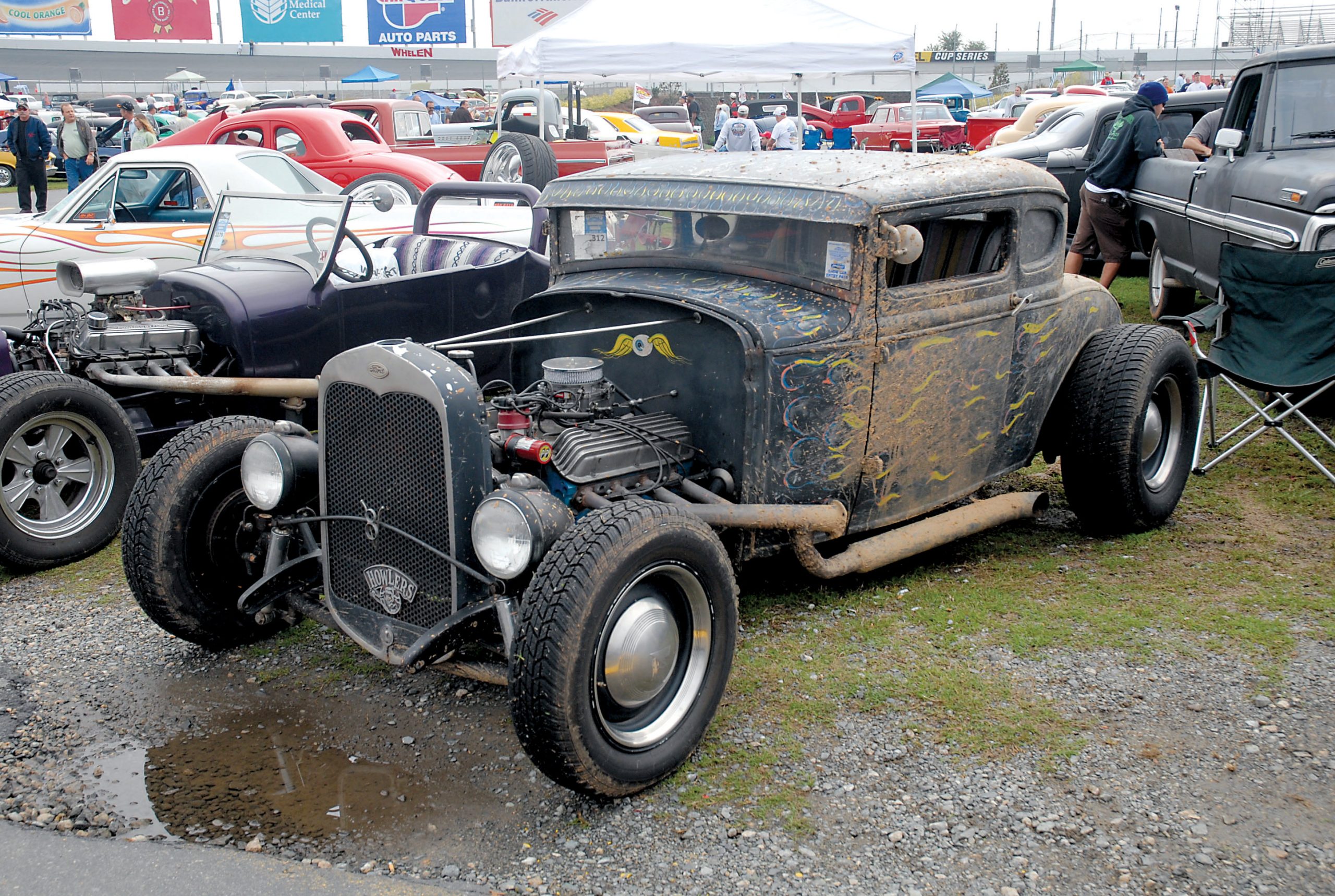
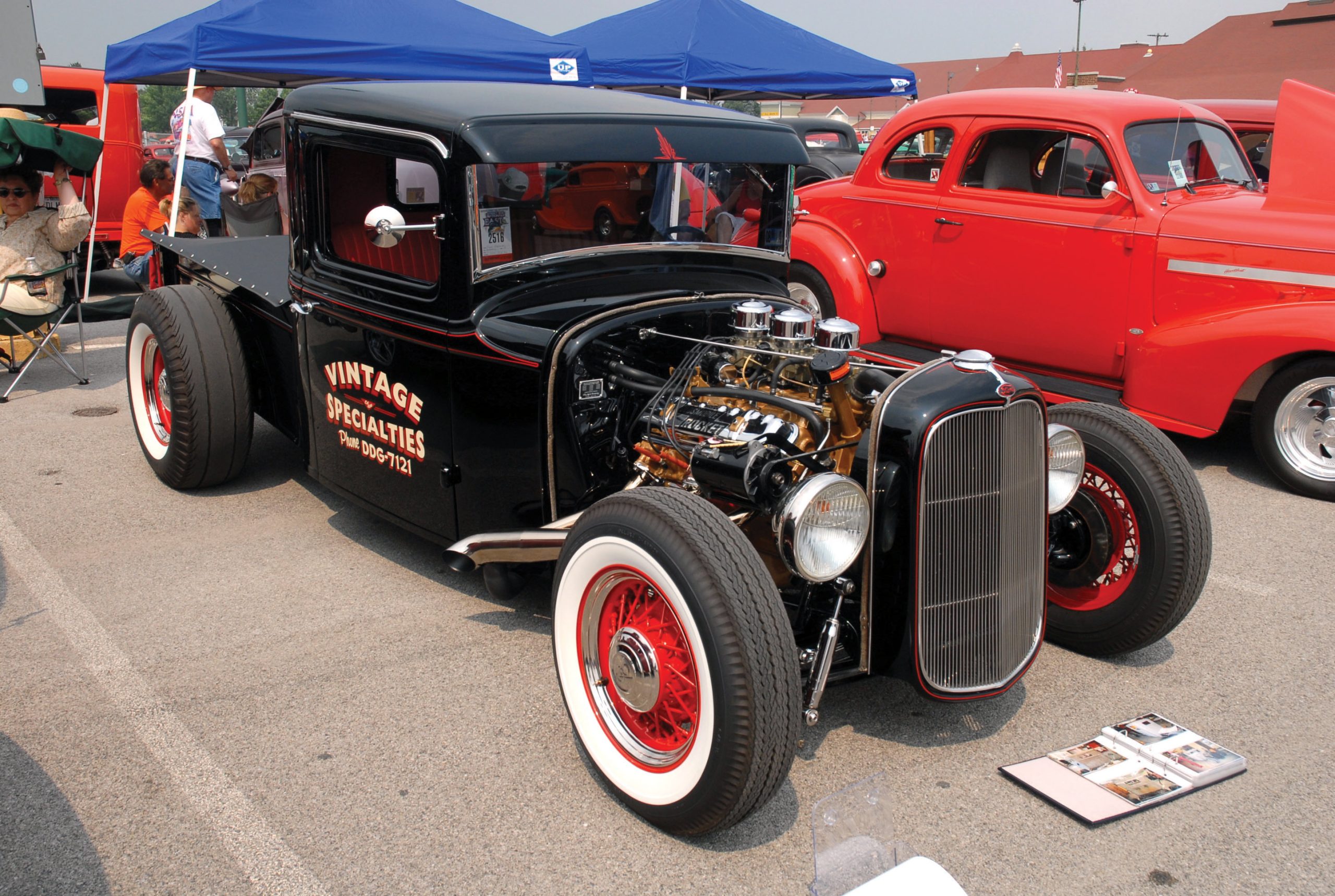
This Model A looks as though it may have been converted into a hot rod appearance several decades ago, only to be revived after years of storage. The paint has a certain amount of fading, and there is minimal surface rust around the edges. Jonathan Wheeler carries the theme to the Olds engine, with unpainted headers showing some age.
ARTICLE SOURCES
Madison Manufacturing
Lorem ipsum dolor sit amet consectetur adipiscing elit dolor
Madison Manufacturing
Lorem ipsum dolor sit amet consectetur adipiscing elit dolor
Madison Manufacturing
Lorem ipsum dolor sit amet consectetur adipiscing elit dolor