



THE AUTO BUILDER
Featured

JET-AWESOME
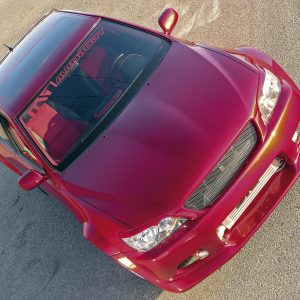
We’ve seen lots of cool, stout VWs over the years, but only a few awesome Jettas have made us do a double- and triple-take, which is just what happened when we first caught a glimpse of Todd Sollar’s awesome wide-body Jetta. Our mindset went from “damn” to “wow” about that quickly.

FORD HANDLING GUIDE
Although modifying a car to handle well can often seem like a black art, virtually every aspect of handling comes down to three things: the weight of the vehicle, the traction generated by the tires, and the distribution of weight on each particular tire at a given moment.

Driven Racing Oil’s GP-1 8OW-90 Gear Oil
GP-1 Conventional 80W-90 GL-5 Gear Oil is a conventional limited-slip gear oil for use as recommended by high performance gear and differential manufacturers. Designed for racing and high-performance differentials and transaxles, it’s formulated from USA made Pennsylvania Grade base oils that provide natural film strength, tack, and tenacious cling without relying on polymers that shear causing viscosity loss.
Spotlighter
POPULAR READS
-
Product Spotlight: Bill Mitchell Products Aluminum LS Engine Block
-
PRODUCT SPOTLIGHT: 60-66 Chevy C10 Fresh Air Vent Block Off Plate
-
Product Spotlight: Pyramid Optimized Design Sequential Aurora Taillight for 1964½–1966 Mustang
-
PRODUCT SPOTLIGHT: Cam Covers for GEN/3 Coyote from Pyramid Optimized Design
Patchy Progress
Using Basic Metalworking Skills to Repair a Rusty Door
Author
Tommy Lee Byrd
Words & Photography
Common Rust Issues in Classic Cars
Patching a rusty hole in an old car is a common occurrence, especially on the East Coast, where the cars are more likely to rust out. The humid air is part of the problem, and then there is that whole thing of salting roads in the winter, but some rust is simply caused by car manufacturers using lower-grade metals and primers on their cheaper models. This example is a ’53 Henry J, and it has the usual rust issues on the doors, fenders, floor pans, and rocker panels. Most folks would pass on a car this rusty, but this one is considered decent by Henry J standards.
The History and Challenges of Henry Js
The cars were built on a budget and sold at a low price, but the bodies just didn’t last long. Proper care was not taken to make Henry Js hold up to moisture, and it wasn’t long before many of the cars were crushed or patched together to run on the dragstrip. While we are performing this rust repair on a product from Kaiser, the techniques can be transferred to nearly any car, as long as it’s metal.
Tools and Techniques for Rust Repair
For this project, we needed a MIG welder, a grinder, a cutoff tool, a new piece of sheet metal, and a body hammer. Other tools can be used to speed the process, but we made the patches without the use of any extravagant metalworking tools. If the rust had traveled any higher on the door, the process would have been much more difficult, but it was a simple project that only took a couple of hours.
Finishing Touches and Considerations
Of course, we’ll have to use body filler to give the door a perfectly straight surface, but with the right methods, we can use a modest amount to obtain the look we want. All welding should be complete when the bodywork starts, since the heat will soften the filler or primer and cause it to lift. This can create cracks or bubbles after the car is painted, and it’s never fun to find one of those on a recently finished hot rod.
Moving Forward with Repairs
Rust can put fear into the hearts of many hot rodders, but with enough work, nearly anything can be repaired. Most rodders can pick up the phone and order the patch panels they need, but in our case, there are no reproduction panels for a Henry J besides fiberglass race parts. Now that we have the passenger-side door finished, we can move on to repairing the rust in the other door, fenders, hood, and decklid—wow, this thing is rusty.