TheAutoBuilder.com

Hot Four Cylinder

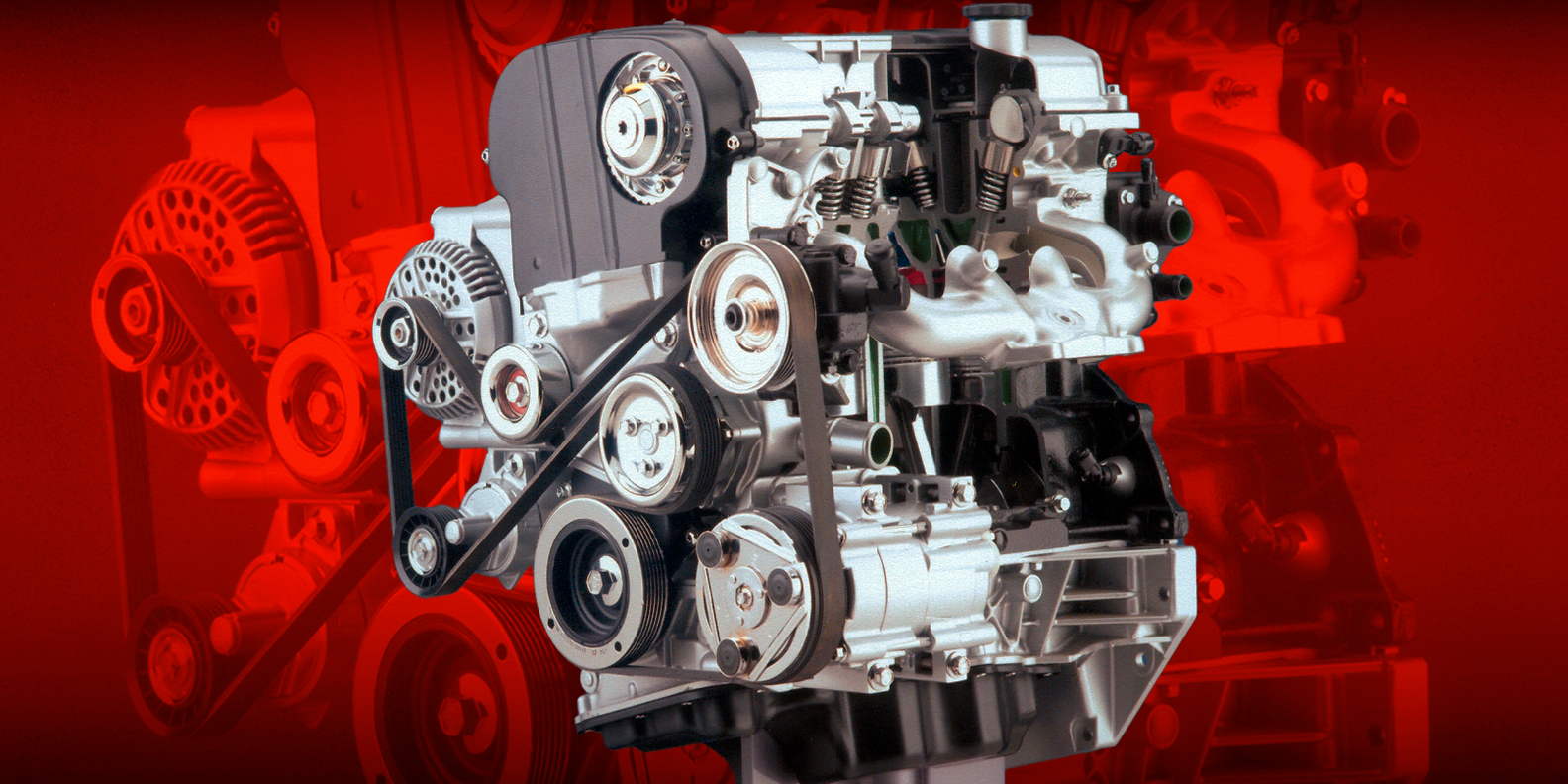
With the advent of the old-time roadster popularity rearing its head again, and with the ever-increasing price of gasoline, we suspect that you will be seeing more and more of these little engines in creatively altered hot rods. We know of a few being done right now, and we will be bringing those to you just as soon as they hit the road. But in the meantime, here’s a piece that took a lot of time to assemble and research, so we thought that those of you looking for alternative powerplants would enjoy this neat solution for the right, light car.
Vintage Fabrication

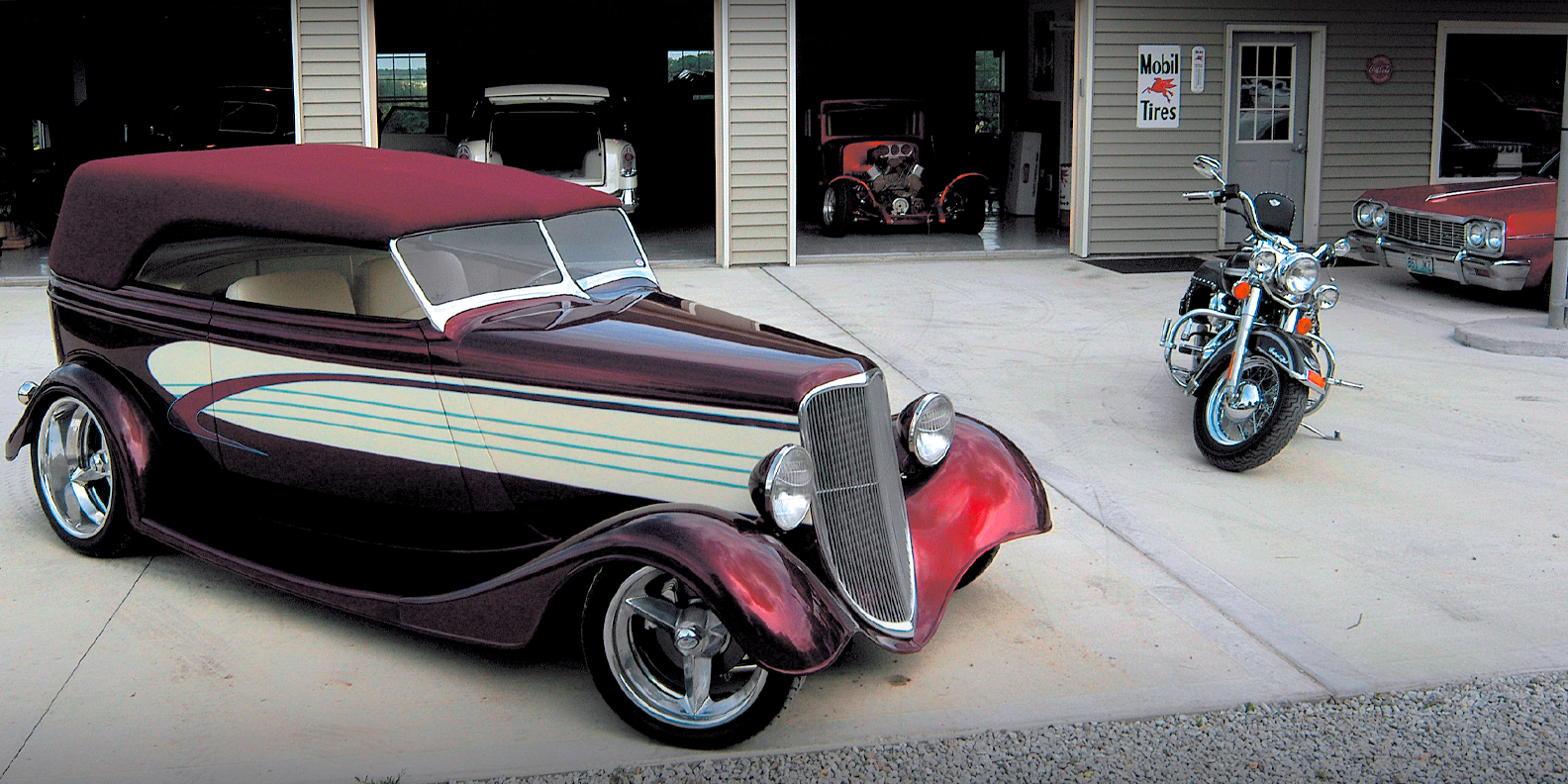
For every hot rod shop that has a show on TV, there are countless smaller shops that will never get mainstream TV exposure or clothing lines sold at Wal-Mart. But all across the country, it’s these smaller shops that turn out the majority of the street and super rods that you and I enjoy, and that we see at shows. And even though these little guys may not have big reputations yet, they churn out consistent and excellent work—and, that is precisely how some of these smaller shops will eventually become bigger shops with even more prestige.

The Cold Facts

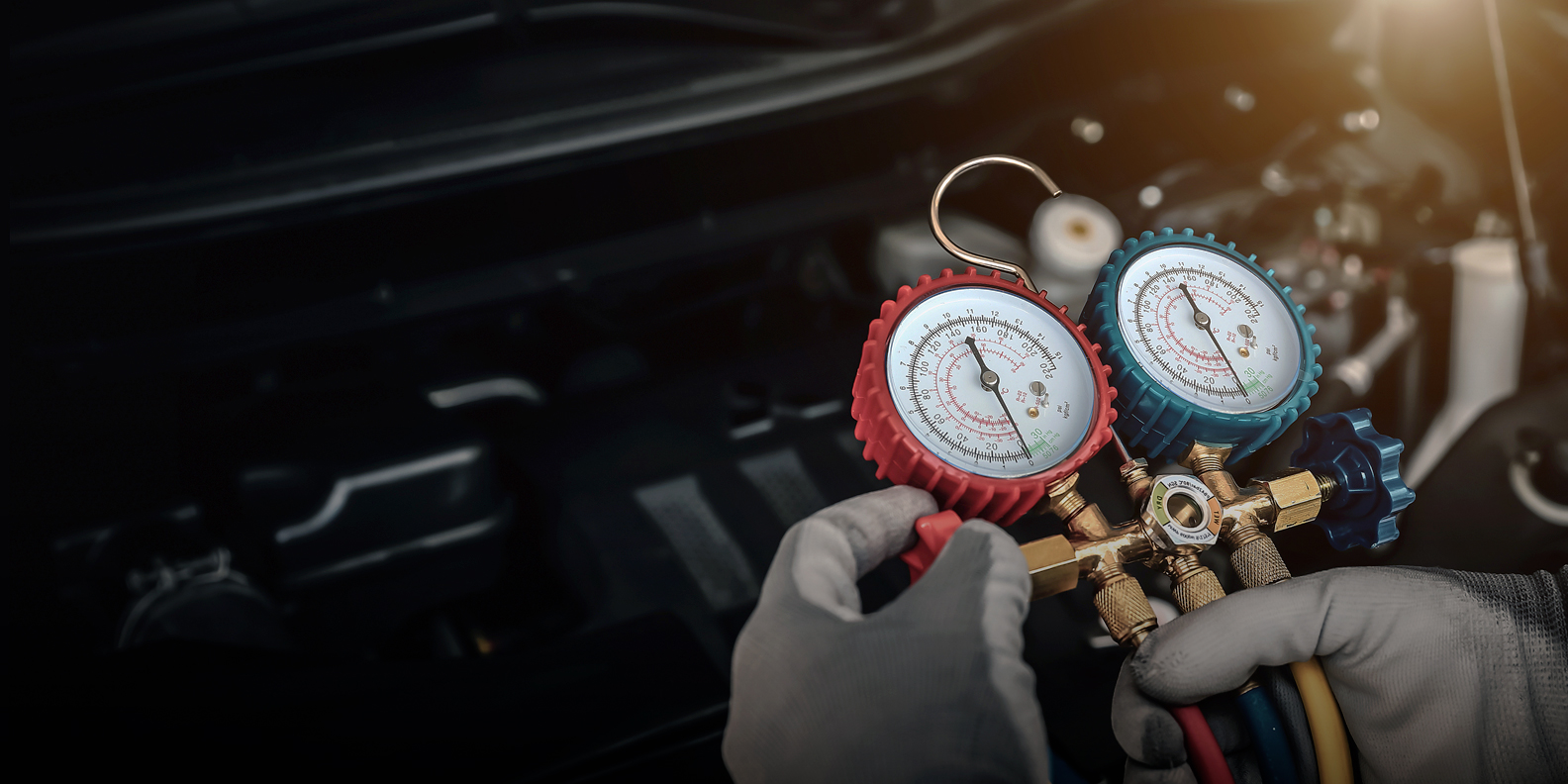
Typically, winter isn’t the time of year when we are thinking about a car’s air-conditioning system…or is it? It’s understandable that we would tend to think about “fixing” the A/C during the dog days of summer, July or August, but once the car is put up for the winter, those hot and humid days are often forgotten. And short of those comfortable windows-down driving months, when we first pull out the car again for the next season, it’s smart to think about giving the A/C system the attention it needs. So, we think this is a great time to present to you troubleshooting highlights so that you can rip into the car and upgrade the necessary areas before the cycle continues.

Independent at Last

“Real hot rods have axles,” or so they say. That was our story, and we stuck to it fondly for more than 10 years. The ’47 Ford sedan delivery we drive came to us with a new Super Bell dropped axle and four-bar linkage professionally installed by Dick Jones’ shop in Campbell, California. It wasn’t really a hot rod; more like a primered beater with no interior, very little glass and enough rattles that a radio was a waste of time. It was a project car for another magazine for several years, and as such was the subject of many tech articles, updating it with all manner of great stuff. But it was still a primered beater, so the axle suited it just fine, and we got many miles of enjoyment out of this setup.  Oh, it could have had a nice, new IRS more than once, but it just wasn’t that kind of car. 

Final Assembly Tips From The Pros

When building a street rod there are a great many facets of the construction process that go into making the car an award-winning creation. First, there’s planning. The planning of the car can and should include attention to each and every area of the car, from concept to reality. Even the most basic of projects should have the proper planning involved, no matter what the final product might be. Once work has begun on the project, countless hours are generally involved in attending to every detail. From making the many modifications to the chassis to attain the desired drive train, to the matching and mating of the different components together, this becomes an involved process requiring a great deal of skill in fabrication and engineering.

Classic Looks For A Classic Camaro

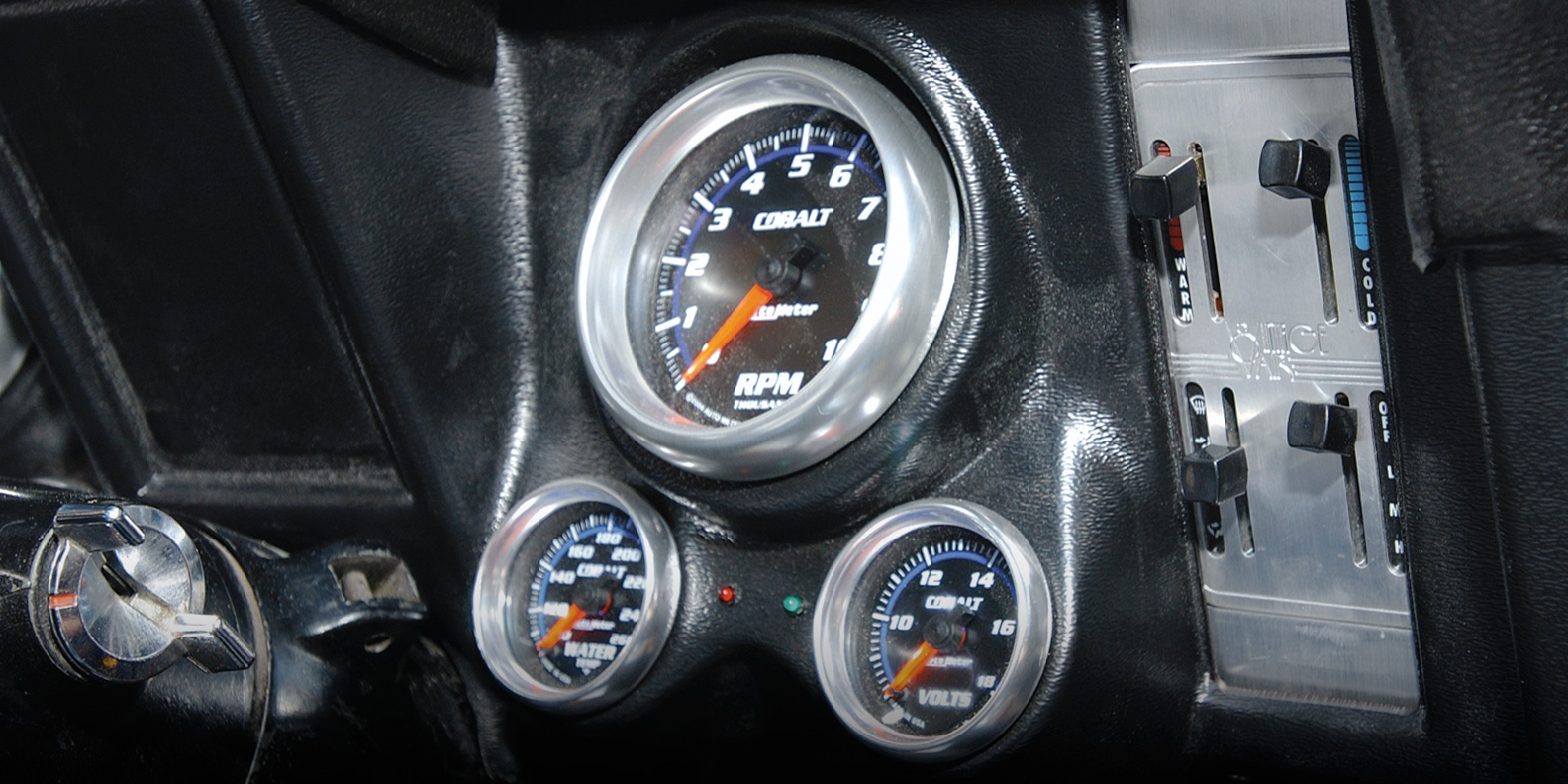
Back in ’69, the average Camaro came with an instrument panel that most people today would find pretty pointless. Aside from the speedometer and fuel gauge, there wasn’t much going on in the way of information. Most functions, such as oil pressure and engine temperature, were monitored by a series of dummy lights, which meant you were pretty far gone by the time they blinked. By then most of the damage had been done. We don’t know what the auto experts at the time were thinking of…maybe saving a nickel. In an effort to fix all that and to update the instrument panel so that it would provide information, H&H turned to Covan’s Classic and AutoMeter gauges. They have created an up-to-date yet nostalgic instrument panel containing all the customary gauges with a look that is right for this project.

Good As Gold

Tech presentation is something anyone can do to his or her existing Camaro, since it takes no special skill, yet the results are worthwhile. Those are the rewards of personalizing a cool Chevy, and it’s what drives us in the first place to tackle such jobs.

1958-1961 Factory Carb Listing

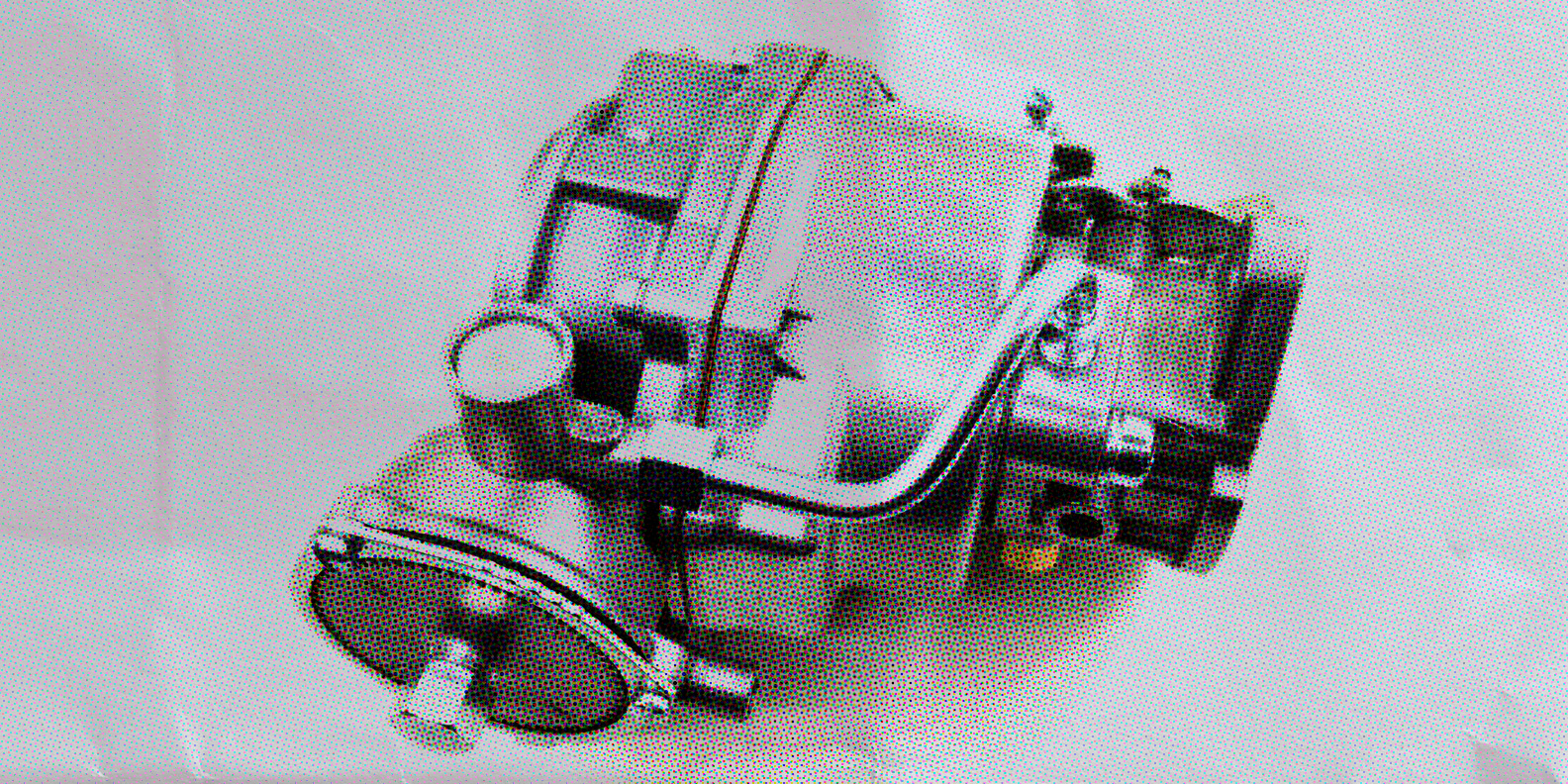
Okay, okay! After listening to oh so many of you, we are providing information you have been requesting, and perhaps searching for, for some time. That information is carburetor data, information that we used to take for granted but that has become more and more difficult to find of late. It seems that much of this data for numerous models and years has somehow slipped through the cracks. This could be mostly due to the age of the information, plus the fact that many of those applications are more rare today. We suppose there are numerous other reasons as to why this information has virtually dried up, so we present a basic listing here for the correct carburetor number for the respective engine application.

Dialed In

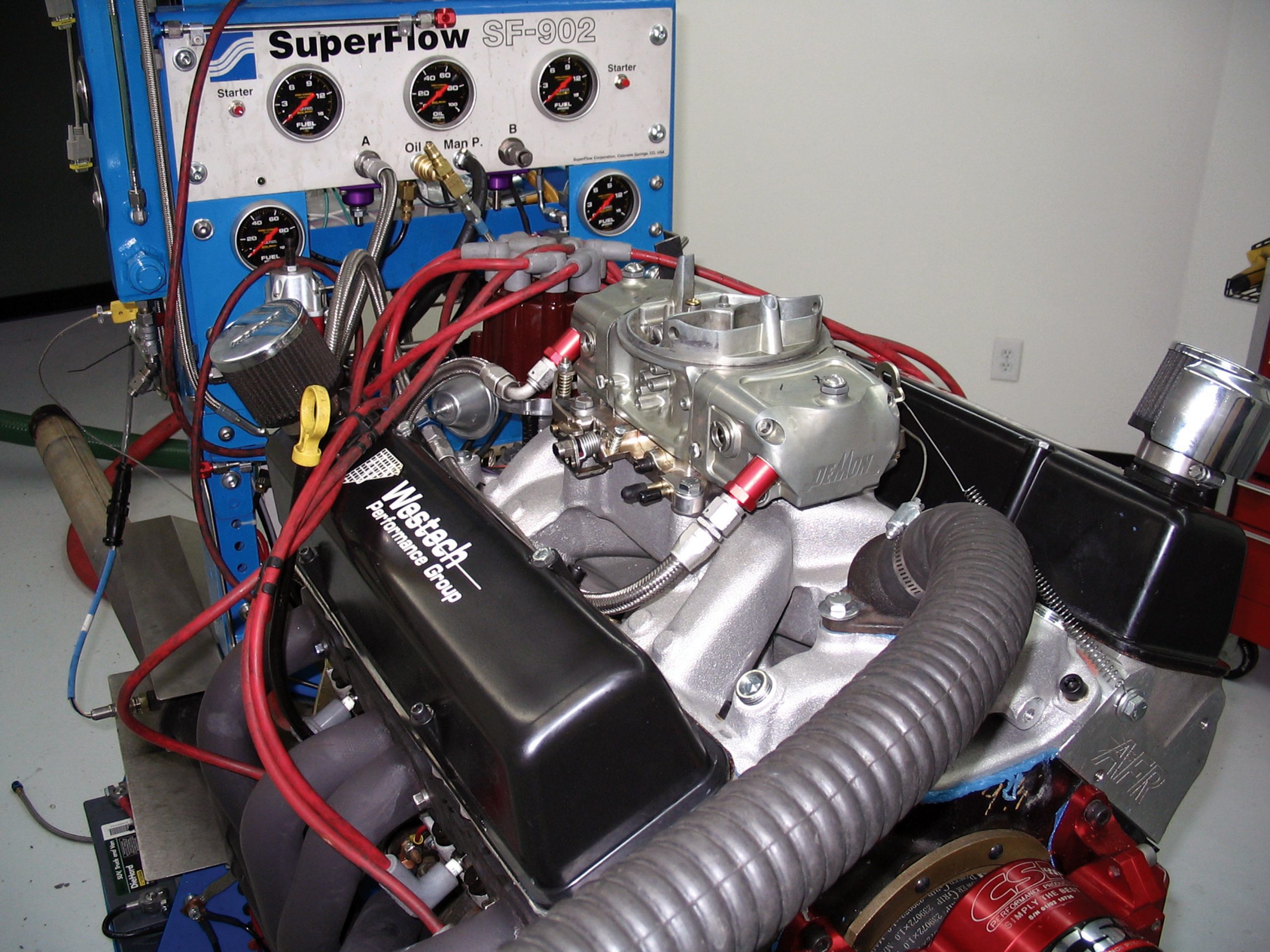
When it comes to performance, the devil really is in the details. Ever wonder why one engine makes more power than another, when both are seemingly identical? The answer to this very common performance question lies in the attention to detail. Basic performance elements such as engine tuning, spark timing curves, and, yes, even oil selection all come into play when you attempt to extract the maximum amount of power from your existing combination. 

Strong Armed

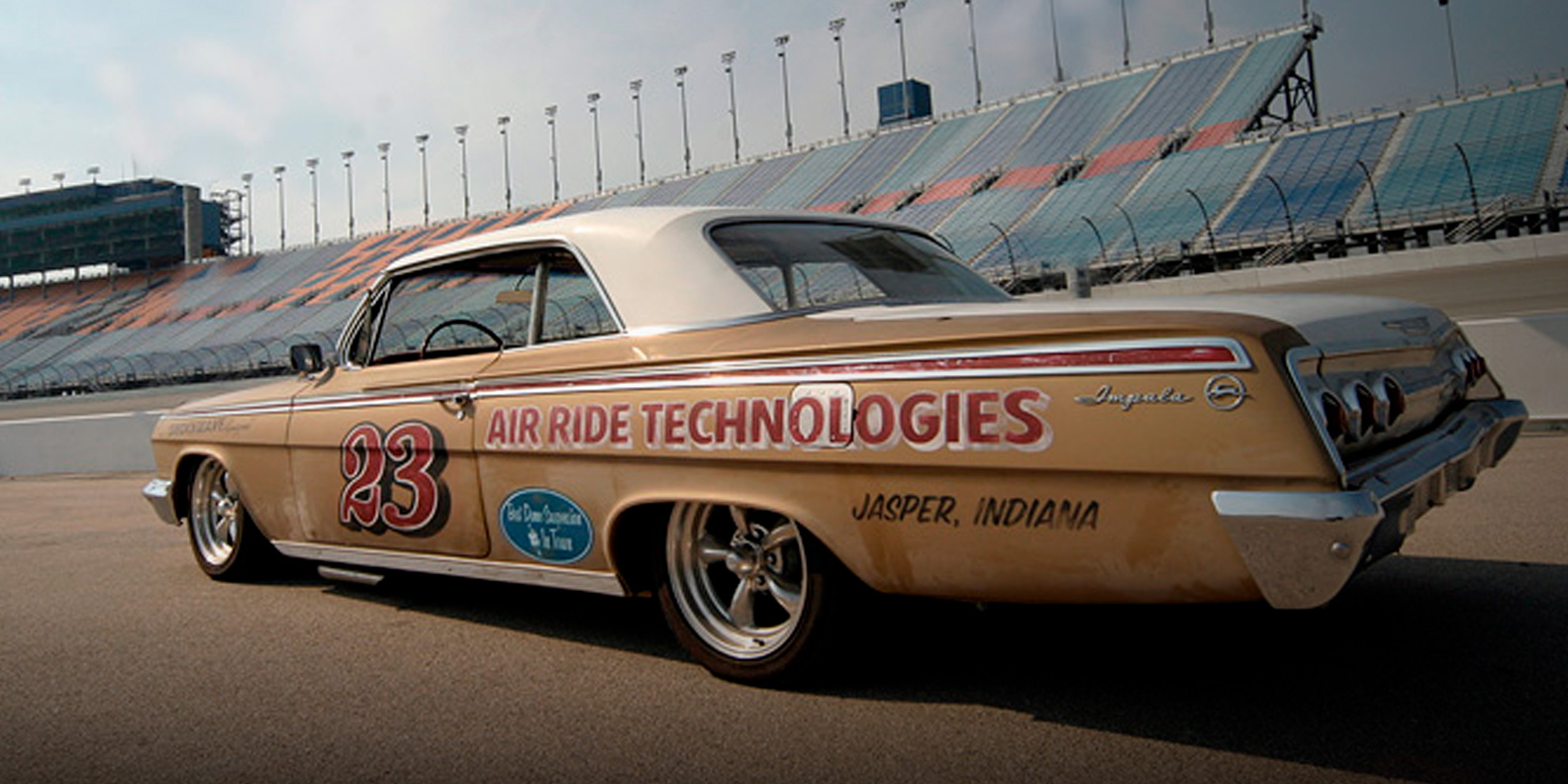
Chevy engineers began using trailing arm and coil spring rear suspension designs back in 1958, and in one form or another, this treatment ran through 1964 without much change. Good news for families but bad news for performance enthusiasts, the crossframe cars were remarkable in that they began an era in which suspensions concentrated more on ride quality than on nimble handling.

Scroll to Top