

THE AUTO BUILDER
Featured

AN AMERICAN TRADITION
Here in the United States, we have been conditioned to find vintage tin in many places. The availability of good cars to build into street rods has become more limited as the years have passed, but depending upon your choice of bodies, there are still quite a few options. Of course, the advent of reproduction bodies has added to the choices. Now put yourself in a foreign land and think about how hard it would be to find a good 70-plus-year-old imported American car to build. That is what Wayne Streams faced as a native of the United Kingdom. Building street rods has grown in both popularity and participation in the UK. There are many vintage English vehicles available, but American cars are the most cherished among British rodders.

PEDAL PUSHER
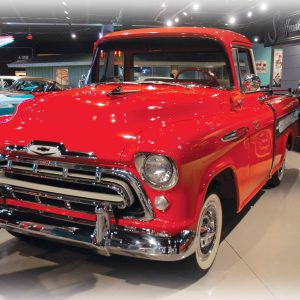
In the ’50s, home-delivery baker Helms Bakery went door to door, delivering bread and bakery goods on the streets of Southern California. All you had to do was call and order what you needed, and the next day it was delivered to your door. You could also stop the drivers on their route to buy their goodies, and that’s how we remember the early ’50s Chevy Helms delivery trucks. We figured they must have a rather large fleet of them to cover the L.A. Basin. We aren’t sure exactly when it happened, but no doubt rapidly changing family lifestyles took their toll, and Helms stopped the delivery portion of the business. As a result, there were a lot of early Chevy panel trucks that went somewhere.
Bigger Binders
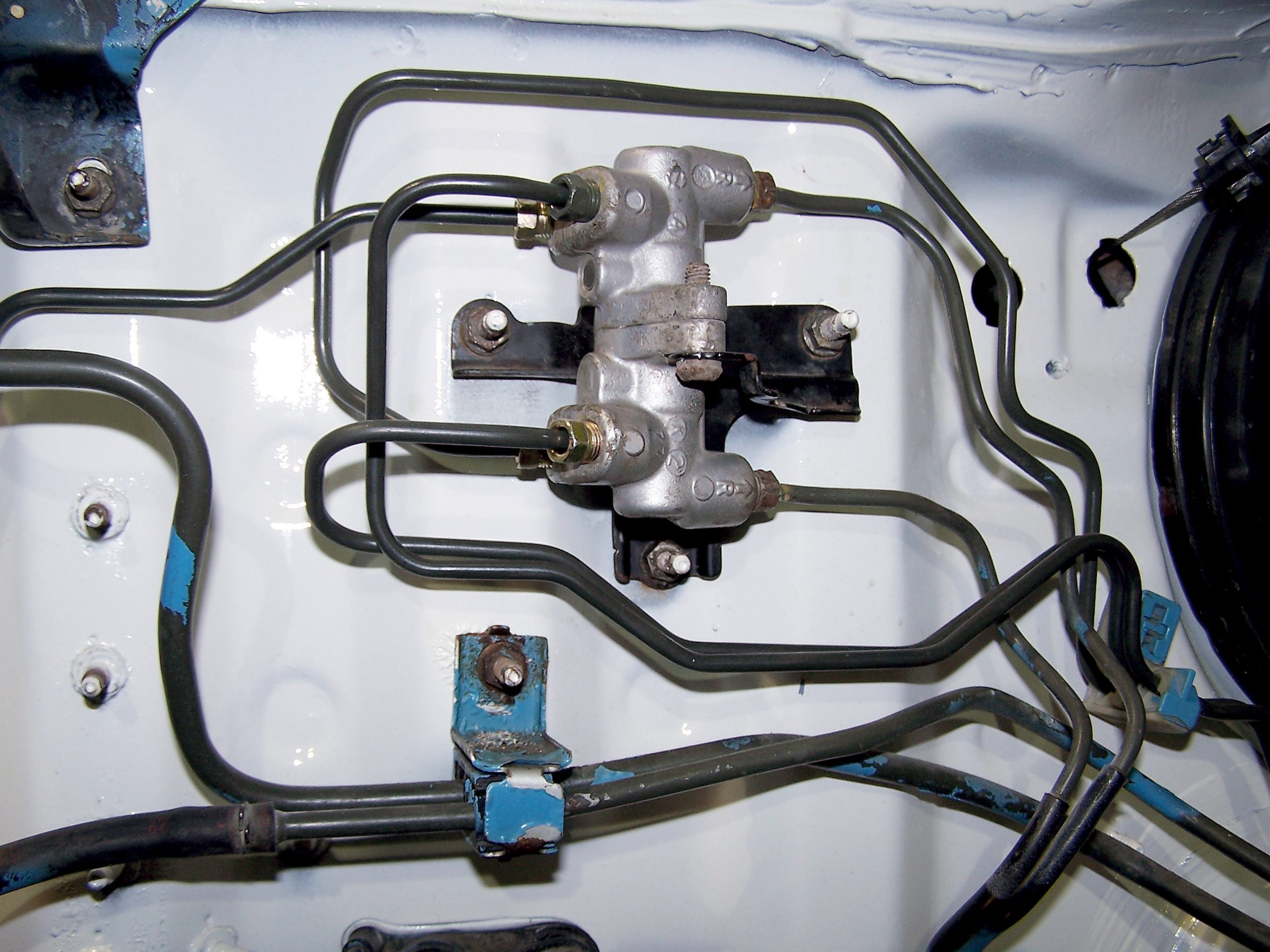
After seeing several ʼ05 Mustangs fitted with StopTech brakes on display at various shows, we made it a point to talk with them about the system they have designed for this car. The result was an impromptu testing session at the California Speedway in Fontana. As it turns out, just because the company had developed a kit that fit the Mustang didnʼt mean they were finished—not by a long shot.
Spotlighter
POPULAR READS
-
Product Spotlight: Bill Mitchell Products Aluminum LS Engine Block
-
PRODUCT SPOTLIGHT: 60-66 Chevy C10 Fresh Air Vent Block Off Plate
-
Product Spotlight: Pyramid Optimized Design Sequential Aurora Taillight for 1964½–1966 Mustang
-
PRODUCT SPOTLIGHT: Cam Covers for GEN/3 Coyote from Pyramid Optimized Design
OUT WITH THE OLD, IN WITH THE NEW
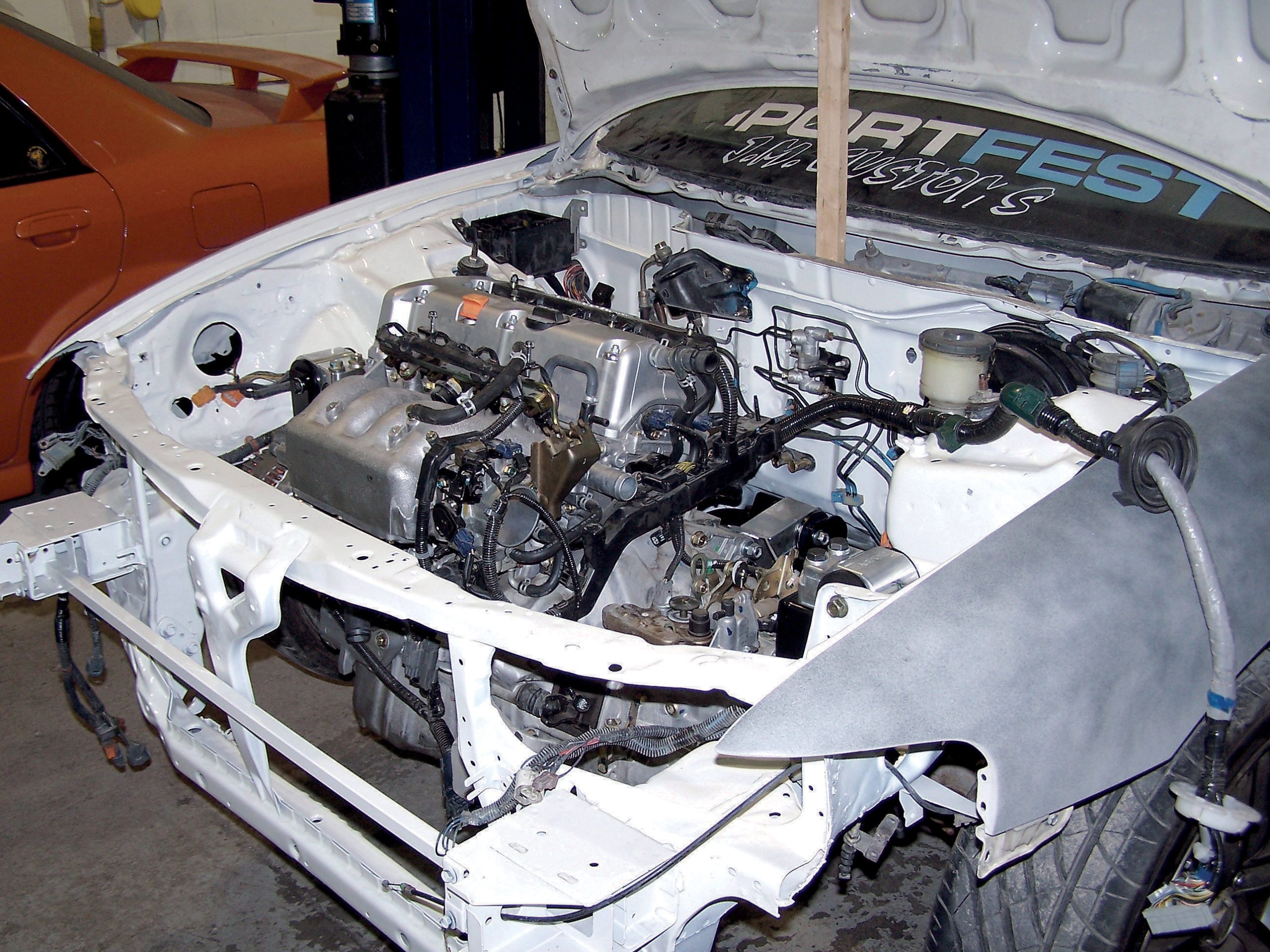
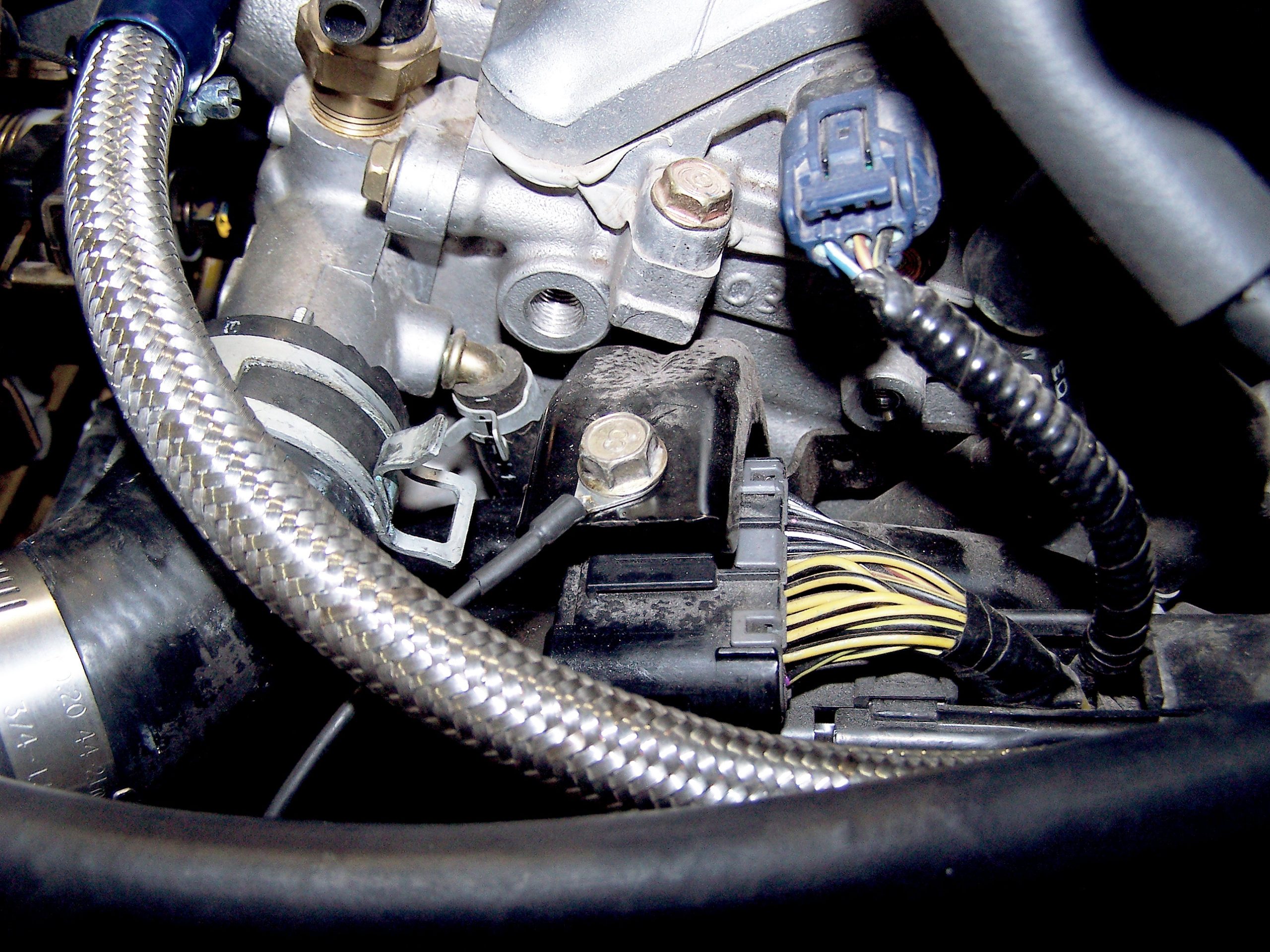
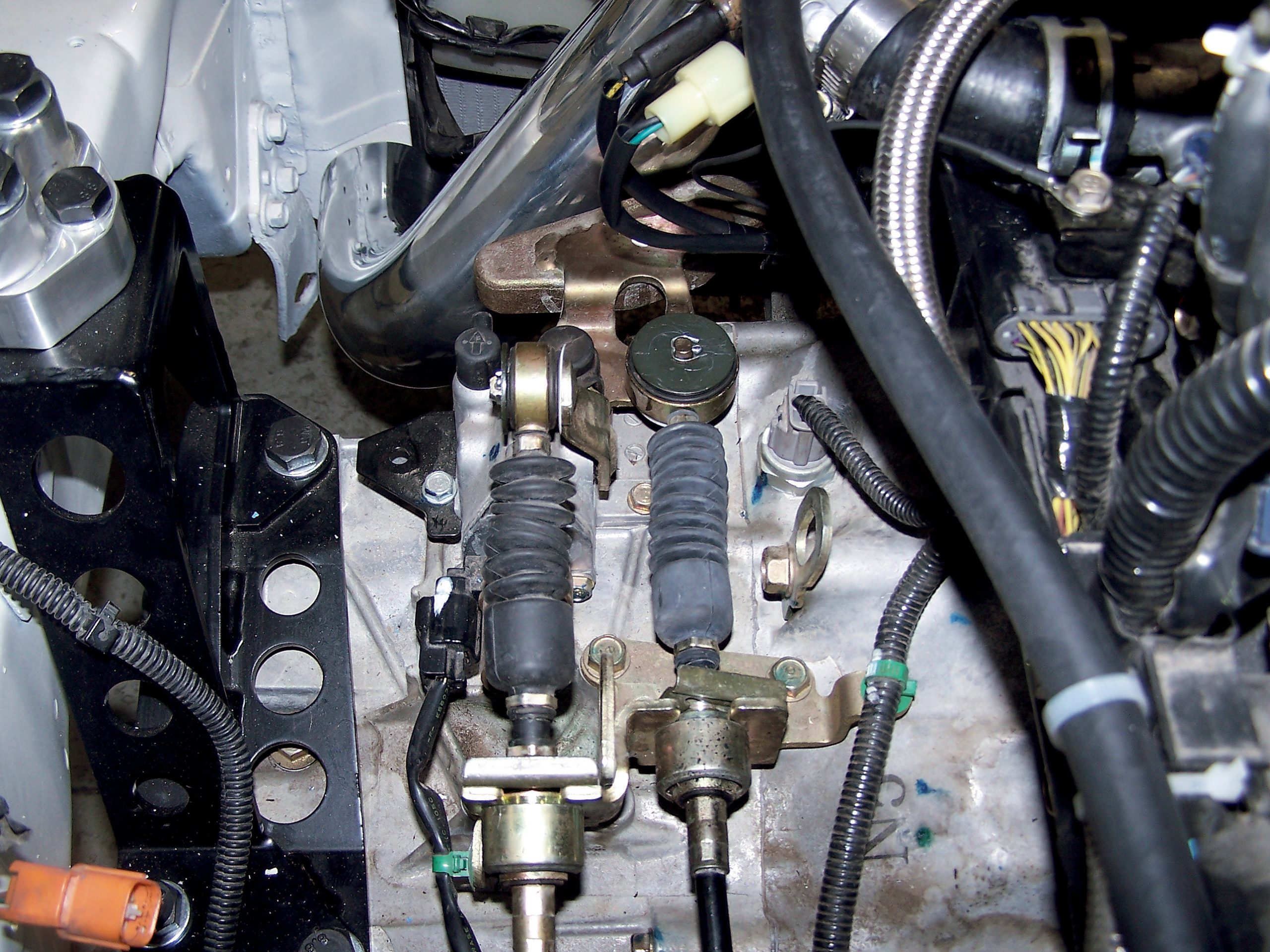
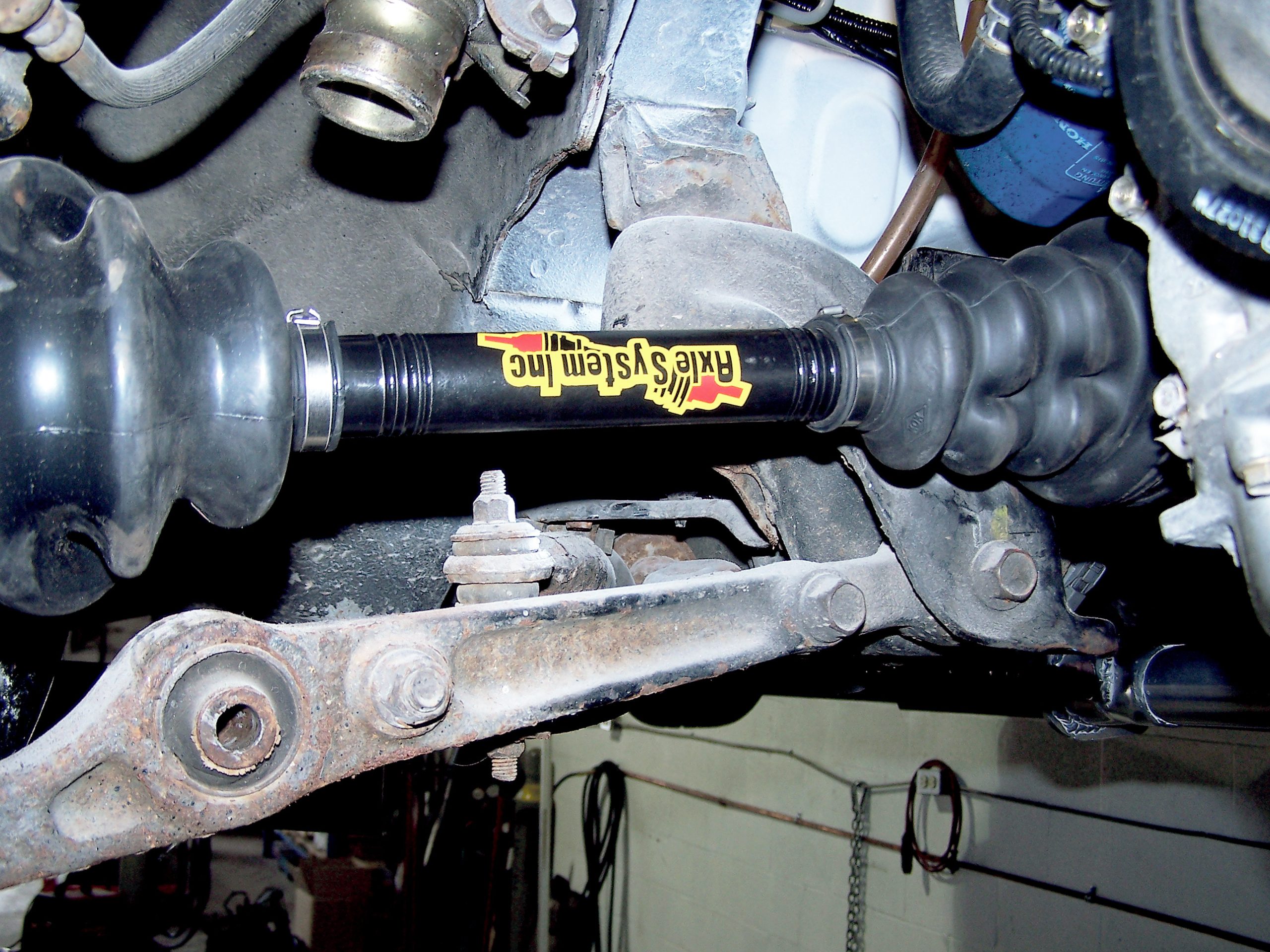
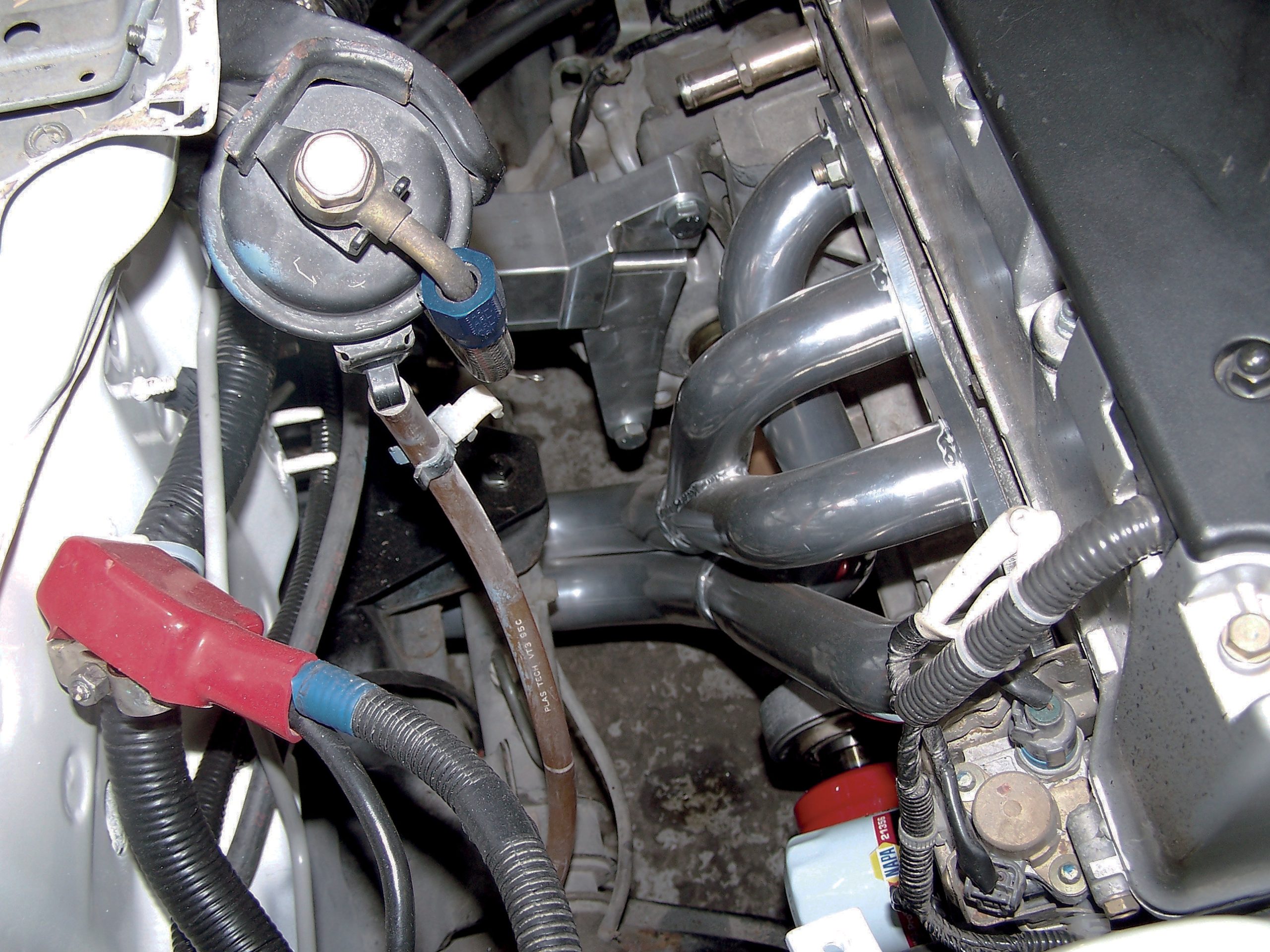
Installing A K20 Into a DC2 Integra
Author
Sean L. Greene
Photos: Jim Edwards
The Evolution of the Integra: Gains and Losses
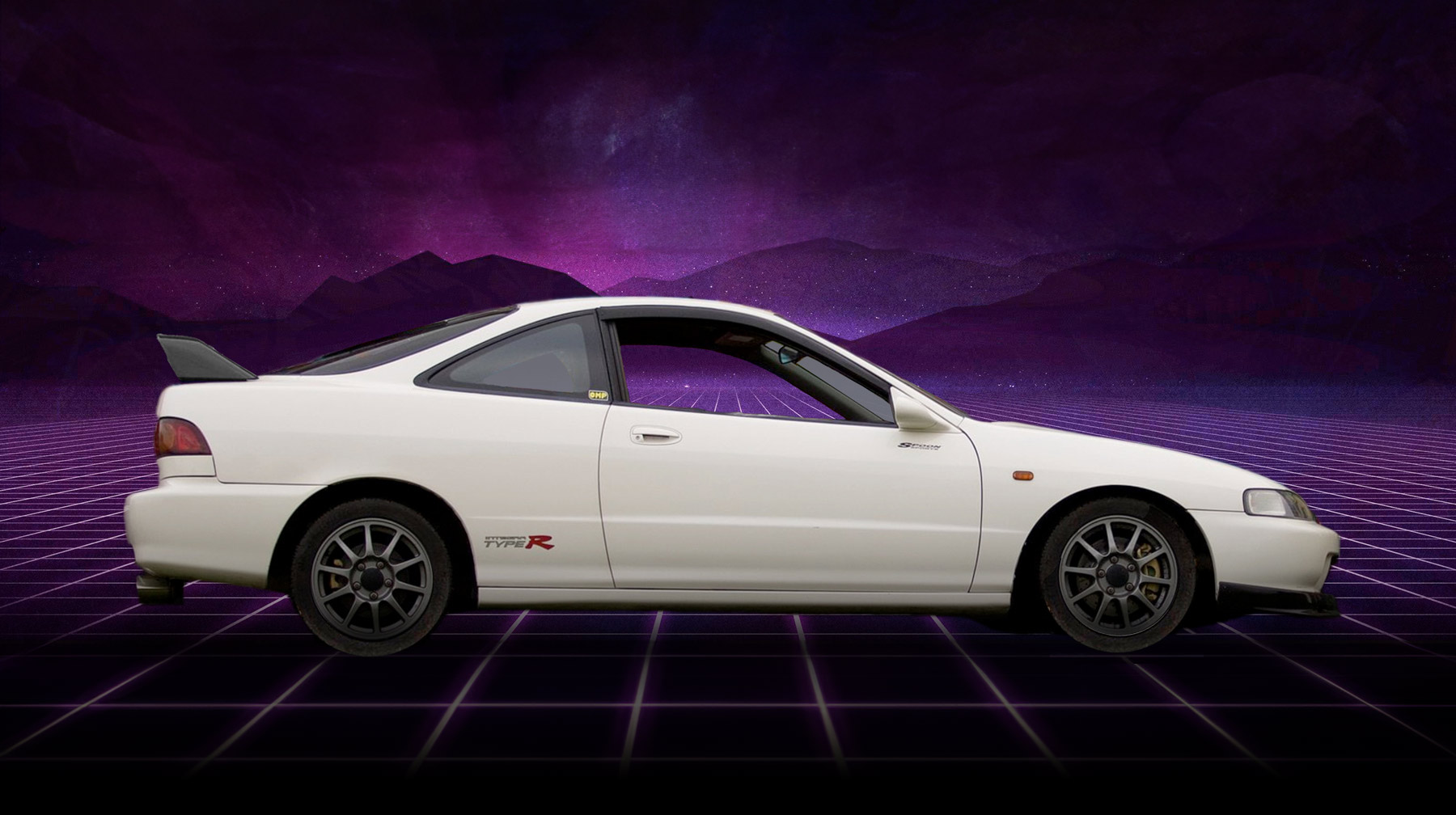
I’ll have to be honest, I’m not particularly fond of the DC5 Integra, otherwise known as the Acura RSX here in America. It’s a fine-looking, well-built car, and it does have its strong points, but if you’ve ever driven a stock Integra Type-R and then hopped behind the wheel of an RSX Type-S, you immediately noticed a substantial difference in how the car feels. Honda did the right thing in refreshing the looks of the aging DC2 Integra platform, but somewhere along the retooling process, the terrific driving experience for which the Integra was known was lost somewhere. The Integra Type-R was a no-frills, high-performance sport compact that bordered on being a street-legal racecar, but without the loud exhaust or kidney-bruising ride; the RSX Type-S just doesn’t have the feel that the older Integra had—instead of being razor-sharp and agile, the RSX feels numbed and subdued by comparison.
Mixed Feelings About the RSX
Now before you RSX freakos take offense, understand that when I say I’m not particularly fond of the RSX, that doesn’t mean I flat-out don’t like it. Instead, I’m rather torn since the K20 engine is not only technologically more advanced in its design, but it also outperforms the now-discontinued B-series engine. So a small compromise has been made—out goes the wishbone suspension for a McPherson setup, and in goes the more potent K20 with i-VTEC, which makes for a more flexible engine. Be honest, wouldn’t you rather have the hot looks of the RSX Type-S and the no-holds-barred feel of the old Type-R? Of course you would, and so would I.
A Fusion of Performance and Handling
Well, fortunately for us, some enthusiasts aren’t willing to compromise either when it comes to performance—whether it’s power or handling. The owner of this Integra Type-R decided that he wanted the power of the 210hp K20 engine (from the RSX Type-S) but wanted to retain the great handling and feel of his Integra Type-R. The problem is that the engine isn’t a drop-in solution like the older B-series engine. One of the problems is the transaxle is on the right side of the engine as opposed to being on the left side, as with the B-series configuration. This is due to the fact that the K-series engines spin clockwise instead of counterclockwise, as do the old B-series engines. This obviously poses some problems when swapping into an older chassis like the DC2 Integra.
The Role of Aftermarket Support
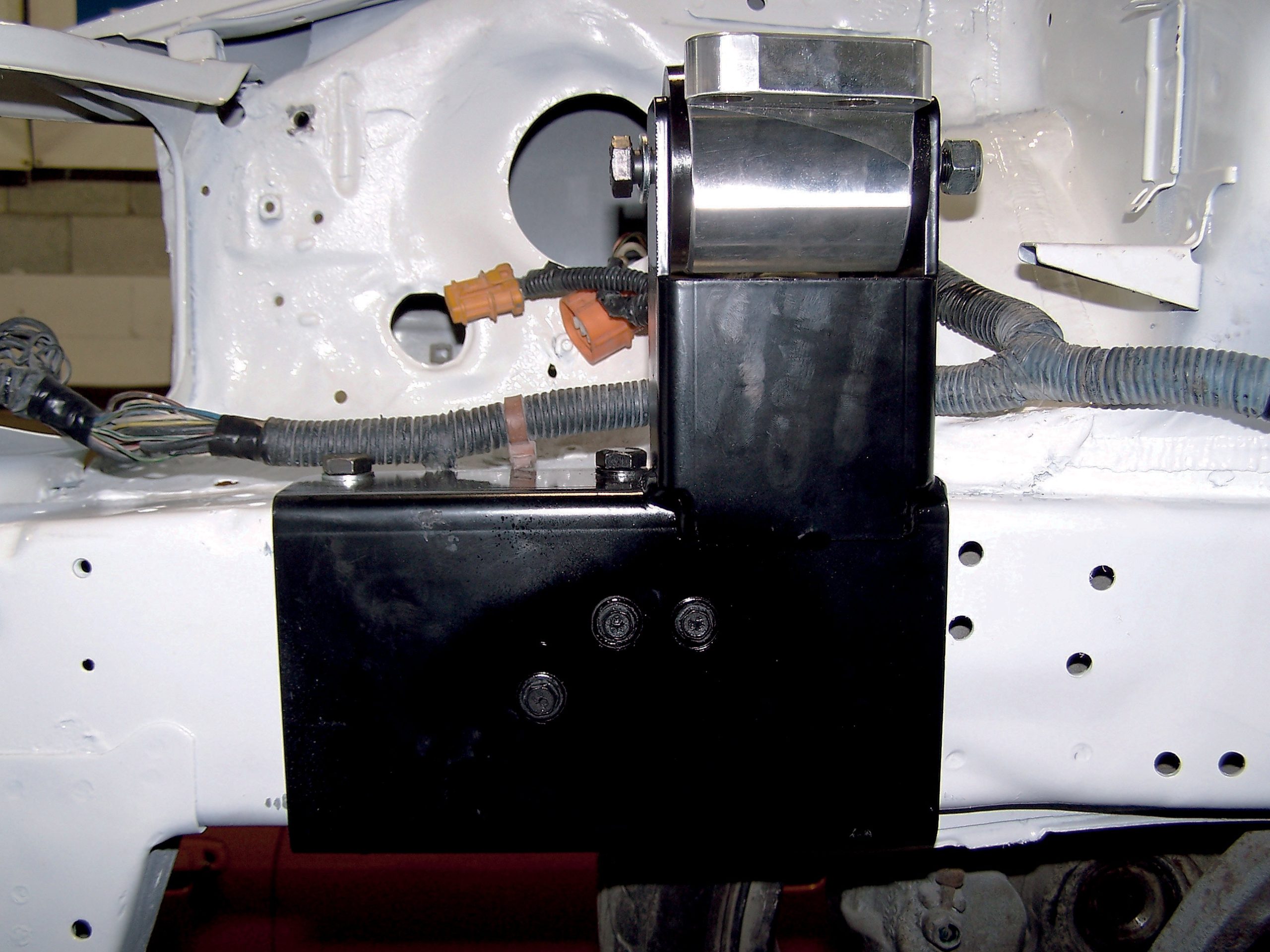
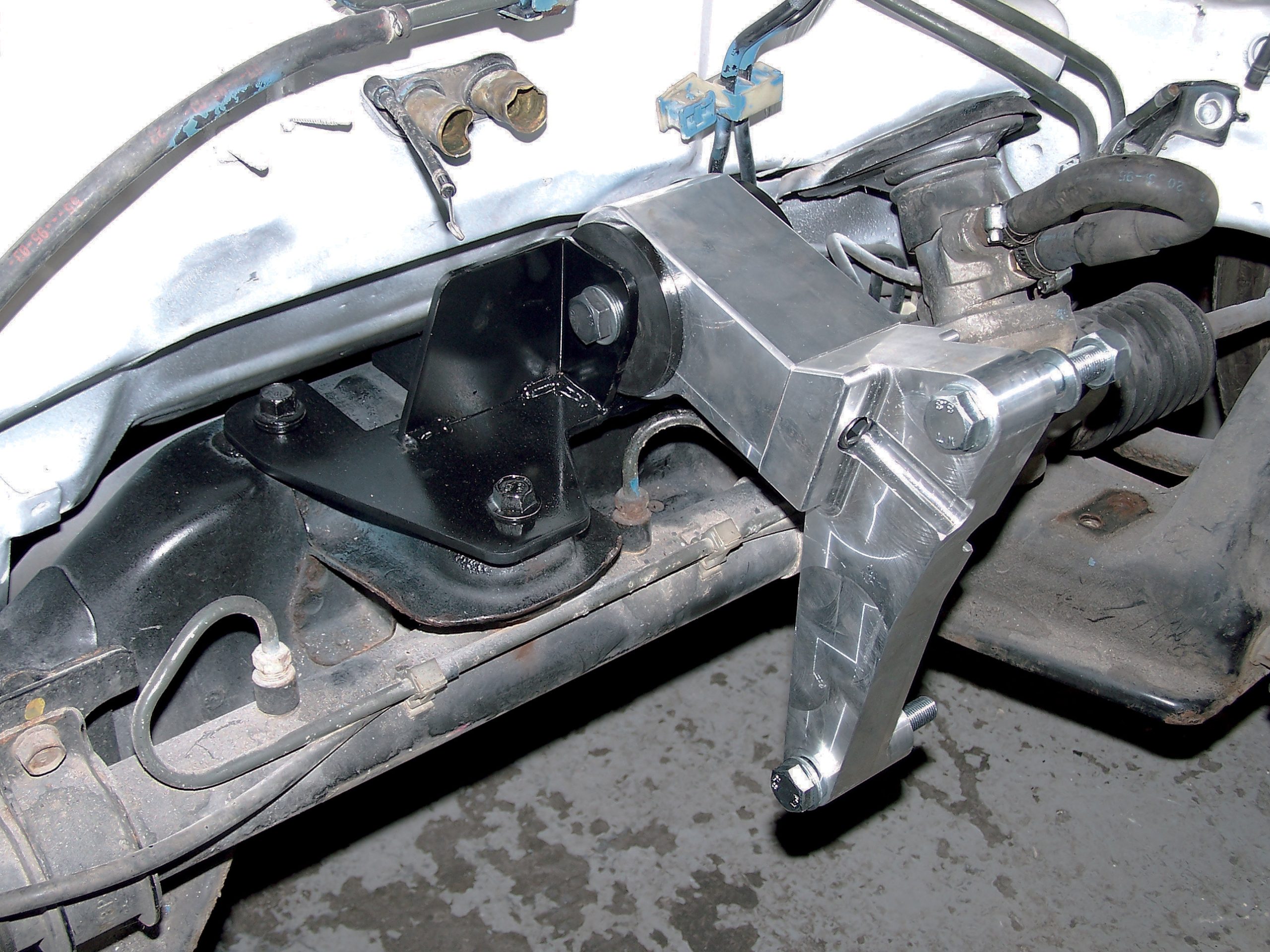
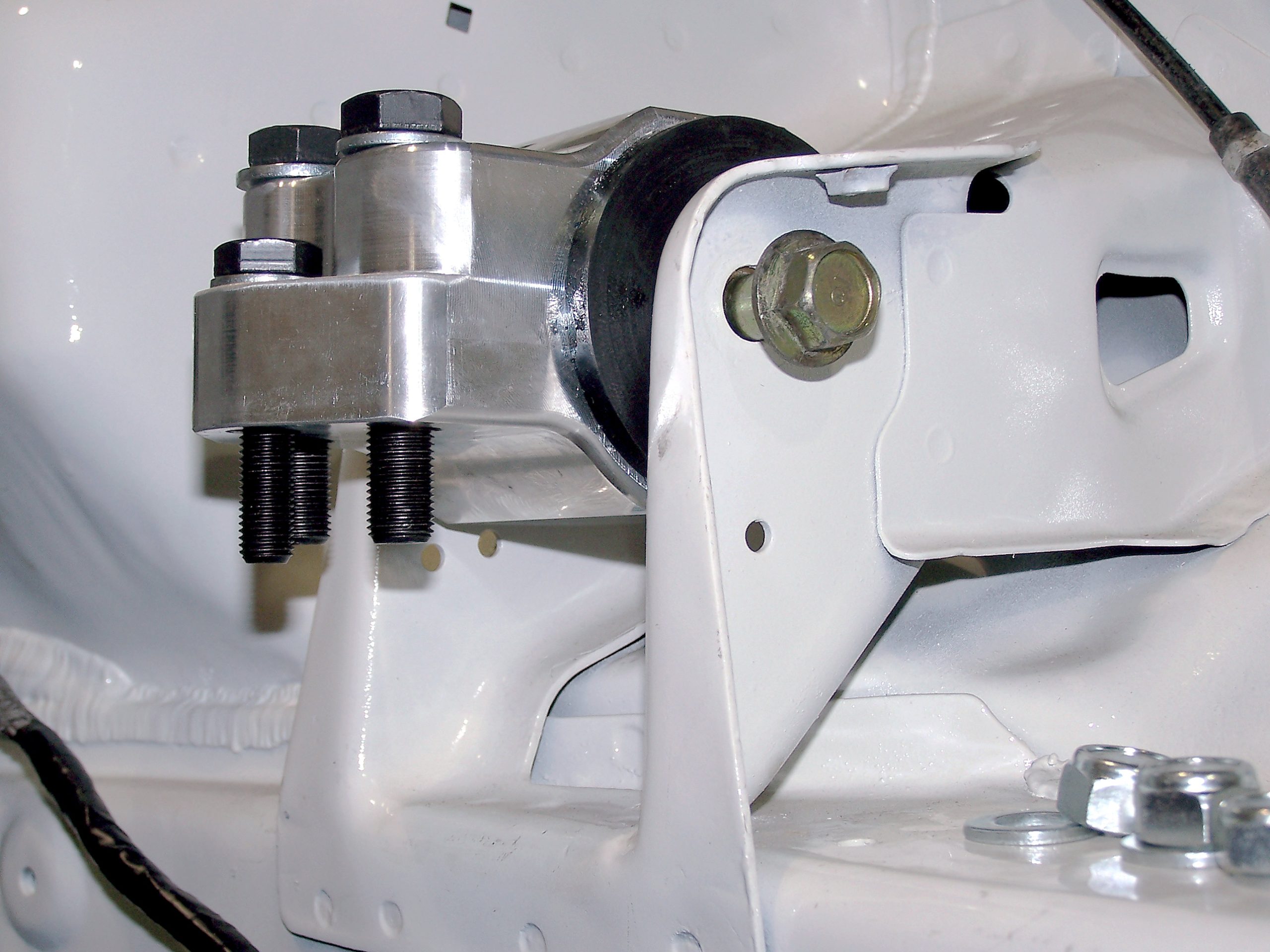
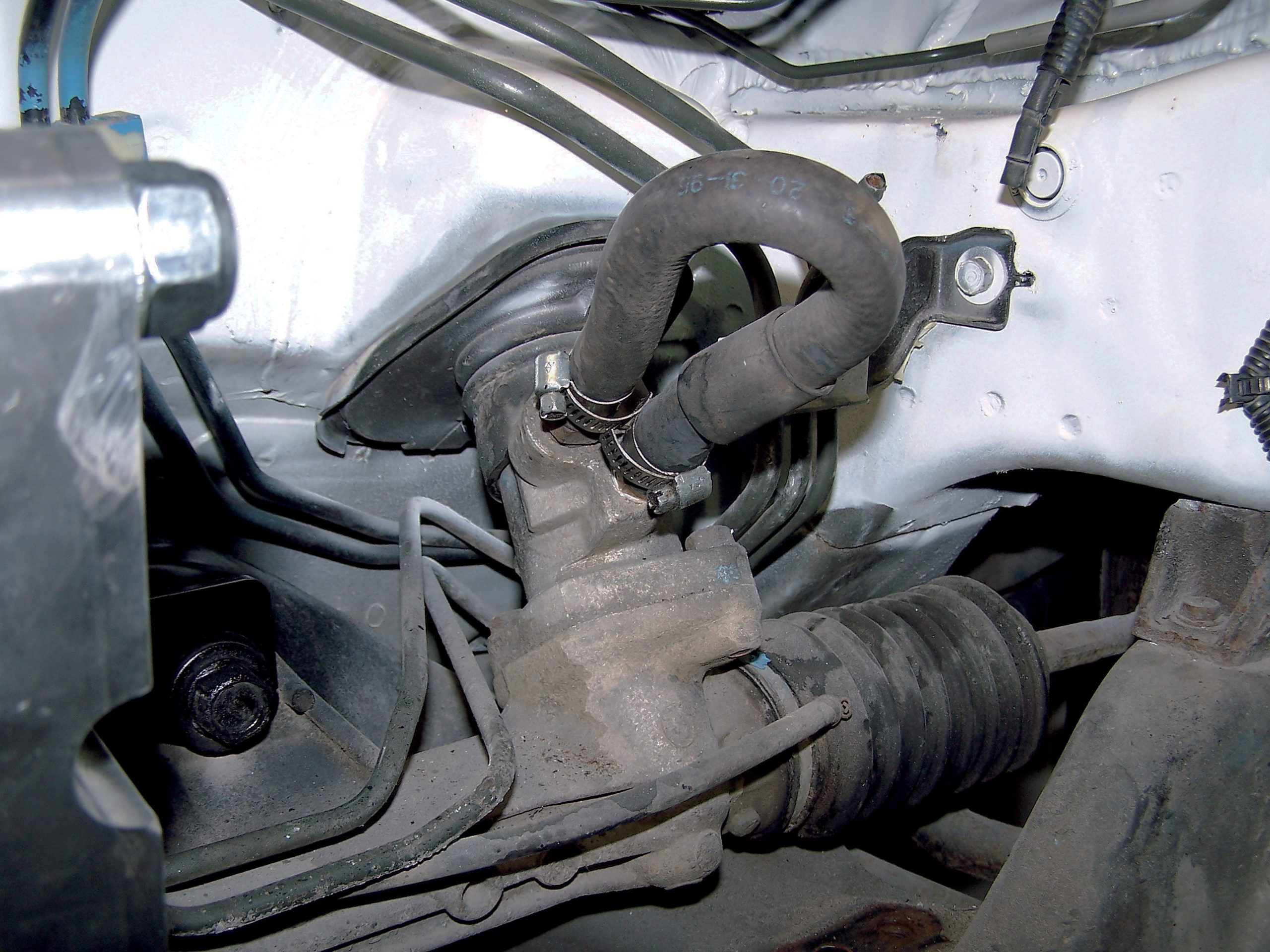
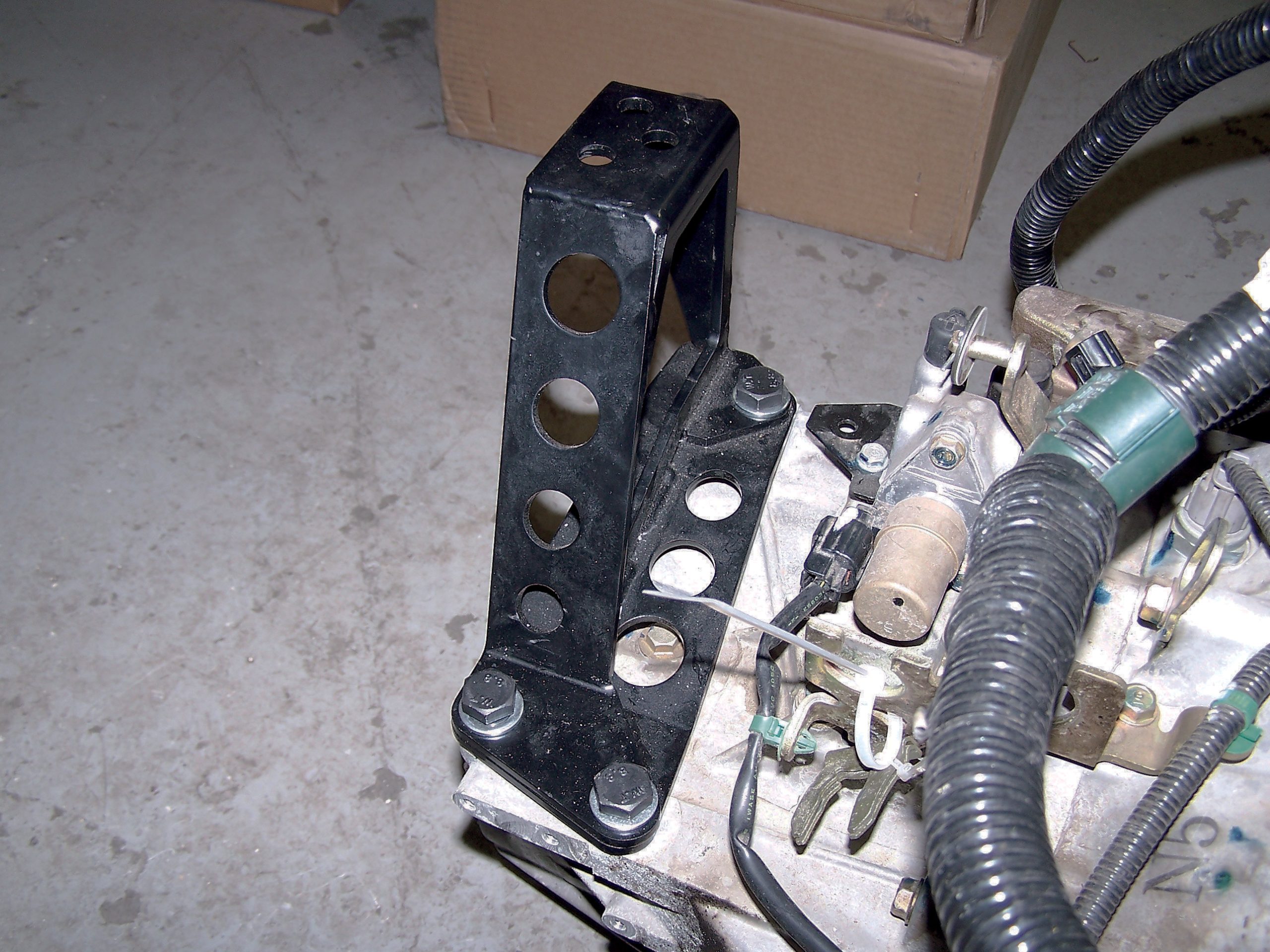
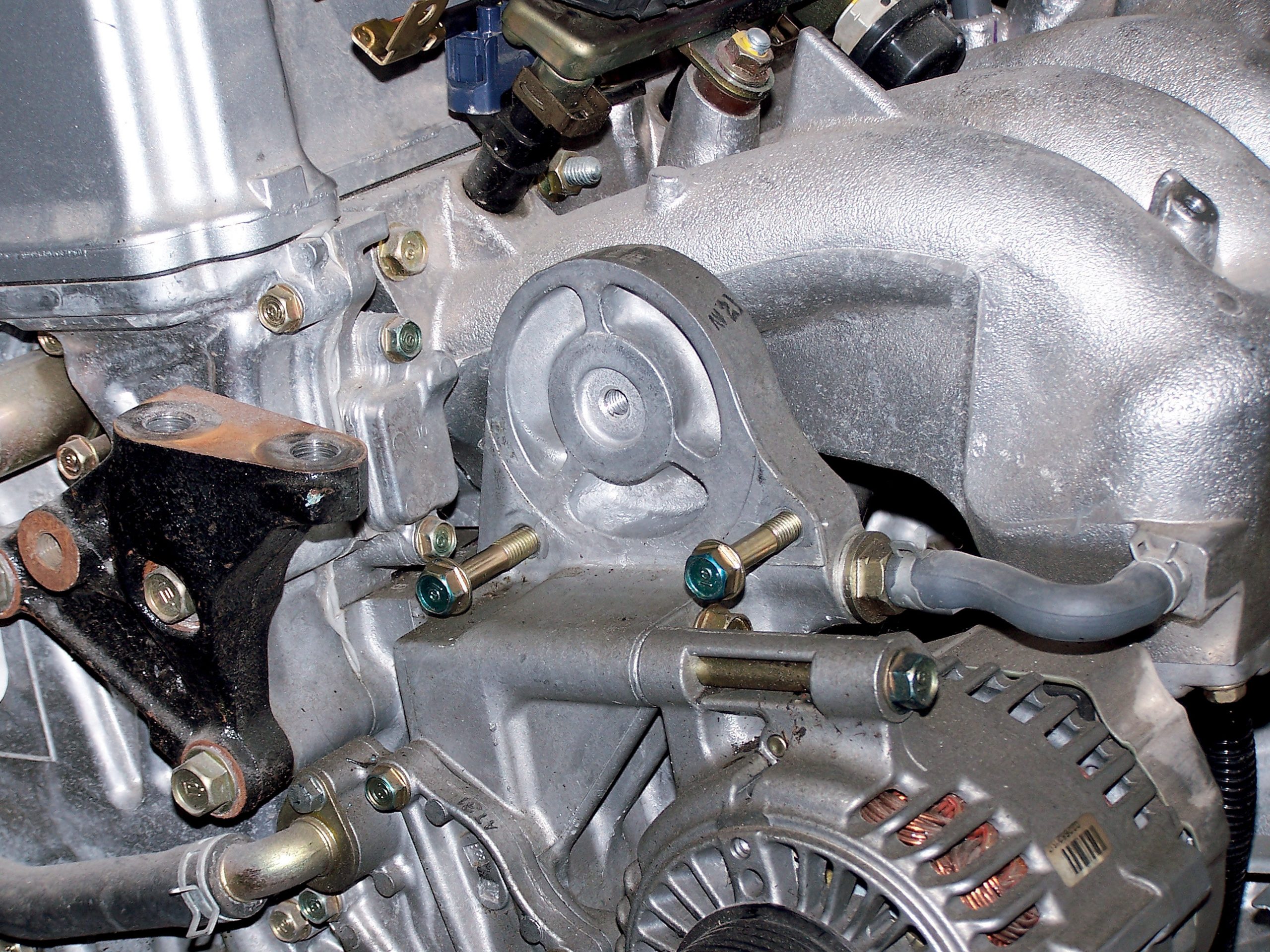
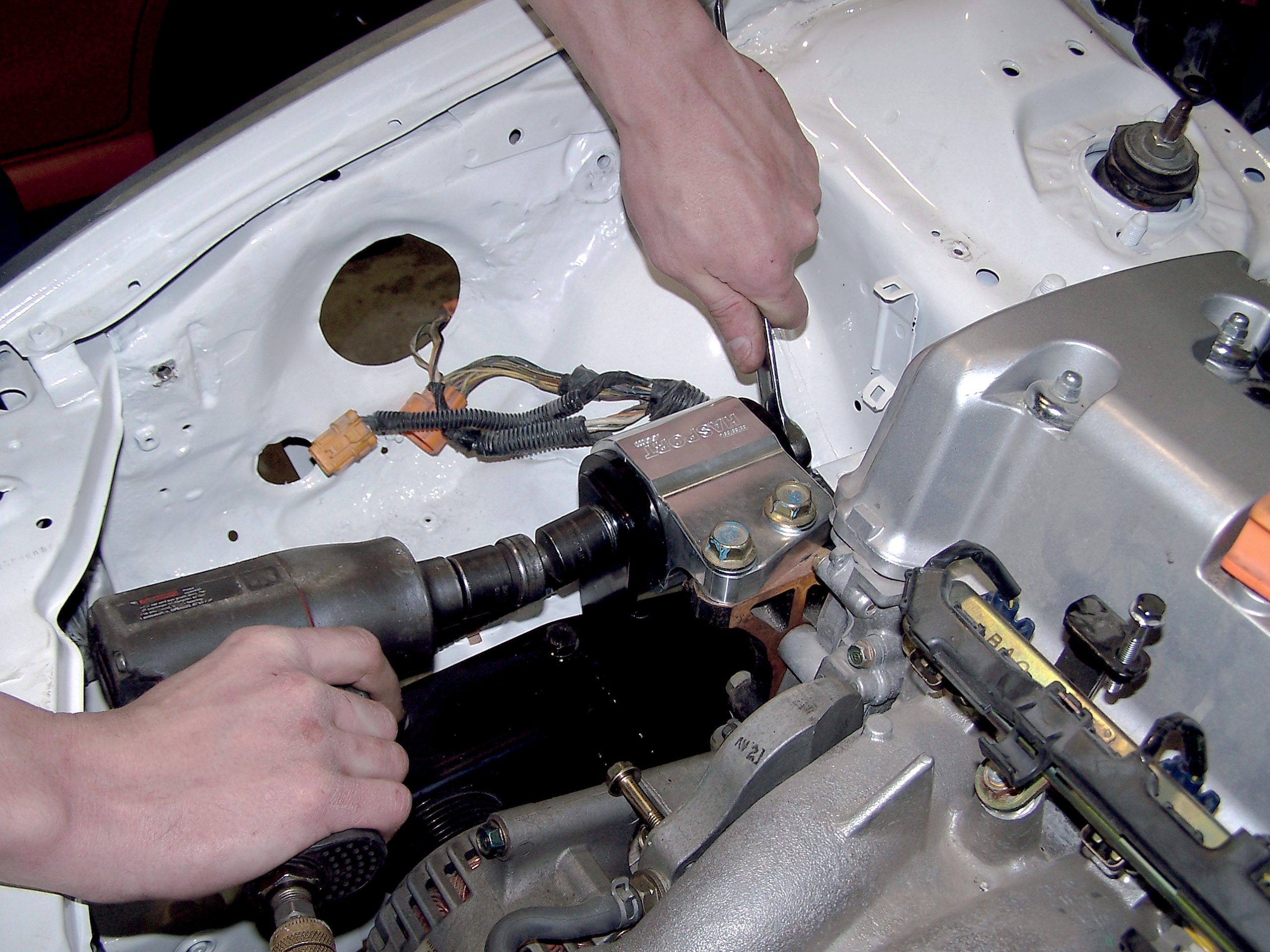
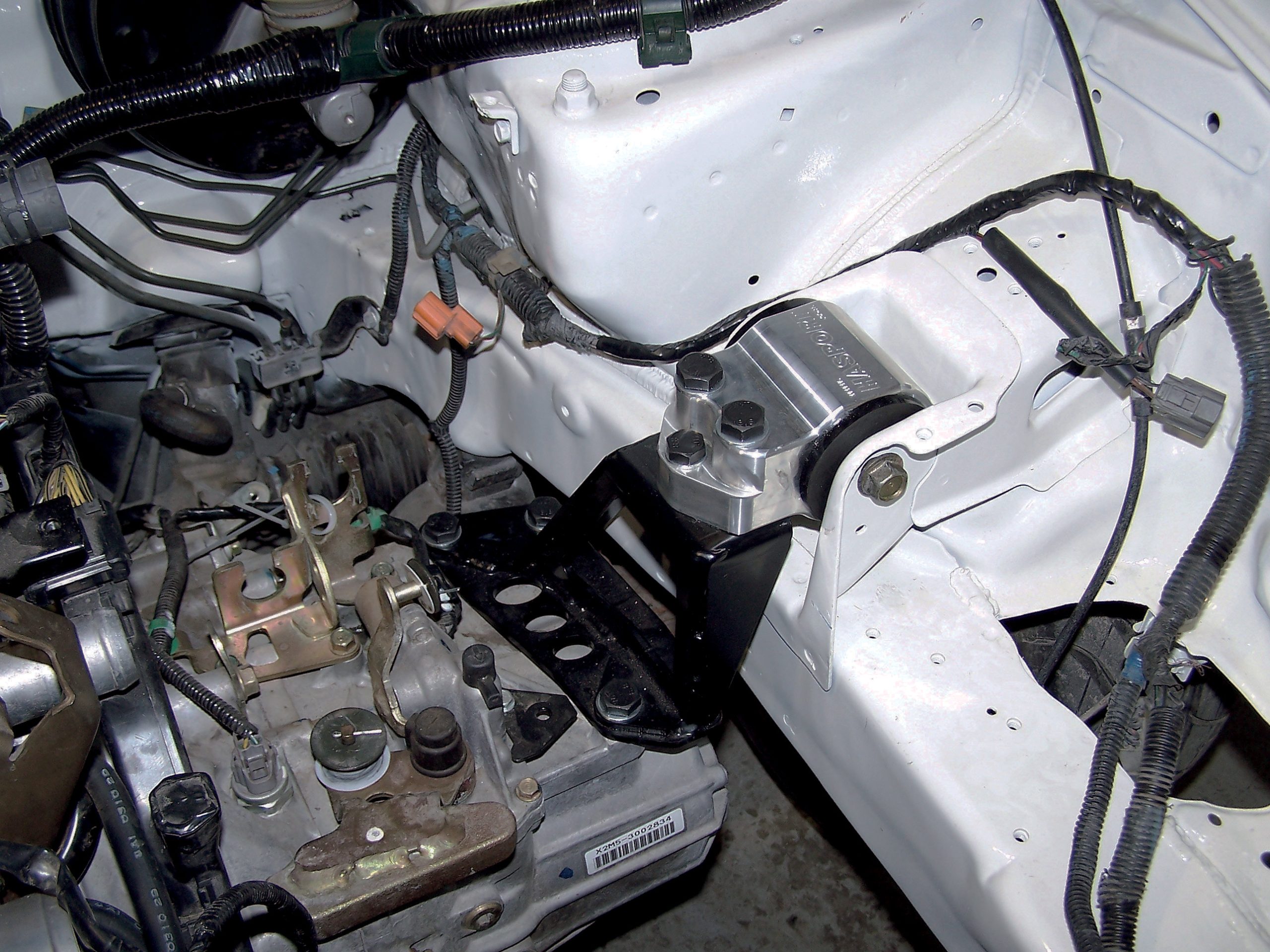
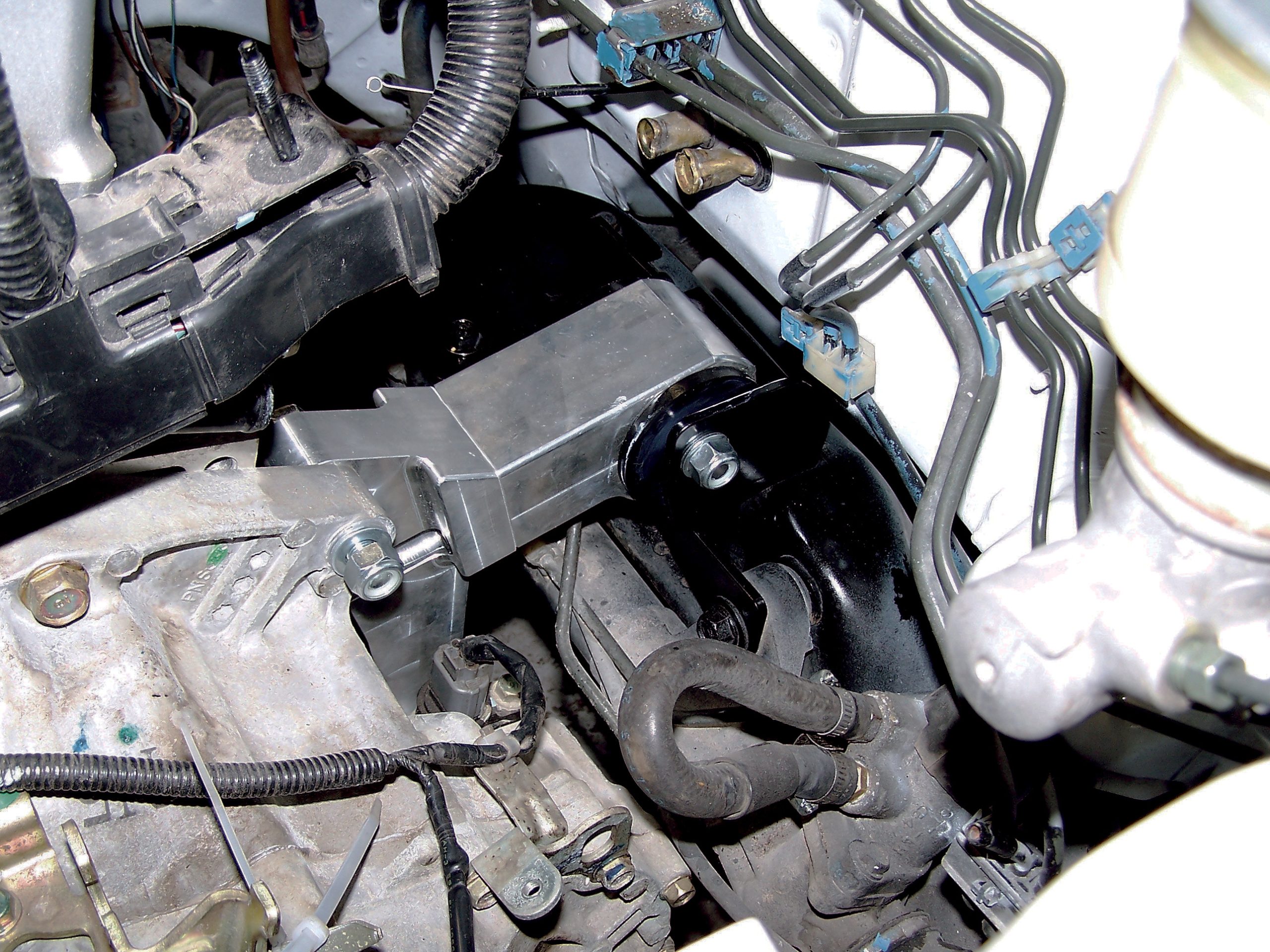
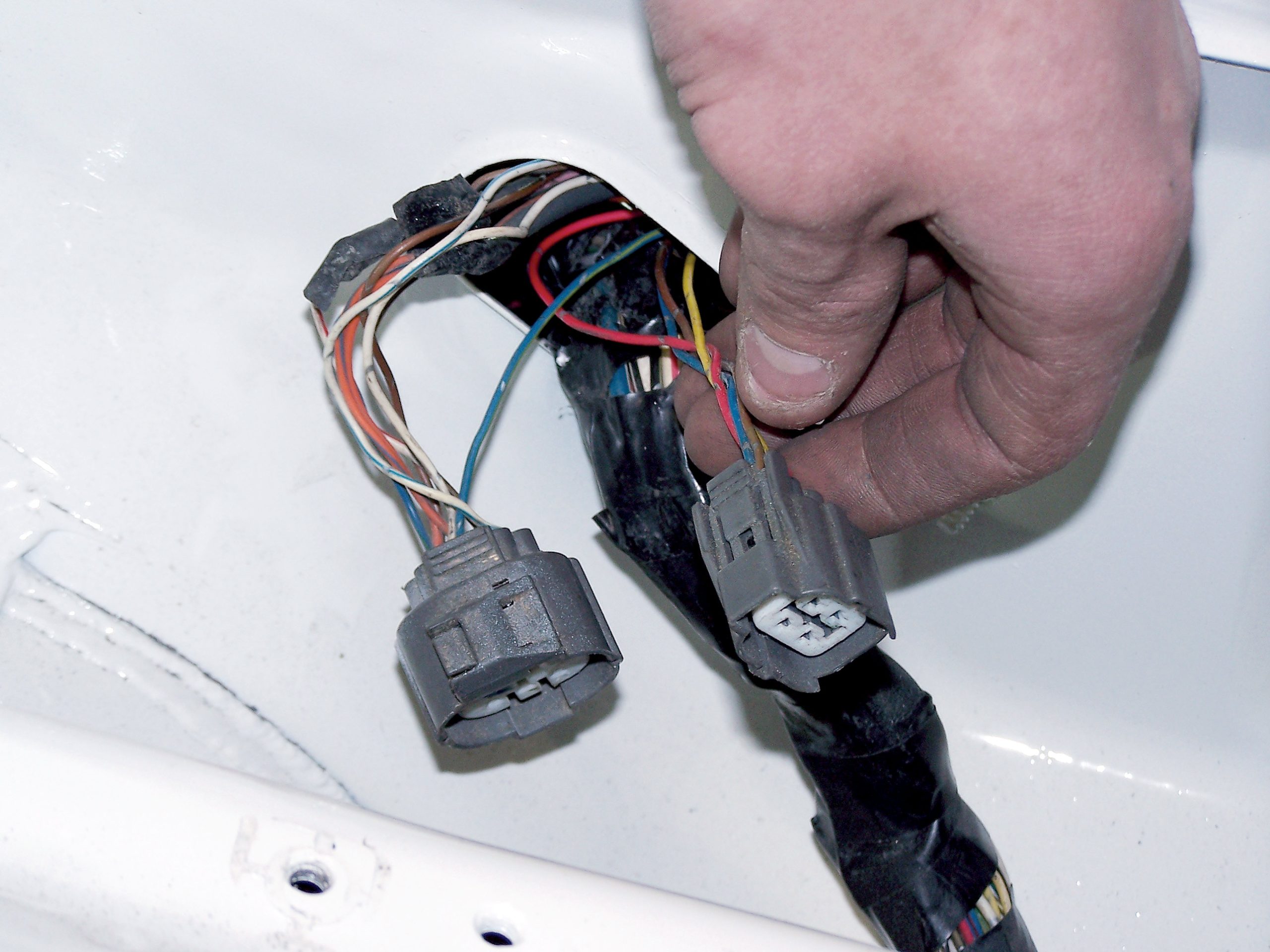
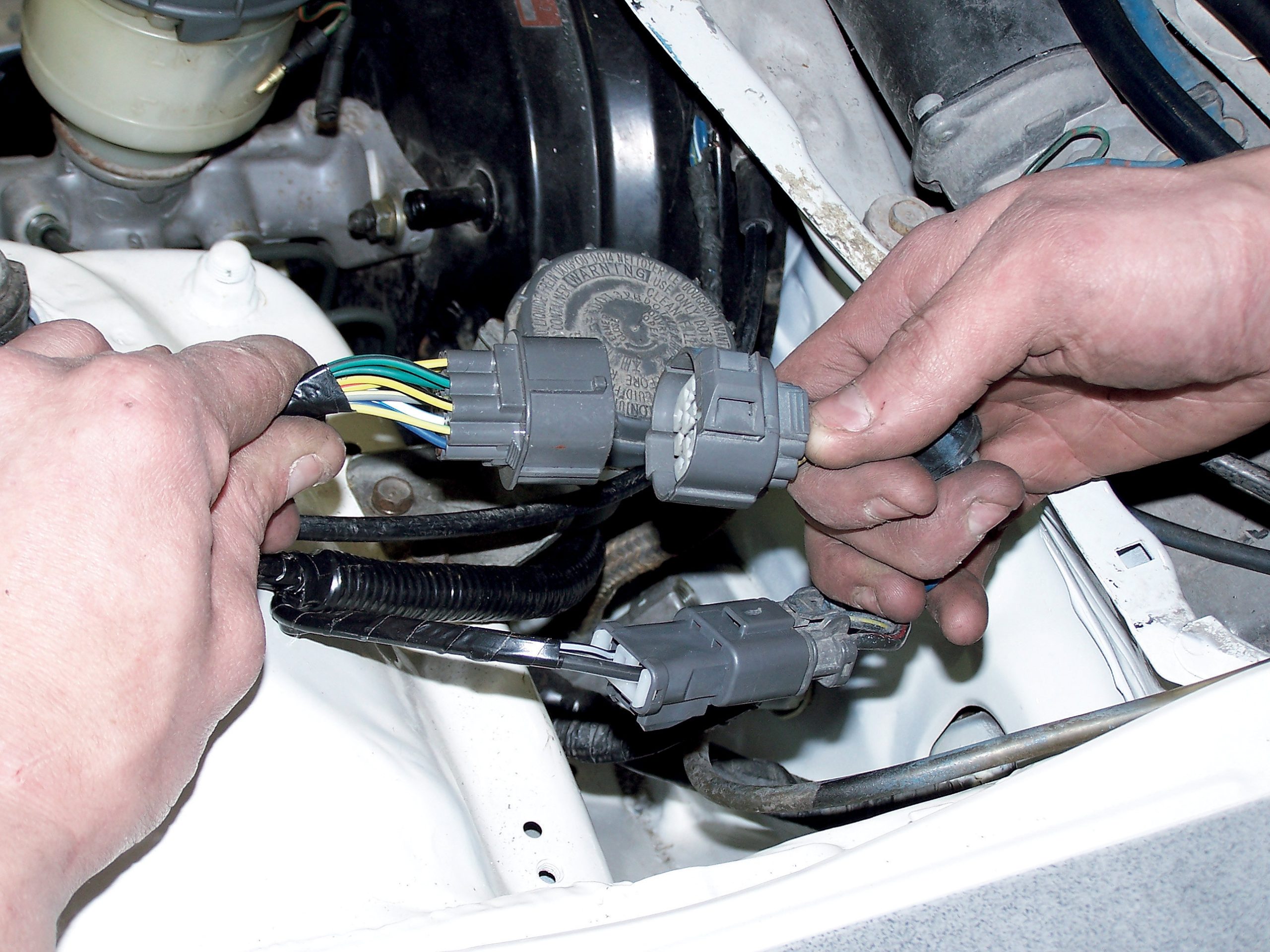
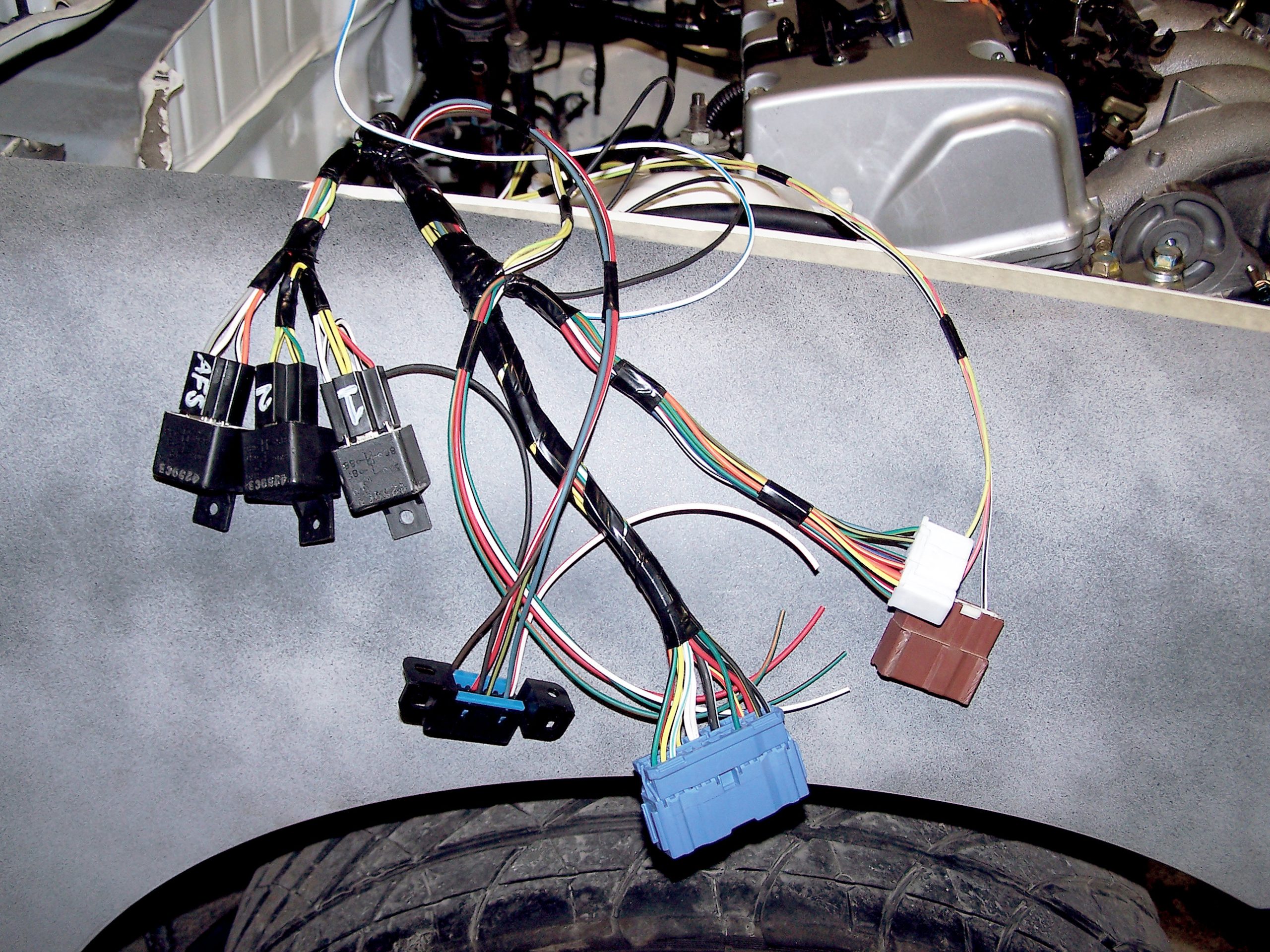
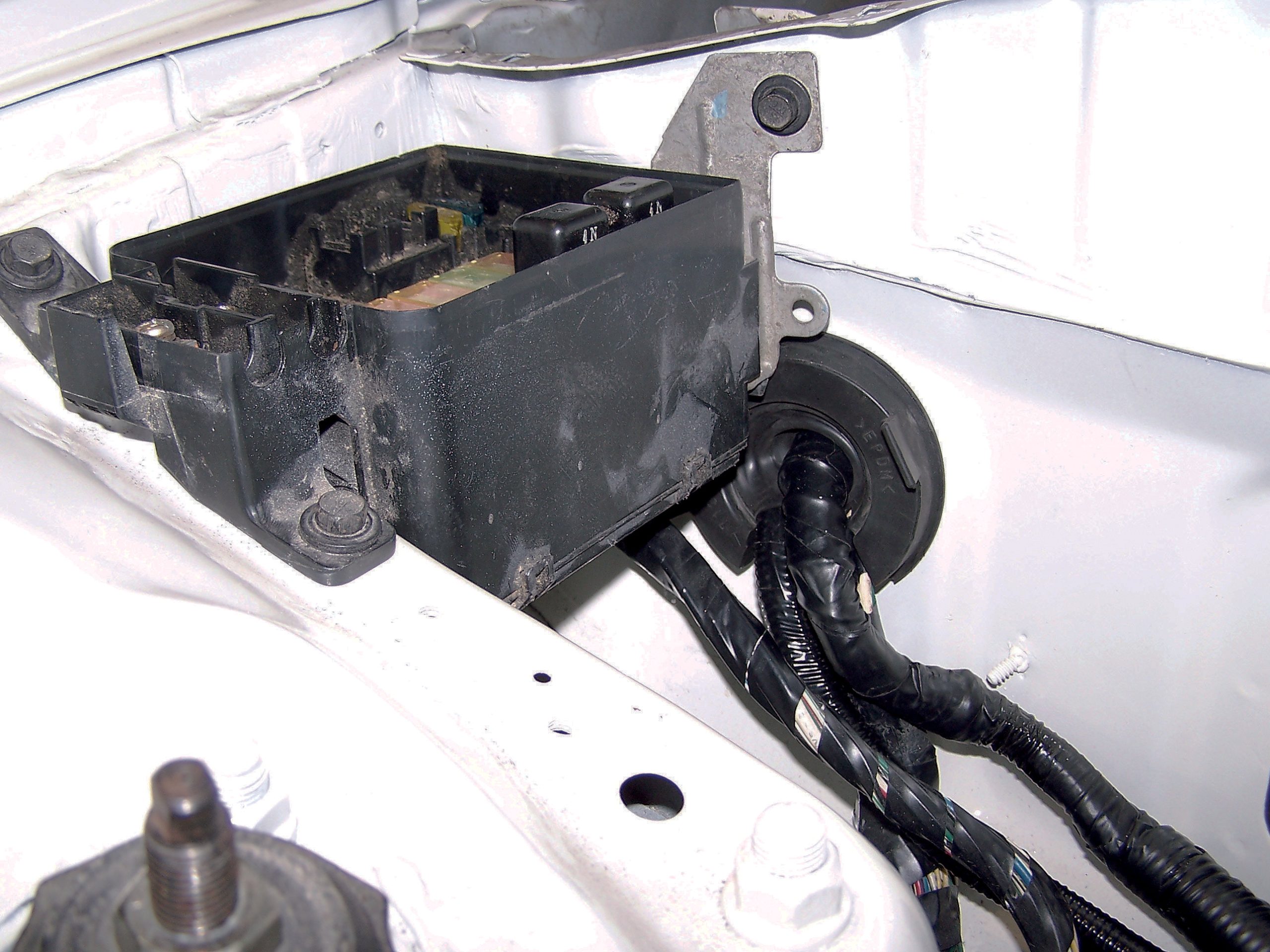
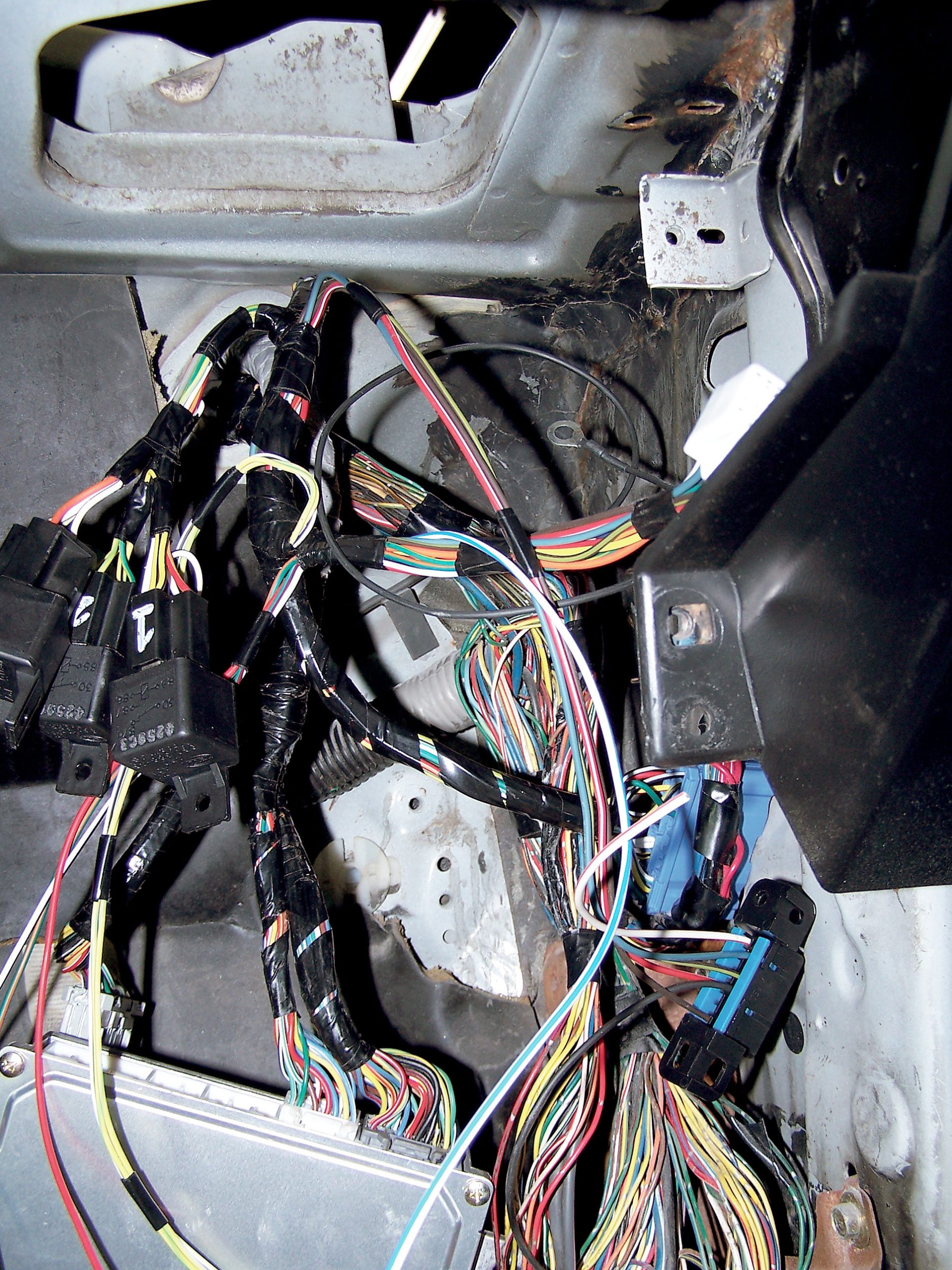
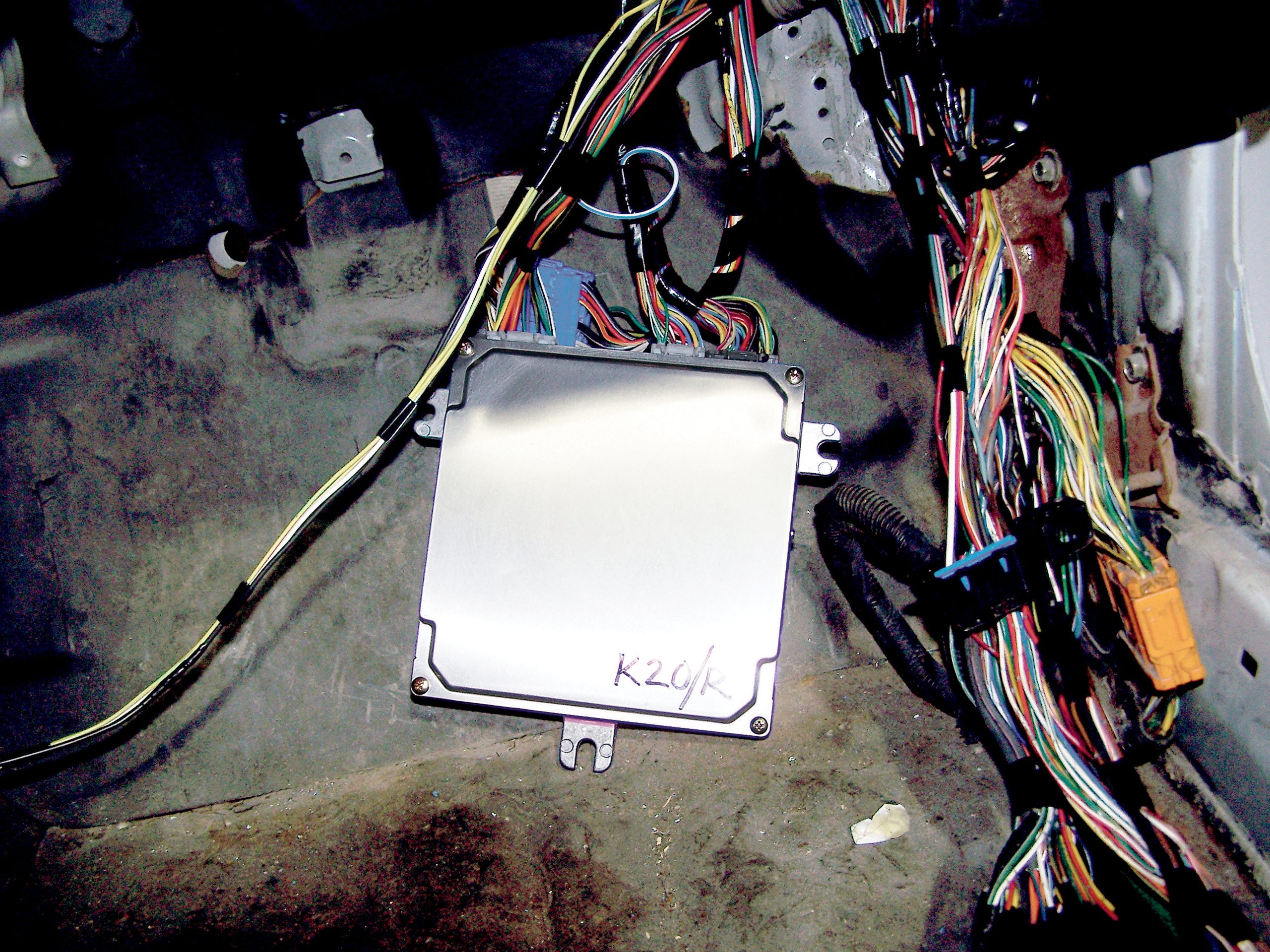
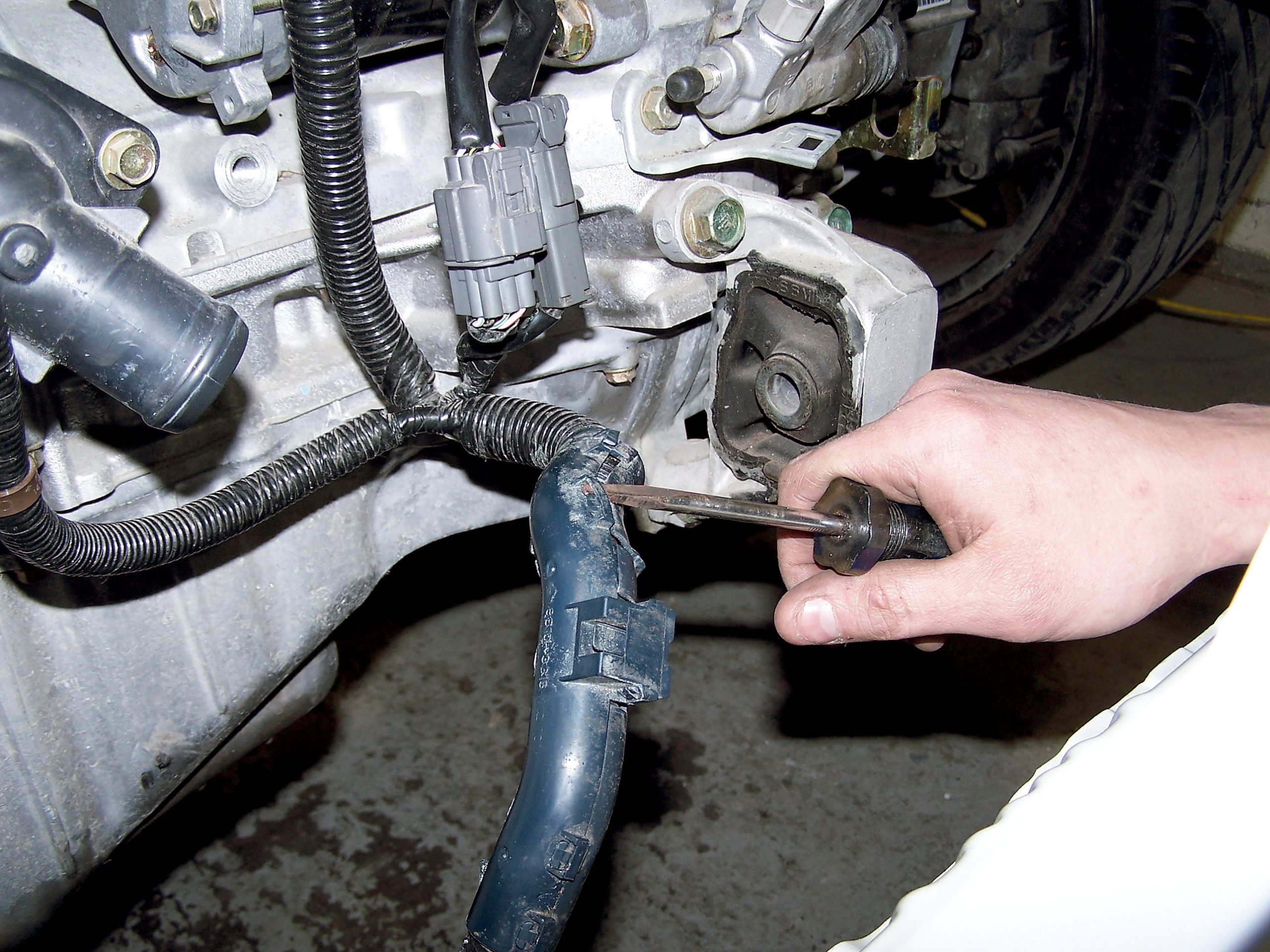
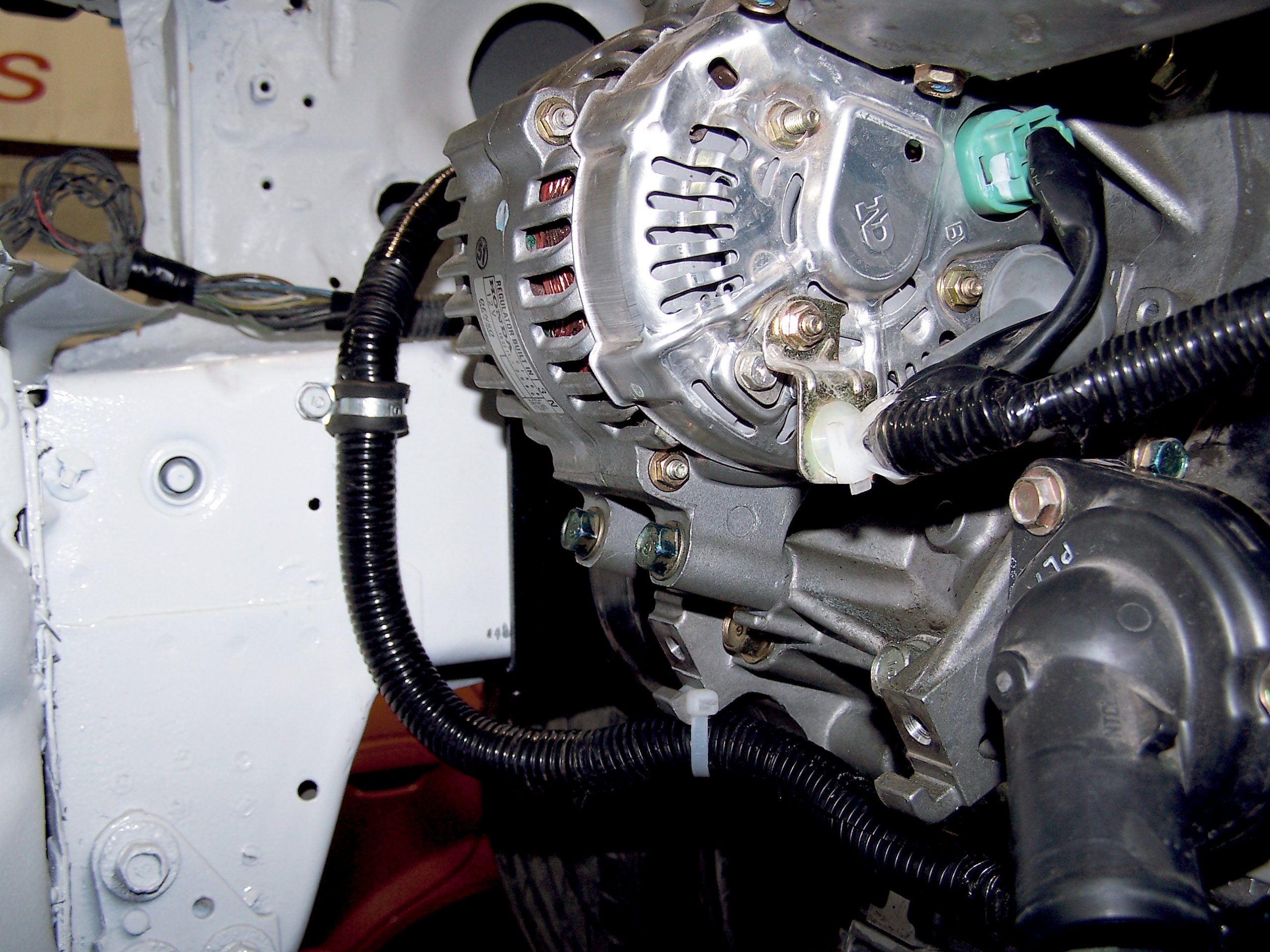
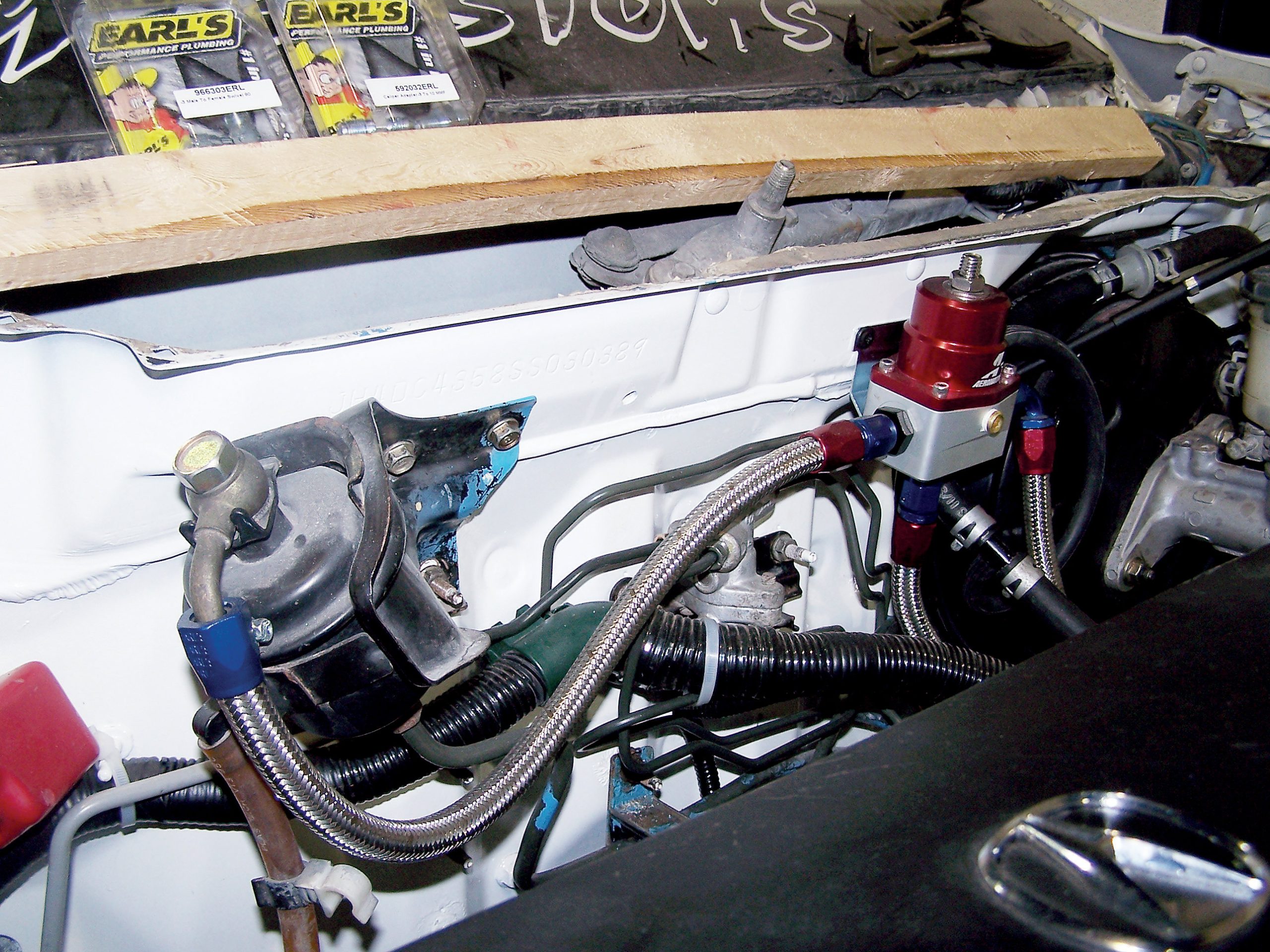
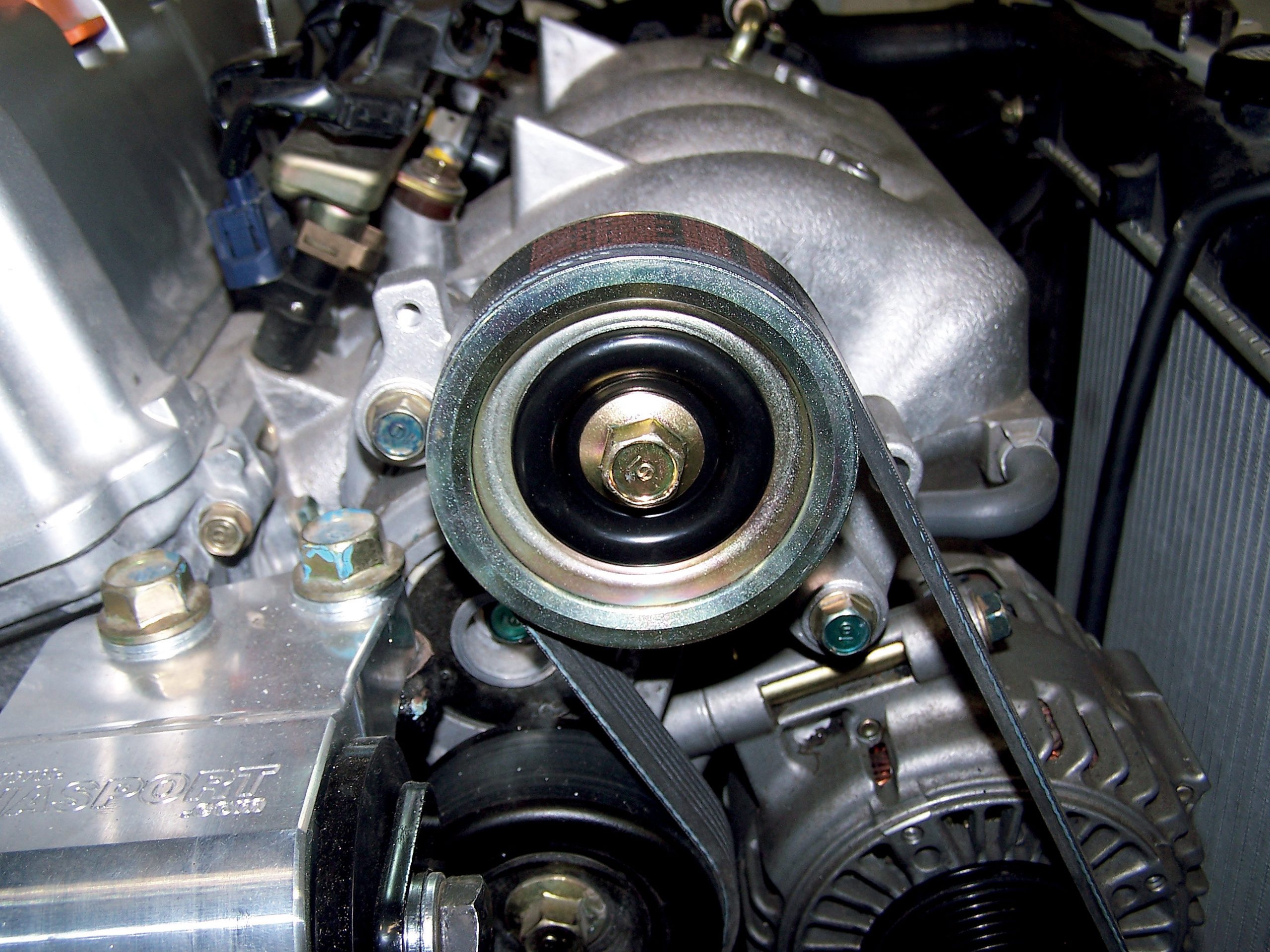
Fortunately, the K-series engine has been around long enough for the performance aftermarket to come up with an engine swap solution for those interested in such a swap (installing a K-series engine into a Civic or Integra). Hasport Performance has been producing engine-swapping kits and products, including engine mounts, wiring harnesses, and other swap-related products for Hondas for a very long time, and they wasted no time coming out with a product that applies to the K-series engine. The newly released EGK1 engine mount kit for the ’92-’95 Civic and ’94-’01 Integra comes with a header that’s specifically designed for this swap and a wiring kit required for interfacing with the older chassis’ electrical system. This swap isn’t a particularly easy one, but it’s well worth the effort, and with the amount of aftermarket performance products that are continuously being developed for the K-series, this swap is becoming more common among Honda enthusiasts.
A Meeting of Two Worlds
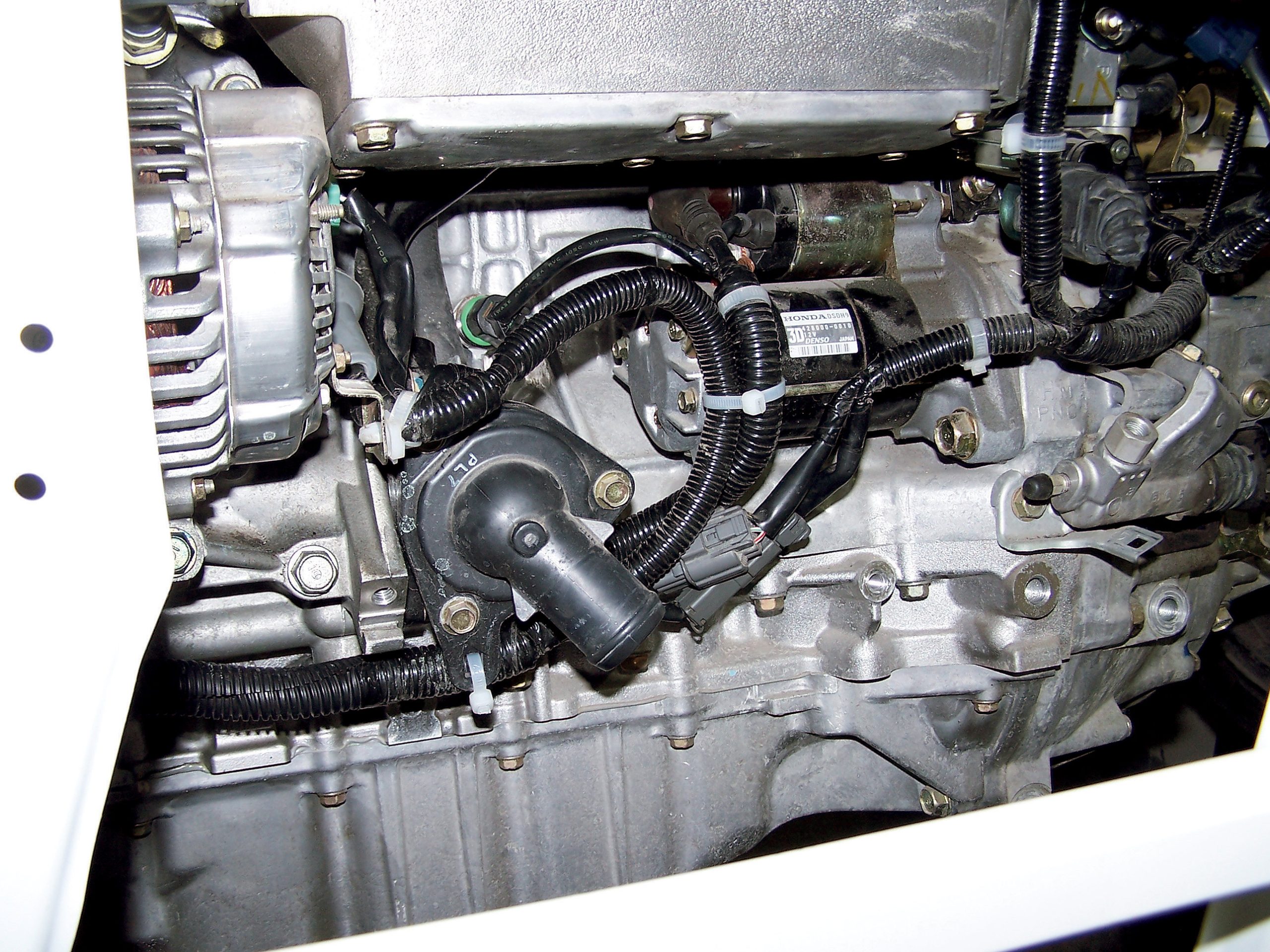
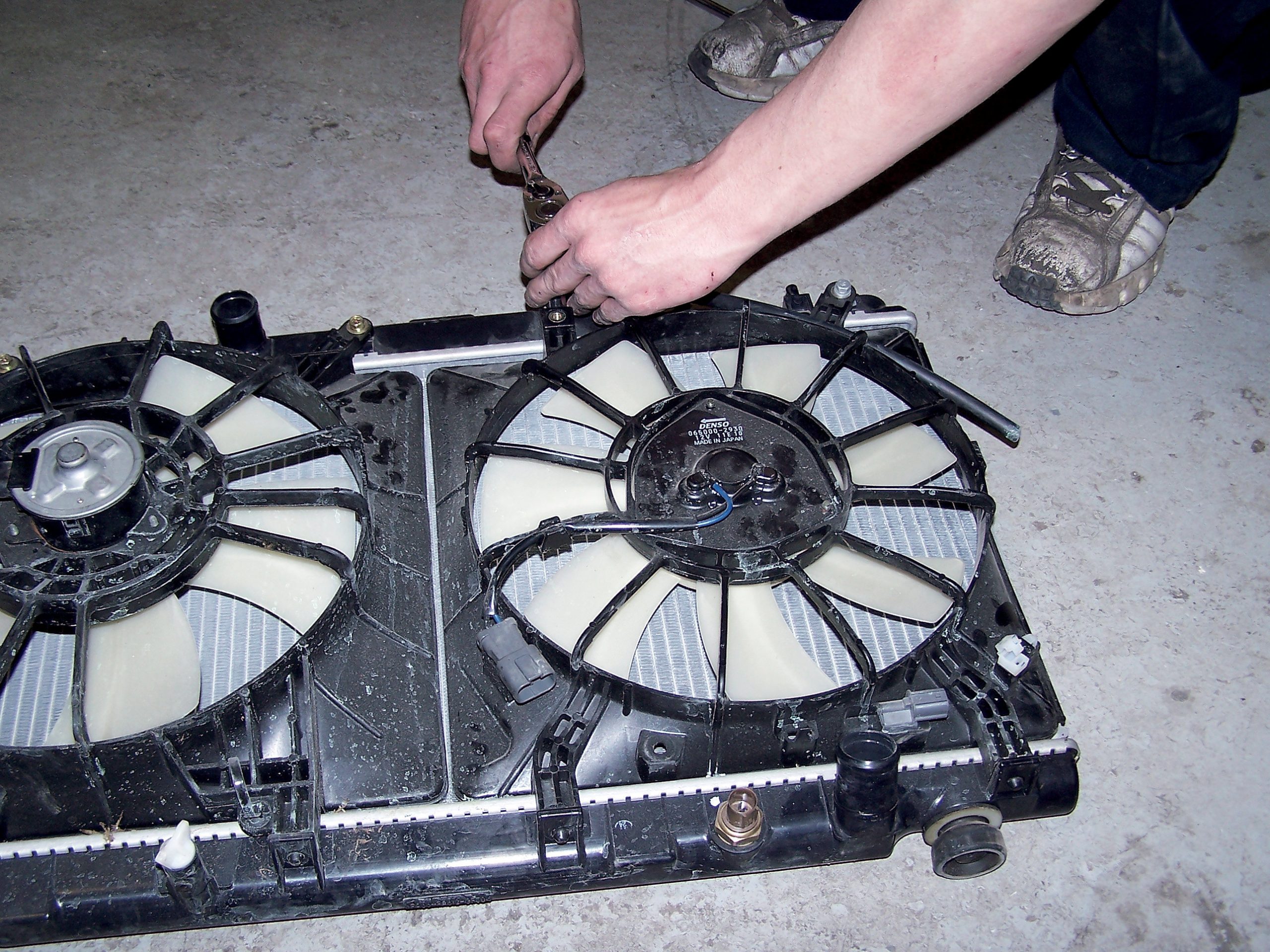
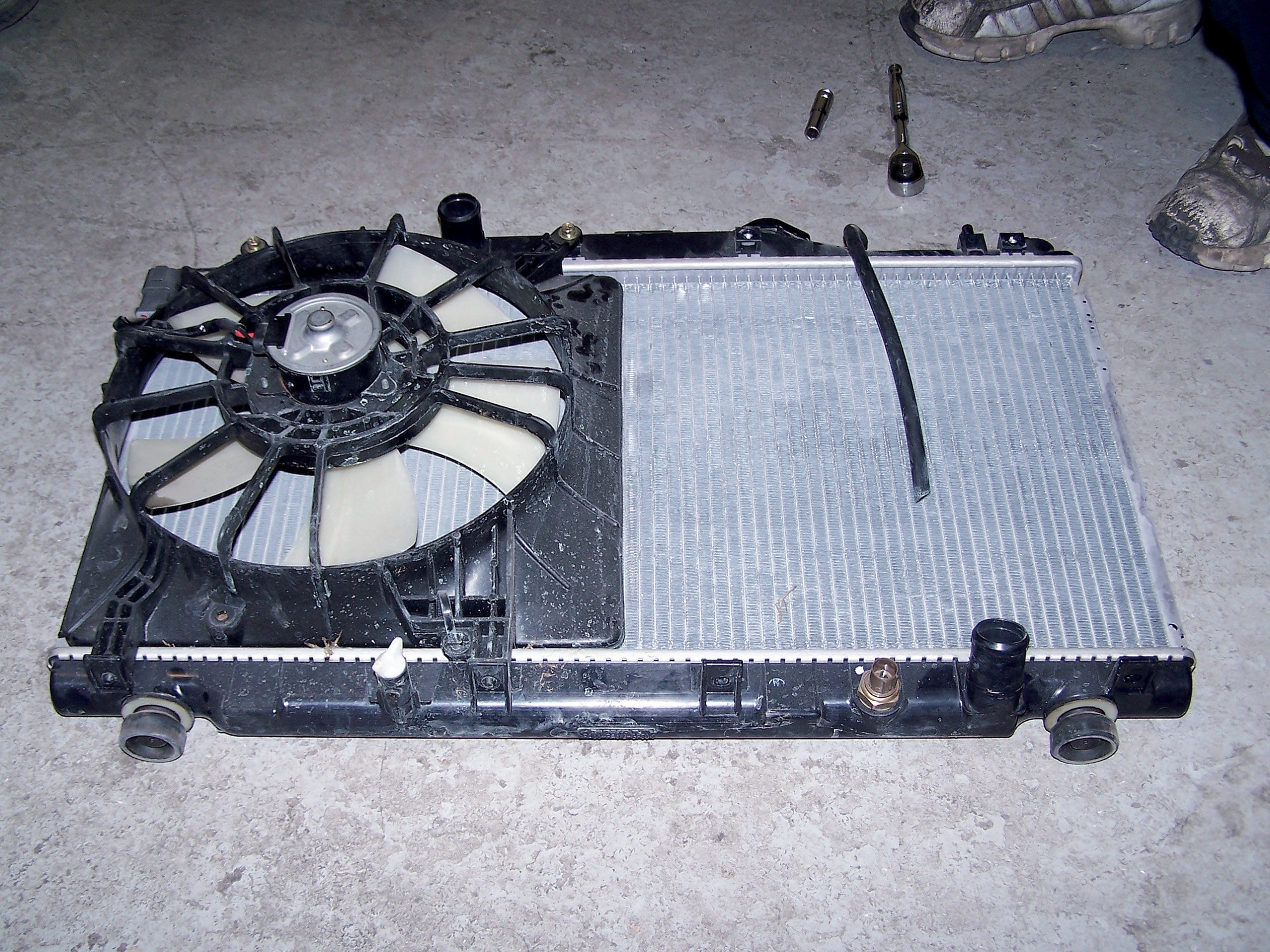
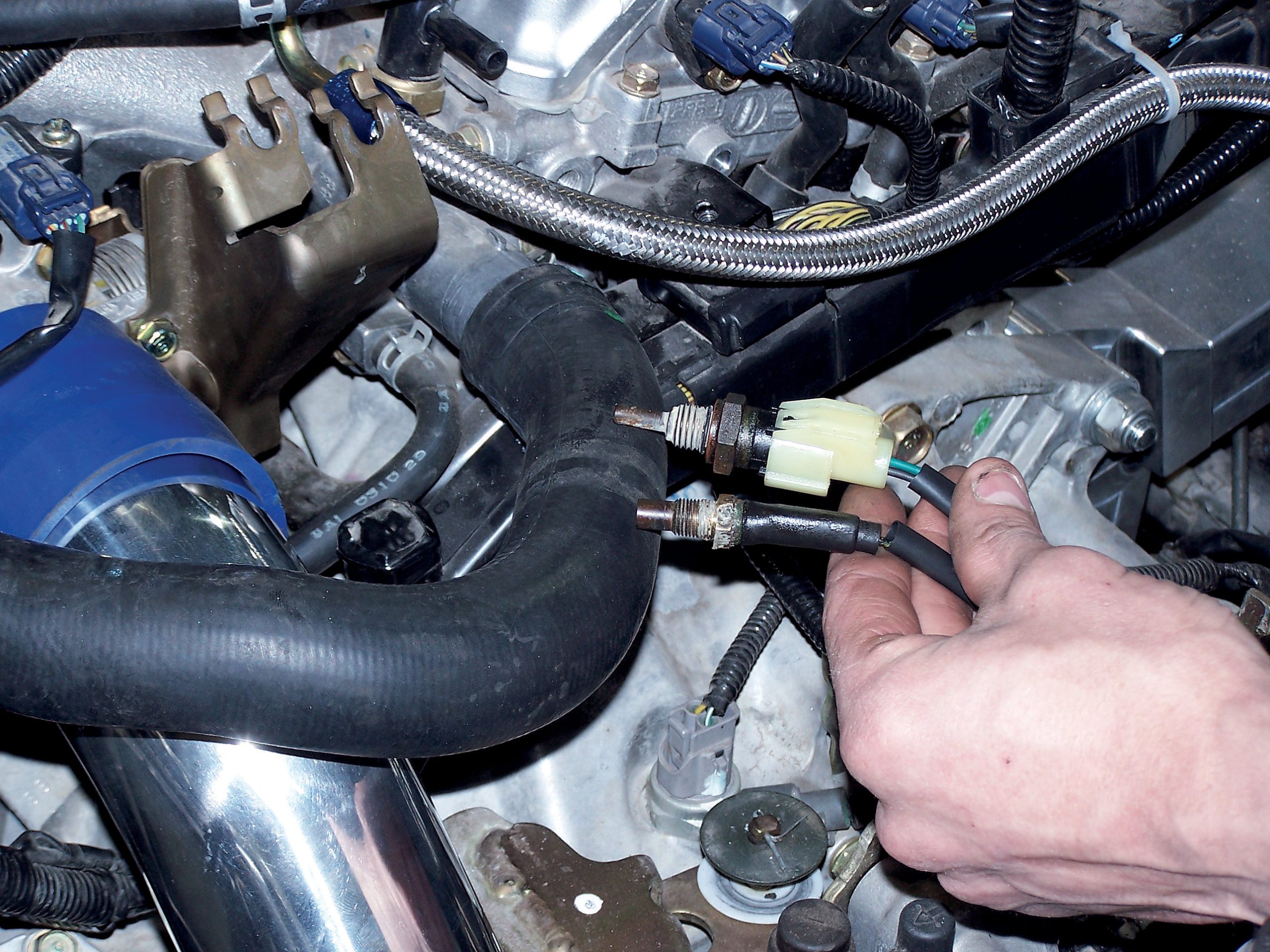
Follow along to see what is involved in installing a K20 engine into a DC2 Integra. You will find that it’s a pleasant meeting of two different worlds.
ARTICLE SOURCES
Hasport Performance
2849 South 44th Street
Phoenix, AZ 85040
(602) 470-0065
ETD Racing - CLOSED
1111 Gorham St, Unit #12
Newmarket, ON L3Y 7V1
(905) 953-9260