Why Brakes Often Get Overlooked
When building a street rod, we deem many areas of the car important. For example, the majority of street rodders like to have the best paint job around, so that becomes an area of concentrated focus. Sometimes we get so wrapped up in particular aspects of our cars that we forget about other areas that are equally important. Typically, when we spend our cubic dollars, we will spend the majority of our funds on the motor, paint and interior. However, we sometimes neglect to spend it on areas that really count, such as the brakes.
The Problem With Vacuum-Assisted Braking
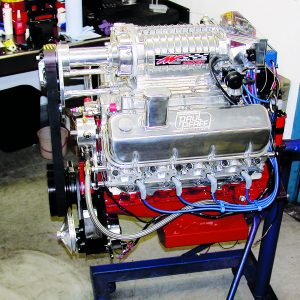
Nothing is more terrifying than cruising down the street to the fairgrounds when some idiot pulls out in front of you and you have to jump on the binders. Making a panic stop can be difficult when you are trying to stop 800 throbbing horsepower with a set of 9-inch rotors and single-piston calipers. You might even wonder if it will stop as you mash the brake pedal. When it comes to street rods with big motors, one braking concern is vacuum pressure. Is there enough? This is something to consider when selecting your engine components. If the motor fails, can you stop your street rod?
The Birth of the Hydro-Boost Solution
Thankfully, that problem was on the mind of mechanic Roger Jackson some 20 years ago. Since he works on cars and trucks all the time, he noticed the hydraulic brake boosters that were used on diesel trucks, motor homes and semis to cure vacuum problems associated with braking. He soon started trying to figure out how he could make one work on a street rod. Before he knew it, he had one on his own street rod, and it was stopping on a dime.
Recognizing what his father had discovered, Rusty Jackson, owner and operator of Odd Rod Creations, started thinking about a way to engineer them to fit industry standards. Once Rusty had figured it out, he had a product that would be easy to install and marketable to anyone building a street rod.
How Hydro-Boost Brakes Work
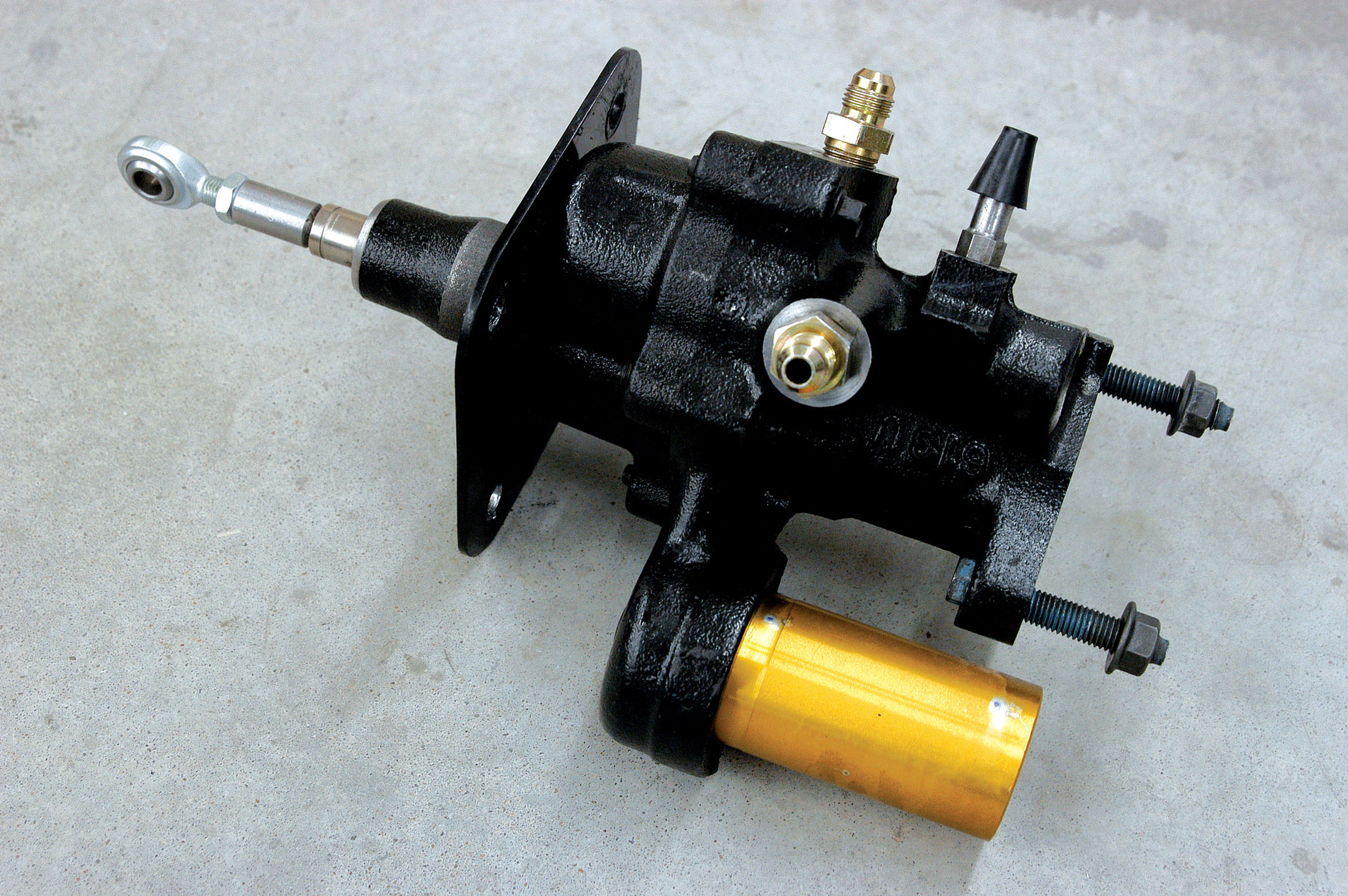
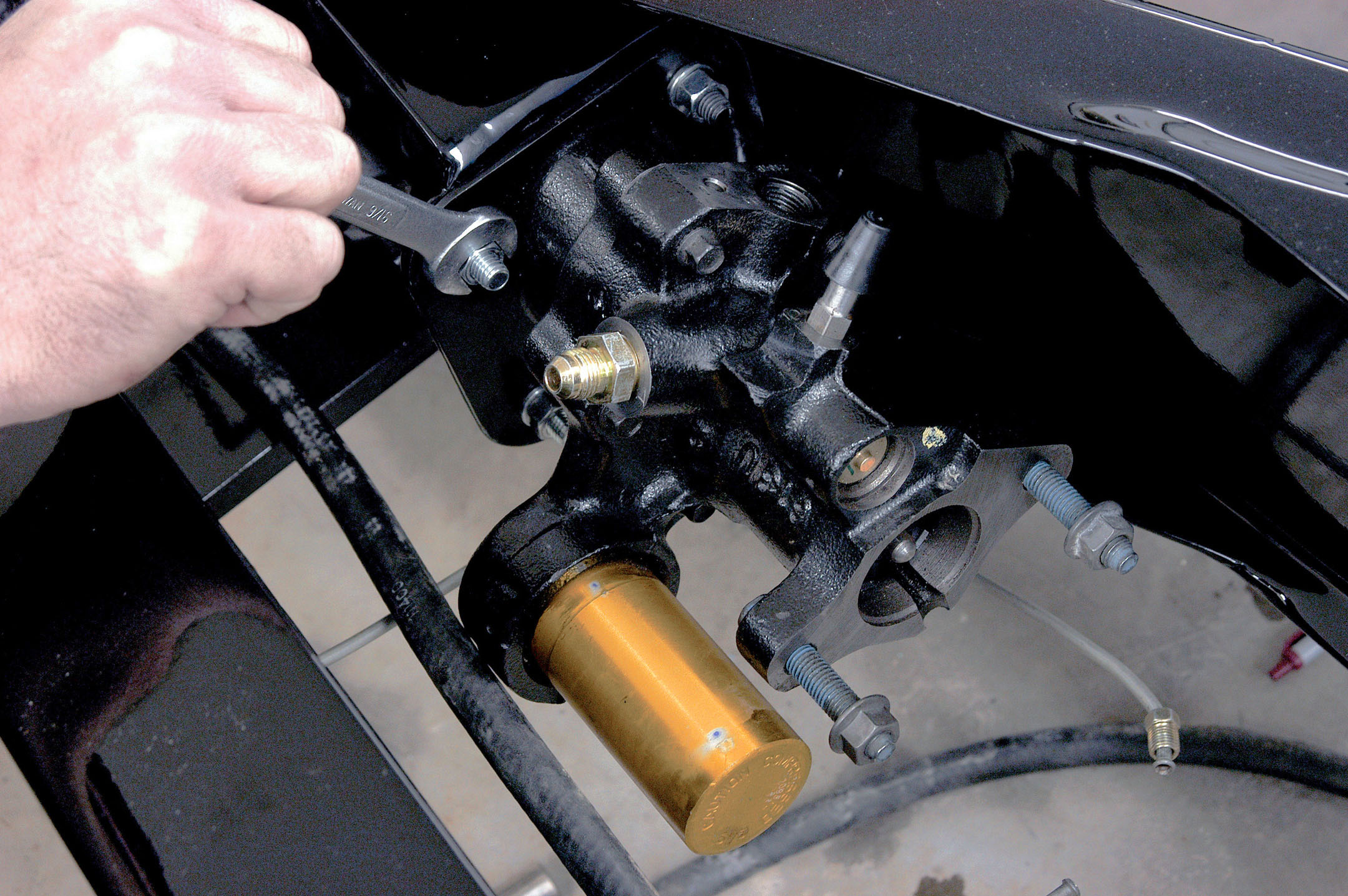
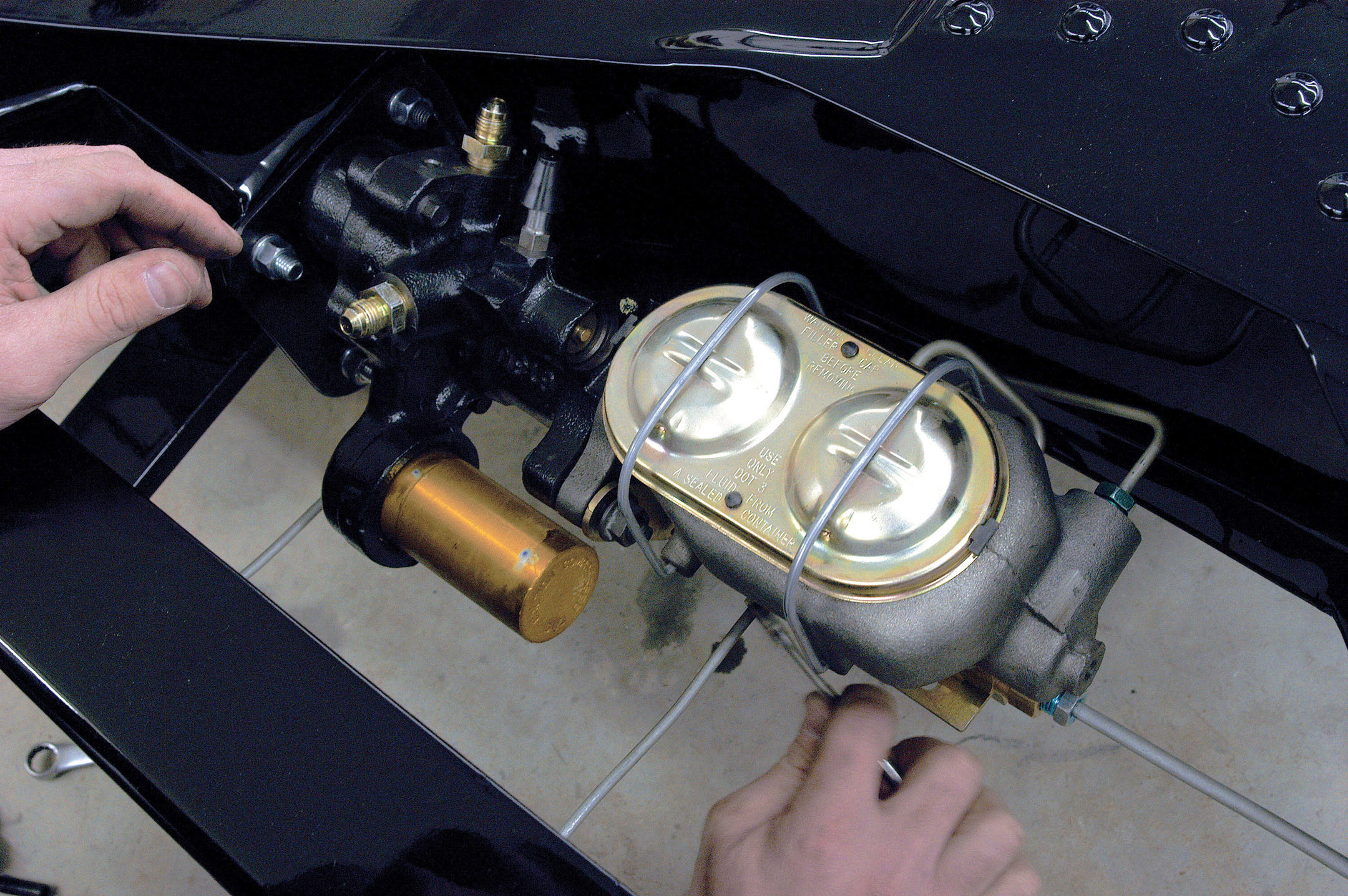
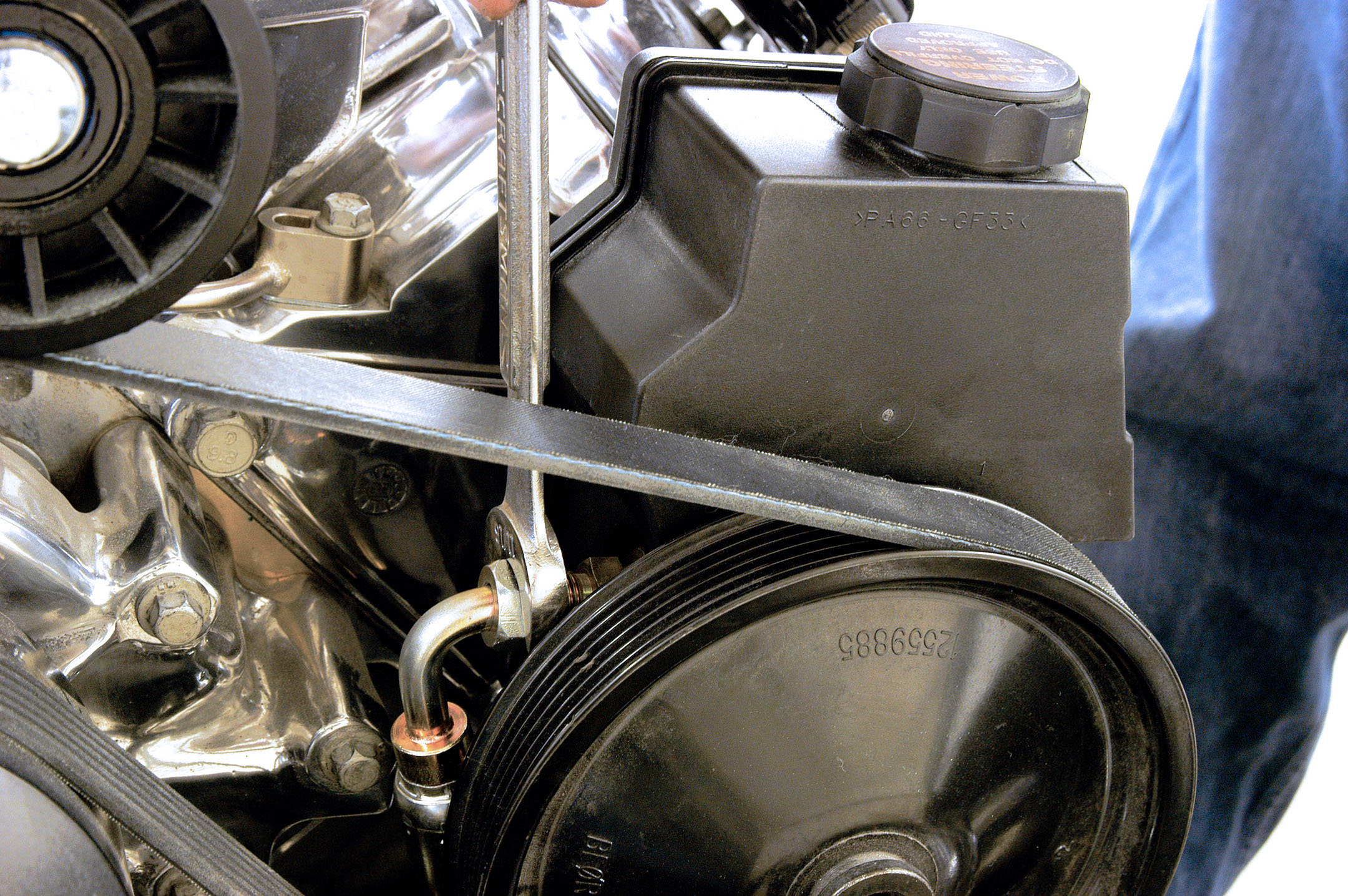
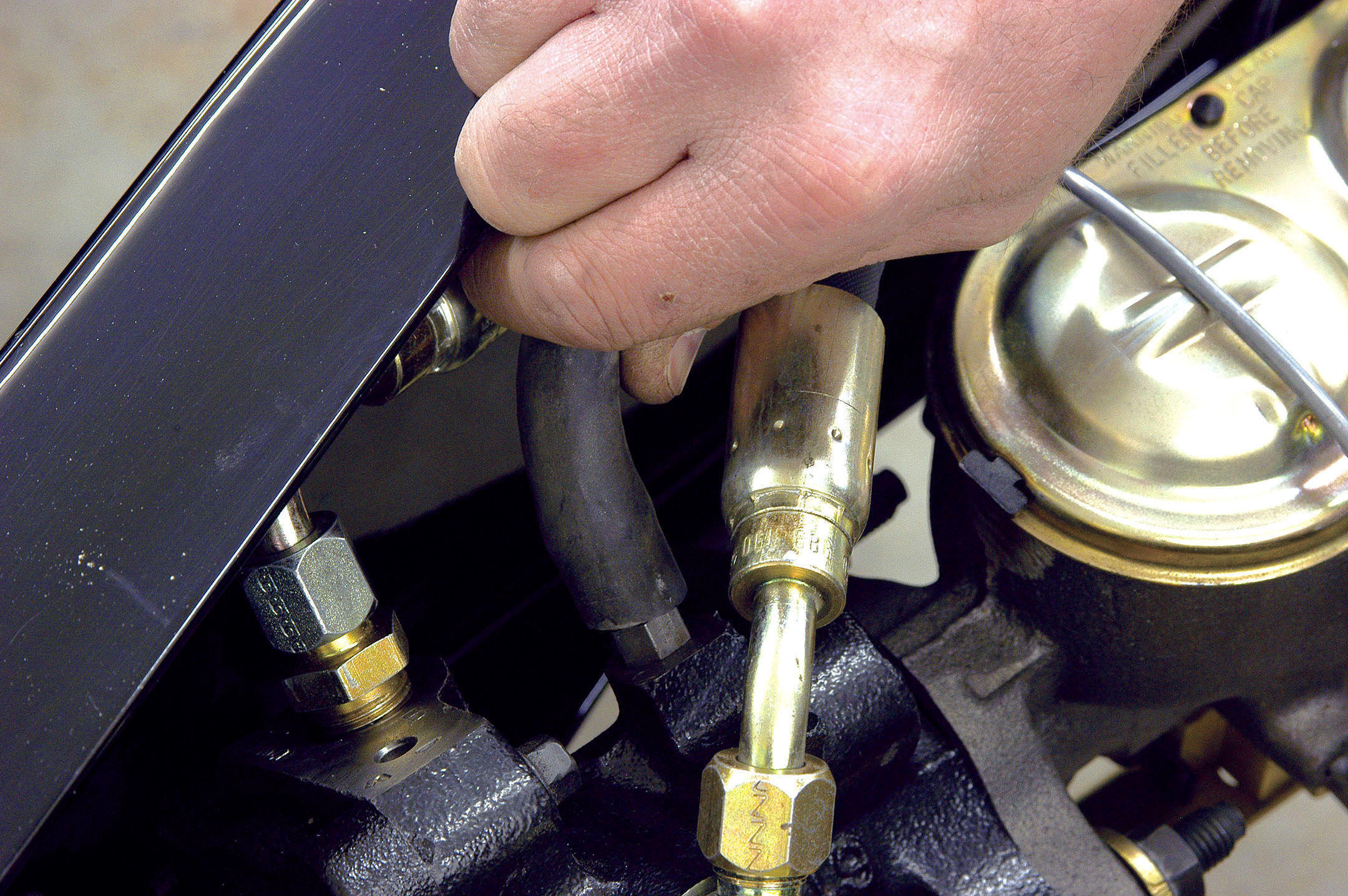
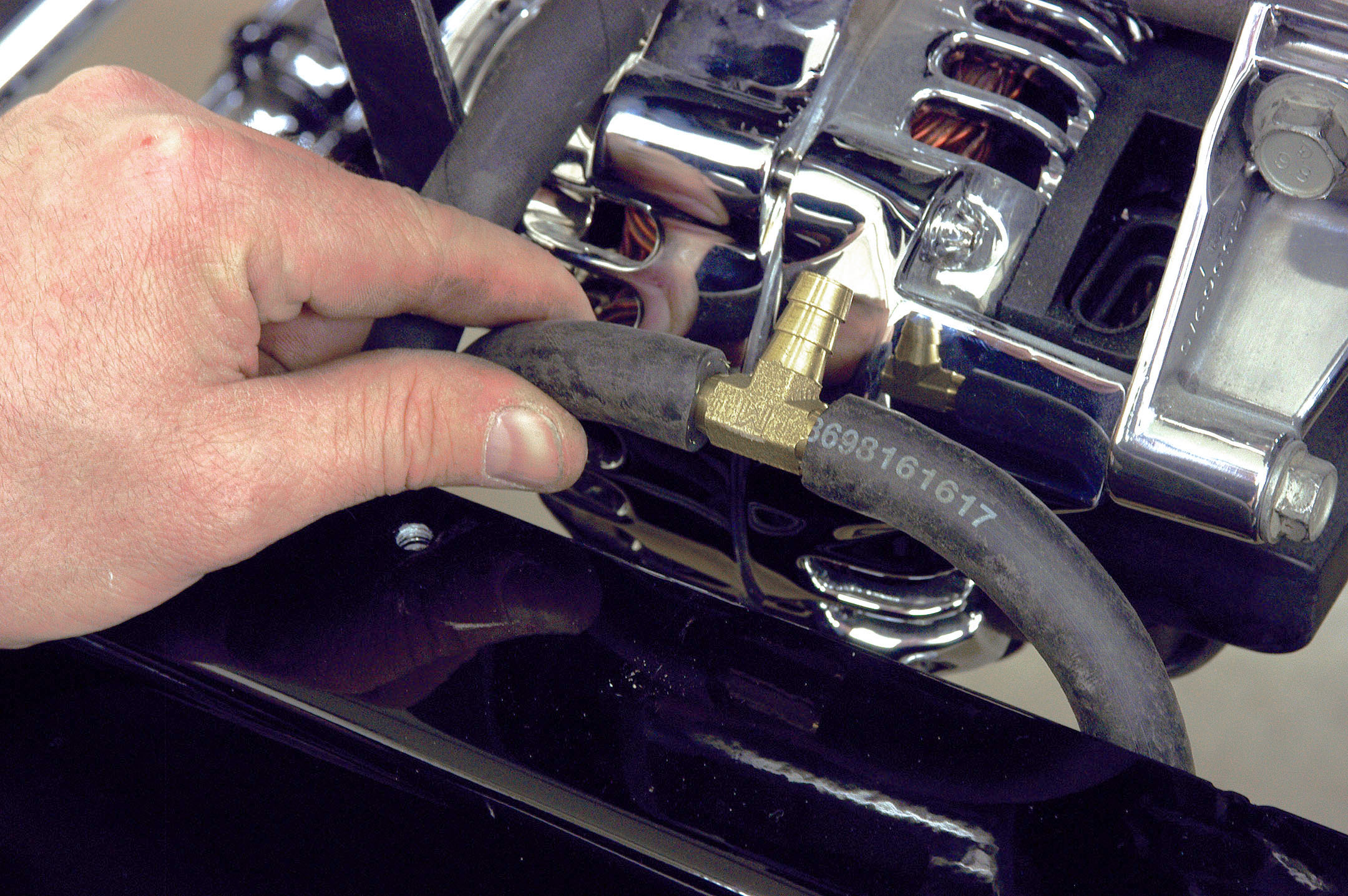
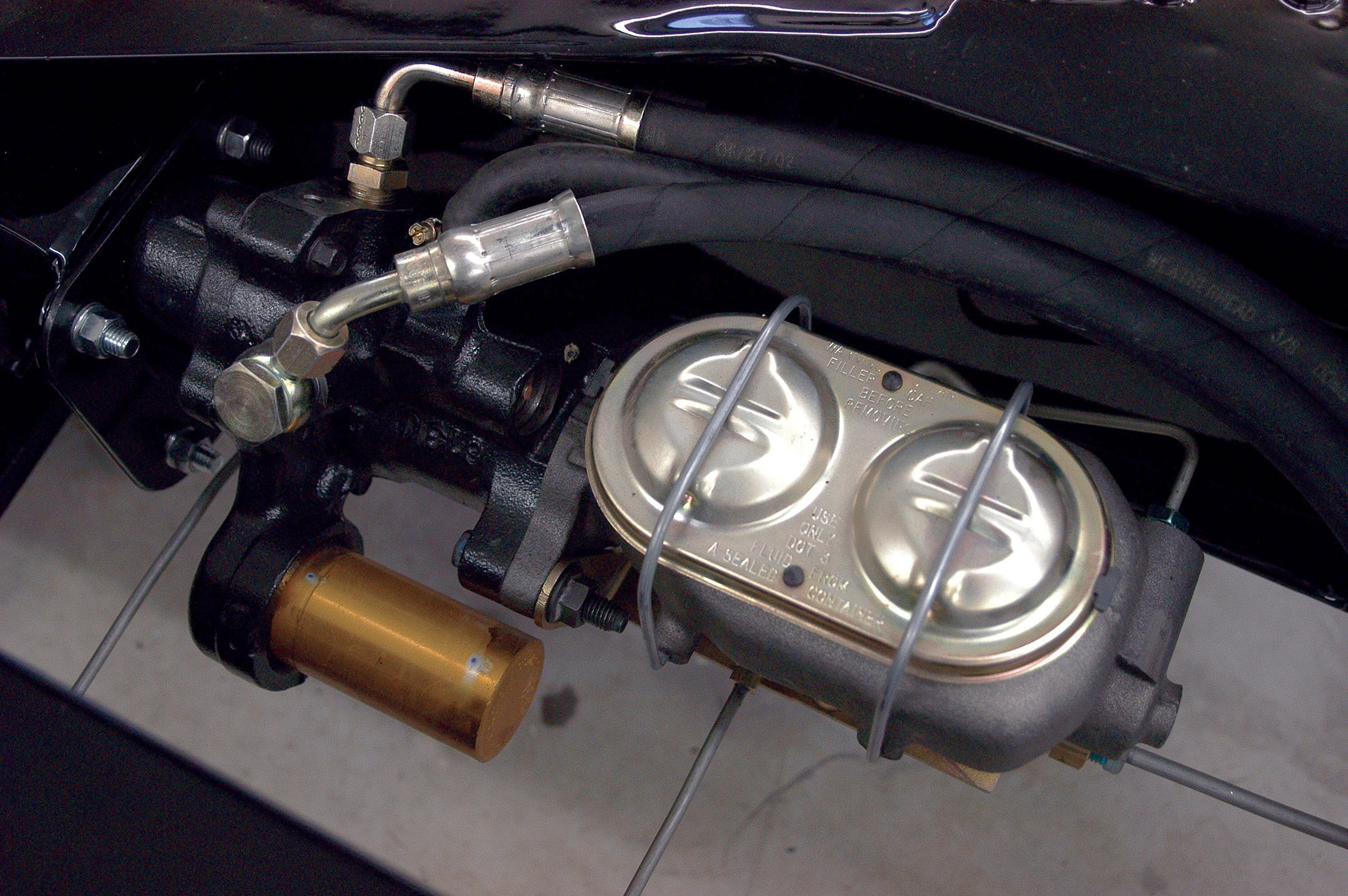
These newly developed Hydro-Boost brake units for street rod applications work off of hydraulic pressure from your power steering pump and bolt directly to power brake assemblies from manufacturers using the common 7- or 8-inch booster. If you don’t have power steering, that’s not a problem because it is not required; the pump on the engine is all that you’ll need.
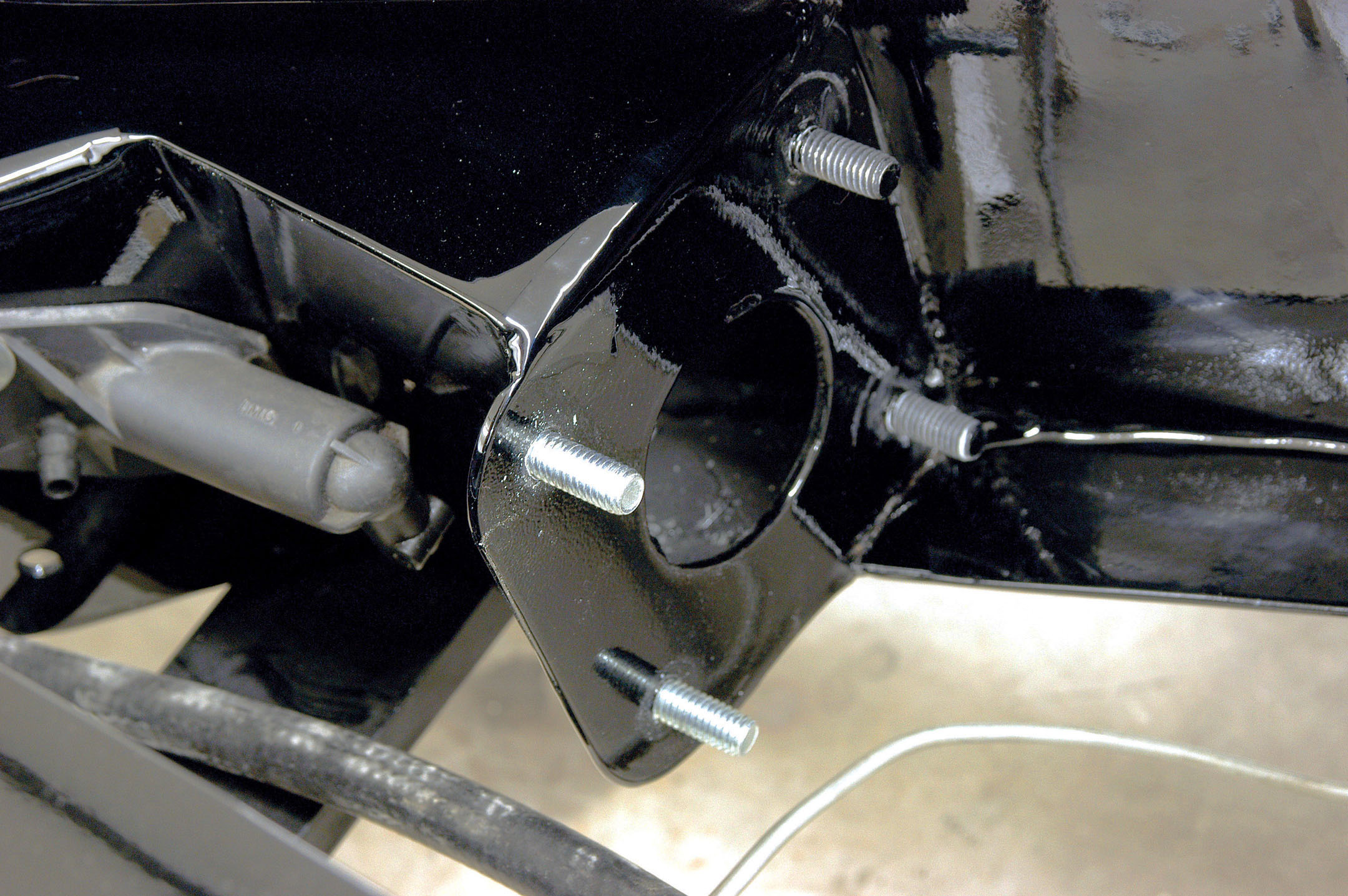
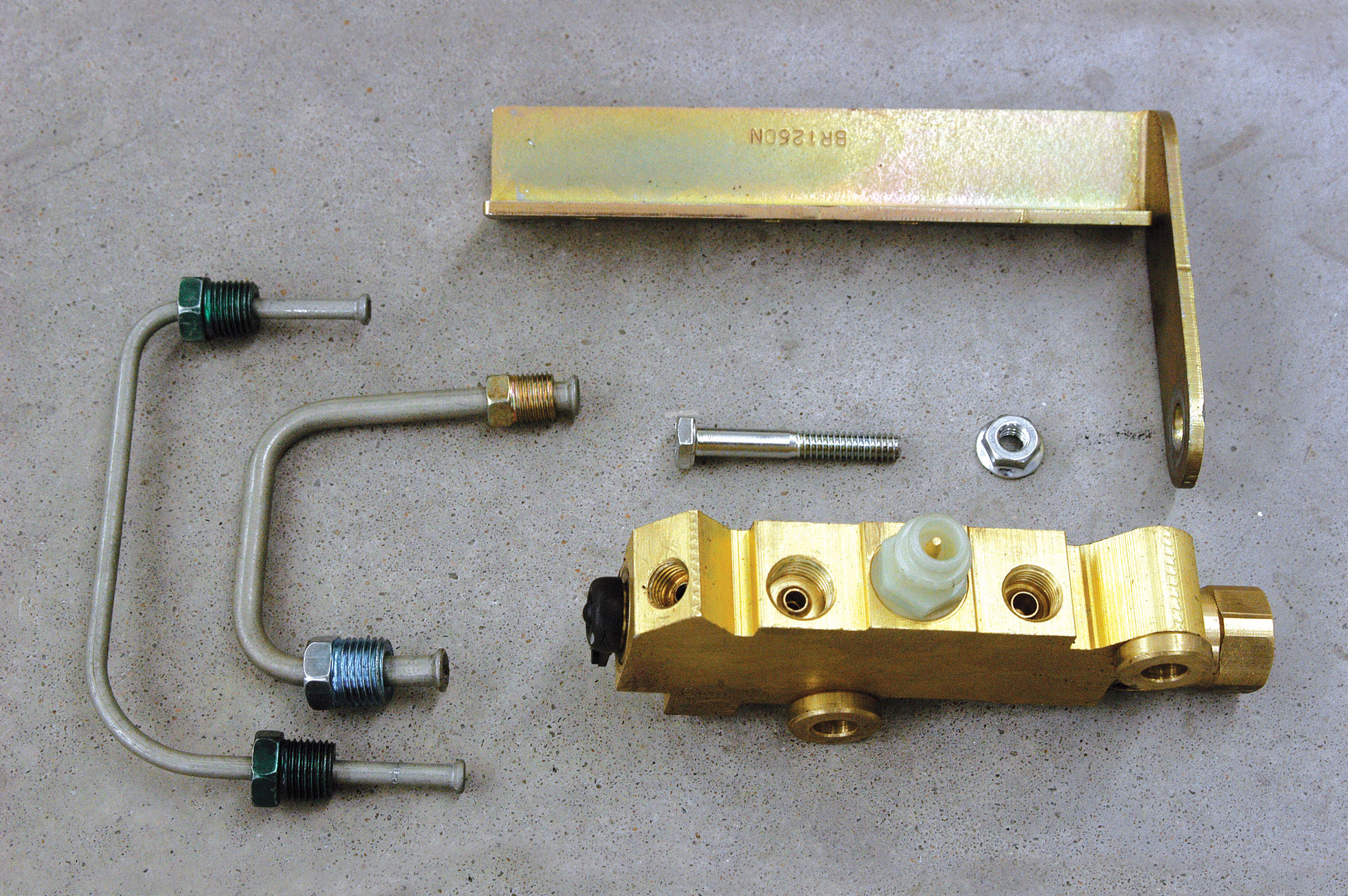
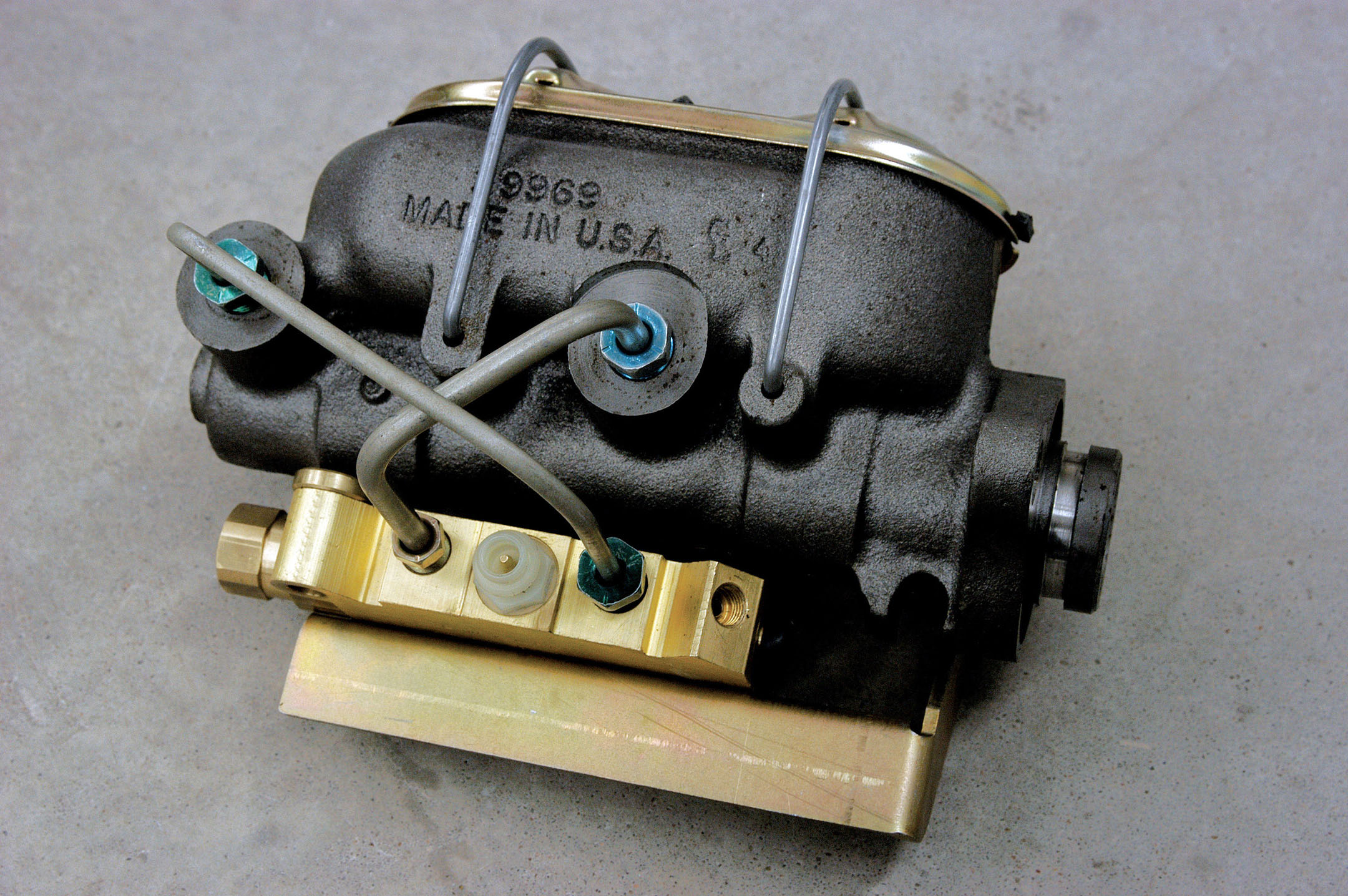
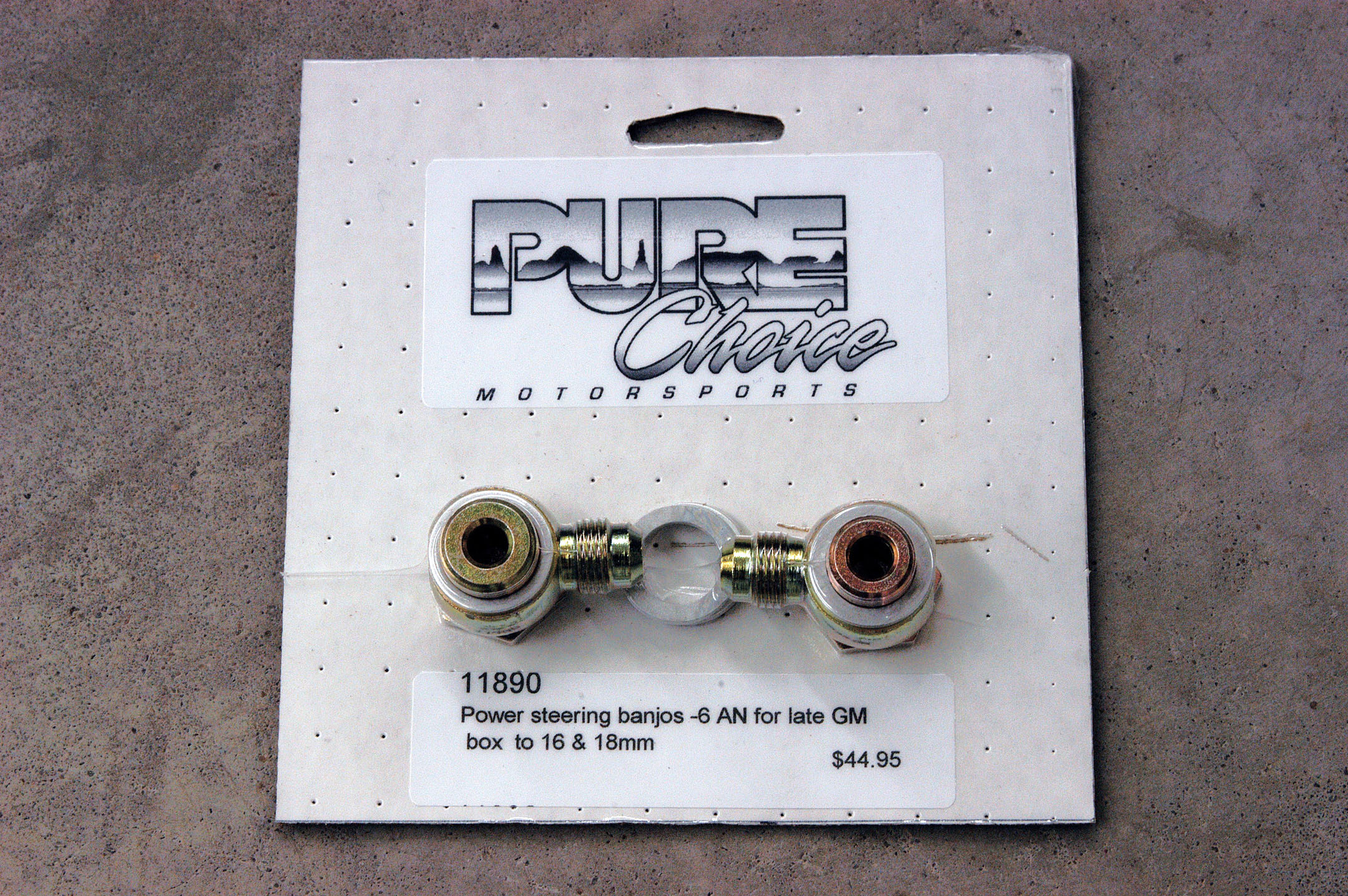
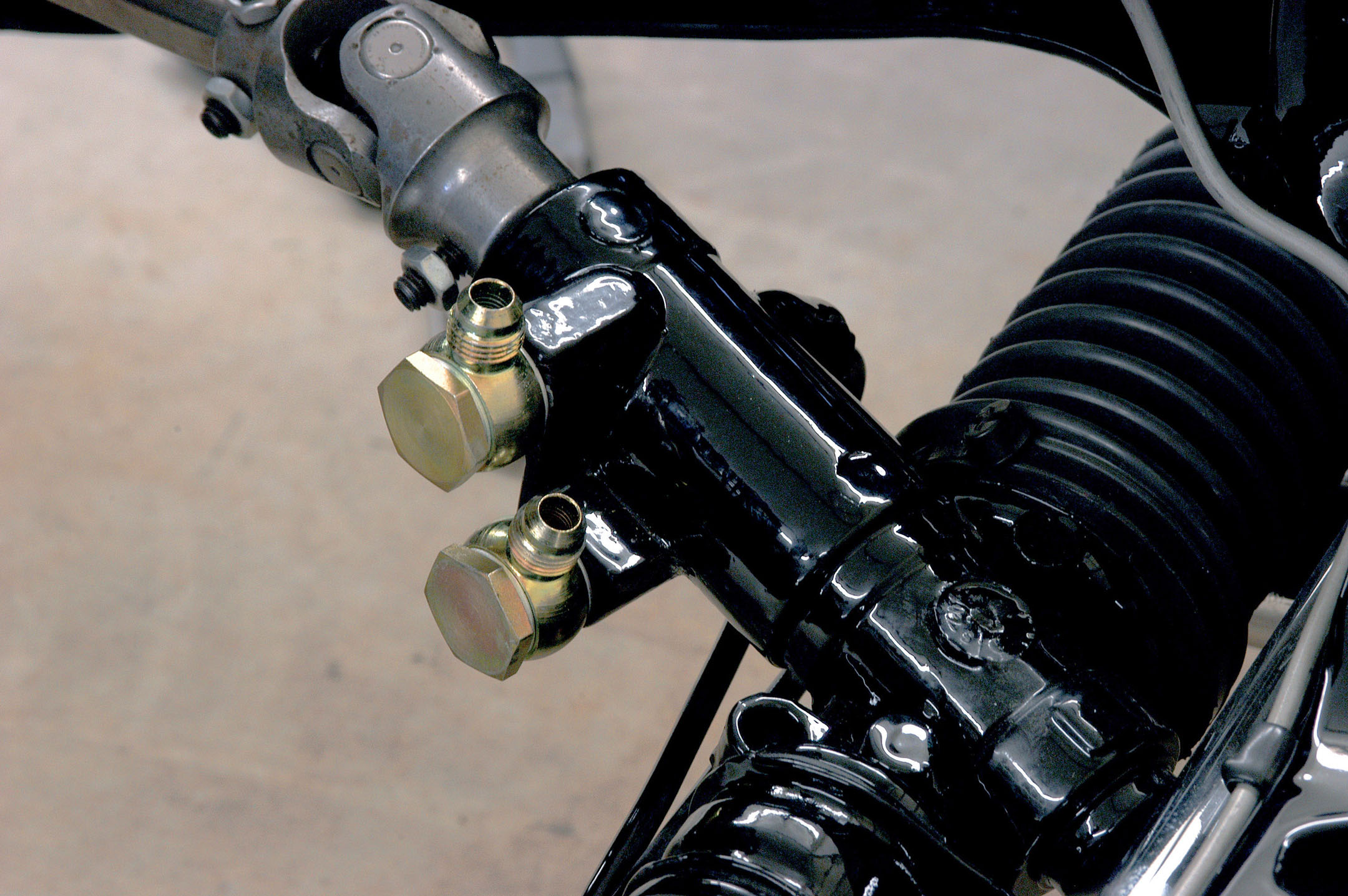
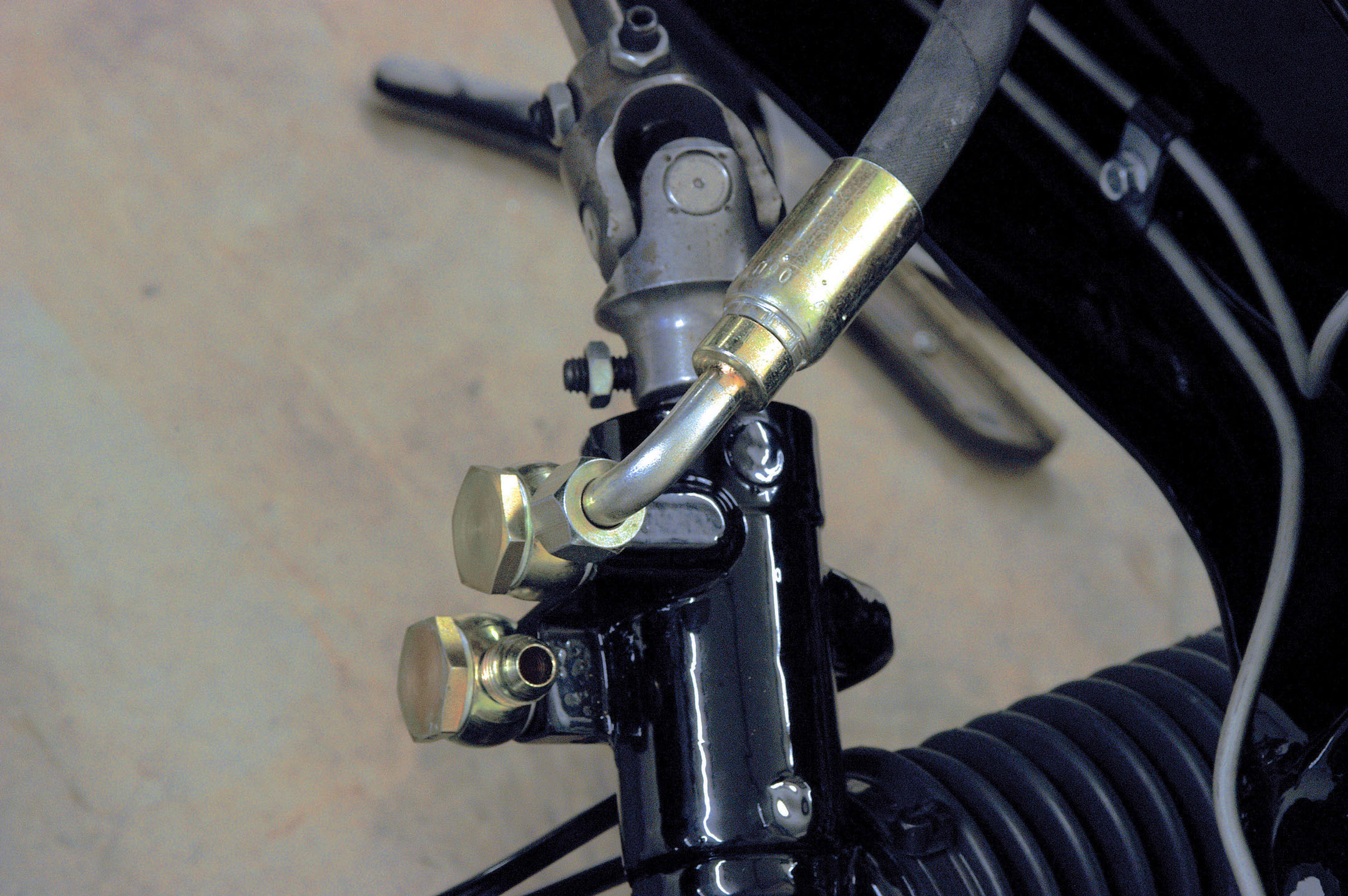
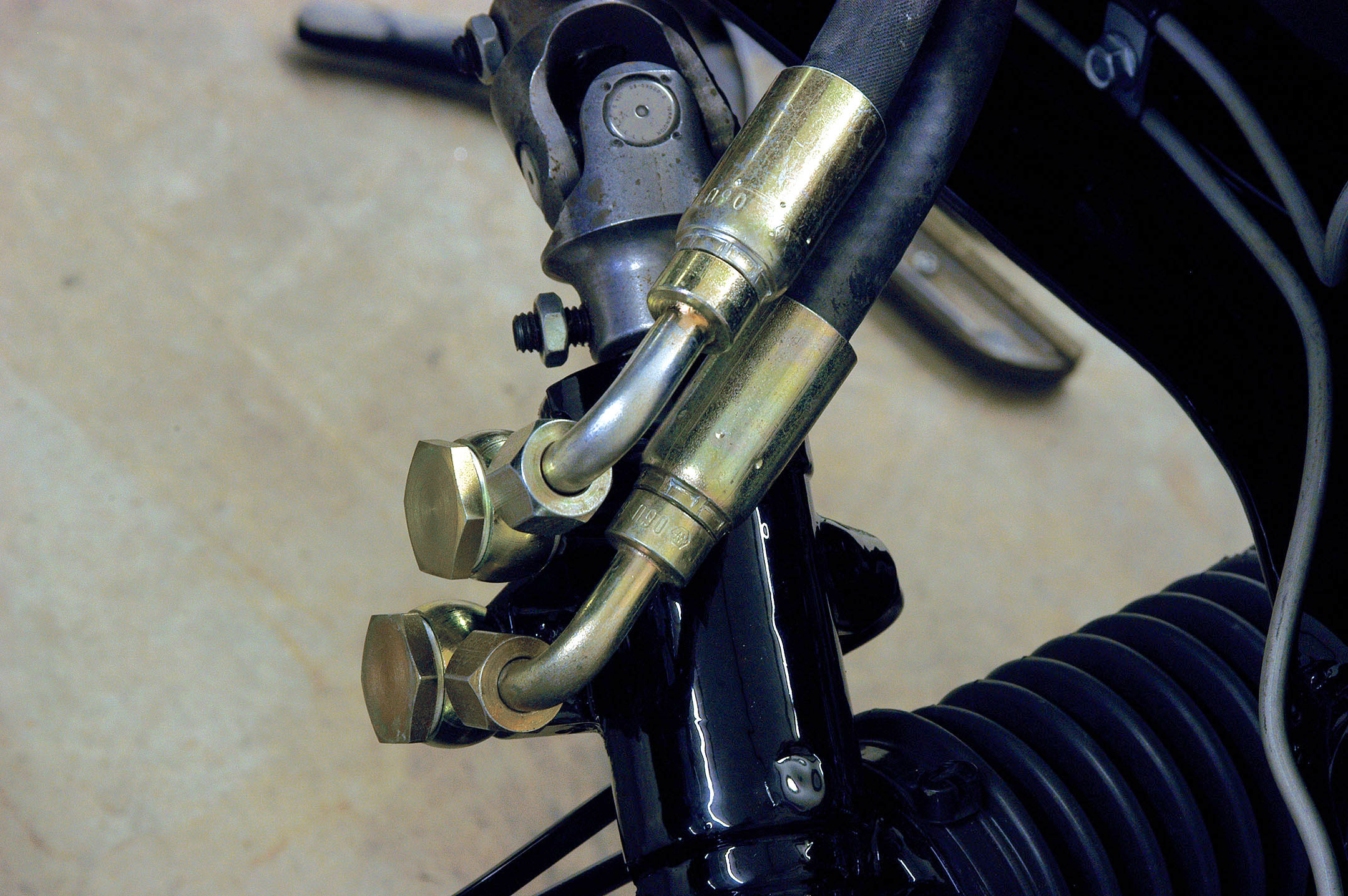
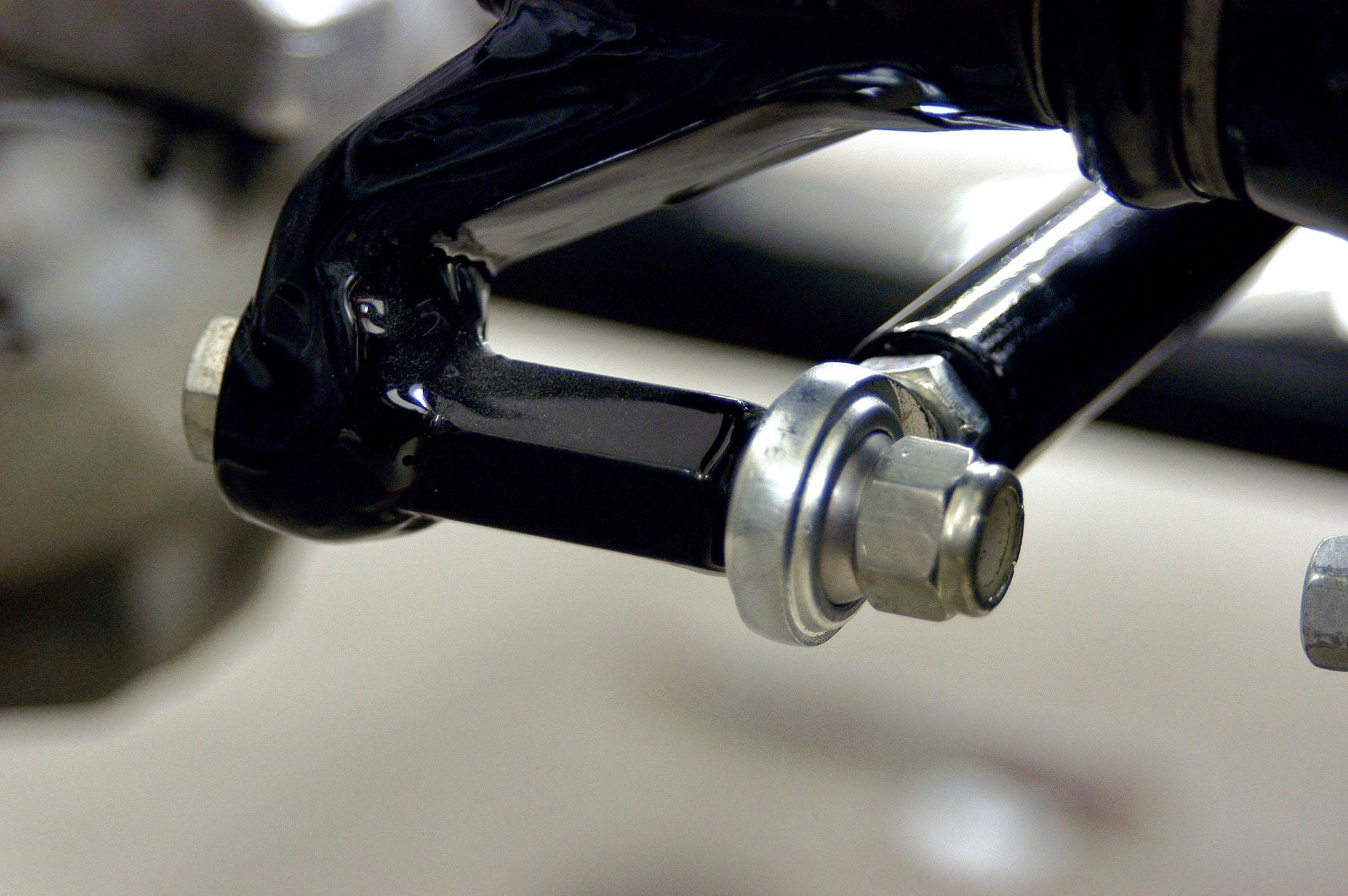
There will be no more worries about low vacuum as these units come pre-assembled with a pushrod, rod end, adapter plate, number 6 AN fitting adapters and all other necessary mounting hardware. Each booster has a built-in accumulator to provide one-time power brakes upon engine failure. These boosters are new, not rebuilt, and are for use with GM master cylinders and any type of power steering pump.
So if you’re looking for a way to make your street rod stop better than it has before, then check out these units and just how easy they are to install.