
THE AUTO BUILDER
Featured

Superior Braking
There’s no denying the popularity of Camaros; they have been a rodding favorite since their initial release in 1967. The first-generation Camaro has always been an enthusiast car because it is small, lightweight and had a sports-car-design feel to it. Underneath, the early Camaros were based on a Nova platform and featured many good mechanical attributes. Right from the start, they became a popular choice for teenagers and young adults, and most of the performance enthusiasts wanted the SS model that came with a choice of a strong-running small- or big-block engine. Things haven’t changed much, because they are still a popular choice for enthusiasts to restore or modify.

Project BRONCAROO
Today’s 4x4s have become extremely specialized. At one end of the spectrum are one-off, purpose-built, non-street-legal rock buggies. These are the cream of the rock crop. Most have tube chassis with what seems like nearly 360 degrees of axle articulation. Often the transfer cases are doubled up to produce crawl ratios way beyond the once magical 100:1. They’re obviously awesome, and capable of handling boulders as if they were speed bumps.

Coast to Coast Cool
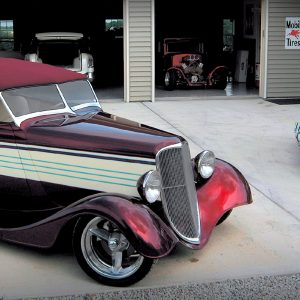
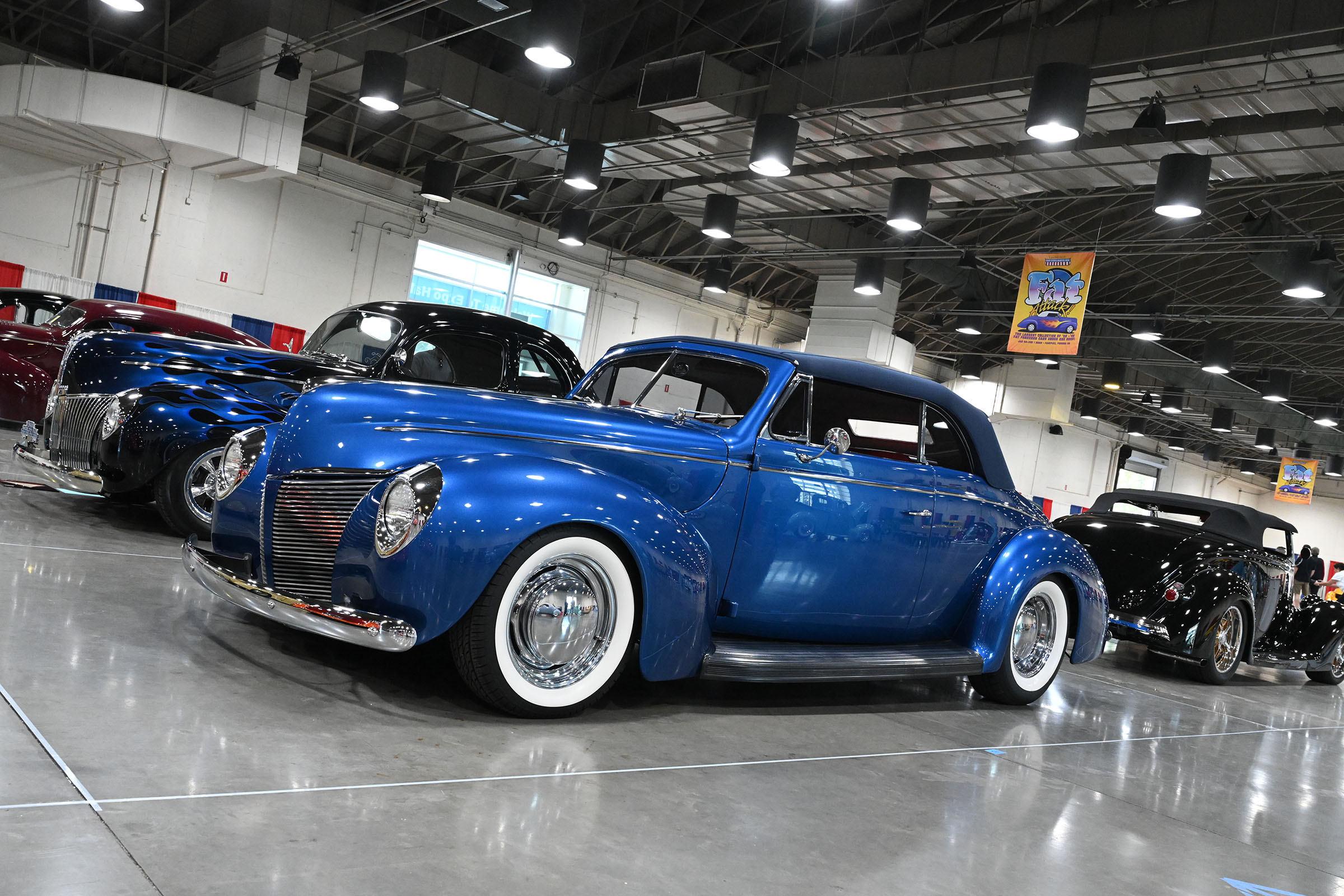
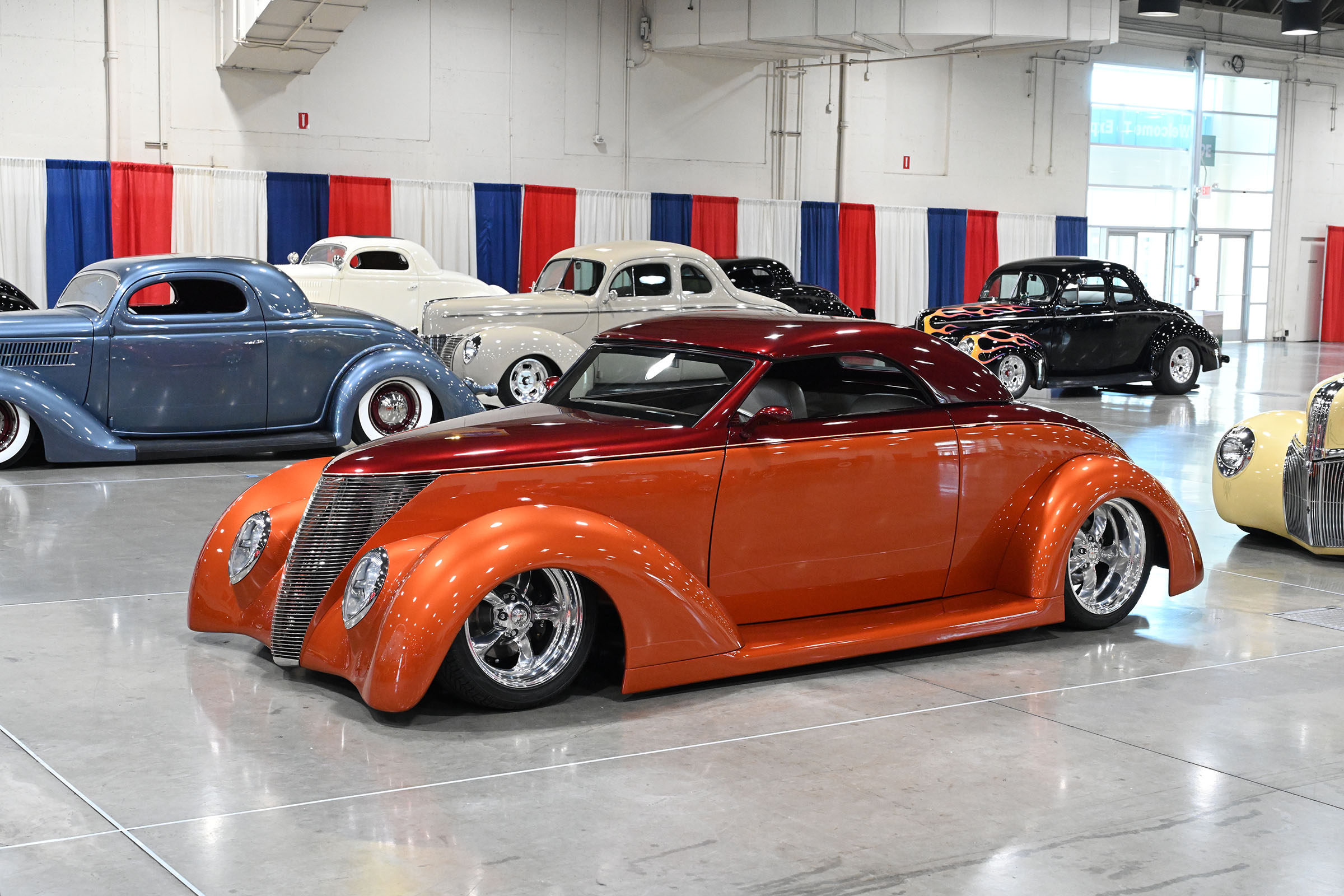
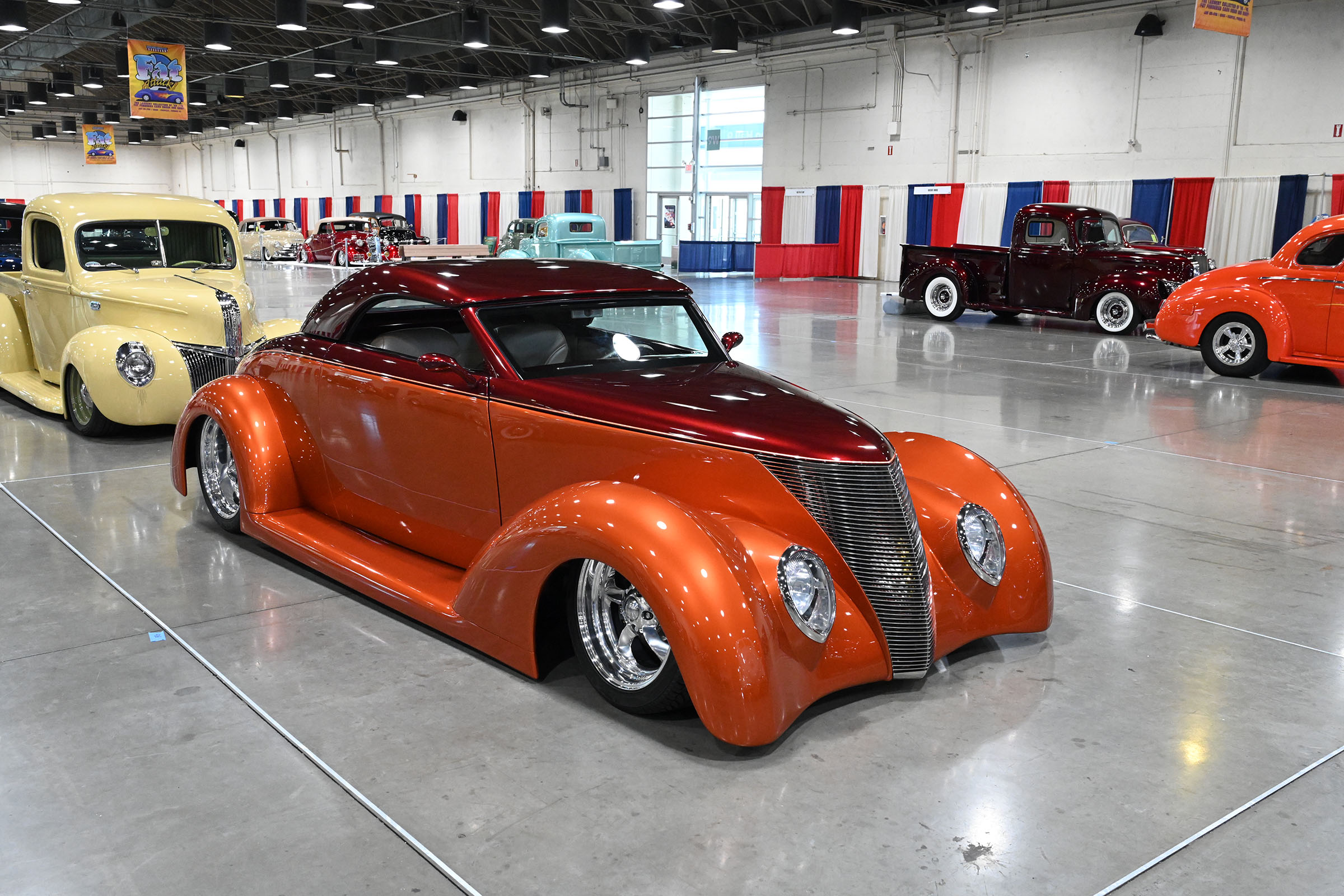
Part of the rarity of this car comes in the fact that this is one of the first 12 original Coast to Coast ’39 Ford Convertible bodies to be built. Since that time, a second-generation body has been developed, and while some changes have been made, the overall look is very much the same, and for good reason. While this design certainly captures the appeal of an original ’39 Ford convertible, it also captures the look of the Chip Foose-designed Smoothster built by Hot Rods By Boyd. It’s sleek, it’s innovative, and, unlike the Smoothster, it’s a truly affordable way for the Millards to arrive in style.
Spotlighter
POPULAR READS
-
Product Spotlight: Bill Mitchell Products Aluminum LS Engine Block
-
PRODUCT SPOTLIGHT: 60-66 Chevy C10 Fresh Air Vent Block Off Plate
-
Product Spotlight: Pyramid Optimized Design Sequential Aurora Taillight for 1964½–1966 Mustang
-
PRODUCT SPOTLIGHT: Cam Covers for GEN/3 Coyote from Pyramid Optimized Design
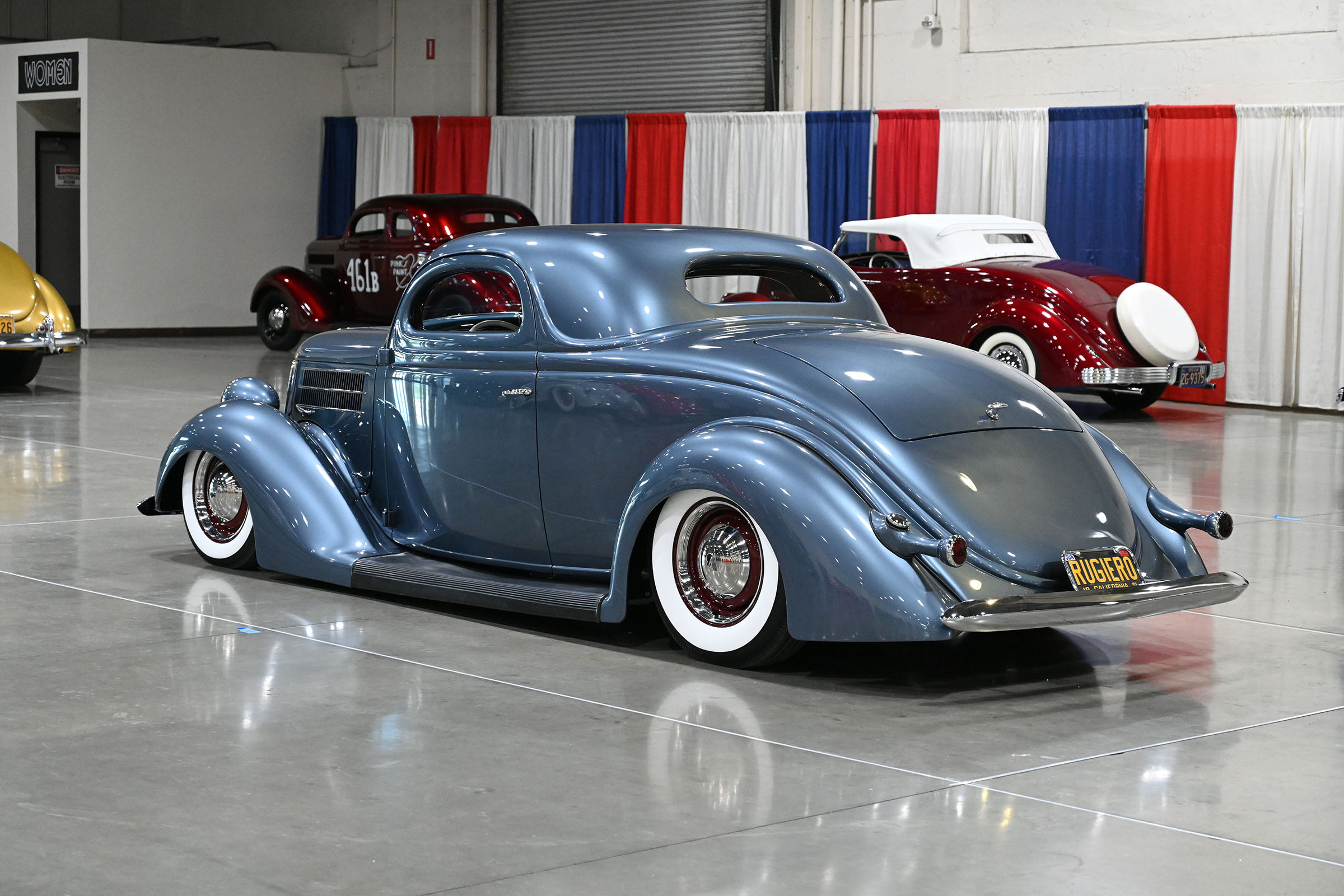
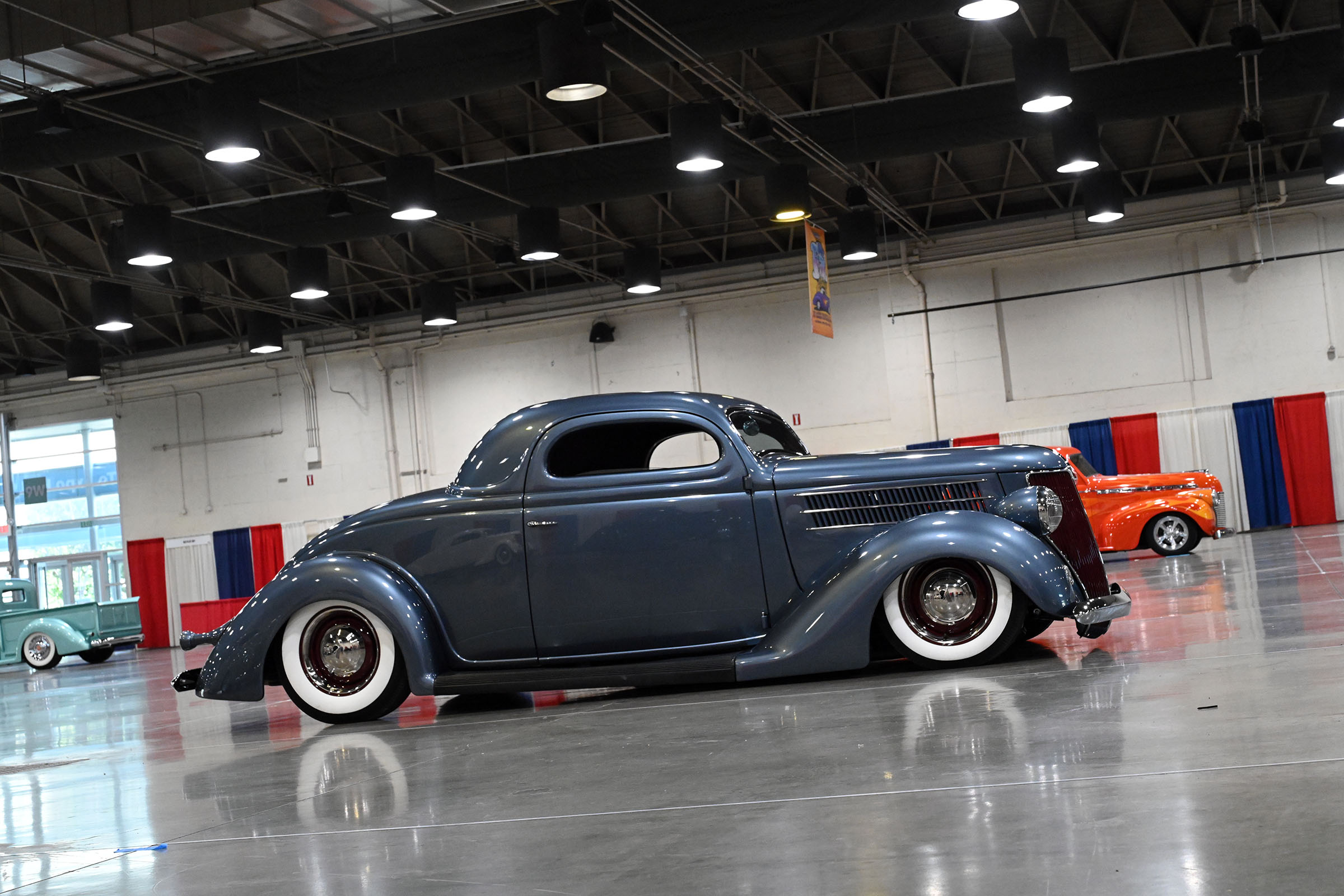
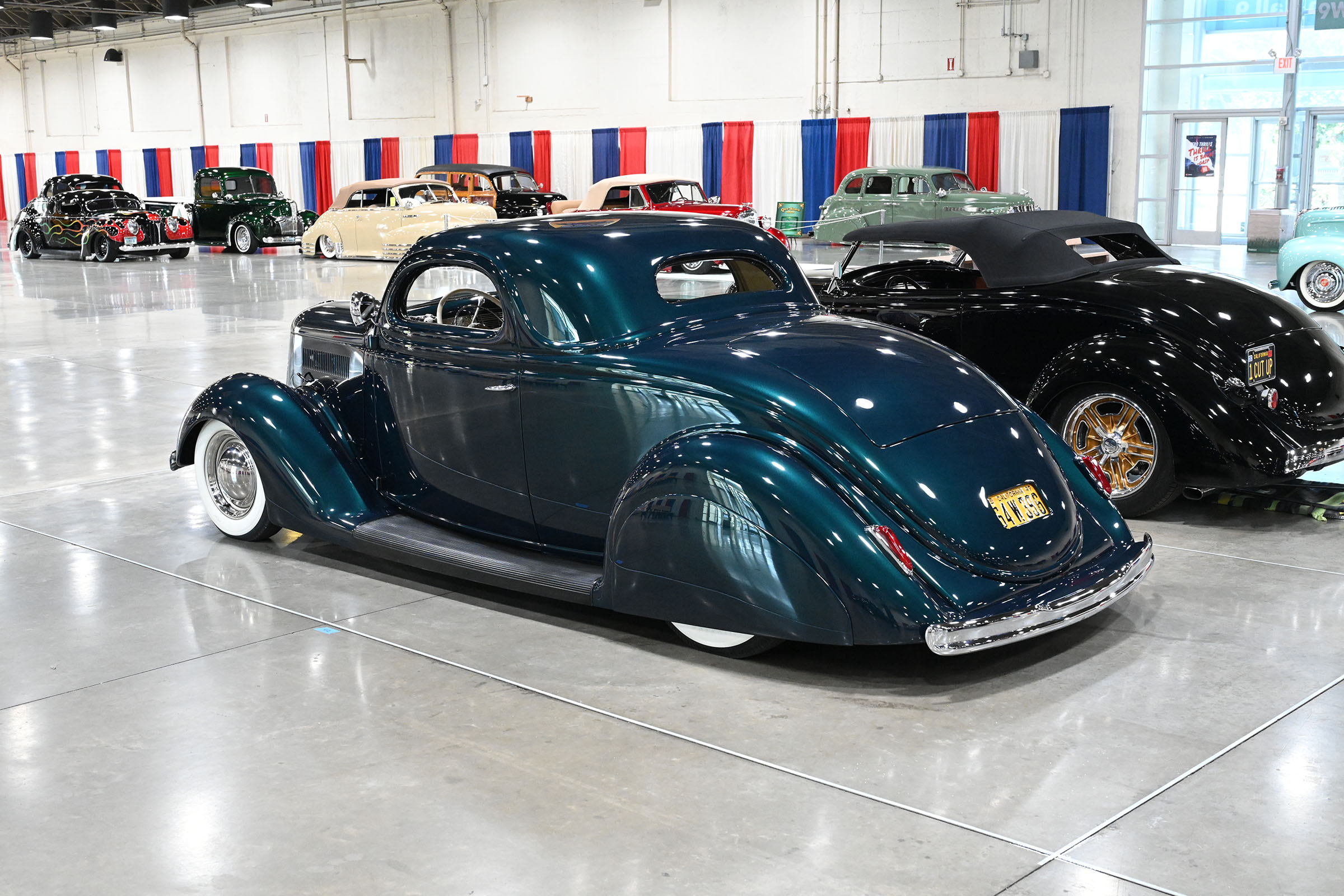
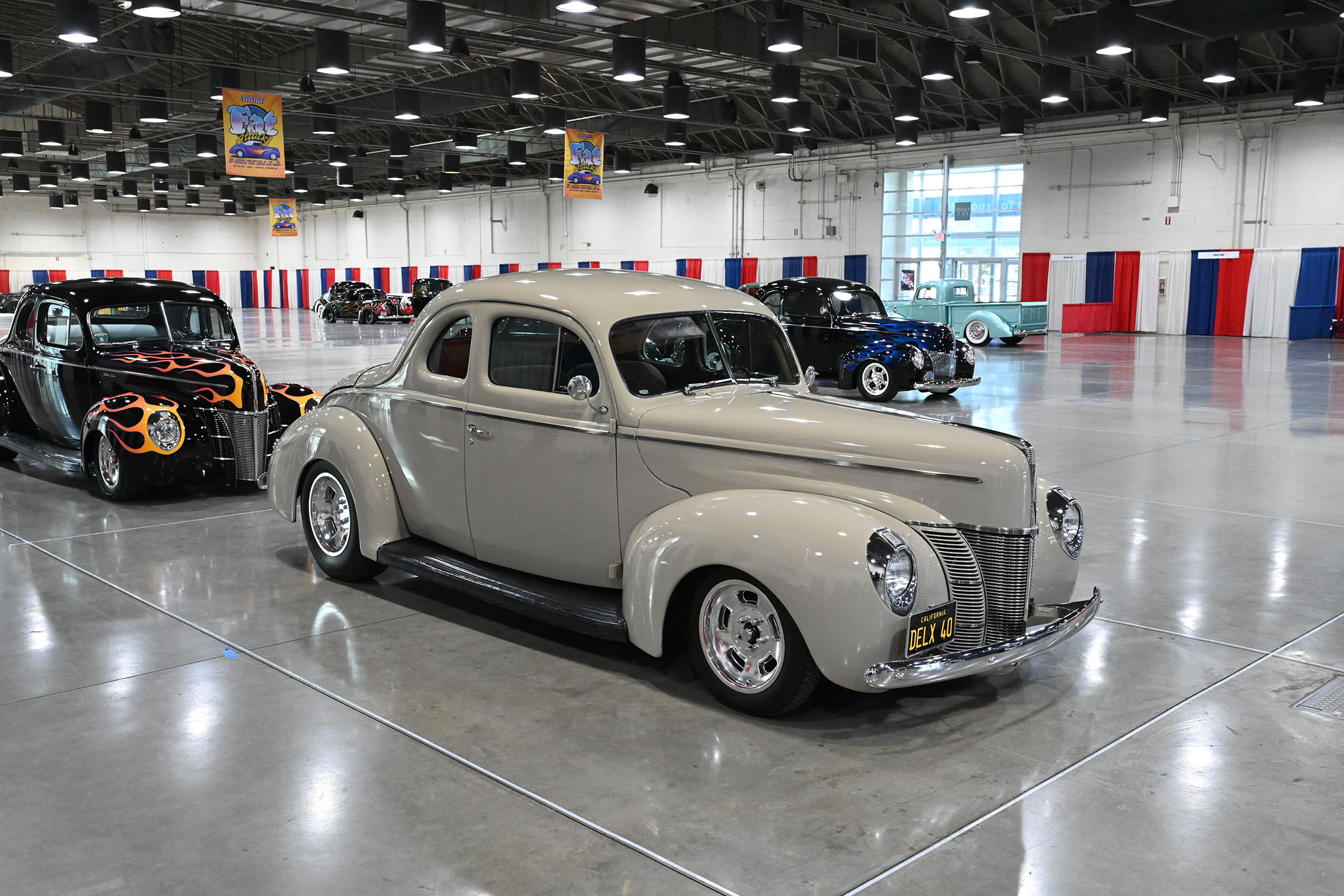
Curves, Chrome, and Legacy: Fat Attack 2026
A Showcase of Fat-Fender Cars and Trucks, Featuring Pete & Jake’s Influence and Industry Legends
What Is a Fat-Fender Car?
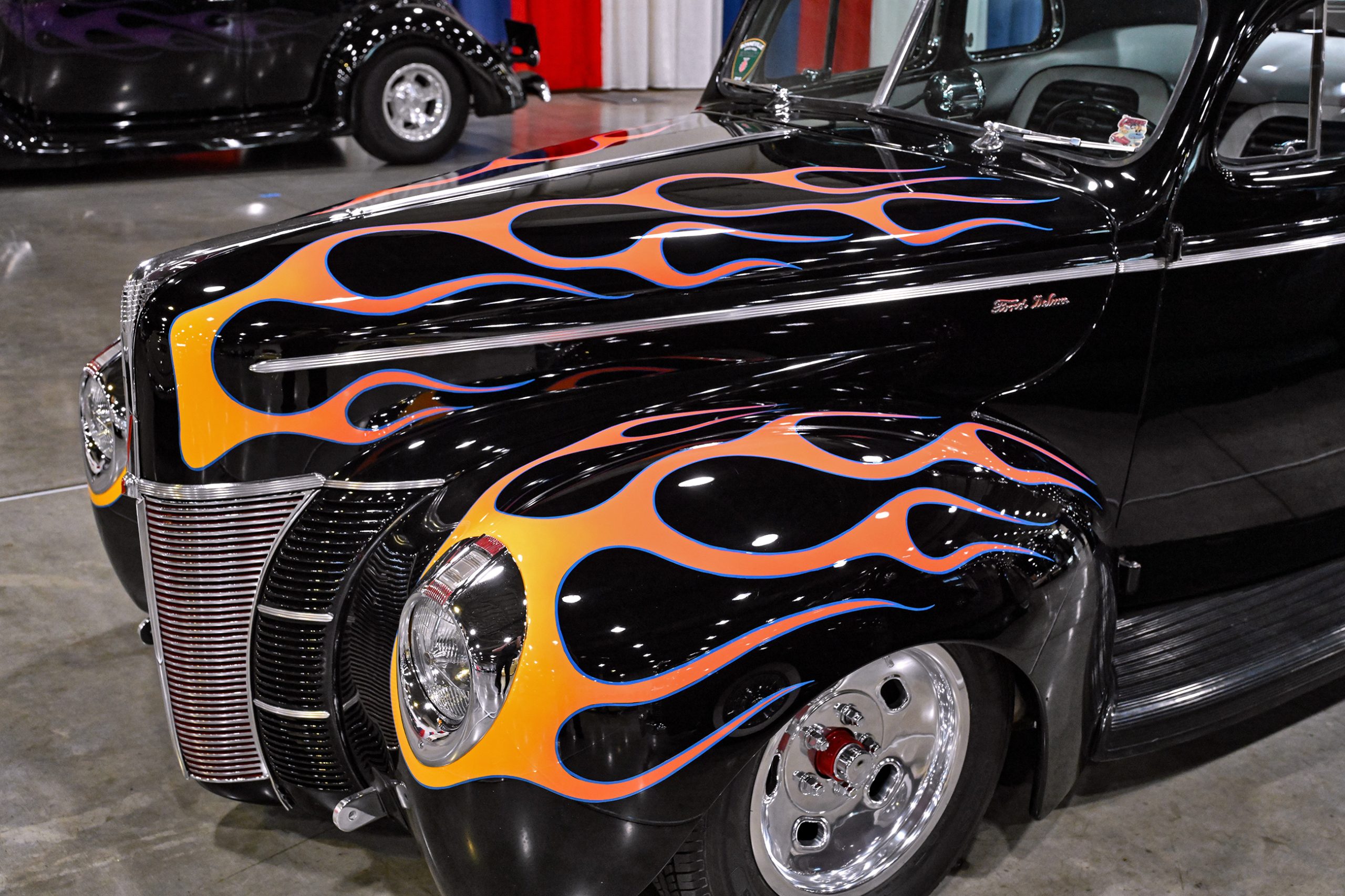
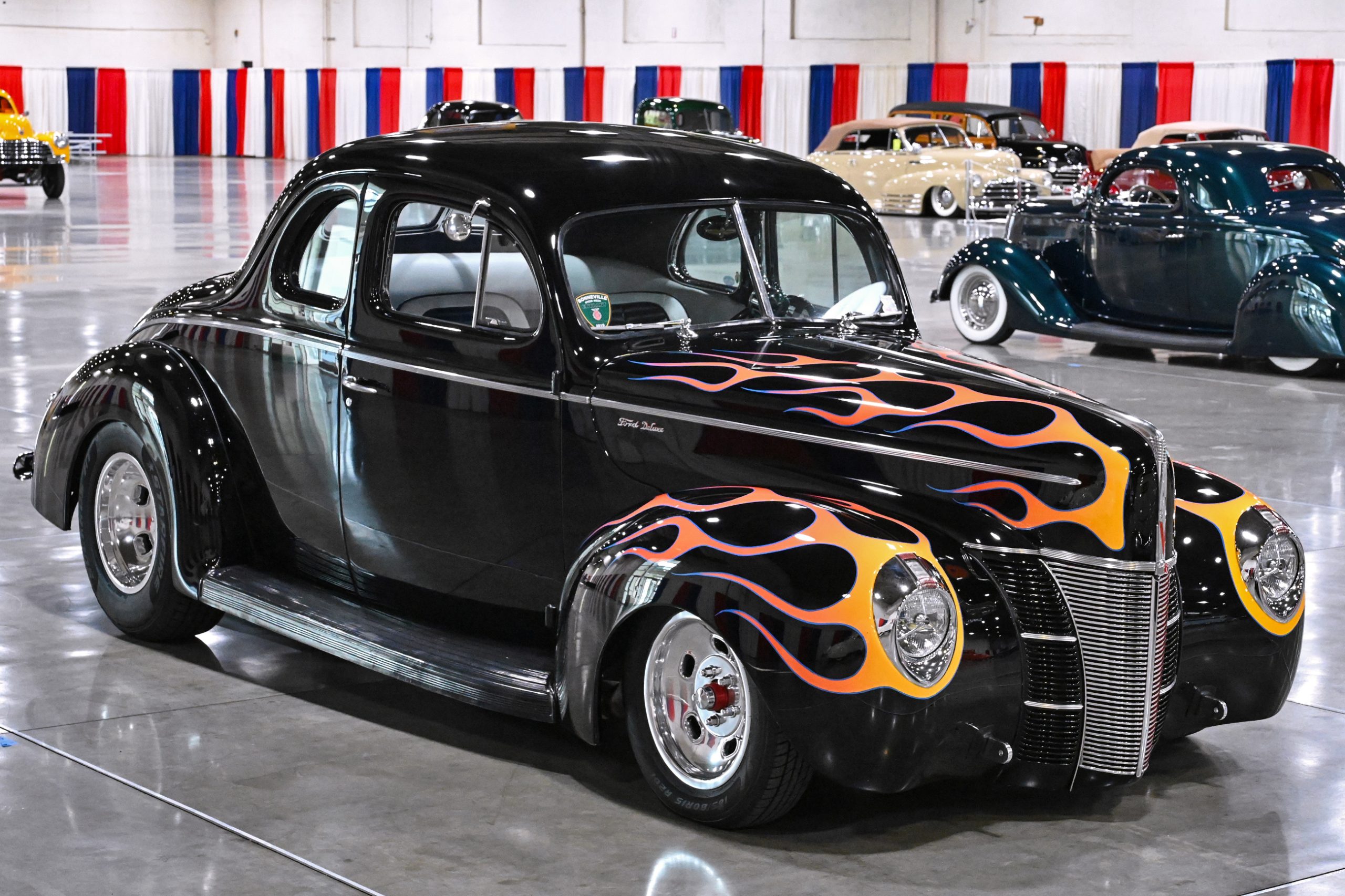
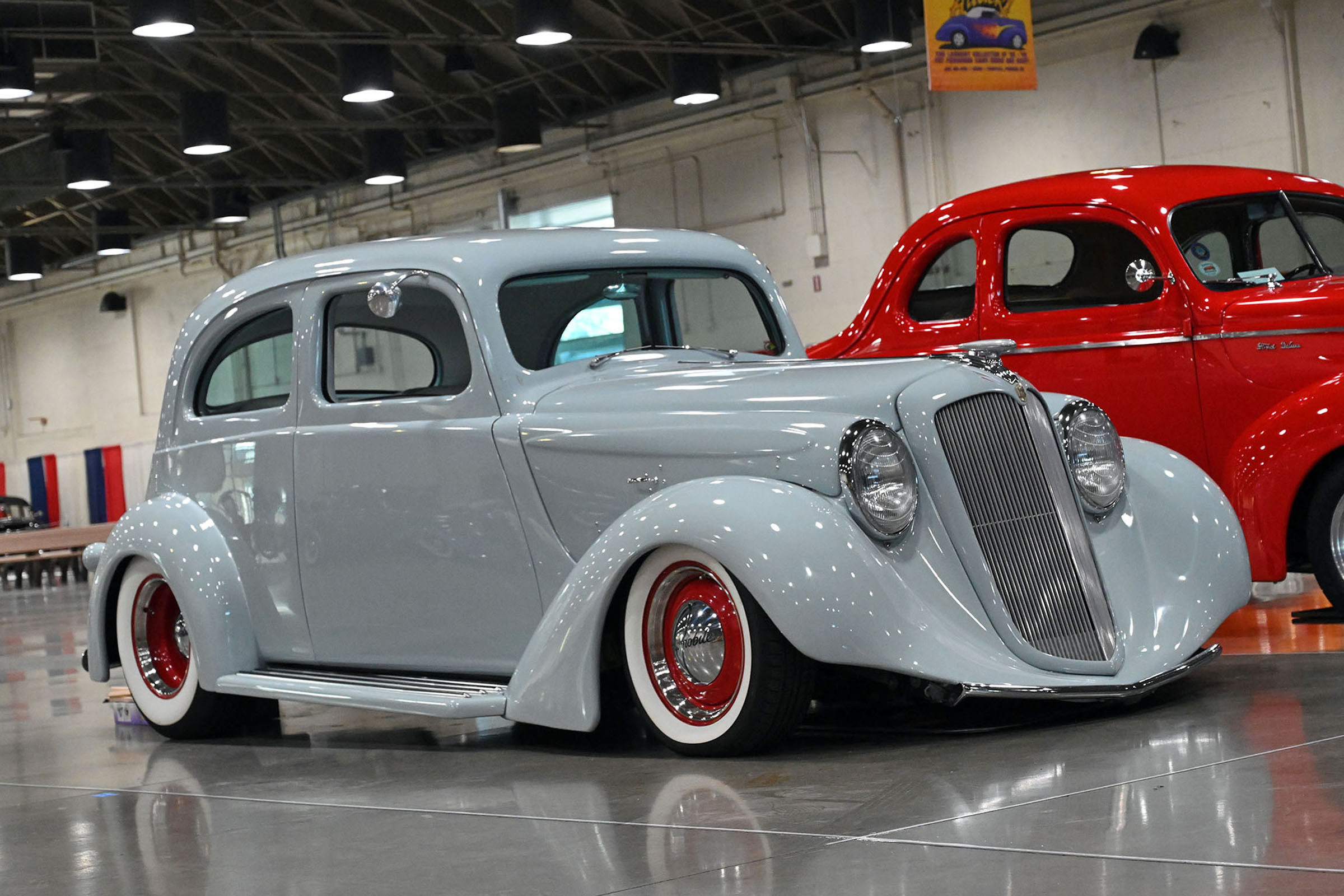
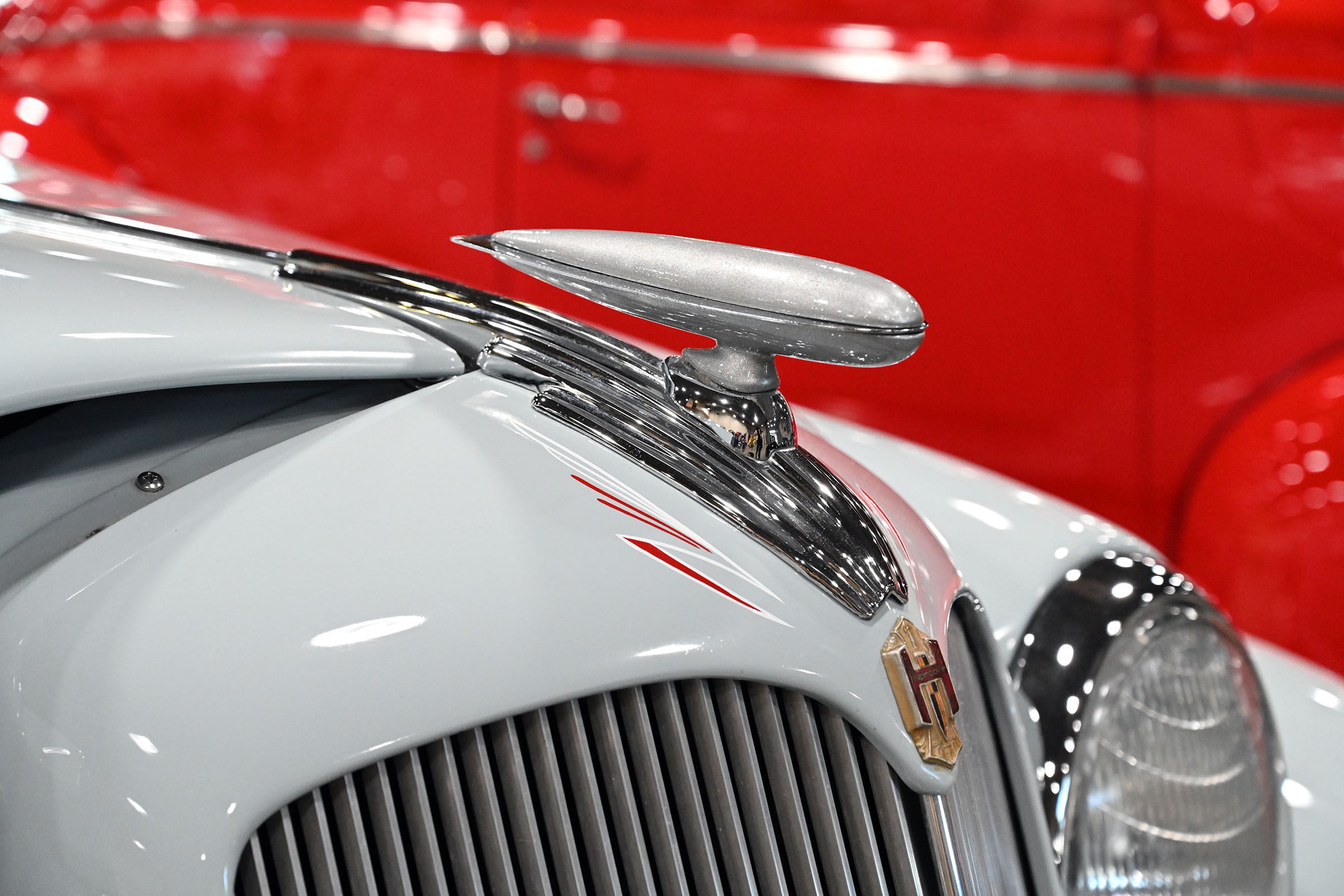
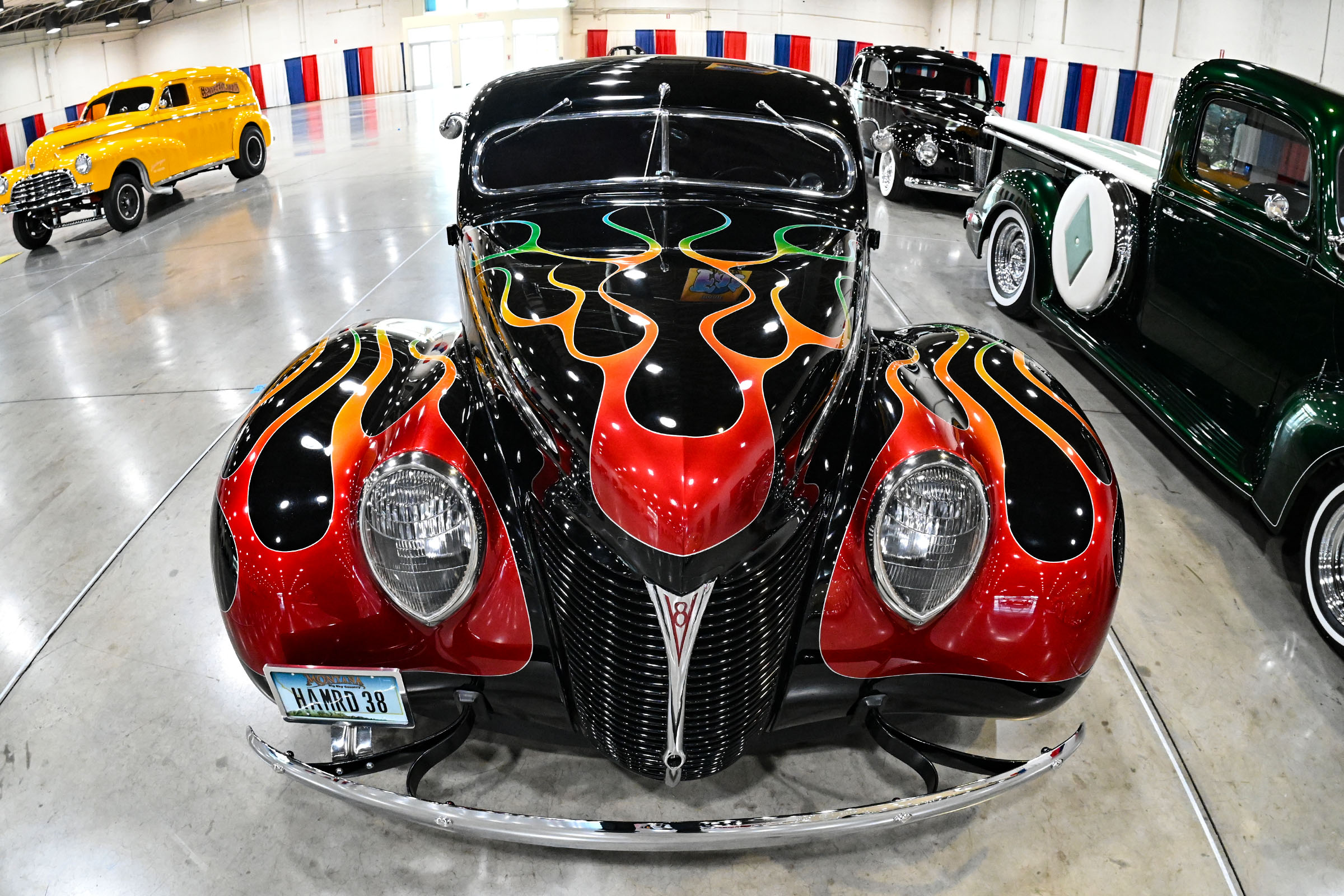
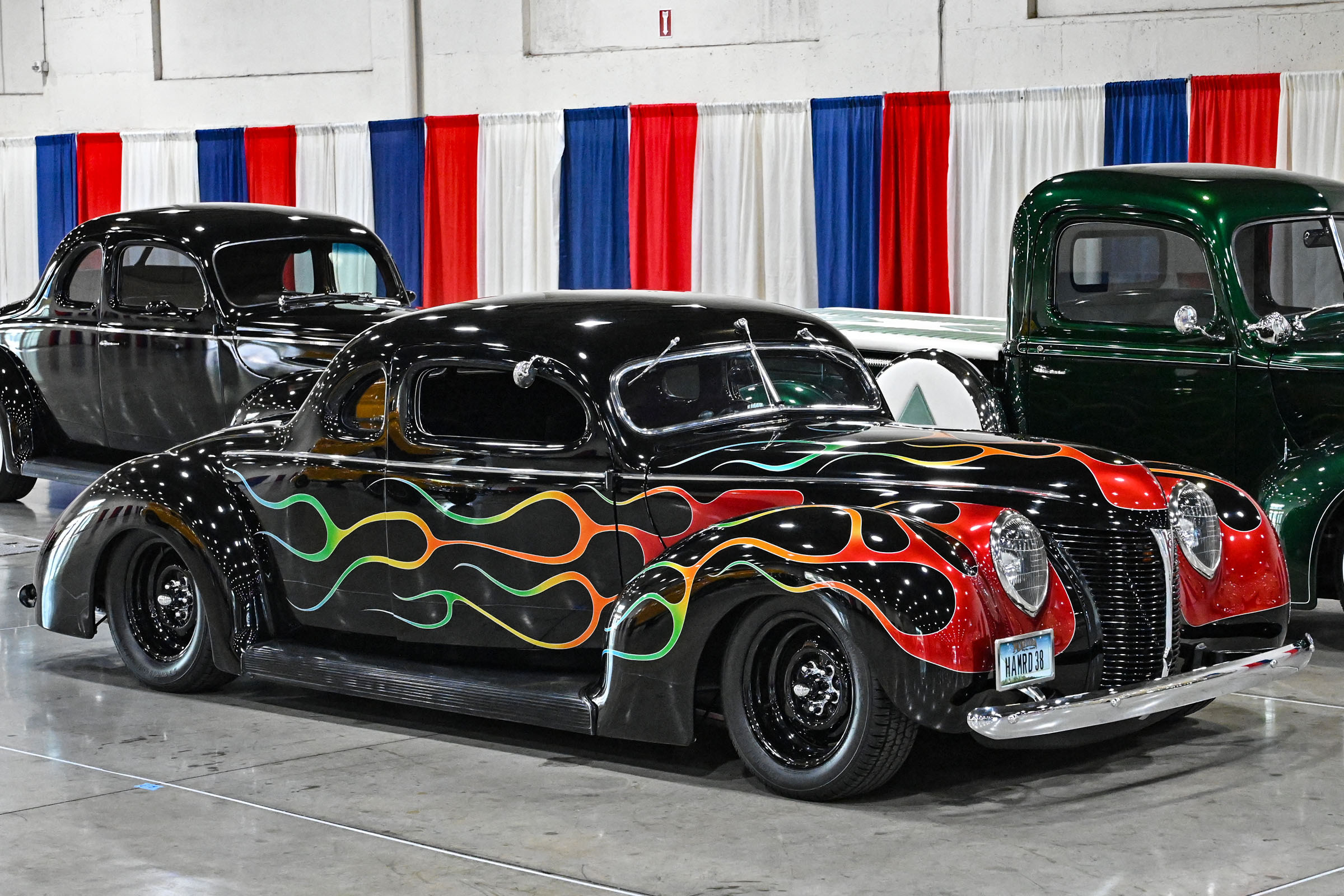
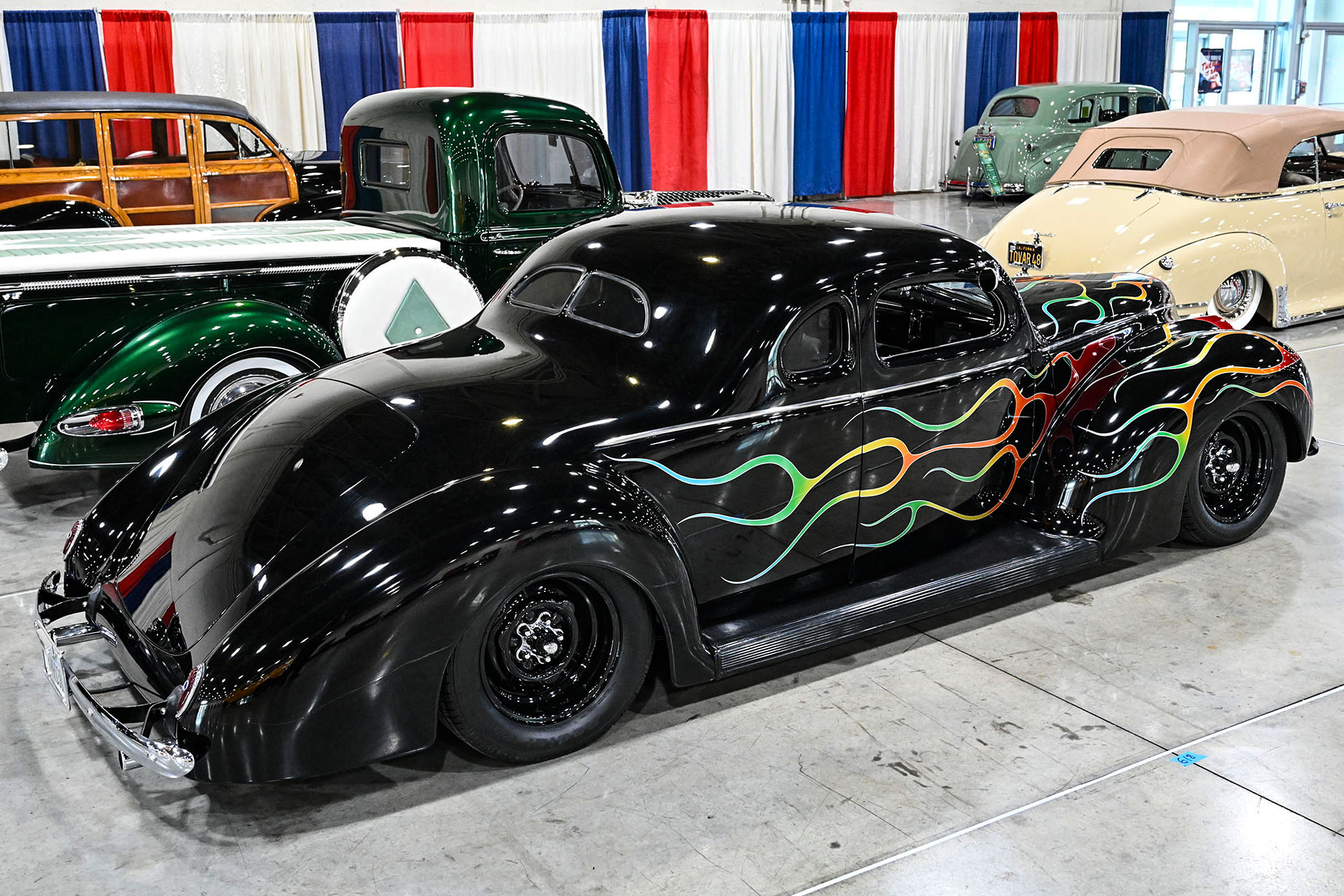
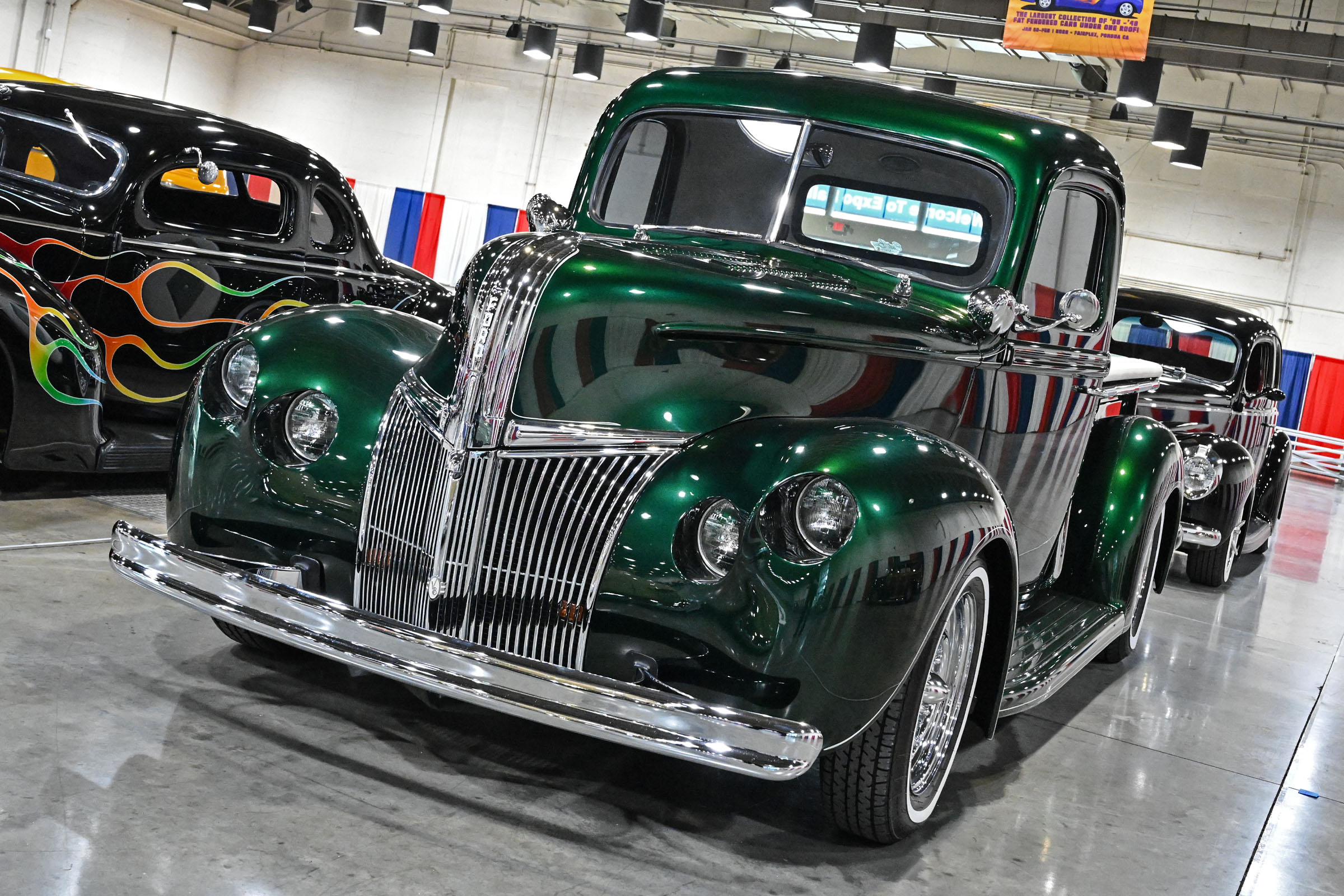
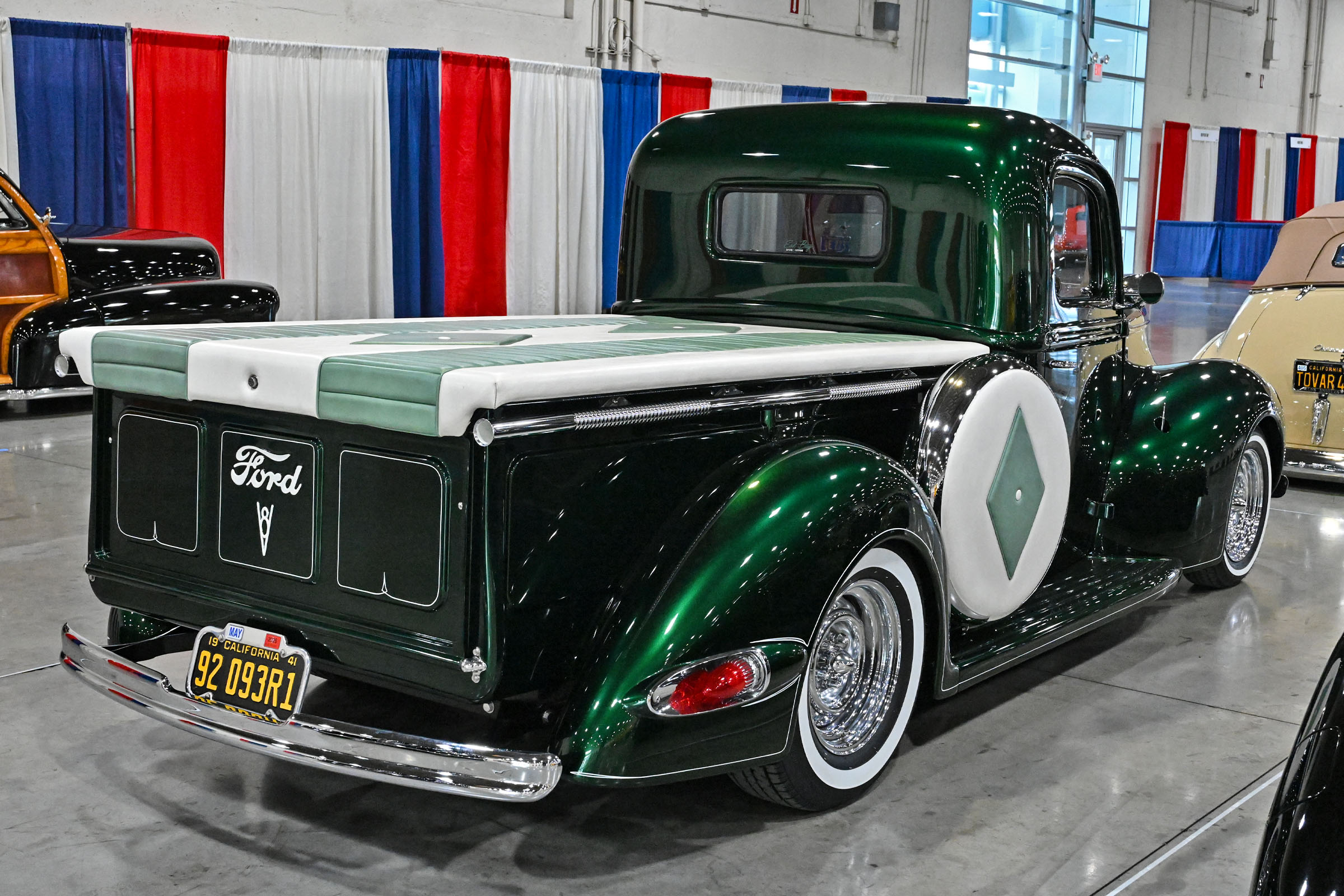
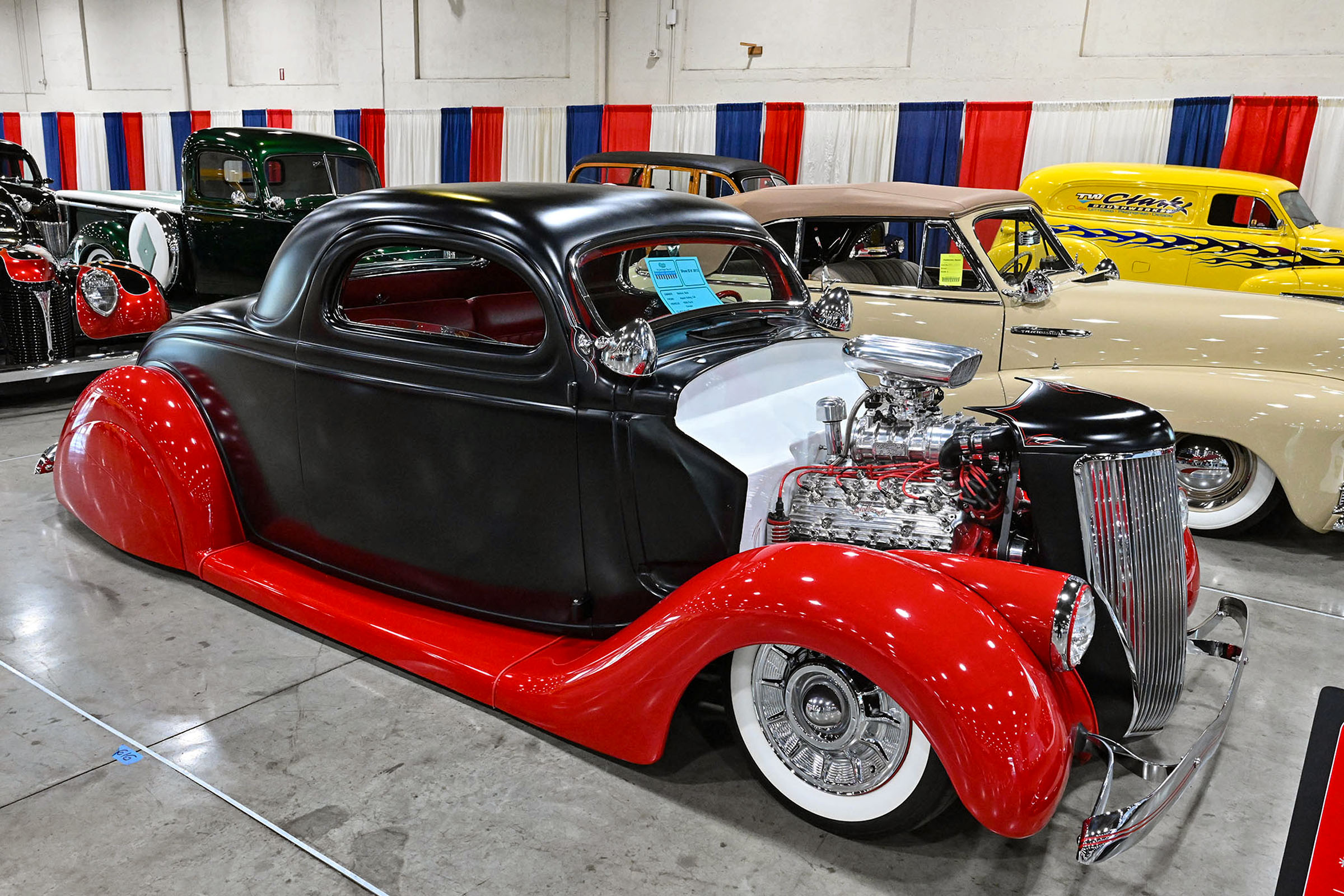
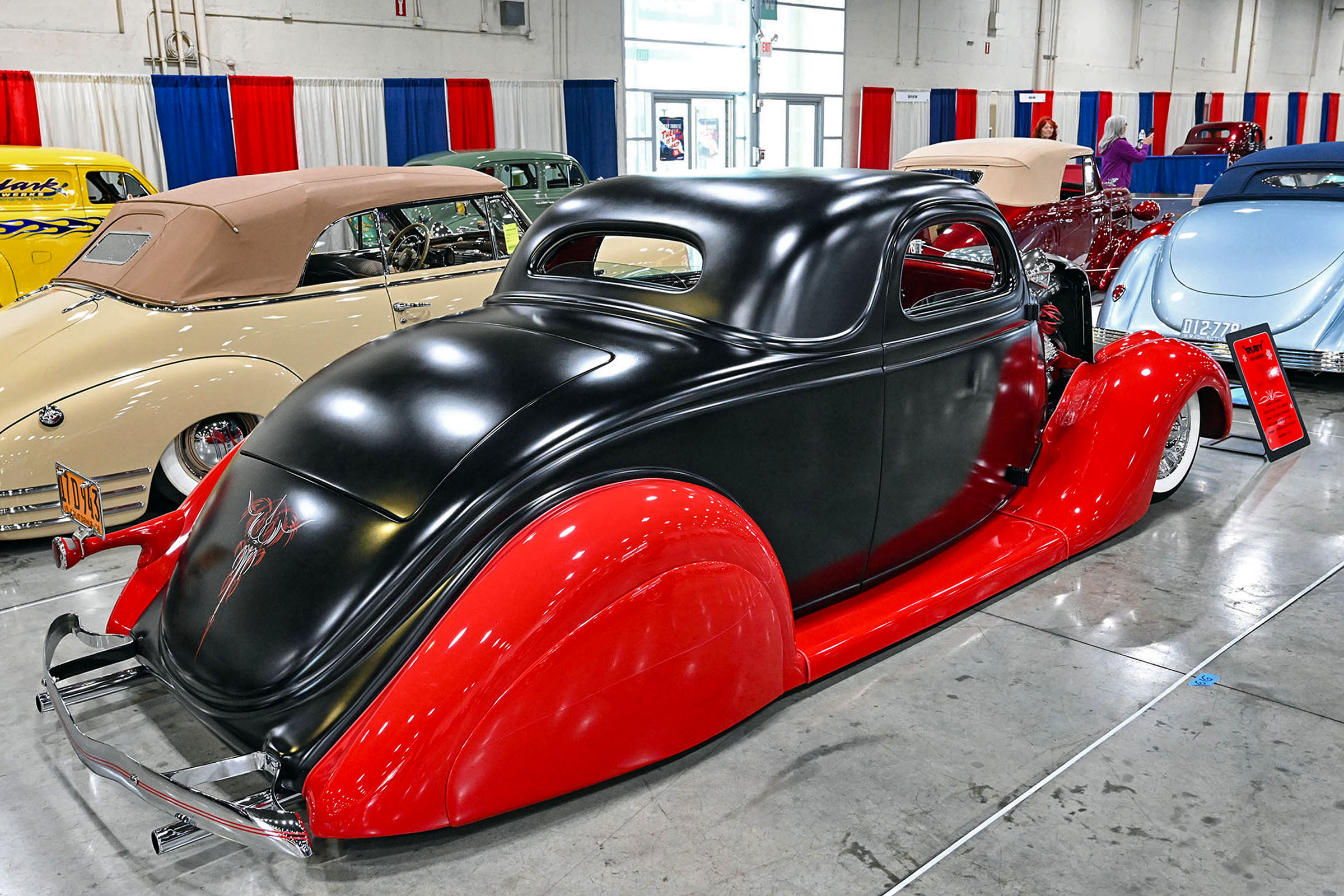
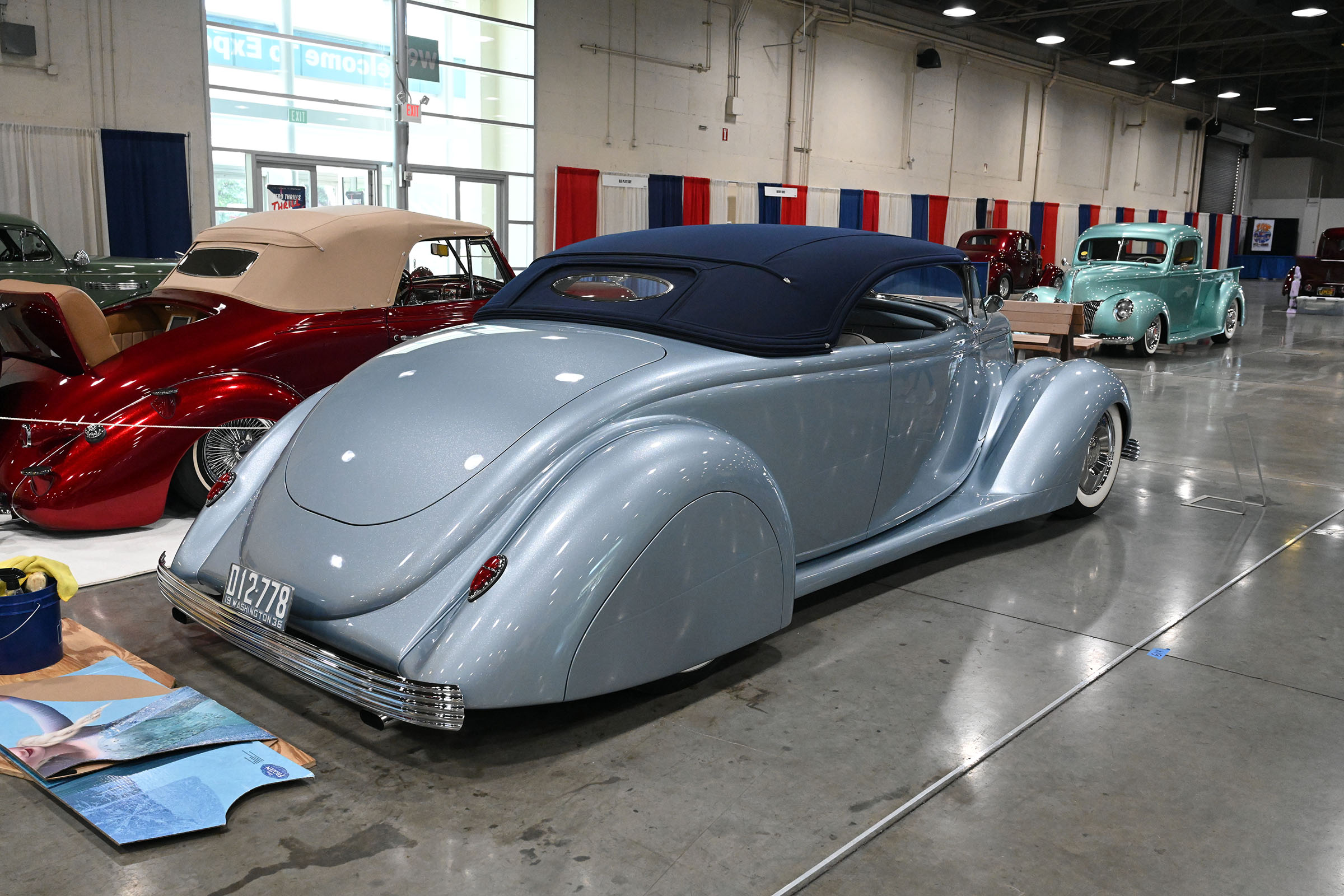
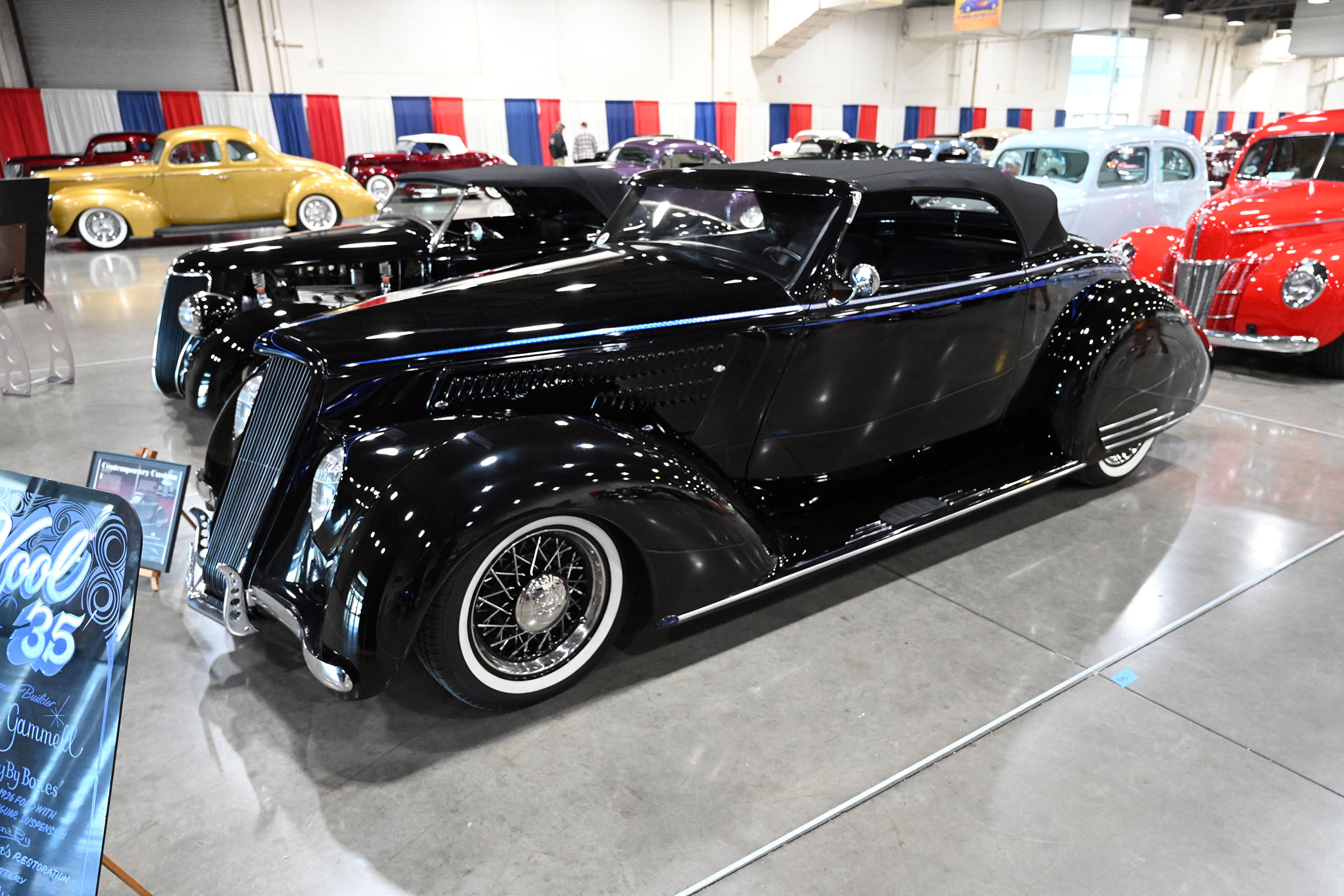
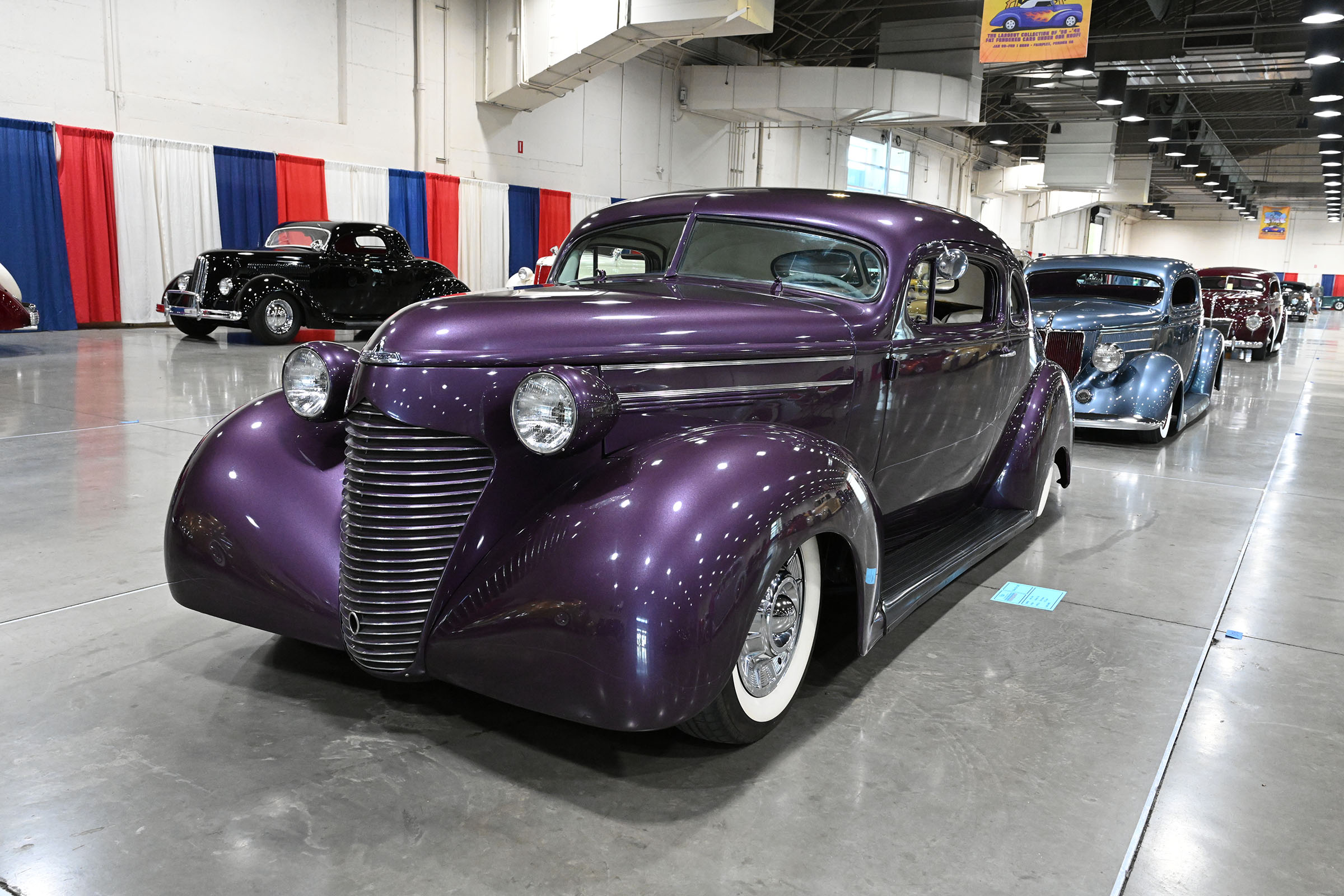
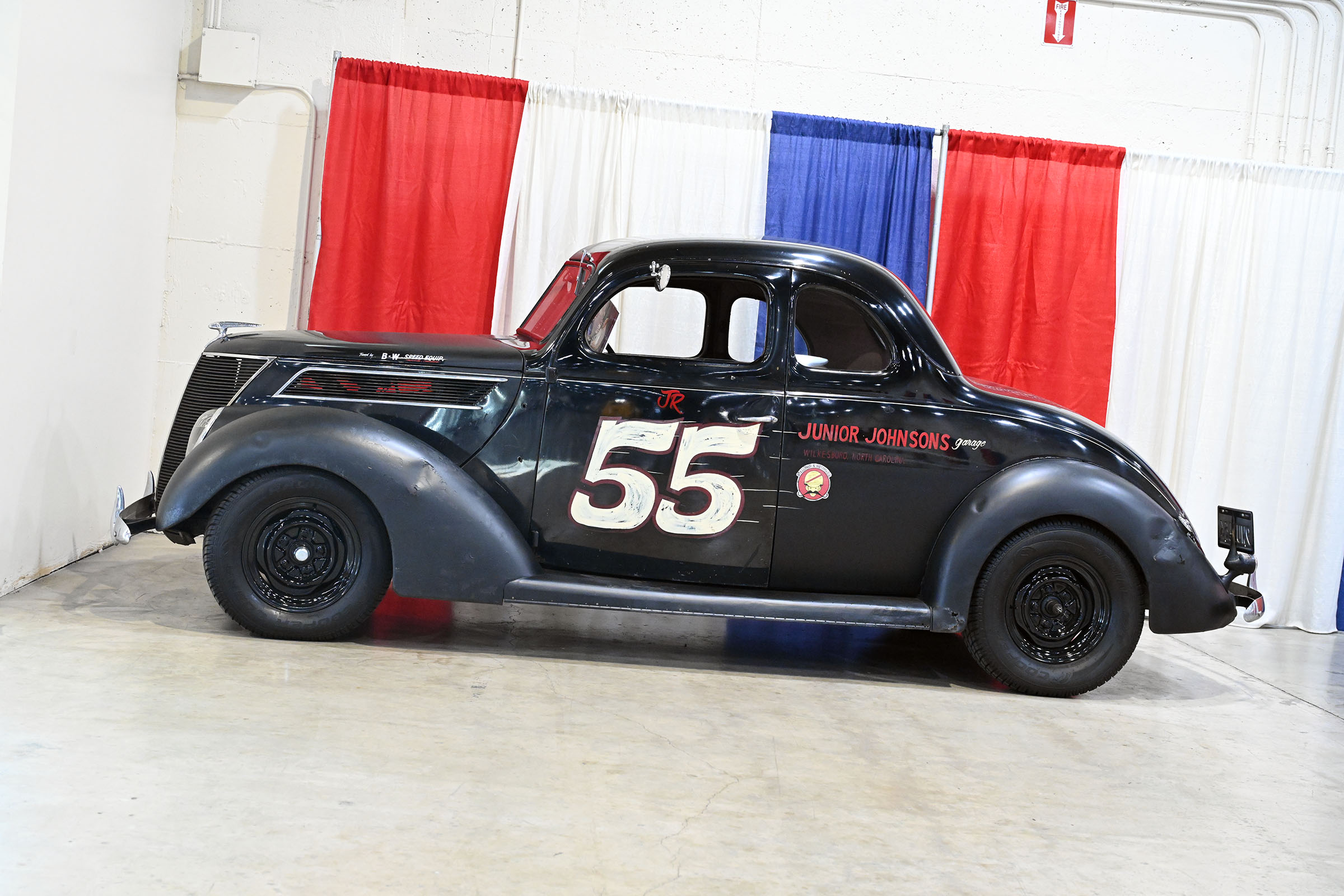
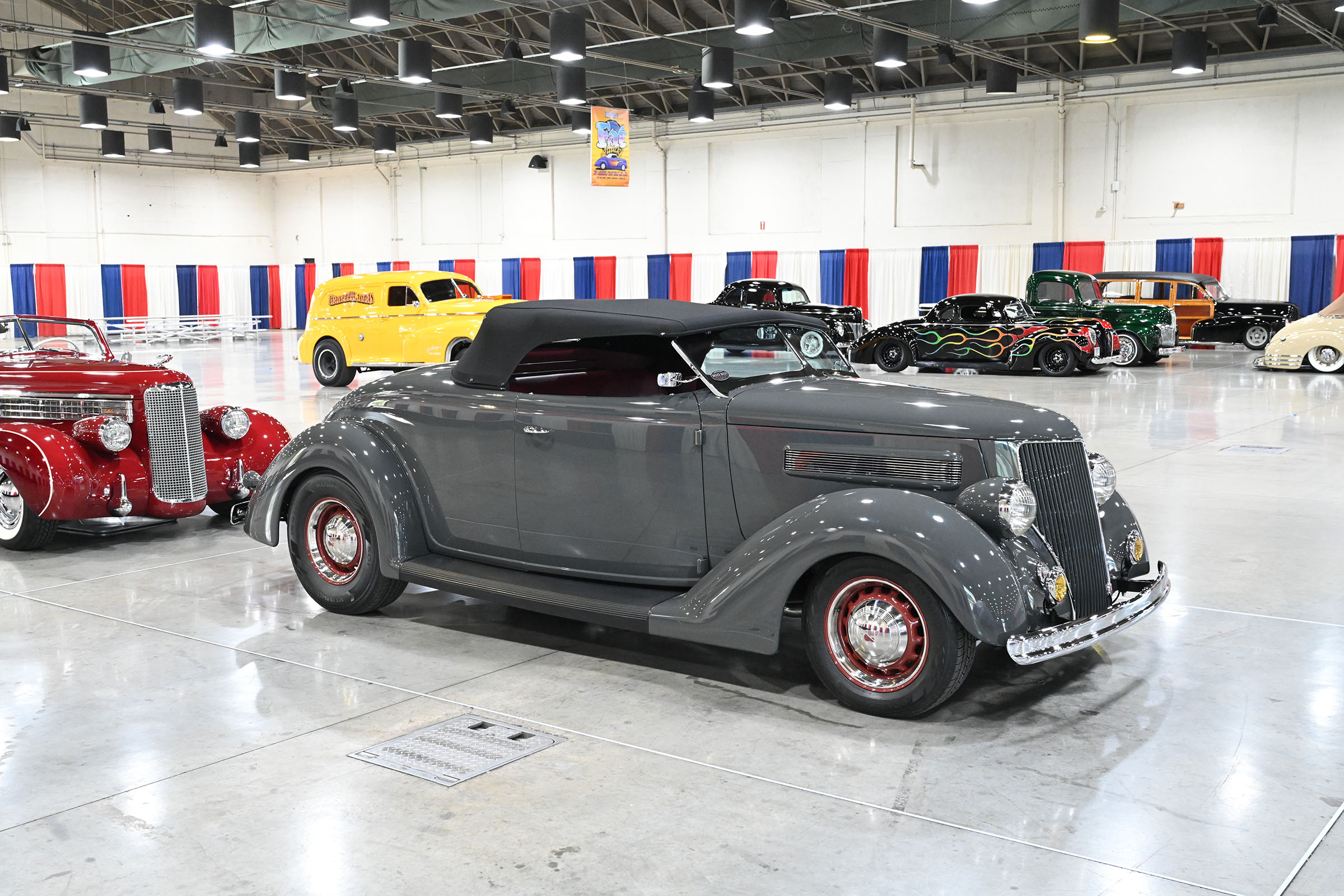
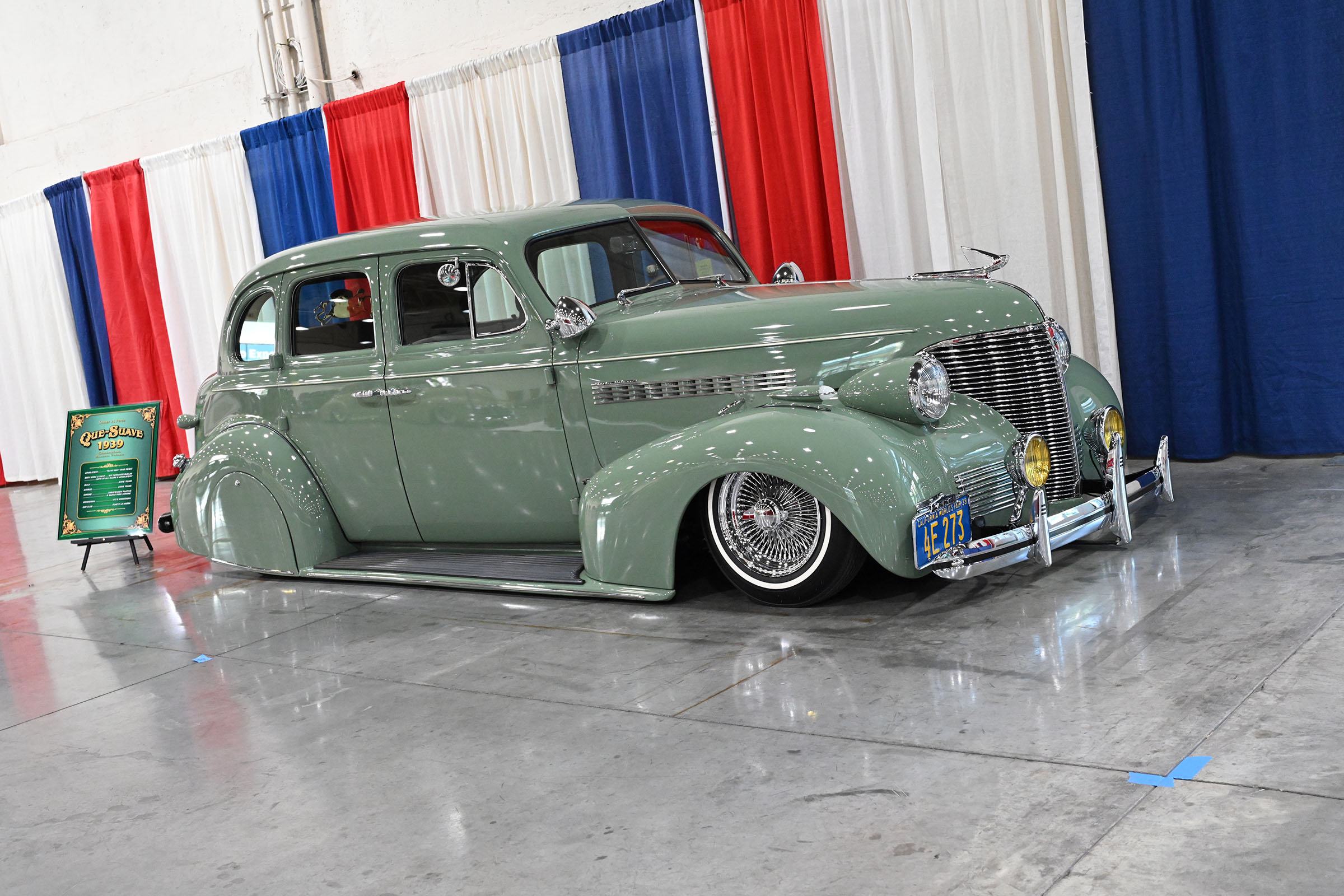
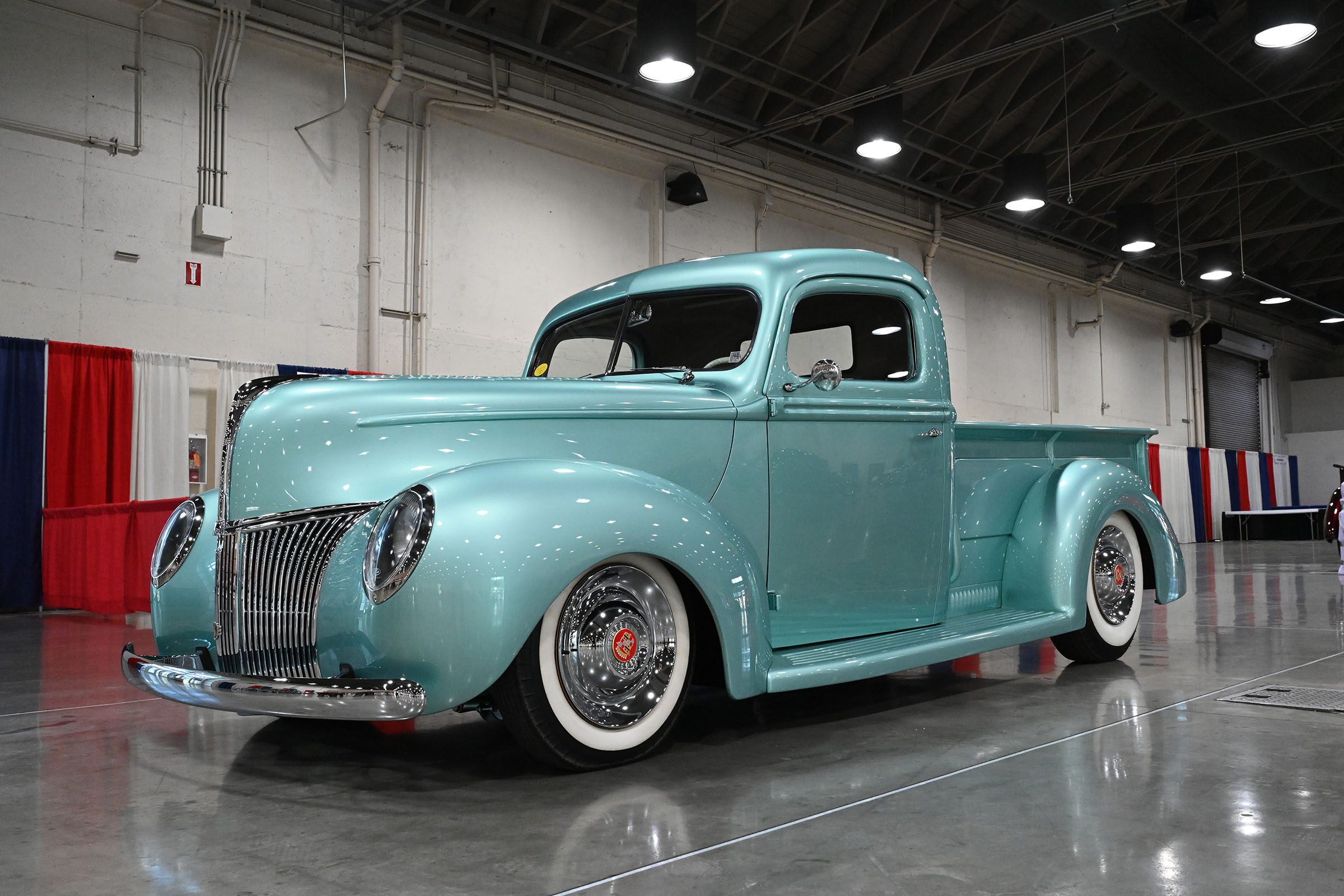
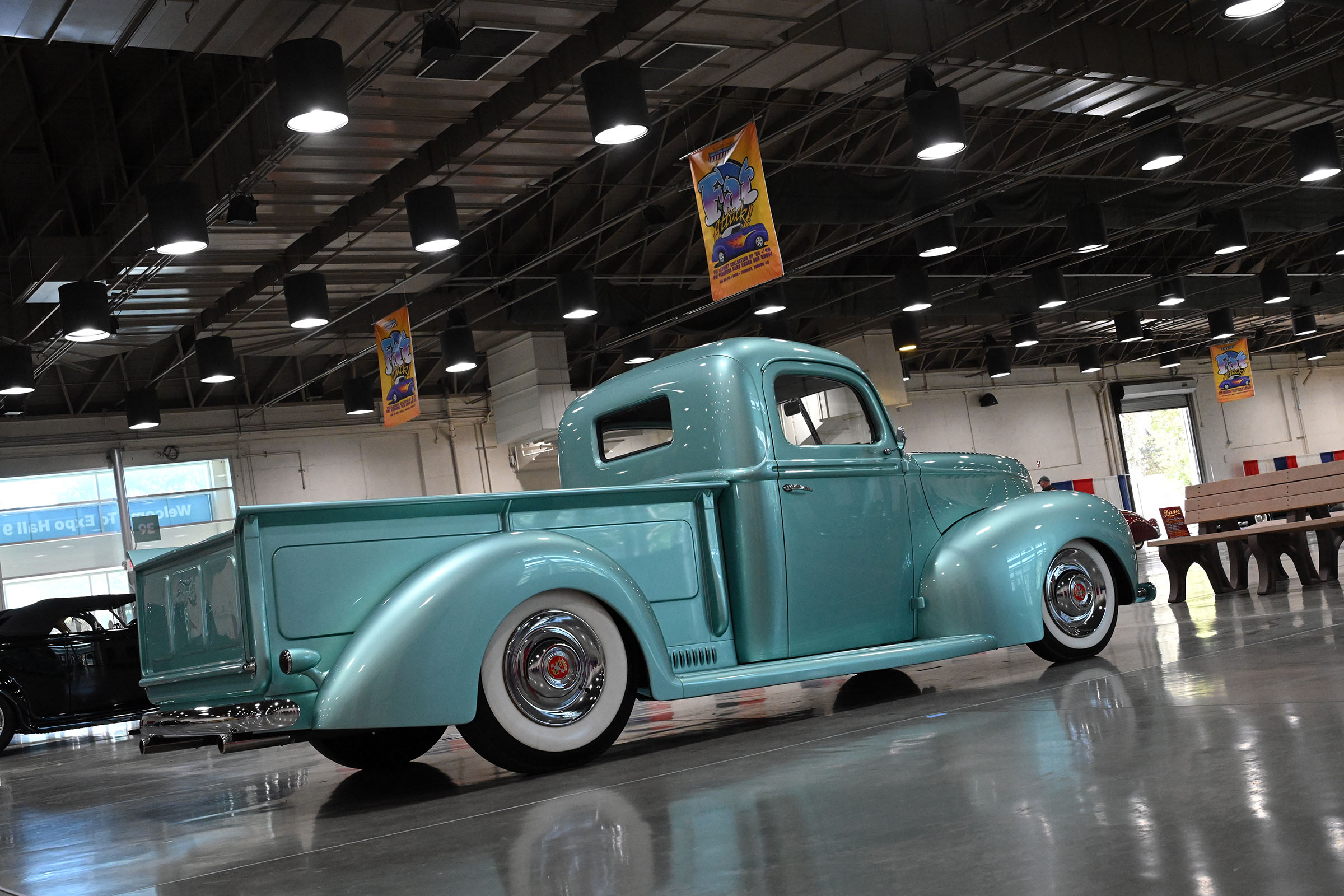
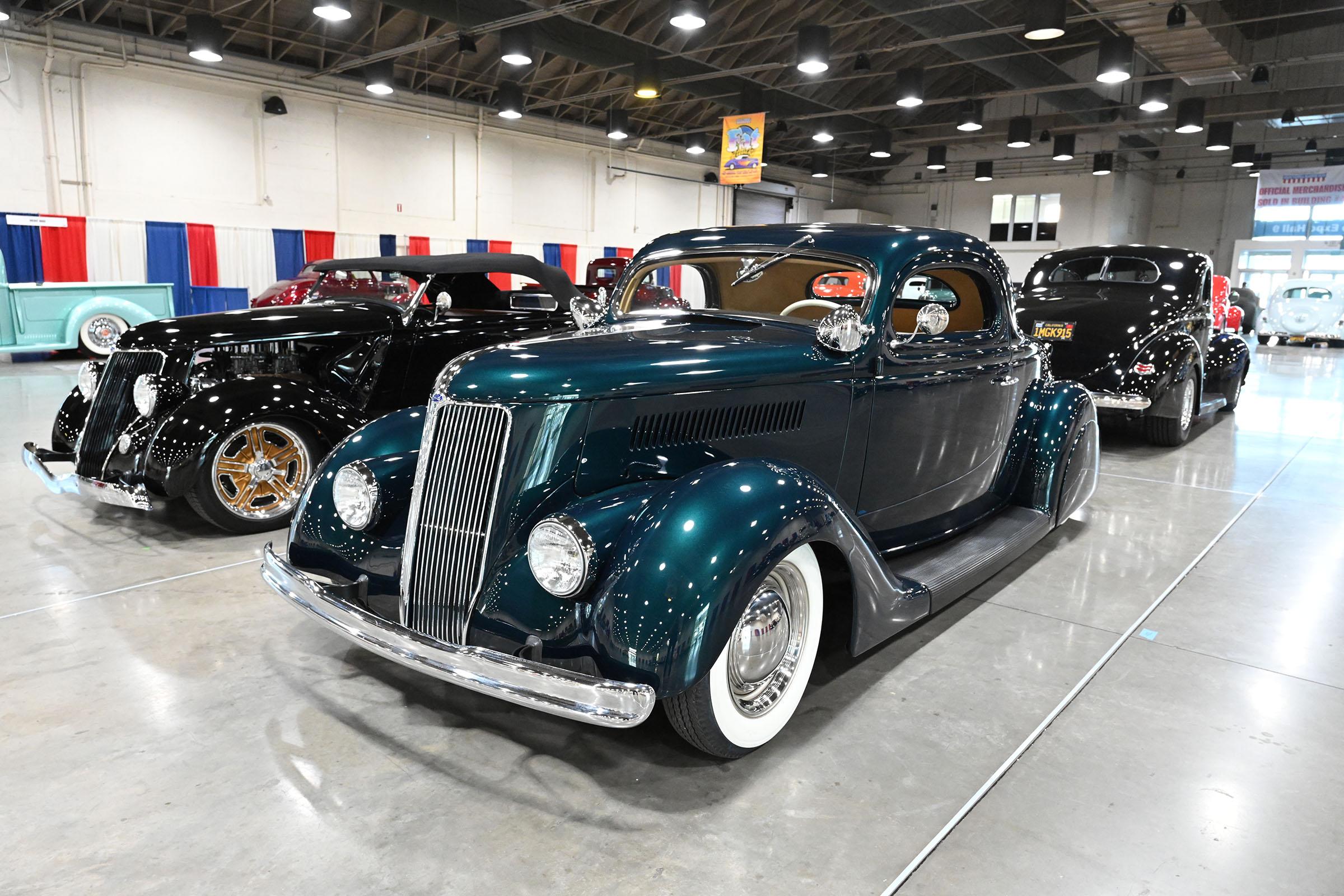
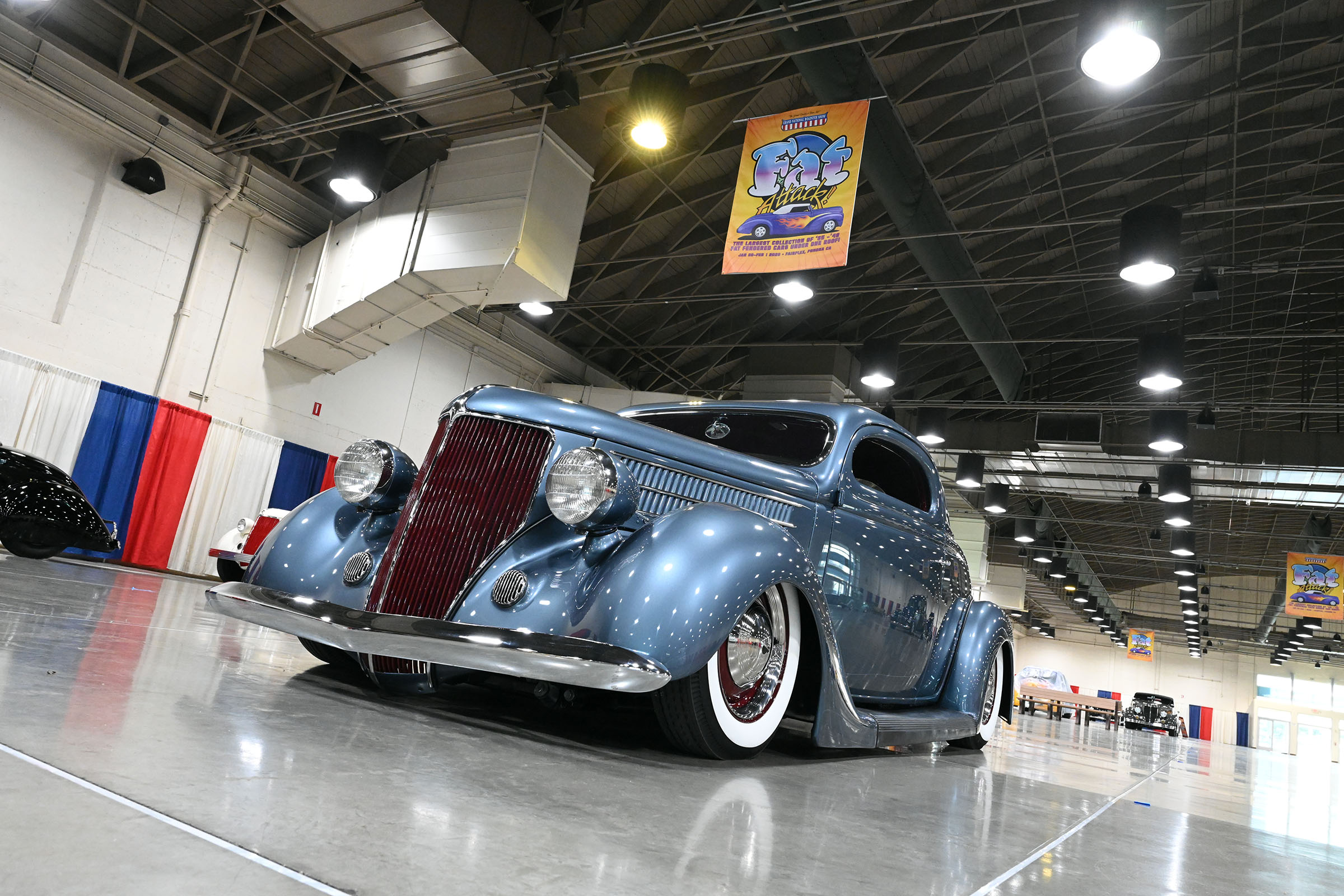
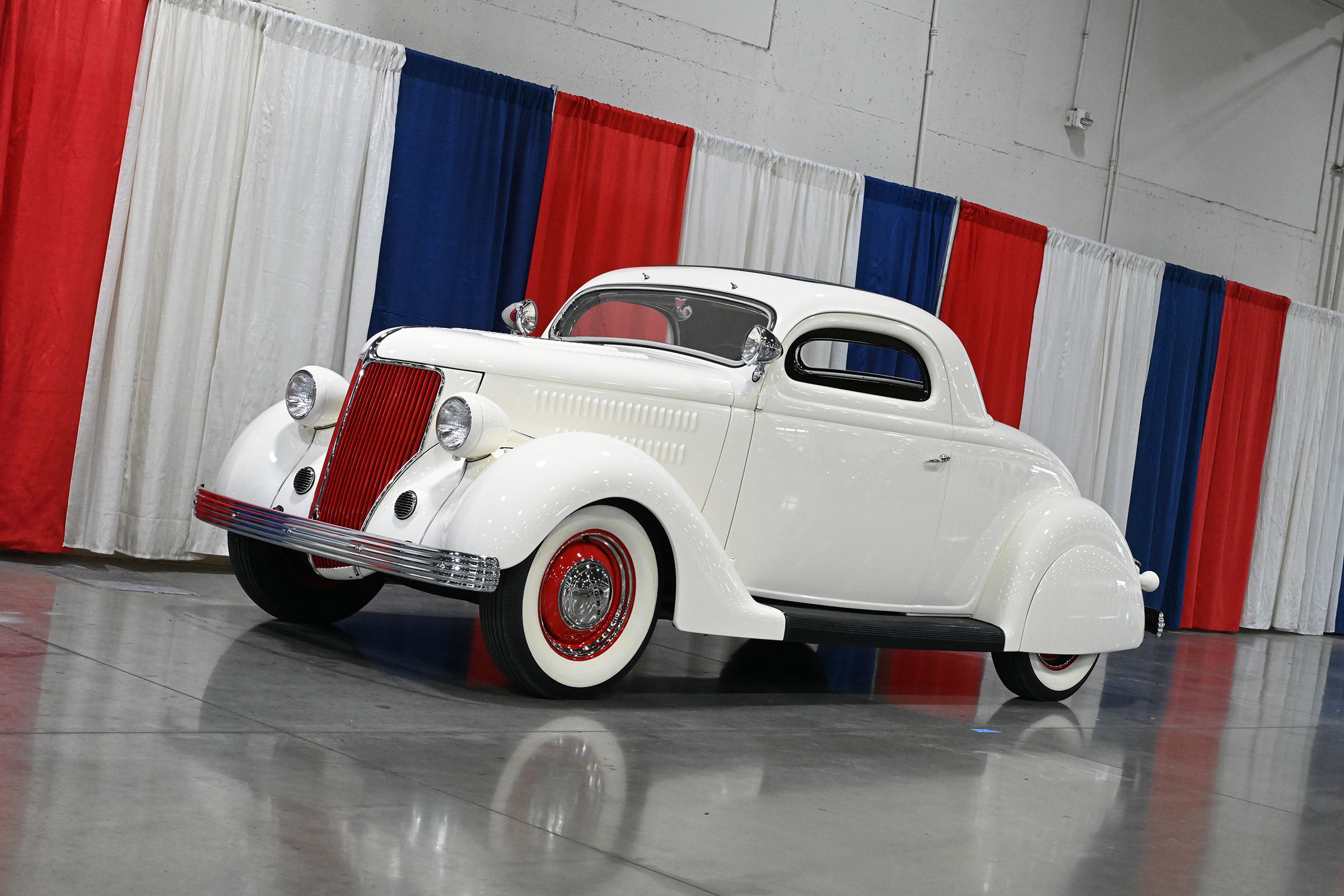
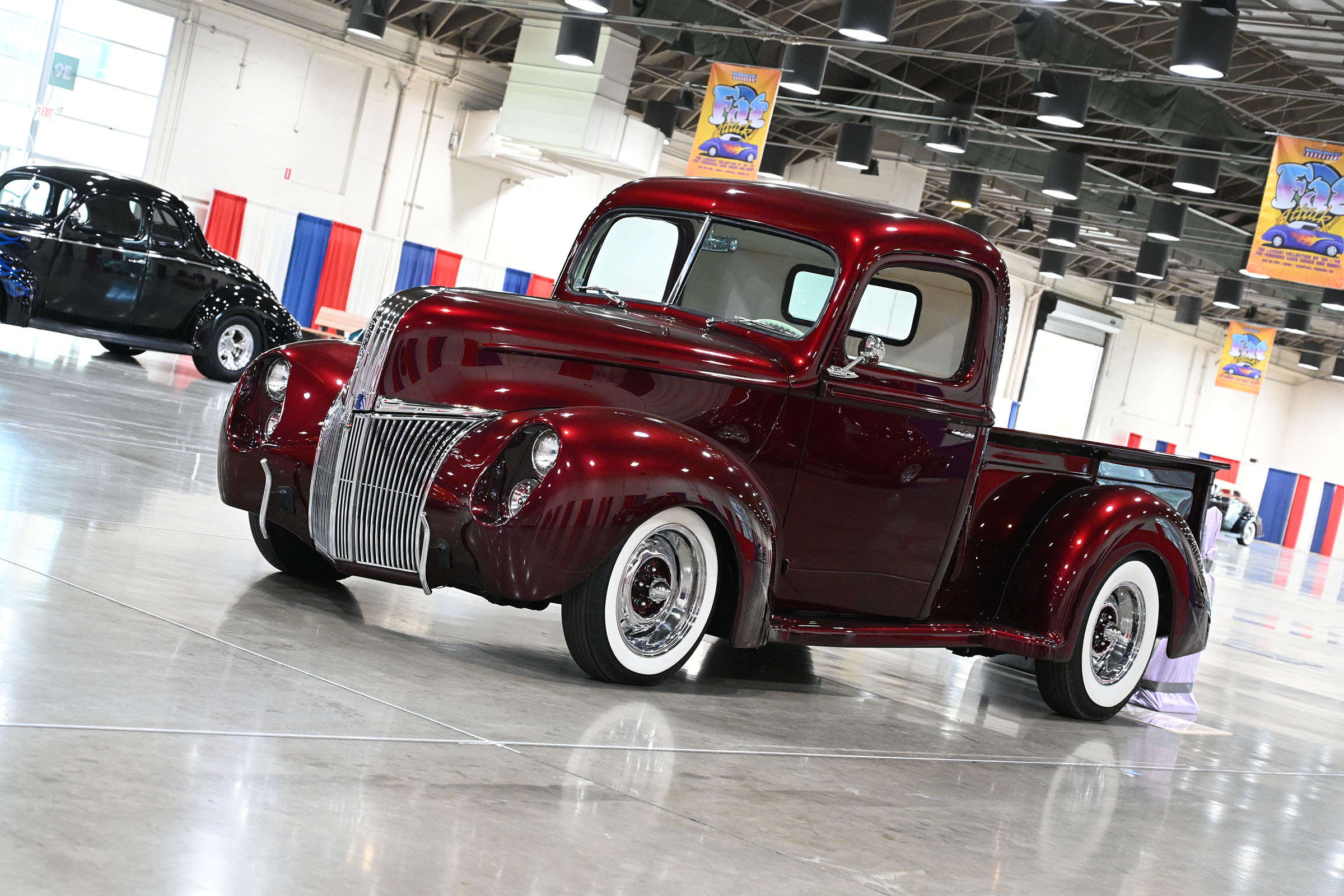
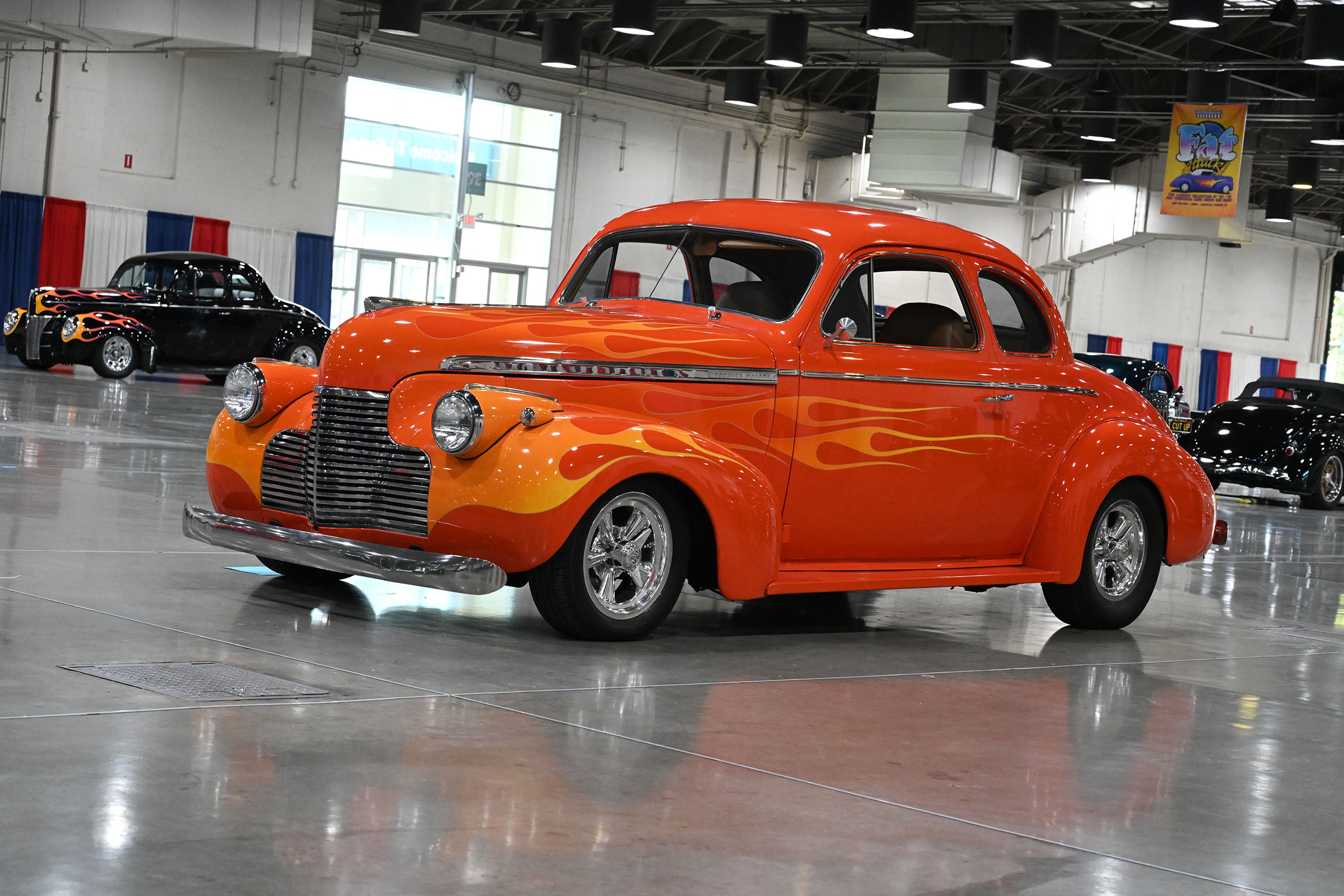
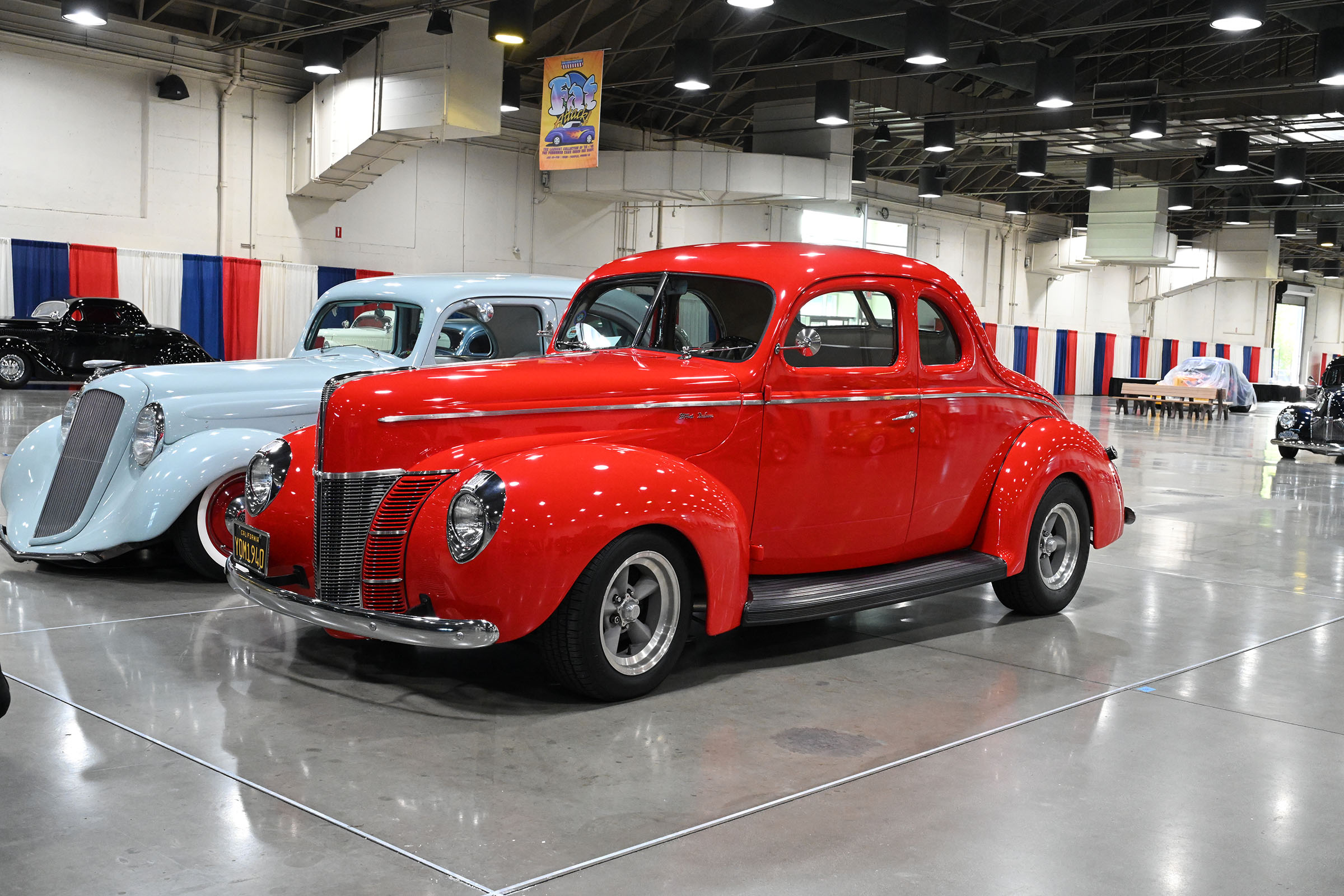
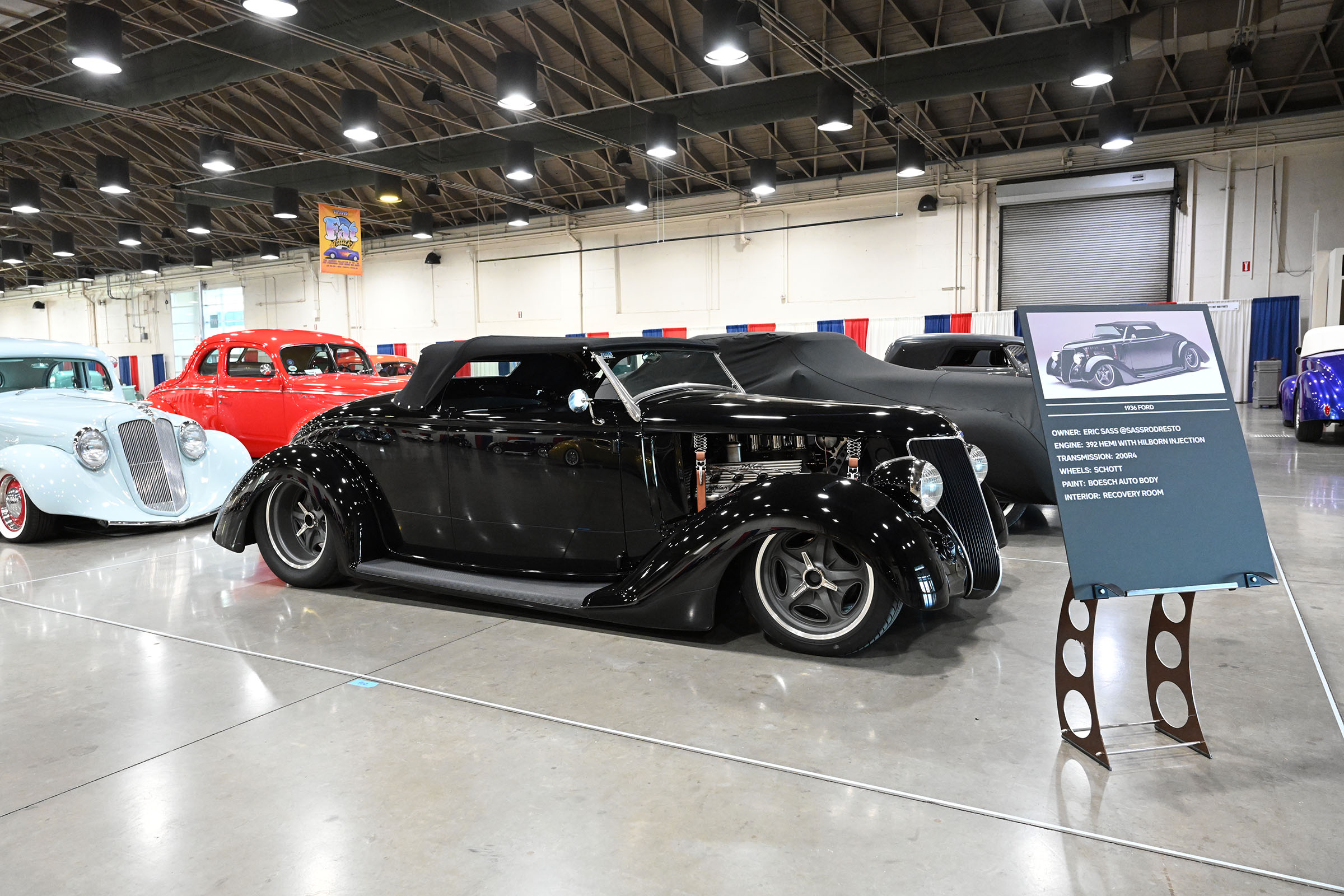
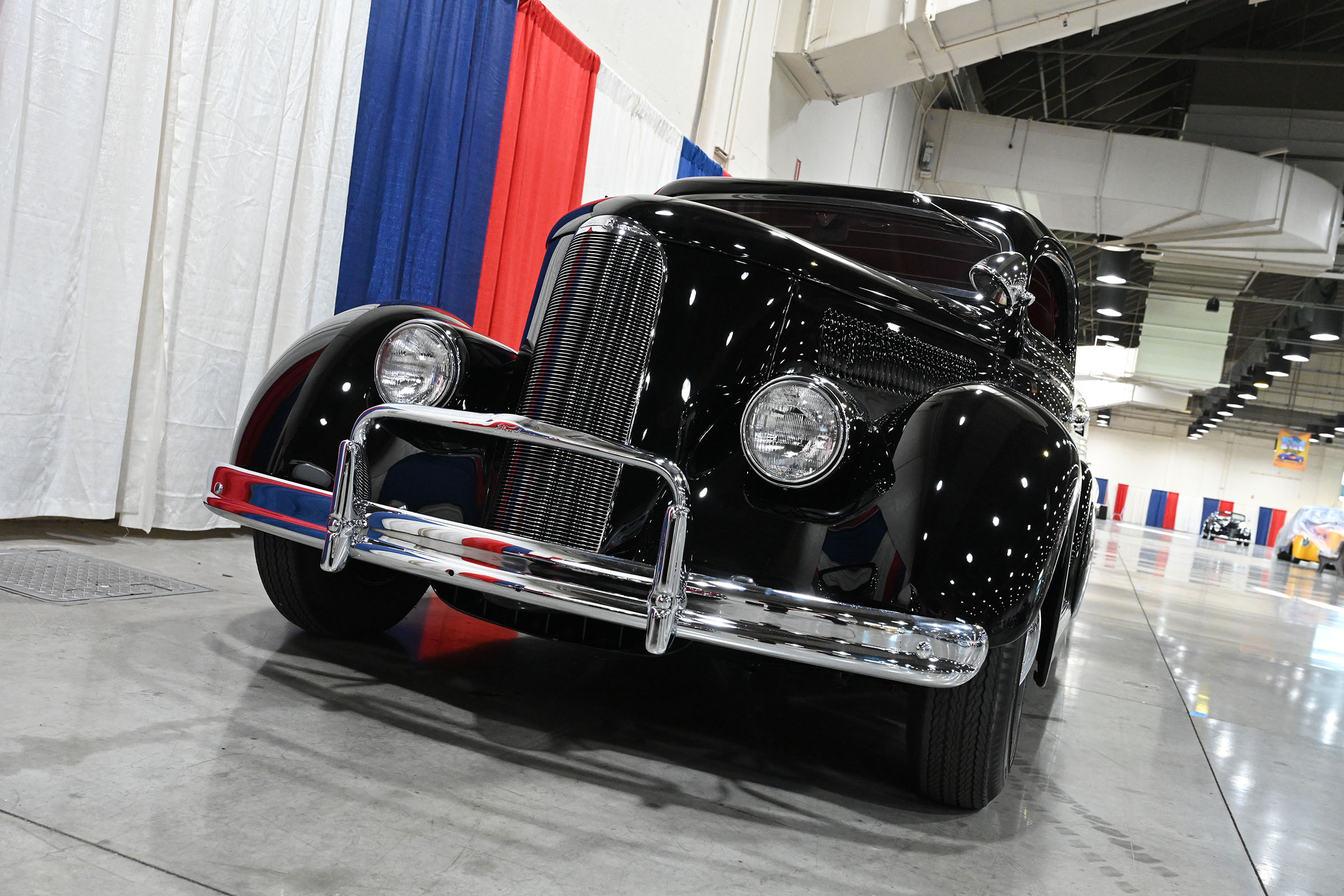
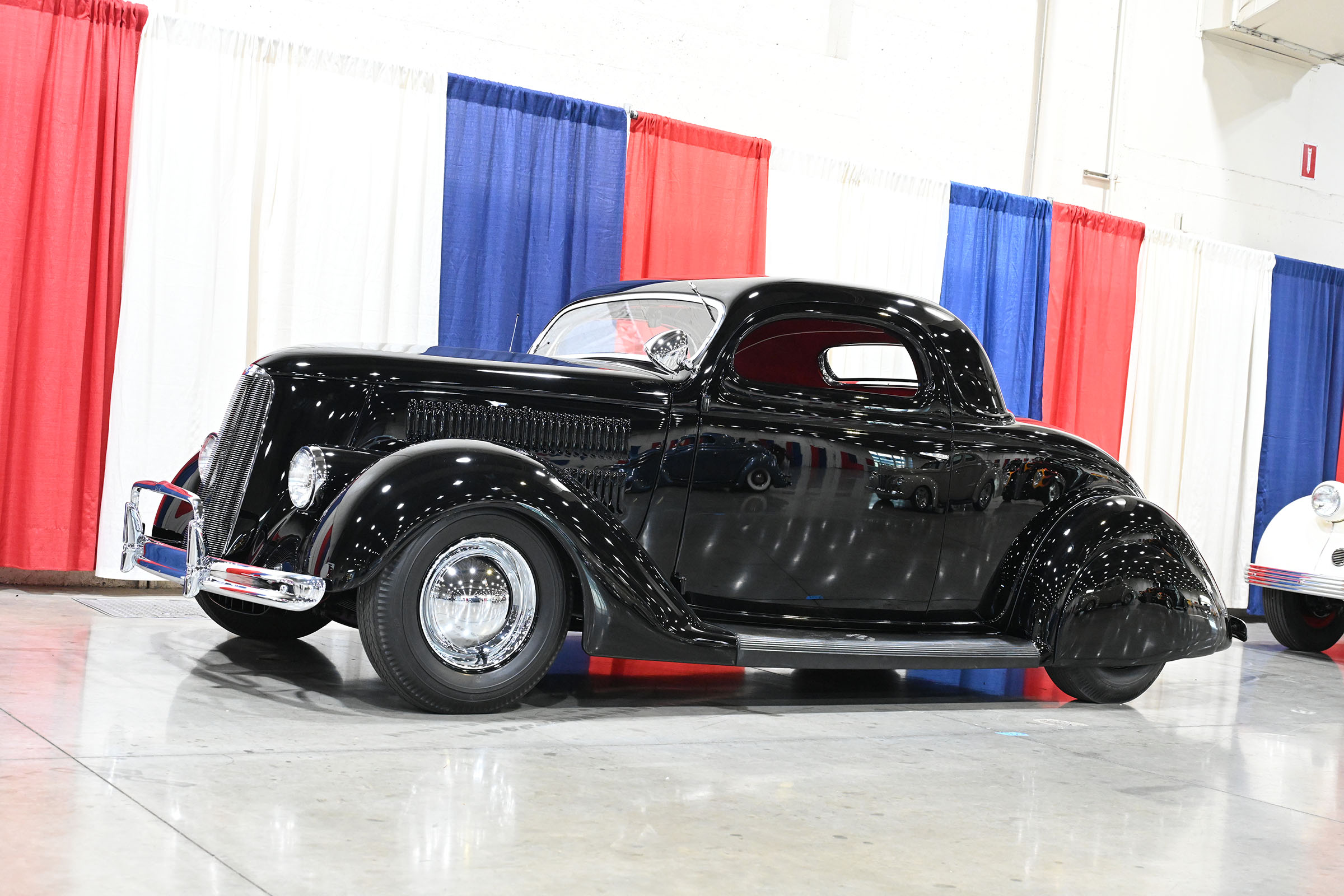
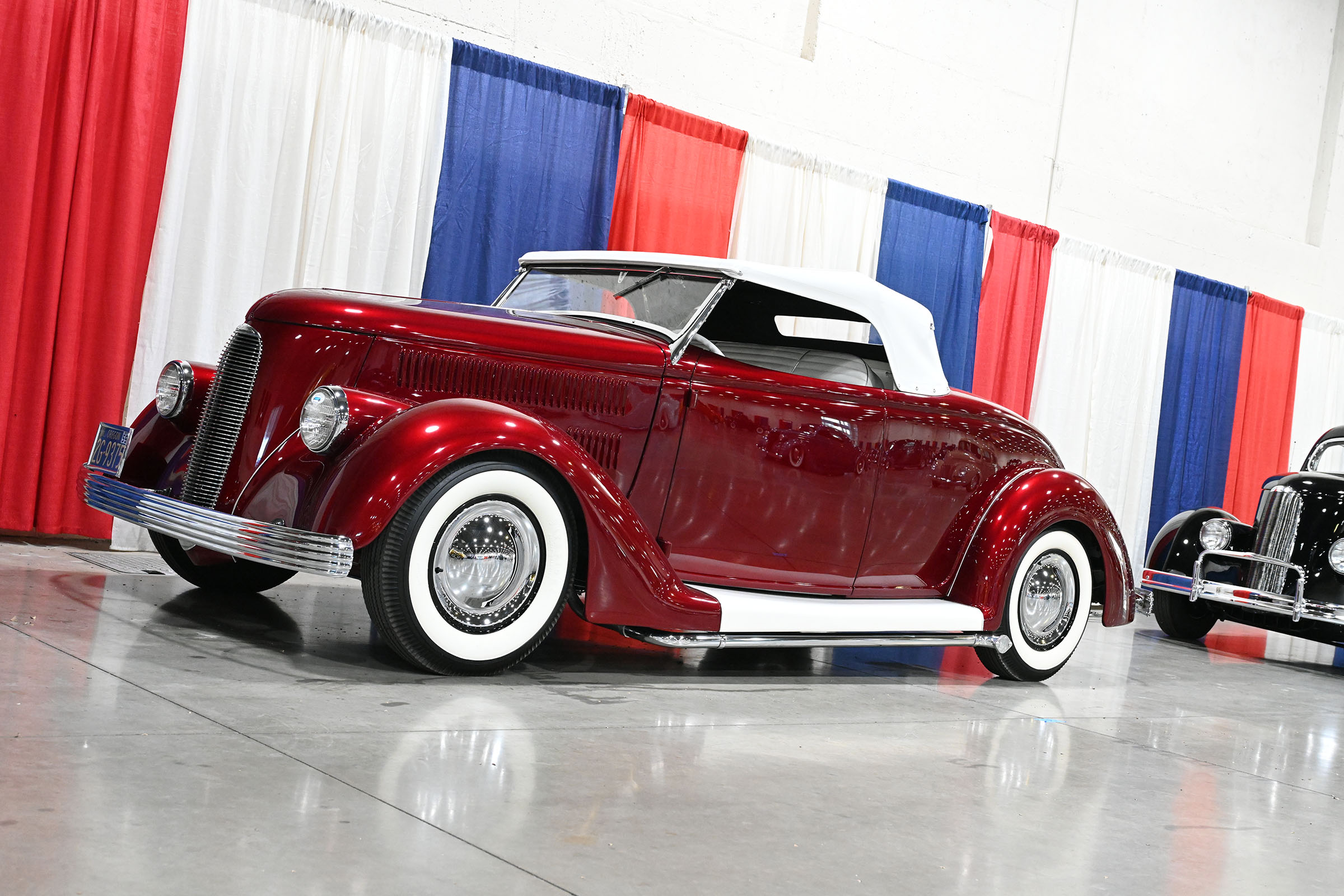
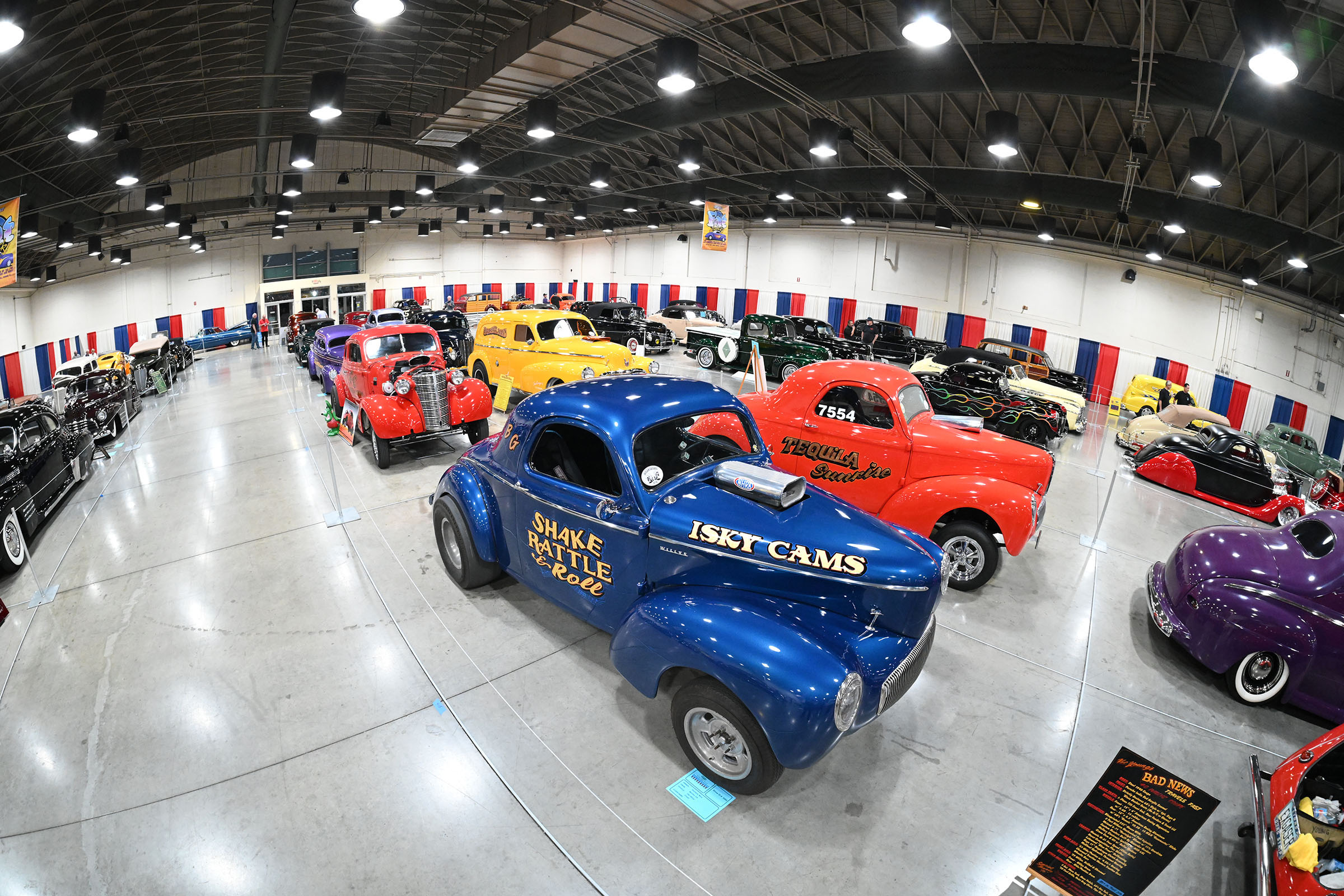
A fat-fender car is classic American design at its most dramatic: swollen fenders, curvy bodies, and presence for days. Unlike stripped-down hot rods that ditched weight for speed, fat-fender rides embraced their bulk, giving builders room for horsepower, suspension upgrades, and real streetable comfort. From coupes and sedans to convertibles, wagons, and trucks, makers like Ford, Chevy, Plymouth, and Hudson delivered the raw material for iconic builds. Whether a roaring gasser, a smooth cruiser, or a jaw-dropping showpiece, fat-fender cars combine performance, style, and attitude in one irresistible package.
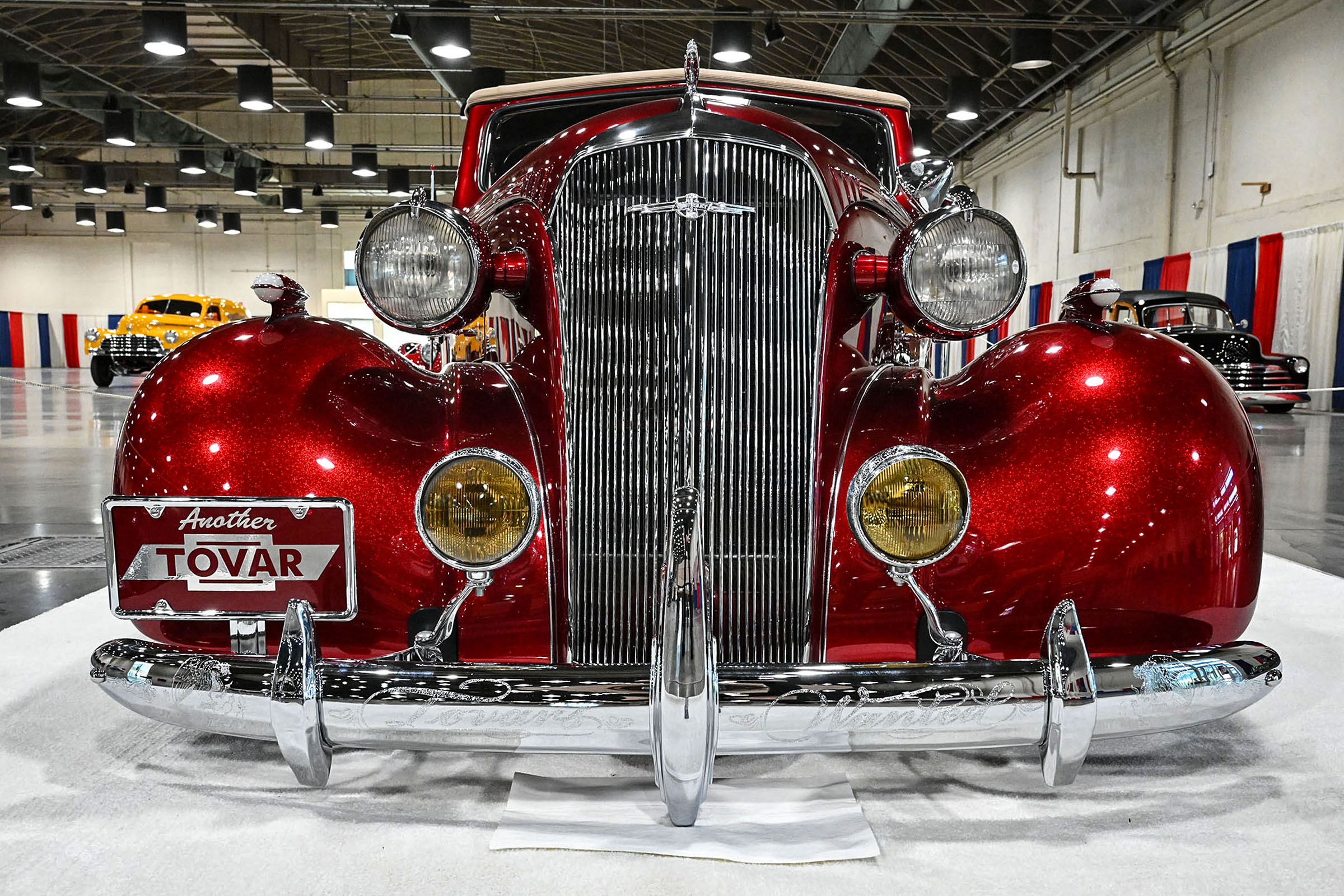
The movement was already gaining serious steam in the early ’80s, driven by innovators like Ken “Posie” Fenical of Posies Rod & Customs, alongside builders such as Pete Chapouris and Jake Jacobs of Pete & Jake’s Hot Rod Parts. Fenical’s refined ’36 Ford and chopped ’37 Ford convertibles—both featured in Hot Rod Magazine in 1983—helped elevate the fat-fender Ford from simple hot rod to fully realized custom. By the time the Fat Attack feature landed in mid-’85, the fat-fender phenomenon had officially come to a roaring boil.
The Ultimate Fat-Fender Showcase
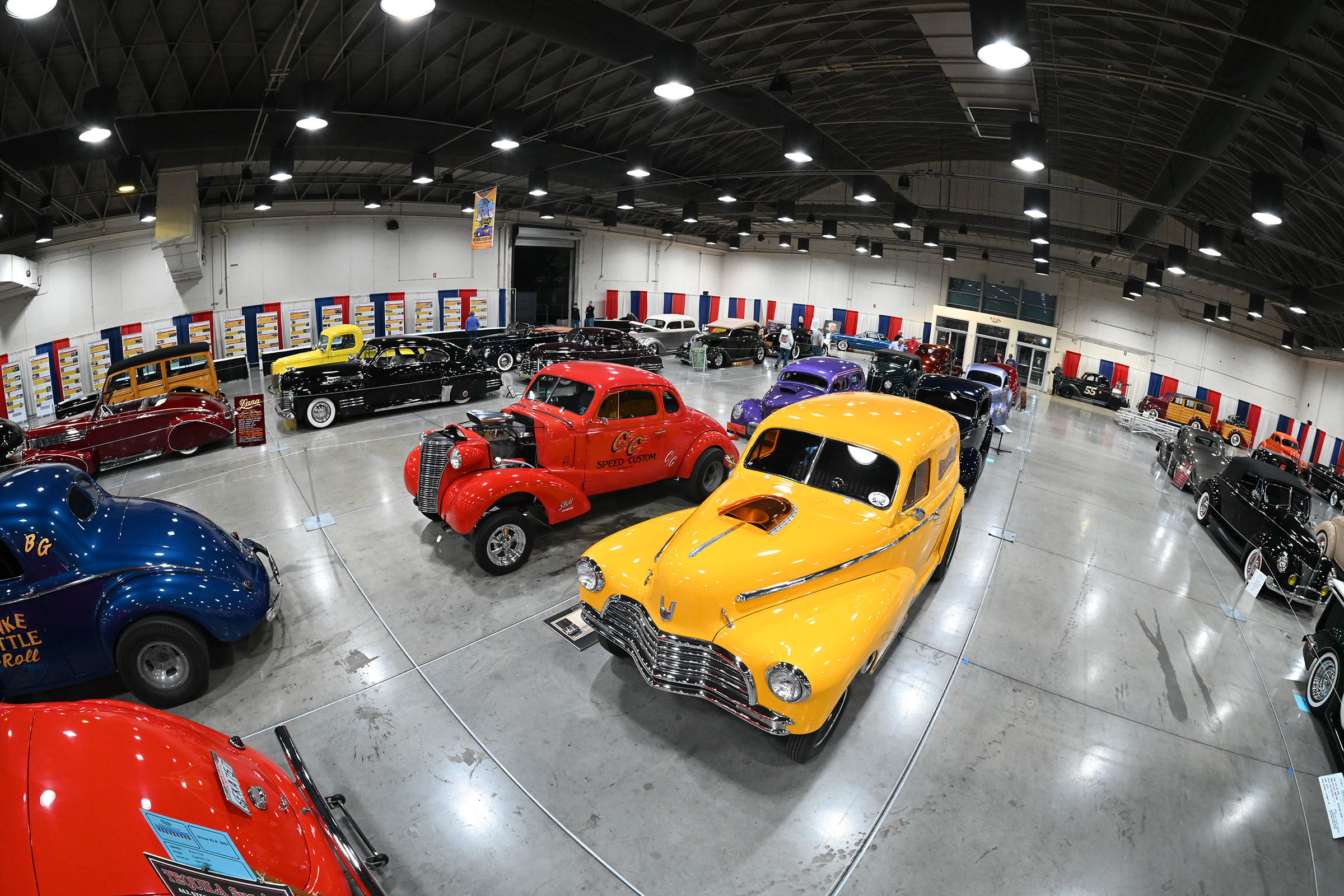
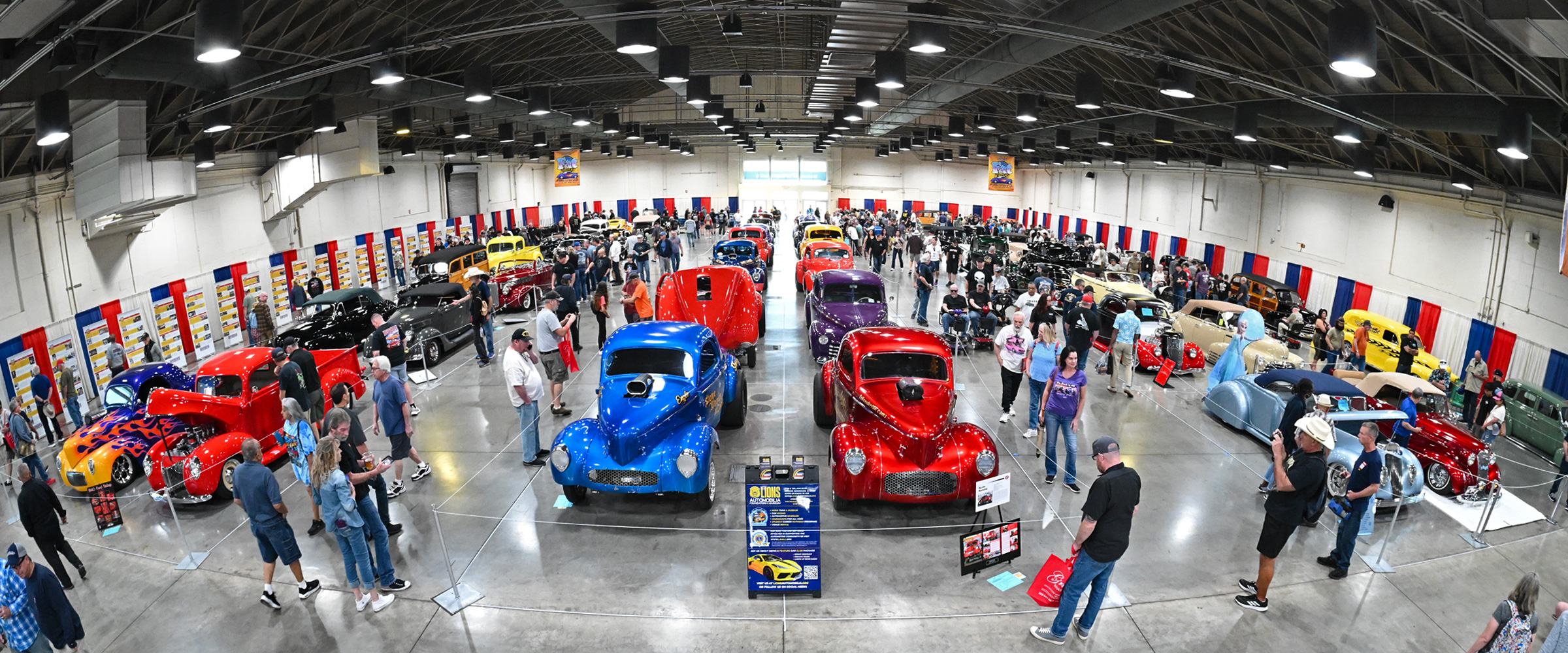
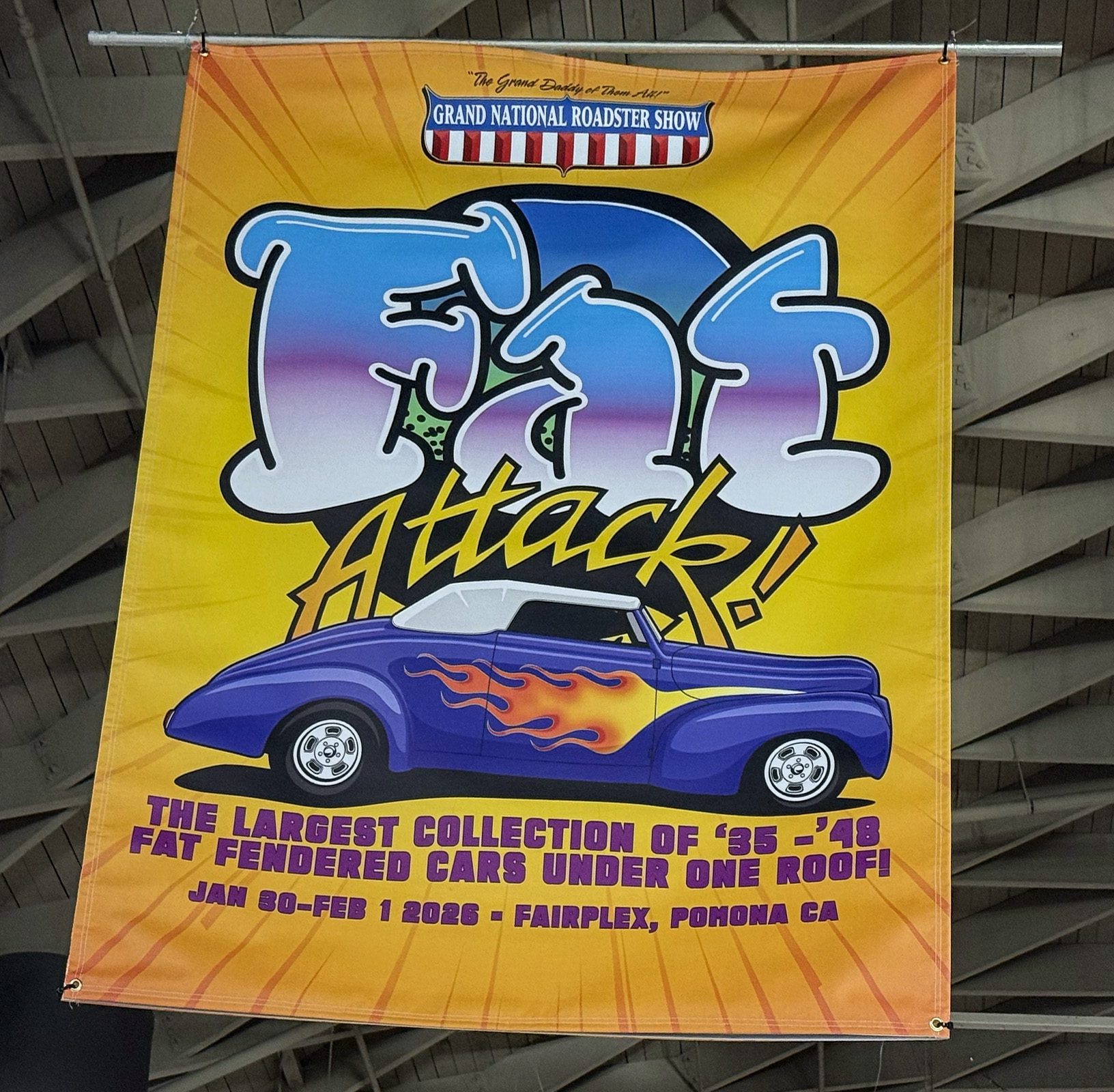
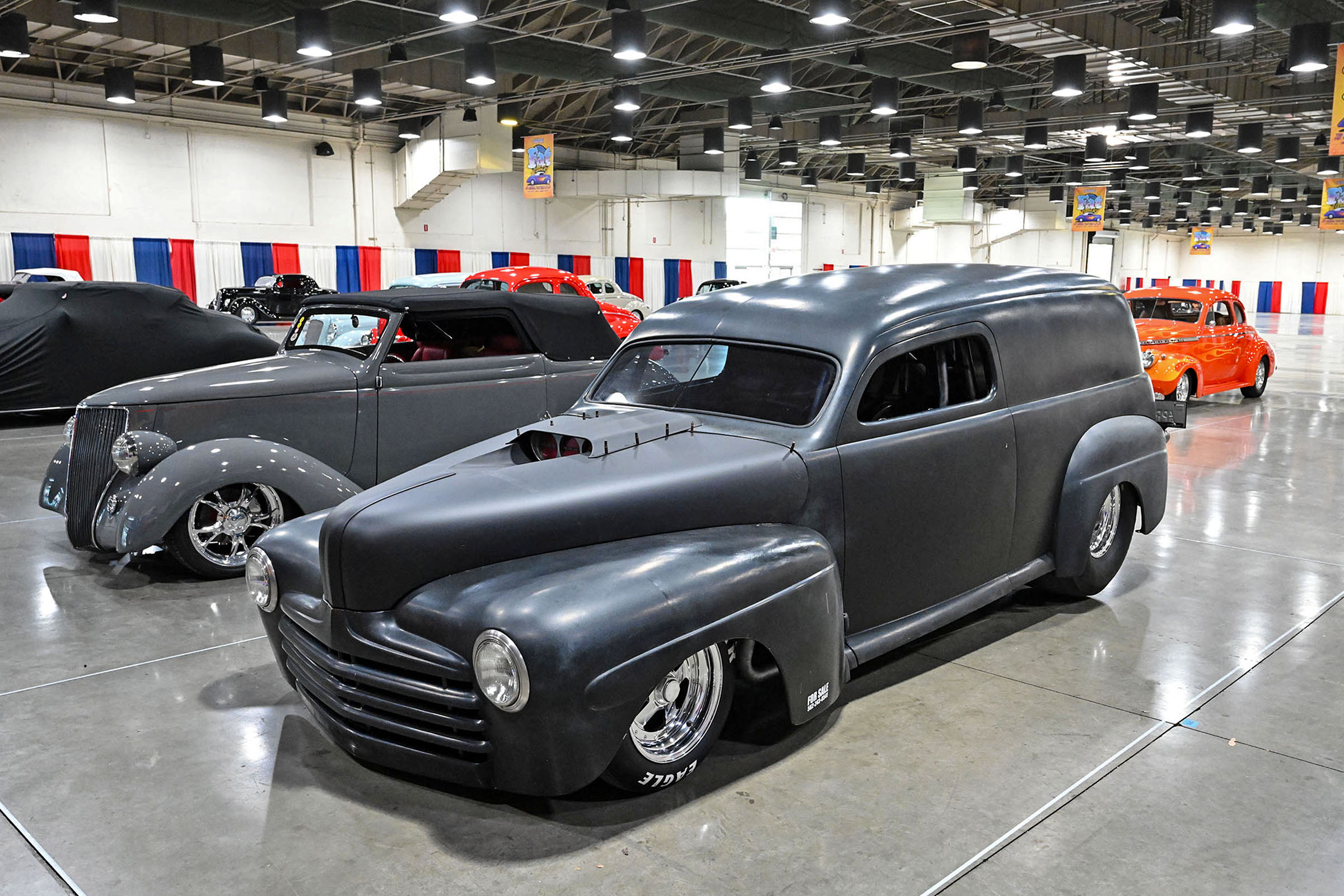
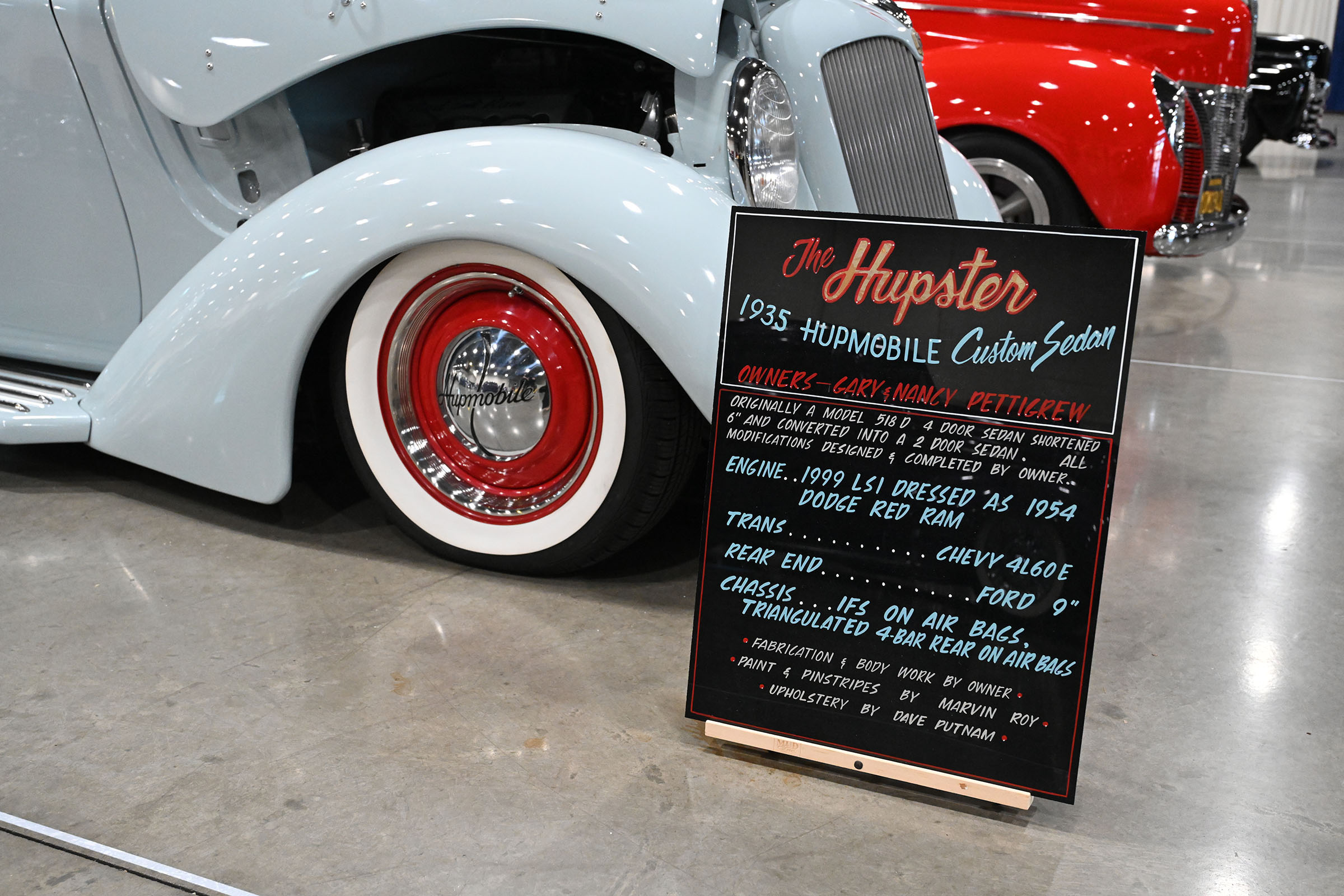
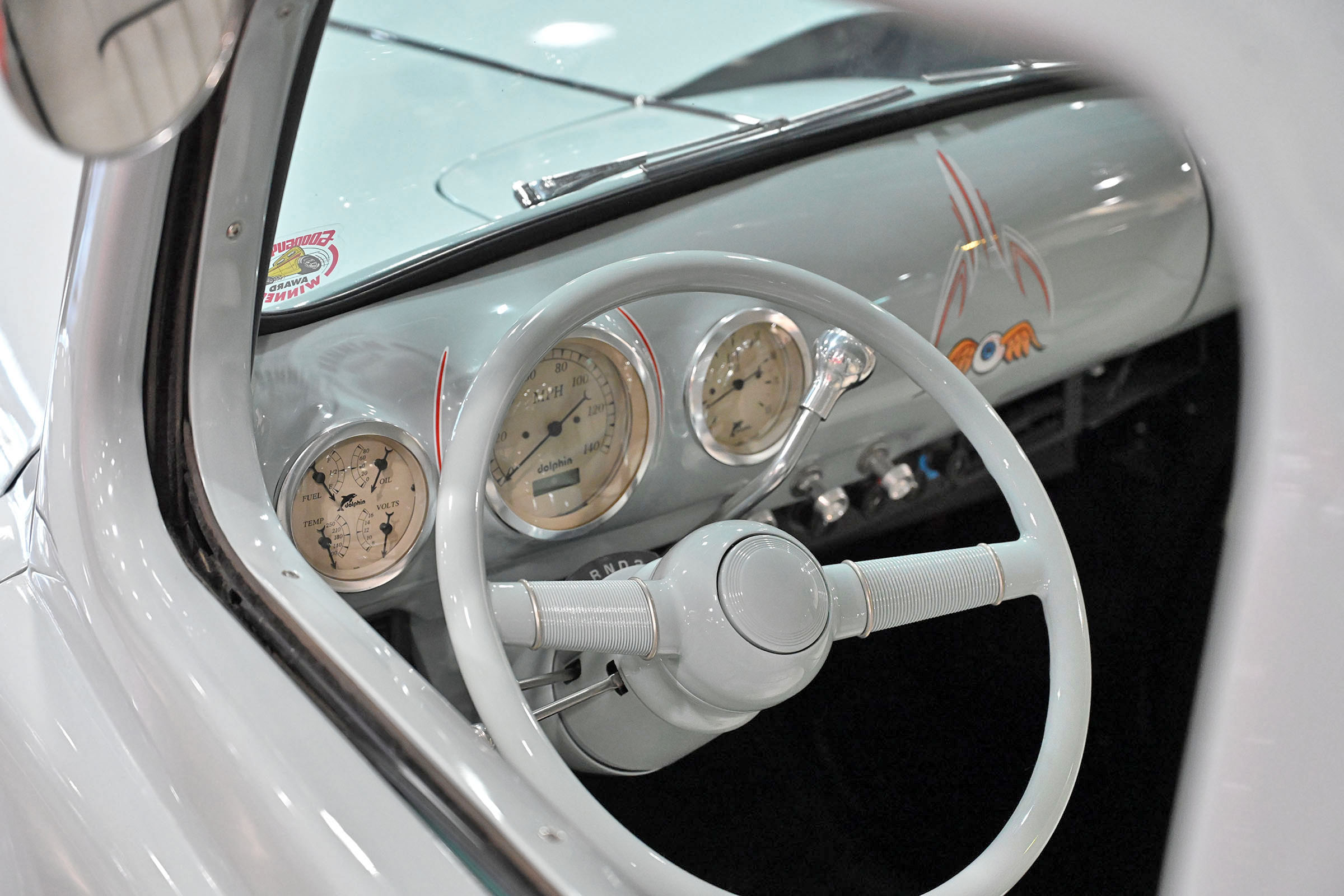
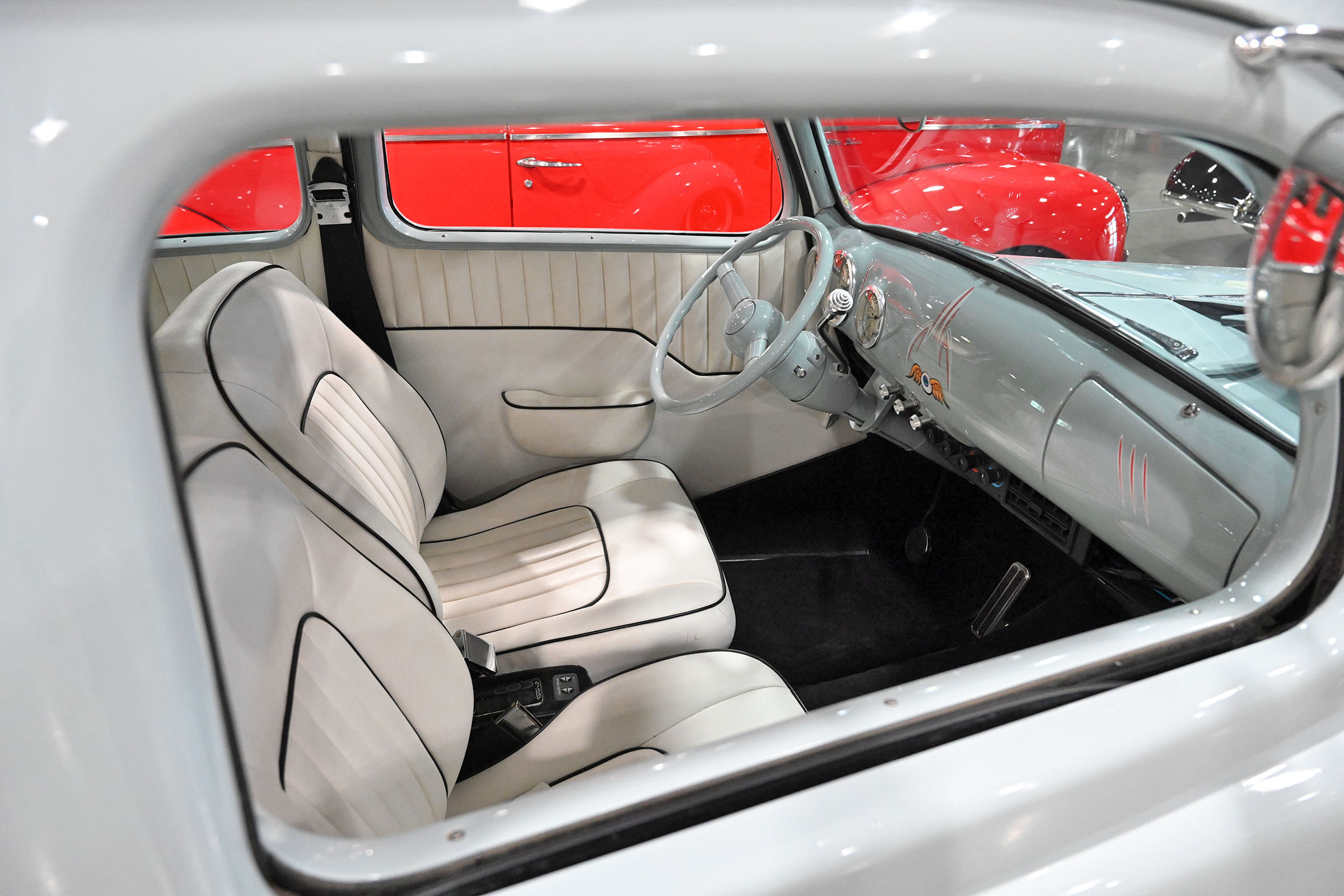
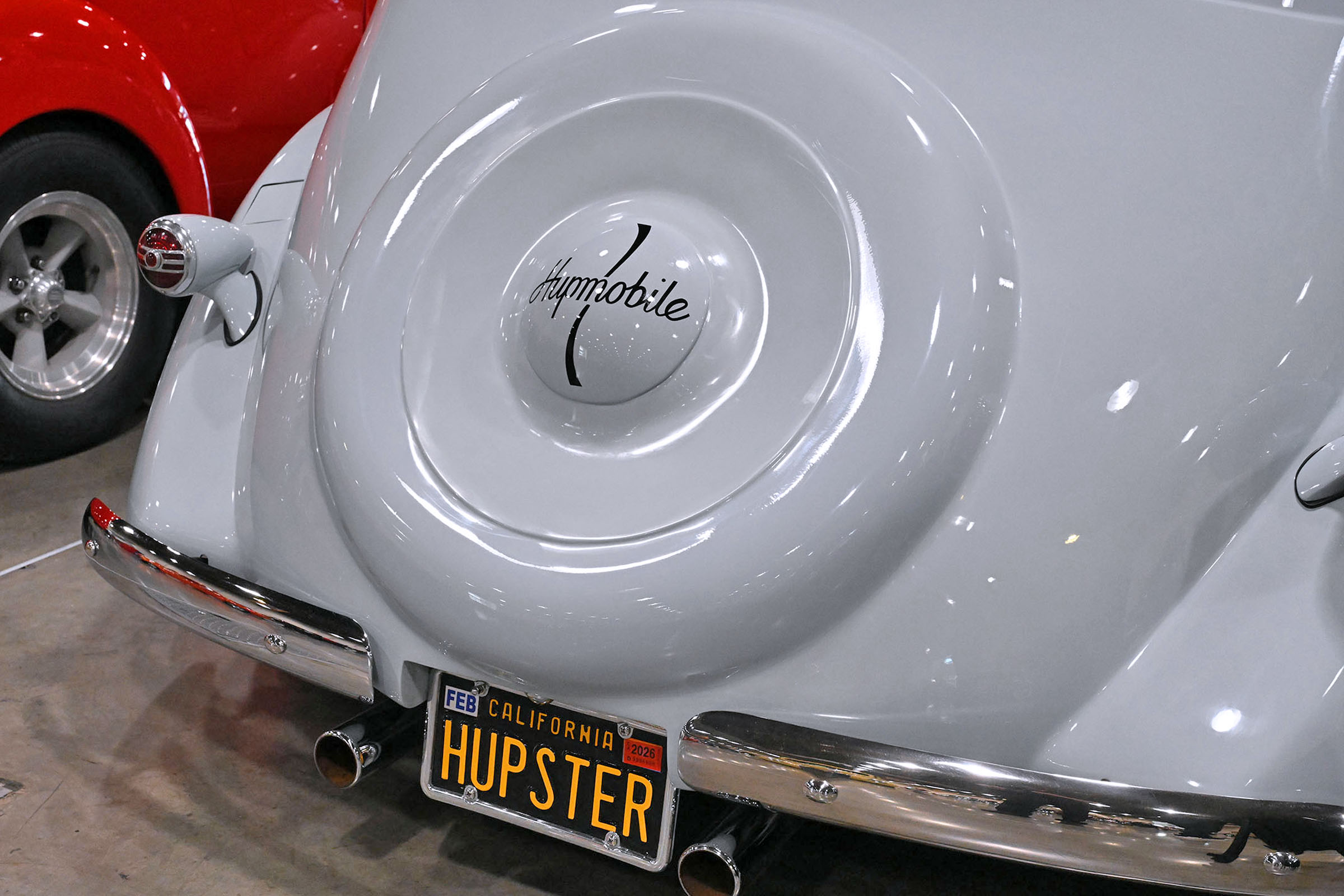
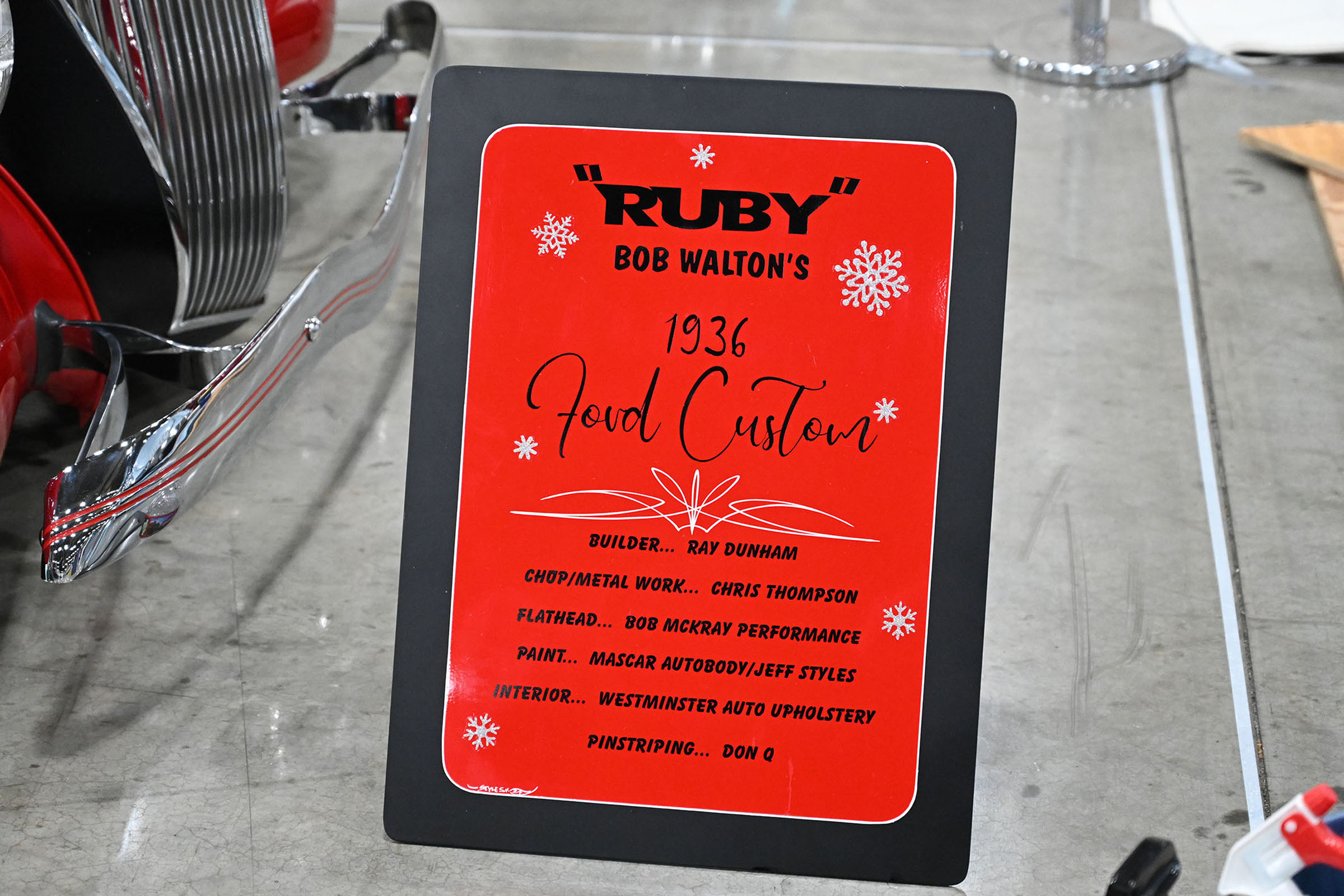
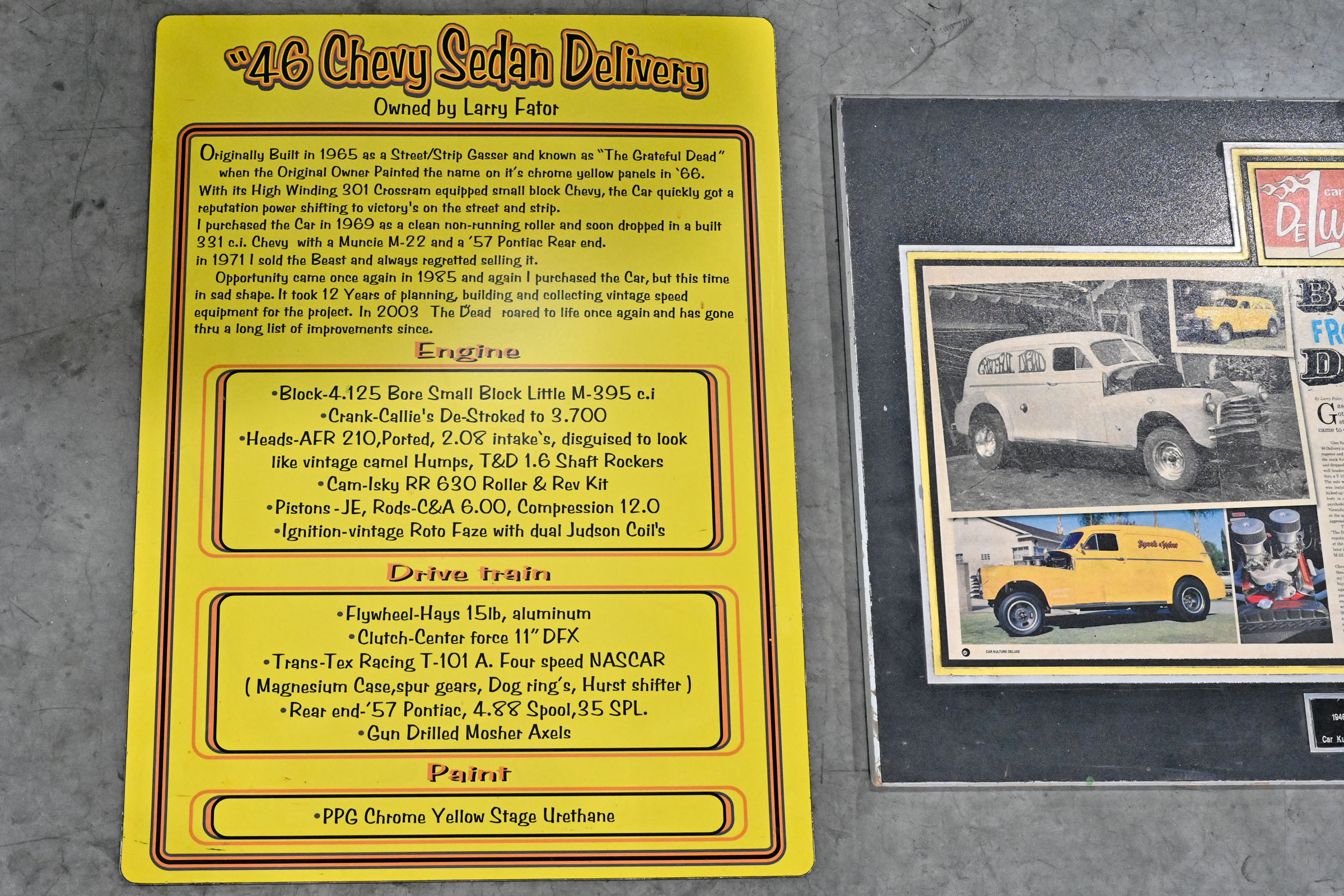
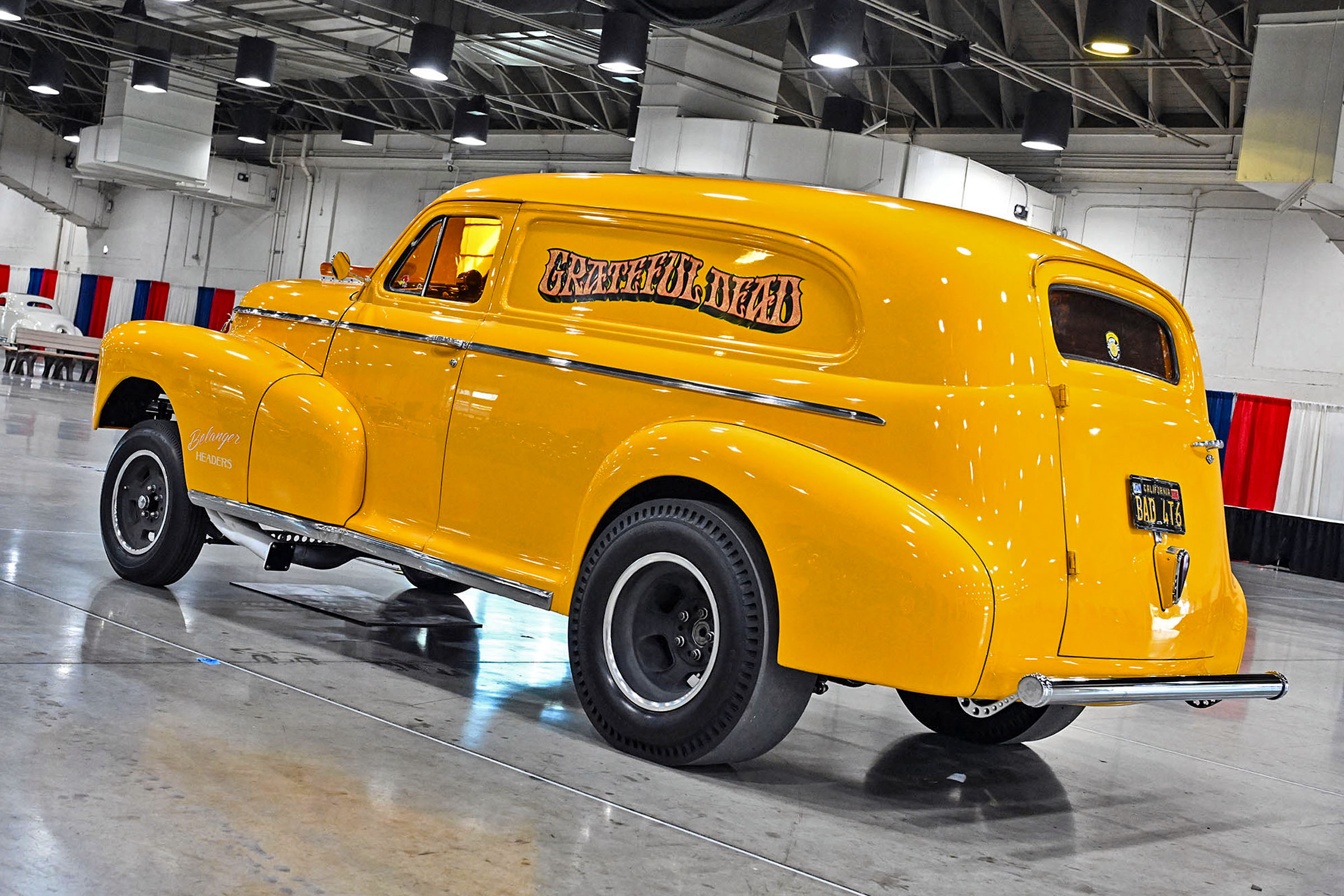
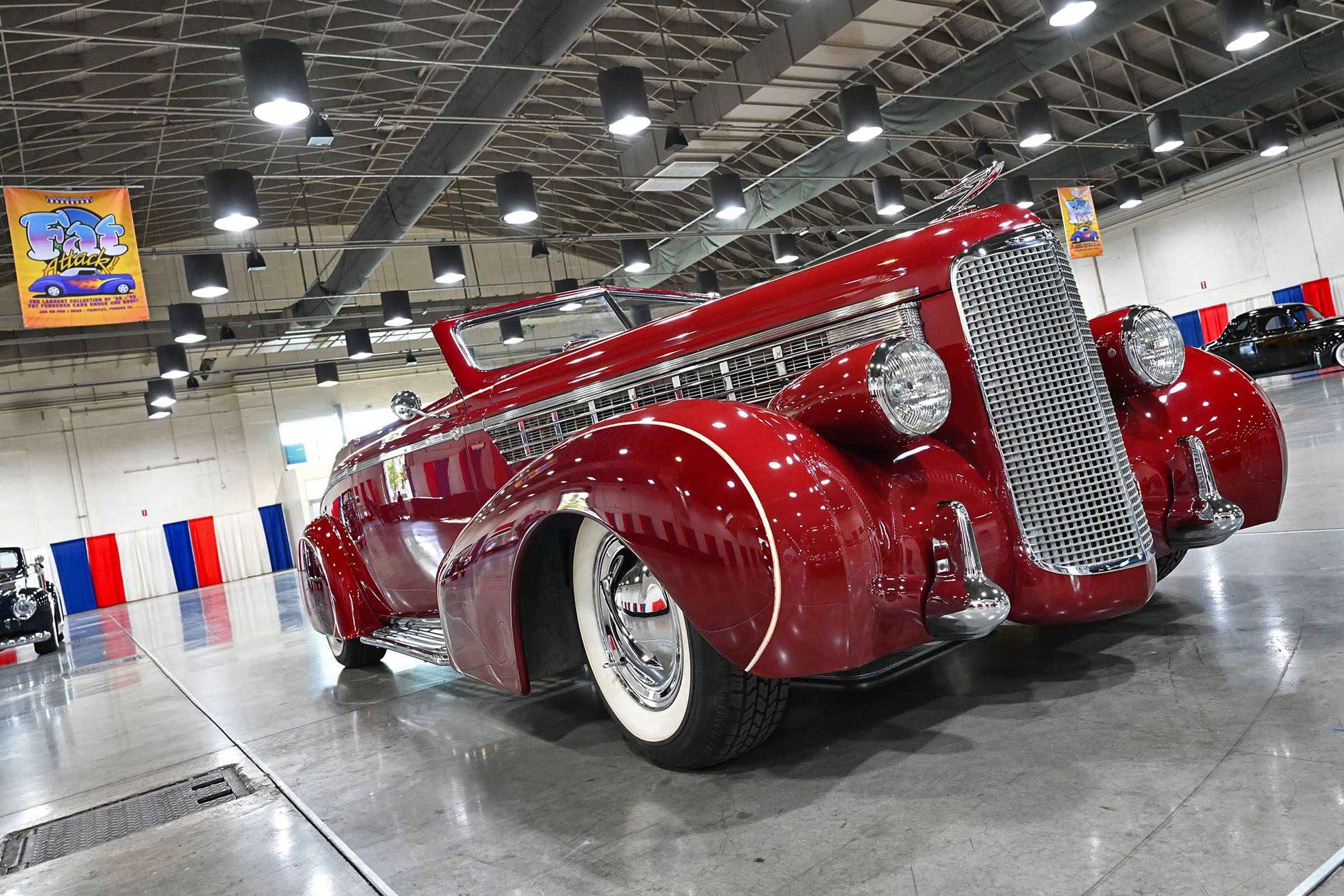
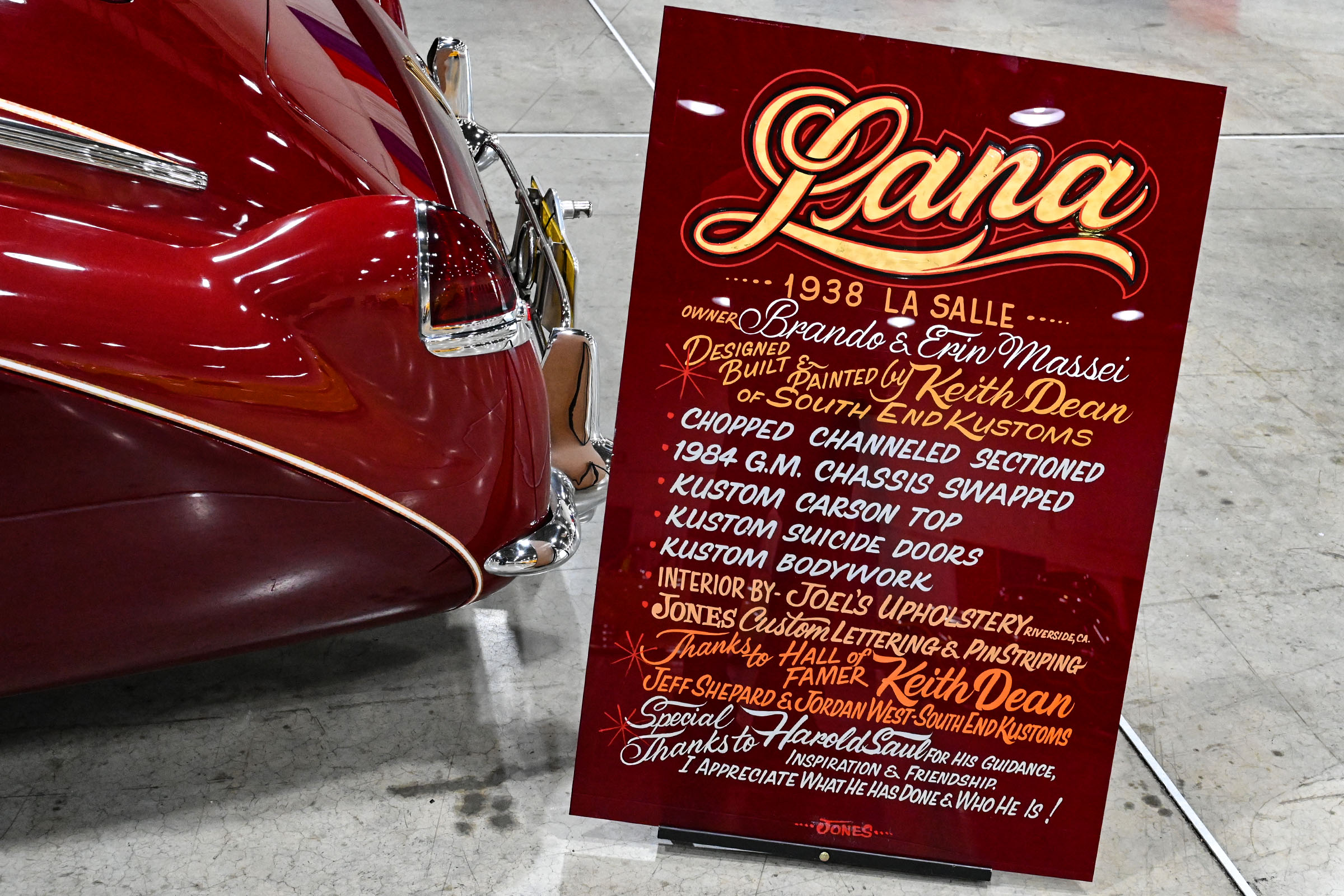
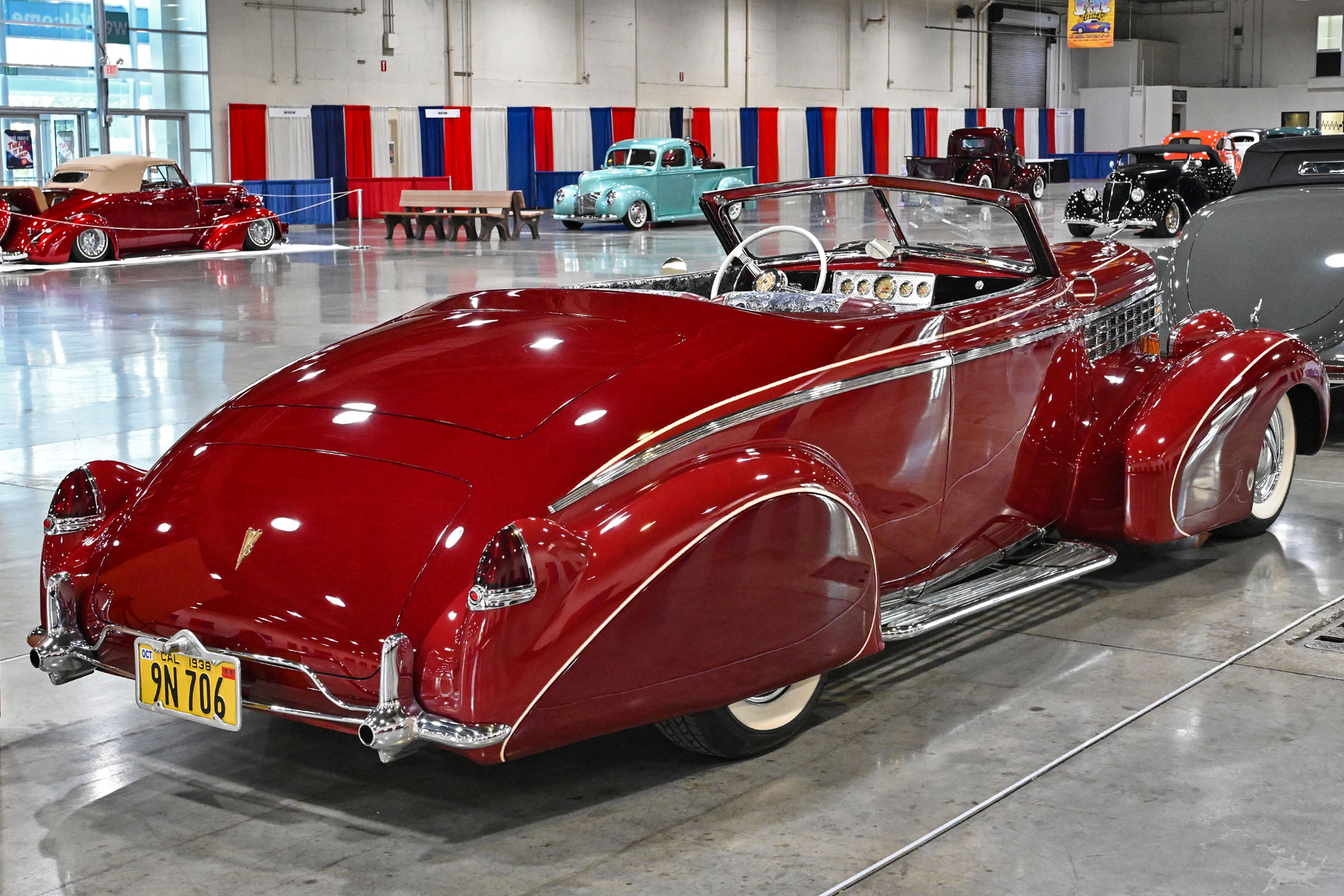
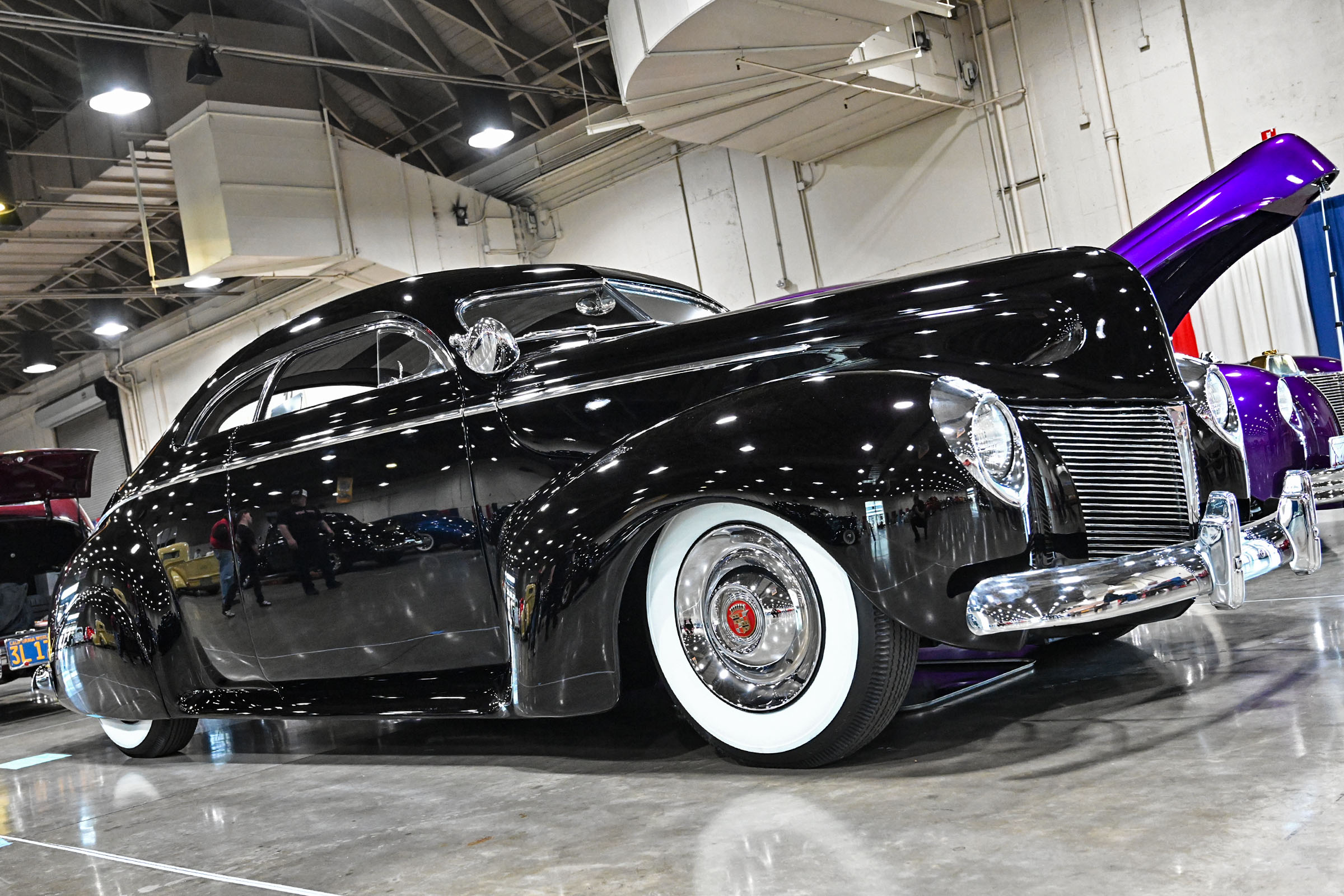
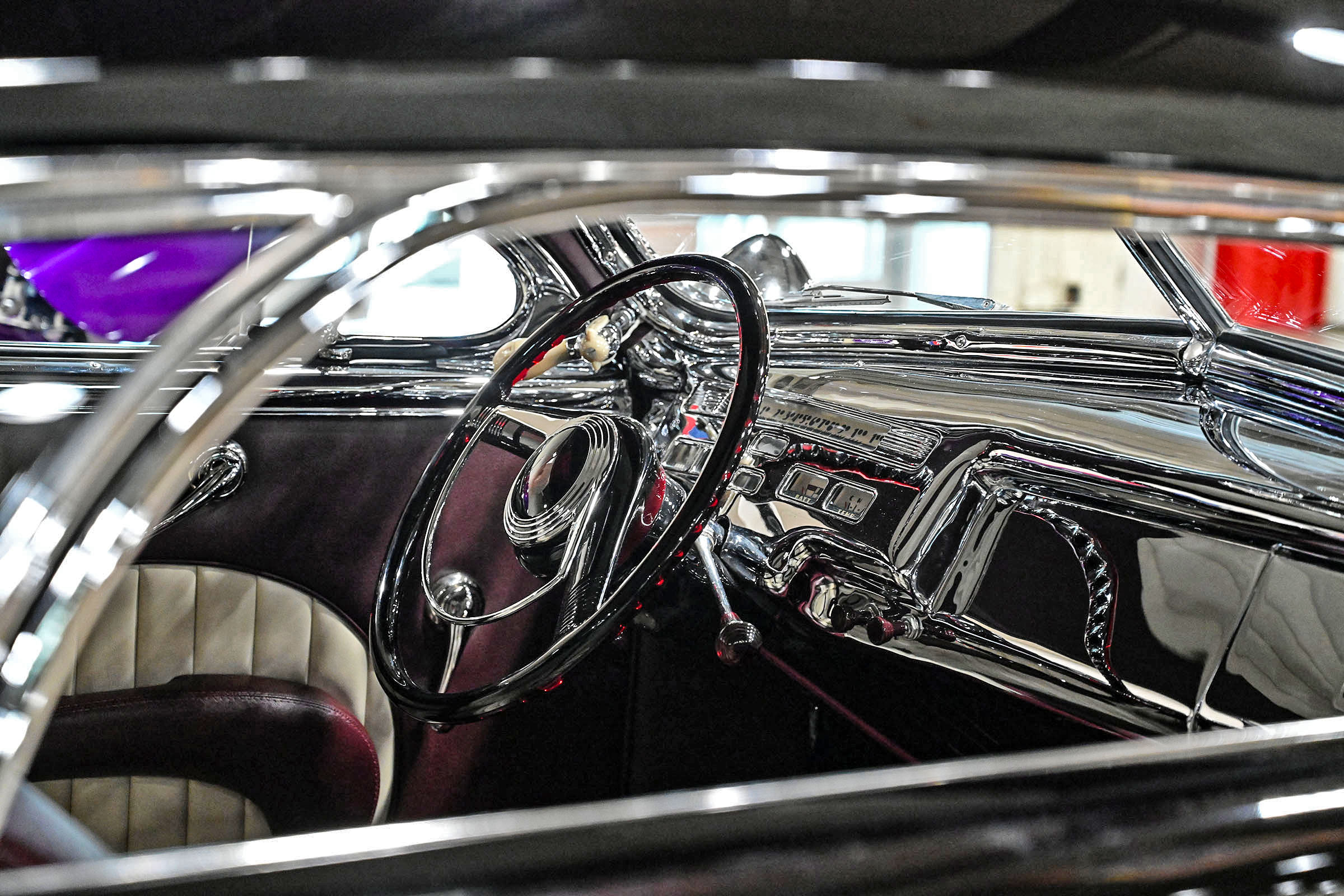
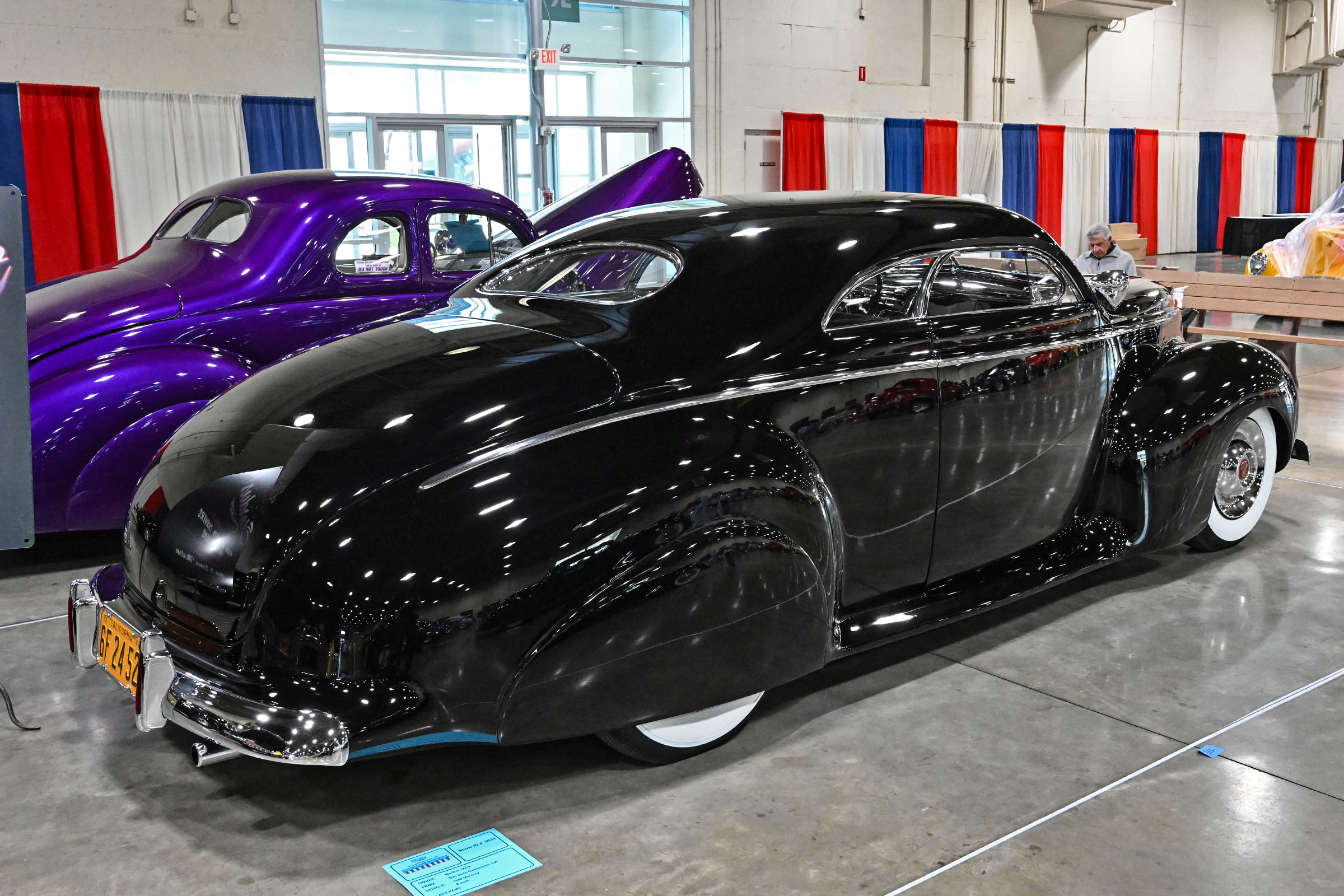
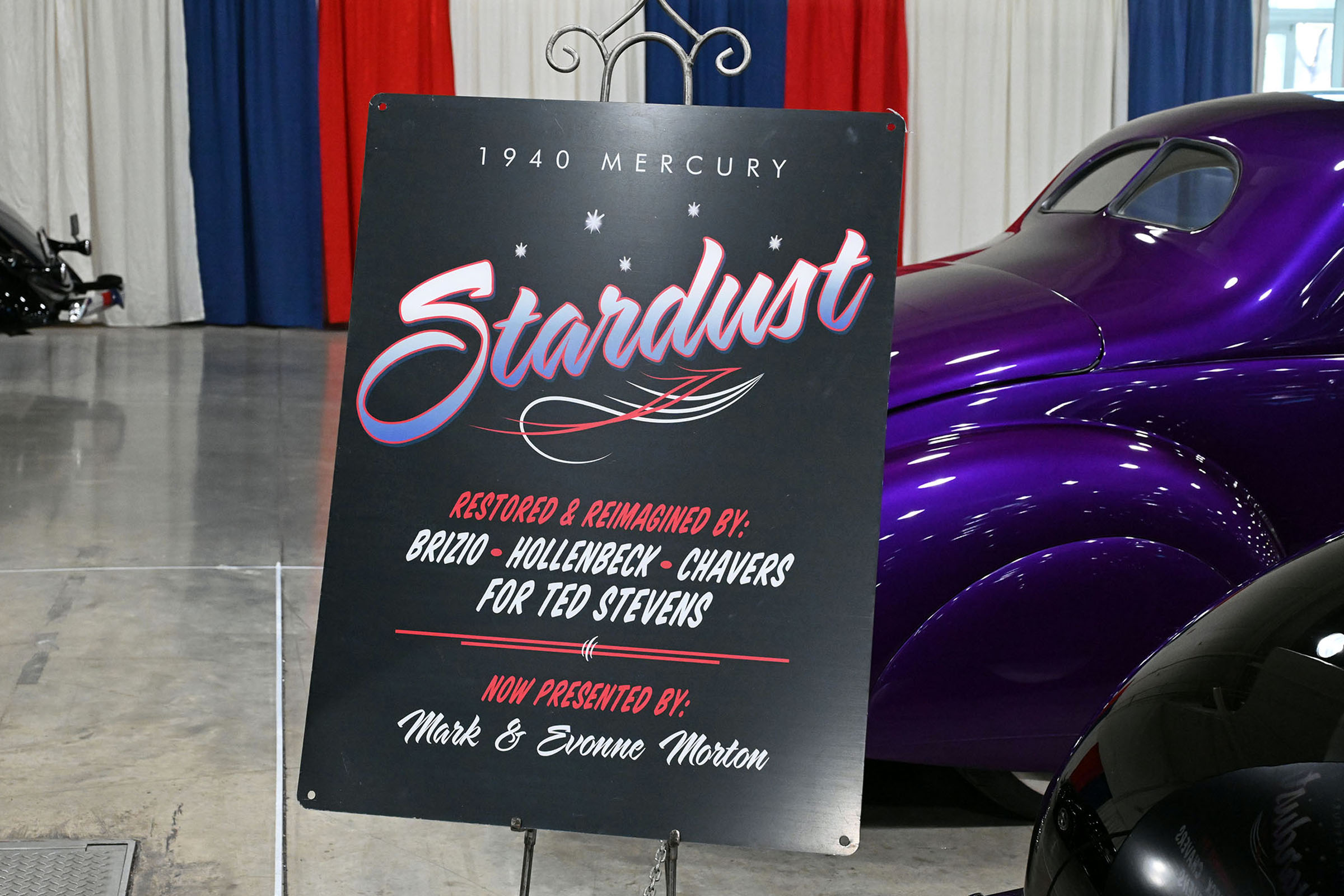
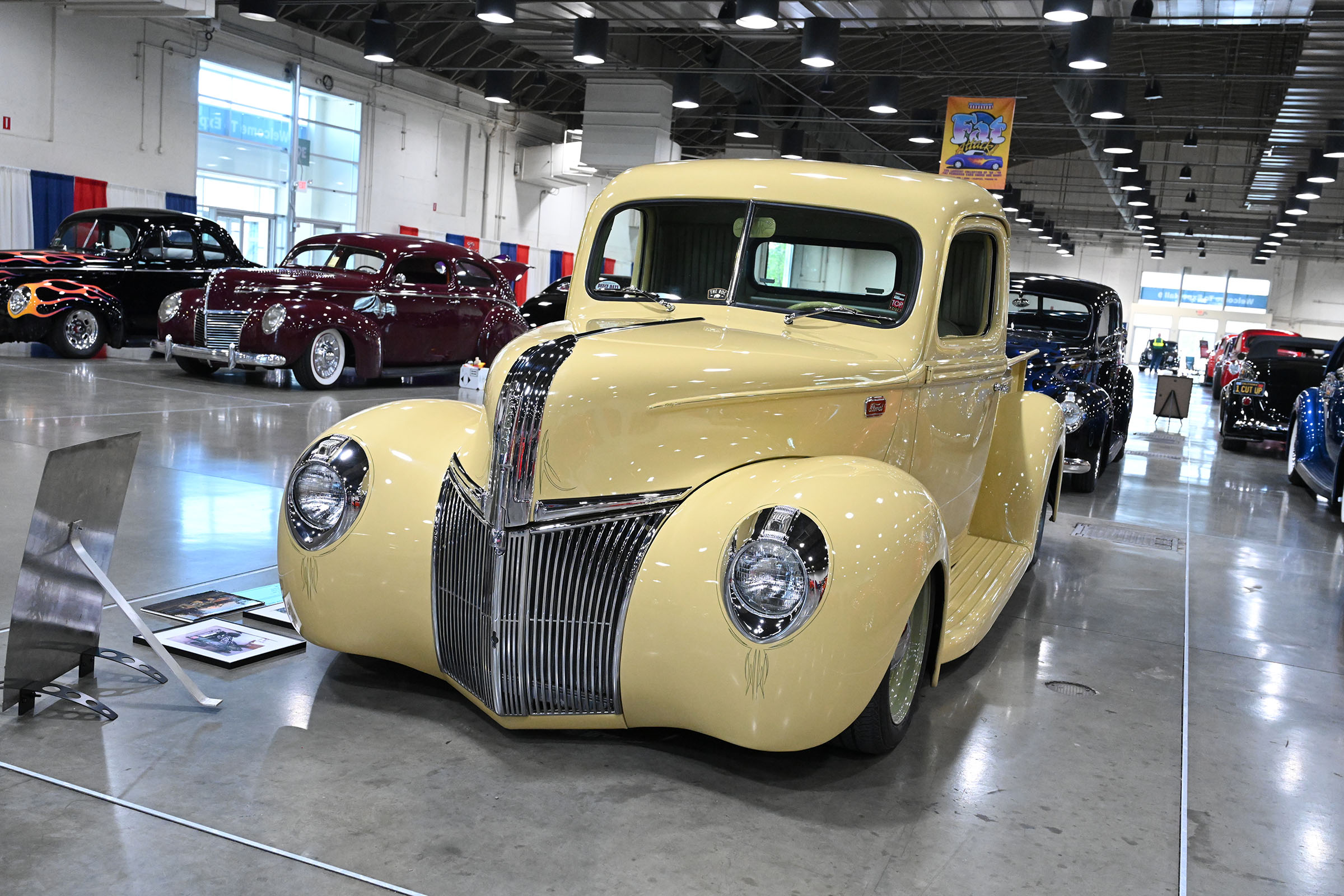
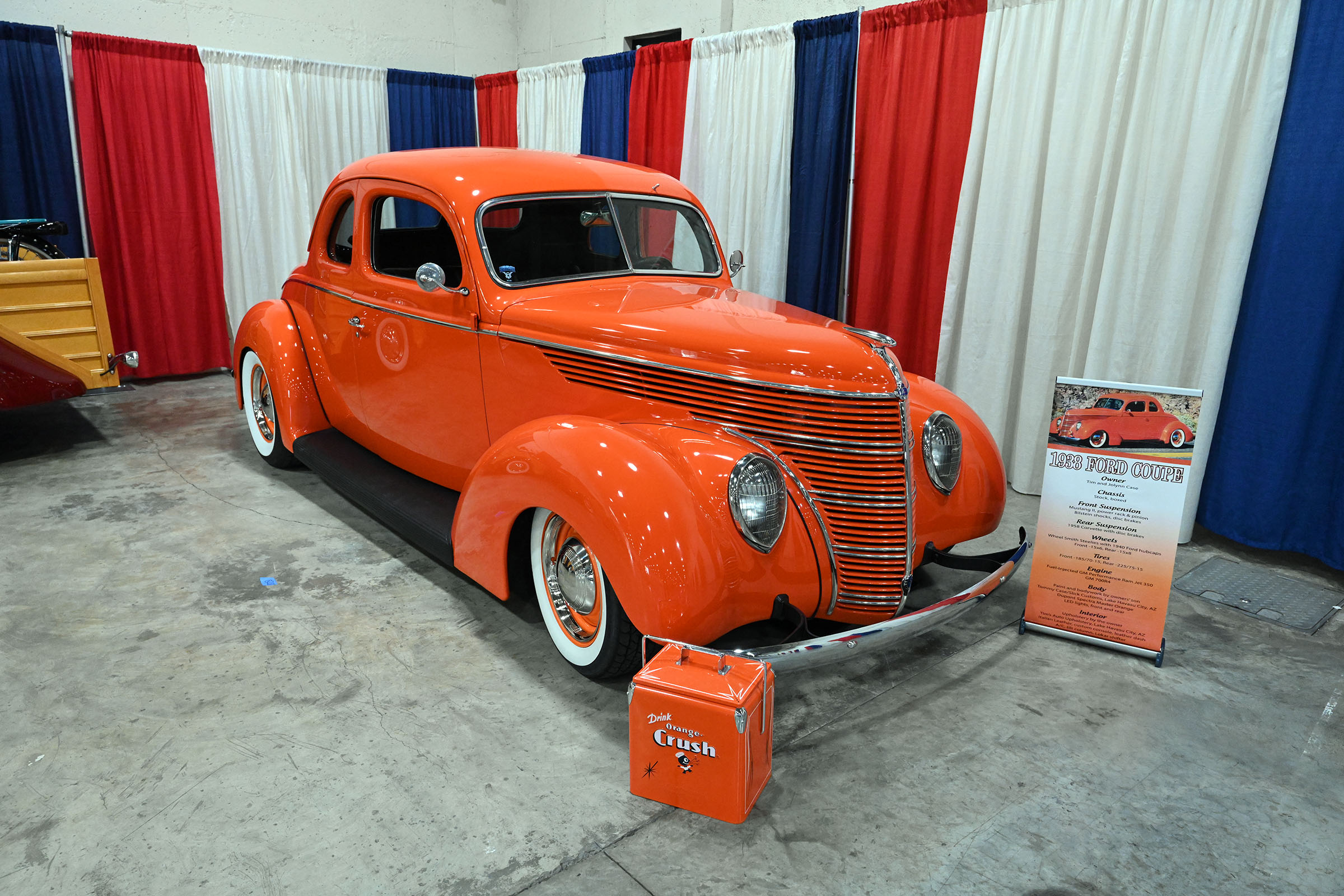
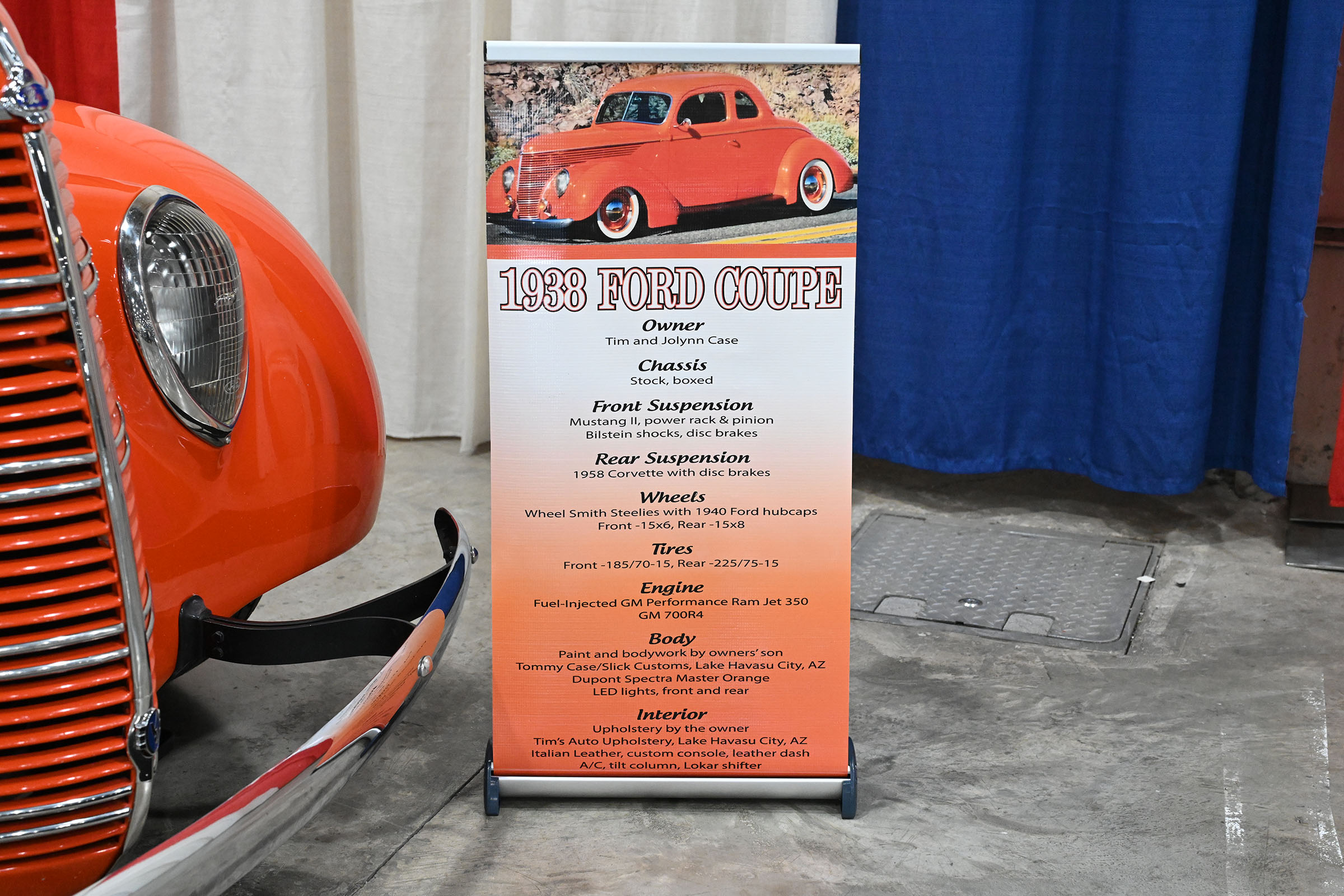
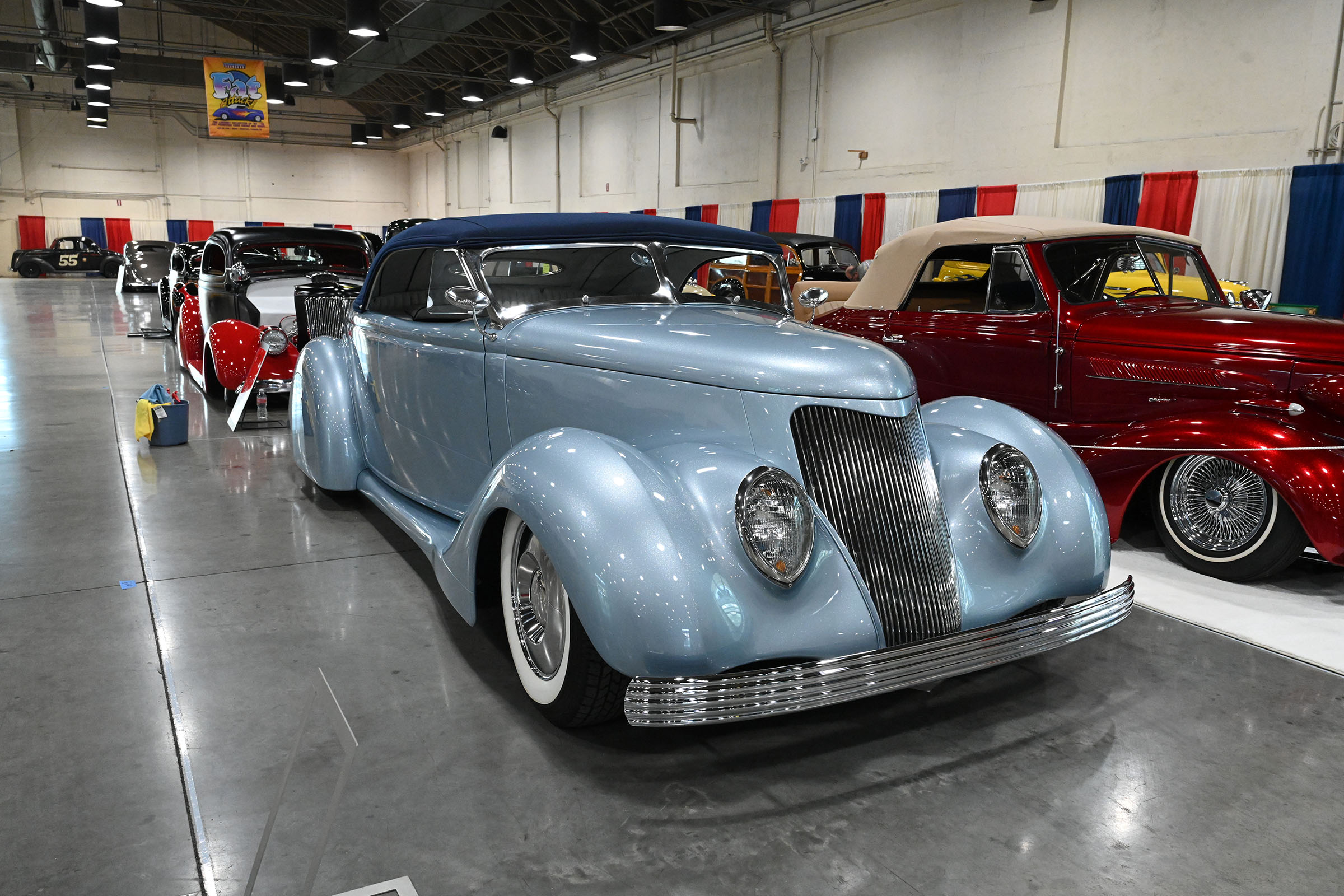
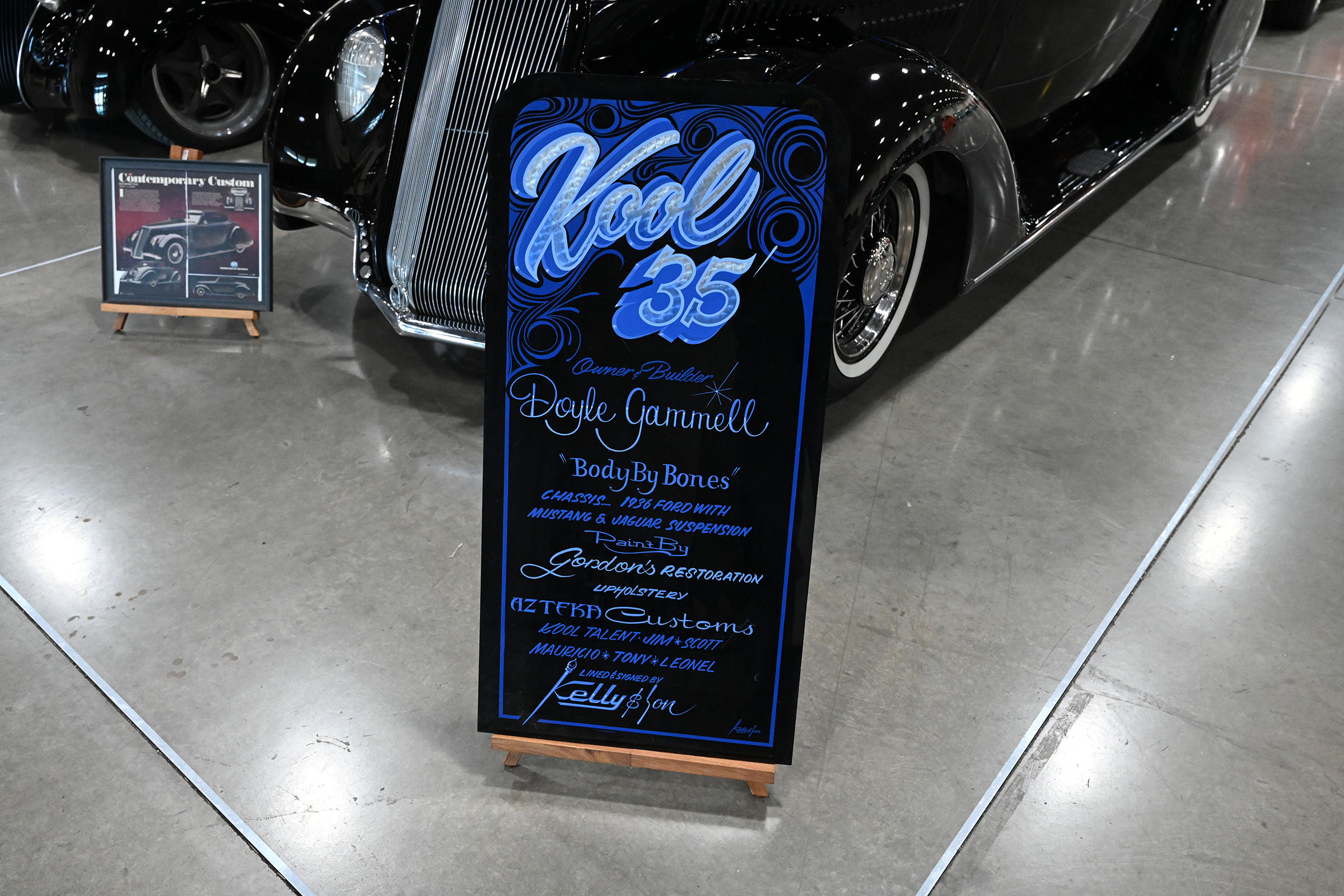
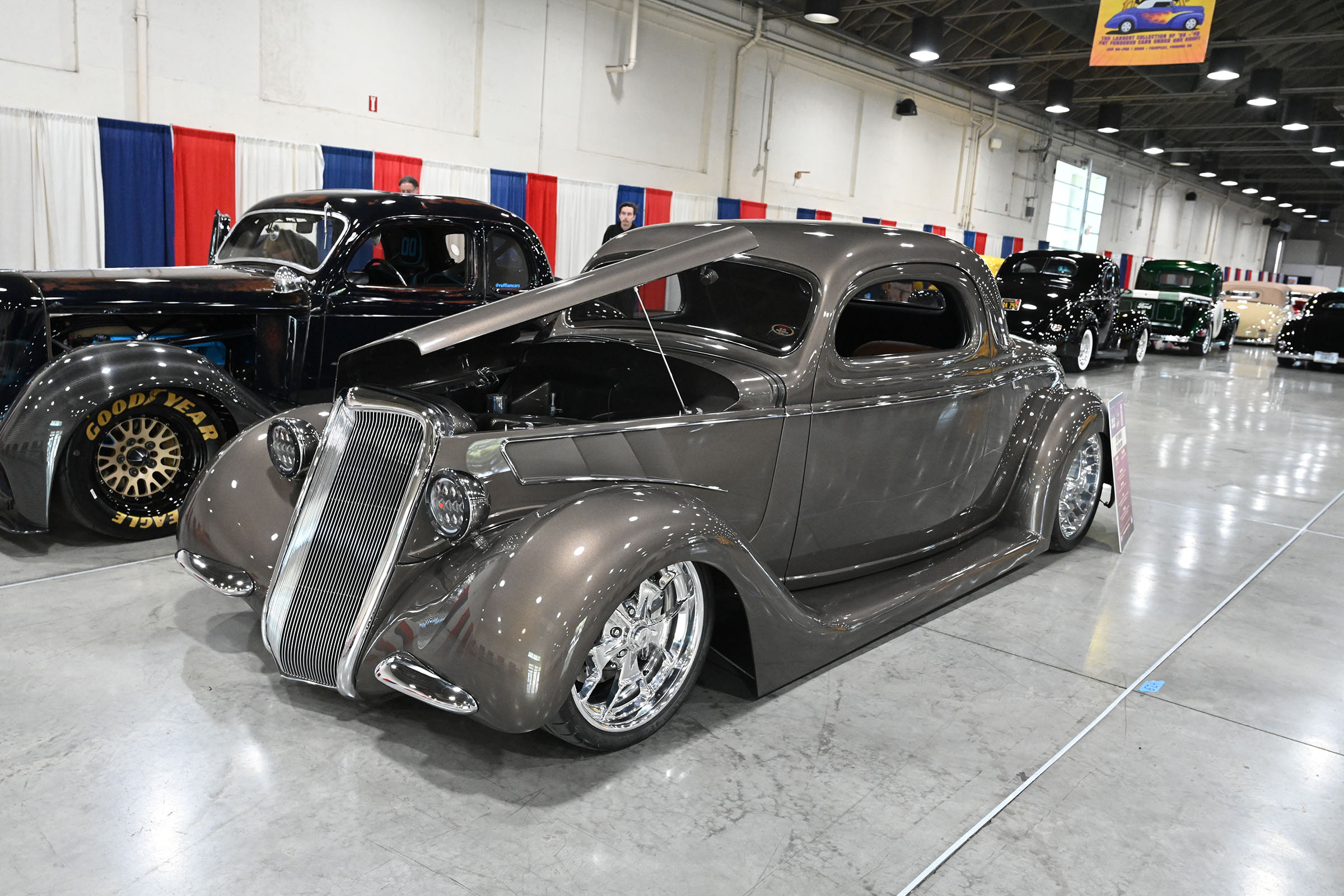
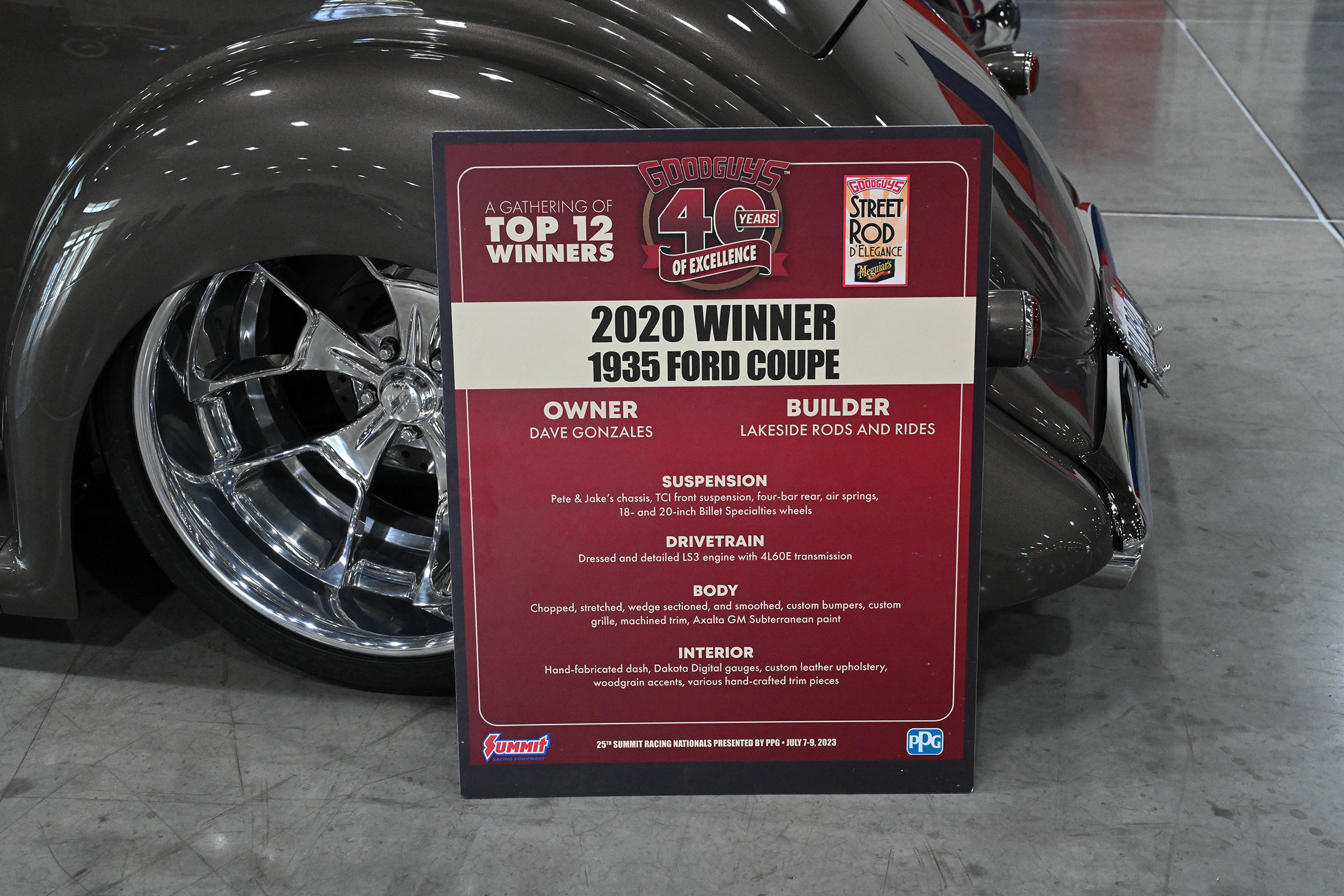
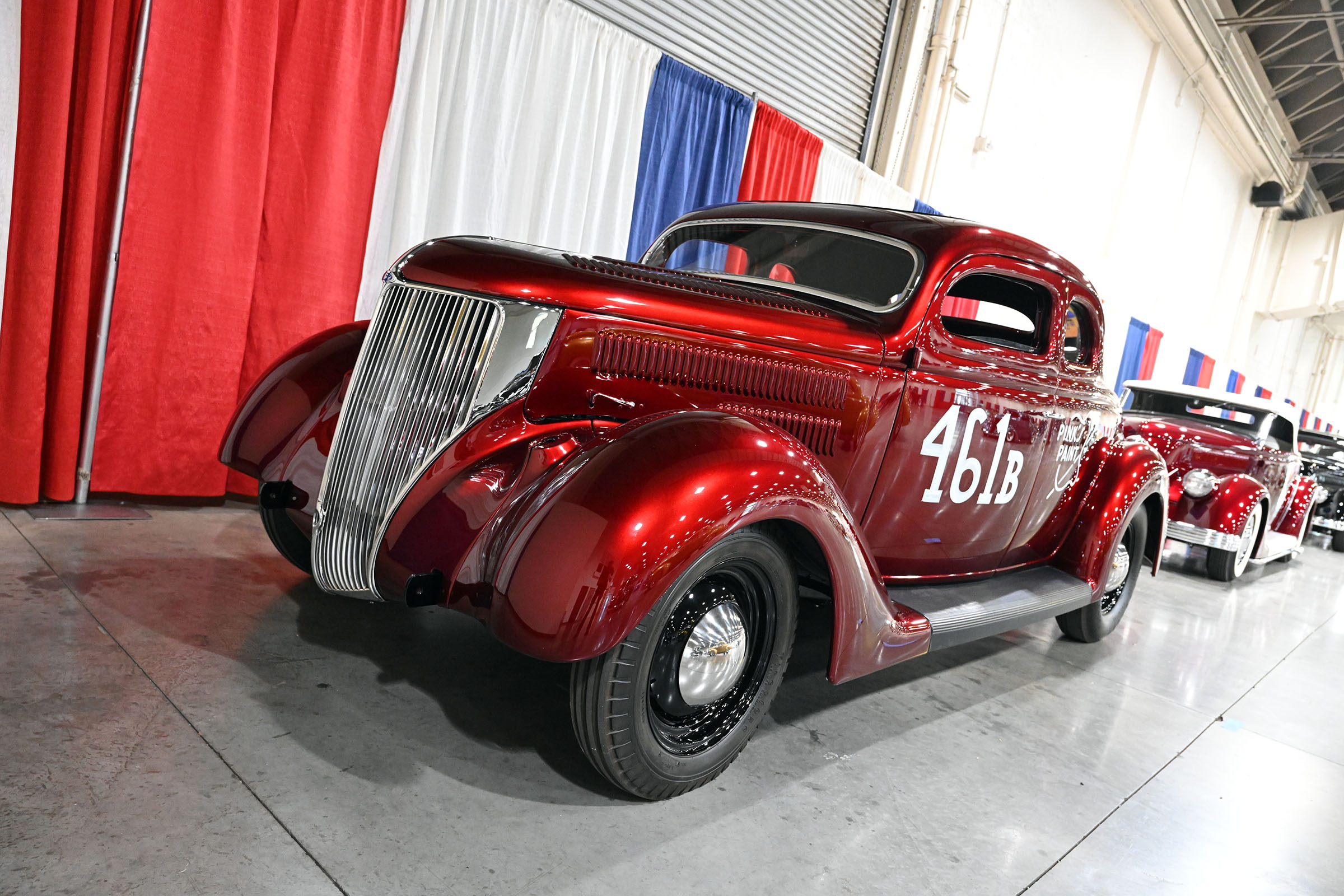
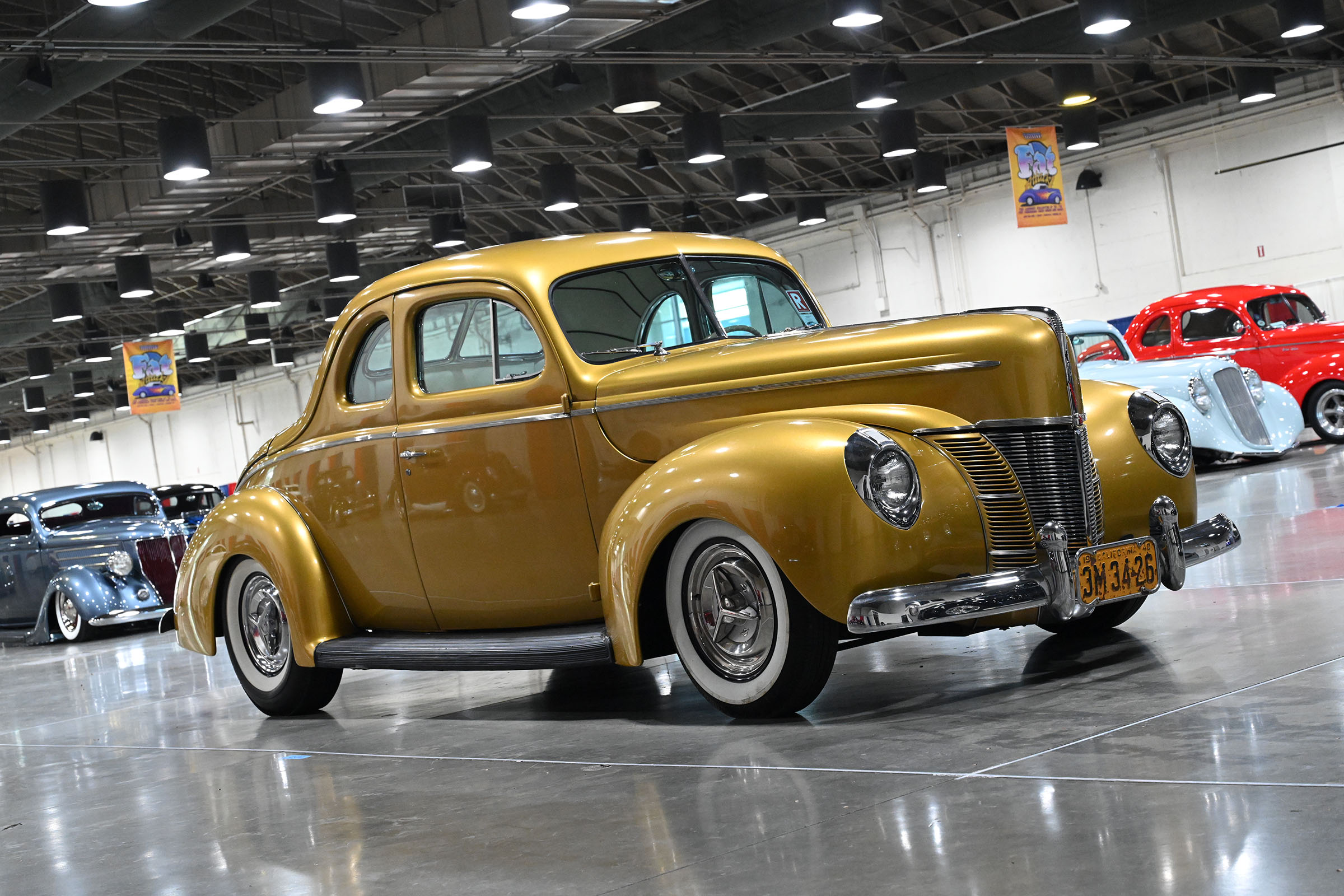
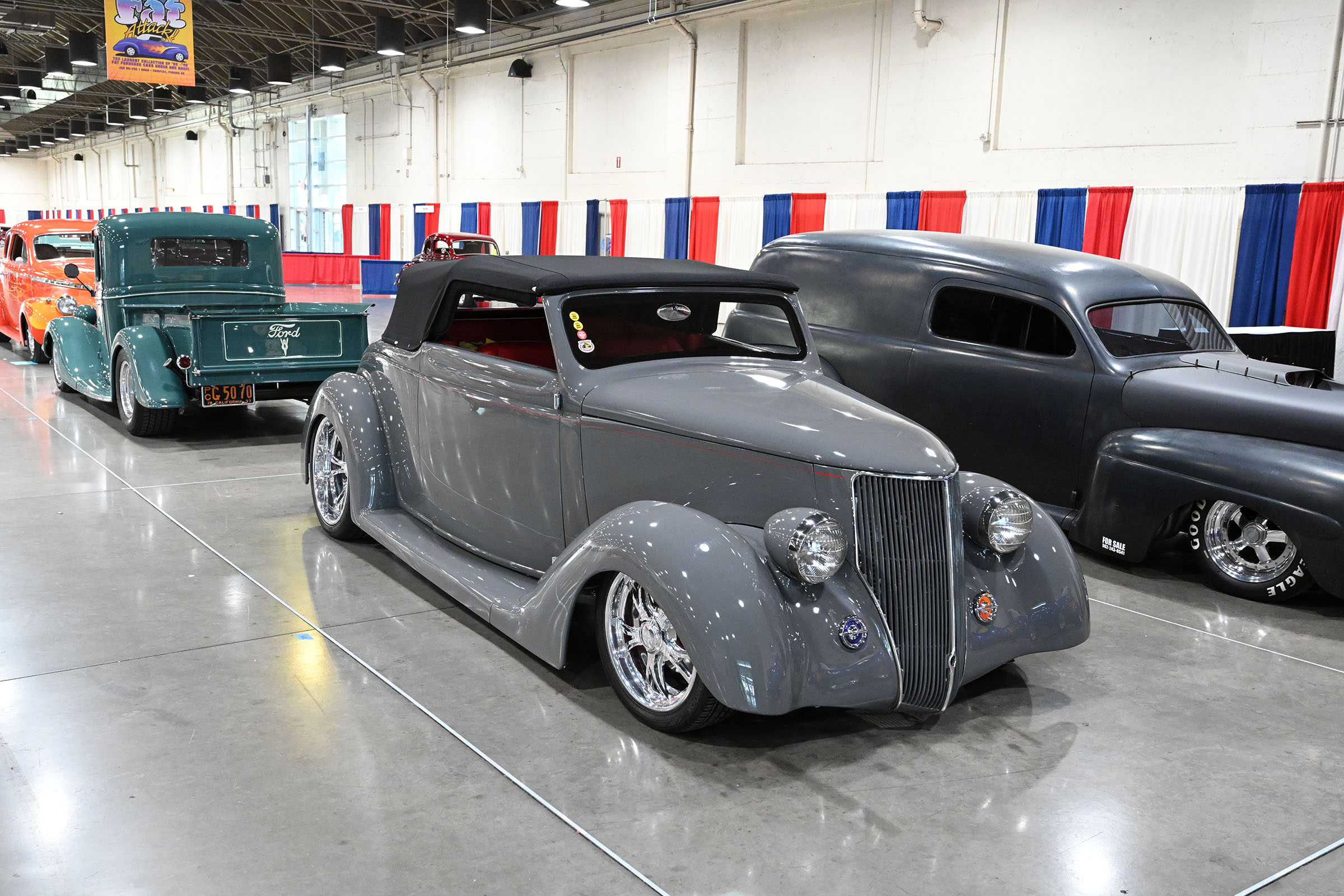
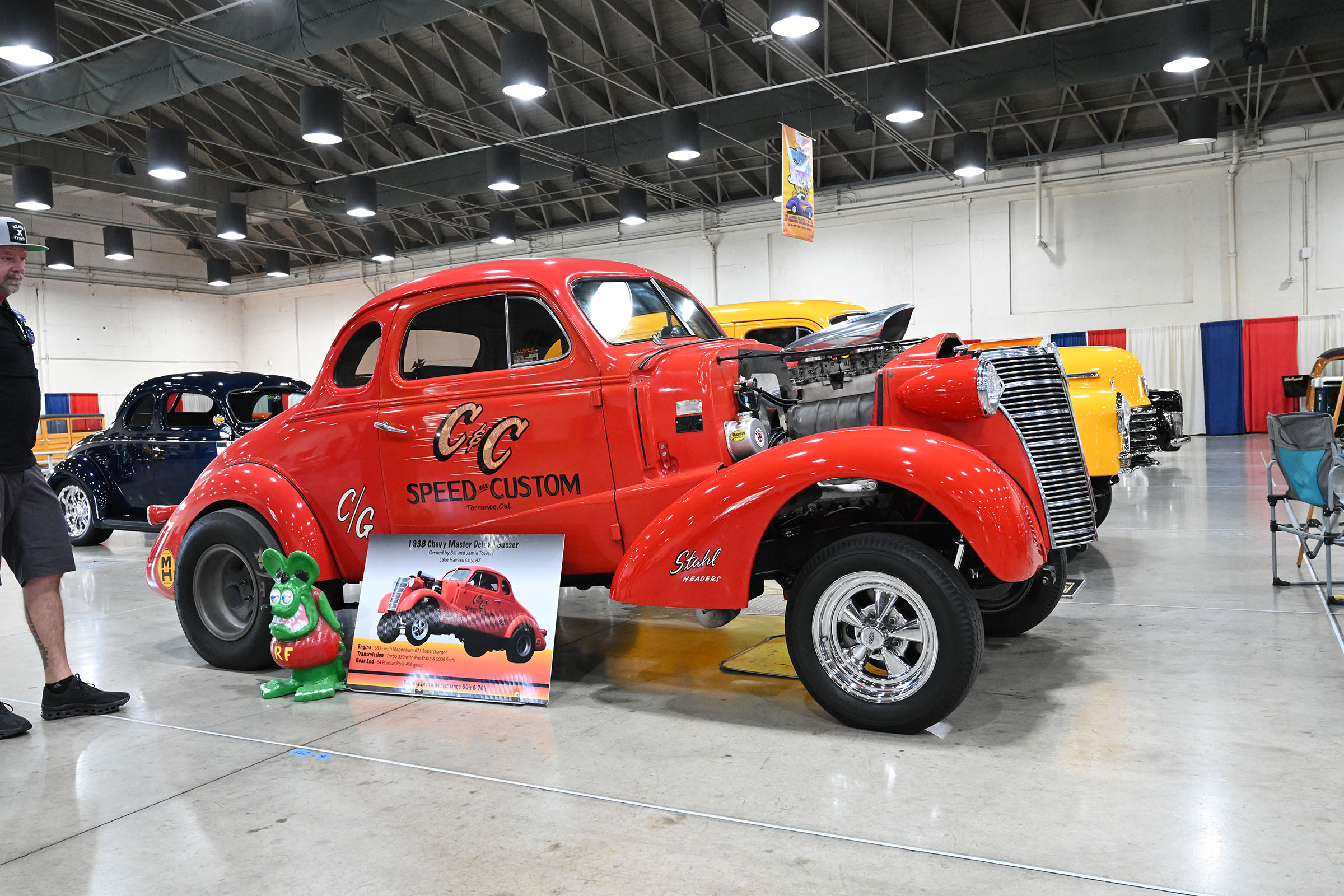
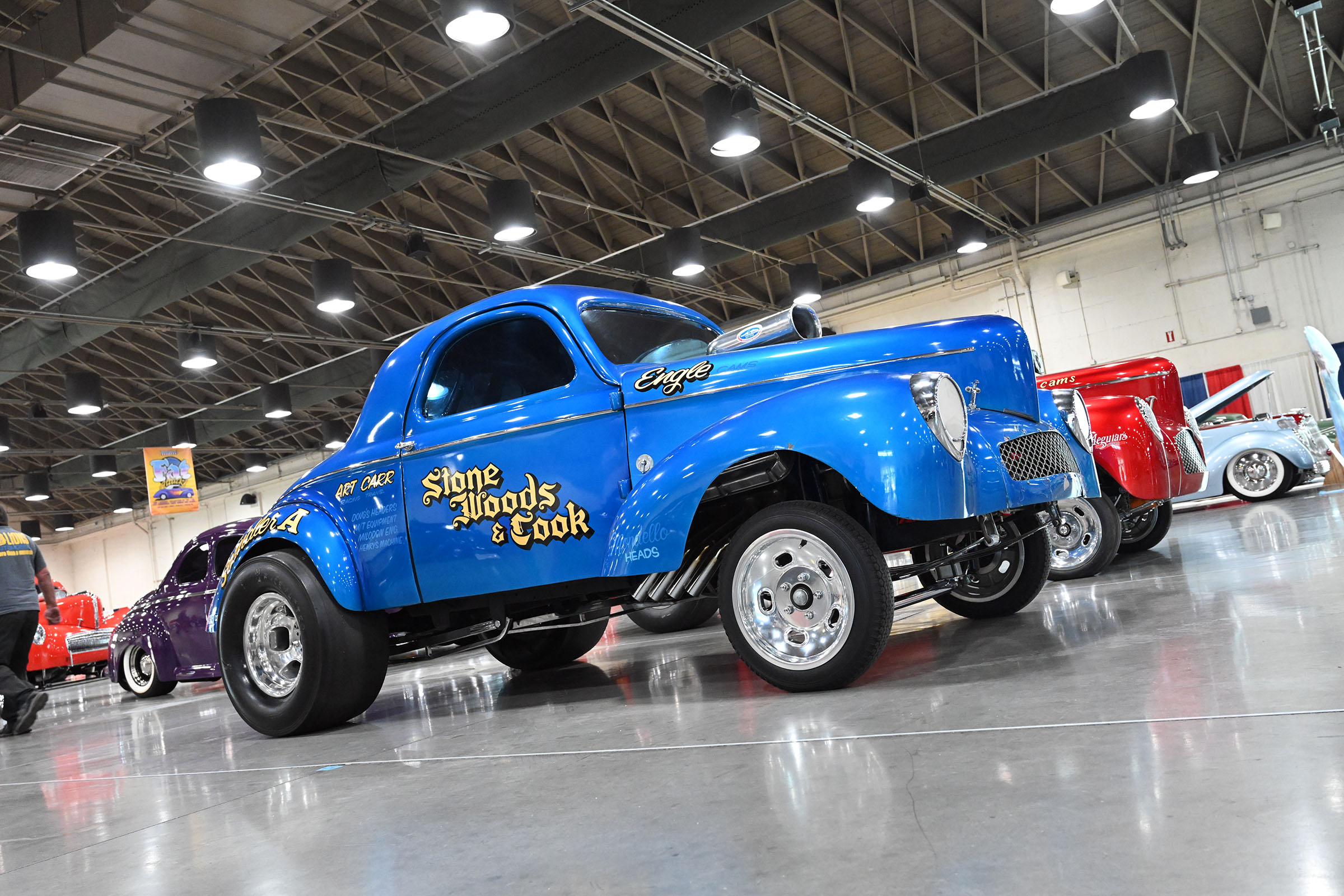
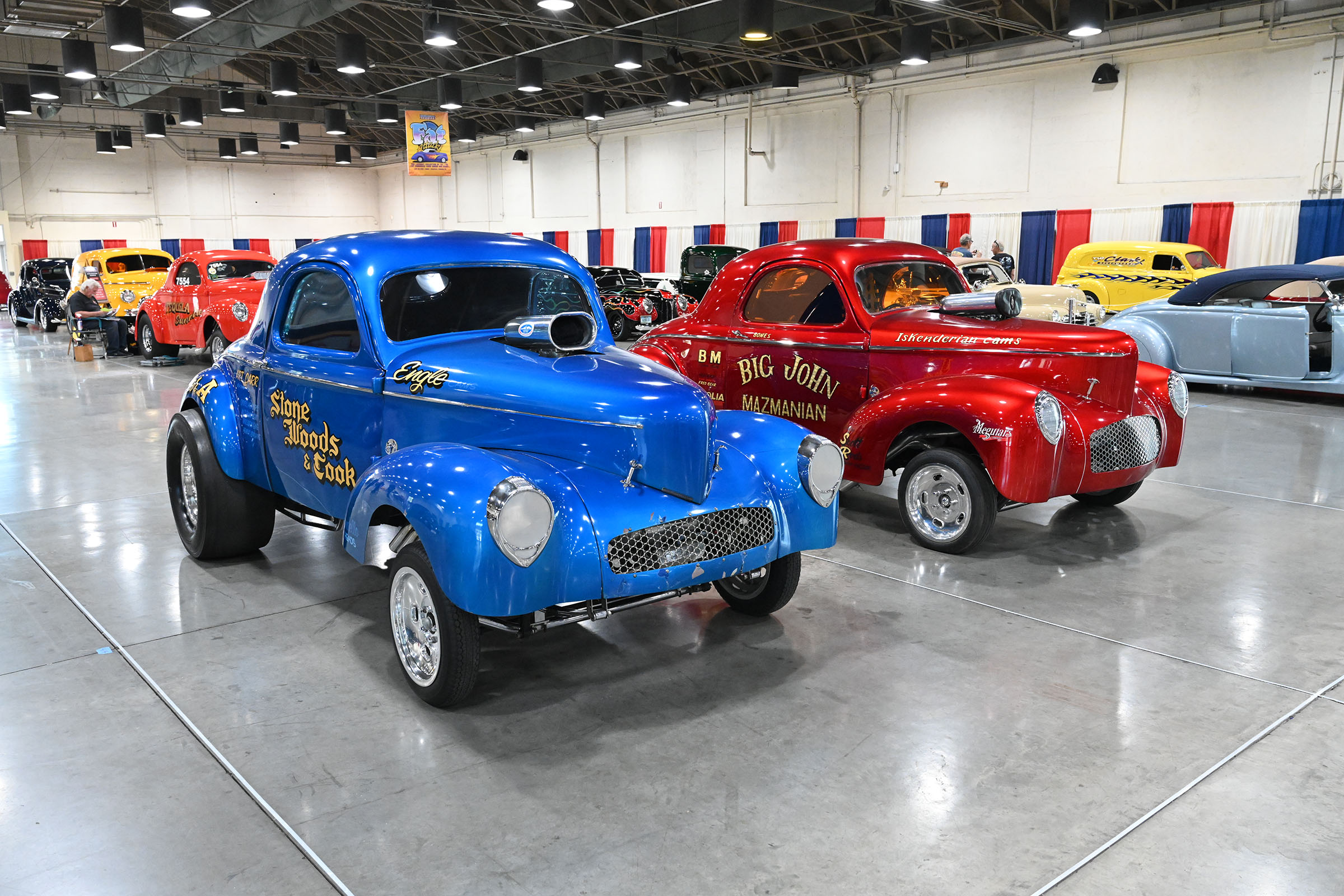
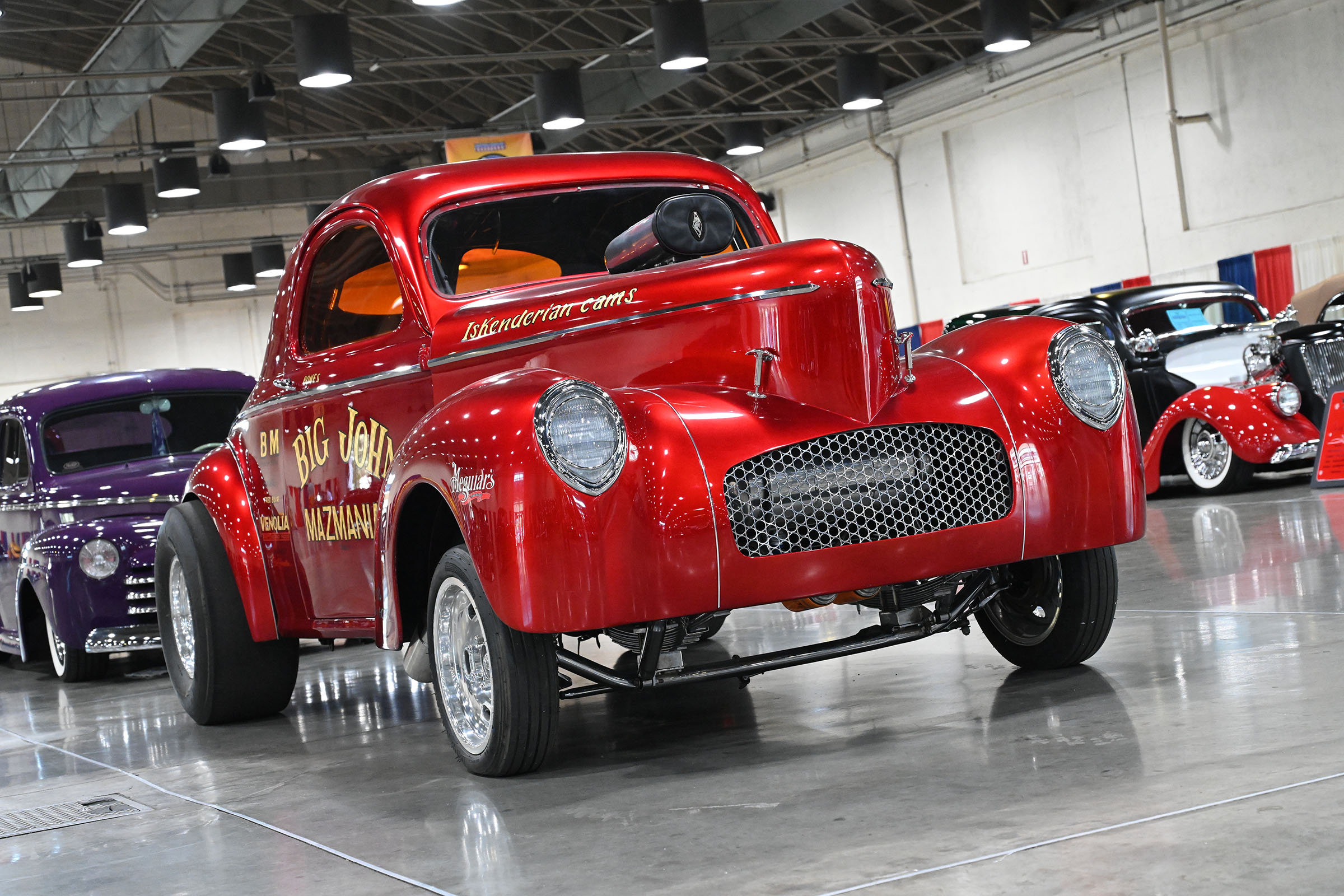
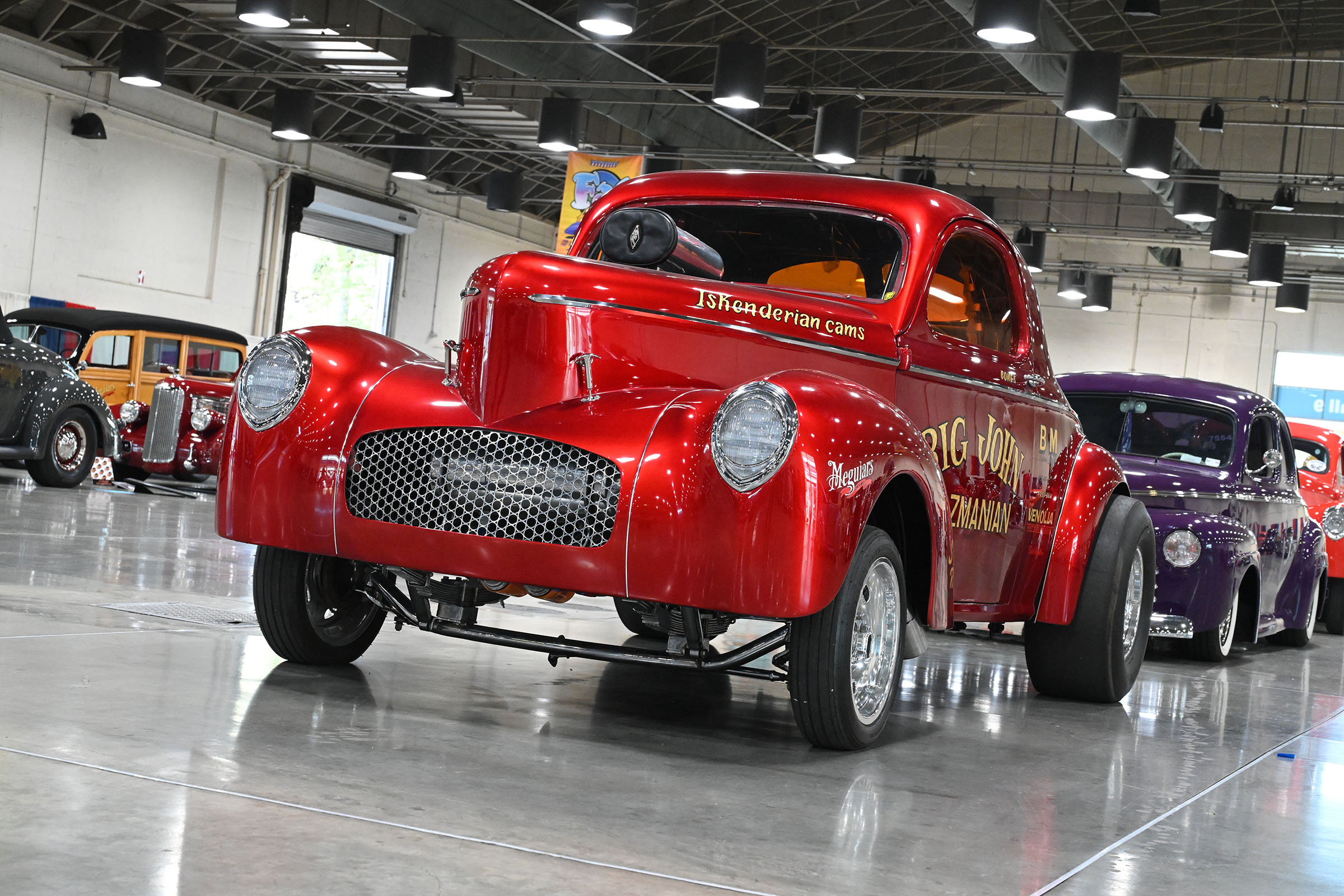
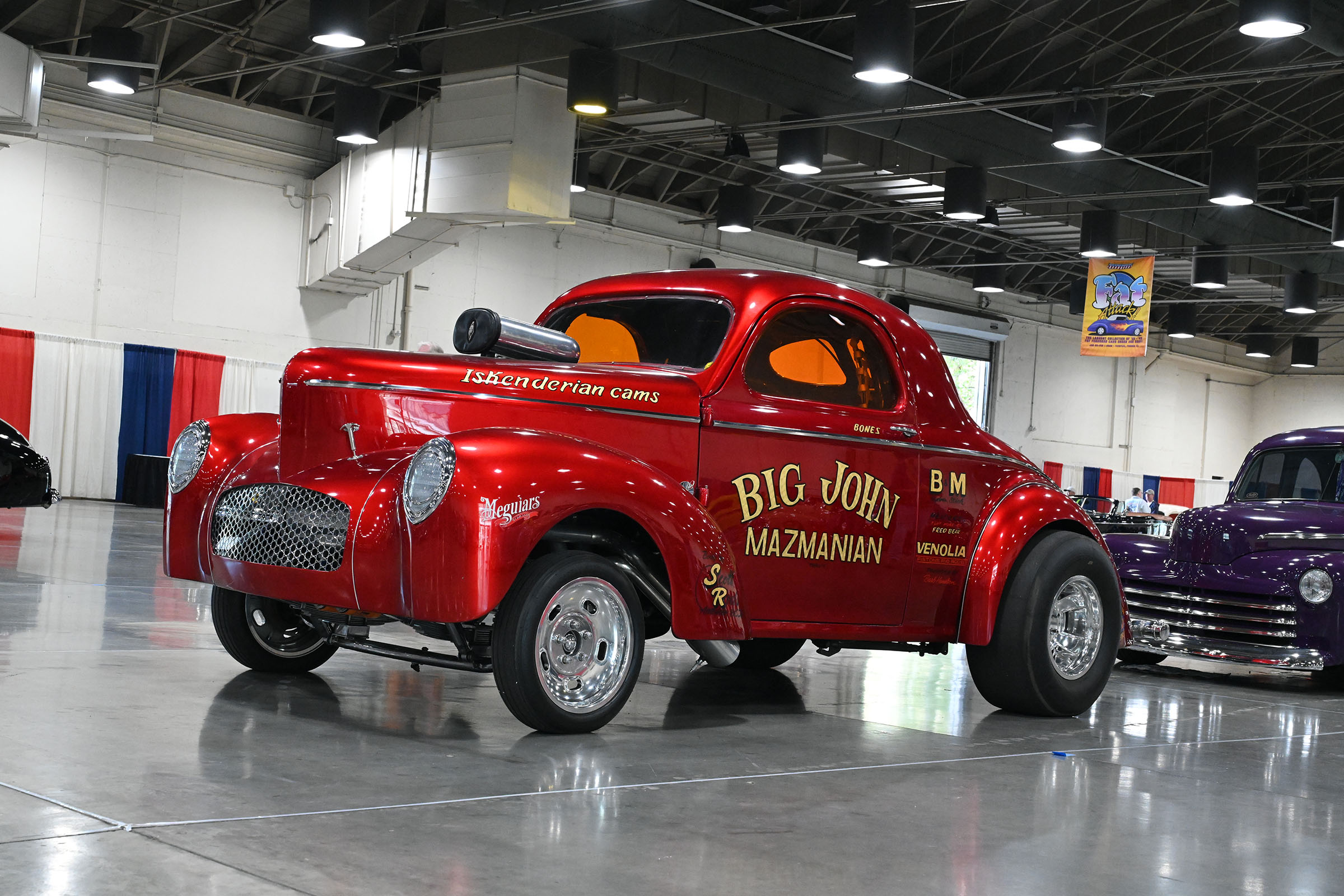
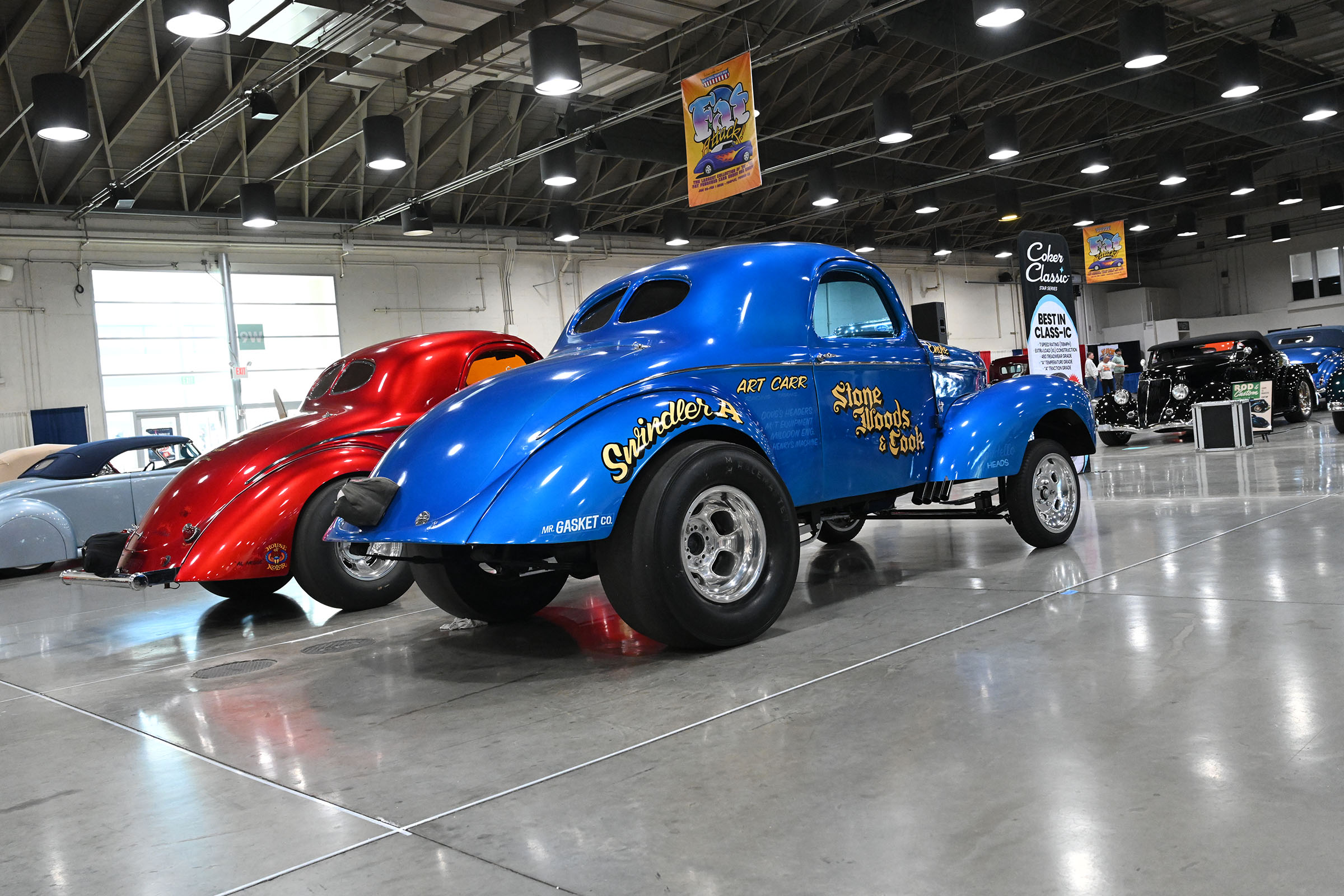
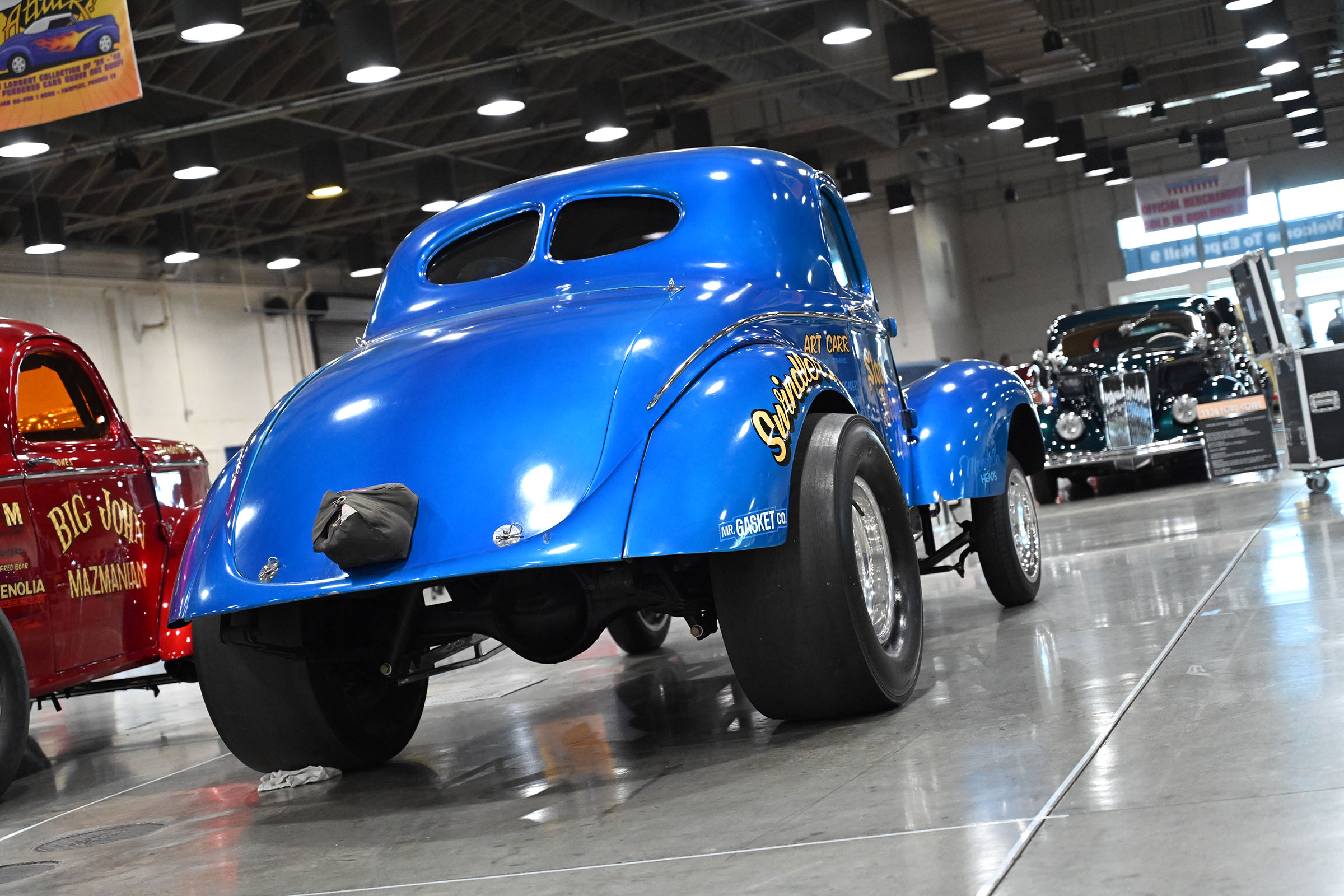
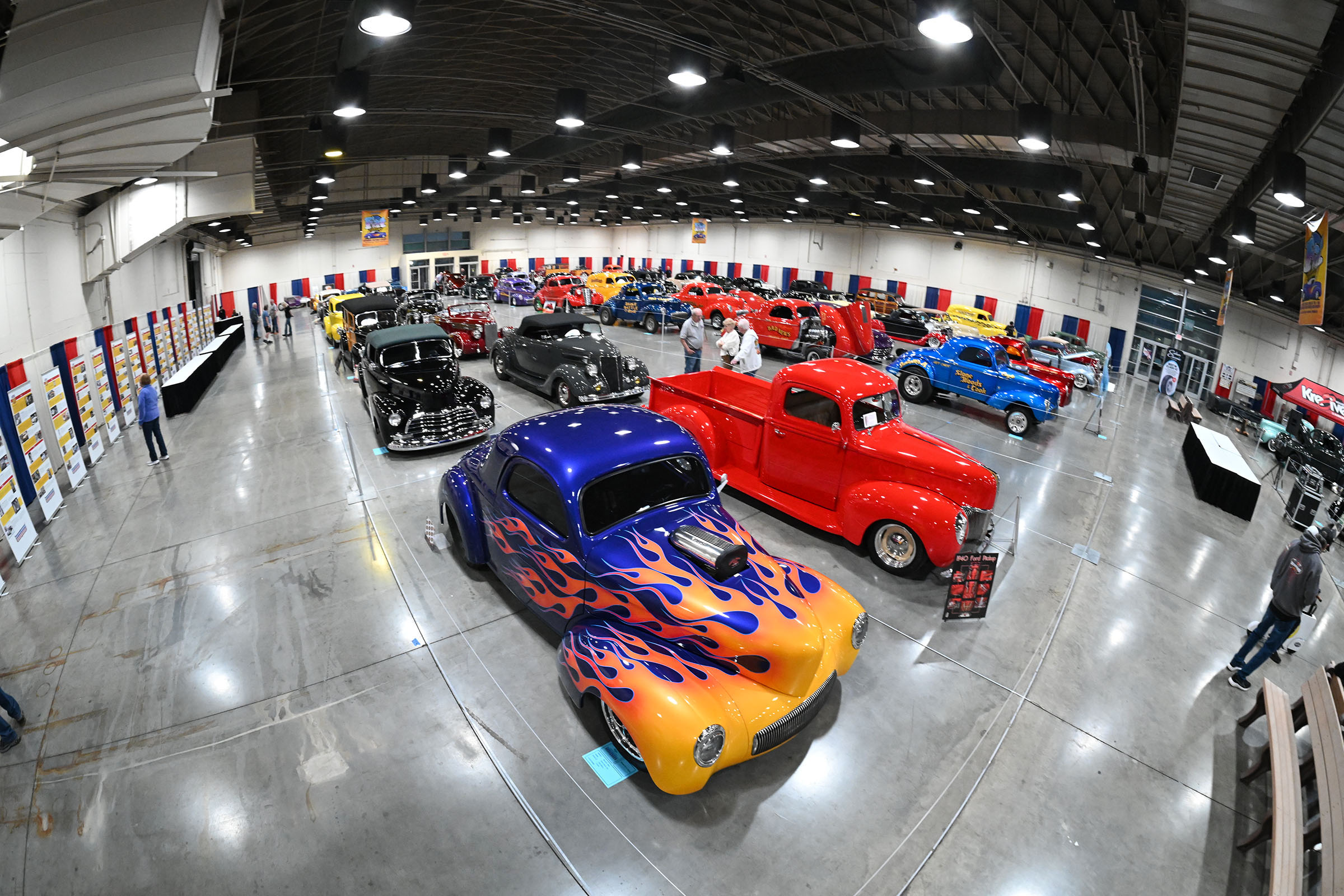
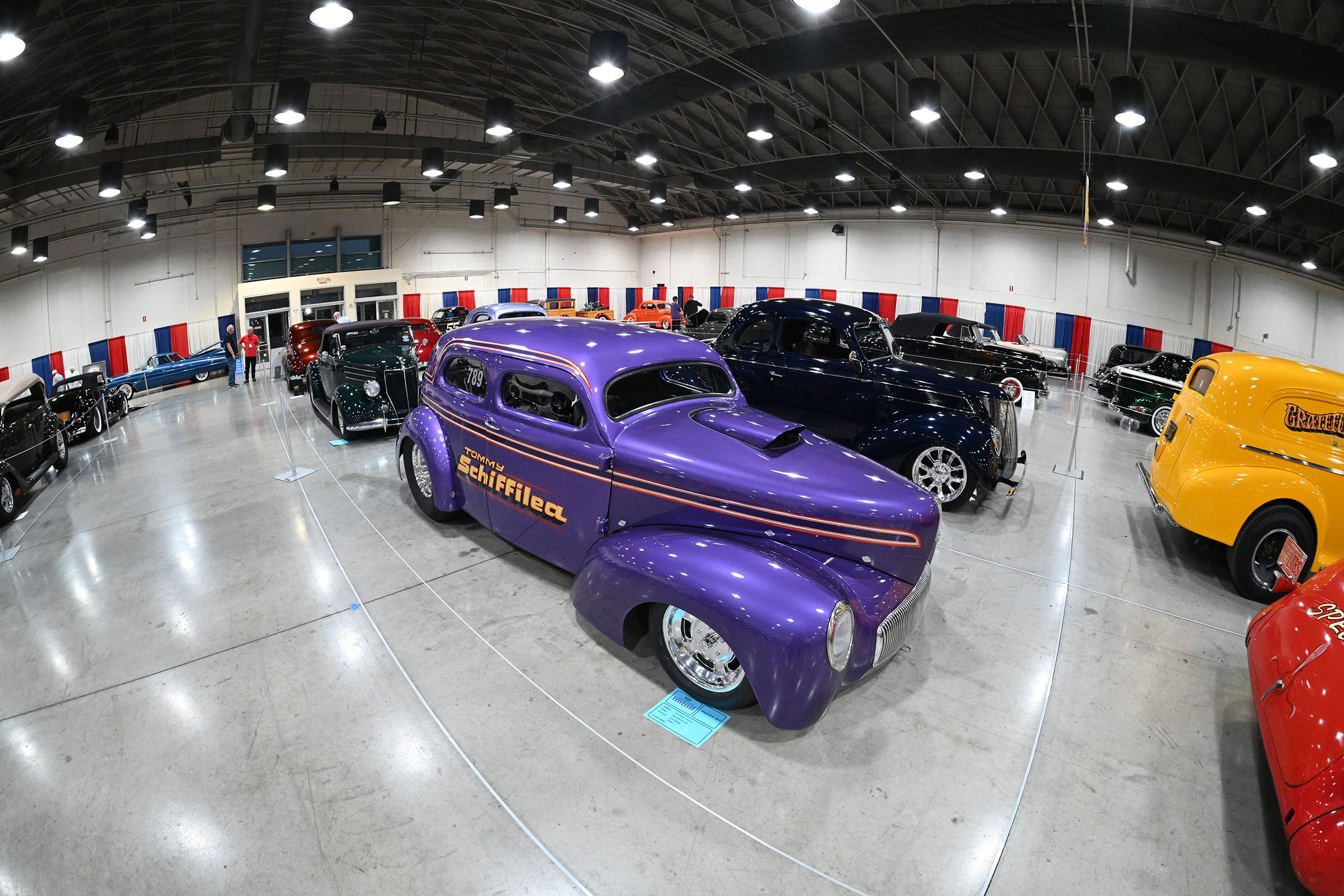
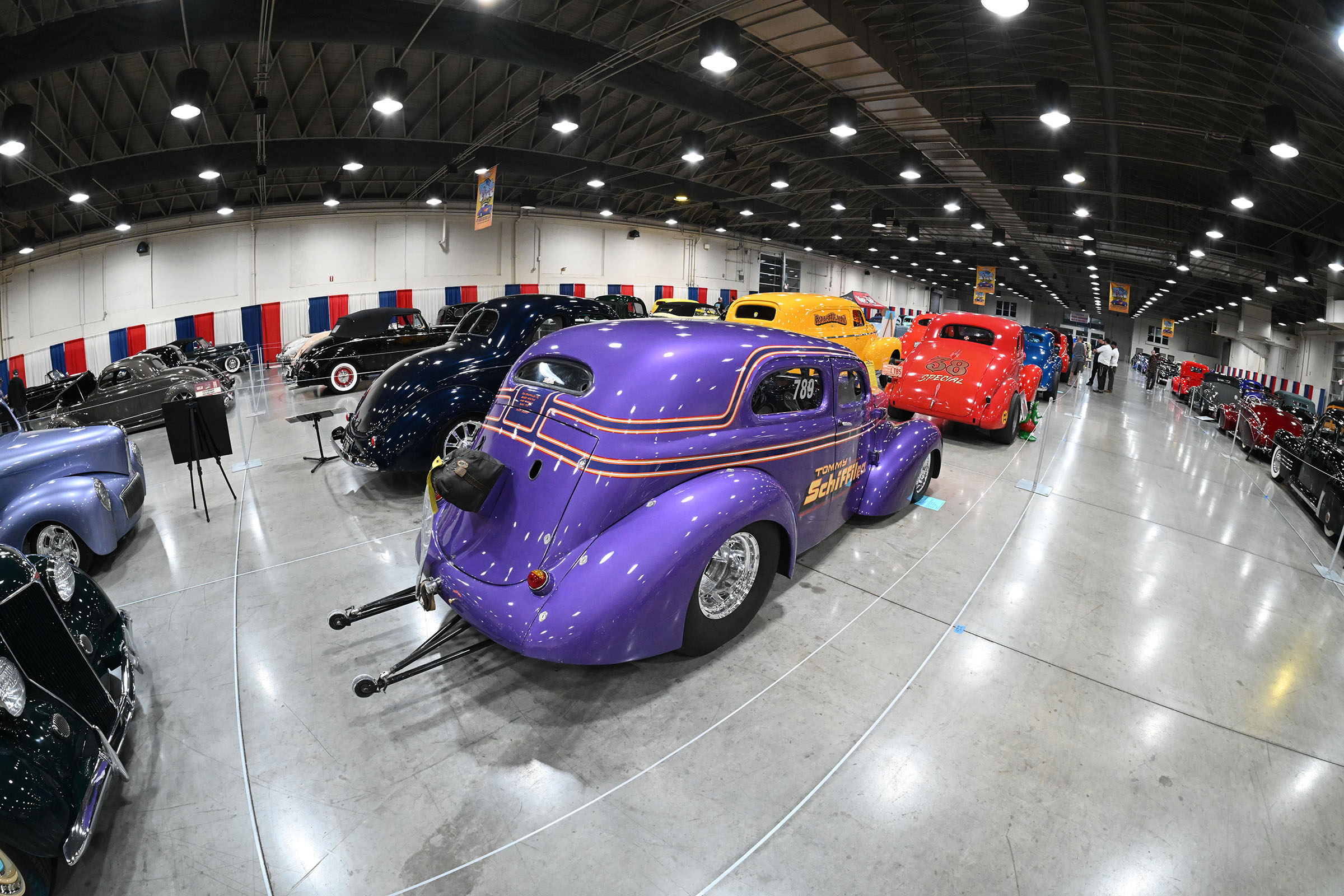
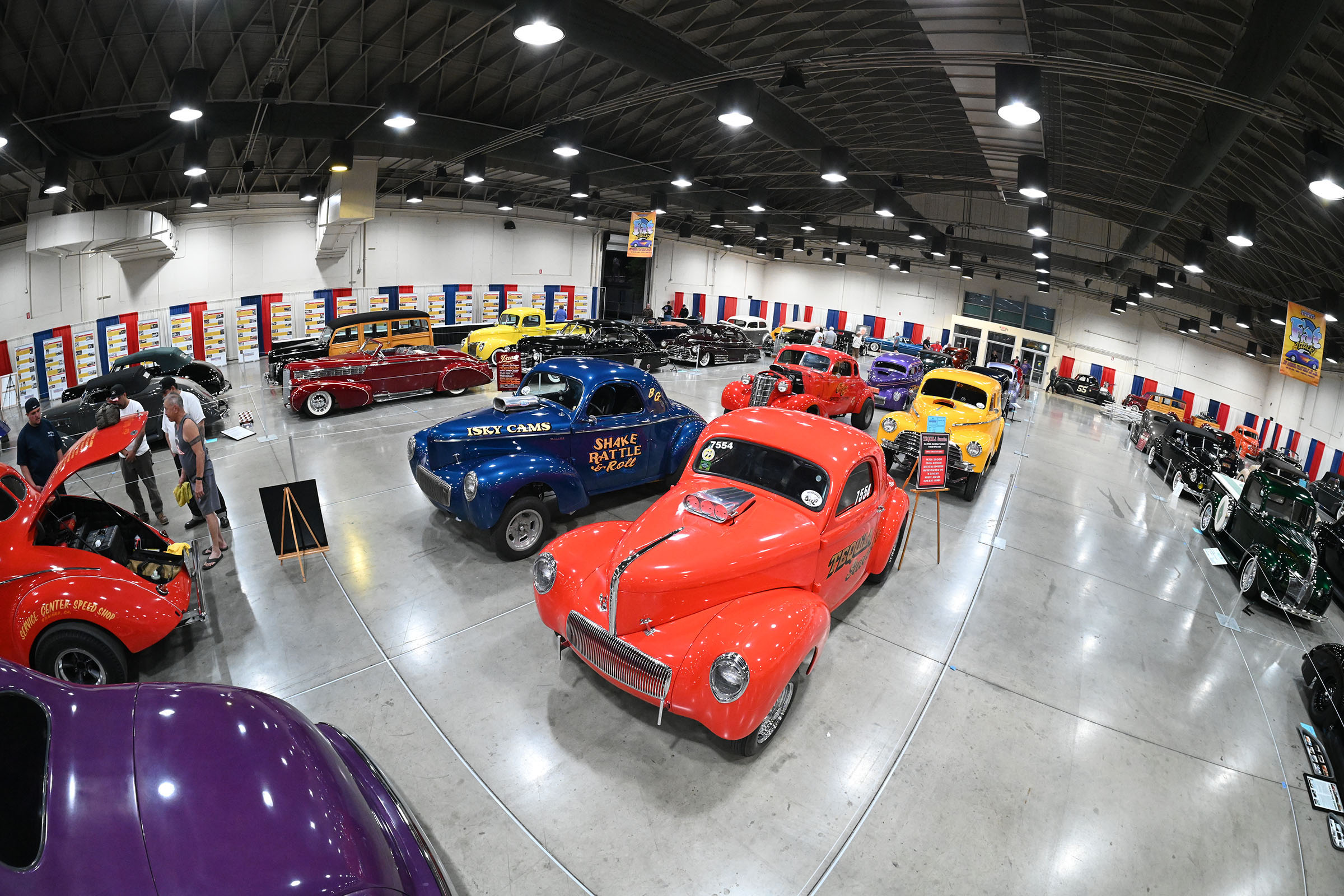
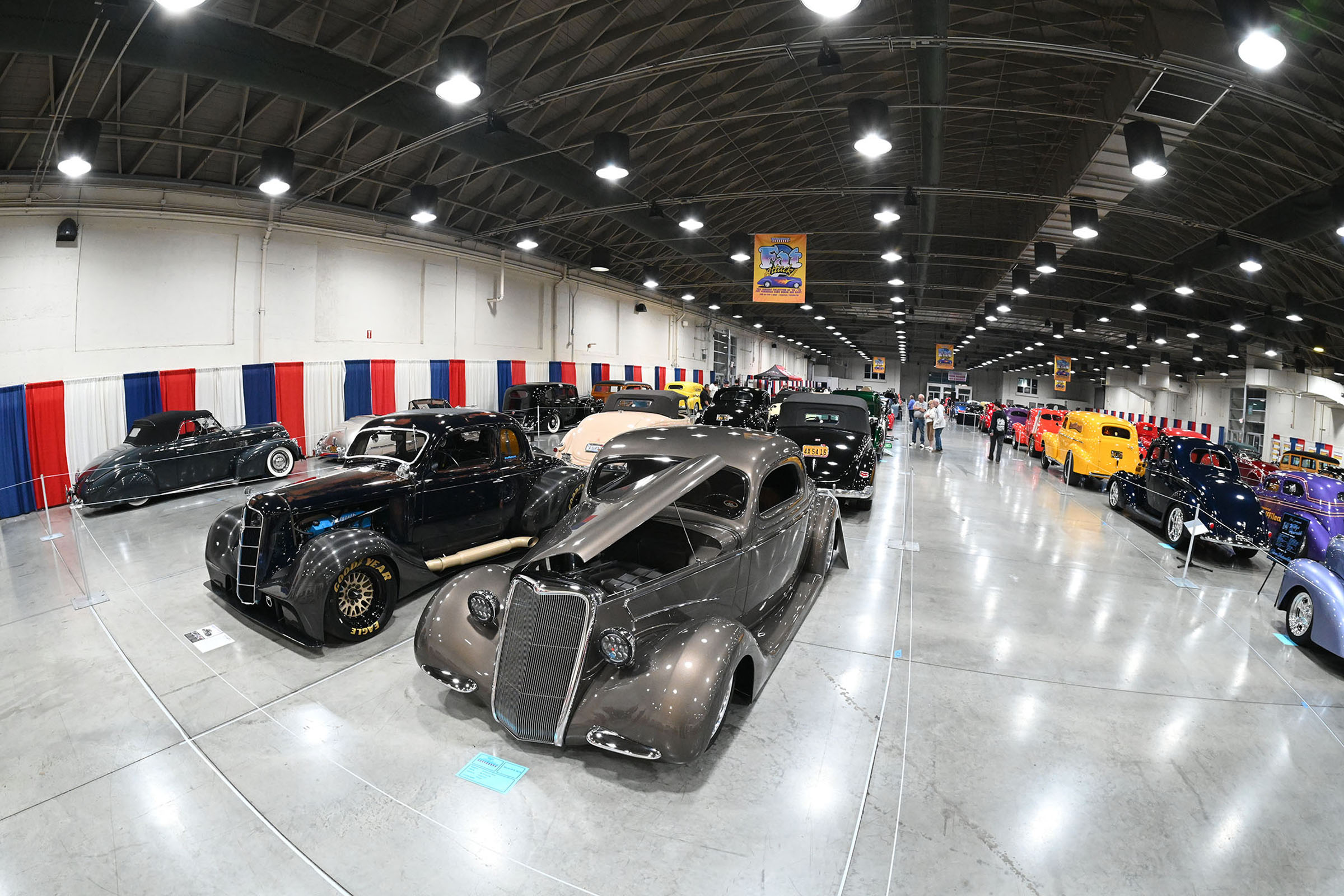
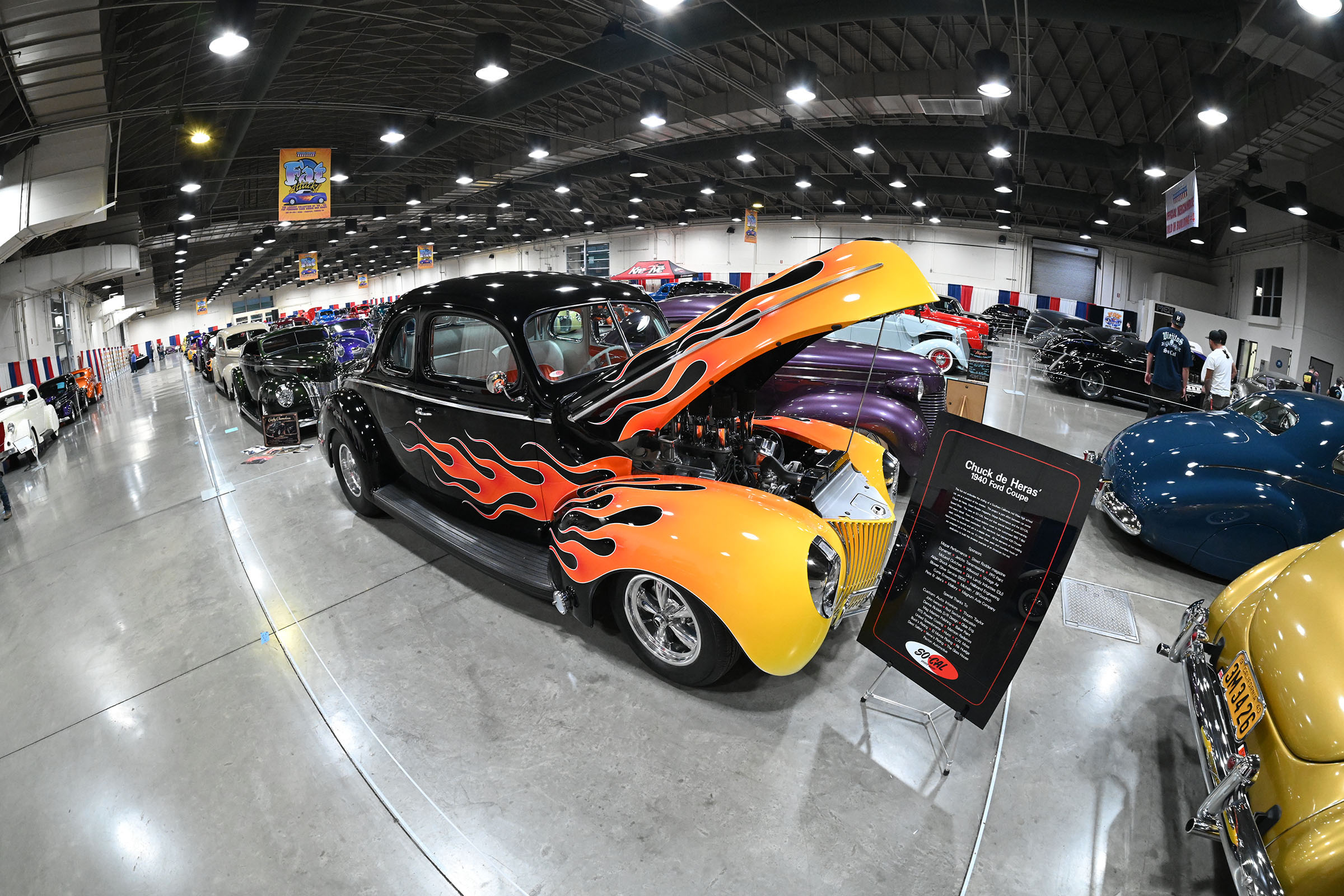
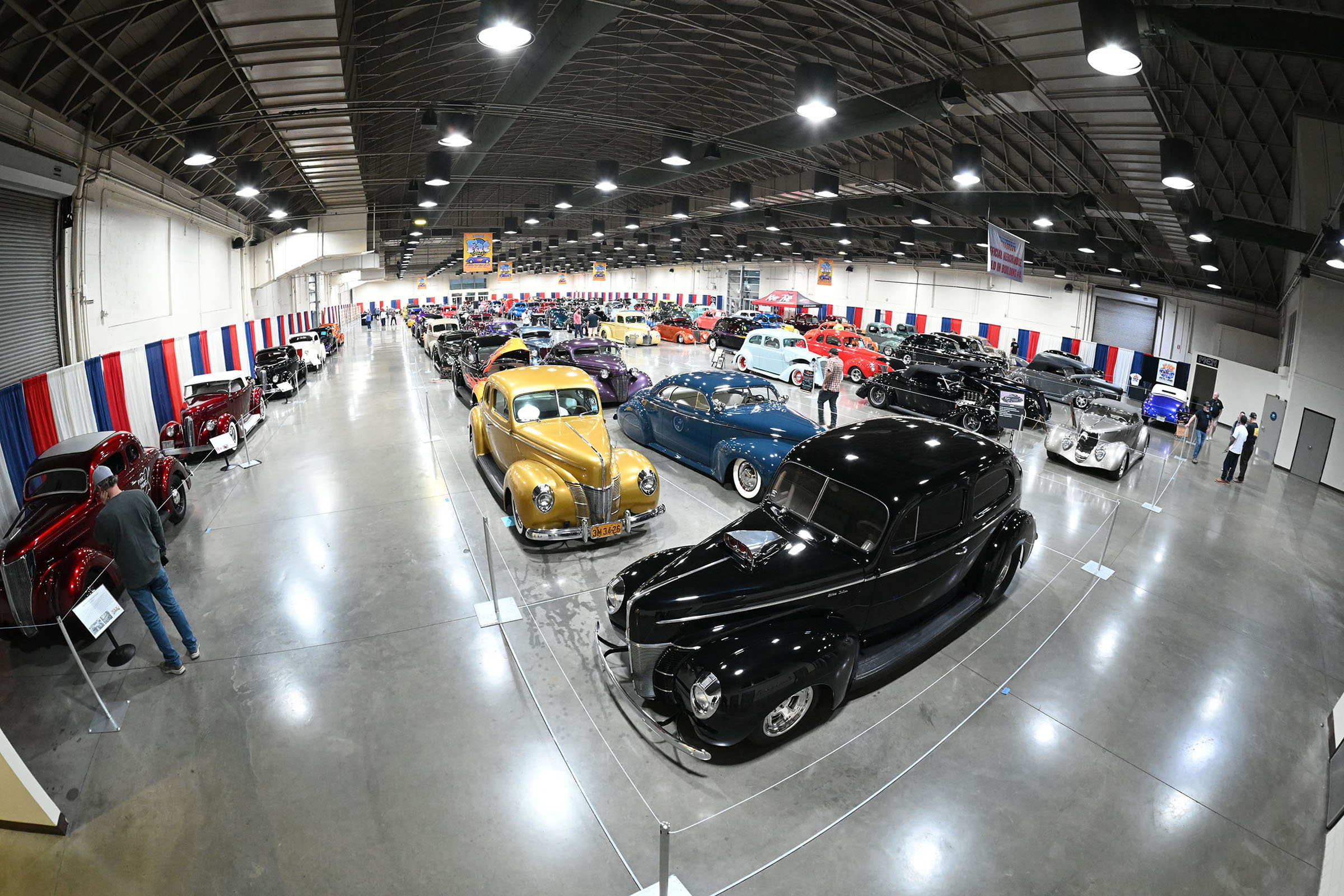
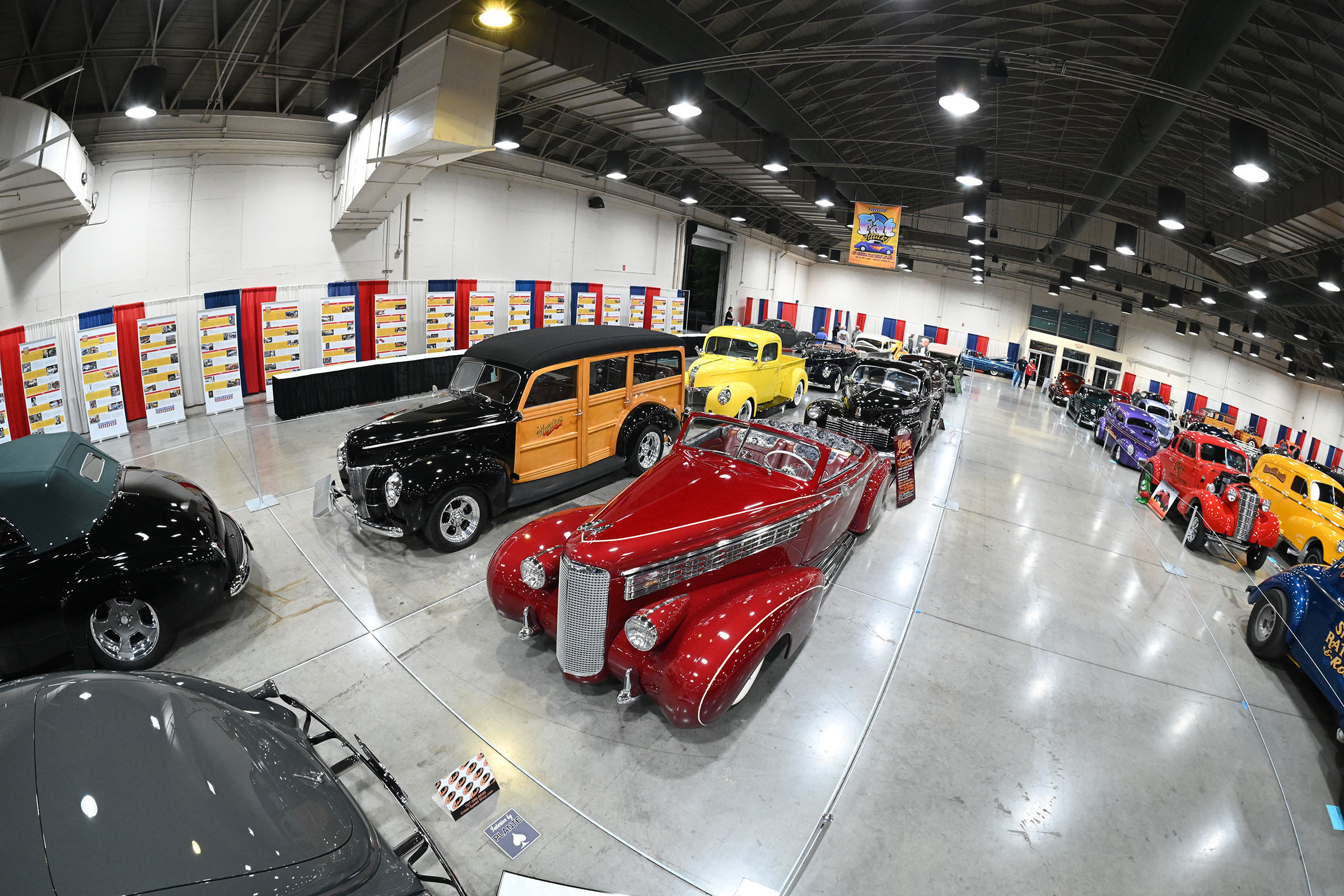
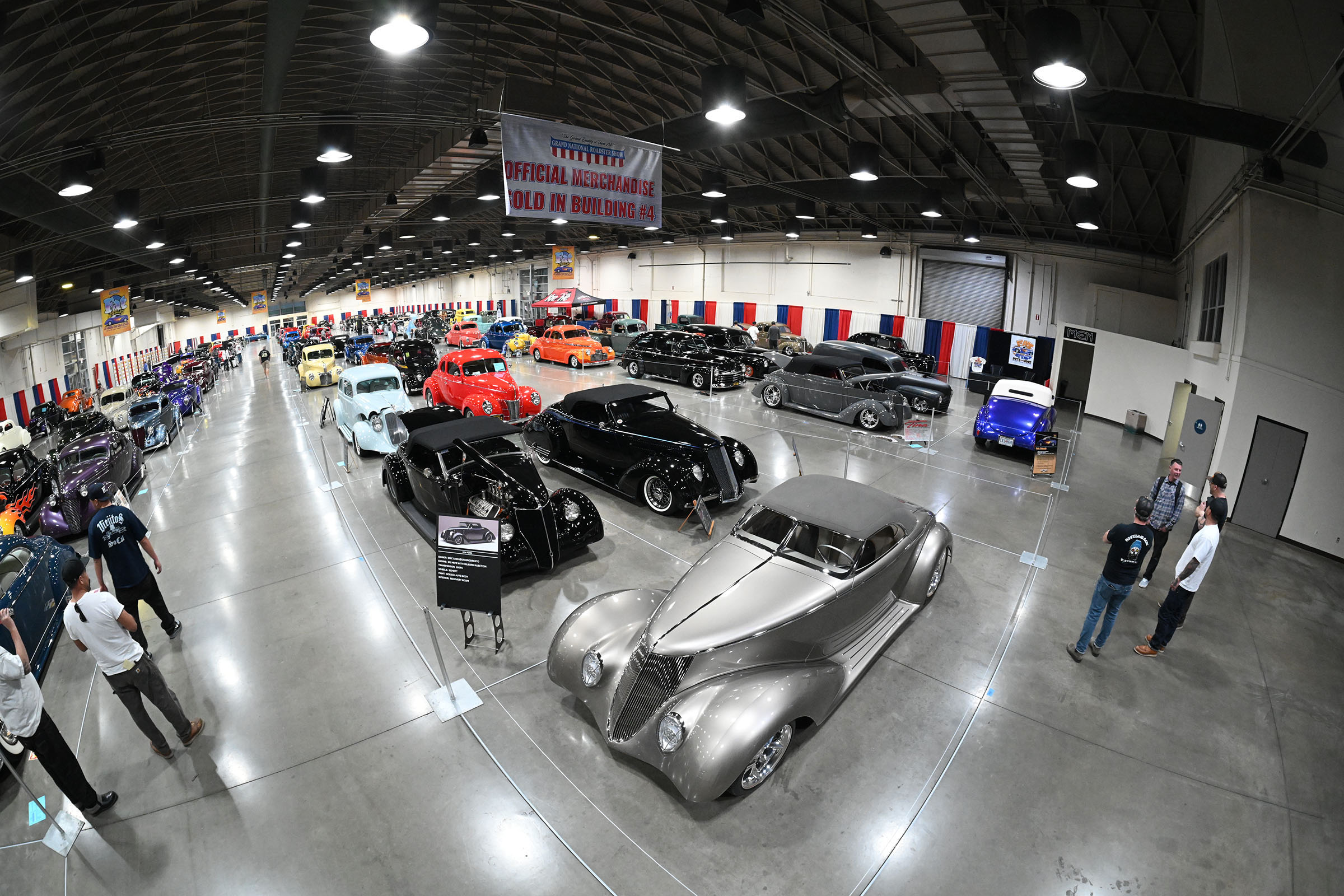
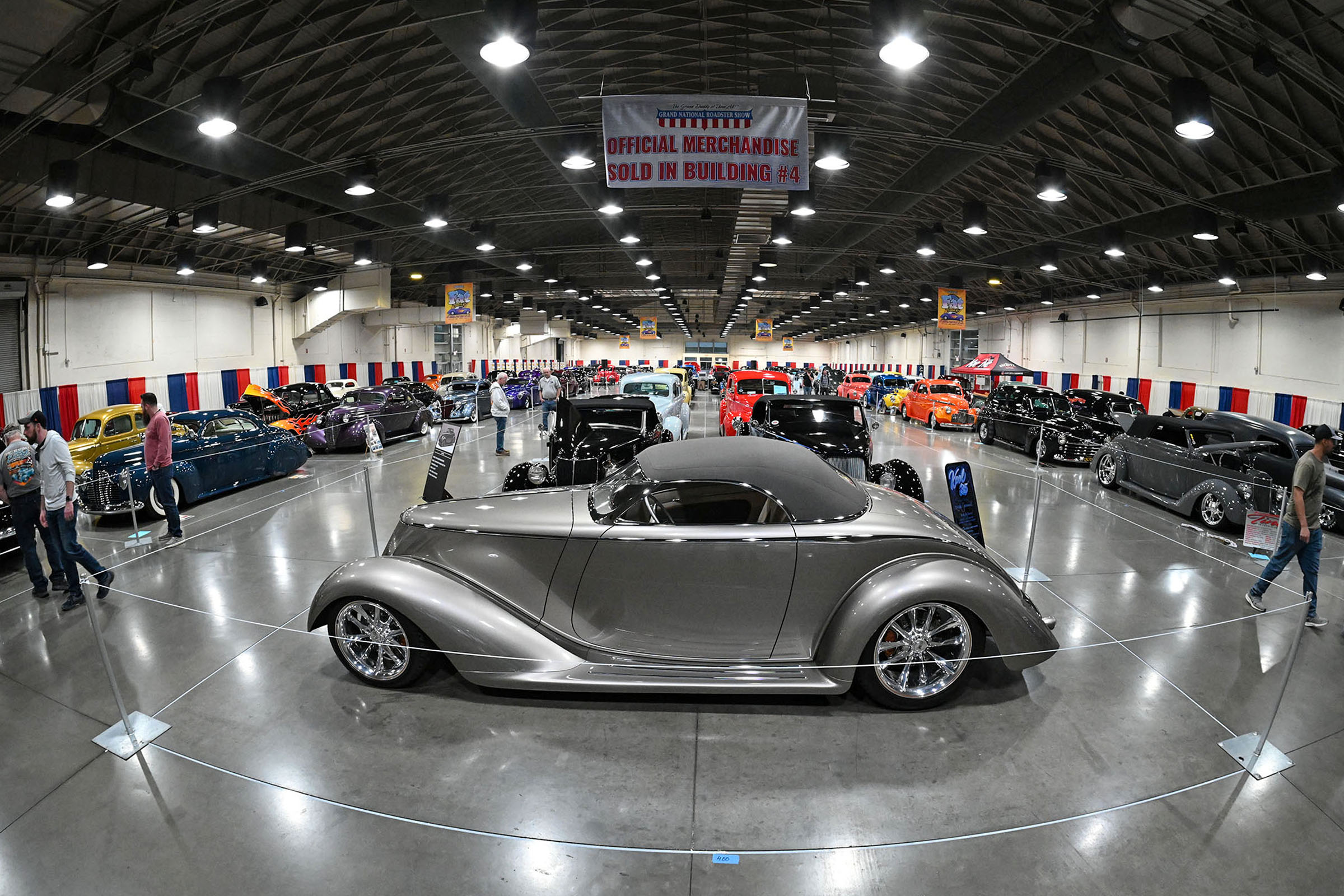
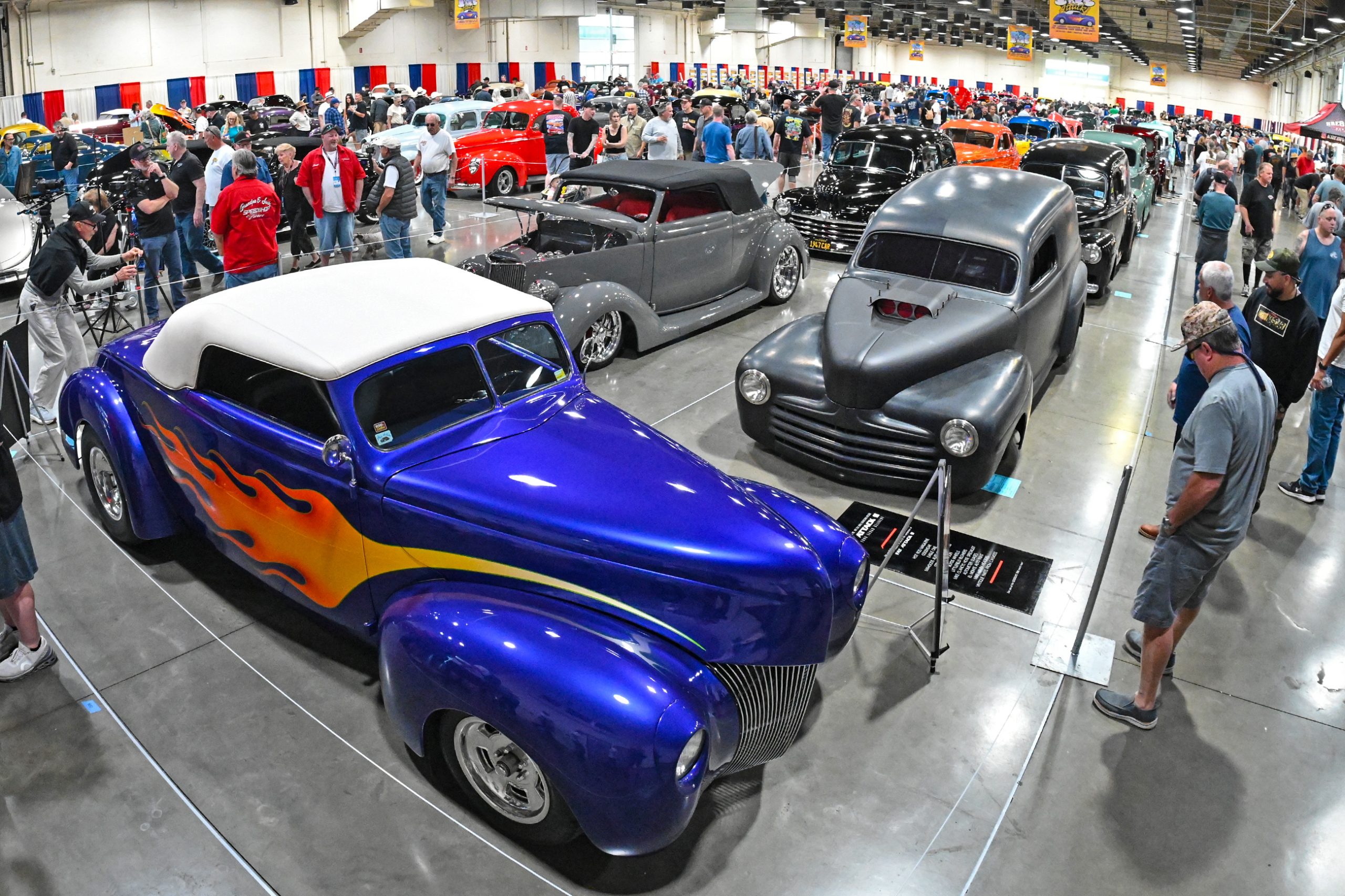
The Feature Building brought together the largest collection of 1935–1948 fat-fender cars and trucks ever seen under one roof. Highlights popped off the floor: the “Project 40” 1940 Ford Sedan, “Big John” Mazmanian’s 1940 Willys Gasser, John D’Agostino’s 1940 Merc Kustom “Stardust,” and jaw-dropping builds from legends like Chip Foose, Boyd Coddington, and Gene Winfield. Some were street-ready beasts primed to roar, while others were immaculate showpieces meant to stun. Every car carried the fat-fendered DNA — precision, craftsmanship, and the kind of hot rod swagger you can’t fake.
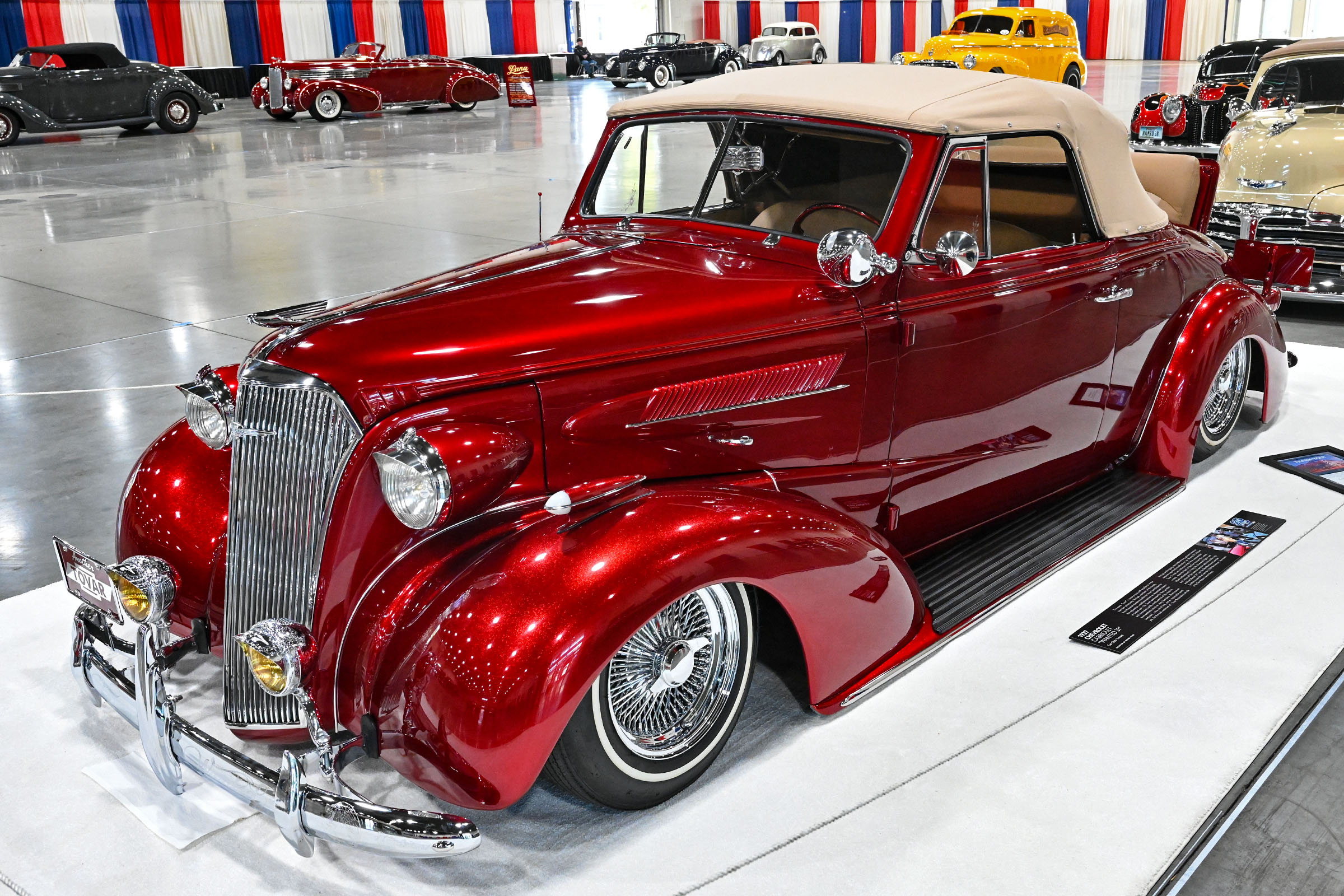
Pete & Jake’s Legacy in Action
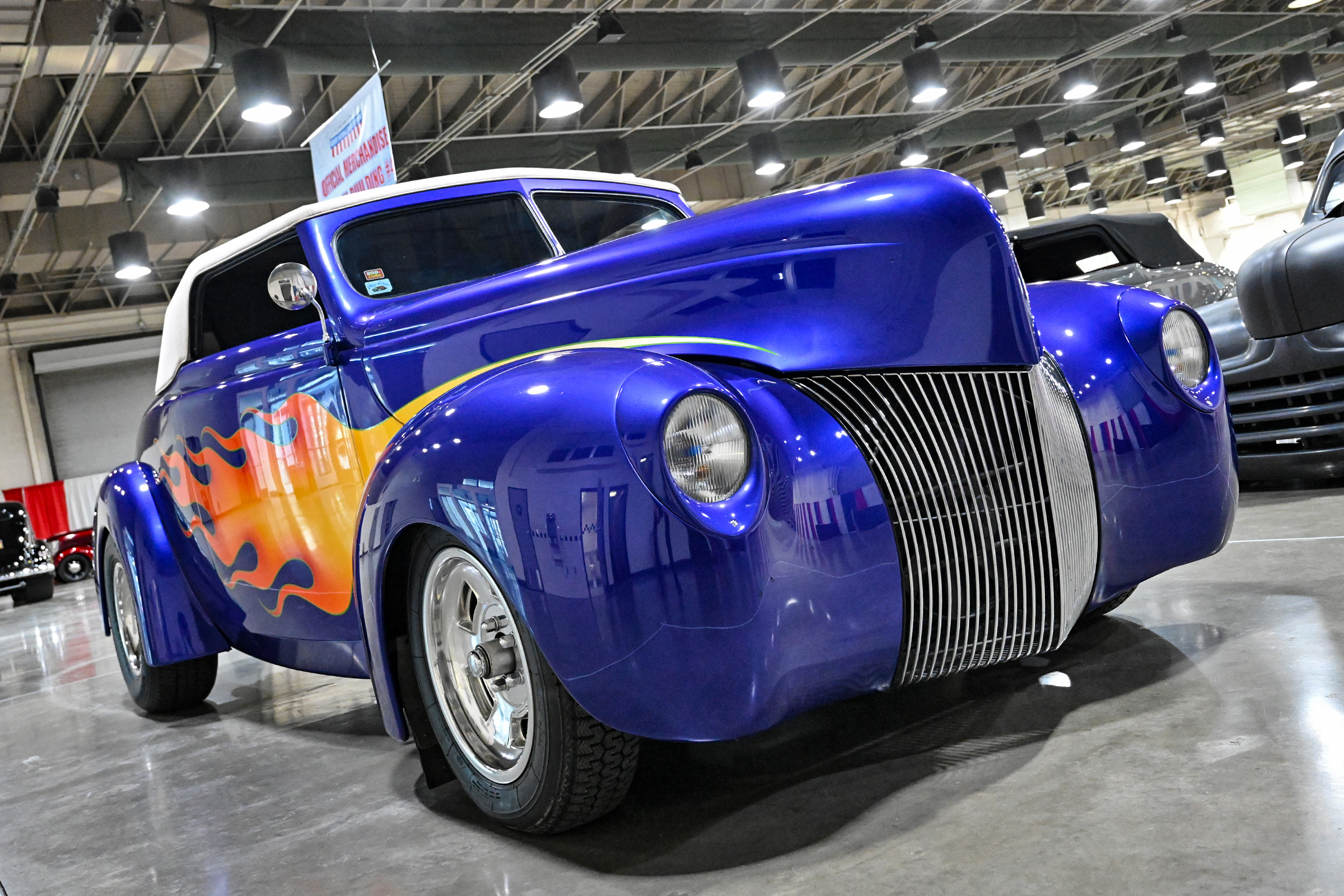
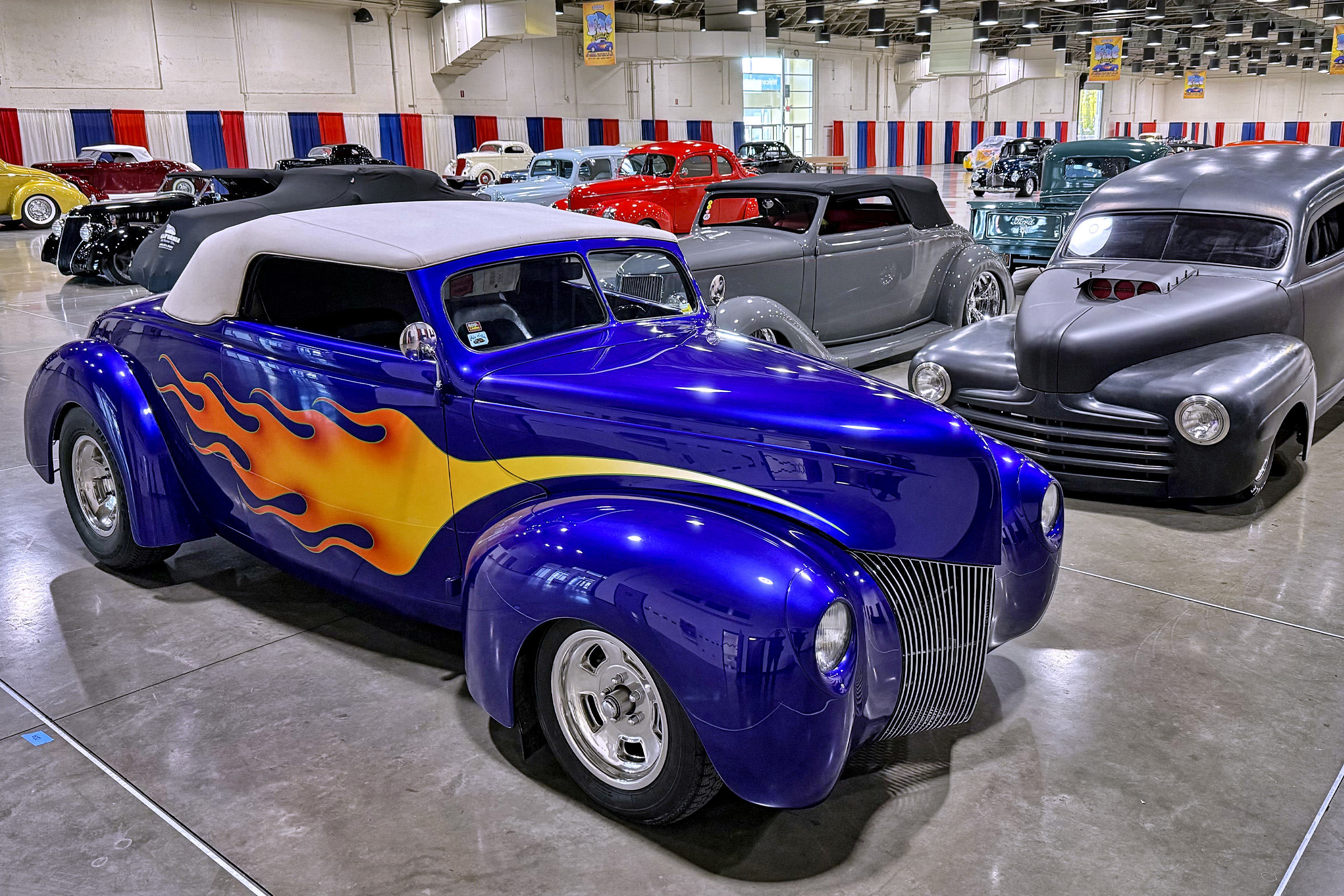
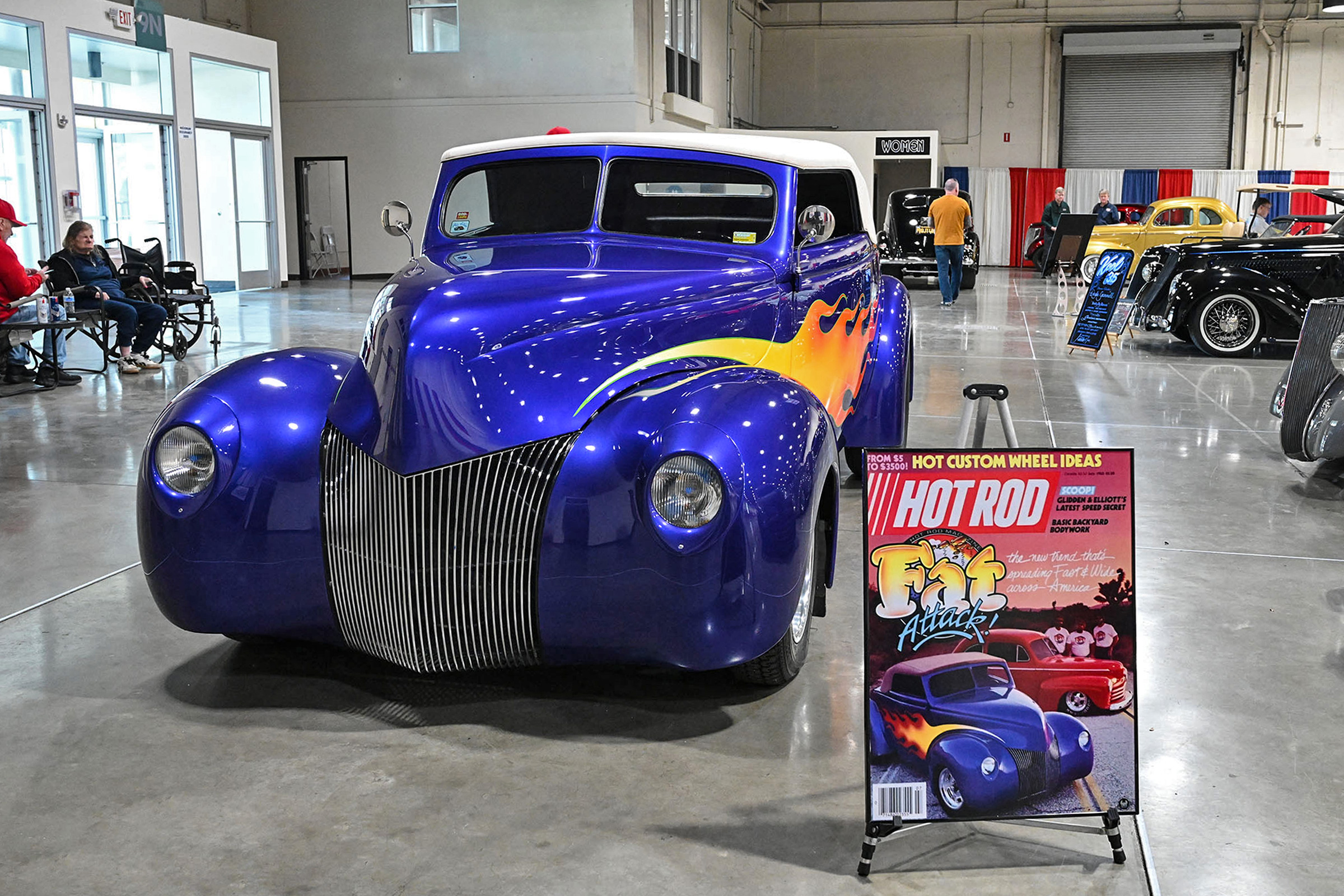
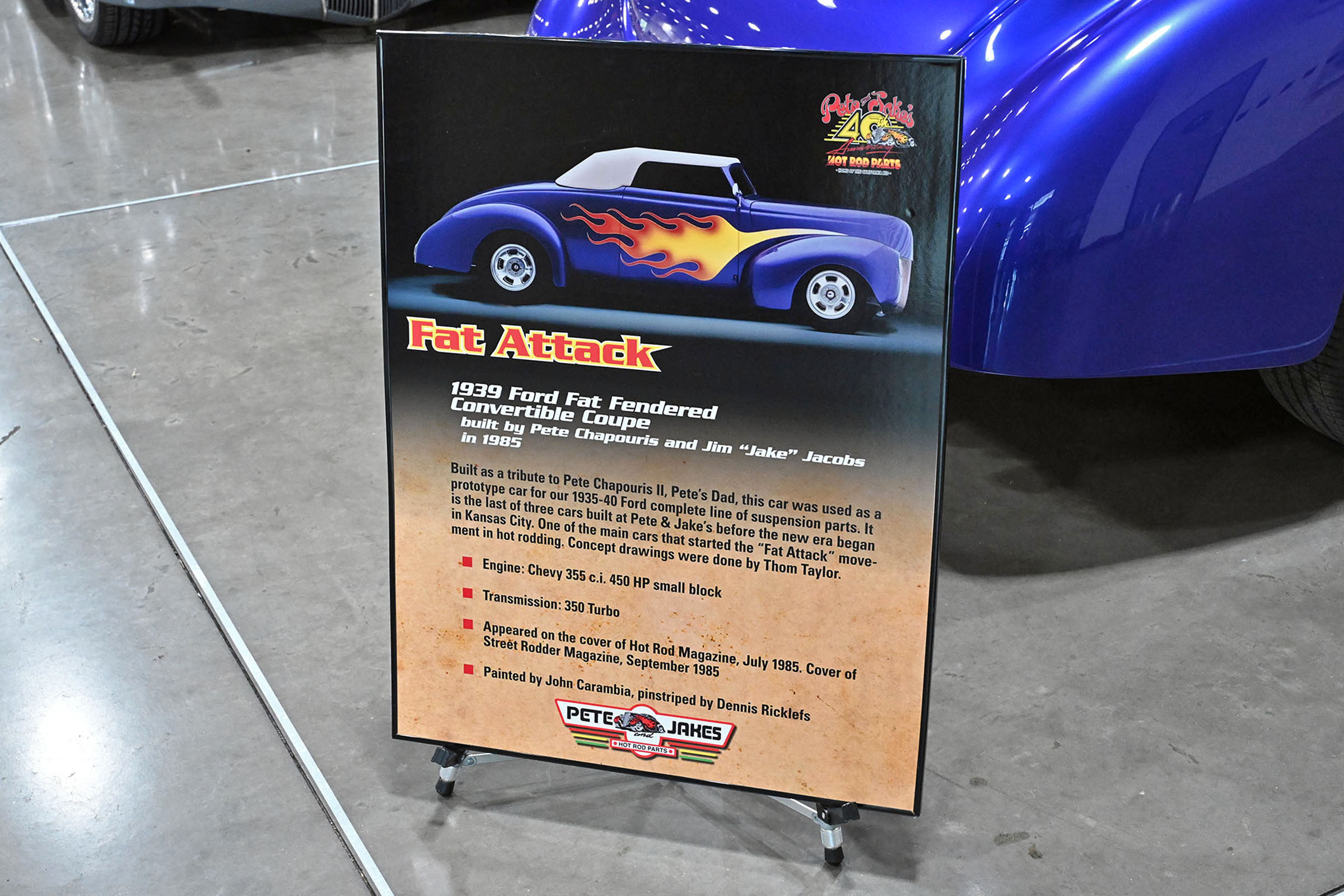
Pete & Jake’s own builds, including the ’39 Ford convertible that graced the cover of Hot Rod Magazine in 1985, reminded everyone why fat-fender hot rods still matter. From pro-street sedans to gassers and trucks, the exhibit proved these curvaceous machines could perform hard while looking flawless on the floor. Every chassis, every suspension, every detail carried the legacy of two guys who never compromised on quality, attitude, or style.
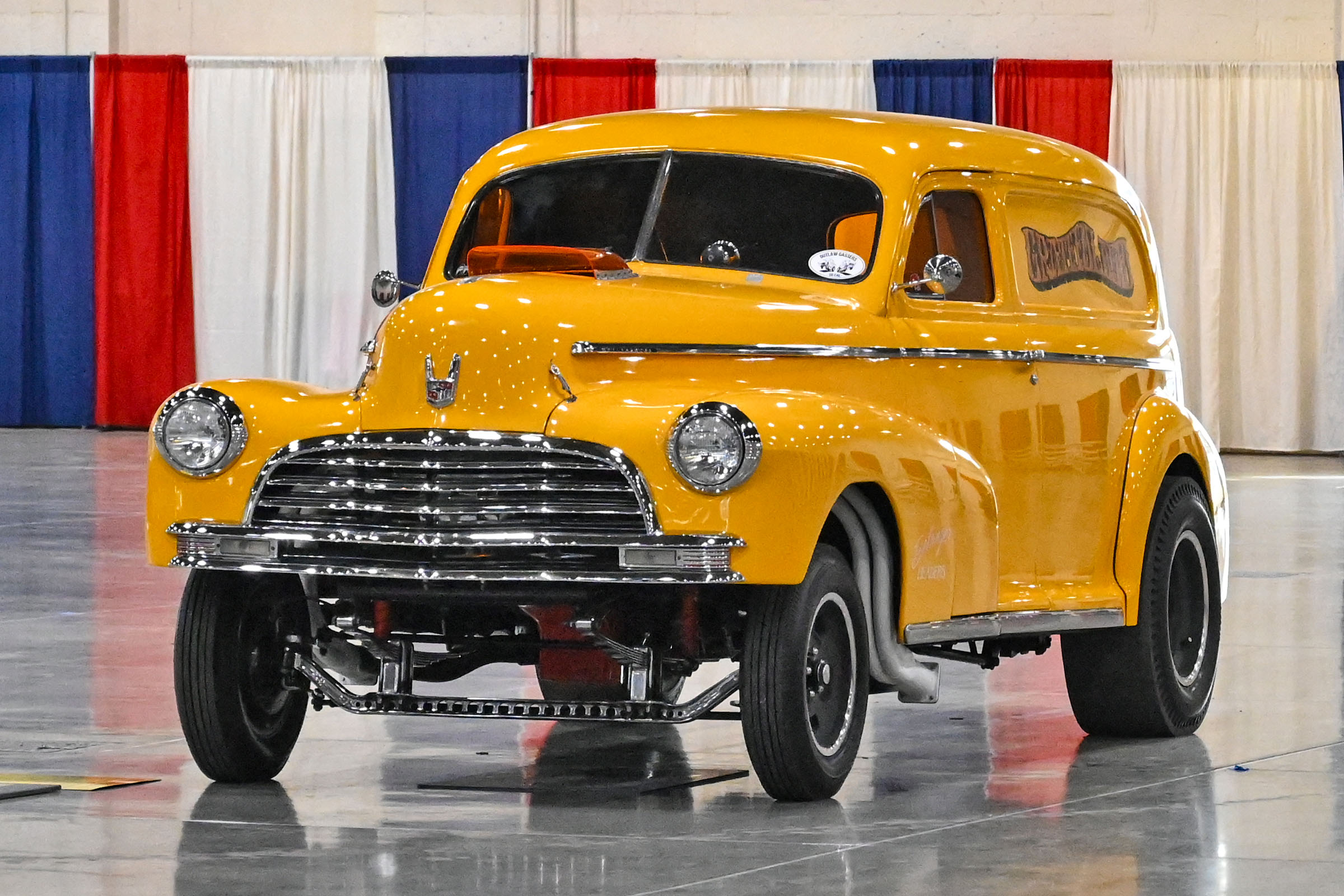
Honoring Fat-Fender Innovation
The Fat Attack at GNRS 2026 wasn’t just a display — it was a celebration of creativity, performance, and hot rod heritage. Fat-fender builds proved they could be versatile, whether tearing up the street or dazzling crowds as polished showpieces. The exhibit honored the builders, the legends, and the unapologetic spirit of Pete & Jake’s, keeping the fat-fender flame alive for a new generation of rodders hungry for curves, chrome, and horsepower.
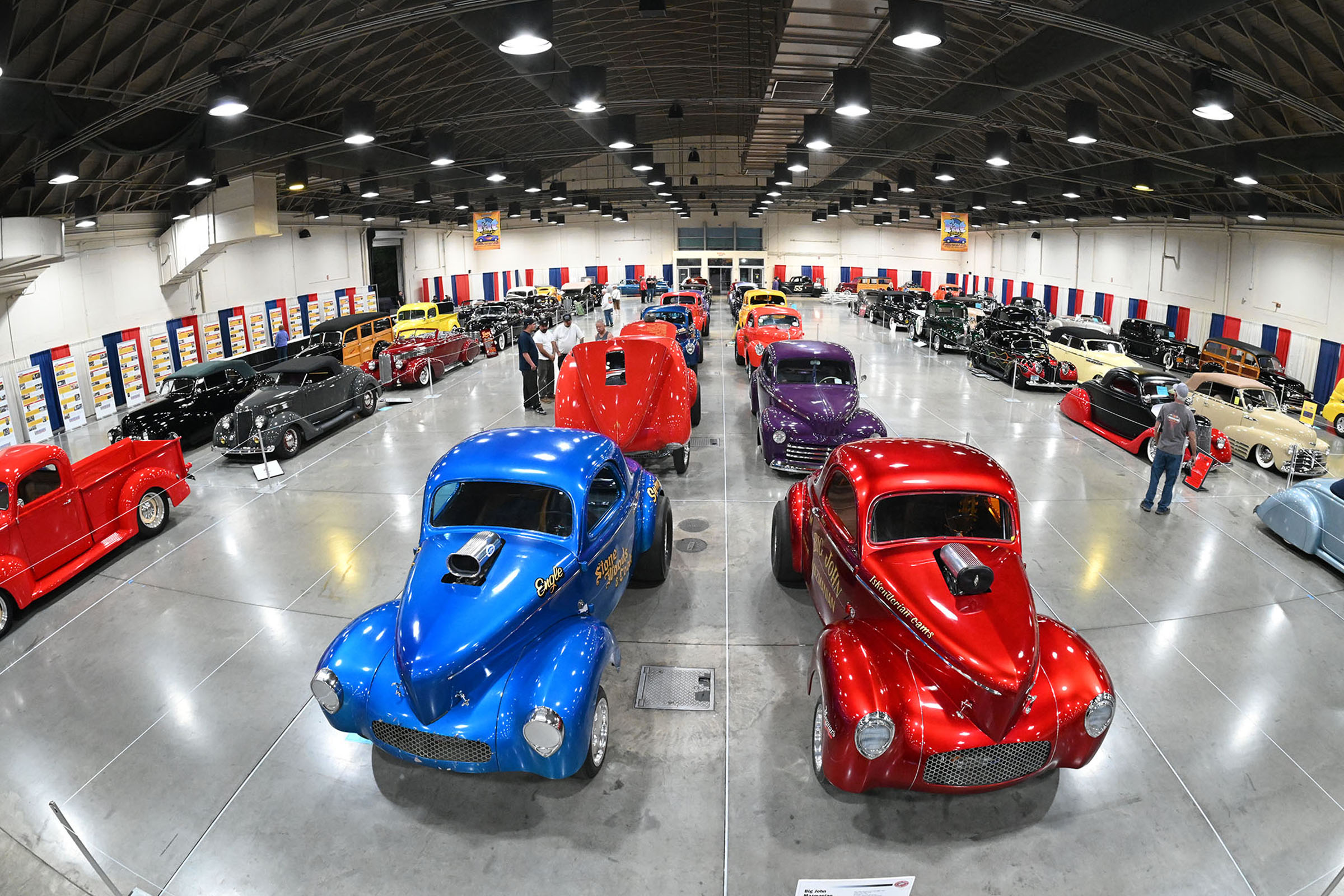
Pete & Jake’s ’39 Ford Convertible
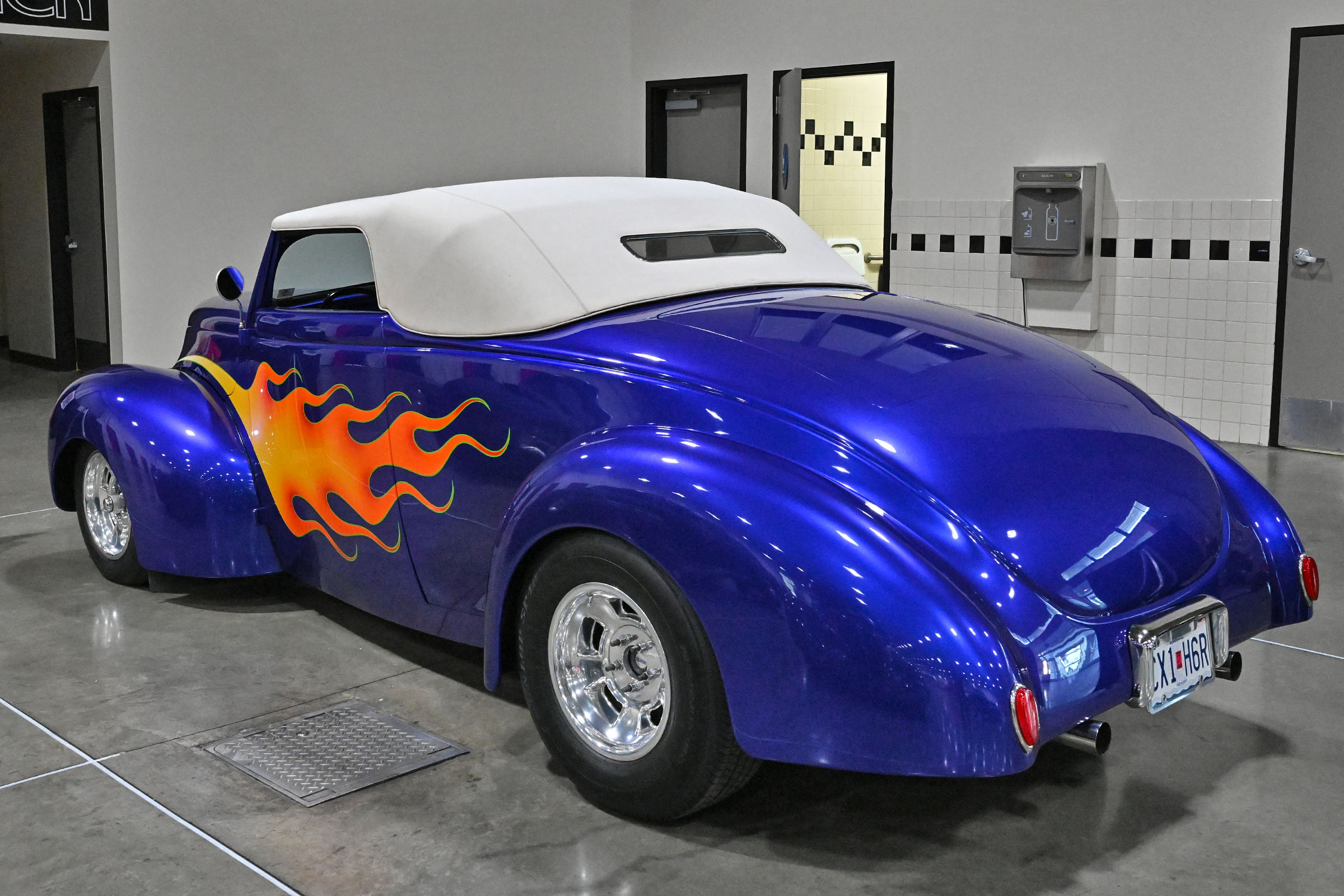
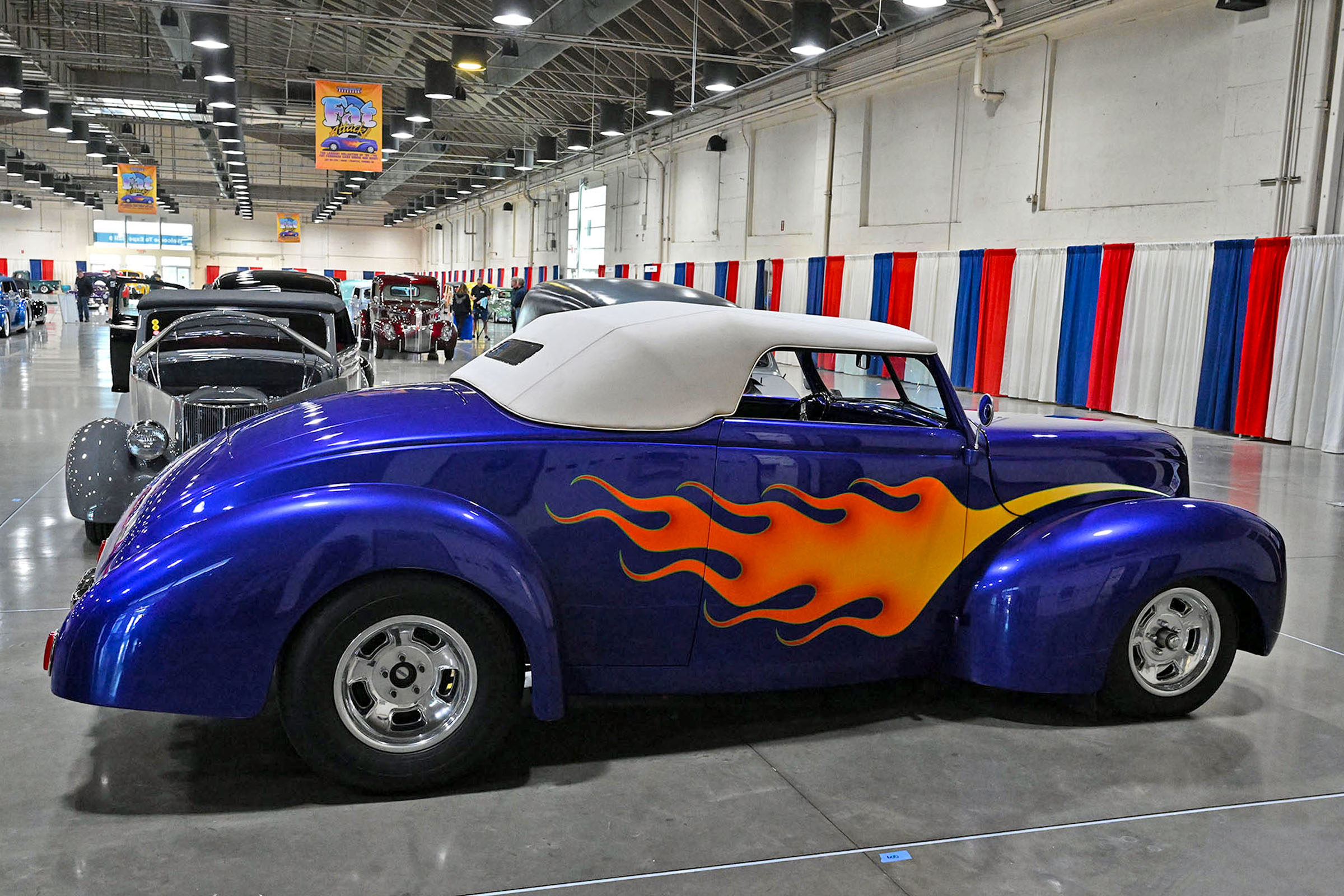
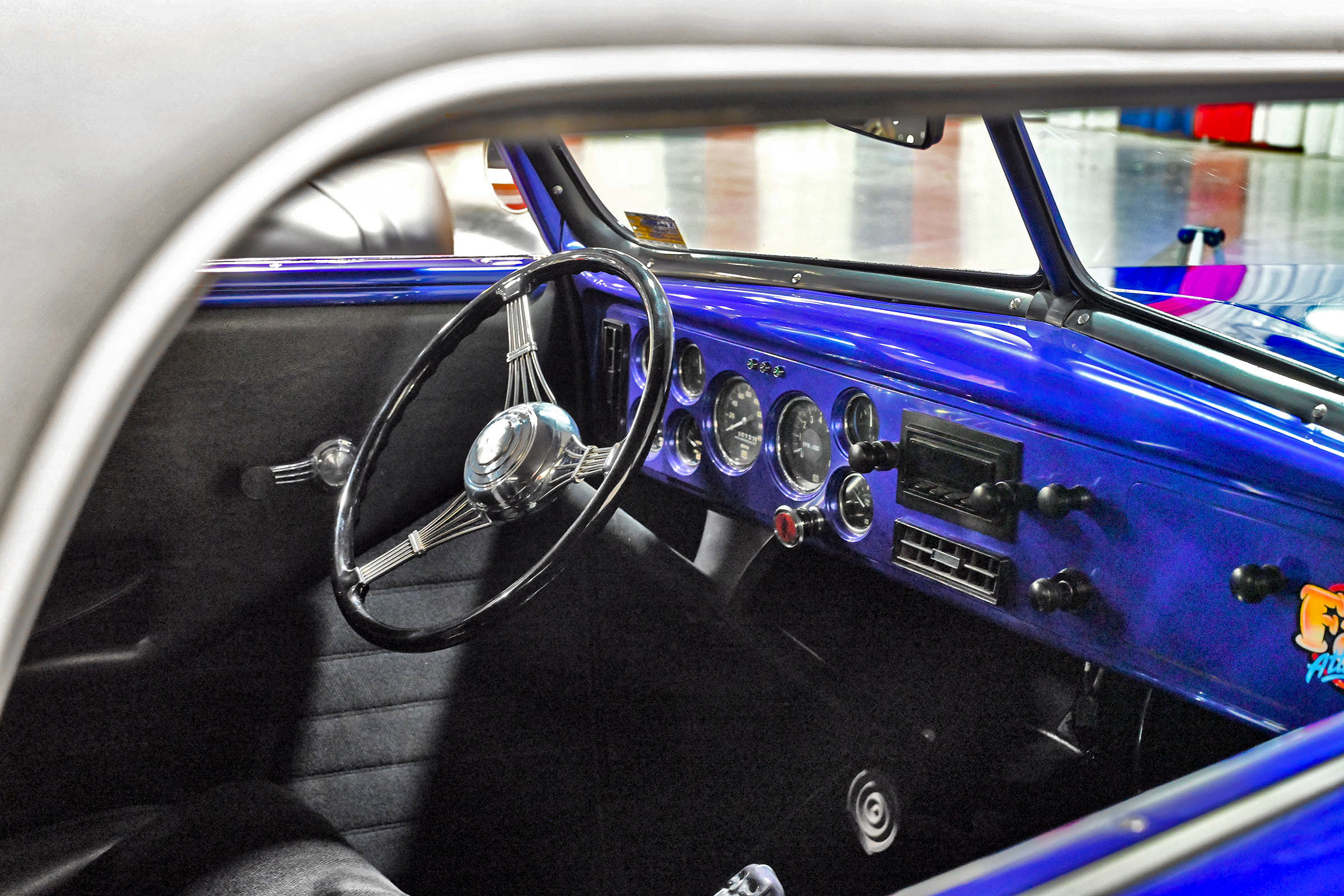
Pete & Jake’s ’39 Ford convertible is a flagship fat-fender build that exemplifies the company’s craftsmanship and design philosophy. It features a well-engineered chassis, upgraded suspension, and a powerful street-ready engine, all while retaining the car’s original 1939 body lines and iconic curves. The convertible serves as a working example of how fat-fender cars can be both streetable and show-ready, reflecting Pete & Jake’s commitment to quality and performance.
Pete & Jake's Hot Rod Parts
The premiere hot rod parts manufacturer of complete chassis, suspension, and chassis parts. From start to finish all parts are quality checked and held to high specification standards.