In Part 5 of our Cimtex Rods Super Cameo buildup series, we covered the actual building of our GM 4L80E electronic overdrive transmission, which will be backing up the Super Cameo’s Powerdyne twin-supercharged Corvette ZR1 engine. Also discussed were the tricky transmission electronics and the CompuShift electronic control module required to make this unholy alliance work.
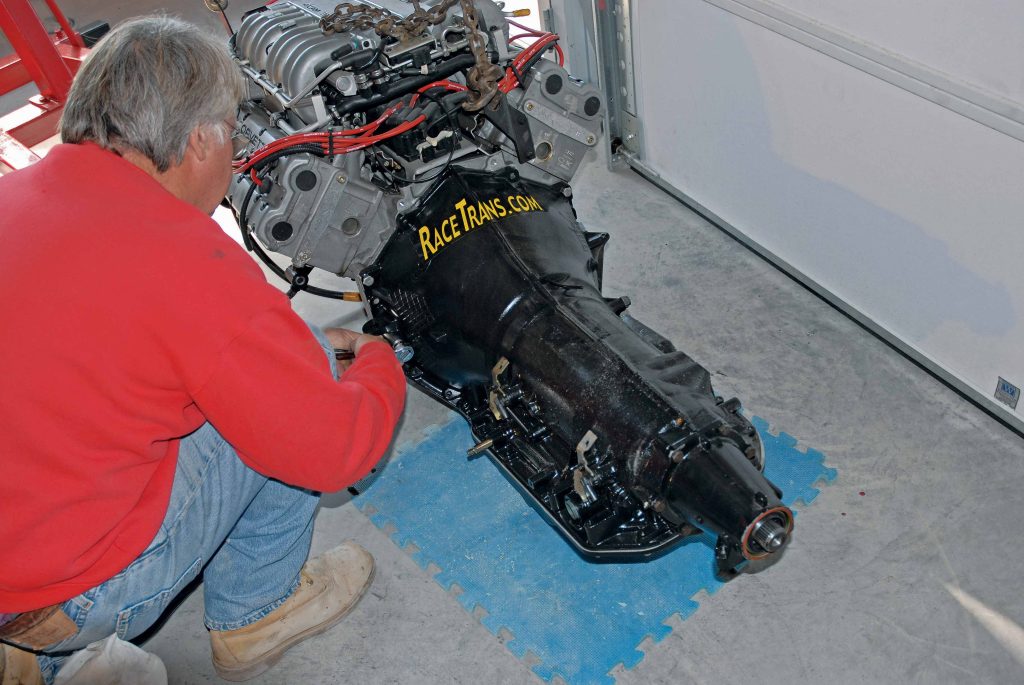
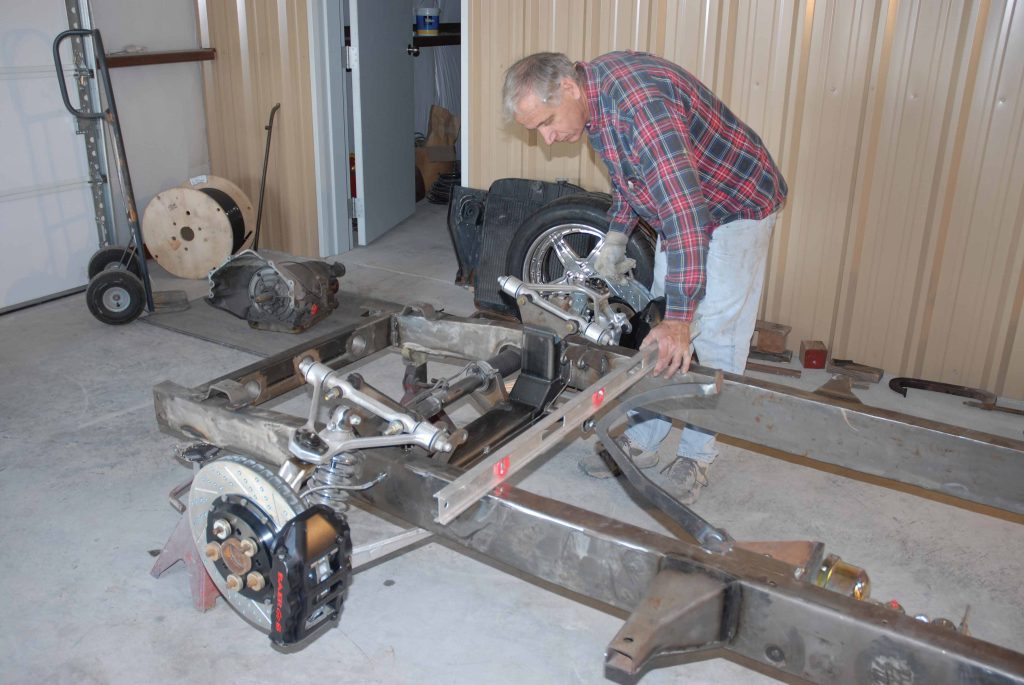
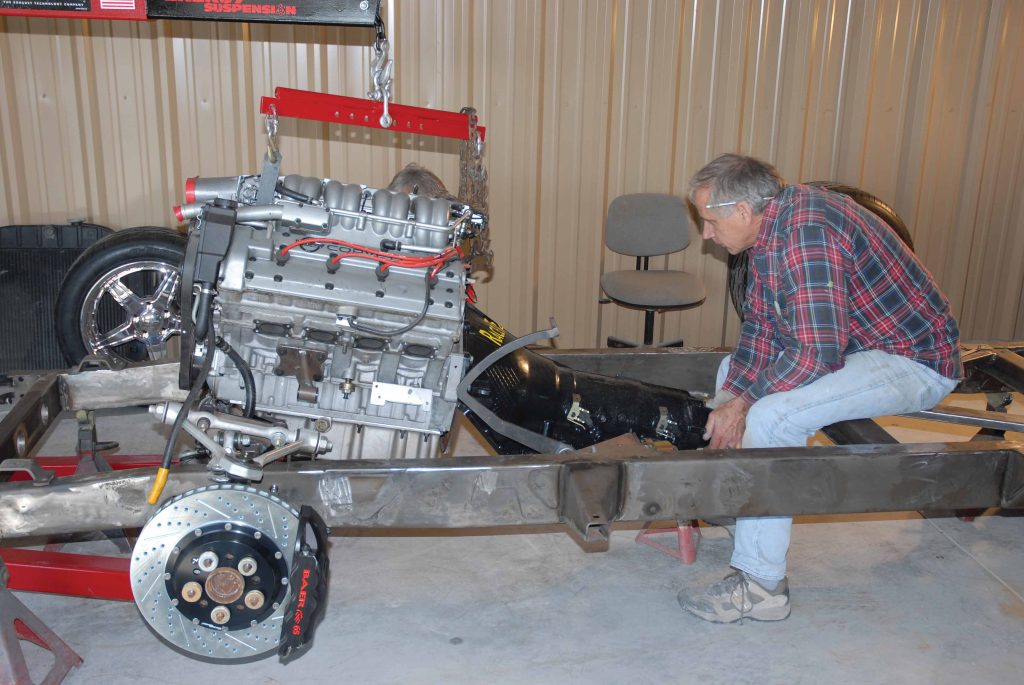
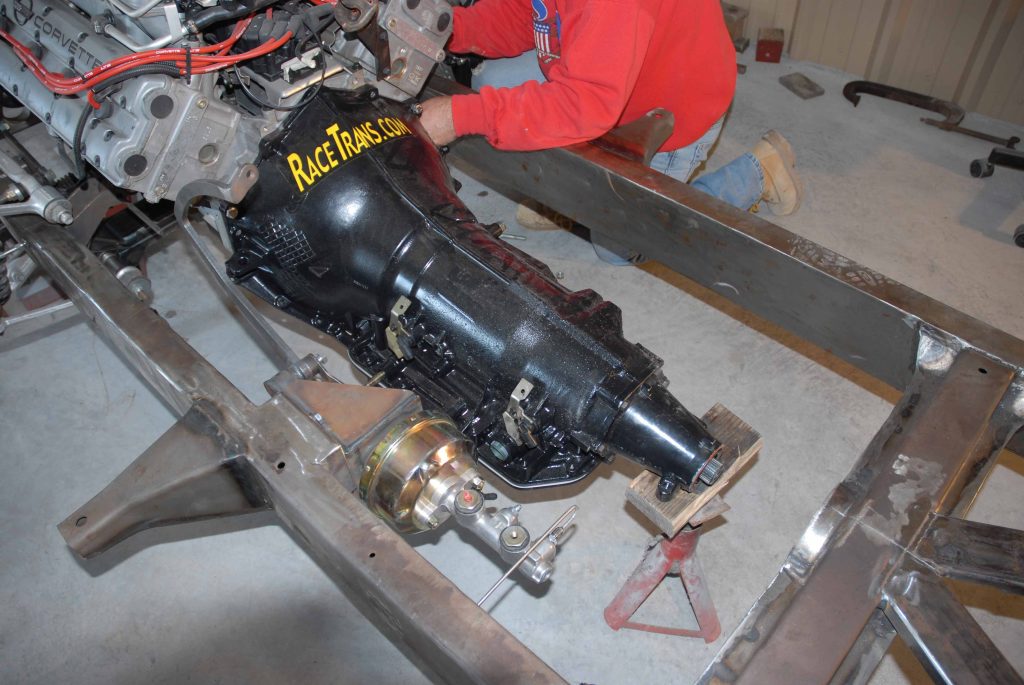
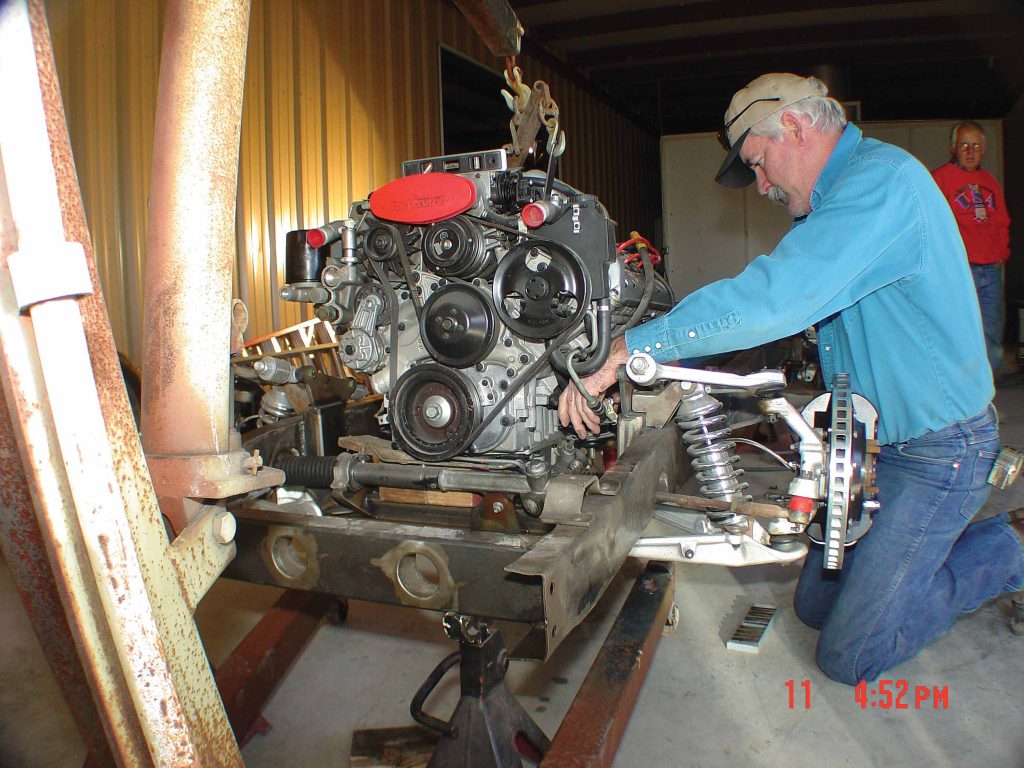
With that done, the time has come for the crew at Cimtex Rods in Jarrell, Texas, to actually install this potent ZR1/4L80E powertrain into the highly modified Flat Out Engineering/Corvette C4-equipped 1956 Chevrolet half-ton truck chassis. Of course, that required fabricating a new set of engine mounts, along with designing an adjustable transmission crossmember. Once the engine and transmission were securely in place, Tim and Darrell Cimbanin were able to have a custom aluminum driveshaft fabricated.
On paper it all sounded pretty good, but it would require a lot of time and thought, not to mention a generous supply of rectangular steel tubing, some flat stock and some round steel tubing.
“After we bolted the Corvette ZR1 engine and Jimmy G. 4L80E electronic overdrive transmission together, we lowered it into the chassis,” said Darrell Cimbanin. “Early on, we had decided that we would be setting the engine back in the chassis a total of 6 inches, not only for better weight transfer but also to allow sufficient room to house the Be Cool four-core aluminum radiator and twin electric fans, the Turbonetics-Spearco intercoolers and the twin Powerdyne BD11-A silent-drive superchargers.”
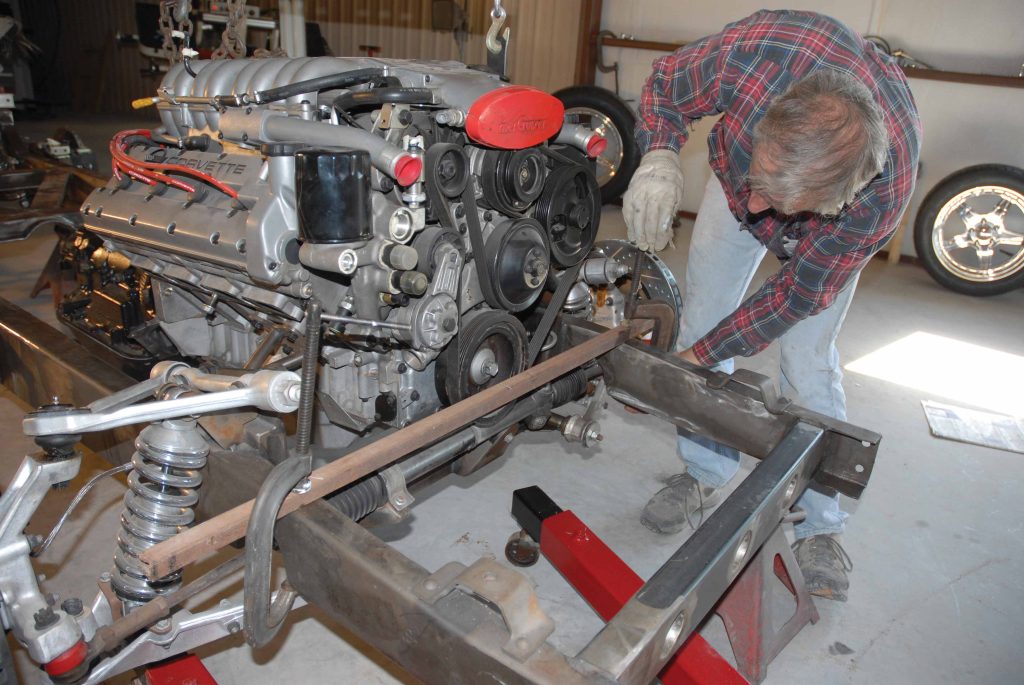
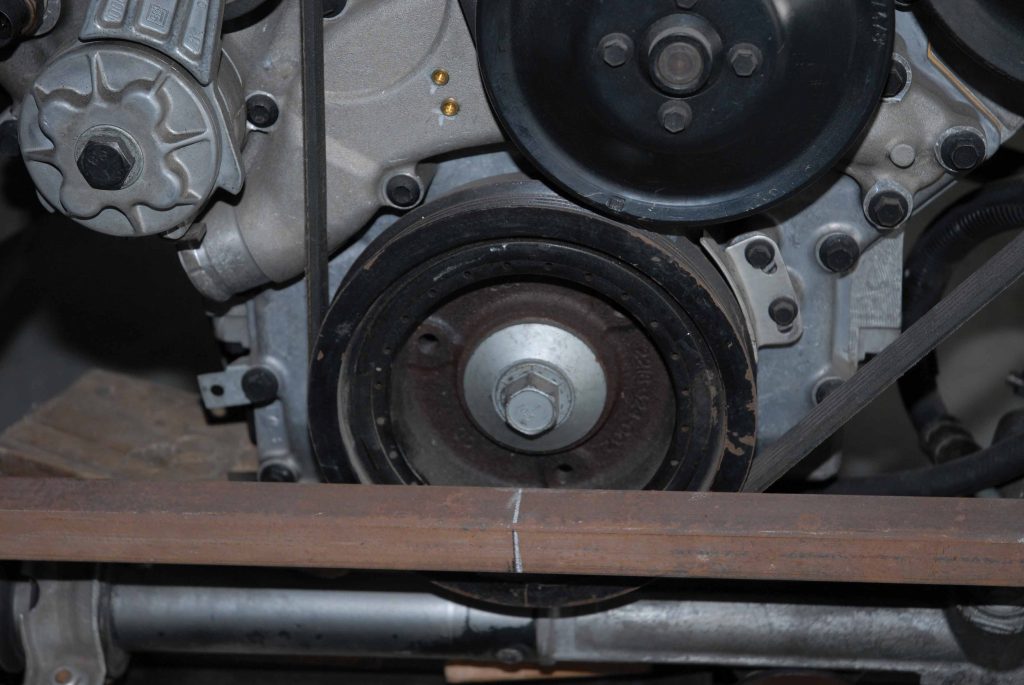
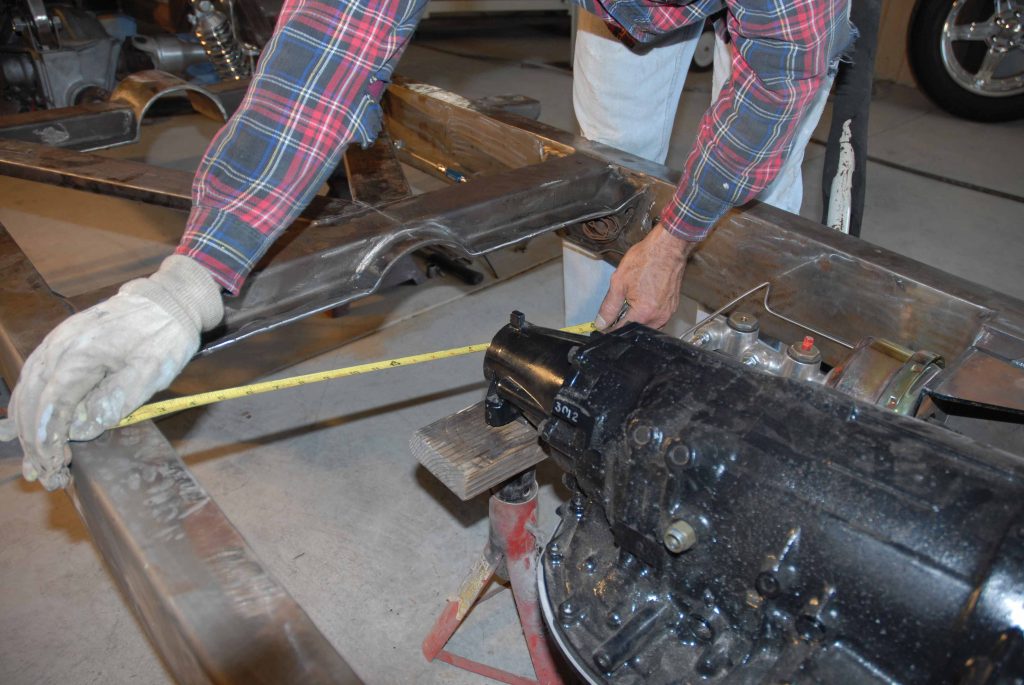
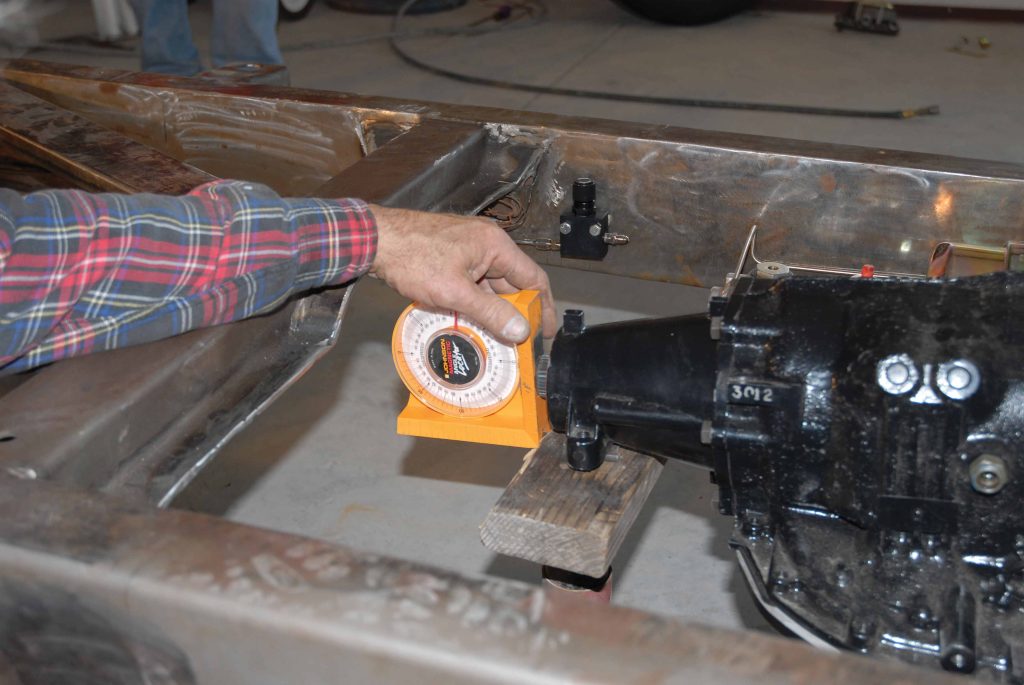
In order to accomplish this, the engine and transmission were first lowered into the chassis. Next the true centerline of the Corvette ZR1 engine was arrived at, using the crank bolt as a point of reference (15 inches center to center) and centering it between the front ?framerails. The centerline of the Jimmy G./GM 4L80E electronic overdrive transmission was likewise arrived at by measuring center to center off the tailshaft to the inside of the Super Cameo’s boxed-in framerails at 14-3/4 inches side to side.
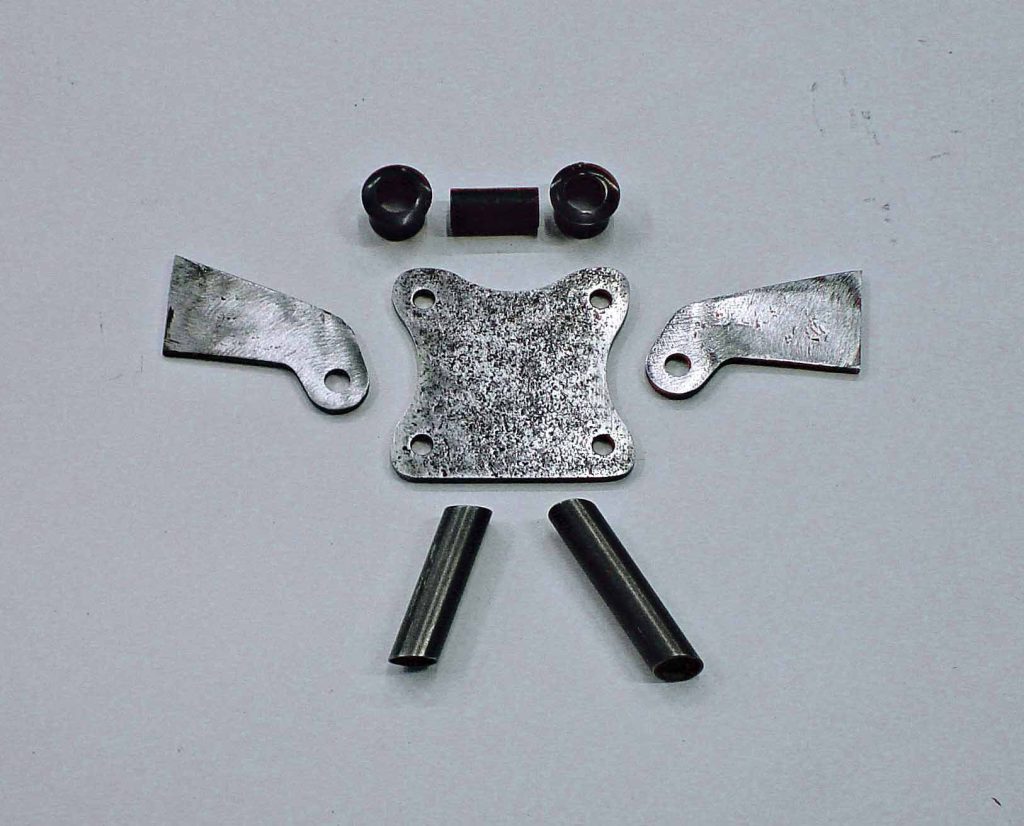
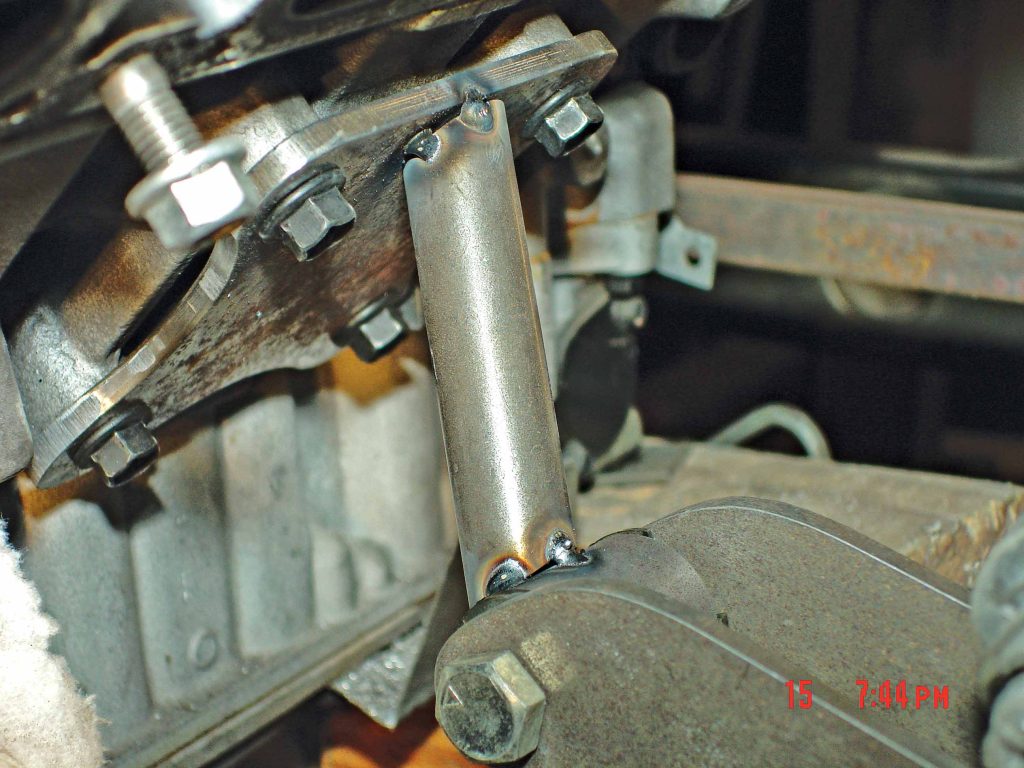
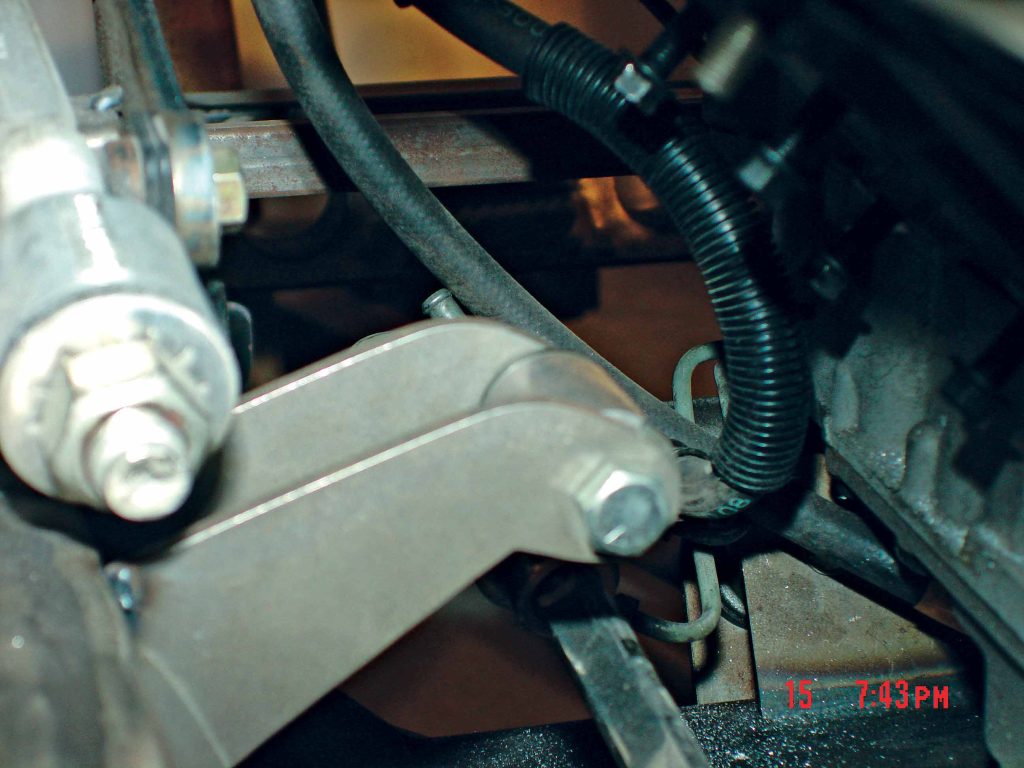
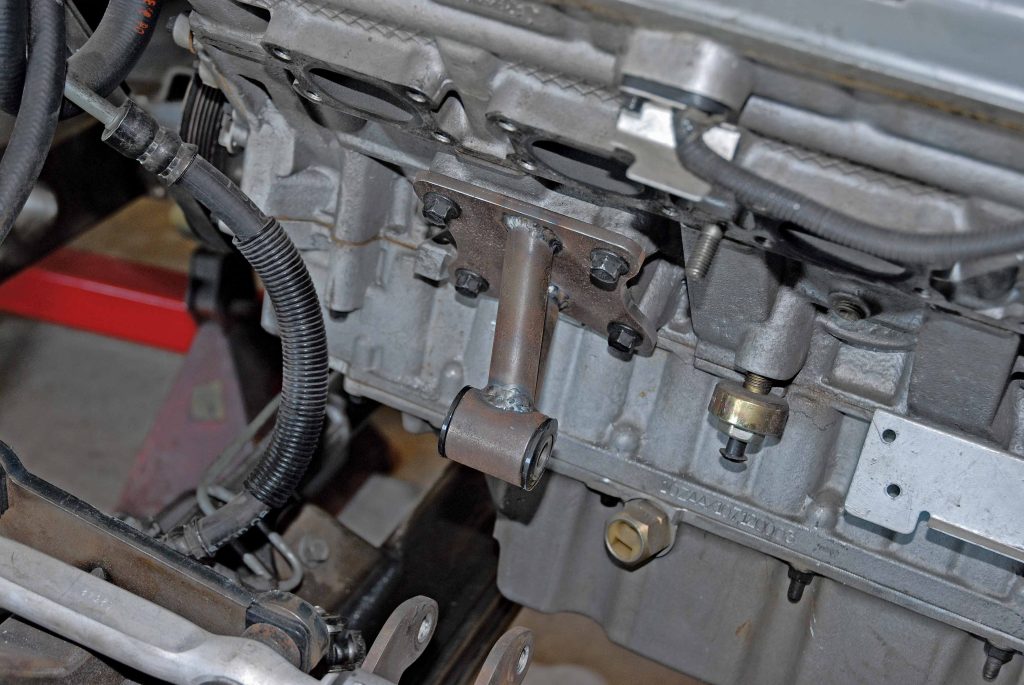
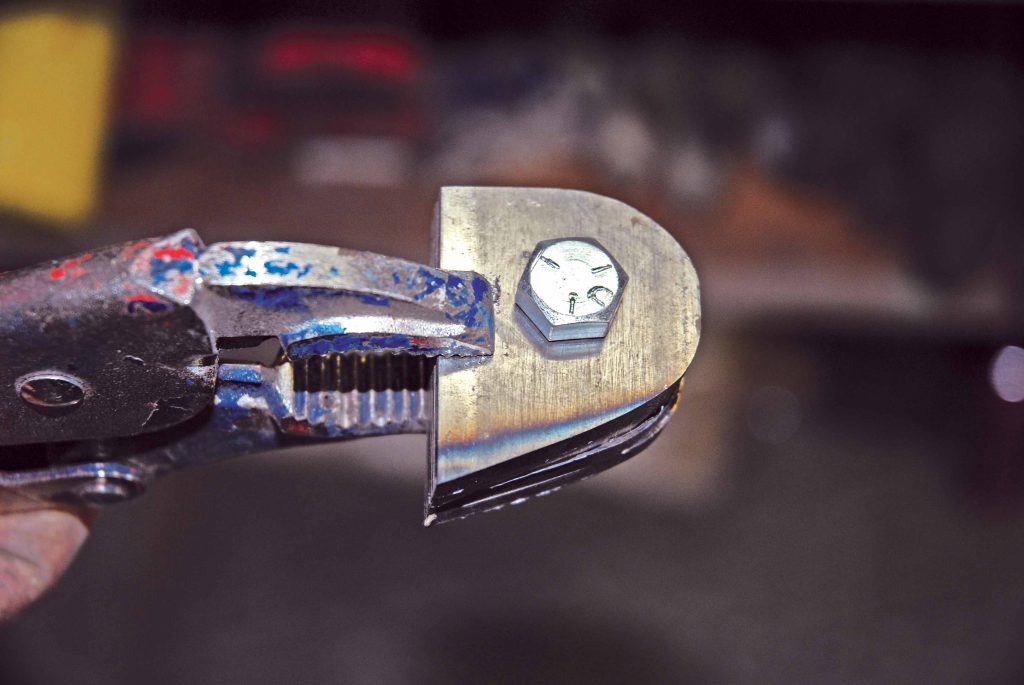
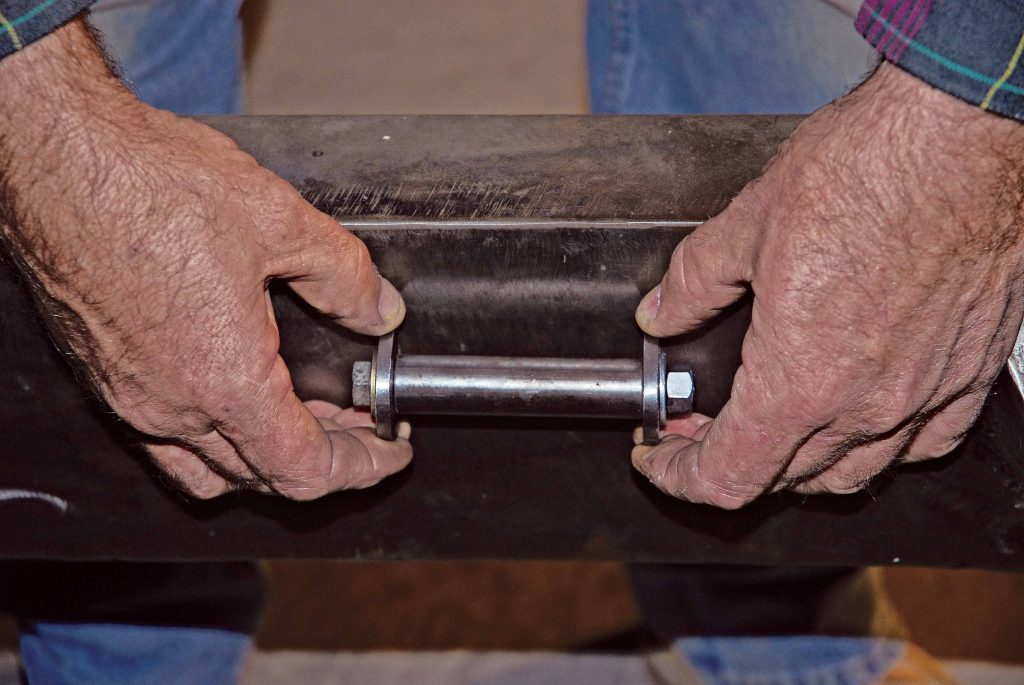
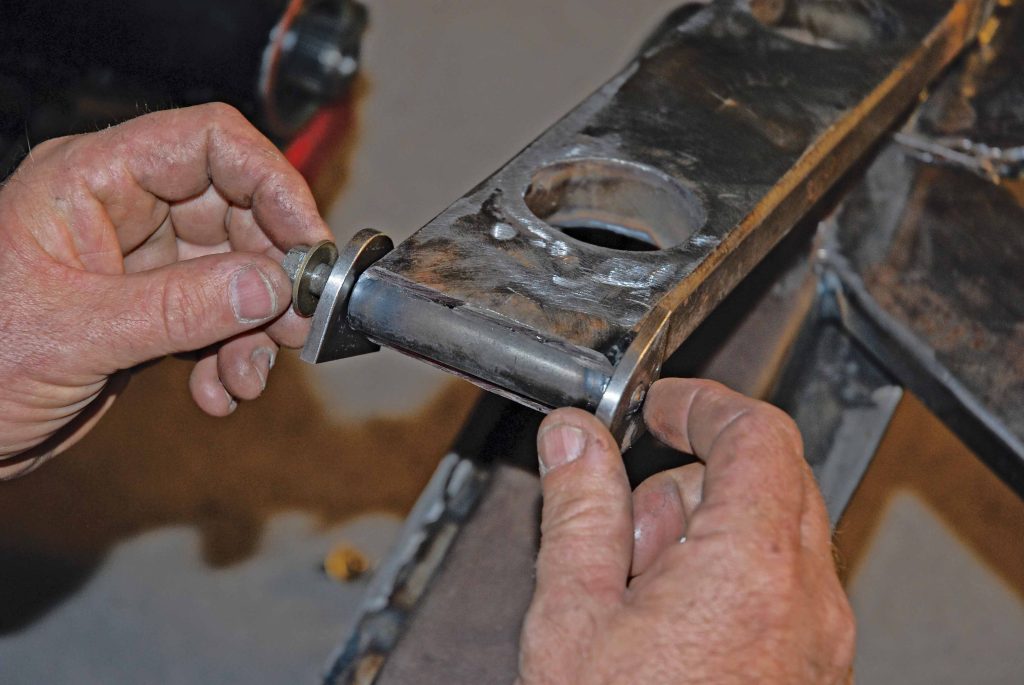
The actual motor mounts that secure this potent powerhouse in place consist of two pieces of rectangular 1/4-inch steel plates bolted to the engine using the OE Corvette ZR1 motor mount bolts. Welded to that are two 2-inch chromoly “fingers” in a “V” formation, welded to a piece of 1×1-inch round chromoly tubing with an Energy Suspension black graphite, polyurethane motor mount bushing pressed through it. These mounts bolt up to a pair of 1×2-1/2-inch mounting tabs welded to the inner rails of the chassis by a pair of 1/2×3-1/2×7/16-inch engine mounting bolts. It’s simple yet effective.
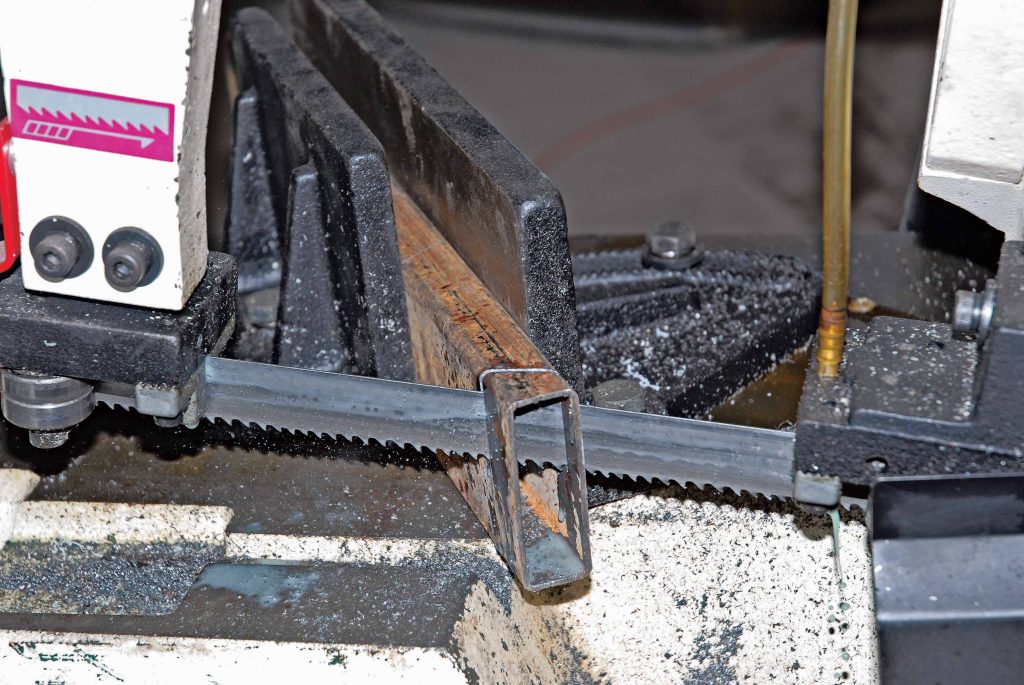
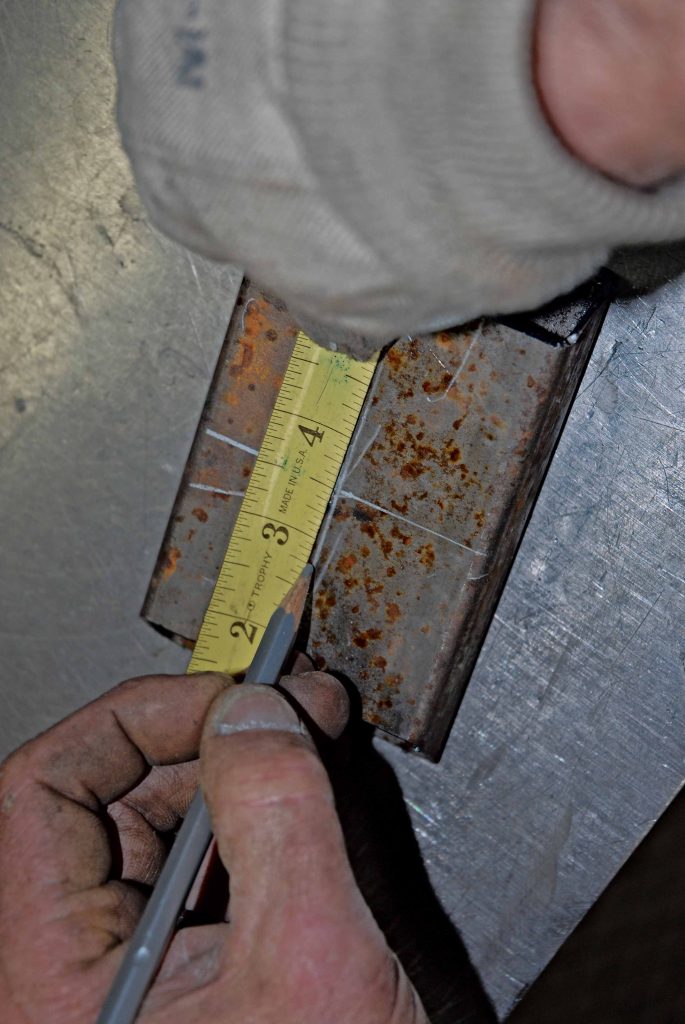
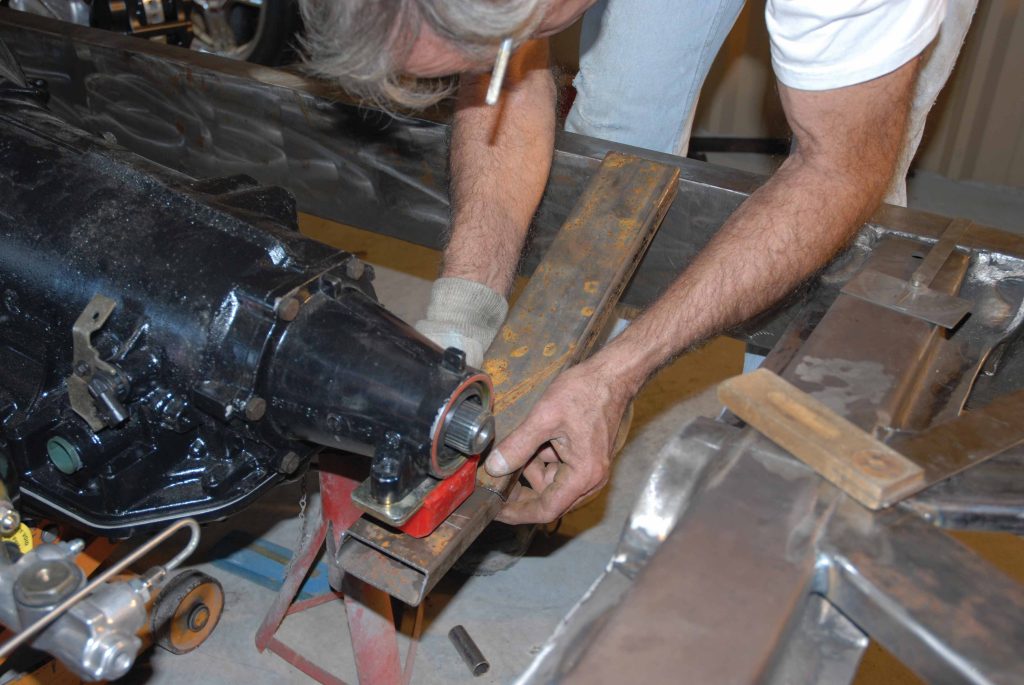
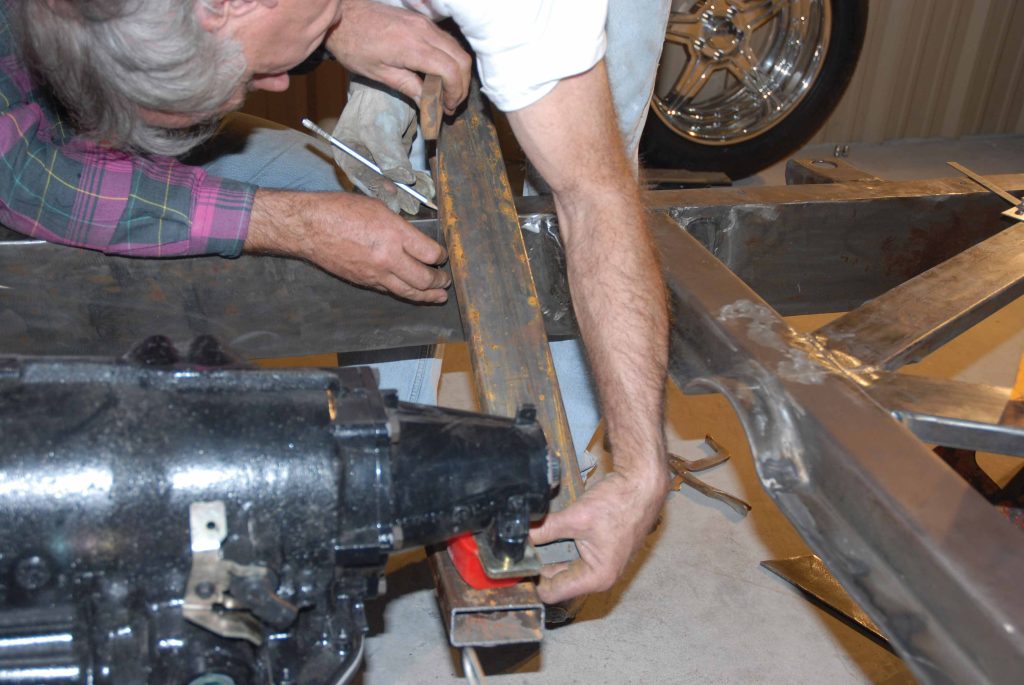
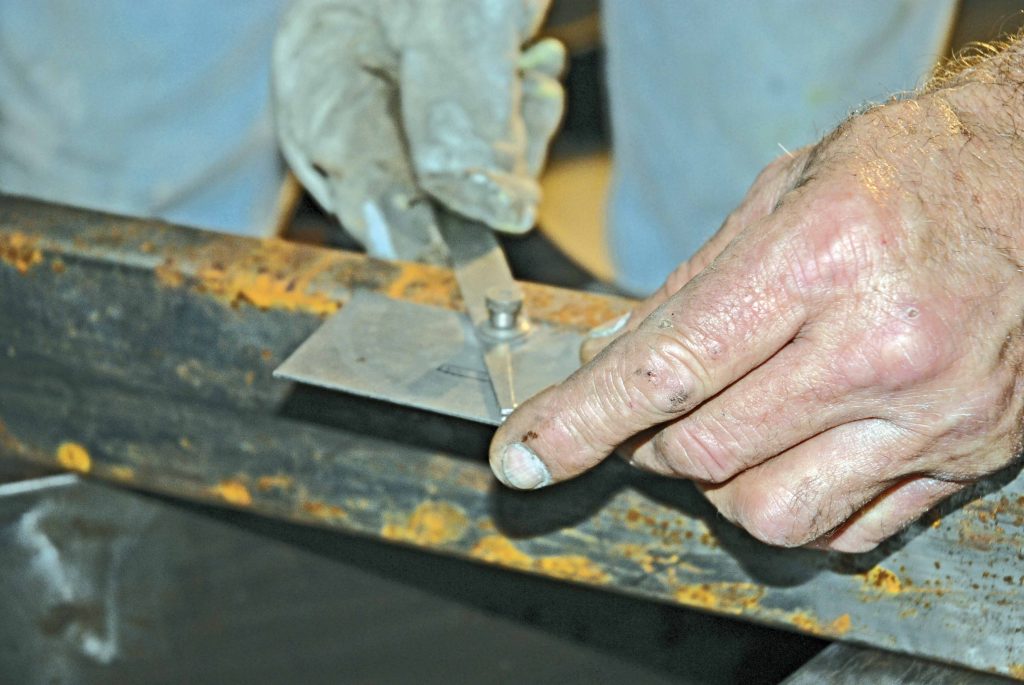
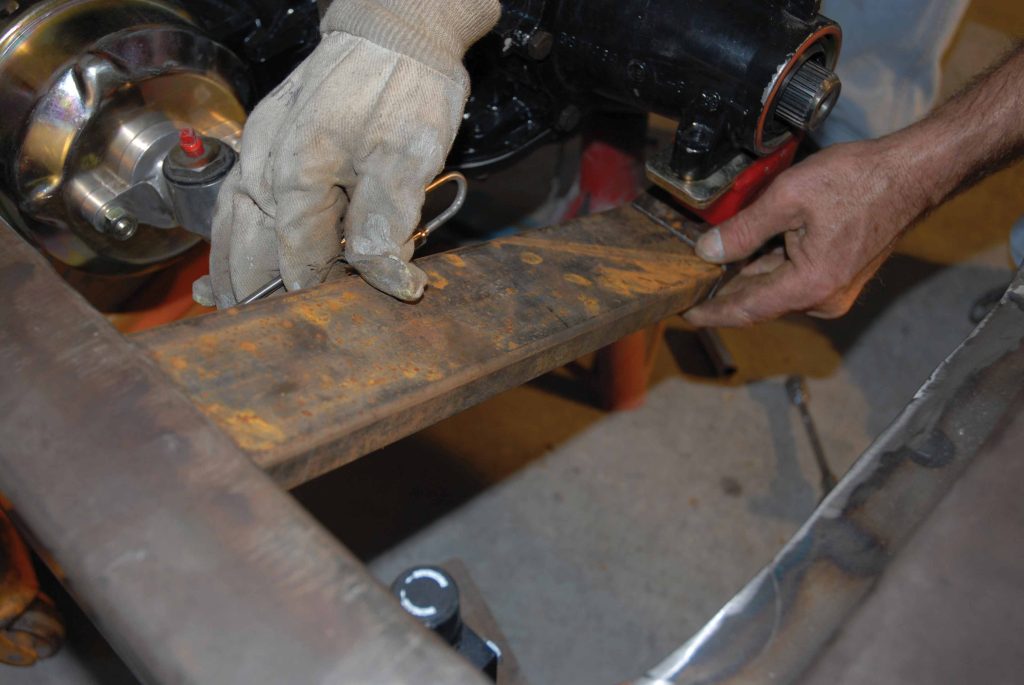
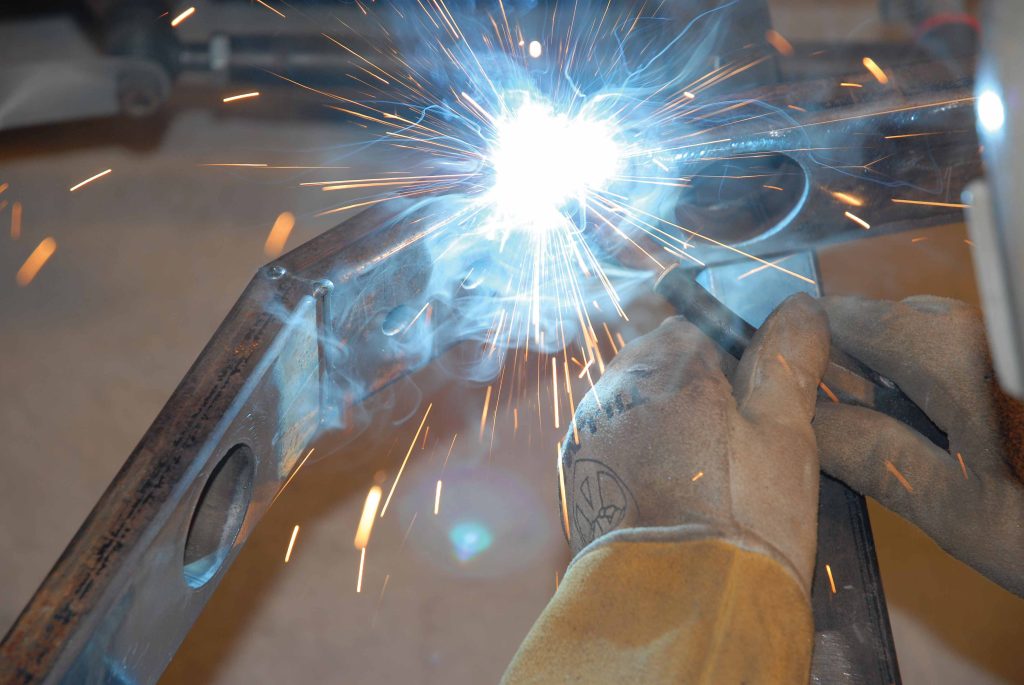
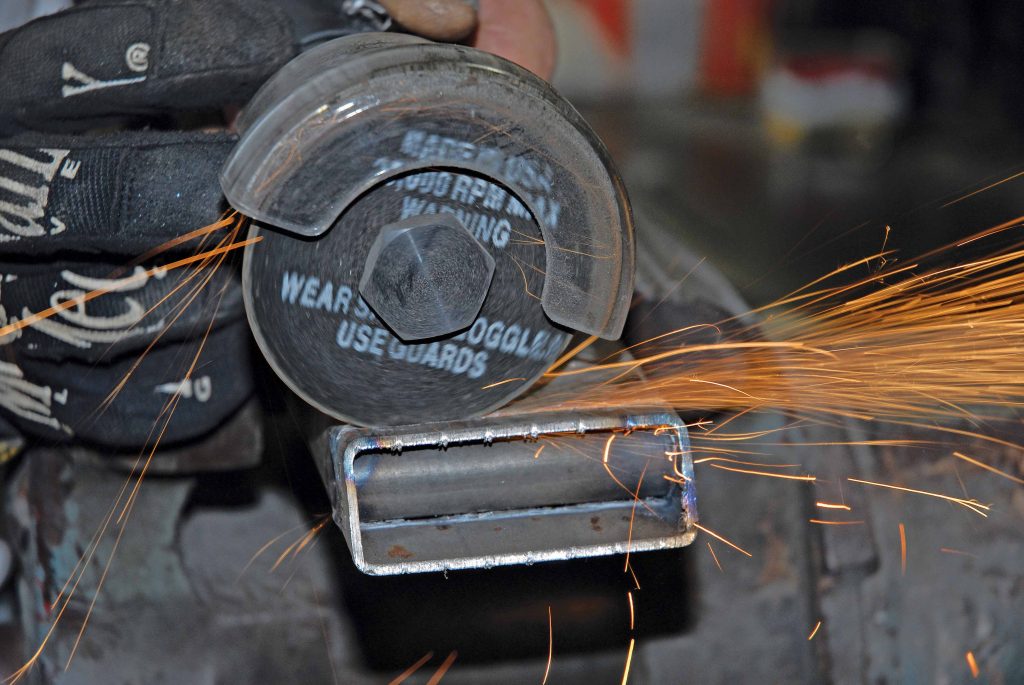
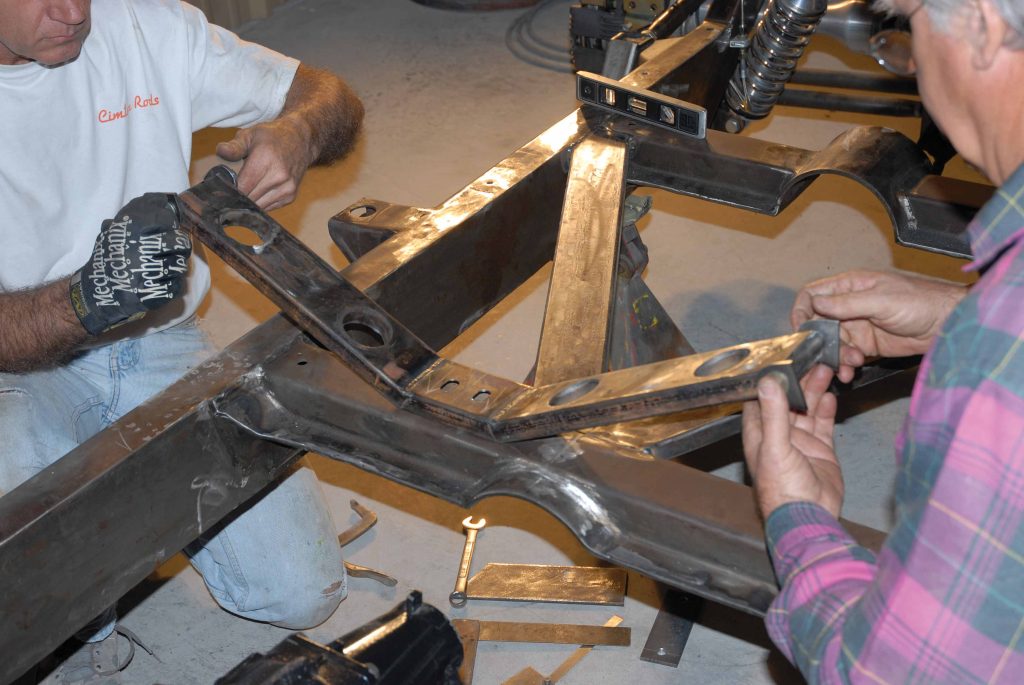
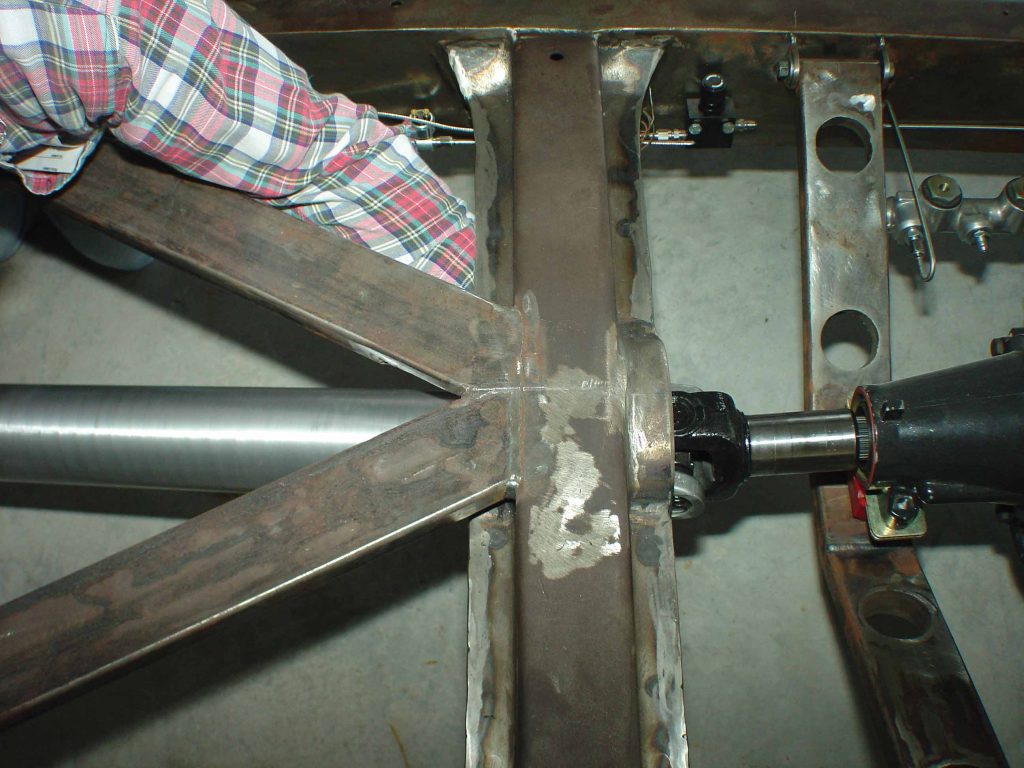
However, when it came to the transmission crossmember, things were a bit more complicated. From the get-go, several different transmission crossmember designs were discussed, including a trick sheetmetal design. But in the long run, something simple such as a 30-degree, U-shaped crossmember made out of a series of three pieces of 30-degree angle-cut, 1×3-inch rectangular box tubing measuring 13 inches on the side pieces and 5 inches on the center piece proved to be the most logical choice.
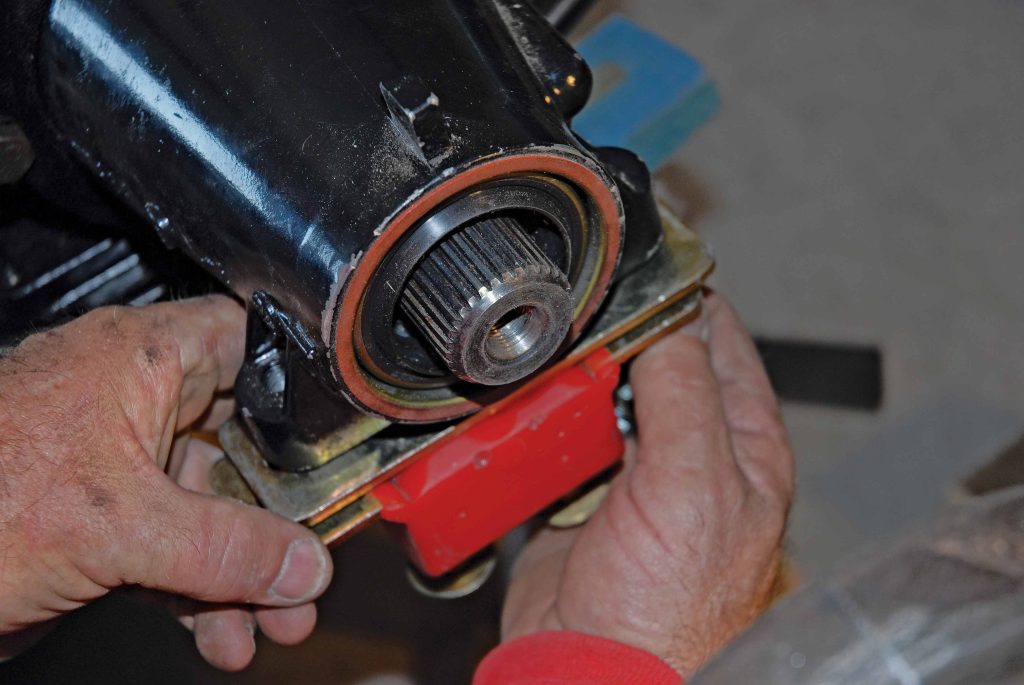
“The center of this mount (which uses an Energy Suspension-manufactured GM 4L80E isolator and polyurethane transmission mount, part No. 31108G) is slotted a total of 1-1/2 inches so that you can run a number of GM electronic overdrive transmissions, although we’re sticking with the GM 4L80E,” said Cimbanin.
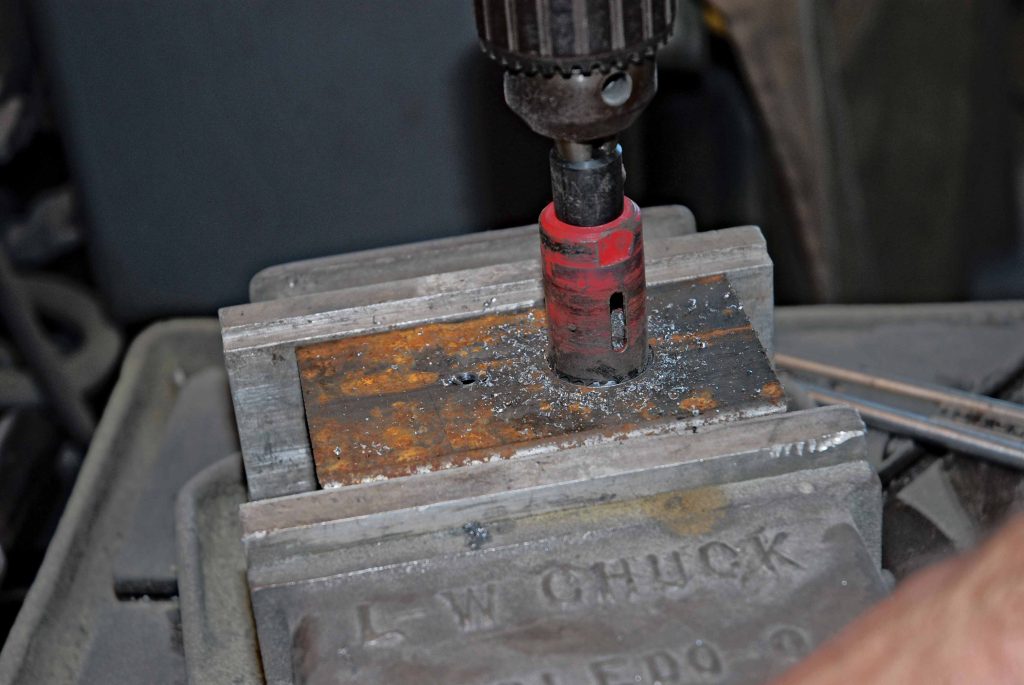
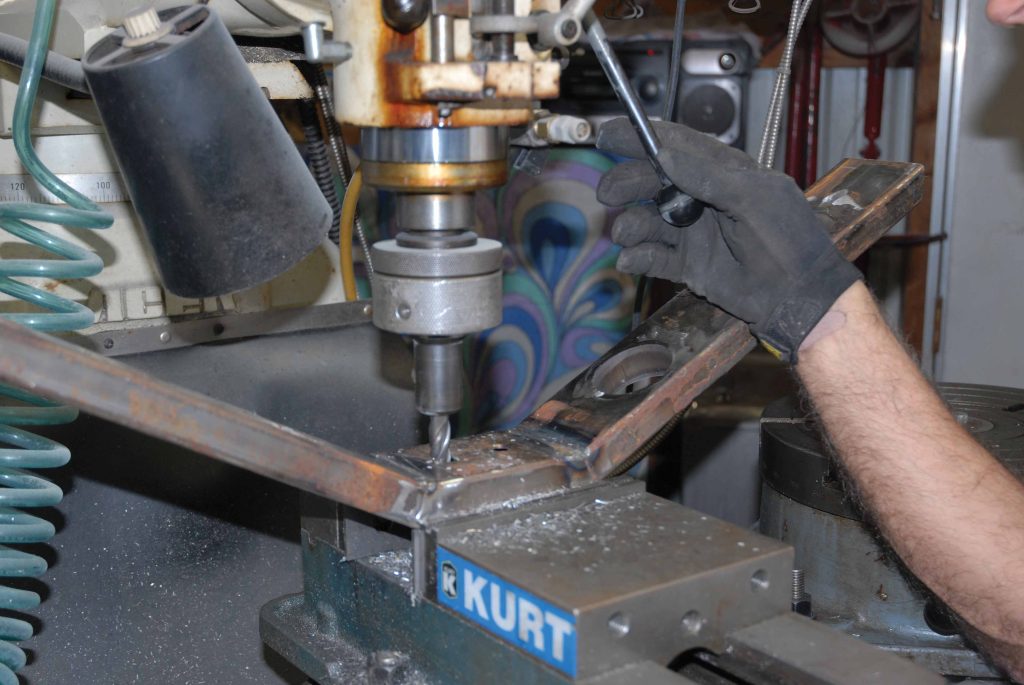
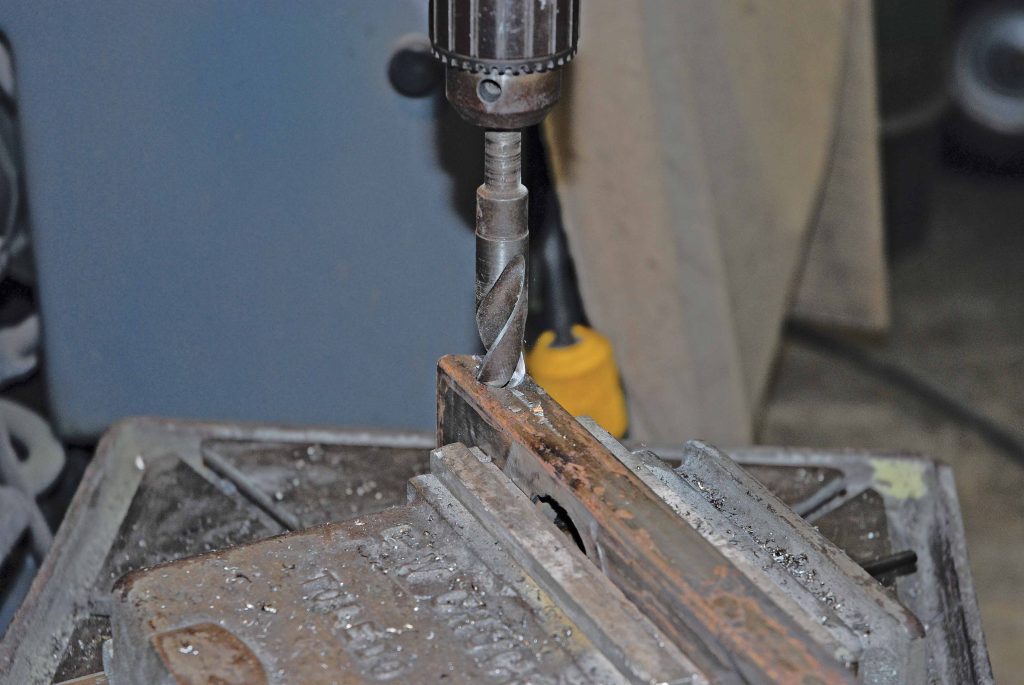
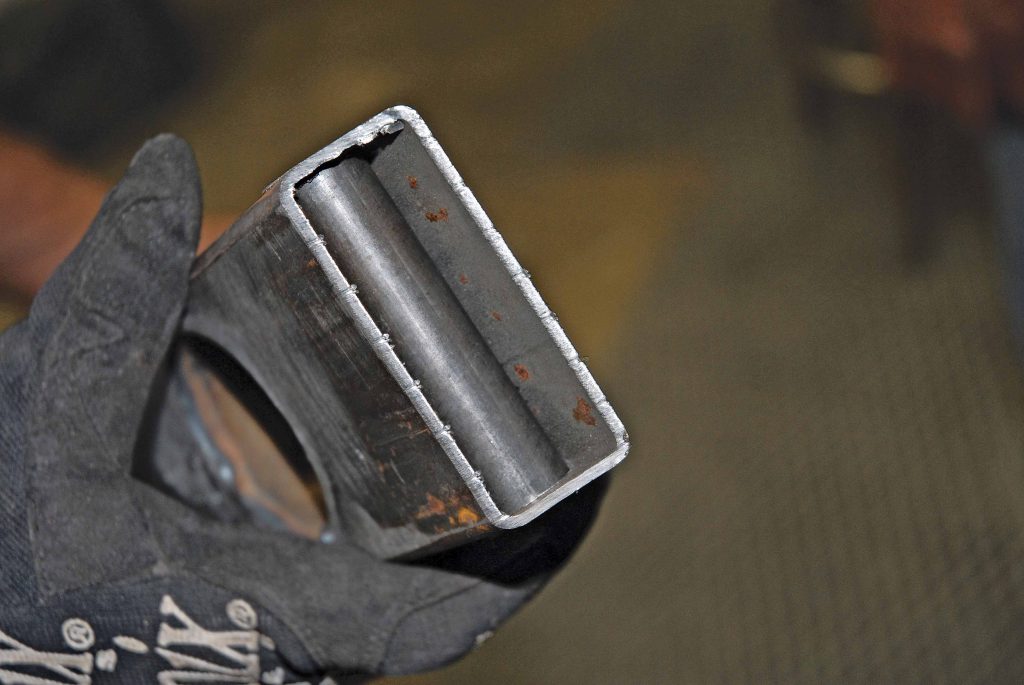
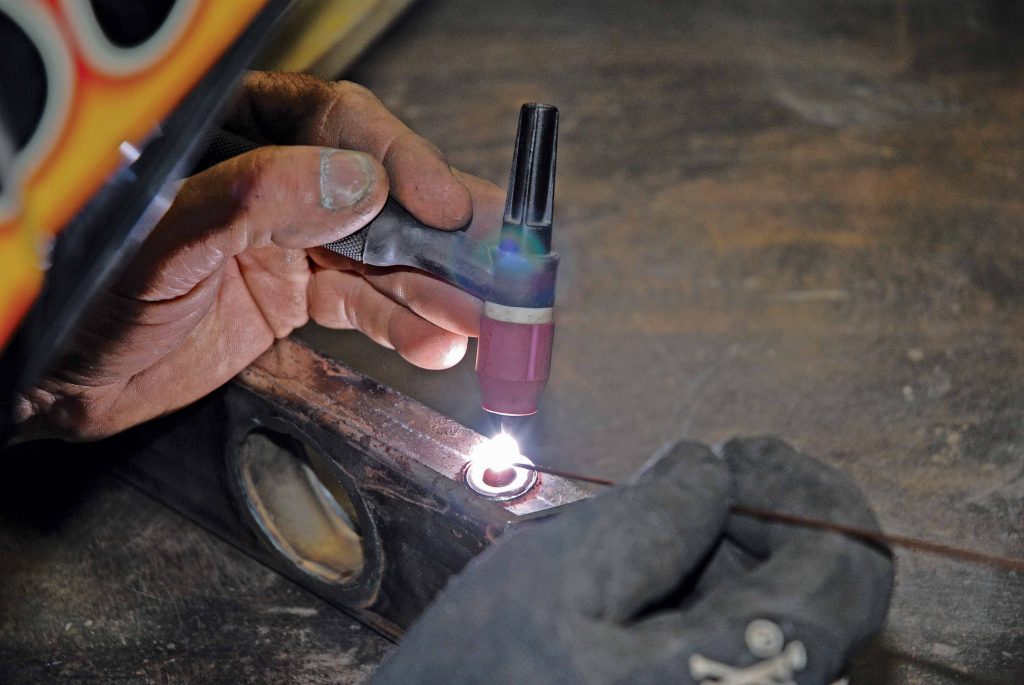
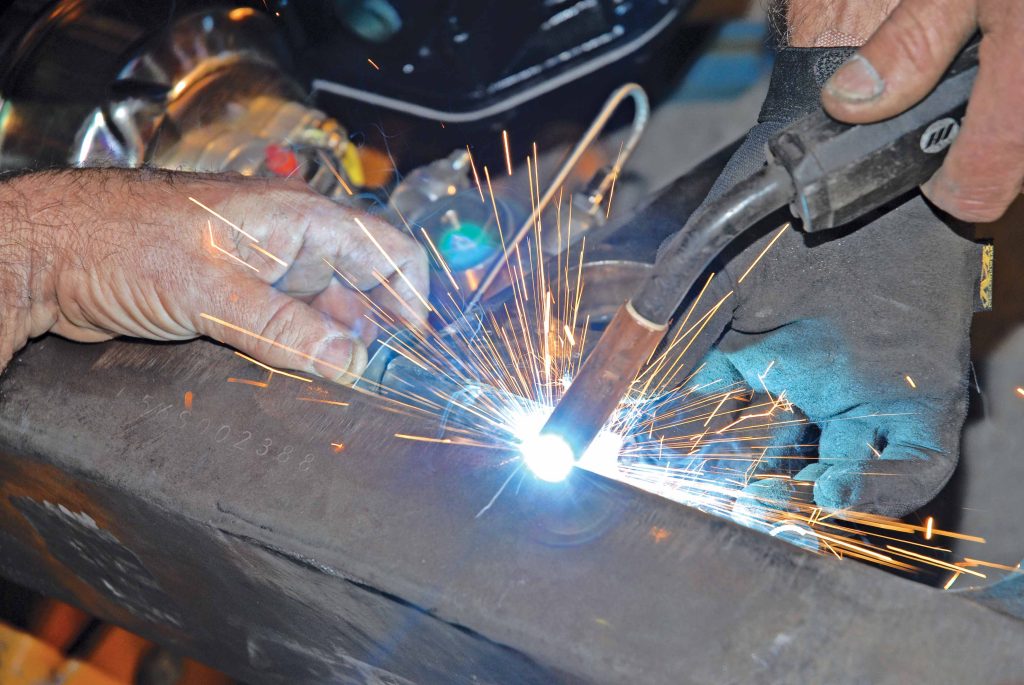
“We’ve also made this mount totally removable. Welded to each end of the crossmember is a piece of 3-inch steel tubing. The mount is bolted up to the chassis via a pair of 3/8x4x7/16-inch bolts secured to the chassis by a pair of custom-fabricated 1-1/2×2-inch mounting tabs. We’ve also placed a series of three 1-1/2-inch holes finished off with 1-1/2-inch-diameter round tubing welded in place. These holes not only improve the appearance of the transmission mount, but they also give it added strength!”
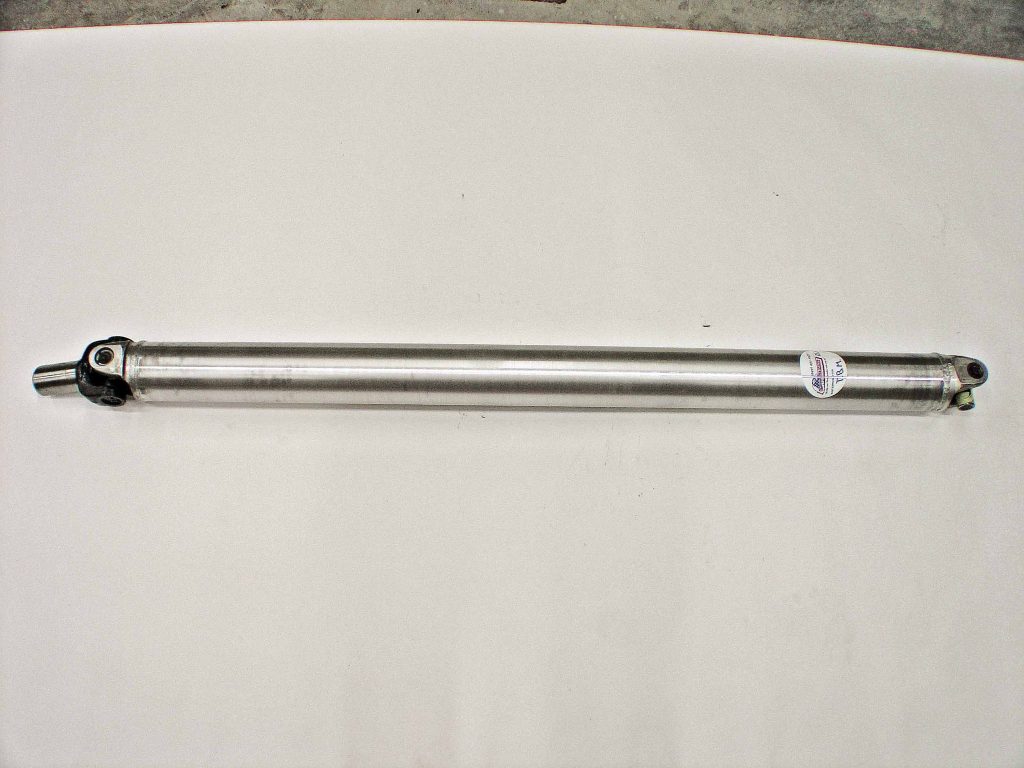
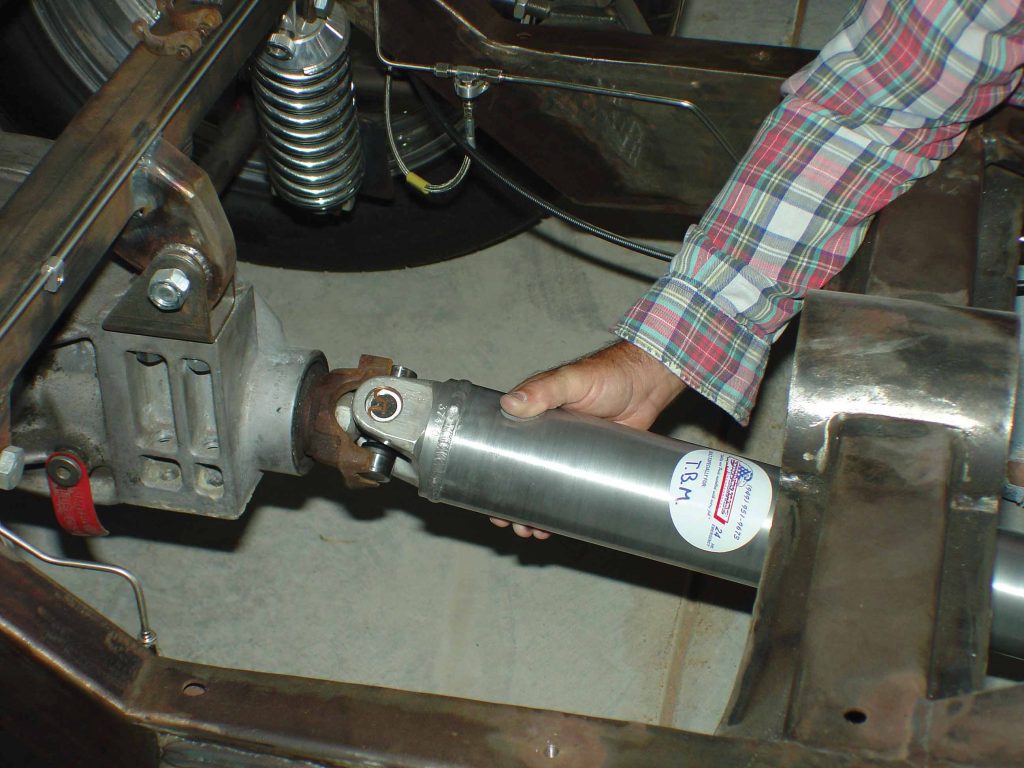
When it came to fabricating the fully balanced custom aluminum driveshaft, the Cimbanins contacted Wade King at Irvine, California’s Drivelines Inc. and ordered a unit measuring 51 inches in length that utilizes a GM 4L80E yoke on one end and an SAE-grade, 3/8-inch U-joint on the other. Since this driveshaft is manufactured out of aluminum, it’s not only lightweight but can also be show polished!
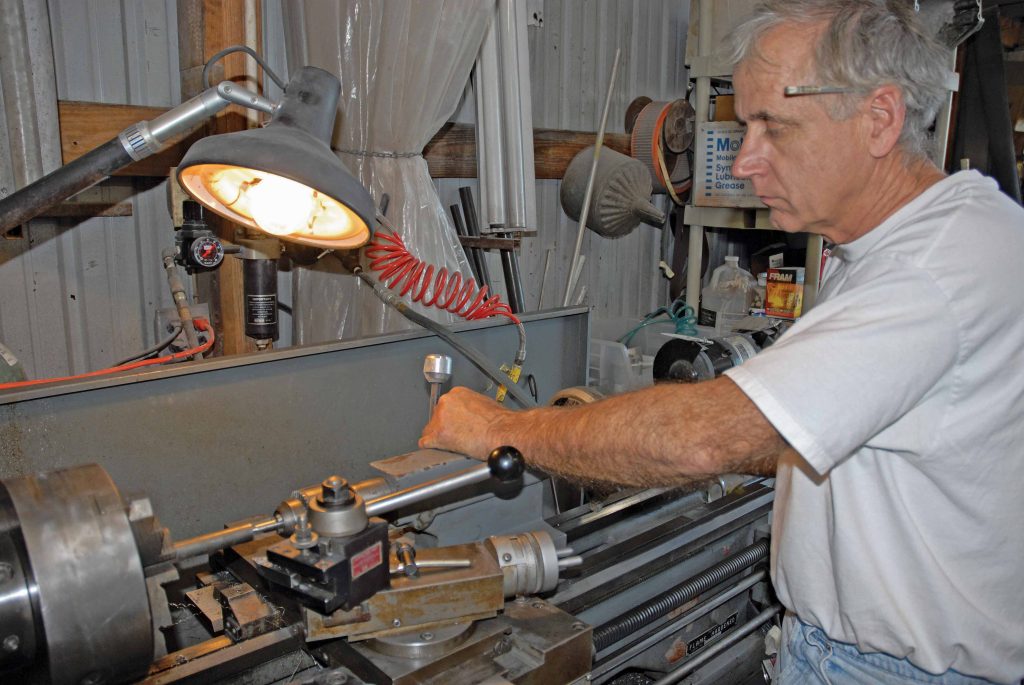
Now follow along with us as Cimtex Rods’ Tim and Darrell Cimbanin and fabricator Creighton “The Real Deal” Deal show us how it’s done!
In Part VII we will be covering the fuel tank and the fuel system, the supercharger and the intercooler installation. Stay tuned. TB