




THE AUTO BUILDER
Featured

MAKING GAS
Alternative-fuel sources and hybrid cars are all the rage today. Everyone from major automakers to backyard inventors is pursuing alternative fuels and energy sources. While the ultimate goal is generally to eliminate dependence on foreign oil, for hot rodders there is also the desire to invent and create a better-performing engine.

HARD CHARGER
We were talking to Devin Meucci when the topic came up about how difficult it is to find a ’69 Dodge Charger in Southern California, because most were gobbled up by the studio when “The Dukes of Hazzard” show was on television. I also mentioned that two of my friends were in charge of the transportation department of the show when the cars were being scrapped out, and described how they made the 383 and 440 engines available to members of my car club. Meucci said he and his brother watched the show religiously, and that’s when their love for Chargers began. Fortunately, in Washington state, Chargers were plentiful, so, in 1990 his brother bought a matching-numbers ’69 RT/SE. Two years later, Meucci purchased his own Charger and drove it in high school during his senior year, and to college after that.
SUPERBIRD REBIRTH
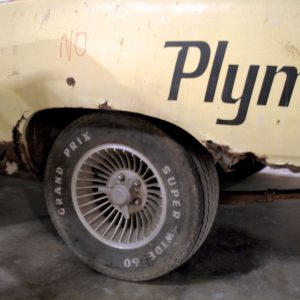
In 1970 Plymouth introduced the Superbird. It was equipped with an aerodynamic nose, a shape that was ahead of its time, and it had a ridiculously high wing that gave it track performance and a unique trademark. Only in 1970 were the Superbirds produced, and a mere 1,920 left the factory. Of those, 23 percent were painted Lemon Twist.
Spotlighter
POPULAR READS
-
The Auto Builder’s Hottest Product Picks from The Triple Crown of Rodding 2026
-
Product Spotlight: Bill Mitchell Products Aluminum LS Engine Block
-
PRODUCT SPOTLIGHT: 60-66 Chevy C10 Fresh Air Vent Block Off Plate
-
Product Spotlight: Pyramid Optimized Design Sequential Aurora Taillight for 1964½–1966 Mustang
Bonneville: The Final Frontier
America’s Last Untamed Race Track
Author
Tim Gavern
Words & Photography
Why You Just Have to Go to Bonneville
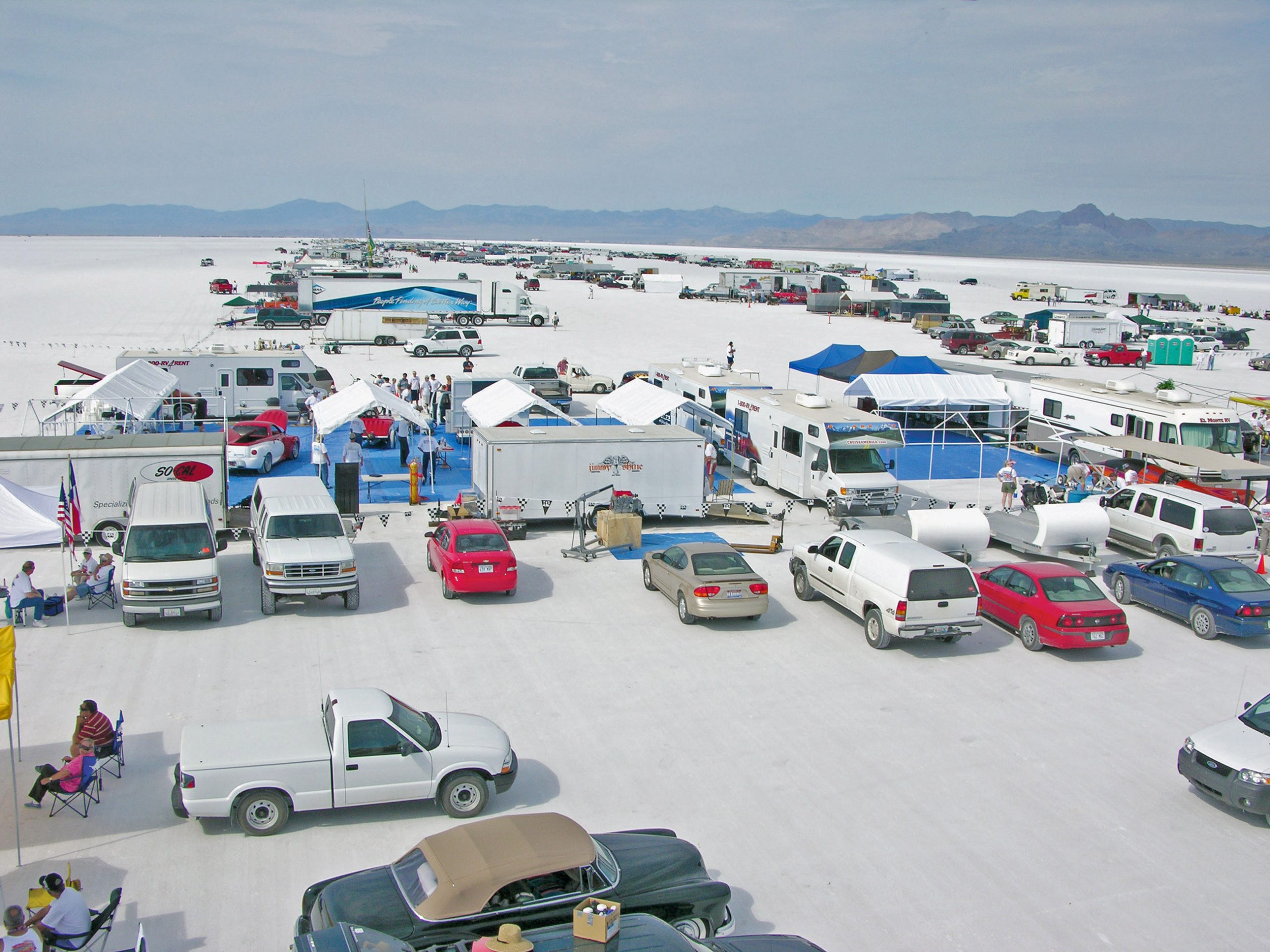
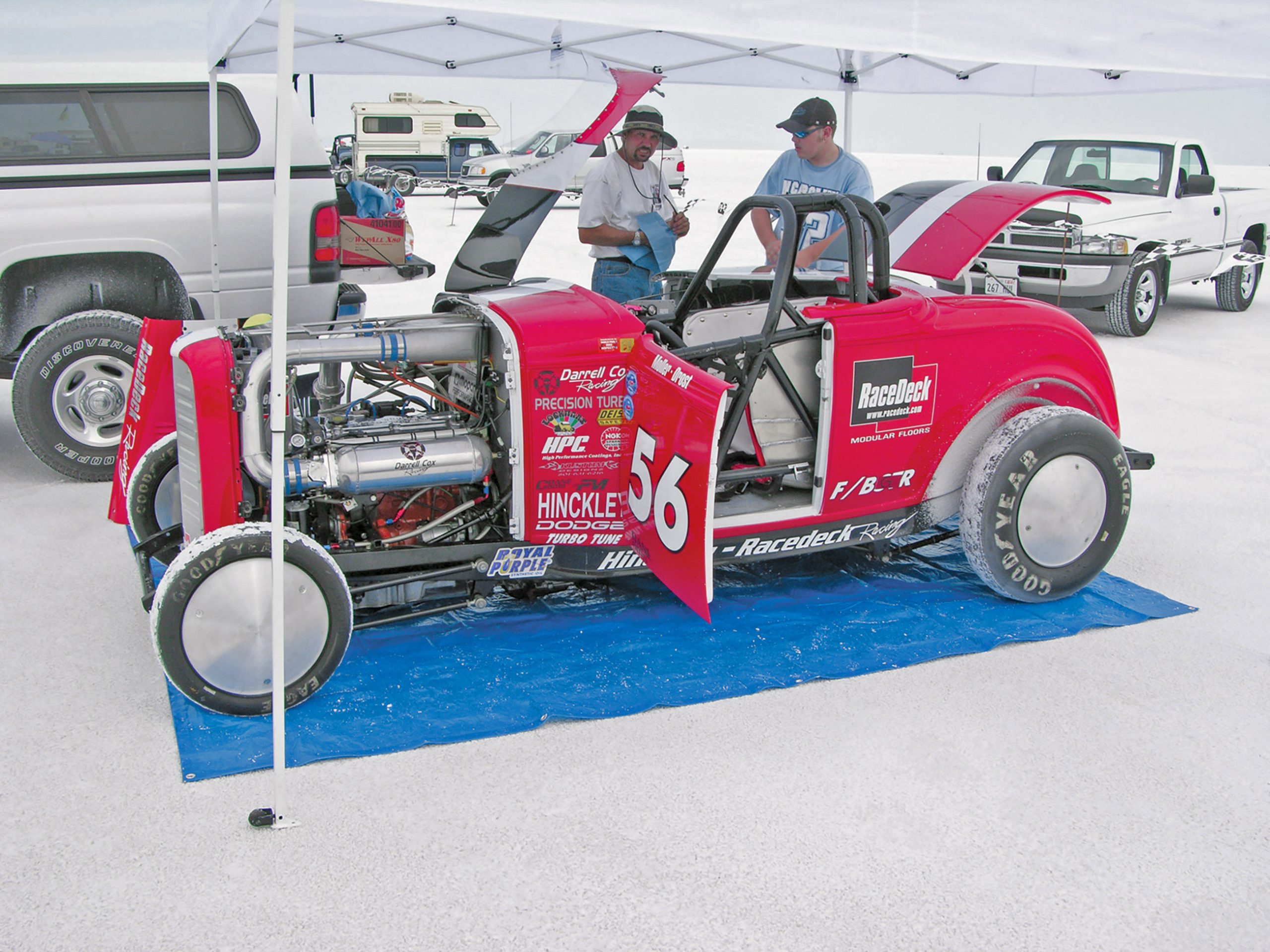
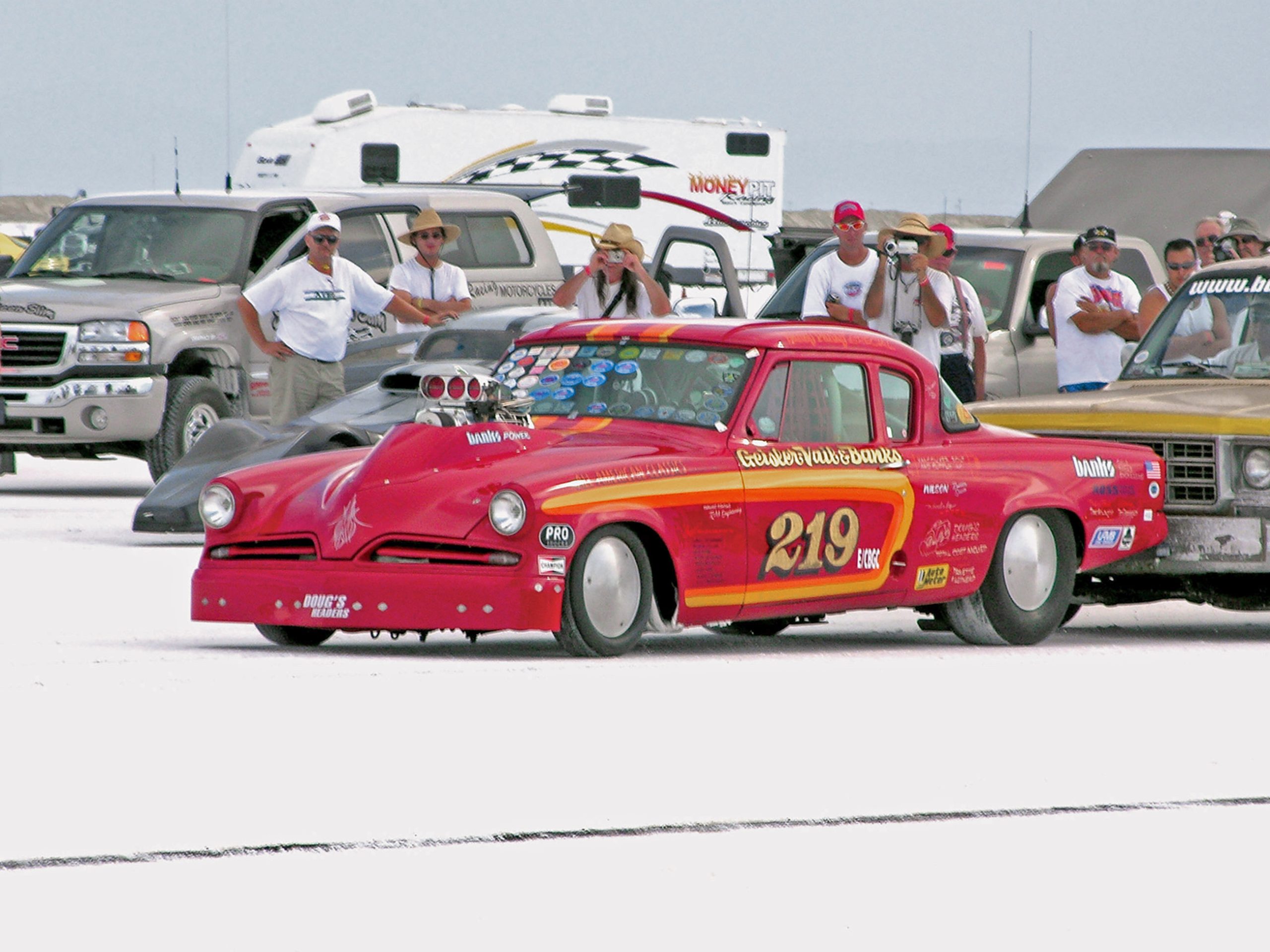
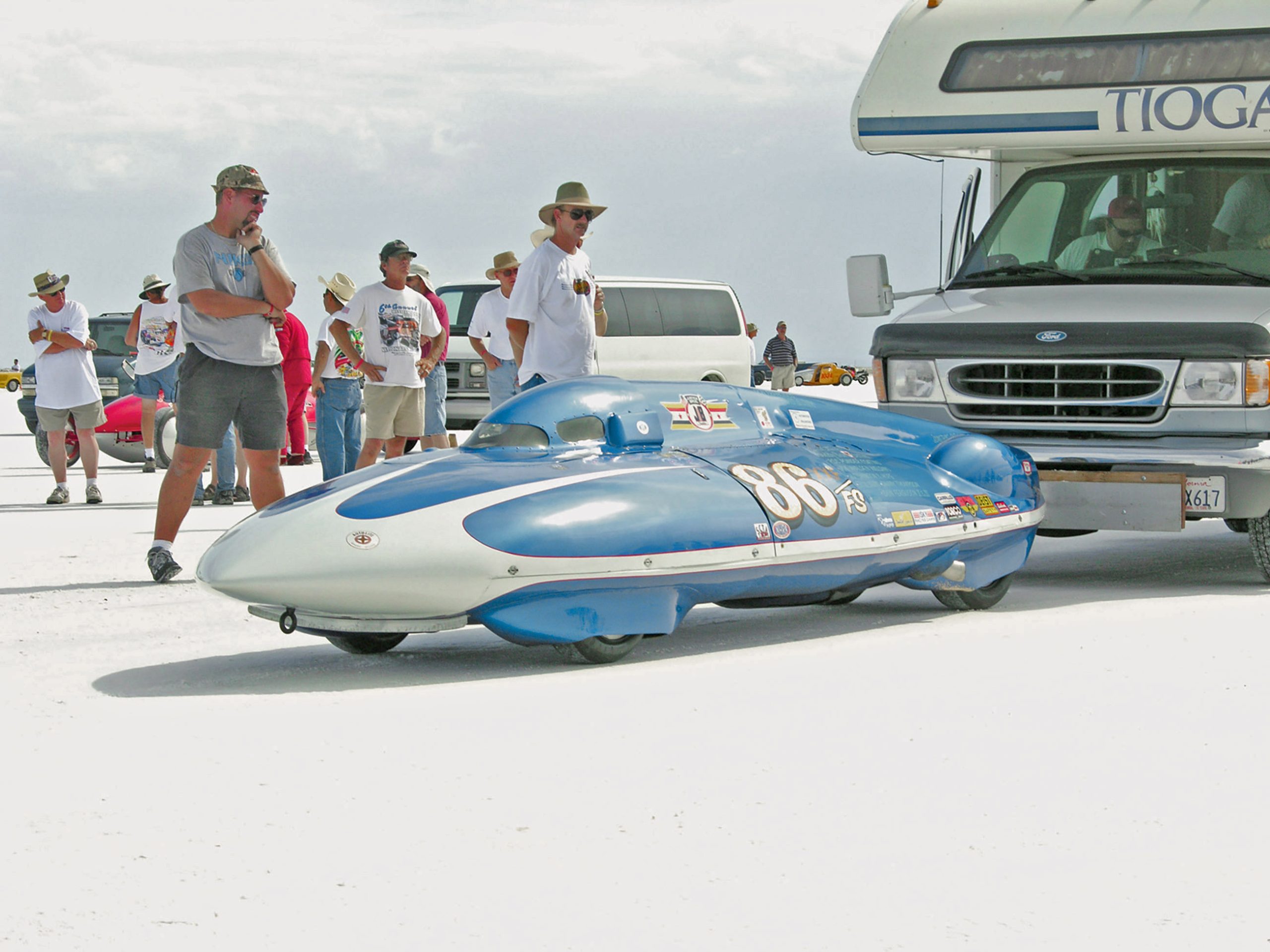
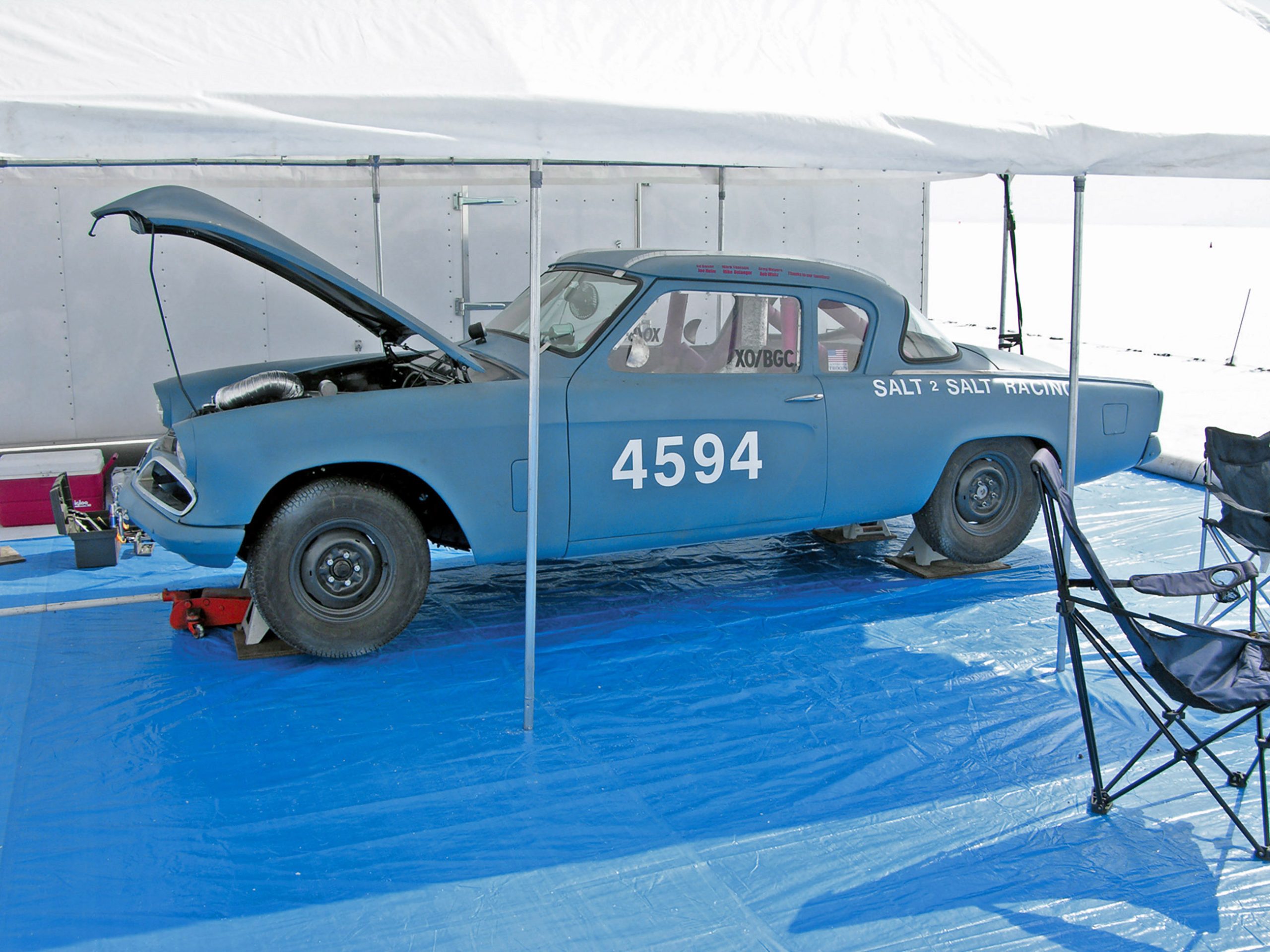
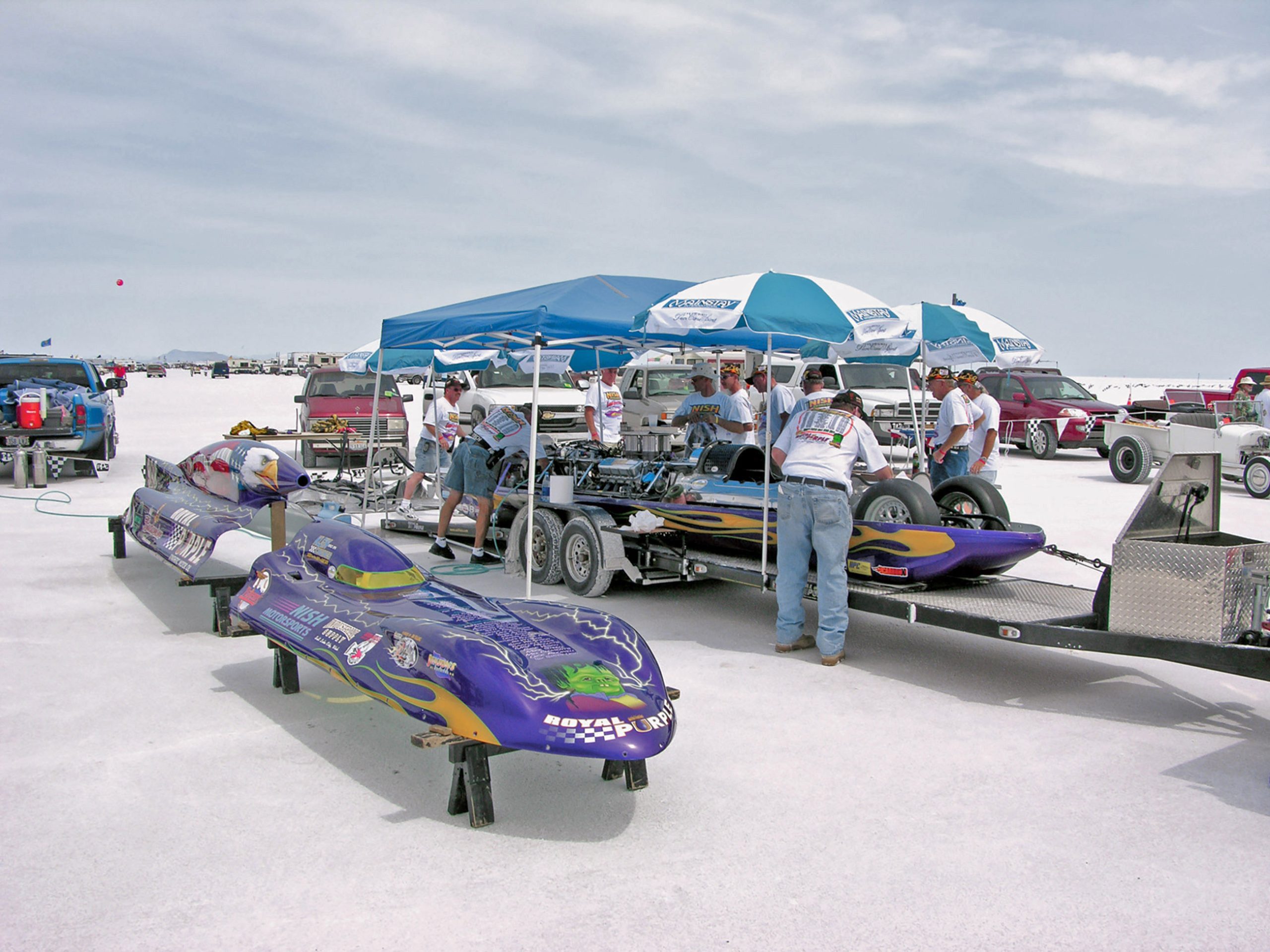
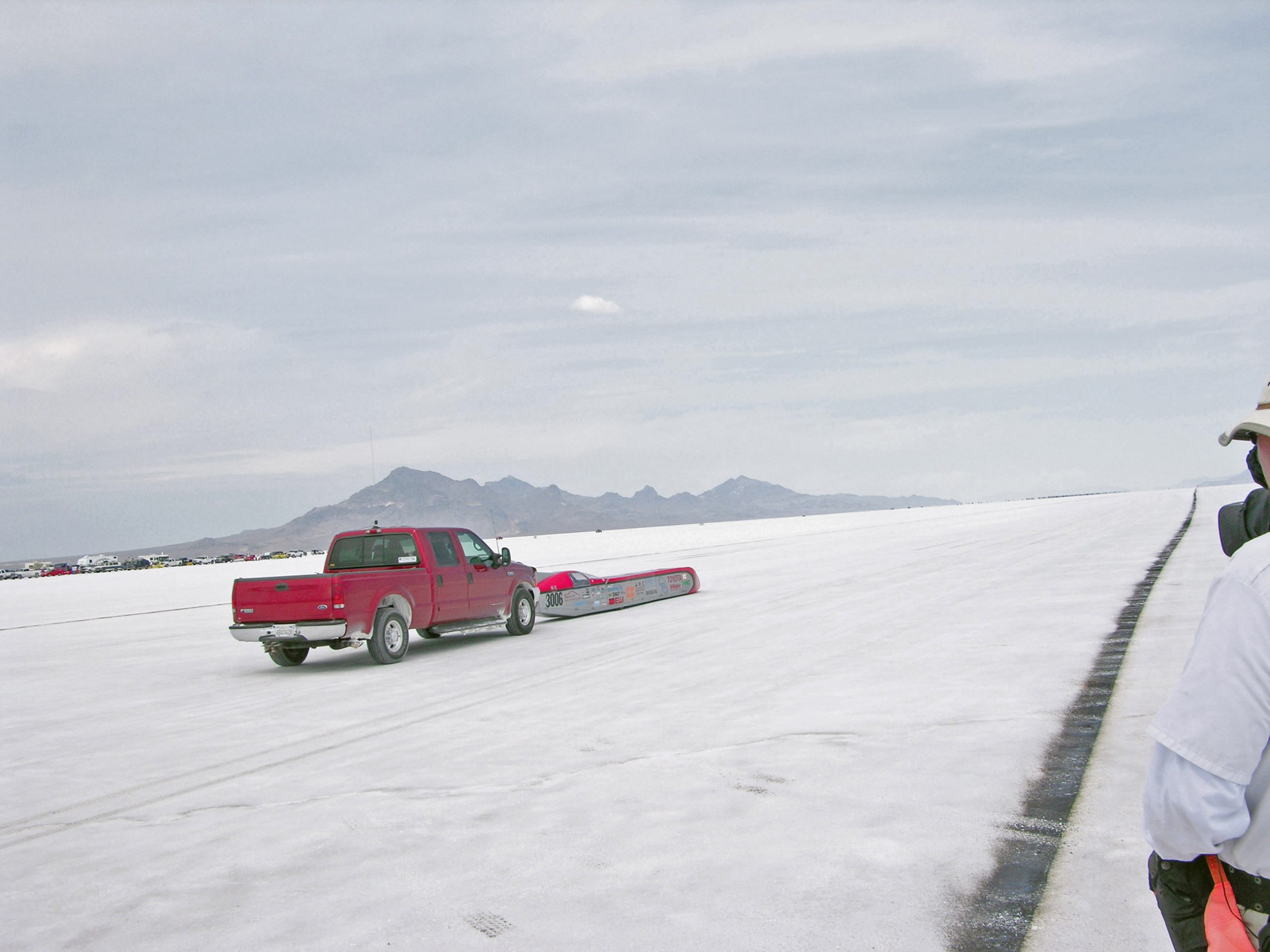
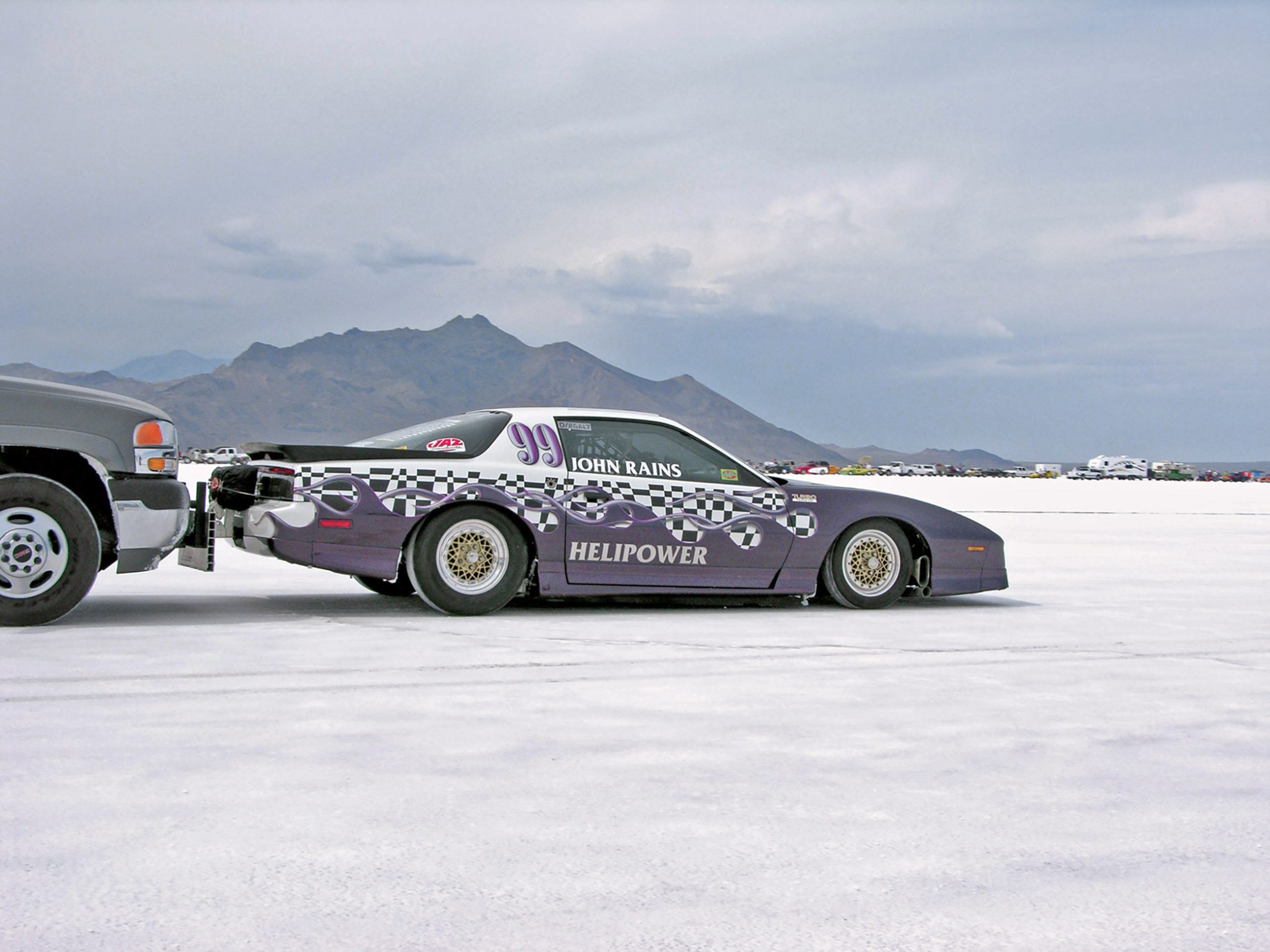
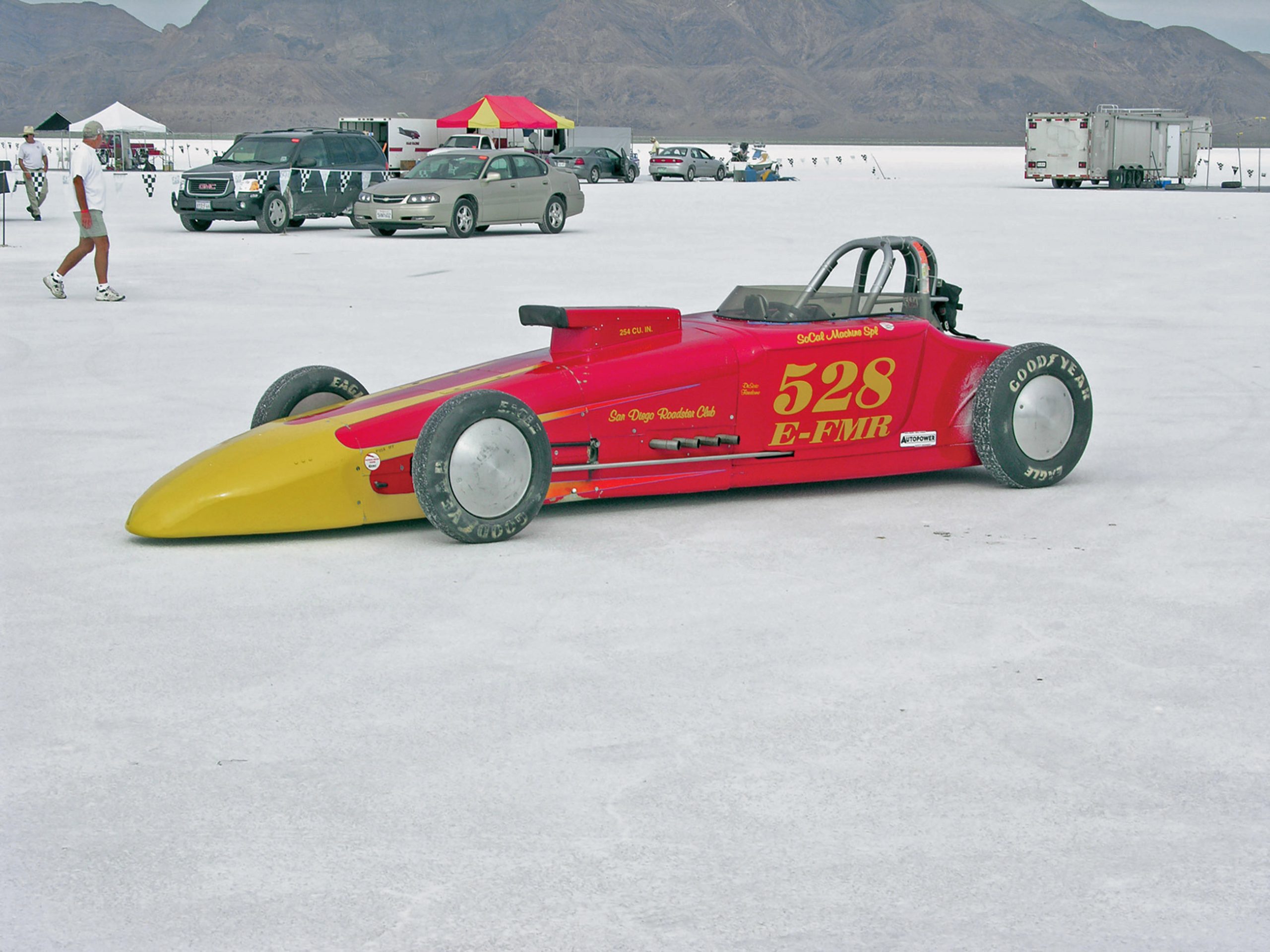
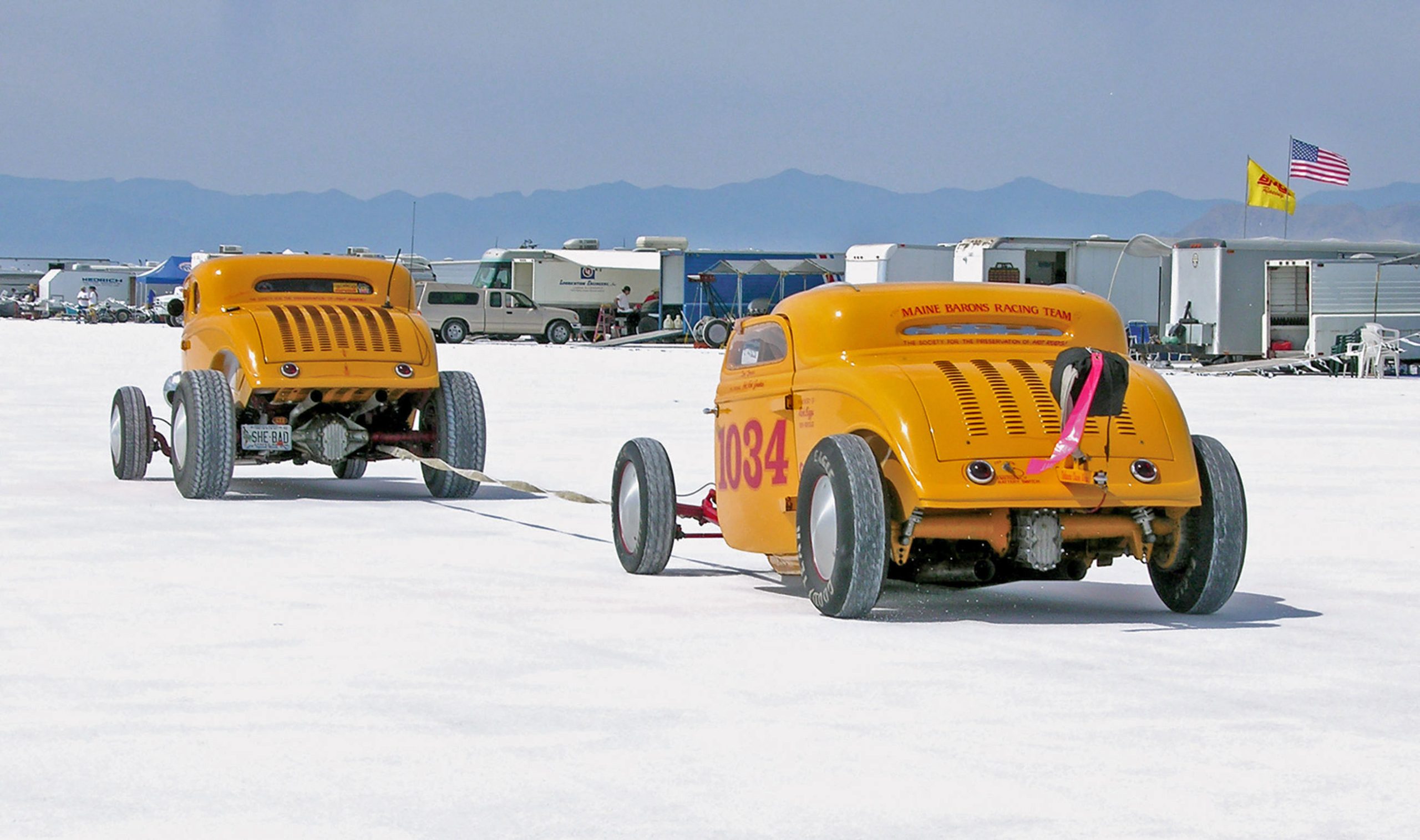
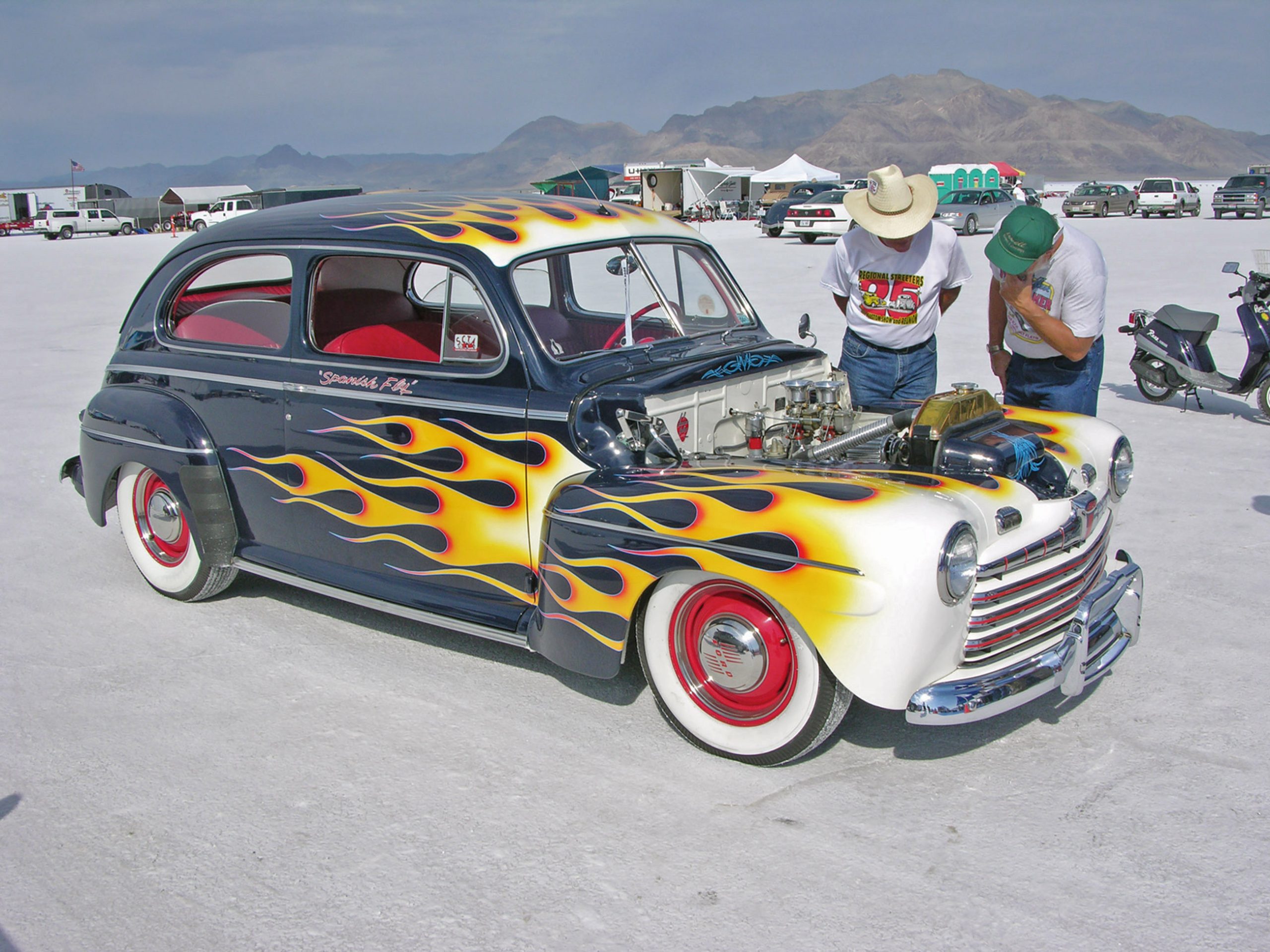
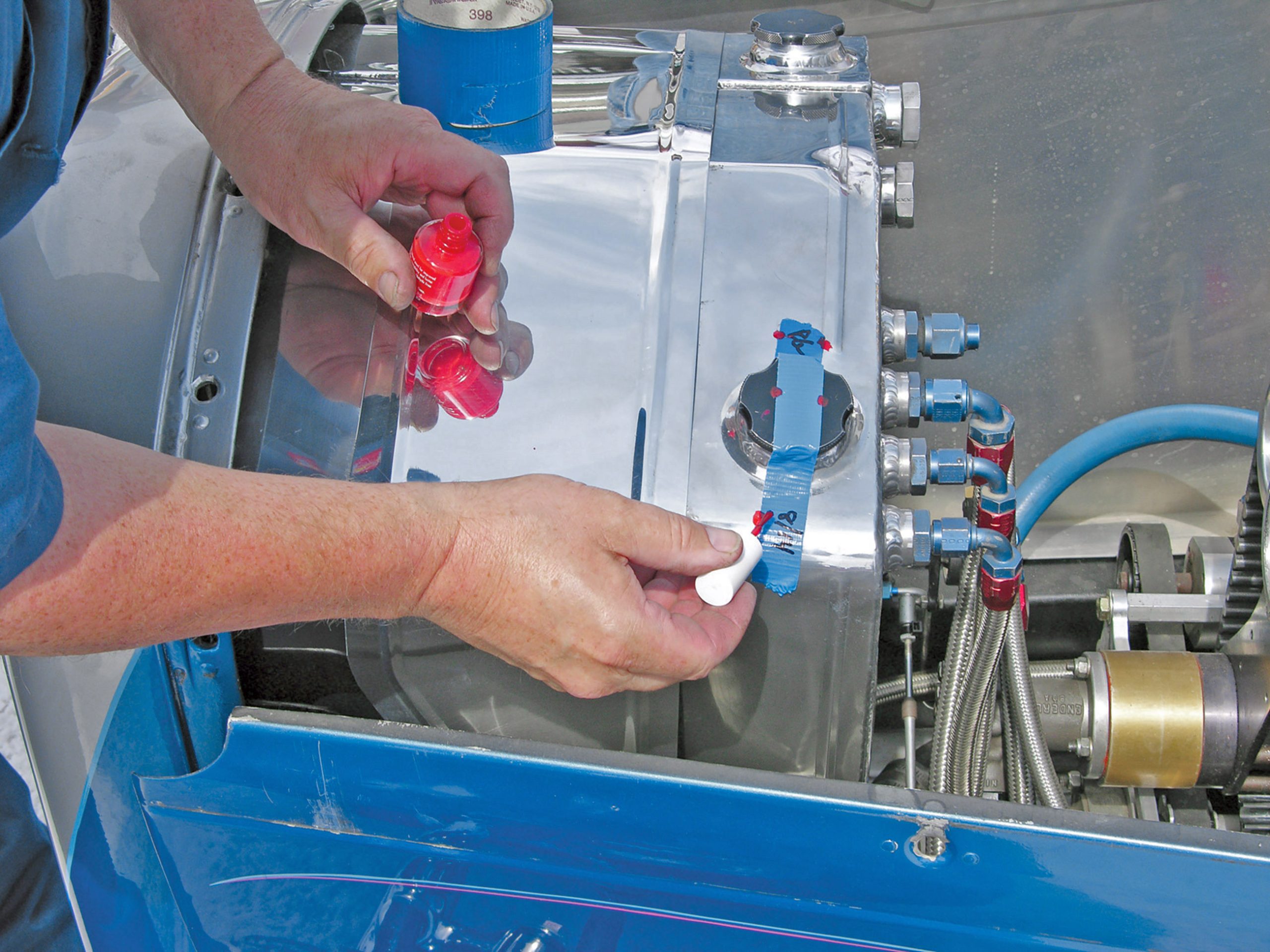
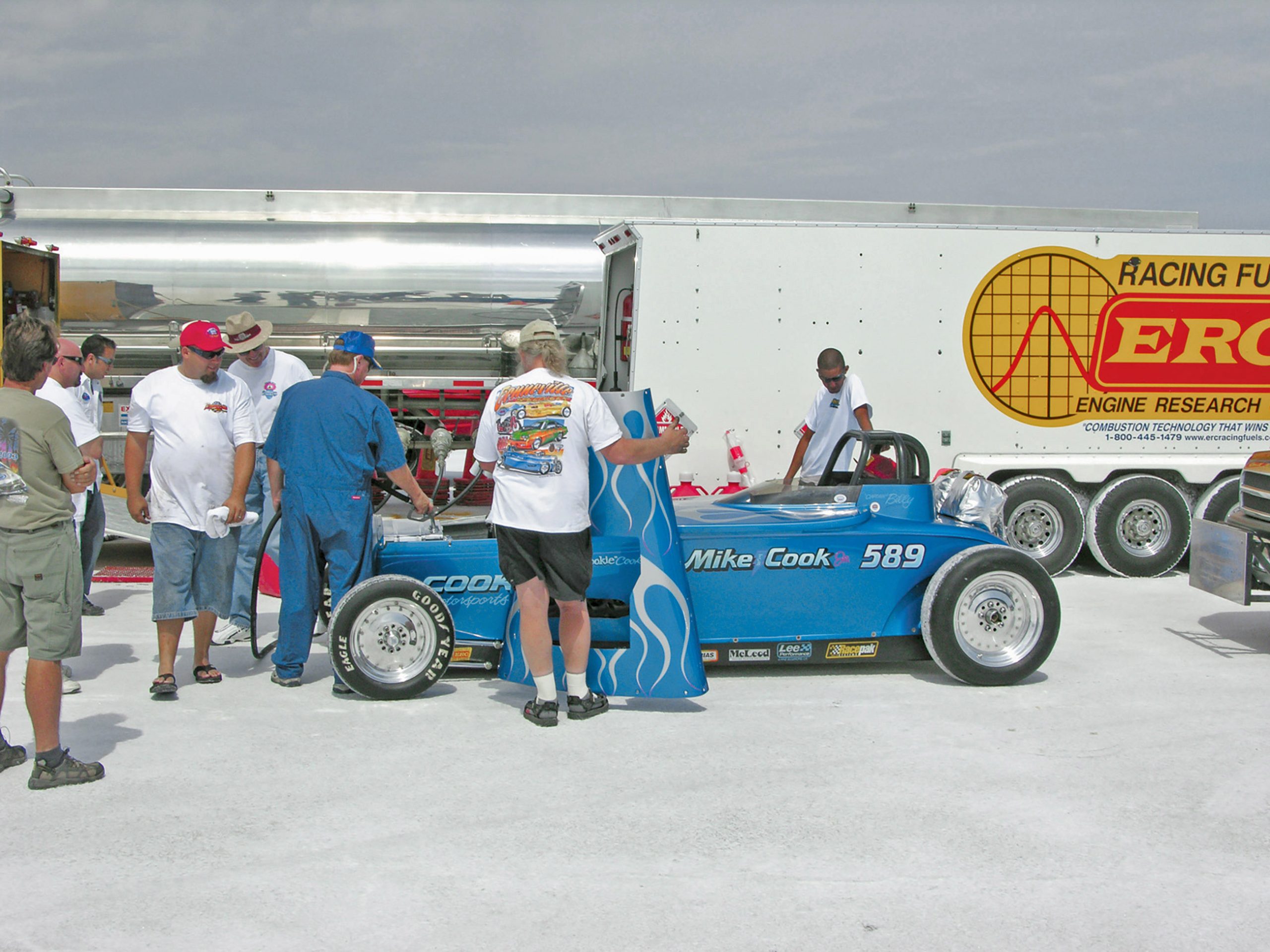
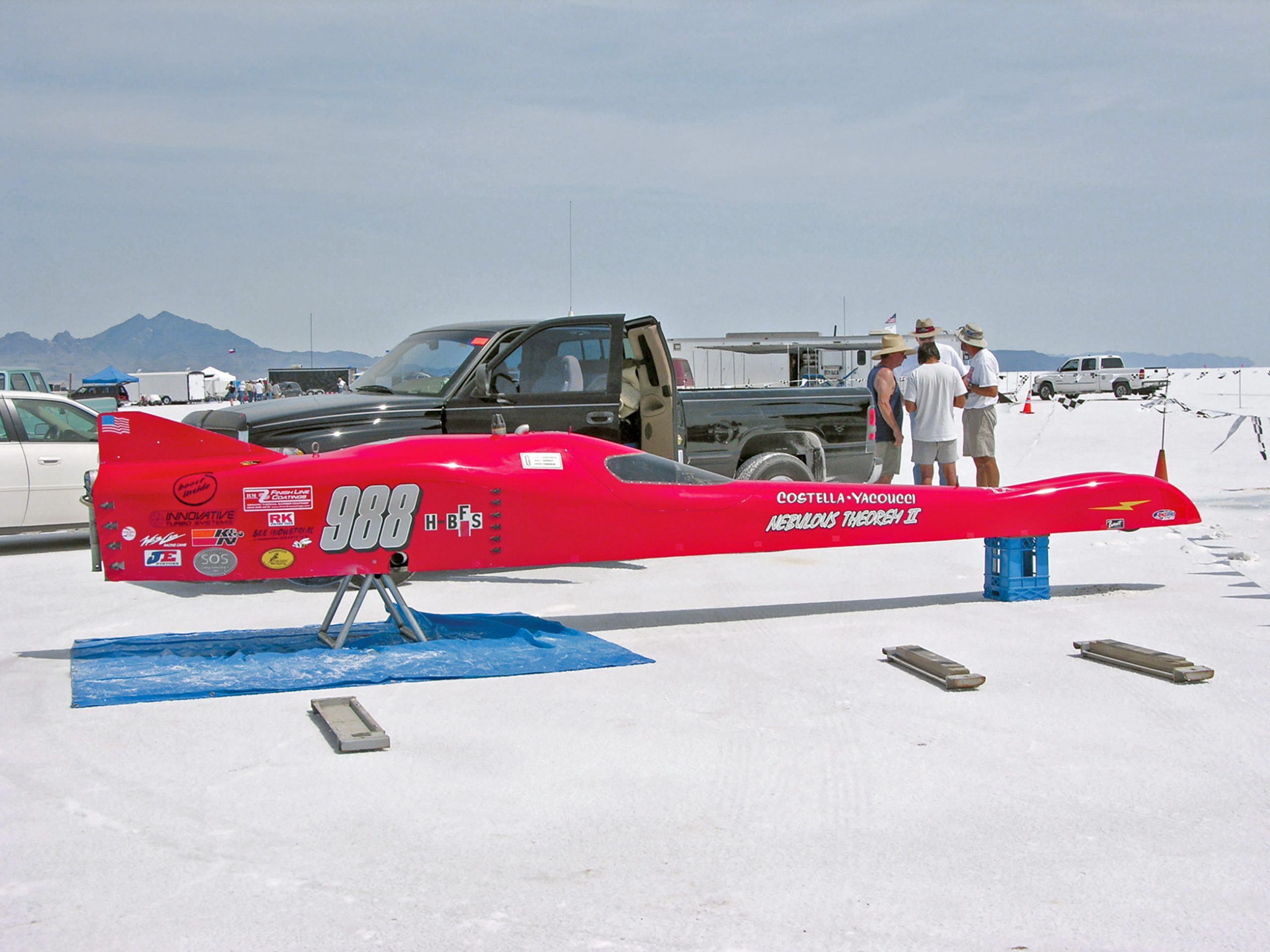
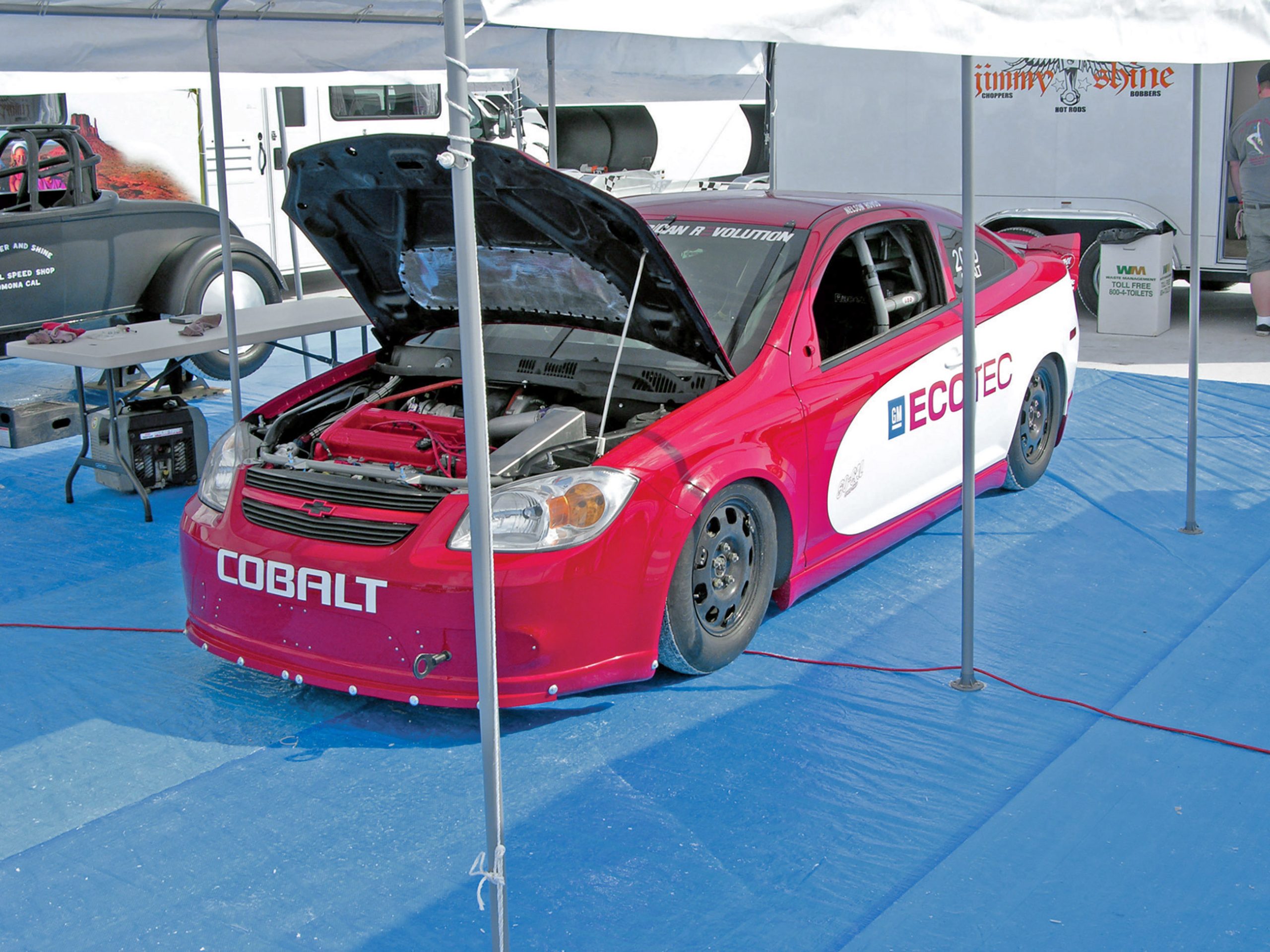
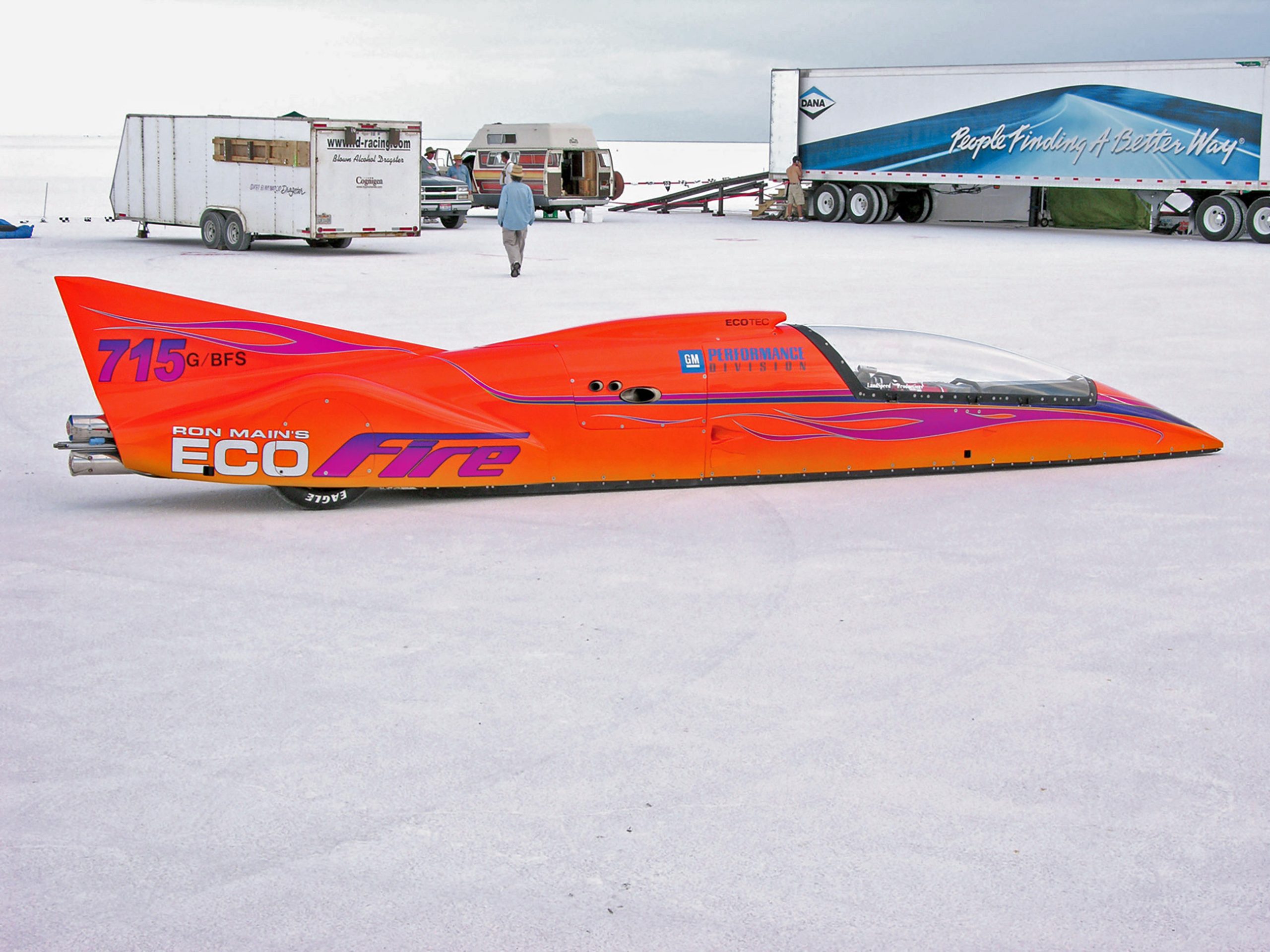
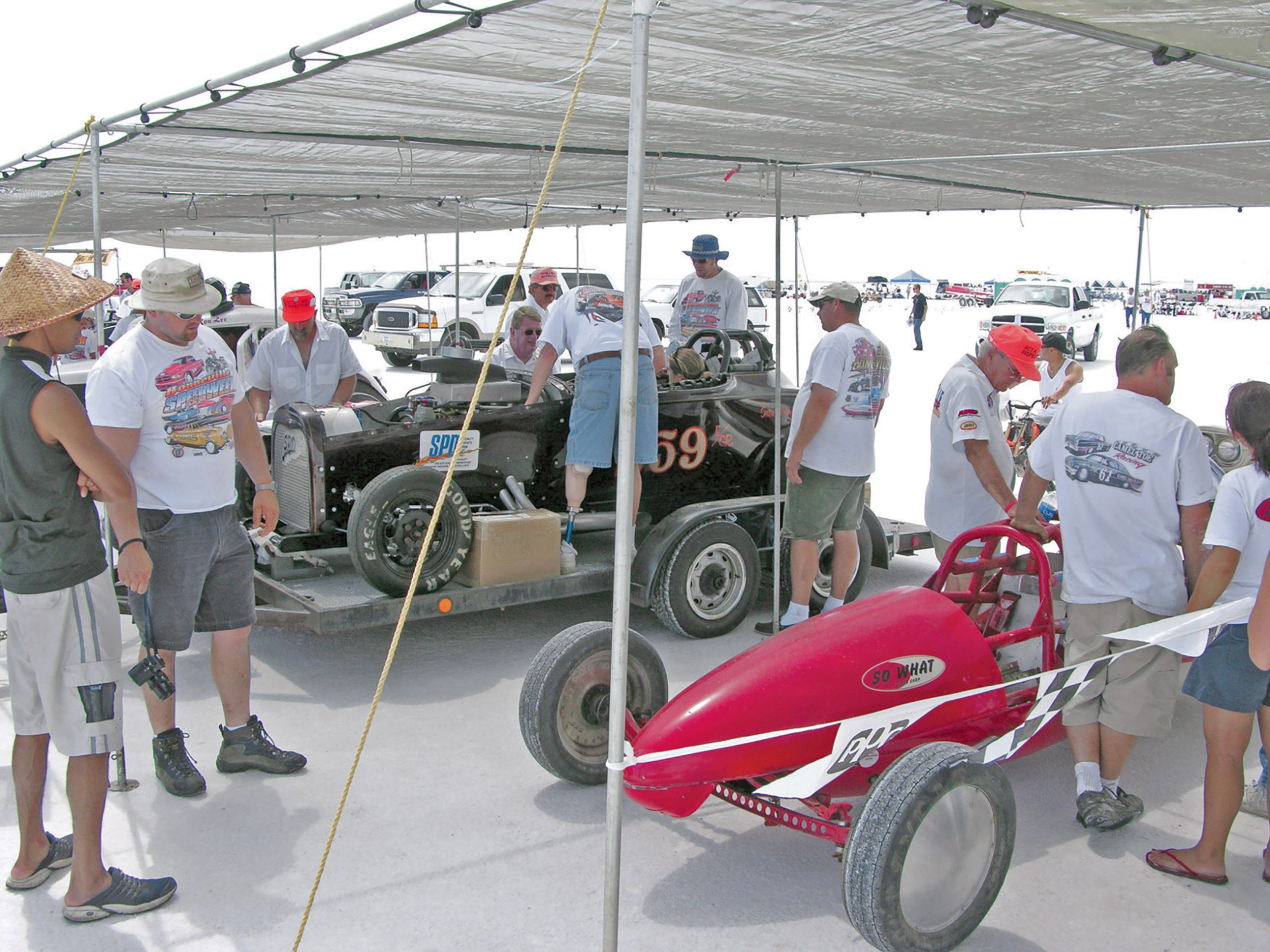
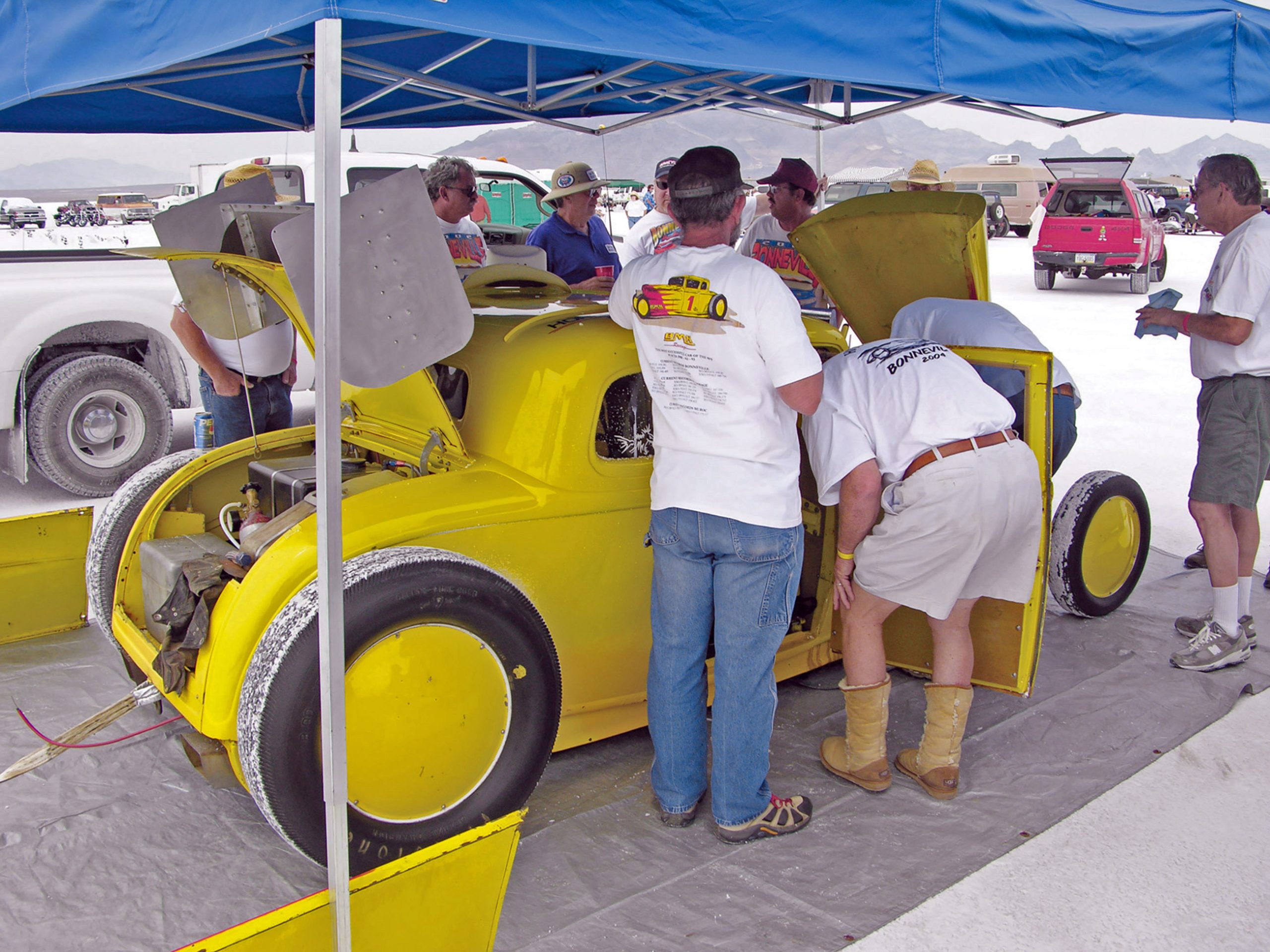
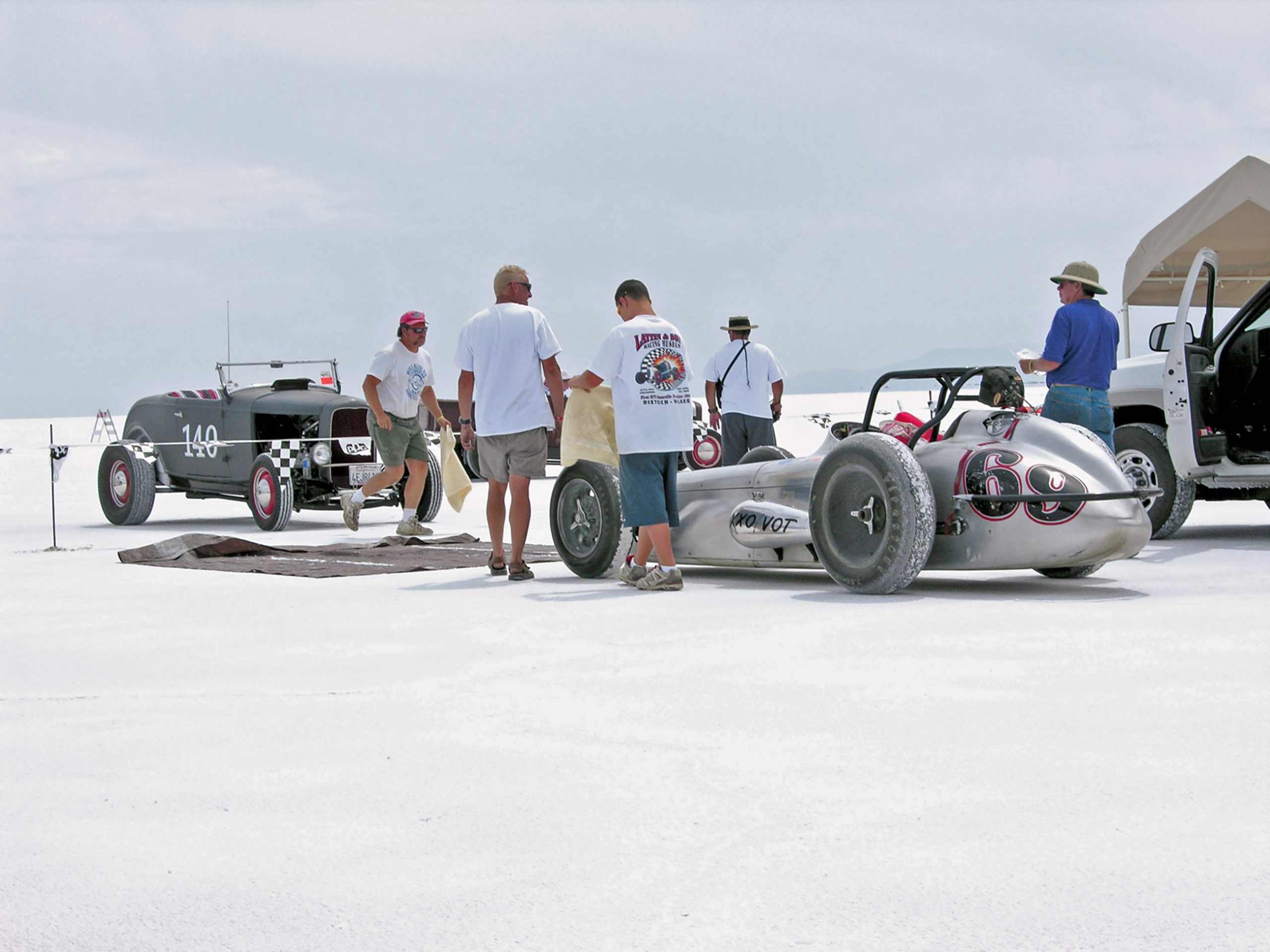
If you’ve never been…quit your job, get a divorce, sell your dog. Sell your dog? Well, do whatever it takes, because you just gotta go and experience Bonneville at least once. There are no payouts, no big sponsors, just a bunch of old-school racers trying to go fast on the salt flats of Bonneville. And it’s not easy racing these days—it’s hard to set a record. The speeds are huge and it would take a lot of work and some dumb luck to beat some of them. But this doesn’t seem to matter to the competitors—they just build their cars and give it a shot.
A Banner Year on the Salt
2004 was a banner year for Bonneville. The salt was good, and the long course was 7 miles. There were 442 entries: 328 cars and 114 bikes, including 68 class changes. There were 156 records set: 89 cars and 67 bikes.
The Spirit of Bonneville
Bonneville is that final frontier, a place where a man or a woman with a better idea isn’t punished with a bunch of extra weight or politically ruled out of racing. It’s a place where a person with a better idea gets in the record book until someone with a better idea takes it away. It’s that simple, and it’s speed racing at its purest. You need to be there, so check it out.
*A Note for the Knuckleheads
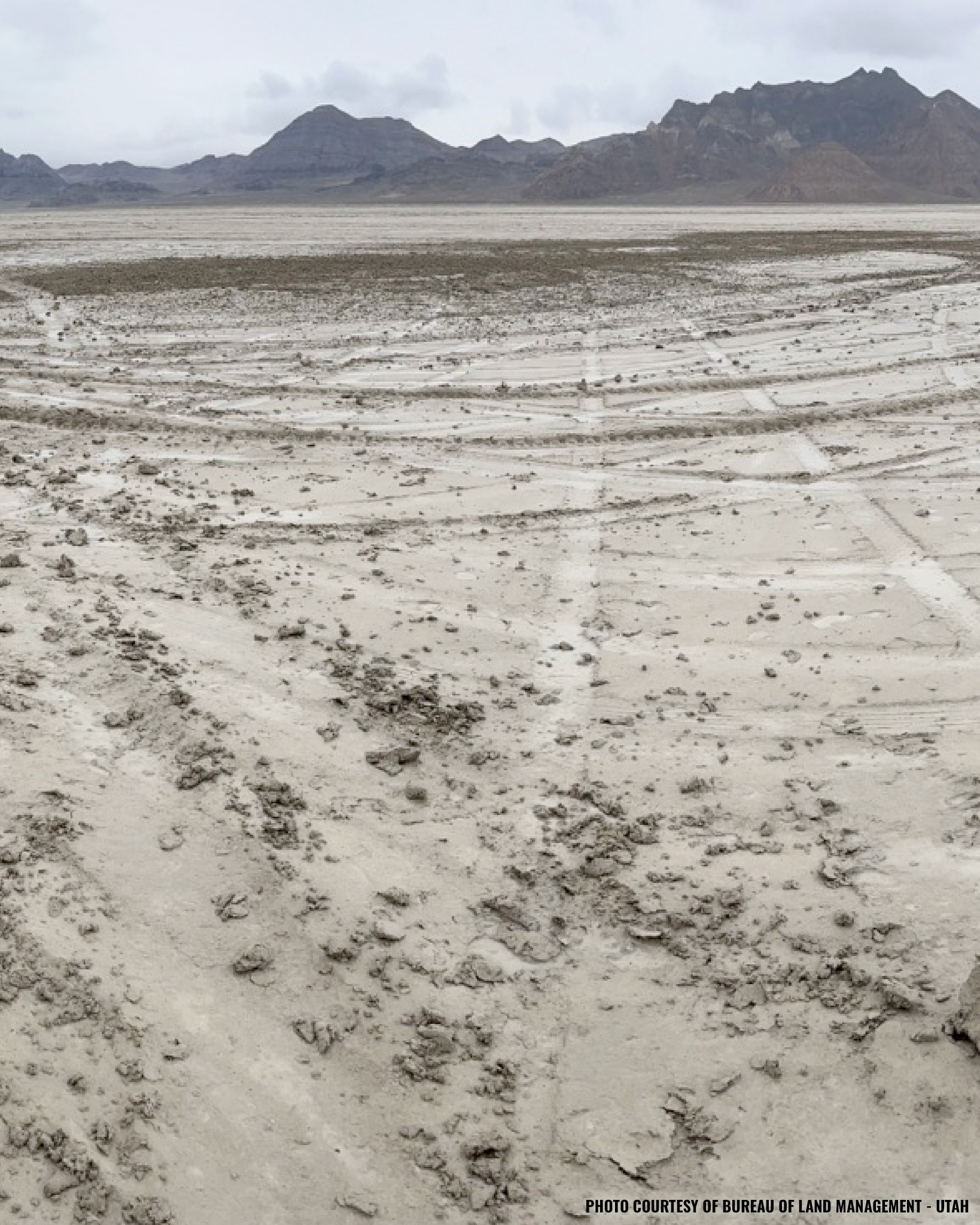
Driving on wet salt is a serious and growing problem.
When the flats are wet or flooded, the salt crust becomes fragile and easily destroyed. Beneath it lies thick mud that will trap your vehicle—and the damage you cause can take years to heal, if it ever does.
This kind of carelessness ruins Bonneville for everyone.
It threatens racing, recreation, and the future of events on the salt. There are no excuses—if it’s wet, stay off.
You may also be held financially liable for any damage caused or for the cost of vehicle recovery efforts.
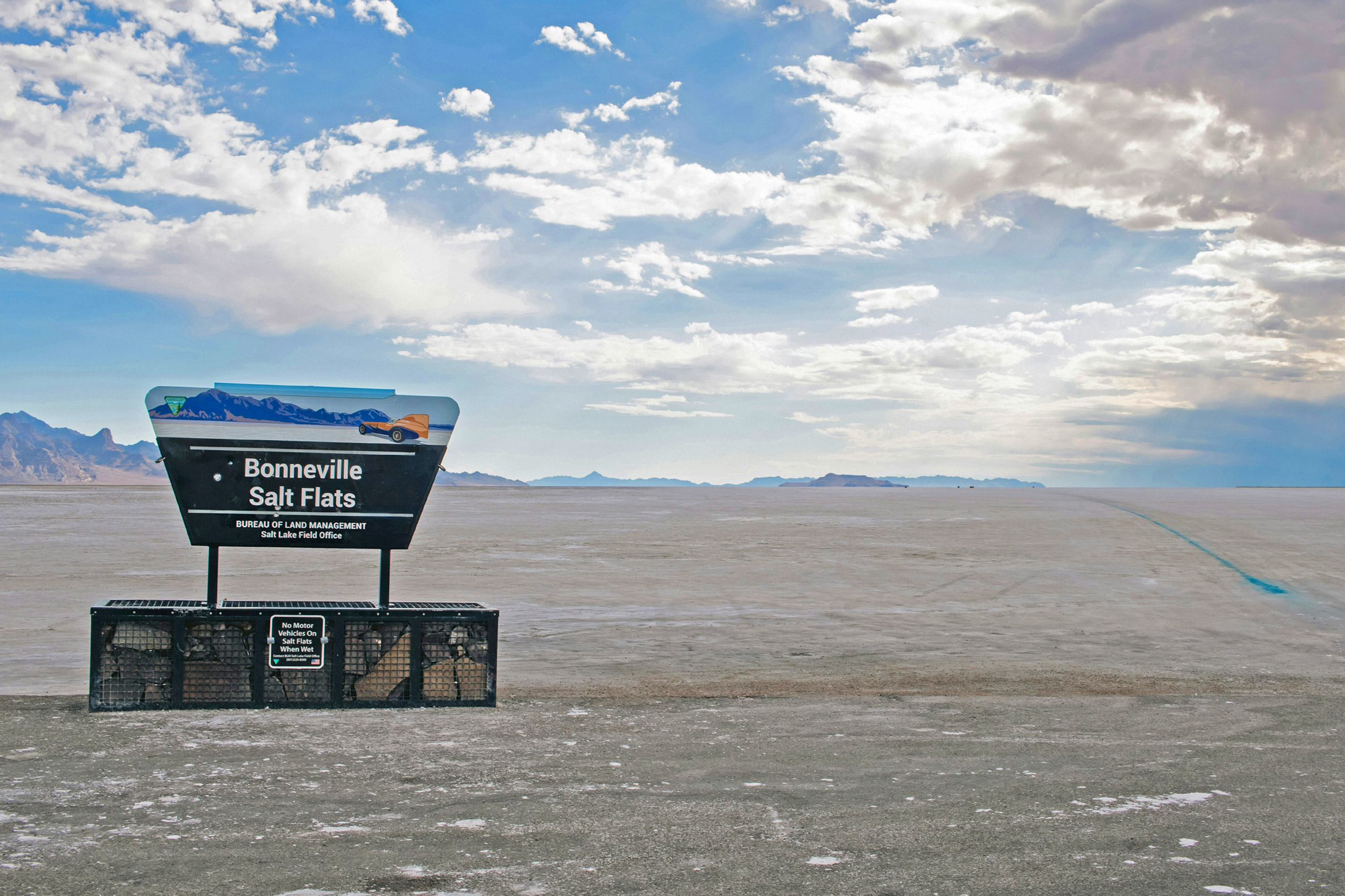
Check conditions before you go.
Travel and camp only on durable surfaces. Protect the salt flats, or risk losing access for everyone. For more info, CLICK HERE to visit the Bonneville Salt Flats Special Recreation Management Area’s website.