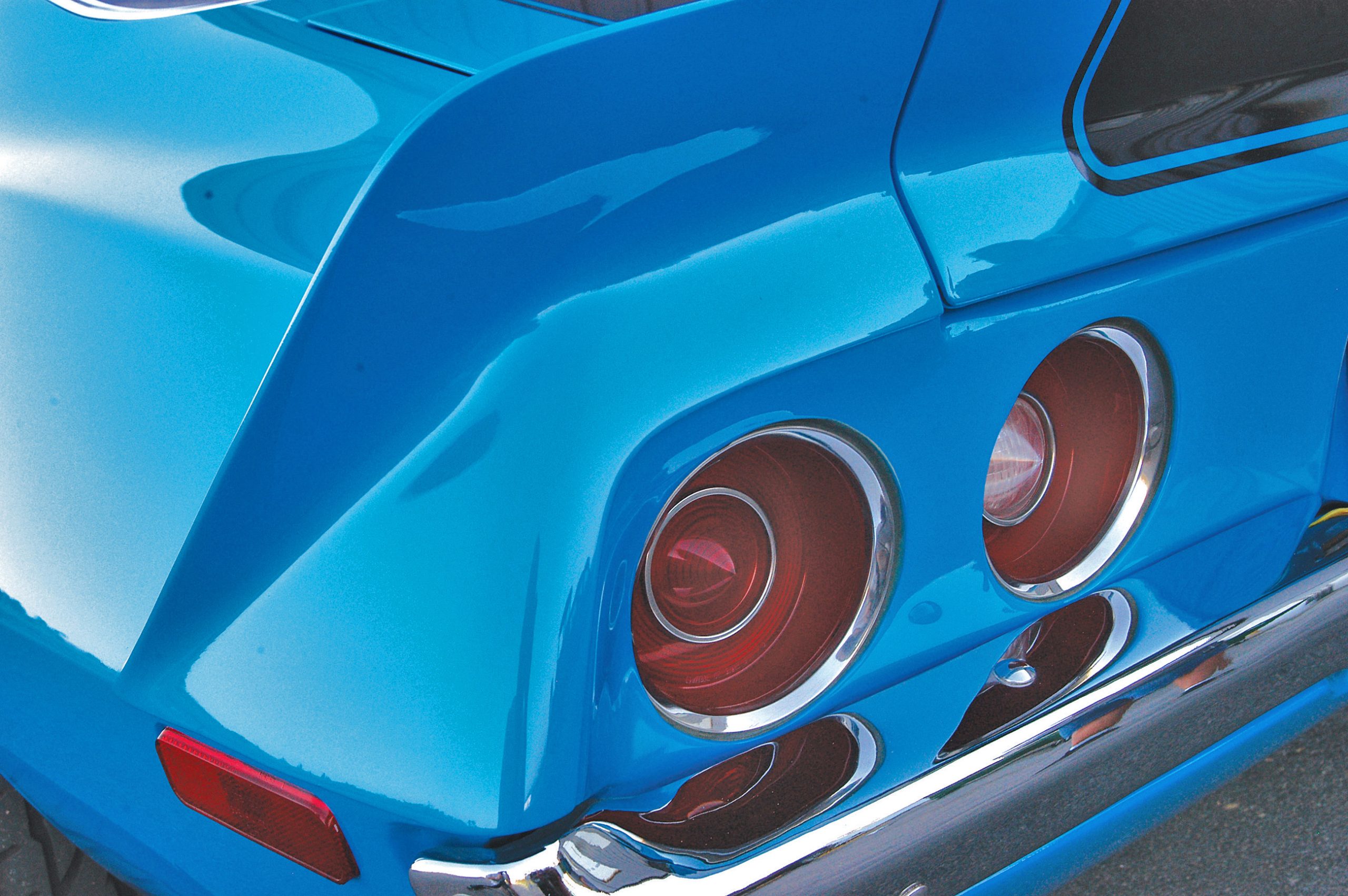
The Transformation of Klopping’s 1972 Camaro
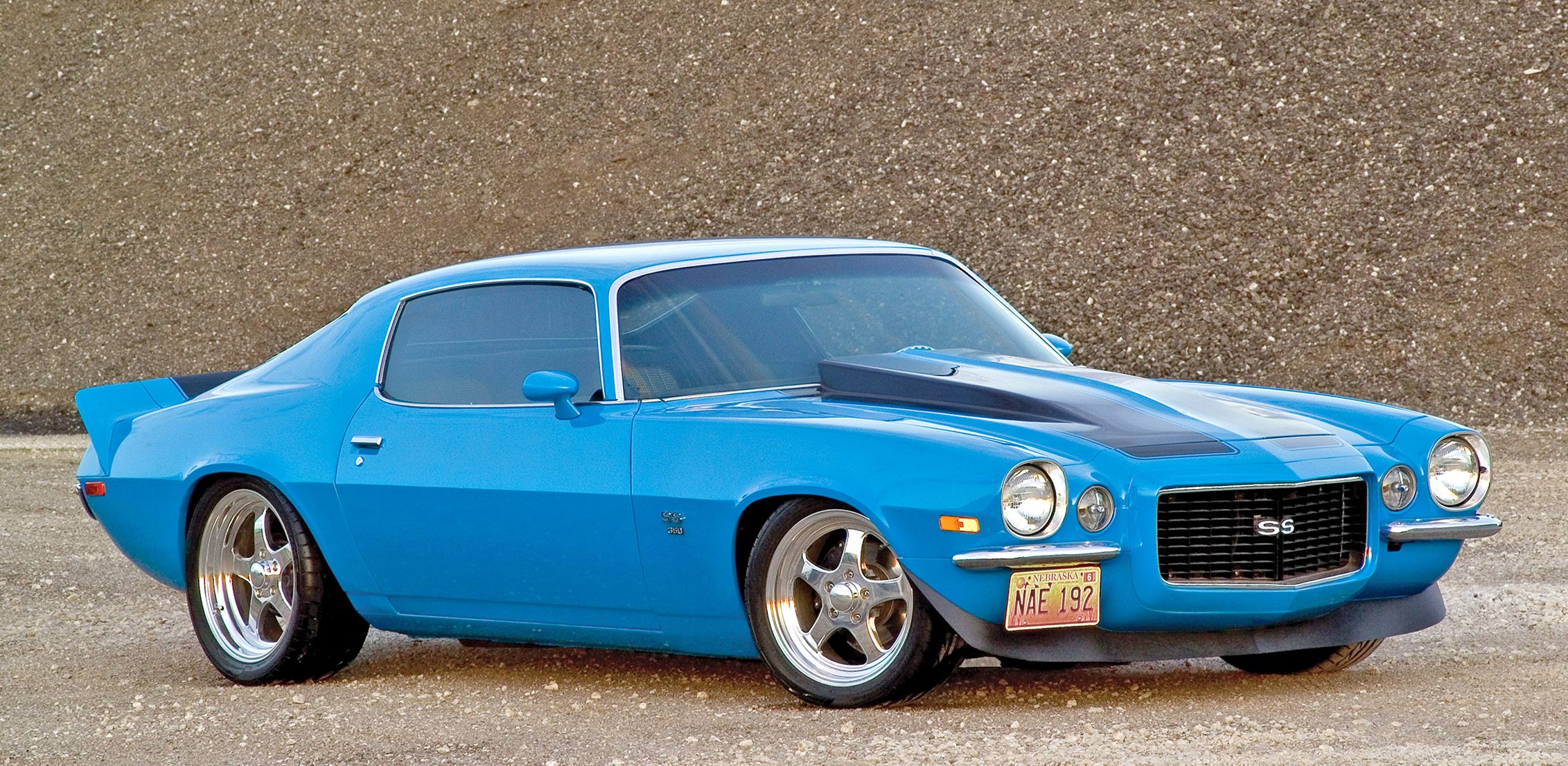
When he first saw this car, it was in good stock condition, and what caught his eye was the blue color. The color made the car stand out from all the other orange Camaros he saw. Underneath the paint was a rust-free car, and because the car was in such good condition when Klopping bought it, bringing the car up to his standards was a relatively easy proposition.
Suspension and Wheel Upgrades
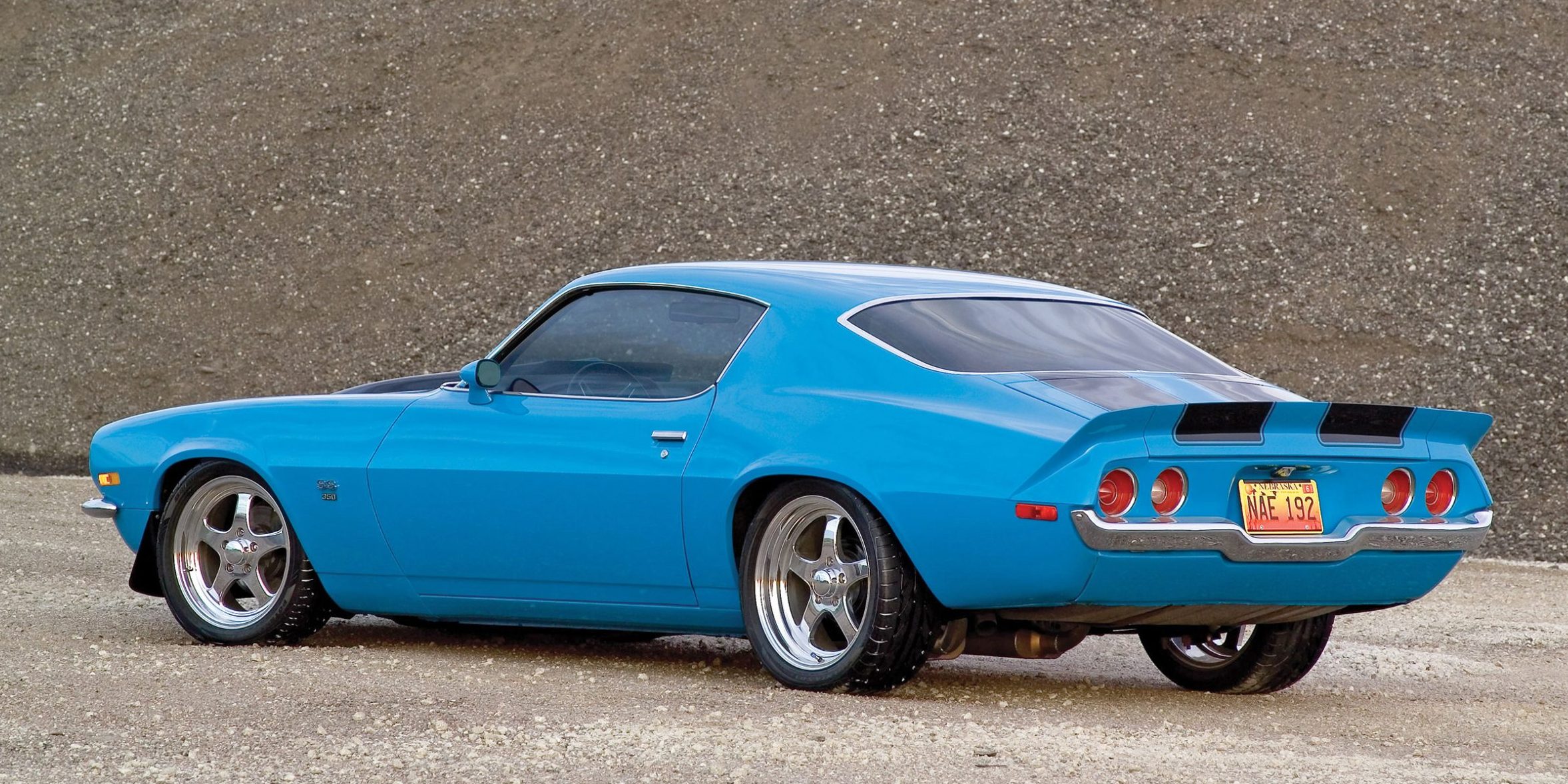
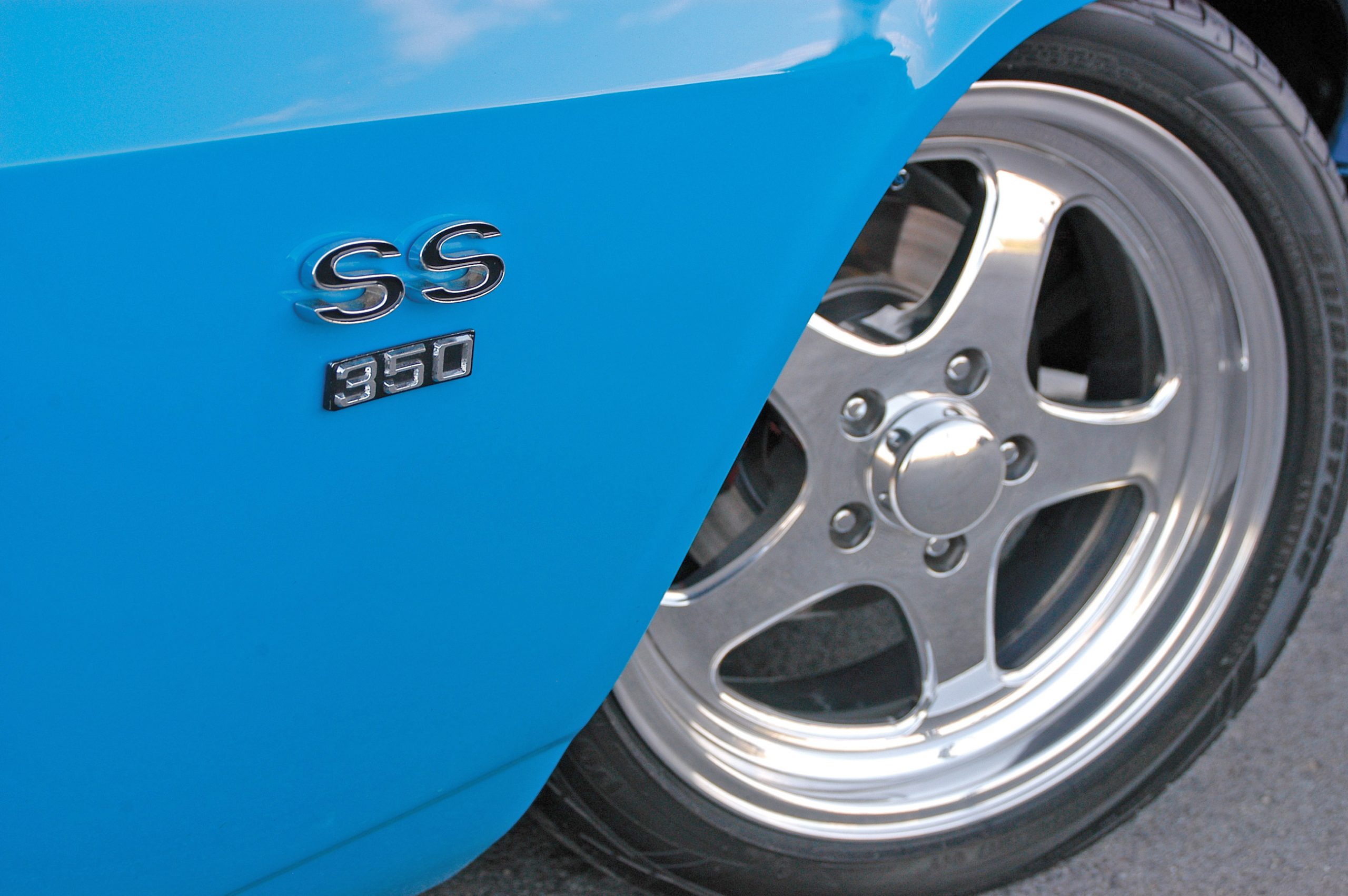
The suspension was in fine shape, so after installing some new Monroe shocks, the owner swapped out the standard differential for an Eaton limited-slip unit turning 3.55 gears. To better fill the wheel wells, he selected 18×8-inch Intro 5-Star wheels clad in 255/40ZR18 Bridgestone Potenza rubber.
It was a similar story on the front suspension. To give the car the stance he wanted, Klopping installed Eibach springs to bring the nose down 1-1/2 inches and then paired them with another set of Monroe shocks. Here, the 5-Stars are slightly smaller, measuring 17×7 inches and wearing 225/45ZR17 Bridgestones. Teamed with the lowering springs, this modern tire stagger eliminates all fender gaps and anoints the Camaro with the stance that all Camaro owners dream of.
Engine Specifications
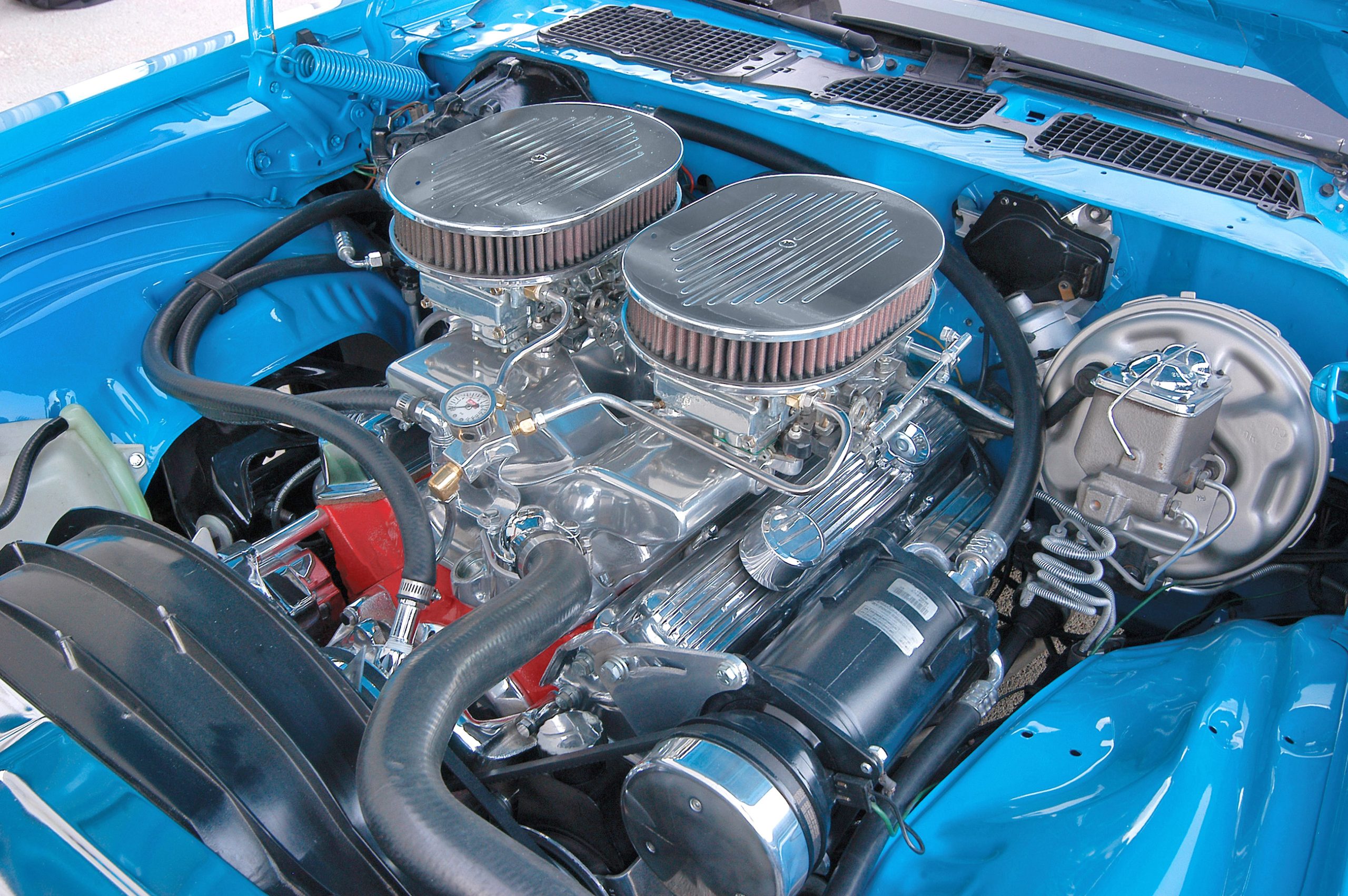
Given that the Camaro existed in between the street-savvy Corvette and the straight-line Chevelle, it makes sense to power the car with an engine that will allow it to be good on the curves and on the dragstrip. For Klopping, that motor is a hot small block, and we can’t argue with that choice. He bored the stock 350 block over to 355 total inches and then rebuilt it with a factory crank and rods, JE 11:1 pistons and Total Seal rings. The heads are ported and polished GM steel units working with a Lunati cam. For an intake, the owner chose something a little different and installed a polished Edelbrock cross-ram intake with dual Holley carbs. To make this look even more interesting, each carb gets a ball-milled Billet Specialties air cleaner, and they’re both flanked by a set of finned GM chrome valve covers. A Cloyes chain drive keeps the time, and Sanderson headers exit into Flowmaster mufflers.
Transmission Details
Auto Trans Matic of Bennington, Nebraska, prepared the Turbo 350 transmission that sits behind the engine. They fitted it with a TCI 3,200-stall converter and beefed it up to better cope with the copious amounts of power now coming forth from the small block.
Exterior Enhancements
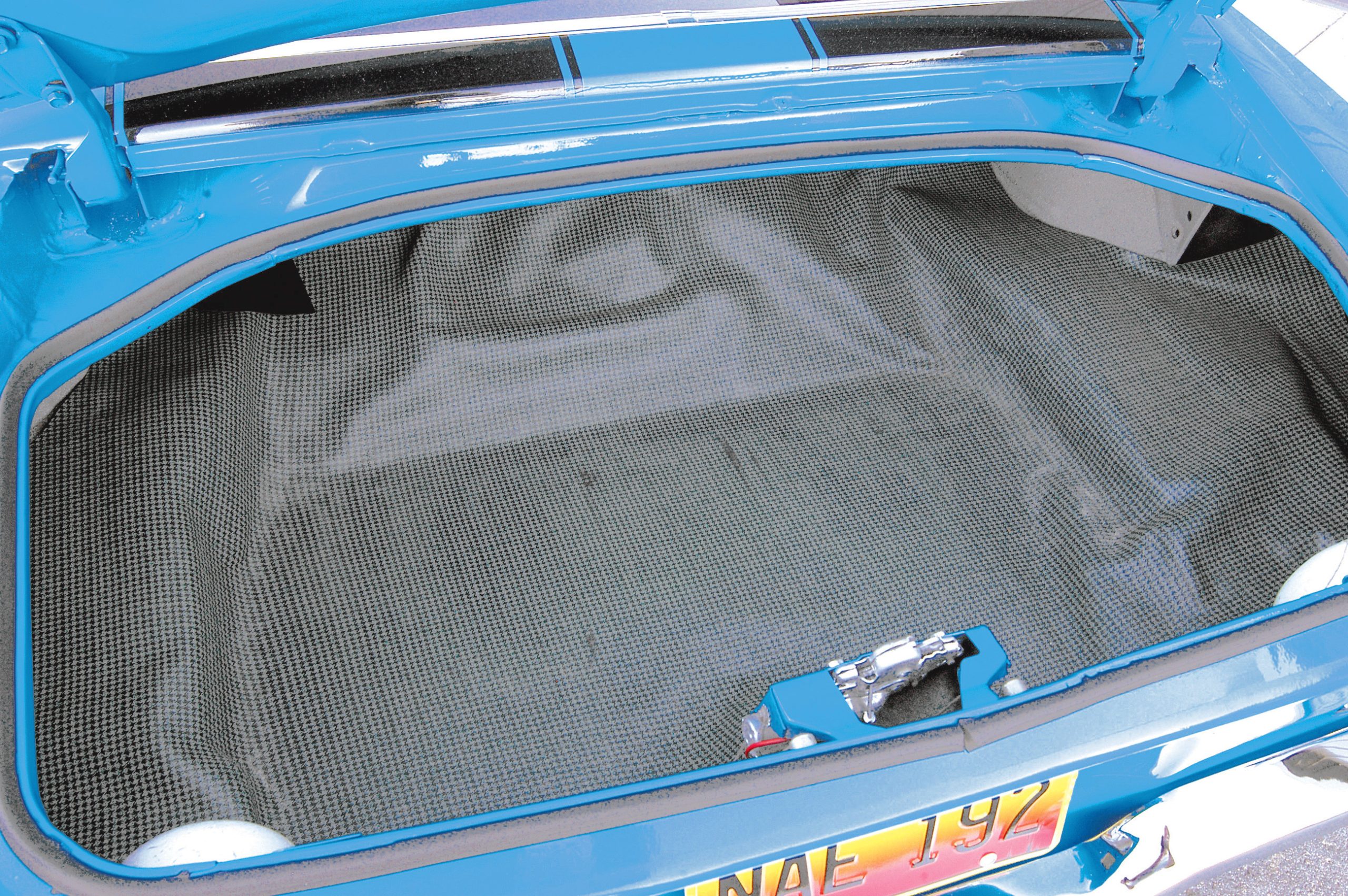
Modification makes little sense unless it serves some real purpose, and making wholesale changes to this Camaro’s exterior would have served no purpose at all. As a concession to the taller intake manifold, the owner added a 3-inch raised cowl induction hood, but that’s it in terms of body alterations. Chevy designed this car as a winner from the beginning, with a rare natural beauty seldom matched in other designs. The paint only serves to complement that beauty. The paint you see is not the paint that originally stole Klopping’s attention. Rick Wyman of Griswold, Iowa, mixed the custom DuPont Chromapremier color and applied it to the exterior of this F-body, and the brilliant blue hue he came up with instantly sets this Camaro apart. He topped the shade with a set of black SS stripes to provide some contrast and definition for the body.
Interior Upgrades
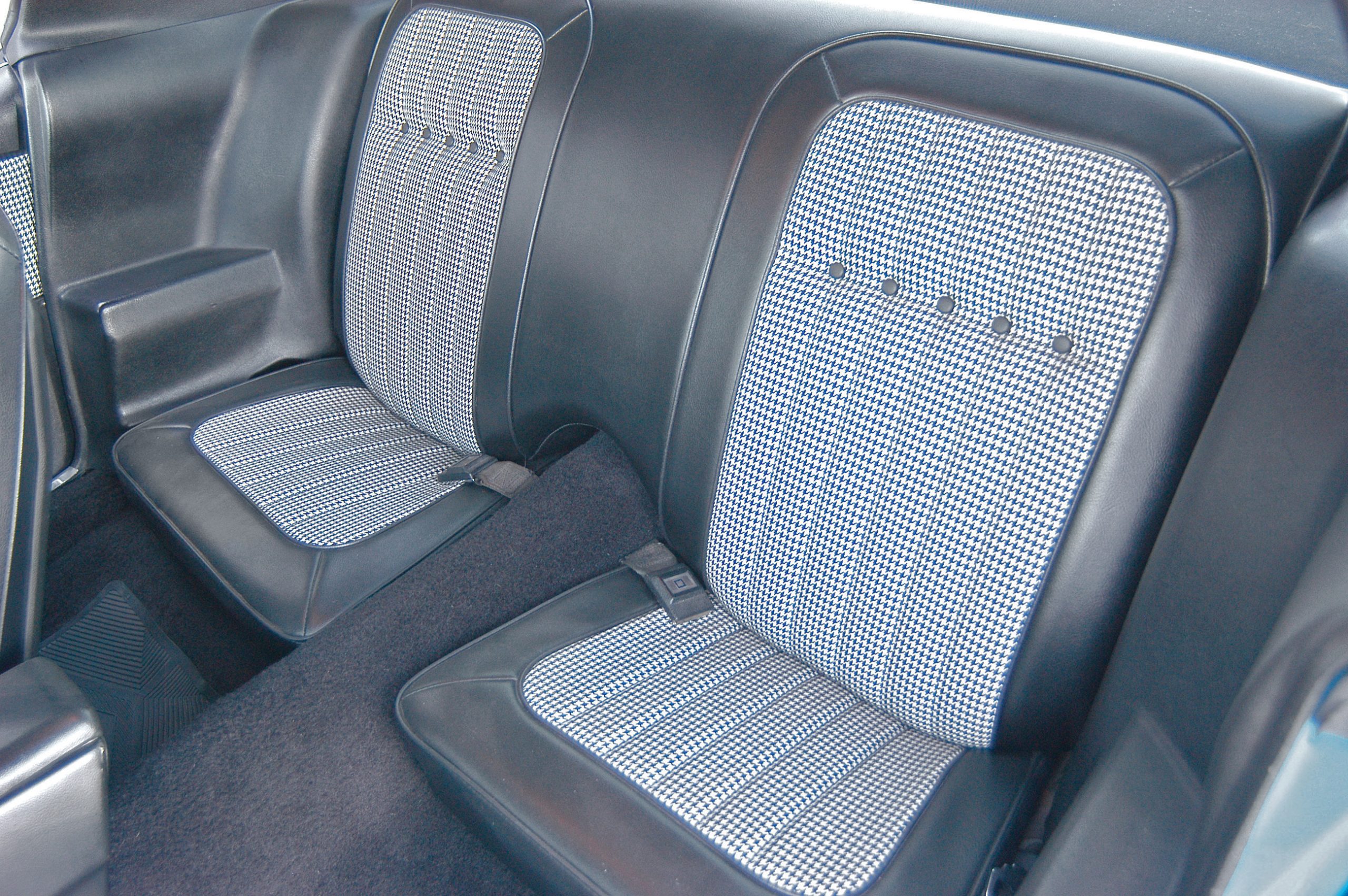
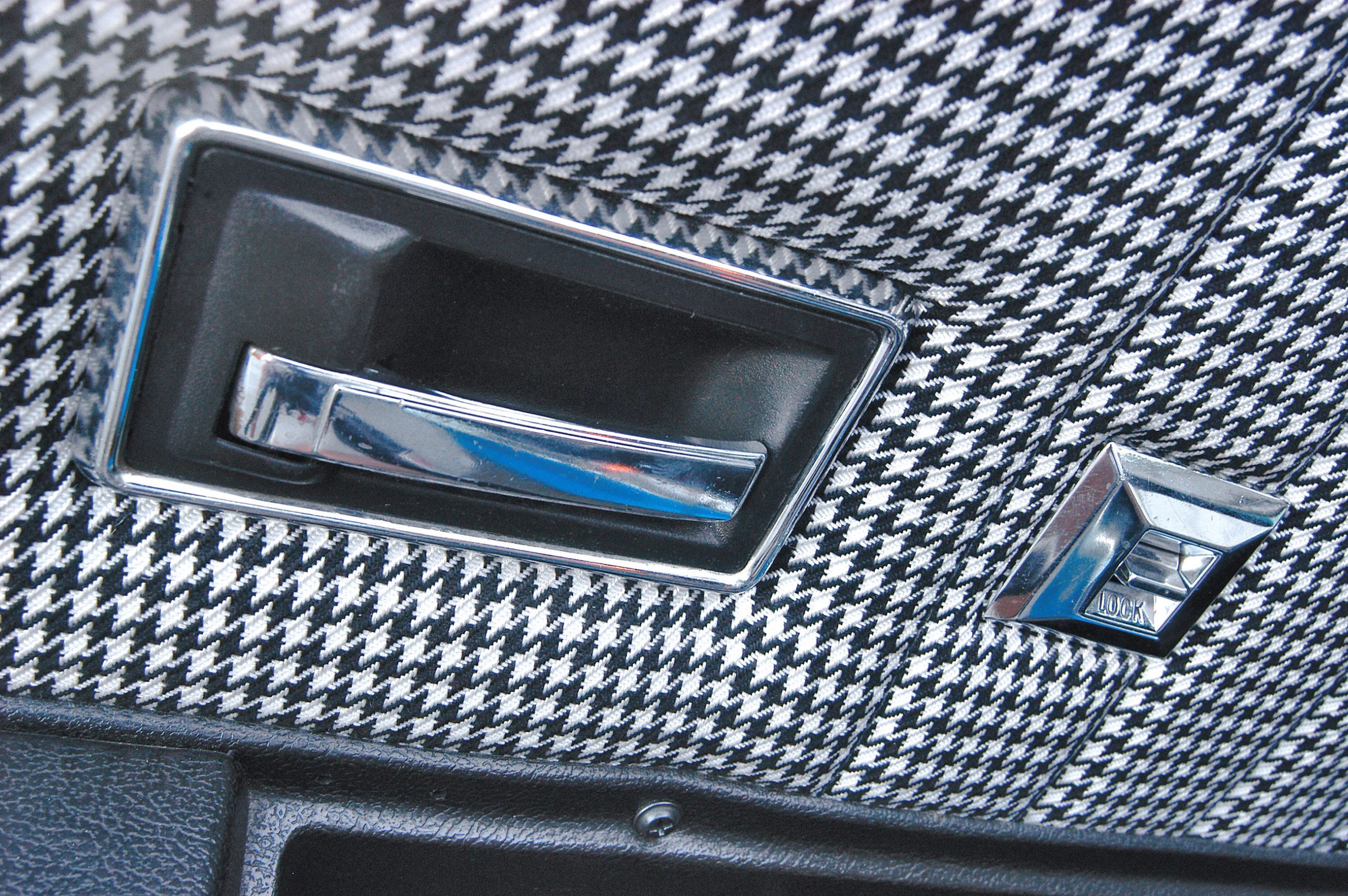
When Klopping bought the car, it had black velour upholstery that just didn’t do the job. Thus, Klopping decided to alter the interior, though he decided to use stock-style components rather than have a custom look. The upholstery is GM’s White/Black Deluxe pattern, and it covers the stock seats. The gauges and shifter are stock as well, so the car does remind us what muscle cars really used to be like. The cabin is not entirely original, though, thanks to the half-wrap Billet Specialties Indy steering wheel. And since stereo technology has progressed a bit since 1972, another change is the installation of the JVC CD player.
Conclusion and Future Plans
Klopping’s job as a railroad engineer keeps him away from his cars more than he’d like, so he says he doesn’t get to drive the Camaro too often. However, he did say he took the car to the Kansas City Goodguys show in 2003 and had a chance to cruise the NASCAR track—at 148 mph. With these looks and that speed, this Camaro undoubtedly qualifies as super rod material, and it fits the owner’s own qualification of “cool.” Klopping tells us he has a few more cars in the works, including a ’64 Mercury Comet and others, and the odds are that at least one or two of them will end up in this magazine or in one of our sister titles. And we’re sure that no matter what kind of car it is, it will fill the bill of being way cool.