
THE AUTO BUILDER
Featured


HISTORY RECOVERED
Having already gathered a number of special Fords in his collection, Tennessee’s Kayo Erwin was more than pleased when he first located a ’63 Ford Galaxie lightweight. It was in relatively good condition and certainly ready for a complete restoration, although not all was as it seemed. What Erwin didn’t realize was that beneath the numerous layers of paint were the remnants of true history, and if not for the vision of Erwin’s wife, Brenda, the dramatic finding could have been wiped away forever. Ready to chemically strip the body of its outer layers, Brenda’s concern over what might be hidden beneath led Erwin’s restoration team to take a more involved path that would eventually uncover a truly amazing discovery. Slowly but surely, with each pass of the dual-action sander, a little more evidence came to light, first with one word, then another, and then three words that would prove to be very informative: “South Bend, Indiana.”

Top 10 Camshaft Tips
The camshaft is often called an engine’s “brain,” and that’s an apt comparison. The cam controls all the major timing events in the valvetrain, which means it is responsible for how efficiently the engine can ingest and combust the air/fuel mixture. Choosing the right cam profile for your engine
combination is the key to making the most possible power.
Spotlighter
POPULAR READS
-
Product Spotlight: Bill Mitchell Products Aluminum LS Engine Block
-
PRODUCT SPOTLIGHT: 60-66 Chevy C10 Fresh Air Vent Block Off Plate
-
Product Spotlight: Pyramid Optimized Design Sequential Aurora Taillight for 1964½–1966 Mustang
-
PRODUCT SPOTLIGHT: Cam Covers for GEN/3 Coyote from Pyramid Optimized Design
An Overview of Restoration Products
Author
Tim Gavern
Story & Photography
It’s a great time to be building and restoring vehicles, as there are so many reproduction parts available that weren’t around 10 or 20 years ago. Completing a project car is much easier today. Also, in addition to those hard-to-find trim items, some of the best restoration products available today are chemicals.
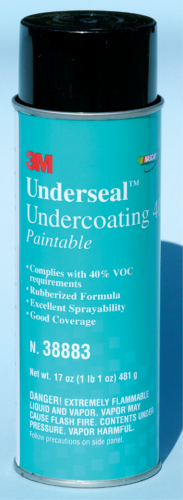
3M Underseal Undercoating
Some cheap undercoatings stay tacky forever, picking up dirt, rocks, road kill, etc. Not exactly what you want to see under your Chevelle after all that scraping and preparation. Try 3M’s undercoating. It’s rubberized, it covers well, it’s paintable and it has that nice undercoating texture. 3M’s Underseal Undercoating is the best undercoating we have found, and it was recently reformulated with even lower emissions (40% VOC). Underseal may be a little harder to find. Check out auto body supply stores, rather than Pep Boys or Kragen.
Chemical coatings that were once sent out for are now available in spray cans and bottles, and can be delivered right to your door. Gone are the days of the local plater losing your “correct-head” intake manifold bolts among 50 other guys’ bolts. Now you can plate them yourself and take the worry out of it.
In fact, there are so many great restoration chemicals out there that we could fill this entire magazine with chemical articles. We won’t, but you get the picture. You may not know about them all, so we’re going to show you a few of the more popular and most effective at work. We’ve even included a few traditional chemicals that we use regularly. Hopefully, including them may save you some time trying to find better solutions. We’ve just scratched the surface this time out. There are hundreds of other resto chemicals available. Sit back and enjoy the ride. Then get out to your garage and get to work.
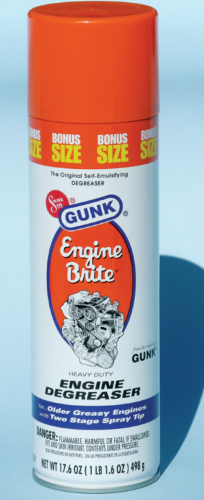
Gunk Engine Brite
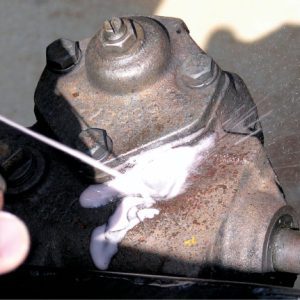
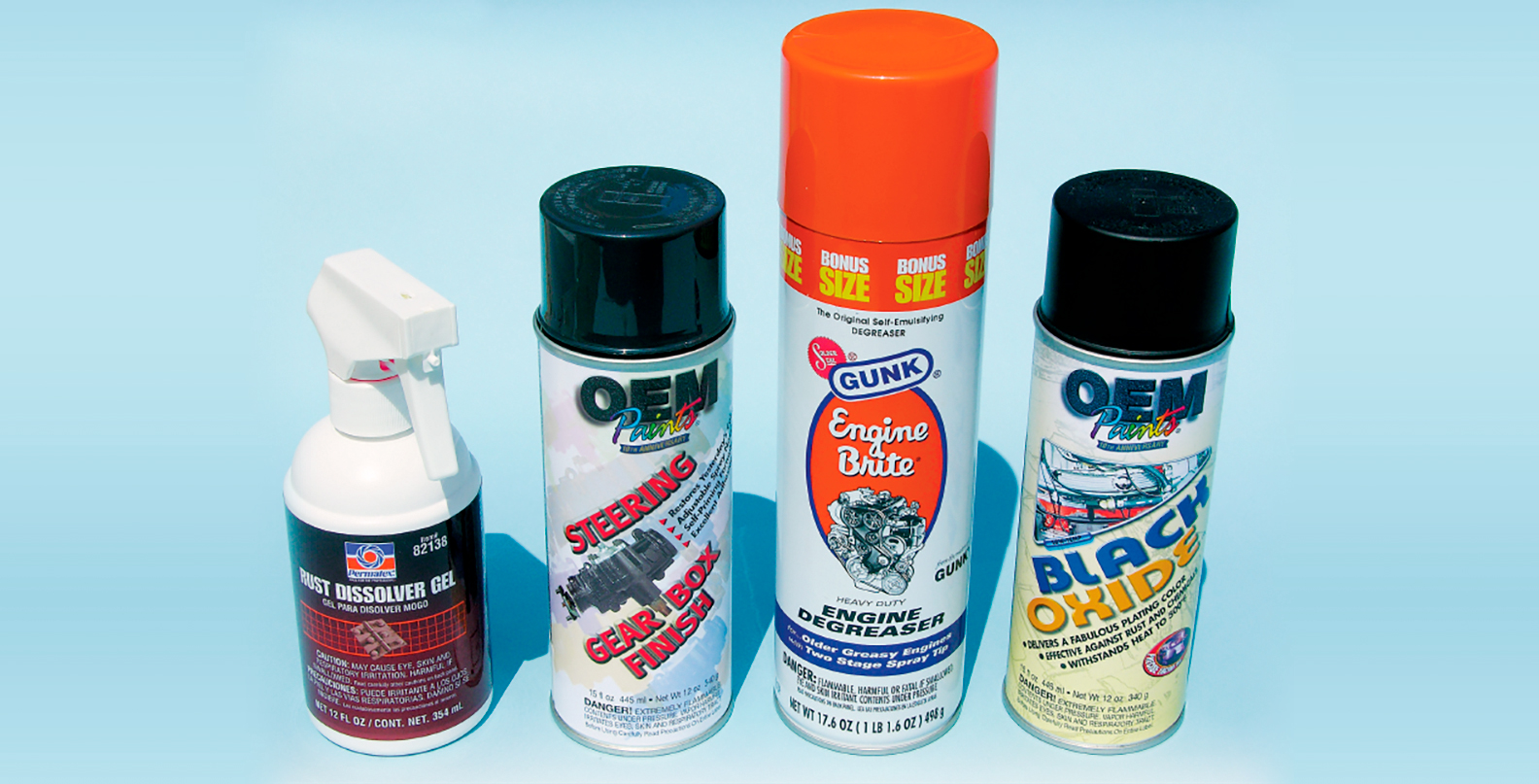
Old faithful. We’ve included it because it works and doesn’t harm original finishes, wiring or plastic. It just degreases. Still smells bad, however. Still cheap, though. Still the first chemical we grab after bringing home a new find so that we can really see what we’ve gotten ourselves into.
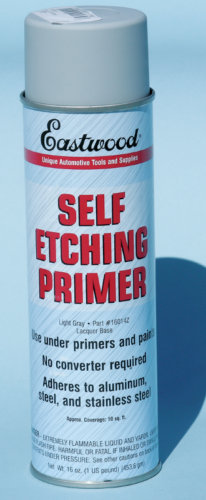
Eastwood SelF-Etching Primer
Eastwood’s Self-Etching Primer etches and primes bare metal fast. It adheres to bare aluminum, steel and stainless steel much better than typical spray primers. Use it under primers and paints. Industrial quality. Lacquer based. Available in Sage Green, Gray and Black.
OEM Paints React
React rejuvenates black oxide parts without the expense and hassle. It dries quickly and brings the black oxide finish back to bolts that are looking a bit tired. It works on everything from bolts and nuts to clips, rivets, springs, etc.
Steering Box Quickie Cleanup And Resto
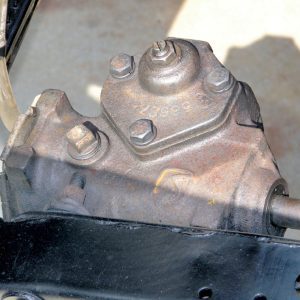
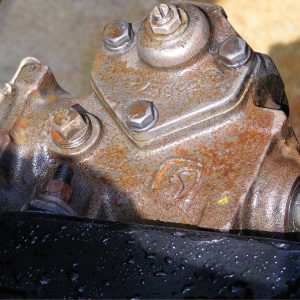
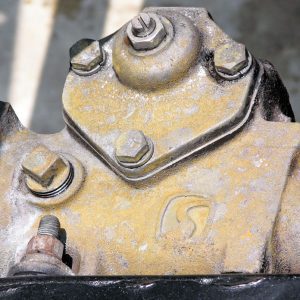
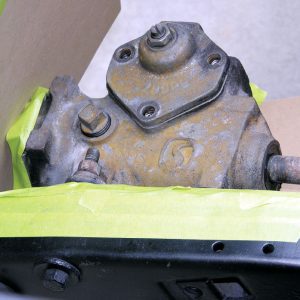
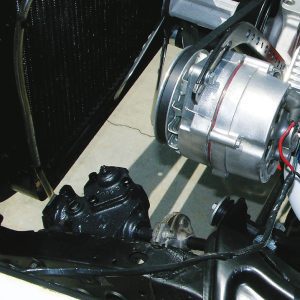
There are many schools of thought as to what to do to restore cast-iron parts that originally came from the factory with no protective coating. These “as-cast” parts have been nightmarish for restorers throughout time. General Motors’ Saginaw steering boxes came from the factory in bare cast iron. Therefore, by the time the car reached the dealership it already had a light coating of surface rust.
We’ve seen it all when it comes to restoring and protecting cast-iron parts on vehicles that actually get driven. We’ve seen black-painted cast iron, silver-painted cast iron, clear lacquer over cast iron. We’ve even seen one restorer who covers cast-iron parts with a light coat of old-fashioned, stringy wheel-bearing grease. Each has its good and bad points. Black is a little amateur. Silver is better, but can look tacky. Clear lacquer looks good for a while, but then it either chips or yellows. The grease idea looks good, but attracts dirt like a magnet.
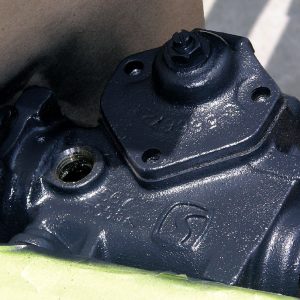
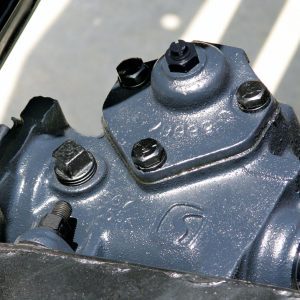
So what to do? We decided to try OEM Paints’ Steering Gear Box Finish, which is a blue-gray that mimics the color of the iron fresh from the mold. Not a bad idea, so we gave it a whirl. We like it, but this look may not be right for everyone. The bottom line is that you have to decide what’s best for your car.
Steering Box How-To
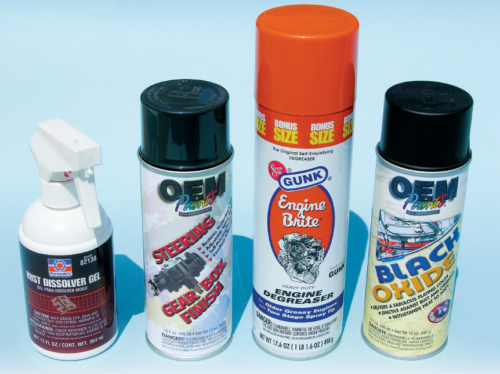
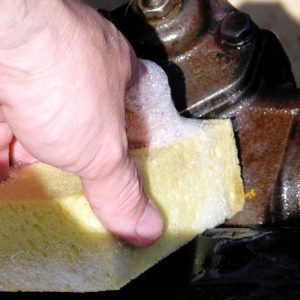
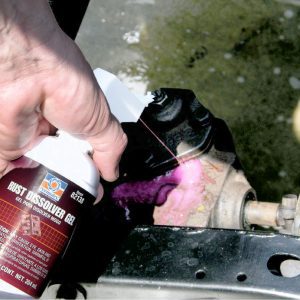
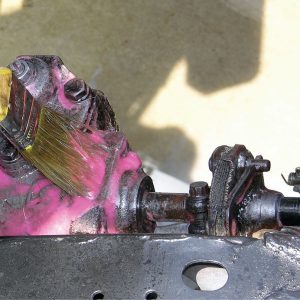
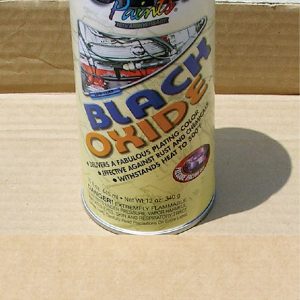
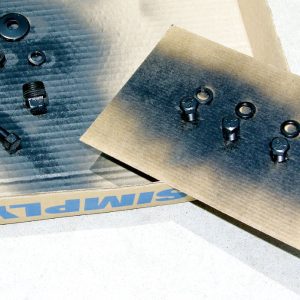
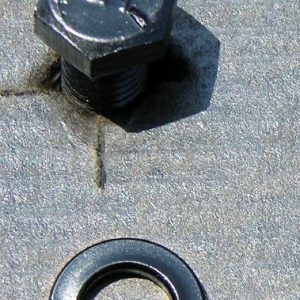
Okay, let’s get started. Using these four chemicals, we’re going to do a quickie steering box cleanup and resto. First, we’ll degrease the box with Gunk Engine Brite. Then, we’ll remove the surface rust with Permatex Rust Dissolver Gel. While we’re at it, we’ll remove the grease plug, the bolts that hold the adjustment cover on, and one at a time, the bolts that hold the steering box to the frame. The bolts will receive a thorough cleaning, wire brushing and a quick dip in a coffee can full of acetone for good measure. When the bolts are super clean, we’ll shoot them with OEM’s awesome Black Oxide, which does a great job at getting bolts back to black without leaving a “painted” look. Our steering box ought to look pretty good after our afternoon redoux. You be the judge.
Hood Hinge And Latch Resto
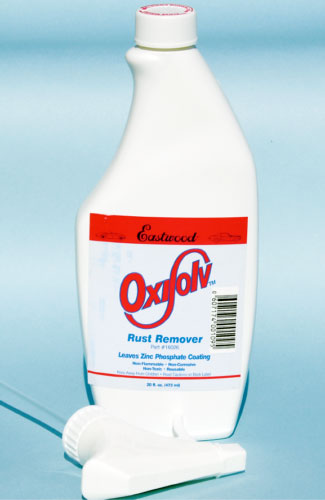
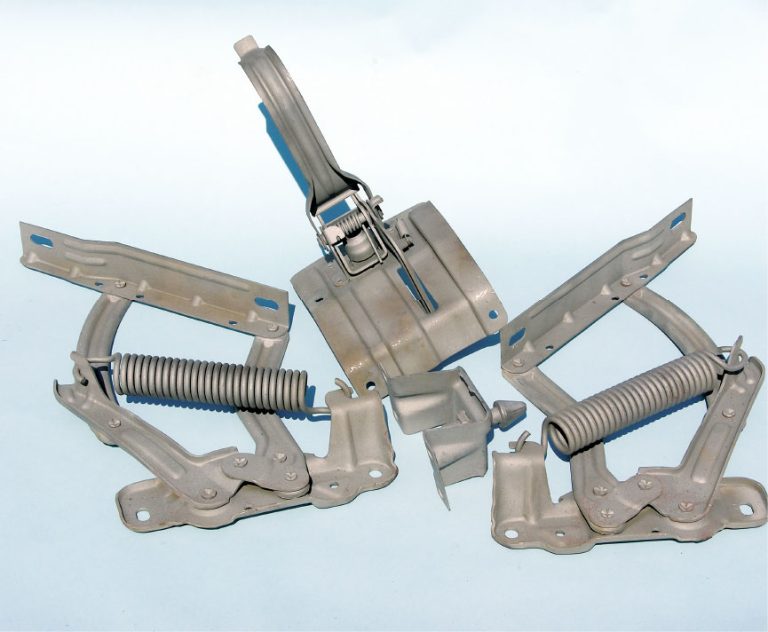
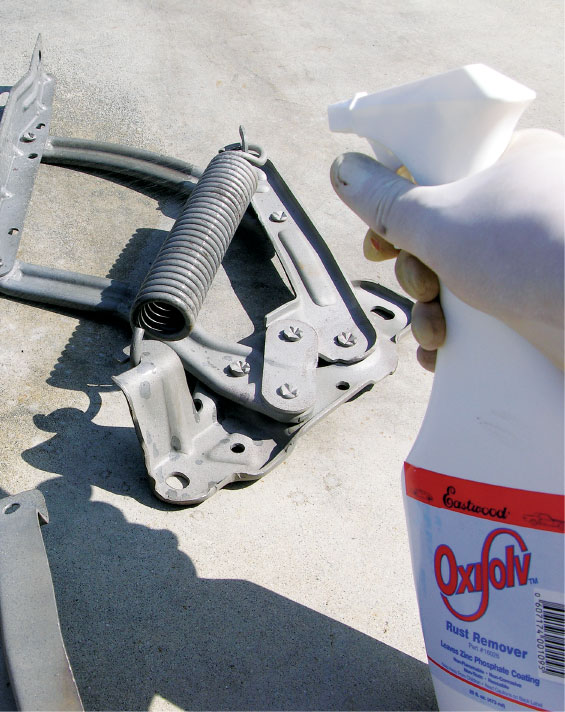
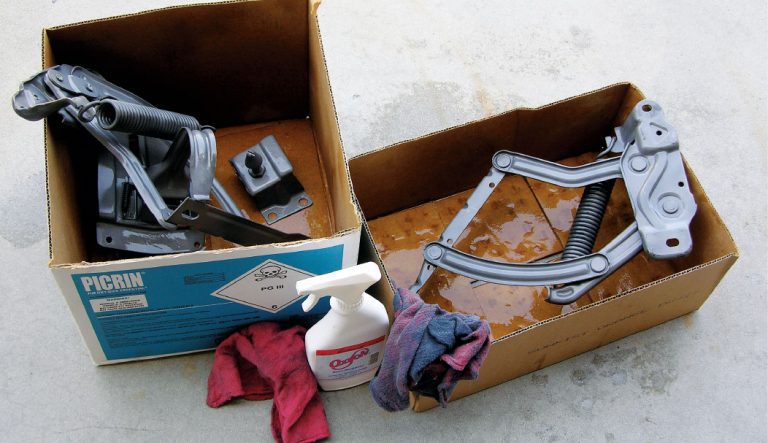
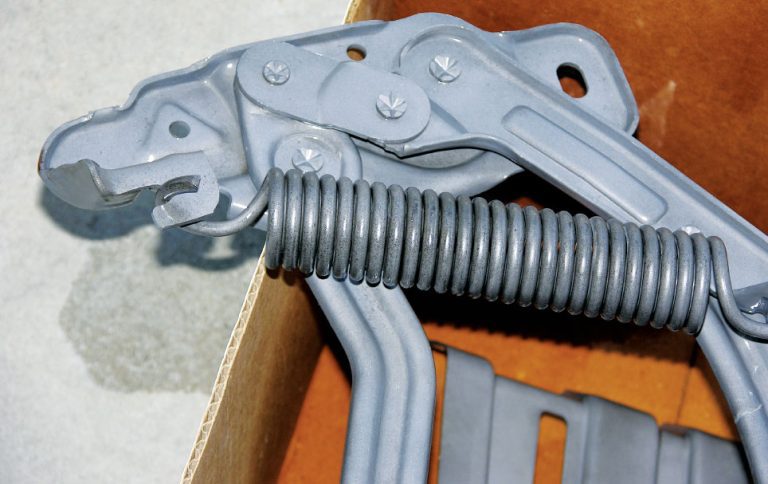
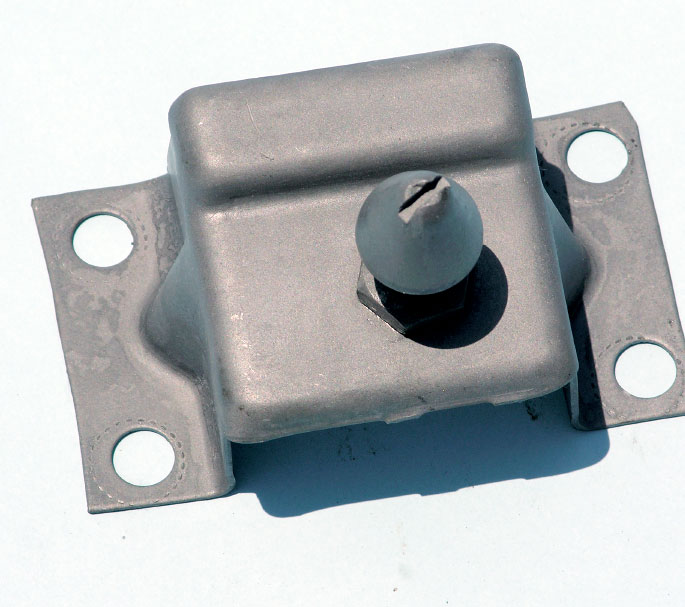
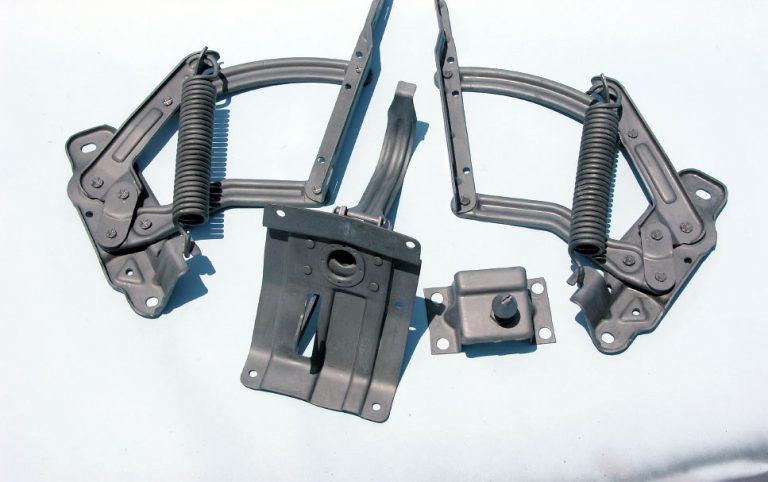
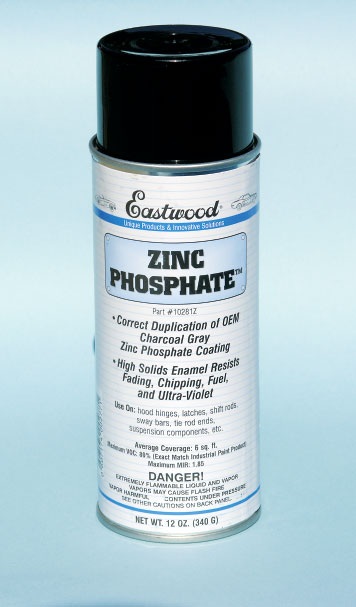
Next, we’re going show you the correct finish for your hood latch and hinges. That finish is zinc phosphate and it used to be that you had to send out for it, but not anymore.