

THE AUTO BUILDER
Featured


Driven Racing Oil’s GP-1 8OW-90 Gear Oil

Road Warrior Tips for Surviving Bad Weather Driving

BAD BOWTIE
Some guys love their Chevys so much that they’ll go out of their way to flush out and record every bit of their cars’ histories. Such is the case with Gene Lavine of Excelsior Springs, Missouri. Lavine is 65 going on 35. A car guy since he was 16, he served his country as a jet fighter pilot and then went on to fly for the Federal Aviation Administration. He also has a Ph.D. and now is vice president of a company that manages collections for more than 30,000 businesses.

From Four to More: A Modern Manual for Your Vintage Mustang
Decades ago, Ford made the jump from four-speed manual transmissions to five-speeds. Newer Cobras even feature six-speeds, so it’s natural that those who own earlier Mustangs with four-speed manuals now feel a little gear envy. Many people love the feel of having a manual transmission, but if you’re still using a four-speed, you’re missing out on a lot of performance and economy potential. Adding a transmission with additional gears places your gears closer together for better acceleration and gives you more gears to choose from for easier cruising. But which transmission is right for your Mustang? You need one that’s strong, smooth and capable of bolting to your engine, and it’s not easy to find all three attributes in the same gearbox.

Project BRONCAROO
Today’s 4x4s have become extremely specialized. At one end of the spectrum are one-off, purpose-built, non-street-legal rock buggies. These are the cream of the rock crop. Most have tube chassis with what seems like nearly 360 degrees of axle articulation. Often the transfer cases are doubled up to produce crawl ratios way beyond the once magical 100:1. They’re obviously awesome, and capable of handling boulders as if they were speed bumps.
Spotlighter
POPULAR READS
-
Product Spotlight: Bill Mitchell Products Aluminum LS Engine Block
-
PRODUCT SPOTLIGHT: 60-66 Chevy C10 Fresh Air Vent Block Off Plate
-
Product Spotlight: Pyramid Optimized Design Sequential Aurora Taillight for 1964½–1966 Mustang
-
PRODUCT SPOTLIGHT: Cam Covers for GEN/3 Coyote from Pyramid Optimized Design
AFTER-CAT INSTALL
A System to Upgrade an Aging Exhaust
Author
Marshall Spiegel
Story & Photography
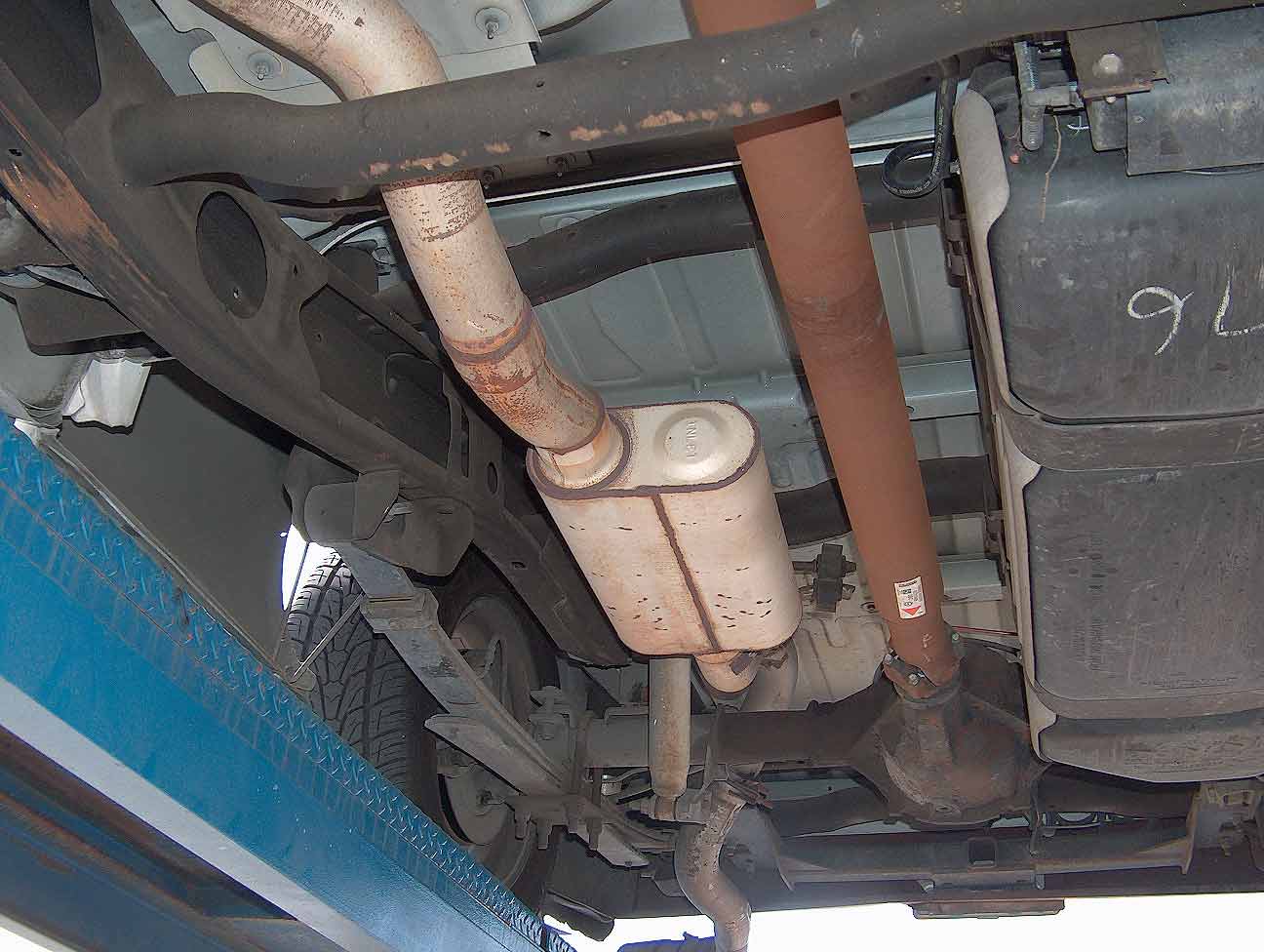
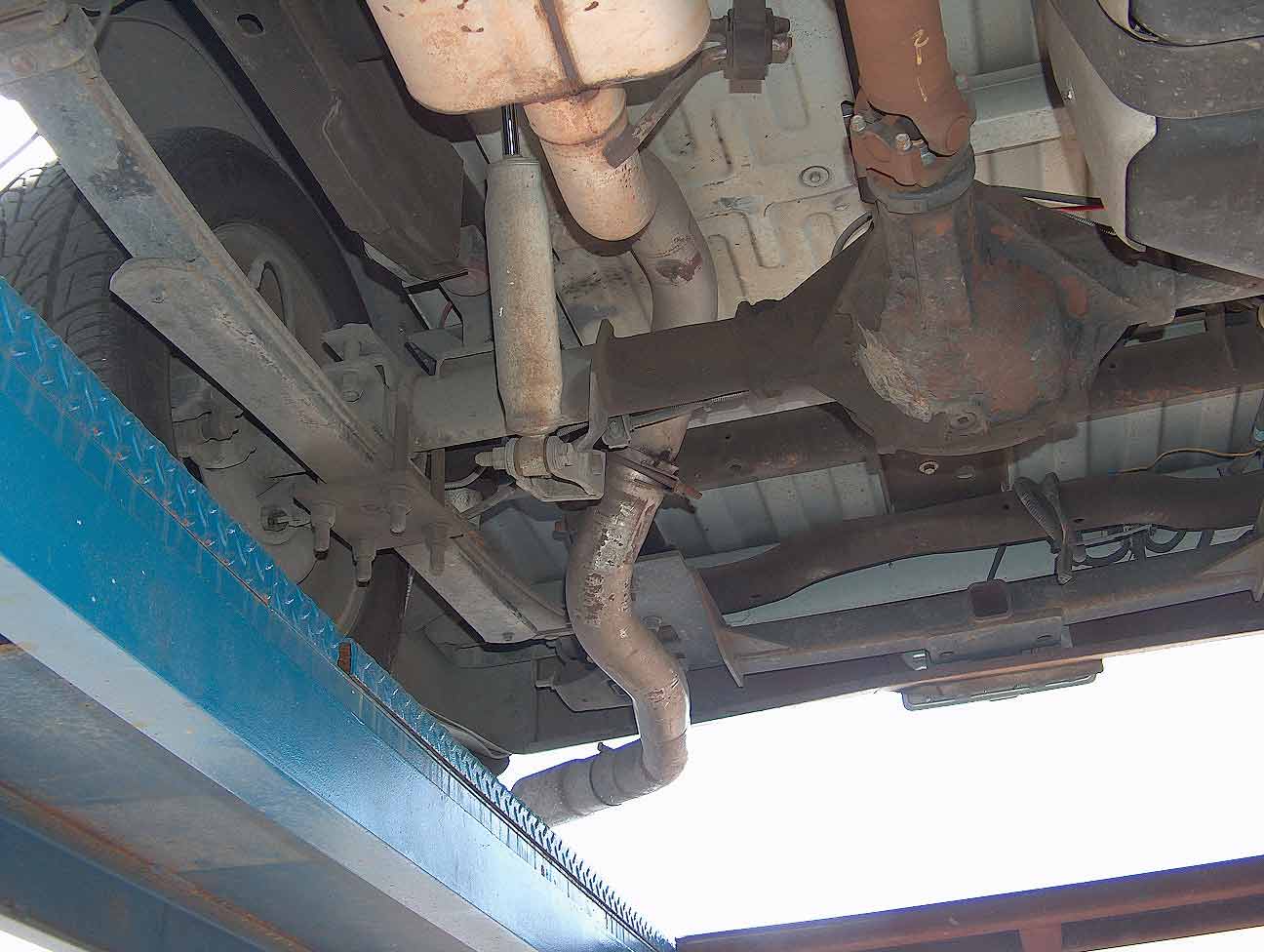
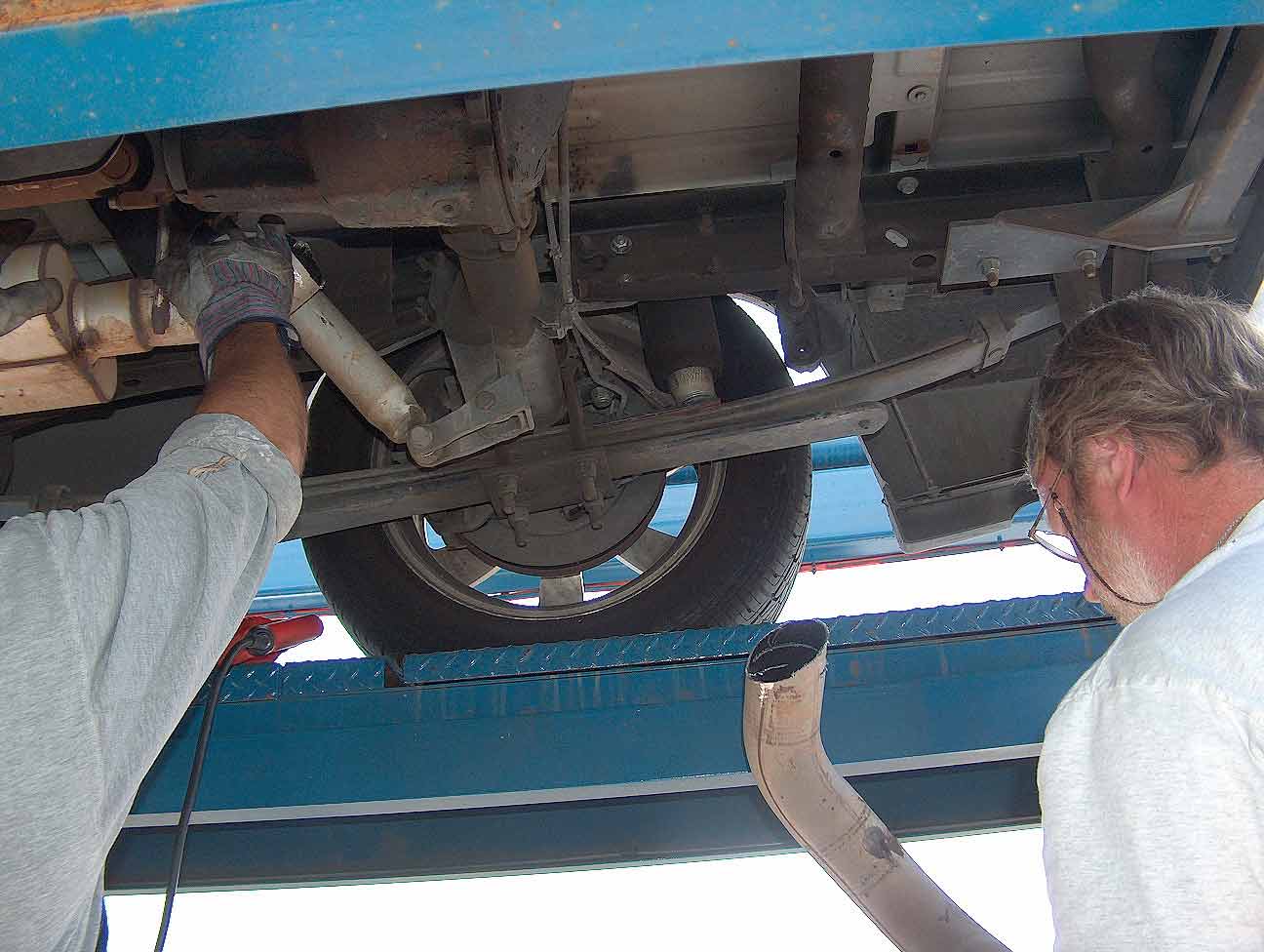
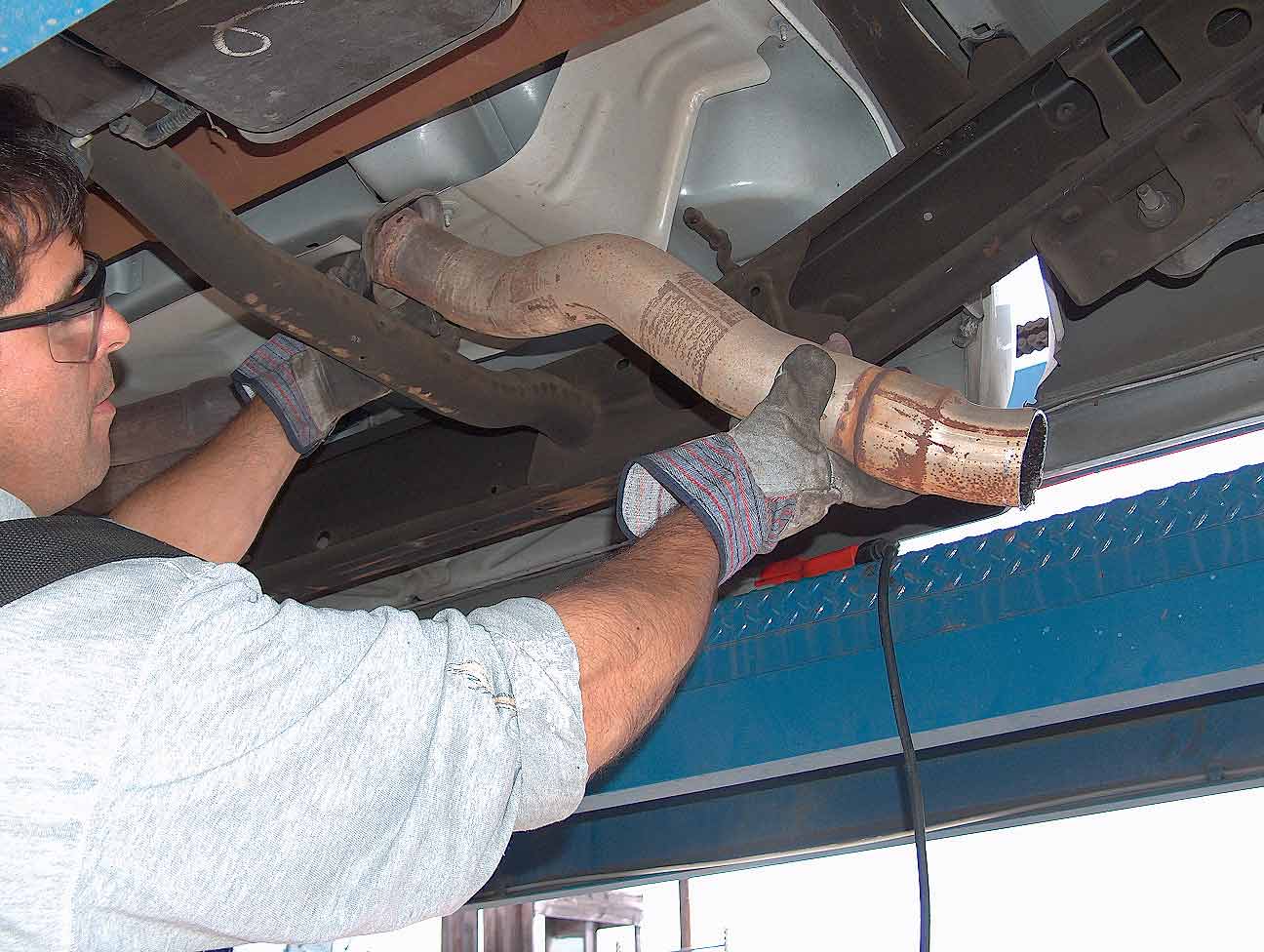
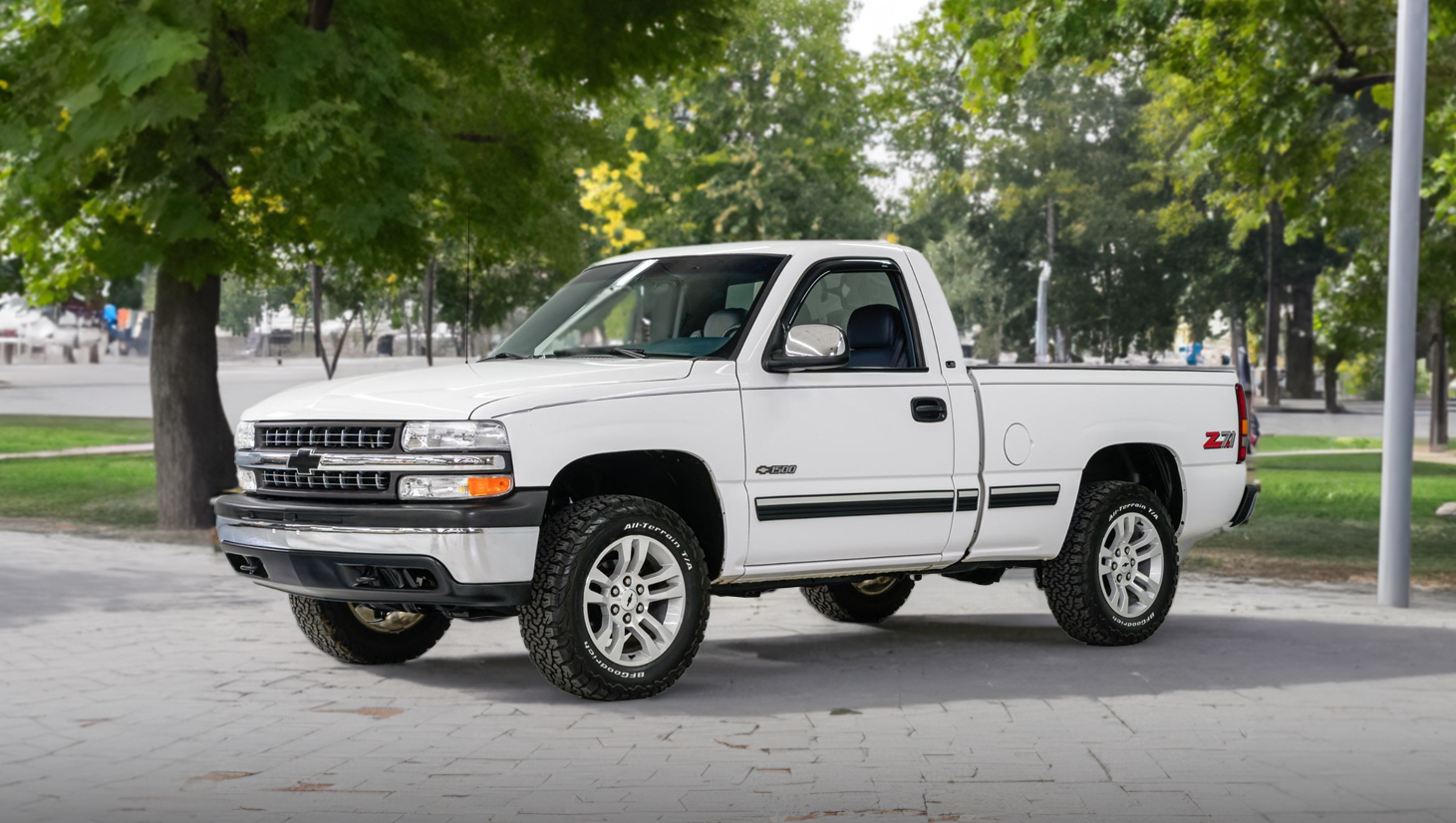
The white ’99 Silverado was beginning to show the wear and tear of fighting the highway wars the last few years. The once proud and pampered show truck—a standard cab shortbed with matching cab-high camper shell—hadn’t spent much time in daily service until recent years, but now it bore its share of dings, dents and scratches. It was obvious that the 50,000 miles on the odometer hadn’t done the 5.3-liter V-8 much good. Part of the reason for the dissipated performance was the exhaust system, a very tired, less-than-top-quality aftermarket after-cat that had started banging, squeaking and leaking.
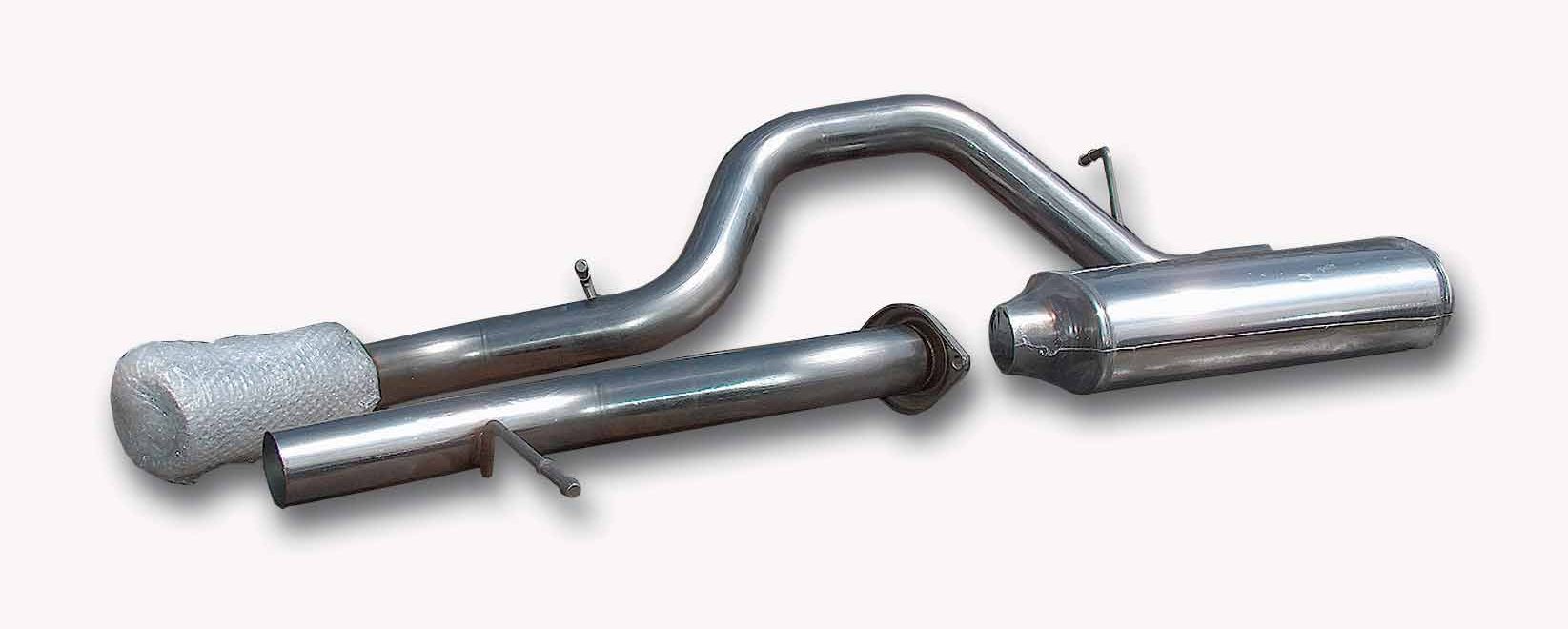
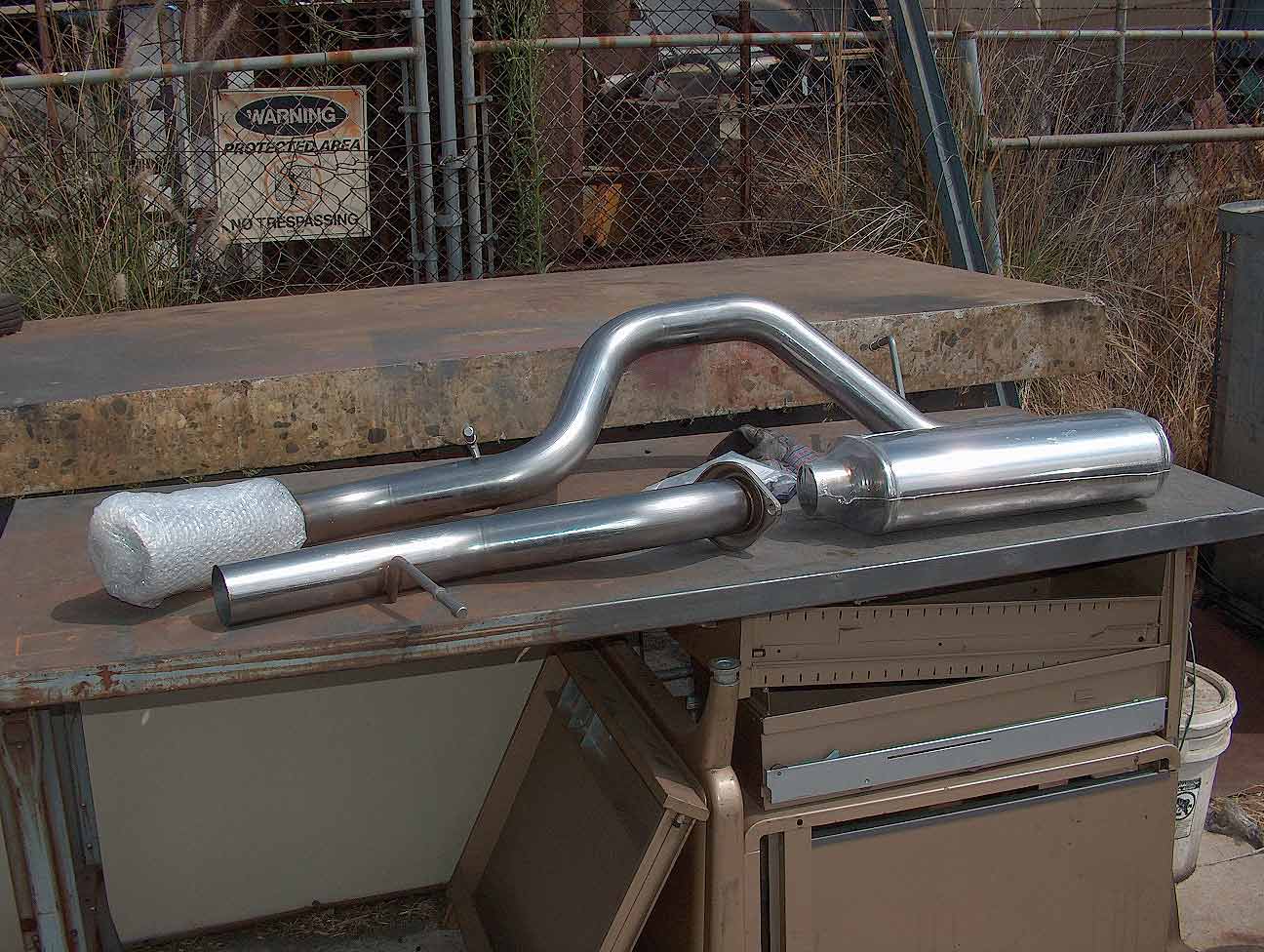
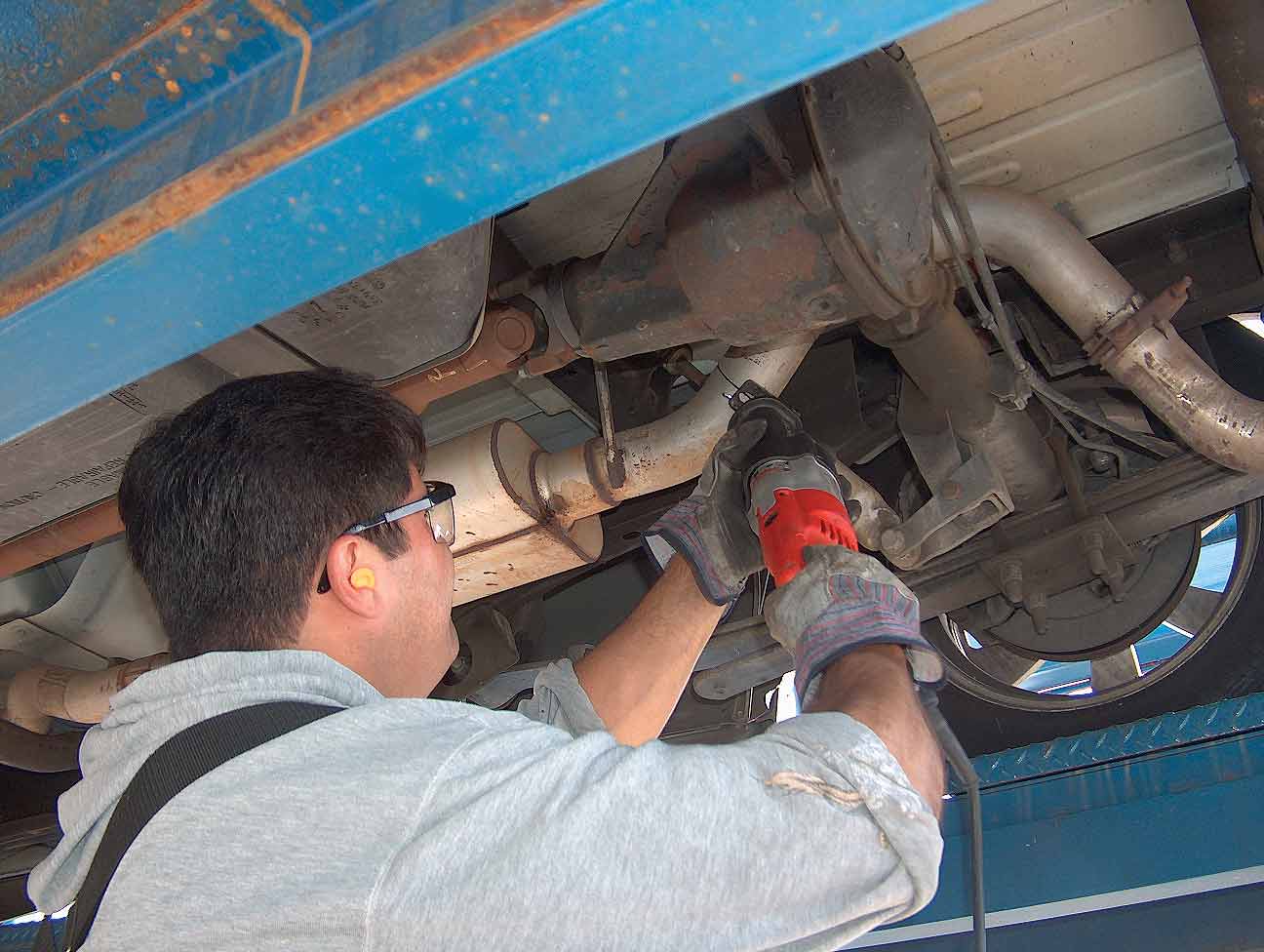
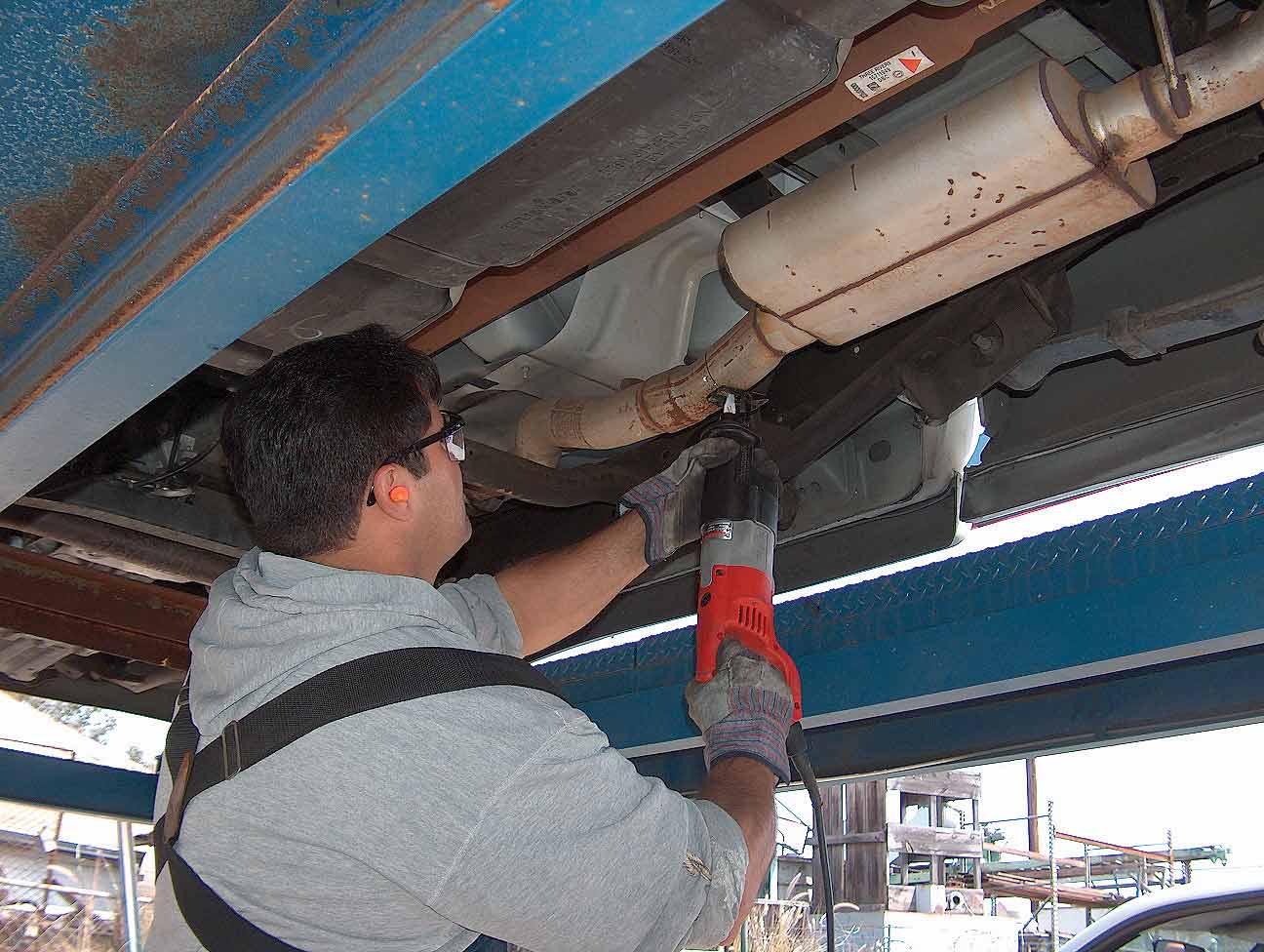
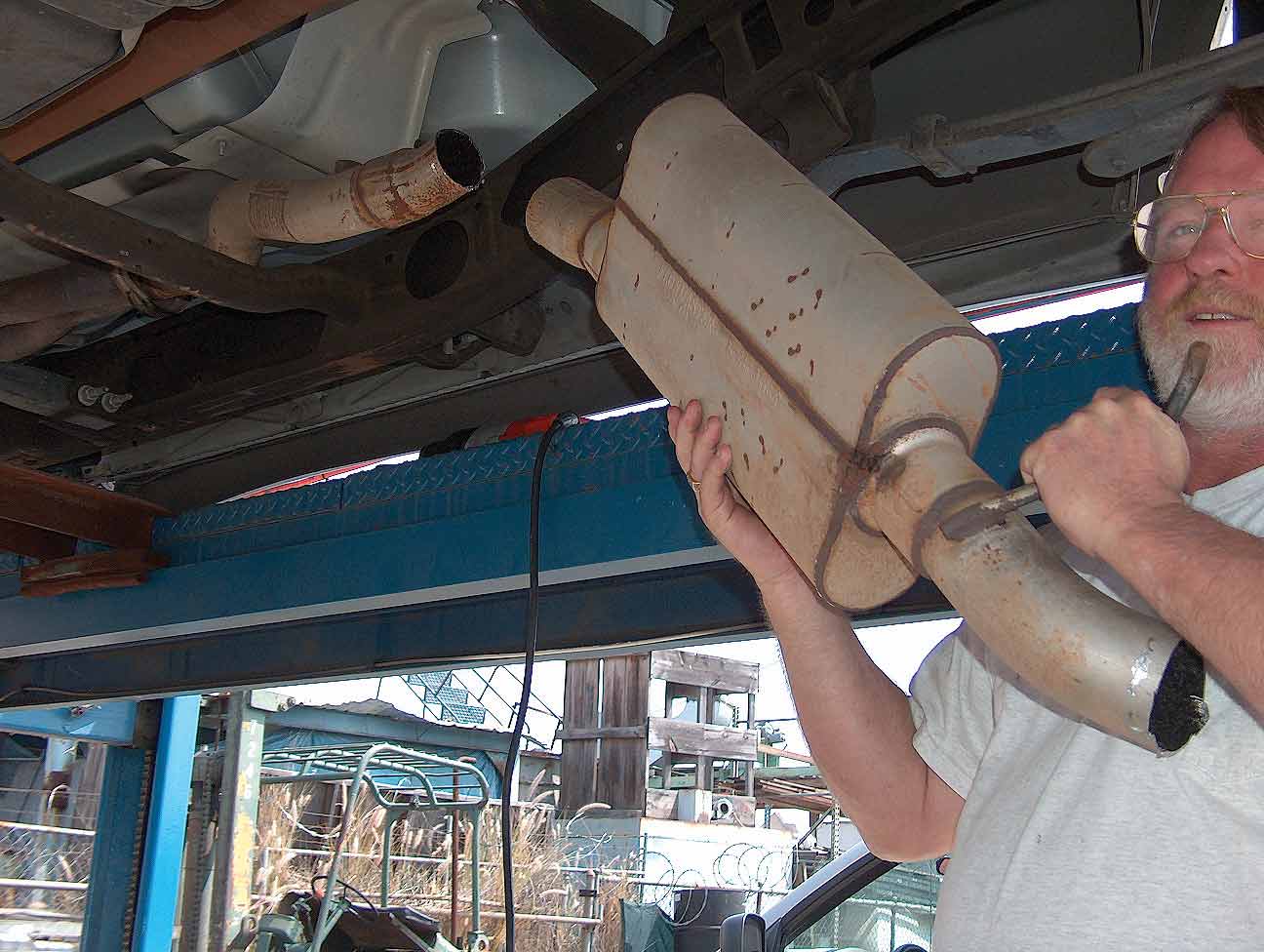
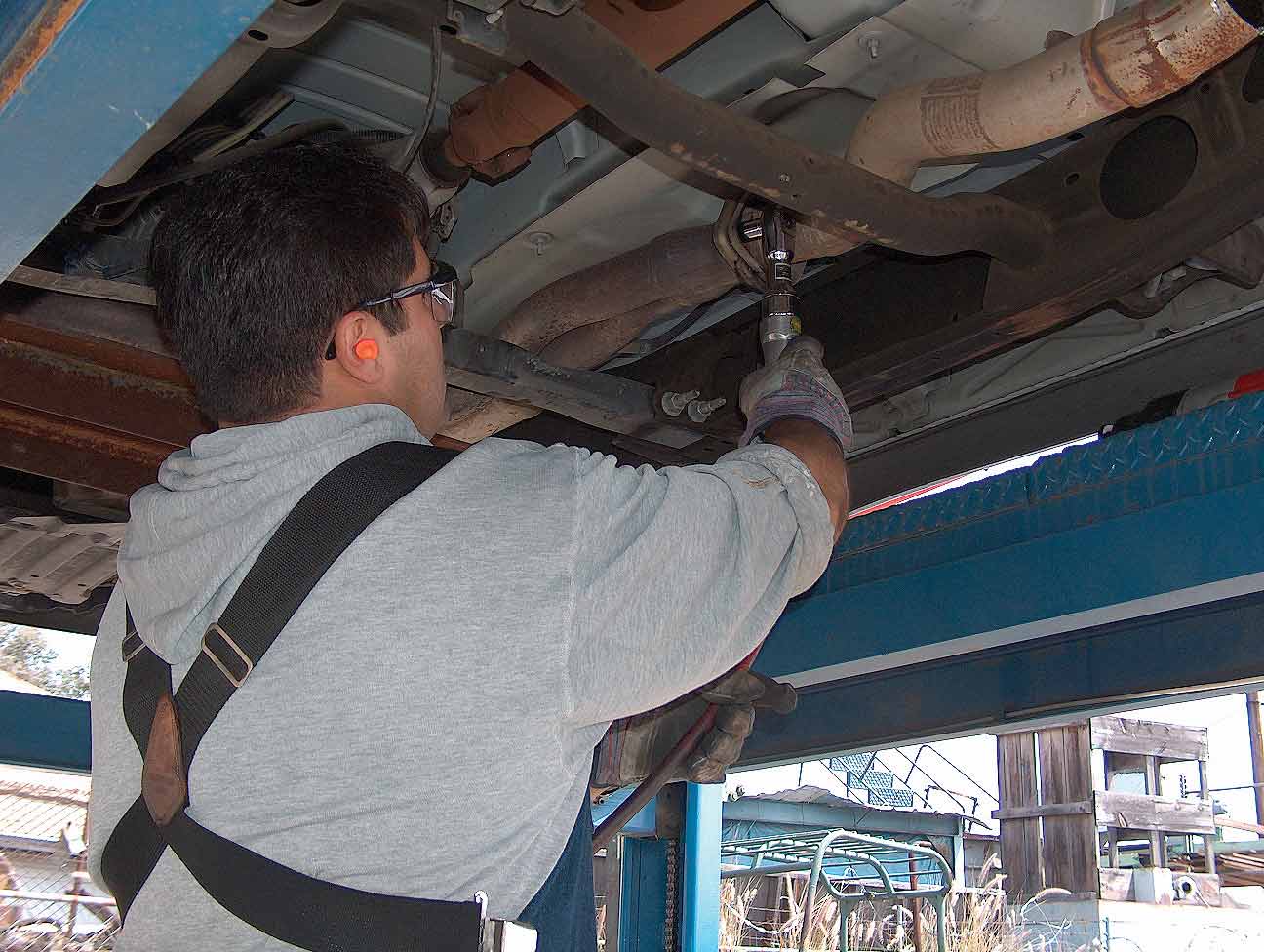
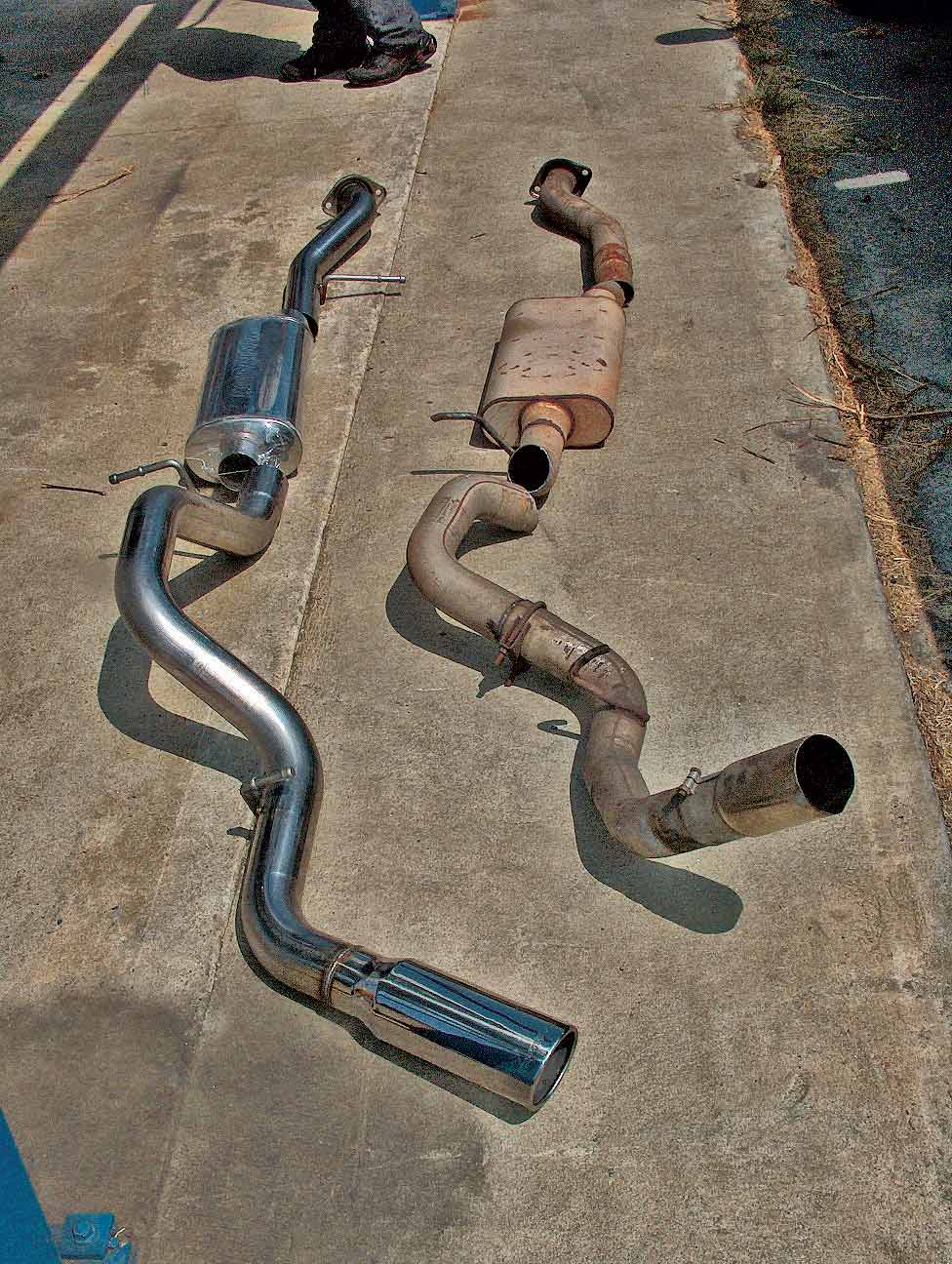
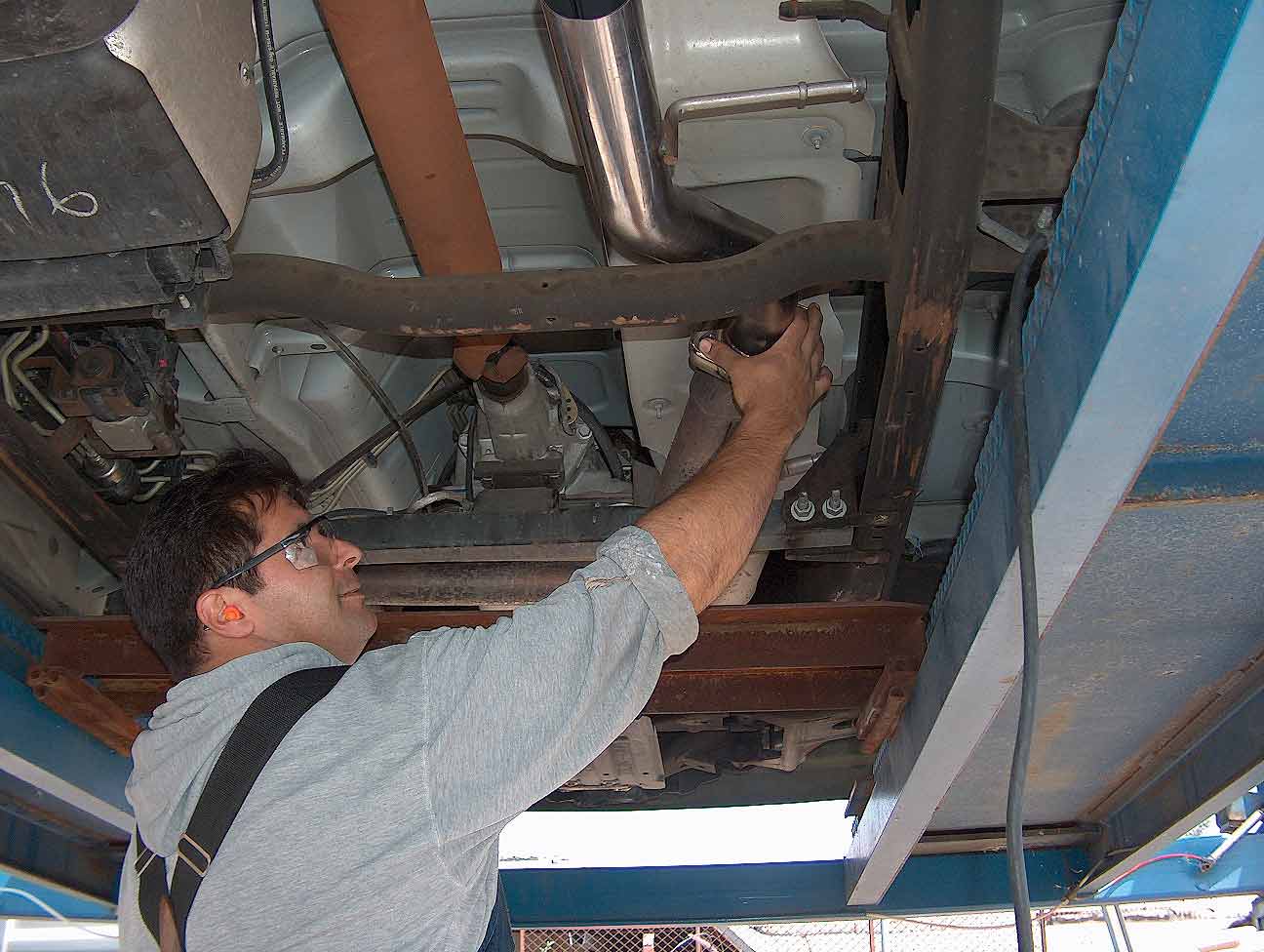
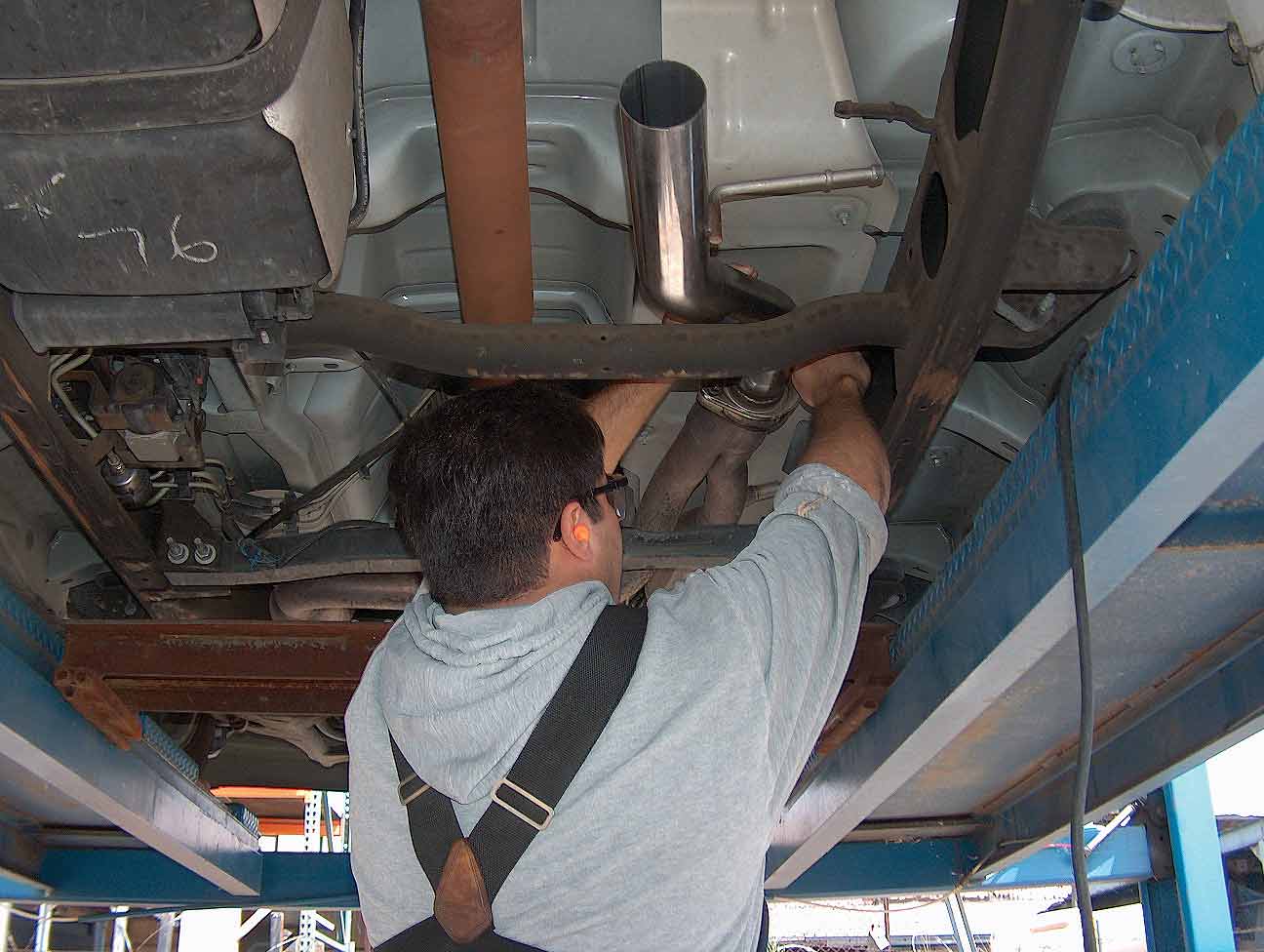
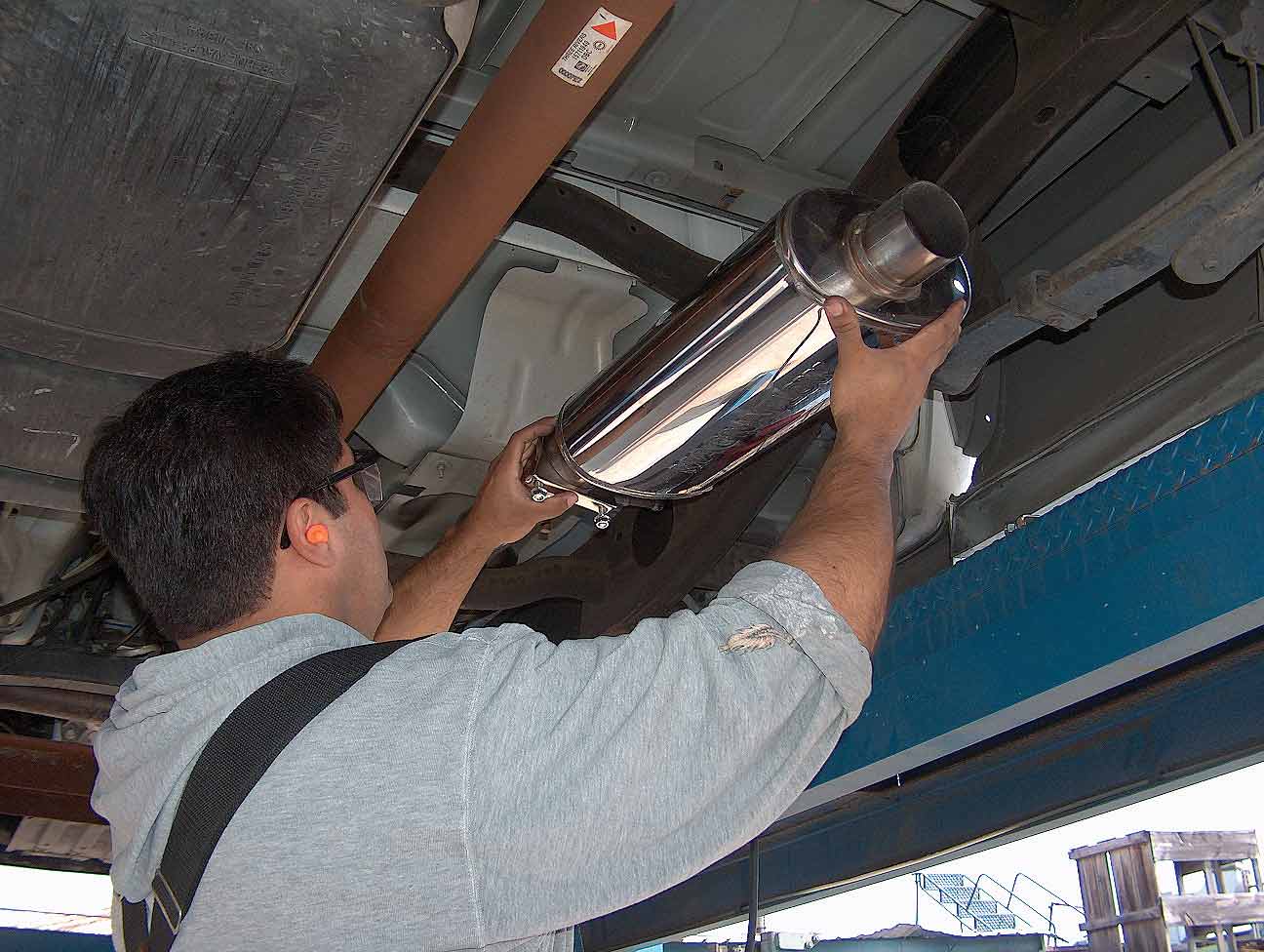
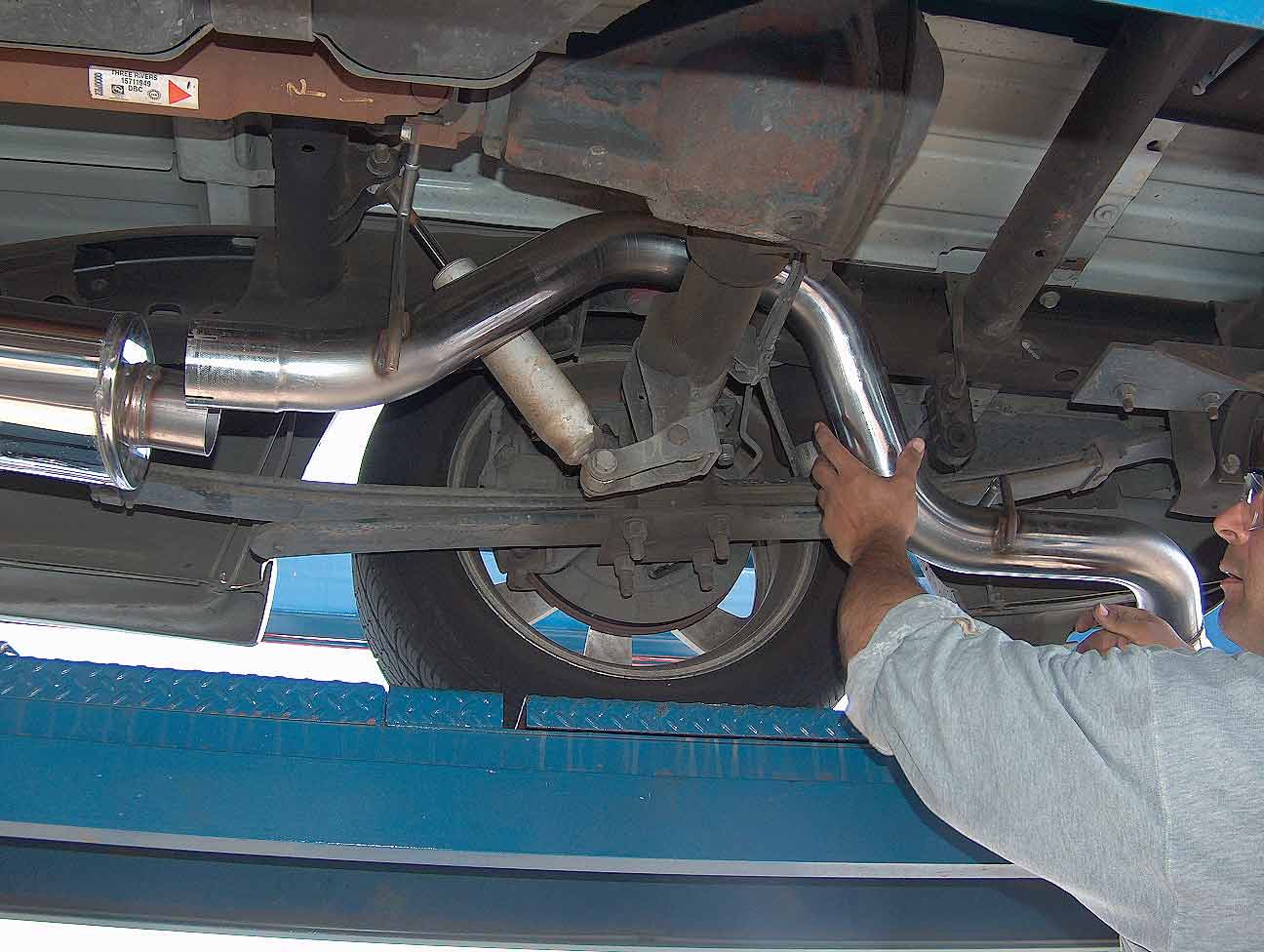
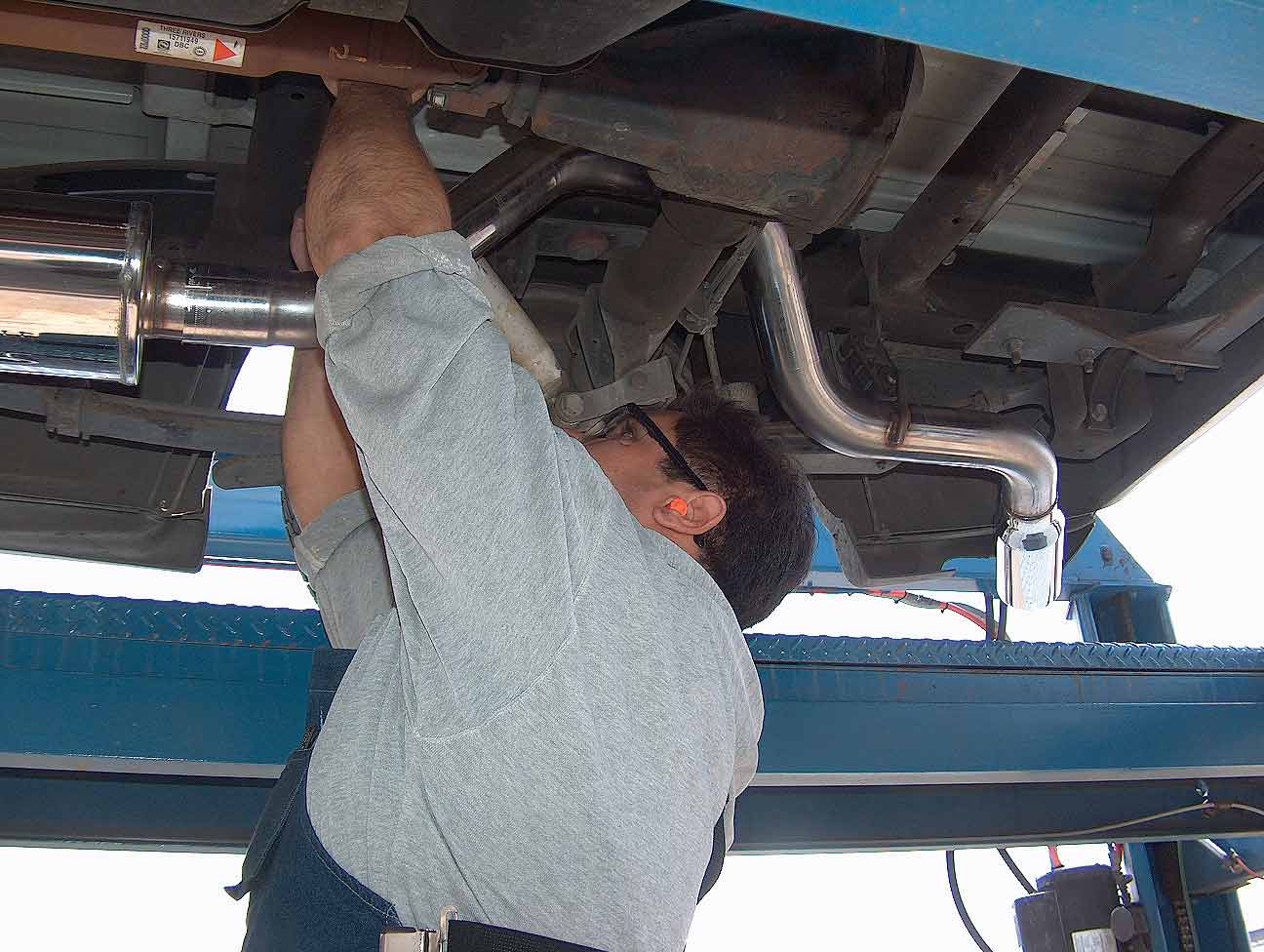
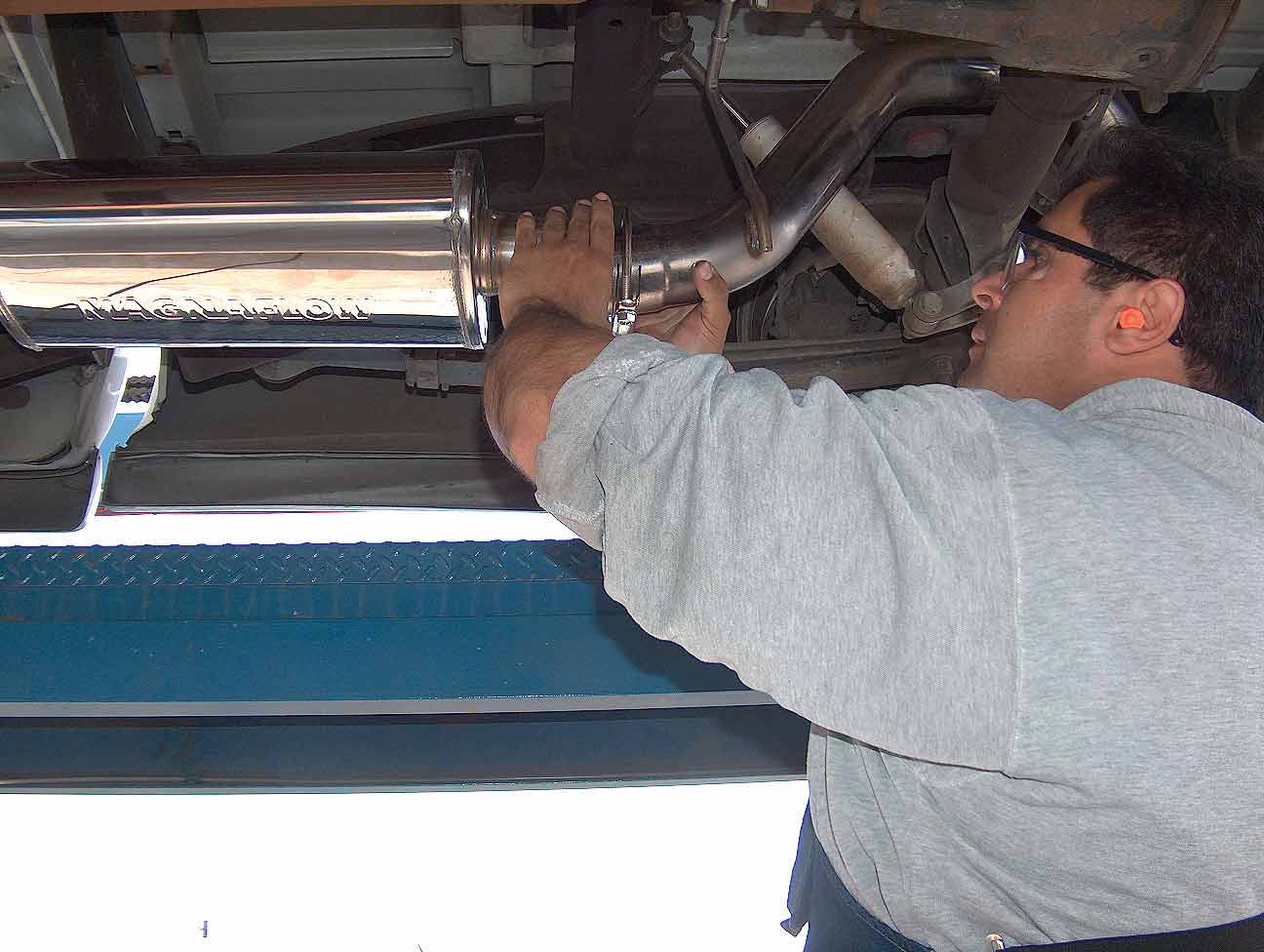
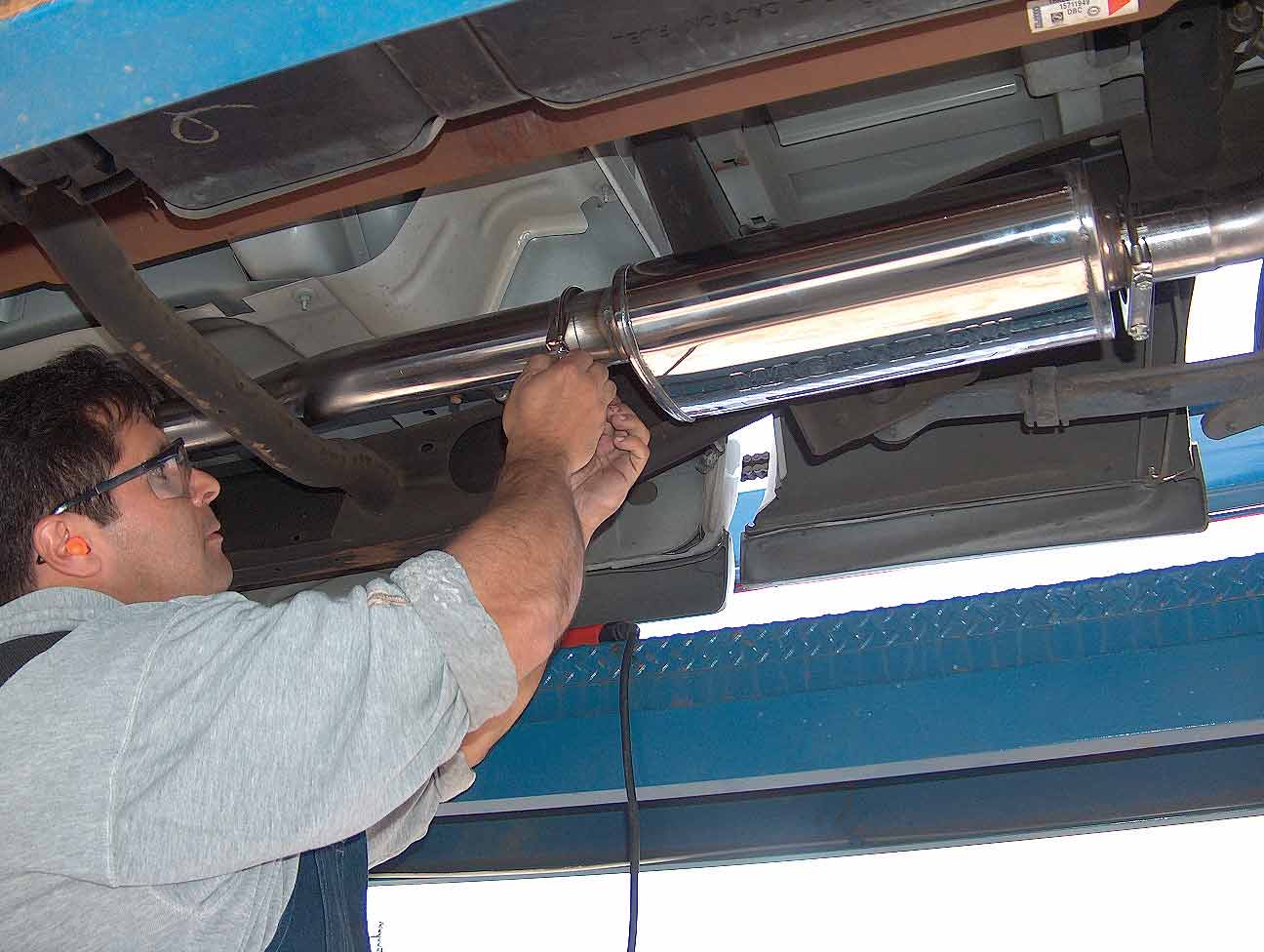
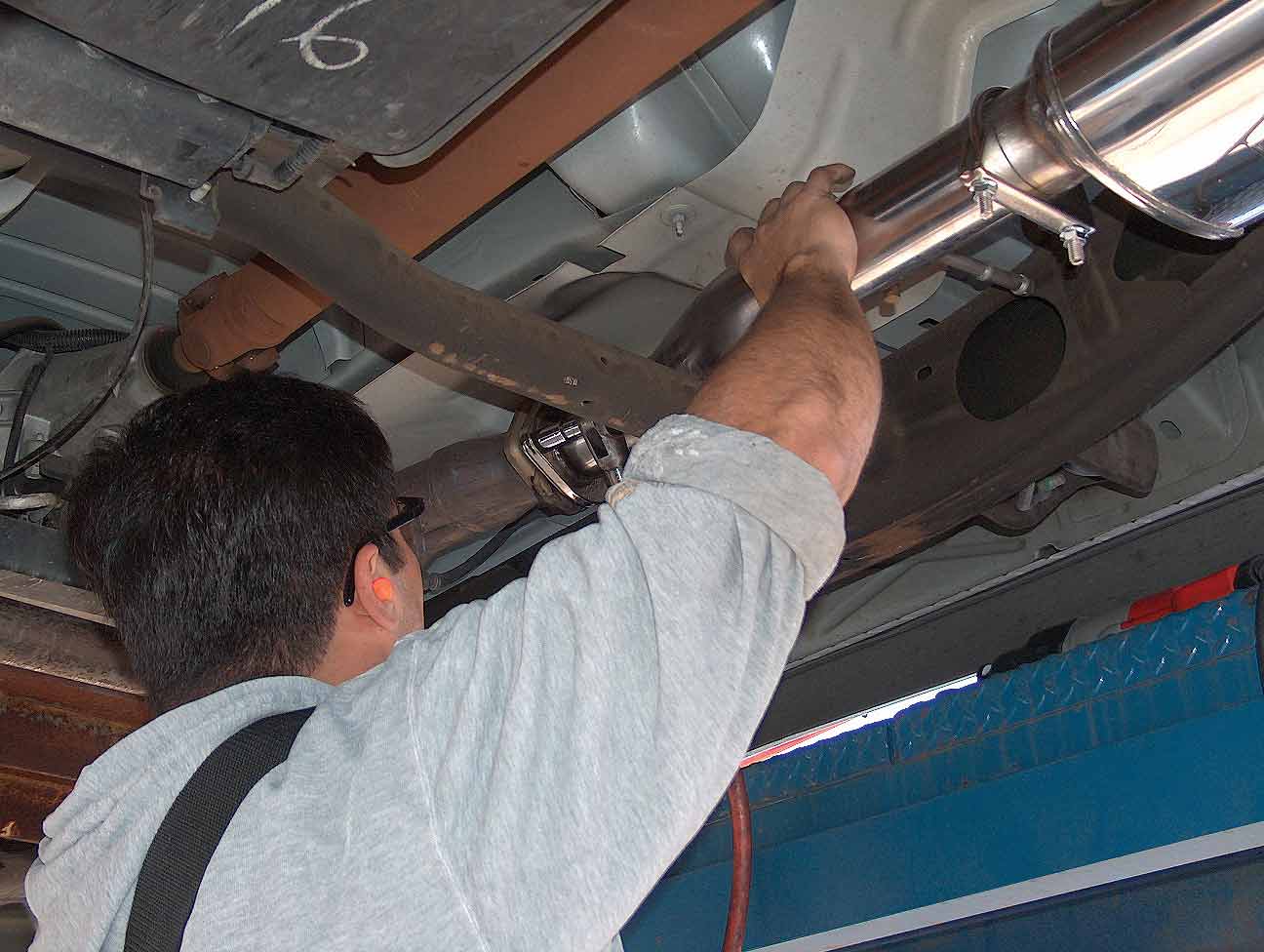
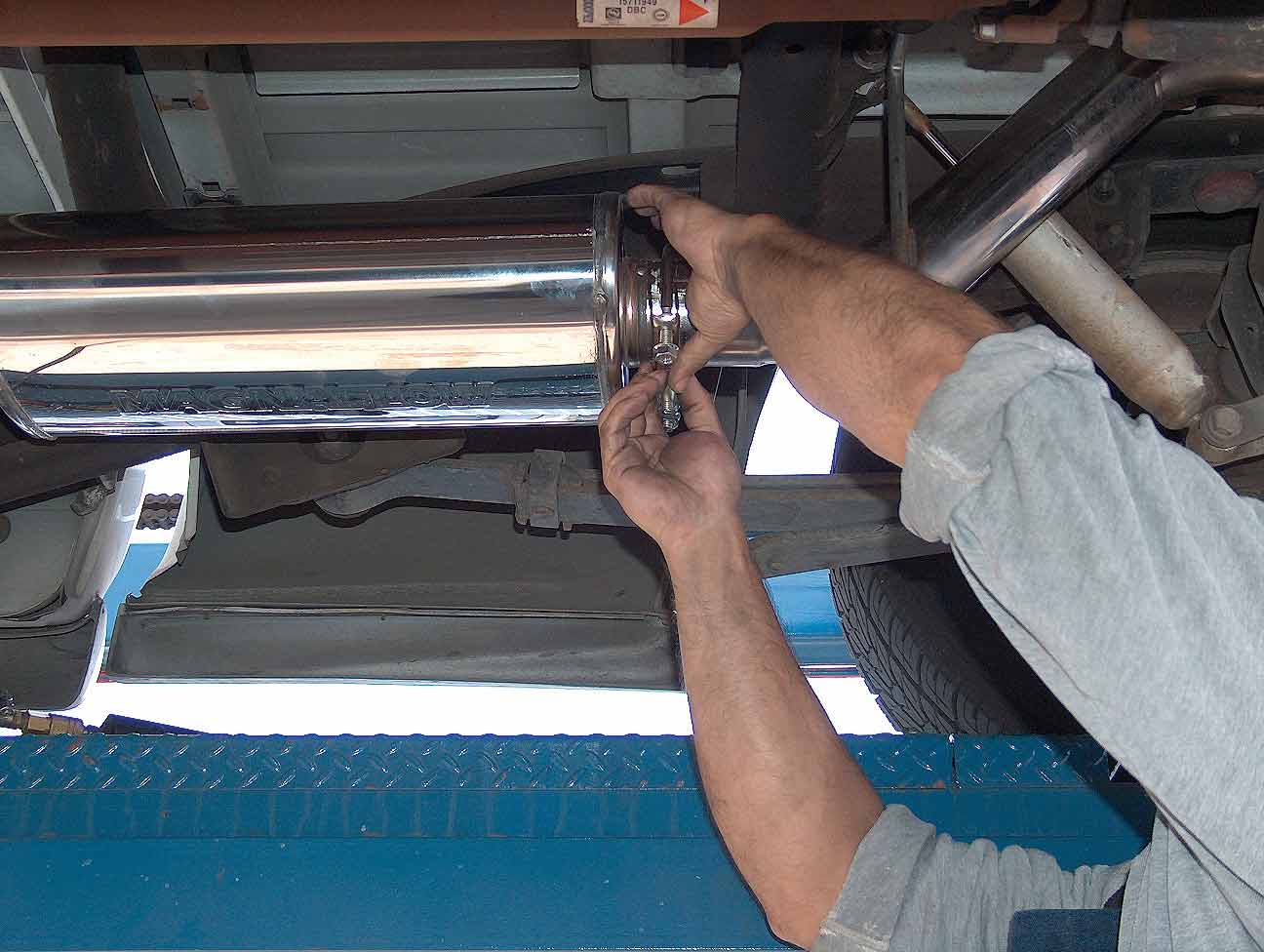
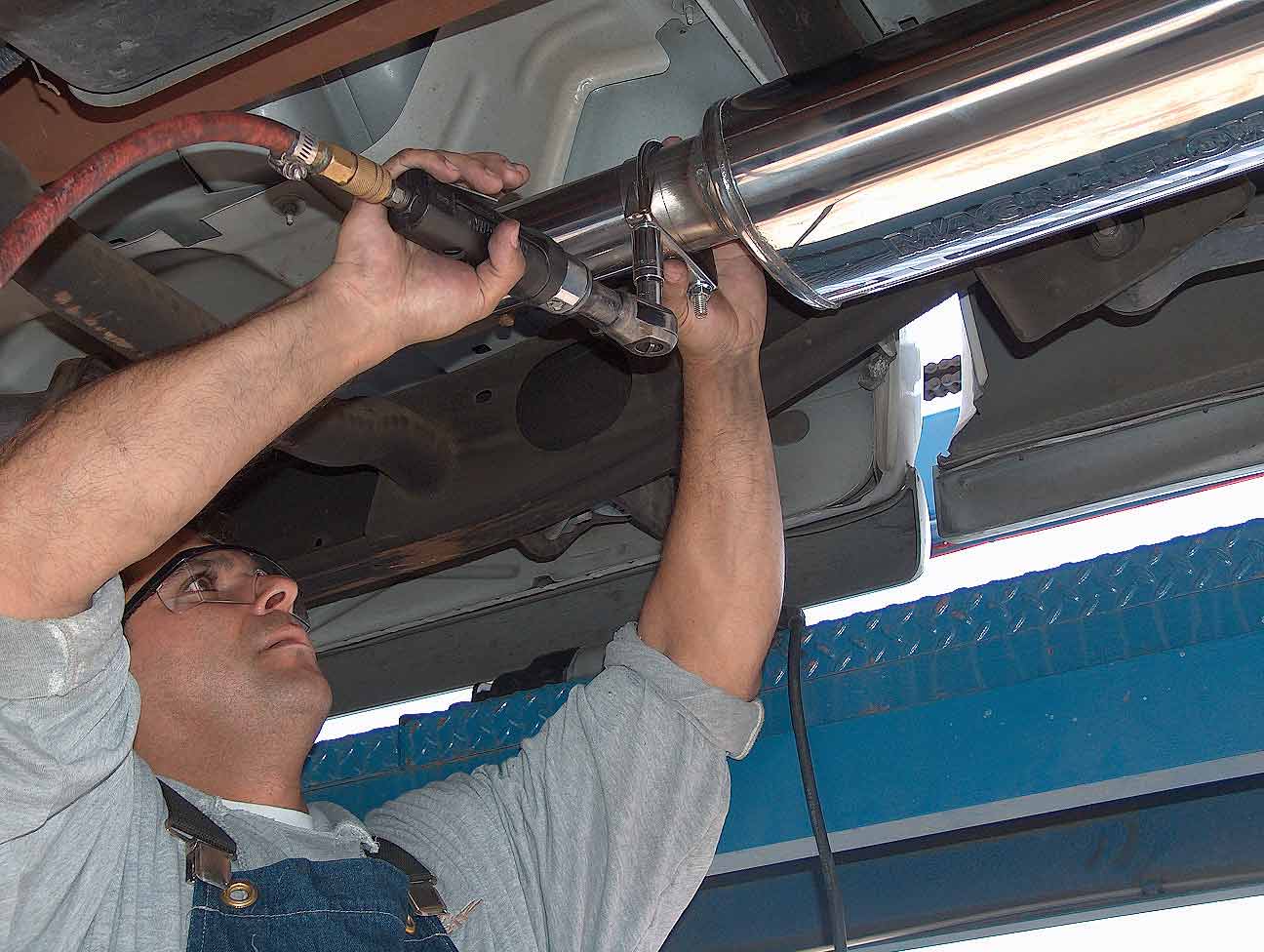
Installing a new after-cat from MagnaFlow was at the top of this owner’s agenda. He acquired a MagnaFlow (part No. 15617) polished stainless steel aftercat performance system for his Chevy, and because he’s in the automotive business and has a lift at his own facility, all he had to do was enlist the help of a colleague experienced in exhaust system installs to lend a hand with the hookup.
Both after-cat systems—the old aftermarket system previously installed in the Silverado and the new MagnaFlow system—are mandrel bent, which means that the tubing is the same diameter and configuration throughout. For cost and speed of manufacturing reasons, original factory systems are, for the most part, press bent. This means that the tubing is slightly distorted (pinched) in places along the bend. These cheaper, press-bent factory systems do not do as effective a job of evacuating exhaust gases, which is why aftermarket systems such as the MagnaFlow are known to produce a little more power, depending upon the system and application. In addition, the MagnaFlow system, advertised as a “straight-through” performance exhaust, is devoid of restrictive baffles in the muffler.
The reported performance level of a stock ’99 5.3-liter Silverado is about 228 hp. With an aftermarket system like the one removed here, the Silverado would likely produce 230-236 hp, while the MagnaFlow system is claimed to produce 240-248 hp. You might also expect some advantage with the MagnaFlow system in fuel mileage—perhaps up to a mile per gallon, if driven accordingly. While we did not test these results, any decrease in backpressure is a move in the right direction.
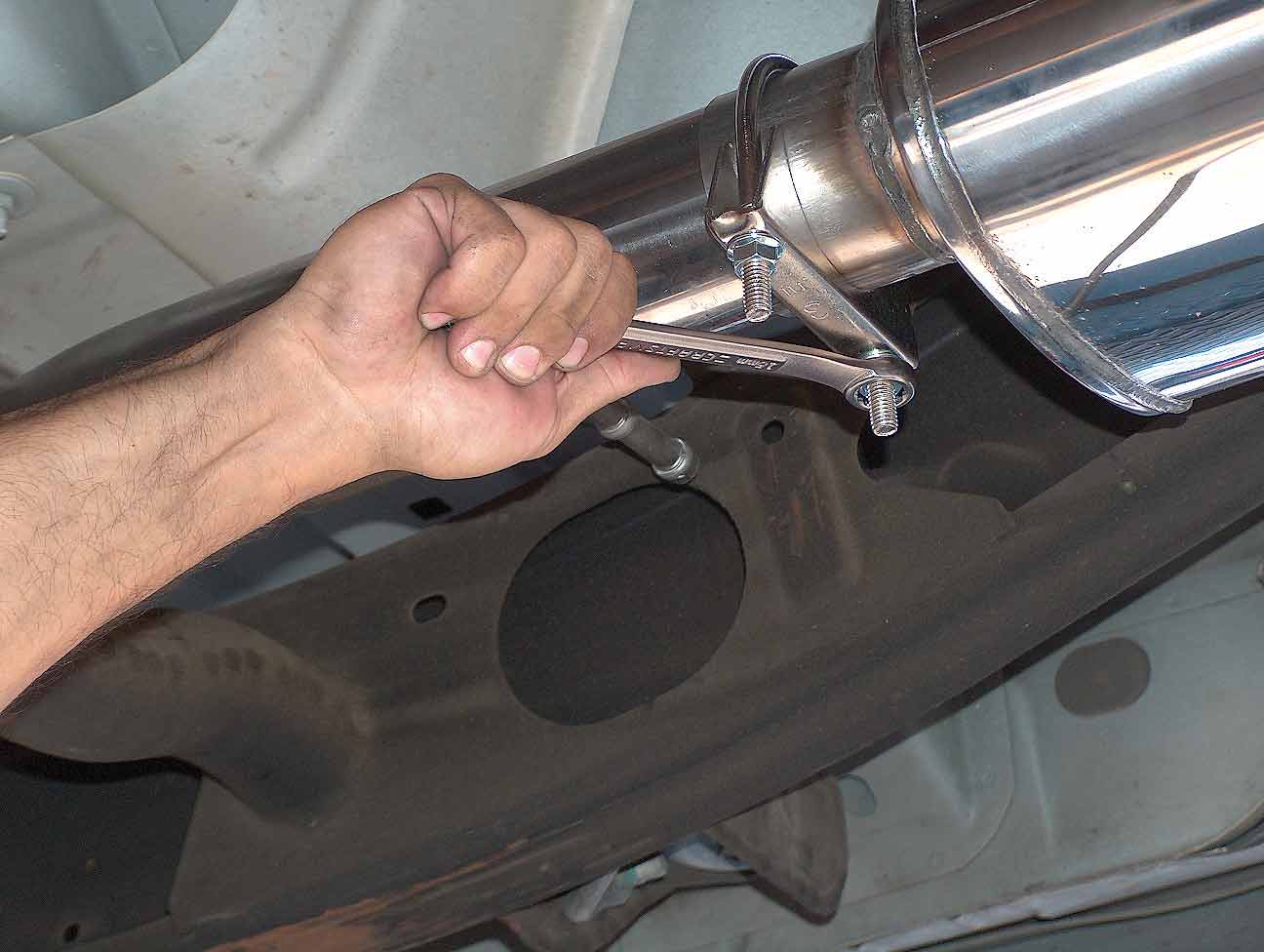
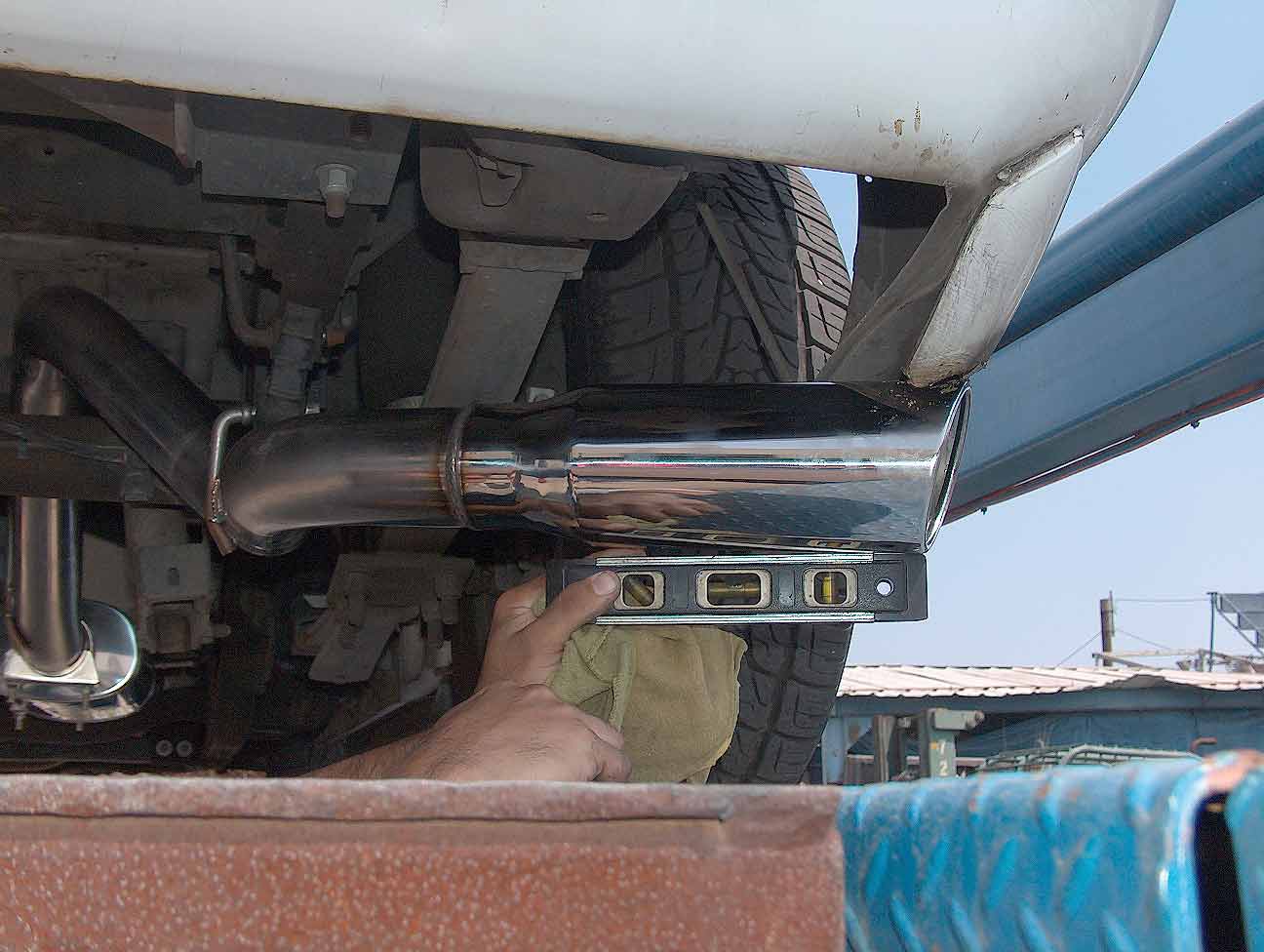
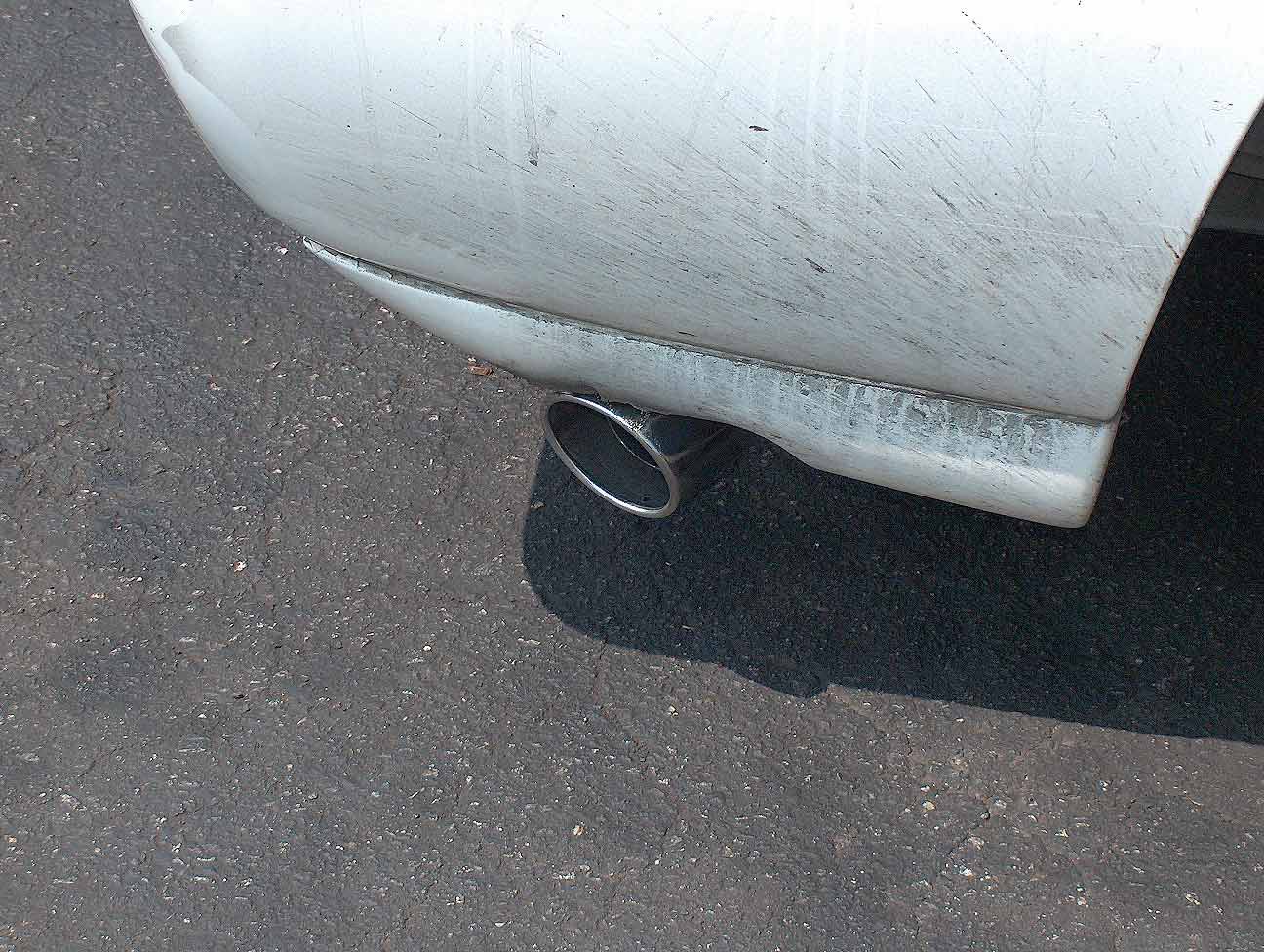
Installing the MagnaFlow system in this Silverado proved to be a quick, straightforward install. The accompanying photos show those highlights.
ARTICLE SOURCES
MagnaFlow Performance Exhaust
22961 Arroyo Vista
Rancho Santa Margarita, CA 92688
949/858-5900